Biodiversity Heritage Library - Program news and collection highlights from BHL
  • Home
  • News
  • Featured Books
    • All Featured Books
    • Book of the Month Series
    • BHL at 20
  • User Stories
  • Campaigns
    • Fossil Stories
    • Garden Stories
    • Monsters Are Real
    • Page Frights
    • Her Natural History
    • Earth Optimism 2020
  • Tech Blog
  • Visit BHL
Home
News
Featured Books
    All Featured Books
    Book of the Month Series
    BHL at 20
User Stories
Campaigns
    Fossil Stories
    Garden Stories
    Monsters Are Real
    Page Frights
    Her Natural History
    Earth Optimism 2020
Tech Blog
Visit BHL
  • Home
  • News
  • Featured Books
    • All Featured Books
    • Book of the Month Series
    • BHL at 20
  • User Stories
  • Campaigns
    • Fossil Stories
    • Garden Stories
    • Monsters Are Real
    • Page Frights
    • Her Natural History
    • Earth Optimism 2020
  • Tech Blog
  • Visit BHL
Biodiversity Heritage Library - Program news and collection highlights from BHL
BHL News, Blog Reel

Exporing Finnish biodiversity during GBIF 24

Biodiversity Excursions

BHL Chair Constance Rinaldo and BHL Program Director Martin Kalfatovic each took advantage of the opportunities provided by our Finnish hosts of GBIF 24 for excursions to explore Finnish biodiversity. Rinaldo explored Nuuksio National Park and Kalfatovic, Vallisaari and Suomenlinna.
 
Nuuksio National Park
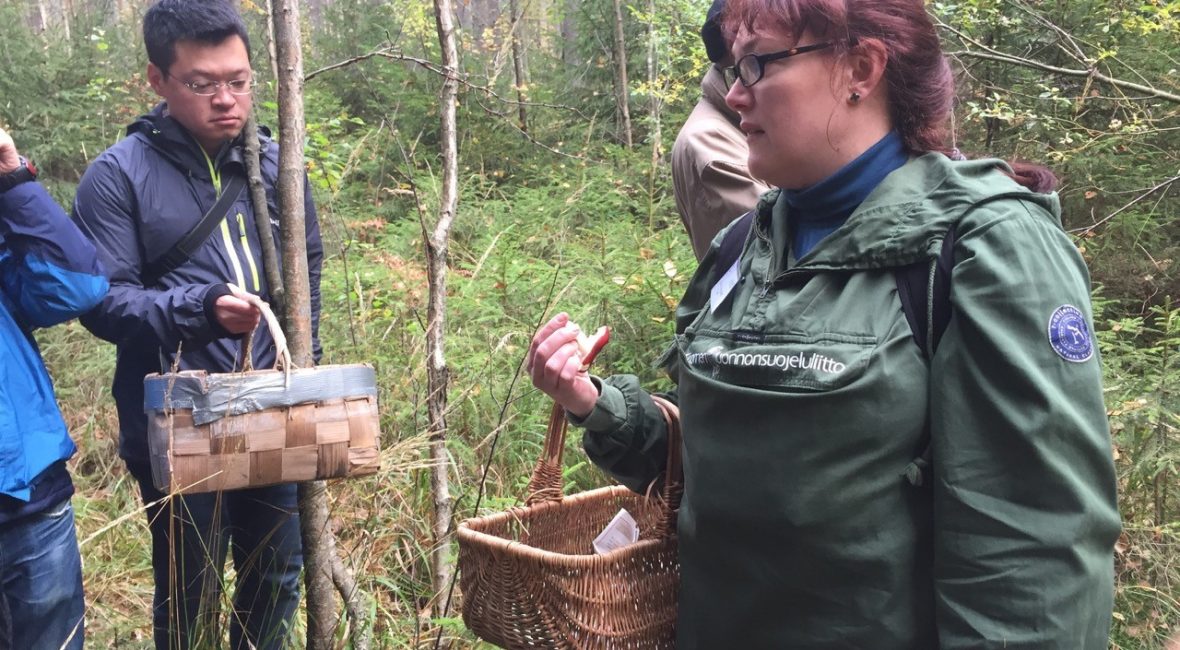
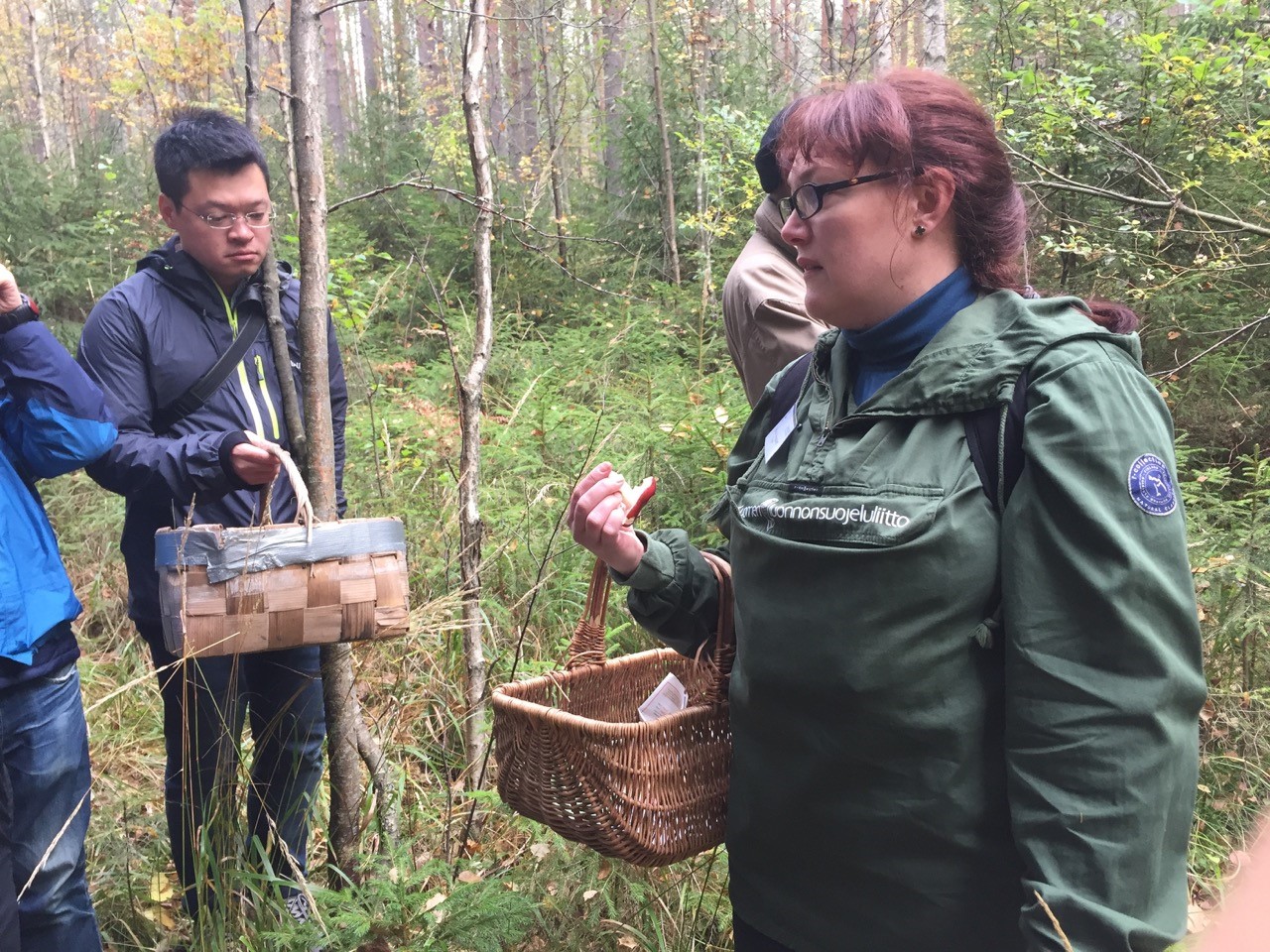
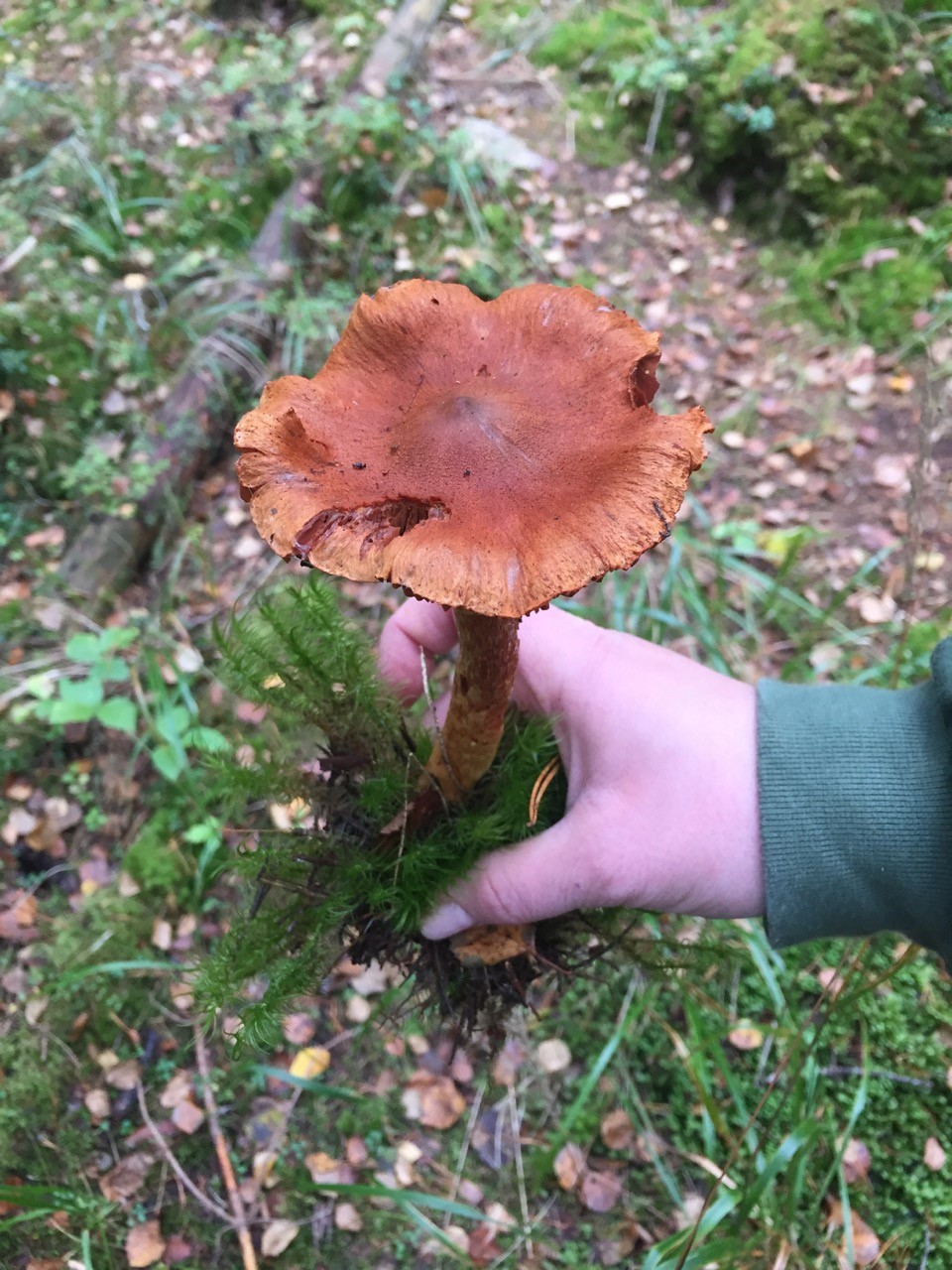
FinBio organized a trip to Nuuksio National Park which is located on the border of an oak forest zone and the southern boreal forest zone. Prominent in the landscape are valleys and gorges formed by glaciers and barren rocky hills covered by lichen and sparse pine forest. At some places the hills reach 110 meters above sea level.  This beautiful park is less than an hour’s drive from Helsinki and has wild trails and many lakes.  We wandered the trails with our guide from Green Window and hunted mushrooms under the tutelage of Tea von Bonsdorff from the Finnish Natural History Museum.
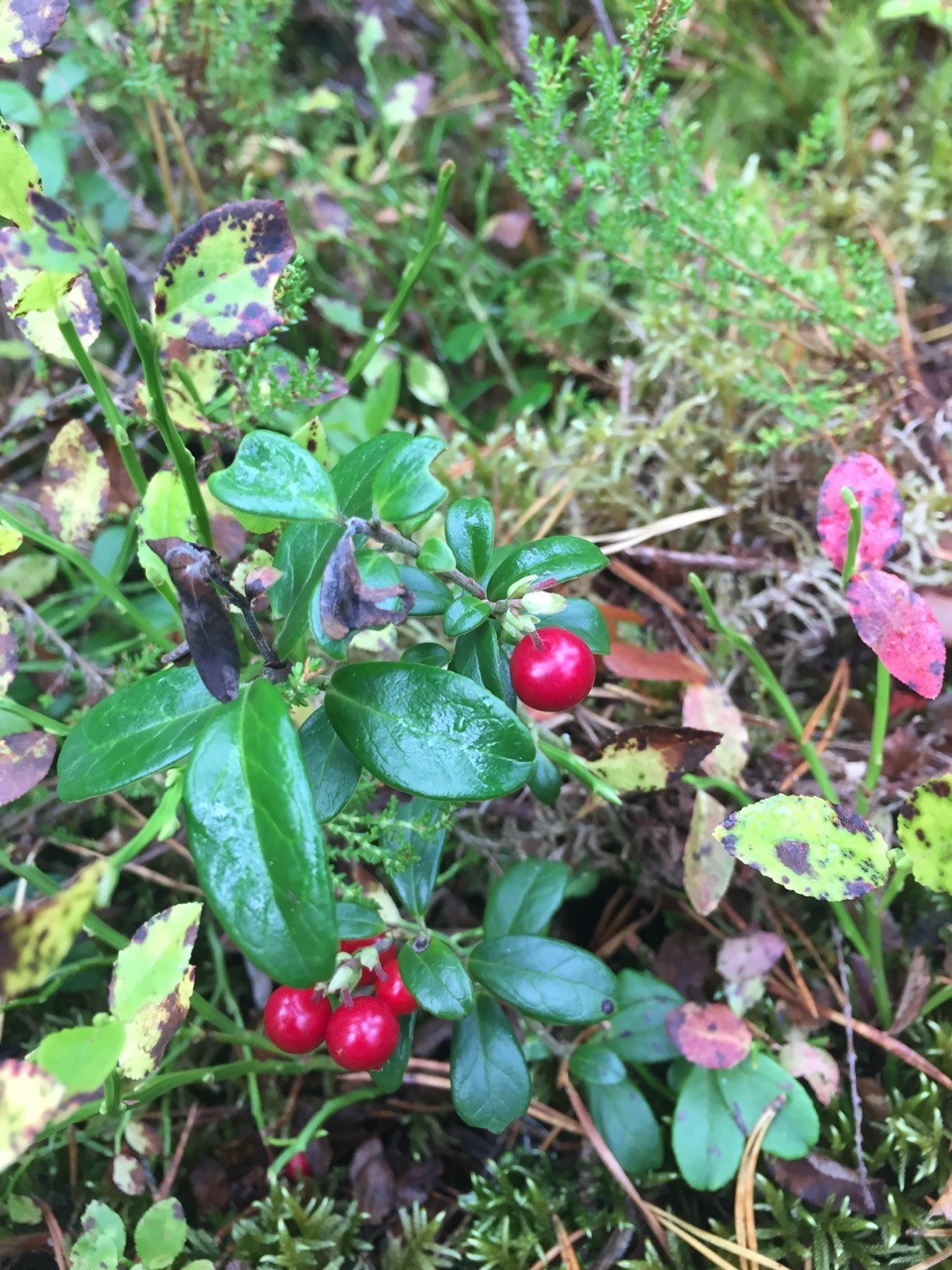
Along the way we foraged on bilberries (probablyVaccinium myrtillus)  and lingon berries (Vaccinium vitis-idaea) while viewing the beautiful landscapes.  In the Helsinki market, bilberries were sold as “sour blueberries” alongside “sweet blueberries”.  While they were slightly more sour than a standard blueberry, they were delicious. The lingon berries were sweeter than the cranberries (Vaccinium macrocarpon) we find in eastern North America but still had a bite.
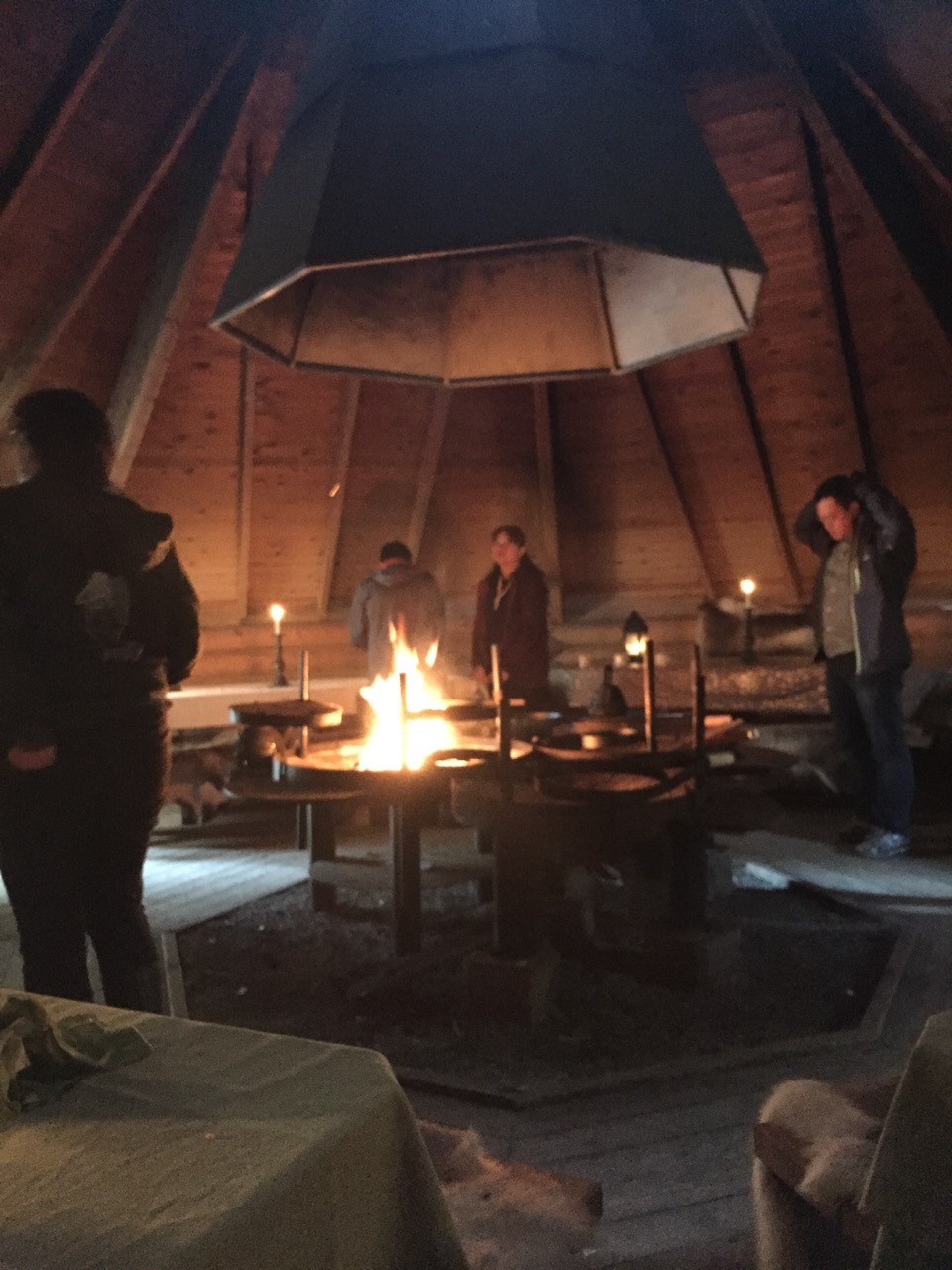
After about 2 hours of mushroom hunting, we arrived at the Kattila Lappih Hut where we were treated to a lunch of salmon and potatoes cooked over an open fire.  Lunch was served at long wooden tables with candles and we sat on benches covered with reindeer furs.
Following the delicious lunch we set off on our own.  Some of us continued to hunt mushrooms on foot.  Others headed out in canoes to explore the lake near the Green Window conference facility.
Cortinarius rubellus (deadly webcap)

Vallisaari and Suomenlinna
Vallisaari is just 20 minutes by boat from the Market Square in Helsinki. The island was opened for the public last year – before that it was decades abandoned and the nature took its place. Vallisaari is the most diverse nature destination in the metropolitan area. The island’s fortifications, buildings, and a record-breaking range of species tell a tale of coexistence between humans and wild nature. The other attraction, fortress of Suomenlinna, is one of Finland’s UNESCO World Heritage Sites. Suomenlinna was built during the Swedish era as a maritime fortress and a base for the Archipelago Fleet.

Excursion to Vallisaari
October 31, 2017by
BHL News, Blog Reel

24th meeting of the Global Biodiversity Information Facility (GBIF) Governing Board

The 24th meeting of the Global Biodiversity Information Facility (GBIF) Governing Board and associated events were held in Helsinki, Finland, 24-29 September. The Biodiversity Heritage Library (BHL) was represented at both the 14th GBIF Nodes Meeting (24-25 September 2017, by BHL Program Director, Martin R. Kalfatovic) and the Governing Board Meeting (26-27 September 2017, by BHL Chair, Constance Rinaldo).

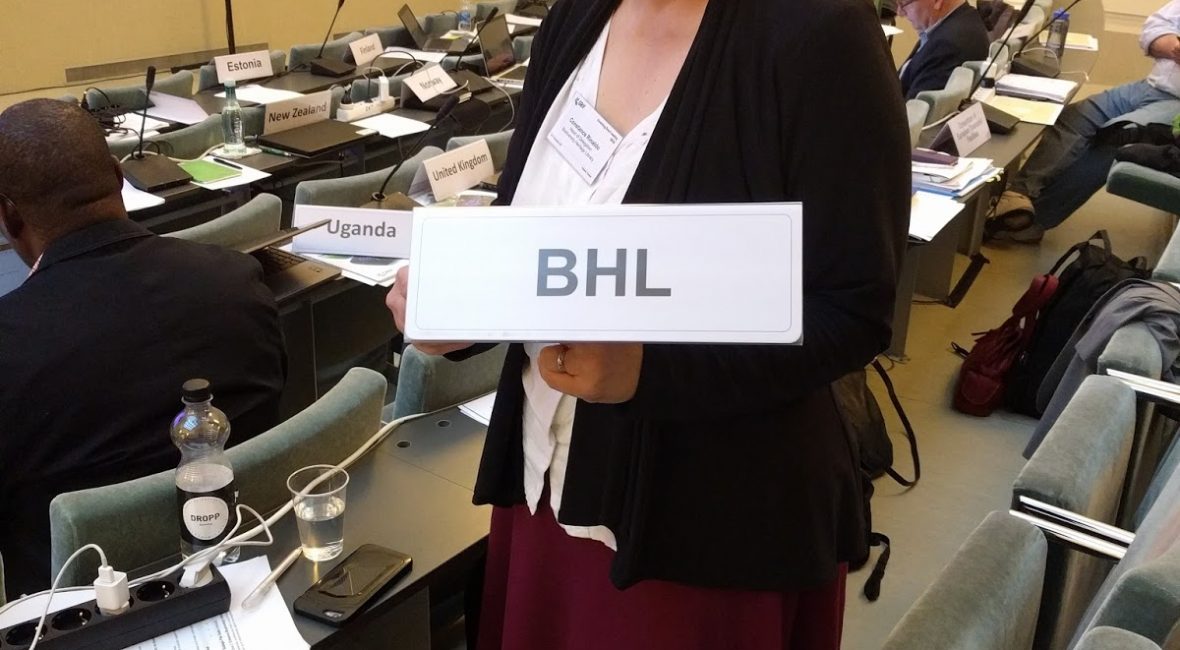
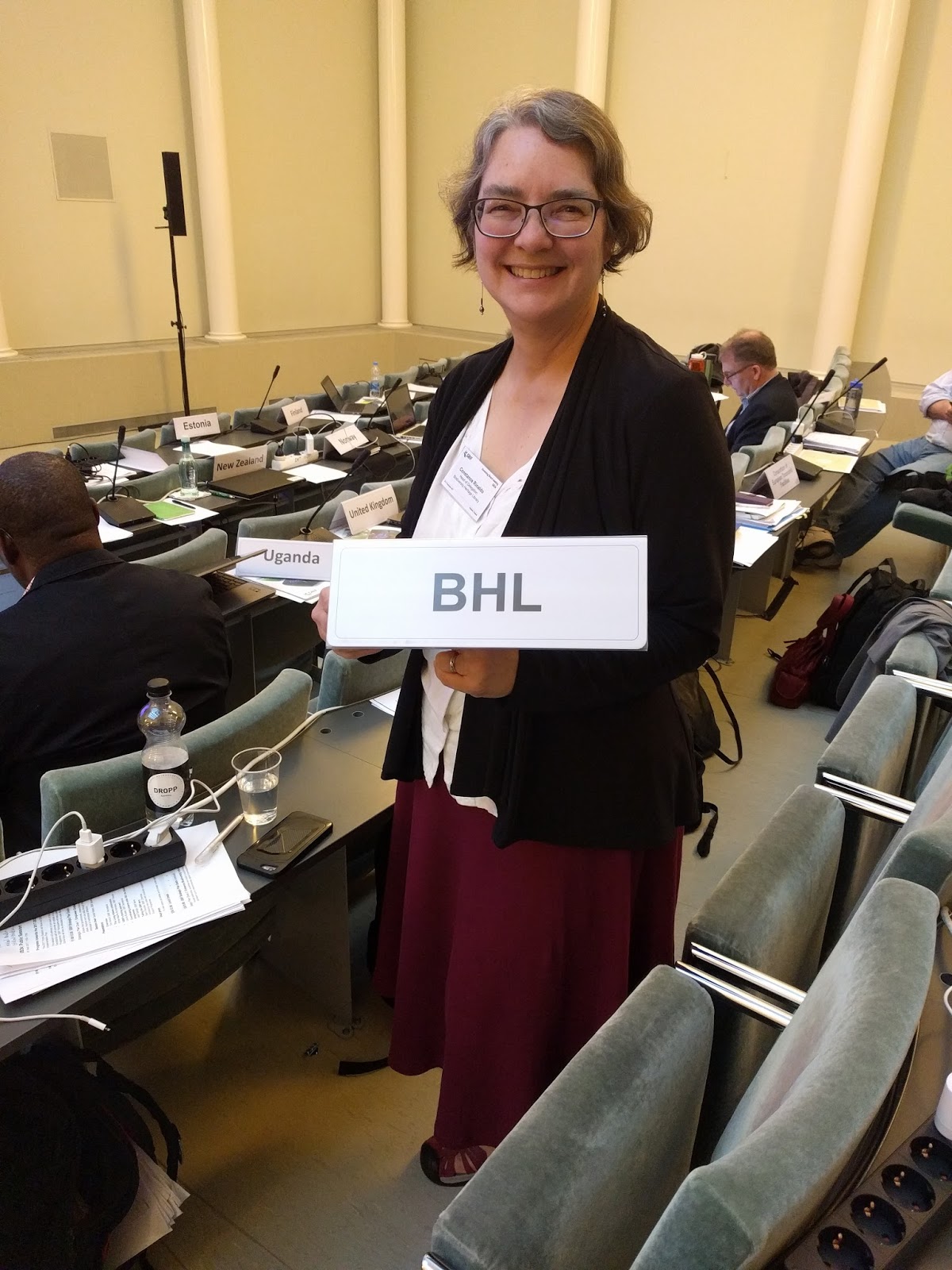
BHL Head of Delegation, Constance Rinaldo

14th Global Nodes Meeting

At the Nodes meeting, the delegates were welcomed by Finnish GBIF Nodes Manager, Tapani Lahti. Following this, André Heughebaert, Chair, Nodes Committee, provided an introduction to the structure of the meeting and outlined the key goals:

  • Share information on progress in the nodes
  • Establish new collaboration models
  • Set priorities for the next 2 years

Heughebaert also outlined some elements of the GBIF 2018 Work Programme and noted that there are plans to include regional meetings as in the past. The GBIF Secretariat provide an overview of their activities, led by Tim Hirsch (Deputy Director, GBIF Secretariat). Hirsch’s talk, “GBIF International landscape & New regions” was an overview of the GBIF international landscape, including participation by area and how different metrics can be used to measure participation and/or coverage of biodiversity data in GBIF. Some key things that GBIF is addressing are:

  • Address major geospacial gaps
  • Mobilize sampling-event data
  • Digitize natural history collections

Areas being focused on include the Caribbean (formation of an Atlas of Living Caribbean) and Pacific Islands (creating new participant options, including a meeting in Samoa).

Hirsch also noted that GBIF is the key reporting structure for Aichi Target 19  of the Convention on Biological Diversity. He also discussed GBIF’s relation to the Intergovernmental Science-Policy Platform on Biodiversity and Ecosystem Services (IPBES) and how GBIF can engage in filling gaps in knowledge through data mobilization priorities.

Other Secretariat updates included:

  • Capacity Enhancement Support Programme (CESP) / Aisha Lolila Jensen (Program Officer for Participation and Engagement, GBIF Secretariat)
  • Biodiversity Information for Development (BID) / Laura Russell (Program Officer for Participation and Engagement, GBIF Secretariat)
  • Biodiversity Fund for Asia (BIFA) / Maofang Luo (Visiting Scientist from the Chinese Academy of Sciences, GBIF Secretariat)
  • IPT GBIF API and other tools / Laura Russell  (Program Officer for Participation and Engagement, GBIF Secretariat)
  • Presentation of the new GBIF Portal / Morten Høfft & Thomas S. Jeppesen (Web Developers, GBIF Secretariat)

The second session included short talks by members of the GBIF node community and included:

  • Description of the Antarctic Thematic GBIF Node, Strength & Weaknesses / Anton Van de Putte, Node manager, Scientific Committee on Antarctic Research (SCAR)
  • SiB Colombia role as a referent in the Latino American initiatives through GBIF (e.g. workshops, projects, mentoring) / Leonardo Buitrago, Node manager, Colombia
  • Data management: Stable identifiers for collection specimens: What could the Nodes do to spread the use of this practice? / Walter Berendsohn & Anton Güntsch, Node manager, Germany
  • Olaf Banki on the @catalogueoflife CoL+ which provides extended taxonomic catalogue & other goals with other partners incl @NLBIF @GBIF @Naturalis_Sci Species2000 ITIS
  • GBIF Norway: Software tools for online citizen science volunteer digitization of museum herbaria collections (https://data.gbif.no/dugnad) By Christian Svindseth, Node staff, Norway
  • GBIF Norway: Terms selection tool for data publishers (https://data.gbif.no/dwcexcel) By Christian Svindseth, Node staff, Norway
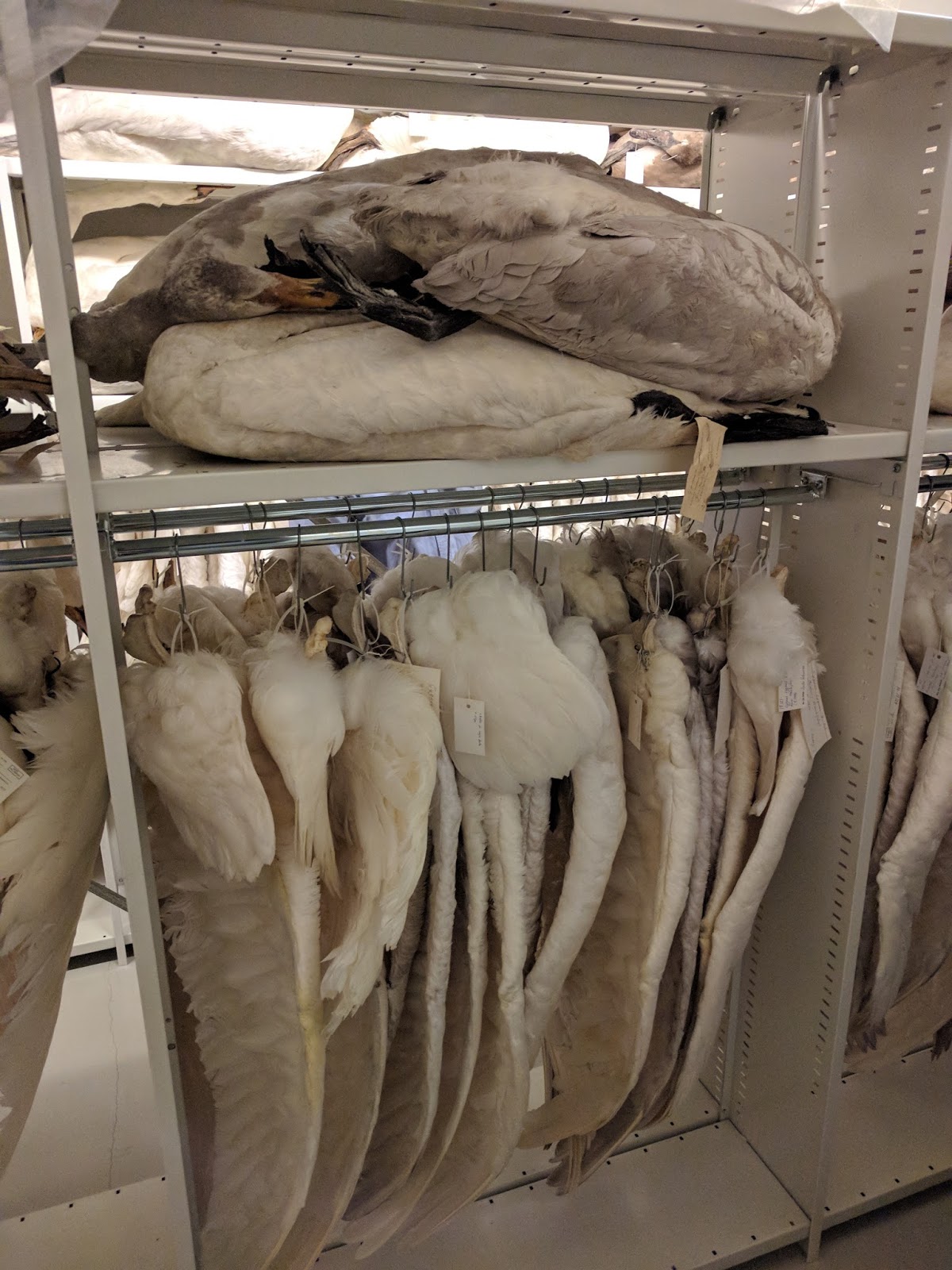
Swan wings

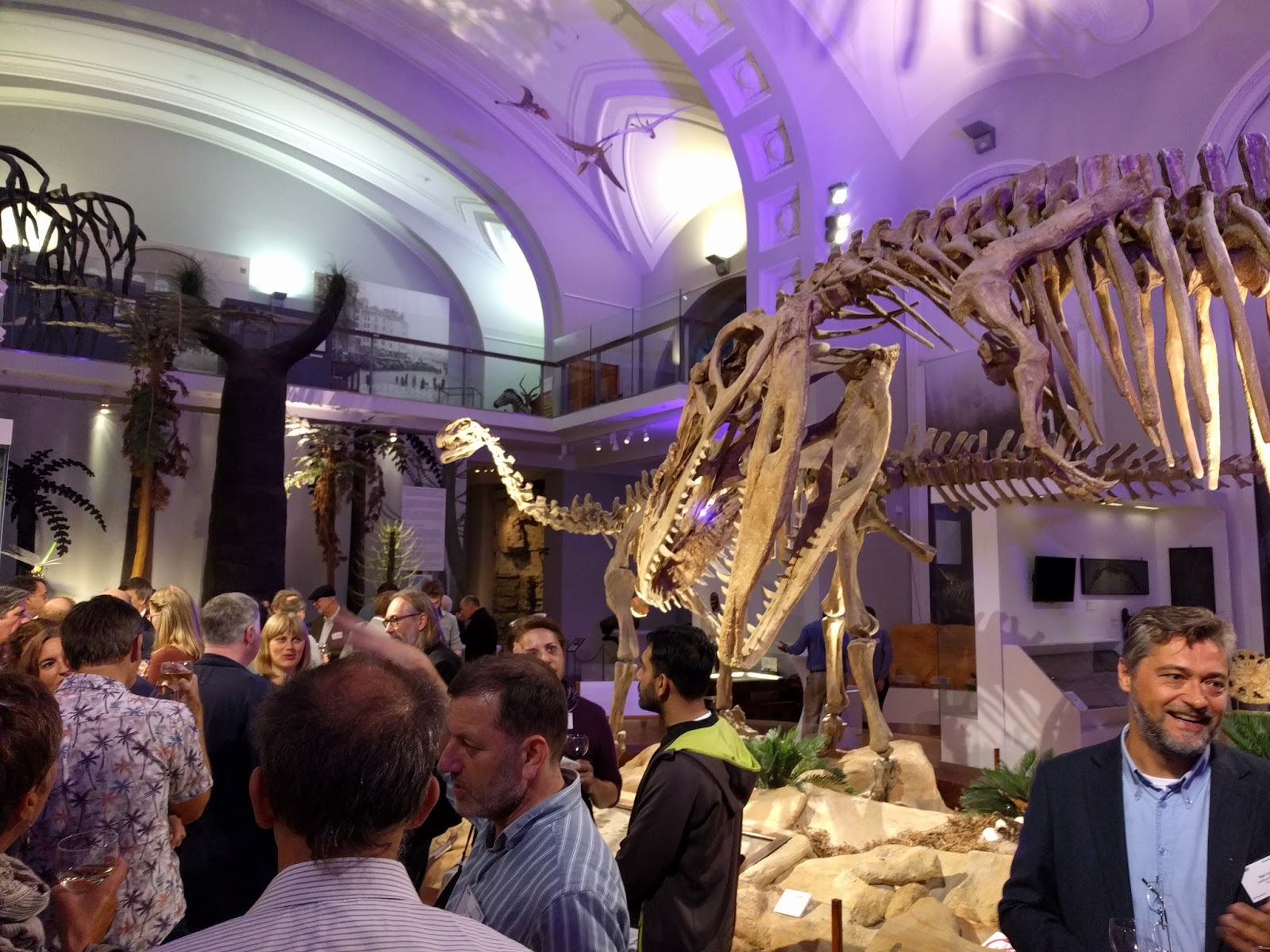
A tour of the Finnish Museum of Natural History’s herbarium scanning project was also provided at the lunch break. The day concluded with a reception at the Finnish Museum of Natural History. Delegates were also privileged to get a behind-the-scenes tour of the museum’s collections areas.

Reception with dinosaurs


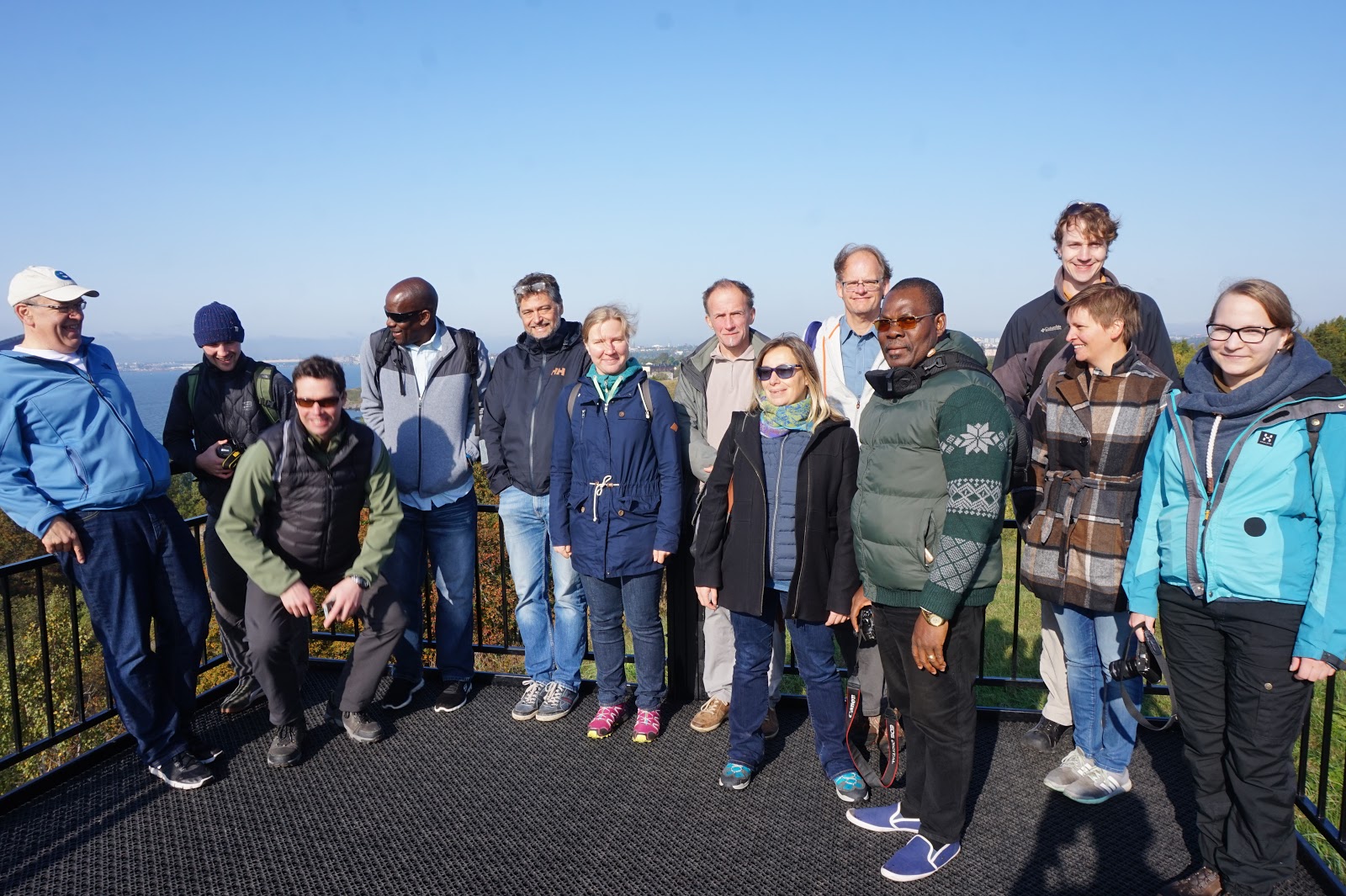
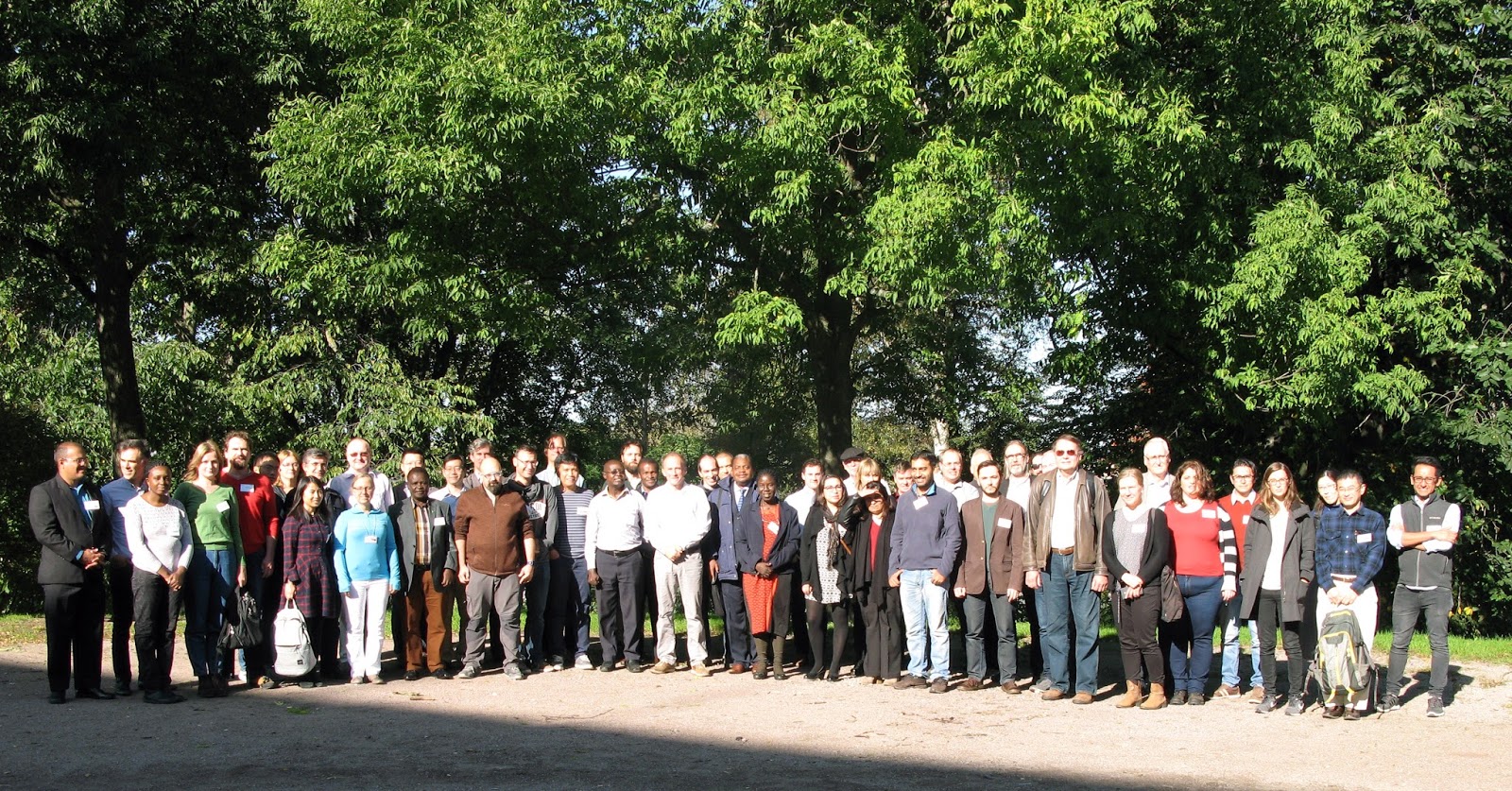
Global Nodes meeting group photo
(Photo by Anne Mette Nielsen, CC BY-NC 4.0)


* * * * *


24th GBIF Governing Board Meeting

GBIF Governing Board Chair Peter Schalk (Naturalis Biodiversity Center, Leiden) and Donald Hobern (GBIF Executive Secretary) led the meeting and provided an overview of the past year. There was also a discussion of the GBIF Strategic Plan Goals and Work Programme updates. The plan goals were discussed in detail:

  • Strategic Plan Goal 1 – Empower Global Network
    “Ensure that governments, researchers and users are equipped and supported to share, improve and use data through the GBIF network, regardless of geography, language or institutional affiliation.”
  • Strategic Plan Goal 2 – Enhance Biodiversity Information Infrastructure
    “Provide leadership, expertise and tools to support the integration of all biodiversity information as an interconnected digital knowledgebase.”
  • Strategic Plan Goal 3 – Fill Data Gaps
    “Prioritize and promote mobilization of new data resources which combine with existing resources to maximize the coverage, completeness and resolution of GBIF data, particularly with respect to taxonomy, geography and time.”
  • Strategic Plan Goal 4 – Improve Data Quality
    “Ensure that all data within the GBIF network are of the highest-possible quality and associated with clear indicators enabling users to assess their origin, relevance and usefulness for any application.”
  • Strategic Plan Goal 5 – Deliver Relevant Data
    Ensure that GBIF delivers data in the form and completeness required to meet the highest priority needs of science and, through science, society.”


The meeting also presented the winners of the 2017 Young Researchers Award:

  • Nora Escribano Compains, a Ph.D candidate at the University of Navarra (UNAV)
  • Itanna Oliveira Fernandes, a Ph.D candidate at the National Institute of Amazonian Research (INPA)

In official business, the various GBIF Committee chairs (Science, Nodes, Budget) all reported. Hobern also presented the 2018 budget and work programme. Ireland was selected as the host for the 2018 GBIF 25th meeting of the Global Biodiversity Information Facility (GBIF) Governing Board, and Governing Board positions were voted on. Results of the elections were:

  • Chair, Governing Board: Tanya Abrahamse, South Africa
  • 2nd Vice Chair, Governing Board: Mark Graham, Canada
  • Chair, Budget Committee: Peter Schalk, Netherlands
  • 1st Vice-Chair, Budget Committee: Liam Lysaght, Ireland
  • 2nd Vice-Chair, Budget Committee: Joanne Daly, Australia
  • Chair, Science Committee: Thomas M. Orrell, United States
  • 2nd Vice-Chair, Science Committee: Anders G. Finstad, Norway
  • 3rd Vice-Chair, Science Committee: Philippe Grandcolas, France


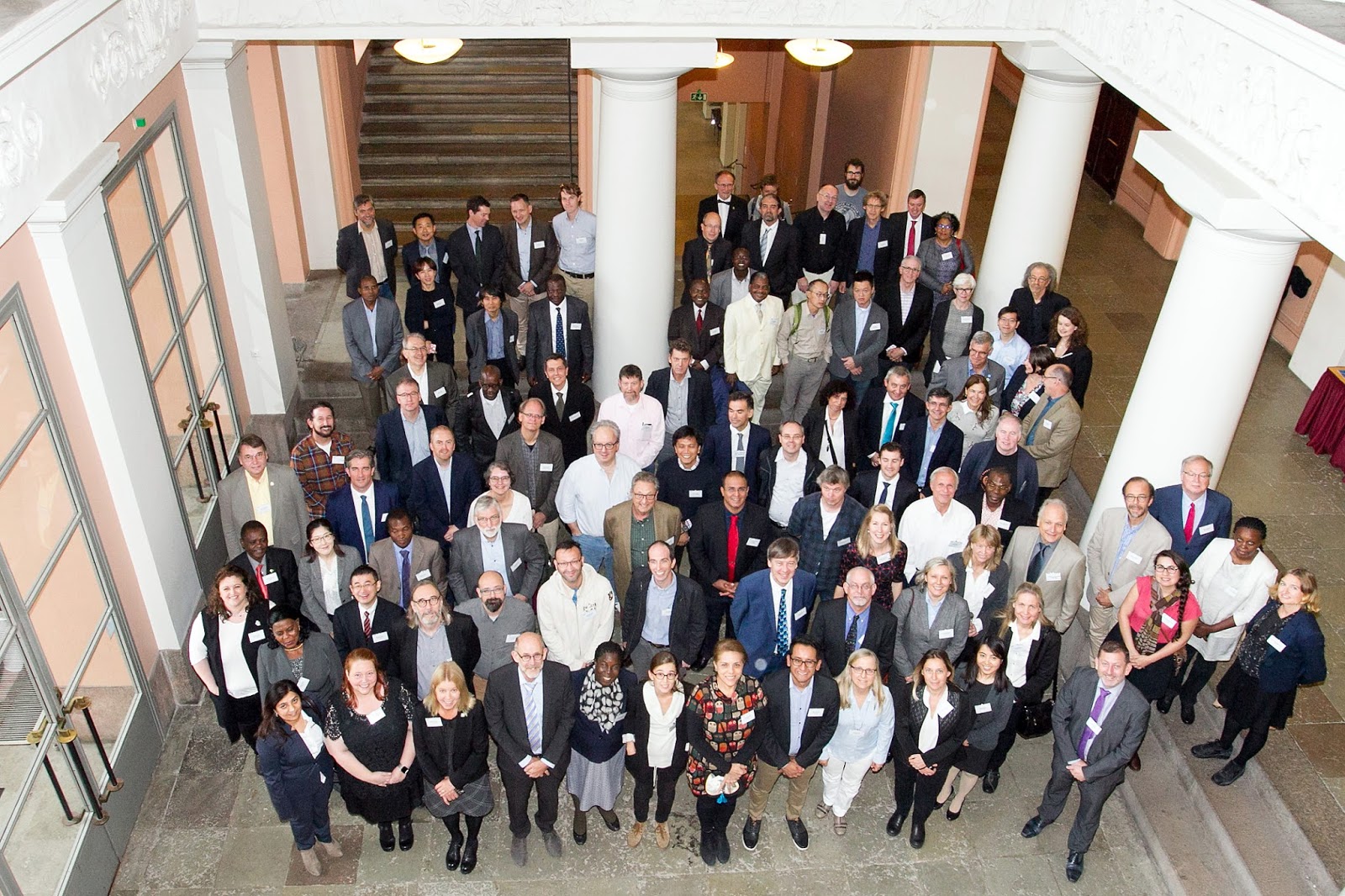
Governing Board meeting group photo
(Photo by Linda Tammisto, CC0 2017)
* * * * *


Finnish National Seminar

All delegates and other guests were invited to the Finish National Seminar, “Finnish Biodiversity Information for the Benefit of Society”.  The national seminar is a full-day event with talks from invited international and Finnish guest speakers including researchers of various fields as well as representatives of the natural resources administration. The programme gives broad insight into the various uses of openly available biodiversity data in research, governance, and teaching, and introduces the newly established Finnish Biodiversity Information Facility (FinBIF).
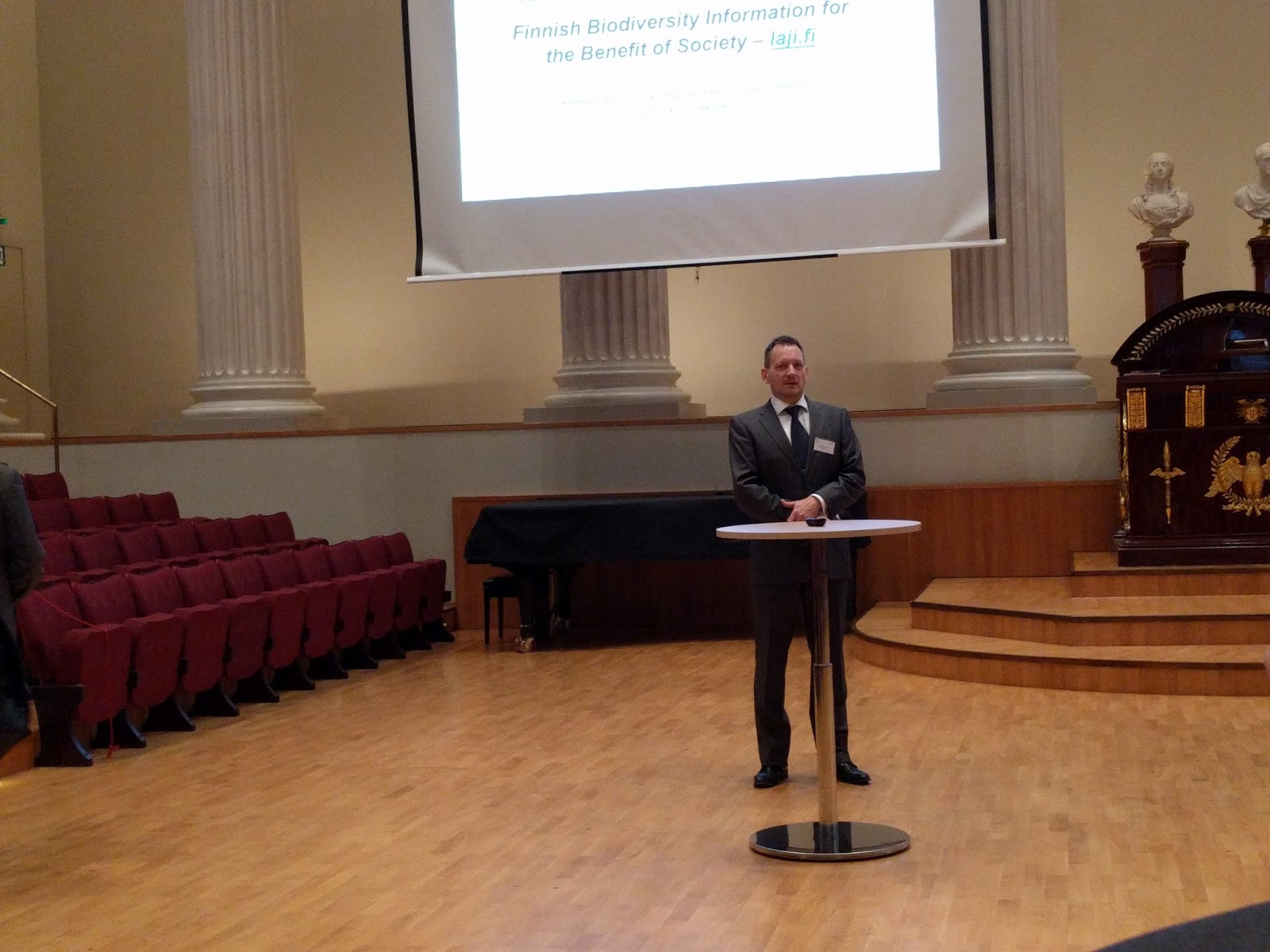
Professor Leif Schulman

Professor Leif Schulman, Director of the Finnish Museum of Natural History (and GBIF Head of Delegation for Finland) provided a brilliant opening to the Seminar (which was held in the beautiful Great Hall of the University of Helsinki) by pacing four meters across the stage and noting that it was this distance that birds in Finland are moving north due to climate change. Schulman also introduced Finnish Member of Parliment Ville Niinistö (Minister of the Environment in 2011-2014, led to the funding of FinBIF) who provided a governmental perspective on biodiversity.

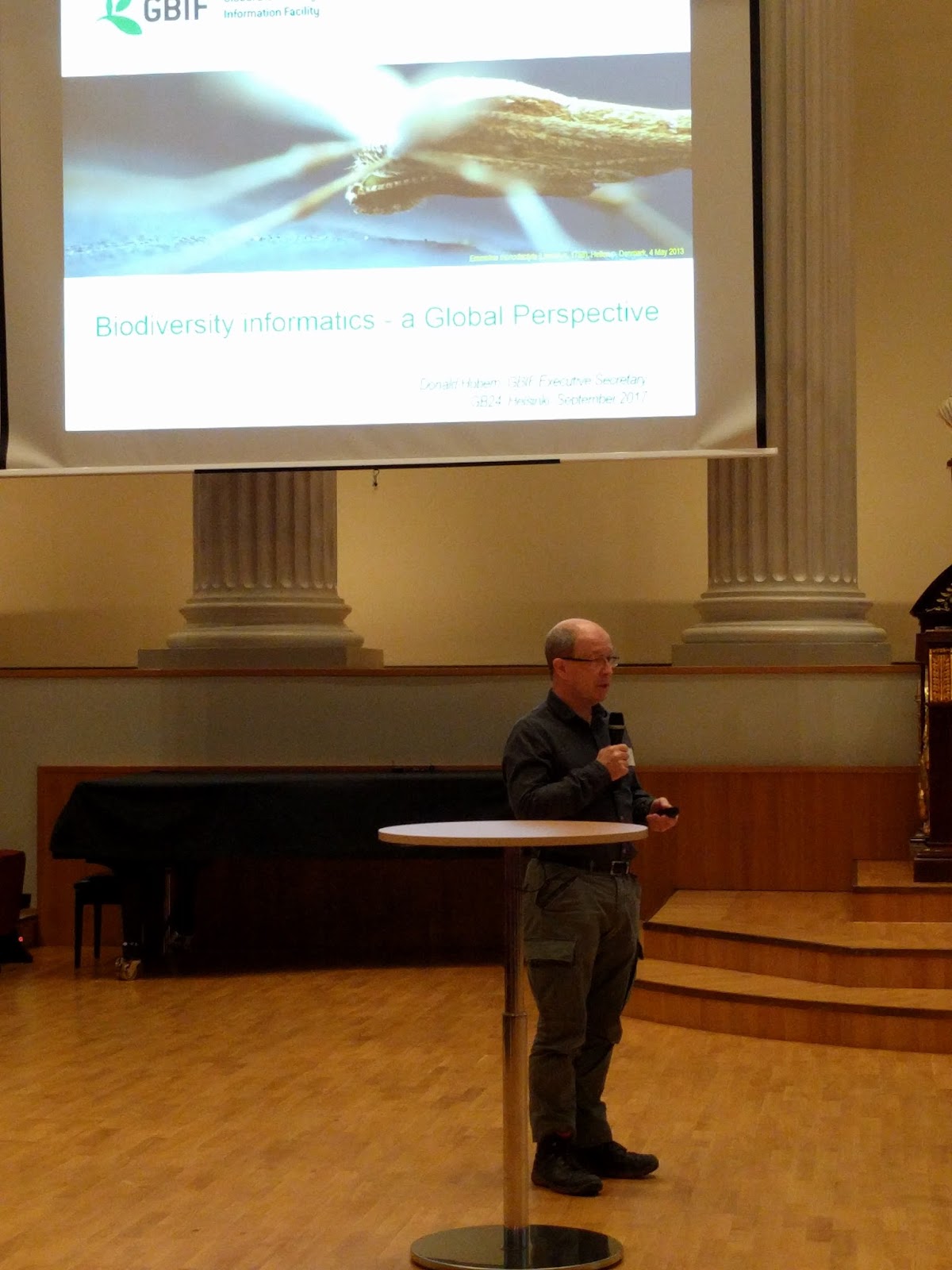
GBIF Executive Secretary Donald Hobern provided an overview of GBIF’s activities and goals and was followed by FinBIF Manager Kari Lahti who contextualized this work within the Finnish context. Dr. Vincent Smith (Head of Diversity & Informatics Division, Natural History Museum, London), provided a keynote talk, “The Digital Transformation of Biodiversity Institutions – a Changing Intellectual Business Model”.

Executive Secretary Donald Hobern

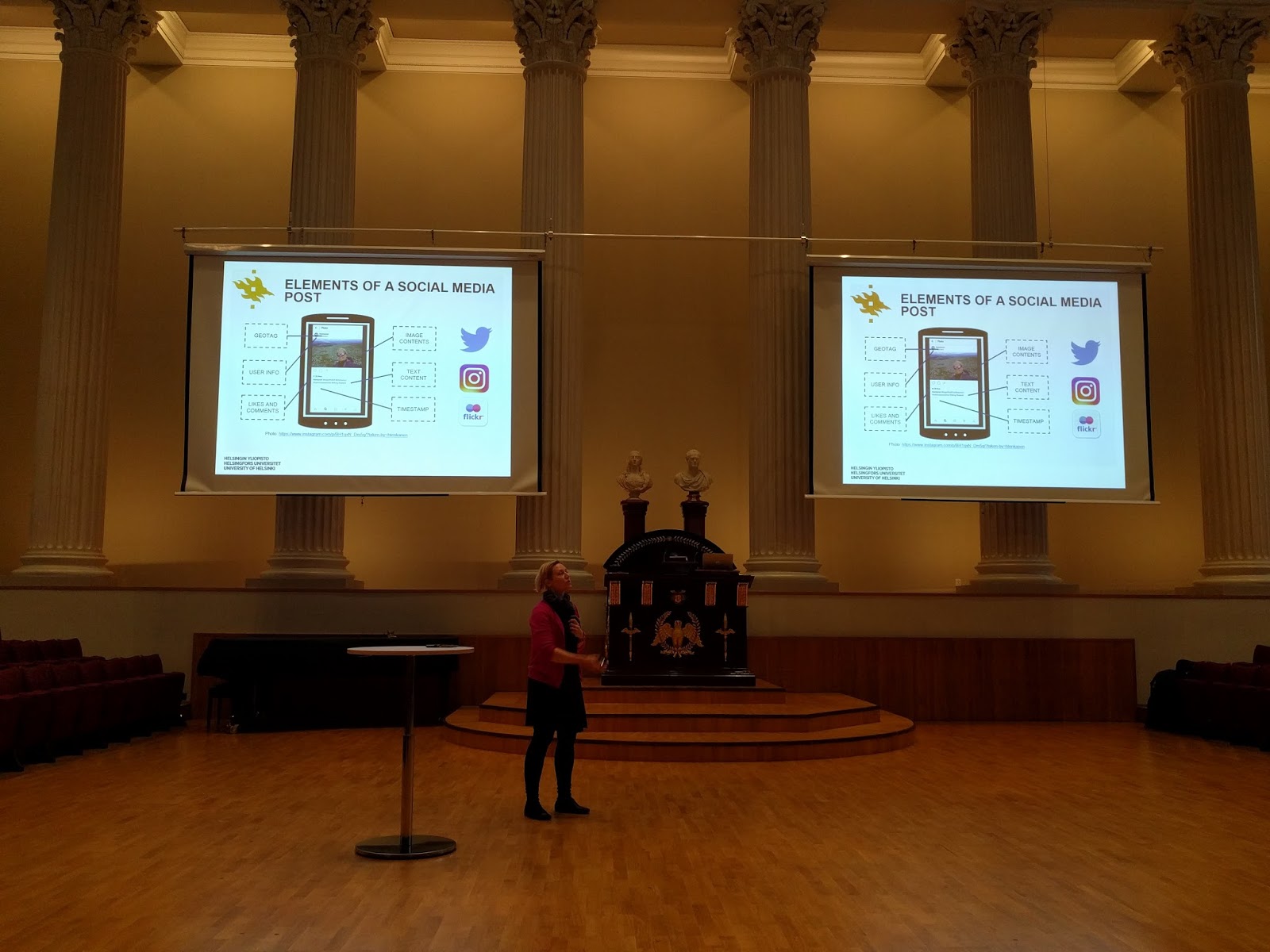
Researchers from across Finland then provided a series of talks that delved deeper into programs and investigations that FinBIF, GBIF, and other global biodiversity research organizations are facilitating. The talks included:

  • Research Director Atte Moilanen (University of Helsinki & FinBIF)
  • Associate Professor Tuuli Toivonen (University of Helsinki)
  • University Researcher Sami Aikio (University of Oulu)
  • Post Doc Researcher Andrea Santangeli (Finnish Museum of Natural History)
  • Research Director Ilari Sääksjärvi (University of Turku)
  • Senior Curator Marko Mutanen (University of Oulu Biodiversity Unit)
  • Professor Jouko Rikkinen (Finnish Museum of Natural History & Faculty of Biosciences, University of Helsinki)
  • Ministerial Adviser Johanna Niemivuo-Lahti, Ministry of Agriculture and Forestry
  • Dr. Aino Juslén, Unit Director at the Finnish Museum of Natural History


* * * * *

Other Meetings

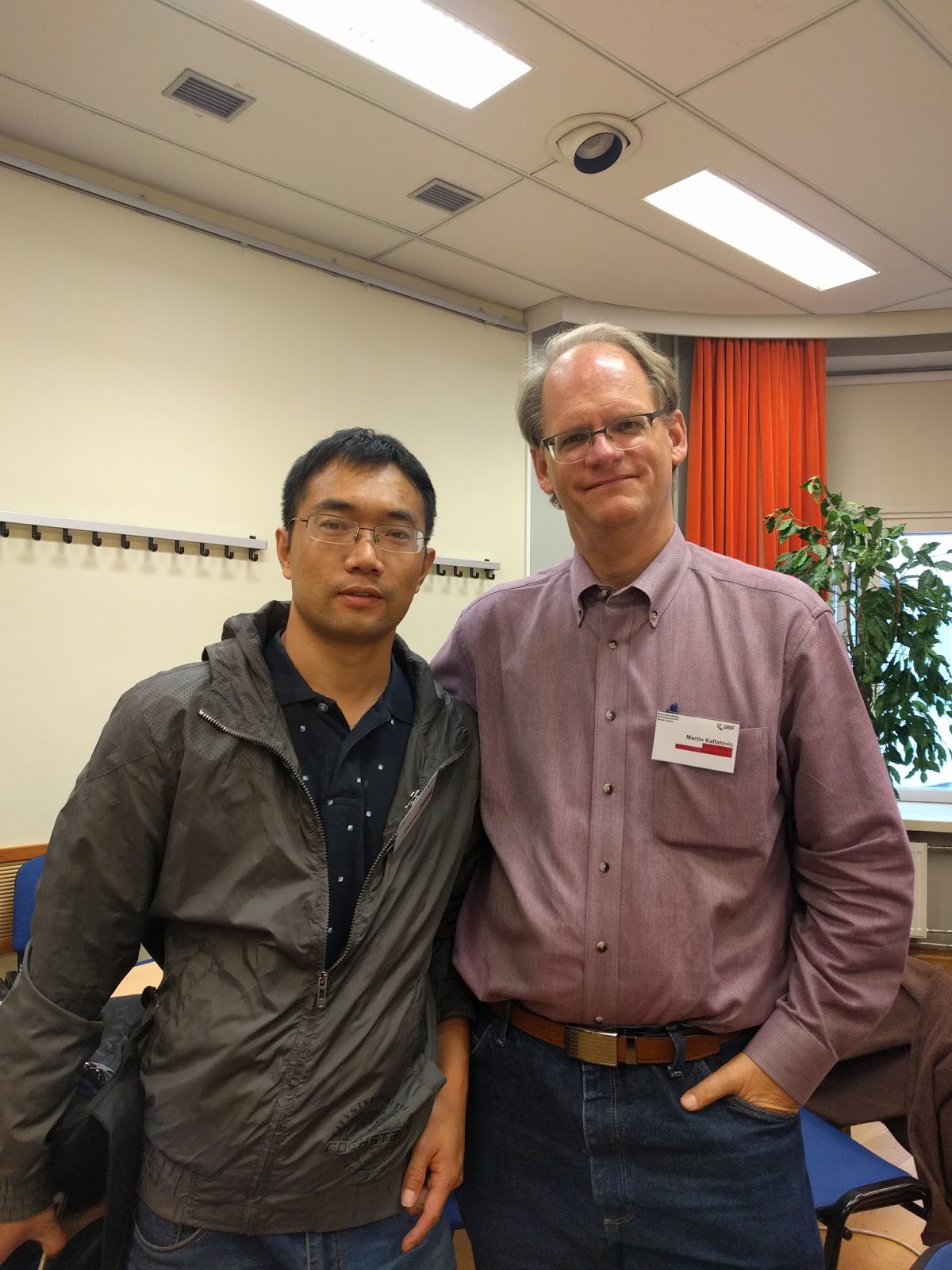
Xu & Kalfatovic

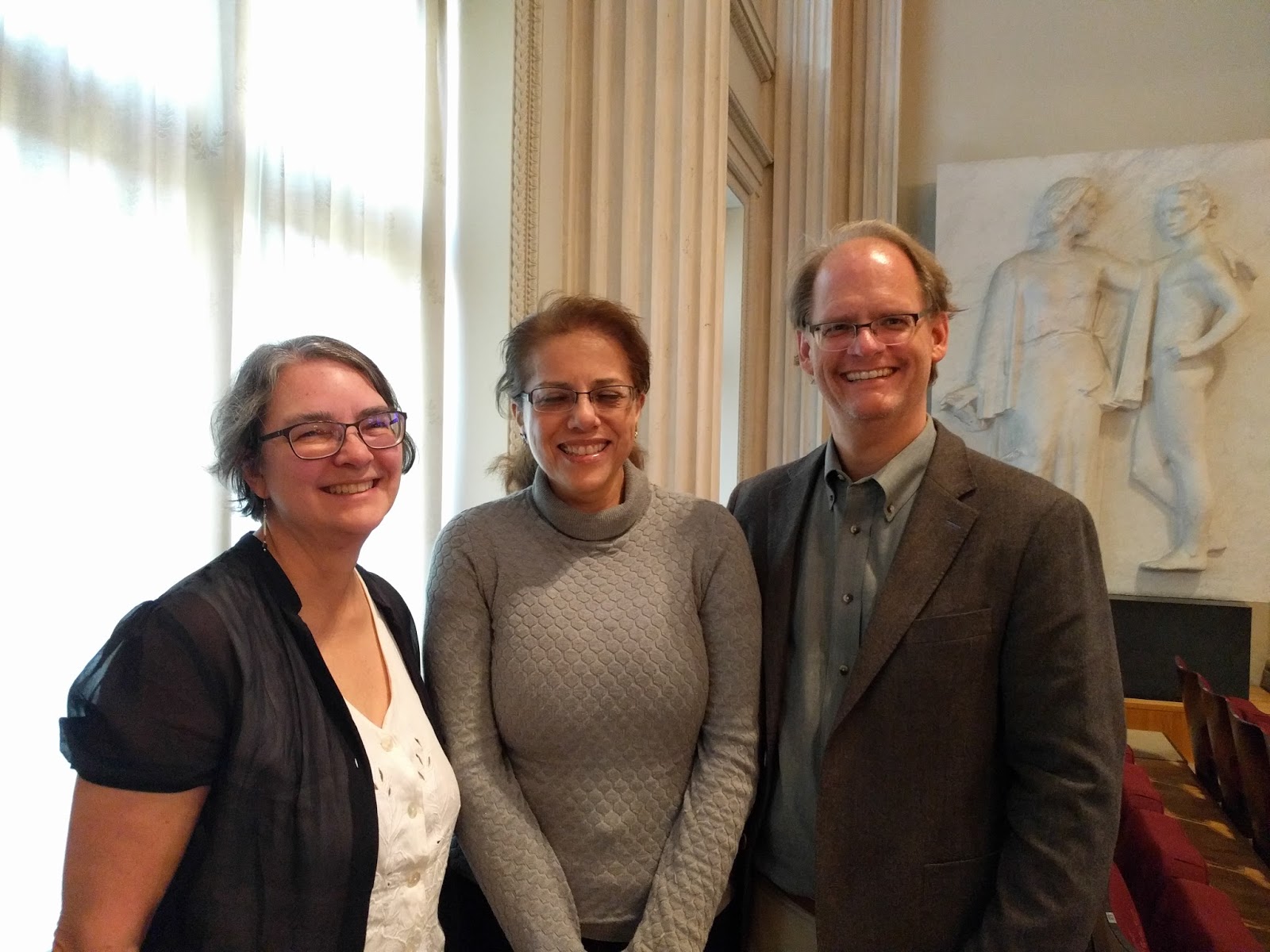
The meetings also allowed BHL staff to meet with a number of our partners including Dr. Zheping Xu (BHL China) and Patricia Koleff (BHL México). Discussions with Michelle Price (Conservatoire et Jardin botaniques de la Ville de Genève) and Chair of Consortium of European Taxonomic Facilities (CETAF AISBL) provided an opportunity to explore possible collaborations.

Rinaldo, Koleff, Kalfatovic

Rinaldo and Kalfatovic were also able to spend time with outgoing GBIF Science Committee Chair and BHL power user Rod Page to discuss ongoing work with the BHL portal. The GBIF meetings also provided a good opportunity to catch up with staff from iDigBio, including Deb Paul (Digitization and Technology Specialist).

* * * * *

Other Resources


  • Meeting Page
  • GBIF Meeting Documents
  • GBIF Presentations
  • Videos
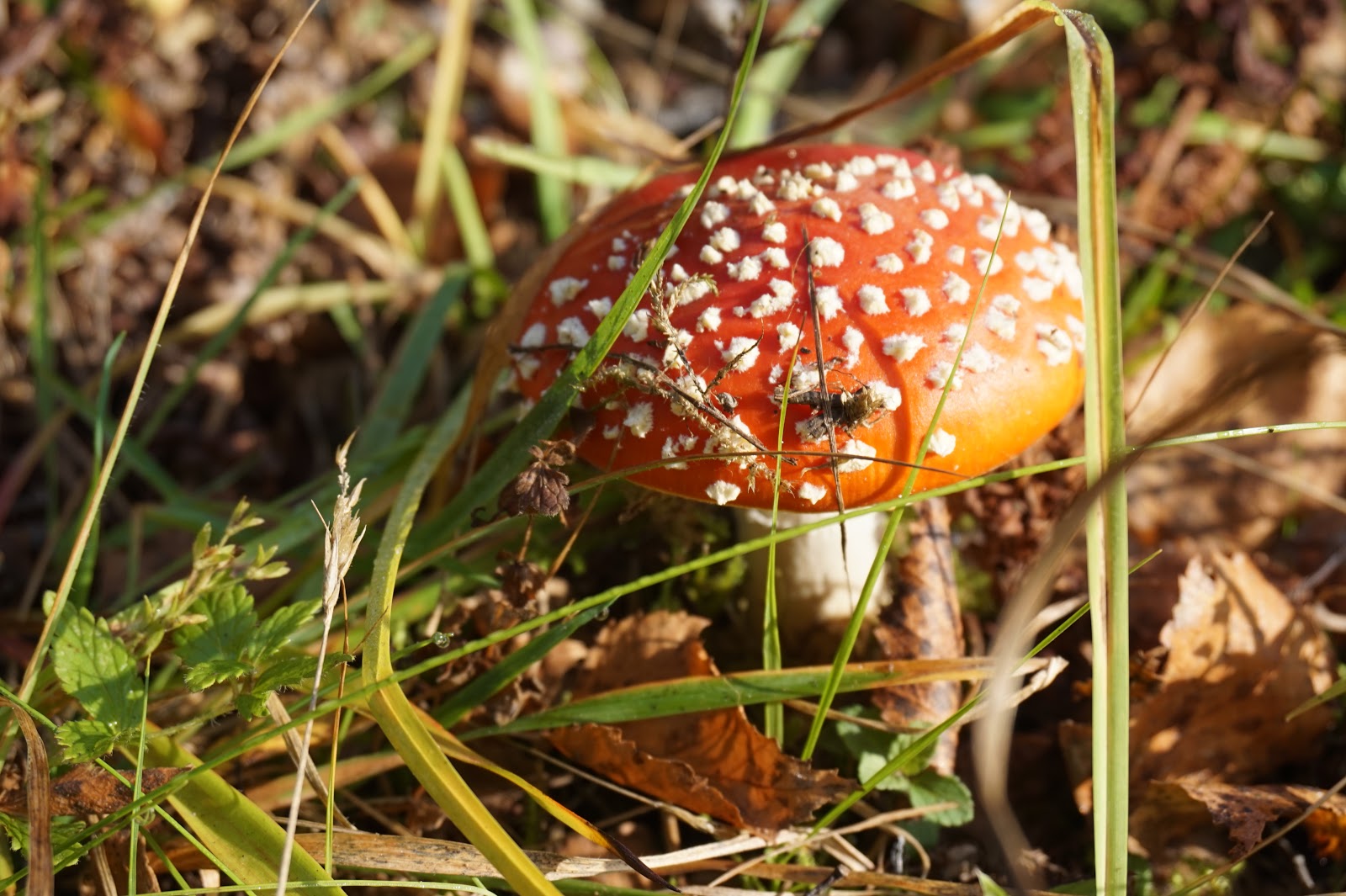
Amanita muscaria, Vallisaari, Finland


October 31, 2017by
BHL News, Blog Reel

Join us for Seeds in the Stacks!

Find a recording of Seeds in the Stacks on YouTube.
————————————-

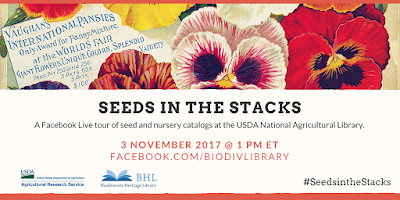
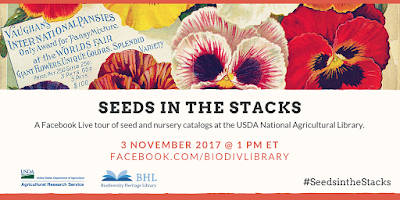
Join us for Seeds in the Stacks, a Facebook Live tour at the USDA National Agricultural Library! We’ll go behind-the-scenes to explore selections from the Library’s collection of over 200,000 seed and nursery catalogs.

WHERE?
www.facebook.com/BioDivLibrary
WHEN?
3 November 2017 @ 1pm ET

The USDA National Agricultural Library is the newest BHL Member. Since joining the consortium as an Affiliate in 2014, NAL has contributed over 2 million pages to the BHL collection, including a significant portion of its Henry G. Gilbert Nursery and Seed Trade Catalog Collection. To date, NAL has contributed over 33,000 catalogs from this collection to BHL. The catalogs can be viewed in BHL as part of the Seed & Nursery Catalogs collection.

October 30, 2017by michelle.underhill
Blog Reel

Service Update: Internet Archive Service Restored 29 October 2017

Status Update: 20:45 ET 29 October: Internet Archive is back online. Page images are correctly displaying in BHL. Thanks for your patience!

—————————————–
Internet Archive is currently down. As a result, page images are not displaying in BHL. We apologize for the inconvenience, and we will update this post as soon as service is restored. #StayTuned

October 29, 2017by michelle.underhill
Blog Reel, Featured Books

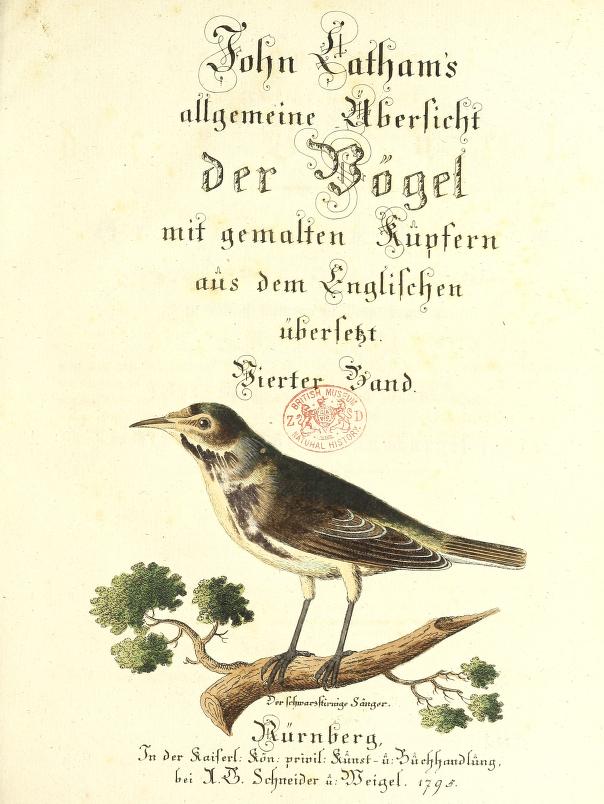
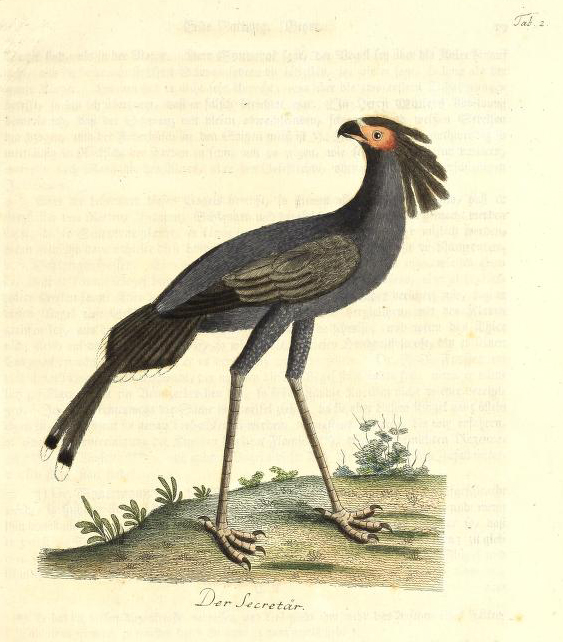
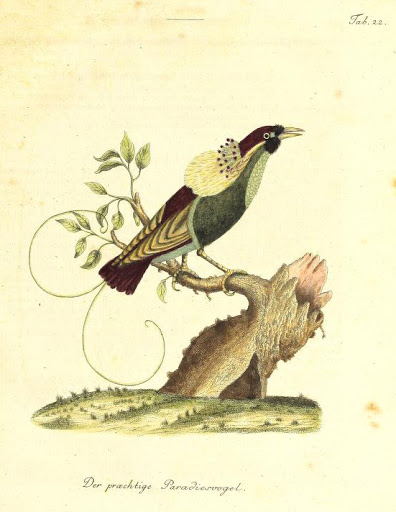
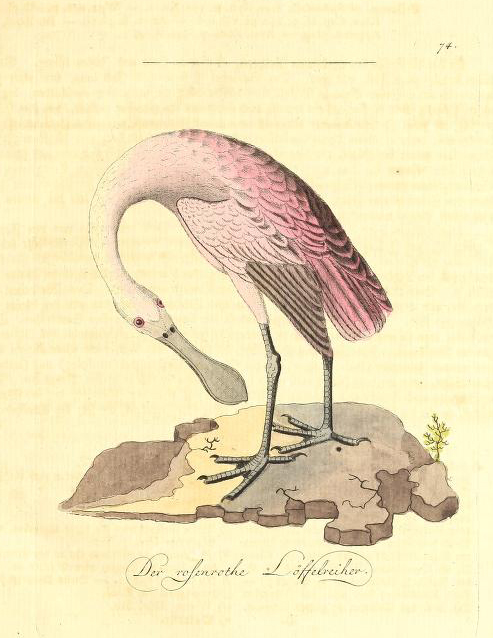
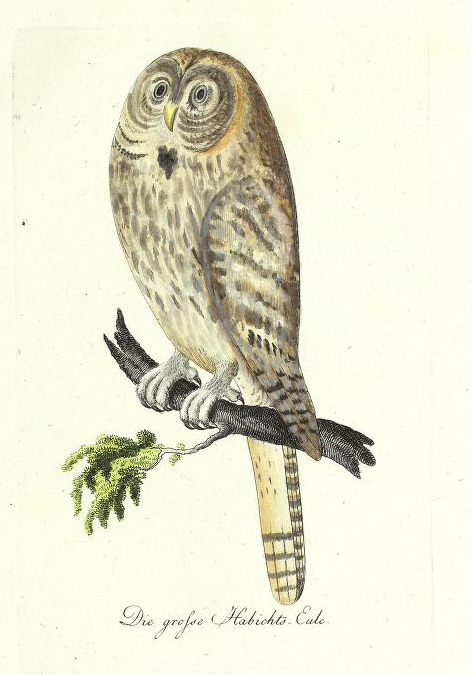
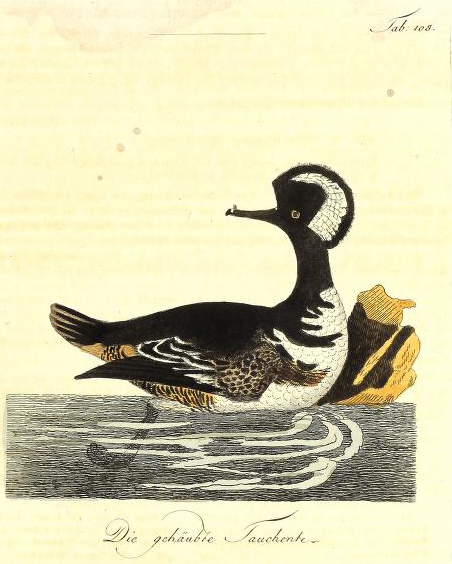
The Birds of the World, German Edition

View Full Size Image
Bechstein, Johann Matthäus. Johann Lathams allgemeine Uebersicht der Vögel. Bd.2:t.2 (1795). German translation of John Latham’s A General Synopsis of Birds. Digitized by Natural History Museum Library, London. http://s.si.edu/2hDSp9n.

At the end of the eighteenth century, the “father of German ornithology” began publishing a German translation of General Synopsis of Birds, an important work by John Latham, the “grandfather of Australian ornithology” [5][6].

This German edition, entitled Johann Lathams Allgemeine Uebersicht der Vögel ([1792] 1793-1812), was translated and edited by Johann Matthäus Bechstein (1757-1822). As his moniker suggests, Bechstein was a pioneer in German ornithology, having produced what is often regarded as the “first modern handbook of German birds,” Gemeinnèutzige Naturgeschichte [5]. With his translation of Latham’s work, Bechstein made descriptions of worldwide bird species more accessible to German readers.

View Full Size Image
Bechstein, Johann Matthäus. Johann Lathams allgemeine Uebersicht der Vögel. Bd.1:t.1 (1793). German translation of John Latham’s A General Synopsis of Birds. Digitized by Natural History Museum Library, London. http://s.si.edu/2gzJA0m.

Latham’s General Synopsis of Birds, published in three volumes between 1781-1785 followed by supplements in 1787 and 1801, not only provided a natural history of the birds of the world but also importantly presented many Australian species to the European public for the first time.

Born at Eltham, Kent, England in 1740, Latham trained as a physician and set up a medical practice in Darenth at the age of 23. After he was established, Latham began a more concentrated study of natural history, amassing a library and collection of specimens to support his research. By 1800, Latham had recorded around 3,000 bird species [3].

View Full Size Image
Bechstein, Johann Matthäus. Johann Lathams allgemeine Uebersicht der Vögel. Bd.1:t.2 (1793). German translation of John Latham’s A General Synopsis of Birds. Digitized by Natural History Museum Library, London. http://s.si.edu/2gB8gWx.

Latham’s period of ornithological study coincided with the arrival in England of a wealth of specimens and drawings from Australia. These collections, resulting from Captain Cook’s voyages to Australia and Polynesia (1769-75), included many new-to-science bird species [1]. As a friend and correspondent of many of England’s leading naturalists, Latham had access to these collections. He included descriptions and illustrations of many of these new species within his General Synopsis of Birds [2].

Latham provided only vernacular descriptions for the species in his General Synopsis and its first supplement. In 1790, after realizing that he would only receive credit for naming the species if he provided Latin binomials under the Linnaean system, Latham published Index Ornithologicus, a systematic catalog assigning binomial names and taxonomic classifications to the birds in the three volumes and first supplement of General Synopsis [7]. 

View Full Size Image
Bechstein, Johann Matthäus. Johann Lathams allgemeine Uebersicht der Vögel. Bd.3:t.1 (1796). German translation of John Latham’s A General Synopsis of Birds. Digitized by Natural History Museum Library, London. http://s.si.edu/2ziUgZ0.


Unfortunately, between 1788-1789, German naturalist Johann Friedrich Gmelin had published an expanded edition of Linnaeus’s Systema Naturae, providing Latin names for many of Latham’s birds. These names have priority over those published in Index Ornithologicus, and as such Gmelin is credited as the first to scientifically describe many of the species first introduced through Latham’s General Synopsis [2].

However, Latham is still the authority for many of the names in the Index and second supplement, and he is recognized as the first to scientifically describe many iconic species, such as the hyacinth macaw (Anodorhynchus hyacinthinus), and Australian species, including the emu (Dromaius novaehollandiae). His extensive contributions to Australian ornithology earned him the nickname the “grandfather of Australian ornithology” [2].

View Full Size Image
Bechstein, Johann Matthäus. Johann Lathams allgemeine Uebersicht der Vögel. Bd.4:t.1 (1811). German translation of John Latham’s A General Synopsis of Birds. Digitized by Natural History Museum Library, London. http://s.si.edu/2zkmEu0.

The four volumes of Bechstein’s Johann Lathams Allgemeine Uebersicht der Vögel constitute German translations of the three volumes and first supplement of General Synopsis as well as the Index Ornithologicus. In addition to the translation, Bechstein added “much additional matter” [7]. Each volume (or band) was issued in two parts (or theils). The plates are largely reproductions of those from General Synopsis, many of which Latham designed and etched himself [6].

Bechstein’s legacy extends well beyond his translation of Latham’s ornithological work. He was not only a pioneer in German ornithology, but he also contributed extensively to studies on forestry, founding the school of forestry at Waltershausen in 1795 and being named the director of the forestry school at Dreissigacker in 1800. He was also an early advocate for wildlife conservation, encouraging protection for many species then deemed pests, including bats [4].

View Full Size Image
Bechstein, Johann Matthäus. Johann Lathams allgemeine Uebersicht der Vögel. Bd.3:t.2 (1798). German translation of John Latham’s A General Synopsis of Birds. Digitized by Natural History Museum Library, London. http://s.si.edu/2i9JoZh.

You can browse more of Bechstein’s works in BHL.

Thanks to the Natural History Museum Library, London, you can freely explore all four bands, constituting eight volumes in total, of Johann Lathams Allgemeine Uebersicht der Vögel in BHL.


With contributions from:

Harriet Campbell Longley 
Researcher Services Assistant 
Natural History Museum Library and Archives, London

References

[1] Ashworth, William B. Jr., 2016. “Scientist of the Day – John Latham.” Linda Hall Library, February 4. http://www.lindahall.org/john-latham/.
[2] Calaby, J.H. “Latham, John (1740–1837).” Australian Dictionary of Biography, National Centre of Biography, Australian National University. Published first in hardcopy 1967. http://adb.anu.edu.au/biography/latham-john-2333/text3037.
[3] Jackson, Christine E., Ann Datta, and R.I. Vane-Wright. 2013. “Dr John Latham, F.L.S. and His Daughter Ann.” The Linnean, 29(1), pp. 15-30.
[4] Johann Matthäus Bechstein. UpClosed. https://upclosed.com/people/johann-matthaeus-bechstein/.
[5] Mey, Eberhard. 2003. “Johann Matthäus Bechstein: The Father of German Ornithology.” Rudolstädter nat. hist. Schr., 11, pp.63.
[6] Olsen, Penny. 2001. Feather and Brush: Three Centuries of Australian Bird Art. Collingwood: CSIRO Publishing. pp. 28.
[7] Zimmer, John Todd. 1926. Catalog of the Edward E. Ayer Ornithological Library, Part II. Chicago: Field Museum of Natural History. pp. 373-374.

October 26, 2017by michelle.underhill
Blog Reel

In-copyright titles added in the 3rd quarter of 2017

From July to September of this year, BHL received permission for 43 new in-copyright titles, all as part of the Expanding Access to Biodiversity Literature project. This is a slight increase over the numbers added in the first two quarters.

BHL licenses content under a
Creative Commons Attribution-NonCommercial-ShareAlike 4.0 license

Below are the 43 titles added in the second quarter, in the order permission was secured. For those that have already been scanned or uploaded, links are available. Look for the rest as they’re added to the collection; you can check the recent additions, or see all the permission titles available in BHL on the permissions page.

Titles in BHL have been digitized/contributed by the rights holders unless otherwise stated.

Alabama Academy of Science
  • Journal of the Alabama Academy of Science
Denver Botanic Gardens
  • Green Thumb News
  • Green Thumb Newsletter
  • Mountain, Plain, and Garden
  • The Green Thumb
American Association of Zoo Keepers
  • AAZK Bulletin
  • AAZK Newsletter
  • Ruptured Rhino
The Avicultural Society
  • Avicultural Magazine
Oregon Flora Project
  • Oregon Flora Newsletter
Kelly Allred
  • The New Mexico Botanist
New York State Ornithological Association
  • The Kingbird
The Arboretum Foundation

  • Arboretum Bulletin
  • University of Washington Arboretum Bulletin
  • Washington Park Arboretum Bulletin

Lunds Botaniska Förening

  • Opera Botanica, v.42 (1977)
Illinois State Academy of Science
  • Transactions
Brooklyn Botanic Garden
  • A Teaching Guide to the Trees and Shrubs of Greater New York, Including the Kinds Most Commonly Seen in Cultivation (1933 and 1947 editions)
  • Guide to Trees and Shrubs Based on Those of Greater New York: Native, Naturalized, and Commonly Cultivated Exotic Kinds
  • Leaflet / Leaflets
  • Plants and Gardens
  • Plants of the U.S. Military Academy, West Point, New York

Florida Exotic Plant Pest Council and Southeast Exotic Plant Pest Council

Wildland WeedsUniversity of Florida/IFAS Center for Aquatic and Invasive Plants
  • Aquaphyte
International Ornithologists’ Union
  • IXe Congrès Ornithologique International, Rouen, 9 au 13 Mai 1938 (Digitized by Smithsonian Libraries)
Tulane University
  • Tulane Studies in Geology
  • Tulane Studies in Geology and Paleontology
University of Texas Austin Libraries

  • Contributions in Marine Science
  • University of Texas at Austin Bulletins and Publications
African Violet Society of America
  • African Violet Magazine
Ohio Biological Survey
  • Ohio Biological Survey Notes
The Natural History Society of Maryland
  • Bulletin
  • Bulletin of the Maryland Herpetological Society
  • Maryland Naturalist
  • Maryland: A Journal of Natural History
  • Proceedings
Texas Ornithological Society
  • Bulletin of the Texas Ornithological Society
  • Occasional Publications
Desert Botanical Garden
  • Agave
  • Saguaroland Bulletin
  • The Sonoran Quarterly
Torrey Botanical Society
  • Memoirs of the Torrey Botanical Club
American Ornithological Society
  • Proceedings of the XIIIth Ornithological Congress
Museum of Texas Tech University
  • Occasional Papers
  • Special Publications

Department of Malacology, The Academy of Natural Sciences of Philadelphia

  • Tryonia
American Daffodil Society
  • The Daffodil Bulletin
  • The Daffodil Journal

BHL thanks the many individuals and organizations who have so generously allowed their publications to be digitized and made available to the world under open access. If there’s a book or journal you would like to see in BHL, please let us know!

And as always, don’t forget to follow BHL on Facebook, Twitter (@BioDivLibrary), Instagram, Pinterest, and Tumblr.

October 24, 2017by [email protected]
Blog Reel, Featured Books

From Jean-Baptiste Tavernier to the Smithsonian: Tracing the History of the Hope Diamond

View Full Size Image
The Hope Diamond. Photo by Chip Clark, courtesy of the Smithsonian Institution. Photo ID 97-35270.

The Hope Diamond is one of the most famous gems in the world. It attracts millions of visitors to the National Museum of Natural History each year, making it one of the Smithsonian’s most popular objects.

But what is the history of this famous jewel? How did it come to be the Hope Diamond?

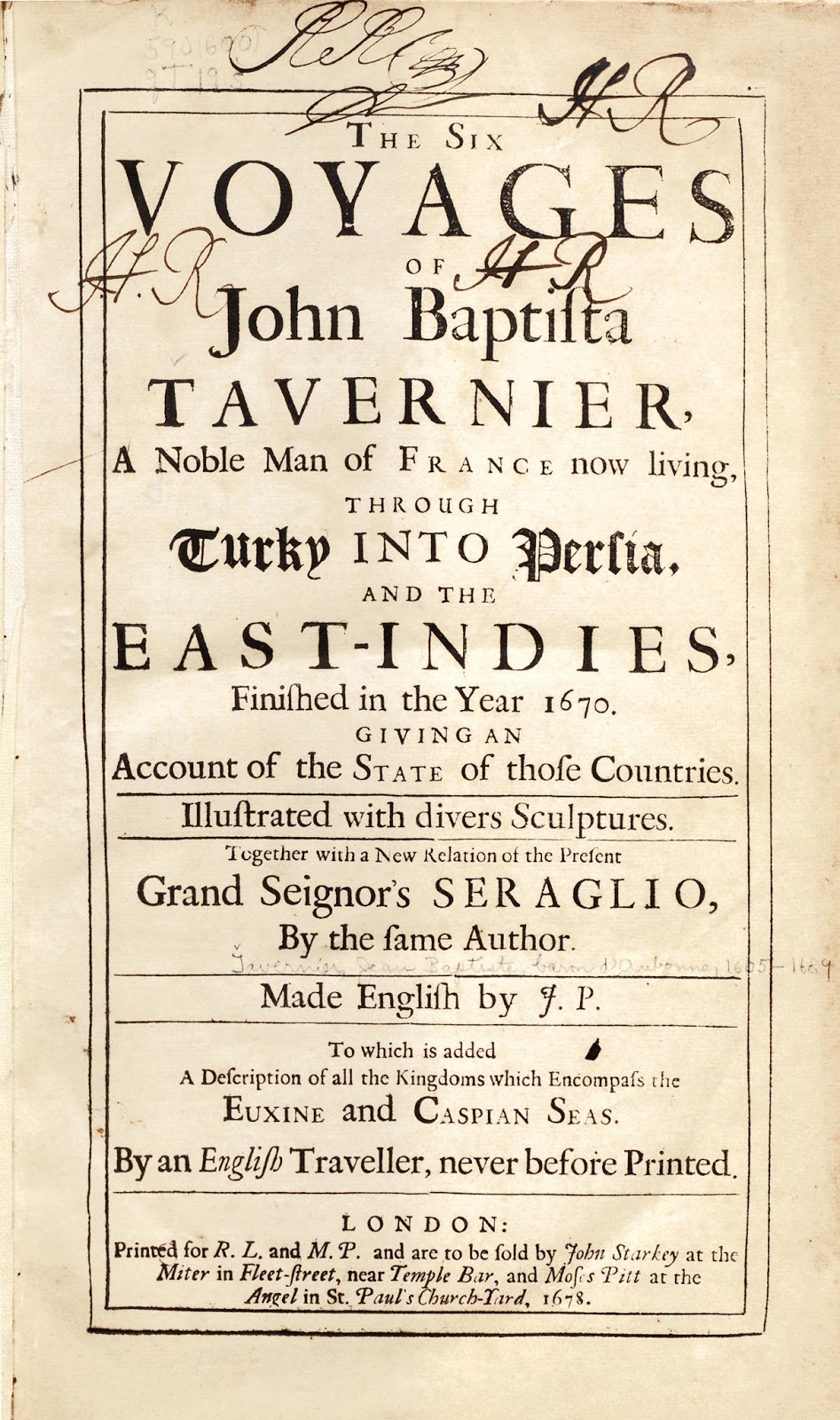
The known history of the stone begins with French gem merchant and traveler Jean-Baptiste Tavernier, whose travels through Asia in the 17th century are recorded in The Six Voyages of John Baptista Tavernier (1678), which has been digitized in BHL by the United States Geological Survey (USGS) Libraries Program.
View Full Size Image
Title Page. Tavernier, Jean-Baptiste. The six voyages of John Baptista Tavernier. 1678. Digitized by the United States Geological Survey Libraries Program. http://s.si.edu/2wq4rIQ.

Born to a cartographer in 1605, Tavernier demonstrated a love for travel as early as his teens. Over the course of nearly forty years, Tavernier embarked on six major trips, or “voyages”, to Persia and India, covering by his account 180,000 miles. He became a successful jewel merchant and, according to the Smithsonian’s Mineral Sciences Department website, “the first European to describe the diamond mines in India.” He first published an account of his journeys in 1676 with Les Six Voyages de Jean-Baptiste Tavernier, with an English translation by John Phillips appearing two years later in 1678.

Most likely during his sixth and final voyage to India between 1664-1668, Tavernier obtained a remarkable blue diamond weighing approximately 115 modern metric carats. Dubbed the “Tavernier Blue,” the stone was certainly mined in India, but the specific mine is not known. Tavernier detailed this diamond in his Six Voyages.
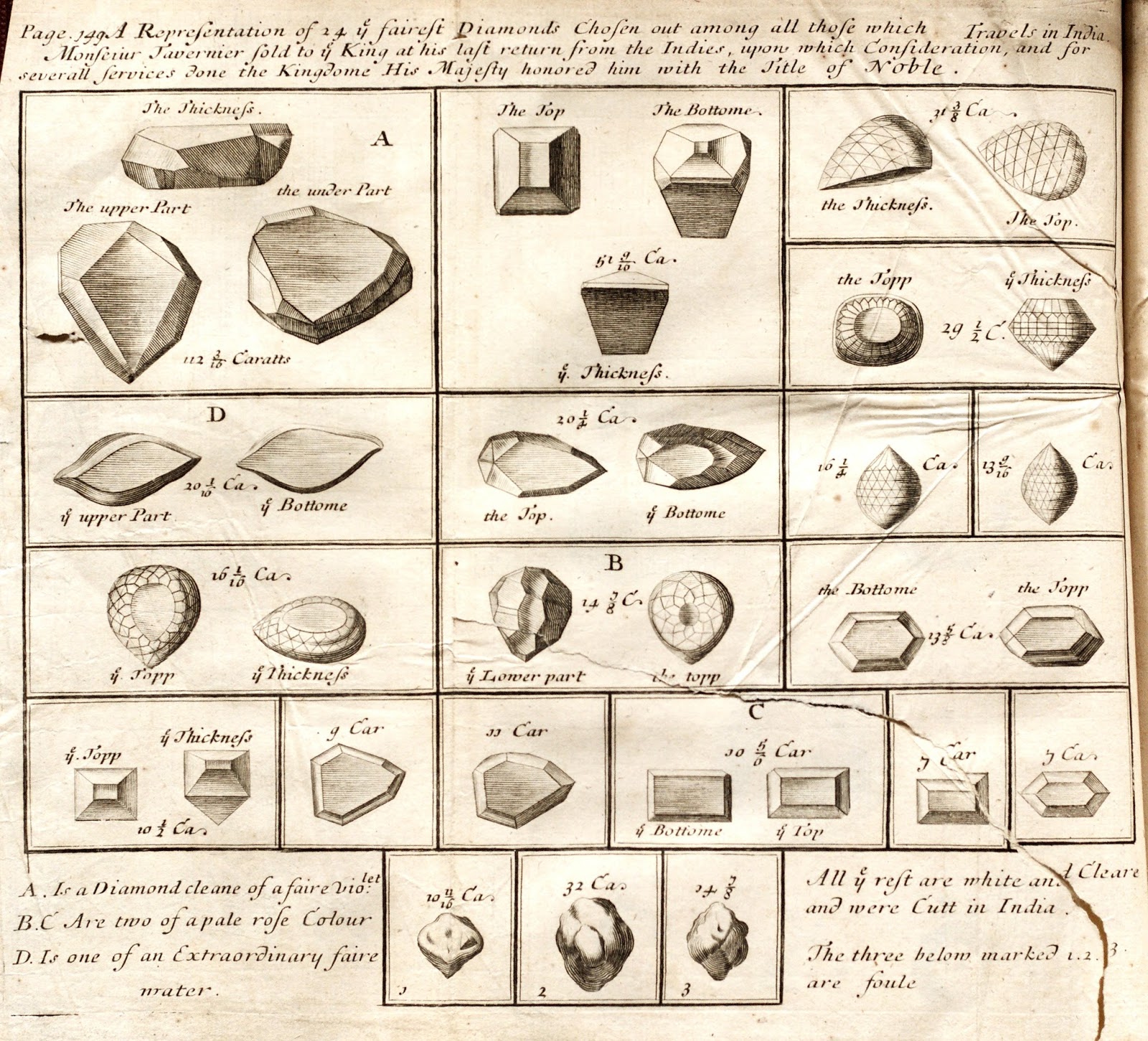
View Full Size Image
Sketch of the “Tavernier Blue” (Upper Left, “A”). Tavernier, Jean-Baptiste. The six voyages of John Baptista Tavernier. 1678. Digitized by the United States Geological Survey Libraries Program. http://s.si.edu/2xkH0Vi.

In 1668 or 1669 (sources vary), Tavernier sold the diamond to Louis XIV of France for 220,000 livres. According to François Farges, curator of minerals and gems at the Muséum national d’Histoire naturelle, the stone was likely worth twice that amount.

Why would Tavernier sell the gem so cheaply?

According to Richard W. Wise, author of The French Blue, Tavernier received a patent of nobility, likely as part of the deal, which at the time could be obtained for approximately 400,000-500,000 livres. Additionally, as Wise writes, selling the jewel to the King of France was good publicity for Tavernier. Furthermore, given the economic state of many other European royals at the time, Tavernier was unlikely to receive a better offer.

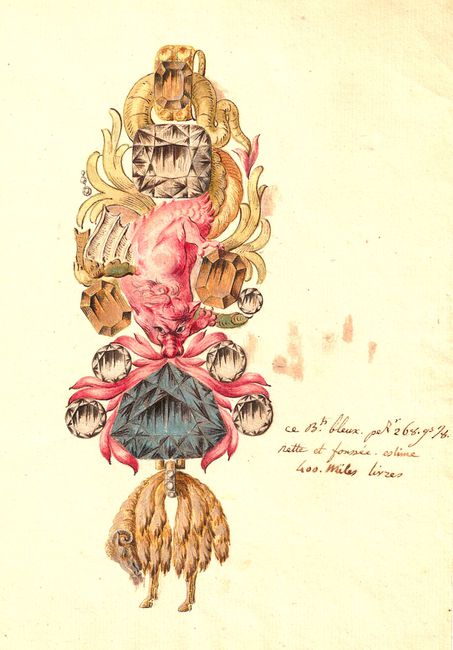
Louis XIV later ordered court jeweler Jean Pittan the Younger to recut the stone to reflect a more European style favoring symmetry and brilliance over size and weight. The resulting 69 carat heart-shaped diamond became commonly known as the “French Blue.” The diamond later became part of the Order of the Golden Fleece, a emblem of knighthood featuring many precious stones.

View Full Size Image
Color illustration of the Order of the Golden Fleece, containing the French Blue. Courtesy of the Smithsonian Institution. Creator: Pierre-André Jacqumin. https://mineralsciences.si.edu/_img/hope/GoldenFleece.jpg.

Then, in 1789, France changed. The French Revolution ignited, and in 1791, the French Crown Jewels, including the Order of the Golden Fleece containing the French Blue, were turned over to the revolutionary government and moved to the royal storehouse, Garde-Meuble. The jewels were put on public display until 1792, when the French Blue, along with many other Crown Jewels, were stolen.

And here, the French Blue is lost.

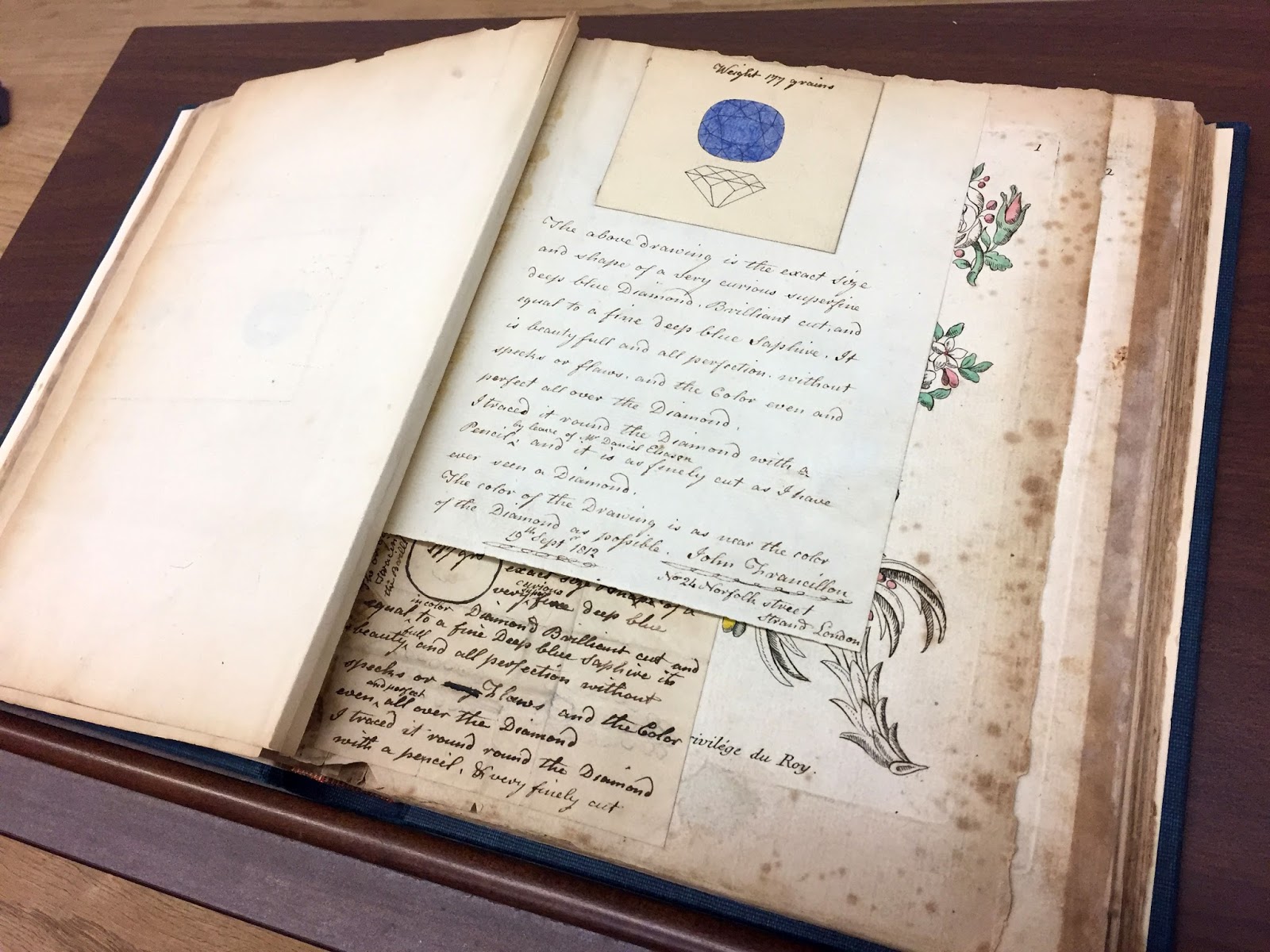
Fast forward to London, 1812. A jeweler named John Francillon makes a note and sketches of a 45.5 carat blue diamond that he examined “by leave of” London diamond merchant Daniel Eliason. Known as the “Francillon Memo”, this is the first reference to the Hope Diamond as it is known today.

It was American gemologist and former “special agent” for the USGS, George Frederick Kunz, who unearthed this important piece of the Hope’s provenance when he discovered the “Francillon Memo” inside a copy of Pouget’s Traité des pierres précieuses et de la maniere de les employer en parure (1762) whilst browsing in London’s Quartich’s bookshop.

View Full Size Image
The Francillon Memo inside a copy of Pouget’s Traité des pierres précieuses et de la maniere de les employer en parure (1762), from the USGS Libraries collection. Photo by: Kelly Haberstroh.

Today, this memorandum, as well as the Pouget book it was discovered within, are part of the George F. Kunz Collection at the USGS Libraries Program. Containing many rare books on gemology, the folklore of gemstones through history, lapidary arts and archival gem trade records, the Library acquired this significant collection in 1933 after Kunz’s death. The copy of Tavernier’s Six Voyages within BHL is a part of the USGS Kunz Collection.

Interestingly, the “Francillon Memo” was dated September 19, 1812, just two days after the expiration of the statute of limitations for crimes committed during the French Revolution. In other words, France could no longer prosecute for reclamation of the diamond, should they happen to recognize the stone for what it truly was.

Whilst the connection between the French Blue and the Hope Diamond has long been suspected, in 2005 scientists at the Smithsonian announced that archival research and computer models had allowed them to conclude that the Hope was almost certainly cut from the French Blue.

The gem was most likely recut to hide its true identity. But who directed this to happen?

In 2009, Farges and his colleagues published research involving a lead model of the French Blue that suggests it may have been Henry Philip Hope, the diamond’s namesake, who privately acquired and directed the stone to be recut sometime between 1792-1812, after which it eventually ended up with Eliason, a client of Hope’s family firm. Hope would eventually officially acquire the diamond by 1839, after it was allegedly sold from George IV of England’s collection following his death in 1830 (George IV’s ownership of the Hope has never been officially confirmed).

In the early twentieth century, after Hope’s great-grandnephew, Lord Francis Hope (who inherited the Hope Diamond), sold the stone in the midst of financial difficulties resulting from his lavish lifestyle, the diamond passed through multiple owners before it was finally donated by jeweler Harry Winston to the Smithsonian in 1958.

View Full Size Image
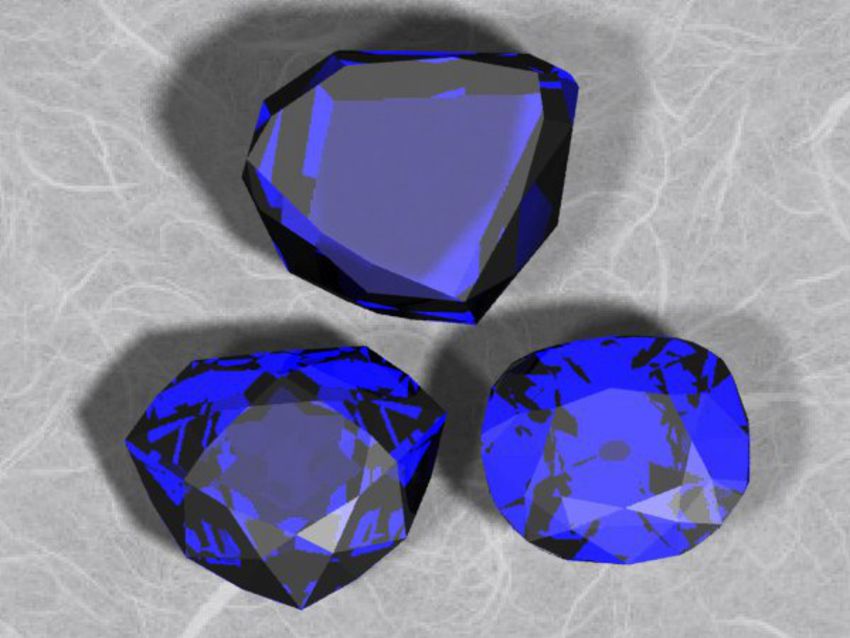
Models of the Hope Diamond in its three known states: Tavernier Blue (top), French Blue (bottom left), and the Hope Diamond (bottom right). Courtesy of the Smithsonian Institution. Creator Stephen Attaway. https://mineralsciences.si.edu/_img/hope/HopeModels.jpg.

Thus stands the history of the Hope Diamond, from its appearance in Tavernier’s Six Voyages to its exhibition at the Smithsonian. Thanks to the USGS Libraries Program, a record of the stone’s earliest known history is freely available to the world through the Biodiversity Heritage Library.

You can view all of the illustrations from Tavernier’s Six Voyages in the BHL Flickr.

About the USGS Libraries Program

The USGS Libraries Program, authorized by Congress in 1879, is the world’s largest earth and natural sciences library, providing services, collections, and expertise that are essential to the U.S. Geological Survey mission. The Libraries Program is made up of four branches that provide resources, collections, and services. The library collections include over 1,500,000 volumes, 2.500,000 maps, 30,000 field records, and 500,000 historical photos. Over thirty-six percent of the materials are unique to USGS, or available at ten or fewer libraries in the world. The rare collections can support research in biodiversity, specifically with literature from paleobotany and paleoclimatology as well as some surprising gems from early biological research both in the United States and across the world.

Sources

Buncombe, Andrew. 2005. “‘Cursed’ Hope Diamond Was Cut from French Stone, Test Shows.” The Independent, February 11. Accessed September 13, 2017. https://web.archive.org/web/20090331235958/http://www.independent.co.uk/news/world/americas/cursed-hope-diamond-was-cut-from-french-stone-tests-show-482819.html.

Farges, Francois, et al. 2009. “The French Blue and the Hope: New Data from the Discovery of a Historical Lead Cast.” Gems & Gemology 45, no. 1 (Spring): 4-19. Accessed September 13, 2017. https://www.gia.edu/doc/SP09.pdf.

The Public Domain Review. 2017. “The Six Voyages of John Baptista Tavernier.” Accessed September 13, 2017. http://publicdomainreview.org/collections/the-six-voyages-of-john-baptista-tavernier-1678/.

Smithsonian National Museum of Natural History. 2017. “Timeline.” Hope Diamond, April 19. Accessed September 13, 2017. https://mineralsciences.si.edu/collections/hope/timeline/1668.htm.

Wikipedia. 2017. “John Francillon.” September 1. Accessed September 13, 2017. https://en.wikipedia.org/wiki/John_Francillon.

Wise, Richard W. 2009. “From the Sun King to the Smithsonian The Epic Journey of the Hope Diamond.” The French Blue. Accessed September 13, 2017. http://thefrenchblue.com/article1.htm.

October 20, 2017by ulib-libraryjobs
Page 1 of 212»

Help Support BHL

BHL's existence depends on the financial support of its patrons. Help us keep this free resource alive!
search

About BHL

The Biodiversity Heritage Library (BHL) is the world’s largest open access digital library for biodiversity literature and archives. BHL operates as a worldwide consortium of natural history, botanical, research, and national libraries working together to digitize the natural history literature held in their collections and make it freely available for open access as part of a global “biodiversity community.”

Join Our Mailing List

Sign up to receive the latest news, content highlights, and promotions.

Subscribe Now

Subscribe to Blog via Email

Enter your email address to subscribe to this blog and receive notifications of new posts by email.

Join 319 other subscribers

Subscribe to Blog Via RSS

Subscribe to the blog RSS feed to stay up-to-date on all the latest BHL posts.

Access RSS Feed

Inspiring Discovery through Free Access to Biodiversity Knowledge.

The Biodiversity Heritage Library makes it easier than ever for you to access the information you need to study and explore life on Earth…for free, anytime, anywhere.


64+ Million Pages of
Biodiversity Literature Online.

EXPLORE

Tools and Services
to Transform Research.

EXPLORE

300,000+
Illustrations on Flickr.

EXPLORE

ABOUT | HARMFUL CONTENT | PRIVACY | SITE MAP | TERMS OF USE