Biodiversity Heritage Library - Program news and collection highlights from BHL
  • Home
  • News
  • Featured Books
    • All Featured Books
    • Book of the Month Series
    • BHL at 20
  • User Stories
  • Campaigns
    • Fossil Stories
    • Garden Stories
    • Monsters Are Real
    • Page Frights
    • Her Natural History
    • Earth Optimism 2020
  • Tech Blog
  • Visit BHL
Home
News
Featured Books
    All Featured Books
    Book of the Month Series
    BHL at 20
User Stories
Campaigns
    Fossil Stories
    Garden Stories
    Monsters Are Real
    Page Frights
    Her Natural History
    Earth Optimism 2020
Tech Blog
Visit BHL
  • Home
  • News
  • Featured Books
    • All Featured Books
    • Book of the Month Series
    • BHL at 20
  • User Stories
  • Campaigns
    • Fossil Stories
    • Garden Stories
    • Monsters Are Real
    • Page Frights
    • Her Natural History
    • Earth Optimism 2020
  • Tech Blog
  • Visit BHL
Biodiversity Heritage Library - Program news and collection highlights from BHL

All posts by michelle.underhill

BHL News, Blog Reel

BHL at TDWG 2020

Read the full blog post

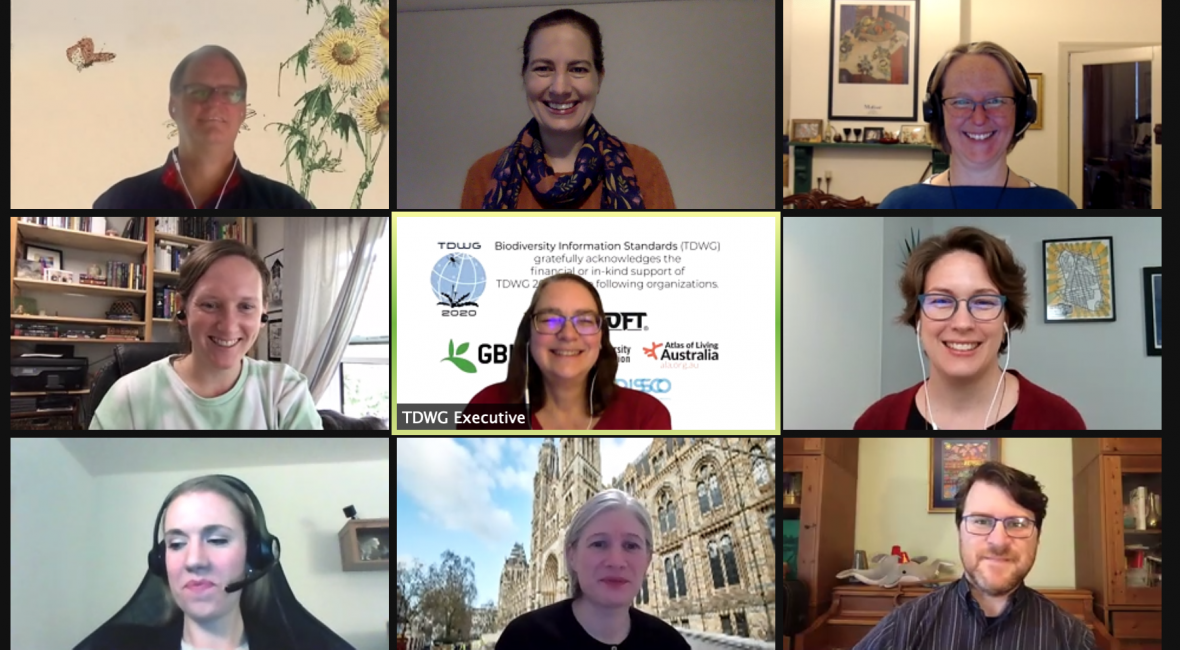
This year, as organizations around the world have done in response to the global COVID-19 pandemic, Biodiversity Information Standards (TDWG) held its annual conference virtually. With a mix of online working sessions, webinar-style symposia, presentations, panel discussions, and recorded presentations, this year’s conference was held across two separate periods—the first dedicated to working sessions during the week of 21-25 September 2020 and the second to symposia and panel sessions the week of 19-23 October 2020.

On 20 October 2020 as part of the TDWG 2020 virtual conference, BHL hosted a symposium, “SYM03 Enhancing Connections With the Global Neighbourhood Through Expanding Partnerships”, organized by Constance Rinaldo (Librarian of the Ernst Mayr Library, Harvard and Chair of the BHL Executive Committee) and Colleen Funkhouser (BHL Program Manager, Smithsonian Libraries).

The symposium consisted of four talks, covering topics including building BHL’s technical strategy, digital object identifiers (DOIs), taxonomic name finding services, and BHL’s response to the global COVID-19 pandemic.
Continue reading
October 30, 2020byGrace Costantino
Blog Reel, User Stories

Exploring the People and Stories Behind the Names: BHL Empowers Research on Taxonomic History

Read the full blog post

In 1780, French naturalist François Le Vaillant traveled to the Cape of Good Hope and subsequently spent several years studying the region’s biodiversity. During his three journeys—the first around Cape Town and Saldanha Bay (April to August 1781), the second eastwards from the Cape (December 1781 to May 1783), and the third to the Orange River and into Great Namaqualand (June 1783 to c. May 1784)—Le Vaillant amassed a collection of thousands of specimens. Upon returning to Europe, he published accounts of his travels within Voyage dans l’intérieur de l’Afrique (1790, 2 vols.) and Second voyage dans l’intérieur de l’Afrique (1796, 3 vols.)—both of which were best sellers and were translated into several languages.

Within these narratives, Le Vaillant writes repeatedly of his Khoikhoi guide, whom he called Klaas (but whose name in Klaas’s own Khoe language seems to be unrecorded). Le Vaillant’s respect and affection for Klaas is evident. In the first volume of his Voyage dans l’intérieur de l’Afrique, Le Vaillant writes:

“…le bon Klaas fut déclaré mon égal, mon frère, le confident de tous mes plaisirs, de mes disgrâces, de toutes mes pensées ; il a plus d’une fois calmé mes ennuis, & ranimé mon courage abattu.” [“…the good Klaas is declared my equal, my brother, the confidant of all my pleasures, of my disgraces, of all my thoughts; he has more than once calmed my troubles, & revived my shattered courage.”]

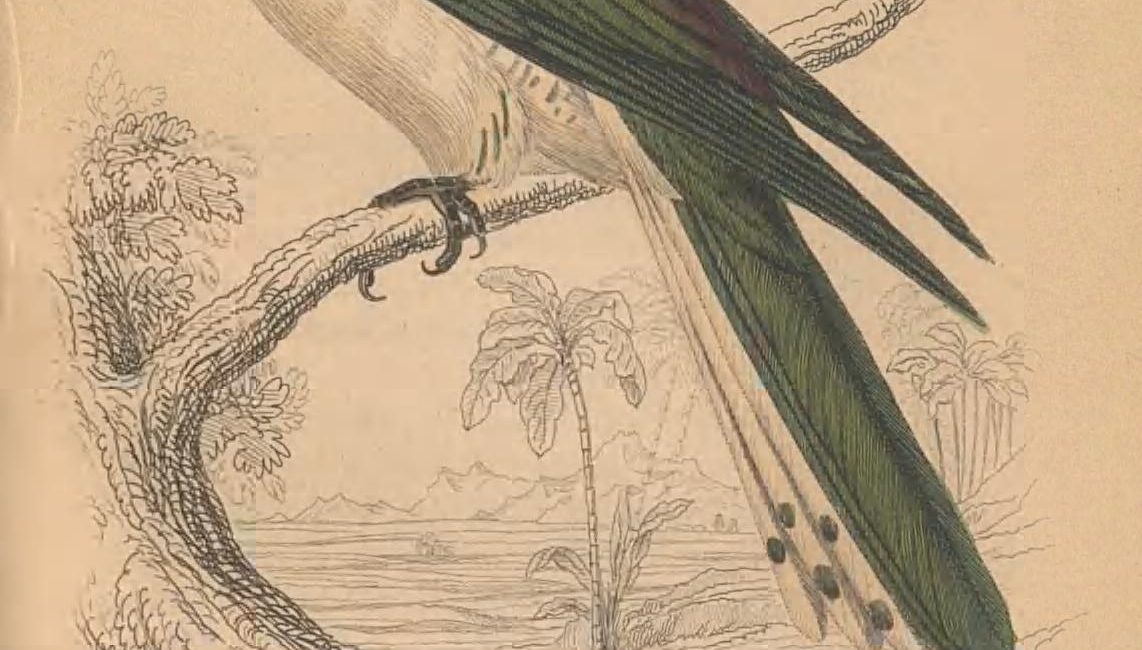
Klaas, of whom Le Vaillant wrote “by long practice [he] had become a naturalist”, also collected specimens for the French naturalist, which Le Vaillant later described within publications such as Histoire naturelle des oiseaux d’Afrique (1796–1808, 6 vols.). One such specimen was that of Klaas’s cuckoo, a species native to the wooded regions of sub-Saharan Africa. According to Le Vaillant, Klaas collected the specimen “près de la rivière Platte” (“near the Platte river”). It was the only individual of this species that the company encountered during their expedition.

Continue reading
October 22, 2020byGrace Costantino
Blog Reel, Campaigns, Earth Optimism 2020, User Stories

Empowering Research on Marine Bioinvasions to Support Conservation of Native Species and Ecosystems

Read the full blog post

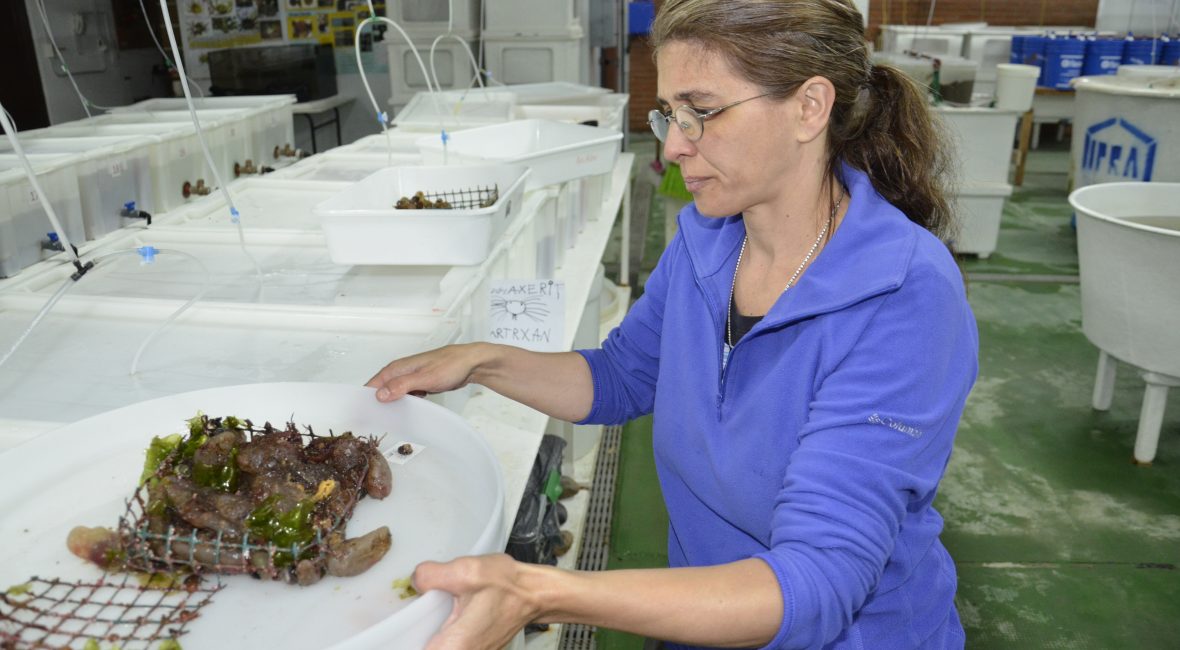
The solitary sea squirt Ascidiella aspersa is native to the Northeastern Atlantic, from the Mediterranean Sea to Norway. Living in shallow sheltered sites and harbors, this species has a fast growth rate and is able to produce a large number of larvae.

These attributes have helped make it a successful colonizer of non-native environments, such as the Southwestern Atlantic, where it has become an invasive species introduced likely via ships.

Dr. Evangelina Schwindt, Head of the Grupo de Ecología en Ambientes Costeros from CONICET in Argentina, studies Ascidiella aspersa as part of her research as a marine invasive ecologist. Her work involves researching the interactions between invasive and native species, the patterns and processes occurring in biological invasions from the historical and present-day perspectives, the impact caused by invasive species, and the management strategies that can be applied.

Continue reading
October 8, 2020byGrace Costantino
BHL News, Blog Reel

Celebrating the Career of Susan Fraser, Recently-Retired Thomas J. Hubbard Vice President and Director of the LuEsther T. Mertz Library at The New York Botanical Garden (NYBG)

Read the full blog post

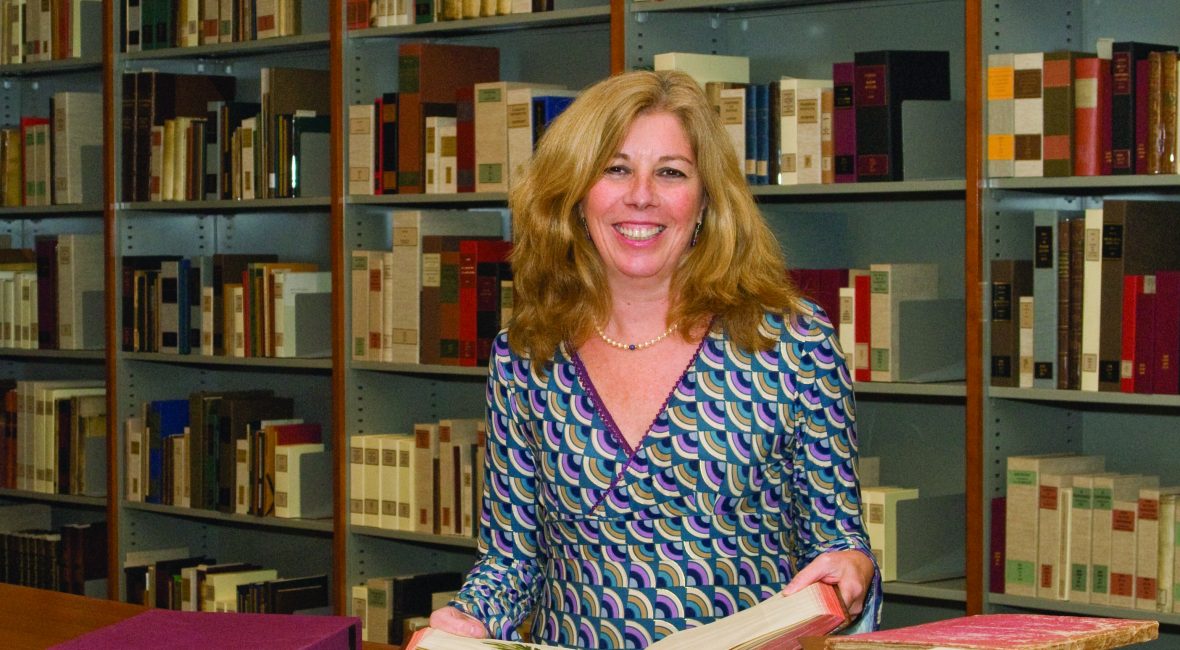
We are honored to celebrate the career of Susan Fraser, who last month retired as the Thomas J. Hubbard Vice President and Director of the LuEsther T. Mertz Library at The New York Botanical Garden (NYBG). During her 36 years at NYBG, Susan made significant contributions to the Garden, the global library and botanical community, and the Biodiversity Heritage Library (BHL).

Continue reading
September 29, 2020byGrace Costantino
Blog Reel, User Stories

Towards Online Decoloniality: Globality and Locality in and Through the BHL

Read the full blog post

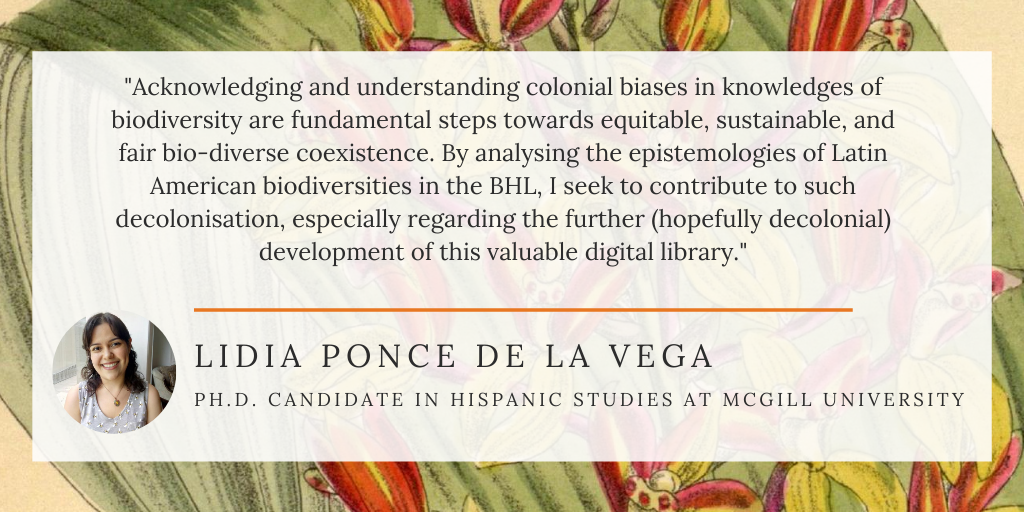
Lidia Ponce de la Vega is a Ph.D. Candidate in Hispanic Studies at McGill University. As part of her dissertation, she is analyzing the BHL collection from the perspective of Latin America to understand how the region produces and engages with biodiversity knowledge and how knowledge of Latin American biodiversity produced elsewhere represents the region and its nature. As part of this process, she has conducted a critical study of the BHL México program to understand how users in Latin America engage with BHL’s collections as well as how the program can help decolonise biodiversity knowledge and help inform best practices for decolonising digital archives more broadly.

Continue reading
September 1, 2020byLidia Ponce de la Vega
Blog Reel, Campaigns, Earth Optimism 2020, User Stories

Meadowfoam and Cluster-Lilies: Empowering Research on Rare Plants Through Open Access to Biodiversity Literature

Read the full blog post

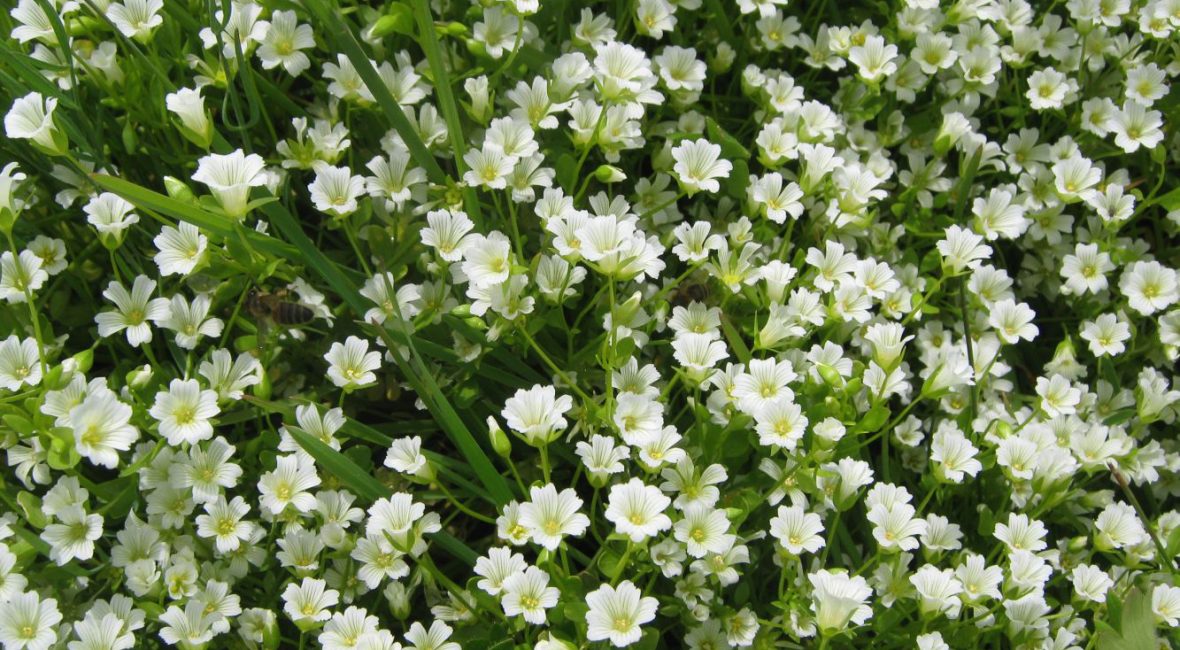
Little Lake Valley, located in northern California’s Eel River watershed, is home to several thousand acres of wet meadows and riparian woodlands that are habitat for diverse plants and wildlife, including tule elk, many bird species, and gorgeous spring wildflower displays. A landscape formed when sediments from several creeks filled an intermountain valley bounded by faults, the Valley is also home to two rare plants: the North Coast semaphore grass (state-listed as Threatened) and Baker’s meadowfoam (state-listed as Rare).

“The large lowland wetland ecosystem found in the Little Lake Valley, if not unique, is quite rare,” asserts Dr. Robert E. Preston, a Senior Biologist in the Sacramento office of ICF, an international consulting firm. “Most or all of the small interior valleys of California’s North Coast Ranges were long ago converted to agriculture or were hydrologically altered. Moreover, it supports almost half of the known occurrences of Baker’s meadowfoam, including the largest and most extensive population.”

In November 2016, the California Department of Transportation (Caltrans) completed construction of the Willits Bypass Project, a 5.9-mile long bypass of US Highway 101 in Mendocino County. First proposed in 1957, the controversial project, which crosses a corner of Little Lake Valley, raised a variety of environmental concerns due to its impact on endangered species and state and federally regulated resources [1].

Preston served as the lead botanist for the team that prepared the Project’s Mitigation and Monitoring Plan, which was developed and is being implemented by Caltrans to offset the bypass’ impacts on wetlands and rare plants.

Continue reading
August 27, 2020byGrace Costantino
Blog Reel, Campaigns, Earth Optimism 2020

George Perkins Marsh: Man and Nature: Or, Physical Geography as Modified by Human Action

Read the full blog post

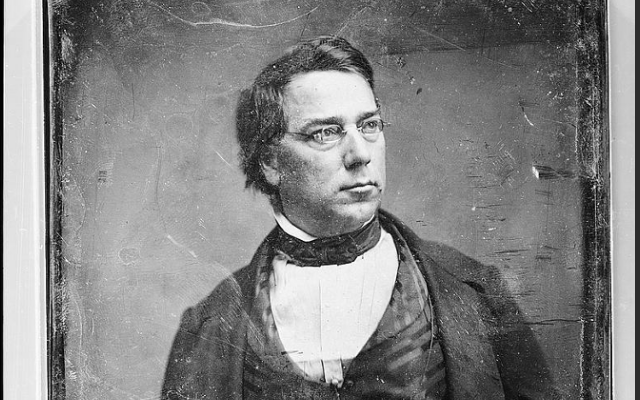
George Perkins Marsh was a talented linguist, scholar, and diplomat. He served as a member of the U.S. House of Representatives from Vermont’s 3rd district from 1843-1849, and, in 1850, went on to become United States Minister to the Ottoman Empire. In 1861 he was appointed by President Lincoln as the first Ambassador to the Kingdom of Italy, where he served until his death at Vallombrosa in 1882. A Vermonter raised close to the forests of the Adirondack Mountains, Marsh is remembered today chiefly for his role as an early and influential pioneer of the conservation movement in the United States. His book Man and Nature:Or, Physical Geography as Modified by Human Action, published in 1864, is recognized for his early recognition of the interdependency of the natural world, the effects that human actions can have upon it, and the responsibilities that humans bear for those actions.

Continue reading
August 20, 2020byTomoko Steen and Alison Kelly
Page 5 of 47« First...«4567»102030...Last »

Help Support BHL

BHL’s existence depends on the financial support of its patrons. Help us keep this free resource alive!

Donate Now

search

About BHL

The Biodiversity Heritage Library (BHL) is the world’s largest open access digital library for biodiversity literature and archives. BHL operates as a worldwide consortium of natural history, botanical, research, and national libraries working together to digitize the natural history literature held in their collections and make it freely available for open access as part of a global “biodiversity community.”

Follow BHL

  • Bluesky logo
  • Facebook logo
  • Flickr logo
  • Twitter logo

Join Our Mailing List

Sign up to receive the latest news, content highlights, and promotions.

Subscribe Now

Subscribe to Blog Via RSS

Subscribe to the blog RSS feed to stay up-to-date on all the latest BHL posts.

Access RSS Feed

Inspiring Discovery through Free Access to Biodiversity Knowledge.

The Biodiversity Heritage Library makes it easier than ever for you to access the information you need to study and explore life on Earth…for free, anytime, anywhere.

63+ Million Pages of
Biodiversity Literature Online.

EXPLORE

Tools and Services
to Transform Research.

EXPLORE

300,000+
Illustrations on Flickr.

EXPLORE


ABOUT | BLOG AUTHORS | HARMFUL CONTENT | PRIVACY | SITE MAP | TERMS OF USE

Download Adobe Acrobat Reader