Biodiversity Heritage Library - Program news and collection highlights from BHL
  • Home
  • News
  • Featured Books
    • All Featured Books
    • Book of the Month Series
    • BHL at 20
  • User Stories
  • Campaigns
    • Fossil Stories
    • Garden Stories
    • Monsters Are Real
    • Page Frights
    • Her Natural History
    • Earth Optimism 2020
  • Tech Blog
  • Visit BHL
Home
News
Featured Books
    All Featured Books
    Book of the Month Series
    BHL at 20
User Stories
Campaigns
    Fossil Stories
    Garden Stories
    Monsters Are Real
    Page Frights
    Her Natural History
    Earth Optimism 2020
Tech Blog
Visit BHL
  • Home
  • News
  • Featured Books
    • All Featured Books
    • Book of the Month Series
    • BHL at 20
  • User Stories
  • Campaigns
    • Fossil Stories
    • Garden Stories
    • Monsters Are Real
    • Page Frights
    • Her Natural History
    • Earth Optimism 2020
  • Tech Blog
  • Visit BHL
Biodiversity Heritage Library - Program news and collection highlights from BHL

Search results for "label"

Blog Reel, Featured Books

Making the Best of Difficult Times: Accelerating the Transcription of William Brewster’s Writings During the COVID-19 Pandemic

Read the full blog post

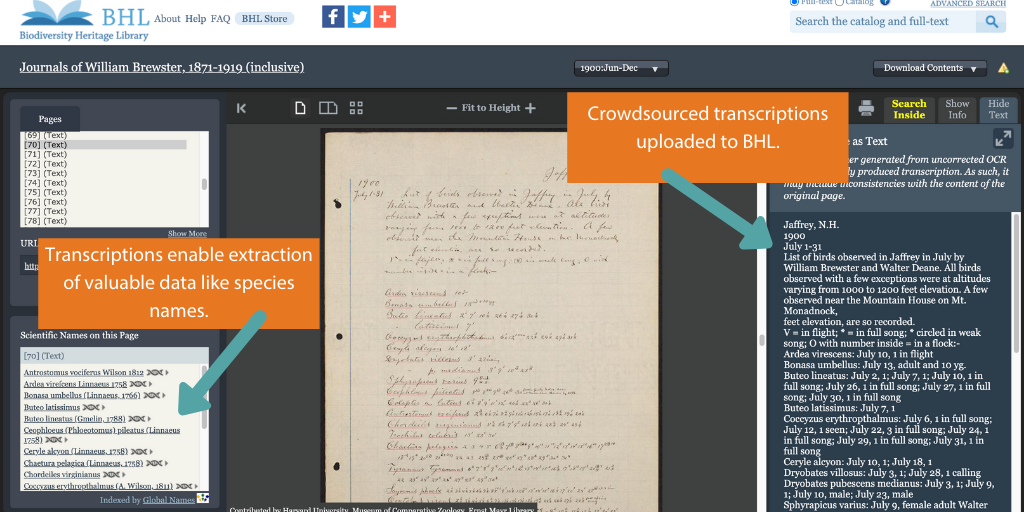
Many of us have searched for silver linings during the COVID-19 pandemic of 2020-2021. For many in the library and museum profession, one positive outcome of the mandatory transition to remote work has been the resurrection of some long-postponed projects. These are activities put on hold during normal times in deference to ever-proliferating, higher-priority onsite tasks. One such project in the Ernst Mayr Library and Archives (EMLA) of the Museum of Comparative Zoology (MCZ) at Harvard University, is transcription of the digitized journals and diaries of William Brewster.

Continue reading
February 24, 2021byJoseph deVeer
Blog Reel, Featured Books

The Untold Story of Virginia and José Correia: Scientific Explorers in Search of Rare Birds

Read the full blog post

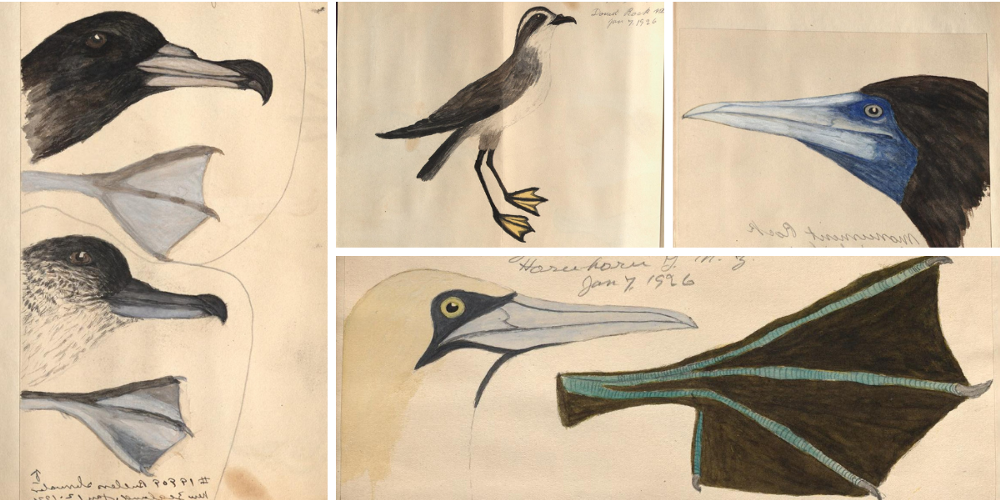
José and Virginia Correia are one of history’s most prolific bird collecting teams. For over three decades, they participated in many scientific exploring expeditions for the American Museum of Natural History, including the Whitney South Sea Expedition from 1922 to 1926.

Although the published literature is scant regarding their scientific contributions, their story is certainly worth telling. Described by The Standard-Times (New Bedford) as a “life reading like fiction”,³  —  their work has emerged from obscurity with the recent digitization of José’s field notes from the Whitney South Sea Expedition (1920–1941). Now audiences far and wide can enjoy this quintessential American story of two immigrants propelled by fate, hard work, and a sincere desire to improve one’s lot in life.

Continue reading
December 3, 2020byJJ Dearborn
Blog Reel, Campaigns, Earth Optimism 2020, User Stories

The Case of the Florida Nutmeg: Empowering Research on Endangered Plants

Read the full blog post

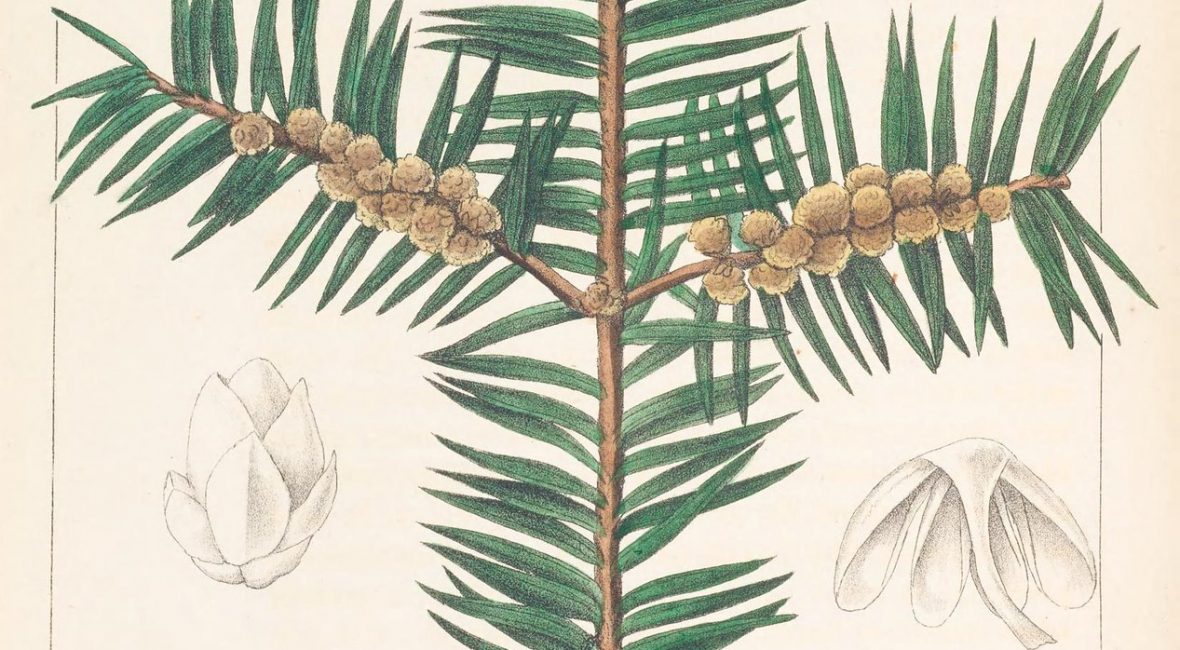
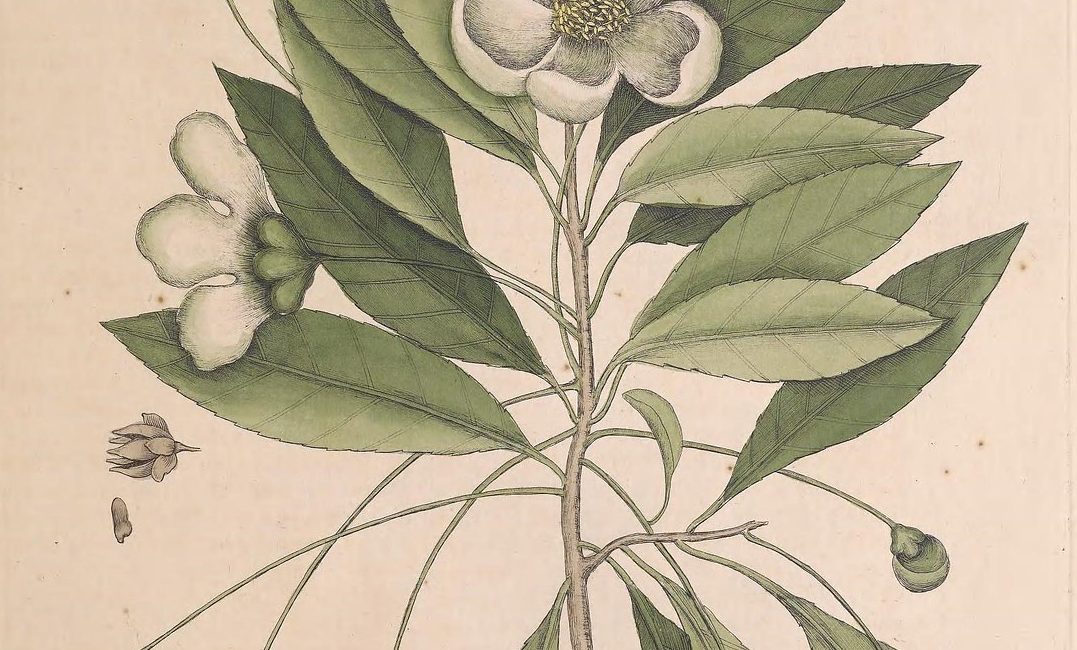
On 5 June 1834, avid amateur botanist Hardy Bryan Croom wrote a letter to botanist John Torrey describing a gymnosperm tree in northern Florida that he was struggling to identify. In this letter, he postulated—with some degree of confidence—that the tree was Taxus baccata, the common yew, and he hoped to acquire some specimens to send to Torrey for investigation.

Torrey was one of the most important 19th century botanists in America. He corresponded with hundreds of scientists in North America and Europe, many of whom sent him specimens from their various explorations for study and identification. As such a well-respected expert and advisor on botanical science, it comes as no surprise that Croom sought Torrey’s expertise regarding this mysterious Florida tree.

The next year, in a letter dated 18 November 1835, Croom wrote again to Torrey, stating:

“The letter which I wrote last summer has had the effect to procure me some perfect fruit of that remarkable Taxoid tree at Aspalaga. The result surprises me. It is an ovate one celled nut entirely enclosed in fleshy covering! as large as a pigeon’s egg! Calix imbricated; thus agreeing neither with Taxus nor with Podocarpus. Besides, the tree, I think, is dioecious, but of this I am not yet certain. What will you do with it? Will it make a new genus?”

The following year, Croom again wrote to Torrey in a letter dated 18 May 1836 that he had determined that the tree represented a new genus. He proposed the genus name Torreya and provided a description and habitat details for “this fine tree,” for which he remarked:

“It is so abundant about Aspalaga (especially on Flat Creek) as to have been sawed into plank and lumber. It is an elegant tree with dark green foliage.”

With this letter, Croom provided the first recorded description of the habitat and abundance of the Florida nutmeg, Torreya taxifolia.

Sadly, Croom and his family drowned in a shipwreck in the Atlantic Ocean near Cape Hatteras on 8 October 1837. As such, Torrey arranged that the new genus and species were formally named and described by botanist George Arnott Walker-Arnott in 1838.

While Croom characterized Torreya taxifolia as abundant in 1836, today the species is critically endangered. With a distribution restricted to the limestone ravines and bluffs along the Apalachicola River in northern Florida and southern Georgia, fewer than a thousand individual trees persist in their native habitat. The most significant threat to the species is continued reproductive failure resulting from fungal pathogens—a threat which is continuing but not well-understood.

Continue reading

November 12, 2020byGrace Costantino
Blog Reel, Campaigns, Earth Optimism 2020

Birds Brought Back from the Brink

Read the full blog post

We often think of natural history libraries serving as memorials for lost species, animals like the passenger pigeon and the dodo living on only in books, photos, and illustrations that tell sad cautionary tales of once-abundant populations lost to overhunting or habitat destruction.

However, such records also tell stories of hope, providing valuable resources for modern scientists working to protect threatened wildlife. Since it was founded in 2006, BHL’s historical documents have supported the work of conservationists devoted to saving everything from Caribbean mammals to rare wetland plants. Not only are accessible records that describe the historic ranges, populations, and other characteristics of a species essential for researchers, but they help remind the public of how vibrant historical ecosystems were—and the importance of protecting what is left.

“The real advantage of BHL is keeping our ecological memory intact, and not allowing us to collectively forget how beautiful, wild, and diverse ecosystems of the past were,” wrote historical ecologist Dr. Joshua Drew in a blog post from BHL’s 2020 Earth Optimism campaign. “If we succumb to this collective amnesia, we risk setting our conservation bar too low and allowing the dulling of our natural environments to continue without even recognizing our losses.”

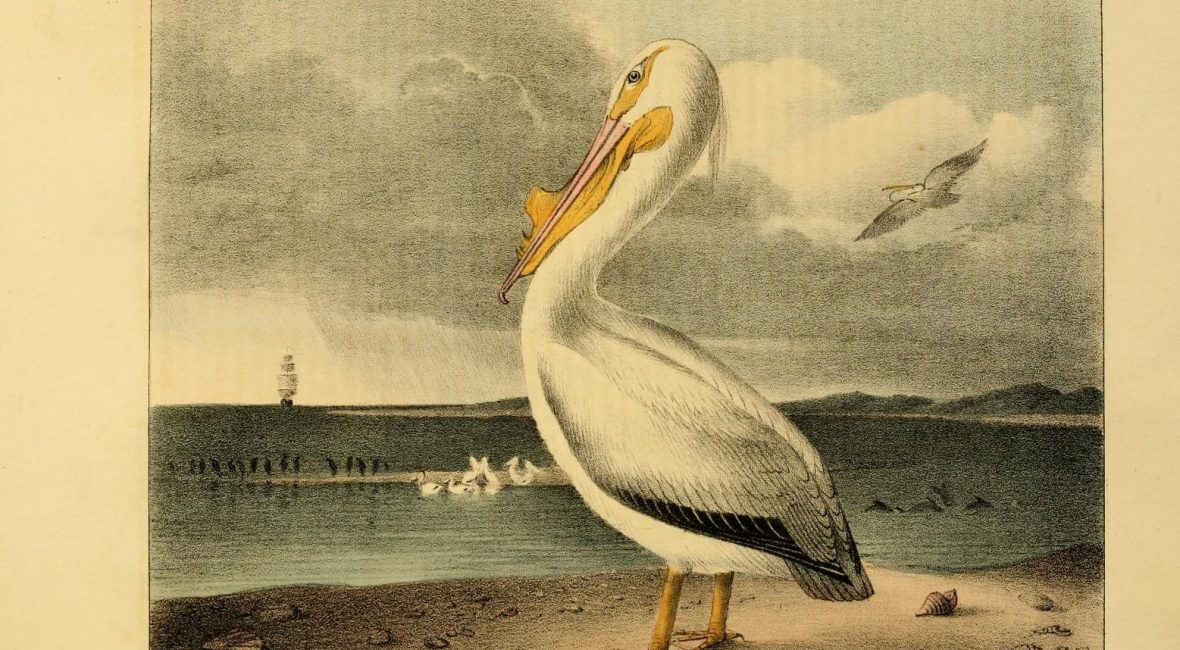
As part of BHL’s Earth Optimism series, we’re sharing the conservation success stories of four bird species, all prominently featured in the BHL collection, whose impending losses were reversed through the efforts of concerned citizens and researchers.

Continue reading
October 29, 2020byEmily Ellis
Blog Reel, User Stories

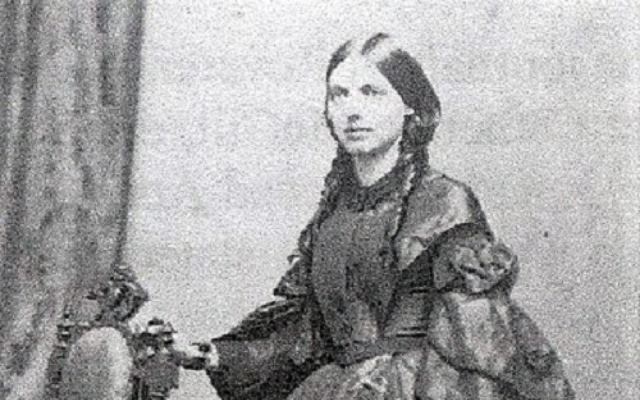
Kate Crooks and the Botanical Society of Canada: How BHL Helped Uncover the Work of a Long-lost Female Botanist

Read the full blog post

“Towards the latter end of November, 1860, a proposal was made to organize a Botanical Society. There being no such Institution in operation in Canada, it was thought that much benefit might result from its establishment.”

So begins the first volume of the Annals of the Botanical Society of Canada, published in 1861 following the Society’s founding in Kingston, Ontario in 1860.

The Society—founded by members of the Queen’s College (now Queen’s University) natural history department—welcomed men and women as equal members and met regularly in Kingston. One hundred people attended the first meeting in January 1861, despite temperatures of –20 Celsius! The following month, 200 people were in attendance, including a young woman named Catharine (Kate) Crooks. She joined the Society on that occasion, along with her brother-in-law, Alexander Logie. Crooks and Logie had travelled from Hamilton, Ontario—southwest of Toronto—and presented the Society with a flora of Hamilton.

Continue reading
May 28, 2020byAnna Soper and Grace Costantino
Blog Reel, Featured Books

How Many Buntings? Revisiting the Relationship Between Linnaeus and Catesby

Read the full blog post

Not many birds bedazzle as thoroughly as the adult male Painted Bunting. No matter how many you’ve seen or how often, every one remains a source of startlement, whether it is emerging shyly from a Florida thicket, swaying on a heavy grass halm in the deserts of Arizona, or chewing steadily at a feeder in snowy Massachusetts. This, the most gaudily colored bird north of Mexico, is guaranteed to create a stir.

That stir was even greater three hundred years ago, when European natural historians first confronted this novel beauty. So colorful was the bird that the first scientists to describe it believed that it must be native to regions even more exotic than America. Eleazar Albin, in the notes accompanying his or his daughter Elizabeth Albin’s 1737 engraving of the species, reported that the bird had been brought to England from China for the pleasure “of a curious Gentleman” (Albin 1738). A dozen years on, Linnaeus, having failed to find the bird described or depicted in the handbooks available to him, diagnosed it as a new species, which he inscrutably named Emberiza ciris, and determined that with so brightly colored a plumage, the specimens could have come only from India (Linnaeus 1750).

With the benefit of nearly three centuries’ hindsight, such wild geographic speculation was strictly speaking unnecessary. As early as the 1720s, the natural historian Mark Catesby had seen, drawn, and described the Painted Bunting in southeastern North America, an account that he published in London in 1729 (Catesby 1729).

Continue reading
December 5, 2019byRick Wright
Blog Reel, User Stories

Getting Fishy with BHL: Empowering Discoveries and Connections Around Museum Collections

Read the full blog post

Twitter is a popular communication channel amongst the scientific community. Scientists use the platform to communicate with colleagues and share their research findings with both other scientists and the public.

Twitter may also be a valuable source of data for researchers. For example, ecologists from the University of Gloucestershire found that “Twitter-mined” data is useful for phenological studies, such as winged-ant emergence or the appearance of house spiders in the fall.

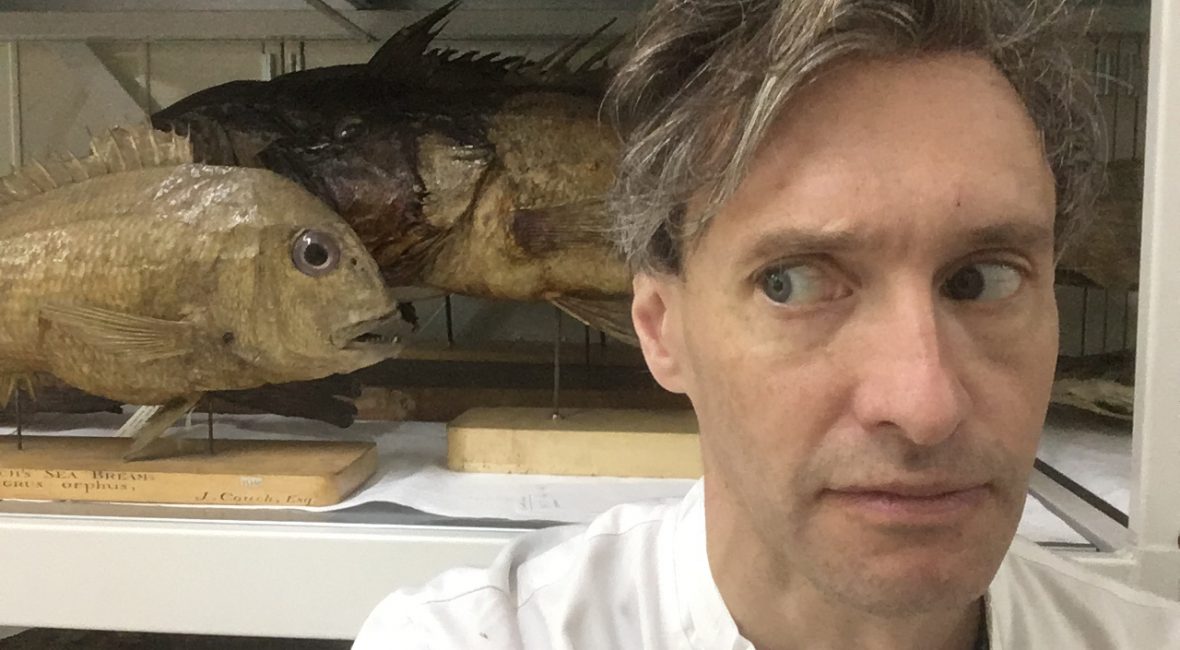
Twitter conversations can also spark unexpected discoveries. For example, a recent @BioDivLibrary Twitter conversation helped uncover a connection between the scientific literature and a museum’s collections.

Continue reading
September 5, 2019byGrace Costantino
Page 2 of 13«1234»10...Last »

Help Support BHL

BHL's existence depends on the financial support of its patrons. Help us keep this free resource alive!

search

About BHL

The Biodiversity Heritage Library (BHL) is the world’s largest open access digital library for biodiversity literature and archives. BHL operates as a worldwide consortium of natural history, botanical, research, and national libraries working together to digitize the natural history literature held in their collections and make it freely available for open access as part of a global “biodiversity community.”

Follow BHL

  • Bluesky logo
  • Instagram logo
  • Facebook logo
  • Flickr logo
  • Twitter logo

Join Our Mailing List

Sign up to receive the latest news, content highlights, and promotions.

Subscribe Now

Subscribe to Blog via Email

Enter your email address to subscribe to this blog and receive notifications of new posts by email.

Join 318 other subscribers

Subscribe to Blog Via RSS

Subscribe to the blog RSS feed to stay up-to-date on all the latest BHL posts.

Access RSS Feed

Inspiring Discovery through Free Access to Biodiversity Knowledge.

The Biodiversity Heritage Library makes it easier than ever for you to access the information you need to study and explore life on Earth…for free, anytime, anywhere.

64+ Million Pages of
Biodiversity Literature Online.

EXPLORE

Tools and Services
to Transform Research.

EXPLORE

300,000+
Illustrations on Flickr.

EXPLORE


ABOUT | BLOG AUTHORS | HARMFUL CONTENT | PRIVACY | SITE MAP | TERMS OF USE