Biodiversity Heritage Library - Program news and collection highlights from BHL
  • Home
  • News
  • Featured Books
    • All Featured Books
    • Book of the Month Series
    • BHL at 20
  • User Stories
  • Campaigns
    • Fossil Stories
    • Garden Stories
    • Monsters Are Real
    • Page Frights
    • Her Natural History
    • Earth Optimism 2020
  • Tech Blog
  • Visit BHL
Home
News
Featured Books
    All Featured Books
    Book of the Month Series
    BHL at 20
User Stories
Campaigns
    Fossil Stories
    Garden Stories
    Monsters Are Real
    Page Frights
    Her Natural History
    Earth Optimism 2020
Tech Blog
Visit BHL
  • Home
  • News
  • Featured Books
    • All Featured Books
    • Book of the Month Series
    • BHL at 20
  • User Stories
  • Campaigns
    • Fossil Stories
    • Garden Stories
    • Monsters Are Real
    • Page Frights
    • Her Natural History
    • Earth Optimism 2020
  • Tech Blog
  • Visit BHL
Biodiversity Heritage Library - Program news and collection highlights from BHL
Blog Reel, User Stories

Expanding Library Impact through Open Access Digitization

View Full Size Image
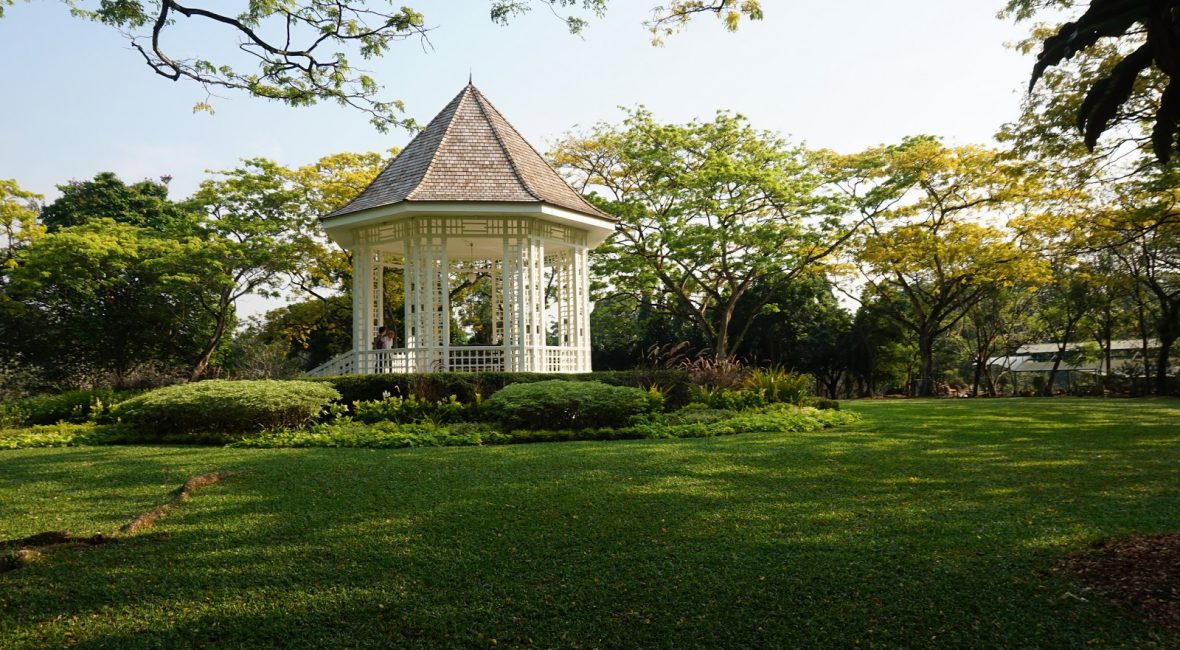
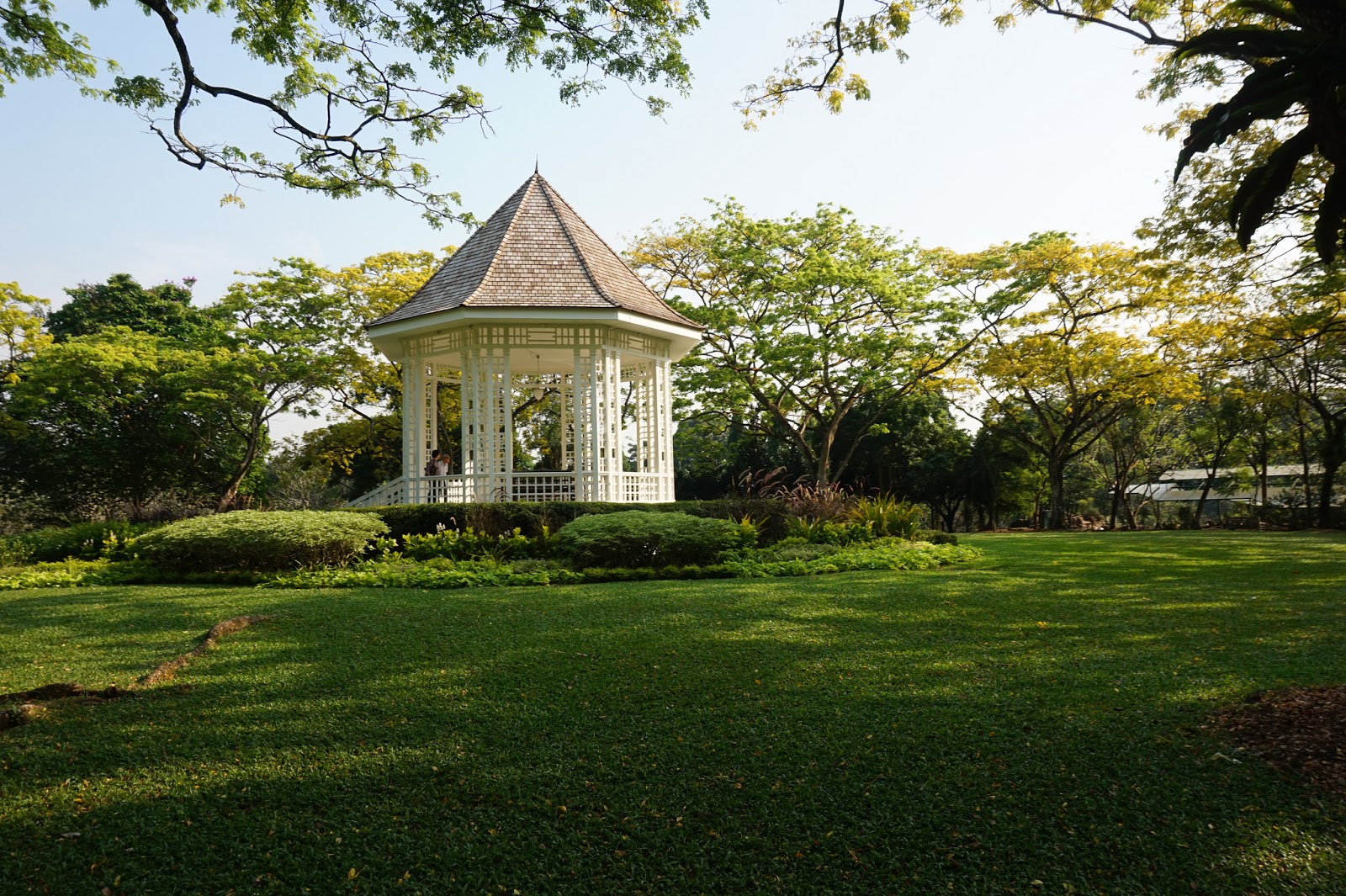
Bandstand at the Singapore Botanic Gardens. Photo by Martin Kalfavotic.

Located in central Singapore, just minutes away from the city’s main shopping district, sits the first and only tropical botanic garden listed as an UNESCO World Heritage Site. Established at its present site in 1859, the Singapore Botanic Gardens (SBG) covers 82 hectares and is home to thousands of plant species.

Since 1875, the SBG Library has supported research at the Gardens. Over the years, the Library has amassed a large collection of rare and scholarly literature and artworks that are housed in climate-controlled spaces. Access to these materials has traditionally been limited to privileged, on-site researchers. Recently, to increase the accessibility and impact of these collections, the SBG Library has embarked on an extensive preservation and digitization program.
View Full Size Image
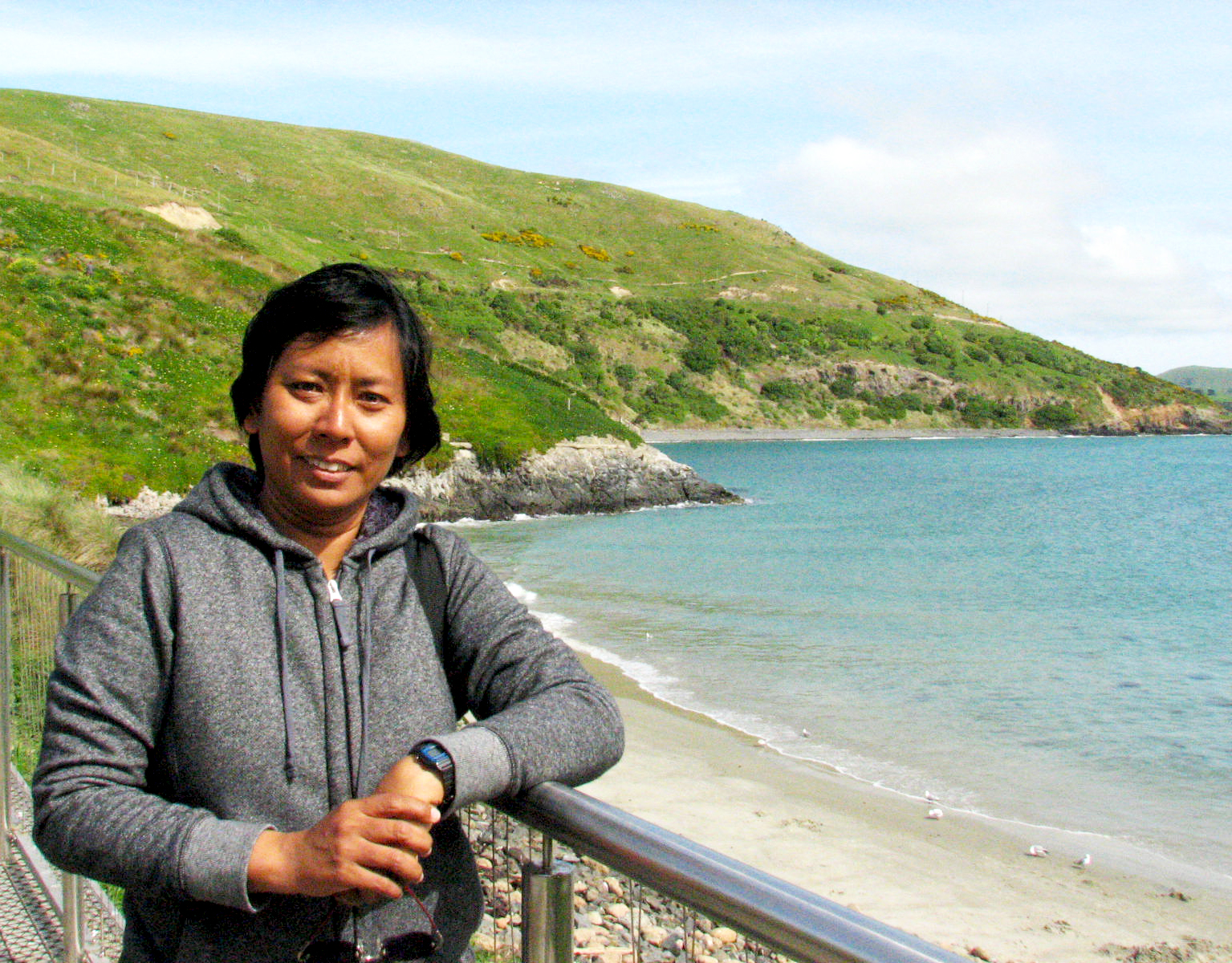
Dr. Nura Abdul Karim, Deputy Director of Library, Training, and External Relations at Singapore Botanic Gardens.

“A thorough understanding of biodiversity in Singapore and the Southeast Asia region relies both on the study of the plants and animals in the region and also on the accumulated knowledge of researchers who have gone before us,” asserts Dr. Nura Abdul Karim, Deputy Director of Library, Training, and External Relations at SBG. “SBG Library believes that digital access is an important avenue for sharing knowledge and information in this Computer Age.”

To that end, SBG is participating in BHL Singapore, which is led by the National Library Board, Singapore. To date, SBG Library has digitized over 8,000 pages for BHL.

“As custodian of this wealth of biodiversity literature, SBG Library believes that these important legacy works need not only be restored but also preserved and made available through the digital access platform of the Biodiversity Heritage Library,” says Abdul Karim. “BHL will allow far greater access to academics, researchers and students, and possibly even to the global public, than was ever possible before.”
View Full Size Image
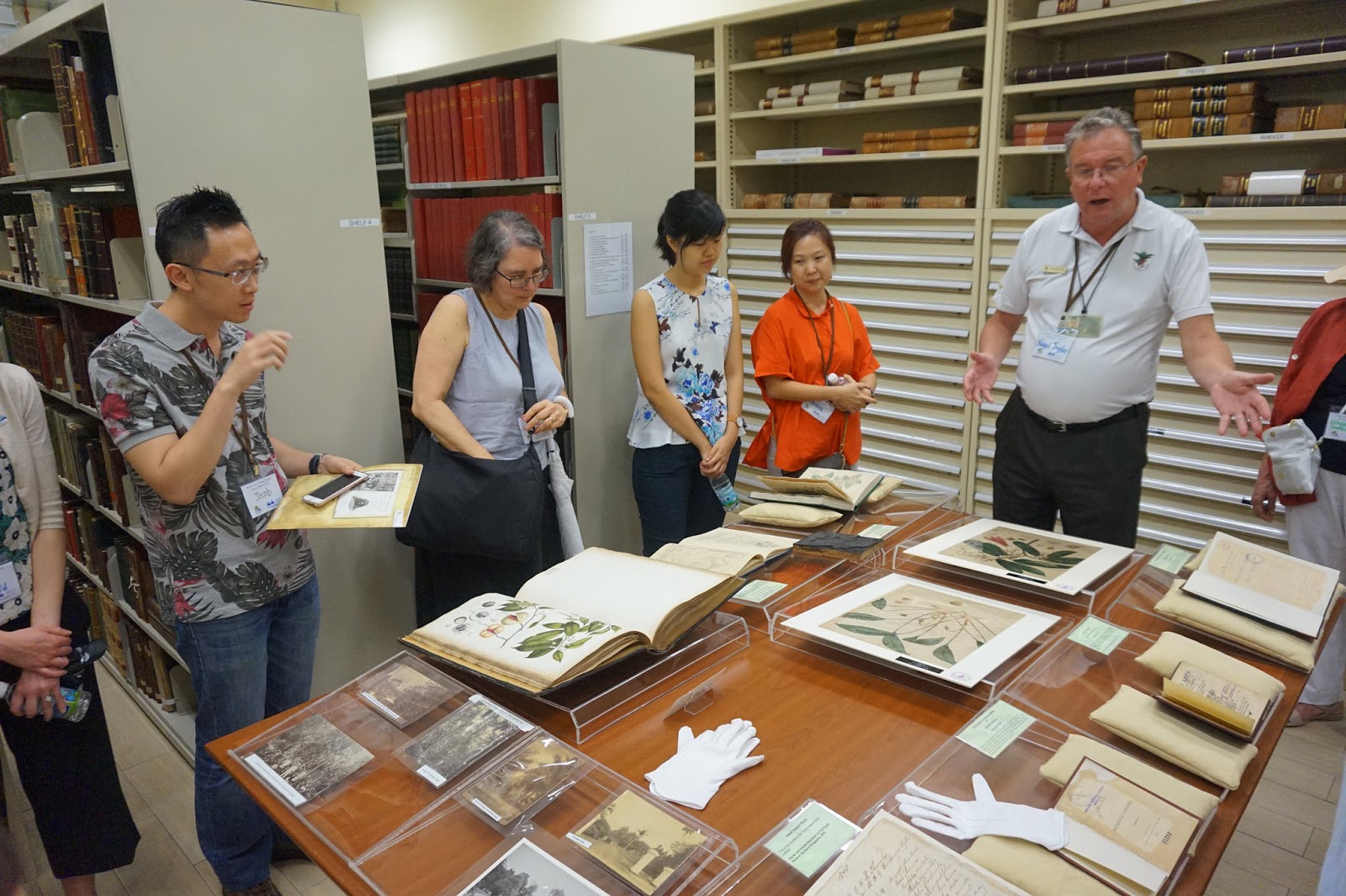
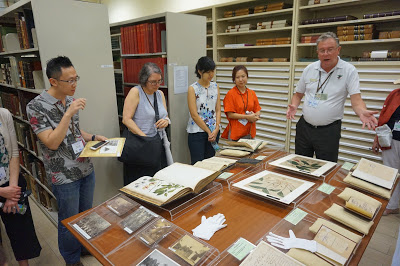
Tour of the Singapore Botanic Gardens Library by Dr. Nigel Taylor. Photo by Martin R. Kalfatovic.

As a participant in BHL Singapore, the SBG Library is not only digitizing its collections for BHL, but the Gardens also hosted the BHL Open Day this past March as part of the 2017 BHL Annual Meeting festivities. During the event, local researchers spoke about the impact that open access to biodiversity literature through BHL has on their research.

“We believe that by sharing important collections in BHL and allowing free digital access to such materials, we will greatly assist researchers in furthering their own research on biodiversity in the Southeast Asian region,” affirms Abdul Karim. “Information inequality between developing and developed world researchers can be narrowed with the availability of open access digital repositories.”

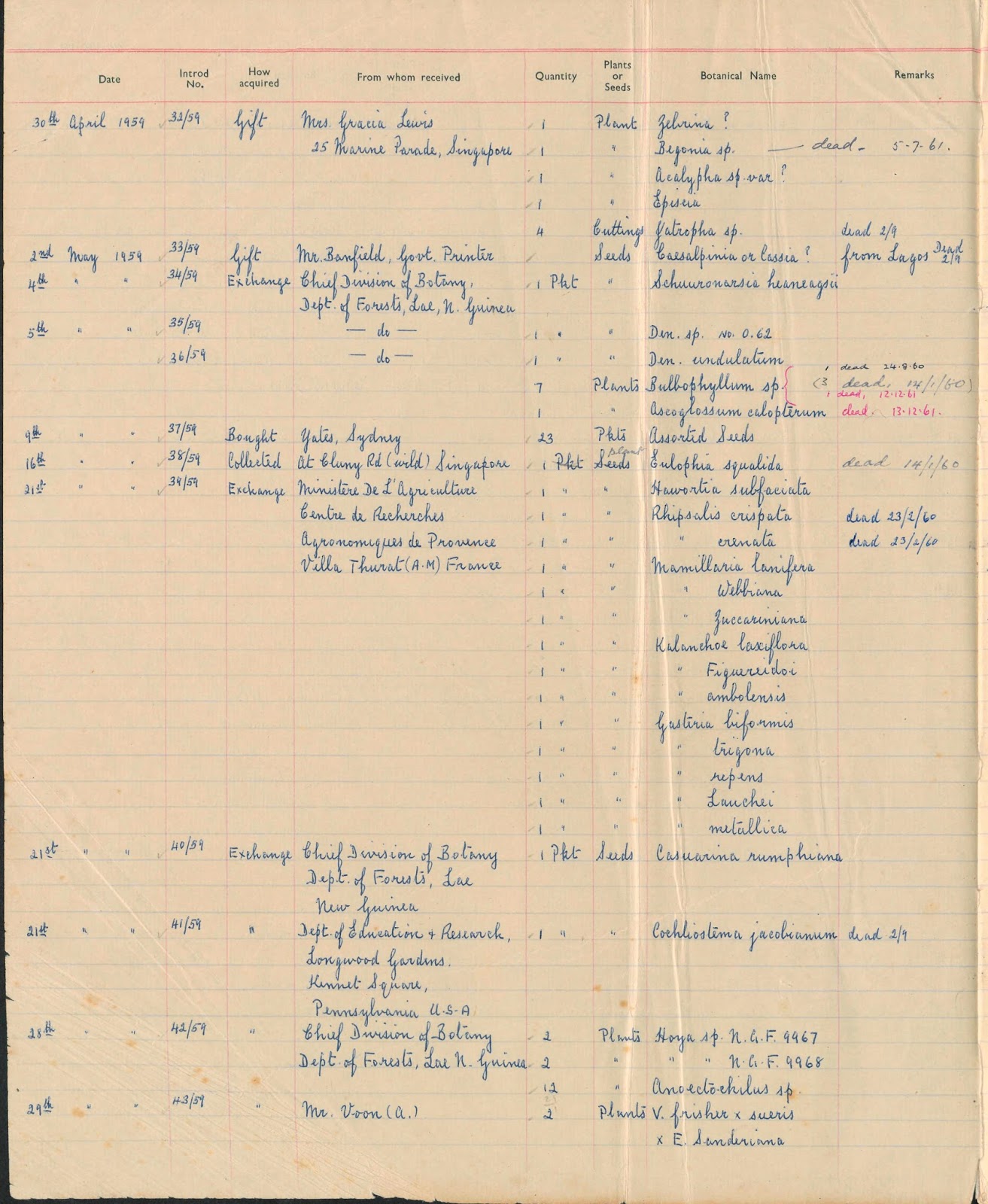
Content digitized by SBG Library to date includes the Gardens’ Bulletin as well as registers of the plants and seeds acquired by the Gardens. In the future, the Library plans to contribute unique field notes from the Gardens’ collections, including those by orchid botanist Cedric Errol Carr, which are currently being transcribed as part of The Citizen Archivist Project at the National Archives of Singapore.
View Full Size Image
Page from Plants and seeds inward register, 2 January 1959-1972. Digitized by Singapore Botanic Gardens, National Parks Board Singapore. http://www.biodiversitylibrary.org/page/50744514.

Dr. Abdul Karim is confident that this digitization will have a significant impact on local and global research.

“Very few libraries in the world have resources that would enable all of the researchers that they serve to be able to conduct their studies unencumbered by lack of vital literature,” says Abdul Karim. “Access to a wider array of literature through BHL can have a profound and positive impact on biodiversity, as research can be more wide ranging, accurate and speedy, and the data vital in many fields of science and conservation can be published in a much shorter timeframe.”

Indeed, user testimonials illustrate how BHL increases the efficiency and effectiveness of research around the world. With the help of partners such as SBG Library, BHL’s growing collections will continue to empower research on a global scale. Dr. Abdul Karim and her Singapore colleagues share this conviction.

“SBG Library believes that BHL, with its rich digital repository of biological information, will continue to play an important role in botanical research and has indirectly also become a platform for long-term preservation of historical and legacy biodiversity literatures.”

______________________________________

This post may contain the personal opinions of BHL users or affiliated staff and does not necessarily represent the official Biodiversity Heritage Library (BHL) position on these matters.
June 8, 2017by ulib-libraryjobs
BHL News, Blog Reel

2017 BHL Open Day at the Singapore Botanic Gardens

View Full Size Image

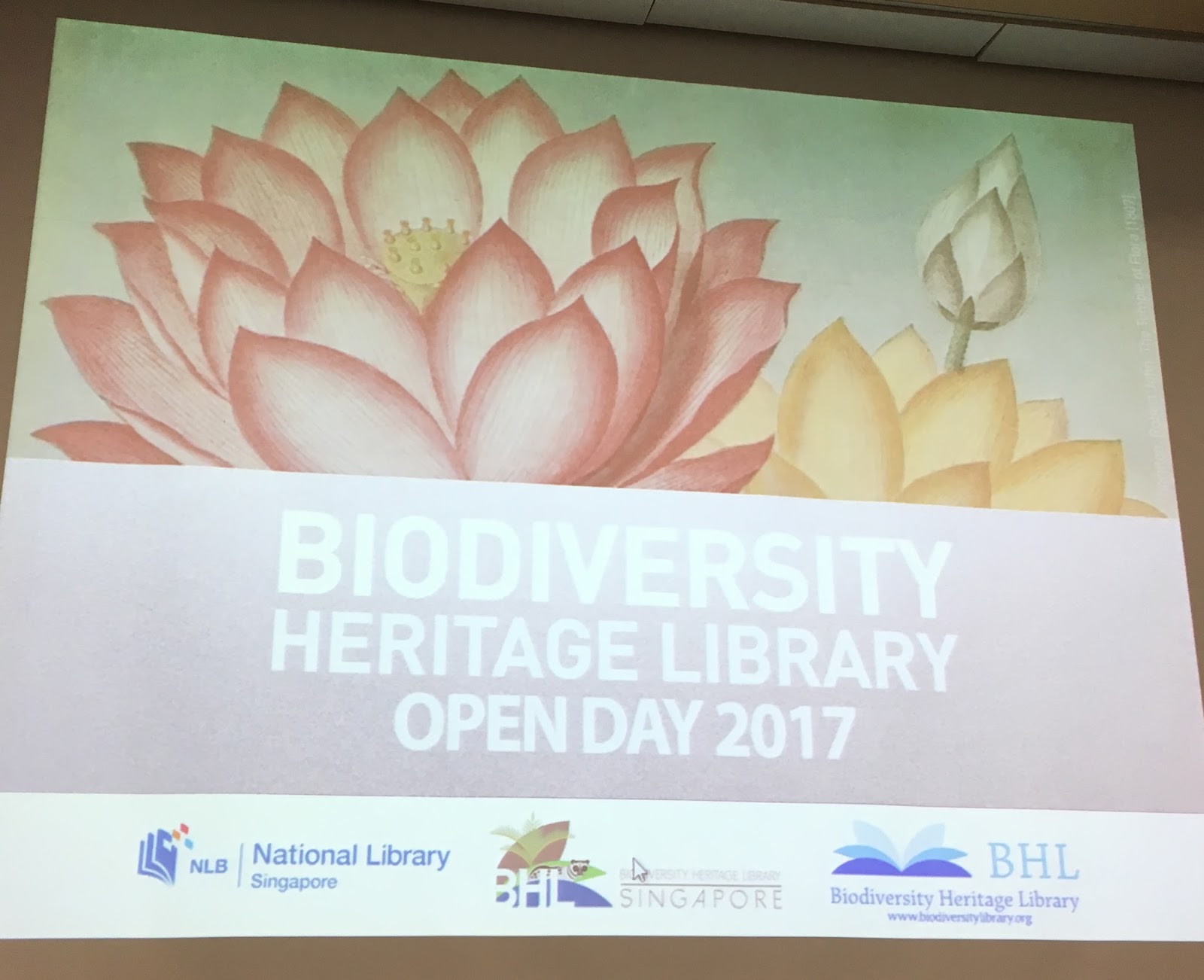
On 15 March 2017, the Singapore Botanic Gardens hosted a Biodiversity Heritage Library Open Day in conjunction with the BHL Annual Meeting, the latter of which occurred March 14-17 and was hosted by the National Library, Singapore.

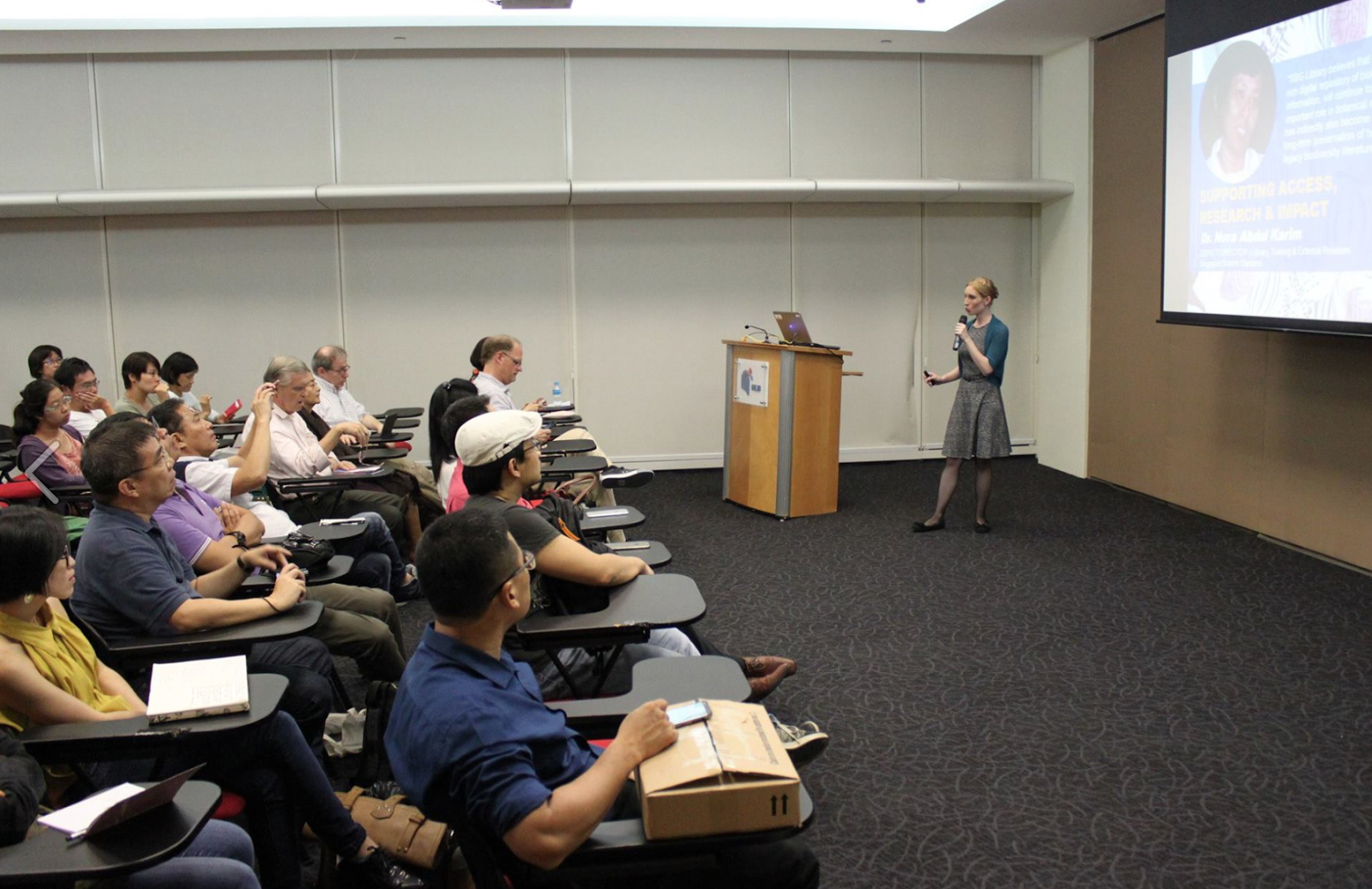
BHL Open Day invited local guests to learn more about BHL and its impact on global science. The program featured speakers from the BHL community and biodiversity-related disciplines. Speakers included: Dr. Nigel Taylor (Group Director, Singapore Botanic Gardens, National Parks Board); Martin R. Kalfatovic (BHL Program Director and Assistant Director, Digital Programs and Initiatives Division, Smithsonian Libraries); Wai Yin Pryke (Director, National Library Singapore); Professor Peter K.L. Ng (Head, Lee Kong Chian Natural History Museum); Grace Costantino (BHL Outreach and Communication Manager); and Dr. Elycia Wallis (Manager of Online Collections, Museums Victoria).

View Full Size Image
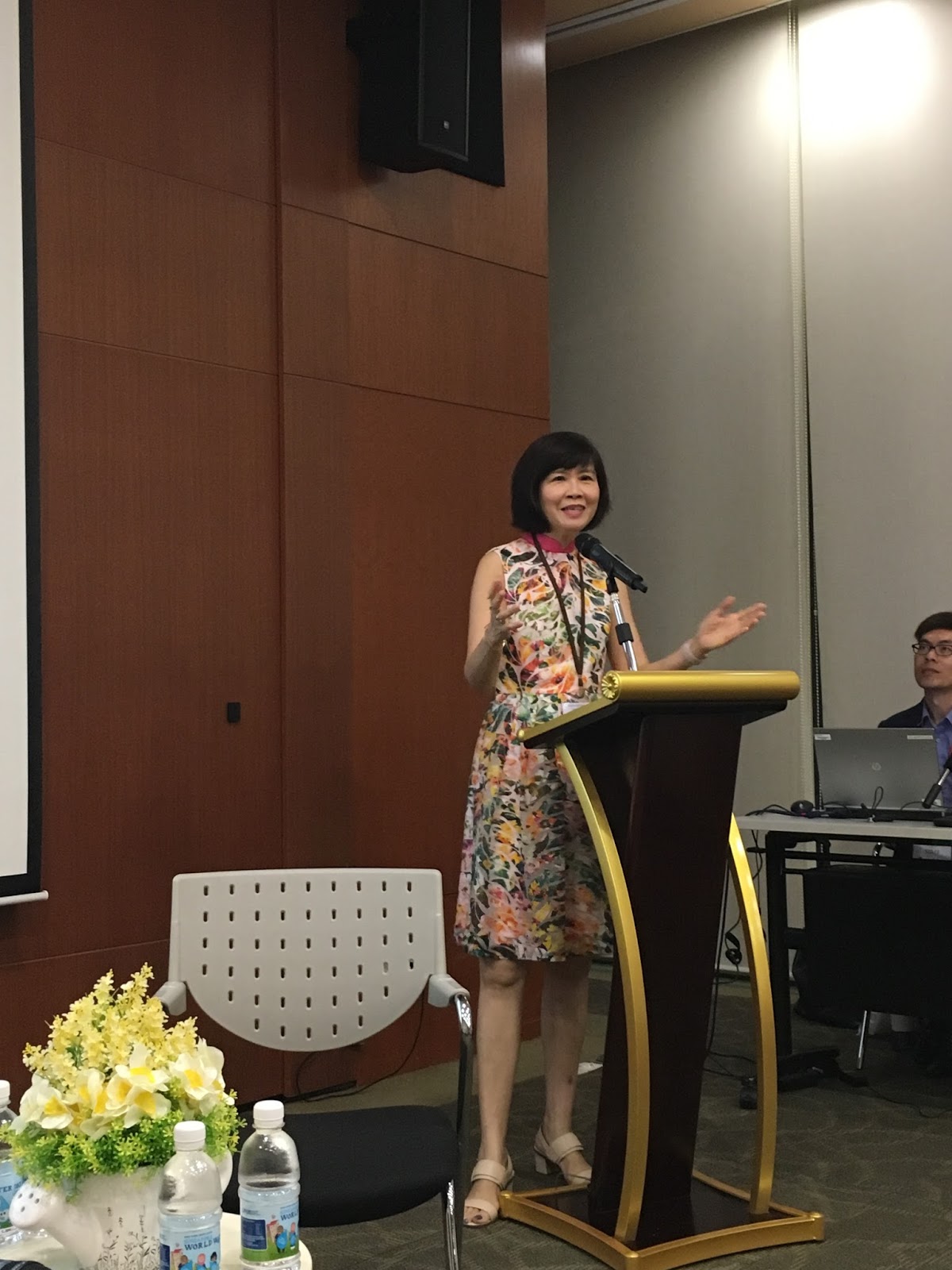
Wai Yin Pryke welcoming guests to the BHL Open Day 2017. Photo by Grace Costantino.

Following welcome speeches by Wai Yin Pryke and Dr. Nancy E. Gwinn (Director, Smithsonian Libraries and Immediate Past-Chair of the BHL Members’ Council), Dr. Nigel Taylor provided context to the event’s venue by presenting a history of the Singapore Botanic Gardens, which was founded in 1859. Dr. Taylor incorporated archival photographs into his presentation to document the development of the gardens and demonstrate how it played an important role in early agricultural development in Singapore.

Following Dr. Taylor, Martin Kalfatovic provided an overview of BHL, focusing on global initiatives, program growth, and collection usage. Wai Yin Pryke followed with a presentation on the BHL Singapore story to date. BHL Singapore, founded by the National Library Board, Singapore, joined the BHL community in 2014, and has since been working to digitize the collections of the National Library and mobilize participation from other Singapore institutions.

View Full Size Image
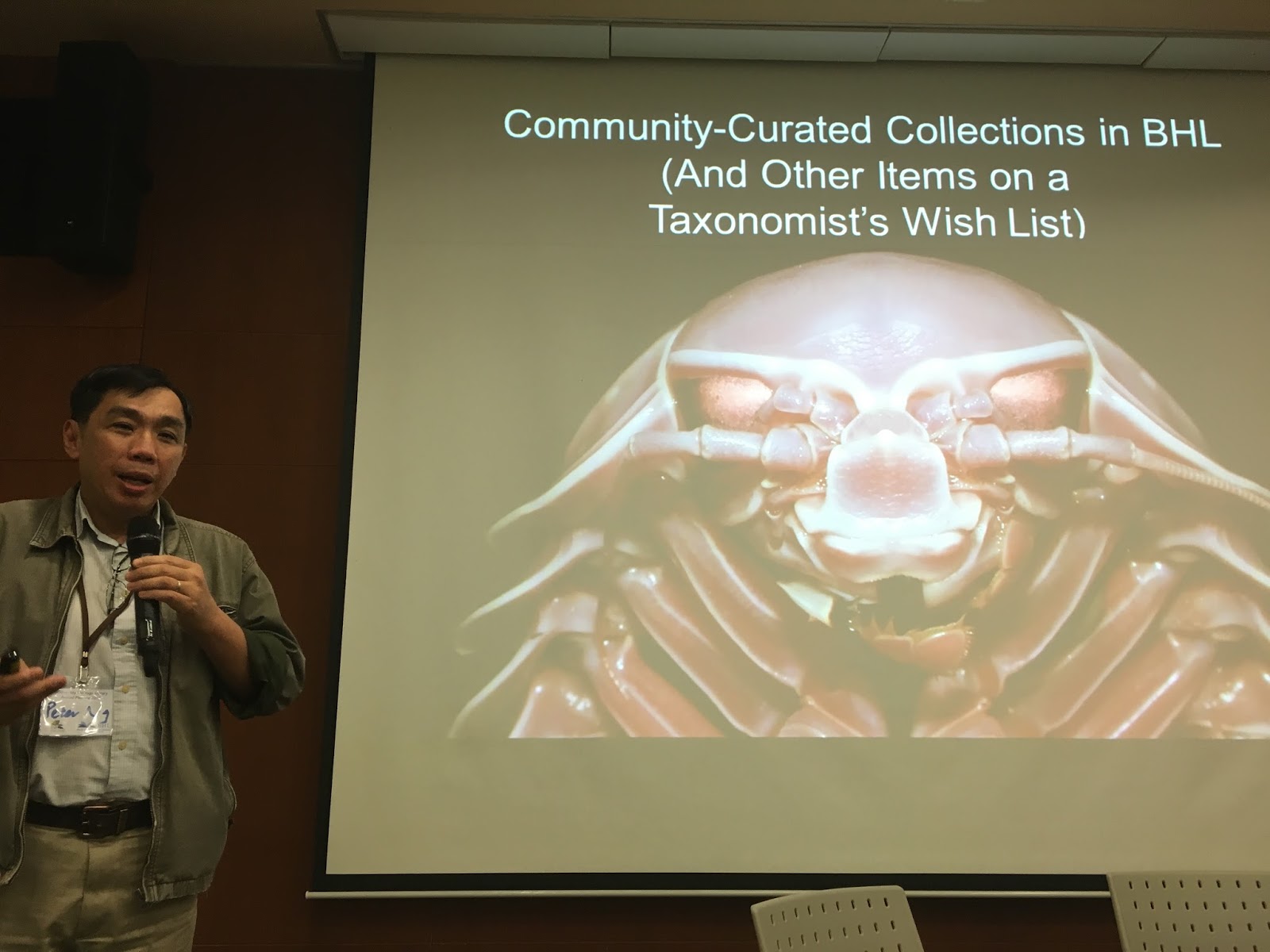
Dr. Peter Ng presenting at BHL Open Day 2017. Photo by Grace Costantino.

Dr. Peter Ng led the afternoon session with a presentation about the history of the Lee Kong Chian Natural History Museum, which hosted the BHL Partners meeting on 16 March, and a “taxonomist’s wish-list” for future BHL development. An expert on aquatic biodiversity, Dr. Ng’s personal research focuses on the systematics and diversity of decapod crustaceans. Among his wish-list items for BHL were the expansion of curated collections; allowing users to correct metadata in BHL, such as date information; the simplification of high resolution image downloads; and collaboration with taxonomists to create checklists and bibliographies.

The final portion of the afternoon session featured presentations by Grace Costantino on BHL outreach initiatives and Dr. Elycia Wallis on the ways that biodiversity literature in BHL provides a window into the strange, exotic, and marvelous biodiversity of Australia.

View Full Size Image
Tour of the Singapore Botanic Gardens Library by Dr. Nigel Taylor. Photo by Martin R. Kalfatovic.

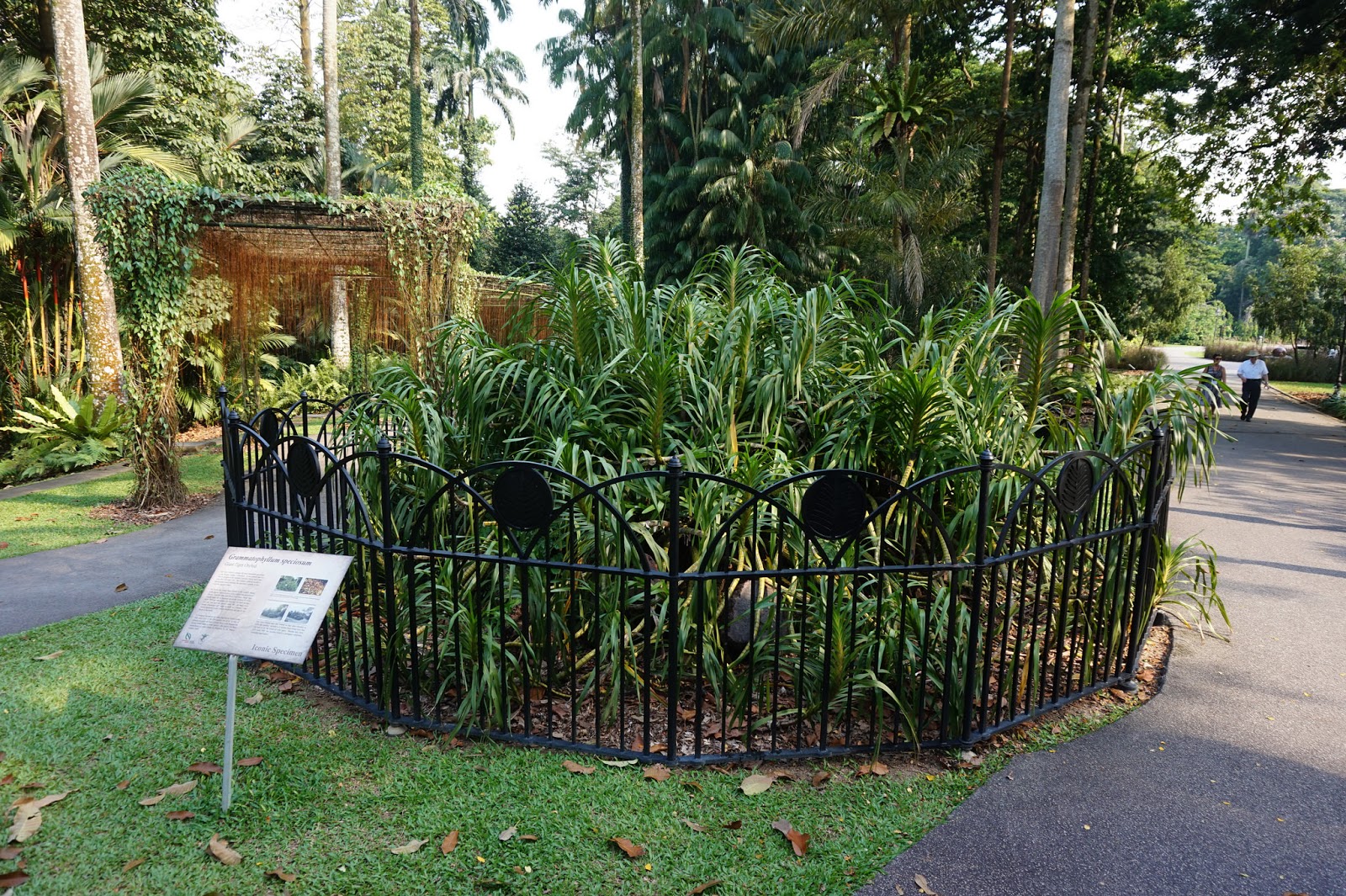
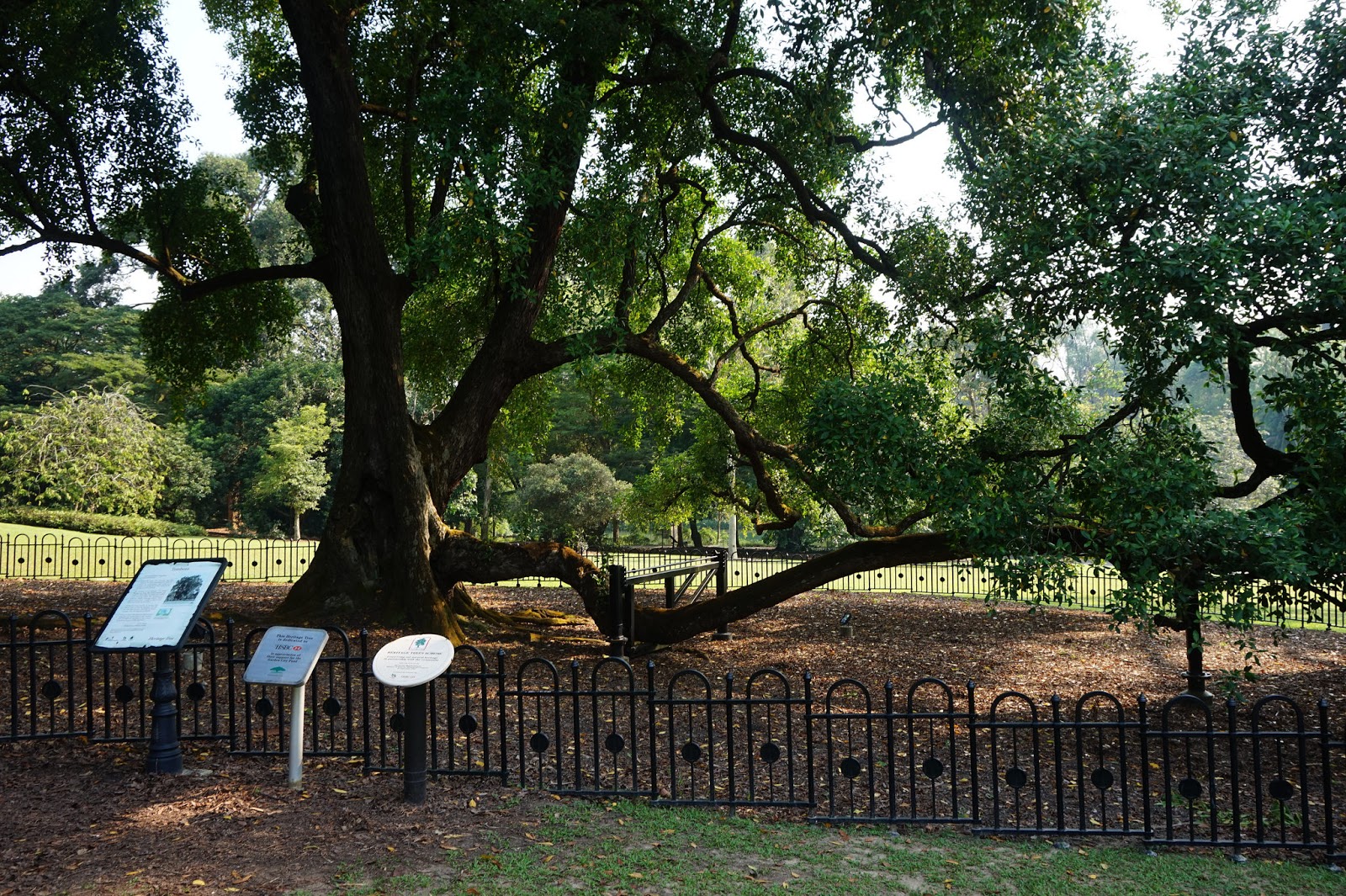
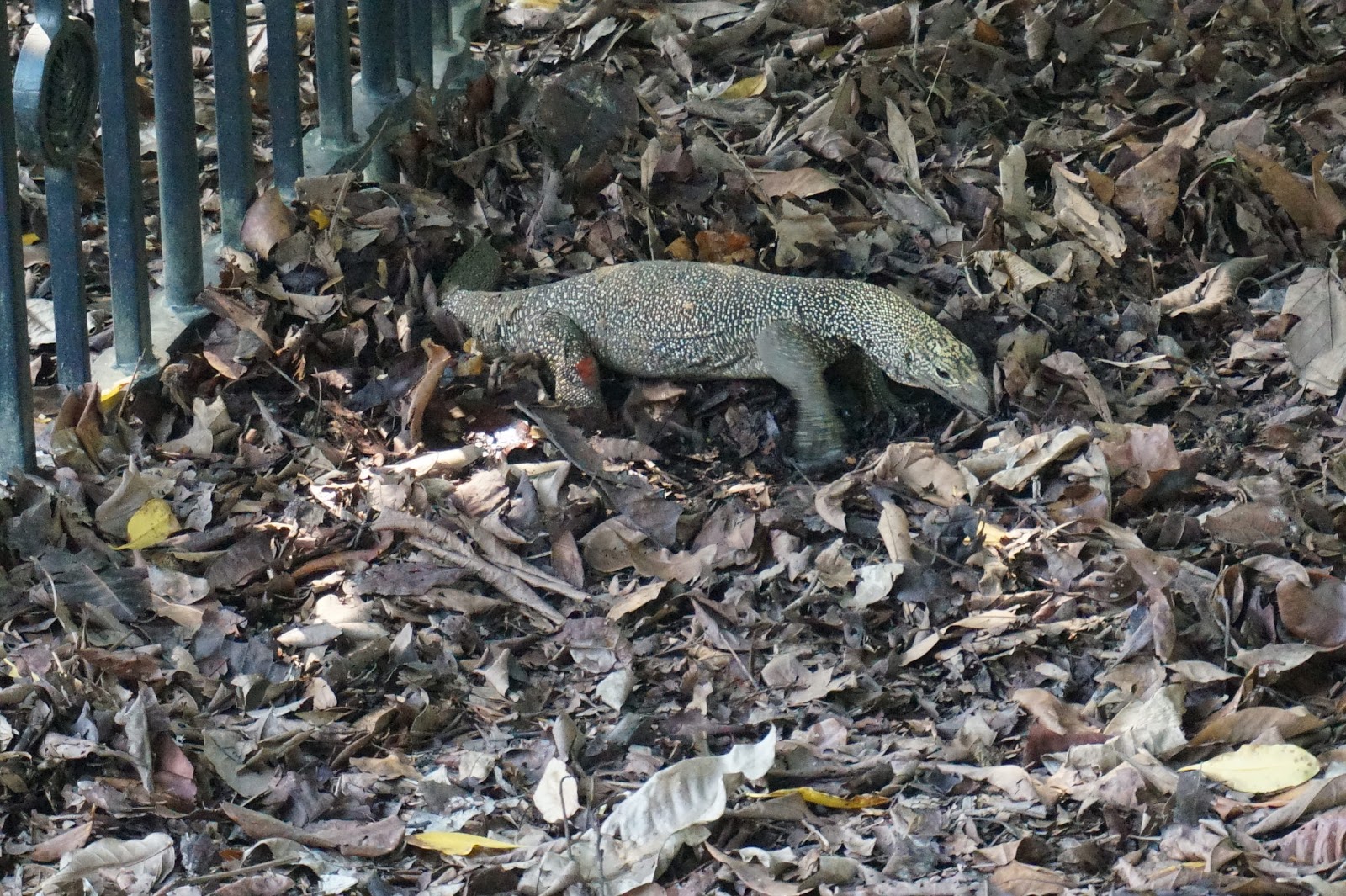
Following the BHL Open Day presentations, attendees were treated to a tour of the Singapore Botanic Gardens and Library and an evening reception. Highlights of the tour included the giant tiger orchid, which is likely the world’s oldest and largest specimen orchid, several heritage trees, including the Tembusu tree featured on the Singapore $5 note, and entertaining displays from local clouded monitor lizards (Varanus nebulous) digging in the leaf litter for food.

View Full Size Image
The giant tiger orchid at the Singapore Botanic Gardens. Photo by Martin R. Kalfatovic.


View Full Size Image
The Tembusu tree at the Singapore Botanic Gardens, featured on the $5 Singapore note. Photo by Martin R. Kalfatovic.


View Full Size Image
Clouded monitor lizards (Varanus nebulous) digging for food. Photo by Martin R. Kalfatovic.

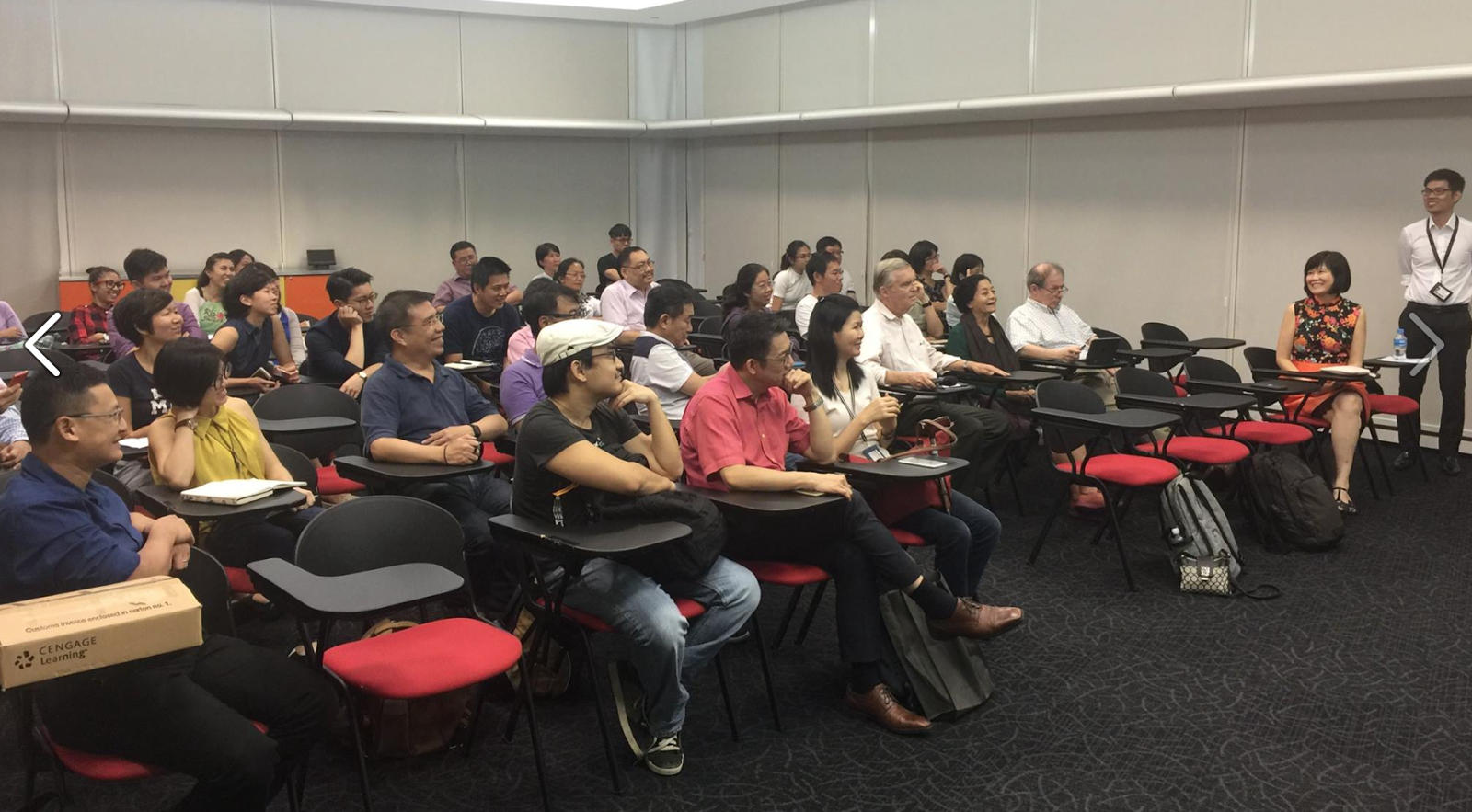
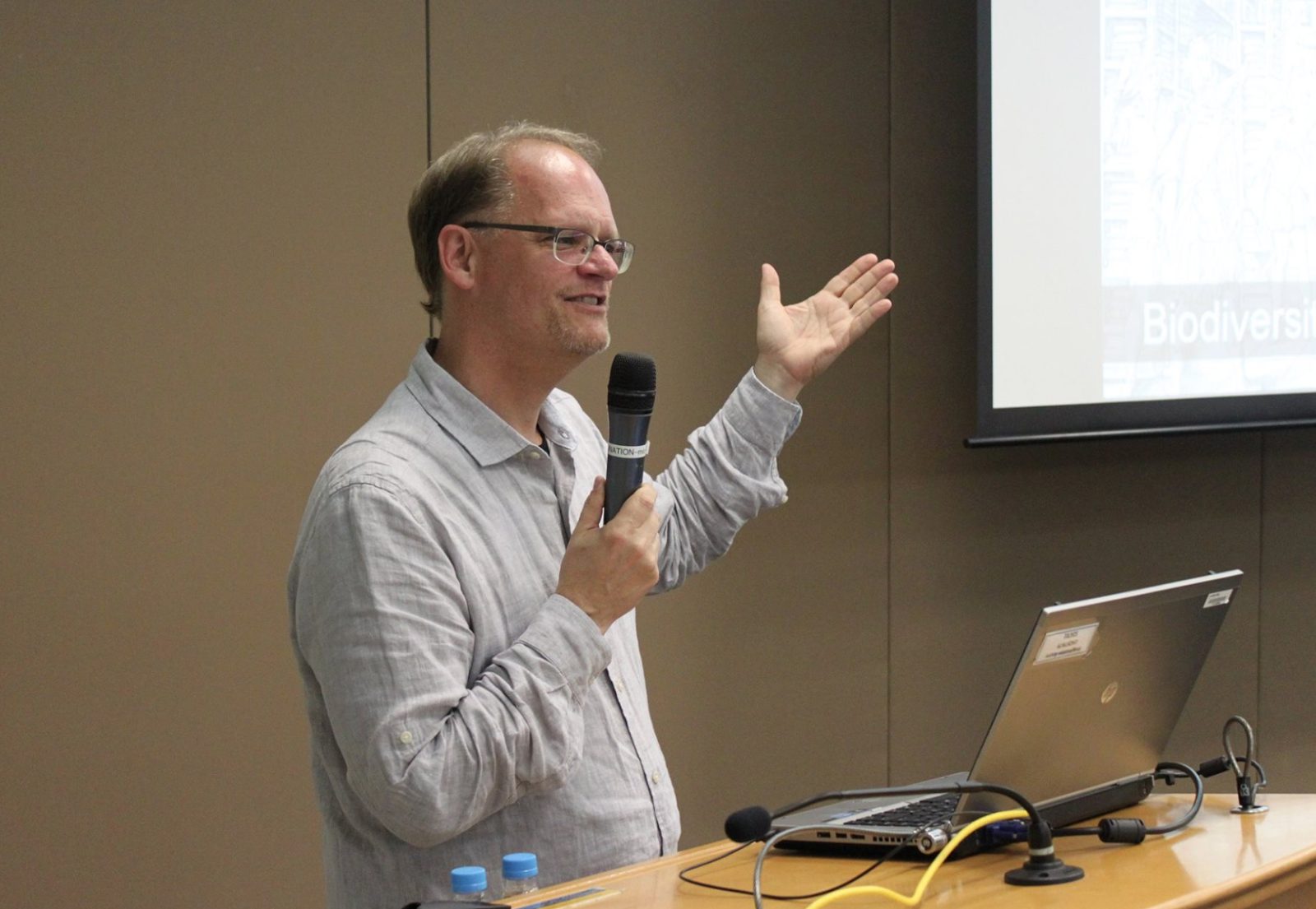
BHL staff were thrilled to have an additional opportunity to share BHL with the local Singapore community through a public talk at the National Library, Singapore on 17 March. Martin Kalfatovic and Grace Costantino provided an overview of BHL and shared stories about the impact BHL has on various research disciplines to nearly 50 attendees. See the event slides here.

View Full Size Image
Attendees of the BHL Public Talk at the National Library, Singapore on 17 March, 2017. Photo by National Library, Singapore.


View Full Size Image
Martin Kalfatovic presenting at the BHL Public Talk at the National Library, Singapore on 17 March, 2017. Photo by National Library, Singapore.


View Full Size Image
Grace Costantino presenting at the BHL Public Talk at the National Library, Singapore on 17 March, 2017. Photo by National Library, Singapore.

We thank the National Library, Singapore and the Singapore Botanic Gardens for organizing and hosting these public events during our Annual Meeting in Singapore! Both events provided us with an excellent opportunity to share the story of BHL’s impact on global science, identify future development priorities based on input from the audience and guest speakers, and network with the local Singapore community.

March 29, 2017by ulib-libraryjobs
Blog Reel, Featured Books

The First Singapore Bird Book

Despite its relatively small size and urbanized environment, Singapore has a rich avifauna which has attracted interest since the 19th century. However, it was only in 1927 that the first book on the birds of Singapore was printed – The Birds of Singapore Island, co-authored by John Alexander Strachey Bucknill and Frederick Nutter Chasen, and published by the Raffles Museum.

View Full Size Image
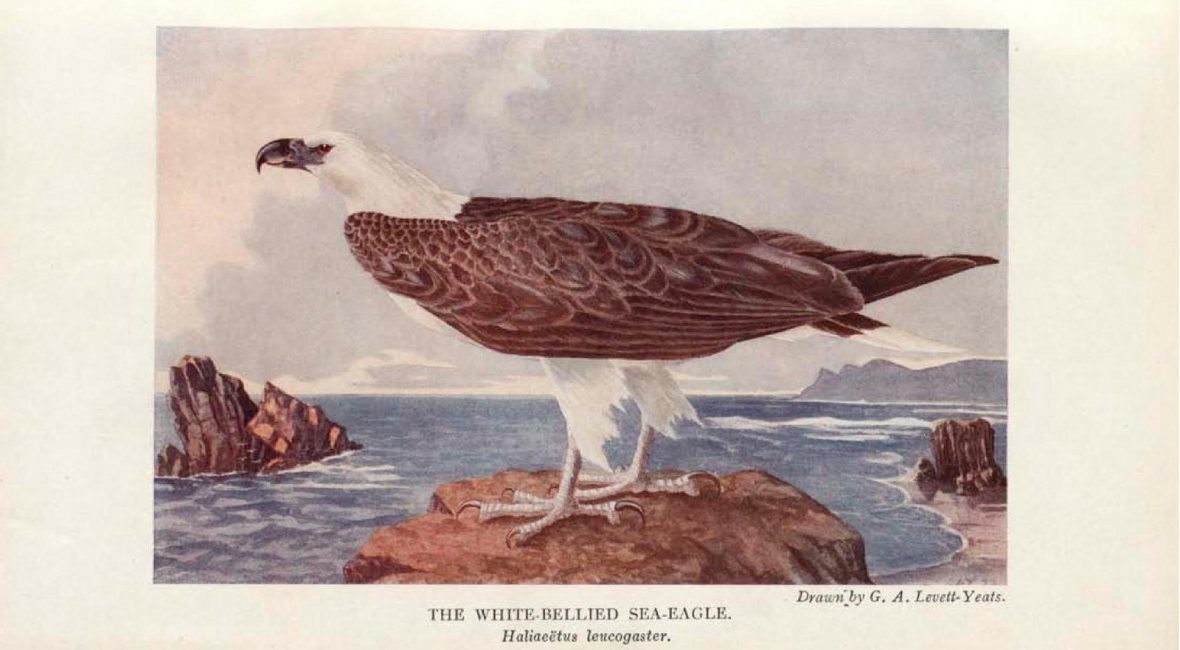
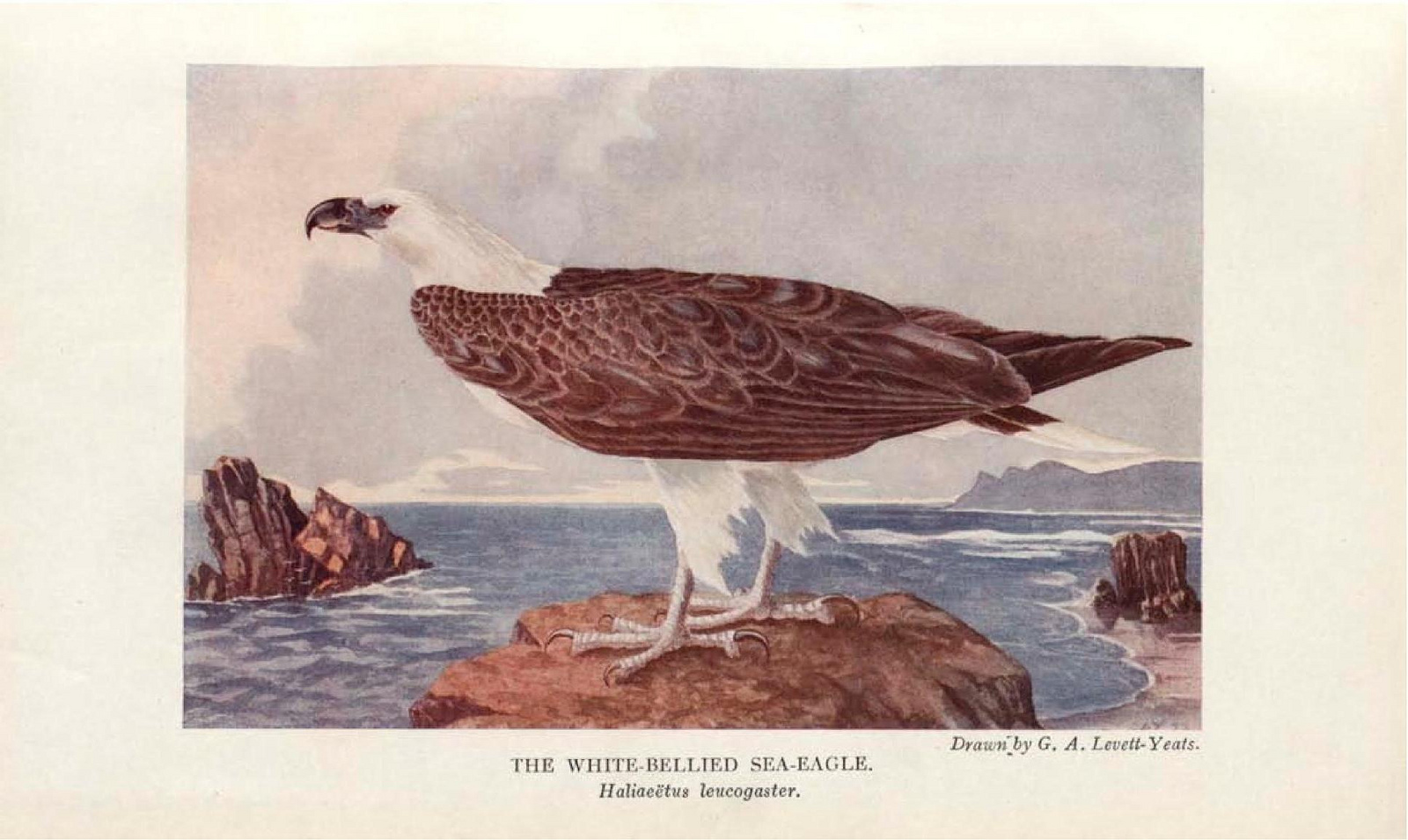
Plate VIII from The Birds of Singapore Island. http://biodiversitylibrary.org/page/47191313. Digitized by National Library Board, Singapore. The White-bellied Sea-eagle (Haliaeetus leucogaster) is a common resident bird of prey. When Singapore issued its “Bird” series of currency notes in 1976-1984, the White-bellied Sea-eagle was featured on the front of the highest denomination note – the $10,000 note.

Bucknill’s original collaborator for the book was Major John C. Moulton, a zoologist who was Director of the Raffles Museum and Library in Singapore from 1919 to 1923. In 1921, Moulton secured the assistance of Sir John Bucknill to produce a handbook on the common birds of Singapore which would be illustrated with attractive color plates. Bucknill was a former Chief Justice of the Straits Settlements and the Chairman of the Raffles Museum and Library Committee at that time. He was well-known for his interest in birds and had written and published several papers and books on the subject. To provide the illustrations for the book, an artist in India, Gerald Aylmer Levett-Yeats, was commissioned to paint the birds.

However, the publication of the book was delayed when Moulton was transferred to Sarawak as the chief secretary to the government in 1923. Owing to the pressure of other work, Moulton had to withdraw from the project, leaving Bucknill’s manuscript, the completed illustrations and his own notes in the hands of Cecil Boden Kloss, the new director of Raffles Museum and Library.

View Full Size Image
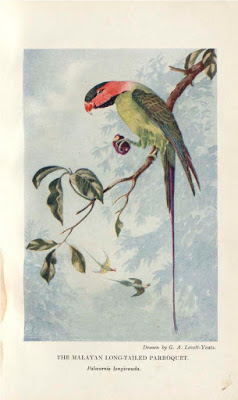
Plate XI from The Birds of Singapore Island. http://biodiversitylibrary.org/page/47191337. Digitized by National Library Board, Singapore. The Malayan Long-tailed Parakeet (Psittacula longicauda longicauda) is Singapore’s only native parakeet species.

A zoologist who specialized in small mammals, Boden Kloss felt that he lacked the “ability and the inclination” to write the book himself. The task of completing the book was taken up by Frederick N. Chasen, the curator of Raffles Museum (later its director). The scope of the book was extended to include not only the common birds of Singapore but also the less common birds. To keep the book within certain limits of size, Boden Kloss abridged the manuscript by reducing Bucknill’s notes on the species featured in the book.

View Full Size Image
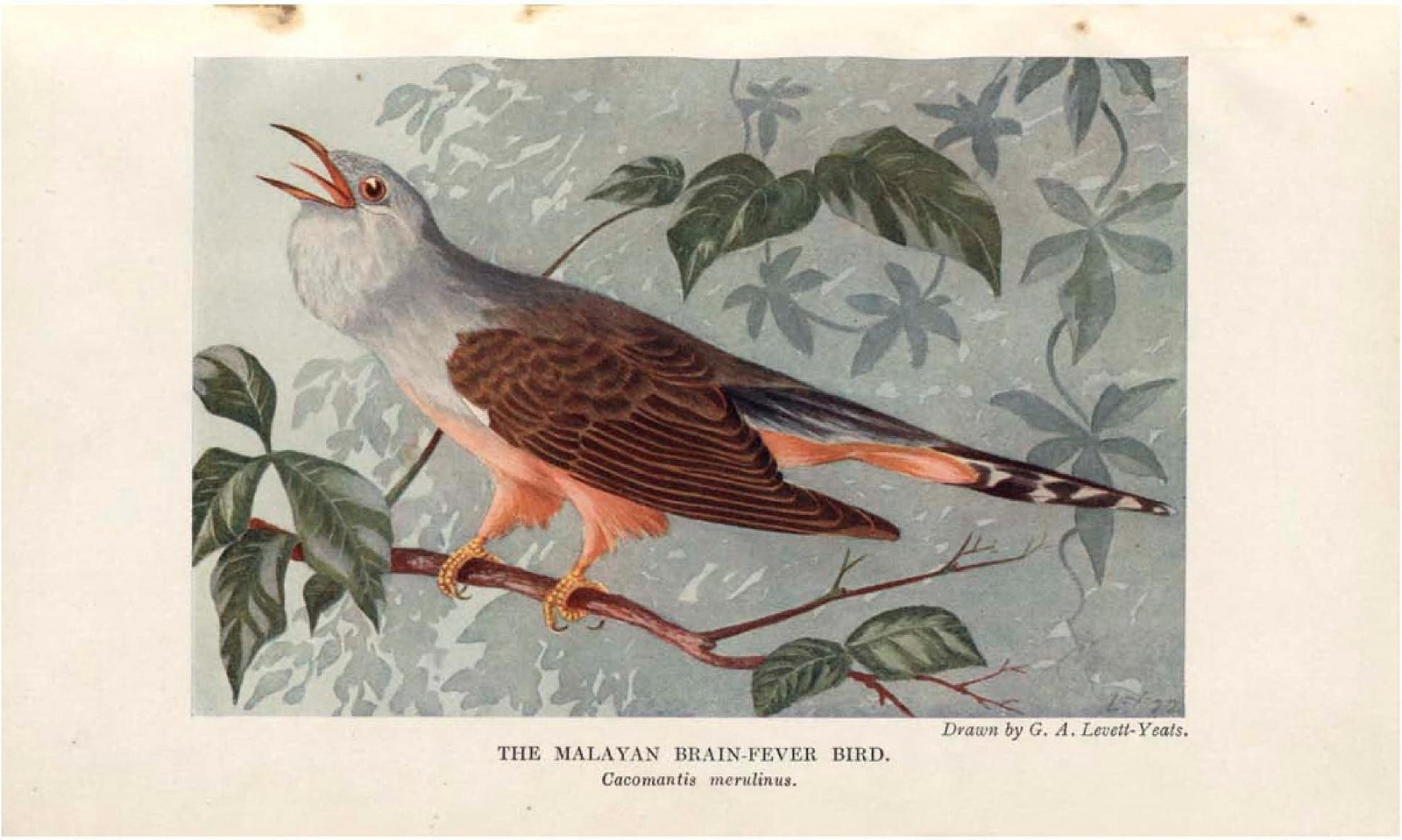
Plate XVII from The Birds of Singapore Island. http://biodiversitylibrary.org/page/47191383. Digitized by National Library Board, Singapore. The Malayan Brain Fever Bird (or the Plaintive Cuckoo) (Cacomantis merulinus) is an uncommon resident cuckoo species. Bucknill and Chasen noted that this bird has a Malay name which means “the deserted child” because its mournful voice “reminds one of the constant laments of someone bemoaning his fate”.

The book was finally published at the end of 1927. Sadly, both Bucknill and Moulton had passed away a year earlier in 1926.

The book covers all the common birds of Singapore and features 31 attractive color plates. Every bird is described in detail, including information on the status of each bird in Singapore. Written in a popular style, one of its notable features is the absence of technical terms. As stated in its preface, the book is “intended for the use of the uninitiated, both residents and visitors, who wish to know something of the birds they may see about them.” Despite being written for the lay person, the book provides a valuable source of historical information for the study of birds in Singapore.

View Full Size Image
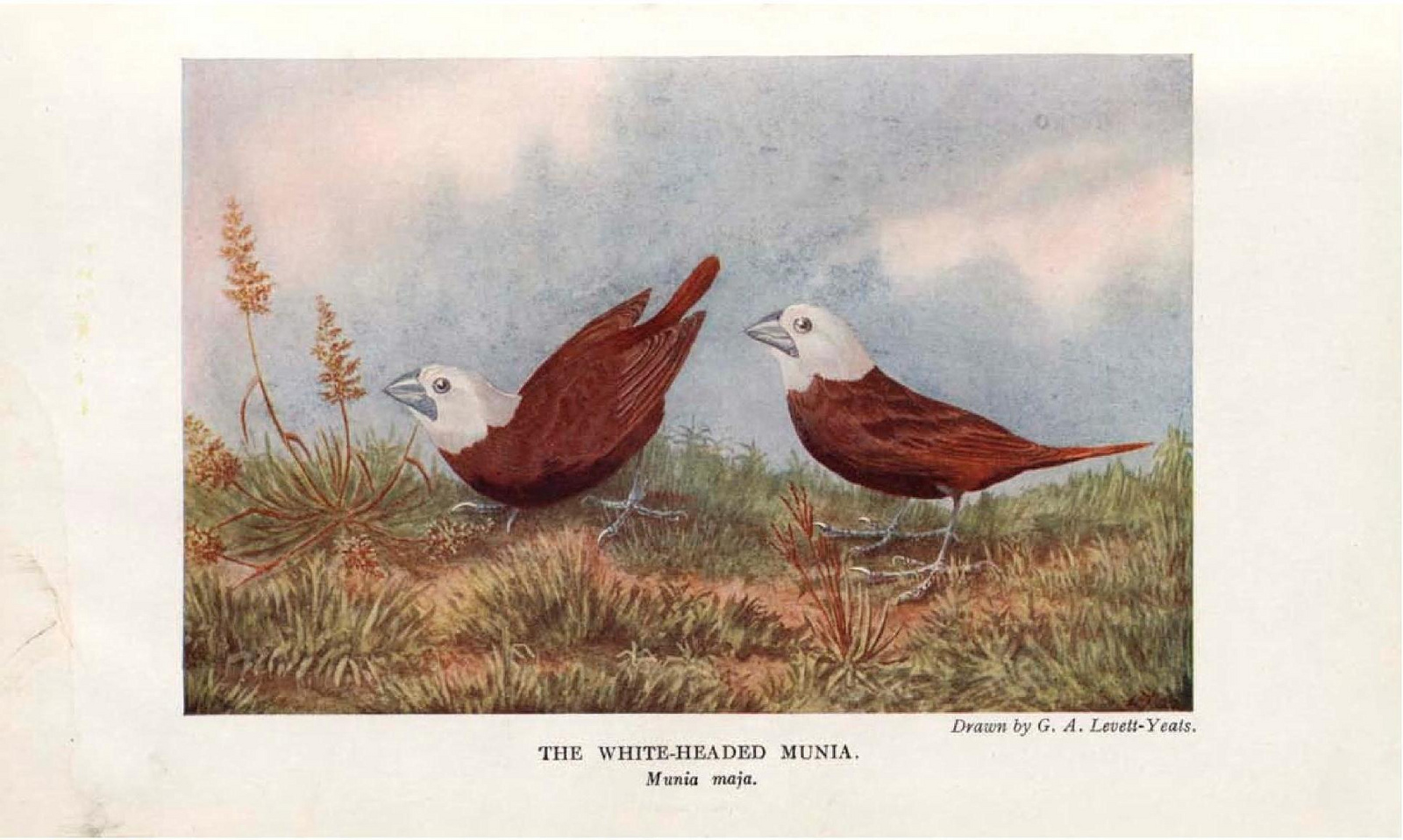
Plate XXVIII from The Birds of Singapore Island. http://biodiversitylibrary.org/page/47191469. Digitized by National Library Board, Singapore. A common resident, the White-headed Munia (Lonchura maja) was popularly known to Europeans in Singapore in the past as the “Cigar-bird” because its white head resembles a “partly smoked cigar.”

The Birds of Singapore Island (1927) has been digitized for BHL by National Library Board, Singapore.

You can view all of the illustrations from this book in Flickr, all of which have been taxon tagged with the name of the species they represent. You can learn more about BHL’s citizen science Flickr tagging initiative here.

References 


  • Bucknill, J. A. S. & Chasen, F. N. (1927). The birds of Singapore Island. Singapore : Printed at the Govt. Print. Office by W. T. Cherry, Govt. Printer. (Call no.: RRARE 598.295957 BUC)
  • Lim, K. S. (1997). Birds : an illustrated field guide to the birds of Singapore. Singapore : Sun Tree Pub. (Call no.: RSING 598.095957 LIM)
  • Lim, K. S. (2009). The avifauna of Singapore. Singapore : Nature Society (Singapore), Bird Group Records Committee. (Call no.: RSING 598.095957 LIM)
  • Liu, G. (1987). One hundred years of the National Museum : Singapore 1887-1987. Singapore : The Museum. (Call no.: RSING 708.95957 LIU)
  • Raffles Museum and Library. (1876-1955). Annual report. Singapore : The Museum. (Call no.: RRARE 027.55957 RAF)
  • Sim, C. H. (1994). Singapore money book. Singapore : Moneyworld Asia. (Call no.: RSING 769.5595957 SIN)
  • Yong, D. L. & Lim, K. C. (2016). A naturalist’s guide to the birds of Singapore. Oxford, England : John Beaufoy Publishing. (Call no.: RSING 598.095957 YON)
February 23, 2017by ulib-libraryjobs
BHL News, Blog Reel

BHL Singapore representative and National Library Board staff visit Smithsonian Libraries

View Full Size Image

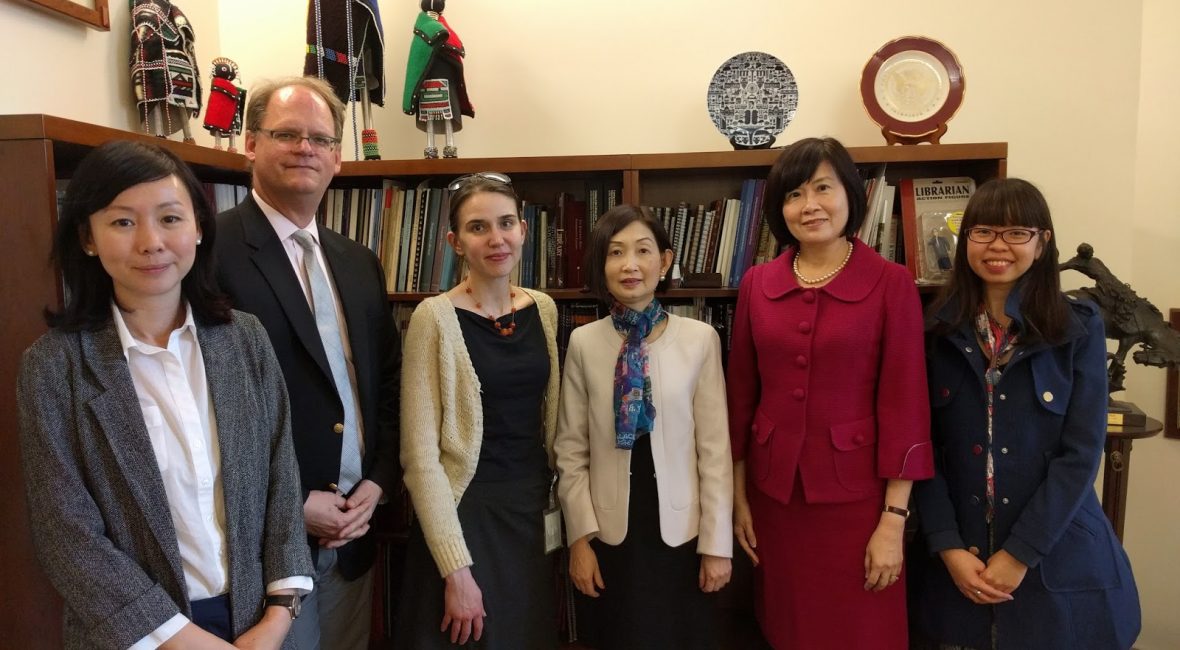
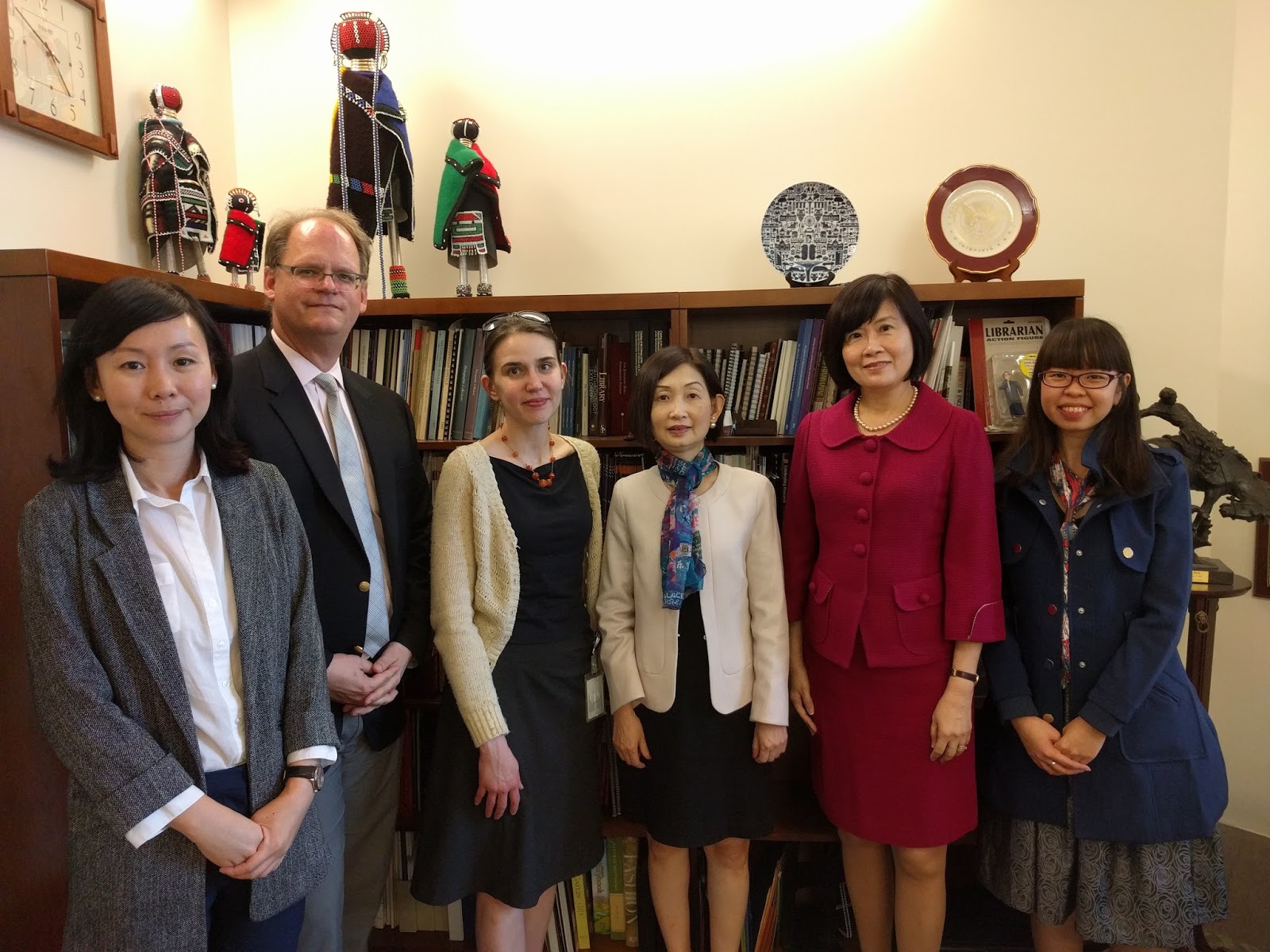
Wai Yin Pryke ( Director, National Library, National Library Board of Singapore) visited with BHL Program Director Martin R. Kalfatovic and Program Manager Carolyn Sheffield on 19 May 2016. Ms. Pryke is visiting various libraries and other institutions on an official visit to the United States.

It was also an honor to have Ms. Pryke accompanied by Elaine Ng. Ng is the Chief Executive Officer of the National Library Board (NLB) and initiated contacts that led to the creation of BHL Singapore.

Two other NLB staff, Grace Sim and Julia Chee, were also part of the visit to Smithsonian Libraries.

(pictured above, from the left: Julia Chee, Martin Kalfatovic, Carolyn Sheffield, Elaine Ng, Wai Yin Pryke, Grace Sim)

May 25, 2016by joelrichard

Help Support BHL

BHL's existence depends on the financial support of its patrons. Help us keep this free resource alive!

search

About BHL

The Biodiversity Heritage Library (BHL) is the world’s largest open access digital library for biodiversity literature and archives. BHL operates as a worldwide consortium of natural history, botanical, research, and national libraries working together to digitize the natural history literature held in their collections and make it freely available for open access as part of a global “biodiversity community.”

Join Our Mailing List

Sign up to receive the latest news, content highlights, and promotions.

Subscribe Now

Subscribe to Blog via Email

Enter your email address to subscribe to this blog and receive notifications of new posts by email.

Join 319 other subscribers

Subscribe to Blog Via RSS

Subscribe to the blog RSS feed to stay up-to-date on all the latest BHL posts.

Access RSS Feed

Inspiring Discovery through Free Access to Biodiversity Knowledge.

The Biodiversity Heritage Library makes it easier than ever for you to access the information you need to study and explore life on Earth…for free, anytime, anywhere.


64+ Million Pages of
Biodiversity Literature Online.

EXPLORE

Tools and Services
to Transform Research.

EXPLORE

300,000+
Illustrations on Flickr.

EXPLORE

ABOUT | HARMFUL CONTENT | PRIVACY | SITE MAP | TERMS OF USE