Biodiversity Heritage Library - Program news and collection highlights from BHL
  • Home
  • News
  • Featured Books
    • All Featured Books
    • Book of the Month Series
    • BHL at 20
  • User Stories
  • Campaigns
    • Fossil Stories
    • Garden Stories
    • Monsters Are Real
    • Page Frights
    • Her Natural History
    • Earth Optimism 2020
  • Tech Blog
  • Visit BHL
Home
News
Featured Books
    All Featured Books
    Book of the Month Series
    BHL at 20
User Stories
Campaigns
    Fossil Stories
    Garden Stories
    Monsters Are Real
    Page Frights
    Her Natural History
    Earth Optimism 2020
Tech Blog
Visit BHL
  • Home
  • News
  • Featured Books
    • All Featured Books
    • Book of the Month Series
    • BHL at 20
  • User Stories
  • Campaigns
    • Fossil Stories
    • Garden Stories
    • Monsters Are Real
    • Page Frights
    • Her Natural History
    • Earth Optimism 2020
  • Tech Blog
  • Visit BHL
Biodiversity Heritage Library - Program news and collection highlights from BHL
BHL News, Blog Reel

Advancing Data Excellence: A New Era for the BHL Cataloging and Metadata Committee

Cataloging & Metadata Committee Milestones with graphic visuals of a team pointing to charts

2023 proved to be a transformative year of growth, increased collaboration, and heightened dedication to advancing biodiversity knowledge for the BHL Cataloging and Metadata Committee. Last year, the Committee achieved significant milestones in committee governance, professional development opportunities, data quality updates, and the ratification of consortia-wide data policies, accompanied by comprehensive documentation.
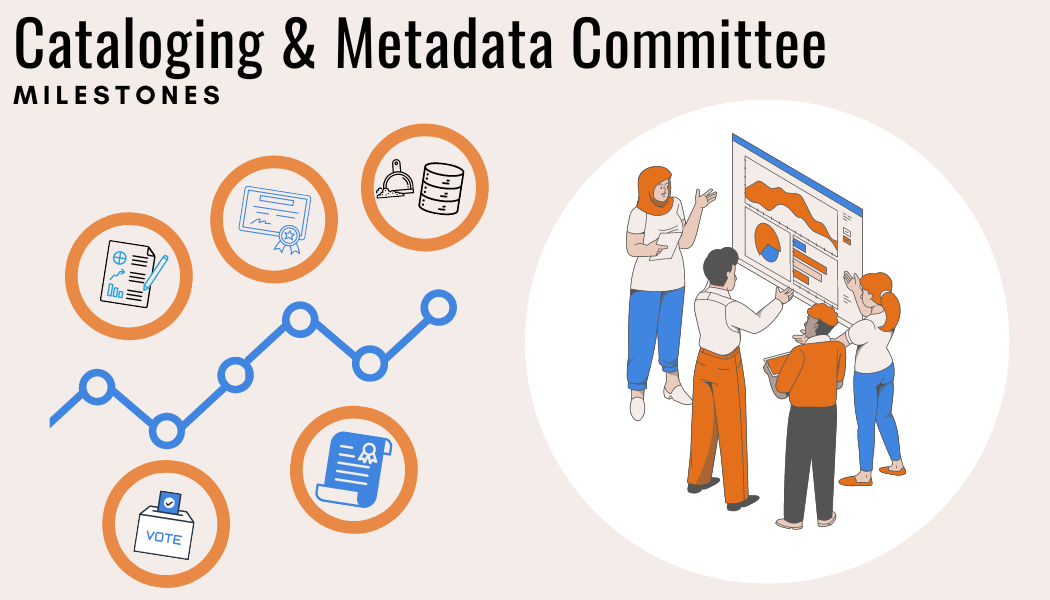
Cataloging & Metadata Committee Milestones with graphic visuals of a team pointing to charts

On the governance front, the former “Cataloging working group” completed a Committee Charter to elevate the group’s status to an official BHL Committee. Approval of the Committee at the 2023 BHL Annual Meeting by the Executive Committee and BHL Partners, as well as the formal codification in the BHL Bylaws, solidifies Cataloging and Metadata as a permanent standing BHL Committee.
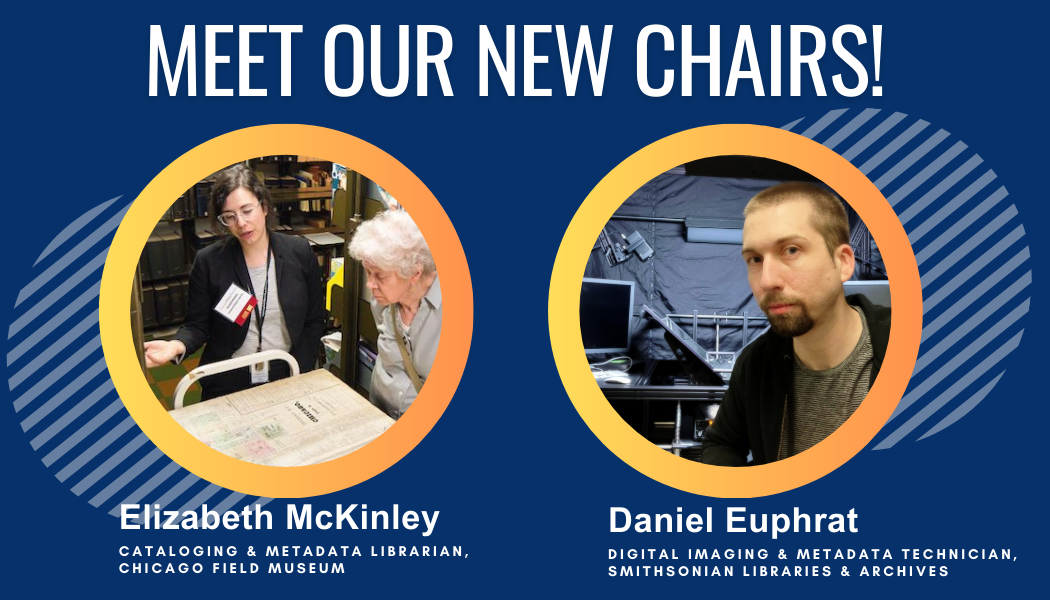
Pictures of new committee co chairs Elizabeth McKinley (leading a tour of patrons) and Daniel Euphrat (sitting in front of digitization equipment)

In 2023, the Committee held its inaugural Chair Election which signified a notable transition for the former working group. We are excited to welcome Daniel Euphrat of the Smithsonian Libraries and Archives and Elizabeth McKinley of the Chicago Field Museum as the co-chairs for 2024. Additionally, we extend our gratitude and appreciation to former chairs Suzanne Pilsk of the Smithsonian Libraries and Archives and Diana Duncan of the Chicago Field Museum, who will continue to provide valuable mentorship during this transitional period. A warm welcome and congratulations to Daniel Euphrat and Elizabeth McKinley on becoming the inaugural co-chairs in 2024.

The Committee membership grew with the addition of advisors, retired staff as observers, and new members:

  • Siobhan Leachman, Committee Advisor and Independent Wikimedian
  • Elizabeth McKinley, Committee Co-Chair and Cataloging & Metadata Librarian at the Chicago Field Museum
  • Briana Giasullo, Committee Member and Cataloging and Digital Resources Librarian at the Academy of Natural Sciences of Drexel University
  • Sandra Lee Parker Provenzano, Committee Member and Head Cataloger at Dumbarton Oaks, Harvard University

As a newly formalized Committee, this coming year will see some fresh perspectives and ideas to drive progress on BHL Strategic Goals and the Committee’s formal charge.

Empowering BHL Staff with Wiki Education’s Wikidata Certificate Course

A tangible benefit of Committee membership includes access to broader professional development opportunities through BHL. Early in 2023, committee members celebrated the completion and final project wrap-up of a six-week professional certificate course sponsored by BHL and the Smithsonian Libraries and Archives (SLA). This specialized course was facilitated by Wiki Education, a non-profit that focuses exclusively on supporting students, faculty, and subject area specialists with their Wikimedia work. The program provided BHL and SLA staff with a unique opportunity to hone advanced skills in SPARQL queries, visualizations, and data modeling.
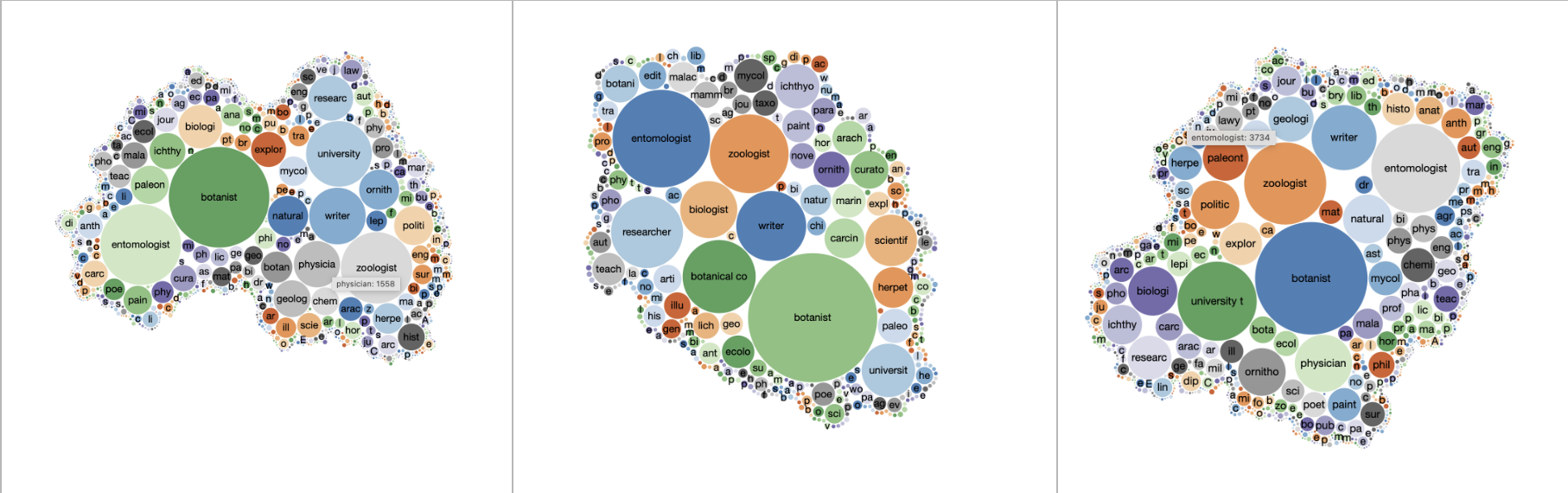
Three SPARQL visualizations with varying colors and sizes of circles clustered together

Left to right: SPARQL visualizations of BHL Authors by Occupation; BHL Female Authors by Occupation; BHL Male Authors by Occupation. The course provided participants with the opportunity to experiment with linked data and visualizations produced by the Wikidata Query Service.

The custom curriculum, led by the knowledgeable Will Kent aka “Wikidata Will” and SLA co-facilitators JJ Dearborn, Richard Naples, Suzanne Pilsk, and Jackie Shieh engaged a cohort of 25 participants in a tailored, immersive experience exploring topics like SPARQL queries, visualizations, federation, data modeling, bulk data loading, and editing tools.
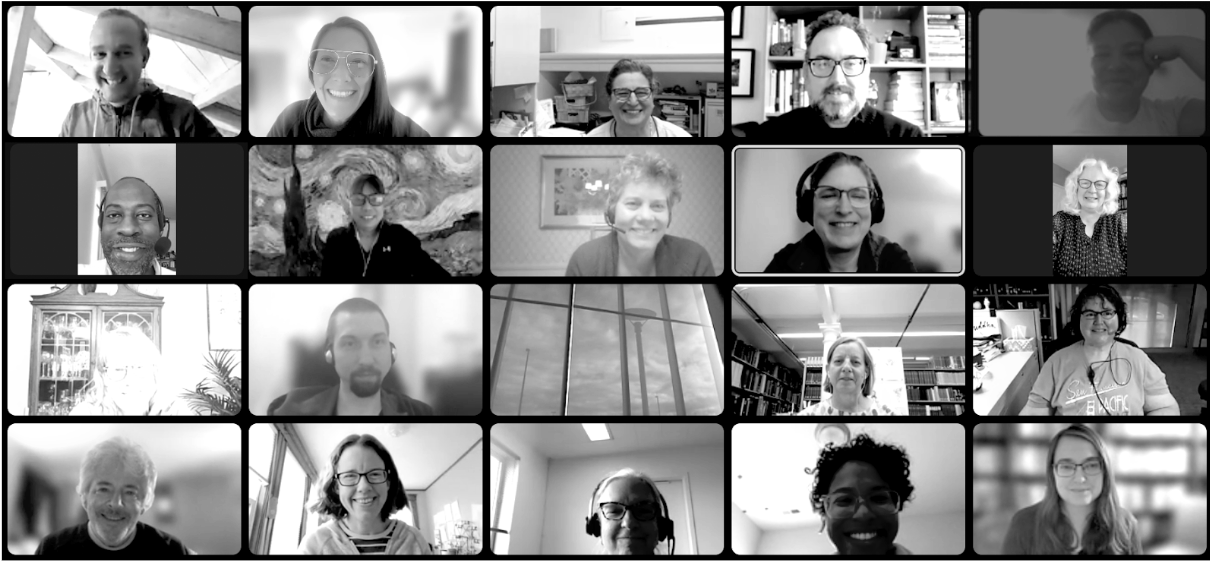
Grid of 20 black and white video screens of committee members on a video conference call

Participants added BHL partner nodes as items and linked them up with BHL using the Wikidata in partnership property:
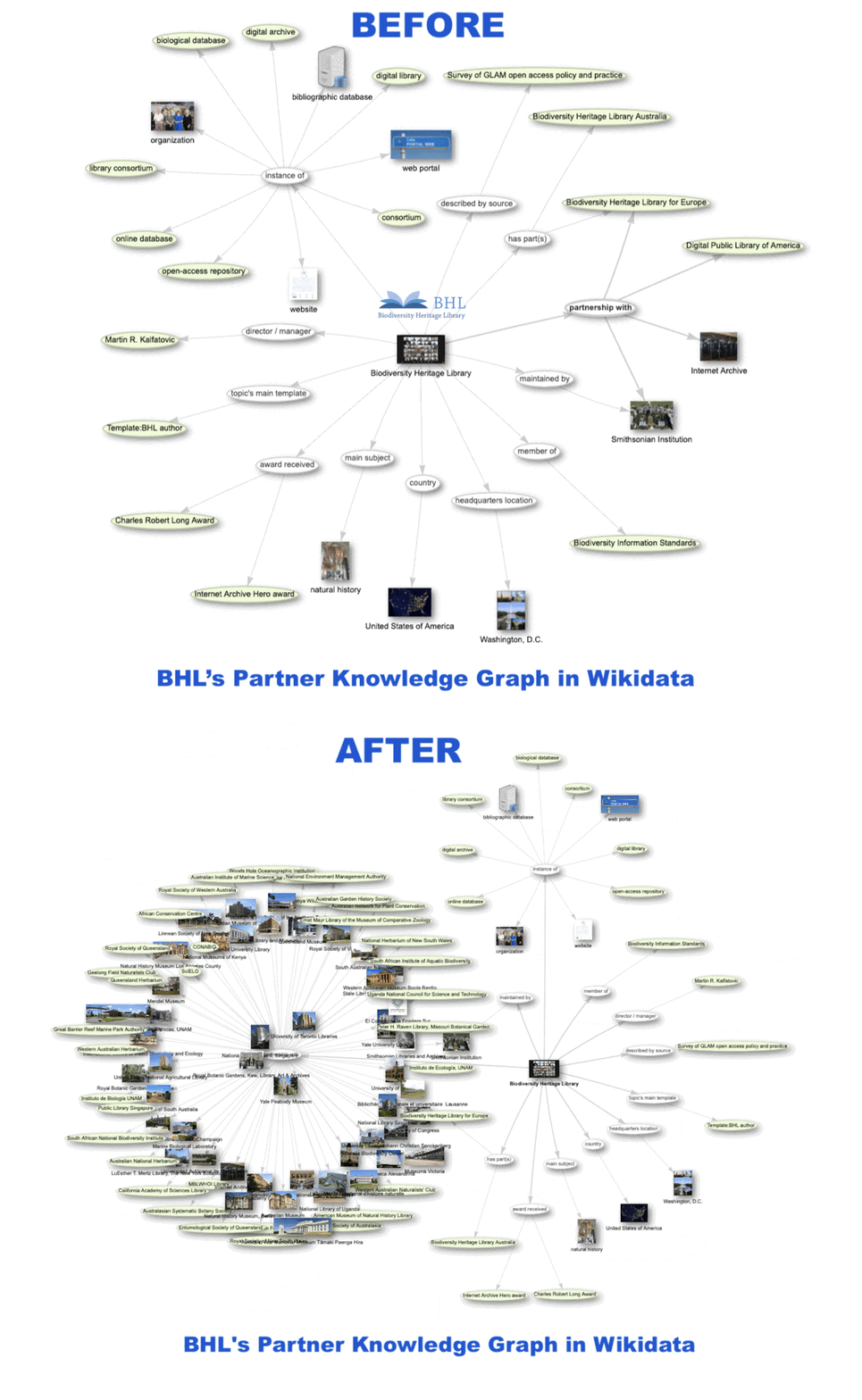
GIF of before and after visualization of BHL knowledge graph with entities clustered and connected by arrows

The BEFORE is what BHL’s Partner Knowledge Graph looked like and AFTER the course, one can see how BHL’s network has grown in Wikidata!

Enriching our Committee’s technical expertise has not only opened new avenues for exploration within the Wikimedia project ecosystem but has also laid the foundation for the newly formed BHL-WIKI working group, set to launch this year under the distinguished leadership of Wikimedia Laureate and long-time BHL advocate, Siobhan Leachman. Under Siobhan’s guidance, BHL is embarking on a dedicated effort to convert its legacy data into 5-star linked open data, facilitating expanded global access to biodiversity knowledge for all.

For a more in-depth understanding of BHL’s symbiotic relationship with the Wikimedia ecosystem, we encourage readers to explore related post “BHL is Round Tripping Persistent Identifiers with the Wikidata Query Service,” and the white paper titled “Unifying Biodiversity Knowledge to Support Life on a Sustainable Planet.”

Comprehensive BHL Metadata Requirements for our Global Consortium

Conformant metadata in BHL is the linchpin that allows BHL to manage diverse global sources of metadata across 588+ contributors. A guiding document is paramount to fostering metadata harmonization from a globally disparate network and empowers BHL technical staff in maintaining data consistency and ensuring interoperability across the consortium. The new BHL metadata requirements facilitates effective searching, browsing, discovery, and identification for BHL’s end-users, enabling broader access and engagement with biodiversity knowledge on a global scale.

The journey to finalize BHL’s Metadata Requirements was a lengthy endeavor and bringing together once-disparate guidelines into a unified framework is the culmination of many years of work. After a Metadata Requirements Summit in 2023 and multiple rounds of Committee peer review, the first version of comprehensive BHL Metadata Requirements has been published and incorporated into BHL’s Collection Development Policy.
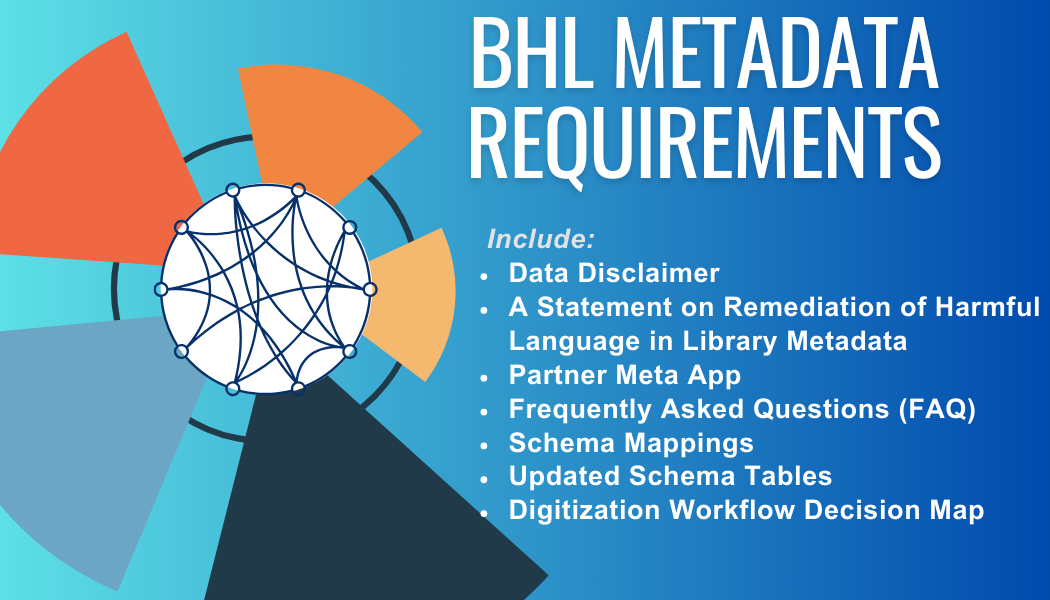
BHL Metadata requirements include data disclaimer, a statement on remediation of harmful language in library metadata, partner meta app, FAQ, schema mappings, updated schema tables, digitization workflow decision map

Additionally, embedded within these requirements is the BHL Cataloging and Metadata Committee’s formal Statement on Remediation of Harmful Language in Library Metadata, which serves as a commitment to address harmful language in library metadata, recognizing the impact of legacy language and knowledge organization systems can have on perpetuating biases. BHL actively champions inclusivity, encouraging contributors to realign vocabulary terms to ensure diverse user access. Rejecting censorship, BHL acknowledges and commends the ongoing efforts by contributing institutions in remediating outdated metadata terms. This commitment not only aligns with our dedication to diversity but also reinforces our mission to provide a comprehensive and inclusive perspective on biodiversity knowledge for a global audience.

Across the BHL Consortium, we consistently unite to uphold excellence in metadata management and recognize the individual needs of our digitization partners, encompassing factors such as staff, technical expertise, funding, and local facilities. Having comprehensive Metadata Requirements reflects the tenacious and collaborative spirit across the BHL Consortium to come together in unity and further our collective mission to provide free, worldwide access to knowledge about life on Earth.


BHL Cataloging and Metadata Committee Charge

The BHL Cataloging and Metadata Committee possesses advanced expertise in metadata standards, remediation, mapping, and cross-walking workflows. The committee is responsible for overall BHL metadata advising, curation, and validation with the overarching goal of sharing the highest quality bibliographic data outputs broadly with the bioinformatics community and the world. The task of harmonizing hundreds of years of metadata from diverse sources is a continuous, iterative activity. The Cataloging and Metadata Committee directly supports the following strategic goals:

  • Ensures reliability and accuracy of the collections by curating the BHL collection 
  • Defines the BHL collection as a data resource as well as a digital library to support big data approaches
  • Extends and deepens metadata parsing and validation 

In closing, the Committee eagerly anticipates a year ahead filled with continued efforts to enhance BHL’s metadata quality and further integrate diverse information into the growing network of biodiversity knowledge. Please don’t hesitate to reach out to the group with your feedback. Your input will be invaluable as we strive to advance our mission and better serve our community. Thank you for your ongoing support and engagement.
February 29, 2024by mdimeo
Blog Reel, User Stories

Teaching Rare Book Cataloguing During a Pandemic

As I am writing this, Melbourne is at the end of its second wave of COVID-19 and I have been separated from the library collections that I work with at Museums Victoria for six months, 25 days, 21 hours, and around 12 minutes… but who’s counting?!

The pandemic has created a lot of challenges, not least working out how to be a librarian of an overwhelmingly print-based collection from a distance, but this time working from home has also afforded me opportunities to present a handful of webinars, the most recent being a guest lecture on rare book cataloguing for library and information management students.

I can say without a doubt that this would have been a near impossible task without the Biodiversity Heritage Library.

Having a number of items from the Museums Victoria Library digitised and openly available on the BHL website enabled me to access collection items virtually for students and create engaging online content showing real-life examples of features such as collation, signatures, catchwords, and provenance. These are some of the things we look for when cataloguing rare books from the hand-press era, which for Western printing spans roughly from 1440, around the time when the Gutenberg press was invented, to the early 19th century, by which time the machine age was well established and steam-powered machines dominated printing.

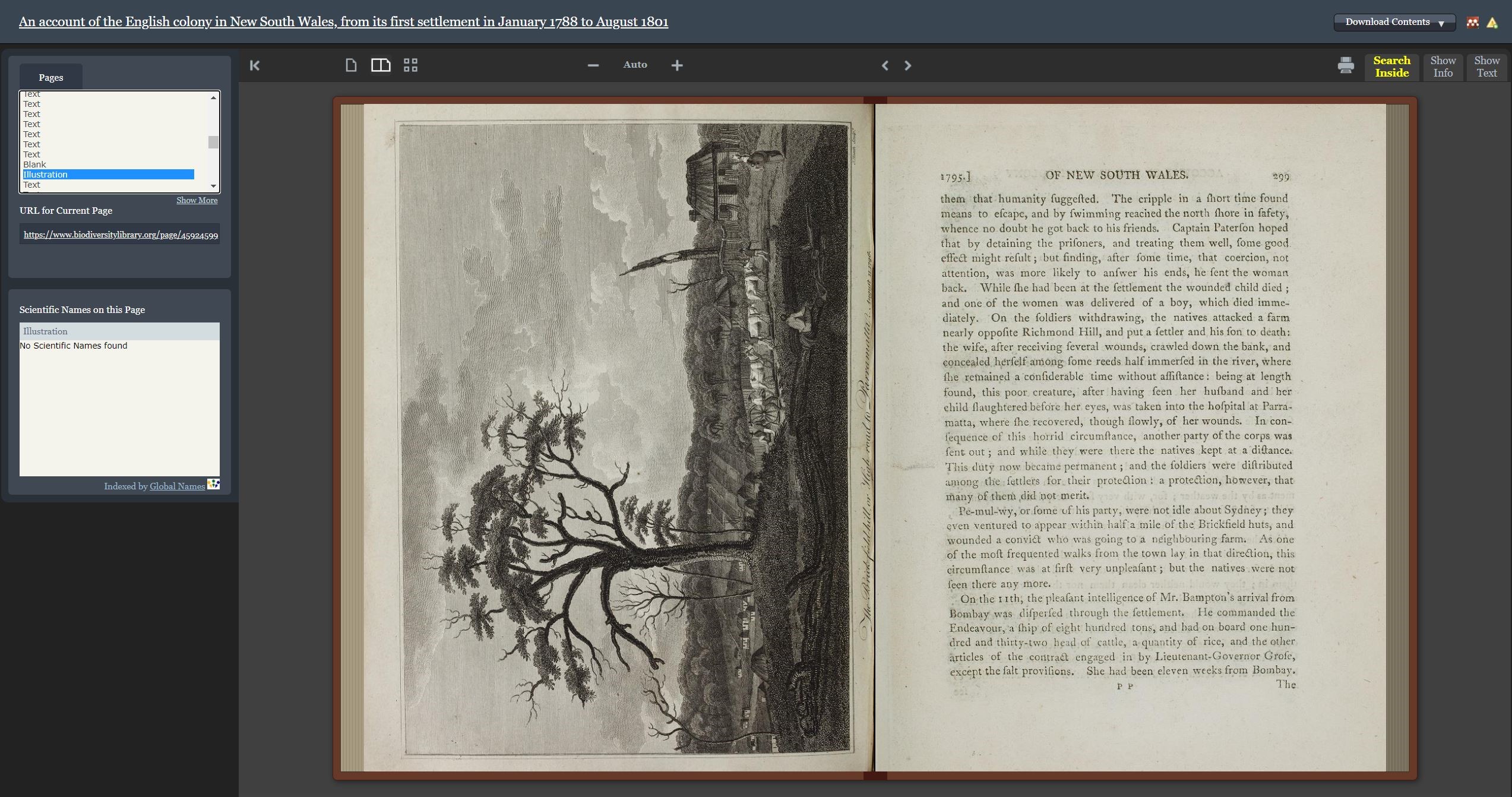
Screenshot of the book viewer in BHL with pages from An account of the English colony in New South Wales.

The two-page view on BHL allowed me to flick through books virtually in the same manner as a physical object in order to indicate some of the things we might look for when cataloguing rare books. Plate and text page 299. Collins, David. An account of the English colony in New South Wales, from its first settlement in January 1788 to August 1801. 1804. Contributed in BHL from Museums Victoria.

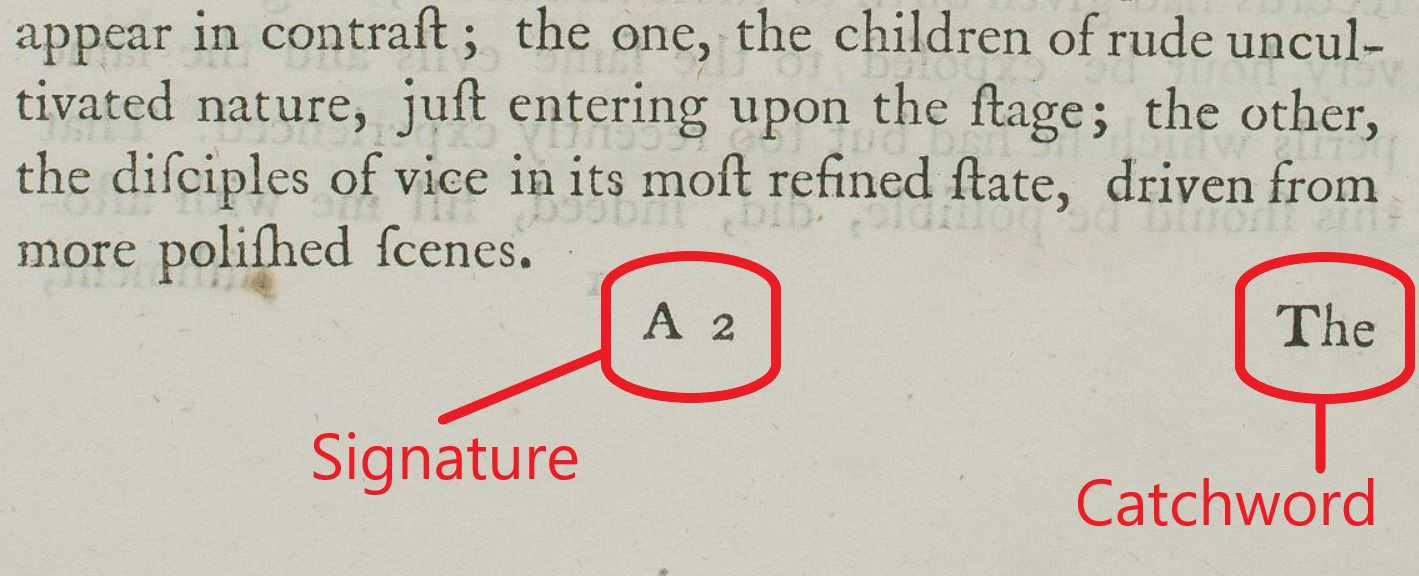
A central part of a bibliographical description is to record the format and the physical structure of the book. In determining a book’s collations—or in other words, how it was put together or assembled—we can look for evidence on books, including the impressions that the paper mould have left on the paper and devices used by printers to keep track of page order such as signatures and catchwords.

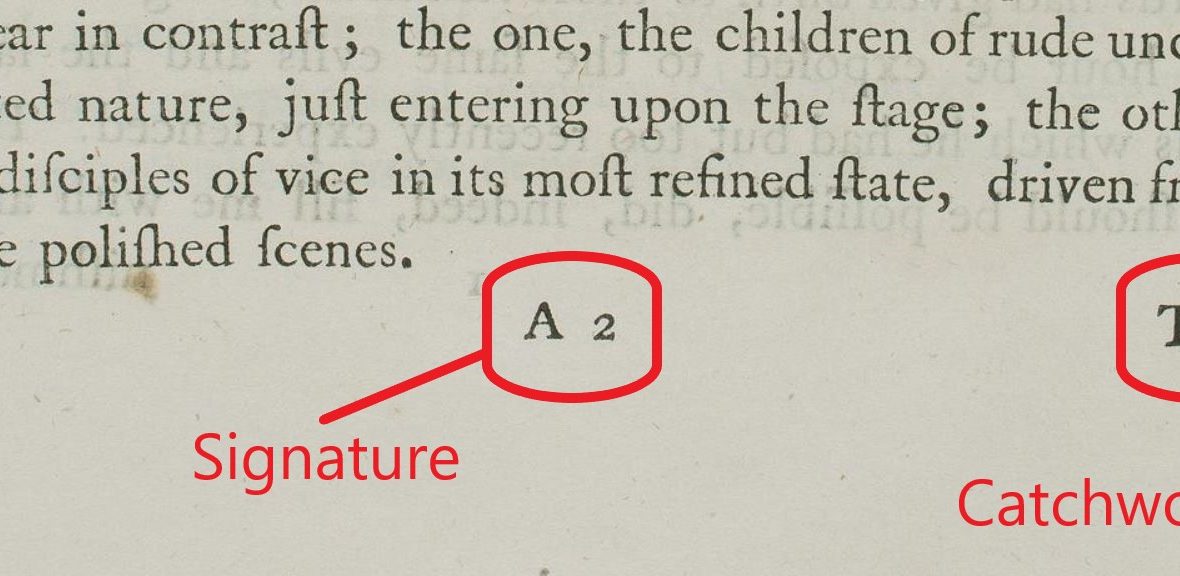
A catchword will show the first word on the following page and a signature will indicate how many pages are in each gathering of the book. Both generally appear near the bottom of a page and both are also useful for rare book cataloguers to check that the item they are cataloguing is not missing any pages.

Highlight of signatures and catchwords on a printed page of a rare book.

Close-up of a page indicating the location of the signature and catchword. Preface. Collins, David. An account of the English colony in New South Wales, from its first settlement in January 1788 to August 1801. 1804. Contributed in BHL from Museums Victoria.

During the lecture, I used BHL to flick through David Collins’ published journal, An account of the English colony in New South Wales … (1804), where I could clearly demonstrate to the students what I am referring to when I say “collations”, “signatures” and “catchwords”, and what aspects of the book that I might record in a catalogue record.

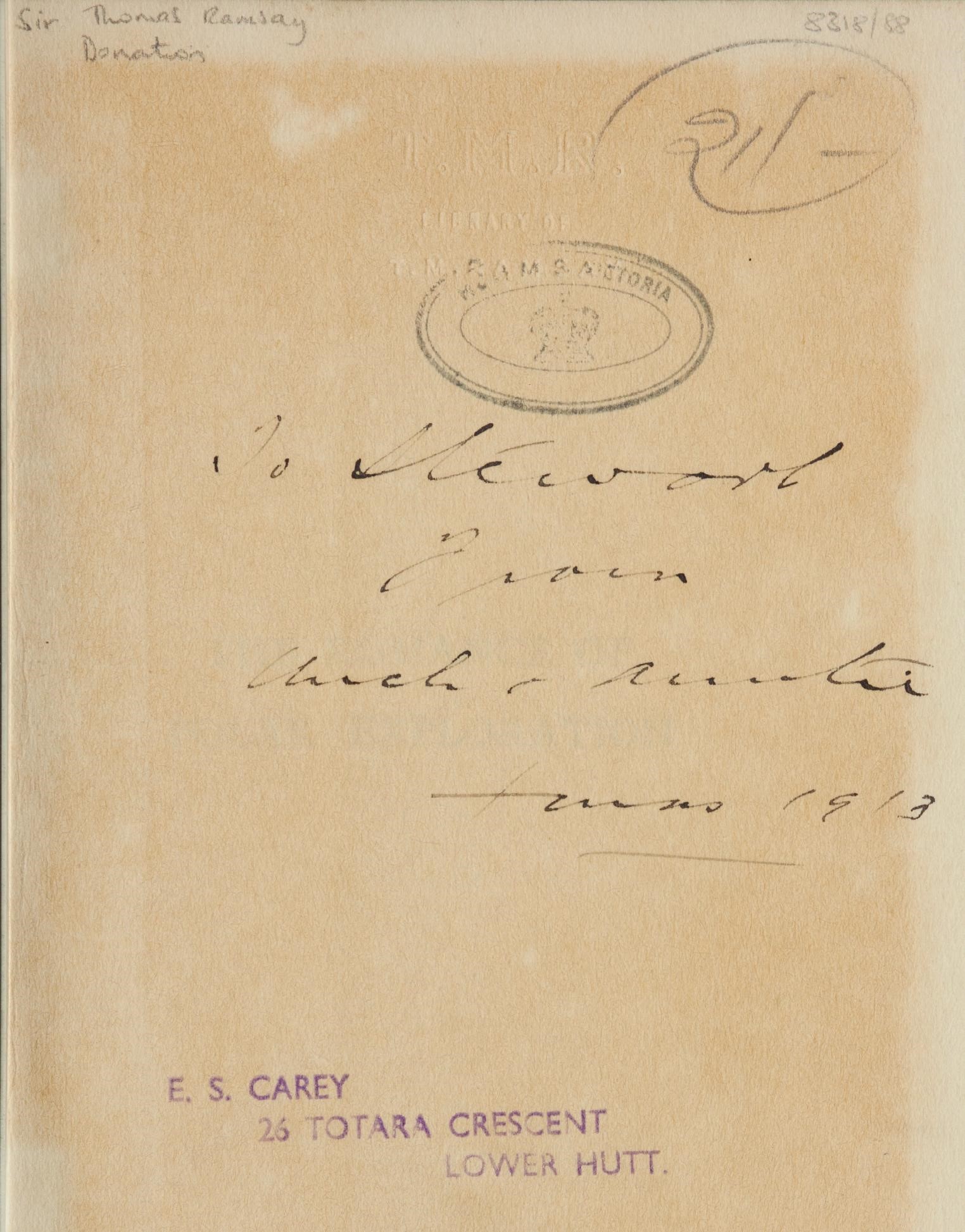
Another thing that I touched on was provenance markings and how to record any marks of ownership, custody or location on an item. In the case of books, this can mean autographs or notes written in books, as well as bookplates and stamps—people scribble, affix or slip all sorts of things in or on books! Generally, when cataloguing, I’d aim to note anything in our copy that might deviate from the “perfect” copy, so in other words, anything that’s happened to the book after publication.

Provenance information highlighted on the front flyleaf of a rare book.

The front flyleaf of the Museums Victoria Library copy features several marks of provenance, including an acquisition number, a blind or embossed stamp near the top of the page, and an inscription. Front flyleaf. Scott, G. Firth. The romance of polar exploration. 1909. Contributed in BHL from Museums Victoria.

Once again, BHL delivered the goods on provenance markings. I was able to browse some of the 600+ volumes that Museums Victoria has contributed to find many different kinds of provenance markings, including several marks of provenance in our copy of The romance of polar exploration by G. Firth Scott (1909) as well as bookplates, annotations and even a cheeky manicule! If you are interested to know more about provenance markings in our collections, take a look at this BHL blog post from 2019 by Hayley Webster.

So yes, the pandemic has been challenging, but not always in a bad way. It has certainly forced me to be adaptable and creative around my approach to my job, and I’ve also learned to love and appreciate the digital surrogates of the books in the Museums Victoria Library as much as I do the real thing.

January 14, 2021by Joel Richard
Blog Reel

Reflecting back on my incredible summer at Smithsonian Libraries

View Full Size Image

As the weather in Central New York is getting colder, and the winter is inevitably approaching, I can’t help but recall the humid summer of Washington, DC. Over the summer of 2016, I interned at Smithsonian Libraries. As a summer intern, I worked at the Department of Digital Programs and Initiatives on the “Cataloging across collections” project. The project was focused on metadata and cataloging. During my internship I worked on digital curation of the records in Biodiversity Heritage Library as well as cataloging field notes for the Field Book Project. Both aspects of my internship were coordinated by mentors assigned by the Smithsonian Libraries – Bianca Crowley, Digital Collections Manager of Biodiversity Heritage Library, and Lesley Parilla, Cataloging Coordinator of the Field Book Project. During my internship I met with Smithsonian Institution staff members, toured different departments, attended the staff picnic, and, most importantly, improved my understanding of the technical services in libraries.

Although working on metadata projects was quite challenging, it helped me to gain confidence as an information professional. As a librarian, I’ve always known that the information organization is important, but I didn’t realize how much properly maintained bibliographic descriptions can improve the user experience. Especially, when the audience can only interact with online assets. Biodiversity Heritage Library is a unique digital collection of the resources in Natural Sciences. My work focused on editing metadata for existing records, which included author merging, editing of volume information, title merging, and linking of the serial records. I received training in 2 internal systems, the Gemini Issue Tracker and BHL Administrative Dashboard to work on these tasks.

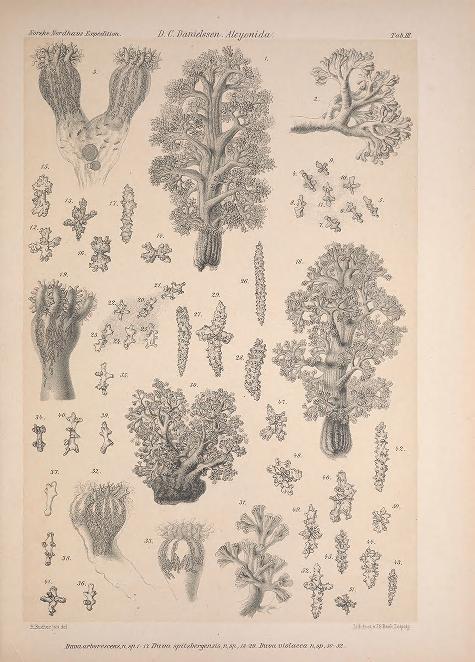
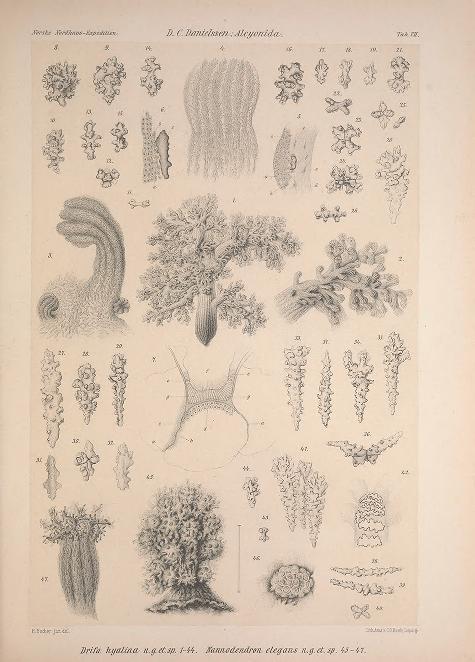
On the first week of my internship, I needed to link several volumes together. “Den Norske Nordhavs-expedition, 1876-1878” gives an account of the Norwegian North-Atlantic expedition in the 19th century, commanded by Carl Fredrik Wille, Captain of the Royal Navy. Since I have interest in Scandinavian languages, I enjoyed interacting with this resource. This and many other assignments throughout my internship taught me the importance of metadata standards. Seeing both librarian and user perspectives on the information-retrieval systems became an eye-opening experience for me.


View Full Size Image

“Den Norske Nordhavs-expedition, 1876-1878”, bd. 5, pt. 17 [Alcyonida], tab. I

View Full Size Image
“Den Norske Nordhavs-expedition, 1876-1878”, bd. 5, pt. 17 [Alcyonida], tab.

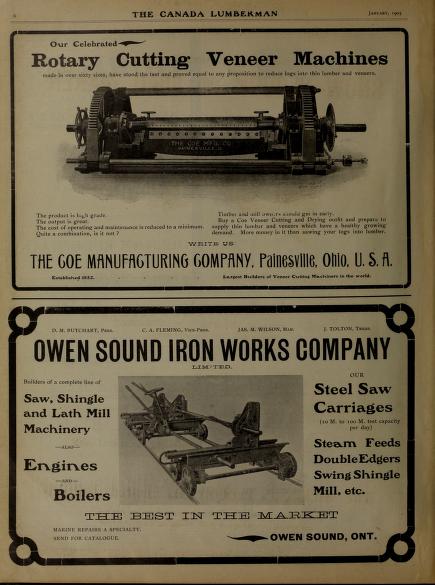
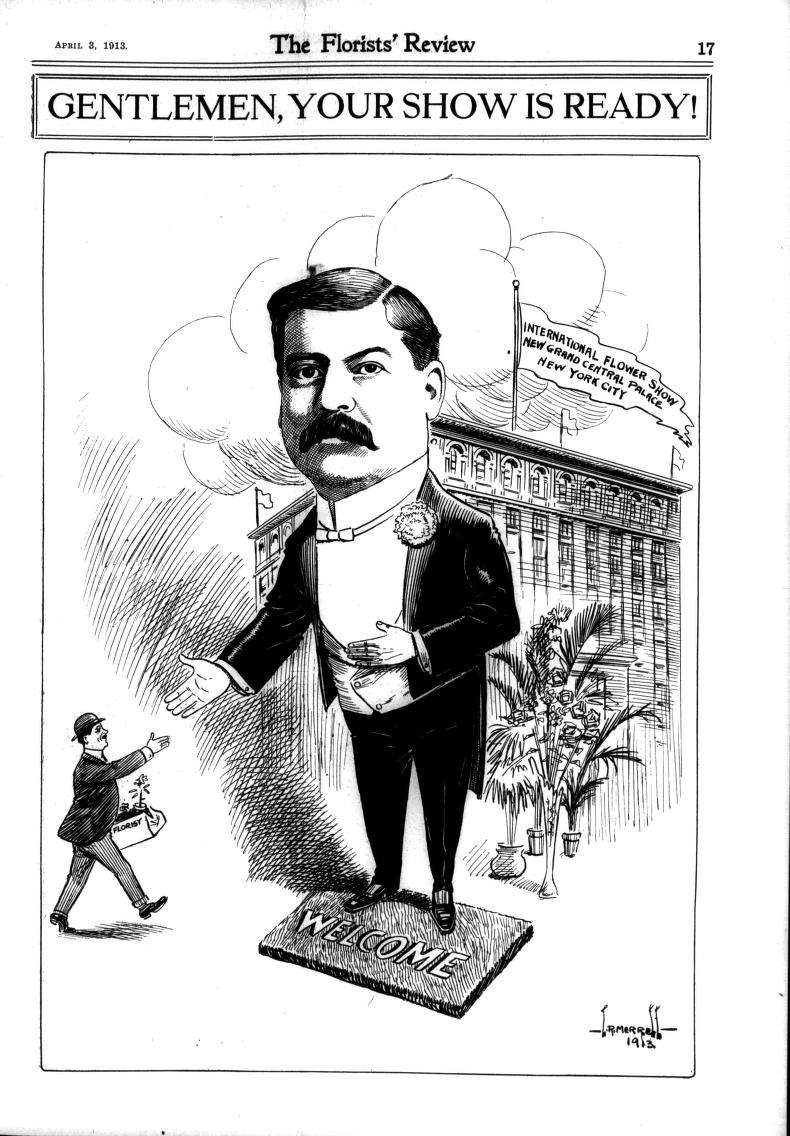
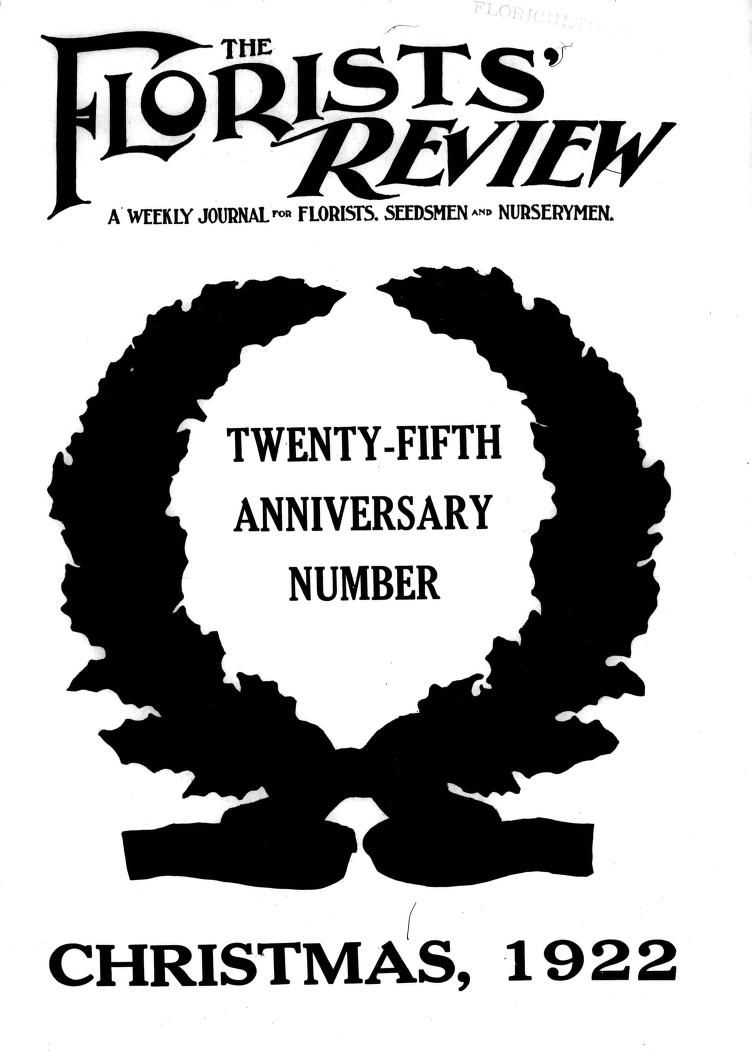
Further into my internship, I was trained to upload the scanned images into the Internet Archive, the platform that hosts the BHL assets. I used another internal system, Macaw, for this purpose. As I was uploading the new images, I assigned page-level metadata. One of the publications I was working with was Bonn Zoological Bulletin. I had so much fun working on the metadata-level description of William Mann’s scrapbook from his trip to South East Asia for the Field Book Project. One of my favorite serials was Canadian Forest Industries, a magazine that was renamed at least 6 times before its current title. While I was adding volume information and page level metadata, I encountered amazing illustrations and advertisement campaigns from Florists’ Review, that is a wonderful compilation of the marketing tools of the past.


View Full Size Image
Canadian Forest Industries, formerly known as Canadian Lumberman, Jan 1903.


View Full Size Image
Drawing from the Florists’ Review April 1913 v.31 no.797 (801) p.17


View Full Size Image
Front page of from the Florists’ Review December 1922, Christmas edition v. 51 no.1306

In addition to learning many essential skills for technical services in libraries, during my internship I worked with Camtasia software. Screen-casting was used to develop tutorials for BHL Staff about working in the BHL “Admin Dash.” I recorded one video that focused on merging author records together. During the internship I also presented at a Brown Bag presentation in front of Smithsonian Libraries staff, my mentors, and other interns.

I would like to express gratitude to my mentors – Bianca Crowley, Digital Collections Manager at Biodiversity Heritage Library, and Lesley Parilla, Cataloging Coordinator of the Field Book Project, and the entire Department of Digital Programs and Initiatives for their guidance and support. I would also like to thank LIS Program Director at Syracuse University – Jill Hurst-Wahl, and my Academic Advisor – Barbara Stripling, for their invaluable insights on the US library system. My boundless gratitude goes to Cultural Vistas and the Edmund S. Muskie Internship Program that made it possible for me to intern in Washington, D.C. during the summer of 2016. Being a part of the Smithsonian Institution was an unforgettable life experience, which I will proudly carry with me throughout my library career!

December 28, 2016by [email protected]
Blog Reel, Featured Books

When New England was New

Portrait version of the Biodiversity Heritage Library logo.
View Full Size Image
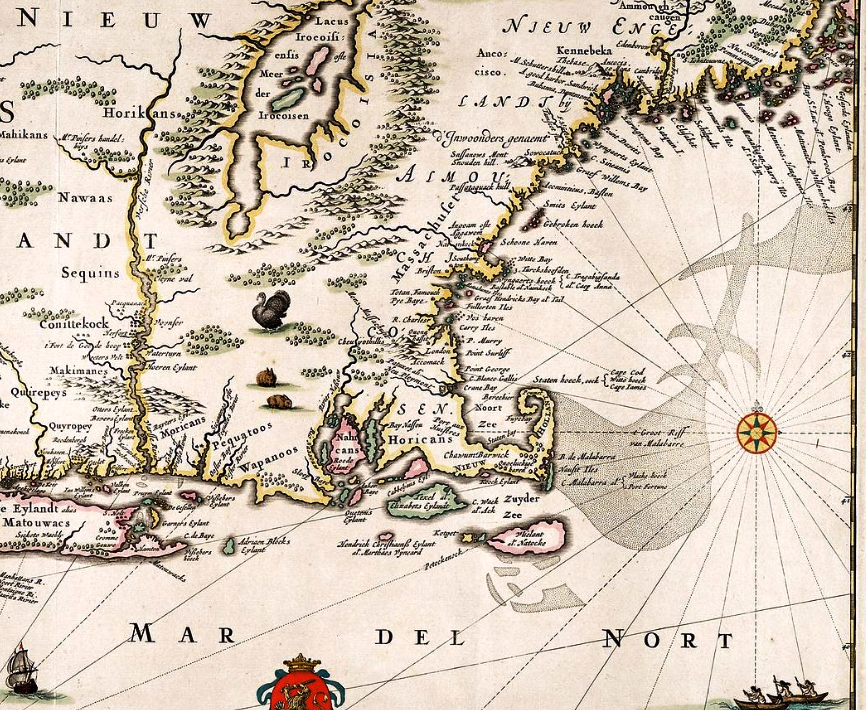
Map of eastern North America. Detail of engraved map by Nicolaes Jansz Visscher, made about 1655, not long after Josselyn’s first journey to the New World. Note the prominent, plump turkey. Gift of Mrs. Francis P. Garvan, National Museum of American History, Smithsonian Institution

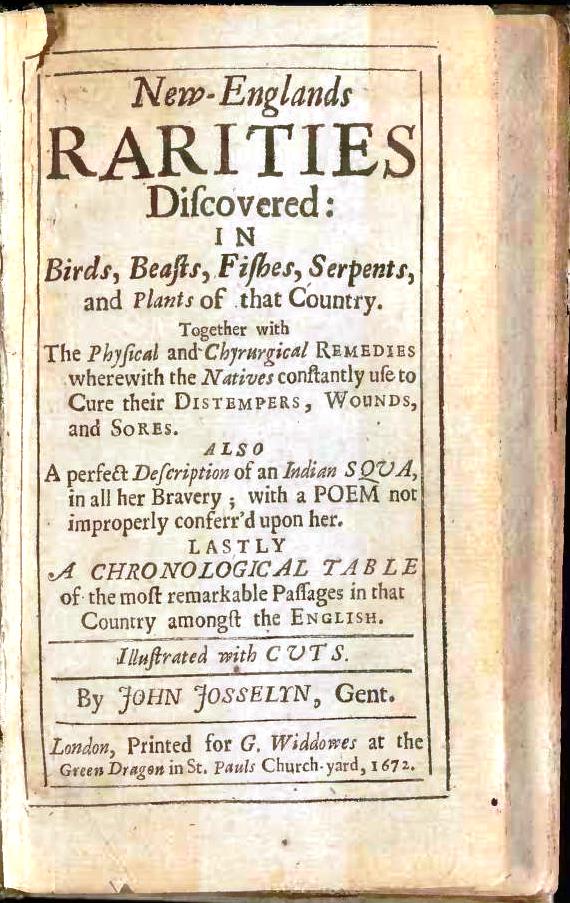
It is a small book, palm-size, with pages of less-than-fine paper, the well-worn letters of the type sometimes carelessly inked. The sparse woodcut illustrations are child-like in their simplicity and straight-forwardness. Yet John Josselyn’s New-Englands rarities discovered, printed in London in 1672, drew me in as I went about cataloging the work. Intrigued by the title and the early date of publication, I found myself reading an account of the landscape of my past, from Boston, “down east” (that is, up the coast as represented in the above illustration) to my place of birth, and points all around. That great bibliography, The Hunt Botanical Catalogue, notes that this book is “particularly interesting to people who are fond of Maine.” Indeed. The text provides a sense of place from the 17th century.

Having refreshed my self here [Boston] for some time, and opportunely lighting upon a passage in a Bark belonging to a Friend of my Brothers, and bound to the Eastward, I put to sea again, and on the Fifteenth of August I arrived at Black-point, otherwise called Scarborow, the habitation of my beloved Brother, being about an hundred leagues to the Eastward of Boston; here I resided eight years, and made it my business to discover all along the Natural, Physical, and Chyrurgical Rarities of the New-found World.

View Full Size Image
BHL digitized copy, supplied by the U.S. Department of Agriculture, National Agricultural Library.

New-Englands rarities is an account of the author’s two journeys to America, the first in 1638 for several months and again in 1663 for a stay of eight years. Despite the autobiographical nature of the work, not much is known of Josselyn, “active” in cataloging parlance, from 1630 to 1675, and born around 1608 in Essex County. The author comes across as a learned, if not terribly discerning, gentleman with possibly a medical background. He describes the topography, customs and the natural history of the country, with great interest in the healing properties of organic materials from recipes used by both native Americans and colonists, leading to speculation that the Englishman was a physician. It may be Josselyn was simply well-read and the curious type. The era of European plant exploration in the New World, for both therapeutic, consumption and ornamental purposes, was underway by the time of Josselyn’s travels. There would be a ready audience for such information, particularly in a relatively accessible and inexpensive publication.

View Full Size Image
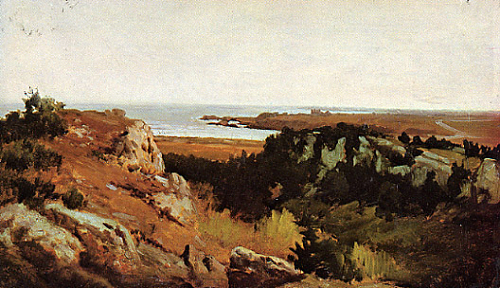
Prouts Neck. Painting by Winslow Homer (1836-1910), Smithsonian American Art Museums

“Scarborow” is the coastal area of Scarborough, incorporated as a town in 1658 in the present state of Maine. One of the area settlements was “Black-point” (originally a patent of 1500 acres) that included the rocky shoreline of present-day Prouts Neck, of artist Winslow Homer-fame (a place now known for exclusiveness). It was here that John Josselyn’s brother Henry lived and worked along the sea, rivers, stretches of salt marshes and sandy beaches. Henry Josselyn was representing the Royal grant of land, Council of Gorges’ Province of Maine, by 1636, and later served as Deputy-Governor.

There is some evidence that Henry Josselyn may have ascended the highest mountain in the Northeast, the 6,288-foot (1,917-meter) Mount Washington. His brother John, as did Giovanni da Verrazano in 1524, observed and recorded the peak (known by various names before European settlement) from shipboard in the Atlantic Ocean as “one stately mountain…surmounting the rest”:

“Fourscore miles (upon a direct line) to the Northwest of Scarborow, a Ridge of Mountains run Northwest and Northeast an hundred Leagues, known by the name of the White Mountains, upon which lieth Snow all year, and is a Land-mark twenty miles off at Sea.”

View Full Size Image
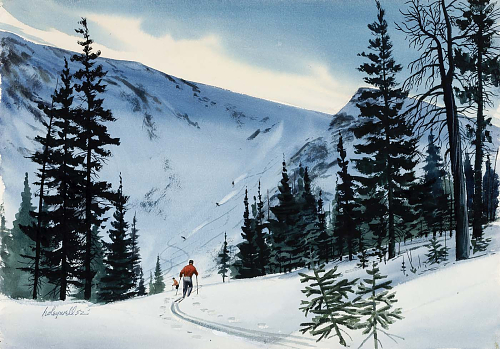
Skiing at Tuckerman’s Ravine, Mt. Washington, N. H. Watercolor by Arnold Holeywell (1923-2010). Smithsonian American Art Museum, gift of the Ford Motor Company

John Josselyn’s further writings indicate that he probably also summited the mountain (as I did one June, when there was still snow on the slopes). Now a not-particularly arduous but long day’s hike in good weather along groomed trails, it was not a casual undertaking in the 1660’s. It is a volatile place with fierce, sometimes unpredictable, weather. The Josselyns probably journeyed along the magnificent Saco River, south of Scarborough, to reach the range. There John Josselyn made meteorological observations (The Mount Washington Observatory on April 12, 1934, recorded the wind at 231 miles per hour, a record that held through the 20th century).

Josselyn liked to compose catalogs and there is humor sprinkled about his lists. In the one on fishes, he prefaced: “Pliny and Isadore write there are not above 144 Kinds of Fishes, but to my knowledge there are nearer 300: I suppose Americawas not known to Pliny and Isadore.” The account of his unfortunate encounter with a wasp nest begins with his belief he was coming across an exotic fruit. And, amusing for readers today, Josselyn was none too fond of the Puritans of the Bay Colony. The Native Americans, on the other hand, were regarded with admiration.

View Full Size Image
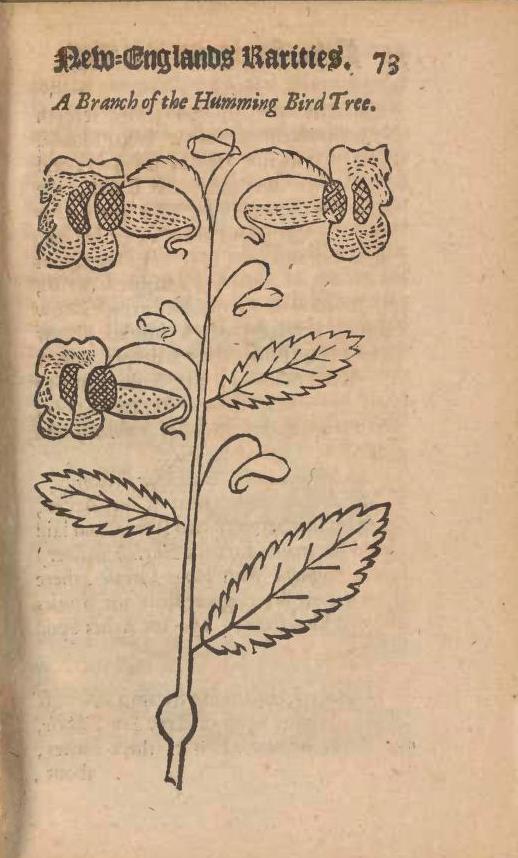
Touch-me-not or Hummingbird tree – a favorite of the bird to feed upon. Josselyn, John. New-Englands rarities. (1672). Digitized by the U.S. Department of Agriculture, National Agricultural Library. http://biodiversitylibrary.org/page/47579388.

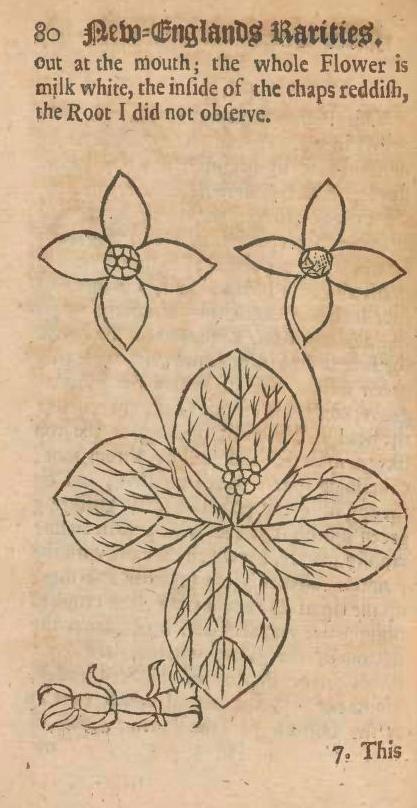
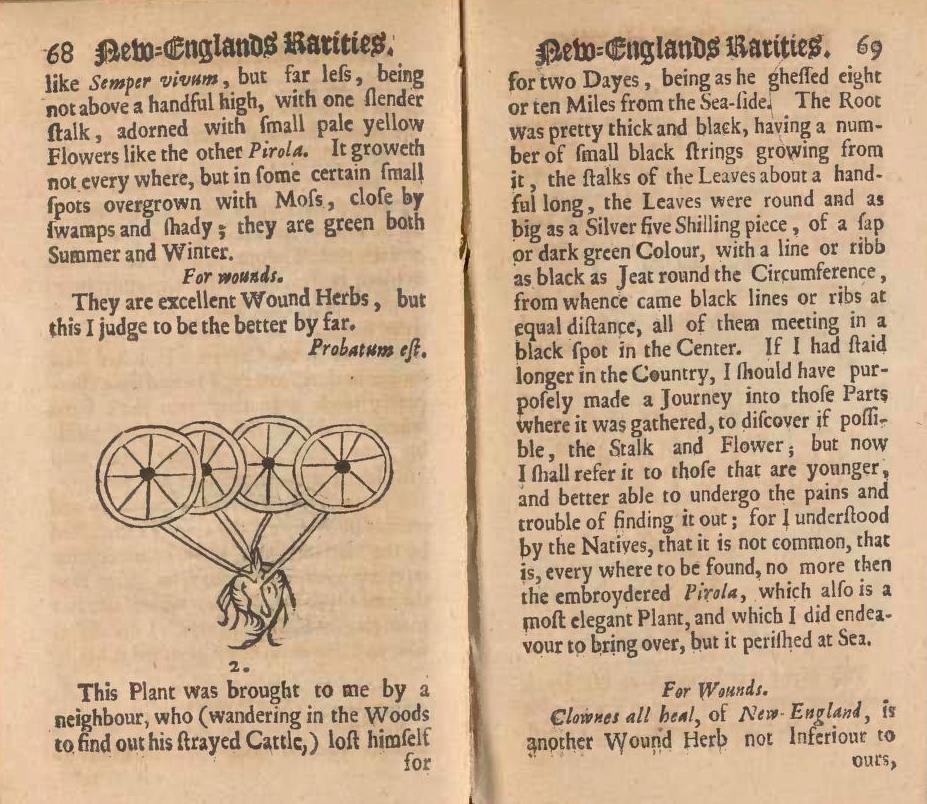
For botany researchers there is much information to decipher from New-Englands rarities. Twenty-two invasive species or weeds are listed under a section “Of such Plants as have sprung up since the English Planted and kept Cattle in New-England” (the reference to cows is of their manure). In Josselyn’s identifications, sow thistle, night shade, mallowes, wormwood, bloodwort, and cheek weed are recorded; some are identifiable today, others not. According to noted botanist, ecologist and conservationist Paul Sears, Josselyn provides the first mention of the now-ubiquitous dandelion in America. From the many references, it is evident that the author had with him the hefty 1633 Thomas Johnson’s edition of Herball by John Gerard, “our famous Herbalist.” Josselyn notes the New World plants described by Gerard as well as Parkinson and points out his own discoveries, such as skunk cabbage and the pitcher-plant.

View Full Size Image
Herb True Love: “the leaves are good to be laid upon hot tumors.” Josselyn, John. New-Englands rarities. (1672). Digitized by the U.S. Department of Agriculture, National Agricultural Library. http://biodiversitylibrary.org/page/47579357.

Recipes, whether for medical purposes or nourishment, are sprinkled throughout the text. The wild turkey is fully described for the first time and what must be one of the earliest records of meat being eaten with cranberries as “it is a delicate Sauce.” Josselyn also mentions “pompions” (pumpkin) pie. The colonists of course learned about the cultivation of pumpkins, squash and corn from the native inhabitants. “Billberries” (blueberries), are reported to be “very good to allay the burning heat of Feavers and hot Agues, either in Syrup or Conserve. A most excellent Summer Dish.” Peas, grown in New England, “are the best in the world.”

View Full Size Image
Josselyn, John. New-Englands rarities. (1672). Digitized by the U.S. Department of Agriculture, National Agricultural Library. http://biodiversitylibrary.org/page/47579390.

Josselyn soon expanded New-Englands rarities with An account of two voyages to New England in 1674 (BHL copy digitized from the Smithsonian Libraries). The dedication in this edition is loftier and more ambitious: to the President and Fellows of the Royal Society. A relative of Josseyln’s, Samuel Fortrey, had helped pay for the printing of the earlier work. There is far more detail on the provisioning and crossings of the ships and attendant illnesses and deaths. There is also a disturbing story of the rape of a slave on Noodles Island in Boston Harbor, a horrifying but important testament in the history of slavery in New England.

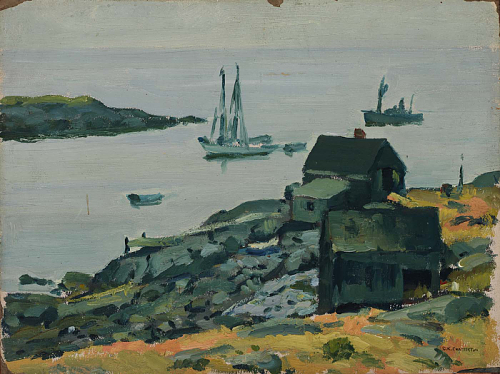
Two voyages to New England provides more scenes of the coast. Monhegan Island, a favorite place of mine, is a speck about ten miles from the nearest mainland. Following European explorers Martin Pring, Samuel de Champlain, George Weymouth, John Smith (and before these sailors, possibly the Vikings), Josselyn reported that Monhegan was filled with fisherman’s houses and shacks, long a staging area for drying fish and post for fur traders to send their goods across the Atlantic. Cod was the great commodity, harvested from the abundant fishing grounds of the Gulf of Maine and along the coast. Since the mid-19th century, Monhegan, spectacularly ruggedly beautiful, has been better known as an artist colony and draw for tourists, at least in the summer.

View Full Size Image
Monhegan Harbor, oil painting by C. K. Chatterton (1880-1973). Smithsonian American Art Museum, bequest of Olin Dows

New-Englands rarities was cited by the great Swedish zoologist and botanist Carl Linnaeus in 1753, attesting to its completeness and authority on flora and fauna for about a century. It also inspired a certain type of travel literature. Henry David Thoreau was an admirer and in A week on the Concord and Merrimack Rivers (1849) wrote of Josselyn’s speaking of “the strong new soil.” Soon after I encountered the book in the Cullman Library of Natural History, I came across a reprinted edition while in Salem, Massachusetts in the gift shop of the House of the Seven Gables. Most valued today for its accounting of plants, the book and its successor, An account of two voyages, have much to offer historians of indigenous cultures about the impact of European settlements, cookery, gardens, religion, folklore, meteorology, geology, and maritime and social norms of the early colonial period in America. Its sense of wonder about the landscape of the New World provides the modern reader with a sense of the place.

Josselyn’s last printed words:

“Now by the merciful providence of the Almighty, having performed Two voyages to the North-east parts of the Western-world, I am safely arrived in my Native Countrey; having in part made good the French proverb, Traveul where thou canst, but dye where thou oughtest, that is, in thine own Countrey.”

Notes
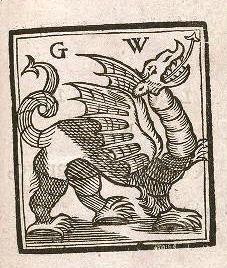
New-Englands rarities has frequently been reprinted. Many of those editions, as well as the National Agricultural Library’s copy of the first, have been digitized by the Biodiversity Heritage Library. The Cullman Library’s copy had been rebound too tightly for it to be safely scanned. It also lacks the last leaf containing the printer’s device.

View Full Size Image
The printer Giles Widdows’ woodcut mark, with his initials and winged dragon. Josselyn, John. New-Englands rarities. (1672). Digitized by the U.S. Department of Agriculture, National Agricultural Library. http://biodiversitylibrary.org/page/47579382.
The BHL digitized copy in Smithsonian Libraries (the Dibner Library) of Josselyn’s later work: An account of two voyages to New-England : wherein you have the settingout of a ship, with the charges; the prices of all necessaries for furnishing aplanter and his family at his first coming; a description of the countrey,natives and creatures, with their merchantil and physical use : the governmentof the countrey as it is now possessed by the English, &c.; : A largechronological table of the most remarkable passages, from the first discoveringof the continent of America, to the year 1673. London : Printed for Giles Widdows, at the Green-Dragon in St. Paul’s-Church-yard, 1674.

Bulletin of the Josselyn Botanical Society of Maine.

Leighton, Ann. Early American gardens “for meate or medicine.” Amherst: The University of Massachusetts Press, 1986.
View Full Size Image
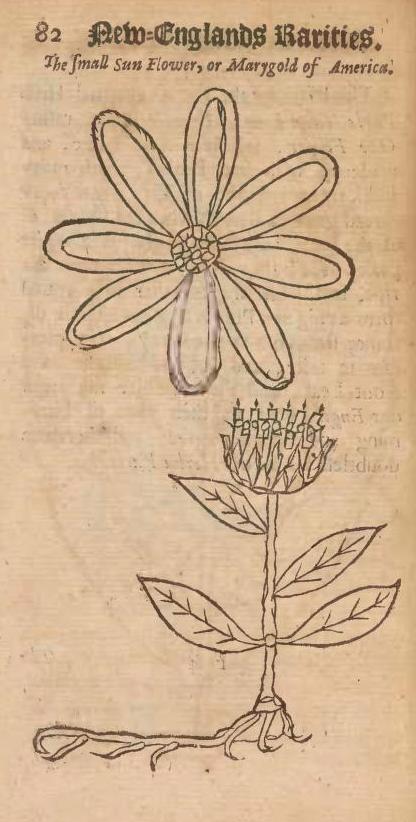
‘The American Sunflower” Josselyn wrote: “The plants in New-England for the variety, number, beauty, and vertues, many stand in Competition with the plants of any Countrey in Europe.” Josselyn, John. New-Englands rarities. (1672). Digitized by the U.S. Department of Agriculture, National Agricultural Library. http://biodiversitylibrary.org/page/47579359.

The Scarborough Land Conservation Trust.

View Full Size Image
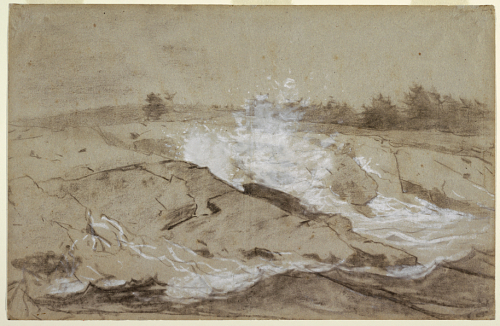
Black Point, Scarborough. Charcoal and chalk drawing of approximately 1884, by Winslow Homer. Cooper Hewitt, Smithsonian Design Museum Collection. Josselyn reported of a spring at Black Point that was “purgative and cures scabs and Itch.” Along with the springs, the Englishman was taken with the curative properties of the waters in the New World.
March 31, 2016by khage
Blog Reel

My Life as a BHL Staffer: Chris Carden

View Full Size Image

I am a Metadata Librarian for the Biodiversity Heritage Library based at the Ernst Mayr Library, Museum of Comparative Zoology, Harvard University. Under the auspices of Harvard librarians Connie Rinaldo and Joe DeVeer, I am responsible for complex cataloging of the MCZ Library’s significant natural history literature collection within Harvard’s integrated library system (known as HOLLIS) in order to provide precise bibliographic records that are imported to the BHL portal via XML pages. In order to accomplish this and to facilitate comprehensive intellectual access, I enhance minimal-level records to provide in-depth bibliographic descriptions, as well as name, series and subject authority control according to international, national and local Harvard standards.  I also resolve problems of incorrect, incomplete or conflicting bibliographic and authority data in order to facilitate navigability to content in HOLLIS and the BHL portal.

I see my job as a blend of “old” and “new” librarianship skills – I catalog in MARC, but I help facilitate knowledge accessibility for the Harvard community through HOLLIS and for the BHL community through the BHL portal, although all communities can partake of each other’s public finding aids. My goals are to improve ease of access for all biodiversity and natural history researchers through the promotion of accurate and complete digital catalog records.  The BHL taxonomy provides important search capability, but providing subject access and links to BHL records through HOLLIS provides another avenue for search means and provides facilitation for improved research use.  This access is influenced by information organization and cataloging relationships, which I endeavor to provide.

For various reasons, quite a few bibliographic records in HOLLIS have not been upgraded to local, national or international standards.  The Harvard libraries’ 19th and 20th century card catalog records were retrospectively converted into digital online catalog records during the 1990s, but considering there are over 13 million entries within HOLLIS, many of these records contained less-than-full information, what are colloquially known as core-level or “stub” records.  These records were always meant to be temporary at best – just a placeholder where a record might contain a main entry and title, and a holding location, but very little else.

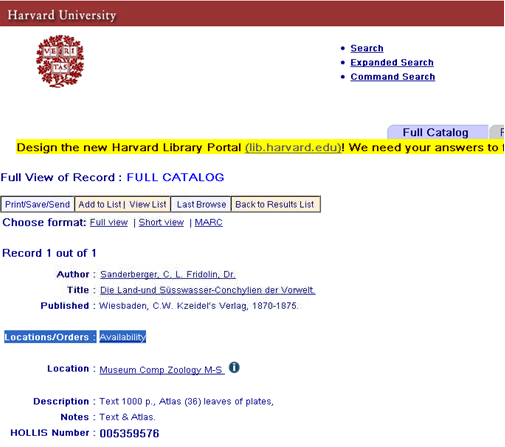
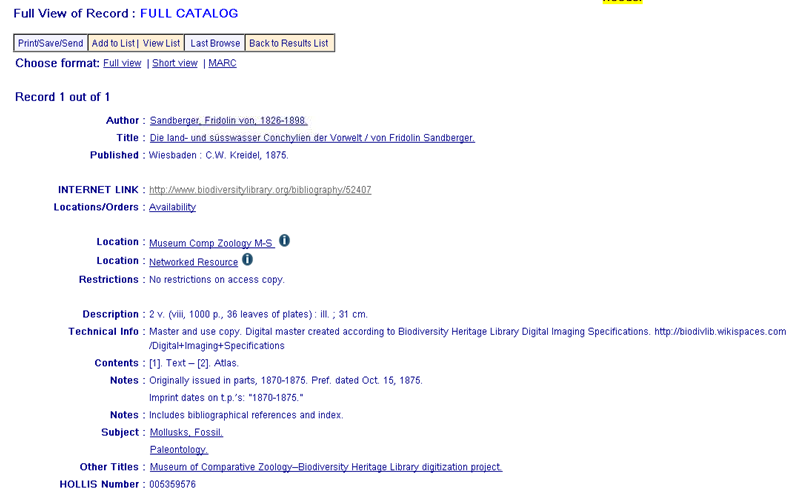
One example of this is shown here, a two-volume text and atlas set of the paleontologist Fridolin von Sandberger’s work, Die Land-und Süsswasser-Conchylien der Vorwelt, published in 1875:

View Full Size Image

This record exhibits very basic and incomplete information; there is author, title and publisher information, a physical description in terms of number of pages, a perfunctory general note, the HOLLIS record number, and the holding location here at the Ernst Mayr Library. All well and good, but obviously this record has a few problems. Besides the need to link the entry to its corresponding BHL record, there are no subject headings, there is a bibliography and index that needs to be noted, punctuation and physical descriptors need to be upgraded to contemporary cataloging rule standards (i.e., Anglo-American Cataloging Rules, 2nd ed., etc.), and most egregiously, the author’s name is misspelled!

To rectify these problems, I employed a few steps. I first checked OCLC (Online Computer Library Center) through its Connexion program to see if there were more complete records held by other reputable repositories. In this case there was a good one, so I overlaid the new record via a Z39.50 protocol over the original incomplete record in HOLLIS. I then compared the bibliographic information with the scanned BHL version of the book; if necessary, I sometimes consult the physical copy from our Library stacks. I then made necessary changes to the record to reflect the Library’s holding. I also consulted the Library of Congress Name Authorities to check the authorized heading for Dr. von Sandberger’s name. Finally, I attached a holdings record link to the corresponding BHL record, making it quick and easy for researchers to go straight to the digital copy and begin reading. The final markup in HOLLIS now looks like this:

View Full Size Image

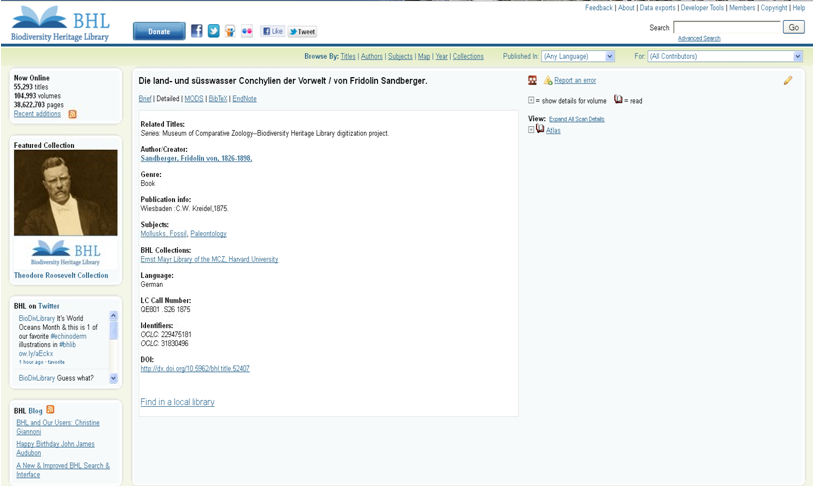
Note there is a properly-spelled author with his birth and death dates, a more complete physical description of the volumes, subject access, and an internet link to the BHL record.  In addition, the BHL record now looks like this:

View Full Size Image

One note about the subjects, of which there are only a couple and they seem very broad: in a comprehensive work such as this, the taxonomy for subject headings would be very extensive, and a massive bibliographic record would result. I don’t claim to be a biological taxonomist, and am thankful for BHL’s uBio taxonomic name server that makes searches easier within the digitized texts for specific species or genera. Therefore, with the help of Library of Congress MARC 21 authorities, I chose “Mollusks, Fossil” and “Paleontology” as subject terms that would most accurately describe the work. In other cases, for a work that covers a more specific species, geographic area or geological epoch, I would include species, geographical or chronological subject terms, if possible.

Another aspect of my job is paginating Harvard’s holdings on the public portal consistent with BHL standards. Gilbert Borrego and JJ Ford have already enlightened us on the importance of the BHL pagination through previous blog posts, so I won’t describe the process as it would be redundant. However, my intent is to help direct researchers to the materials they need in the most efficacious manner, and streamline the navigability of the online texts and illustrations held by the Ernst Mayr Library that are in the BHL portal. With the outstanding assistance of our colleagues JJ, Katie Mullen and Gwen Henry, most of Harvard’s serial holdings on BHL have been thoroughly paginated. Pagination continues on monographic titles that the Library has prioritized and our faithful users have suggested. As Gilbert noted, we’re looking for ways to accurately automate the pagination procedure, but right now it’s still a manual method. But, hopefully, even with over 38 million pages and counting, everyone will eventually get a fully-paginated BHL.

I have a varied professional background and my earlier careers included having worked as assistants in fields such as environmental law and bookselling. However, since I earned my MSLIS from Simmons College in Boston, I have been fortunate to have worked on a number of different archival and metadata projects at such diverse places as the Metropolitan Museum of Art and the Doris Duke Foundation at Duke Farms, New Jersey. I have been at Harvard since 2006 where my initial position was as a project cataloger in the Fine Arts Library.

I have been working on the BHL project since February 2010.  I truly feel privileged to be part of the BHL team, and this is one of the most satisfying and gratifying positions I have ever had in my career. I am working with a great group of intelligent, talented, hard-working and dedicated colleagues, not only at Harvard, but within all the partner institutions, and it has been very rewarding. We have also been privileged to have some great and positive feedback by our researchers, who continually help us with suggestions of titles that have yet to be scanned or suggest ways to provide better access and information online. I am very proud to be working on this project and believe that such a significant resource will continue to be sustained and be kept strong for future biodiversity researchers.

May 7, 2012by ulib-libraryjobs

Help Support BHL

BHL's existence depends on the financial support of its patrons. Help us keep this free resource alive!

search

About BHL

The Biodiversity Heritage Library (BHL) is the world’s largest open access digital library for biodiversity literature and archives. BHL operates as a worldwide consortium of natural history, botanical, research, and national libraries working together to digitize the natural history literature held in their collections and make it freely available for open access as part of a global “biodiversity community.”

Join Our Mailing List

Sign up to receive the latest news, content highlights, and promotions.

Subscribe Now

Subscribe to Blog via Email

Enter your email address to subscribe to this blog and receive notifications of new posts by email.

Join 319 other subscribers

Subscribe to Blog Via RSS

Subscribe to the blog RSS feed to stay up-to-date on all the latest BHL posts.

Access RSS Feed

Inspiring Discovery through Free Access to Biodiversity Knowledge.

The Biodiversity Heritage Library makes it easier than ever for you to access the information you need to study and explore life on Earth…for free, anytime, anywhere.


64+ Million Pages of
Biodiversity Literature Online.

EXPLORE

Tools and Services
to Transform Research.

EXPLORE

300,000+
Illustrations on Flickr.

EXPLORE

ABOUT | HARMFUL CONTENT | PRIVACY | SITE MAP | TERMS OF USE