Biodiversity Heritage Library - Program news and collection highlights from BHL
  • Home
  • News
  • Featured Books
    • All Featured Books
    • Book of the Month Series
    • BHL at 20
  • User Stories
  • Campaigns
    • Fossil Stories
    • Garden Stories
    • Monsters Are Real
    • Page Frights
    • Her Natural History
    • Earth Optimism 2020
  • Tech Blog
  • Visit BHL
Home
News
Featured Books
    All Featured Books
    Book of the Month Series
    BHL at 20
User Stories
Campaigns
    Fossil Stories
    Garden Stories
    Monsters Are Real
    Page Frights
    Her Natural History
    Earth Optimism 2020
Tech Blog
Visit BHL
  • Home
  • News
  • Featured Books
    • All Featured Books
    • Book of the Month Series
    • BHL at 20
  • User Stories
  • Campaigns
    • Fossil Stories
    • Garden Stories
    • Monsters Are Real
    • Page Frights
    • Her Natural History
    • Earth Optimism 2020
  • Tech Blog
  • Visit BHL
Biodiversity Heritage Library - Program news and collection highlights from BHL
BHL News, Blog Reel

Global BHL at TDWG 2012

Portrait version of the Biodiversity Heritage Library logo.

A great participation in Beijing, China.
View Full Size ImageNǐ hǎo! Last month, I attended the Annual Meeting of the Biodiversity Informatics Standards Organization (www.tdwg.org), one of my favorite meetings of the year because it provides a thorough view of the current advances in the field of Biodiversity Informatics.  TDWG 2012 was hosted by the Chinese Academy of Sciences in Beijing, China, on Oct. 22-27.

This meeting was particularly relevant for the Biodiversity Heritage Library because of its role: “Toward an International Infrastructure for Biodiversity Information“. Personally, this was my first time involved as Technical Director of BHL and therefore, I wanted to get as much as possible from the opportunity, sharing the technical work that all my BHL colleagues around the world have done this year and conveying the message of the new challenges that BHL will follow.

I arrived on Saturday and attended the TDWG Executive Committee Meeting all Sunday.  On Monday, Oct. 22nd, after the formal opening and introductions and a warm welcome by the hosts and TDWG officials, the Plenary speaker, Dr. Robert Robbins, presented on “How Diverse is the Biosphere? New Tools, Recent Discoveries, Huge Implications,” followed up by several paper presentations that addressed different topics on biodiversity information standards, organization of genomic data, aggregation efforts, regional initiatives and developing technologies.  I presented on the work done by our colleague Trish Rose-Sandler to define the functional requirements for a repository of citations as improvements to our existing infrastructure in The BHL and  bibliographic citations and commented on our plans in BHL towards new services in support of a Global Names Architecture.
View Full Size Image
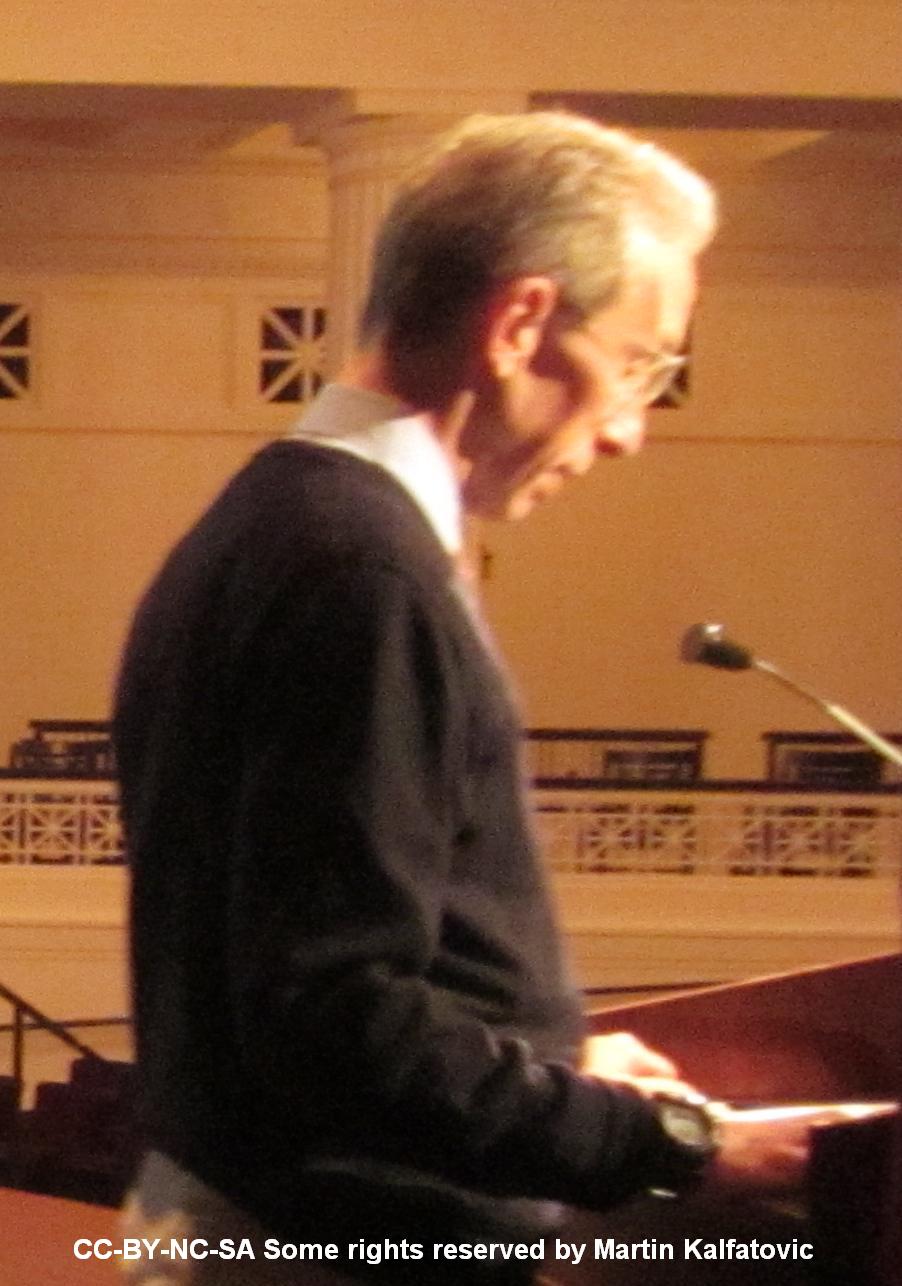
Tom Garnett

Former BHL Director

On Tuesday morning, at the “Biodiversity database and journal interface in e-publication era” Symposium, we enjoyed a talk titled “From Taxonomic Literature to Cybertaxonomic Content” based on a paper that our former BHL Program Director, Tom Garnett and our former BHL Technical Director, Chris Freeland, co-authored in BMC Proceedings with several other colleagues from different institutions, including Dr. Cynthia Parr from Encyclopedia of Life (EOL).

Closing Tuesday morning, the JRS Biodiversity Foundation and the Belgian Cooperation for Development sponsored the African Biodiversity Information Symposium.  It was great to see there, among other presenters, two of our colleagues who participated last year in the JRS Africa Digitization Workshop in Chicago (previous to the Life and Literature Conference): Dr. Alex Asase, from the Department of Botany, University of Ghana was presenting on “Developing biodiversity informatics infrastructure to support conservation of plant diversity in Ghana” and Lucy W. Wauringi, from Africa Conservation Center in Kenya, presented on “Building Biodiversity Information Networks for the compilation of Kenya’s Natural Capital”.  Dr. Asase was also present at the BHL Africa Meeting earlier in June of this year at SANBI.
View Full Size Image
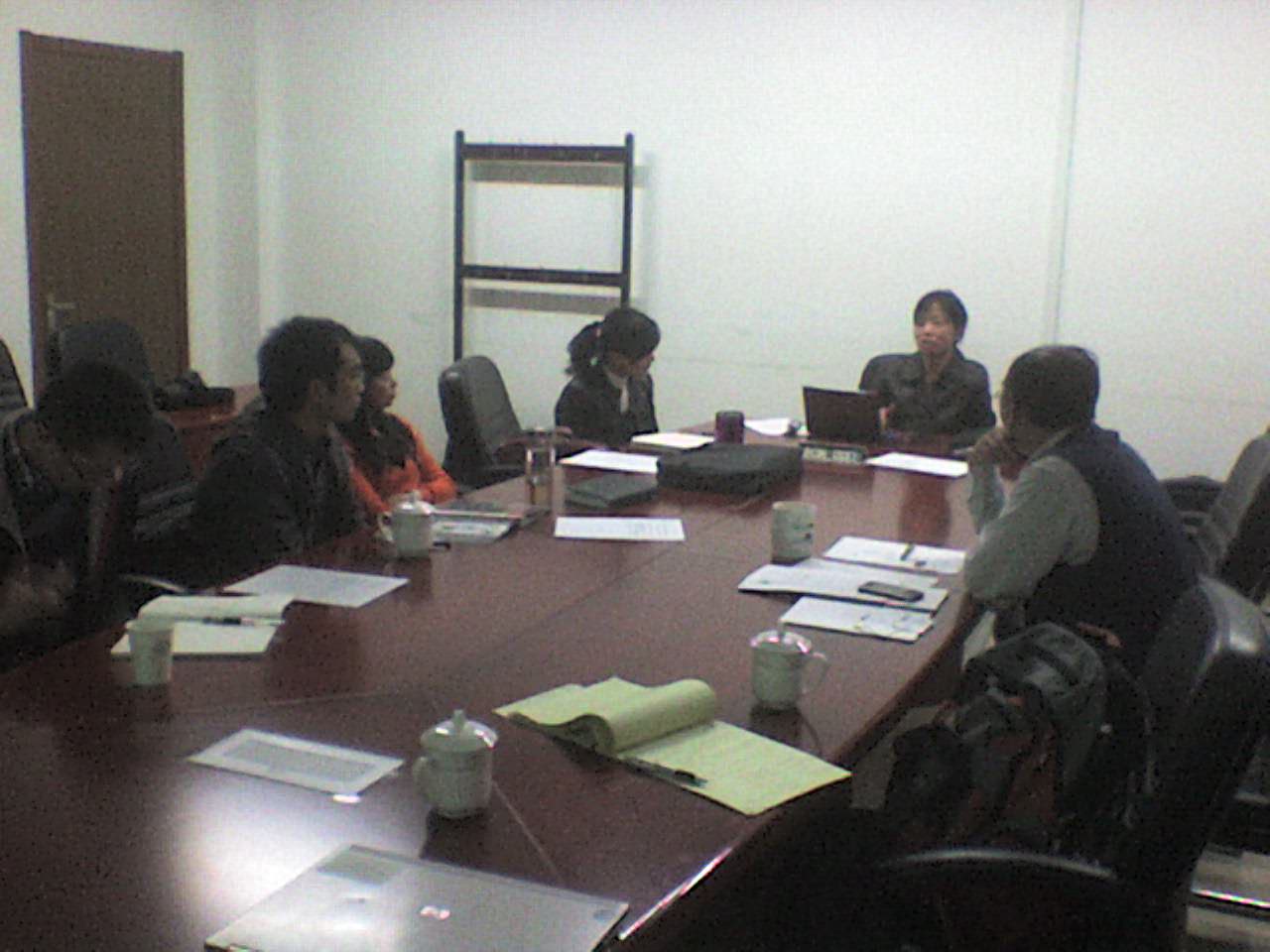
Dr. Hong Cui presenting at the Institute of Botany, CAS

Tuesday afternoon, I was invited to present at the Institute of Botany of the Chinese Academy of Sciences (CAS) on the latest Global BHL developments and learned about this year’s activities and future plans for the next two years with BHL-China and the National Specimen Information Infrastructure.  Dr. Hong Cui, Assistant Professor at the University of Arizona, was also invited to present on Semantic Annotation, Ontology Building, and Interactive Key Generation from Morphological Descriptions and she was also extremely kind to help out with the language barrier throughout all the meeting.
View Full Size Image
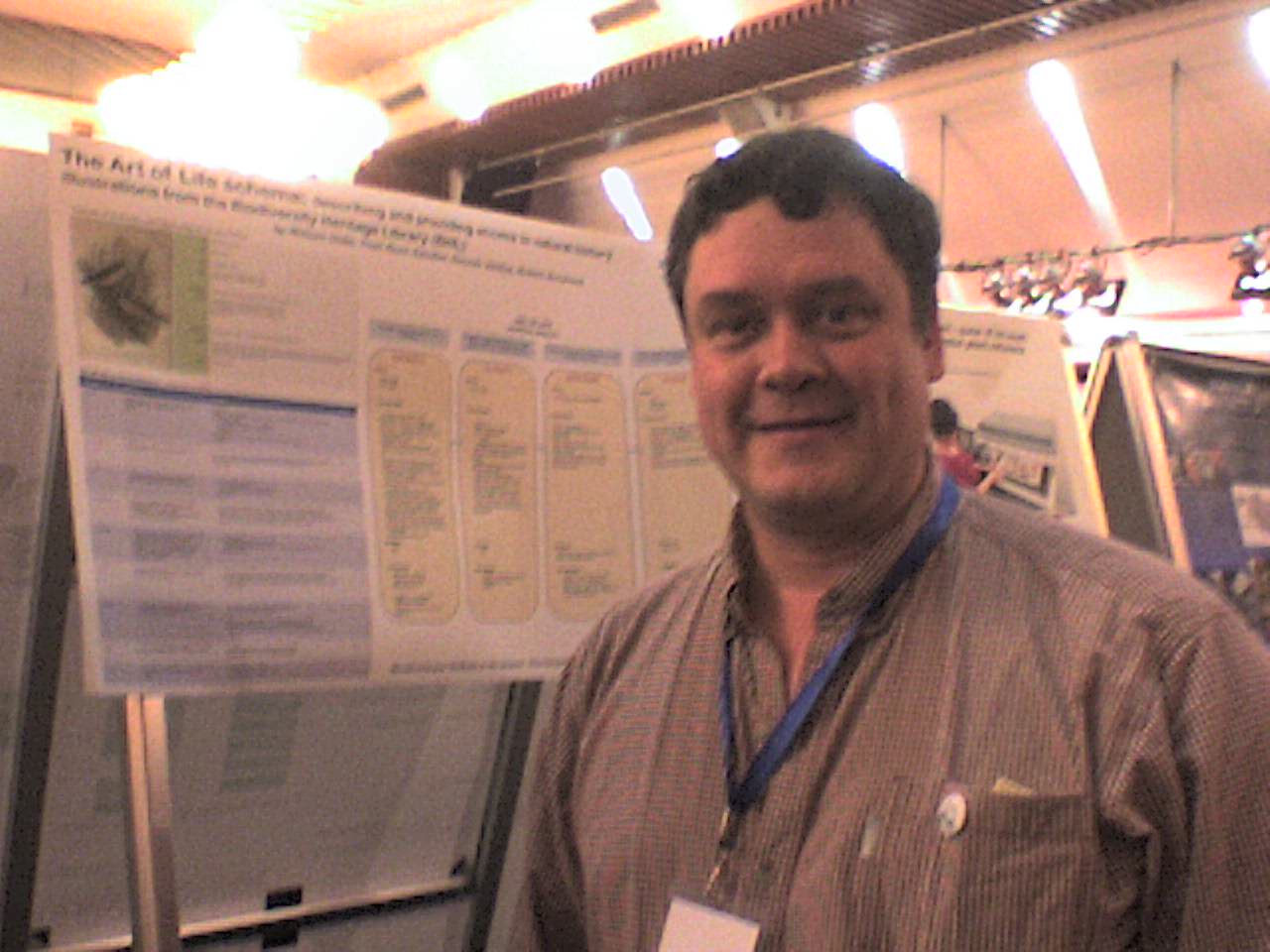
Art of Life at TDWG 2012 poster session

Wednesday morning started with personal recollections from the organizers and participants in honor of the late Dr. Frank Bisby.  Following the remembrance, the Plenary Speaker, Dr. Li-Qiang Ji from the Institute of Zoology, CAS, presented the Bisby Core – a Taxonomic Data Transfer Standard for the Multiple Taxonomy Environment.  The last hour and a half of Wednesday morning was dedicated to the poster session where I had the opportunity to represent my colleagues’ work on the Art of Life project.  Funded by NEH, this multi-institutional project involves participation from the Missouri Botanical Garden, the University of Colorado Boulder, the Indianapolis Museum of Art and other BHL partner institutions.  I was glad to see such great interest in improving access to millions of digital images demonstrated by several of the participants who approached the poster session.
View Full Size Image
Dr. Fenghong Liu at the Institute of Botany, CAS

On Wednesday afternoon, Jiří Frank, from the National Museum Prague, a member of BHL-Europe, lead the Workshop “Global dissemination of natural history content via Biodiversity Library Exhibition (BLE)” where I contributed with a small introduction to Global BHL and Dr. Fenghong Liu from the Institute of Botany of the Chinese Academy of Sciences, presented BHL China’s Latest Progress. Jiří gave an interesting Introduction to the BLE platform from the user perspective.
View Full Size Image
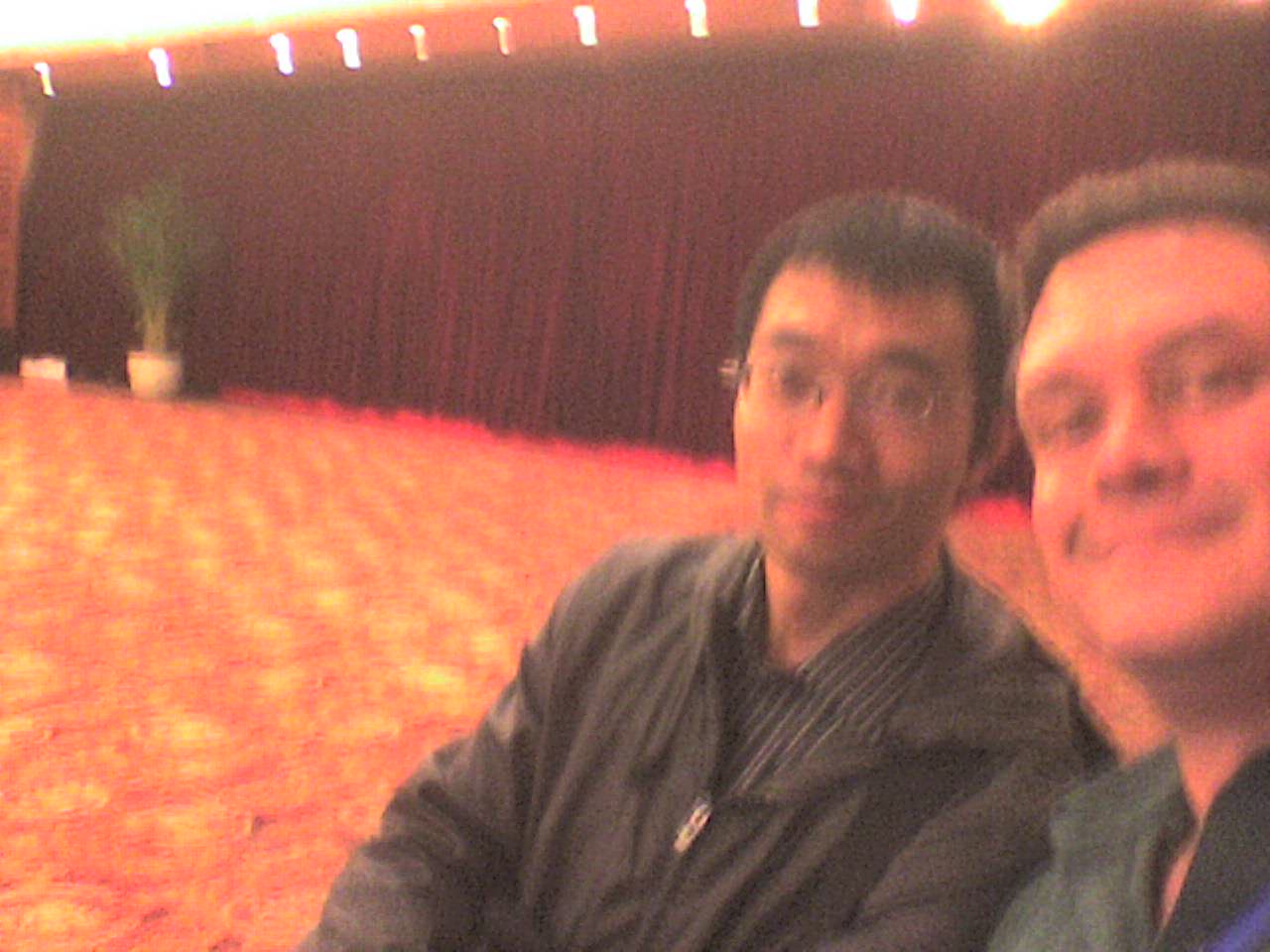
Dr. Xu Zheping attending TDWG 2012

Thursday morning, Dr. Zheping Xu introduced an interesting paper on the “Biodiversity Information Service in China: The Architecture and Techniques” and Cynthia Parr presented case studies from her experiences at EOL, with Katja Schulz and Jennifer Hammock, on “leveraging an international infrastructure“.  Later in the afternoon, I was invited to present at the Biodiversity for Cooperation and Development Interest Group session on BHL Africa, as a way to evaluate how to work together for a coordinated project on biodiversity literature digitization towards development of digital libraries.

Finally, during the Lighting Talks on Friday, Janna Hoffman, from the Museum für Naturkunde Berlin, a BHL-Europe member, presented on Open Up! paleontological multimedia data for the public.  I also took the opportunity to give a short talk reminding all attendees interested in contributing to the Art of Life Schema to please send us their feedback.
As the meeting came to an end, with a feeling of having attended a very fruitful and busy event, where Global BHL staff was definitely present and very active, we all said goodbye, hoping to meet again next year during TDWG 2013 in Florence, Italy.  By the way, next year’s Chair of the Program Committee will be our colleague of BHL-Europe, Heimo Rainer, from the Natural History Museum of Vienna!

And for those of you interested in reading more in depth about any of these topics, I invite you to look at the TDWG 2012 program in more detail and browse through the presentations linked here: http://www.tdwg.org/fileadmin/2012conference/slides/TDWG_2012_Presentations.pdf.

Until the next one, Xièxiè! Ciao!
View Full Size Image
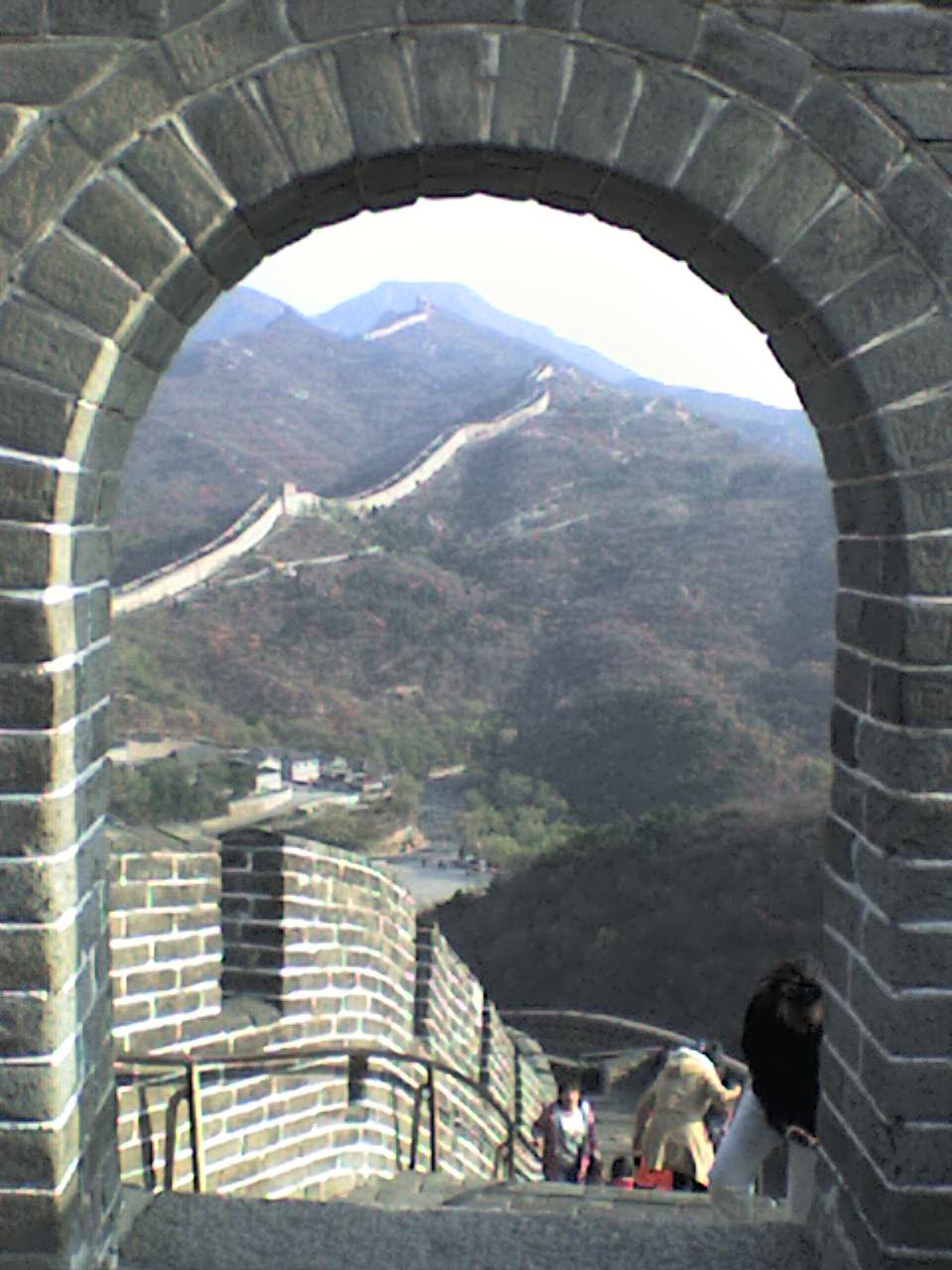
The Great Wall of China
November 19, 2012by suzanne.chase
Blog Reel, User Stories

BHL and Our Users: EOL Rubenstein Fellow, Dr. Breda Zimkus

View Full Size Image

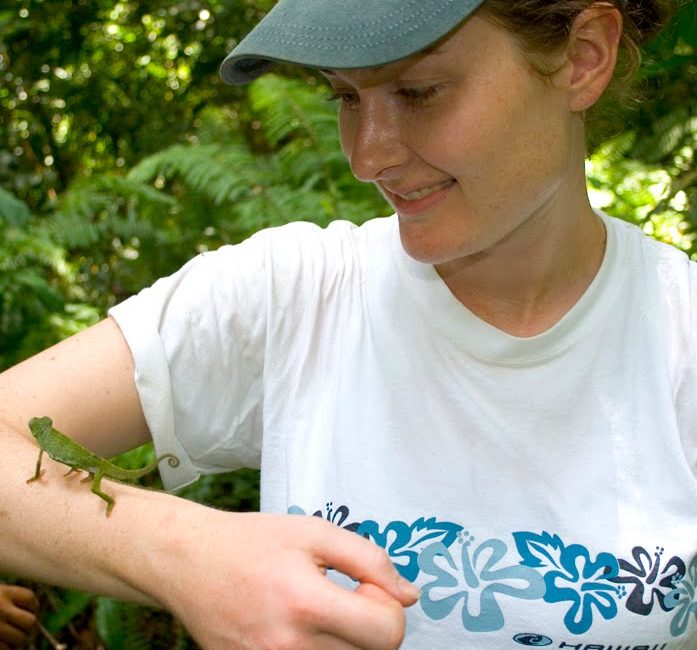
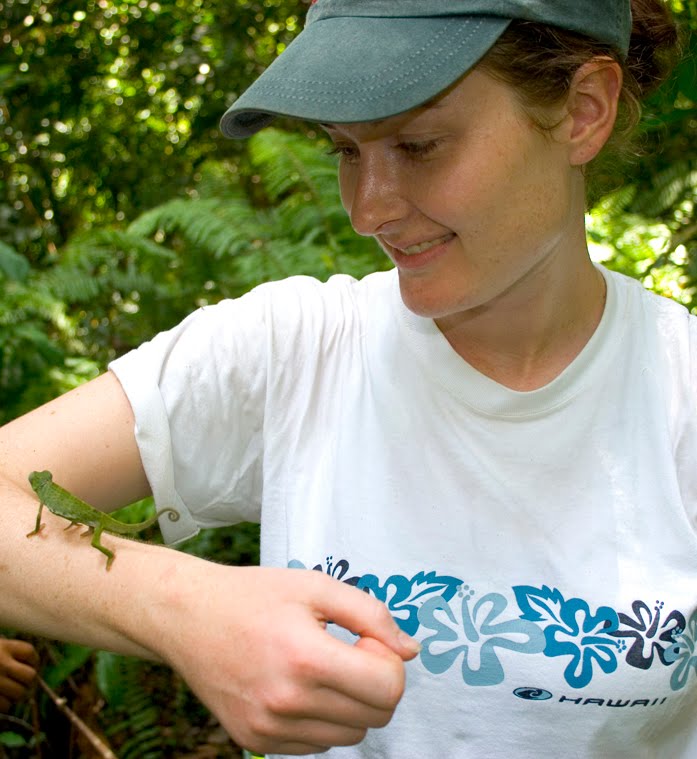
If you caught our blog post yesterday, then you know that this week we’re starting a mini-series within our larger BHL and Our Users series. This mini-series spotlights a few of the EOL Fellows – scientists who have been awarded a fellowship through the EOL Rubenstein Fellows Competition – and discusses not only their work but also how they use BHL to support it. For this, our first post, we feature Dr. Breda Zimkus, a Post-Doctoral Fellow and Genetics Resources Facility Project Manager at the Museum of Comparative Zoology at Harvard University.

Q: What are your research interests/field(s) of study & where do you do the bulk of your work (country)?

A: I am a biologist interested in phylogenetics, biogeography and conservation of amphibians and reptiles. My research integrates a broad range of techniques, including fieldwork, taxonomy and molecular systematics to interpret patterns of speciation and diversity. I am particularly interested in the phylogenetic diversification of African amphibians and use of molecular tools to define species boundaries. I have worked in many East African countries (Ethiopia, Malawi, Tanzania), and my most recent fieldwork in May/June 2011 was in the Central African country of Gabon where I completed a survey of amphibians of the Batéké Plateau National Park, which borders the Republic of Congo.

Q: In the program, Fellowships are expected to serve as a complimentary funding source to existing funding that supports your primary research activities. Please describe what you primary research activities are.

A: I am currently studying a number of frog groups that are distributed across sub-Saharan Africa, including puddle frogs (Phrynobatrachidae), rocket frogs (Ptychadenidae) and sand frogs (Pyxicephalidae: Tomopterna). I am using molecular systematics to identify cryptic species and investigating the complex diversification patterns of these lineages across the continent. In addition to being an Encyclopedia of Life Rubenstein Fellow this past year, I was also the recipient of a Ethel K. Allen, Sigma Delta Epsilon/Graduate Women In Science Fellowship, which funded my post-doctoral work on rocket frogs.

Q: Please describe how you use EOL to disseminate or support your primary research activities, or what your primary duties related to EOL are.

A: Africa still remains one of the most poorly understood areas for amphibians globally, with species rarely collected and basic data on their ecology and distribution incompletely understood. Consequently, conservation status is only adequately known for some species. This lack of knowledge is particularly worrying as concentrations of species are found in a number of sub-Saharan regions seriously threatened by environmental change. There is also a serious conservation risk to amphibians globally with the emerging prevalence of the fungal disease chytridiomycosis, possibly responsible for the extinction of many species. As an EOL fellow, I developed the African amphibian Lifedesk, so basic taxonomic data could be assembled to facilitate research. The website serves as a gateway for information regarding African amphibian species, where participants will write and edit species pages, upload images, and maintain bibliographic resources. In addition to serving as a stand-alone resource, this LifeDesk feeds content directly into the Encyclopedia of Life (EOL) and AmphibiaWeb.

Q: Who is your Mentor, what is their area of interest (research activities), and how have they supported you throughout your Fellowship?

A: I have two mentors for this project. My post-doctoral research, including my EOL work, is currently being conducted in the laboratory of Dr. James Hanken of Harvard University. The Hanken Lab studies the evolution of morphology, developmental biology, and systematics and serves as a community research facility for NSF’s AmphibiaTree project. Most work focuses on amphibians but otherwise addresses a wide range of topics, taxa and methodologies. I am conducting my EOL Fellowship work in collaboration with Dr. Simon Loader, Director of the Molecular Systematics Laboratory and Post-doctoral Researcher at the Institute of Biogeography, University of Basel. His research is specifically focused on the phylogenetic diversification of African amphibians, using an integrative approach to interpret patterns of diversity in Africa.

Q: How does BHL support your Fellows activities, as well as those research activities that fall outside of your duties as an EOL Fellow?

A: BHL has been integral to both my EOL Fellow work and my primary research on discovering African amphibians species because original species descriptions and taxonomic revisions are essential to those working on species identification. One of the major goals of the African amphibians Lifedesk is to make PDFs of all non-copyrighted material available to herpetologists around the world. Many of the most important African amphibian research was done in the early 20th century, and these manuscripts were published in rare journals. Thankfully, BHL has digitized many of these important works, so I was able to assemble PDFs online using the BHL website and upload them to the African amphibians Lifedesk.

Q: When did you first discover BHL?

A: I first heard about BHL from the librarians at the Ernst Mayr Library of the Museum of Comparative Zoology at Harvard University while conducting my PhD research. At that point I used BHL only if I was unable to find a reference in the Ernst Mayr library. When I began my EOL fellowship, I began to use BHL on a daily basis, compiling PDFs to upload to the African amphibians Lifedesk.

Q: What are your favorite features/services on BHL?

A: I am lucky to be at an institution with an amazing library system, but BHL makes biodiversity literature accessible to everyone with an internet connection. It also allows me to have electronic copies of papers on my computer, so I have them whenever I need them.

Q: If you could change one thing about BHL, or suggest one thing to be the next developmental priority for BHL, what would it be?

A: It does take time to assemble PDFs because you must locate the journal, find the issue, select each individual page of that specific issue and then have the document emailed to you. I would love to see a time when I can search for a title of a specific paper and find the PDF already assembled.

Q: Do you have a favorite book in BHL, or a book that has most supported your research activities or EOL responsibilities?

A: George Albert Boulenger (1858-1937) was a zoologist that described an incredible number of amphibians (556 species), reptiles (872 species) and fish (1,096 species). Many of Boulenger’s African amphibian descriptions were published in the Proceedings of the Zoological Society of London. I found his work published in 1900 entitled “A list of the batrachians and reptiles of the Gaboon (French Congo), with descriptions of new genera and species” to be very useful for my recent trip to Gabon.

Thank you, Dr. Zimkus, for all the valuable research you have conducted on amphibians and reptiles, and for your pioneering efforts on the African amphibians Lifedesk for EOL! We are so thrilled that BHL has been a part of the endeavor, particularly as the library at your home institution is one of the key members of BHL (Ernst Mayr Library, Harvard University)! As to your desire to eventually be able to find already-assembled PDF articles from BHL, we have been in the process of creating Citebank for some time now, with just that objective in mind. Citebank will act as an article repository, indexing and providing PDFs to articles found within larger journals and books in BHL. Though still in the developmental stage, Citebank is live on the web and already indexes and provides PDFs for a great deal of articles from BHL. We hope that this, and our other BHL efforts, will continue to play an important role in your vital research and conservation activities!

August 16, 2011by michelle.underhill
Blog Reel, User Stories

BHL and Our Users: Dr. Jose Nunez-Mino

For the past couple weeks you’ve seen a lot from us on the blog, Twitter and Facebook about Charles Darwin with our recent release of the Charles Darwin Library on BHL. This week, we feature a user dedicated to saving the remaining two endemic non-flying mammal species of Hispaniola, and his project, “The Last Survivors,” is funded by the Darwin Initiative Fund. The beauty of this story from a socially-networked perspective? This user actually discovered BHL via Twitter! Social Media is a beautiful thing! So, without further ado, meet Dr. Jose Nunez-Mino!

View Full Size Image

Q: What is your title, institutional affiliation, and area of interest?

A: Dr. Jose Nunez-Mino. I work for the Durrell Wildlife Conservation Trust (DWCT). I am the field project manager for “The Last Survivors” which is financed by the United Kingdom government Darwin Initiative Fund. The project is a collaboration between organizations in the United Kingdom (DWCT and the Zoological Society of London) and the Dominican Republic (Hispaniolan Ornithological Society and the Dominican Republic National Zoo).

I am a forest ecologist and conservation biologist. My work involves carrying out research and trying to conserve the last two endemic non-flying mammal species of Hispaniola (Haiti and the Dominican Republic) which are the Hispaniolan solenodon (Solenodon paradoxus) and Hispaniolan Hutia (Plagiodontia aedium). Both species are currently listed as endangered by the International Union of Conservation of Nature (IUCN). We take a very holistic approach which includes investigations on current and past distributions of both species, behavioral studies, genetic studies, capacity building (training) of in-country biologists and raising awareness of both species. You can find out about our project from our website: www.thelastsurvivors.org.

Q: How long have you been in your field of study?

A: I have been involved in conservation in one way or another for the whole of my life but have been involved professionally for eight years. I started my current job in October 2009.

Q: When did you first discover BHL?

A: About six months ago – via Twitter! It was quite a discovery for me. Having spent many hours in old, dusty libraries (oddly I grew quite fond of old, dusty libraries) during my academic years, it was great to discover a resources like this which offers you so much from the comfort of your desk.

Q: What is your opinion of BHL and how has it impacted your research?

A: BHL is an amazing resource. Not only is it useful but I love the way it has been put together so that it is also very user friendly. For me it means that we can look up information relating to the two species we are studying. Both were described in the 1830s but very little is known about them though some information is available in the historical literature. For example, Gonzalo Fernández de Oviedo was one of the original Spanish colonizers to come to Hispaniola (modern day Haiti and Dominican Republic) and was the first to write about hutias in 1535 when he mentions that they were widely eaten and very tasty! Confirming that this species was killed and eaten in that period. We have also been able to access some great drawings of the species which we can use to both raise awareness and educate – my favorite is one from 1910 of a solenodon.

Q: How often do you use BHL?

A: Not as much as I’d like. My job takes me from my desk quite regularly (which is a good thing!) to areas where there is no phone receptions or internet (yes, there are still some places like this left). On average, probably once a month.

Q: How do you usually use BHL (read the titles online/download whole PDFs/Select Pages to Download/etc.)?

A: I start by having a look and reading online, but usually end up downloading the material to read it offline.

Q: What are your favorite features/services on BHL?

A: The way you can download a list of all your search results which allows you to come back and have a look at the material later on.

Q: If you could change one thing about BHL, what would it be, or what developmental aspect would you like the BHL team to focus on next?

A: I’d like to save my favorite articles on the website and then make them available to look at by other people. That would enable visitors to our website and Facebook page to easily access the fantastic historical material available on BHL. Maybe you can do that already and I just haven’t discovered it yet!

It would also be great if BHL could link directly into something like Amazon so that you can download books and articles to reading devices with one click.

Q: If you had to choose one title/item in BHL that has most impacted your research, or one item that you prefer above any other in BHL, what would it be and why?

A: Undoubtedly if would have to be Solenodon Paradoxus which was written in 1910. Although this book is over 100 years old, our level of knowledge about this species (actually both species) has not moved on much since then. This book provides a baseline of knowledge for anyone wanting to know more about these amazing endangered and venomous mammals.

Thank you, Dr. Nunez-Mino, for taking the time to share your experiences with BHL and tell us about the critical work that you do to save two such adorable creatures.

As to your suggestions for BHL, while a partnership with Amazon might be (at least currently) out of our reach, a project that has long been in development for BHL may provide some of the functionality related to saving and sharing articles that you desire. The project is called Citebank, and it will eventually serve as an article repository for BHL, indexing and allowing users to find items at the article level. Currently, any PDFs that you create using the “Select Pages to Download” feature on BHL for which you enter at least title-level information during the generation process are stored and indexed on Citebank. You can search the repository for these articles, and others can access them (including the full PDF that you originally generated) as well. While Citebank is still in development, we have hopes that this service will eventually meet the critical article needs of our users.

July 5, 2011by ulib-libraryjobs

Help Support BHL

BHL's existence depends on the financial support of its patrons. Help us keep this free resource alive!

search

About BHL

The Biodiversity Heritage Library (BHL) is the world’s largest open access digital library for biodiversity literature and archives. BHL operates as a worldwide consortium of natural history, botanical, research, and national libraries working together to digitize the natural history literature held in their collections and make it freely available for open access as part of a global “biodiversity community.”

Join Our Mailing List

Sign up to receive the latest news, content highlights, and promotions.

Subscribe Now

Subscribe to Blog via Email

Enter your email address to subscribe to this blog and receive notifications of new posts by email.

Join 319 other subscribers

Subscribe to Blog Via RSS

Subscribe to the blog RSS feed to stay up-to-date on all the latest BHL posts.

Access RSS Feed

Inspiring Discovery through Free Access to Biodiversity Knowledge.

The Biodiversity Heritage Library makes it easier than ever for you to access the information you need to study and explore life on Earth…for free, anytime, anywhere.


64+ Million Pages of
Biodiversity Literature Online.

EXPLORE

Tools and Services
to Transform Research.

EXPLORE

300,000+
Illustrations on Flickr.

EXPLORE

ABOUT | HARMFUL CONTENT | PRIVACY | SITE MAP | TERMS OF USE