Biodiversity Heritage Library - Program news and collection highlights from BHL
  • Home
  • News
  • Featured Books
    • All Featured Books
    • Book of the Month Series
    • BHL at 20
  • User Stories
  • Campaigns
    • Fossil Stories
    • Garden Stories
    • Monsters Are Real
    • Page Frights
    • Her Natural History
    • Earth Optimism 2020
  • Tech Blog
  • Visit BHL
Home
News
Featured Books
    All Featured Books
    Book of the Month Series
    BHL at 20
User Stories
Campaigns
    Fossil Stories
    Garden Stories
    Monsters Are Real
    Page Frights
    Her Natural History
    Earth Optimism 2020
Tech Blog
Visit BHL
  • Home
  • News
  • Featured Books
    • All Featured Books
    • Book of the Month Series
    • BHL at 20
  • User Stories
  • Campaigns
    • Fossil Stories
    • Garden Stories
    • Monsters Are Real
    • Page Frights
    • Her Natural History
    • Earth Optimism 2020
  • Tech Blog
  • Visit BHL
Biodiversity Heritage Library - Program news and collection highlights from BHL
Blog Reel, User Stories

“BHL is a Game Changer for Scholars”: BHL Empowers Research on Landscape Gardening History

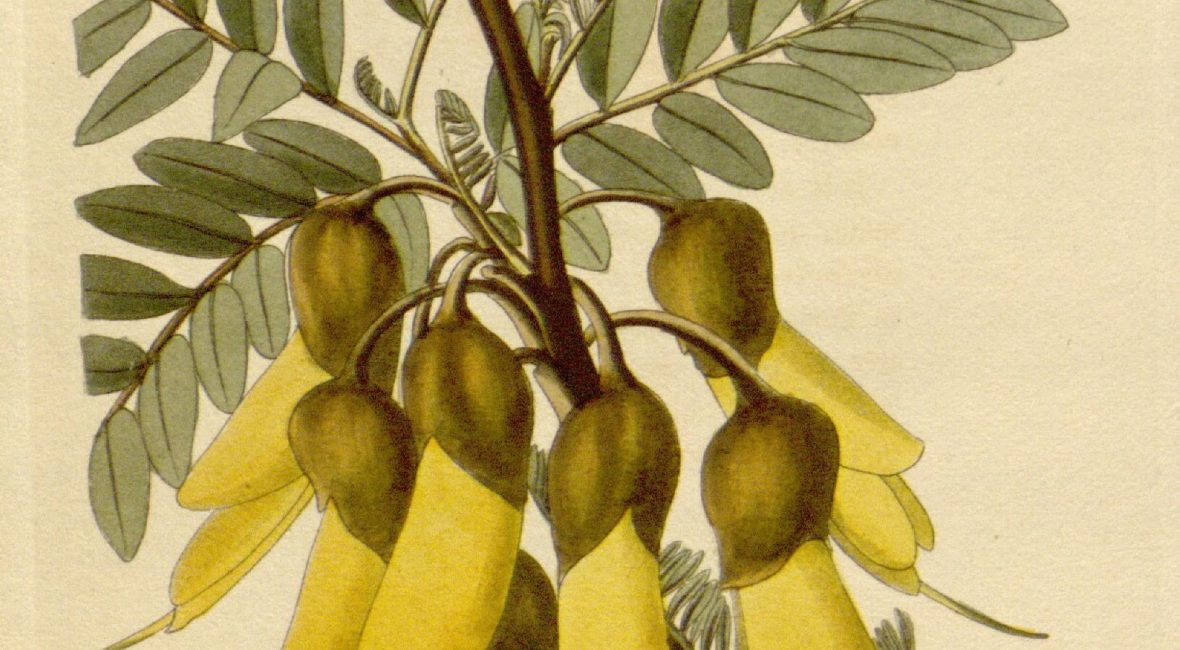
A branch with yellow flowers, Sophora tetraptera, and green leaves

The large-leaved kōwhai (Sophora tetraptera) is native to the North Island of Aotearoa New Zealand, where it is widespread and common. While it grows naturally only in Aotearoa, it has been cultivated extensively outside of this range, including as one of a number of New Zealand plants historically introduced into English gardens.[1]

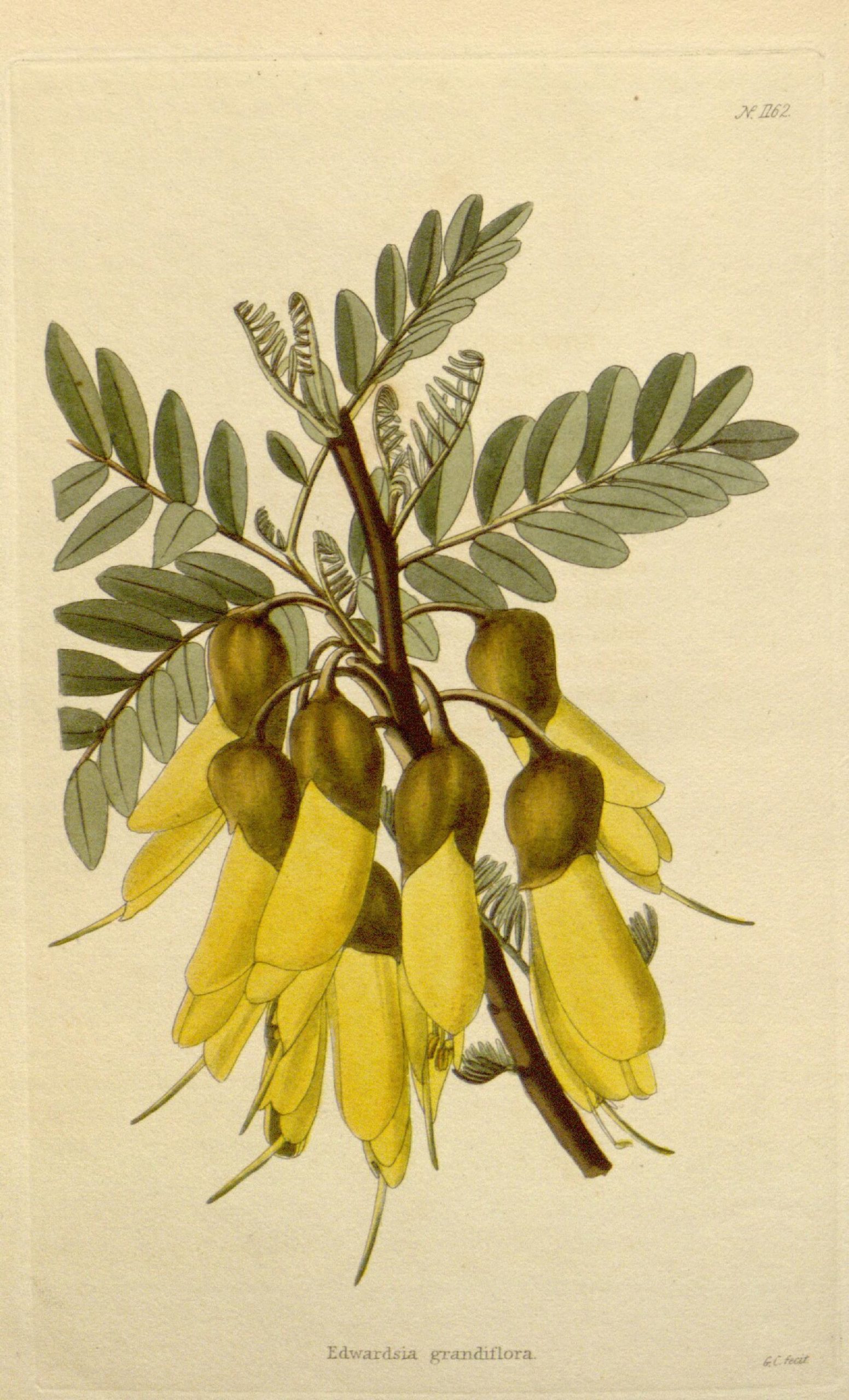
Natural history literature provides a record of such introductions, with many authors remarking on the suitability of Sophora tetraptera—often referring to it under the synonym Edwardsia grandiflora—to the English climate. For example George Loddiges, within his The Botanical Cabinet (1826), remarked that it was “sufficiently hardy to bear our climate, planted against a wall; in very severe frost, a mat should be hung over it.”[2] Two decades later, British writer and botanical authority Jane Wells Webb Loudon included the plant in her The Ladies’ Flower-Garden of Ornamental Greenhouse Plants (1848), where she noted that the original plant could still be found growing in Chelsea Garden in 1848.[3]

A branch with yellow flowers, Sophora tetraptera, and green leaves

Sophora tetraptera, under the synonym Edwardsia grandiflora. Plate 1162. The Botanical Cabinet. v. 12 (1826). Art by George Cooke. Contributed in BHL from the Missouri Botanical Garden, Peter H. Raven Library.

Loddiges’ and Loudon’s references are just two of many sources related to the history of Sophora tetraptera that Mark Laird (Professor, John H. Daniels Faculty of Architecture, Landscape, and Design, University of Toronto) identified thanks to the Biodiversity Heritage Library (BHL) whilst conducting research for a prospective book. One of the book’s chapters explores a variety of New Zealand plants introduced into English gardens from the 1770s to 1840s, in the context of both Kew’s colonial collecting and Māori heritage. BHL was an invaluable resource for this research—especially during the COVID-19 related lockdowns of 2020.

“I am a huge fan of BHL, and my admiration increases every year,” lauds Laird. “Last year, under Covid, I discovered I could research a large topic through online access to the BHL. The search engine allowed me to find all the collected references to many plant species, including illustrations of those species.”

A man with a short beard wearing a brown suit jacket and blue shirt

Mark Laird (Professor, John H. Daniels Faculty of Architecture, Landscape, and Design, University of Toronto). Image courtesy of Mark Laird.

Laird’s expertise in historic landscape architecture is rooted in four decades of research. Over his career, he’s held fellowships at Chelsea Physic Garden, London, and Dumbarton Oaks, Washington, DC, and, prior to his appointment at the University of Toronto, was a Senior Lecturer in the Graduate School of Design at Harvard University for fifteen years. Laird has also authored many publications on historic landscape gardening.

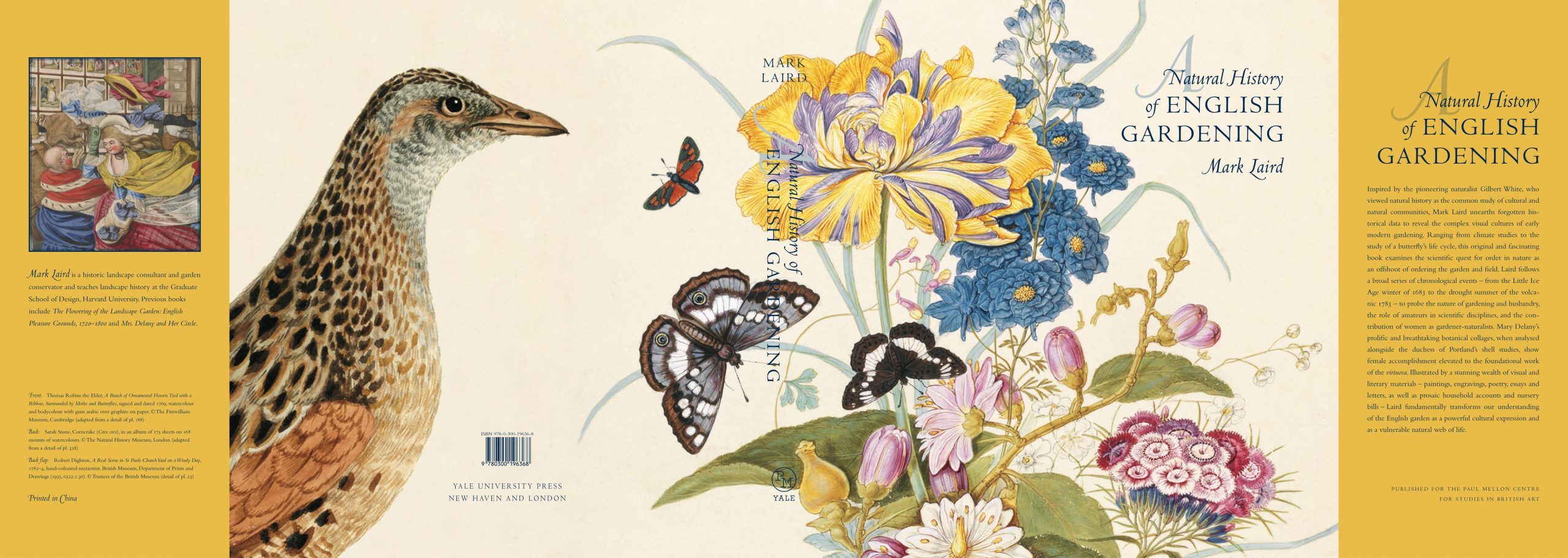
Dust jacket for the book, A Natural History of English Gardening (2015) by Mark Laird

Dust jacket for A Natural History of English Gardening (2015) by Mark Laird. Laird sourced many of the illustrations used within the publication from the Biodiversity Heritage Library (BHL). Image courtesy of Mark Laird.

It was whilst working on his most recent publication, A Natural History of English Gardening (2015), that Laird first discovered BHL. Within the work, which was awarded the 2019 Elisabeth Blair MacDougall Book Award from the Society of Architectural Historians, Laird draws on historic documents to help chronicle and illustrate the history of early modern gardening and its cultural and scientific intersections. Jacqueline Dearborn (née Ford), then a Digital Projects Librarian at Harvard Botany Libraries, introduced Laird to BHL, who made enthusiastic use of the Library as a resource for many of the illustrations included in his Natural History.

“When sourcing images for my publications twenty-five years ago, many institutions were charging exorbitant reproduction fees,” recalls Laird. “It was a game changer to find that a good number of those institutions have now made their collections accessible online with a simple cost-free download of a High Resolution Image. BHL, as part of that shift in ‘intellectual commons,’ has changed the game for me.”

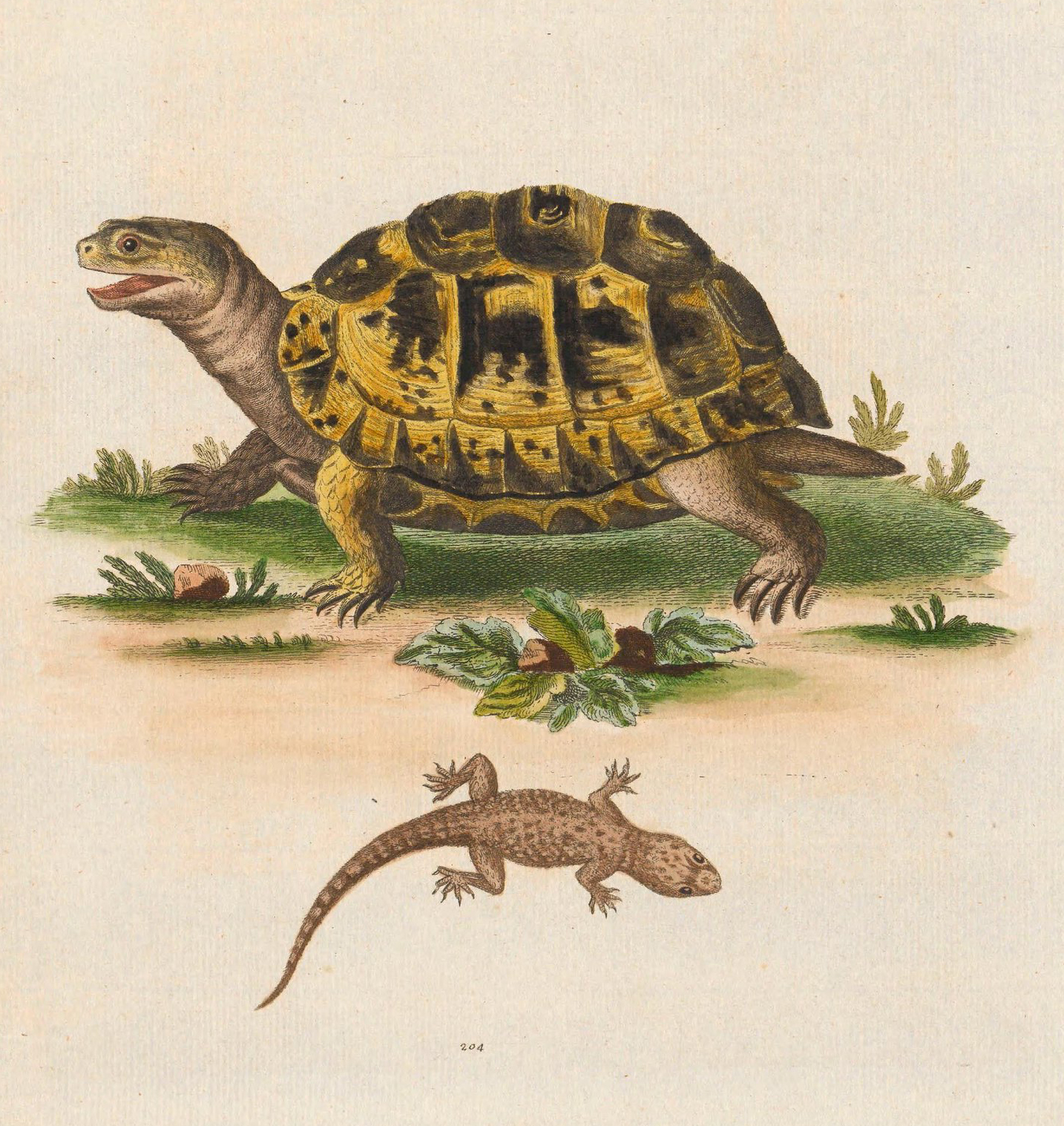
A turtle with a brown and yellow shell, illustrated above a brown lizard

The African Land-Tortoise (Testudo graeca) by George Edwards from his A Natural History of Uncommon Birds, v.4 (1751). Contributed in BHL from National Library Singapore. Edwards’ illustration appears within Laird’s A Natural History of English Gardening (2015), where he shares that naturalist George White likened his aunt’s tortoise, Timothy—of the same species as Edwards’ Testudo graeca, to “a snail with a shell on its back.” White’s work represents a major theme in Laird’s Natural History.

BHL is now Laird’s go-to resource for natural history literature, particularly when it comes to accessing high quality illustrations. While he appreciates the access BHL provides, he does hope to see the Library implement a more streamlined high resolution image download process in the future, as the current method involves multiple steps.

Laird isn’t alone in his love of BHL’s illustration collections, as evidenced by the popularity of the BHL Flickr, which provides access to over a quarter of a million images from the Library. As BHL further develops its tools and services, staff will continue to explore ways to improve access to and features around scientific artworks.

As for Laird, BHL has opened up a whole new world of possibilities when it comes to online research, and he intends to make the most of these opportunities. “This summer, I expect to continue ‘remote’ research thanks to BHL, which is a game-changer in how a scholar can work from home and at any hour of the day,” affirms Laird.

As researchers continue to adapt to and evolve within increasingly dispersed, asynchronous working environments, BHL will be there to support them wherever and whenever their work takes them.

References

[1] New Zealand Plant Conservation Network. 2021. “Sophora tetraptera.” Accessed on 17 June 2021. https://www.nzpcn.org.nz/flora/species/sophora-tetraptera/

[2] Conrad Loddiges & Sons. 1826. The Botanical Cabinet. 12: pp. 1162. https://www.biodiversitylibrary.org/page/28891039.

[3] Loudon, Jane Wells Webb. 1848. The Ladies’ Flower-Garden of Ornamental Greenhouse Plants. pp. 85. https://www.biodiversitylibrary.org/page/54351293.

August 12, 2021by michelle.underhill
Blog Reel, Featured Books

The Garden: A Place to Learn and Experiment

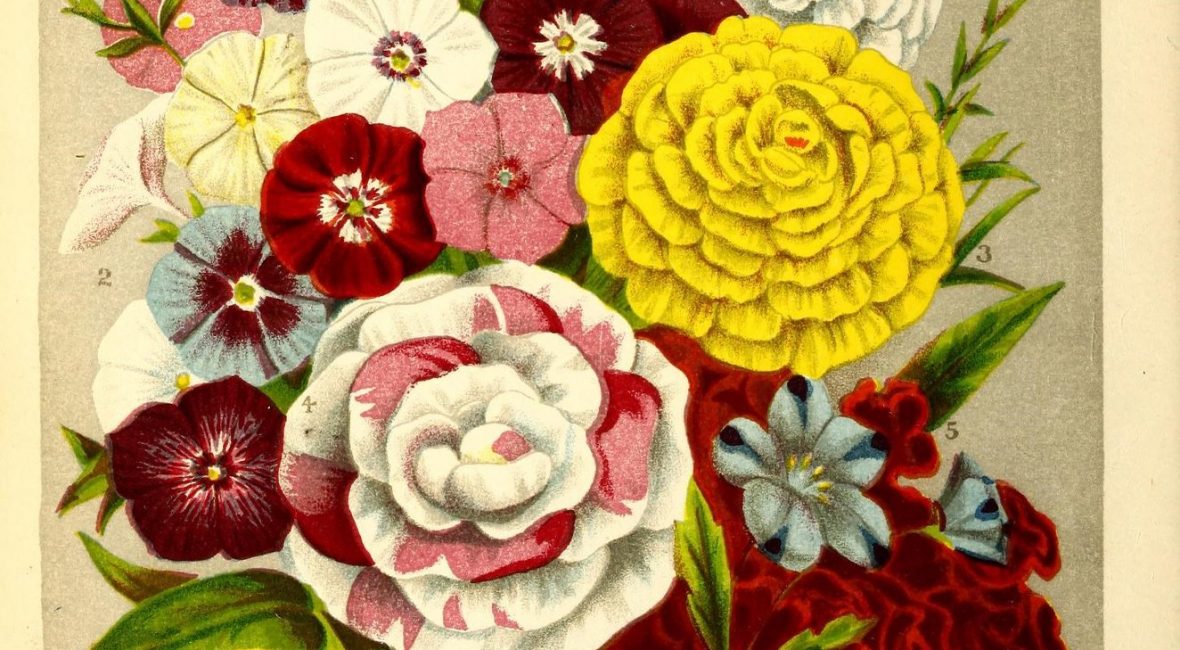
illustration of a colorful bouquet of flowers

This post originally published on the Smithsonian Libraries and Archives’ blog, Unbound.

A garden is a place to rest, relax, rejuvenate. It also provides an opportunity to learn about nature. Staff at Smithsonian Libraries and Archives are also learning and developing new skills. Some of these new skills are related to digitization and accessibility of biodiversity literature.

During these months of telework, I am assisting the Digital Library and Digitization Department to enhance page-level and image-level access to previously digitized books for the Biodiversity Heritage Library (BHL). This involves improving page-level metadata for items in BHL, uploading full-page illustrations to the BHL Flickr, and tagging the images in Flickr with species’ common and scientific names. These digitized books include a variety of content: plants, birds, mammals, reptiles, crustaceans, insects, and so much more. In the course of this work, I have the opportunity to view lovely illustrations. Recently a horticultural catalog caught my attention. The item is titled Vick’s Flower and Vegetable Garden (1878) by James Vick.

title page

James Vick, Rochester, NY. Vick’s Flower and Vegetable Garden (1878), title page. Available online in the Biodiversity Heritage Library.

James Vick was born in England and arrived in New York City at a young age. There, he learned the printer’s trade. He later moved to Rochester, New York. In Rochester, he set type for several newspapers and went on to serve as writer, editor, owner, or publisher of various publications. In 1862, he issued the first Floral Guide and Catalogue. Due to his past experience in the printer and journalist fields, he created a personal style offering gardening advice, anecdotes, correspondence, a complaint section, a children’s section, and color prints. James Vick also began a seed store which later became a well-known seed-display garden. After his death, the company continued into the 20th Century until it was sold to Burpee Seed Co.

Flowers including Perennials: Aquilegia, Perennial Pea, Digitalis (Fox Glove), Double Pink, Perennial Larkspur, Campanula (Canterbury Bell), Sweet William, Picotee, and Pentstemon

James Vick, Rochester, NY. Vick’s Flower and Vegetable Garden (1878), page preceding page 99, Perennials including (1) Aquilegia, (2) Perennial Pea, (3) Digitalis (Fox Glove), (4) Double Pink, (5) Perennial Larkspur, (6) Campanula (Canterbury Bell), (7) Sweet William, (8) Picotee, (9) Pentstemon. Available online in the Biodiversity Heritage Library.

This particular item, Vick’s Flower and Vegetable Garden (1878) by James Vick, is filled with gardening advice, botanical descriptions, and many illustrations. It seems to speak directly to the reader with a conversational tone and focus on learning. As it states on page 5,

“The study of Agriculture and Horticulture has engaged the attention of the wisest from the earliest ages, and yet what wonderful discoveries and improvements have we witnessed in our own day; and we are still learners.”

Flowers including Tender Bulbs: Tritoma uvaria, Gladioli, Tuberose, Dahlia, and Tigridia

James Vick, Rochester, NY. Vick’s Flower and Vegetable Garden (1878), page preceding page 109, Tender Bulbs including (1) Tritoma uvaria, (2) Gladioli, (3) Tuberose, (4) Dahlia, (5) Tigridia. Available online in the Biodiversity Heritage Library.

The catalog includes practical suggestions for selecting seeds, preparing soil, and planting gardens. On the subject of garden design, it suggests keeping the future in mind. When planting trees, it emphasizes the awareness of knowing the size, form, and habits of the full-grown tree as opposed to only thinking of its small size when planted. For those with little outdoor space, there are ideas for creating balcony gardens and window boxes.

Entrance Court and Balcony Garden

James Vick, Rochester, NY. Vick’s Flower and Vegetable Garden (1878), page 20, Entrance Court and Balcony Garden. Available online in the Biodiversity Heritage Library.

Another section focuses on floral decorations, such as incorporating greenery and flowers into decorations. This might include covering letters with greenery to form welcoming words for a guest, adorning a table with a floral centerpiece, decorating a room with garlands, or creating bouquets and button-hole flowers.

Let’s take a closer look at one of these floral decorations, forming and covering letters with greenery and flowers. Perhaps, someone wanted to welcome a guest by displaying a “Welcome” sign or, as in the example below, decorate the words, “Peace on Earth.” As the catalog explains, the first step was to determine the height of all letters. Then, the width of each letter was determined proportional to its height. For example, if six inches was chosen for the height of all upper-case letters, the proportional width for “P” would be four inches, “E” three and a half inches, “A” four and a half inches, and so on, as detailed in the explanation shown in the image below. Once the letters were outlined on heavy straw board, each letter was cut out and dark thread was used to fasten small branches of evergreens or dry moss to the letters. Finally as a finishing touch, berries or everlasting flowers were added to brighten the decoration, as detailed below.

Forming letters to make floral decorations

James Vick, Rochester, NY. Vick’s Flower and Vegetable Garden (1878), page 31, Forming Letters for Floral Decorations. Available online in the Biodiversity Heritage Library.

Another floral decoration is the button-hole flower or bouquet. The button-hole flower was simply that, a single flower with a “pretty, sweet-scented leaf” positioned behind it. Thread or string was used to attach the two together (below, bottom right), and then it was inserted into the bouquet holder which was already filled with water. To fasten the button-hole flower to clothing or hair, a pin was attached to the bouquet holder.

On the other hand, the button-hole bouquet was composed of “a few very fine flowers” (below, bottom left). Once the flowers were nicely arranged, the stems were covered with damp moss or cotton and then tinfoil. The button-hole bouquet was inserted into the bouquet holder or attached directly to clothing with a pin.

English Holly, Winter Berry (Ilex verticillata), Button-hole Bouquet, and Button-hole Flower

James Vick, Rochester, NY. Vick’s Flower and Vegetable Garden (1878), page 36, English Holly, Winter Berry (Ilex verticillata), Button-hole Bouquet, and Button-hole Flower. Available online in the Biodiversity Heritage Library.

Almost every page of Vick’s Flower and Vegetable Garden (1878) includes an illustration. With its conversational style and focus on learning, it encourages readers to try their hand at something new. This might be designing their own garden, planting a small garden in a window box, placing vases or ornamentation around the garden, or creating a floral decoration for a party. For reference purposes, it includes a handy “Botanical Glossary” and guide to “Pronouncing Vocabulary of Botanical Names.”

Towards the end, there are many pages illustrating and describing specific plants. A page focusing on “Classification and Names of Flowers” assists with understanding the divisions of plants as described in this catalog. These divisions include Annuals, Perennials, Greenhouse, Bulbs and Plants, and Holland Bulbs. There is also a section devoted to Vegetables. Detailed information for specific plants includes such things as descriptions, origin, and tips for planting. Every so often, the reader might stumble across a full-page illustration, like the Annuals shown below. Perhaps an illustration such as this might have inspired a bouquet or floral decoration to brighten a room for a holiday or special occasion.

Flowers including Annuals: Ten-Weeks Stock, Phlox drummondii, Double Portulaca, Balsam, Nemophila, Japan Cockscomb, Pansy, and Striped Petunia.

James Vick, Rochester, NY. Vick’s Flower and Vegetable Garden (1878), page preceding page 55, Annuals including (1) Ten-Weeks Stock, (2) Phlox drummondii, (3) Double Portulaca, (4) Balsam, (5) Nemophila, (6) Japan Cockscomb, (7) Pansy, (8) Striped Petunia. Available online in the Biodiversity Heritage Library.

Vick’s Flower and Vegetable Garden (1878) by James Vick is located in the Joseph F. Cullman 3rd Library of Natural History. A digitized version is available on the Biodiversity Heritage Library (BHL) and a Flickr album of its full-page illustrations is available on the BHL Flickr. For more information about James Vick, take a look at this BHL Blog post.

Other seed catalogs by James Vick’s Sons are located in a horticultural collection within the Trade Literature Collection at the National Museum of American History Library. For more information on one of these catalogs, take a look at this post about Vick’s Garden and Floral Guide (1898) by James Vick’s Sons.

Reference

“Vick, James.” Biographies of American Seedsmen & Nurserymen, compiled by Marca L. Woodhams, Librarian, Horticulture Branch Library, Smithsonian Institution Libraries, December 1999. Accessed January 8, 2021. https://www.sil.si.edu/SILPublications/seeds/bios.html#Vick,%20James

April 15, 2021by michelle.underhill
BHL News, Blog Reel

Language of Flowers Virtual Symposium on 30 April 2021

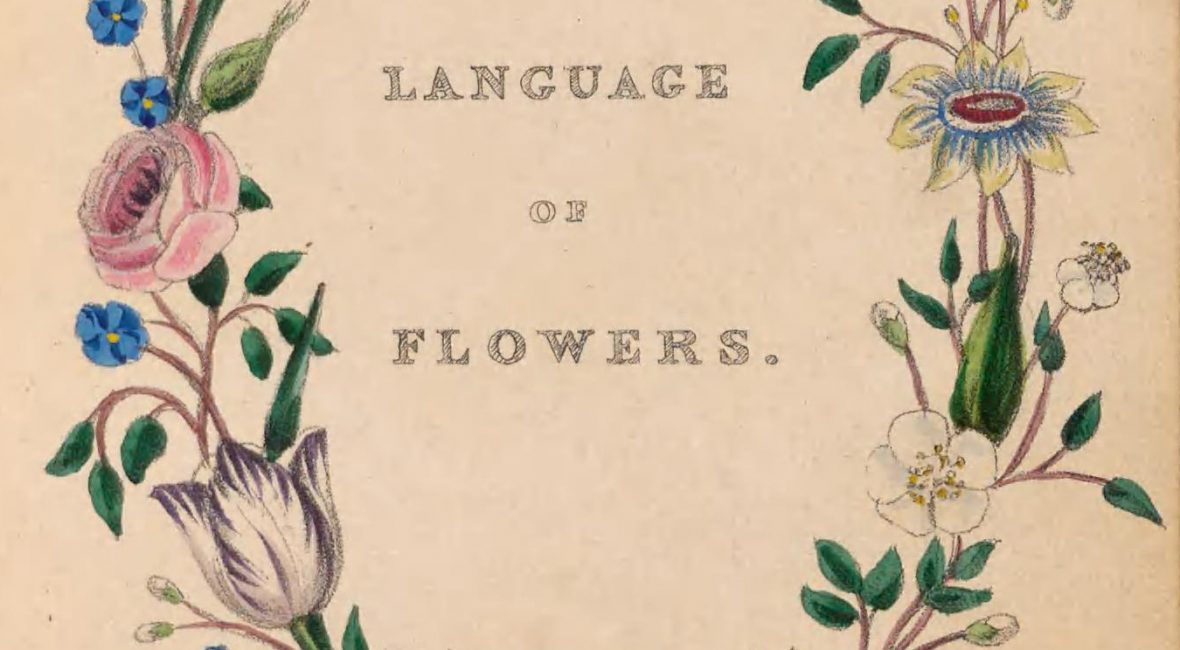
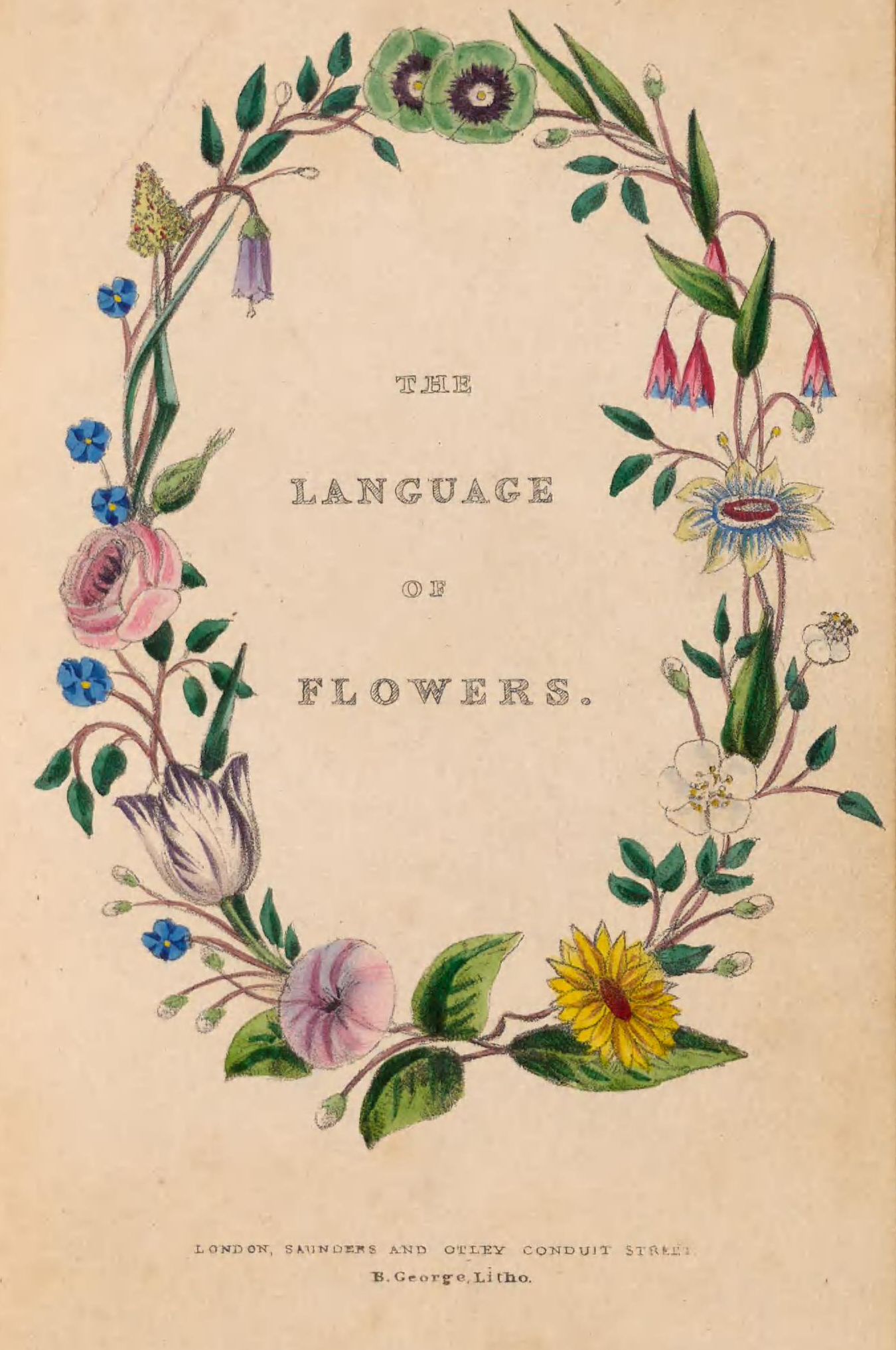
Book title page with title" The Language of Flowers" encircled in a wreath of flowers.

Title page. The language of flowers, with illustrative poetry. (1841). Contributed in BHL from Chicago Botanic Garden, Lenhardt Library. Digitization sponsored by the National Endowment for the Humanities (NEH).

On 30 April 2021, join the Chicago Botanic Garden’s Lenhardt Library and the Caxton Club for a free, virtual symposium celebrating the Language of Flowers—a popular literary trend in the 19th century that presented the world of botany through dictionaries of flowers and associated meanings, floral poetry and prose, offering a sentimental view of natural history.

Language of Flowers Virtual Symposium
When? Friday, 30 April 2021, 10am-2pm CT
Where? Online (via Zoom webinar)

Learn more and register for the event.

The Chicago Botanic Garden’s Lenhardt Library, a BHL Affiliate, presents this symposium in collaboration with the Caxton Club as the capstone event for a grant awarded by the National Endowment for the Humanities to conserve and digitize language of flower genre editions. Over the three-year grant period, 62 rare and unique language of flowers volumes published in the 19th century are being conserved and digitized by expert staff at the Northeast Document Conservation Center, with the volumes being made available in the Biodiversity Heritage Library (BHL).

You can explore volumes digitized as part of this grant as well as other titles from the genre in the Language of Flowers collection in BHL.

April 8, 2021by michelle.underhill
Blog Reel, Featured Books

Frances Sargent Osgood and the Language of Flowers: A 19th Century Literary Genre of Floriography and Floral Poetry

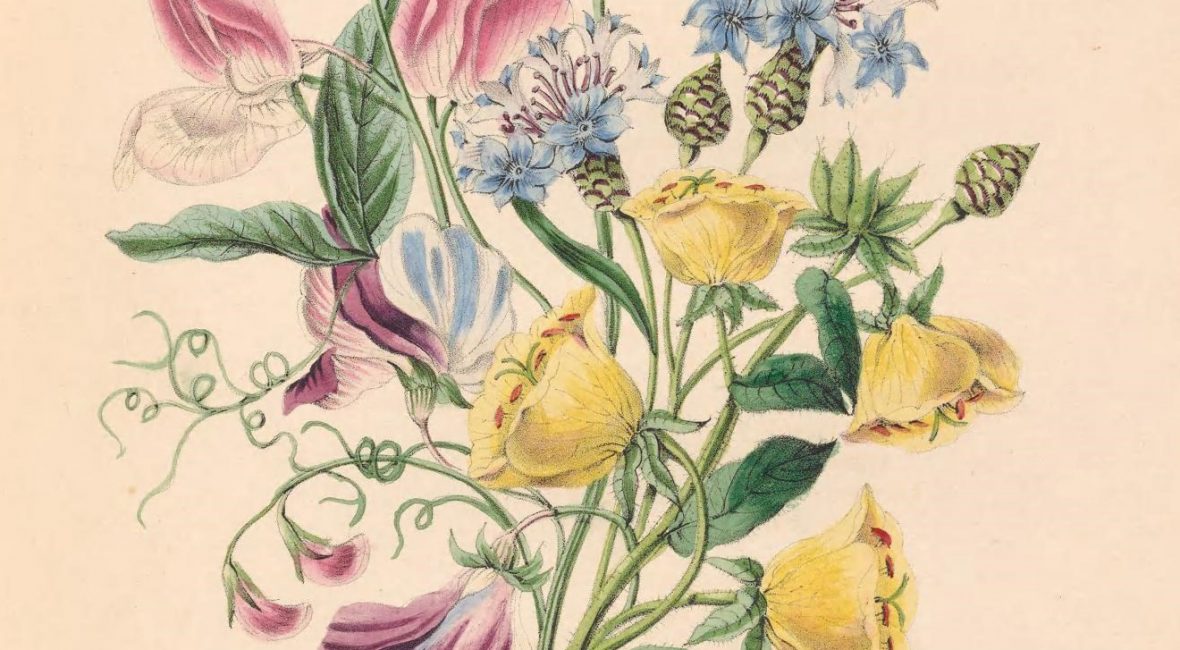
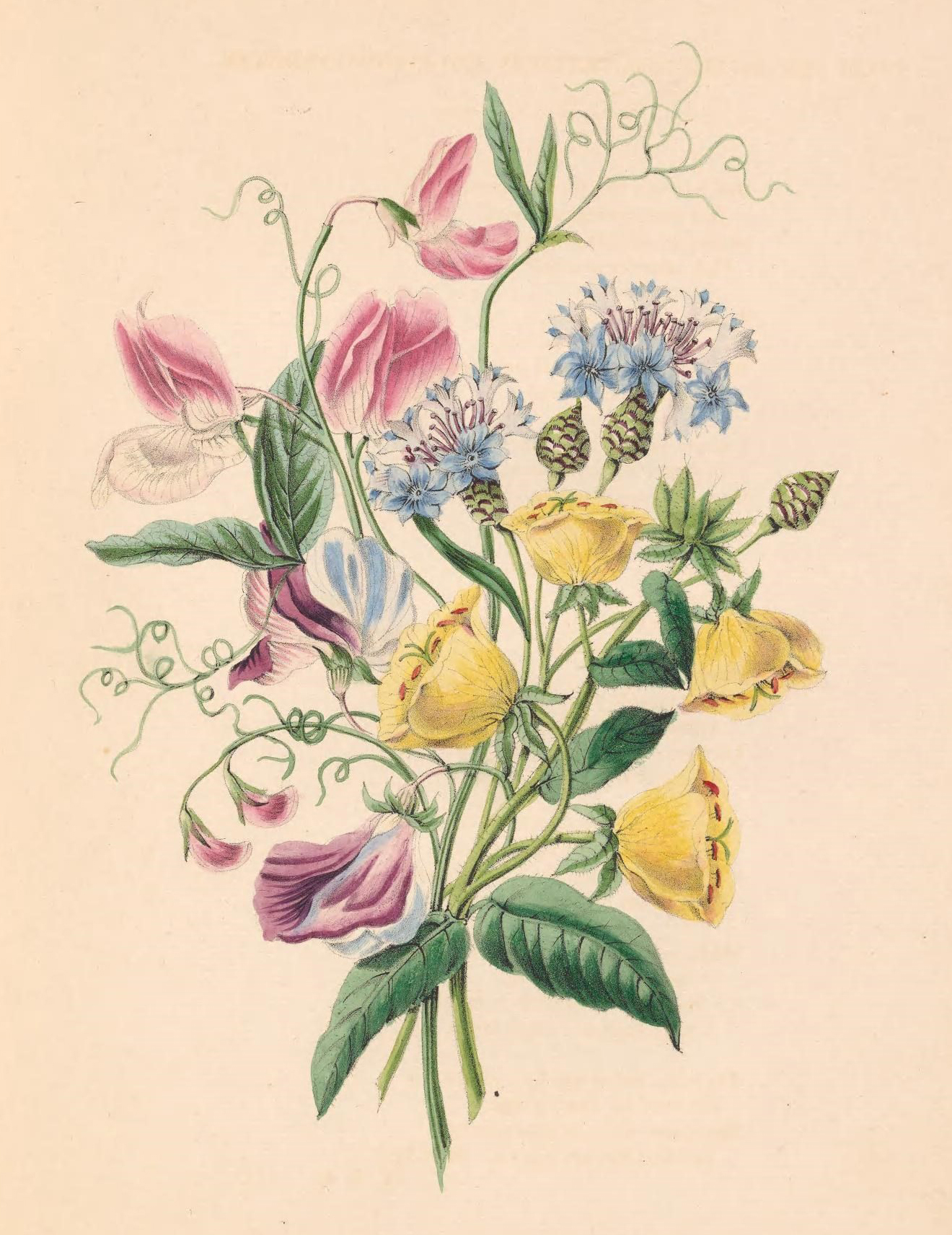
Sweet Pea, Bluebottle Centaury, and Evening Primrose.
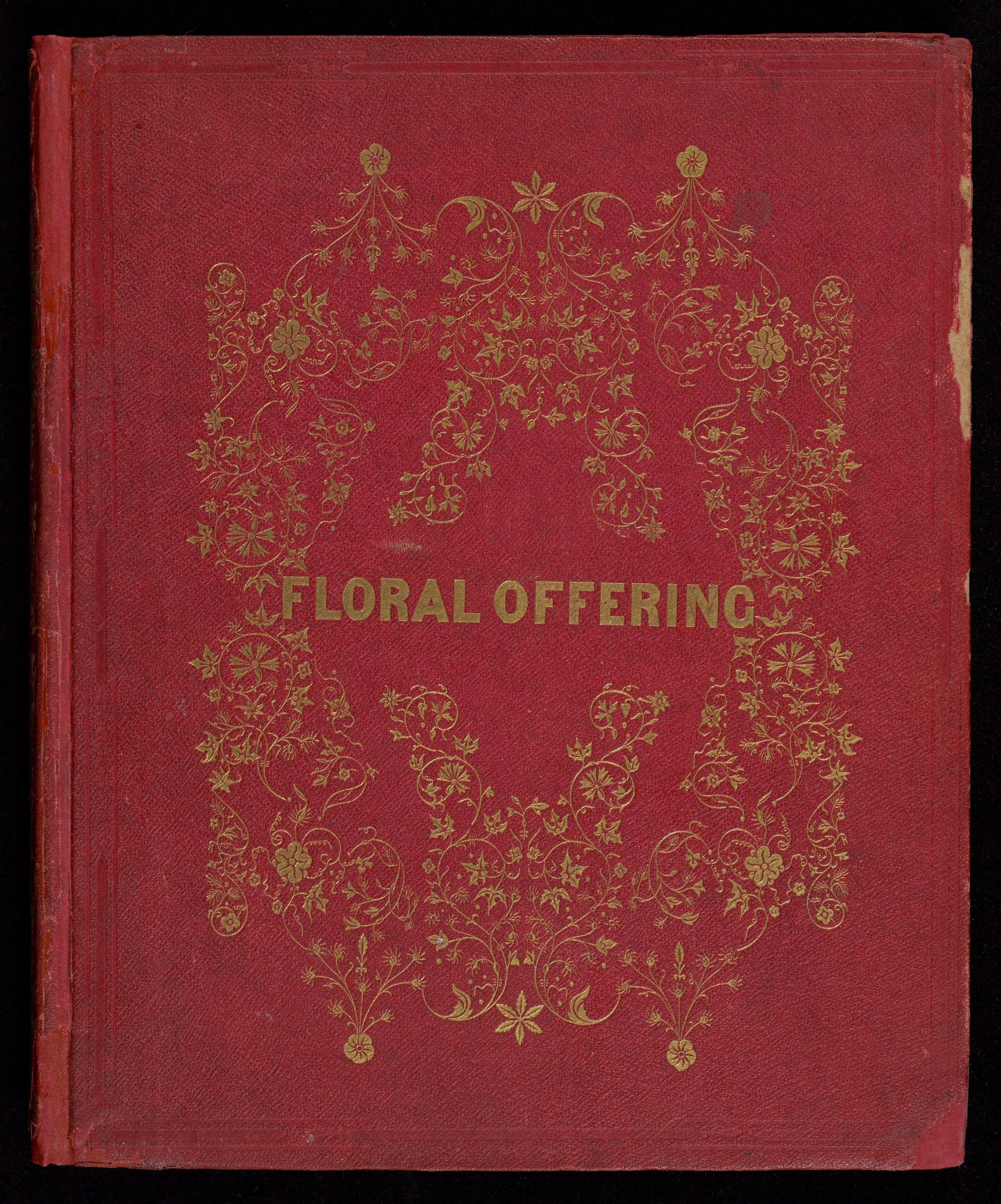
Cover of the book "The Floral Offering"

Cover. Osgood, Frances Sargent (editor). The Floral Offering, A Token of Friendship (1847). Contributed in BHL from Chicago Botanic Garden, Lenhardt Library. Digitization sponsored by the National Endowment for the Humanities (NEH).

The Language of Flowers genre is at the intersection of botany, horticulture, natural history, art, poetry, and women’s studies. This popular literary trend in the 19th century presented the world of botany through dictionaries of flowers and associated meanings, floral poetry, and prose, offering a sentimental view of natural history. A properly arranged bouquet was said to convey a “secret message” for the recipient. The “social media” of its day, this Victorian fad led to many editions of works published, with multiple titles by successful authors.

Frances Sargent Osgood edited two works in this genre: Poetry of Flowers and Flowers of Poetry and The Floral Offering.

Her description of floriography from her introductory poem in the Floral Offering follows:

INTRODUCTORY.

THY EMBLEM FLOWER.

Round every flower there gleams a glory

Bequeathed by antique song or story;

To each, old legends give a name

And its peculiar charm proclaims;

O’er smiling lawn – through shaded grove,

Our dreaming poets pensive rove,

And strive to read their language rare,

And learn the lesson latent there-

Then ‘mid them all, so fair to see,

What flower shall thy fit emblem be?

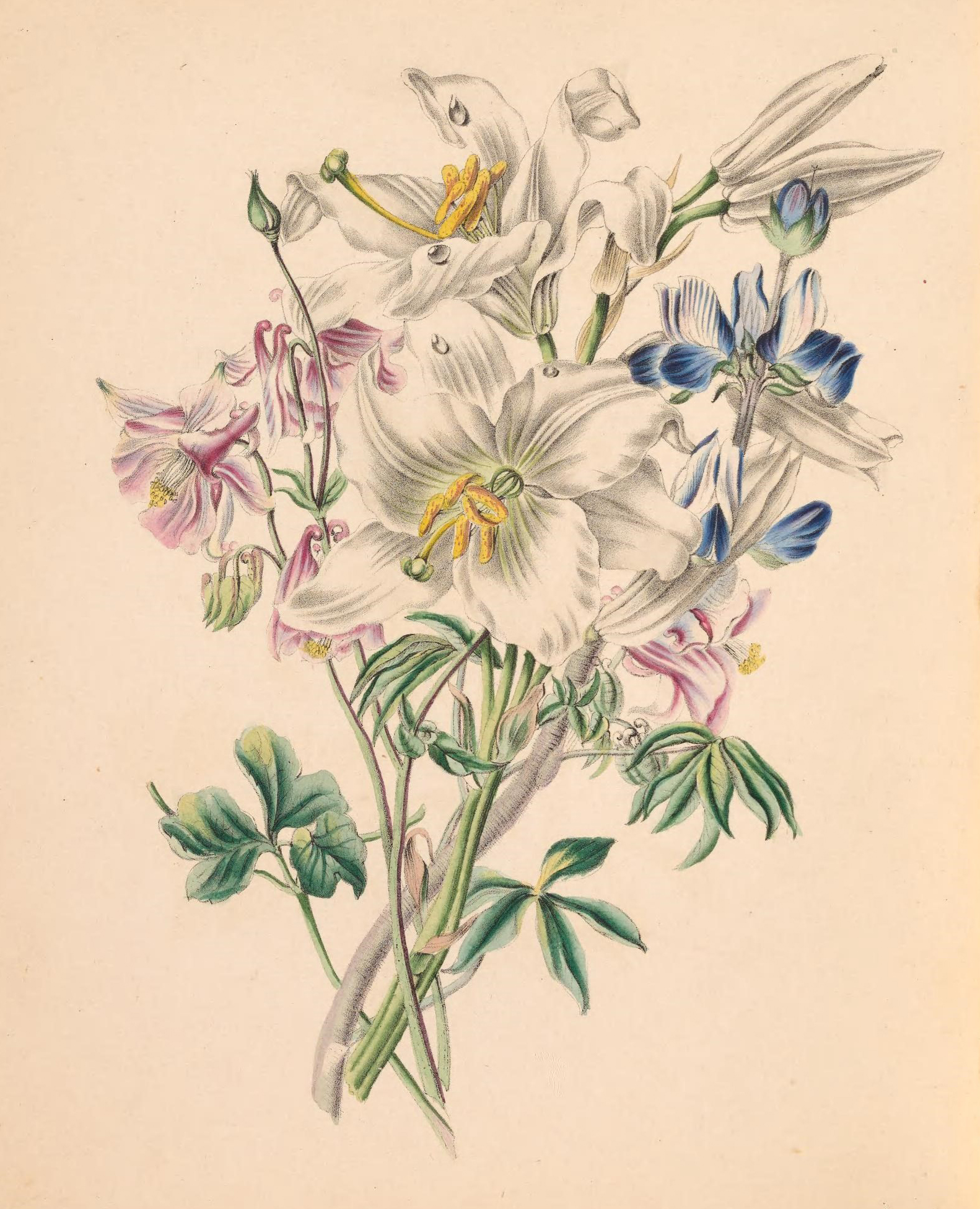
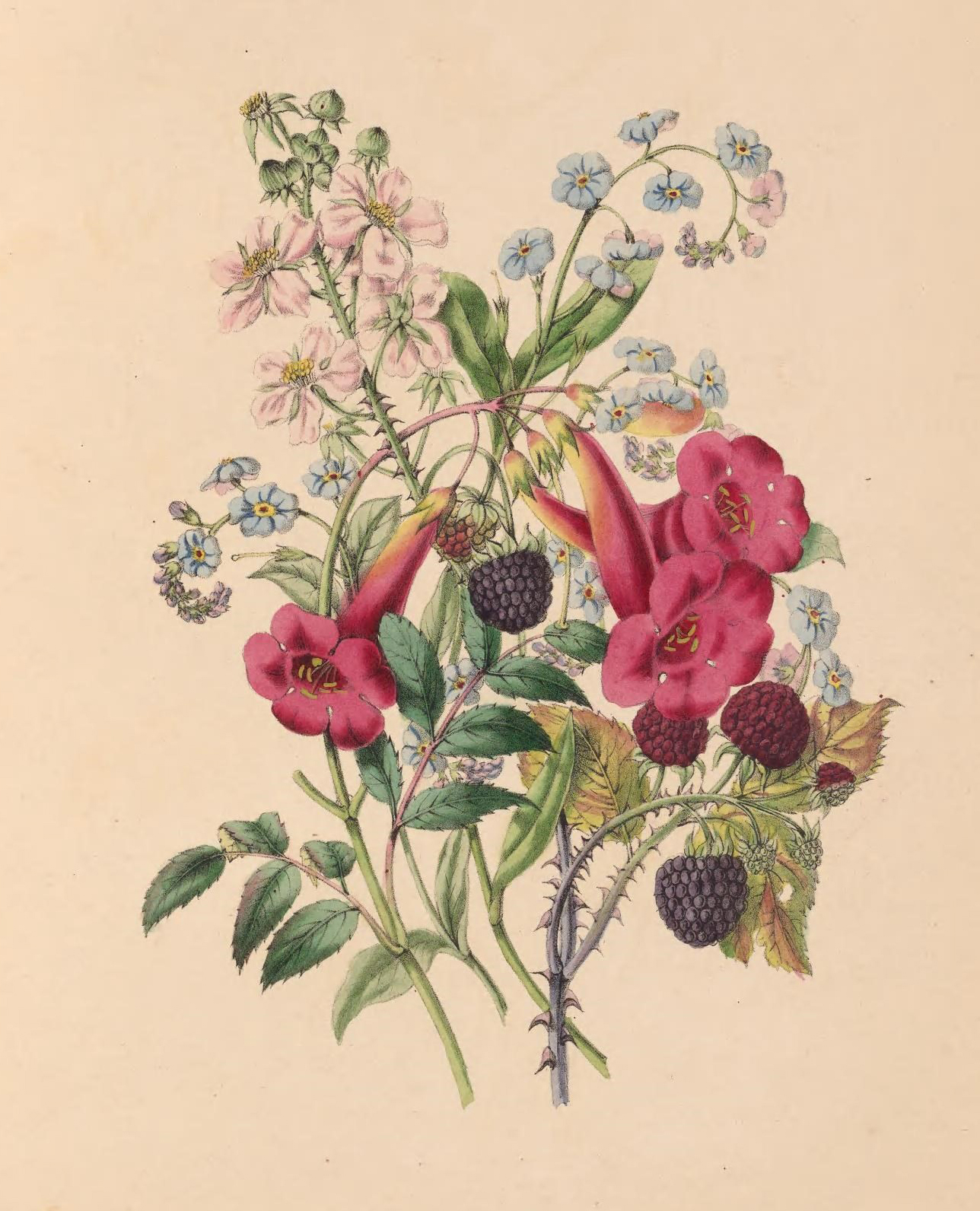
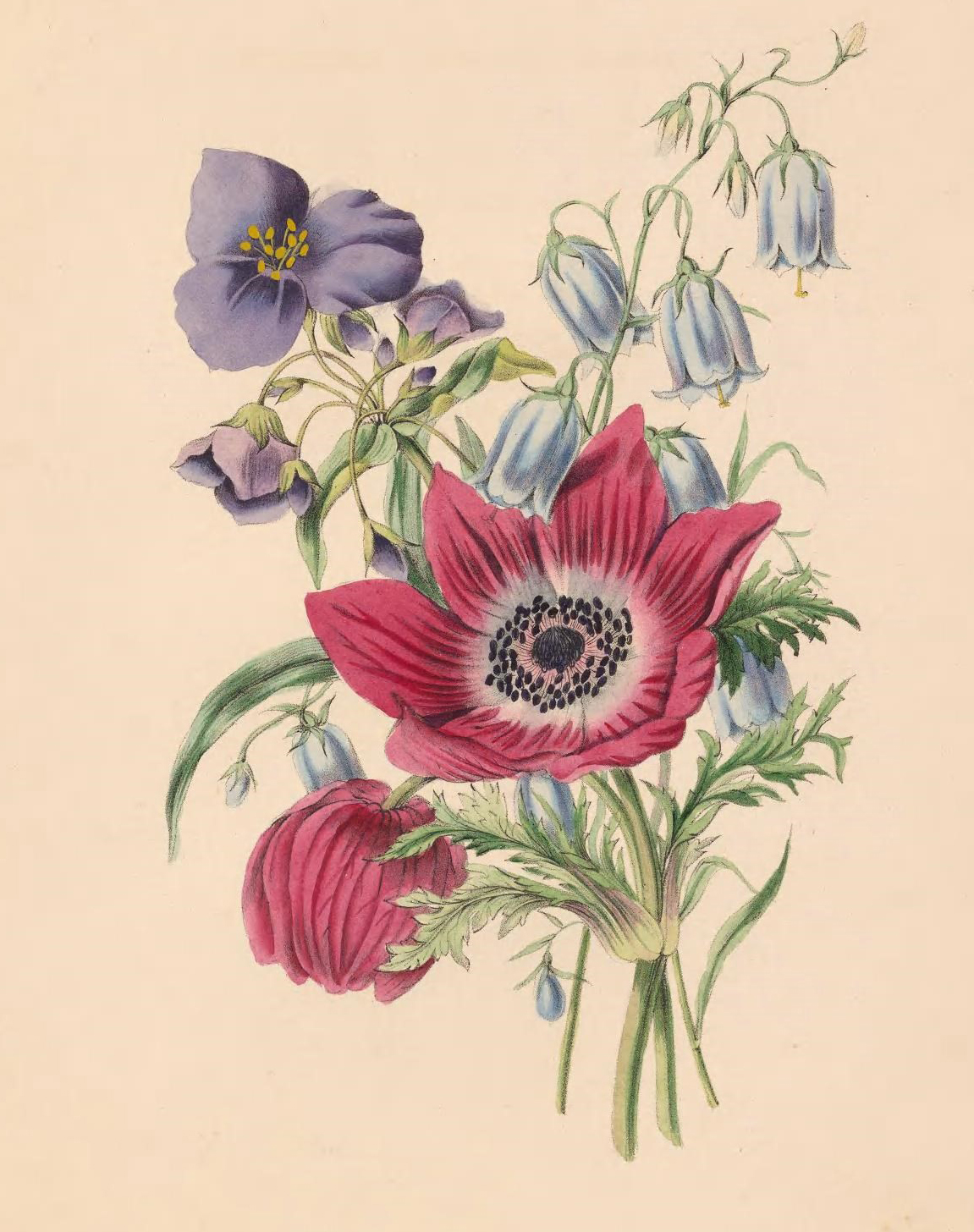
The Floral Offering, a Token of Friendship was edited by Frances S. Osgood and illustrated by J. Ackerman “with ten beautiful bouquets of flowers, elegantly colored after nature.” The work was published in Philadelphia, PA by Carey and Hart publishers in 1847. It contains poems by Osgood and others, plates with flowers assembled in bouquets, and a floral dictionary at the back containing her definitions of flowers. For example, basil means “I hate you” and olive means “peace be with you.” Osgood uses these definitions to ascribe secret messages. The list of illustrations for the plates provides the “secret message” that each illustrated arrangement is meant to convey.

Columbine, White Lily and Lupine.

Columbine, White Lily and Lupine. Secret message: It was a dream of folly, from which I woke to weep. Osgood, Frances Sargent (editor). The Floral Offering, A Token of Friendship (1847). Art by J. Ackerman. Contributed in BHL from Chicago Botanic Garden, Lenhardt Library. Digitization sponsored by the National Endowment for the Humanities (NEH).

Frances Sargent Osgood (1811 – 1850) was one of the most influential American women poets of her time. She was born in Boston to a family of poets together with her brother, sister, and step-sister. Early on, her parents recognized her talent and encouraged her pursuits. Her first poem was published when she was a young teenager. She was a prolific writer and published numerous works in magazines for women and children and also authored and edited several books.

Osgood married a painter, Samuel Stillman Osgood, in 1835. He had previously studied at the Royal Academy, and they moved back to London where he had a successful career painting portraits. During the four years that they lived abroad, Osgood remained active in her craft and in 1839 published a compilation of all her work in a volume entitled Wreath of Wild Flowers from New England. With the unexpected death of her father, the Osgoods returned to the States, first to her family home in Boston and then settling in New York in 1840. While in New York, Osgood published two volumes in the language of flowers genre in 1841 and 1847.

Trumpet.-flower, Forget-Me-Not, and Raspberry.

Trumpet.-flower, Forget-Me-Not, and Raspberry. Secret message: Farewell, be true to thyself, yet sometimes think of me. Osgood, Frances Sargent (editor). The Floral Offering, A Token of Friendship (1847). Art by J. Ackerman. Contributed in BHL from Chicago Botanic Garden, Lenhardt Library. Digitization sponsored by the National Endowment for the Humanities (NEH).

Osgood was very well known during her life-time, such that her biography appears in The American Female Poets; with Biographical and Critical Notices (1848), by Caroline May, and in The Female Poets of America (1849), edited by Rufus Griswold. Her notoriety and embracement of the language of flowers genre may have influenced and encouraged other women to write in the field of horticulture, botany, and natural history.

An interesting side note to her time in New York is Osgood’s association with Edgar Allen Poe. He published her poems and thought highly of her work. Their friendship is rumored to have developed into a love affair.

Anemone, Harebell, and Spiderwort.

Anemone, Harebell, and Spiderwort. Secret message: Thou art false, and I resign myself to my fate. Osgood, Frances Sargent (editor). The Floral Offering, A Token of Friendship (1847). Art by J. Ackerman. Contributed in BHL from Chicago Botanic Garden, Lenhardt Library. Digitization sponsored by the National Endowment for the Humanities (NEH).

Frances Sargent Osgood died from tuberculosis in 1850 at 38 years old. She was buried in Mount Auburn Cemetery near Boston with her daughter that preceded her in death. Her other two daughters died just after her in 1851.

The Memorial (1851) by “Friends of the Late Mrs. Osgood” and edited by Mary E. Hewitt was a tribute to her life. Its 346 pages contain numerous pieces by different authors; it is truly an acknowledgement of her importance to her family, friends, and literary colleagues.

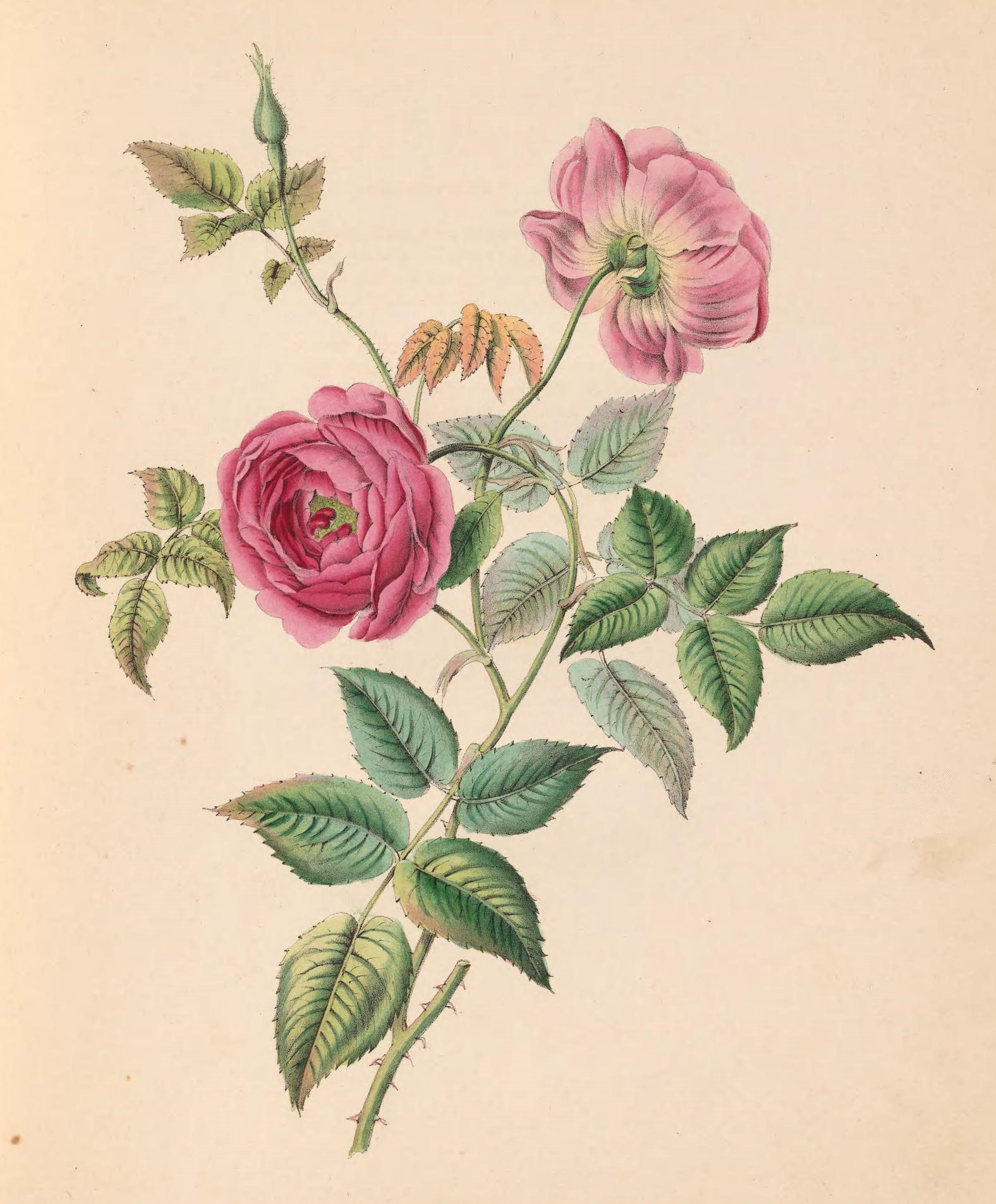
Two roses.

The Rose. Secret message: Beauty and love. Osgood, Frances Sargent (editor). The Floral Offering, A Token of Friendship (1847). Art by J. Ackerman. Contributed in BHL from Chicago Botanic Garden, Lenhardt Library. Digitization sponsored by the National Endowment for the Humanities (NEH).

The Lenhardt Library of the Chicago Botanic Garden is digitizing 62 rare and unique language of flowers volumes published in the 19th century as part of a grant from the National Endowment for the Humanities (NEH) awarded to the Chicago Horticultural Society. Over three-years, the volumes are being conserved and digitized by expert staff at the Northeast Document Conservation Center. The Floral Offering is from the second set of volumes. You can explore volumes from sets one and two as well as other titles in the Language of Flowers collection in BHL. Learn more about other language of flowers volumes digitized as part of this grant in this past blog post.

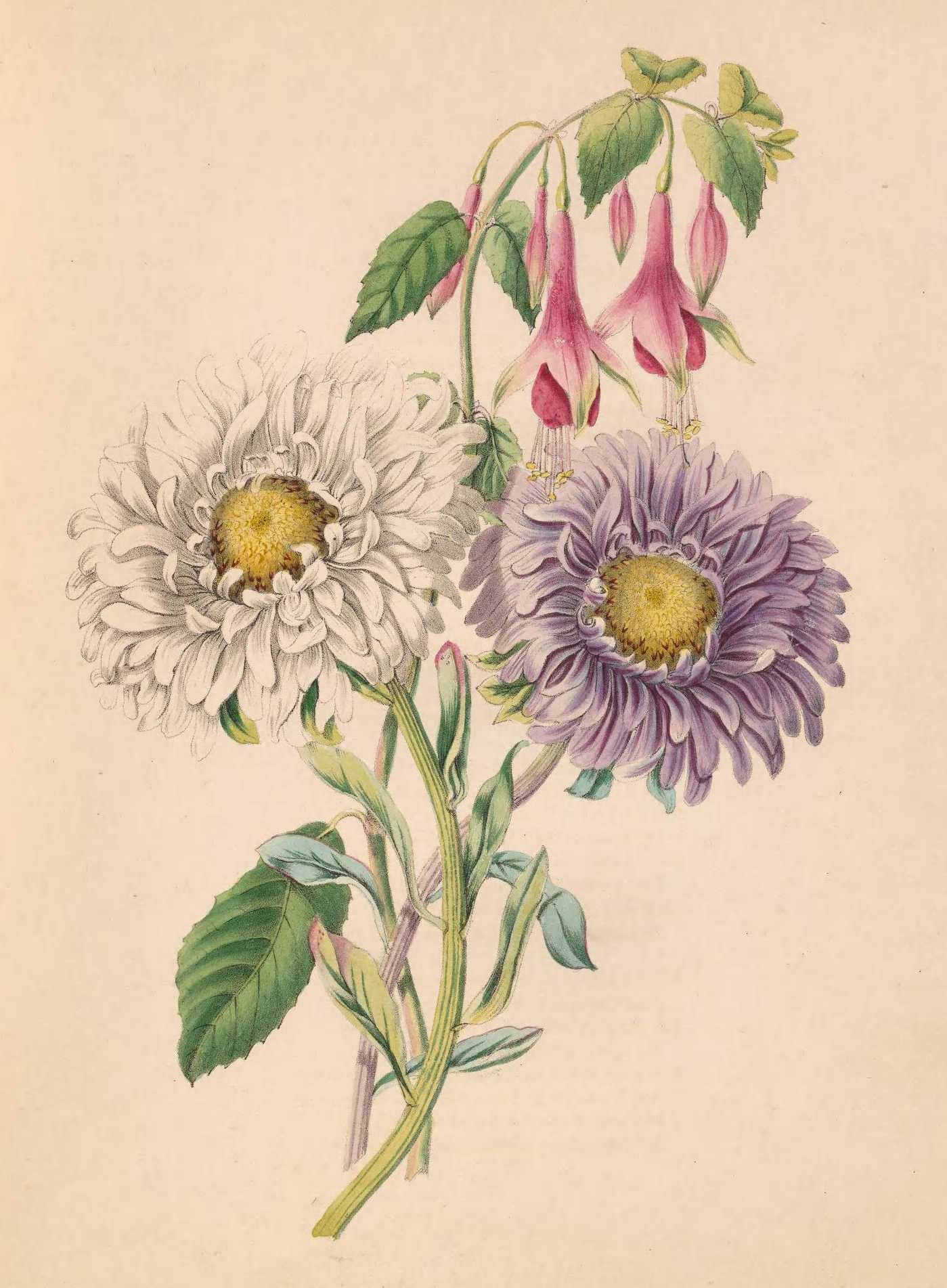
China-Aster and Fuchsia.

China-Aster and Fuchsia. Secret message: Caprice is a woman’s privilege. Osgood, Frances Sargent (editor). The Floral Offering, A Token of Friendship (1847). Art by J. Ackerman. Contributed in BHL from Chicago Botanic Garden, Lenhardt Library. Digitization sponsored by the National Endowment for the Humanities (NEH).

Sweet Pea, Bluebottle Centaury, and Evening Primrose.

Sweet Pea, Bluebottle Centaury, and Evening Primrose. Secret message: Goodbye! Our love was too lovely to last. Osgood, Frances Sargent (editor). The Floral Offering, A Token of Friendship (1847). Art by J. Ackerman. Contributed in BHL from Chicago Botanic Garden, Lenhardt Library. Digitization sponsored by the National Endowment for the Humanities (NEH).

References

Griswold, Rufus W. The Female Poets of America. Philadelphia: Carey and Hart, 1849. Internet resource.

Hewitt, Mary E. M, and Frances S. Osgood. The Memorial. New York: G.P. Putnam, 1851. Internet resource.

May, Caroline. The American Female Poets: With Biographical and Critical Notices. Philadelphia: Lindsay & Blakiston, 1848. Internet resource.

November 19, 2020by michelle.underhill
Blog Reel, Featured Books

Flora Graeca: “The Most Costly and Beautiful Book Devoted to Any Flora”

plants
plants

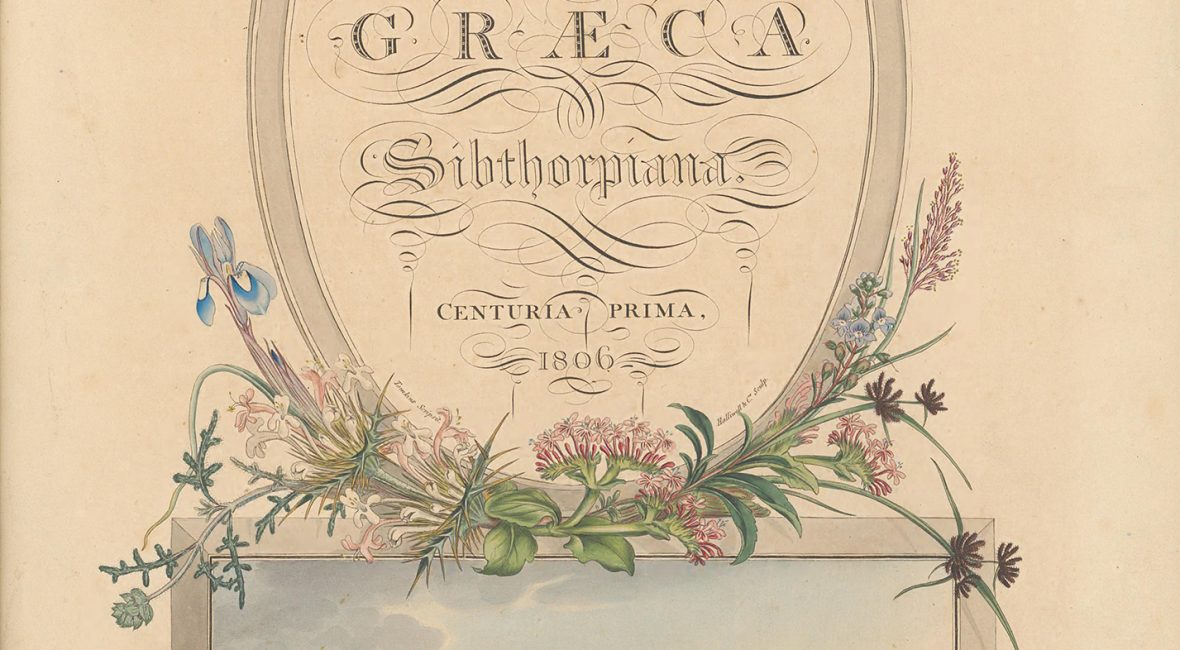
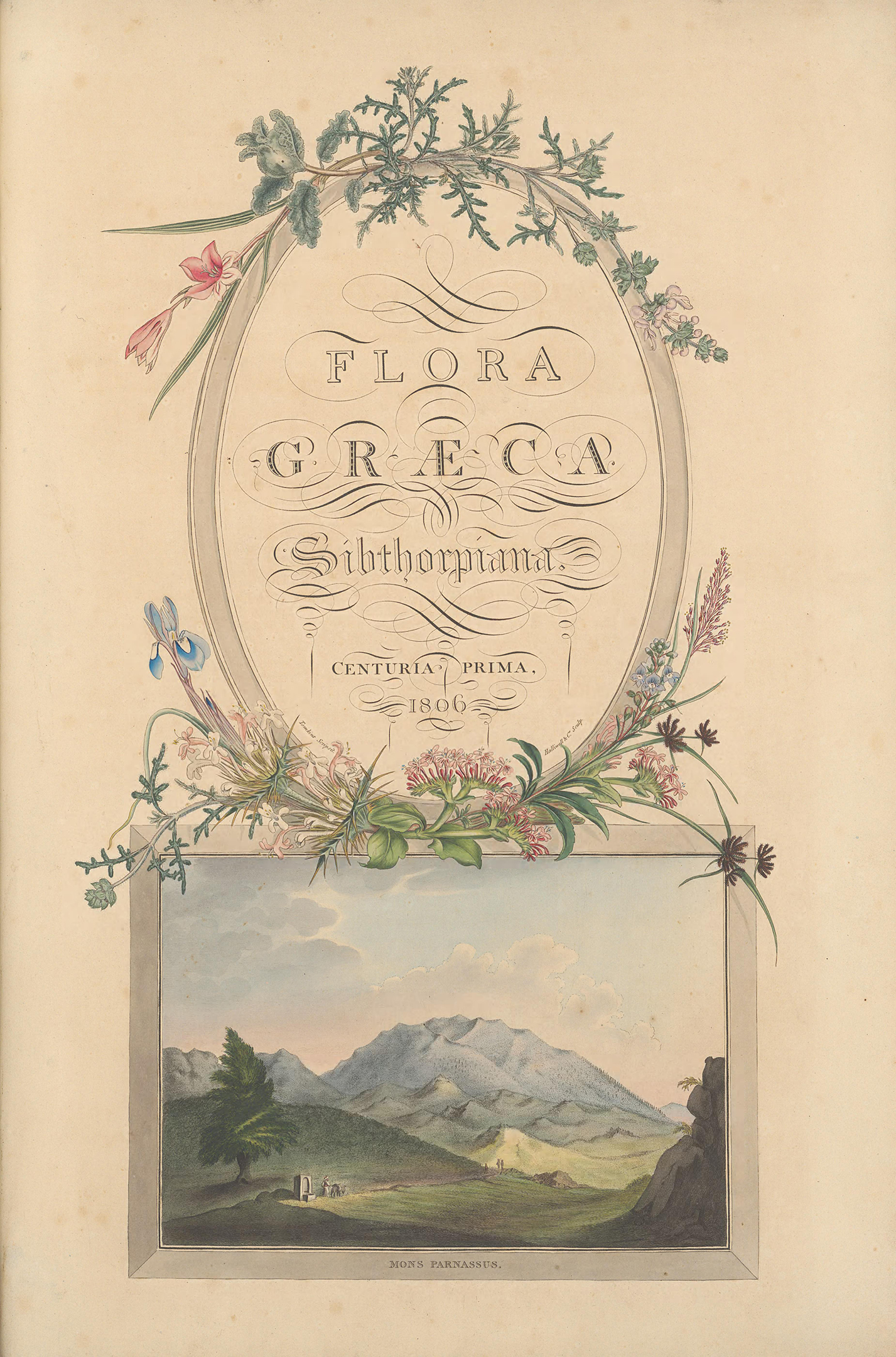
Title page. Sibthorp, John. Flora Graeca. v. 1 (1806). Contributed in BHL from Lloyd Library and Museum. Digitized by Public Library of Cincinnati and Hamilton County.

John Sibthorp’s Flora Graeca (1806-1840) has been described as “the most costly and beautiful book devoted to any flora” [1]. Dedicated to the plants of Greece and the eastern Mediterranean, only 30 subscriptions for the first edition were sold and of those, only 25 were completed. While each copy was sold for £254, the cost to produce each copy was about £620 [2, 176].

Flora Graeca arose out of botanical expeditions carried out by English botanist John Sibthorp in Greece and Asia Minor between 1786-87 and 1794-1795. Sibthorp employed Austrian artist Ferdinand Lukas Bauer to accompany him on the first expedition and serve as illustrator. During the expedition, Bauer created around one thousand plant sketches, using a color coding process to record the exact colors of the specimens he observed in the field, allowing him to produce accurate final drawings based on his field sketches [3].

plants

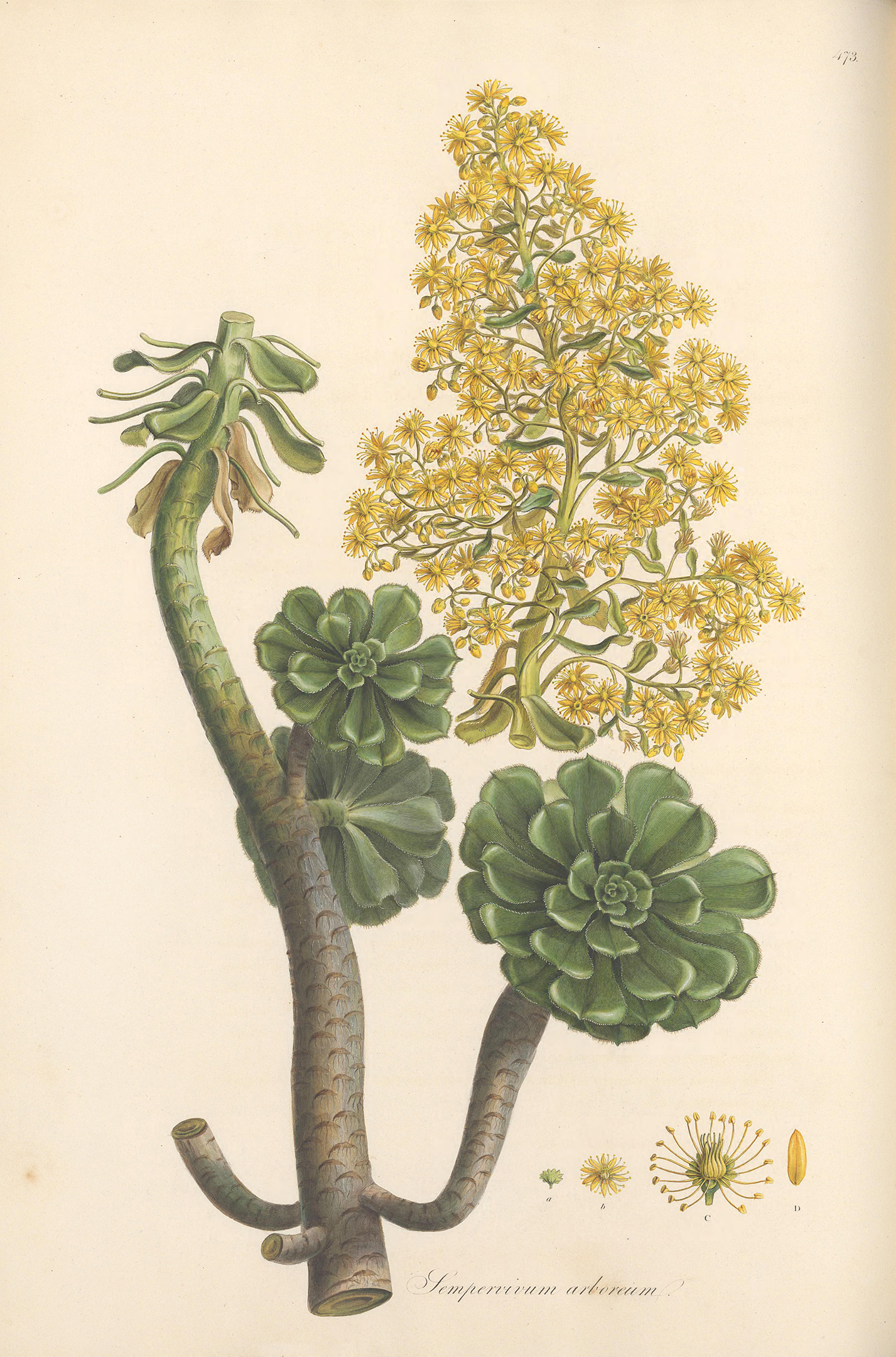
Plate 473. Sibthorp, John. Flora Graeca. v. 5 (1825). Contributed in BHL from Lloyd Library and Museum. Digitized by Public Library of Cincinnati and Hamilton County.

plants

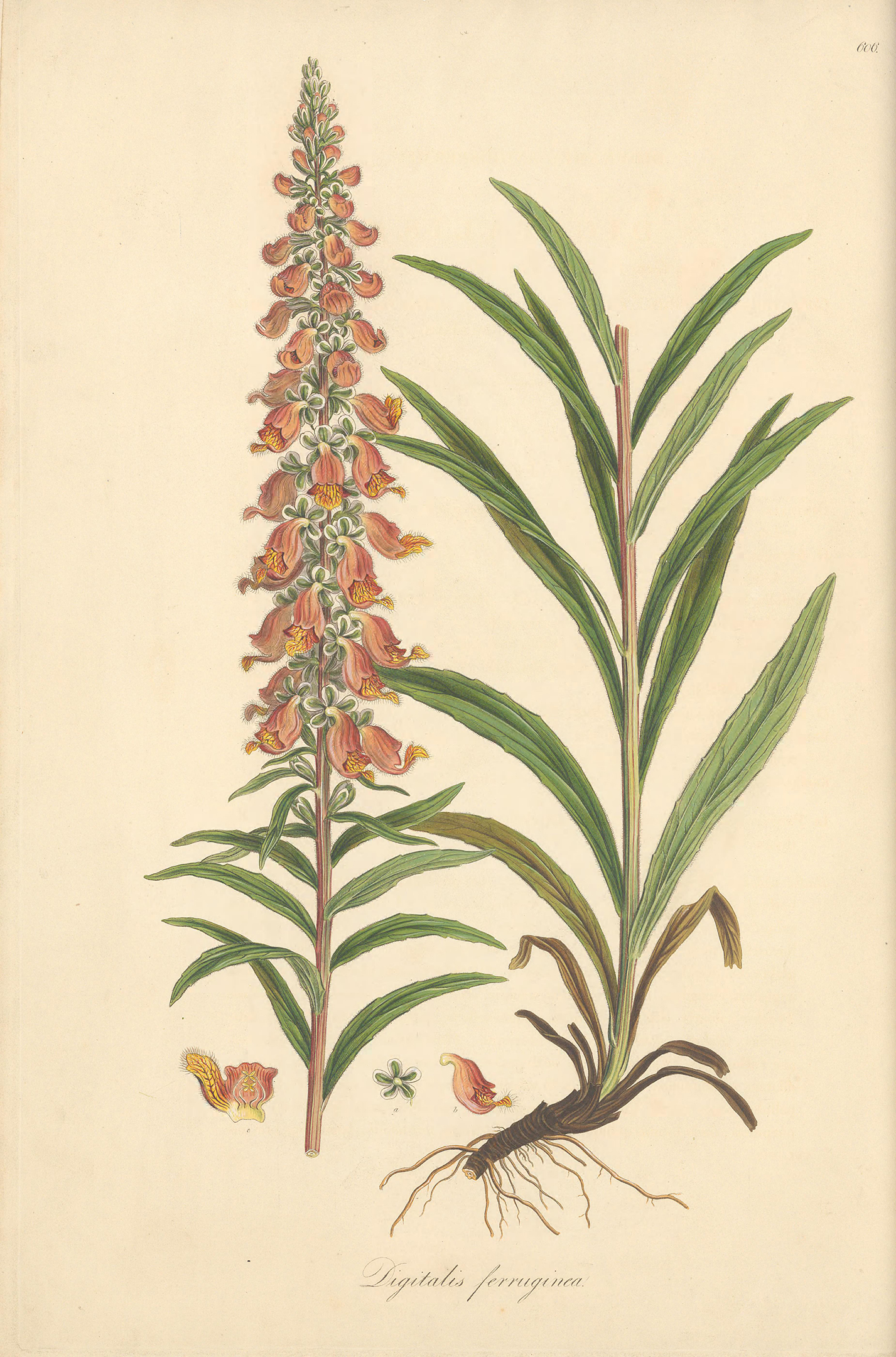
Plate 606. Sibthorp, John. Flora Graeca. v. 7 (1830). Contributed in BHL from Lloyd Library and Museum. Digitized by Public Library of Cincinnati and Hamilton County.

Unfortunately, Sibthrop contracted tuberculosis during the return from his second expedition. He died on 8 February 1796 in Bath, before the work could be completed. His will, however, provided an endowment to ensure the completion of the publication [4].

Sibthorp’s friend and fellow botanist, James Edward Smith, and Sibthorp’s brother-in-law, John Hawkins, oversaw the publication of the first six volumes between 1806-1828. Volume seven was published in 1830, and volumes eight through ten were edited by John Lindley and published between 1833-40. The first nine volumes included 100 plates each, with the final volume consisting of 66 plates [5]. The hand-colored plates were engraved on copper by Bauer, James Sowerby and James de Carle Sowerby after Bauer’s drawings [2, 175].

plants

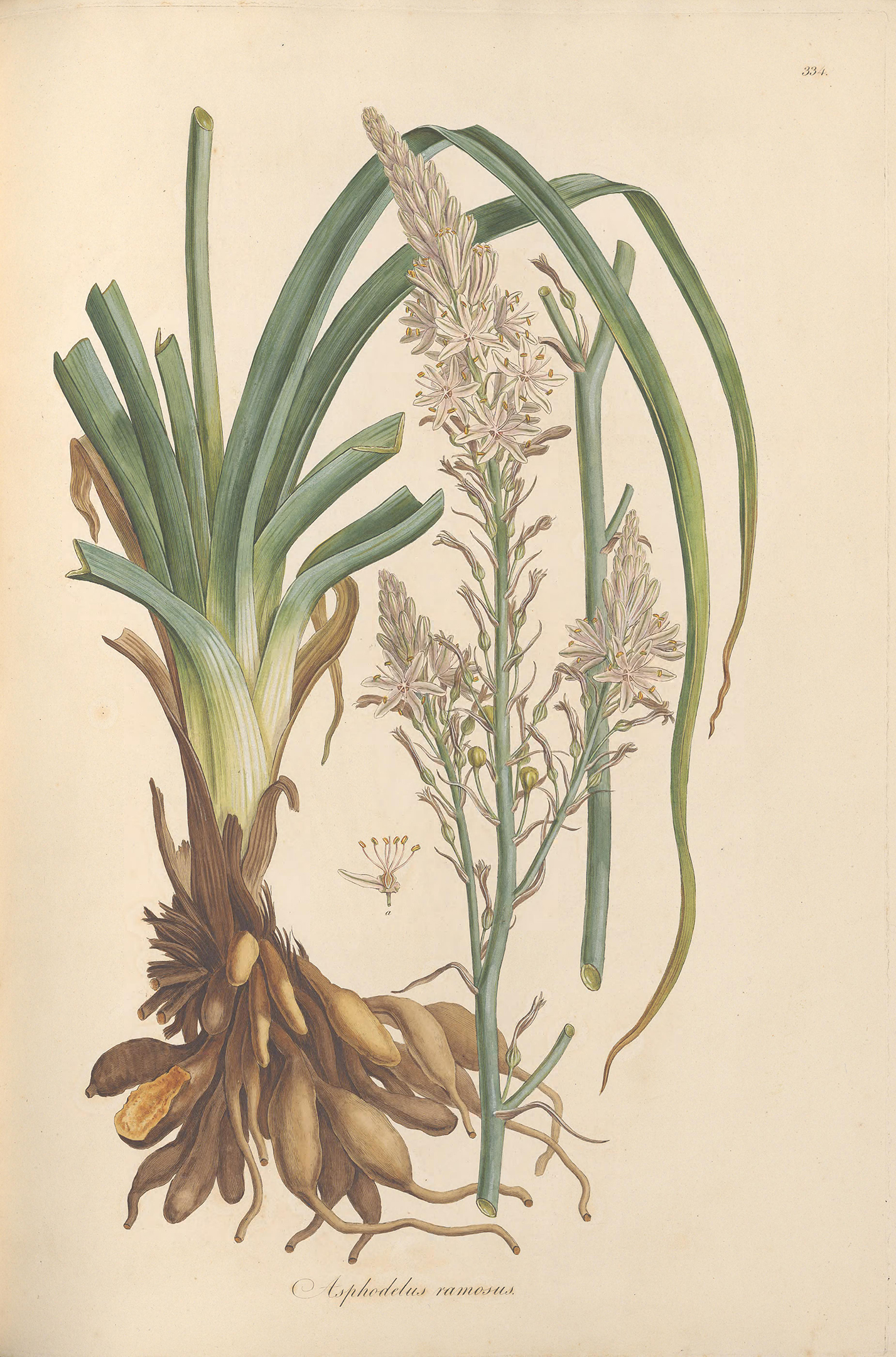
Plate 334. Sibthorp, John. Flora Graeca. v. 4 (1823). Contributed in BHL from Lloyd Library and Museum. Digitized by Public Library of Cincinnati and Hamilton County.

plants

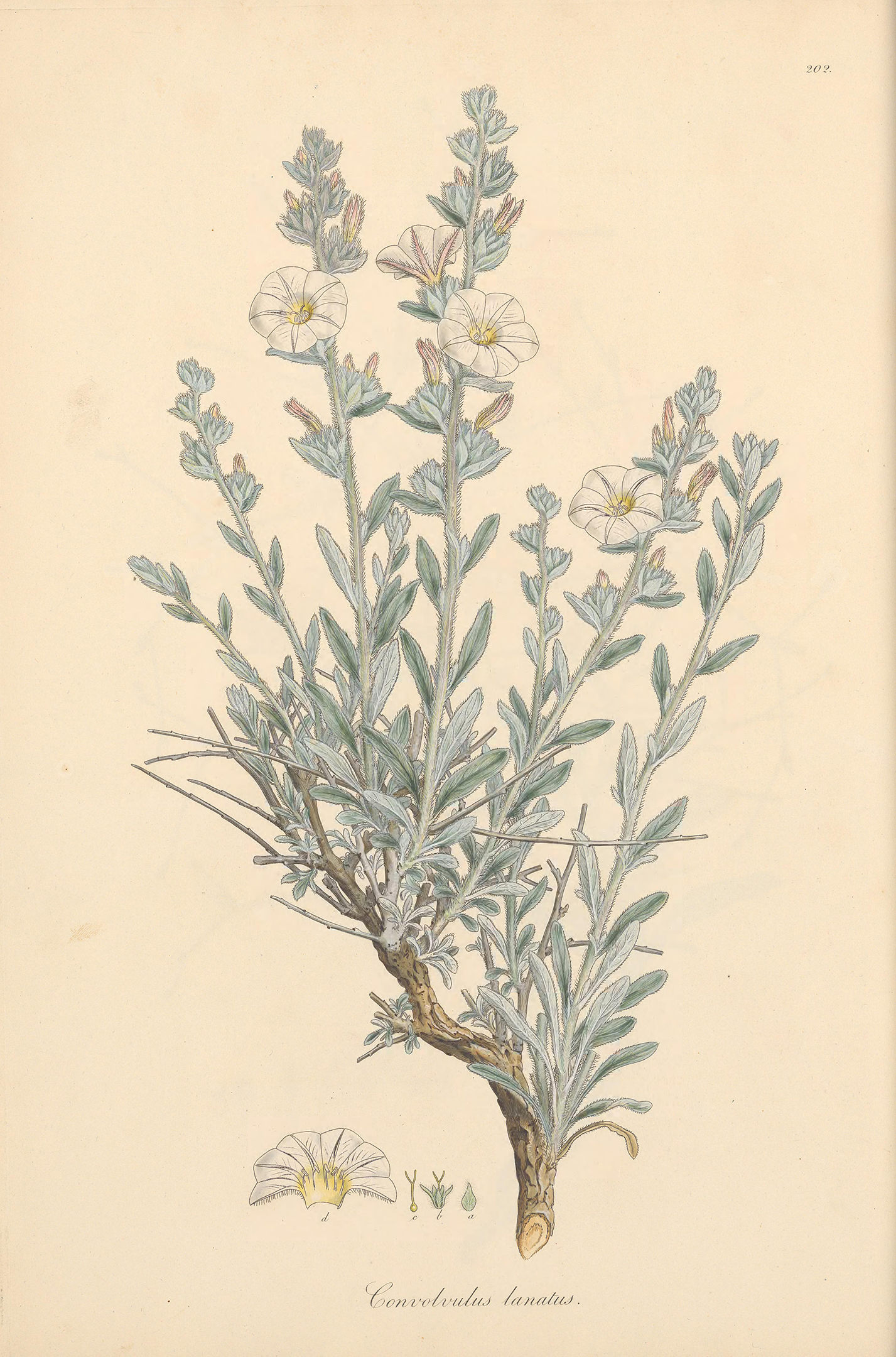
Plate 202. Sibthorp, John. Flora Graeca. v.3 (1819). Contributed in BHL from Lloyd Library and Museum. Digitized by Public Library of Cincinnati and Hamilton County.

The Lloyd Library and Museum is fortunate to own one of the 25 complete copies of the first edition of this title. This copy was digitized by the Public Library of Cincinnati and Hamilton County as part of the BHL Expanding Access to Biodiversity Literature project (funded by the Institute of Museum and Library Services) and is freely available for all to enjoy in the Biodiversity Heritage Library. A volume from this title is also currently on display at the Lloyd Library & Museum as part of the current exhibit Treasures of the Lloyd, which is open until 21 February 2020.

plants

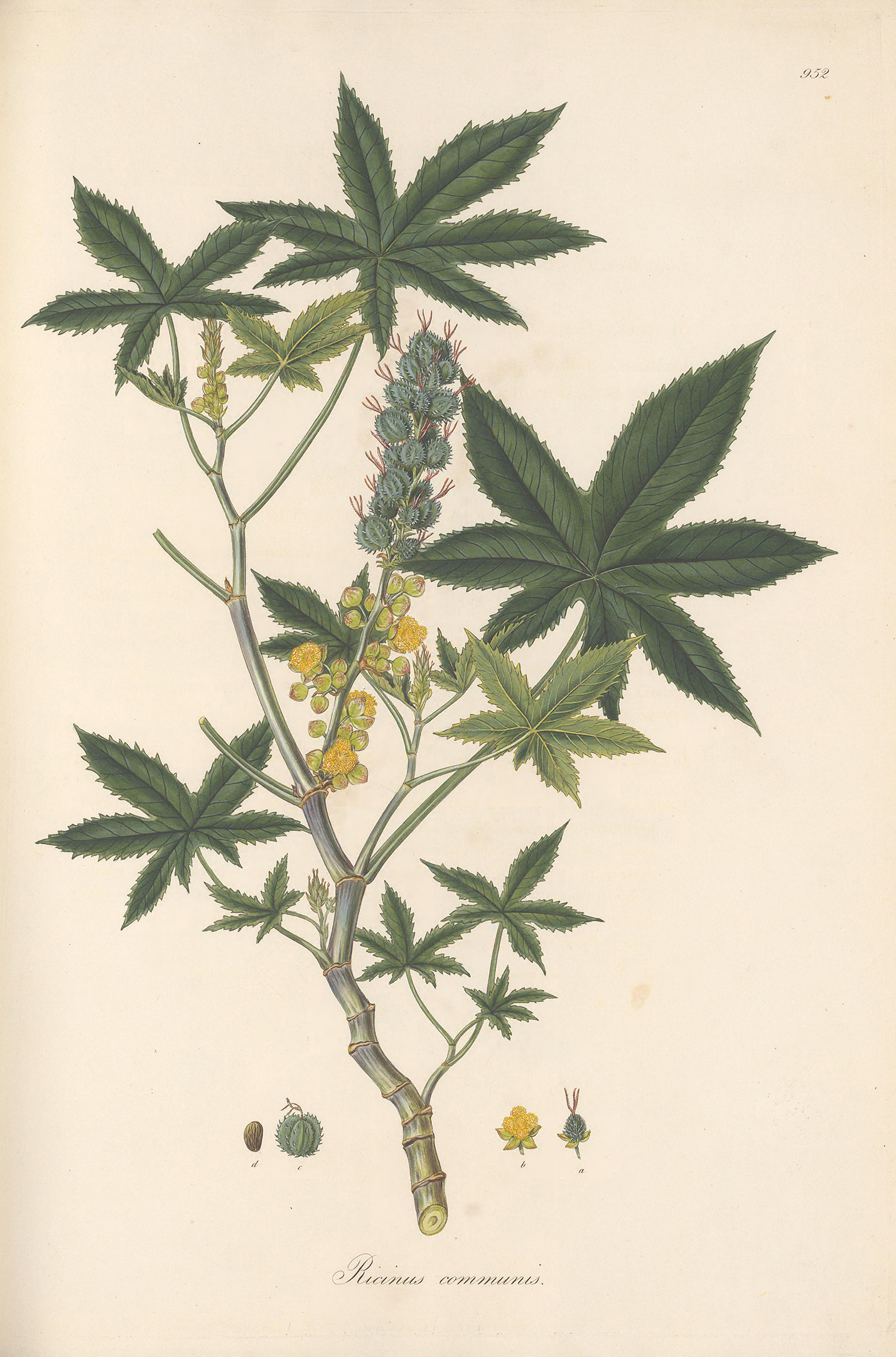
Plate 952. Sibthorp, John. Flora Graeca. v.10 (1840). Contributed in BHL from Lloyd Library and Museum. Digitized by Public Library of Cincinnati and Hamilton County.

plants

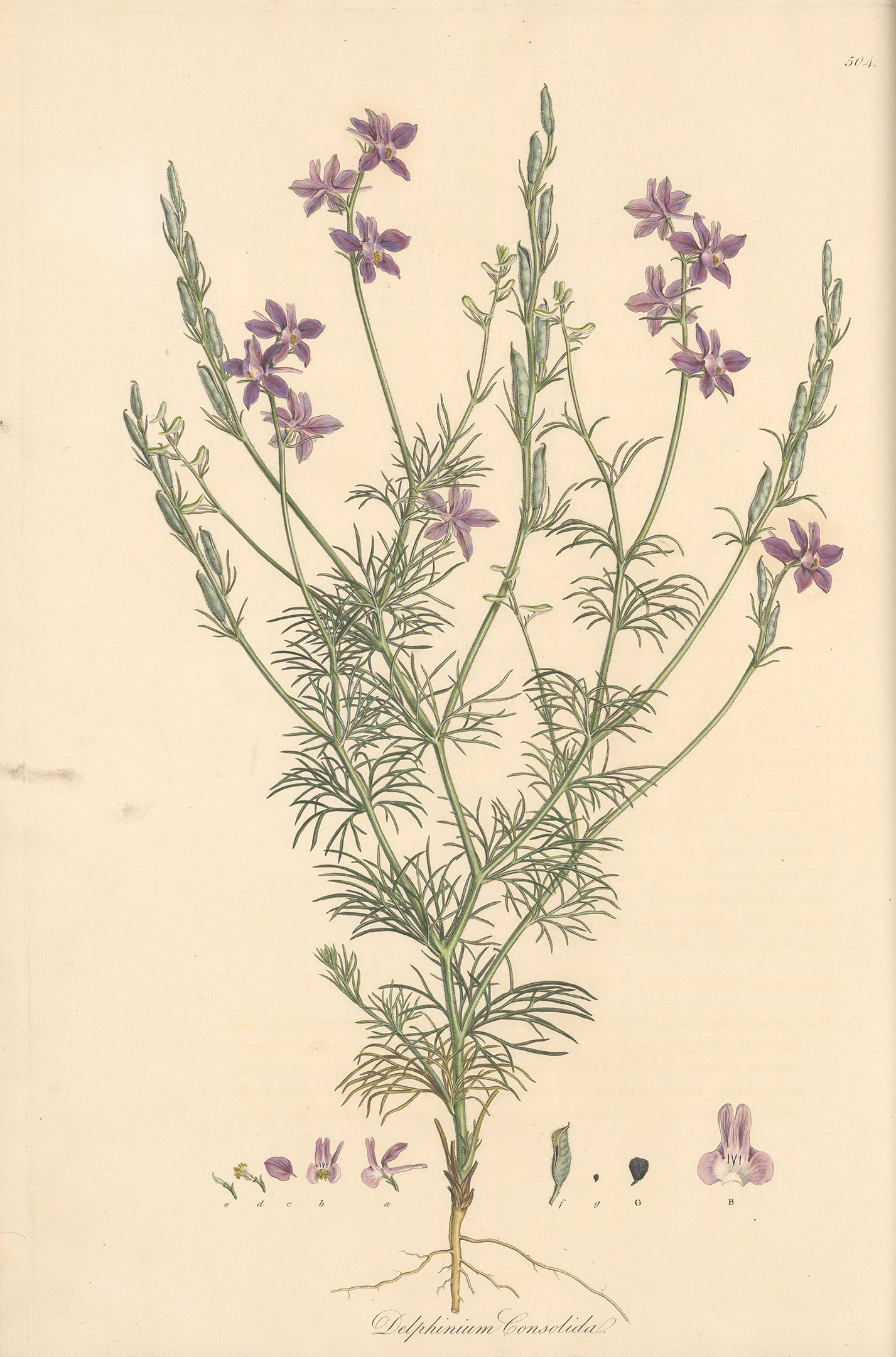
Plate 504. Sibthorp, John. Flora Graeca. v.6 (1828). Contributed in BHL from Lloyd Library and Museum. Digitized by Public Library of Cincinnati and Hamilton County.

plants

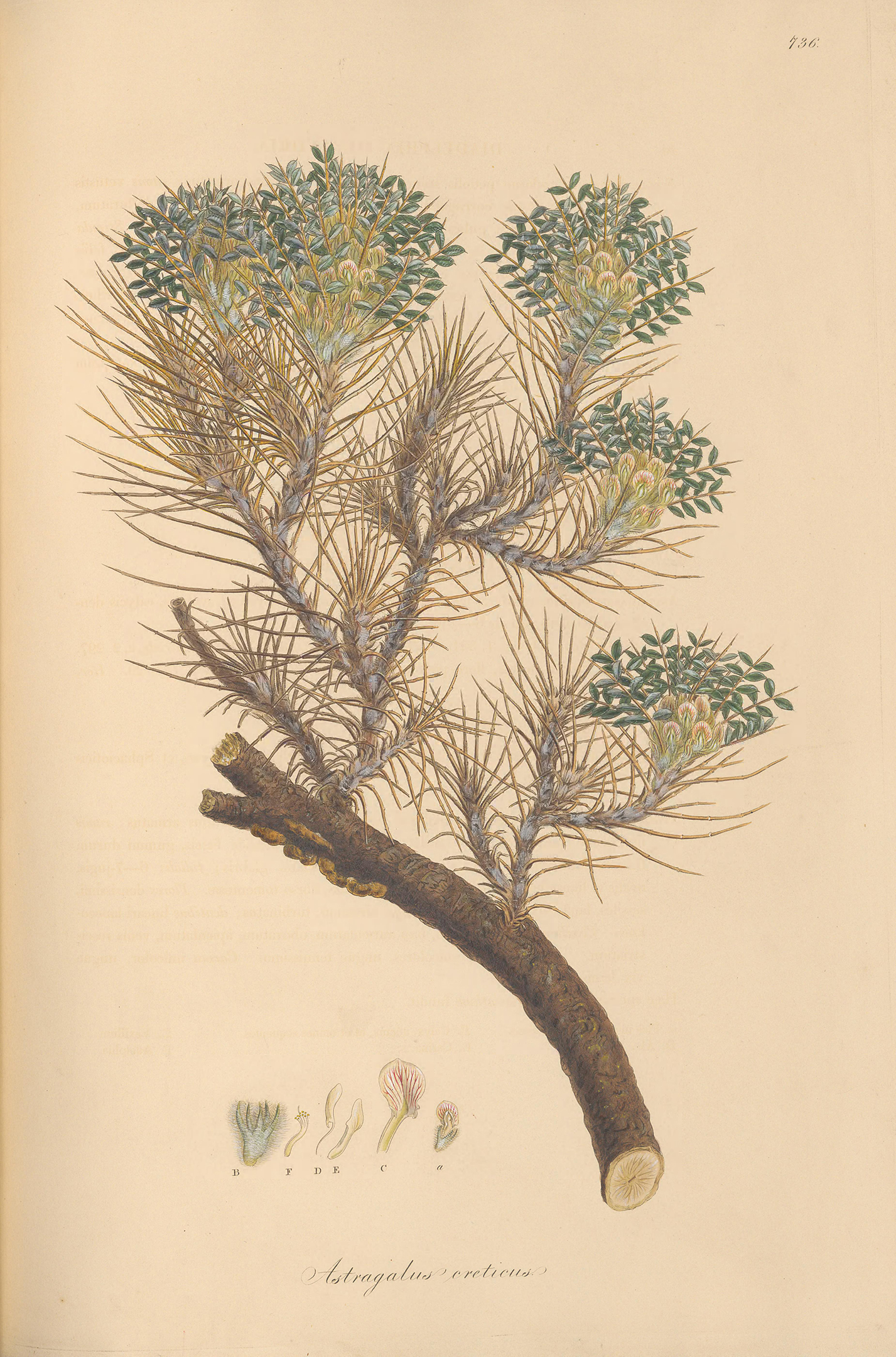
Plate 736. Sibthorp, John. Flora Graeca. v. 8 (1833). Contributed in BHL from Lloyd Library and Museum. Digitized by Public Library of Cincinnati and Hamilton County.

plants

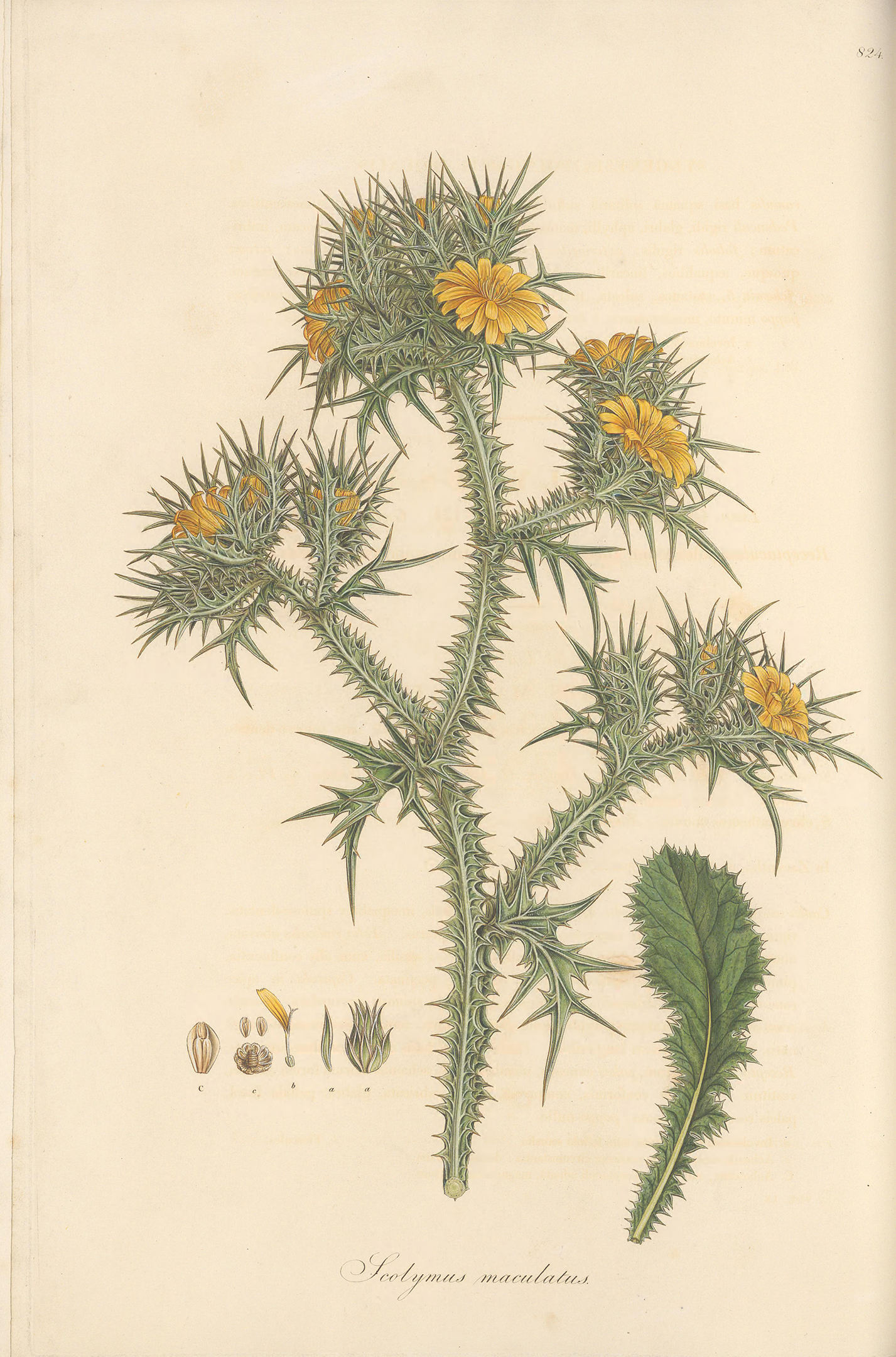
Plate 824. Sibthorp, John. Flora Graeca. v. 9 (1837). Contributed in BHL from Lloyd Library and Museum. Digitized by Public Library of Cincinnati and Hamilton County.

plants

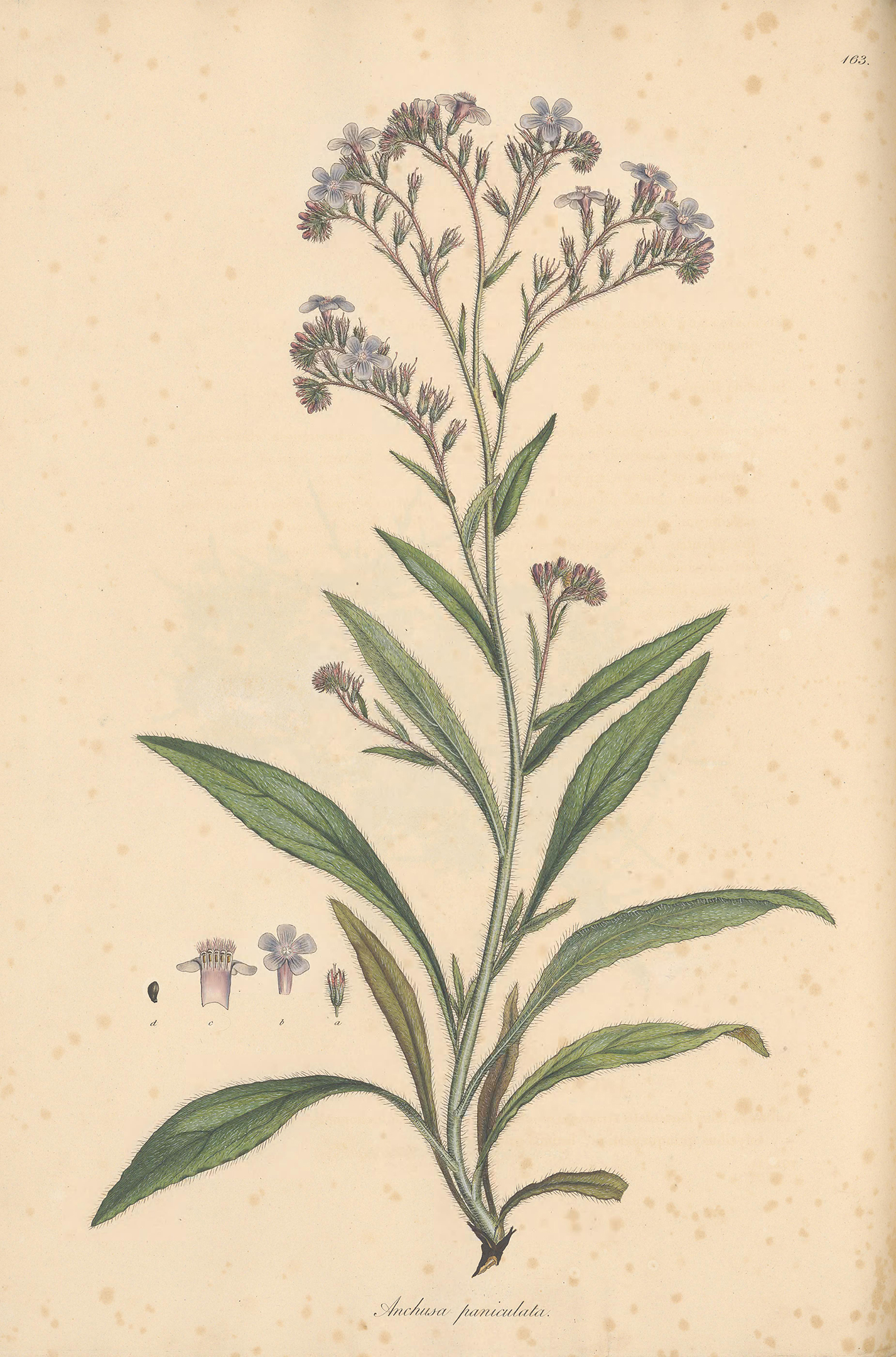
Plate 163. Sibthorp, John. Flora Graeca. v. 2 (1813). Contributed in BHL from Lloyd Library and Museum. Digitized by Public Library of Cincinnati and Hamilton County.

References

[1] Stearn, W. T. (1960). “Franz and Ferdinand Bauer, masters of botanical illustration”. Endeavour 19(73).
[2] Stearn, W. (1967). Sibthorp, Smith, the ‘Flora Graeca’ and the ‘Florae Graecae Prodromus’. Taxon, 16(3), 168-178. doi:10.2307/1216982
[3] Walsh, H. (2003). “Ferdinand Lukas Bauer”. Rare Books from the MBG Library. 23 October. Accessed on 4 February 2020. http://www.illustratedgarden.org/mobot/rarebooks/author.asp?creator=Bauer, Ferdinand Lukas&creatorID=96.
[4] Christie’s. (1997). “Flora Graeca”. Lot 138, sale 8690. Accessed on 4 February 2020. https://www.christies.com/lotfinder/Lot/sibthorp-john-james-edward-smith-and-john-228372-details.aspx.
[5] Europeana. (2020). “Flora Graeca”. Accessed on 4 February 2020. https://www.europeana.eu/portal/en/record/92002/BibliographicResource_1000093325414_source.html.

February 6, 2020by michelle.underhill
Blog Reel, Campaigns, Her Natural History

Language of Flowers: 19th Century Literary Genre Offered Opportunities for Women Writers of Natural History

“Language of Flowers”, a popular literary trend in the 19th century, presented the world of botany through dictionaries of flowers and associated meanings, floral poetry and prose, offering a sentimental view of natural history.  These charming books with colorful illustrations of flowers and bouquets are at the intersection of botany, horticulture, natural history, art, poetry, and women’s studies.  This Victorian fad saw many editions of works published, with multiple titles by successful authors.  The following provides a glimpse into the work of four women authors of this genre.

Sarah Carter Edgarton Mayo (1819-1848) from Selections From the Writings of Mrs. Sarah C. Edgarton Mayo: With a Memoir

Sarah Carter Edgarton Mayo (1819-1848) was an American writer.

Born in Shirley, Massachusetts, she was the tenth of fifteen children, and her mother was her father’s second wife.  The household offered many intellectual opportunities, and Sarah was home-schooled.  Her gift for language launched her writing career, which began when she was 16 years old.  Sarah’s early works were crafted for the Universalist church, her family’s faith.  She wrote poems and short stories for The Universalist and Ladies’ Repository and later served as the associate editor from 1839-1842.

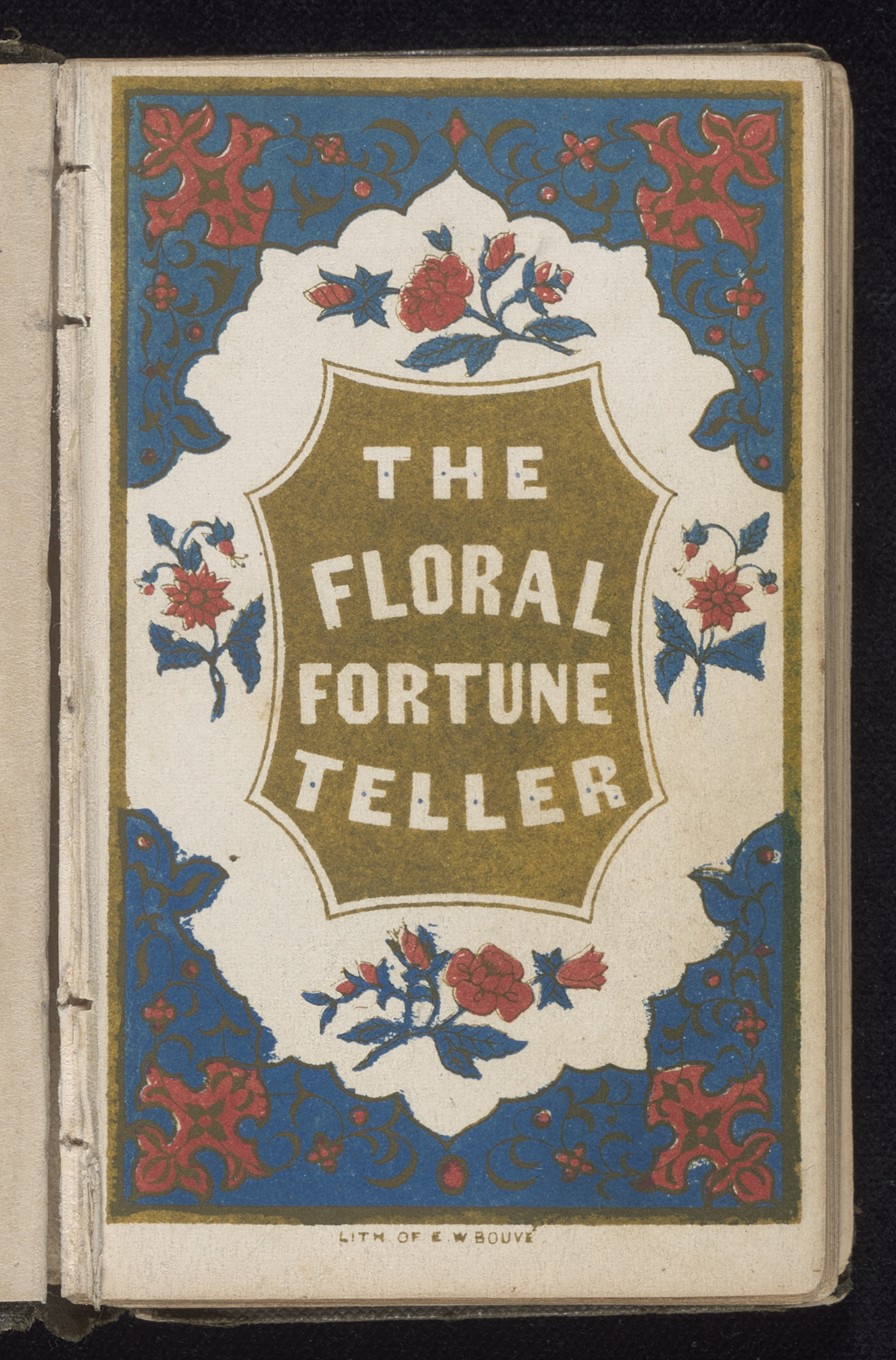
With her deep interest in botany, combined with her love of poetry, she wrote three language of flower genre books. The Flower Vase, The Fables of Flora, and Floral Fortune-Teller.

Floral Fortune-Teller, by Miss S. C. Edgarton, 1847. Contributed in BHL from the Lenhardt Library of the Chicago Botanic Garden.

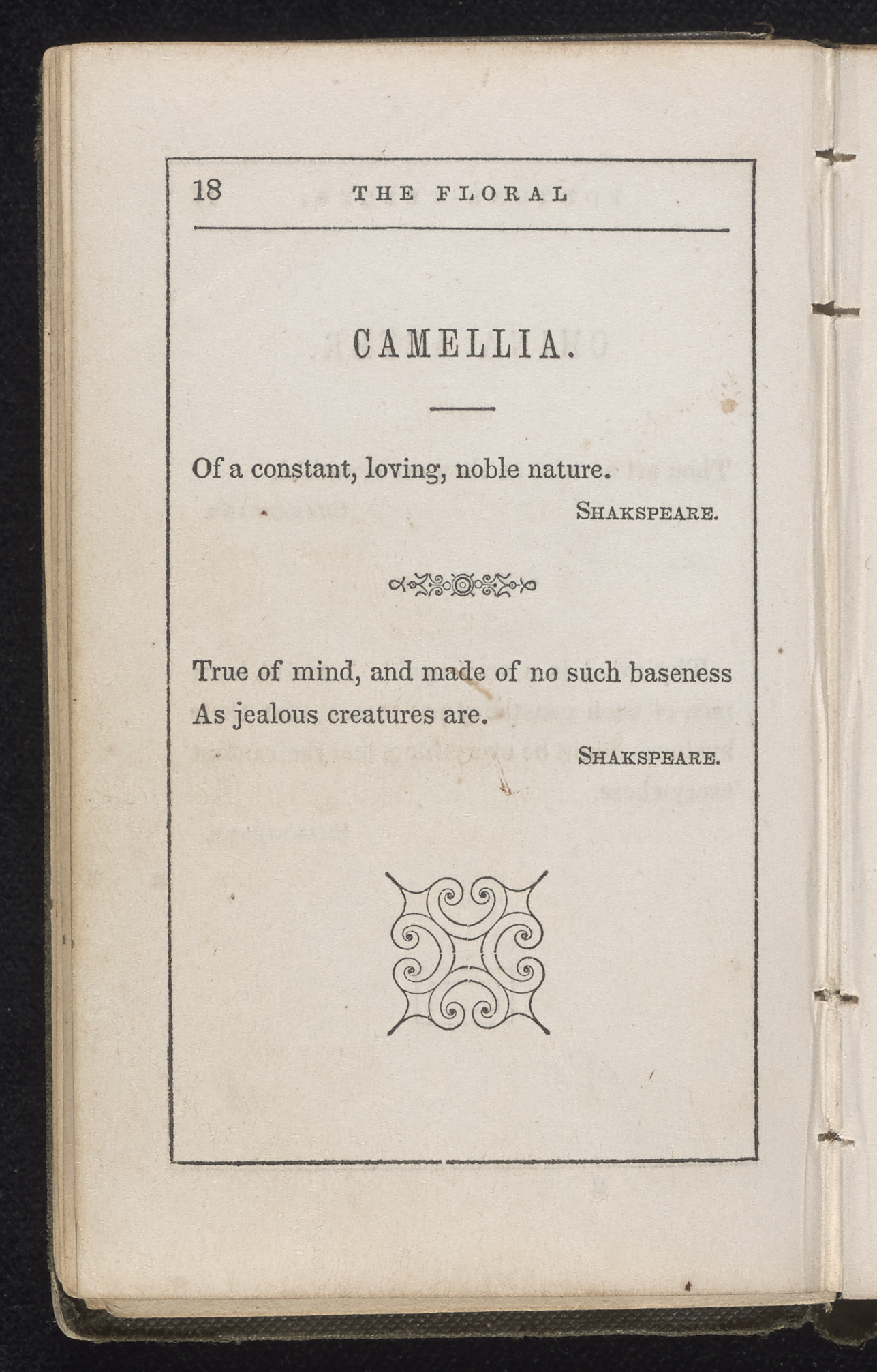
Floral Fortune-Teller:  A Game for all Seasons is an imaginative book assembled with poems and phrases of well-known English and German writers, each assigned to a particular flower, in alphabetical order, in five parts.  Readers are instructed to assemble a bouquet of five different color flowers, one each of white, blue, purple, yellow, and red. Each part reveals one’s fortune based on the flower.

Page featuring Camellia from Floral Fortune-Teller, by Miss S. C. Edgarton, 1847. Contributed in BHL from the Lenhardt Library of the Chicago Botanic Garden.

Sarah married Amory Dwight Mayo in July 1846, and they had one daughter who was born in September 1847. Sarah died nine months later at the young age of 29 years. Following her death, her husband honored her memory by publishing a memoir entitled Selections From the Writings of Mrs. Sarah C. Edgarton Mayo: With a Memoir.  The work contains many of her poems and prose. She had a deep connection and love of natural history, which is felt through her writings.

In Selections… her husband describes her as such:

“Geography and the natural sciences were her favorite studies, and among these she was most interested by astronomy and botany. She also read poetry with great taste and feeling. As she grew up, a love for nature grew with her. She had a passionate fondness for flowers and animals of all kinds, and the earliest verses I have seen of hers were addressed to a favorite dog. She was a part of nature, rather than an admirer of it…” [page 14.]

Other Language of Flower women authors were prolific writers.

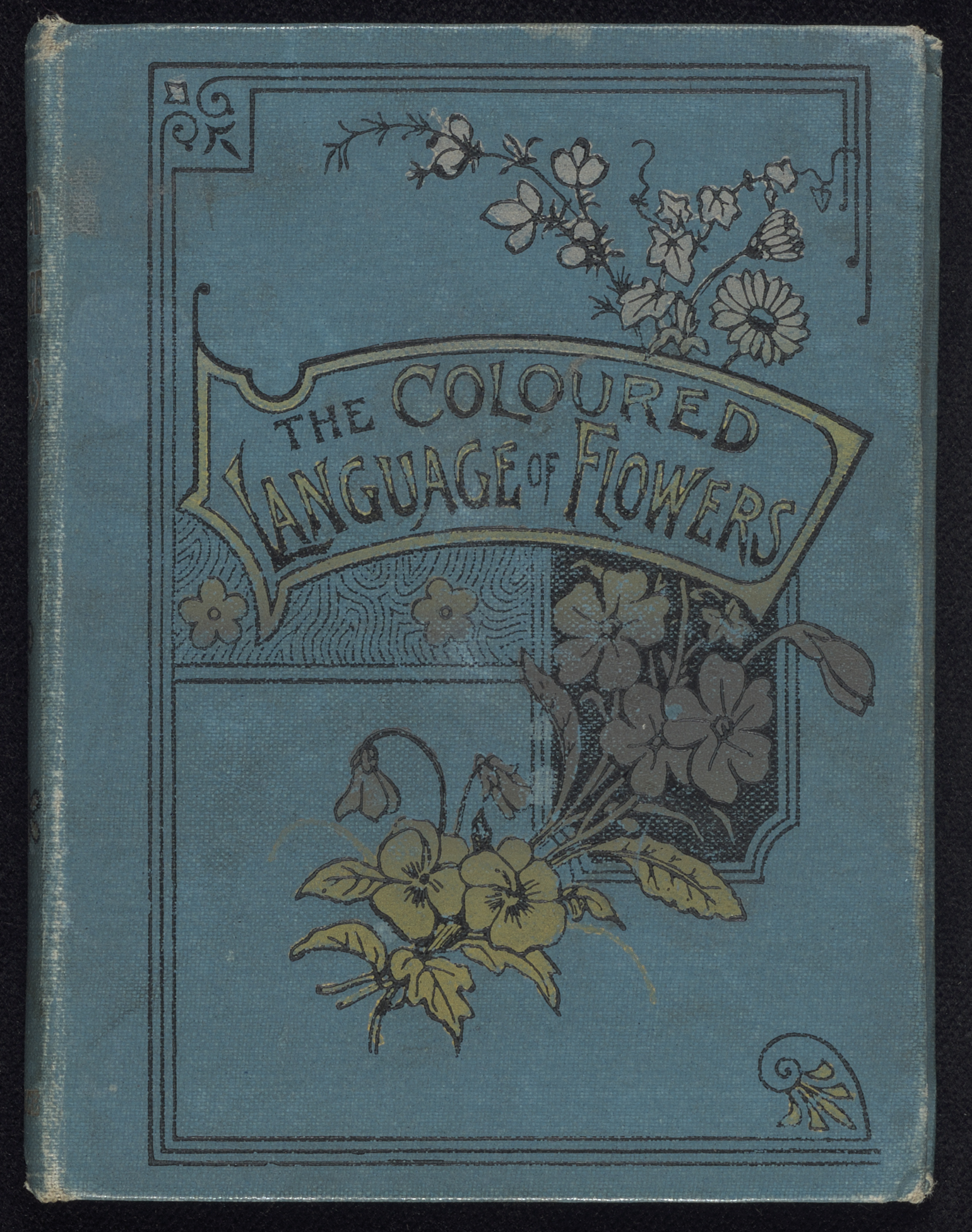
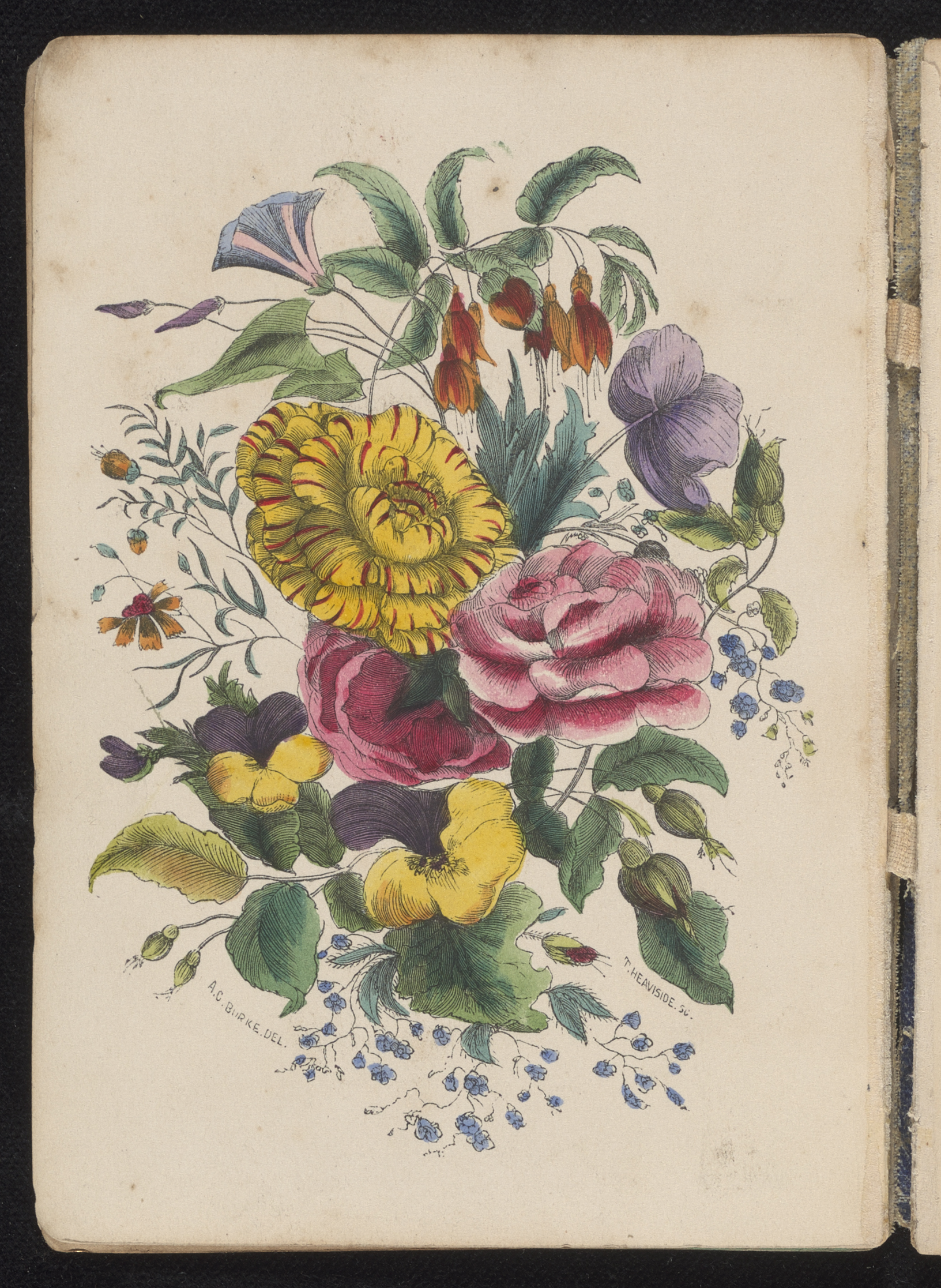
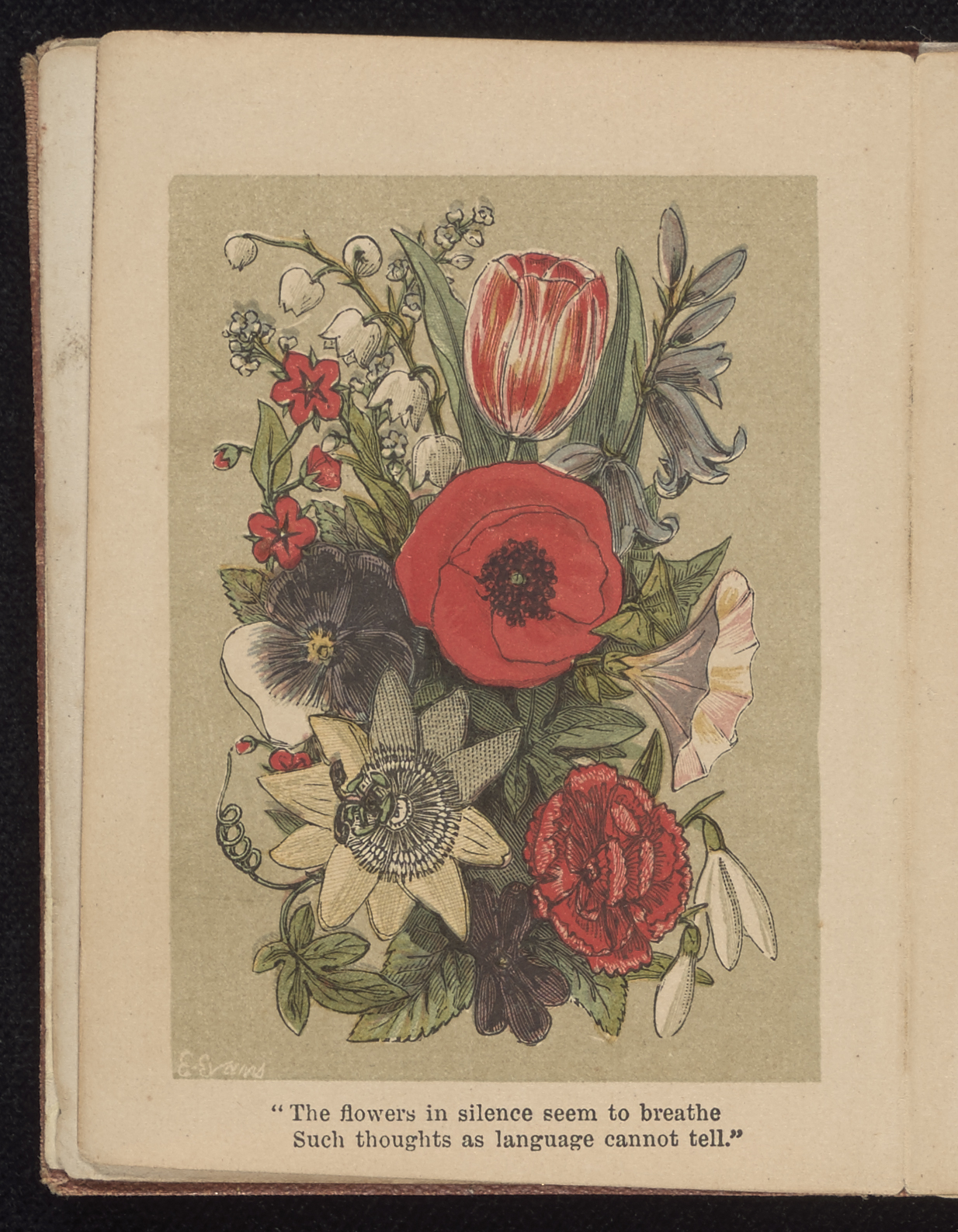
Mrs. Anna Christian Burke (Mrs. L. Burke) wrote several books in the genre including The Coloured Language of Flowers (1886), The Illustrated Language of Flowers (1858), and The Miniature Language of Flowers (1865). Each work contains floral poetry, lists of flowers with their meanings, and sketches of flowers, all in a similar style.

Coloured Language of Flowers.

The Illustrated Language of Flowers, contributed in BHL from the Lenhardt Library of the Chicago Botanic Garden.

Miniature Language of Flowers.

Lesser known women authors are Estelle Davenport Adams and Mary Keble Grant.

Estelle Davenport Adams is referenced in the 1904 Edition of Who’s Who, but under her husband’s entry, William Davenport Adams. She is however, listed in Allibone’s Supplement, under her own name and entry.

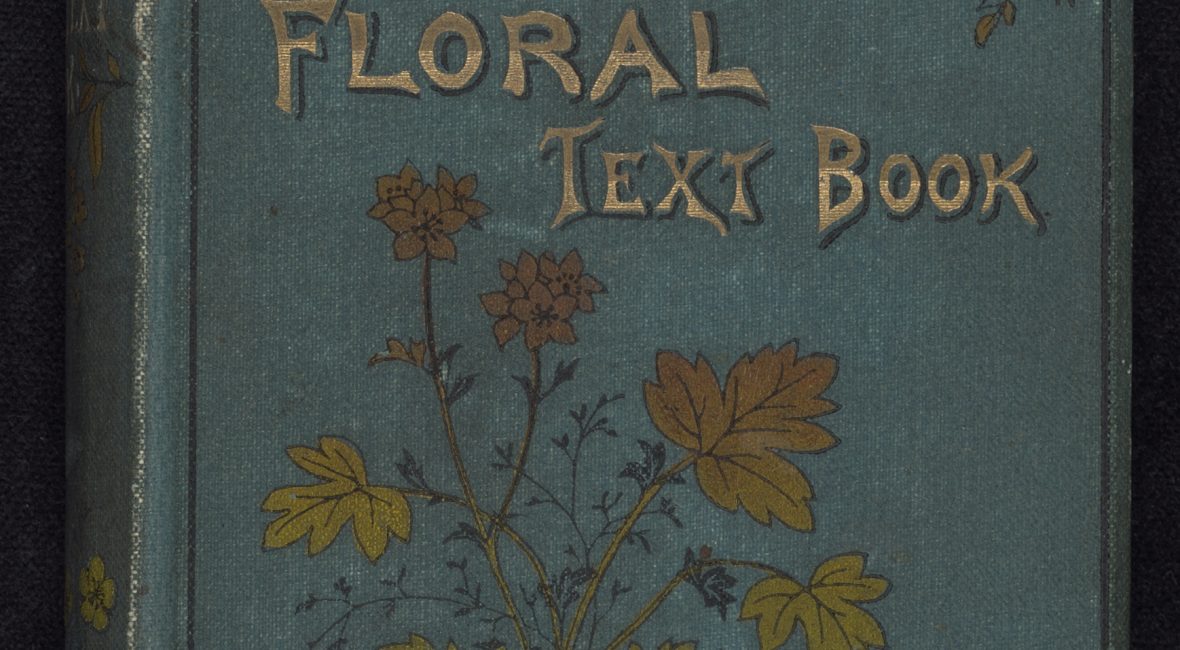
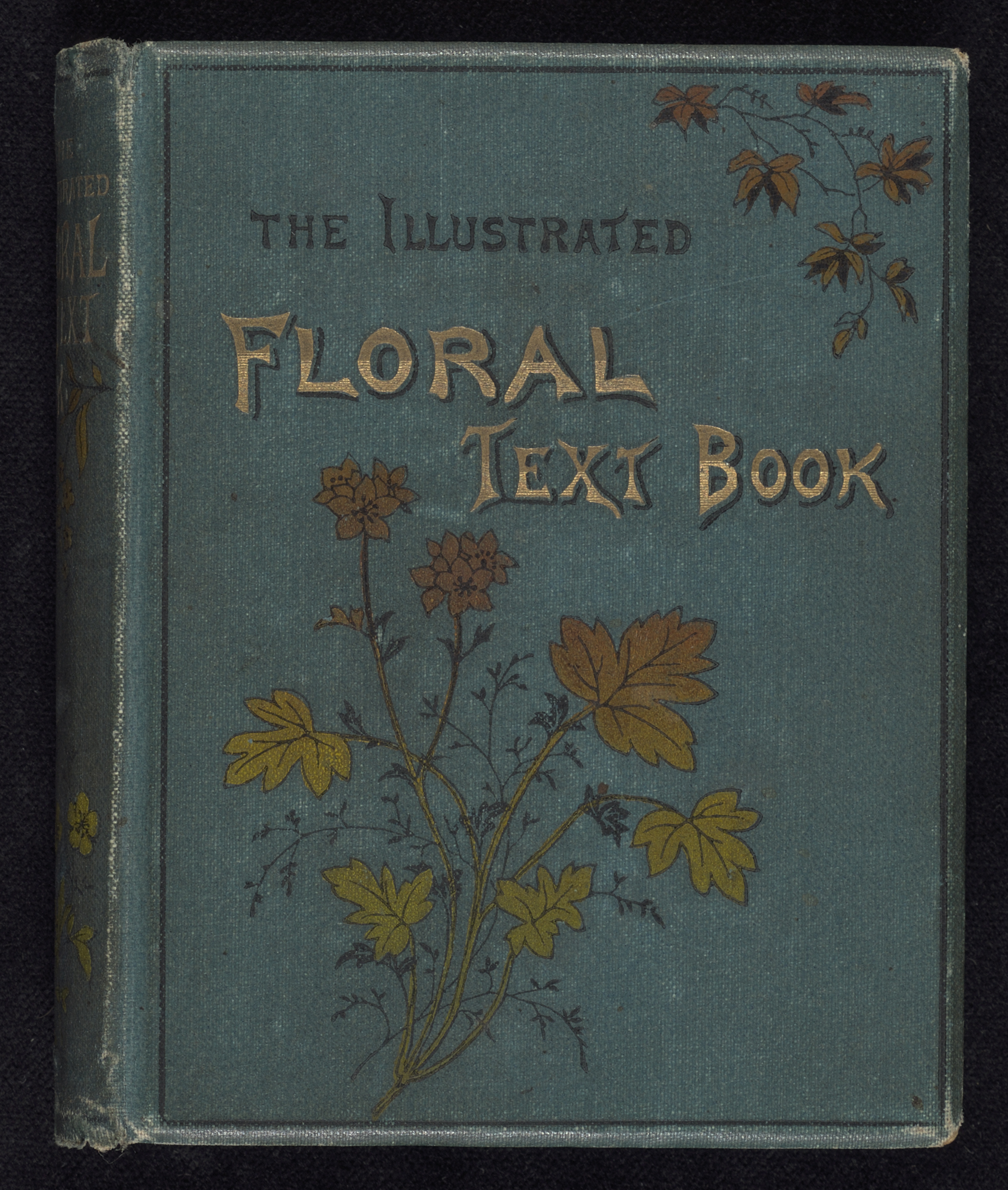
Mrs. Adams’ language of flower work, The Illustrated Floral Text Book: Being a Birthday Book of Flowers and their Language With Selections from the Poets, was published in 1885. She authored additional works on other subjects including Sea Song and River Rhyme from Chaucer to Tennyson.

The Illustrated Floral Text Book, by Estelle Davenport Adams, 1885. Contributed in BHL from the Lenhardt Library of the Chicago Botanic Garden.

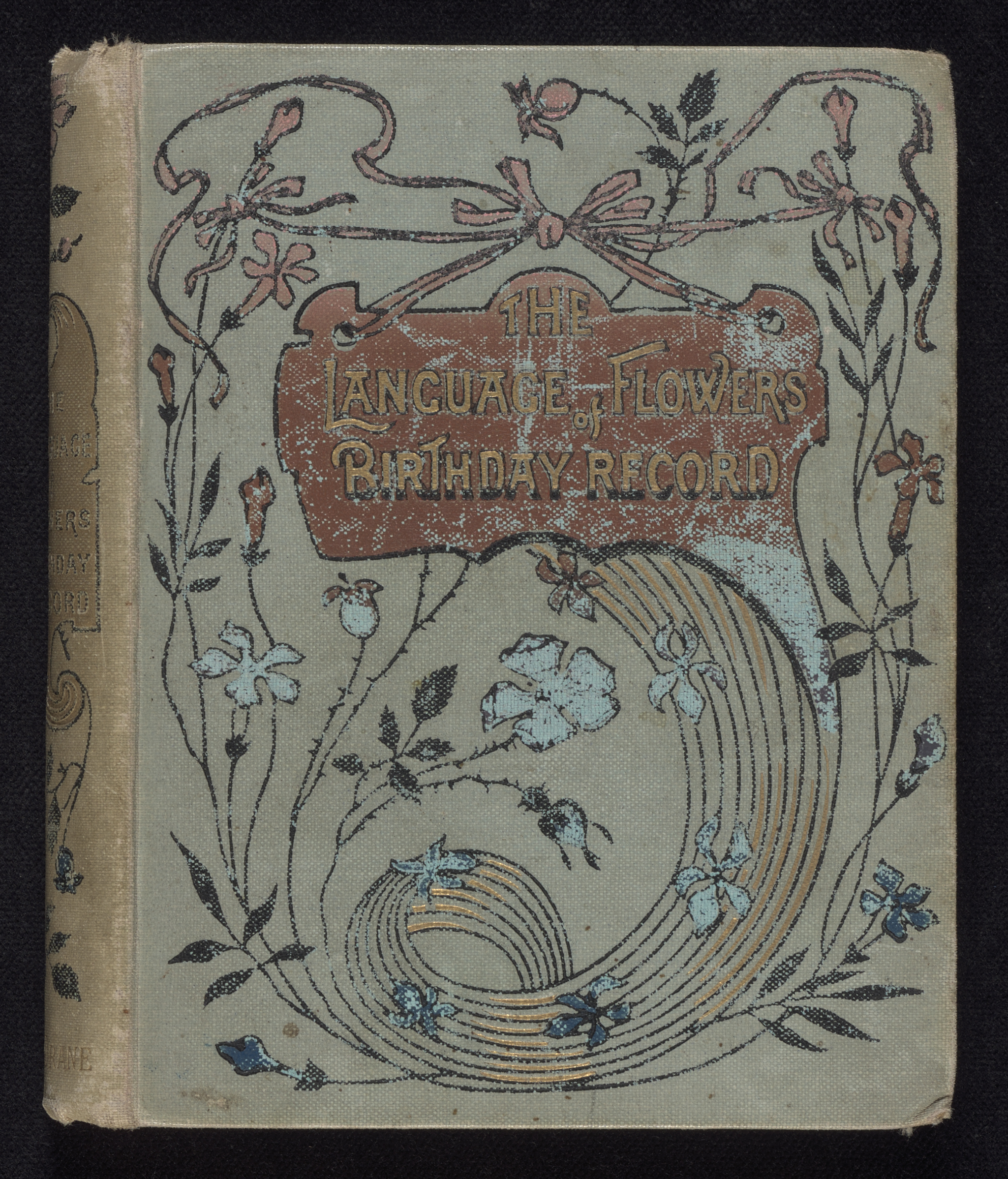
Mary Keble Grant’s The Language of Flowers Birthday Book from 1895 is a charming work.  Flip through it to find your birth date and its associated flower, poem and sentiment!

Mary Keble Grant’s The Language of Flowers Birthday Book. Contributed in BHL from the Lenhardt Library of the Chicago Botanic Garden.

The four women featured here are among many other women and men who wrote language of flower works. The 19th century fascination with natural history and floriography offered numerous opportunities for writers and compilers to produce titles and editions in this genre.

The Lenhardt Library of the Chicago Botanic Garden is digitizing 62 rare and unique “language of flower” books published in the 19th century as part of a grant from a National Endowment for the Humanities (NEH) awarded to the Chicago Horticultural Society. Over the three-year project period, the volumes are being conserved and digitized by expert staff at the Northeast Document Conservation Center. The volumes highlighted in this post are the first of those digitized for the project. You can explore these and other titles as they are digitized within the Language of Flowers collection on BHL.

References

American Council of Learned Societies. Dictionary of American Biography. New York: Charles Scribner’s Sons, 1995.  Volume 6, pages 463-464.  Accessed online.

Benbow-Pfalzgraf, Taryn. American Women Writers: A Critical Reference Guide, from Colonial Times to the Present. Detroit: St. James Press, 2000.  Volume 3, p.100-101. Accessed online.

Biography and Genealogy Master Index. Detroit MI: Gale, 2016.  Accessed online.

Kirk, John Foster, and S. Austin Allibone. A Supplement to Allibone’s Critical Dictionary of English Literature and British and American Authors… Philadelphia: J.B. Lippincott Company, 1892. Volume 1, p. 9, 251. Accessed online.

Low, Sampson. The English Catalogue of Books. Volume 5, 1898.   Accessed online.

Mayo, Sarah C. Edgarton, and A. D. Mayo. Selections from the Writings of Mrs. Sarah C. Edgarton Mayo: With a Memoir, by Her Husband. Boston: A. Tomkins, 1855.

Who’s Who 1904: An Annual Biographical Dictionary. Fifty-Sixth Year of Issue. London: Adam and Charles Black; New York: Macmillan Company, 1904. p. 15-16.  Accessed Online.

March 30, 2019by Joel Richard
Blog Reel, Campaigns, Featured Books, Her Natural History

Isabella in Hawaii: The Adventures of an Amateur Botanist in the 1860s

This post was originally published on the Chicago Botanic Garden, Lenhardt Library website in November 2014. It is authored by (now retired) Edward J. Valauskas, Curator of Rare Books.
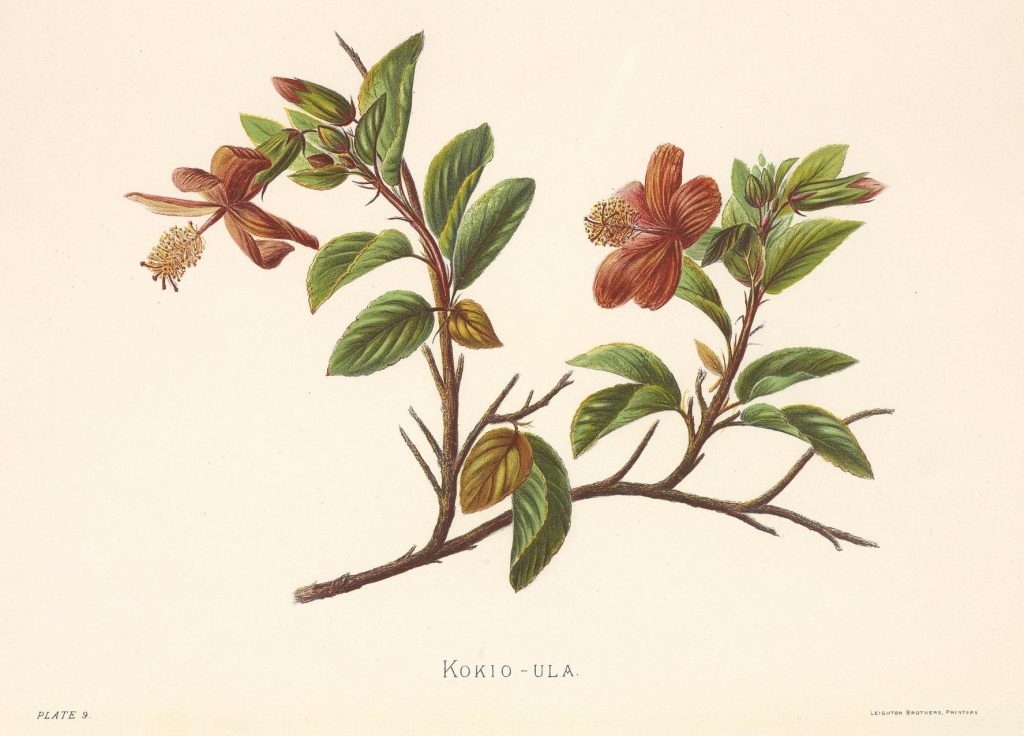
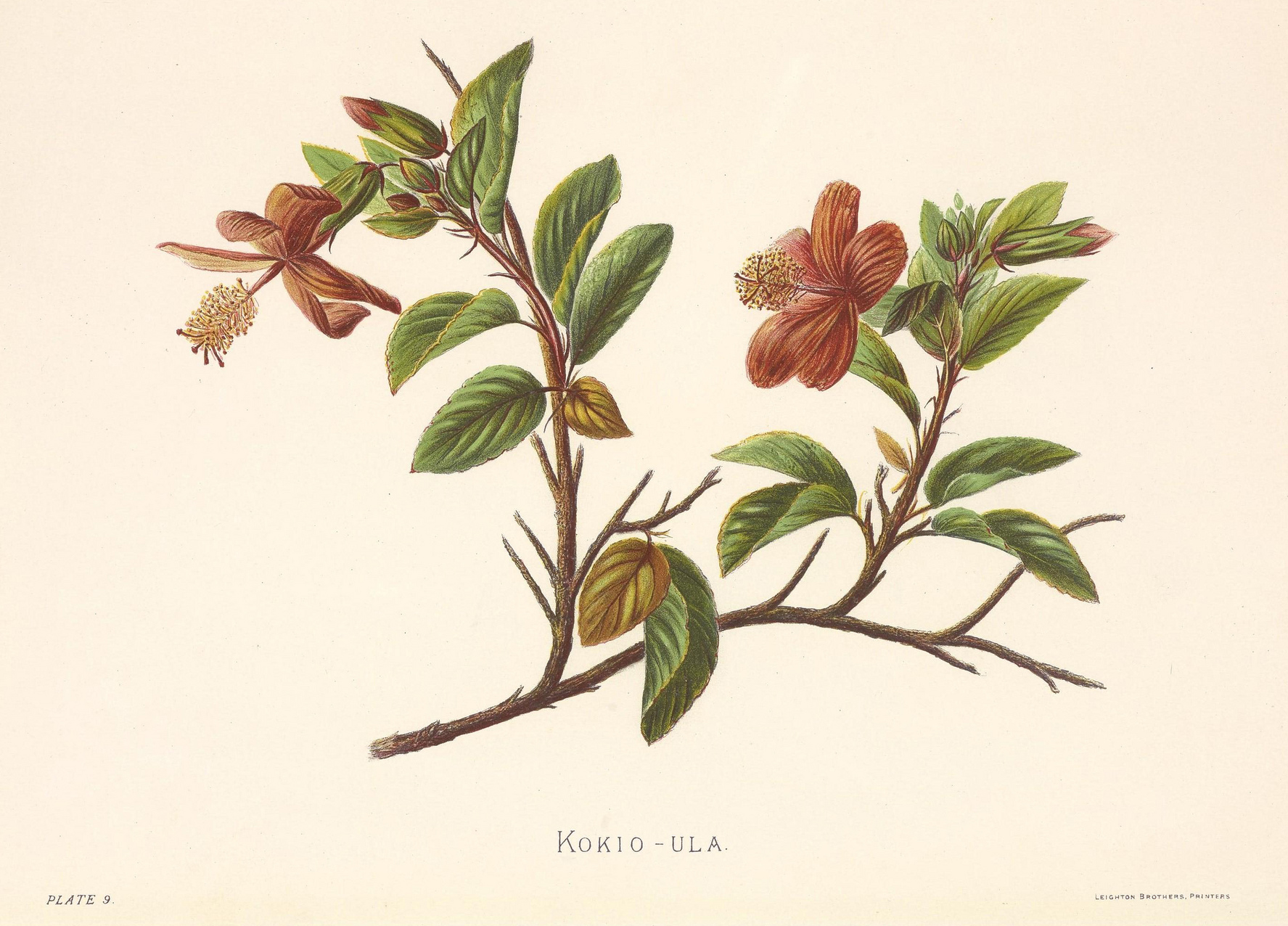
Kokiʻo ʻula. Art by Isabella McHutcheson Sinclair. Indigenous Flowers of the Hawaiian Islands. 1885. Contributed in BHL from the U.S. Department of Agriculture, National Agricultural Library.

How does a young woman create the most important record of Hawaiian flowers in the nineteenth century? Who helps her identify plants and find a London publisher? Why does she leave New Zealand for Niihau, the Forbidden Island? Thanks to a magnificent book in the Rare Book Collection of the Chicago Botanic Garden Library (and a little research), we can answer these questions.

With 44 delightful chromolithographed plates, Indigenous Flowers of the Hawaiian Islands is no ordinary book. Its illustrations introduced the world to an exotic, endemic, and vanishing flora. Indigenous Flowers provides a marker to measure the impact of humans on the fragile ecosystem of two Hawaiian islands, yet another signal of the Anthropocene epoch. Isabella McHutcheson Sinclair (1840–90) was probably the most unexpected ambassador for plant conservation. Her breadth of botanical experiences in the Pacific, in both New Zealand and the Sandwich Islands (better known today as Hawaii), gave her a particular vision to recognize the effects of humans on local flora and fauna.
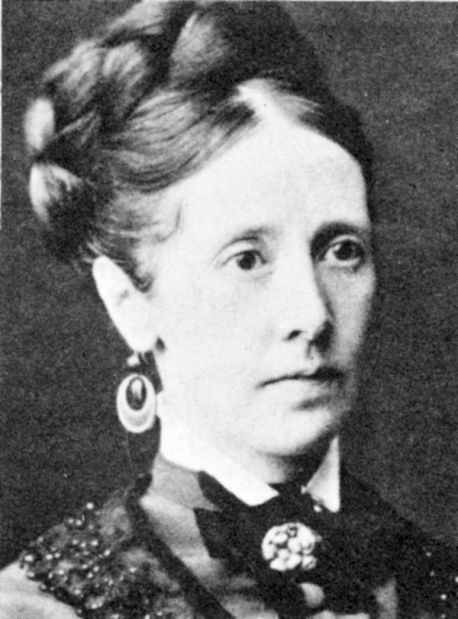
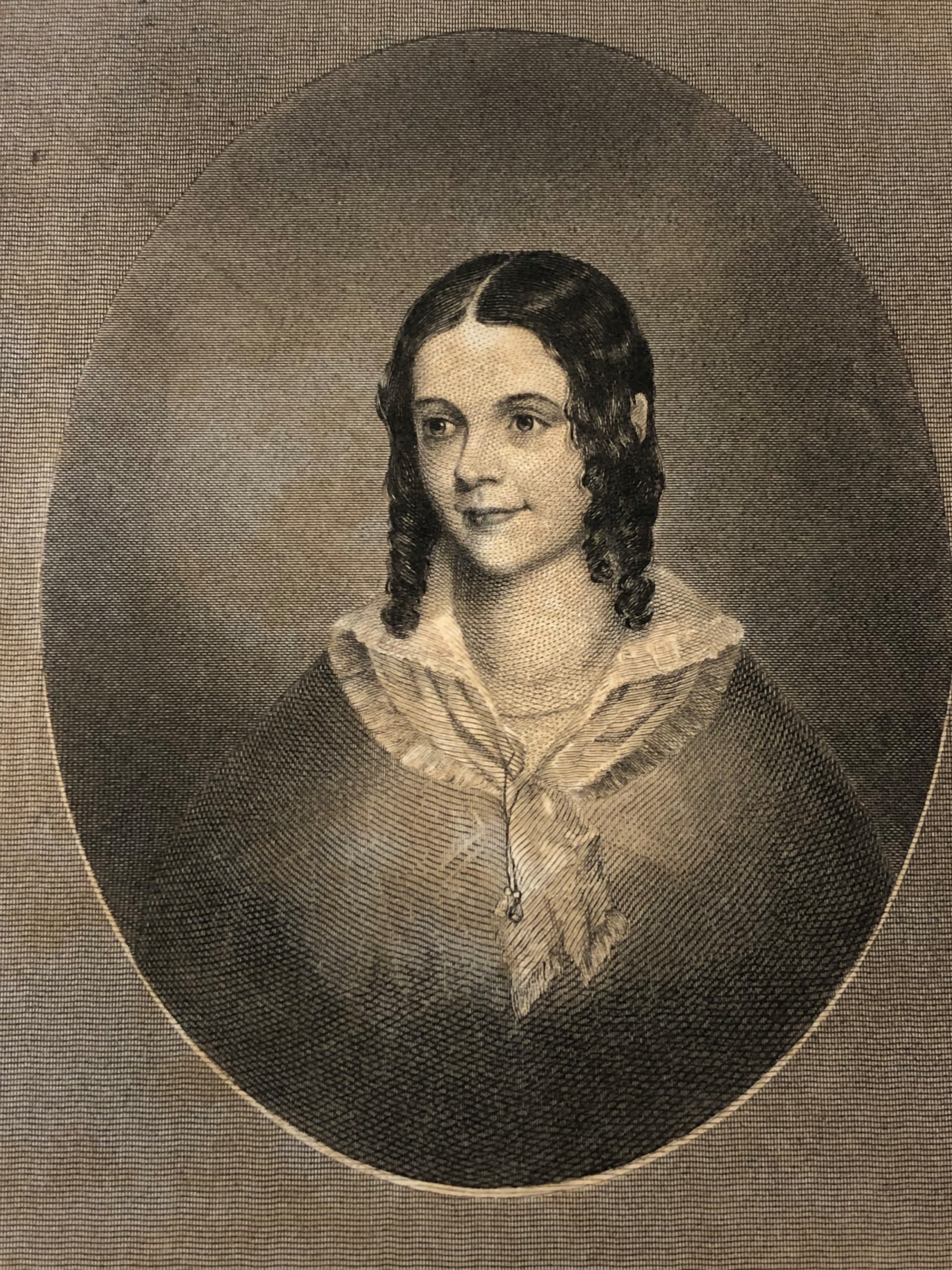
Isabella McHutcheson Sinclair (1840–90)

Isabella McHutcheson Sinclair (1840–90)

Isabella was born in Scotland, and migrated across the globe with her family to Canterbury, New Zealand, in 1861. A little more than 16,000 people of European descent resided in Canterbury at the time, making it the second most populous city in the country. Her father, William McHutcheson (1810–1905), moved to this faraway locale thanks to the energetic efforts of his sister Elizabeth McHutcheson Sinclair (1800–92). Better known as Eliza, she managed family prospects successfully, in part because her husband and son perished at sea in 1846.

After several decades in New Zealand, Elizabeth decided to try her luck elsewhere, moving to British Columbia in Canada in 1863. Eliza and her family found that the natives of British Columbia were quite different from Maori, and the mountainous, wooded terrain was much more difficult to clear and prepare for settlement and agriculture. Eliza decided to abandon Canada for California, but a friend recommended the Sandwich Islands instead.

In September 1863, Elizabeth Sinclair, et al. arrived in Honolulu via a circuitous route on the ship Bessie, starting in Vancouver and stopping in Los Angeles. Moving with speed, Eliza bought the island called Niihau for $10,000 from Kamehameha V (1830–72), the fifth monarch of Hawaii. Niihau, measuring about 70 square miles (or less than a third of Chicago’s 228 square miles), became the base for the expanding Sinclair family, including Isabella who married her cousin Francis.

Isabella and Francis worked with the Sinclair clan on Niihau, but decided to settle on the southern shore of the adjacent island of Kauai in Makaweli. Kauai is a little more than 17 miles southwest of Niihau, so Francis (known also as Frank) could easily move between family duties on the islands. Isabella, fortunately for botanical and artistic posterity, had the time and inclination to explore the vegetation of Kauai and Niihau.
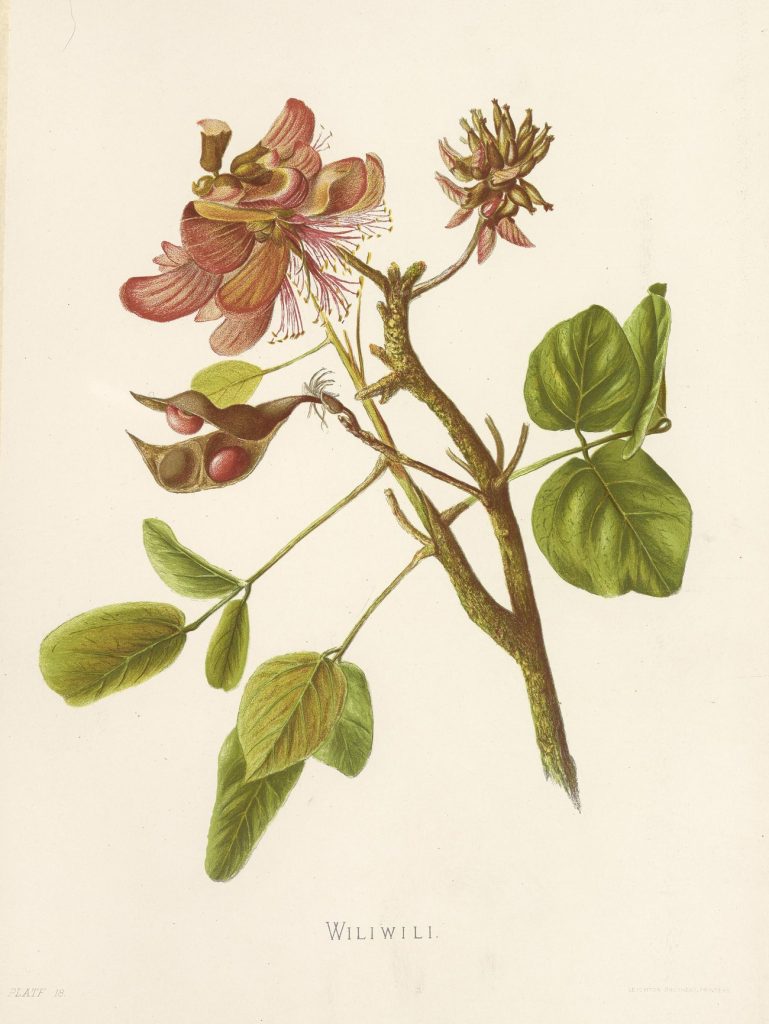
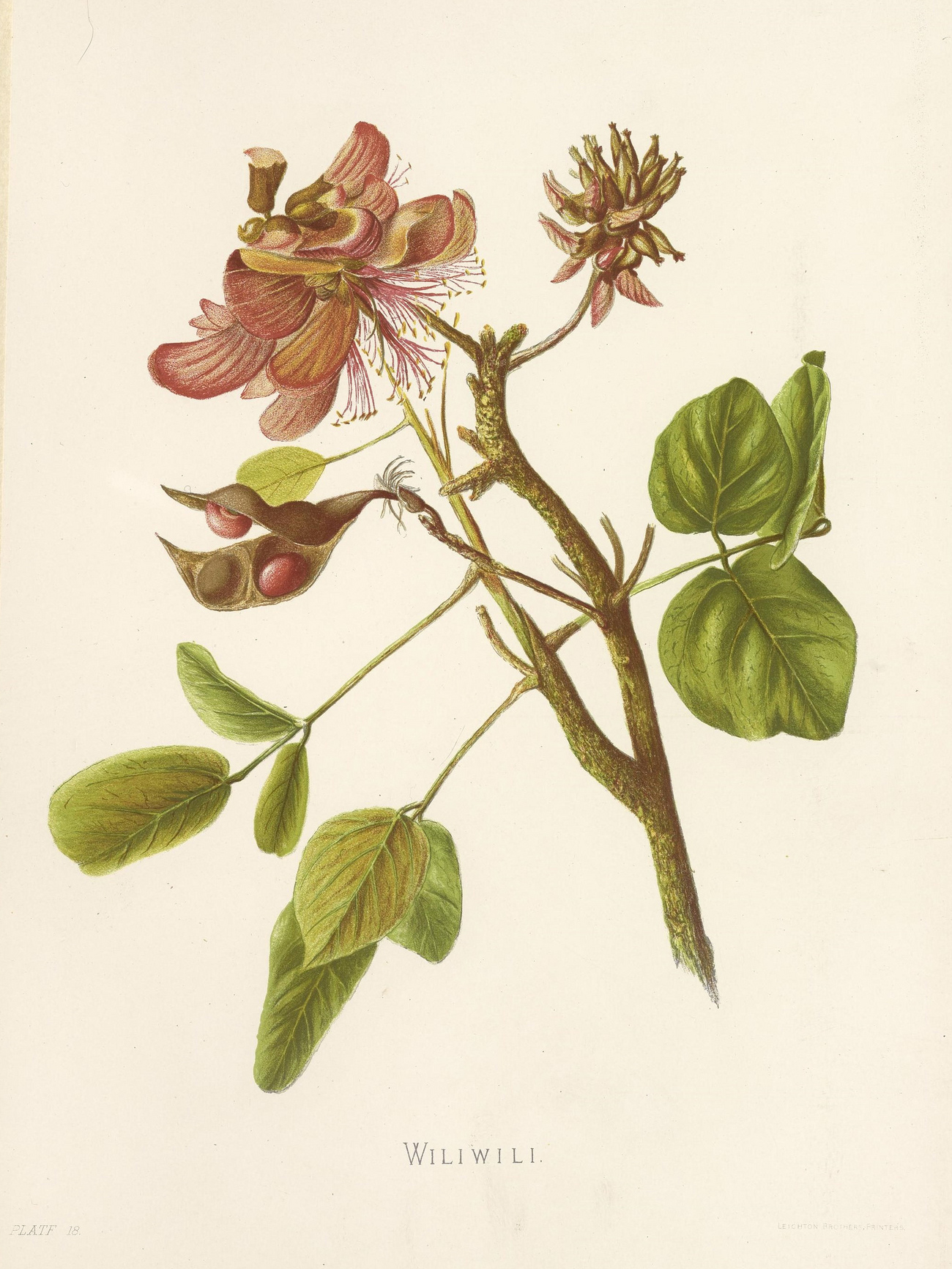
Wiliwili. Art by Isabella McHutcheson Sinclair. Indigenous Flowers of the Hawaiian Islands. 1885. Contributed in BHL from the U.S. Department of Agriculture, National Agricultural Library.

The Sinclair family was respected by natives on both islands, since Eliza, the matriarch, was recognized as a “chiefess.” Isabella, via the locals, was able to secure a great deal of information about her botanical discoveries, including vernacular names and medicinal properties. She explored extensively on Kauai, including Waimea Canyon, some 10 miles long and nearly 3,000 feet deep. Isabella used her specimens to create delicate and detailed watercolors for each plant. She organized her botanical information with notes on habitat and flowering times.

Isabella noticed that many of her Hawaiian flowers had similarities to those she found in New Zealand. She decided to take a bold step and contact the world’s expert on the Pacific flora, Sir Joseph Dalton Hooker (1817–1911). Hooker, director of Kew, was the author of the first descriptions of New Zealand’s flora in Flora novae-zelandiae (1853–55). Hooker collected specimens as a member of the British expedition to the Southern Ocean aboard the HMS Erebus between 1839–43. He quickly recognized the diversity of floras of different localities in the Pacific, but also saw similarities. His phytogeographical speculations were the first to trace botanical links to southern Africa, Asia, and South America.

In Flora novae-zelandiae, Hooker guessed that geology had some role to play in the botanical similarities of widely dispersed plants:

“Beyond the bare fact of the difficulty of accounting by any other means for the presence of the same species in two of the islands, there appeared nothing in the botany of the Antarctic regions to support or even to favour the assumption of a double creation, and I hence dismissed it as a mere speculation which, till it gained some support on philosophical principles, could only be regarded as shelving a difficulty; whilst the unstable doctrine that would account for the creation of each species on each island by progressive development on the spot, was contradicted by every fact.

It was with these conclusions before me, that I was led to speculate on the possibility of the plants of the Southern Ocean being the remains of a flora that had once spread over a larger and more continuous tract of land than now exists in that ocean; and that the peculiar Antarctic genera and species may be the vestiges of a flora characterized by the predominance of plants which are now scattered throughout the southern islands.”

Hooker found that the flora of New Zealand was largely endemic, by his calculations two-thirds “peculiar” (his description) to the islands, while one-third related to Australia or South America. A more recent calculation, in the first volume of Harry Howard Allan’s masterful Flora of New Zealand, finds that 80 percent of the plants are endemic.
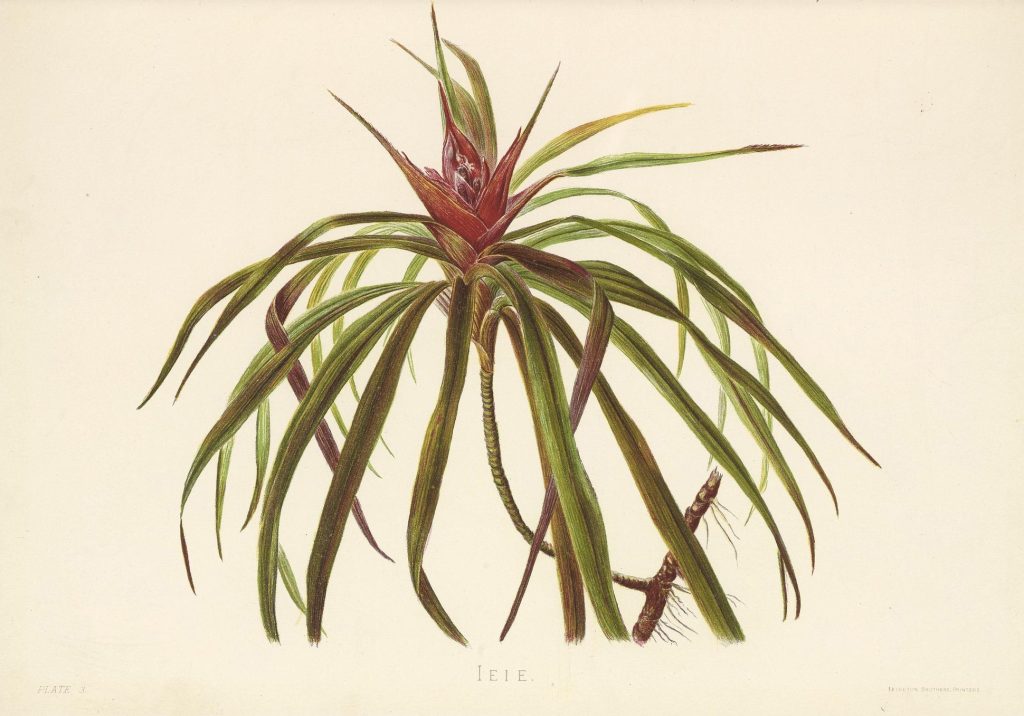
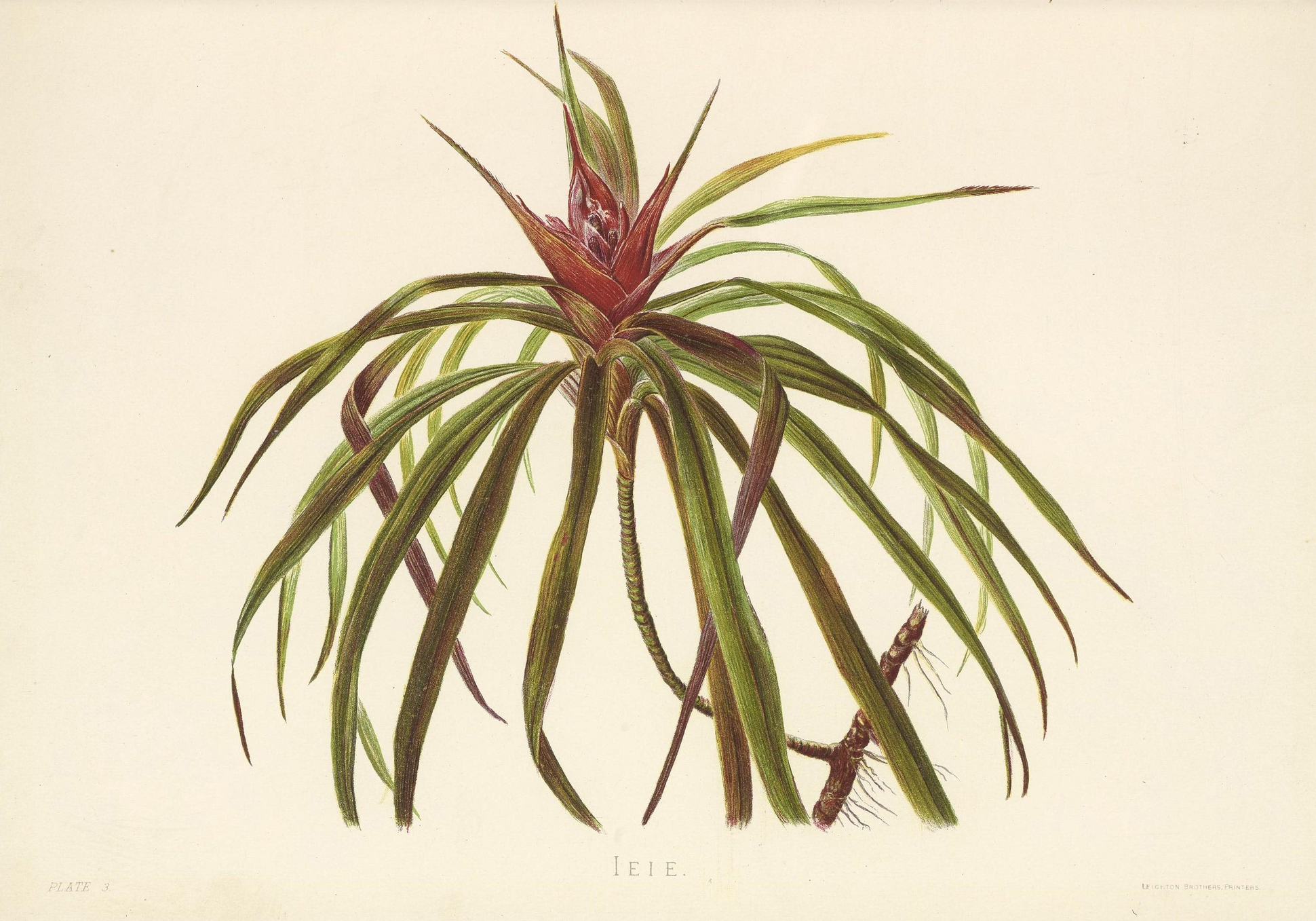
ʻIeʻie. Art by Isabella McHutcheson Sinclair. Indigenous Flowers of the Hawaiian Islands. 1885. Contributed in BHL from the U.S. Department of Agriculture, National Agricultural Library.

Hooker needed more data to confirm his notions of a primeval landmass, which today we know as Gondwana. His duties at Kew certainly prevented him from carrying out more field-work, so he was dependent on his colleagues and talented amateurs, like Isabella in Hawaii. Hooker knew the risks of depending on citizen scientists. In Flora novae–zelandiae, he issued a cautionary reminder:

“The very many aspirants to a knowledge of science whom I have had the pleasure of knowing in the Colonies, though well educated in the ordinary acceptation of the term, have never been trained to habits of observation, or of reasoning upon what they read in the book of nature, nor have they been grounded in the elements of natural science; they are hence prone to rely for information on these speculative subjects (which they seek with avidity) upon a class of works that are, with very few exceptions, by authors who have no practical acquaintance with the sciences they write about, or with the facts they so often distort.”

Imagine Hooker’s surprise when he first heard from Isabella! She sought his taxonomic advice on the scientific names of her discoveries in the northern outposts of the Sandwich Islands. Isabella provided exquisite details on the occurrence of each plant, plus a bonus of amazing watercolors. She was no ordinary observer of flowers, thanks to her New Zealand experiences and connections to both the Maori and Polynesians.

Hooker encouraged Isabella to publish her watercolors and observations in a book on flowers of Hawaii. She must have been both flattered and embarrassed to have one of the greatest botanists on the planet recognize the value of her efforts. Finally in 1884, Isabella and her husband made the long voyage to London to put her findings into print as Indigenous Flowers of the Hawaiian Islands.

Published by Sampson, Low, Marston, Searle, and Rivington in London, Indigenous Flowers was also an experiment. It was one of the earliest books to use “perfect binding” which is anything but perfect. Probably in an effort to reduce costs for the volume, letterpress and chromolithographic plates in Indigenous Flowers were glued rather than sewn to the binding. Given the small press run, this perfect binding has led to copies losing pages and plates over time, probably encouraging some extant copies to move to the guillotine for print merchants. Four years after the appearance of the London edition in 1885, Houghton in Boston published an American version (which is even scarcer than the rare London edition). Hooker pressed Isabella to write as an introduction to her work some impressions of the flora of the islands. With extraordinary prescience, Isabella recognized the fragility of the habitats on her beloved islands:

“The Hawaiian flora seems … to grow in an easy careless way, which, though pleasingly artistic, and well adapted to what may be termed the natural state of the islands, will not long survive the invasion of foreign plants, and changed conditions. Forest fires, animals, and agriculture, have so changed the islands, within the last fifty or sixty years, that one can now travel for miles, in some districts, without finding a single indigenous plant; the ground being wholly taken possession of by weeds, shrubs, and grasses, imported from various countries.”

According to the National Tropical Botanical Garden, the Hawaiian Islands are home to more than 1,300 endemic plant species, of which 100 are extinct and 273 are threatened or endangered. Isabella Sinclair recognized this problem 130 years ago in Indigenous Flowers of the Hawaiian Islands. Her book provides a standard for measuring the flora of those islands as well as providing an artistic expression of the beauty of these special plants.
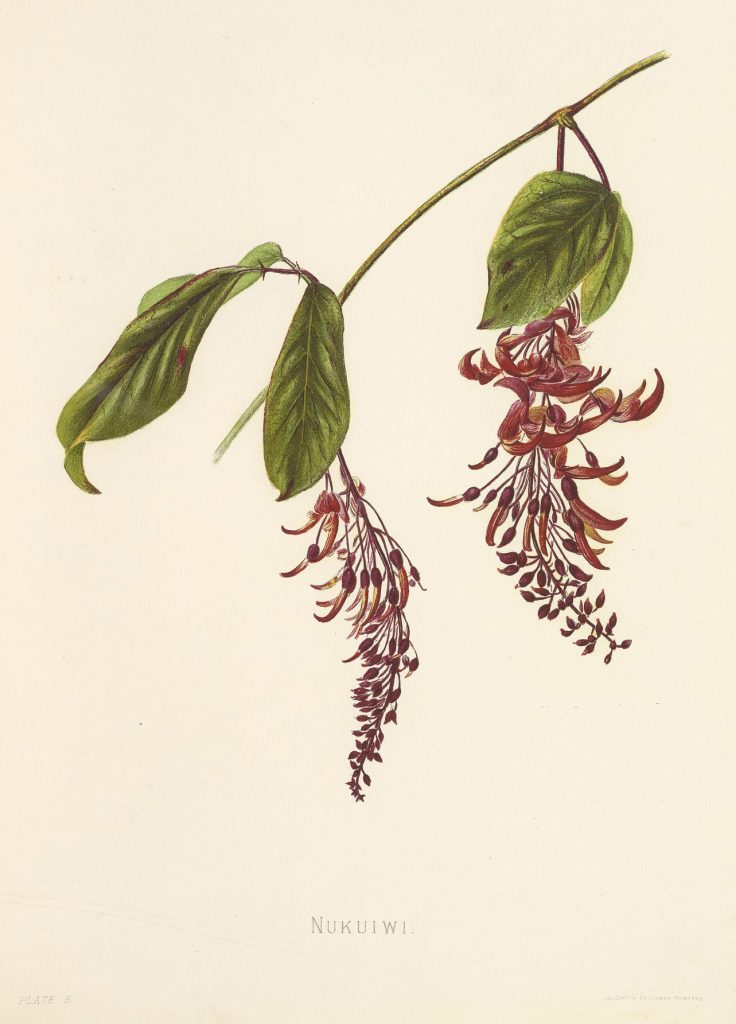
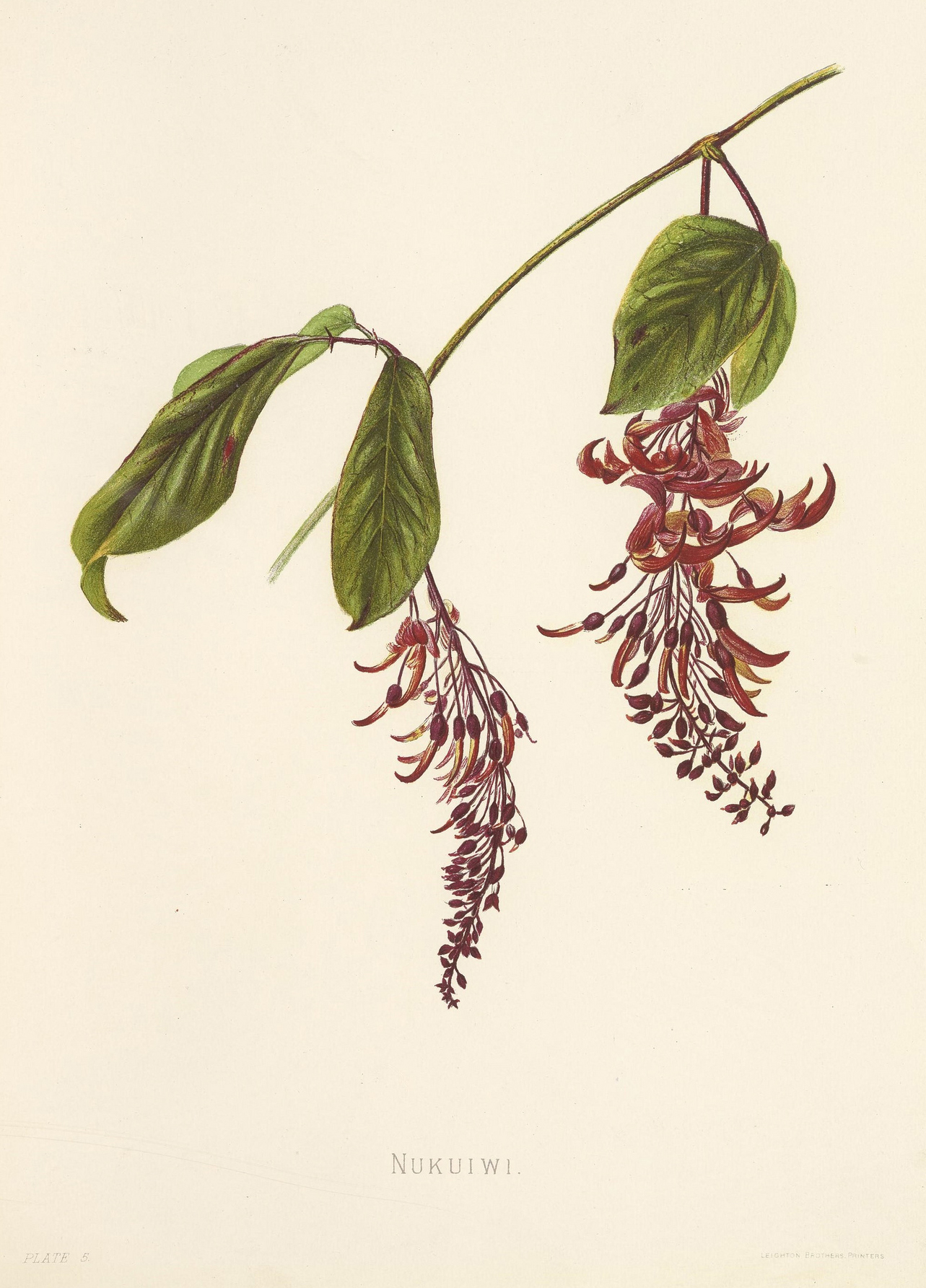
Nukuiwi. Art by Isabella McHutcheson Sinclair. Indigenous Flowers of the Hawaiian Islands. 1885. Contributed in BHL from the U.S. Department of Agriculture, National Agricultural Library.

Harold St. John (1892–1991), professor of botany at the University of Hawaii, analyzed the content of Indigenous Flowers. His resulting paper, published in 1954 in the journal Pacific Science, found that Isabella described in Indigenous Flowers 37 indigenous species. Of these, 23 were native to Kauai but not Niihau, while 15 were found on both islands.

Mark Twain visited Hawaii for several months in 1866 as a reporter for the newspaper The Sacramento Union. He was quite impressed by the beauty of Hawaii and the lives of the natives. Decades later, he wrote:

“For me its balmy airs are always blowing, its summer seas flashing in the sun; the pulsing of its surf is in my ear; I can see its garlanded crags, its leaping cascades, its plumy palms drowsing by the shore, its remote summits floating like islands above the cloud-rack; I can feel the spirit of its woody solitudes, I hear the plashing of the brooks; in my nostrils still lives the breath of flowers that perished twenty years ago.”

Thanks to Isabella McHutcheson Sinclair’s Indigenous Flowers of the Hawaiian Islands, we can experience that magical world, battling for survival.

March 11, 2019by michelle.underhill
Page 1 of 3123»

Help Support BHL

BHL's existence depends on the financial support of its patrons. Help us keep this free resource alive!

search

About BHL

The Biodiversity Heritage Library (BHL) is the world’s largest open access digital library for biodiversity literature and archives. BHL operates as a worldwide consortium of natural history, botanical, research, and national libraries working together to digitize the natural history literature held in their collections and make it freely available for open access as part of a global “biodiversity community.”

Join Our Mailing List

Sign up to receive the latest news, content highlights, and promotions.

Subscribe Now

Subscribe to Blog via Email

Enter your email address to subscribe to this blog and receive notifications of new posts by email.
Join 319 other subscribers

Subscribe to Blog Via RSS

Subscribe to the blog RSS feed to stay up-to-date on all the latest BHL posts.
Access RSS Feed

Inspiring Discovery through Free Access to Biodiversity Knowledge.

The Biodiversity Heritage Library makes it easier than ever for you to access the information you need to study and explore life on Earth…for free, anytime, anywhere.


64+ Million Pages of
Biodiversity Literature Online.

EXPLORE

Tools and Services
to Transform Research.

EXPLORE

300,000+
Illustrations on Flickr.

EXPLORE

ABOUT | HARMFUL CONTENT | PRIVACY | SITE MAP | TERMS OF USE