Biodiversity Heritage Library - Program news and collection highlights from BHL
  • Home
  • News
  • Featured Books
    • All Featured Books
    • Book of the Month Series
    • BHL at 20
  • User Stories
  • Campaigns
    • Fossil Stories
    • Garden Stories
    • Monsters Are Real
    • Page Frights
    • Her Natural History
    • Earth Optimism 2020
  • Tech Blog
  • Visit BHL
Home
News
Featured Books
    All Featured Books
    Book of the Month Series
    BHL at 20
User Stories
Campaigns
    Fossil Stories
    Garden Stories
    Monsters Are Real
    Page Frights
    Her Natural History
    Earth Optimism 2020
Tech Blog
Visit BHL
  • Home
  • News
  • Featured Books
    • All Featured Books
    • Book of the Month Series
    • BHL at 20
  • User Stories
  • Campaigns
    • Fossil Stories
    • Garden Stories
    • Monsters Are Real
    • Page Frights
    • Her Natural History
    • Earth Optimism 2020
  • Tech Blog
  • Visit BHL
Biodiversity Heritage Library - Program news and collection highlights from BHL
BHL News, Blog Reel

Language of Flowers Virtual Symposium on 30 April 2021

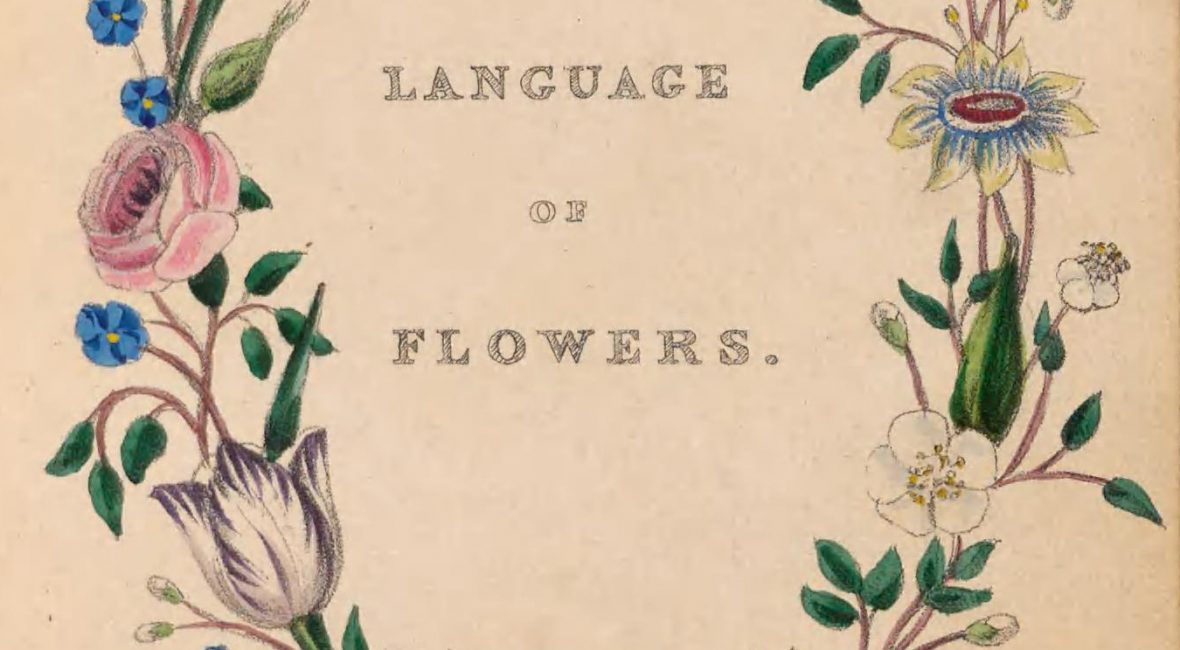
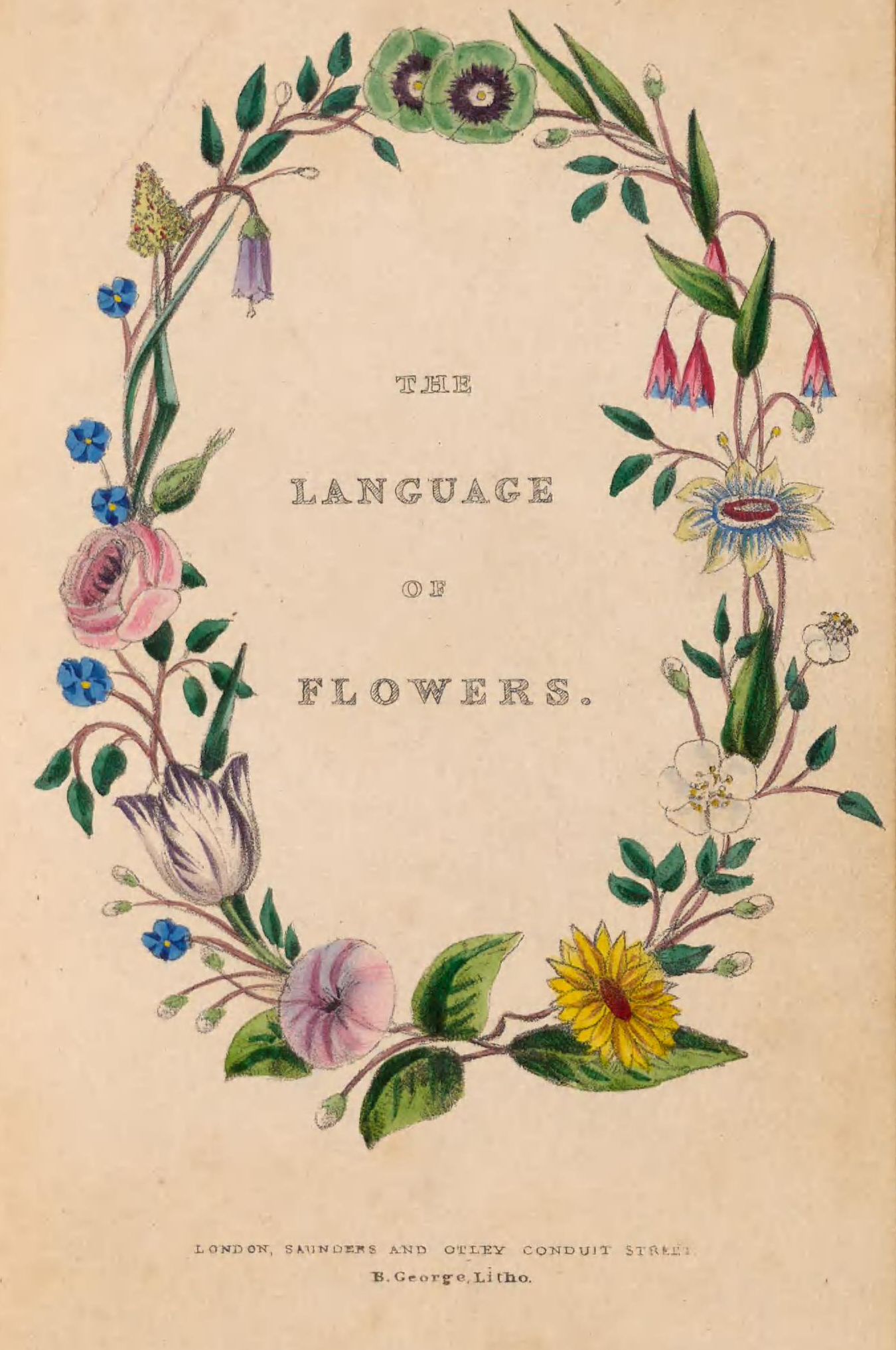
Book title page with title" The Language of Flowers" encircled in a wreath of flowers.

Title page. The language of flowers, with illustrative poetry. (1841). Contributed in BHL from Chicago Botanic Garden, Lenhardt Library. Digitization sponsored by the National Endowment for the Humanities (NEH).

On 30 April 2021, join the Chicago Botanic Garden’s Lenhardt Library and the Caxton Club for a free, virtual symposium celebrating the Language of Flowers—a popular literary trend in the 19th century that presented the world of botany through dictionaries of flowers and associated meanings, floral poetry and prose, offering a sentimental view of natural history.

Language of Flowers Virtual Symposium
When? Friday, 30 April 2021, 10am-2pm CT
Where? Online (via Zoom webinar)

Learn more and register for the event.

The Chicago Botanic Garden’s Lenhardt Library, a BHL Affiliate, presents this symposium in collaboration with the Caxton Club as the capstone event for a grant awarded by the National Endowment for the Humanities to conserve and digitize language of flower genre editions. Over the three-year grant period, 62 rare and unique language of flowers volumes published in the 19th century are being conserved and digitized by expert staff at the Northeast Document Conservation Center, with the volumes being made available in the Biodiversity Heritage Library (BHL).

You can explore volumes digitized as part of this grant as well as other titles from the genre in the Language of Flowers collection in BHL.

April 8, 2021by michelle.underhill
BHL News, Blog Reel

Chicago Botanic Garden’s Lenhardt Library Receives over $200,000 to Digitize Language of Flower Books for BHL

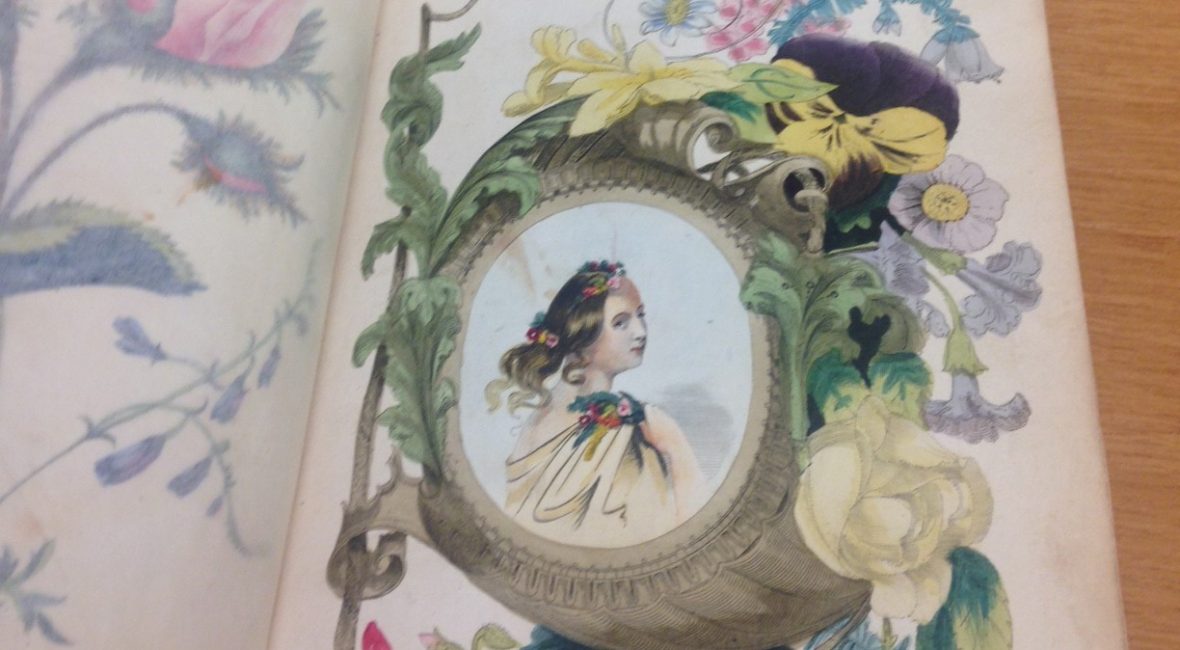
illustration with a portrait of a woman surrounded by flowers

The Lenhardt Library of the Chicago Botanic Garden has received over $200,000 from a National Endowment for the Humanities (NEH) grant awarded to the Chicago Horticultural Society for the conservation and digitization of 62 rare and unique “language of flower” books published in the 19th century. The Lenhardt Library has been a BHL Affiliate since 2014.

Over the next three years, the volumes will be conserved and digitized by expert staff at the Northeast Document Conservation Center.  The charming books with colorful illustrations of flowers, bouquets, and floral poetry will be subsequently uploaded to the Biodiversity Heritage Library where they will be freely available to a global audience for research and enjoyment.

Want to get a sneak peek of some of the books that will be digitized as part of this grant? Explore a selection of titles below.
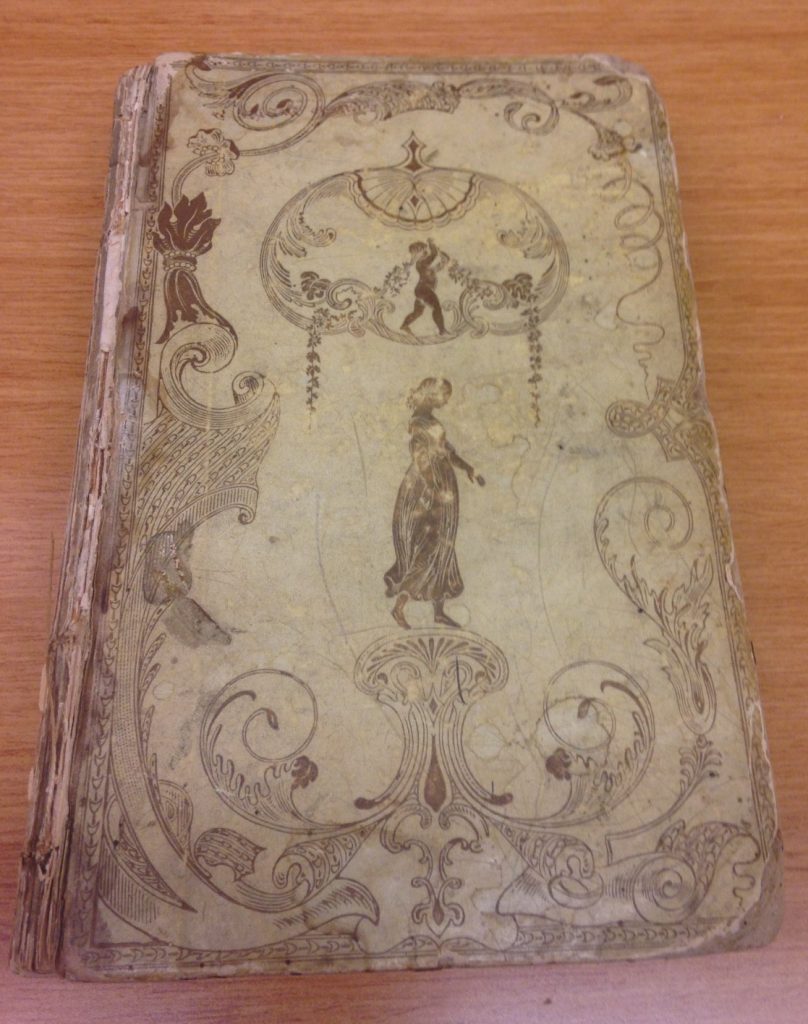
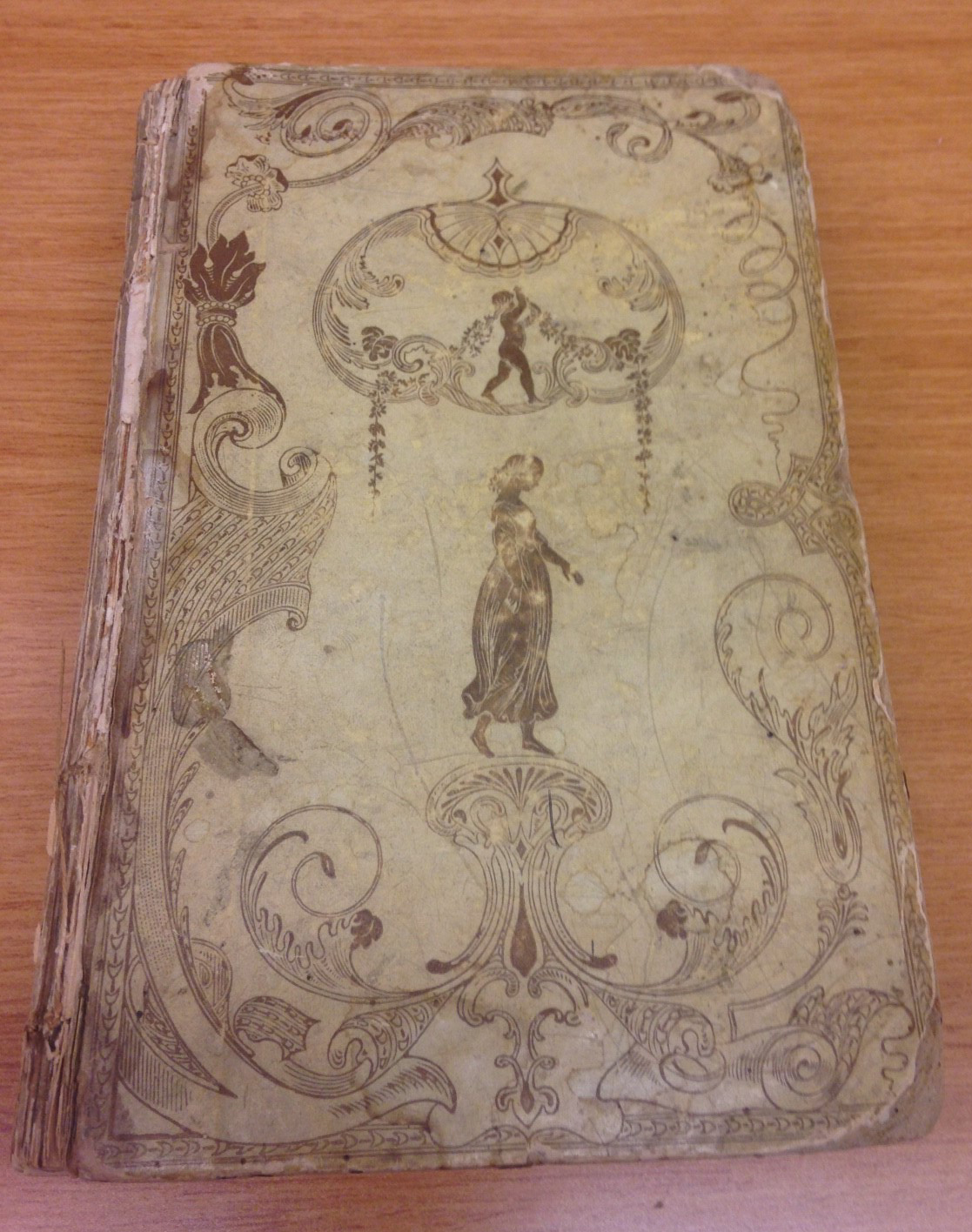
book with light binding and imprint of woman on cover

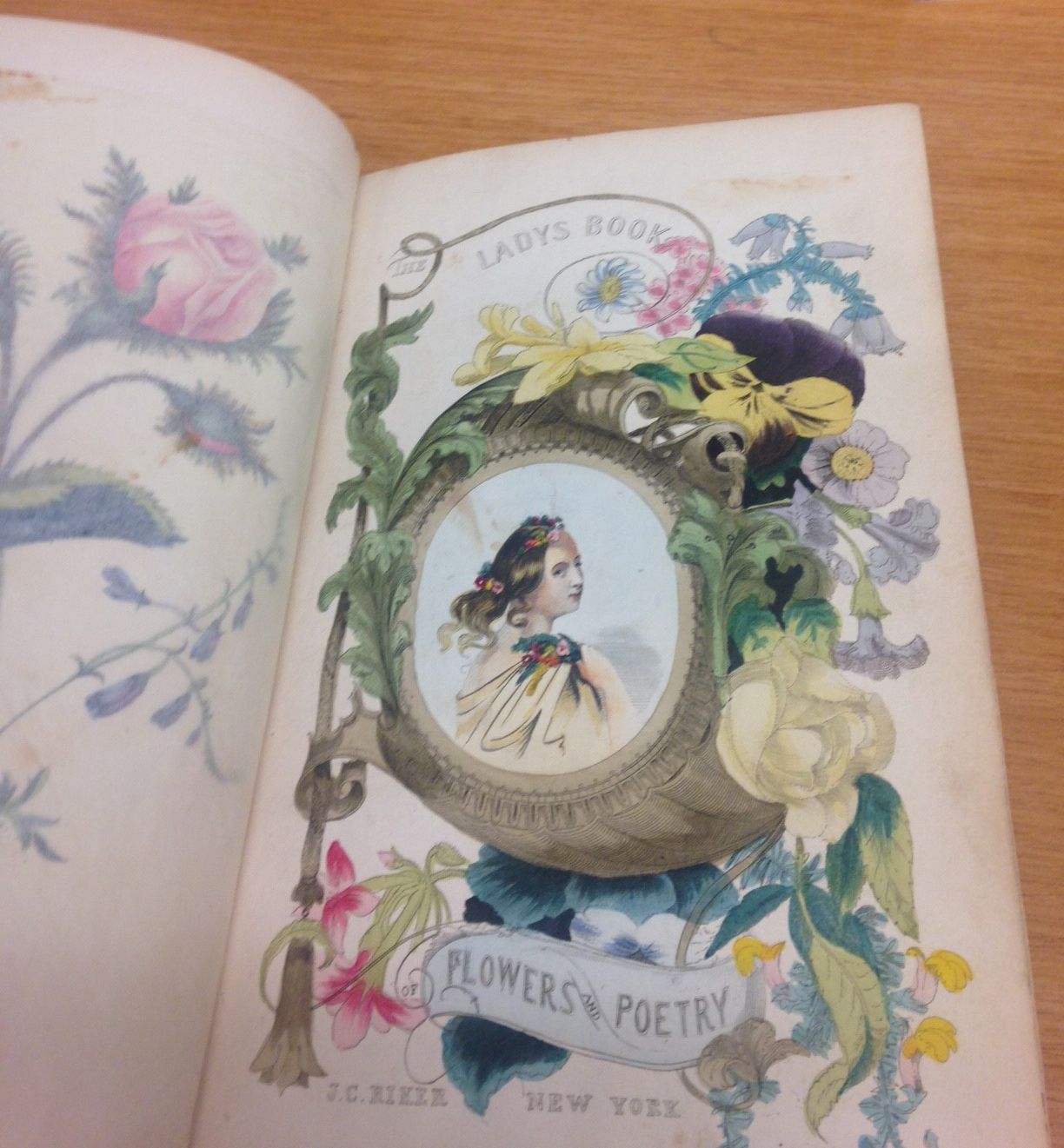
Hooper, Lucy. The lady’s book of flowers and poetry; to which are added, a botanical introduction, a complete floral dictionary, and a chapter on plants in rooms. New York: J.C. Riker, 1845. To be digitized from the collection of the Lenhardt Library of the Chicago Botanic Garden and added to the Biodiversity Heritage Library as part of a recent NEH grant. Image credit: Leora Siegel.
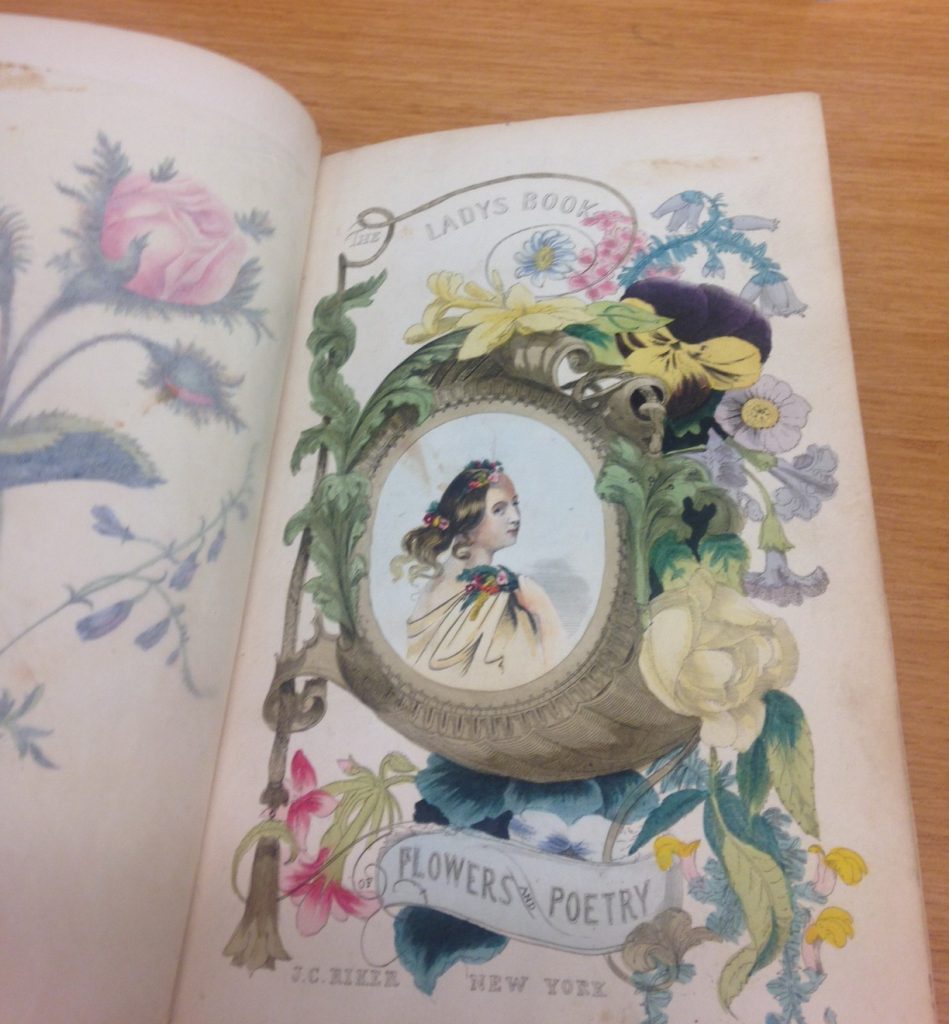
illustration with a portrait of a woman surrounded by flowers

Hooper, Lucy. The lady’s book of flowers and poetry; to which are added, a botanical introduction, a complete floral dictionary, and a chapter on plants in rooms. New York: J.C. Riker, 1845. To be digitized from the collection of the Lenhardt Library of the Chicago Botanic Garden and added to the Biodiversity Heritage Library as part of a recent NEH grant. Image credit: Leora Siegel.

Hooper, Lucy. The lady’s book of flowers and poetry; to which are added, a botanical introduction, a complete floral dictionary, and a chapter on plants in rooms.
New York: J.C. Riker, 1845.

Lucy Hooper (1816-1841), an American poet, combines botany and poetry in this work. She describes specific flowers through poetry and presents scientific concepts, organizing flowers by species, and includes a practical guide to growing houseplants and a “Botanical Introduction” based on Linnaean taxonomy.
book with red binding and imprint of gold flowers

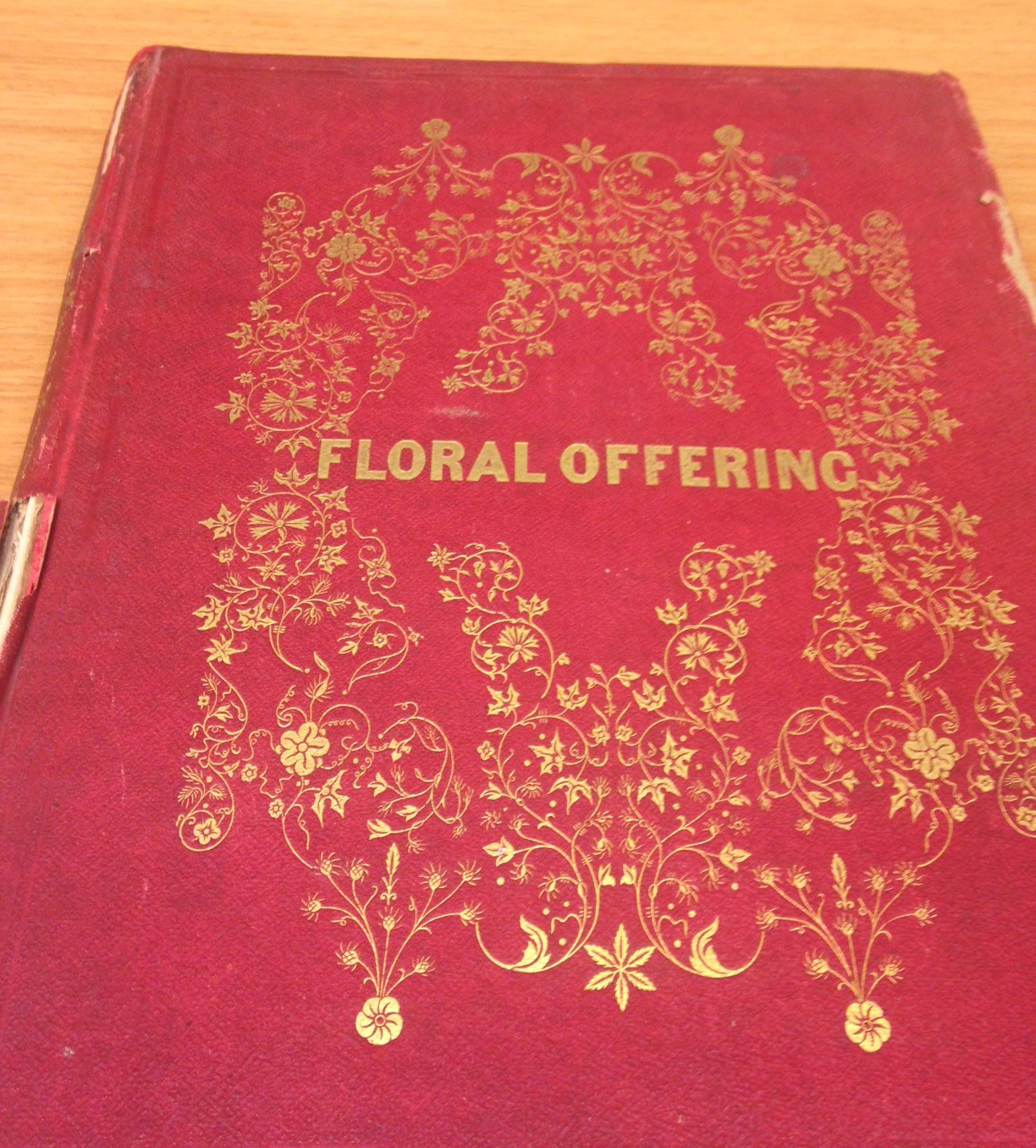
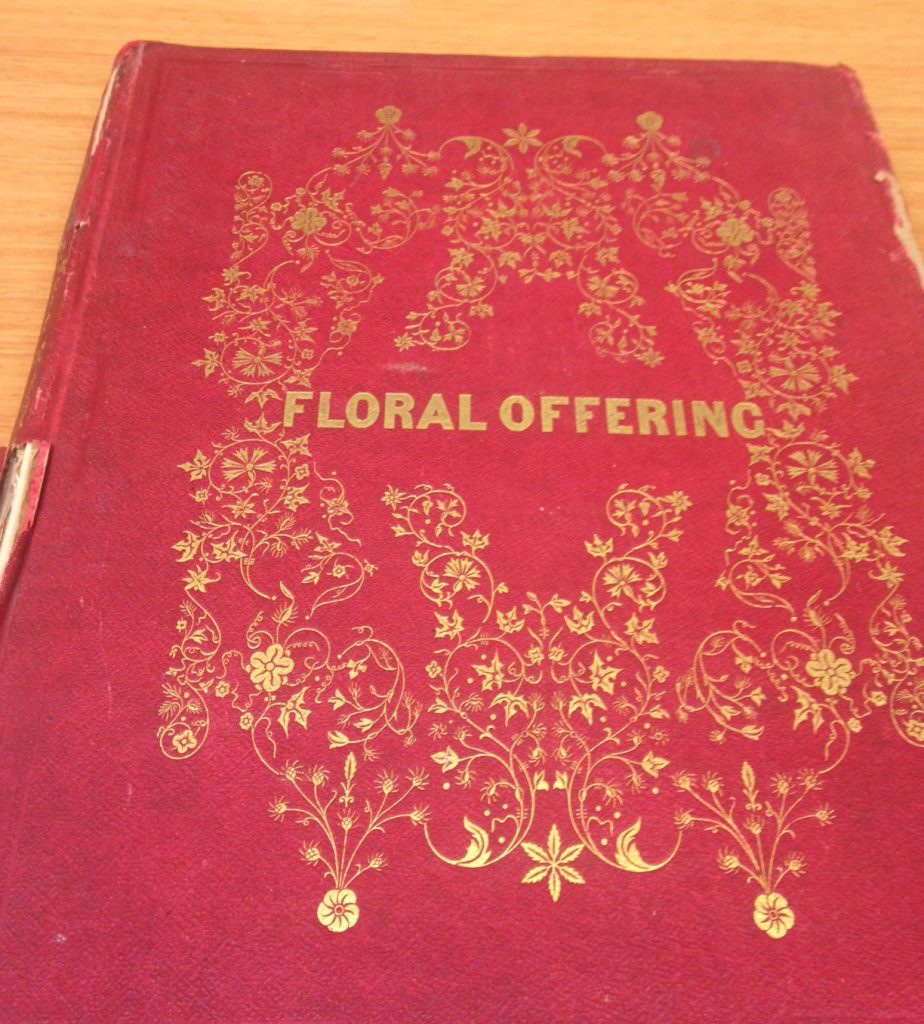
Osgood, Frances Sargent, editor. The floral offering, a token of friendship. Philadelphia: Carey and Hart, 1847. To be digitized from the collection of the Lenhardt Library of the Chicago Botanic Garden and added to the Biodiversity Heritage Library as part of a recent NEH grant. Image credit: Leora Siegel.

Osgood, Frances Sargent, editor. The floral offering, a token of friendship.
Philadelphia: Carey and Hart, 1847.

Frances Sargent Osgood (1811-1850), author of The Floral Offering, was an influential American female writer and prolific contributor to the leading periodicals of the day, a published poet, and author of Puss in Boots.
a book with a blue, white, and red cover that reads "the floral fortune teller"

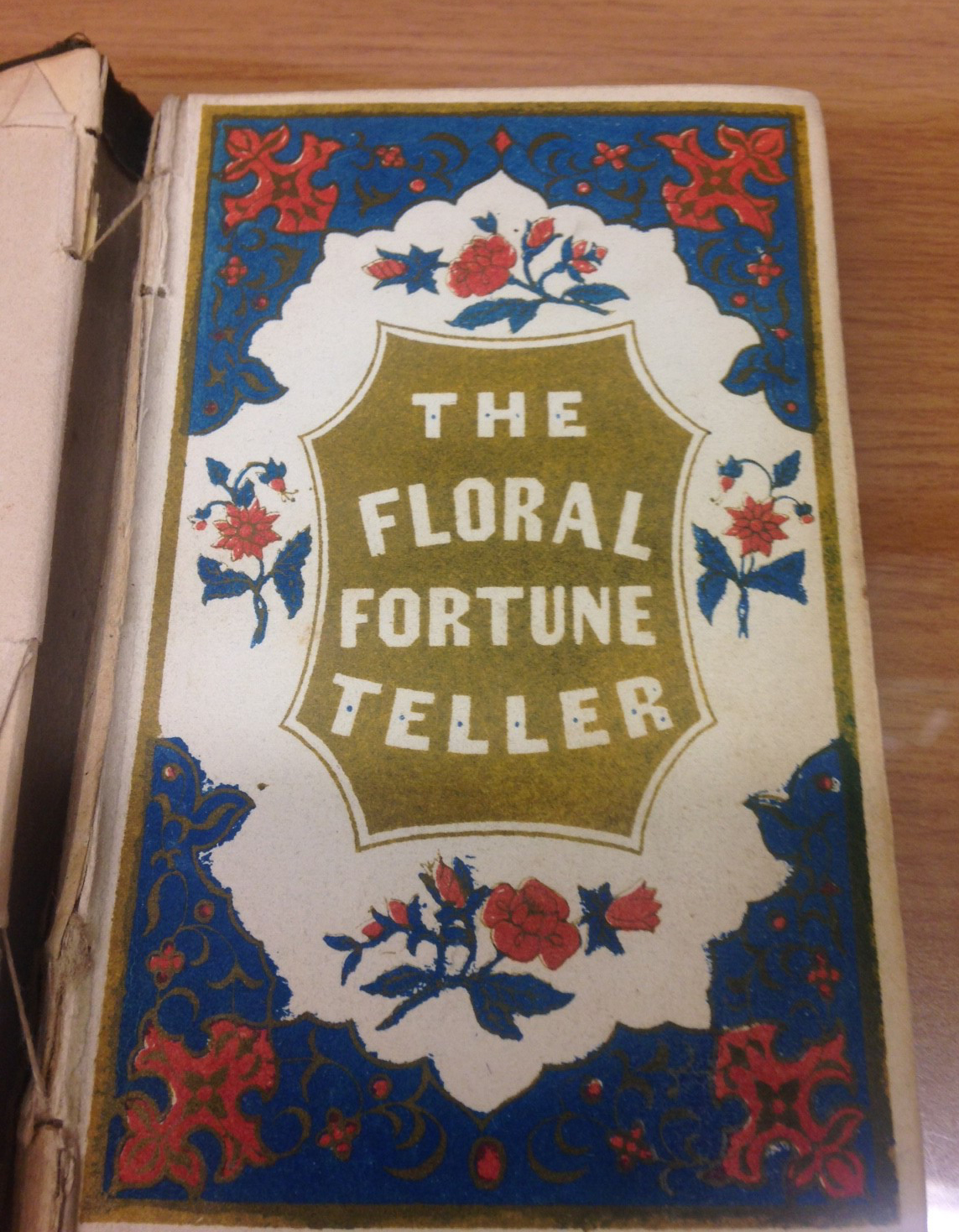
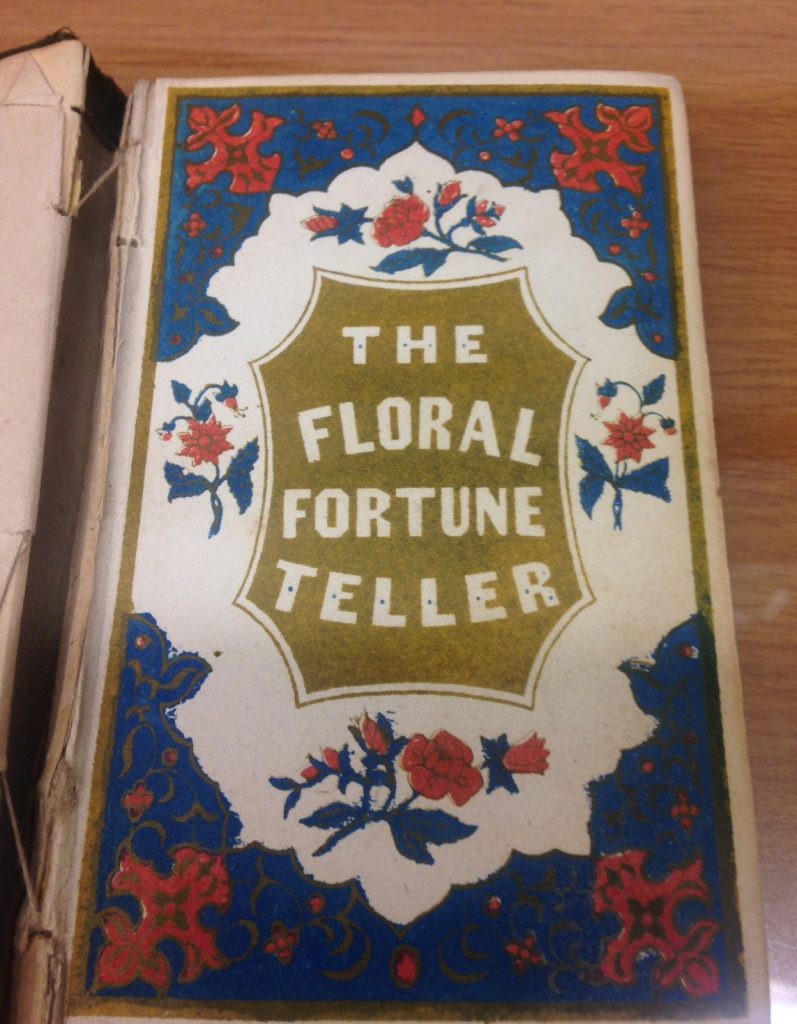
Edgarton, Sarah Carter. The floral fortune-teller: a game for the season of flowers. Boston: A. Tompkins, 1847. To be digitized from the collection of the Lenhardt Library of the Chicago Botanic Garden and added to the Biodiversity Heritage Library as part of a recent NEH grant. Image credit: Leora Siegel.

Edgarton, Sarah Carter. The floral fortune-teller: a game for the season of flowers.
Boston: A. Tompkins, 1847.

One of the earliest complete American floral fortune telling books, Floral Fortune-teller combines poetry and flowers of different colors to answer questions. Popular literature such as this offered women a publishing outlet during a time of a male dominated printing industry.

Congratulations to the Lenhardt Library on this amazing news, and we can’t wait to see the books in BHL.

See the awards press release from the National Endowment for the Humanities.

The National Endowment for the Humanities: Exploring the human endeavor.
Any views, findings, conclusions, or recommendations expressed in this email, do not necessarily represent those of the National Endowment for the Humanities.

April 23, 2018by michelle.underhill
BHL News, Blog Reel

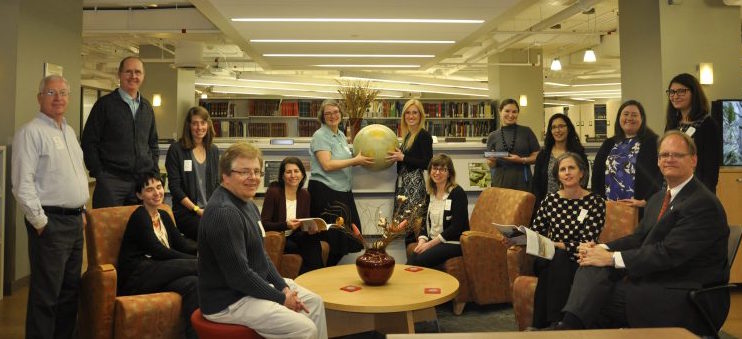
Capstone event for BHL NDSR program

On January 4, 2018, in the midst of a memorable storm in the Northeastern US, approximately 30 intrepid travelers met to celebrate the successful completion of the BHL National Digital Stewardship Residencies developed for the IMLS, Laura Bush 21st Century Librarian grant submission: Foundations to Actions: Extending Innovations in Digital Libraries in Partnership with NDSR Learners.  The program plan included hiring five geographically-distributed residents, all graduates of LIS or related master’s programs, to work on collaborative projects to improve tools, curation, and content stewardship for BHL. This work supported BHL development plans for the next generation portal for the world’s largest open access digital library for biodiversity literature.

The Capstone event was beautifully hosted by the Smithsonian Libraries at the Natural History Museum in the room where the first DC planning meeting for BHL occurred. Martin Kalfatovic (BHL Program Director and Associate Director, Digital Program and Initiatives for the Smithsonian Libraries) and Dr. Nancy Gwinn (Director of the Smithsonian Libraries) welcomed the group.  Robin Dale (Deputy Director for Library Services at IMLS) described the NDSR program within the context of the IMLS goals for a national digital platform, mentoring digital library leaders and developing communities of practice.  Dr. Scott Miller (Deputy Undersecretary for Collections and Interdisciplinary Support at the Smithsonian Institution) congratulated BHL on its accomplishments in making biodiversity literature accessible but also suggested further work on linking content, mobile access and establishing standards.

Constance Rinaldo (Librarian of the Ernst Mayr Library of the Museum of Comparative Zoology, Harvard University and Chair of the BHL Members’ Council) gave an overview of the grant and process emphasizing the importance of ensuring the development of a strong cohort with leadership capacity among the geographically dispersed residents. Leora Siegel (Senior Director, Lenhardt Library of the Chicago Botanic Garden and a BHL NDSR Mentor) reflected on the past year and how rewarding it was to be a mentor to a recent graduate, wrestle with how to push the project forward, and connect with colleagues mentoring related projects with residents across the United States.  Mentors wished for more time, more opportunities to meet face to face with all participants and more professional meeting opportunities.

Katie Mika (BHL NDSR Resident at the Ernst Mayr Library) reflected on being a resident, struggling with the contrary thrusts of independence yet adherence to a partially defined project in a tight time frame.  Residents wished for more time, more structure and an in-depth technical introduction to BHL, yet all were successful in their work and learned more than they expected.

Trevor Owens (Head of Digital Content Management in Library Services at the Library of Congress) wrapped up the event with a keynote that focused on the push towards a National Digital Platform for digital data and his thoughts on digital preservation.

Although the final grant report looms large for the mentors, the Capstone event was an engaging send-off for the residents and we all look forward to following their future accomplishments.

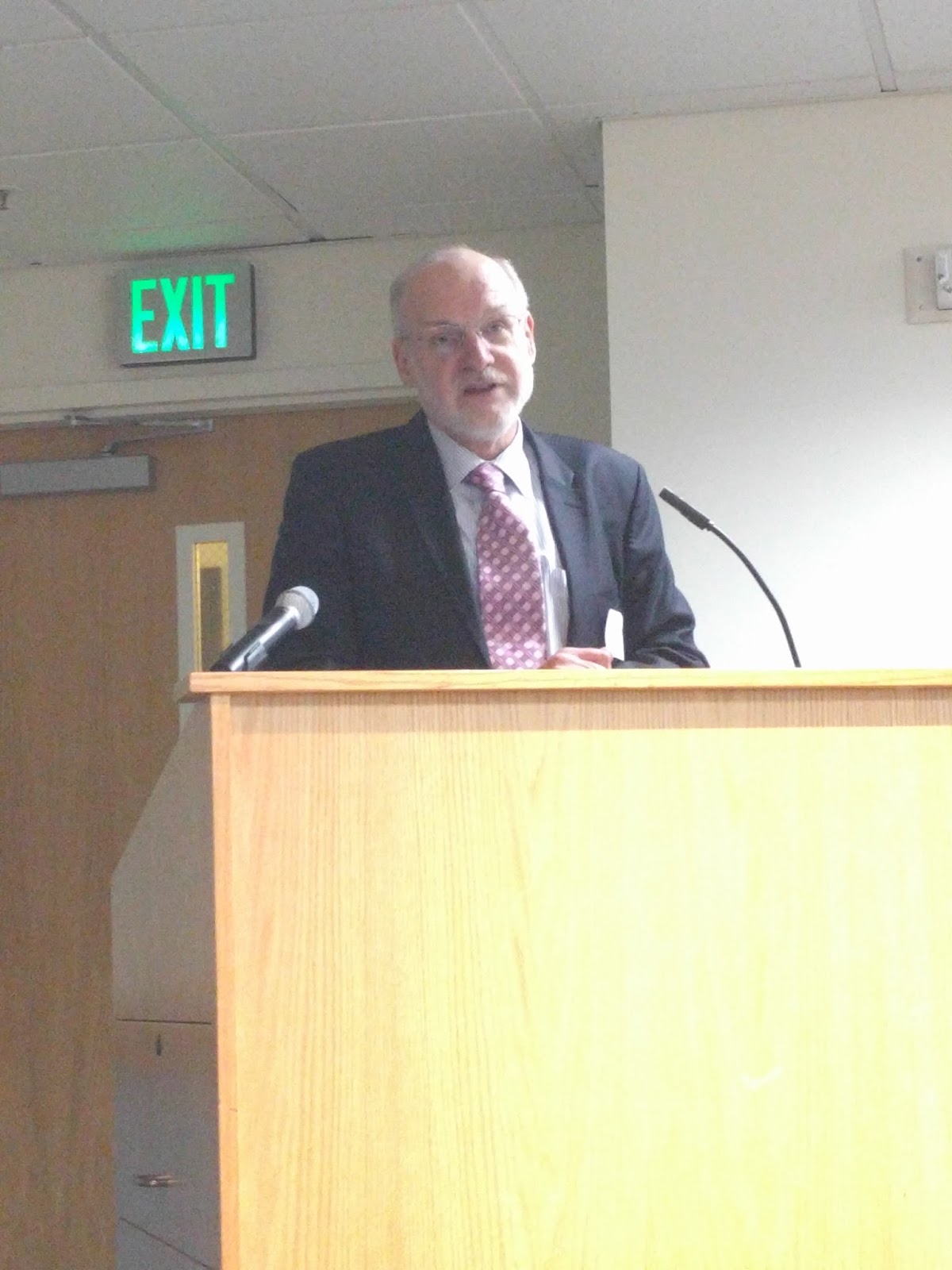
Scott Miller presenting the
opening keynote
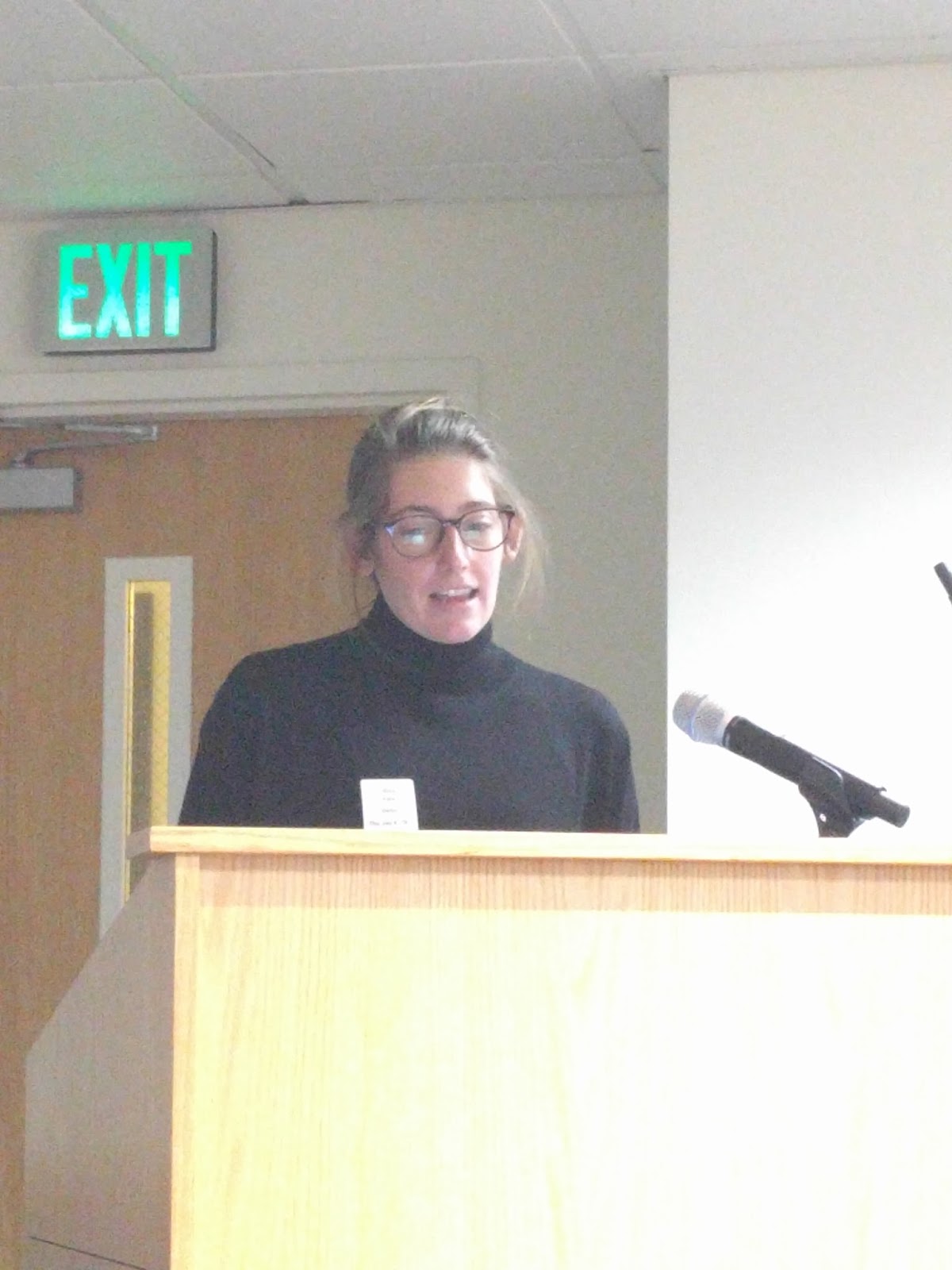
Katie Mika presenting the
BHL NDSR Resident Reflection
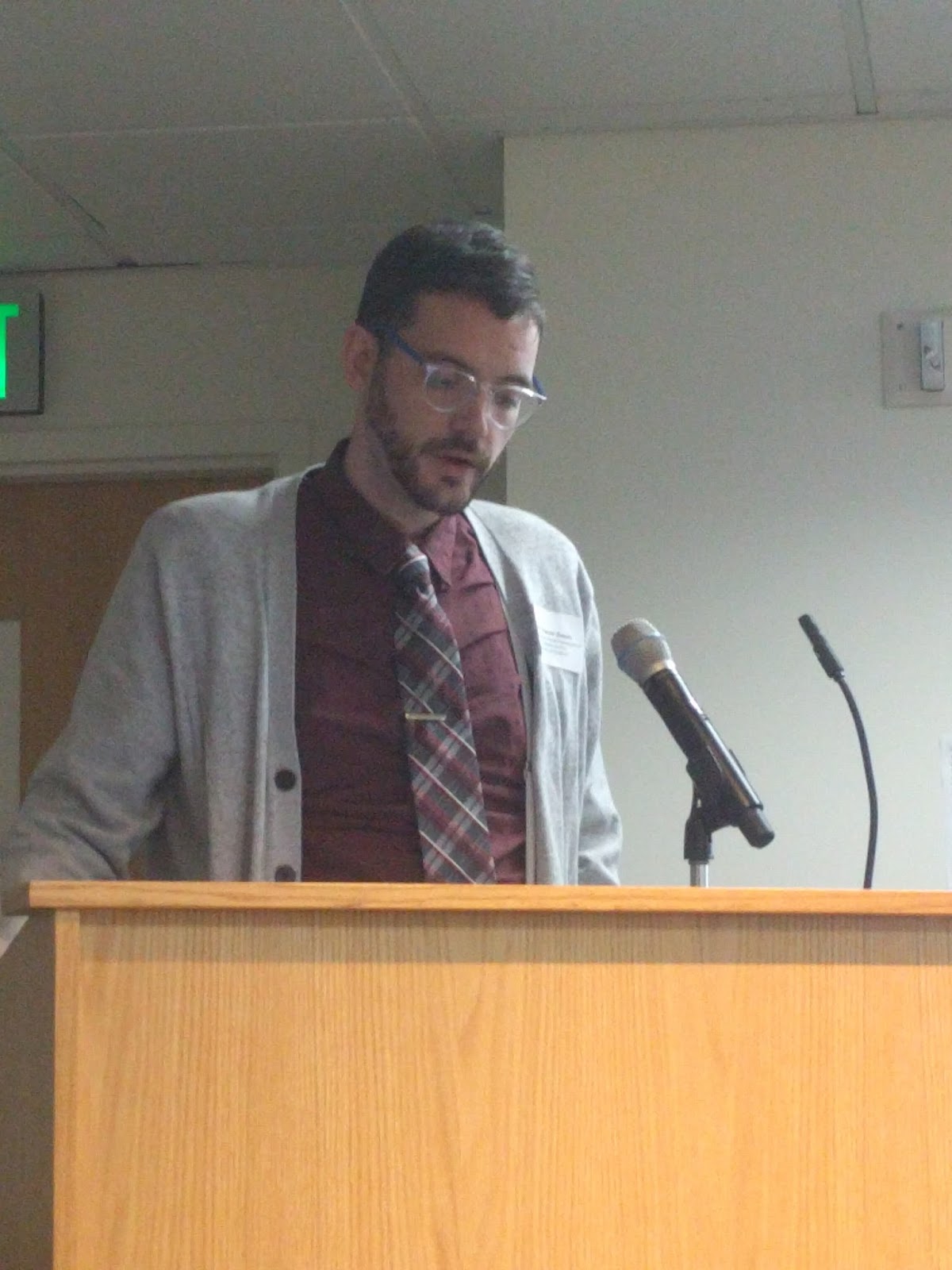
Trevor Owens presenting the
closing keynote

For specific information about the work of the residents, see their blog
and related BHL blog posts.

BHL NDSR Residents and Mentors

Alicia Esquivel, Resident at Chicago Botanic Garden, focused on Content Analysis.
Leora Siegel, Senior Director, Lenhardt Library

Marissa Kings, Resident at Natural History Museum, Los Angeles County, focused on Digital Library Best Practices.
Richard Hulser, Chief Librarian

Pamela McClanahan, Resident at Smithsonian Libraries, focused on User Needs and Usability.
Carolyn Sheffield, BHL Program Manager

Katie Mika, Resident at Ernst Mayr Library, Harvard University Museum of Comparative Zoology, focused on Crowdsourced Data Corrections and Enhancements.

Constance Rinaldo, Librarian, Ernst Mayr Library
and Program Director, BHL-NDSR Program
Joseph DeVeer, Project Manager and Museum Liaison, Ernst Mayr Library

Ariadne Rehbein, Resident at Missouri Botanical Garden, focused on Enhancing Image Discovery.
Doug Holland, Library Director, Peter H. Raven Library
Trish Rose-Sandler, Project Manager, Center for Biodiversity Informatics

Thank you to the speakers, external and internal to the grant project, for providing us with encouragement, support and reflections that we can take forward in our day to day work.  I want to especially thank Carolyn Sheffield (BHL Program Manager and Mentor to the Smithsonian Libraries resident) for managing the logistics of the Capstone event and ensuring its excellence.

January 17, 2018by Kathryn Stine
BHL News, Blog Reel

BHL Receives Funding to Host National Digital Stewardship Residency (NDSR) Cohort

The Biodiversity Heritage Library (BHL), led by the Ernst Mayr Library of the Museum of Comparative Zoology, Harvard University (MCZ), will host a National Digital Stewardship Residency (NDSR) cohort as part of the Laura Bush 21st Century Librarian Program, funded by the Institute of Museum and Library Services (IMLS). Entitled “Foundations to Actions: Extending Innovations in Digital Libraries in Partnership with NDSR Learners,” the program will include five geographically-distributed residents, all graduates of LIS or related master’s programs, in a collaborative project to improve tools, curation, and content stewardship at BHL. This work will help support the development of BHL Version 2 (BHL v.2), the next generation of the world’s largest open access digital library for biodiversity literature.

View Full Size Image

Residents will be hosted by the Field Museum of Natural History and the Chicago Botanic Garden, Harvard University, Missouri Botanical Garden, Los Angeles County Museum of Natural History, and Smithsonian Libraries. The project will run from 1 June 2016-31 May 2018, with residents at host institutions for twelve months, from 1 January 2017-31 December 2017.

Each host institution will provide mentorship to a resident for a specific project designed to improve the functionality of BHL and will identify how tools and processes may be transferred to or from other digital library and museum environments. Outcomes will include a best practices guidelines document for digital libraries incorporating transcriptions, image searching, collection analysis techniques and better connections to museums, archives, and other relevant databases. Better functionality for BHL, based on user needs, will feed into other data systems and provide enhancements for BHL biodiversity and library partners such as the Encyclopedia of Life (EOL), Global Biodiversity Information Facility (GBIF), Digital Public Library of America (DPLA), and Europeana.

The BHL NDSR cohort will work together with mentors to plan BHL v.2 and characterize the tools necessary to improve data management and reuse. The Chicago partners’ resident, which will be co-hosted by the Field Museum of Natural History and the Chicago Botanic Garden, will address content and gap analysis, reviewing the domain of biodiversity literature underpinning the field of biodiversity, estimating the amount of that literature in the public domain, and exploring methodologies to visualize digital collections. The Harvard University MCZ resident will develop methodologies and propose tools for verification and integration of crowd-sourced data corrections, building on previous work undertaken by the Ernst Mayr Library and the Missouri Botanical Garden (MBG). The MBG resident will explore user interface modifications to the BHL portal to enable image searching, browsing, and display. The Los Angeles County Natural History Museum resident will consult with BHL partners such as DPLA and Europeana to determine how BHL data works in these large-scale digital libraries and categorize high value tools and services. Finally, the Smithsonian resident will work with the BHL Secretariat to determine additional digital library needs and services that will provide increased value to a broader set of BHL users.

The Laura Bush 21st Century Librarian Program (LB21) supports professional development, graduate education and continuing education to help libraries and archives develop the human capital capacity they need to meet the changing learning and information needs of the American public. Through a strong mentorship focus, and by providing opportunities to connect with professionals in biodiversity fields as well as libraries, museums, and archives, the BHL NDSR residencies will establish new leaders with skills in digital stewardship related to collection development and services, archives management, data curation, information systems management, informatics and community management, and distributed, virtual collaboration. In addition to fostering digital stewardship skills in these new graduates, the residencies will result in enhancements to BHL such as innovative tools, services, and best practices to trigger the development of BHL v.2, while providing users with improved interfaces, data discovery, and database connections.

We are now accepting applications for the five resident positions. For more information, visit the vacancies posting page here. To apply, click here.

You can learn more about the program on the IMLS website or the BHL public wiki.

June 28, 2016by ulib-libraryjobs
BHL News, Blog Reel

New IMLS-Funded Project: Expanding Access to Biodiversity Literature

The Institute of Museum and Library Services (IMLS) has selected the Expanding Access to Biodiversity Literature project as one of nine National Digital Platform Projects funded in 2015 as part of the National Leadership Grants for Libraries program. The project will work to position the Biodiversity Heritage Library (BHL) as an on-ramp for biodiversity content providers that would like to contribute to the national digital library infrastructure through the Digital Public Library of America (DPLA).

Expanding Access to Biodiversity Literature will help libraries, museums, and natural history societies make their content more widely available by providing the tools and support necessary to facilitate contribution to DPLA through BHL. The award of $846,457 will support work over a two-year period (October 2015-September 2017). The Project Team will interact with content providers to improve metadata through training and quality control, engage the community through outreach on a national level, pursue copyright permissions, and improve BHL’s digital infrastructure through system enhancements.

The goals of the project are to: 1) Expand BHL’s role as a subject-specific content provider for life sciences; 2) Serve as an aggregator to allow small natural history collections to present their content in DPLA via BHL and expand the community of content providers by working with new partners; 3) Preserve and provide access to small natural history and botanical collections and publications through outreach, assistance with scanning, and software tools to format and normalize data for ingest; and 4) Increase the quality of partner metadata through use of DPLA metadata best practices.

The Project Team has four intended outcomes and a means towards measuring the success of these outcomes: 1) Expand public access to biodiversity literature; 2) Increase in the number of new and first time content providers to both BHL and DPLA, ideally with at least 100 added by the second year; 3) Serve as a model for “subject-based” hubs; and 4) Develop processes that will ensure long-term biodiversity contributions to DPLA.

The New York Botanical Garden (NYBG) will serve as the lead institution on the project, with additional participants including Harvard Ernst Mayr Library of the Museum of Comparative Zoology (MCZ), Missouri Botanical Garden (MBG), and Smithsonian Libraries (SIL).

The Project Team includes several veteran BHL participants, including Susan Fraser (Director of the NYBG LuEsther T. Mertz Library) as Project Director; Susan Lynch (Systems Librarian at NYBG) as Data Manager; Constance Rinaldo (Librarian of the Ernst Mayr Library of the MCZ/Harvard University) as Community Coordinator; Joe deVeer (Project Manager and Museum Liaison for the Ernst Mayr Library of the MCZ/Harvard University) as Project Manager for MCZ’s participation in the project and mentor to the project’s Community Manager; and Trish Rose-Sandler (Digital Projects Coordinator, Center for Biodiversity Informatics, Missouri Botanical Garden and Data Analyst for BHL) who will write functional specifications needed to accommodate new types of content, provide normalization and data clean up, and identify improved workflows for moving content from BHL to DPLA.

As part of the project, two new team members also joined the family, although the people filling those positions are no strangers to BHL.

View Full Size Image
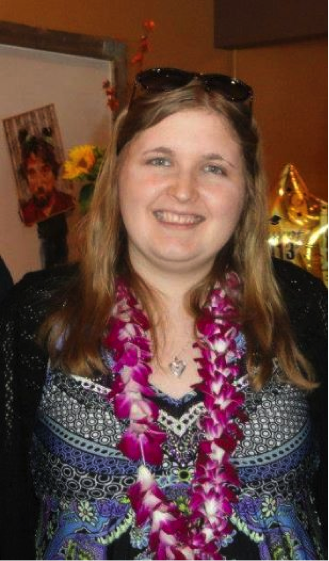
Mariah Lewis, Metadata Specialist, Expanding Access to Biodiversity Literature

Mariah Lewis, Metadata Specialist, Expanding Access to Biodiversity Literature
Mariah is a recent graduate from Catholic University of America in Washington, D.C. where she completed a Master’s in Library and Information Science with a focus on Cultural Heritage Information Management. Previously, she worked with Florida State University, the National Library of Medicine, Smithsonian Center for Folklife and Cultural Heritage, New York University and Scholastic. Mariah has nearly two years of experience with BHL in a variety of intern and volunteer positions, working under BHL Digital Collections Manager Bianca Crowley. Her work involved updating tutorials and creating a video tutorial, conducting a title merging webinar, and working with bibliographic issues and copyright in BHL.

As the Expanding Access to Biodiversity Literature Metadata Specialist, Mariah will work closely with content providers, typically small museums, cultural heritage institutions and publishers, to ensure that they understand project requirements, workflows and the use of existing tools. She will work with new partners to normalize the metadata for new content and will train new content providers on the use of the tools used to ingest content into BHL. She will work closely with the Data Manager to ensure conformity to set standards and best practices. Her home institution will be The New York Botanical Garden.

View Full Size Image
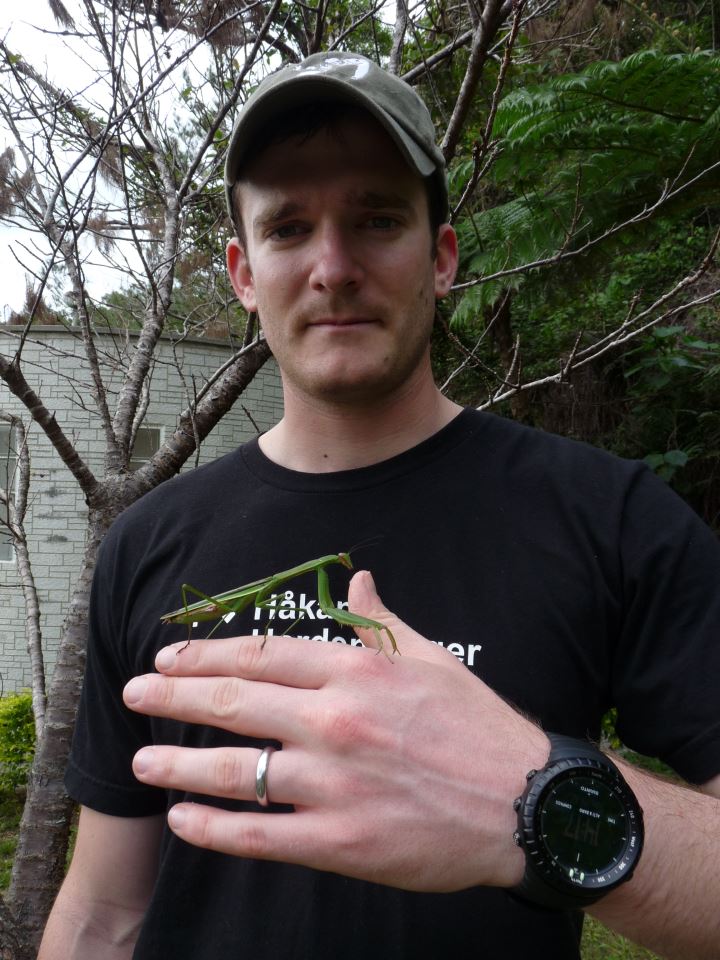
Patrick Randall, Community Manager, Expanding Access to Biodiversity Literature


Patrick Randall, Community Manager, Expanding Access to Biodiversity Literature
Originally from Brunswick, Maine, Patrick will complete his MLIS at Simmons College this spring. Prior to joining the Expanding Access project, he did outreach as part of the Purposeful Gaming and BHL project.

As the Expanding Access to Biodiversity Literature Community Manager, Patrick will be responsible for the identification of potential content providers and will perform outreach services to potential providers such as society publishers and small natural history libraries. He will perform due diligence in determining copyright status of new content and will work with the BHL Digital Collections Manager, Bianca Crowley, to process license agreements for copyright. He will also solicit requests for permission to ingest in-copyright born digital material. His home institution will be the Ernst Mayr Library at the Museum of Comparative Zoology, Harvard University.

We are proud to be part of the IMLS National Digital Platform Projects program, which aims to advance the digital capability and capacity of libraries across the U.S. Each funded project contributes to enhancing the combination of software applications, social and technical infrastructure, and staff expertise that provide library content and services to users across the U.S. The Expanding Access to Biodiversity Literature project addresses challenges facing content providers—including insufficient amounts of content, indexing of scientific names, and metadata creation—and makes necessary digital infrastructure enhancements by creating an innovative model for collaboration and open access to data.

Learn more about the project on the IMLS website.

January 15, 2016by ulib-libraryjobs
BHL News, Blog Reel

BHL Receives 2015 Digitizing Hidden Special Collections and Archives award for Field Notes Project

The Council on Library and Information Resources (CLIR) has selected the “Biodiversity Heritage Library Field Notes Project” for a 2015 Digitizing Hidden Special Collections and Archives award. The award of $491,713 will help support increased accessibility to original scientific documentation found in archival field notes in participating institution collections.

Field notes provide valuable, primary research data about species and ecosystems that is often unpublished or unavailable through other sources. They can also be extremely valuable for museum research, providing key specimen data related to study sites, collecting details, and ecology.

View Full Size Image
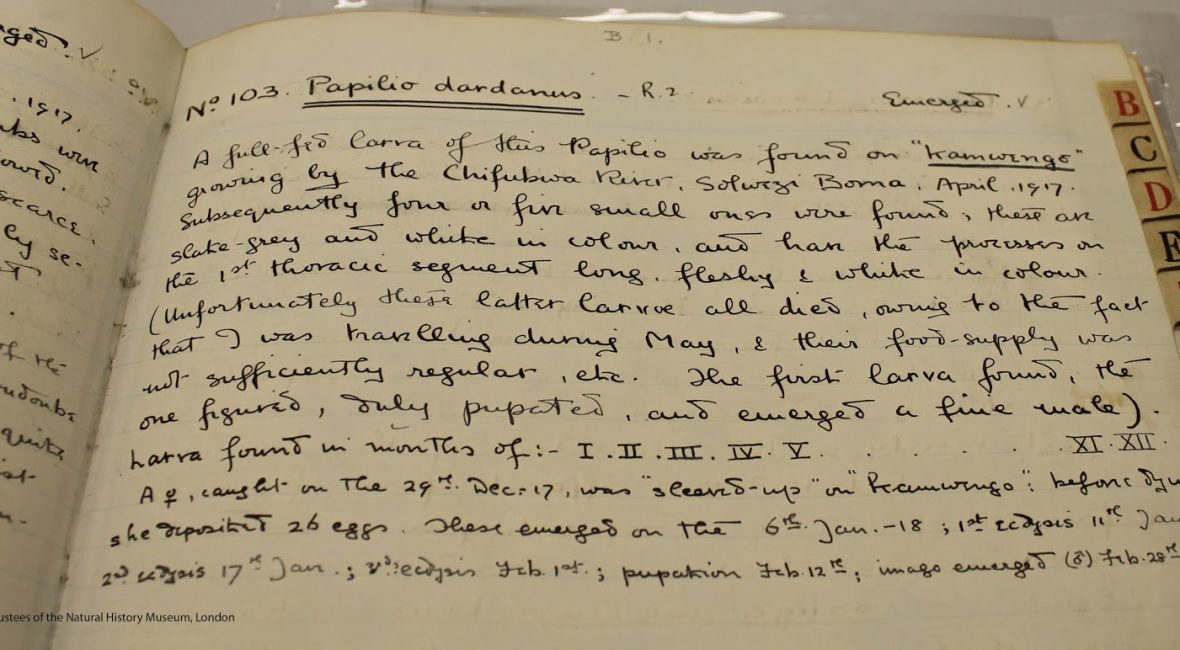
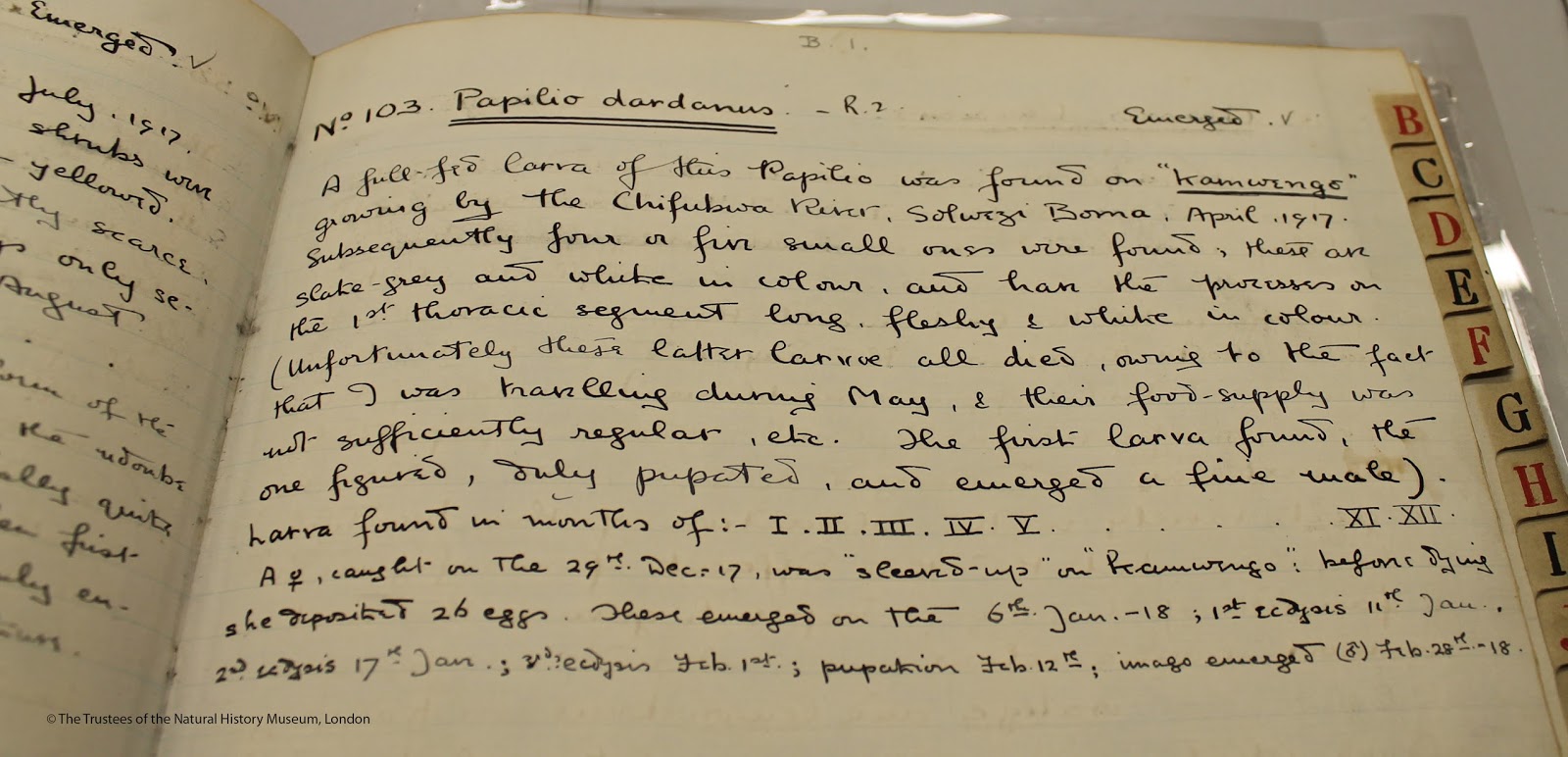
Hereward Chune Dollman’s scientific notes, held in the Natural History Museum, London, Library and Archives. Image © The Trustees of the Natural History Museum, London. Image credit: Natural History Museum, London, Library and Archives.

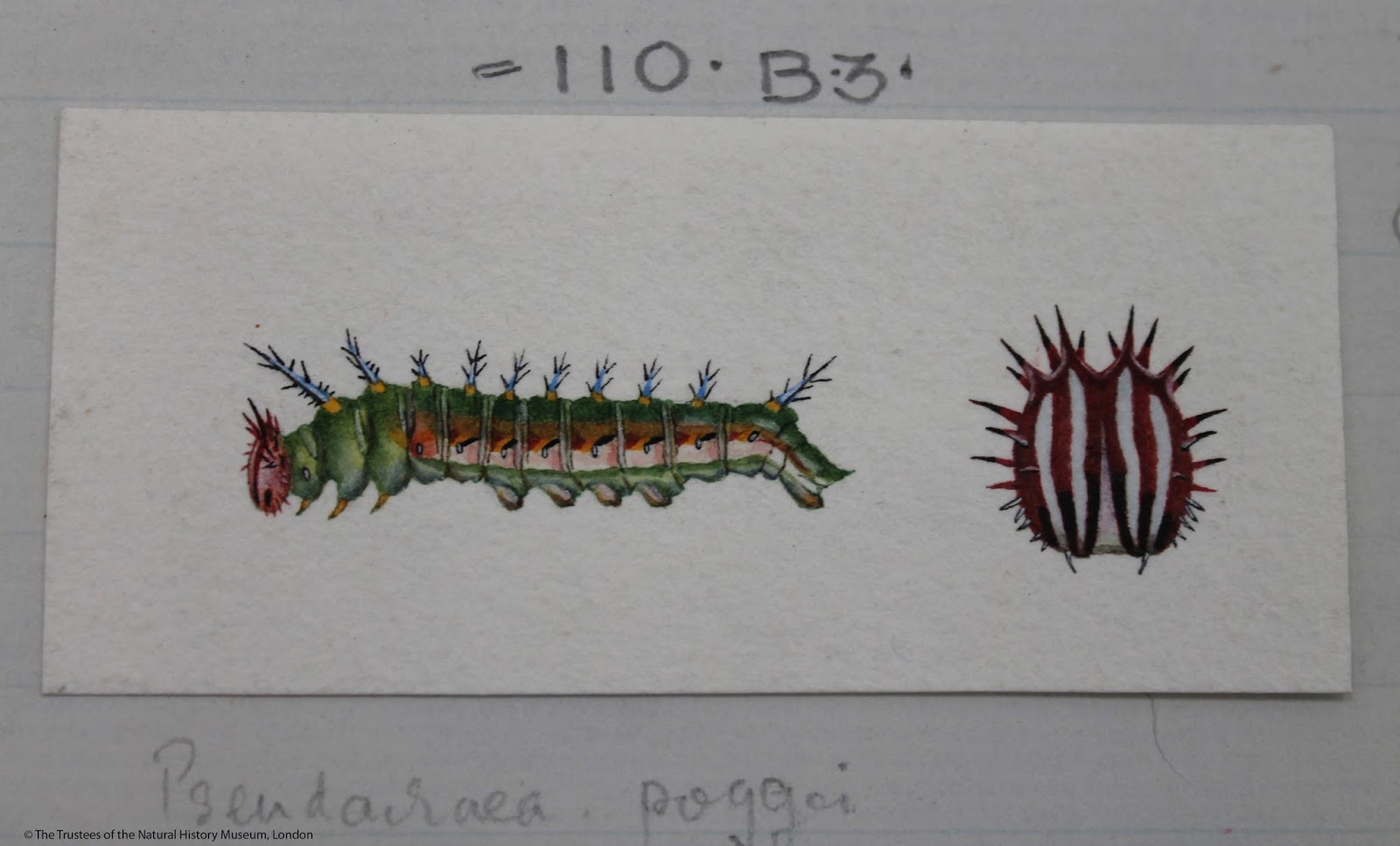
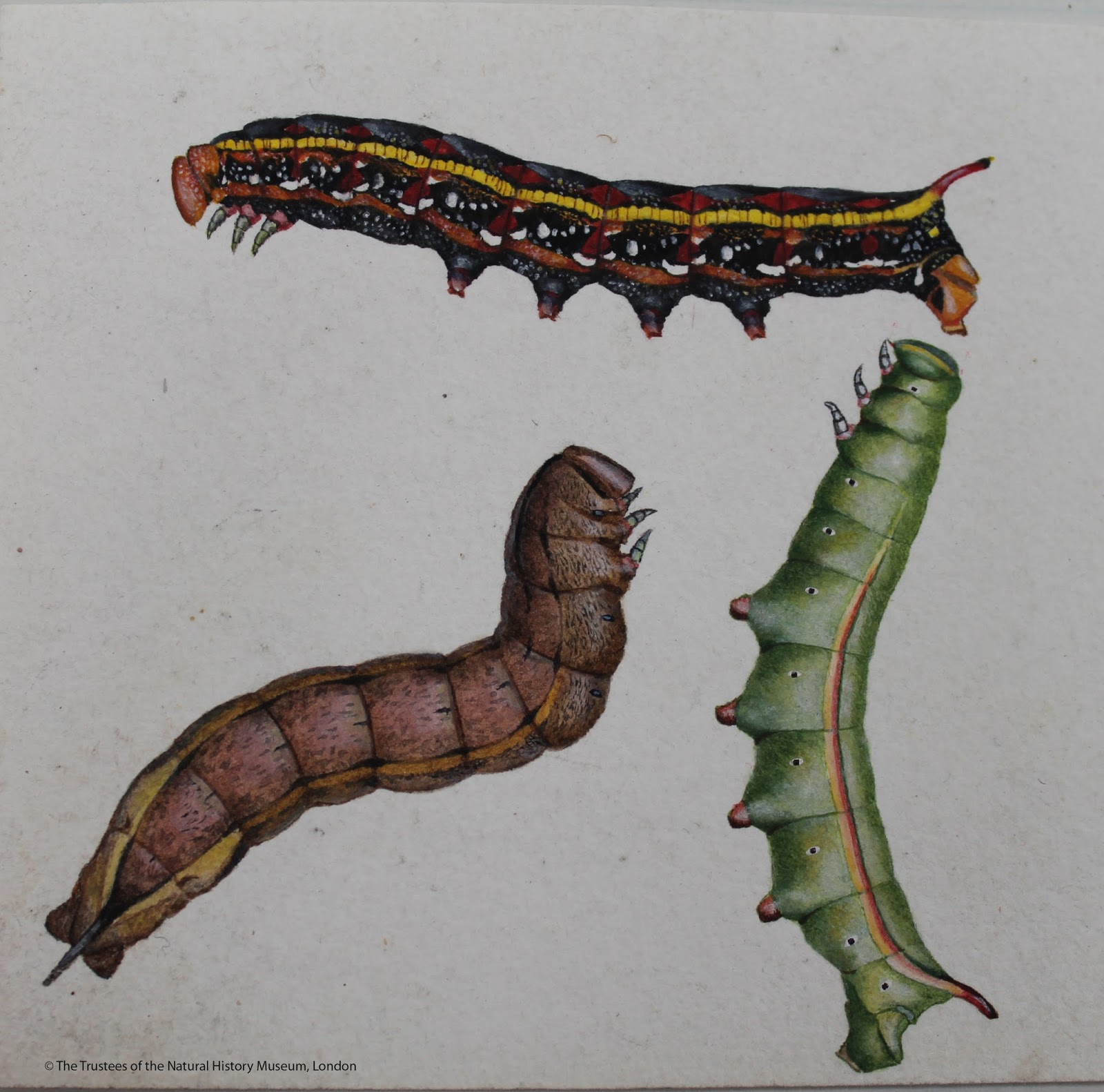
A recent article in The Linnean (VOL 31(2) OCT 2015) by Hellen Pethers (Reader Services Librarian, Library and Archives, Natural History Museum, London, UK) and Dr. Blanca Huertas (Senior Curator of Lepidoptera, Life Sciences Department, Natural History Museum, London, UK) illustrated the importance of field notes to museum research. The paper focuses on the collections of Hereward Chune Dollman, an entomologist who worked extensively on the natural history and identification of insects in Zambia. Dollman’s natural history collections, which were donated to the British Museum of Natural History (now the Natural History Museum, London) upon his death, include 3,500 butterfly specimens comprising 300 species, 157 watercolor drawings of caterpillars, and a notebook containing data related to his breeding and collecting. Dollman’s caterpillar illustrations link directly to his scientific notes through unique identification codes, thus allowing researchers to explore details of the caterpillars’ lives, their transformation to adult forms, and the study sites from which Dollman collected. The watercolors are the only record of the immature counterparts of the adult specimens that Dollman studied.

View Full Size Image
Watercolor from Hereward Chune Dollman’s collection at the Natural History Museum, London, Library and Archives. Image © The Trustees of the Natural History Museum, London. Image credit: Natural History Museum, London, Library and Archives.

Dollman’s collections were never consolidated with the main museum’s collection, and thus have been little studied even though they contain important specimens from remote locations in Africa that are not widely represented in other collections. Recent initiatives at the Natural History Museum are working to amalgamate and arrange collections by taxonomy, providing greater accessibility to researchers. Dollman’s notebook, held in the museum’s Library and Archives, provides researchers will invaluable information necessary to effectively and efficiently study these collections and articulates the importance of field notes to scientific research and the necessity of collaboration between library and specimen collections.

View Full Size Image
Watercolor from Hereward Chune Dollman’s collection at the Natural History Museum, London, Library and Archives. Image © The Trustees of the Natural History Museum, London. Image credit: Natural History Museum, London, Library and Archives.

While this case study at NHM provides an example of one attempt to bring together disparate specimen and related field note collections, the disassociation of these two types of collections is common within institutions. What’s more, field notes from related persons and expeditions are often scattered across institutions, inaccessible to any but the determined researcher. The “Biodiversity Heritage Library Field Notes Project” aims to enhance research methodology by improving access to these field notes, thus allowing researchers to more easily connect them to related specimens and other scientific work.

Over a two year period, the BHL Field Notes Project will coordinate work to digitize field notes, assign metadata, and publish the field notes online through the Biodiversity Heritage Library and Internet Archive, with an emphasis on quality, quantity, and closely related content. The Smithsonian Libraries and Smithsonian Institution Archives will serve as the lead institutions on the project. Additional project participants include Missouri Botanical Garden, Peter H. Raven Library; American Museum of Natural History; Yale Peabody Museum; Harvard University Herbaria, Botany Libraries; Harvard University, Museum of Comparative Zoology, Ernst Mayr Library; University of California, Berkeley Museum of Vertebrate Zoology; The New York Botanical Garden, The LuEsther T. Mertz Library; The Field Museum; and Internet Archive.

The Digitizing Hidden Special Collections and Archives awards program, funded by The Andrew W. Mellon Foundation, funds projects in which locally executed protocols contribute to a national good, using methods that are cost efficient and subject to wider adoption. It supports the creation of digital representations of unique content of high scholarly significance that will be discoverable and usable as elements of a coherent national collection. Eighteen projects were selected from among one hundred sixty-seven proposals submitted in 2015. This is the first group of projects supported by the Digitizing Hidden Special Collections and Archives awards program.

January 7, 2016by michelle.underhill
BHL News, Blog Reel

The Arcadia Fund Awards Grant to Support The Field Book Project

The Smithsonian Libraries received a $511,200 grant from the Arcadia Fund for The Field Book Project to provide free, online access to the Smithsonian’s field books on biodiversity research. Over a two-year period, the grant will support the cataloging of 2,000 field books and the digitization of 2,600 field books, which will be made openly available via multiple platforms, including the Smithsonian’s Collection Search Center and the Biodiversity Heritage Library (BHL).

The Smithsonian holds thousands of field books documenting the flora, fauna and ecosystems of the world. Launched in 2010, The Field Book Project is a collaboration to improve access to these field notes and other primary source documentation of field research related to biodiversity. As primary sources, field books are not only unique as material objects, but many also contain unique information on species and ecosystems – information that may be unpublished and unavailable through other sources.

View Full Size Image
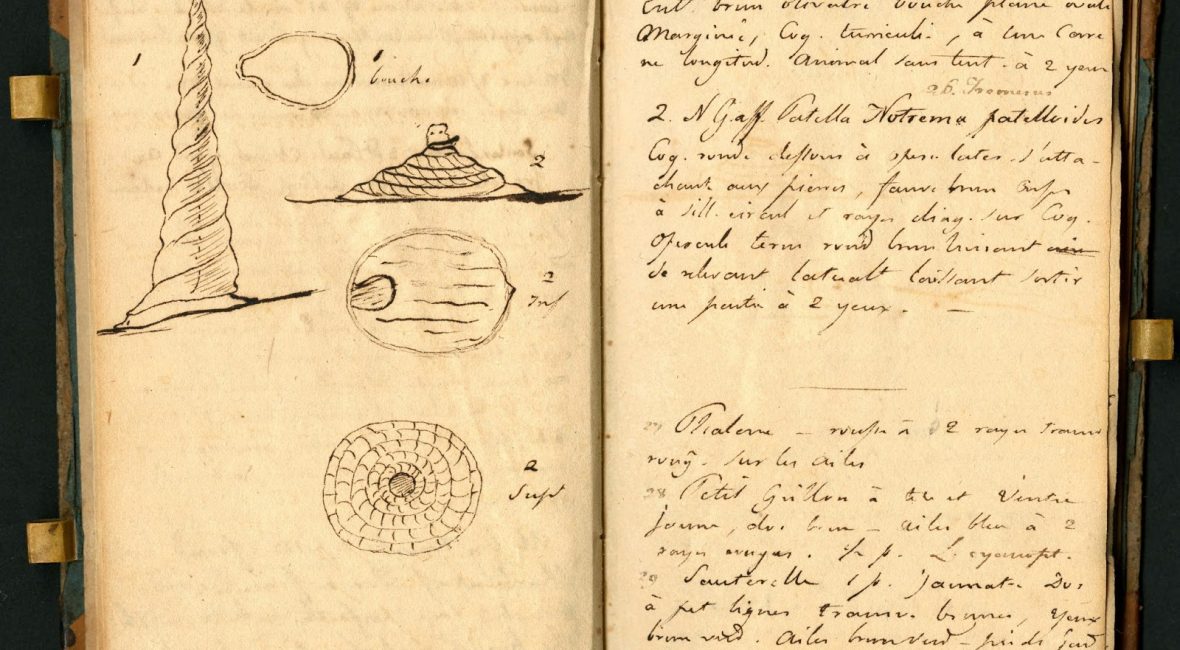
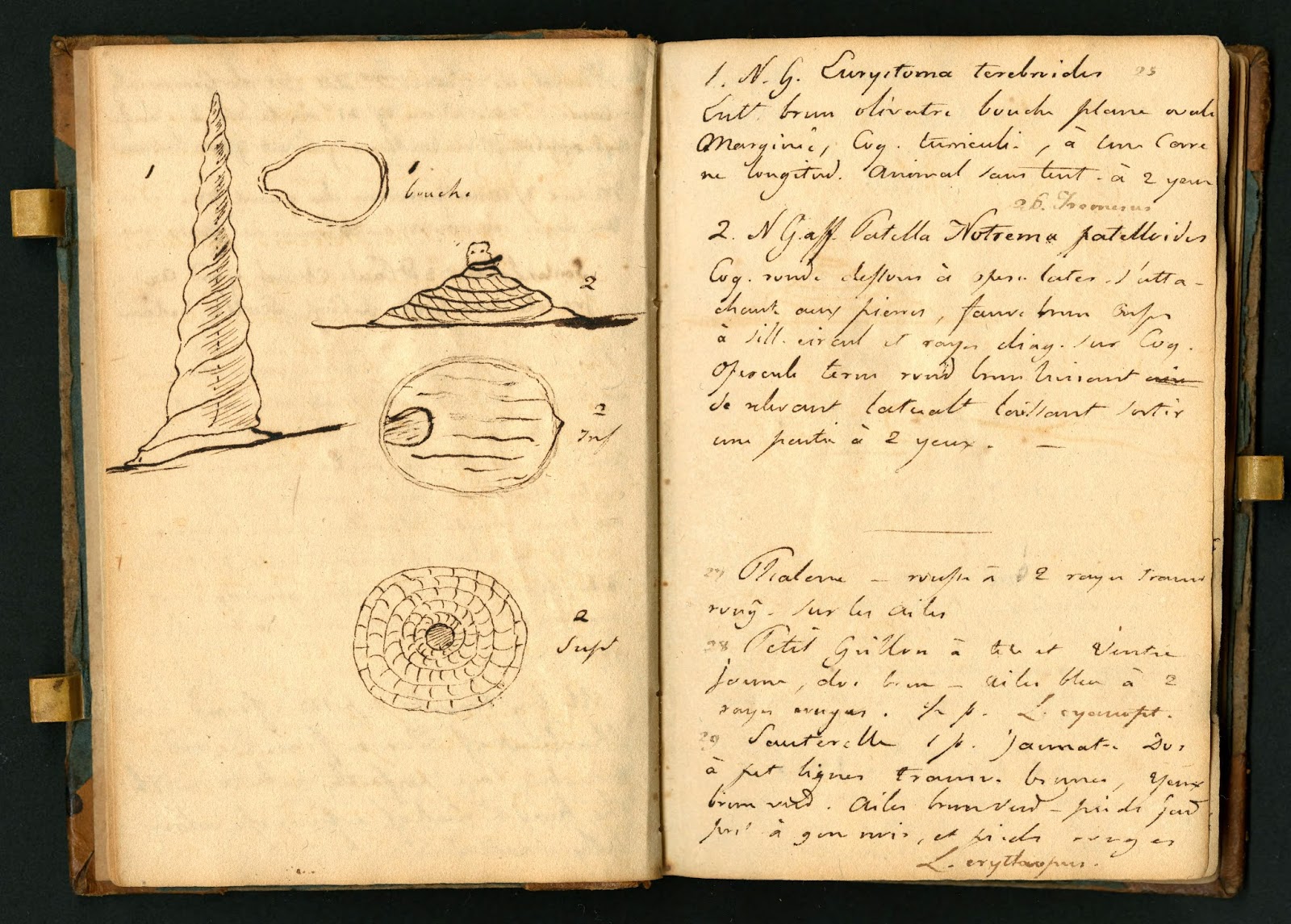
Rafinesque, C. S. (Constantine Samuel). Notebook kept by Rafinesque on a trip from Philadelphia to Kentucky, 1818. http://biodiversitylibrary.org/page/45995997. Made available in BHL as part of The Field Book Project.

The Smithsonian Libraries, the Smithsonian Institution Archives, BHL and the Smithsonian’s National Museum of Natural History will work closely together to conduct conservation reviews, catalog, digitize and provide open access to the natural history field books at the Smithsonian. “Bringing these works together with the published literature means we can begin to fill some of these information gaps to better understand ecosystem changes and the context behind the research. Such knowledge can empower scientists, regional and national leaders, and others to develop strategies for addressing biodiversity loss,” said Martin Kalfatovic, BHL program director.

View Full Size Image
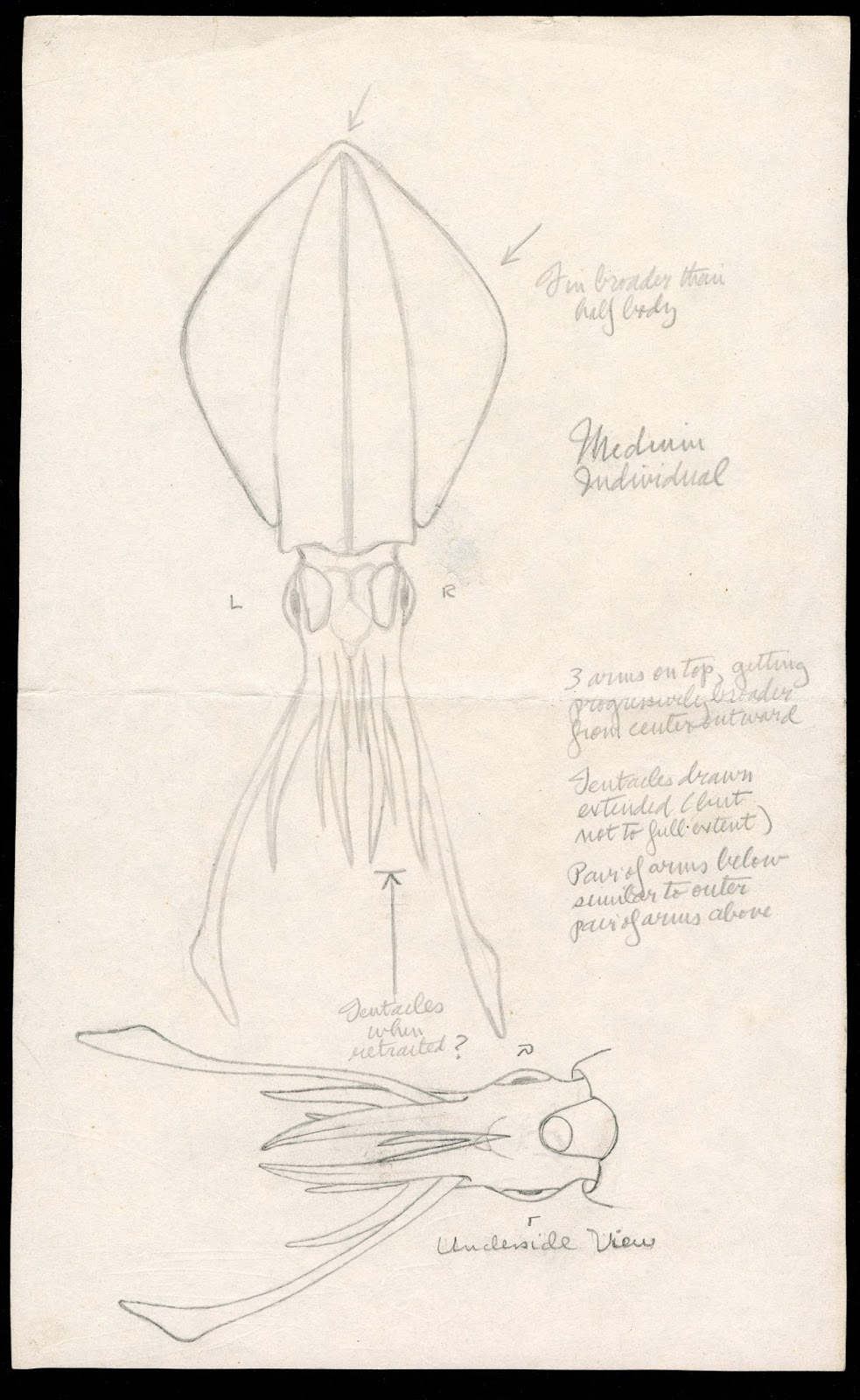
Moynihan, M. Cephalopoda (Squid) 1971-1973, 1975-1979, 1981-1982 (1 of 3). http://biodiversitylibrary.org/page/46283099. Made available in BHL as part of The Field Book Project.

The work of initiatives like The Field Book Project directly relates to the Smithsonian’s grand challenge of broadening access to collections. “Original field notes are often hidden in larger collections of archival material and are difficult to find,” explained Anne Van Camp, director of the Smithsonian Institution Archives. “Information contained in field books tells the stories of exploration, discovery and collecting events that have shaped our understanding of the natural world. The notes also provide deep insight into the personal nature of those individuals that first encountered the vast biodiversity across the Earth. Providing access to this information allows researchers to further understand the history of scientific exploration and to relate that past to the present.”

Browse over 500 field books from The Field Book Project in BHL. Stay tuned to our blog for future updates from The Field Book Project.

August 7, 2015by ulib-libraryjobs
Page 1 of 3123»

Help Support BHL

BHL's existence depends on the financial support of its patrons. Help us keep this free resource alive!

search

About BHL

The Biodiversity Heritage Library (BHL) is the world’s largest open access digital library for biodiversity literature and archives. BHL operates as a worldwide consortium of natural history, botanical, research, and national libraries working together to digitize the natural history literature held in their collections and make it freely available for open access as part of a global “biodiversity community.”

Join Our Mailing List

Sign up to receive the latest news, content highlights, and promotions.

Subscribe Now

Subscribe to Blog via Email

Enter your email address to subscribe to this blog and receive notifications of new posts by email.

Join 319 other subscribers

Subscribe to Blog Via RSS

Subscribe to the blog RSS feed to stay up-to-date on all the latest BHL posts.

Access RSS Feed

Inspiring Discovery through Free Access to Biodiversity Knowledge.

The Biodiversity Heritage Library makes it easier than ever for you to access the information you need to study and explore life on Earth…for free, anytime, anywhere.


64+ Million Pages of
Biodiversity Literature Online.

EXPLORE

Tools and Services
to Transform Research.

EXPLORE

300,000+
Illustrations on Flickr.

EXPLORE

ABOUT | HARMFUL CONTENT | PRIVACY | SITE MAP | TERMS OF USE