Biodiversity Heritage Library - Program news and collection highlights from BHL
  • Home
  • News
  • Featured Books
    • All Featured Books
    • Book of the Month Series
    • BHL at 20
  • User Stories
  • Campaigns
    • Fossil Stories
    • Garden Stories
    • Monsters Are Real
    • Page Frights
    • Her Natural History
    • Earth Optimism 2020
  • Tech Blog
  • Visit BHL
Home
News
Featured Books
    All Featured Books
    Book of the Month Series
    BHL at 20
User Stories
Campaigns
    Fossil Stories
    Garden Stories
    Monsters Are Real
    Page Frights
    Her Natural History
    Earth Optimism 2020
Tech Blog
Visit BHL
  • Home
  • News
  • Featured Books
    • All Featured Books
    • Book of the Month Series
    • BHL at 20
  • User Stories
  • Campaigns
    • Fossil Stories
    • Garden Stories
    • Monsters Are Real
    • Page Frights
    • Her Natural History
    • Earth Optimism 2020
  • Tech Blog
  • Visit BHL
Biodiversity Heritage Library - Program news and collection highlights from BHL
BHL News, Blog Reel

Taming the Wild Social Media Animals: Facebook, Twitter, Blogger… Oh My!

View Full Size Image

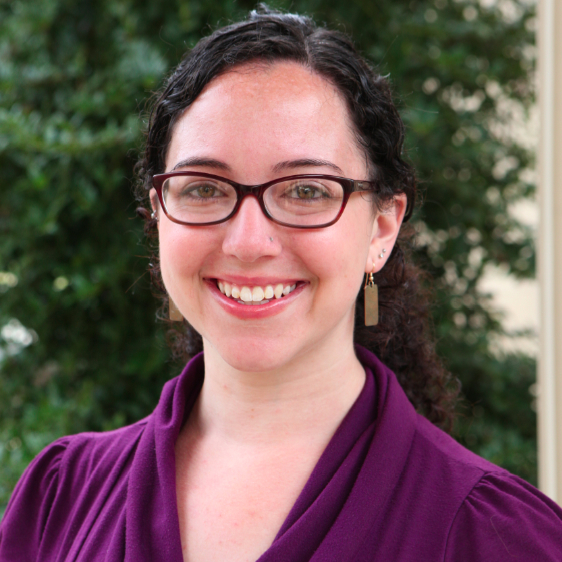
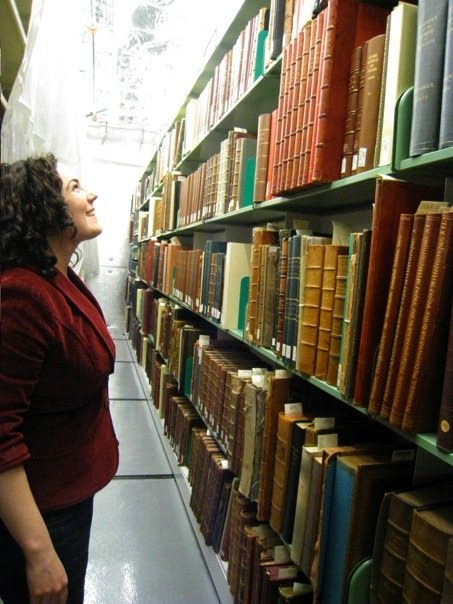
As the daughter of a children’s librarian and library branch manager, I grew up in public libraries and have become passionate about the important role a library plays within a community. This has led me down the path of becoming a librarian myself. Originally from California, I’m now living on the east coast and attending graduate school at the University of North Carolina at Chapel Hill pursuing my passion for this institution. This coming year is my last year of school for a dual Master degree program in Library Science and Public Administration. Normally, I work as a Graduate Research Assistant at the Odum Institute for Research in Social Science managing their Twitter account and conducting usage and outreach assessments. However, this summer, I was fortunate to obtain a six week Smithsonian Libraries Professional Development Internship at the Biodiversity Heritage Library. As part of this internship, I had the amazing opportunity to gain experience with evaluating BHL’s outreach strategy and impact, as well as gain a deeper knowledge about the natural sciences and the publications that have shaped biodiversity knowledge.

The first part of my project was to conduct an environmental scan of six similar organizations to BHL and answer the following questions:
  • How does BHL’s social media presence, audience size, posts, and post engagement compare to similar organizations?
    View Full Size Image
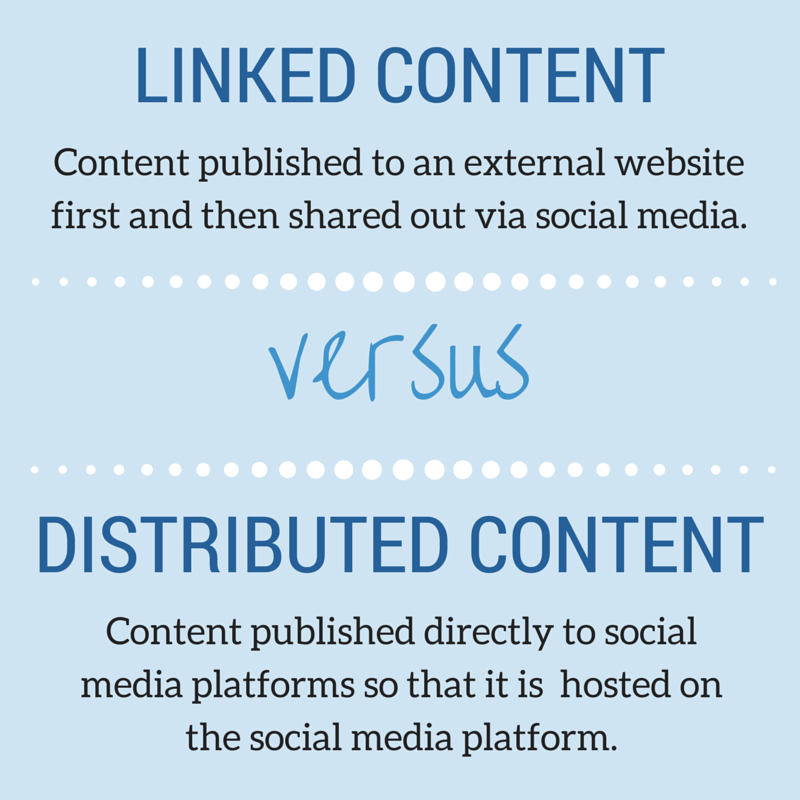
  • Are organizations similar to BHL moving away from driving social media users back to their websites by linking content and instead, simply distributing the content by posting it directly to social media platforms?
    View Full Size Image
The second part of my project was to manage BHL’s social media accounts, test out new outreach strategies, and do a strategy performance comparison to answer the following questions:
  • What are possible new outreach strategies that BHL could implement on Facebook and Twitter?
  • After implementing some of these strategies, what is the impact of these new strategies and how do they compare to BHL’s current strategies on those platforms?
If you’ve interacted with BHL on Facebook, Twitter, or Blogger anytime during the first two weeks of July, then you were talking to me and responding to my posts! Here are some of my favorite posts that I created:
Happy #InternationalPolychaeteDay! Let these amazing creatures make you feel all worm & fuzzy: http://t.co/jUj6lI5N7A pic.twitter.com/e2AiY0sCAP

— BHL (@BioDivLibrary) July 1, 2015

The force is strong with this one. Yoda bat among huge find of new species in 2009. http://t.co/B0SWHJBsIe pic.twitter.com/Zk6nMUKQZP

— BHL (@BioDivLibrary) July 2, 2015

“Uniformity is not nature’s way; diversity is nature’s way.” -Vandana Shiva #WisdomWednesday http://t.co/03hfNSoO5q pic.twitter.com/rrMg1h3zvF

— BHL (@BioDivLibrary) July 8, 2015

How has BHL impacted your work? Let us know! @Fishy_Hayes shared this #BHLimpact. http://t.co/QNWa4UWuV4 pic.twitter.com/M8LizfxvXW

— BHL (@BioDivLibrary) July 3, 2015

After collecting all the performance data and analyzing it, I submitted a final report that summarized BHL’s social media outreach impact in comparison to other organizations, discussed the performance of seven new social media strategies, and made twelve recommendations for BHL’s outreach strategy going forward.

July 30, 2015by tcmart2
BHL News, Blog Reel

Internship Opportunity: Paid BHL Virtual Reference Internship

View Full Size Image
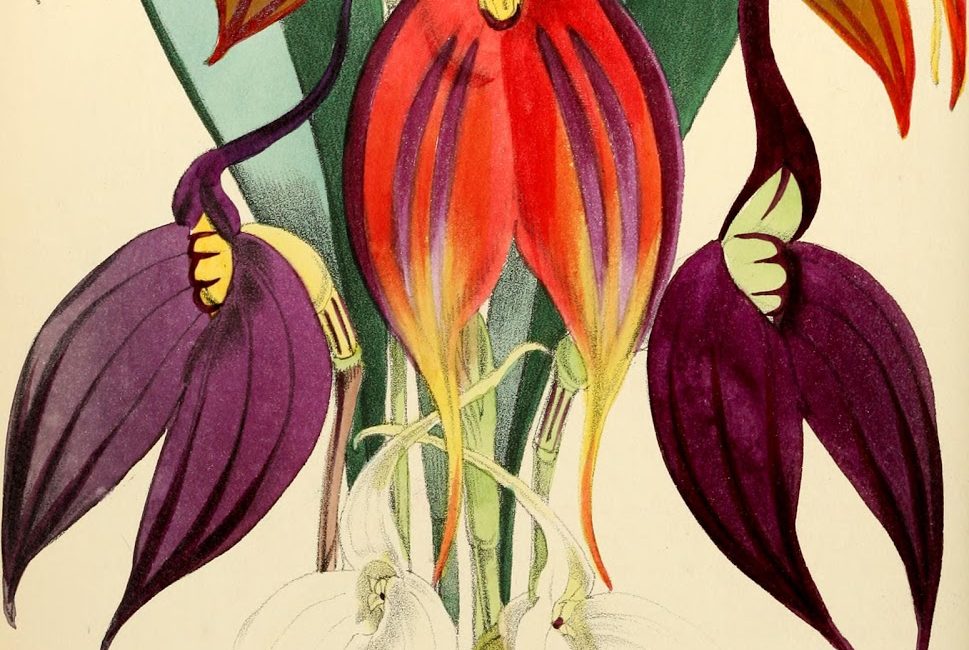
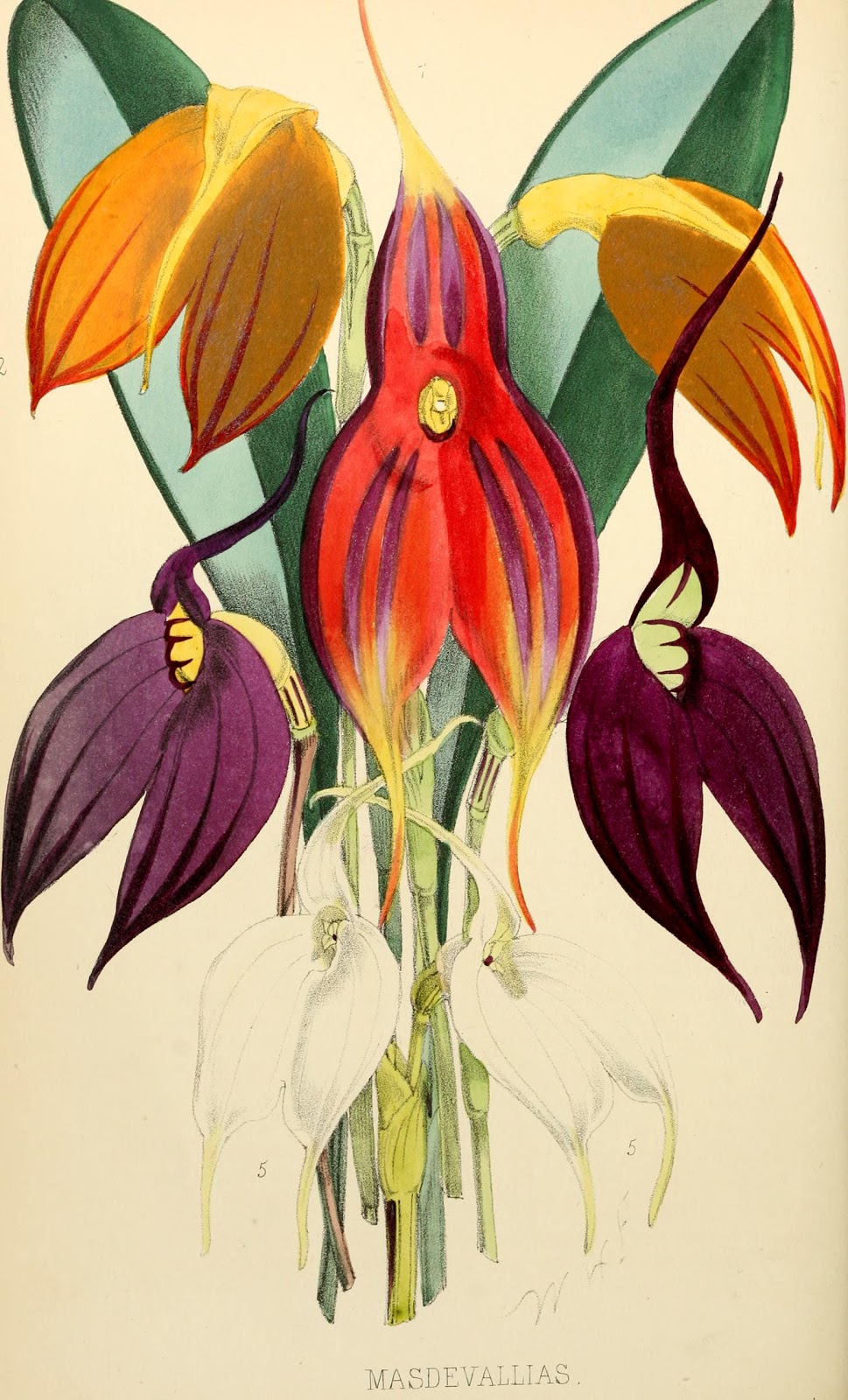
Masdevallia veitchiana

Here at BHL, we have partners all over the world, and we try to coordinate our scanning efforts with our partner libraries to ensure that critical content is scanned with maximum efficiency and minimal duplication. This coordination includes collaborating to scan the nearly 2,000 scanning requests we’ve received since 2010. We have a variety of tools and established workflows to help us do this.

Are you a student pursuing your Library Science or Information Management Masters degree or a recent graduate? Do you have a passion for reference work and digital libraries? Do you want to learn how the largest digital library for biodiversity science manages digitization efforts on a global scale? Do you want to help us grow our collection of over 40 million digitized pages of open access biodiversity literature? Do you want to gain real-world library experience that can help prepare you for a lifetime of library work? 

Then the paid BHL Virtual Reference Internship, hosted through the Smithsonian Libraries, is just for you! View the full internship description and learn how you can apply today by scrolling to the bottom of this webpage: http://library.si.edu/internships/2013-professional-development.

Due Date for Applications: March 11, 2013

Internship Description:

Biodiversity Heritage Library Virtual Reference Intern

  • Location of internship: National Museum of Natural History (Washington, DC); virtual work options also available.
  • Desired knowledge/skill sets (include education level): Students pursuing a Masters in Library & Information Science or recent graduates of an accredited MLIS program. Knowledge of LC Subject Headings and Name Authorities, XML exports and metadata cross-walking, MARC21 Fields and standard cataloging practices are highly desirable, but not required. Students with an eagerness to learn more about digital librarianship, virtual reference work and/or cataloging are strongly encouraged to apply.
  • Brief description of project: The Biodiversity Heritage Library is the world’s largest open access digital library of natural history literature (http://biodiversitylibrary.org/). BHL Virtual Reference Interns will work closely with the BHL collections team to process scanning requests received from users and issue digitization assignments to the appropriate library within the BHL’s 14-member international library consortium. Interns will utilize an issue tracking system to manage the scanning request workflow. Routine activities will include the need to research literature citations provided by users, investigate BHL member consortium library holdings to determine the best scanning candidate, monitor requests as they are processed by BHL staff, and correspond with users. Interns will also work in the collection’s back-end database to correct bibliographic metadata for BHL titles and volumes as needed.

Questions or comments? Send us feedback or write to [email protected].

February 11, 2013by Grace Costantino
BHL News, Blog Reel

Spreading the Word: BHL at the Smithsonian Autumn Conservation Festival

View Full Size Image
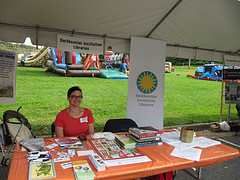
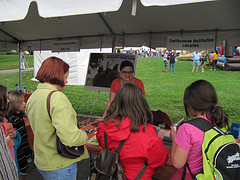
Kristen Bullard at SI Autumn Conservation Festival
Our BHL member institutions are extremely invested in the Biodiversity Heritage Library project. As the largest collaborative digital library in the biodiversity sciences, BHL is a unique and exceptional opportunity to work with like-minded institutions to repatriate the knowledge in our collections to the world. For many partners, BHL represents the single largest digital initiative at their institutions. As such, our partners take every opportunity to promote the project. Case in point: The Smithsonian Libraries’ Autumn Conservation Festival!
On Saturday, October 6, and Sunday, October 7, Smithsonian Libraries (SIL) had a table at the Smithsonian Conservation Biology Institute’s (SCBI) Autumn Conservation Festival in Front Royal, VA.  Smithsonian Librarians Kristen Bullard, Sue Zwicker, and Polly Lasker introduced hundreds of guests to Smithsonian Libraries’ activities, including the Biodiversity Heritage Library. Despite a light sporadic drizzle on Sunday, many people stopped by the SIL table.

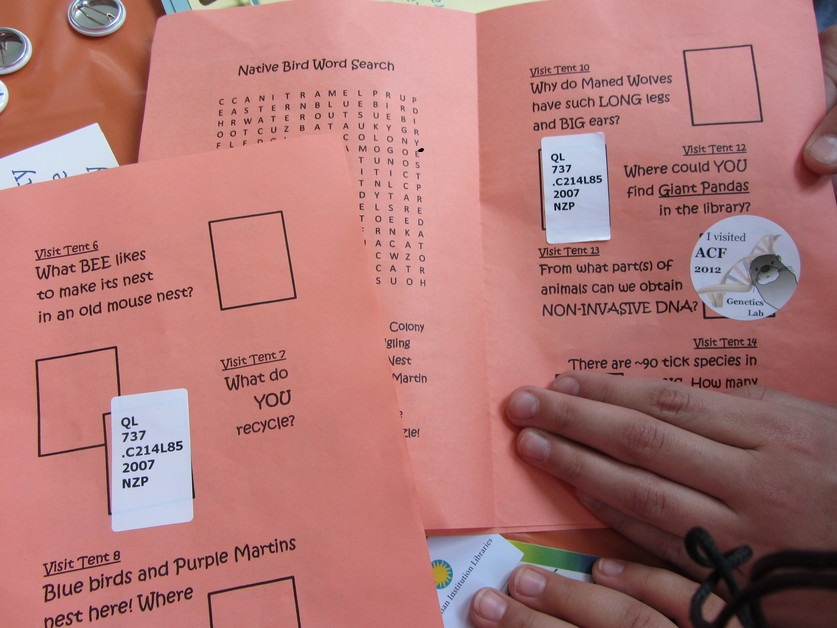
As they did at the recent SERC event, visitors learned about SI Libraries, the Gallery of Images and the Biodiversity Heritage Library.  Our younger visitors were able to color BHL coloring pages, and earned call number stickers by answering a question about how to find a particular book (Giant Pandas) at a library.  SIL staff member Anne Graham helped make this educational activity a success by creating the very popular stickers.

View Full Size Image
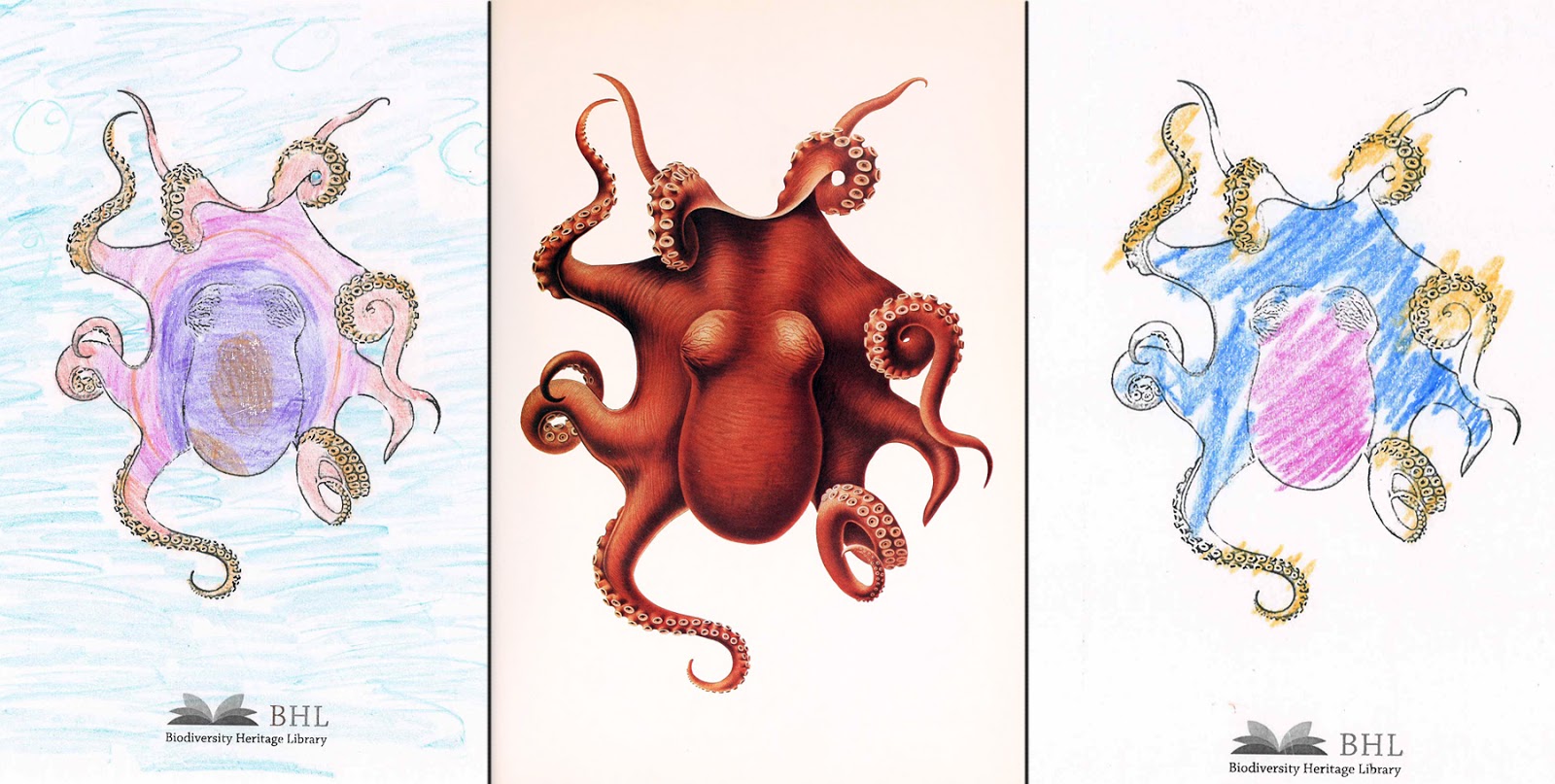
How does a child envision an octopus? These coloring pages from BHL, provided to younger visitors at the Autumn Festival, are quite revealing, particularly when compared with the original image!


View Full Size Image
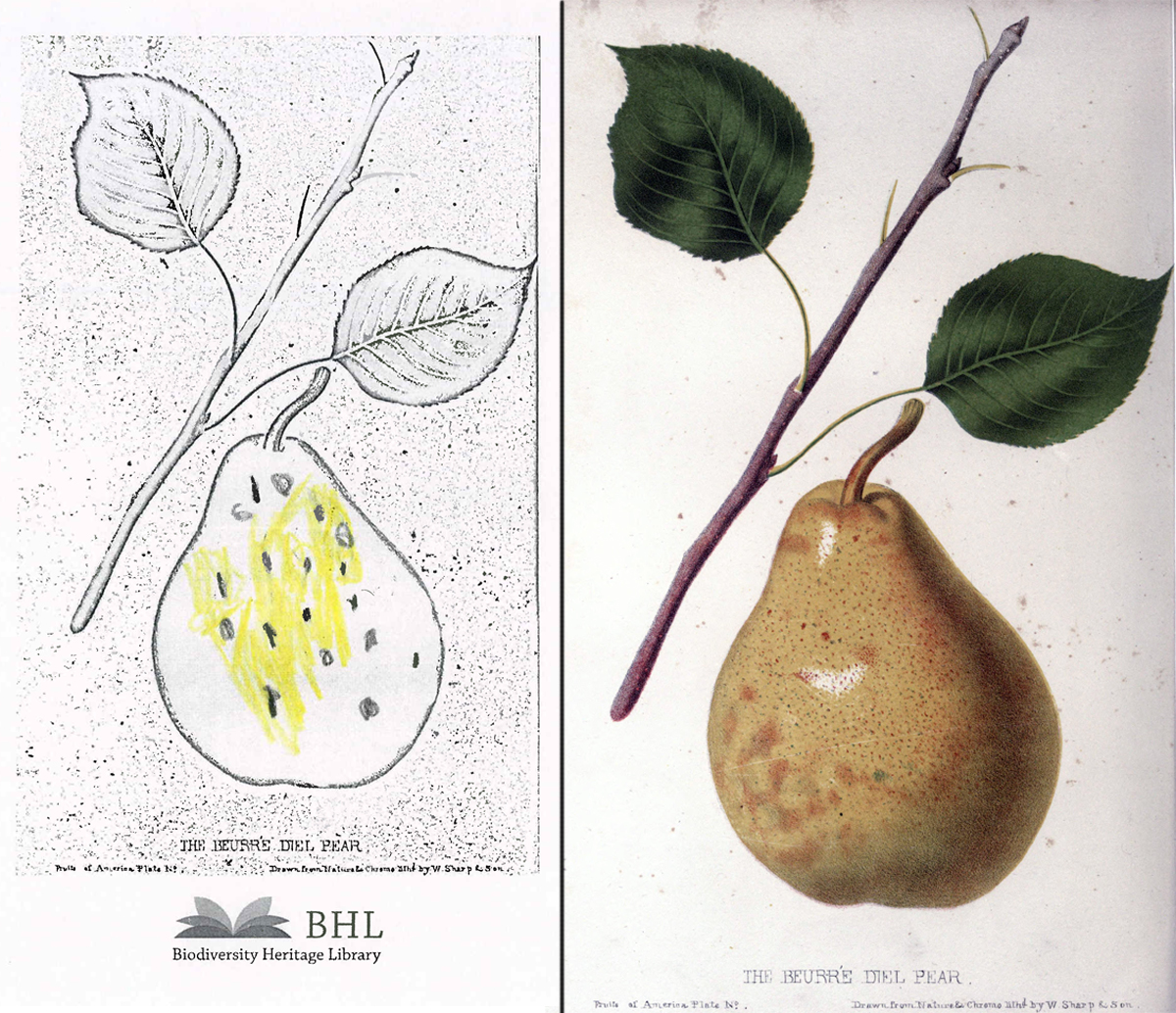
And what about a pear? Compare a child’s imaginative rendition of one to the original, from BHL.


View Full Size Image
Call Number Stickers at the SI Conservation Festival

In addition to learning about SI Libraries, visitors to the SCBI Fall Festival had direct opportunities to learn about conservation issues, exotic animal care, and the exciting and often ground breaking research being conducted by our Zoo researchers.

View Full Size Image
Kristen Bullard interacting with visitors at the SI Conservation Festival

We hope many of our SIL colleagues will join us next year for this fun and educational event! Such venues serve as an excellent opportunity to spread the word about powerful initiatives like the Biodiversity Heritage Library.

November 27, 2012by ulib-libraryjobs
Blog Reel, User Stories

BHL and Our Users: Wendy Wasman

View Full Size Image

When most people think of BHL’s users, they think of scientists accessing literature for research. However, one of our largest user communities is librarians, which use BHL to fulfill requests from patrons, saving their libraries time and resources by having immediate, free, online access to our material. One such librarian is Wendy Wasman, a librarian at the Cleveland Museum of Natural History, who graciously agreed to give us a peek at the way she uses BHL to support her work activities.

What is your title and institutional affiliation?

Librarian, Cleveland Museum of Natural History

How long have you worked in a library environment?

I’ve been a professional librarian since 1988, but I have worked in libraries since I was 16! I started as a page in my public library, and then I worked in my college library (Oberlin) for 4 years. I’m on my second ‘tour of duty’ at CMNH – I was the Librarian from 1988-1994, and then moved to Philadelphia, where I was the Science Librarian at Haverford College from 1995-1999. I moved back to Cleveland in 2000, and have been back at the Museum since 2008. I tell people I’m the “renewed librarian.”

When did you first discover BHL?

I first heard about BHL back in 2008 from the listserv of the Natural History Caucus of the Special Libraries Association, and I followed its progress by reading various articles and blogs.

What is your opinion of BHL and what impact has it had on your duties as a librarian?

I can more easily meet the research needs of the Museum curators by using BHL to find articles. One of the curators was doing research on a specific salamander and needed old taxonomic literature. I was able to use BHL to find every article he needed for his research.

How often do you use BHL?

It really depends on the project. Sometimes I use it several times a week, and sometimes just once a month.

How do you usually use BHL (read the titles online/download whole PDFs/Selecting Pages to Download for a custom PDF/Downloading High Resolution Images/Generating Taxonomic Bibliographies/etc.)

I usually select pages to download for a custom PDF. I also downloaded a lot of high resolution images for a recent presentation I did on scientists and artists of the 19th century. It was a real treat being able to find and download images from the old Transactions of the Zoological Society of London, and it saved my library’s set from the wear and tear of scanning the pages I needed.

What are your favorite features/services on BHL?

Being able to select and download pages for a custom PDF is a wonderful feature.

If you could change one thing about BHL, what would it be, or what developmental aspect would you like the BHL team to focus on next?

I would love to be able to search for individual images; I know that is something that BHL is focusing on now.

Is there a specific item on BHL that is most often requested by your patrons/that you use more than any other to fulfill ILL requests?

Not really, since my use of BHL is very project-dependent right now.
____________________________________________________

Thank you, Wendy, for sharing your experiences with BHL with us! As you indicated, BHL is currently working on improving access to BHL images through work supported by our recent NEH grant. You can find out more about the grant and our project progress on our wiki. In the meantime, enjoy the thousands of BHL images freely available on the BHL Flickr!

As a final note, a recent addition to the Biodiversity Heritage Library is volumes from the Scientific Publications of the Cleveland Museum of Natural History! Be sure to check them out in BHL.


May 29, 2012by ulib-libraryjobs
Blog Reel

BHL and Our Users: Rebecca Morin, BHL Librarian

View Full Size Image

For our regular series “BHL and our Users,” we usually feature scientists who use BHL to conduct their research. However, there are many different kinds of BHL users, not the least of which are librarians that use BHL to help them execute their own work supporting the research needs of their library patrons. For many librarians, BHL means that they can save time answering reference questions, as all content is online; save wear and tear on their physical books by directing people to online versions of the content; and save time and money by avoiding ILL (Inter-Library Loan – sending copies of books held in one library to another that does not own a copy) costs, as again patrons can simply be directed to the item in BHL. Not surprisingly, these benefits extend to BHL staff who that also wear the hat of reference librarian at their respective institutions. This week we feature just such a librarian – Rebecca Morin, the User Services Librarian at the California Academy of Sciences (CAS). She not only serves CAS patrons in her librarian role but is also the driving force behind the digitization of CAS materials for BHL.
 
What is your title and institutional affiliation?
I am the User Services Librarian at the California Academy of Sciences in San Francisco. My main responsibilities are reference, instruction and outreach, acquisitions, and collection development for all areas of the Academy Research Division. I also oversee library systems, interlibrary loans, and the rare book collection.
 
How long have you been working in a library environment?
Almost 14 years. My first library job was working as an undergraduate in the Interlibrary Loan Department at the Margaret Clapp Library at Wellesley College. After graduating with an incredibly useful degree in music, I worked in libraries at UC Berkeley, here at the California Academy of Sciences, and in the Science & Engineering Division of the University of British Columbia Library in Vancouver. I received my MLIS and MAS (Master of Archival Studies) from the UBC School of Library and Information Studies in 2007.
 
When did you first discover BHL?
I have a hard time remembering not using BHL in my current position! It must have been shortly after launch. I used the Missouri Botanical Garden’s Botanicus portal quite a bit, so I think my adoption of BHL just flowed naturally from there. The California Academy of Sciences is not a founding member of BHL, but by the time we joined the consortium in May 2009 I was using BHL regularly as part of my reference and interlibrary loan duties.
 
What is your current level of involvement in BHL?
I spend approximately one day/week working on BHL. I am on the Staff Committee, the Collections Committee, and I was part of the Communications Committee for the Life & Literature Conference in November 2011. I’ve spoken about BHL quite a bit over the last several years, giving presentations at the 2010 meeting of the Society for the Preservation of Natural History Collections, the 2011 IMLS WebWise Conference, and the 2011 Museum Computer Network Conference. I’ve also taught BHL instructional sessions at the Academy and at the National Museum of Natural History. I’m finishing up a scanning project, and I serve as a Principal Investigator on an IMLS National Leadership Grant called Connecting Content: A Collaboration to Link Field Notes to Specimens and Published Literature, which will result in some field note materials being served via the BHL portal (among other outcomes). BHL is a big part of my professional life!
 
What is your opinion of BHL and what impact has it had on your duties as a librarian?
I am extremely proud of this project and so happy that I have the chance to be involved with it! The Library at CAS is separated from the rest of the Research Division by several floors, our graduate students attend schools that are anywhere from five to eighteen miles away, and I work with a large number of off-site research associates and affiliated scholars. It makes a HUGE difference that I can direct researchers to the material they need, instantly, free of charge, from anywhere with an internet connection. BHL is a game-changer.
 
How often do you use BHL?
Without exaggeration, every day. Since reference is my primary responsibility, I find myself using it to verify citations and species descriptions. I send links to articles and bibliographies generated via TaxonFinder to off-site researchers. I download papers that would otherwise require interlibrary loan. I use the BHL Flickr account to help fill the requests I get for beautiful scientific illustrations. BHL is my most-visited external website, ranking just behind Google (according to my browser history).
 
What has been the reaction of your patrons to BHL?
Some research staff were skeptical at first. Several years ago it was not uncommon for me to pull up an item in BHL only to have the patron insist on seeing a paper copy from my collection as well. But now that researchers have grown accustomed to acquiring the latest literature online via ejournal subscriptions, I find they have an increased comfort level in accessing BHL for legacy literature. Students and researchers who don’t live in the Bay Area or visit the Academy often are very enthusiastic about BHL, and patrons are increasingly viewing BHL as a trusted resource and a reliable source of information.
 
What services/features do you like most about BHL and which do you most like to point out to your patrons? Which services/features are your patrons most excited about/use the most often?
My absolutely favorite feature of BHL is that it is free and open. Scientific literature is so expensive, and access to older foundational literature can be so restrictive. I know a lot of visiting scholars and students are just thrilled with what BHL offers, and many are excited to share it with friends and colleagues who may not have easy access to rich library collections. Many of my patrons are big PDF-makers; they use the PDF creator to build their own literature libraries, kind of like an electronic reprint collection.
 
If you could change one thing about BHL, what would it be, or what developmental aspect would you like the BHL team to focus on next?
Full-text searching within items is something that my users really want to see. For students new to research in systematic biology, it can be hard to find one’s way around the text online. Tools for image retrieval would be incredibly helpful as well.
 
Is there a specific item on BHL that is most often requested by your patrons/that you use more than any other to fulfill ILL requests?
The publications of the Academy, such as the Proceedings of the California Academy of Sciences, are always popular. Our reference copies are difficult to photocopy, and Academy staff from the Research Division and beyond regularly consult the Proceedings. The Academy was founded just three years after California became a state, and the Academy is inextricably wrapped up in the history of California. Academy staff, students, collection managers, historians, genealogists, and scholars of all stripes constantly seek information from the Proceedings, and I usually refer them to BHL.
________________________________________________________
 
Thanks, Becky, for sharing your valuable insights, garnered from not only a reference librarian perspective, but a BHL staff member perspective as well. To date, the California Academy of Sciences library has contributed thousands of pages of taxonomic literature to BHL, and we look forward to the continued provision of material from this important academic and historical institution. These contributions are the direct result of work done by Becky and other library staff at CAS, and we are grateful for their commitment to the BHL project!
February 28, 2012by ulib-libraryjobs
Blog Reel, User Stories

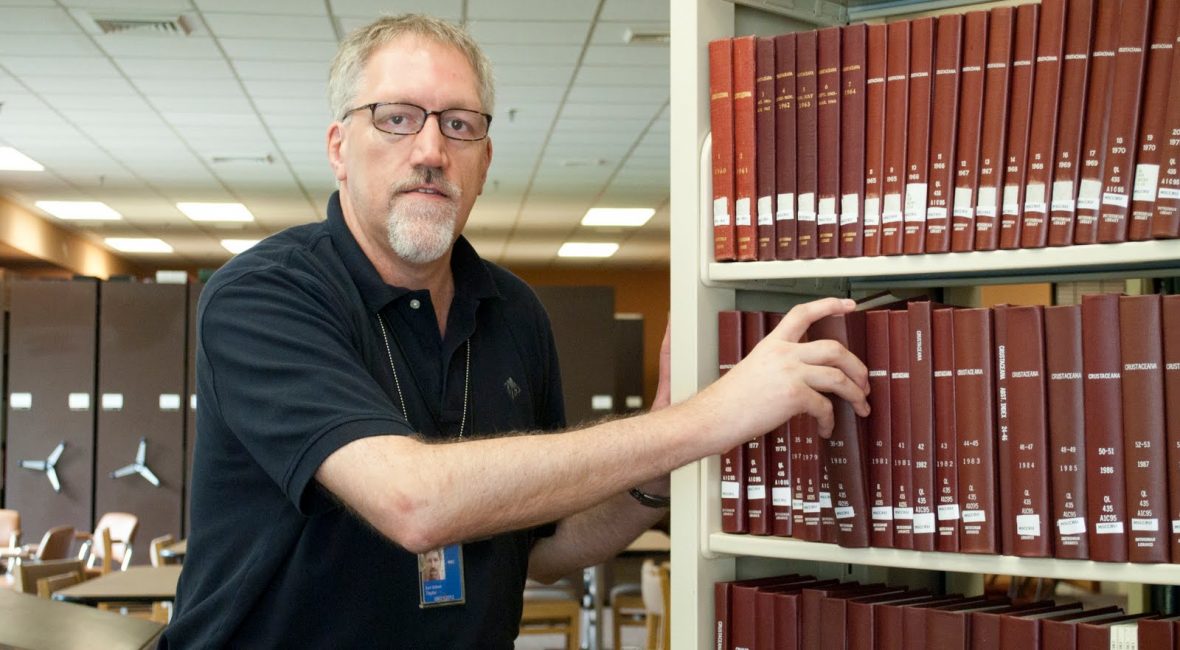
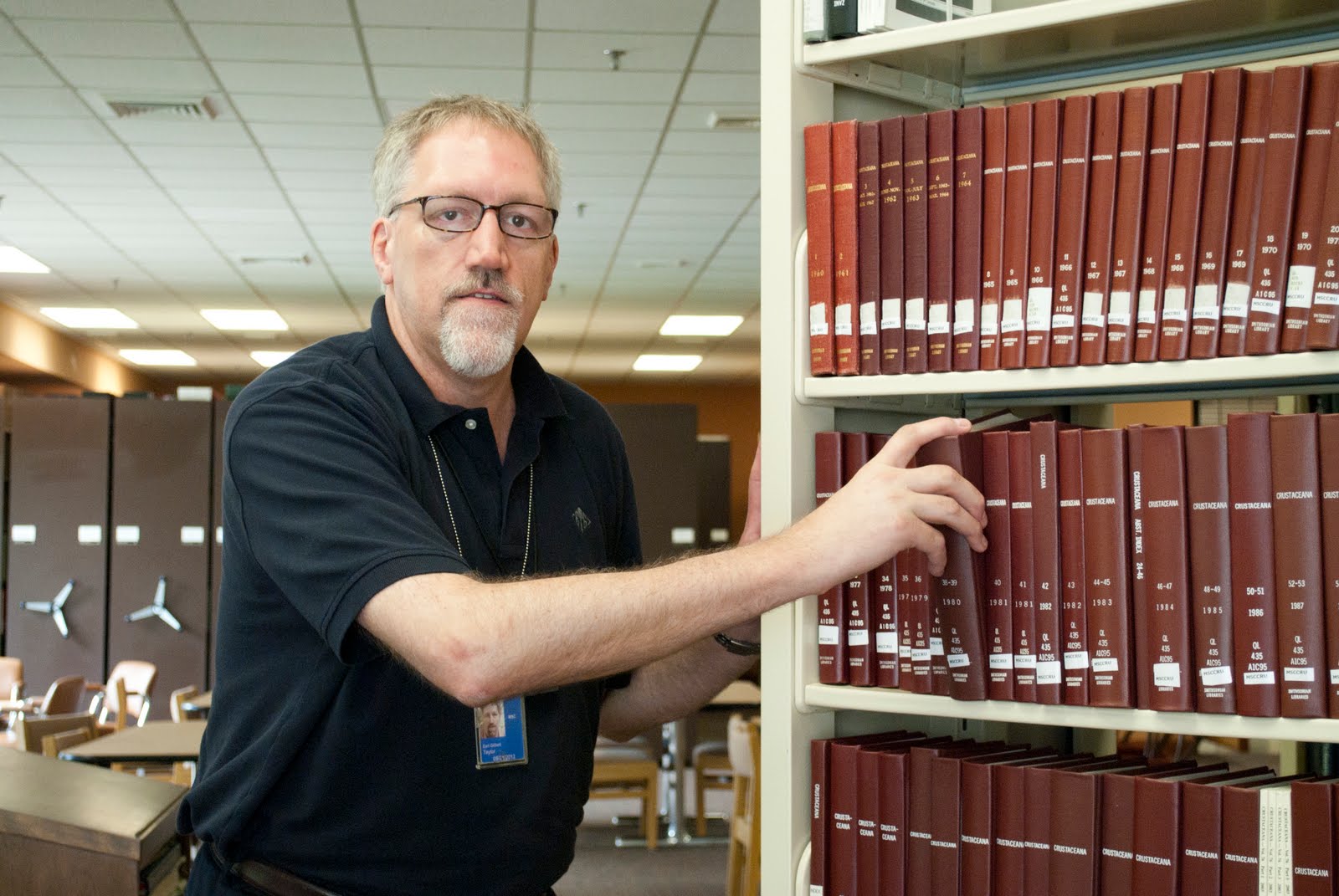
BHL and Our Users: Gil Taylor

View Full Size ImageEver wondered how BHL decides what to scan? There are a variety of avenues that staff use to select titles for digitization, including scan requests submitted by users, BHL member publications and subject strengths, botany and zoology priority titles, in-copyright titles for which BHL has received permission to scan, and titles identified by BHL staff members as important biodiversity works. To accomplish the latter, the librarians at various BHL institutions play a key role. Their expertise and interaction with library patrons ideally situates them to inform collection development for the BHL project.

This week, we feature one of these individuals, Gil Taylor, librarian at the Smithsonian Institution Libraries. He regularly uses day-to-day work within the library and conversations with patrons to suggest important works for BHL to digitize, and his enthusiasm for and promotion of the project ensures that anyone coming into contact with the Smithsonian Libraries is made aware of the wealth of information available within the BHL collection.

What is your title and institutional affiliation?

I’m assistant department head at the Smithsonian’s National Museum of Natural History’s Natural and Physical Sciences department. Recently I have been overseeing the Entomology and Invertebrate Zoology (IZ) libraries at the NMNH, along with Museum Support Center Library, in Suitland, MD. I have been at the SIL since 1990.

How long have you been working in a library environment?

Nearly 30 years. Before coming to SIL, I worked full time in a number of libraries and technical services at the University of Maryland, College Park, where I also received my MLS in 1989. I came aboard in the library world just as the OPAC was superseding the card catalog, and to me it was particularly interesting, especially as you could access the catalog remotely. I felt like I was cutting-edge back in the 1980’s as I was the only one in my library school cataloging class who typed up sample cards using an Apple II and a dot matrix printer instead of using a typewriter.

When did you first discover BHL?

I feel as if I witnessed its birth, as it grew out of SIL’s Biologia Centrali -Americana project.

What is your current level of involvement in BHL?

I serve on SIL’s BHL Task Force and try to identify needs BHL can fill for our researchers. I was very happy to be on board with BHL as the Entomology and IZ Libraries here were among the first SIL libraries to be “harvested” for BHL. But, I primarily I see myself as a BHL evangelist, taking every opportunity to expound on what a great, quality non-profit effort It is. I believe it’s utterly central to the librarian ethos to make every effort to share the knowledge you’re charged with curating.

What is your opinion of BHL and what impact has it had on your duties as a librarian?

From a front-line reference librarian perspective, it has been a real boon. Our staff members sometimes take particular delight in responding to ILL queries for our materials by pointing to their availability in BHL. Not having to painstakingly copy materials, sometimes from old volumes with fragile bindings, is a huge time-saver.

How often do you use BHL?

When doing reference work, almost every day.

What has been the reaction of your patrons to BHL?

I remember the initial skepticism from staff and users that the image quality of scans would not be good enough for serious taxonomic identification work. When users know they have access to original scans in a very lossless format, I have rarely come across a patron who was dissatisfied with what they have downloaded from BHL. For older curators and volunteers, their first time in utilizing BHL can seem almost magical in its instant gratification.

What services/features do you like most about BHL and which do you most like to point out to your patrons? Which services/features are your patrons most excited about/use the most often?

There is no one specific feature that I point out routinely, but I emphasize to patrons that because BHL is nearly a grass-roots effort, all suggestions and feedback for its improvement are taken seriously and can really make a difference. We can clearly see this, for example, as BHL continually tweaks its UI. Compare this to attempting to get the attention of a vast information services conglomerate.

If you could change one thing about BHL, what would it be, or what developmental aspect would you like the BHL team to focus on next?

I think some work needs to be done on correcting OCR, as this can be a problem when exporting content to mobile platforms. One researcher here recently inquired about how to access BHL content on an iPad while he is in a deep-sea submersible.

I think I (and others) would like to have the ability to upload a list of citations from a researcher and have BHL automatically link to corresponding content. This seems almost like a science fiction fantasy for a librarian, but I think it is within the reach of developers.

The BLE virtual exhibition of BHL content that BHL-Europe is experimenting with seems like a terrific way to package and serve content in literally spicy, creative ways. This is the customized library subject guide of the future.

As I also answer or direct public e-mail queries at SIL, I see a lot of requests for images. Further indexing of images through pattern recognition, etc. could dramatically widen the BHL’s audience.

Is there a specific item on BHL that is most often requested by your patrons/that you use more than any other to fulfill ILL requests?

For the public, but also from SI researchers, the mostly 19th century, legacy Smithsonian-published materials (annual reports/bulletins of the USNM, Bureau of Ethnology, etc.) are particularly popular.

Thank you, Gil, for all the work you do for BHL and for the critical contributions you make to the development and dissemination of the project. And we send a special thanks to all our librarian colleagues who make BHL run like such a well-oiled machine!

December 20, 2011by ulib-libraryjobs
Blog Reel, User Stories

BHL and Our Users: Robin Everly & the Smithsonian Institution Libraries

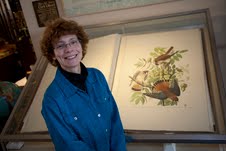
View Full Size ImageThis week, we feature one of the librarians at BHL partner institution, the Smithsonian Institution Libraries. Robin Everly, the Botany-Horticulture librarian for the Smithsonian, has played an extremely active role in the development and dissemination of BHL for the past several years. She has a unique perspective on the project, playing the role of both user (to perform library-related job requirements) and member of the team developing BHL. We are excited to share her interesting viewpoint on our blog!


What is your title and institutional affiliation (or alternative place of employment)?


I’m the Branch Librarian for the Botany-Horticulture Library at the Smithsonian Institution Libraries. Currently, I’m also serving as Board President of the Council on Botanical and Horticultural Libraries (CBHL) through May 2012.


How long have you been working in a library environment?


Pretty much my entire working life. In high school, I worked as a page for my local public library. Although I have a B.S. in Zoology from the University of Maryland, the jobs I applied for had to do with handling and organizing scientific information. Included in this mix were working at the National Cancer Institute’s then called Cancer Therapy Evaluation Program, which handled drug development; a short lived pesticide risk assessment position; and working as a database indexer for the AGRICOLA database at the National Agricultural Library (NAL). While working at NAL, I decided to make working in the information field official by getting an MLS. My goal was to work as a science reference librarian, and its one of the best decisions I ever made.

When did you first discover BHL?


As a botanical librarian working at the U.S. National Arboretum, I would use Botanicus, a database developed at the Missouri Botanic Garden. Around 2007 or 2008, I kept hearing about the Biodiversity Heritage Library database and wondered how it differed from Botanicus. In January 2008, I attended a presentation by Martin Kalfatovic and Suzanne Pilsk on BHL at NAL and learned what I thought were pretty ambitious plans for getting more content. There I also learned about plans for BHL to eventually have the majority of botanical literature in it and for Botanicus to hold a certain subset.


It’s hard to believe that BHL has only been around for the last 5 years or so. It’s made such a huge impact on taxonomy –both botanical and zoological; timewise,it feels like it has been around a lot longer.


What is your current level of involvement in BHL?


I serve on the BHL Collections Committee, which has a member from each BHL library on it. I represent the Smithsonian Institution Libraries on the committee. I’m also on an in-house SIL taskforce group which meets at least once a month. Plus, I’m also a big advocate of the data base and try to promote it whenever I can to our library visitors and staff here at the Smithsonian.


What is your opinion of BHL and what impact has it had on your duties as a librarian?


BHL is a wonderful project. In my opinion, it’s the librarians’ and libraries’ way to contribute to plant and animal conservation. It’s a project that helps researchers based in the developing world – where most plant biodiversity is found – conduct their research more quickly and easily. Since most of the printed taxonomic literature is in North America and Europe, this project brings the literature, literally to a researcher’s fingertips at his/her desktop, anywhere in the world you have an internet data connection. And the best part is: it’s freely available. Our foreign visitors are especially impressed with the database and all the books and journals that are available on line. I only heard compliments about the database when I was at the recent International Botanical Congress in Melbourne, Australia. It’s very gratifying to get such a positive response from your users on a product developed partly at your institution.


As a librarian, it has made my job easier because I don’t need to request an article or book through interlibrary loan if it is in BHL; I just send the requester the URL. Also, if the print copy is fragile, acidic or even brittle, it allows for that copy to be handled only under special circumstances. The electronic copy is serving as a kind of “preservation tool” in this case. BHL is organized in such a way that it is easy to explain to a user how to search it and find the information they need.


Years ago, I went into science because I wanted to be a researcher involved in animal conservation. Although I have never achieved that goal, by participating in BHL as a librarian, I’m helping the researchers who are involved in both plant and animal conservation conduct their research. I found this a very rewarding part of my job.
November 8, 2011by ulib-libraryjobs

Help Support BHL

BHL's existence depends on the financial support of its patrons. Help us keep this free resource alive!

search

About BHL

The Biodiversity Heritage Library (BHL) is the world’s largest open access digital library for biodiversity literature and archives. BHL operates as a worldwide consortium of natural history, botanical, research, and national libraries working together to digitize the natural history literature held in their collections and make it freely available for open access as part of a global “biodiversity community.”

Join Our Mailing List

Sign up to receive the latest news, content highlights, and promotions.

Subscribe Now

Subscribe to Blog via Email

Enter your email address to subscribe to this blog and receive notifications of new posts by email.

Join 319 other subscribers

Subscribe to Blog Via RSS

Subscribe to the blog RSS feed to stay up-to-date on all the latest BHL posts.

Access RSS Feed

Inspiring Discovery through Free Access to Biodiversity Knowledge.

The Biodiversity Heritage Library makes it easier than ever for you to access the information you need to study and explore life on Earth…for free, anytime, anywhere.


64+ Million Pages of
Biodiversity Literature Online.

EXPLORE

Tools and Services
to Transform Research.

EXPLORE

300,000+
Illustrations on Flickr.

EXPLORE

ABOUT | HARMFUL CONTENT | PRIVACY | SITE MAP | TERMS OF USE