
Biodiversity Heritage Library - Program news and collection highlights from BHL
  • Home
  • News
  • Featured Books
    • All Featured Books
    • Book of the Month Series
    • BHL at 20
  • User Stories
  • Campaigns
    • Fossil Stories
    • Garden Stories
    • Monsters Are Real
    • Page Frights
    • Her Natural History
    • Earth Optimism 2020
  • Tech Blog
  • Visit BHL
Home
News
Featured Books
    All Featured Books
    Book of the Month Series
    BHL at 20
User Stories
Campaigns
    Fossil Stories
    Garden Stories
    Monsters Are Real
    Page Frights
    Her Natural History
    Earth Optimism 2020
Tech Blog
Visit BHL
  • Home
  • News
  • Featured Books
    • All Featured Books
    • Book of the Month Series
    • BHL at 20
  • User Stories
  • Campaigns
    • Fossil Stories
    • Garden Stories
    • Monsters Are Real
    • Page Frights
    • Her Natural History
    • Earth Optimism 2020
  • Tech Blog
  • Visit BHL
Biodiversity Heritage Library - Program news and collection highlights from BHL
Blog Reel, Featured Books

It’s The End of the World as We Know It. Do You Feel Fine?

View Full Size Image
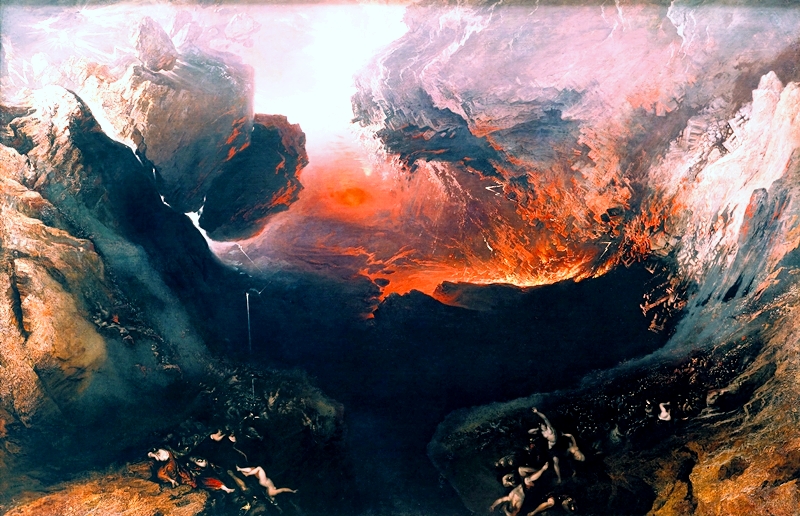
The Great Day of His Wrath (1853), Artist: John Martin

If you are reading this post then the world hasn’t ended…but, you probably already knew it wasn’t going to end.

Don’t look so disappointed. Yes, the human race regrettably has always had a collective death wish, eagerly awaiting the promise of the end of times since the beginning of times. Or have we? Ironically, it was the Maya, the ancient civilization that gave us such a precise date by which to count down to our own demise: December 21, 2012, that Mayan archeologist William Saturno explains looked for evidence that life goes on:

“We keep looking for endings. The Maya were looking for a guarantee that nothing would change. It’s an entirely different mindset.”

Mayan cosmology is more concerned about looking for assurances of continued life on earth, not death. So be comforted on this day – a day like any other – and use it to reflect on the greater value that life seems to take on in the face of our imminent death.

Besides a hopeful view of the future, the Maya had many beliefs worth adopting. Another foreign notion to our fast-paced-commerce-driven society is the worship of nature and animals as divine gods. The Mayans had a great reverence for nature which might explain why their entire religious pantheon is made up of deities that are either animals or humans with anthropomorphic features. They believed in worshiping life in its diverse manifestations.

Book of the Week

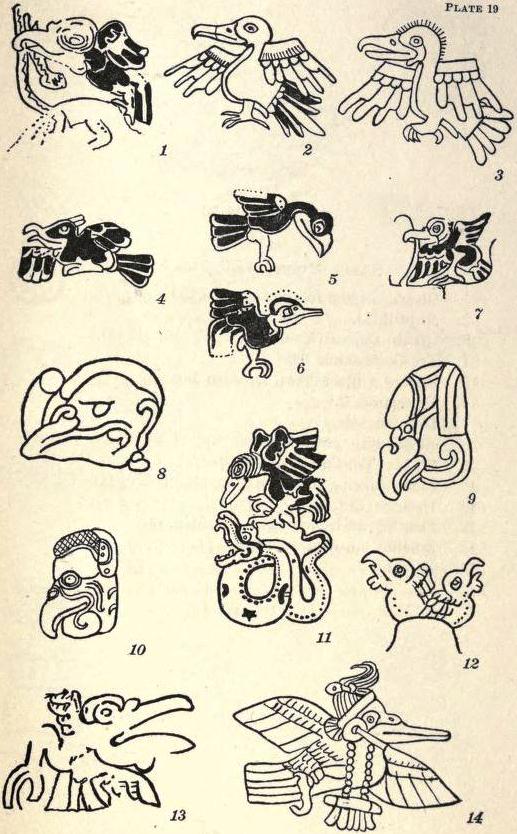
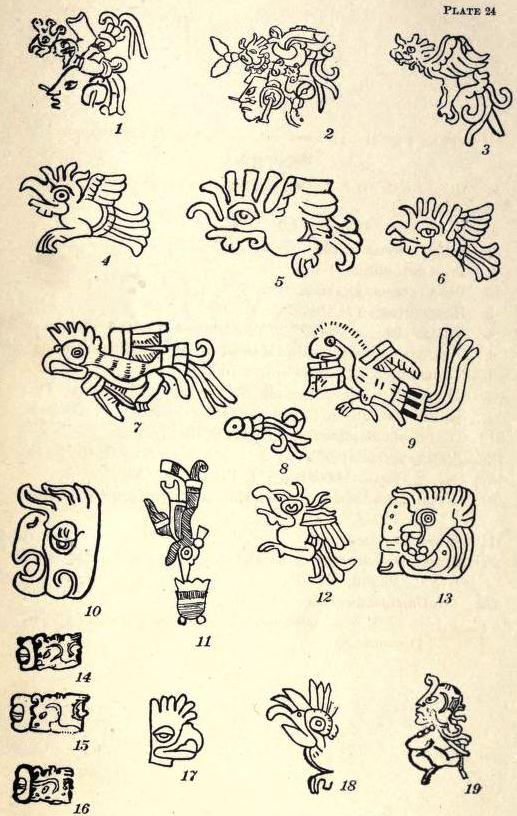
To honor this ancient civilization’s deep reverence for biodiversity we have chosen a singularly unique study undertaken by Alfred M. Tozzer and Glover M. Allen, for this week’s book of the week:

Animal Figures in the Maya Codices (1910)

Mr. Tozzer is one of the most famous American Mayanists to date and Mr. Glover was a zoologist specializing in Mesoamerican species at the turn of the last century. Together, the duo was determined to match Mayan hieroglyphic characters, glyphs and artwork depicting Mayan gods to modern species analogues. They were fairly successful in identifying the specific species that the Maya would come in contact with and thus idealize as religious deities.

Mayan Art Inspired by Meso-American Species

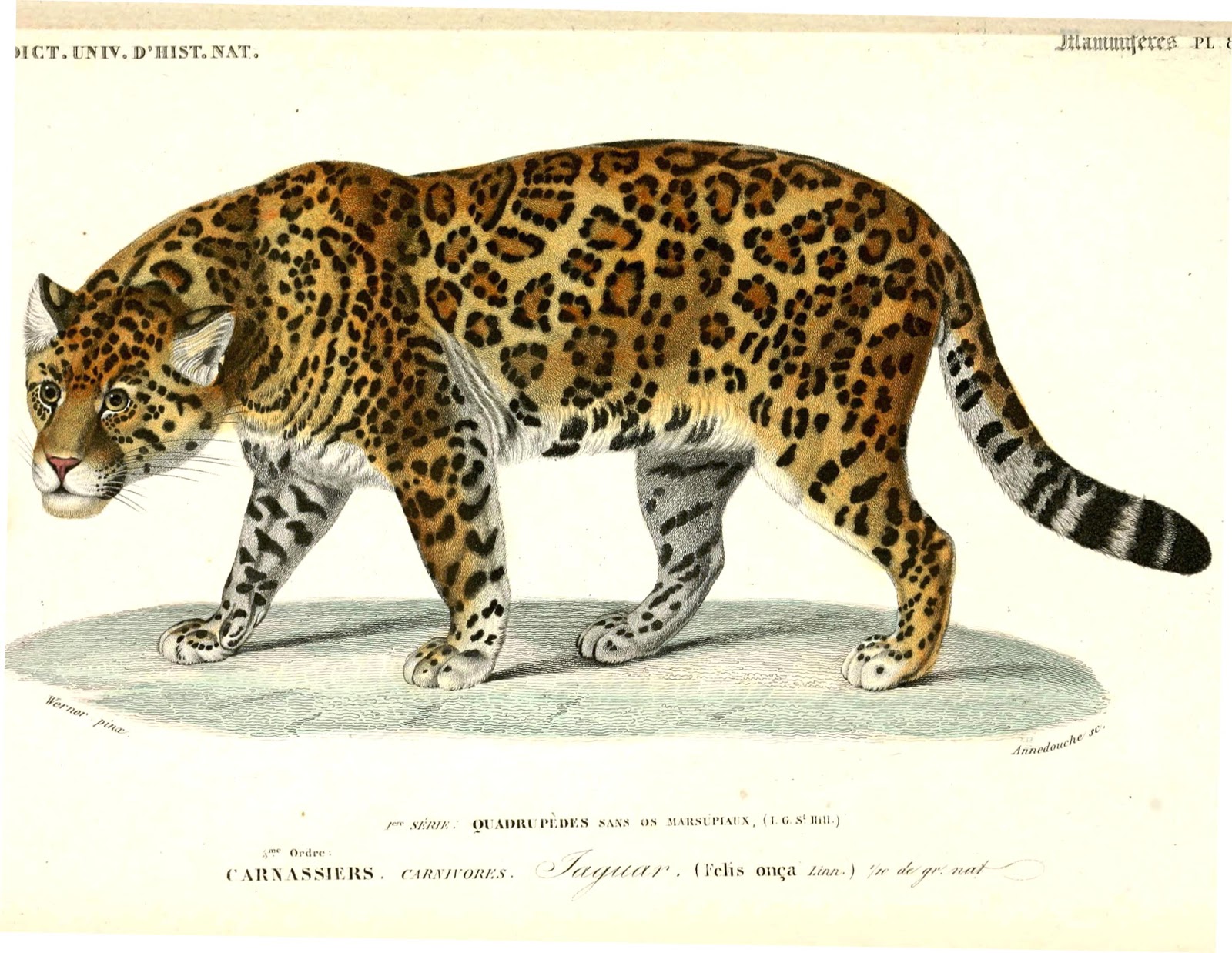
Gilbert Borrego, our Flickr Guru, has scoured the BHL in search of Meso-american species and put together a 58 plate Flickr Collection dedicated to Mayan plant and animal life. We have matched these illustrations with the respective Mayan hieroglyphs present in Tozzer and Allen’s work. Your job is to examine the glyphs and see if you see any resemblance between the Mayan art and their species counterparts.

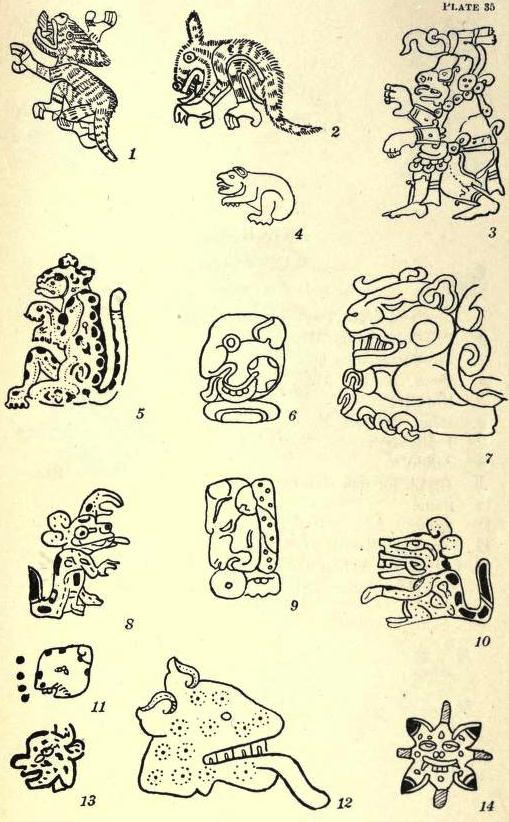
Jaguar (Panthera onca)
View Full Size ImageView Full Size Image

The jaguar a predatory animal symbolized strength, courage, associated with great Mayan warriors. Some scholars have also purported that the beautiful animal is the ruler of the Underworld.

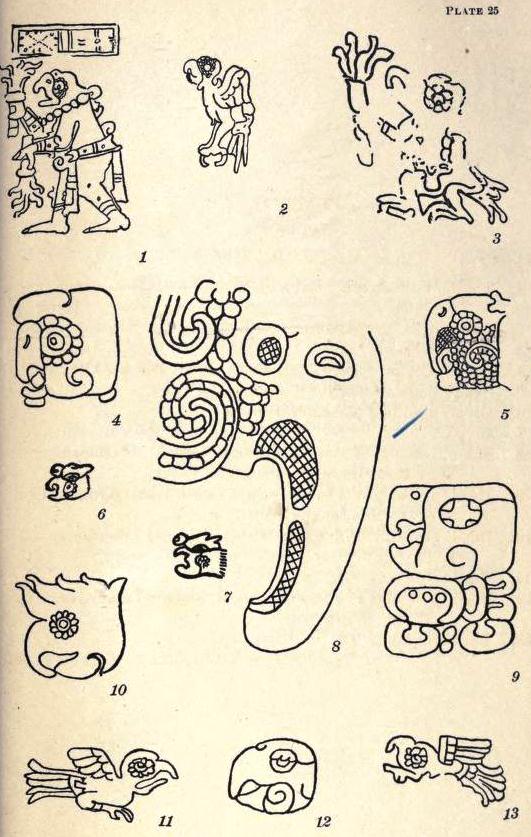
Blue Macaw (Ara militaris)

View Full Size ImageView Full Size Image 

According to Tozzer and Glover, the  Macaw was one of the lightning beasts associated with the worship of fire and the sun. Their brilliant blue feathers were often used in ceremonial headdresses.

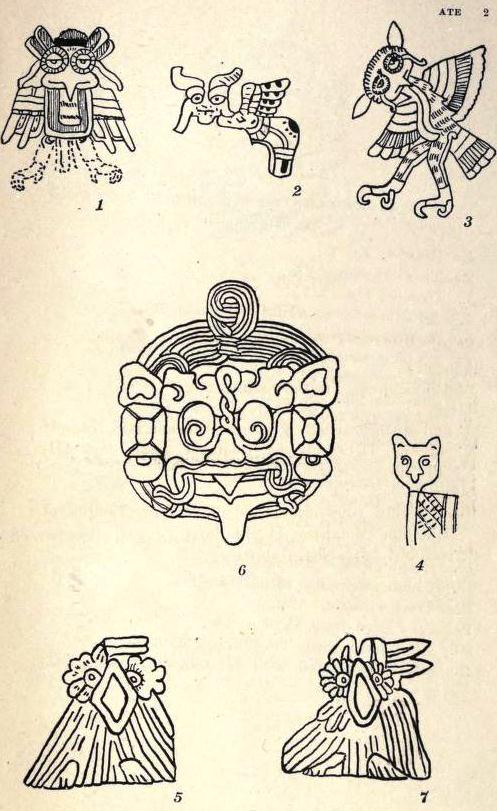
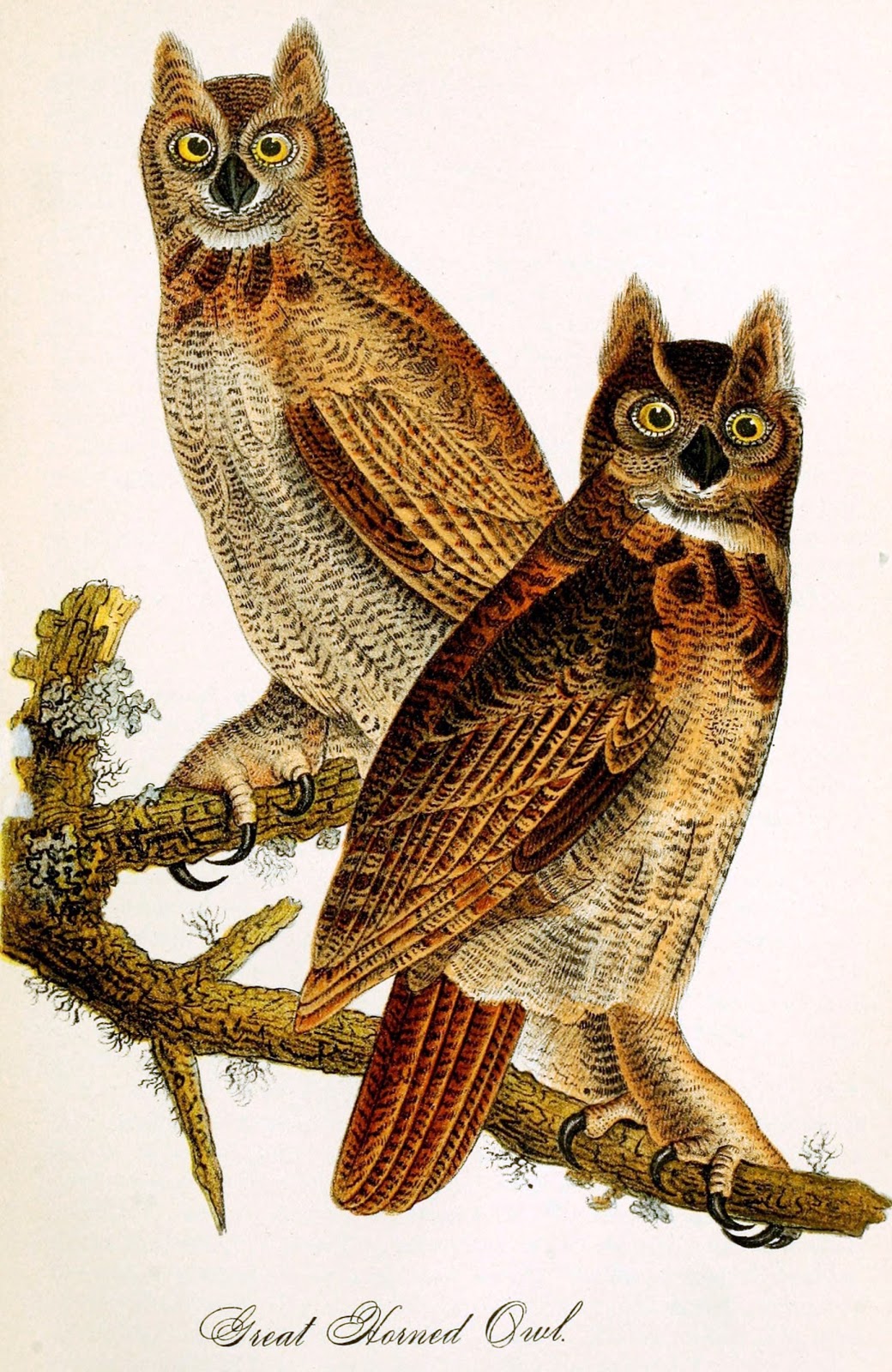
Yucatan Screech Owl or Moan-Bird (Otus choliba thompsoni)
View Full Size ImageView Full Size Image 

The owl is a symbol of death and destruction and is regarded as the Moon or Night God. The Owl resides in the  mythological “House of Drought,” unlike the serpent which occupies the “House of Rain”  therefore symbolizing life.<

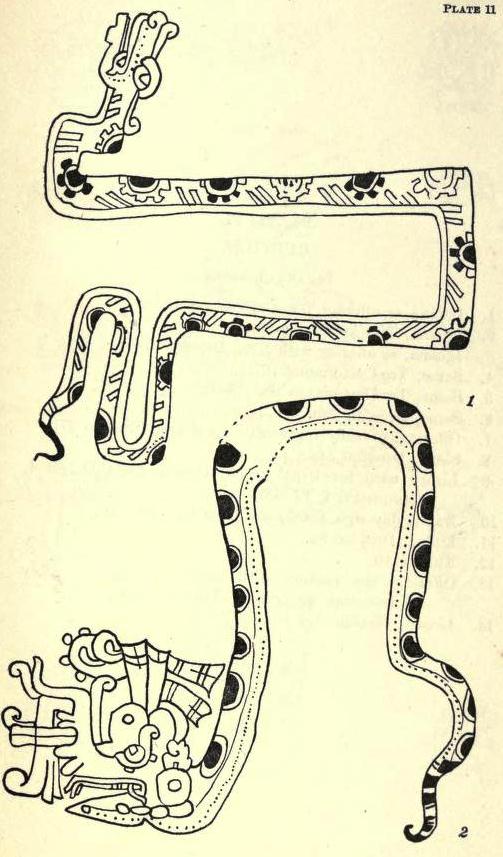
Serpent (Boidae)
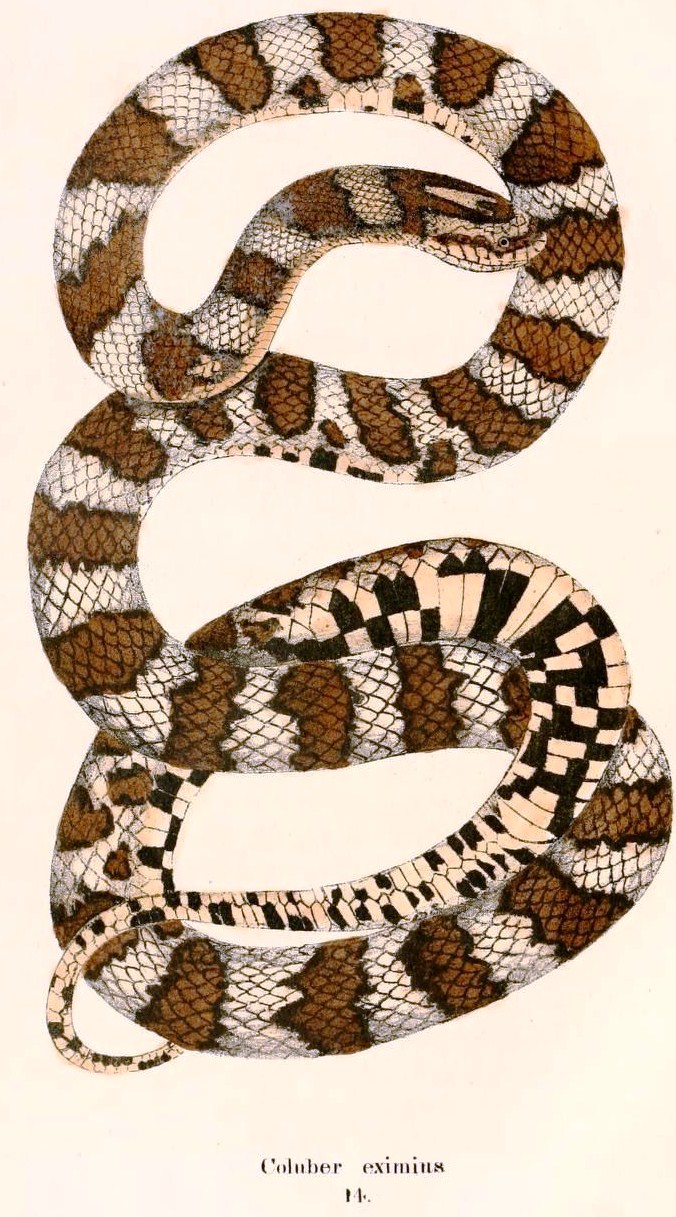
View Full Size ImageView Full Size Image

The serpent was extremely important for it symbolized the live-giving force rain, and thus regulated the annual yield of  crops. It is most likely that this association was made because snakes show themselves in large numbers before and after rainfall.

King Vulture (Sarcoramphus papa)
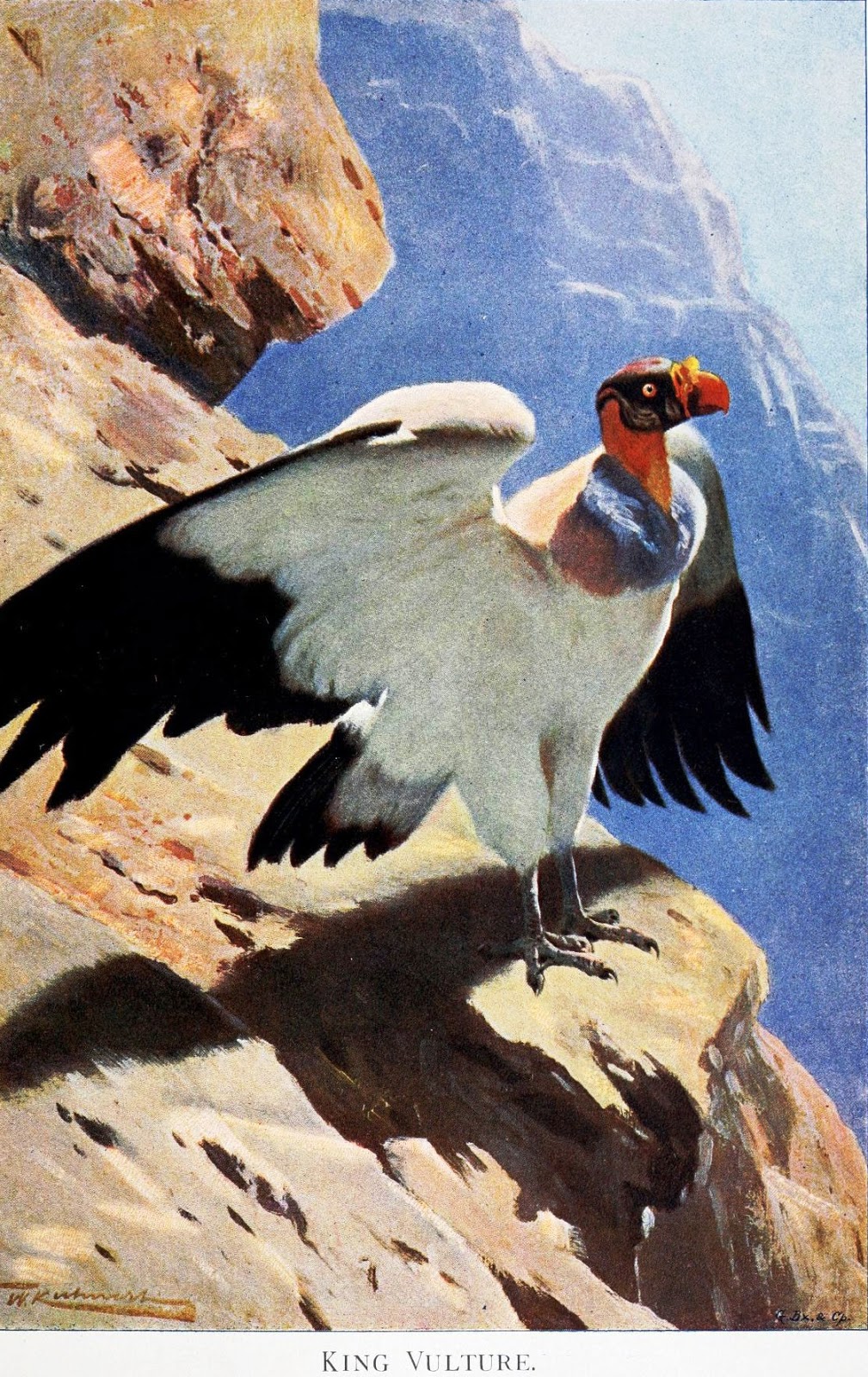
View Full Size ImageView Full Size Image

Scholars have speculated that the King Vulture symbolizes power as well as sacrifice. According to Mayan mythology ‘lesser’ Vultures would not eat until the King came down and plucked out the eyeballs and entrails of the dead.

Coppery-tailed Trogon aka The Quetzal (Pharomacrus mocinno)
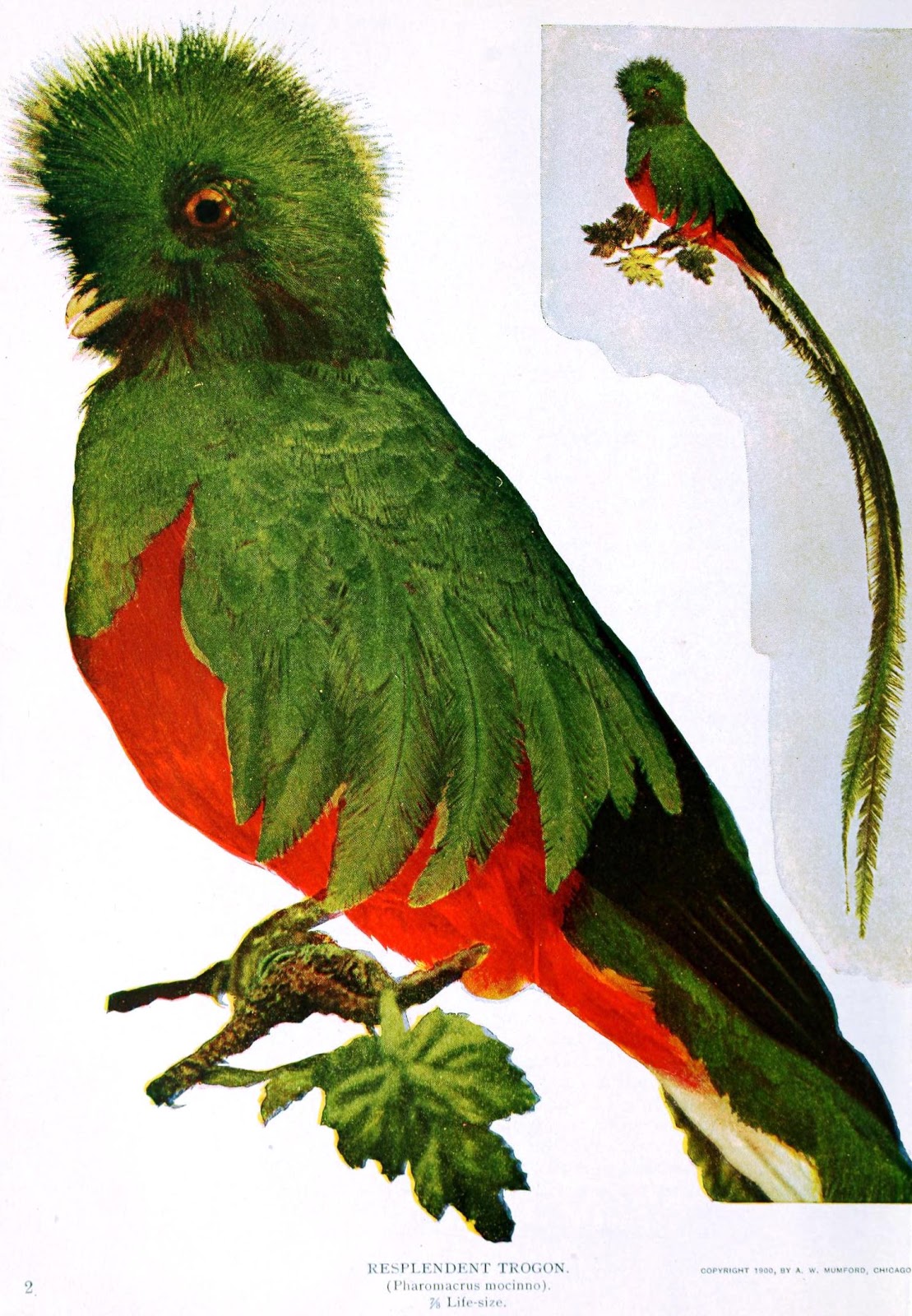
View Full Size ImageView Full Size Image

The Quetzal, meaning ‘large brilliant tail feather’, is a rare bird found in certain parts of Southern Mexico. Its brilliant green color and particularly long tail feathers made it a sacred bird to the Mayans that was reserved for use in headdresses of rulers. The bird is associated with the mythical hero Quetzalcoatl, the feathered serpent god, whom the Mayans mistook conquistador Hernán Cortés for. According to an account by Alexander von Humboldt, the Mayans were impatiently awaiting the return of this god because he would bring a time of great peace with him. Read more about that here.

Clearly, Mayans were more concerned with the cycle of life rather than the end of the world as we know it. In the spirit of their great culture, take the time to celebrate your continued life today. And if for some reason you were in a panic about the world ending, then calm yourself and visit NASA’s 2012 de-bunked website.You’ll surely feel better.

We hope you enjoyed this post. Interested in guest-blogging for BHL? We’d love that! Natural history, biodiversity and conservation topics are especially welcomed. Email us your ideas at [email protected]
December 21, 2012by [email protected]
Blog Reel, Featured Books

Halloween Biodiversity: Myths & Legends

Happy Halloween from BHL!

It’s that time of year again, when the ghosts, ghouls, and goblins come out to play, the dead walk, and little children dress up as their favorite monsters and scurry from house to house cramming countless pieces of candy into bulging bags.

BHL has been celebrating Halloween all week with tweets, Facebook posts and quizzes, and a Flickr collection dedicated to the holiday. While doing research for our festivities, we gathered countless myths and legends associated with the biodiversity of Hallow’s Eve. Come along with us as we explore Halloween from nature’s viewpoint, and, thanks to some inspiration provided by Smithsonian.com, find out how you can use BHL to transform yourself into the precise likeness of your favorite species!

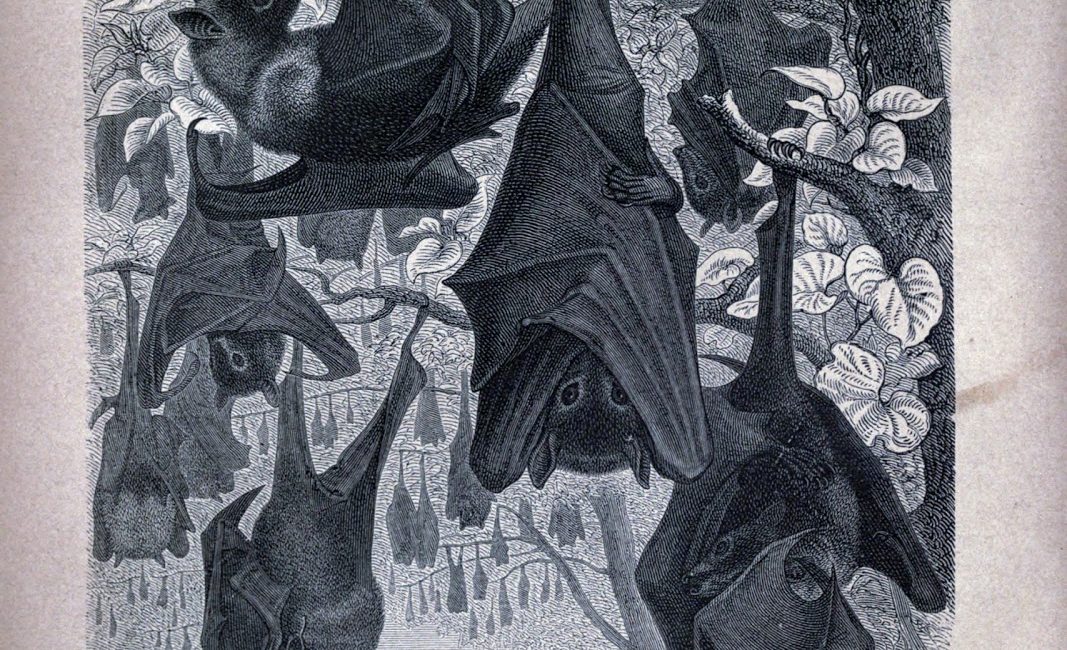
The Bat

View Full Size Image
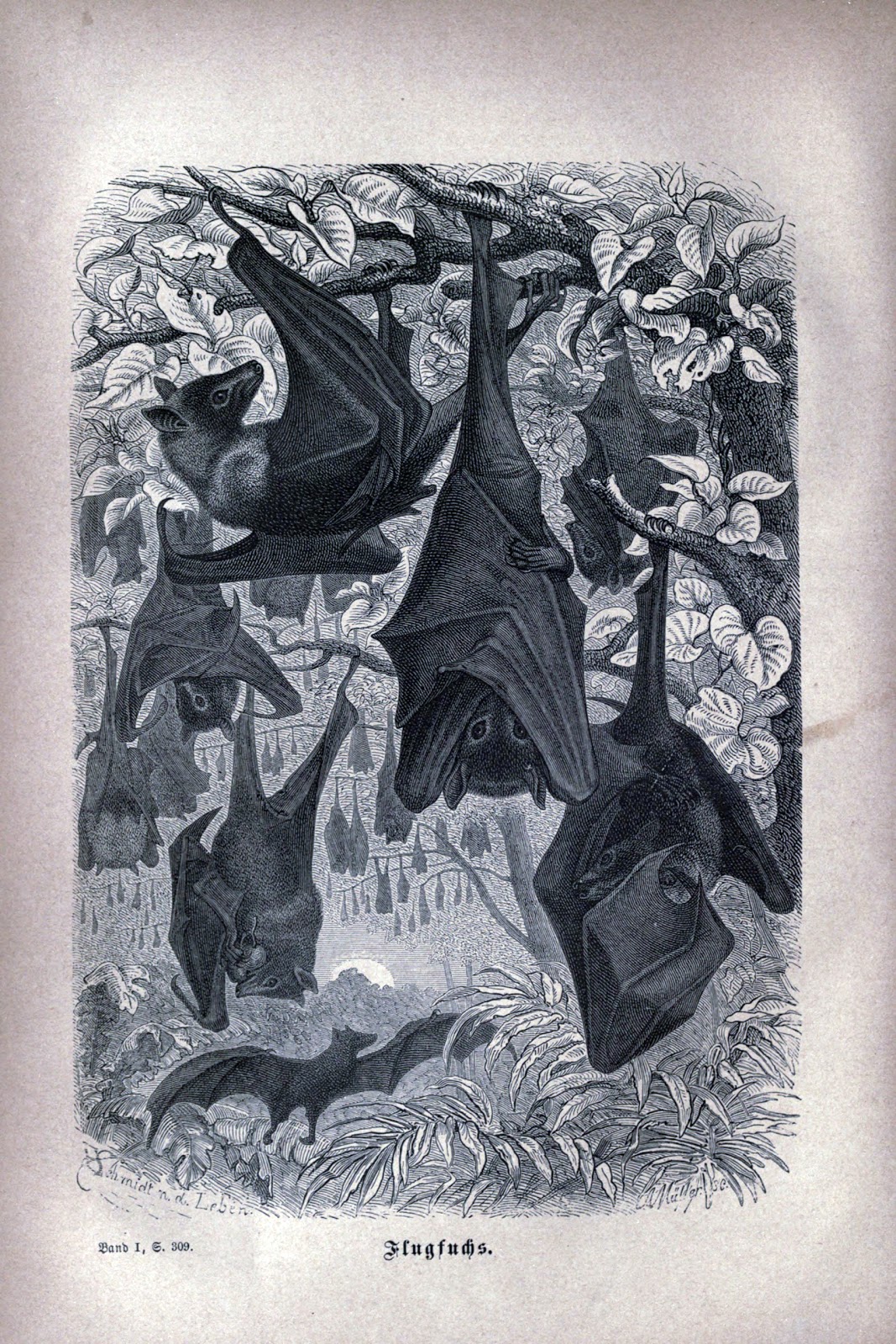
1870s depiction of bats in BHL

Most people associate bats with Halloween because of vampires. Many vampire legends claim that the undead monsters can transform into bats, helping them cover long distances quickly and sneak into the open windows of angelic young girls.

The bat’s original association with Halloween, however, is significantly less ominous. In early times, when the threat of the dead rising from their graves during All Hallow’s Eve was more credited, people would build large bonfires to ward off evil spirits. These fires attracted insects, constituting a small feast for the local bat populations, which would swarm around the fires to catch a midnight snack.

As the association of bats and evil spirits became more imprinted in the minds of credulous civilizations, rumors of bat species from the New World that drank blood only served to further intensify the belief. Unquestionable documentation of the curious species, now known as the vampire bat, by early Spanish explorers sealed the affiliation between bats and evil, and eventually helped give rise to the myths involving vampires (the epitome of blood-sucking monsters) and bats.

View Full Size Image
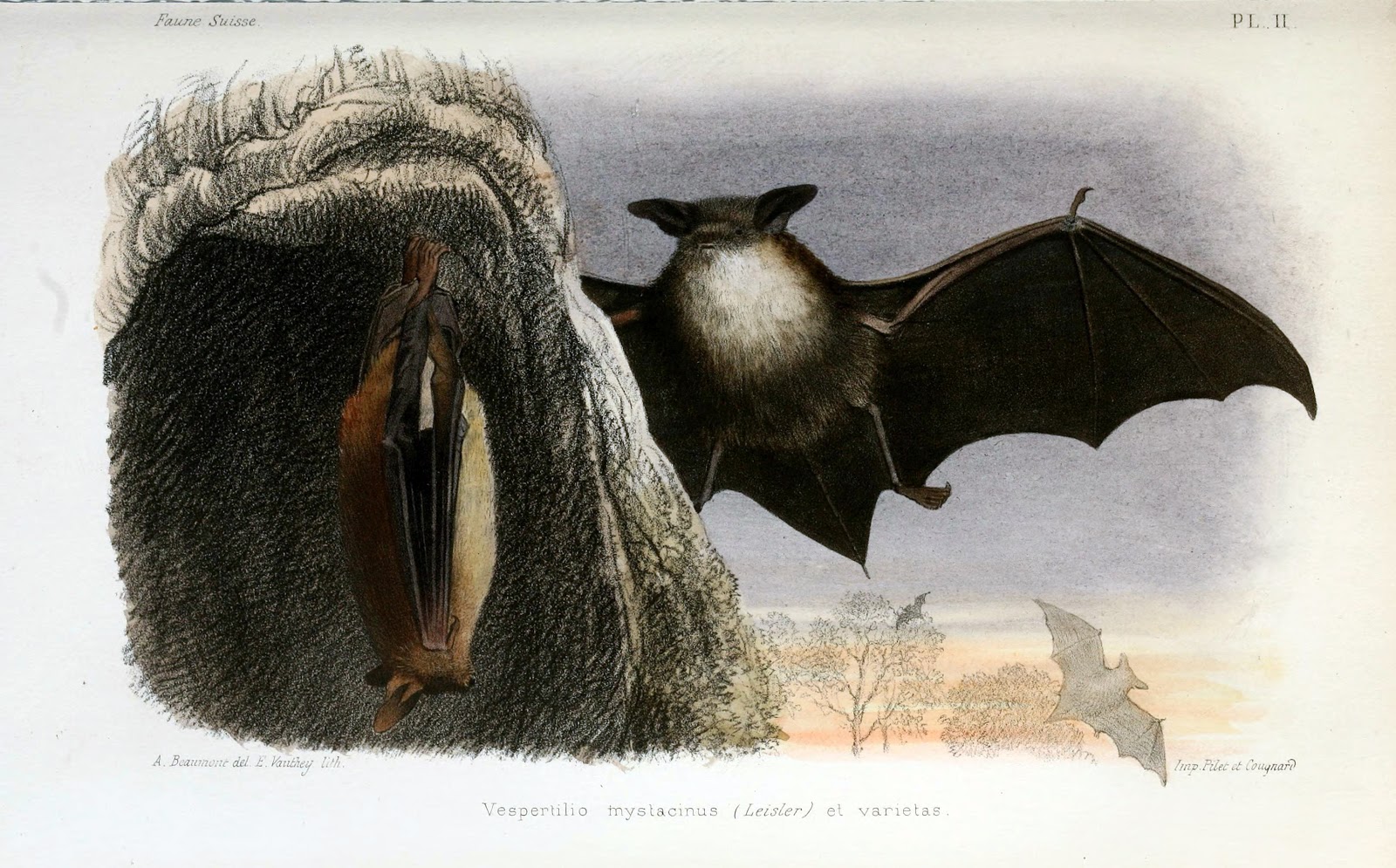
The Whiskered Bat in BHL

Learn about the Bat in BHL with two of our favorite images from our collection: an 1876 illustration from v. 1 of Brehms thierleben, allgemeine kunde des thierreichs and an 1869 illustration from Faune des vertébrés de la Suisse.

Pumpkins

View Full Size Image
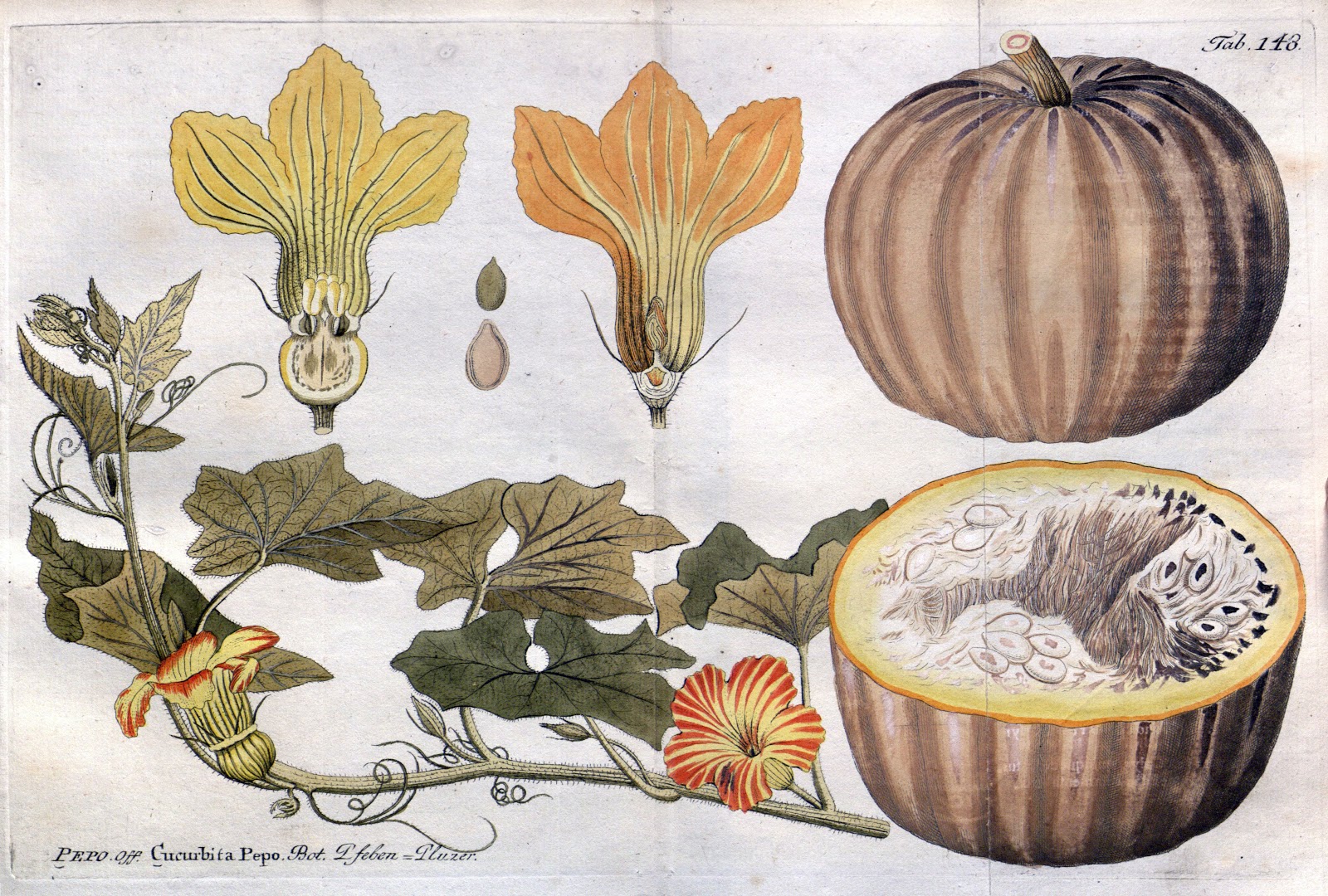
1804 rendering of a pumpkin in BHL

The pumpkin’s role in Halloween is tied to the legend of the Jack-o’-Lantern and the Gaelic festival Samhain. Samhain, whose origins date at least to the eighth century, marked the end of the harvest season and the beginning of winter. It was a day when the “door” to the land of the dead opened just enough to let souls and evil spirits escape into ours. While the souls of one’s dead kindred might be welcomed to a feast, precautions were taken to protect oneself from evil spirits that also wandered the earth on that day. One of those precautions involved “guising,” or dressing in costumes to conceal your identity from the spirits (a tradition we still carry out by dressing up in Halloween costumes). Another involved the Jack-o’-Lantern.

In the nineteenth century, the Irish and Scottish carved turnips or potatoes in the likeness of human faces and lit them with interior candles. These lanterns served several purposes: to light the darkness during Samhain festivities; to represent the spirits present during the night; and to ward off evil beings. When Irish settlers came to America, they found that pumpkins, native to the New World and thus foreign to the British Isles, were more prevalent and easier to carve. The carved pumpkin lantern is first associated with Halloween in an excerpt from Daily News on November 1, 1866:

“The old time custom of keeping up Hallowe’en was not forgotten last night by the youngsters of the city. They had their maskings and their merry-makings, and perambulated the streets after dark in a way which was no doubt amusing to themselves. There was a great sacrifice of pumpkins from which to make transparent heads and face, lighted up by the unfailing two inches of tallow candle.”

Learn more about the pumpkin in BHL and enjoy this fantastic 1804 illustration of this squash in Icones plantarum from 1804.

The Owl

View Full Size Image
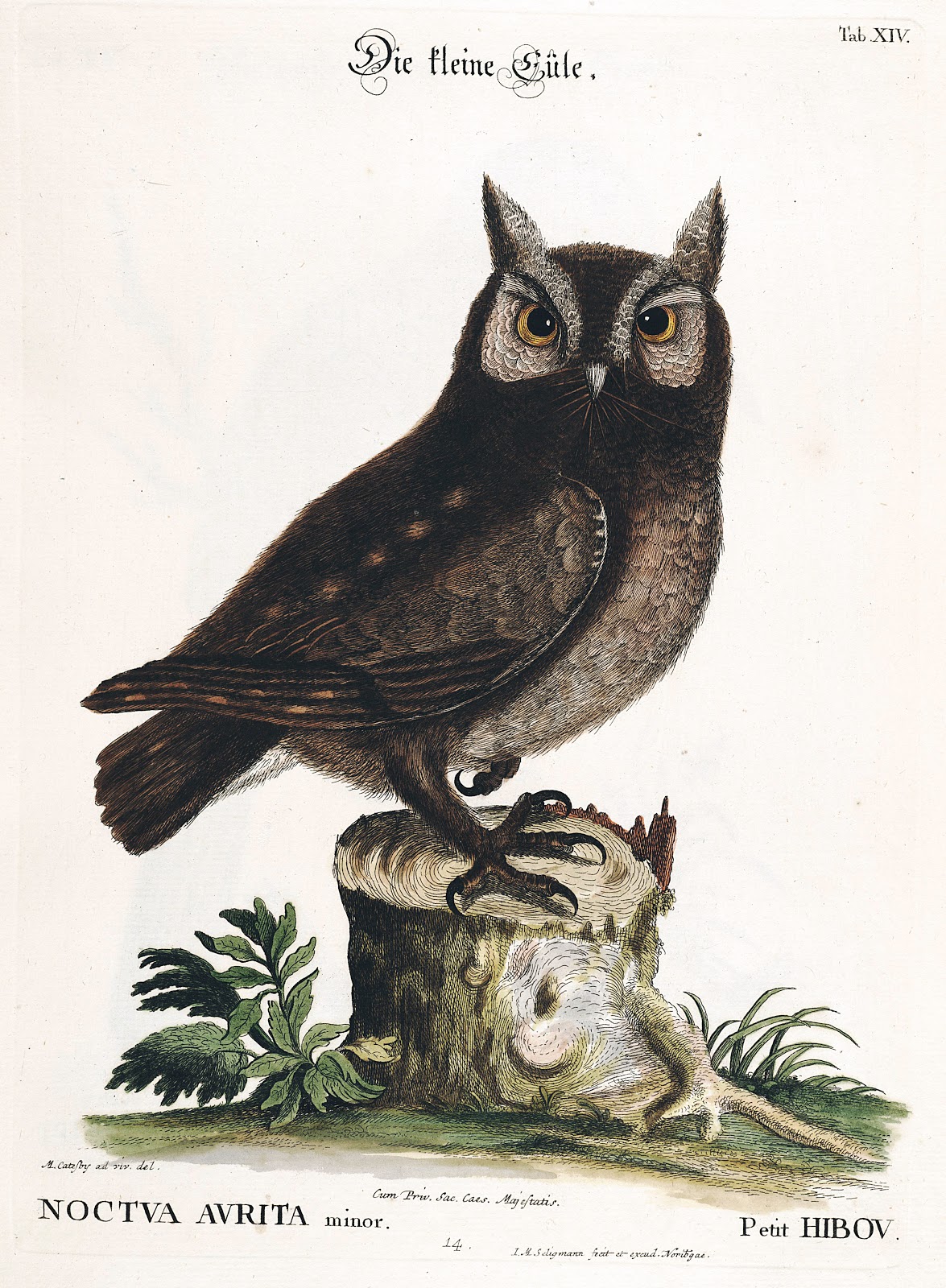
The Owl with Piercing eyes from 1772

Owls have long been sorcery companions. For example, in ancient England, cooking owl eggs until they were ash, and consuming the ashes, was said to improve eyesight. An ancient Greek and Roman superstition asserts that witches could change into owls and after doing so, would swoop down and drink the blood of innocent babes. It has been claimed that owls are the messengers of witches and their hoot relays the approach of a hag.

Though in many ways adorable, when carefully considered, it is not really surprising that owls find themselves so closely tied to mischief. After all, their horn-like head feathers (eerily reminiscent of the Devil himself), their habit of turning their heads as much as 270 degrees in either direction, and their piercing, unblinking eyes may understandably raise the hair on anyone’s arms.

Over the centuries, the owl has become associated with a variety of dark superstitions. For instance, if you hear an owl screech during the night, take heed of your child, for the screech may either kill it or condemn it to become a witch! Other legends claim that only owls can live with ghosts, and the presence of an owl near a house indicates that it’s haunted. If an owl takes up residence on your roof, death is sure to visit soon!

We think the owl was never more captivatingly pictured than in this 1772 illustration from Verzameling van uitlandsche en zeldzaame vogelen.

Corn

View Full Size Image
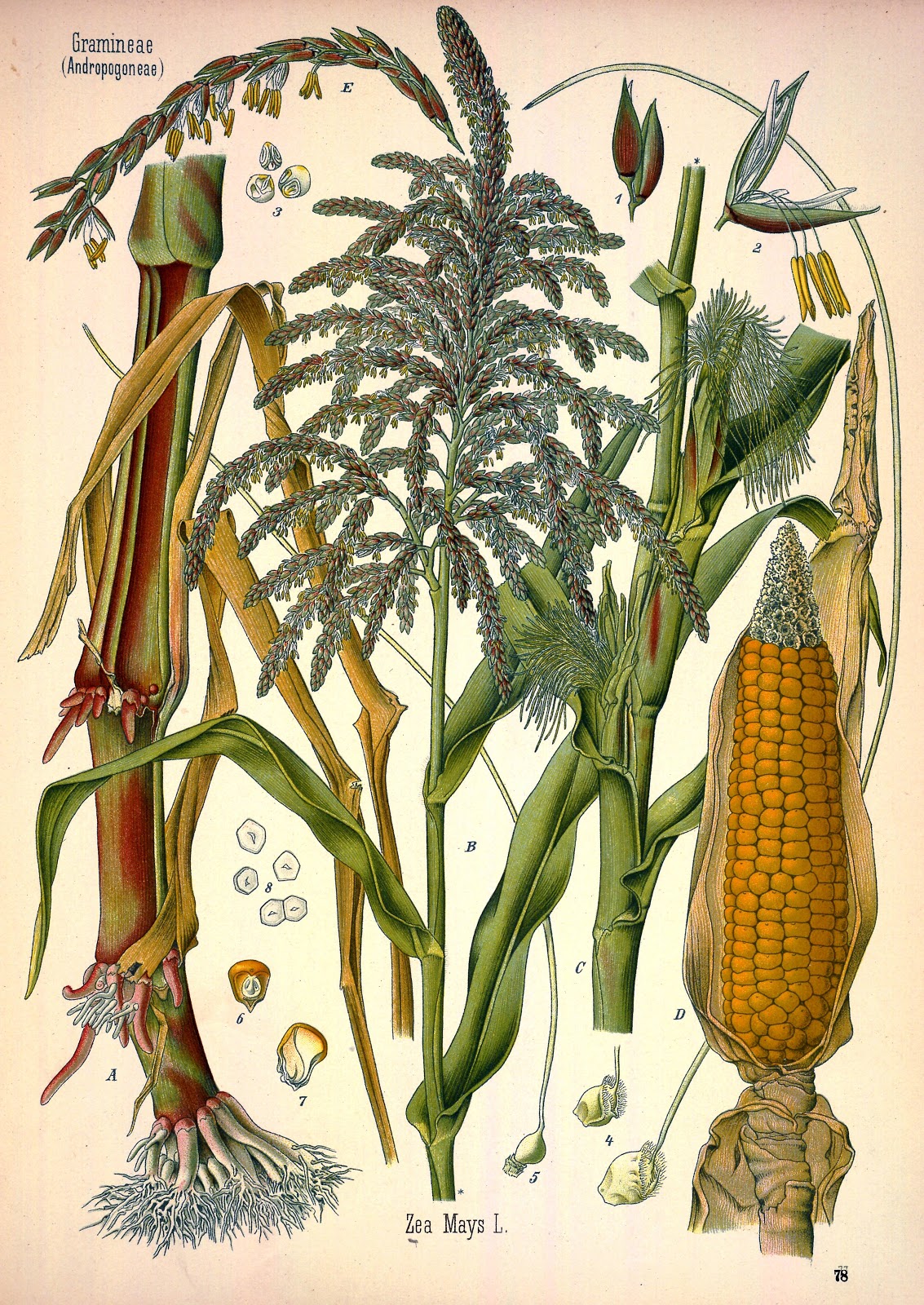
The inspiration for Candy Corn – Zea Mays!

Yesterday was National Candy Corn Day! Candy companies sell more than 20 million pounds of candy corn each year! The colors of a candy corn are meant to reflect the orange and yellow of corn kernels. The sugary treat was first crafted by George Renninger in the 1880s at the Wunderlee Candy Company. The confection, made largely of sugar, corn syrup, wax, and artificial coloring, has remained unchanged in over 100 years.

Think candy corn is limited to the pyramid-shaped treats? Think again! Plenty of companies have jumped on the Candy Corn bandwagon, producing their own versions of this Halloween favorite. Try Jones Soda Company’s candy corn flavored soda! Hershey features candy corn Kisses! Not a huge fan of the classic candy corn flavor? Try Brach’s Caramel, Caramel Apple, and Chocolate Caramel candy corn varieties.

We love this image of Zea mays from v. 3 of Köhler’s Medizinal-Pflanzen in naturgetreuen Abbildungen mit kurz erläuterndem1896-98) that we feature it as one of four designs on our BHL business cards!

The Witch

You may not have been expecting BHL to have any comment on one of Halloween’s most iconic figures – the witch – but with over 39 million pages, we found a way to make a witch scope-appropriate.

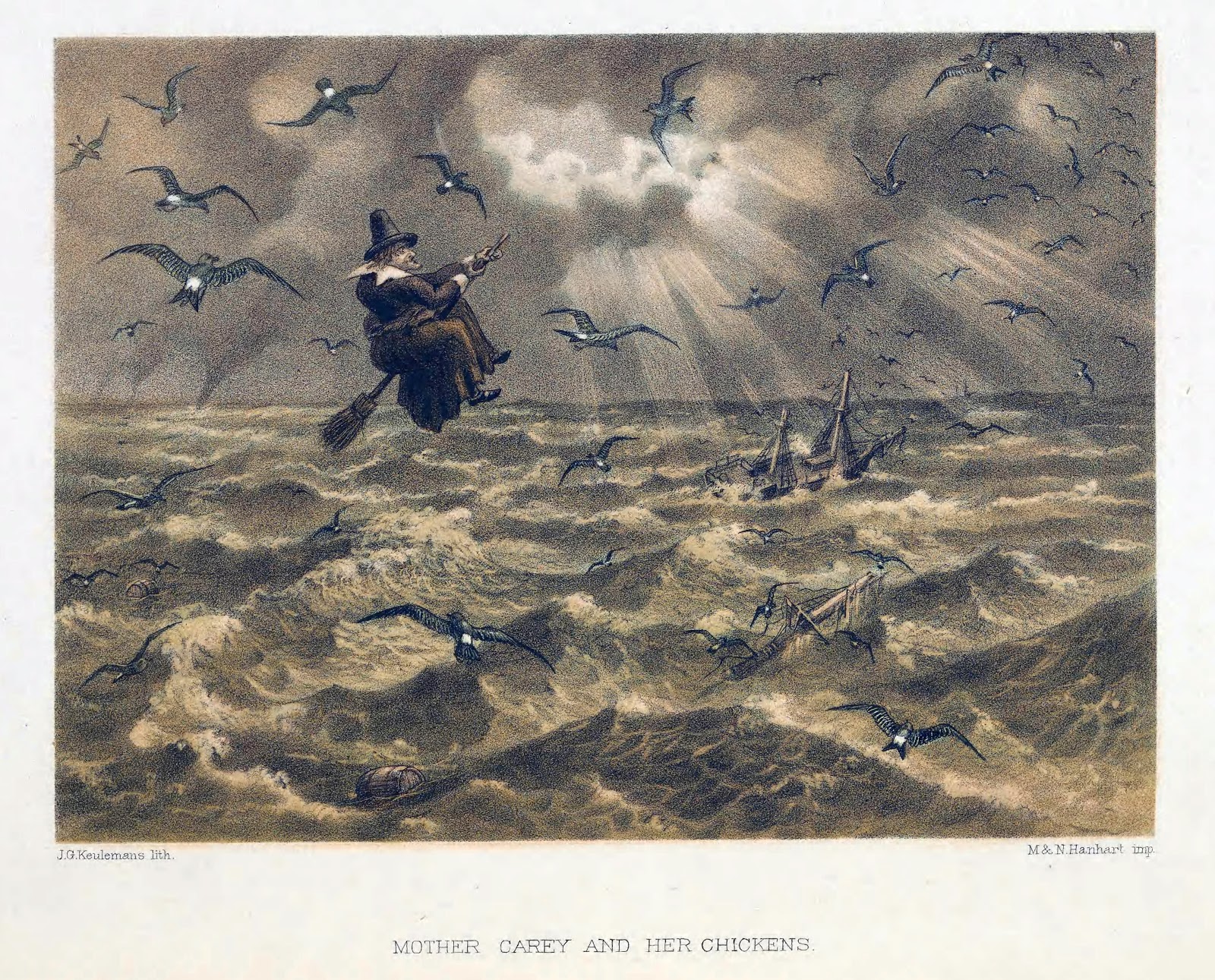
Meet Mother Carey.

View Full Size Image
BHL’s resident witch – Mother Carey

A supernatural figure apparently well-known to nineteenth century sailors, Mother Carey “personif[ied] the cruel and threatening sea,” orchestrating, along with Davy Jones (whom some purport as her husband) shipwrecks and claiming the lives of countless helpless victims. As the petrel species Thalassidroma bullockii and Thalassidroma pelagica are often seen before storms, sailors began branding them as Mother Carey’s minions, bestowing on them the somewhat confusing epithet Mother Carey’s Chickens.

Learn more about BHL’s witch in a past book of the week post.

Anatomically-Correct Biodiverse Costumes

Need a last-minute Halloween costume idea? Try BHL!

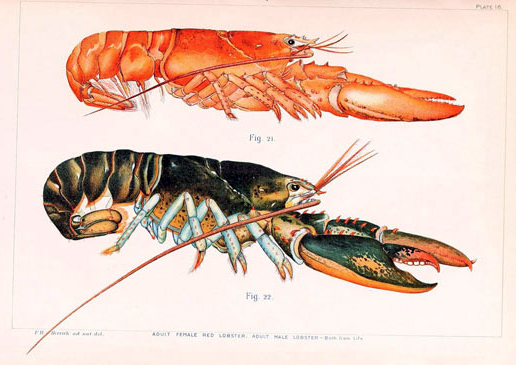
Megan Gambino of Smithsonian.com posted a great blog piece about drawing ingenuous costume inspiration from BHL. With the anatomically-detailed scientific illustrations found throughout BHL, and easily browse-able thanks to the over 46,000 images in our Flickr account, it’s child’s play to pick a species, say a bat or something more unexpected, like a lobster, and design a guise around the creature.

View Full Size Image
Be an anatomically-correct American Lobster for Halloween! Suggestion courtesy Megan Gambino, Smithsonian.com.

So, be bold this year. It’s never been easier to have a biodiverse Halloween!

We hope you enjoyed this post. Interested in guest-blogging for BHL? We’d love that! Natural history, biodiversity and conservation topics are especially welcomed. Email us your ideas at [email protected].

October 31, 2012by ulib-libraryjobs

Help Support BHL

BHL's existence depends on the financial support of its patrons. Help us keep this free resource alive!

search

About BHL

The Biodiversity Heritage Library (BHL) is the world’s largest open access digital library for biodiversity literature and archives. BHL operates as a worldwide consortium of natural history, botanical, research, and national libraries working together to digitize the natural history literature held in their collections and make it freely available for open access as part of a global “biodiversity community.”

Join Our Mailing List

Sign up to receive the latest news, content highlights, and promotions.

Subscribe Now

Subscribe to Blog via Email

Enter your email address to subscribe to this blog and receive notifications of new posts by email.

Join 319 other subscribers

Subscribe to Blog Via RSS

Subscribe to the blog RSS feed to stay up-to-date on all the latest BHL posts.

Access RSS Feed

Inspiring Discovery through Free Access to Biodiversity Knowledge.

The Biodiversity Heritage Library makes it easier than ever for you to access the information you need to study and explore life on Earth…for free, anytime, anywhere.


64+ Million Pages of
Biodiversity Literature Online.

EXPLORE

Tools and Services
to Transform Research.

EXPLORE

300,000+
Illustrations on Flickr.

EXPLORE

ABOUT | HARMFUL CONTENT | PRIVACY | SITE MAP | TERMS OF USE