Biodiversity Heritage Library - Program news and collection highlights from BHL
  • Home
  • News
  • Featured Books
    • All Featured Books
    • Book of the Month Series
    • BHL at 20
  • User Stories
  • Campaigns
    • Fossil Stories
    • Garden Stories
    • Monsters Are Real
    • Page Frights
    • Her Natural History
    • Earth Optimism 2020
  • Tech Blog
  • Visit BHL
Home
News
Featured Books
    All Featured Books
    Book of the Month Series
    BHL at 20
User Stories
Campaigns
    Fossil Stories
    Garden Stories
    Monsters Are Real
    Page Frights
    Her Natural History
    Earth Optimism 2020
Tech Blog
Visit BHL
  • Home
  • News
  • Featured Books
    • All Featured Books
    • Book of the Month Series
    • BHL at 20
  • User Stories
  • Campaigns
    • Fossil Stories
    • Garden Stories
    • Monsters Are Real
    • Page Frights
    • Her Natural History
    • Earth Optimism 2020
  • Tech Blog
  • Visit BHL
Biodiversity Heritage Library - Program news and collection highlights from BHL
Blog Reel, User Stories

Tasting Platypus Milk: Linking Specimens and Stories

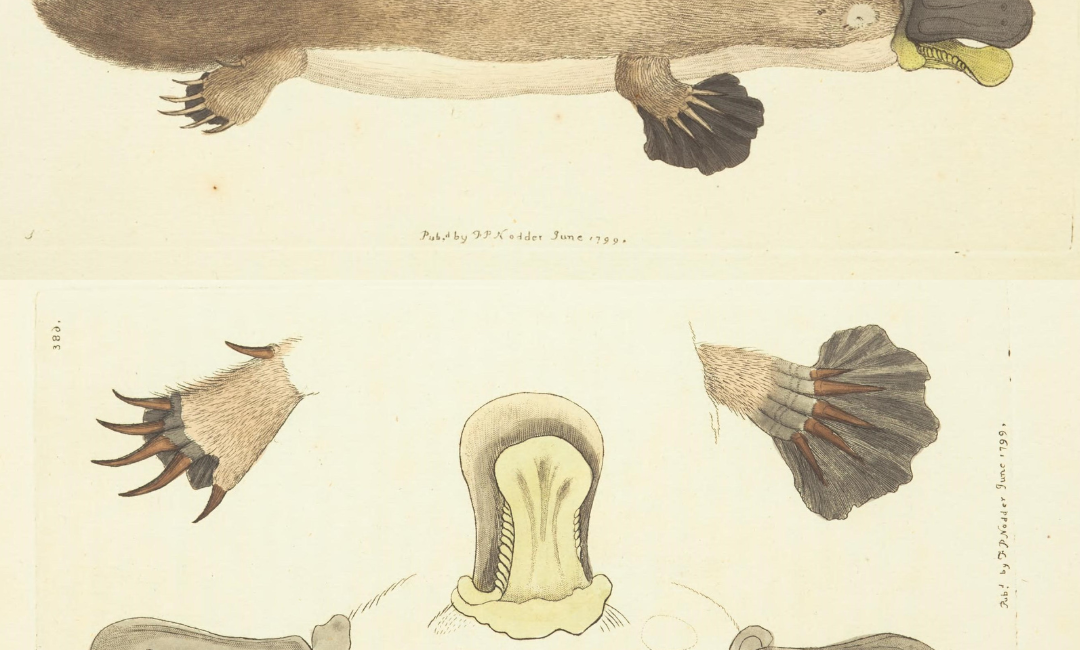
illustrations of the platypus

Zoological knowledge typically comes from one of two primary sources: the living and the dead — observations of animals going about their business in their habitats; and the study of preserved specimens. We rarely get the whole picture of an animal’s natural history without both, and each feed into how species are portrayed to those that have never seen them.

Getting echidnas wrong

A1.2 7_Tachyglossus_aculeatus.JPG

Taxidermy short-beaked echidna (Tachyglossus aculeatus) from the University Museum of Zoology, Cambridge. Note the backwards-pointing hind feet. Specimen A1. 2/7. Photo Credit: University of Cambridge

Consider the echidna, for example. Examining echidna specimens in museums helps us to understand their evolutionary relationships and enables us to come up with some reasonable suggestions for how they live their lives. The impenetrable coat of thick spines is clearly for defense against predators and guessing at an ant-eating lifestyle doesn’t require too much imagination when you think about what its narrow toothless snout and stout, digging claws might be for. However, we wouldn’t be able to confirm exactly how these things are put to use without seeing them alive.

As someone with one foot in the world of Australian mammal ecology (the living) and another in natural history museums (the dead), one thing that really interests me is the cross-over: how do the dead represent the living? Museums are sites of communication — they provide windows onto the natural world for people to engage with animals they may never see alive. This has made the topic of how animals are depicted — in writings, illustrations and museums — a real focus for me.

Bruny Island 8 (16) Ashby.JPG

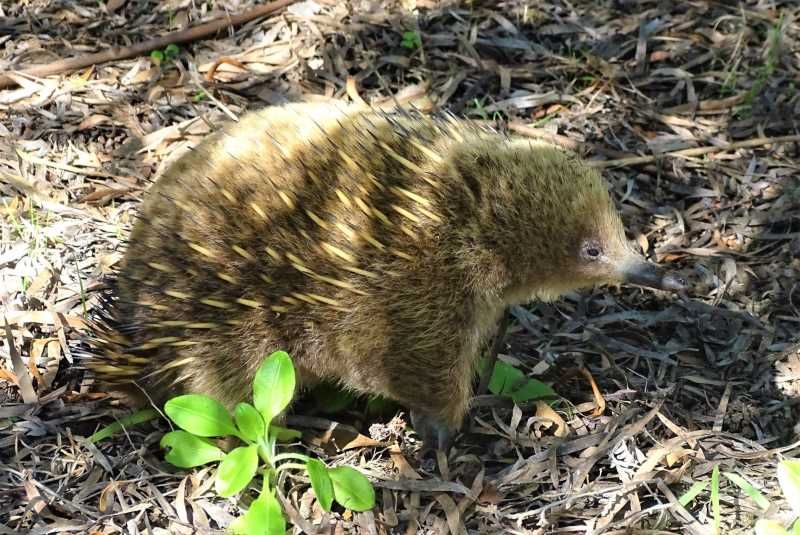
A live (undoctored) echidna, in Tasmania. Photo Credit: Jack Ashby.

While museum specimens are in one sense a primary source, they are also modified by people in order to make them presentable to the public. Taxidermy is intended to make visitors forget the animal is dead, and to achieve that a flat animal skin has to be rebuilt into the shape of a living animal. The trouble is that throughout history, the person doing the taxidermy — particularly for specimens that had travelled to Europe from Australia — had often never seen the living animal. This means that their poses are often incorrect.

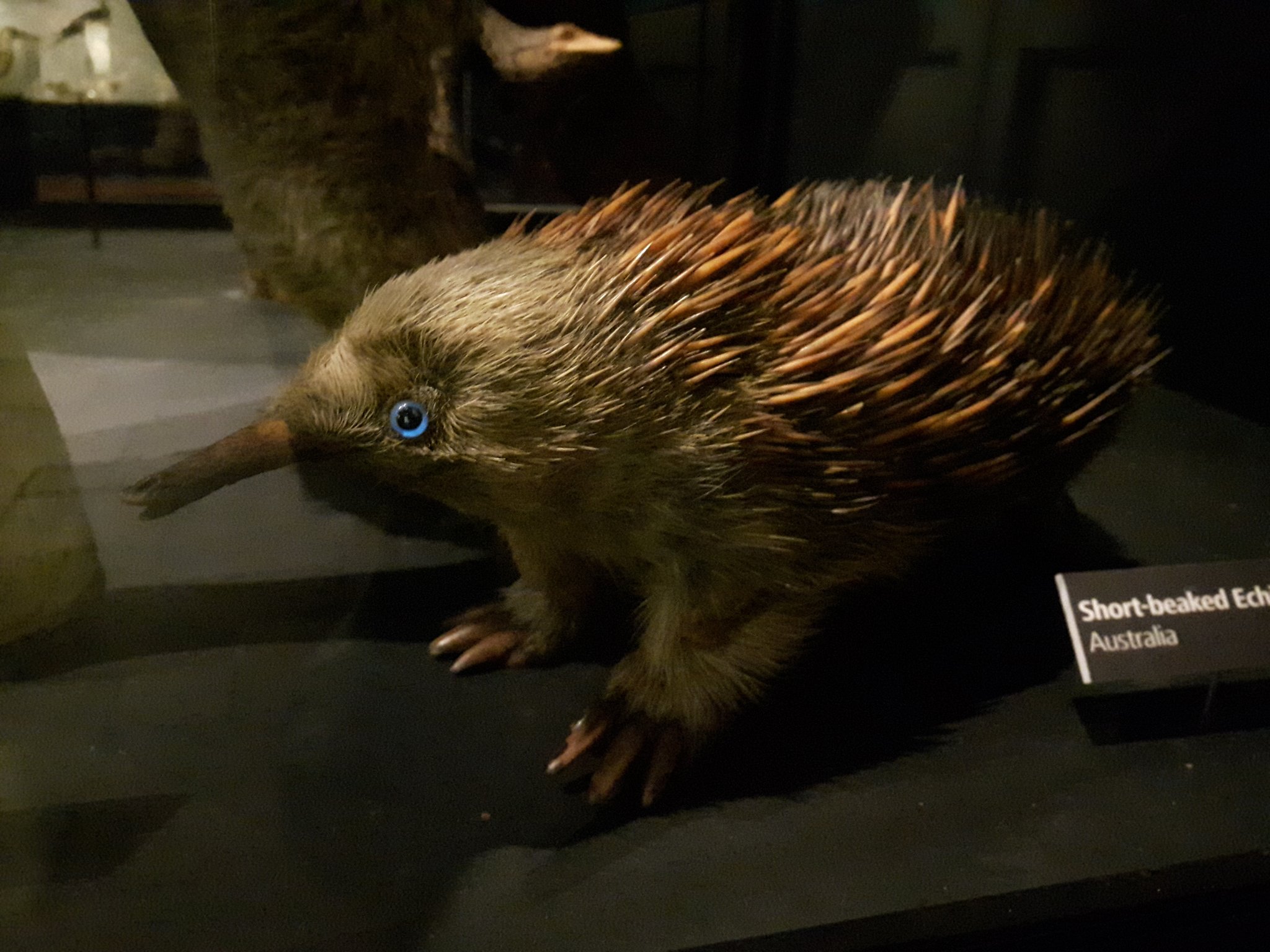
In the case of the echidna, it is extremely common for the back feet to point in the wrong direction — in life they should point backwards (enabling echidnas to scratch in between their spines and dig vertically downwards to bury themselves in defense), but taxidermists often didn’t know that, so twisted their feet around. I’ve come across tens of wrong-footed echidnas, and I know the reason why, but I was flummoxed a few years ago when I encountered an echidna with blue eyes at the Manchester Museum. Where did that error come from?

Manchester.jpg

Why does this taxidermy echidna at Manchester Museum have blue eyes? Photo Credit: Jack Ashby.

That mystery echidna popped back into my mind recently when re-reading the original species description on the Biodiversity Heritage Library, and I think I know the answer.

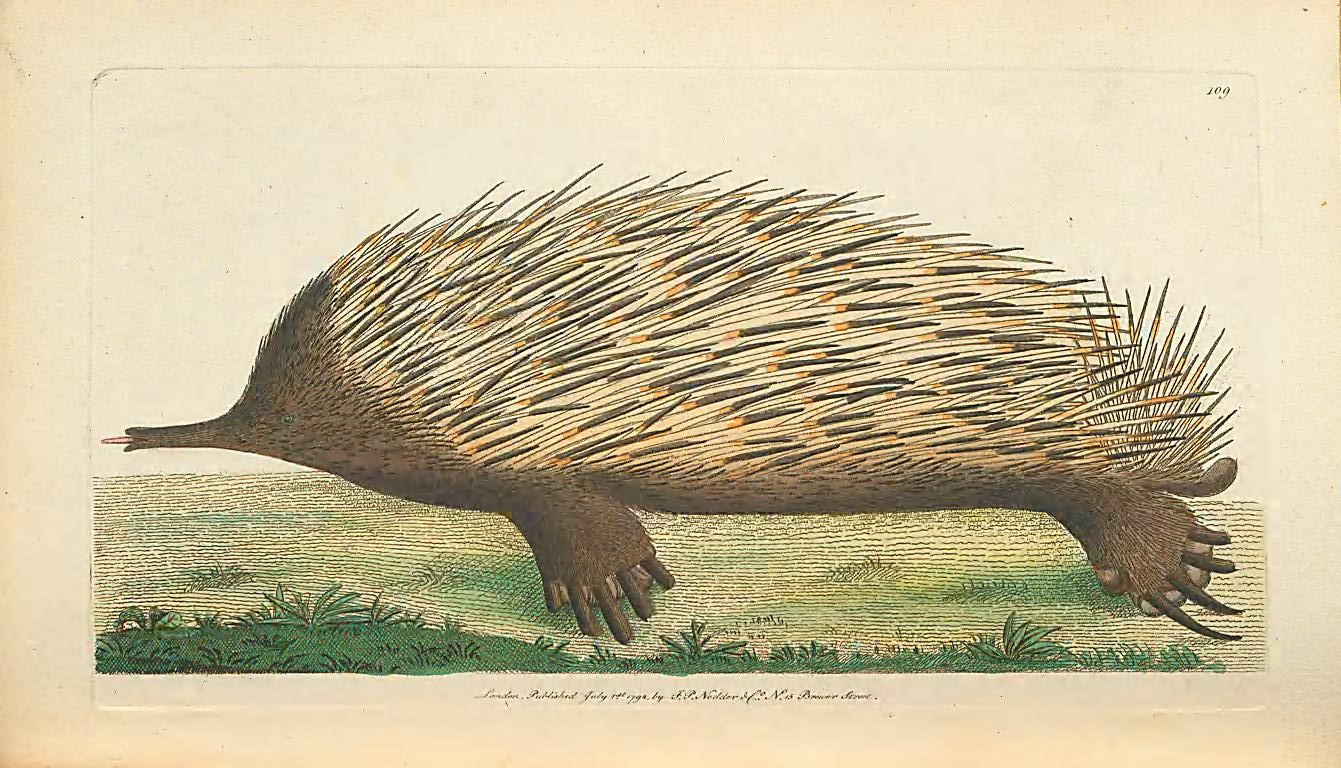
In 1792 George Shaw (who would also publish the first scientific description of the platypus seven year later) included “The Porcupine Ant-Eater” in The Naturalist’s Miscellany. Amongst an otherwise perfectly reasonable description of the species (which he considered to provide a link between actual porcupines in the genus Hystrix and actual ant-eaters in the genus Myrmecophaga), Shaw includes this line:

“The snout is long and tubular, and perfectly resembles in structure that of the Myrmecophaga jubata, or great ant-eater; having only a very small opening or rictus at the tip, from whence is protruded a long lumbriciform [worm-like] tongue, as in the ant-eaters. The nostrils are small, and seated near the extremity of the snout. The eyes are very small, and black, with a pale-blue iris.”

naturalistsmisc3shaw_0253.jpg

Plate 109. Shaw, George. The naturalist’s miscellany. Volume iii. 1792. Contributed in BHL by Museums Victoria.

Curiously, the illustration that accompanies the text (above) — which is assumed to be based on a painting by Sydney-based collector John White — has correctly coloured black eyes. The question then becomes why Shaw thought echidnas had blue eyes — could it be that the eyes of Shaw’s specimen (sent by Joseph Banks) had been discoloured by the preservative? In any case, it seems likely that the echidna in Manchester was modified to fit Shaw’s original description.

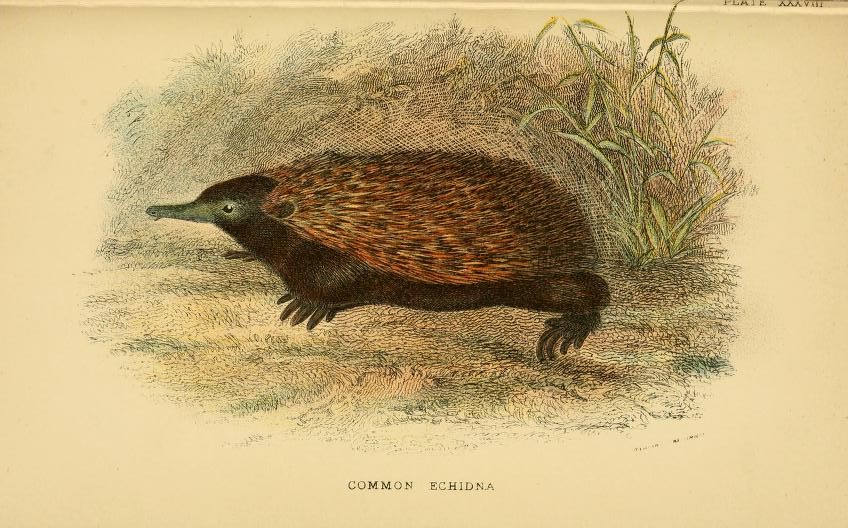
Elsewhere on BHL, we can find examples of illustrations of echidnas that were clearly based on doctored dead specimens, rather than observations of living ones, as their feet incorrectly point forwards and the animals appear flattened. Artists were basing their depictions on “primary sources” in museum collections, but unfortunately those specimens weren’t accurate.

handbooktomarsup00lydekk_0339.jpg

Plate XXXVIII, an echidna with forward-facing feet. Lydekker, Richard, A hand-book to the marsupialia and monotremata. 1896. Contributed in BHL from Smithsonian Libraries.

Tasting platypus milk

I am currently writing a new book on the echidnas’ relative, the platypus. I’ve been utterly reliant on the incredible collection of works on BHL to tell the story of the importance of platypus representations on the history of taxonomy. The introduction of the species to scientific circles in Europe sparked a decades-long debate over where it fitted on the tree of life and what characteristics mammals could possess. One of the many arguments in contention was whether or not they are mammals, another was whether or not they lays eggs. We now know they are, and they do.

A defining feature of mammals is that they feed their young with milk, so those who argued that platypuses are mammals were searching for evidence of milk-producing mammary glands even though platypuses lack nipples. Richard Owen was among those who was attempting to prove their milkiness.

The battle is played out in the documents available on BHL, and to my absolute delight, it led me to this line in one of Owen’s papers on platypus anatomy. Owen had squeezed what he thought was the mammary gland of a preserved platypus and watched the holes where the glands opened onto the skin:

“[T]here escaped from these orifices minute drops of a yellowish oil, which afforded neither perceptible taste nor smell, except such as was derived from the preserving liquor”.

Owen was so dedicated to his argument that he tasted the milk from a platypus that had been dead for many months, or even years.

Without a resource like BHL, putting together the pieces of the platypus puzzle across 220 years, and the changing way that specimens and field-observations have been used to inform representations of the animal over time, would be extremely difficult.

illustrations of the platypus

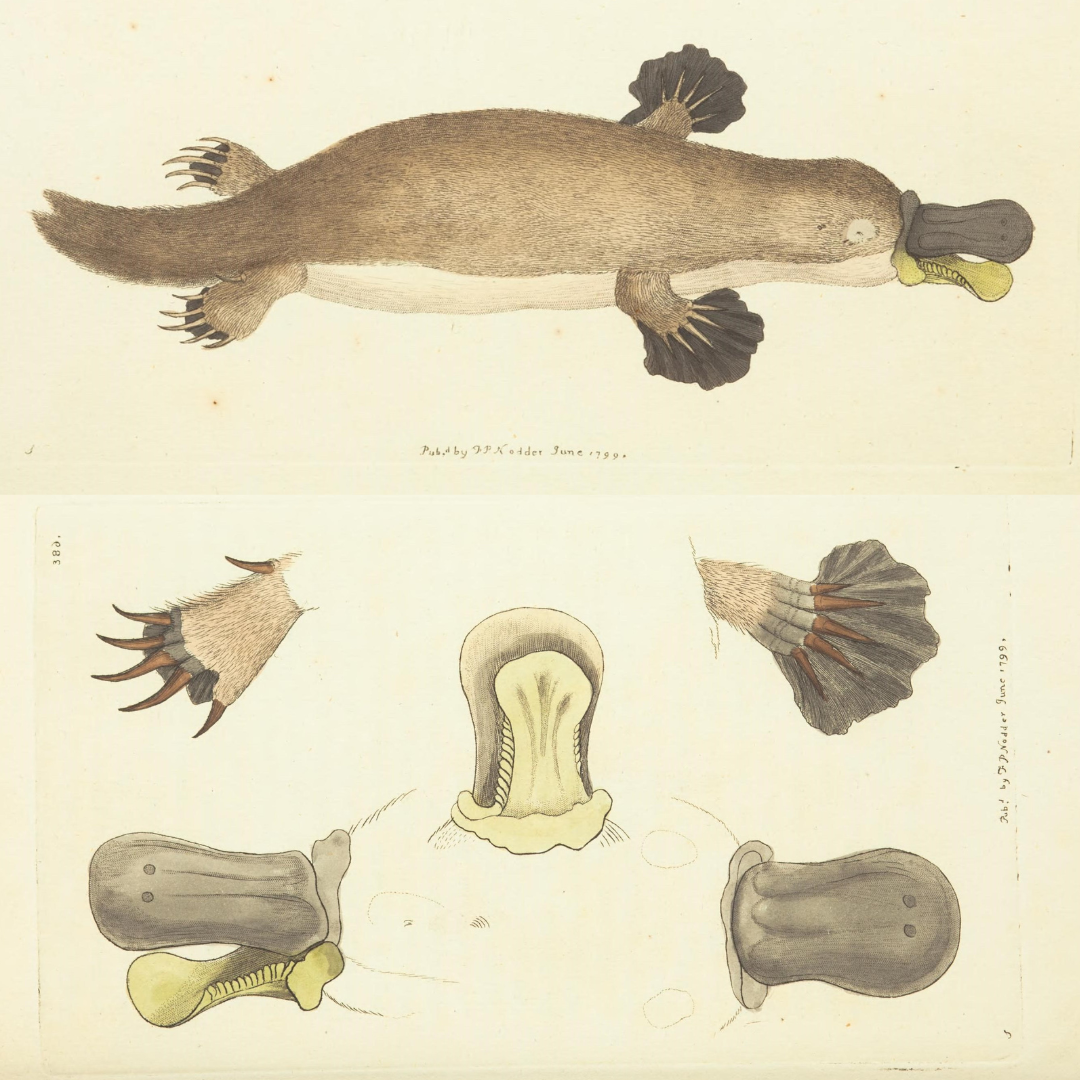
George Shaw, who provided the first scientific description and published illustration of the platypus (Ornithorhynchus anatinus) in 1799 within The Naturalist’s Miscellany, wrote: “… it naturally excites the idea of some deceptive preparation by artificial means …”. Shaw, George. The naturalist’s miscellany. v. 10 (1799). Contributed in BHL from Museums Victoria. DOI: https://doi.org/10.5962/p.304567.

July 7, 2020by Joel Richard
Blog Reel, Featured Books

Animal Keepers’ Forum Comes to BHL

animalkeepersfor51978amer_0007.jpg

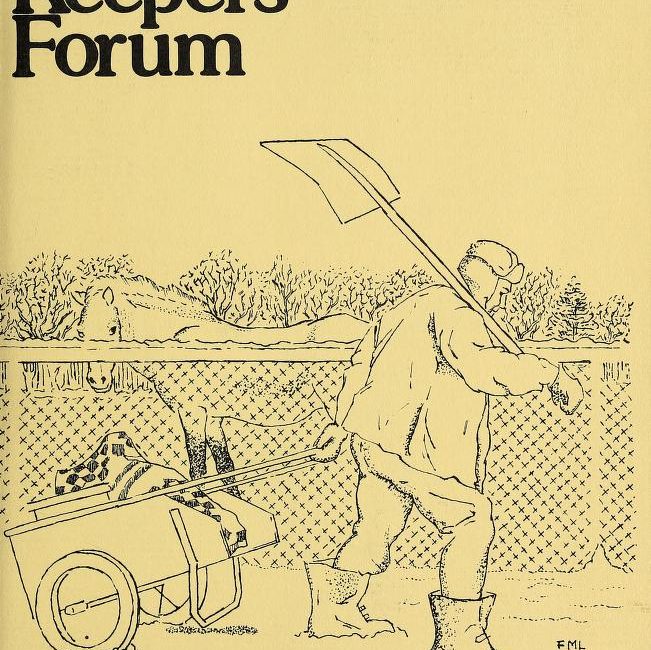
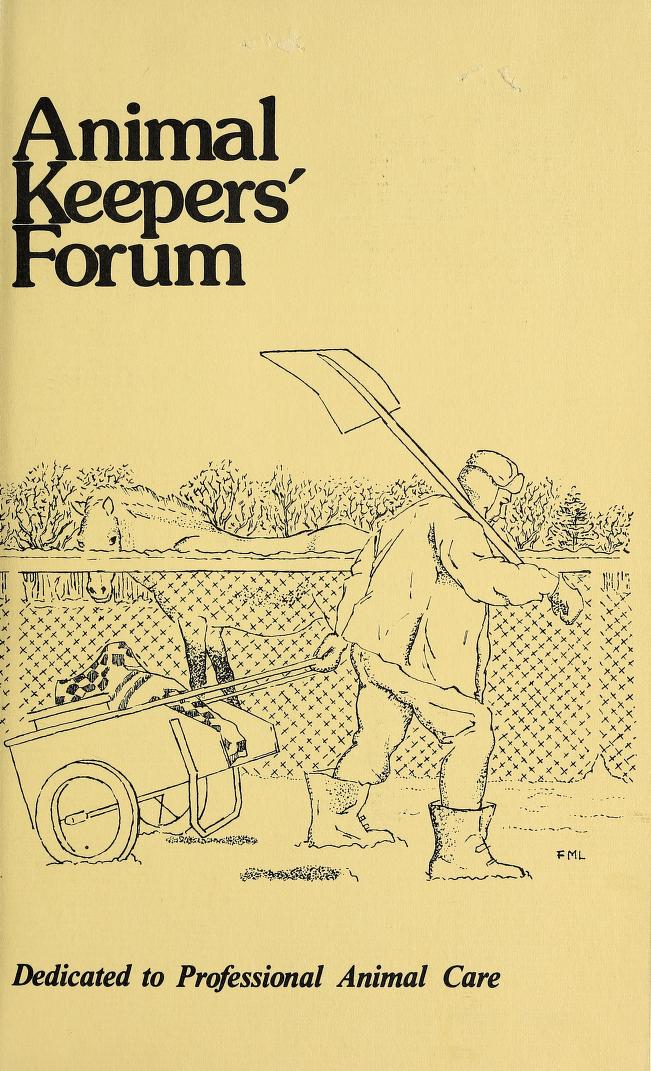
Image of a cover of Animal Keepers’ Forum, featuring a simple line drawing of a person pulling a wheelbarrow and carrying a shovel over one shoulder, in front of an enclosure with a horse. Text reads: “Animal Keepers’ Forum”, “Dedicated to Professional Animal Care.” Animal Keepers’ Forum. 1978. Digitized in BHL by Smithsonian Libraries.

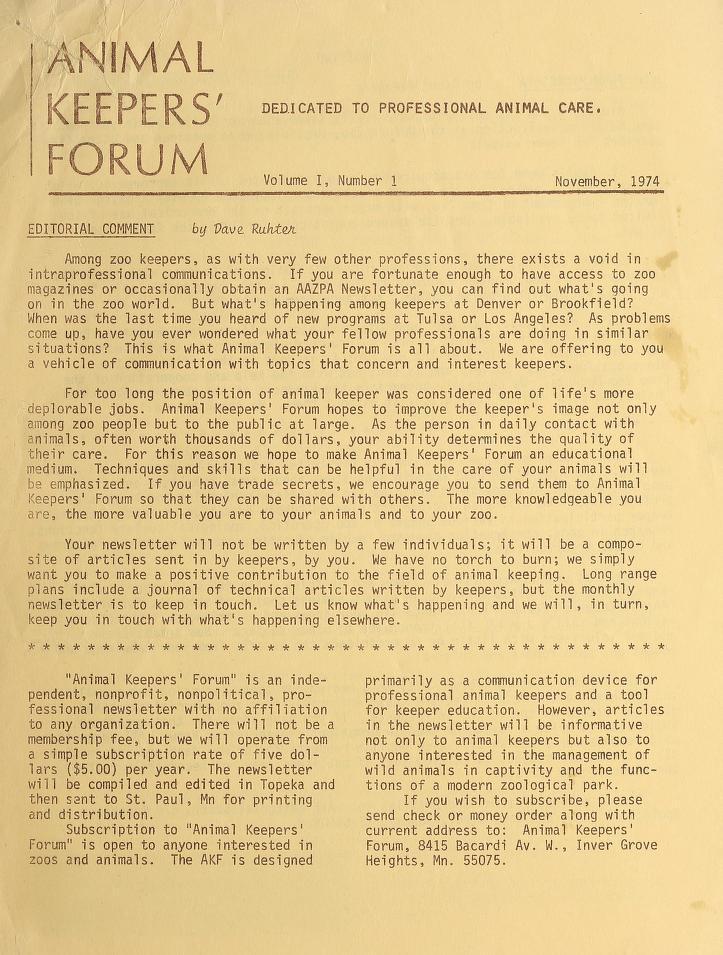
Animal Keepers’ Forum, first published by the American Association of Zookeepers in 1974, set out to solve a problem: animal care and conservation requires specialized knowledge, but institutions were limited in their ability to share experience with each other. Animal Keepers’ Forum has connected animal care professionals for the past 44 years, and serves as both a current resource for husbandry best practices and a historical record of conservation efforts.

Now it’s openly accessible on the Biodiversity Heritage Library as part of the Expanding Access to Biodiversity Literature project, funded by the Institute of Museum and Library Services. Thanks to permission from the American Association of Zookeepers, Smithsonian Libraries has digitized the complete run of volumes from 1974 through the present, with a 2-year embargo period.

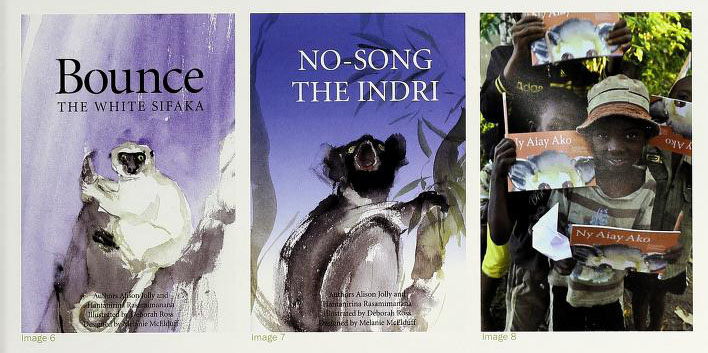
The 2015 special issue on prosimians gives a great sample of the publication’s scope: Duke University’s Lemur Center details their husbandry practices for mouse lemurs, with specifics from housing and diet to breeding and animal biometrics; St. Louis Zoo explains how they sustainably grow and harvest browse for their Coquerel’s Sifakas; and the Lemur Conservation Foundation shares how the AKO Project uses storytelling through picture books helps engage kids in wildlife conservation.

lemur_picturebooks.jpg

An image of two children’s picture-book covers featuring paintings of lemurs, and a photograph of children posing with picture books and smiling. Animal Keepers’ Forum. 2015. Digitized in BHL by Smithsonian Libraries.

animalkeepers42102015amer_0020.jpg

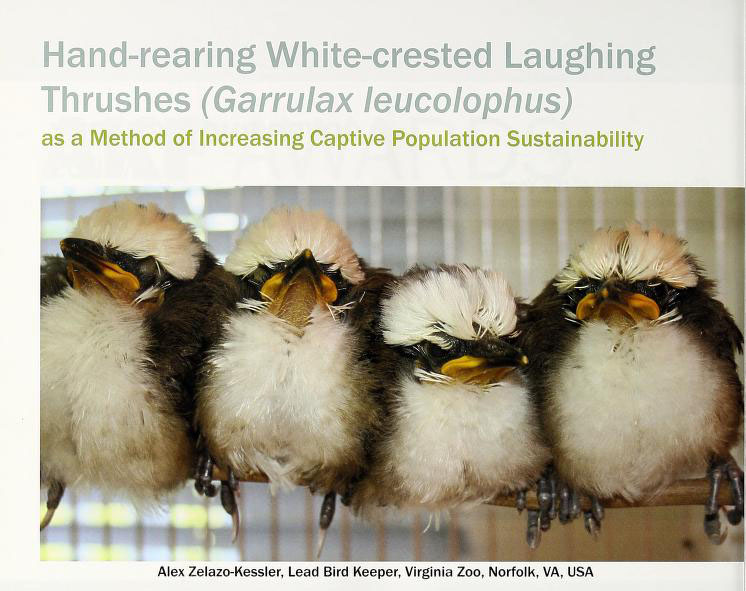
Photo of four chicks perched in a line. The chicks are black and white with yellow beaks. Article title: ‘Hand-reading White-crested Laughing Thrushes (Garrulax leucolophus) as a Method of Increasing Captive Population Sustainability’. Animal Keepers’ Forum. 2015. Digitized in BHL by Smithsonian Libraries.

The mission of the American Association of Zookeepers (AAZK) is “to advance excellence in the animal keeping profession, foster effective communication beneficial to animal care, support deserving conservation projects, and promote the preservation of our natural resources and animal life,” according to its website. The AAZK was founded in 1967 in San Diego, CA. Its first publication was an unofficial newsletter called The Ruptured Rhino (1968-1969), which is also coming to BHL along with the AAZK Bulletin. Eventually, The Rupture Rhino led to Animal Keepers’ Forum, which became the association’s official publication in 1975.

animalkeepersfo111974amer_0001.jpg

Image of the first page of Animal Keepers’ Forum, v. 1 no.1. Transcription from ‘Editorial Comment’ by Dave Ruhter: “Among zoo keepers, as with very few other professions, there exists a void in intraprofessional communications. If you are fortunate enough to have access to zoo magazines or occasionally obtain an AAZPA newsletter, you can find out what’s going on in the zoo world. But what’s happening among keepers at Denver or Brookfield? When was the last time you heard of new programs at Tulsa or Los Angeles? As problems come up, have you ever wondered what your fellow professionals are doing in similar situations? This is what Animal Keepers’ Forum is all about. We are offering to you a vehicle of communication with topics that concern and interest keepers… the more knowledgeable you are, the more valuable you are to your animals and to your zoo.” Animal Keepers’ Forum. 1974. Digitized in BHL by Smithsonian Libraries.

animalkeepersf4212015amer_0016.jpg

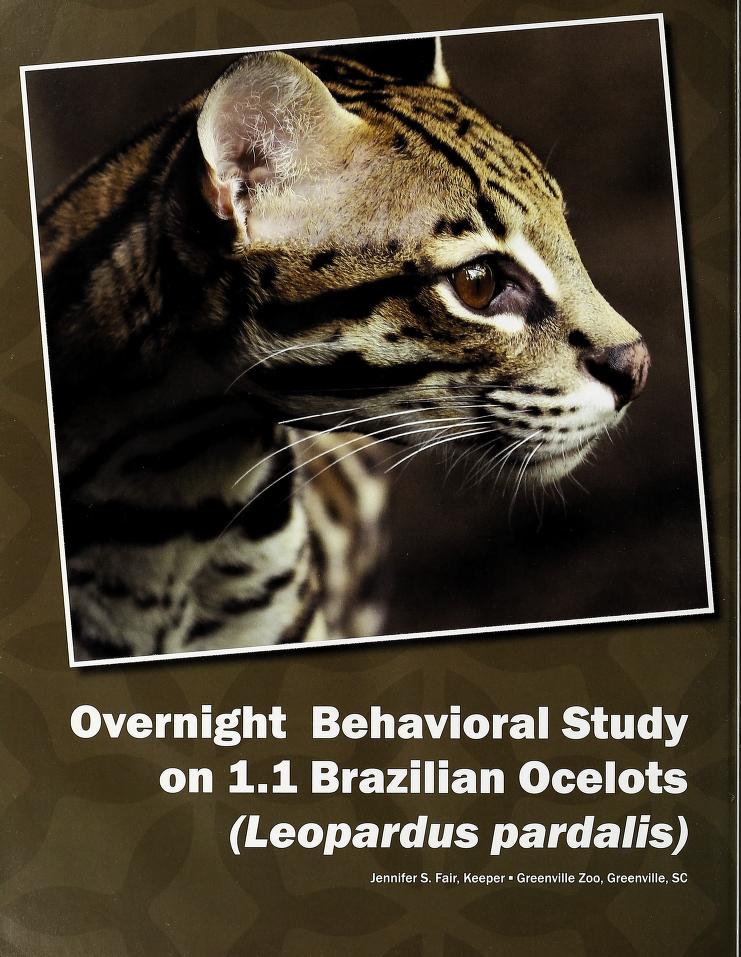
Photograph of an ocelot, a small, spotted wild cat, in profile. Article title: Overnight Behavioral Study on 1.1 Brazilian Ocelots (Leopardus pardalis). Animal Keepers’ Forum. 2015. Digitized in BHL by Smithsonian Libraries.

Until its digitization, accessibility to Animal Keepers’ Forum was fairly limited without a subscription. Jacqueline Chapman (Digital Collections Librarian) and Kristen Bullard (former Branch Librarian, National Zoological Park & Conservation Biology Institute and current Science Researcher Services Librarian, Natural & Physical Sciences Department) of Smithsonian Libraries authored a paper and presented at the 2017 AAZK National Conference to address the significance of making this resource available digitally and for free (‘Connecting Keepers to Collective Knowledge: The Digitization of Animal Keepers’ Forum and the Promise of Open Access to Zoological Scholarly Communication’).

They share that a search of the global online library catalogue WorldCat found only 30 libraries with Animal Keepers’ Forum, and that Smithsonian Libraries was the only institution listed as having a complete set of the periodical. As a result, it has been one of the most frequently requested titles from the Smithsonian’s Zoological Park and Conservation Biology Institute library branch through interlibrary loan. (While it is likely available at libraries that don’t participate in WorldCat, the WorldCat search result does indicate that it was relatively difficult to access for those without the resources to subscribe.)

“Some species are so unique that information about their care is hard to find and [Animal Keepers’ Forum] might be one of the only sources for this material,” Chapman and Bullard write. “The knowledge within [Animal Keepers’ Forum] is now available to anyone, allowing the best practices and lessons learned, this collective knowledge of zoo keepers, to be accessed without barrier to anyone. This will hopefully support capacity and knowledge building in institutions that have suffered from limited resources over time.”

animalkeepersf3422007amer_0001.jpg

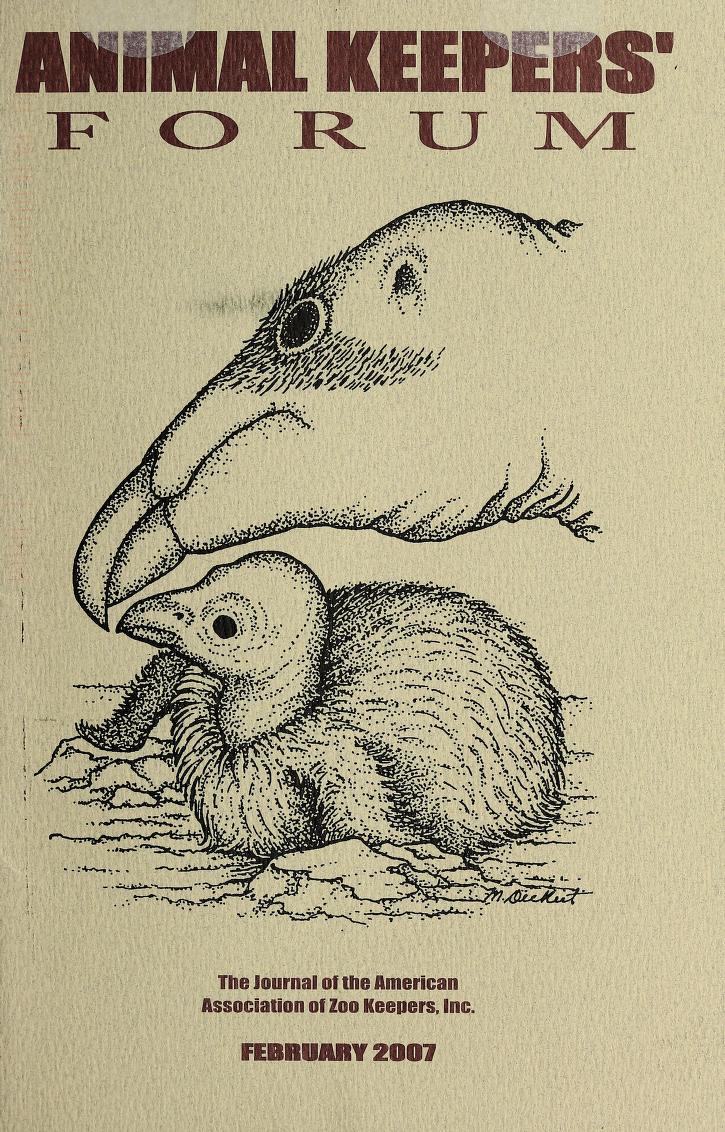
Image of a cover of Animal Keepers’ Forum, featuring a simple black and white illustration of a California Condor chick being fed by a puppet resembling the head of an adult condor. The image is by Mary Deckert, a docent at the Los Angeles Zoo, which participates in a recovery program for this critically endangered species. Animal Keepers’ Forum. 2007. Digitized in BHL by Smithsonian Libraries.

Many thanks to: the American Association of Zookeepers for contributing this resource; the Institute of Museum and Library Services for funding the Expanding Access to Biodiversity Literature project; Smithsonian Libraries for digitization; and Jacqueline Chapman and Kristen Bullard for sharing their insights!

References:

‘About Us’ (aazk.org)
‘Animal Keepers’ Forum’ (aazk.org)
‘Connecting Keepers to Collective Knowledge: The Digitization of Animal Keepers’ Forum and the Promise of Open Access to Zoological Scholarly Communication’ (Chapman & Bullard, 2017)

May 17, 2018by michelle.underhill
BHL News, Blog Reel

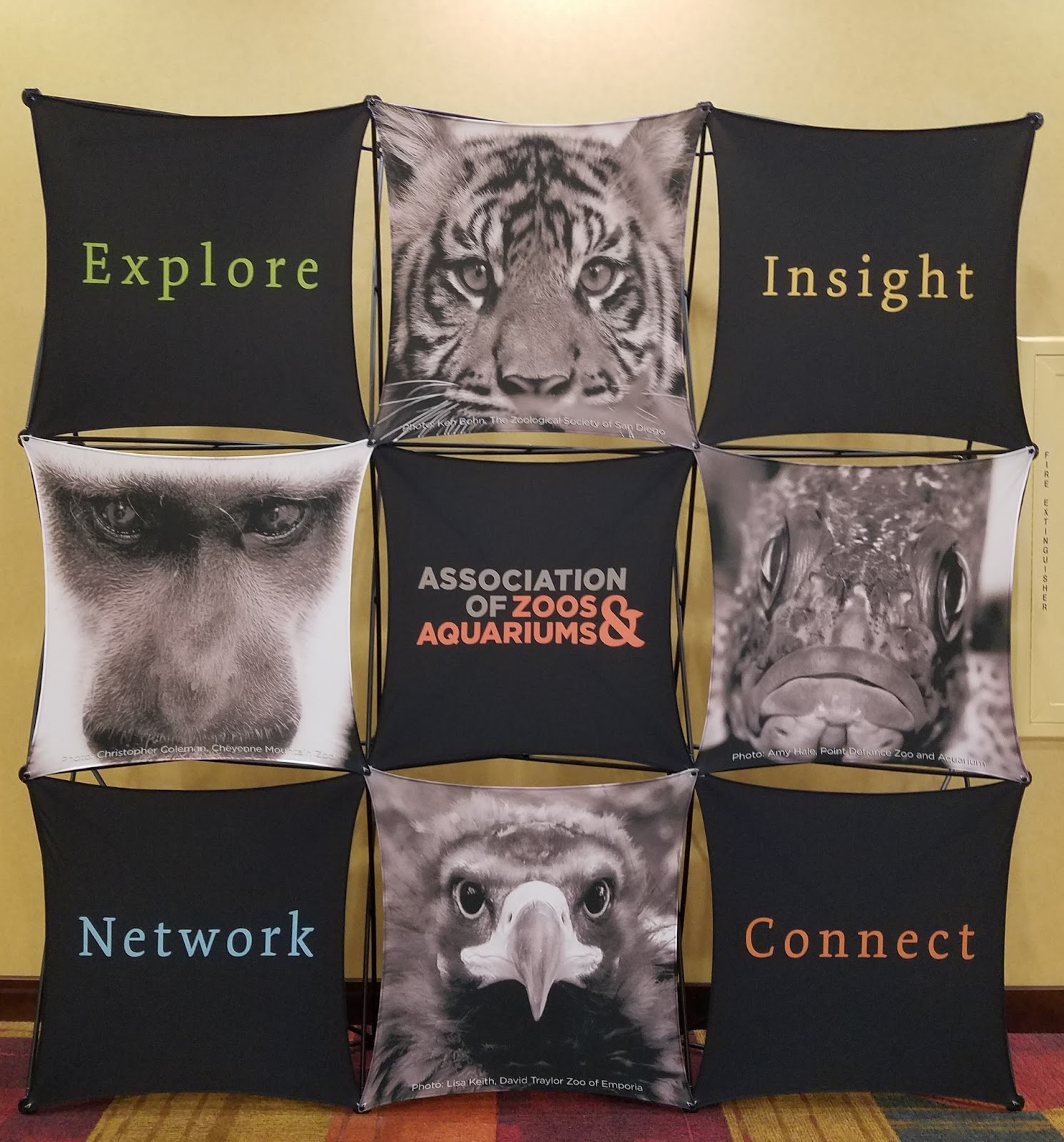
Association of Zoos and Aquariums Annual Conference 2017

Last week the Association of Zoos and Aquariums held its annual conference in Indianapolis, Indiana. The conference draws around 2,800 attendees from a diverse group of institutions and organizations around the world.  The Expanding Access to Biodiversity Literature team was able to send representation and take part in the poster presentations.

The Association of Zoos and Aquariums (AZA) was originally founded in 1924 as the American Association of Zoological Parks and Aquariums, later changing its name to the American Association of Zoological Parks and Aquariums and eventually selecting its current moniker.  The founding officers included  Chairman C. Emerson Brown from the Philadelphia Zoological Park, Vice Chairman Dr. Harry M. Wegeforth of the San Diego Zoological Society, and Secretary Will O. Doolittle.  The original directors were Edward H. Bean of the Milwaukee Zoological Park and George P. Vierheller of the Saint Louis Zoological Garden.  Chairman C. Emerson Brown’s publication “A pocket list of the mammals of eastern Massachusetts…” can even be found in BHL here.

As a non-profit the AZA is “dedicated to the advancement of zoos and aquariums in the areas of conservation, education, science, and recreation.”  The organization represents over 230 different institutions within the United States and around the world.  The AZA and their institutions have a strong commitment to animal welfare and conservation which is seen through the millions of dollars they commit to scientific research, conservation and educational programing.

Besides supporting these areas they are also an independent accrediting organization.  With some of the highest and most comprehensive standards, not even 10% of the United States’ 2,800 licensed wildlife exhibitors meet the top standards held by AZA.  Every year AZA accredited institutions allocate $160 million on field conservation around the world- over 2,600 projects worked on by specialists in the field.  The AZA itself has provided a cumulative seven million dollars on over 375 projects in conservation.  Every year 40,000 teachers are trained at AZA accredited facilities, which lend support to state science curricula.  Overall, the Association of Zoos and Aquariums’ pledge to the natural world furthers the fields of animal welfare and conservation and trains new generations to save the biodiversity.

The conference began on Friday with committee meetings and the pre-conference tour.  On Saturday and Sunday, small session meetings and workshops were held.  Sunday evening an icebreaker was held at the Indiana State Museum ahead of the conference kickoff at the Opening General Session on Monday morning.  Below learn more about a sampling of the meetings, panels, and events that were attended by EABL.

<!–
View Full Size Image
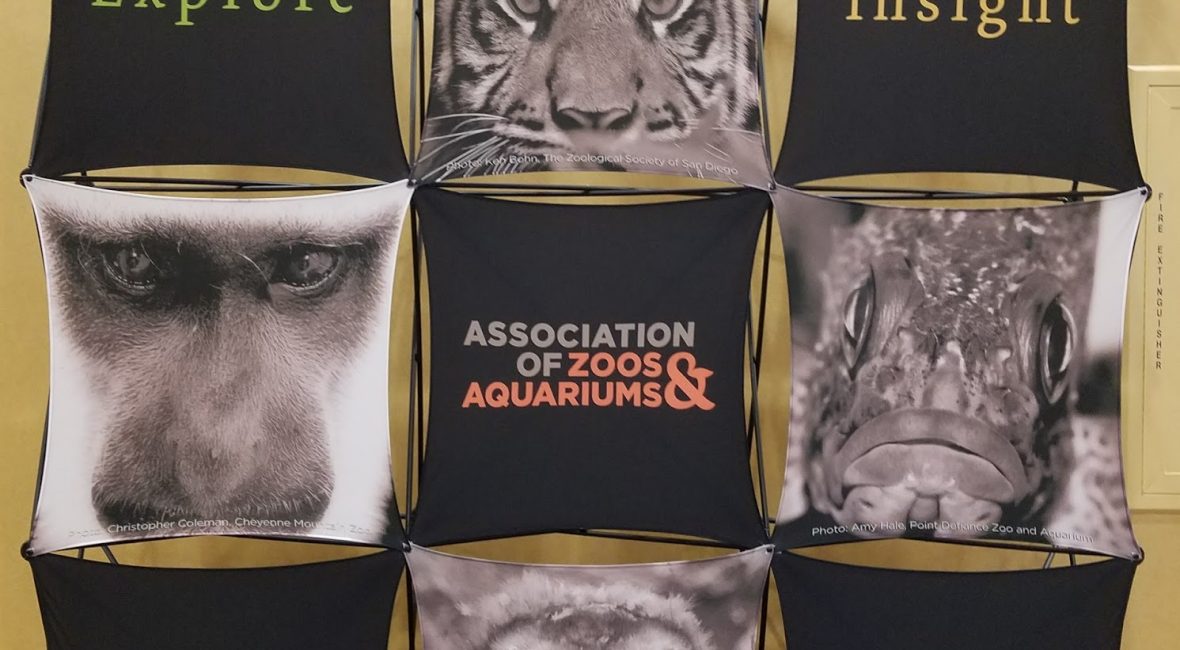
Association of Zoos & Aquariums Signage

–>

Coastal Ecosystem Learning Center (CELC) Meeting

The Coastal Ecosystem Learning Center, a network of 25 aquariums and marine science education centers located in the United States, Canada and Mexico, was originally foundedin 1996 by Coastal America.  With strong support from the National Oceanic and Atmospheric Administration, the consortium works to involve the public in protecting coastal and marine ecosystems. One of the major topics at the meeting was aquaculture- cultivating aquatic animals or plants for food.  Not to be left behind the curve, BHL already holds a number of titleson the subject. Do you have any thoughts or feelings on aquaculture?  Let us know in the comment section!

California Association of Zoos and Aquariums

The California Association of Zoos and Aquariums (CAZA) is a way to bring together all of those involved in AZA accredited zoos and aquariums in the California area.  California currently maintains more accredited zoos than any other state- twenty-three.  CAZA is dedicated to monitoring the local legislation that would affect the welfare and conservation of the natural world.

Icebreaker at the Indiana State Museum

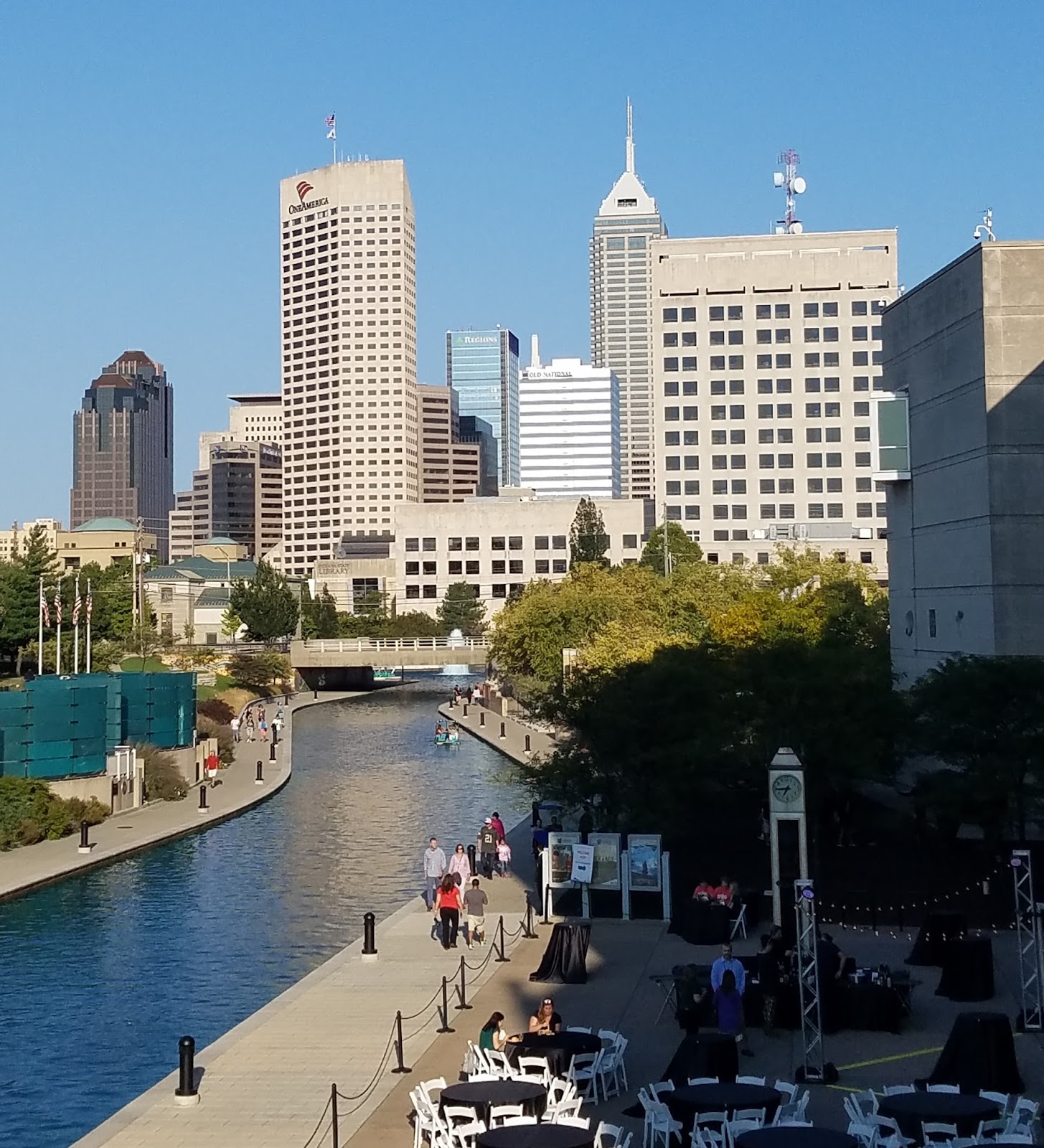
Sunday evening the Indiana State Museum hosted a social event that allowed those in the zoo and aquarium field to catch up and enjoy Indiana history.  The museum, located along the Indiana Central Canal built in the 1800s, offered spectacular views of the city and even attracted the Indianapolis Colts’ mascot, Blue to join in the fun.

<!–
View Full Size Image
View from the Indiana State Museum of the Central Canal

–>

Opening General Session

The conference kicked off Monday morning with the opening session.  Dennis Kelly, Chair of the AZA Board of Directors and the Director of the Smithsonian’s National Zoo and Conservation Biology Institute, welcomed attendees to the annual conference and introduced Mike Crowther, President and CEO of the Indianapolis Zoo who hosted this year’s conference.  He prepared attendees for the Indianapolis Zoo Day by throwing stuffed toy macaws into the audience to preface the zoo’s Magnificent Macaw exhibit which allows the birds to fly a half mile across the zoo and back  multiple times a day.

The Opening General Session also included speeches by Dr. Carl Jones and Wayne Pacelle.  Dr. Carl Jones, winner of the 2016 Indianapolis Prize, is known around the world for his championing work in saving a number of different species that were on the brink of extinction: the pink pigeon, the echo parakeet and the Mauritius kestrel.  Dr. Jones noted that zoos have the answer to saving species and urged attendees to think of zoos as arks and be creative in animal management.  He recalled many instances where other scientists recommended saving species that were not high risk, but maintained his commitment to high-risk species.  His commitment paid off when he restored a species (the Mauritius kestrel) of four to four hundred over the course of a decade.  Dr. Jones noted “it is not hard to save a species, but it takes time” and “we should not tolerate any future extinctions.”  Through his experiences as a world-class conservationist, he challenged the idea that focusing on entire ecosystems was the only way to save a species.  Instead, he found that working with particular species saves entire systems and that it is not about preservation, but looking forward and thinking about the future.

Wayne Pacelle is the President and Chief Executive Officer of the Humane Society of the United States (HSUS.)  In the position since 2004, Pacelle has helped the HSUS grow and pursue its goal of being the largest animal care and advocacy organization in the nation.  Since the start of his tenure, Pacelle has overseen the passing of over 1,100 state animal protection laws and over 100 federal statutes.  Before Pacelle took the stage, attendees were urged to remember that diversity made us stronger and that this was even true of diverse and differing opinions.  Pacelle lauded the work AZA zoos have been doing in the areas of animal welfare and conservation and highlighted the work the HSUS is doing in animal protection.

Nature of Americans

“The Future of Wildlife Depends on the Connections we Make Today and the ‘Nature of Americans'” was one of the first panels. The speakers- Claire Martin from the Disney Conservation Fund, Dr. Daniel Escher of DJ Case & Associates, and Monica Lopez Magee of the Children and Nature Network – presented a study done between 2015 and 2016 in response to the growing amount of time spent inside and on electronic media.  The major mission of the talks was to discuss what people think about nature and how do those in the field turn that into action.

Dr. Escher, a social scientist, talked about the Nature of Americans study (available at https://natureofamericans.org.)   Some of the key findings were that people like zoos and aquariums, the vast majority of children and adults like visiting zoos and aquariums, interest in nature is high across household incomes, and interest in nature is high and stable across educational levels.  Another major takeaway was that nature is social.  Most of the interviewed returned responses that showed people were more likely to experience nature in social groups rather than alone.

Magee went over some of the examples of using the data found in the study to connect with the community.  The first was “Nature in the City.” The Tracy Aviary in Utah brought nature to the community.  They attempted to go mobile and do activities outside of their institution. However, the initial attempt was not enough.  They eventually found that collaborating with local libraries and using them as a community hub and audience was very successful.

Another example presented was at the Houston Zoo.  They had a Zoo Sprouts program that had always been indoors. In order to get more engagement with the users they just moved the program outdoors. They found that this caused the children to be more inclined to meet and touch the animals and to explore their surroundings. The idea that nature is messy and unexpected things happen within it versus technology, which can be more stagnant, were shown by both the study and the case studies to be the reason children were drawn to it.

Overall, this panel focused on explaining the study and examples of using nature in education and outreach in order to give those in the zoo and aquarium field ideas of how to use these findings in their own institutions whether in activities or even in branding.

Why Save a Species?

The “Why Save a Species” panel brought together five different international conservation projects that highlighted regional species and animal reintroductions. The presentations focused on lessons on wildlife management, human-animal interactions and public interaction, working with international colleagues and working with stakeholders to aid in saving species from extinction.

Dr. Melissa Songer gave the first presentation from the Smithsonian Conservation Biology Institute and National Zoo. It centered on restoring the Przewalksi’s horse to the wild in the Kalameili Nature Reserve located in Xinjiang, China. The Przewalksi’s horse was extinct in the wild in the 1960s with the only living animals being in Western zoos.  Within these zoos, and with careful genetic management, the population grew from 14 founders into 1,900 horses who lived in captivity.  Reintroduction efforts began, and they are no longer nearing extinction.

This particular presentation was on the reintroduction efforts in Mongolia. Because of the harsh winters, they turned the project into a semi-release of the horses. The project members reached out to the locals to see if they were interested in the project and found that the locals were worried about how the release program would affect local pastures for the cattle and therefore affect the locals’ livelihood. Dr. Songer noted that one of the challenges was balancing the goals of the different stakeholders.

Carlos Galvis of the Zoologico de Cali in Columbia presented on the Golden Poison Frog. The Wildlife Conservation Society and the Zurich Zoo provided funding to help conserve the species in Colombia.  Through this research, they found that the range of distribution of the frogs was much larger than originally thought.  They are now working to use this new distribution of the species to conduct field studies and help determine if reintroduction is necessary.

Dr. Ian Singleton, Director of Conservation of the PanEco Foundation and Sumatran Orangutan Conservation Program talked about their work in reintroducing the orangutans to their native Indonesia. Through Dr. Singleton’s work, two genetically viable and self-sustaining wild populations have been established. Their goal is to release 350 orangutans at each of their sites.  So far 170 orangutans have been released in Jambi and 99 have been released in Jantho. They have been attempting to tackle the demand for wildlife in the illegal trade through education of the locals, finding that some of those involved just needed to be told that it was detrimental to the population of the orangutans.

Dr. Amy Dickman, director of the Ruaha Carnivore Project in Tanzania, highlighted the struggle between humans and carnivores in the area.  The Barabaig people have long had a tradition of killing African lions. Dr. Dickman’s team wanted to determine why they were killing the lions and other large carnivores which would contribute to eventual extinction of species. After many failed attempts at making contact with the tribe, they found that the people had started using the solar charging station to charge their mobile phones. Eventually they were able to create an understanding and trust with the community.

She found that there were four major reasons why the carnivores were being hunted: deprecation of cattle, absence of benefit from their presence, rewards to warriors for the killing of the animals, and lack of motivation to care about the animals. To solve the first issue, they helped to build safe areas for their cattle and crops. They then started a point system that rewarded the community members for capturing images of the local wildlife.  The points could be exchanged for something they wanted- healthcare and other benefits. They also started a warrior school in order to allow people in the community to still gain notoriety.  The school provided these ‘warriors’ with educational benefits. Thanks to Dr. Dickman and her team they were able to change an entire community’s understanding of nature.

John Newby, CEO of the Sahara Conservation Fund, talked about another species who has been extinct in the wild since the 1980s- the scimitar-horned oryx. The last surviving oryx was killed inside a game reserve in Chad.  In 2008 the Sahara Conservation Fund started its project to reintroduce oryx into their natural habitat. The first fully wild calves have already been born- there are currently 90 in the wild breeding and 23 offspring.  The Fund’s goal is to have 500 breeding animals that are secure and free-ranging. Newby stressed that the zoo community played a major role in helping stop the extinction of the oryx and that the captive population was imperative for reintroducing the species.

Michael Mace, curator of birds at the San Diego Zoo Safari Park, closed out the panel.  He noted zoos and aquariums need to continue to fight for every creature.  This includes the flagship or more well-known animals as well as the lesser known species and even the unknown species that have yet to be discovered.  It is also imperative to ignite visitors- engaging and inspiring the next generation to protect wildlife. Some of the overall takeaways were that while donors may want to give a large amount of money in a short time, budgets for conservation efforts need to be able to adapt and change without being specifically allocated. Each of the presentations mentioned the local communities, and it is important to note that they cannot sustain these conservation efforts.  Therefore, it is imperative that international supporters step up.  Since these conservation efforts take time, donor fatigue happens and those involved should be prepared to get creative with providing results and finding new sponsors.

<!–
View Full Size Image
Expanding Access to Biodiversity Literature Poster

–>

Poster Reception

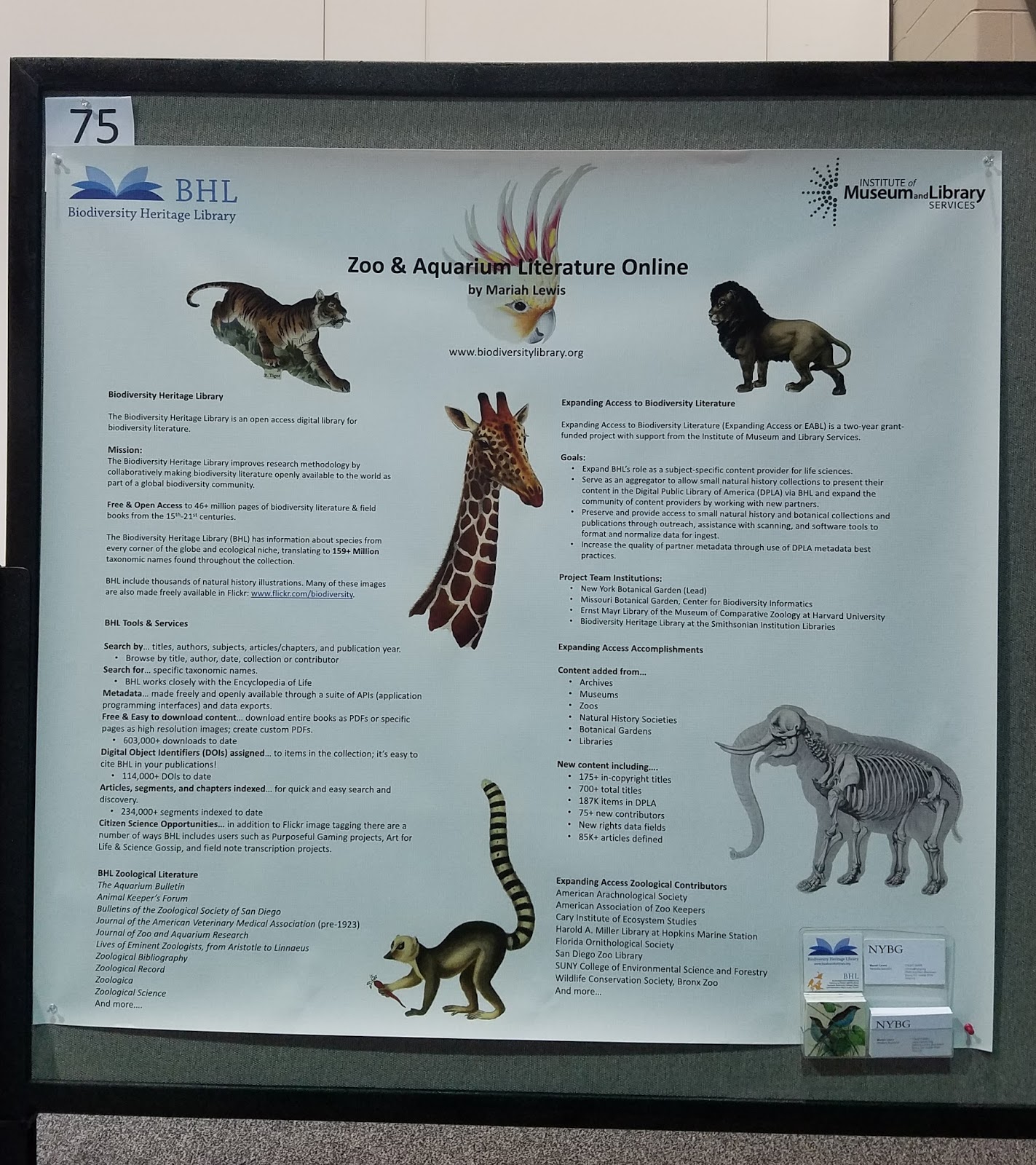
The Expanding Access to Biodiversity Literature poster was titled “ZooLiterature Online” and reflected the work the grant had done in the area of zoo and aquarium literature.  Since AZA was a relatively new area for BHL, a portion of the poster was general information about BHL highlighting some of the different ways content could be used and analyzed. The poster also highlighted the Expanding Access project, its goals, grant team institutions, accomplishments and zoo and aquariums contributors and titles in BHL, many added as part of EABL. The poster was well received and introduced many AZA conference attendees to BHL.

Explore the zoological titles highlighted in the EABL poster in BHL here:

  • The Aquarium Bulletin (Digitized by Smithsonian Libraries)
  • Animal Keeper’s Forum (Digitized by Smithsonian Libraries with permission from American Association of Zoo Keepers)
  • Bulletins of the Zoological Society of San Diego (Contributed by San Diego Zoo Global Library & Archives)
  • Journal of the American Veterinary Medical Association (pre-1923) (Digitized by University of Toronto Libraries)
  • Journal of Zoo and Aquarium Research (Contributed by European Association of Zoos and Aquaria)
  • Lives of Eminent Zoologists, from Aristotle to Linnaeus (Digitized by Smithsonian Libraries)
  • Zoological Bibliography (Contributed by Aves Press Limited)
  • Zoological Record (Digitized by Smithsonian Libraries and the USDA National Agricultural Library)
  • Zoologica (Digitized by MBLWHOI Library)
  • Zoological Science (Digitized by Library of Congress)

Communities Come Together Over Gardens: Using Horticulture to Connect with Our Neighbors

The focus of most of the AZA panels was, logically, zoos and aquariums.  However, one of the final panel options centered around botanical gardens in zoos. The panel began with a look back at horticulture in zoos. Fifty years ago, it involved trimming hedges around the property. Forty years ago, zoos moved towards hiring horticulturists to create convincing habitats. Moving to thirty years ago, some zoos started becoming botanical gardens as well. It was just twenty years ago that zoos and aquariums became more interested in plant conservation as an added component to their missions.

Presenting at the panel was Steve Foltz, Director of Horticulture at the Cincinatti Zoo and Botanical Garden; Paul Bouseman, Botanical Curator at the Mesker Park Zoo and Botanic Garden; Bob Chabot, former Director of Horticulture at the Jacksonville Zoo and Gardens and current Chief of Staff at Zoo New England; and Christine Nye, Horticultural Programs Manager at the John G. Shedd Aquarium.

Each presenter highlighted the work their zoos and aquariums did both within their institution and in their community in the area of horticulture. The Cincinnati Zoo worked to build bridges in their community by planting trees in areas of the town that were affected by tornadoes or in communities in need of transformation. They worked with master gardeners, Proctor and Gamble, and the Cincinnati Reds to help renew the community and change the way the community looks at the zoo.

The Shedd Aquarium uses the spaces around its exhibit as a free public garden space and created volunteer and education programs around it.

The Mesker Park Zoo and Botanic Garden uses horticulture to attract people with the power of plants. Mesker’s local community comes in and volunteers and they gain a better connection with the zoo.

The Jacksonville Zoo and Garden partnered with a number of different local organizations and even a high school. Chabot and the zoo worked to create gardens in a number of locations and used the local arts high school- Douglas Anderson School of the Arts- to record sounds for the Butterfly Hollow exhibit.

<!–
View Full Size Image
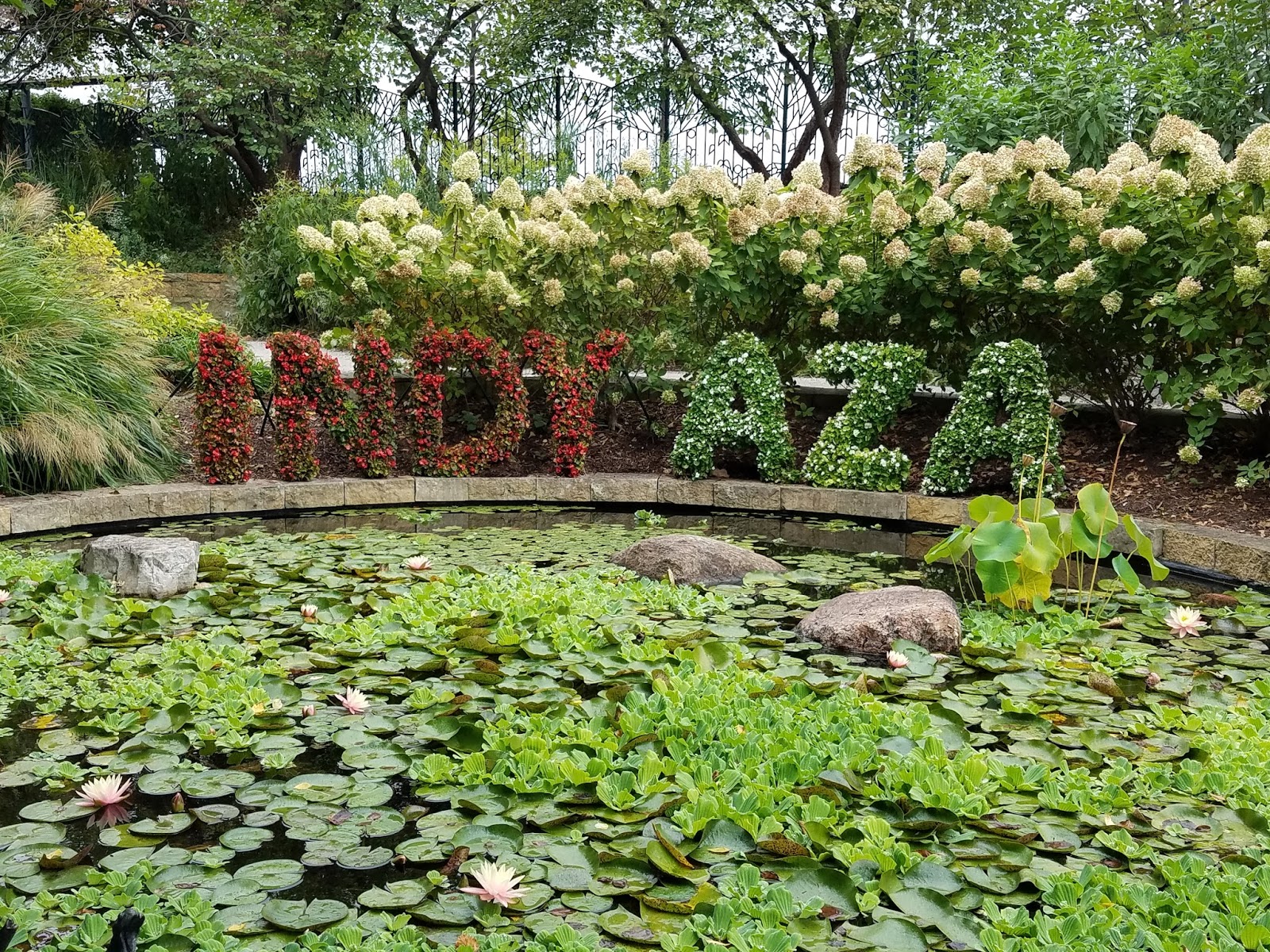
Indianapolis Zoo Garden

–>

Zoo Day at the Indianapolis Zoo

The final event of the AZA Annual Conference was Zoo Day.  The day included full access to the rides and attractions- including the carousel, train ride, skyline, 4D theatre, Kombo Family Coaster, and Race-A-Cheetah. They also set up a number of different chats, demos, feedings and presentations throughout the afternoon and evening.  Between the hosted lunch, happy hour, dinner, and dancing AZA attendees were able to take advantage of a number of different Behind-the-Scenes Open-Houses that allowed those from other zoos and aquariums to get a better understanding of the operations and animal care at the Indianapolis Zoo.

Also attended were Public Perceptions of Zoos and Aquariums in a Changing World, Classic Continuing Conservation, What’s New in Exhibit Design?, and Cognitive Tasks for Great Apes: Promoting Conservation, Research, Education and Animal Wellness.

Moving forward, the Expanding Access team and the Biodiversity Heritage Library hope to maintain our current relationships with Zoo and Aquarium institutions and publishers.

Are you part of a zoo or aquarium and interested in what you can do to get involved? Here’s some tips on what you can do!

  1. Use BHL!
  2. Consider adding your publications to BHL.
  3. If you have legacy literature you want scanned from your library or archive, email us!
  4. Suggest titles you would like to see in BHL and we will do our best to include them.

For any of these suggestions please email use our Feedback form here.  You can also check out our poster presentation in PDF format here.

September 21, 2017by aneeser
Blog Reel, Featured Books

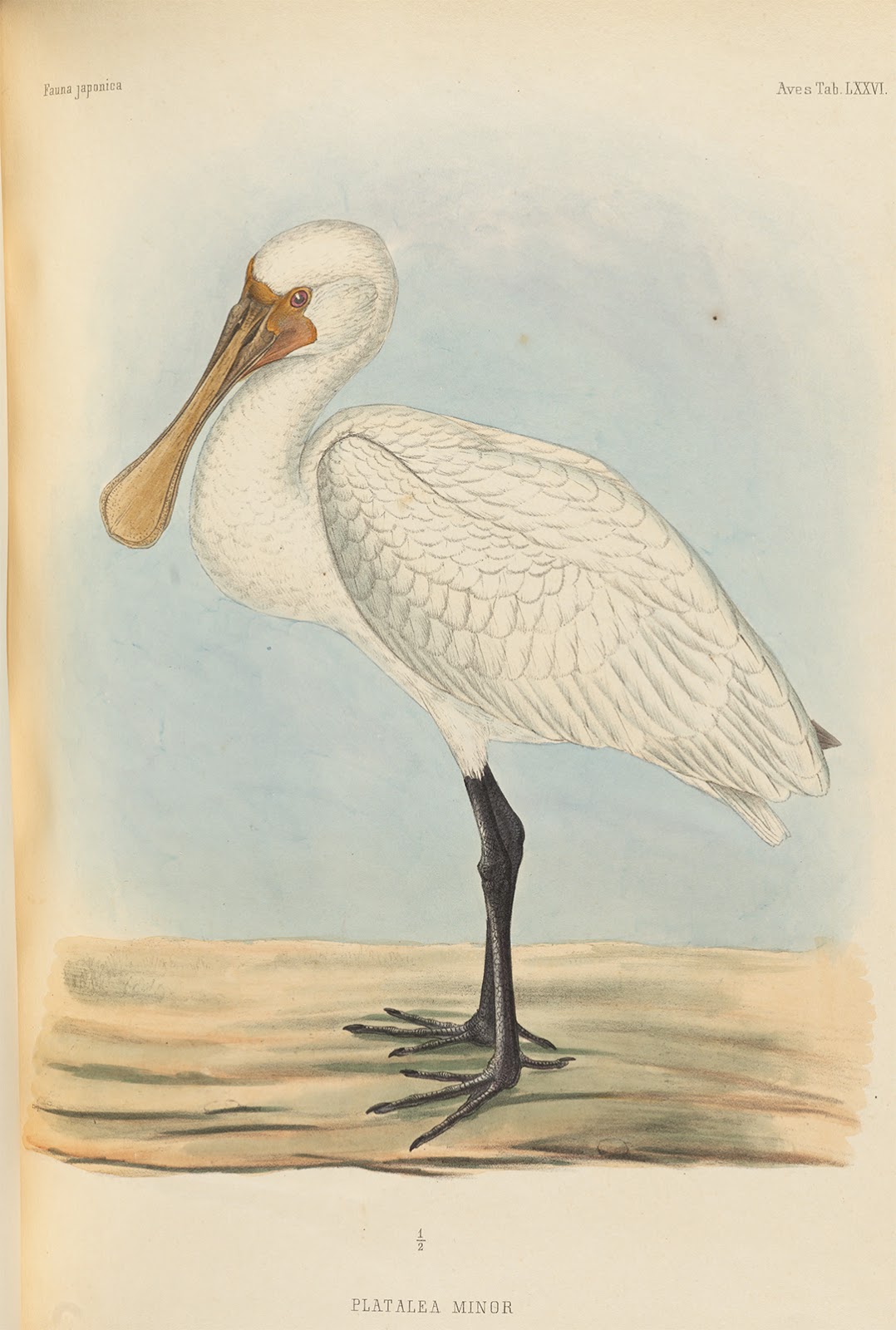
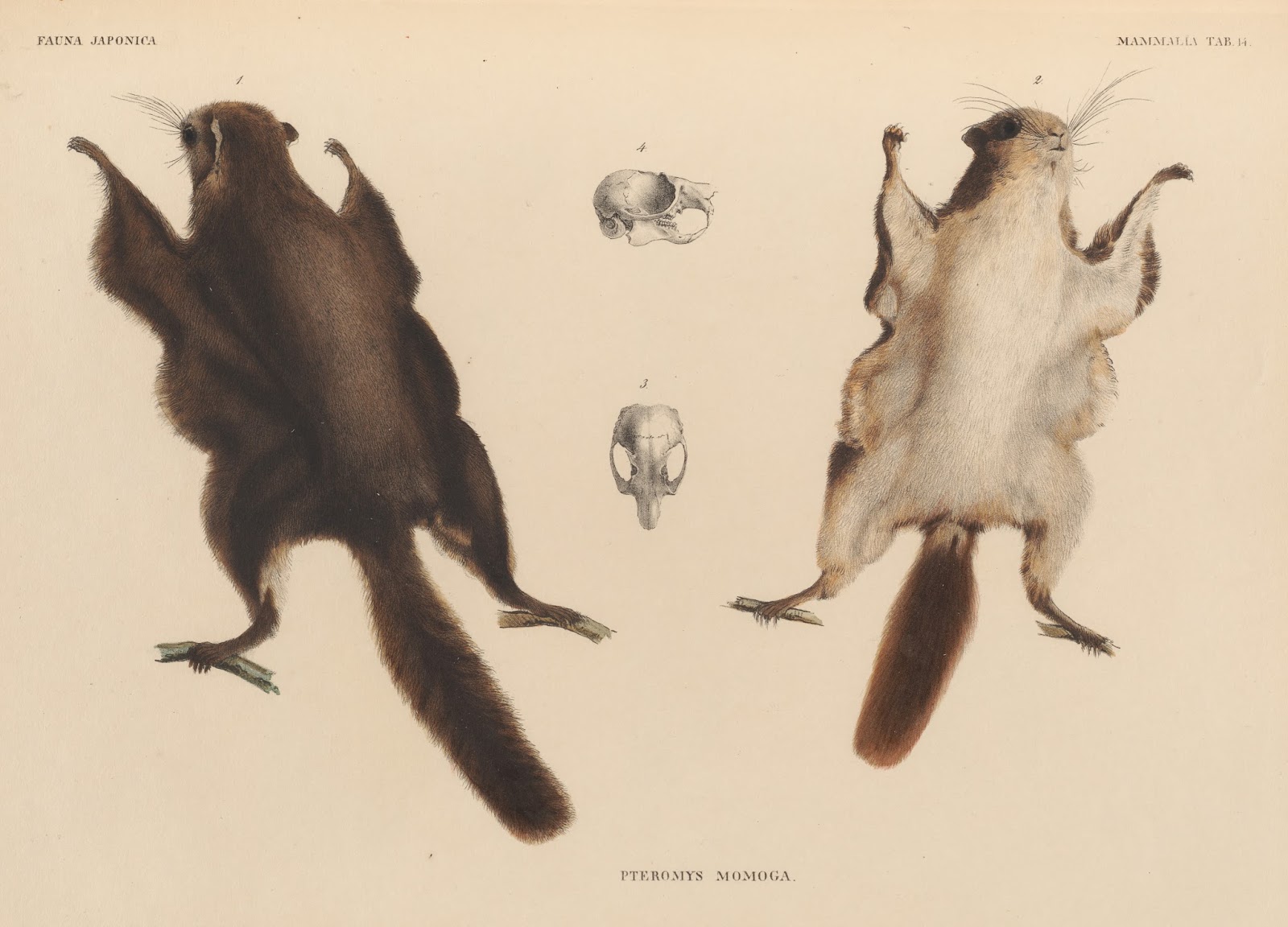
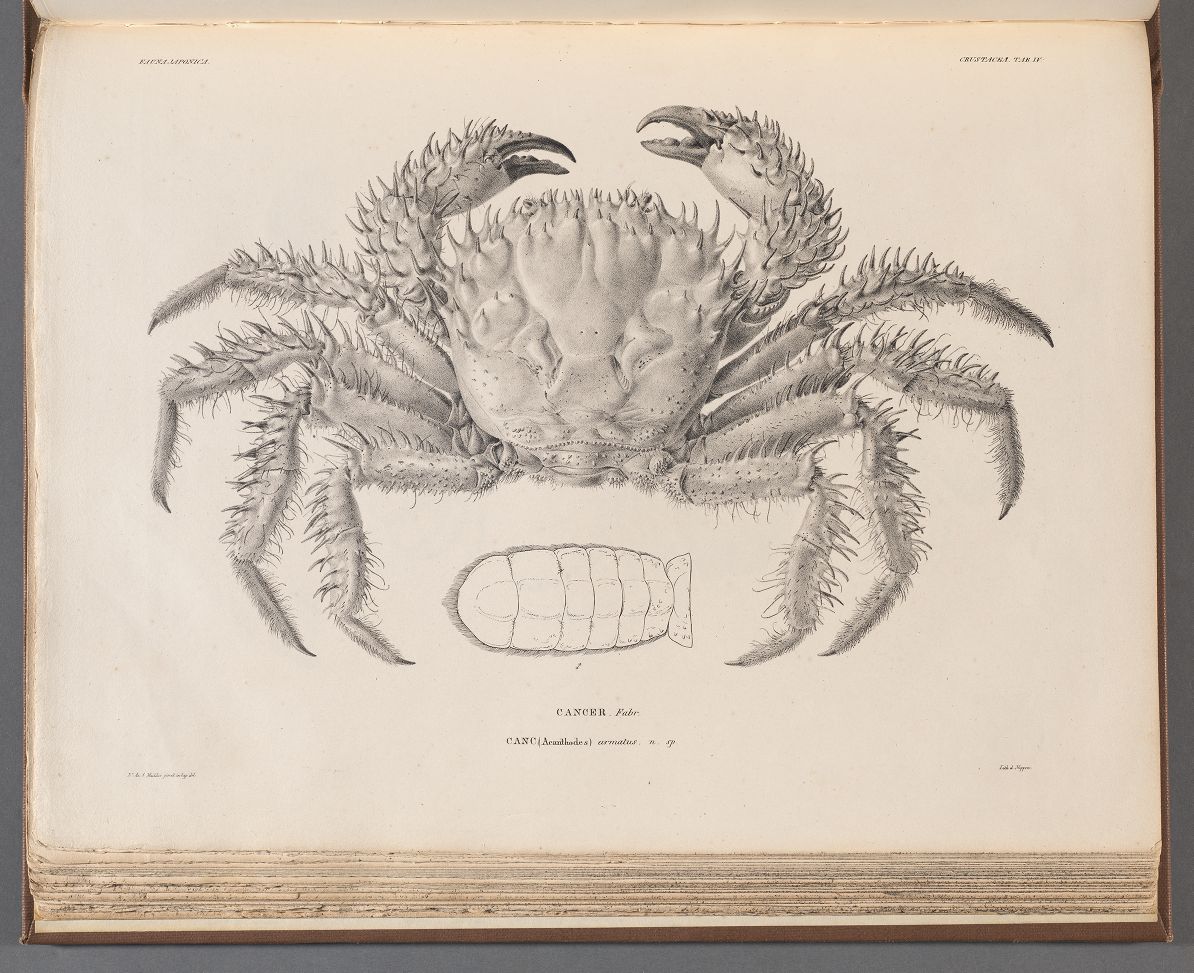
The First European Language Monographic Series on the Zoology of Japan

View Full Size Image
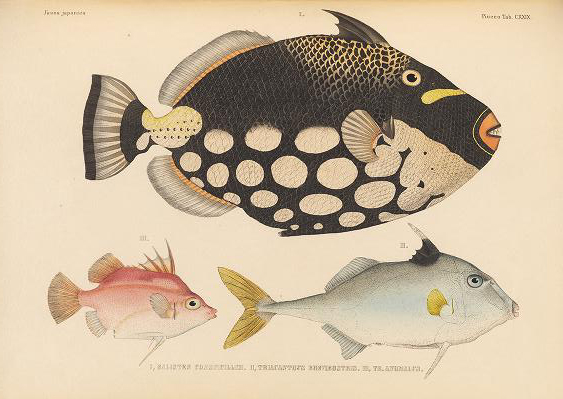
Siebold, Philipp Franz von. Fauna japonica. v.[2] Pisces. ([1842]-1850). Digitized by Harvard University, Museum of Comparative Zoology, Ernst Mayr Library.

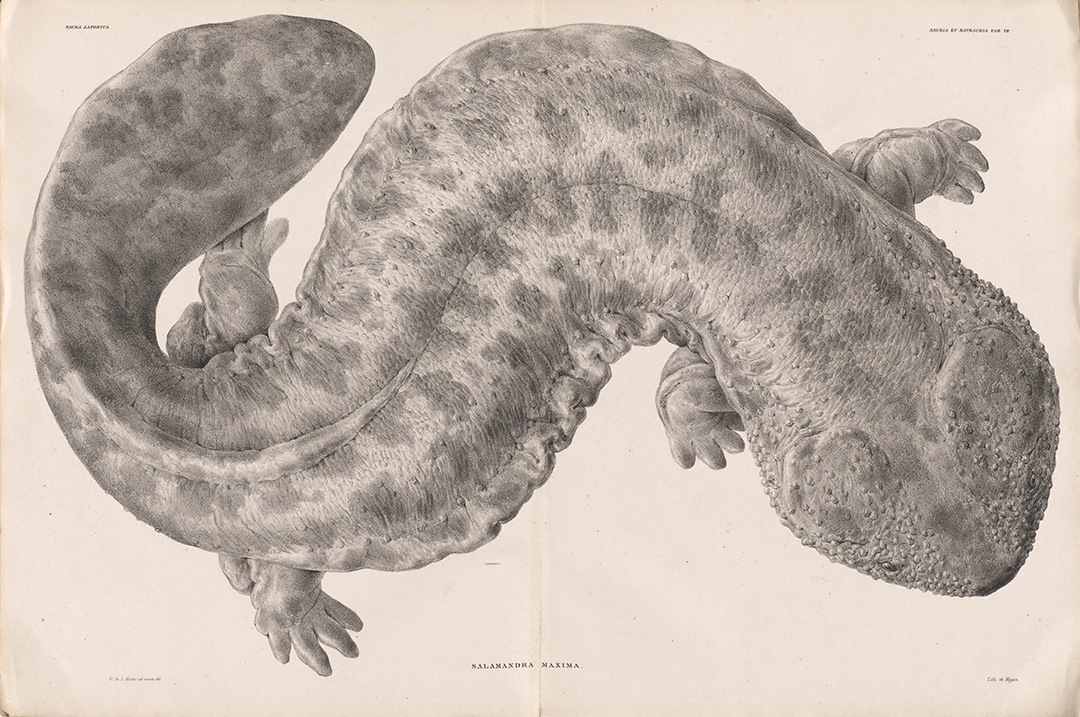
Fauna japonica, sive, Descriptio animalium, quae in itinere per Japoniam … (Leiden, 1833-1850) is a set of five volumes based on natural-history collections made in Japan by German physician and botanist Philipp Franz von Siebold and his assistant and successor Heinrich Burger, with drawings by the Japanese artist Kawahara Keiga. It is the first monographic series written in a European language (French) on the zoology of Japan, and it introduced Japanese fauna to the West on a large scale. The volumes of Fauna Japonica, contributed by the Ernst Mayr Library of the Museum of Comparative Zoology, Harvard University, can be viewed on BHL.

View Full Size Image
Siebold, Philipp Franz von. Fauna japonica. v. [3]. Reptilia. (1838). Digitized by Harvard University, Museum of Comparative Zoology, Ernst Mayr Library. http://s.si.edu/2sQxneR.

Von Siebold (1796-1866) arrived in Japan in 1823 as resident doctor of the Dutch trading post on Deshima island, Nagasaki. He was eager to learn about natural history in far-flung countries at a time when natural history knowledge was progressing in Europe. In addition to medical work, Von Siebold, who had a strong interest in zoology, and Burger along with their Japanese colleagues collected and purchased natural history specimens and ethnological objects during excursions in the Nagasaki area. Von Siebold was also allowed to travel beyond Nagasaki with Dutch embassy officials. Patients whom von Siebold and Burger treated and residents whom they met assisted with the massive collecting project. Von Siebold established a private school where he taught medicine and natural history and the students became collectors as well.

Von Siebold was was given several detailed maps of Japan for his explorations by the court astronomer, Takahashi Kageyasu. When the Japanese government discovered the maps, they accused von Siebold of spying and treason, expelling him from the country. His then 2 year old daughter, Kusumoto Ine, went on to become the first licensed female Japanese physician of Western medicine.

View Full Size Image
Siebold, Philipp Franz von. Fauna japonica. v. [4.] Aves. ([1844]-1850). Digitized by Harvard University, Museum of Comparative Zoology, Ernst Mayr Library. http://s.si.edu/2rCBqb4.

After enduring these legal difficulties, von Siebold was able to return to the Netherlands in 1829. His vast natural-history collections preceded him to Batavia onboard ships while he was detained. The Dutch contingent that received the collections was actually a bit relieved that von Siebold was not present when the specimens arrived, as they feared that he might disperse them to institutions beyond the Netherlands.

Safely home, von Siebold commissioned Leiden Museum director C. J. Temminck to write Fauna japonica’s mammal volume. Temminck and his museum colleague Hermann Schlegel compiled the bird, reptile, and fish volumes; and Leiden Museum invertebrates curator Wilhelm de Haan wrote the Crustacea volume. The series was originally published in separate fascicles, edited by von Siebold. An unfinished, unpublished echinoderm manuscript for Fauna japonica by J. A. Herklots is now in the archives of the Leiden Museum.

View Full Size Image
Siebold, Philipp Franz von. Fauna japonica. v. [5]. Mammalia. ([1842-1845]). Digitized by Harvard University, Museum of Comparative Zoology, Ernst Mayr Library. http://s.si.edu/2rCnPR3.

Initially, von Siebold published Fauna japonica partly with his own funds and partly with a grant from the Dutch government. By 1833, the Amsterdam publisher J. Muller became partners with von Siebold in the venture. Until 1840, the plates were lithographed at von Siebold’s own lithographic plant, as indicated by “Lith. d. Nippon,” and later were done at other firms until the Leiden printer A. Arnz took over publication of Fauna japonica’s text and plates entirely.

Because the original volumes of Fauna japonica were issued in a limited (unknown) number, they became so difficult and expensive to obtain that a facsimile edition in four volumes was published in Japan in 1934 in an edition of 350 copies — now that edition has become very difficult to obtain as well. The University of Kyoto has also digitized the volumes of Fauna Japonica.

View Full Size Image
Siebold, Philipp Franz von. Fauna japonica. v. [1]. Introductions and Crustacea. (1833-1850). Digitized by Harvard University, Museum of Comparative Zoology, Ernst Mayr Library. http://s.si.edu/2rRDwYL.

References:

L. B. Holthuis and T. Sakai. Ph. F. von Siebold and Fauna japonica: a history of early Japanese zoology. Tokyo: Academic Press of Japan, 1970.

L. B. Holthus. “On the dates of publication of W. De Haan’s volume on the Crustacea of P. F. von Siebold’s Fauna japonica,” The Journal of the Society for the Bibliography of Natural History, vol. 3, pt. 1, 1953.

Ueno, Masuzo. “The Western Influence on Natural History in Japan.” Monumenta Nipponica 19, no. 3/4 (1964): 315-39. doi:10.2307/2383175.

June 22, 2017by ulib-libraryjobs
Blog Reel, User Stories

Cetaceans and Cephalopods: Supporting the Work of Collections Managers One Specimen at a Time

Have you ever been to a museum and wondered about the history of the specimens on display?

If you have, then you’d probably be interested in talking to the museum’s collections managers, as their jobs include not only caring for and improving accessibility to the collections, but also serving as a living knowledge repository for information about the history of the collections.

View Full Size Image
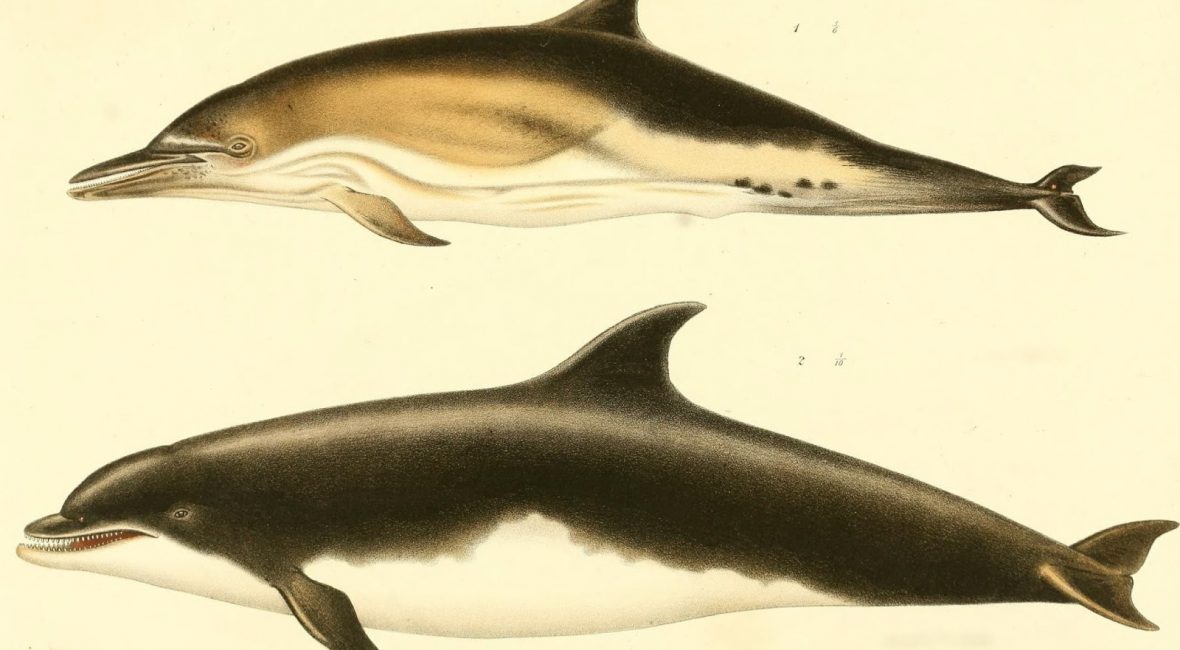
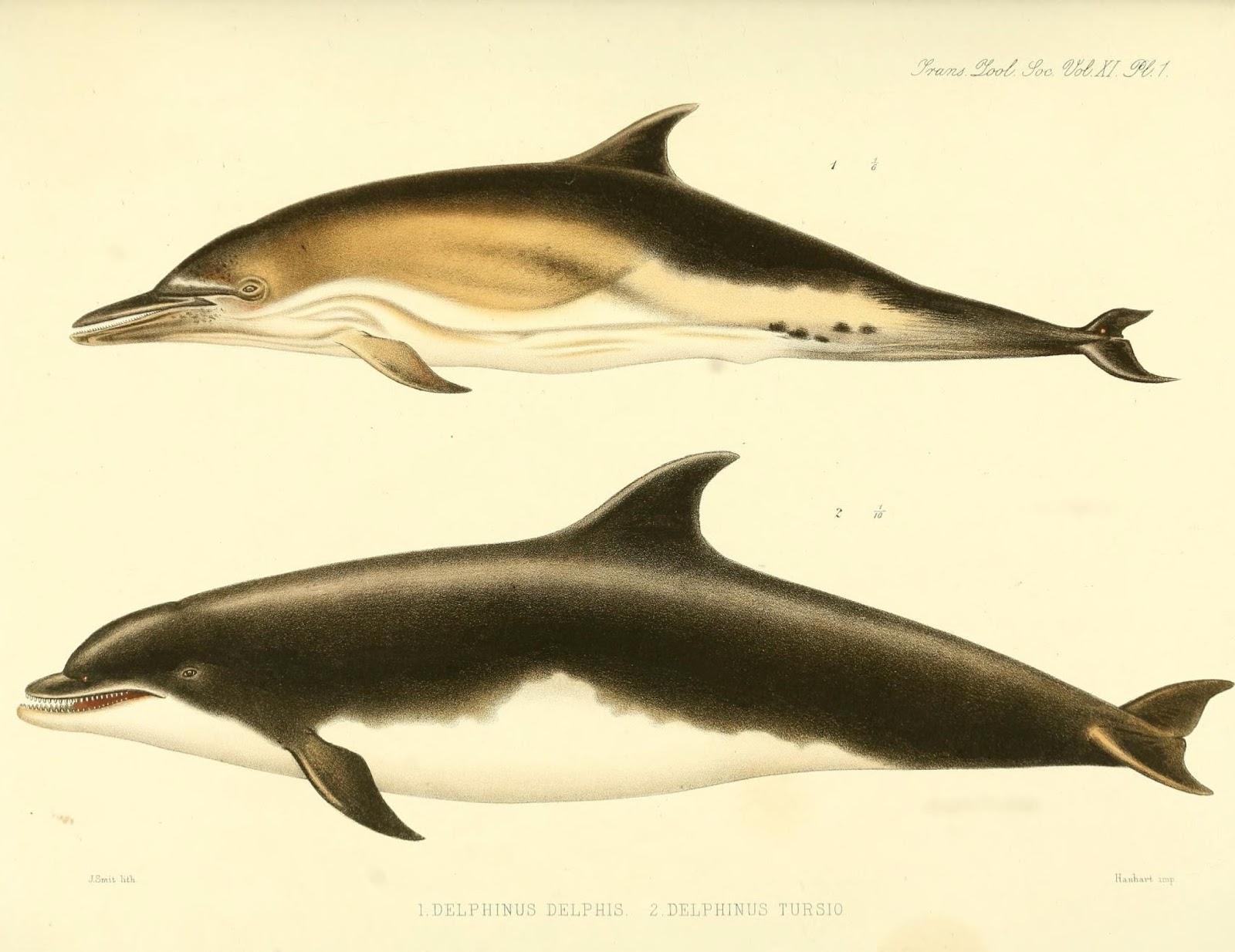
William Flower’s drawing of the bottlenose dolphin (lower). The skeleton from this individual is on display in the Oxford University Museum of Natural History. Flower, W. H. (1880), I. On the External Characters of two Species of British Dolphins (Delphinus delphis, Linn., and Delphinus tursio, Fabr.). The Transactions of the Zoological Society of London, 11: no 1. Digitized by the Natural History Museum, London. http://www.biodiversitylibrary.org/page/28725656.

Take the Oxford University Museum of Natural History, for example. Amongst the many treasures on display in that museum are five whale skeletons suspended from the roof. Where did those specimens come from? Mark Carnall, Collections Manager for the Life Collections at the museum, knows that these specimens are linked to some very prestigious individuals in the world of ‘whaleologists’, including Daniel Frederick Eschricht and William Henry Flower. Curious? Learn more in Mark’s blog post for More than a Dodo.

View Full Size Image
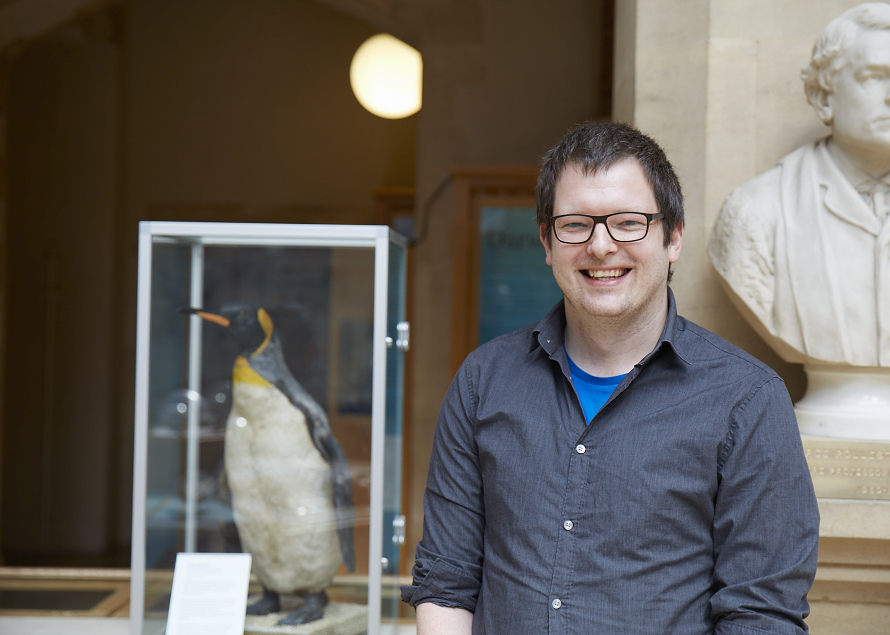
Mark Carnall. Image by John Cardwell courtesy Oxford University Museum of Natural History.

As a collections manager for the Oxford University Museum of Natural History, and during his tenure at other major UK museums, Mark has spent a great deal of time researching the history of the specimens in his care. BHL plays an important role in this research.

“Having worked at some of the older UK natural history museums, including the Grant Museum of Zoology at University College London, the Natural History Museum London and currently the Oxford University Museum of Natural History, I’ve been very fortunate in that some of the early references to the specimens that I curate are ‘THE’ original works when it comes to unravelling the physiology, taxonomy and ecology of major groups of animals, and it is rare that these aren’t already on BHL,” says Mark.


View Full Size Image
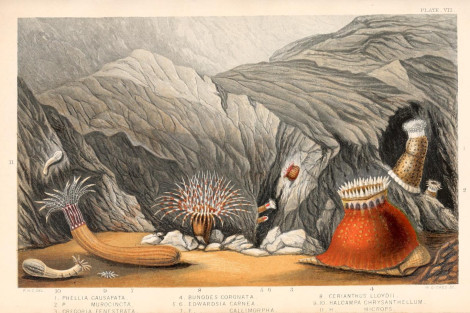
British Sea-Anemones, showing many of the species in the Oxford University Museum of Natural History series. Gosse, Philip Henry. Actinologia britannica (1860). Digitized by Smithsonian Libraries. http://biodiversitylibrary.org/page/12042290.

Mark first discovered BHL when looking for references and citations for specimens during his time at University College London. Today, he uses BHL about once a week as part of his research to answer inquiries about the museum’s collections. This research can be very time-intensive, and thus having online access to relevant publications is very important.

“As a collections manager, my role is dictated by priorities in improving accessibility to the collections, so often there isn’t much time for going in to depth with the history of specimens,” explains Mark. “Some specimens could be researched for weeks or months; however, with easy access to biodiversity heritage publications through BHL, it means that I can do some of this research on the fly rather than earmark it to return to later.”

In addition to discovering publications as part of his research process, Mark also discovers additional content of personal interest through BHL’s social media activities.

“One of my favourite features of BHL is the ‘curated content’ such as the blog posts that BHL users and staff write about discoveries or fascinatingly esoteric publications,” says Mark. “I am also a huge fan of the Flickr sets. As a collections manager, I’m always thinking about how people can access our specimens and content. A dry item by item database is fine for people who know what they are specifically looking for, but it doesn’t facilitate browsing such a vast amount of content or expose people to new knowledge or information. I’ve spent more than a few evenings starting by browsing a Flickr album I’ve been directed to by a BHL blog and ending up reading papers completely unrelated because making those fluid connections is so easy. The BHL social media team is also fantastic at raising awareness about the latest content on BHL. Additionally, I really appreciate that it’s clear how to reuse and credit resources, be it from reusing an image on Twitter to a bibliographic reference.”

When it comes to favorite content, Mark has a soft spot for the cephalopod material.

“I’m a huge cephalopod nerd,” admits Mark. “For such an interesting group there’s actually a paucity of published material. Browsing through BHL images, however, I’ve gone from sea monsters to beautifully illustrated plates (see for yourself), which I would have otherwise not stumbled upon or overlooked in the hunt for a taxon description.”


View Full Size Image
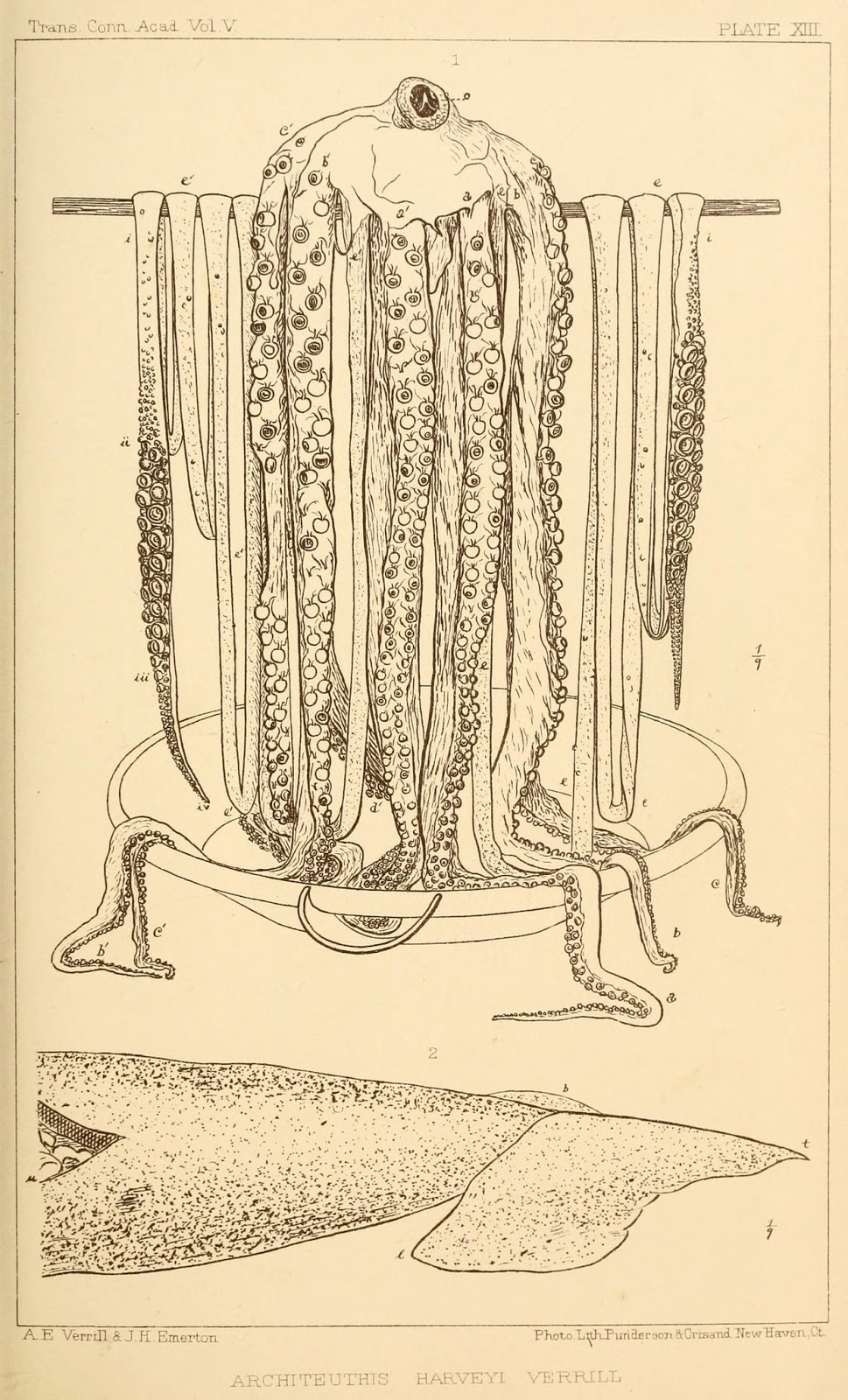
The rather sad-looking but earliest bona fide remains of a giant squid. Verrill, A.E. The cephalopods of the north-eastern coast of America. (1879-1881). Digitized by MBLWHOI Library. http://www.biodiversitylibrary.org/page/11826545.

Currently, his favorite item on BHL is the poem Spirula spirula by C. W. Johnson in the Nautilus (1926). According to Mark, “It’s a quirky (but accurate at the time) poem about the ram’s horn squid and formally captures a geekery and whimsy that you just don’t see as much in modern formal science publishing.”

While the historic collections and curated content on BHL are extremely valuable to Mark, he would love to see the amount of content from the mid-twentieth century expanded. This content, especially that from the 1930s-1970s, can be extremely difficult to access but can contain very valuable information for research.

You can help us obtain permission to include this content in BHL! If you or an organization you work with owns the copyright to a biodiversity-related publication, you can help us broker permission to digitize the work. Learn more on our website.

So, the next time you’re at a museum, take a moment to think about the history of the specimens on display and the people who work so hard to care for and preserve knowledge about those pieces. And just maybe, indulge your curiosity by searching for some related publications or browsing related images in BHL. You never know what kind of history you might dig up.

______________________________________

This post may contain the personal opinions of BHL users or affiliated staff and does not necessarily represent the official Biodiversity Heritage Library (BHL) position on these matters.

November 10, 2016by ulib-libraryjobs
Blog Reel, Featured Books

Jesús Sánchez’s Mexican Medical Zoology

Sánchez, Jesús. Datos para la zoología médica mexicana: arácnidos é insectos. México: Oficina Tipográfica de la Secretaría de Fomento, 1893. viii, 189, iv pages, 9 leaves of plates : illustrations ; 23 cm.

View Full Size Image
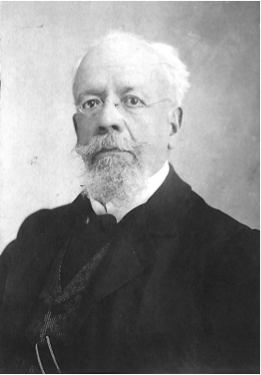
Parra, Alfonso. Atlas histórico de la Escuela Nacional Preparatoria: desde su fundación hasta los momentos de celebrarse el centenario de la proclamación de la Independencia, septiembre 15 de 1910 / México : [Escuela Nacional Preparatoria], 1910. 1 vol.

With the single purpose of serving the country and with the belief that scientific study should be used with practical ends, Doctor Jesús Sánchez elaborated his essay on Mexican Medical Zoology (Datos para la zoología médica mexicana), where he acknowledges “the value of studying the animal kingdom, within which exists a vast variety that can offer both benefits and diseases”.

Equally, he states that it “is not only important to study the organisms living inside our own bodies, it is also necessary to know those whose venoms, when inoculated in the human body, can cause, from very light inconveniences, to very serious symptoms and even death”. That is why the author developed an essay about this topic, identifying, describing and studying arachnids and insects from several parts of Mexico that cause damage to the human health.

Doctor Jesús Sánchez was a physician by profession, a member of the Academy of Medicine, and responsible of the professorships in Zoology and Biology at the National High School and the National School of Agriculture, where he has dedicated several years to the compilation of insects; these where included in his work of Mexican Medical Zoology, published in 1893. A second edition or reprint of this work has never been published.

View Full Size Image
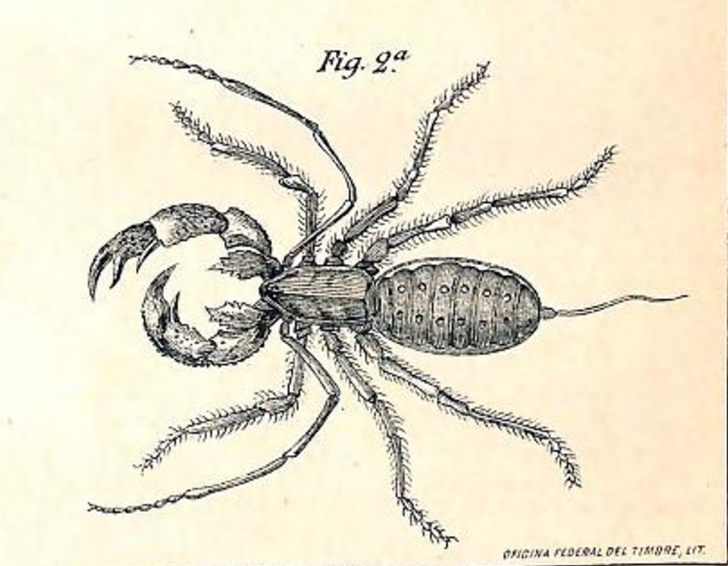
Thelyphonus giganteus. Vinagrillo. (Seg. Lucas). http://biodiversitylibrary.org/page/51139808.

During the development of this work, Doctor Sánchez exchanged knowledge, talks and experiences with the doctors and brothers Alfredo and Eugenio Dugés. Alfredo Dugés was a great illustrator who made a perfect descriptive work of the Aquatic Spider, or hydroarachnid, native of Guanajuato. Dugés directed Sánchez and recommended the research of other zoology scholars, like Fernando Altamirano, Lauro Jimenez, Antonio Peñafiel, Alfonso Herrera and Gumersindo Mendoza, among others, as well as other prominent publications from the naturalists Francisco J. Clavijero and Jose Alzate Ramirez.

Datos para la zoología médica mexicana describes, in a detailed manner, nine orders of arachnids and scorpions, as well as five orders of insects, ants and bees, using a mixture of a colloquial and technical language, explaining symptoms, cures and medicines that can be used to fight against symptoms caused by the bites or contact with insects. Within his work we can find a remarkably detailed index of every order and term, as well as illustrations for context.

View Full Size Image
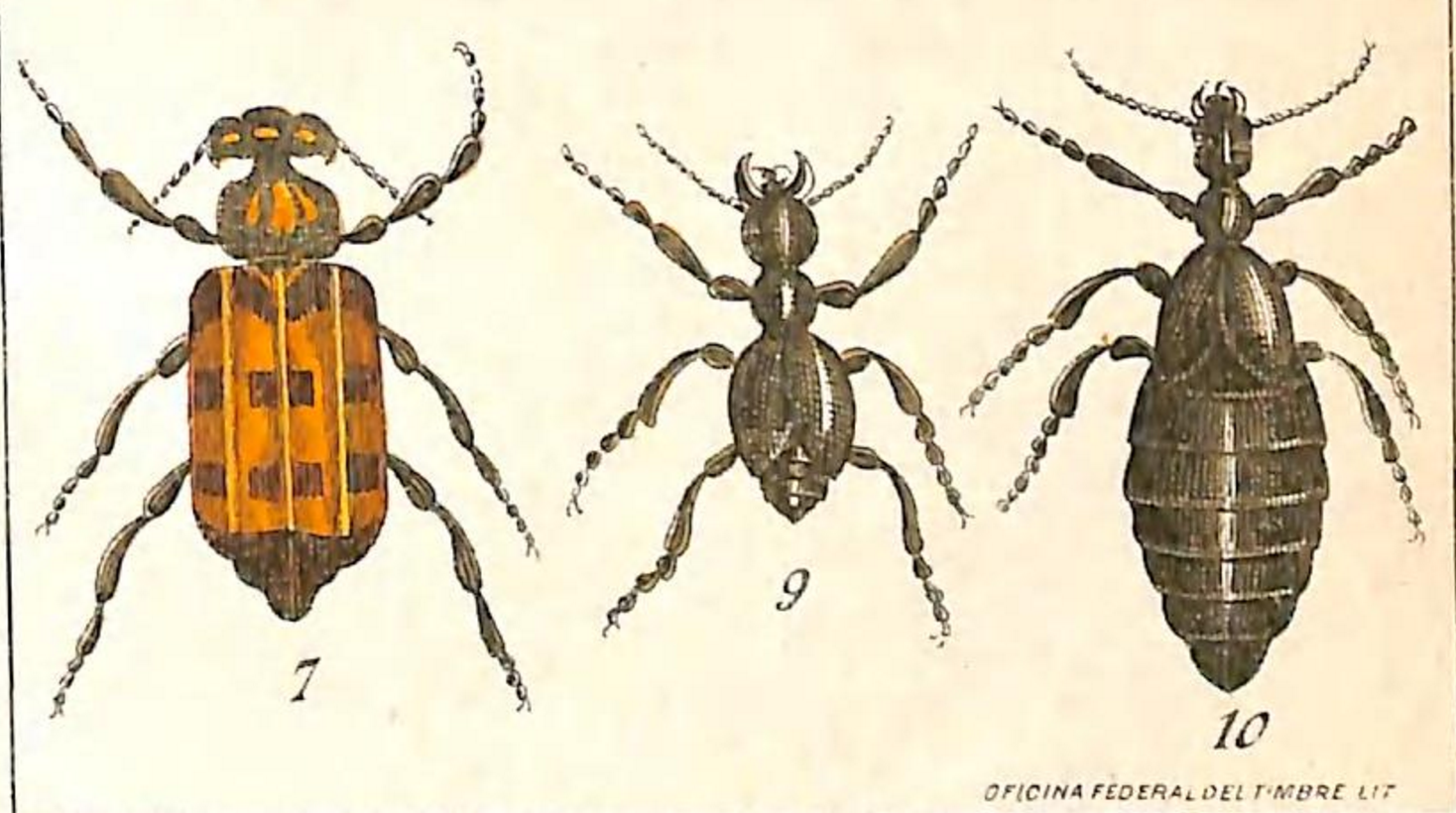
7. Horia maculata. 9. Treiodous barranci (macho). 10. Treiodous barranci (hembra). http://biodiversitylibrary.org/page/51139812.

One can appreciate nine pages that contain the illustrations of arachnids, scorpions, several insects, ants and bees, elaborated by hand with colours identical to those of the studied animals.

Being a professor of the National High School, Sánchez’s published works supported the students with knowledge and practical applications; he offered his expertise during his lectures and turned new students towards the development of science and knowledge.

View Full Size Image
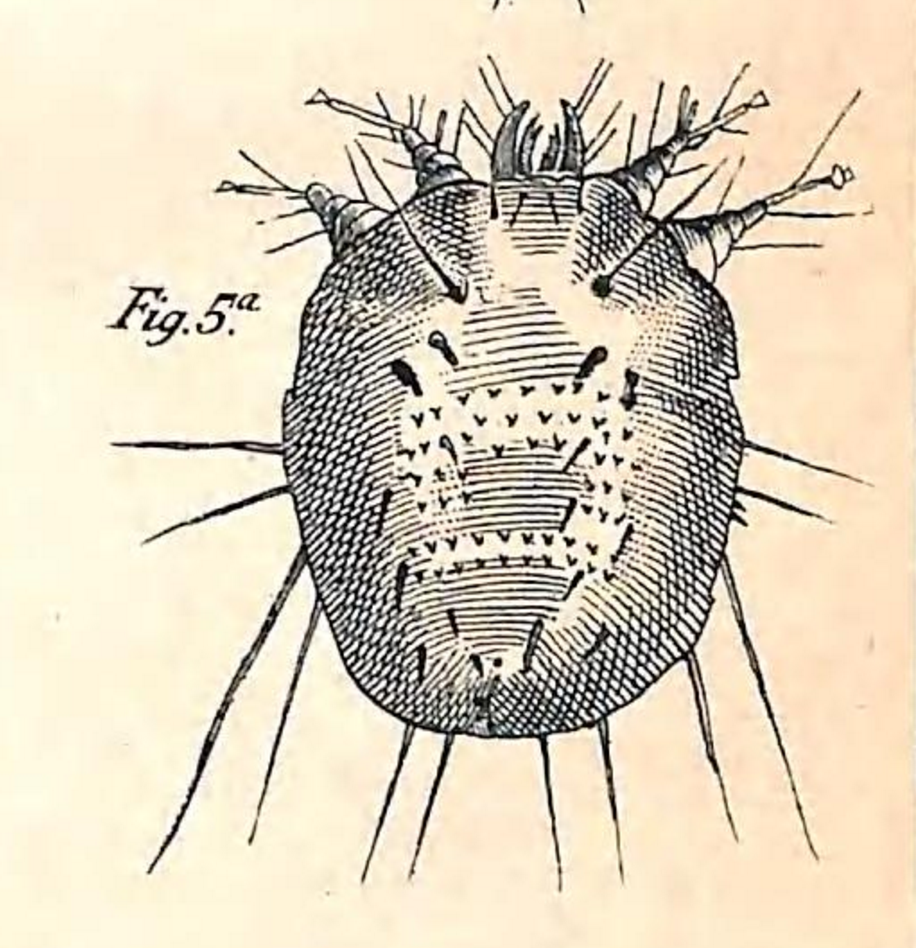
Sarcoptes scabiei (hembra). Visto por el dorso. (seg. Gudden). http://biodiversitylibrary.org/page/51139802.

Doctor Jesús Sánchez is also the author of other works related to the Mexican Medical Zoology of arachnids and insects, such as: Elementos de historia natural en forma de lecciones de cosas: Obra escrita expresamente para uso de las escuelas primarias de la nación, published in the year 1895 and available in BHL thanks to the Joint Library of Earth Sciences (Biblioteca Conjunta de Ciencias de la Tierra, Instituto de Ciencias del Mar y Limnología, UNAM), and the introduction of the work: Breve noticia de los establecimientos de instrucción dependientes de la Secretaría de Estado y del Despacho de Justicia e Instrucción Pública, edited in the year 1900.

View Full Size Image
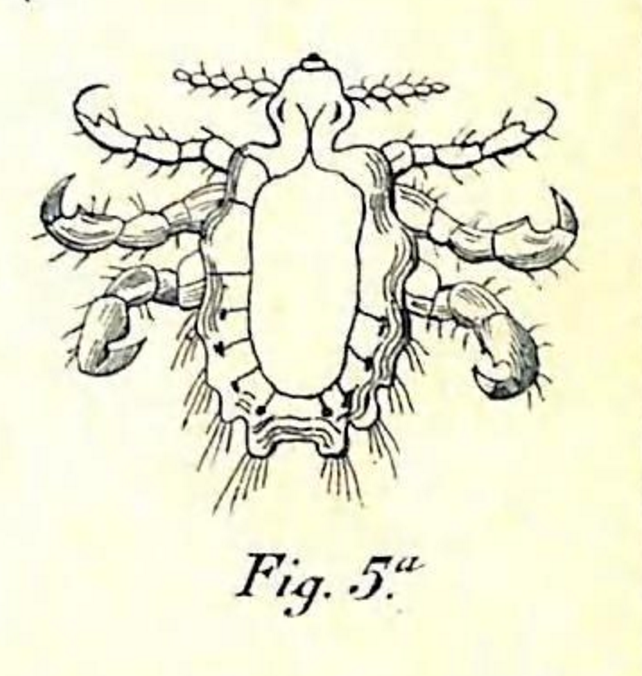
Ladilla o piojo del pubis. http://biodiversitylibrary.org/page/51139818.


September 22, 2016by ulib-libraryjobs
Blog Reel, User Stories

Undergraduates and the BHL

“Is the bald eagle really bald?”

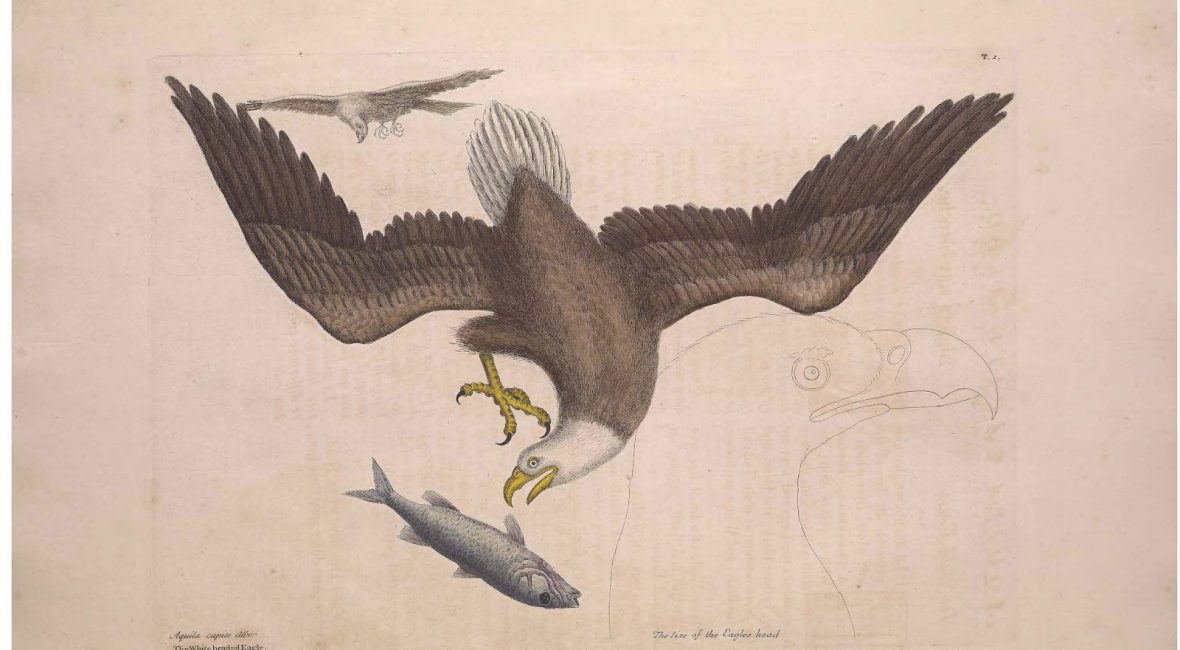
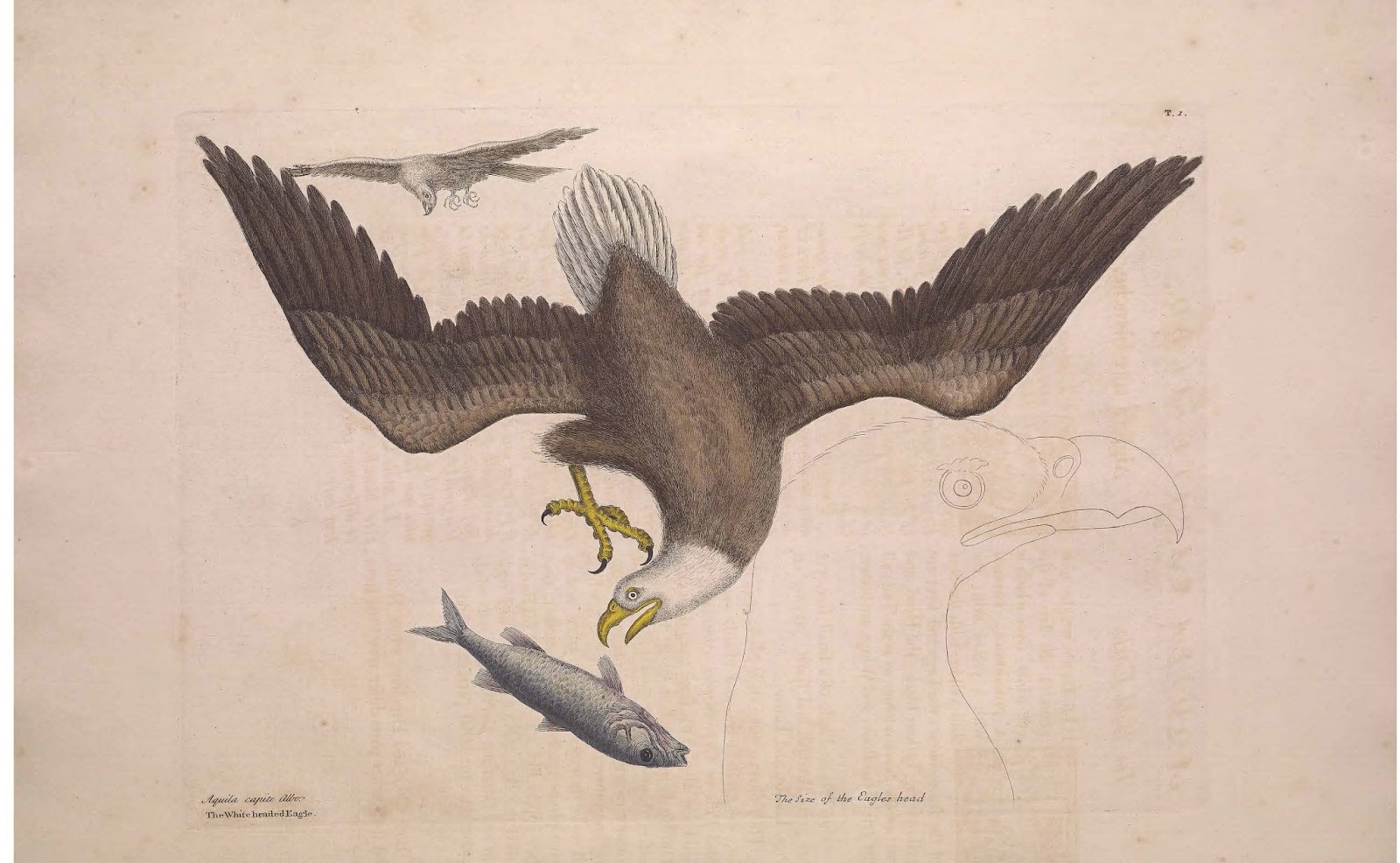
This was the question that a recent history of science undergraduate class at Harvard University had to answer with the help of BHL. Specifically, students were required to locate Mark Catesby’s 1731 plate of the bald eagle in BHL and use the accompanying text to determine the accuracy of the bird’s moniker.

View Full Size Image
The White-Headed Eagle. Catesby, Mark. The Natural History of Carolina, Florida and the Bahama Islands. vol. 1, 1731. pl. 1. http://biodiversitylibrary.org/page/40753120. Digitized by Smithsonian Libraries.

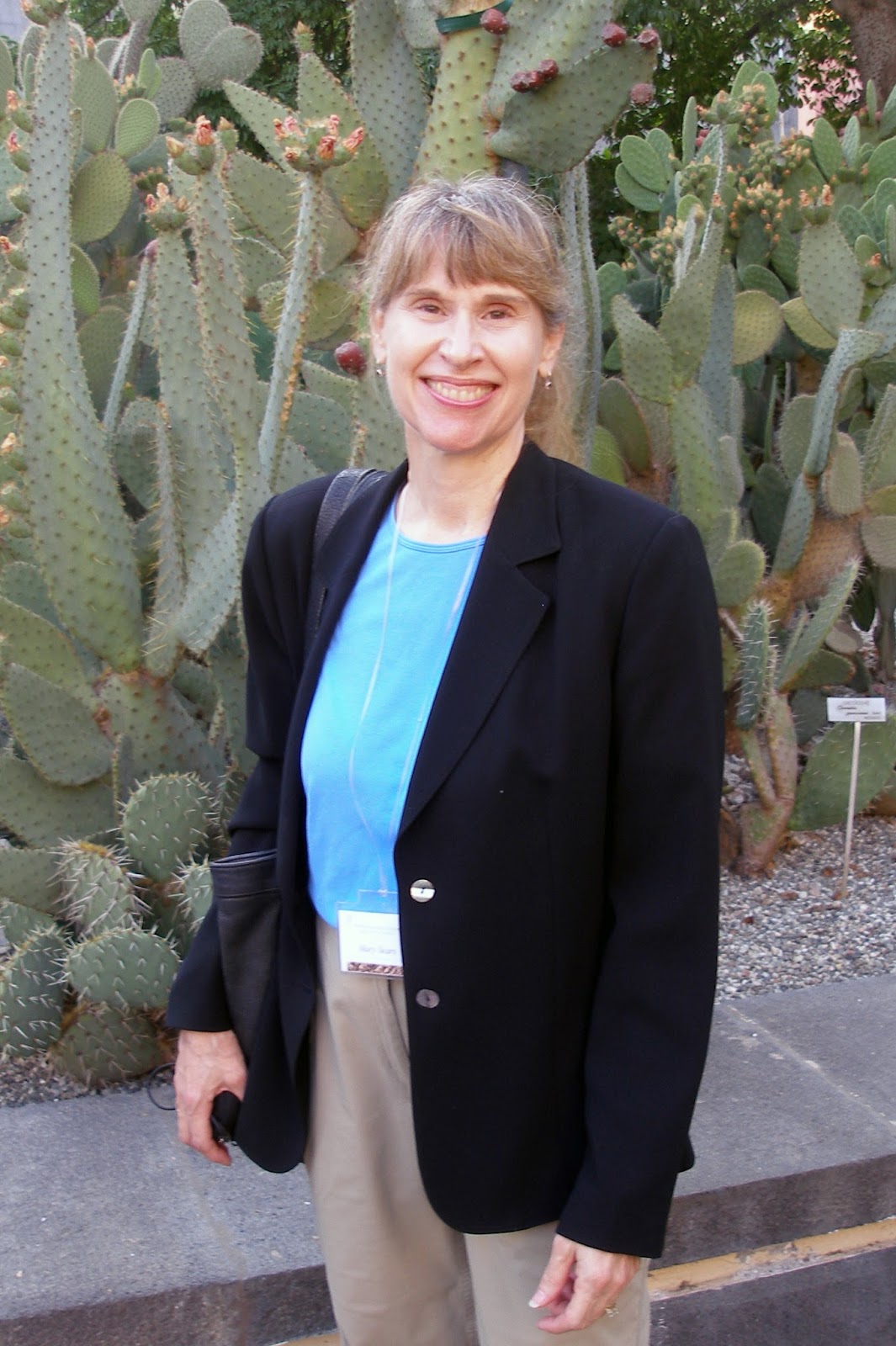
Mary Sears, Head of Public Services at the Ernst Mayr Library of the Museum of Comparative Zoology at Harvard University, instructed the class on how to use BHL to satisfy the assignment. Instructing students on the use of BHL is something Mary has done for some time now.

View Full Size Image
Mary Sears.

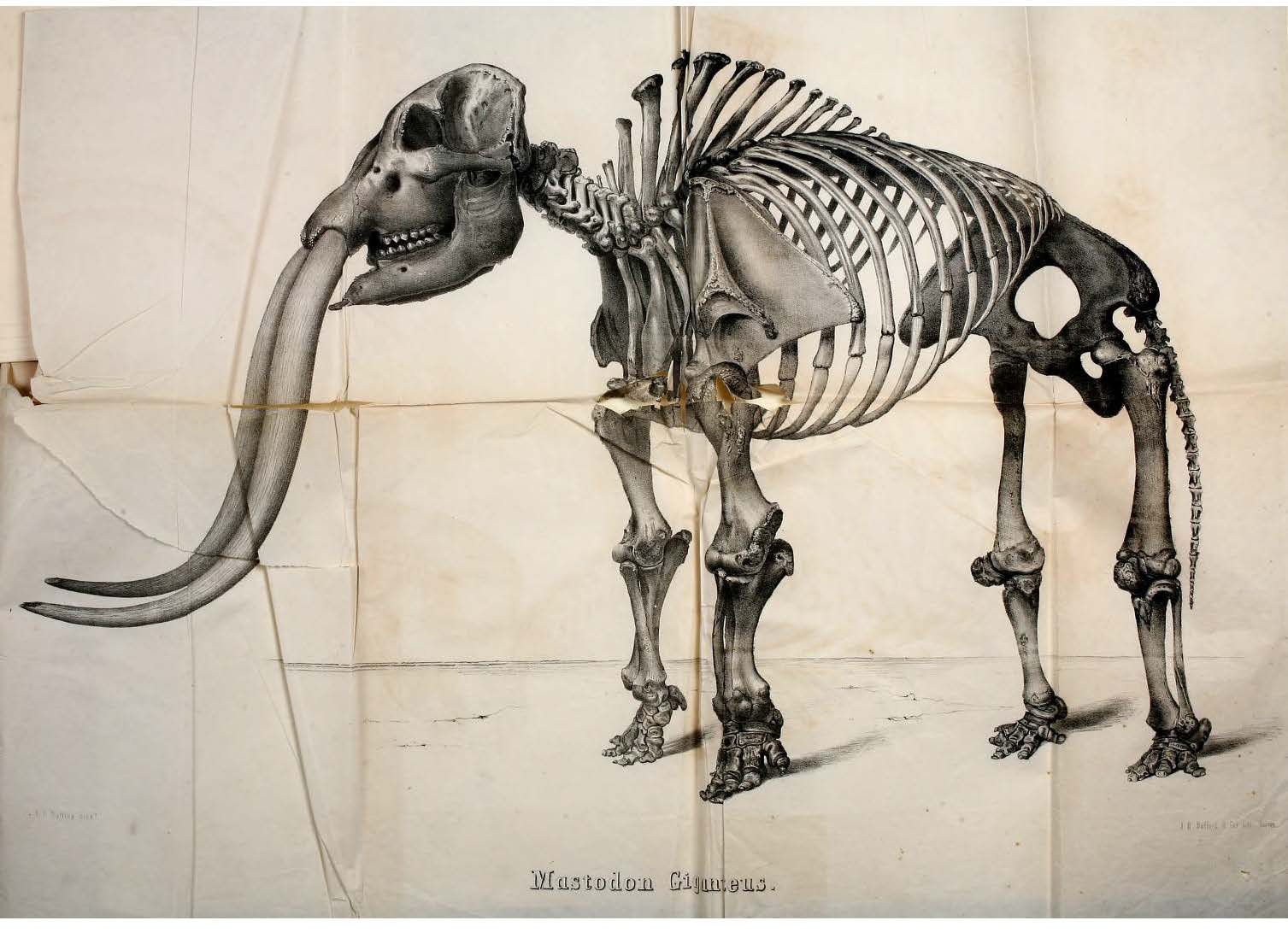
“We present the BHL to groups of students, when their class visits the library, and also use BHL as a reference tool when students are working on individual projects,” explains Mary. “Typically, a class visit involves an exhibit of historical volumes in Special Collections, and a tour and orientation on electronic resources. Faculty and students receive a bibliography of their Special Collections exhibit, with links to those works that are in BHL. The quality, immediacy and scope of the BHL make it an important tool when working with individual students, who are usually working on short-term projects. I regularly direct students to BHL who need taxonomic and anatomical works (and walk them through how to use it). Especially for students who are not science majors, the BHL is a dependable central source of scholarly articles and books in zoology and natural history. Our print journals and older monographs do not circulate, so the BHL’s high quality scans fill the students’ needs for accessible sources. Warren’s monograph on Mastodon giganteus (image below) is a great example. I have the volume downloaded at the reference desk and send it to a student at least once a year. They can see the original in Special Collections during library hours but use the BHL version from anywhere, 24/7.”

View Full Size Image
Skeleton of Mastodon giganteus. Warren, John C. The Mastodon Giganteus of North America. 1852. pl. XXVII. http://biodiversitylibrary.org/page/40681510. Digitized by Smithsonian Libraries.

Mary has been at the MCZ Ernst Mayr Library for twenty-five years. Her specialty is reference and research, but she also collaborates on circulation and other areas where the library intersects with the public. She is most active in the subject areas of marine biology, bryozoology, and scientific biography.

As the Ernst Mayr Library is a founding Member of the Biodiversity Heritage Library, Mary has been aware of BHL’s existence since its launch in 2006. It has had an increasingly significant impact on her work over the past ten years.

“I have a very high opinion of BHL,” affirms Mary. “It has impacted my work by making natural history journals and books easier to find and use. I am very fortunate to be in a library that contributes to the BHL: we have a solid collection of 19th century journals and many pre-1850 titles. As the repository has grown, I have experienced the shift from wondering whether a classic text will be in BHL to assuming that it will be. Now that so many important titles are there, I almost always use BHL scans instead of consulting a print volume in our Special Collections. Before BHL, I regularly went to Special Collections to confirm citations, make copies, etc. Being able to do those ordinary tasks remotely saves a lot of wear and tear on the collection. For works we do not own, I can have immediate access through the BHL to volumes that would have taken weeks and delicate negotiations (or microfilm!) [to obtain access to] twenty years ago.”

Mary’s favorite feature of BHL is the quality of the scans. As she describes, BHL’s scan quality, “especially the plates, more especially the foldout plates, is vastly better than other online repositories.” She also appreciates that downloading content from BHL “keeps getting better and easier.” Thinking about future improvements, Mary hopes to see the runs of journal titles in BHL be extended to include more recent volumes. “It is difficult to negotiate copyrights, but it is a big win to have a whole run of a journal in the BHL,” explains Mary.

Mary’s favorite title in BHL demonstrates the value of having full journal runs in BHL.

“The Bulletin of the Museum of Comparative Zoology (1863-current) is the primary publication of my institution and covers a vast array of zoological topics over a 150 year time span,” says Mary. “I get a lot of questions about the works published by the MCZ and authors/historical figures associated with the Museum. Having the Bulletin available through BHL makes works easier to find, download and send, as well as taking pressure off of our print volumes.”

View Full Size Image
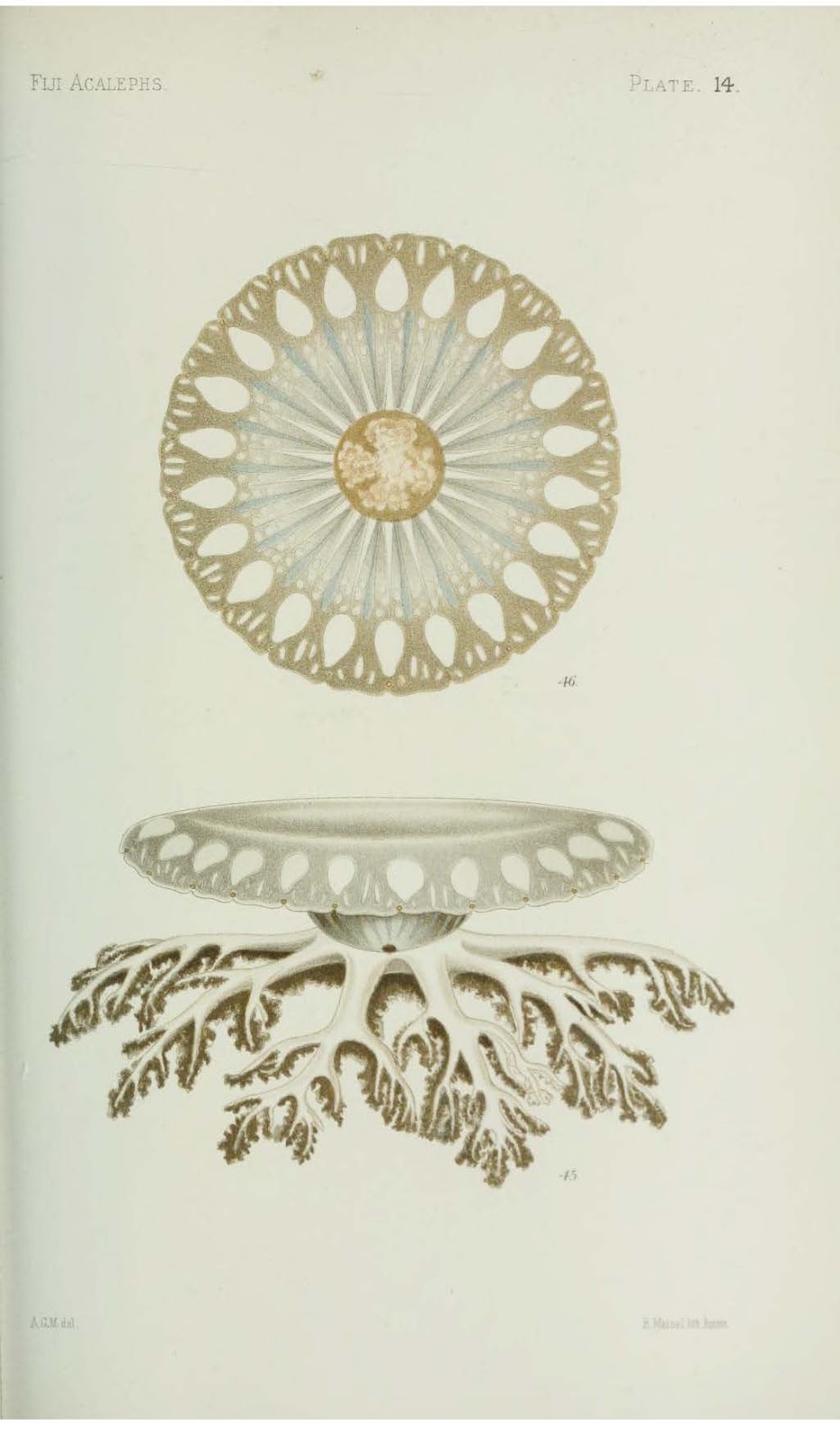
New species Cassiopeia ndrosia. Agassiz, A. and A.G. Mayer. Acalephs from the Fiji Islands. Bulletin of the Museum of Comparative Zoology, vol. 32 (9), 1899. pl. 14. http://biodiversitylibrary.org/page/30426482. Digitized by the Gerstein – University of Toronto.

BHL has an active permissions program, which is working to secure licenses for more and more in-copyright titles. Recent work by the Institute of Museum and Library Services-funded Expanding Access to Biodiversity Literature project has resulted in a significant boost to the number of permissions agreements that BHL has secured over the past few months. See our recent blog post to explore the most recent in-copyright titles for which we’ve secured permission and to learn more about EABL.

So, is the bald eagle really bald? Nope, as you should be able to tell from Catesby’s illustration. According to the National Park Service, “The term ‘bald’ comes from the word ‘piebald,’ meaning markings that are two colors, usually black and white.” As Catesby writes, “This bird is called the Bald Eagle, both in Virginia and Carolina, though his head is as much feather’d as the other parts of his body.”

BHL to the rescue for students, librarians, scientists, and readers everywhere!

_____________________

This post may contain the personal opinions of BHL users or affiliated staff and does not necessarily represent the official Biodiversity Heritage Library (BHL) position on these matters.

May 12, 2016by michelle.underhill
Page 1 of 212»

Help Support BHL

BHL's existence depends on the financial support of its patrons. Help us keep this free resource alive!

search

About BHL

The Biodiversity Heritage Library (BHL) is the world’s largest open access digital library for biodiversity literature and archives. BHL operates as a worldwide consortium of natural history, botanical, research, and national libraries working together to digitize the natural history literature held in their collections and make it freely available for open access as part of a global “biodiversity community.”

Join Our Mailing List

Sign up to receive the latest news, content highlights, and promotions.

Subscribe Now

Subscribe to Blog via Email

Enter your email address to subscribe to this blog and receive notifications of new posts by email.

Join 319 other subscribers

Subscribe to Blog Via RSS

Subscribe to the blog RSS feed to stay up-to-date on all the latest BHL posts.

Access RSS Feed

Inspiring Discovery through Free Access to Biodiversity Knowledge.

The Biodiversity Heritage Library makes it easier than ever for you to access the information you need to study and explore life on Earth…for free, anytime, anywhere.


64+ Million Pages of
Biodiversity Literature Online.

EXPLORE

Tools and Services
to Transform Research.

EXPLORE

300,000+
Illustrations on Flickr.

EXPLORE

ABOUT | HARMFUL CONTENT | PRIVACY | SITE MAP | TERMS OF USE