Biodiversity Heritage Library - Program news and collection highlights from BHL
  • Home
  • News
  • Featured Books
    • All Featured Books
    • Book of the Month Series
    • BHL at 20
  • User Stories
  • Campaigns
    • Fossil Stories
    • Garden Stories
    • Monsters Are Real
    • Page Frights
    • Her Natural History
    • Earth Optimism 2020
  • Tech Blog
  • Visit BHL
Home
News
Featured Books
    All Featured Books
    Book of the Month Series
    BHL at 20
User Stories
Campaigns
    Fossil Stories
    Garden Stories
    Monsters Are Real
    Page Frights
    Her Natural History
    Earth Optimism 2020
Tech Blog
Visit BHL
  • Home
  • News
  • Featured Books
    • All Featured Books
    • Book of the Month Series
    • BHL at 20
  • User Stories
  • Campaigns
    • Fossil Stories
    • Garden Stories
    • Monsters Are Real
    • Page Frights
    • Her Natural History
    • Earth Optimism 2020
  • Tech Blog
  • Visit BHL
Biodiversity Heritage Library - Program news and collection highlights from BHL
Blog Reel, Featured Books

Book of the Week: A monograph of the Trochilidæ

View Full Size Image

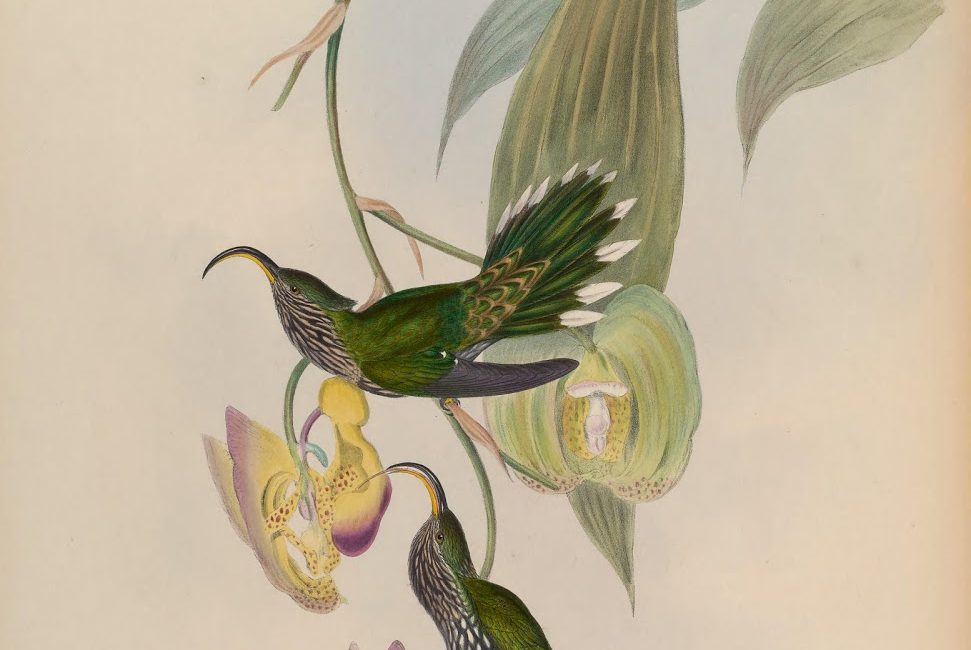
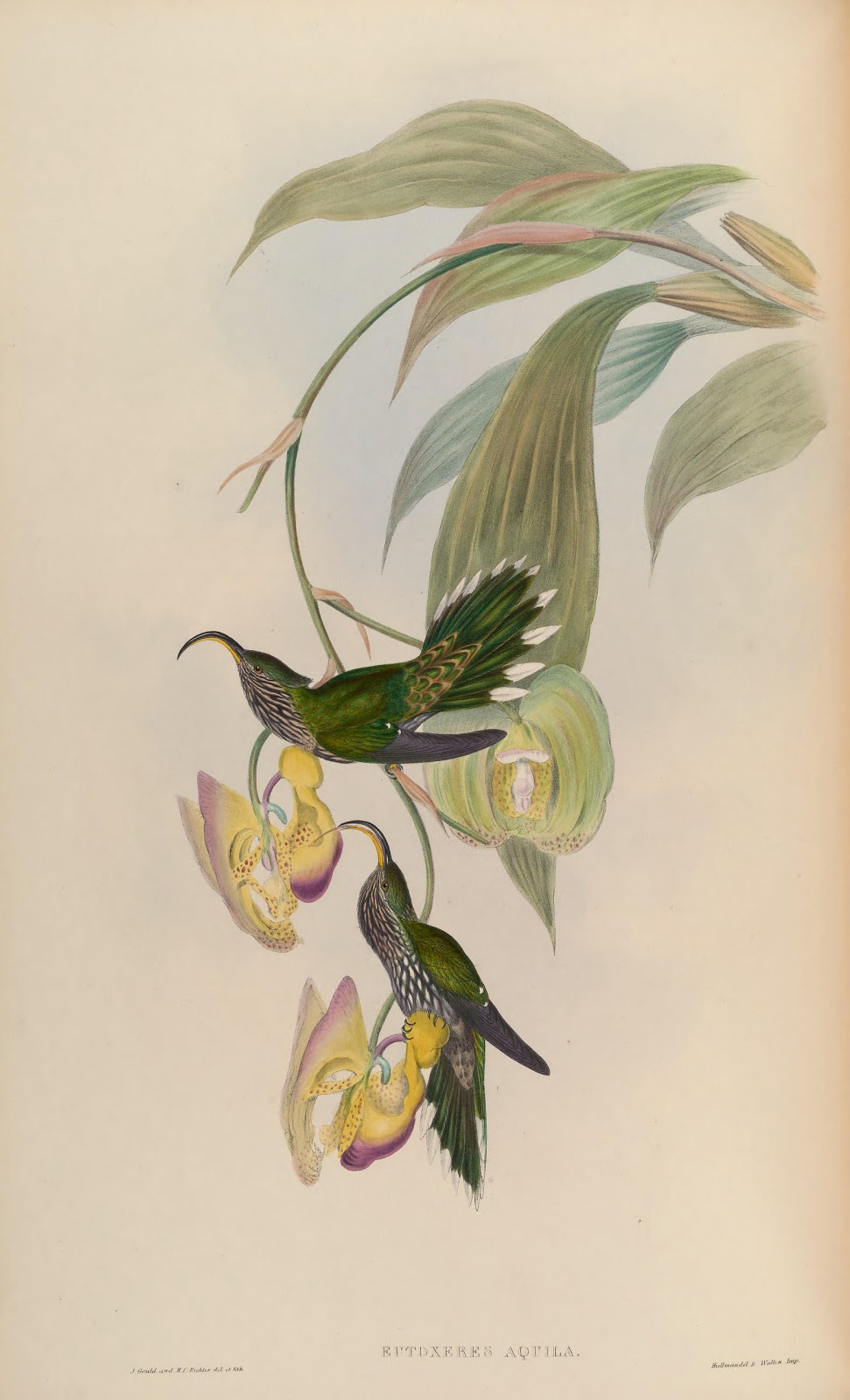
“A feast of beauty and a source of wonder” was the phrase used by Sacheverell Sitwell, Handasyde Buchanan, and James Fisher to describe the images in ornithologist and artist John Gould’s A monograph of the Trochilidæ, or family of humming-birds.* It seems there are few who would disagree with this statement, as a five volume set plus supplement sold at Christie’s Auction House in 2011 for $217,845.

Published in parts between 1849-1861, over 480 species of humming birds were described within this title. The work represents extreme attention to detail, down to the use of pure gold leaf under transparent oil colors to recreate the iridescent nature of a humming bird’s feathers.

A monograph of the Trochilidæ, or family of humming-birds is considered Gould’s masterpiece. It was originally issued in 30 parts (the final three finished by R. Bowdler Sharpe after Gould’s death). Many of the humming birds depicted are from Gould’s own collection – a collection that went on exhibit at the Zoological Gardens, Regent’s Park in 1851.

Considered the “father of bird study in Australia,” Gould assisted Charles Darwin in identifying the finches he had collected on his voyage aboard the HMS Beagle. Throughout his professional life, Gould maintained a strong interest in hummingbirds, though it was not until May, 1857 – nearly 30 years after he began his ornithological career – that Gould saw his first live hummingbird on a visit to Philadelphia.

The illustrations within this work are positively breathtaking. We’ve prepared a slideshow of them for you below. You can find the illustrations from volumes 1 in our Flickr account. Enjoy images from all five volumes without emptying your pocketbook by visiting BHL.

*Quote from Fine Bird Books, by Sacheverell Sitwell, Handasyde Buchanan, and James Fisher

June 28, 2012by ulib-libraryjobs
Blog Reel, Featured Books

Book of the Week: The Valdivia Expedition

Deep sea dredging in the twilight zone with Teuthologist Carl Chun

View Full Size Image
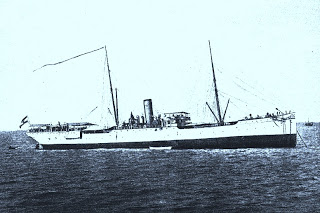
The Valdivia

Deep sea dredging, as a means of scientific discovery, was popularized after the Challenger Expedition (1872-1876) came back to port in Spithead, Hampshire in the United Kingdom. In four years, the scientifically outfitted steamboat had circumnavigated the globe, traveled a total distance of 68,890 nautical miles, and along the way had picked-up 4,700+ previously unobserved and unnamed species.

The study of these biological treasures produced about 50 tomes of scientific publications penned by the scientists on the voyage. The Challenger Expedition was the foundation of modern Oceanography. It prompted many other nationally and privately funded expeditions to begin dredging the deep-sea in the pursuit of describing new and exotic species.

The intense fascination with deep sea organisms during this time period was not very surprising, considering the fact that it controverted the widely accepted mid-19th century, Abyssal Theory which, held that life could not exist at more than 300 fathoms under the sea. (~1800 ft.) Carl Chun, famed marine biologist specializing in cephalopods, was among a growing faction of scientists who had a deep conviction that there must be life, a prolific amount of it, deep in the unexplored nether regions of the ocean.

It was this belief along with the desire to further delve into areas previously neglected by the Challenger Expedition that led him to propose the first German Deep Sea expedition, nationally funded with the good graces of Germany’s last Kaiser, Wilhelm II.

The Valdivia Expedition

With plans in place, Chun and his scientific team were granted 300,000 marks that would fund the Valdivia Expedition. The steamboat was outfitted with dredging gear, specimen jars, deep sea traps and oceanographic equipment. The Valdivia set sail on July 31, 1898; it would be a journey that would take its crew to 268 stations around the West Coast of South Africa, the Gulf of Guinea, the Antarctic Sea, and a large portion of the Indian Ocean.

They would cover over 32,000 nautical miles and come back with so many new specimens that they would continually publish their findings over the span of 4 decades. The resulting 24 volumes comprises this week’s lengthy Book of the Week:Wissenschaftliche Ergebnisse der Deutschen Tiefsee-Expedition auf dem Dampfer “Valdivia” 1898-1899″ (Scientific results of the German deep-sea expedition on the steamer “Valdivia” 1898-1899). This multi-volumed set includes Chun’s visually stunning Die Cephalopoden; the English translated version is also available on BHL.

It was on this voyage that Chun first observed and described the “Vampire Squid” or Vampyroteuthis infernalis, which means “vampire squid from hell.” (This is one of the most favorited images on Flickr, so be sure to have a look)

The main goals for the expedition were to collect as many biological samples as possible and focus on the adaptation of organisms to the extreme conditions of their environment. This resulted in many anatomical studies of light organs. One stand-out publication comes from Dr. August Brauer, a german zoologist who was among the many scientists on the Valdivia.

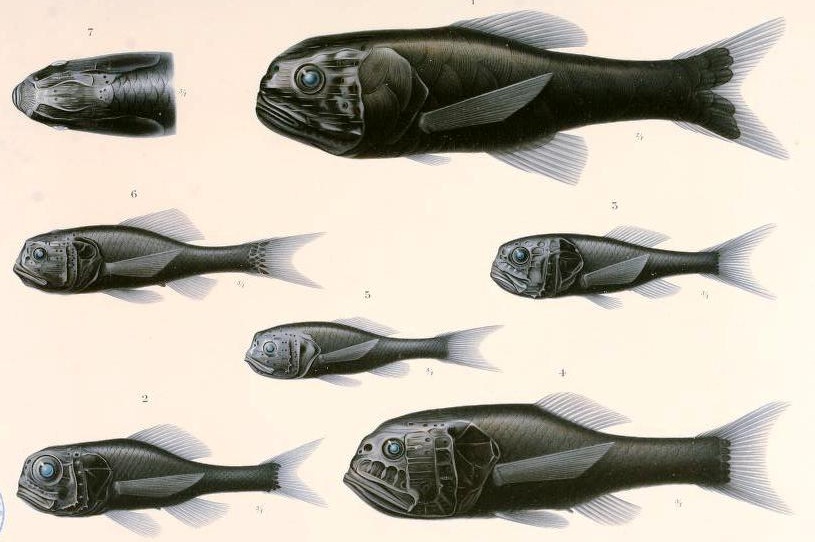
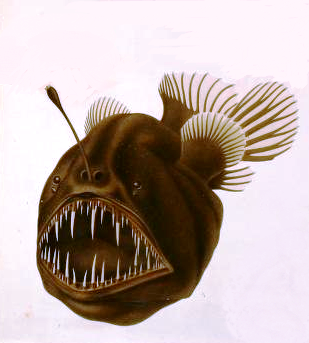
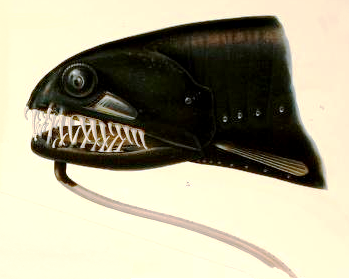
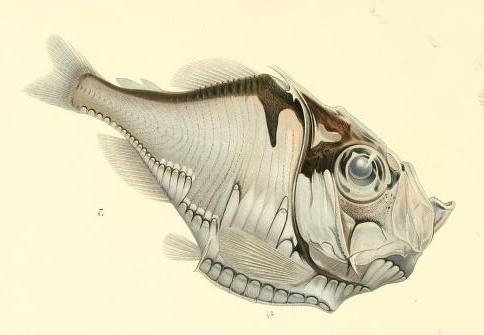
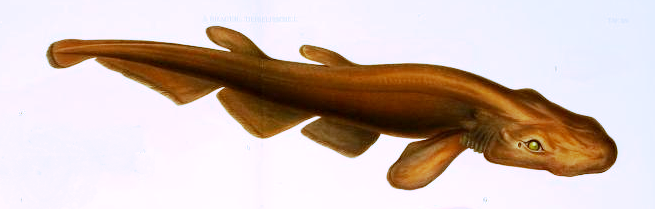
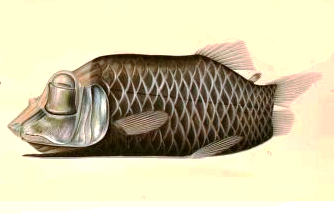
With the editorial review of Chun, Brauer producedVolume 15: Die Tiefsee-Fische which is a systematic and anatomical study of the deep sea fish specimens brought back from their journey. The illustrations were done by zoologist and expedition artist Fritz Winter. It is clear from Fritz’s drawings that deep sea fish rely heavily on senses other than vision. Many produce their own light, which has the effect of making the deep sea look like a starry night, filled with bioluminescent organisms — thus the bathypelagic (1000-4000m) and (700-1000m) abyssopelagic zones in the ocean have aptly been nicknamed the “twilight zone.”

Dr. August Brauer’s Deep Sea Fish, Illustrated by Fritz Winter
Winter was an incredibly talented man: 100+ years later these deep sea fish are still jumping off of the page.

View Full Size Image
Various (Melaphaes Genus)
View Full Size Image
Humpback anglerfish (Melanocetus johnsonii)
View Full Size Image
Valdivia Black Dragon Fish (Melanostomias valdiviae)
View Full Size Image
Spicy Hatchet Fish (Polyipnus spinosus)
View Full Size Image
Smallbelly Catshark (Apristurus indicus)
View Full Size Image
Barrel-eye (Opisthoproctus soleatus)

Fritz Winter on Flickr

Two sets of illustrations by Fritz Winter from the Valdivia Expedition are now on Flickr: Brauer’s Deep Sea Fish and Chun’s Cephalopoda. These should simply not be missed. Look out for more images from this expedition in the future!

And don’t forget that it is still National Oceans month. We should remember the spirit of these men who ventured forth in to the unknown as some of the world’s first oceanographers. They taught us that we shouldn’t overlook the deep sea. It may be invisible, inhospitable and completely foreign to humans yet, it is home to the largest habitat on the planet and still remains largely undiscovered.

Dive in to the Deep Sea: Resources for the Interested

  • The Deep: The Extraordinary Creatures of the Abyss by Claire Nouvian
  • The Silent Deep: The Discovery, Ecology and Conservation of the Deep Sea by Tony Koslow
  • BBC Nature: Deep Ocean
  • Planet Earth: Deep Ocean
  • NOAA: Ocean Explorer
  • World Ocean Census: A Global Survey of Ocean Life
June 21, 2012by [email protected]
Blog Reel, Featured Books

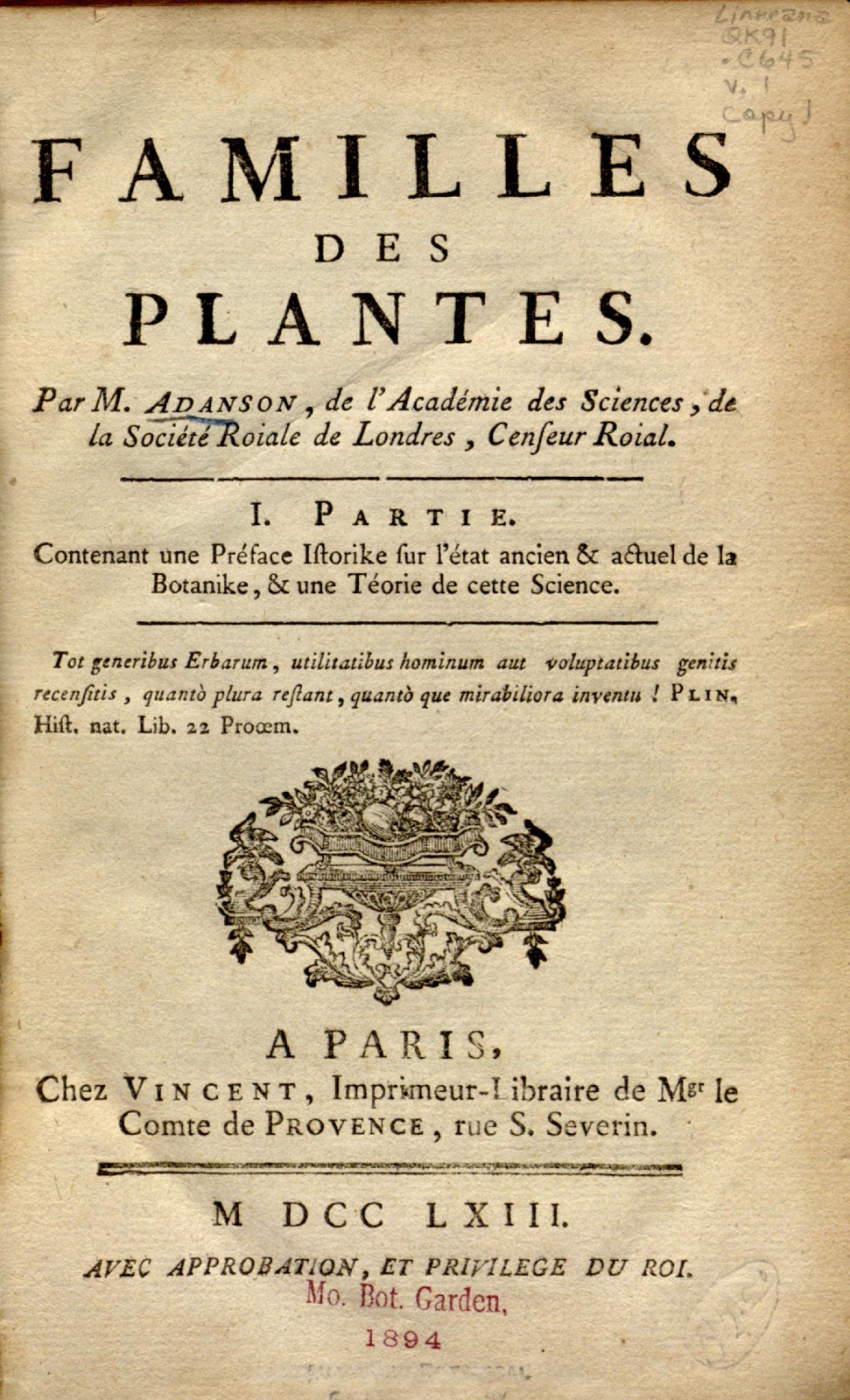
Book of the Week: Familles des Plantes

View Full Size Image

One of the defining characteristics of the scientific method is the gathering of empirical data.

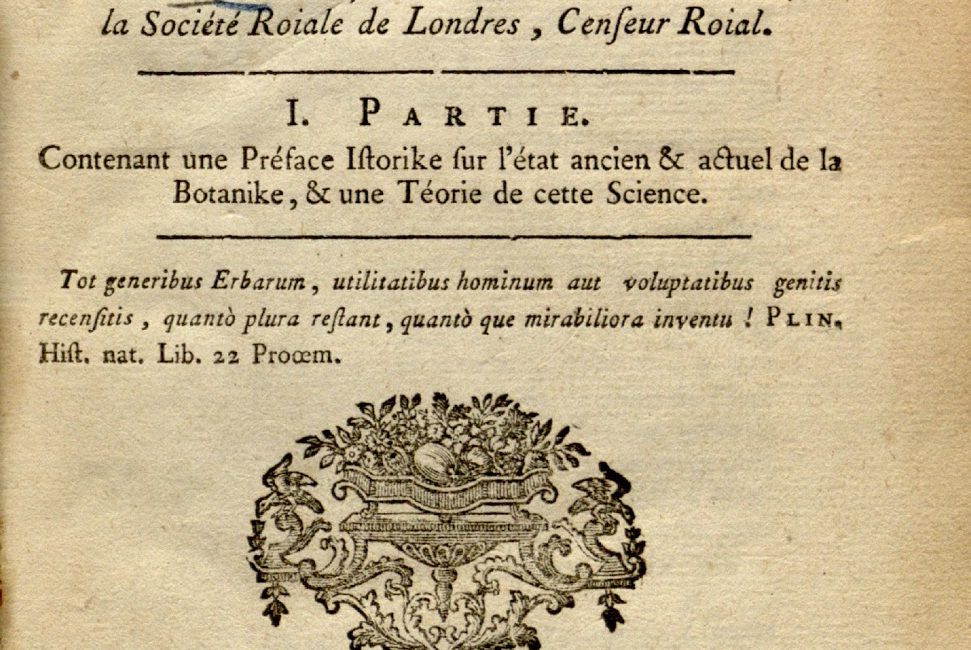
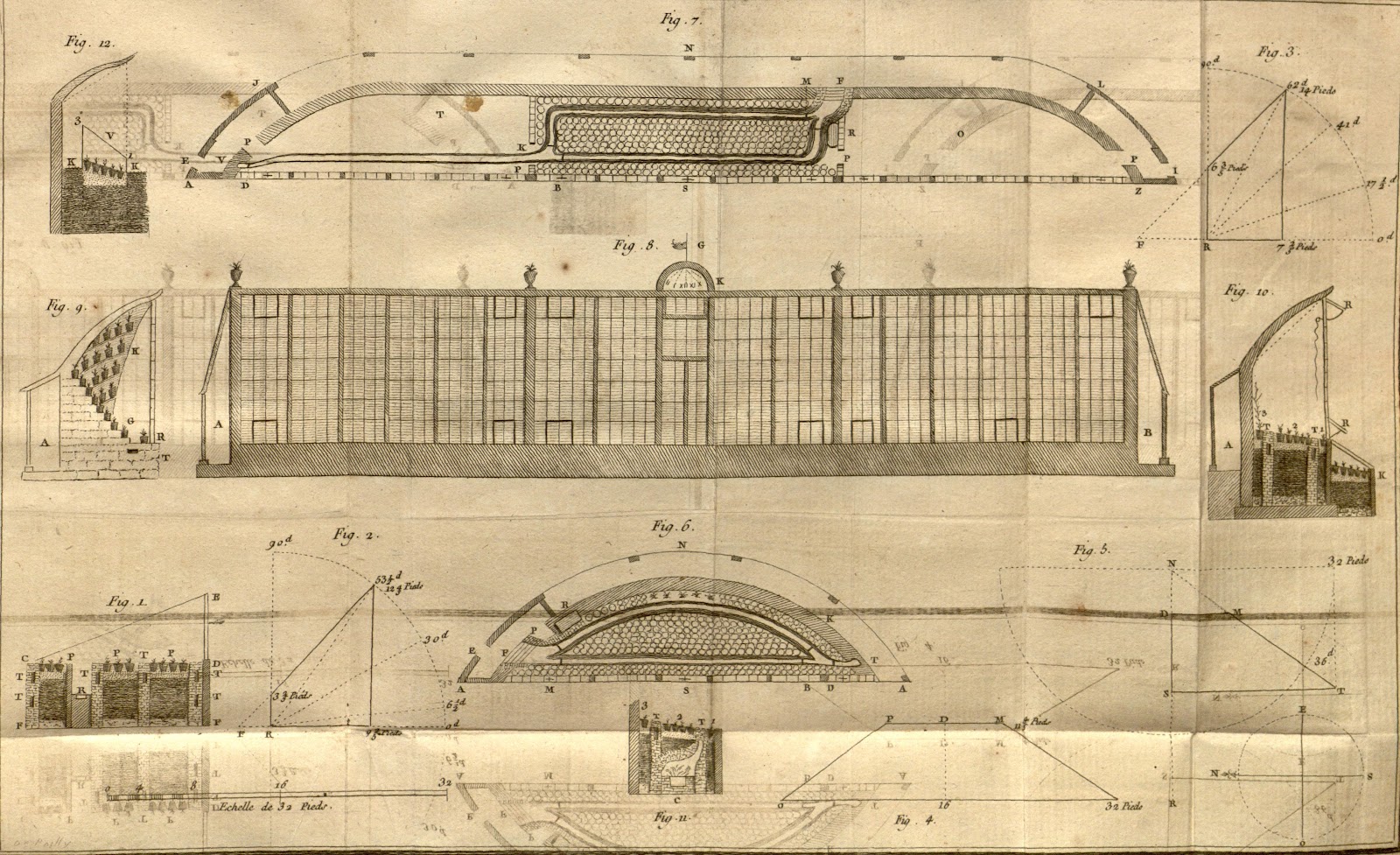
While Carl Linnaeus’ binomial nomenclature technique for systematic naming took hold of scientist, his system of classification based on the artificial sexual system did not. Linnaeus, however, was not the only person crafting classification systems. Some taxonomists, such as Michel Adanson, Jean Baptiste Pierre Antoine de Monet Lamarck, and Antoine Laurent de Jussieu, devised a natural system of classification. Adanson’s Familles des Plantes presents one such alternative system, which was based on the similarity of organs among organisms. Those displaying the greatest number of similar organs were grouped together in divisions, with the degree of relatedness increasing or decreasing depending on the number of similar or dissimilar organs.

Michel Adanson’s Familles des Plantes was published in 1763. Much of this work was influenced by Joseph Pitton de Tournefort’s system of natural classification from 1694, published within the work Eléments de botanique, ou Méthode pour reconnaître les Plantes. Tournefort was the first to articulate in a concise manner the concept of genus for plants. By basing his system on a greater number of shared characteristics, Adanson’s work is considered the basis for the empirical method.

View Full Size Image

While Adanson’s work was highly regarded for his more thorough classification approach than Linnaeus’ sexual system, he refused to take advantage of Linnaeus’ binomial system. This created criticism for Familles des Plantes which ultimately alienated botanists from fully adopting Adanson’s methods.

Though Adanson’s system may not be in use today, it was important for the evolution of the field, paving the way for the natural classification of plants and particularly influencing Antoine Laurent de Jussieu’s Genera Plantarum. You can enjoy Familles des Plantes in all its glory in BHL. Its contribution serves as a reminder that the taxonomic method was influenced by many minds, not just that of Carl Linnaeus.

June 15, 2012by ulib-libraryjobs
Blog Reel, User Stories

BHL and Our Users: Dr. Gary Poore

View Full Size Image

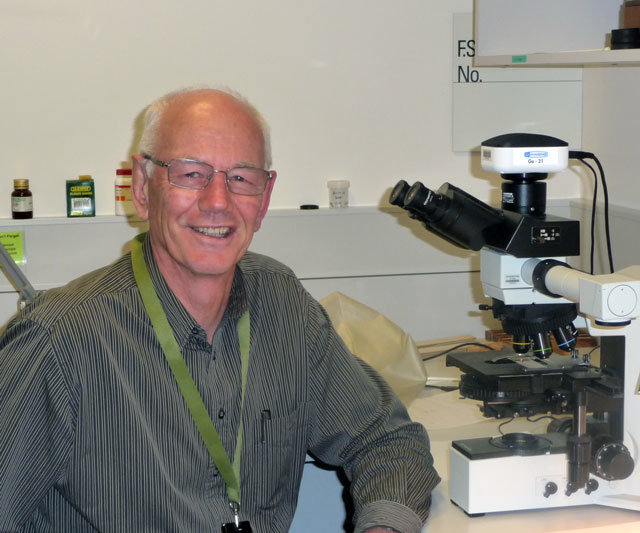
As you probably know, BHL is a global initiative, with project nodes on every continent in the world except Antarctica. As a global effort, we think it’s important to highlight our user communities around the world. This week, we’ve collaborated with our friends at BHL-Australia to feature Dr. Gary Poore, an avid BHL user from “Down Under.”

Dr. Gary Poore is based at Museum Victoria in Melbourne, Australia. As the curator of the museum’s crustacean collection he has been researching the diversity of marine crustaceans for more than 30 years. He has been responsible for the naming of almost 400 new species over the course of his career and is renowned as a world expert on isopod and decapod crustaceans. Although he’s recently retired from his position at Museum Victoria, he is now a Curator Emeritus and still heavily involved in research and in the global crustacean taxonomic community.

He first learned about BHL when he toured the Internet Archive offices in San Francisco while a member of one of the Census of Marine Life steering committees.

As a taxonomist, Gary’s work requires that he regularly delve into the historical literature to ensure that any new species he might be describing has not been previously named, and that current nomenclature accords with the conventions of the International Code of Zoological Nomenclature. (It is surprising how much does not, he says). This involves searching potentially hundreds of documents dating back to 1758, the publication date of Carl Linnaeus’s Systema Natura, the starting point of our modern nomenclatural conventions.

To find and read the historical literature, Gary uses the BHL because it is always conveniently at his fingertips.

“This saves me so much time”, he says. “Without it, I would have to go through library catalogues, and if our library didn’t have an article, I’d waste days or weeks waiting for inter-library loans.”

Recently, Gary was asked by the Australian Faunal Directory to catalogue the species of Australian Pentastomida, or tongue worms, respiratory parasites of mammals, reptiles and birds. He was then encouraged to go on to publish a list of all the world’s 124 species. This required Gary to delve into the literature back to the earliest mention of each family, genus and species and having to call on some detective skills as he traced the names from contemporary literature back to their first publication.

During the course of his investigations, he discovered many anomalies and errors in the names of species and their attribution. For example, the name widely used name Pentastomida itself was widely attributed to Diesing, 1836, but the word did not appear in the literature until 1905. This and other nomenclatural and taxonomic projects in which Gary is involved would not have been feasible without access to the resources in the Biodiversity Heritage Library.

Another feature of the BHL that Gary likes is the ability to create personalised portable electronic libraries of extracts from numerous journals using the PDF tools linked to bibliographic software. These complement, and even go some way to replacing, the huge collection of paper article extracts that line the walls of the Marine Invertebrates lab at Museum Victoria.

“The BHL is a great resource for the researcher working in taxonomy”, says Gary. “It provides easy access to the historical literature, right back to Linnaeus and beyond”.

June 12, 2012by ulib-libraryjobs
BHL News, Blog Reel

An International Outlook: Celebrating BHL-Europe

View Full Size Image

On April 30, 2012, the BHL-Europe project officially came to an end. Through the development of a multi-lingual portal and associated tools, BHL-Europe strives to make European biodiversity knowledge available to everyone. To celebrate the project, BHL-E hosted a variety of workshops and meetings June 4-8, 2012, in Berlin, Germany. The events included a Symposium on Communicating Biological Diversity (June 4), a BHL-Europe Demonstration and Training Workshop (June 5), a closed official review with European Commission representatives (BHL-Europe is an Eu-funded project), and a 2-day BHL-Global meeting (June 7-8). Representatives from around the globe, including twelve members of the BHL-US/UK project, attended the events.

View Full Size Image
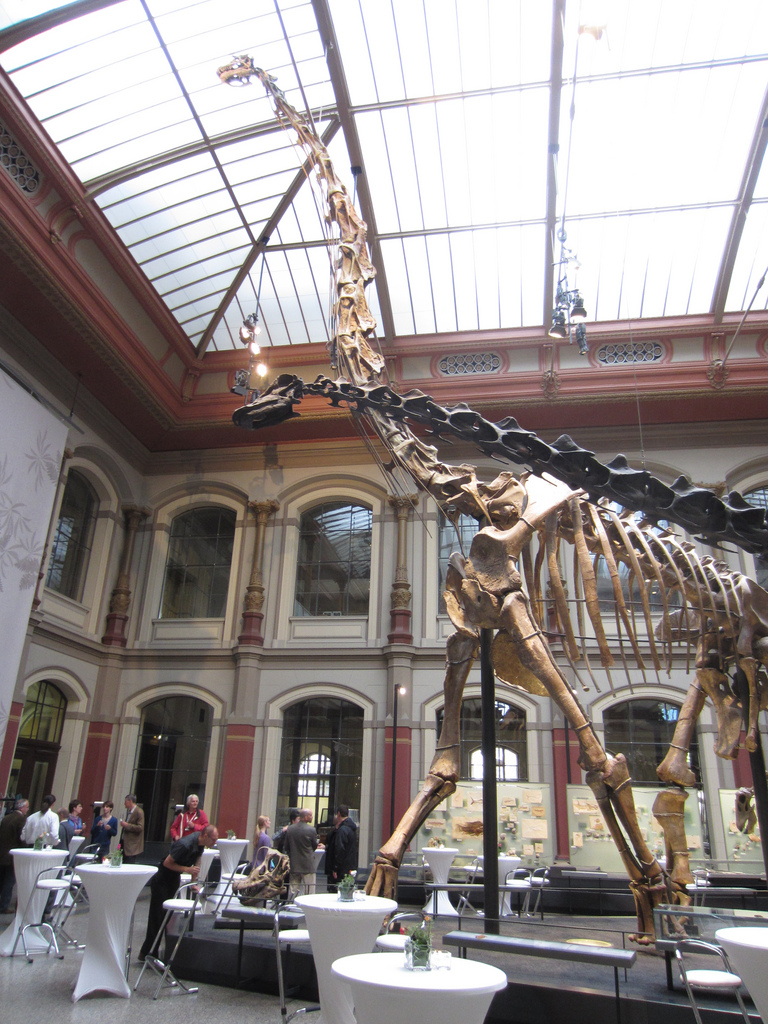
BHL-Europe Celebratory Dinner, Dinosaur Hall, 
Museum für Naturkunde

The Communicating Biological Diversity event was a joint symposium with GTI and NeFo celebrating the 20 year anniversary of the Convention on Biological Diversity (CBD). One of the driving forces behind the BHL-Europe project, the CBD is “an international treaty to sustain the rich diversity of life on earth.” Held at the Jerusalem Church in Berlin, the symposium aimed to inspire discussions among interested stakeholders regarding the current biodiversity and taxonomic knowledge environment and biological diversity education. Topics included identification and monitoring of biological diversity, biodiversity research and training, and exchanging biodiversity information. Following the symposium, BHL-Europe hosted a celebratory dinner at the Museum für Naturkunde. Held within the museum’s dinosaur hall, attendees enjoyed cocktails and an elegant dinner spread within the shadows of the hall’s colossal residents.

View Full Size Image
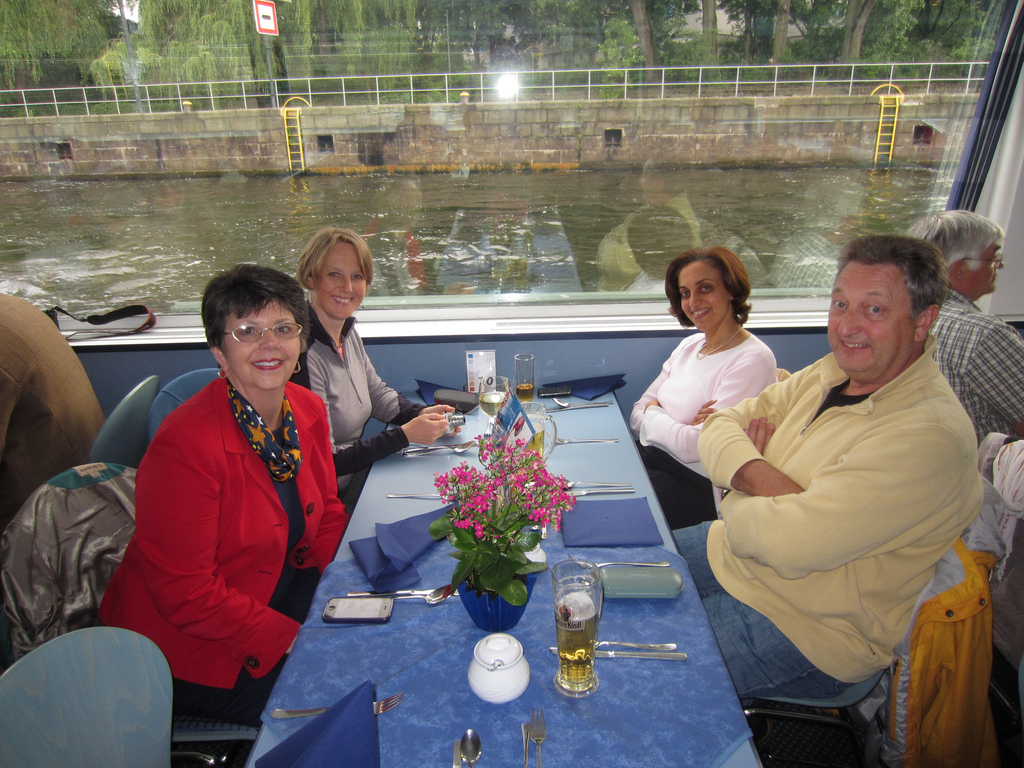
Dinner Cruise. Left Front: Nancy Gwinn; Left Back: Ely Wallis;
Right Front: Graham Higley; Right Back: Noha Adly

On June 5, BHL-Europe members presented a demonstration, also held at the Jerusalem Church, of the BHL-Europe’s accomplishments and features and provided training for content contributors. The BHL-Europe portal, soon-to-be officially launched, provides multi-lingual access to content scanned by European and global BHL partners. Incorporating many of the features present in the BHL-US/UK portal, BHL-E will also support common name searching, search within text, faceted searching, and alternative search term recommendations. As most of the content scanned by European partners is already available within Europeana, BHL-Europe has developed an ingest tool which allows contributors to upload their existing content directly to the BHL-E portal. Staff also demonstrated the Global Reference Index to Biodiversity (GRIB), which will serve as a biodiversity-literature focused European library (and eventually global BHL partners) union catalog and workflow management tool, and additional applications like the Biodiversity Library Exhibitions website, a virtual exhibition platform providing themed tours within natural history literature (presenting content via collections like Spices and Expeditions). After the workshop, attendees savored Berlin’s charm via a dinner cruise along the Spree canal.

View Full Size Image
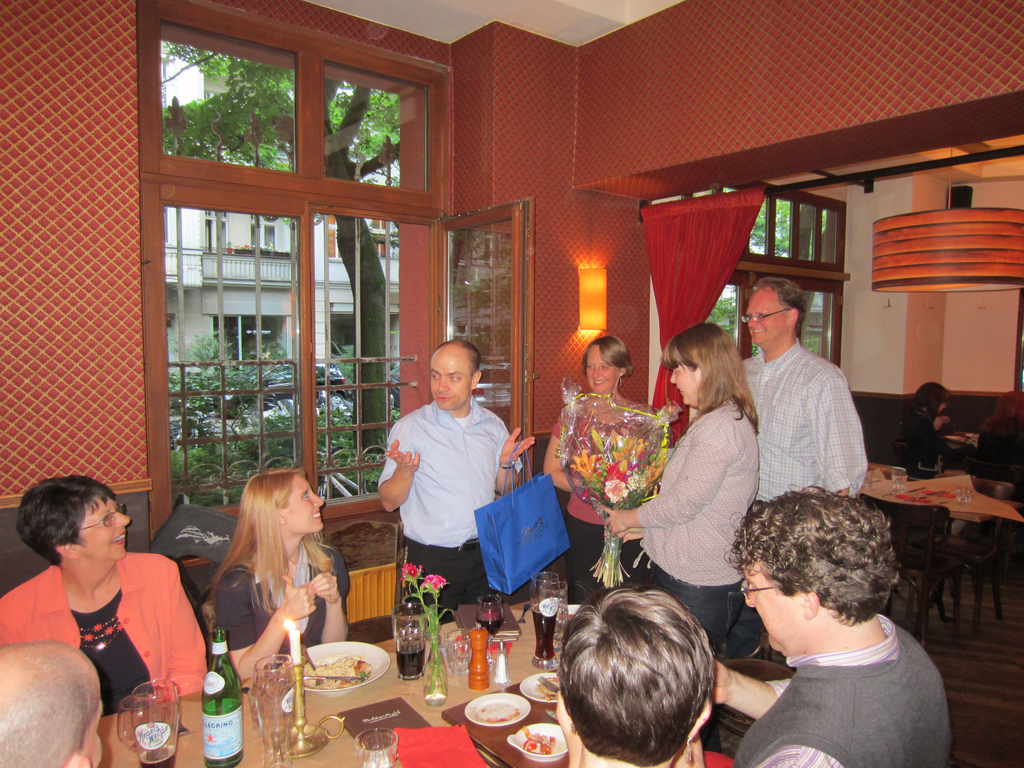
June 8, Tapas Dinner. Presenting gifts to Henning Scholz
(BHL-Europe node leader; meeting organizer) and
Annemarie Scholz (BHL-Europe Program Assistant)

Following the June 6 European Commission’s closed final review of the BHL-E project, the Museum für Naturkunde hosted the third BHL-Global Meeting. Representatives from nearly all BHL-Global (gBHL) nodes participated, including Europe, the US, Australia, Brazil, and Egypt. Partners provided project updates and engaged in crucial discussions regarding project sustainability, content synchronization and replication, communication and outreach collaboration, and workflow, scanning, and licensing cooperation. Stay tuned for an upcoming gBHL post for further details. And, since no BHL meeting would be complete without food, attendees finished each day with dinner at a beer garden (June 7) and sampled a variety of German cuisine, tapas-style (June 8).

View Full Size Image
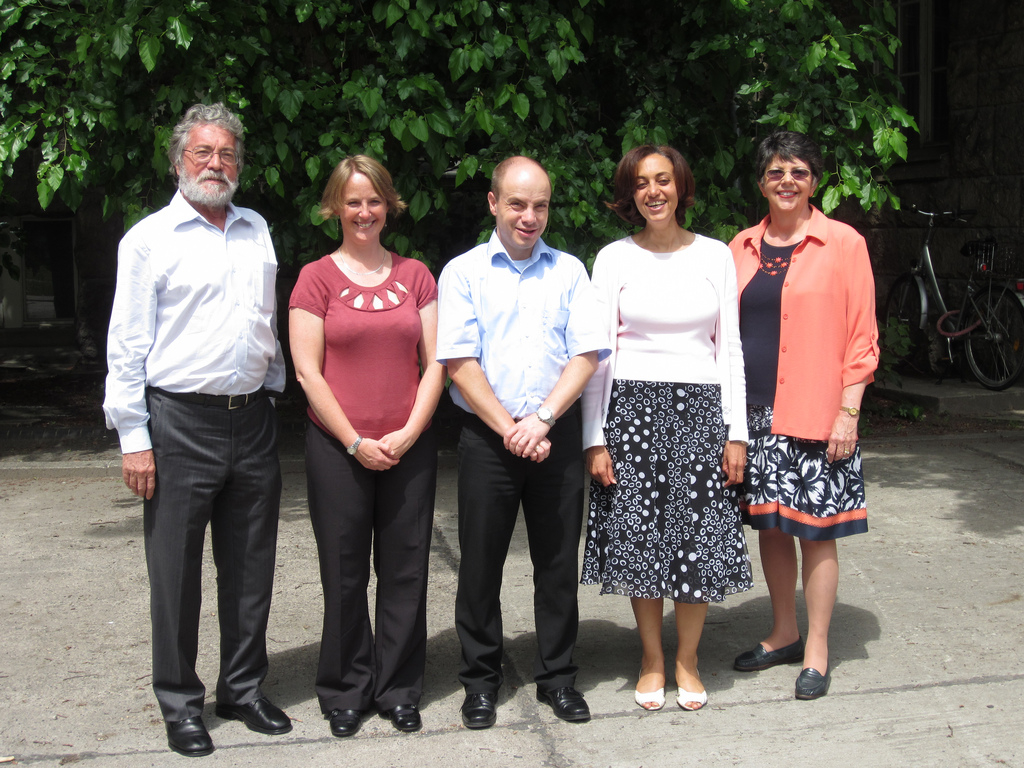
gBHL Node Leaders: From Left: Abel Packer (BHL-Brazil);
Ely Wallis (BHL-Australia); Henning Scholz (BHL-Europe);
Noha Adly (BHL-Egypt); Nancy Gwinn (BHL-US/UK)

Though the initial round of Eu funding for BHL-Europe has ended, staff intend to continue the project and explore additional funding opportunities. As we celebrate the accomplishments of our global partners, we look towards future collaborative opportunities, particularly in Africa. Several of the BHL-Europe meeting participants have traveled on to Cape Town, South Africa, where, in collaboration with SANBI (South African National Biodiversity Institute), staff will host a BHL-Africa meeting aimed at developing a portal for sub-Saharan Africa. Stay tuned for upcoming posts for more information about these meetings. We believe it is critical to liberate biodiversity knowledge in all parts of the world for the global community. One BHL project at a time, we’re working towards achieving that goal.

June 11, 2012by michelle.underhill
Blog Reel, Featured Books

The Narwhal, the Ocean’s One-toothed Wonder

Queen Elizabeth I was rumored to have purchased a narwhal tusk for 10,000 pounds — in the 16th century this was roughly the price of a castle.
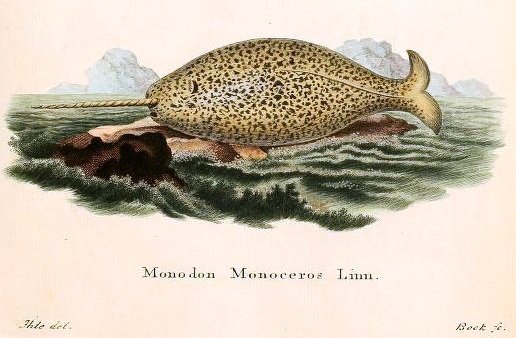
View Full Size ImageView more of Von Schreber’s mammals on Flickr.

The mysterious narwhal and its famed “unicorn horn” have long captured the popular imagination of man. In the middle ages, the tooth of a narwhal would fetch ten times its weight in gold because it was thought to carry magical and medicinal powers. It wasn’t until 1871, that Darwin conjectured in The Descent of Man, and Selection in relation to Sex that the tooth’s function was actually a Secondary Sexual Characteristic that determined things like social rank, mate selection and dominance in narwhal pods which, usually consist of groups of fifteen to thirty individuals.

The tusk has been the subject of much speculation over the centuries yet, we are still unraveling its mysteries. Who was right? Queen Elizabeth I and her medieval contemporaries or Darwin? I’m sure that many of you are betting on Darwin however, modern research has found that the tusk may actually have an entirely different and previously unimagined function.
View Full Size Image
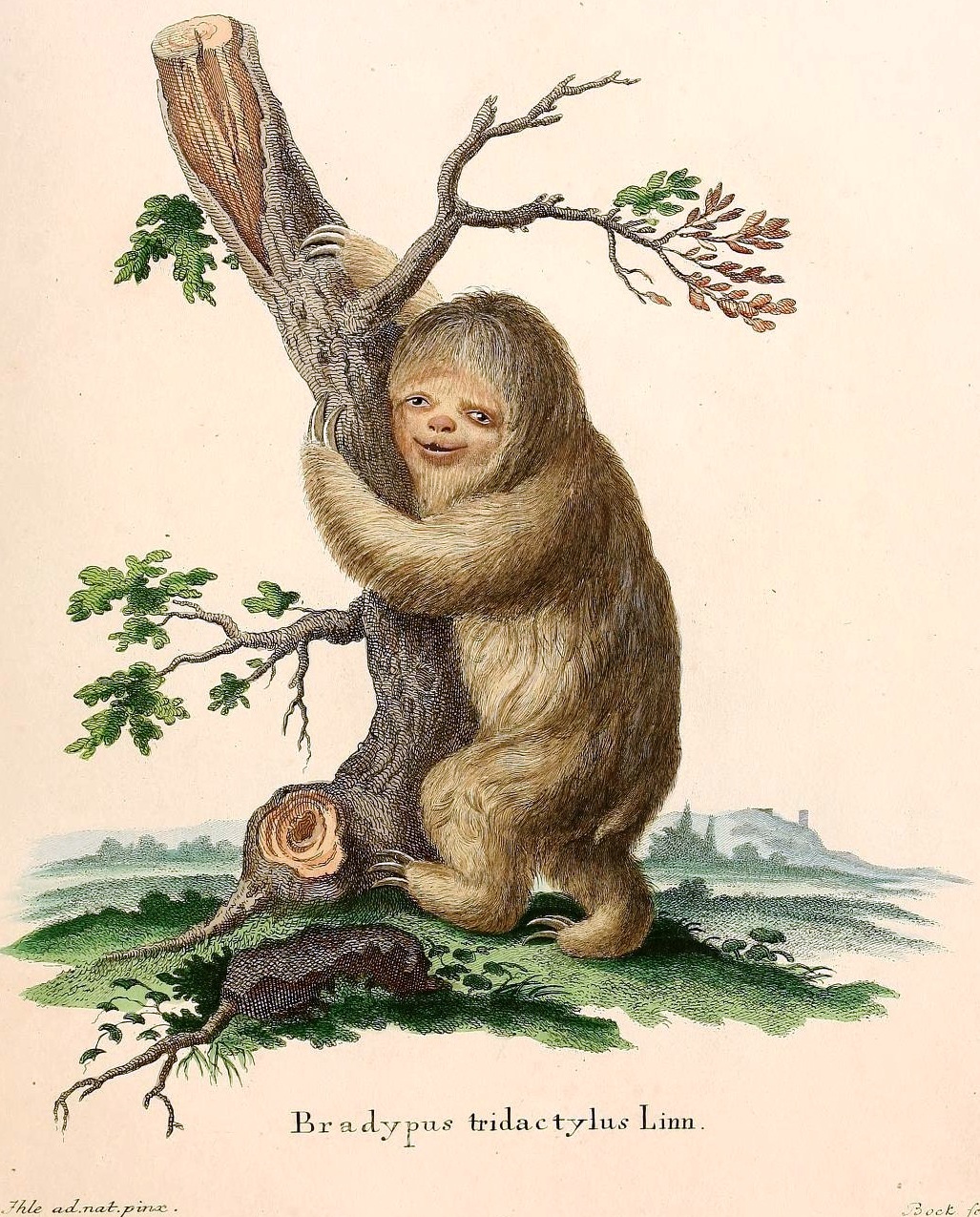
See any human-like qualities?

To get a better idea of what the Narwhal looks like, we reference one of our absolute favorite illustrations of the narwhal here at BHL (pictured above). This image appears in Johann Christian Daniel Von Schreber’s Mammals in Illustration from Nature auf deutsch: Die Sugthiere in Abbildungen nach der Natur (1774), also our pick for Book of the Week.

The narwhal is included in Von Schreber’s majestic collection of over 700+ mammals; he commissioned artists to create the plates from his own scientific descriptions of each species. Many of the mammals that appear in the nine volume set were named for the very first time using Linnaean binomial nomenclature.

Because all of the illustrations in the book are drawn from Von Schreber’s written descriptions rather than from observation, you will notice that there is an element of the fantastical in the expressions of the animals. The mammals have distinctly anthropomorphic features, inviting the viewer into their world and giving us the sense that we aren’t so different from each other after all. The drawings are so unique that they have garnered much attention in art circles. Reprints of various plates can be found on art merchant websites and even on Ebay selling for hundreds of dollars.

The art world has dubbed the collection of plates “Schreber’s Fantastic Beasts.” Luckily, we no longer need to spend hundreds of dollars to view these beasts. The entire beautiful set is now online, digitized from the rare book room at the Ernst Mayr Library at Harvard University.
View Full Size Image
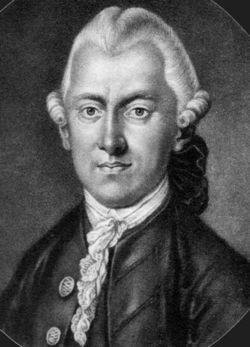
Johann Christian Daniel Von Schreber

Von Schreber, like his beasts, was a fantastic man in his own right. It only seems natural that he would be one of Linnaeus’ many students who would go on to achieve success yet, still remain devout to his teacher for the duration of his life. The correspondence between Von Schreber and Linnaeus was voluminous and it too has been digitized and made available for free by the Linnaean Correspondence Project.

If you can read Latin, its a highly recommended resource! Von Schreber studied medicine, theology and the natural sciences at Uppsala and Halle. It was at this time that he came under the tutelage of Linnaeus. He went on to become the director of the Erlangen Botanical Garden in 1773, a member of the Royal Swedish Academy of Sciences in 1787 and in 1791, he was knighted. Not bad, Von Schreber! He also served as editor to Linnaeus’ 8th edition of Genera Plantarum. Von Schreber even has a type of feather-moss named after him, Pleurozium schreberi. But we digress, let’s get back to the narwhal.

The Narwhal: Why do we know so little, when we are so fascinated by this creature?
View Full Size Image
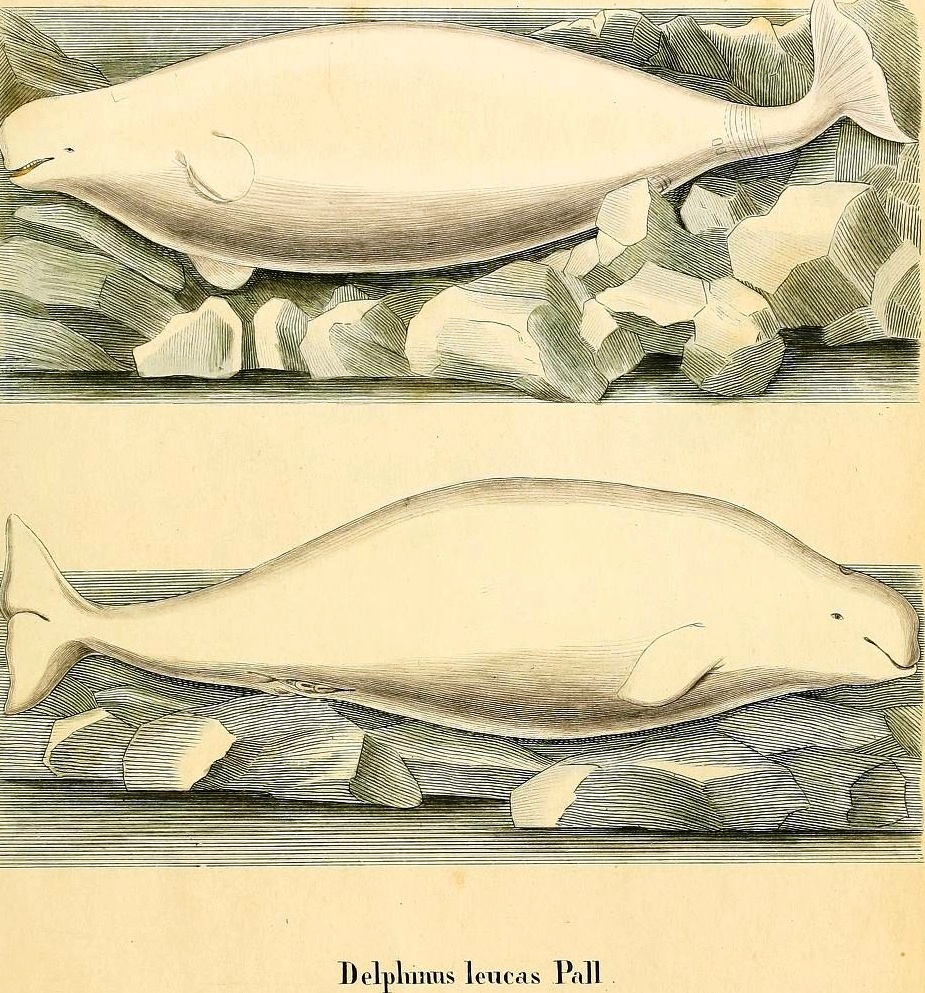
The beluga whale, the other member of Monotinidae family

All that we have left of Schreber’s thoughts about the narwhal are from the minute descriptions he makes in his text describing the Monodon monoceros yet, he must have been stewed in a culture that was still hanging on to the idea that the narwhal tusk possessed magical powers. We wonder if Von Schreber clung to any of these superstitions himself?

One-hundred years later, Darwin refuted the idea of this type of magical nonsense. However, it wouldn’t be until 2005, that Harvard researchers would begin to unravel the mystery behind this one-toothed wonder. The main reason that so little is known about the narwhal and its behavior is because most of them die in captivity, which has made it very difficult to study them.

Unlike the narwhal’s relative, the beluga whale, both being the only extent members of the Monotinidae family, the narwhal is an incredibly shy creature preferring to stay away from your local Marine World. However with a tusk fossil in-hand, dental researchers have been able to gain new insights and get to the root of this toothy mystery:

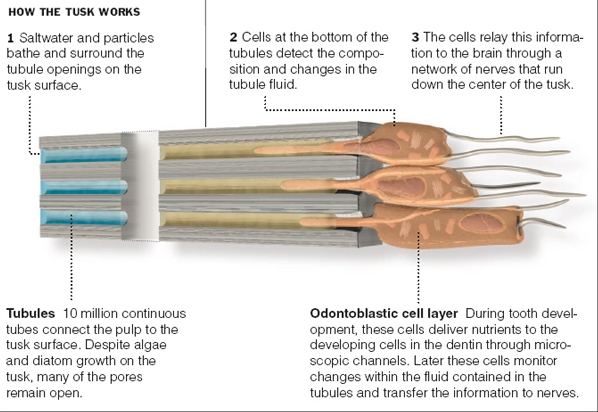
“Dental experts put the tusk under an electron microscope and found new subtleties of dental anatomy…” making a “startling discovery: the tusk, it turns out, forms a sensory organ of exceptional size and sensitivity, making the living appendage one of the planet’s most remarkable, and one that in some ways outdoes its own mythology.”–Broad, 2005, New York Times

View Full Size Image
David Constantine, Mika Gröndahl/The New York Times

It seems that Queen Elizabeth I and Darwin were both slightly off-base… the Narwhal’s tooth is an incredible appendage but, its function is neither magical nor strictly used in sexual selection. Rather, who would have guessed that the spiraling tooth would actually be a highly sophisticated sensory organ, giving its owner unique insight into the temperature, pressure and gradients of the ocean? The discovery opens up a whole host of new and unanswered questions. It is no wonder that researchers are clambering to know more.

Clinical instructor at Harvard University’s School of Dental Medicine and principal investigator of the Narwhal Tooth Expedition and Research Investigation, Martin Nweeia remarks after his first Narwhal siting:

It’s one of the few times when the reality is more incredible than the fable – I have more difficulty believing a whale has a tusk like this than I do a unicorn.”

Here, here Martin! The Narwhal truly is a “fantastic beast” and human interest in the species will only continue to grow over time.

Don’t forget that tomorrow is World Oceans Day!

Lastly, don’t forget that tomorrow pack’s a double whammy for ocean conservation efforts, celebrations and observances: not only has Obama declared that June be National Oceans Month in the United States but, June 8th also marks World Oceans Day.

Of course, these celebrations should include the beloved Narwhal, one of the most unique creatures the ocean has to offer. People all around the world are celebrating in creative ways. If you are interested in participating don’t forget to check the world event calendar and remember to respect, care for, and love the ocean. After all, we owe the air that we breathe to it and so much more!

June 7, 2012by [email protected]
BHL News, Blog Reel

Congratulations to BHL-Europe

Portrait version of the Biodiversity Heritage Library logo.

BHL-Europe is hosting a series of meetings in Berlin this week to celebrate the successful completion of their EU-funded project.  On Monday there was an international scientific symposium, “Communicating Biological Diversity,” with a goal of reviewing the progress implementing the Convention on Biological Diversity (CBD) 20 years after its adoption.  Notes and presentations given will be made available on the symposium web site: http://www.bhle-finals.blogspot.de/

On Tuesday there is a review of the BHL-Europe project.  BHL Technical Director Chris Freeland has been closely involved in the project since before it began, having helped identify partners in 2007 who formed the BHL-Europe and submitted a bid to the EU for funding.  Chris was involved in a biking accident two weeks ago and was not able to travel to Berlin, so he put together the following video congratulating the BHL-Europe partners on their achievement:

On Thursday and Friday members of the Global Biodiversity Heritage Library will be meeting to discuss next steps in their ongoing collaboration to build a network of projects working together to digitize and share scientific literature at global scale.  A report of that meeting will be made available via this blog.

Coverage of all events is happening live via Twitter at #bhlib all week.  Be sure to follow @BHLEurope & @BioDivLibrary for other updates regarding BHL activities.

June 5, 2012by [email protected]
Page 1 of 212»

Help Support BHL

BHL's existence depends on the financial support of its patrons. Help us keep this free resource alive!

search

About BHL

The Biodiversity Heritage Library (BHL) is the world’s largest open access digital library for biodiversity literature and archives. BHL operates as a worldwide consortium of natural history, botanical, research, and national libraries working together to digitize the natural history literature held in their collections and make it freely available for open access as part of a global “biodiversity community.”

Join Our Mailing List

Sign up to receive the latest news, content highlights, and promotions.

Subscribe Now

Subscribe to Blog via Email

Enter your email address to subscribe to this blog and receive notifications of new posts by email.

Join 319 other subscribers

Subscribe to Blog Via RSS

Subscribe to the blog RSS feed to stay up-to-date on all the latest BHL posts.

Access RSS Feed

Inspiring Discovery through Free Access to Biodiversity Knowledge.

The Biodiversity Heritage Library makes it easier than ever for you to access the information you need to study and explore life on Earth…for free, anytime, anywhere.


64+ Million Pages of
Biodiversity Literature Online.

EXPLORE

Tools and Services
to Transform Research.

EXPLORE

300,000+
Illustrations on Flickr.

EXPLORE

ABOUT | HARMFUL CONTENT | PRIVACY | SITE MAP | TERMS OF USE