Biodiversity Heritage Library - Program news and collection highlights from BHL
  • Home
  • News
  • Featured Books
    • All Featured Books
    • Book of the Month Series
    • BHL at 20
  • User Stories
  • Campaigns
    • Fossil Stories
    • Garden Stories
    • Monsters Are Real
    • Page Frights
    • Her Natural History
    • Earth Optimism 2020
  • Tech Blog
  • Visit BHL
Home
News
Featured Books
    All Featured Books
    Book of the Month Series
    BHL at 20
User Stories
Campaigns
    Fossil Stories
    Garden Stories
    Monsters Are Real
    Page Frights
    Her Natural History
    Earth Optimism 2020
Tech Blog
Visit BHL
  • Home
  • News
  • Featured Books
    • All Featured Books
    • Book of the Month Series
    • BHL at 20
  • User Stories
  • Campaigns
    • Fossil Stories
    • Garden Stories
    • Monsters Are Real
    • Page Frights
    • Her Natural History
    • Earth Optimism 2020
  • Tech Blog
  • Visit BHL
Biodiversity Heritage Library - Program news and collection highlights from BHL
Blog Reel, Featured Books

Happy Holidays from BHL and Rangifer tarandus!

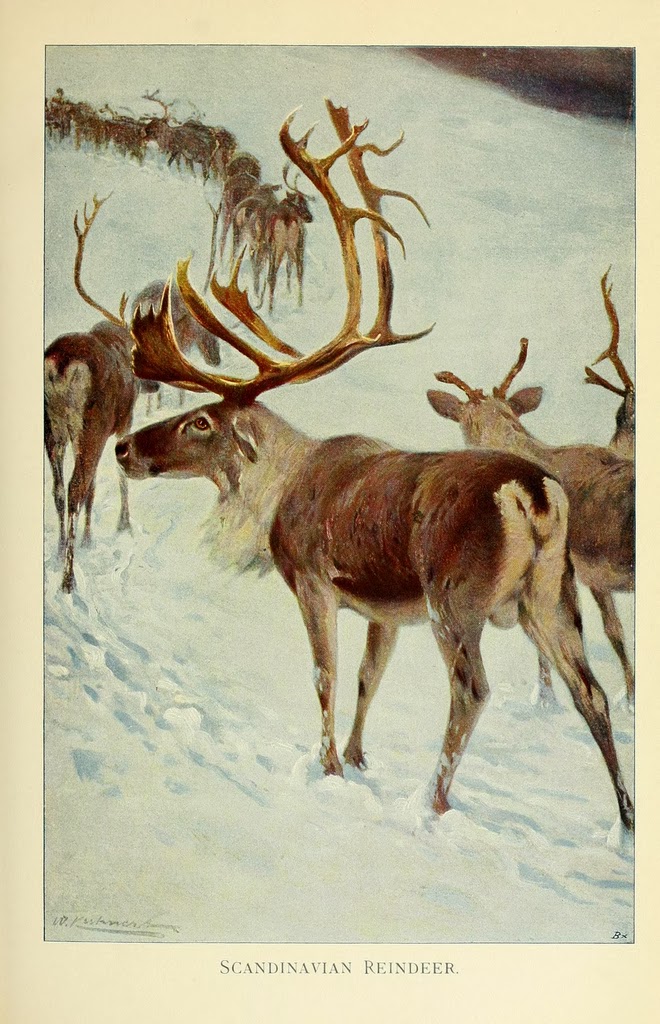
As part of BHL’s Winter Appeal, we’re highlighting some of the amazing species that are especially well-adapted to cold, wintery climes as well as those that often come to mind as we celebrate the winter holidays.  Last week we featured Ursus maritimus, the magnificent apex predator of the Arctic commonly known as the polar bear.  This week, we turn our eyes again to the North Pole to shine the spotlight on a well-known celebrity of  the giving season!
View Full Size Image
Wild Life of the World: A Descriptive Survey
of the Geographical Distribution of Animals.
London, F Warne and Co, 1916.
http://biodiversitylibrary.org/page/21738521
#page/455/mode/1up


Rangifer tarandus
As the holiday season goes into full swing, the festive days of late December bring a dazzling array of familiar images–shiny packages with ribbons and bows, snowy rooftops and fir trees, and of course the ubiquitous Rangifer tarandus.  Whether pulling sleighs or playing games, these antlered animals  feature prominently in decorations throughout the holiday season.  If you’ve ever watched the holiday cartoons broadcast at this time of year, you could be forgiven for thinking that reindeer are an especially uniform species, intolerant of differences.  But what of reality?  As it turns out, in real life reindeer exhibit a remarkable range of diversity.

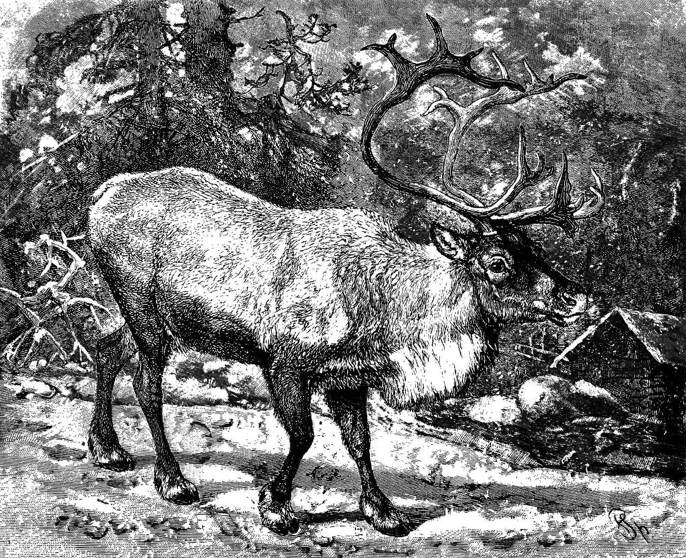
Distinguishing them from other deer, reindeer are the only species in which both the male and female grow antlers. Within the species, reindeer display notable variations in size, shape and color.  According to The Animals of World: Brehm’s Life of Animals (1895) a comparison of tame and wild reindeer would reveal such differences just in the size and shape of the hooves that one could easily see how they might be considered belonging to separate species.  Antler size and fur coloration are also known to vary in the different regions of the reindeer’s circumpolar habitat.  Even within individuals, coloration changes with the seasons, bringing on a more greyish-white hue for the snowy winter months.
View Full Size Image
Verzameling van uilandsche en zeldzaame vogelen.
Amsterdam, J.C. Sepp, 1772-1781.
http://biodiversitylibrary.org/page/11267501#page/199/mode/1up

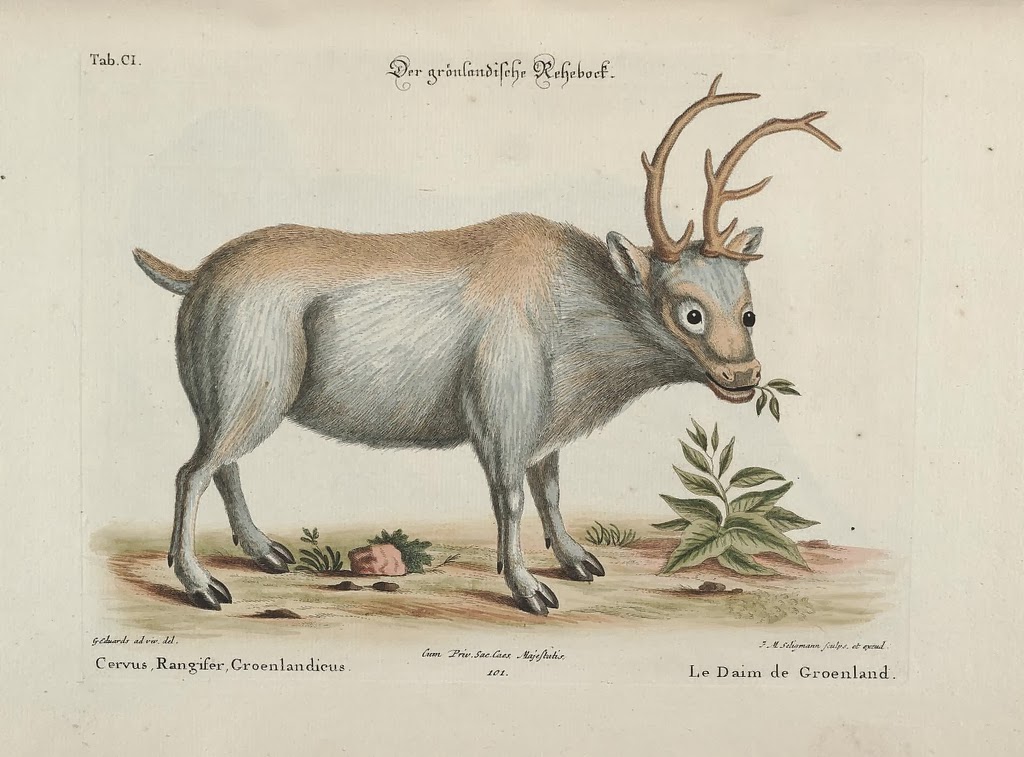
But sometimes the differences are significant enough to denote a classifiable distinction and today taxonomists recognize several subspecies of reindeer.  For example, Rangifer tarandus groenlandicus, shown above, occurs primarily in Greenland.  Even for those of us not well-versed in scientific names, this shouldn’t be surprising with the obvious phonetic similarity between groenlandicus and Greenland.  What many of us will find surprising, though, is that the common name of this subspecies is the “barren-ground caribou” meaning that, yes, caribou are subspecies of reindeer!  Who knew? (Well, undoubtedly some of you did but for those of us more familiar with the animated variety, let us not be ashamed to admit we are duly surprised!)

Other subspecies include the Dawson’s caribou (Rangifer tarandus dawsoni) which once roamed the Queen Charlotte Islands of British Columbia and is now presumed extinct.  While some information can still be derived from the DNA extracted from bones, fur and other remains of Dawson’s caribou and other extinct species, the vast majority of scientific knowledge on their appearance and behavior is locked in rare or hard to find literature.
View Full Size Image
The animals of the world. Brehm’s life of animals.
Chicago, A. N. Marquis, 1895.
http://www.biodiversitylibrary.org/page/37569440

#page/540/mode/1up

Habitat destruction, hunting and predators continue to present threats to wild caribou and reindeer.  In 1983, the US Fish and Wildlife Service listed the subspecies Rangifer tarandus caribou as endangered and advocated to protect its habitat.  Even at the turn of the century, reports of diminishing populations of one of the largest subspecies, Rangifer tarandus fennicus or Finland reindeer, were common.  In one of several such reports, cited in Extinct and vanishing mammals of the Old World (1945), the author laments, “The Finland reindeer is thus very nearly exterminated in the greatest part of its former habitat and it looks almost as a bitter irony of fate that it should not be recognized and discerned as a separate race before it was in so imminent danger of becoming entirely extinct…”

While we can’t bring the species and subspecies that have gone extinct, we can preserve our knowledge of them to help avoid future extinctions. By making this knowledge widely available, we can become better stewards to those species that are still here and especially to those recovering from diminished populations.

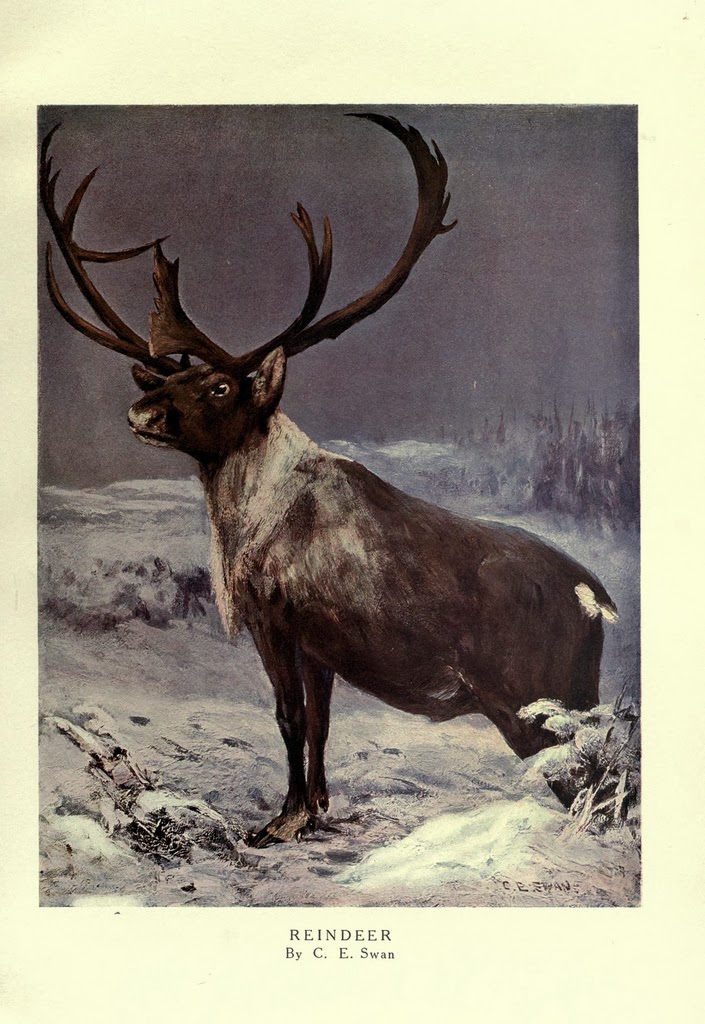
The BHL currently provides access to over 42 million pages and over 87,000 images and is changing the face of research methodology.  Scientists around the world are using BHL to identify and classify species, facilitate further scientific research, and support conservation efforts to help prevent future extinctions.  The ongoing growth of BHL is supported in part by our dedicated patrons whose gifts support the digitization of additional literature, technical development of the program, and improvement of data curation.  We hope you’ll take a moment to review how your donation can be put to work and will consider supporting BHL this holiday season!
View Full Size Image
The wild beasts of the world.
London, T.C & E.C. Jack, 1909
http://biodiversitylibrary.org/page/19080406#page/157/mode/1up

Thank you and Happy Holidays!
 

December 23, 2013by sayeedmd
Blog Reel, Featured Books

Book of the Week: Malacozoaires, ou, Animaux mollusques

View Full Size Image
There are approximately 100,000 species
of molluscs.

Have you ever collected seashells from the sea shore? Ever wonder where they come from or the former inhabitants? Well, they come from Molluscs. Molluscs are invertebrates that include squid, octopuses, cuttlefish, nudibranchs, snails, slugs, limpets, sea hares, mussels, clams, oysters, scallops, and other lesser known creatures.

Molluscs, belong to the phylum Mollusca, a major division of invertebrates with over 100,000 species, second to Arthropods. Their ability to survive is inspiring. They can be found at all latitudes and in both tropical and temperate regions. There are generally 10 recognized classes of molluscs: Aplacophora, Bivalvia, Cephalopoda, Polyplacophora, Gastropoda, Monoplacophora, Pleistomollusca, Polyplacophora, Rostroconchia, Scaphopoda, and Helcionelloida. Rostroconchia and Helcionelloida are both extinct.

Aplacophora and Monoplacophora are only found in the deep sea. The most diverse class is the Gastropods, which include slugs, sea butterflies, conchs, oyster borers, coweries, and snails. Gastropods account for more than a third of all living molluscs and there are between 60,000 and 80,000 living species. Class Cephalopoda including squid, cuttlefish, and octopuses are among the neurologically most advanced of all invertebrates. All Molluscs produce eggs.

View Full Size Image
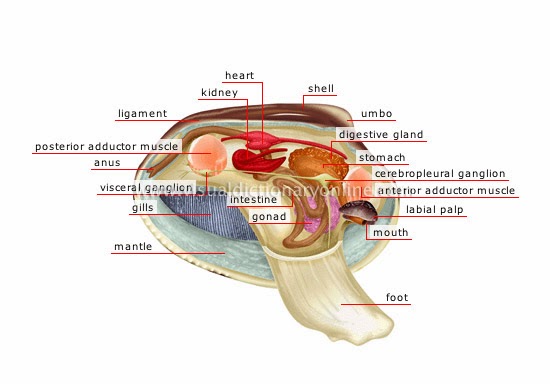
Anatomy of a Bivalve Shell Image: Merriam-Webster’s Visual Dictionary Online 

Molluscs are distinguished by their anatomy, which generally consist of a head-foot and visceral mass. They secrete a hard shell that covers and protects the visceral mass (area that contains the internal organs) and mantle, a layer of epidermal soft tissue that covers the visceral mass. This calcium shell protects them from harsh environments and predators. The nervous system of the Mollusc is similar with two nerve cords. The exception is Bivalvia, which has three. In addition, their body structures range in a variety of ways. It is difficult to apply one characteristic to all classes of Molluscs. Aplacophorans are the only species that do not have a well-developed foot.

View Full Size Image
Some molluscs don’t have a head.

As mentioned earlier, the shell is created by the protein conchiolin secreted from the mantle. The shell consists of three layers: periostracum (outer layer) of organic matter, mainly conchiolin; a middle layer of columnar calcite; and an inner layer of laminated calcite, often times nacreous also known as mother of pearl. The first two layers also contain chitin, a derivative of glucose found in the natural world.

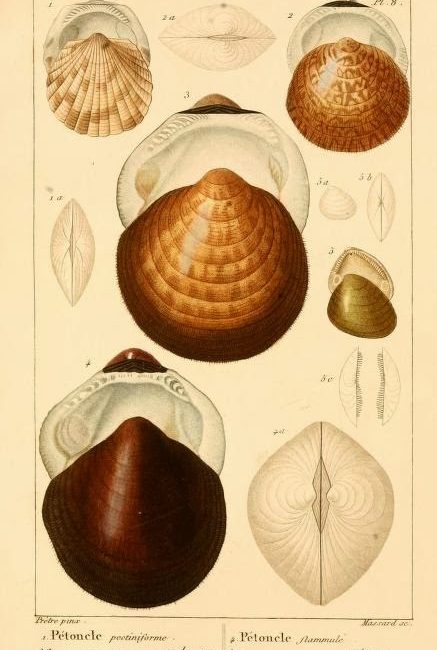
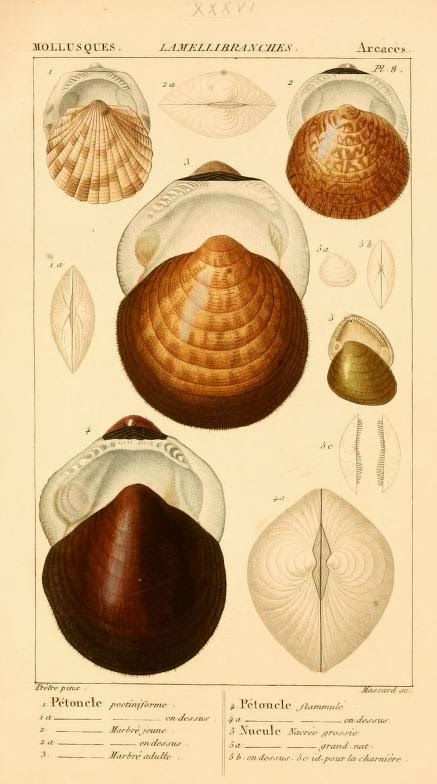
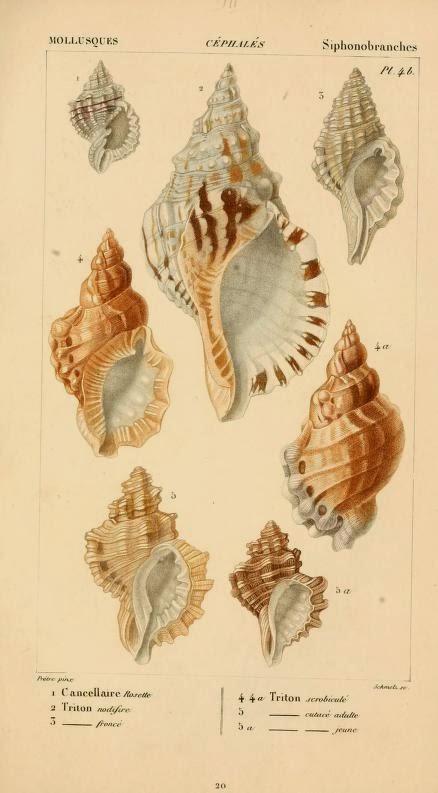
Published between 1829-1830, Malacozoaires, ou, Animaux mollusques (English translation: Malacozoaires, or Shell Fish Animals) was written by French zoologist and anatomist Henri Marie Ducrotay de Blainville, curator and professor of invertebrate zoology at the Muséum national d’Histoire naturelle and a member of the French Academy of Sciences. De Blainville like many scientists, longed to give order to the natural world. Malacozoaires, ou, Animaux mollusques is the result of this desire. This monograph provides several orders and genera for species studied in France. While there is significantly more information about mollusks today, his book was a start to understanding the unknown.

If French comes natural to you and vous parlez ou lisez francais, read Malacozoaires, ou, Animaux mollusques.

Check out the beautiful shells from the book at the BHL Flickr here.

References:

EOL Rapid Response Team (n.d.). Mollusca (Mollusks).Encylopedia of Life. Retrieved from http://eol.org/pages/2195/details

Hayward, PJ (1996). Handbook of the Marine Fauna of North-West Europe“>. Oxford University Press. p. 484–628.

Porter, S. (2007). “Seawater Chemistry and Early Carbonate Biomineralization”. Science 316 (5829): 1302.

Unknown (n.d.). Henri Marie Ducrotay de Blainville. Wikipedia. Retrieved from http://en.wikipedia.org/wiki/Henri_Marie_Ducrotay_de_Blainville

Unknown (n.d.). Mollusca. Wikipedia. Retrieved from http://en.wikipedia.org/wiki/Mollusca

December 19, 2013by gworthey
Blog Reel, User Stories

Basionyms, Synonyms, Authorities: Tracking the Names of Macro- and Micro Algae Through Time

Portrait version of the Biodiversity Heritage Library logo.

As part of our BHL & Our Users series, we recently caught up with Dr. Roberta Cowan, a specialist in Phycology (taxonomy) and information management. Over the last 19 years, Dr. Cowan has been actively involved in nomenclatural work, notably for Australian algal species.  Dr. Cowan was kind enough to provide some background on her work and the role BHL has played in making that work both quicker and easier over the years.

Roberta Cowan, PhD 

View Full Size Image
Dr. Cowan collecting on Whidbey Island,
Washington State 

In the 1980s a number of countries had nomenclatural plant databases. There was the famous Index Kewensis from Royal Botanic Gardens, Kew  and the Gray Cards from the Harvard University Herbaria. In Australia the Australian Plant Name Index (APNI) was being prepared. In the early 1990s proposals were put forward to the Australian Government to create a database for the marine macroalgae (Australian Marine Algal Name Index, AMANI) and the freshwater algae. Later the marine microalgae were included in AMANI. All of this information is now being updated and transferred to the Atlas of Living Australia (ALA).

I began work on AMANI in 1994. At that time, in order to check the accuracy of information regarding binomials cited in literature about Australian algae the original literature had to be sourced via the inter-library loan system. By definition much of the literature was contained in monographs and journal runs that were considered rare by the lending library. This invariably meant that the item was not available for photo-copying. Often the full bibliographic details for original literature was not entirely clear and so a ‘catch 22’ situation occurred in that an item may well be sourced to a particular library but could not be copied until the full bibliographic detail was supplied. The detail could only be supplied by accessing the item. Access to the item therefore had to wait until I could travel to the lending library. This meant waiting until travel to the libraries on the other side of Australia–or the other side of the planet–could be afforded.

In 2007, with the founding of the Biodiversity Heritage Library the problems of access and the problems of confirming bibliographic details became increasingly rare. My work changed from submitting inter-library loan forms and waiting for weeks for a requested item to arrive to searching BHL, selecting the item for download, filling in the information: title, author, keywords and waiting a very short time for the pdf to appear via a link in an email.

I am presently editing the algal data relevant to the nomenclature of all names cited in Australian taxonomic literature and all taxonomic literature citing Australian algal names for the Atlas of Living Australia. BHL is one of my most important tools.

December 17, 2013by sayeedmd
Blog Reel, Featured Books

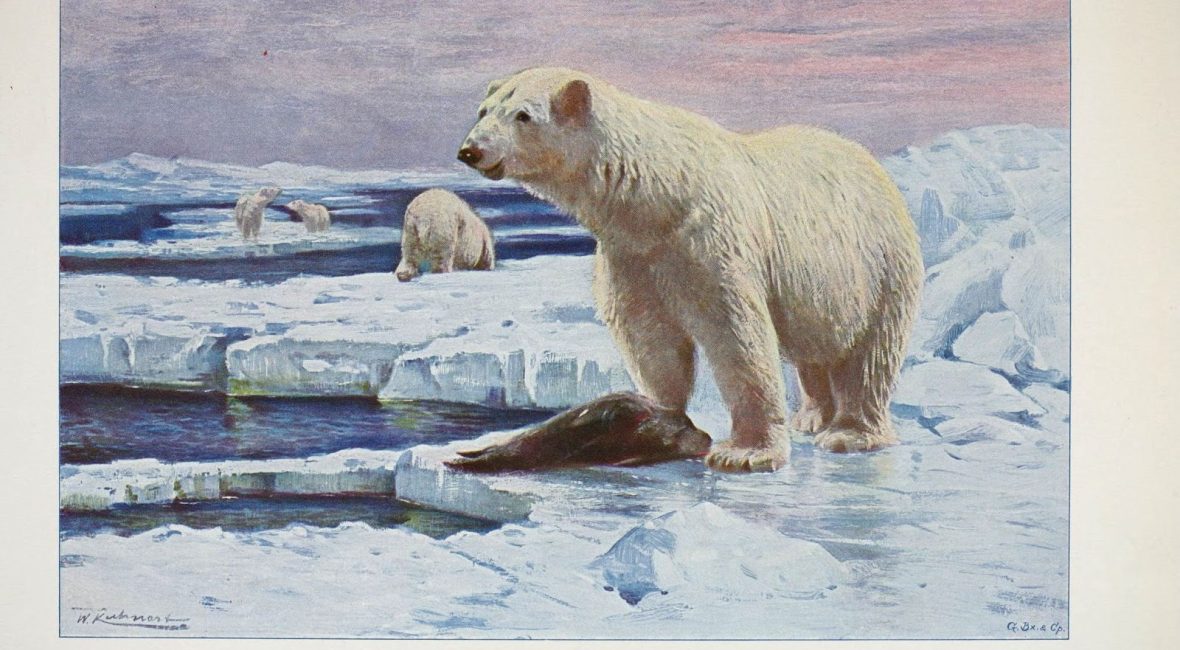
Ursus maritimus: A Shining Star in the North Pole

As part of BHL’s Winter Appeal, we’ll be highlighting some of the amazing species that are especially well-adapted to cold, wintery climes as well as those that often come to mind as we celebrate the winter holidays.  Each post will include images, facts and sometimes even stories drawn from the pages of the open access literature in BHL.  The ongoing growth of BHL is supported in part by our dedicated patrons whose gifts we depend on for the the digitization of additional literature, technical development of the program, and improvement of data curation.  We hope you’ll consider donating this holiday season!

Ursus maritimus

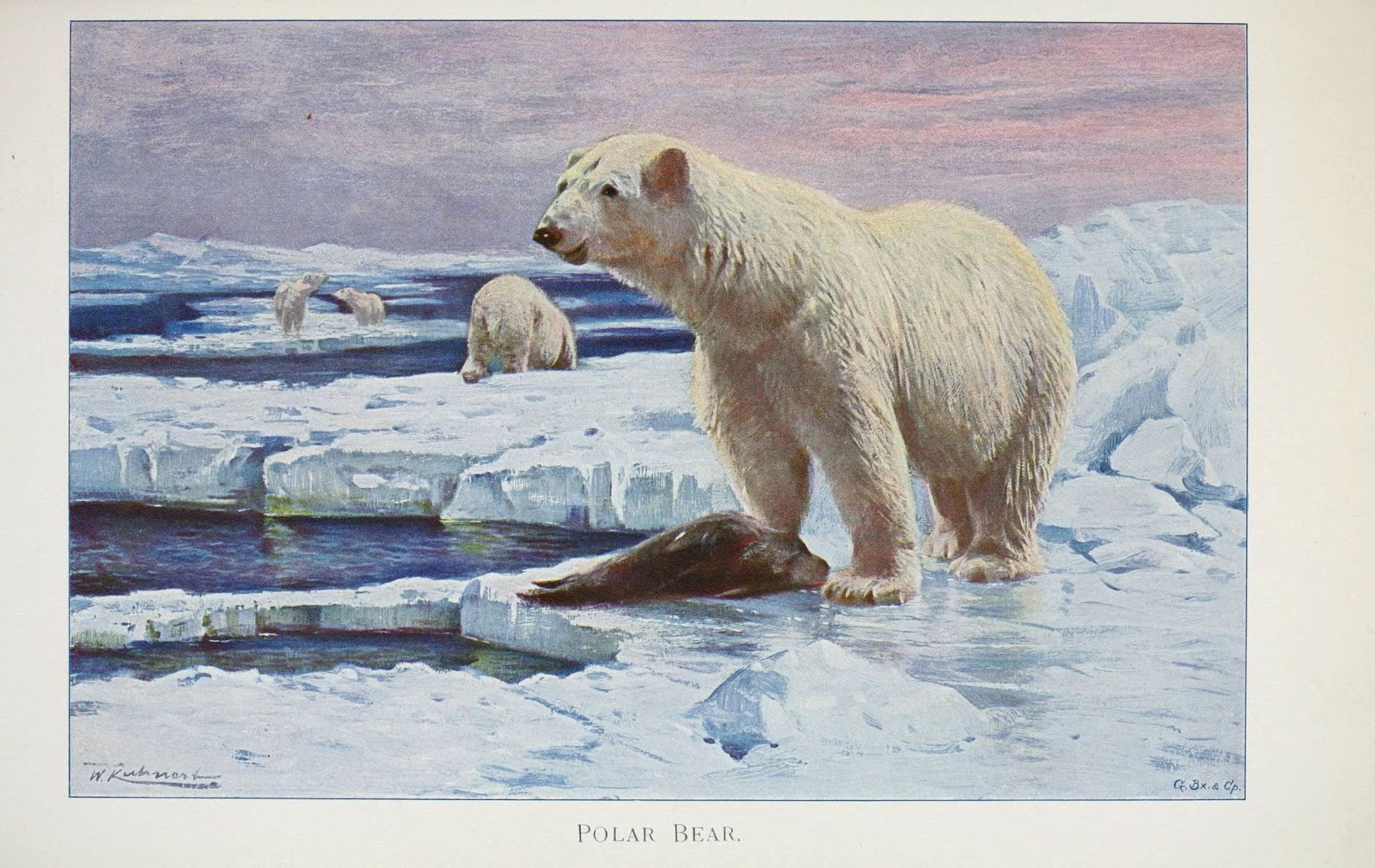
Imagine being out in a quiet, cold landscape with almost nothing around for miles except for the ice and sea.  In this vast expanse of calm and quiet, you might either wander across the ice in search of a meal or even dive down into the freezing cold waters.  Either way, you would remain quite comfortably warm.  Thus is one of the advantages possessed by Ursus maritimus for surviving in this challenging environment.  A thick coat of fur and insulating layer of fat provide warmth and the distinctive white coloring of the coat serves as excellent camouflage when stalking prey.  A long neck and relatively narrow skull for the species provides the aptly-named “sea bear” with a streamlined figure excellent for swimming.

View Full Size Image
Wild Life of the World, v.2.  London, F. Warne and Co., 1916.

http://biodiversitylibrary.org/page/21738961#page/329/mode/1up

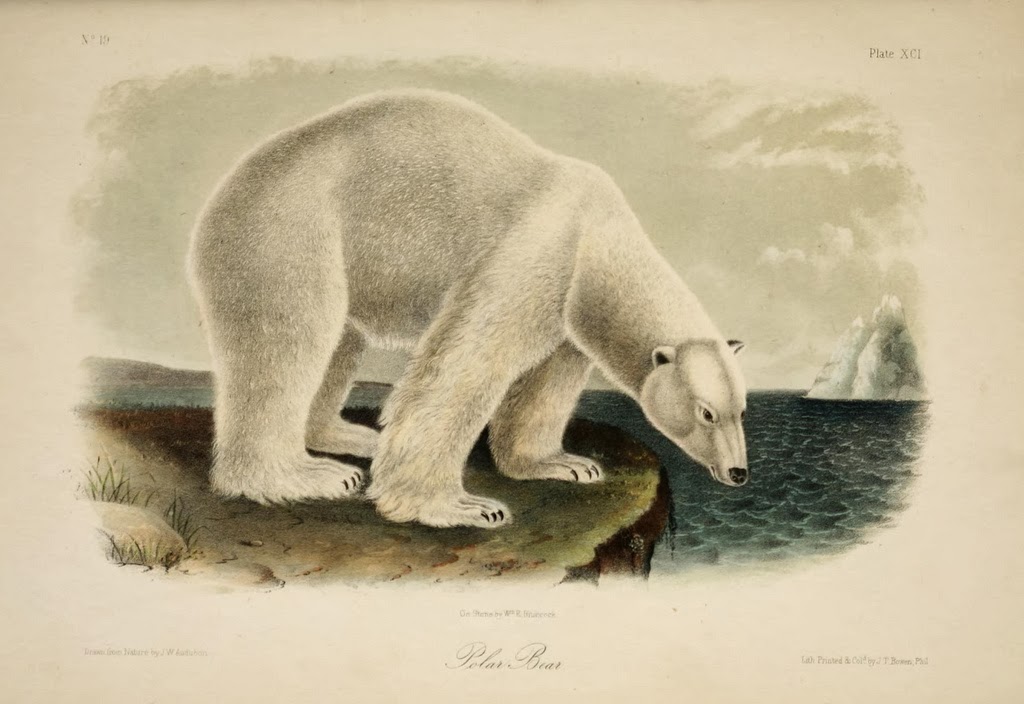
Commonly known as the polar bear, Ursus maritimus actually only occurs in one of the poles–the North Pole.  The vast, ice-covered ocean known as the Arctic actually has etymological roots in the ancient Greek word, ἄρκτος, meaning bear.  Antarctic, therefore implying “no bears.”

View Full Size Image
The Quadrupeds of North America.  New York, V.G. Audubon, 1851-54.

http://biodiversitylibrary.org/page/34896849#page/369/mode/1up

When we consider the growing concerns about the effects of climate change on places like the Arctic, polar bears are one of the iconic species that immediately come to mind for many of us.  How might they fare over the next decades?  Despite all of their physical advantages and their placement as an apex predator, polar bear populations have seen recent declines and are already considered a vulnerable species by the IUCN.  Some of the biggest threats facing polar bears are the melting ice cap, hunting, and human development in the area, including oil spills and other negative impacts on the environs.

Yet even before climate change was a prominent topic in science and the news, polar bears held a special place in the public’s imagination.  Tales of exaggerated ferocity were plenty.  One especially eyebrow-raising account tells of the polar bear’s invariable habit of charging at any man encountered.  While today we know that polar bears have been known to attack humans they are just, if not more likely, to avoid such encounters, yet this story goes on to insist that not only do they inevitably charge, they can just as inevitably be tricked into grabbing weapons and committing suicide with them.  Polar bears were undoubtedly less studied and therefore not as well understood in 1861, yet even so the author seems barely able to contain his bemusement at the extraordinary claims of this “eye witness.”  Today, hunting bans now help to protect this magnificent species.  Groups like BHL and our partners EOL work hard to make sure that scientists and others have access to important information about the species, its habitat and behavior so informed conservation decisions can be made.

The polar bear is documented in over 1,200 pages of open access literature made available through the Biodiversity Heritage Library.  BHL relies on donations from individuals to support scanning of the biodiversity literature held in some of the world’s most renowned natural history and botanical libraries.  To learn more about how your donation supports the continued growth of BHL, please visit http://archive.constantcontact.com/fs181/1103622715135/archive/1115465985290.html.  We hope you’ll consider making a contribution today!

December 16, 2013by brooksm
Blog Reel

The Collector Connection: organizations and the individual collectors who shaped them

This is the first of a joint blog series by the Field Book Project (FBP) and the Biodiversity Heritage Library (BHL), showcasing examples of digital connections between collectors, field book catalog records, and the resulting publications of collecting events.

Over the summer the Field Book Project and Biodiversity Heritage Library examined some of the fascinating stories and natural history documentation that resulted from major expeditions. In the past, expeditions were the best way to expediently collect in many regions of the world.  Expeditions still occur today, but they were far more common before the advent of major changes in transportation. Expeditions tend to generate great stories; the mix of personalities, challenges, and exotic locations seem to make it inevitable.  For much of the nineteenth century, expeditions were often organized as needed; they could be heavily influenced by the temperaments of the people leading them.  Strong personalities among the leaders sometimes led to serious conflicts (curious to learn more?  Check out the US Geological Survey’s (USGS) biography on John Wesley Powell, the Survey’s second director, and its discussion of the Powell, Hayden, King, and Wheeler Surveys).  These conflicts and the US government’s growing need for more consistent information about its natural resources eventually led to fundamental changes in the way collecting was completed.  Eventually the US federal government established organizations like the US Bureau of Fisheries, US Geological Survey, US Biological Survey whose primary purpose was to routinely collect, document, and eventually oversee some of the nation’s natural resources.

These organizations and their first collectors often involve great stories, but also provide wonderful examples of the types of field work documented.  Additionally, their efforts were for the United States’s benefit, and the resulting reports and publications are now available through resources like the Biodiversity Heritage Library.  This new blog series is a chance to highlight the different types of collectors that formed these organizations.

United States Biological Survey (USBS)
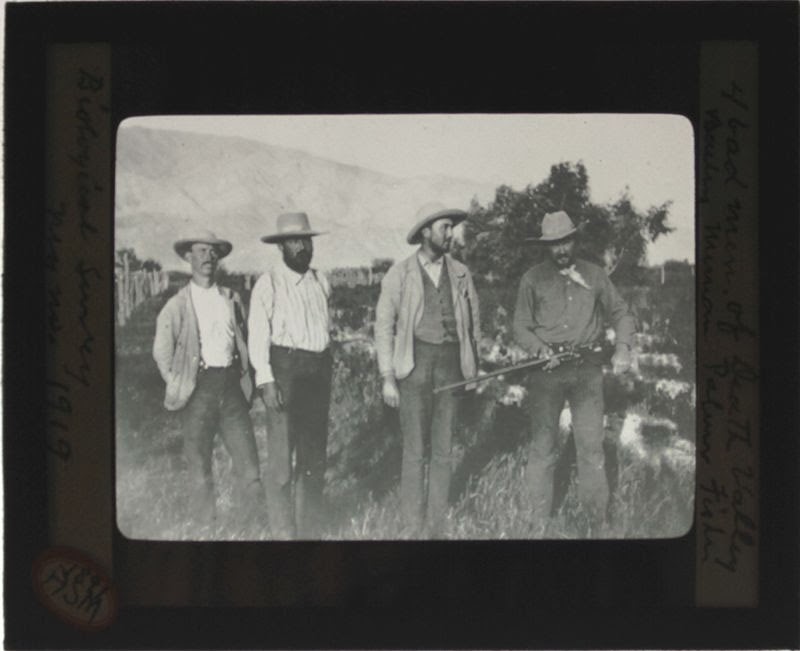
The first story highlights the beginnings of the US Biological Survey (USBS), originally formed by C. Hart Merriam under the US Department of Agriculture (USDA).  The story forms around two individuals of note—C. Hart Merriam (first chief of USBS) and Vernon Bailey (USBS’s first major specimen collector and naturalist).  These individuals each had unique ways of coming to their field of study, method of work, and differing output, but each was an important contributor to their discipline.  Their catalog records and publications are also available through FBP and BHL (see content links below).

View Full Size Image
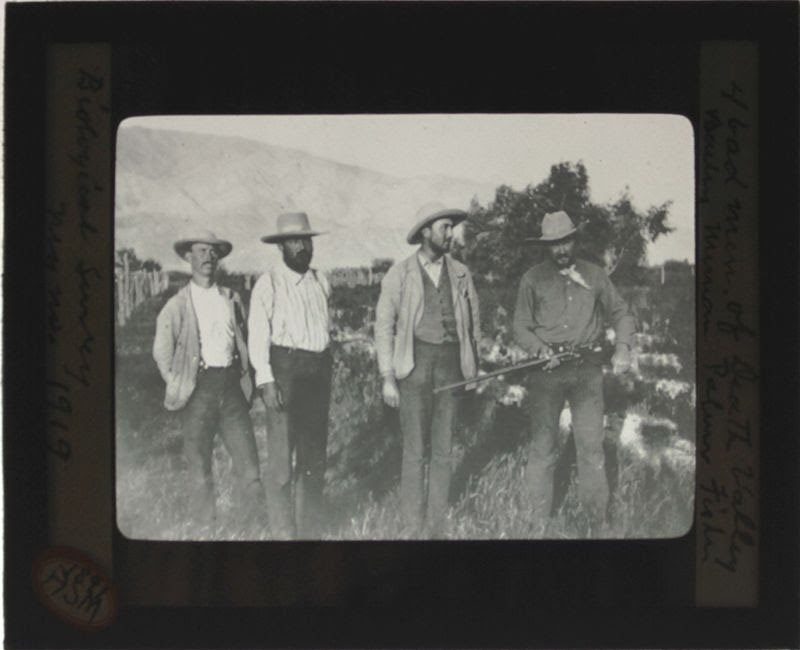
US Biological Survey staff, including Vernon O. Bailey and C. Hart Merriam, 1919.

C. Hart Merriam was a biologist, whose work at the end of the 19th century was instrumental in the emerging field of ecology. His field work and affiliation with the USDA led to his “life zones” concept. In 1885 he was chosen to head the Section of Economic Ornithology in the USDA.  His vision for the section eventually shifted its focus from only birds to include mammals.  By 1896 it became the USBS, later merging with other federal entities to form the US Fish and Wildlife Service.

In 1883, C. Hart Merriam began corresponding with a young man in Minnesota with an interest in collecting, named Vernon Bailey.  This relationship developed over the decades, and proved an important influence on the shaping and growth of the USBS.   Merriam had a strong educational background in science and was well established in the USDA.  But for the USBS to develop, he needed people in the field.  Bailey did not have a formal education in the sciences, but showed a natural aptitude for collecting that Merriam mentored through their correspondence.   In 1885, Bailey began sending collections to Merriam, and in 1887, Merriam hired Bailey as the first field agent for Division of Economic Ornithology and Mammalogy (what would become USBS).  Bailey went on to collect for over 50 years, and became the first and only chief field naturalist of the USBS in 1890, a position he held until his death in 1933.

View Full Size Image
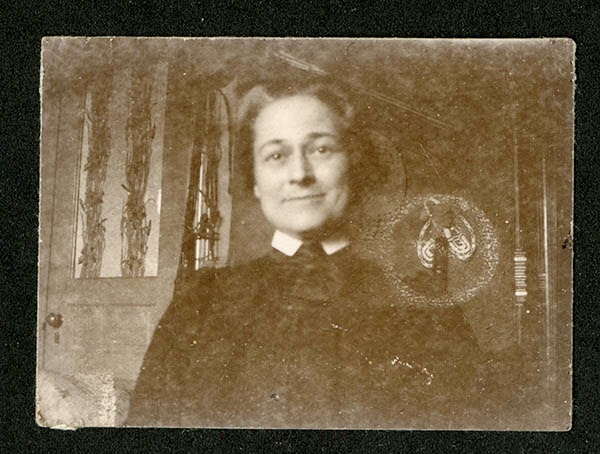
Florence Merriam Bailey, taken shortly after her wedding, March 1900.  Smithsonian Institution Archives.  SIA 007267, Box 2, Folder 14.

Their relationship proved important on a personal level as well.  During one of Bailey’s visits to Washington, DC, he stayed at Merriam’s home. This provided a chance to meet Merriam’s sister, Florence Merriam Bailey, who was a distinguished naturalist in her own right. Vernon and Florence would marry in 1899.  Throughout their marriage they completed field work together and co-wrote natural sciences publications.

Perhaps the best way to see how these individuals’ styles of work and interests differed, is to examine their field books and publications.

Field Books from the Field Book Project:

  • US Biological Survey (its subsequent iteration as US Fish and Wildlife)
  • C. Hart Merriam
  • Vernon O. Bailey
  • Florence Merriam Bailey

Publications at Biodiversity Heritage Library:

  • US Biological Survey
  • C. Hart Merriam (includes correspondence housed at the Bancroft Library, University of California, Berkeley
  • Vernon O. Bailey
  • Florence Merriam Bailey

We invite you to check out our next post, and find out more the background of these fascinating individuals, organizations, and how you can learn more about their research online.

December 12, 2013by [email protected]
BHL News, Blog Reel

Art of Life Team Holds 2nd Face to Face Meeting in St. Louis, Missouri

Portrait version of the Biodiversity Heritage Library logo.
View Full Size Image
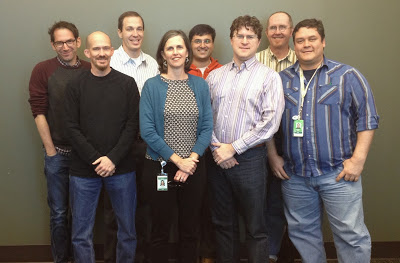
Pictured left to right:  Rob Guralnick, Mike Lichtenberg, Kyle Jaebker, Trish Rose-Sandler, Guarav Vaidya, Joel Richard, Doug Holland, William Ulate.  Not pictured:  Chris Freeland, Mike Blomberg, Chuck Miller.

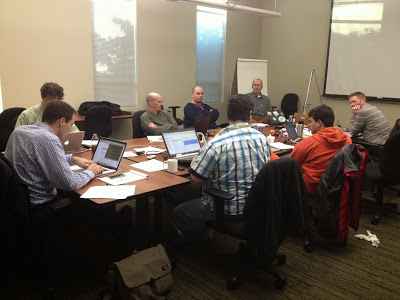
The NEH-funded Art of Life project recently held its second face to face meeting November 2013 in St. Louis, Missouri.  Institutions represented were from the Missouri Botanical Garden (MOBOT), Indianapolis Museum of Art (IMA), the University of Colorado Boulder (CU-Boulder); Washington University, St Louis (WUSTL), and Smithsonian Institution Libraries (SIL).

The team focused primarily on how to bring the algorithm work to a close.  The IMA developed four algorithms for identifying which pages in the BHL corpus contain images.  Those algorithms were run across a gold standard set of 40k pages to determine their accuracy and performance.  Two of the four algorithms were deemed to be useful (accuracy ratings were above 80%).  Currently, an environment is being established to enable efficient processing of those two algorithms across the entire corpus of 40+ million pages.  There was also discussion on how to refine the functionality of the Macaw tool which will be used to broadly classify the page images into groups such as illustrations, photographs, diagrams/tables, and maps.  Further work on the schema included efforts to create an application profile based on VRA Core and Darwin Core element sets.   Finally, the team wrapped up the meeting by investigating bulk uploads of large numbers of images to Flickr and Wikimedia Commons as well as how to then extract the resulting crowdsourced metadata back into the BHL portal.

Notes and action items from the meeting can be found on the Art of Life site  http://biodivlib.wikispaces.com/Art+of+Life.

View Full Size Image
Pictured left to right:  Kyle Jaebker, Joel Richard, Mike Lichtenberg,
Mike Blomberg, William Ulate, Doug Holland, Guarav Vaidya, Chris Freeland.
Not pictured:  Chuck Miller, Rob Guralnick

Questions about the project’s goals, progress, and technology can be directed to Principal Investigator, Trish Rose-Sandler at trish.rose-sandler [at] mobot.org.  The Art of Life project runs from May 1, 2012 through April 30, 2014 and is generously funded by the National Endowment for the Humanities.

View Full Size Image

Any views, findings, conclusions, or recommendations expressed in this blog post do not necessarily represent those of the National Endowment for the Humanities.

December 10, 2013by sayeedmd
BHL News, Blog Reel

Things a Librarian Can Learn at TDWG

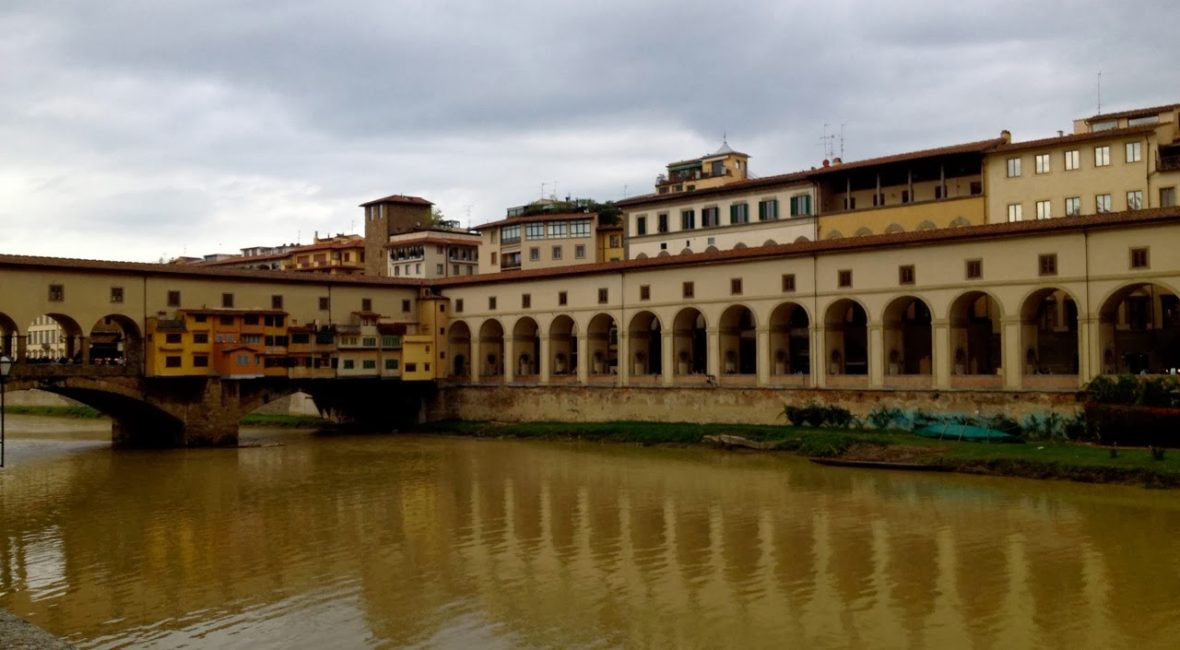
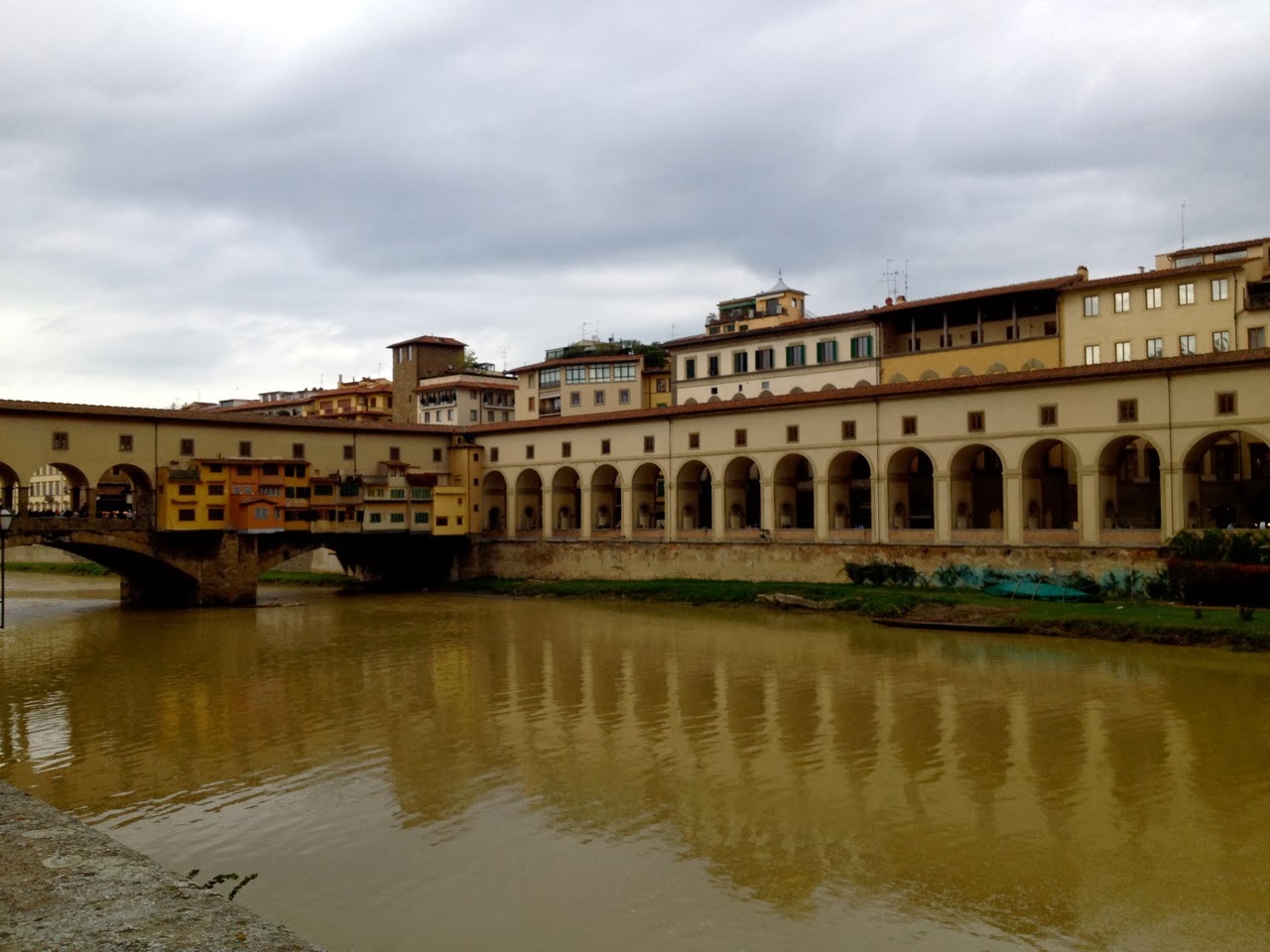
View Full Size ImageI was privileged to attend and present at the Biodiversity Information Standards (TDWG) meeting (see posts on Nov 11: https://blog.biodiversitylibrary.org/2013/11/global-bhl-partners-present-symposium.html, Nov 26: https://blog.biodiversitylibrary.org/2013/11/the-tdwg-2013-annual-conference-my.html and Nov. 29: https://blog.biodiversitylibrary.org/2013/11/quello-che-era-nuovo-in-tdwg-2013.html).   The theme for 2013 was “Virtual Communities for Biodiversity Science”, an apt theme for the global virtual Biodiversity Heritage Library.  The venue was beautiful Florence, Italy and the weather was warm.  TDWG is a long and information-packed meeting that incorporates many topics of interest to the Biodiversity Heritage Library and librarians.  Metadata, vocabularies for taxonomy, interoperability and linked open data are common themes at TDWG  to which librarians, particularly those engaged in biological information,  can relate.  I particularly enjoyed the poster sessions.  There were 31 posters and I will highlight a few in this post.

View Full Size ImageBHL partners such as ViBRANT (http://vbrant.eu/), OpenUp (http://open-up.eu/), BioStor http://biostor.org/), and Zookeys (http://www.pensoft.net/
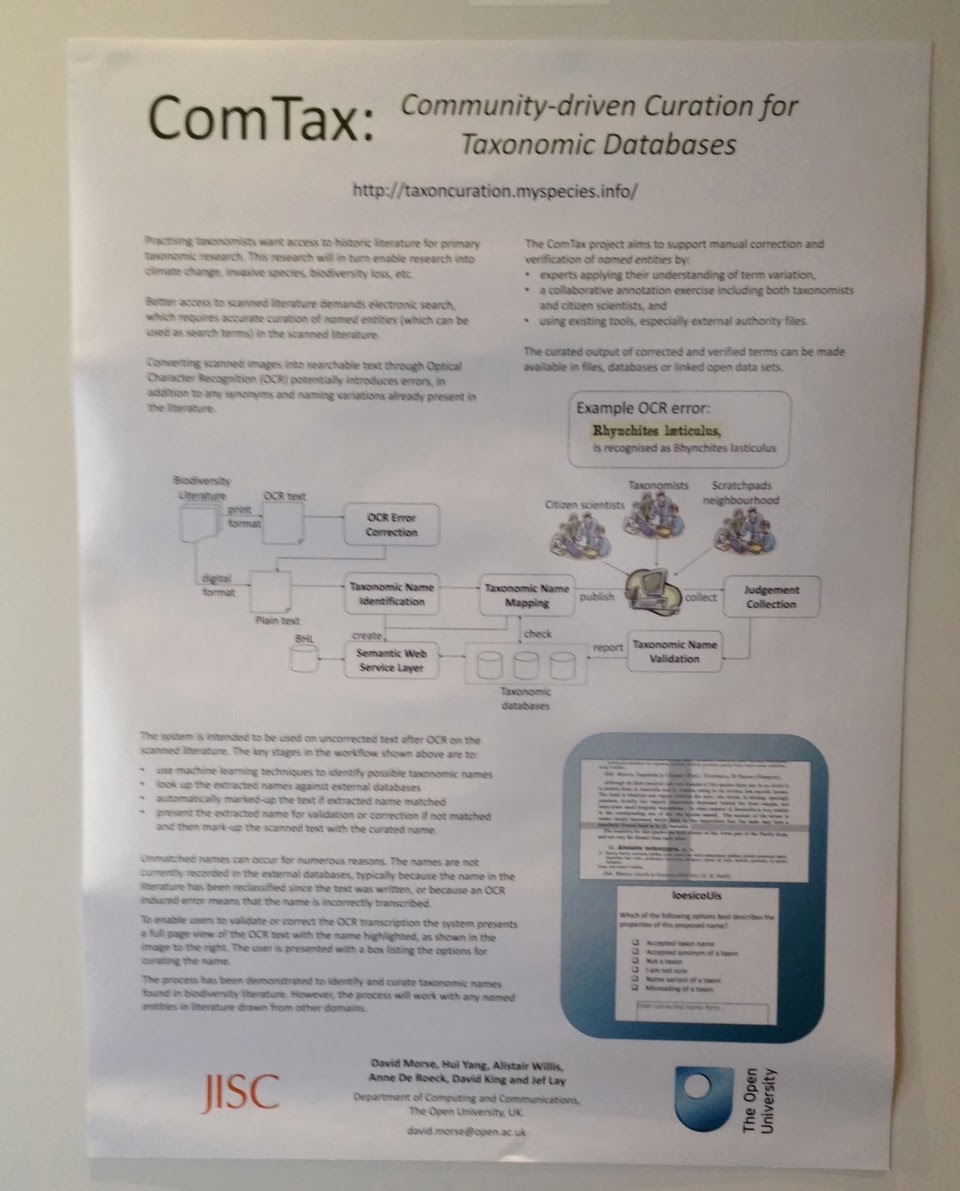
journals/zookeys/) and others were represented at TDWG ensuring lively discussions.  The poster “Bibliography of Life: Comprehensive services for biodiversity bibliographic references” addressed de-duplicating and parsing the components of references from a variety of sources to improve and expand literature searching.  Other posters highlighted object digitization and the TDWG Audubon Core metadata standard.  The Naturalis Biodiversity Center reviewed their work digitizing collection objects, including videos, using the Audubon Core standard for metadata.  Another poster from Belgian institutions, Agora 3D Evaluating the Digitisation of Scientific Collections, reviewed scanning technology and techniques for biological specimens to develop a set of standards and protocols for museums.  Other posters highlighted taxonomic information such as “From Dendroeca blackburniae to Dendrceca blackburniae:  what’s in a name” citing the need for clean, correct scientific names to support names-based architecture and “ComTax: Community-driven Curation for Taxonomic Databases”, a project designed to support manual  correction and verification of name data. The TDWG meeting has much to offer archivists and librarians looking for the biological perspective on metadata and curation.

December 6, 2013by Kathryn Stine
Page 1 of 212»

Help Support BHL

BHL's existence depends on the financial support of its patrons. Help us keep this free resource alive!

search

About BHL

The Biodiversity Heritage Library (BHL) is the world’s largest open access digital library for biodiversity literature and archives. BHL operates as a worldwide consortium of natural history, botanical, research, and national libraries working together to digitize the natural history literature held in their collections and make it freely available for open access as part of a global “biodiversity community.”

Join Our Mailing List

Sign up to receive the latest news, content highlights, and promotions.

Subscribe Now

Subscribe to Blog via Email

Enter your email address to subscribe to this blog and receive notifications of new posts by email.

Join 319 other subscribers

Subscribe to Blog Via RSS

Subscribe to the blog RSS feed to stay up-to-date on all the latest BHL posts.

Access RSS Feed

Inspiring Discovery through Free Access to Biodiversity Knowledge.

The Biodiversity Heritage Library makes it easier than ever for you to access the information you need to study and explore life on Earth…for free, anytime, anywhere.


64+ Million Pages of
Biodiversity Literature Online.

EXPLORE

Tools and Services
to Transform Research.

EXPLORE

300,000+
Illustrations on Flickr.

EXPLORE

ABOUT | HARMFUL CONTENT | PRIVACY | SITE MAP | TERMS OF USE