Biodiversity Heritage Library - Program news and collection highlights from BHL
  • Home
  • News
  • Featured Books
    • All Featured Books
    • Book of the Month Series
    • BHL at 20
  • User Stories
  • Campaigns
    • Fossil Stories
    • Garden Stories
    • Monsters Are Real
    • Page Frights
    • Her Natural History
    • Earth Optimism 2020
  • Tech Blog
  • Visit BHL
Home
News
Featured Books
    All Featured Books
    Book of the Month Series
    BHL at 20
User Stories
Campaigns
    Fossil Stories
    Garden Stories
    Monsters Are Real
    Page Frights
    Her Natural History
    Earth Optimism 2020
Tech Blog
Visit BHL
  • Home
  • News
  • Featured Books
    • All Featured Books
    • Book of the Month Series
    • BHL at 20
  • User Stories
  • Campaigns
    • Fossil Stories
    • Garden Stories
    • Monsters Are Real
    • Page Frights
    • Her Natural History
    • Earth Optimism 2020
  • Tech Blog
  • Visit BHL
Biodiversity Heritage Library - Program news and collection highlights from BHL
Blog Reel, Featured Books

Happy Birthday Waldo Schmitt!

Do you know what carcinology is?

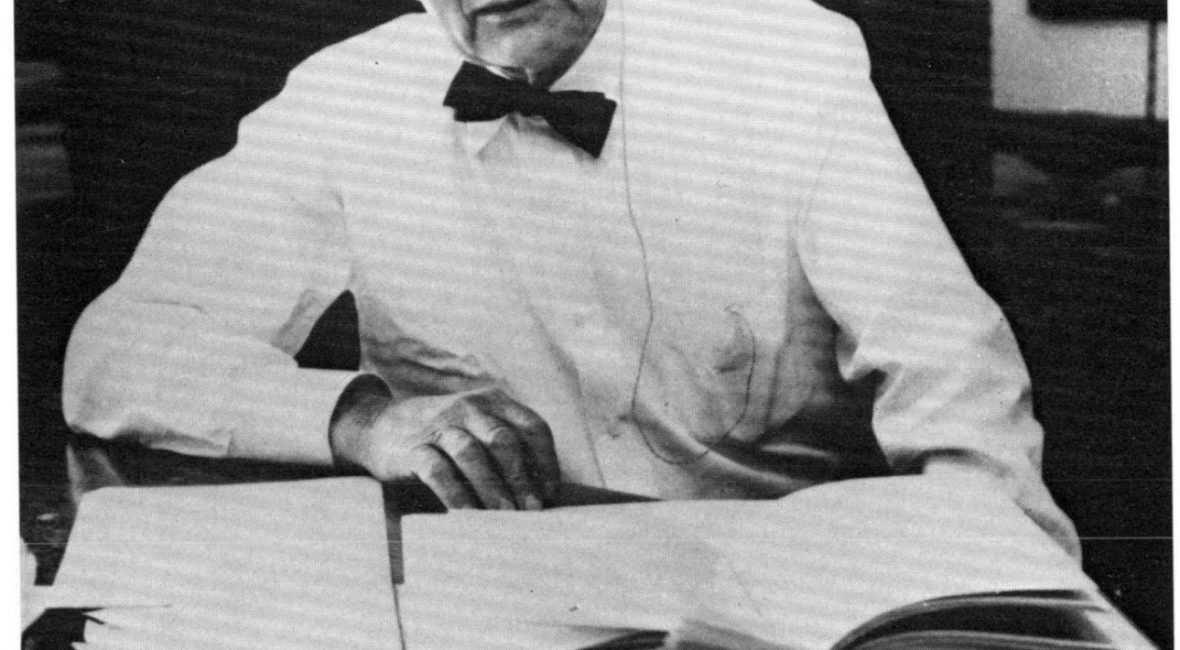
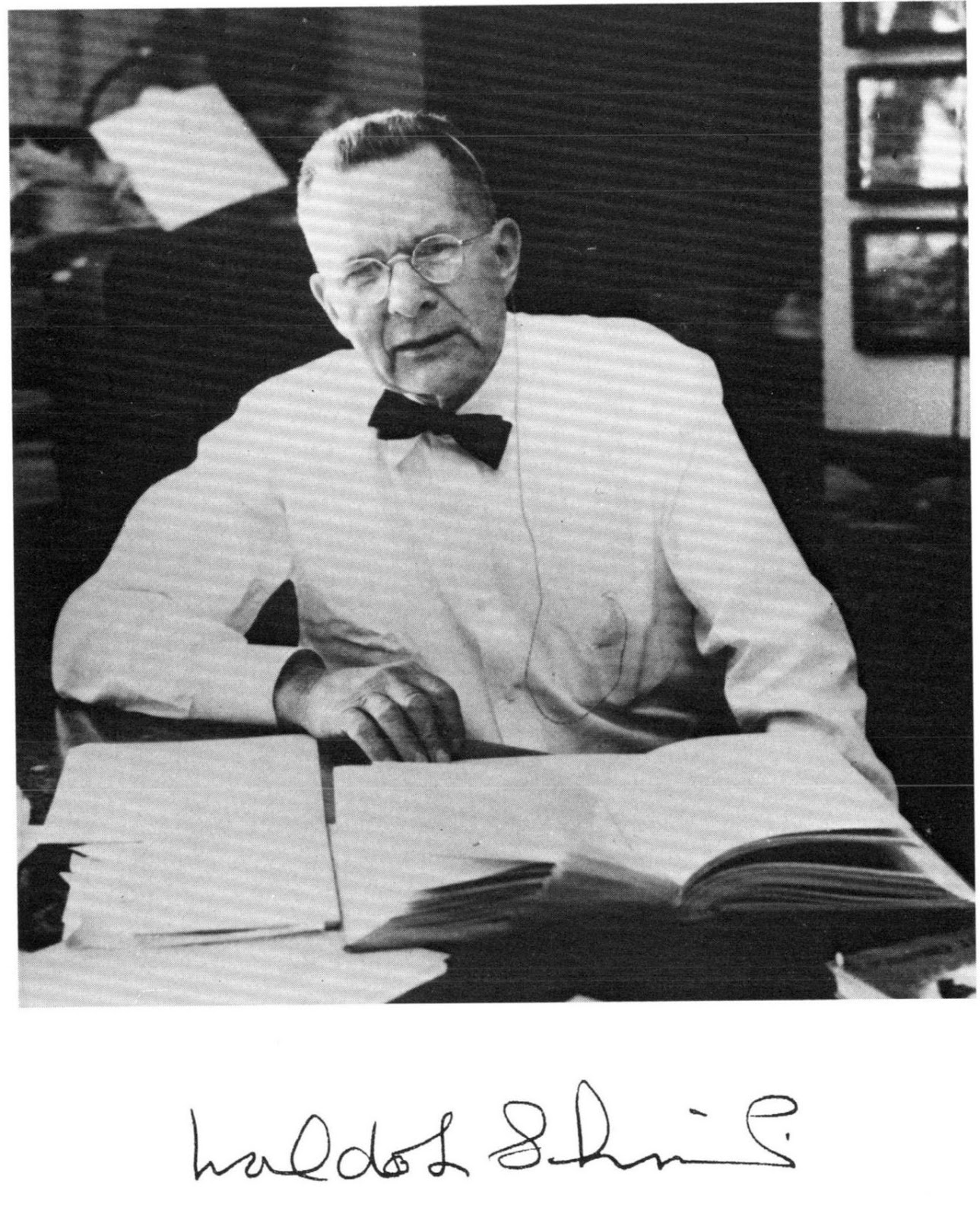
It is the study of crustaceans, a group of arthropods that includes lobsters, crayfish, shrimp, krill, barnacles and crabs. One of the pre-eminent carcinologists (a scientist who studies crustaceans) of the first half of the twentieth century was Waldo LaSalle Schmitt. Born on this day (June 25) in 1887 in Washington, D.C., Schmitt held various positions within the United States Department of Agriculture, the Smithsonian, and the United States Bureau of Fisheries throughout his career. He authored more than 70 titles over his lifetime and was a member of numerous professional organizations, including president of the Society of Systematic Zoology and the Washington Academy of Sciences and a trustee of the Bear’s Bluff Laboratories, the International Oceanographic Foundation, and the Serological Museum of Rutgers University.
View Full Size Image
Waldo Schmitt. Obituary. Crustaceana (34) 1, 1978. http://decapoda.nhm.org/pdfs/14597/14597.pdf.

While his primary field of investigation was carcinology, Schmitt actually began his career in 1907 as an Aid in Economic Botany for the United States Department of Agriculture, and his early work with natural history involved the study of both the flora and fauna of D.C. and Maryland. It was in 1910 that his true love affair with marine invertebrates began when he was appointed Aid in the Division of Marine Invertebrates at the Smithsonian’s National Museum of Natural History (NMNH). During the appointment, he met Mary Jane Rathbun, a fellow Smithsonian zoologist who specialized in crustaceans and described more than a thousand new species and subspecies and many higher taxa over her career. Her influence helped set Schmitt on his carcinology track, and an opportunity with the United States Bureau of Fisheries from 1911-14 helped solidify that decision.

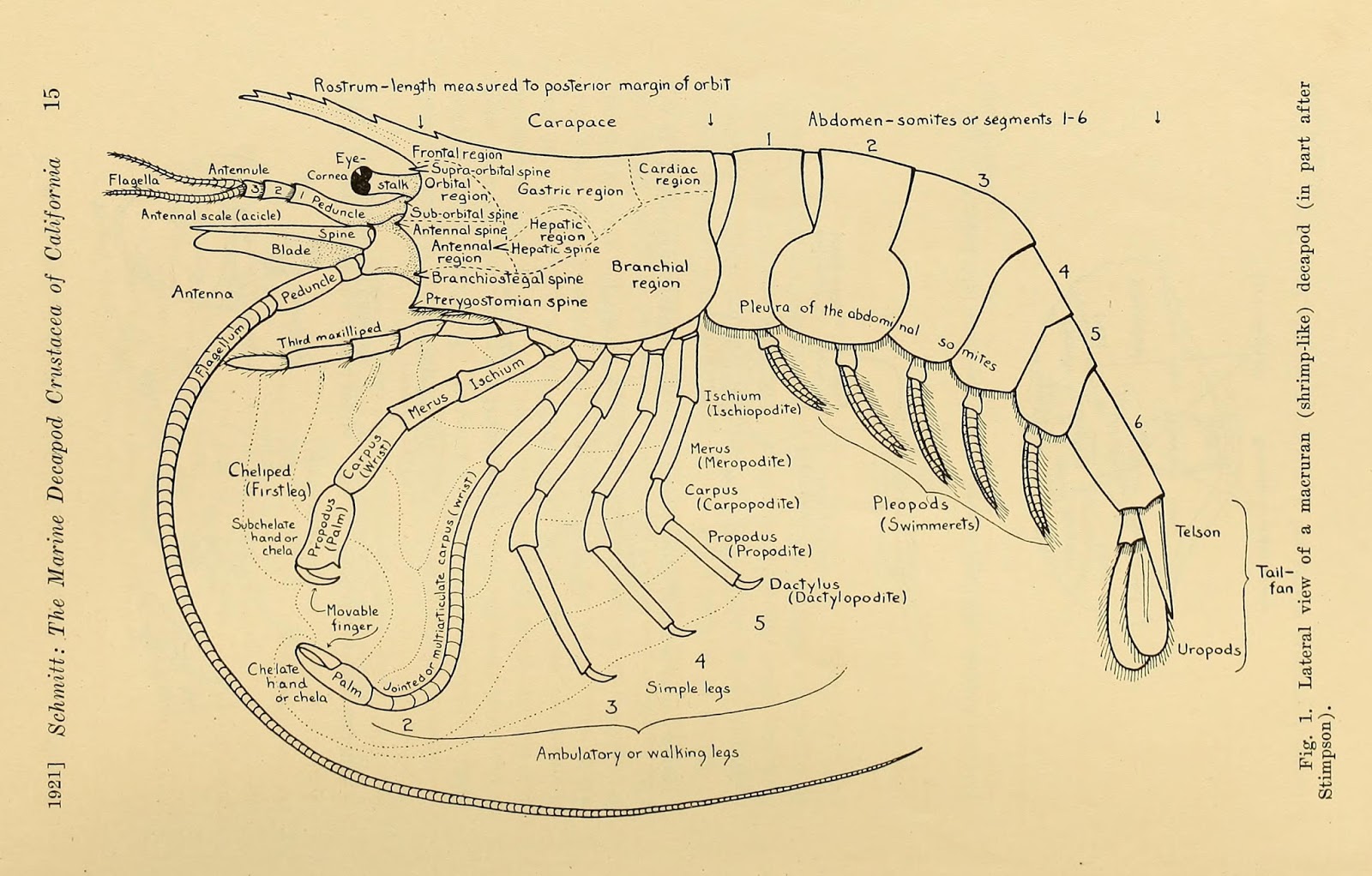
From 1911-14, the USS Albatross, an iron-hulled, twin-screw steamer in the United States Navy that was reputedly the first research vessel ever built especially for marine research, conducted a scientific investigation of the west coast of America and Alaska. The expedition examined existing and searched for new fishing grounds around Alaska, surveyed existing fishing grounds off Washington and Oregon, and performed a biological survey of the San Francisco Bay. Schmitt served as Scientific Assistant and Naturalist aboard the Albatross during this expedition, and used the crustaceans gathered during the survey as the material for his M.A. thesis for the University of California, entitled The Marine Decapod Crustacea of California.
View Full Size Image
Diagram of a macruran decapod. Schmitt, Waldo. The Marine Decapod Crustacea of California. 1921. http://biodiversitylibrary.org/page/37061600.

Following the survey, Schmitt returned to NMNH, where he held various positions in the Division of Marine Invertebrates (serving as Assistant Curator from 1915-20 and Curator from 1920-43), the Department of Biology (serving as Head Curator from 1943-47), and the Department of Zoology (Head Curator from 1947-57). After his retirement in 1957, Schmitt continued to serve as an Honorary Research Associate with the Smithsonian until his death in 1977.

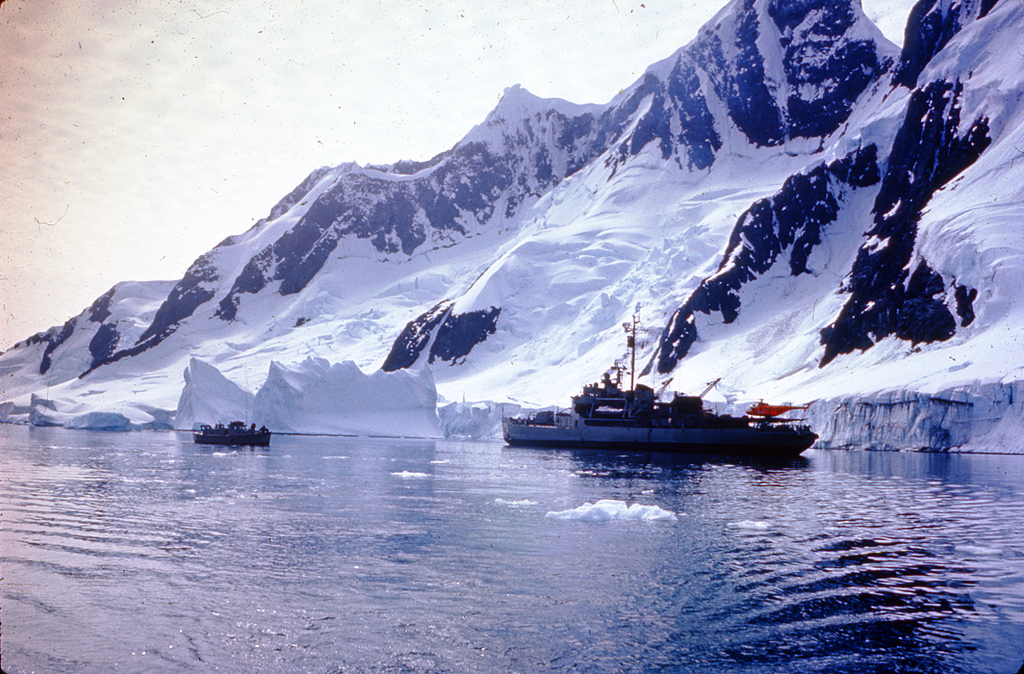
Over his career, Schmitt took part in many more biological expeditions and field trips, studying crustaceans and other biodiversity in California, Florida, South America, the Galapagos Islands, and the West Indies. His last expedition took him to Antarctica.
View Full Size Image
View of vessel during specimen collecting near Peterman Island, Antarctica, 1962-63.  SIA RU007231, Box 140, Folder. Taken during Waldo Schmitt’s collecting during the Palmer Peninsula Survey 1962-63. Smithsonian Institution Archives. https://www.flickr.com/photos/smithsonian/6350334901/in/album-72157628142203202/.

The Palmer Peninsula Survey of the United States Antarctic Research Program studied marine invertebrates and vertebrates, geography, botany, and entomology in and around multiple Antarctic sites from 1962-63. Schmitt collected over 29,000 specimens for the NMNH during the survey, and in recognition of his work, a thirty-mile ice-covered series of outcrops at the base of the Antarctic Peninsula was named after him – Schmitt Mesa.

Schmitt kept a series of field books detailing his work on the Palmer Peninsula Survey, and two of them, covering the period from November 24, 1962-March 10, 1963, have been digitized by The Field Book Project and made available within the Biodiversity Heritage Library. They have also both been fully transcribed within the Smithsonian Transcription Center, making it even easier for you to browse Schmitt’s incredible notes (Diary 1 and Diary 2).
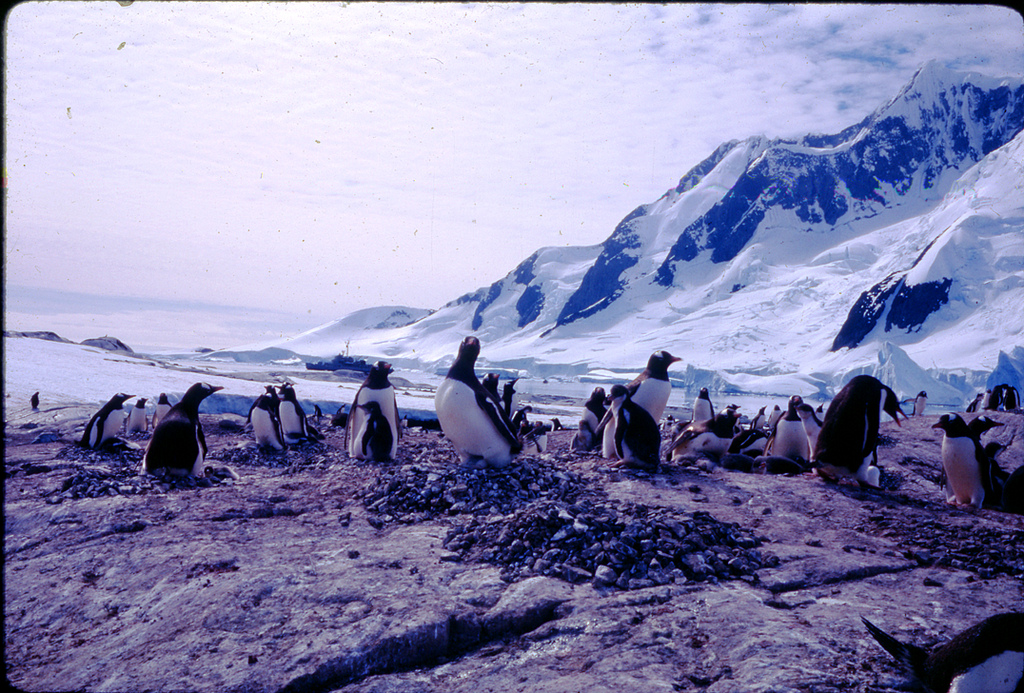
View Full Size Image
Penguins on the Palmer Peninsula, 10-11am, January 28, 1963. SIA RU007231, Box 140, Folder. Taken during Waldo Schmitt’s collecting during the Palmer Peninsula Survey 1962-63. Smithsonian Institution Archives. https://www.flickr.com/photos/smithsonian/6351079304/in/album-72157628142203202/.

An interesting excerpt from one of Schmitt’s digitized field books reveals his frustrations with the “college textbook oceanographers” serving on the Palmer Peninsula Survey. As Schmitt writes,

“College ‘students’ Ph.D.’s afloat. Two men are supposed to be on duty each operation or separate phase of work. Often (or at least at times) only one is around; and that one goes down to wake his relief; then without waiting to see that the awakened man gets up and onto the job goes off to bed. [It’s inconceivable].

Expensive gear is being towed behind, needs competent watch and attention, yet when ship stops or changes course, gear (or magnetometer) is endangered & then lost, and guy in charge of it blames the bridge for not notifying him of change – “they did not tell me.” Seems as though an alert man would realize change of course, absence of engine vibrations would sense at least some change requiring instrument care or retrieval. Much the same happens when wind direction dial in lab fails to register; student is aghast, I don’t know what’s wrong, I can’t get wind direction or force – a practical or experienced man could look outside or even through port & form an estimate as any old sea dog knows. Now I know why Coast guards & others are trained in sailing ships – to get practical experience – and to be able to form personal creditable and accurate determinations of wind, weather & sea conditions.

It would seem that any college textbook-oceanographer should serve an internship at Coast guard Acad (however limited) before being entrusted with valuable expensive and hard to replace gear & instruments. Nobody would let doctors fresh out of college operate on you, unless had interns experience, yet these Ph.D’s are turned loose without any first hand real practical [knowledge] of sea, & when balled out by one who knows the sea they resent it because man has had no college training… [they think] they know better because of textbook knowledge & the degree they have, a Ph.D. never made a man out of what wasn’t.”

Be sure to check out Schmitt’s field books to get more fascinating insight into the day-to-day life of a scientist at work in Antarctica.

Schmitt’s career was truly a remarkable one, contributing extensively to our knowledge of biodiversity and particularly crustaceans. In addition to the Schmitt Mesa named in his honor, the clam genus Waldo also bears his namesake. Check out other works by Waldo Schmitt in BHL and browse photos taken by him during his many expeditions, including the Palmer Peninsula Survey, from The Field Book Project in Flickr.

June 25, 2015by ulib-libraryjobs
Blog Reel, User Stories

Life is Short but Snakes are Long

Portrait version of the Biodiversity Heritage Library logo.

“Life is short but snakes are long.”

While some may recognize this as a quote from author David Quammen, it’s also the name of a place you can go to get some very cool information about snake natural history and herpetology research.

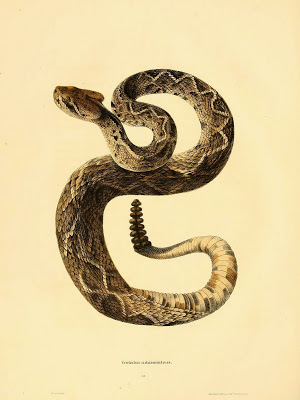
View Full Size Image
Eastern Diamondback Rattlesnake (Crotalus adamanteus). Holbrook, John Edwards. North American Herpetology. v. 2. 1838. http://biodiversitylibrary.org/page/3688392.

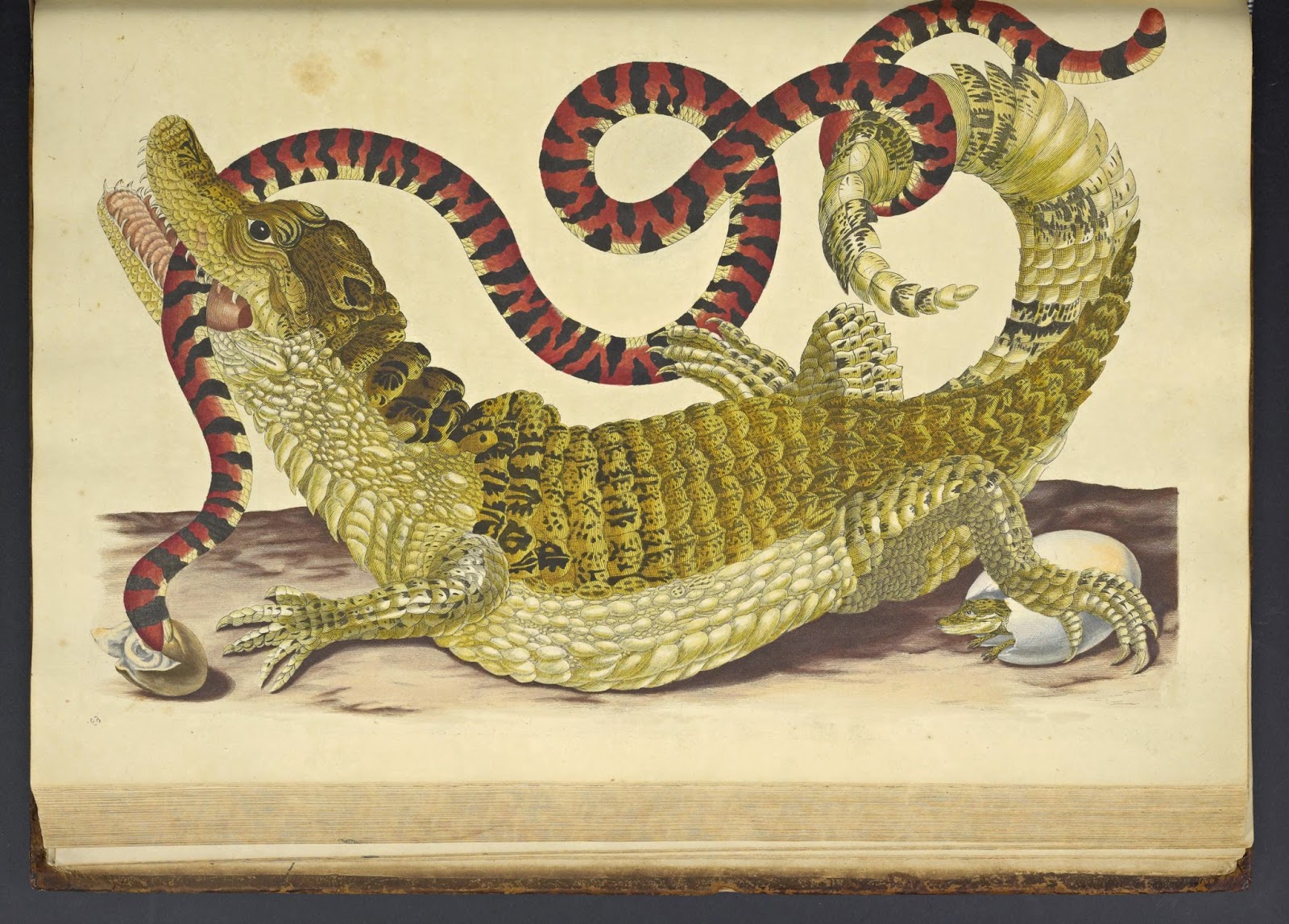
For instance, did you know that at least 15 species of spitting cobras in the genus Naja are capable of spitting their venom through the air as a defensive measure, and that some of them can aim “at targets the size of a human face with >90% accuracy up to 8 feet away”? Or that all 41 species of rattlesnakes are native to the Americas and are subject to “round-ups,” often rodeo-style, in many states? Or that the Aniliidae family contains just a single species – Anilius scytale or the American pipesnake – and that it was illustrated by Maria Sibylla Merian, a remarkable woman best known for documenting the metamorphosis of insects? Or how about this one: Snakes have two penises. Yeah, go read more about that!

View Full Size Image
Anilius scytale struggling with a caiman. Merian, Maria Sibylla. Over de voortteeling en wonderbaerlyke veranderingen der Surinaemsche insecten. 1719. http://biodiversitylibrary.org/page/43328638.

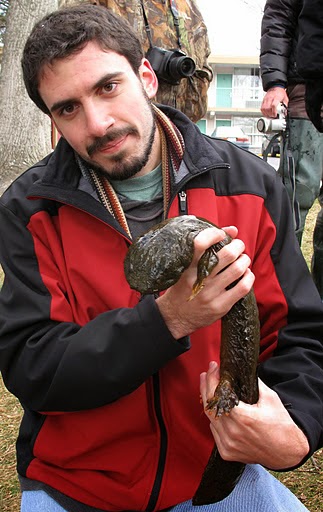
All of this information, and much, much more, is available on the blog Life is Short, but Snakes are Long. The mastermind behind that blog is Andrew M. Durso, a PhD student in the Biology department at Utah State University.

View Full Size Image
Andrew M. Durso, holding a Hellbender, Cryptobranchus alleganiensis.

Studying snake and lizard ecology, physiology, and behavior, Andrew has been active in professional herpetology since high school. A fascination with the natural history of snakes, and a recognition of the need to education the public about snake and larger ecosystem conservation issues, compelled Andrew to start his blog as an outlet to share his research – research that is made significantly easier thanks to the Biodiversity Heritage Library.

Andrew uses BHL weekly, reading pertinent titles online or downloading whole books or sections of books as part of his personal EndNote library. He’s even printed illustrations from BHL as decorative artworks for his home. These illustrations also often pop-up in his blog posts.

“I think BHL is one of the most important and useful resources online right now,” lauds Andrew. “Judging by how often I use it, I’d say it has an impact on my research commensurate with that of Google Scholar or Web of Science. It’s allowed me to discover and access literature that I would never have been aware of or have had access to otherwise.”

With such enthusiasm about accessing this literature on BHL, it’s no surprise that Andrew’s response to our question on what he would like to see improved on BHL was for us to add “more literature!” He also expressed a desire to see our scientific name finding tool and synonym harmonization continue to improve. As we implement multiple methods for improving our OCR (through projects such as Purposeful Gaming and Mining Biodiversity) and identifying the species in our illustrations (through Art of Life and Zooniverse), we expect to see the number of names recognized throughout BHL continually increasing.

Effective biodiversity research requires access to a multitude of natural history books and articles, but what if you had to single-out one title that had most impacted your research? Could you do it?

Andrew Durso can. Without question, his single-favorite item in BHL is Duméril, Bibron, and Duméril’s 1834-54 nine-volume masterpiece, Erpetologie Générale on Histoire Naturelle Compléte des Reptiles (which we profiled on our blog just a few weeks ago!).

View Full Size Image
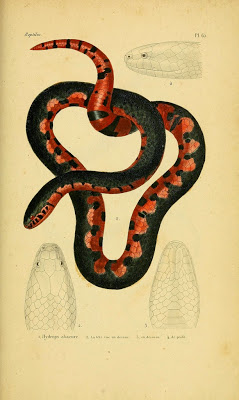
Mud snake (Farancia abacura). Duméril, André Marie Constant. Erpétologie générale ou Histoire naturelle complète des reptiles (1834-53). http://biodiversitylibrary.org/page/31895886.

“I have three prints on my living room wall from BHL’s copy of this book, and it includes some of the most gorgeous artwork I’ve ever seen,” affirms Andrew. “It is also the only book that contains more original descriptions of reptiles than Linnaeus’s Systema Naturae. This monumental work gives a comprehensive scientific account of all then-known amphibians and reptiles, including their anatomy, physiology, systematics, distribution, and associated literature. As such, it is one of the classical monuments of descriptive zoology.”

Be sure to check out Andrew’s blog for other awesome information about snakes and herpetology research! Do you use BHL to support your own research? Want to tell us about it? Send an email to [email protected]!

June 18, 2015by ulib-libraryjobs
BHL News, Blog Reel

BHL members attend the 4th International Conference on African Digital Libraries and Archives

View Full Size Image
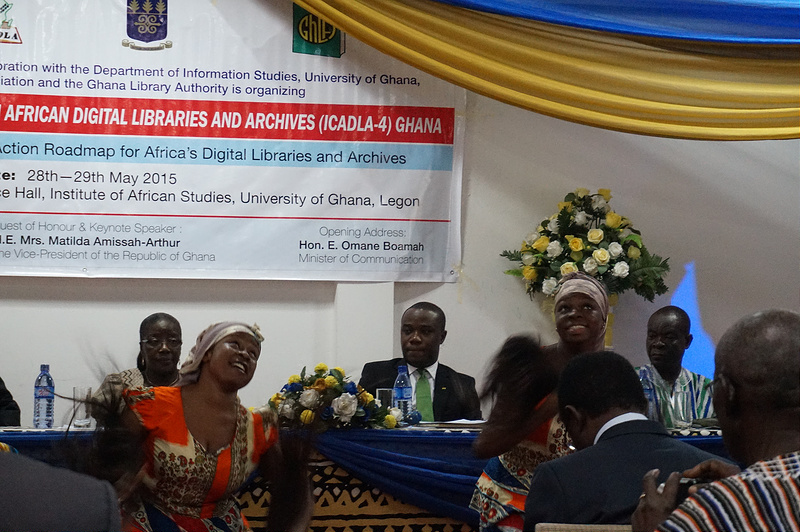
Opening ceremony with Ghana Dance Ensemble

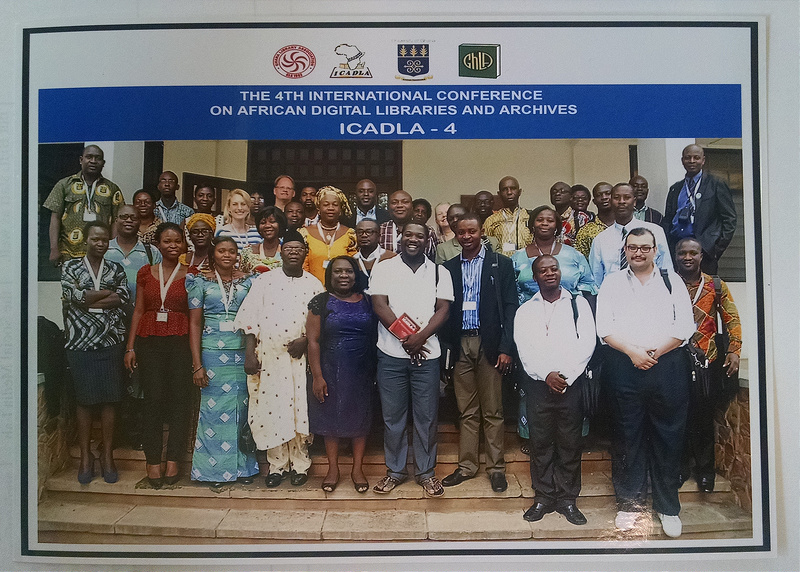
Global Biodiversity Heritage Library members participated in the Fourth International Conference on African Digital Libraries and Archives at the University of Ghana in Accra. The conference, 27-28 May 2015, was attended by representatives from across Africa, the United States, and Europe.

ICADLA:

is the major African forum focusing on digital libraries and associated technical, practical, organizational and social issues. ICADLA-4 was hosted by Ghana Library Association, University of Ghana Department of Information Studies and Ghana Library Authority.
Collaboration and participation was invited from regional and international policy and development institutions, archives, libraries, museums, government agencies and departments, all levels of educational institutions, funding institutions, and research centres.

View Full Size Image
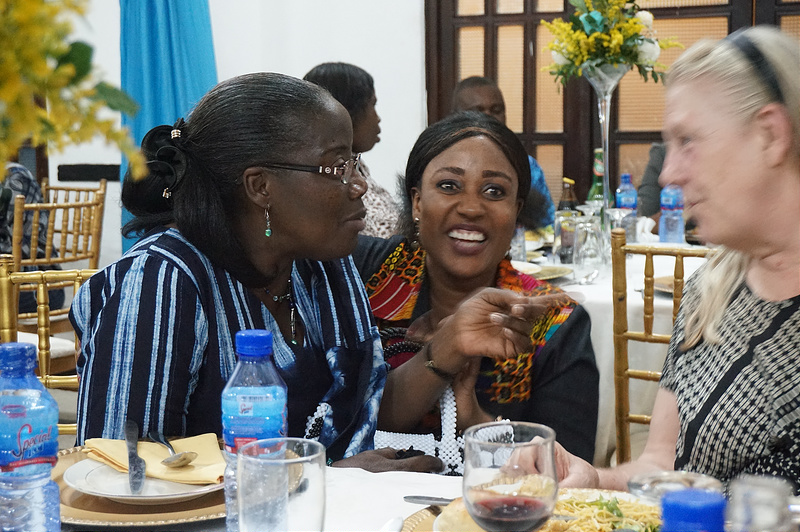
Matilda Amissah-Arthur at dinner

The conference opened with welcome from Ernest Aryeetey, Vice-Chancellor (University of Ghana) and the Felix Kwakye Ofosu (Deputy Minister of Communication). The keynote was presented by Matilda Amissah-Arthur (Wife of the Vice President, the Republic of Ghana and former head of the Ghana Library Association).

Perpetua Sekyiwa Dadzie (Head of Department, Department of Information Studies, University of Ghana) led the conference and programming planning.

View Full Size Image
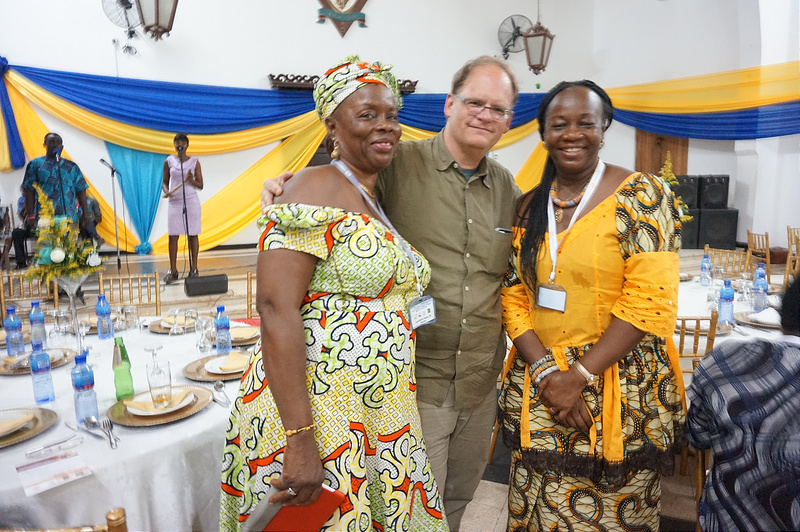
Kalfatovic with members of
the Ghana delegation

Martin R. Kalfatovic, BHL Program Director, and Anne-Lise Fourie, BHL Africa, attended the conference and presented on the status of BHL Africa. Kalfatovic and Fourie’s presentation, African Digital Libraries in Global Content: The Biodiversity Heritage Library Model, is available online. Kalfatovic also moderated the panel “Adopting Integrated Approach To: Content Selection, Digitization, Curation and Preservation.”

Other coverage of the conference:

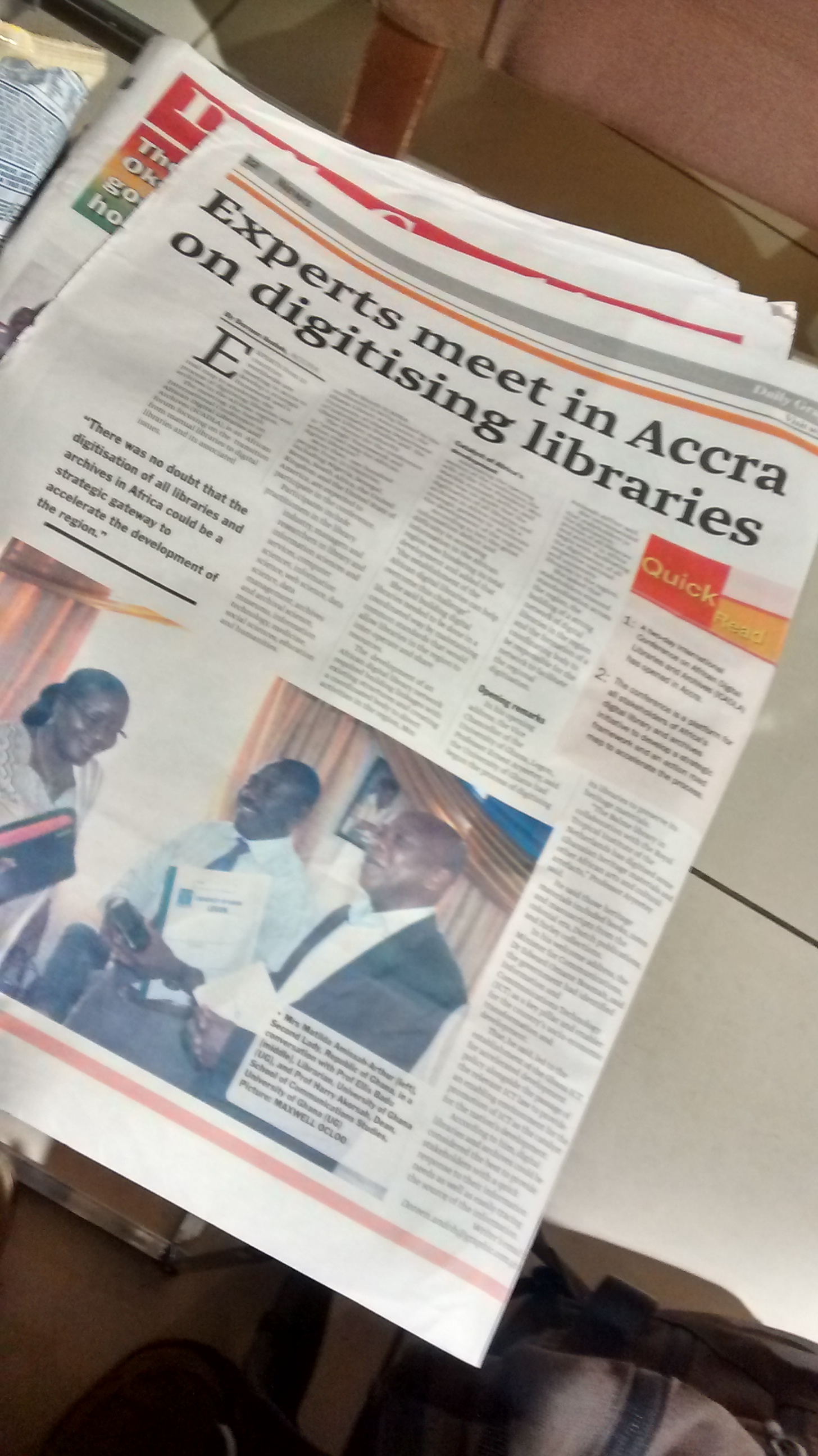
  • Second lady advocates digital libraries in Africa. GhanaWeb
  • 2nd Lady Calls For The Establishment A Regional Network Of Digital Libraries In Africa. Modern Ghana
  • Experts Meet in Accra on Digitizing Libraries. Ministry of Communications, Republic of Ghana
View Full Size Image
Conference Group Photo
View Full Size Image
June 17, 2015by
BHL News, Blog Reel

Herding the Fuzzy Bits: What do you do after Crowdsourcing?

Portrait version of the Biodiversity Heritage Library logo.

So you’ve been crowdsourcing and now you’ve collected lots of fantastic data. What do you do with it?

Or maybe you’ve been thinking about crowdsourcing but you’re not sure how you would integrate what you get with the data you already have.

The truth is that crowdsourcing often yields lots of fuzzy data and fuzzy solutions for reintegration with existing content. It can be challenging to figure out how to herd all of that fuzziness together in an effective way for reuse in your own project, library, or database.

Join staff from the Smithsonian Libraries and the Biodiversity Heritage Library at the American Library Association (ALA) Annual Meeting in San Francisco, CA, on Saturday, 27 June, 2015, 8:30-10:00am, for “Herding the Fuzzy Bits: What do you do after Crowdsourcing?” We’ll share ideas for incorporating crowdsource-enhanced data from many sources (flickr, transcription, twitter) back into collections, along with approaches–including “whoopsies” and remaining challenges–for quality control, data discovery, data disagreement, building communities, and scalability. We’ll be using Twitter, and our own session hashtag #alafuzzy, as well as interactive activities (such as live polls!) to discuss successes and challenges and demonstrate the issues and methods at play.

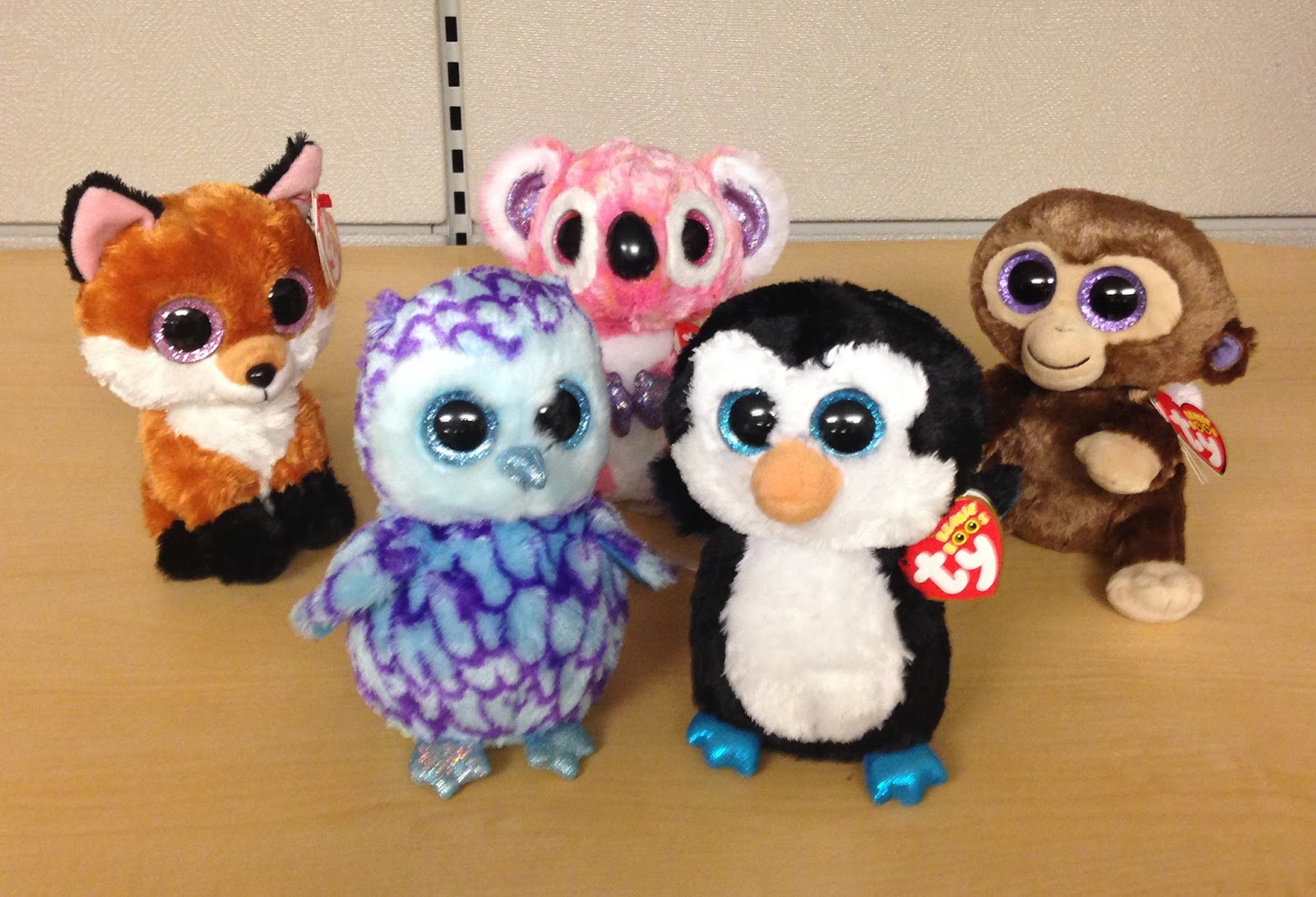
You’ll also have a chance to win one of these fabulous fuzzy prizes!

View Full Size Image
One of the awesome fuzzy prizes you could win at our ALA session on crowdsourcing!

The session is free with conference registration. We encourage you to bring your own laptop and smart phone in order to get the most out of our interactive activities.

We look forward to seeing you there, and follow #alafuzzy on Twitter and Facebook for more information!

June 16, 2015by michelle.underhill
BHL News, Blog Reel

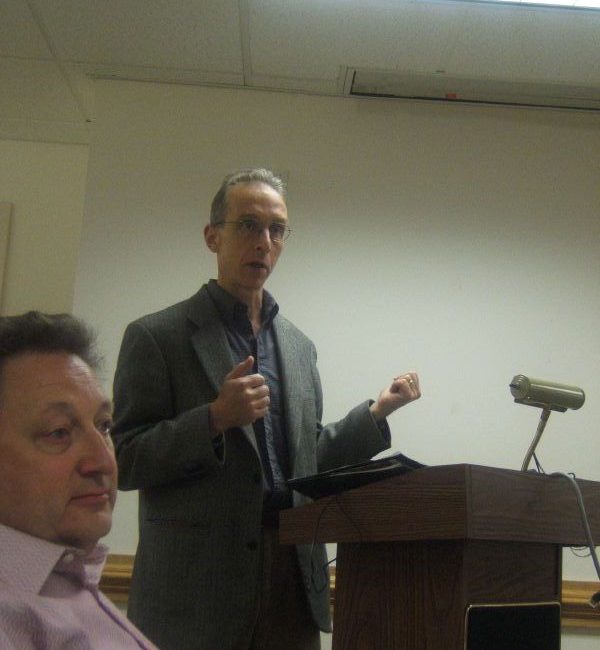
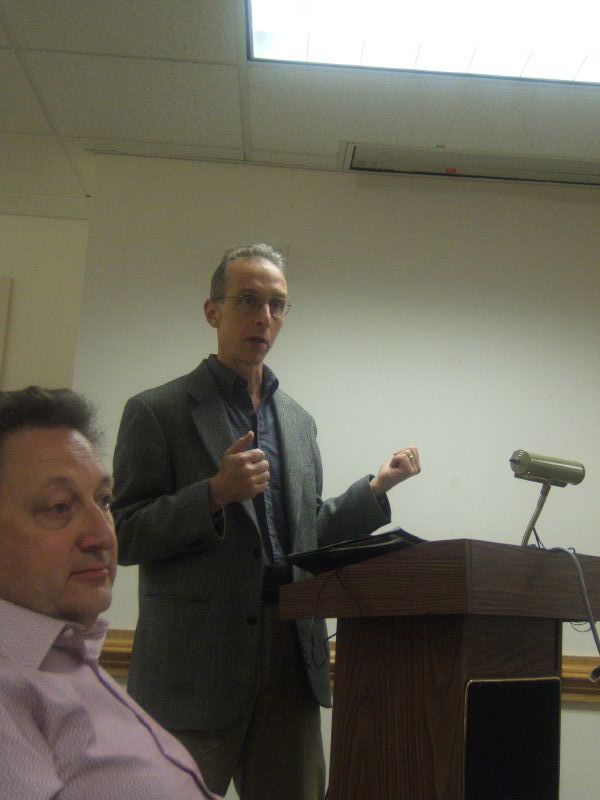
Anniversary of the first organizational meeting for the BHL

View Full Size Image
Graham Higley (left, Natural History Museum;
and Tom Garnett (right, future
BHL Program Director, Smithsonian Libraries)

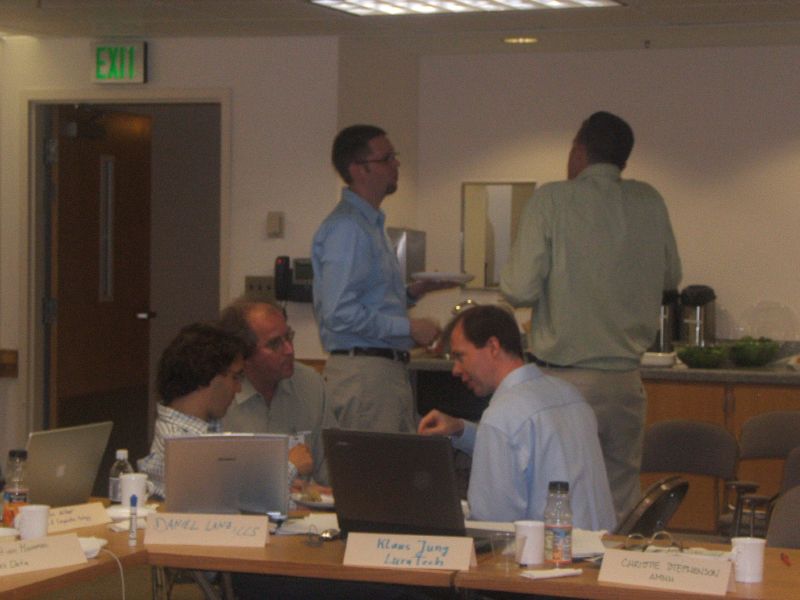
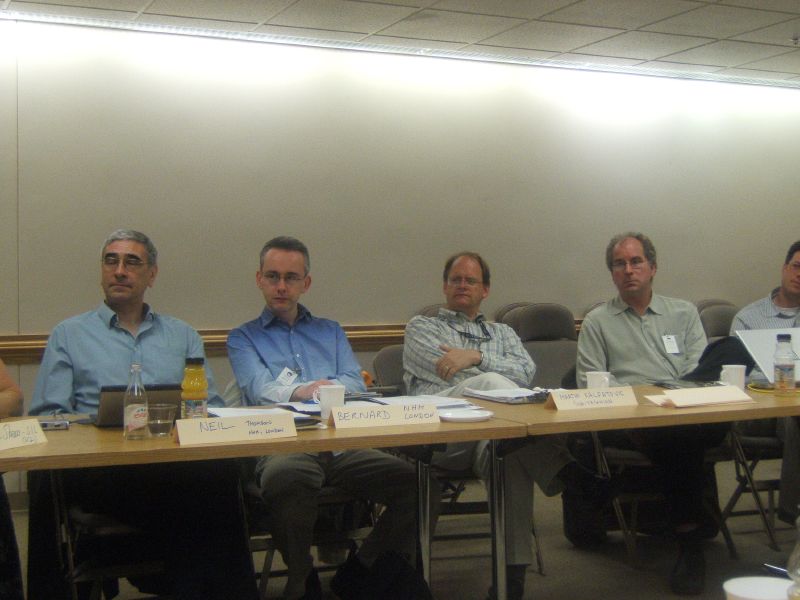
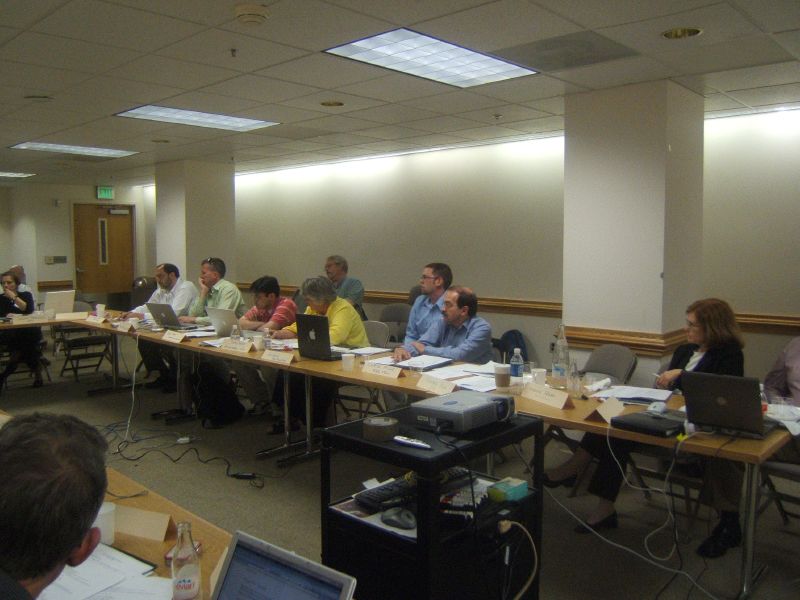
On June 12, 2006, representatives from the first ten partners of the just forming Biodiversity Heritage Library met in Washington at the Smithsonian Institution to plan for the formation of the BHL.

Representatives from the Smithsonian Libraries; the Missouri Botanical Garden; the Natural History Museum (London); the Marine Biological Laboratory / Woods Hole Oceanographic Institution Library; the American Museum of Natural History; the Royal Botanic Gardens, Kew; the Ernst Mayr Library of the Museum of Comparative Zoology; and the Field Museum attended the meeting. Representatives from the two remaining founding institutions, Harvard Botany Libraries and the New York Botanical Garden, were unable to attend.

Also attending the meeting were Brewster Kahle of the Internet Archive, the longtime BHL partner in digitization activities; staff from OCLC; and representatives from a number of technology firms interested in the nascent work of the BHL.

Since 2006, BHL has grown from a group of ten founding institutions to a worldwide consortium of 23  Members and Affiliates in the US and the UK and global nodes in Europe, China, Brazil, Africa, Egypt, Mexico, Singapore, and Australia. We look forward to the next nine years, and hope to add many millions more pages to our library. Can we reach 100 million pages by 2024?

* * * * *
View Full Size Image
Rear left, Chris Freeland, Founding BHL Techinical Director

* * * * *

View Full Size Image
(left to right) Neal Thompson and Bernard Scaife (NH London),
Martin R. Kalfatovic (Smithsonian Libraries) and Brewster Kahle (Internet Archive)
* * * * *
View Full Size Image
Attendees at the first organizational meeting for BHL.
June 12, 2015by
BHL News, Blog Reel

Smorball and Beanstalk Are Live!

The Purposeful Gaming project has now ended and BHL is no longer utilizing outputs from the games created as part of this project: Smorball and Beanstalk. However, both games will remain live for your continued enjoyment. Learn more.

The Biodiversity Heritage Library is excited to announce the release of two new games by Tiltfactor that will improve access to BHL collections and open a new frontier for crowdsourcing and citizen science.

Smorball and Beanstalk were designed as part of the Purposeful Gaming Project, which explores how digital games can make scanned content more accessible and searchable for cultural institutions. Based at the Missouri Botanical Garden in St. Louis, Missouri, “Purposeful Gaming” was established in 2013 through an Institute of Museum and Library Services (IMLS) grant and includes partners at Harvard University, Cornell University, and the New York Botanical Garden.

Purposeful Gaming: What It’s All About

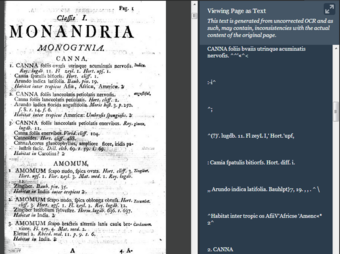
Libraries and museums across the world have scanned millions of pages of books and journals in order to increase access and enable online discoverability. When digitized, these pages are merely image files, which are unsearchable and virtually unusable. Optical character recognition software (OCR) is a method for converting page images to machine encoded text so they can be searched. Unfortunately, historic literature, like that found in the Biodiversity Heritage Library, has proven to be particularly problematic for OCR because of its tendency to have varying fonts, typesetting, and layouts that make it difficult to accurately render.

This is where the games come in.

Smorball and Beanstalk, both quick and easy browser games, present players with phrases from scanned pages in BHL. After much verification, the words players type are sent to the libraries that store the corresponding pages, allowing those pages to be searched and data mined and ultimately making historic literature more usable for institutions, scholars, educators, and the public.

Why Use Games?

View Full Size Image
Sample of bad OCR output

While transcription tasks of the sort usually crowdsourced to the public can be interesting and engaging, they are often time-consuming and exacting. Games provide a fun, interactive, piecemeal method of accomplishing those same tasks.

“Cultural heritage institutions are increasingly benefiting from human computation approaches that have been used in revolutionary ways by scientific researchers. Engaging citizens to work together as decoders of our heritage is a natural progression, as preserving these records directly benefits the public,” says Dr. Mary Flanagan, founder and director of Tiltfactor. “Integrating the task of transcription with the engagement of computer games gives an extra layer of incentive to motivate the public to contribute.”

Why This Approach Is Groundbreaking

While many institutions have harnessed the power of crowdsourcing, “Purposeful Gaming” represents a new avenue of collaboration that promises wider appeal and endless possibilities for engaging citizen scientists in new, creative ways.

“The games provide a fun and engaging way for volunteers to help us with a task that we don’t have the staff to do ourselves,” explains Trish Rose-Sandler, Principal Investigator for “Purposeful Gaming.” “BHL benefits by having improved discoverability of its books and journals on plant and animal life. More importantly, benefits from the results of the project would extend to the broader digital library community. Any institution managing large text collections can learn from novel and more cost-effective approaches to generating searchable texts.”

What’s the Difference between the Two Games? Where Can I Play them?

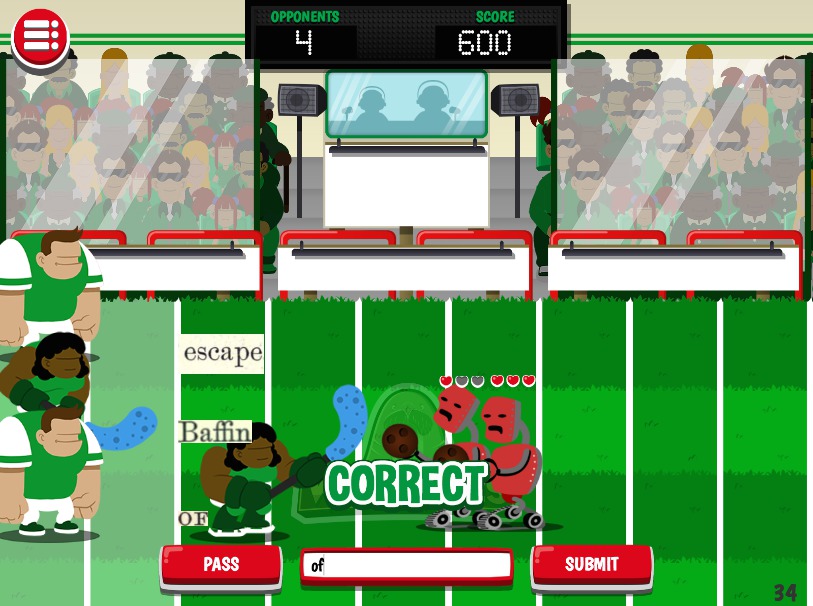
Players of the more challenging Smorball game are asked to type the words they see as quickly and accurately as possible to help coach their team, the Eugene Melonballers, to victory to win the coveted Dalahäst Trophy in the fictional sport of Smorball.  Each word typed correctly defeats an opposing smorbot and brings the Melonballers closer to the championships.

View Full Size Image

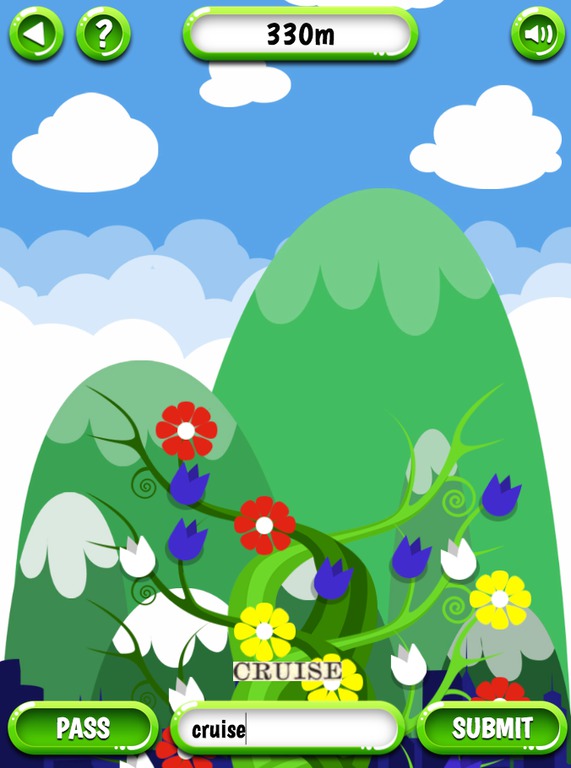
Players of the more relaxed Beanstalk game must type the words presented to them correctly in order to grow their beanstalk from a tiny tendril to a massive cloudscraper. The more words they type correctly, the faster the beanstalk grows. Players who accurately transcribe the most words will ascend to the top of the leaderboard as a result of their valuable contributions.

View Full Size Image

If you want to learn about the material that was used for the Purposeful Gaming Project, check out the writings of William Brewster and BHL’s Seed and Nursery Catalog Collection.

Now, in the name of science, go play Smorball and Beanstalk. And have fun!

June 9, 2015by eomeara
Blog Reel, Campaigns, Featured Books

A Small Town’s Large Research on the Health of the Seas

This post is the sixth in our series celebrating World Oceans Day on June 8. This series explores publications that represent important milestones in the progress of marine bioscience research and ocean exploration.

View Full Size Image
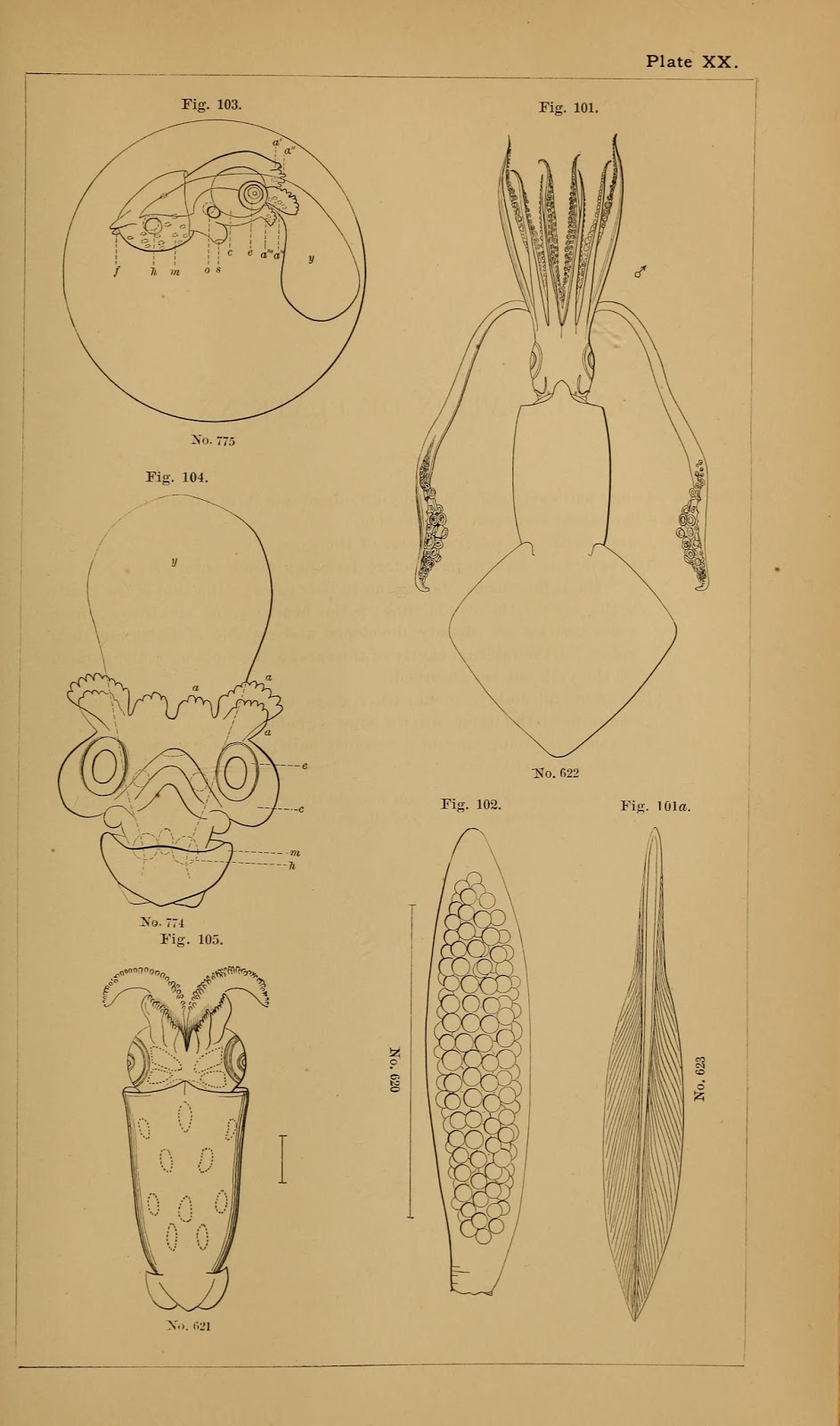
Squid have been a major marine organism model in Woods Hole for almost 150 years. Report on the conditions of the sea fisheries of the south coast of New England. 1873. http://biodiversitylibrary.org/page/36088064.

When whaling and fertilizer manufacturing ended in the latter half of the 19th century in the quaint village of Woods Hole, Massachusetts, the town turned to research, growing quickly into a world renowned center for marine science. In 1871, the U.S. Commission of Fish and Fisheries (the antecedent of the National Marine Fisheries Service), founded by the Secretary of the Smithsonian Institution Spencer Fullerton Baird, published Report on the conditions of the sea fisheries of the south coast of New England. This report notes the recently passed “Joint resolution for the protection and preservation of the food-fishes of the coast of the United States”, which recognized that the nation’s fishing resources were not endless. Commissioner Baird realized the need to develop fisheries management plans to balance once abundant fisheries populations with the competing needs of the human population. The volume also created a baseline inventory of marine species and fishing techniques in and around Cape Cod and the east coast of the United States.

View Full Size Image
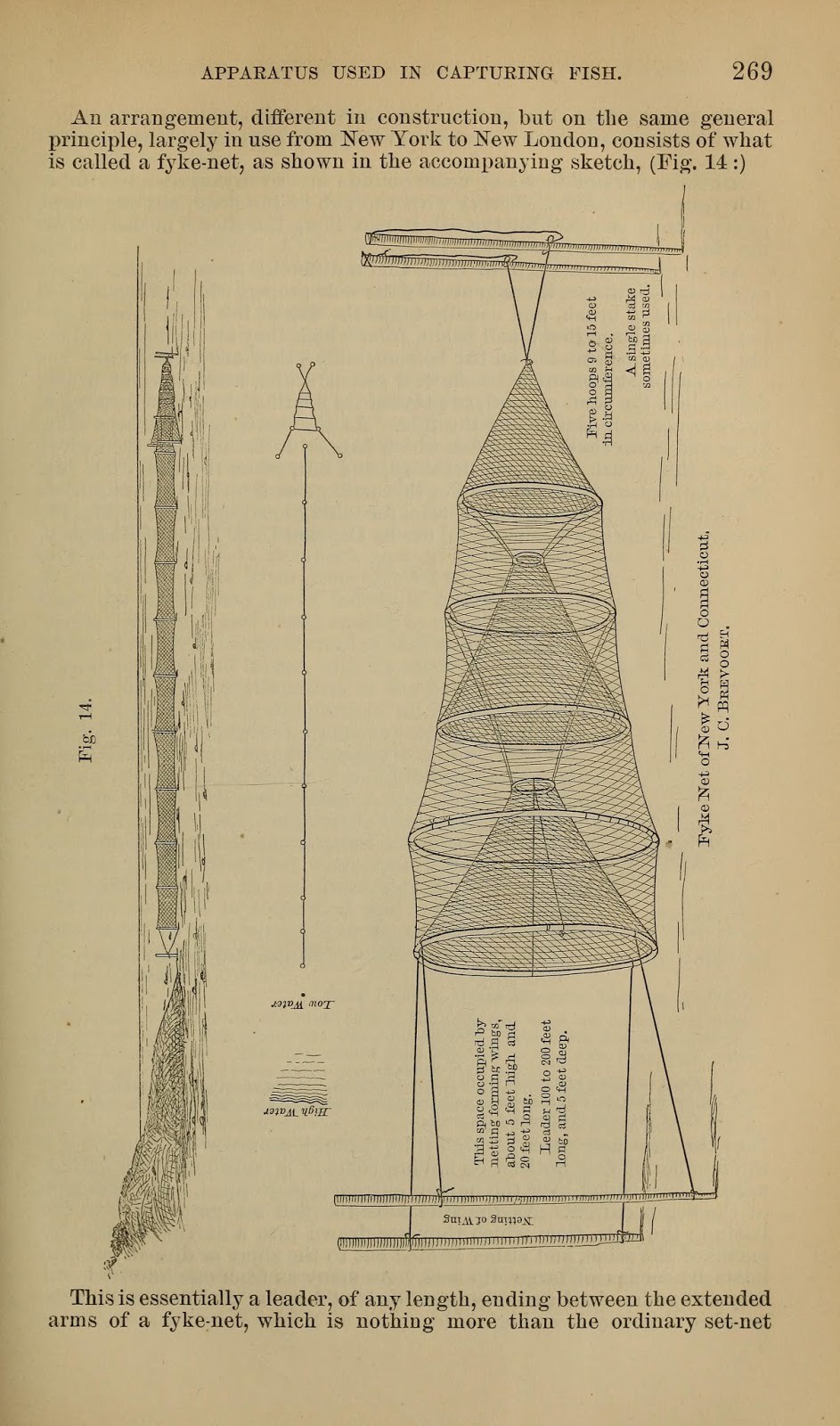
Commercial fishing net used in the 1870s. Report on the conditions of the sea fisheries of the south coast of New England. 1873. http://biodiversitylibrary.org/page/36087402.

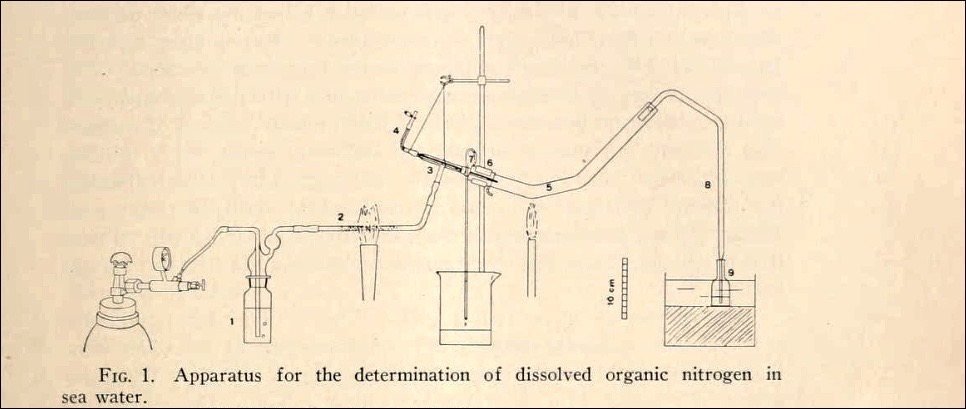
By the late 1880’s, what is now the oldest continuously operating private marine laboratory in the United States, the Marine Biological Laboratory (MBL), had been founded, with its scientists publishing the journal Biological Bulletin. The Biological Bulletin v.67 (1934) contains an article written by biologists August Krogh and Ancel Keys entitled Methods for the determination of dissolved organic carbon and nitrogen in sea water.  The development of accurate ways to measure nitrogen concentrations in non-fresh water was critical to understanding eutrophication, a condition where excess nutrients result in algal blooms and fish kills.  Eutrophication is at the forefront of many studies related to the health of our oceans, including the “dead zone” in the Gulf of Mexico and many coastal waters.

View Full Size Image
August Krogh’s and Ancel Keys’ apparatus for the determination of dissolved organic nitrogen in sea water. The Biological Bulletin. v. 67 (1934). http://biodiversitylibrary.org/page/1441636.

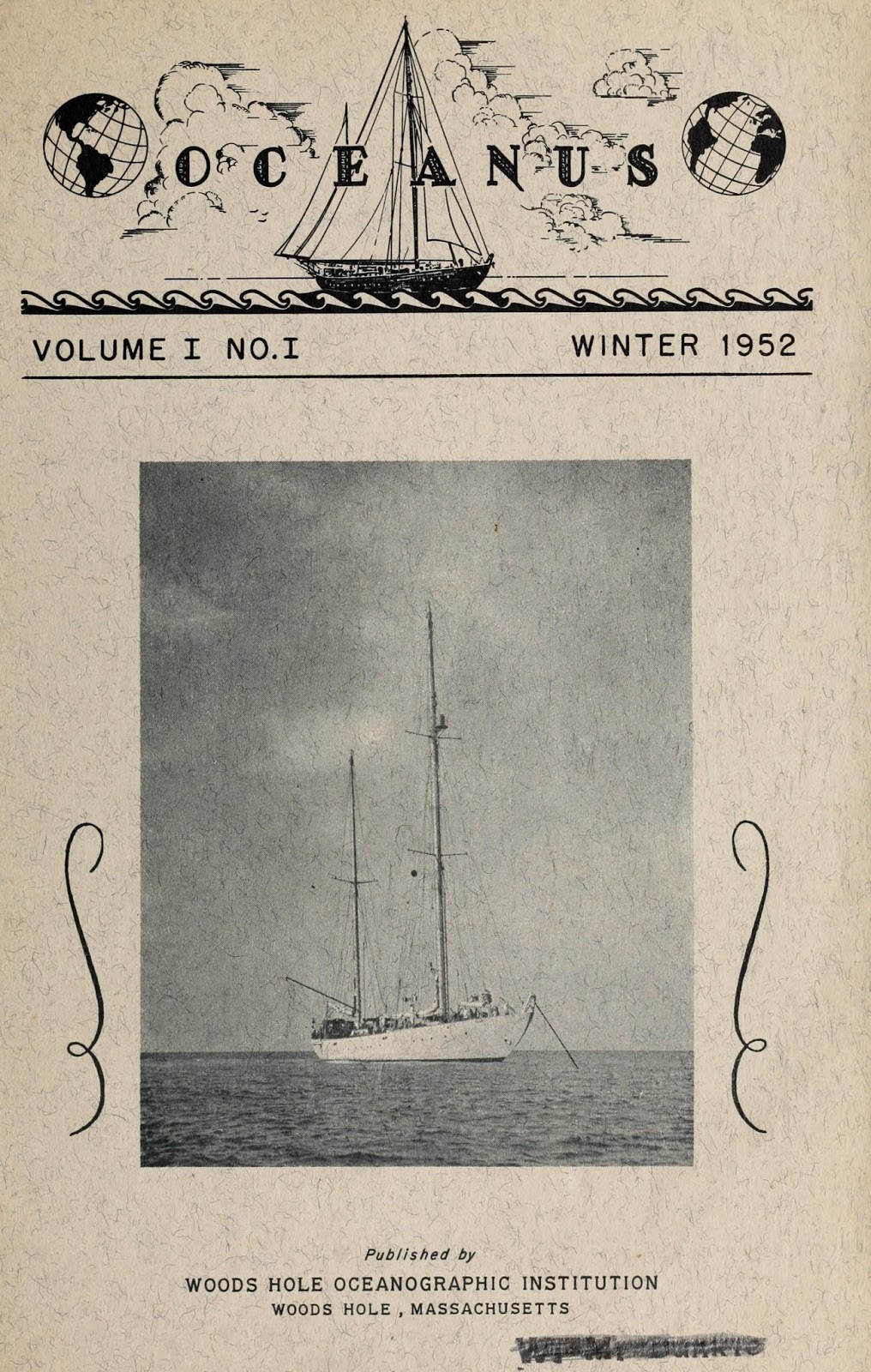
With the National Marine Fisheries Service studying marine fisheries in Woods Hole and the Marine Biological Laboratory focusing on marine biology and cell science, the Woods Hole Oceanographic Institution (WHOI) was founded in 1930 to study the still developing field of the oceanographic sciences. In 1952, WHOI began publishing a magazine/journal called Oceanus. One of the first articles published in volume 1 of Oceanus highlights the discovery of new fishing grounds off of the northeast U.S. coast, and the abundance of never before seen species.

View Full Size Image
Volume 1, number 1 of Oceanus, a photo of the WHOI research vessel Atlantis. Oceanus. v. 1, n. 1 (1952). http://biodiversitylibrary.org/page/1555338.

Fifty one volumes later, Oceanus continues to publish issues in both print and online formats, and issues archived online from 1952-2007 can also be viewed through the Biodiversity Heritage Library. As the course of the history of the Woods Hole Oceanographic Institution has revolved around ocean exploration and studying the health of the oceans, so also has the subject matter of Oceanus, which has diligently reported on the fascinating work performed by Woods Hole scientists.

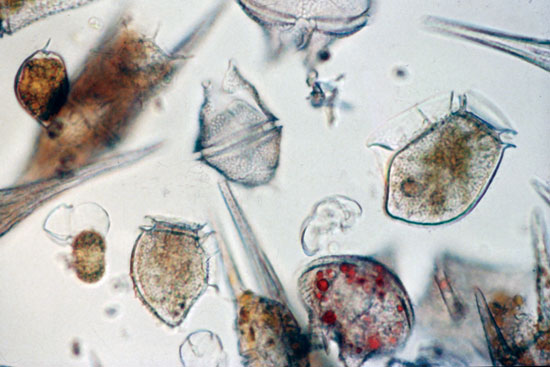
For example, in volume 44 issue 1 (2005) of Oceanus, an announcement was made of the establishment of the Woods Hole Center for Oceans and Human Health, a collaboration between WHOI, MBL, and the Massachusetts Institute of Technology. Over the last decade Oceanus has reported on this important collaboration many times, and in the above mentioned article WHOI physical oceanographer and Senior Scientist Dennis McGillicuddy said: “The ocean is a turbulent fluid medium that’s changing all the time…In order to make significant progress in health concerns, we have to grapple with how physics, biology, and chemistry intersect and interact. It’s really a fundamentally new direction for this research.” The author of this article, Andrea Baird, wrote: “Human health and welfare are intimately tied to the oceans. Fisheries yield 130 million tons of food each year, while biologists and chemists continue to uncover useful medicinal compounds among the snails, sponges, and other marine creatures. At the same time, exploding populations of toxic algae cause respiratory problems and shellfish poisoning, as sewage and runoff fill coastal waters with contaminants that poison fish and infect swimmers.”

View Full Size Image
Phytoplankton like these produce harmful algal blooms. Sengco, Mario. Oceanus. v. 43, no. 1 (2004). http://www.whoi.edu/oceanus/feature/a-fatal-attraction-for-harmful-algae. Photo by Don Anderson, courtesy of WHOI.

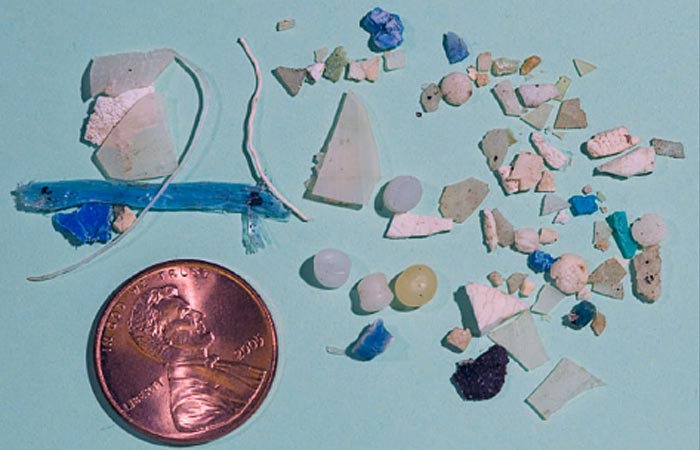
Since the 1970’s scientists at sea have reported seeing massive amounts of bits and pieces of plastics in the North Atlantic Ocean in the Sargasso Sea, an area bordered by the Gulf Stream, the North Atlantic Current, the Canary Current, and the North Equatorial Current. Oceanus in 2010 and 2013 published articles detailing a collaborative project concerning these human produced plastics, which was funded by the Woods Hole Center for Oceans Health, and conducted by three Woods Hole research institutions: the MBL, the Sea Education Association (SEA), and WHOI. SEA, which runs an undergraduate semester at sea program, has been collecting samples of plastics floating on the Sargasso Sea since 1986.

In the 2010 Oceanus article, Plastic Particles Permeate the Atlantic: Scientists find new clues about what happens to plastics in the ocean , v. 48, no. 2 (2010), author Dave Lawrence speaks of the history of scientists learning of the existence of these plastics. Lawrence says: “The plastic particles showed evidence of being coated with living organisms. Are microbes or other tiny life forms digesting the plastics, causing them to sink, or are they sticking to the particles and being carried through the ocean like sailors on rafts?”

View Full Size Image
Most of the Sargasso Sea plastics collected by Woods Hole scientists are tiny shards. Lawrence, Dave. Oceanus. v. 48, no. 2 (2010). http://www.whoi.edu/oceanus/feature/plastic-particles-permeate-the-atlantic. Photo by Tom Kleindinst, courtesy of WHOI.

In the 2013 Oceanus article, Behold the ‘Plastisphere’: Colonies of microbes flourish on tiny bits in the ocean v. 50, no. 2 (2013), Oceanus Editor Lonny Lippsett details results produced by an analysis of the plastics. While humans are responsible for the placement of plastics in the ocean, different microbes live on the plastics, some consuming the plastics, while others are toxic disease causing bacteria. Lippsett wrote: “Using scanning electron microscopy and gene sequencing techniques, they found at least 1,000 different types of bacterial cells on the plastic samples, including many species yet to be identified. The colonies included plants, algae, and bacteria that manufacture their own food (autotrophs), animals and bacteria that feed on them (heterotrophs), predators that feed on these, and other organisms that establish symbiotic relationships. These complex communities exist on plastic bits hardly bigger than the head of a pin, and they have arisen with the explosion of plastics in the oceans in the past 60 years.” Lippsett also quotes MBL scientist Linda Amaral-Zettler: “We’re not just interested in who’s there. We’re interested in their function, how they’re functioning in this ecosystem, how they’re altering this ecosystem, and what’s the ultimate fate of these particles in the ocean,” Amaral-Zettler said. “Are they sinking to the bottom of the ocean? Are they being ingested by other organisms? If they’re being ingested, what impact does that have?”

Whether establishing concerns about the health of fisheries stocks and human consumption in the late 1800’s, detailing a new methodology for the study of nitrogen levels in the ocean in the 1930’s, or studying the impact of plastics on the health of the ocean, all of this research is united through time as trying to make the world, the oceans, and humanity a healthier place.

The MBLWHOI Library began collecting science literature when the Marine Biological Laboratory came into existence in 1888, and it has been the main library serving the Woods Hole scientific community, including all of the institutions mentioned in this post.  The MBLWHOI Library is a founding member the Biodiversity Heritage Library, scanning over 12,000 volumes, including the publications mentioned herein, since 2007.

More World Oceans Day Resources

  • Follow us on Twitter, Facebook, and this blog all this week as we explore marine biodiversity and awesome related publications in BHL.
  • Check out some monumental publications in historic and present-day marine bioscience research in our BHL collection.
  • Browse a selection of marine biodiversity illustrations in Flickr and Pinterst
June 8, 2015by ulib-libraryjobs
Page 1 of 212»

Help Support BHL

BHL's existence depends on the financial support of its patrons. Help us keep this free resource alive!

search

About BHL

The Biodiversity Heritage Library (BHL) is the world’s largest open access digital library for biodiversity literature and archives. BHL operates as a worldwide consortium of natural history, botanical, research, and national libraries working together to digitize the natural history literature held in their collections and make it freely available for open access as part of a global “biodiversity community.”

Join Our Mailing List

Sign up to receive the latest news, content highlights, and promotions.

Subscribe Now

Subscribe to Blog via Email

Enter your email address to subscribe to this blog and receive notifications of new posts by email.

Join 319 other subscribers

Subscribe to Blog Via RSS

Subscribe to the blog RSS feed to stay up-to-date on all the latest BHL posts.

Access RSS Feed

Inspiring Discovery through Free Access to Biodiversity Knowledge.

The Biodiversity Heritage Library makes it easier than ever for you to access the information you need to study and explore life on Earth…for free, anytime, anywhere.


64+ Million Pages of
Biodiversity Literature Online.

EXPLORE

Tools and Services
to Transform Research.

EXPLORE

300,000+
Illustrations on Flickr.

EXPLORE

ABOUT | HARMFUL CONTENT | PRIVACY | SITE MAP | TERMS OF USE