We’ve expanded the BHL FAQ, providing answers to the most common questions we receive from our users. The FAQ is the best place to find answers to your questions about BHL, our collection, and our services.
Continue reading
We’ve expanded the BHL FAQ, providing answers to the most common questions we receive from our users. The FAQ is the best place to find answers to your questions about BHL, our collection, and our services.
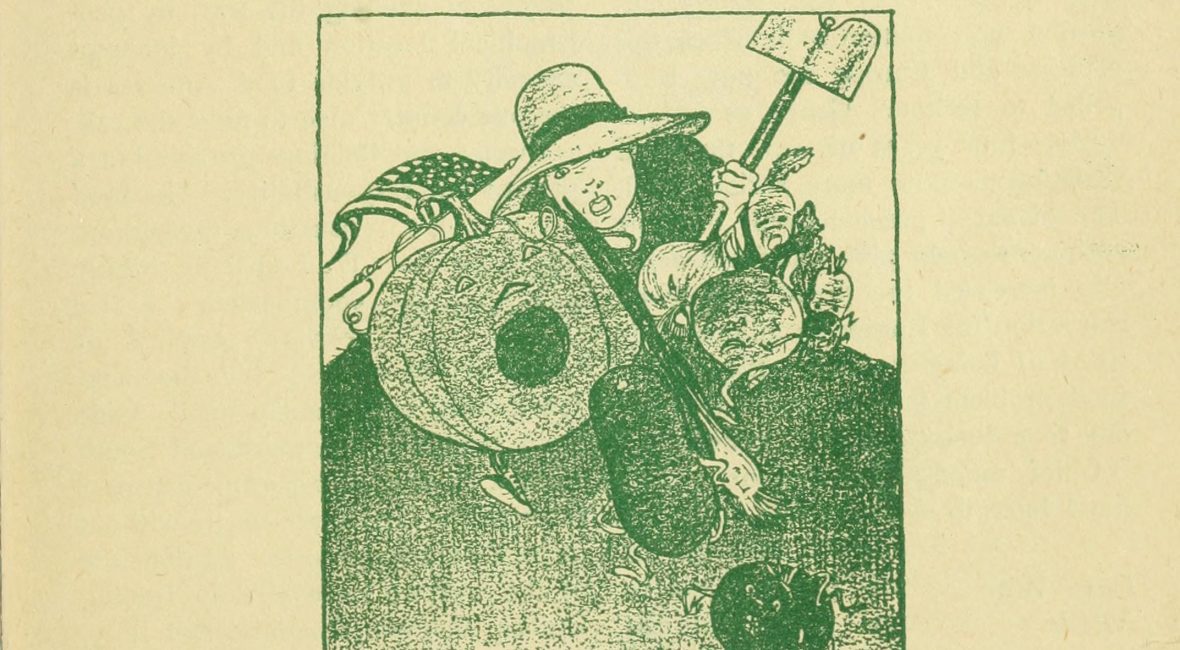
Charles Lathrop Pack was a principal organizer of the Victory Garden movement. Victory gardens, war gardens, or, as they were sometimes called, “food gardens for defense,” are gardens meant to be supplement and even improve upon the food supply in times of shortage and rationing due to war, providing a variety of home-grown vegetables, fruits, and herbs. Not limited to typical farming areas or countryside, Victory Gardens were planted in urban areas as well. They sprang up at private homes and in public parks and allotments in the United States, the United Kingdom, Canada, Australia, and Germany during World War I and again in World War II.
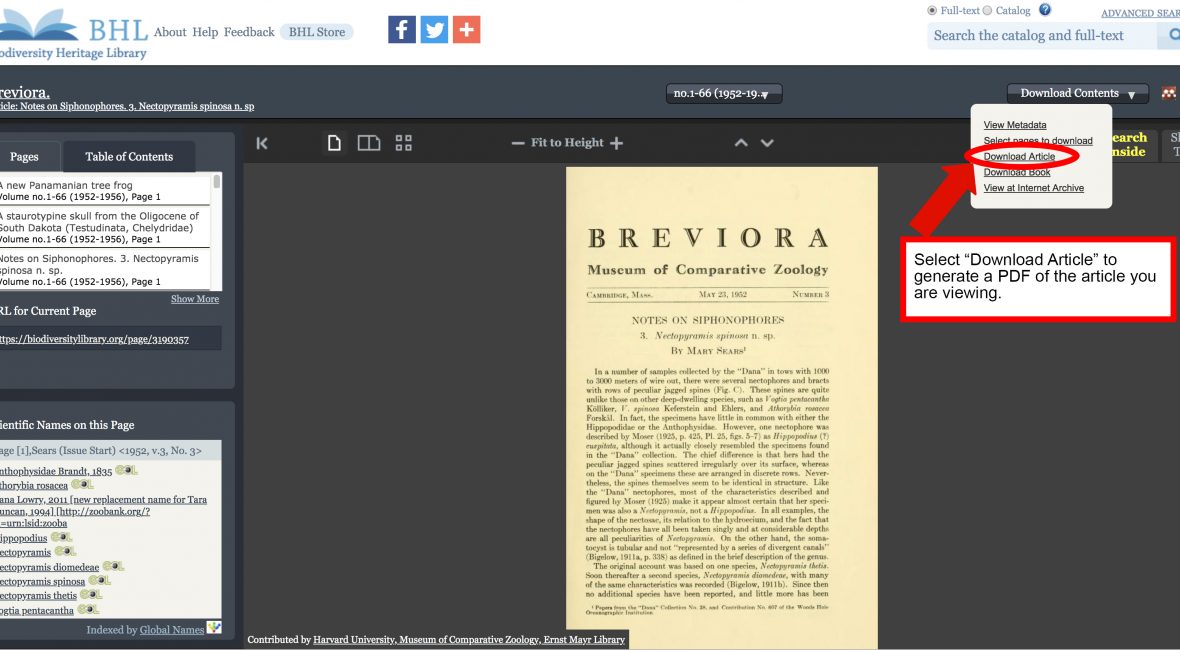
We’ve added functionality to the BHL book viewer that makes it easier to generate a PDF for an article.
When you are viewing an article that has been defined in BHL, you can now quickly and easily generate a PDF of that article using our new “Download Article” option in the “Download Contents” dropdown menu.
Spring is in the air…and we’ve been busy at BHL. From our 2019 Annual Meeting to the Her Natural History campaign celebrating women in natural history and updates to our metadata export services, check out all of the latest program news in the 2019 Spring Newsletter.
Be sure to subscribe to our mailing list to keep up to date with all the latest BHL news.
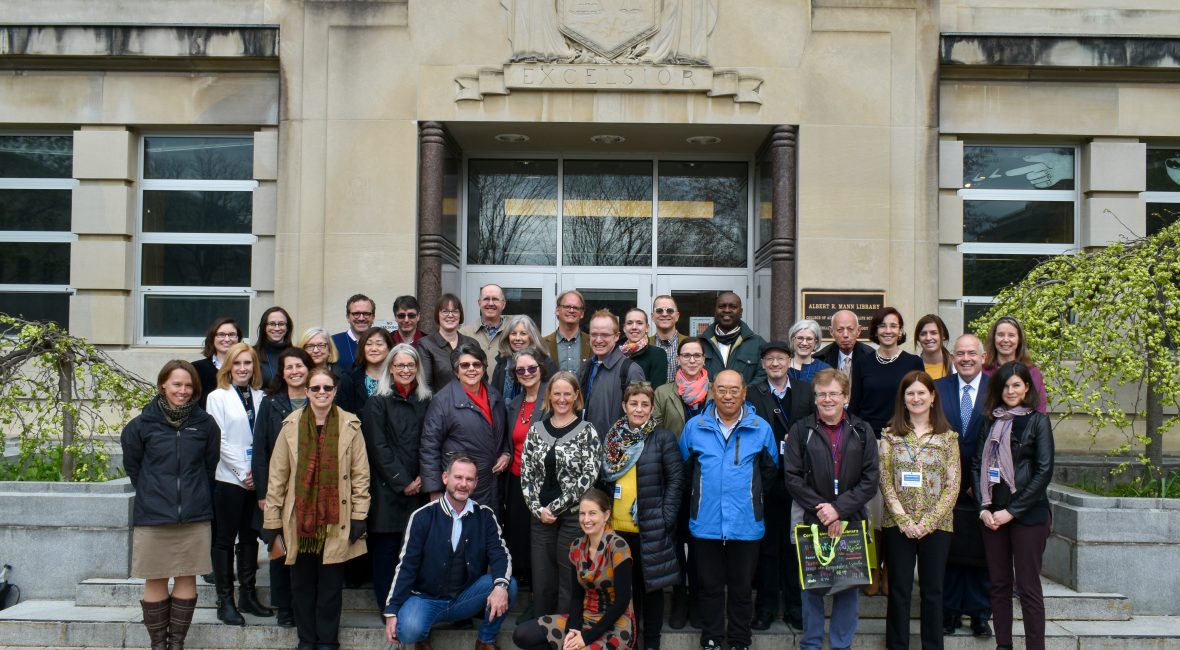
The 2019 BHL Annual Meeting was held 29 April – 3 May in Ithaca, New York. Hosted by the Albert R. Mann Library of Cornell University, the Meeting brought together 34 participants from 23 institutions, representing 9 countries.
As BHL Program Director Martin Kalfatovic noted: “The BHL Annual meeting is an opportunity for the partners, from all over the world, to come together to chart the course of the BHL for the coming year. The conversations, both formal and informal, are key to keeping the Library relevant to both its global user community and the partners that sustain the BHL.”
The meeting agenda included reports on the state of the consortium, facilitated discussions around key program areas, a strategic planning session, a panel session with BHL partner representatives, a public event with a panel of Cornell scientists, and many amazing tours and excursions.
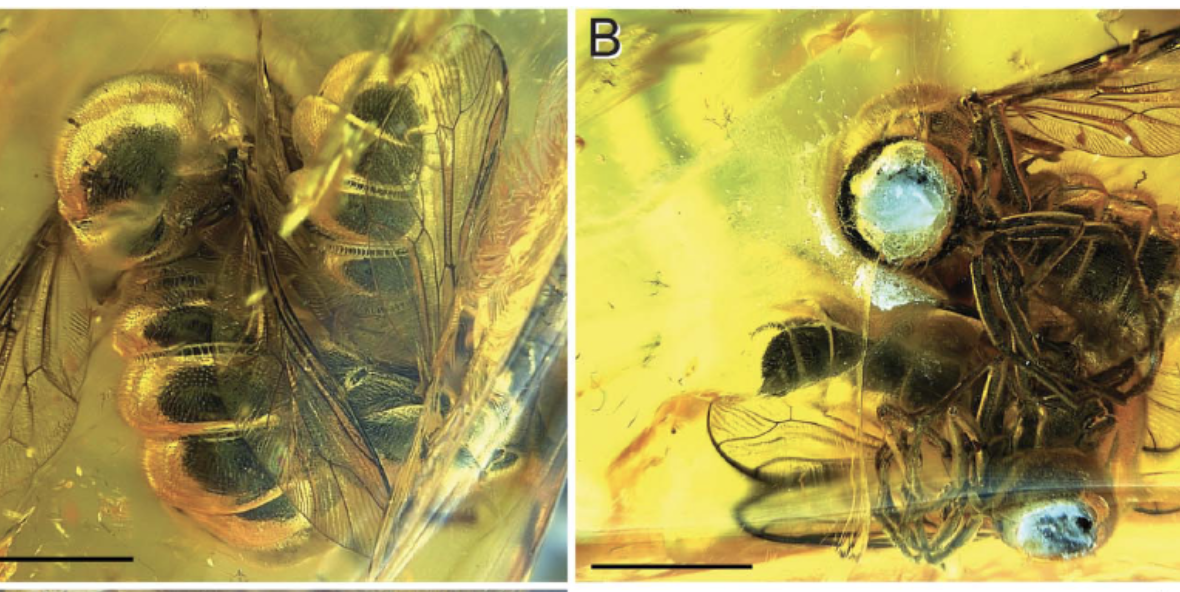
Insects trapped in amber. For anyone who has seen Jurassic Park, this description immediately conjures up familiar imagery. In the movie, such a fortuitously-preserved mosquito provided the means to bring dinosaurs back to life. While that may be the realm of science fiction, in the realm of science, such amber time capsules are still a valuable window into the past, allowing scientists today to examine ancient specimens and, sometimes, discover new species.
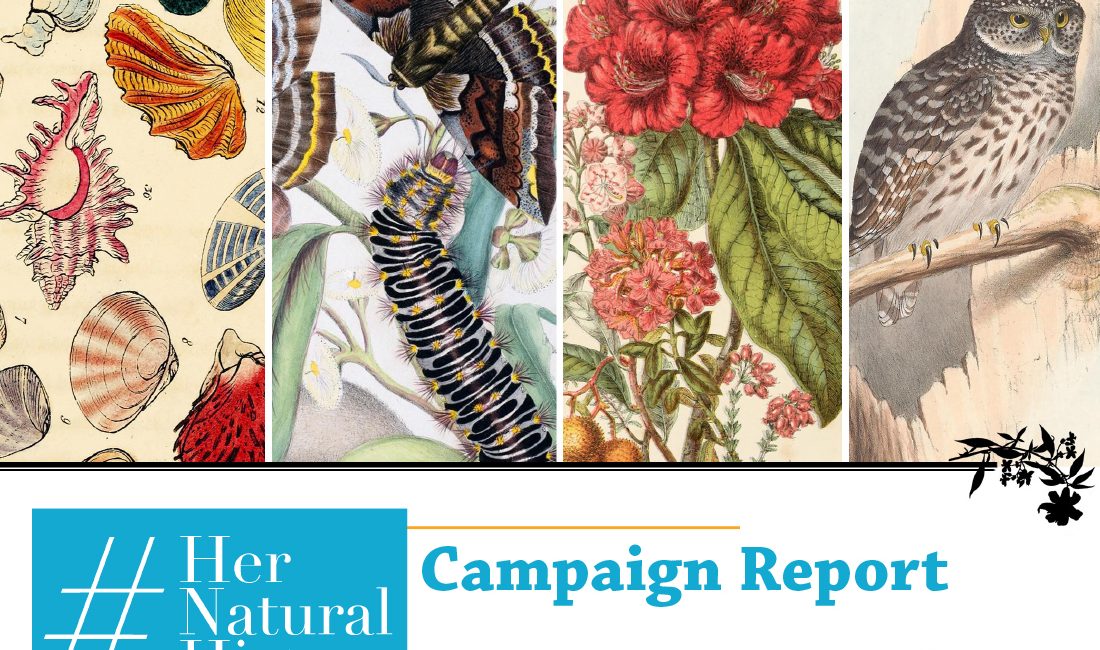
This year, the Biodiversity Heritage Library (BHL) and our global partners celebrated Women’s History Month with an international social media campaign: Her Natural History: A Celebration of Women in Natural History.
We were delighted with the outcomes and impact of the campaign. #HerNaturalHistory had reached over 7.5 million people, with over 52 million impressions on content and over 3,100 accounts participating on social media. The campaign allowed BHL to expand its reach and engagement with existing and new audiences in notable ways, resulting in a 35% average increase in overall social reach and a 41% increase in overall social engagements compared to 2018 averages. #HerNaturalHistory also encouraged increased engagement with the works of women in BHL, fostering a 122% increase in views on books in the Women in Natural History Book Collection compared to 2018 monthly averages.
We invite you to explore the results on the campaign in-depth within the Her Natural History campaign report.
The Biodiversity Heritage Library (BHL) is the world’s largest open access digital library for biodiversity literature and archives. BHL operates as a worldwide consortium of natural history, botanical, research, and national libraries working together to digitize the natural history literature held in their collections and make it freely available for open access as part of a global “biodiversity community.”
Sign up to receive the latest news, content highlights, and promotions.
Subscribe NowSubscribe to the blog RSS feed to stay up-to-date on all the latest BHL posts.
Access RSS Feed