Biodiversity Heritage Library - Program news and collection highlights from BHL
  • Home
  • News
  • Featured Books
    • All Featured Books
    • Book of the Month Series
    • BHL at 20
  • User Stories
  • Campaigns
    • Fossil Stories
    • Garden Stories
    • Monsters Are Real
    • Page Frights
    • Her Natural History
    • Earth Optimism 2020
  • Tech Blog
  • Visit BHL
Home
News
Featured Books
    All Featured Books
    Book of the Month Series
    BHL at 20
User Stories
Campaigns
    Fossil Stories
    Garden Stories
    Monsters Are Real
    Page Frights
    Her Natural History
    Earth Optimism 2020
Tech Blog
Visit BHL
  • Home
  • News
  • Featured Books
    • All Featured Books
    • Book of the Month Series
    • BHL at 20
  • User Stories
  • Campaigns
    • Fossil Stories
    • Garden Stories
    • Monsters Are Real
    • Page Frights
    • Her Natural History
    • Earth Optimism 2020
  • Tech Blog
  • Visit BHL
Biodiversity Heritage Library - Program news and collection highlights from BHL

All posts by michelle.underhill

Blog Reel, User Stories

How the BHL Makes Little Brown Beetle Species Discovery Easier

Read the full blog post

There are more described species of beetles (order Coleoptera) than any other group of organisms on the planet. With over 350,000 described extant and extinct species and subspecies, beetles represent about 40% of all described arthropods and about 25% of all described species.

One of the myriad families of beetles is Monotomidae, with over 250 described species [3]. Commonly called minute clubbed beetles, the family includes such species as Europs frontalis (found primarily in the tropics) and Pycnotomina cavicolle (found exclusively in forested regions of eastern North America).

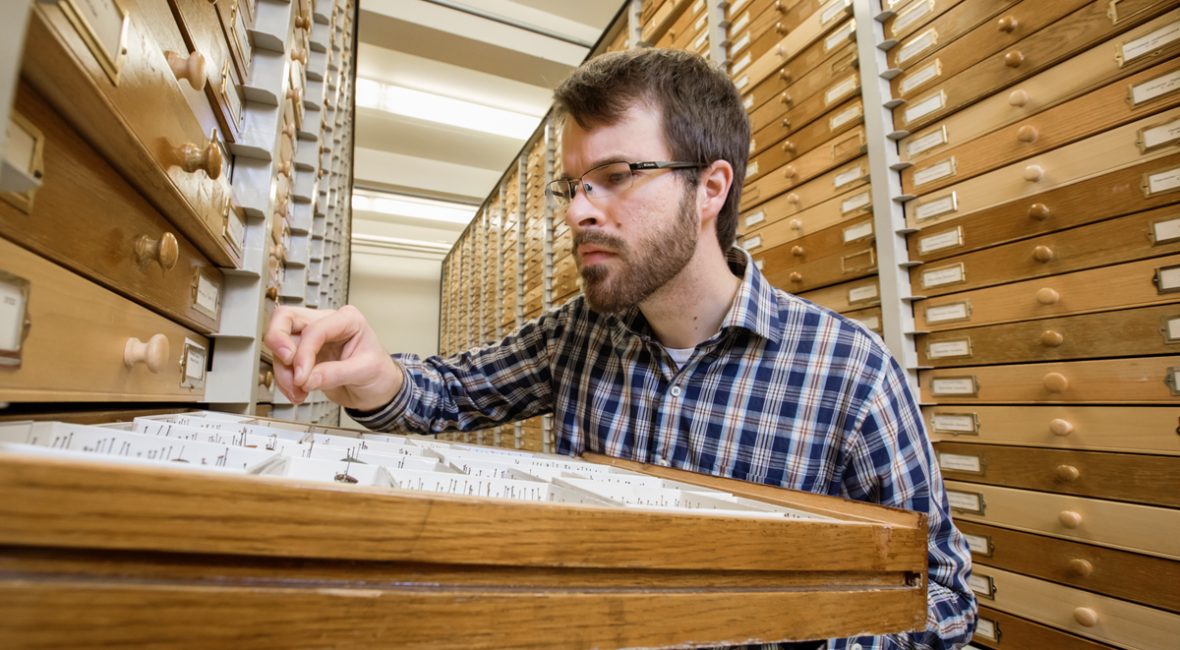
Dr. Thomas McElrath, Insect Collections Manager at the Illinois Natural History Survey, has been studying the systematics of Coleoptera for nine years. He is currently working on compiling a worldwide checklist of the Monotomidae. The Biodiversity Heritage Library is a crucial resource for his research on this project.
Continue reading
April 11, 2019byGrace Costantino
BHL News, Blog Reel, Tech Updates

Changes Coming to the BHL Data Exports Files on 10 April 2019

On 10 April 2019, we will implement additions and changes to the export files available from the Biodiversity Heritage Library.

The updates involve the following:

  1. A new set of exports will be created alongside the existing exports. The new set will contain only data for material that is hosted by BHL. No externally-hosted content will be included in these files. Because these files are added in addition to the existing export files, no existing users should be affected.
  2. The BHL author Identifiers will be added to the creator.txt and partcreator.txt tab-delimited files. The format of these files will change to accommodate the additional data; the author identifier will now be the second “column” in each file. Because of this, anyone regularly harvesting from these files may be affected.
Continue reading
April 3, 2019byGrace Costantino
Blog Reel, Campaigns, Featured Books, Her Natural History

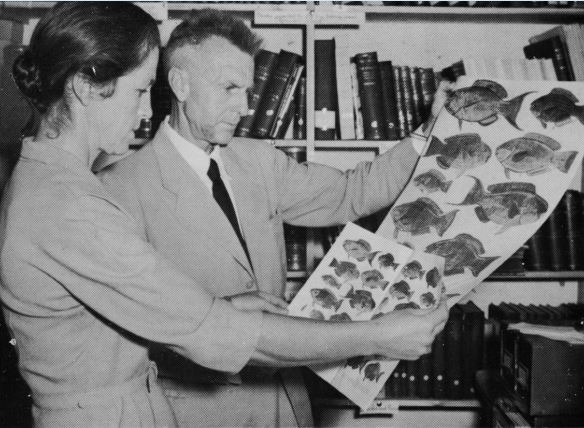
Mary Margaret Smith: Ichthyologist, Artist, and First Director of the JLB Smith Institute of Ichthyology

Read the full blog post

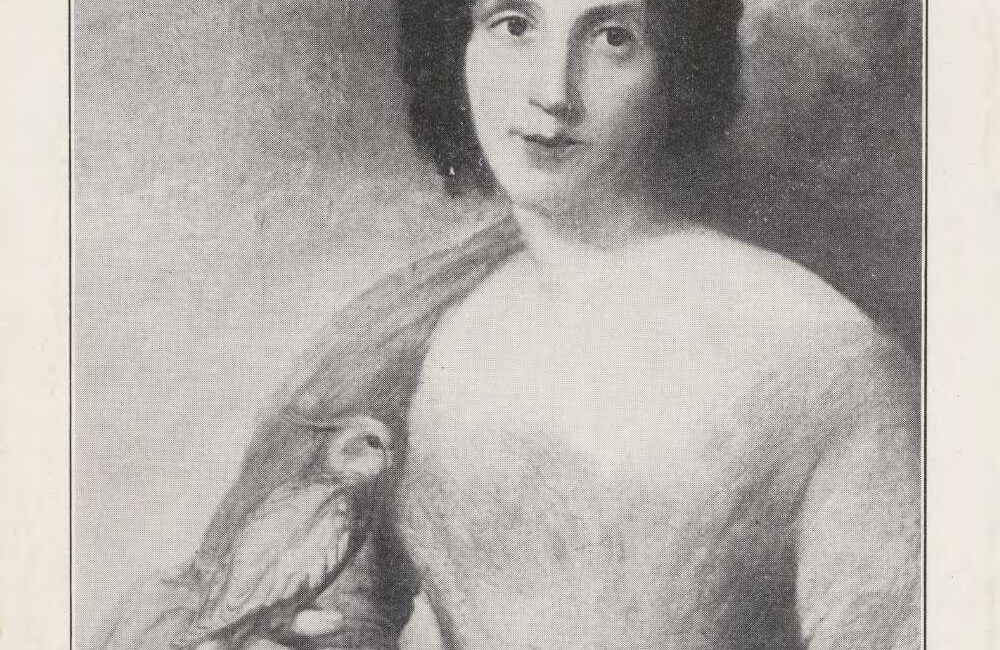
The Library at the South African Institute for Aquatic Biodiversity is named for Mary Margaret Smith (née Macdonald), the first Director of the JLB Smith Institute of Ichthyology. Macdonald attended Rhodes University College in Grahamstown from 1934 to 1937. She was awarded her B.Sc. degree in 1936, majoring in physics and chemistry (with distinction), and became a senior demonstrator in the Chemistry Department.

Continue reading
March 24, 2019bySally Schramm
Blog Reel, Campaigns, Her Natural History

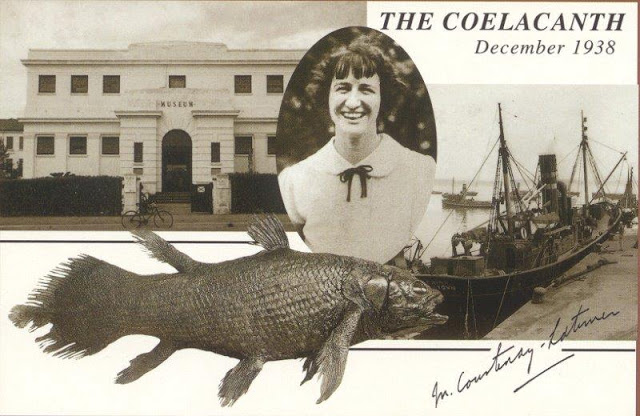
Marjorie Eileen Doris Courtenay-Latimer: Beyond the Coelacanth

Read the full blog post

Marjorie Eileen Doris Courtenay-Latimer (1907-2004) is ubiquitously remembered and celebrated for her part in recognising that the large fish trawled by Capt. Hendrik Goosen and the crew of the Nerine in December 1938 was an astonishing find. This was to be identified as the first live coelacanth known to Western science. JLB Smith, the ichthyologist who first described it, named it Latimeria chalumnae after Marjorie, and the Eastern Cape river mouth near which it was found.

Reading the Border Historical Society’s The Coelacanth journal Commemorative edition in honour of Dr Marjorie Courtenay-Latimer (2004) we find a life dedicated to a great deal more that single event. Her contributions to the Eastern Cape town of East London, and to the Museum in particular, were immense.

Continue reading
March 23, 2019bySally Schramm
BHL News, Blog Reel, Campaigns, Her Natural History

#HerNaturalHistory: Open Data, BHL, and Wiki Projects

Read the full blog post

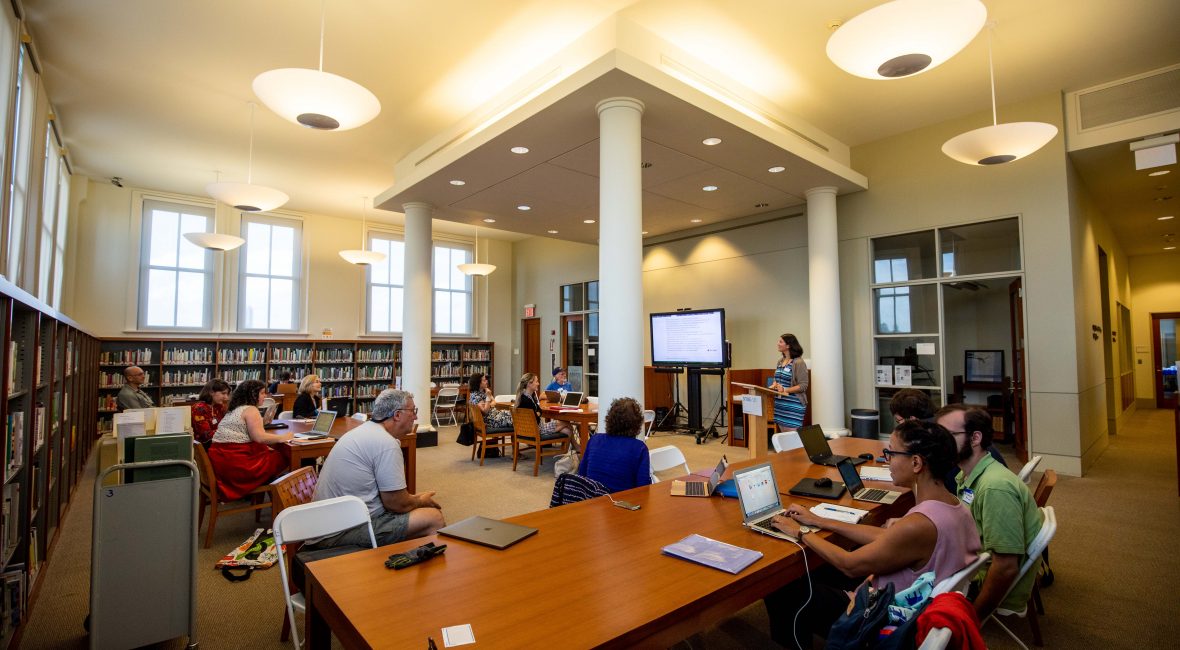
Wiki projects, including Wikipedia, Wikimedia Commons, Wikidata, contain the information that powers the web. Wikipedia is the fifth most-visited website in the world. To edit a Wiki project is to contribute content that could, potentially, be viewed by thousands or even millions of people over time, both on Wiki sites and on sites like Google and Facebook, which harvest data, including media, from Wiki sites.

For the #HerNaturalHistory campaign, the LuEsther T. Mertz Library of the New York Botanical Garden and the Smithsonian Libraries held three crowd-sourcing citizen science/citizen humanities events in March of 2019. These events were intended to bring new editors to Wiki projects, have editors add information about female scientists to Wikipedia, and have editors add information to BHL collections on Flickr and in Wikimedia Commons utilizing the Wikidata knowledge base/database/catalog.

Continue reading
March 19, 2019byEsther Jackson and Grace Costantino
Blog Reel, Campaigns, Featured Books, Her Natural History

Elizabeth Gould: An Accomplished Woman

Read the full blog post

The beautiful lithographs produced by Elizabeth Gould show lively birds of all shapes and colors performing mating displays, protecting their young, and interacting with their environments. A far cry from the dead-bird-on-stick approach to book illustration of the 18th century and prior, Elizabeth’s birds are reminiscent of the more dynamic figures depicted by John James Audubon; in fact, distinguished ornithologist Prideaux John Selby proclaimed “I like [Elizabeth’s illustrations] as well as Audubon’s.”

Continue reading
March 18, 2019byAlexandra K. Alvis
Blog Reel, Campaigns, Featured Books, Her Natural History

Isabella in Hawaii: The Adventures of an Amateur Botanist in the 1860s

Read the full blog post

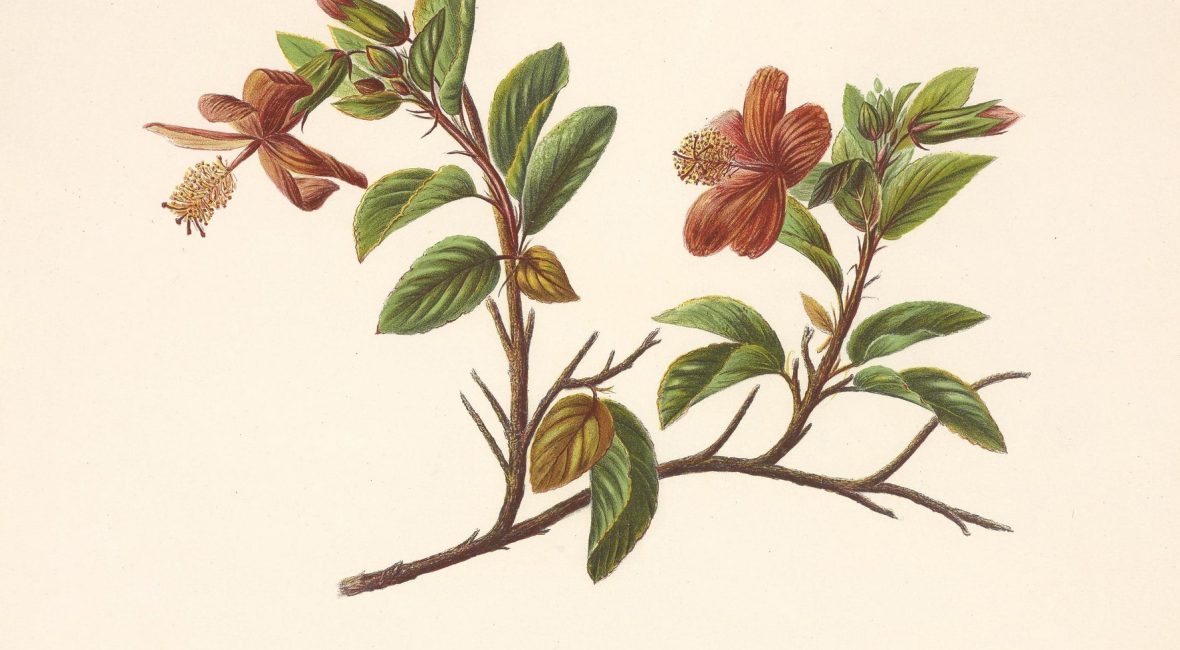
How does a young woman create the most important record of Hawaiian flowers in the nineteenth century? Who helps her identify plants and find a London publisher? Why does she leave New Zealand for Niihau, the Forbidden Island? Thanks to a magnificent book in the Rare Book Collection of the Chicago Botanic Garden Library (and a little research), we can answer these questions.

With 44 delightful chromolithographed plates, Indigenous Flowers of the Hawaiian Islands is no ordinary book. Its illustrations introduced the world to an exotic, endemic, and vanishing flora. Indigenous Flowers provides a marker to measure the impact of humans on the fragile ecosystem of two Hawaiian islands, yet another signal of the Anthropocene epoch. Isabella McHutcheson Sinclair (1840–90) was probably the most unexpected ambassador for plant conservation. Her breadth of botanical experiences in the Pacific, in both New Zealand and the Sandwich Islands (better known today as Hawaii), gave her a particular vision to recognize the effects of humans on local flora and fauna.

Continue reading
March 11, 2019byEdward J. Valauskas
Page 12 of 47« First...10«11121314»203040...Last »

Help Support BHL

BHL's existence depends on the financial support of its patrons. Help us keep this free resource alive!

search

About BHL

The Biodiversity Heritage Library (BHL) is the world’s largest open access digital library for biodiversity literature and archives. BHL operates as a worldwide consortium of natural history, botanical, research, and national libraries working together to digitize the natural history literature held in their collections and make it freely available for open access as part of a global “biodiversity community.”

Follow BHL

  • Bluesky logo
  • Instagram logo
  • Facebook logo
  • Flickr logo
  • Twitter logo

Join Our Mailing List

Sign up to receive the latest news, content highlights, and promotions.

Subscribe Now

Subscribe to Blog via Email

Enter your email address to subscribe to this blog and receive notifications of new posts by email.

Join 318 other subscribers

Subscribe to Blog Via RSS

Subscribe to the blog RSS feed to stay up-to-date on all the latest BHL posts.

Access RSS Feed

Inspiring Discovery through Free Access to Biodiversity Knowledge.

The Biodiversity Heritage Library makes it easier than ever for you to access the information you need to study and explore life on Earth…for free, anytime, anywhere.

64+ Million Pages of
Biodiversity Literature Online.

EXPLORE

Tools and Services
to Transform Research.

EXPLORE

300,000+
Illustrations on Flickr.

EXPLORE


ABOUT | BLOG AUTHORS | HARMFUL CONTENT | PRIVACY | SITE MAP | TERMS OF USE