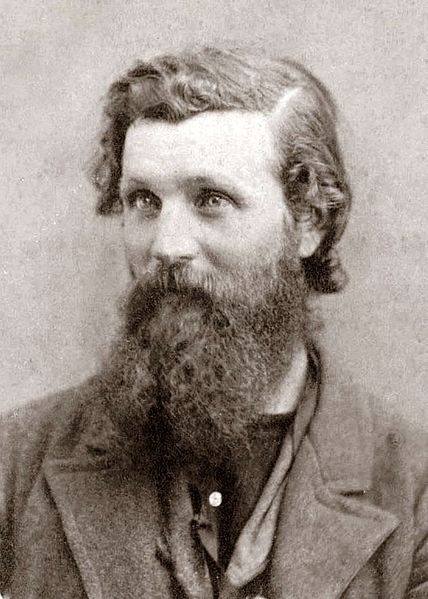
“I am hopelessly and forever a mountaineer…I care to live only to entice people to look at Nature’s loveliness.” – John Muir
Continue reading
The days before Thanksgiving are often spent by moms frantically shopping around for a prize turkey at their local supermarkets which, are hopefully already de-feathered, shrink-wrapped and packaged for our convenience. However, did you know that many folks still procure their turkey Thanksgiving meal the good old-fashioned way by “growing them?” If you are scratching your head wondering how exactly one “grows” a turkey, then this week’s Book of the Week is for you.
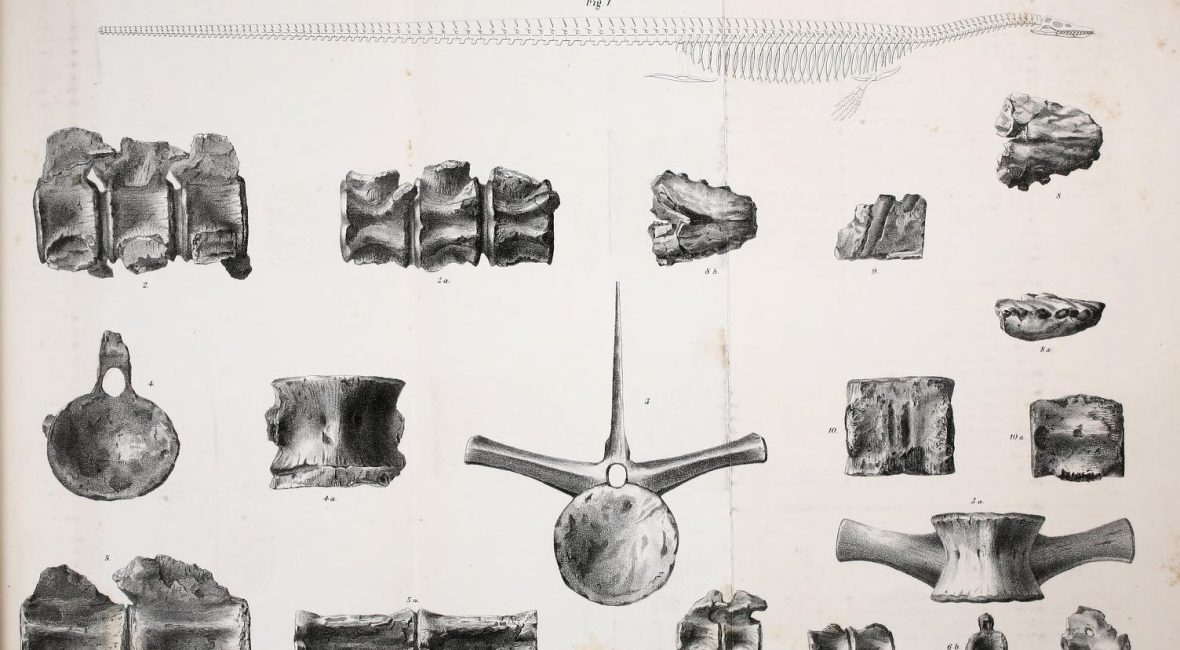
Synopsis of the Extinct Batrachia, Reptilia and Aves of North America by Edward Cope, published in Volume 14 of the Transactions of the American Philosophical Society, is arguably the most famous item either paleontologist published, not due to its academic qualities but because it exemplifies and magnifies how the competition between the two men and the rush to publish led to major errors by both.
Here at the Academy of Natural Sciences of Drexel University in Philadelphia, the story of the so-called Bone Wars is well known.
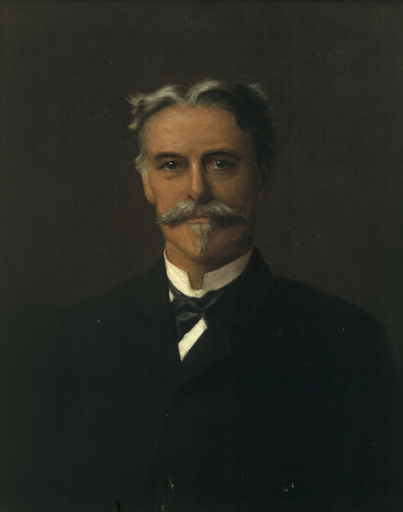
In short, the Academy’s Edward Drinker Cope (1840-1897), also affiliated with U. Penn, and Yale University’s Othniel Charles Marsh (1831-1899), also affiliated with the United States Geological Survey, were both prolific, well respected paleontologists. Both unearthed, described, and published their finds of fossil fauna in the post-Civil War era when the discipline of vertebrate paleontology was quite young in the U.S.
It’s that time of year again, when the ghosts, ghouls, and goblins come out to play, the dead walk, and little children dress up as their favorite monsters and scurry from house to house cramming countless pieces of candy into bulging bags.
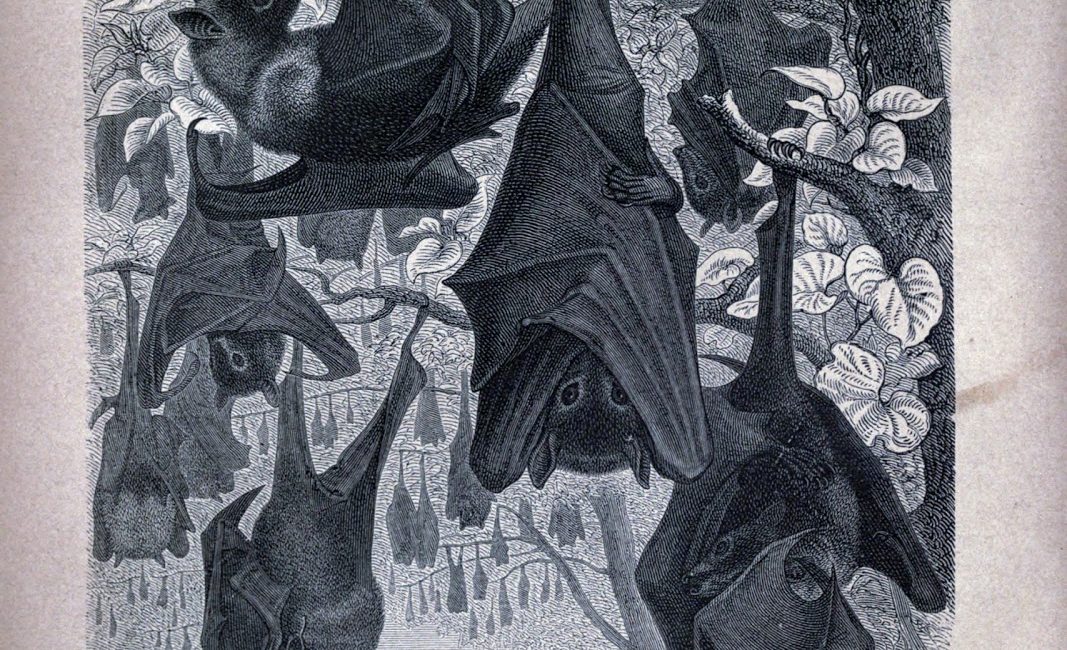
BHL has been celebrating Halloween all week with tweets, Facebook posts and quizzes, and a Flickr collection dedicated to the holiday. While doing research for our festivities, we gathered countless myths and legends associated with the biodiversity of Hallow’s Eve. Come along with us as we explore Halloween from nature’s viewpoint, and, thanks to some inspiration provided by Smithsonian.com, find out how you can use BHL to transform yourself into the precise likeness of your favorite species!
In 2012, the American Museum of Natural History (AMNH), one of BHL’s founding members, celebrated the grand reopening of the Theodore Roosevelt Memorial. For three years, the Memorial was closed to the public as part of a 37.5 million dollar renovation plan to re-imagine this permanent exhibit. Theodore Roosevelt, America’s Conservation President, was intimately tied to the museum since its founding in 1869.
The Biodiversity Heritage Library (BHL) is the world’s largest open access digital library for biodiversity literature and archives. BHL operates as a worldwide consortium of natural history, botanical, research, and national libraries working together to digitize the natural history literature held in their collections and make it freely available for open access as part of a global “biodiversity community.”
Sign up to receive the latest news, content highlights, and promotions.
Subscribe NowSubscribe to the blog RSS feed to stay up-to-date on all the latest BHL posts.
Access RSS Feed