If you are an American, you know who Smokey the Bear is. He’s the bear in the ranger hat who has been adamantly spreading the same message for 70+ years: “Only YOU can prevent forest fires” — and he’s been pretty successful.
Continue reading
If you are an American, you know who Smokey the Bear is. He’s the bear in the ranger hat who has been adamantly spreading the same message for 70+ years: “Only YOU can prevent forest fires” — and he’s been pretty successful.
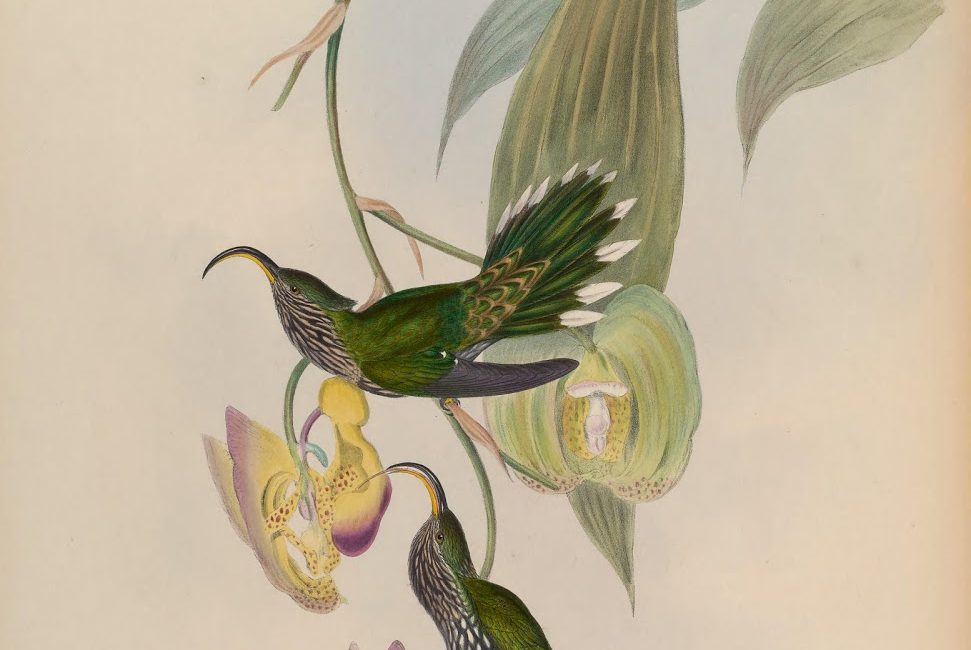
“A feast of beauty and a source of wonder” was the phrase used by Sacheverell Sitwell, Handasyde Buchanan, and James Fisher to describe the images in ornithologist and artist John Gould’s A monograph of the Trochilidæ, or family of humming-birds.* It seems there are few who would disagree with this statement, as a five volume set plus supplement sold at Christie’s Auction House in 2011 for $217,845.
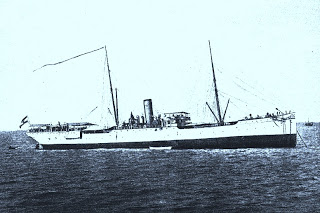
Deep sea dredging, as a means of scientific discovery, was popularized after the Challenger Expedition (1872-1876) came back to port in Spithead, Hampshire in the United Kingdom. In four years, the scientifically outfitted steamboat had circumnavigated the globe, traveled a total distance of 68,890 nautical miles, and along the way had picked-up 4,700+ previously unobserved and unnamed species.
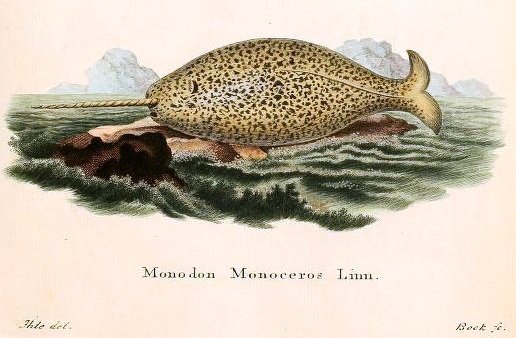
The mysterious narwhal and its famed “unicorn horn” have long captured the popular imagination of man. In the middle ages, the tooth of a narwhal would fetch ten times its weight in gold because it was thought to carry magical and medicinal powers.
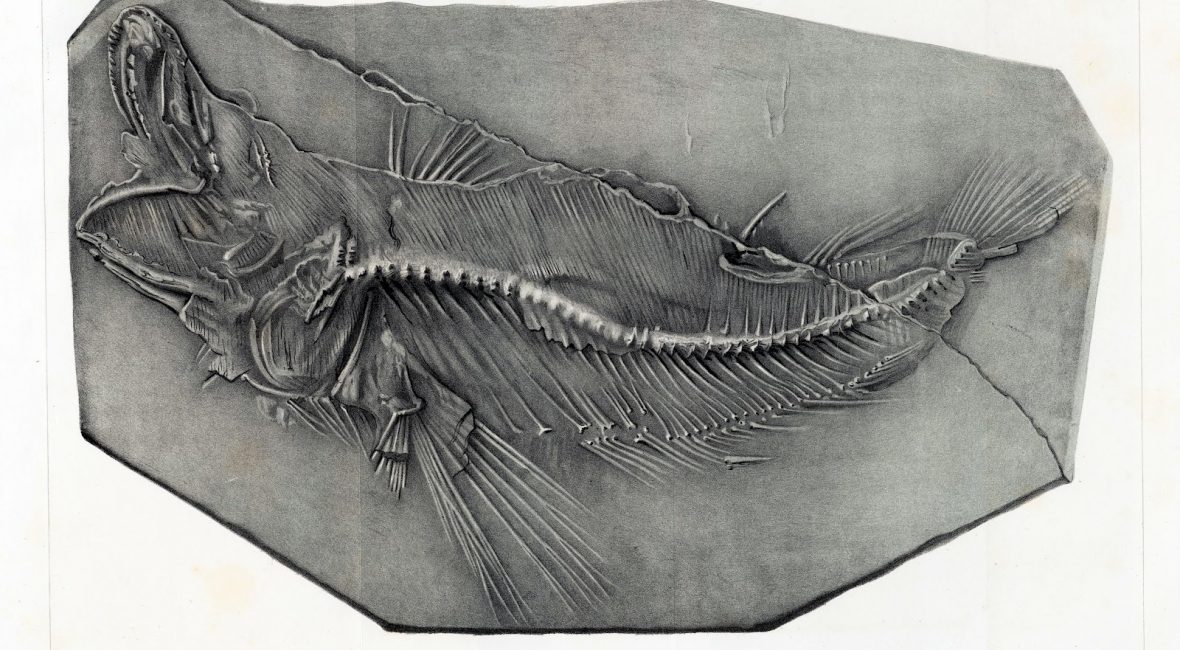
Monday, May 28, marked Jean Louis Rodolphe Agassiz’s 205th birthday. Louis Agassiz was a famous Swiss paleontologist, glaciologist, and geologist who made critical advances in the fields of ichthyology and glaciology. During his lifetime, he received the Wollaston medal, was named a member of the Royal Society, the Royal Swedish Academy of Sciences, and the American Academy of Arts and Sciences, and served as the head of the Lawrence Scientific School at Harvard University.
Did you know that every second breath you take, you owe to the ocean? Yes, it’s true: the ocean produces more than half of the planet’s oxygen supply which accounts for one out of every two human breaths. More specifically, we owe gratitude to microscopic phytoplankton. These varieties of algae are atrophic organisms, able to produce their own food via photosynthesis. Oxygen is a major by-product of this fascinating process that transforms sunlight into food therefore, algae underpins ALL earth’s ecosystems and life on earth.
The Biodiversity Heritage Library (BHL) is the world’s largest open access digital library for biodiversity literature and archives. BHL operates as a worldwide consortium of natural history, botanical, research, and national libraries working together to digitize the natural history literature held in their collections and make it freely available for open access as part of a global “biodiversity community.”
Sign up to receive the latest news, content highlights, and promotions.
Subscribe NowSubscribe to the blog RSS feed to stay up-to-date on all the latest BHL posts.
Access RSS Feed