Biodiversity Heritage Library - Program news and collection highlights from BHL
  • Home
  • News
  • Featured Books
    • All Featured Books
    • Book of the Month Series
    • BHL at 20
  • User Stories
  • Campaigns
    • Fossil Stories
    • Garden Stories
    • Monsters Are Real
    • Page Frights
    • Her Natural History
    • Earth Optimism 2020
  • Tech Blog
  • Visit BHL
Home
News
Featured Books
    All Featured Books
    Book of the Month Series
    BHL at 20
User Stories
Campaigns
    Fossil Stories
    Garden Stories
    Monsters Are Real
    Page Frights
    Her Natural History
    Earth Optimism 2020
Tech Blog
Visit BHL
  • Home
  • News
  • Featured Books
    • All Featured Books
    • Book of the Month Series
    • BHL at 20
  • User Stories
  • Campaigns
    • Fossil Stories
    • Garden Stories
    • Monsters Are Real
    • Page Frights
    • Her Natural History
    • Earth Optimism 2020
  • Tech Blog
  • Visit BHL
Biodiversity Heritage Library - Program news and collection highlights from BHL
Blog Reel, Featured Books

Lloyd Library and Museum

View Full Size Image
“Paraphernalia,” photo by Cindi (Flickr, Creative Commons)

Over the course of the Expanding Access to Biodiversity Literature (EABL) project, contributing organizations have shipped material to Internet Archive scanning centers around the country. A few have scanned their own material, and a few more have used third-party commercial services. One EABL contributor did things a little differently.

Betsy Kruthoffer, Librarian and Rare Books Cataloger at the Lloyd Library and Museum, selected a number of important titles from the library’s collection that were not in BHL. After weighing various scanning options, she got in touch with the digital lab at the Public Library of Cincinnati and Hamilton County (PLCH), which had done good work for a Lloyd patron the previous year (and, conveniently, is located right down the street). PLCH agreed to do the scanning, with the understanding that the digitized books would also be made available in a PLCH online collection.

Once the scanning was complete, Betsy considered loading all of the images onto an external hard drive and mailing it to Mariah Lewis, the EABL Metadata Specialist, in order to contribute the scans to BHL. After learning about Macaw (BHL’s metadata and upload software), however, she decided to take a stab at the uploading herself–with great success. BHL’s collection is richer thanks to her thorough work.

History of the Lloyd Library and Museum

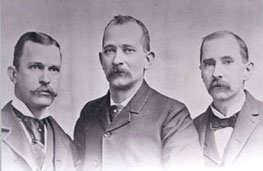
The Lloyd Library began with three brothers: John Uri, Nelson Ashley, and Curtis Gates Lloyd. According to tradition, the first books in the library were Edward Parrish’s A Treatise on Pharmacy (1864 edition) and George Fownes’ A Manual of Elementary Chemistry, Theoretical and Practical (1864 edition). These books accompanied John Uri Lloyd, the oldest of the three, when he went to Cincinnati to become a pharmacist in 1864. His brothers soon followed after.

Eventually, the brothers joined together to form Lloyd Brothers, Pharmacists, Inc. John Uri’s small library grew with the company; in 1901, it got its own building (it would move several times in following years), and in 1919, a trust was established to ensure that the library would continue and be open to the public. A new structure was erected in 1970 adjacent to the one that had housed the library for 75 years. This is where the library remains today.
View Full Size Image
The Lloyd brothers. http://www.lloydlibrary.org/history/lloyd%20pharmacy.html.

The Lloyd Library has one of the preeminent North American collections related to pharmacology and natural products, but it covers many related subjects as well: botany, pharmacognosy, herbal and alternative medicine, horticulture, eclectic medicine (an herbal medicine school), and sectarian medicine (predecessor to homeopathy), among others.

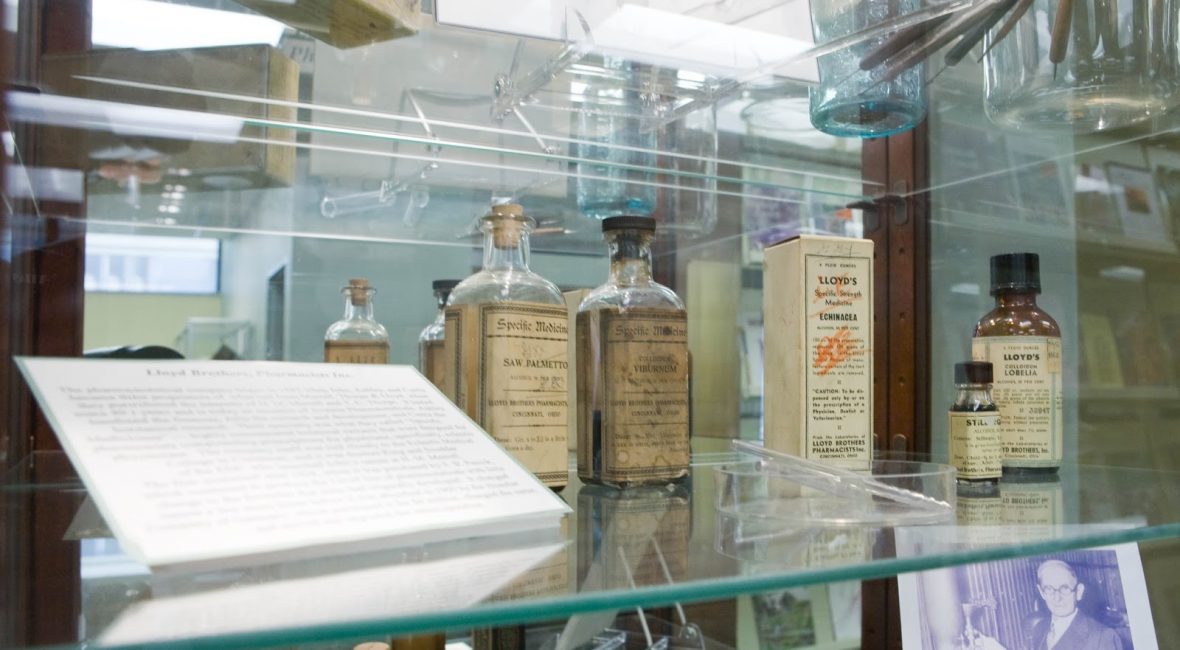
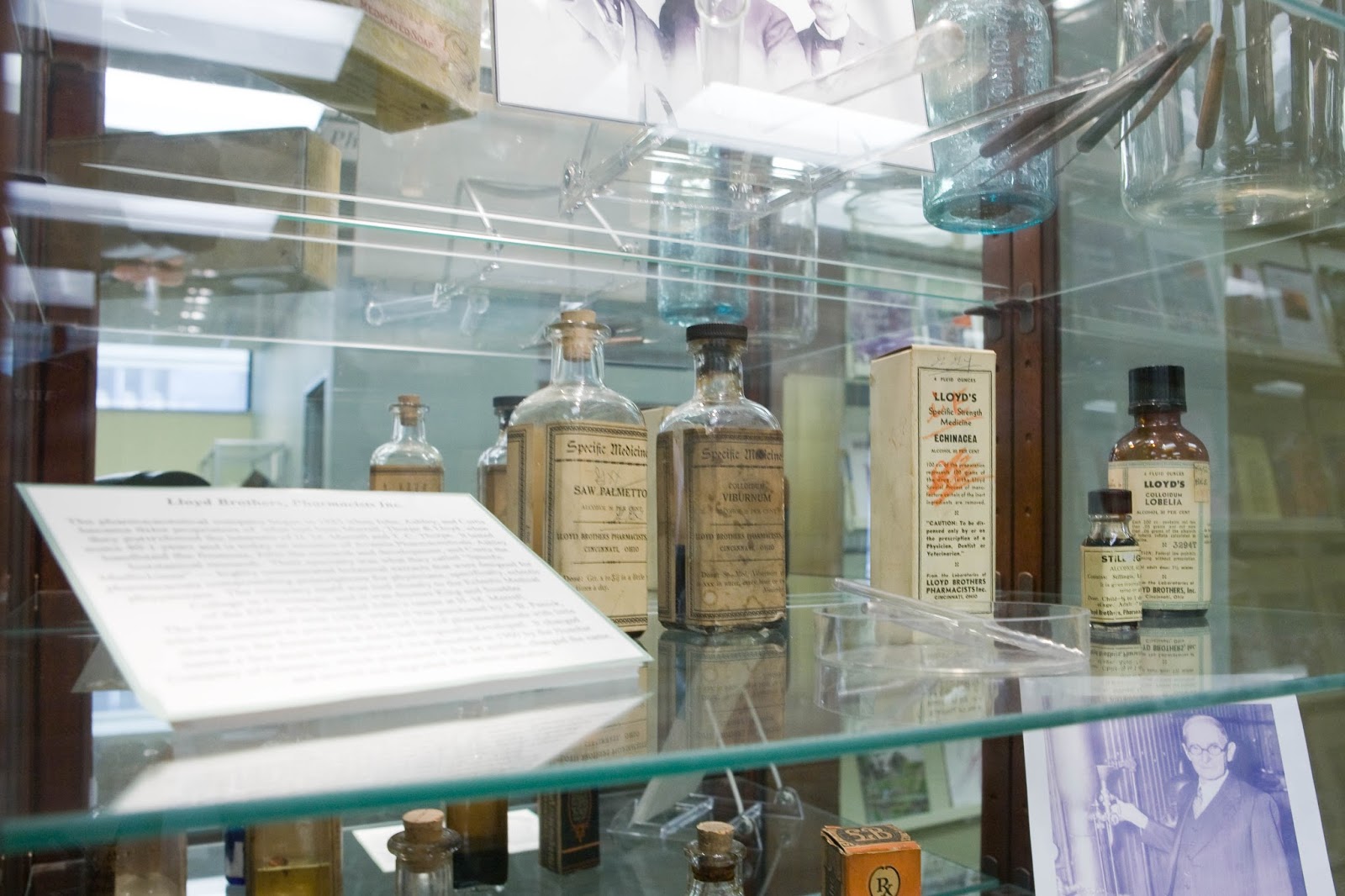
Curtis Gates Lloyd, an avid mycologist, amassed a considerable herbarium, nicknamed the “mushroom museum.” After his death in 1926, the botanical specimens were given to the University of Cincinnati, and the mushrooms went to the U.S. Department of Agriculture. A small collection of medicine bottles and pharmacy implements remains; these comprise the Lloyd Museum, which features permanent and rotating exhibits.

For more detailed accounts of the Lloyd brothers, their company, and the history of the Lloyd Library and Museum, visit the Lloyd’s website.

Rare Books from the Lloyd Library

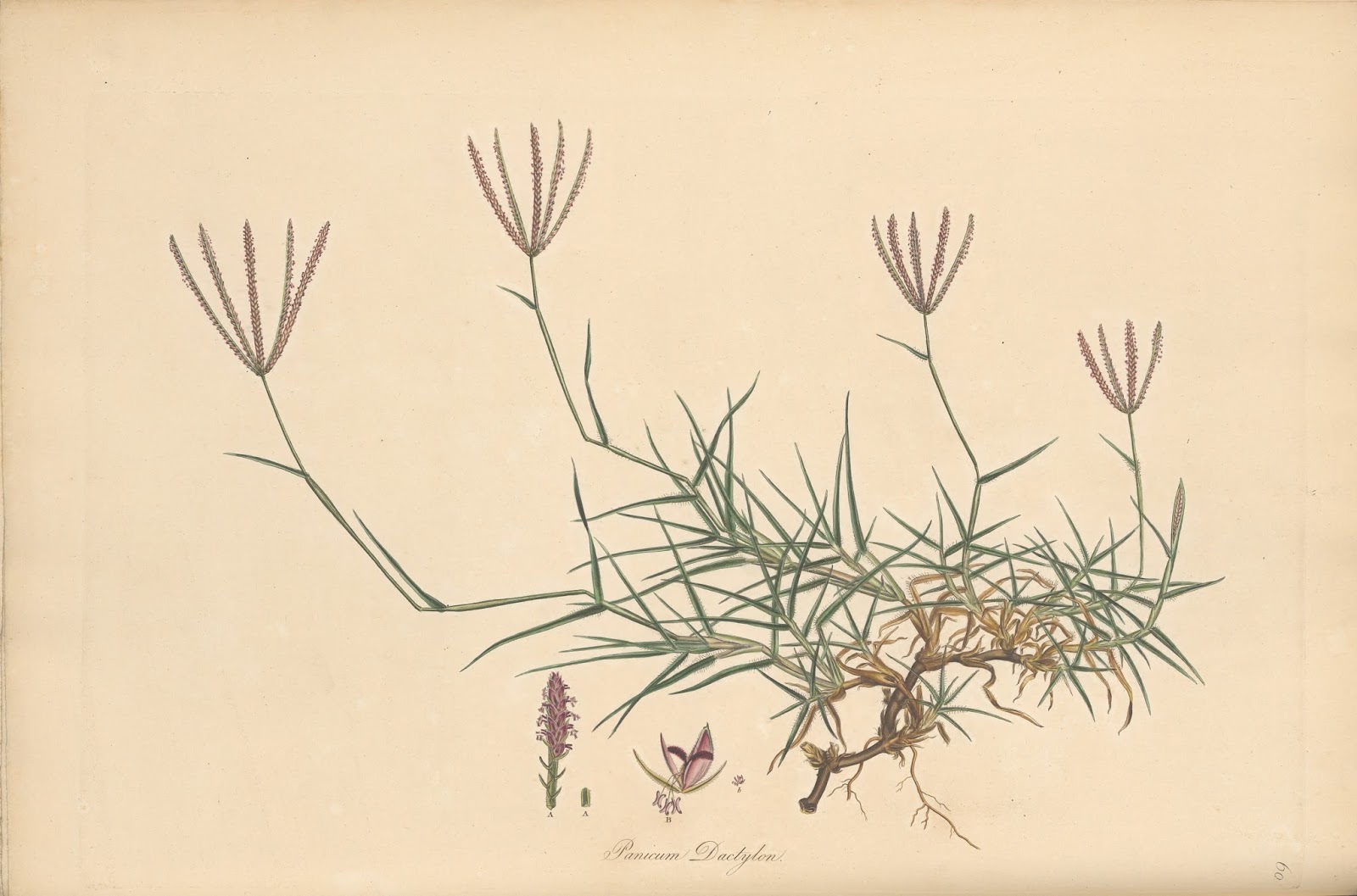
Of the titles digitized by PLCH, Betsy Kruthoffer considers one the most important: John Sibthorp’s Flora Graeca, published in 10 volumes from 1806 to 1840. This monumental work contains nearly a thousand color plates of the flora of Greece as surveyed in the late 18th century by Sibthorp and Ferdinand Bauer, who illustrated them. Sibthorp himself never lived to see the printed Flora–he died in 1797 of an illness contracted on one of his trips–but he provided for its publication in his will.
View Full Size Image
Sibthorp, John. Flora Graeca. v. 1 (1806). Contributed by the
Lloyd Library and Museum. https://biodiversitylibrary.org/page/54016367.

Betsy has recorded the fascinating story of how the Lloyd Library came to possess a first edition of the Flora Graeca, one of only 25 printed.

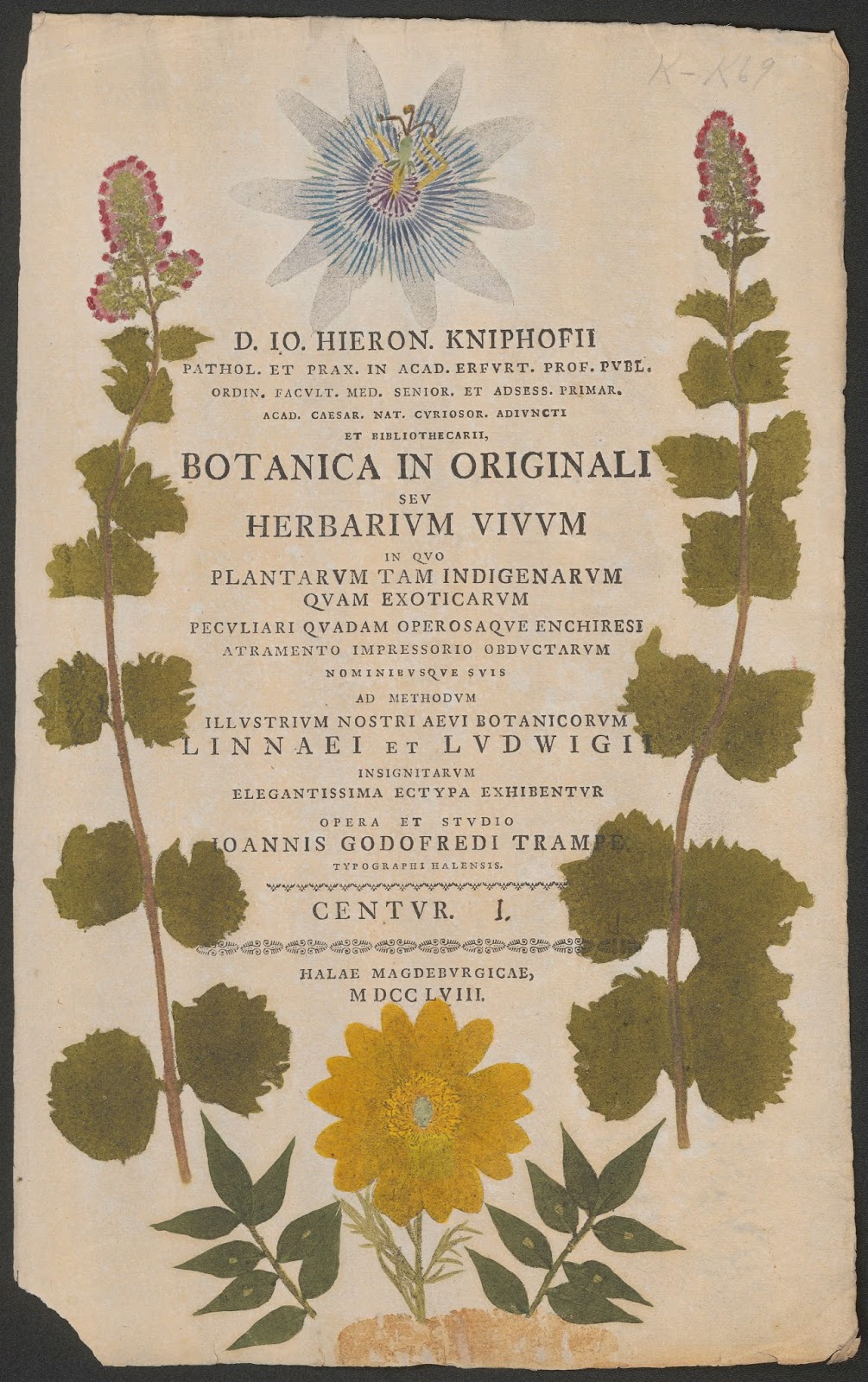
Another important title is Johann Kniphof’s Botanica in originali, published in 12 volumes (1758-1764). The work uses a technique called “nature printing,” which involves creating plates or engravings from direct impressions of actual plant specimens and using those plates to print images.
View Full Size Image
Kniphof, Johannes. Botanica in originali. v. 1 (1758). Contributed by the
Lloyd Library and Museum. https://biodiversitylibrary.org/page/53840216.

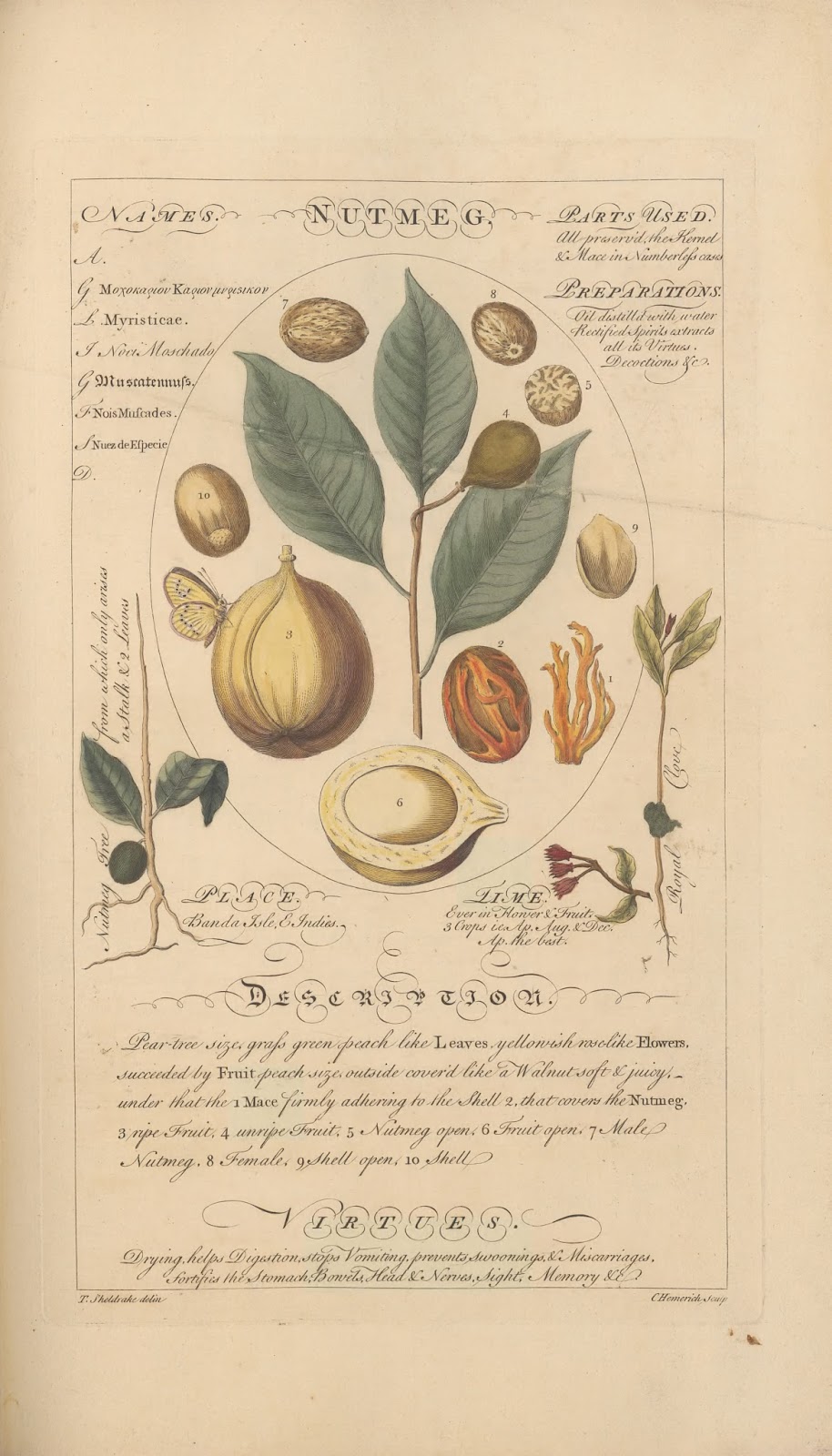
A third title, noteworthy for its illustrations (and its very long subtitle), is Timothy Sheldrake’s Botanicum medicinale : an herbal of medicinal plants on the College of Physicians list : describing their places of growth, roots, bark, leaves, buds, time of flowering, blossoms, flowers, stiles, chives, embrio’s, fruits, farina, colours, seeds, kernels, seed-vessels, parts used in medicine, preparations in the shops, medicinal virtues, names in nine languages : most beautifully engraved on 118 large folio copper-plates from the exquisite drawings of the late ingenious T. Sheldrake ; … To which is now added, his tables for finding the heat and cold in all climates that exotic plants may be raised in summer and preserved in winter (c. 1868).

Less an academic tome and more a physician’s quick-reference herbal, the Botanicum medicinale is organized into single-page summaries of each plant, with engraved text around a colored illustration.
View Full Size Image
Sheldrake, Timothy. Botanicum medicinale. c. 1868. Contributed by the
Lloyd Library and Museum. https://biodiversitylibrary.org/page/53779797.

The complete list of titles submitted by the Lloyd Library to BHL:

  • John Sibthorp’s Flora Graeca (1806-1840)
  • Johannes Kniphof’s Botanica in originali (1758-1764)
    • The index to the above work: Index universalis in omnes XII centurias Botanicae in originali D. Io. Hieron. Kniphofii seu Herbarii vivi (1767)
  • Timothy Sheldrake’s Botanicum medicinale (c.1768)
  • Maria Sybilla Merian’s Erucarum ortus, alimentum et paradoxa metamorphosis (1718)
    • To learn more about this pioneering naturalist, see Grace Costantino’s 2015 blog post, “From Early Women in Science to Ultraviolet Film: Using Art to Understand Insects“
  • Heinrich Witte’s Flora : afbeeldingen en beschrijvingen van boomen, heesters, éénjarige planten, enz., voorkomende in de nederlandsche tuinen (1868)

Thank you to Betsy Kruthoffer, the Lloyd Library, and the Public Library of Cincinnati and Hamilton County for working with EABL to make these historic works available to everyone.

October 19, 2017by eomeara
BHL News, Blog Reel

BHL Welcomes Oak Spring Garden Foundation as a New Affiliate

View Full Size Image

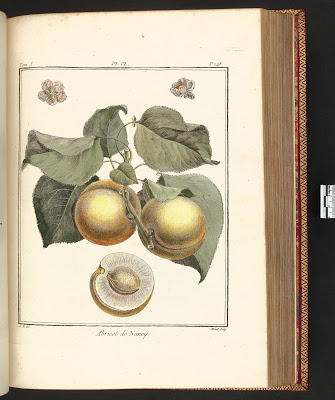
This quarter, the Biodiversity Heritage Library welcomed the Oak Spring Garden Foundation (OSGF) as a new Affiliate. The BHL consortium now consists of 19 Members and 18 Affiliates.

With a mission to perpetuate and share the gifts of Rachel (“Bunny”) Lambert Mellon, OSGF is dedicated to inspiring and facilitating scholarship and public dialogue on the history and future of plants. The Foundation operates from Bunny Mellon’s 263-acre estate in Upperville, VA, which includes her residence, garden, and Library.

The Oak Spring Garden Library is home to Bunny Mellon’s personal collection of rare books, manuscripts, and artworks, which she acquired to support her research and design work. Consisting of approximately 19,000 objects, the collection’s strengths include garden and garden design, horticulture, botanical studies, natural history, voyages, architecture, and decorative arts.

View Full Size Image
Duhamel du Monceau, M. Traité des arbres fruitiers. v. 1 (1768). Contributed by the Oak Spring Garden Library. http://s.si.edu/2fFO3O5.

As an Affiliate, OSGF will enhance BHL’s collection by contributing rare and unique material from the Library. Providing open access to this significant collection will allow the Foundation to share Bunny Mellon’s legacy with a global community and impact research around the world.

Visit BHL to explore Traité des arbres fruitiers, the first title contributed by the Oak Spring Garden Library to BHL. This title was hand-picked by Bunny Mellon for contribution to the Biodiversity Heritage Library. Learn more.

October 3, 2017by ulib-libraryjobs
Blog Reel, Featured Books

Australia’s First Flora

View Full Size Image
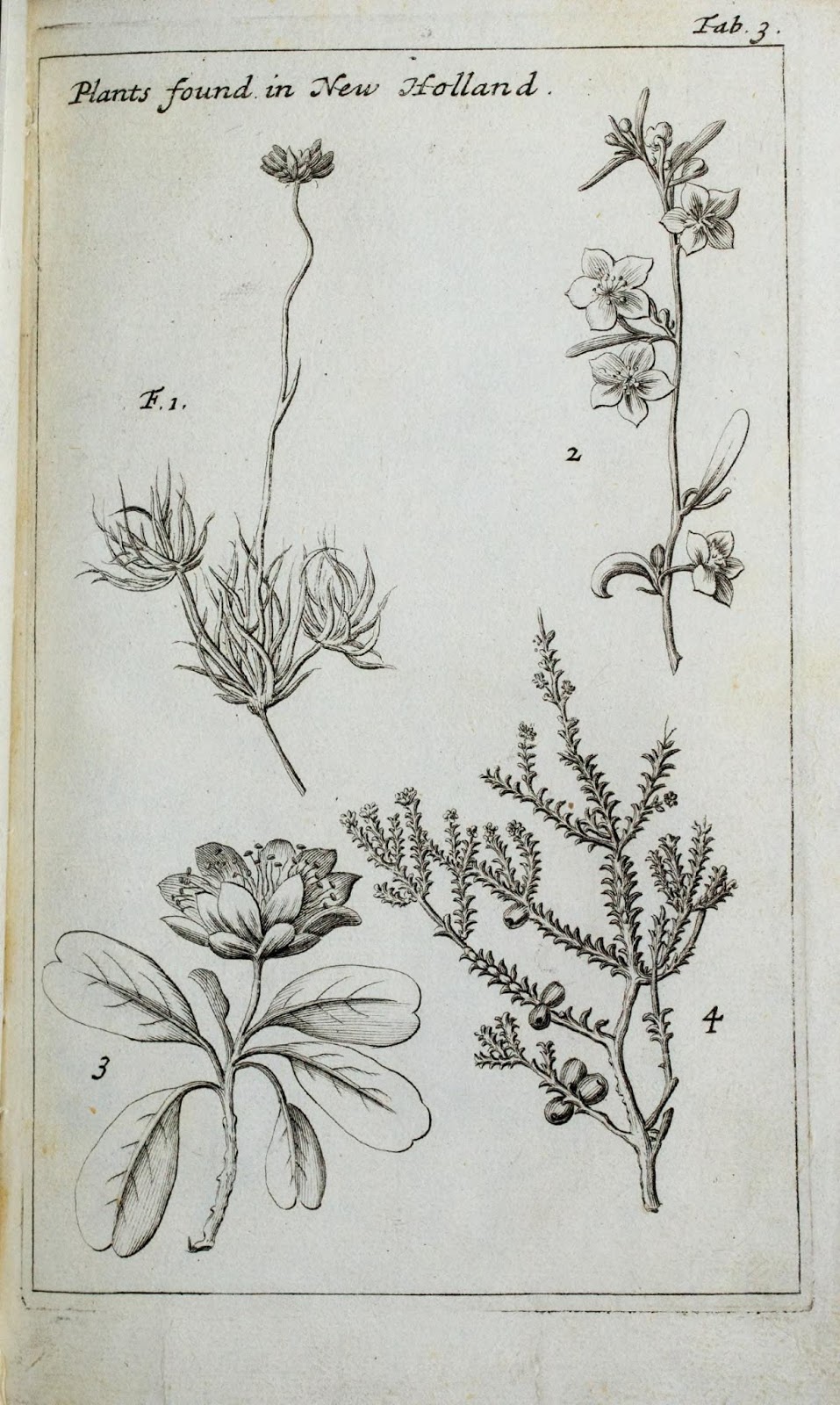
Smith, James Edward. A Specimen of the Botany of New Holland. 1793-95. Engraving by James Sowerby. Digitized by Harvard University Botany Libraries. http://s.si.edu/2wUwwYX.

As far back as antiquity, Western scholars theorized the existence of a great southern continent that they called Terra Australis. While the continent found its way onto many early European maps, the depictions were theoretical and generally included a single landmass encompassing the South Pole and spreading far north to include Australia, New Zealand and, at its most extreme, even Tierra del Fuego.

With expeditions in the seventeenth and eighteenth centuries, the mystery in Europe surrounding this great southern continent slowly gave way to scientific exploration of the landmasses discovered, including New Holland, or Australia.

The published scientific record of Australian flora has its roots in the British Admiralty-commissioned voyage of William Dampier, which reached Australia in 1699. During the expedition, Dampier collected plant specimens, and his A Voyage to New Holland, published in 1703, is the first book known to include published drawings of Australian flora (Hewson 1999, 16-17). It has been digitized in BHL by the Royal Botanic Gardens Victoria.

View Full Size Image
Dampier, William. A Voyage to New Holland. 1703. Digitized by Royal Botanic Gardens Victoria. http://s.si.edu/2xvgOHP.

Seventy years after Dampier’s voyage, the 1768-1771 voyage of James Cook to the South Seas sparked a renewed interest in the study and cultivation of Australia’s botany. The expedition’s natural historians and artists collected, described and illustrated many botanical specimens during the voyage, which were brought back to England for further study (ibid., 22-26).

Further expeditions established additional Australian plant collections, which were accessible to European botanists. For example, at the end of the eighteenth century, England sent the First Fleet, under the command of Captain Arthur Phillip, to establish a penal colony on the continent. The colony eventually sent plants and animals from Australia back to England (ibid., 33-34).

John White, the First Fleet surgeon and an amateur naturalist, made many of these early collections. He had some of his specimens described and illustrated. Eight botanical species, along with numerous animal species, were published with accompanying illustrations in his Journal of a Voyage to New South Wales (1790). It has been digitized in BHL by Harvard University Botany Libraries.

View Full Size Image
White, John. Journal of a Voyage to New South Wales. 1790. Digitized by Harvard University Botany Libraries. http://s.si.edu/2fp1xhg.

White sent his plant collections and drawings to Thomas Wilson, a Fellow of the Linnean Society, who then gave them to James Edward Smith for study (ibid., 34). This collaboration eventually contributed to the first published scientific book dedicated to Australian flora: A Specimen of the Botany of New Holland.

View Full Size Image
Smith, James Edward. A Specimen of the Botany of New Holland. 1793-95. Engraving by James Sowerby. Digitized by Harvard University Botany Libraries. http://s.si.edu/2xJdwAB.

Issued in four parts between 1793-1795, A Specimen of the Botany of New Holland was initially published as part of Zoology and Botany of New Holland. Following the production of the first two botany parts, Zoology and Botany was split into two separate publications. James Edward Smith (1759-1828), a prominent botanist and co-founder of the Linnean Society of London (The Linnean Society of London 2017), wrote the plant descriptions for the botany parts while James Sowerby, a prolific natural historian, artist and engraver who produced thousands of illustrations over his career, prepared the engravings. Sowerby also engraved the plates for the aforementioned zoology volume, which was authored by George Shaw.

View Full Size Image
Smith, James Edward. A Specimen of the Botany of New Holland. 1793-95. Engraving by James Sowerby. Digitized by Harvard University Botany Libraries. http://s.si.edu/2fpDRti.

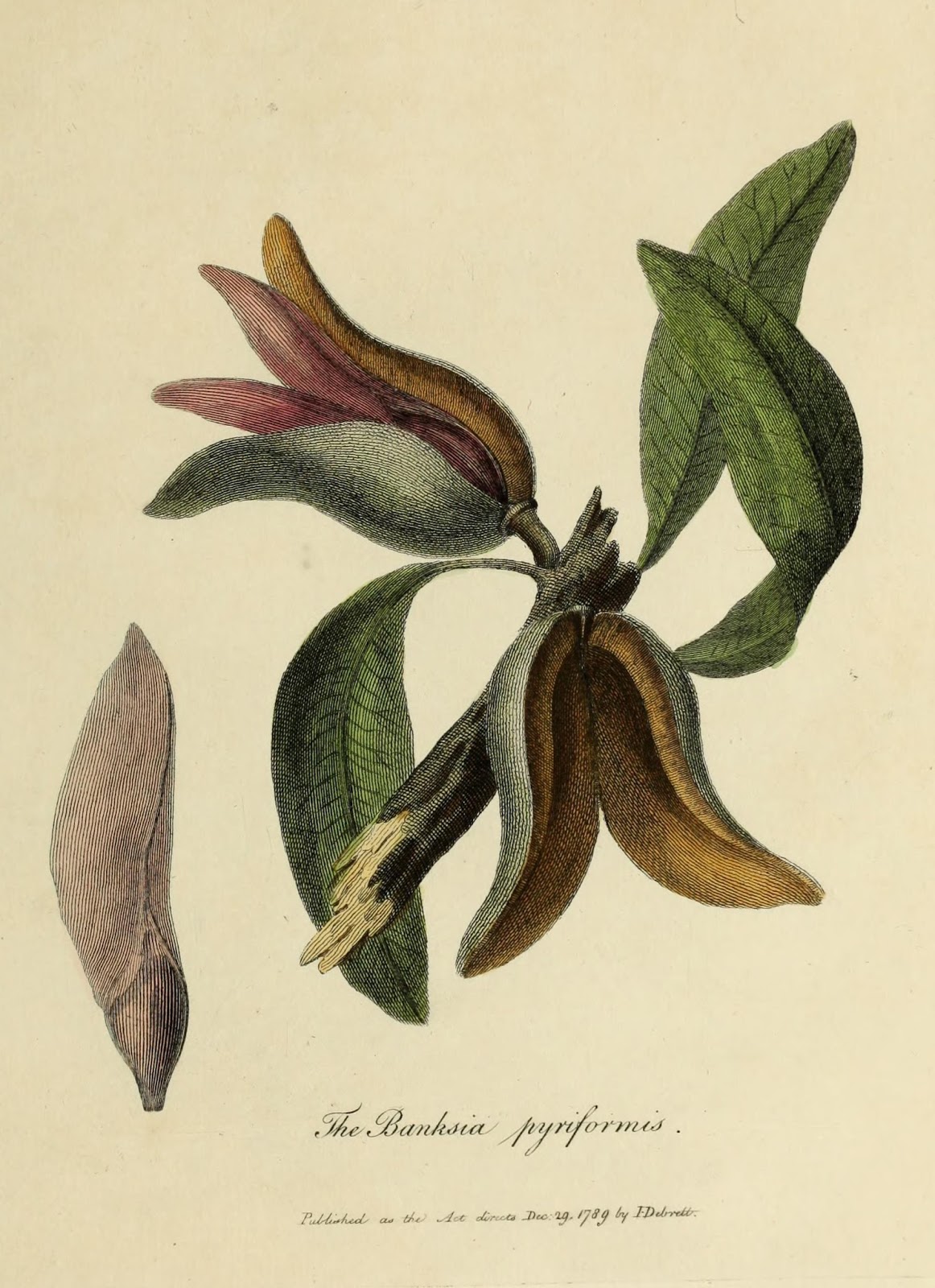
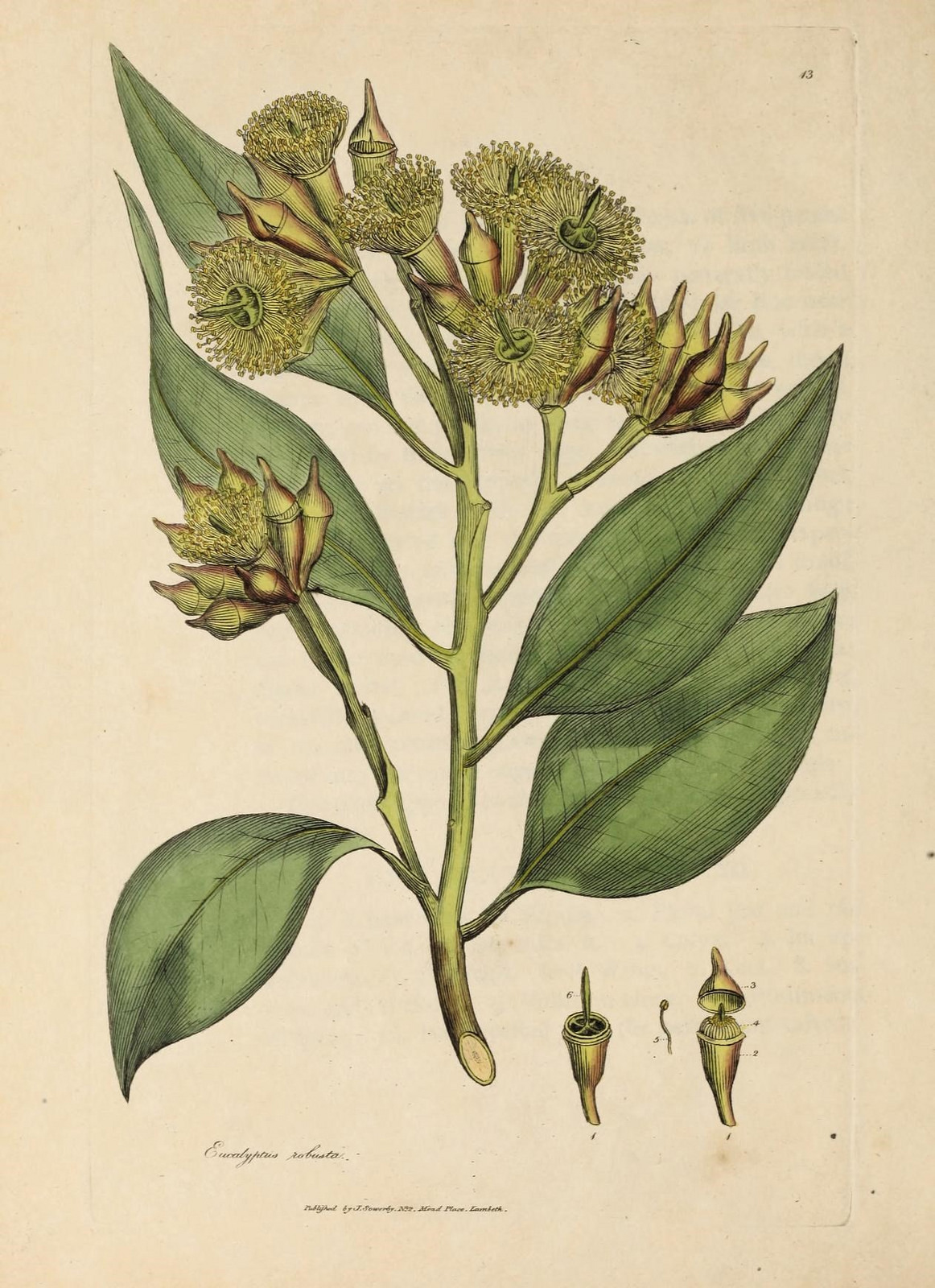
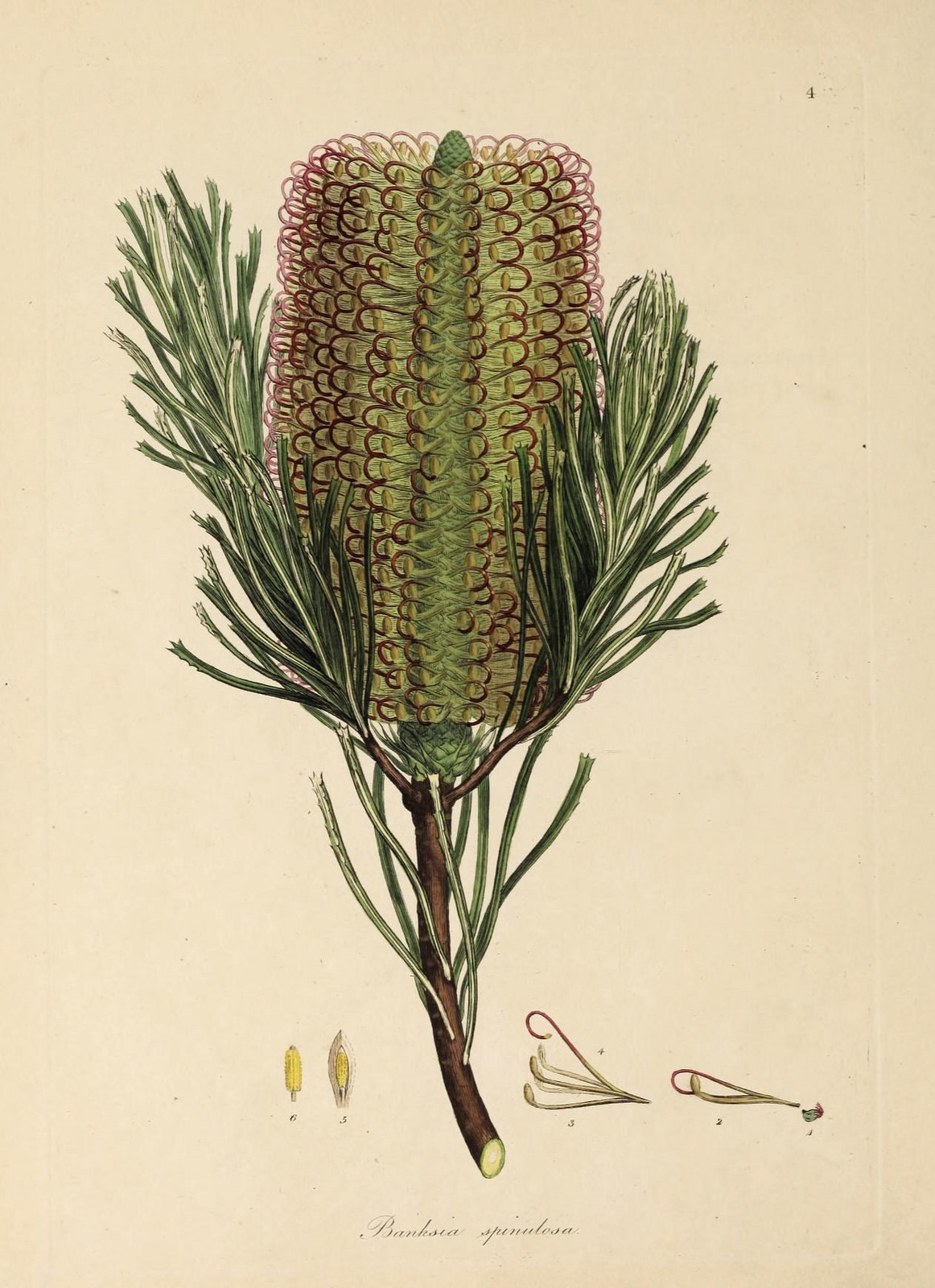
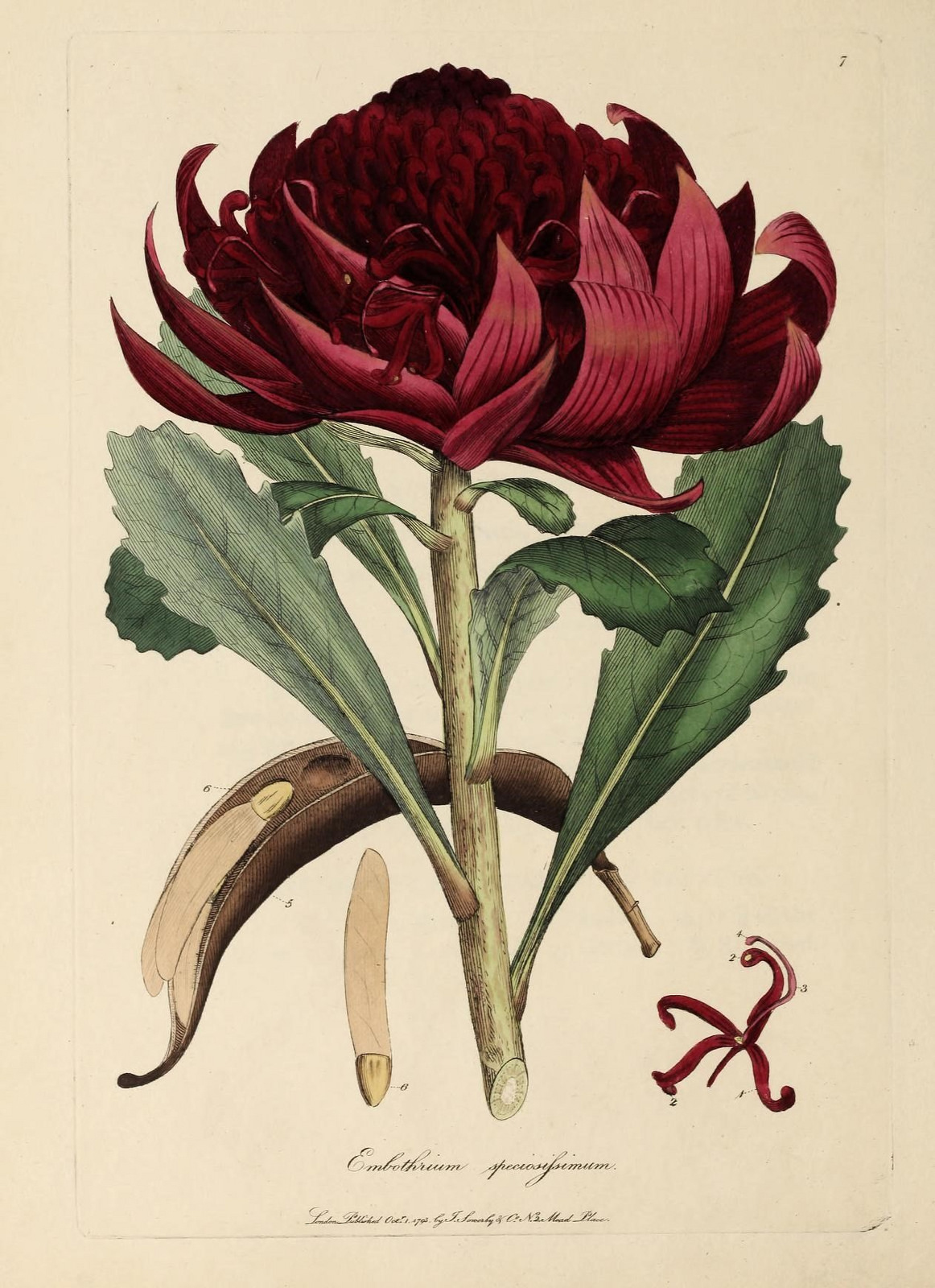
Sowerby prepared the sixteen engravings in A Specimen of the Botany of New Holland based on plant specimens and drawings that Thomas Wilson had received from John White. Several of these drawings were the work of Thomas Watling, a professional artist convicted of forgery. Transported to the penal colony in Australia in 1792, Watling worked under John White to paint the continent’s natural history. He is the only known convict artist whose work was used as the basis for a botanical scientific publication (Hewson 1999, 36-37).

View Full Size Image
Smith, James Edward. A Specimen of the Botany of New Holland. 1793-95. Engraving by James Sowerby. Digitized by Harvard University Botany Libraries. http://s.si.edu/2wj30wm.

A Specimen of the Botany of New Holland has been digitized in BHL by Harvard University Botany Libraries.

The illustrations from the work have also been uploaded to BHL’s Flickr. This not only allows for easy exploration of this important botanical art, but the images have also been taxon tagged with the scientific name of the species depicted, making it easy to identify the plant illustrated in each image. Explore the tags section of each image in Flickr to see the scientific names.

We encourage volunteers to help taxon tag BHL images in Flickr as part of our citizen science program. Learn more about how you can get involved.

A Specimen of the Botany of New Holland introduced many Europeans to Australian flora. The illustrations were an especially important contribution to the scientific record of Australian plants. Sowerby’s work is a broader reflection of the importance of scientific illustration, which has been used for centuries to aid in the accurate identification of species and has supported the progression of the biological sciences at large. These illustrations were propagated through the publication of natural history books, allowing wider access to knowledge about biodiversity across the globe.

References 

  • Hewson, Helen. 1999. Australia: 300 Years of Botanical Illustration. Suffolk: CSIRO.
  • The Linnean Society of London. 2017. “Biography of Sir James Edward Smith.” Library & Collections of JE Smith. Accessed on June 1, 2017. https://www.linnean.org/library-and-archives/library-collections-of-j-e-smith/biography.
September 28, 2017by ulib-libraryjobs
Blog Reel, User Stories

Heterostyly Before Darwin: Tracing Early Observations of Primula Floral Morphs

View Full Size Image
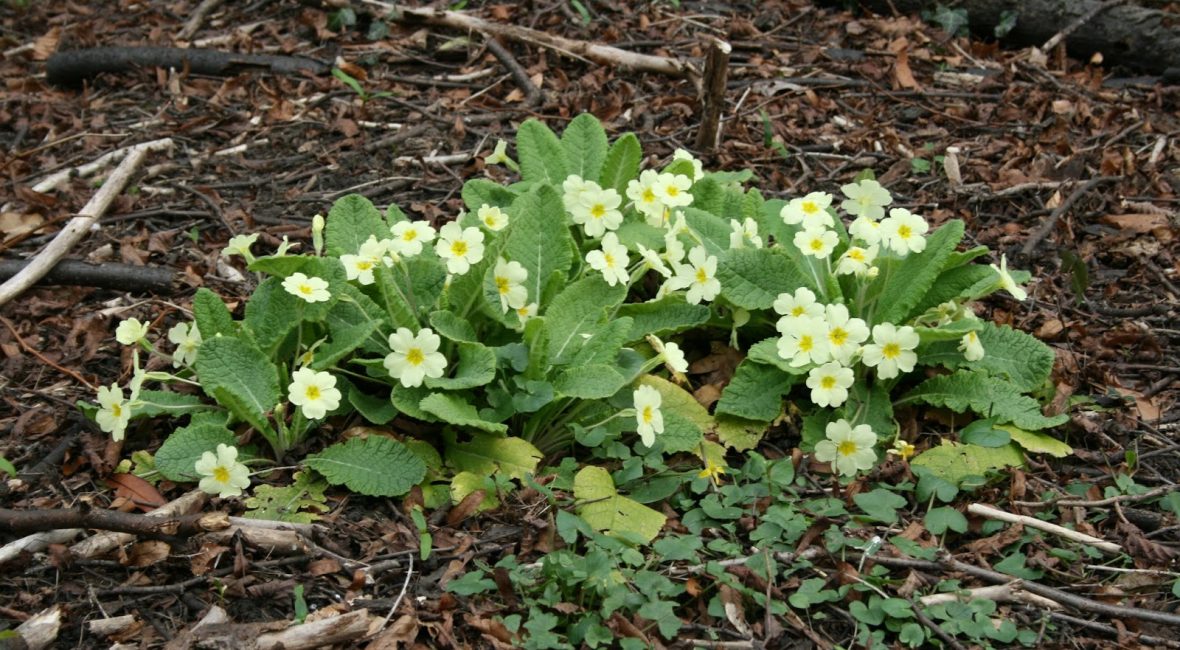
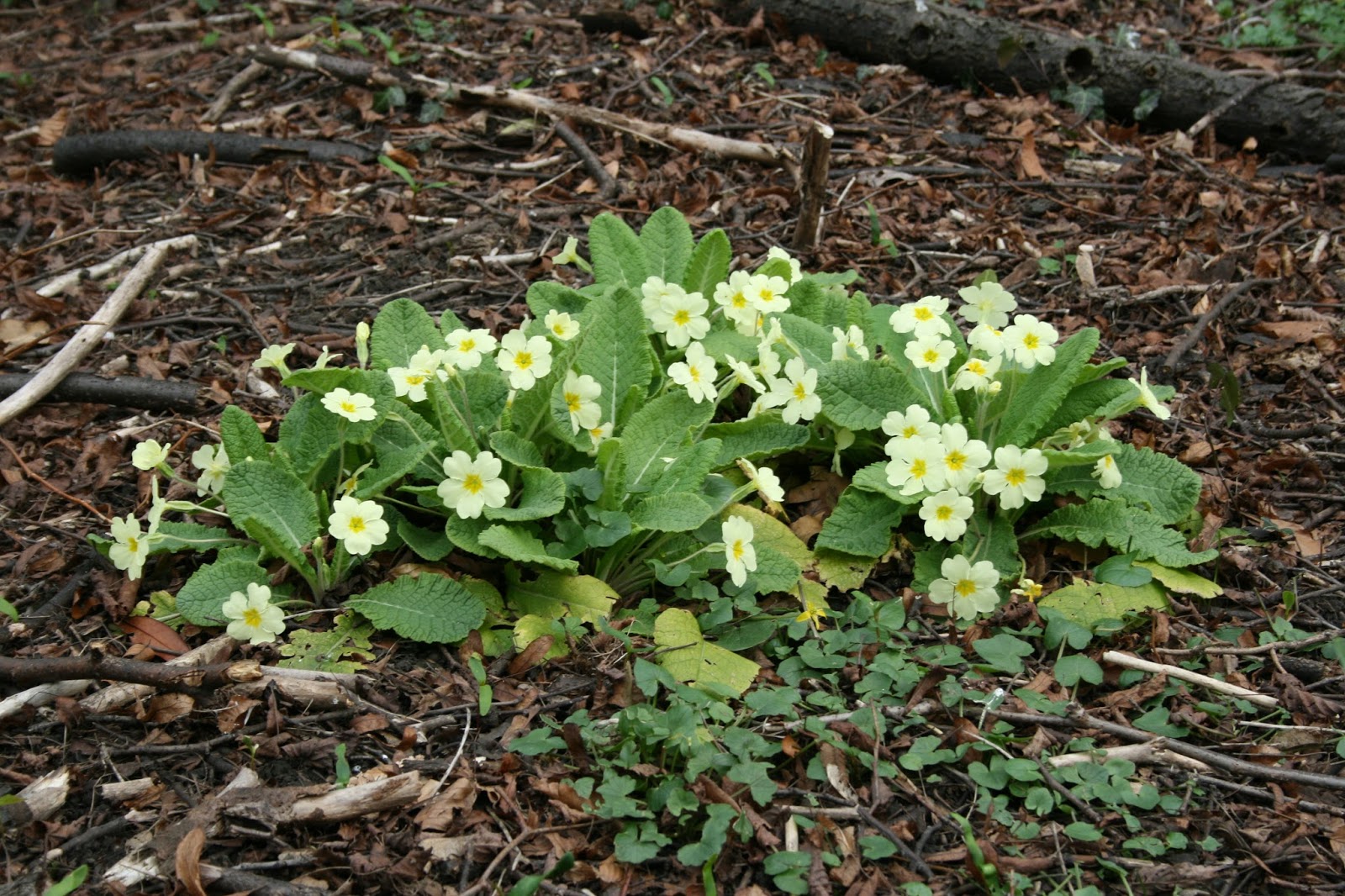
Primula vulgaris plants growing in woodland habitat. Photo by P.M. Gilmartin.

In 1860, Charles Darwin had an epiphany.

This was not an epiphany on the origin of species, as his monumental publication on the subject had been published one year earlier in 1859. This epiphany, which Darwin shared in a letter to his friend Joseph Dalton Hooker, was that flowers in the genus Primula display two distinct forms which differ in the length of the pistil’s styles and the height of the stamen’s anthers.

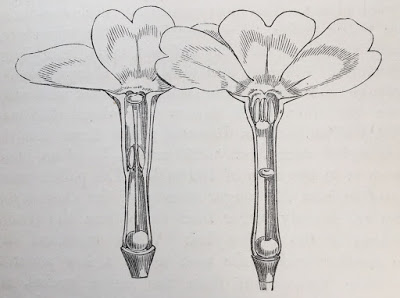
The condition of having multiple, distinct floral forms within a species is called heterostyly. Darwin coined the term distyly to describe the presence of two forms, or morphs. These morphs are called pin and thrum flowers, with pin flowers possessing long styles and low anthers and thrum flowers possessing short styles and high anthers. Each individual plant contains only flowers of the same morph, and the presence of heterostyly promotes insect-mediated out-crossing. In addition, a self incompatibility system is associated with heterostyly, which inhibits self-pollination. This ensures higher genetic diversity in future generations.

Darwin articulated his ideas on heterostyly within the paper ‘On the two forms, or dimorphic condition, in species of Primula, and on their remarkable sexual relations,’ which he read at the Linnean Society on 21 November 1861 and published a year later in the Journal of the Proceedings of the Linnean Society, Botany.

View Full Size Image
Wood block print of Primula veris from Charles Darwin’s Different forms of Flower on Plants of the Same Species (1877) showing the detail of long styled (pin) and short styled (thrum) flowers. Digitized by University Library, University of Illinois Urbana-Champaign. http://www.biodiversitylibrary.org/page/32622458.

Darwin published further research on heterostyly fifteen years later within the monograph Different Forms of Flowers on Plants of the Same Species (1877). Within this work, he cites earlier observations of the condition in Primula species. It was not until Darwin, however, that the reproductive significance of these morphs was understood.

Dr. Philip M. Gilmartin has been interested in Primula floral morphs for decades.

A Professor of Plant Molecular Genetics at the University of East Anglia, Gilmartin has been studying gene expression and plant development for thirty years. For the past twenty years, his lab has been focused on understanding the molecular basis of heterostyly in Primula.

View Full Size Image
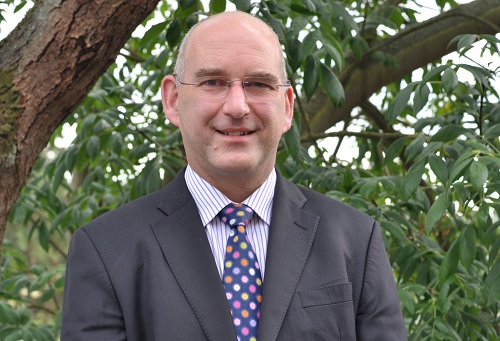
Dr. Philip Gilmartin, Professor of Plant Molecular Genetics, University of East Anglia. Photo credit: UEA.

Gilmartin’s interest in Primula heterostyly isn’t restricted to genetics. While examining a print of Primula vulgaris from William Curtis’ Flora Londinensis (1777-98), Gilmartin realized that the copper-plate engraving clearly depicted both pin and thrum flower morphs. This realization sparked an exploration into historical observations of heterostyly.

“I sought to track down original references to identify the earliest observations on heterostyly. The Biodiversity Heritage Library resources were invaluable in this study,” affirms Gilmartin.

View Full Size Image
Copper plate engraving of Primula vulgaris from William Curtis’ Flora Londinensis (1791) showing pin and thrum flowers. Digitized by Smithsonian Libraries. http://www.biodiversitylibrary.org/page/41070264.

To conduct his historical review, Gilmartin referred to the cited sources in Darwin’s Different Forms of Flowers, as well as botanical images in early herbals, floral books, and florilegia. He accessed BHL several times each week while tracking down these references, using the scientific name finding tool and thumbnail view in the book reader to identify and navigate to relevant pages. He also downloaded whole PDFs and select pages of relevant material for future reference.

BHL also proved instrumental in helping Gilmartin resolve a perplexing citation error.

“For one reference cited in Darwin’s Different Forms of Flowers on Plants of the Same Species, the author (Kerner) and journal (Osterreichische Botanische Zeitshcrift) did not match the cited date (1835),” recalls Gilmartin. “I was eventually able to uncover the correct journal article from 1875 to find Darwin’s intended reference. Online access to the scanned journals was invaluable.”

View Full Size Image
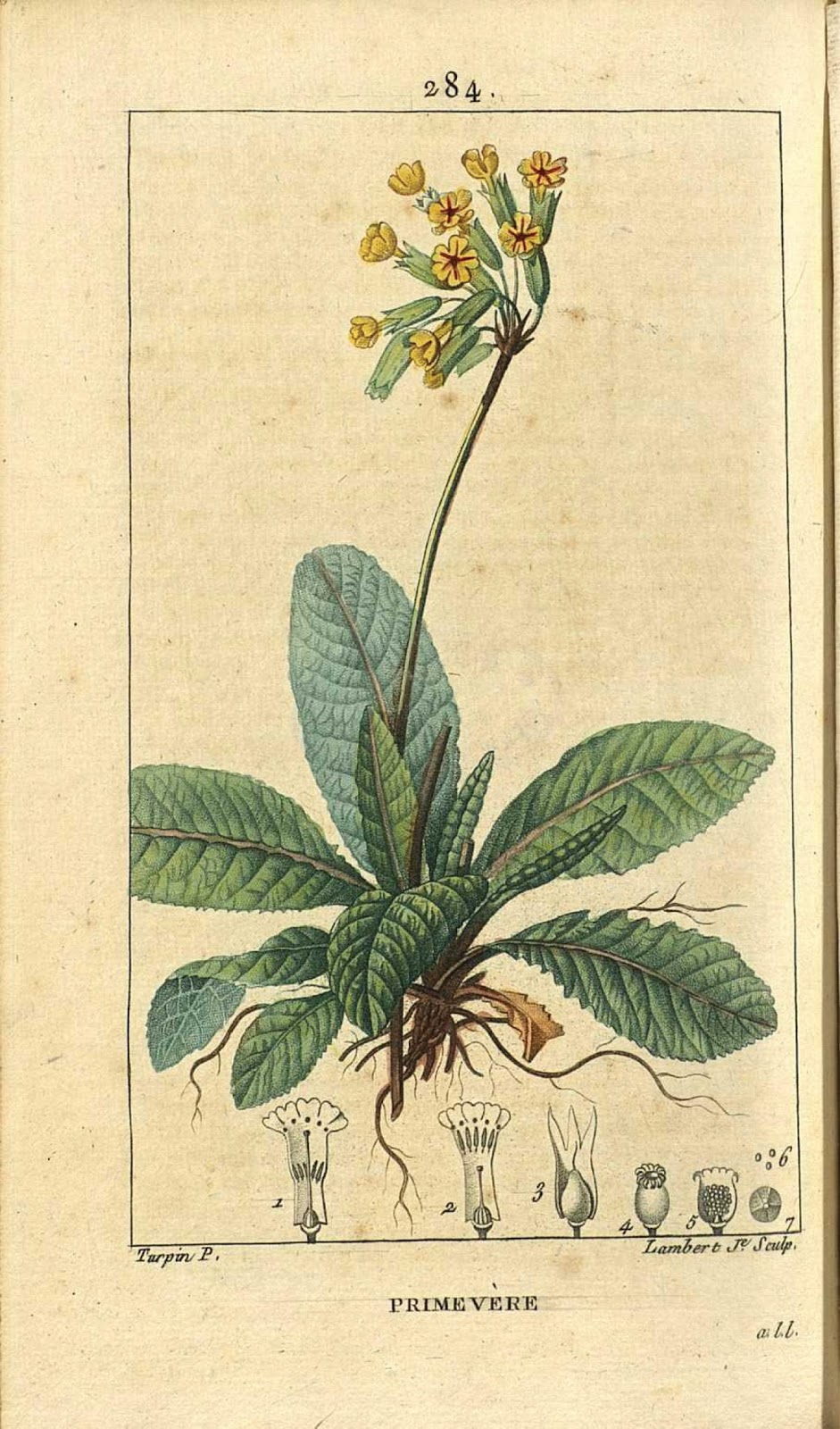
Primula veris. Hand-colored copper-plate engraving by Pierre Turpin. Chaumeton, François-Pierre. Flore médicale. v. 5 (1818). Digitized by Biblioteca Digital del Real Jardin Botanico de Madrid. http://www.biodiversitylibrary.org/bibliography/76669.

As a result of this research, Gilmartin uncovered other 19th century illustrated representations of heterostyly in Flore Medicale (1818) and Hand-Atlas sämmtlicher medizinisch-pharmaceutischer Gewächse (1848), in addition to the 18th century Curtis image. Additionally, the earliest printed usage of the terms “pin-eyed” and “thrum-eyed” that Gilmartin was able to identify during his research appeared in Curtis’ Flora Londinensis.

The earliest published description of heterostyly, however, occurred much earlier, within Carolus Clusius’ Rariorum Aliquot Stirpium (1583). Gilmartin discovered this reference after consulting a 1943 French paper by van Dijk on historical observations of floral heteromorphy.

“Although Clusius was describing the two forms of flowers in different Primula varieties rather than within the same variety, this is the earliest description to my knowledge of the two forms of pin and thrum flowers which Darwin later studied,” explains Gilmartin.

View Full Size Image
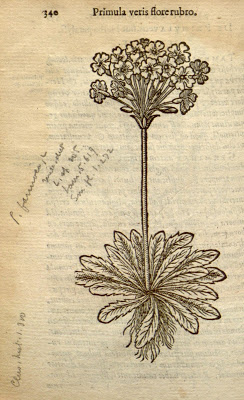
Primula veris. Clusius, Carolus. Rariorum Aliquot Stirpium. 1583. Digitized by the Missouri Botanical Garden. http://www.biodiversitylibrary.org/page/6719232.

Gilmartin presented the results of his historical review within the article “On the Origins of Observations of Heterostyly in Primula“, publishing in New Phytologist in 2015. Thanks to the Biodiversity Heritage Library, which is acknowledged in the paper, Gilmartin not only traced the published record of heterostyly but also gained historical context for his genetic research.

As for Darwin’s epiphany, while he was not the first to observe heterostyly, he was the first to study and articulate the reproductive significance of Primula floral morphs. It was an achievement that Darwin took great personal pride in. As he revealed in his autobiography:

“No little discovery of mine ever gave me so much pleasure as making out the meaning of heterostyled flowers.”

______________________________________

This post may contain the personal opinions of BHL users or affiliated staff and does not necessarily represent the official Biodiversity Heritage Library (BHL) position on these matters.

September 14, 2017by ulib-libraryjobs
BHL News, Blog Reel

Report on the XIX International Botanical Congress, Shenzhen, China, July 2017

View Full Size Image
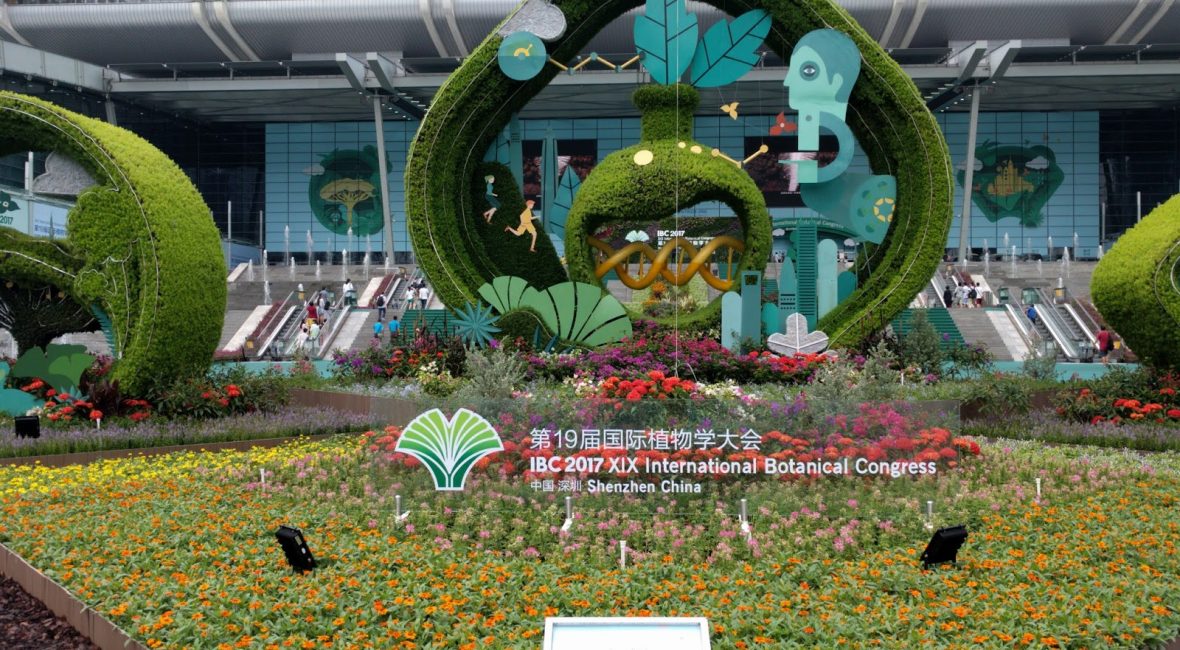
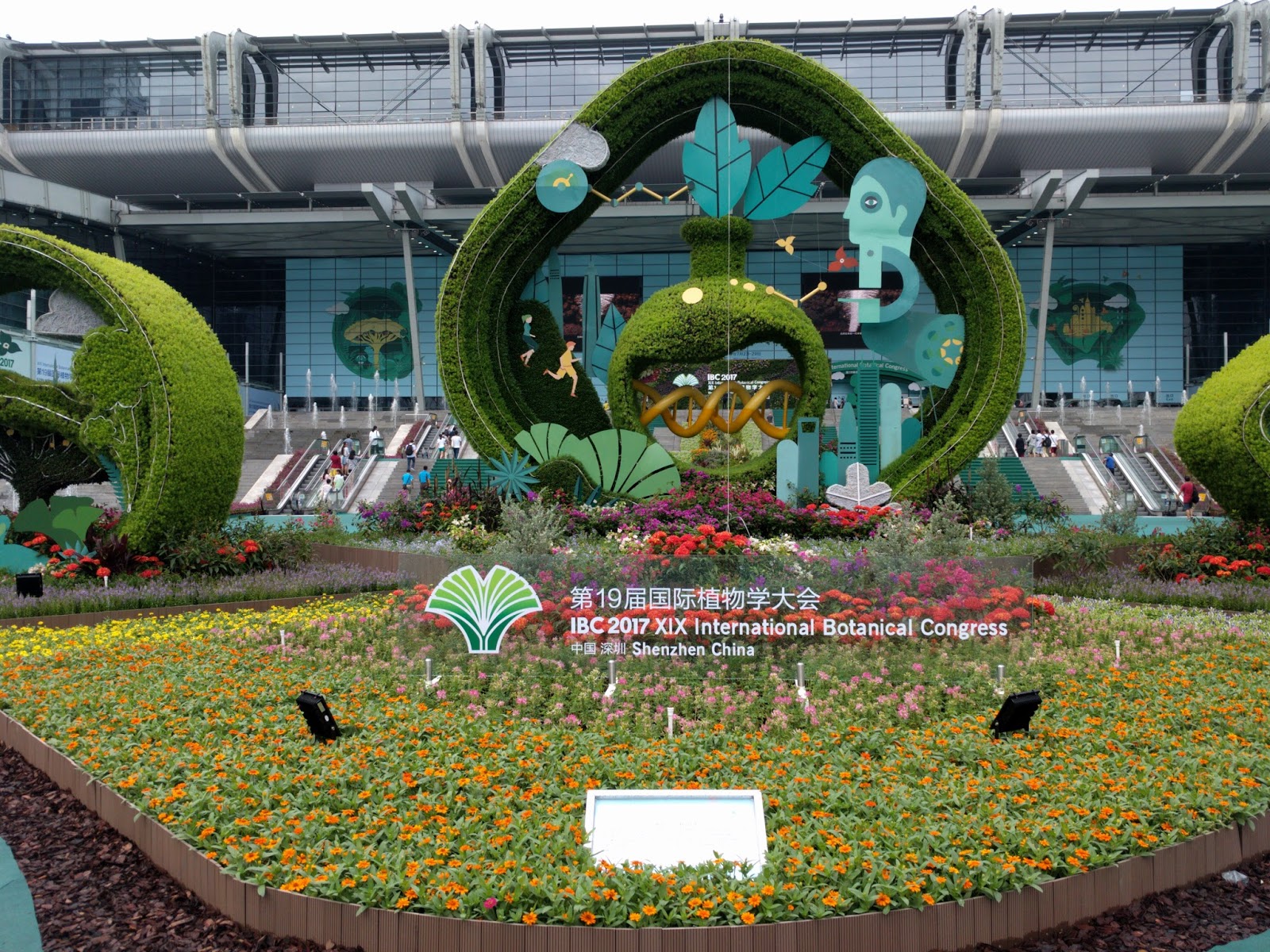
XIX IBC 2017

Along with BHL Program Manager Carolyn Sheffield, I represented BHL as a delegate to the XIX International Botanical Congress in Shenzhen, China. Held during the week of 24-28 July 2017, the Congress (which is held every five years) drew over 6,000 botanists from around the world.

The Congress provided an excellent opportunity to catch up with colleagues from around the world and learn about some of the latest botanical research.

SHENZHEN DECLARATION AND PUBLIC TALKS 

View Full Size Image
IBC logos on Shenzhen skyline

The program was divided into plenary talks, keynote talks, general symposia, and public lectures (see abstracts for all here). The Congress opened with a public lecture by Peter H. Raven, President Emeritus of the Missouri Botanical Garden. Raven’s talk, “Saving Plants to Save Ourselves: The Shenzhen Declaration” was on the public announcement of the Shenzhen Declaration on Plant Sciences. Authored by fourteen illustrious botanists that formed the Shenzhen Declaration Drafting Committee, the declaration is an important statement on the role of plant science in a changing world. The declaration opens with:

“Actions and priorities to connect the global community of plant scientists with the world’s changing societies are today more imperative than ever. Environmental degradation, unsustainable resource use, and biodiversity loss all require integrated, collaborative solutions.”

Noting the changing world we inhabit, the change evidenced by increased species extinction, global climate change, rapid changes in the practice of plant science, and refactoring of the world’s economy, the declaration outlines seven priorities for strategic action in the plant sciences. These priorities will “allow society, with the help of science, to mitigate impacts of human activities on plant species, habitats, and distributions, and to approach formation of a sustainable world for ourselves and those who follow us.”

These seven priorities are:

  • To become responsible scientists and research communities who pursue plant sciences in the context of a changing world.
  • To enhance support for the plant sciences to achieve global sustainability.
  • To cooperate and integrate across nations and regions and to work together across disciplines and cultures to address common goals.
  • To build and use new technologies and big data platforms to increase exploration and understanding of nature.
  • To accelerate the inventory of life on Earth for the wise use of nature and the benefit of humankind.
  • To value, document, and protect indigenous, traditional, and local knowledge about plants and nature.
  • To engage the power of the public with the power of plants through greater participation and outreach, innovative education, and citizen science.

Raven’s inspiring talk on the Declaration was a brilliant opening to the Congress (and was touched upon by nearly all speakers for the remainder of the Congress) and concluded with a rousing call to action: “Let us make this Congress a time of commitment to do better and resolutely seek a sound and sustainable future for all people.”

View Full Size Image
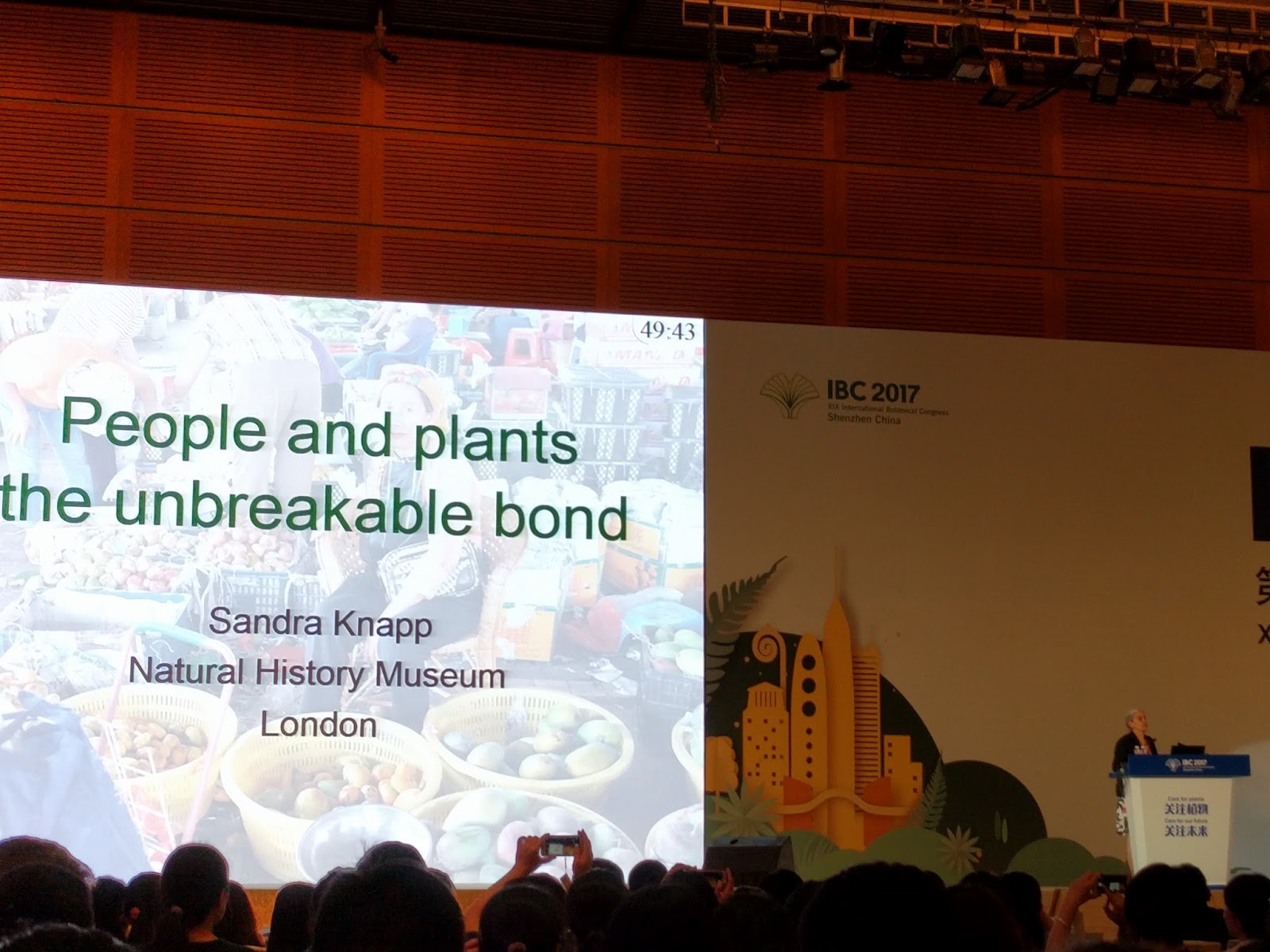
Sandra Knapp

Another public lecture of note was by Sandra Knapp (Natural History Museum, London): “People and Plants — the Unbreakable Bond”. Knapp noted “Plants form the scaffold for Earth’s green ecosystems, but they are also essential for human survival. Plants provide most of the food we eat (directly or indirectly), our medicines, clothes, buildings, and even the air we breathe; they also beautify our daily lives.” Knapp further detailed the importance of plants to humans and then pivoted to ask, “So we need plants, but do they need us?” Knapp’s answer was yes:

“In this time of increasing human impact on plants, animals and natural habitats, our actions can make a big difference in whether plants are a part of an ecological civilization for the future. Plants do in fact need us – they need us to study and use them responsibly, both as scientists and as members of human societies.”

KEYNOTE AND PLENARY TALKS

The Congress presented a number of excellent keynote and plenary talks. Of special note were the following:

“Tropical Plant-Animal Interactions: Coevolution in the Anthropocene” by W. John Kress (Smithsonian Institution, National Museum of Natural History). Kress illustrated his talk with research on the interaction of beetles, humming birds, and Zingiberales (including bananas, birds-of-paradise, heliconias, gingers, and prayer plants). Kress concluded with, “The geographic mosaic of these relationships across tropical islands, fragmented landscapes, and elevational gradients suggests that human-caused habitat alterations, biological invasions, and climate change may significantly modify and disrupt through time and space the historical patterns of ecological interactions. The future of today’s biological complexity in the Age of Humans, in the Anthropocene, remains to be determined.”

View Full Size Image
W. John Kress

“International developments and responsibilities for the botanical community in plant conservation” by Peter Wyse Jackson (Missouri Botanical Garden). Wyse Jackson provided a high level overview of the importance of the Global Strategy for Plant Conservation (GSPC), part of the United Nations Convention on Biological Diversity, and showed how individual institutions can help achieve the 2020 targets of the GSPC. He specifically noted how the Missouri Botanical Garden is working in the areas of conservation biology, ecological restoration, community conservation and education programs, horticulture and ex situ conservation towards this end. The World Flora Online project, based at the Missouri Botanical Garden and with partners worldwide, was previewed at the Congress and is a first target of the GSPC.

View Full Size Image
Peter Wyse Jackson

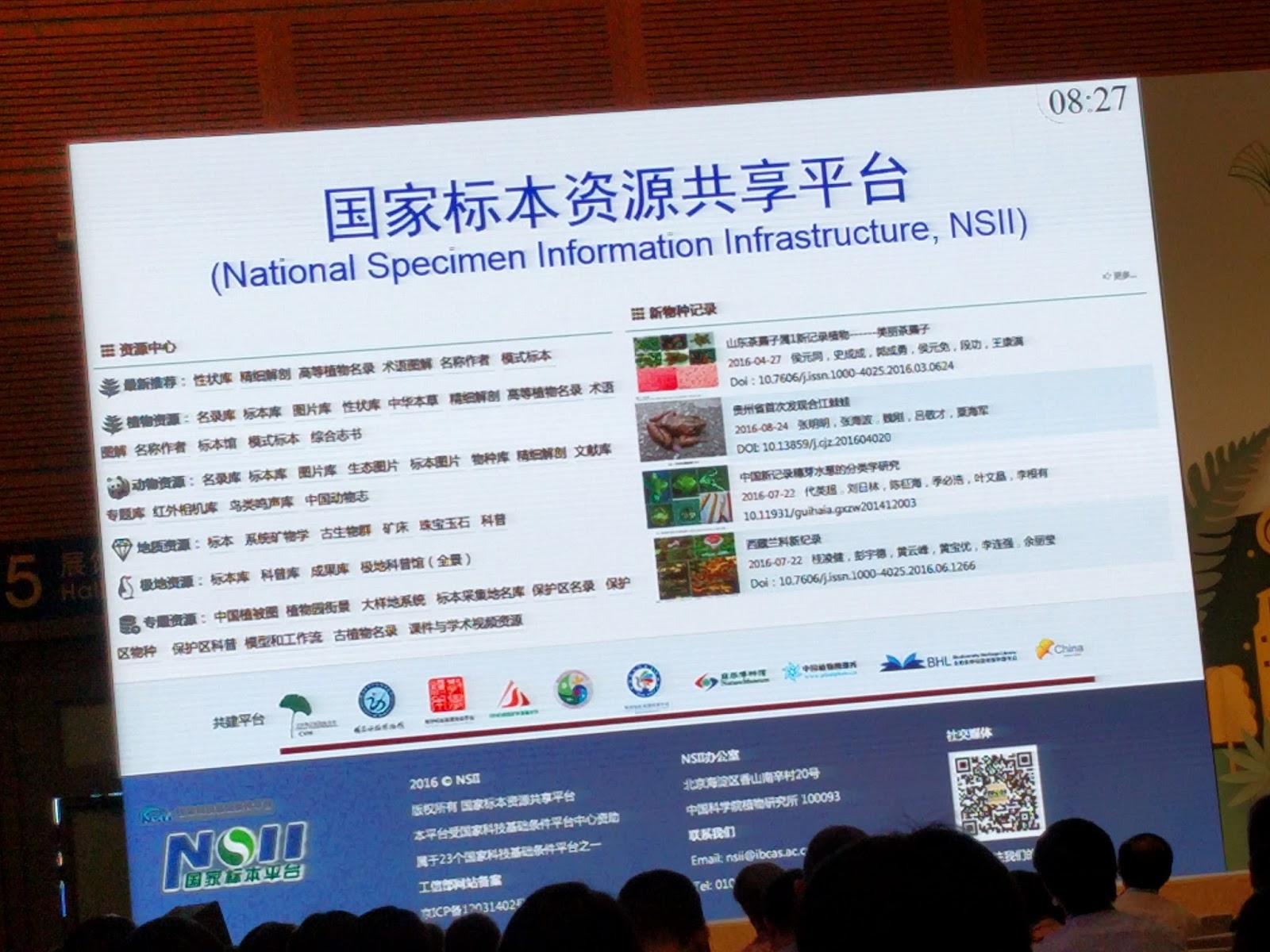
“Mapping Asia Plants” by Keping Ma (Institute of Botany, Chinese Academy of Sciences). Ma provided an excellent overview of a number of resources that are helping to document plant life in Asia. Ma commented, “Because of the huge population and rapid growth of economy, biodiversity including plants are being seriously threatened in Asia.” He also detailed the work of the Asia Biodiversity Conservation and Databases Network (ABCDNet) project, entitled Mapping Asia Plants for cataloguing species of plants and collecting distribution data. The importance of the Biodiversity Heritage Library China (BHL China) in providing access to literature was noted.

View Full Size Image
Keping Ma

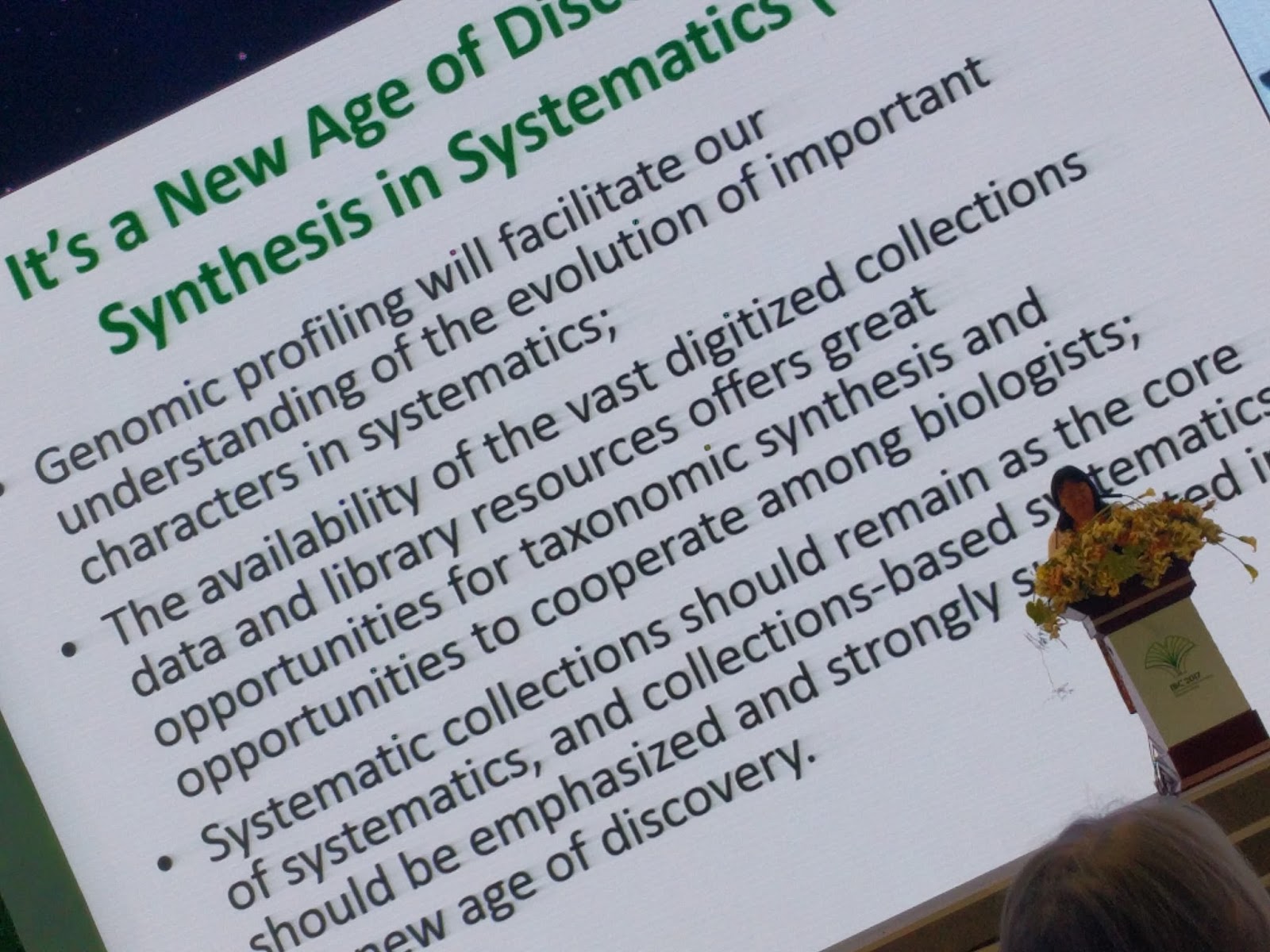
“Developing integrative systematics in the informatics and genomic era” by Jun Wen (Smithsonian Institution, National Museum of Natural History). “Systematics is the science of discovering, organizing and interpreting the diversity of all living organisms on Earth. Recent developments in genomics and biodiversity informatics are transforming systematics and have opened up many new opportunities.” With that statement, Wen outlined the opportunities of big data, digitization, and genomics in developing the tree of life. The wider importance of this work was driven home as Wen noted “integrative systematics must proactively educate the public and policy makers on the importance of systematics and collections in the biodiversity crisis of the Anthropocene.”

View Full Size Image
Jun Wen

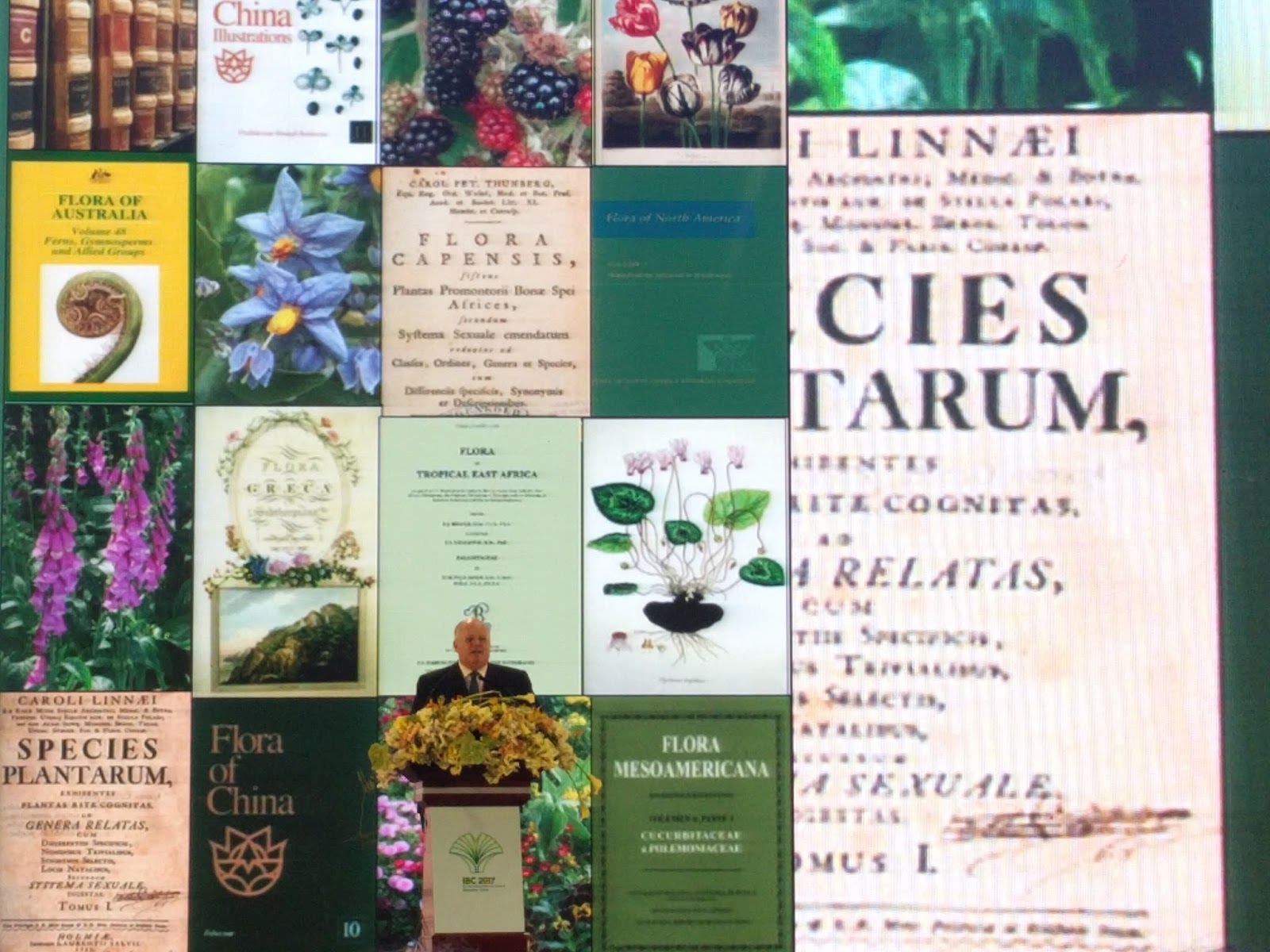
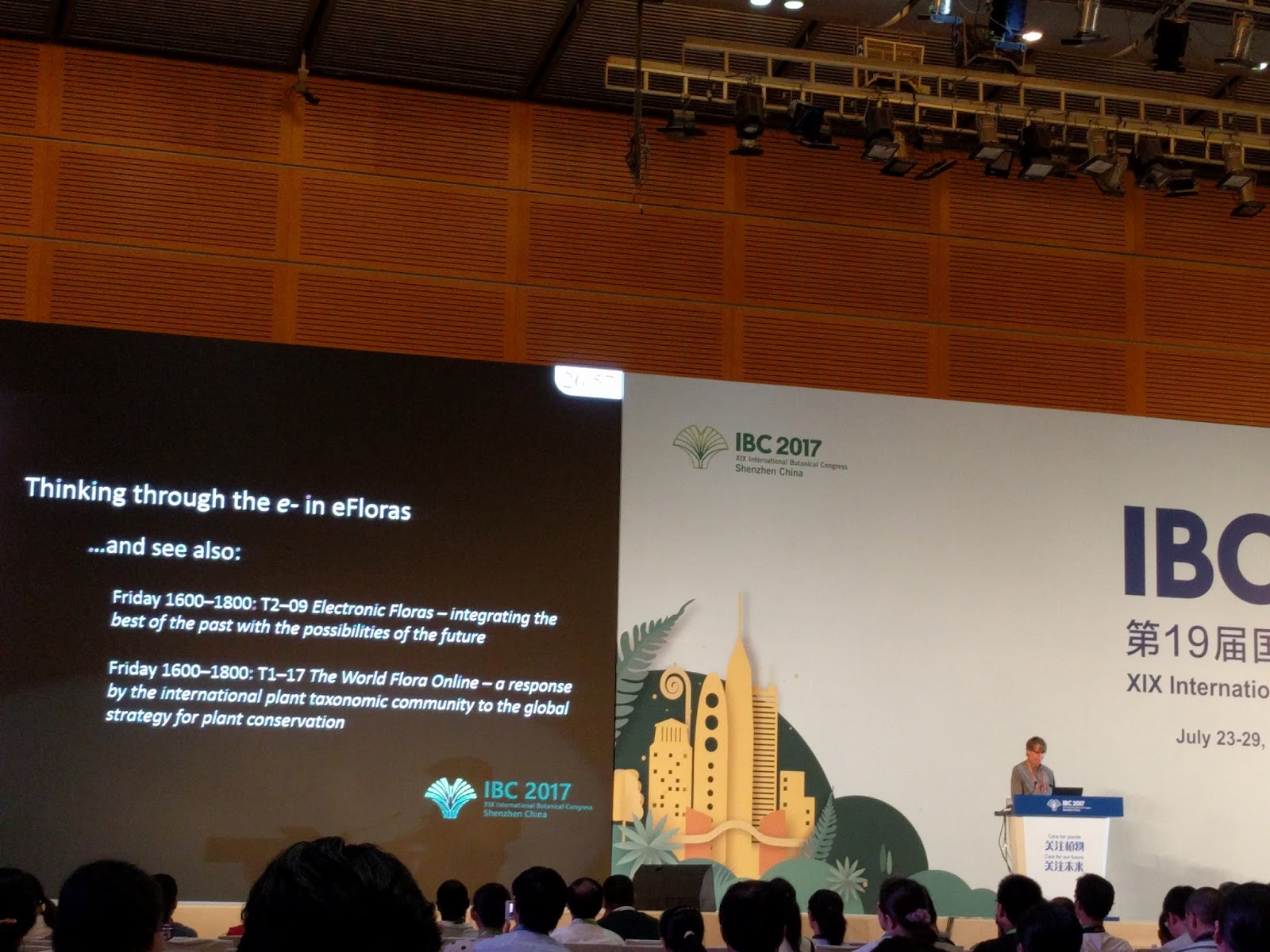
“Thinking through the e- in e-Floras; or, Floras old, new, and not-yet” by Kevin Thiele (Western Australian Herbarium). Thiele delivered an provocative talk that touched upon the very core of how plant scientists do their work and to what level much of the scientific output is wedded to 19th century methods of dissemination while we are living well into the 21st century. He illustrated this with how many “e-floras” simply reproduce print methodologies. He challenged the audience to consider, “If modern taxonomy and systematics were invented, or re-invented, now (in the age of the internet, social media, citizen science and the block chain), rather than in the 18th Century, would we do it all differently?”

View Full Size Image
Kevin Thiele

In perhaps the most inspirational talk of the Congress, Stephen Blackmore (Royal Botanic Garden Edinburgh) spoke on the seemingly simple topic, “Saving Plants”. Blackmore drew on his personal experience in Pearl River Delta area to tie together the different sectors and stakeholders that are needed to create a world where plants, and by extension, humans, can both survive and thrive. Blackmore focused on the contributions of botanic gardens, arboreta, seed banks and other collections of living and preserved plants to achieve the goal of saving plants. Blackmore ended on the note that “we will need to work closely together if we are to succeed in passing on the Earth’s rich, green inheritance to future generations.”

View Full Size Image
Stephen Blackmore

BIODIVERSITY HERITAGE LIBRARY SYMPOSIUM 

View Full Size Image
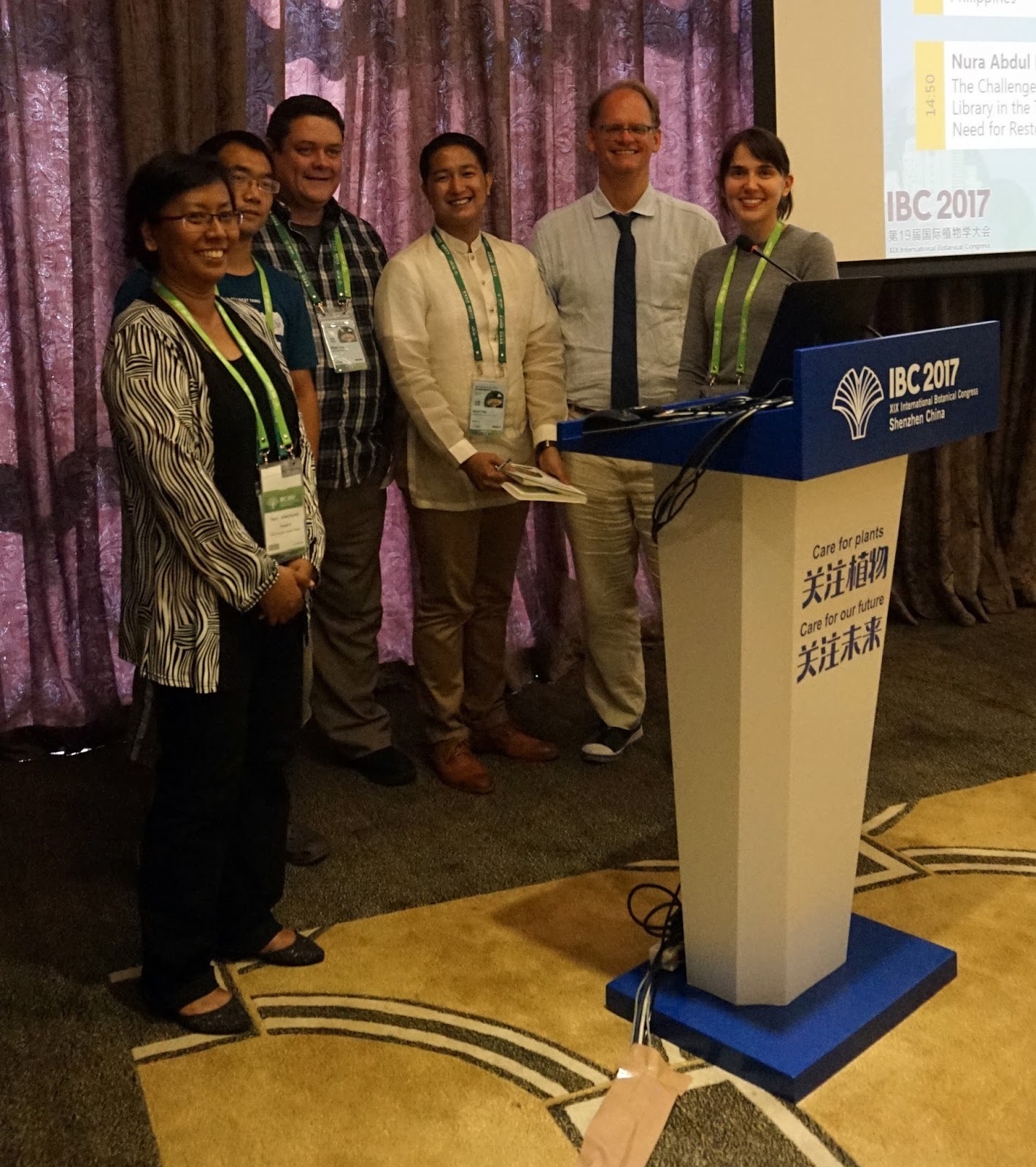
Speakers at the BHL Symposium

For the Congress, I, along with Carolyn Sheffield, organized a general symposium, “The Biodiversity Heritage Library: Empowering Discovery through Free Access to Biodiversity Knowledge” with colleagues from the Biodiversity Heritage Library‘s global partners. Presenters at the symposium were:

  • The Biodiversity Heritage Library: Empowering Discovery through Free Access to Biodiversity Knowledge | Martin R. Kalfatovic (Biodiversity Heritage Library / Smithsonian Libraries)
  • Real use cases for Semantic Information in BHL | William Ulate (Center for Biodiversity Informatics, IT Department, Missouri Botanical Garden)
  • A Checklist of the Orders and Families of Medicinal Plants in the Philippines | Harold Carag (The Graduate School, University of the Philippines, Los Banos)
  • The Development and Progress of BHL China | Zheping Xu (Institute of Botany, Chinese Academy of Sciences)
  • The Challenges of a Botanical Library in the Tropics and the Need for Restoration and Digitisation of Materials | Nura Abdul Karim (Singapore Botanic Gardens, National Parks Board)
  • Building Botanical Literature Collections for Global Use: Highlights from the Biodiversity Heritage Library | Carolyn Sheffield (Biodiversity Heritage Library / Smithsonian Libraries)

OTHER SYMPOSIA 

Many familiar colleagues participated in the General Symposium, “Green digitization: online botanical collections data answering real-world questions”, organized by Shelley A James (Florida Museum of Natural History, USA) and Gil Nelson (Florida State University, USA).

Talks at the symposium included:

  • Rebranding botanical collections: Global societal and biodiversity data needs for novel research | Shelley James
  • Invasive or Not? A collection-based investigation of a historically unseen, persistent green algal bloom on Pacific coral reefs | Tom Schils [unable to present]
  • Current status and the applications of online botanical collection data in China | Zheping Xu
  • Virtual Herbaria tracking usage and benefits for biological collections: An example from Australasia | David Cantrill
  • Developing standards for scoring phenology from herbarium specimens | Jenn Yost
  • From field collections to digital data: A workflow and digitization pipeline for reconstruction of a fossil flora | Dori Contreras [delivered in abstentia]

OTHER ACTIVITIES 

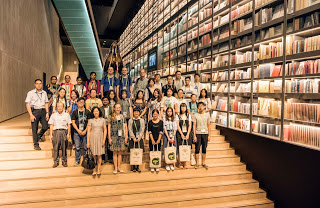
View Full Size Image
Artron (photo by Ivan Lee @ Artron)

A number of excursions were organized for delegates. I participated in one excursion that highlighted the hi-tech industry that has led to Shenzhen growing from a small fishing village to a world-class city with a population of 15 million in less than 40 years. The first stop was at UBTECH, a robotics start-up company that markets a robot that can interact with digital assistants (such as the Amazon Alexa). The next stop was Nirvana for this former art librarian: Artron, a world-class printer that produces art books and catalogs for the museums and galleries of the world. We visited their library and exhibition spaces. The focal point of the facility was the “Wall of Art Books.” Over 150,000 art books are on display in a four story space (that has to be experience to be believed). All books are available to view by members of the Artron private library. We visited the private library, consisting of 20 themed rooms (e.g. “Japanese Vintage Books” and “The Business of Art”) as well as the main reading room with a touch pad catalog where readers can page books (after pre-viewing full-text digitized versions). After leaving the Artron facility, I couldn’t help but imagine this is how the brick and mortar library of the future will look.

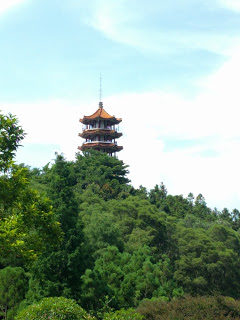
View Full Size Image

My second excursion was more on a botanical point. The Fairy Lake Botanical Garden is a 546 ha botanical garden which compares favorably with the great gardens of the world. First stop was the shade garden and butterfly pavilion, followed by the Fairy Lake and the palm area. We also had the opportunity to visit the National Cycad Conservation Center, which includes a fabulous collection of cycads from around the world and also a fossil collection. The Fairy Lake Botanical Garden also has a spectacular petrified forest area, with huge amounts of petrified wood that have been “planted” to look like a forest. We also stopped in at the Shenzhen Paleontological Museum (some dinosaurs and nice trilobites, my favorite extinct invertebrate!).

View Full Size Image
With Sandra Knapp and Peter Raven

The Congress featured a mid-week Gala that provided an opportunity to recognize the work of organizers and the program committee. The Gala also showcased a wide variety of Chinese entertainment that ranged from classical instrumentalists, to dancers and acrobats, to a Chinese doo-wop group. The accompanying buffet featured a number of tasty offerings.

IN SUMMARY 

The XIX International Botanical Congress was a unique opportunity for the Biodiversity Heritage Library to meet with colleagues from around the world (and from down the hall) to discuss important issues related to plant science and how we, as librarians, can work with plant scientists to accelerate their work and to achieve the aspirational goals as outlined in the Shenzhen Declaration.

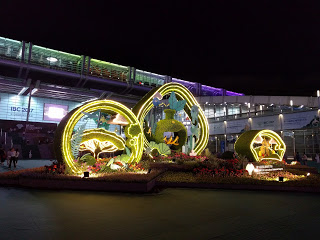
View Full Size Image
XIX IBC 2017 at Night
August 9, 2017by
Blog Reel, Campaigns, Featured Books

The Rhododendrons of Sikkim-Himalaya

Joseph Hooker, born 200 years ago this year, may have been the greatest botanist of the nineteenth century, professionalizing practice of the discipline and establishing the system of botanical classification used almost universally until the advent of genetics-based systems. He was certainly one of the most pivotal Directors in the history of the Royal Botanic Gardens, Kew, defending its role as a scientific institution rather than a pleasure park and expanding its infrastructure and collections. However, to horticulturalists, he is perhaps best known for his introduction of new species of Rhododendron to Europe in the mid 19th century.

View Full Size Image
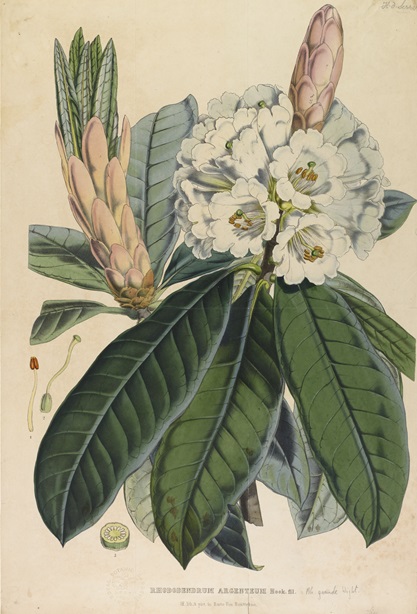
Rhododendron argenteum one of Hooker’s new species published in The Rhododendrons of Sikkim-Himalaya. http://s.si.edu/2tkRKAP. Drawing by Joseph Dalton Hooker. Lithographed by Walter Hood Fitch. Digitized by the Missouri Botanical Garden.

It was whilst on a plant collecting expedition in India and the Himalayas (1847-1851) that Hooker became the first European to be granted permission to explore what was then the autonomous kingdom of Sikkim, now a northern state of India, which had previously been closed to foreign explorers. In this unspoilt mountain kingdom, he gathered over 25 species of Rhododendron that would prove to be unknown to science and to European horticulturalists.

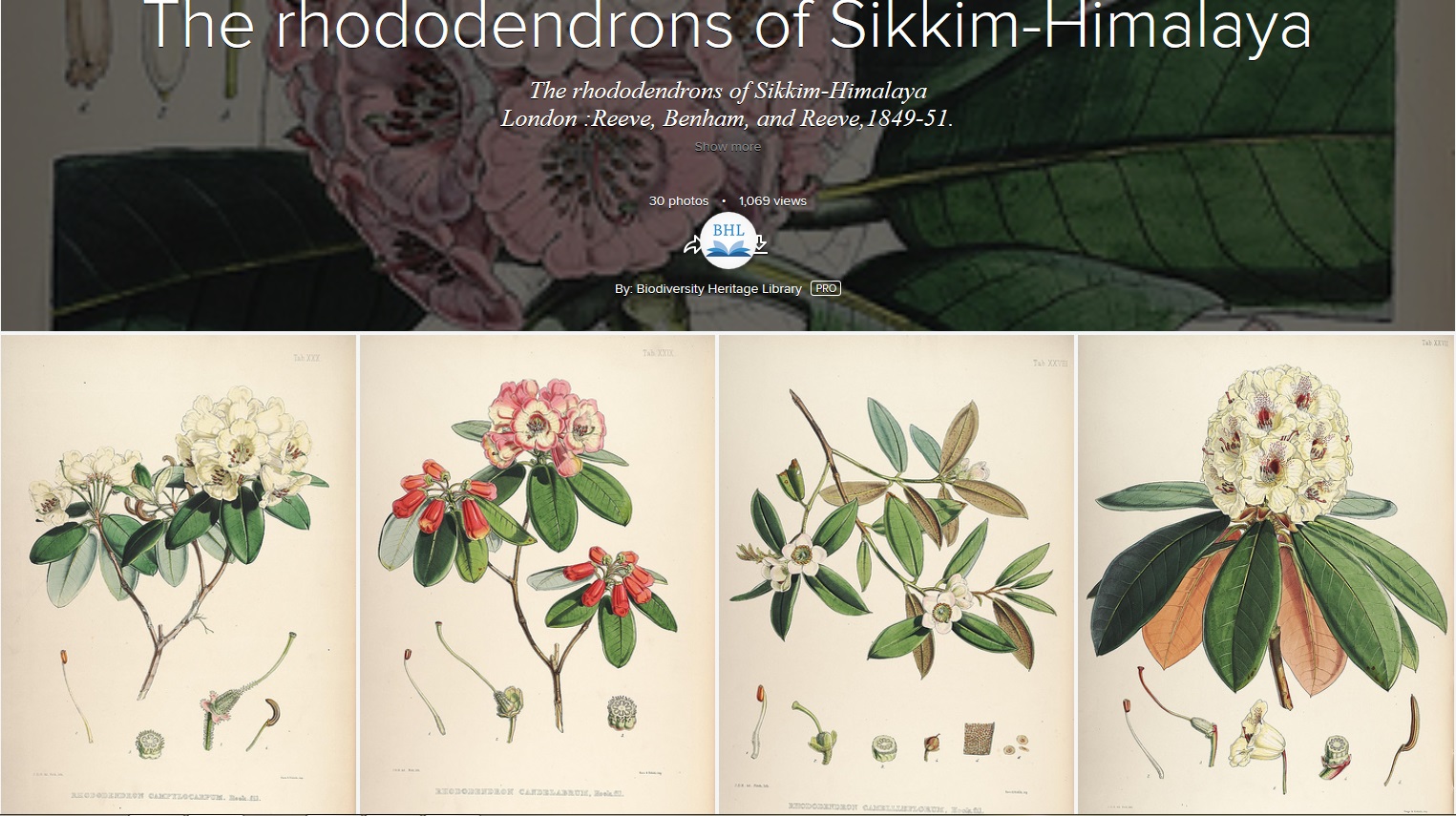
Spectacular illustrations of these Rhododendrons were published in the lavish book The Rhododendrons of Sikkim-Himalaya. At Kew, we love that these are available to view online at the Biodiversity Heritage Library for ease of access along with many other landmark publications by Hooker. You can also browse the superb illustrations on Flickr.

View Full Size Image
Illustrations from Hooker’s Rhododendrons of Sikkim-Himalaya made available through Flickr by our partners at BHL.

Hooker braved the monsoon rains to ensure that he could collect seeds of these new botanical beauties. His letters from the expedition, recently digitized by the archives of Kew Gardens, describe the discomforts of the endeavor: frozen fingers, the shin tearing Rhododendron scrub, prolific leeches, the danger from overflowing rivers, snow blindness, rock falls and the added suffering of altitude sickness to name a few.

“Worst of all is the depressing effect of being often baffled: you go at up a gully, take a probable branch, are turned at the top,: down you go, every step lost & try another, & so on, 4, 5, & 6 times perhaps; till, utterly fagged, you slope at night-fall down to camp, wet bruised & dissatisfied.” (Source)

Hooker was sometimes demoralized but not deterred and was determined to collect as much as he could:

“These explorations are very hard work, but I get such lots of plants that they are always abundantly profitable”. (Source)

More tales of Hooker’s collecting trials in his own words are available online through Kew’s Joseph Hooker correspondence project and in his published Journal available on BHL. Some of my personal favorites include imprisonment by the Rajah and a close shave with an avalanche in which his collecting companion, a dog named Kinchin, lost his whiskers.

View Full Size Image
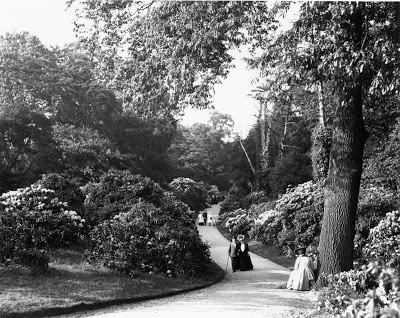
Victorian photograph of the Rhodoedndron Dell at The Royal Botanic Gardens, Kew. Reproduced by the Permission of the Trustees of The Royal Botanic Gardens, Kew.

The Kew Gardens Annual Report of 1850 records the receipt of ’21 baskets of Indian orchids and new species of Rhododendron’ from Hooker. The Rhododendrons were planted in Kew’s hollow walk, to become known as the Rhododendron dell, and shared with nurseries and gardeners across Europe, starting a craze for the plants and a legacy of their profusion across the gardens of stately homes in particular.

View Full Size Image
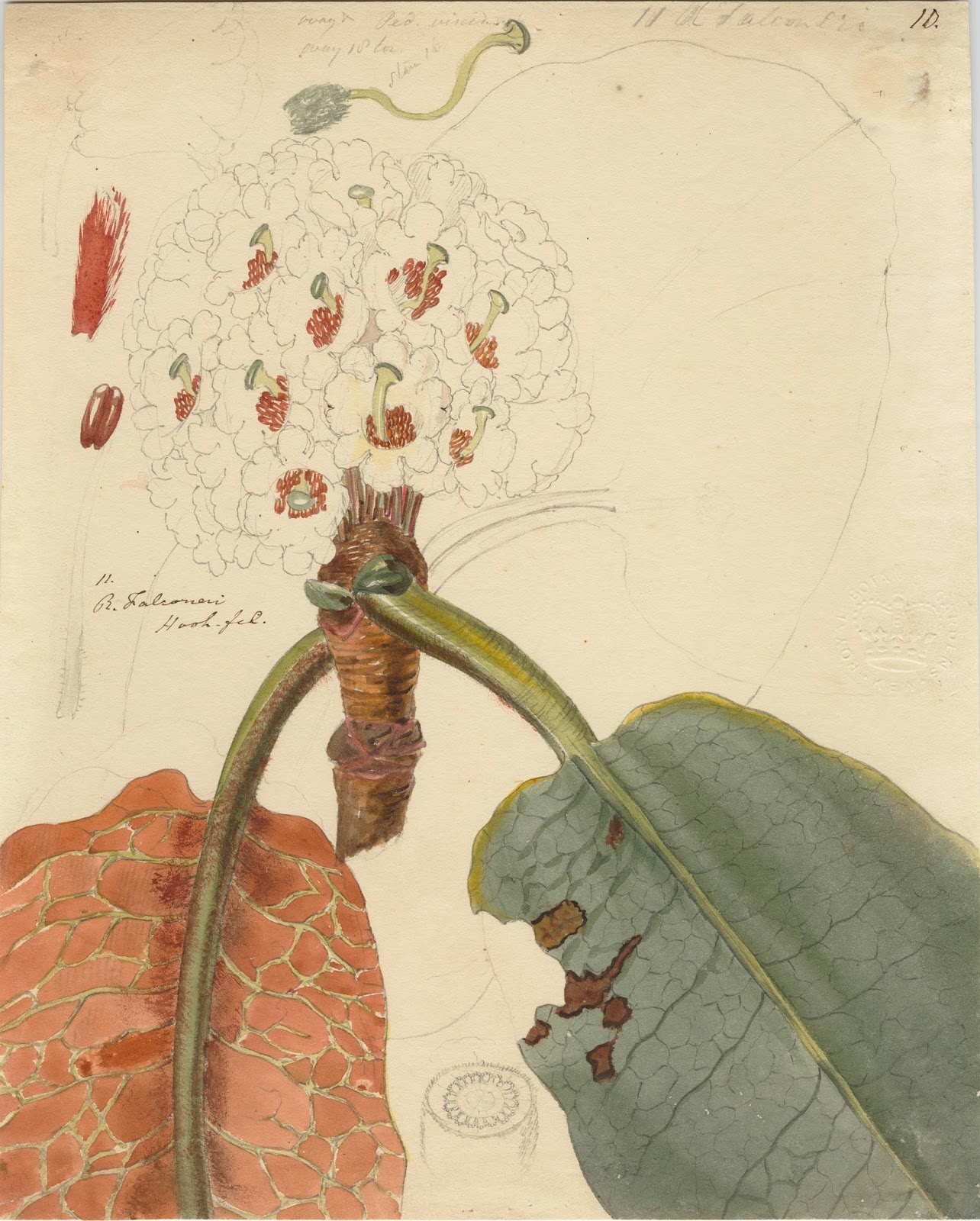
Field sketch of Rhododendron falconeri by Joseph Hooker, c.1850. Reproduced by the Permission of the Trustees of The Royal Botanic Gardens, Kew.

The additional annotated field sketches, dried plants and descriptions that Hooker sent home allowed the great botanical artist Walter Hood Fitch and Joseph Hooker’s father, botanist William Jackson Hooker, to publish The Rhododendrons of Sikkim Himalaya before Joseph had even returned home. To mark the bicentenary of Hooker’s birth this year, Kew has reproduced a facsimile edition of the publication from the first edition held in its library collection.

June 30, 2017by ulib-libraryjobs
Blog Reel, Featured Books

The Botanical Art of Redouté

View Full Size Image
Redouté, Pierre Joseph. Les liliacees. (1802-1815). v. 2. http://www.biodiversitylibrary.org/page/299211. Digitized by Missouri Botanical Garden.

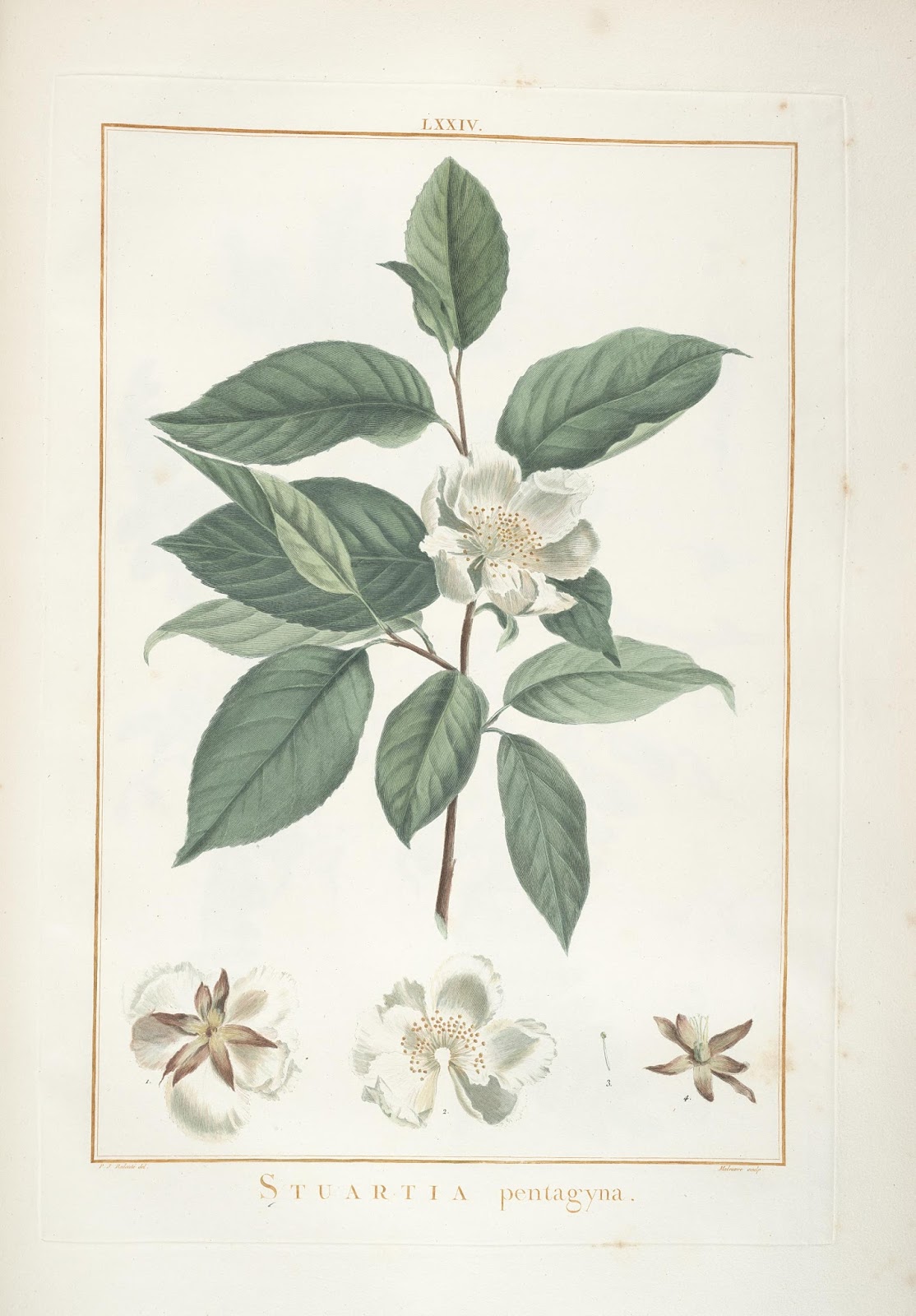
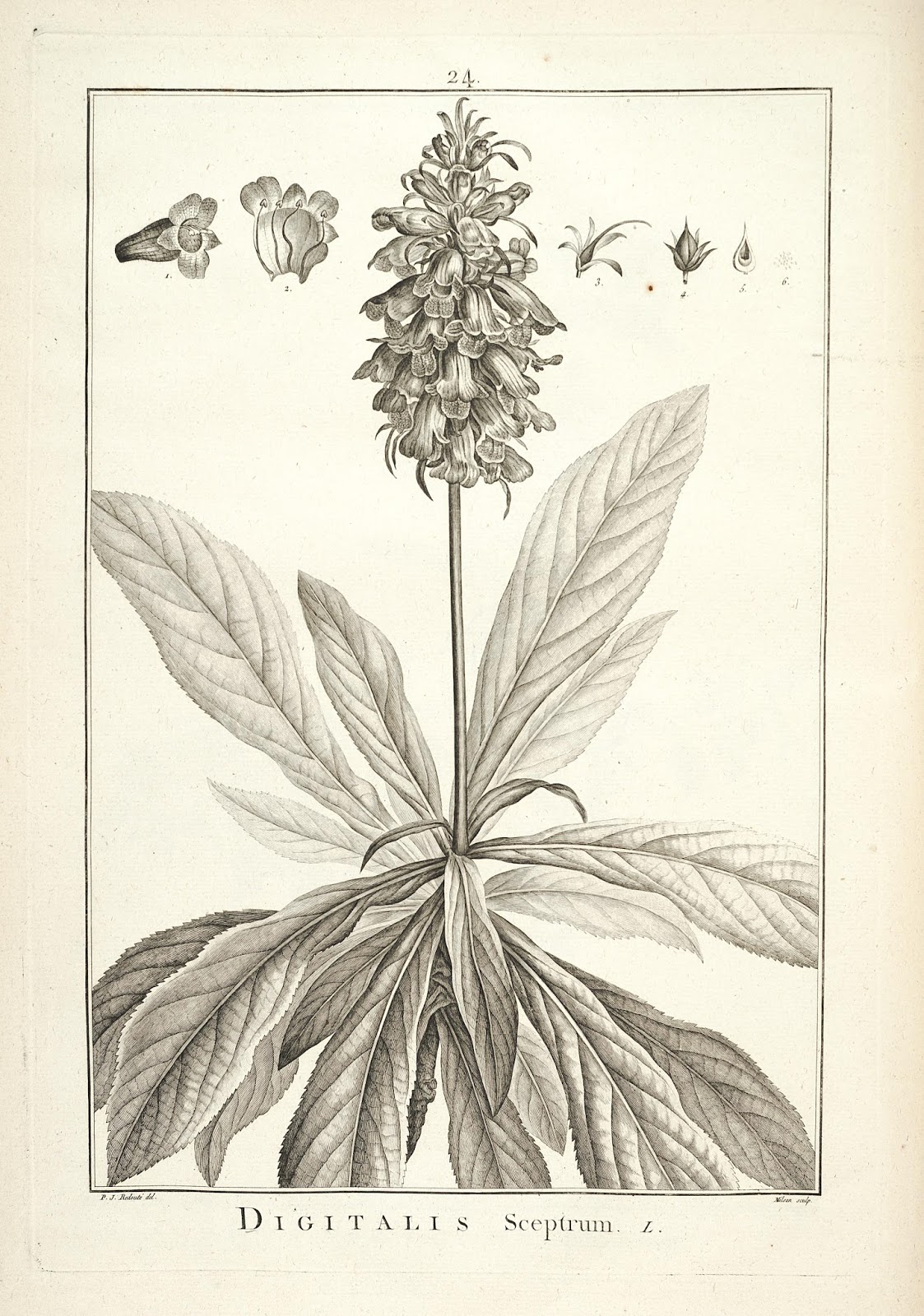
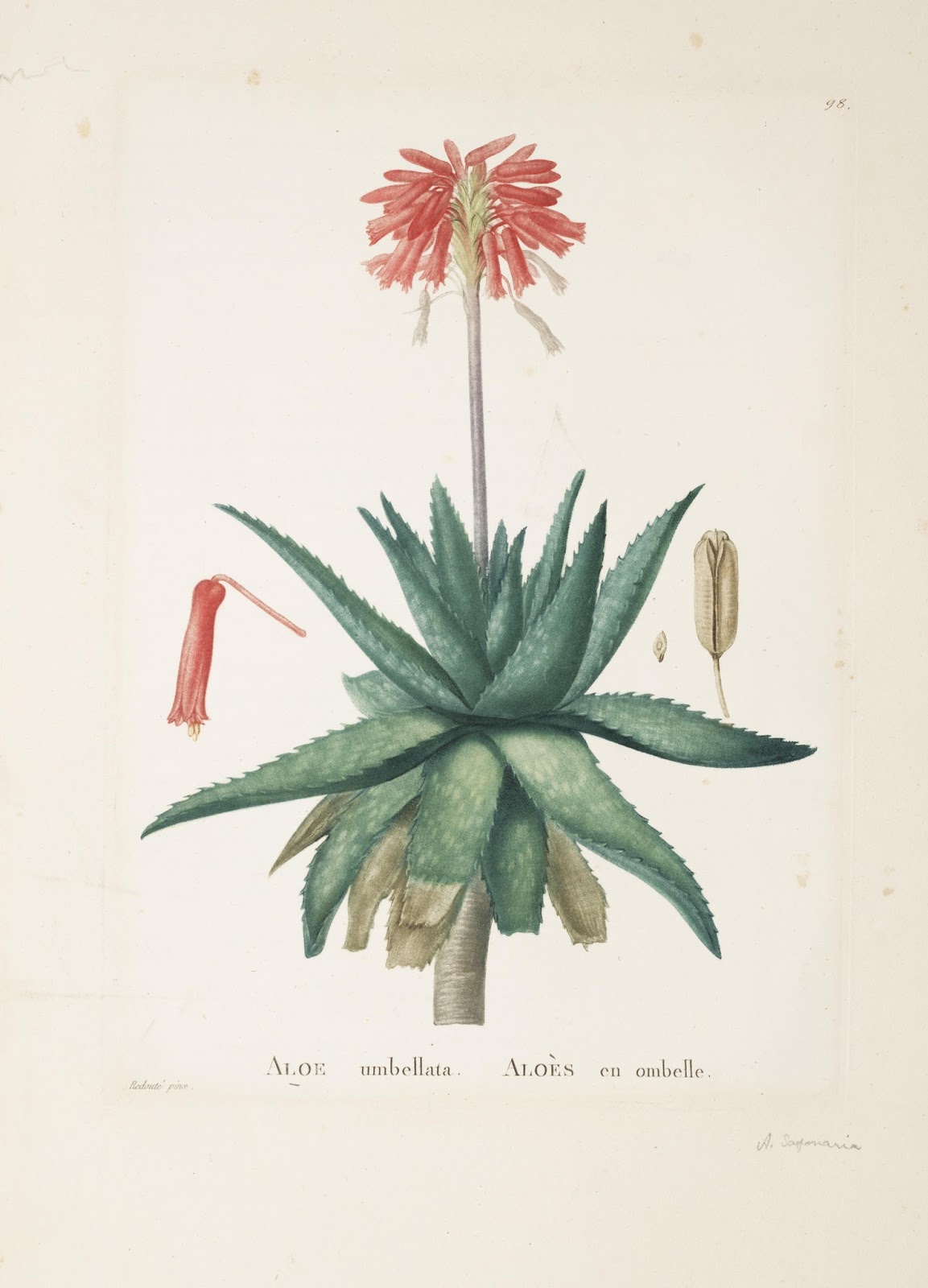
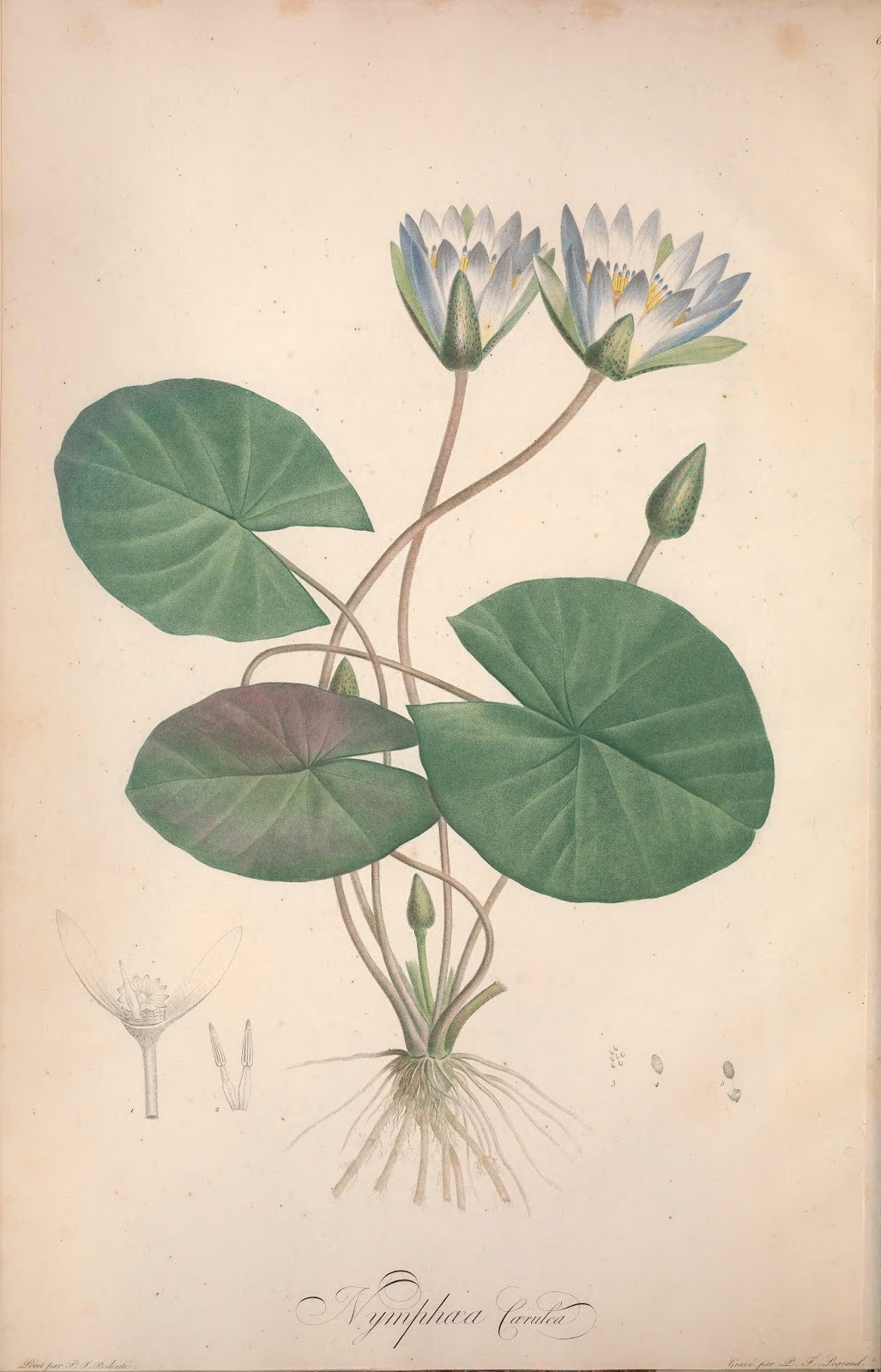
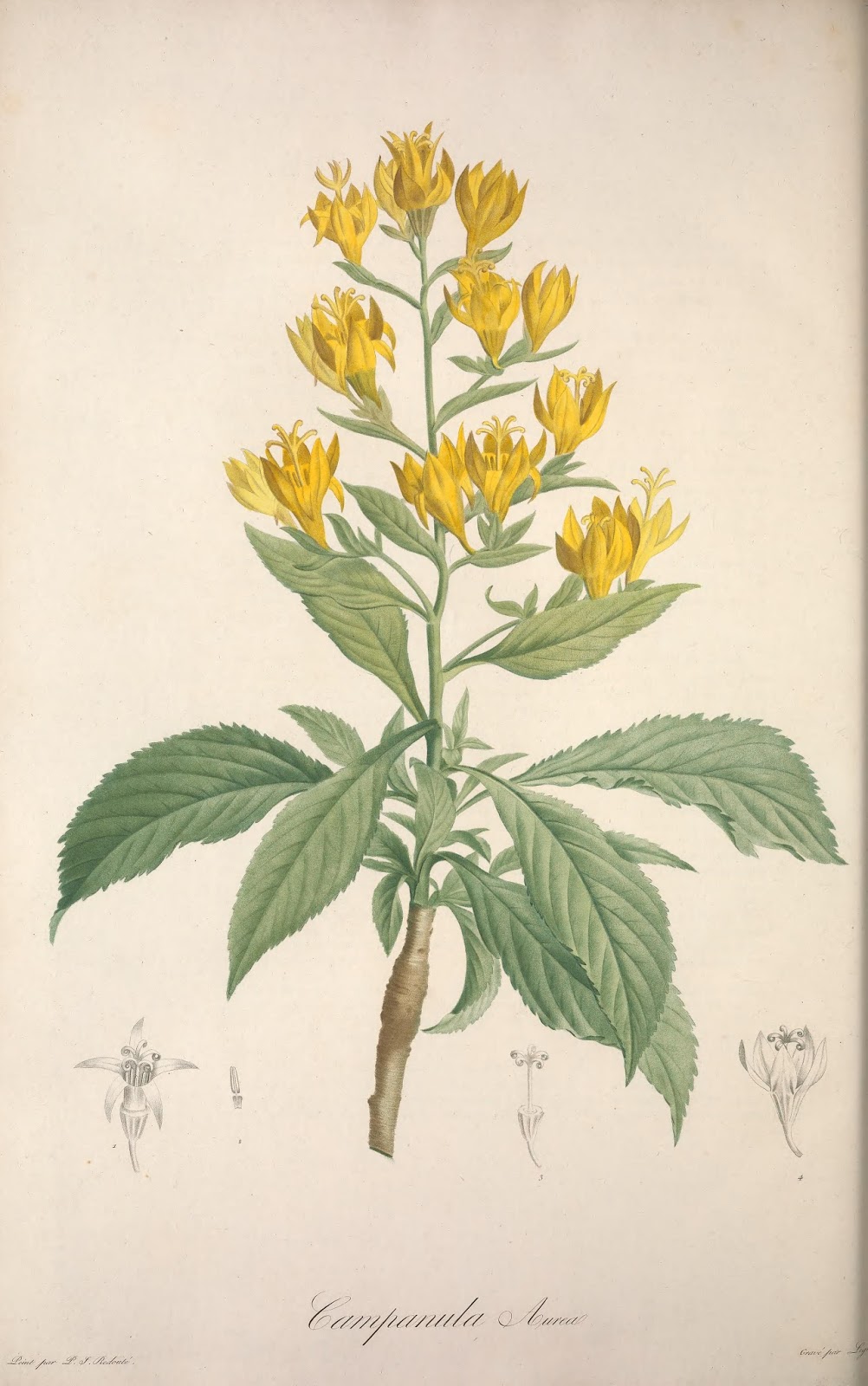
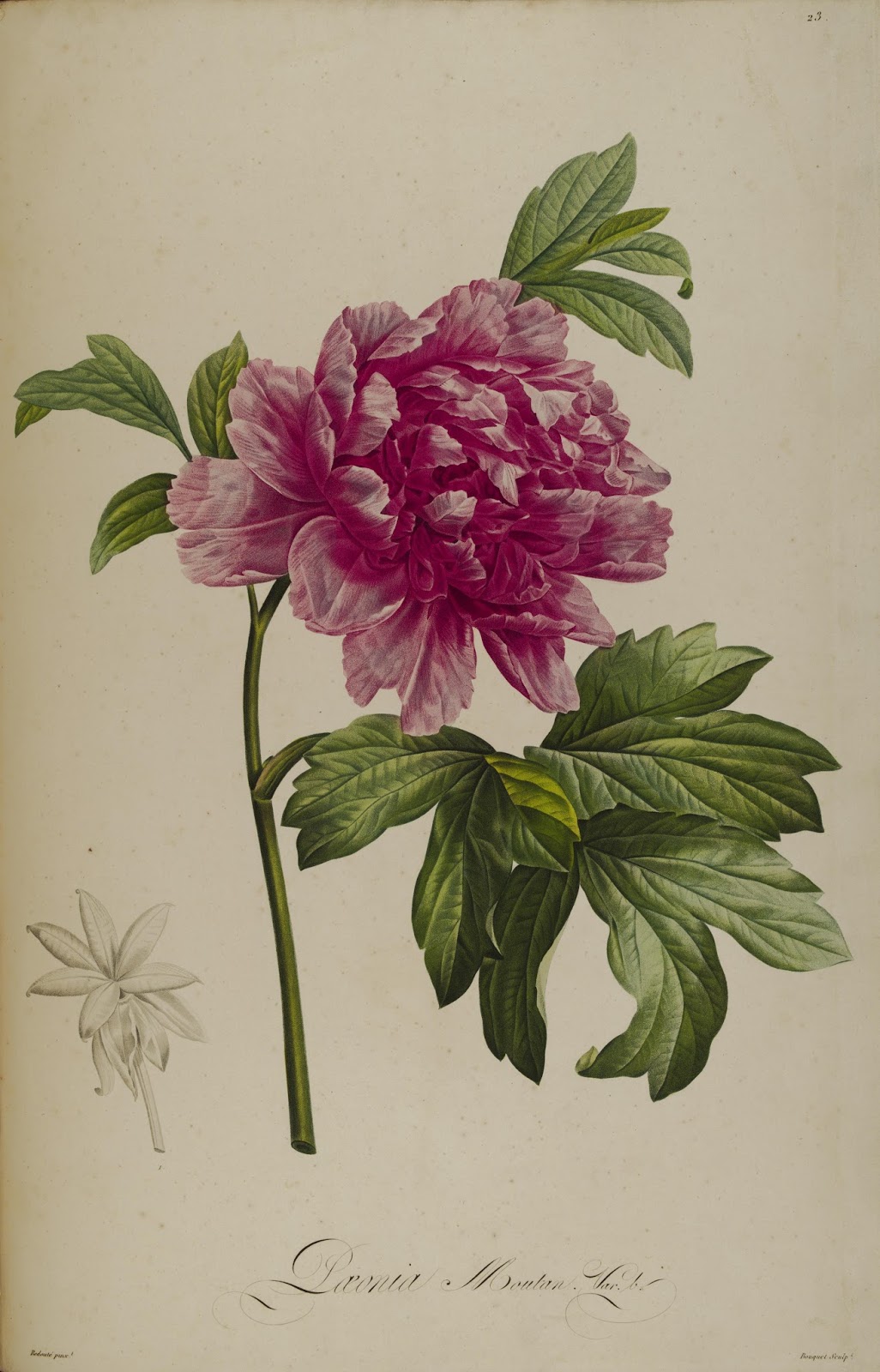
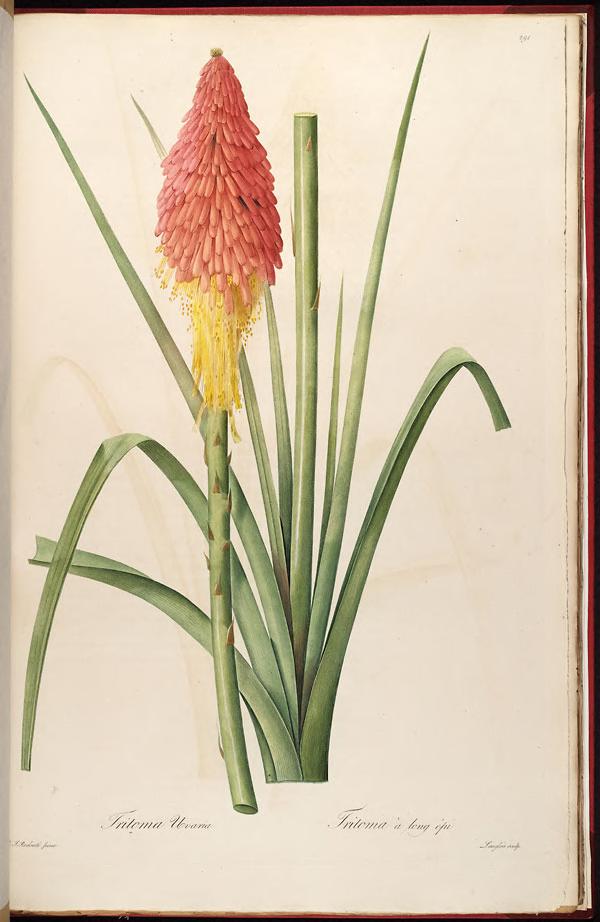
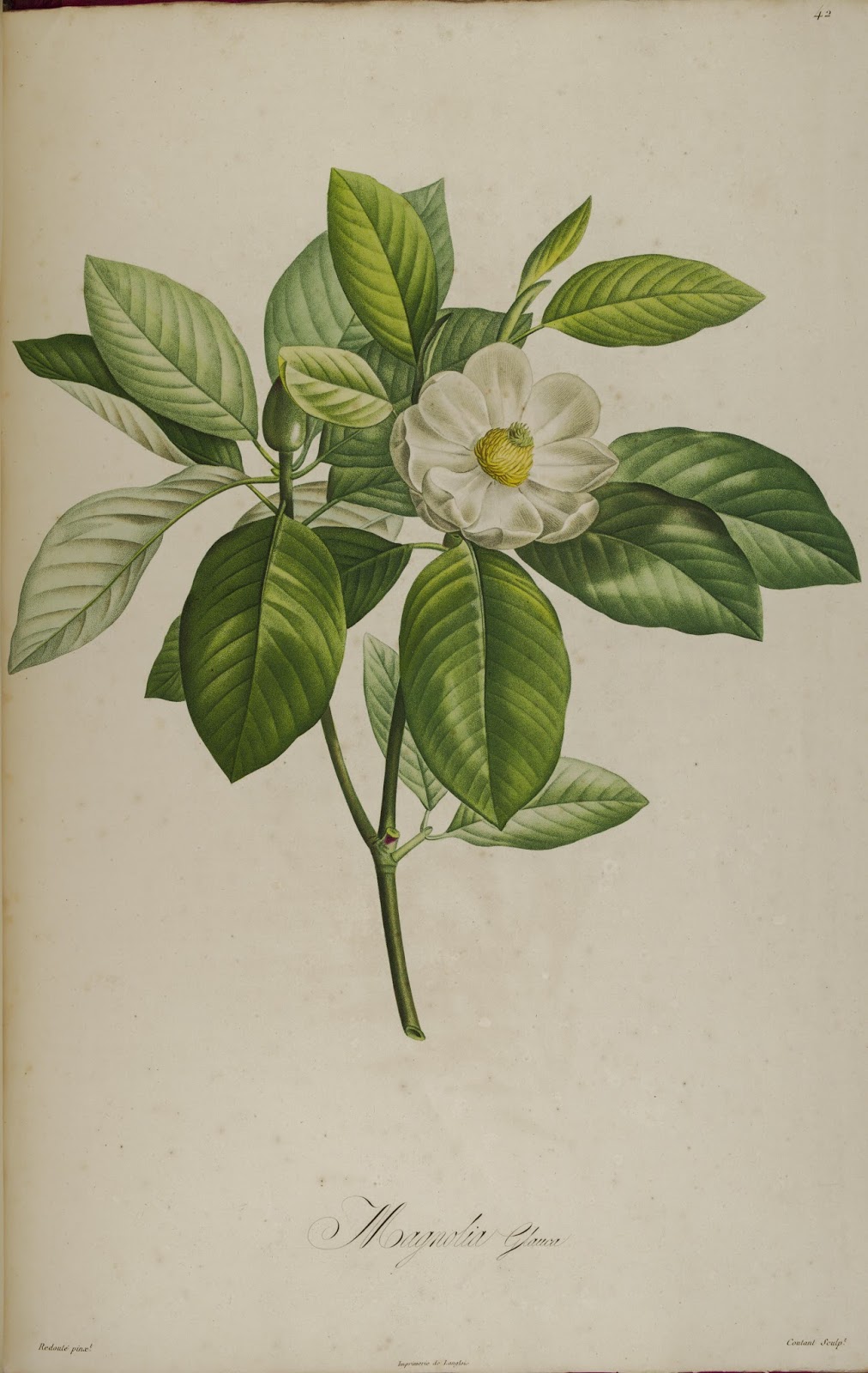
The most celebrated flower painter of quite possibly the entire history of botanical art is Pierre-Joseph Redouté. Nicknamed “the Raphael of flowers,” Redouté published over 2,100 plates depicting over 1,800 species – many of which had never before been illustrated for publication – throughout his career (University Libraries 2013). Many of Redouté’s publications are available in the Biodiversity Heritage Library, and a selection of these works is examined in this article.

Born in 1759 at St. Hubert in the present-day Belgian province of Luxembourg, Redouté and his two brothers – who also became artists – were descended from a family of Belgian painters. After receiving training in his father’s studio, Redouté set out at just thirteen years of age to earn a living as an artist. Eventually, in 1782 at the age of twenty-three, Pierre-Joseph joined his elder brother, Antoine-Ferdinand, designing stage scenery for the Théâtre-Italien in the rue de Louvois (Blunt 1967).

View Full Size Image
Redouté, Pierre Joseph. Les liliacees. (1802-1815). v.  6. http://www.biodiversitylibrary.org/page/300521. Digitized by Missouri Botanical Garden.

During this period, Pierre-Joseph’s leisure time was spent painting flowers, and it was this passion that eventually led him to the Jardin du Roi, which today is known as Jardin des Plantes and is part of the Muséum national d’histoire naturelle. It was here that Redouté met and befriended Dutch painter Gerard van Spaendonck, Professeur de peinture de fleurs at the Jardin. van Spaendonck had a profound influence on Redouté, instructing him on engraving and water coloring techniques. In fact, Wilfrid Blunt, author of The Art of Botanical Illustration, asserts that Redouté owes much of his success to the technical discoveries that he learned from van Spaendonck (Blunt 1967).

Redouté’s technique, modeled upon that of van Spaendonck, involved “pure water colour, gradated with infinite subtlety and very occasionally touched with body-colour to suggest sheen” (Blunt 1967, 179). Redouté eventually perfected the reproduction of his paintings for publication using stipple engraving, which used dots, rather than lines, to engrave plates, with varying dot density being used to convey tone and shading (Blunt 1967).

View Full Size Image
L’Héritier de Brutelle, Charles Louis. Stirpes novae :aut minus cognitae, quas descriptionibus et iconibus. (1784-85). Art by Pierre-Joseph Redouté. http://www.biodiversitylibrary.org/page/12516529. Digitized by Missouri Botanical Garden.

During his time creating botanical drawings for the Jardin du Roi, Redouté came to the attention of wealthy botanist Charles Louis L’Héritier de Brutelle, who instructed him on plant anatomy and the characteristics necessary for detailed botanical study. As a result of this relationship, L’Héritier enlisted Redouté to illustrate more than fifty plates for his Stirpes novae (1784–1785), which has been digitized in BHL by the Missouri Botanical Garden (Blunt 1967). With this work, L’Héritier intended to describe, illustrate, and classify according to the Linnaean system plants new or largely unknown to science at the time. This included specimens collected during the Dombey-Ruiz-Pavón expedition to Chile and Peru and plants found at Kew Gardens, Jardin du Roi, and other European gardens (Dumbarton Oaks 2016). Several years later, Redouté also produced plates for L’Héritier’s Sertum Anglicum (1788), also digitized by the Missouri Botanical Garden, which included studies of rare plants growing at Kew Gardens (Blunt 1967). James Sowerby, another renowned English illustrator, also produced illustrations for this work (Mathew 1981).

View Full Size Image
L’Héritier de Brutelle, Charles Louis. Sertum Anglicum, seu, Plantae rariores quae in hortis juxta Londinum. (1788). Art by Pierre-Joseph Redouté. http://www.biodiversitylibrary.org/page/11832434. Digitized by Missouri Botanical Garden.

In the late 1780s, likely at the recommendation of L’Héritier, Redouté was appointed Draughtsman to the Cabinet of Marie-Antoinette. During this time, L’Héritier proposed the production of Plantarum historia succulentarum (Histoire des plantes grasses), a work on cacti and succulent plants that would be illustrated by Redouté. While the French Revolution undermined L’Héritier’s ability to sponsor the project, an enterprising publisher, Garnéry, was enlisted to undertake the publication (Mathew 1981) and Swiss botanist Augustin Pyramus de Candolle was selected as the contributor of the descriptive text. The first section of Plantarum historia succulentarum was published in 1799, and publication continued intermittently until 1837 (Missouri Botanical Garden 2003). This was the first botanical publication for which Redouté was the sole artist and the first to utilize his color-printing method of stipple-engraved plates (Mathew 1981). It has been digitized by Missouri Botanical Garden.

View Full Size Image
Candolle, Augustin Pyramus de. Plantarum historia succulentarum =Histoire des plantes grasses. (1799-1837). v. 2. Art by Pierre-Joseph Redouté. http://www.biodiversitylibrary.org/page/281073. Digitized by Missouri Botanical Garden.

Following the French Revolution, Redouté continued painting for the Jardin du Roi, and the rise of Napoleon Bonaparte resulted in increased fame for Redouté as Joséphine Bonaparte’s court artist (Dumbarton Oaks 2016). Bonaparte married Joséphine de Beauharnais in 1796, and a few years later, Joséphine purchased Chateau de Malmaison near the western bank of the Seine. Joséphine set out to create magnificent gardens filled with rare and exotic plants from the Old and New Worlds, and in this venture she committed massive sums towards the procurement and cultivation of “choice flowers” and the production of extravagant publications about her gardens, for which Redouté contributed some of the most celebrated art in the history of botanical illustration (Blunt 1967).
View Full Size Image
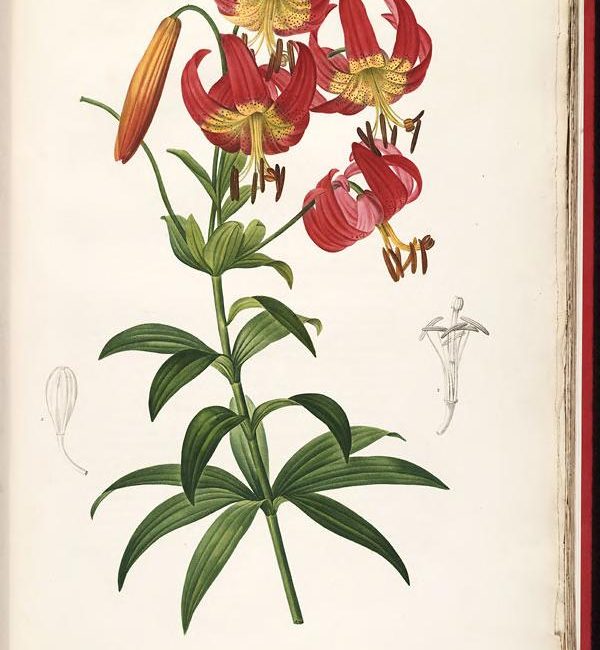
Ventenat, É. P. Jardin de la Malmaison. (1803-1804). Art by Pierre-Joseph Redouté. v. 1. http://www.biodiversitylibrary.org/page/43441869. Digitized by Smithsonian Libraries.

The first of these publications was Jardin de la Malmaison, for which Redouté produced several hundred plant portraits exemplifying scientific precision and artistic mastery. These portraits, painted on parchment, were reproduced for publication using copperplate stipple engraving. Joséphine hired botanist Étienne Pierre Ventenat to identify and describe the plants at Malmaison. The resulting work was published in twenty installments of about 150 copies between 1803-1804 (Lack 2001). It has been digitized in BHL by Smithsonian Libraries.

View Full Size Image
Ventenat, É. P. Jardin de la Malmaison. (1803-1804). Art by Pierre-Joseph Redouté. v. 2. http://www.biodiversitylibrary.org/page/43518674. Digitized by Smithsonian Libraries.

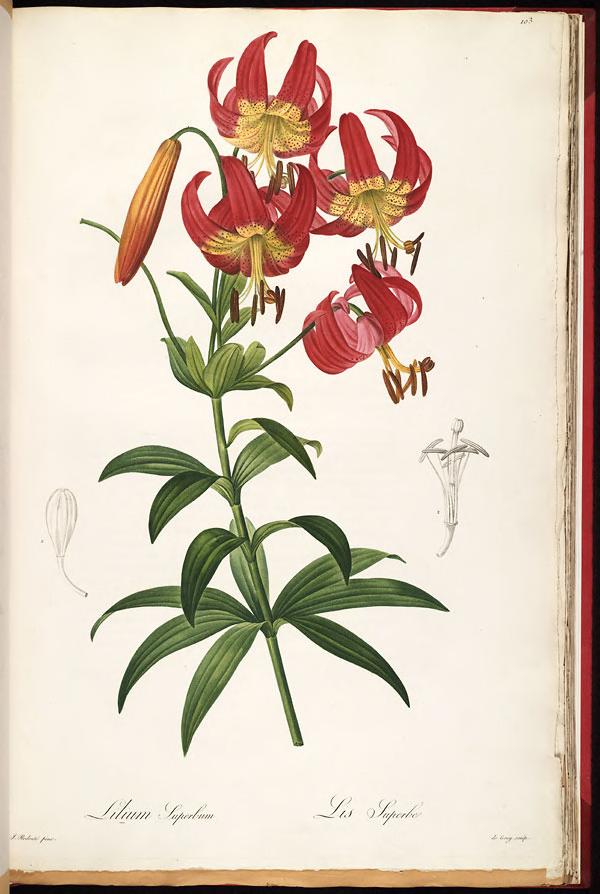
A description of the plants at Malmaison was continued in Description des plantes rares cultivees a Malmaison et a Navarre. Following his divorce from Joséphine, Napoleon presented her with the country estate of Navarre near Évreux in Normandy. Here, Joséphine again set out to create a magnificent garden of rare plants. With Étienne Pierre Ventenat deceased, she engaged botanist Aime Bonpland to continue the description of her plants. Redouté and Pancrace Bessa, also a student of van Spaendonck’s, produced watercolor paintings to illustrate Description des plantes rares cultivees a Malmaison et a Navarre, which was published in a print run of 325 copies between 1812-1817 (Lack 2001). It has been digitized by Missouri Botanical Garden.
View Full Size Image
Bonpland, Aimé. Description des plantes rares cultivees a Malmaison et a Navarre. (1812-1817). Art by Pierre-Joseph Redouté. http://www.biodiversitylibrary.org/page/275897. Digitized by Missouri Botanical Garden.

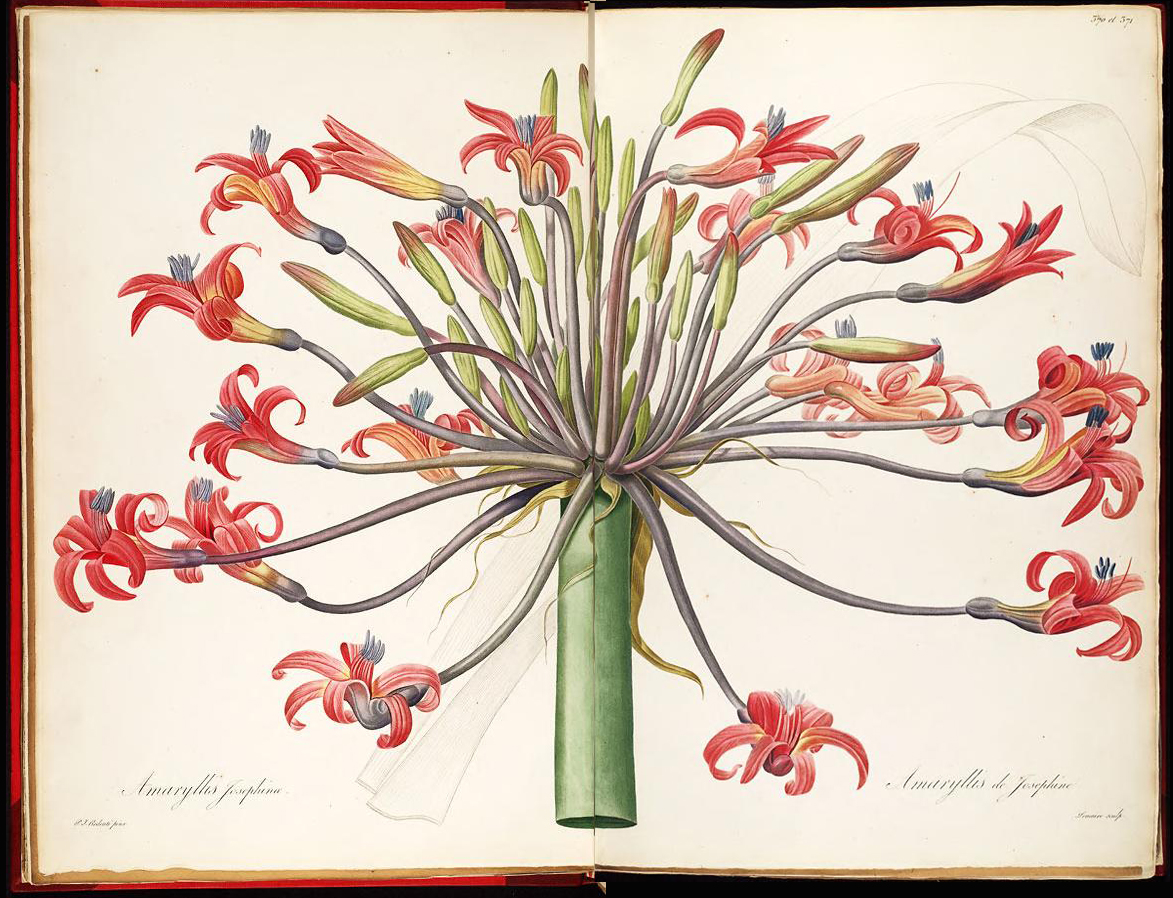
During this period, the renowned Les liliacees was also published. This eight-volume work (digitized by Missouri Botanical Garden), published between 1802-1815, presents a collection of over 450 watercolors by Redouté. Botanical descriptions for the work were provided by Augustin Pyramus de Candolle (volumes 1-4), François de Laroche (volumes 5-7), and Alire Raffeneau-Delile (volume 8). The watercolors were reproduced using stipple plate engraving finished by hand. While the title may be Les liliacees, the work actually covers many other petaloid monocotyledons found in French gardens at this time, including Iridaceae, Commelinaceae, and Amaryllidaceae (Mathew 1981). Redouté pays homage to Joséphine, a major patron of the work, by renaming an amaryllis Amaryllis Josephinae, which is depicted in the only folding plate in the publication (Christie’s 1997).

View Full Size Image
Amaryllis Josephinae. Redouté, Pierre Joseph. Les liliacees. (1802-1815). v. 7. http://www.biodiversitylibrary.org/page/300907. Digitized by Missouri Botanical Garden.

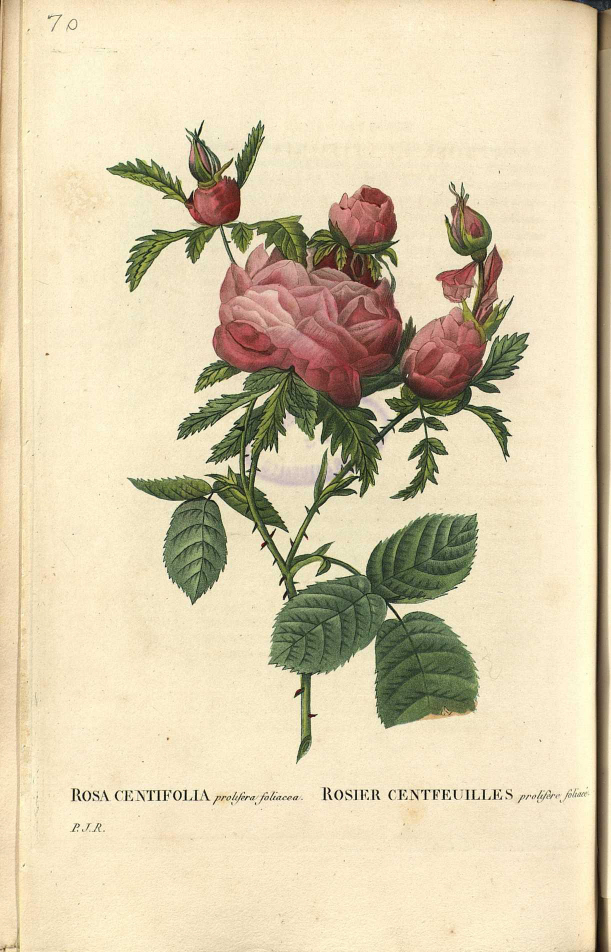
Publication of Redouté’s arguably most-popular work, Les roses, began in 1817. This work, published in three volumes between 1817-1824, describes and depicts roses found in the Malmaison gardens, the collections of botanist Claude Antoine Thory (who provided the text for this work), and other gardens around Paris. It not only describes many flowers that are the forerunners of today’s roses, but it also includes species and cultivars that are no longer in existence (Christie’s 2008). This work was reprinted twice over the course of a few short years, and the third edition, published between 1828-1835, has been digitized by Biblioteca Digital del Real Jardin Botanico de Madrid and can be accessed through BHL.

View Full Size Image
Redouté, Pierre Joseph. Les Roses. 3rd Ed. v. 2 (1835). http://www.biodiversitylibrary.org/bibliography/75996. Digitized by Biblioteca Digital del Real Jardin Botanico de Madrid.

While Redouté continued to enjoy fame throughout his career, producing not only sought-after paintings but also tutoring many distinguished pupils, his extravagant spending habits led him to financial embarrassment, requiring him to sell furniture, silver, and paintings in an attempt to satisfy his debts. At eighty years of age, he began planning the production of a magnificent flower picture that would command an astonishing sum. Sadly, he was never able to realize this ambition. On June 19, 1840, he suffered a stroke and died the following day (Blunt 1967).

View Full Size Image
Redouté, Pierre Joseph. Les liliacees. (1802-1815). v. 5. http://www.biodiversitylibrary.org/page/300394. Digitized by Missouri Botanical Garden.

Today, Redouté is remembered as one of the greatest botanical illustrators in history. His original watercolors and related publications can fetch incredible prices at auction. For example, 468 of his original watercolors for Les liliacees sold at auction in 1985 for 5.5 million USD (Reif 1985). Thanks to the contributions of our incredible partners, you can access many of Redouté’s works for free in BHL and even download and print your own copies of his masterpieces. What was once available only to the rich is now freely available to the world.

View Full Size Image
Bonpland, Aimé. Description des plantes rares cultivees a Malmaison et a Navarre. (1812-1817). Art by Pierre-Joseph Redouté. http://www.biodiversitylibrary.org/page/275935. Digitized by Missouri Botanical Garden.


References

  • Blunt, Wilfrid. 1967. The Art of Botanical Illustration. London: Collins.
  • Christie’s. 1997. “Les Liliacées.” Books, April 30. Accessed December 7, 2016. http://www.christies.com/lotfinder/lot/redoute-pierre-joseph-les-liliacees-text-by-186557-details.aspx.
  • Christie’s. 2008. “Les Roses.” Foljambe Collection, April 30. Accessed December 7, 2016. http://www.christies.com/lotfinder/Lot/redoute-pierre-joseph-1759-1840-and-claude-antoine-thory-5062664-details.aspx.
  • Dumbarton Oaks. 2016. “Les Roses.” The Botany of Empire in the Long Eighteenth Century. Accessed December 6, 2016. http://doaks.org/resources/online-exhibits/botany-of-empire/illustration-and-representation/les-roses.
  • Lack, H. Walter. 2001. Garden Eden: Masterpieces of Botanical Illustration. Koln: Taschen.
  • Mathew, Brian. 1981. P.J. Redoute: Lilies and Related Flowers. New York: The Overlook Press.
  • Missouri Botanical Garden. 2003. “Plantarum historia succulentarum = Histoire des plantes grasses.” Rare Books from the MBG Library. Accessed December 7, 2016. http://www.illustratedgarden.org/mobot/rarebooks/title.asp?relation=SB438C361799V1.
  • Reif, Rita. 1985. “Redoute Watercolors Auctioned to Syndicate.” The New York Times, November 21. Accessed December 7, 2016. http://www.nytimes.com/1985/11/21/arts/redoute-watercolors-auctioned-to-syndicate.html.
  • University Libraries, University of South Carolina. 2013. “The W. Graham Arader, III Collection at the University of South Carolina: Journal.” Accessed December 7, 2016. http://library.sc.edu/p/Collections/Arader.
June 29, 2017by ulib-libraryjobs
Page 7 of 15« First...«6789»10...Last »

Help Support BHL

BHL's existence depends on the financial support of its patrons. Help us keep this free resource alive!

search

About BHL

The Biodiversity Heritage Library (BHL) is the world’s largest open access digital library for biodiversity literature and archives. BHL operates as a worldwide consortium of natural history, botanical, research, and national libraries working together to digitize the natural history literature held in their collections and make it freely available for open access as part of a global “biodiversity community.”

Join Our Mailing List

Sign up to receive the latest news, content highlights, and promotions.

Subscribe Now

Subscribe to Blog via Email

Enter your email address to subscribe to this blog and receive notifications of new posts by email.

Join 319 other subscribers

Subscribe to Blog Via RSS

Subscribe to the blog RSS feed to stay up-to-date on all the latest BHL posts.

Access RSS Feed

Inspiring Discovery through Free Access to Biodiversity Knowledge.

The Biodiversity Heritage Library makes it easier than ever for you to access the information you need to study and explore life on Earth…for free, anytime, anywhere.


64+ Million Pages of
Biodiversity Literature Online.

EXPLORE

Tools and Services
to Transform Research.

EXPLORE

300,000+
Illustrations on Flickr.

EXPLORE

ABOUT | HARMFUL CONTENT | PRIVACY | SITE MAP | TERMS OF USE