Biodiversity Heritage Library - Program news and collection highlights from BHL
  • Home
  • News
  • Featured Books
    • All Featured Books
    • Book of the Month Series
    • BHL at 20
  • User Stories
  • Campaigns
    • Fossil Stories
    • Garden Stories
    • Monsters Are Real
    • Page Frights
    • Her Natural History
    • Earth Optimism 2020
  • Tech Blog
  • Visit BHL
Home
News
Featured Books
    All Featured Books
    Book of the Month Series
    BHL at 20
User Stories
Campaigns
    Fossil Stories
    Garden Stories
    Monsters Are Real
    Page Frights
    Her Natural History
    Earth Optimism 2020
Tech Blog
Visit BHL
  • Home
  • News
  • Featured Books
    • All Featured Books
    • Book of the Month Series
    • BHL at 20
  • User Stories
  • Campaigns
    • Fossil Stories
    • Garden Stories
    • Monsters Are Real
    • Page Frights
    • Her Natural History
    • Earth Optimism 2020
  • Tech Blog
  • Visit BHL
Biodiversity Heritage Library - Program news and collection highlights from BHL
BHL News, Blog Reel, Campaigns, Featured Books, Garden Stories

Garden Stories: A Celebration of Gardening

Friday, March 20, 2015, we celebrated the March equinox (and, incidentally, a total solar eclipse!), when the sun appears to cross the celestial equator heading northward. In the northern hemisphere, this is also known as the vernal equinox. For those in the southern hemisphere, it means that autumn is upon them, and cold days are ahead. But for those of us in the northern hemisphere, it means that Spring is officially here!

The coming of spring is therapeutic for many – a time for new life, a break from the grayness of winter, and a signal to get the trowels, shovels, and gardening gloves out. Many hopeful gardeners have poured over their fall and winter seed catalogs for months, fantasizing about the colorful Edens they will nurture come springtime.

But did you ever wonder about the history of the home garden, or even agriculture for that matter, and just when and how those beloved seed catalogs came about? What did gardens 100 years ago look like? What tools, fertilizer, and seed and plant varieties were available in the nineteenth, eighteenth, or even seventeenth centuries? When did recreational gardening come into its own, and who were the men and women who helped make it happen?

A Walk Down the Gardening Memory Lane

Though speculative due to lack of written records, many researchers believe that Neolithic agriculture began several thousand years ago with attempts by hunter-gatherers to manage nature for their benefit, eventually resulting in the “Domestication Revolution” with the emergence of propagation, whereby ancient civilizations began distributing, dividing, and planting seeds and tubers [1].

For many millennia, most agriculture was undertaken strictly as a means to produce food to feed families and local populations or grow herbs for medicinal purposes. The flames of change began to ignite in Europe in the seventeenth century, however, with the Enlightenment and the Scientific Revolution, which resulted in an increased desire to understand the natural world and apply scientific methods to study it. Scientific advances in turn nurtured an agricultural revolution in the eighteenth and nineteenth centuries, whereby farmers applied new techniques to produce more crops across increased land areas, resulting in more food security and leisure time[1].
View Full Size Image
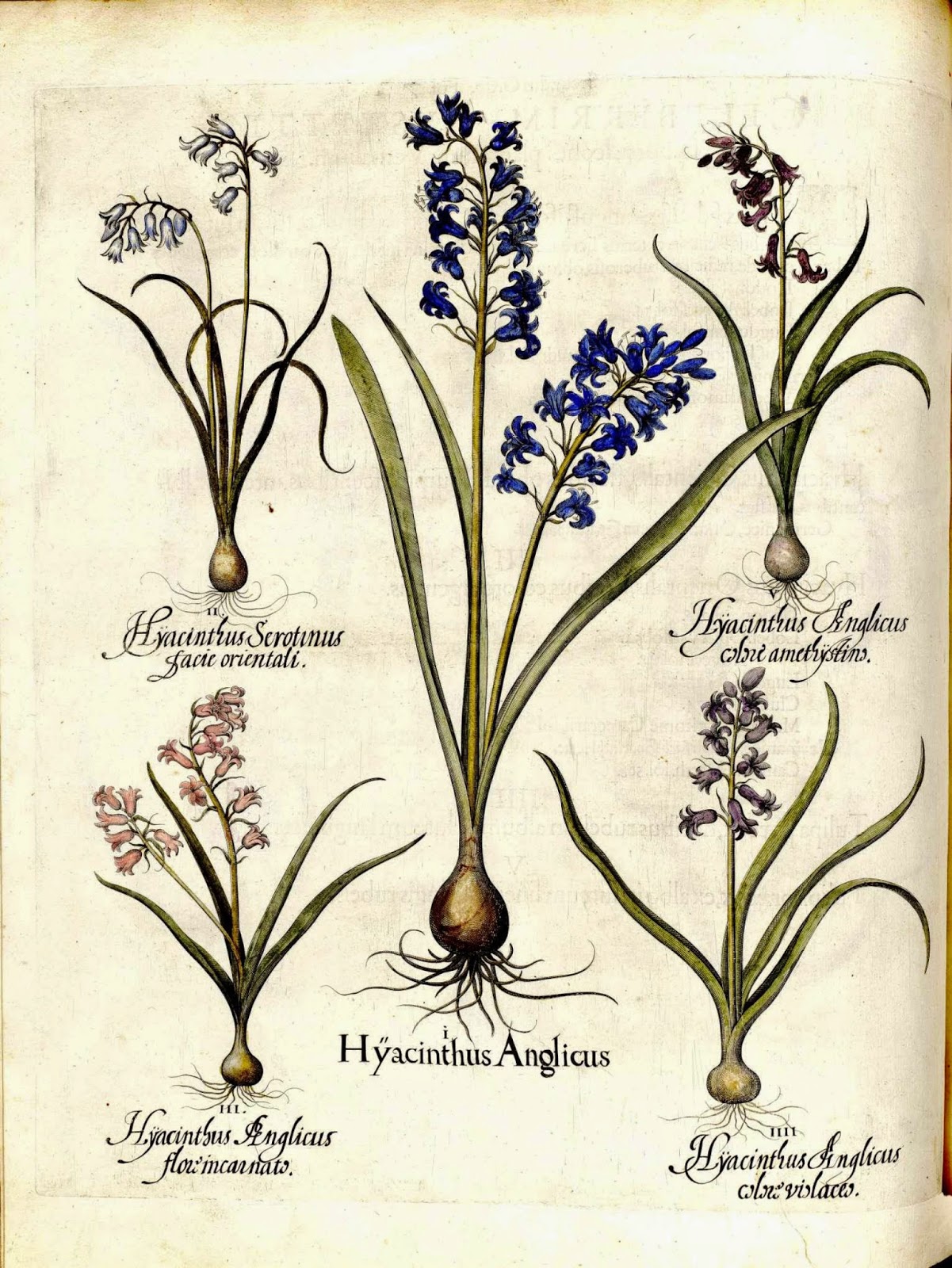
Flowers in the Willibaldsburg fortress castle garden in Eichstatt, Germany. The book Hortus Eystettensis, commissioned by Prince-Bishop Johann Conrad von Gemmingen, illustrates the plants gathered together in the castle gardens. The garden and this book represent the first time in Western history that plants were being collected and celebrated not for their use but for their beauty and inherent interest. Hortus Eystettensis (1613). Volume One and Volume Two digitized by Biblioteca Digital del Real Jardin Botanico de Madrid.

The rise of capitalism and growing populations fueled the development of commercial agriculture, and farmers (especially gentry farmers) started sharing and publishing their knowledge and botanical gardens began cataloging their seeds and producing seed lists (which included many plant species new to science), articulating the seeds housed at the garden available for international exchange with other institutions. As a result, agriculture not only became more prominent, but citizens (particularly those in urban environments) began nurturing home gardens as leisure activities.

As commercialism increased and imperial expansion enabled the introduction of new plant species from expanded locales, a bustling seed trade developed, first in Europe and Western Asia in the seventeenth and eighteenth centuries but quickly strengthening in America following the Revolution. American nurseries emerged as early as the seventeenth century, and David Landreth founded the first seed house in America in 1784 in Philadelphia.
View Full Size Image
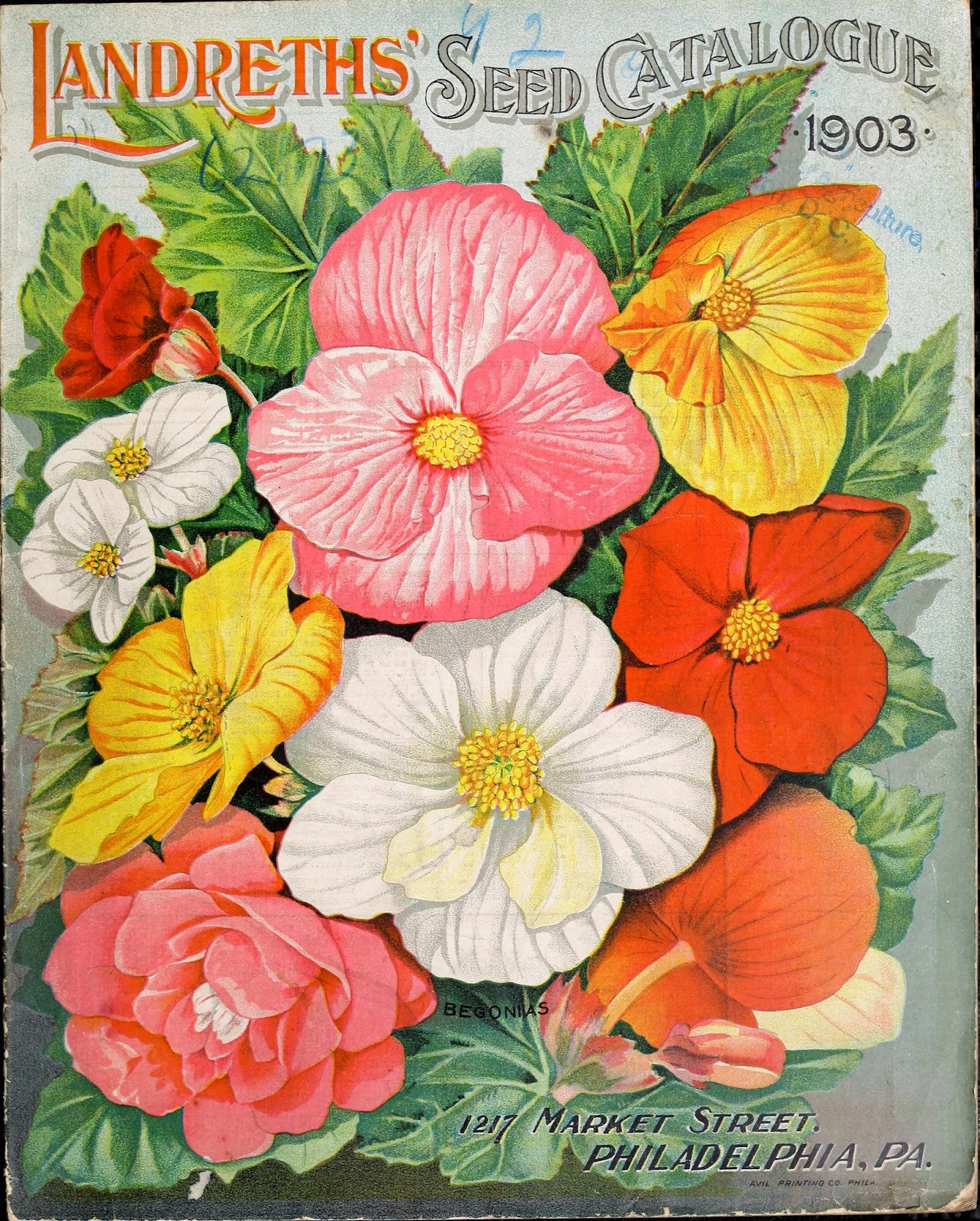
David Landreth founded the oldest seed house in the U.S. in 1784 in Philadelphia. Landreth’s Seed Catalog: 1903. http://biodiversitylibrary.org/page/46368234. Digitized by the USDA National Agricultural Library.

Rise of the Seed and Nursery Catalog

One of the most important innovations in the seed industry was the seed catalog, which offered a list of seeds and bulbs, and later garden tools and supplies like fertilizer and insecticides, for sale from the issuing company.

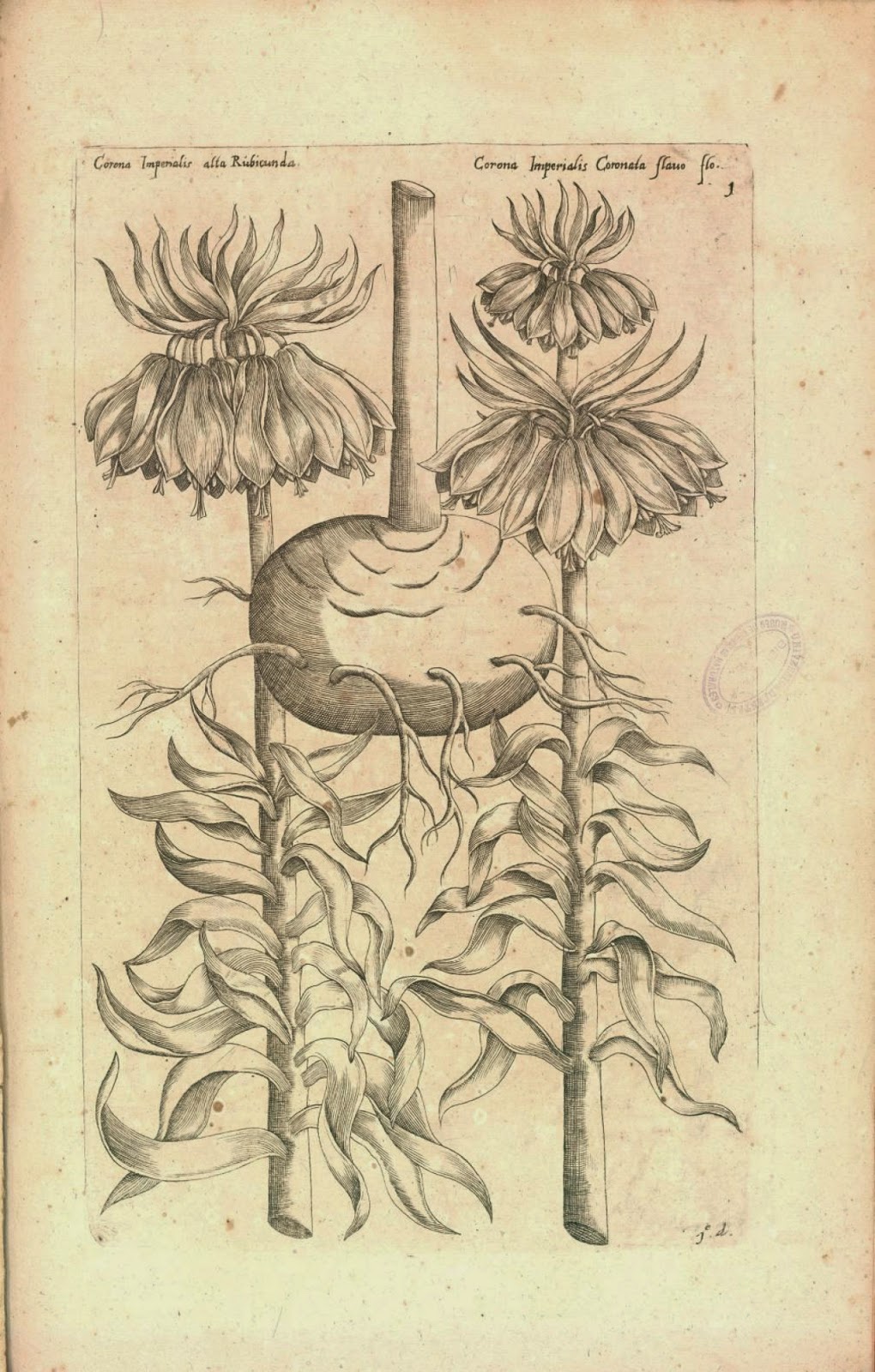
In the late 1500s, kings and wealthy aristocrats began having their exotic plant collections cataloged within elaborately-illustrated books called florilegia. Emanuel Sweerts‘ 1612 Florilegium, rather than being simply a catalog of his collection, presented a list of plants he could offer for sale, making it the oldest-surviving European plant catalog [2].
View Full Size Image
Fritillaria imperialis in Sweerts’ 1647 Florilegium amplissimum et selectissimum. http://biodiversitylibrary.org/bibliography/75687. Digitized by Biblioteca Digital del Real Jardin Botanico de Madrid.

In 1688, the first nursery catalog was published in Europe [3]. Early catalogs were simply listings of seeds or plants for sale, often articulated by Latin names and frequently in broadside form, lacking ornamentation, illustrations, or even prices. One of America’s first nursery catalogs was a broadside published in 1783 by John Bartram Jr [4]. Early nineteenth century seed advertising also consisted of short notices of seeds and tools for sale in gardening publications, very much in the newspaper “classifieds” style [5].
View Full Size Image
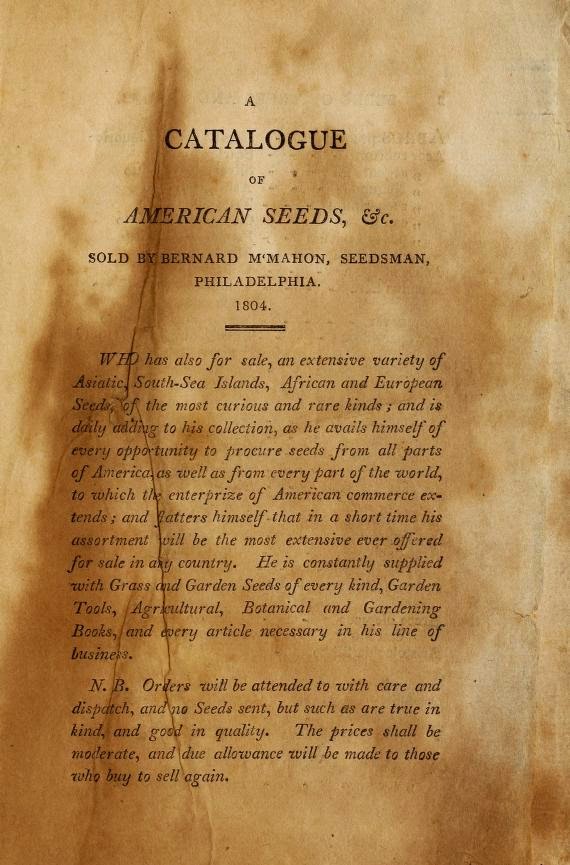
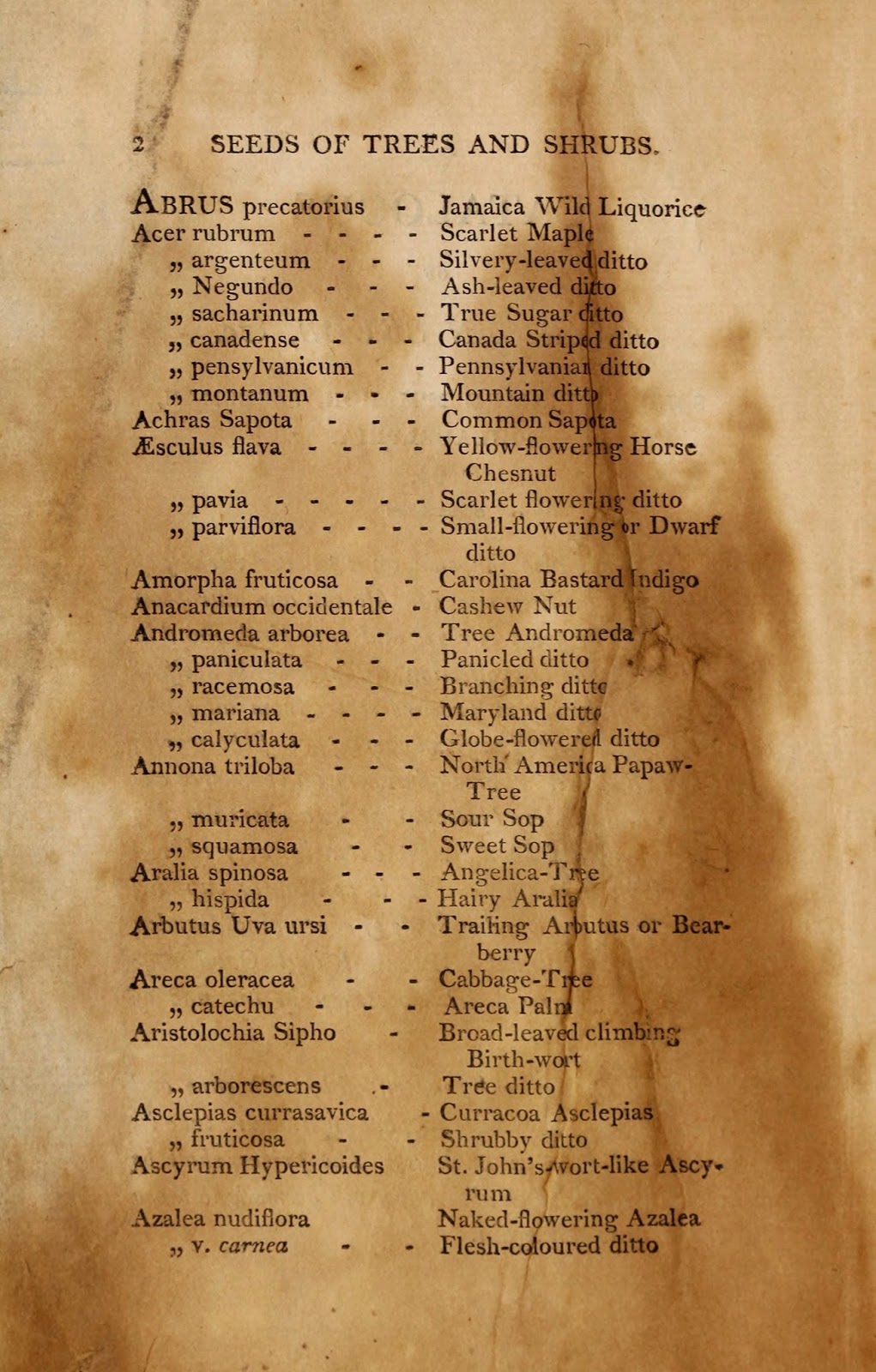
Tree and shrubs seeds offered for sale in the first American seed catalog in booklet form. M’Mahon, Bernard. A Catalog of American Seeds. 1804. http://biodiversitylibrary.org/page/44425432. Digitized by the USDA National Agricultural Library.

In 1804, the first American seed catalog in booklet form was published by Bernard M’Mahon, and by the 1820s in America, simple illustrations appeared in select catalogs [6]. Throughout the nineteenth century, horticultural manuals became increasingly popular, with growing instructions expanding to inclusion in catalogs as the industry bloomed, with the Shakers being early adopters of such practices  (incidentally, the Shakers were also the first to popularize the use of seed packets) [7]. The seed catalog became an increasingly important component of the seed business in the middle of the nineteenth century. Nurseries began publishing regular annual catalogs in the 1840s, which were mailed, often at great expense, to various segments of a merchant’s customer base. Expanding transportation networks, the growth of the US Postal Service, and a new Post Office classification system in 1863 assigning low rates to instructive periodicals and seeds, allowed the seed industry to flourish at an unprecedented scale through the mail order phenomenon. The mail order gardening business first centered on fruits and vegetables but grew to include flowers and especially ornamentals towards the last quarter of the nineteenth century [8].
View Full Size Image
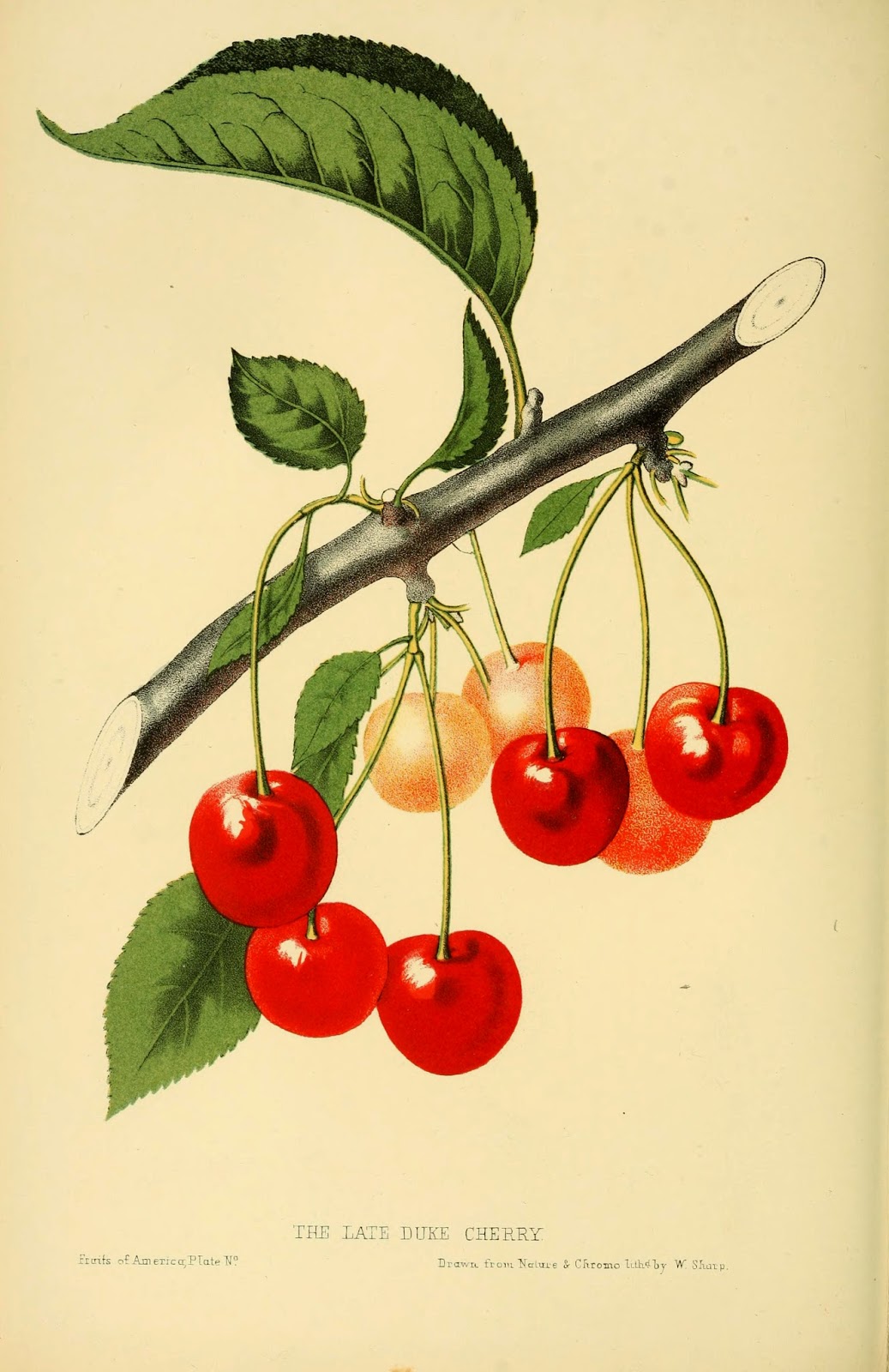
The Fruits of America (1848-56) by Charles Hovey is the first major American book with exclusively chromolithographed plates. http://biodiversitylibrary.org/page/20359525.

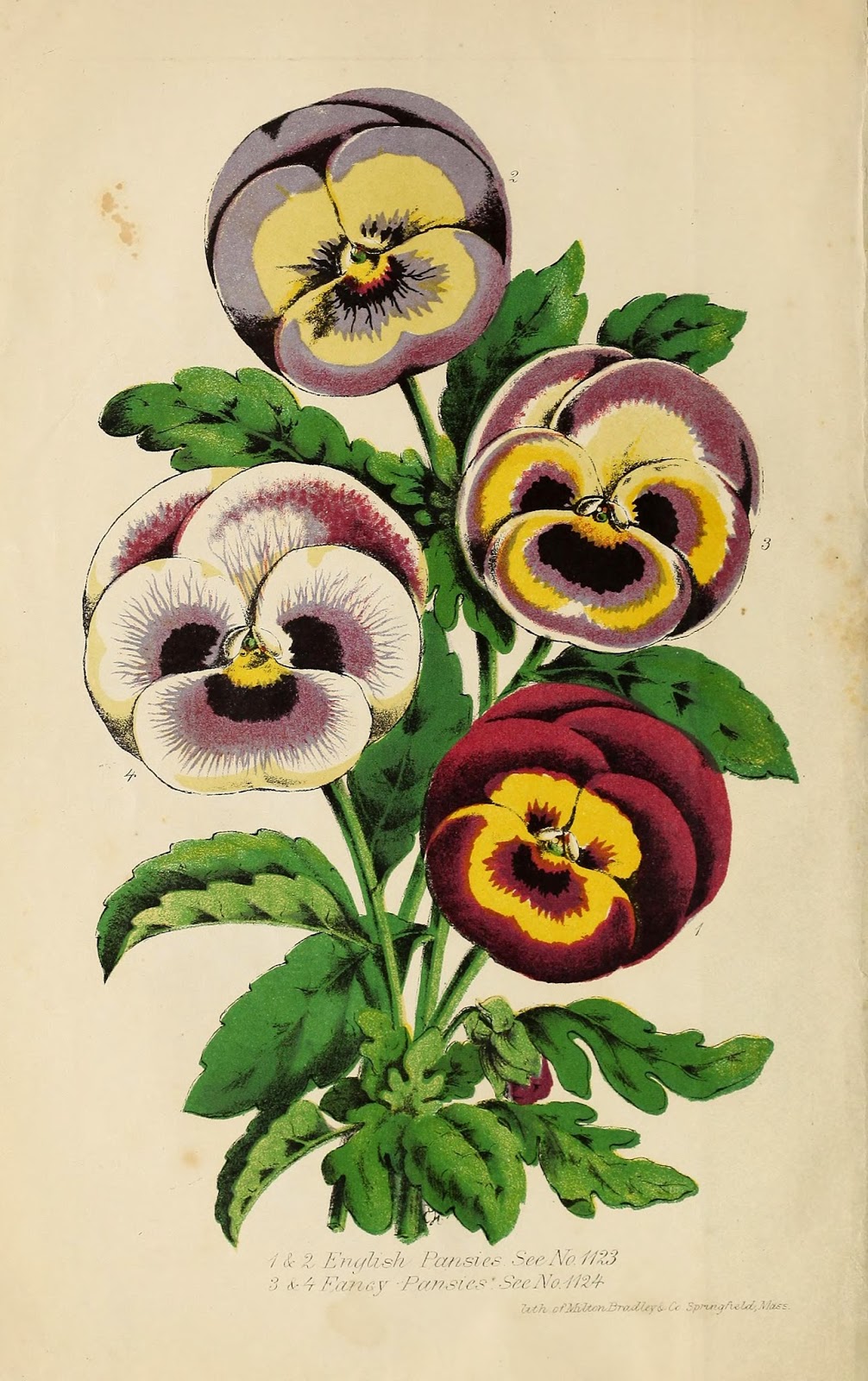
Printing innovations in the mid-nineteenth century transformed seed catalogs into beautiful marketing tools that stimulated customer appetites with visual representations of an advertised-seed’s potential. The multi-colored printing process of chromolithography was patented by Franco-German lithographer Gottfried Engelmann in 1837 [9] and introduced to the U.S. by William Sharp in 1841. By 1851, the first major American book with exclusively chromolithographed plates, The Fruits of America by nurseryman Charles Hovey, was published [10]. By the 1860s, chromolithography appeared in seed catalogs, thanks in large part to innovative nurseryman James Vick. Benjamin K. Bliss, however, is credited by horticultural historian Ulysses P. Hedrick as the first to introduce color to the catalog in the US in 1853. According to Elizabeth S. Eustis in “The Horticultural Enterprise: Markets, Mail, and Media in Nineteenth Century America,” Bliss’ 1867 “autumn catalog featured the earliest example so far discovered of chromolithography as the color process in a horticultural catalog” [11]. By 1890, commercial use of photographs in magazines and newspapers began, with, according to Ernest Morrison in J. Horace McFarland: A Thorn for Beauty, J. Horace McFarland being the first to use halftone images in horticultural publications [12].
View Full Size Image
B.K.Bliss is credited as the first to introduce color to the seed catalog in 1853. B.K. Bliss and Son’s illustrated spring catalogue and amateur’s guide to the flower and kitchen garden. 1870. http://biodiversitylibrary.org/page/44492905. Digitized by the USDA National Agricultural Library.

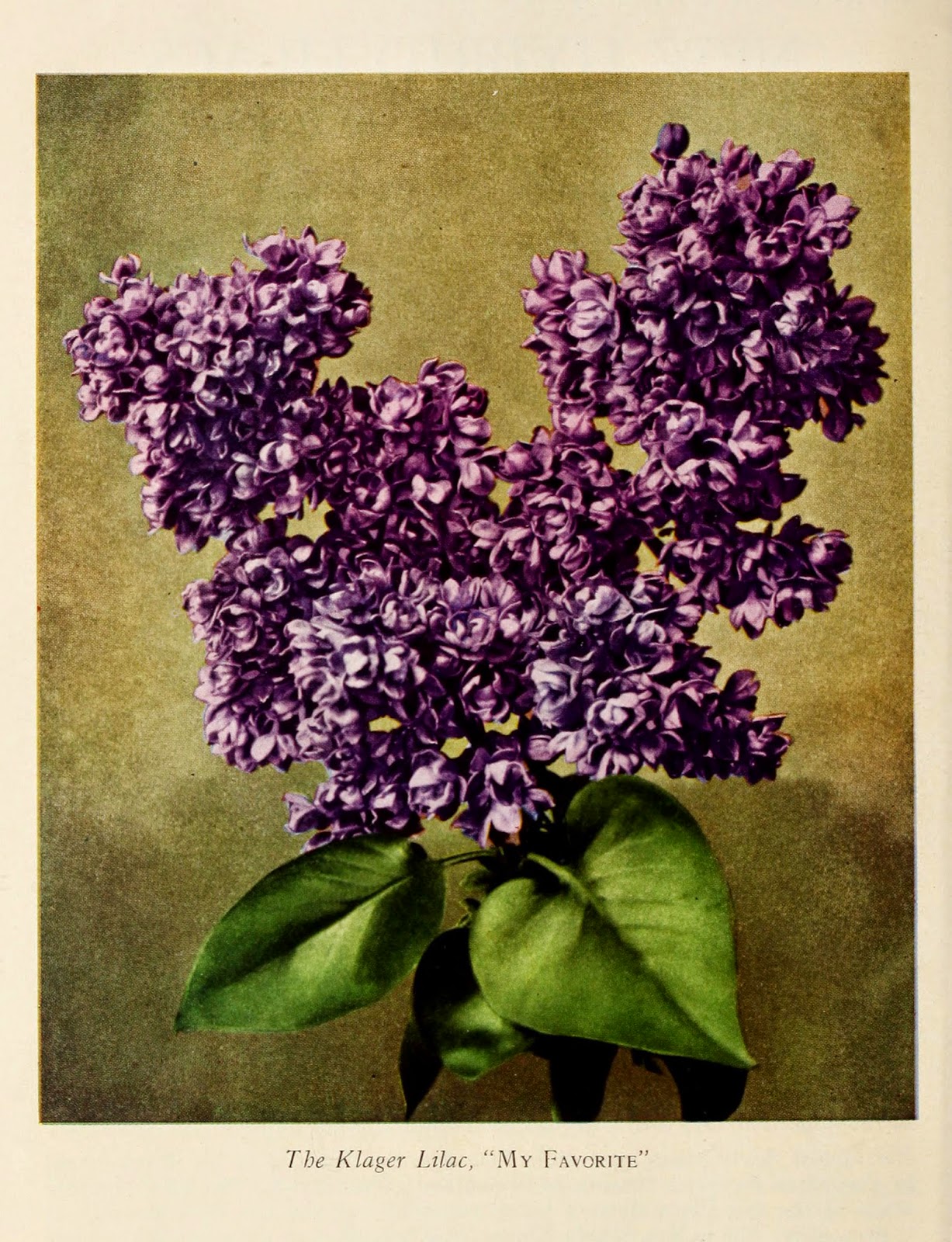
Increased competition and growing costumer demands for novelties led to the popularity of hybrids (offspring produced by breeding two genetically distinct plants) in the nineteenth century, with certain varieties offered only through certain companies and beautifully portrayed in seed catalogs [13]. By the end of the nineteenth century, women had also entered the seed and flower business, including Carrie H. Lippincott, who established the first seed company in the U.S. to be founded and managed by a woman [14].
View Full Size Image
Hybrid Lilac, The Klager Lilac. Cooley’s Gardens. 1931 fall catalogue of new hybrid lilacs and Japanese irises. http://biodiversitylibrary.org/page/44394461. Digitized by the USDA National Agricultural Library.

Seed Catalogs: More than Horticultural Novelties

While they stimulate our gardening imagination, help us trace the development of the seed industry, and offer insight into the plant varieties offered to consumers throughout the centuries, seed catalogs are also important reflections of social and cultural values over time, changing agricultural and printing technologies, evolution of garden fashion and landscape design, and the development of botanical science. For instance:

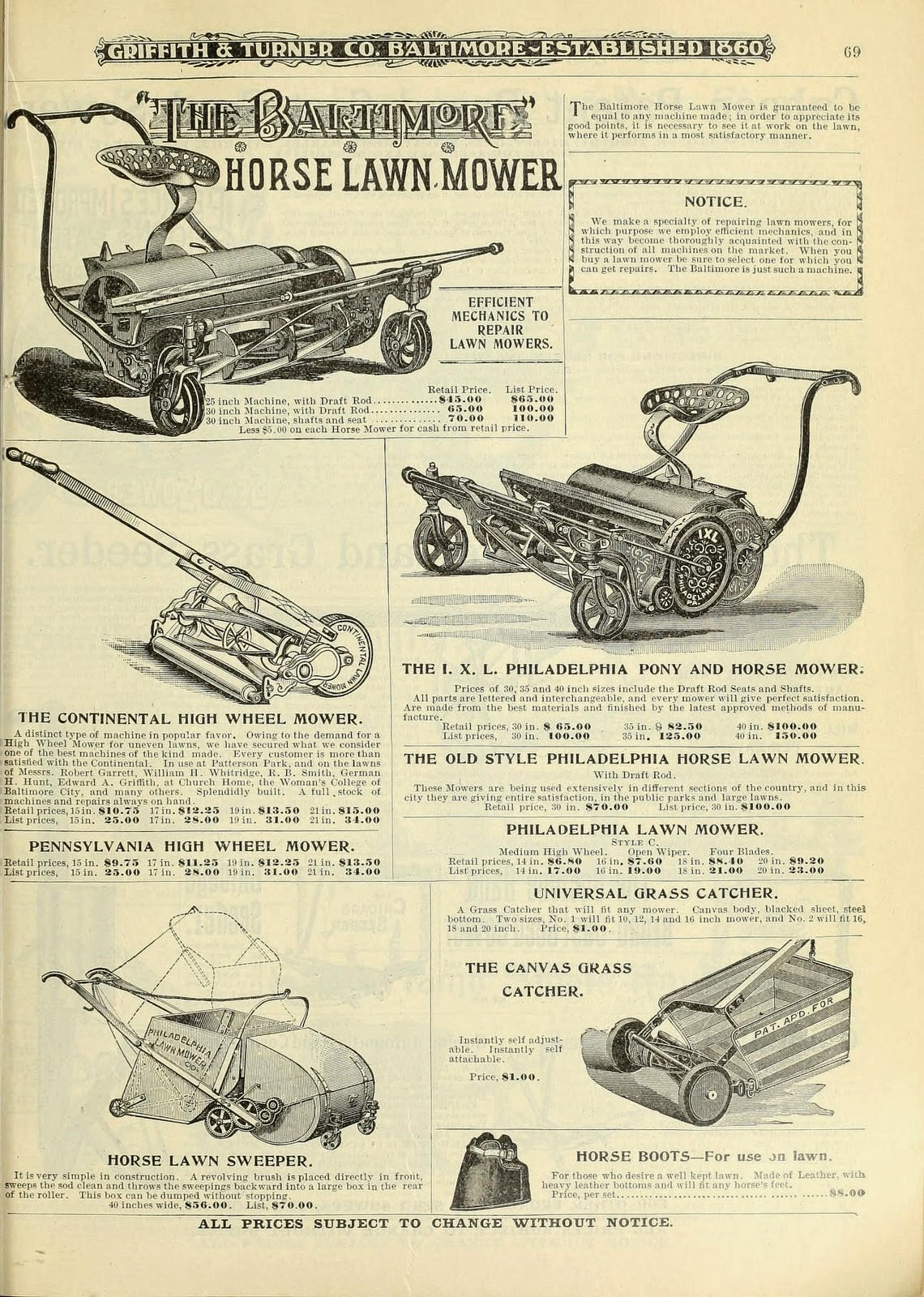
  • Seed catalogs show changes in gardening technology and tools over time. This 1906 catalog lists 29 tools for sale. By the 1860s, catalogs listed dozens of specialty tools for specific tasks, like grass shears, wooding shears, ladies shears, and hedge shears. This 1900 catalog proudly displays “Iron Age” garden and farm implements. The lawnmower, first invented by Edwin Budding in England in 1830, began being popularly manufactured starting in the 1860s, and in 1902 Ransomes produced the first gasoline-powered lawnmower. By 1900 various models were selling for between $6-$100 retail.
View Full Size Image
Various lawnmower models for sale in 1900. Farm and garden supplies : Griffith and Turner Co. http://biodiversitylibrary.org/page/43837949. Digitized by the USDA National Agricultural Library.
  • Pest control is a major business today. Seed catalogs help us trace the development and introduction of pesticides and fungicides. Compare the offerings from 1881, 1893, 1907, and 1934, for example.
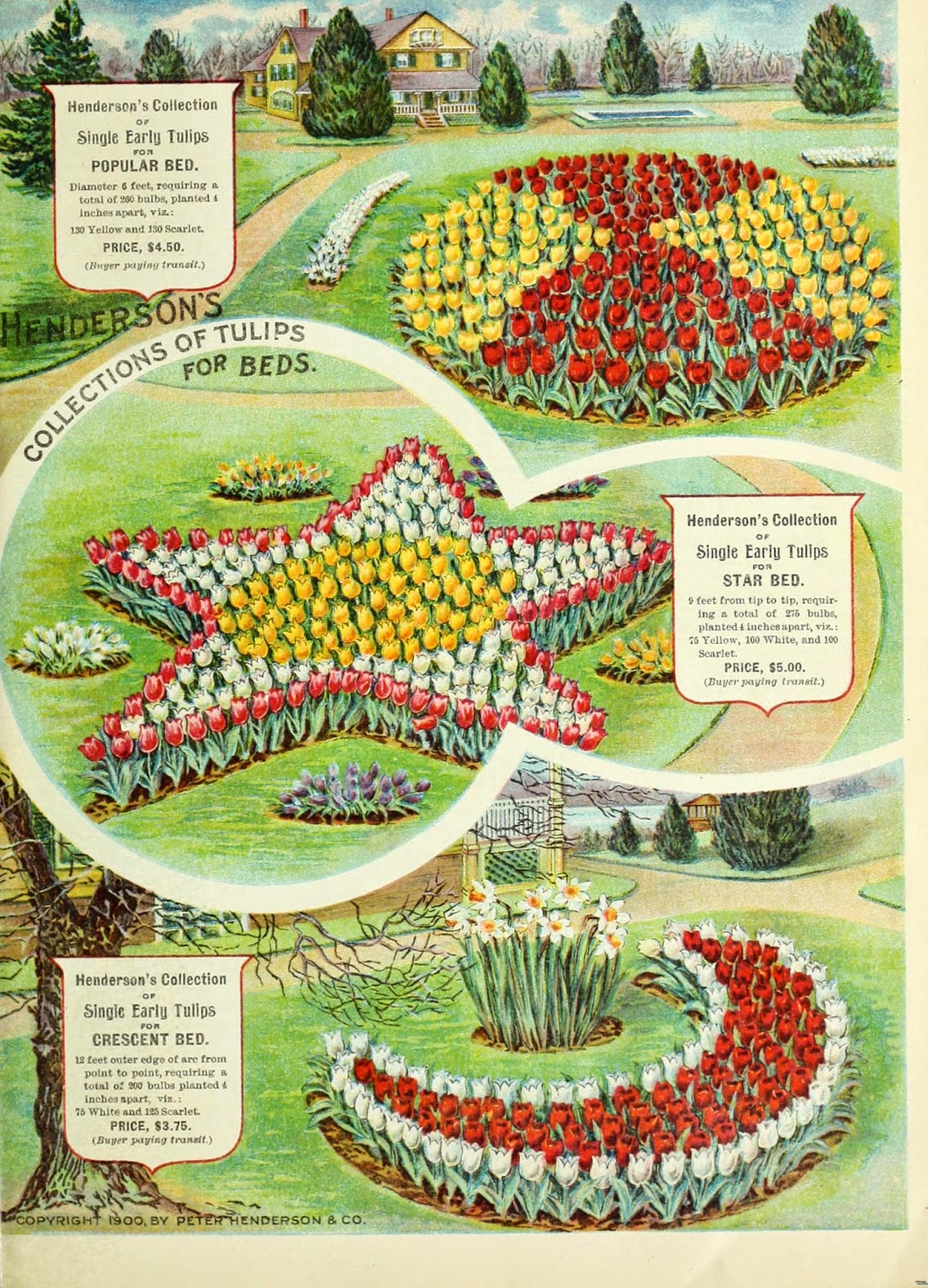
  • Seed catalogs help us trace changes in garden plant popularity and landscape design over time. For instance, from 1865-1900, “bedding out,” which involved laying out patterns on the ground and filling them in with colorful plants, was all the rage. After the turn of the 20th century, bedding out was replaced by cottage gardening, which uses informal design and traditional materials. Check out the awesome tulip bed patterns in this 1900 catalog.
View Full Size Image
“Bedding Out” Garden Style. Peter Henderson and Co. Autumn bulbs catalogue : 1900. http://biodiversitylibrary.org/page/43899723. Digitized by the USDA National Agricultural Library.

Garden Stories: A Week Long Event for Garden Lovers

All this week, we’ll be exploring the fascinating world of gardening, including garden history topics such as the development of hybrids, heirloom gardening, women in the seed industry, revolutions in garden marketing through art, and the vital role the Shakers played in the American seed industry. Follow our blog for more great stories! We’ll also be sharing great gardening tips and plant factoids with help from our BHL members and affiliates. And we’ll be using the over 14,000 seed and nursery catalogs in BHL to help tell these stories. Join in all the gardening fun by:

  • Following our blog and #BHLinbloom on Twitter and Facebook (or go directly to BHL’s Twitter and Facebook) this week.
  • Browsing over 2,500 seed and nursery catalog images in our Flickr collection.
  • Exploring select seed catalog art, and stunning bookmarks and postcards developed by Cornell Library, on Pinterest.
  • Seeing garden history come to life on the Smithsonian Libraries’ Tumblr.
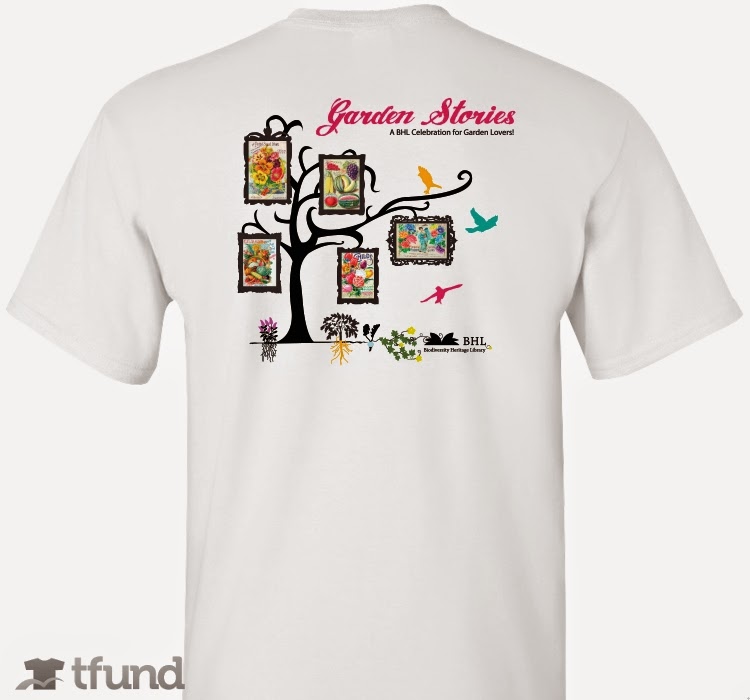
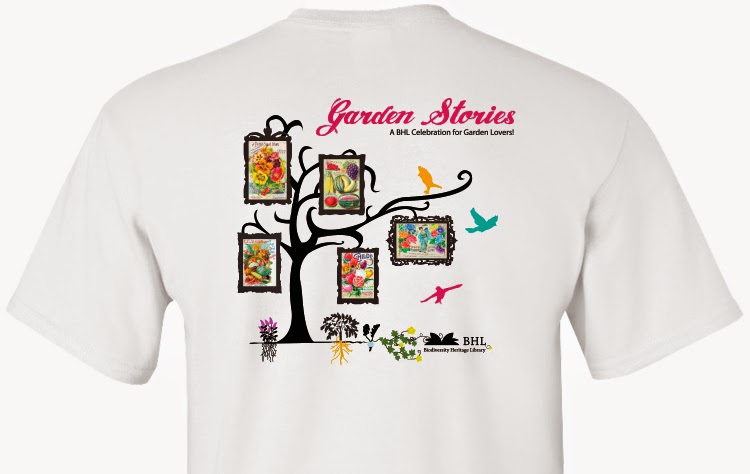
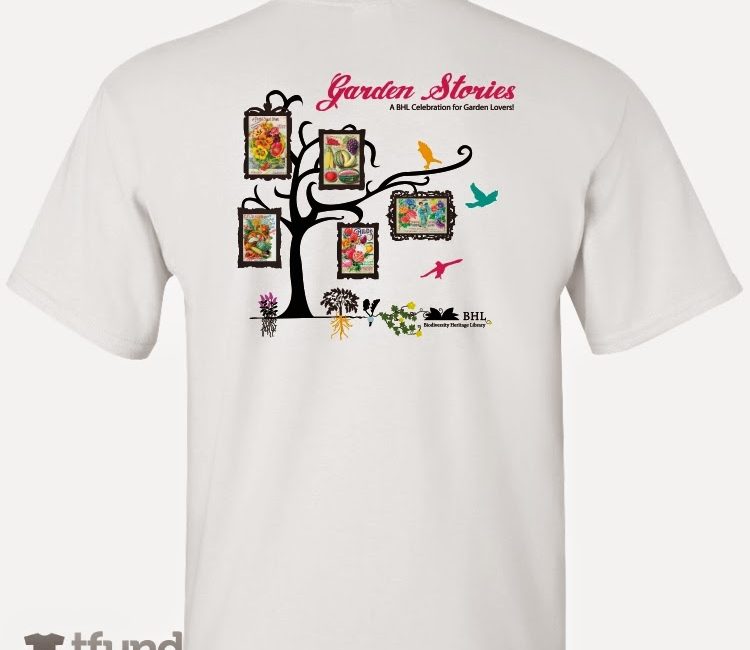
  • Purchasing your very own Garden Stories T-Shirt through T-Fund. All proceeds will go to help us digitize more pages for BHL. Our goal is to sell enough shirts to digitized 5,000 pages. Can you help us get there?
View Full Size Image
Garden Stories T-Shirt available through TFund.

More Great Gardening Resources from our Partners

Can’t get enough gardening fun? Explore these great resources from our partners:

  • Cornell University Library Mail Order Gardens Exhibit
  • Cornell University Gardening Guide
  • Missouri Botanical Garden Help for the Home Gardener
  • Natural History Museum, Los Angeles County Nature Garden
  • The New York Botanical Garden Seed Catalog LibGuides 
  • The New York Botanical Garden Plant Information and Gardening Guide
  • Royal Botanic Gardens, Kew, Nursery Catalogs and Seed Lists
  • Smithsonian Libraries Seed and Nursery Catalogs Exhibit
  • Spring Gardening Checklist via Smithsonian Gardens
  • USDA National Agricultural Library Seed and Nursery Catalog Collection
  • USDA The People’s Garden Video and Webinar Gardening Resources
  • Find more online gardening resources, tips, and help on the BHL Gardening Resources Page.


References

  1. Kingsbury, Noel. Hybrid. Chicago: University of Chicago Press, 2009, 1-36. Print.
  2. The Seed and Nursery Catalog in Europe and the U.S. “Earliest European Seed and Nurseru Catalogs.” Oregon State University Libraries. Web. February 2015. http://scarc.library.oregonstate.edu/omeka/exhibits/show/seed/earliest/earliest-european/.
  3. Kingsbury, Noel. Hybrid. Chicago: University of Chicago Press, 2009, 75. Print.
  4. Christopher, Thomas. “Heirloom Seed Catalogs.” Horticulture. Dec.(1985): 25. Print.
  5. Kraft, Ken and Pat Kraft. “Seeds for Sale.” Country Living Gardener. 1.1(1993): 30. Print.
  6. Fraser, Susan M. and Vanessa Bezemer Sellers. Flora Illustrata. New York: New York Botanical Garden, 2014, 235. Print.
  7. Ibid., 236
  8. Ibid., 249
  9. Ferry, Kathryn. “Printing the Alhambra: Owen Jones and Chromolithography.” Architectural History. 46(2003): 175–188.
  10. Fraser, Susan M. and Vanessa Bezemer Sellers. Flora Illustrata. New York: New York Botanical Garden, 2014, 239. Print.
  11. Ibid., 251
  12. Morrison, Ernest. J. Horace McFarland: A Thorn for Beauty. Harrisburg, PA: Pennsylvania Historical and Museum Commission, 1995. Print.
  13. Kingsbury, Noel. Hybrid. Chicago: University of Chicago Press, 2009, 139. Print.
  14. American Garden History. “Who was the mysterious feminist seed dealer and marketing genius Miss Carrie H. Lippincott?” Barbara Wells Sarudy, 2010-13. Web. February 2015. http://americangardenhistory.blogspot.com/2014/07/who-was-mysterious-feminist-seed-dealer.html.
March 23, 2015by michelle.underhill
BHL News, Blog Reel, Campaigns, Garden Stories

Buy a Garden Stories T-Shirt, Support BHL!

All this week we’re celebrating the art, history, and science of gardening with our Garden Stories event, highlighting over 14,000 seed and nursery catalogs in BHL, featuring over 2,500 art images from seed catalogs, and providing great gardening tips and resources on our blog, Twitter, Facebook, Flickr, Pinterest, and Tumblr. Follow #BHLinbloom or our BHL accounts on social media to follow along!

As part of the campaign we’re offering a BHL Garden Stories T-Shirt for sale! All proceeds from selling the shirt will be used to digitize more books for the Biodiversity Heritage Library collection. T-Shirts are 25 USD each. Our goal is to sell enough T-Shirts to digitize 5,000 pages, which translates to 125 T-Shirts. Help us reach our goal and support biodiversity, science, and conservation today!

Click here to buy your shirt!

View Full Size Image
Garden Stories T-Shirt available for sale through T-Fund. All proceeds will be used to digitize more books for BHL.

Curious how BHL helps support science and conservation? Check out these past blog posts!

March 20, 2015by michelle.underhill
Blog Reel, Campaigns, Featured Books, Garden Stories

Shaping Early American Gardening: Bernard M’Mahon

Our Garden Stories campaign is just under a week away! We’re excited to share fantastic gardening information, history, art, and tips with you March 23-27, 2015. And don’t forget our TwitterChat this Friday, March 20, from 1-2pm EST! If you have gardening questions, send them our way with the hashtag #BHLinbloom. Don’t miss out!

View Full Size Image

We thought we’d give you a taste of the fascinating history and stories you can expect next week by featuring a post on one of the individuals that helped shape the gardening industry in America: Bernard M’Mahon. It is written by Robin Everly, Botany and Horticultural Librarian at the Smithsonian Libraries and one of the experts that will be on hand to answer your gardening questions during our TwitterChat this Friday!

Bernard M’Mahon (spelled M’Mahon or McMahon) shaped American gardening during its formative years in early 19th century. Although M’Mahon left his mark by creating a successful seed and nursery business and writing an early popular horticultural book specific to American plants, accurate biographical information on him is sketchy. Born in Ireland, he came to America between 1796-1798 for political reasons. Like many immigrant stories, Ireland’s loss was the United States’ gain. Botanist William Darlington recalled meeting him in Dilworthtown, Chester County, “In autumn, I think, of 1799”, where many Philadelphians went to escape an outbreak of yellow fever. Although it is speculated he had extensive training in gardening while in Ireland, M’Mahon first worked in the printing business for William Duane and the newspaper, the Aurora, beginning in 1800. However, a few years later, he began working in the seed and nursery business, collecting and exporting seeds of America’s wild plants to Europe. At the time, native plants from America were all the rage for European gardeners.

View Full Size Image
M’Mahon, Bernard. A Catalogue of American Seeds. 1804. http://biodiversitylibrary.org/page/44425433.

He is credited with publishing the first American seed catalog in booklet form in 1804. It is actually more a seed list than what we think of as a seed catalog today. It simply lists plants in alphabetical order under major categories such as “trees and shrubs” and “herbaceous plants.” For each plant the scientific and common name is given. No illustrations were included. Printing and publishing in the United States was still very new at this time. Many publishers still sent their works to England to be published and shipped back to the states. Philadelphia, with sixty paper mills located nearby, was a popular area for papermaking and printing during this period of time.

View Full Size Image
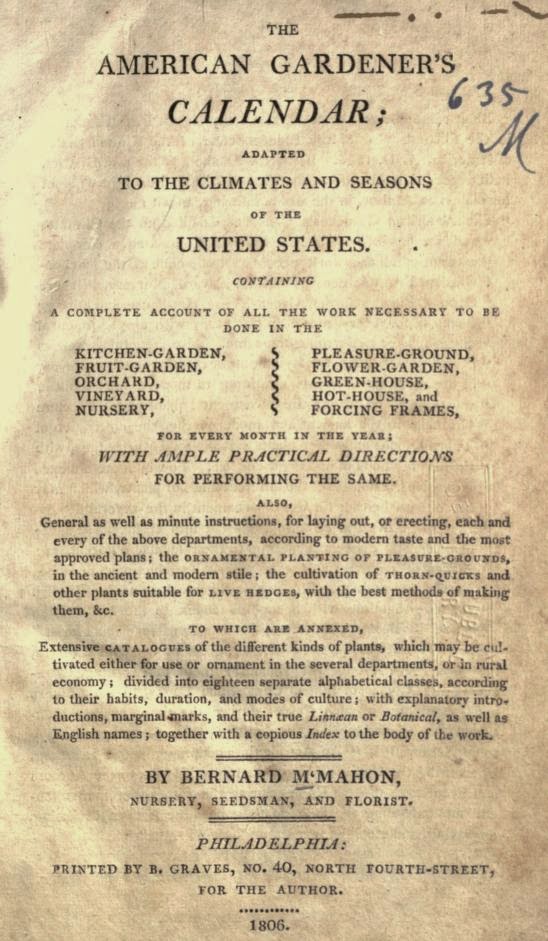
M’Mahon, Bernard. The American Gardener’s Calendar. 1806.  http://biodiversitylibrary.org/page/20142803.


In 1806, while operating his business, he published The American gardener’s calendar; adapted to the climates and seasons of the United States. Liberty Hyde Bailey, in his Cyclopedia of American Horticulture referenced it with: “He gave America its first great horticultural book.” In a sense, it became what we would call a bestseller. The book was popular for 50 years and went through 11 editions, the last published in 1857, long after M’Mahon’s death in 1818.

View Full Size Image
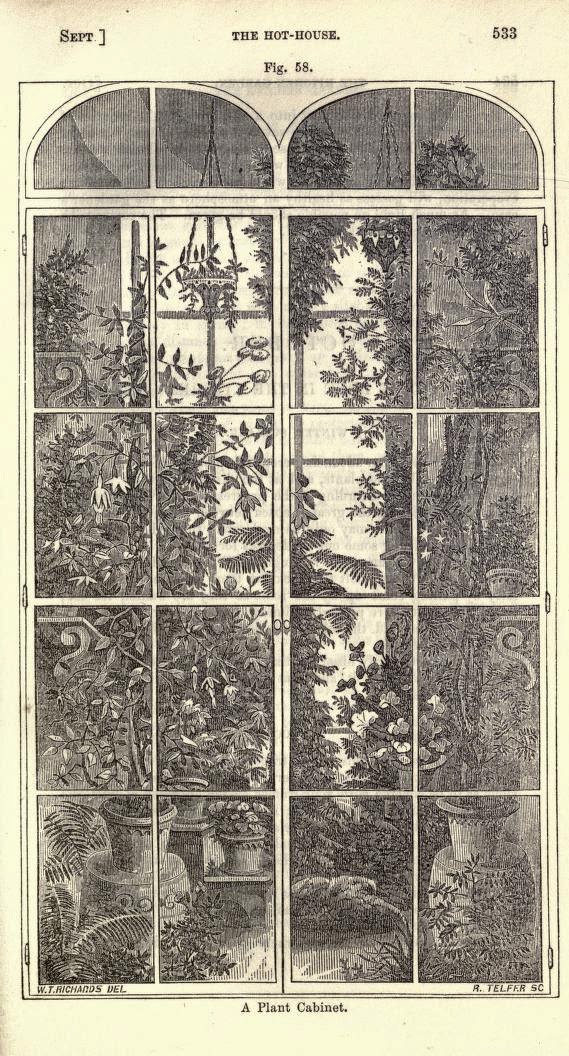
A Plant Cabinet, or Hot-House. M’Mahon, Bernard. The American Gardener’s Calendar. 11th Ed. 1857. http://biodiversitylibrary.org/page/20141911.

It was through The American gardener’s calendar that President Thomas Jefferson became acquainted and befriended M’Mahon. Jefferson found the book useful for his gardening and growing food at Monticello. M’Mahon and Jefferson began an exchange of books and seeds that went on for several years. Jefferson asked M’Mahon, along with fellow Philadelphia gardener, William Hamilton, to receive and propagate seeds and roots from plants collected on the Lewis and Clark Expedition, also known as the Corps of Discovery, in 1804 to 1806.

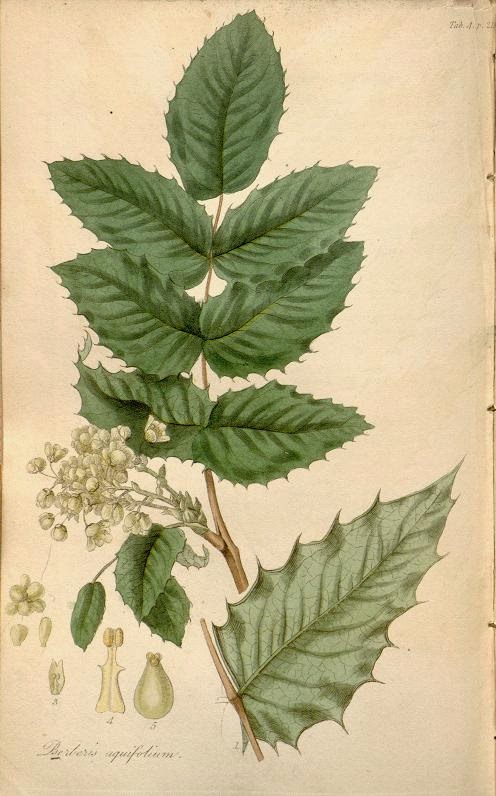
M’Mahon was a friend to many botanists; for example, Thomas Nuttall named a genus of evergreen shrubs discovered in the western U.S. during the Lewis and Clark expedition to honor him. While the name Mahonia is still used frequently in horticulture to identify these shrubs; scientifically, the Oregon grape holly or mountain holly (Berberis aquifolium) is now in the genus Berberis.

View Full Size Image
Berberis aquifolium. Pursh, Frederick. Flora Americae Septentrionalis. v. 1 (1814). http://biodiversitylibrary.org/page/396637.

In the 11th edition of The American gardener’s calendar, Jay J. Smith, who handled the revision, wrote a very personal memoir dedicated to M’Mahon which includes a tribute letter by Darlington. It is one of the few personal recollections I came across for such an important person in American gardening. M’Mahon’s publications can be found online through the BHL website.

Be sure to check out our Garden Stories event next week, March 23-27, and our TwitterChat this Friday, March 20, at 1-2pm EST. Happy gardening!

March 17, 2015by Grace Costantino
BHL News, Blog Reel, Campaigns, Garden Stories

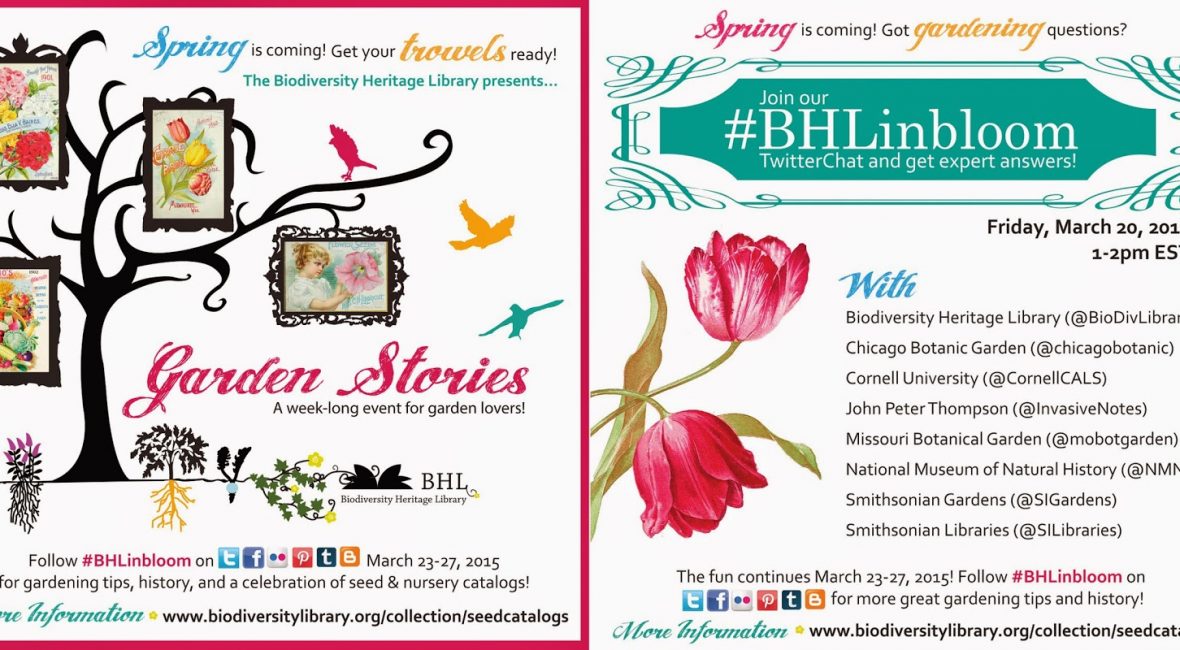
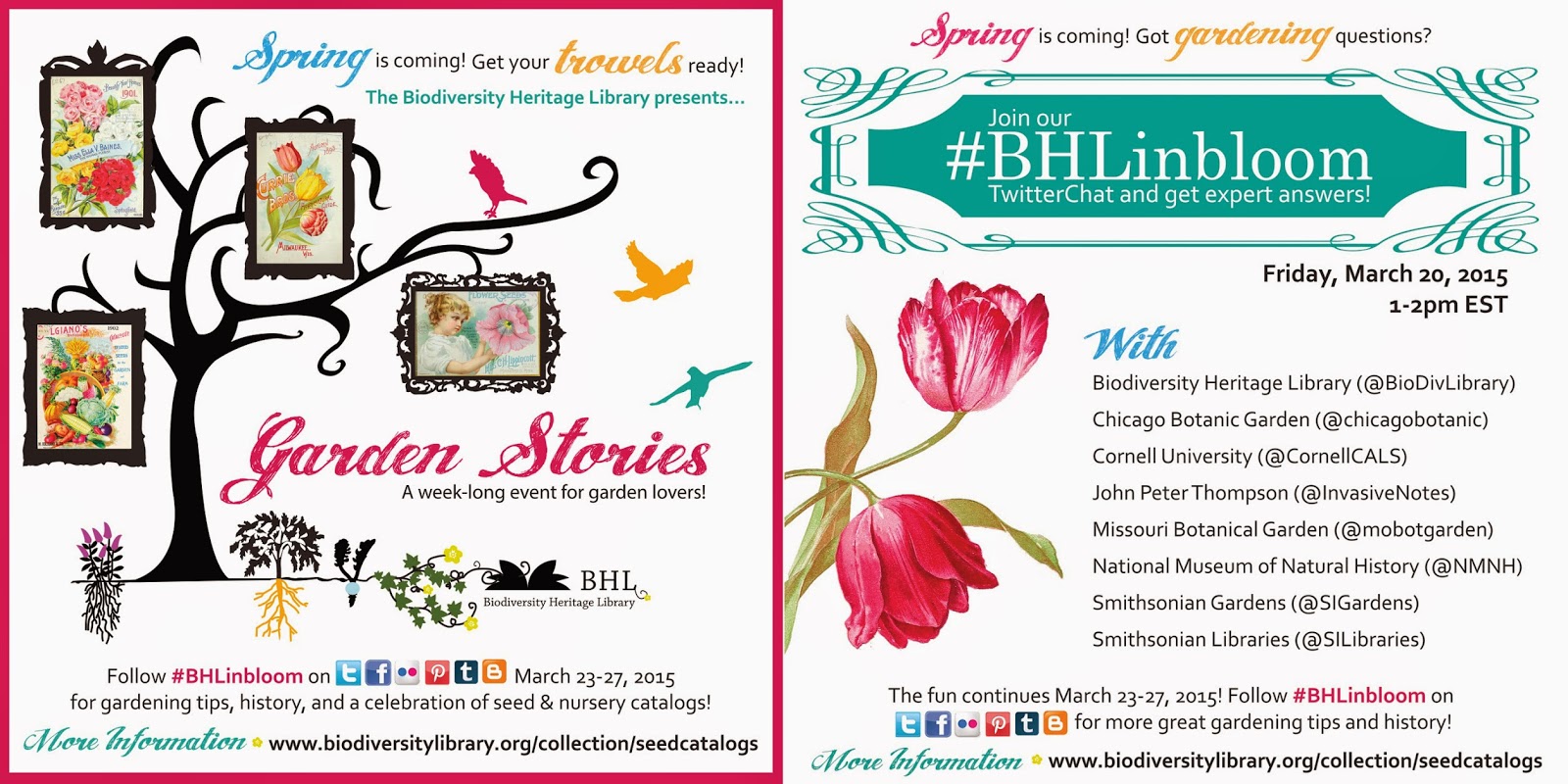
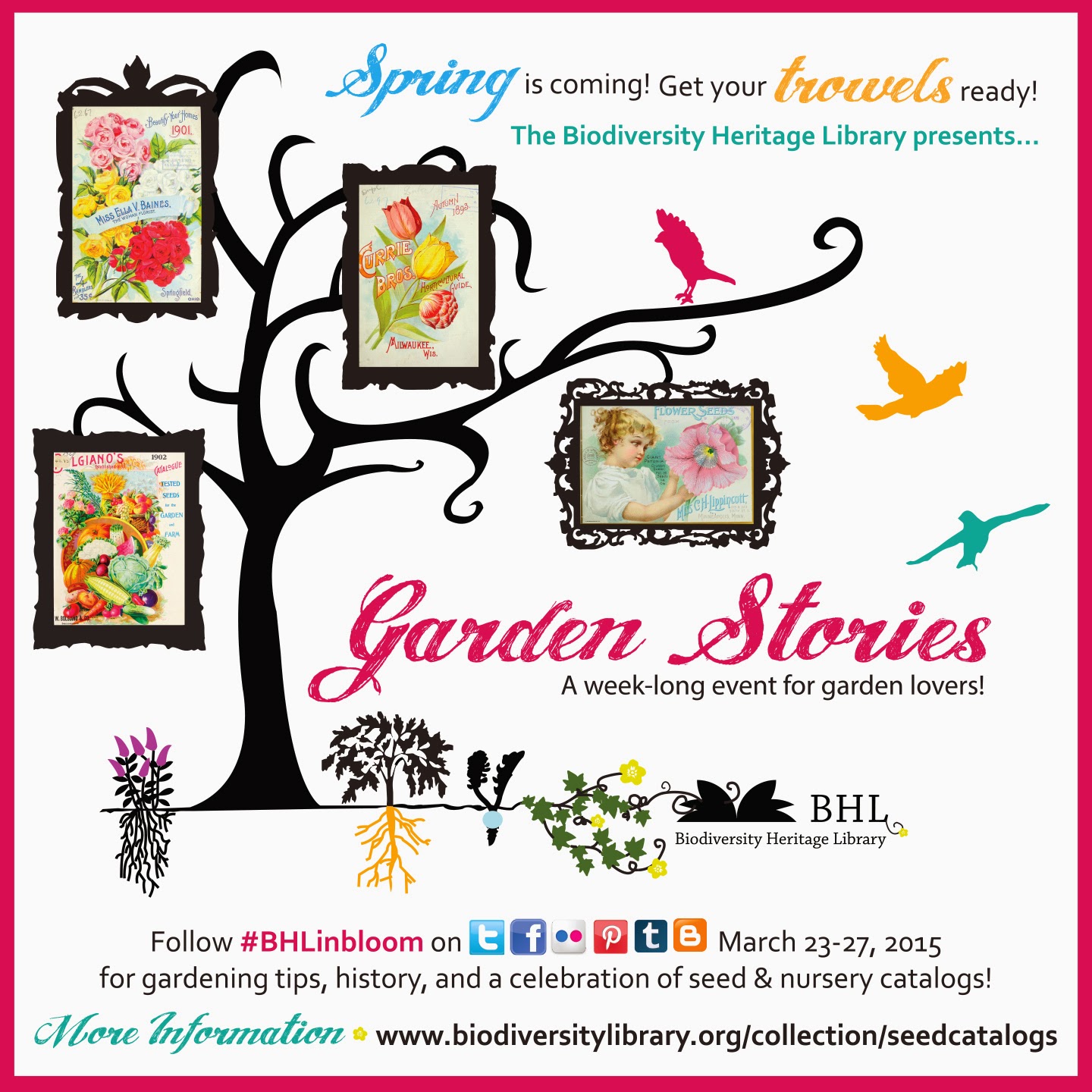
Announcing Garden Stories: A Week Long Event for Garden Lovers

Spring is coming! Get your trowels ready!

We’re excited to announce BHL’s spring event, “Garden Stories,” which will occur March 23-27, 2015.

View Full Size Image

“Garden Stories” is a week long social media event for garden lovers. The campaign will explore the fascinating world of gardening, from the rise of agriculture to the home garden and the mail order gardening phenomenon.

Celebrating the history, science, and art of gardening, content will be published via the BHL Blog, Twitter, Facebook, Flickr, and Pinterest, with additional posts through the Smithsonian Libraries’ Tumblr. Posts will include gardening tips, history, and plant factoids, including daily blog posts highlighting topics such as the role of women in the American horticultural industry; the importance of seed lists and catalogs in the development of new cultivars; heirloom gardening; marketing and artistic revolutions in the gardening industry; and technological and garden fashion and design changes over time, using the over 13,000 seed and nursery catalogs in BHL to help tell these stories and provide this information. All content will be tagged with #BHLinbloom.

See this page for more information: http://www.biodiversitylibrary.org/collection/seedcatalogs

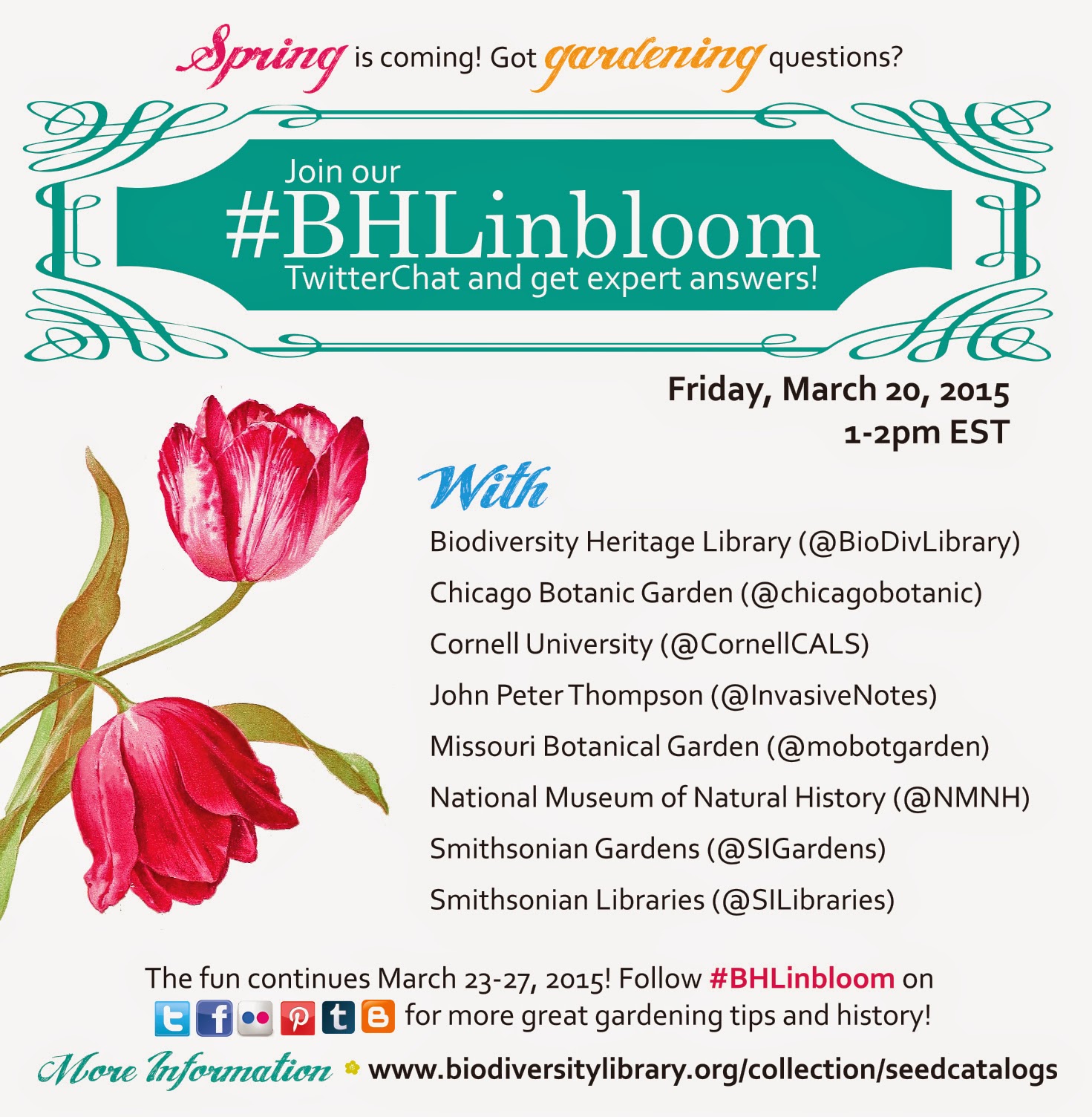
We will kick off the campaign with a TwitterChat on Friday, March 20, from 1-2pm EST. During the chat, we invite you to submit your gardening questions for experts to answer. Botanists and horticulturalists at BHL partner institutions, including Smithsonian Gardens, Smithsonian Libraries, National Museum of Natural History, Missouri Botanical Garden, Chicago Botanic Garden, and Cornell University’s College of Agriculture and Life Sciences are participating to answer questions and provide gardening tips and resources. Follow along and join in using #BHLinbloom.

View Full Size Image

We’re also featuring a Garden Stories t-shirt offered through T-Fund during the campaign. Proceeds will be used to digitize more books for BHL. Our goal is to sell enough shirts to digitize 5,000 pages. The shirt will be available starting on March 20th. Stay tuned on our blog and follow the campaign hashtag for more information.

Finally, during the campaign we’ll also be inviting you to help us improve access to seed and nursery catalogs by transcribing select catalogs as part of our Purposeful Gaming project. Stay tuned for more information and get your citizen science hats ready!

We hope you will join in the fun and help us spread the word about the campaign and TwitterChat. If you have gardening resources, historical information, or seed catalog collections, share them with the hashtag #BHLinbloom during the campaign and we’ll retweet and repost.

So, if you want to have some gardening fun this spring, get your garden gloves out and follow #BHLinbloom on our blog, Twitter, Facebook, Flickr, Pinterest and Tumblr, March 23-27, 2015, and join our TwitterChat on March 20 at 1pm EST!

See stunning art from seed and nursery catalogs in the BHL Flickr!

March 11, 2015by michelle.underhill
Blog Reel

Fun with Seeds

Seed and Nursery Catalogs at The New York Botanical Garden

Thanks to a generous grant from the National Endowment for the Humanities (NEH), The New York Botanical Garden’s The LuEsther T. Mertz Library, the most comprehensive botanical and horticultural library in the Americas, has recently cataloged all 58,000 items in its Nursery and Seed Trade Catalog Collection. The grant also funded the digitization of public domain pre-1923 American nursery catalogs and their publication to the web.

The Nursery and Seed Trade Catalog Collection, one of the largest and most important of its kind in the United States, provides one of the best primary sources of information available on the history and development of American botany, horticulture, and commercial agriculture. Their value to humanities research, however, extends far beyond these subjects alone.

View Full Size Image
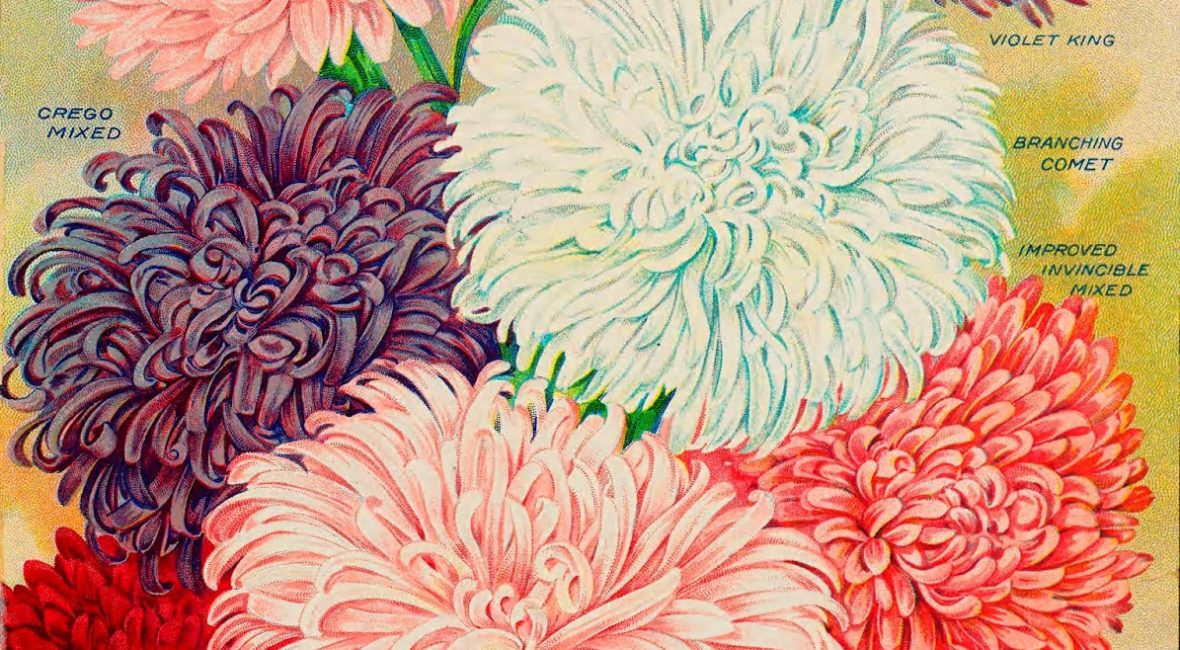
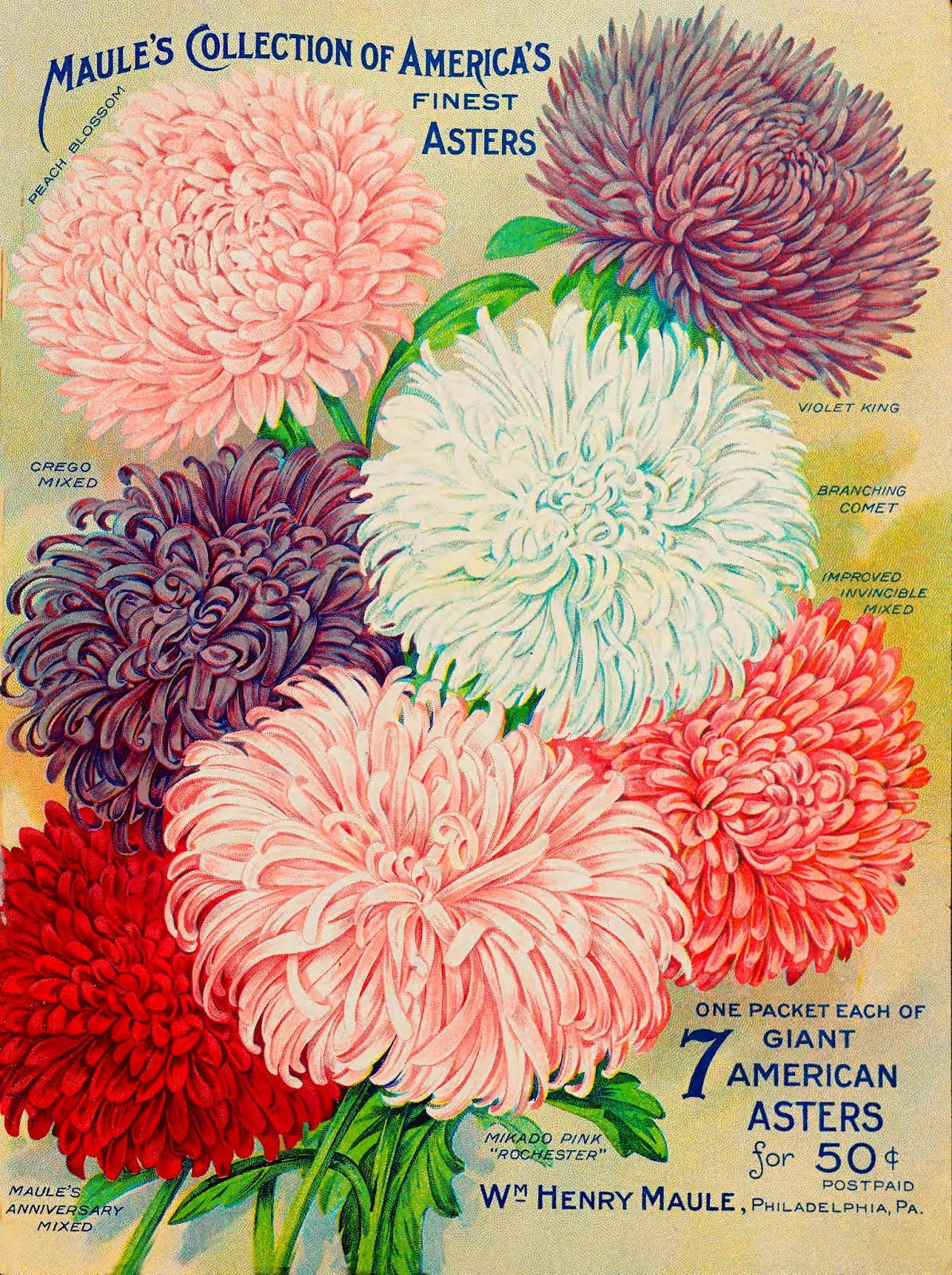
Color, skillful drawing and appealing text popularized American nursery and seed catalogs. Maule’s Seed Catalog. 1914. http://biodiversitylibrary.org/page/46265545.


The Importance of Seed Catalogs

Nursery and seed trade catalogs offer a unique window into other areas of American life, including publishing, landscape design, marketing, industry, and leisure activity, making them valuable resources for humanities research.

Nursery and seed catalogs often provide the first description of a newly introduced species or hybrid, and the establishment of accepted nomenclature for a plant or flower requires knowing the earliest date the name was used. One of the problems facing an International Registrar in establishing name priority is determining the date of the first valid publication for a new cultivar. Very often this publication is a seed catalog. Consequently, botanists and horticulturists utilize nursery catalogs to trace the development of new hybrids, varieties, and mutations.

View Full Size Image
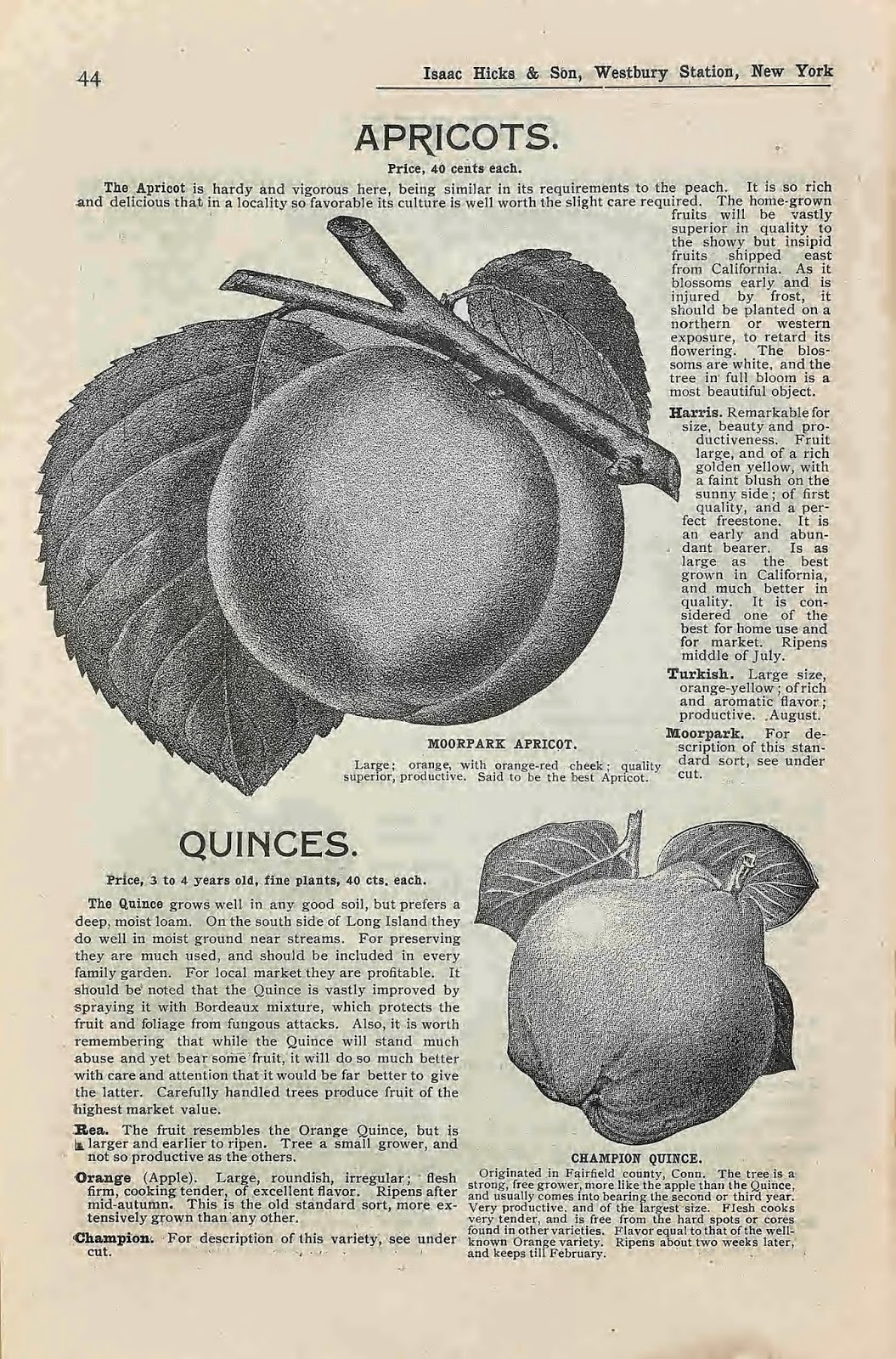
Fruits for Long Island with abridged list of lawn and street trees, evergreens, shrubs, roses, vines and hardy flowers. 1898. http://biodiversitylibrary.org/page/46037567.


Enhancing Discovery of Seed and Nursery Catalogs

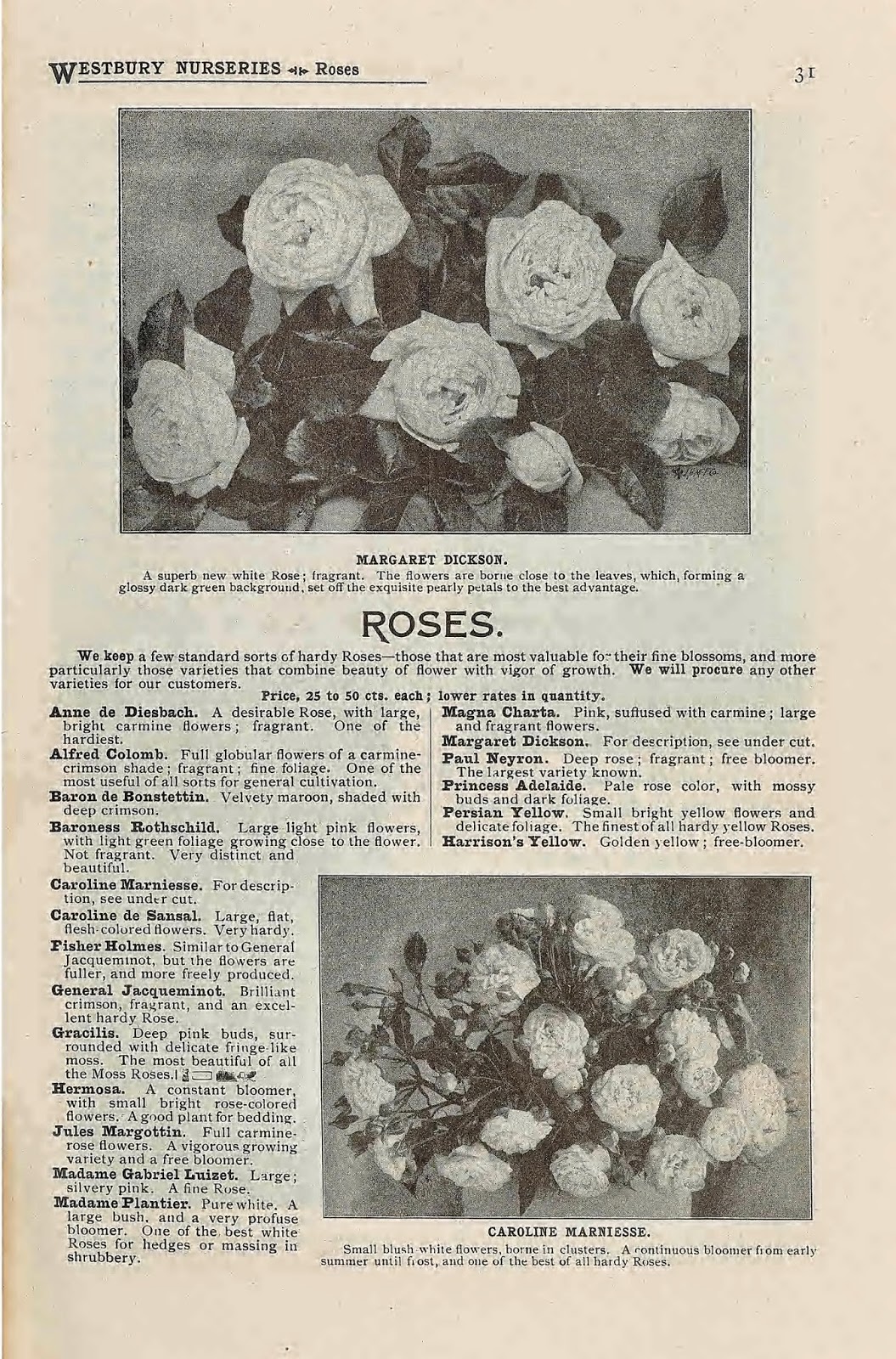
Searching the text of online vintage seed catalogs, however, has often been problematic. Seed catalogs are notoriously difficult subjects for Optical Character Recognition software (OCR) to parse. The picturesque fonts and elaborate page layouts so endearingly characteristic of seed catalogs have caused the resulting OCR output to be error prone and less than optimal, at least up to now.

The Institute of Museum and Library Services (IMLS) has recently awarded a grant to the Missouri Botanical Garden and its partner institutions, including Harvard MCZ, Cornell University and the the Mertz Library at NYBG, to use purposeful gaming and crowd sourcing to improve the precision of OCR, thereby helping to optimize search and discovery of online collections. Despite the technical difficulties to be overcome, the compelling content of vintage American seed catalogs promises to motivate the search for solutions as it once did the efforts of generations of gardeners to grow flowers like the pictures in the catalog.

View Full Size Image
Fruits for Long Island with abridged list of lawn and street trees, evergreens, shrubs, roses, vines and hardy flowers. 1898. http://biodiversitylibrary.org/page/46037580.


Seeds and the Entrepreneurial Spirit

Beyond their pictorial features, another reason for the continued intense fascination with seed catalogs is that the American nursery and seed business at the turn of the last century was replete with Horatio Alger stories of enterprising individuals who combined impressive horticultural skills with savvy commercial instincts. The prosperous businesses established by James Vick, John Lewis Childs and D.M. Ferry are typical of these self-taught botanical entrepreneurs.

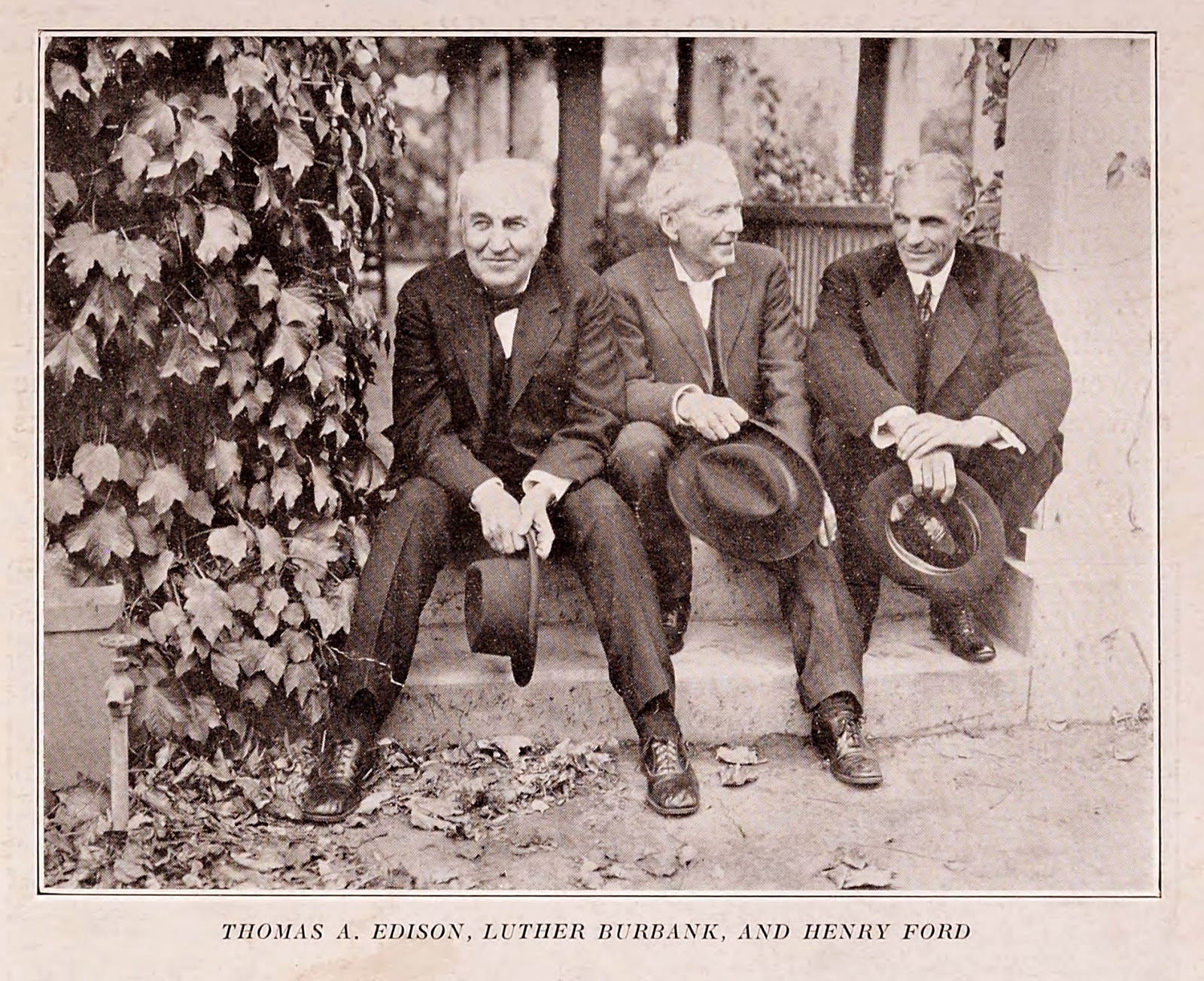
One image from the Luther Burbank seed catalog of 1916 vividly captures the heroic spirit of the era. It depicts the meeting of Thomas A. Edison, Henry Ford and Luther Burbank on the porch of Burbank’s Santa Rosa, California home in 1915. The aggressive herd of newspaper reporters and newsreel photographers who swarmed all over Burbank’s property that day prompted Edison to grumble “Darn these movies.” Burbank featured the meeting prominently in his catalogs as a celebrity endorsement of his plants and seeds.

View Full Size Image
Left to Right: Edison, Burbank and Ford. Mertz Library image in BHL. http://biodiversitylibrary.org/page/46319618.

One of the more colorful figures in the American nursery business was another Californian and a close friend of Luther Burbank’s named Carl Purdy (1861-1945). He was called the “Lily Man of Ukiah” by the press and today his life story seems almost mythical. In 1870, at the age of nine, Purdy was brought west in a covered wagon to the still pristine landscape of Mendocino County, California. When he reached adulthood he travelled on stagecoaches to business meetings and botanical conferences. He witnessed the San Francisco earthquake of 1906 and was a key figure in the spectacular San Francisco World’s Fair of 1915. He was fluent in Spanish and several Native American languages and once wrote a splendid book about the extraordinary baskets fashioned by the Indians of Mendocino County. Above all, he studied and mastered the cultivation of California’s native bulbs and plants, successfully introducing them for the first time to European and American gardens. His self-taught knowledge of California’s flora was acquired first hand through precise observation and experimentation prompting the scholarly Willis Linn Jepson to acknowledge that Purdy’s expertise was of the highest order.

Purdy was well read, having immersed himself in classical literature from childhood. He wrote all of the text for his catalogs, filling page after page with expert horticultural instructions and elegant prose. His proud description of the scenery on his 180-acre horticultural ranch named “The Terraces” was a regular feature of his catalogs:

“From a scenic point of view, ‘The Terraces’ are probably the most unique gardens in the world. Large springs feed a mountain stream, which passes through a rich valley, and then, over four limestone bluffs in succession, each from 50 to 75 feet high, it plunges in many most charming cascades and waterfalls. Between the bluffs are the terraced slopes from which the gardens get their name.”

Purdy’s seed and bulb catalogs of native California plants have for decades been one of the hidden treasures of the Mertz Library, but happily they are now easily accessed on both BHL and Mertz Digital.

View Full Size Image
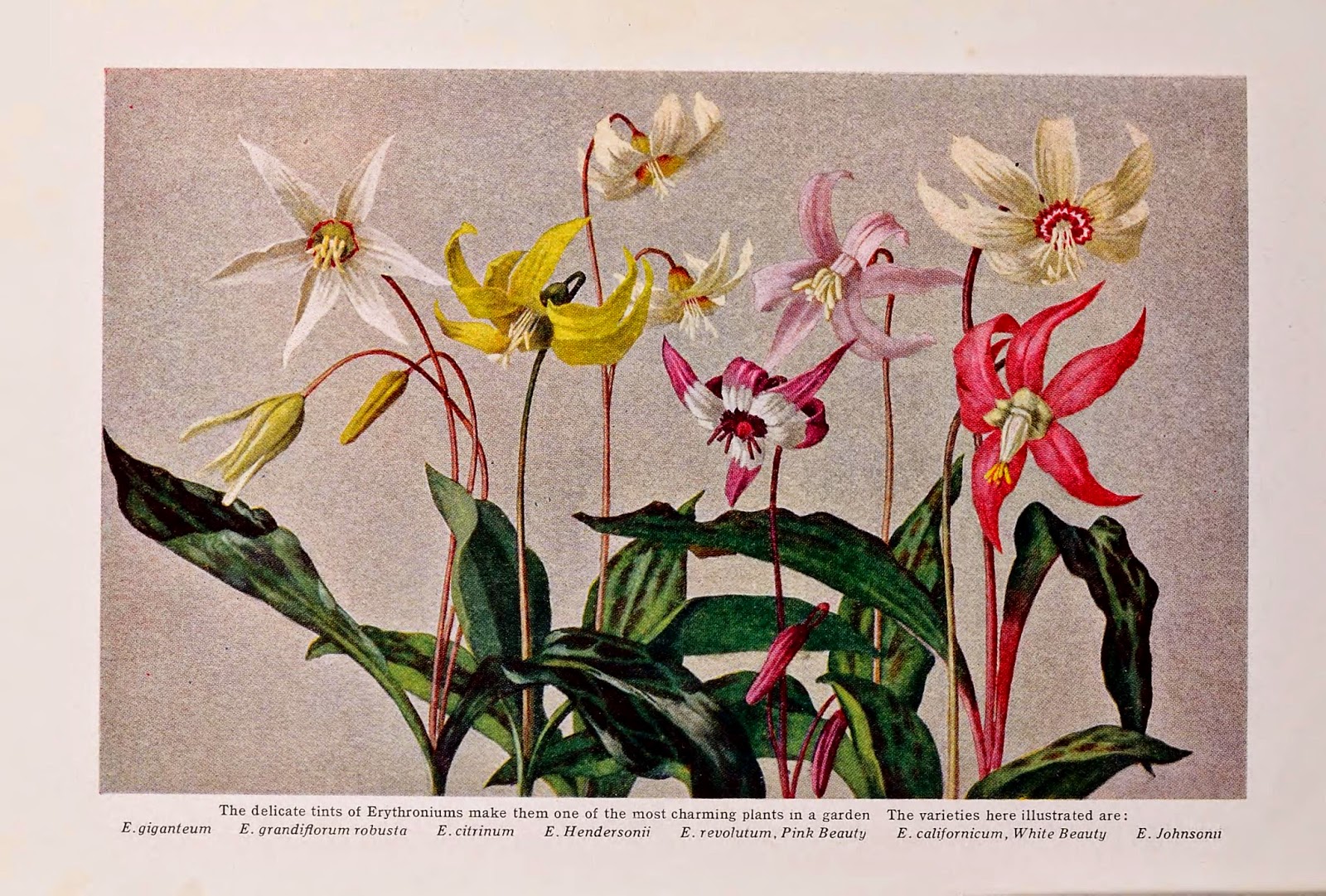
Erythroniums (dog-toothed violets). Carl Purdy catalog of 1921. http://biodiversitylibrary.org/page/46307063.

To read more about Carl Purdy, his life and times, please see the Mertz Library’s LibGuide here.

Thousands of Seed Catalogs in BHL

Browse over 11,000 seed and nursery catalogs in the BHL collection, digitized primarily from the significant collections of The New York Botanical Garden, Cornell University and the National Agricultural Library. The collection will continue to grow supported in part by the Purposeful Gaming grant from the Institute of Museum and Library Services. We welcome suggestions of catalogs to consider for digitizing and adding to the collection.

We hope you enjoyed this post. Interested in guest-blogging for BHL? We’d love that! Natural history, biodiversity and conservation topics are especially welcomed. Email us your ideas at [email protected].
December 18, 2014by ulib-libraryjobs
Blog Reel, Featured Books

Book of the Week: 1000 Hints in Gardening

View Full Size ImageSummer is in full swing and that means all the gardeners have already started coming out of the woodwork to get their hands dirty. We came across this book in BHL and thought it would be an appropriate book of the week for all of our garden-loving friends: 1000 Hints on Flowers and Birds (1917), by Mae Savell Croy.

In case you had any doubts as to whether you should believe anything that Ms. Croy has to tell you in this book, the title page carefully points out that she is the author of “1000 Shorter Ways About the House,” “1000 Things a Mother Should Know,” and “1000 Hints on Vegetable Gardening.” Her obsession with the number 1000 is sure to provide the reader with plenty of tips and ideas for application in their own gardens.

And these tips range in subject from general topics like “The Art of Growing Flowers” and “Essentials in Gardening” to more specific discussions of fertilization, rock gardens, weeds, and house plants. She even includes an entire chapter entitled “The Plea for the Birds,” which discusses bird houses, food and water, and a cryptic “Bits of Information” section. For our post, we’re going to highlight some of our favorite tips that we gleaned from this title, but there are many more that you can find yourself if you dig a little deeper into the 1000 hints provided.

Tip # 1: Plan the Garden on the Spot

“While to put it down on paper will be most helpful, the paper design should be made in the garden itself, otherwise there is likely to be confusion when it comes to working out the plan with actual plants. The size of the plants to be grown should always be taken into consideration when setting aside a certain space.”

Tip # 2: In Planning a Garden, Quadruled Paper Should be Procured

“Draftsmen use a paper ruled in quarter-inch squares, and in using this, each quarter-inch square should represent a foot of ground.”

Tip # 3: In Every Garden, However Small, There Should be a Seat

“In a small garden, the seat should be small, but where there is plenty of space, a large seat or a group of seats, a summerhouse or a pergola with seats can be placed to advantage. Let a garden look as if it had human beings taking a personal interest in it.”

Tip # 4: Plant Plenty of White Flowers in the Garden

“They are not only beautiful in themselves but they tend to emphasize the color of the other flowers near. No other one color aids so in emphasizing the color scheme in the garden.”

Tip # 5: Barnyard Fertilizer is Among the Most Valuable of Fertilizers

“It should be six months old and be well worked into the soil.”

Tip # 6: Deal Only with a Reliable Seedsman

“A seed house which has built up a reputation on the produce from its seed is not going to keep in stock old seed which will tend to endanger its reputation. It pays to purchase the best of seeds.”

Tip # 7: House Plants Often Fail to Thrive from No Apparent Reason

“House plants often fail to thrive from no apparent reason when what they really need is repotting. Having eaten all the food from the old soil, they require entirely new soil and the addition of fertilizer alone will not answer the problem.”

Tip # 8: A Pit is Simply a Large Hotbed

“A pit is simply a large hotbed and is constructed along the same principles, except that as it is in the form of a greenhouse buried under ground, there need be no layers of manure. It should, however, have good drainage and should have a sash covering. It may be made of either concrete or wood, though concrete is highly recommended as it will not permit any water to ooze through the earth surrounding the walls. The depth of excavation depends upon the needs of the individual who is to use it, but it should always be deep enough to give good standing room.”

Tip # 9: A Unique Bird House Can be Constructed Out of a Number of Cigar Boxes

“The strips taken from the boxes should be nicked and the other pieces slid into them, and few tacks will be necessary.”

Tip # 10: Crows, Blackbirds, Magpies and Bluejays are Doubtful Benefits to a Neighborhood

We hope you enjoyed our top 10 favorite tips, a collection of both useful and entertaining tidbits, from our book of the week. Find your own favorite hints from the book and be sure to let us know what they are! We’re dying to know what else a pit might be.

Picture from BHL Partner Institution, New York Botanical Garden’s Spanish Paradise: Gardens of the Alhambra exhibit.

June 9, 2011by michelle.underhill
Page 3 of 3«123

Help Support BHL

BHL's existence depends on the financial support of its patrons. Help us keep this free resource alive!

search

About BHL

The Biodiversity Heritage Library (BHL) is the world’s largest open access digital library for biodiversity literature and archives. BHL operates as a worldwide consortium of natural history, botanical, research, and national libraries working together to digitize the natural history literature held in their collections and make it freely available for open access as part of a global “biodiversity community.”

Join Our Mailing List

Sign up to receive the latest news, content highlights, and promotions.

Subscribe Now

Subscribe to Blog via Email

Enter your email address to subscribe to this blog and receive notifications of new posts by email.

Join 319 other subscribers

Subscribe to Blog Via RSS

Subscribe to the blog RSS feed to stay up-to-date on all the latest BHL posts.

Access RSS Feed

Inspiring Discovery through Free Access to Biodiversity Knowledge.

The Biodiversity Heritage Library makes it easier than ever for you to access the information you need to study and explore life on Earth…for free, anytime, anywhere.


64+ Million Pages of
Biodiversity Literature Online.

EXPLORE

Tools and Services
to Transform Research.

EXPLORE

300,000+
Illustrations on Flickr.

EXPLORE

ABOUT | HARMFUL CONTENT | PRIVACY | SITE MAP | TERMS OF USE