Biodiversity Heritage Library - Program news and collection highlights from BHL
  • Home
  • News
  • Featured Books
    • All Featured Books
    • Book of the Month Series
    • BHL at 20
  • User Stories
  • Campaigns
    • Fossil Stories
    • Garden Stories
    • Monsters Are Real
    • Page Frights
    • Her Natural History
    • Earth Optimism 2020
  • Tech Blog
  • Visit BHL
Home
News
Featured Books
    All Featured Books
    Book of the Month Series
    BHL at 20
User Stories
Campaigns
    Fossil Stories
    Garden Stories
    Monsters Are Real
    Page Frights
    Her Natural History
    Earth Optimism 2020
Tech Blog
Visit BHL
  • Home
  • News
  • Featured Books
    • All Featured Books
    • Book of the Month Series
    • BHL at 20
  • User Stories
  • Campaigns
    • Fossil Stories
    • Garden Stories
    • Monsters Are Real
    • Page Frights
    • Her Natural History
    • Earth Optimism 2020
  • Tech Blog
  • Visit BHL
Biodiversity Heritage Library - Program news and collection highlights from BHL
BHL News, Blog Reel

Biodiversity Heritage Library Adds BHL Australia as a New Member

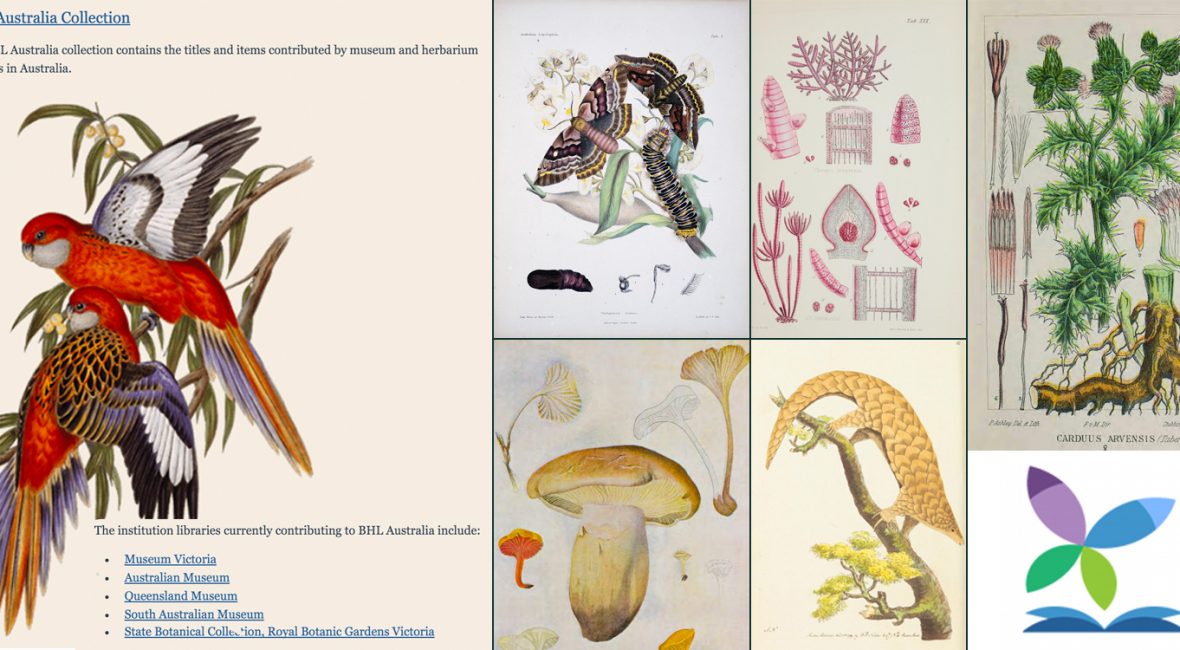
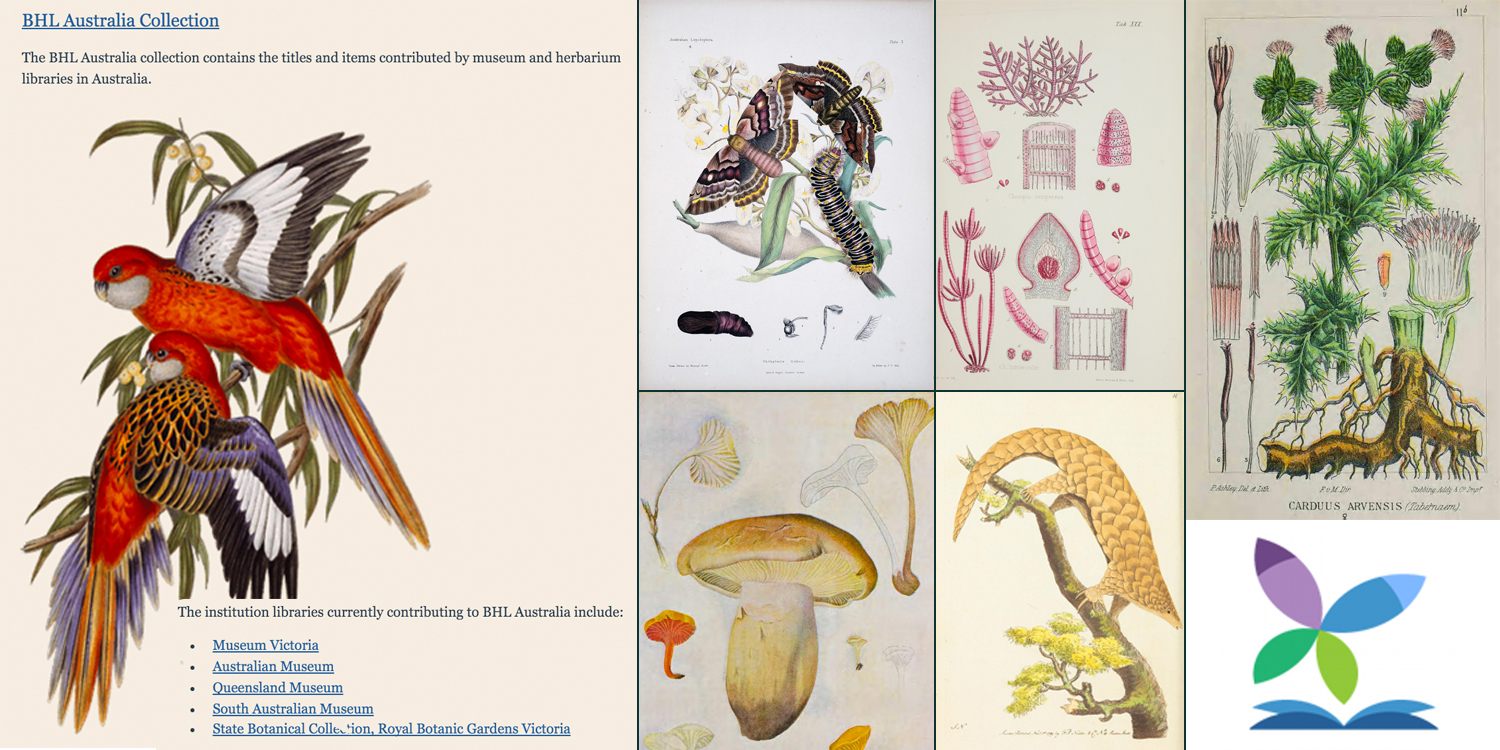
The Biodiversity Heritage Library is pleased to welcome BHL Australia as a new Member. BHL Australia was founded in 2010 by the Atlas of Living Australia with Museum Victoria as the Lead Agency undertaking the daily work of running the project. To date, five institutions participate in the BHL Australia program, including Museum Victoria, Australian Museum, Queensland Museum, South Australian Museum, and Royal Botanic Gardens Victoria. Over the past six years, these institutions have contributed journal titles, rare books, monographs and field notebooks to the BHL collection, amounting to over 156,000 pages. BHL Australia represents BHL’s 16th Member.
View Full Size Image

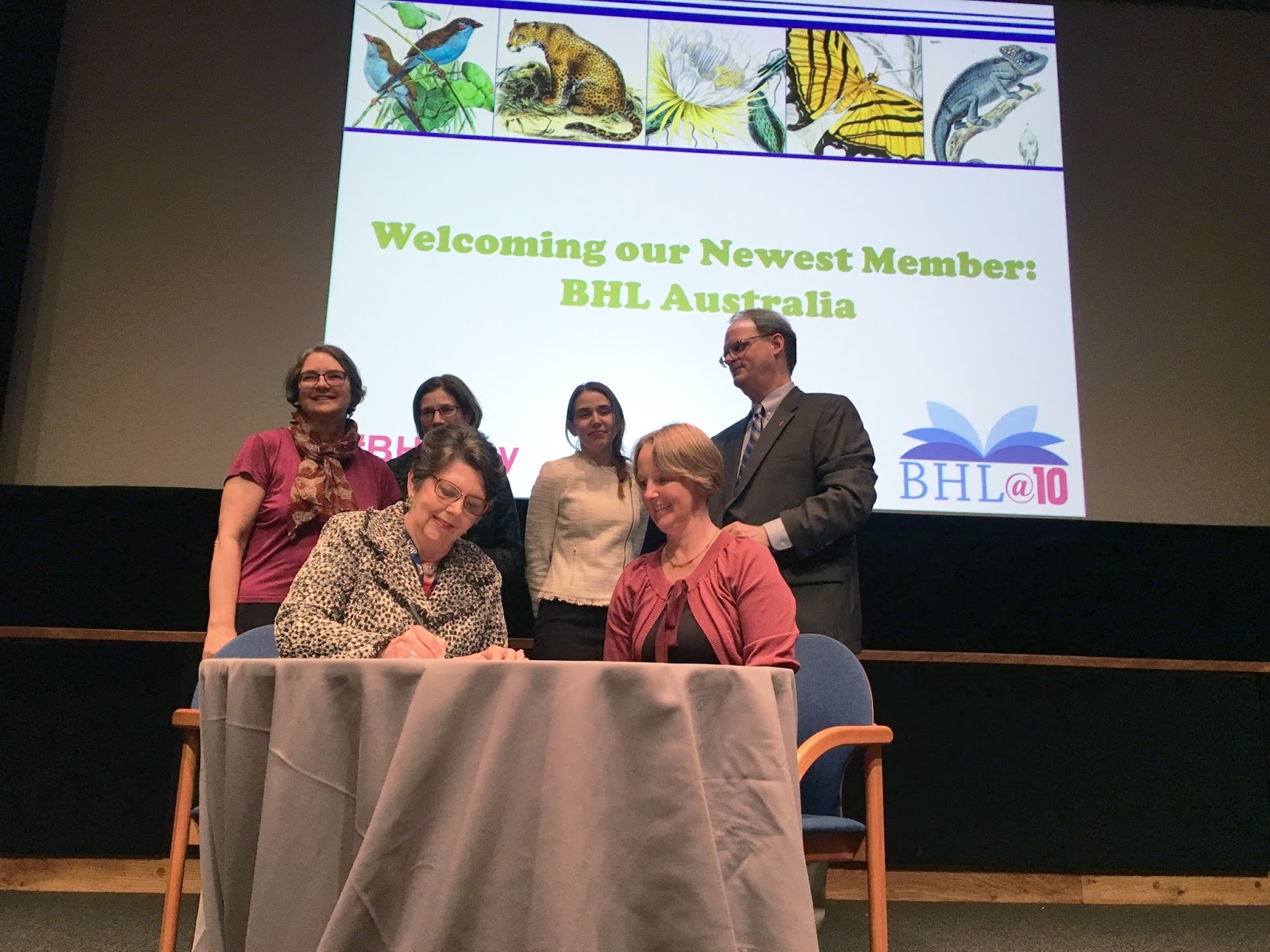
A three-way Memorandum of Understanding has been signed between BHL, the Atlas of Living Australia and Museum Victoria. Dr. Elycia Wallis, Project Lead and Manager of Online Collections at Museum Victoria, will be the official representative to the BHL Members’ Council on behalf of BHL Australia.
View Full Size Image
Dr. Nancy E Gwinn (left), Director of Smithsonian Libraries and Chair of the BHL Members’ Council, and Dr. Elycia Wallis, BHL Australia Project Lead and Manager of Online Collections at Museum Victoria, signing the BHL MOU. Back Row, Left to Right: Constance Rinaldo (Librarian of the Ernst Mayr Library of the Museum of Comparative Zoology, Harvard University | Vice-Chair, BHL Members’ Council); Jane Smith (Head of Library and Archives, Natural History Museum, London | Secretary, BHL Members’ Council); Carolyn Sheffield (Program Manager, BHL); Martin R. Kalfatovic (Associated Director, Digital Programs and Initiatives, Smithsonian Libraries | Program Director, BHL).

As BHL Members, BHL Australia will continue to digitize content from Australian library collections as well as work to establish new partnerships with institutions around the continent. The BHL Australia project team, which includes a Project Coordinator, Digitization Coordinator, Technical Officer, and a group of dedicated digitization volunteers, will continue to provide support, expertise, and guidance to all of the participating institutions as well as the BHL family around the world, ensuring the ongoing growth and success of the BHL program.

“I am personally very excited that BHL Australia has now become a full Member of BHL,” said Project Lead, Dr. Elycia Wallis. “Our Australian project has grown into a great success, and I look forward to the new challenges of actively contributing to the wider governance of the consortium.”

Since 2012, BHL’s consortium has operated within a tiered structure comprised of Members and Affiliates. While Affiliates can contribute content, provide technical services, and participate in select committees, participation at the full Member level allows for greater institutional impact, including the right to vote on strategic directives, help govern the BHL program and use central digitization funds. Those participating at the Member level also commit to an annual fee that helps support BHL’s financial stability.

“BHL Australia has been a key partner in the BHL family for many years and has been integral to the success of our global expansion and technical development,” affirmed Martin R. Kalfatovic, BHL Program Director. “For example, our current website is based on designs developed by the BHL Australia team. We are thrilled to welcome BHL Australia as a Member and look forward to continuing our collaborative efforts to provide free and open access to the world’s biodiversity literature.”

Explore the BHL Australia collection today.

About Atlas of Living Australia 
The Atlas of Living Australia is a free, online resource that aggregates biodiversity data and information from a number of sources including museum and herbarium specimen collections; government and university research departments; and citizen science projects small and large. It currently provides access to over 60 million specimen records. The Atlas of Living Australia is federally funded as a part of Australia’s National Research Infrastructure for Australia (NCRIS).

About Museum Victoria 
Museum Victoria, located in Melbourne in south-eastern Australia, is Australia’s largest public museum organization. It houses a collection of over 17 million objects, documents, photographs and specimens. It has three public museums: Scienceworks; the Immigration Museum; and Melbourne Museum, which also features the Bunjilaka Aboriginal Cultural Centre. The World Heritage-listed Royal Exhibition Building is situated adjacent to Melbourne Museum. Museum Victoria’s library has a collection that dates back to the founding of the institution in 1854 and beyond.

May 4, 2016by ulib-libraryjobs
BHL News, Blog Reel

Tree change for the Biodiversity Heritage Library Australia

This post originally published on the Museum Victoria blog. See the original post. 

The Biodiversity Heritage Library (BHL) is the world’s largest online repository of library and archival materials related to biodiversity. Its aim is to make the world’s biodiversity literature openly available online.

In Australia, BHL is managed by Museum Victoria and we have been contributing to this global resource since 2011. We have a team of wonderful volunteers who digitise our rare books and historic journals and prepare the digital versions for publication online. Over the past 4 years, BHL Australia has digitised 593 items comprising almost 150,000 pages of our biological heritage that used to be locked up in our library archives.

View Full Size Image
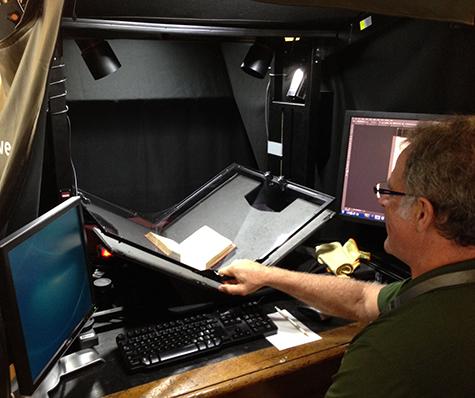
Bob Griffith, BHL Volunteer, digitising a rare book from the State Botanical Collection. Image: Nicole Kearney. Source: Museum Victoria.

Earlier this year we learned that our digitisation operation would have to be shut down for several months while Museum Victoria undergoes a major reorganisation of its collection stores. The stores will be much more efficiently arranged after the move, but while the relocation is occurring the collections will be inaccessible – and this includes our library collection.

An idea began to germinate…

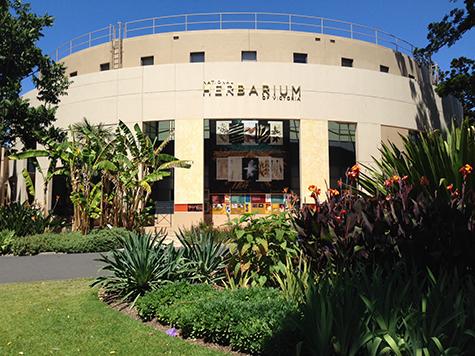
The National Herbarium Library at the Royal Botanic Gardens Victoria have long been interested in the BHL, and researchers at the Herbarium certainly use and appreciate the BHL resource. They were very keen to digitise their own library collection, but didn’t have the resources to do so. It seemed like the perfect opportunity to collaborate and undertake a project that would be of benefit to both institutions.

View Full Size Image
National Herbarium, Royal Botanic Gardens Victoria. Image: Nicole Kearney. Source: Museum Victoria.

Last week Museum Victoria moved its entire digitisation operation to the other side of Melbourne. The equipment, volunteers and our BHL staff will be spending the summer at the Royal Botanic Gardens. Just yesterday we digitised the first book from their State Botanical Collection and it will soon be available online.

View Full Size Image
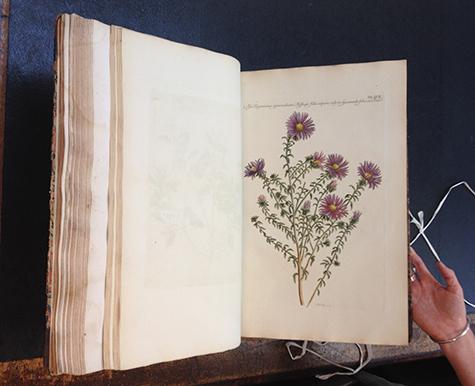
Illustrationes florae novae hollandiae, sive icones generum quae in prodromo florae novae hollandiae et insulae van diemen descripsit robertus brown by Ferdinand .L. Bauer, from the State Botanical Collection. Image: Cerise Howard. Source: Museum Victoria.

As the lead organisation for BHL in Australia, a major part of our role is to encourage and support other organisations to digitise their own collections. The Royal Botanic Gardens joins our other partners – the Australian Museum, the South Australian Museum and the Queensland Museum – in making their own biodiversity heritage openly available online. ​

December 4, 2015by ulib-libraryjobs
BHL News, Blog Reel

Nicole Kearney from BHL Australia visits BHL at Smithsonian Libraries

Portrait version of the Biodiversity Heritage Library logo.

As the Coordinator of BHL Australia, I’m based at Museum Victoria in Melbourne. This is a very long way from BHL headquarters in Washington DC – in both space and time. The time difference between Melbourne and DC is 14 hours and, while I’ve had countless conversations with BHL staff via email, our opposing work hours make phone calls or virtual meetings almost impossible.

Last month I was able to visit my BHL colleagues in person. I had been invited to speak at the Society of American Archivists conference about my work digitizing and transcribing the handwritten field diaries of Australia’s early naturalists. I joined six other speakers, including BHL’s Julia Blase, in a session about the importance of natural history archives. The meeting was in Cleveland, only a stone’s throw (from my perspective) from Washington, D.C. This was an opportunity I couldn’t pass up.

I spent four days at the Smithsonian Libraries and had face-to-face meetings with every member of the BHL Secretariat, as well as with staff from the Transcription Center, the Digitization Lab and the Cullman Rare Book Library. Many of our discussions were about how to make BHL work even better for our users, such as how to display transcripts of handwritten items and ensuring we have the most accurate article-level metadata for historic journals.

View Full Size Image
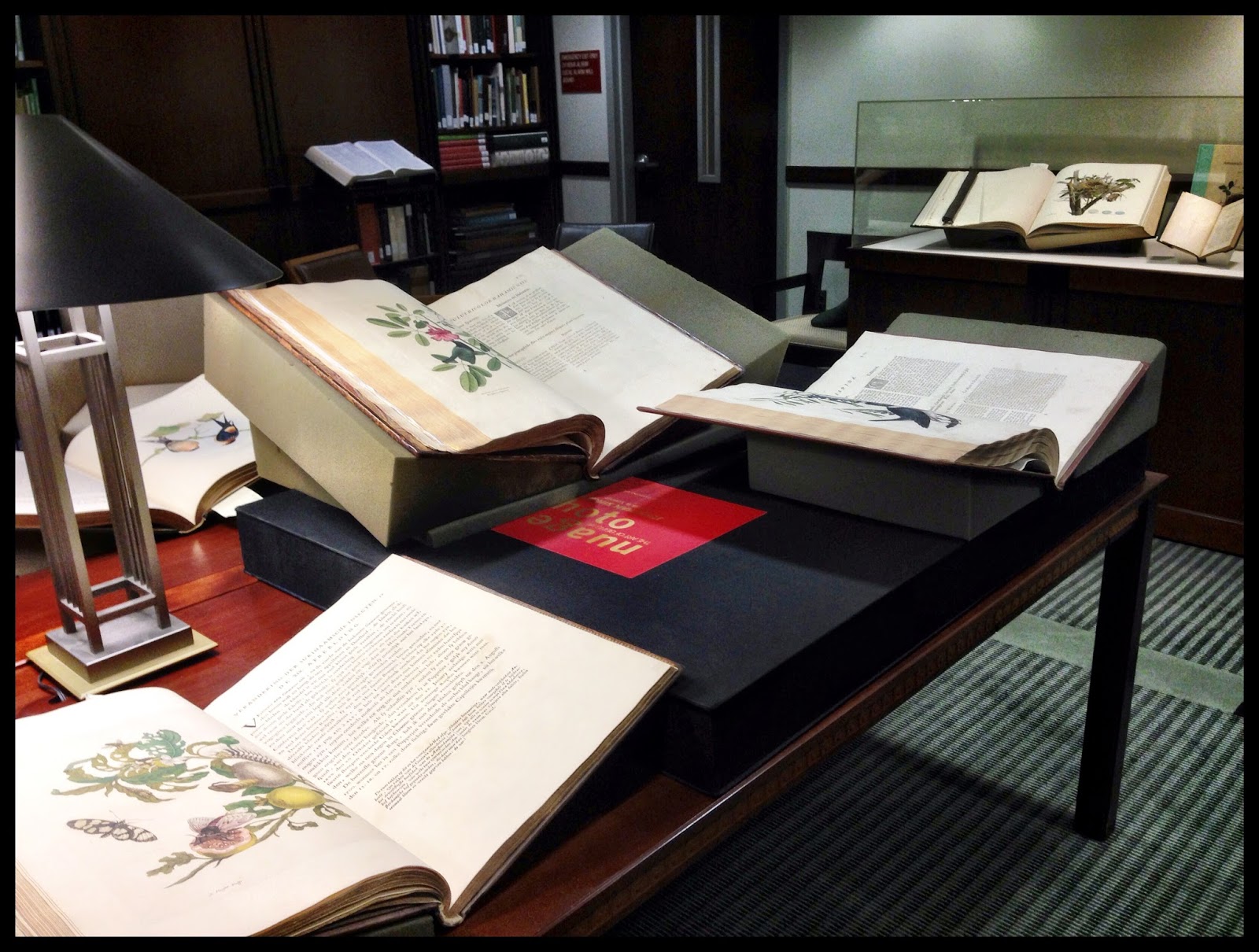
Books on display at the Joseph F. Cullman, 3rd Library of Natural History, Smithsonian Libraries. Image Credit: Nicole Kearney.

A highlight of my visit was seeing the rare books in the Cullman Library of Natural History. I had of course perused the digital versions of these treasures online (on BHL), but it was awe-inspiring to see them in the flesh and to listen to their Curator Leslie Overstreet speak so passionately about their history. I also particularly enjoyed seeing the Once There Were Billions exhibit, having read so much about it on the BHL blog. I took home origami versions of Martha (the last passenger pigeon) for my children and work colleagues so we too could #FoldtheFlock.

My visit coincided with that of Professor Ian Owens, Director of Science at the Natural History Museum, London. In his presentation to Smithsonian staff, he emphasized the contribution BHL has made to our understanding of global biodiversity. To make his point, he showed the illustration from the first published description of the Platypus from The Naturalist’s Miscellany, Vol. 10, George Shaw, 1799, a publication contributed to BHL by Museum Victoria. I was also proud to hear him mention the digitization and transcription initiatives of our funding partner, the Atlas of Living Australia.

View Full Size Image
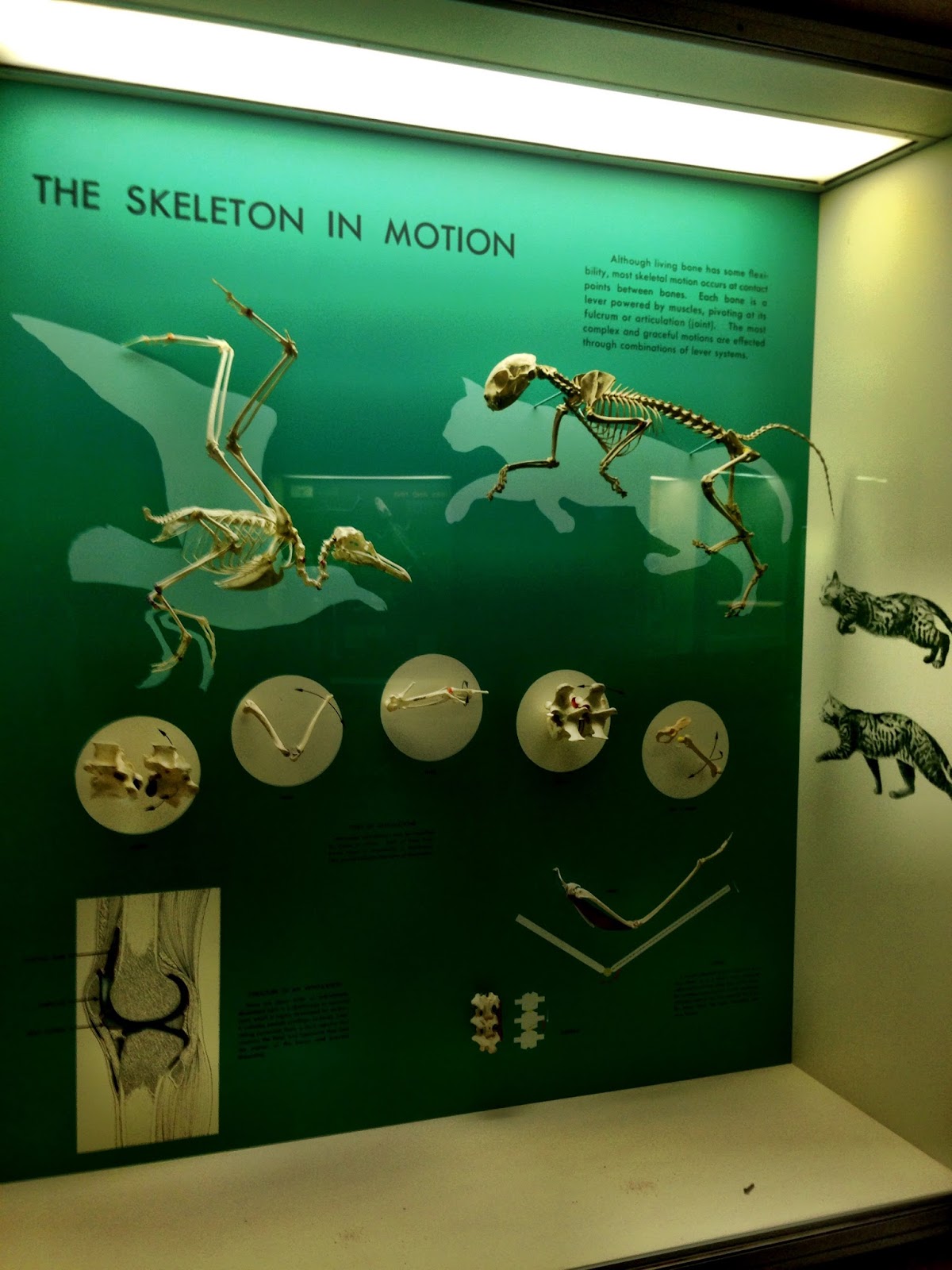
Bone Hall, Smithsonian National Museum of Natural History. Image Credit: Nicole Kearney.

I had been to Washington, D.C. only once before, when I was fifteen. A highlight of that visit was the Bone Hall in the Smithsonian’s National Museum of Natural History. I was fascinated by the variety of skeletons and the way they had been arranged to demonstrate form and function. I went on to become a zoologist, specializing in science communication. I still think this display is one of the best I’ve seen, and I was thrilled to find it relatively unchanged on my return visit – twenty-three years later!

It was wonderful to meet the dedicated people who keep BHL running so smoothly, and I am most grateful for the time they spent with me, answering questions, walking me though procedures and making me feel so welcome. Now that I’m home, we’ve resumed our communication via email, but I can now picture the friendly faces that sent them. I hope our paths will cross again soon.

View Full Size Image
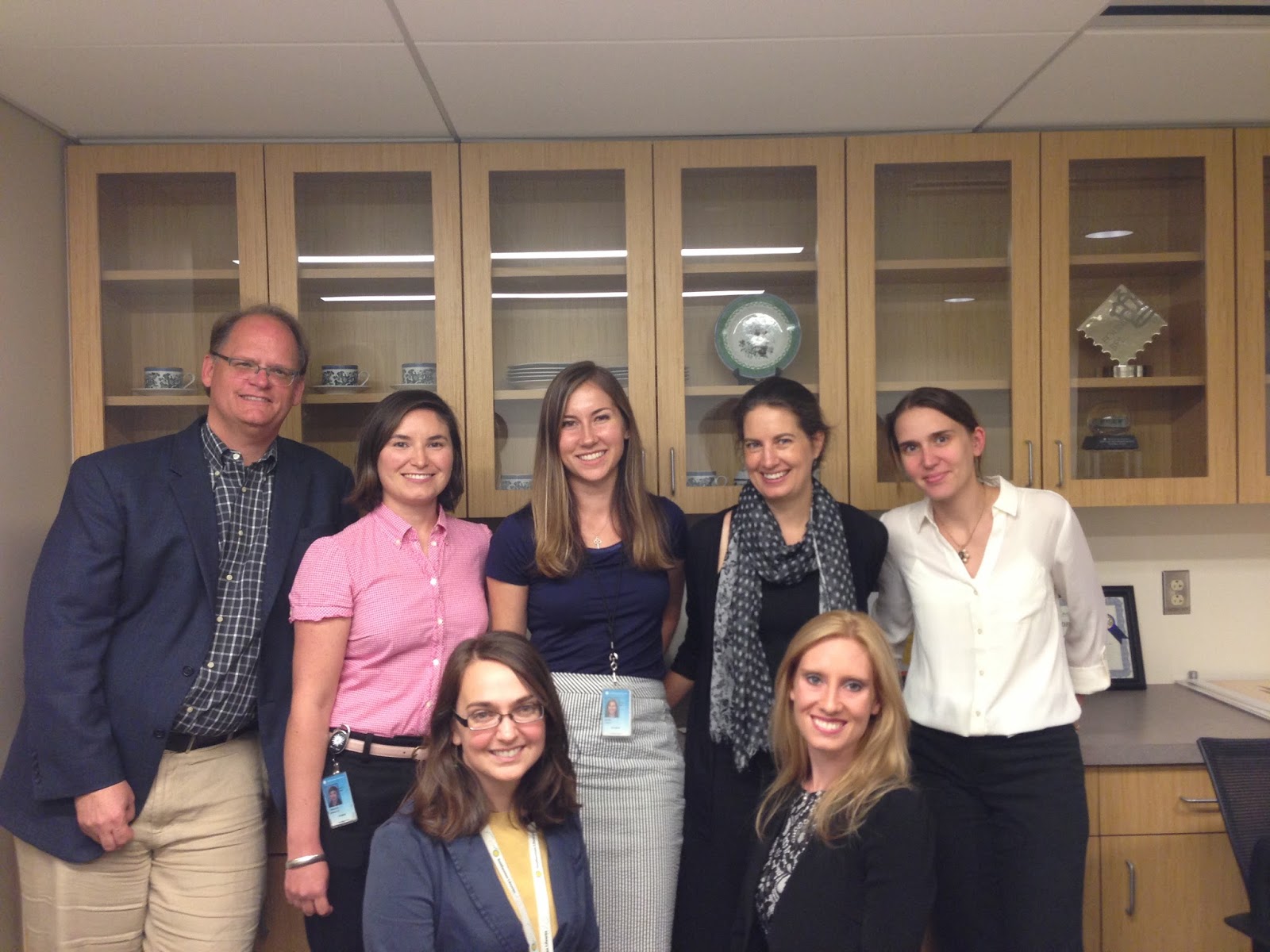
BHL staff with Nicole Kearney. Back Row, Left to Right: Martin Kalfatovic (BHL Program Director), Bianca Crowley (BHL Digital Collections Manager), Julia Blase (Field Book Project Manager), Nicole Kearney (Coordinator, BHL Australia, Museum Victoria), Carolyn Sheffield (BHL Program Manager). Front Row, Left to Right: Jacqueline Chapman (Smithsonian Libraries Digital Collections Librarian), Grace Costantino (BHL Outreach and Communication Manager). Image Credit: Nicole Kearney.

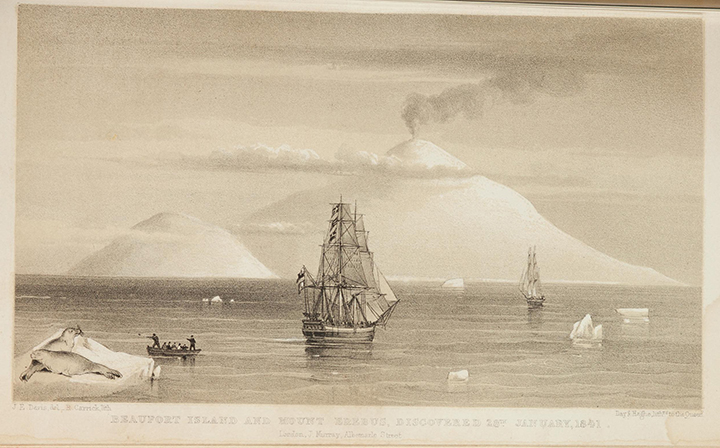
From our end here in Australia, the BHL team at Museum Victoria have recently been focusing on the digitization of rare books relating to Antarctic exploration, including a number donated by local philanthropist Sir Thomas Ramsay. We have also continued to digitize works on Australian fauna. A particularly significant recent addition to BHL was A synopsis of the birds of Australia, and the adjacent Islands by John Gould. This work was issued to scope interest in what eventuated in one of his most celebrated works, The Birds of Australia.

View Full Size Image
Ross, James Clark. A voyage of discovery and research in the southern and Antarctic regions, during the years 1839-43. v. 1 (1847). http://biodiversitylibrary.org/page/46551029. Digitized by Museum Victoria.

Explore the books in the BHL Australia Collection today.

September 18, 2015by ulib-libraryjobs
BHL News, Blog Reel

Historic Field Diaries from BHL Australia Now in BHL!

This post was originally published on the Museum Victoria Blog. See the original post here.

In November 2014, Museum Victoria started a project to digitize and transcribe the field diaries in our collection. These diaries, handwritten by Australia’s early field naturalists long before the days of electronic notetaking, are rich in scientific data and historic detail. They provide insights into past species distribution and abundance, as well as the trials and wonders experienced on historic expeditions.

View Full Size Image
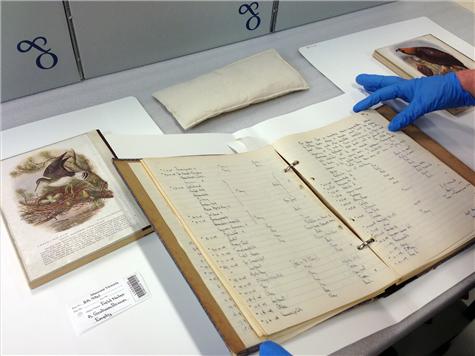
Afternoon tea with Graham Brown (this diary, volume 4, is now viewable on the Biodiversity Heritage Library). Image: Museum Victoria. Source: Museum Victoria.

They are fascinating sources of information and yet very few people have ever read them. As handwritten documents, each was created as a single hard copy. They have been carefully stored in the museum’s archives for decades, protected from dust and light but inaccessible to anyone but the few curators who knew of their existence. Until now.

View Full Size Image
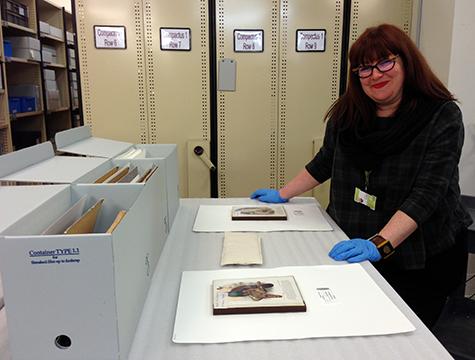
Rebecca Carland, Museum Victoria’s History of Collections Curator, with Graham Brown’s field diaries. Image: Nicole Kearney. Source: Museum Victoria.

Over the past nine months we have digitised 24 historic field diaries from our collection and have been steadily uploading them onto DigiVol, the online volunteer transcription portal developed by the Atlas of Living Australia and the Australian Museum. In DigiVol, the pages can be individually transcribed, with a verification process ensuring the quality of the result.

We are immensely grateful to the volunteers who have contributed their time and attention to transcribing our field diaries. Ten field diaries have been fully transcribed and the volunteers are now working on a diary written by notable ornithologist Frederick Lee Berney between 1898 and 1904.

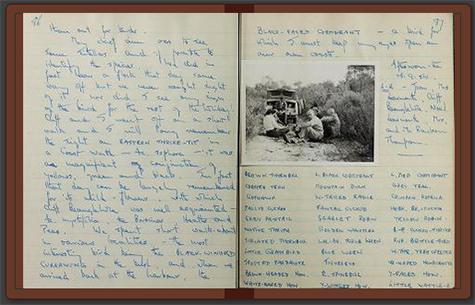
The first collection of five field diaries to be run through the digitisation and transcription process was produced by Graham Brown between 1948 and 1958. Now that they have been transcribed, the contents of the diaries can be searched and the data extracted. When analysed, Brown’s diaries contained 5611 bird sightings, complete with dates and locations. This historic data will now be made available to scientists and can be used to inform climate change studies and species management plans.

View Full Size Image
A small fraction of the 5611 bird observations Graham Brown recorded in his diaries. Image: Nicole Kearney. Source: Museum Victoria.

The next step is to make the images of the field diaries available through a publicly accessible website. We have just uploaded four volumes of the Graham Brown field diaries and their transcriptions onto the Biodiversity Heritage Library, and we will continue to add more over time. Museum Victoria has already contributed over 500 rare books and historic journals to this global repository of historic literature (through a project funded by the Atlas of Living Australia). We are thrilled that our field diaries are now joining these other significant volumes.

Help us unlock the observations in our historic field diaries
If you would like to become a transcription volunteer, sign up on the DigiVol website.

August 18, 2015by ulib-libraryjobs
BHL News, Blog Reel

The Art of Science at Museum Victoria & in BHL!

This post originally published on the Museum Victoria blog to welcome the “Art of Science” exhibit to the museum and introduce audiences to BHL. Explore the latest BHL Australia developments in this past post. See the Museum Victoria collection in BHL here. 

The Art of Science exhibition presents the finest examples from Museum Victoria’s remarkable collection of natural history artworks. These include rare books from the 18th and 19th centuries, field sketches from early colonial exploration of Australia’s wildlife, and contemporary scientific photographs.

The books on display contain some of the most beautiful and significant illustrations of flora and fauna ever produced. The exhibition’s curators must have had a torturous task selecting which page from each book to display. Because that’s all they could display – a single double page spread from each precious volume.

View Full Size Image
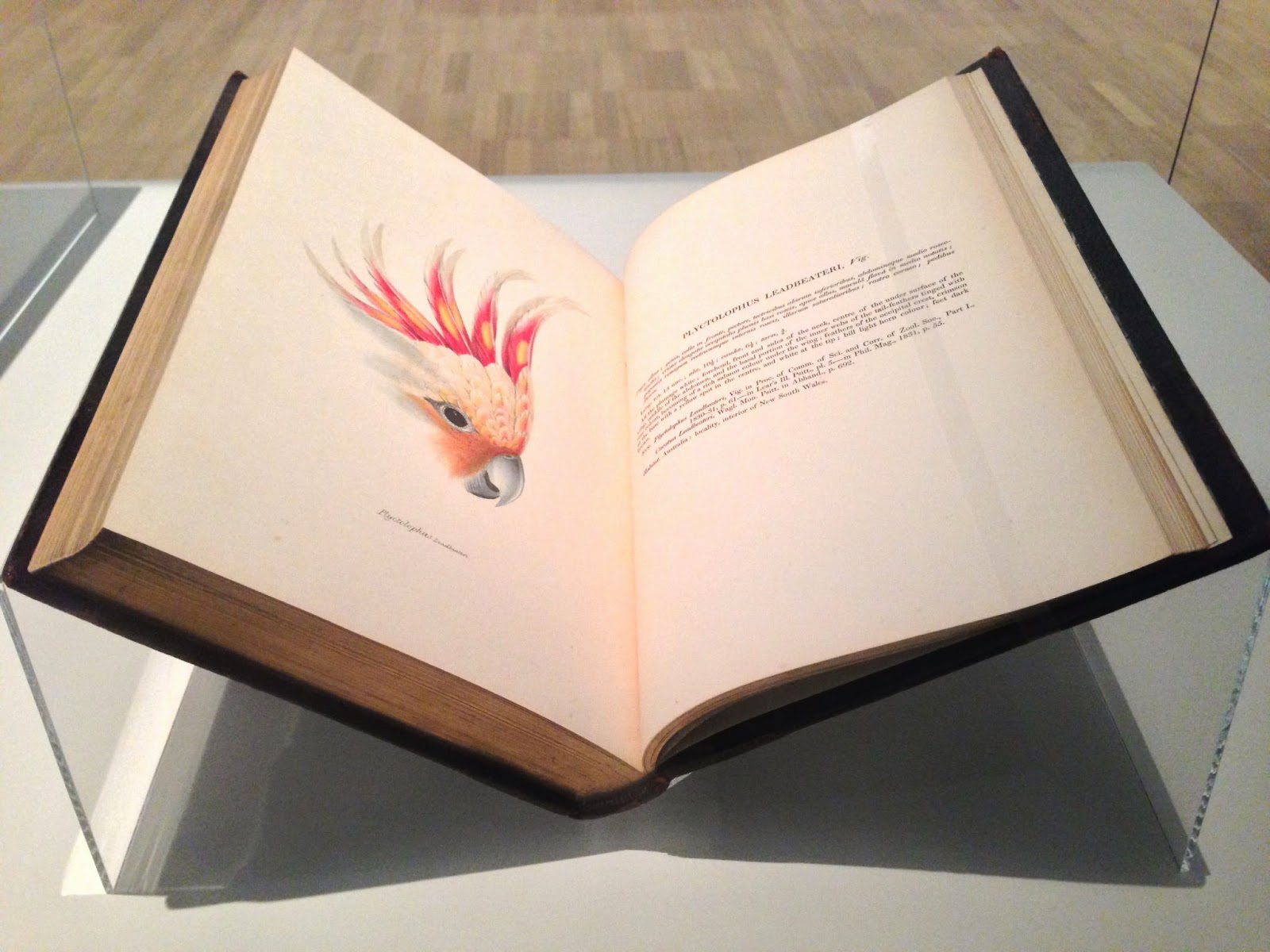
Major Mitchell’s Cockatoo, illustrated by Elizabeth Gould for John Gould’s A synopsis of the birds of Australia, and the adjacent islands, 1st edition, London, 1837-38, on display at Melbourne Museum. The entire book can now be viewed online.
Image: Nicole Kearney
Source: Museum Victoria

The Art of Science has only just opened at the Melbourne Museum. Before coming home, it toured Mornington, Ballarat, Adelaide, Mildura, Sale and Sydney. Visitors to the traveling exhibition were awed by the stunning illustrations, but they were also a little frustrated. They wanted to turn those beautiful pages. They wanted to see more.

View Full Size Image
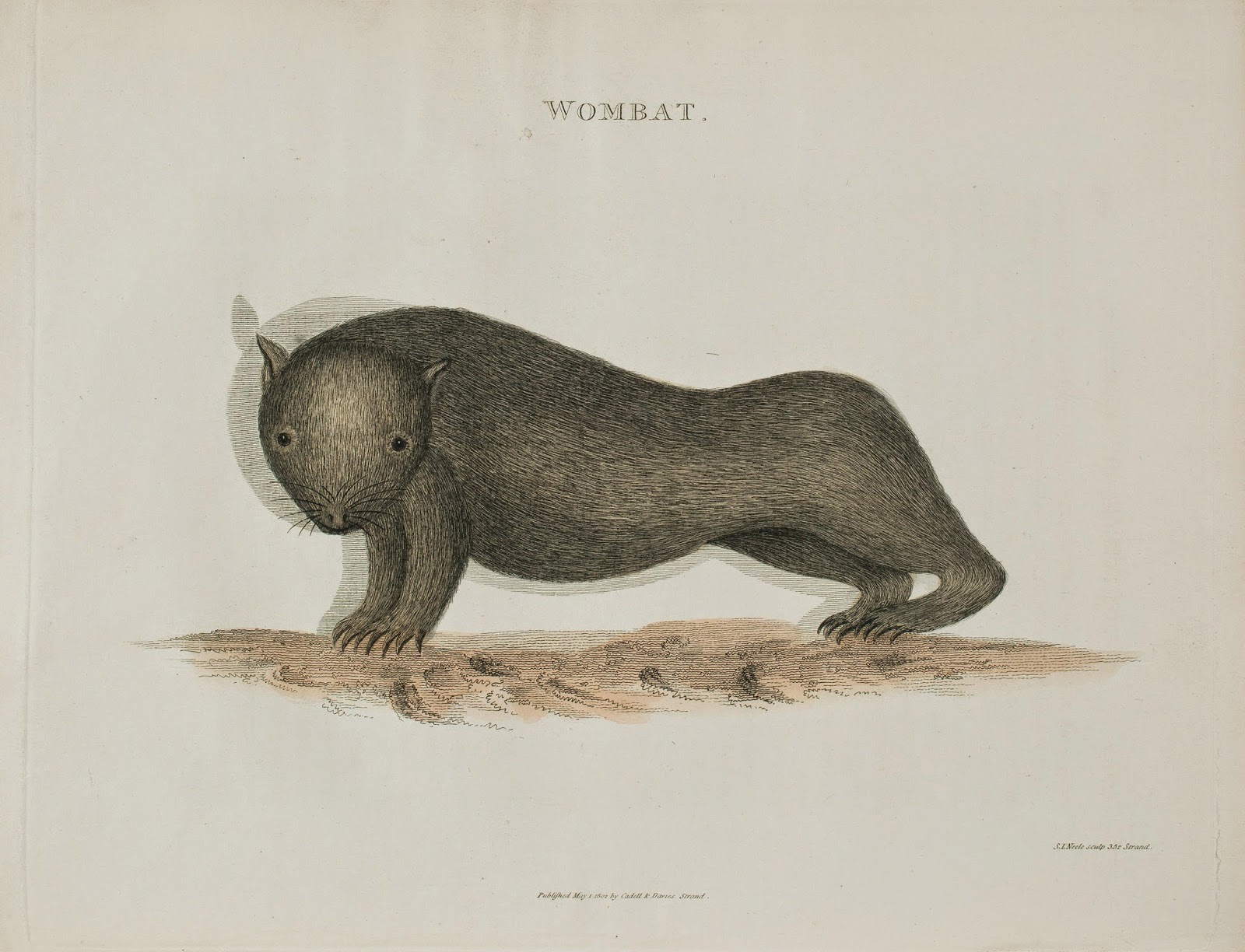
Wombat, from An account of the English colony in New South Wales, from its first settlement in January 1788 to August 1801, David Collins, 1804. The entire book can now be viewed online.
Source: Biodiversity Heritage Library

And so, before the books went on display for this final time, we asked the exhibition’s curators if we could borrow them. Each page of every book was carefully photographed and the images color matched to the originals. This work was meticulously performed by a group of dedicated museum volunteers, supervised by Museum Victoria’s library staff.

View Full Size Image
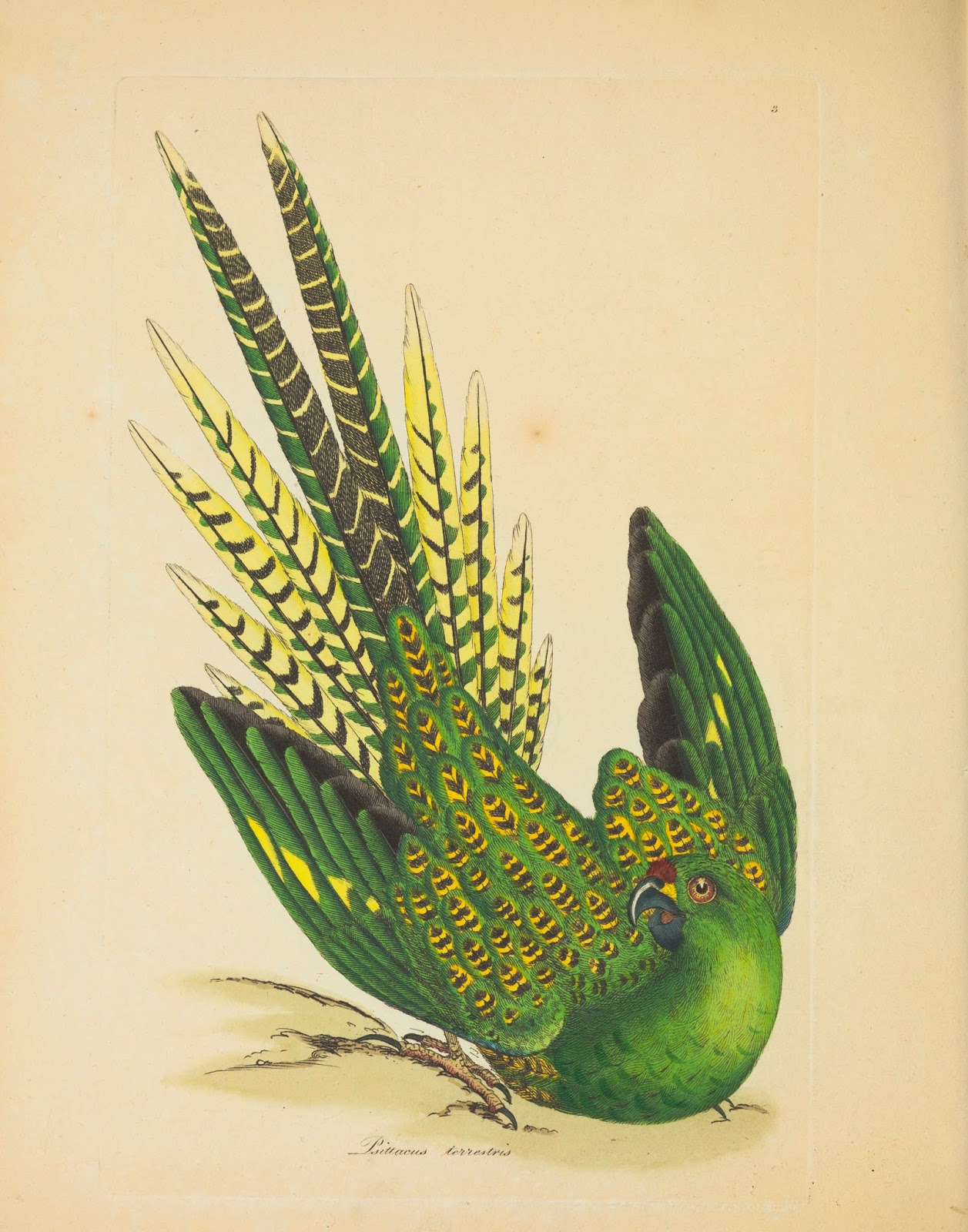
Ground Parrot, illustrated by James Sowerby, for George Shaw’s Zoology of New Holland, volume 1, 1st edition, London, 1794. The entire book can now be viewed online.
Source: Biodiversity Heritage Library

We then uploaded the scanned volumes into the world’s largest online repository of biodiversity literature and archival materials – the Biodiversity Heritage Library (BHL). BHL is a global consortium of natural history libraries working together to make biodiversity literature freely and openly available to everyone.

Museum Victoria coordinates the Australian component of this giant online library, and we are thrilled that the books displayed in The Art of Science exhibition are now part of it.

So if you too would like to turn those tantalizing pages, now you can (whether you’re in Melbourne, or not):

  • Visit the BHL website to view The Art of Science books in their entirety.
  • Visit The Art of Science exhibition at Melbourne Museum to view a selection of the scanned pages on an interactive screen.
October 17, 2014by ulib-libraryjobs
Blog Reel, User Stories

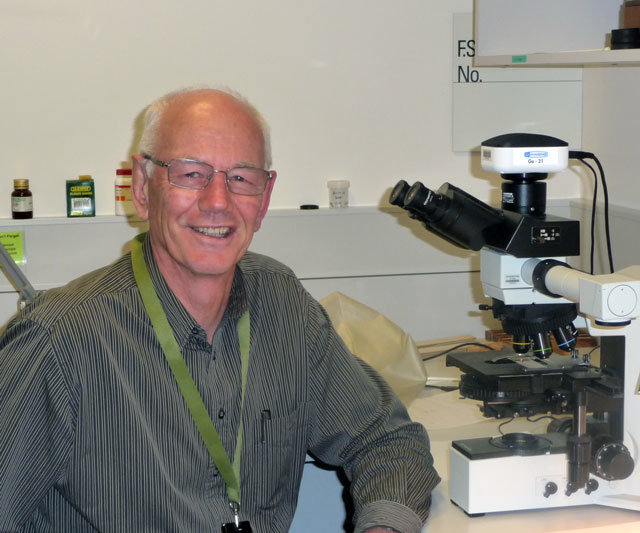
BHL and Our Users: Dr. Gary Poore

View Full Size Image

As you probably know, BHL is a global initiative, with project nodes on every continent in the world except Antarctica. As a global effort, we think it’s important to highlight our user communities around the world. This week, we’ve collaborated with our friends at BHL-Australia to feature Dr. Gary Poore, an avid BHL user from “Down Under.”

Dr. Gary Poore is based at Museum Victoria in Melbourne, Australia. As the curator of the museum’s crustacean collection he has been researching the diversity of marine crustaceans for more than 30 years. He has been responsible for the naming of almost 400 new species over the course of his career and is renowned as a world expert on isopod and decapod crustaceans. Although he’s recently retired from his position at Museum Victoria, he is now a Curator Emeritus and still heavily involved in research and in the global crustacean taxonomic community.

He first learned about BHL when he toured the Internet Archive offices in San Francisco while a member of one of the Census of Marine Life steering committees.

As a taxonomist, Gary’s work requires that he regularly delve into the historical literature to ensure that any new species he might be describing has not been previously named, and that current nomenclature accords with the conventions of the International Code of Zoological Nomenclature. (It is surprising how much does not, he says). This involves searching potentially hundreds of documents dating back to 1758, the publication date of Carl Linnaeus’s Systema Natura, the starting point of our modern nomenclatural conventions.

To find and read the historical literature, Gary uses the BHL because it is always conveniently at his fingertips.

“This saves me so much time”, he says. “Without it, I would have to go through library catalogues, and if our library didn’t have an article, I’d waste days or weeks waiting for inter-library loans.”

Recently, Gary was asked by the Australian Faunal Directory to catalogue the species of Australian Pentastomida, or tongue worms, respiratory parasites of mammals, reptiles and birds. He was then encouraged to go on to publish a list of all the world’s 124 species. This required Gary to delve into the literature back to the earliest mention of each family, genus and species and having to call on some detective skills as he traced the names from contemporary literature back to their first publication.

During the course of his investigations, he discovered many anomalies and errors in the names of species and their attribution. For example, the name widely used name Pentastomida itself was widely attributed to Diesing, 1836, but the word did not appear in the literature until 1905. This and other nomenclatural and taxonomic projects in which Gary is involved would not have been feasible without access to the resources in the Biodiversity Heritage Library.

Another feature of the BHL that Gary likes is the ability to create personalised portable electronic libraries of extracts from numerous journals using the PDF tools linked to bibliographic software. These complement, and even go some way to replacing, the huge collection of paper article extracts that line the walls of the Marine Invertebrates lab at Museum Victoria.

“The BHL is a great resource for the researcher working in taxonomy”, says Gary. “It provides easy access to the historical literature, right back to Linnaeus and beyond”.

June 12, 2012by ulib-libraryjobs

Help Support BHL

BHL's existence depends on the financial support of its patrons. Help us keep this free resource alive!

search

About BHL

The Biodiversity Heritage Library (BHL) is the world’s largest open access digital library for biodiversity literature and archives. BHL operates as a worldwide consortium of natural history, botanical, research, and national libraries working together to digitize the natural history literature held in their collections and make it freely available for open access as part of a global “biodiversity community.”

Join Our Mailing List

Sign up to receive the latest news, content highlights, and promotions.

Subscribe Now

Subscribe to Blog via Email

Enter your email address to subscribe to this blog and receive notifications of new posts by email.

Join 319 other subscribers

Subscribe to Blog Via RSS

Subscribe to the blog RSS feed to stay up-to-date on all the latest BHL posts.

Access RSS Feed

Inspiring Discovery through Free Access to Biodiversity Knowledge.

The Biodiversity Heritage Library makes it easier than ever for you to access the information you need to study and explore life on Earth…for free, anytime, anywhere.


64+ Million Pages of
Biodiversity Literature Online.

EXPLORE

Tools and Services
to Transform Research.

EXPLORE

300,000+
Illustrations on Flickr.

EXPLORE

ABOUT | HARMFUL CONTENT | PRIVACY | SITE MAP | TERMS OF USE