Biodiversity Heritage Library - Program news and collection highlights from BHL
  • Home
  • News
  • Featured Books
    • All Featured Books
    • Book of the Month Series
    • BHL at 20
  • User Stories
  • Campaigns
    • Fossil Stories
    • Garden Stories
    • Monsters Are Real
    • Page Frights
    • Her Natural History
    • Earth Optimism 2020
  • Tech Blog
  • Visit BHL
Home
News
Featured Books
    All Featured Books
    Book of the Month Series
    BHL at 20
User Stories
Campaigns
    Fossil Stories
    Garden Stories
    Monsters Are Real
    Page Frights
    Her Natural History
    Earth Optimism 2020
Tech Blog
Visit BHL
  • Home
  • News
  • Featured Books
    • All Featured Books
    • Book of the Month Series
    • BHL at 20
  • User Stories
  • Campaigns
    • Fossil Stories
    • Garden Stories
    • Monsters Are Real
    • Page Frights
    • Her Natural History
    • Earth Optimism 2020
  • Tech Blog
  • Visit BHL
Biodiversity Heritage Library - Program news and collection highlights from BHL
Blog Reel, Featured Books

An Imaginative World Found in a Shell Book

This post originally appeared on the Smithsonian Libraries blog and has been republished at the permission of the author, Julia Blakely.
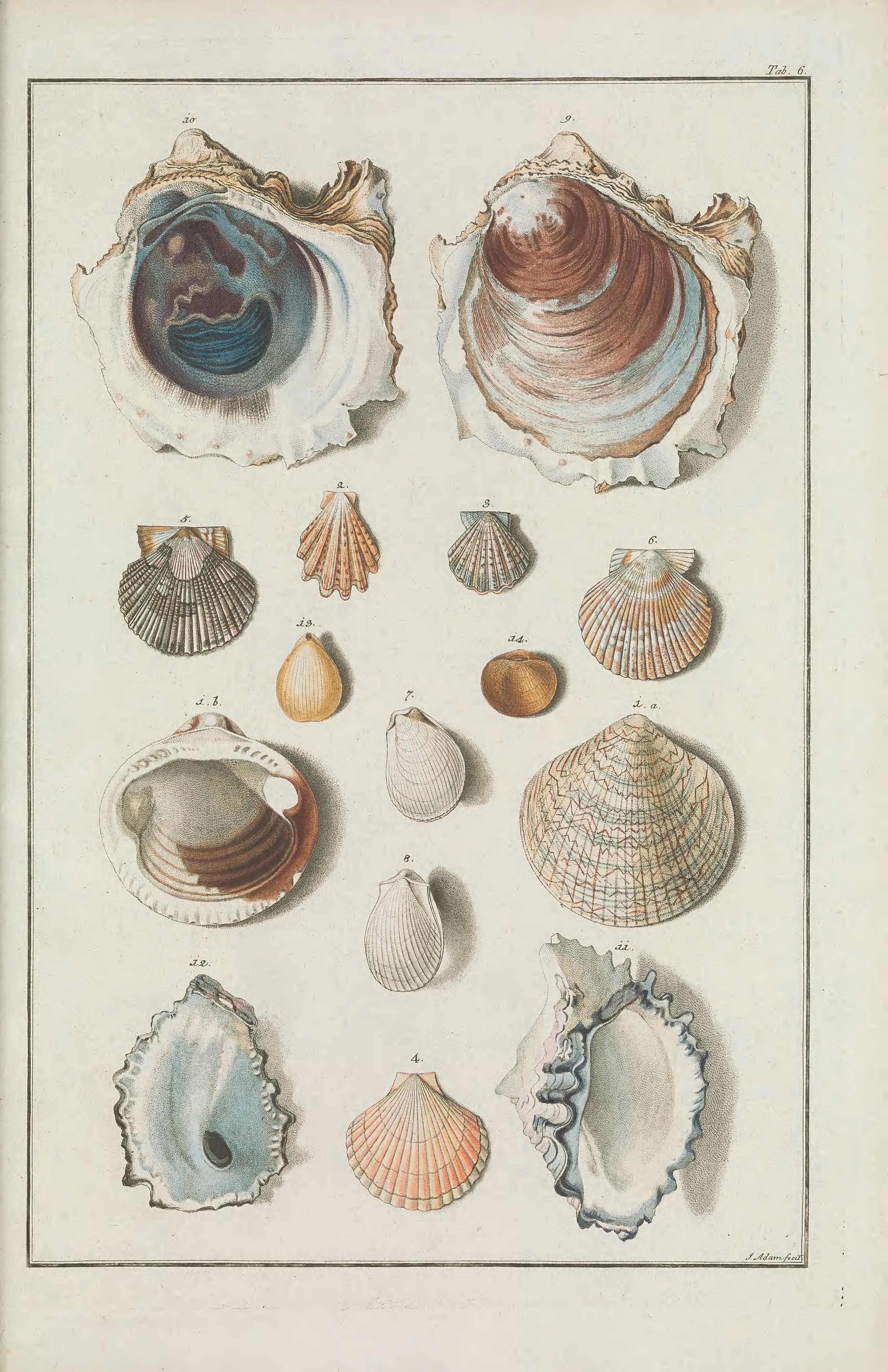
illustration of shells

Tab. 6. Born, Ignaz, Edler von. Testacea Musei Caesarei Vindobonensis. 1780. Contributed in BHL from Smithsonian Libraries.

As a commemoration of the Imperial collection of shells in Vienna, the printed folio of Testacea Musei Caesarei Vindobonensis of 1780, is splendid. The eighteen engraved plates, carefully colored by hand, render individual specimens in the Habsburgs’ K.K. Hof-naturalien-Cabinet as if pieces of jewelry, casting shadows on a plain background of the thick, hand-made paper. Dedicated to the Empress of Austria, Maria Theresa (1717-1780), this production was also a work of science, as the task of arranging the shells in the Cabinet and describing them for publication was given to one of the leading scientists of the day, Ignaz Edler von Born (1742-1791).
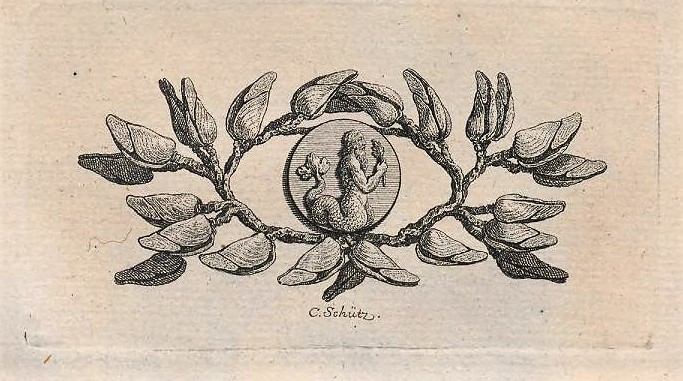
mermaid illustration

Illustration. Born, Ignaz, Edler von. Testacea Musei Caesarei Vindobonensis. 1780. Contributed in BHL from Smithsonian Libraries.

Born, commissioned by Maria Theresa to arrange the entire royal natural history collections, was principally a mineralogist and metallurgist. But he had a great interest in shells and identified several new species. Systematists in malacology (the study of mollusks, including shells) still examine the originals, now in the Natural History Museum, Vienna (Naturhistorisches Museum), originally built to house the overflowing collections of the Habsburgs. The text of Born’s descriptions are also still used. It was first published in a much smaller format in 1778, in both Latin and German, with one plate as the only illustration. G.C. Kronenberg’s “Born’s strombs (Mollusca: Gastropoda),” a recent article that appeared in Annalen des Naturhistorischen Museums in Wien (2007), is one instance of scholarly work citing Born’s analysis.
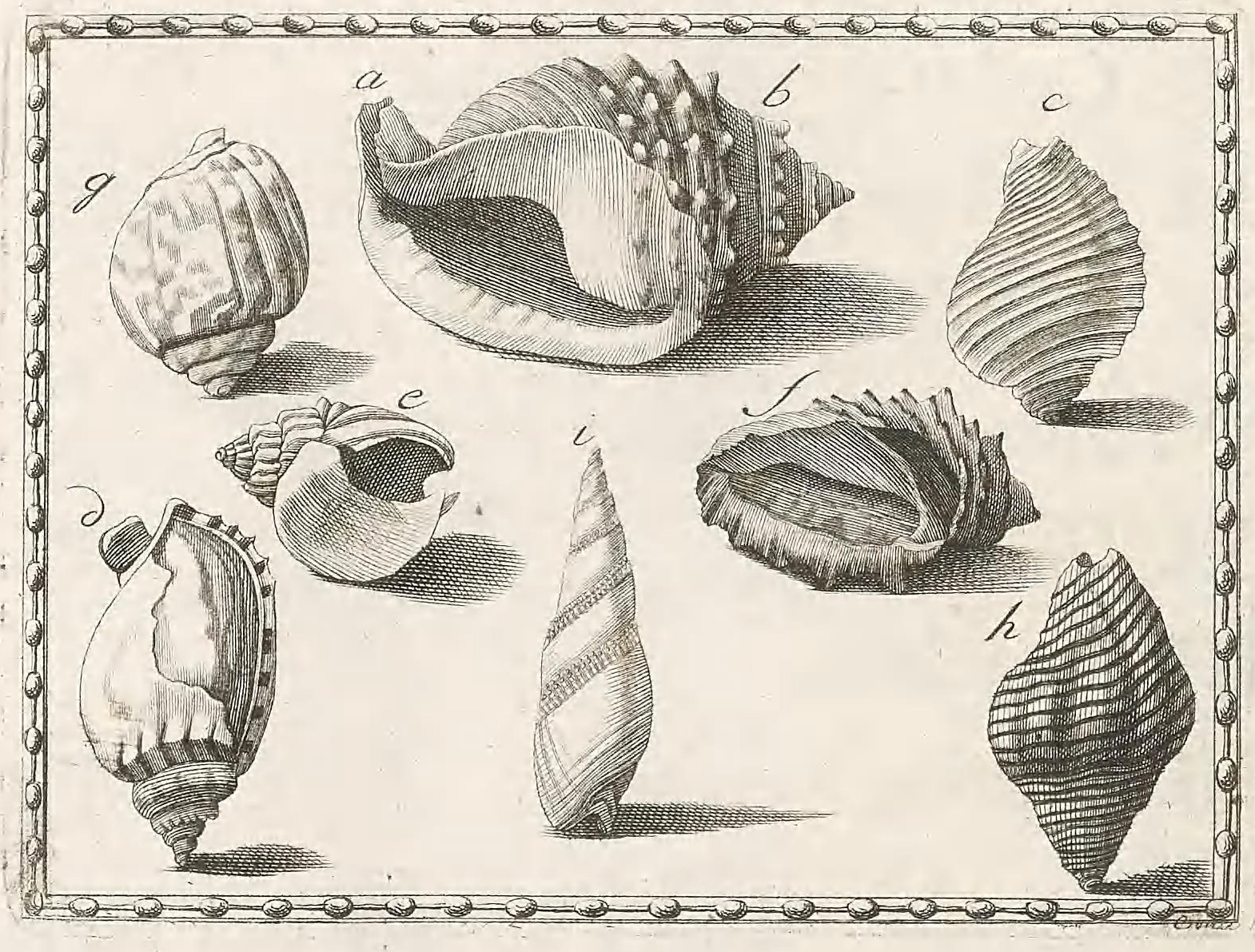
illustration of shells

Vignette. Born, Ignaz, Edler von. Testacea Musei Caesarei Vindobonensis. 1780. Contributed in BHL from Smithsonian Libraries.

Also attesting to the importance of Testacea Musei Caesarei Vindobonensis in scientific research, two copies of the folio second edition were once in the Division of Mollusks in the Smithsonian’s National Museum of Natural History, which holds the world’s largest shell collection (link). The books now reside in the Museum’s Joseph F. Cullman 3rd Library of Natural History. Alas, also indicating their scholarly worth, both volumes were rebound for practicality in sturdy library buckram, their original bindings lost (an earlier practice, happily no longer followed).

The second half of the 18th century was a period when books were produced addressing the lack of illustrations in the enormously influential tenth edition of Carl Linnaeus’ Systema Naturae. In this two-volume work of 1758-1759, the Swedish author (now known more often by his modern name form, Linné) introduced binominal nomenclature for animals, but providing visual representations for publication was time-consuming and quite expensive. The Habsburg commission of Testacea Musei Caesarei Vindobonensis, employing the binominal system and current with Linnaean names and descriptions, filled the gap with essential information. The plates were designed by the artist Franz Fuxeder (1725-1797) and engraved by Karl Schütz (1745-1800) and J. Adam. The vignettes are sometimes signed by “Conti,” Schütz, or Johann Ernst Mansfeld (1739-1796).
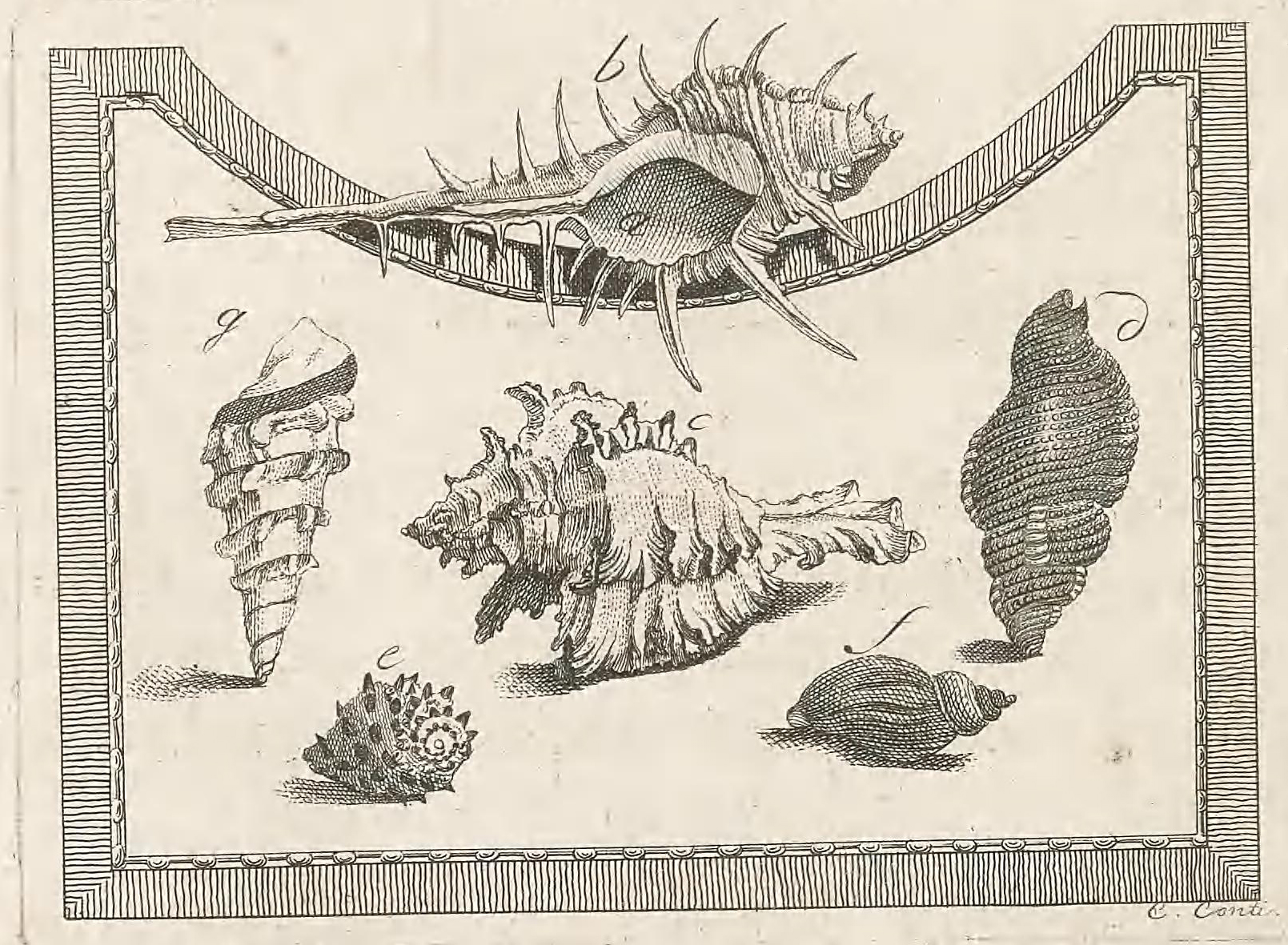
Illustration of shells

Vignette. Born, Ignaz, Edler von. Testacea Musei Caesarei Vindobonensis. 1780. Contributed in BHL from Smithsonian Libraries.

Apart from the separately printed plates of carefully displayed shells, there are forty-eight small scenes or portraits interspersed in the text, all of them an absorbing delight of this sumptuous work on conchology. Given the royal funding, individually created vignettes, alluding to the subject at hand, were created. This was a significant expense in the hand-press period. Unlike woodcuts that could go through the printing press with the standing type, intaglio plates had to be separately printed after, but carefully registered with, the pages of text. The scenes portray shells in land- and seascape settings or within elaborate frames with lettered identifications matched up to their descriptions, serving the purpose of a visual footnote.
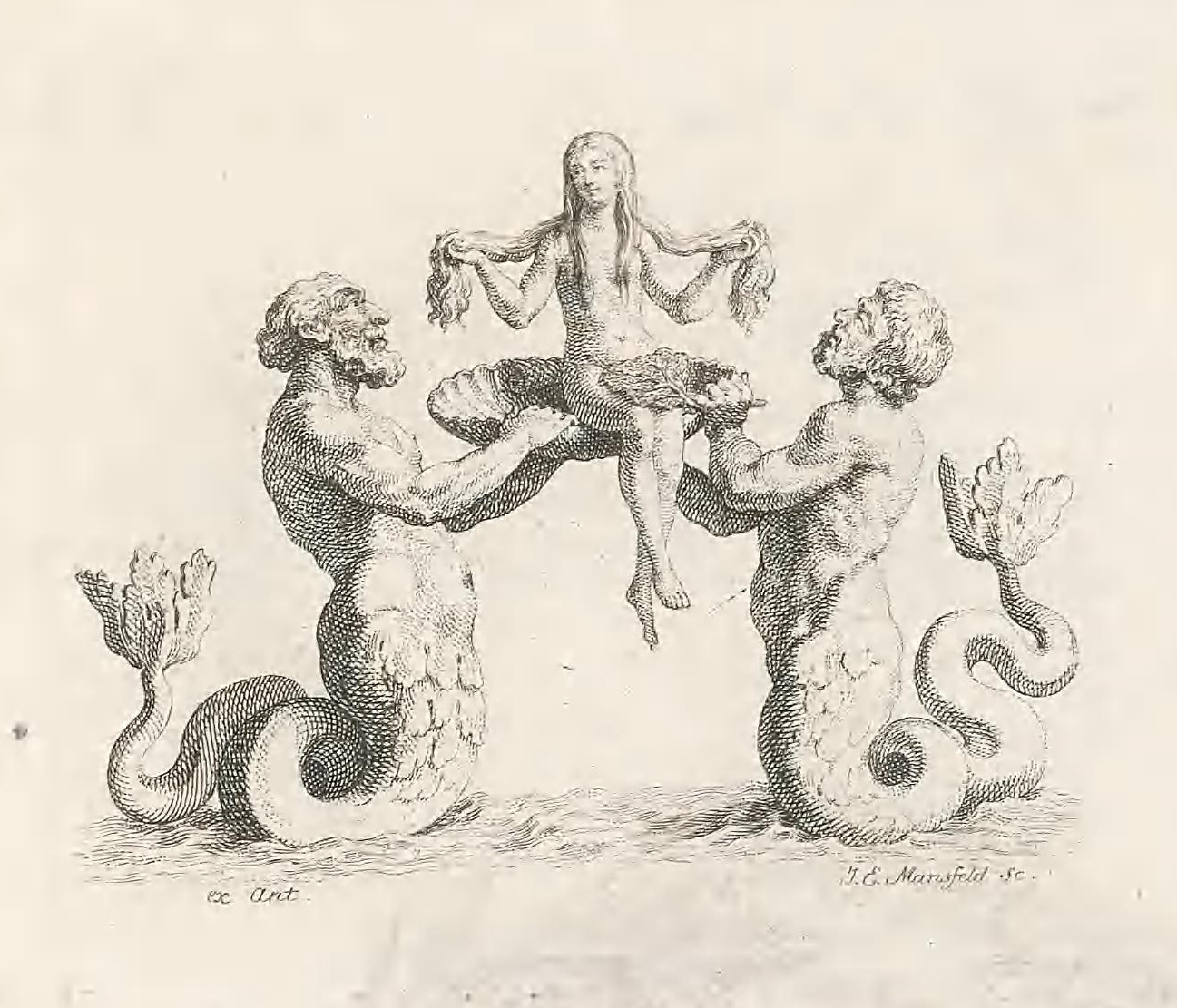
illustration of Venus and Mermen

Venus and Mermen. Born, Ignaz, Edler von. Testacea Musei Caesarei Vindobonensis. 1780. Contributed in BHL from Smithsonian Libraries.

The images are a world of their own. One imagines the artists having fun with their knowledge and creativity. There are representations of cavorting mythological creations; mermen and mermaids make appearances. Two of the sea creatures play the supporting roles in an interesting interpretation of Venus on the Half-Shell, hoisting her aloft. Rather than her flowing hair or hand, a piece of seaweed provides the element of modesty for the nude goddess.
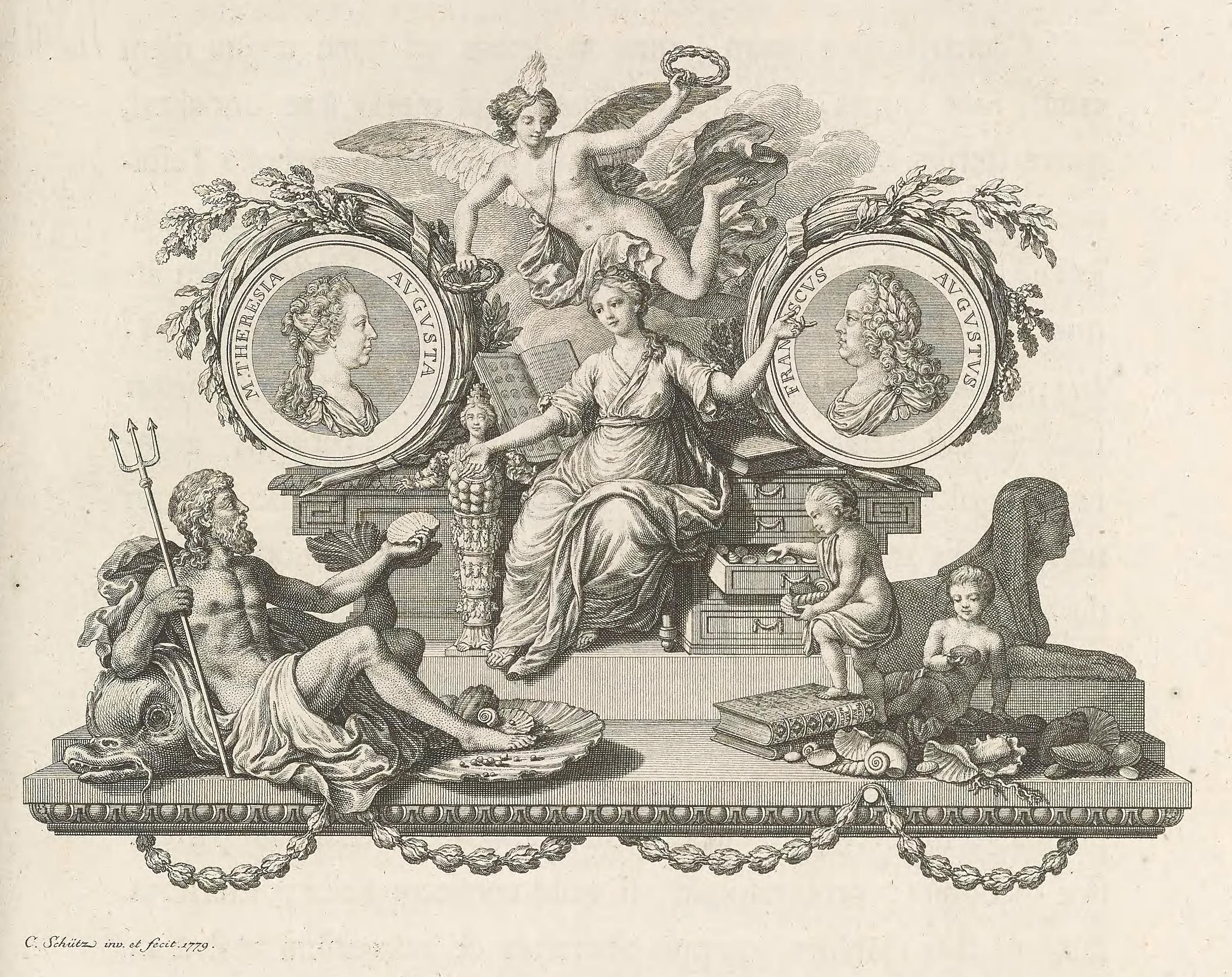
Illustration of woman on throne being handed a shell

Publisher’s device. Born, Ignaz, Edler von. Testacea Musei Caesarei Vindobonensis. 1780. Contributed in BHL from Smithsonian Libraries.

The engraved publisher’s device on the title page is an allegorical vignette, with the god Hermes (Mercury in Roman mythology) presenting a volume to Athena (Minerva), goddess of wisdom, identified by the sacred (if startled) owl peeking over her shoulder. A putto hefts a book among a stack of other folios. The publisher, whose initials appear in a medallion festooned by a laurel adorning a carved platform, was Johann Paul Krauss (1701-1776), whose firm continued in business after his death. Following the dedication page is a more elaborate piece, with Poseidon sitting on an annoyed-looking porpoise (who served as the god’s messenger), presenting a shell to a female figure (representing the Empress?), who sits enthroned between a caryatid made up of shells and a cabinet of drawers from which puttis play with shells. Behind is an open book, with a plate of shells resembling this title. Visual homages to the Habsburg rulers, current and past, are made in here and throughout the work. Poseidon appears again in one small vignette, this time cruising along on a fierce-looking porpoise. His son, Triton (looking a little rough around the edges) emerges from the waves blowing a conch shell. He was known as the Trumpeter of the Sea.
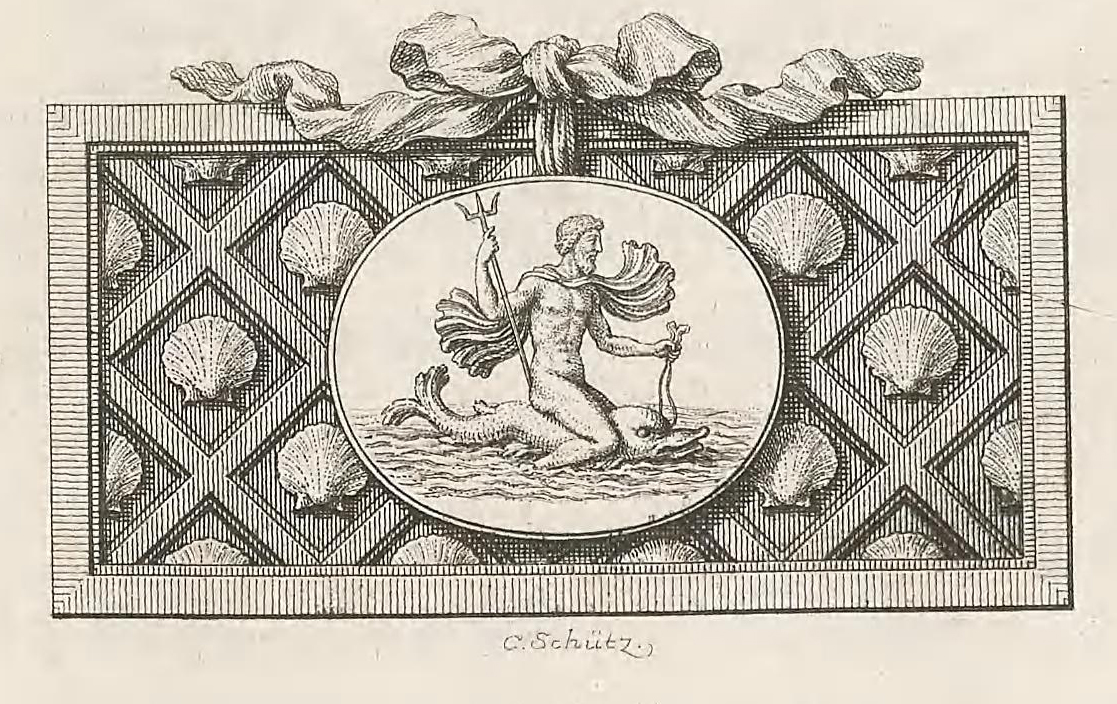
poseidon

Poseidon rides the waves. Born, Ignaz, Edler von. Testacea Musei Caesarei Vindobonensis. 1780. Contributed in BHL from Smithsonian Libraries.
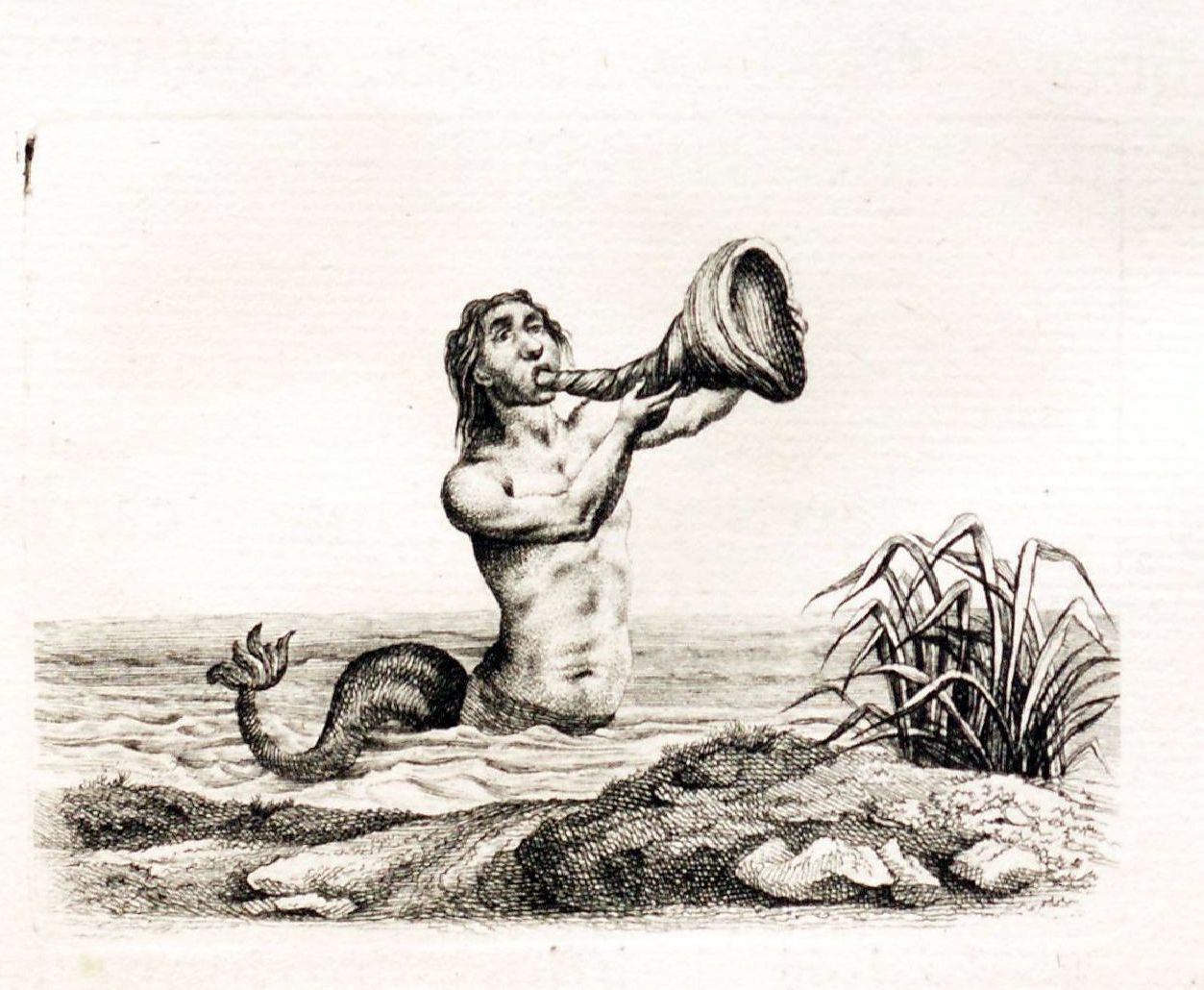
illustration of triton

Illustration of Triton. Born, Ignaz, Edler von. Testacea Musei Caesarei Vindobonensis. 1780. Contributed in BHL from Smithsonian Libraries.

The book also honors the greats in natural history, conveyed in engraved scenes at the beginning of sections of text. The first, in a chapter of Testacea multivalvia, celebrates Pliny, author of the encyclopedic Naturalis Historia. Mermaids and mermen join the tribute to the author, laying seashells at a tomb that bears his name. In the background is the Bay of Naples, with a puffing Mount Vesuvius in the background (Pliny died in AD79 while attempting rescues by ship of those caught by the eruption of the volcano). The second order, Testacea bivalvia, opens with an homage to Ulisse Aldrovandi (1522-1605?), the author of the first important work on shells, De Reliquis Animalibus of 1606. The last, for the third order, Testacea univalvia, is devoted to Linnaeus. There are a few shells scattered about the landscape; guarding the naturalist’s tomb are an eagle and a lion, whose paw rests on an unfortunate turtle. A whale breaches in the background.
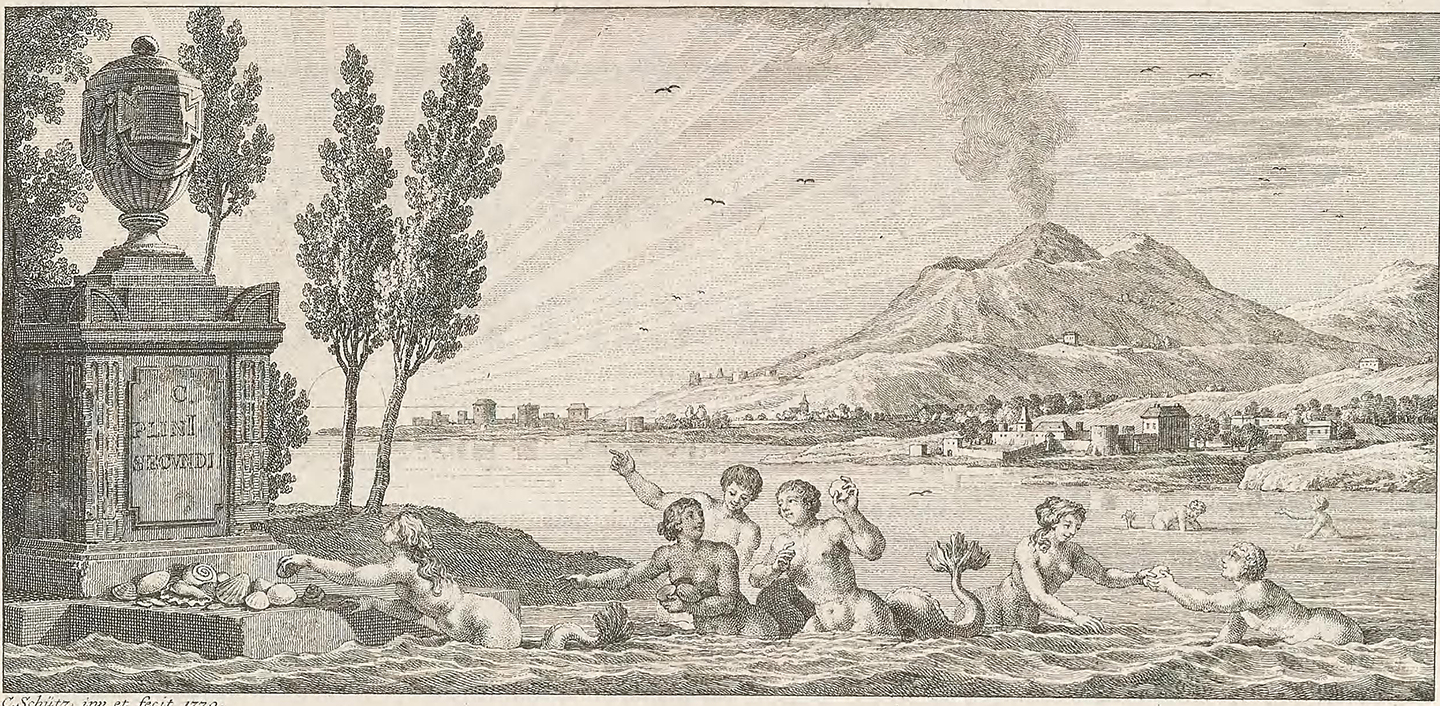
Testacea multivalvia section of text, dedicated to Pliny

Testacea multivalvia section of text, dedicated to Pliny. Born, Ignaz, Edler von. Testacea Musei Caesarei Vindobonensis. 1780. Contributed in BHL from Smithsonian Libraries.
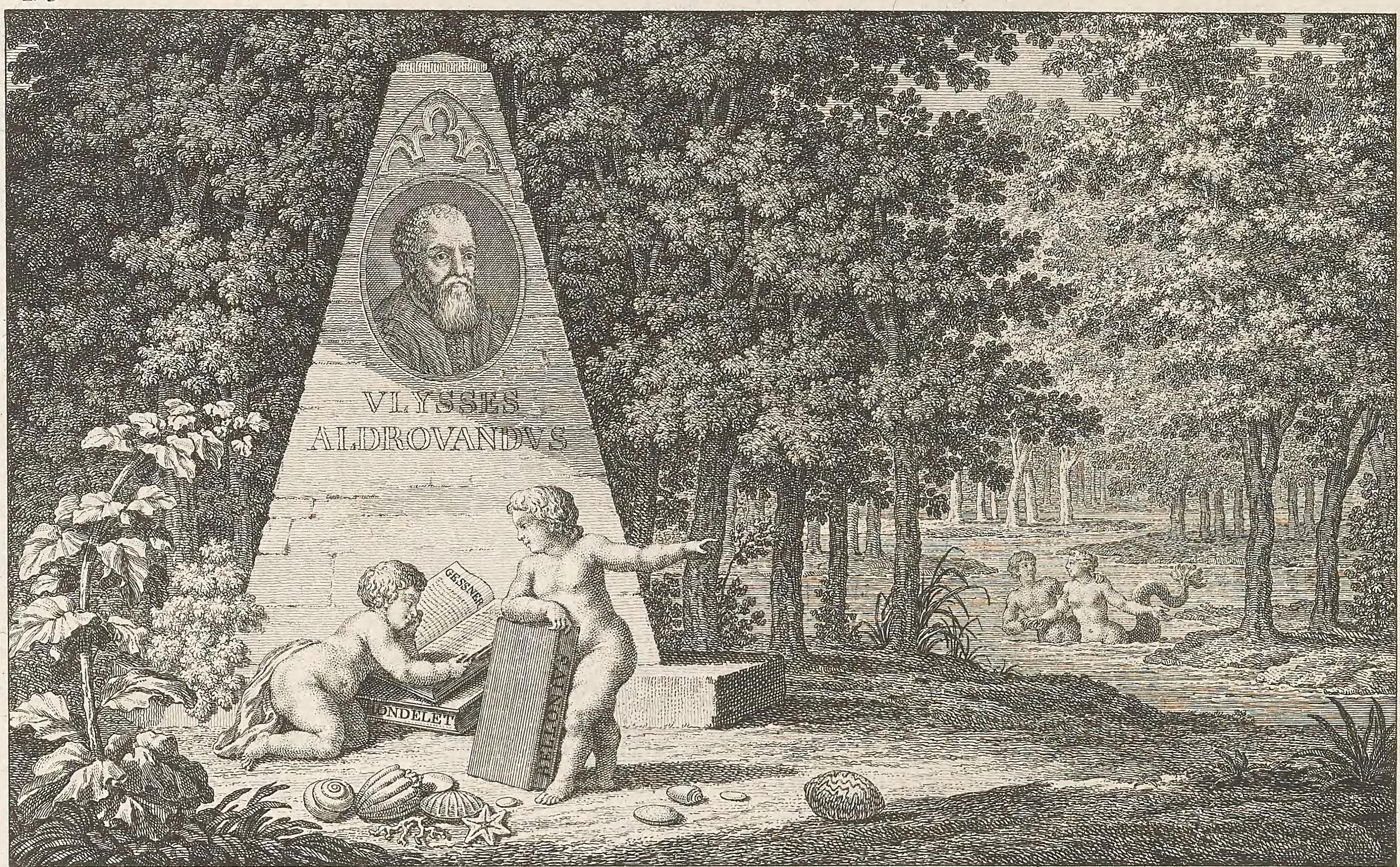
Aldrovandi memorial

Aldrovandi memorial. Born, Ignaz, Edler von. Testacea Musei Caesarei Vindobonensis. 1780. Contributed in BHL from Smithsonian Libraries.
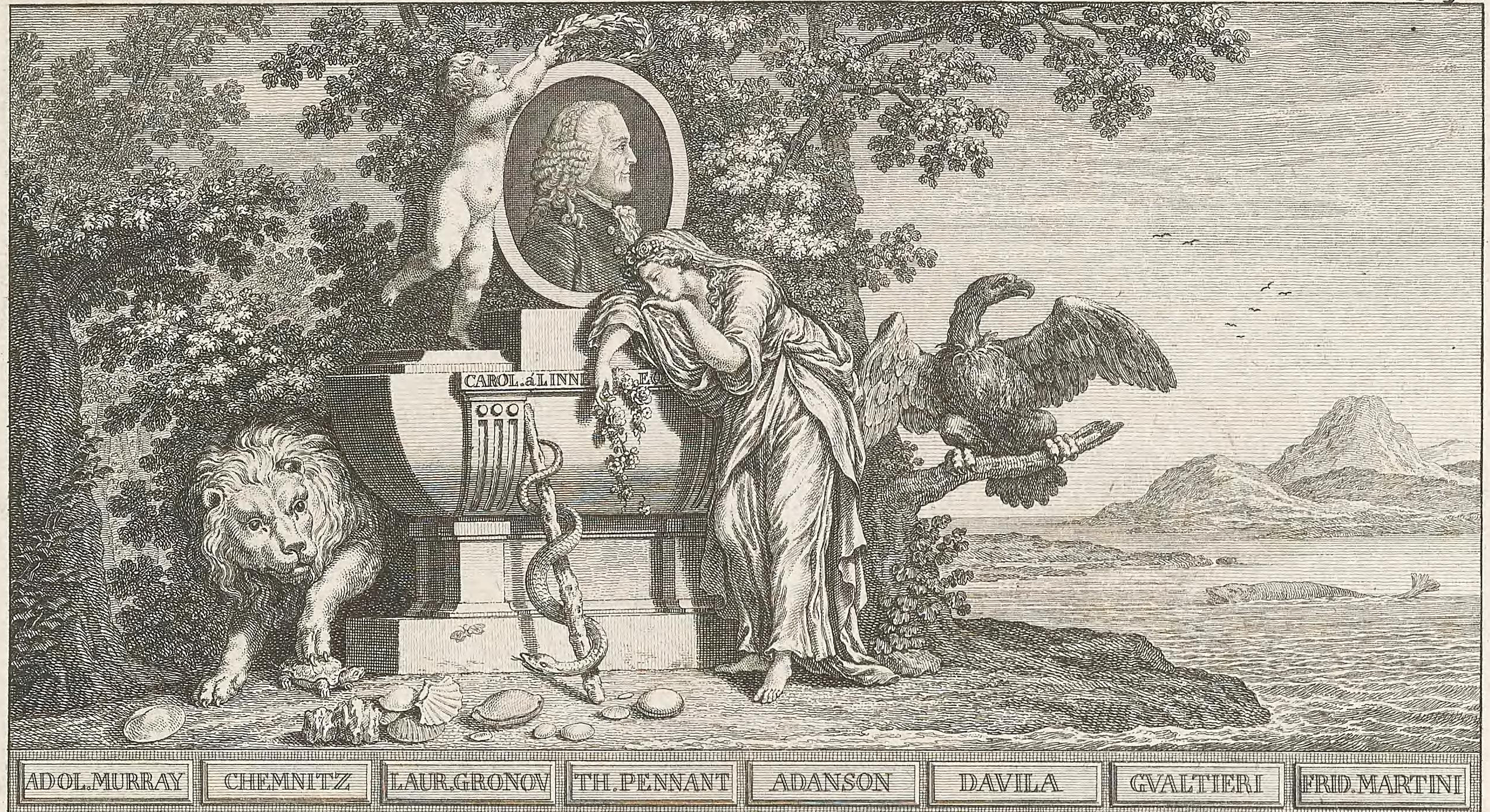
Linnaeus’ tribute

Linnaeus’ tribute. Born, Ignaz, Edler von. Testacea Musei Caesarei Vindobonensis. 1780. Contributed in BHL from Smithsonian Libraries.

It is curious that there hasn’t been more published on the literature of shell books. There are legions of fine, detailed bibliographies in several natural history subject areas—birds, botany and horticulture, voyages of exploration, works of Charles Darwin—but little devoted to conchology. S. Peter Dance’s Shell Collecting: an Illustrated History(London, 1966) and a rare book dealer’s catalog by Antiquariaat Junk of the Netherlands, are two of the few resources.

This lack of scholarly studies in conchology publishing is remarkable, given that shells have been collected since the dawn of humankind, either for utilitarian purposes or for their beauty. In the Age of Discovery, European voyagers found an eager market for specimens collected in the South Seas. That the Empress of Austria commanded a publication on shells is an expression and record of her interest in Imperial trade and expansion to far-flung locales as well as a contribution to the science of natural history.
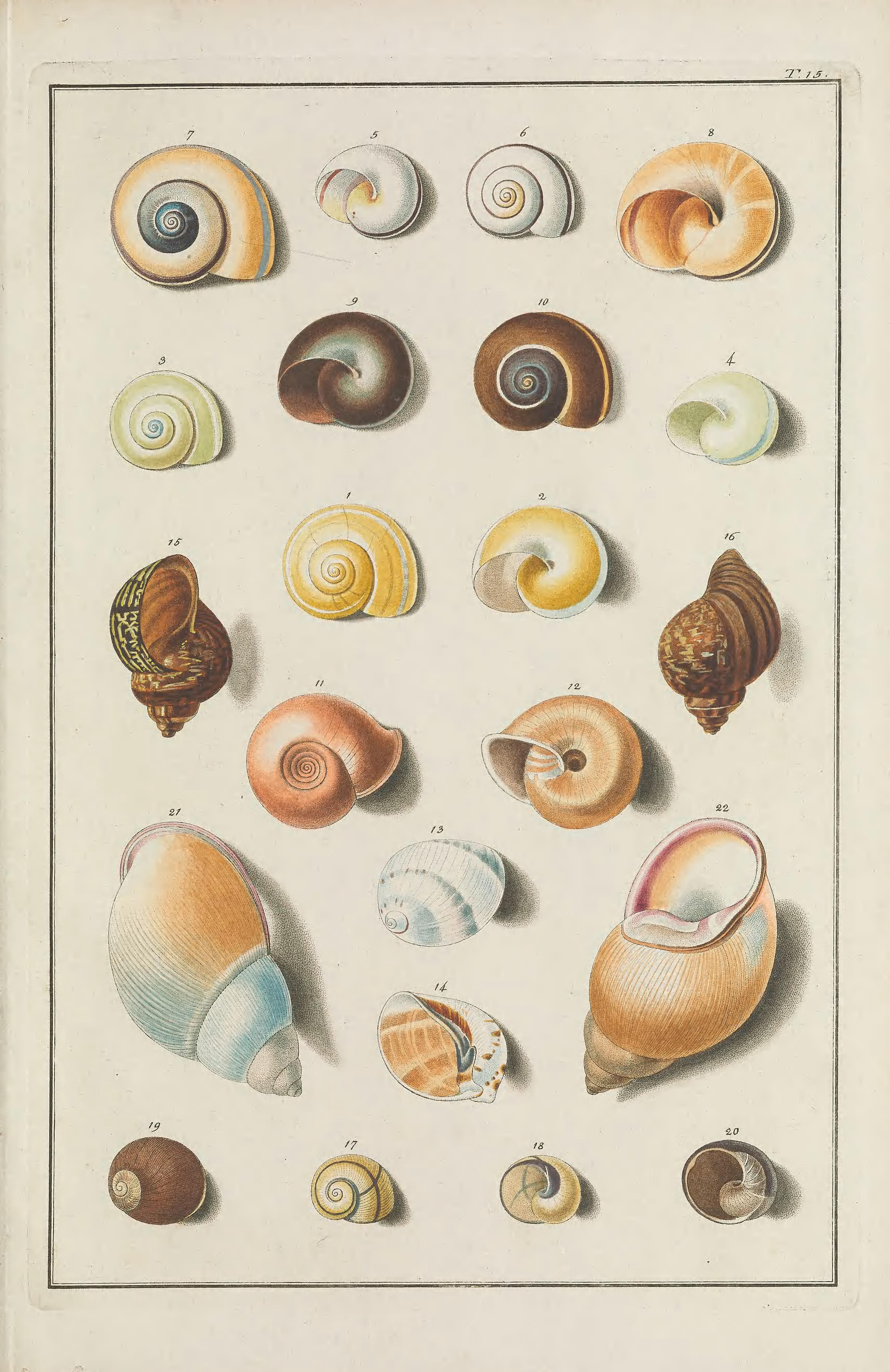
illustration of shells

Tab. 15. Born, Ignaz, Edler von. Testacea Musei Caesarei Vindobonensis. 1780. Contributed in BHL from Smithsonian Libraries.

Past Smithsonian curators, Isaac Lea (1792-1886), conchologist and geologist, and William Healey Dall (1845-1927), a renowned malacology paleontologist, were avid book collectors. The Cullman Library holds many books from their former collections and would be an excellent place to start compiling a bibliography. Dall’s copies of Filippo Buonanni’s Recreatio Mentis, et Oculi (Rome, 1684) and Thomas Martyn’s The Universal Conchologist (London, 1784) would be highlights; Born’s Testacea Musei Caesarei Vindobonensis another, once owned both by Lea and Dall. Many of these titles have already been digitized by the Biodiversity Heritage Library, available for exploring the imaginative worlds found in books on shells.
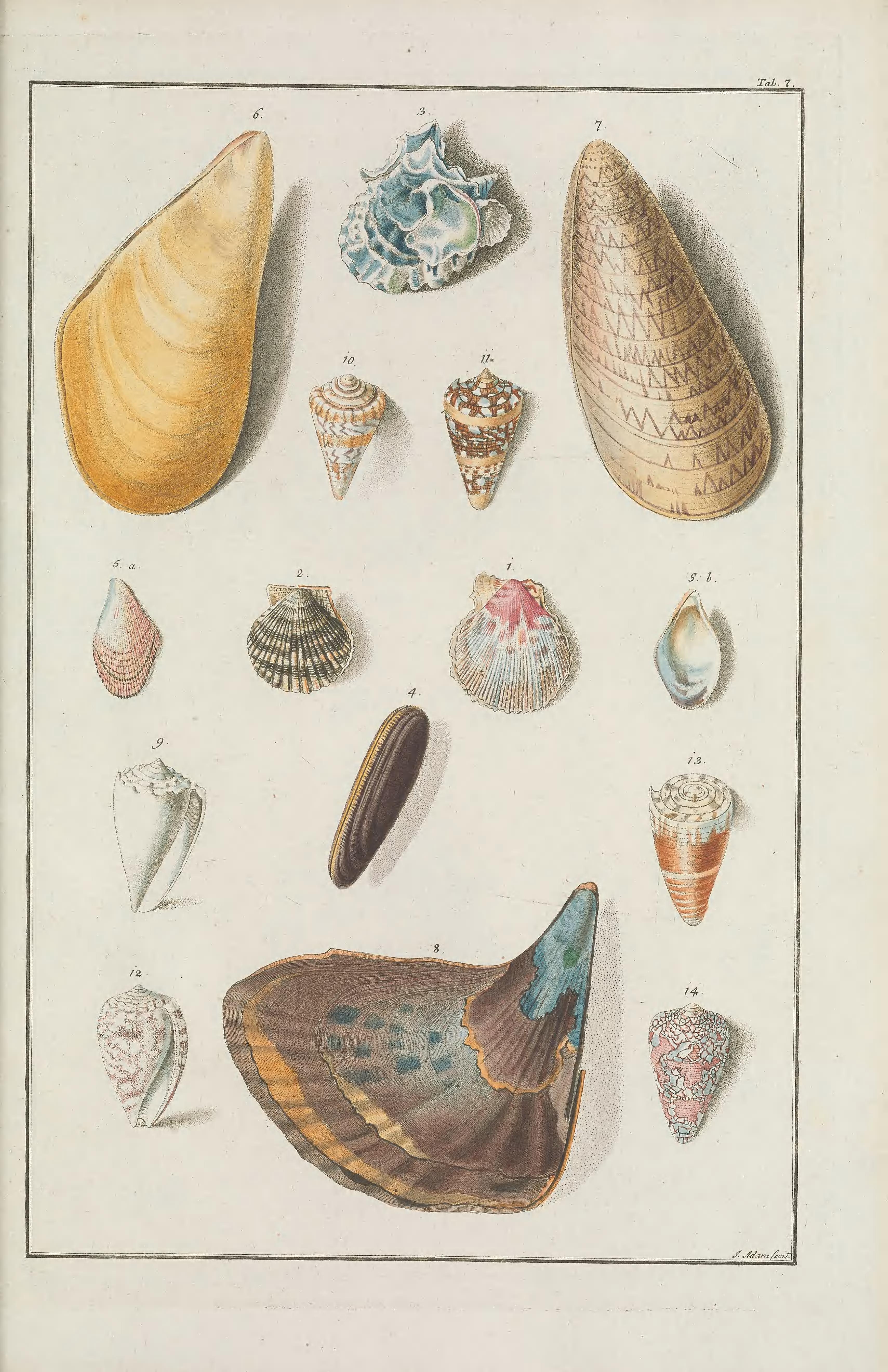
illustration of shells

Tab. 7. Born, Ignaz, Edler von. Testacea Musei Caesarei Vindobonensis. 1780. Contributed in BHL from Smithsonian Libraries.

All images in this post are from the Cullman’s copy of Testacea Musei Caesarei Vindobonensis, which has been scanned for the Biodiversity Heritage Library. For comparison, below you can see a copy of the above illustration (Tab.7) from the copy held by Naturalis Biodiversity Center, also digitized in BHL, which has, unusually, uncolored plates.
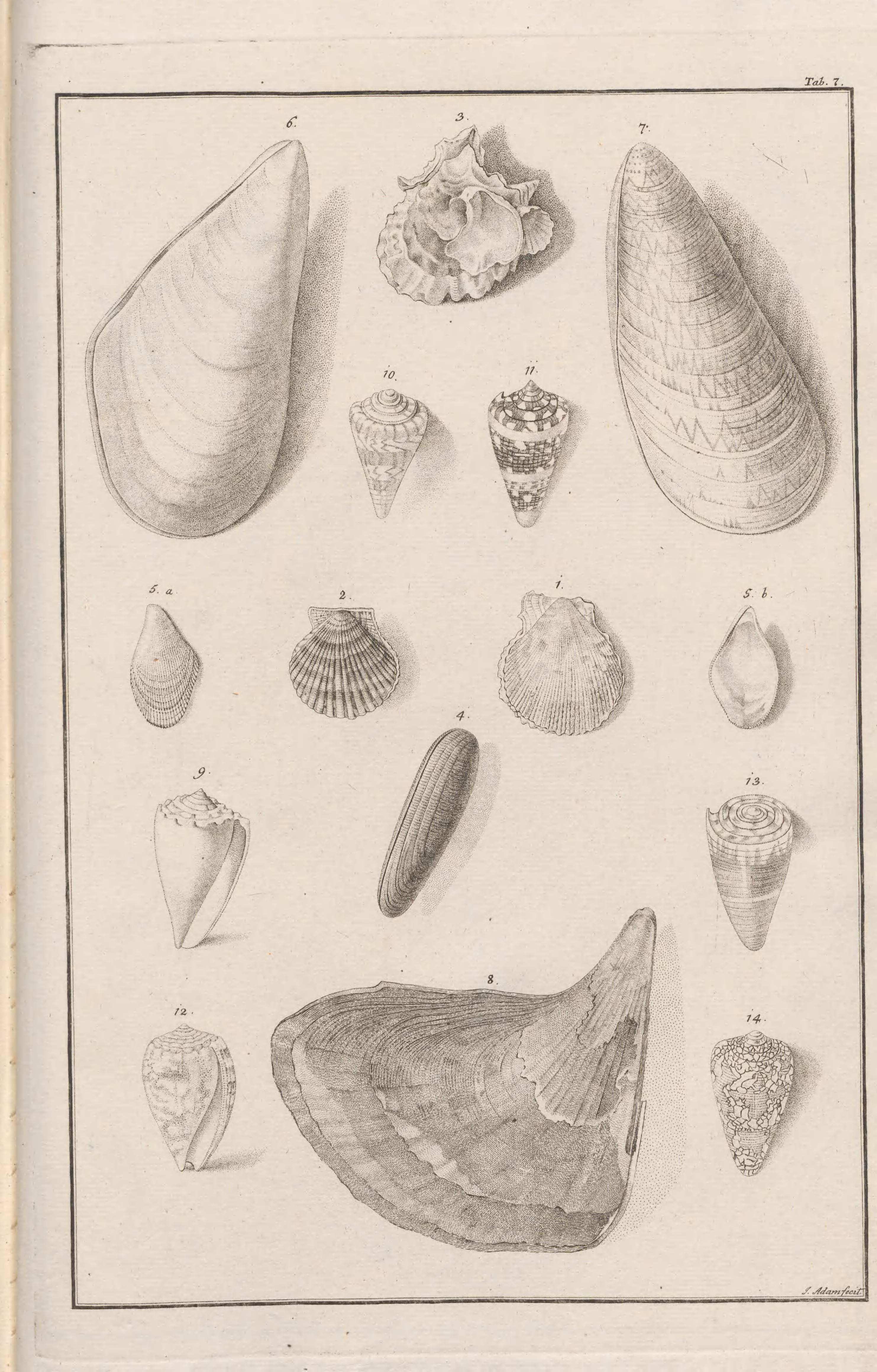
illustration of shells

Tab. 7 (uncolored). Born, Ignaz, Edler von. Testacea Musei Caesarei Vindobonensis. 1780. Contributed in BHL from Naturalis Biodiversity Center.

October 18, 2018by mckenzie.87
Blog Reel, Featured Books

Bateman’s Orchidaceae: Exploring One of the Rarest – and Largest – Orchid Books

“The Librarian’s Nightmare.” Vignette by George Cruikshank for James Bateman’s The Orchidaceae of Mexico and Guatemala ([1837]-1843). Contributed in BHL by the Peter H. Raven Library of the Missouri Botanical Garden.

A version of this article first appeared in the Council on Botanical and Horticultural Libraries (CBHL) May 2018 Newsletter.
“The Librarian’s Nightmare.” Vignette by George Cruikshank for James Bateman’s The Orchidaceae of Mexico and Guatemala ([1837]-1843). Contributed in BHL by the Peter H. Raven Library of the Missouri Botanical Garden.

“The Librarian’s Nightmare.” Vignette by George Cruikshank for James Bateman’s The Orchidaceae of Mexico and Guatemala ([1837]-1843). Contributed in BHL by the Peter H. Raven Library of the Missouri Botanical Garden.

“The Librarian’s Nightmare.”

Such is the name given to a delightful and quirky vignette found within a very rare, and very special, orchid book: James Bateman’s The Orchidaceae of Mexico and Guatemala ([1837]-1843).

This vignette, the work of caricaturist George Cruikshank, depicts a group of men struggling to lift an enormous book using a pulley system while a harried taskmaster with a megaphone attempts to direct their work and demons dance about with impish glee on the sidelines.

The vignette’s caption, translated from the Greek, reads “a big book is a big evil” (Bleichmar 2017, 179).

The scene is a humorous commentary on the massive size of Bateman’s orchid book. At about 30” x 22” (Cobbledick 2018a) and weighing in at over 38 lbs (Hamilton 1990, 1244), it is the “largest botanical book ever produced with lithographic plates” (Blunt and Stearn 1994, 249).

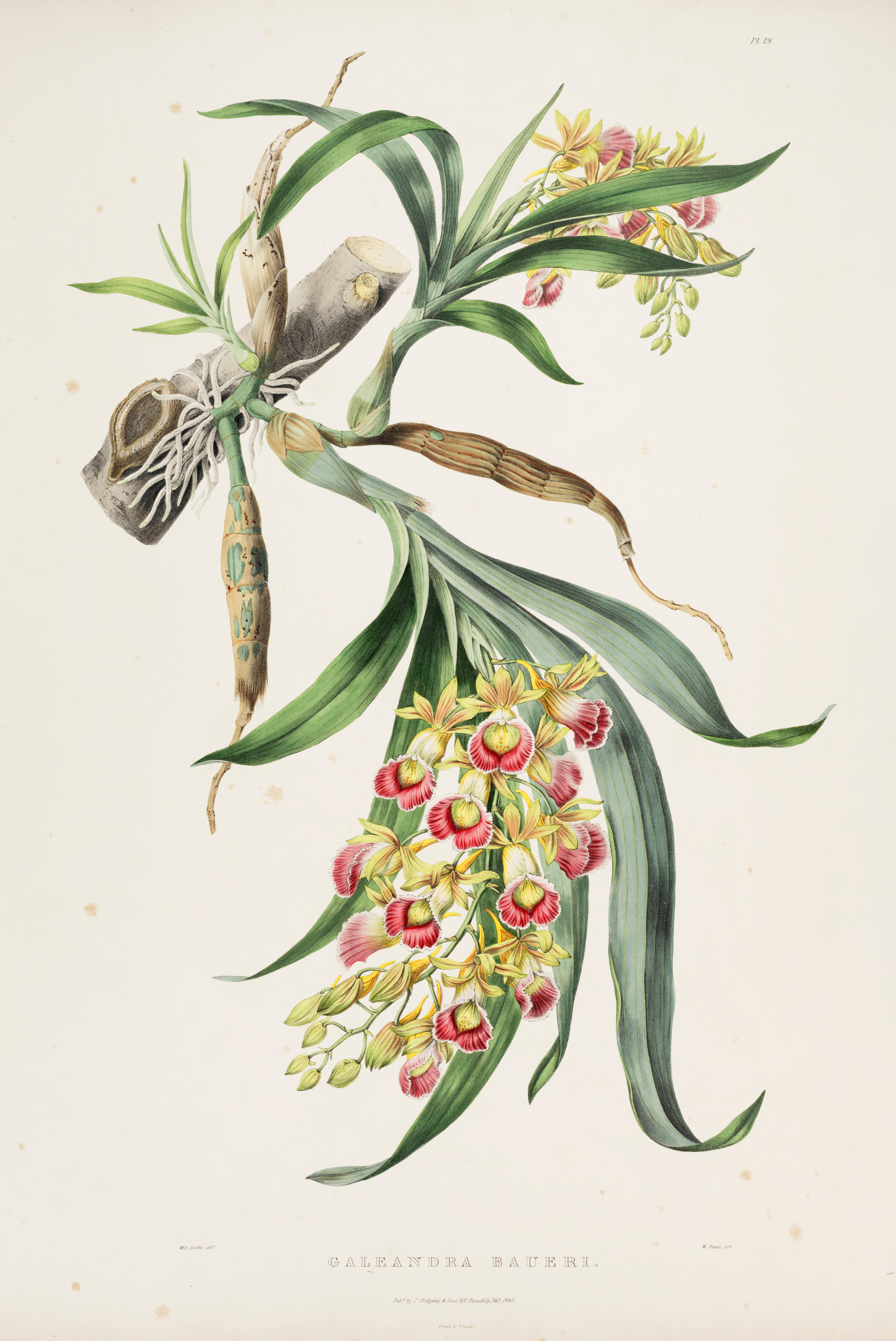
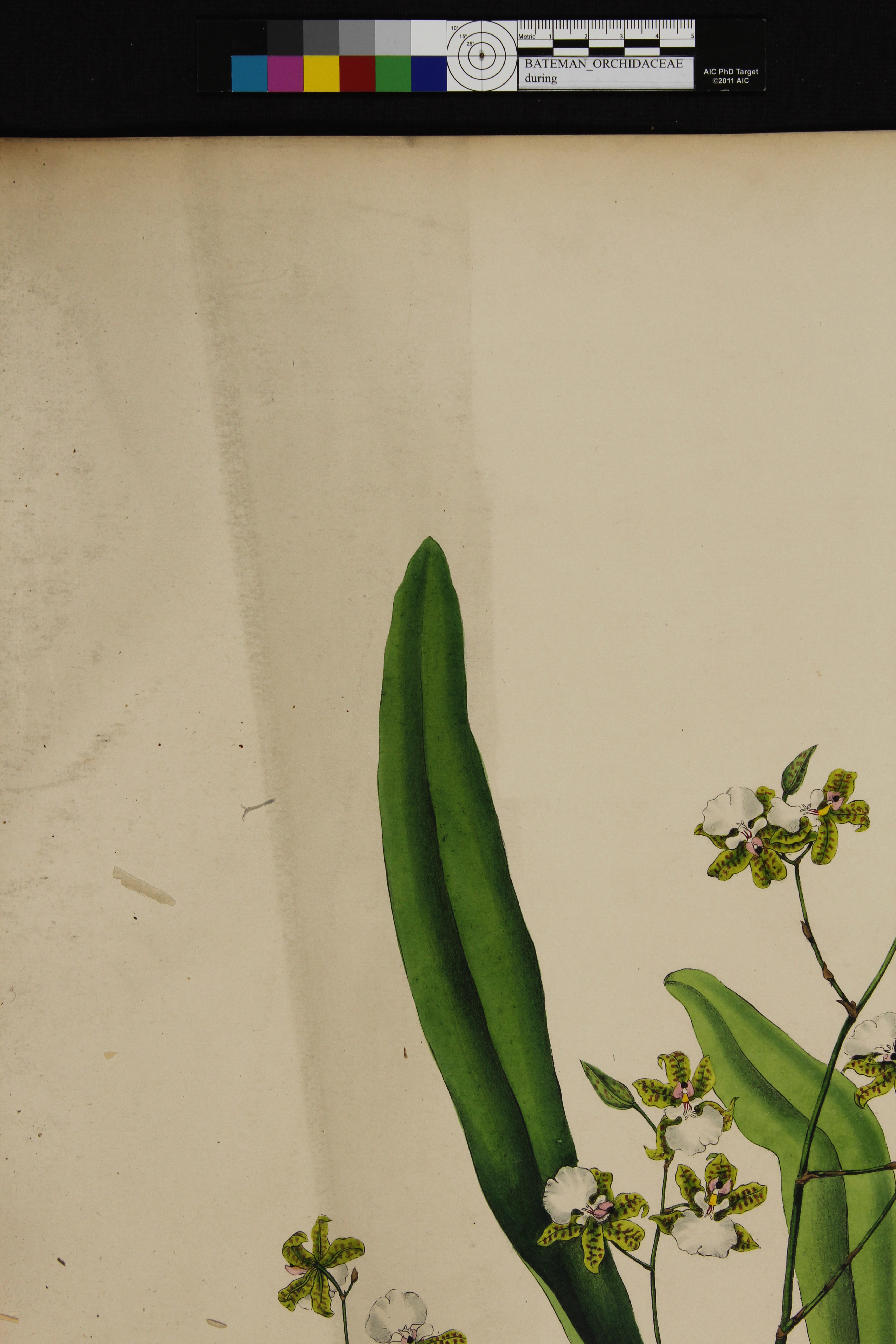
Plate 19. Bateman, James. The Orchidaceae of Mexico and Guatemala. Illustration drawn by Sarah Anne Drake and lithographed by Maxim Gauci. Contributed in BHL by the Peter H. Raven Library of the Missouri Botanical Garden.

Plate 19. Bateman, James. The Orchidaceae of Mexico and Guatemala. Illustration drawn by Sarah Anne Drake and lithographed by Maxim Gauci. Contributed in BHL by the Peter H. Raven Library of the Missouri Botanical Garden.

The Orchidaceae of Mexico and Guatemala was produced in the midst of the Victorian era’s “orchid mania” or “Orchidelirium”, characterized by European obsession with collecting and cultivating exotic orchid species. Wealthy orchid enthusiasts commissioned collectors to travel the world in search of new and rare specimens.

James Bateman was such an enthusiast. A wealthy British landowner and passionate horticulturalist, Bateman employed collectors to obtain new specimens for him, particularly from South and Central America (Sitwell and Blunt 1990, 45). It was his relationship with a merchant operating in Guatemala that enabled Bateman to secure many of the orchids featured in his magnificent folio.

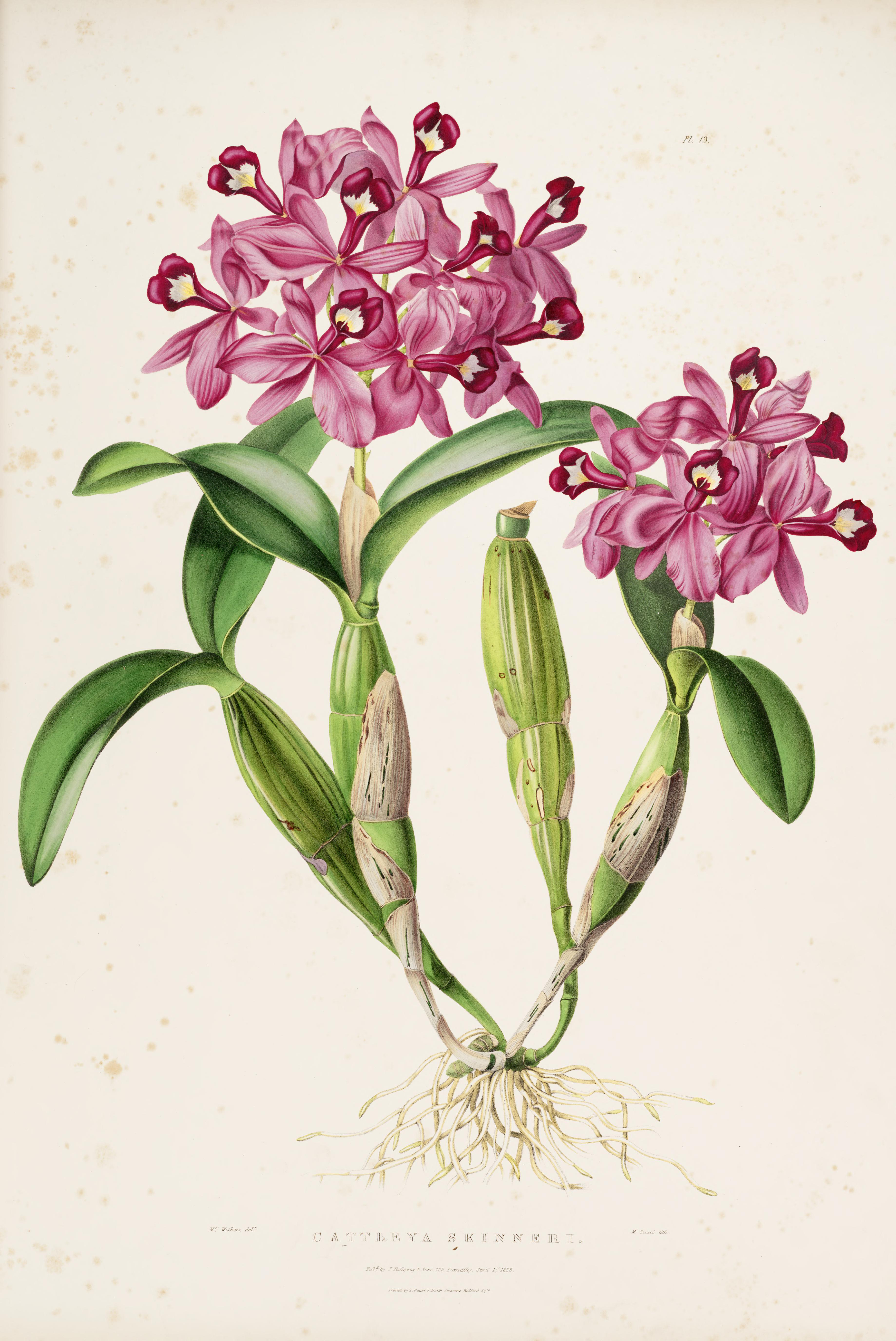
Plate 13. Bateman, James. The Orchidaceae of Mexico and Guatemala. Illustration drawn by Augusta Withers and lithographed by Maxim Gauci. Contributed in BHL by the Peter H. Raven Library of the Missouri Botanical Garden.

Plate 13. Bateman, James. The Orchidaceae of Mexico and Guatemala. Illustration drawn by Augusta Withers and lithographed by Maxim Gauci. Contributed in BHL by the Peter H. Raven Library of the Missouri Botanical Garden.

George Ure Skinner, born into a scholarly English family, established an export business in Guatemala in the 1830s, and in his free time, collected local birds and insects for the Museum of Natural History in Manchester, England. After receiving a letter from Bateman requesting orchids from the region, Skinner began collecting and shipping back new and stunning specimens hitherto unknown to the European public. These specimens formed the foundation of Bateman’s orchid masterpiece (Schmidt-Ostrander 2018).

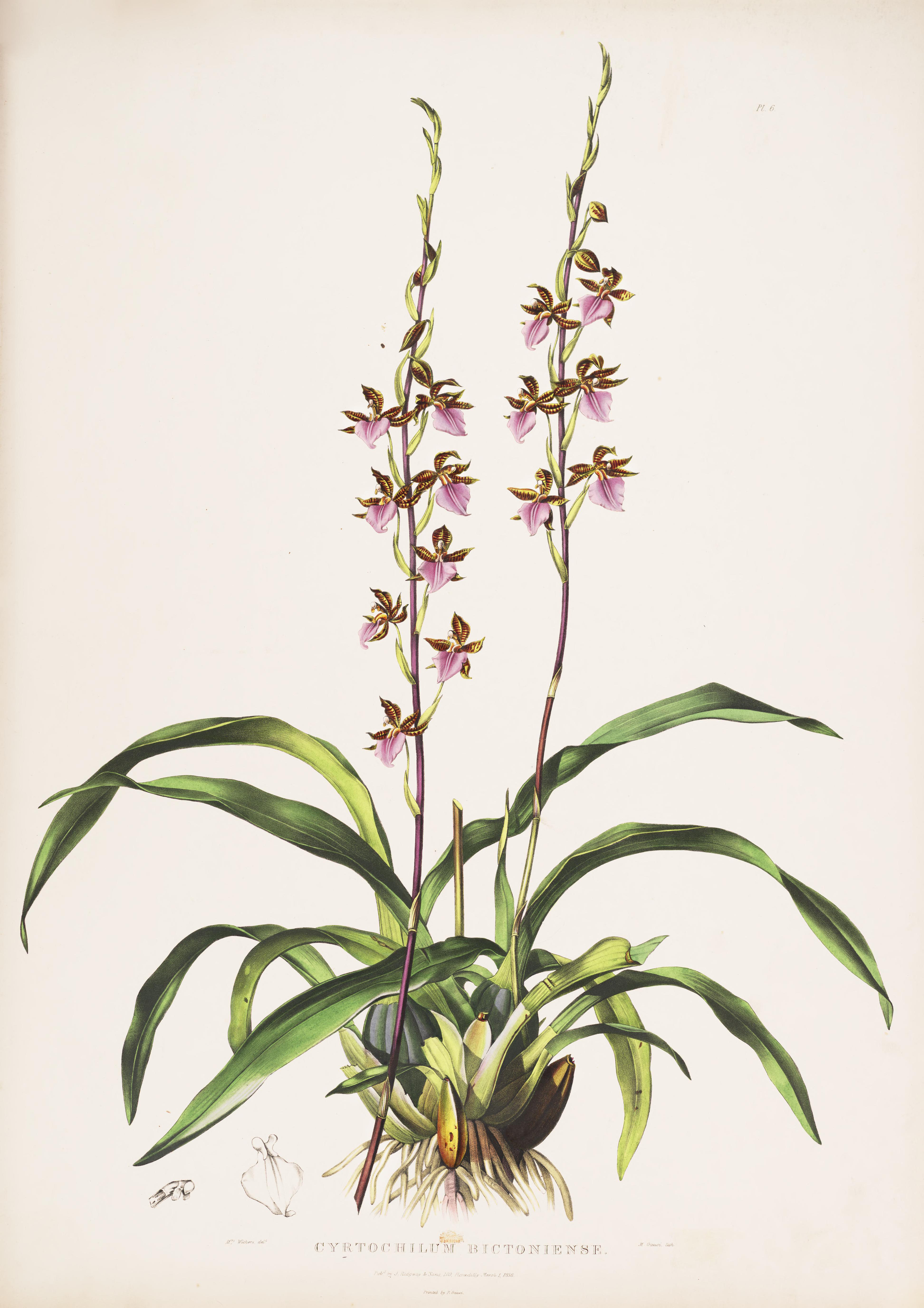
Plate 6. Bateman, James. The Orchidaceae of Mexico and Guatemala. Illustration drawn by Augusta Withers and lithographed by Maxim Gauci. Contributed in BHL by the Peter H. Raven Library of the Missouri Botanical Garden.

Plate 6. Bateman, James. The Orchidaceae of Mexico and Guatemala. Illustration drawn by Augusta Withers and lithographed by Maxim Gauci. Contributed in BHL by the Peter H. Raven Library of the Missouri Botanical Garden.

Within The Orchidaceae of Mexico and Guatemala, Bateman provided scientific descriptions in English and Latin as well as practical cultivation information for the species presented in the book. Also, according to Amy Pool, Curatorial Assistant at the Missouri Botanical Garden, 11 new-to-science species of orchids were validly published in this work. She estimates that it presented the first published illustrations for 90% of the 40 species included.

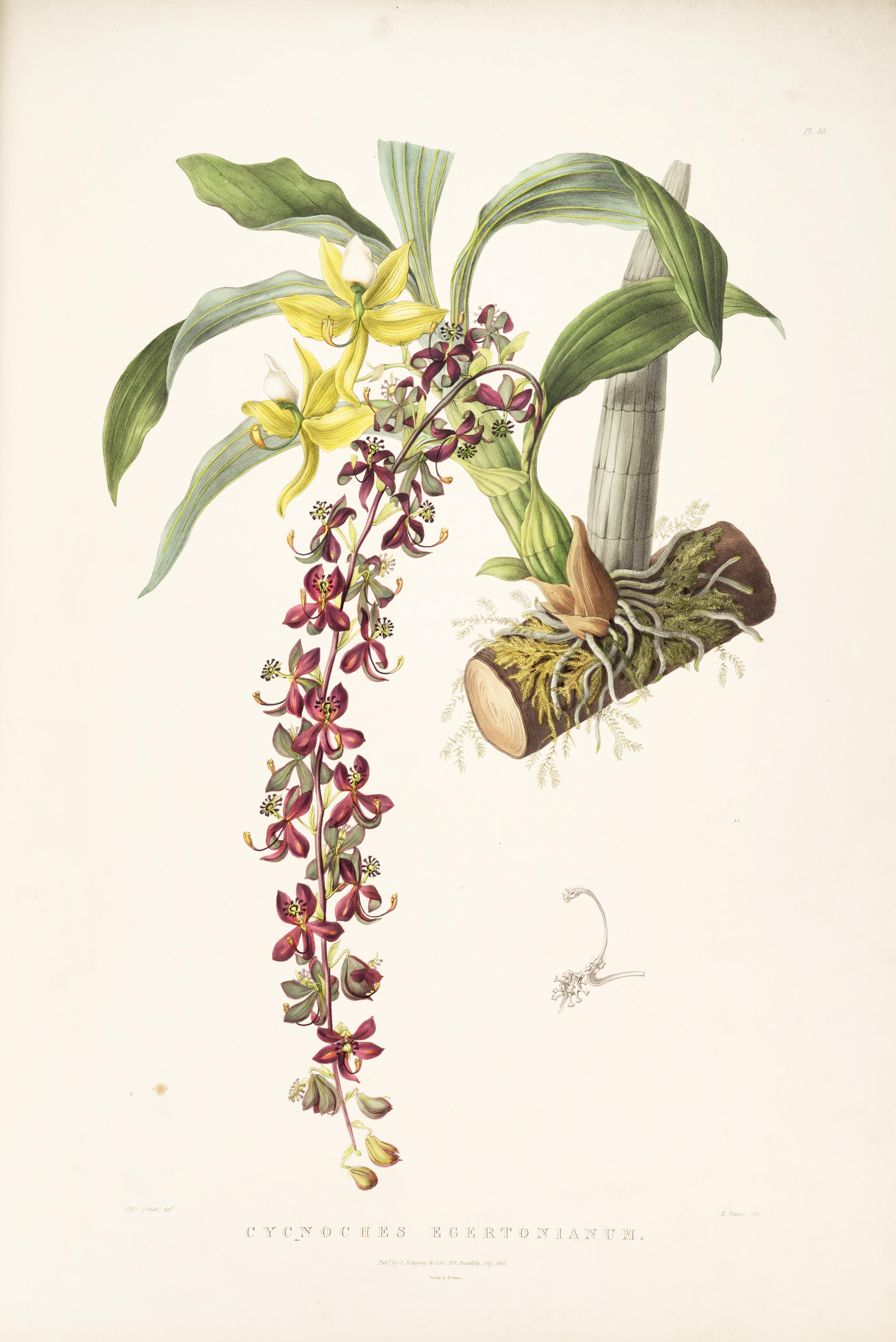
Plate 40. Bateman, James. The Orchidaceae of Mexico and Guatemala. Illustration drawn by Sarah Anne Drake and lithographed by Maxim Gauci. Contributed in BHL by the Peter H. Raven Library of the Missouri Botanical Garden.

Plate 40. Bateman, James. The Orchidaceae of Mexico and Guatemala. Illustration drawn by Sarah Anne Drake and lithographed by Maxim Gauci. Contributed in BHL by the Peter H. Raven Library of the Missouri Botanical Garden.

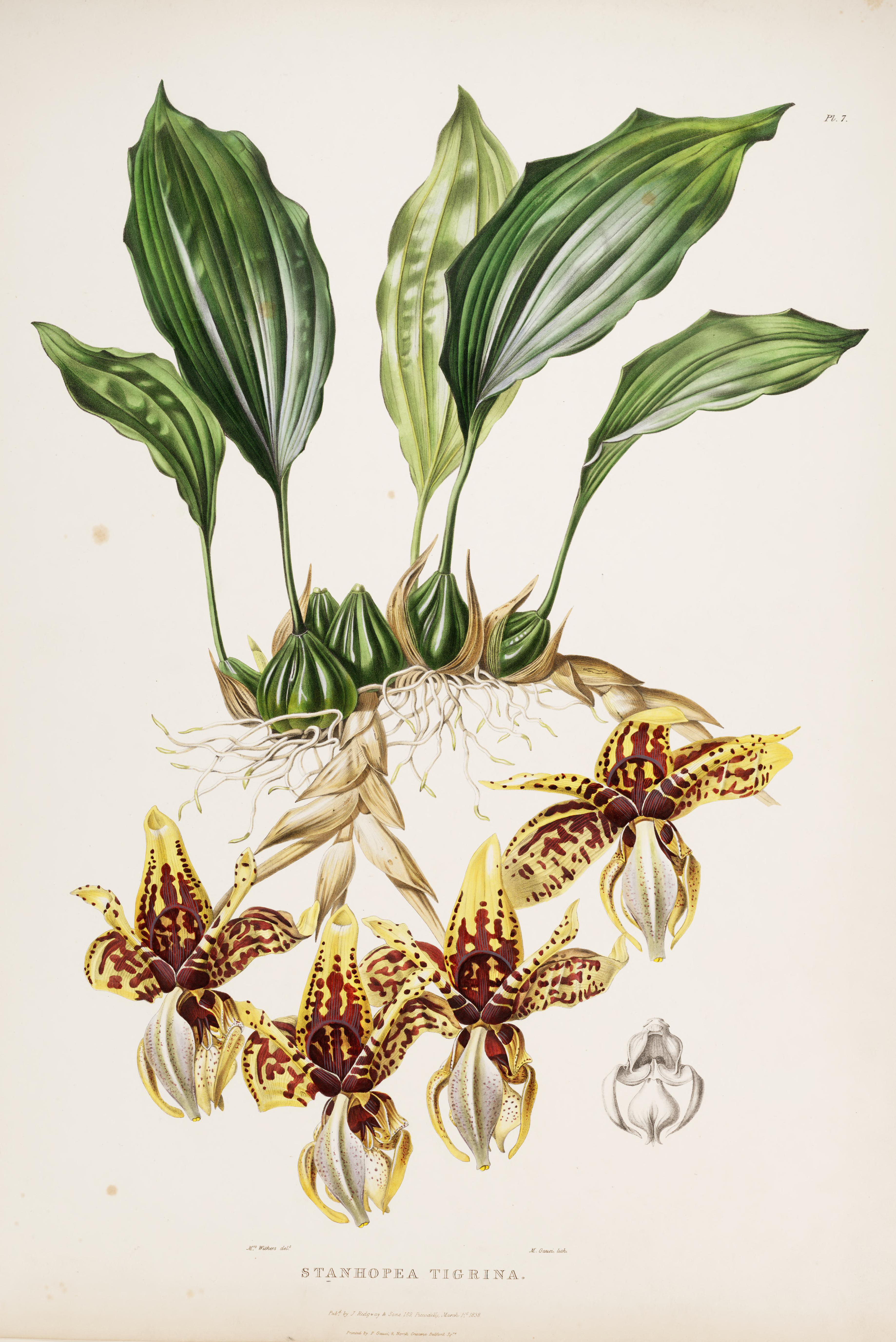
The work is particularly noteworthy for its colorful (and sizeable) lithographic plates. Numbering 40 in total, these lithographs were executed by Maxim Gauci based on drawings largely by Sarah Anne Drake and Augusta Withers, with two drawings by Jane Edwards and one by Samuel Holden. These illustrations were based on the live specimens in Bateman’s and his friends’ greenhouses. The hand-colored elements of the lithographs add dimension and richness to the orchid forms, particularly through the application of varnish which provides deeper tones (Cobbledick 2018b).

The Orchidaceae of Mexico and Guatemala was issued in parts between 1837-43 and printed in a limited edition of 125 copies sold to subscribers (Bleichmar 2017, 179). Today, fewer than 55 copies are known to exist.

Plate 7. Bateman, James. The Orchidaceae of Mexico and Guatemala. Illustration drawn by Augusta Withers and lithographed by Maxim Gauci. Contributed in BHL by the Peter H. Raven Library of the Missouri Botanical Garden.

Plate 7. Bateman, James. The Orchidaceae of Mexico and Guatemala. Illustration drawn by Augusta Withers and lithographed by Maxim Gauci. Contributed in BHL by the Peter H. Raven Library of the Missouri Botanical Garden.

One of those copies can be found in the world-renowned Rare Book Collection of the Peter H. Raven Library of the Missouri Botanical Garden. Happily, this copy has been digitized in the Biodiversity Heritage Library and is now freely available to the world.

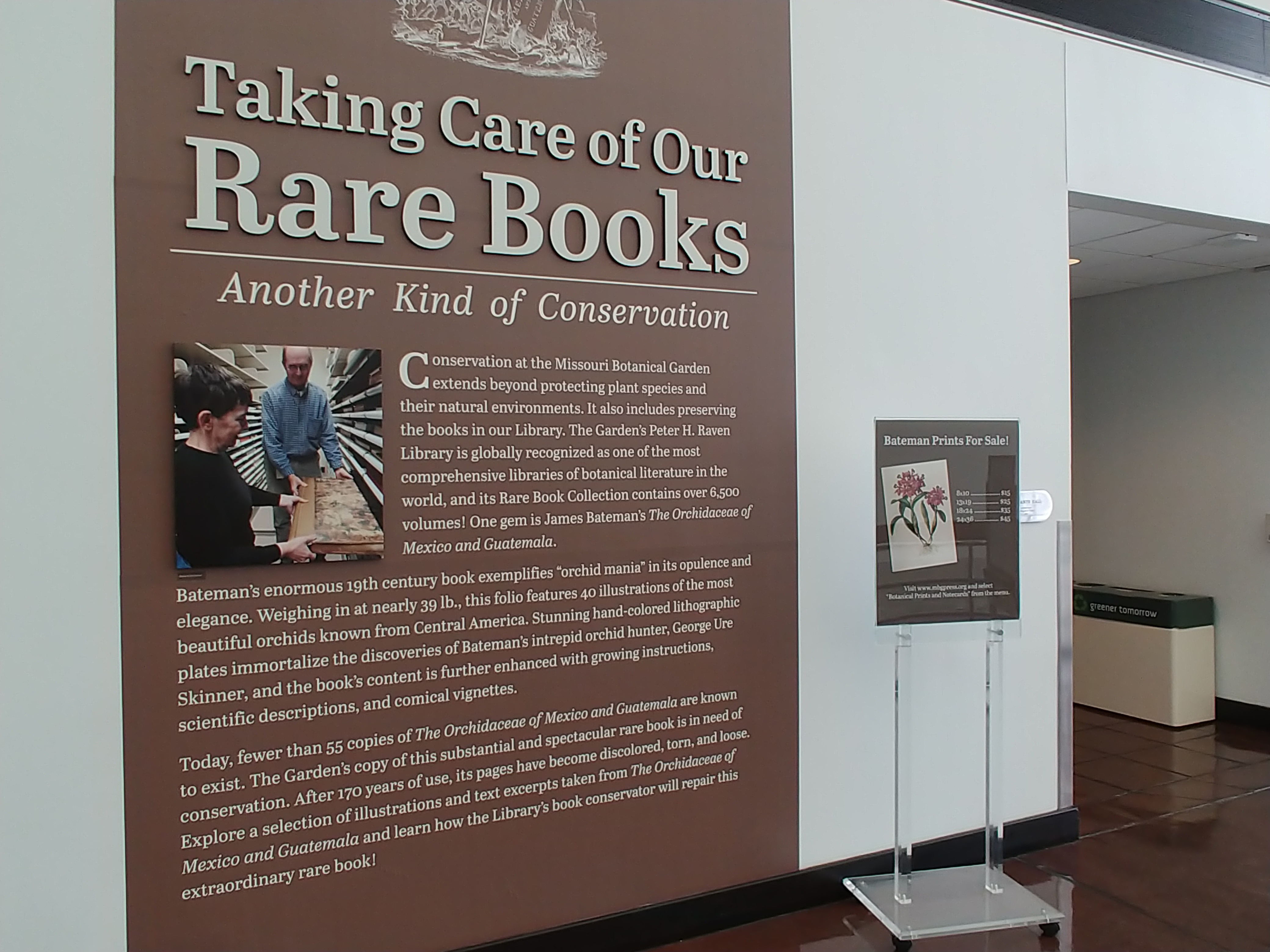
The Missouri Botanical Garden recently featured an exhibit about The Orchidaceae of Mexico and Guatemala. Image credit: Lauren Peters

The Missouri Botanical Garden recently featured an exhibit about The Orchidaceae of Mexico and Guatemala. Image credit: Lauren Peters.

Earlier this year, the Missouri Botanical Garden produced an exhibit on book conservation, entitled: Taking Care of Our Rare Books: Another Kind of Conservation. This ran concurrent with the Garden’s annual orchid show, the 2018 theme being “Orchid mania.” Both featured The Orchidaceae of Mexico and Guatemala. The floral show included numerous images from the book and described its role in “orchid mania”, and the exhibit featured a selection of images and text excerpts from the publication while highlighting book conservation techniques and principles.

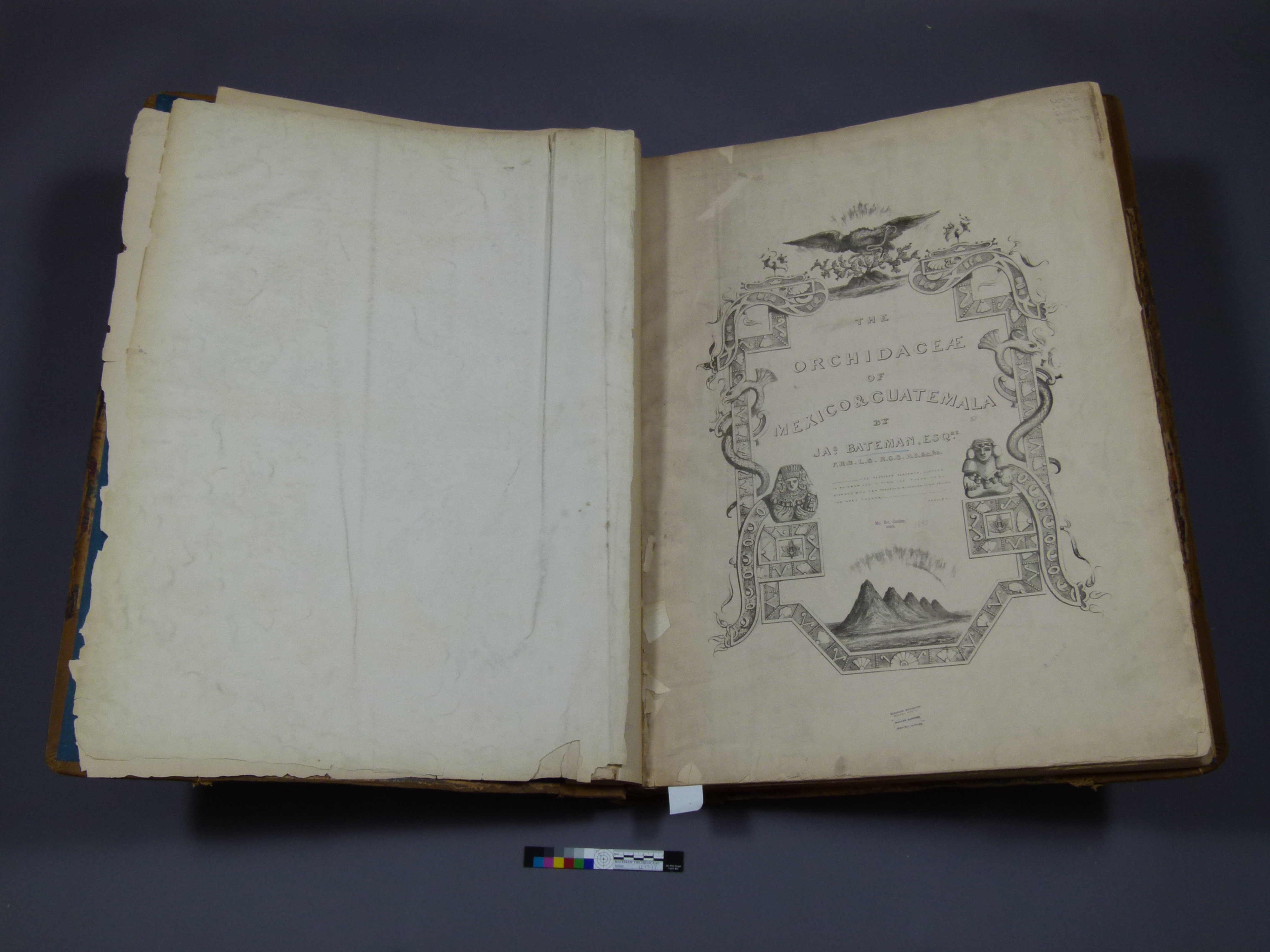
=At nearly 200 years old, and having been acquired by the Library in 1895 during a period of heavy pollution in Saint Louis, it is not surprising that the Missouri Botanical Garden’s copy of Bateman’s work is in poor condition, with ripped and soiled paper, loose pages, and broken binding.

The Missouri Botanical Garden’s copy of The Orchidaceae of Mexico and Guatemala is undergoing an extensive restoration project. Image credit: Susie Cobbledick

The Missouri Botanical Garden’s copy of The Orchidaceae of Mexico and Guatemala is undergoing an extensive restoration project. Image credit: Susie Cobbledick

The Library’s book conservator, Susie Cobbledick, has begun a substantial restoration project for this work. This process was not only highlighted as part of the Garden’s exhibit, but it is also being recorded through a series of posts on the Garden’s Discover + Share website. This process includes repairing the volume’s binding and cleaning and mending the paper.

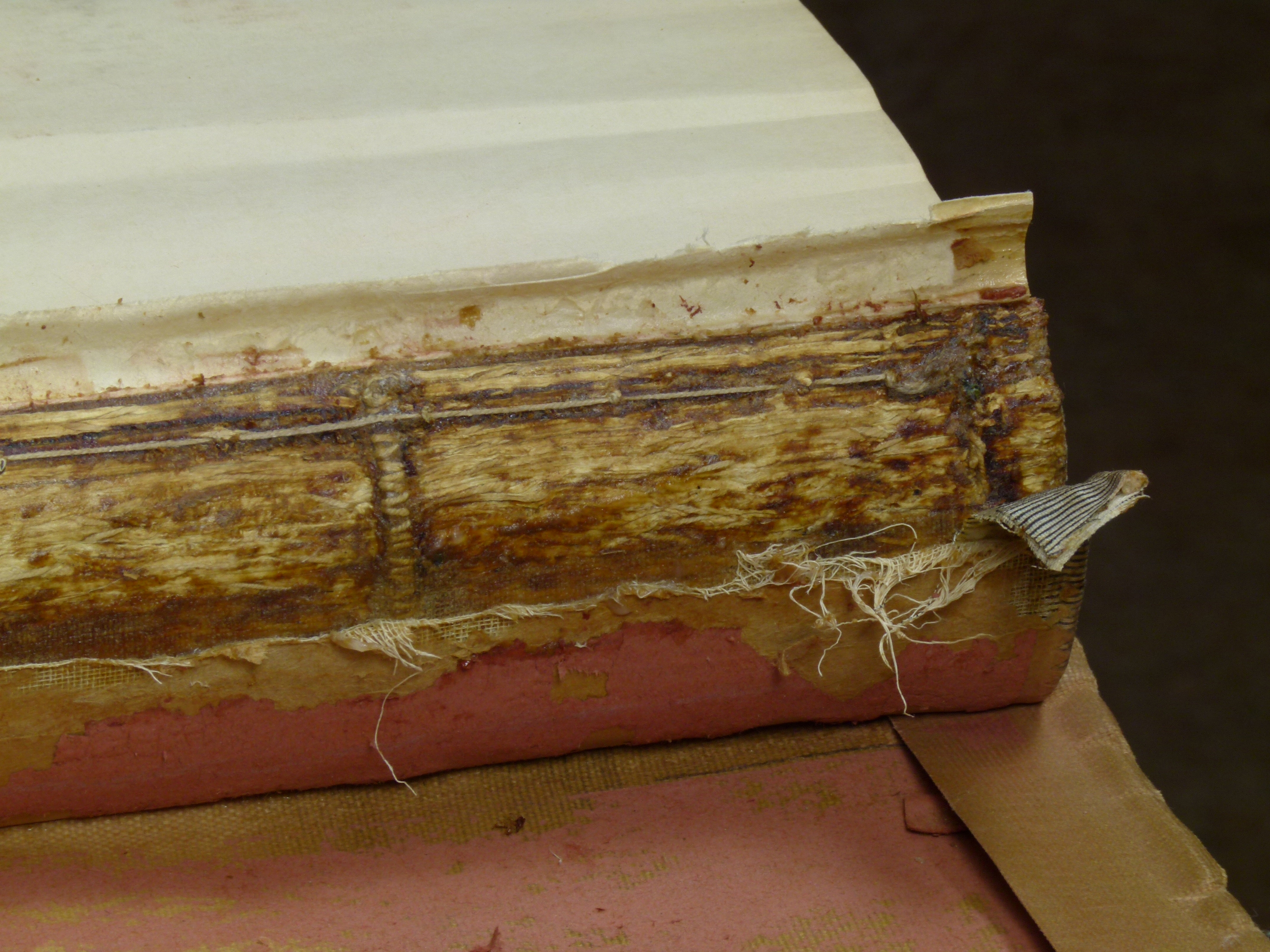
As Cobbledick articulates, the Library’s copy had been rebound at least once, and past attempts to repair the binding have failed under the strain imposed by such a massive volume. Additionally, the original covers were replaced with Masonite board at some point in the 20th century. As part of the Library’s conservation process, a more robust binding structure will be created for this volume, and more appropriate covers may be used to replace the inadequate Masonite (Cobbledick 2018a).

The Garden’s copy of The Orchidaceae of Mexico and Guatemala was originally sewn on linen cords, which would have extended beyond the back of the book to the boards. The fact that these cords have been cut is evidence that the book had been rebound some time in the past. Image Credit: Susie Cobbledick

The Garden’s copy of The Orchidaceae of Mexico and Guatemala was originally sewn on linen cords, which would have extended beyond the back of the book to the boards. The fact that these cords have been cut is evidence that the book had been rebound some time in the past. Image Credit: Susie Cobbledick

The soiled pages also require special attention. In order to remove the dirt and other residue that has accumulated over the past 170+ years without altering or damaging the lithographs’ fragile surfaces, Cobbledick is employing dry cleaning methods using cosmetic sponges and white vinyl erasers to carefully clean each page. This time-consuming process will take several months to complete (Cobbledick 2018b).

Cosmetic sponges and white vinyl erasers are used to clean the lithographs within the Garden’s copy of The Orchidaceae of Mexico and Guatemala. In this photo, you can see a cleaned (right-hand side) and uncleaned (left-hand side) portion of a plate from the book. Image Credit: Susie Cobbledick

Cosmetic sponges and white vinyl erasers are used to clean the lithographs within the Garden’s copy of The Orchidaceae of Mexico and Guatemala. In this photo, you can see a cleaned (right-hand side) and uncleaned (left-hand side) portion of a plate from the book. Image Credit: Susie Cobbledick.

Conservators have also begun mending the volume’s ripped and damaged paper. As part of this process, they are conducting tests to determine whether the type of sizing (substance added to paper to make it less absorbent) used has contributed to the poor condition of the book’s paper today. The answer may be related to whether or not the paper was machine-made. Explore the testing process and initial outcomes in the most recent “Rebuilding the Bateman Book” post.

To learn more about the restoration process for The Orchidaceae of Mexico and Guatemala and follow the conservation work, explore the entire “Rebuilding the Bateman Book” series on the Garden’s Discover + Share website.

The Orchidaceae of Mexico and Guatemala is truly a scientific, bibliographic, and artistic marvel. Through its unique blend of scientific information, awe-inspiring illustrations, and unexpected humor, Bateman’s orchid masterpiece stands out as a truly remarkable entry in the annals of natural history.

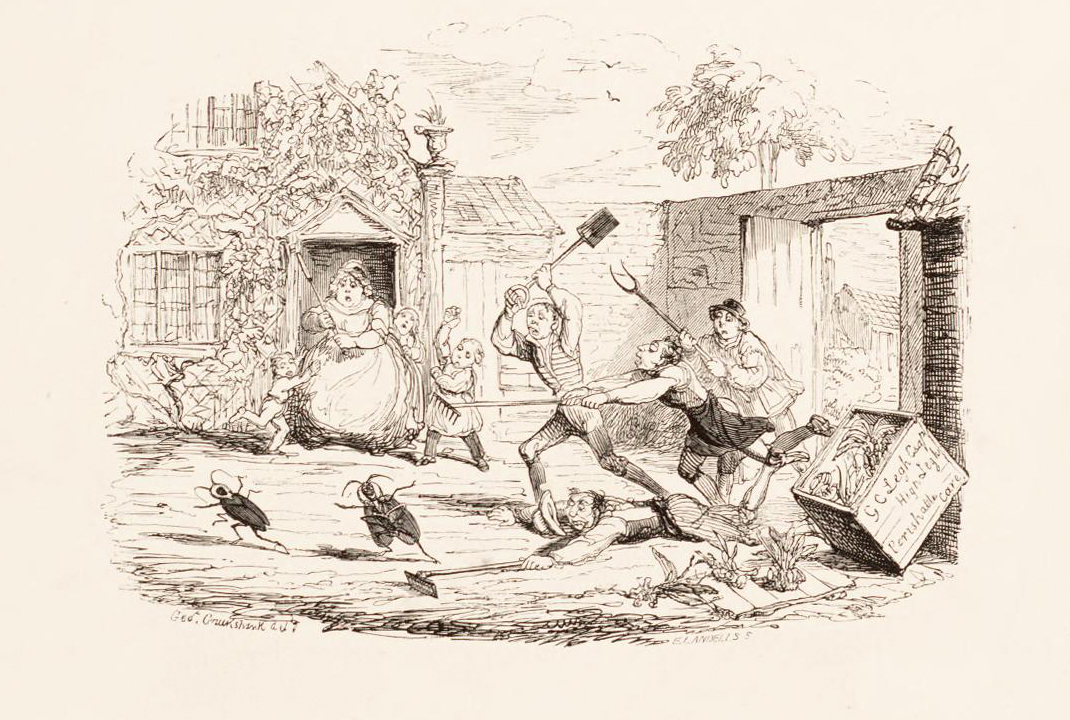
As another example of humor within The Orchidaceae of Mexico and Guatemala, this vignette by George Cruikshank depicts a pair of gigantic cockroaches escaping from a box meant to contain orchid specimens whilst the gardener’s family and assistants chase the unwelcome intruders.

As another example of humor within The Orchidaceae of Mexico and Guatemala, this vignette by George Cruikshank depicts a pair of gigantic cockroaches escaping from a box meant to contain orchid specimens whilst the gardener’s family and assistants chase the unwelcome intruders.

What some might call “The Librarian’s Nightmare”, we call “The Book Lover’s Dream”. We are grateful to the Peter H. Raven Library of the Missouri Botanical Garden for making this title freely available in BHL and are thrilled that the Library’s current conservation efforts will ensure that future generations can enjoy this treasure.

Taking Care of Our Rare Books: Another Kind of Conservation was curated by Missouri Botanical Garden staff Lauren Peters (Science Communication Specialist), Amy Pool (Curatorial Assistant, Herbarium), and Susie Cobbledick (Book Conservator, Library) and designed by Ellen Flesch (Supervisor, Creative Services) based on an exhibit proposal by Doug Holland (Director, Peter H. Raven Library). Learn more about the exhibit.

Post by Grace Costantino (Outreach and Communication Manager, Biodiversity Heritage Library) with significant contributions from Susie Cobbledick (Book Conservator, Peter H. Raven Library of the Missouri Botanical Garden) and Amy Pool (Curatorial Assistant, Herbarium, Missouri Botanical Garden).

References

Bleichmar, Daniela. 2017. Visual Voyages: Images of Latin American Nature from Columbus to Darwin. New Haven, CT: Yale University Press.

Blunt, Wilfrid and William T. Stearn. 1994. The Art of Botanical Illustration. New Edition. Suffolk: Antique Collectors’ Club, Ltd.

Cobbledick, Susie. 2018a. “From the Library: Rebuilding the Bateman Book (Part 1).” Discover + Share. February 17. Accessed March 29, 2018. https://discoverandshare.org/2018/02/17/from-the-library-rebuilding-the-bateman-book-part-1/.

Cobbledick, Susie. 2018b. “From the Library: Rebuilding the Bateman Book (Part 2).” Discover + Share. March 22. Accessed March 29, 2018. https://discoverandshare.org/2018/03/22/from-the-library-rebuilding-the-bateman-book-part-2/.

Hamilton, Robert M. 1990. “Skinner and Bateman – 1: Introduction.” American Orchid Society Bulletin 59, no. 12 (December): 1235-1247.

Schmidt-Ostrander, Ingrid. 2018. “George Ure Skinner (1804 – 1867).” Victorian Orchid Society. Accessed March 29, 2018. http://victoriaorchidsociety.com/Ingrid/Skinner.html.

Sitwell, Sacheverell and Wilfrid Blunt. 1990. Great Flower Books: 1700-1900. New York: The Atlantic Monthly Press.

July 19, 2018by michelle.underhill
Blog Reel, Featured Books

The Delaware Museum of Natural History

View Full Size Image
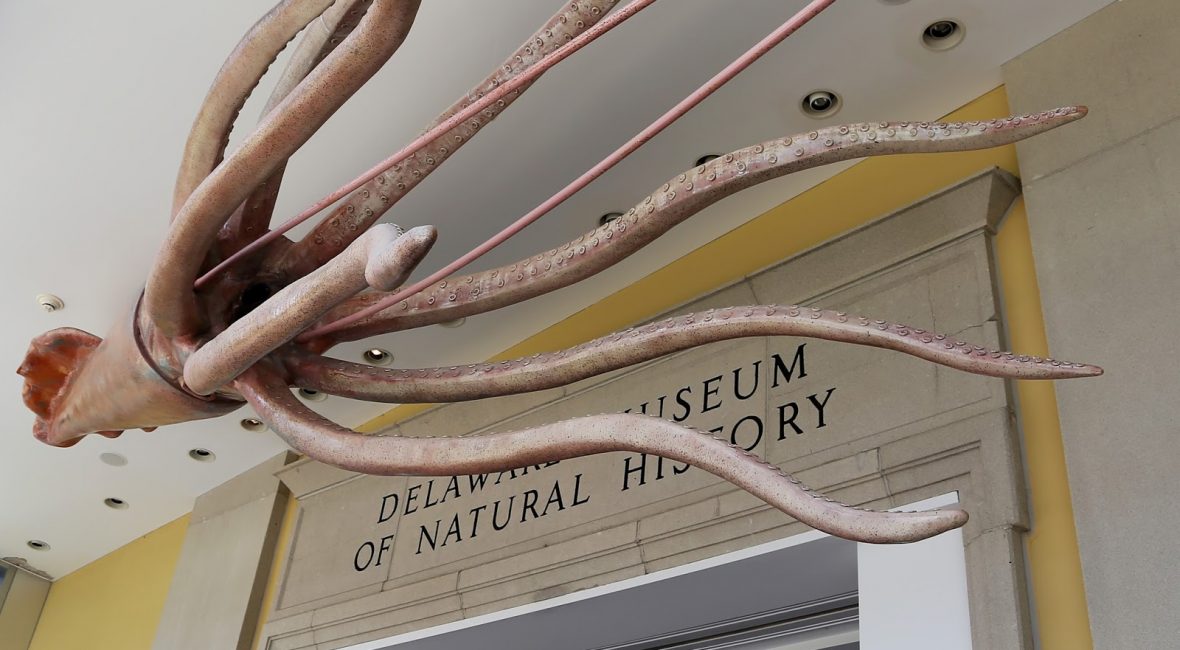
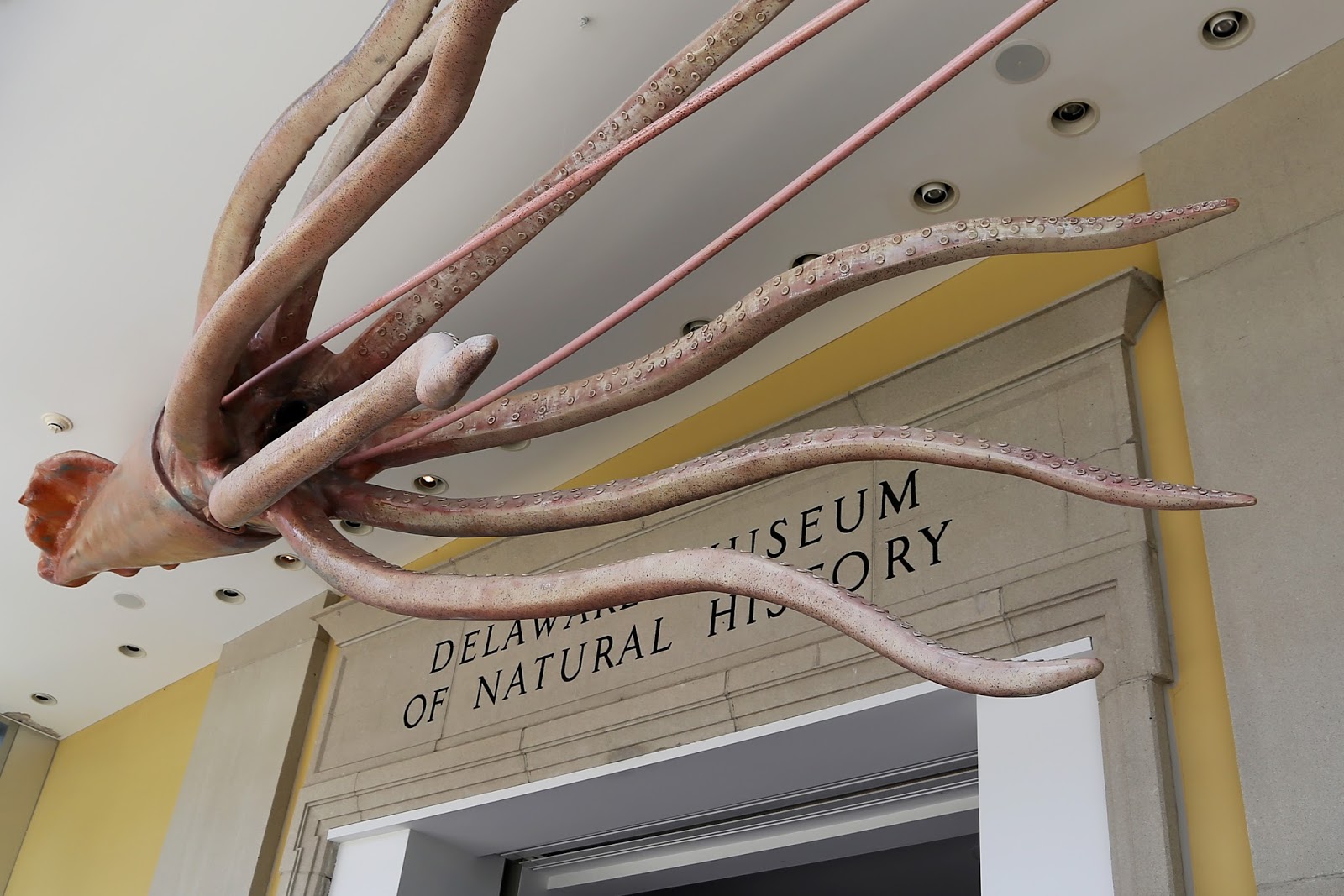
Image adapted from a photo by Jim, the Photographer. Original on Flickr.
(CC BY 2.0)

History
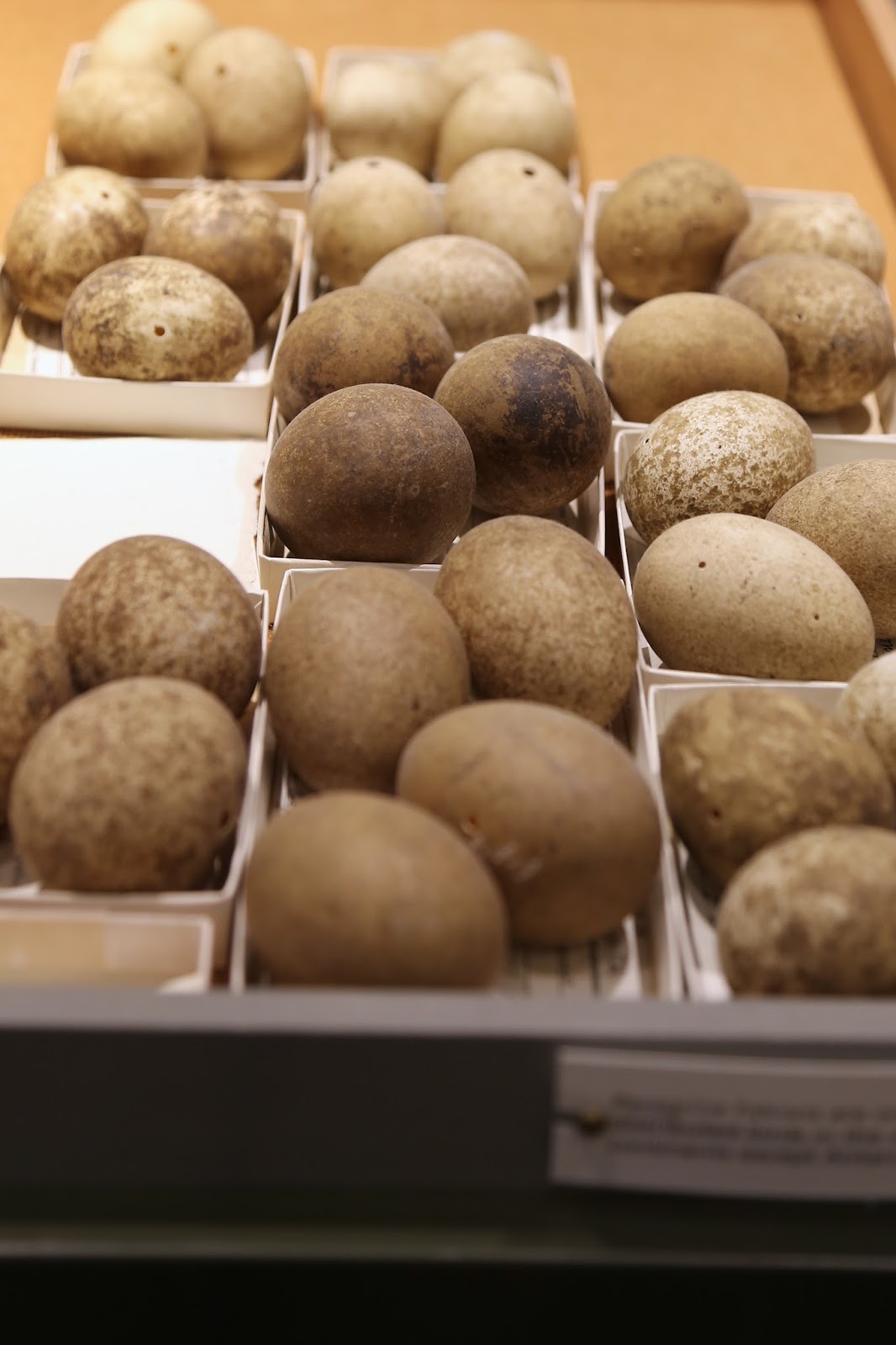
For over 40 years, the Delaware Museum of Natural History (DMNH) has promoted the study of nature, investigated the planet’s flora and fauna, and educated the public with its world-class collections, which are particularly rich in mollusks and birds (DMNH’s collection of bird eggs is the second-largest in North America).

View Full Size Image
“The Egg Collection”
Photo by Jim, the Photographer
on Flickr (CC BY 2.0)

Founded in 1957, the museum began as an idea in the mind of John duPont, heir to the DuPont Chemical fortune. An avid naturalist, duPont travelled the world and amassed a collection of 113,000 birds and 2 million seashells. He used a portion of land from his family’s estate to found the museum that houses his collections. It opened to the public in 1972.

Long after his involvement with DMNH had ended, duPont moved his attention to athletics. He used some of his fortune to open a training center for Olympic athletes on his sprawling estate in Pennsylvania. The athletes, trainers, and coaches who worked for him were known as Team Foxcatcher and enjoyed considerable success. As years went on, however, duPont’s behavior became increasingly erratic. His deterioration came to a head in January of 1996, when, for reasons unknown, he shot and killed his star wrestling coach, Olympic gold medalist Dave Schultz. This tragic story was (loosely) told in the 2014 film Foxcatcher.

Publications and Rare Books

Birds, shells, and mammals aren’t the only things that John duPont put in the DMNH; he also contributed a library with an excellent collection of rare books. DMNH recently contributed some of these books to BHL through the Expanding Access to Biodiversity Literature (EABL) project, which works with organizations across the U.S. to digitize unique and valuable material. The DMNH-contributed books include rare works from the 18th century and publications by the museum, including several works by duPont himself. Below are some highlights; the complete list can be found here and here.

1. Index testarvm conchyliorvm quae adservantvr in mvseo Nicolai Gvaltieri (1742)

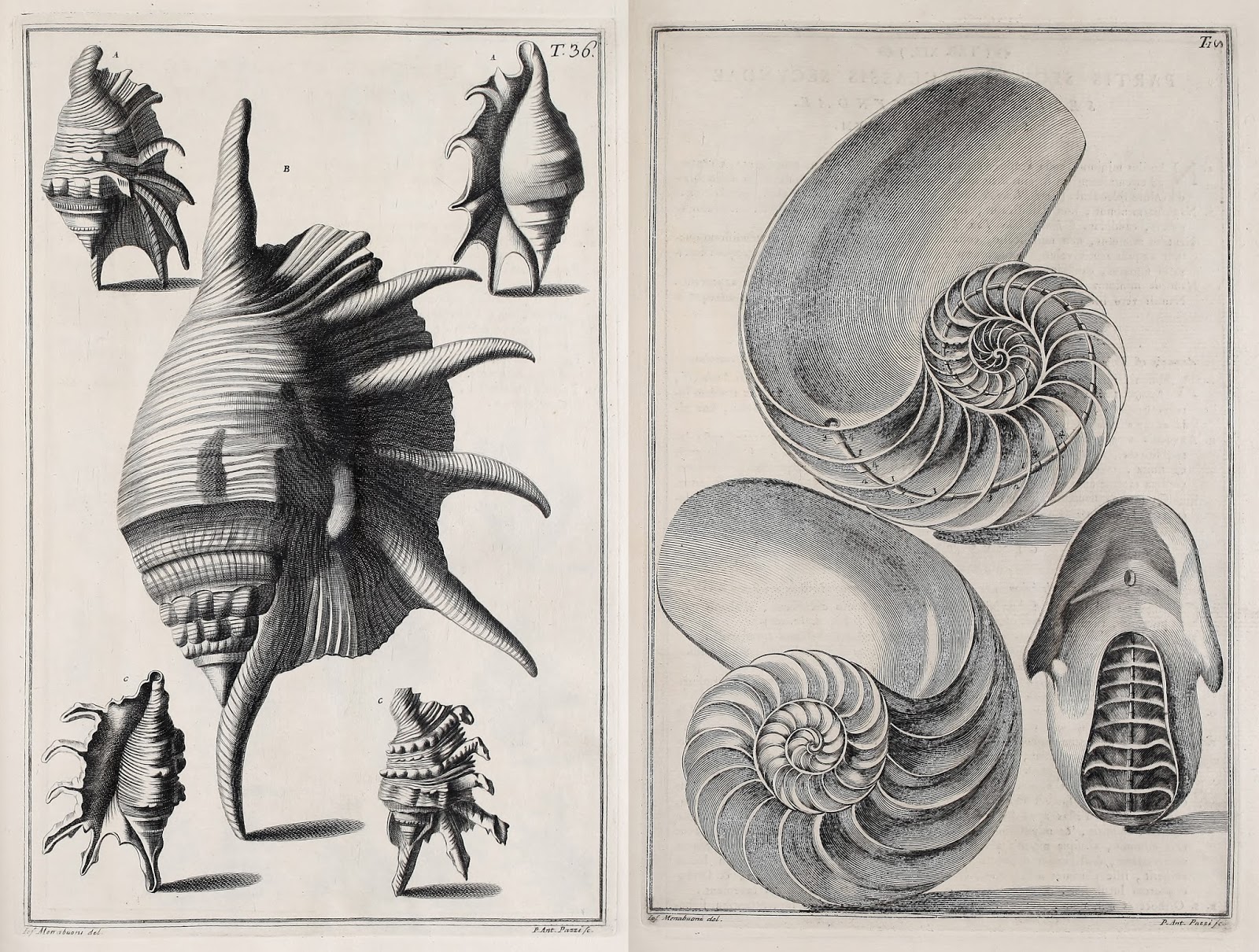
Niccolò Gualtieri was an Italian doctor, malacologist, and professor at the University of Pisa, whose collection of shells is the oldest in the university’s natural history museum. Particularly noteworthy in his Index testarvm conchyliorvm are his descriptions of argonauts, also called paper nautiluses.

View Full Size Image
Plates from Gualtieri’s Index: L: T.36, Conch shells (Strombidae);
R: T.18, Nautilus.

2. Woodpeckers of the World (Monograph Series No. 4, 1982)

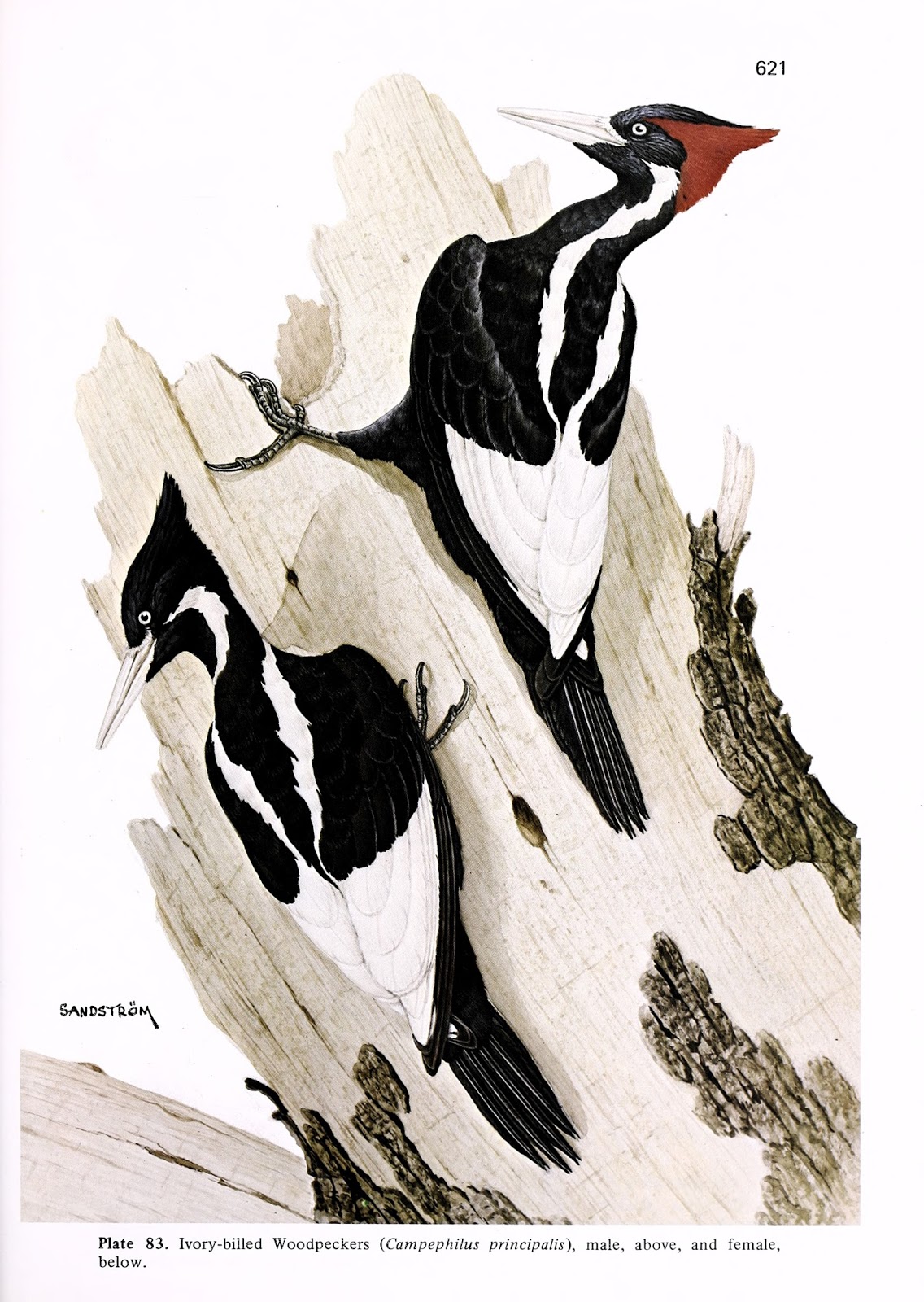
Lester L. Short, born in 1933, is one of the world’s foremost experts on woodpeckers (family Picidae). A former curator of birds at the American Museum of Natural History, Short travelled to over 60 countries documenting woodpeckers and in 1986 was one of the last people to see a Cuban Ivory-billed Woodpecker, Campephilus principalis bairdii, in the wild. The bird is now believed to be extinct.

Short’s Woodpeckers of the World was written with the encouragement and support of John duPont; in fact, duPont arranged for his illustrator, George Sandström, to work with Short to produce the 101 color plates in the book.

View Full Size Image
Ivory-billed Woodpeckers, illustrated by George Sandström.
From Woodpeckers of the World (1982), p. 621:
http://biodiversitylibrary.org/page/53631011

3. Philippine Birds (Monograph Series No. 2, 1971)

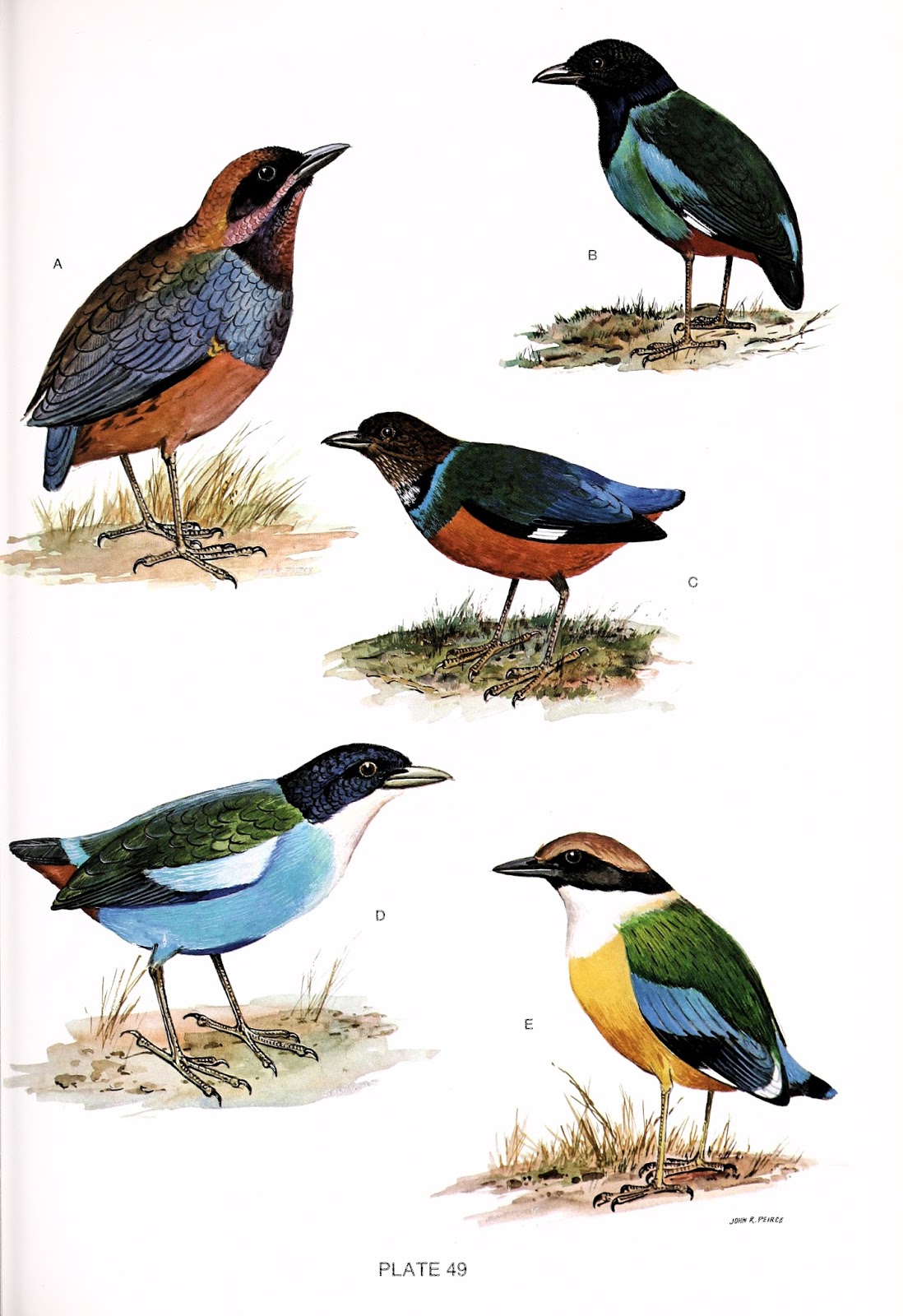
John duPont wrote this book based on his own expeditions to the Philippines, beginning in 1958. In the foreword to the book, ornithologist Dean Amadon writes that “anyone who knows John duPont will realize that, once in the islands, he heads for the nearest mountains and jungles: he is not one to dawdle about in the gardens of local officials.” Philippine Birds was written as an identification guide rather than a comprehensive work, with brief descriptions accompanying color illustrations by George Sandström.

View Full Size Image
Pittas (family Pittidae), illustrated by George Sandström.
From Philippine Birds (1971), plate 49:
http://biodiversitylibrary.org/page/53630110

Jean Woods, Curator of Birds at DMNH, worked with the EABL team to digitize these titles and get them into the BHL collection. Discussing the importance of putting them online, she said, “We’re excited to have the museum’s publications and rare books available through the Biodiversity Heritage Library to be used by researchers that have not previously had access to them.” She added that some of the titles, like Philippine Birds, have been out of print for years and that “many of the rare mollusk books contain original species descriptions which continue to be essential for taxonomic work.”

We are grateful to Jean and to the Delaware Museum of Natural History for so generously sharing their wealth of publications and rare books with the BHL community.

References

About us. (n.d.). Retrieved from http://www.delmnh.org/about-us-2/
Eckholm, E. (1986, May 5). Woodpecker, believed extinct, seen in Cuba. The New York Times. Retrieved from http://www.nytimes.com/1986/05/05/us/woodpecker-believed-extinct-seen-in-cuba.html
Longman, J. (2010, December 9). John E. du Pont, heir who killed an Olympian, dies at 72. The New York Times. Retrieved from http://www.nytimes.com/2010/12/10/sports/olympics/10dupont.html?_r=0
Niccolò Gualtieri’s splendid seashells. (2016, August 26). Retrieved from http://www.italianways.com/niccolo-gualtieris-splendid-seashells/
August 17, 2017by [email protected]
Blog Reel, Featured Books

A Pot of Basil in Every Household

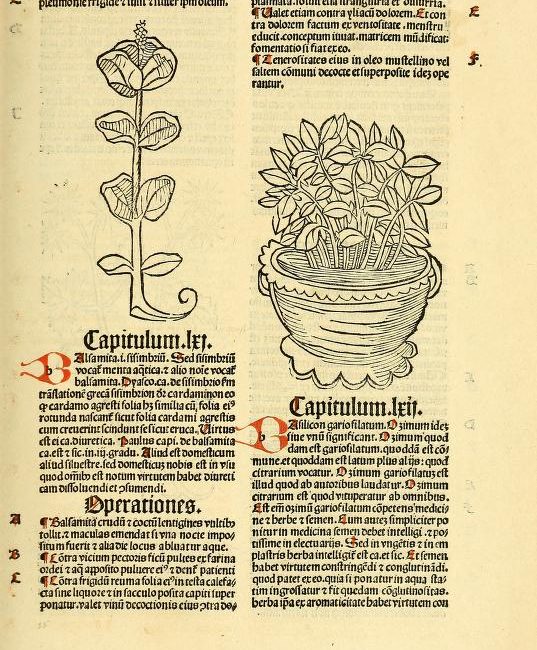
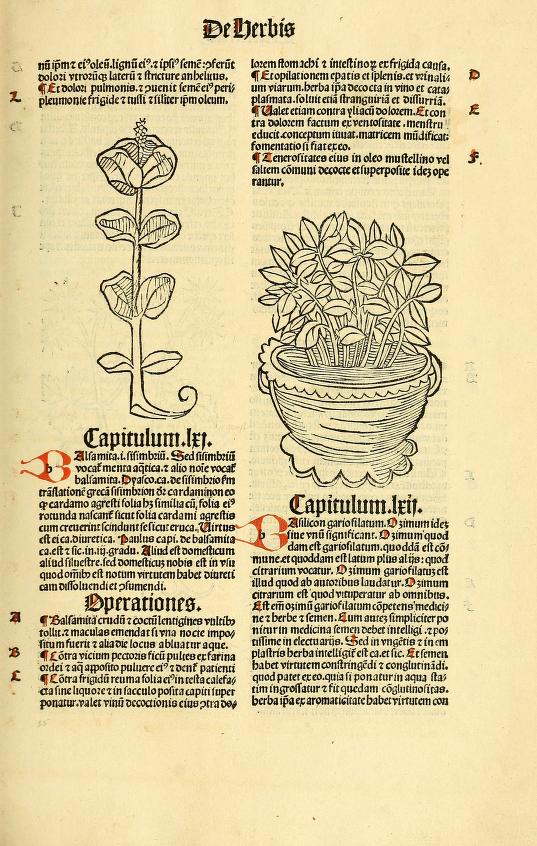
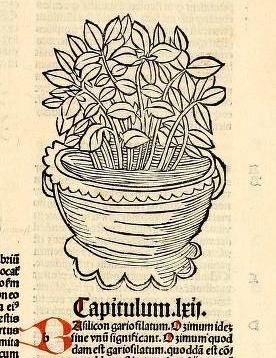
In Johann Prüss’ late 15th-century herbal, Ortus Sanitatis (Garden of Health), a bushy basil plant is portrayed growing in a decorative container. The book, a popular pharmacopoeia of various remedies drawn from ancient and medieval authors, was intended to be practical. The woodcuts are somewhat stylized and simple, meant to be easily identifiable to readers such as a doctor, apothecary, spice merchant, monk, or household member.

This was a manual for ready reference at a time when literacy was not common and earlier written descriptions alone were found to be inadequate. For instance, the all-important roots of the peony, used for infantile epileptic seizure, jaundice, stomach-aches, and kidney and bladder problems, are emphasized rather than its beautiful, fragrant blossoms.

At the time, basil was applied to a number of ailments, including convulsion, deafness, diarrhea and constipation, gout, impotency, colic, and nausea. So is it significant that basil was illustrated in a pot? Medieval and Renaissance art is full of plant symbolism. Or is this portrayal simply a charmingly unexpected domestic detail?

View Full Size Image
Ortus Sanitatis. 1497. Digitized by Smithsonian Libraries. http://www.biodiversitylibrary.org/page/40535862.
Medieval herbals ascribed healing or poisonous ‘virtues,’ the natural properties of plants. Basil is one plant of the garden full of associations, both good and bad, sometimes contradictory. And a pot of basil has a long and colorful history.

Sweet basil (Ocimum basilicum) is an herb of the mint family Lamiaceae. It is native to parts of Asia and Africa. The name may be derived from the Greek βασιλικόν φυτόν (basilikón phutón)—royal or kingly plant. While many culinary authors and cooks consider basil the “king of herbs” for its versatility and dominance in the kitchen (particularly in Italian, Thai, Vietnamese and Laotian cuisines), it long has had royal and religious associations. Ocimum sanctum(holy basil or tulasi) is sacred in the Hindu religion, though not used much in Indian dishes. In Christianity, the herb came to be associated with the Feast of the Cross, celebrating the finding by St. Helena, mother of Emperor Constantine, of the True Cross in a patch of basil.

Ancient Greeks believed basil must be sowed with words of abuse in order to thrive. In both Eastern and Western societies the herb has been associated with death. In ancient Egypt it was applied in embalming rituals. It is also an herb much connected with love and fertility rites, and has been seen as a source of erotic powers. Or, conversely, a sprig of basil would whither in the hands of the impure.

In late Medieval and Renaissance Italy, basil in a pot was a sexy thing: on a windowsill alerts a lover that the lady of the house is available to be entertained. Or, in some accounts, such as in the early 15th-century risqué tales of Sienese Gentile Sermini, its sudden removal was the signal it was safe to come on in. Apparently in some parts of present-day Southern Italy, a family notes the presence of an eligible, virginal daughter by a basil pot in the window.

View Full Size Image
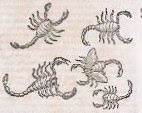
Scorpions. Woodcut from Conrad Gessner, Historia animalium. Liber 2, 1586 (BHL link here)
View Full Size Image
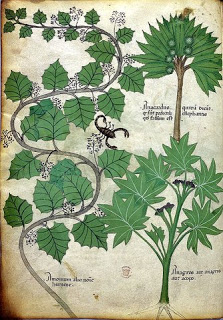
Plants and a Scorpion, in “Herbal” Manuscript folio 3v (Lombardy, Italy, around 1440). British Library Sloane 4016. This illustration indicates that a sting from a scorpion may be soothed by plants.

The Latin basiliskmeans dragon, mythical deadly reptile or serpent, sprouting legends of basil with scorpions. The arachnid with the venomous stinger was said to be bred out of mishandling the cultivated species of Ocimum. Scorpions were believed to favor hiding under a pot of basil, or that a spring of basil under a pot would turn into a scorpion. The Smithsonian’s Floyd W. Shockley, Collections Manager (and scorpion expert) in the Department of Entomology of the National Museum of Natural History, points out that the cool dark underside of the pot is a natural place for scorpions to rest, accounting for their presence and not a particular attraction to the basil.

In the pharmacopoeia on herbal medicine from the surviving writings of the ancient Greek physician and botanist Dioscorides, De Materia Medica, basil is prescribed for application to bites of the sea dragon or stings of the scorpion. Dr. Shockley notes there is some evidence that basil is effective in soothing scorpion stings and that the essential oil in the plant is anti-inflammatory and has pain-relieving enzymes. The plant would work to soothe the bites and stings of many arthropods, but ancient medicinal practitioners really focused on the scorpion relief aspect. Dioscorides observed that Africans would ingest the herb as a preventive measure against the pain of a sting. John Gerard in his famous 16th-century herbal repeated this belief but reported that, as did the 2nd-century physician Galen, basil should not be eaten.

Gerard in the Herball, or Generall Historie of Plantes of 1597, declared “The smell of Basil is good for the heart … it taketh away sorrowfulnesse which commeth of melancholy and maketh a man merry and glad.” Nicholas Culpeper in the 17th century wrote: “And away to Dr. Reason went I, who told me it was an herb of Mars, and under the scorpion, and, perhaps therefore called basilican, and it is no marvel if it carry a kind of virulent quality with it.” And, noting the differing portrayals of the plant: “This is the herb which all authors are together by the ears about and rail at one another (like lawyers).”

View Full Size Image
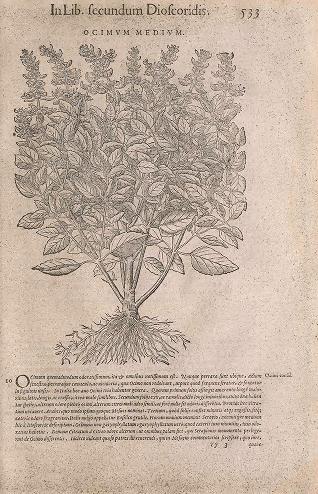
Illustration of one type of basil in the Smithsonian Libraries’ 1565 edition of Mattioli (BHL scan here)

Much of ancient plant folklore was dismissed by Pier Andrea Mattioli (1501-1577) in his commentaries on Dioscorides, Di Pedacio Dioscoride Anazarbeo Libri cinque Della historia, et materia medicinale. The work first appeared in 1544, with illustrations in the 1554 edition, and became the most influential Italian herbal of the 16th century.

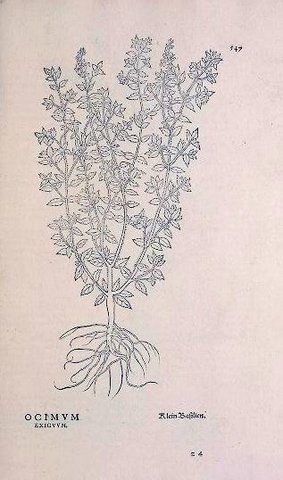
A medical doctor and botanist, born in Siena, the perennially grumpy Mattioli provides the delightful contemporary observation that basil was found to be growing in every Italian household, often in a pot placed by a window or in the garden. However, the finely cut illustrations in his herbal are without any whimsy such as a container. Likewise, Leonhart Fuchs’ splendid De Historia Stirpium (1542) notes this domestic element and illustrates different types of basil, including the roots, leaves, stems, and flowers. These publications are products of the Renaissance, knowledge drawn from direct observation and not legend, although much of the texts still rely on Dioscorides.

View Full Size Image
Fuchs: “Women everywhere raise Ocimun in clay pots on windowsills of their homes, also in gardens.” Smithsonian Libraries’ copy scanned by BHL (link here)
Fuchs wrote that ozimumis Greek for fragrant. Basil has highly aromatic leaves and placed in a pot would serve to sweeten the air. Royal apothecary and botanist John Parkinson in Paradisi is Sole Paradisus Terrestris(1629) wrote that basil was sometimes used in nosegays and made “sweet or washing waters.” (Boston Public Library copy). In the home, the herb acted to keep flies out. Basil is, of course, sensitive to cold temperatures and planted (in Northern Europe) in a container would allow for easy moving to a warm shelter.

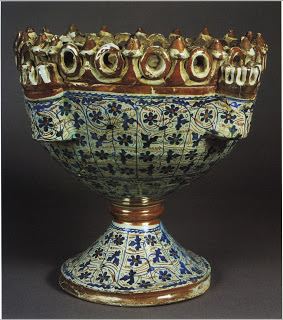
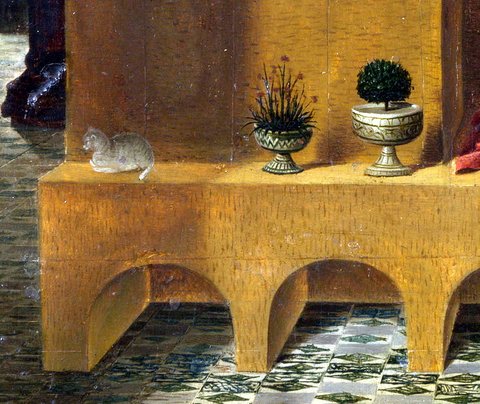
There are surviving examples of actual 15th-century basil pots, known as alfabeguer (derived from the Arabic word for sweet basil). These decorative containers were imported from Valencia, supplying a demand for this luxury item throughout Europe. In the Rothschild collection at Waddesdon Manor is a beautiful one, decorated in lustre and blue, dating from 1440 to 1470.


View Full Size Image
The Rothschild Alfabeguer (this and other illustrations of basil pots here).


View Full Size Image
Detail of Antonello da Messina’s “St. Jerome in his Study,” of alfabeguers (and kitten) approximately 1475 (National Gallery, London)
There is an earlier recording of basil pots used as decoration or furnishing in a home, and readers of Prüss’ herbals may have picked up on the allusion. In Giovanni Boccaccio’s The Decameron (Day IV, Novella 5) of approximately 1353, is the story of Lisabetta and Lorenzo. The lady’s three brothers murdered the lowly born Lorenzo to thwart the forbidden love between the servant and their sister. They buried the corpse in a location that came to her in a dream. Lisabetta dug up the grave, decapitated the head, and, returning home:
There she shut herself up in her room with the head, and kissed it a thousand times in every part, and wept long and bitterly over it, till she had bathed it in her tears. She then wrapped it in a piece of fine cloth, and set it in a large and beautiful pot of the sort in which marjoram or basil is planted, and covered it with earth, and therein planted some roots of the goodliest basil of Salerno, and drenched them only with her tears, or water perfumed with roses or orange-blossoms. And ‘twas her wont ever to sit beside this pot, and, all her soul one yearning, to pore upon it, as that which enshrined her Lorenzo, and when long time she had so done, she would bend over it, and weep a great while, until the basil was quite bathed in her tears.”

The basil thrived with this fertilization and watering, but the distraught Lisabetta did not: the evil brothers discovered poor Lorenzo’s head in the flowerpot and stole it away. She died from further grief.

View Full Size Image
A more typical illustration of basil from an earlier period, showing the plant truncated. The Smithsonian Libraries‘ Gart der Gesundheit [Ulm?: Konrad Dinckmut?, 1487?], often attributed to Johannes von Cuba. The Missouri Botanical Garden’s copy has been scanned by BHL (link here).


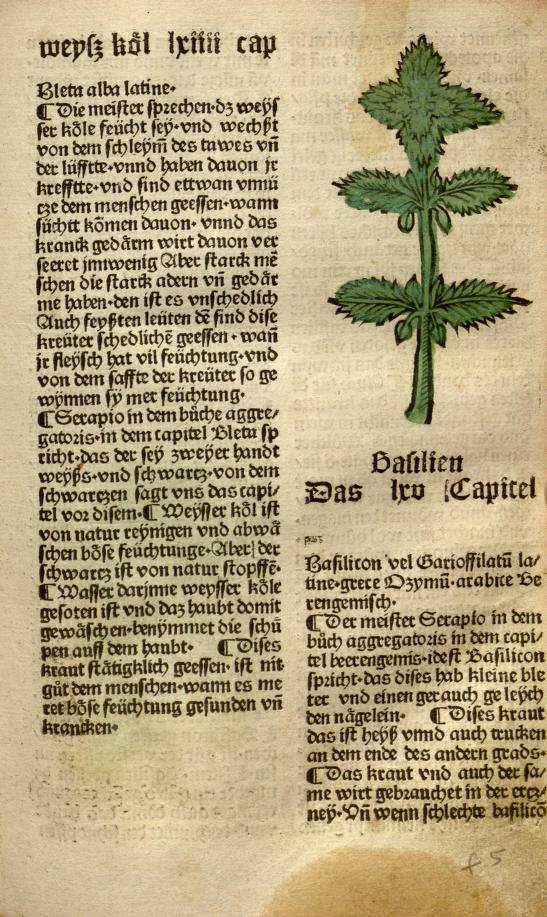
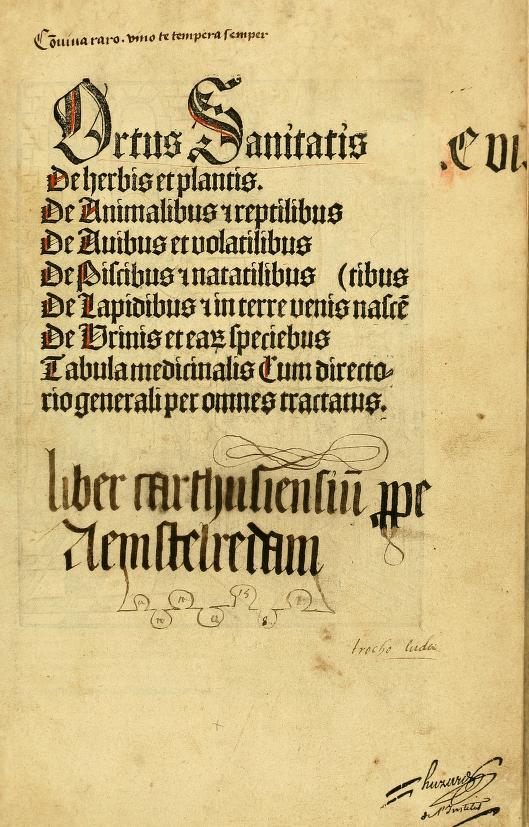
A version of Peter Schöffer’s Ortus ([H]ortus) Sanitatis(1485) was published in 1491 by Jacob Meydenbach of Mainz. Some of the more than a thousand small illustrations were copied rather crudely from Der Gart der Gesundheit (also of 1485), which itself was based on the Latin Herbariusof 1484 (Missouri Botanical Garden copy in BHL). Although there is an occasional genre scene (such as laborers) and landscape setting sprinkled throughout these early printed herbals, most of the plants are simply shown cut off at the stem. The first of Prüss’ editions of Meydenbach’s Ortus Sanitatis, printed in Strasbourg in 1497, is the Smithsonian Libraries’ copy which has been scanned for the Biodiversity Heritage Library.

View Full Size Image

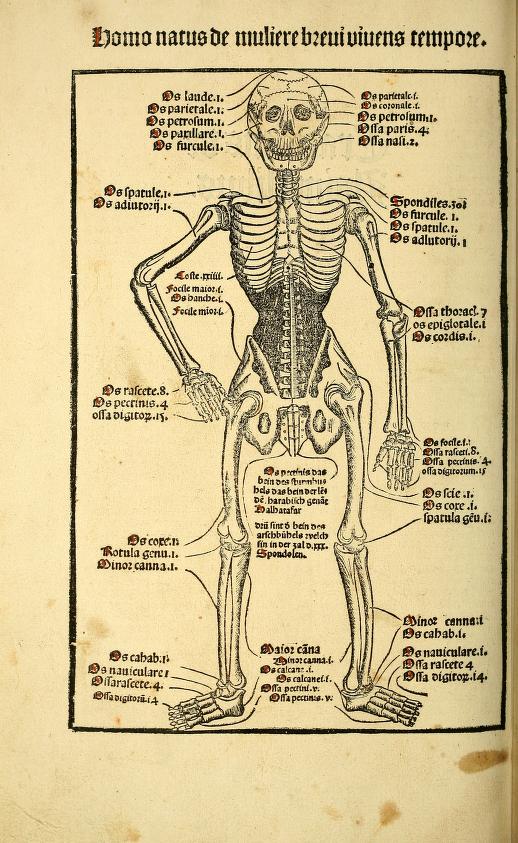
A pot of basil: may this be symbolic or practical, whether signifying divine or earthly love, used as a culinary ingredient or insect repellent, to soothe a sad soul, or just a convenient place to store a lover’s severed head. The iconography of the image in printed books, manuscripts and paintings is yet to be fully explored. The bibliography of early printed herbals—endless editions, translations, fragments, versions, and reuse and copying of woodcuts—is a complex and difficult task to sort out. But the increasing number of scanned early herbals in the Biodiversity Heritage Library allows for easy exploration of these extremely rare works. Perhaps Prüss’ Ortus Sanitatis has a unique basil pot because of an inventive author/illustrator. The book does contain a woodcut of the human skeleton, the first appearance of one in an herbal.

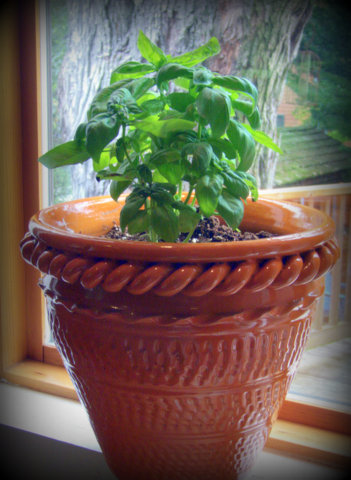
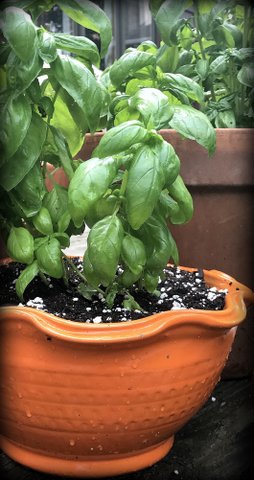
Should you happen upon any, please send me your finds of illustrations of basil in a pot. Or, a picture of the herb growing in a container on your windowsill.

View Full Size ImageView Full Size Image


View Full Size Image

Notes

View Full Size Image
What is old is new again: basil oil from the local grocery store.
The first printed herbal to have illustrations is Macer Floridus’ De Viribus Herbarum (Milan, 1482).
Di Pedacio Dioscoride Anazarbeo Libri cinque Della historia, et materia medicinale first appeared in 1544. It was soon reprinted many times in a variety of languages; there are several of these editions in the Smithsonian Libraries and many digitized versions in the Biodiversity Heritage Library (link to one here).
Blunt, Wilfrid and Sandra Raphael. The Illustrated Herbal. New York: Thames and Hudson, 1994.

Ray, Anthony. “The Rothschild ‘Alfabeguer’ and Other Fifteenth-Century Spanish Lustred ‘Basil-Pots’,” The Burlington Magazine, vol. 142, no. 1167 (June 2000), pages 371-375 (link here).

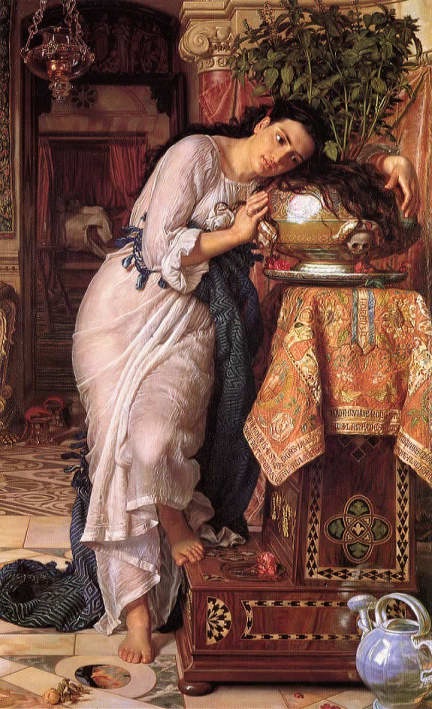
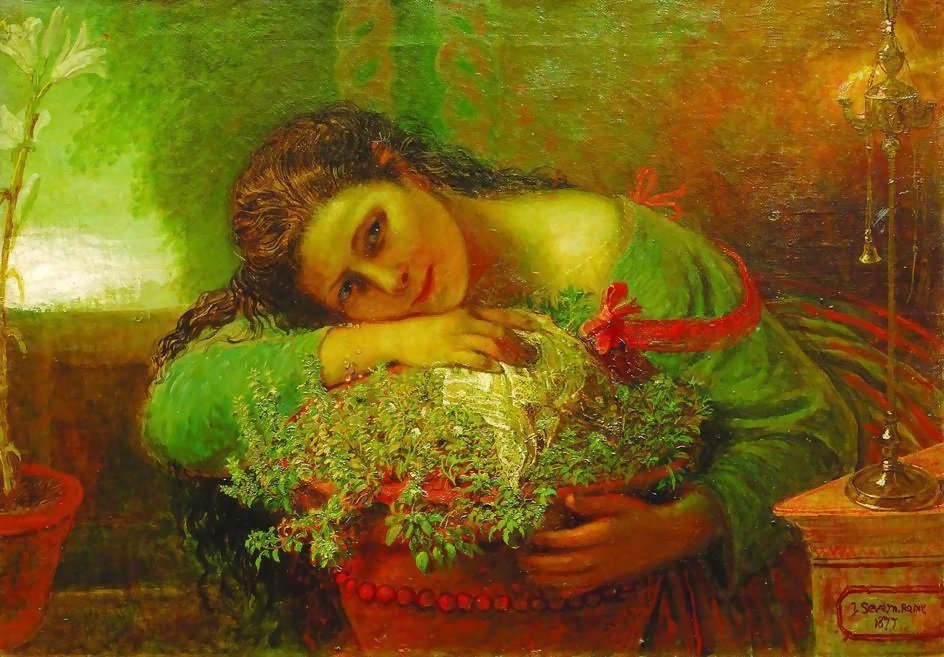
Poet John Keats picked up the narrative in “Isabella or, the Pot of Basil” (1818). In turn, British painters of the 19th century, most notably by the Pre-Raphaelite William Holman Hunt, were greatly inspired by the story.

View Full Size Image
Painting of 1867, by William Holman Hunt. Laing Art Gallery, Newcastle upon Tyne, England (image from Wikimedia Commons)


She wrapp’d it up; and for its tomb did choose
A garden-pot, wherein she laid it by,
And cover’d it with mould, and o’er it set
Sweet Basil, which her tears kept ever wet.
…
And so she ever fed it with thin tears,
Whence thick, and green, and beautiful it grew,
So that it smelt more balmy than its peers
Of Basil-tufts in Florence; for it drew
Nurture besides, and life, from human fears,
From the fast mouldering head there shut from view:
So that the jewel, safely casketed,
Came forth, and in perfumed leafits spread.
View Full Size Image
“Isabella, or the Pot of Basil,” painting by Joseph Severn (1793-1879), a close friend of Keats (image from Wikimedia Commons). Guildhall Art Gallery, London.
View Full Size Image
Ocimum basilicum ‘Genovese Verde Migliorato’. The only variety for proper pesto.


June 27, 2017by khage
Blog Reel, Featured Books

Michał Piotr Boym’s Flora sinensis, fructus floresque humillime [Flora of China, fruits and flowers].

View Full Size Image
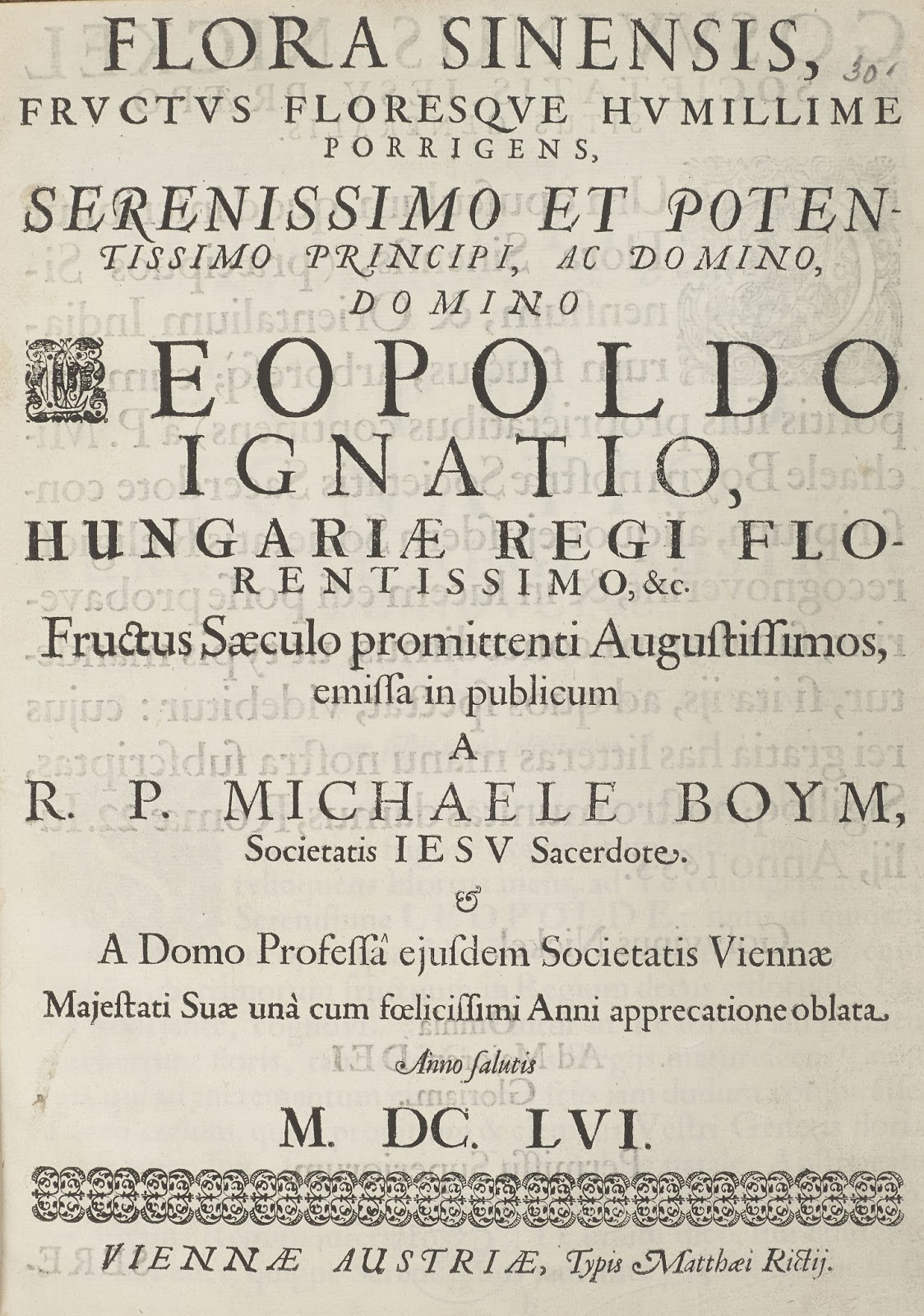
Fig. 1. Title Page. Boym, Michał Piotr. Flora sinensis. 1656. Digitized by Royal Botanic Gardens Kew, Library, Art & Archives. http://www.biodiversitylibrary.org/page/52239363.

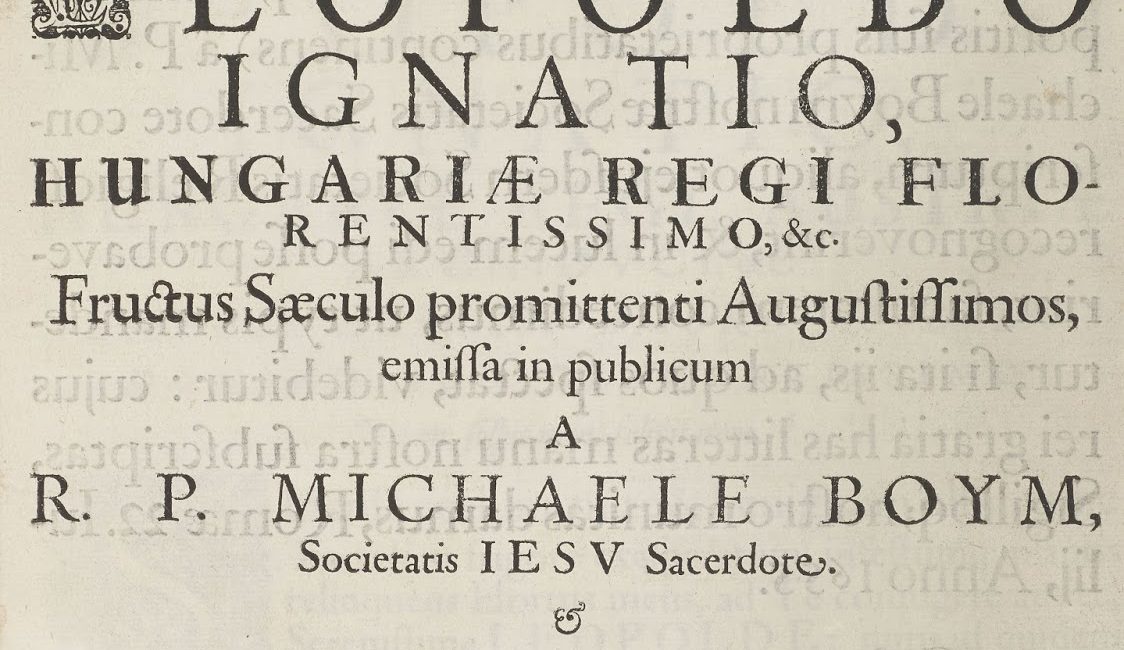
Flora sinensis is one of the first natural history books on China by a European. Authored by Michał Piotr Boym, it was published in 1656 by Matthæi Rictii in Vienna. Boym dedicated it to Leopold I (1640-1705), Holy Roman Emperor, King of Hungary and Croatia, King of Bohemia and King of Serbia, and included a poem incorporating chronograms alluding to his coronation date, 1655.

View Full Size Image
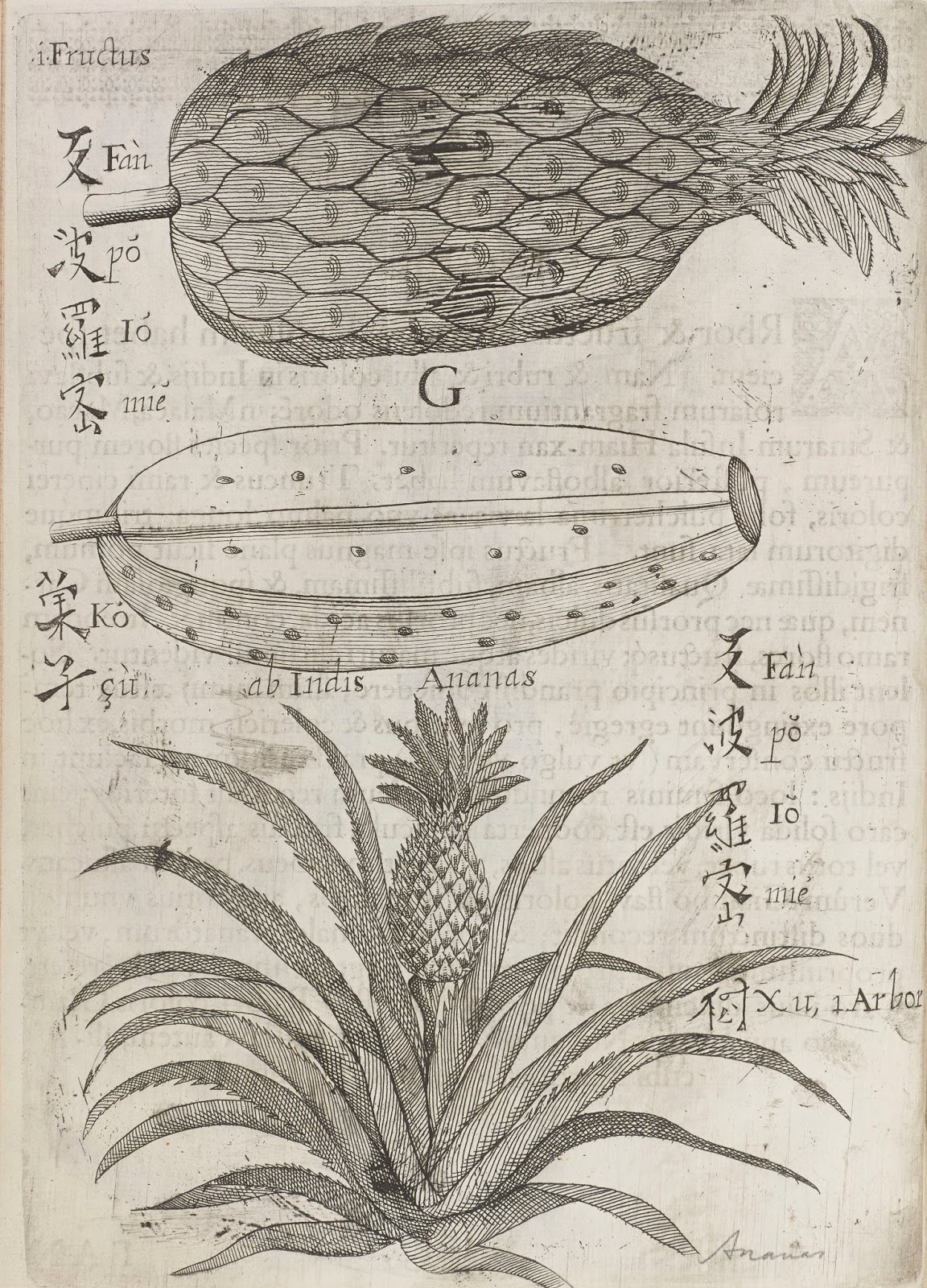
Fig. 2 Ananas (pineapple). Boym, Michał Piotr. Flora sinensis. 1656. Digitized by Royal Botanic Gardens Kew, Library, Art & Archives. http://www.biodiversitylibrary.org/page/52239334.

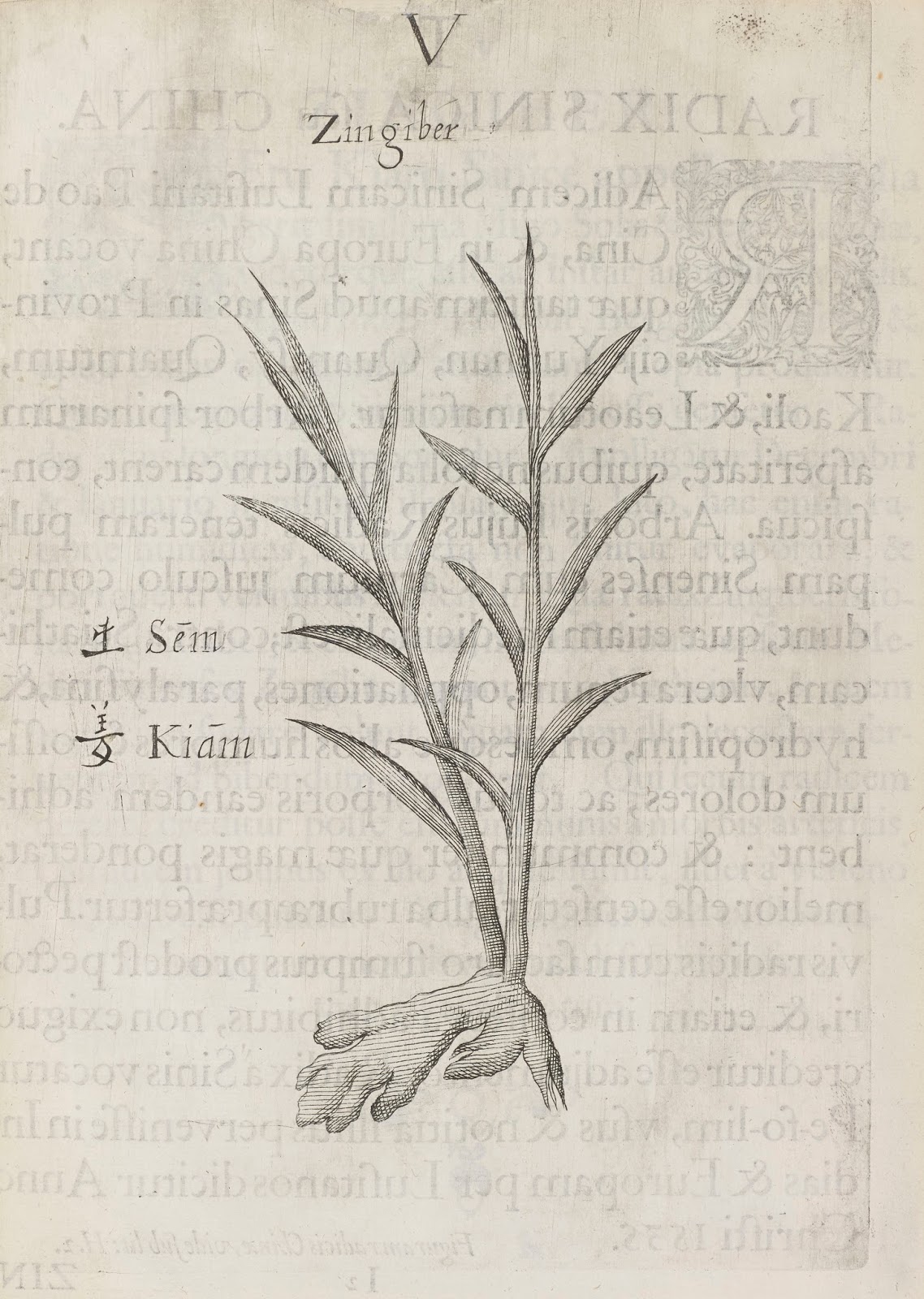
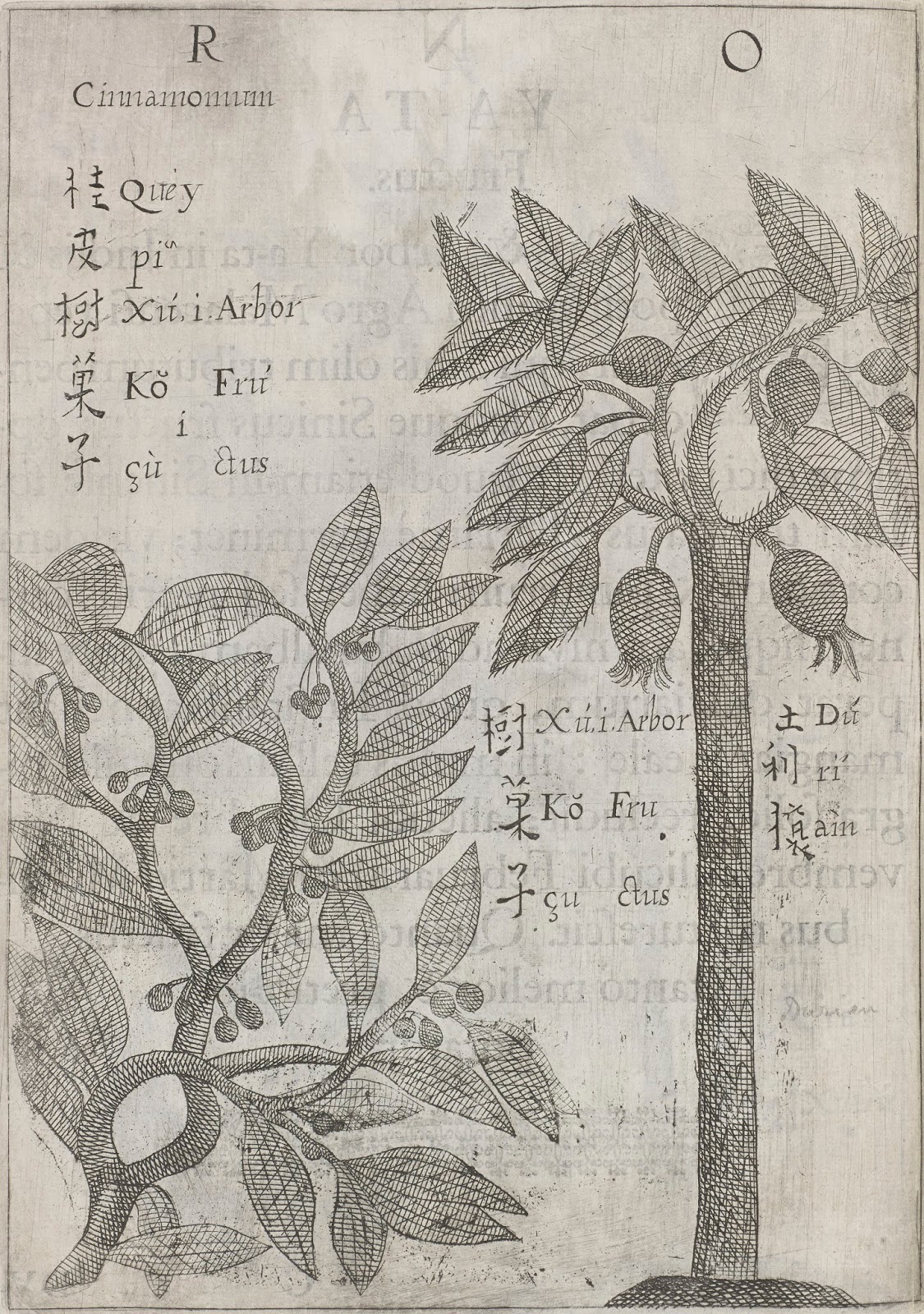
Augustin Pyramus, a Swiss Botanist, identified Boym as the first person to use ‘flora’ to define the plants of a particular region, habitat or geological period. Despite the title, it contains some animals, as well as a selection of choice plants, some of which are non-Chinese natives introduced from the Americas in the previous century, including guava (Psidium), papaya (Carica) and pineapple (Ananas) (fig. 2). Others, including cinnamon (Cinnamomum) (fig. 9), ginger (Zingiber) (fig. 3) and pepper (Piper), were important commodities of the spice trade.

View Full Size Image
Fig. 3. Zingiber (ginger). Boym, Michał Piotr. Flora sinensis. 1656. Digitized by Royal Botanic Gardens Kew, Library, Art & Archives. http://www.biodiversitylibrary.org/page/52239318.

Flora sinensis contains 48 pages of text and 23 black and white woodcut illustrations, 17 of plants, five of animals and one of a Nestorian Stele. Boym describes each species, its physical characteristics, common names, geographical distribution and medicinal virtues. The plates have titles in Chinese, transliterated into Latin, and in the Kew Gardens copy most of the Latin plant names have also been added to genus level.

Whilst the book was originally published uncoloured, some rare hand-coloured copies exist, notably at the Natural History Museum in London, Université de Namur, and SLUB Dresden.

View Full Size Image
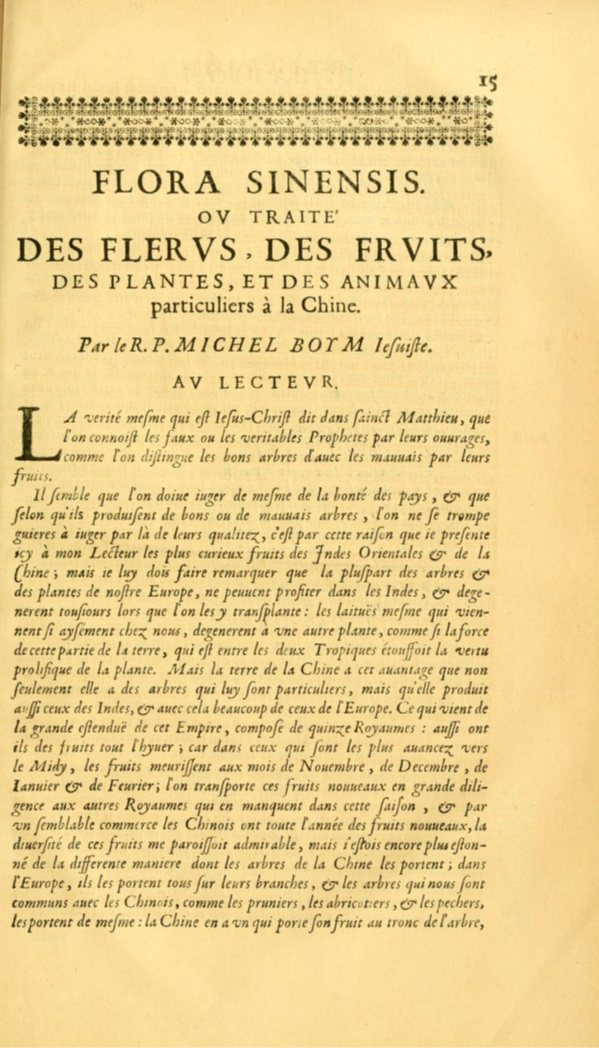
Fig. 4. Flora sinensis 1696, French edition title page. Digitized by Boston Public Library. http://www.biodiversitylibrary.org/page/25193368.

In 1664, Melchisédech Thévenot published a 15 page French translation, Flora Sinensis, ou traité des fleurs, des fruits, des plantes et des animaux particuliers à la Chine In: Relations de divers voyages curieux : qui n’ont point esté publiées, est qu’on a traduit or tiré des originaux des voyageurs françois, espagnols, allemands, portugais, anglois, hollandois, persans, arabes & autres orientaux, the 1696 edition of which is available on BHL.

View Full Size Image
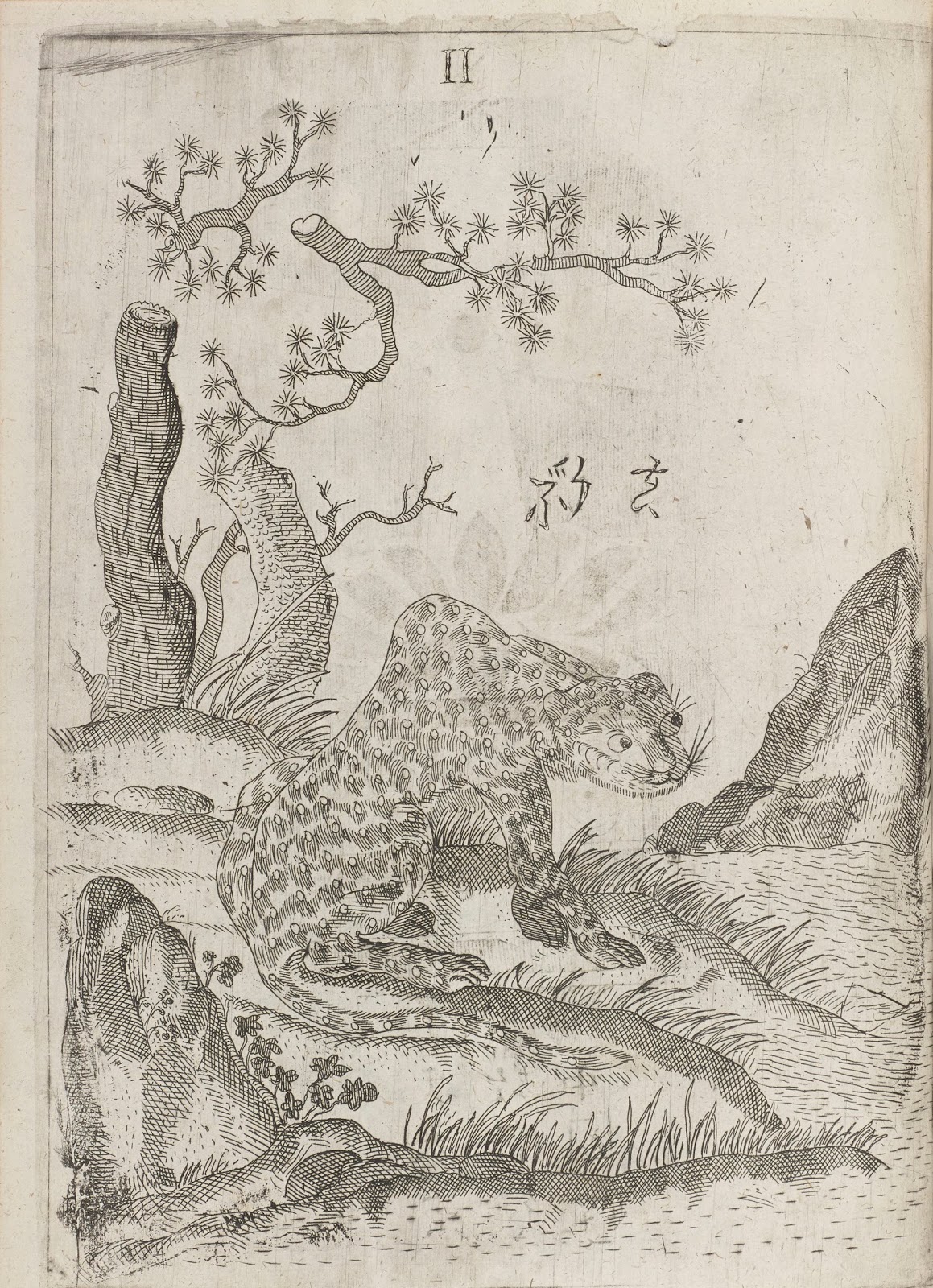
Fig. 5. Chinese leopard missing from the 1664 French edition. Boym, Michał Piotr. Flora sinensis. 1656. Digitized by Royal Botanic Gardens Kew, Library, Art & Archives. http://www.biodiversitylibrary.org/page/52239371.

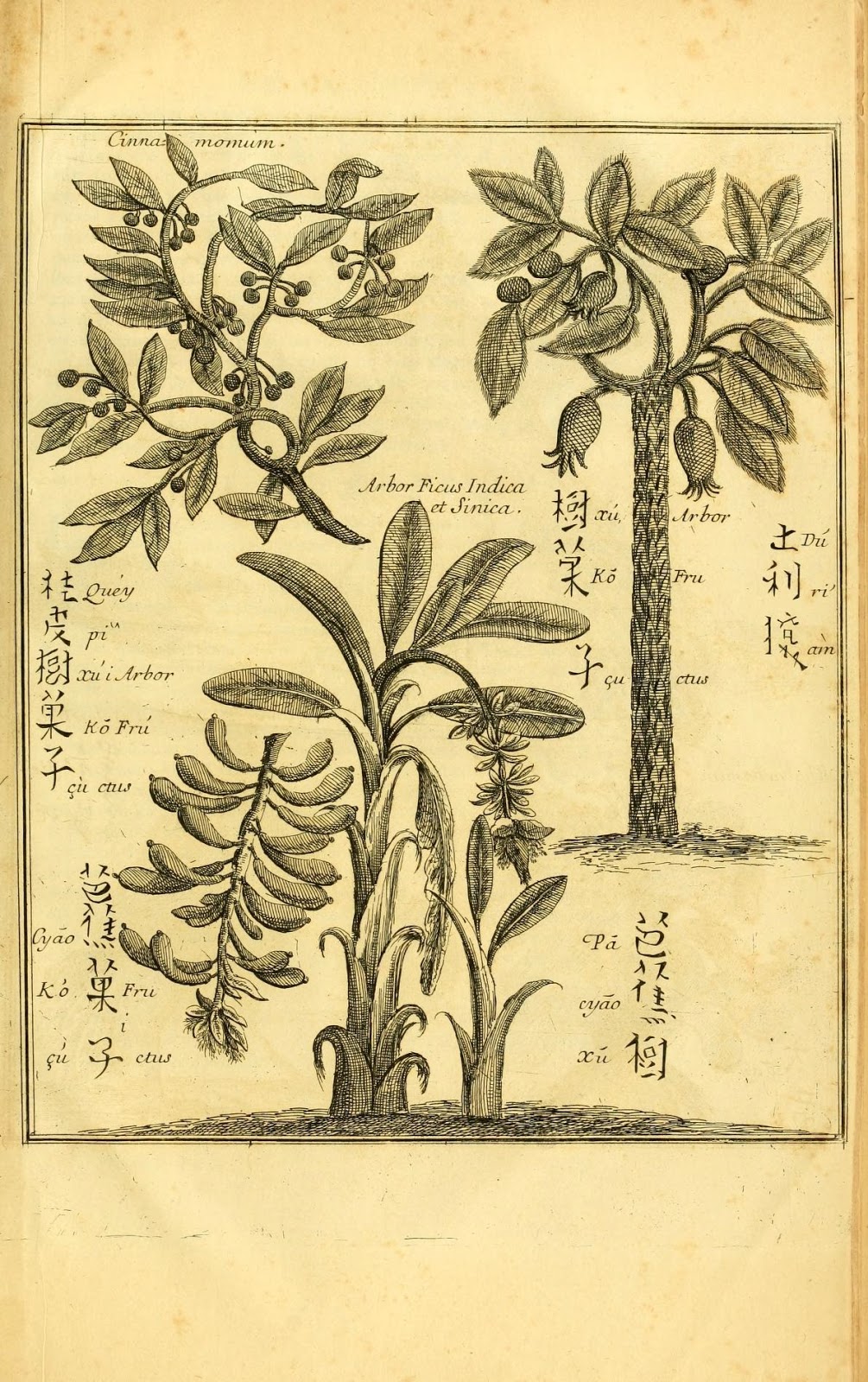
Unfortunately the illustrations in this edition appear to be composites derived from the originals and some, notably the Chinese leopard (fig. 5), are not included. Flora sinensis was also the source for much of the natural history content of Athanasius Kircher’s China illustrata (1667).

View Full Size Image
Fig. 6. Composite plate of Cinnamomum, Musa (bananas) and an un-named plant. Flora sinensis, 1696 French edition. Digitized by Boston Public Library. http://www.biodiversitylibrary.org/page/25193501.

Michał Piotr Boym was born the son of a wealthy merchant in Lwów, Poland in 1612. He joined the Jesuits in 1629 and was ordained in 1641. He sailed from Lisbon in 1643, reaching Macao, via Madeira, the Cape Verde Islands, Mozambique, the Bay of Bengal, Siam, and Goa, in 1647.

View Full Size Image
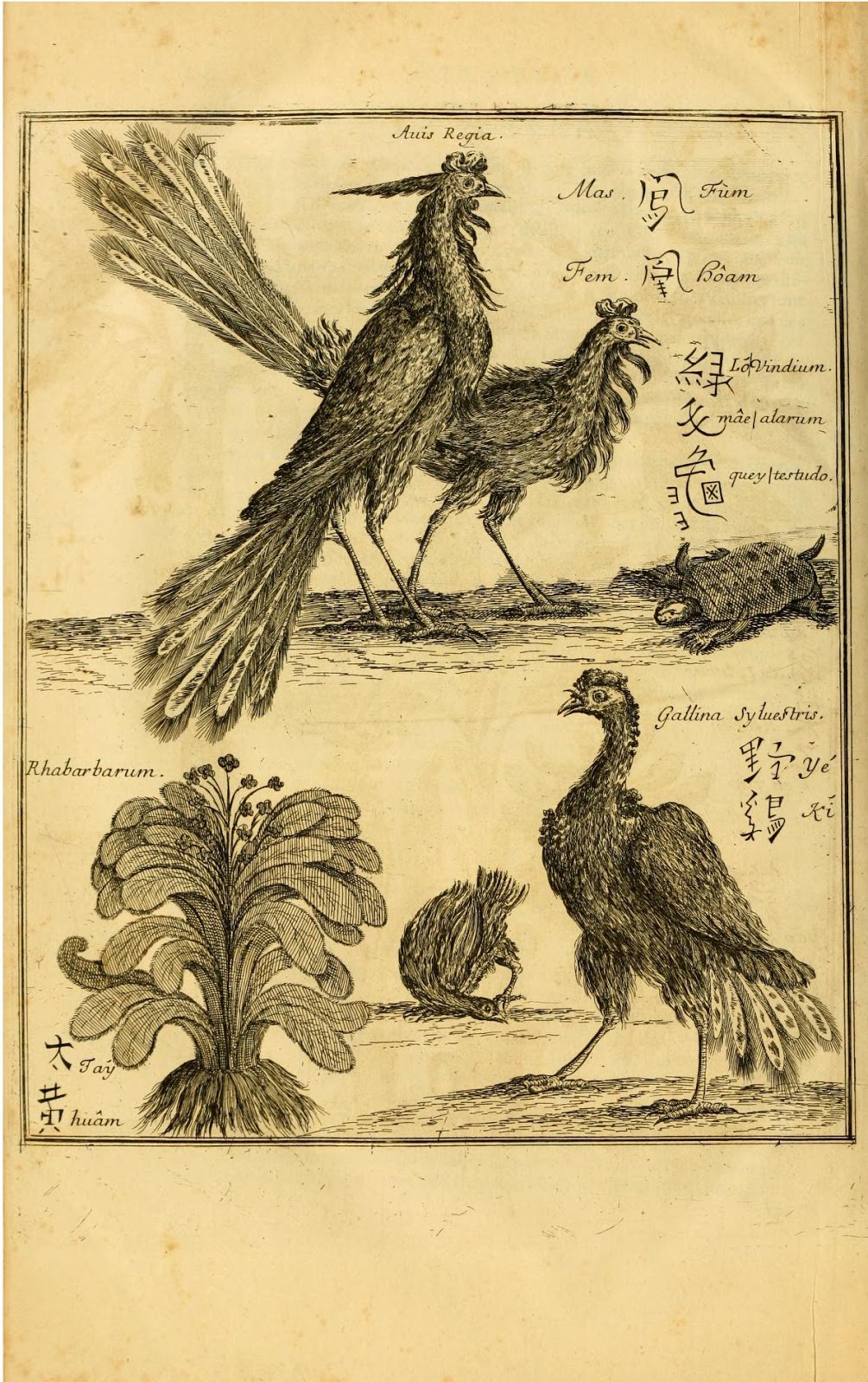
Fig. 7. Avis regia, Rhabarbarum (possibly rhubarb) and Gallina sylvestris. Flora sinensis, 1696 French edition. Digitized by Boston Public Library. http://www.biodiversitylibrary.org/page/25193697.

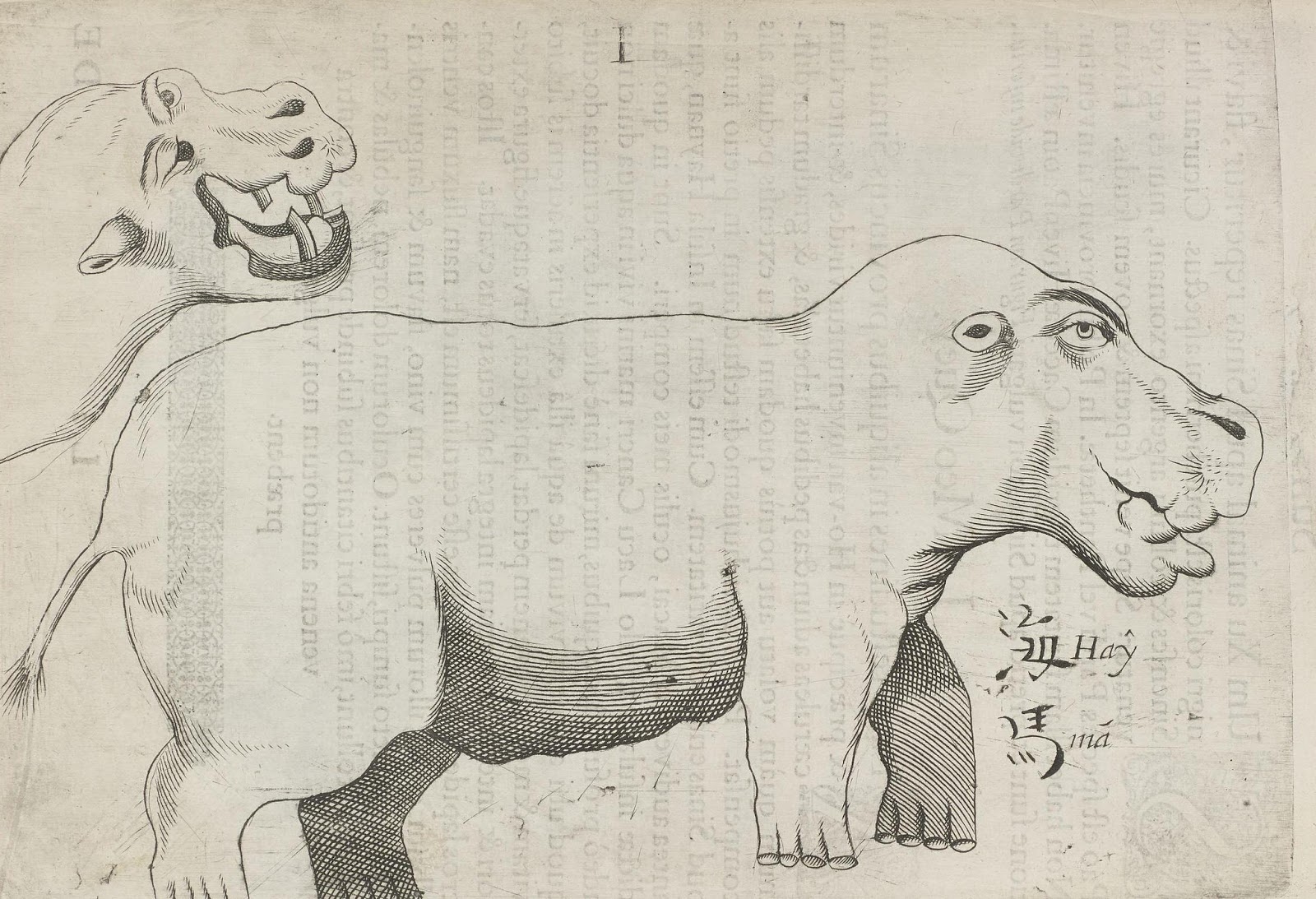
It was probably in Mozambique that he observed the hippopotamus, illustrated in Flora Sinensis (fig. 8), and wrote an account of the natural history of Mozambique, one of the oldest works on Africa in Polish (Cafraria: a P.M. Boym Polono Missa Mozambique 1644 Januario 11).

View Full Size Image
Fig. 8. Hippopotamus from the original 1656 edition. Boym, Michał Piotr. Flora sinensis. 1656. Digitized by Royal Botanic Gardens Kew, Library, Art & Archives. http://biodiversitylibrary.org/page/52239327.

Boym taught and studied Chinese in Macao and started to write on medicine, natural history and Chinese society after he moved to Hainan. It was there that he founded a mission, but had to flee to Tonkin when the Manchus invaded the island. He was then sent on a diplomatic mission to the court of the last Ming dynasty ruler, the Emperor Yongli, in Guangxi.

In 1650, Boym left Zhaoqing carrying letters from the court to Pope Innocent X, requesting support against the Manchus. He arrived in Venice in 1652, where he began work on various publications, including Flora sinensis and Fondo Borgia Cinese 531. (The latter unpublished collection of 18 maps is still in the Vatican Library, and includes the first European map to include Korea as a peninsula, not an island. It also features Chinese topography and Chinese and transliterated place names). He finally reached Rome in 1653, but it was not until 1655 that he was granted an audience with Pope Alexander VII.

In 1656, Boym set out again from Lisbon to China, but only four of the eight priests accompanying him survived as far as Goa and the news from the Chinese court was ominous. He persevered, arriving in Siam in 1658, but died on 22 June 1659 somewhere in the province of Guangxi before reaching the emperor’s court. He has no known grave.

View Full Size Image
Fig. 9. Cinnamomum (cinnamon) on left. Boym, Michał Piotr. Flora sinensis. 1656. Digitized by Royal Botanic Gardens Kew, Library, Art & Archives. http://www.biodiversitylibrary.org/page/52239309.

One of the plants described by Boym is a favourite Christmas spice. The rich spicy flavour of cinnamon (fig. 9) is a Christmas ingredient in recipes such as cakes, puddings, mince pies, Zimtsterne (Christmas stars), lebkuchen, mulled wine and glühwein. It was also used in medicine and as an ingredient of oils and perfumes.

Early trade in cinnamon to the Roman and Greek empires was controlled by Arab traders, who kept the source secret. It was thought, by both Herodotus and Theophrastus (4th and 5th century BC) to have come from Arabia, and locating the source was an ambition of 15th and 16th century European explorers.

In the 13th and 14th centuries, Venetian traders controlled the cinnamon trade in Europe until the Portuguese broke their monopoly when they arrived in Sri Lanka (then Ceylon) in the early 1500s, when cinnamon was one of the most highly prized and valuable spices in Europe. The Dutch expelled the Portuguese from the island in the mid 17th century, monopolising the trade and maintaining cinnamon’s rarity by refusing to allow commercial farming until the 1770s. The East India Company obtained control in 1796, when the Dutch were ousted, and retained it until 1833, when the cinnamon trade was opened to all.

Cinnamon is the prepared bark of Cinnamomum verum (synonym C. zeylanicum Bl., Laurus cinnamomum) in the family Lauraceae. It is indigenous to Sri Lanka and south India and widely cultivated in Sri Lanka (approximately 80% of total output), Indonesia, Java, Seychelles, Madagascar, South West Indies, Brazil, Martinique, and Jamaica.

Other items written by Boym include:

  • The first Chinese-Latin and Chinese-French dictionaries (1667).
  • Clavis medica ad Chinarum doctrinam de pulsibus. Nuremberg: Wolfgang Moritz Endter, 1686.
  • Specimen Medicinæ Sinicæ sive Opuscula Medica ad Mentem Sinensium Continens. A. Cleyer, ed. Francofvrti: Sumptibus Joannis Petri Zubrodt, 1682.

Bibliography:

  • Lehner, M. & Lehner, G. (2016) M.Boym: Flora Sinesis [online]. Bibliotheca Sinica 2.0. [Accessed 12 December 2016].
  • Davidson, A. (2006). The Oxford companion to food. 2nd ed. Oxford: Oxford University Press, p.186-187.
  • Hart, A. (2015). Michał Piotr Boym: Flora Sinensis In: J. Magee, ed., Rare treasures from the Library of the Natural History Museum. 1st ed. London: NHM, p. 38-45.
  • Jeong, S. (2016). The Silk Road Encyclopedia. Irvine, California: Seoul Selection. [Accessed 12 December 2016].
  • Rema, J. &. (2008). Cinnamon and cassia. In: V. P. Parthasarathy ed., Spice crops, Volume 2, tree spices. New Delhi: Today & Tomorrow’s, p. 29-75.
  • Van Wyk, B. E. (2013). Culinary herbs and spices of the world. Kew: Royal Botanic Gardens, Kew, p. 104.
December 22, 2016by ulib-libraryjobs
Blog Reel, User Stories

The Case of the Mistaken Manakin

Since the end of the twentieth century, the genus name Dixiphia has been associated with the white-crowned manakin. A recent investigation, made possible in part thanks to BHL, demonstrated that Dixiphia did not refer to a manakin at all, but was in fact a junior synonym of the white-headed marsh tyrant (genus Arundinicola).

The white-crowned manakin was in need of its own, new genus-group name.

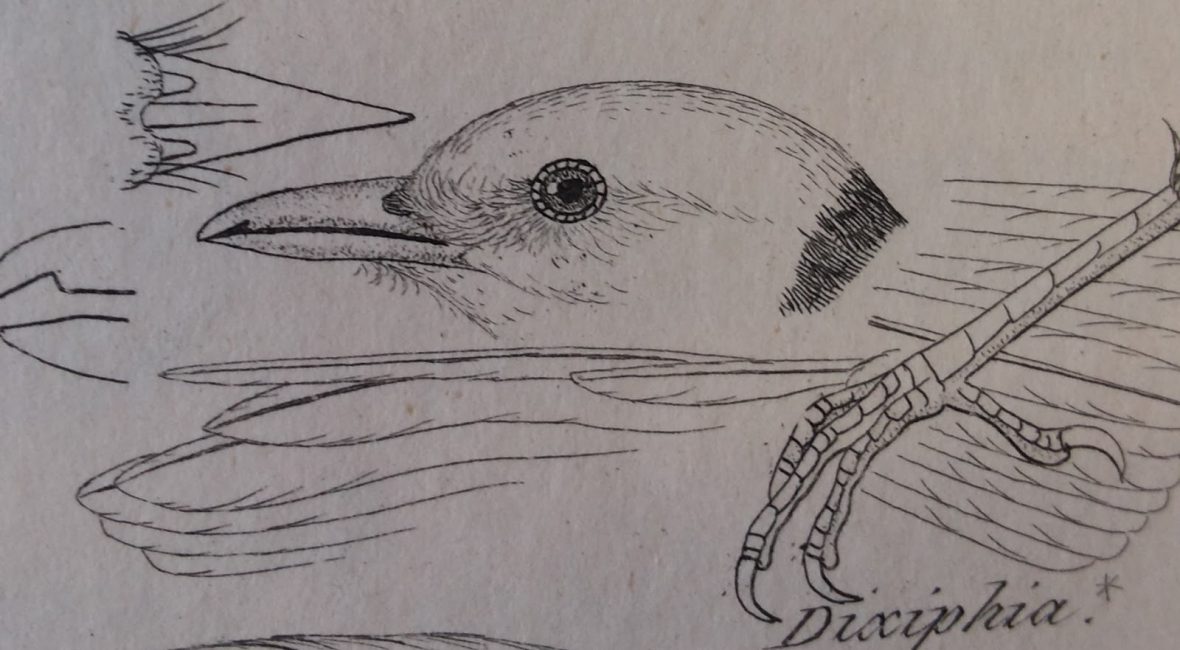
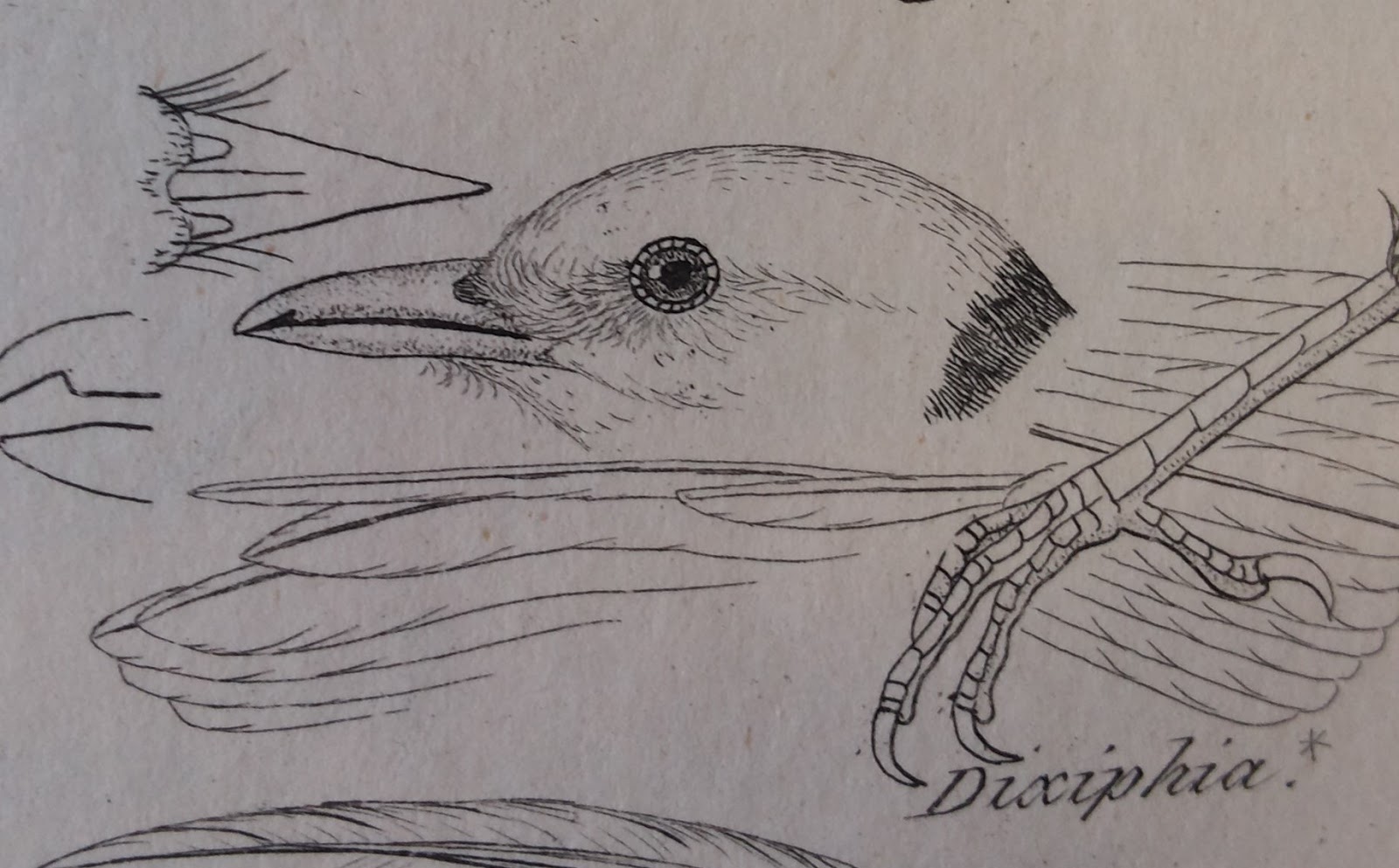
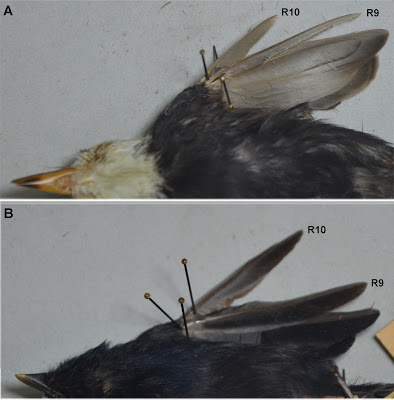
The manakin mystery was first discovered by researchers Guilherme Renzo Rocha Brito and Guy M. Kirwan. Following the publication of a book on Cotingas and Manakins, Brito and Kirwan received an inquiry from James A. Jobling about the absence of any mention in the publication of modified wing feathers in the white-crowned manakin (then called Dixiphia pipra), which were so clearly displayed in Reichenbach’s (1850) Dixiphia illustration. Brito and Kirwan were perplexed by the inquiry, because not only does Reichenbach’s illustration show a bird with an all-white head (which the white-crowned manakin does not have), but the white-crowned manakin also does not have modified wing feathers.

View Full Size Image
Detail from Plate LXIII of Reichenbach (1850) showing the bird that he named Dixiphia; all visible features are those of a male white-headed marsh tyrant Arundinicola leucocephala. Reichenbach, H. G. Ludwig (Heinrich Gottlieb Ludwig). Die vollstèandigste Naturgeschichte der Vèogel. Abt. 2, Bd. 1. (1836-62).http://biodiversitylibrary.org/page/47618489. Digitized by Smithsonian Libraries.

The genus name Dixiphia was first published by Reichenbach in 1850. In 1992, Richard O. Prum assigned the white-headed manakin to the Dixiphia genus after demonstrating that it had long been erroneously attributed to the Pipra genus.

After examining Reichenbach’s illustration following the inquiry regarding modified wing feathers, Brito and Kirwan came to the conclusion that Reichenbach’s illustration was actually that of the white-headed marsh tyrant (Arundinicola leucocephala). They examined specimens in the Museum Nacional’s ornithological collection as well as descriptions in historic publications, many made available to them thanks to the Biodiversity Heritage Library.

View Full Size Image
Pinned museum specimens showing the wing feathers (9th and 10th remige – R9 and R10). A – male White-headed Marsh Tyrant B – male White-crowned Manakin.

All of this research culminated in the conclusion that Reichenbach’s illustration was indeed of the white-headed march tyrant, that Dixiphia was actually a junior synonym of Arundinicola (a fact that had first been suggested over a century ago), and that a new genus-group name for the white-crowned manakin was needed.

Brito and Kirwan, along with co-authors Normand David, Steven M.S. Gregory, James A. Jobling, and Frank D. Steinheimer, summarized this research and proposed a new genus name, Pseudopipra, for the white-crowned manakin in the 2016 Zootaxa article “The mistaken manakin: a new genus-group name for Parus pipra Linnaeus, 1758(Aves: Passeriformes: Pipridae)“.

View Full Size Image
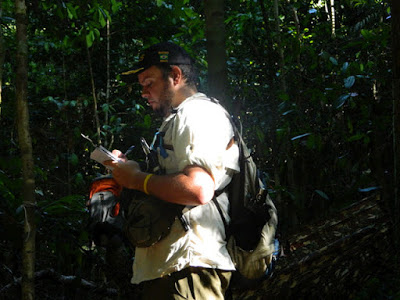
Guilherme R. R. Brito doing field work on the Brazilian Amazon.

Guilherme R.R. Brito, a substitute professor at the Universidade Federal do Rio de Janeiro, is quick to emphasize the role that BHL played in solving this taxonomic mystery – a role that is also highlighted in the acknowledgments section of the Zootaxa article.

“BHL is one of the most important databases for several [subject] areas within the biological sciences,” lauds Brito. “For historical taxonomic purposes, it’s now essential.”

Brito, who has been studying bird anatomy, natural history, taxonomy, and systematics for fifteen years, first discovered BHL shortly after the online portal launched nearly a decade ago. Since then, he has used BHL to access many important and historical publications that were previously very difficult to obtain in Brazil.

“Thanks to BHL, several very rare works are now readily available to any researcher in the world,” explains Brito. “I remember not so long ago that we researchers in Brazil had to wait for colleagues to visit museums and institutions abroad to ask them for some copies of works not available here. These were more difficult times.”

The digital open access provided by the Biodiversity Heritage Library allows scientists to easily access the information they need to study life on Earth and solve taxonomic enigmas like the Dixiphia mystery. No doubt Pseudopipra pipra is grateful to have a name to call its own.

View Full Size Image
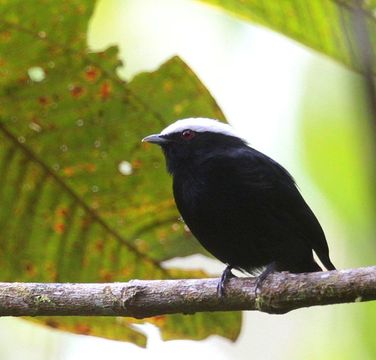
White-crowned manakin (Pseudopipra pipra). Image by Carmelo López Abad. Licensed under a Creative Commons Attribution-NonCommercial License license: http://creativecommons.org/licenses/by-nc/4.0/. Image source: Encyclopedia of Life http://eol.org/data_objects/33609559.
______________________________________

This post may contain the personal opinions of BHL users or affiliated staff and does not necessarily represent the official Biodiversity Heritage Library (BHL) position on these matters.
October 13, 2016by michelle.underhill
Blog Reel, Featured Books

Renard’s Book of Fantastical Fish

View Full Size Image
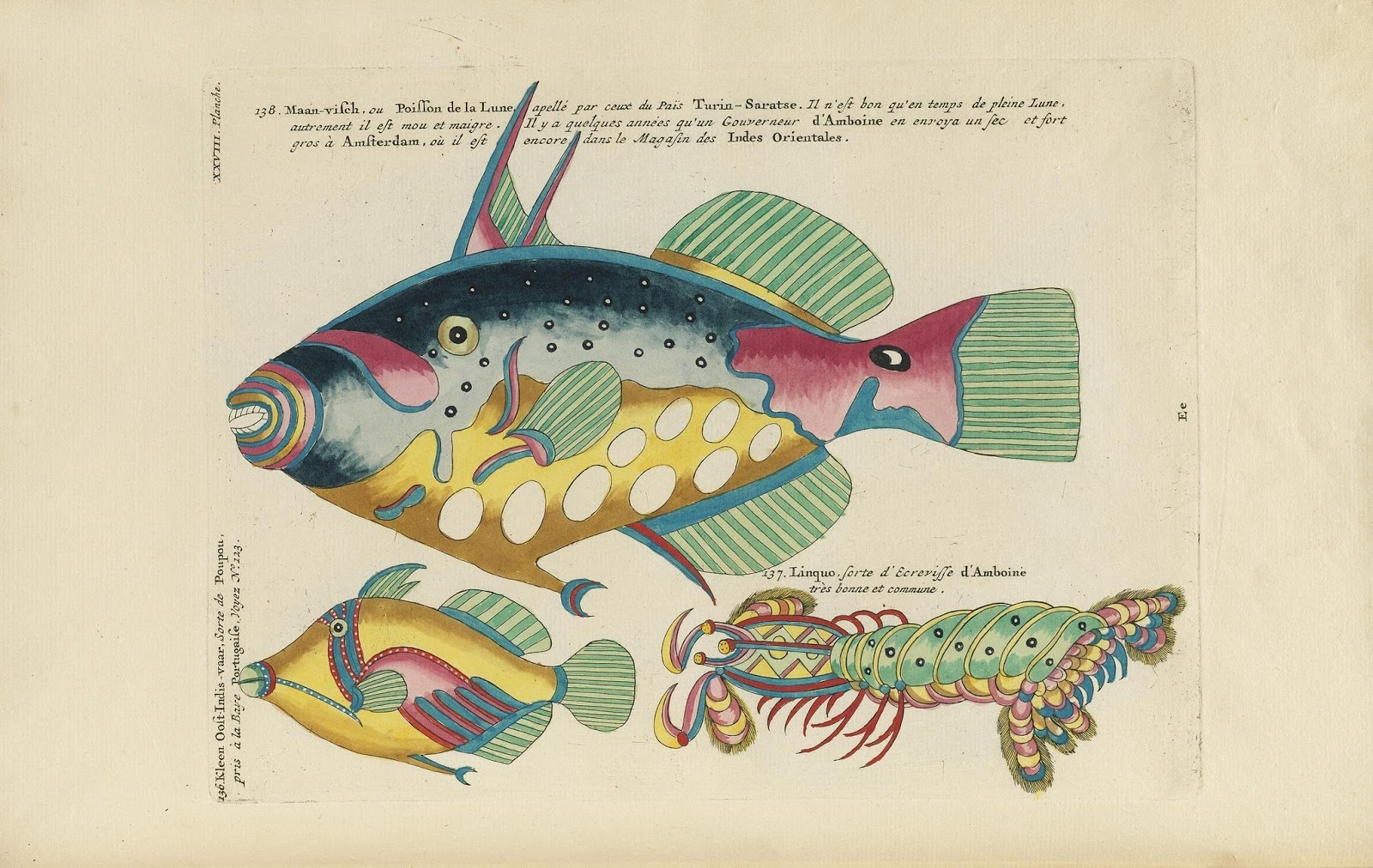
Renard, Louis. Poissons, ecrevisses et crabes. 1754. Digitized by the Ernst Mayr Library, Museum of Comparative Zoology, Harvard University. http://biodiversitylibrary.org/page/50095135.

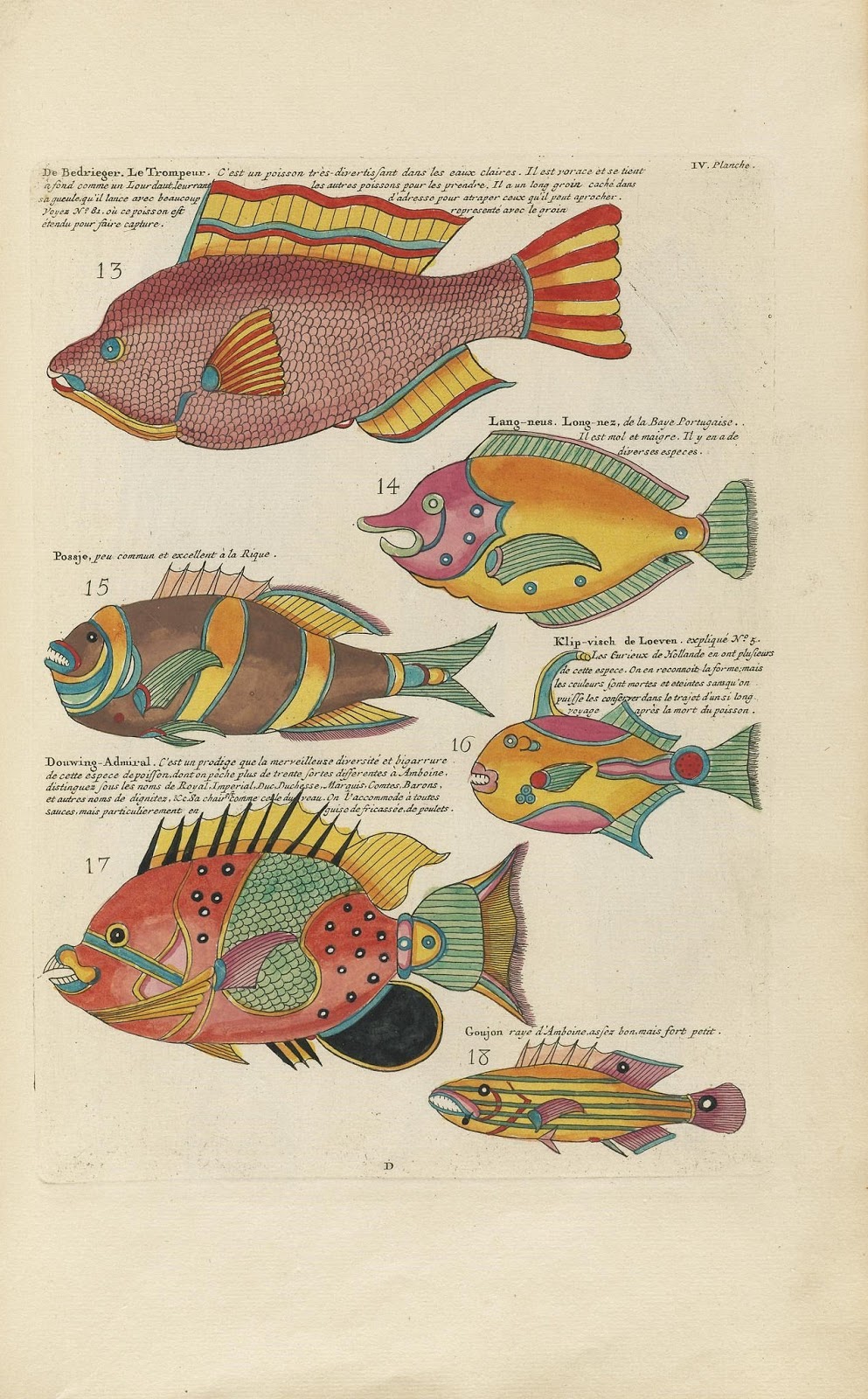
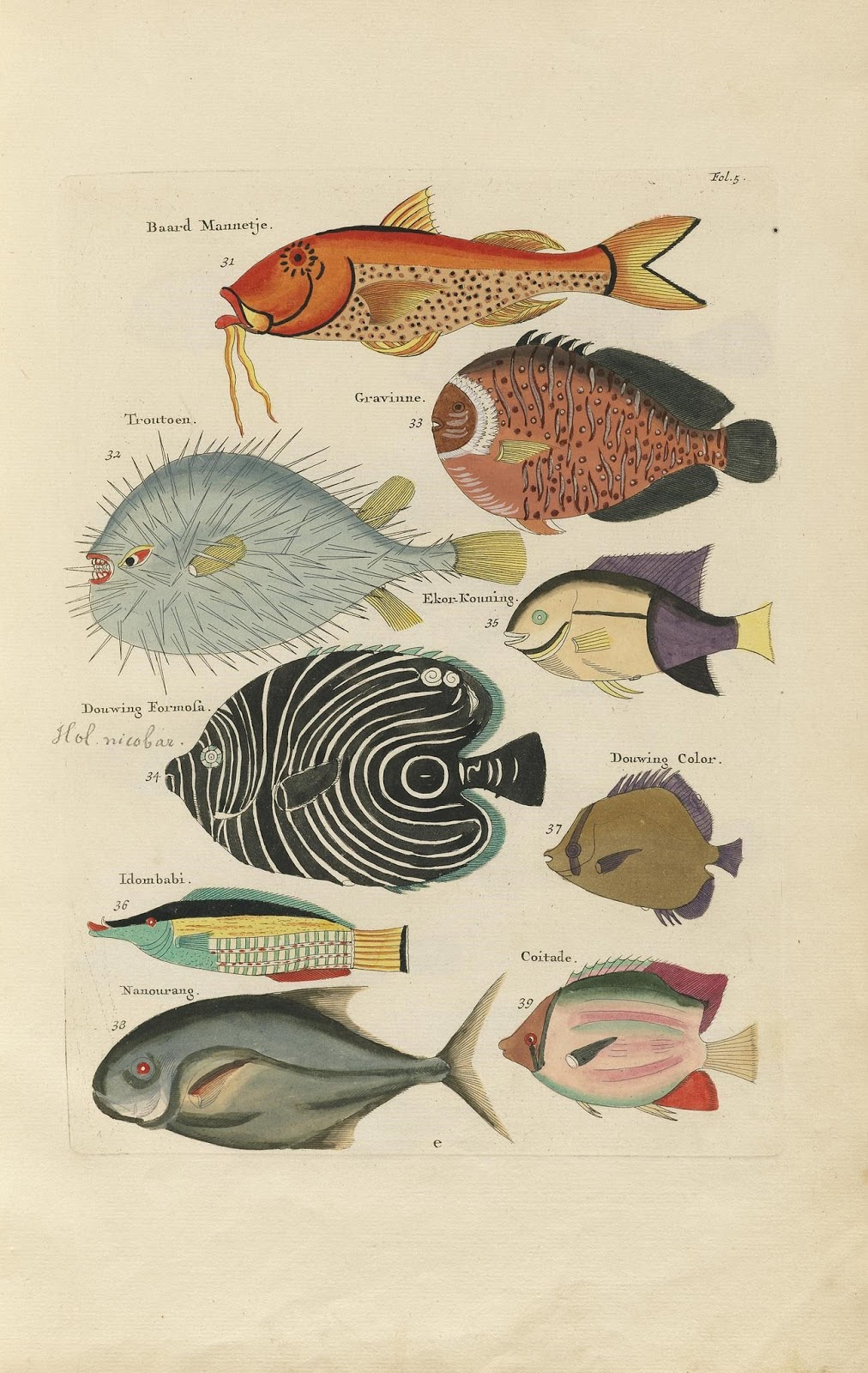
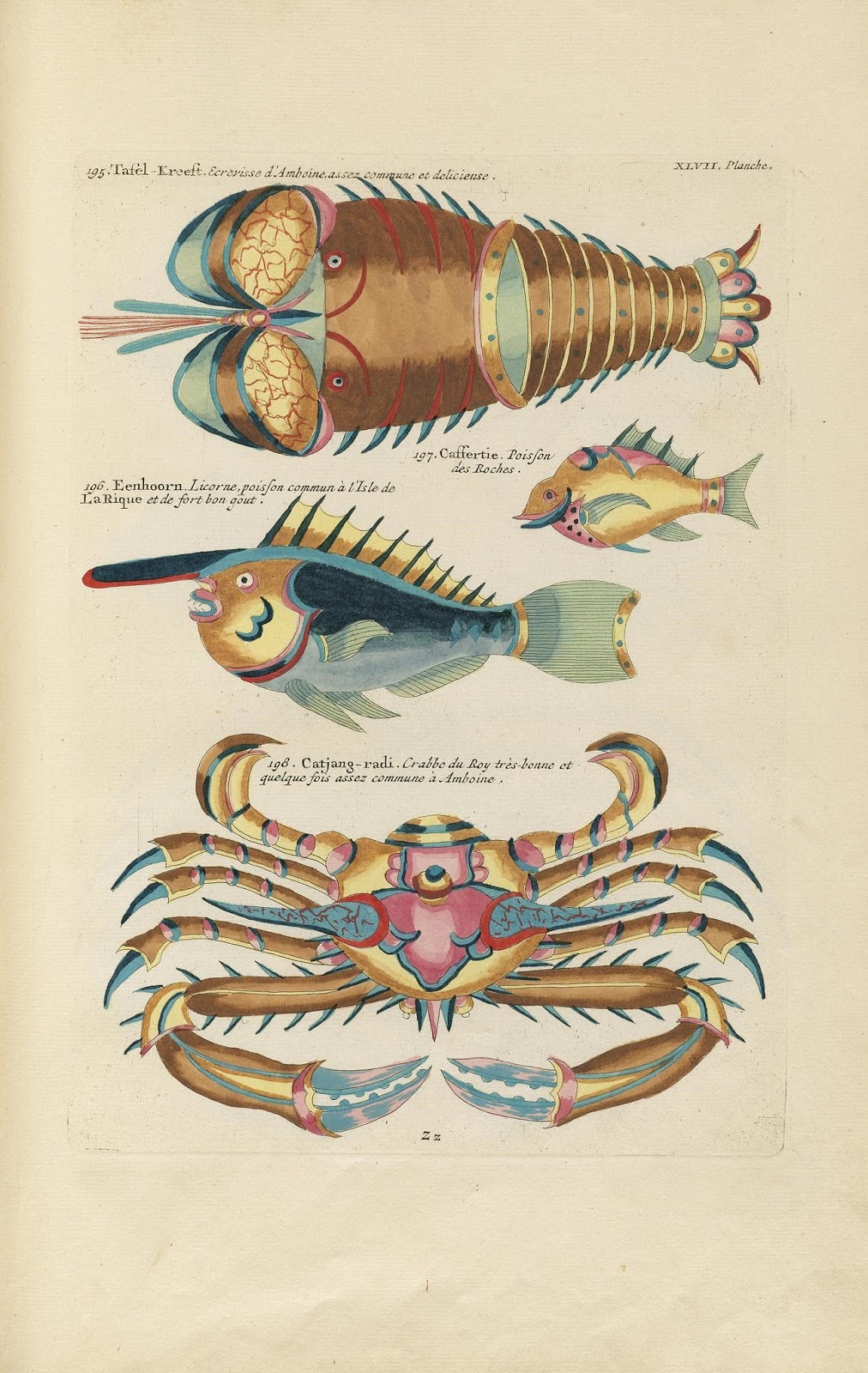
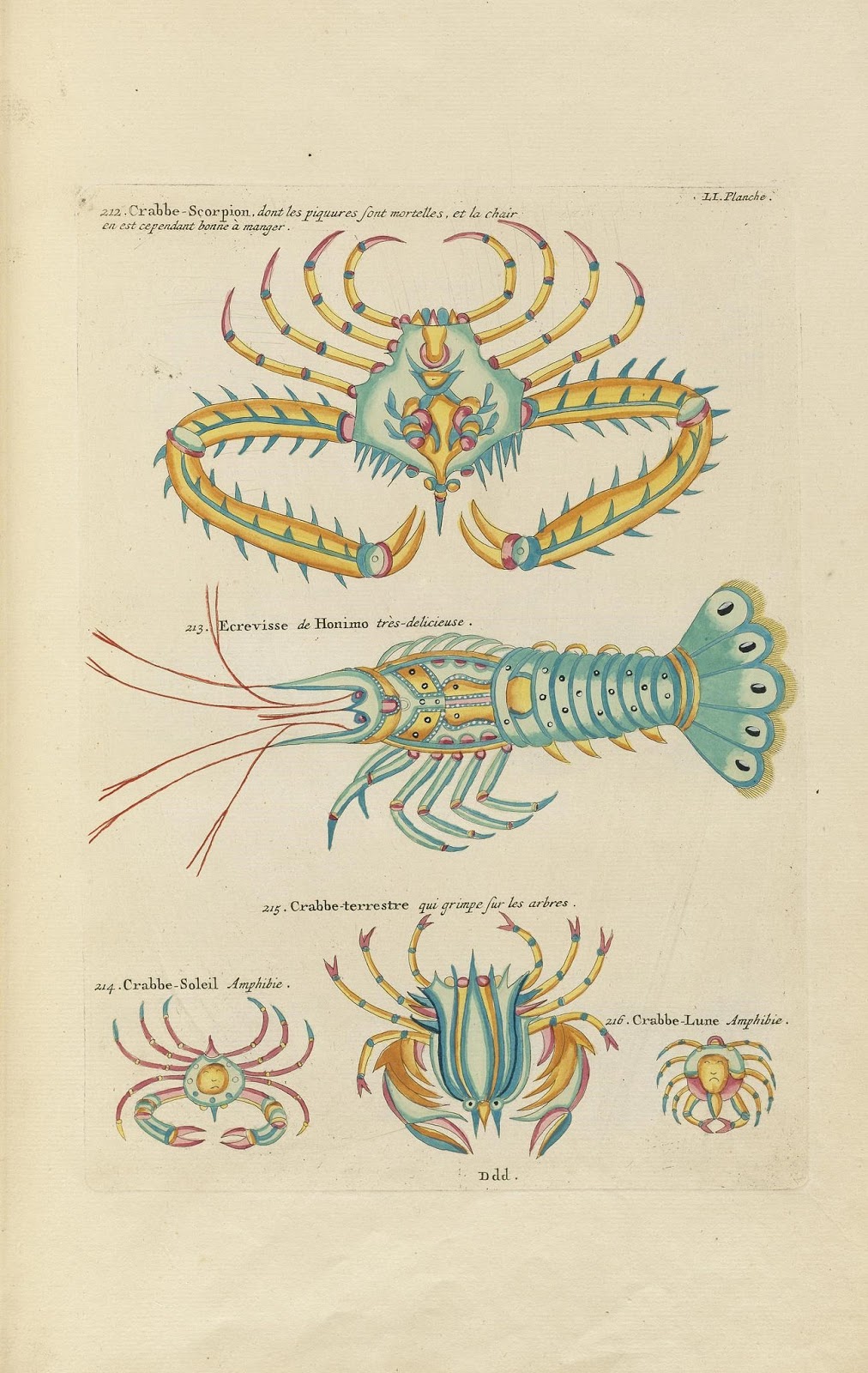
You may not recognize all (or even many) of the East Indian marine species portrayed in the first known book on fish to be published in color. Don’t worry. It’s not a lack of ichthyological proficiency on your part. Rather, it’s because all of the species depicted in Louis Renard’s Poissons, ecrevisses et crabes received some level of artistic embellishment – and approximately 9% are completely fantastical.

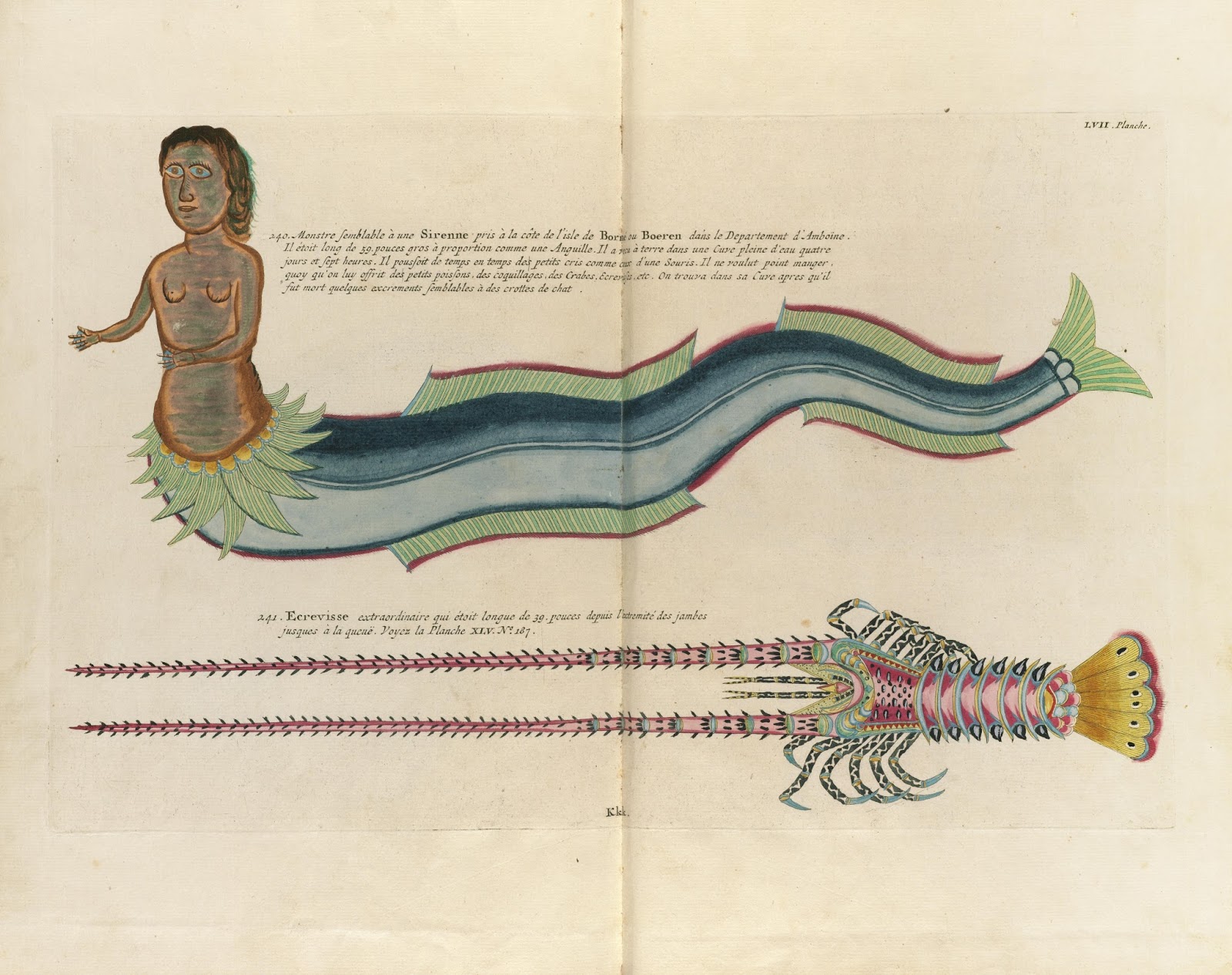
If that’s not strange enough, the work is produced by a man who identified himself as a “secret agent on behalf of the British Crown” and contains a portrait of a mermaid.

View Full Size Image
Renard, Louis. Poissons, ecrevisses et crabes. 1754. Digitized by the Ernst Mayr Library, Museum of Comparative Zoology, Harvard University. http://biodiversitylibrary.org/page/50095087.

These facts might lead you to conclude that Poissons, ecrevisses et crabes, de diverses couleurs et figures extraordinaires, que l’on trouve autour des isles Moluques et sur les côtes des terres Australes has little scientific value. But in that assumption, you’d be wrong.

Besides being the first published book in color about fish, in a 2012 article published in Natural Histories, Mai Reitmeyer, Research Services Librarian at the American Museum of Natural History, writes that this work is “an important part of the scientific literature of the eighteenth century, the new Age of Enlightenment” (Reitmeyer, 33).

According to Theodore W. Pietsch, an ichthyologist who conducted an examination of the title in the late twentieth century and whom Reitmeyer quotes in her article, Renard’s publication “gives us an intriguing glimpse of what science was like in the late seventeenth and early eighteenth centuries” and thus “to cast the work off as being without scientific merit is to greatly underestimate its value” (Reitmeyer, 34). What’s more, since the waters surrounding Ambon Island in Indonesia, where many of the depicted species were found, is now a heavily polluted ecosystem, it’s likely that the biodiversity in the area has changed since Renard’s publication. Thus, the fauna depicted in Poissons, ecrevisses et crabes, around 90% of which, according to Pietsch, can be identified down to the species, genus, or family level, can offer an important historical perspective on marine diversity in the region (Barley, 2010).

View Full Size Image
Renard, Louis. Poissons, ecrevisses et crabes. 1754. Digitized by the Ernst Mayr Library, Museum of Comparative Zoology, Harvard University. http://biodiversitylibrary.org/page/50095031.

As Reitmeyer recounts in her article, Renard was born in France sometime around 1678 but, to escape religious persecution, immigrated to the Netherlands with his family around the turn of the century and eventually became a citizen of Amsterdam. Encouraged by his father-in-law, Renard became a book dealer and publisher and, in 1718 or 1719, produced the first volume of the first edition of his most famous work, Poissons, ecrevisses et crabes, the full title of which translates to “Fishes, crayfishes and crabs, of diverse colors and extraordinary forms, which are found around the islands of the Moluccan and on the coasts of southern lands.”

While the work may depict over 450 fish and crustacean species from the East Indies, Renard published the work without ever leaving the Netherlands. Instead, he copied drawings by other artists to create the 100 plates, representing 460 hand-colored copper engravings, for his publication.

View Full Size Image
Renard, Louis. Poissons, ecrevisses et crabes. 1754. Digitized by the Ernst Mayr Library, Museum of Comparative Zoology, Harvard University. http://biodiversitylibrary.org/page/50095173.

Dutch artist Samuel Fallours, a soldier stationed in Ambon with the Dutch East India Company, painted a great many of the drawings that Renard copied for this work. During his time in Ambon, Fallours created many drawings of East Indian marine life that later appeared in several eighteenth century publications, including Renard’s.

According to Pietsch, Fallours likely included elements of the fantastical in his drawings in order to attract the European collectors who purchased his works (Barley, 2010). These embellishments ranged from artificially bright and randomly applied colors to total fabrications, including a portrait of a mermaid, which also appeared amongst an arrangement of exotic East Indian biodiversity published in Francois Valentijn’s Oud en Nieuw Oost-Indien (1724−1726).

View Full Size Image
Portrait of a mermaid by Samuel Fallours. Renard, Louis. Poissons, ecrevisses et crabes. 1754. Digitized by the Ernst Mayr Library, Museum of Comparative Zoology, Harvard University. http://biodiversitylibrary.org/page/50095192.

Poissons, ecrevisses et crabes was published in three different editions. Only sixteen copies of the first, published in 1718 or 1719, are known to exist. Thirty-four copies are known of the second edition, published in 1754. The rarest edition, with only six known copies, is the third, published in 1782 but never completed (Reitmeyer, 33).

Thanks to Ernst Mayr Library of the Museum of Comparative Zoology at Harvard University, you can view the second edition of Renard’s work for free in BHL. And if this article hasn’t piqued your curiosity quite enough to click on the link, let’s not forget the “secret agent” aspect mentioned earlier!

In what was likely a marketing ploy to boost sales, the dedication statement within Poissons, ecrevisses et crabes identifies Renard as a “secret agent on behalf of the British Crown.” What’s the story behind this claim? According to Reitmeyer, Renard was employed by George I and George II to search “ships leaving Amsterdam to prevent arms from reaching James Stuart, the Roman Catholic ‘Old Pretender’ to the British throne” (Reitmeyer, 33).

Fantasy, intrigue, and science. What’s not to love about Poissons, ecrevisses et crabes?

View Full Size Image
Renard, Louis. Poissons, ecrevisses et crabes. 1754. Digitized by the Ernst Mayr Library, Museum of Comparative Zoology, Harvard University. http://biodiversitylibrary.org/page/50095181.

You can view the images from this work in Flickr. You can also find products featuring images from this title in our CafePress store. 100% of the proceeds will be used to digitize more books for BHL. Start shopping today!

View Full Size Image
Selection of products in the BHL CafePress featuring images from Renard’s Poissons, ecrevisses et crabes.  100% of proceeds will be used to digitize more books for BHL.

REFERENCES

  • Reitmeyer, Mai Qaraman (2012). Louis Renard and His Book of Extraordinary Creatures. Natural Histories: Extraordinary Rare Book Selections from the American Museum of Natural History Library (pp. 33-34). New York: Sterling Publishing.
  • Barley, Shanta (2010). Samuel Fallours and His Fantasy Fish. New Scientist: Culture Lab. https://www.newscientist.com/blogs/culturelab/2010/06/samuel-fallours-and-his-fantasy-fish.html. Accessed 29 July 2016.
August 4, 2016by ulib-libraryjobs
Page 3 of 5« First...«2345»

Help Support BHL

BHL's existence depends on the financial support of its patrons. Help us keep this free resource alive!

search

About BHL

The Biodiversity Heritage Library (BHL) is the world’s largest open access digital library for biodiversity literature and archives. BHL operates as a worldwide consortium of natural history, botanical, research, and national libraries working together to digitize the natural history literature held in their collections and make it freely available for open access as part of a global “biodiversity community.”

Join Our Mailing List

Sign up to receive the latest news, content highlights, and promotions.

Subscribe Now

Subscribe to Blog via Email

Enter your email address to subscribe to this blog and receive notifications of new posts by email.

Join 319 other subscribers

Subscribe to Blog Via RSS

Subscribe to the blog RSS feed to stay up-to-date on all the latest BHL posts.

Access RSS Feed

Inspiring Discovery through Free Access to Biodiversity Knowledge.

The Biodiversity Heritage Library makes it easier than ever for you to access the information you need to study and explore life on Earth…for free, anytime, anywhere.


64+ Million Pages of
Biodiversity Literature Online.

EXPLORE

Tools and Services
to Transform Research.

EXPLORE

300,000+
Illustrations on Flickr.

EXPLORE

ABOUT | HARMFUL CONTENT | PRIVACY | SITE MAP | TERMS OF USE