Biodiversity Heritage Library - Program news and collection highlights from BHL
  • Home
  • News
  • Featured Books
    • All Featured Books
    • Book of the Month Series
    • BHL at 20
  • User Stories
  • Campaigns
    • Fossil Stories
    • Garden Stories
    • Monsters Are Real
    • Page Frights
    • Her Natural History
    • Earth Optimism 2020
  • Tech Blog
  • Visit BHL
Home
News
Featured Books
    All Featured Books
    Book of the Month Series
    BHL at 20
User Stories
Campaigns
    Fossil Stories
    Garden Stories
    Monsters Are Real
    Page Frights
    Her Natural History
    Earth Optimism 2020
Tech Blog
Visit BHL
  • Home
  • News
  • Featured Books
    • All Featured Books
    • Book of the Month Series
    • BHL at 20
  • User Stories
  • Campaigns
    • Fossil Stories
    • Garden Stories
    • Monsters Are Real
    • Page Frights
    • Her Natural History
    • Earth Optimism 2020
  • Tech Blog
  • Visit BHL
Biodiversity Heritage Library - Program news and collection highlights from BHL
BHL News, Blog Reel

We Need Books to Save Biodiversity

This month, we’re publishing a series of blog posts outlining the importance of biodiversity literature, made available for free and open access through the Biodiversity Heritage Library, to today’s scientific research and conservation initiatives. With your help, we can help save biodiversity. 

The Biodiversity Heritage Library (BHL) is revolutionizing the way scientific research is conducted by providing free and open access to biodiversity literature and archives representing over 500 years of scientific exploration, research, and discovery.

What’s so special about Historic Literature and Archives?

Historic literature and archival fieldbooks provide information that is critical to studying biodiversity. These documents are replete with data detailing the morphology, phylogeny and ethology of earth’s species. In many cases, this literature constitutes the only available knowledge for rare, endangered, and extinct species.
View Full Size Image
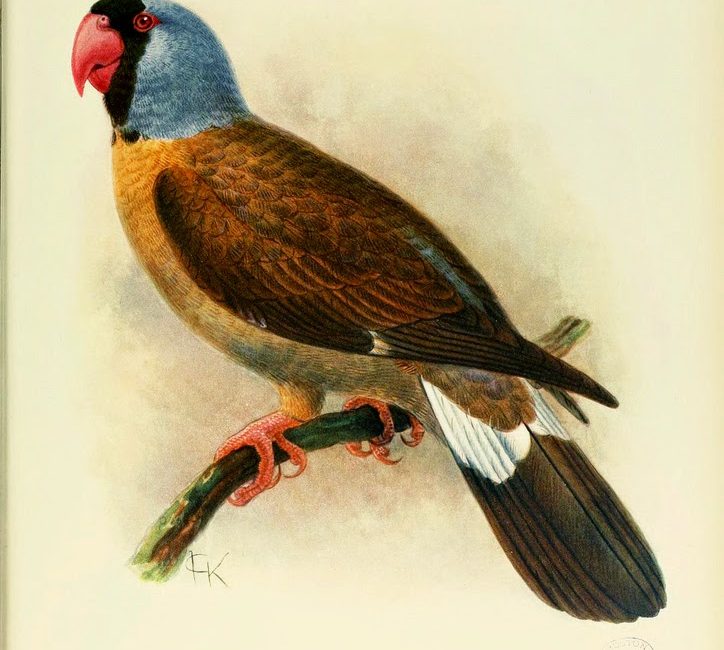
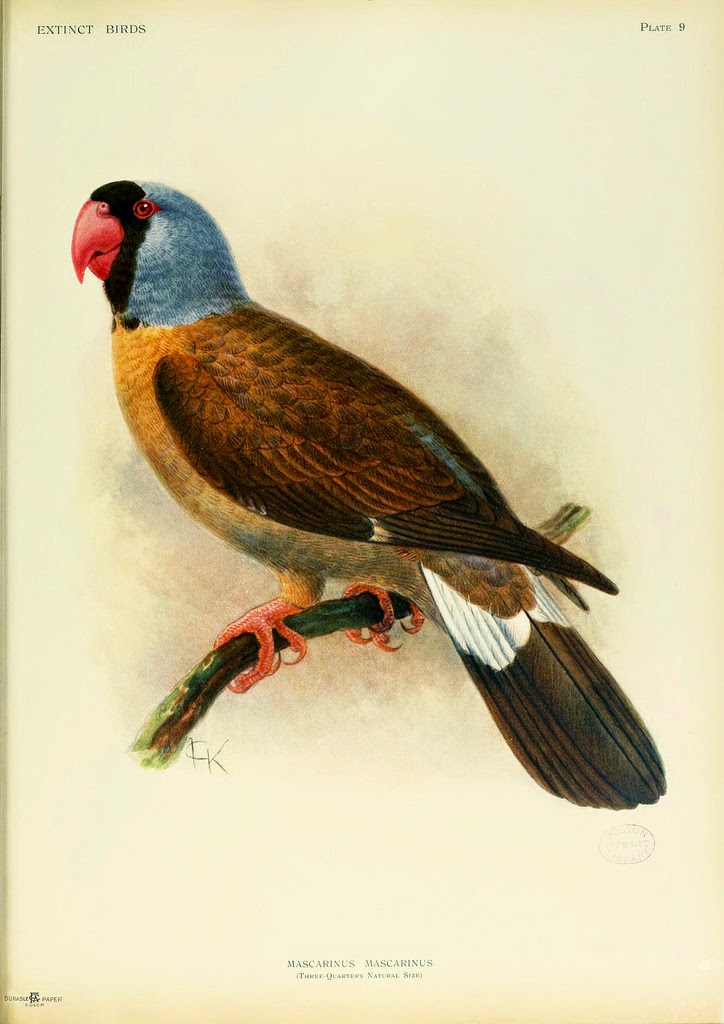
The Mascarene Parrot. Now Extinct. Rothschild, Lionel Walter Rothschild. Extinct Birds (1907). http://biodiversitylibrary.org/page/38665729.

In addition to species data, published books and fieldbooks capture ecosystem profiles, distribution maps, inter-dependency observations, and geological and climatic records. They also provide an historical perspective on species abundance, habitat alteration, and human exploration, culture and discovery.

This information has a multitude of applications in modern-day science. It is used to populate species databases and datasets that inform present-day research. It not only allows scientists to study biodiversity, but also to save it by enabling new species identification and facilitating the development of holistic conservation methods that integrate all of the factors necessary for a species’ wellbeing into its overall protection strategy. Furthermore, the discoveries captured in historic literature provide the foundations upon which contemporary models, theories and disciplines are based.
View Full Size Image
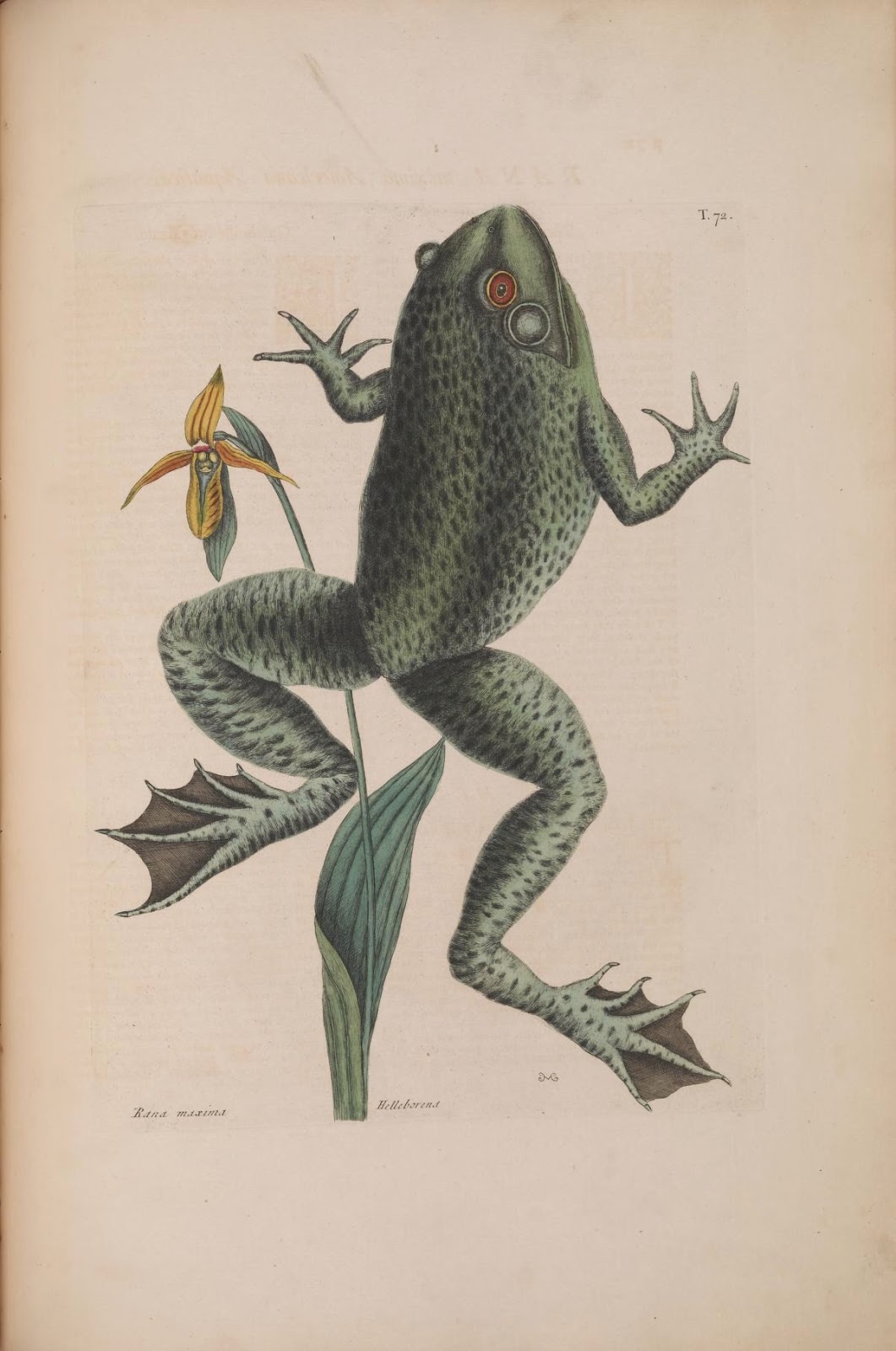
Cane Toad. From the first published account of the flora and fauna of North America: Catesby, Mark. Natural History of Carolina, Florida and the Bahama Islands (1729-47). http://biodiversitylibrary.org/page/38993574.

Sadly, much of these publications and archival content are available in only a few select libraries in the developed world.

“Science is all about disseminating knowledge and building upon what has come before, yet so much of our knowledge of plants and animals has remained inaccessible to those who could make use of it,” laments Dr. John Sullivan, an evolutionary biologist with the Academy of Natural Sciences, Philadelphia and Cornell University. “This has been a big part of the ‘taxonomic impediment.’”

The Biodiversity Heritage Library is Alleviating the Taxonomic Impediment

The Biodiversity Heritage Library boasts a collection of over 45 million pages from over 150,000 volumes and has served more than 3.5 million people in nearly every country since its launch in 2007. Additionally, BHL has made over 93,000 of the illustrations within its collection available in Flickr, which in turn have been viewed over 80 million times. Services such as taxonomic name finding tools, custom PDF downloads, and open APIs allow users to easily locate and reuse these resources.

“BHL is radically changing the status quo and democratizing access to knowledge about biodiversity,” lauds Dr. Sullivan. “Now anybody in the world has instant access to the original species description in a couple of clicks!”
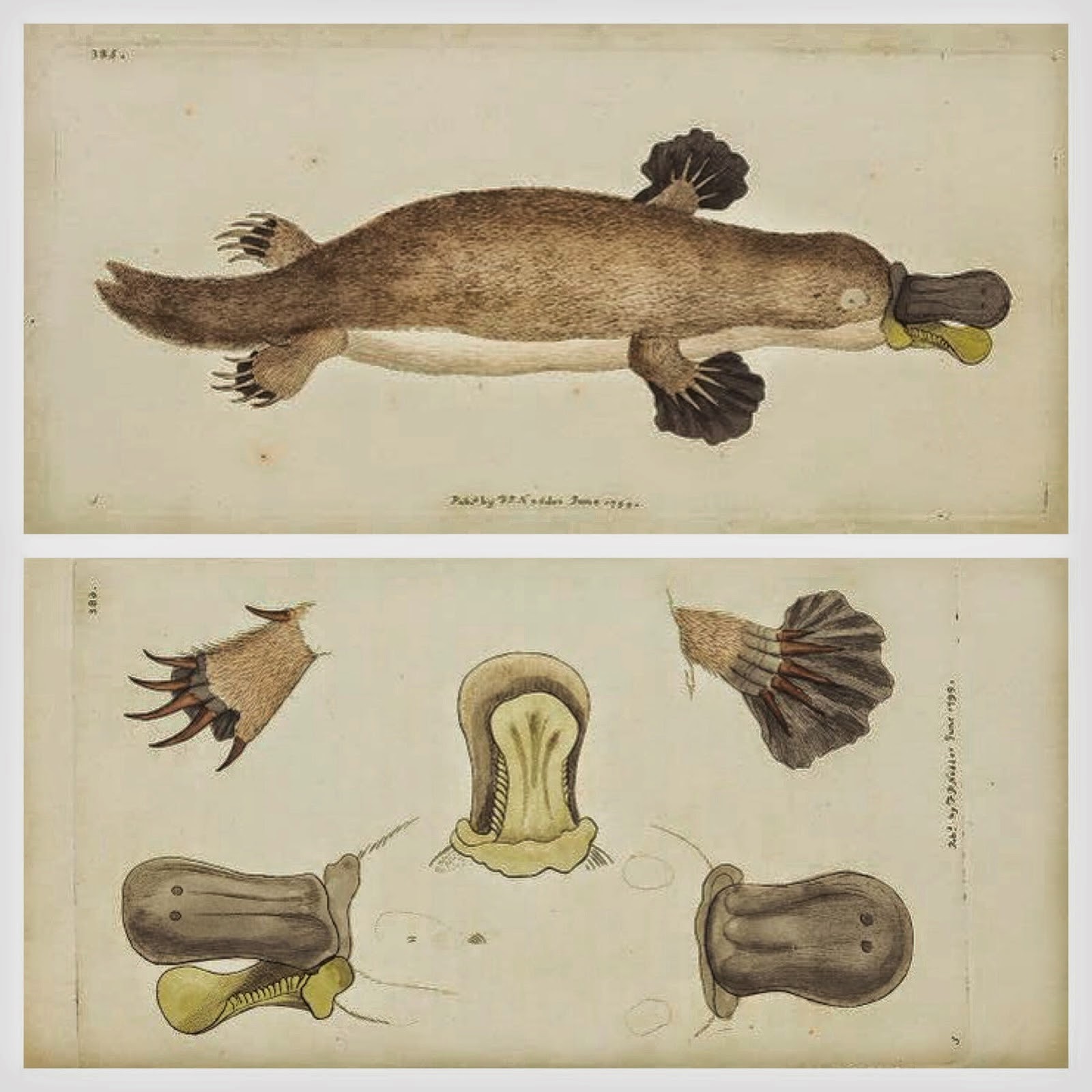
View Full Size Image
The first published illustration of the Duck-billed Platypus. Shaw, George. The Naturalist’s Miscellany, or Coloured figures of natural objects, Vol. 10 (1799). http://biodiversitylibrary.org/page/40321089.

Of Global Importance

Open access to biodiversity data is beneficial on a global scale, advancing scientific fields more quickly and connecting scientists and their research more efficiently than ever before, especially in developing countries with traditionally limited access to vital resources. “[The Biodiversity Heritage Library] has done an enormous amount to enhance the capacity of developing countries to undertake taxonomic research on their biota,” asserts Dr. Dai Herbert, a malacologist at the KwaZulu-Natal Museum in South Africa.

The repatriation of knowledge can also help countries better assess, monitor, and protect their native biodiversity. Recognizing that “identifying the factors that shape biodiversity locally helps to preserve them better in the future,” the United Nations, through the Convention on Biological Diversity, requires every signatory country to “identify and monitor the biodiversity of the organisms within its borders.” Thanks to BHL, countries now have access to information about and catalogs of the species within their boundaries, which can be used to form the basis of national biodiversity indexes and direct local conservation efforts.
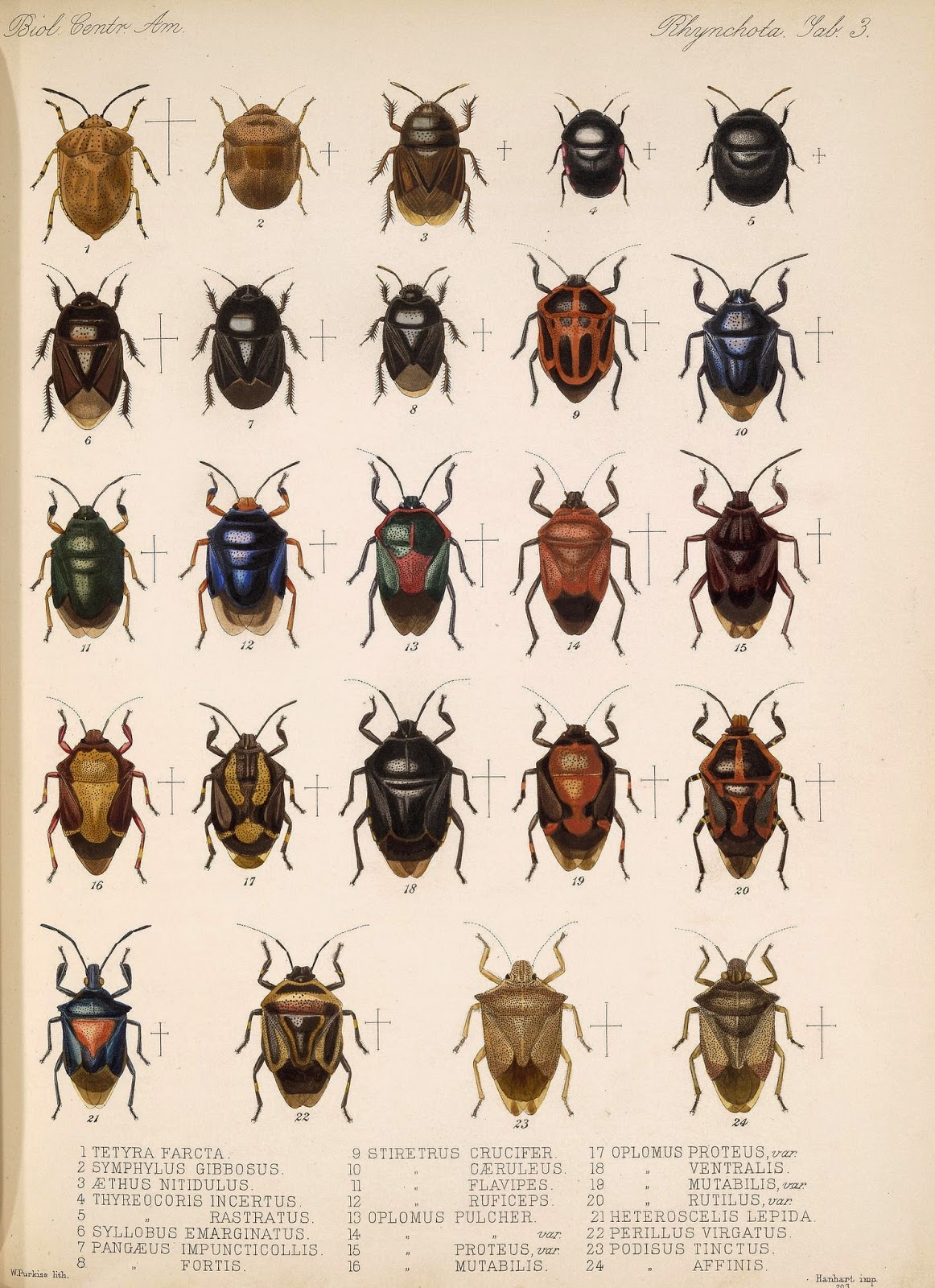
View Full Size Image
Insects. From Biologia Centrali-Americana. As this work contains all of the known information about the biodiversity of Mexico and Central America at the time of its publication, this title is still fundamental to the study of the biota of this region. http://biodiversitylibrary.org/page/594659.

Help Save Biodiversity

The Biodiversity Heritage Library is helping scientists save biodiversity, which in turn sustains our well-being as humans. “We need biodiversity to satisfy basic needs like food, drinking water, fuel, shelter, and medicine…Ecosystems provide services such as pollination, seed dispersal, climate regulation, water purification, nutrient cycling, control of agricultural pests” (Source: American Museum of Natural History website) and the “regulation and control of infectious diseases” (Convention on Biological Diversity).
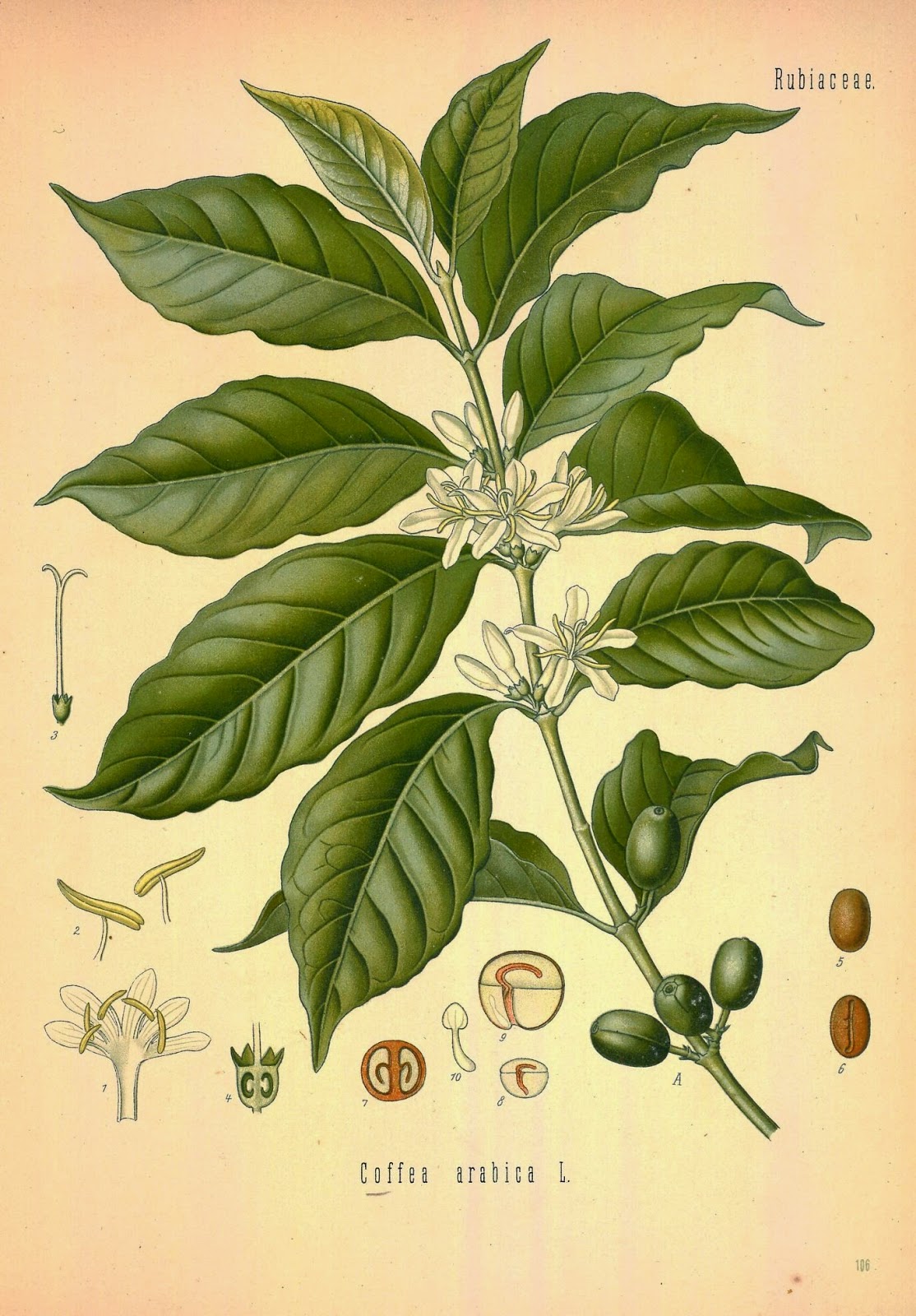
View Full Size Image
Coffea arabica, which accounts for 75–80 percent of the world’s coffee production. It is also believed to be the first species of coffee to be cultivated. Köhler’s Medizinal-Pflanzen (1883-1914). http://biodiversitylibrary.org/page/303146.

As we face a global biodiversity crisis that threatens the future of many species and habitats, unfettered access to biodiversity information has never been more important.

We rely on donations from users like you to help grow our library and keep it free and open. As you think about your holiday giving, we hope you’ll consider making a tax-deductible donation to help save biodiversity.

Learn more about the critical roles BHL and historic literature play in discovering new species, understanding past extinctions, and saving Earth’s biodiversity.
December 12, 2014by michelle.underhill
Blog Reel, Tech Updates

Image Loading Restored

Services at Internet Archive have been restored after an outage due to a storm. BHL images are now loading properly. Thanks for your patience!
December 11, 2014by michelle.underhill
Blog Reel, User Stories

Using the Salamander Brain to Understand Human Behavior

What can a salamander brain tell us about human behavior?

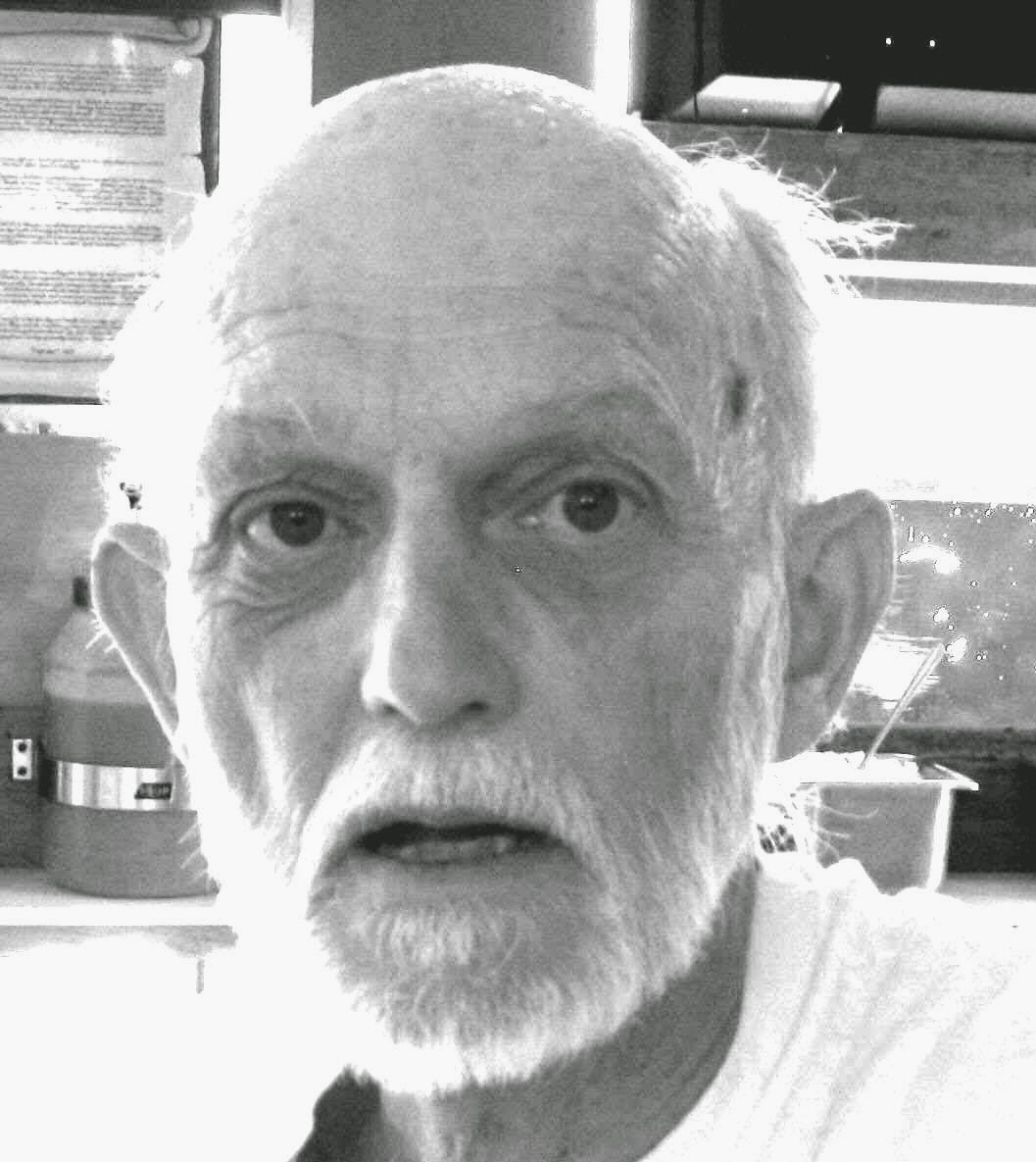
A lot more than you might think, discovered Lou Morgan, an independent researcher who has been studying the physiological underpinnings of human behavior for 30 years.

View Full Size Image
Lou Morgan

While Morgan’s undergraduate education focused on mathematics, a history of familial psychological problems fueled an interest in understanding the underlying mechanisms of human psychology.

In the 1950s, Morgan began taking the first of many college psychology courses. These courses, however, focused largely on human thought and behavior subsequent to their manifestation. Morgan wanted to know about the physiological structures that led to this behavior.

Drawing from his background in mathematics, Morgan decided to approach his investigation by breaking a complex system down into more simplistic elements. “The kind of math I liked best was the deduction of complex structures from a few simple axioms,” explains Morgan. “Think Euclid’s geometry. So I approached psychology looking for the basic principles which underlie our behavior.”

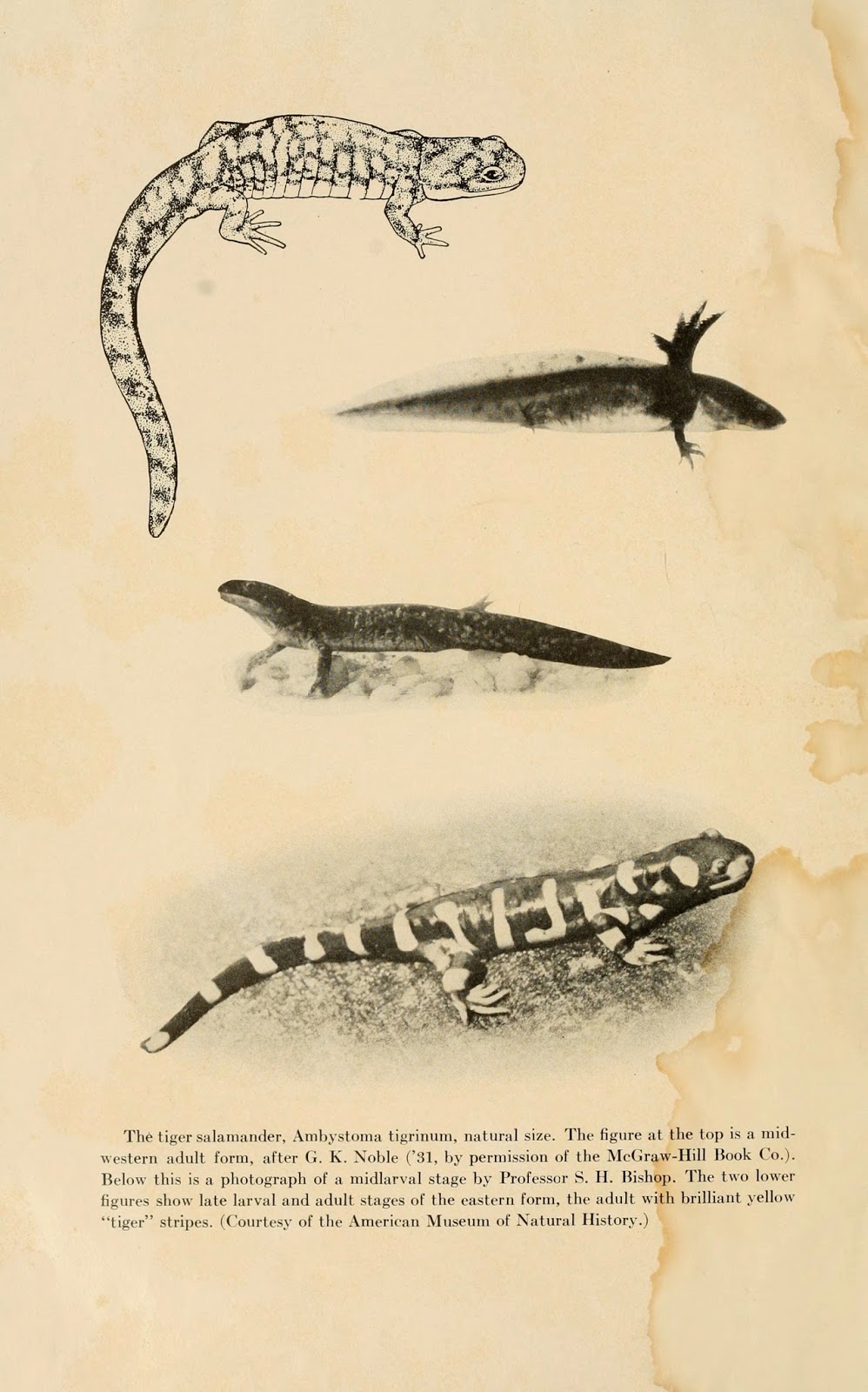
Morgan’s search led him to the study of neuroanatomy, which in turn led him to C. Judson Herrick’s book, The Brain of the Tiger Salamander (1948).

View Full Size Image
The Tiger Salamander. Herrick, C. Judson. The Brain of the Tiger Salamander (1948). http://biodiversitylibrary.org/page/5816541.

The Brain of the Tiger Salamander summarizes 50 years of Herrick’s published research on the vertebrate nervous system, “as revealed in generalized form in the amphibians.”

“Herrick’s book has become central to my attempt to understand human behavior because it contains an immense amount of data which has parallels in the subcortical portion of the human brain,” articulates Morgan. “Humans can be seen as salamanders with a cortex.”

In the 1960s, American physician and neuroscientist Paul D. MacLean proposed an evolutionary model for the vertebrate forebrain suggesting that humans have a “reptilian brain” at our core. Modern comparative evolution, however, has found this theory to be outdated, given the presence of a structure known as the dorsal ventricular ridge (DVR) in reptiles and birds.

The DVR receives ascending auditory and visual projections and is present in bird and reptile brains. Though absent in mammals, the DVR has been postulated to be homologous to parts of the mammalian isocortex. In humans, the isocortex (also called neocortex) is the largest part of the cerebral cortex, and directs such functions as sensory perception, generation of motor commands, spatial reasoning, conscious thought and language. Amphibians, like humans, do not have a DVR, making their brains, and not reptile brains, a more apt comparison for human neuroanatomy.

View Full Size Image
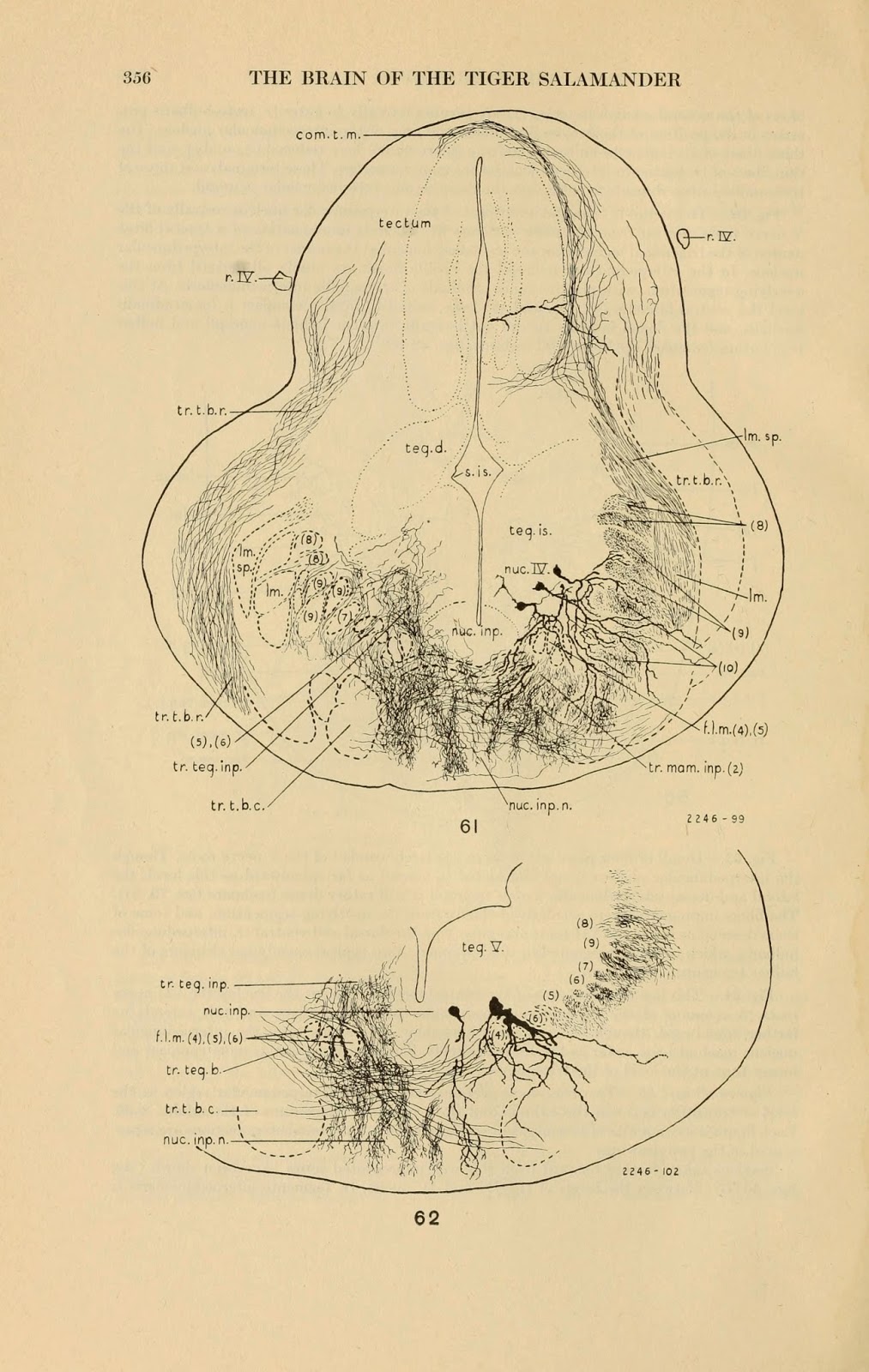
The Tiger Salamander Brain. Details about the structures depicted on Morgan’s website. Herrick, C. Judson. The Brain of the Tiger Salamander (1948). http://biodiversitylibrary.org/page/5816405.

In order to help others explore early research on neuroanatomy, and provide a platform through which to discuss modern theories from the field, Morgan created a website to host a downloaded (from BHL) and partially edited version of Herrick’s book. The website, also entitled Brain of the Tiger Salamander, links to several of Morgan’s other websites detailing subcortical function, human behavior, and the endocrine system.

“I think we humans understand ourselves very poorly, and part of the problem is that we concentrate our attention on the cortical, cognitive, aspects of our behavior,” muses Morgan. “Herrick’s book offers a window into the subcortical aspects of our lives.”

However, like all scientific pursuits, the field of neuroanatomy is still evolving, and while Herrick’s research provides a good foundation for understanding the basics of the vertebrate nervous system, it also has severe limitations.

“Herrick’s Brain of the Tiger Salamander is a marvelous piece of work, but it’s outdated. Most importantly, it does not give any consideration to neurotransmitters or the endocrine system,” Morgan points out. “Our knowledge of neurotransmitters is still evolving. The possibility of their very existence was discovered by Otto Loewi only in 1921. They were still a new concept during Herrick’s time. Similarly, modern endocrinology began with Arnold Berthold in 1849 and is still a very active field of research. I suppose Herrick was aware of the current research while he was working, but there is no mention of either neurotransmitters or hormones in The Brain of the Tiger Salamander. He probably had his hands full with his neuroanatomical research.”

View Full Size Image
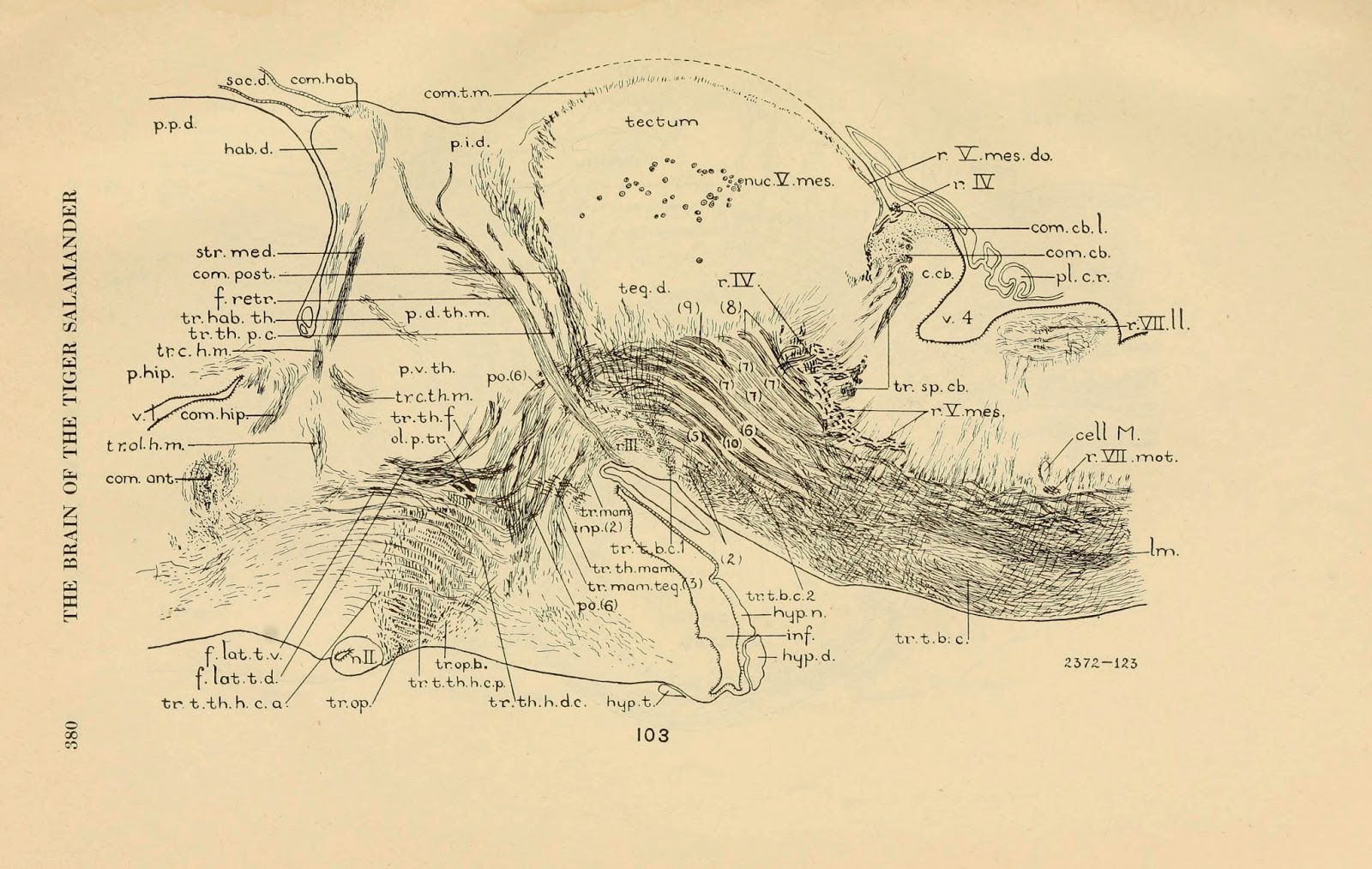
The Tiger Salamander Brain. Details about the structures depicted on Morgan’s website. Herrick, C. Judson. The Brain of the Tiger Salamander (1948). http://biodiversitylibrary.org/page/5816438.

Morgan’s newest website, Herrick Update, attempts to “supplement Herrick’s presentation of salamander neuroanatomy with information which may be relevant to salamanders’ neurotransmitters and hormones,” which may in turn provide insight into human behavior.

In the future, Morgan plans to concentrate his study of human behavior around addiction, and the part of our nervous system most involved in that behavior: the Nucleus Accumbens Septi (NAcc). Interestingly, this research may relate quite strongly to Morgan’s salamander research. The NAcc may in fact be the most prominent and clearly defined part of the Lamprey Basal Ganglia. The Lamprey brain is very similar to that of the amphibian, and thus Morgan began his attempt to develop a model of subcortical function with an investigation of the lamprey nervous system.

As humans continue to progress in our understanding of neuroanatomy, and the underlying physical processes that drive our actions and behaviors, Morgan’s research into Herrick’s work demonstrates once again how intrinsically tied modern science is to past discoveries. Thanks to the Biodiversity Heritage Library, this historic knowledge is available to everyone, everywhere, fueling continued understanding of life on earth and what it means to be human.

See Herrick’s original work in BHL, digitized by the MBLWHOI Library. Explore a partially edited version of the work on Morgan’s website. Learn more about how neurotransmitters and hormones affect neuroanatomy and view a model of subcortical function in Morgan’s two recent websites.

December 11, 2014by michelle.underhill
Blog Reel, Featured Books

Early Women In Science: Trekking Through Nature, Trailblazing Their Way Through History

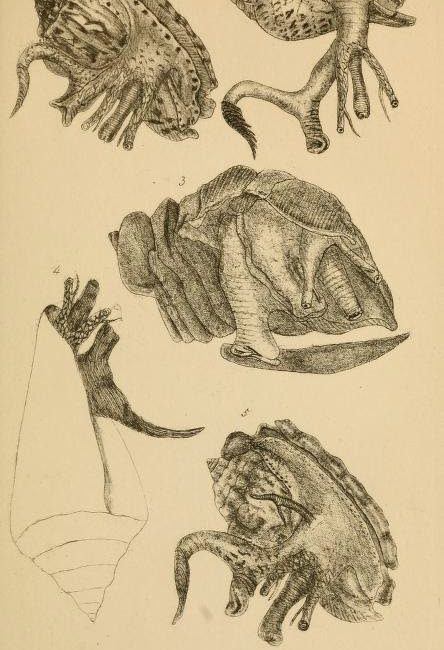
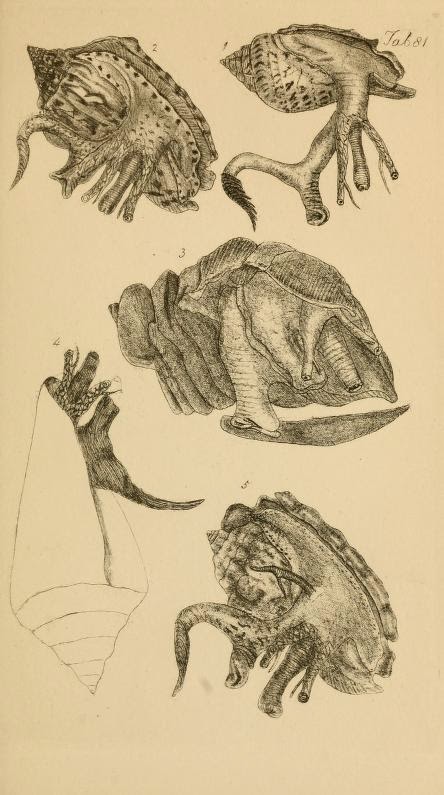
The sixteen women featured in the “Early Women In Science” exhibition are each extraordinary for unique reasons.  One trait they all share is that they were doing work in scientific fields reserved for men. They sometimes had to fight for recognition of their work—or went completely unrecognized for some of their major contributions. For instance, Maria Emma Gray (1787-1876) was a talented natural history illustrator. She not only contributed to the work of her husband, zoologist John Edward Gray, but also saw him through his nervous breakdown, eventually helping him to work again. Despite her contributions to his studies, however, she is not credited in his works.

View Full Size Image
Illustration by Maria Emma Gray, from Figures of Molluscous Animals, Selected from Various Authors. Etched for the Use of Students by Maria Emma Gray, vol. 2, 1859 | Smithsonian Biodiversity Heritage Library

Even when the male scientific community did praise the contributions of their feminine peers, many of the earliest women scientists remained resistant to any form of boasting or taking credit, since that was considered unseemly in women. Not so with bold scientists like Ynes Enriquetta, Julietta Mexia, or Alice Eastwood, who rightfully took credit for their amazing accomplishments.

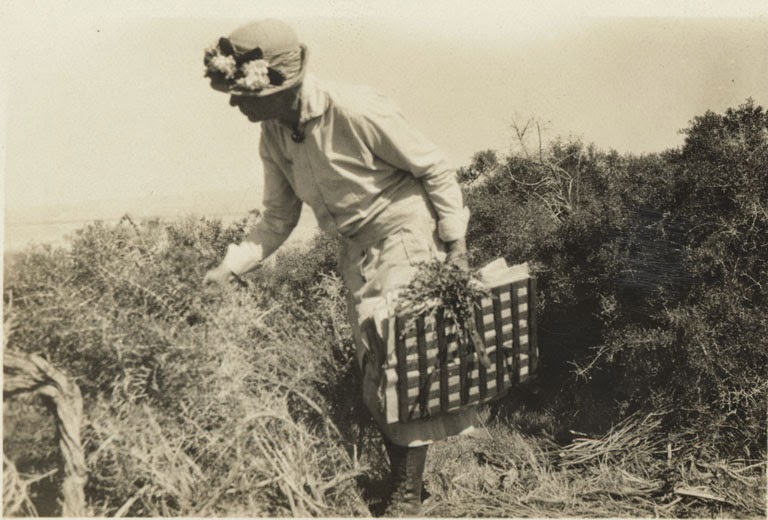
Alice told her contemporary, Agnes Chase (agrostologist, 1869-1963): “the most proper [honor] is that officially the name of the Herbarium is the Alice Eastwood Herbarium of the California Academy of Sciences” since she built it herself “with no help” from 1912 to 1930.And in truth, Alice did manage this effort with little help. Furthermore, prior to the new herbarium’s construction, Alice risked her life to save the Academy’s collections during the San Francisco Earthquake of 1906. Despite fires in the surrounding buildings and a caved-in stairwell, Alice climbed into the previous herbarium and managed to save the most irreplaceable of the herbarium specimens with a rope and pulley and the help of one other man.

View Full Size Image
Alice Eastwood collecting Festuca eastwoodae grass, courtesy of the California Academy of Sciences Archives

These women were brave. Not only did they enter their respective fields at a time when women were meant to remain in the domestic sphere, but they often solitarily braved harsh wilderness conditions to explore, observe, and collect flora, fauna and other specimens.  Katherine Brandegee(1844-1920) was a botanist, and in her journeys she survived shipwrecks, seclusion with bears, wolves and coyotes, and encounters with potentially dangerous men in the uninhabited areas she trekked. All the while, collecting and preserving specimens, rather than her own safety, were her primary concerns.

Many of the women in the exhibit shared a courage, a sense of adventure, and a love of nature that allowed them to push through the difficulties—whether physical or mental—of becoming scientists.Some were self-taught, while others were accepted to prestigious schools. Most of them were given honorary degrees and other awards. Some, like Susan Fenimore Cooper (1813-1894), were multi-talented, engaging not only in scientific pursuits, but other artistic endeavors like fiction writing.Furthermore, many of these women demonstrated exceptional foresight, warning that neglect and abuse of our natural environment would result in dire consequences. They were right.

Enjoy the fascinating stories, illustrations and books from and about “Early Women In Science” in our new exhibit here.

December 9, 2014by micahv
BHL News, Blog Reel

New Online Exhibitions! Notable Women and Latinos in Natural History

We are pleased to announce the release of two new BHL online exhibitions: Early Women in Science and Latino Natural History.

Earlier this year, the Smithsonian Women’s Committee awarded a one-year grant to Smithsonian Libraries (SIL) to build online exhibitions to showcase the scientific and historical contributions of Women and Latino naturalists and illustrators. The project, entitled Notable Women and Latinos in Natural History, draws from content in BHL and uses the Biodiversity Library Exhibition (BLE) platform developed by BHL Europe.

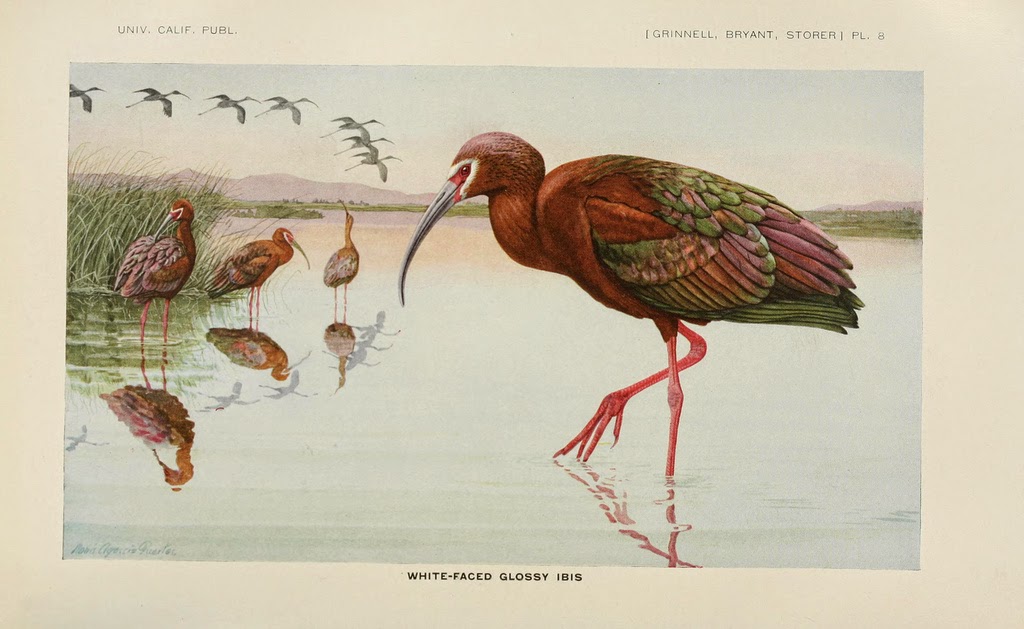
The exhibitions include factoids, highlights, stories, illustrations and publications from some of natural history’s most remarkable women and Latino naturalists. Some of the featured individuals, such as Maria Sibylla Merian and Louis A. Fuertes, are internationally celebrated. Others, though perhaps less famous, are equally important contributors to the world of science.

View Full Size Image
Illustration by Louis A. Fuertes from The Game Birds of California (1819). http://biodiversitylibrary.org/page/8991919.

Below we present a few highlights about the men and women featured in the exhibits, extracted from the fascinating content written and curated by exhibition creators Adriana Marroquin (Latino Natural History) and Laurel Byrnes (Early Women in Science). Stay tuned for future posts from Adriana and Laurel showcasing some of their favorite stories and content (akin to Adriana’s earlier post on the extraordinary naturalist and illustrator Louis A. Fuertes). Follow us on Twitter and Facebook for more exciting tidbits, and be sure to check out the exhibitions today!

Selected highlights from Early Women in Science


  • Mary Agnes Chase (1869-1963), a self-taught botanist awarded an honorary Doctor of Science degree from the University of Illinois at age eighty-nine, served as botanical illustrator for the USDA Bureau of Plant Industry in Washington, D.C. and increased the world’s knowledge of Brazilian grasses by at least 10 percent.
  • Edith Patch (1876-1954), the first female head of the Maine Agricultural Experiment Station, predicted in 1936 that, should heavy use of pesticides continue, bird species and insect pollinators would be dying out by the year 2000.
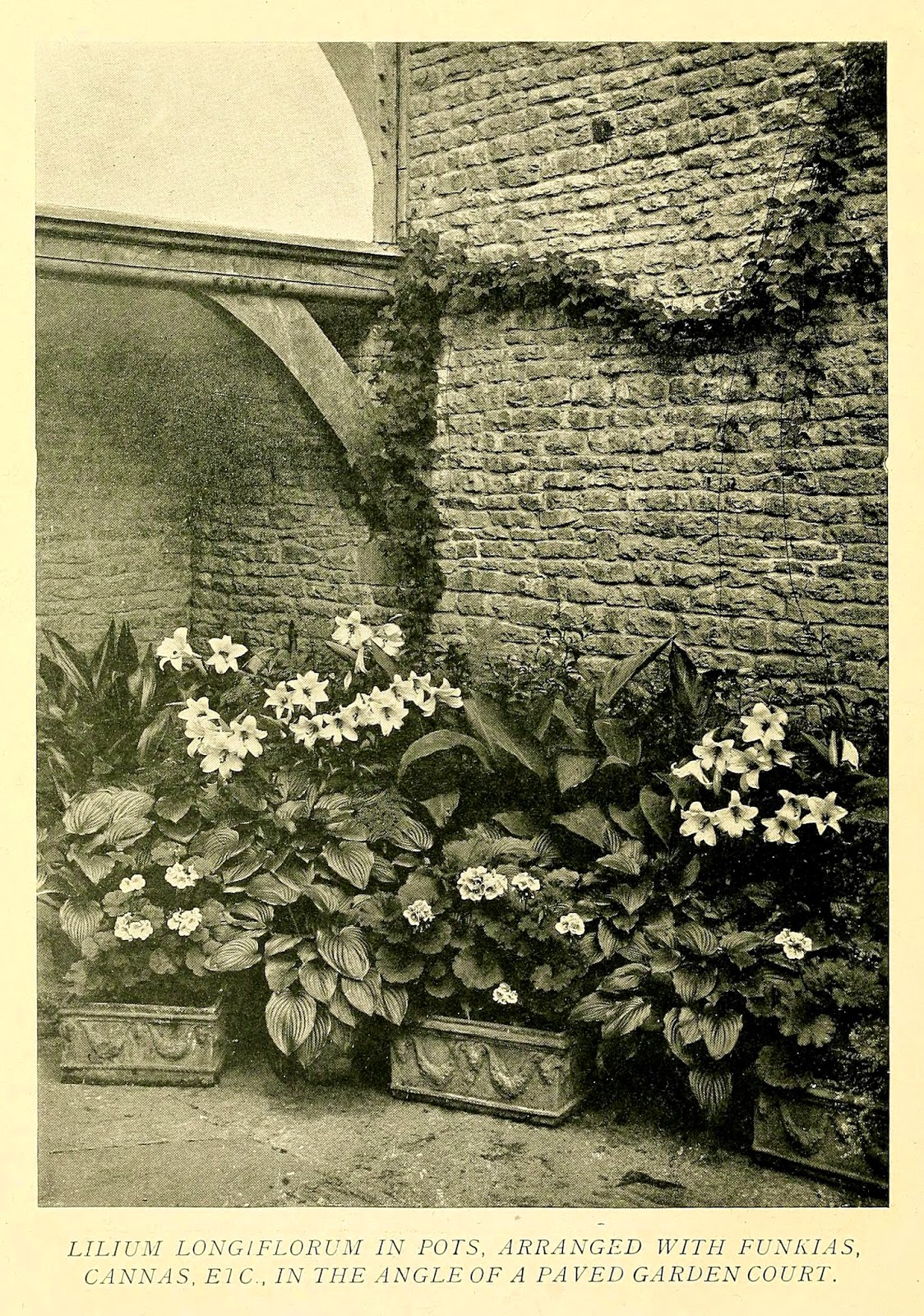
  • Gertrude Jekyll (1843-1932) was a pioneer in the field of landscaping, designing over 400 gardens in her lifetime and serving as one of the most influential people in the Arts and Crafts movement. Her younger brother inspired the name of Stevenson’s protagonist in Dr. Jekyll and Mr. Hyde.
  • Mary Treat (1830-1923) notably corrected Charles Darwin, with whom she shared an interest in carnivorous plants, about the mechanism by which bladderworts capture insects. Darwin acknowledged that she was correct, stating, “Mrs. Treat of New Jersy [sic] has been more successful than any other observer” in comprehending the way in which bladderworts (Utricularia clandestina) capture insects.
View Full Size Image
Photograph from Gertrude Jekyll’s Lilies for English Gardens (1901). http://biodiversitylibrary.org/page/33478387.


Selected Highlights from Latino Natural History

  • Cleofe Calderon (1929-2007), native to Argentina, spent years studying bamboo and helped lay the foundation for our modern understanding of grass evolution. One of her key contributions was the rediscovery of Anomochloa, a genus of grass that scientists had not seen living since the 19th century.
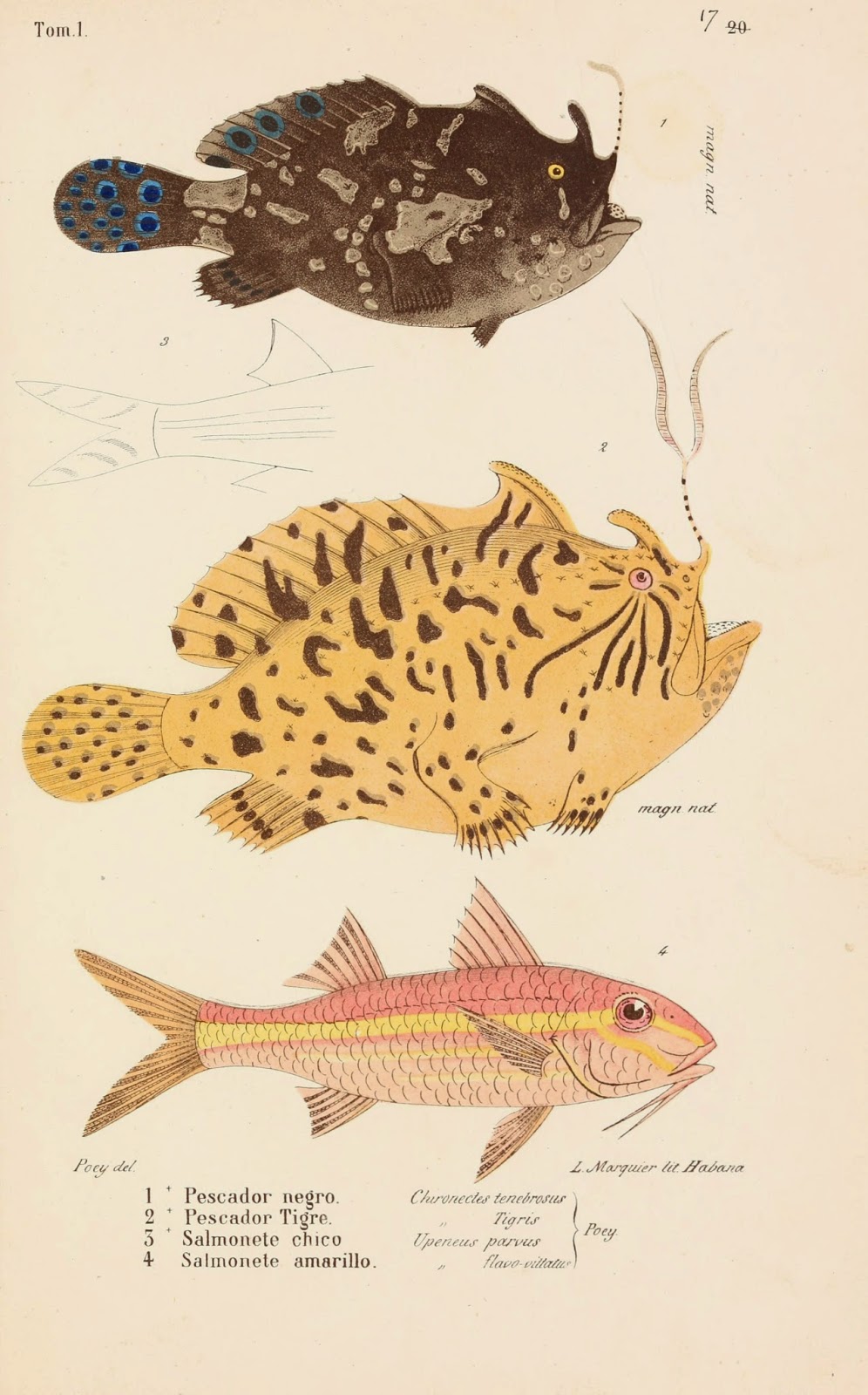
  • Cuban-born Felipe Poey y Aloy (1799-1891) became part of the European natural history community while practicing as a lawyer in Europe. Well-known naturalists Georges Cuvier and Achille Valenciennes based many new species in their Natural History of the Fishes on Poey’s drawings and specimens. Poey dedicated much of his life to writing Ictilogía Cubana, which described and illustrated over 700 species of fish found in Cuba.
  • Eduardo Caballero y Caballero (1904-1974) of Mexico was noted for his work in helminthology, or the study of parasitic worms. In 1943 he was appointed the Helminthologist of the Panamerican Office of Sanitation to investigate an outbreak of Onchocerciasis, an infection caused by parasitic worms spread by black fly bites, which can lead to blindness. His work led to the establishment of Escuela Mexicana de Helmintologia, a school dedicated to helminthology.
  • Mexican-born José Mociño (1757-1820), originally geared to become a priest, became a botanist and explorer instead, joining the third excursion of the Royal Botanical Expedition to New Spain. However, political turmoil, in part due to the Napoleonic wars in Spain, thwarted the expedition, serving as an example of how outside forces can affect scientific pursuits.
View Full Size Image
Illustration from Felipe Poey’s Memorias sobre la historia natural de la isla de Cuba, acompañadas de sumarios latinos y extractos en frances (1851-58). http://biodiversitylibrary.org/page/2525313.
Explore more fascinating facts about women and Latino naturalists in our exhibitions!
View Full Size Image
These exhibitions sponsored by the Smithsonian’s Women Committee.
December 4, 2014by ulib-libraryjobs
Page 2 of 2«12

Help Support BHL

BHL's existence depends on the financial support of its patrons. Help us keep this free resource alive!

search

About BHL

The Biodiversity Heritage Library (BHL) is the world’s largest open access digital library for biodiversity literature and archives. BHL operates as a worldwide consortium of natural history, botanical, research, and national libraries working together to digitize the natural history literature held in their collections and make it freely available for open access as part of a global “biodiversity community.”

Join Our Mailing List

Sign up to receive the latest news, content highlights, and promotions.

Subscribe Now

Subscribe to Blog via Email

Enter your email address to subscribe to this blog and receive notifications of new posts by email.

Join 319 other subscribers

Subscribe to Blog Via RSS

Subscribe to the blog RSS feed to stay up-to-date on all the latest BHL posts.

Access RSS Feed

Inspiring Discovery through Free Access to Biodiversity Knowledge.

The Biodiversity Heritage Library makes it easier than ever for you to access the information you need to study and explore life on Earth…for free, anytime, anywhere.


64+ Million Pages of
Biodiversity Literature Online.

EXPLORE

Tools and Services
to Transform Research.

EXPLORE

300,000+
Illustrations on Flickr.

EXPLORE

ABOUT | HARMFUL CONTENT | PRIVACY | SITE MAP | TERMS OF USE