Biodiversity Heritage Library - Program news and collection highlights from BHL
  • Home
  • News
  • Featured Books
    • All Featured Books
    • Book of the Month Series
    • BHL at 20
  • User Stories
  • Campaigns
    • Fossil Stories
    • Garden Stories
    • Monsters Are Real
    • Page Frights
    • Her Natural History
    • Earth Optimism 2020
  • Tech Blog
  • Visit BHL
Home
News
Featured Books
    All Featured Books
    Book of the Month Series
    BHL at 20
User Stories
Campaigns
    Fossil Stories
    Garden Stories
    Monsters Are Real
    Page Frights
    Her Natural History
    Earth Optimism 2020
Tech Blog
Visit BHL
  • Home
  • News
  • Featured Books
    • All Featured Books
    • Book of the Month Series
    • BHL at 20
  • User Stories
  • Campaigns
    • Fossil Stories
    • Garden Stories
    • Monsters Are Real
    • Page Frights
    • Her Natural History
    • Earth Optimism 2020
  • Tech Blog
  • Visit BHL
Biodiversity Heritage Library - Program news and collection highlights from BHL
BHL News, Blog Reel

We Need Books To…Support Conservation

This month, we’re publishing a series of blog posts outlining the importance of biodiversity literature, made available for free and open access through the Biodiversity Heritage Library, to today’s scientific research and conservation initiatives. With your help, we can help save biodiversity. 

Each week, 10-690 species go extinct, according to reports published via Nature. The responsibility for these extinctions rests predominantly on the shoulders of that enigmatic species, the Homo sapiens. Research published in Conservation Biology by senior authors Jurriaan de Vos and Stuart Pimm and their team reports that “extinctions are about 1,000 times more frequent now than in the 60 million years before people came along.” Conservation efforts around the world are striving to undermine this status quo. Species once near extinction (such as the Gray Wolf, California Blue Whales, and the Whooping Crane) are now thriving, and recent studies published in PLoS ONE by authors Bernard W. T. Coetzee, Kevin J. Gaston, and Steven L. Chown demonstrate that protected areas really do save biodiversity.
View Full Size Image
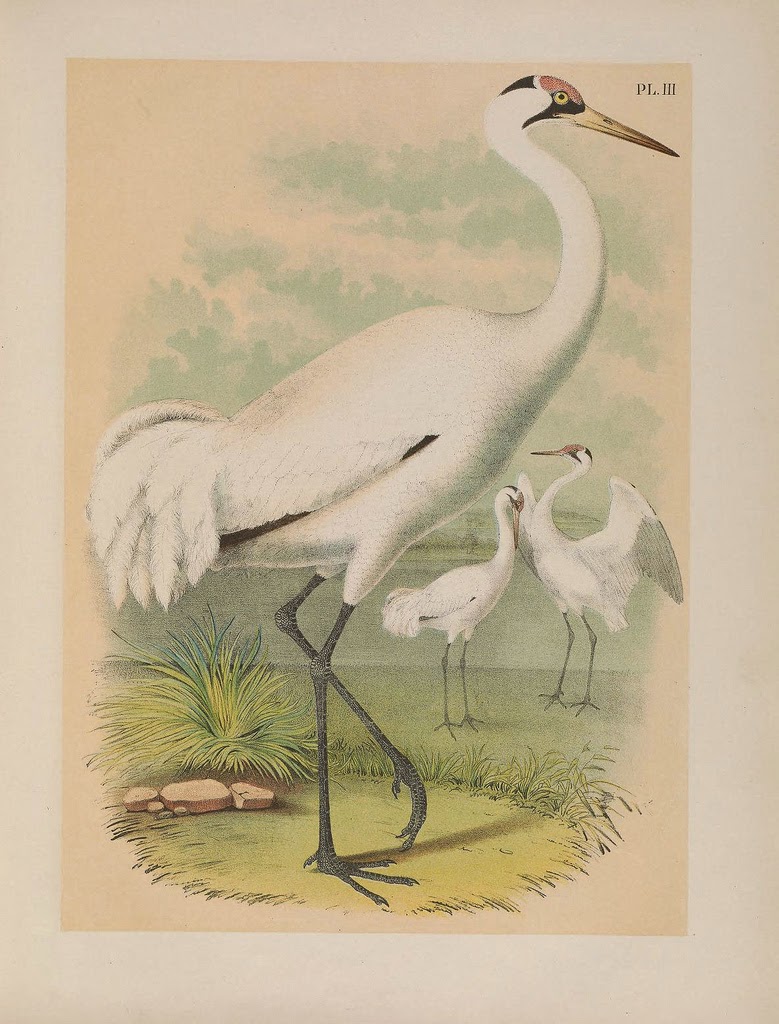
Whooping Crane, once near extinction is now recovering thanks to conservation efforts. Studer, Jacob Henry. The Birds of North America (1903). http://biodiversitylibrary.org/page/35159491.

Not surprisingly, historic literature and archives play a crucial role in conservation initiatives.

Identifying Species to Protect

The first step in any conservation process is identifying what species and habitats to protect. This involves determining which are threatened, as evidenced by biodiversity changes over time like population and distribution declines. To truly understand the extent of these changes, scientists must examine the historical record.
View Full Size Image
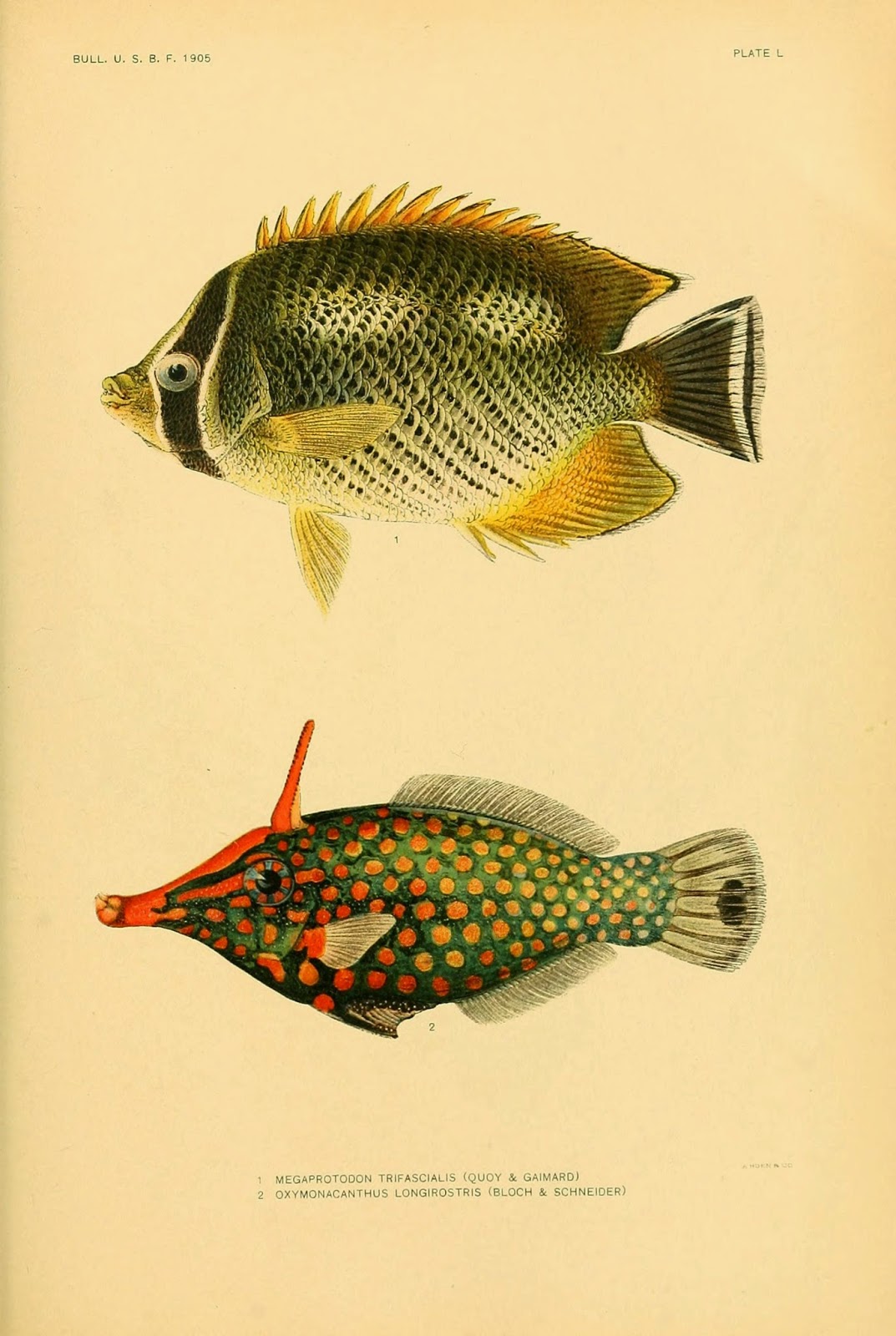
Chaetodon trifascialis and Oxymonacanthus longirostris in The Fishes of Samoa (1906). As Dr. Joshua Drew explains, “This book was one of the first comprehensive records in the Southwest Pacific…In it, Jordan and Seale give a great look into what these reefs were like before widespread development. Reading their words is like going through a time machine, and allows us a glimpse into a world that will probably never be again.” http://biodiversitylibrary.org/page/32055024.

“Having access to historical literature is essential to characterizing what ecosystems used to look like, what species were present and what peoples’ opinions of the health of the ecosystem were like throughout time,” explains Dr. Joshua Drew, a marine conservation biologist at The Field Museum. “Taxonomic literature allows me to see the whole history of a species laid out before me. I rely on [it] to get a glimpse of how these wonderfully diverse ecosystems used to look… before widespread development…[and use] those baselines to evaluate how current conservation measures are succeeding.”

Refining Conservation Initiatives

Historic literature and archives can also help scientists prioritize conservation efforts. Information about the relationships among organisms and the impacts of past extinctions reveals “keystone” species critical to the health of an ecosystem.

Climate change and biogeographic research can also further refine conservation strategies. NPR reports that climatology records in literature and fieldbooks help scientists predict future climate change patterns, which provide insight into what habitats (and thus resident species) may be at risk. By revealing how well species have adapted to external cues in the past (BioScience, Johnson et al), the historic record can also illuminate those unlikely to successfully cope with climate change (ScienceNews, Sarah Zielinski). With this knowledge, policy makers can prioritize conservation efforts, especially for the keystone species within these groups.
View Full Size Image
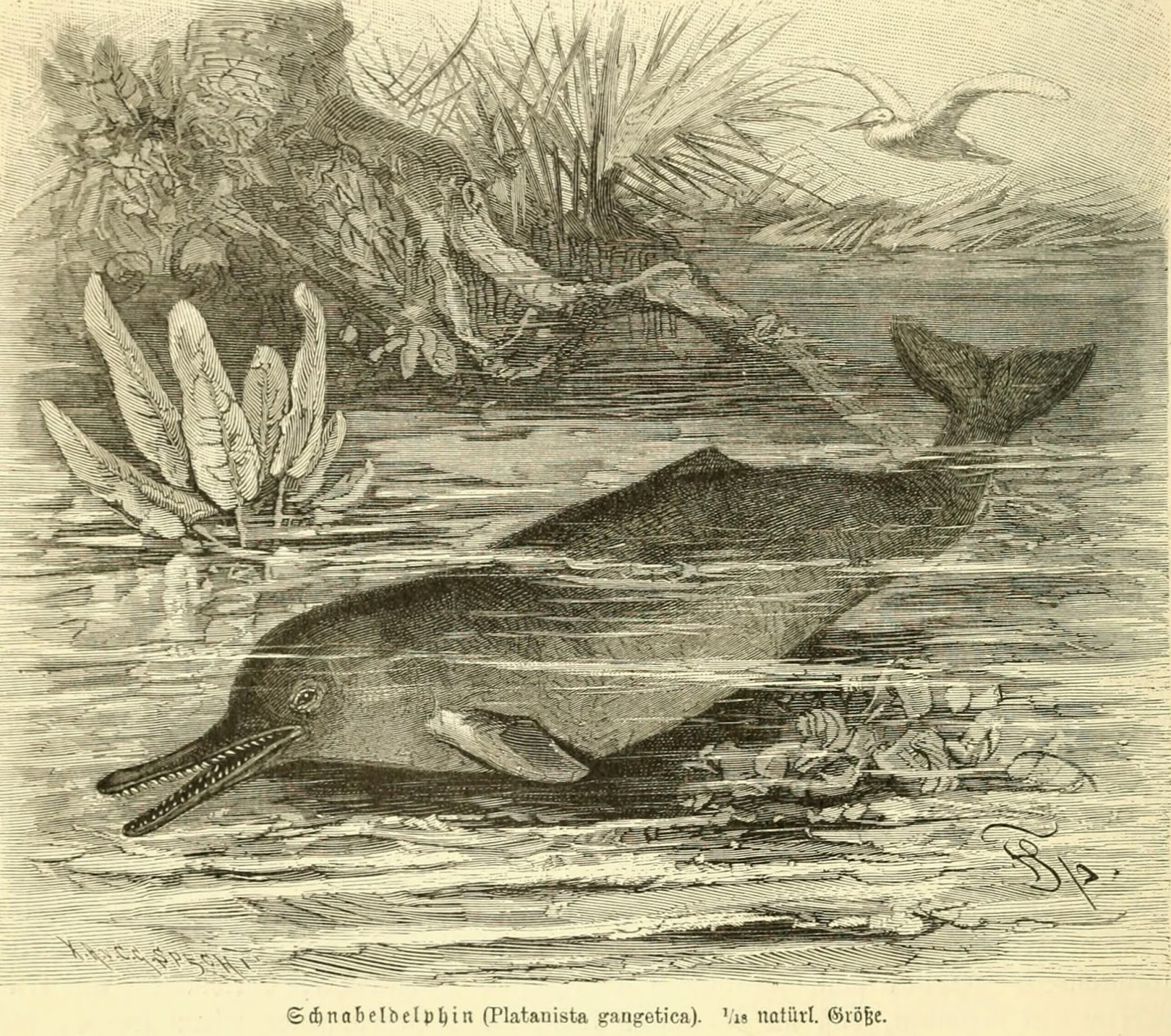
Indus River Dolphin, whose declines are linked to the proliferation of irrigation dams. Brehm, Alfred Edmund. Brehms Tierleben. 3rd rev. ed. v. 3 (1910). http://biodiversitylibrary.org/page/32929419.

The historic record can also elucidate activities that threaten species and ecosystems. For example, according to a study published in PLoS ONE by Braulik et al, distribution reports from the nineteenth century helped researchers correlate declines in the Indus River Dolphin’s population with the proliferation of irrigation dams. This knowledge has led to appeals for water management reform as part of a conservation strategy for the dolphins. Similar correlations can be made between species decline and forest degradation (as evidenced via a 2014 World Resources Institute release), a heated topic within land management reform.

BHL and Big Data

Recently, big data has changed how scientists conduct research, allowing them to more easily access and link biodiversity information. “There’s no question that information about biodiversity now falls firmly in the realm of big data… and the greatest challenge facing biodiversity informatics now is the transition to 21st-century data-management tools,” reports the Natural Environment Research Council of the UK. “The first [phase] is the major task of digitizing over 200 years’ worth of information from libraries and collections around the world.”

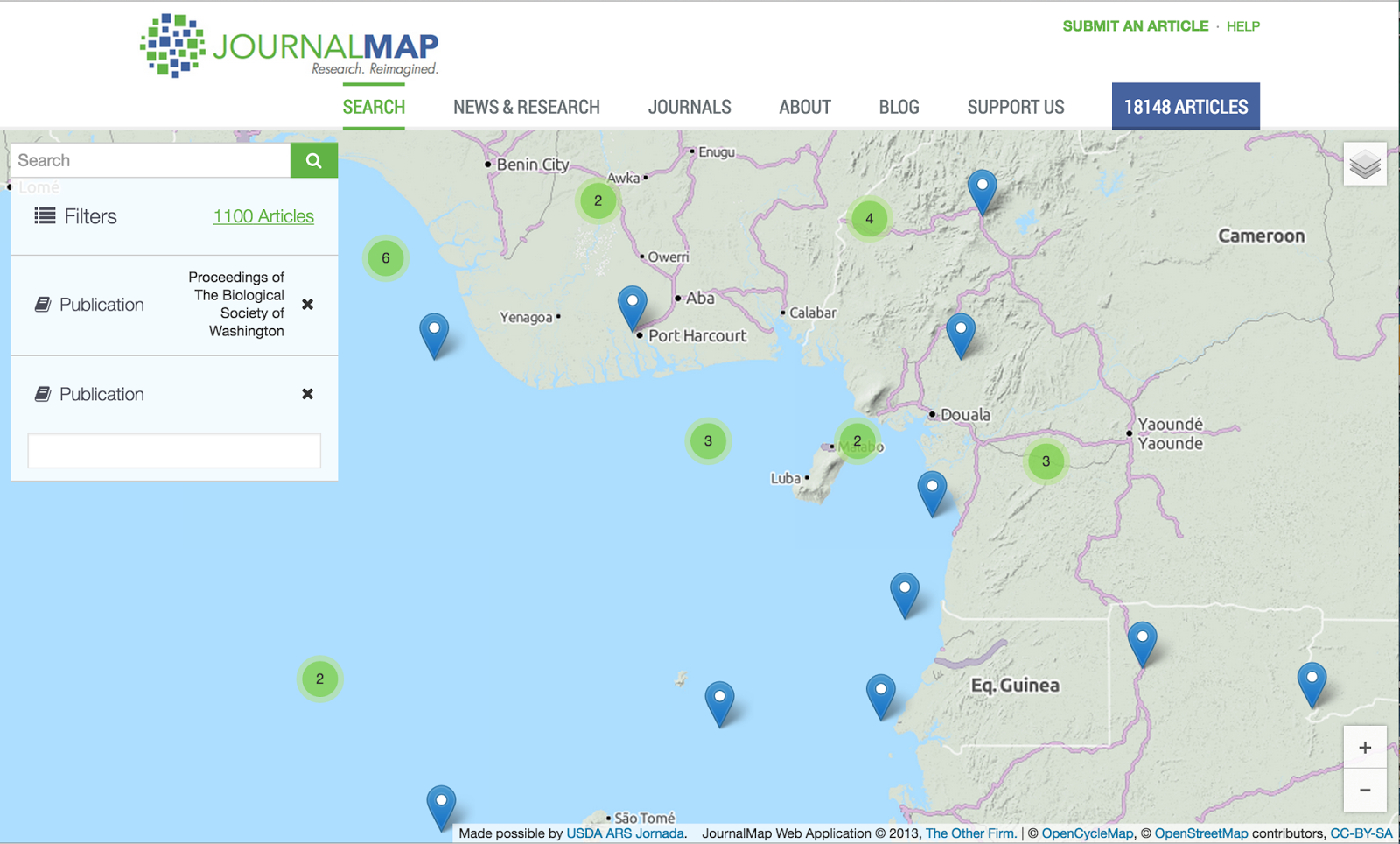
One major application of big data within conservation activities involves assembling georeference data. “Knowing where to act is vital,” emphasizes Dr. Stuart Pimm, a biologist at Duke University, in a 2015 Vox article. Thanks to big data, “We can map out where species are. That puts us in a position to be very much smarter about how and where to do conservation.”
View Full Size Image
Species occurrence illustrated in JournalMap from geotagged content in Proceedings of The Biological Society of Washington on BHL, made available through BioStor.

Historic literature provides detailed information about the location of the species scientists have collected and observed throughout the centuries. By digitizing natural history literature under open access principles, the Biodiversity Heritage Library allows the embedded information (such as historic distribution records) to be integrated into big data initiatives.

BHL Helps Scientists Save Biodiversity. You Can Help!

Since the dawn of man, humans have been dramatically altering the biodiversity landscape, and not always for the better. Conservation is an ambitious endeavor “to preserve biodiversity, to restore diminished ecosystems, to advance the science of preventing extinctions, and to undo harm that humans have caused in the past” (Stewart Brand, National Geographic News). By providing evidence of population declines and habitat degradation, capturing distribution data, elucidating harmful activities, and revealing ecosystem interdependencies, historic literature and archives are integral to the formation of effective conservation strategies.

We rely on donations from users like you to help grow our library and keep it free and open. As you think about your holiday giving, we hope you’ll consider making a tax-deductible donation to help save biodiversity.

Learn more about the critical roles BHL and historic literature play in discovering new species, understanding past extinctions, and saving Earth’s biodiversity.
December 29, 2014by michelle.underhill
BHL News, Blog Reel

We Need Books To…Learn from Past Extinctions

This month, we’re publishing a series of blog posts outlining the importance of biodiversity literature, made available for free and open access through the Biodiversity Heritage Library, to today’s scientific research and conservation initiatives. With your help, we can help save biodiversity. 

Remembering Extinct Species

View Full Size Image
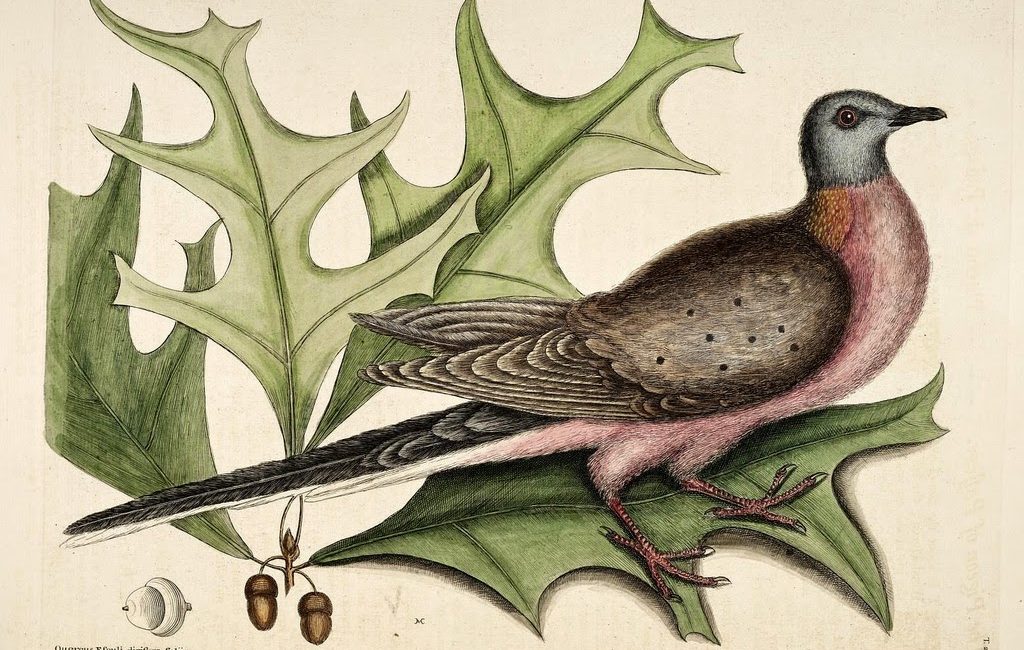
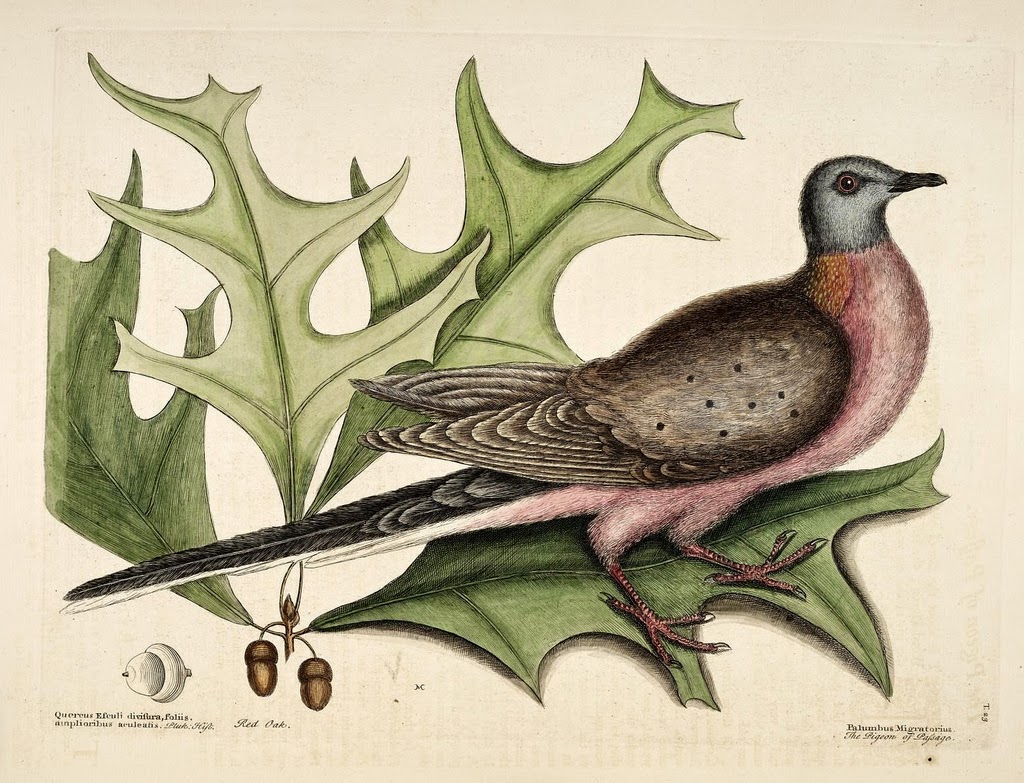
First published illustration of a Passenger Pigeon, Extinct. Catesby, Mark. The natural history of Carolina, Florida, and the Bahama Islands (1754). http://biodiversitylibrary.org/page/10900155.

On September 1, 1914, at approximately 1pm in the afternoon, a passenger pigeon named Martha died. Her death marked the extinction of her entire species. It is “one of the fastest and most dramatic extinctions in human history,” according to the Zoological Society of London.  A population of several billion birds was decimated in less than a century thanks to over-hunting and habitat destruction. From the first published image of a passenger pigeon by Mark Catesby in 1754, to a poignant record of population declines by Vernon Bailey in an 1892 fieldbook, and the final autopsy report of “the last living representative of its race,” the passenger pigeon’s tragic demise is well-documented in BHL.

View Full Size Image
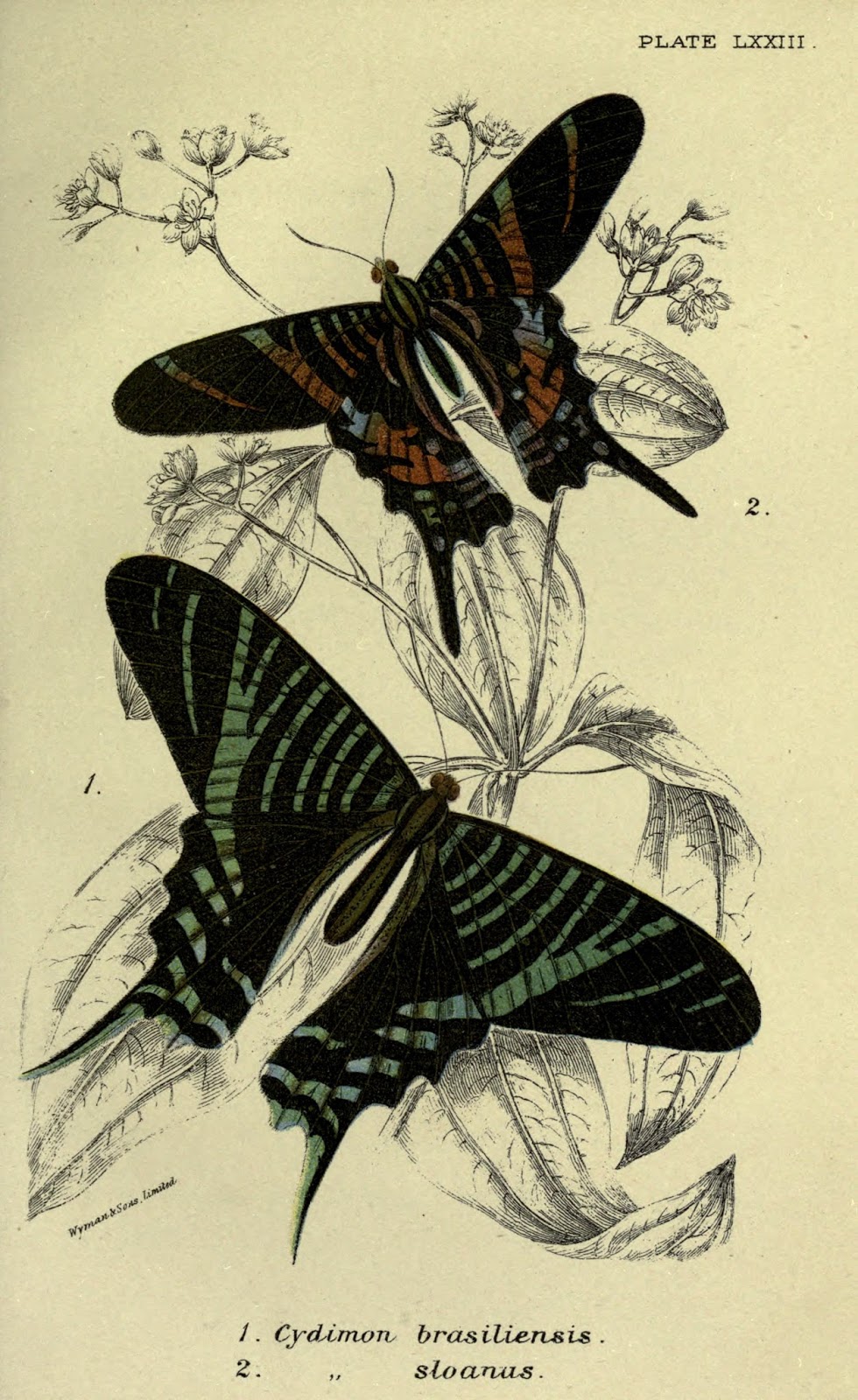
Sloane’s Urania Moth (top), Extinct. Kirby, W.F. A handbook to the order Lepidoptera. v. 3 (1897). http://biodiversitylibrary.org/page/19869923.

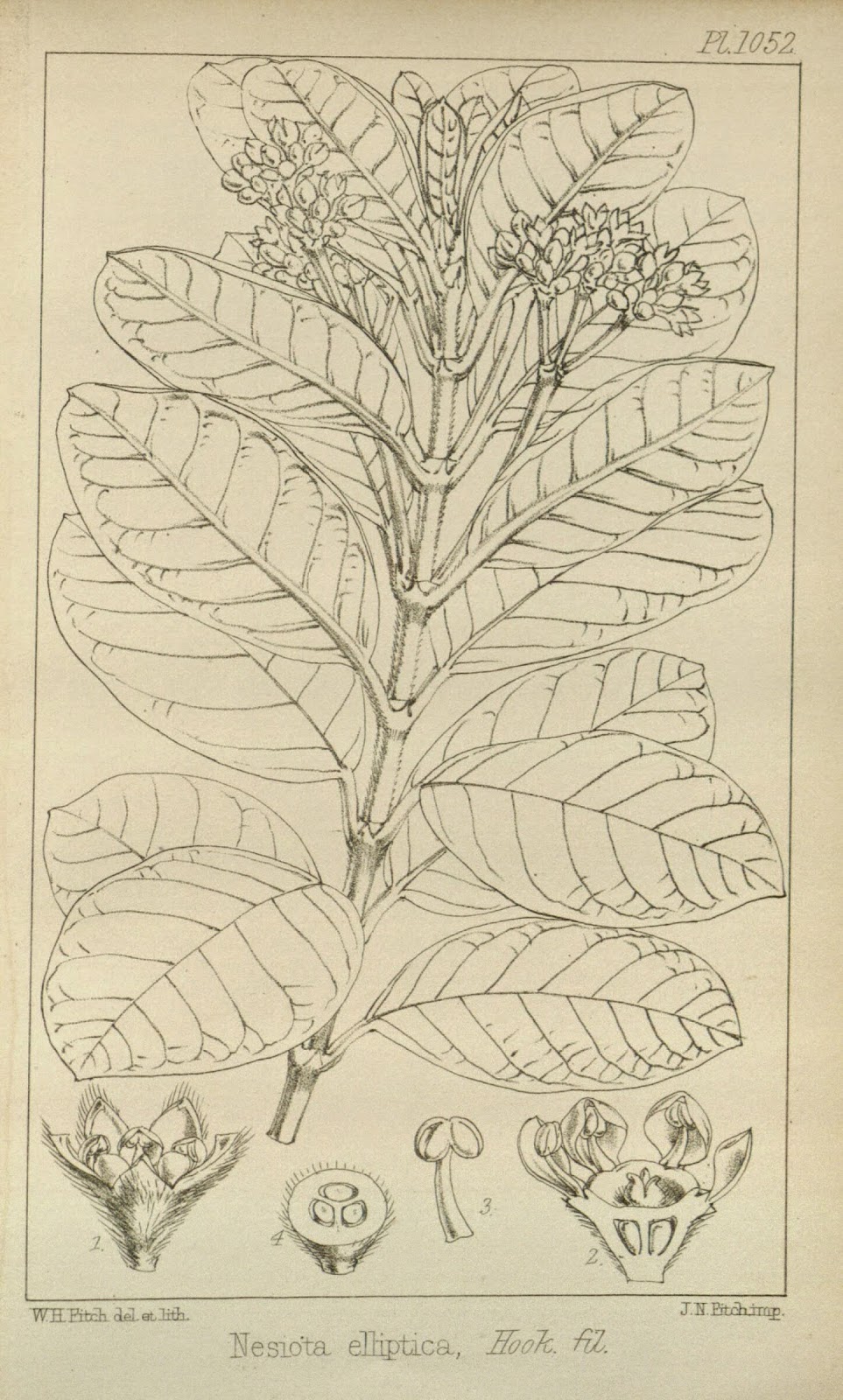
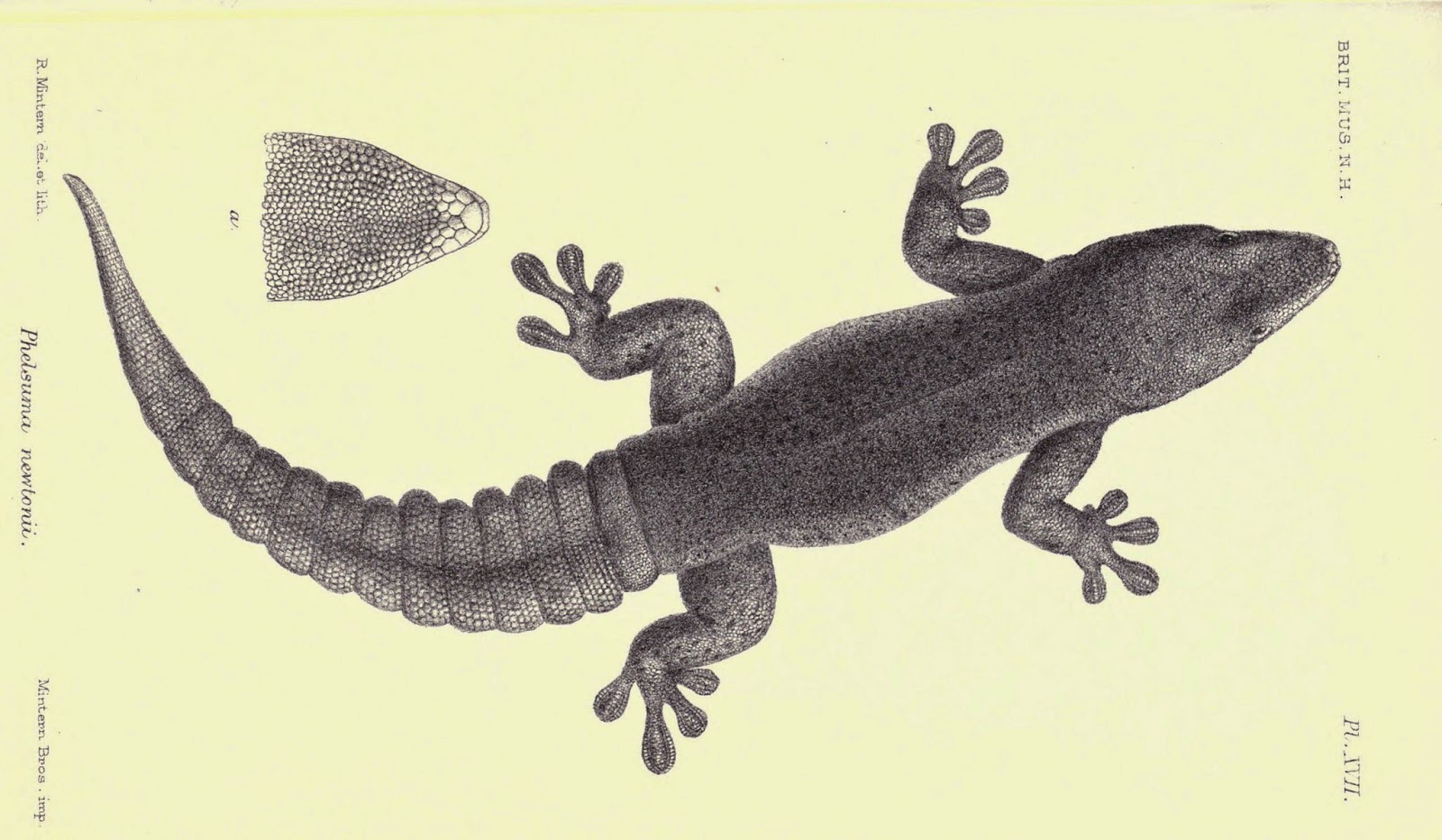
As many as 30%-50% of all species may be facing extinction by the mid-21st century, according to the Center for Biological Diversity. Some extinctions, such as that of the passenger pigeon, are internationally notorious, while others, such as the Rodrigues Day Gecko, Sloane’s Urania moth, or the Saint Helena Olive, are less infamous but no less dispiriting. Each represents another step towards earth’s sixth great extinction event.

View Full Size Image
Saint Helena Olive, Extinct. Hooker, William Jackson. Icones plantarum or figures, with brief descriptive characters and remarks, of new or rare plants, selected from the author’s herbarium. v. 11 (1867-71). http://biodiversitylibrary.org/page/16044972.

Historical literature, accounts in archival sources like fieldbooks, and museum specimens are the only remaining record of these species. “Historic literature provides written accounts and illustrations of [extinct species] from first-hand observations before they became extinct,” including phenotypic descriptions like habitat, diet, behavior, and phenology, explains Dr. Helen James, curator of Birds at the National Museum of Natural History, in a Smithsonian Libraries article. This depth of data does not always accompany museum specimens, not to mention the fact that the physical appearance of some species undergoes a radical transformation in death. Thus, for scientists to obtain a complete picture of the life, morphology, and phylogeny of extinct species, taxidermied specimens must be used in conjunction with written and illustrated primary sources.

View Full Size Image
Rodrigues Day Gecko, Extinct. Catalogue of the lizards in the British Museum (Natural History) 2d. ed., v. 1 (1885). http://biodiversitylibrary.org/page/18438199.

Learning from Extinctions

Preserving knowledge about extinct species is about more than just maintaining a record of the life we have lost. These historic accounts can also be used to help conserve endangered species. Examination of the behaviors and anatomy of extinct organisms can help tell us what made them vulnerable in the first place and can be directly applicable to threatened species.

The historic record also provides insight into how an extinction will affect an ecosystem. Species do not live in a vacuum. “The demise of one…species can indirectly cause another to become extinct,” according to a 2012 study from the University of Exeter. “Any extinction can create a ripple effect across a food web, with far-reaching consequences for many other animals.” Examining the relationships within an ecosystem, richly documented in literature and fieldbooks, can help us identify which species will be affected by biodiversity loss, and what form those effects might take. Extrapolating knowledge about ecosystems affected by extinctions to similar environments can help us predict the ramifications of biodiversity loss in expanded locales.

View Full Size Image
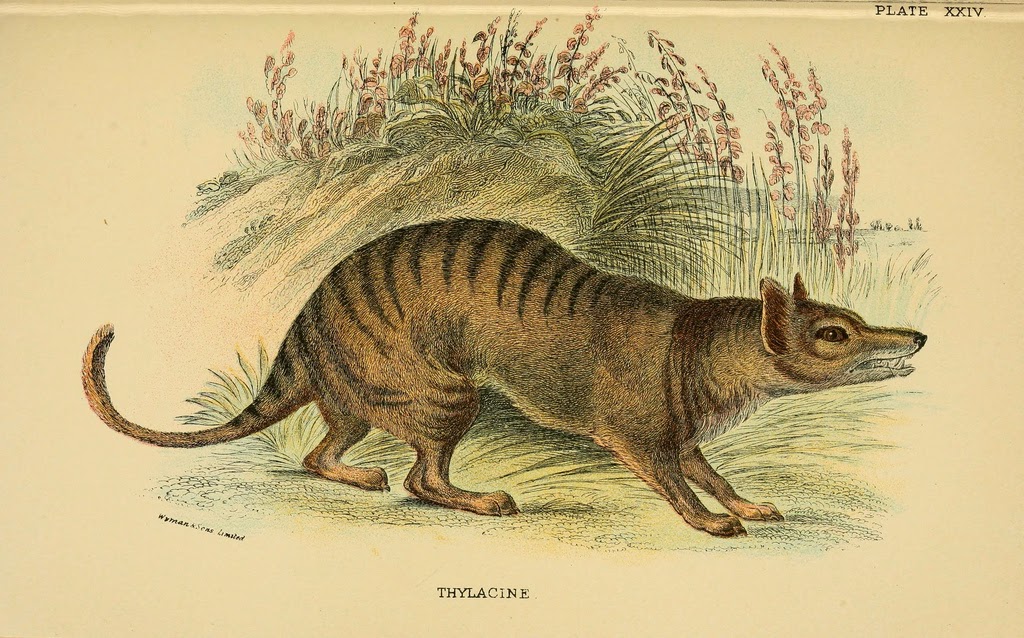
The Thylacine, an apex predator in Australia, Tasmania and New Guinea before it became extinct in the early 20th century. Lydekker, Richard. A hand-book to the marsupialia and monotremata. (1896). http://biodiversitylibrary.org/page/15043966.

New Hope for Rediscovered Species

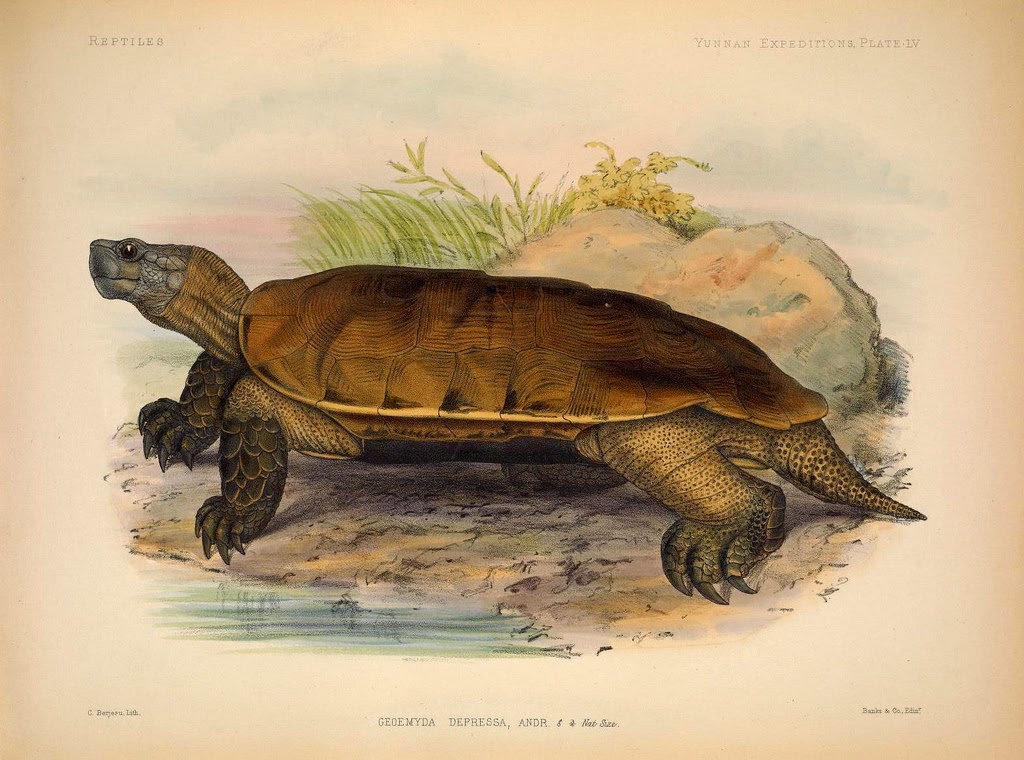
Occasionally, species that were believed extinct are miraculously rediscovered. For example, the Arakan Forest Turtle was thought to be extinct for nearly 100 years until a team of conservationists stumbled upon specimens at a Chinese food market in 1994. The information in historic literature about these species is critical to crafting policies to protect remaining populations.

View Full Size Image
Akaran Forest Turtle. Thought extinct until rediscovered in a Chinese food market in 1994. Anderson, John. Anatomical and zoological researches. v. 2 (1878). http://biodiversitylibrary.org/page/34177985.

To Clone or Not To Clone…

Recent advances in genetics have ignited the possibility of resurrecting extinct species. While debates over the wisdom of such actions continue, should the passenger pigeon ever take flight again, historic records will be vital for success. What kind of habitat do these species require? What do they eat? What wants to eat them? These answers can be found in the pages of books and journals from days gone by.

View Full Size Image
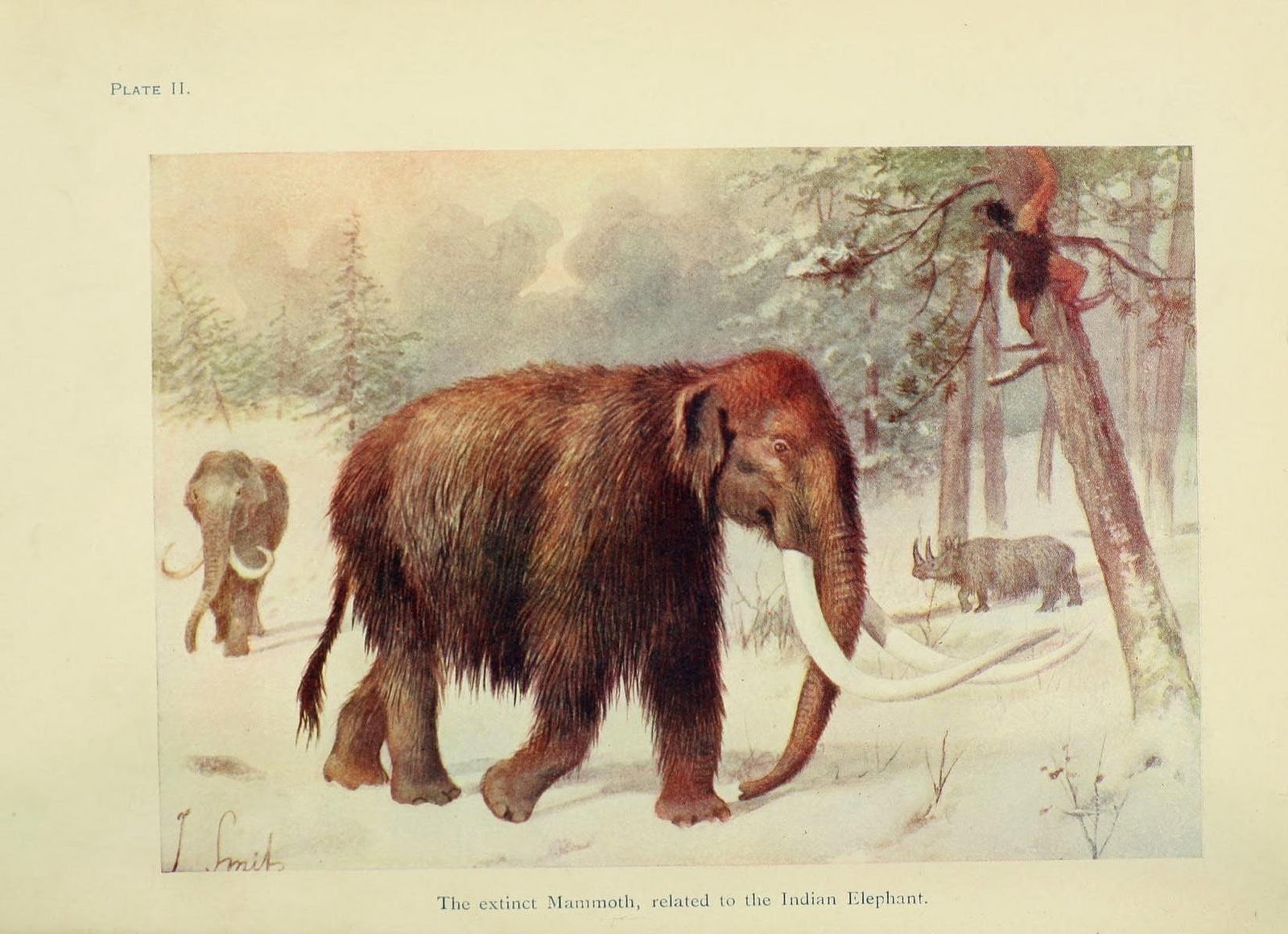
Will scientists clone a Woolly Mammoth? Westell, W.P. The Book of the Animal Kingdom (1910). http://biodiversitylibrary.org/page/10102652.

Fighting Human-induced Extinctions

Over the past 450 million years, Earth has lost up to 90% of its species on five different occasions, reports a 2014 Time article by Jeffrey Kluger. Asteroids, volcanoes, and gamma rays were to blame in the past. Humans are largely to blame today. But while, barring a genetic miracle, we will never again see a dodo waddle through the woods or the Jamaican Giant Galliwasp scurry across the ground, the historic record ensures that these lost species are not forgotten. Knowledge is power, and thanks to BHL and other like-minded open access initiatives, the knowledge necessary to prevent future human-induced extinctions is available to everyone on any corner of the globe.

View Full Size Image
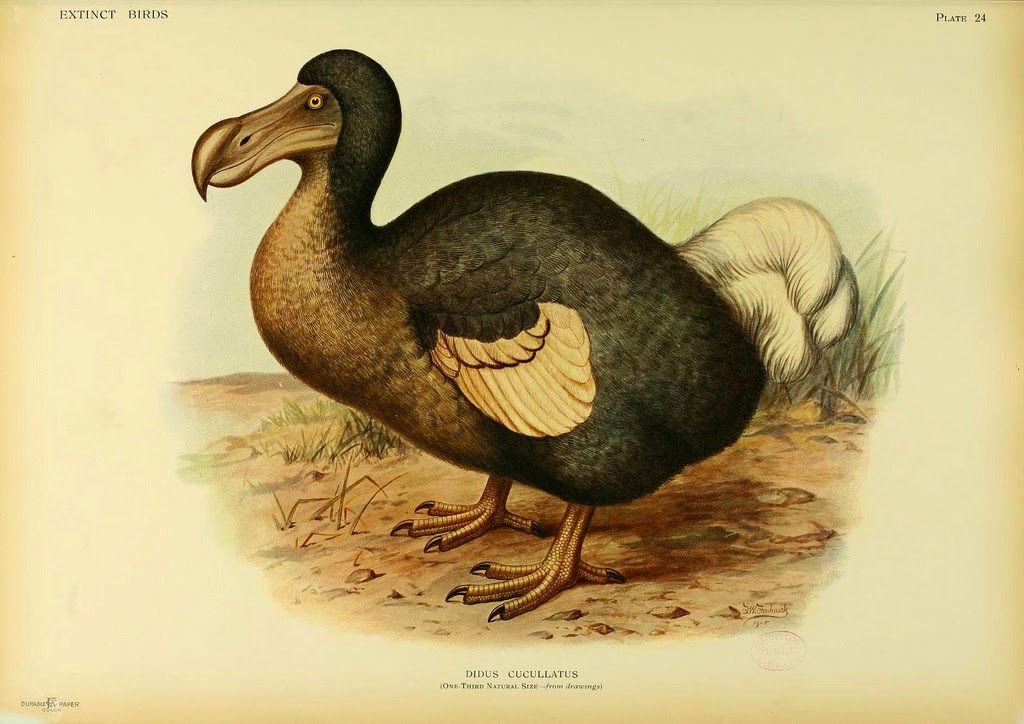
Dodo, Extinct. Rothschild, Lionel Walter Rothschild. Extinct Birds (1907). http://biodiversitylibrary.org/page/38665759.

We rely on donations from users like you to help grow our library and keep it free and open. As you think about your holiday giving, we hope you’ll consider making a tax-deductible donation to help save biodiversity.

Learn more about the critical roles BHL and historic literature play in discovering new species, supporting conservation, and saving Earth’s biodiversity

December 23, 2014by michelle.underhill
BHL News, Blog Reel

We Need Books to…Identify New Species

This month, we’re publishing a series of blog posts outlining the importance of biodiversity literature, made available for free and open access through the Biodiversity Heritage Library, to today’s scientific research and conservation initiatives. With your help, we can help save biodiversity. 

The Science of Identifying Life on Earth

There are an estimated 8.75 million species on earth, of which almost 2 million have been described. Scientists classify about 18,000 new species per year, meaning that it may take hundreds of years to create a complete species catalog.

View Full Size Image
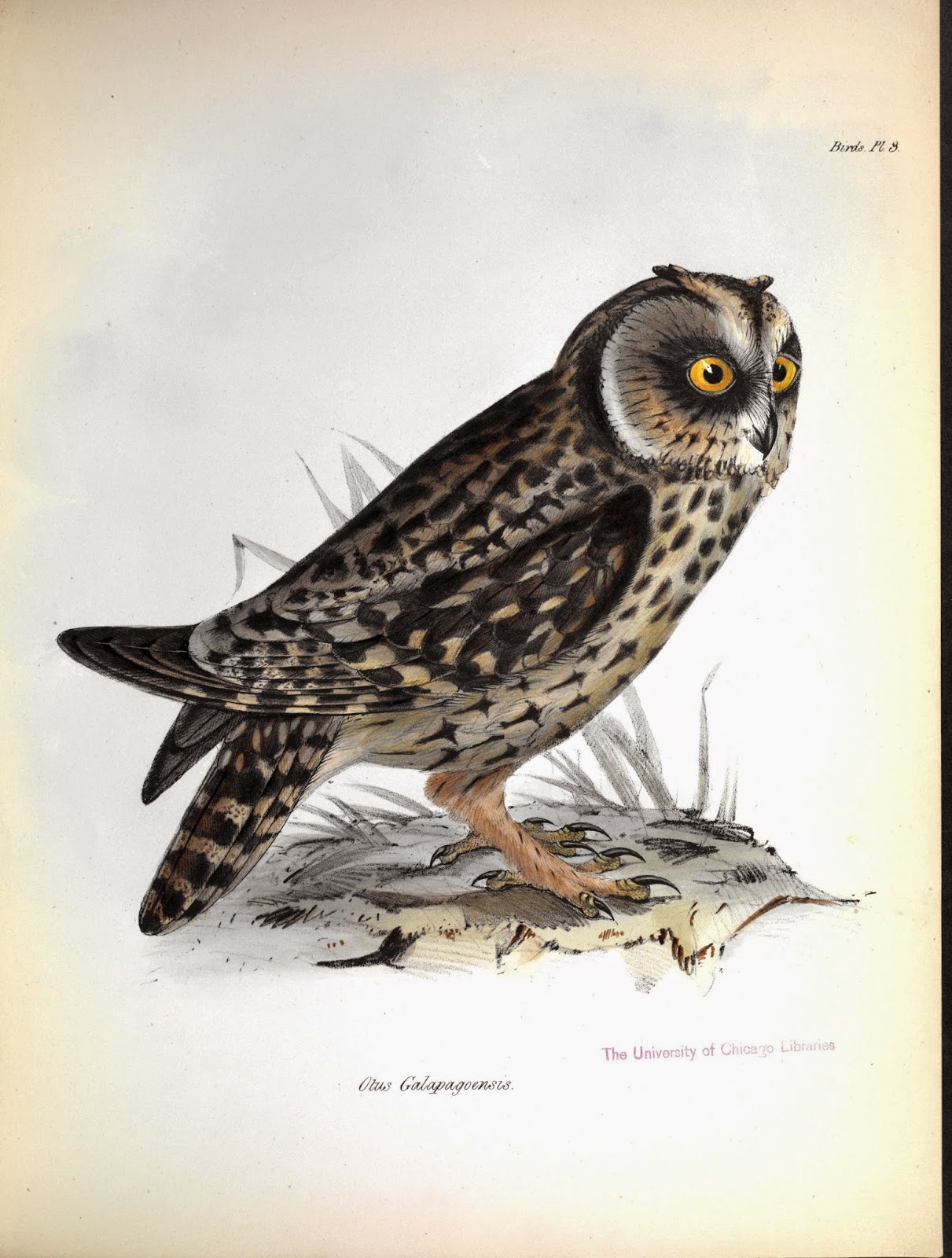
Short-eared Owl. Illustrated as part of Darwin’s Zoology of the Voyage of the H.M.S. Beagle (1839-43), which presented identification and descriptions for the zoology observed and collected during one of natural history’s most famous expeditions. http://biodiversitylibrary.org/page/40300038.

Early explorers documented their observations and data about the world’s biodiversity in historic fields notes and published literature. These discoveries provide a foundation for modern scientific research and fueled the drive to systematically catalog life. The science of taxonomy classifies biological organisms using binomial nomenclature (which identifies organisms by genus and species) and hierarchies based on inferred evolutionary relatedness.

Taxonomists are charged with naming and classifying species, with a goal of one day identifying all life on earth. In order to name a new species, a taxonomist must first verify that the specimen has not yet been described by consulting museum collections, performing DNA sequencing, and reviewing the historic literature record. They may also need to ensure that related species or subspecies have not erroneously been classified as a single species by examining published treatments (species descriptions) and related type specimens.

View Full Size Image
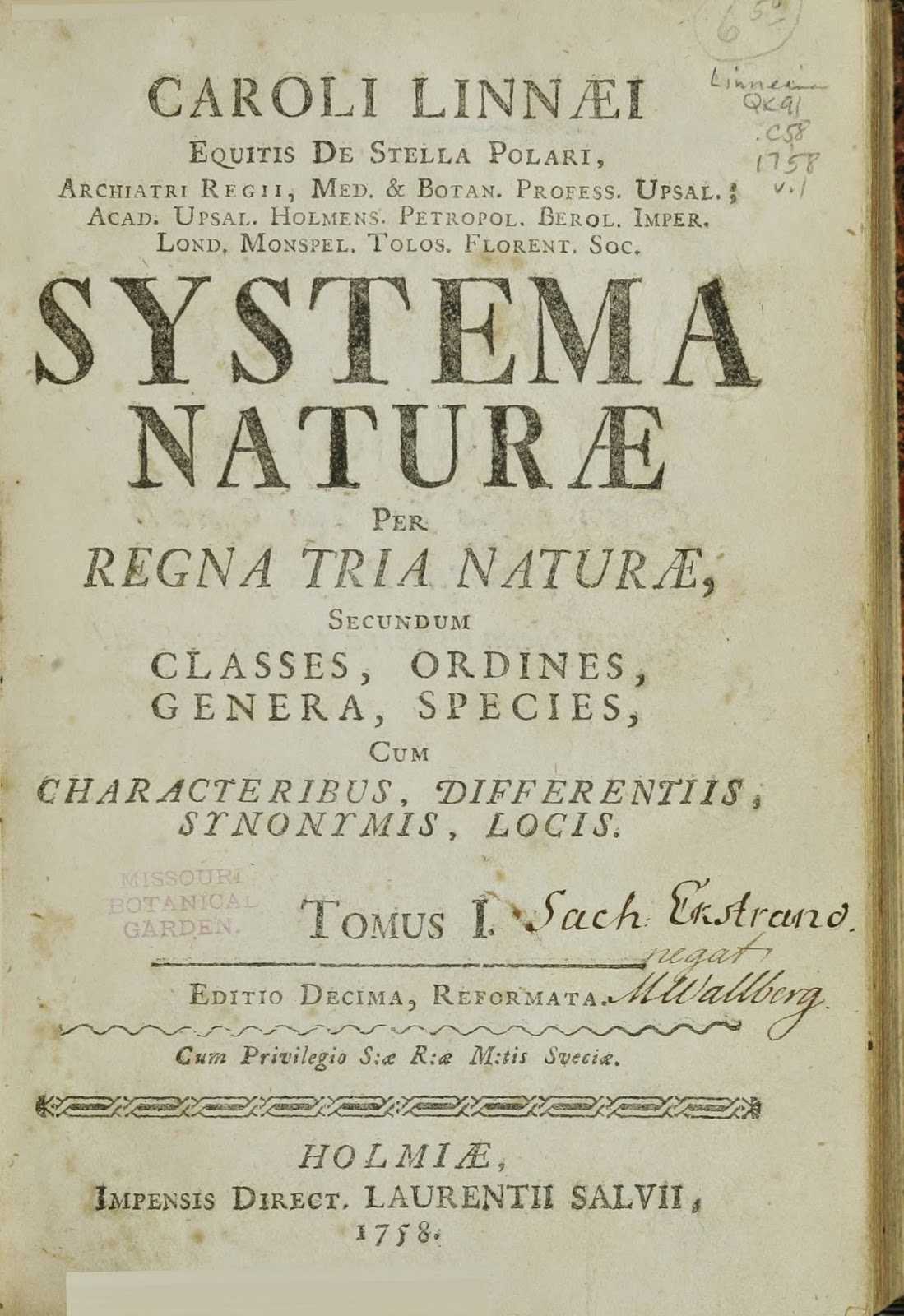
Linnaeus, Carl. Systema Naturae, 10th Ed. (1758-59). Considered the beginning of zoological nomenclature, in which Linnaeus introduced binomial nomenclature for animals. http://biodiversitylibrary.org/page/726886.

“Taxonomy is a science that keeps pace with the present but also draws upon the wealth of knowledge accumulated throughout its history,” stresses Dr. Sandra Knapp, botanist at the Natural History Museum, London, within a History of Taxonomy exhibition at NHM. “The old literature is often just as important as the new,” elaborates Dr. John Sullivan, an evolutionary biologist with the Academy of Natural Sciences, Philadelphia and Cornell University. “If we were to describe new species without knowing what [previously-documented species really are], we risk re-describing [them] under a different name and creating a synonym.”

Morphology and behavior is also very important in determining taxonomic relationships for new and existing species. Historic natural history literature is saturated with such data, which, alongside original species descriptions, provides a critical foundation for ongoing classification work.

Thanks to the Biodiversity Heritage Library, this crucial historic literature is now online, allowing taxonomists to access it wherever and whenever they need to. “I tend to think of BHL as my personal ichthyology library,” confided Dr. Sullivan. Before embarking on a trip to Africa to confirm the identity of a possible new fish, he downloaded the relevant taxonomic description from BHL. “I had it on my Kindle as I stood at the site,” he recalls. “Even if I lived in a library that had these volumes on the shelf, it would take me longer to locate what I was looking for!”

View Full Size Image
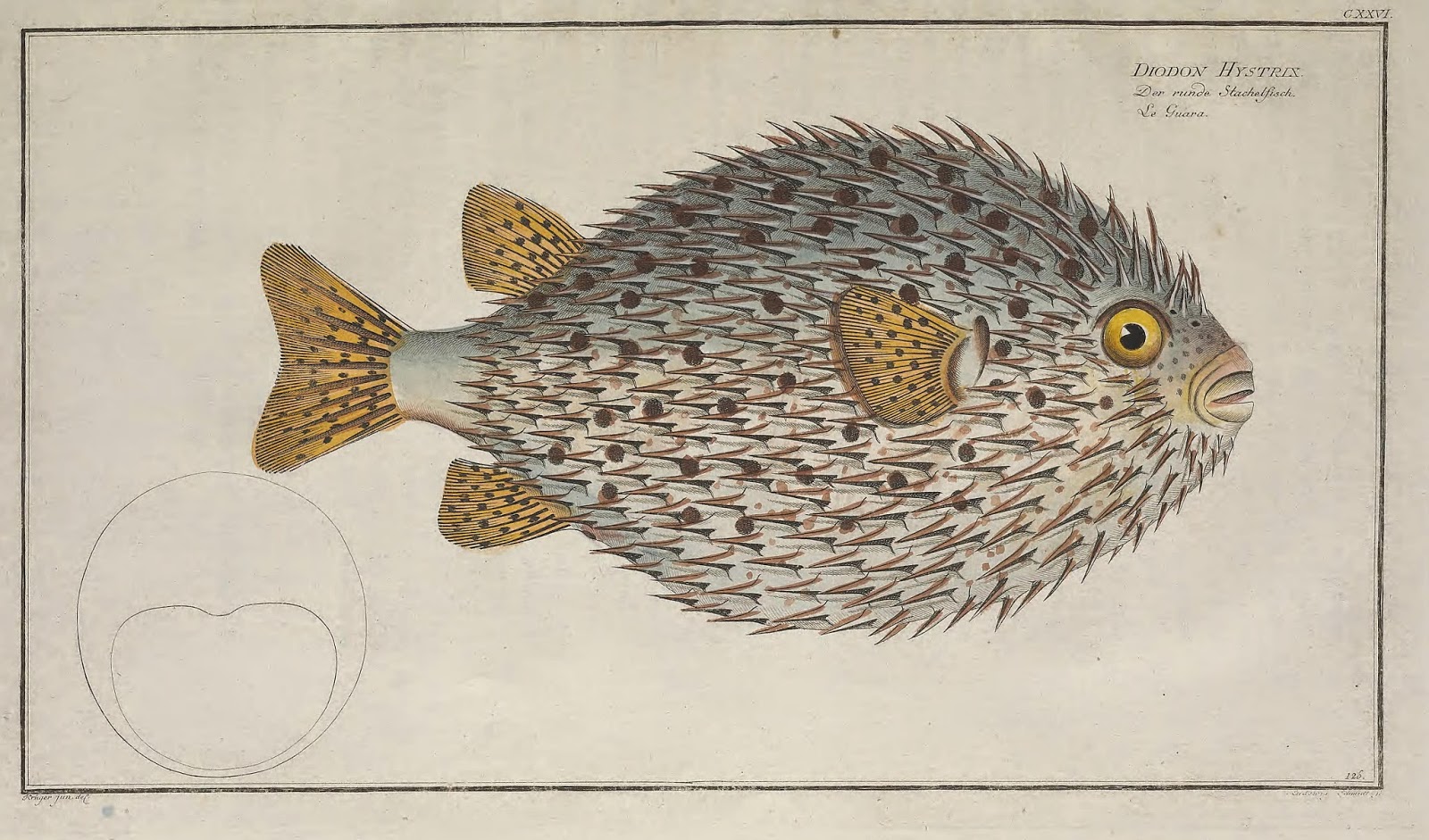
Spot-fin Porcupine Fish, from Ichtyologie, ou, Histoire naturelle, générale et particulière des poissons (1785-97), the French version of Marcus Bloch’s Allgemeine Naturgeschichte des Fische, a compendium of all fish known at the time. This work alone described 267 species new to science. http://biodiversitylibrary.org/page/46076975.

Who Cares if we Identify all the Species?

But why is it important to document all life on earth? “Biodiversity is about the totality of things,” explains Dr. Knapp in the NHM History of Taxonomy exhibition. By identifying species and the relationships between them, taxonomy aims to understand “how nature’s wild, wonderful diversity is generated.”

View Full Size Image
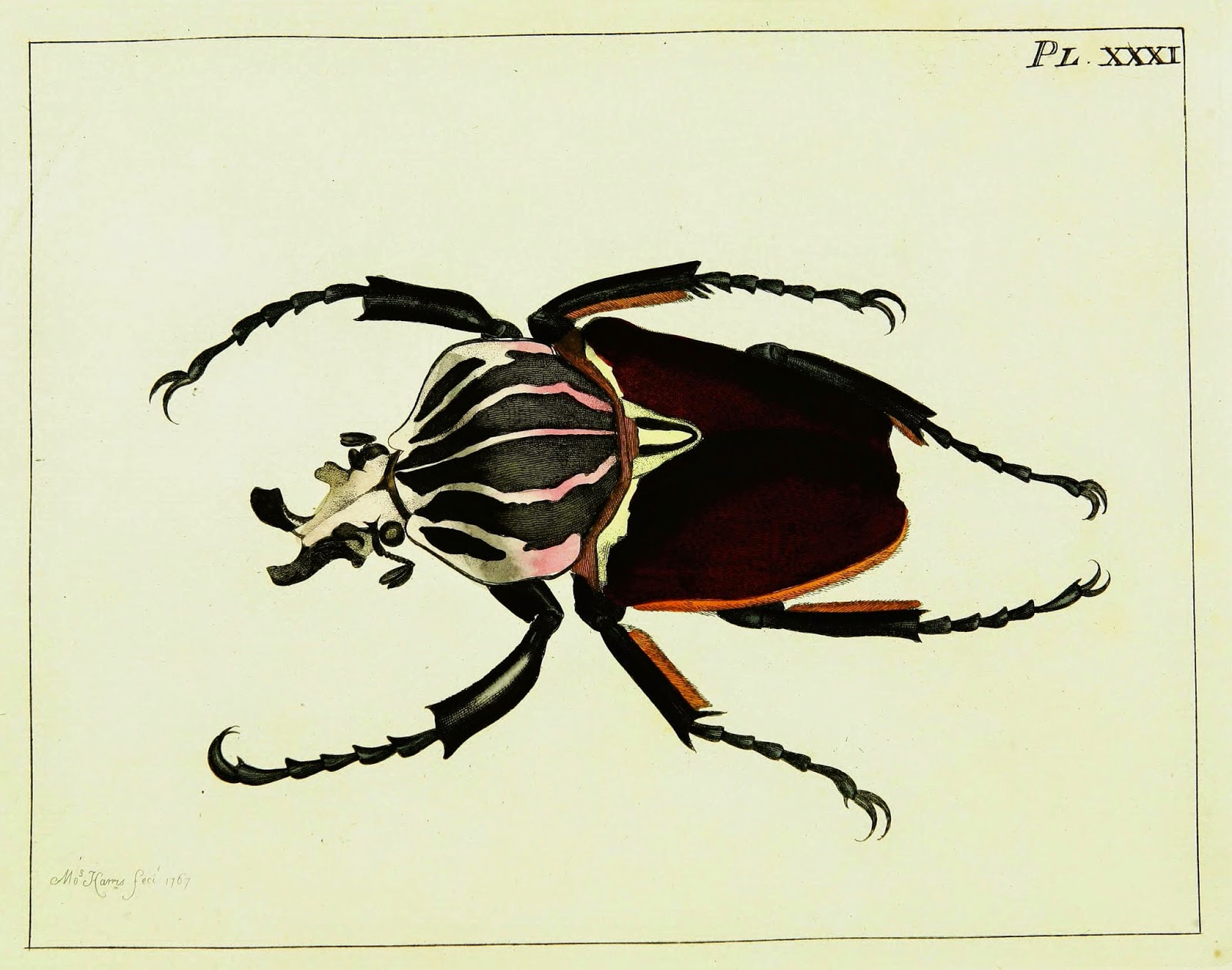
First published illustration of an African Goliath Beetle. From Illustrations of Natural History (1770-82), by Dru Drury. http://biodiversitylibrary.org/page/42122956.

Today, that diversity is sorely threatened. More than 40% of the evaluated amphibian species, 30% of the evaluated invertebrate species, 21% of evaluated fish and reptile species, 26% of known mammal species, and 68% of the evaluated plant species are threatened with extinction. “It is key to identify species at risk so we can take action accordingly,” emphasized Dr. Rafe Brown, curator in charge of Herpetology at the University of Kansas, in a 2014 National Geographic article.

The inherent problem, however, is that we can’t know what species to protect until we know what species there are. We cannot predict how biodiversity loss will affect an ecosystem until we identify all the players in that ecosystem, their roles, and relationships. We must start by illuminating the unknown.

View Full Size Image
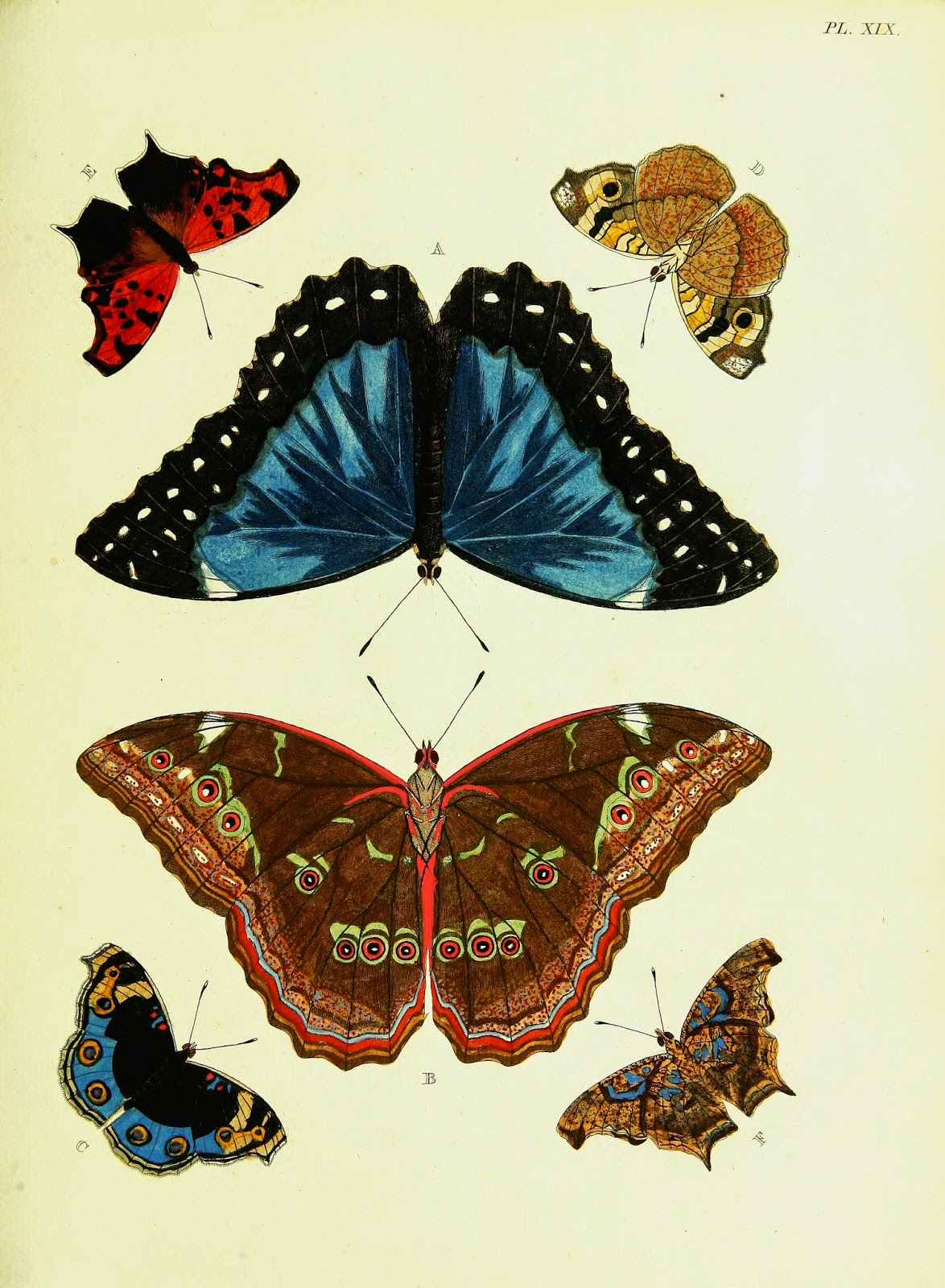
Butterflies from De uitlandsche kapellen voorkomende in de drie waereld-deelen, Asia, Africa en America (1779-82), by Cramer, Pieter. This is the first treatise on Lepidoptera to use the then-newly developed binomial classification system by Linnaeus. This work contains hundreds of “original descriptions” and many new-to-science Lepidoptera species. http://biodiversitylibrary.org/page/42111323.

A complete catalog of species can help scientists determine if conservation initiatives are focusing on and prioritizing the right environments and species or if efforts should be directed elsewhere. “We know we’re losing biodiversity at a rate that is 1,000 times faster than we should be, and if we’re going to stop that hemorrhaging of species, we have to know what the species are and most important, where they are. This is a vital first step in making decisions about where to act,” explains Dr. Stuart Pimm, a conservation biologist at Duke University, in a 2012 Seeker article.

You can help!

Effective conservation and appropriate responses to environmental changes relies on a complete biodiversity picture. Obtaining a comprehensive species catalog hinges on the work of taxonomists, who in turn are dependent on the knowledge held within the pages of historic taxonomic literature.

We rely on donations from users like you to help grow our library and keep it free and open. As you think about your holiday giving, we hope you’ll consider making a tax-deductible donation to help save biodiversity.

Learn more about the critical roles BHL and historic literature play in understanding past extinctions, supporting conservation, and saving Earth’s biodiversity

December 17, 2014by michelle.underhill
BHL News, Blog Reel

We Need Books to Save Biodiversity

This month, we’re publishing a series of blog posts outlining the importance of biodiversity literature, made available for free and open access through the Biodiversity Heritage Library, to today’s scientific research and conservation initiatives. With your help, we can help save biodiversity. 

The Biodiversity Heritage Library (BHL) is revolutionizing the way scientific research is conducted by providing free and open access to biodiversity literature and archives representing over 500 years of scientific exploration, research, and discovery.

What’s so special about Historic Literature and Archives?

Historic literature and archival fieldbooks provide information that is critical to studying biodiversity. These documents are replete with data detailing the morphology, phylogeny and ethology of earth’s species. In many cases, this literature constitutes the only available knowledge for rare, endangered, and extinct species.

View Full Size Image
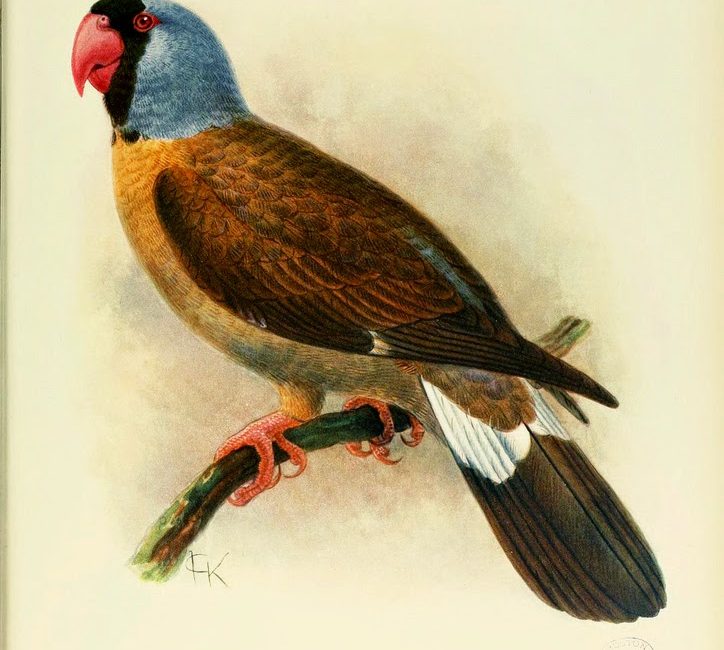
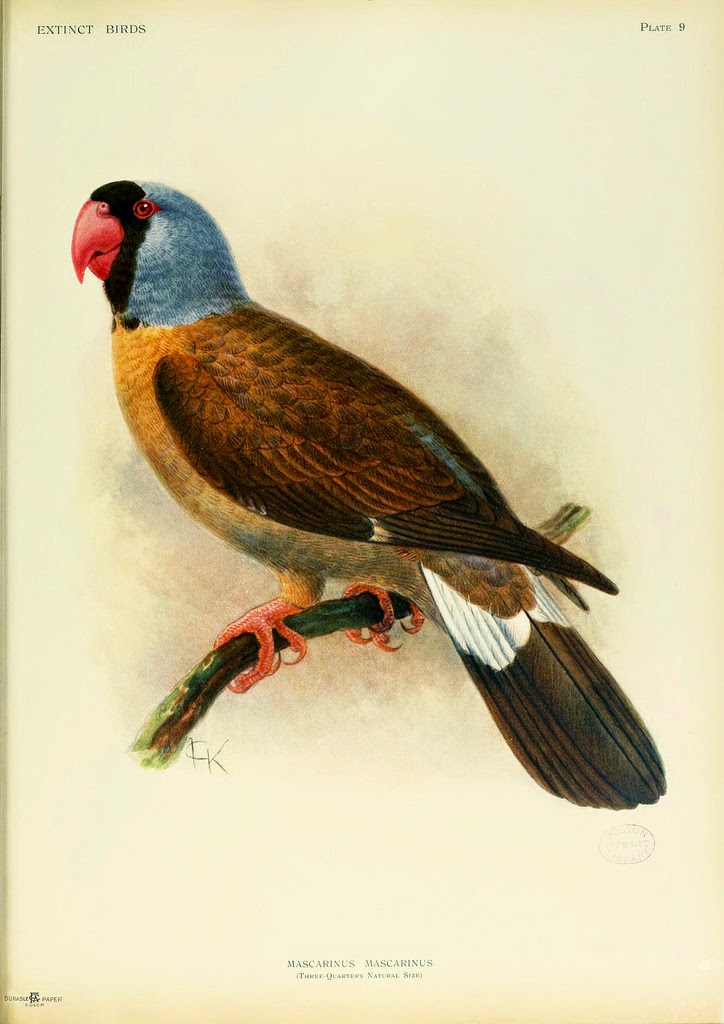
The Mascarene Parrot. Now Extinct. Rothschild, Lionel Walter Rothschild. Extinct Birds (1907). http://biodiversitylibrary.org/page/38665729.

In addition to species data, published books and fieldbooks capture ecosystem profiles, distribution maps, inter-dependency observations, and geological and climatic records. They also provide an historical perspective on species abundance, habitat alteration, and human exploration, culture and discovery.

This information has a multitude of applications in modern-day science. It is used to populate species databases and datasets that inform present-day research. It not only allows scientists to study biodiversity, but also to save it by enabling new species identification and facilitating the development of holistic conservation methods that integrate all of the factors necessary for a species’ wellbeing into its overall protection strategy. Furthermore, the discoveries captured in historic literature provide the foundations upon which contemporary models, theories and disciplines are based.

View Full Size Image
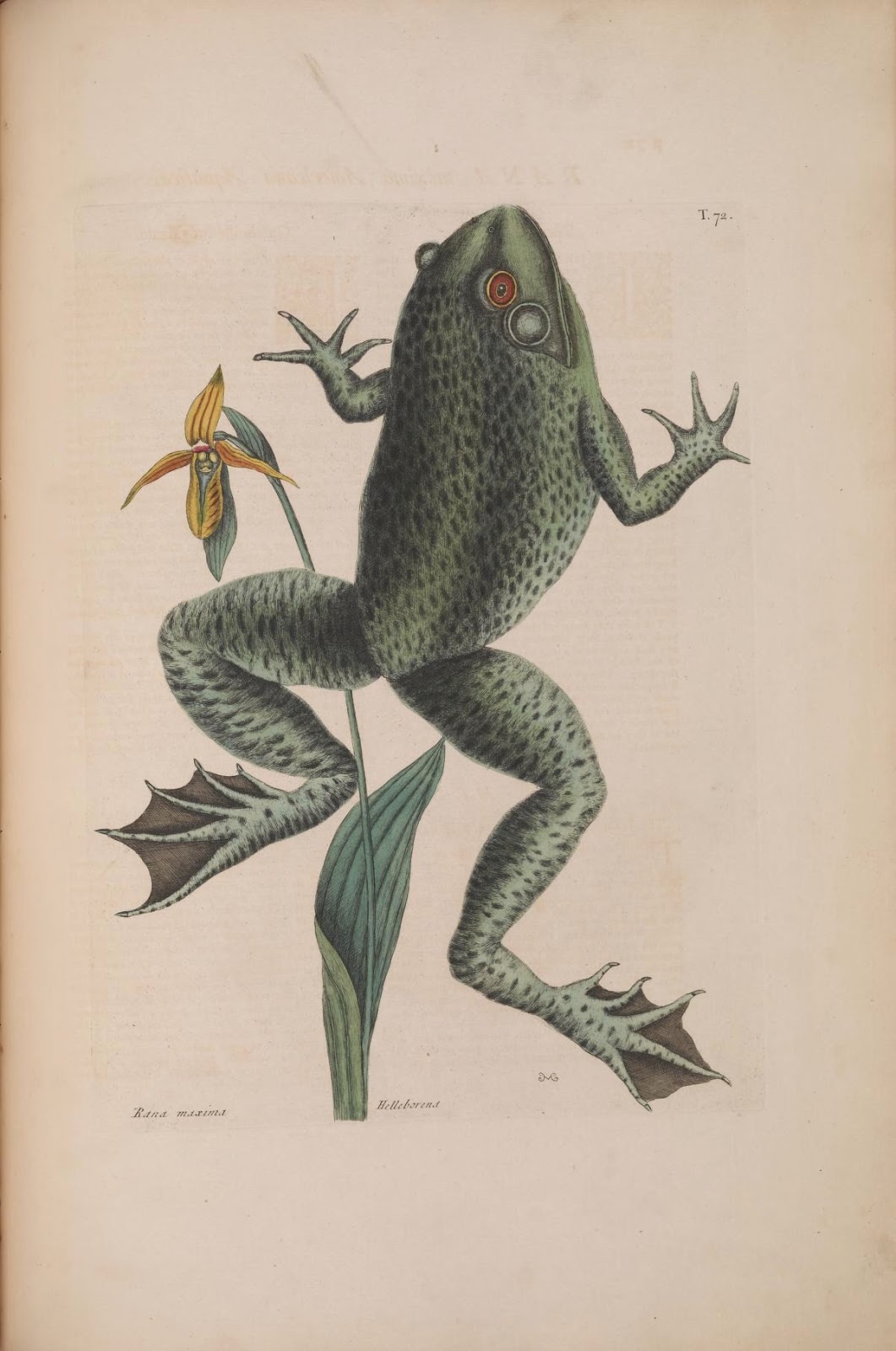
Cane Toad. From the first published account of the flora and fauna of North America: Catesby, Mark. Natural History of Carolina, Florida and the Bahama Islands (1729-47). http://biodiversitylibrary.org/page/38993574.

Sadly, much of these publications and archival content are available in only a few select libraries in the developed world.

“Science is all about disseminating knowledge and building upon what has come before, yet so much of our knowledge of plants and animals has remained inaccessible to those who could make use of it,” laments Dr. John Sullivan, an evolutionary biologist with the Academy of Natural Sciences, Philadelphia and Cornell University. “This has been a big part of the ‘taxonomic impediment.’”

The Biodiversity Heritage Library is Alleviating the Taxonomic Impediment

The Biodiversity Heritage Library boasts a collection of over 45 million pages from over 150,000 volumes and has served more than 3.5 million people in nearly every country since its launch in 2007. Additionally, BHL has made over 93,000 of the illustrations within its collection available in Flickr, which in turn have been viewed over 80 million times. Services such as taxonomic name finding tools, custom PDF downloads, and open APIs allow users to easily locate and reuse these resources.

“BHL is radically changing the status quo and democratizing access to knowledge about biodiversity,” lauds Dr. Sullivan. “Now anybody in the world has instant access to the original species description in a couple of clicks!”

View Full Size Image
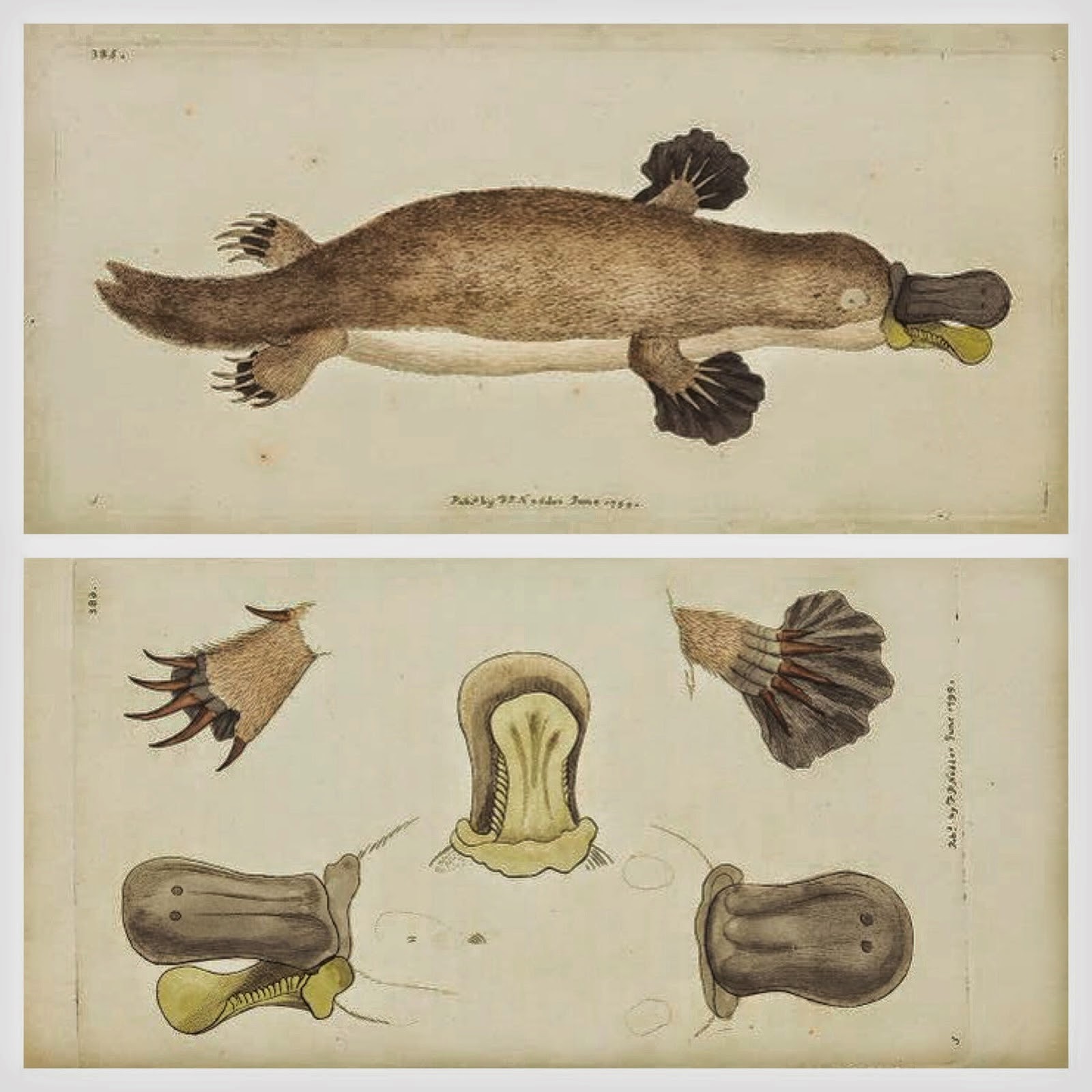
The first published illustration of the Duck-billed Platypus. Shaw, George. The Naturalist’s Miscellany, or Coloured figures of natural objects, Vol. 10 (1799). http://biodiversitylibrary.org/page/40321089.

Of Global Importance

Open access to biodiversity data is beneficial on a global scale, advancing scientific fields more quickly and connecting scientists and their research more efficiently than ever before, especially in developing countries with traditionally limited access to vital resources. “[The Biodiversity Heritage Library] has done an enormous amount to enhance the capacity of developing countries to undertake taxonomic research on their biota,” asserts Dr. Dai Herbert, a malacologist at the KwaZulu-Natal Museum in South Africa.

The repatriation of knowledge can also help countries better assess, monitor, and protect their native biodiversity. Recognizing that “identifying the factors that shape biodiversity locally helps to preserve them better in the future,” the United Nations, through the Convention on Biological Diversity, requires every signatory country to “identify and monitor the biodiversity of the organisms within its borders.” Thanks to BHL, countries now have access to information about and catalogs of the species within their boundaries, which can be used to form the basis of national biodiversity indexes and direct local conservation efforts.

View Full Size Image
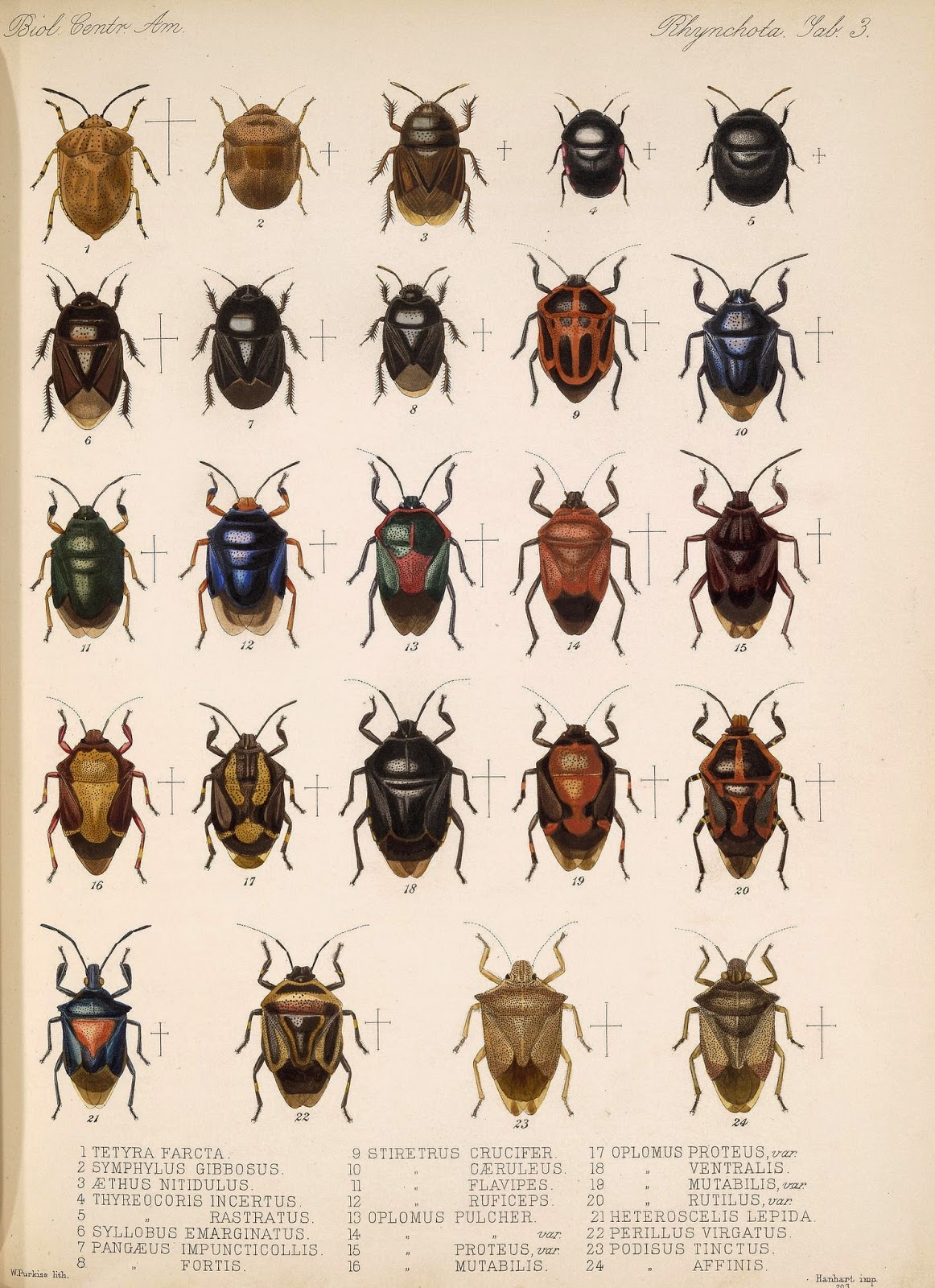
Insects. From Biologia Centrali-Americana. As this work contains all of the known information about the biodiversity of Mexico and Central America at the time of its publication, this title is still fundamental to the study of the biota of this region. http://biodiversitylibrary.org/page/594659.

Help Save Biodiversity

The Biodiversity Heritage Library is helping scientists save biodiversity, which in turn sustains our well-being as humans. “We need biodiversity to satisfy basic needs like food, drinking water, fuel, shelter, and medicine…Ecosystems provide services such as pollination, seed dispersal, climate regulation, water purification, nutrient cycling, control of agricultural pests” (Source: American Museum of Natural History website) and the “regulation and control of infectious diseases” (Convention on Biological Diversity).

View Full Size Image
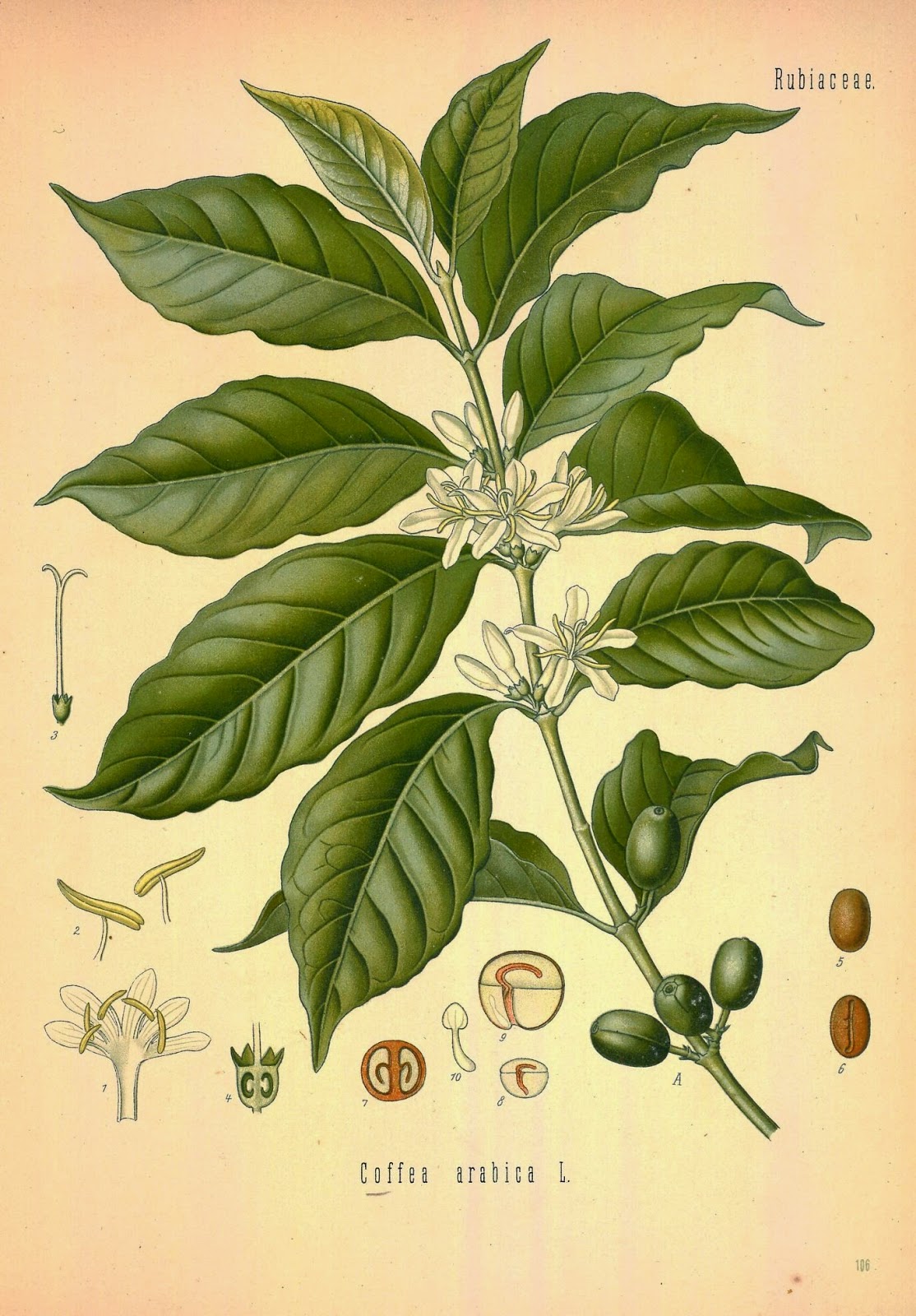
Coffea arabica, which accounts for 75–80 percent of the world’s coffee production. It is also believed to be the first species of coffee to be cultivated. Köhler’s Medizinal-Pflanzen (1883-1914). http://biodiversitylibrary.org/page/303146.

As we face a global biodiversity crisis that threatens the future of many species and habitats, unfettered access to biodiversity information has never been more important.

We rely on donations from users like you to help grow our library and keep it free and open. As you think about your holiday giving, we hope you’ll consider making a tax-deductible donation to help save biodiversity.

Learn more about the critical roles BHL and historic literature play in discovering new species, understanding past extinctions, and saving Earth’s biodiversity.
December 12, 2014by michelle.underhill

Help Support BHL

BHL's existence depends on the financial support of its patrons. Help us keep this free resource alive!

search

About BHL

The Biodiversity Heritage Library (BHL) is the world’s largest open access digital library for biodiversity literature and archives. BHL operates as a worldwide consortium of natural history, botanical, research, and national libraries working together to digitize the natural history literature held in their collections and make it freely available for open access as part of a global “biodiversity community.”

Join Our Mailing List

Sign up to receive the latest news, content highlights, and promotions.

Subscribe Now

Subscribe to Blog via Email

Enter your email address to subscribe to this blog and receive notifications of new posts by email.

Join 319 other subscribers

Subscribe to Blog Via RSS

Subscribe to the blog RSS feed to stay up-to-date on all the latest BHL posts.

Access RSS Feed

Inspiring Discovery through Free Access to Biodiversity Knowledge.

The Biodiversity Heritage Library makes it easier than ever for you to access the information you need to study and explore life on Earth…for free, anytime, anywhere.


ABOUT | HARMFUL CONTENT | PRIVACY | SITE MAP | TERMS OF USE