

On 1 January 2026, the Biodiversity Heritage Library (BHL) will take flight, becoming fully independent after nearly two decades hosted by the Smithsonian Institution.
This transition marks an historic milestone for BHL and for the global biodiversity and open-science communities we serve. It also brings an urgent challenge: ensuring that the infrastructure, staffing, and partnerships that keep over 500 years of biodiversity knowledge open to the world remain secure and sustainable.
Our Community Has Lifted Us. Now We Must Keep Flying…
When the Smithsonian announced in early 2025 that it would step back from hosting and administering BHL, the global consortium rallied. Through our Call for Support, we received commitments from institutions and outpourings of love from our global network – a testament to the strength of the BHL community and the value placed on free, global access to biodiversity literature.
Those pledges give us the stability we need to complete our transition and begin building a long-term foundation for the future. Yet they will only sustain us through 2026 – perhaps into 2027.
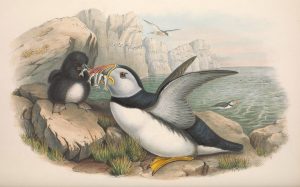
Puffin, Fratercula arctica (Pl. 51), illustrated by Henry Constantine Richter, from The Birds of Great Britain by John Gould, 1873.
To truly soar beyond this transition, we must secure the technical infrastructure, hosting, and staffing that will carry BHL forward for decades to come.
Why We Need Your Help
The #GiveBHLWings campaign, launched for Giving Tuesday 2025, invites everyone who values open knowledge to be part of this transformation.
Your donation directly supports:
- The servers and systems that deliver millions of digitized pages every day;
- The staff and volunteers who manage metadata, partnerships, and outreach;
- The modernization of infrastructure to make biodiversity literature discoverable, connected, and citable within the global research ecosystem.
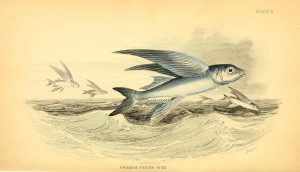
Common Flying Fish (Pl. 8), from The natural history of fishes, particularly their structure and economical uses, by John Stevenson Bushnan, 1840.
As we count down to BHL’s independence on 1 January 2026, we invite you to join us.
Every contribution – large or small – will help ensure that researchers, educators, students, and nature enthusiasts around the world continue to have free access to the biodiversity knowledge that underpins conservation and science.
Help BHL Take Flight
Your support will carry the Biodiversity Heritage Library into its new future: independent, resilient, global, and ready to soar.
🌿 Donate today: help #GiveBHLWings
📢 Spread the word: share the #GiveBHLWings campaign far and wide
💚 Share the love: use #ILoveBHL on social media
💡 Share your ideas: Respond to our Call for Support
📚 Stay up to date: follow #BHLTransition news on the BHL Blog
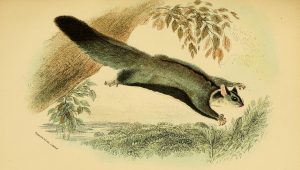
Squirrel Flying-phalander (Pl. XV), from A hand-book to the marsupialia and monotremata, by Richard Lydekker, 1894.
Discover more from Biodiversity Heritage Library
Subscribe to get the latest posts sent to your email.

Leave a Comment