Biodiversity Heritage Library - Program news and collection highlights from BHL
  • Home
  • News
  • Featured Books
    • All Featured Books
    • Book of the Month Series
    • BHL at 20
  • User Stories
  • Campaigns
    • Fossil Stories
    • Garden Stories
    • Monsters Are Real
    • Page Frights
    • Her Natural History
    • Earth Optimism 2020
  • Tech Blog
  • Visit BHL
Home
News
Featured Books
    All Featured Books
    Book of the Month Series
    BHL at 20
User Stories
Campaigns
    Fossil Stories
    Garden Stories
    Monsters Are Real
    Page Frights
    Her Natural History
    Earth Optimism 2020
Tech Blog
Visit BHL
  • Home
  • News
  • Featured Books
    • All Featured Books
    • Book of the Month Series
    • BHL at 20
  • User Stories
  • Campaigns
    • Fossil Stories
    • Garden Stories
    • Monsters Are Real
    • Page Frights
    • Her Natural History
    • Earth Optimism 2020
  • Tech Blog
  • Visit BHL
Biodiversity Heritage Library - Program news and collection highlights from BHL
Blog Reel

Together, We Saved BHL. Now We Need to Sustain It.

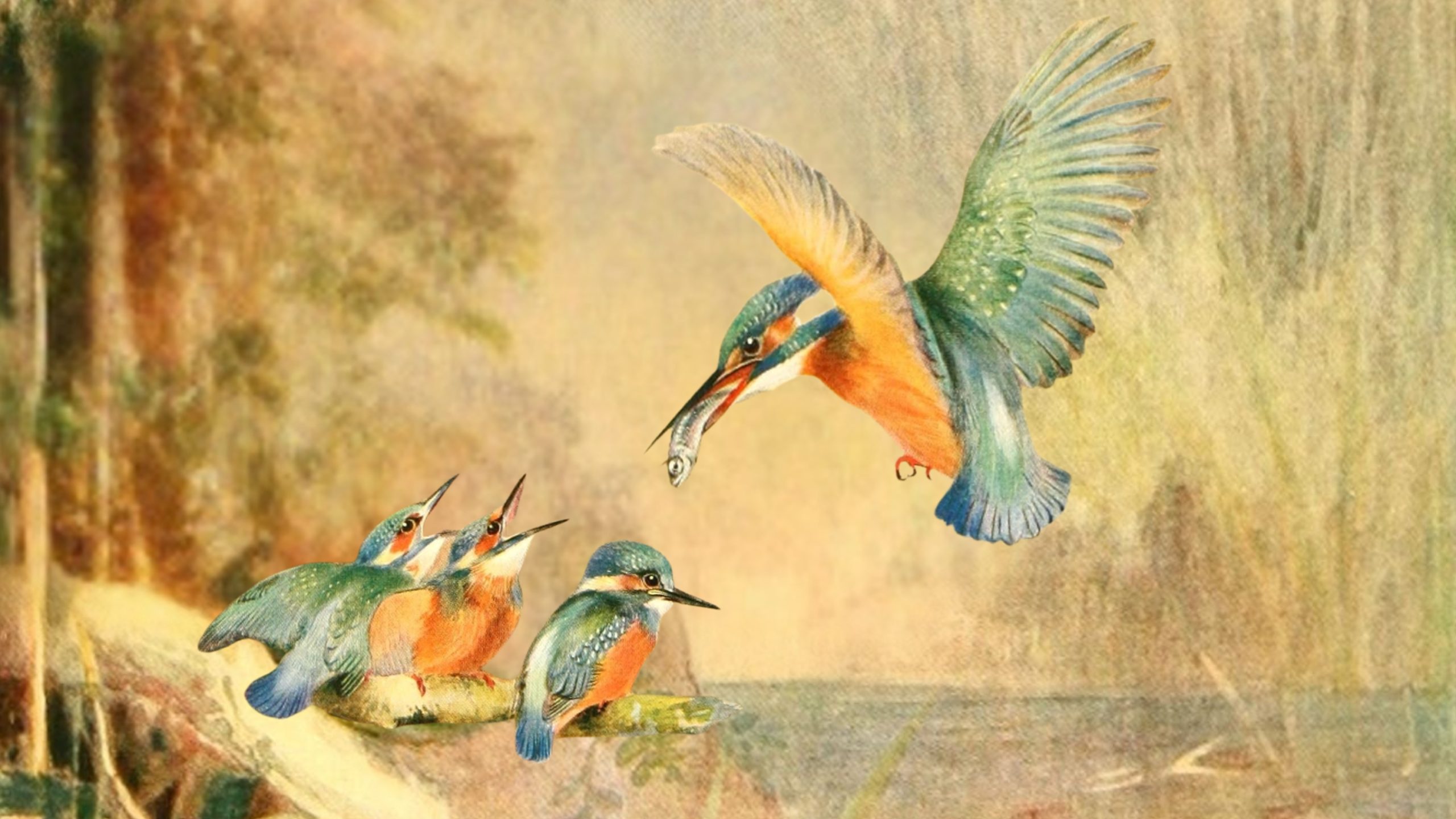
An adult kingfisher holding a fish flying above three chicks

Last year, our community gave BHL wings.

In 2025, the Biodiversity Heritage Library faced a real threat to its existence: the sudden loss of the institutional support on which it had depended, with no guarantee that it could continue. After nearly two decades of support from the Smithsonian Institution, BHL needed to establish a new independent and globally governed future. Staff, services, technical systems, partnerships, governance and funding all had to be secured so that the world’s largest open-access digital library for biodiversity literature and archives could remain free and available to everyone.

Thank you for helping secure BHL’s future

Since BHL launched public fundraising for the transition on 17 October 2025, supporters from 46 countries have contributed more than USD $113,000 to help support BHL’s independent future.

USD $51,000 of that support was given during our #GiveBHLWings campaign, held during the final seven weeks before BHL’s transition to independence on 1 January 2026.

We are profoundly grateful.

Because our community rallied around BHL, staff were retained, services continued, and more than 64 million pages of biodiversity literature and archives remain freely accessible online.

At the end of June 2026, BHL’s formal transition period concluded. The final major piece of the transition was completed in July: moving BHL’s servers and core technical infrastructure from the Smithsonian Institution to the Field Museum in Chicago. BHL now operates through a distributed, partner-supported model, with a new administrative and technical foundation for the future.

Together, we saved BHL. Now we need to sustain it.

🤍 Become a BHL Sustainer


Why monthly support matters

Like these baby kingfishers, BHL needs dependable ongoing support to sustain staff and services, modernize our technical infrastructure, improve access and discoverability, grow and connect collections, and keep biodiversity knowledge open to everyone.

An adult kingfisher holding a fish above three hungry chicks on a log

Kingfisher and young, from Pycraft, W. P., and Roland Green. Birds in Flight. London: Gay & Hancock Limited, 1922. https://doi.org/10.5962/bhl.title.14815. Contributed to BHL by Smithsonian Libraries and Archives.

Monthly gifts are especially valuable because they provide predictable income that keeps BHL running month after month. A monthly gift does not need to be large to make a difference. Regular gifts of every size combine to create a stronger and more stable foundation for BHL.

Become a BHL Sustainer

This month, we are inviting our community to become BHL Sustainers by making a monthly gift.

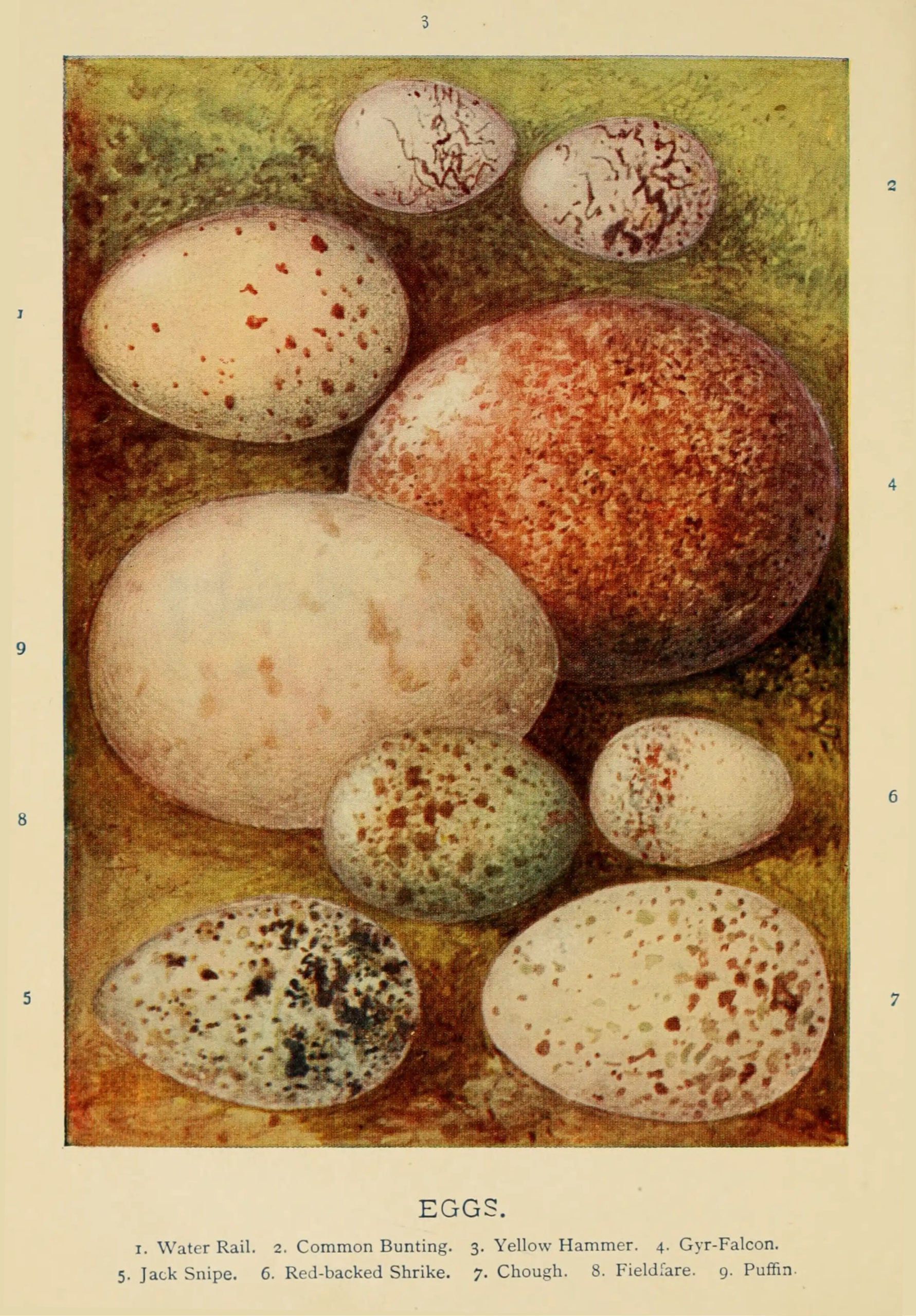
An historic illustration of bird eggs of different sizes and colors

Eggs, from Kearton, Richard. Birds’ Nests, Eggs and Egg-Collecting. London: Cassell, 1896. https://doi.org/10.5962/bhl.title.56067. Contributed to BHL by Smithsonian Libraries and Archives.

Like the eggs illustrated in this historic plate from BHL’s own collections, monthly gifts come in many sizes, and every size matters.

  • USD $5/month – Yellow Hammer-sized: small, but part of something that adds up fast.
  • USD $10/month – Puffin-sized: steady, dependable support, month after month.
  • USD $20/month – Chough-sized: a stronger, ongoing contribution.
  • USD $50/month – Falcon-sized: substantial, sustaining support for the long haul.

These examples are shown in USD, but donations can be made in more than 135 currencies and in whatever amount works for you.

🤍 Become a BHL Sustainer


Every gift helps. Every month matters.

For 20 years, BHL has opened biodiversity literature to the world. It exists because of a global community committed to open access, shared infrastructure, and the belief that biodiversity knowledge should be available to everyone.

Last year, that community gave BHL wings. Now we’re asking you to help us keep flying.

If BHL matters to your work, your collections, your teaching, your research, your art, your writing, or your love of the natural world, please consider becoming a monthly donor today.

You can also support BHL through major gifts, wire transfers, bequests, or other legacy gifts: Ways to Give.

Donations are processed through BHL’s fiscal sponsor, the Council on Library and Information Resources (CLIR). Tax deductibility depends on your country of residence and individual circumstances.

August 5, 2026by nkearney
BHL News, Blog Reel, Tech Updates

BHL Servers are Moving!

An old map of the northeast United States with an arching arrow from Washington DC and Chicago

The big day is here! BHL’s Tech Team is starting the three-week process of moving BHL’s technical infrastructure from the Smithsonian data center just outside of Washington, DC, to the Field Museum in Chicago, Illinois.

First, though, we are deeply grateful to the Field Museum for welcoming BHL’s technology and helping ensure that biodiversity knowledge remains available to the global community. The support from their administration and technical team is invaluable.

We’ve been testing and configuring the network at the Field Museum and BHL is already quietly running on their network, so we are confident the process will go smoothly when we ship and install the production database and full-text-search servers.

“How will this affect BHL?”, you say. Great question! As much as possible, the BHL website will remain online and we do not expect any time where BHL is unavailable. The shipments to Chicago will take place in two parts to ensure BHL is always available, with some limitations. The first shipment on 11 June 2026 will have no impact on the regular functions of the site.

The second shipment on 25 June 2026 will cause the usual full-text search function to be temporarily unavailable while the full-text-search server is in transit. This means users will still be able to search titles, authors, subjects, and other catalog metadata, but users will not be able to search the full text of books and articles. This will last for 5-6 days over a weekend.

The 11th of June is a warm up, but the big day is the 25th of June when we officially begin serving BHL from the Field Museum.

We’ve set up an informational page with more details and will update it as things progress. We’ve also provided a map to illustrate where BHL’s servers are during transit.

An old map of the northeast united states with a winding dashed line between DC and Chicago.

A map of the route the servers will take to get to Chicago.
Please note that the path is neither accurate nor to scale. (Map Source)

But will the BHL servers feel at home in Chicago? To help them acclimate, we looked to historical maps of rainfall, soils, and vegetation to compare BHL’s former and future environments.


Vintage map showing rainfall in the northeastern part of the United States.

From: Atlas of American agriculture, no.5 (Source)

In Chicago, BHL will be receiving slightly less rainfall (30-35 ” or 75-88 cm per year) than on the U.S. East Coast (35-40″ or 85-100 cm). This, however, is mitigated by its proximity to Lake Michigan, which is one of the largest freshwater lakes in the world.

This looks like sufficient water for BHL, but these are historical values and may not reflect the effect of global climate change. In fact, it’s reported that the north-central part of the United States is in a moderate drought.


Vintage map showing soil types in the northeastern part of the United States.

From: Atlas of American agriculture, no.8 (Source)

What about soil type? BHL is leaving an area of Gray-Brown Podzolic soils to the much less prodigious Soils of the Northern Prairie. Looking closely at this map, we can see that BHL’s familiar soils are in close proximity to its new soil environment in Chicago, so we hope that this will help BHL rapidly make the transition to its new home.


Vintage map showing types of vegetation in the northeastern part of the United States.

From: Atlas of American agriculture, no.6 (Source)

Lastly, we look at vegetation. Historically the eastern seaboard of the United States is abundant in Oak-Pine and Chestnut-Oak-Yellow Poplar forests. The move to Chicago brings a potentially dramatic change as BHL moves from forests to the Tall Grasses of the Prairie Grasslands. Much like the new soil type, we see that BHL is still in close proximity to Oak-Hickory forests and we hope that the presence of the familiar Oaks will also help make the transition.


With familiar oaks nearby, sufficient water, and a welcoming new home at the Field Museum, we think BHL is well positioned to put down roots in Chicago.


June 9, 2026by Joel Richard
BHL News, Blog Reel

Commemorating 20 Years of BHL at the 2026 Annual Meeting

A group of 26 people posing for a group photo on the steps of a building in front of a green double door. The BHL at 20 logo is in the foreground.

The Biodiversity Heritage Library continued our 20th anniversary celebration at our Annual Meeting in London from 27 April to 1 May. This year, founding members and 10th anniversary co-hosts, the Natural History Museum, London and the Royal Botanic Gardens, Kew, welcomed 46 representatives from 30 institutions across 8 countries to gather and plan for BHL’s future.

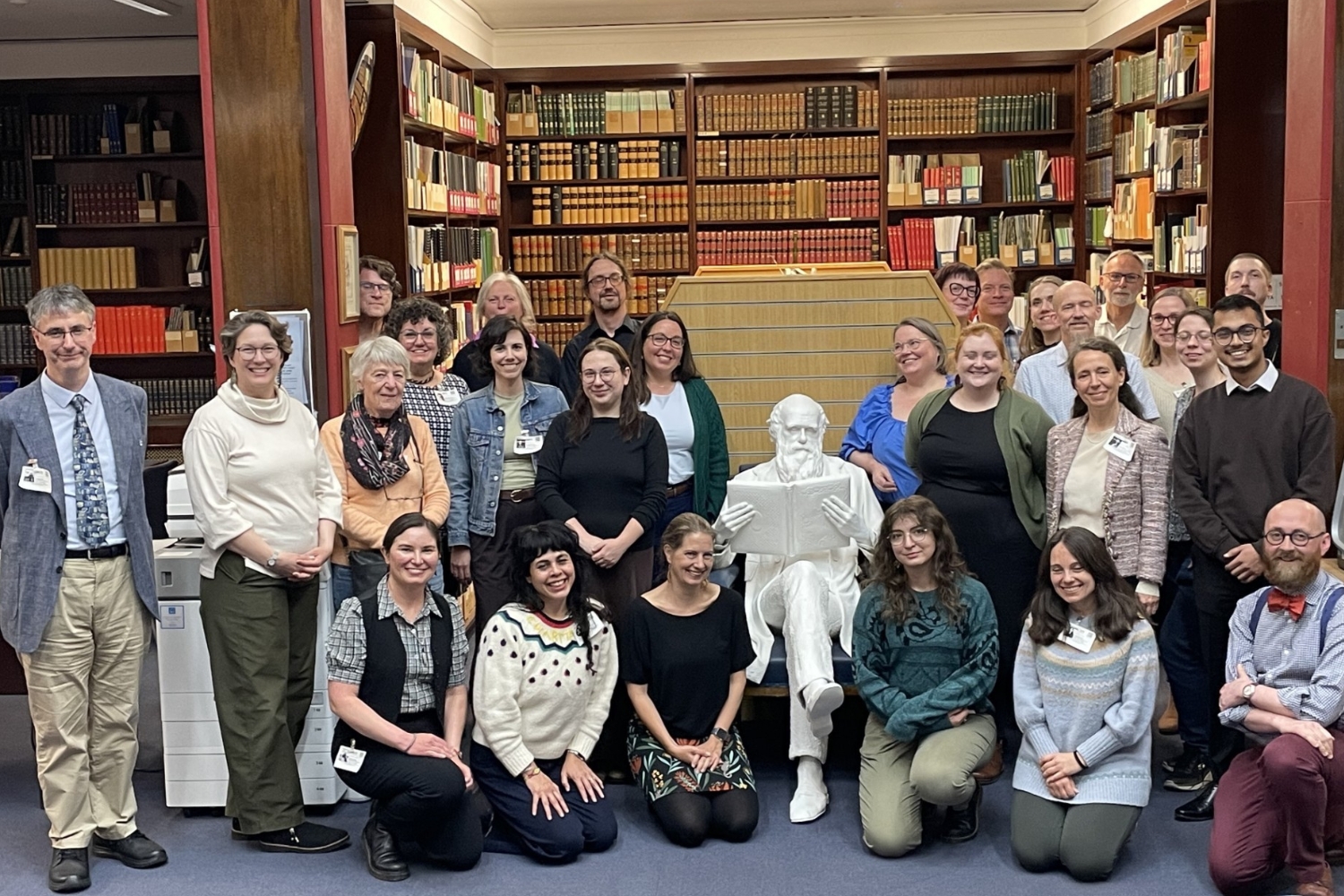
A group of 28 people posing for a group photo in a library around a life-sized white statue of Charles Darwin sitting with his legs crossed reading a book.

The attendees of the 2026 BHL Annual Meeting in the library of the Natural History Museum, London, with Charles Darwin. Photo credit: Victoria Devonport, NHM London

Though we took time to reflect on the successful collaborations of the past 20 years of BHL, this meeting was truly a time for looking forward. For me personally, this was my sixth BHL annual meeting and the most personally energizing. I started with BHL in March 2020 as BHL’s Program Manager. My first task was to help pivot the planned annual meeting in Paris to be fully virtual due to the COVID-19 pandemic. Every annual meeting since has presented its own unique opportunities and challenges; none more challenging than the 2025 annual meeting in which BHL was asked to develop an urgent transition plan to separate from the Smithsonian Institution in less than 9 months. In stark contrast, by April 2026, BHL is now operating under its new home at the Council on Library and Information Resources (CLIR) and moving its technical infrastructure to the Field Museum. We have retained our existing staff and expanded our consortium with new Members. For me, nothing is more revitalizing than gathering with the dedicated and enthusiastic contributors and supporters of BHL.

Strategic Planning

The major focus of the 2026 annual meeting was strategic planning. The BHL Executive Committee (EC) has been leading the global consortium through a strategic planning process in early 2026 to establish new goals for 2026 through 2030, as well as targeted 2 year operational plans to achieve those goals. With the transition to our new fiscal home under CLIR and the migration of our technical hosting to the Field Museum, 2026 is a year of great change for how BHL manages its daily operations.

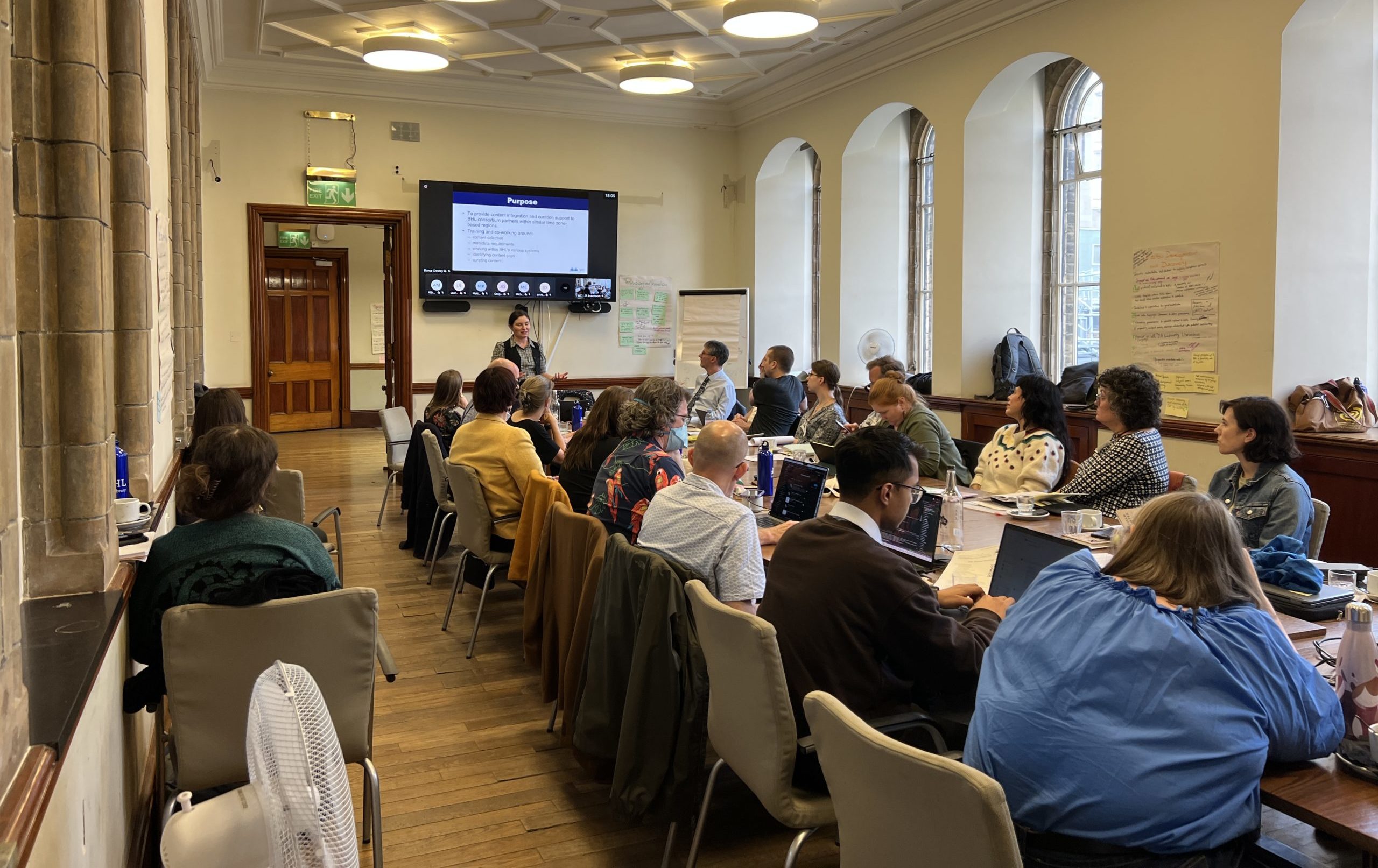
A group of people sitting at a long table watching a person give a presentation in front of a big screen.

Bianca Crowley, Digital Collections Manager, presents a new concept for regional coordination hubs. Photo credit: Colleen Funkhouser

During the business meetings throughout the week, the consortium reviewed how our committees and working groups operate, explored options for better regional support and collaboration, and identified gaps to address in our governance and committee roles. We also welcomed representatives from our newest Members (University of South Florida Libraries, Vanderbilt University Heard Libraries, and Senckenberg Gesellschaft für Naturforschung), bringing fresh perspectives, regional expertise, and new ideas to our collaborative consortium.

We also focused on long-term funding strategies for supporting BHL beyond 2027. Though the Call for Support in 2025 garnered many opportunities for financial, technical, and administrative support, which stabilized BHL’s operations during a critical period of change, the long term funding model for BHL is still a work in progress and a major focus of the year ahead.

As the consortium works to finalize its revised vision, mission, and strategic goals, we’ll be reporting out to the community throughout the year.

Stakeholder Listening Session

On Wednesday 29 April, BHL held a strategic stakeholder session to gather key collaborators from across the biodiversity informatics landscape. BHL’s EC, Secretariat, and Technical Team were on hand to hear our stakeholders’ priorities for technical development, desires for content enhancement, and opportunities for greater collaboration or technical integration. Though BHL engages at various levels with these stakeholders, including GBIF, CETAF, BioStor, Global Names Architecture, Plazi, NHM, and Kew, this collective stakeholder meeting was a first for the BHL Annual Meeting.

BHL Day 2026: Towards a Biodiversity Data Ecosystem Built on BHL Data

Following the stakeholder session, we welcomed more than 120 attendees (online and in person) to the BHL Day 2026 public symposium hosted in the Flett Theatre at NHM. This year’s focus was on the importance of BHL data in building the biodiversity data ecosystem. We heard from colleagues and researchers across the globe on how they have utilized BHL data over the past 20 years to advance their research, and how future developments can improve and expand BHL’s data integration.

Two people standing behind a lectern on a stage in front of a large screen.

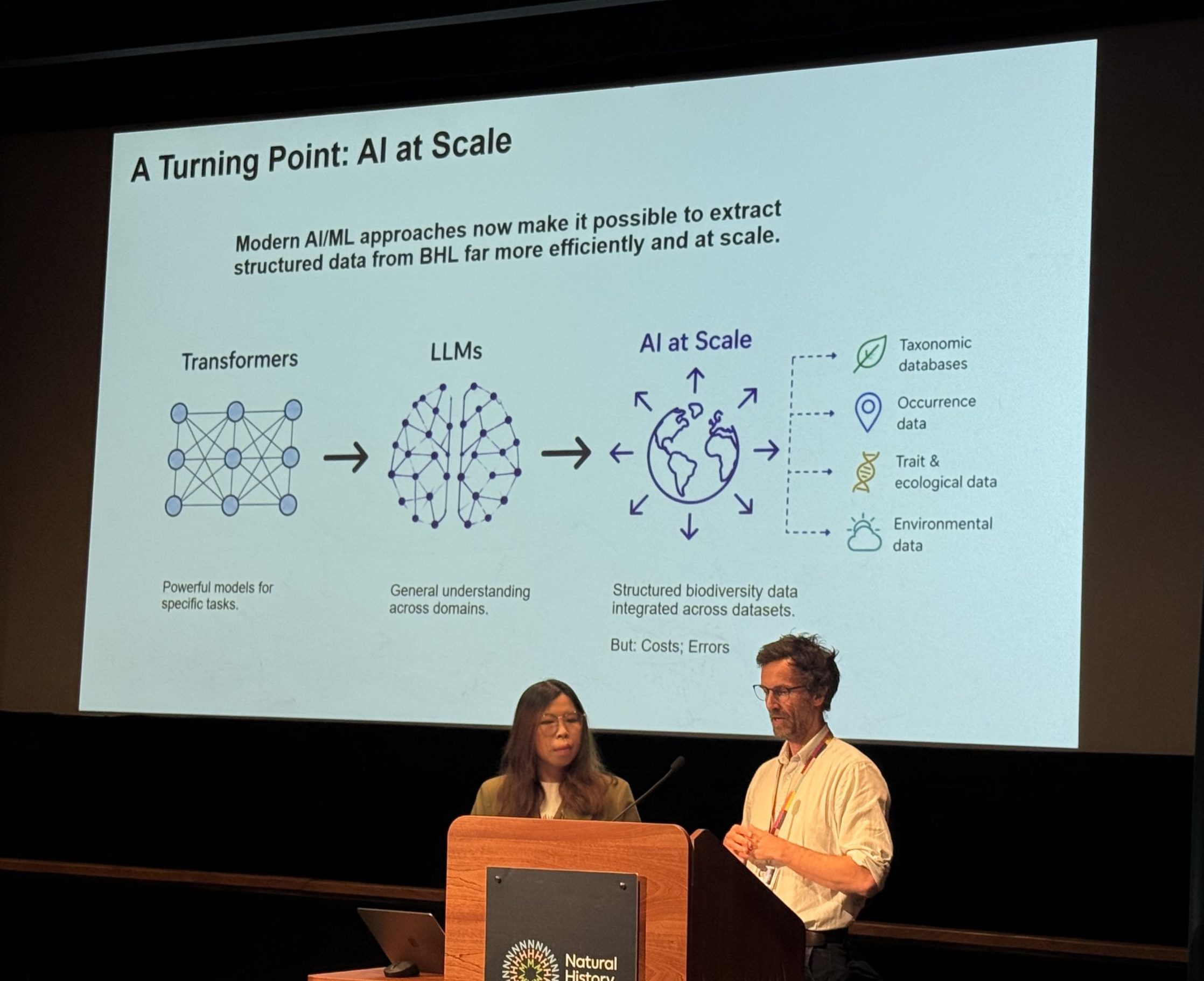
Qianqian Hiris Gu and Ben Hartley from NHM London share the possibilities of using modern AI and Large Language Models to extract data from BHL at scale. Photo credit: Nicole Kearney

Thanks to the collaborative nature of this BHL community, two speakers, Siobhan Leachman from Wikimedia Aotearoa New Zealand and Liz Smith from Cambridge University Library and Archives, brought their unique knowledge and skillsets together to solve an outstanding challenge in sharing data from the Darwin Correspondence Project. Siobhan shared more about this on-the-spot collaboration on the newly launched BHL Community Forum.

For a complete listing of BHL Day presentations and recordings, visit https://bit.ly/bhlday2026

Exploring the rich collections around London, Richmond, and Cambridge

It wouldn’t be a BHL annual meeting without visits to the rich library, archive, museum, and botanical collections around our host cities. Our Chair and Vice-Chair organized behind the scenes visits with some of the outstanding scientific collections in London, Richmond, and Cambridge. We started Monday afternoon at the Royal Society and the Linnean Society of London, exploring their deep histories and unique collections.

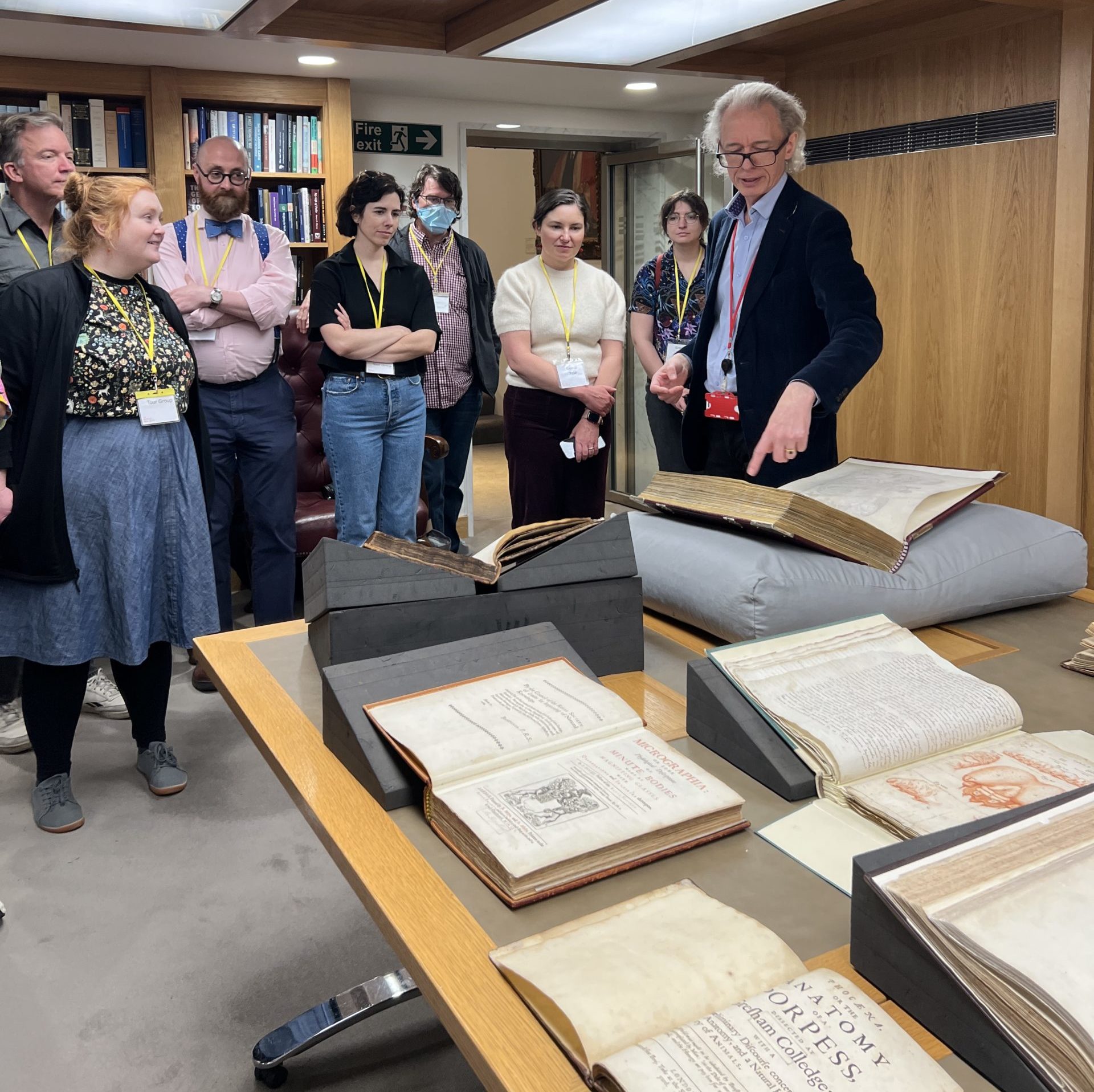
A group of people standing around a table with books on it. A man is pointing to one of the books.

Keith Moore, Head of Library and Information Services for the Royal Society, reads from the Society’s Charter Book containing the signatures of Society fellows dating back to 9 January 1665. Photo credit: Colleen Funkhouser

At the Linnean Society, attendees visited several exhibitions in the Library’s reading room, including Homo sapiens: Classifying the Human Animal and the portrait exhibition Celebrating the Linnean Society’s First Women Fellows, as well as rare materials selected on the topic of biodiversity.

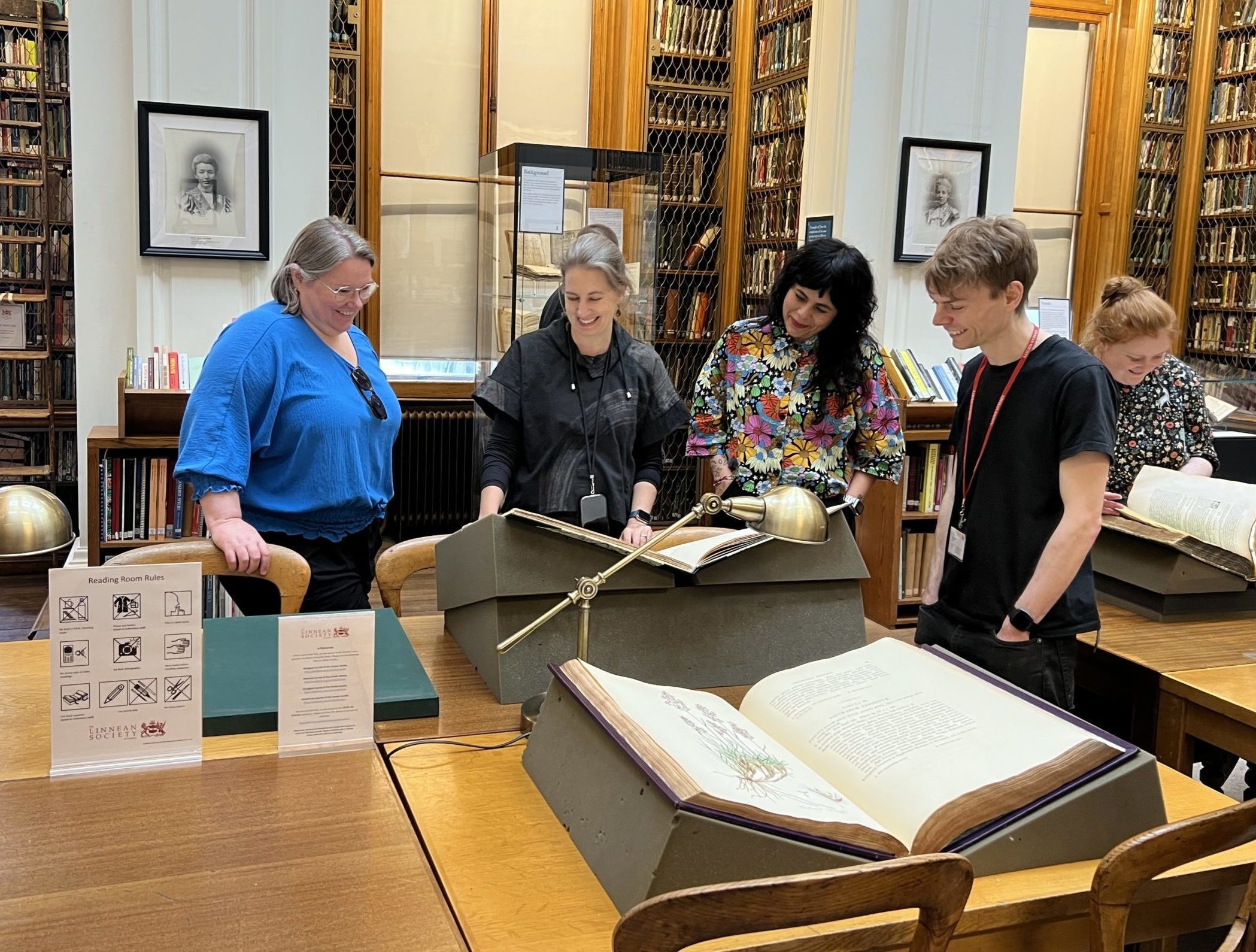
A group of smiling people looking at a large book open on a book stand on a table in a library.

Will Beharrell, Librarian, Linnean Society Library, shares unique items selected for viewing by meeting attendees. Photo credit: Colleen Funkhouser

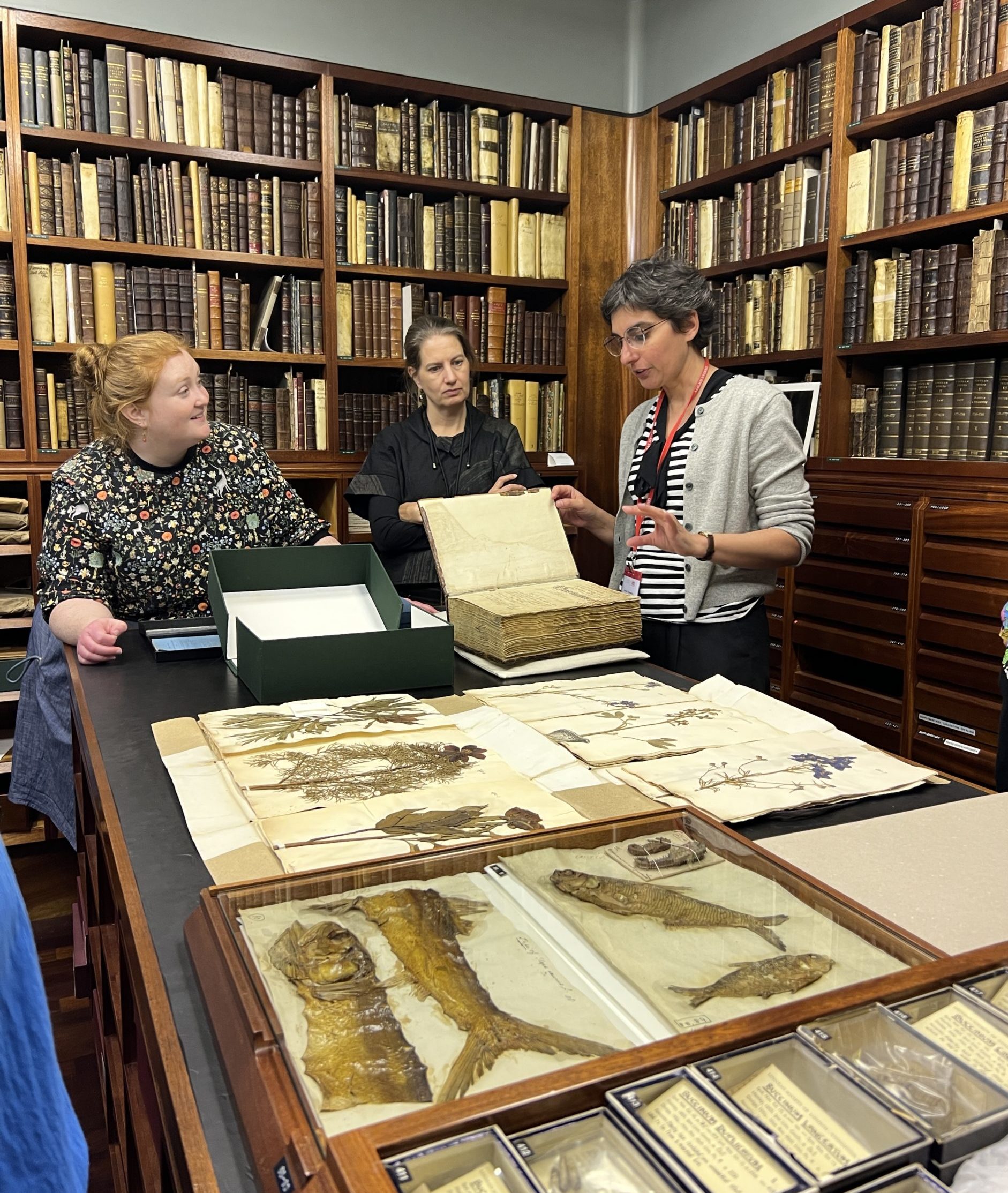
A group of people standing around a table covered in specimens and rare books in an archival storage room.

Dr. Isabelle Charmantier, Head of Collections, shares items from the Linnaeus Collections. Photo credit: Colleen Funkhouser

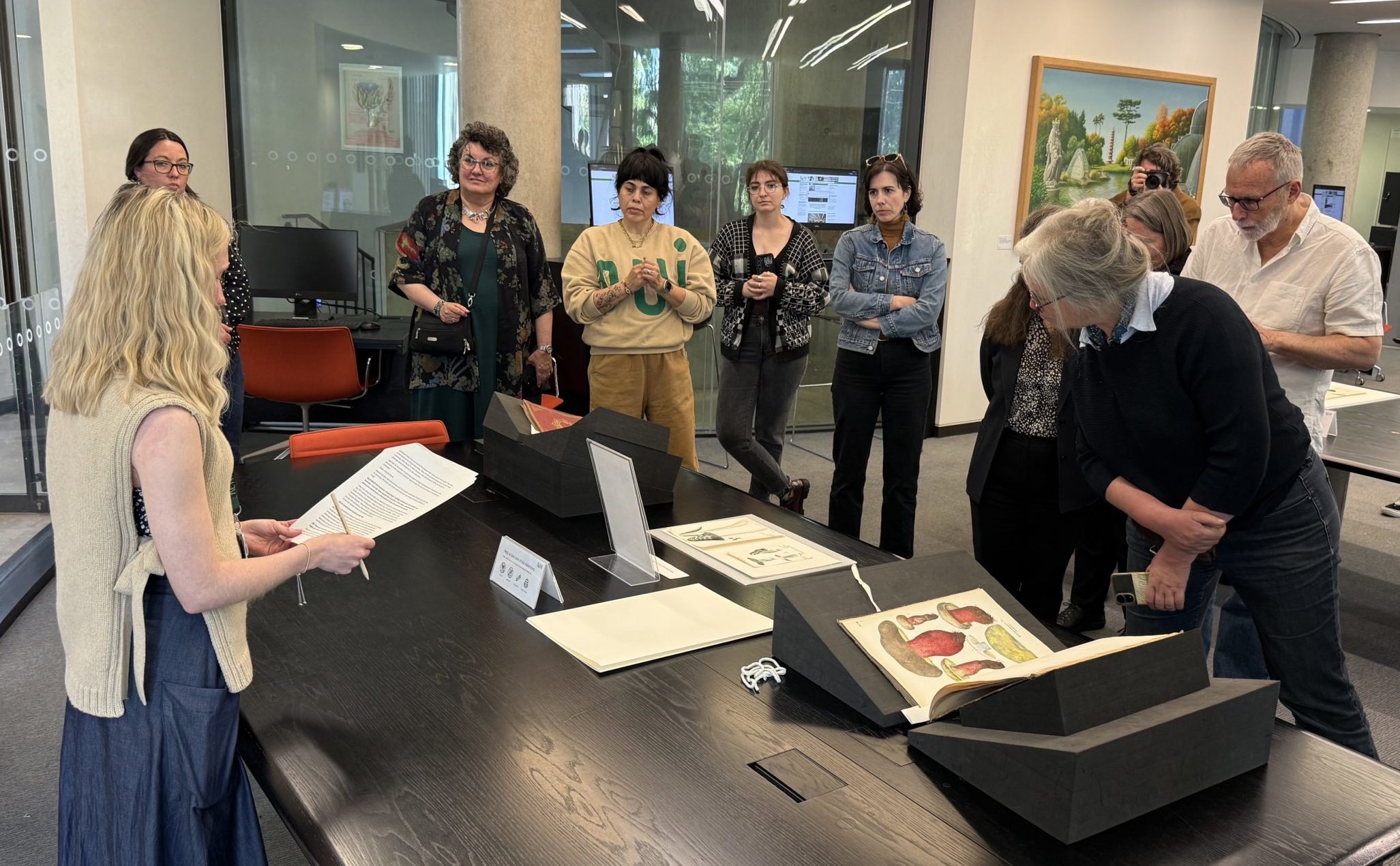
On Wednesday, meeting attendees received several behind-the-scenes tours of NHM, including the Historical Collections Room (pre-Linnean specimens), the Tank Room, and of course the Library and Archives.

On Thursday, Kew staff provided access to unique treasures from the Library and Archives collections. This included the oldest printed book held by the Library: the Ortus Sanitatis, a 15th century herbal printed in Germany in 1485.

A group of people standing around a table covered in books in a library.

Meeting attendees view rare materials from Kew’s Library and Archives collections with Irene Szmelter, Library Graduate Trainee. Photo credit: Nicole Kearney

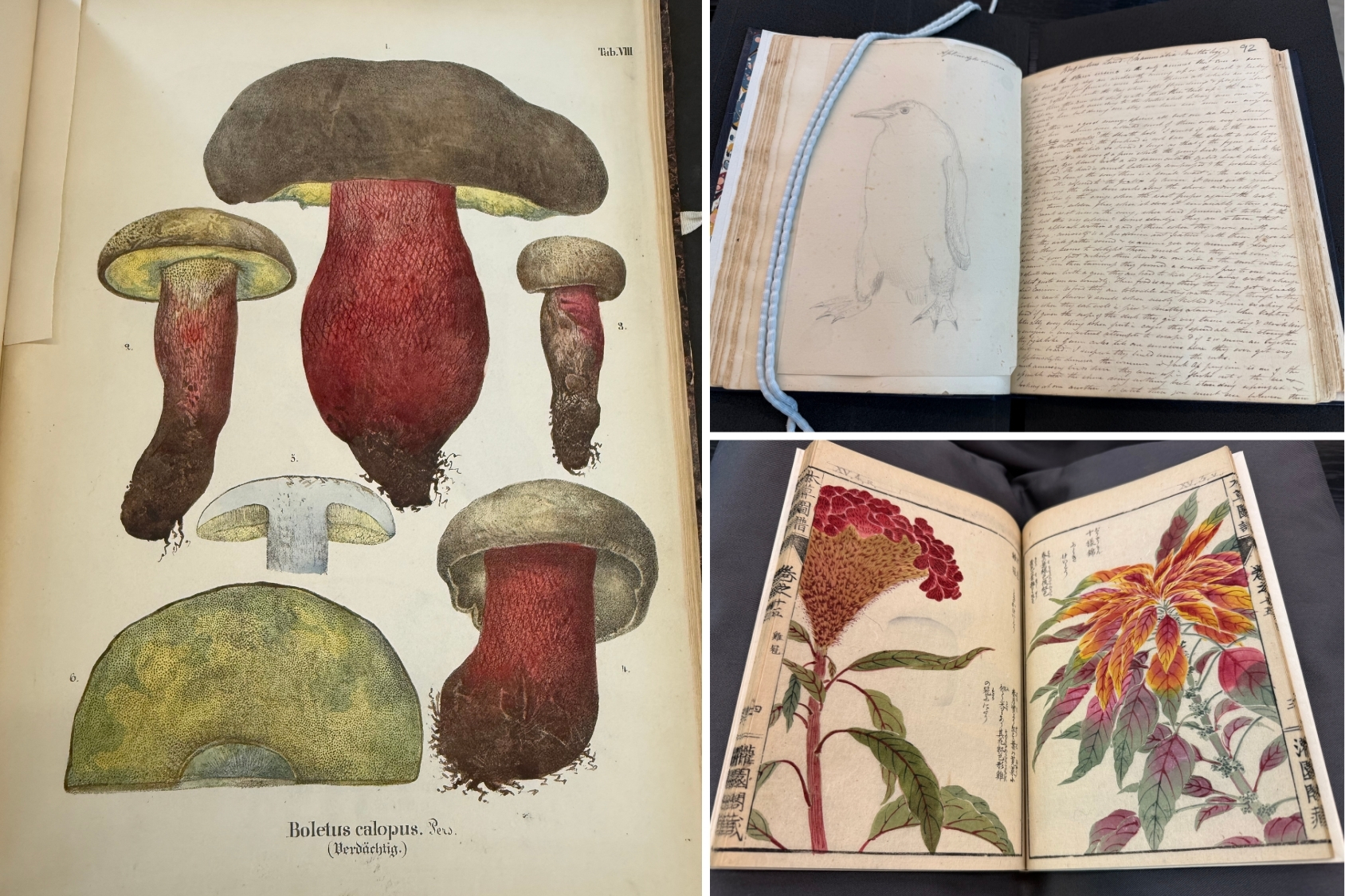
Three pages showing historic illustrations: 1) red and brown mushrooms, 2) a sketch of a penguin alongside handwritten notes, 3) red, orange and green flowers and foliage.

A selection of materials from the Kew Library and Archives collection. Photo credits: Nicole Kearney

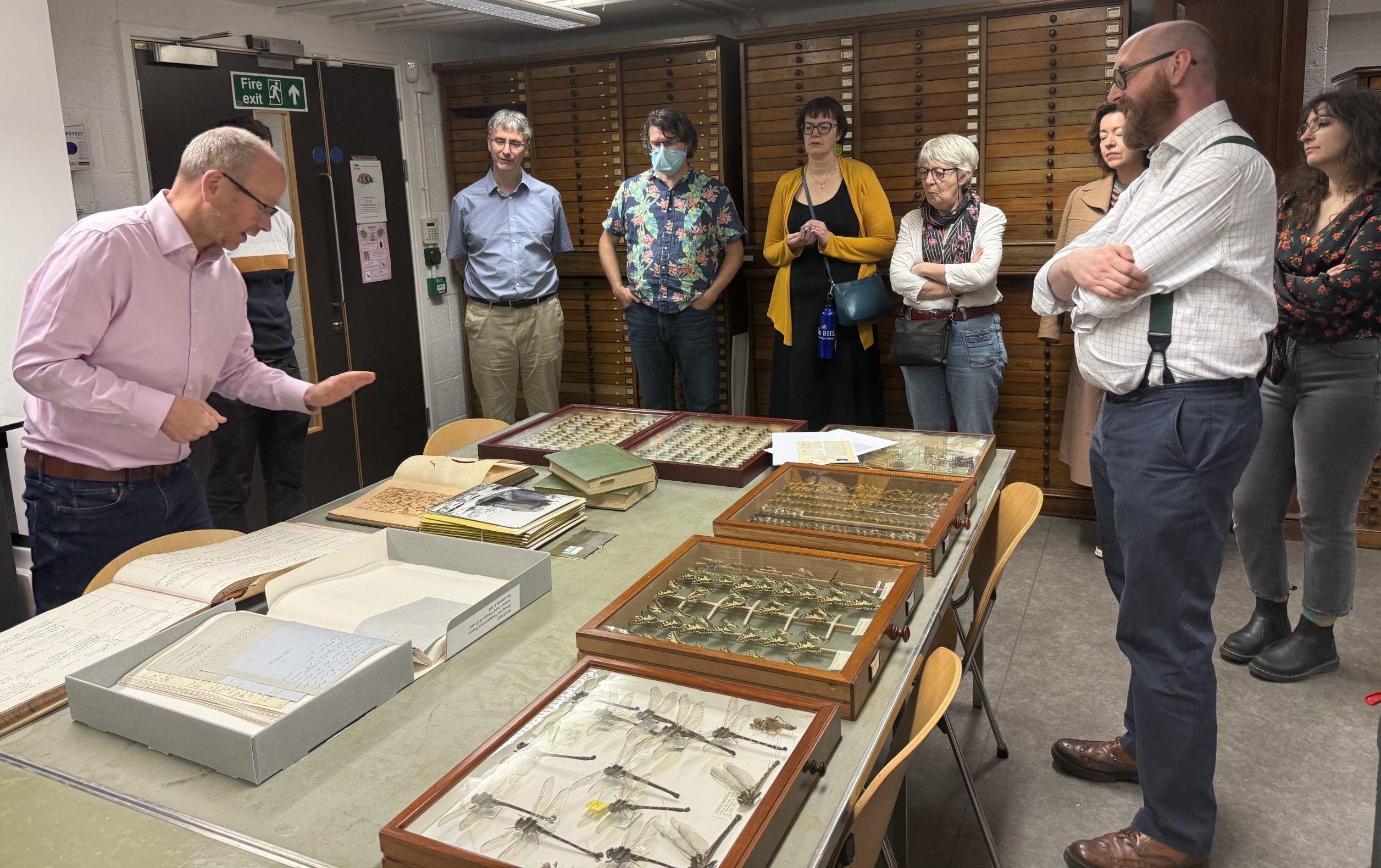
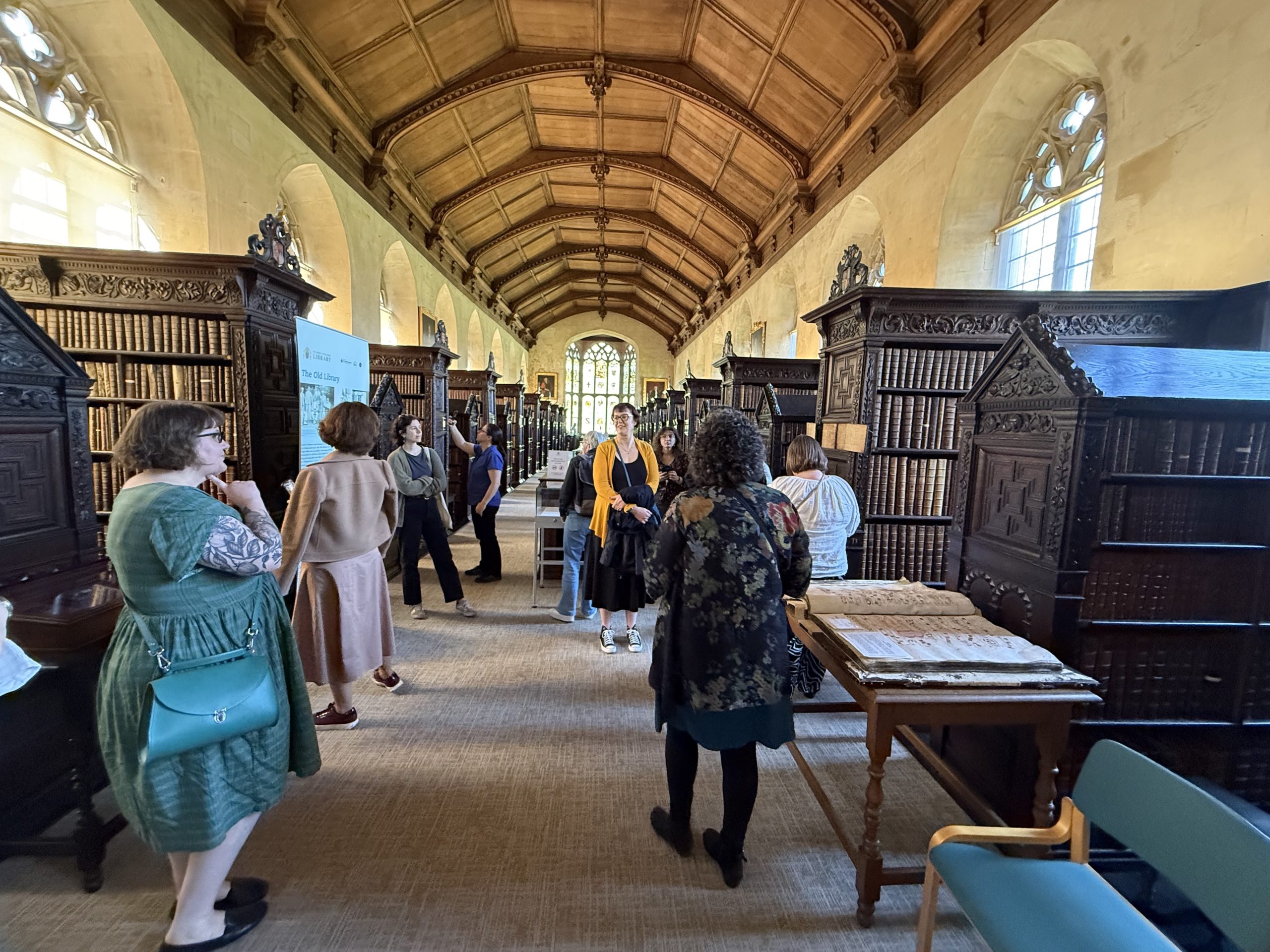
On Friday, Vice-Chair Rich Wragg coordinated a day-long tour of institutions in Cambridge, including the Museum of Zoology, St. John’s College, the historic Wren Library at Trinity College, and the Cambridge University Library.

A group of people standing around a table covered in insect specimens, books, and archival material.

Russell Stebbings sharing the fascinating history of the invertebrate collections at Museum of Zoology Cambridge. Photo credit: Nicole Kearney

A group of people perusing books and bookshelves in an historic library.

Librarian Tanya Kirk taking BHL Members through The Old Library of St John’s College at Cambridge University. Photo credit: Nicole Kearney

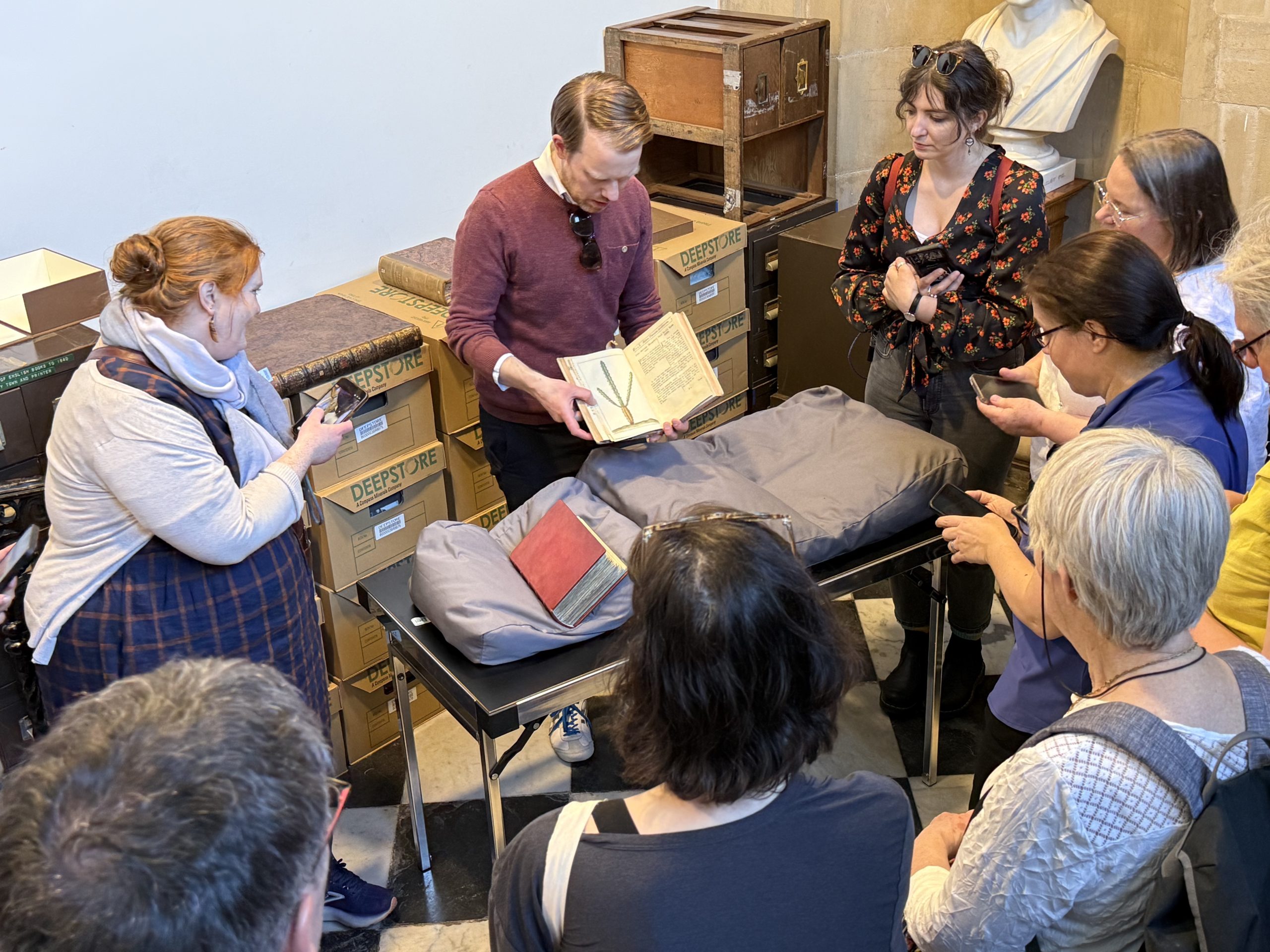
A group of people standing around a table looking at a man holding an open book.

Steven Archer, Sub-Librarian of Trinity College Cambridge, showing BHL Members treasures from Trinity’s Wren Library. Photo credit: Nicole Kearney

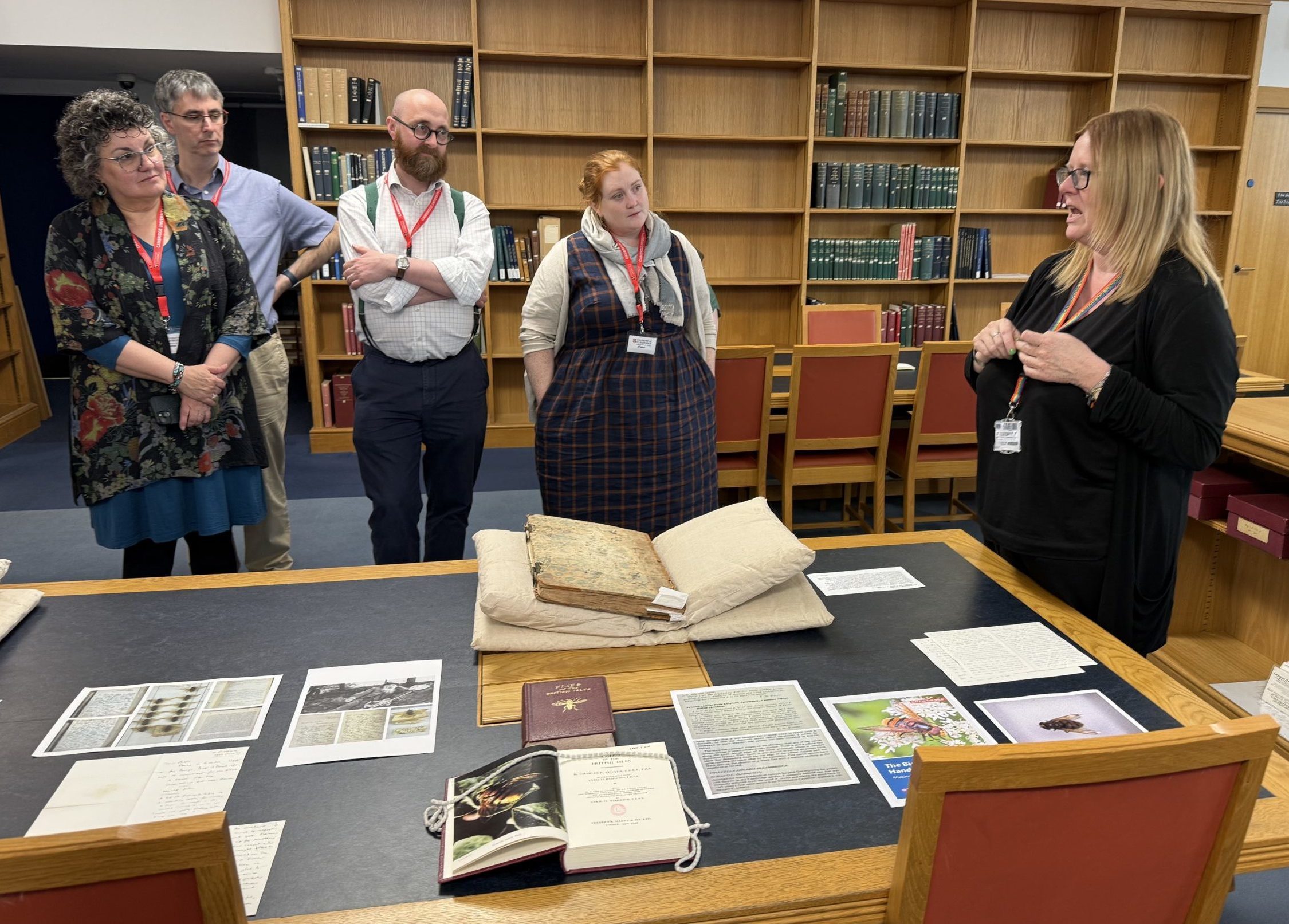
A group of people standing around a table covered in books and brochures in a library.

Jill Whitelock, Head of Special Collections, showcasing special items from the Cambridge University Library. Photo credit: Nicole Kearney

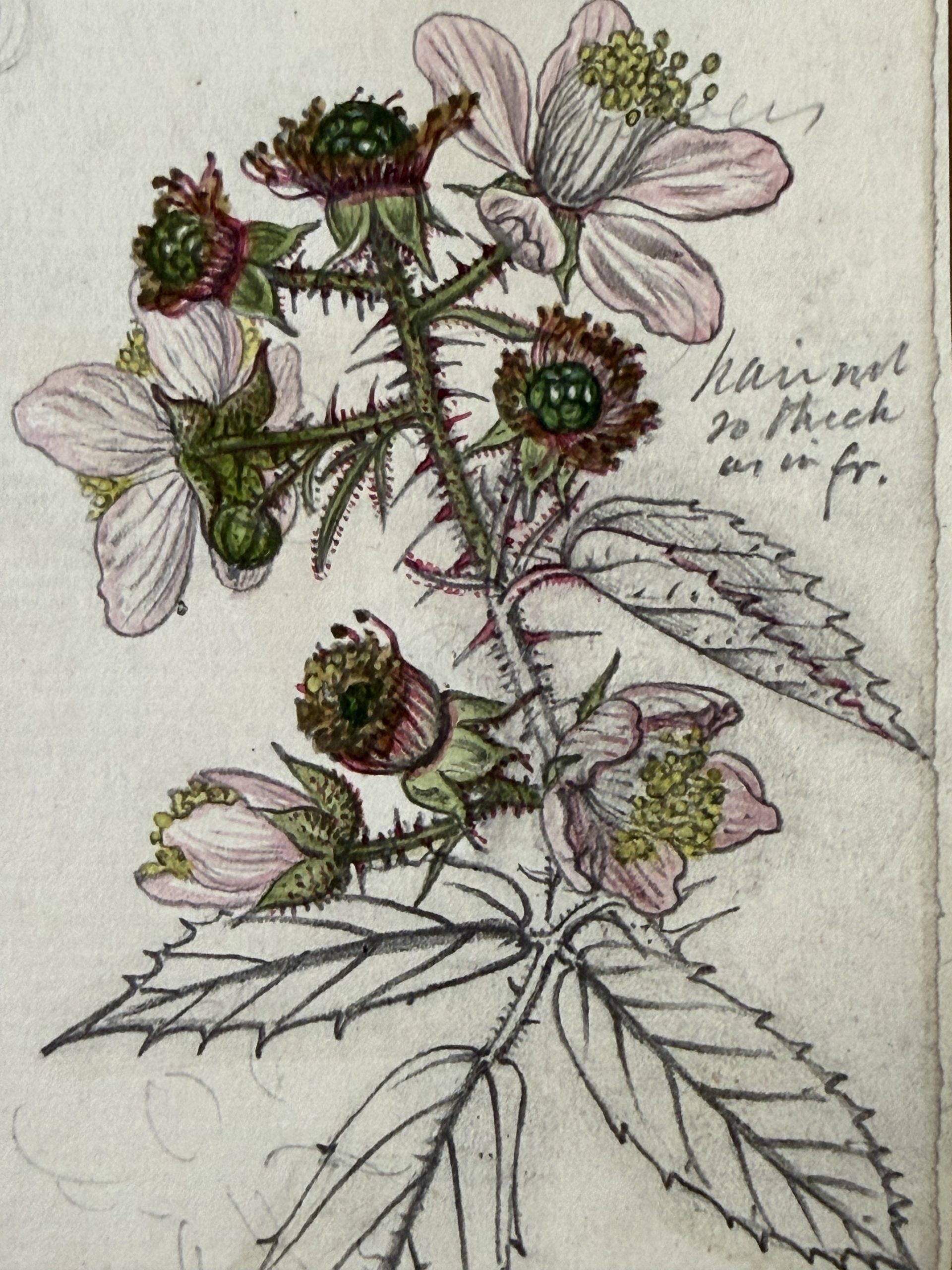
An historic color illustration of a blackberry plant.

Draft plates from British botanist Charles Cardale Babington’s “The British Rubi: an attempt to discriminate the species of Rubus known to inhabit the British Isles, from the Cambridge University Library. Photo credit: Nicole Kearney

Happy Anniversary, BHL

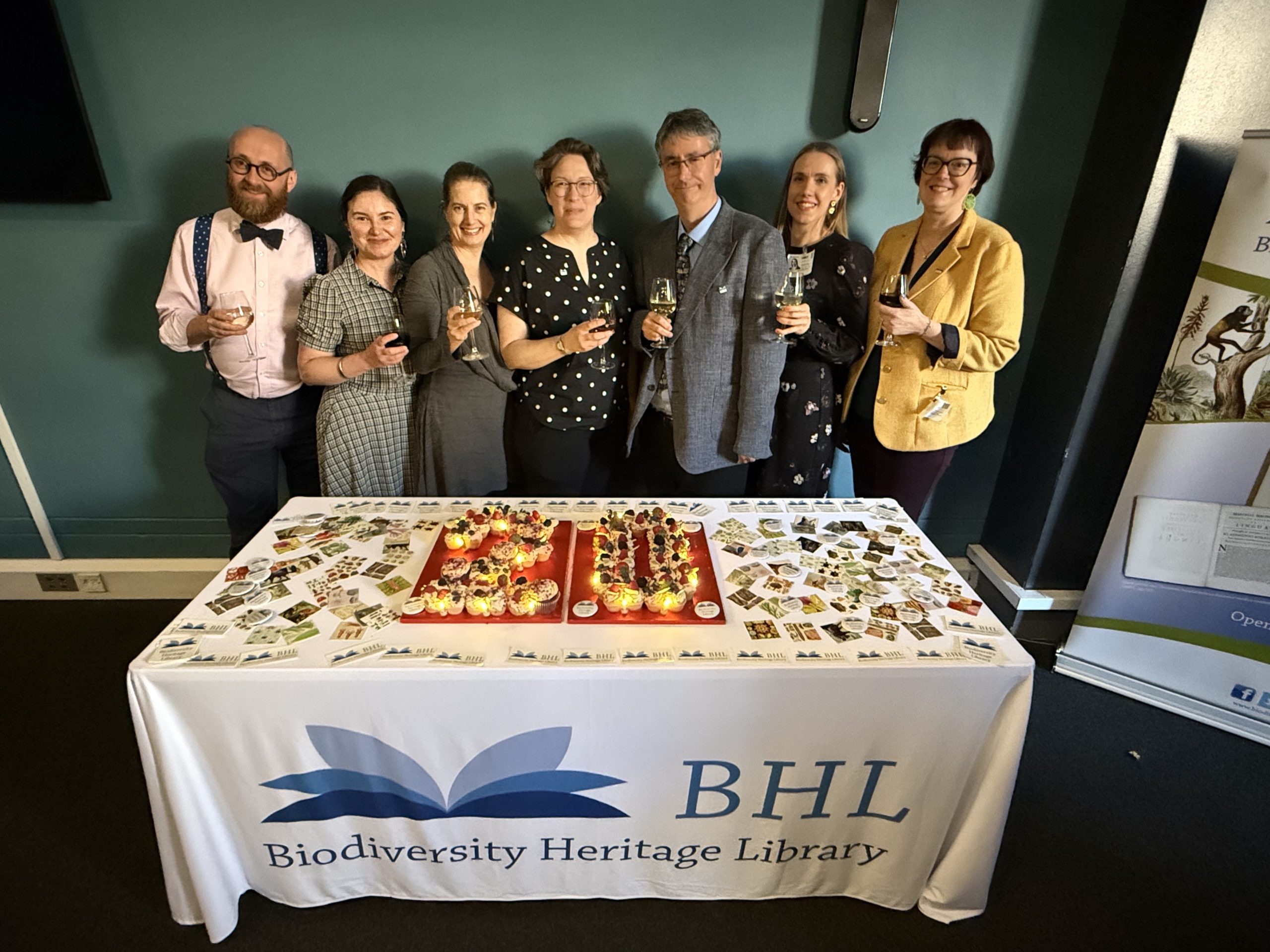
Meeting attendees, strategic stakeholders, and BHL Day speakers gathered after the public symposium for a reception to celebrate 20 years of BHL. Since its founding in 2006, BHL has grown into a core biodata infrastructure serving the global biodiversity community. Cheers to the next chapter for BHL!

Seven people standing behind a table holding glasses of wine in a toast. The number "20" is spelled out in cupcakes on the table.

The BHL Executive Committee, Transition Team, and Secretariat members share a toast to 20 years of BHL. Left to right: Rich Wragg, Bianca Crowley, Nicole Kearney, Colleen Funkhouser, David Iggulden, Elisa Herrmann, and Kelli Trei.

biodiversity heritage library logo with 2006 and 2026

And finally, I’d like to extend a personal thank you to our co-hosts, David Iggulden and Rich Wragg, for welcoming BHL partners for the 20th anniversary meeting. To my colleagues, Kelli Trei, Nicole Kearney, Bianca Crowley, Joel Richard, and Mike Lichtenberg – thank you for your tireless efforts this past year to think critically about BHL’s future beyond the challenging but necessary transition to a new operating structure. I look forward to the next phase of planning with our global consortium.

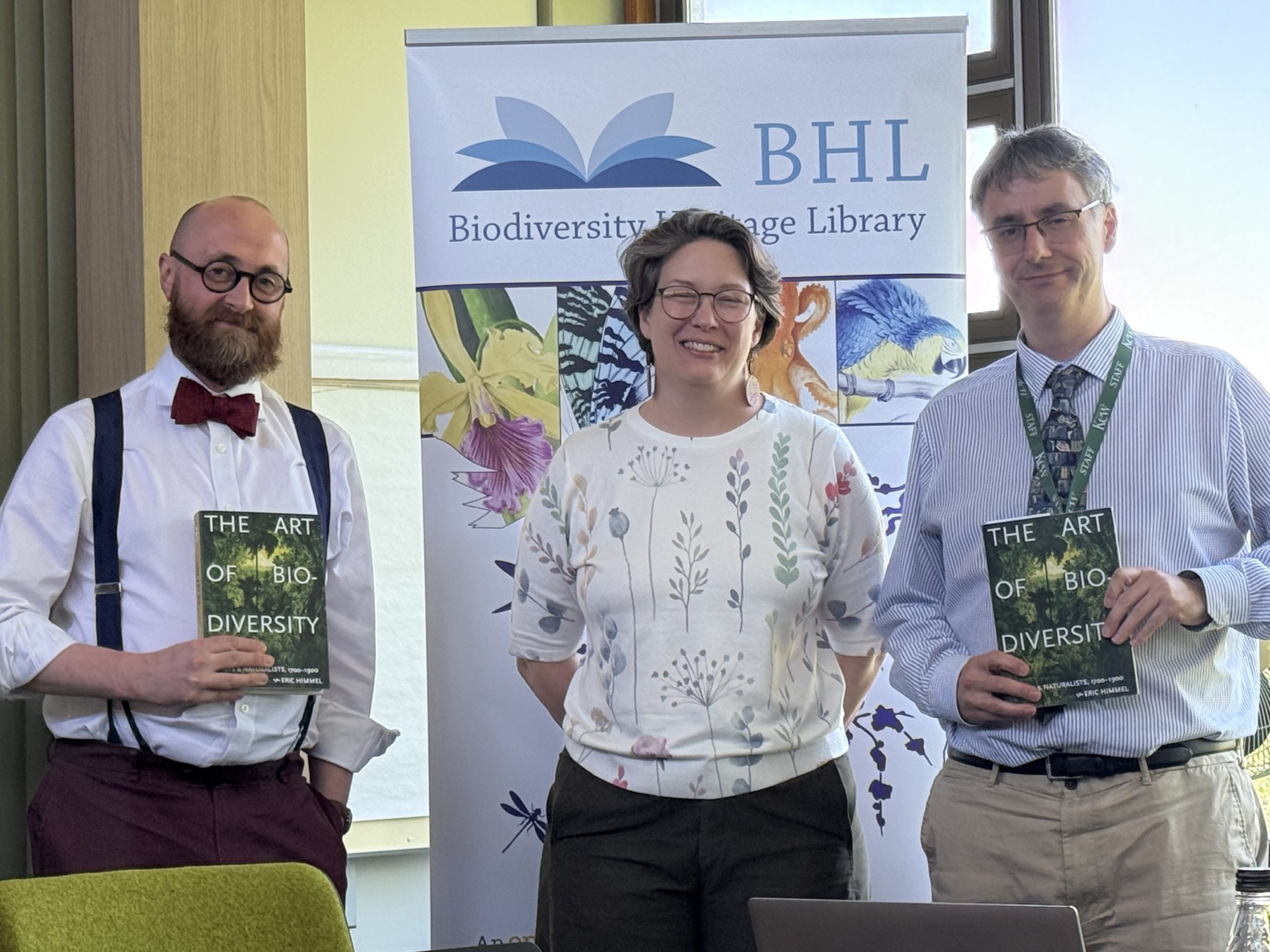
Three smiling people standing in front of a Biodiversity Heritage Library banner, two holding books "The Art of Biodiversity".

Colleen Funkhouser shares host appreciation gifts with annual meeting co-hosts Rich Wragg and David Iggulden. Photo credit: Nicole Kearney

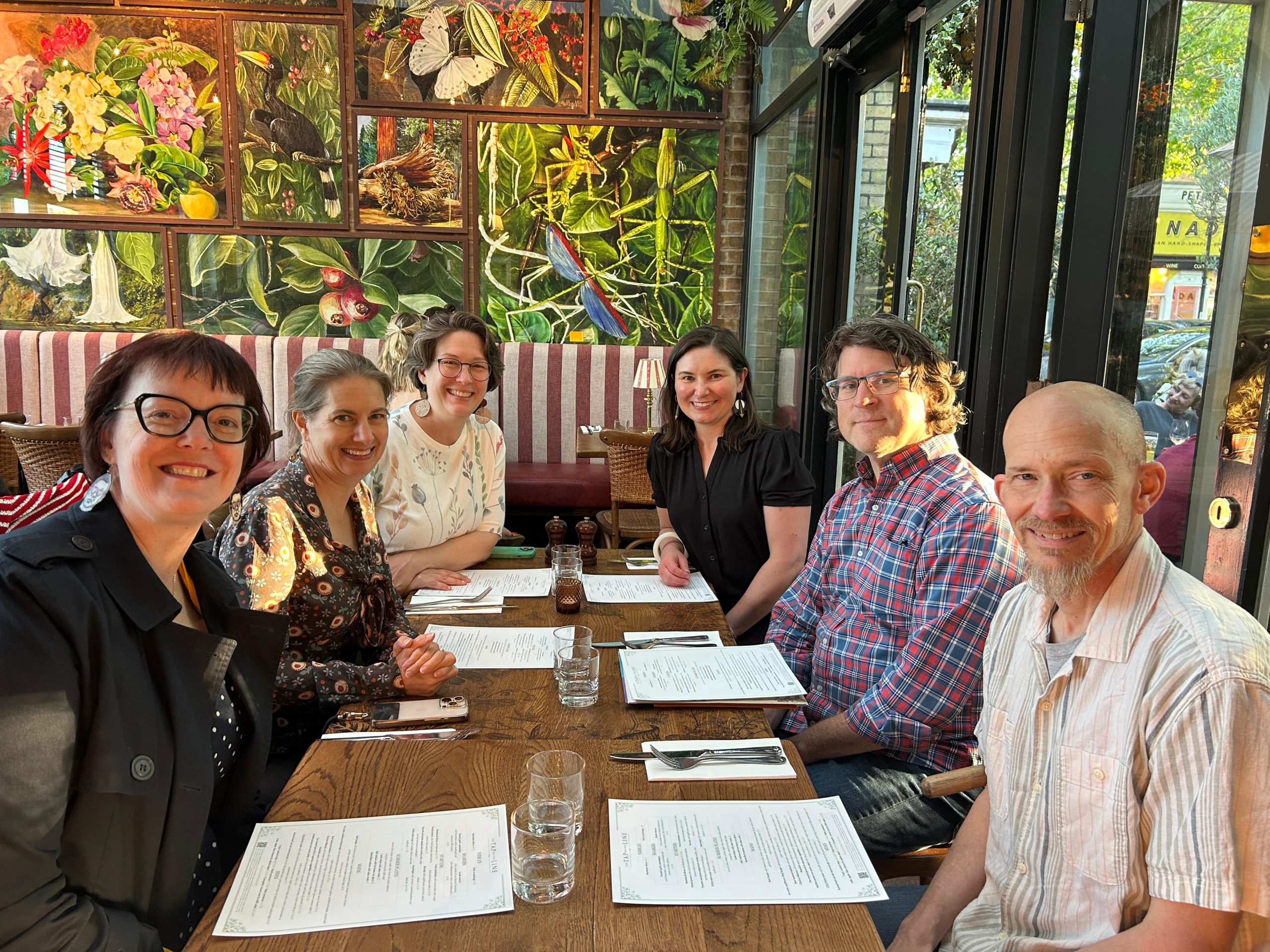
A group of six smiling people sitting around a table in a restaurant.

BHL team members celebrate the end of the meeting. Left to right: Kelli Trei, Nicole Kearney, Colleen Funkhouser, Bianca Crowley, Joel Richard, and Mike Lichtenberg. Photo credit: Emily Benton

May 27, 2026by Colleen Funkhouser
BHL News, Blog Reel

Vanderbilt University’s Heard Libraries Join BHL and Commit Major Technical Support

Vanderbilt University Jean and Alexander Heard Libraries join BHL and commit major technical support. Decorative background image of irises
Vanderbilt University logo with Jean and Alexander Heard Libraries text

We are delighted to announce a new collaboration between the Biodiversity Heritage Library (BHL) and Vanderbilt University’s Jean and Alexander Heard Libraries that will provide digital preservation support for the world’s largest open-access repository of natural history materials. Through the agreement, the Heard Libraries will contribute cloud infrastructure expertise and technical leadership for BHL, which serves as a foundational resource for biodiversity science, taxonomy and conservation research, with more than 63 million pages dating from the 15th to the 21st century.

The red brick vanderbilt library building framed by trees and a blue sky with clouds

The Jean and Alexander Heard Libraries’ Central Library, which houses the Digital Lab and the Vanderbilt Cloud Innovation Lab (Source: Vanderbilt University)

The Heard Libraries are also the newest member of the BHL Consortium, an international collaboration of natural history museums, botanical gardens and agricultural, biological and university research libraries whose purpose is to make biodiversity literature free and openly available to the world.

“The Biodiversity Heritage Library is the most comprehensive archive of life on Earth ever assembled. The scale of this undertaking is difficult to overstate, as BHL reunites holdings that were once separated by geography, language and institutional silos. Because natural history has always been a global enterprise, with specimens crossing oceans and observations made in one hemisphere being debated in another, the library effectively restores that original interconnectedness in a digital form.”

– Jon Shaw, Vanderbilt University Librarian

The Heard Libraries are globally recognized for digital preservation and large-scale knowledge stewardship and will ensure the archive’s accessibility, integrity and durability through preservation architecture developed in partnership with Amazon Web Services. “Vanderbilt’s role secures a globally essential scientific resource while reinforcing the university’s commitments to research, education and long-term knowledge preservation,” Shaw said.

A Heard Libraries staff member will serve as Associate Cloud Engineer and be integrated into BHL’s Technical Team to work collaboratively with BHL leadership and partner institutions to strengthen the archive’s technical foundation. The role will contribute expertise in cloud computing, data management, modern application development, and digital collections infrastructure, enabling improvements in performance, scalability and long-term sustainability.

“Building a resilient, modern technical foundation is central to BHL’s next chapter, and Vanderbilt’s investment significantly advances this work. We are deeply grateful for Vanderbilt’s commitment and look forward to working closely with the Jean and Alexander Heard Libraries on this important endeavor.”

– Colleen Funkhouser, BHL Managing Director

As a BHL Member, Vanderbilt joins the consortium’s governance structure and strategic planning processes. While Vanderbilt’s immediate focus within BHL is technical leadership, the university’s scholarly initiatives and collections are of strong interest to the BHL community.

Vanderbilt’s 330-acre Nashville campus is an accredited arboretum, with more than 6,000 identified and geolocated trees and shrubs representing nearly 200 species. The university’s community gardens and native meadow serve as living labs for collaborative research.

Evolutionary Studies at Vanderbilt comprise a transdisciplinary center of excellence engaging students, scholars and the broader community in evolutionary research and outreach. The Heard Libraries have supported this initiative through library exhibits, Biodiversity Day lectures, and events such as the Scopes “Monkey” Trial Centennial Symposium.

Black and white photograph of a man in a suit kneeling in a field of irises

Vanderbilt Chancellor James H. Kirkland in his iris garden, 1928. Kirkland won the American Dykes Medal in 1938 for his iris “Copper Lustre.” (Source: James Hampton Kirkland Papers, Vanderbilt Special Collections and University Archives)

Among Vanderbilt’s distinctive collections are the papers of James Hampton Kirkland, Vanderbilt’s second chancellor and a Dykes Medal-winning iris breeder. BHL currently holds some of his titles, including The Iris Offerings of J.H. Kirkland, while Vanderbilt’s Special Collections and University Archives house additional materials.

Color illustration of 3 irises

“Dauntless” by Susan Wilkes. Vanderbilt alumnus and hospital administrator Clarence Connell won the 1929 American Dykes Medal for his iris “Dauntless.” (Source: History of Medicine Collections, Vanderbilt Special Collections and University Archives)


“BHL plays a critical role in supporting conservation and science, documenting biodiversity history, overcoming research barriers and enabling global collaboration. We welcome Vanderbilt’s membership in the consortium and value the deep expertise in digital stewardship the university brings to BHL’s mission.”

– Charles Henry, President of the Council on Library and Information Resources, BHL’s new administrative host

At the heart of this capacity is the Heard Libraries’ Digital Lab, which supports digital projects and scholarship while identifying opportunities to bolster infrastructure and scale engagement. This work is complemented by the Vanderbilt Cloud Innovation Lab for Libraries and Applied Digital Preservation, powered by AWS, designed to support student learning experiences focused on using artificial intelligence and cloud technologies to develop advancements in digital preservation.

One example of success in this area is the Heard Libraries’ stewardship of the Vanderbilt Television News Archive, one of the largest collections of U.S. television broadcast news in the world, containing more than 92,000 broadcasts, nearly 600,000 news segments, and some 55,700 hours of runtime to date. The Heard Libraries successfully migrated the TV News Archive to the AWS cloud and introduced capabilities such as transcription, translation and enhanced search capabilities.

“Vanderbilt’s Jean and Alexander Heard Libraries are a proven leader in digital preservation, infrastructure planning, research-oriented access and managing collections at scale. We look forward to continuing our successful collaborations with Vanderbilt and BHL to make the archive more modern, resilient and openly accessible to researchers and scholars around the world.”

– Greg Ritter, Strategy Lead for Research Data, Scholarly Communication and Libraries at Amazon Web Services

March 31, 2026by Colleen Funkhouser
BHL News, Blog Reel, Tech Updates

Transition Update #8: The Field Museum to Host BHL’s Technical Infrastructure

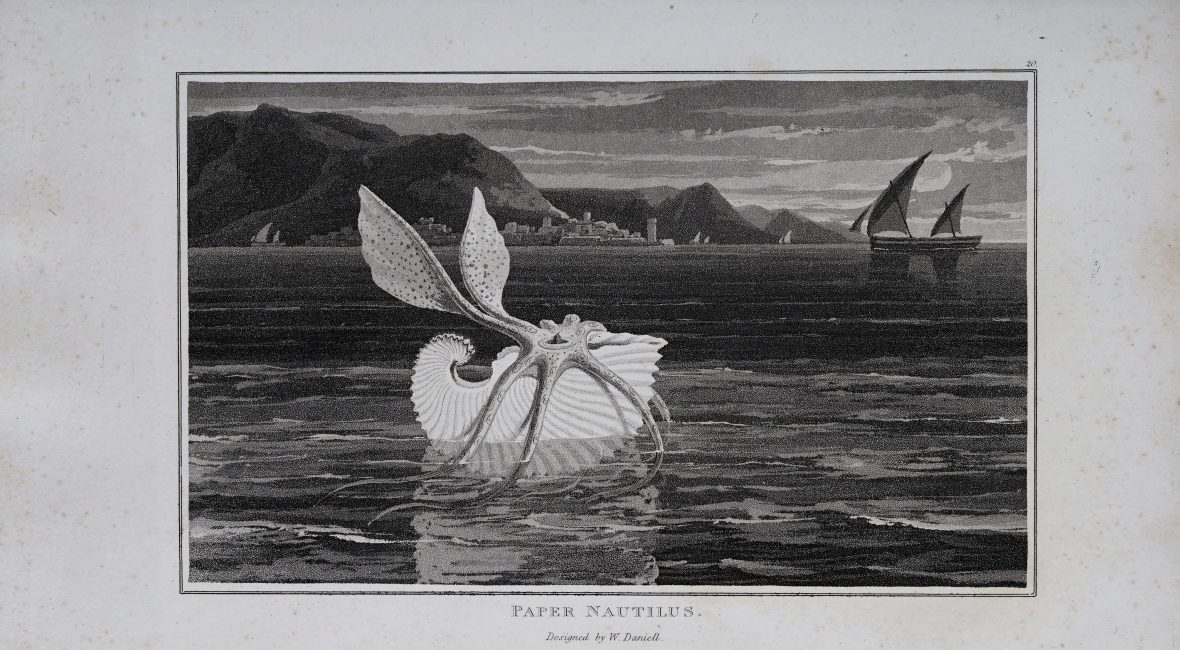
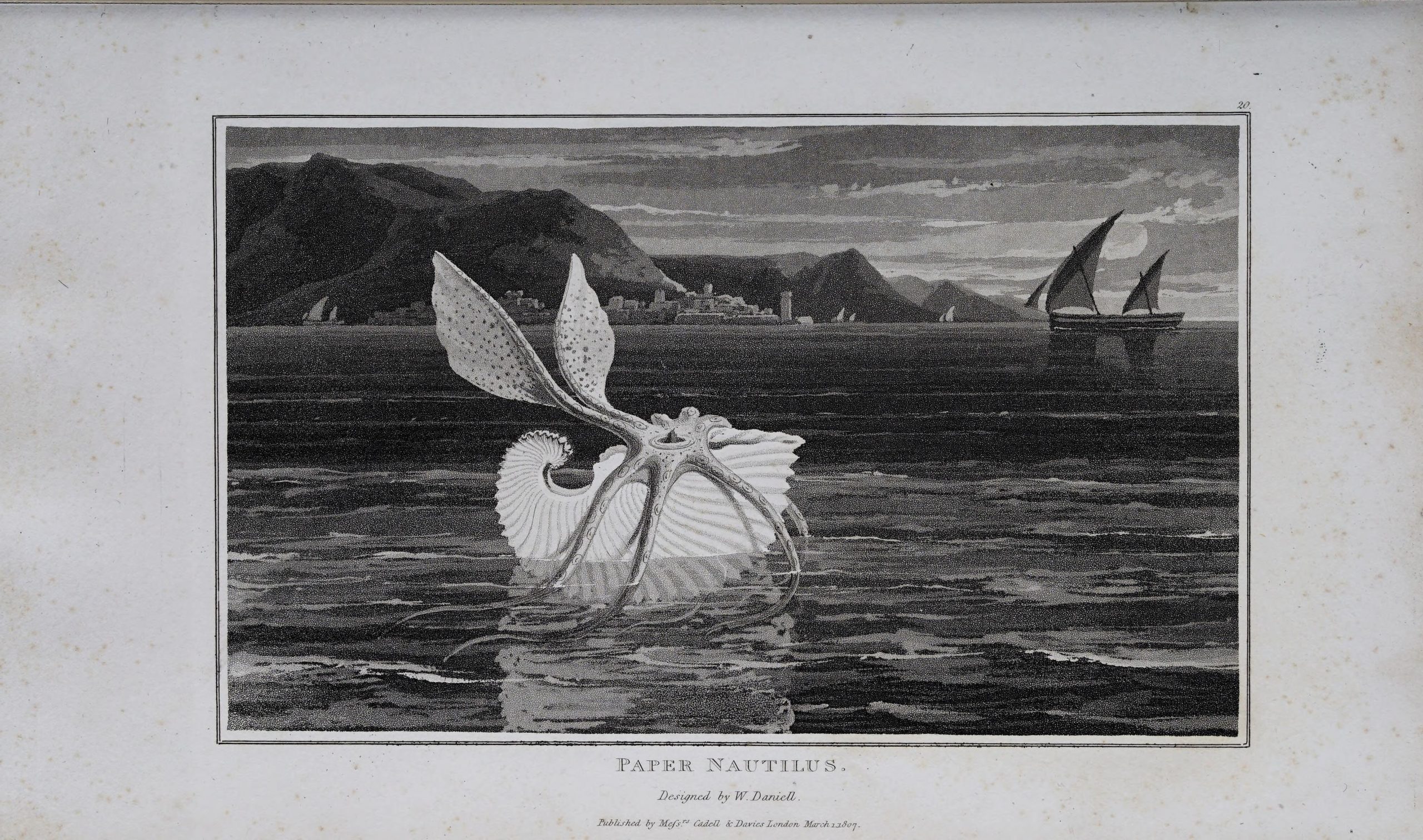
A paper nautilus floats on the open ocean. Ships and a city on a cliff are in the background

With the Biodiversity Heritage Library now officially operating in its new chapter following its transition away from the Smithsonian Institution, we are delighted to announce that the Field Museum of Natural History, one of BHL’s longest-standing and most respected partners, will host BHL’s servers and core technical infrastructure.

This hosting arrangement ensures the continued stability, security, and reliability of the BHL website and the 63+ million pages of open biodiversity knowledge it makes freely available worldwide.

A paper nautilus floats on the open ocean. Ships and a city on a cliff are in the background

Paper Nautilus, from Zoography; or, The beauties of nature displayed. In select descriptions from the animal, and vegetable, with additions from the mineral kingdom (1807) by William Wood, illustrated by William Daniell. Contributed to BHL by the Field Museum of Natural History Library.

A founding partner supporting BHL’s next chapter

The Field Museum, based in Chicago, Illinois, is one of BHL’s ten original founding institutions and has been part of the consortium since its inception. For nearly two decades, the Field Museum has helped shape BHL’s mission to make biodiversity literature openly available to the world.

“Hosting and supporting BHL’s infrastructure reflects the power of partnership and our commitment to free and open data where appropriate. Grounded in strong technical foundations and a commitment to long-term stewardship, we are reinforcing the secure and scalable technical backbone that sustains one of the world’s most important open biodiversity resources.”
— Rob Zschernitz, Chief Technology Officer, Field Museum

As an independent museum supported by endowments and donor philanthropy, the Field Museum’s mission to connect all of us to nature and the human story aligns closely with BHL’s values and long-term goals.

What this means for BHL users

In practical terms, the Field Museum will:

  • Coordinate with BHL and the Smithsonian Institution to relocate BHL’s servers to the Field Museum’s data center
  • Provide essential services including domain hosting, systems operations, network security, and incident response
  • Serve as custodian and host of BHL’s core technical infrastructure, under the direction of BHL’s Technical Team.

Importantly, BHL will continue to retain ownership of all its data, content, software, and equipment. The Field Museum will act as a trusted custodian, looking after the behind-the-scenes technical infrastructure that keeps BHL online and accessible to millions of users worldwide.

This arrangement builds on BHL’s new operational foundation and supports long-term continuity and resilience.

A carefully managed technical transition

Detailed planning for the move of BHL’s servers is underway. While the exact dates for the physical moves are still to be determined, the teams at BHL, the Smithsonian, and the Field Museum are working closely together to plan the move carefully and responsibly.

Our goal is to minimise disruption to public access. That said, there may be short periods of downtime while systems are moved and reconfigured. Any such interruptions will be temporary, and we will communicate scheduled downtime in advance via the BHL website and social media channels.

Why this matters

Secure, professionally managed infrastructure underpins everything BHL does, enabling global access to biodiversity literature and supporting research, conservation, and education worldwide.

The Field Museum’s commitment to hosting BHL’s technical infrastructure reflects the strength of BHL’s partnerships and depth of support across the BHL consortium.

“The Field Museum has been a valued member of the BHL consortium for many years. From hosting our Life & Literature conference in 2011 to hosting our Annual Meeting in 2015 and co-hosting in 2024, the Field has consistently demonstrated its commitment to BHL and our global community. I am delighted that the Field Museum has agreed to host BHL’s technical infrastructure at this pivotal time in BHL’s history. This represents a major milestone in our transition and reflects the strength and depth of collaboration across the consortium.”
— David Iggulden, Chair, BHL Executive Committee

We are deeply grateful to the Field Museum for stepping forward in this way, and to our global community for your continued trust, engagement, and support.

Continuity, access, and governance

The transition of BHL’s technical infrastructure does not change how BHL is governed or who makes decisions about its future.

The Field Museum’s role in hosting and stewarding BHL’s technical infrastructure does not affect who owns or controls BHL’s content or data. BHL will continue to operate as a member-governed consortium, with strategic oversight provided by the BHL Members Council, in accordance with the BHL Bylaws.

BHL’s collections will remain freely and openly accessible, as they always have been.

Looking ahead: a growing network of support

This hosting transition reflects the depth of BHL’s institutional relationships, its long history of collaboration, and the commitment of trusted partners across the consortium. The Field Museum is just one of the institutions that has stepped up in response to BHL’s Call for Support.

This work is part of a broader, coordinated effort across the BHL community, with multiple organisations offering support in different ways. Stay tuned for additional announcements as details are finalised.

How you can help

You can support BHL by:

  • Staying informed: follow #BHLTransition on our website and social media channels
  • Sharing our story: help amplify BHL’s Call for Support, and the importance of open biodiversity literature
  • Support BHL directly: make a donation. Donations directly support BHL’s operations and long-term sustainability

As always, thank you for being part of the Biodiversity Heritage Library community.

February 26, 2026by [email protected]
BHL News, Blog Reel

Celebrating the Team Stewarding BHL’s Next Chapter

ecosystem depicting bee and flower species

As the Biodiversity Heritage Library enters its new chapter following the completion of its transition to a new fiscal sponsor, it is important to acknowledge that BHL’s biggest strength lies not in its platform, nor in its 63 million pages, but in its people.

For nearly two decades, a small, deeply committed team has carried the responsibility of keeping BHL online, stable, and accessible to a global community. Much of that work happens behind the scenes, often invisible to the users who rely on BHL every day. Securing that expertise and institutional knowledge has been a central goal of the BHL transition.

That goal has been achieved: this week marks the completion of staff transitions from the Smithsonian Institution to BHL’s fiscal sponsor, the Council on Library and Information Resources (CLIR). All of BHL’s existing staff positions have been secured, preserving the leadership, institutional knowledge, and operational continuity that underpin BHL’s work.

Together, the BHL staff are responsible for implementing the Consortium’s vision, mission, and strategic goals, under the direction of the Members Council and Executive Committee. As BHL moves forward, the people who know the organization best remain at its core. BHL is in excellent hands.

Meet the BHL Team

Colleen Funkhouser

Managing Director (transitioning from BHL Program Manager)

photograph of a human with glasses and brown hair standing in front of a fence outside.

Colleen Funkhouser, BHL Managing Director

Since joining BHL in 2020, Colleen Funkhouser has provided steady, strategic leadership across BHL’s programmatic, administrative, and financial operations. She brings deep expertise in library and nonprofit program management, and plays a central role in coordinating day-to-day operations across a complex, global consortium.

In her role as Program Manager, Colleen has overseen financial management, contracts, compliance, reporting, and project coordination across BHL’s global consortium. Her work has been especially critical during periods of disruption and change, including the COVID-19 pandemic, the departure of BHL’s Program Director in 2024, and BHL’s recent transition planning.

Colleen’s calm, measured leadership has been central to effective crisis response, sustainability planning, operational restructuring, and the practical work of moving BHL into a new fiscal and organizational model. As she moves into the role of BHL Managing Director under CLIR, Colleen will continue to provide strategic and operational leadership, ensuring that BHL remains stable, accountable, and well positioned for the future.

Bianca Crowley

Digital Collections Manager
Bianca Crowley

Bianca Crowley, Digital Collections Manager

Bianca Crowley has worked on almost every aspect of the BHL collection. Starting as BHL’s Collections Coordinator in 2009, she has facilitated the workflows, policies, and partnerships that make it possible for BHL to aggregate and steward biodiversity literature and archival materials from institutions around the world.

As Digital Collections Manager and Chair of BHL’s Collections Committee, Bianca works at the intersection of collections, copyright, metadata, and community practice. She supports a global network of partners by providing training and documentation, and ensuring that BHL’s collection is as accessible, discoverable, usable, and comprehensive as possible.

Bianca is an indispensable bridge between policy, technology, and practice. She led the development of BHL’s Collection Development Policy and the Acknowledgment of Harmful Content, helping BHL respond thoughtfully and responsibly to its historical collections. Her deep knowledge of BHL systems and history, along with her steady stewardship of the collection, has been essential throughout BHL’s growth and transition.

Mike Lichtenberg

Lead Software Engineer

A man with a mustache and beard, wearing a dark shirt

Mike Lichtenberg, BHL Lead Software Engineer

Mike Lichtenberg has been BHL’s Software Engineer since 2007, making him one of the longest-serving members of the BHL team. Over nearly two decades, he has designed, built, and maintained the systems that underpin BHL’s platform, transforming ambitious goals into reliable, scalable infrastructure.

With more than 30 years of experience in software engineering, Mike brings deep expertise in application architecture, database design, and system integration. His work has supported everything from large-scale digitization workflows to data extraction, analysis, and reuse, enabling BHL to serve researchers, libraries, and biodiversity infrastructures worldwide.

Mike has worked consistently across BHL’s technical and non-technical teams, translating needs into solutions across nearly 20 years of BHL’s technical evolution. Throughout the transition, his technical leadership and continuity have been critical to ensuring that BHL’s core systems remain stable and robust as the organization plans for future infrastructure development.

Joel Richard

BHL Technical Coordinator

A man with brown hair and glasses, wearing a suit and bowtie standing in front of moss covered trees

Joel Richard, BHL Technical Coordinator

Joel Richard has supported BHL’s technical operations since 2009 and continues to play a vital role as BHL Technical Coordinator. Based at the Smithsonian Libraries and Archives, where he serves as Head of Web and IT, Joel brings more than three decades of experience in software engineering, web development, and infrastructure design.

Joel is the lead developer and maintainer of Macaw, BHL’s content integration and metadata collection system, which has enabled millions of pages to flow into BHL from partners around the world. He has overseen the reliability and integration of BHL’s technical systems, providing continuity and deep institutional knowledge across a complex, long-running technical platform.

As BHL moves forward, Joel will continue to support BHL in his role as Technical Coordinator, ensuring technical stability and continuity. He remains a key part of BHL’s operational ecosystem, and his long-standing commitment to BHL, alongside his broader advocacy for open and accessible infrastructure, will continue to shape and strengthen BHL’s technical future.

Kelli Trei

BHL Transition Director

Color photograph of a woman with short brown hair and glasses

Kelli Trei, BHL Transition Director

Kelli Trei has played a central leadership role in guiding BHL through the most significant change in its history. Before taking on the temporary role of BHL Transition Director in mid-2025, Kelli served as Vice Chair of BHL’s Executive Committee, providing strategic oversight and helping guide BHL’s governance.

As Transition Director, she has helped steer BHL from its long-standing administrative home at the Smithsonian Institution to a new operational model. She has worked closely with BHL’s Secretariat, Executive Committee, and partners to ensure continuity, clarity, and stability throughout the process.

In her professional role as Biosciences Librarian at the Funk ACES Library at the University of Illinois at Urbana-Champaign, Kelli brings deep experience in supporting scientific research communities and understanding the information needs of scientists. That perspective has been invaluable during the transition, informing both strategic decision-making and the practical work of re-establishing BHL’s administrative, governance, and operational foundations.

Kelli’s long-standing commitment to BHL’s mission has been a steady guiding force throughout the transition, helping position BHL for a confident and resilient next chapter.

Nicole Kearney

BHL Communications Director

A woman with glasses, light brown hair, wearing a black and white scarf

Nicole Kearney, BHL Communications Director

As BHL’s Communications Director, Nicole Kearney is responsible for internal and external communications across the global consortium. Throughout the transition, she helped articulate complex change and maintain trust by shaping advocacy messaging, delivering regular transition updates, and leading BHL’s fundraising campaign.

Nicole also manages BHL Australia, where she oversees digitization operations, copyright clearance, contributor liaison, strategic planning, reporting, staffing, and stakeholder engagement. Under her leadership, BHL Australia has grown from four contributing organizations into a national consortium of 64.

Nicole also chairs BHL’s Persistent Identifier Working Group, which she established in 2020 to bring BHL content into the modern, linked network of scholarly research. A passionate advocate for open access and interoperable data, she works to ensure biodiversity literature remains discoverable, trackable, and connected.

Looking Ahead

The transition to CLIR secures BHL’s staff, expertise, and operational capacity. The people who understand BHL’s history, systems, and community are still doing the work. Core services continue, and BHL’s relationships across its global community remain intact.

BHL’s future depends on infrastructure, governance, and funding, but it also depends on people. It depends on long-term commitment, deep institutional knowledge, and steady leadership. This team has carried that responsibility tirelessly and consistently, through growth, change, and uncertainty.

As BHL looks ahead to the next phase of its development, we do so with confidence and gratitude. The foundations are strong, the people are in place, and BHL is well positioned to continue serving the global biodiversity community for years to come.

February 19, 2026by [email protected]
BHL News, Blog Reel

BHL Transition Update #7: The New Chapter Begins

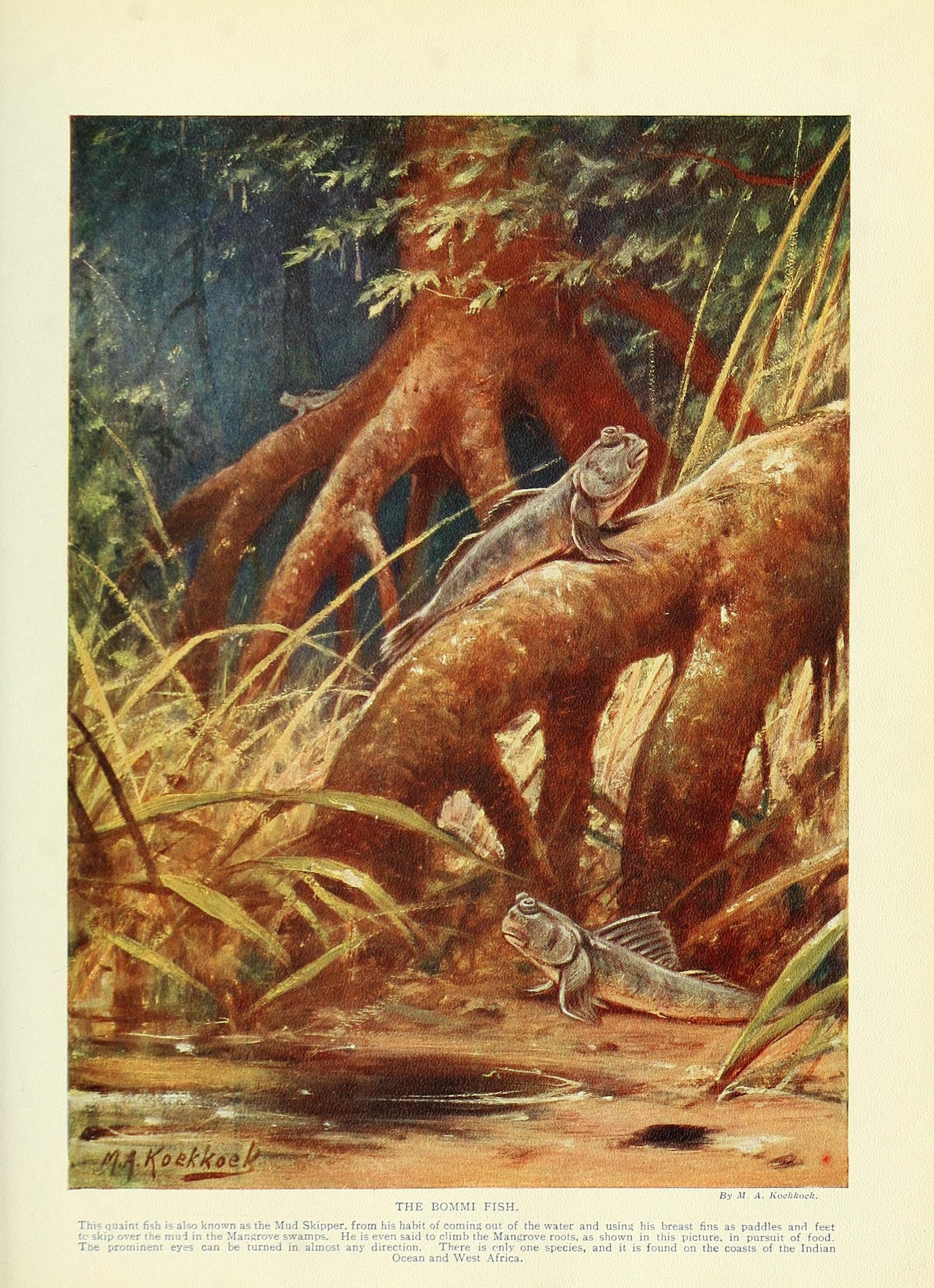
Text: Transition Update. The New Chapter Begins. Behind the text, a Bommi Fish walks on its fins to climb up a tree root.

On 1 January 2026, the Biodiversity Heritage Library officially entered a new chapter.

Since its founding in 2006, BHL has been hosted by the Smithsonian Institution. We are profoundly grateful for the administrative, staffing, and operational support provided for nearly two decades. However, in April 2025, BHL announced that the Smithsonian would no longer host BHL beyond the end of 2025. That announcement marked the beginning of a carefully planned transition that would help define a new independent future for BHL.

Navigating the Transition

While the need to transition brought real challenges, it also created an important opportunity. It forced BHL to take a hard look at how it was structured, governed, and funded, and to confront constraints that had naturally emerged from long-term reliance on a single administrative host.

Led by the Guiding Principles for the Transition (shared with the BHL community in August), the transition focused first and foremost on:

  • stabilizing BHL’s operations and infrastructure;
  • strengthening financial sustainability and administrative autonomy;
  • securing and retaining the staff expertise that underpins BHL’s services; and
  • positioning BHL for long-term growth and global impact.

To become independent, BHL needed to identify new administrative arrangements, refine organizational and governance models, and actively broaden and diversify its funding sources. In doing so, it unlocked greater agility and shared ownership across the consortium. As a result, the transition has accelerated BHL’s evolution into a truly global, distributed consortium, with a renewed focus on sustainability, resilience, and long-term impact.

We are excited to share where BHL is now, what has already been accomplished, and what lies ahead. BHL is stable, fully operational, and in the final stages of its transition.

A Transition in Stages

BHL’s transition is being implemented in carefully planned stages, designed to maintain continuity while laying the foundations for a more sustainable, globally distributed future. Some of these stages are now complete; others are actively underway.

Completed stages include:

  • Red square logo with the letters CLIR next to brand name Council on Library and Information ResourcesEstablishing the Council on Library and Information Resources (CLIR) as BHL’s fiscal sponsor
  • Transferring BHL’s financial administration to CLIR
  • Confirming governance, oversight, and operational continuity across the consortium

Stages currently underway or upcoming include:

  • Completing the transition of existing BHL staff to CLIR
  • Planning the move of BHL’s technical infrastructure to a new host institution
  • Continuing to strengthen long-term funding, partnerships, and infrastructure resilience

Together, these stages reflect a deliberate shift toward greater administrative autonomy, operational agility, resilience, and shared responsibility across the consortium.

Institutional Confidence and Partnership Commitments

One of the most encouraging outcomes of the transition has been the response from BHL’s institutional partners and allies around the world.

Through the Call for Support, launched in June 2025, BHL received a strong and constructive response from organizations that recognize the value of BHL as shared global infrastructure. Several long-standing partners stepped forward in particularly meaningful ways, providing critical support at a pivotal moment in the transition.

Notably, the University of Illinois Urbana-Champaign Library has made significant contributions of both funding and staff time, reinforcing its long-standing commitment to BHL. In addition, the Smithsonian Institution has made formal commitments to support a smooth transition, contributing to stability and operational continuity as BHL moves into its next phase.

We extend our sincere thanks to these institutions, and to all organizations that have stepped forward during this period, for their confidence, leadership and generosity. Their support is playing a critical role in helping to stabilize BHL and in shaping a strong, resilient future for the BHL Consortium.

We will share further details of these contributions and commitments as soon as formal arrangements are finalized.

New Members Joining BHL

Transition is not only about continuity; it is also about growth. As highlighted in a recent transition update, the University of South Florida Libraries is the first of several new Members joining the BHL Consortium. These new memberships are a direct outcome of the Call for Support and represent strategic partnerships and confidence in BHL’s future direction.

Stay tuned as we announce our additional new BHL Members in the coming weeks.

Staffing Continuity and Operational Stability

Ensuring staffing continuity has been a central priority throughout BHL’s transition. We are thrilled to announce that all existing BHL staff positions have been secured, preserving the expertise, institutional knowledge, and operational capacity that underpin BHL’s services. This continuity has been enabled through new administrative arrangements and reflects careful planning to ensure stability during the transition period.

For now, the key message is clear: BHL has retained its people, its expertise, and its ability to operate effectively, even as administrative and governance structures evolve. We will share more updates as new roles and arrangements are finalized.

Donations: The Wind Beneath Our Wings

The loss of long-standing Smithsonian support means that BHL now relies more heavily on additional sources of funding to sustain its work. From now on, public fundraising will be essential to ensuring BHL’s long-term sustainability.

Flying fish "flying" out of the water with #GiveBHLWings promotionIn November, we launched our #GiveBHLWings campaign, a focused effort to support BHL’s transition by 1 January 2026. The response was overwhelming. By the time the campaign formally closed on 4 January 2026, it had raised USD 53,286.33 from 534 donations across 39 countries.

Many donors chose to include personal messages of appreciation for BHL, and a significant number of gifts were made in honour of others, including several tributes recognizing BHL staff – a powerful recognition of the community behind the infrastructure.

Importantly, the campaign also generated ongoing, recurring support, helping to strengthen BHL’s longer-term financial resilience. When combined with online donations received before and after our #GiveBHLWings campaign, BHL’s new public fundraising efforts have resulted in over USD 60,000, from more than 600 donors across 41 countries, alongside a growing base of monthly recurring contributions.

In addition to these online campaign donations, BHL has received substantial individual contributions through other giving channels, including gifts made via our Ways to Give page. We have also received commitments to future giving from individuals, including bequests, reflecting a deep level of trust in BHL’s long-term mission and impact.

We are immensely thankful to everyone who contributed, whether through a one-time donation, a recurring gift, or by helping to share BHL’s story. Your generosity and trust are directly supporting the stability, continuity, and future growth of the Biodiversity Heritage Library.

Ready for the Future

Two fish walk on their fins out of water, climbing on tree roots and mud

The Bommi Fish or Mudskipper, a species adapted to life in the transition zone between land and water. Illustration by M. A. Koekkoek. From Marvels of the universe: a popular work on the marvels of the heavens, the earth, plant life, animal life, the mighty deep, by Harry Johnston, c. 1913-1927. Contributed in BHL from Smithsonian Libraries and Archives.

Transitions of this scale are complex, but the progress to date reflects the depth of BHL’s partnerships, the strength of its governance, and the extraordinary commitment of its global community.

Importantly, this transition has not only stabilized BHL; it has positioned BHL to operate with greater agility, independence, and shared ownership than ever before. By moving beyond reliance on a single administrative host, BHL is now better equipped to respond to change, pursue new opportunities, and evolve in step with the needs of the global biodiversity community it serves.

BHL is not winding down. It is moving forward as a more distributed, resilient, and community-supported consortium, with the flexibility to grow, adapt, and innovate.

We want to acknowledge the many individuals and organizations who have contributed time, expertise, resources, and encouragement during this period. Your support has not only helped BHL through this change; it is helping to shape a stronger, more sustainable future.

Throughout this period, uninterrupted access to BHL’s collections and services has remained a core priority, and that continuity has been maintained.

Stay tuned for more updates as we work through the final stages of the transition.

Be Part of BHL’s Future

As BHL moves into this next phase, there are many ways to stay connected and support BHL’s work going forward, whether by sharing BHL with your networks, encouraging institutional participation, exploring partnership opportunities, or contributing through public giving when you are able.

🌿 Support BHL: make a donation or explore other ways to give

💚 Share the love: use #ILoveBHL on social media

💡 Share your ideas: respond to our Call for Support

📚 Stay up to date: follow #BHLTransition news on the BHL Blog

January 9, 2026by [email protected]
Page 1 of 3123»

Help Support BHL

BHL's existence depends on the financial support of its patrons. Help us keep this free resource alive!

search

About BHL

The Biodiversity Heritage Library (BHL) is the world’s largest open access digital library for biodiversity literature and archives. BHL operates as a worldwide consortium of natural history, botanical, research, and national libraries working together to digitize the natural history literature held in their collections and make it freely available for open access as part of a global “biodiversity community.”

Join Our Mailing List

Sign up to receive the latest news, content highlights, and promotions.

Subscribe Now

Subscribe to Blog via Email

Enter your email address to subscribe to this blog and receive notifications of new posts by email.

Join 319 other subscribers

Subscribe to Blog Via RSS

Subscribe to the blog RSS feed to stay up-to-date on all the latest BHL posts.

Access RSS Feed

Inspiring Discovery through Free Access to Biodiversity Knowledge.

The Biodiversity Heritage Library makes it easier than ever for you to access the information you need to study and explore life on Earth…for free, anytime, anywhere.


64+ Million Pages of
Biodiversity Literature Online.

EXPLORE

Tools and Services
to Transform Research.

EXPLORE

300,000+
Illustrations on Flickr.

EXPLORE

ABOUT | HARMFUL CONTENT | PRIVACY | SITE MAP | TERMS OF USE