Biodiversity Heritage Library - Program news and collection highlights from BHL
  • Home
  • News
  • Featured Books
    • All Featured Books
    • Book of the Month Series
    • BHL at 20
  • User Stories
  • Campaigns
    • Fossil Stories
    • Garden Stories
    • Monsters Are Real
    • Page Frights
    • Her Natural History
    • Earth Optimism 2020
  • Tech Blog
  • Visit BHL
Home
News
Featured Books
    All Featured Books
    Book of the Month Series
    BHL at 20
User Stories
Campaigns
    Fossil Stories
    Garden Stories
    Monsters Are Real
    Page Frights
    Her Natural History
    Earth Optimism 2020
Tech Blog
Visit BHL
  • Home
  • News
  • Featured Books
    • All Featured Books
    • Book of the Month Series
    • BHL at 20
  • User Stories
  • Campaigns
    • Fossil Stories
    • Garden Stories
    • Monsters Are Real
    • Page Frights
    • Her Natural History
    • Earth Optimism 2020
  • Tech Blog
  • Visit BHL
Biodiversity Heritage Library - Program news and collection highlights from BHL

All posts by michelle.underhill

BHL News, Blog Reel, Campaigns

Happy 10th Anniversary, BHL!

Read the full blog post
2016 marks the 10th anniversary of the Biodiversity Heritage Library (BHL, www.biodiversitylibrary.org)!

Since 2006, the Biodiversity Heritage Library has transformed the way scientists, researchers, and librarians around the world access knowledge about and study life on Earth.

Continue reading
April 11, 2016byGrace Costantino
Blog Reel, Featured Books

Discovering the Deep Sea

Read the full blog post
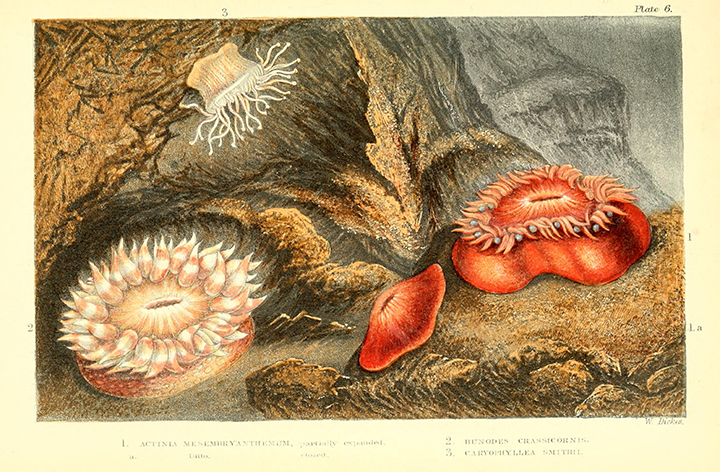
In 1872, the Royal Society of London launched the first non-commercial exploration of the deep sea – the Challenger Expedition. Covering nearly 70,000 nautical miles and resulting in the discovery of nearly 4,700 new-to-science species of marine life, the expedition revolutionized knowledge of the ocean and the field of oceanography. It also ignited an interest in deep-sea dredging as a means of scientific discovery. Carl Chun, a German zoologist, was particularly inspired by the Challenger‘s discoveries.
Continue reading
March 17, 2016byGrace Costantino
Blog Reel, User Stories

Following Early Naturalists of the American West

Read the full blog post
Yellowstone National Park is famous worldwide for its vast forests, abundance of wildlife – including a wide variety of North American megafauna, and its natural landmarks like Old Faithful Geyser. The Park, which spans over 3,400 square miles, was established by Congress and signed into law by President Ulysses S. Grant in 1872, making it the first national park ever established. In addition to over 350 species of animals, over 1,000 plant species call the park home. [1] The first actual flora of the park was published in 1886 by a man named Frank Tweedy. [2] Tweedy was a topographical engineer born in New York City in 1854. Between 1884-85, Tweedy was in Yellowstone mapping the topography of the park for a project with the U.S. Geological Survey.
Continue reading
March 7, 2016byGrace Costantino
Blog Reel, User Stories

Early Land Plants and the Global Strategy for Plant Conservation

Read the full blog post

Bryophytes are green land plants that lack true vascular tissue. They encompass mosses (Bryophyta), hornworts (Anthocerotophyta) and liverworts (Marchantiophyta). Bryophytes form an important component in many ecosystems, offering microhabitats for an abundance of biodiversity including single-celled eukaryotes, protozoa, and many invertebrates (Gerson 1982). They also play an important part in the global carbon budget and can support climate change research by serving as “indicators of past climate change, [validating] climate models, and as potential indicators of global warming”.

Continue reading

March 1, 2016byGrace Costantino
Blog Reel

BHL Website Issues Resolved 2/23/2016

Read the full blog post

UPDATE: The technical issues we were experiencing with the BHL website have been resolved. All services back up and running. Thanks for your patience! The BHL website is currently down due to technical difficulties. We are working to correct the issue as soon as possible, and apologize for the inconvenience. Thanks for your patience and stay tuned for more updates. While we work to resolve the technical issues w/ the BHL website, you can explore our collections on Internet Archive.

Continue reading
February 23, 2016byGrace Costantino
Blog Reel, User Stories

Resolving a 180 Year Old Taxonomic Mystery

Read the full blog post
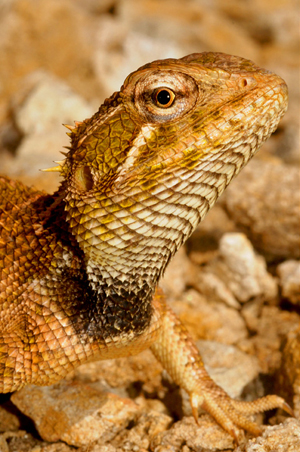
Hardwicke’s bloodsucker is an agamid lizard found in western and central India. It is a small, stocky, and pot-bellied lizard with a short tail that is currently recognized under the scientific name Brachysaura minor. This species, however, has a rather convoluted taxonomic history. The first scientific description of the species comes from Hardwicke and Gray in 1827 and is based on a color sketch by Hardwicke which now resides in the Archives of the Natural History Museum, London.  They named the species Agama minor.
Continue reading
February 11, 2016byGrace Costantino
Blog Reel, Featured Books

Fashion in the Natural World: Fusing Science with Art

Read the full blog post

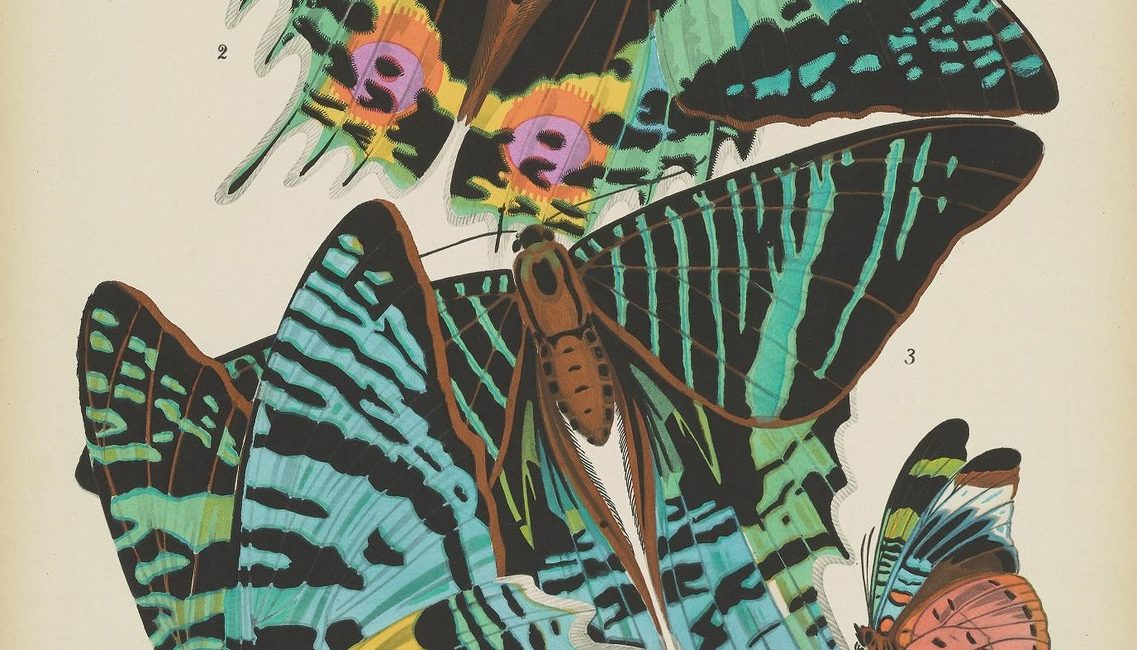
Emile-Allain Séguy was a popular French designer throughout the Art Deco and Art Nouveau movements of the 1920s. Often confused with the French entomologist Eugene Séguy who was active during the same time period, E.A. Séguy designed primarily patterns and textiles and was heavily influenced by the natural world. He was particularly fond of the intricate patterns and beauty of insects (Eugene would have approved), which he saw as “mechanic wonders” that provided abundant inspiration for interior design (Schiff, 157).

Continue reading
February 4, 2016byGrace Costantino
Page 24 of 47« First...1020«23242526»3040...Last »

Help Support BHL

BHL’s existence depends on the financial support of its patrons. Help us keep this free resource alive!

Donate Now

search

About BHL

The Biodiversity Heritage Library (BHL) is the world’s largest open access digital library for biodiversity literature and archives. BHL operates as a worldwide consortium of natural history, botanical, research, and national libraries working together to digitize the natural history literature held in their collections and make it freely available for open access as part of a global “biodiversity community.”

Follow BHL

  • Bluesky logo
  • Facebook logo
  • Flickr logo
  • Twitter logo

Join Our Mailing List

Sign up to receive the latest news, content highlights, and promotions.

Subscribe Now

Subscribe to Blog Via RSS

Subscribe to the blog RSS feed to stay up-to-date on all the latest BHL posts.

Access RSS Feed

Inspiring Discovery through Free Access to Biodiversity Knowledge.

The Biodiversity Heritage Library makes it easier than ever for you to access the information you need to study and explore life on Earth…for free, anytime, anywhere.

63+ Million Pages of
Biodiversity Literature Online.

EXPLORE

Tools and Services
to Transform Research.

EXPLORE

300,000+
Illustrations on Flickr.

EXPLORE


ABOUT | BLOG AUTHORS | HARMFUL CONTENT | PRIVACY | SITE MAP | TERMS OF USE

Download Adobe Acrobat Reader