Biodiversity Heritage Library - Program news and collection highlights from BHL
  • Home
  • News
  • Featured Books
    • All Featured Books
    • Book of the Month Series
    • BHL at 20
  • User Stories
  • Campaigns
    • Fossil Stories
    • Garden Stories
    • Monsters Are Real
    • Page Frights
    • Her Natural History
    • Earth Optimism 2020
  • Tech Blog
  • Visit BHL
Home
News
Featured Books
    All Featured Books
    Book of the Month Series
    BHL at 20
User Stories
Campaigns
    Fossil Stories
    Garden Stories
    Monsters Are Real
    Page Frights
    Her Natural History
    Earth Optimism 2020
Tech Blog
Visit BHL
  • Home
  • News
  • Featured Books
    • All Featured Books
    • Book of the Month Series
    • BHL at 20
  • User Stories
  • Campaigns
    • Fossil Stories
    • Garden Stories
    • Monsters Are Real
    • Page Frights
    • Her Natural History
    • Earth Optimism 2020
  • Tech Blog
  • Visit BHL
Biodiversity Heritage Library - Program news and collection highlights from BHL

All posts by michelle.underhill

BHL News, Blog Reel

BHL Receives 2015 Digitizing Hidden Special Collections and Archives award for Field Notes Project

Read the full blog post
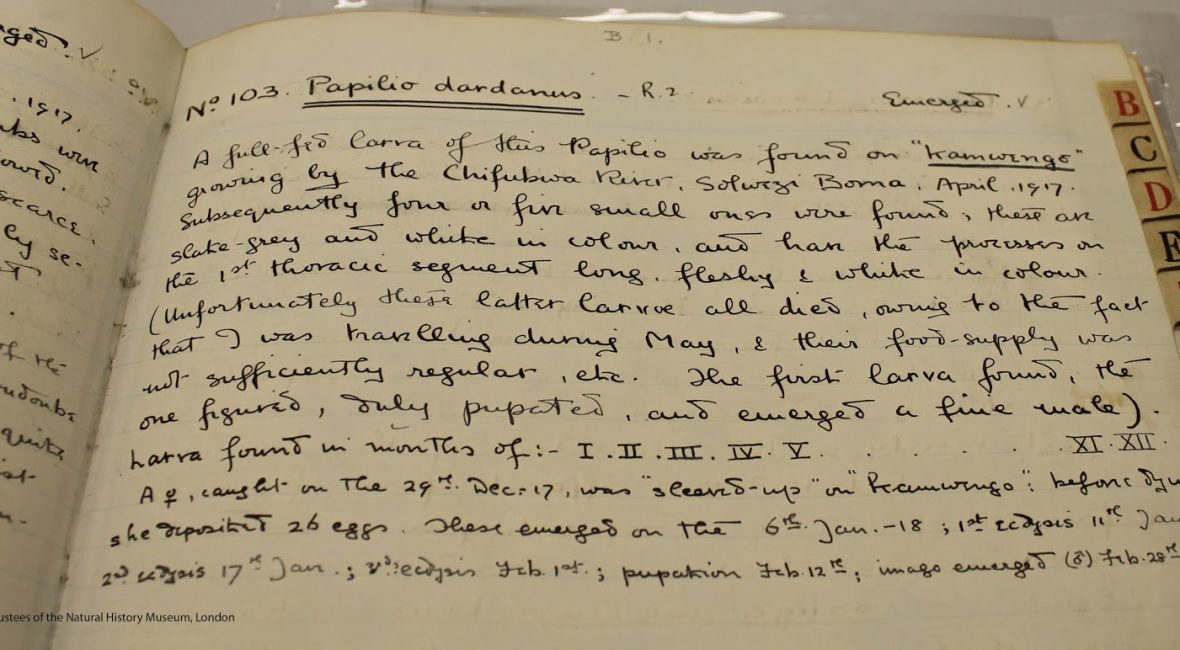
The Council on Library and Information Resources (CLIR) has selected the “Biodiversity Heritage Library Field Notes Project” for a 2015 Digitizing Hidden Special Collections and Archives award. The award of $491,713 will help support increased accessibility to original scientific documentation found in archival field notes in participating institution collections. Field notes provide valuable, primary research data about species and ecosystems that is often unpublished or unavailable through other sources.
Continue reading
January 7, 2016byGrace Costantino
Blog Reel, Featured Books

An Artist Steps Out of the Shadows: Using Social Media to Solve a Question of Identity

Read the full blog post
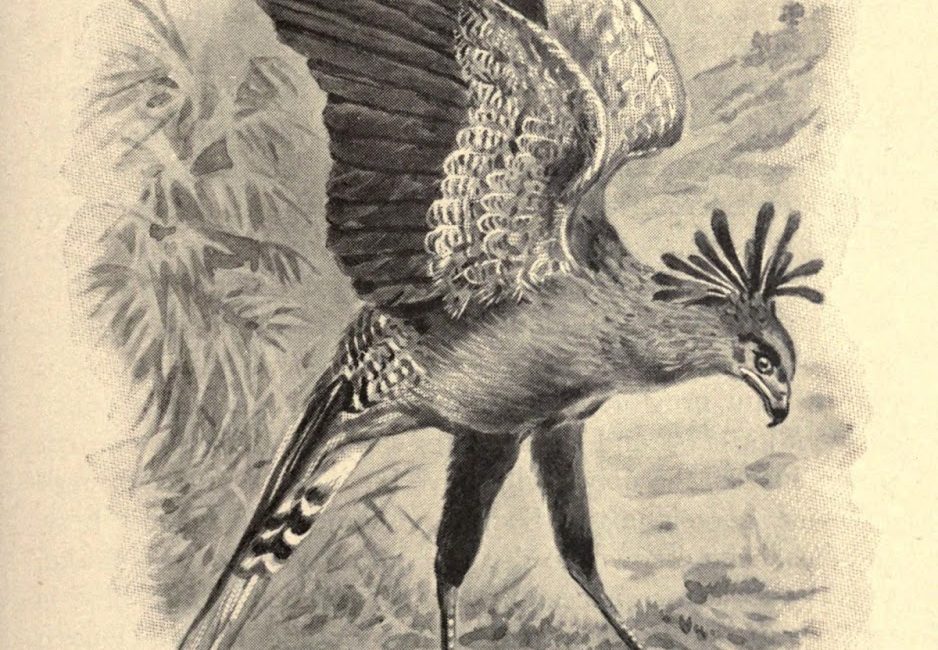
Over the years, we’ve discovered that social media is a pretty awesome way to learn more about our collections. Recently, a Twitter conversation helped us unravel the true identity of an incredible natural history artist. In November, one of our star citizen scientists Siobhan Leachman was working on adding artist machine tags to images in the BHL Flickr (want to learn more about how to do that? See this guide!). She was working on Wonders of the Bird World (1921), which was digitized for BHL by Cornell University Library. The title page stated that it was illustrated by A.T. Elwes.
Continue reading
December 31, 2015byGrace Costantino
Blog Reel, Featured Books

In Search of the White Whale: A Legend, a Fossil, a Living Mammal

Read the full blog post

1820. Far west of the Galapagos Islands in the Pacific Ocean. A whaleship pursues a pod of sperm whales. Suddenly, an eighty-five foot long giant charges the ship, ramming it with its head not once, but twice, caving in the bows and sending the ship to a watery grave. This is the story of the sinking of the Essex, the subject of Ron Howard’s movie adaptation of Nathaniel Philbrick’s novel In the Heart of the Sea, opening this Friday.

Continue reading
December 9, 2015byGrace Costantino
BHL News, Blog Reel, Tech Updates

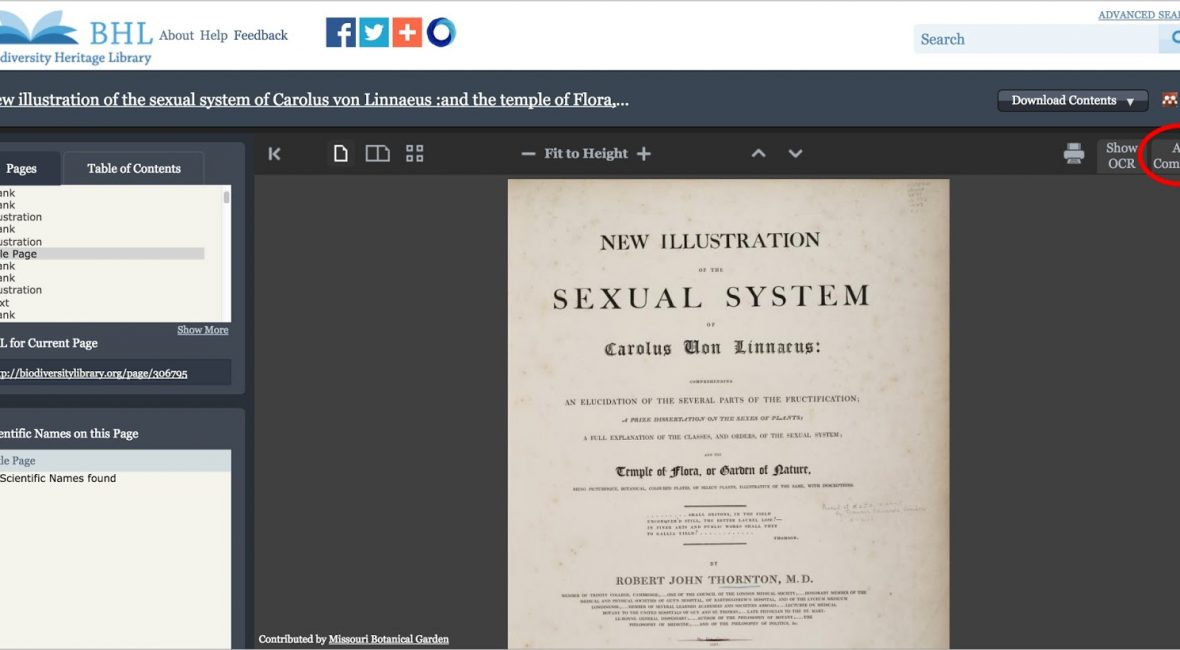
New Feature on BHL: Add Comments to a Book!

Read the full blog post

UPDATE: A new and enhanced commenting system is being planned for BHL. The commenting system described below has been disabled as of July 5, 2016. | We are pleased to announce that we have added the ability to add comments to books in the BHL website! This new feature will allow you to easily share your discoveries while reading BHL books, highlight interesting content, post your expertise for others to see, engage in conversations about BHL books from directly within BHL, and easily discover all of the great posts from your fellow biodiversity-enthusiasts.

Continue reading
December 2, 2015byGrace Costantino
Blog Reel, Campaigns, Featured Books, Fossil Stories, User Stories

From the Experts: Recommended Fossil Books!

Read the full blog post
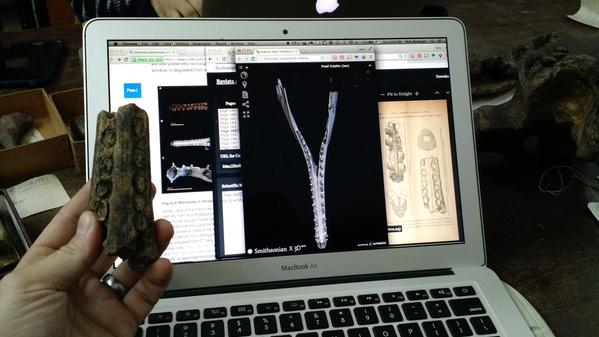
We hope you’ve been enjoying the fossil-mania this week with Fossil Stories! We’ve been exploring the fascinating history of paleontology, learning some great fossil facts, and hearing from experts (via a series of live webcasts) about current fossil research. Our posts have demonstrated the important role that natural history publications have played in the history of paleontology. These works disseminated new research and ideas, documented the evolution of human knowledge about fossils and their origins, and recorded the first scientific descriptions of many ancient creatures. But this literature is important not just for the historical information it provides.
Continue reading
October 16, 2015byGrace Costantino
Blog Reel, Campaigns, Featured Books, Fossil Stories

Illustrating Fossil Plants: The Enigmatic Artis

Read the full blog post
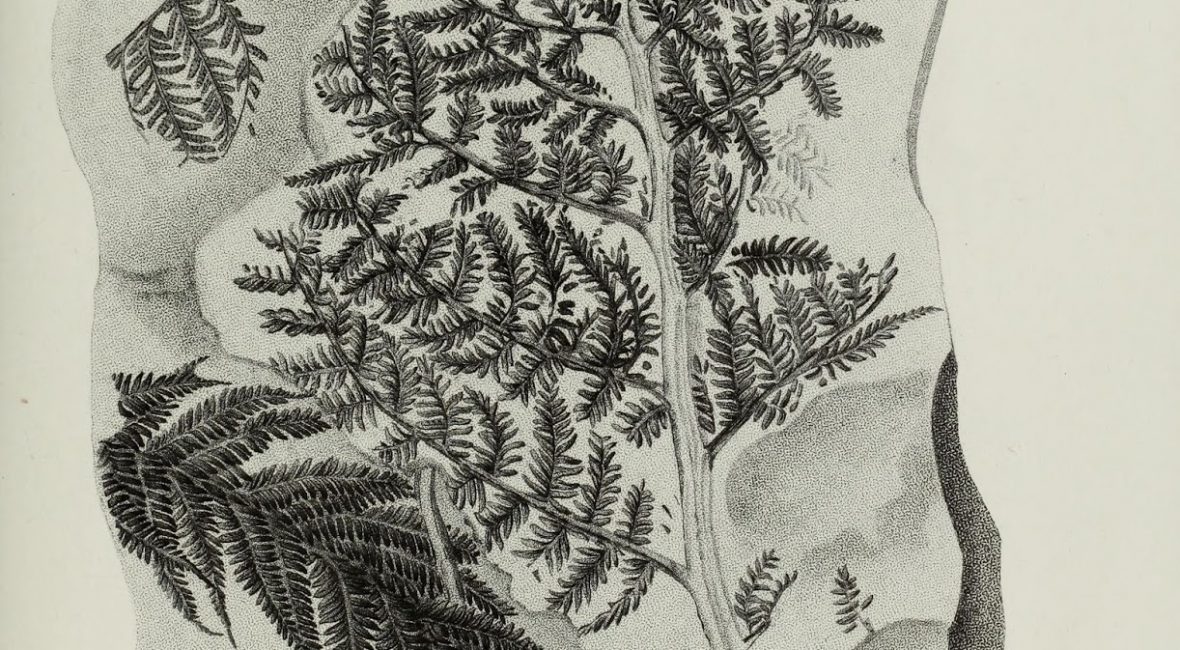
Phytology is an historic term, not widely used today, for the study of plants. Antediluvian was a term much used by early paleontologists to describe the “time before the great Biblical flood.” These two terms are necessary to understand the title of an important work in paleobotany: Antediluvian Phytology (1838), by Edmund Tyrell Artis. The formal study of paleobotany has roots in 1828, when Adolphe-Théodore Brongniart, known as the Father of Paleobotany, published Histoire des végétaux fossiles. A decade after this publication, Artis’ work was published.
Continue reading
October 16, 2015byGrace Costantino
Blog Reel, Campaigns, Featured Books, Fossil Stories

Uncovering the Truth about Fossil Feces: Buckland, Anning, and Coprolites

Read the full blog post
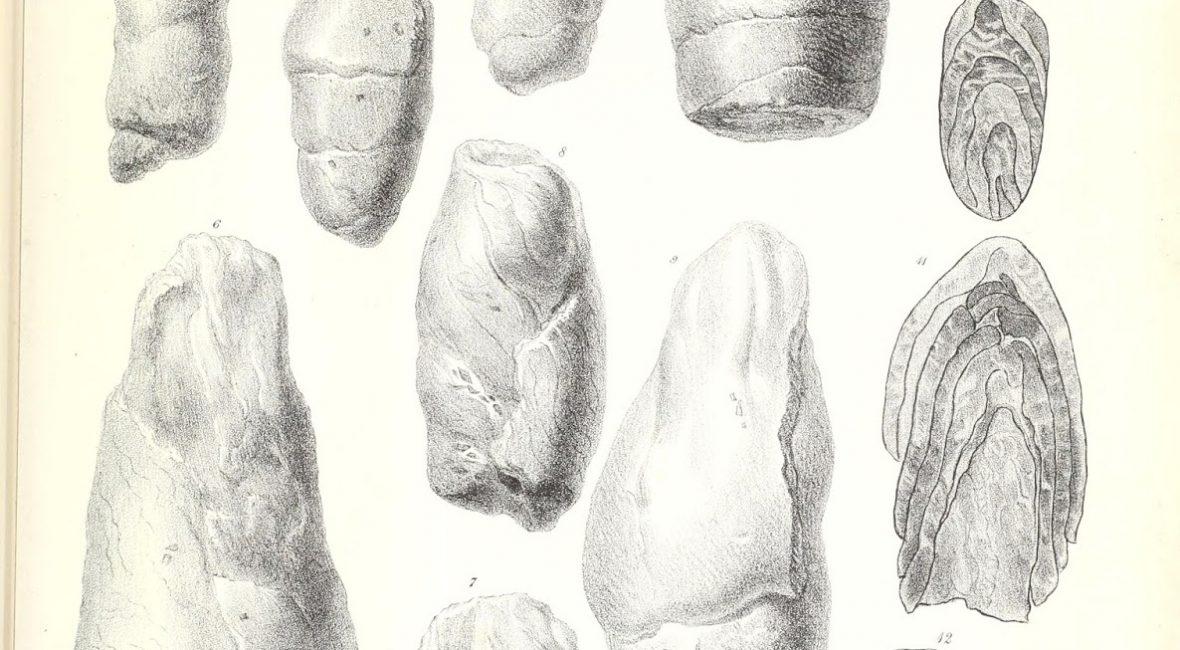
When most people think about fossils, they generally think of body fossils, which are fossilized remains of parts of an organism’s body. But there is another type of fossil: trace fossils. Trace fossils are geological records of biological activity, and they provide important insight into an animal’s behavior. One important trace fossil, which provides information about an animal’s diet, is the coprolite. That’s a fancy way of saying fossilized feces. When coprolites were first discovered, they were identified as fossilized fir tree cones or bezoar stones. Bezoar stones were undigested masses found trapped in the gastrointestinal system, and were once believed to have magical properties, capable of neutralizing any poison.
Continue reading
October 16, 2015byGrace Costantino
Page 25 of 47« First...1020«24252627»3040...Last »

Help Support BHL

BHL's existence depends on the financial support of its patrons. Help us keep this free resource alive!

search

About BHL

The Biodiversity Heritage Library (BHL) is the world’s largest open access digital library for biodiversity literature and archives. BHL operates as a worldwide consortium of natural history, botanical, research, and national libraries working together to digitize the natural history literature held in their collections and make it freely available for open access as part of a global “biodiversity community.”

Follow BHL

  • Bluesky logo
  • Instagram logo
  • Facebook logo
  • Flickr logo
  • Twitter logo

Join Our Mailing List

Sign up to receive the latest news, content highlights, and promotions.

Subscribe Now

Subscribe to Blog via Email

Enter your email address to subscribe to this blog and receive notifications of new posts by email.

Join 318 other subscribers

Subscribe to Blog Via RSS

Subscribe to the blog RSS feed to stay up-to-date on all the latest BHL posts.

Access RSS Feed

Inspiring Discovery through Free Access to Biodiversity Knowledge.

The Biodiversity Heritage Library makes it easier than ever for you to access the information you need to study and explore life on Earth…for free, anytime, anywhere.

64+ Million Pages of
Biodiversity Literature Online.

EXPLORE

Tools and Services
to Transform Research.

EXPLORE

300,000+
Illustrations on Flickr.

EXPLORE


ABOUT | BLOG AUTHORS | HARMFUL CONTENT | PRIVACY | SITE MAP | TERMS OF USE