Biodiversity Heritage Library - Program news and collection highlights from BHL
  • Home
  • News
  • Featured Books
    • All Featured Books
    • Book of the Month Series
    • BHL at 20
  • User Stories
  • Campaigns
    • Fossil Stories
    • Garden Stories
    • Monsters Are Real
    • Page Frights
    • Her Natural History
    • Earth Optimism 2020
  • Tech Blog
  • Visit BHL
Home
News
Featured Books
    All Featured Books
    Book of the Month Series
    BHL at 20
User Stories
Campaigns
    Fossil Stories
    Garden Stories
    Monsters Are Real
    Page Frights
    Her Natural History
    Earth Optimism 2020
Tech Blog
Visit BHL
  • Home
  • News
  • Featured Books
    • All Featured Books
    • Book of the Month Series
    • BHL at 20
  • User Stories
  • Campaigns
    • Fossil Stories
    • Garden Stories
    • Monsters Are Real
    • Page Frights
    • Her Natural History
    • Earth Optimism 2020
  • Tech Blog
  • Visit BHL
Biodiversity Heritage Library - Program news and collection highlights from BHL

All posts by michelle.underhill

Blog Reel, Featured Books

A Basic Guide to Rare Book Research

Read the full blog post

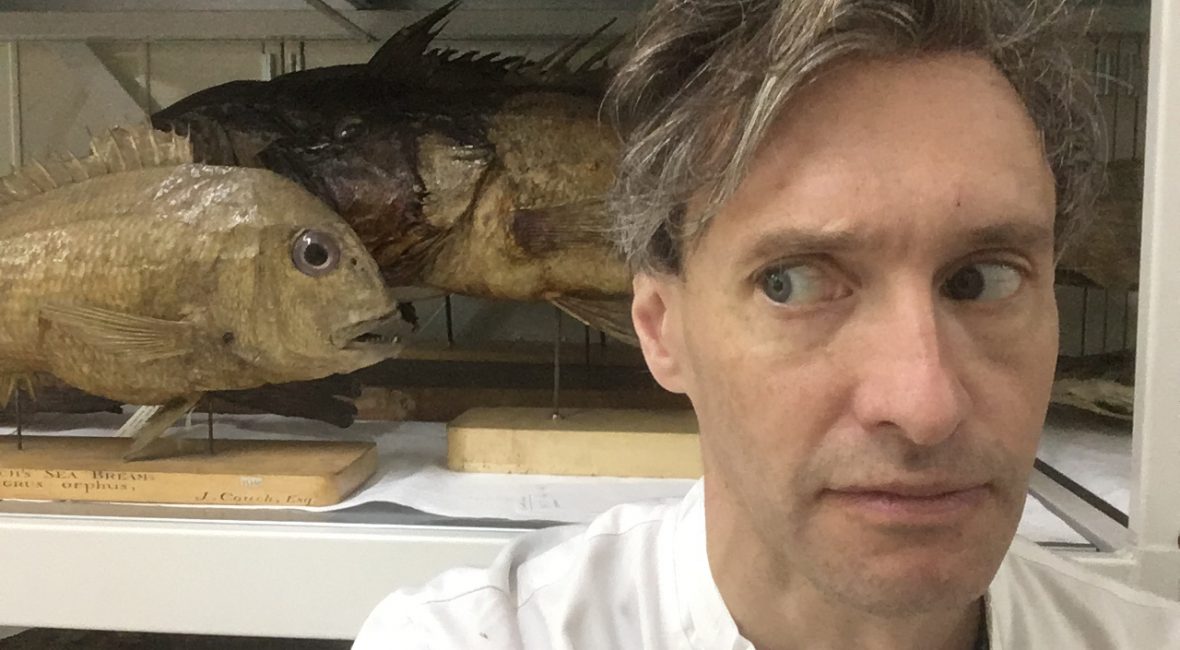
In my job as the manager of the Library at Museums Victoria (Australia), I am frequently required to conduct rare book research for programs, displays, online projects, or to establish the provenance of a book. I remember being a little daunted by this task at first, not knowing quite what to cover or what the relevant references were in this field. I have put together this quick guide as a reference for newcomers, using digitised books in BHL to demonstrate how to “read” a book for rare book research. I’ve also included some useful links and further reading if you’d like to delve deeper.

Continue reading
November 26, 2019byHayley Webster
Blog Reel, Featured Books

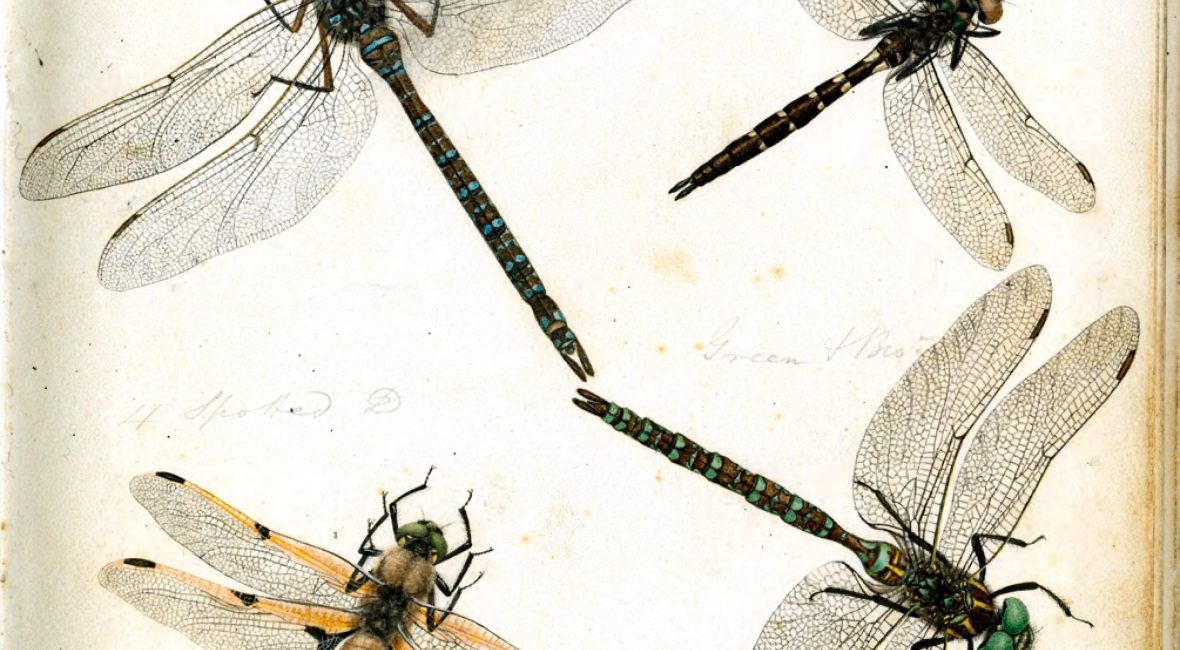
From Canada’s National Capital to “the Rock” — The Tale of a Traveling Book by Philip Henry Gosse

Read the full blog post

The Island of Newfoundland was nicknamed “The Rock” because of its rocky terrain and high cliffs.

I’m Elizabeth Smith, and I work at the Canadian Museum of Nature’s Library & Archives as Acquisitions and Cataloguing Officer. In this capacity, I have the privilege of caring for a rare book collection consisting of approximately 4,000 pre-20th century monographs, manuscripts and periodicals, including a special unpublished manuscript, Entomologia Terrae Novae by Philip Henry Gosse — which I had the privilege of hand couriering to St John’s Newfoundland for a short exhibit and panel talk at Memorial University’s QEII Library this past September.

Continue reading
November 22, 2019byElizabeth Smith
BHL News, Blog Reel

2019 Fall BHL Newsletter Now Available!

Read the full blog post

Autumn is here, at least for those in the Northern Hemisphere. It’s been a busy couple of months at BHL and we have a lot of updates to share. From a new species named after the Library to participation in Biodiversity_Next and article indexing via Unpaywall, check out all the latest program news in our Fall 2019 BHL Newsletter.

Continue reading
November 21, 2019byGrace Costantino
BHL News, Blog Reel

BHL at Biodiversity Next

Read the full blog post

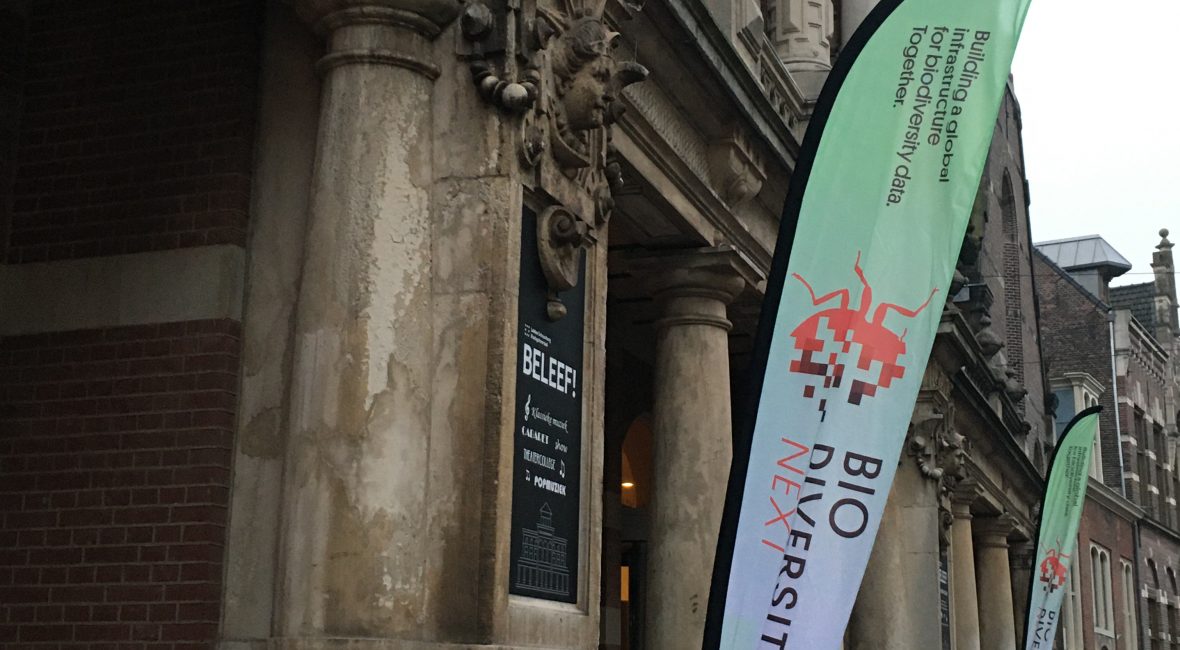
In October 2019, more than 700 people from over 75 countries gathered in Leiden, the Netherlands for Biodiversity_Next, a joint conference by GBIF, DISSCo, iDigBio, CETAF, TDWG, and LifeWatch Eric. Hosted by the Naturalis Biodiversity Center, a BHL Affiliate, in collaboration with the Netherlands Biodiversity Information Facility, the main conference ran from 22-25 October 2019, with pre-conference workshops occurring 20-21 October, as well as organization-specific meetings for GBIF, CETAF, and TDWG being held in conjunction with the conference. Eighteen BHL-affiliated representatives from our partner community, representing 13 institutions from nine countries, attended the conference, and 11 BHL-affiliated staff presented or moderated 16 talks or sessions. Dr. Elycia Wallis (Atlas of Living Australia; BHL Member representative for BHL Australia) served as a key member of the Programme Committee. Members of the BHL Executive Committee (EC) and colleagues from the Muséum national d’Histoire naturelle represented BHL at the various organizational meetings, including GBIF, TDWG, and CETAF.

Continue reading
November 12, 2019byGrace Costantino
BHL News, Blog Reel

Now Hiring! Program Manager for the Biodiversity Heritage Library at Smithsonian Libraries

Read the full blog post

Do you want to help empower global biodiversity research and serve as part of a vibrant, international community dedicated to providing free, worldwide access to biodiversity information? The Biodiversity Heritage Library seeks a Program Manager committed to elevating current successes and challenging our Program into the future by ensuring organizational excellence, fostering strategic partnerships, and embracing advances in digital technologies, information science, big data, and bioinformatics to serve the evolving needs of 21st century researchers.

Continue reading
November 6, 2019byGrace Costantino
Blog Reel, Featured Books

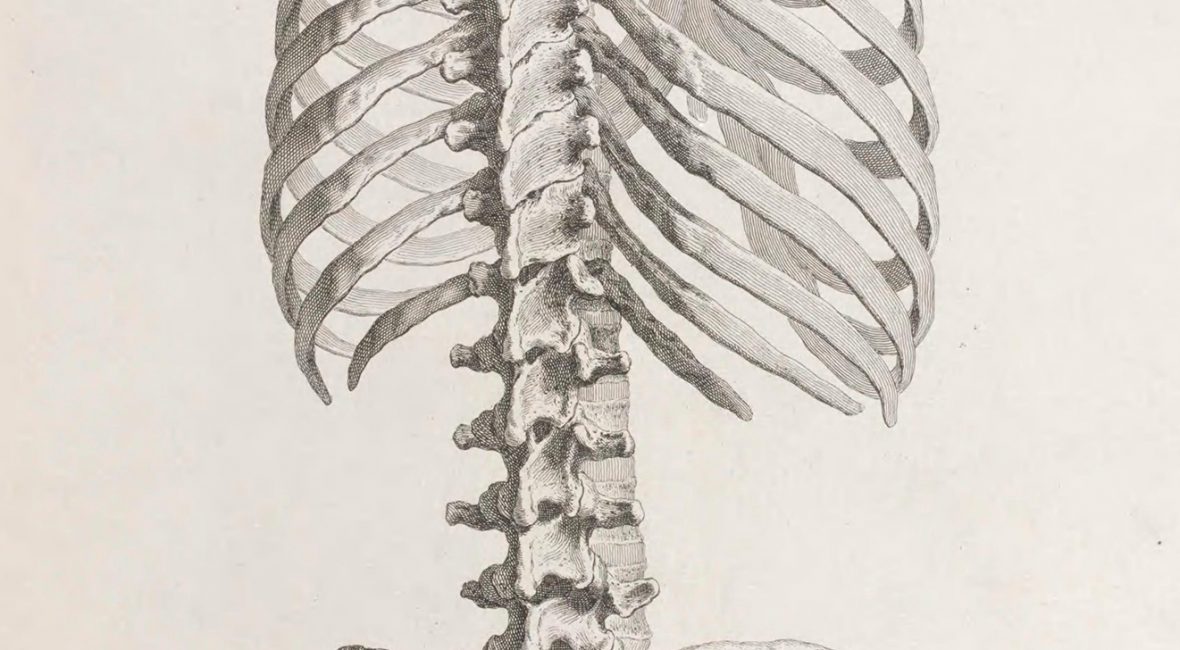
Skeletons in the Stacks: Cheselden’s Spine-Tingling Osteological Atlas

Read the full blog post

Halloween is just around the corner, and the skeletons have come out of the closet. From front yards reimagined as graveyards to bone-chilling retail displays and party backdrops rattling with more than a few spare ribs, bones are on display to awaken the Halloween spirit and set a ghoulish mood to the delight of trick-or-treaters everywhere.

The modern-day Halloween is derived from the ancient Celtic festival of Samhain. With the Celtic new year celebrated on November 1, October 31 marked the end of summer and the harvest and the beginning of the cold, dark winter. Samhain, celebrated the evening of October 31, was believed to be a time when the boundary between the worlds of life and death were blurred, allowing the ghosts of the dead to return (History.com 2019).

Over time, Halloween has evolved into the costume-wearing, trick-or-treating holiday that it is today, but the season’s association with death has remained, evidenced by the proliferation of ghosts and skeletons intertwined with modern-day celebrations.

Embracing the Halloween season’s bony obsession, this month’s book of the month is one devoted to the skeleton — Osteographia (1733), which has been described as “one of the most important and beautiful books in the British anatomical tradition” (Neher 2010, 517). This work is freely available in BHL thanks to the Library and Archives of the Natural History Museum in London.

Continue reading
October 24, 2019byGrace Costantino
Blog Reel, User Stories

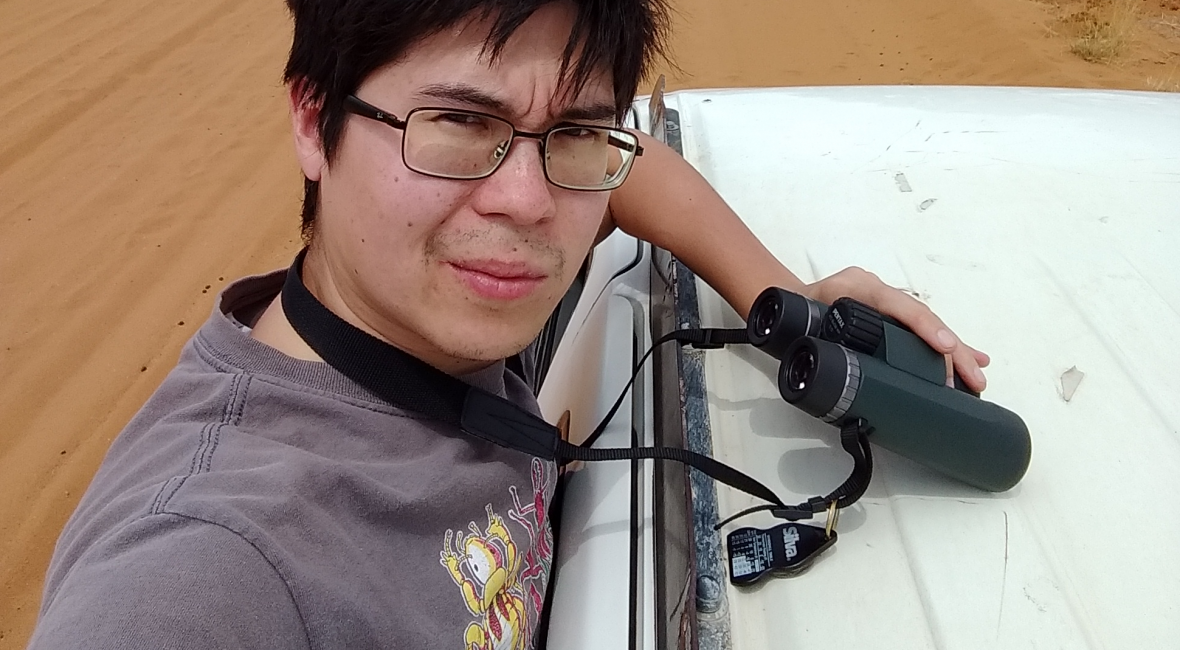
Flower Flies and BHL: Empowering Taxonomic Research on Important Pollinators

Read the full blog post

The family Syrphidae, commonly called hover flies or flower flies, include some 6,000 living species. As “one of the most abundant groups of flower visiting insects”, with adults of most species feeding almost exclusively on pollen and nectar or honeydew, these flies are among the most important pollinators, both for wild plants and numerous crops.

The multi-volume Diptères exotiques nouveaux ou peu connus (1838-[43]) by Justin Macquart contains the first descriptions of numerous Diptera species, including many members of the Syrphidae. Systema Dipterorum, the biosystematic database of world Diptera, attributes 430 Syrphidae names to Macquart.

“Macquart wrote so many early Syrphidae genus and species descriptions that it’s almost impossible to write a syrphid taxonomic paper without referencing this title at some point,” explains Dr. Andrew D. Young.

Young is a University of California, Davis postdoc, working out of the California Department of Food and Agriculture Plant Pest Diagnostics Center, where he specializes in Diptera taxonomy and phylogenetics. Although he studies Tephritidae (fruit flies) in his current position, most of Young’s entomological training has been focused on Syrphidae. While Macquart’s monographic series is an essential resource for this group, it’s not easy to come by.

“Each volume is several hundred pages, and was published in the mid 1800s, so hardcopies are not particularly easy to get ahold of,” explains Young. “Most of the time when you do find a hardcopy, it’s one that’s been photocopied so many times it’s barely legible.”

Fortunately, Diptères exotiques nouveaux ou peu connus is freely available on the Biodiversity Heritage Library (BHL).

Continue reading

September 12, 2019byGrace Costantino
Page 9 of 47« First...«891011»203040...Last »

Help Support BHL

BHL’s existence depends on the financial support of its patrons. Help us keep this free resource alive!

Donate Now

search

About BHL

The Biodiversity Heritage Library (BHL) is the world’s largest open access digital library for biodiversity literature and archives. BHL operates as a worldwide consortium of natural history, botanical, research, and national libraries working together to digitize the natural history literature held in their collections and make it freely available for open access as part of a global “biodiversity community.”

Follow BHL

  • Bluesky logo
  • Facebook logo
  • Flickr logo
  • Twitter logo

Join Our Mailing List

Sign up to receive the latest news, content highlights, and promotions.

Subscribe Now

Subscribe to Blog Via RSS

Subscribe to the blog RSS feed to stay up-to-date on all the latest BHL posts.

Access RSS Feed

Inspiring Discovery through Free Access to Biodiversity Knowledge.

The Biodiversity Heritage Library makes it easier than ever for you to access the information you need to study and explore life on Earth…for free, anytime, anywhere.

63+ Million Pages of
Biodiversity Literature Online.

EXPLORE

Tools and Services
to Transform Research.

EXPLORE

300,000+
Illustrations on Flickr.

EXPLORE


ABOUT | BLOG AUTHORS | HARMFUL CONTENT | PRIVACY | SITE MAP | TERMS OF USE

Download Adobe Acrobat Reader