We’ve expanded the BHL FAQ, providing answers to the most common questions we receive from our users. The FAQ is the best place to find answers to your questions about BHL, our collection, and our services.
Continue reading
Discovering Carrie B. Aaron
Through Projects and Partnerships
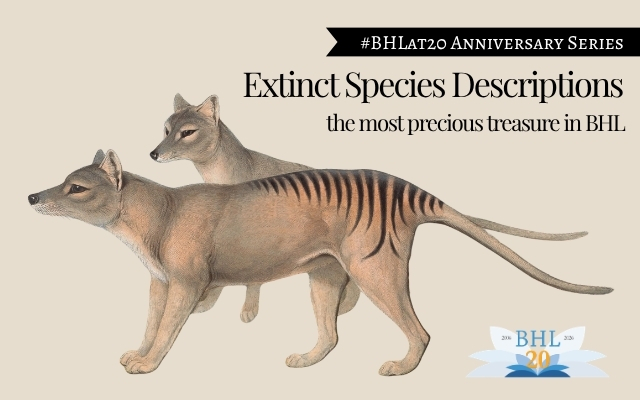
Extinct Species Descriptions:
the most precious treasure in BHL
Rejected to Accepted: E.A.W. Zimmermann’s
Geographische Geschichte des Menschen
We’ve expanded the BHL FAQ, providing answers to the most common questions we receive from our users. The FAQ is the best place to find answers to your questions about BHL, our collection, and our services.
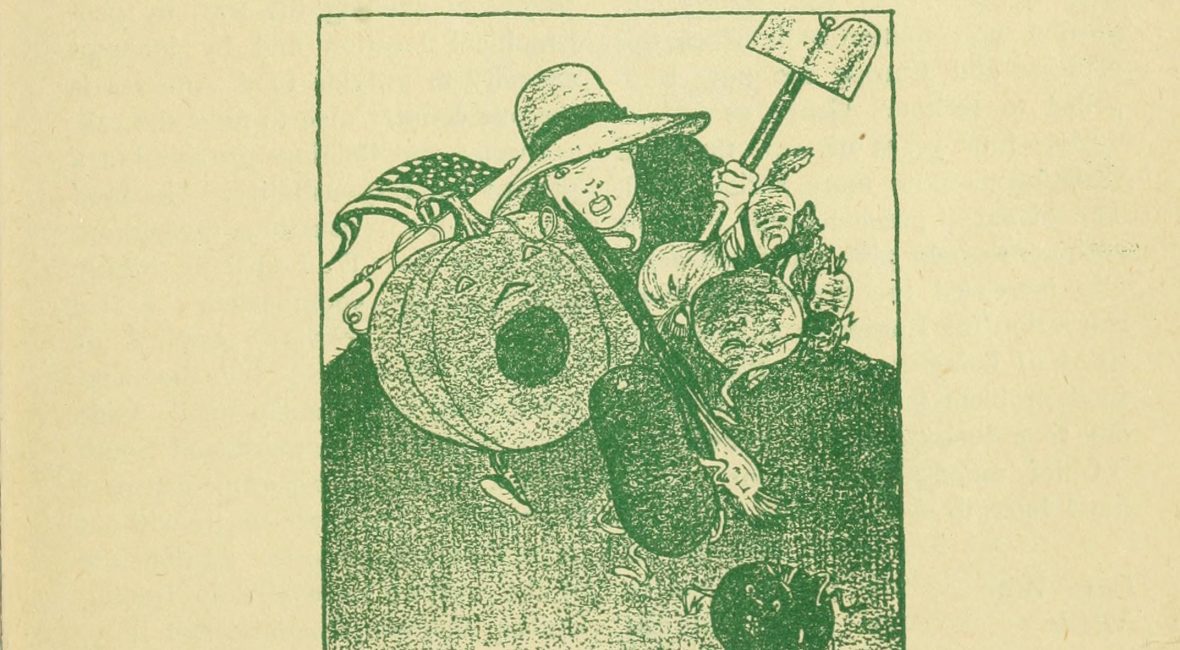
Charles Lathrop Pack was a principal organizer of the Victory Garden movement. Victory gardens, war gardens, or, as they were sometimes called, “food gardens for defense,” are gardens meant to be supplement and even improve upon the food supply in times of shortage and rationing due to war, providing a variety of home-grown vegetables, fruits, and herbs. Not limited to typical farming areas or countryside, Victory Gardens were planted in urban areas as well. They sprang up at private homes and in public parks and allotments in the United States, the United Kingdom, Canada, Australia, and Germany during World War I and again in World War II.
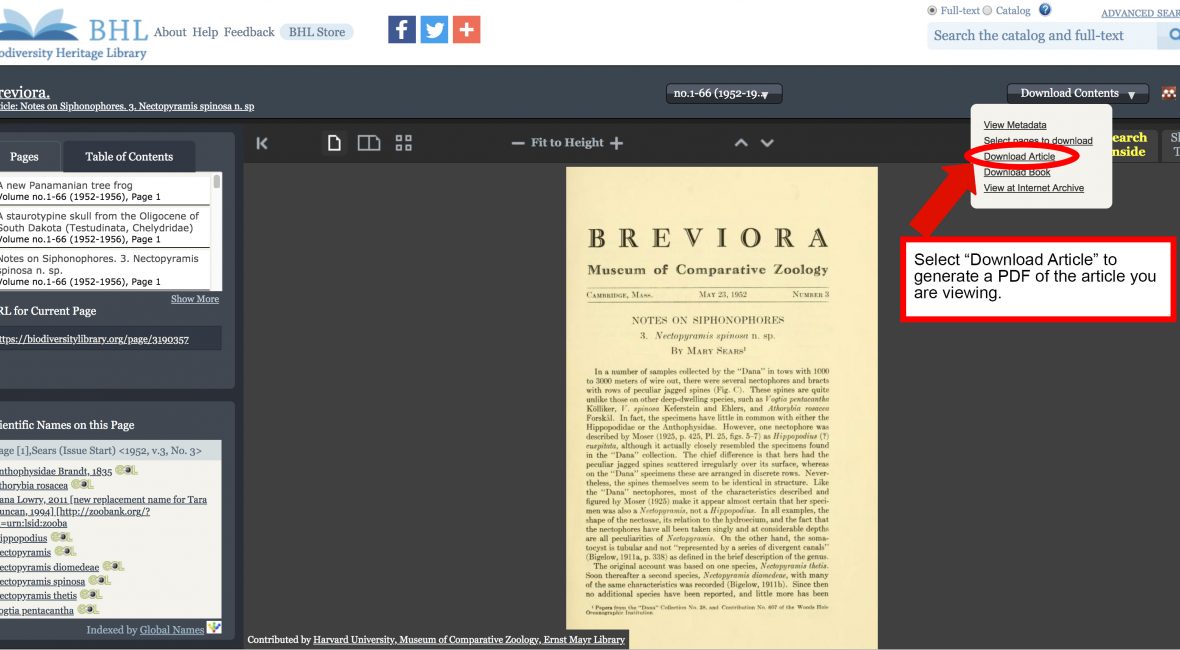
We’ve added functionality to the BHL book viewer that makes it easier to generate a PDF for an article.
When you are viewing an article that has been defined in BHL, you can now quickly and easily generate a PDF of that article using our new “Download Article” option in the “Download Contents” dropdown menu.
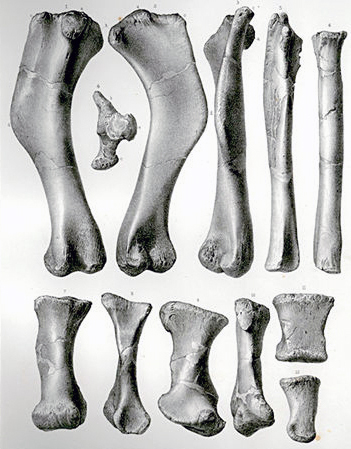
This blog post is the first in a series from Smithsonian Libraries highlighting Unearthed, a new BHL collection of paleobiology literature curated by Smithsonian Libraries in celebration of the opening of the National Museum of Natural History’s David H. Koch Hall of Fossils – Deep Time exhibit. Additional posts will publish throughout 2019, so check back regularly for more fossil fun. Explore the Unearthed collection today.
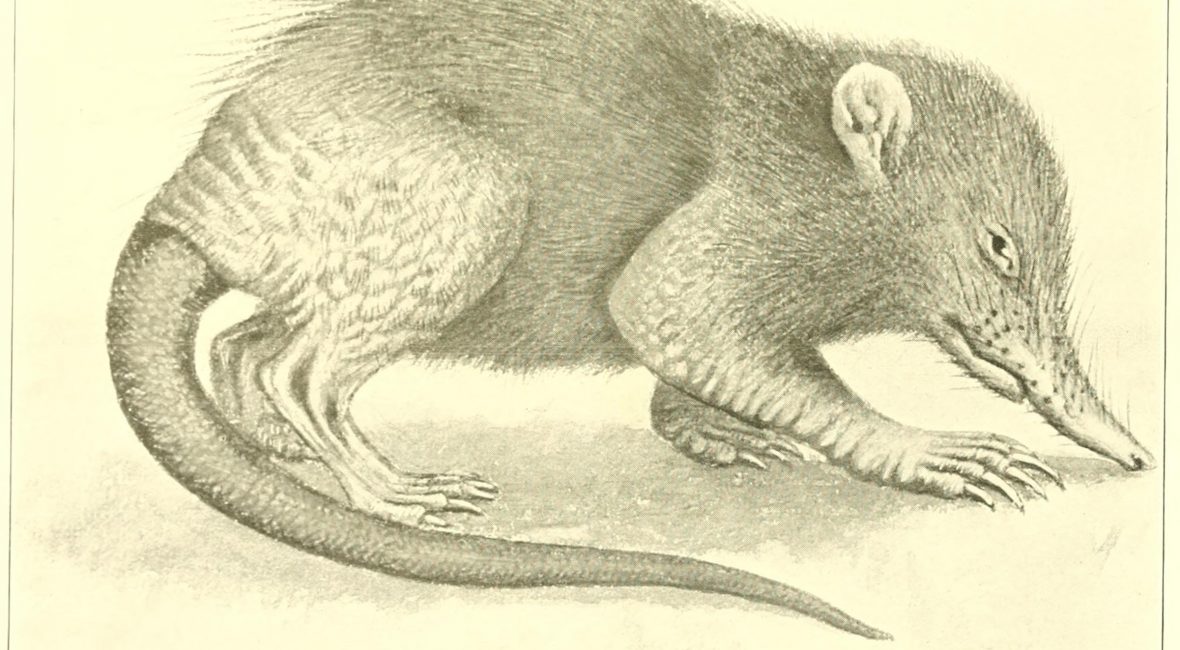
The Hispaniolan solenodon is a unique, and at first glance somewhat peculiar, animal. Even its scientific name conveys the unusualness of the species — Solenodon paradoxus.
One of two extant solenodon species (the other being the Cuban solenodon), the Hispaniolan solenodon is found only in Haiti and the Dominican Republic. It, like its Cuban counterpart, is endangered.
As members of the mammalian Order Eulipotyphla, which includes insectivores such as shrews, hedgehogs, and moles, solenodons diverged from all other living mammals over 70 million years ago. They are only found in the Caribbean, making them an important priority for the conservation of evolutionary diversity. This long history means that they have survived countless extinction events and only today are threatened.
Dr. Alexis Mychajliw (Postdoctoral Research Fellow at the La Brea Tar Pits & Museum of the Natural History Museum of Los Angeles County) has been studying the Hispaniolan solenodon as part of her research on Caribbean mammals for more than five years. Much of her work has focused on flipping the narrative of the Hispaniolan solenodon from endangered weirdo to resilient survivor.
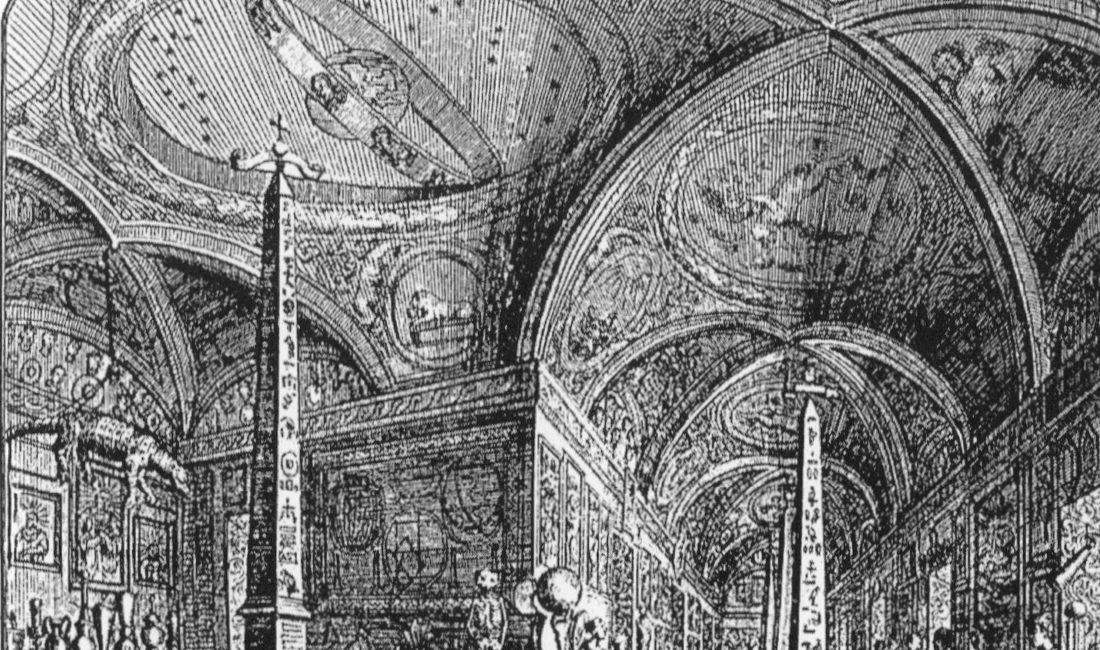
Athanasius Kircher, a 17th century German Jesuit scholar whose name translates to “immortal” (from the Greek “Athanasius”) and “church” (from the German-derived “kircher”), was born on 2 May 1602 in Geisa, part the principality of Fulda in the Holy Roman Empire in Europe. The youngest of nine children, Kircher’s family was devoutly Catholic — a complicated religious affiliation at a time when Protestantism was more popular and war broke out between Catholics and the Protestant Lutherans and Calvinists in the form of the Thirty Years War (1618-1648). Not only did Kircher live during a period of war, but also of witch burnings and plague.
Spring is in the air…and we’ve been busy at BHL. From our 2019 Annual Meeting to the Her Natural History campaign celebrating women in natural history and updates to our metadata export services, check out all of the latest program news in the 2019 Spring Newsletter.
Be sure to subscribe to our mailing list to keep up to date with all the latest BHL news.
The Biodiversity Heritage Library (BHL) is the world’s largest open access digital library for biodiversity literature and archives. BHL operates as a worldwide consortium of natural history, botanical, research, and national libraries working together to digitize the natural history literature held in their collections and make it freely available for open access as part of a global “biodiversity community.”
Sign up to receive the latest news, content highlights, and promotions.
Subscribe NowSubscribe to the blog RSS feed to stay up-to-date on all the latest BHL posts.
Access RSS Feed