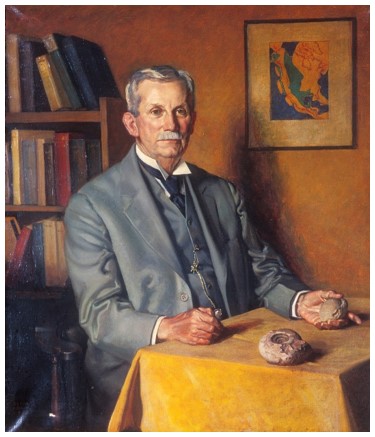
The Yale Peabody Museum of History has partnered with the Biodiversity Heritage Library Field Notes Project to digitize a selection of primary natural history field research.
Continue reading

Discovering Carrie B. Aaron
Through Projects and Partnerships
Extinct Species Descriptions:
the most precious treasure in BHL
Rejected to Accepted: E.A.W. Zimmermann’s
Geographische Geschichte des Menschen
HTTPS? What does it mean? HTTP is the language that your browser uses to communicate to BHL and the S stands for Secure, encrypted, unreadable, or at least much, much harder to read.The web is moving to encrypted connections across the board. In 2014 Google announced that their page rank algorithm that decides the order of your google.com search results will now rank insecure pages slightly lower than secure pages. From security to rankings, encrypted connections are better for everyone.
This quarter, the Biodiversity Heritage Library welcomed the Oak Spring Garden Foundation (OSGF) as a new Affiliate. The BHL consortium now consists of 19 Members and 18 Affiliates.
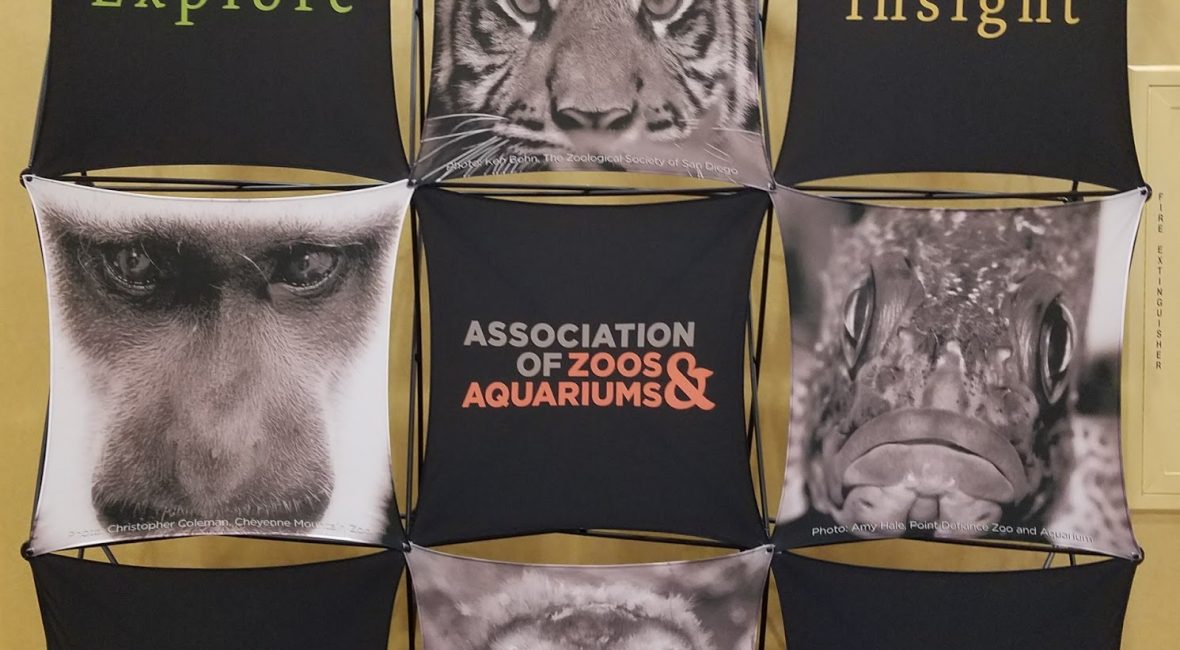
Last week the Association of Zoos and Aquariums held its annual conference in Indianapolis, Indiana. The conference draws around 2,800 attendees from a diverse group of institutions and organizations around the world. The Expanding Access to Biodiversity Literature team was able to send representation and take part in the poster presentations.
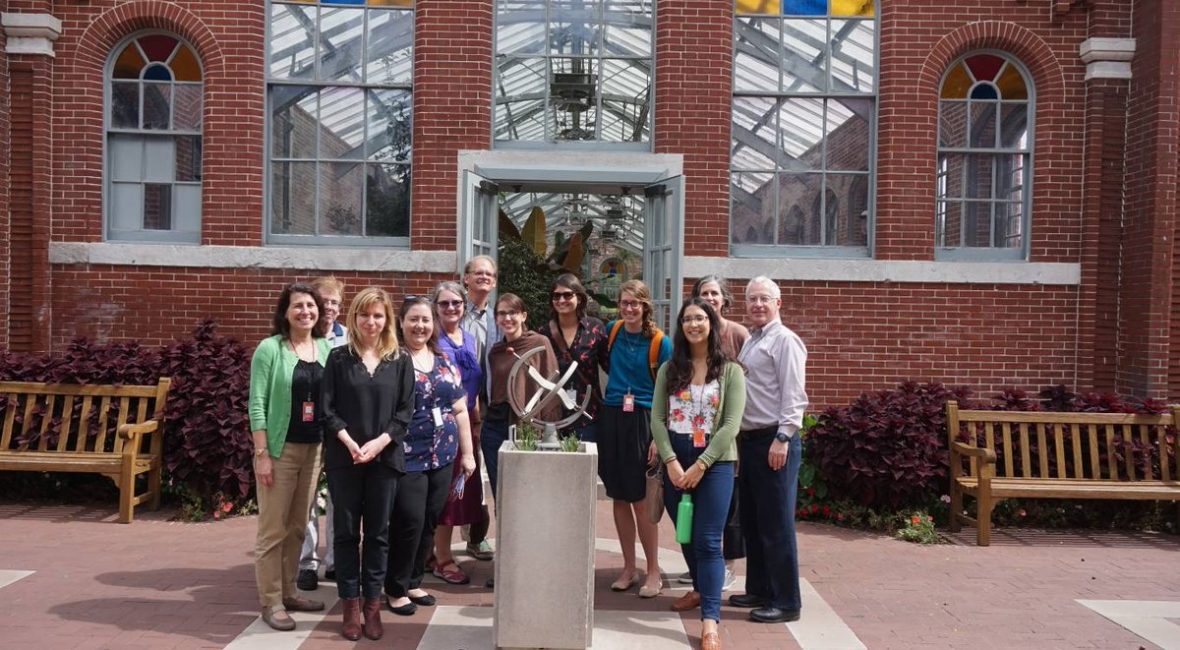
Hello again from the NDSR Residents! Since our last update in July we’ve been focusing on transforming our research into recommendation outlines that we presented to the BHL Tech Team last week. As we head into the final quarter of our residencies, we’ll be focusing on tweaking these ideas, developing workflows and proof of concepts, and finalizing our recommendations in a Best Practices White Paper by December. For this update, we wanted to give a preview of what some of these recommendations will look like and invite some preliminary feedback from the BHL Blog-o-sphere that we can consider as we move into these final months.
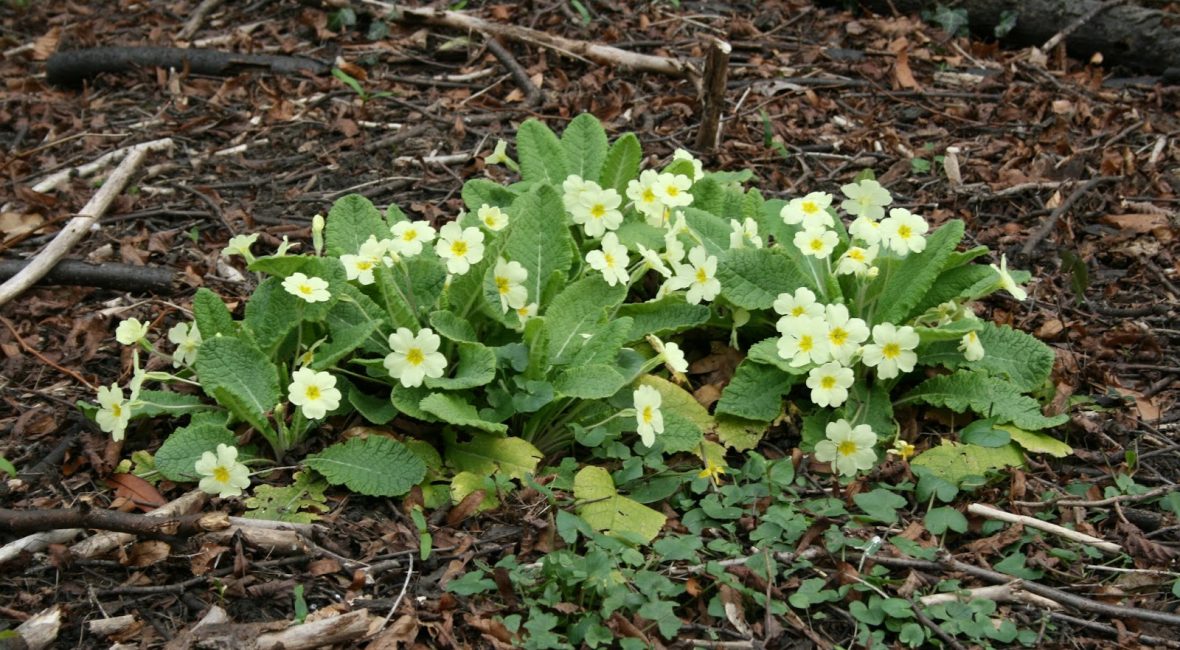
In 1860, Charles Darwin had an epiphany. This was not an epiphany on the origin of species, as his monumental publication on the subject had been published one year earlier in 1859. This epiphany, which Darwin shared in a letter to his friend Joseph Dalton Hooker, was that flowers in the genus Primula display two distinct forms which differ in the length of the pistil’s styles and the height of the stamen’s anthers.
The Biodiversity Heritage Library (BHL) is the world’s largest open access digital library for biodiversity literature and archives. BHL operates as a worldwide consortium of natural history, botanical, research, and national libraries working together to digitize the natural history literature held in their collections and make it freely available for open access as part of a global “biodiversity community.”
Sign up to receive the latest news, content highlights, and promotions.
Subscribe NowSubscribe to the blog RSS feed to stay up-to-date on all the latest BHL posts.
Access RSS Feed