Biodiversity Heritage Library - Program news and collection highlights from BHL
  • Home
  • News
  • Featured Books
    • All Featured Books
    • Book of the Month Series
    • BHL at 20
  • User Stories
  • Campaigns
    • Fossil Stories
    • Garden Stories
    • Monsters Are Real
    • Page Frights
    • Her Natural History
    • Earth Optimism 2020
  • Tech Blog
  • Visit BHL
Home
News
Featured Books
    All Featured Books
    Book of the Month Series
    BHL at 20
User Stories
Campaigns
    Fossil Stories
    Garden Stories
    Monsters Are Real
    Page Frights
    Her Natural History
    Earth Optimism 2020
Tech Blog
Visit BHL
  • Home
  • News
  • Featured Books
    • All Featured Books
    • Book of the Month Series
    • BHL at 20
  • User Stories
  • Campaigns
    • Fossil Stories
    • Garden Stories
    • Monsters Are Real
    • Page Frights
    • Her Natural History
    • Earth Optimism 2020
  • Tech Blog
  • Visit BHL
Biodiversity Heritage Library - Program news and collection highlights from BHL
Blog Reel, User Stories

Chronicling the History of the Former Squires of Coulsdon: Rare Book Digitization Informs Research on the Byron Family

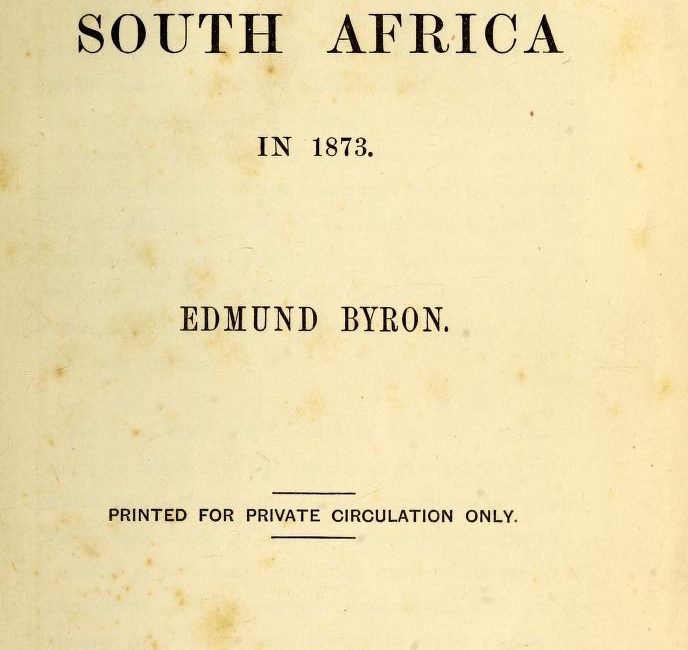
Title page of "What we did in South Africa in 1873".

The Joseph F. Cullman 3rd Library of Natural History at the Smithsonian Libraries and Archives in Washington, D.C. is home to many rare and special books. Amongst the approximately 20,000 volumes in the library’s collection is a particularly rare item—one of only six known copies in public and institutional libraries worldwide.
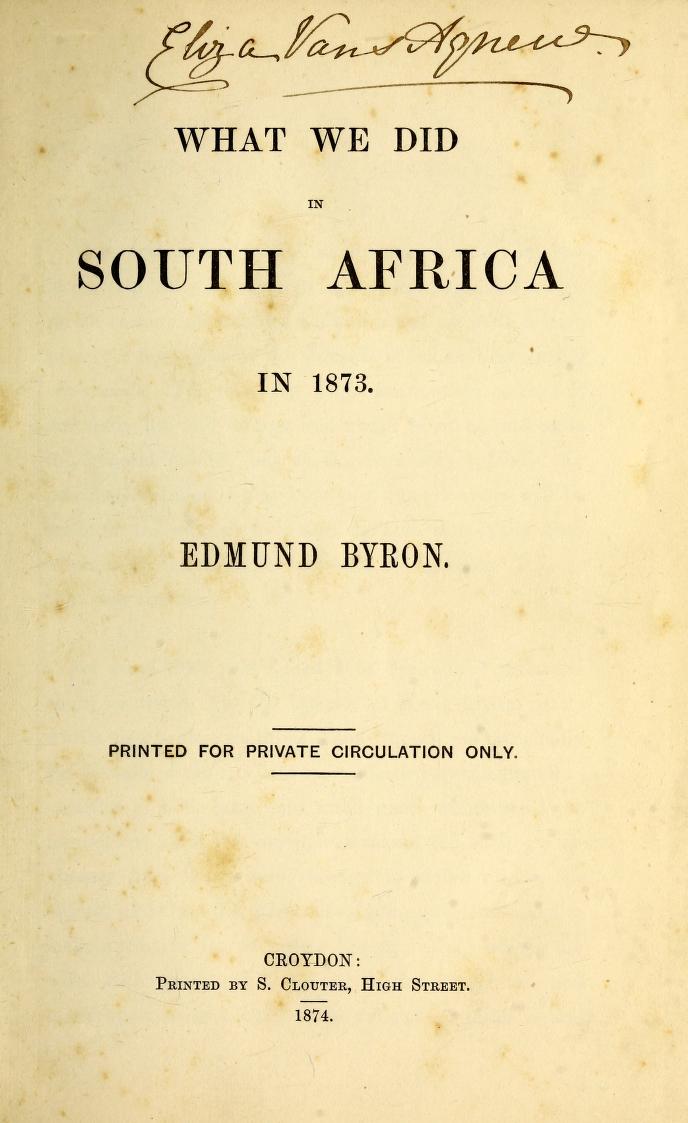
Title page of "What we did in South Africa in 1873".

Title Page. Byron, Edmund. What we did in South Africa in 1873 (1874). Digitized copy from the Joseph F. Cullman 3rd Library of Natural History at the Smithsonian Libraries and Archives. Freely available in the Biodiversity Heritage Library.

The book is a privately printed journal by Edmund Byron entitled What we did in South Africa in 1873, which details Byron and his wife Charlotte’s 1873 exploratory and hunting expedition to South Africa. In 2015, at the request of a researcher, the Smithsonian digitized its copy of the journal and made it freely available online in the Biodiversity Heritage Library (BHL), where it was discovered by Dr. Nigel Elliott, who was conducting research on the Byron family.

“My research was prompted by a donation to the Museum of Croydon, UK, of an archive of family papers relating to the Byrons, who were Lords of the Manor and Squires of the village of Coulsdon from 1782 to 1921,” explains Elliott. “Since the archive’s acquisition in 2012, a team from the Bourne Society has been working on cataloguing the archive, with a view to online publication. The archive provides a rich resource for exploring the domestic, social, business and farming history of the family, their role and relationship as local squires within the wider village community of Coulsdon, and the extensive foreign travels undertaken over the years by members of the family.”
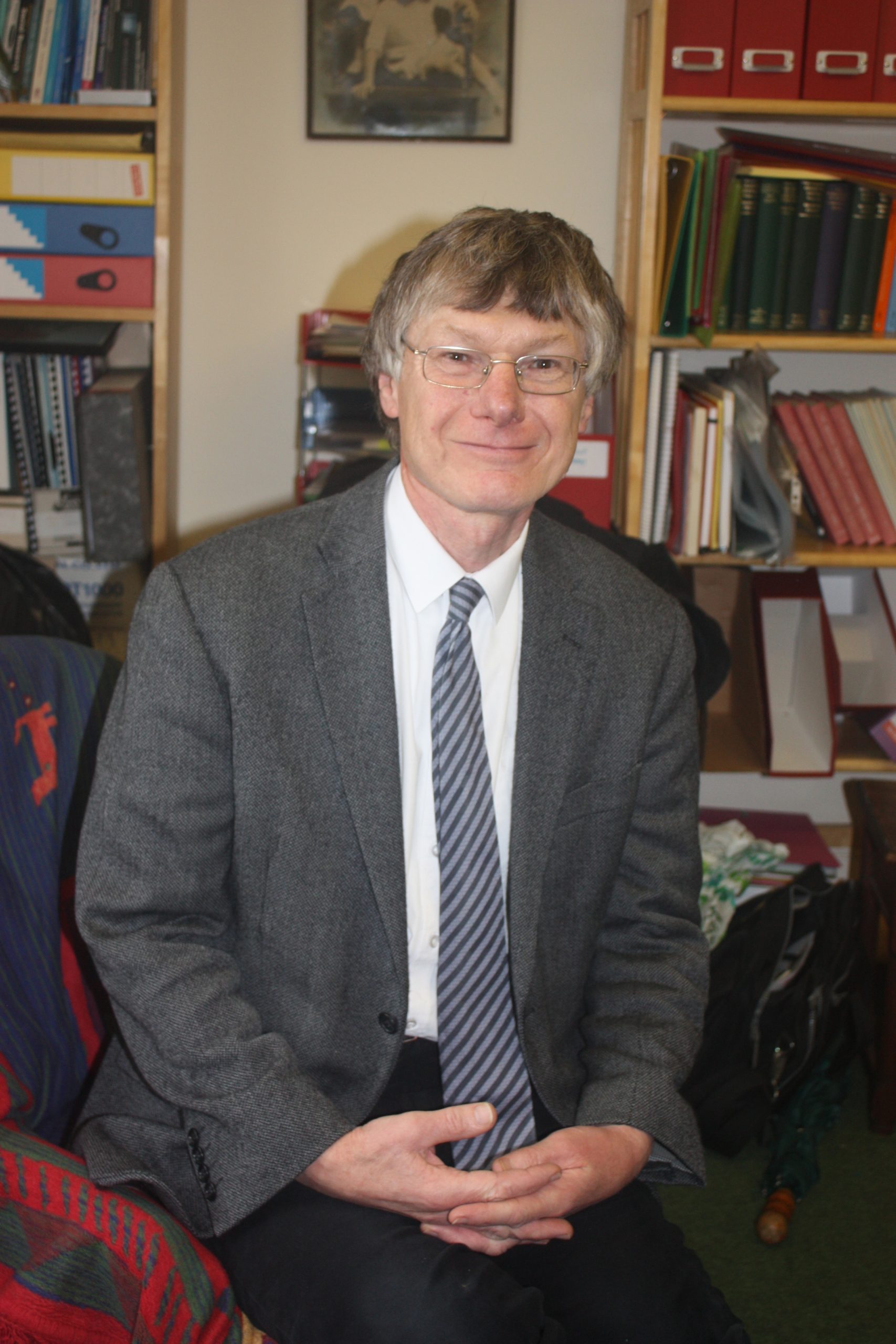
A man with white hair in a gray suit, white shirt, and blue tie.

Dr. Nigel Elliott. Photo courtesy of Dr. Elliot.

Inspired by his work with the Bourne Society cataloging these archives—and the intensive research that it required—Elliott authored a book on the family, published by the Society: The Byrons of Coulsdon: Abroad and at Home (2020). The book itself covers three generations, with a particular focus on Edmund Byron.
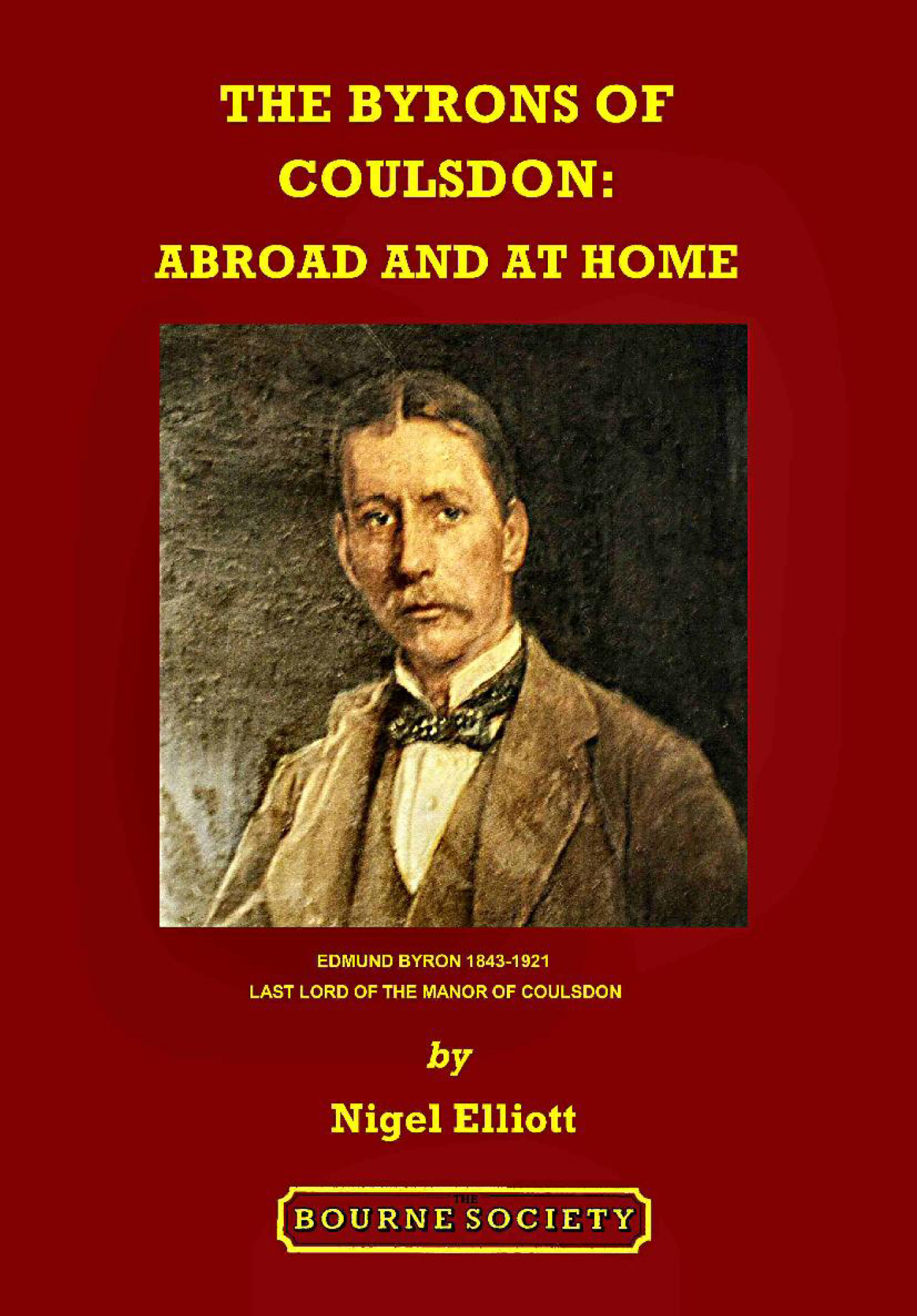
Red book cover with title in yellow, The Byrons of Coulsdon: Abroad and at Home.

Cover: The Byrons of Coulsdon: Abroad and at Home (2020) by Dr. Nigel Elliott. Image courtesy of Dr. Elliott.

One of Elliott’s chapters is devoted to Edmund and Charlotte’s South African expedition—as detailed in Edmund’s journal—during which the pair, accompanied by Edmund’s manservant Mr. Kemp, traveled via a combination of coaster (a shallow-hulled ship used for trade) and ox wagon from Cape Town to present-day Kruger National Park and Great LimpopoTransfrontier Park, where, faced with the remote and challenging terrain of that area in 1873, they travelled and hunted wholly on foot. The Byrons employed a team of local Black staff—on whose hunting skills the Byrons were particularly dependent—as well as a White employee, Mr. Dubois, to manage the expedition.

“In the chapter, I follow Edmund’s journal closely and in detail,” shares Elliott. “I have attempted to place their visit in the context of South Africa at the time. My background reading revealed to me the extent to which the 1870s were critical in the country’s history, and I have attempted to set this decade within the wider trajectory of South African history.”

Online access to Edmund’s journal was indispensable for Elliott’s research and the publication of his book.

“From Edmund’s journal, which I accessed online via a PDF download of the Smithsonian’s copy on BHL, I was able to construct a detailed narrative of the tour,” affirms Elliott. “This easy access to the journal was critical in providing a thorough history of the family and in meeting the research objectives set out in the book.”

According to Elliott, the journal provides valuable perspective on the dualities of the Byrons’ lives as both a gentry family deeply rooted in a small English community and intrepid world travelers eager to experience different places and cultures. The journal also reveals a duality within Edmund himself as he—a privileged White male—interacts with new cultures and people. When referring to the Black men and women they encountered, Edmund sometimes uses derogatory terms reflective of the White supremacist culture so pervasive during the European colonial period. At the same time, and unlike many of his compatriots, Edmund strove to act with integrity towards his Black staff and others and even, when faced with a direct appeal for help, enabled one woman to escape enslavement by providing her with protection and employment.

“The journal provides a fine opportunity to deepen the character study of Edmund, a truly patriarchal man in the context of his home life in Coulsdon, that comprises one of the central themes to my book,” shares Elliott.

The Smithsonian’s copy of Edmund’s journal was originally owned by Eliza Vans Agnew, who had connections to Edmund through his wife, Charlotte, whose mother was a Vans Agnew. Today, the volume is part of the Russell E. Train Africana Collection of the Smithsonian Libraries and Archives, which contains manuscript and printed materials, photographic prints and negatives, slides, audio tapes, film, original and reproduction artwork, maps, scrapbooks, and historical and natural artifacts related to the history of African exploration and natural history. The collection was originally assembled by the Honorable Russell E. Train, a former judge, top administrator of the Environmental Protection Agency, and a past president of the World Wildlife Fund. It was acquired by the Smithsonian in 2004.

The circumstances surrounding the digitization of Edmund’s journal was a fortuitous coincidence for Elliott. The Smithsonian Libraries and Archives digitized the volume—unbeknownst to Elliott—at the request of one of his colleagues, who was conducting tangential research with possible connections to the Byrons’ South African expedition.

“My colleague was impressed by the courtesy of the Smithsonian staff, who responded quickly to his expression of interest by digitizing Edmund’s journal,” shares Elliott. “As it turned out, the book was of no direct use to him but, as this story reveals, there was a serendipitous consequence of the Smithsonian’s helpful response and the digitized journal proved invaluable for my research.”

When Edmund Byron decided to “have printed a few copies of the Journal which we kept during our travels”, he did so with the expectation that it “would be of no interest to the general public.” Would he be surprised to know that, nearly 150 years later, researchers would view this journal as an informative historical document useful for modern-day research? Thanks to the Smithsonian Libraries and Archives and the Biodiversity Heritage Library, this volume—once available only to a few select readers—is now freely accessible to researchers everywhere.
June 10, 2021by michelle.underhill
BHL News, Blog Reel

Promoting the Biodiversity Heritage Library and Scholarly Communications at the Mpala Research Centre in Kenya

View Full Size Image

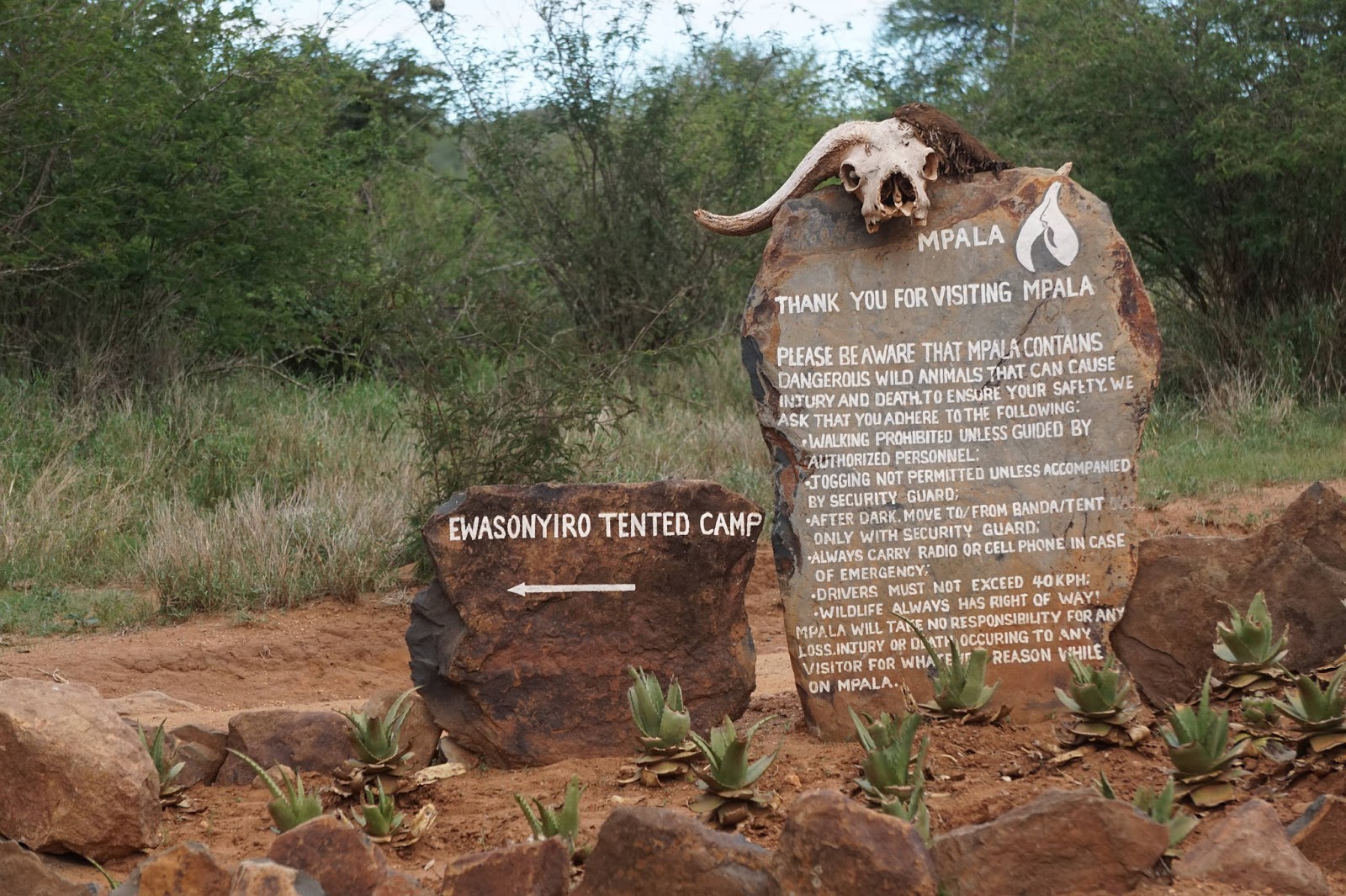
Under the auspices of Scott Miller, Deputy Under Secretary for Collections and Interdisciplinary Support (DUSCIS) at the Smithsonian Institution and Vice-Chair of the Mpala Research Centre, I spent three days at the Mpala Research Centre in Laikipia County, Kenya with Carolyn A. Sheffield (BHL Program Manager) to learn more about the activities and research at Mpala and to explore partnerships around the Biodiversity Heritage Library and scholarly communications.

View Full Size Image
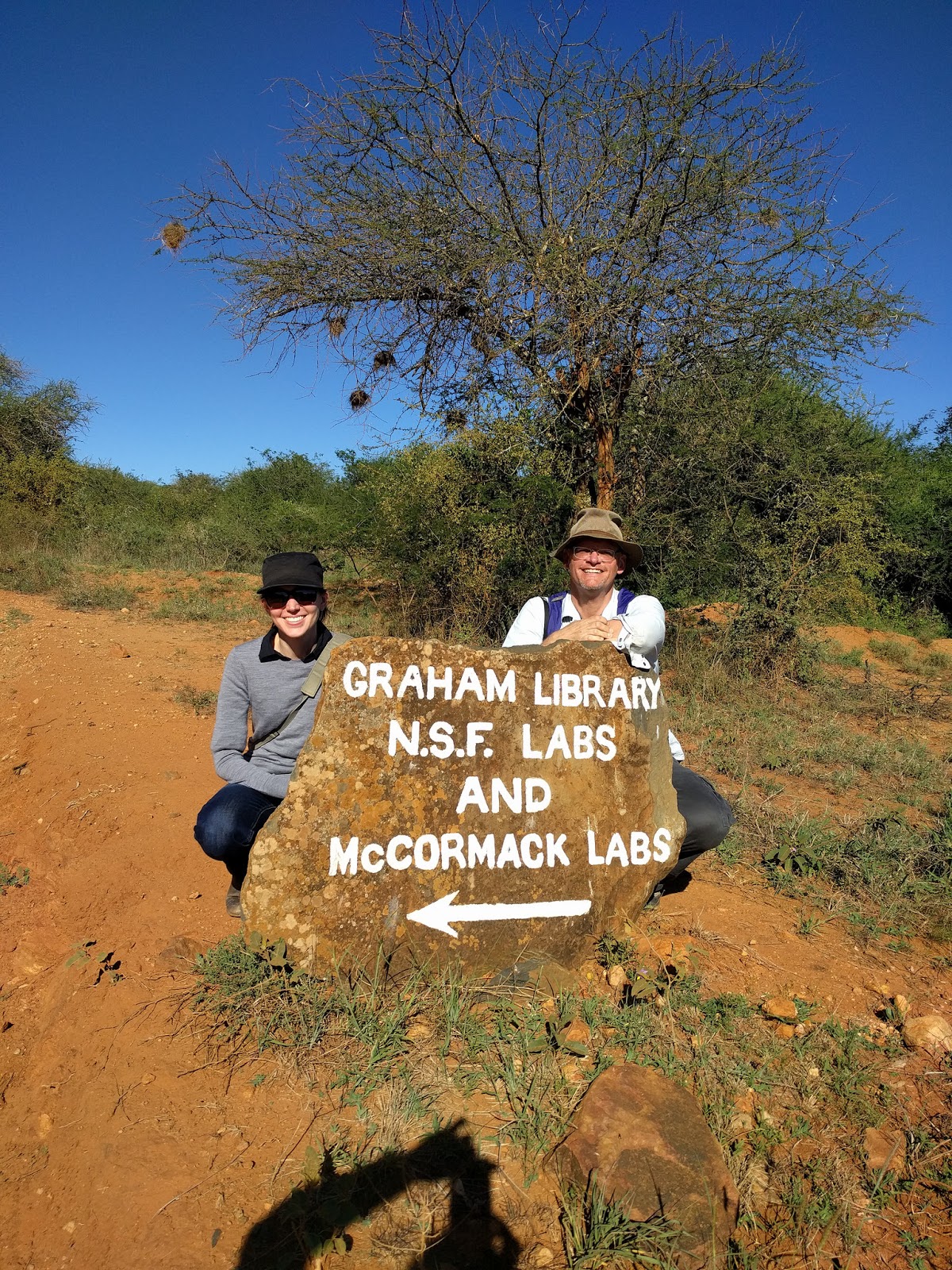
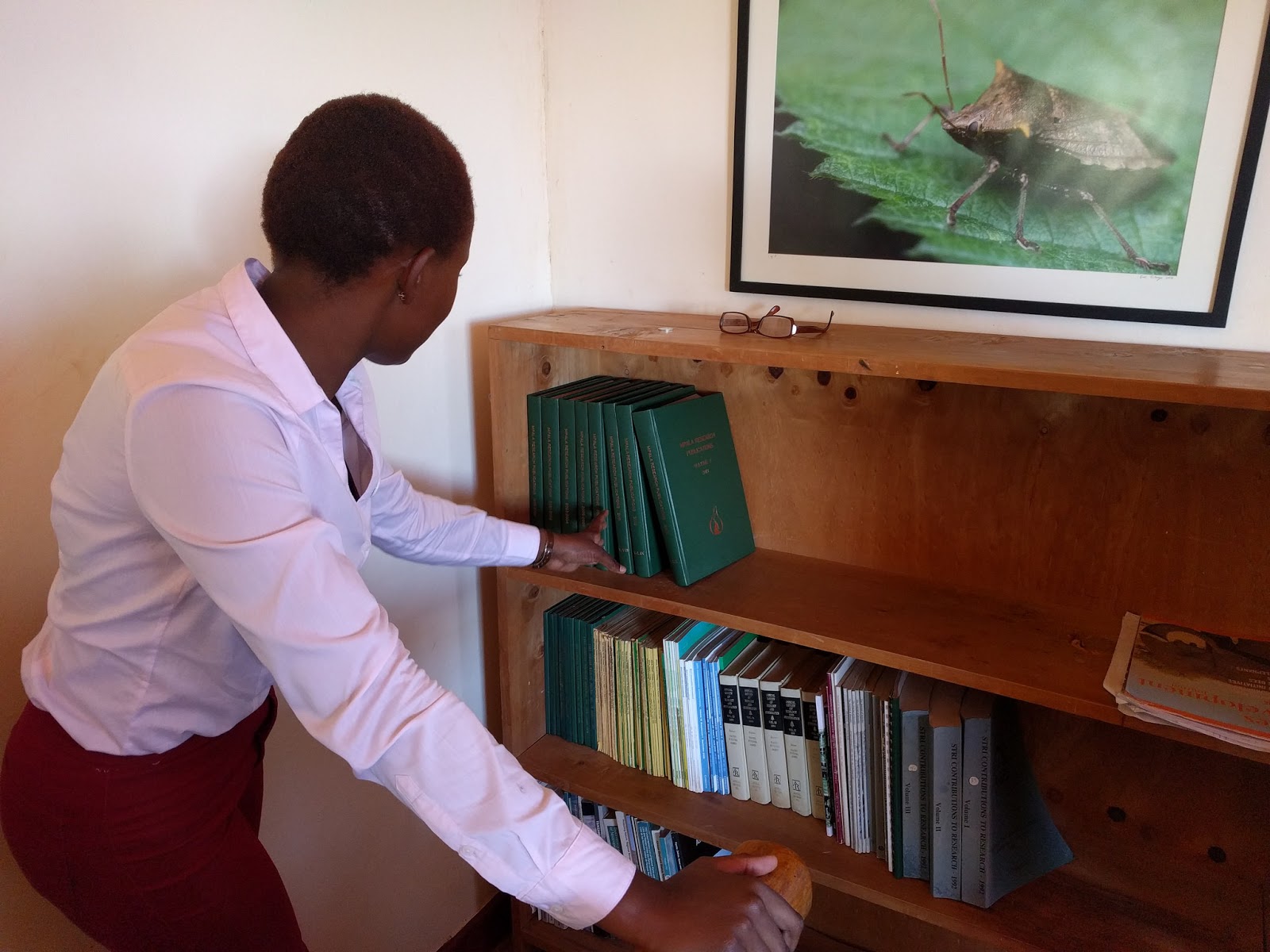
Library this way!

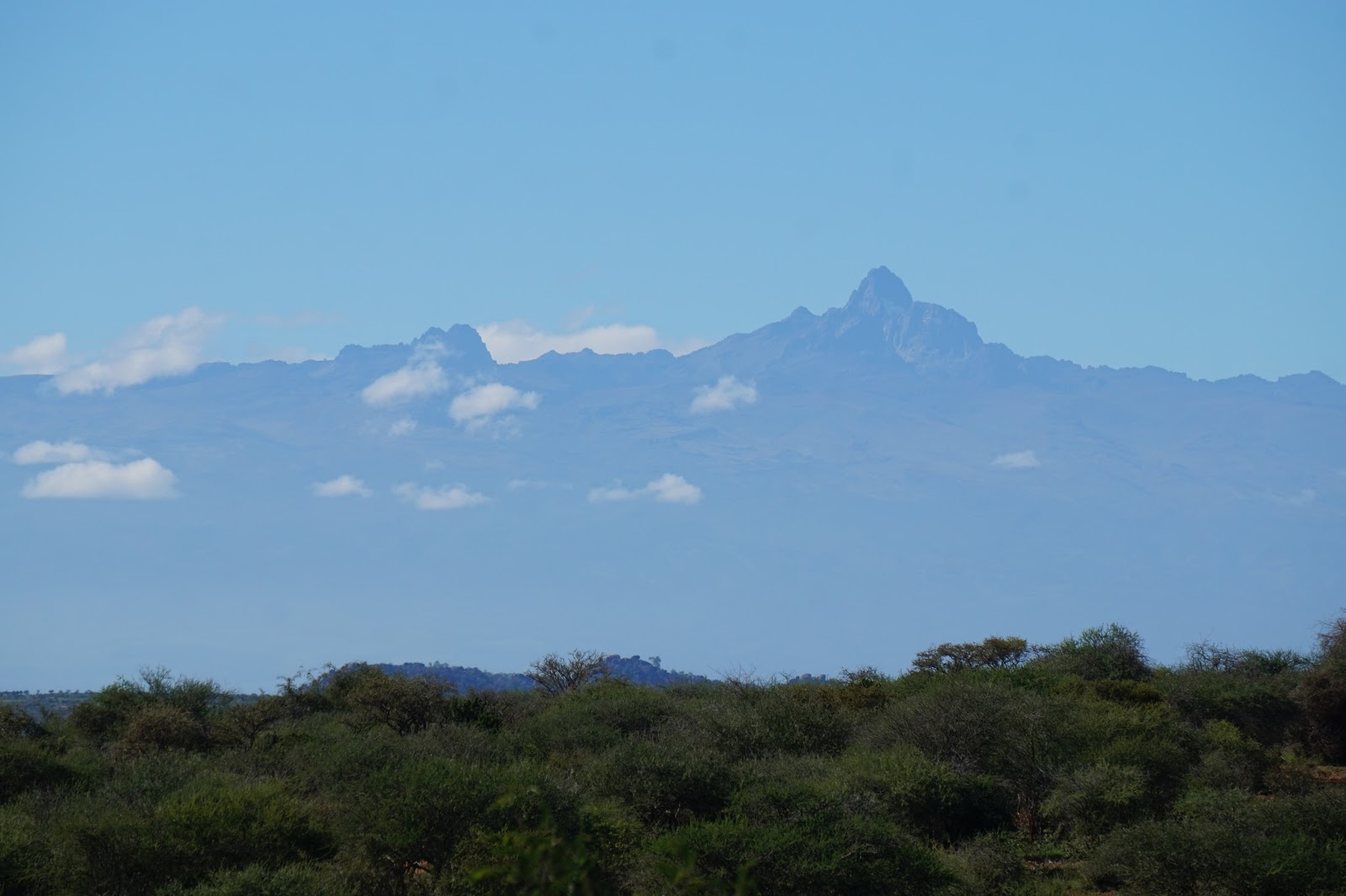
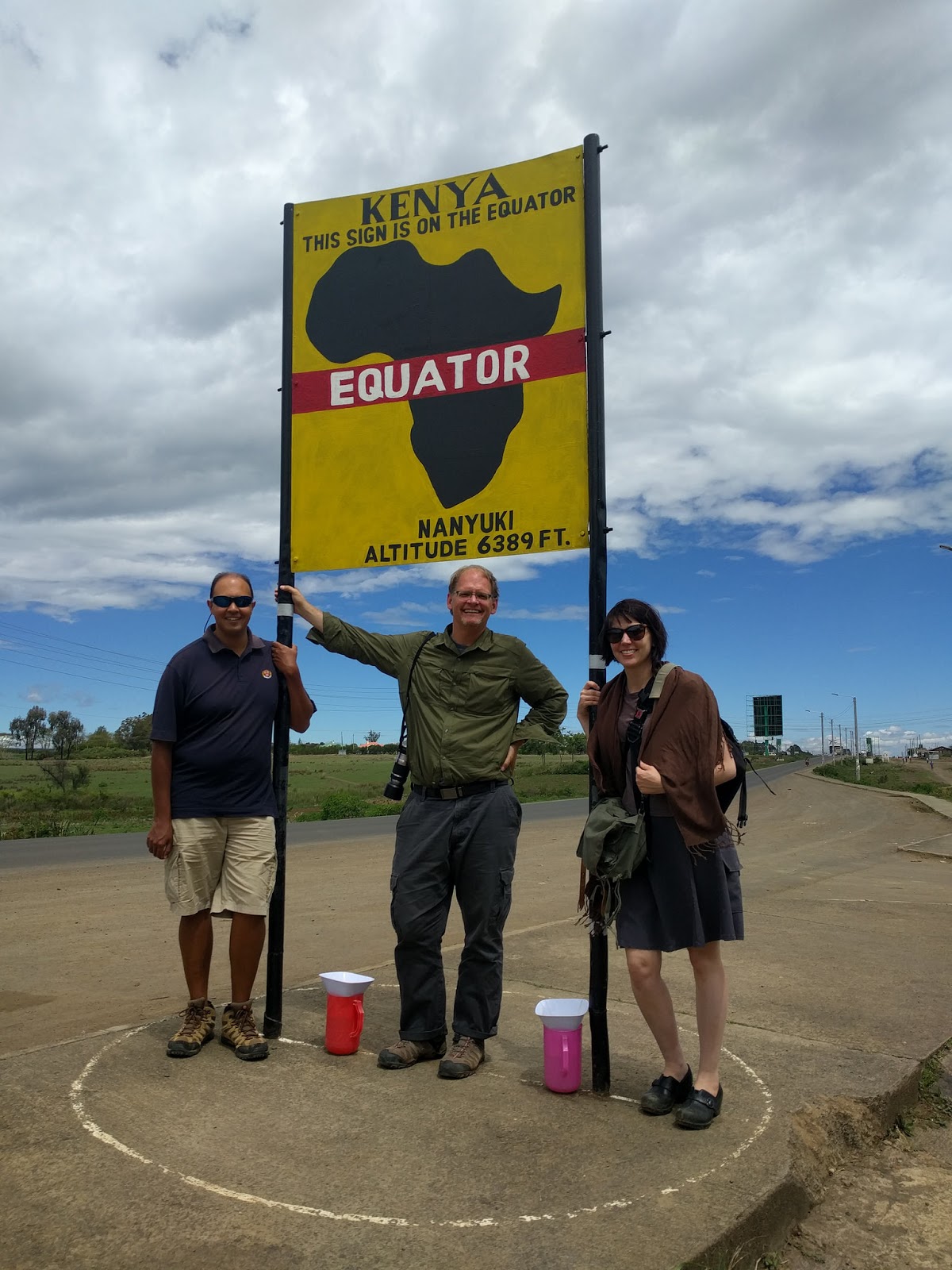
Dr. Dino Martins, Executive Director of the Mpala Research Centre, met Kalfatovic and Sheffield outside of Nanyuki just north of the equator and in the shadow of Mt. Kenya, about 240 kilometers north of Nairobi. We made a short stop at the equator marker before picking up a few supplies for the trip back to Mpala. On the ninety minute drive from Nanyuki to Mpala, Dr. Martins gave a fascinating and useful overview of the history of Mpala and the complex interactions of wildlife and human agricultural activities around livestock and farming. Increasing pressure on the environment from the subdivision of land for residential development and challenges presented by climate change on the area are a daily concern for Martins as he manages the important living laboratory that is the Mpala Research Centre.

View Full Size Image
Mt Kenya

As noted on the Mpala website:

Mpala stretches over 48,000 acres of semi-arid savanna, acacia bushland, wooded grassland, rocky escarpments and riverine habitats along the Ewaso Nyiro and Ewaso Narok rivers. The Mpala Research Centre (MRC) receives hundreds of students, educators, and scientists from around the globe each year, conducting research on everything from parasites to elephants. The unique set up of Mpala allows for researchers to use the land as a ‘living laboratory’ in which to conduct experiments and answer pressing questions on conservation and wildlife.

View Full Size Image
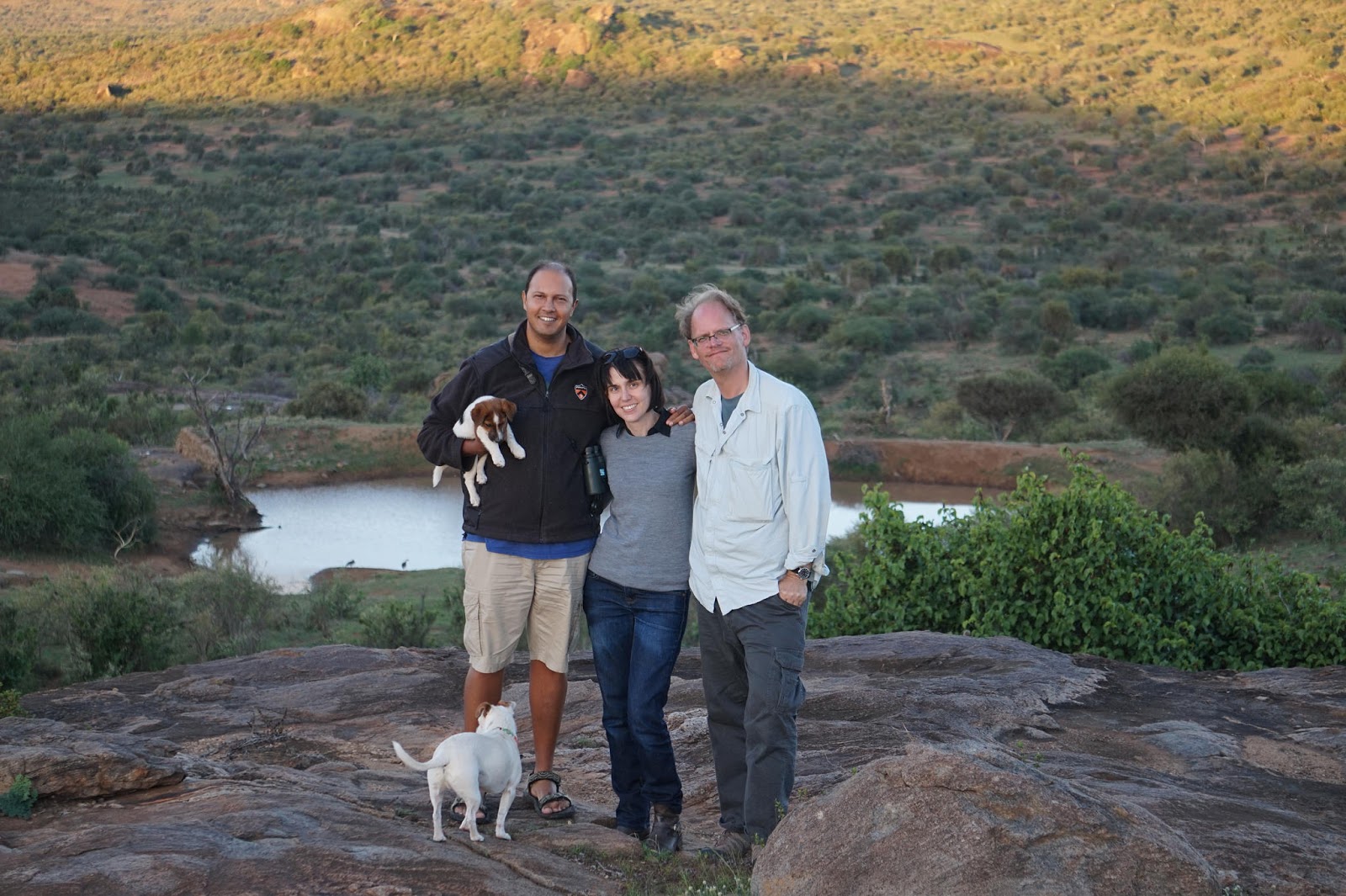
With Dr. Martins

In touring the grounds of the Centre, Dr. Martins also spoke of the opportunities presented by the ongoing collaborative work done by the Conservancies, such as Mpala, Kenyan local and national governmental agencies, and private landowners to balance wildlife and nature conservation, sustainable economic development, and farming/ranching activities.

“Most research organizations in Kenya (including Mpala), as well as agencies who regulate research, are struggling with the challenges of tracking and making available the results of research. The tools that Smithsonian Research Online have used could be readily adapted for use by some of these organizations” said the Smithsonian’s Scott Miller.

View Full Size Image
At the equator with Dr. Martins

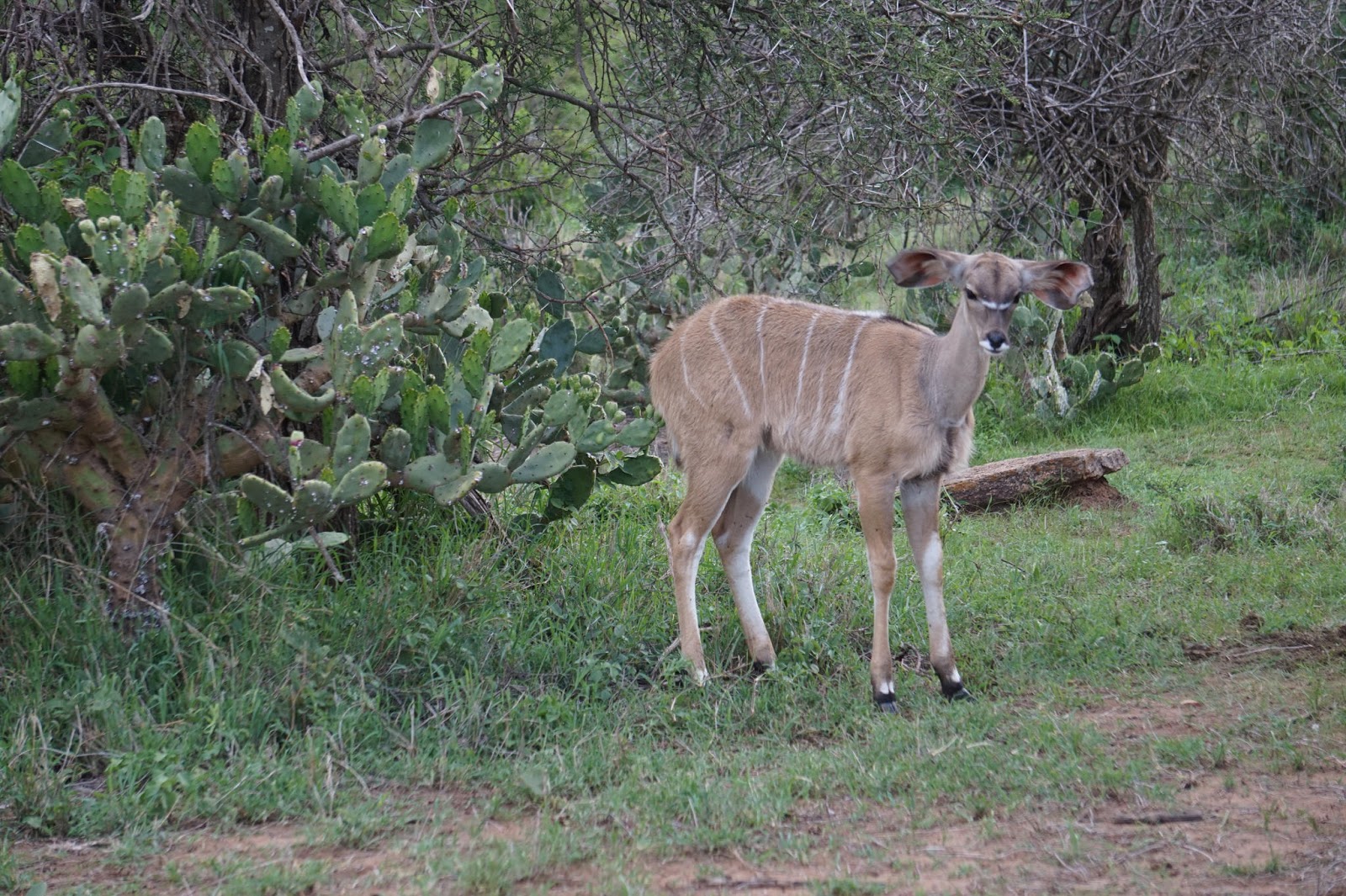
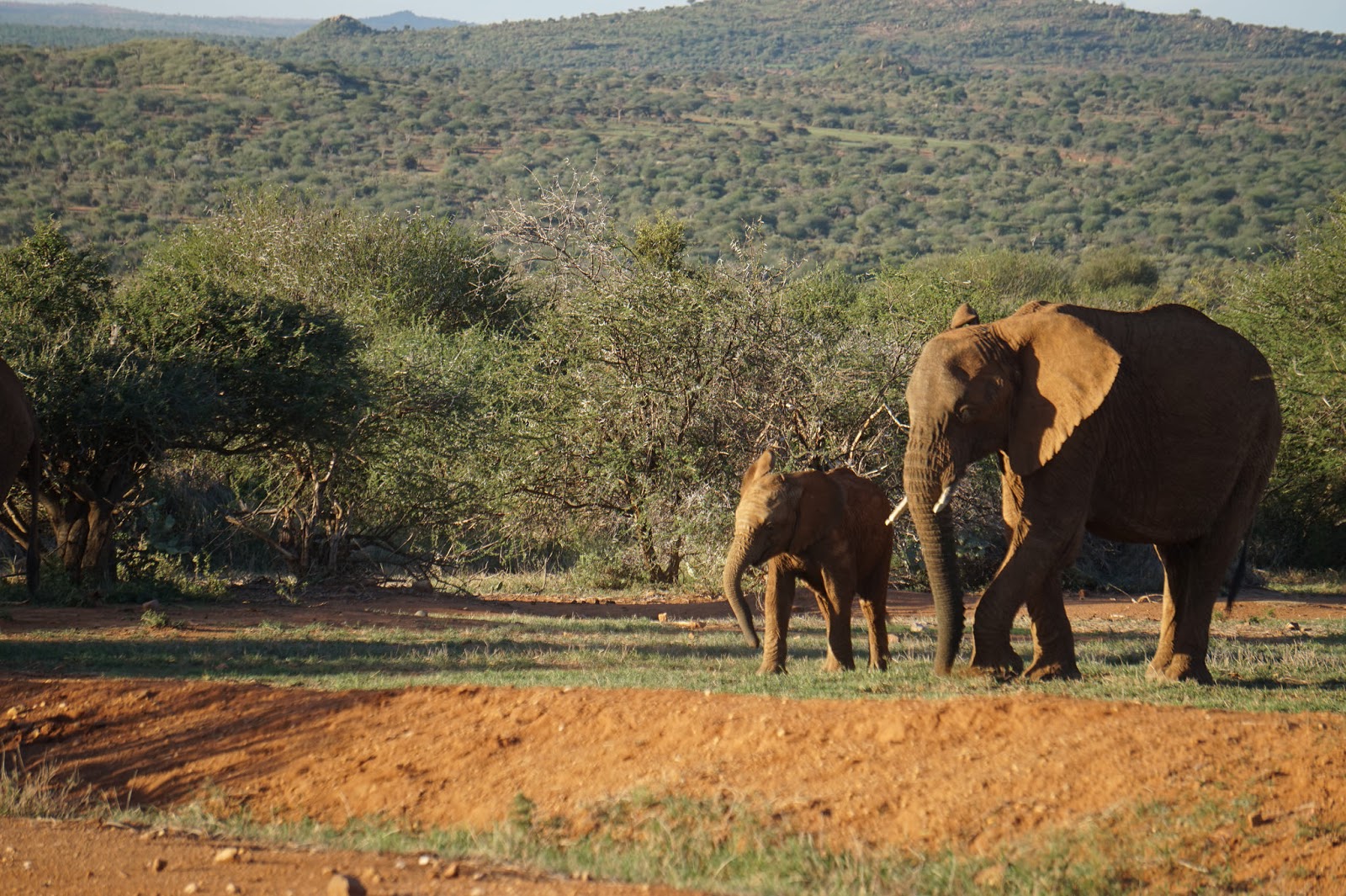
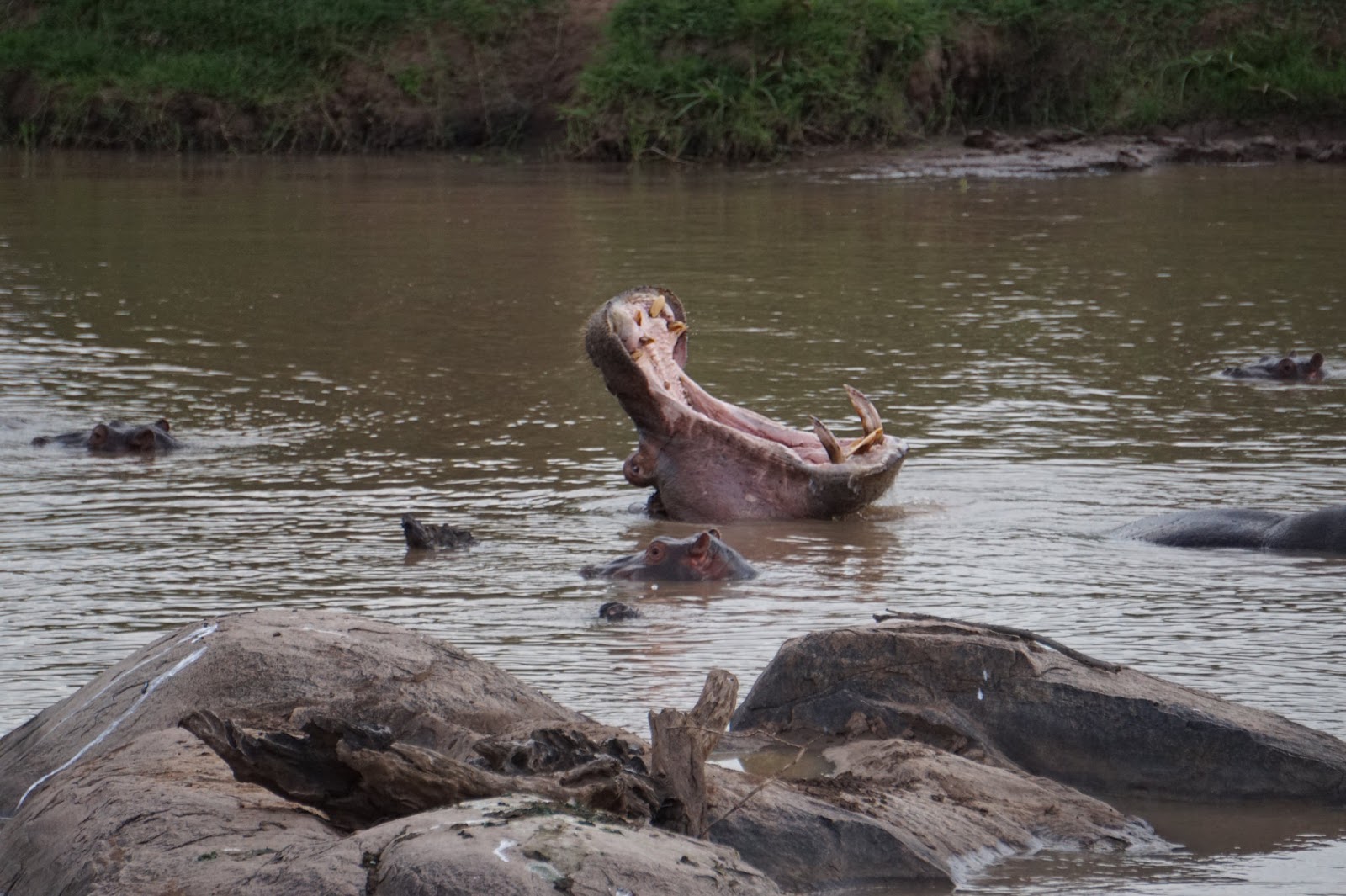
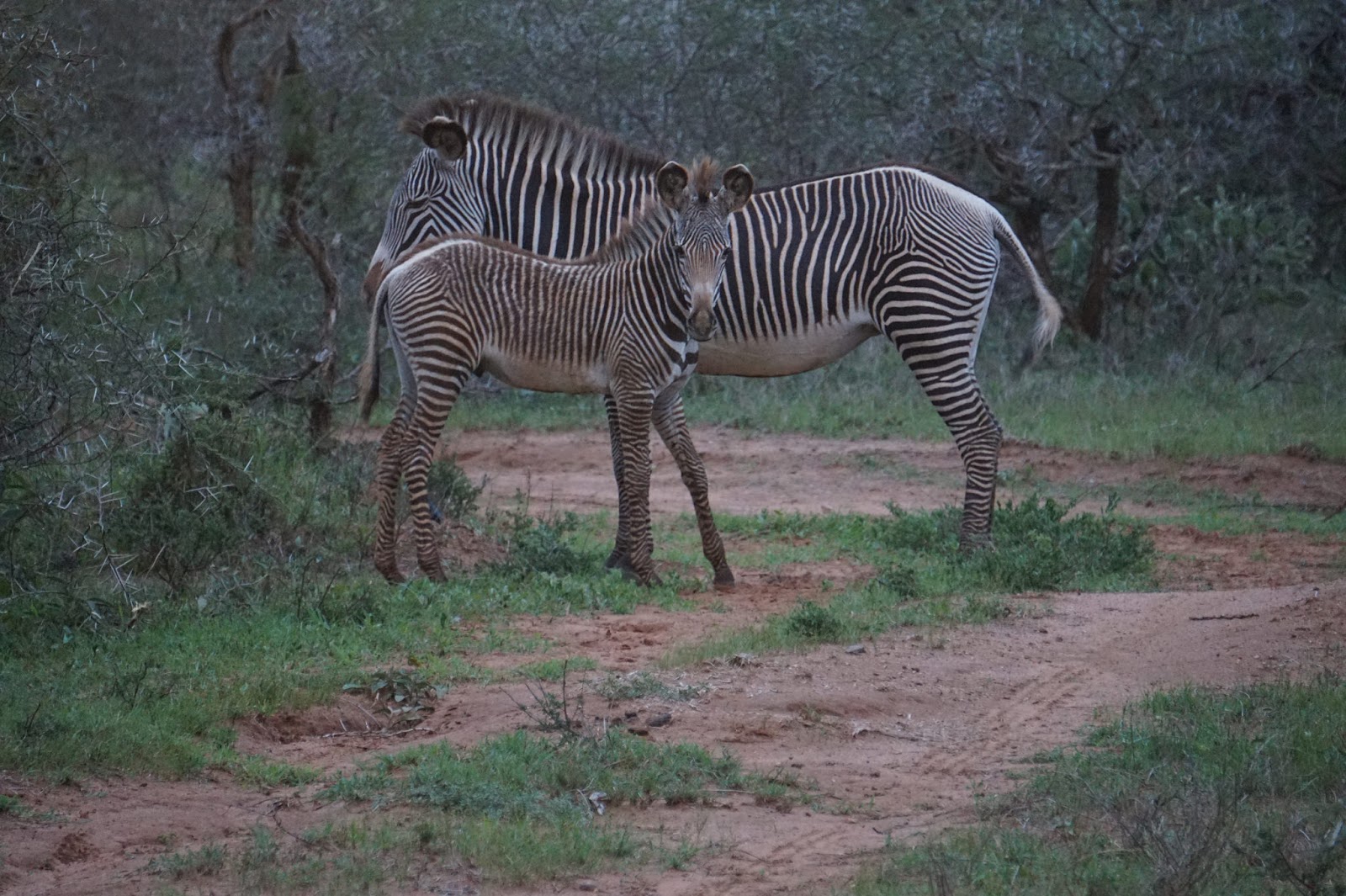
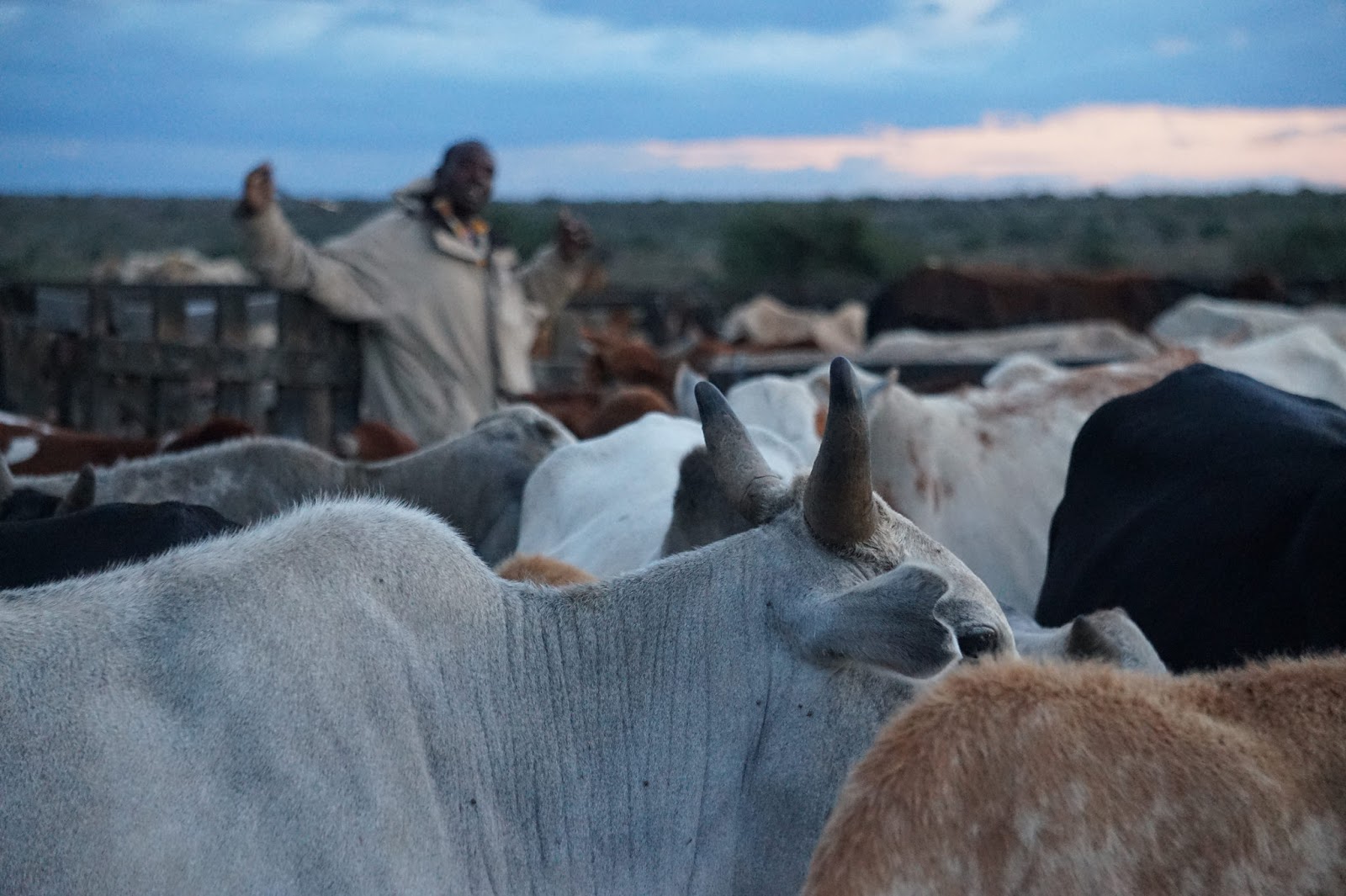
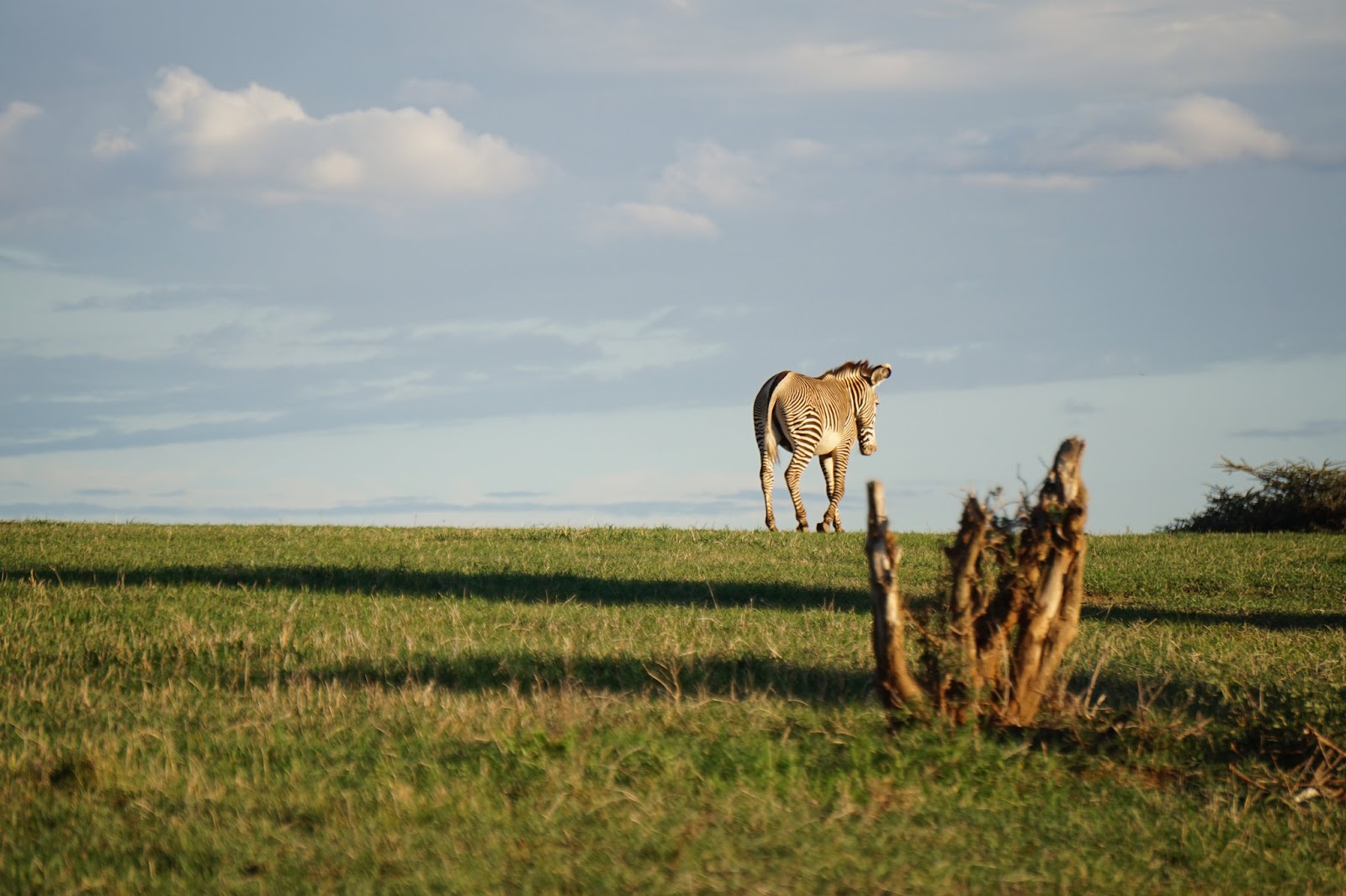
To help better understand the work done at Mpala and the research needs, Dr. Martins personally took us on two evening game drives throughout the Mpala grounds. The visits were nothing short of spectacular. Sightings of various wildlife were numerous (see fuller list below), including many listed as vulnerable or endangered on the IUCN Red List of Threatened Species. It was wonderful to see large groups of the endangered Grévy’s zebra (Equus grevyi) with young foals. Three species of vulnerable animals, Hippopotamus (Hippopotamus amphibius), Reticulated giraffe (Giraffa camelopardalis reticulata), and Elephant (Loxodonta africana) were present in large numbers. Among the other Artiodactyla sighted, the groups of Greater Kudu (Tragelaphus strepsiceros) were spectacular. Mpala also maintains herds of domestic cattle. At the end of the game drive, we stopped by one of the cattle enclosures as Dr. Martins consulted with the Mpala herdsmen on the status of the cattle.

View Full Size Image
Greater Kudu  (Tragelaphus strepsiceros)


View Full Size Image
Elephant (Loxodonta africana)


View Full Size Image
Hippopotamus (Hippopotamus amphibius)


View Full Size Image
Grévy’s zebra (Equus grevyi)

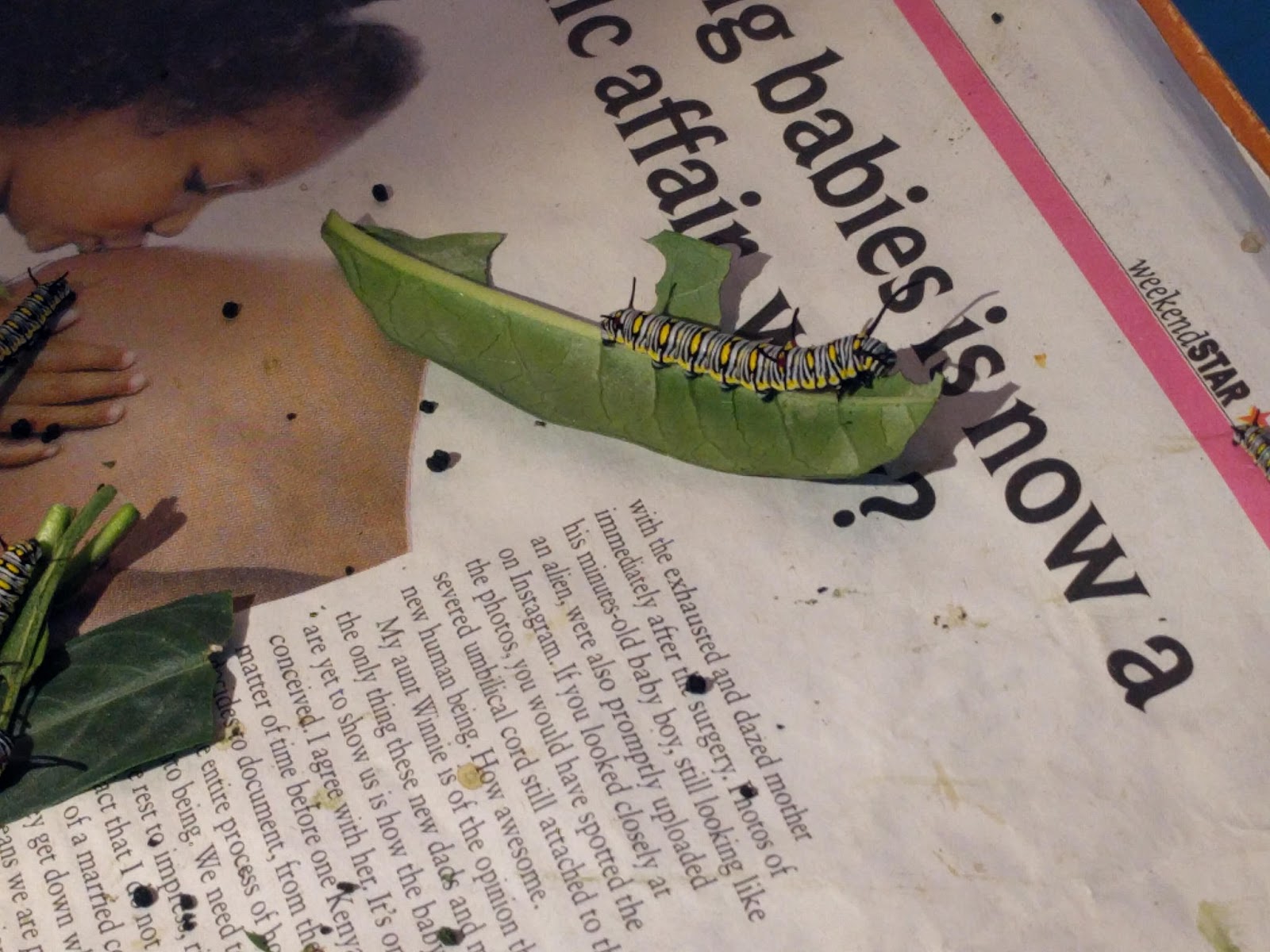
The next morning, during a visit to the research facilities, we spent time in the N.S.F. and McCormack Research Labs at Mpala, where we were shown the ongoing work of visiting and longer term researchers, including experiments being down with caterpillars. On our first full morning at the Centre, we were taken on a bird watching walk of the grounds with ornithologist Sylvester Karimi.

View Full Size Image
Research labs

On the final day of the visit, presentations on scholarly communications management and the Biodiversity Heritage Library were given to an audience of about twenty people. Included in the audience were representatives from ten institutions, in addition to Mpala Research Centre staff. Institutions represented included: Space for Giants,  Laikipia Wildlife Forum, Kenya Forestry Research Institute (KEFRI), Olpejeta Conservancy, Lewa Conservancy, University of Bayreuth, Daraja Academy,  Lekiji Primary School, Oljogi Primary School, and the Mpala Academy.

I spoke on “Managing Scholarly Research Output: The Smithsonian Institution Experience: An Introduction to Smithsonian Research Online” and BHL Program Manager Carolyn A. Sheffield presented on “Inspiring Discovery Through Free Access to Biodiversity Knowledge: The Biodiversity Heritage Library (BHL).”

View Full Size Image
Mpala library volunteer Naomi Wanjiru Chege

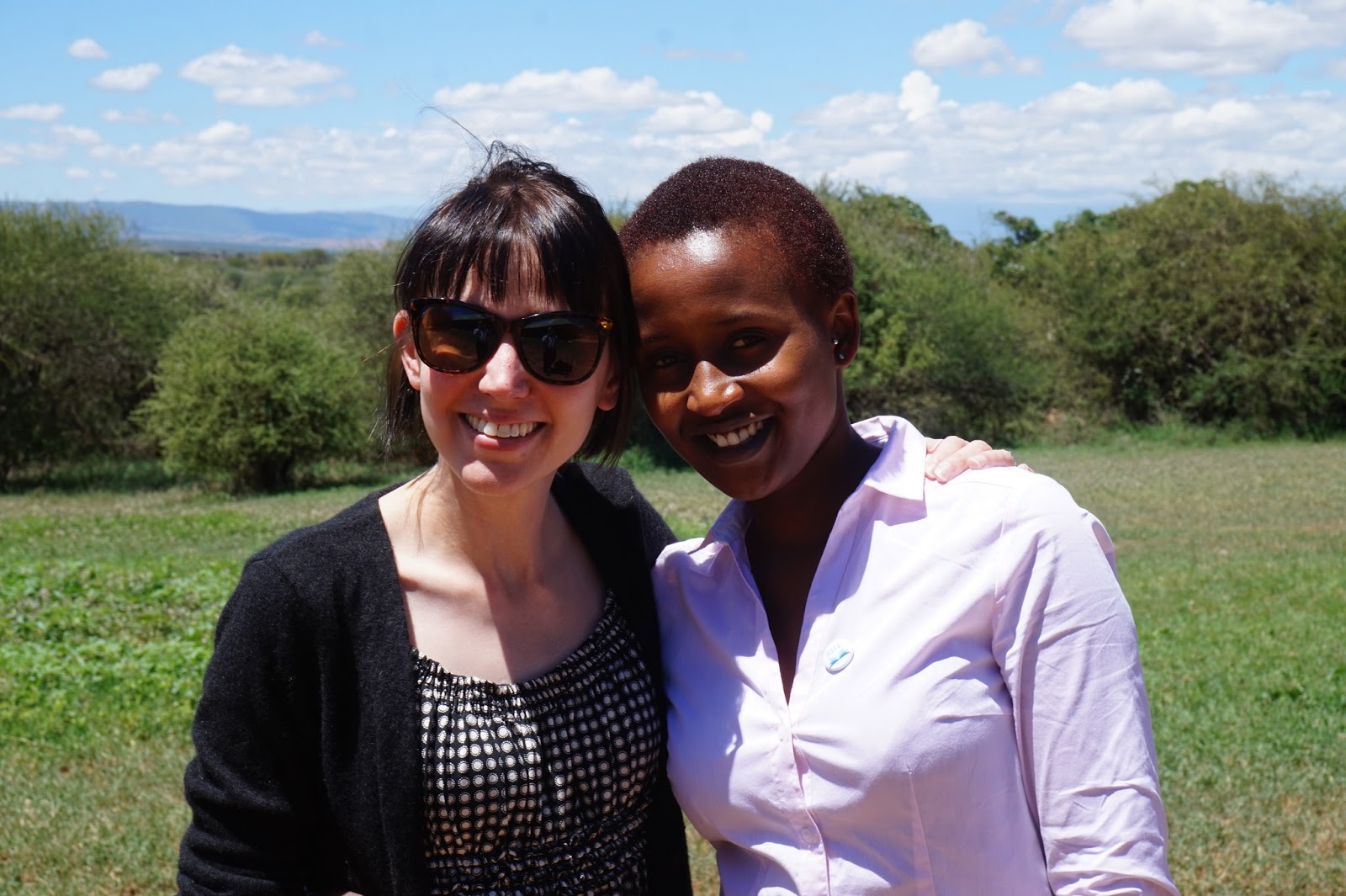
At the conclusion of the presentations, we met with Mpala library volunteer Naomi Wanjiru Chege and Anchal Padukone (Princeton in Africa Fellow) to discuss the library facility at Mpala and possible areas of collaboration between the Centre and Smithsonian Libraries as well as the Biodiversity Heritage Library. We also had an opportunity to visit the studio facilities of Mpala Live!:

“Mpala Live! gives you a round-the-clock look at the lives of elephants, lions, zebras, giraffes, hippos, birds, and other animals in a fascinating swath of African landscape. Our webcams let you visually enter this realm. The Hippo Pool cameras, for instance, take you to a watering hole that attracts hippos, monkeys, zebras, giraffe, scores of bird species, and the occasional crocodile.”

Mpala Live!, with viewership in the millions, provides both educational and research activities with its active citizen science engagement.

View Full Size Image
With Naomi Wanjiru Chege

As our work at the Centre ended, we shared yet another wonderful meal with the guests, researchers, and Mpala staff. The lunch provided additional opportunities to learn about the work done in the Kenyan wildlife conservancies and at Mpala. The luncheon concluded, we met our transportation for the five hour ride back to Nairobi and our departing flight at the Jomo Kenyatta International Airport.


On this visit to Kenya, we were treated to some wonderful sightings of the local flora and fauna. In Mpala and the nearby areas, the following were some of the highlights of the local fauna. For lists of the flora and fauna of Mpala, please see the following Mpala website page.

PRIMATES

  • Vervet Monkey (Cercopithecus aethiops)
  • Black-and-white colobus monkey (Colobus) [sighted outside the Mpala Research Centre]
  • Olive Baboon (Papio anubis) [sighted outside the Mpala Research Centre]

CARNIVORA

  • Bat-eared Fox (Otocyon megalotis)
  • Slender Mongoose (Galerella sanguinea)
View Full Size Image
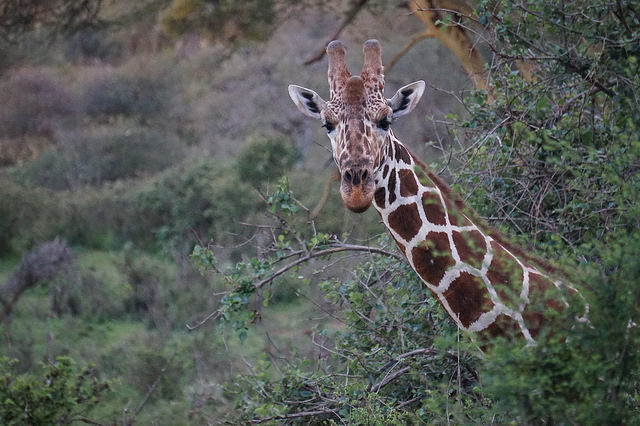
Reticulated giraffe (Giraffa camelopardalis reticulata)

ARTIODACTYLA

  • Hippopotamus (Hippopotamus amphibius)
  • Common Warthog (Phacochoerus africanus)
  • Reticulated giraffe (Giraffa camelopardalis reticulata)
  • Impala (Aepyeros melampus)
  • Guenther’s Dikdik (Madoqua guentheri)
  • Steenbok (Raphicerus campestris)
  • Greater Kudu (Tragelaphus strepsiceros)
  • Bushbuck (Tragelaphus scriptus)

PROBOSCOIDEA

  • Elephant (Loxodonta africana)
View Full Size Image
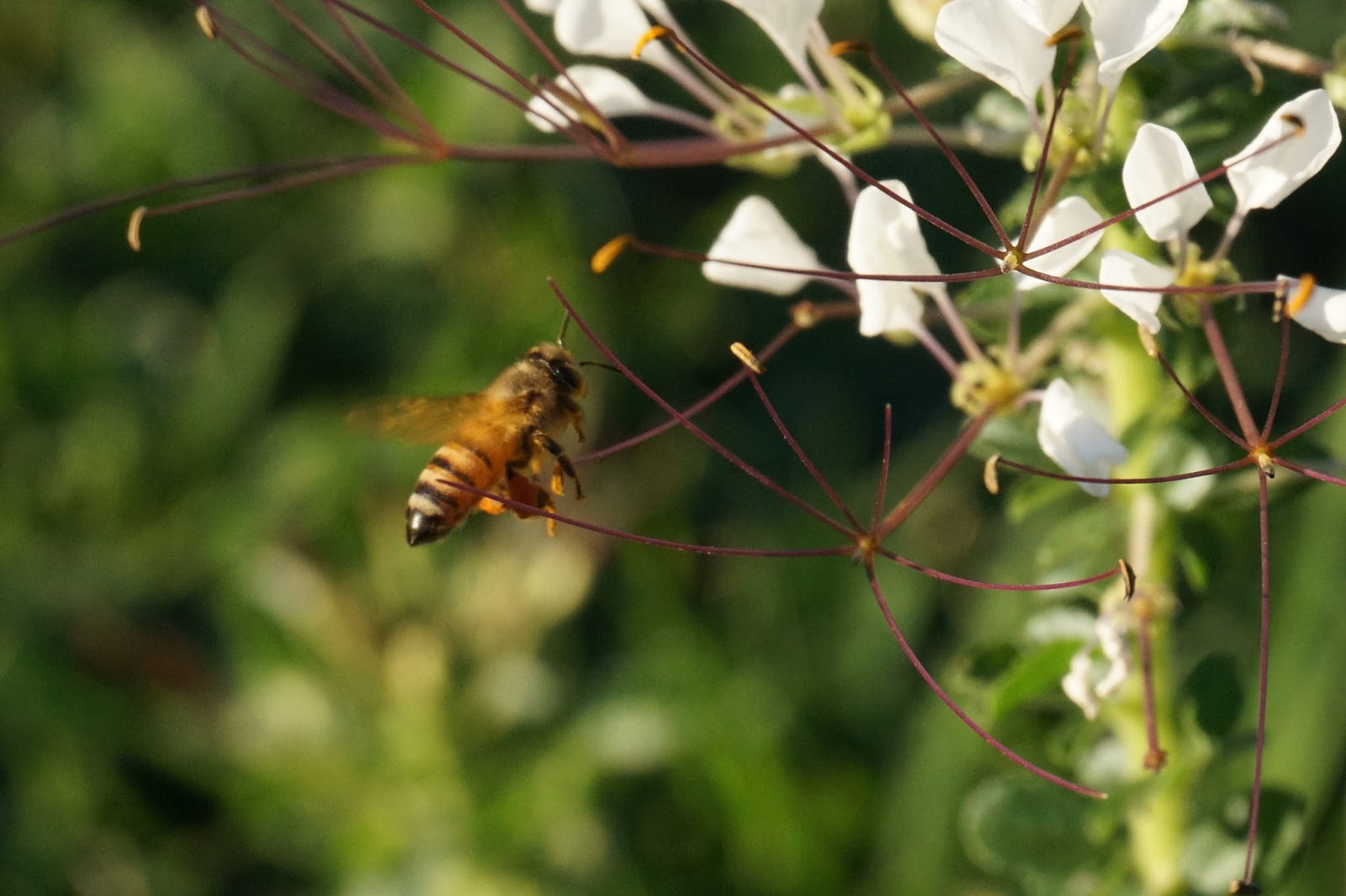
Spider plant (Cleome gynandra)

PERISSODACTYLA

  • Grévy’s zebra (Equus grevyi)

LAGOMORPHA

  • Scrub hare (Lepus saxatilis)

HYRACOIDEA

  • Bush Hyrax (Heterohyrax brucei)
View Full Size Image
Cow (Bos taurus/indicus)

DOMESTIC

  • Cow (Bos taurus/indicus)
  • Sheep (Ovis aries) [sighted outside the Mpala Research Centre]
  • Goat (Capra hircus) [sighted outside the Mpala Research Centre]
  • Donkey (Equus africanus) [sighted outside the Mpala Research Centre]
  • Camel (Camelus dromedaryus)
  • Domestic Dog (Canis familiaris)
  • Domestic Cat (Felis sylvestris)

AVES (Selected)

  • Vulturine Guineafowl (Acryllium vulturinum)
  • Egyptian Goose (Alopochen aegyptiacus)
  • Gabar Goshawk (Micronisus gabar)
  • Martial Eagle (Polemaetus bellicosus)
  • Red-chested Cuckoo (Cuculus solitarius)
  • Red-billed Hornbill (Tockus erythrorhynchus)
  • Rock Martin (Hirundo fuligula)
  • Common Bulbul (Pycnonotus barbatus)
  • Superb Starling (Lamprotornis superbus)
View Full Size Image
A lone Grévy’s zebra (Equus grevyi)
June 7, 2017by
BHL News, Blog Reel

Promoting Scholarly Publication Data and the Biodiversity Heritage Library in Kenya with a Special Presentation at the U.S. Embassy, Nairobi

Portrait version of the Biodiversity Heritage Library logo.
View Full Size Image

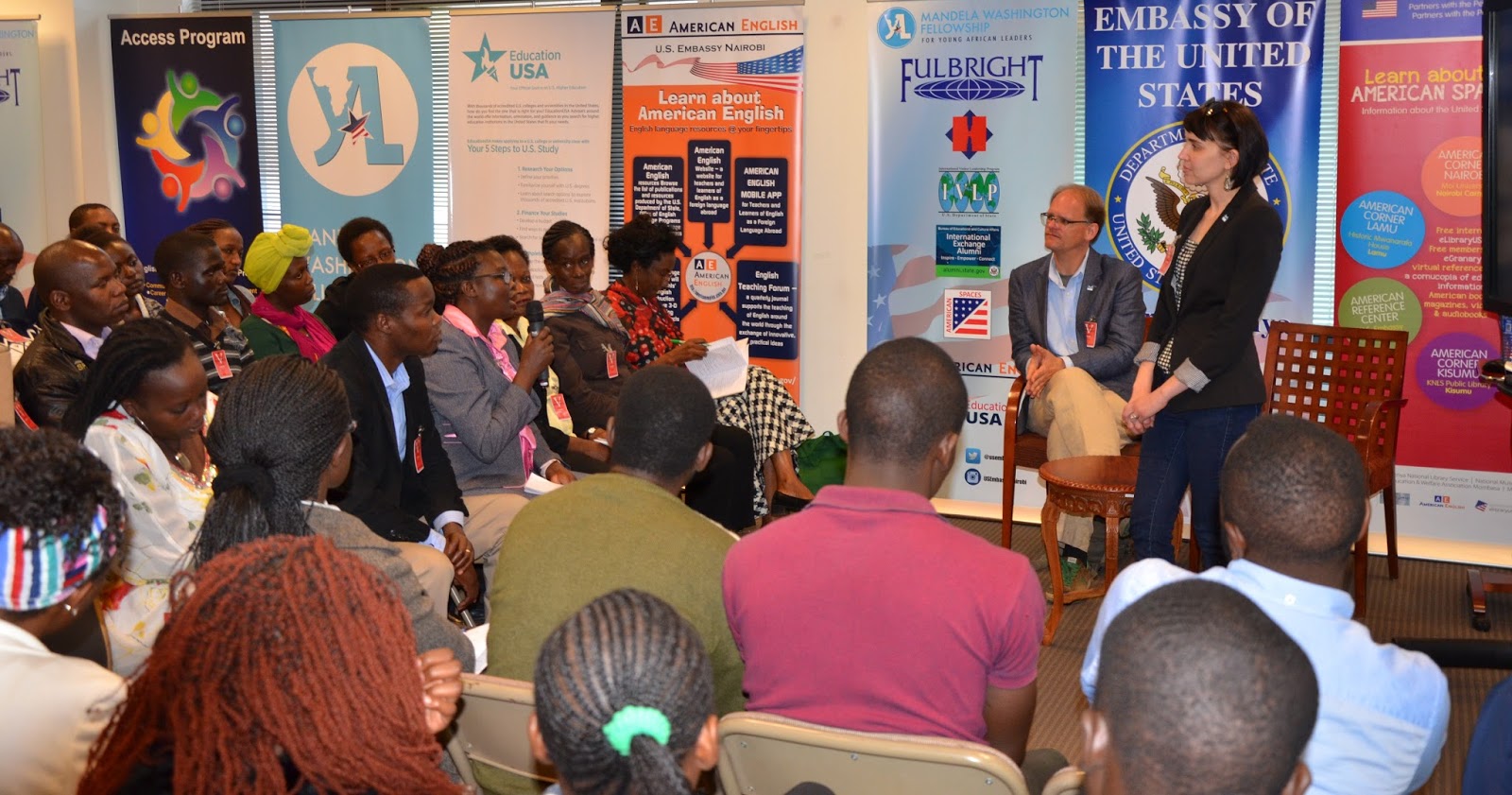
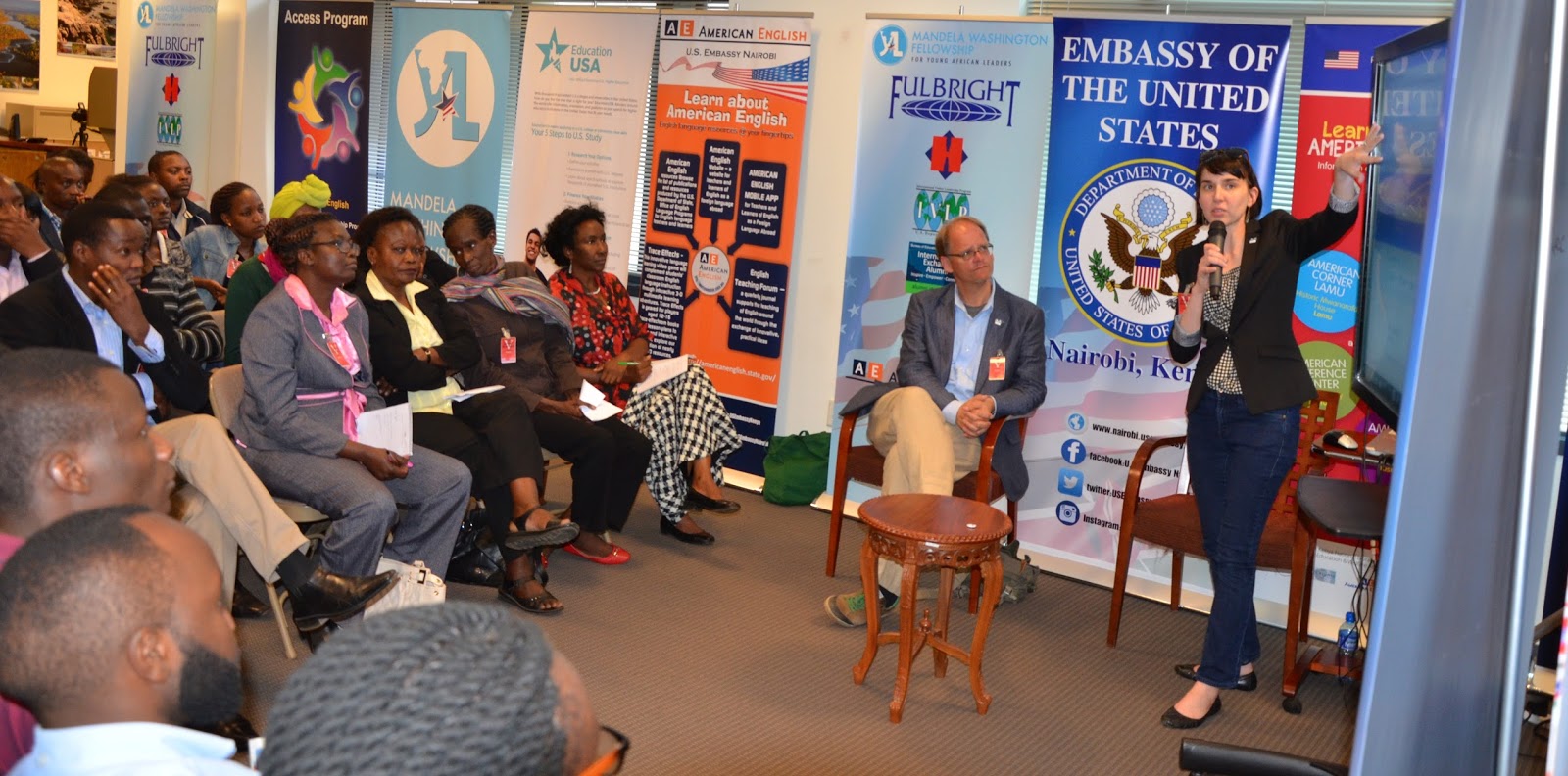
In May 2017, while attending the XXI Congress of the Association for the Taxonomic Study of the Flora of Tropical Africa (AETFAT), Smithsonian Libraries‘ (SIL) staff Martin R. Kalfatovic and Carolyn A. Sheffield received a speaking invitation for the Embassy of the United States of America, Nairobi, Kenya from Tatum Albertine (Environment, Science, Technology & Health Officer).

The Embassy is located in Gigiri, north of the Nairobi central business district, about a two hour drive in Nairobi traffic from the Karen neighborhood where the AETFAT Congress was being held. The program was held in the American Reference Center (ARC) on the Embassy campus. The ARC serves students, teachers, researchers, journalists, business professionals and individuals simply interested in broadening their horizons on any topic.

View Full Size Image

The purpose of the talk was to provide a wider Kenyan community with information about the Biodiversity Heritage Library and services provided by Smithsonian Libraries to Smithsonian researchers that could serve as a model or inspiration for similar services to the broader research community in Kenya. There were invited guests from National Museums of Kenya, the Kenya Wildlife Service, Nature Kenya: The East African Natural History Society, and the National Commission for Science, Technology and Innovation (NACOSTI). In addition, Albertine worked with ARC Deputy Director Nashon Akello to publicize the program widely with the university community and faculty and students from both Kenyatta University and the Technical University of Kenya.

View Full Size Image

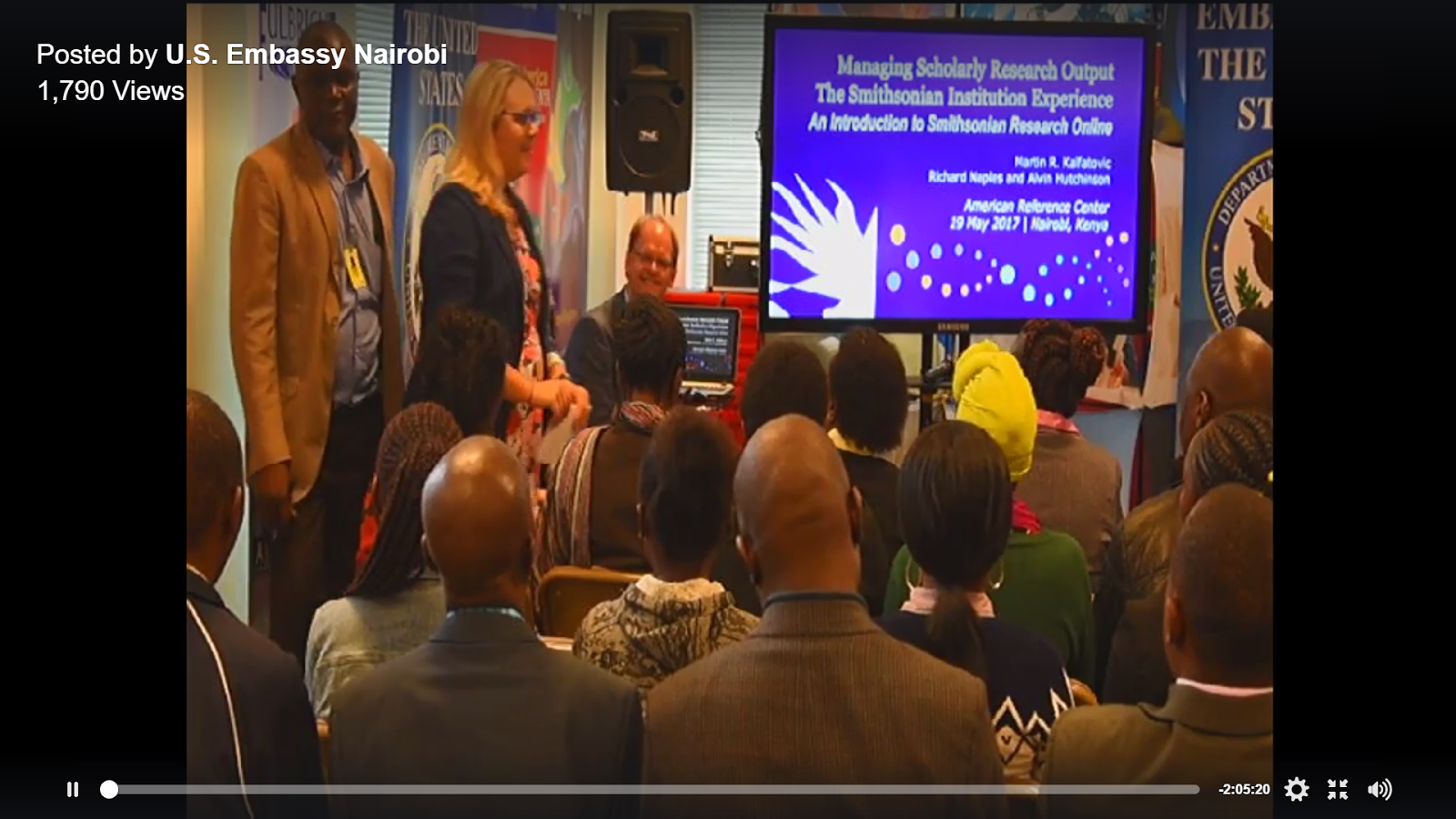
Smithsonian Libraries Associate Director Martin R. Kalfatovic’s presentation, “Managing Scholarly Research Output: The Smithsonian Institution Experience: An Introduction to Smithsonian Research Online (SRO)” covered key components of the Smithsonian Libraries’ SRO program of bibliographic data collection, data analysis for metrics and reporting, and communications to administrators, researchers, and the public. The presentation was based on previous presentations of SIL staff Alvin Hutchinson and Richard Naples and with input from Suzanne C. Pilsk. A representative of NACOSTI in attendance commented:

Information management and data analysis towards scholarly publications is a very important indicator of a nation’s development and reflects the potential of a nation to harness its human resource in solving problems of mankind. It also broadens the horizons of policy thinking and in addressing many critical issues the government faces. As a policy making institution, scholarly publications will be very important in advising the government accurately. Therefore, your invitation of our institution was timely because this is one of the areas needed to be harnessed in advising the government by policy directions using real data.

As Scott Miller, Deputy Under Secretary for Collections and Interdisciplinary Support at the Smithsonian Institution, who facilitated the planning for the program, noted:

Most research organizations in Kenya, as well as agencies who regulate research, are struggling with the challenges of tracking and making available the results of research. The tools that Smithsonian Research Online have used could be readily adapted for use by some of these organizations.

Given the overlap of interests of many organizations in biodiversity research in Kenya, I also hope these presentations catalyze discussion of the possibility of a multi-organization collaboration to create a centralized data archive that has multiple portals to serve different users.

Carolyn A. Sheffield, BHL Program Manager, presented on “Inspiring Discovery Through Free Access to Biodiversity Knowledge: The Biodiversity Heritage Library (BHL).” Sheffield covered a general introduction of the BHL as well as recent accomplishments and metrics related to Kenya and Africa. BHL Africa colleagues, Asha Owono and Ben Nakitare were in attendance and provided additional support in relation to Kenyan participation in the BHL during the question and answer period. A participant from the Kenya Wildlife Service noted: “The lecture and demonstration were very encouraging and I have the feeling that if this is pursued more vigorously, it can enhance information sharing within the conservation field in this country and the world at large.”

View Full Size Image
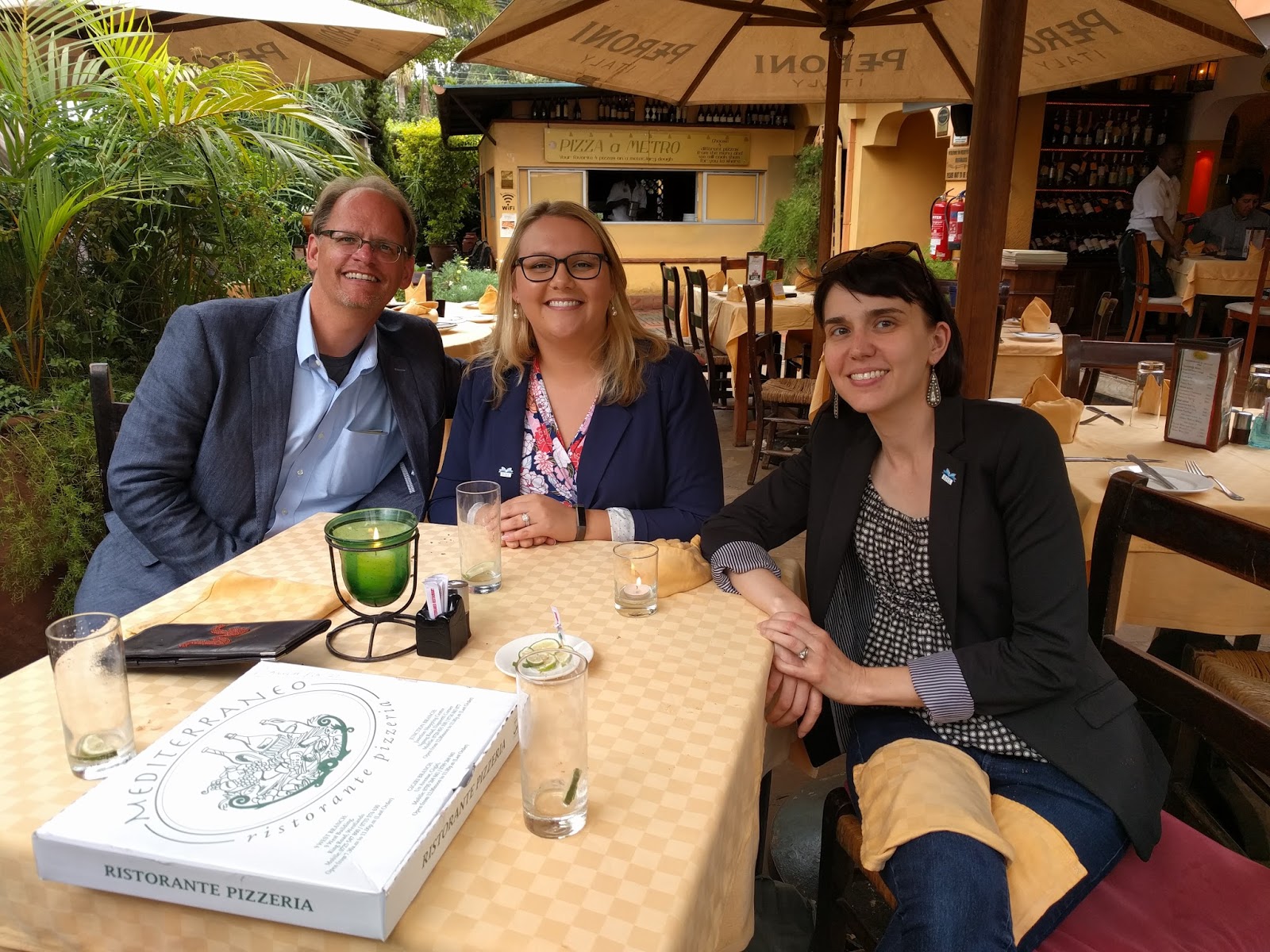
Kalfatovic, Albertine, Sheffield

Again, as Dr. Miller commented during the planning for this presentation, “This program is important for several reasons beyond helping users understand how to use the Biodiversity Heritage Library (which is important in itself). Kenya is poised to make significant additions to the BHL.  As was discussed at the Laikipia landscape workshop in February, there is a rich history of ‘grey literature’ in East Africa on agriculture, wildlife, public health, etc., that is not available to most people today.”

The ARC was filled to capacity with sixty attendees. The Embassy social media team led by Amos Rono also presented the program as a Facebook Live broadcast as well as live streaming it to other U.S. Embassies in East Africa (see link below). Smithsonian Libraries and Biodiversity Heritage Library social media team also promoted the event.

Thanks to ARC Director George Kamau and ARC Deputy Director Nashon Akello for hosting the program in their space and Dan Travis (Public Affairs Officer), Megan Larson-Kone (Cultural Affairs Officer), Alka Bhatnagar (Information Resource Specialist), and Pushpinder Dhillon (Economic Section Chief) on the U.S. Embassy staff who worked to make this program a success.

View the Facebook Live presentation.

June 6, 2017by joelrichard
Blog Reel, Featured Books

Travels in Southern Africa: William John Burchell

William John Burchell is credited “with having been the most prolific collector of botanical and zoological specimens.” [1] During a four-year scientific exploration of South Africa, he amassed a collection of over 63,000 specimens. And yet, Burchell’s contributions to science have been largely overlooked. As William Swainson bemoaned, “science must ever regret that one whose powers of mind were so varied…was so signally neglected in his own country.” [2]

View Full Size Image
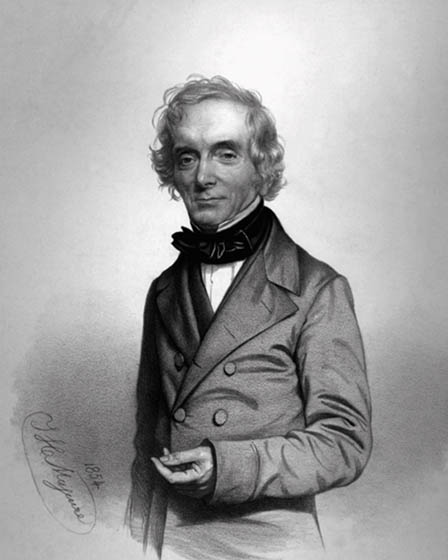
Portrait of William John Burchell by Thomas Herbert Maguire (1854). http://www.capeorchids.co.za/history.htm.

2015 marks the 200th anniversary of Burchell’s return to Cape Town following his four-year expedition in South Africa. The University of Pretoria recently digitized Burchell’s account of this journey, a two-volume work entitled Travels in the Interior of Southern Africa (1822-24) for BHL. This offers an excellent opportunity to not only highlight this recent addition from our colleagues in BHL Africa, but recognize the incredible accomplishments of a remarkable man.

William Burchell was born in Fulham, England, in 1781. His family owned the prosperous nine-and-a-half acre Fulham Nursery and Botanical Garden, which afforded him many opportunities to study botany and interact with some of the most influential natural historians of the day. Sir William Hooker, the first director of the Royal Gardens in Kew, was Burchell’s friend and mentor. The prosperity of his family’s business provided Burchell with the means to travel and nurture his interest in natural history and particularly botany.

View Full Size Image
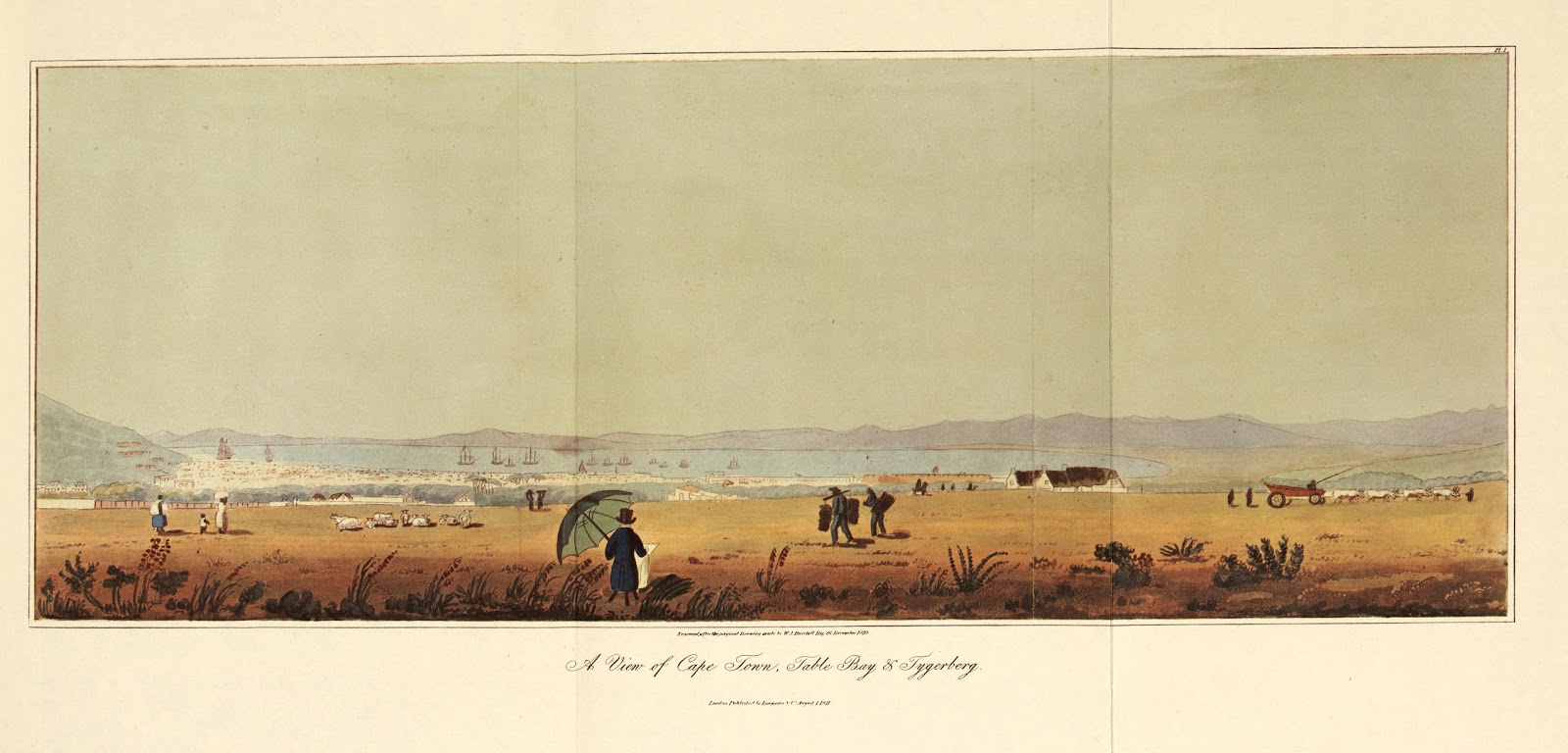
View of Cape Town, Table Bay and Tygerberg, 26 December, 1810. Engraved from a drawing by William John Burchell. Travels in the Interior of Southern Africa. v. 1 (1822). http://biodiversitylibrary.org/page/48904900. Digitized by: University of Pretoria.

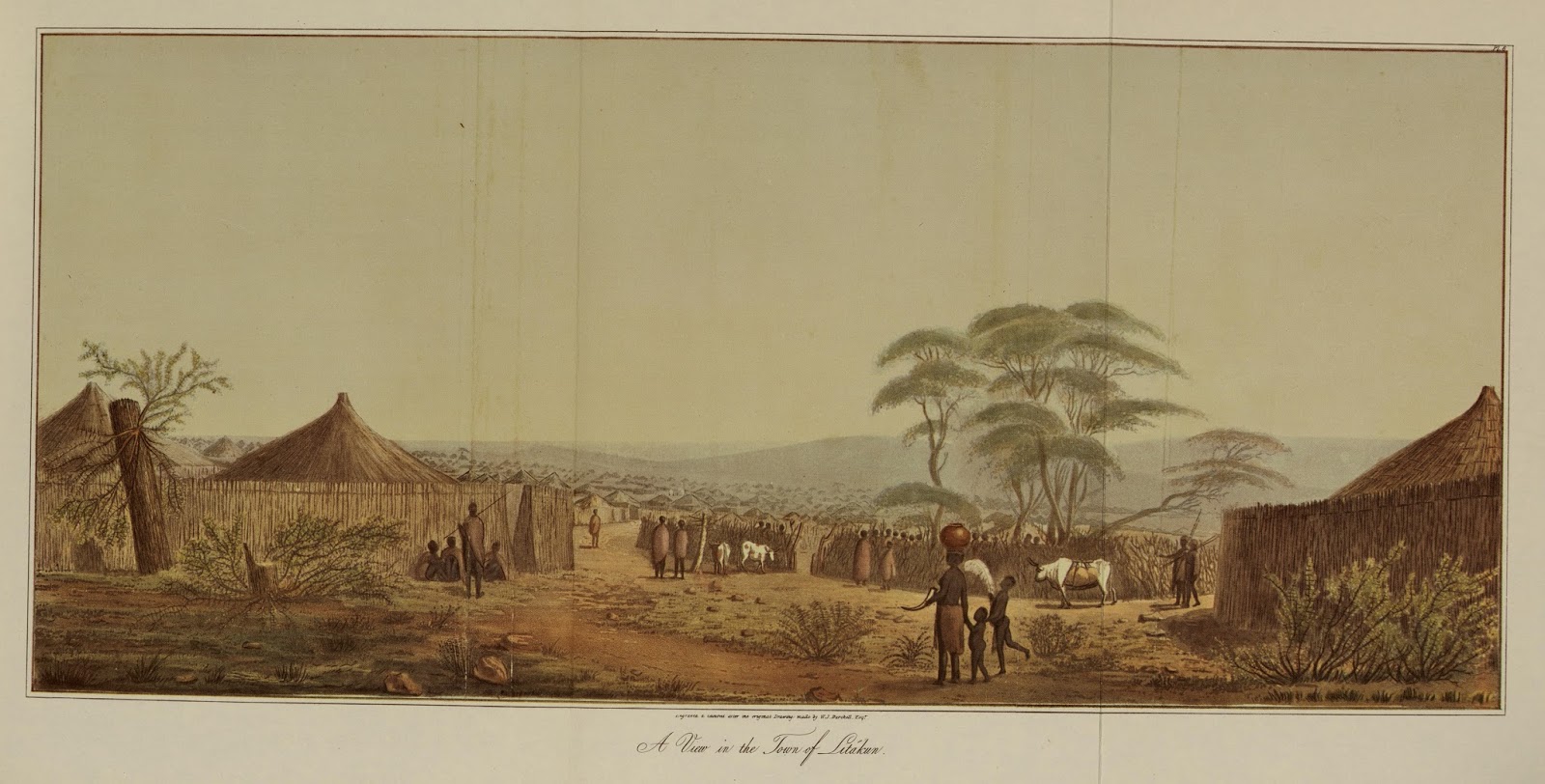
In 1810, Burchell arrived in Cape Town, South Africa, and on 19 June 1811, he set out from that city on a four-year expedition throughout the interior of southern Africa “solely for the purpose of acquiring knowledge.” [2] During the journey, he covered 7,000 km, mostly in an ox-wagon that he designed to serve as his home, laboratory, and library. He traveled as far north-east as the asbestos mountains just north of Chue Spring and became the first recorded European explorer to successfully travel through Bushmanland. The account of his expedition, Travels in the Interior of Southern Africa, covers only the period from his arrival in Cape Town through his departure from Litakun in August 1812.

View Full Size Image
“A view in the town of Litakun.” Engraved from a drawing by William John Burchell. Travels in the Interior of Southern Africa. v. 2 (1824). http://biodiversitylibrary.org/page/48905971. Digitized by: University of Pretoria.

Burchell’s accomplishments on the journey were extensive, particularly in the field of natural history. He collected 50,000 species of plants, seeds and bulbs, 10,000 specimens of insects, animal skins, skeletons, and fish, numerous anthropological artifacts, and created 500 drawings during the expedition. The Royal Botanical Gardens in Kew now holds a vast majority of Burchell’s extensive botanical collections. His journals document the precise location, morphological features, and habitat of the specimens he collected.

View Full Size Image
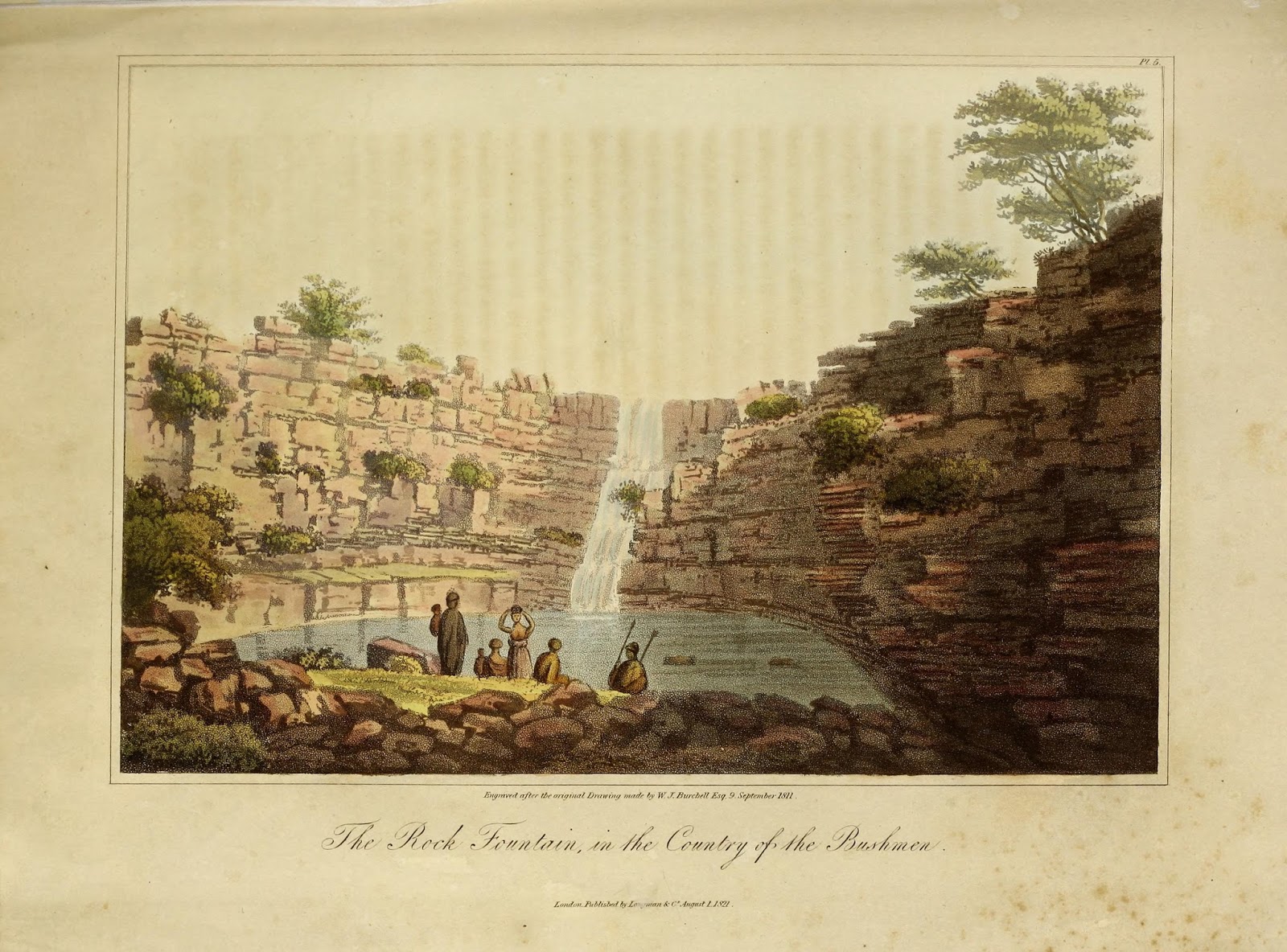
“Rock Fountain in the Country of the Bushmen.” 9 September, 1811. Engraved from a drawing by William John Burchell. Travels in the Interior of Southern Africa. v. 1 (1822). http://biodiversitylibrary.org/page/48905175. Digitized by: University of Pretoria.

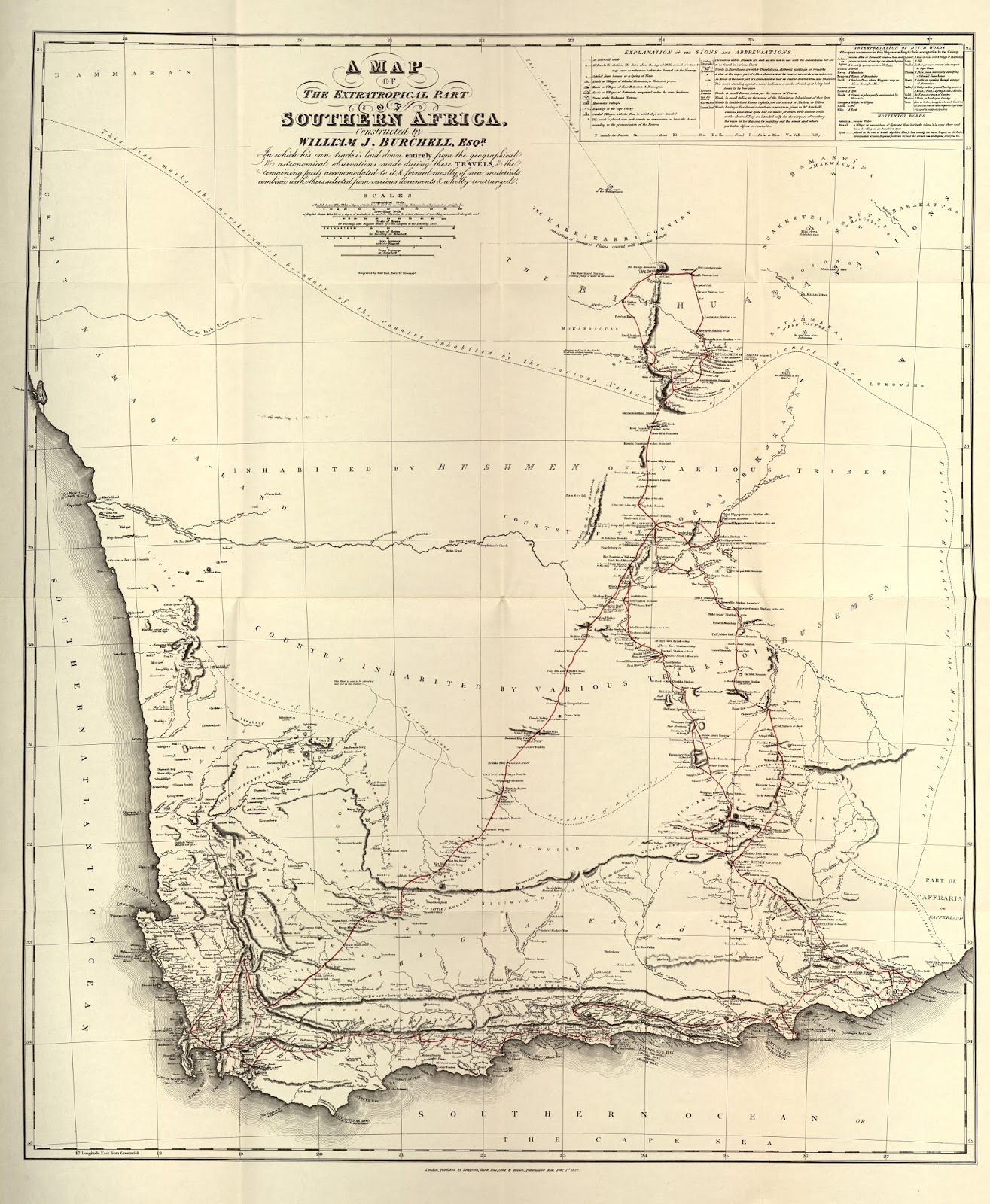
In addition to natural history, Burchell made important observations in the earth sciences during the expedition, being the first recorded person to identify asbestos in the Northern Cape and the “first to describe glacial pavements in the country.” [2] He also charted his entire route, creating a “Map of the Extratropical Parts of Southern Africa” (published in v.1 of his book), which was a “milestone in the cartography of the country.” [1] In the field of astronomy, he observed the variability of Eta Carinae’s brightness, and, by using a combination of Friar’s Balsam (Compound Tincture Benzoin), laudanum, Buchu vinegar, and Wild Wormwood to treat a serious gunshot wound afflicting one of the expedition’s members, became the first recorded person to successfully integrate indigenous herbal medicine with medicines used in Europe “into the management of such a serious condition.” [2]

View Full Size Image
Map of the Extratropical parts of Southern Africa. Travels in the Interior of Southern Africa. v. 1 (1822). http://biodiversitylibrary.org/page/48905480. Digitized by: University of Pretoria.

After Burchell’s return to Cape Town in April 1815, he went on to travel in Brazil, collecting over 23,000 additional specimens. However, after his return to England, Burchell became increasingly reclusive and protective of his collections, focusing on cataloging his vast botanical specimens but also refusing to allow others to access his collections. Some historians hypothesize that he may have suffered from a bipolar-type disorder. [2] In 1863, at the age of 82, after one unsuccessful suicide attempt by gunshot, he hung himself in a small outhouse in his garden. He is buried near his home in Fulham, in the family tomb at All Saints Church, Hammersmith.

View Full Size Image
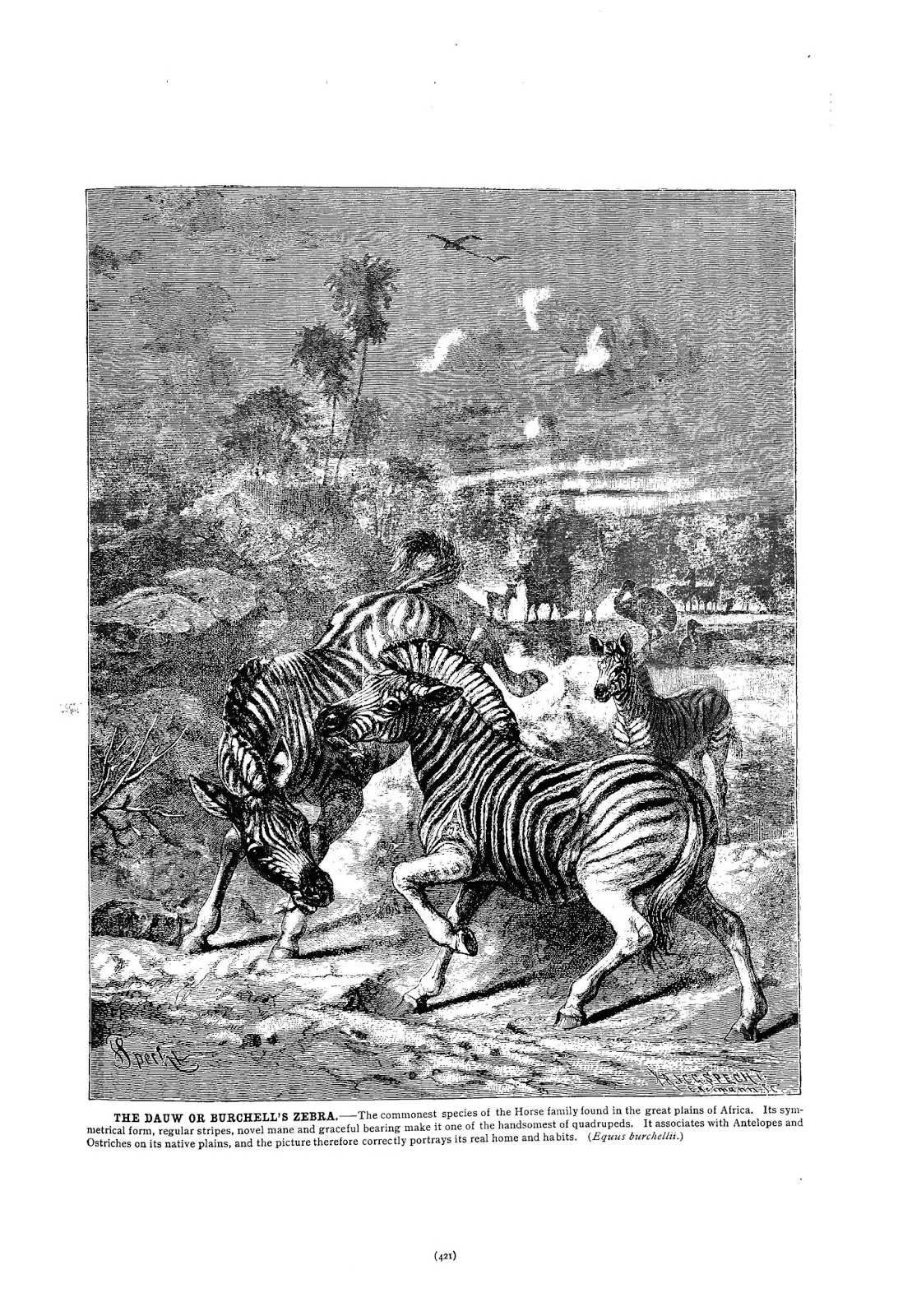
Burchell’s Zebra (Equus quagga burchellii), named after William John Burchell by John Edward Gray. Brehm, Alfred Edmund. The Animals of the World (1895). http://biodiversitylibrary.org/page/37569339. Digitized by: Cornell University Library.

Though his life had a tragic ending, Burchell’s accomplishments are remarkable. In addition to the many specimens he collected, a species of South African wild pomegranate (Burchellia bubalina) is named after him, and the common names of many animals bear his moniker, including Burchell’s zebra, Burchell’s coucal, three birds (Burchell’s starling, coarser, and grouse), a lizard (Burchell’s sand lizard), and the white rhinoceros (for which Burchell was the first to give a scientific name and is also known, although less-commonly, as Burchell’s rhinoceros). He also recommended the establishment of a public garden in Cape Town. He described the Kirstenbosch area as “the most picturesque I had seen in the vicinity.” [2] The Kirstenbosch National Botanical Garden was founded in 1913.

We are honored to have a copy of Burchell’s Travels in the Interior of Southern Africa in BHL, thanks to the University of Pretoria, as, to quote historian George Theal, it is “one of the most trustworthy and valuable books ever issued upon South Africa.” [1]

William John Burchell was an extraordinary man. We have not forgotten him.

[1] Stewart, Roger. “William John Burchell’s Medical Challenges: A 19th Century Natural Philosopher in the Field.” South African Medical Journal: 2012;102(4). pgs. 252-255.
[2] Stewart, Roger and Brian Warner. “William John Burchell: The Multi-skilled Polymath.” South African Journal of Science. 2012;108(11/12), Art. #1207, 9 pages. http://dx.doi.org/10.4102/sajs.v108i11/12.1207

November 19, 2015by ulib-libraryjobs
BHL News, Blog Reel

BHL in Africa! Workshop & TDWG

Portrait version of the Biodiversity Heritage Library logo.

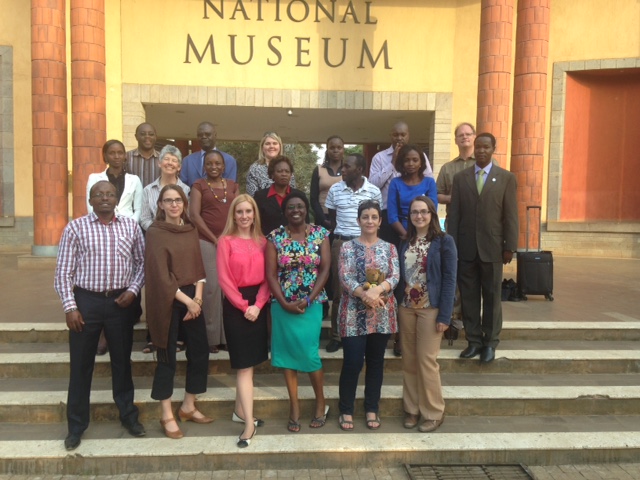
An international ensemble of biodiversity-minded professionals recently gathered in Nairobi, Kenya for two weeks of trainings and conferences. From 24-26 September, 2015, fifteen representatives from eleven institutions throughout South Africa, Kenya, and Uganda attended a BHL Africa training workshop at the National Museums of Kenya. Following the workshop, 28 September – 1 October, 2015, the TDWG Annual Conference was held at the Windsor Golf Hotel and Country Club in Nairobi.

The BHL Africa Workshop was an opportunity to provide training and help build capacity amongst the current signatories of the BHL Africa MOU. The workshop was funded as part of the 2015 JRS Biodiversity Foundation grant, awarded to the South African National Biodiversity Institute (SANBI), to facilitate the growth of BHL Africa.

“This workshop is yet another example of the exciting strides the BHL Africa libraries are making towards digitizing and providing open access to their unique and important collections,” said Robert Guralnick of the Board of Trustees, JRS Biodiversity Foundation.

View Full Size Image
Attendees at the BHL Africa Workshop at the National Museums of Kenya in Nairobi.

Representatives from the National Museums of Kenya, the University of Nairobi, the International Centre of Insect Physiology and Ecology, the African Conservation Centre, the Kenya Wildlife Service, the Uganda National Council for Science and Technology, The Uganda Society, the National Library of Uganda, the South African National Aquatic Biodiversity Institute, the South African National Biodiversity Institute, and the University of Pretoria attended the workshop. Training was provided by four BHL representatives from the U.S., including BHL’s Program Director, Martin Kalfatovic, Program Manager, Carolyn Sheffield, Outreach and Communication Manager, Grace Costantino, and Smithsonian Digital Collections Librarian, Jacqueline Chapman.

Trainings included an overview of the structure and governance of BHL; demoes of the BHL website and administrative functions; in-depth discussions about BHL collection scope, development, digitization and curation workflows, and metadata requirements; guidance on copyright and permissions issues; methods for communication and outreach collaboration; and intensive hands-on training for several BHL tools, including the issue tracking system Gemini and the digitization workflow tool Macaw.

View Full Size Image
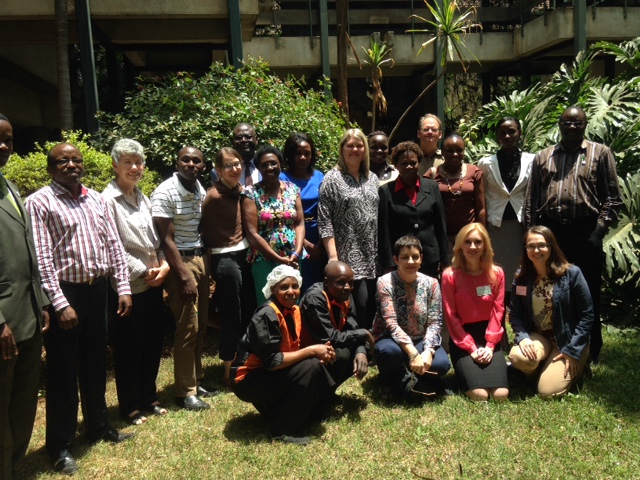
BHL Africa workshop attendees enjoying the beautiful grounds at the National Museums of Kenya during a lunch break.

Chief among the discussion topics was a focus on building capacity within Africa and amongst current and future participating institutions. The goal of the workshop was to not only train attendees on the many aspects of BHL participation and workflows, but to ensure that attendees could return to their own institutions and provide training to their colleagues. There was also extensive discussion on the various ways that participants could share digitization equipment amongst institutions, ensuring efficiency and a responsible use of funds.

Following the workshop, Martin Kalfatovic, Anne-Lise Fourie (Head of BHL Africa and Assistant Director of SANBI Libraries), Carolyn Sheffield, and Jacqueline Chapman continued on to the TDWG 2015 conference where they were joined by BHL Technical Director William Ulate and the Vice Chair of the Global BHL Executive Committee, Dr. Jiri Frank.  On 1 October, BHL hosted a Symposium that provided updates on the BHL consortium in general; BHL Africa’s JRS-funded capacity-building initiatives; BHL workshops; BHL projects; and a special guest, Prabhakar Rajagopal, who presented on the participation in the India Biodiversity Portal.  The session was well-attended with 137 conference attendees in the audience.

We are excited to see such wonderful progress from our colleagues in Africa, and look forward to the growth of BHL Africa content in and contributions to BHL.

October 7, 2015by michelle.underhill
BHL News, Blog Reel

Empowering Access to Biodiversity Information in Africa

View Full Size Image

Almost two years ago, BHL Africa officially launched during a three-day workshop hosted by the South African National Biodiversity Institute (SANBI) at the Pretoria National Botanical Garden in Pretoria, South Africa. In the subsequent two years, BHLA has begun digitization at some participating institutions and has drafted a governance framework for the node. Recent developments, including a grant from the JRS Biodiversity Foundation and a new status within the global BHL community, have brought our colleagues significantly closer to achieving their vision of global access to biodiversity resources in sub-Saharan African institutions.

On January 30, 2015, the JRS Biodiversity Foundation, which is committed to enhancing the understanding of biological diversity for the benefit and sustainability of life on earth, announced an award of $150,000 to facilitate the growth of BHL Africa. JRS’ support of BHL Africa began in 2011 with a sponsorship for African attendance at the BHL Life and Literature Conference in Chicago, IL, followed by additional support for the launch ceremony and corresponding workshop in April, 2013.

View Full Size Image
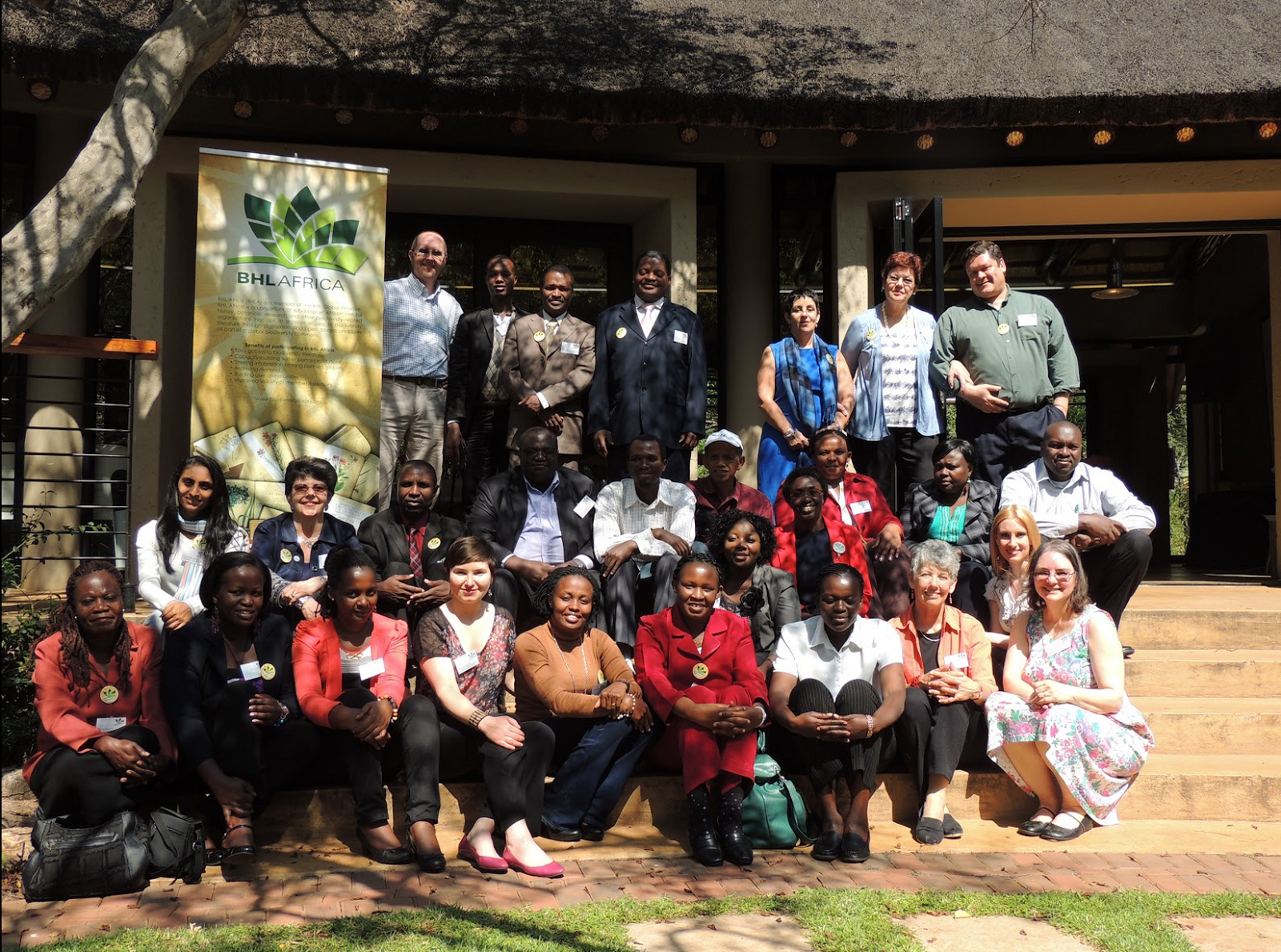
Group photo at the BHL Africa launch ceremony. Pretoria, South Africa. April, 2013.

Awarded to SANBI, this new grant will grow BHLA through assessment, collaboration, and digitization, resulting in a wealth of collections unique to African institutions being added to BHL. This new JRS support will allow BHLA to:

  • Conduct outreach to expand active BHLA participation through engagement with current members and recruitment of new participants
  • Improve communications and host workshops and trainings for 13 BHLA member institutions
  • Analyze the existing capacity for participation and content aggregation
  • Stabilize the governance of the organization and infrastructure through sustainability planning

In order to accomplish these objectives, Anne-Lise Fourie, Assistant Director of SANBI Libraries, Chair of BHLA and PI on the JRS Africa project, plans to survey current members and potential partners and conduct site visits to Kenya and Uganda to establish capacities and collection profiles. This information will help inform future trainings regarding identification of unique content for inclusion in BHL and the selection of digitization service providers.

Learn more about the project, planned outputs, and project staff on the BHL Africa web page on the JRS website.

We are also pleased to announce that BHL Africa has joined BHL as an Affiliate, following the example of BHL Singapore and BHL Mexico, which participate in BHL both as autonomous regional nodes and Members of the BHL. As an Affiliate, BHLA may participate in BHL committees, task forces, and working groups and will collaborate more extensively within the global BHL community. See a list of current BHL Members and Affiliates here.

We are thrilled at BHL Africa’s progress and look forward to witnessing the continued growth of the project.

Contributions from BHL Africa


View Full Size Image
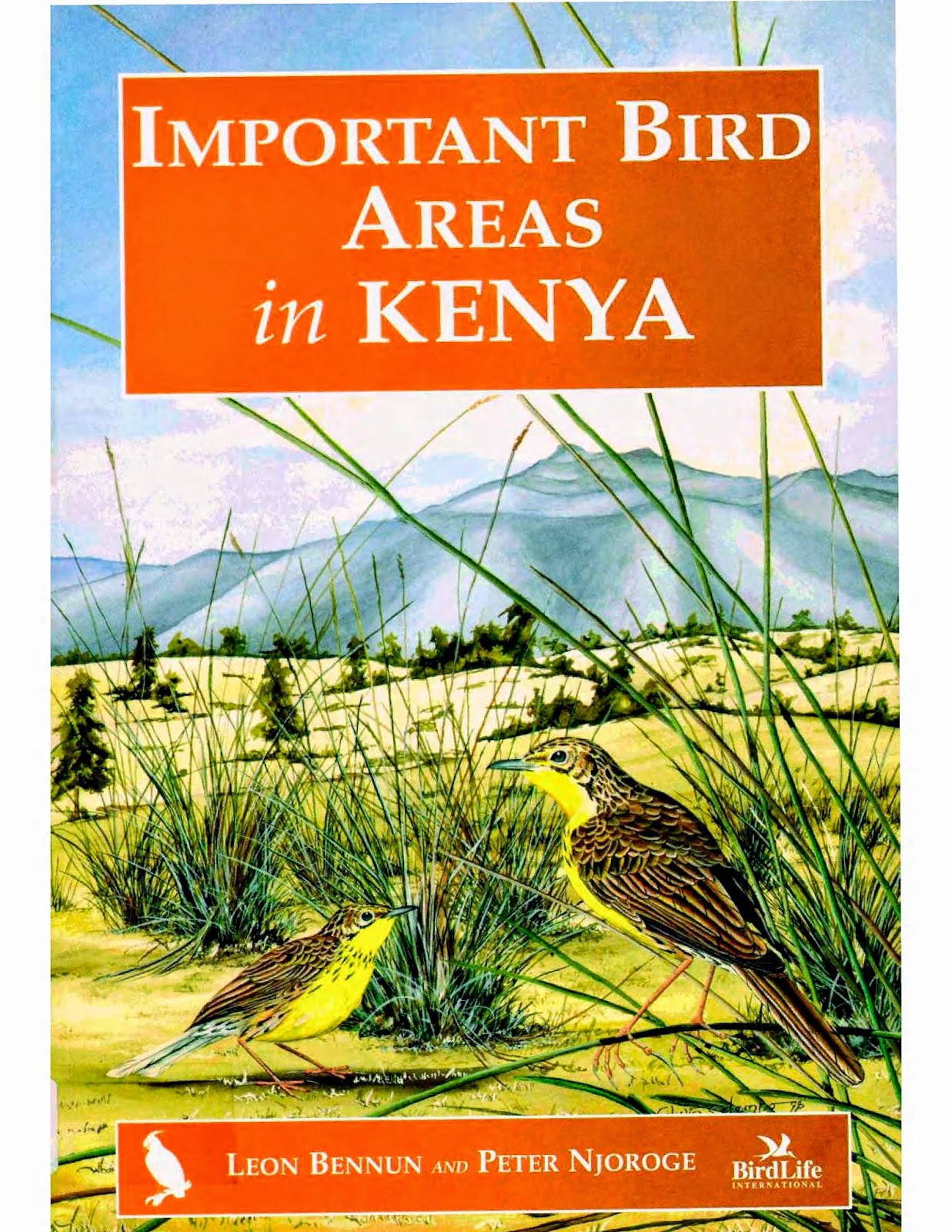
Important Birds Areas in Kenya. Contributed by Nature Kenya, East Africa Natural History Society for BHL Africa. http://biodiversitylibrary.org/bibliography/87589.

Current BHL Africa partner contributions to the BHL Collection include:

  • Publications from the South African National Biodiversity Institute
  • Articles and Publications from Nature Kenya, East Africa Natural History Society
  • The South African Institute for Aquatic Biodiversity’s “Ichthyological Papers of J.L.B. Smith 1931-1943”
February 11, 2015by ulib-libraryjobs
BHL News, Blog Reel

BHL’s Latest News!

View Full Size Image
Latest BHL Quarterly Report

Wondering what BHL has been working on lately? Check out our latest quarterly report which details our production statistics and showcases some of our most recent exciting project accomplishments! For example, during this past quarter alone, we celebrated the birth of another regional node – BHL Africa, fortified our strategic direction with the approval of new vision, mission and goal statements, and participated as a content hub in recently launched Digital Public Library of America (DPLA), resulting in over 115,000 BHL volumes being made available through the DPLA portal.  Production efforts kept apace with nearly 600,000 pages scanned and over 1,000,000 names added to BHL.

Learn all about these developments and see how our project is performing in the latest BHL Quarterly Report.

Quarterly reports will be archived on our public wiki.

August 27, 2013by sayeedmd
Page 1 of 3123»

Help Support BHL

BHL's existence depends on the financial support of its patrons. Help us keep this free resource alive!

search

About BHL

The Biodiversity Heritage Library (BHL) is the world’s largest open access digital library for biodiversity literature and archives. BHL operates as a worldwide consortium of natural history, botanical, research, and national libraries working together to digitize the natural history literature held in their collections and make it freely available for open access as part of a global “biodiversity community.”

Join Our Mailing List

Sign up to receive the latest news, content highlights, and promotions.

Subscribe Now

Subscribe to Blog via Email

Enter your email address to subscribe to this blog and receive notifications of new posts by email.

Join 319 other subscribers

Subscribe to Blog Via RSS

Subscribe to the blog RSS feed to stay up-to-date on all the latest BHL posts.

Access RSS Feed

Inspiring Discovery through Free Access to Biodiversity Knowledge.

The Biodiversity Heritage Library makes it easier than ever for you to access the information you need to study and explore life on Earth…for free, anytime, anywhere.
 

64+ Million Pages of
Biodiversity Literature Online.

EXPLORE

Tools and Services
to Transform Research.

EXPLORE

300,000+
Illustrations on Flickr.

EXPLORE

ABOUT | HARMFUL CONTENT | PRIVACY | SITE MAP | TERMS OF USE