Biodiversity Heritage Library - Program news and collection highlights from BHL
  • Home
  • News
  • Featured Books
    • All Featured Books
    • Book of the Month Series
    • BHL at 20
  • User Stories
  • Campaigns
    • Fossil Stories
    • Garden Stories
    • Monsters Are Real
    • Page Frights
    • Her Natural History
    • Earth Optimism 2020
  • Tech Blog
  • Visit BHL
Home
News
Featured Books
    All Featured Books
    Book of the Month Series
    BHL at 20
User Stories
Campaigns
    Fossil Stories
    Garden Stories
    Monsters Are Real
    Page Frights
    Her Natural History
    Earth Optimism 2020
Tech Blog
Visit BHL
  • Home
  • News
  • Featured Books
    • All Featured Books
    • Book of the Month Series
    • BHL at 20
  • User Stories
  • Campaigns
    • Fossil Stories
    • Garden Stories
    • Monsters Are Real
    • Page Frights
    • Her Natural History
    • Earth Optimism 2020
  • Tech Blog
  • Visit BHL
Biodiversity Heritage Library - Program news and collection highlights from BHL
Blog Reel, Featured Books

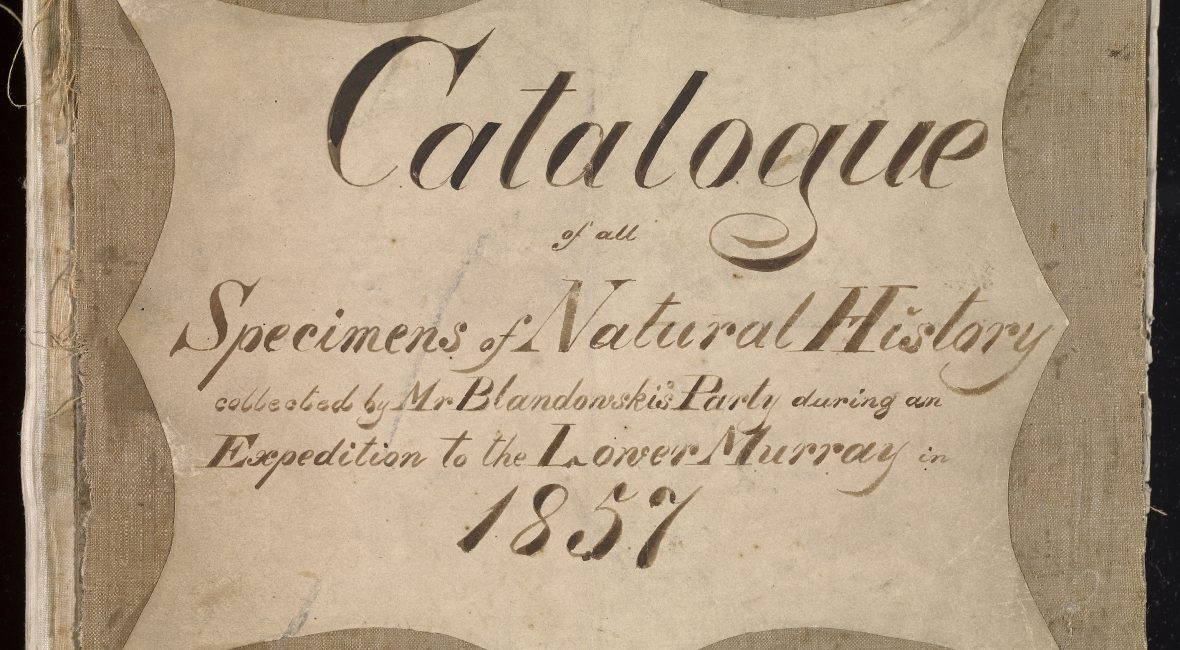
Catalogue of All Specimens of Natural History Collected by Mr Blandowski’s Party During an Expedition to the Lower Murray in 1857

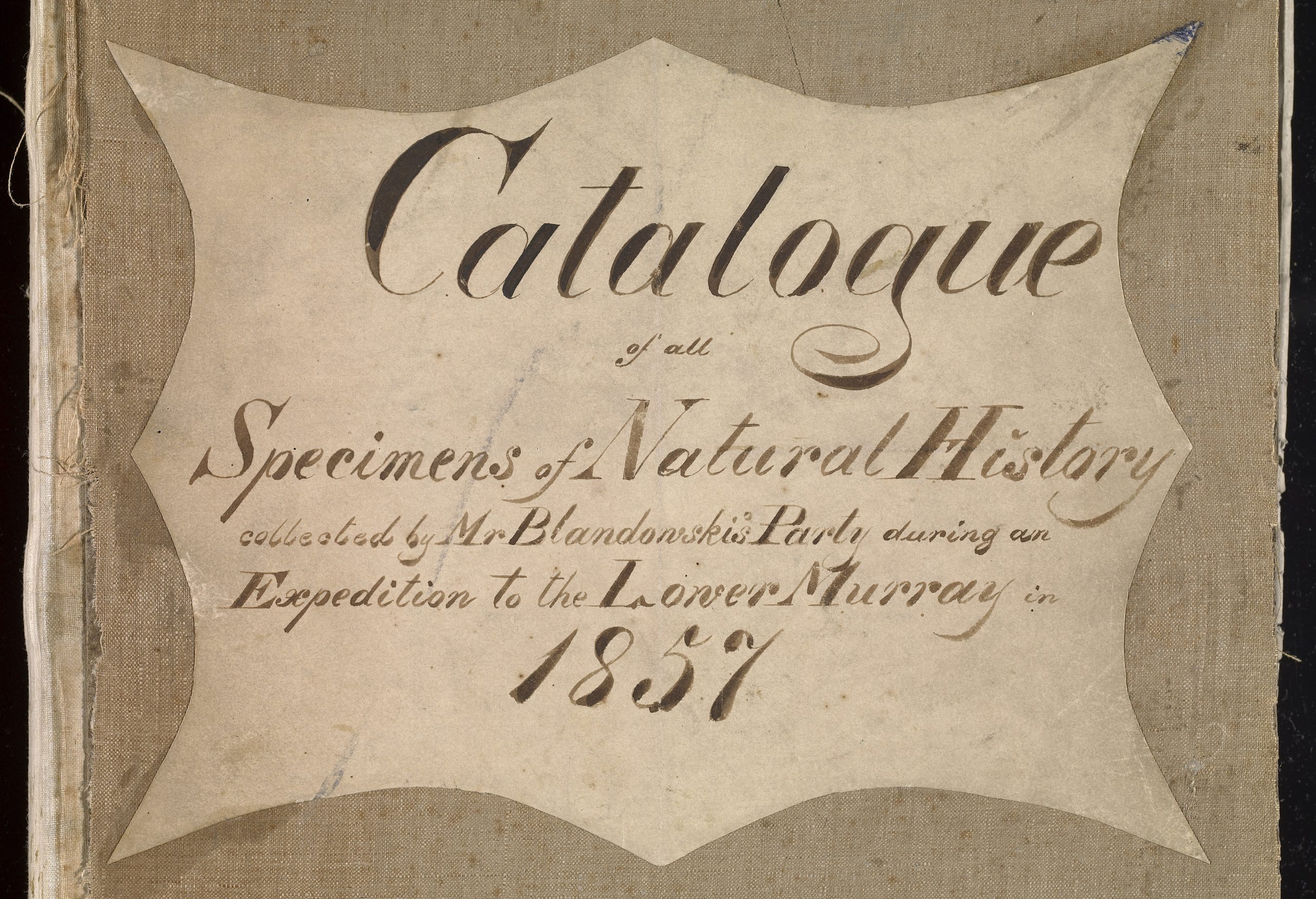
Front cover of 'Catalogue of all Specimens on Natural History collected by Mr Blandowski's Party during an Expedition to the Lower Murray in 1857' by Gerard Krefft

Cropped image of Gerard Krefft’s handwritten cover of Catalogue of all Specimens of Natural History collected by Mr Blandowski’s Party during an Expedition to the Lower Murray in 1857 [referred to as Blandowski’s Catalogue]. Source: Museums Victoria Archives, ARCHIVE-784. Photographer: David Paul.

Blandowski’s Catalogue is one of the most precious items held by the Museums Victoria Archives. It documents natural history specimens collected by William Blandowski (1822-1878) and Gerard Krefft (1830-1881) and colleagues working with First Peoples communities for the National Museum of Victoria (predecessor of Museums Victoria) during an expedition along the Lower Murray and Darling River from December 1856 to December 1857. Murray fishes listed in the Catalogue were later controversially used to describe prominent members of the Philosophical Institute in Blandowski’s 1858 paper Recent Discoveries in Natural History on the Lower Murray. Blandowski refused to hand-over to Professor Frederick McCoy, the National Museum of Victoria’s first Director, many of the specimens collected on the expedition, and associated research notes and illustrations, causing further controversy. Blandowski’s Catalogue has recently been digitised by BHL Australia and is now available to view online.

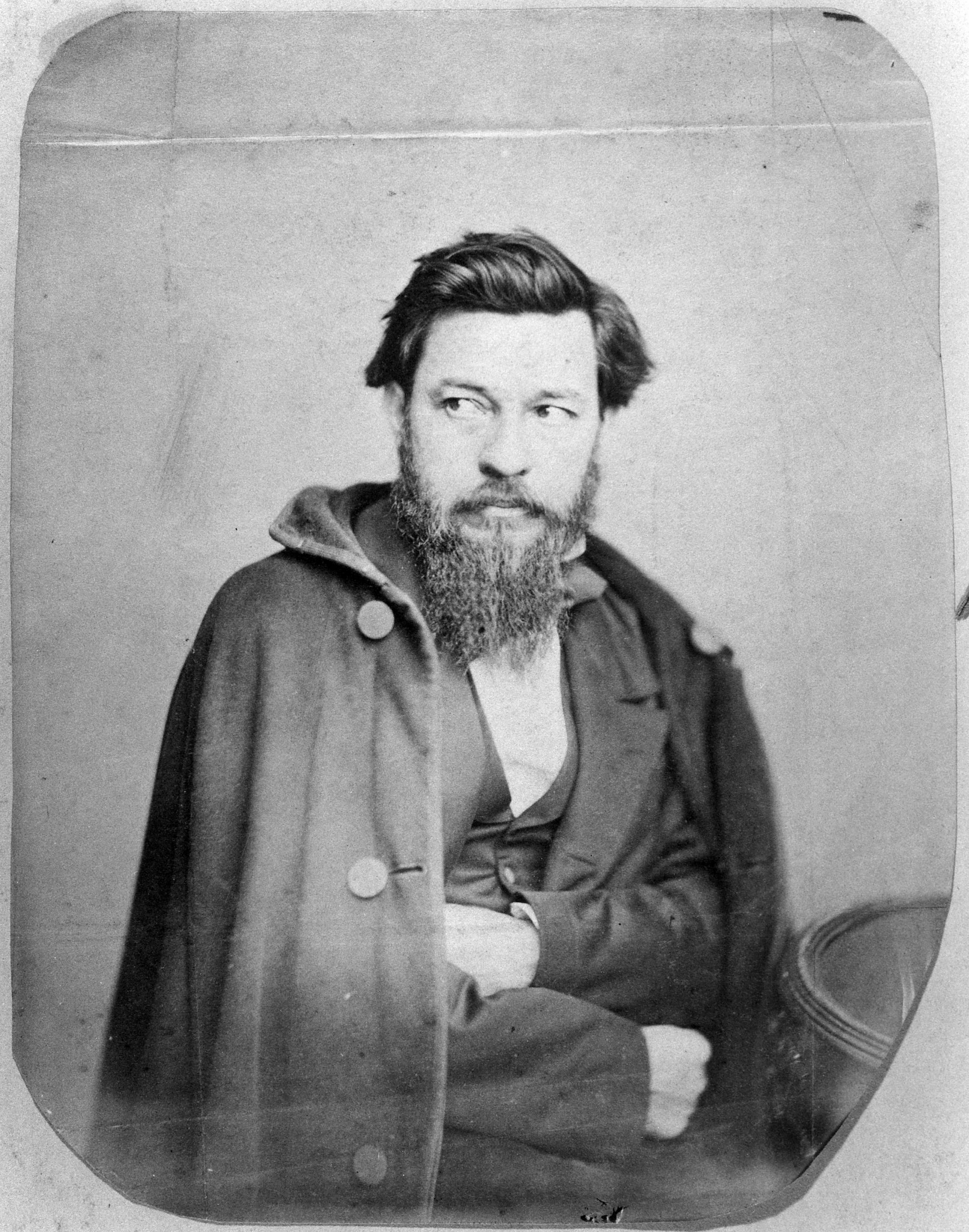
Black and white photograph of bearded man in overcoat, seated

Self portrait of William Blandowski, 1860. Source: National Gallery of Victoria. Photographer: William Blandowski.

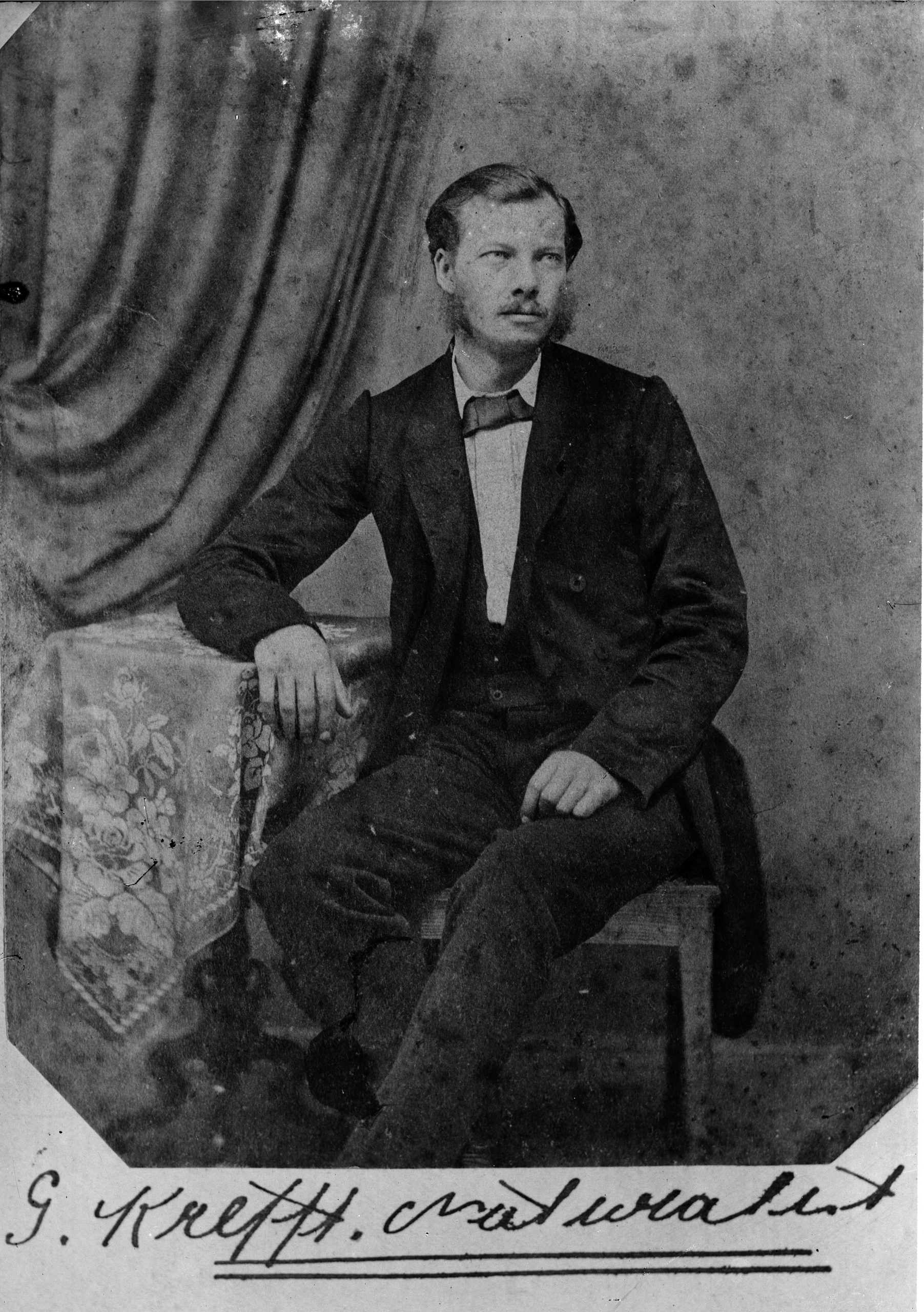
Portrait of a man seated in a suit

Portrait of Gerard Krefft, 1855. Source: Australian Museum. Photographer: unknown.

Blandowski was appointed Government Zoologist in 1854 when the Museum of Natural and Economic Geology (precursor to the National Museum of Victoria, and Museums Victoria) was founded. He had migrated from the Kingdom of Prussia (now Poland) to Adelaide in 1849, then on to the goldfields of Victoria in 1851. Krefft, originally from Duchy of Brunswick (now Germany), immigrated to New York City circa 1850, then to Australia and the Victorian goldfields in 1852. Blandowski was entrusted with an expedition to the Lower Murray; a previous expedition in 1849 had failed under the leadership of Surveyor Edward White. Blandowski had several assistants to accompany him on the expedition, including Gerard Krefft and later James Manson, who joined the expedition in February 1857. Krefft was hired as an artist on the Lower Murray Expedition but also worked on labelling specimens and adding information to Blandowski’s Catalogue, and subsequently employed by McCoy in February 1858 to select specimens to be kept by the National Museum of Victoria.

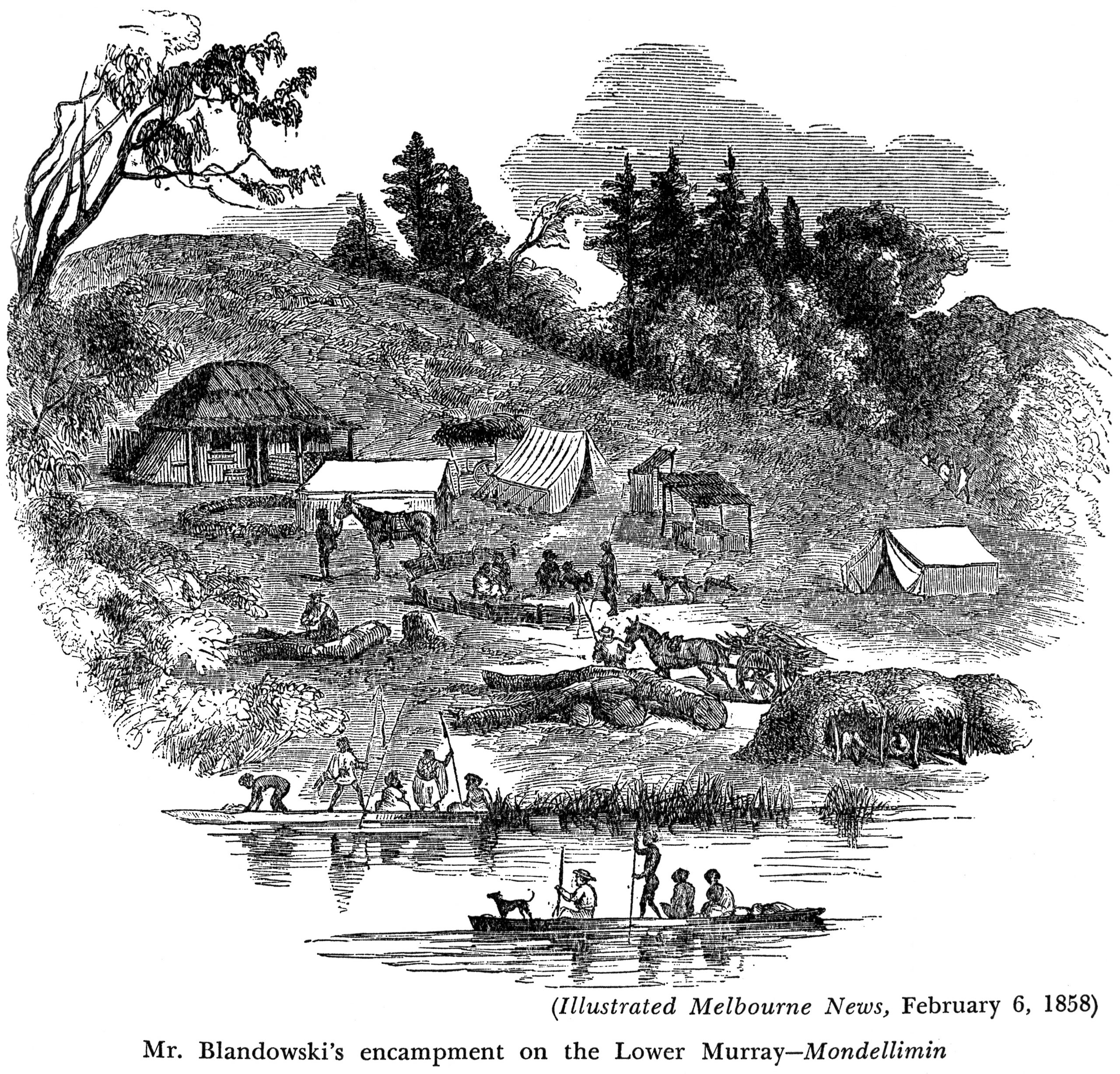
Encampment on a river with tents and other structures

Illustration of Blandowski’s expedition camp on the Murray River, Mondellimin, also known as Chaffey Landing at Merbein, Victoria, Australia, on the New South Wales border, 6 February 1858. Source: Museums Victoria reproduced from Illustrated Melbourne News.

Mondellimin, name derived from Mondellunddellun used by the local Yarree community, about 480 kilometres from Melbourne, also known as Chaffey Landing at Merbein, near Mildura, was the permanent campsite for the expedition from April to December 1857. “On the 6th of August he [Blandowski] left the camp in charge of Krefft and Manson and proceeded towards Melbourne with his valuable collections of specimens of natural history, which had been accumulating in his tent during his long sojourn at Mondellimin, to the extent of 28 boxes and parcels, containing in all about 16,000 specimens” (South Australian Register, 15 October 1857, p.3). Part of the collection had already shipped from Echuca, and specimens collected after Blandowski returned to Melbourne, came back with Krefft in December 1857. Blandowski attributed the specimens acquired largely due to the collecting skills of the local Indigenous peoples and acknowledged the taxidermy work of Krefft and Manson.

Blandowski’s Catalogue lists 17,434 specimens were collected, under 3389 catalogue numbers. Krefft catalogued specimens 1 to 3389, leaving some lines blank, recording specimen number, name of specimen, description of the specimen (although this was mostly left blank), number of specimens, locality whence obtained, donor’s name (also left blank), and remarks. Each specimen has general locality information allowing scientists to estimate where the specimen occurred at a point in time.

Blandowski’s infamous Murray fishes are described in the Transactions of the Philosophical Institute of Victoria. Figure 19 (N) Brosmius Bleasdalii named after a very prominent member of the Philosophical Institute Council, the Reverend Bleasdale: “A slimy, slippery fish. Lives in the mud. Is of a violent bluish colour on the belly. The whole upper surface is of a dirty olivish-green colour, with numerous irregular dark patches.” Figure 4 (B) Cernua Eadesii named after another very prominent member of the Council, Dr Eades: “A fish easily recognised by its low forehead, big belly and sharp spine.”

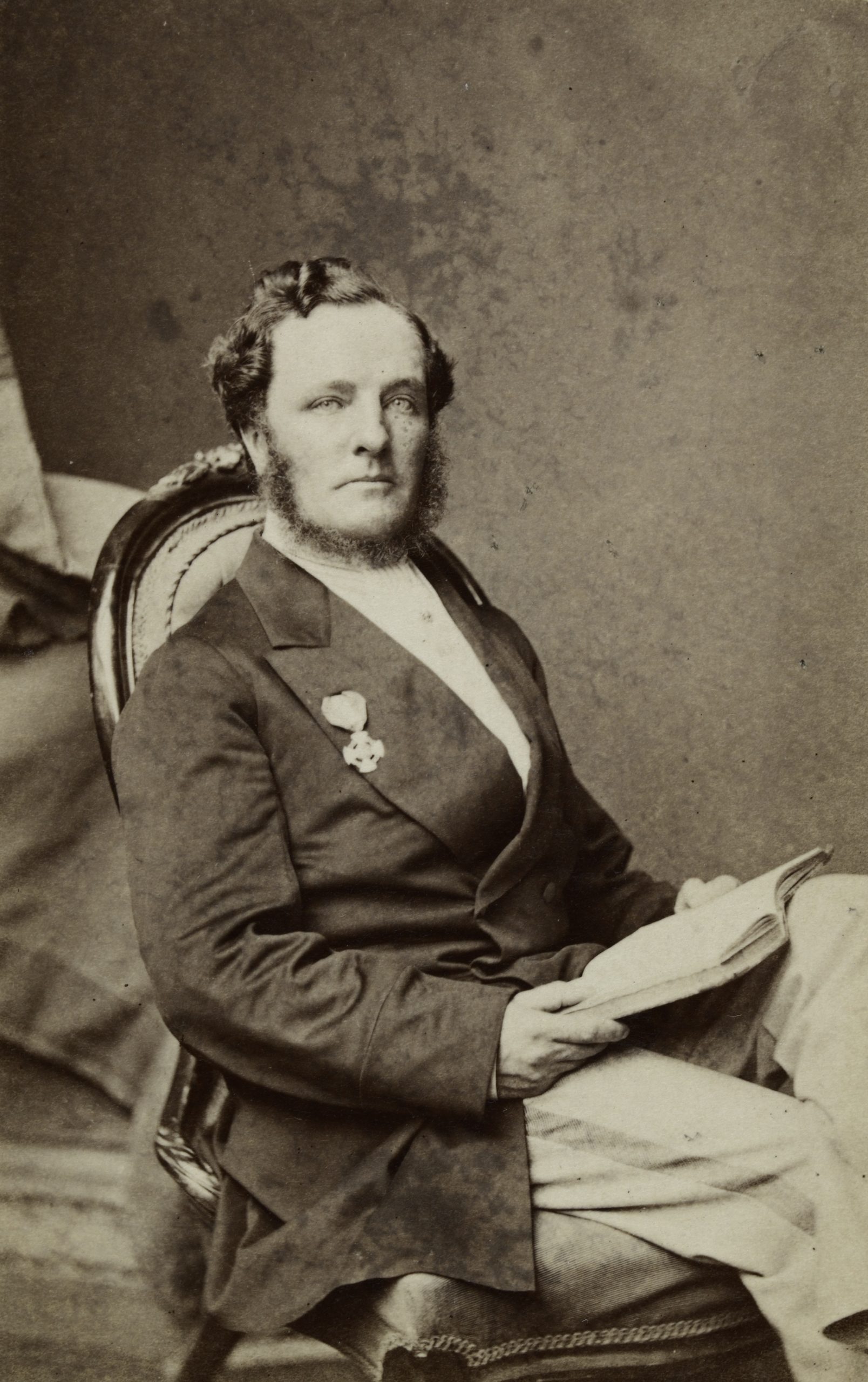
Portrait of a bearded man, seated with a book open in his lap

Portrait of Sir Frederick McCoy, c.1870. Source: Museums Victoria, H29553. Photographer: Johnstone, O’Shannessy & Co. Studio.

Blandowski returned to Melbourne from the expedition in August 1857, four months before the rest of the party. To McCoy’s outrage, Blandowski did not return to the National Museum of Victoria (then located at the University of Melbourne, Parkville campus), and held on to field notes, many of the specimens collected on the expedition, and illustrations from the expedition. The matter was brought before the Board of Science, McCoy wrote to the Chief Secretary on 28 April 1858 (MV Archives OS~04400): “…Mr Blandowski should be compelled to give up at once all specimens, books, journals and field observations, and the portfolio of several hundred drawings made by the party under his orders, and all illustrative lists and memoranda connected with the Public Collections, the property of the Victorian Government.”

Eventually all the specimens collected were returned to the Museum, however McCoy exchanged or donated many of the specimens with other museums and many were destroyed by insects over time, leaving about 15% of the total specimens collected on the expedition in Museums Victoria State Collection to this day. To view some of the specimens online, visit Museums Victoria Collections website.


Editor’s Note

This post has been edited to add further details of the expedition, including the roles of participants and more specific dates of their participation in the expedition.

February 24, 2022by [email protected]
Blog Reel, Featured Books

Two Hand-Painted Volumes of Coleoptera Illustrated by Francis du Boulay

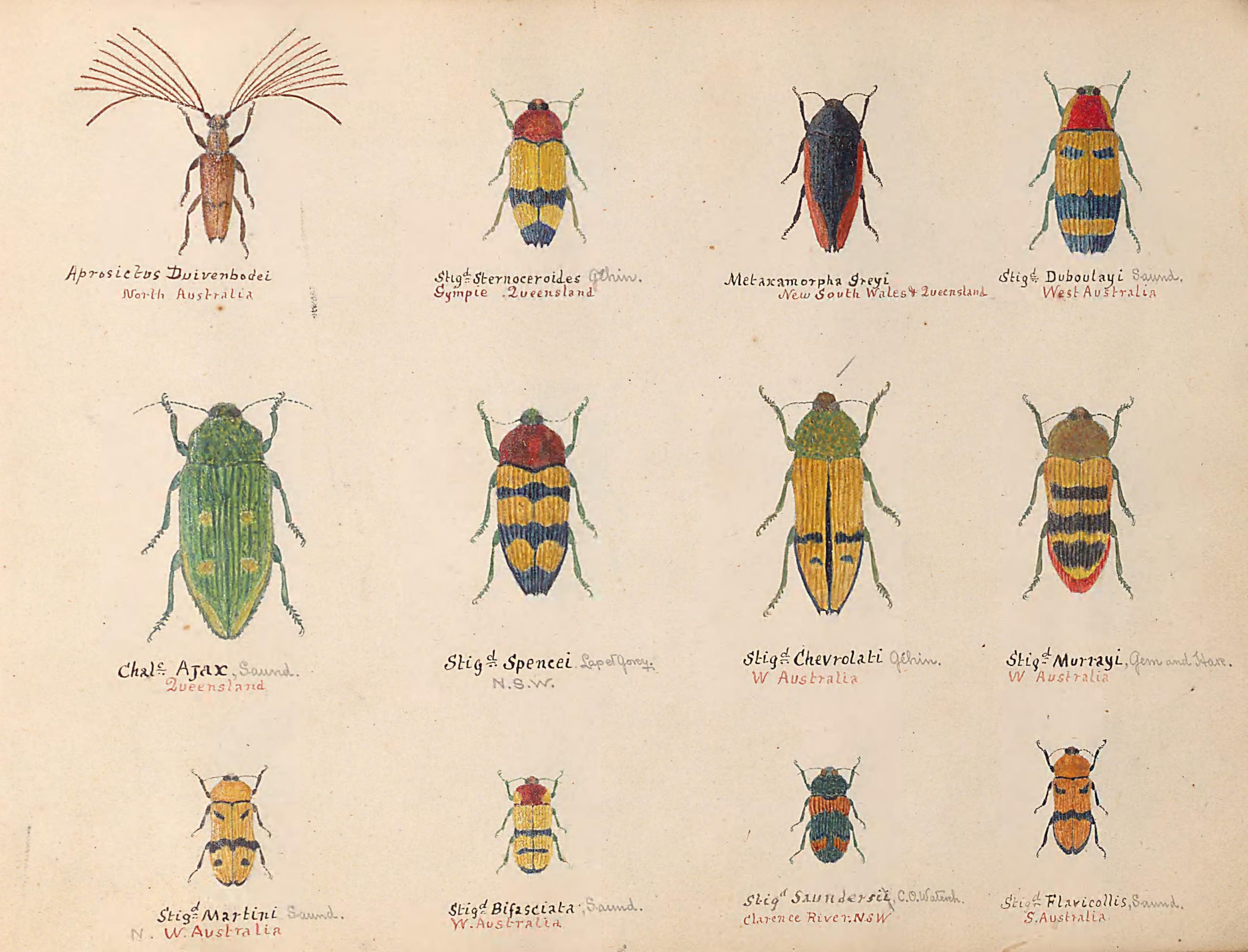
twelve colorful hand-drawn beetles

Seventh page of illustrations in volume one of a hand-painted volume of Coleoptera illustrated by Francis du Boulay, c.1880 – 1890 / Collection: OLDERSYSTEM~03048, Museums Victoria Archives / Source: Biodiversity Heritage Library.

Earlier this year Dr. Simon Leslie, Francis Houssemayne du Boulay’s great-grandson, contacted Melbourne Museum about accessing du Boulay’s hand-painted Coleoptera volumes, held in the Museums Victoria Archives. Dr. Leslie and family accessed the physical volumes in February 2020. While I carefully supervised flipping through the pages of these volumes, I was intrigued by their aesthetic, and scientific and historic, value. Since then, the volumes have been digitised by Biodiversity Heritage Library (BHL) Australia.

black and white portrait of a person with a short beard.

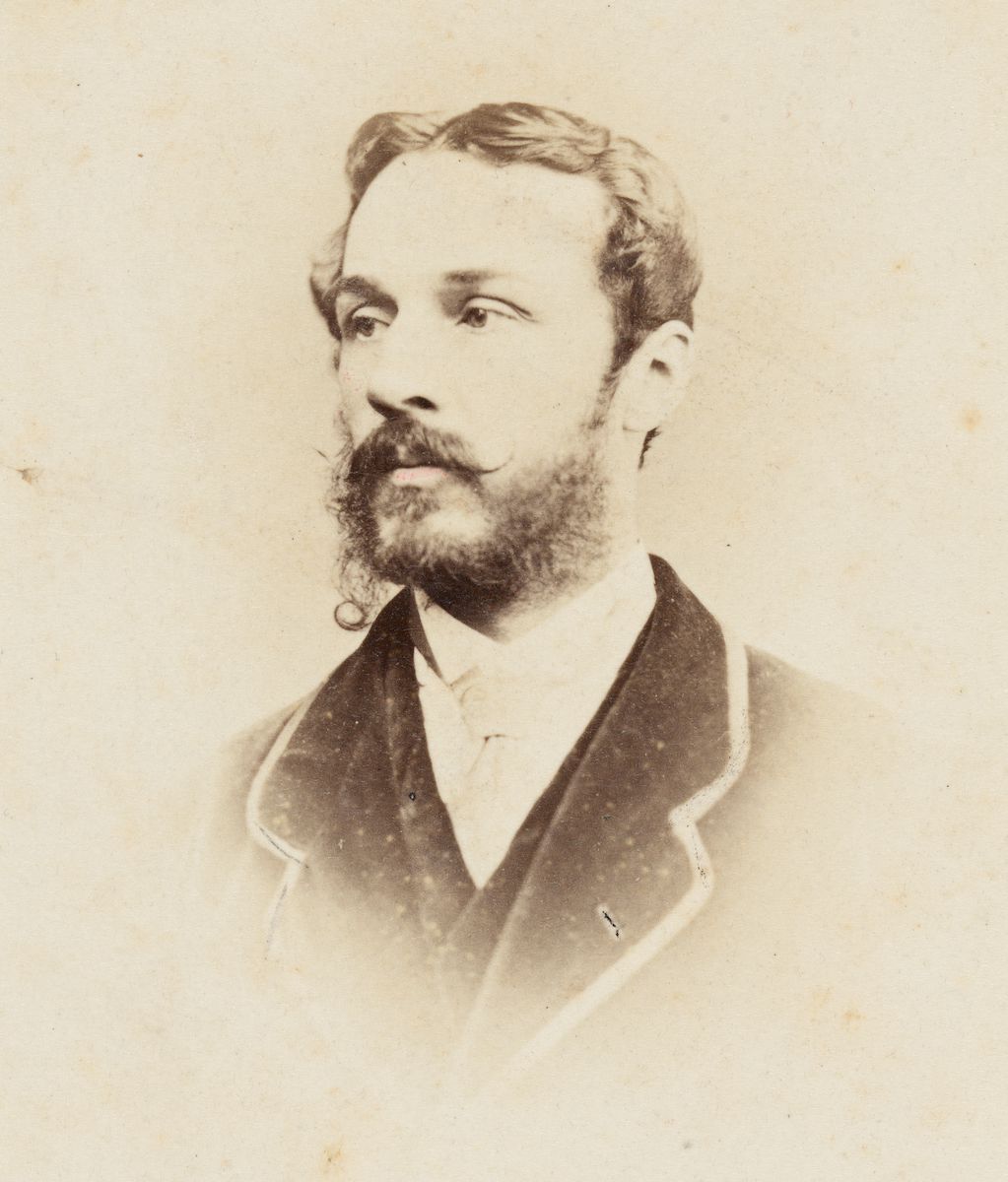
Portrait of Francis Houssemayne du Boulay, n.d. / Photographer: J. Fisher / Source: Accession number 2009.75, National Portrait Gallery, Australia.

Francis Houssemayne du Boulay was born in Sandgate, Kent, on 24 January 1837. As a young man in his early 20s, he migrated to Perth (c.1858). A scientist, entomologist, natural history artist, and Coleoptera (beetle) collector, du Boulay began to collect specimens in locations around Western Australia, Queensland, New South Wales, Victoria, and other parts of Australia. He settled in Beechworth, Victoria, where he lived out the rest of his life; du Boulay passed away on 12 January 1914.

In volume one of du Boulay’s hand-painted Coleoptera volumes, inside the front cover, is a handwritten inscription in ink, “F. H. Du Boulay 1880”. Du Boulay commenced work on the volume in 1880; however, it is likely that the work continued for several years. The cover also features a note handwritten in pencil, “Names in lead pencil inserted by H. M. Giles W. Australia (Du Boulay)”. Annotations inscribed in pencil are corrections by Henry Murray Giles, who assisted du Boulay in identifying scientific names of specimens. Giles worked as a Resident Keeper (1898) and later Head Keeper (1909 – 1910) at the Zoological Gardens, South Perth, Western Australia. Giles wrote an article in the Western Australian Year-Book for 1900-01 entitled “A Glimpse of Western Australian Entomology” (see pp. 285-297).

A total of 179 Coleoptera specimens are illustrated in volume one. Locations are noted where the specimens occur; however, the locations often only indicate the state where they were collected, for example New South Wales, Victoria, Queensland, Western Australia, South Australia; or a town or city, for example Cape York, Cardwell, Rockhampton, Brisbane. Some specimens identify the sex. It would be interesting to note if the colours used are scientifically accurate. Are the specimens drawn to scale? This would require the physical volume and specimens for comparison.

On the back of the volume is a sketch, in pencil, of a childlike illustration of a man, which is accompanied by an inscription, “W. Du Boulay”. This is an illustration of Francis du Boulay’s brother William, who was a fellow naturalist and collector. The yellow cover of the volume inscribed “DRAWING BOOK E. R. COLE BOOKSELLER AND STATIONER, SYDNEY” is well used, worn and has many inkblots. It has evidence of accompanying du Boulay in the field on his collecting trips around Australia.

Volume two is also well worn with inkblots on the cover. It has a leather-bound spine and leather corners protect the cover; otherwise the volume has no distinguishing features or title page. As in volume one, the specimen illustrations are printed, then hand coloured. Not all of the specimens are identified with their scientific names. The illustrations appear to be to scale. Specimens are illustrated from a dorsal perspective. Locations of where the specimens were collected are sometimes documented. Again as in volume one, the location is only noted from which state, for example, Queensland, Western Australia, Northern Territory, South Australia, New South Wales; or towns, cities, waterways or mountain ranges, for example Blue Mountains, Richmond River, Ropes Creek, Thompson River, Cairns, Coopers Creek, Cape York, Cooktown, Princess Charlotte Bay, Cleveland Bay, Port Mackay. The sex of the specimen is also sometimes identified.

six hand-drawn butterfly illustrations

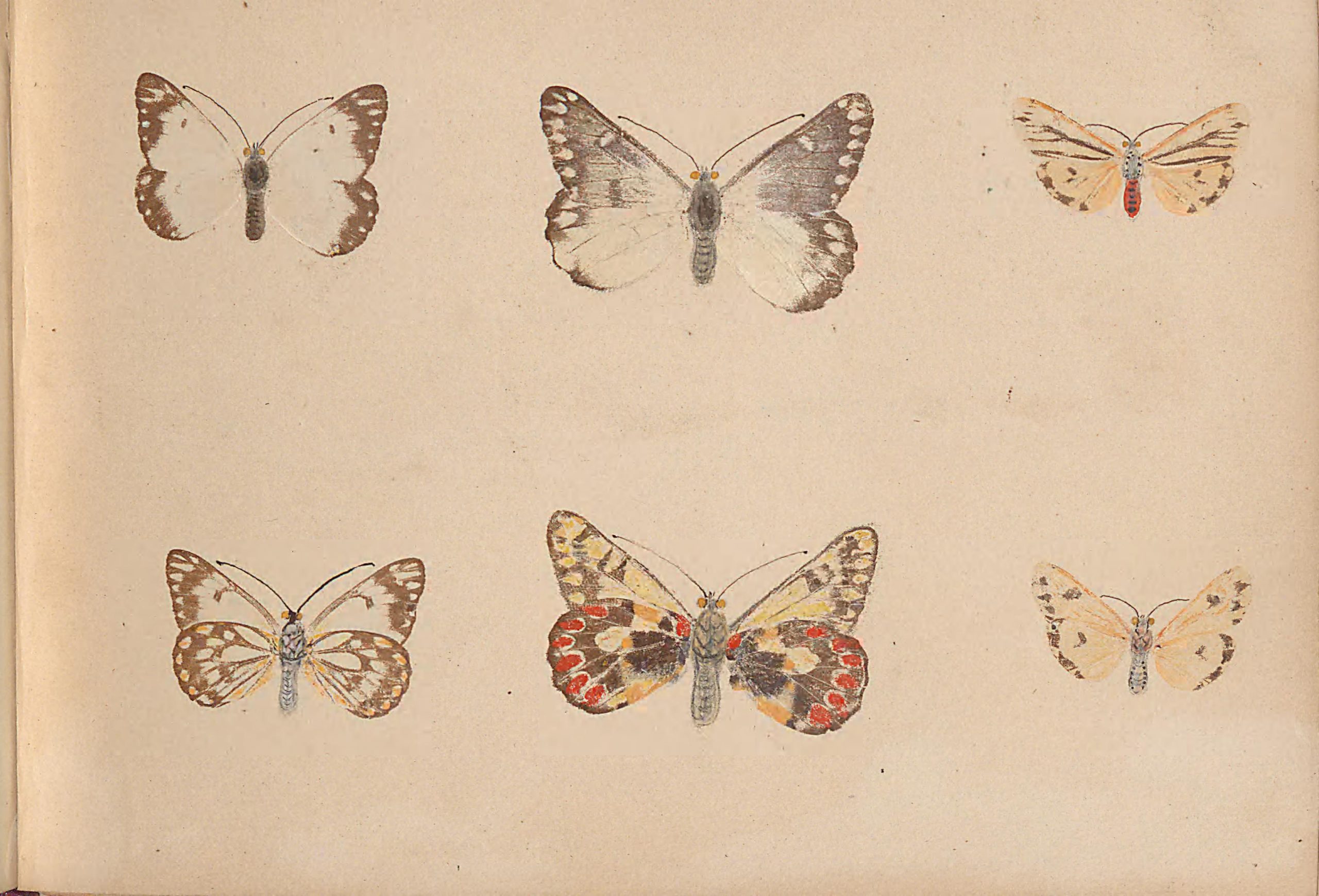
Twelfth page of illustrations in volume two of a hand-painted volume of Coleoptera illustrated by Francis du Boulay, c.1880 – 1890 / Collection: OLDERSYSTEM~03048, Museums Victoria Archives / Source: Biodiversity Heritage Library.

While carefully presenting these volumes to Dr. Leslie, we were both surprised to come across several pages in the second volume containing beautiful Lepidoptera illustrations. Twenty-one Lepidoptera specimens are beautifully illustrated, but unfortunately do not include their scientific names or the locations where they were collected. Simon Hinkley, Collection Manager in Entomology at Museums Victoria, noted that the “Lepidoptera illustrated are detailed enough for identification purposes, for instance, the bottom left corner [see above] is a Caper White and the bottom middle specimen is a Spotted Jezebel.”

rough black ink line drawing of beetles

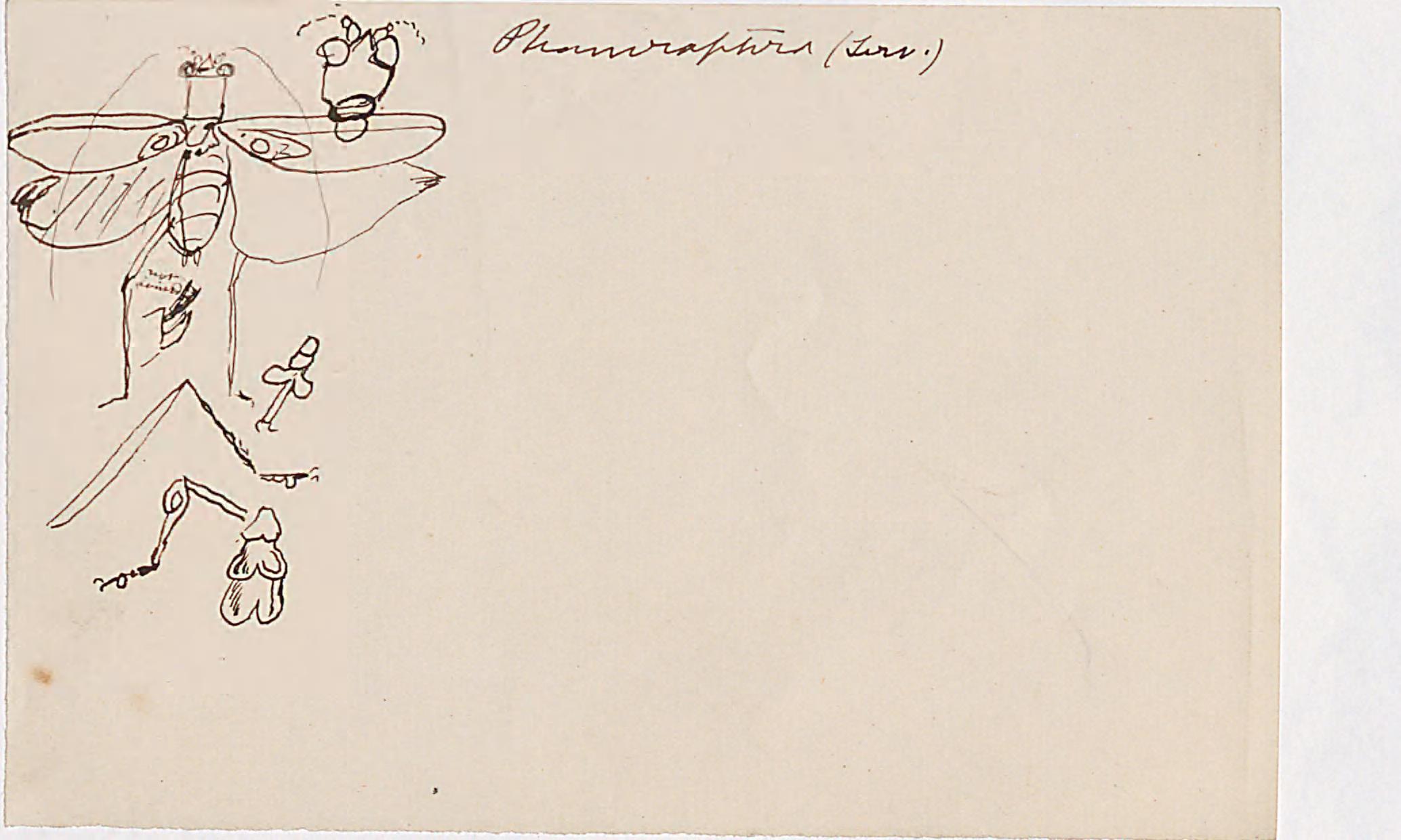
Fifteenth page, loose rough sketch and inscription by Professor Frederick McCoy, first director of the National Museum of Victoria, interleafed in volume two of a hand-painted volume of Coleoptera illustrated by Francis du Boulay, c.1880 – 1890 / Collection: OLDERSYSTEM~03048, Museums Victoria Archives / Source: Biodiversity Heritage Library.

Dr. Thomas Darragh, Curator Emeritus at Museums Victoria, identified the loose sheet of paper interleafed in volume two, see above, as Professor Frederick McCoy’s handwriting. McCoy was the first director of the National Museum of Victoria, predecessor of Museums Victoria (1854 – 1899). While not an entomologist, he was a paleontologist, geologist, zoologist, academic and keen collector for the National Museum of Victoria, and he was clearly interested in this volume, enough to incorporate a rough sketch of a “Phaneroptera (Serv)”. Simon Hinkley noted the Phaneroptera is an old genus name of katydids in the subfamily Phaneropterinae and was described by Jean Guillaume Audinet-Serville in 1831.

Volume two includes a loose letter with illustrations of beetles from “Mr. Span, Rooke’s Farm, West Drayton, Middlesex”. The letter includes illustrations of two specimens from North Queensland—one from New South Wales and one from the “Interior of Continent.” An inscription below the address on the letter, written in pencil, “Compared with British Mus. Specimens by Mr Span for Mr Du Boulay”, notes that specimens held by the British Museum have been compared with specimens collected by du Boulay. A few pages following the loose letter is a specimen that has been hand-drawn from the dorsal and cross section with inscription “Schizorhina Mnizechii Larry” (an unpublished name), and beside this is an inscription, “Drawings by Mr Span from originals in Brit. Museum”.

Some of the specimen illustrations in volume two include cross-sections of the heads and magnified studies of the legs. Volume two has a total of 220 Coleoptera and 21 Lepidoptera illustrations, compared to a total of 179 Coleoptera specimens illustrated in volume one.

The National Museum of Victoria purchased several Coleoptera specimens from Francis du Boulay and his brother William (1880-1912), such as the beautiful Castiarina erasma (Carter, 1935), Dilochrosis atripennis (Macleay, 1863), and Castiarina balteata (Saunders, 1869).

Du Boulay’s Coleoptera volumes are significant documents of historical collecting with important scientific information for contemporary scientists. Now that the volumes are available on the BHL website, scientists can benefit from the historical and scientific data on Coleoptera collected by Francis du Boulay from locations across Australia in the late nineteenth century.

September 24, 2020by Joel Richard
BHL News, Blog Reel

BHL Australia Turns 10!

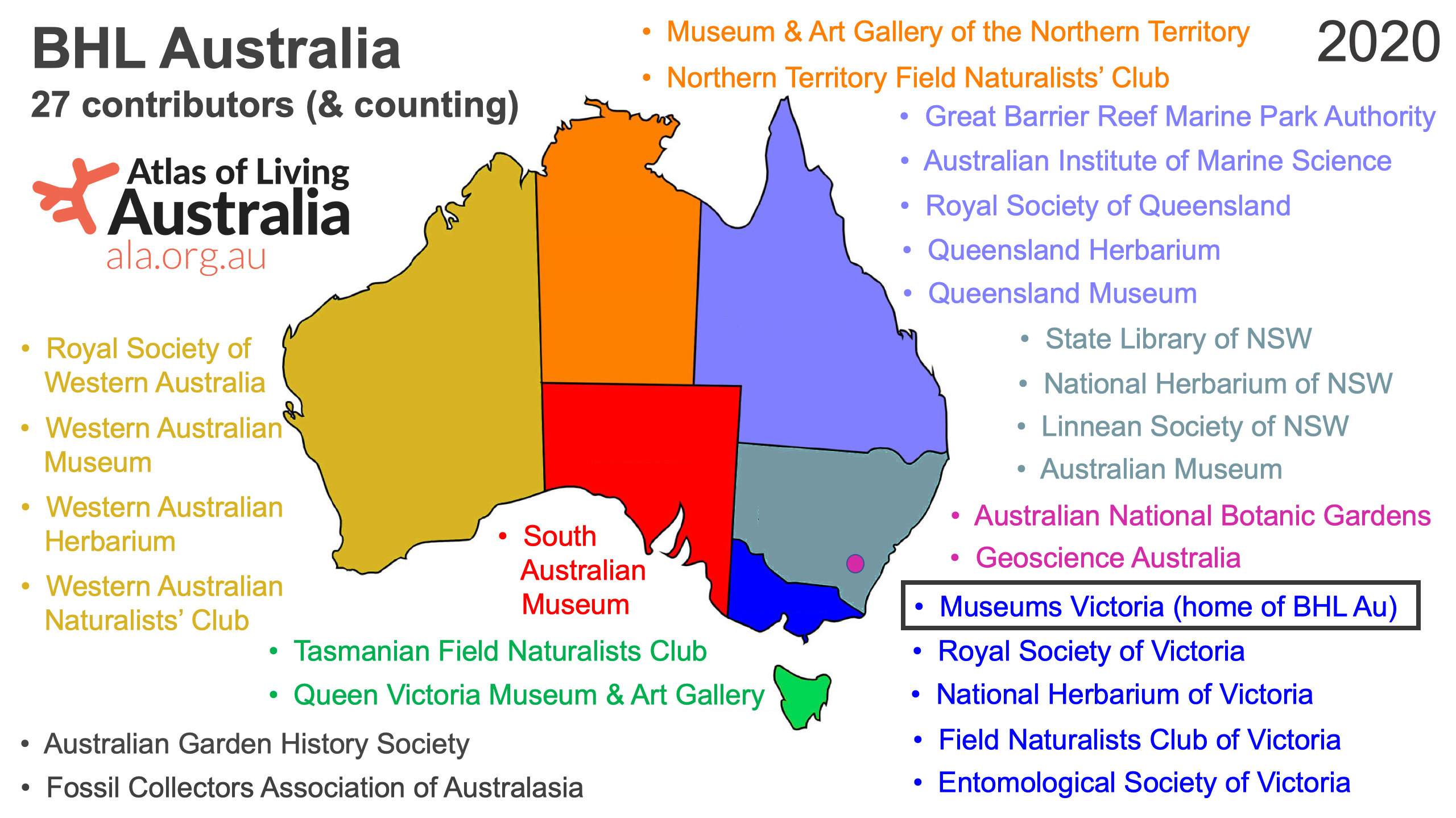
map of australia with BHL Australia contributors highlighted

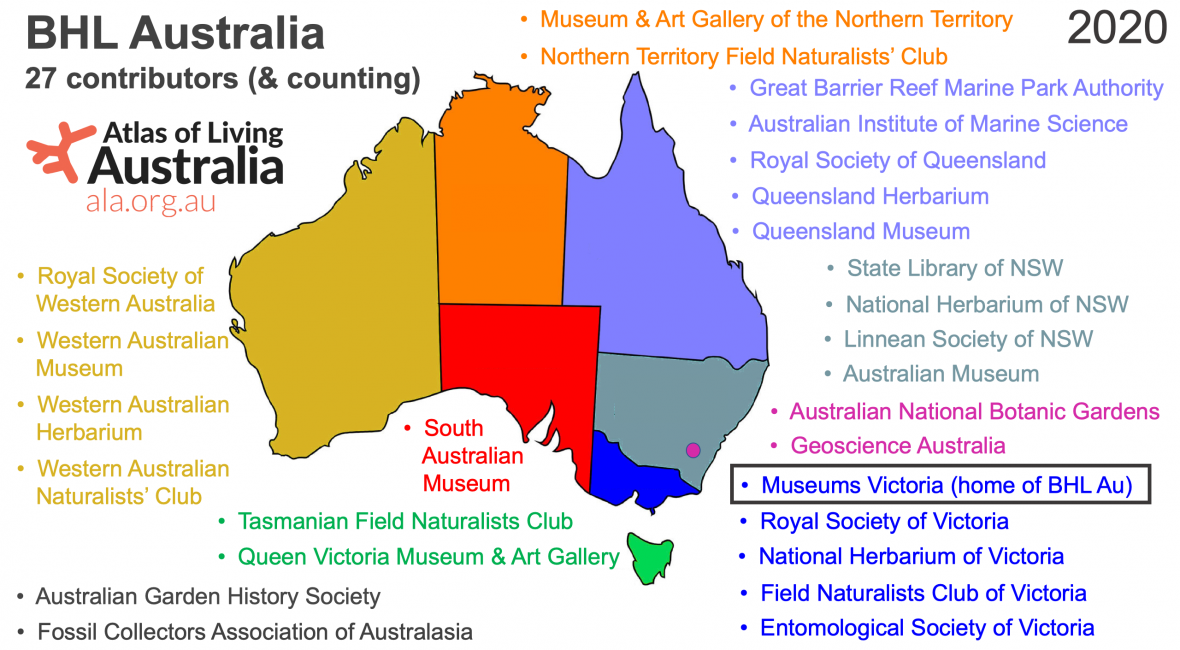
Ten years ago in June 2010, the Atlas of Living Australia and Museums Victoria signed an agreement with the Biodiversity Heritage Library – and BHL Australia was born.

Signing of BHL agreement.jpg

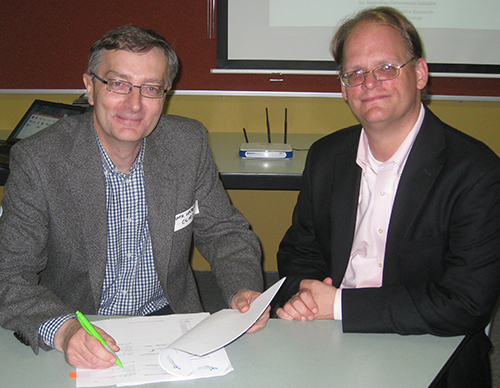
Dr. Mark Lonsdale (left), the then Chief of the Commonwealth Scientific and Industrial Research Organisation’s (CSIRO’s) Entomology Division, and Martin Kalfatovic (right), BHL Program Director, signing the Relationship Agreement between the Atlas of Living Australia, Museums Victoria and BHL. Image sourced from Martin Kalfatovic.

BHL Australia’s mission is to make Australia’s biodiversity literature freely accessible and discoverable. Ten years ago, we started with a single contributing organisation, Museums Victoria, and a team of five incredibly dedicated volunteers.

Over the past 10 years, BHL Australia has grown considerably. Our operation is still hosted by Museums Victoria (at the Melbourne Museum), but we now digitise literature (and ingest born-digital material) on behalf of 27 organisations across the country.

map of australia with BHL Australia contributors highlighted

We are now a truly national project, representing Australia’s state and territory museums, herbaria, royal societies and field naturalists clubs, as well as government agencies and natural history publishers. Together these organisations have contributed more than 350,000 pages from over 2,400 volumes.

Ely with scanner.jpg

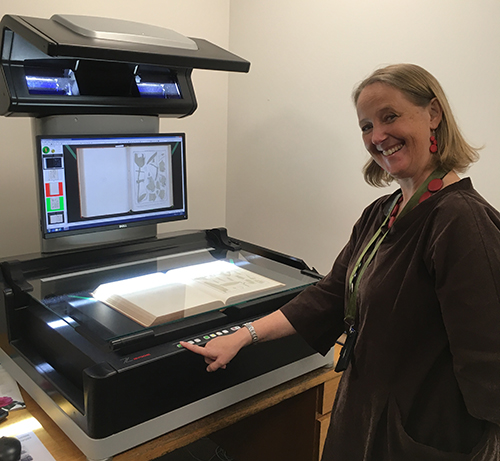
Dr. Elycia Wallis, Project Lead for BHL Australia at the Atlas of Living Australia, with our Zeutschel 16000 Book Scanner, purchased in 2017. Photo Credit: Nicole Kearney.

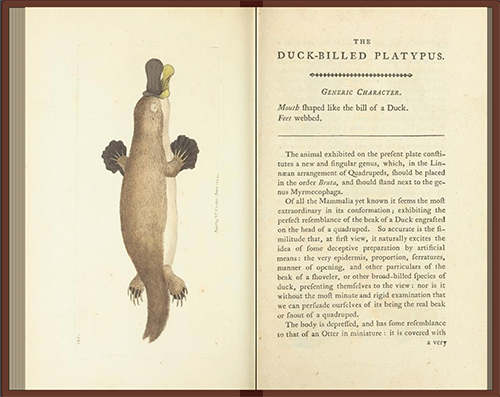
These volumes include treasures such as George Shaw’s The Naturalist’s Miscellany (1789-1813), Helena Forde and Harriet Scott’s Australian lepidoptera and their transformations, drawn from the life (1890-1898) and John Gould’s A synopsis of the birds of Australia, and the adjacent Islands (1837).

BHL Australia has also uploaded an extensive list of journals onto BHL (they may not be as pretty, but they’re just as important). To peruse all 2,400+ volumes, see our full BHL Australia Collection.

Shaw's Platypus resized.jpg

The Naturalist’s Miscellany includes the first published scientific description and illustration of the Duck-billed Platypus (Ornithorhynchus anatinus). Shaw, George. The Naturalist’s Miscellany. Volume 10. 1799. Contributed to  BHL by Museums Victoria. DOI: https://doi.org/10.5962/p.304567. 

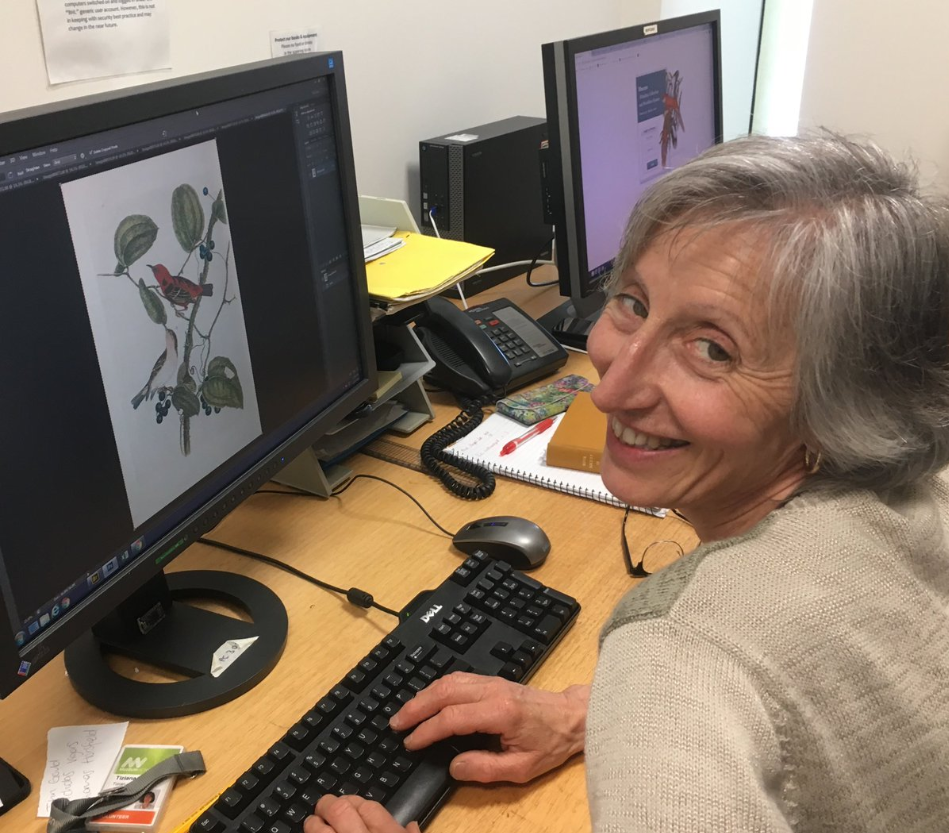
Our volunteer team has also grown since 2010; BHL Australia now has 15 amazing volunteers who do the majority of our scanning, cropping, image processing and metadata addition work, as well as three science communication volunteers. (You may have seen their hugely successful takeover of the BHL Instagram account during #BirdWeek last year.)

Tiziana cropped.PNG

BHL Australia volunteer, Tiziana Tizian, cropping page images in preparation for upload onto BHL. Photo Credit: Nicole Kearney.

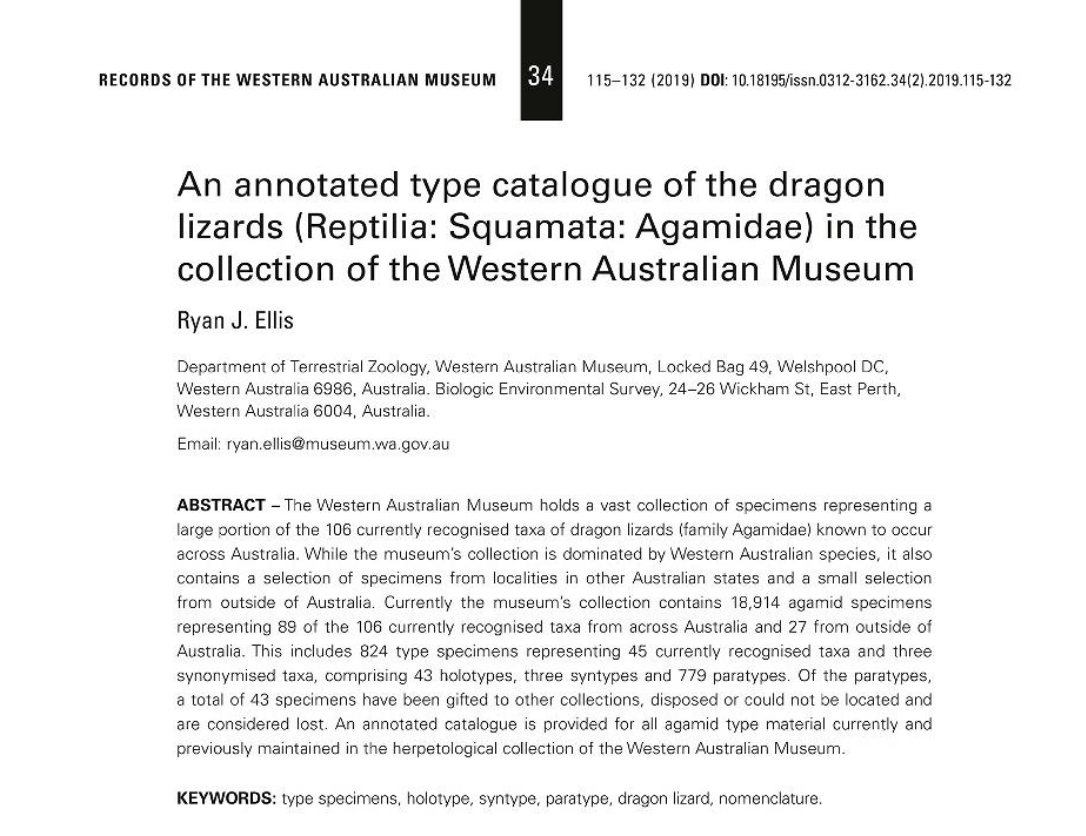
Of course, like so many other digitisation operations around the globe, BHL Australia is now in lockdown (and has been since mid-March). But out of adversity comes opportunity. While in lockdown, we’ve switched our focus from physical to born-digital material. We’ve welcomed new contributors and have uploaded journal volumes published as recently as 2020. We’ve also started a major project (in collaboration with BHL superuser Rod Page) to upload article metadata for every Australian journal on BHL (we’re pretty obsessed with discoverability).

Records of WAM.png

The Records of the Western Australian Museum is now complete on BHL from 1910 to 2019 as a result of our efforts (during our COVID-19 lockdown) to upload born-digital material from Australia’s journals.

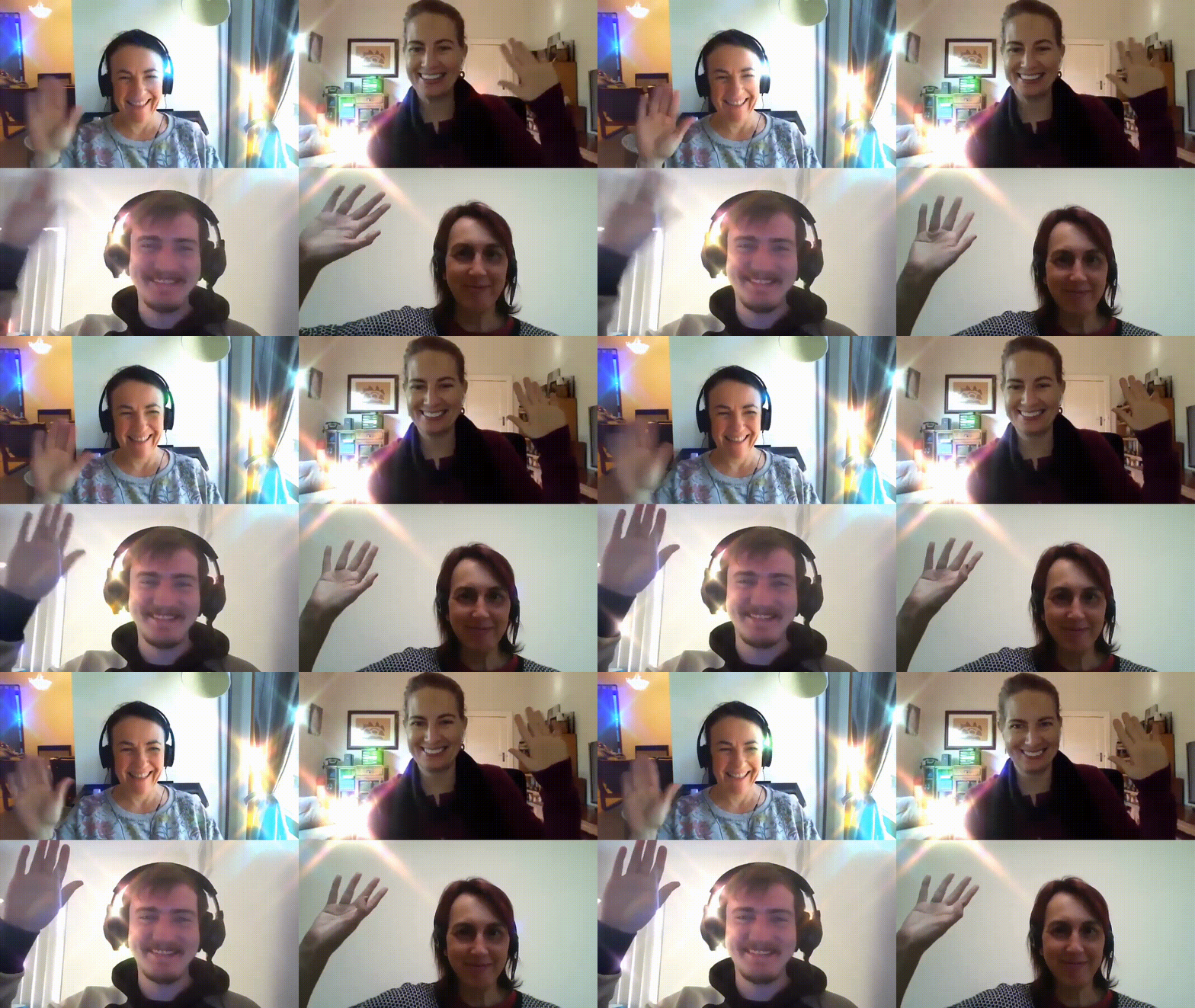
And, like so many others, we’ve also had to postpone our celebrations. We had planned to invite all our Australian contributors and volunteers to a big BHL birthday bash. That’s on hold for now, but in the meantime, here are our BHL staff — Cerise, Chris, Veronica and myself — waving our thanks to all those who support BHL Australia. To our volunteers, our contributors, the Atlas of Living Australia and our BHL community around the world — thank you for a wonderful 10 years!

BHL staff waving for volunteers

The BHL Australia team: Manager Nicole Kearney (top right); Digitisation Coordinators Veronica Scholes (top left) and Cerise Howard (bottom right); and Technician Chris Healey (bottom left).

June 30, 2020by Joel Richard
Blog Reel, Featured Books

Museum in a Manuscript

illustration of a variety of animals together in a single scene
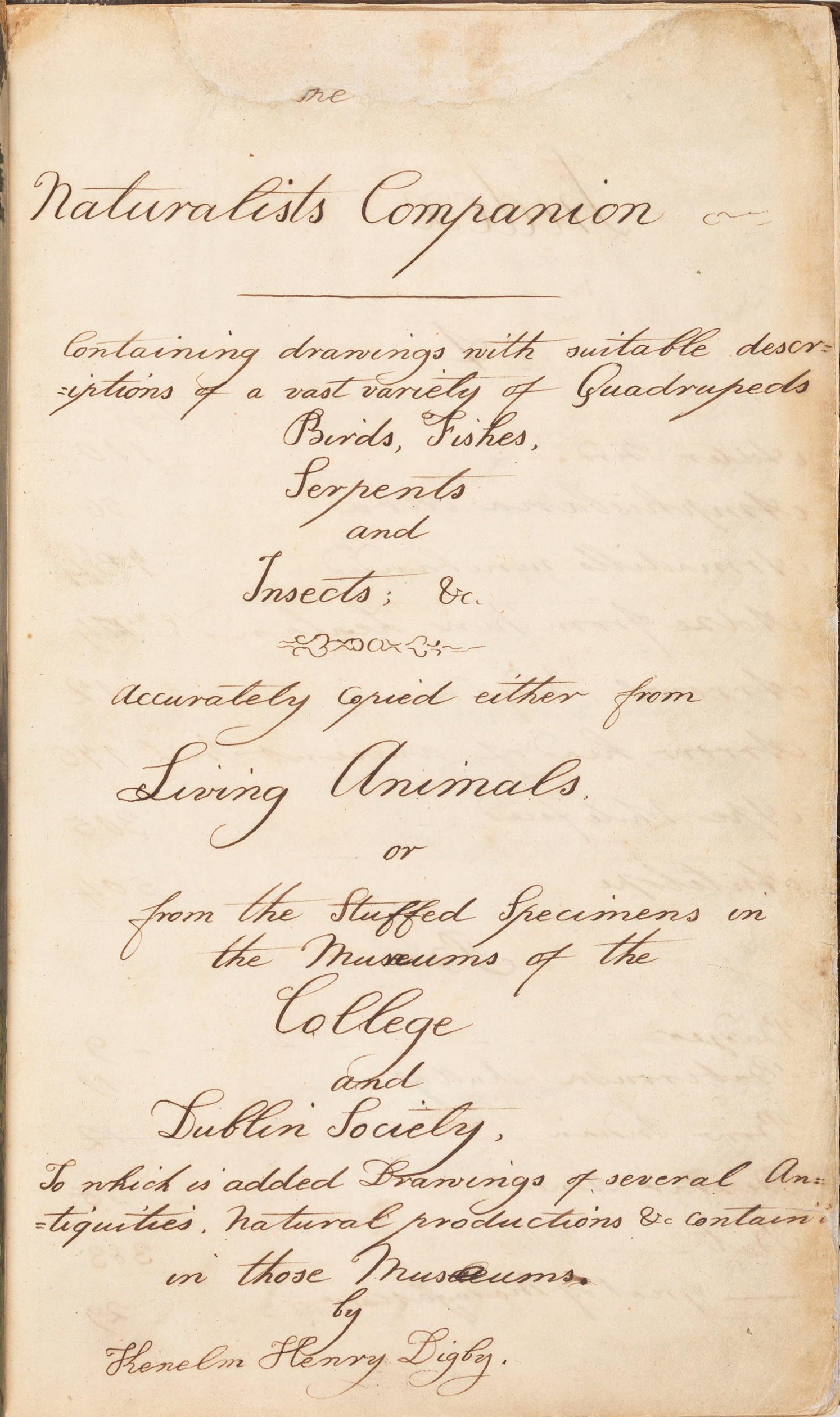
title page of The Naturalists Companion

Title page. Digby, Kenelm Henry. The Naturalists Companion. 1810-1817. Contributed in BHL from the State Library of New South Wales.

In this day and age, science is a serious business pursued by experts who are mostly employed by universities or research facilities. These rational organisations like to trace their lineages back to the late 18th Century Enlightenment, but such narratives are never linear or straight-forward. In 2001 the Mitchell Library, State Library of NSW, acquired an extraordinary manuscript, The Naturalists Companion, Containing drawings with suitable descriptions of a vast variety of Quadrupeds, Birds, Fishes, Serpent and Insects; &c accurately copied either from Living Animals or from the stuffed Specimens in the Museums of the College and Dublin Society. This volume, of a miscellany of museum artefacts, natural history specimens, and material culture, exemplified the way many Europeans encountered natural history from the new world: not with Enlightenment rigour but with eclectic and unsystematic enthusiasm.

This curious volume was compiled by a youthful Kenelm Henry Digby. Digby was born in Ireland in 1800 and died in London in 1880. Although born into a strongly Protestant family, by the mid-1820s, having moved to England to attend Trinity College, Cambridge, he had converted to Catholicism and devoted most of the rest of his life to writing about the Catholic faith, for which he attracted some prominence. He was also a committed antiquarian, a latent interest already visible in The Naturalists Companion.

A Random Compendium…

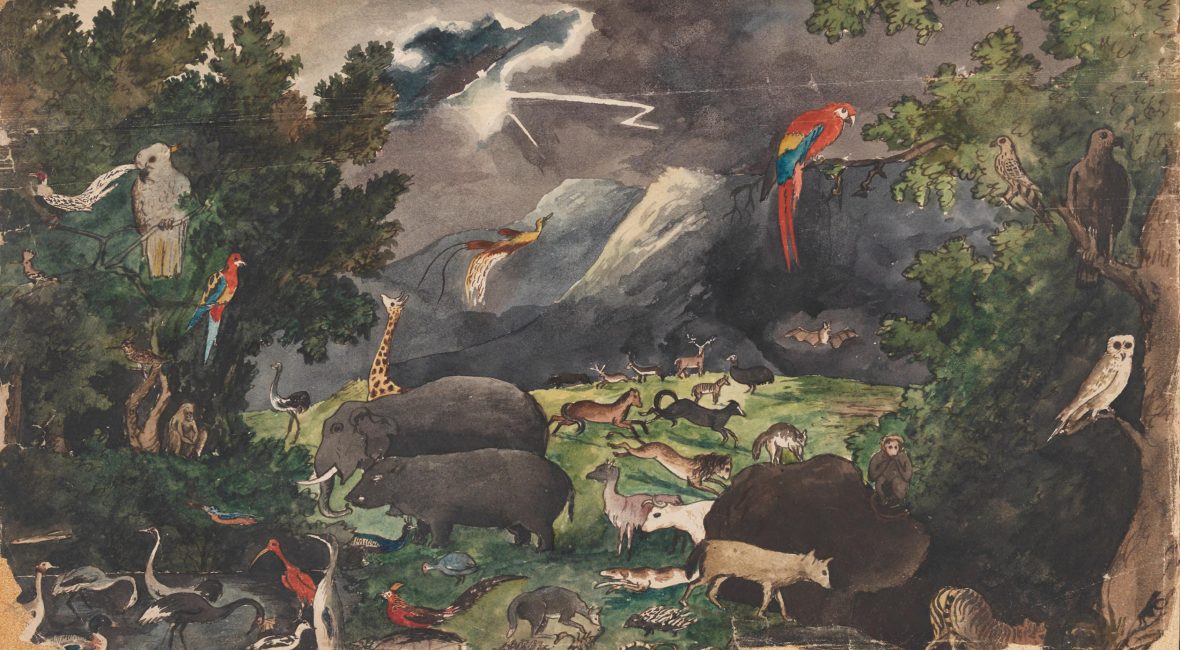
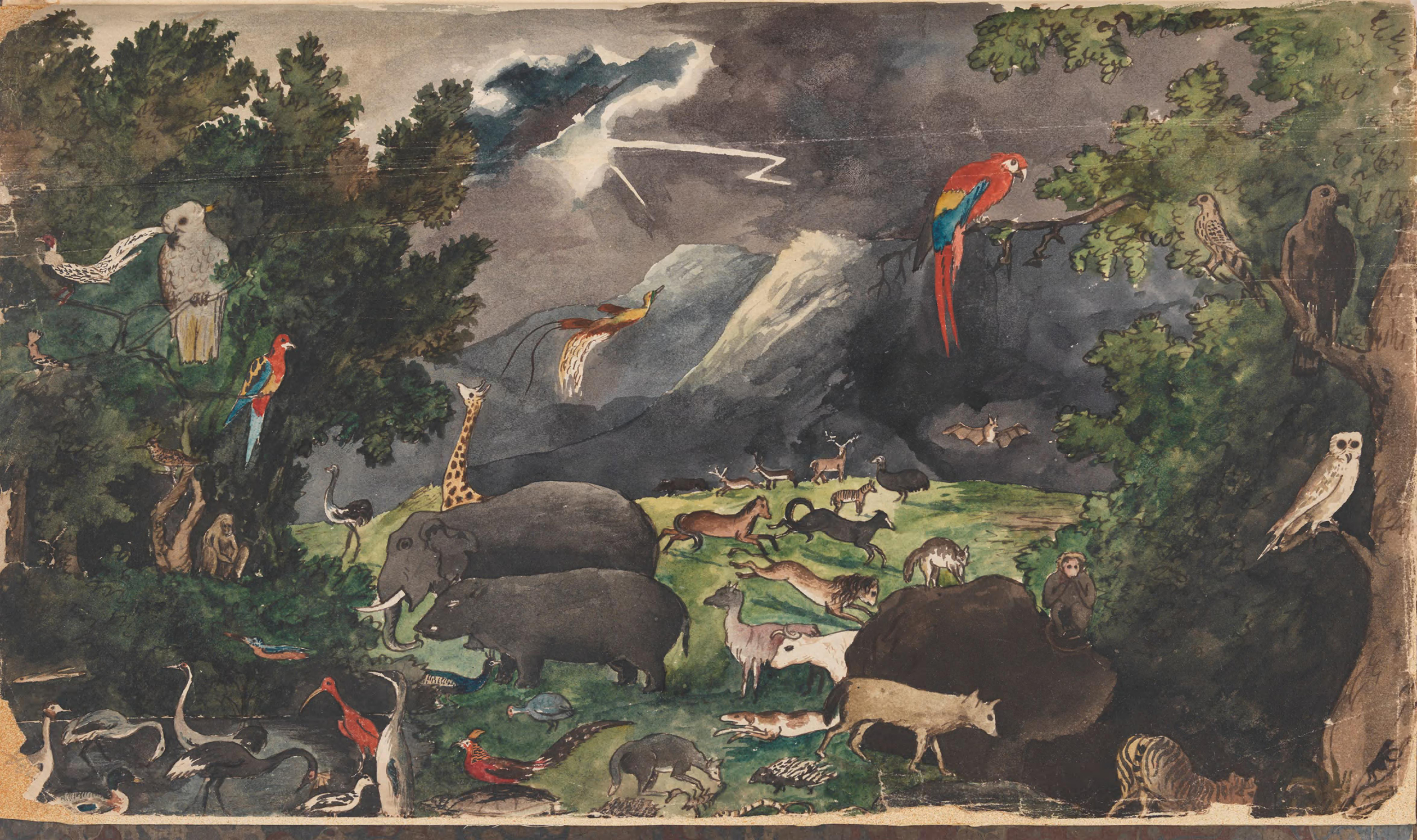
illustration of a variety of animals together in a single scene

Frontispiece. Digby, Kenelm Henry. The Naturalists Companion. 1810-1817. Contributed in BHL from the State Library of New South Wales.

It seems that Digby compiled The Naturalists Companion in the mid to late 1810s. It is a random compendium of natural history, ethnographic and antiquarian subjects, illustrated with birds, animals and insects from around the world (including Australia), Native American artefacts, Pacific artefacts (some collected by Captain Cook) as well as Irish antiquities. Yet this lack of the obvious taxonomy, which would now be expected of such publications—indeed its eccentric disorder—clearly illustrates a then-common world view, which celebrated the bounty of the Creator, and omnivorously described both the well known and the new, be it from Australia, the Pacific, Ireland or the Americas.

In every way, too, the volume illustrates the often apparently haphazard composition of early nineteenth century European museums. Comparisons with published catalogues from contemporary museums, such as the Leverian Museum or William Bullock’s Museum, shows how close Digby’s own manuscript museum was in conception to contemporary professional museums.

…The Wonder…of Brute Creation

The scale of his undertaking was enormous and quixotic, reflecting a prodigious and admirable youthful enthusiasm, which he later brought to his prolific writings on the Catholic Church. The album contains some 525 pages of text, which comprises both his own words and extracts from the works of others, and about 450 illustrations, which he drew himself. Digby himself wrote that his intention was to highlight to all “but the most insensible mind … wonder at the formation and the various properties, and dispositions of the Brute Creation” (p.453). In other words, the book was a celebration of the diversity of God’s creation, rather than a rational attempt to impose order on the natural world.

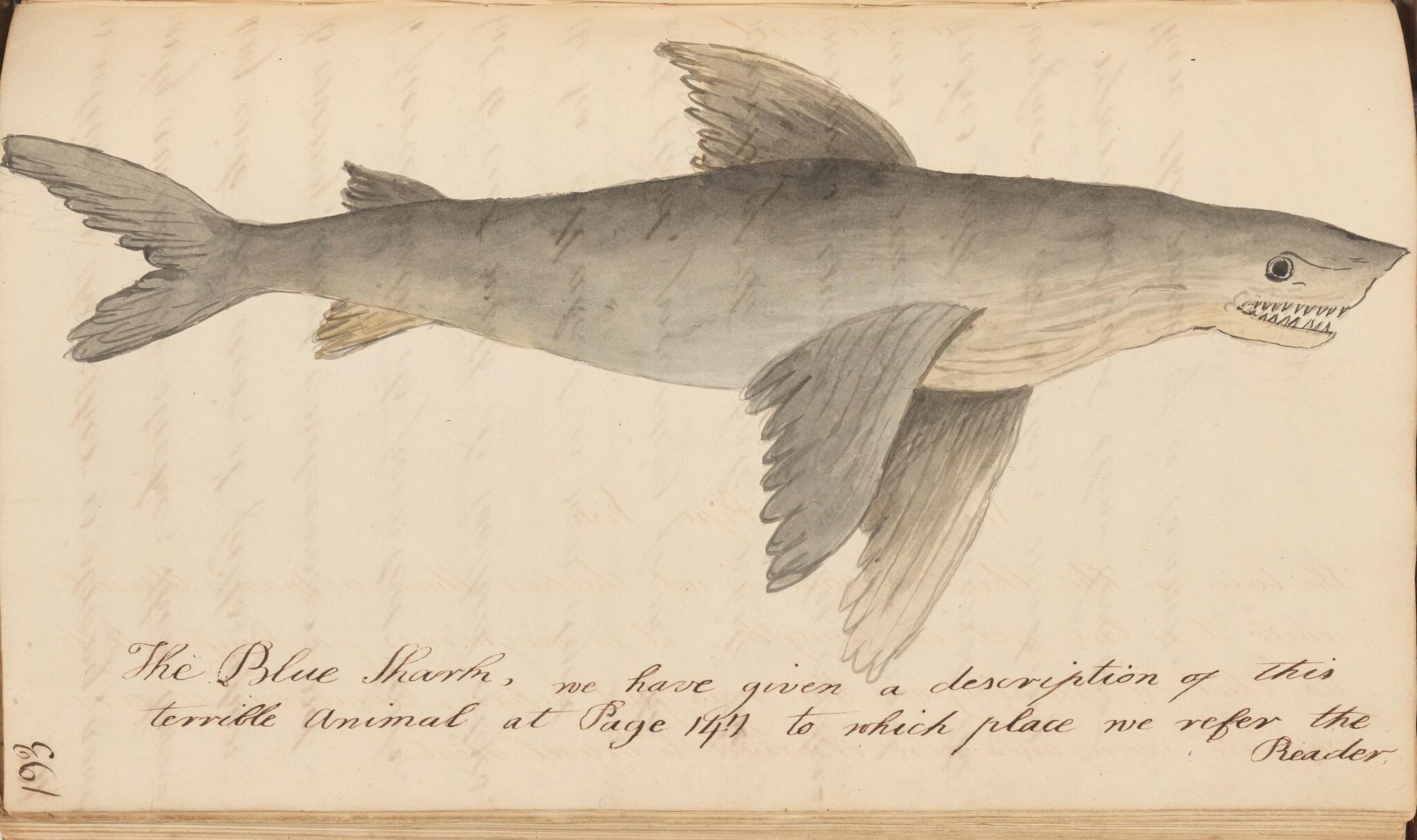
illustration of a shark

Page 193. Digby, Kenelm Henry. The Naturalists Companion. 1810-1817. Contributed in BHL from the State Library of New South Wales.

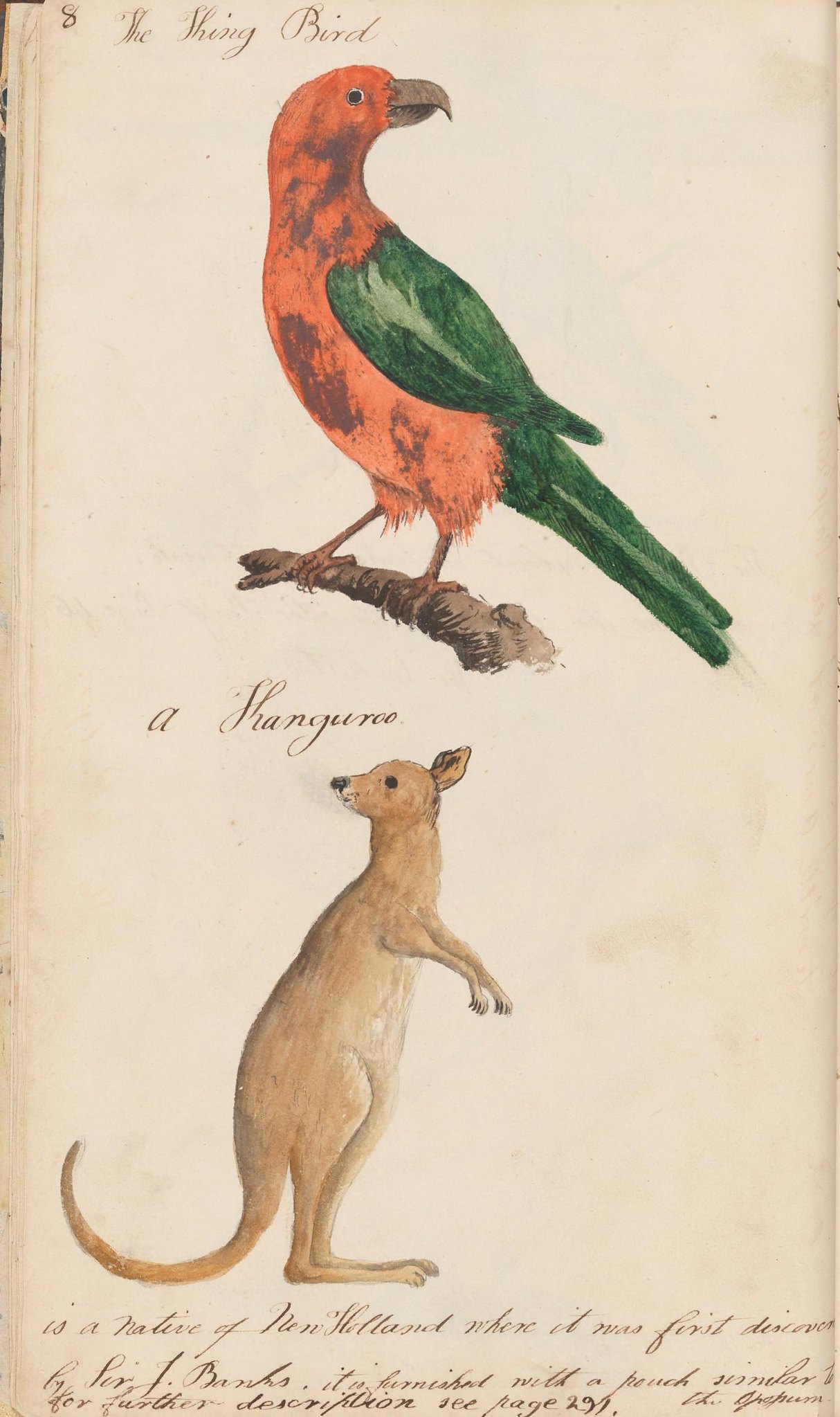
Digby drew his specimens from, amongst other places, the museums of Trinity College, Dublin, and the Dublin Society, now the Royal Dublin Society. Indeed the original specimens for some of his illustrations, such as the Giraffe or Cameleopard on page 116, the Kanguroo on page 8, or the Blue Shark on page 193, can be seen on display in WB Taylor’s 1819 aquatint Museum of T.C.D [Museum of Trinity College Dublin]. His text eschews entirely any semblance of scientific or taxonomic rigour, instead repeating anecdote and basic observation. Of the Blue Shark, for instance, he notes that “no fish can swim so fast as the shark, he outstrips the swiftest ships, such amazing powers, with such great appetites for destruction…”

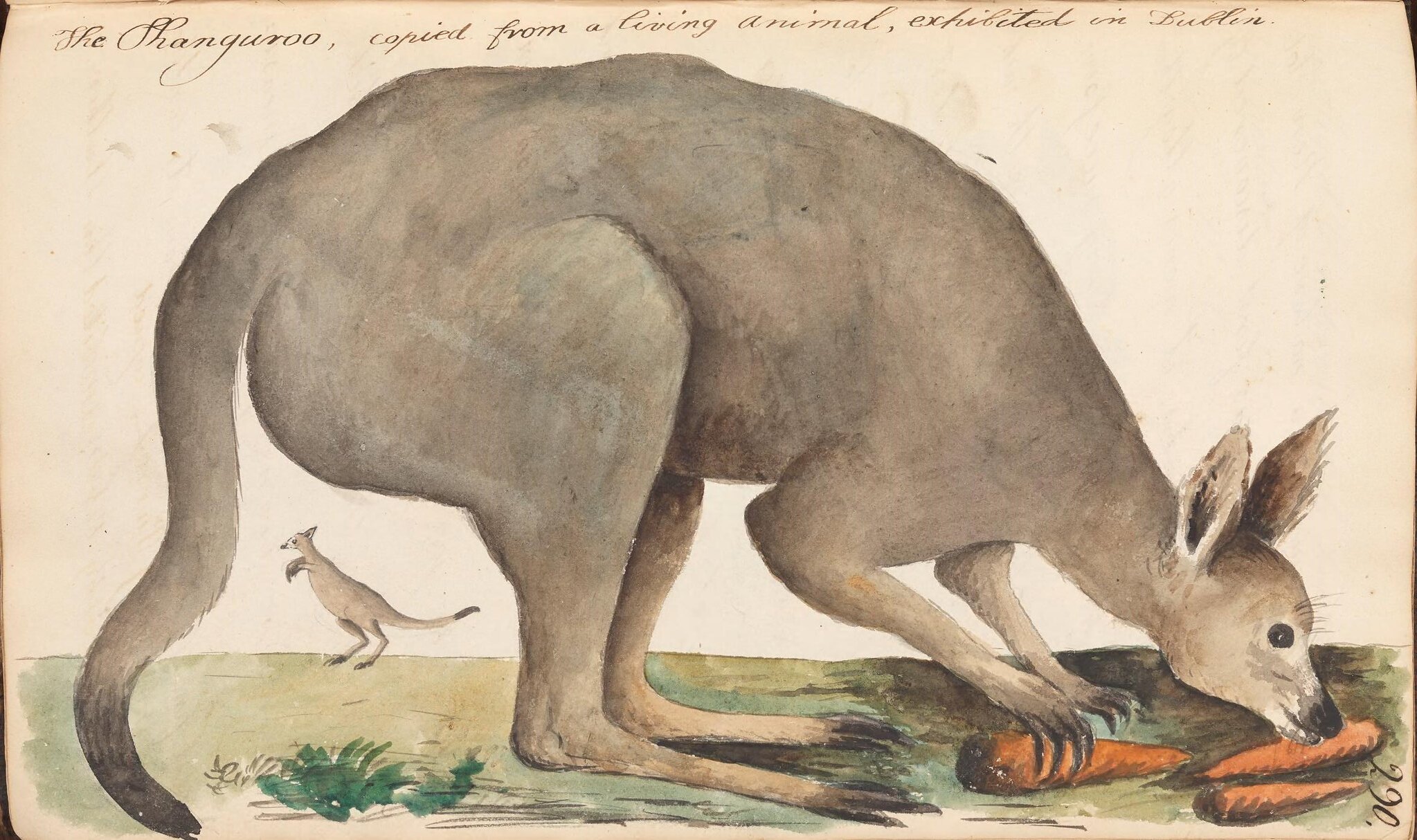
illustration of a kangaroo

Page 290. Digby, Kenelm Henry. The Naturalists Companion. 1810-1817. Contributed in BHL from the State Library of New South Wales.

It would seem too that at the time he was putting together the volume a menagerie was operating in Dublin: his drawing of a kangaroo, for instance, is said to be “copied from a living animal, exhibited in Dublin.” At least 23 of his illustrations are from a local menagerie.

Artefacts from the Pacific Voyages of Captain Cook

illustration of a mourning dress

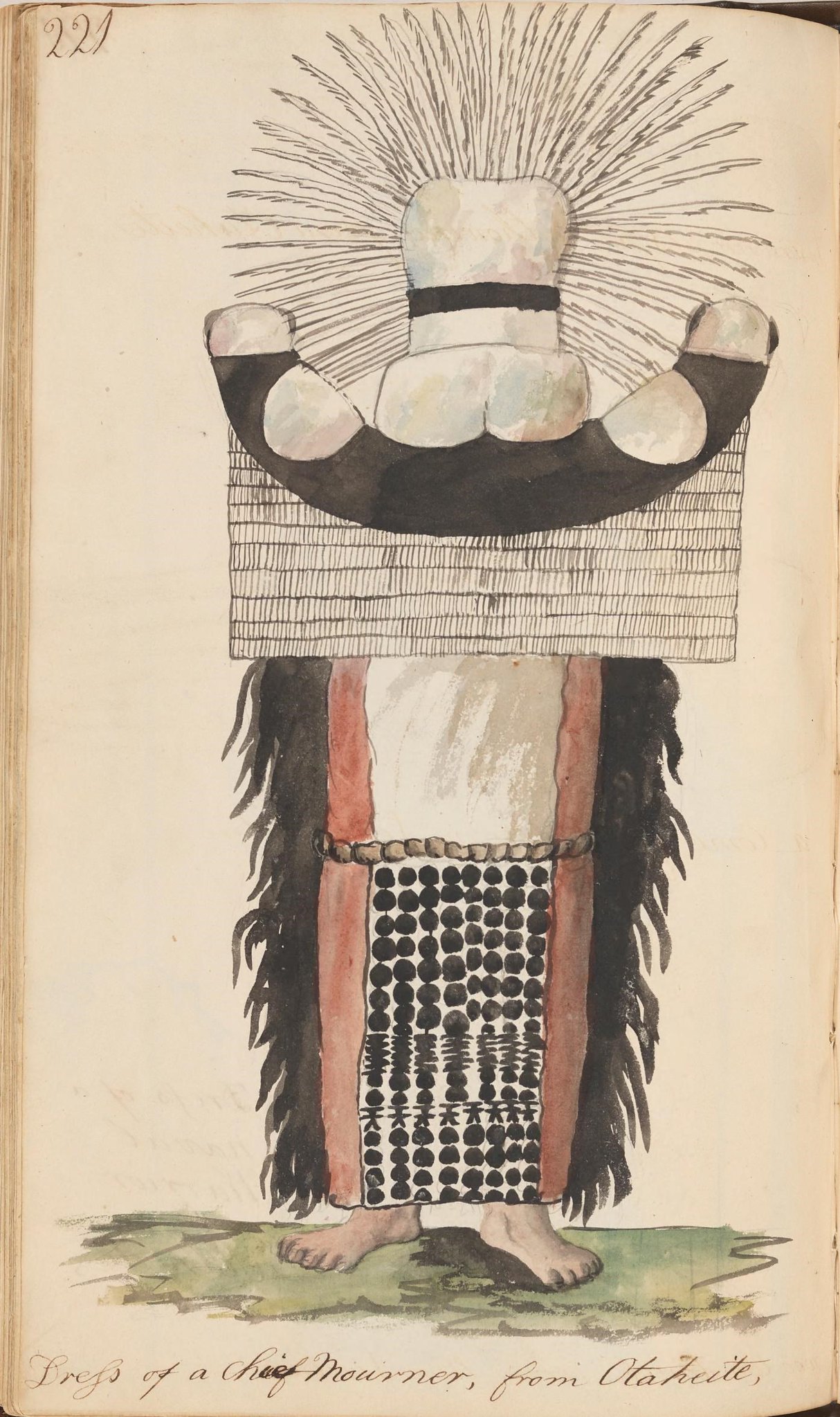
Page 221. Digby, Kenelm Henry. The Naturalists Companion. 1810-1817. Contributed in BHL from the State Library of New South Wales.

Of great importance are the numerous illustrations of Pacific artefacts, which are now of major historical and ethnographic interest. These drawings suggest how quickly and easily specimens from the Pacific dispersed throughout Europe. Many, such as Dress of a Chief Mourner, from Otaheite (p.221), depict material collected on Captain Cook’s Second voyage by surgeon James Patten, who settled in Dublin immediately after his return. He gave his collections to Trinity College in 1777, which were latter transferred to the National Museum of Ireland. The mourning dress itself was in turn presented to the Bishop Museum in Hawaii in 1971 [1].

The Trade in Natural History Specimens

illustration of a bird and kangaroo

Page 8. Digby, Kenelm Henry. The Naturalists Companion. 1810-1817. Contributed in BHL from the State Library of New South Wales.

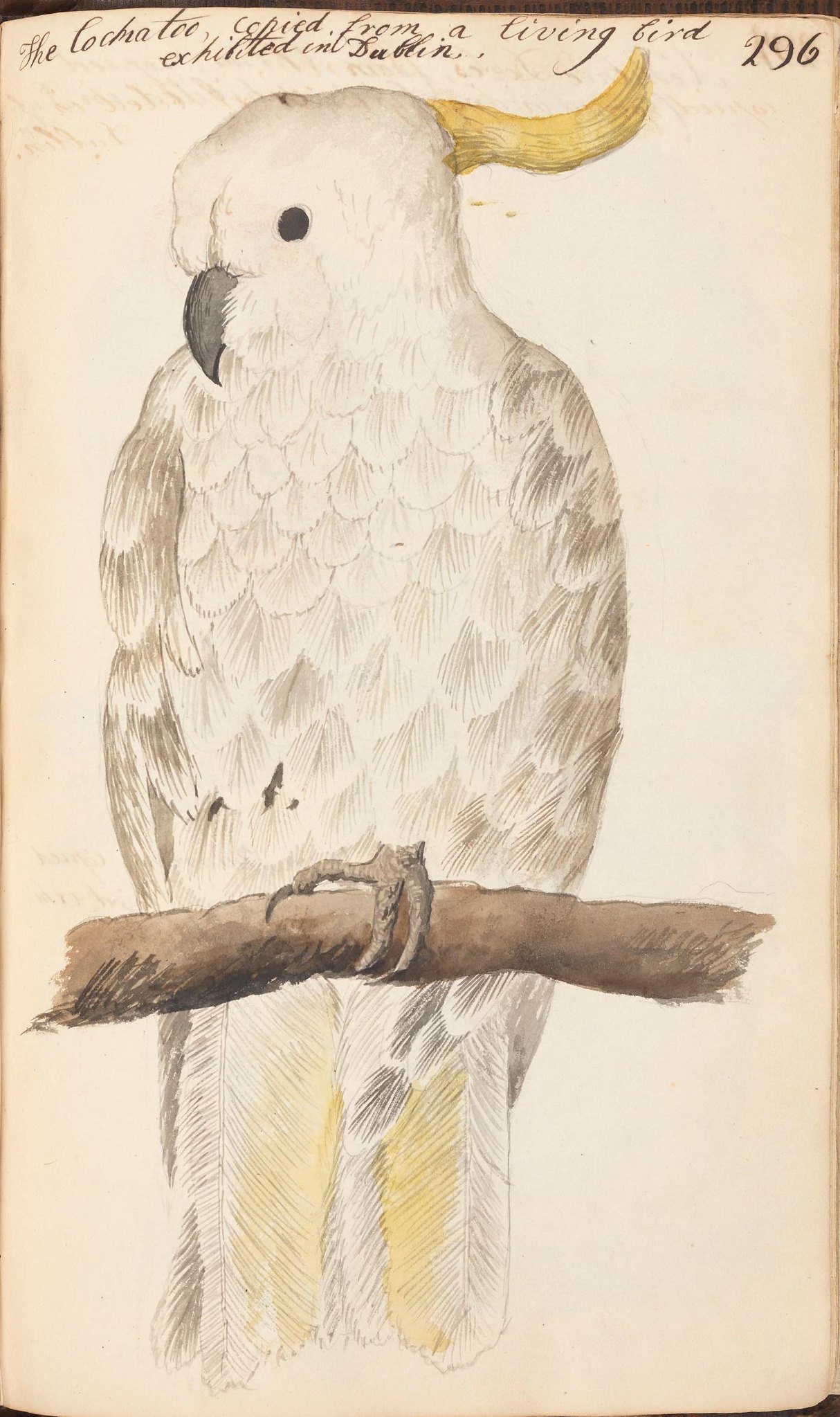
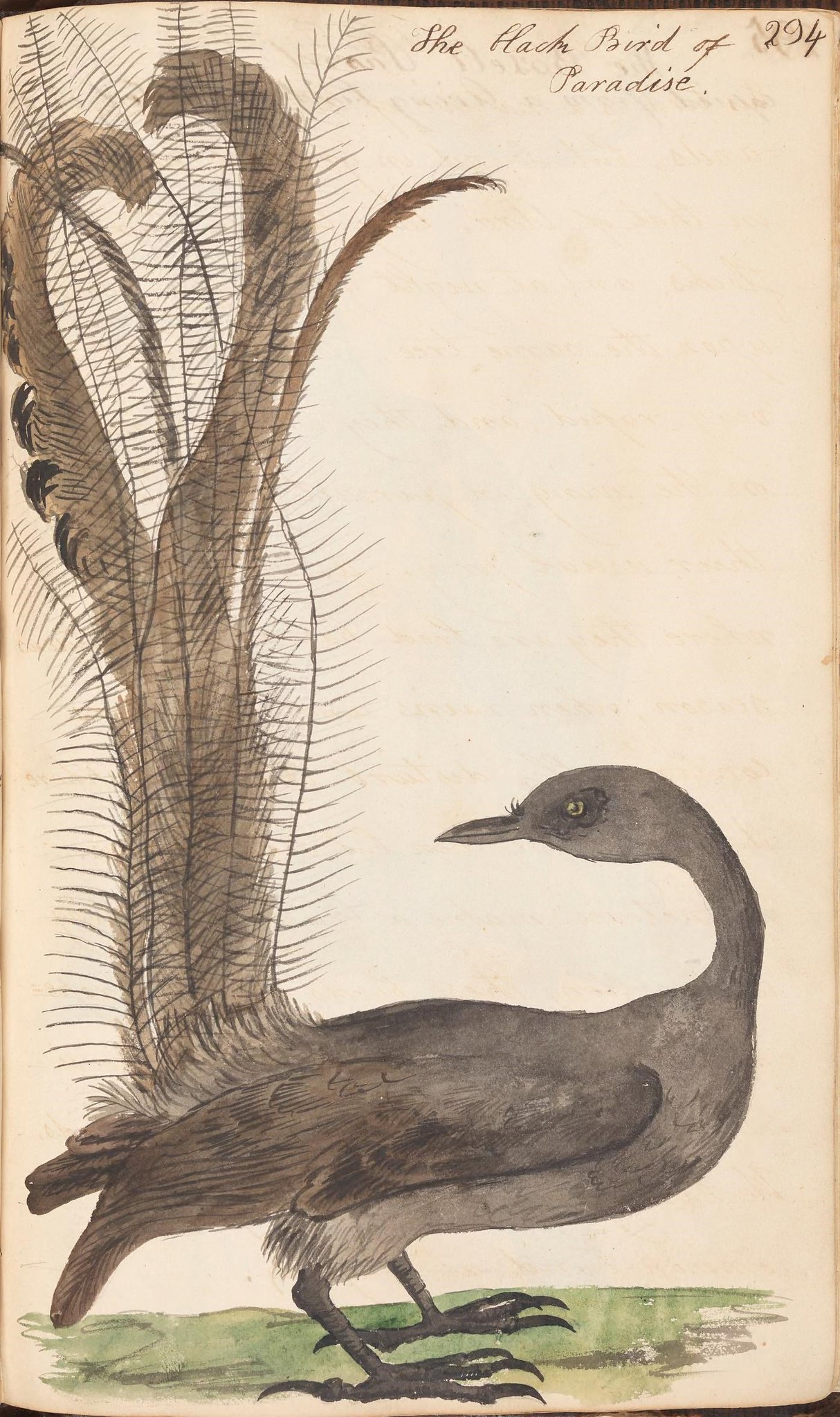
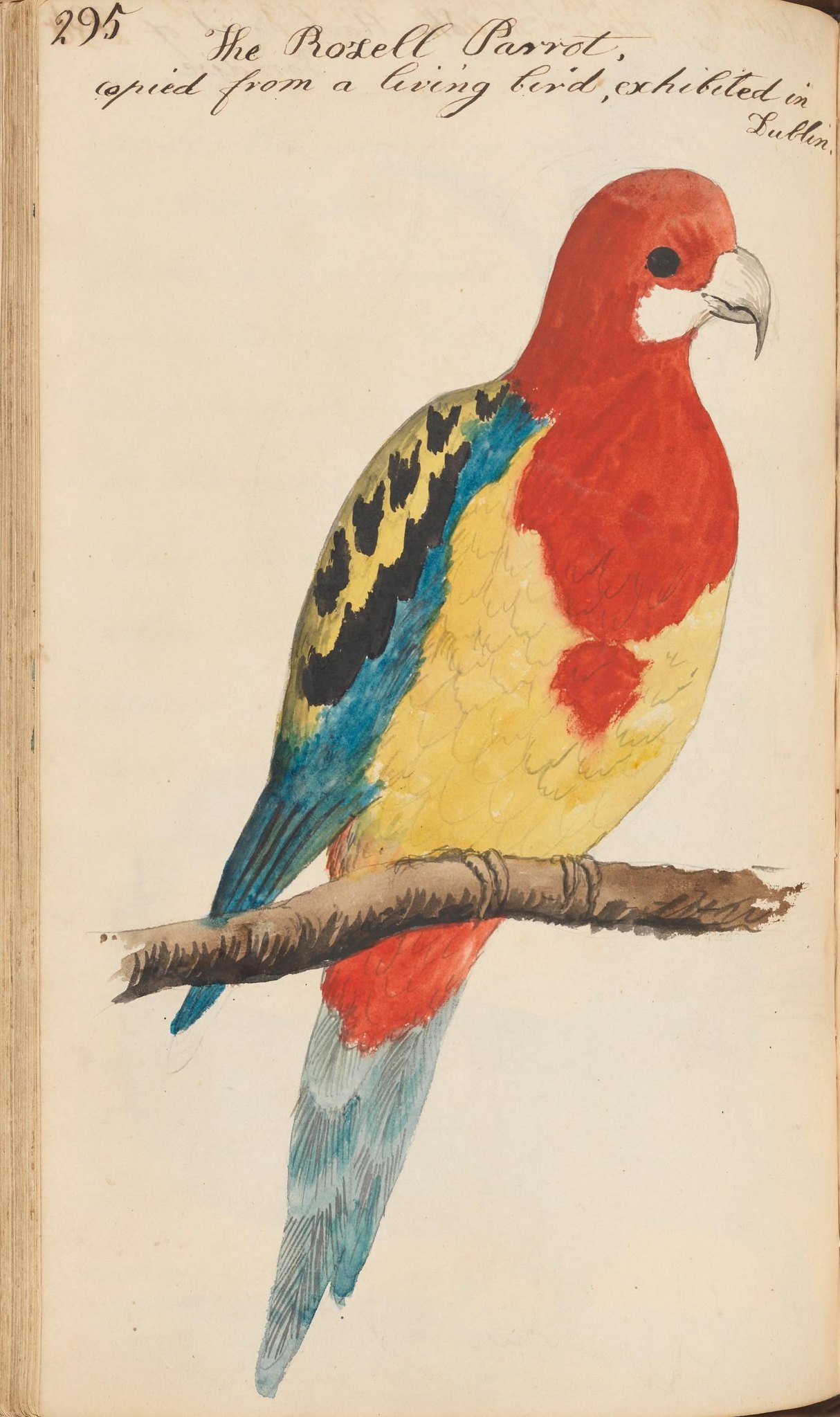
It is an intriguing point that The Naturalists Companion includes at least eleven drawings of Australian animals. This is fascinating evidence for the commercialisation and trade of local fauna throughout Europe in the early nineteenth century. Further research would no doubt reveal what menageries were in Dublin at the time this volume was made. The drawings include cockatoos (see page 7 and page 296), two drawings of kangaroos (see page 8 and page 290), parrots (see page 4 and page 295) and a lyre-bird (see page 294, which has been mis-described as a black bird of paradise and probably copied from the engraving published in the second volume of David Collins An account of the English colony in New South Wales, 1802).

illustration of a cockatoo

Page 296. Digby, Kenelm Henry. The Naturalists Companion. 1810-1817. Contributed in BHL from the State Library of New South Wales.

Combined, the Australian natural history and the Pacific ethnographic drawings of Digby’s The Naturalists Companion—scattered as they are amongst collections of fauna and artefacts from around the world—create a unique insight into the intellectual milieu in which Australia and its region began to be revealed to Europe. What makes The Naturalists Companion so important is its tangible illustration of a very conventional—even if by today’s standards chaotic—way of organising and describing the world. The unusual juxtapositions and non sequiturs of the volume—particularly evident in the biblical Peaceable Kingdom frontispiece—simply reflects the then common encyclopaedic approach to the description of the natural world and its phenomena: there was enormous interest in the world but for people like Digby, instead of trying to corral it into some kind of order, they accepted its diversity as evidence of the creativity the Creator.

illustration of a lyrebird

Page 294. Digby, Kenelm Henry. The Naturalists Companion. 1810-1817. Contributed in BHL from the State Library of New South Wales.

..,the Visionary Subjects of the Traveller…

In this sense, The Naturalists Companion documents European attitudes towards Australia and the Pacific in the early nineteenth century, explaining clearly what interested Europeans about the Pacific. In many respects the youthful Digby’s enterprise parallels other projects undertaken by colonists in New South Wales at roughly the same time. For instances, two commandants of the penal colony at Newcastle, 160 kilometres north of Sydney, were also actively collecting and arranging local natural history. In 1813, Lieutenant Thomas Skottowe directed a convict artist under his charge to illustrate a manuscript he called Select Specimens of nature (Library call no. SAFE PXA 555). Skottowe was just as enthusiastic as Digby, noting that the illustrations he had commissioned of butterflies would challenge “many nice Critics” who would “dispute the Existence of the most of them, and put them down to the Visionary subjects of the traveller.”

illustration of a parrot

Page 295. Digby, Kenelm Henry. The Naturalists Companion. 1810-1817. Contributed in BHL from the State Library of New South Wales.

Five years later, in 1818, Captain James Wallis commissioned a chest now known as the Macquarie Collector’s Chest (Library call no. XR 69). This extraordinary artefact, of painted panels and natural history specimens decoratively arranged, is another iteration of the sensory pleasure of curiosity and the exotic. Again, Wallis was not a natural historian or a taxonomist, but rather someone entranced by the sheer difference of Australian natural history. Pointedly, too, Wallis gave this chest to his superior, Governor Macquarie, in part as an elaborate but fairly conventional idea of “managing up”, as we would now say, but also very much as a celebration of the richness of Australian natural history, which was now in the embrace of the British Empire.

You can also browse all of the illustrations from this work in the BHL Flickr.

References

[1] See Rachel Hand, “‘A number of highly interesting objects’: the Cook-voyage collections of Trinity College Dublin”, in Jeremy Coote ed., Cook-voyage collections of ‘artificial curiosities’ in Britain and Ireland, 1771-2015 Oxford, Museum Ethnographers Group, 2016, p.123-190.

December 18, 2019by michelle.underhill
Blog Reel, Featured Books

Origins of Australian Ornithology : The Evolution of Australia’s Bird Reference Books

Welcome to Bird Week!

It is bird week from the 21st -27th of October. During this week, we would like to share with you some of the wonderful rare reference books on Australian birds and the stories behind them. These books have been digitised by the Biodiversity Heritage Library and are freely available in open access. The scientific reference works showcased this week include books from 1781 through to 1931. Ornithologists used these books to describe new species found within Australia and added to the growing number of previously undescribed birds during this time.

mathews_Final.jpg

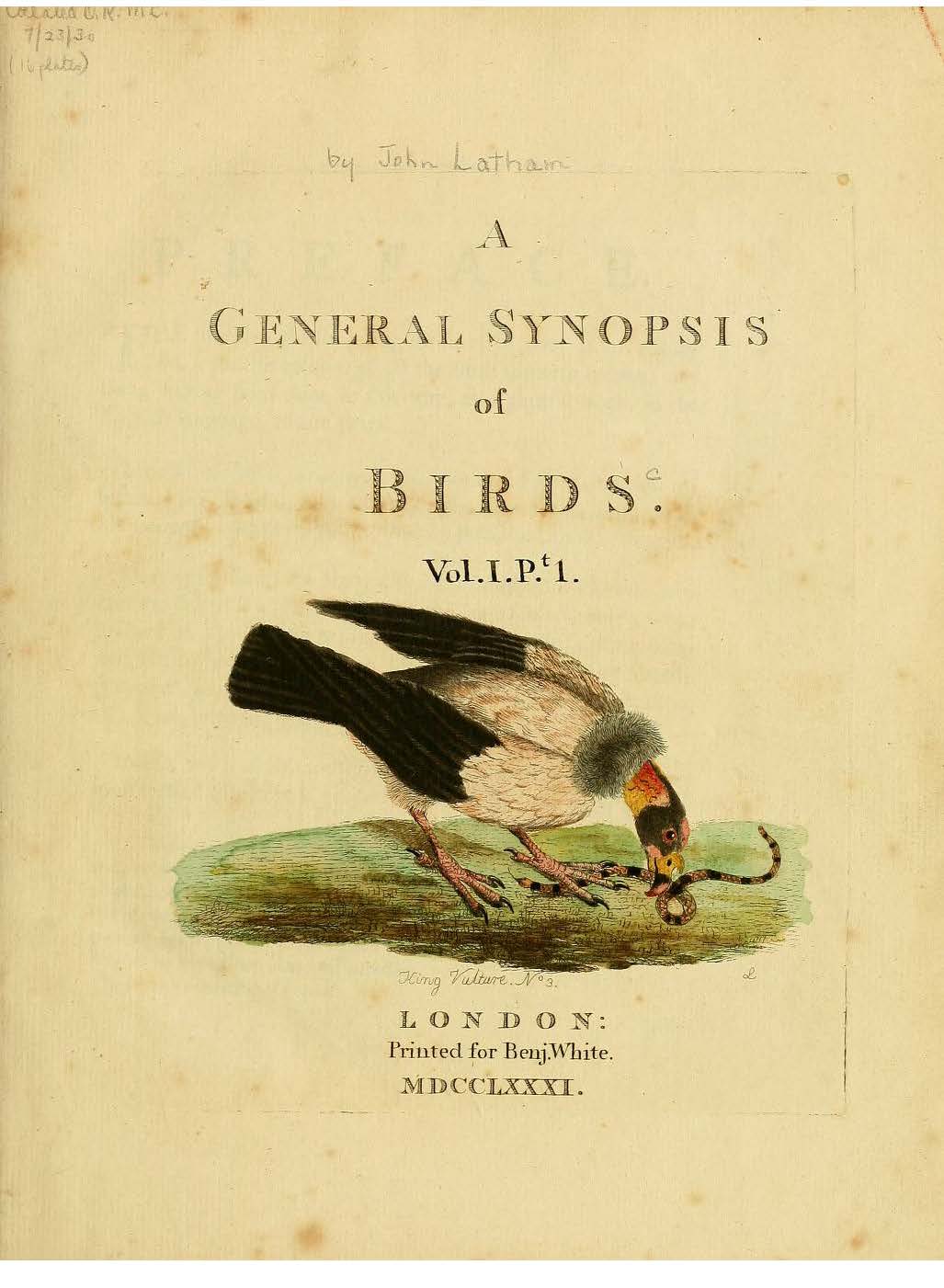
Title page. Latham, John. A General Synopsis of Birds. (1781-1785). Digitised in BHL by Smithsonian Libraries.

A General Synopsis of Birds consists of three volumes each with two parts, published from 1781 to 1785, with supplements in 1787 and 1801. Latham worked from descriptions by explorer William Dampier and Sir Joseph Banks, who sailed on the first voyage to Australia as the naturalist aboard Captain James Cook’s Endeavour from 1768 -1771. All volumes have been digitised by Smithsonian Libraries and can be viewed in BHL.

Eggs.jpg

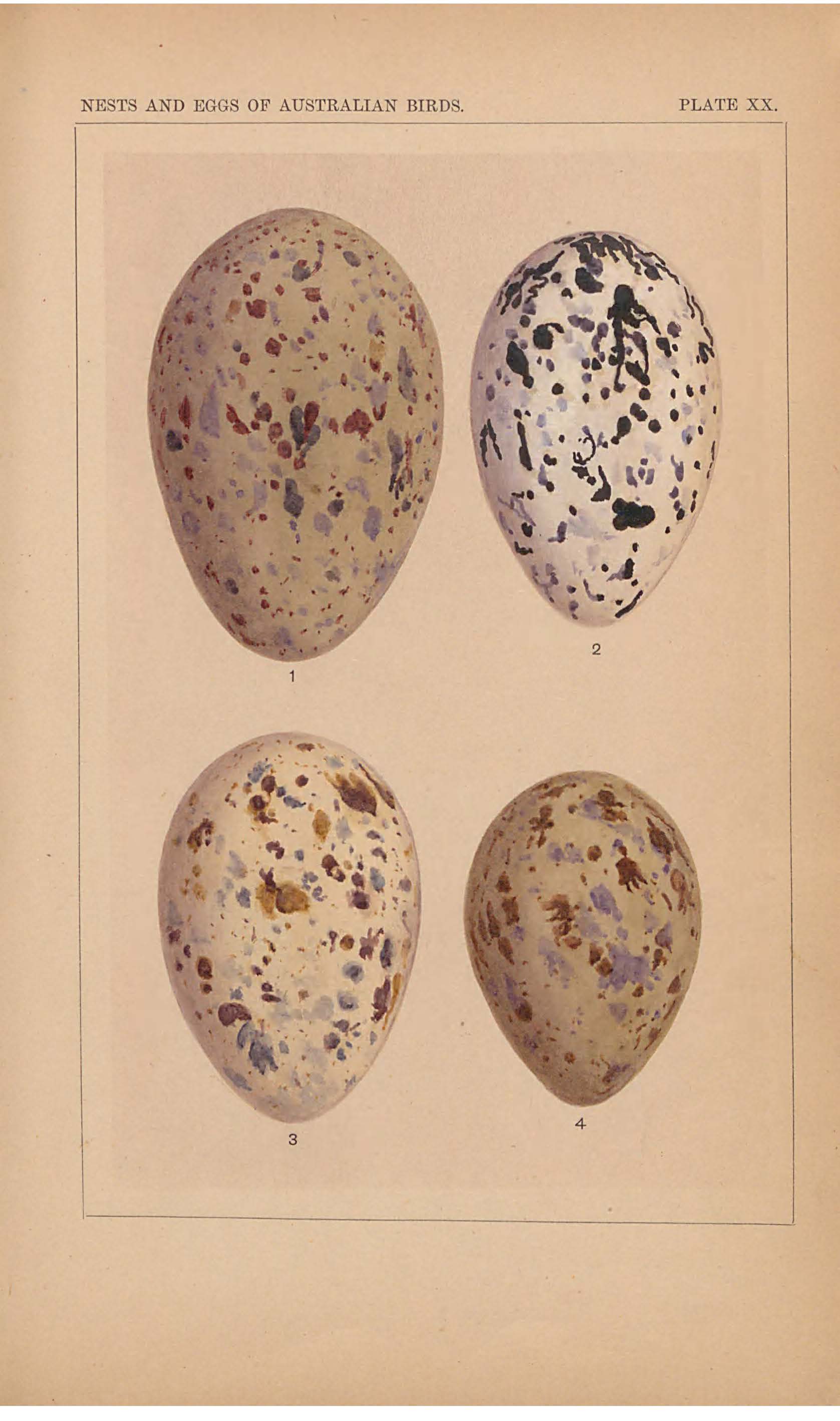
Plate XX. North, Alfred John. Descriptive Catalogue of the Nests and Eggs of Birds found in Australia and Tasmania. (1889). Digitised in BHL by Museums Victoria.

A Descriptive Catalogue of the Nests and Eggs of Birds found in Australia and Tasmania (1889) was published by Alfred John North, who described a number of birds for the first time. This publication contains a detailed description of the eggs of each species that were accessible to North, supplemented with descriptions of such other distinct varieties as occasionally occur. The history of the details of the eggs is often described as unknown, with a few exceptions taken from Gould’s Handbook to the Birds of Australia. The full book is available on BHL thanks to Museums Victoria.

blog BHL Lewin.jpg

Plate XXIII. Lewin, John. A Natural History of the Birds of New South Wales. 3rd edition (1822). Digitised in the BHL by Museums Victoria.

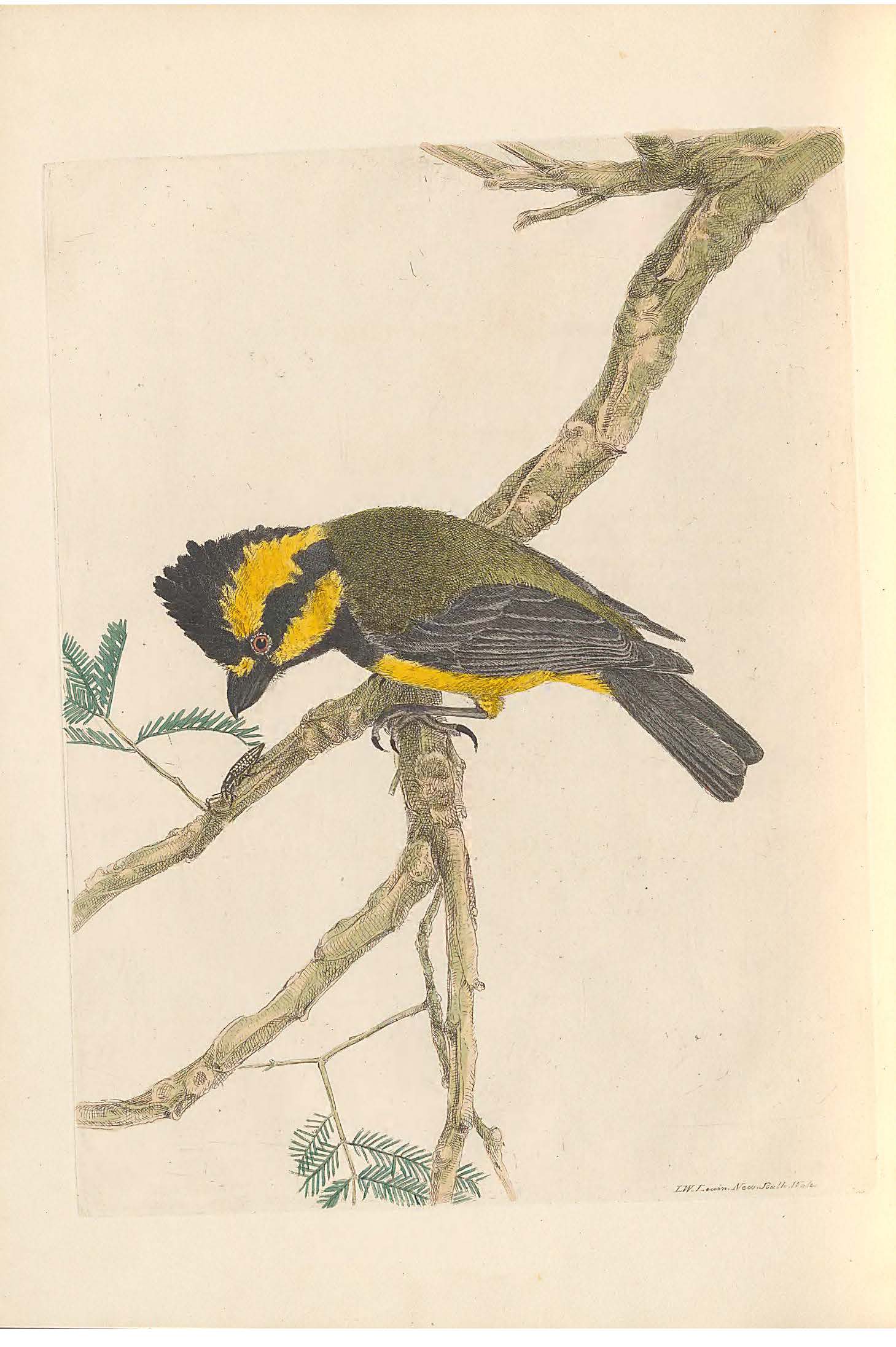
John Lewin relocated to Australia from England in 1800, keen to visit the colony of New South Wales. His first book on birds, Birds of New Holland, was published in London in 1808. Unfortunately, as the books were shipped back to Australia from London for distribution, they were lost, possibly at sea. Only six copies are known to exist. Lewin decided to begin a second edition. However, his copper illustration plates were still in England, hence he needed to start again from scratch. The second edition was renamed The Birds of New South Wales with their Natural History and was published in 1813. It is recognised as the first illustrated book published in Australia. The third and fourth editions, published under the title A Natural History of the Birds of New South Wales, were published in 1822 and 1838 respectively and have been digitized in BHL by Museums Victoria.

bird heads

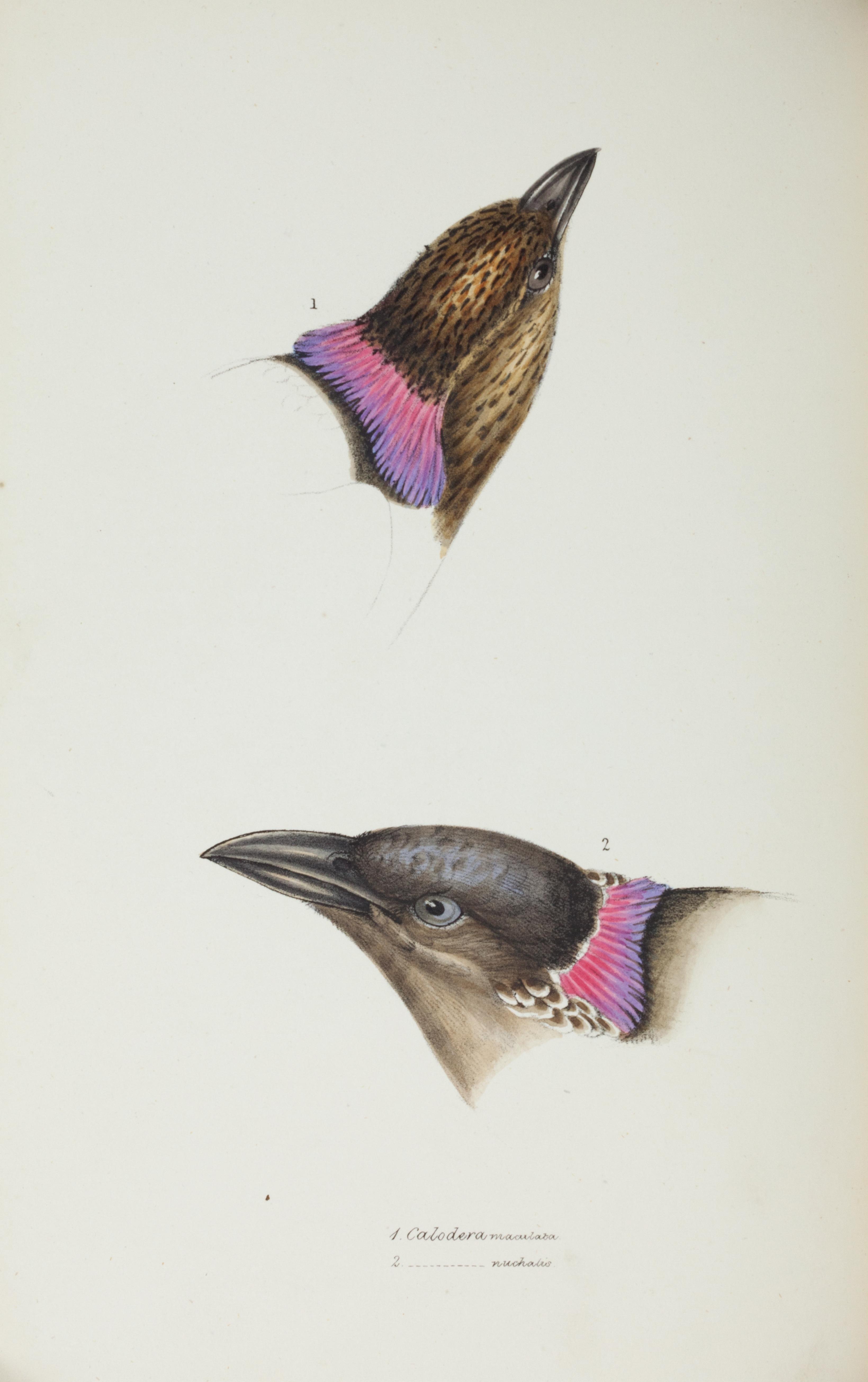
[Plate VI]. Gould, John. A Synopsis of the Birds of Australia, and the Adjacent Islands. (1837-38). Art by Elizabeth Gould. Digitised in the BHL by Museums Victoria.

Acclaimed ornithologist Gould received bird specimens in London from his brothers-in-law in Australia, which he used to publish his Synopsis of the Birds of Australia (1837-38). The illustrations are predominantly of bird heads, all hand-painted by Gould’s wife, Elizabeth. Only basic descriptions of Australian birds were used, as Gould intended to publish this work in order to get to Australia to research and illustrate birds in the wild with his wife. Gould noted that on his return from Australia, these pages would be removed and further knowledge of Australian species and their habitats would be recorded.

Gould_book.jpg

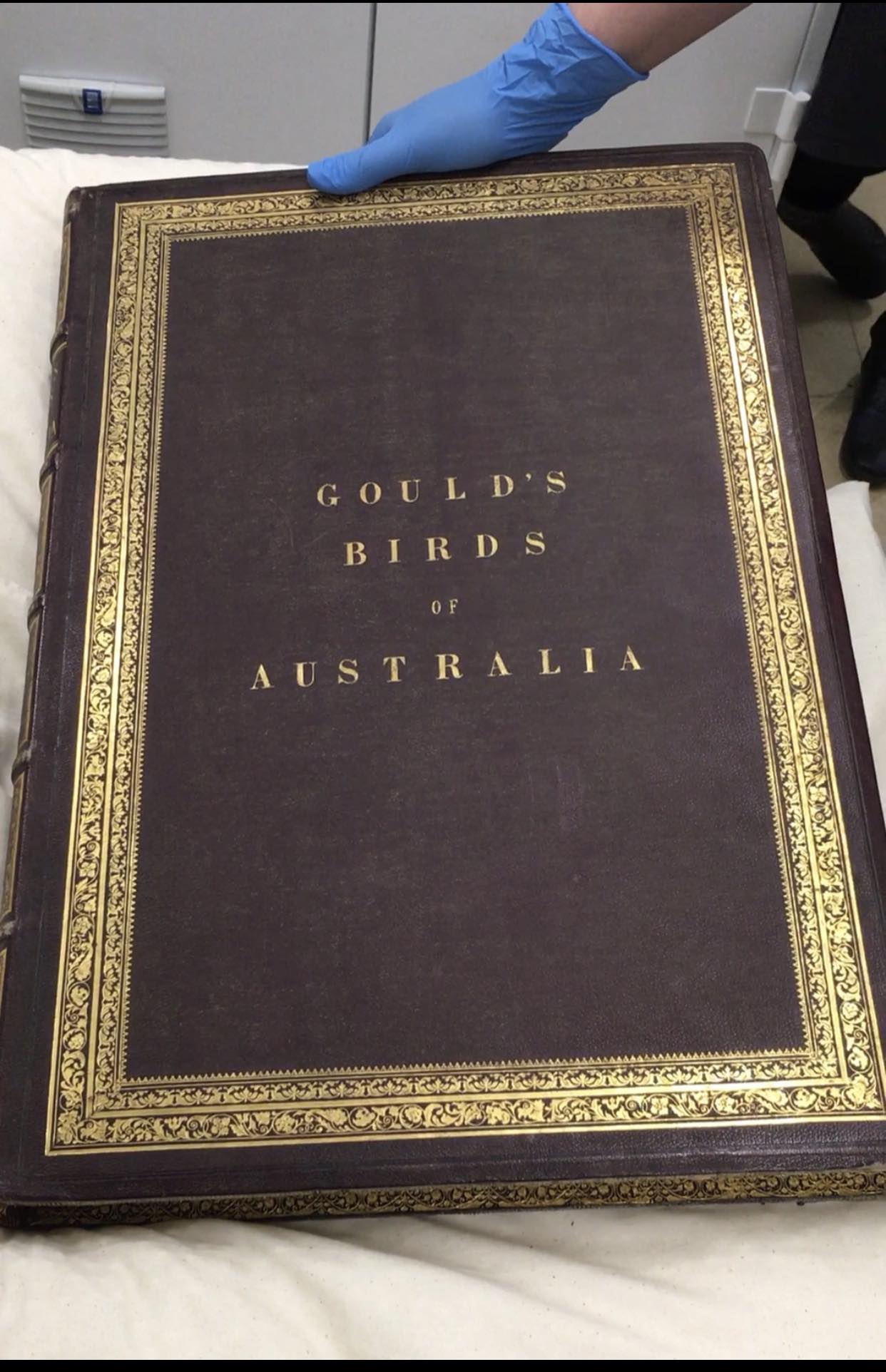
Photograph of the cover of one of the volumes of Gould’s Birds of Australia, from the library collections of the Melbourne Museum of Museums Victoria. The Birds of Australia (1840-1848) has also been digitised in BHL by Smithsonian Libraries

In a letter dated 15th February 1839, while in Australia, Elizabeth Gould wrote “[John] has already done more in obtaining nests and eggs, making skeletons of the various forms of birds, etc., and in getting information of their habits, than has been hitherto done, and will, I hope, be enabled to produce an interesting work on our return.”

On arrival back to England, John Gould published The Birds of Australia between 1840 and 1848. The book encompasses 600 species of birds, of which 200 were first described by Gould. Elizabeth produced 84 of the illustration plates for The Birds of Australia, but sadly, she died in 1841, before the book was completed and only one year after the Goulds’ return from Australia. The remainder of the plates were primarily created by painter Henry Constantine Richter, which were made after sketches by Elizabeth. While in Australia, Elizabeth also created many botanical illustrations and wrote that these helped to “render the work on ‘Birds of Australia’ more interesting…I trust we shall be enabled to make our contemplated work of sufficient interest to ensure it a good sale.”

A good sale it was. The Birds of Australia was bound in seven volumes, costing subscribers £115 — the equivalent to around 18K AUD or 12K USD in today’s money. But the significant contribution this book made to the science of ornithology far exceeds its monetary value.

What_bird.jpg

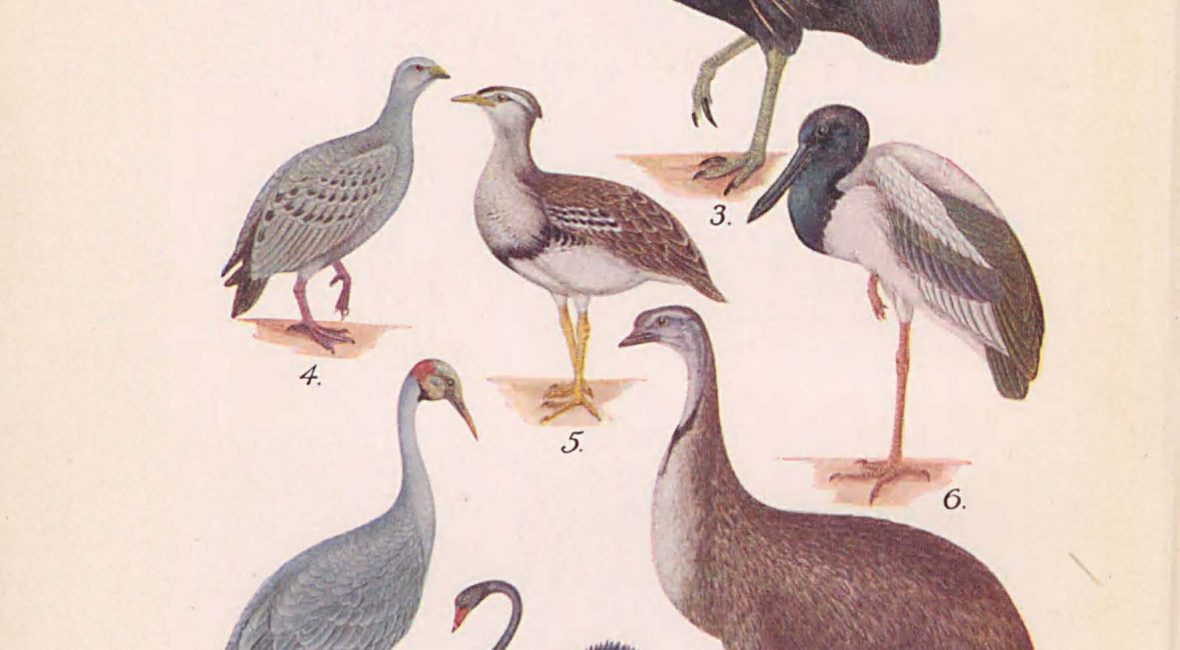
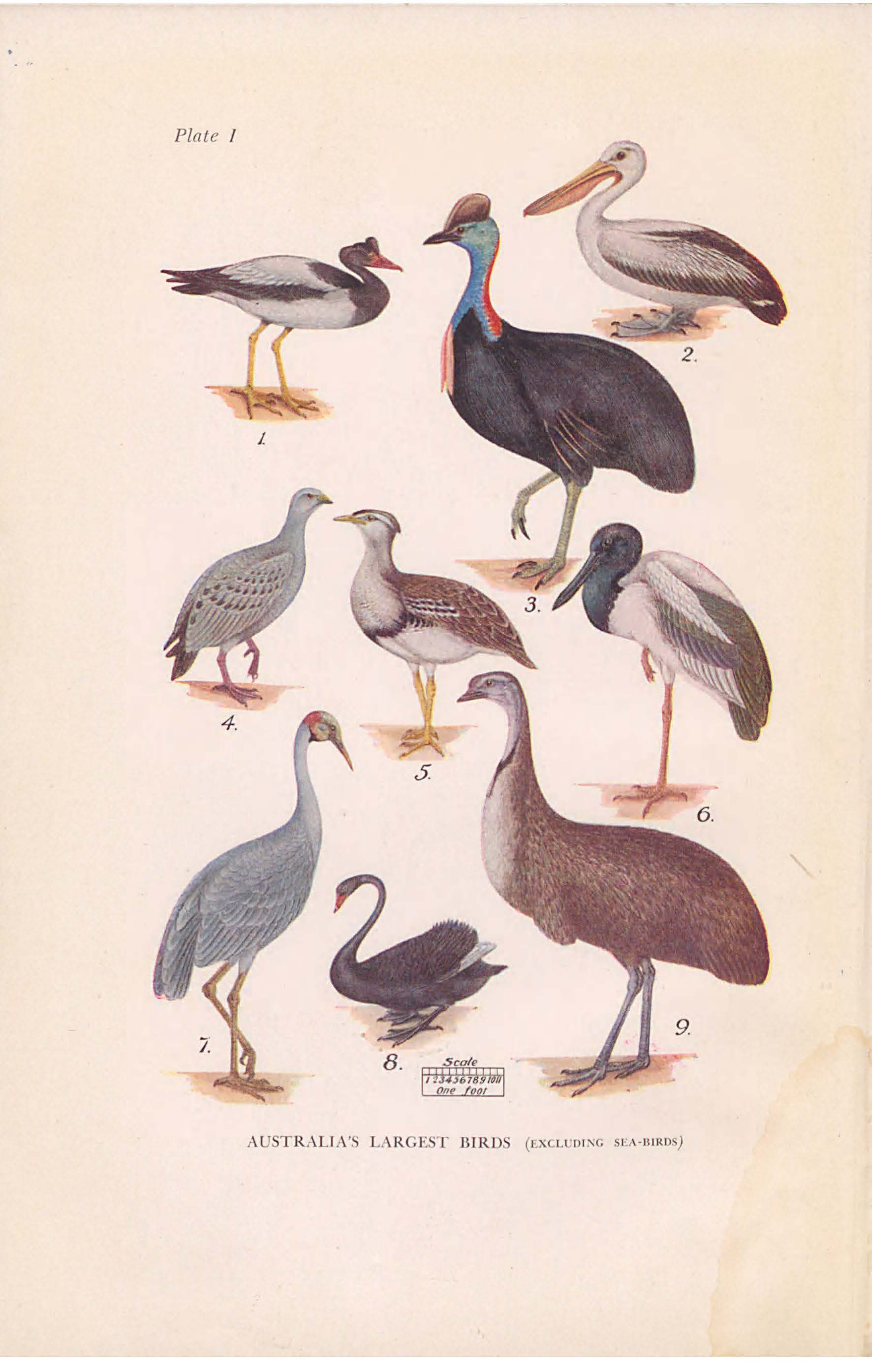
Plate I. Cayley, W, Neville. What Bird is that? (1931). Digitised in BHL by Museums Victoria.

What Bird is that? A Guide to the Birds of Australia (1931) was the first comprehensive field guide that was intended as a bird identification book in Australia. During the early 20th century, there was a growing interest in amateur ornithology, and Cayley had hoped that his book would encourage nature lovers to extend their knowledge and appreciation of Australian birdlife. In addition to being an ornithologist, Cayley was also a prolific artist and produced the 36 plates contained in the book. Subsequent editions were published up until the 1990s and it became a classic ornithological work in Australia.

October 21, 2019by Joel Richard
Blog Reel, Campaigns, Featured Books, Her Natural History

Elizabeth Gould: An Accomplished Woman

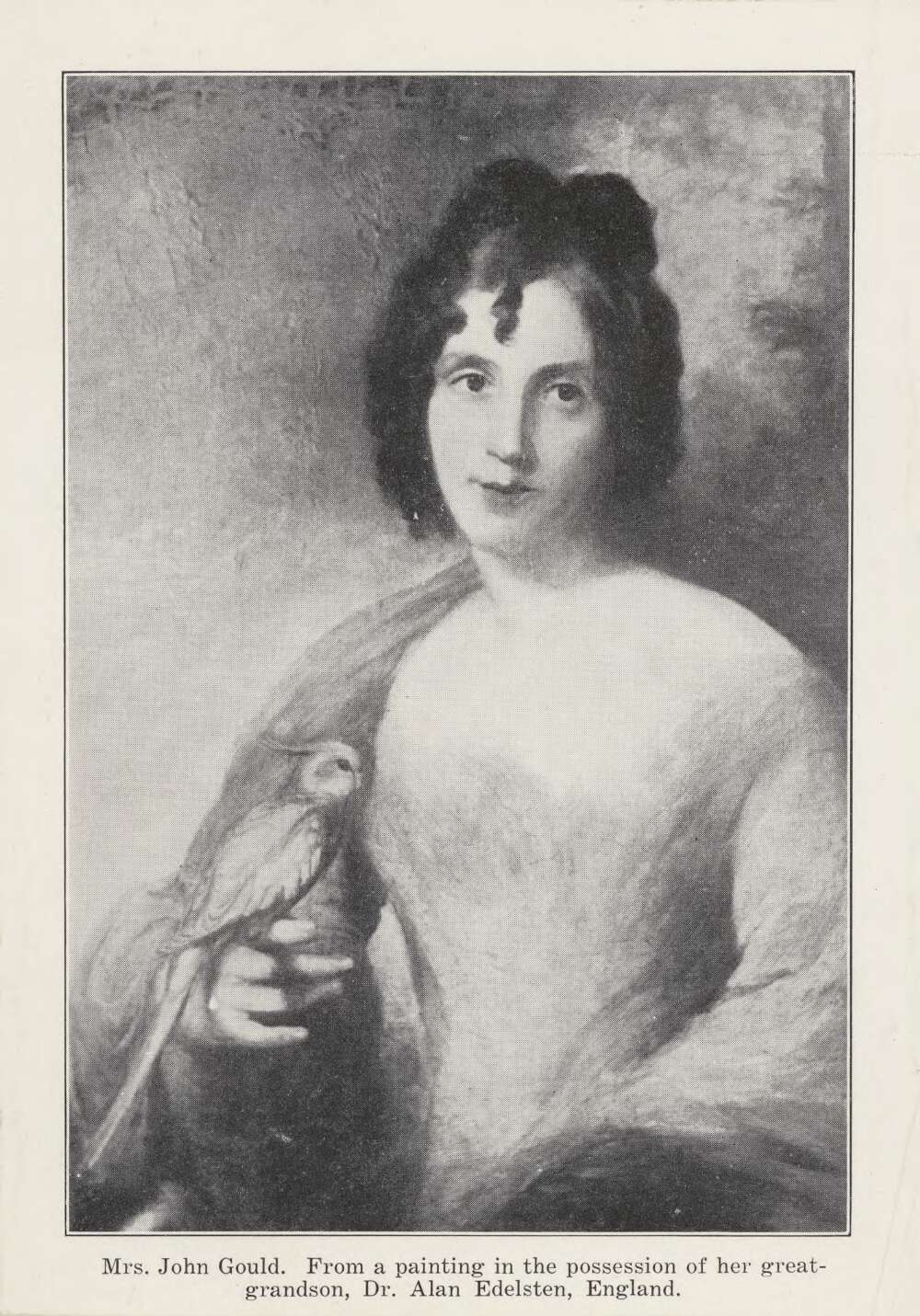
Elizabeth Gould

This post was originally published on the Smithsonian Libraries’ blog. It is reproduced with permission from the Author, Alexandra K. Newman.

Be sure to join Alexandra Newman for a behind-the-scenes look at Elizabeth Gould’s work in the Natural History Rare Book Library at the Smithsonian Libraries during a Facebook Live broadcast produced as part of the #HerNaturalHistory campaign: 22 March @ 1pm ET via https://www.facebook.com/SmithsonianLibraries.
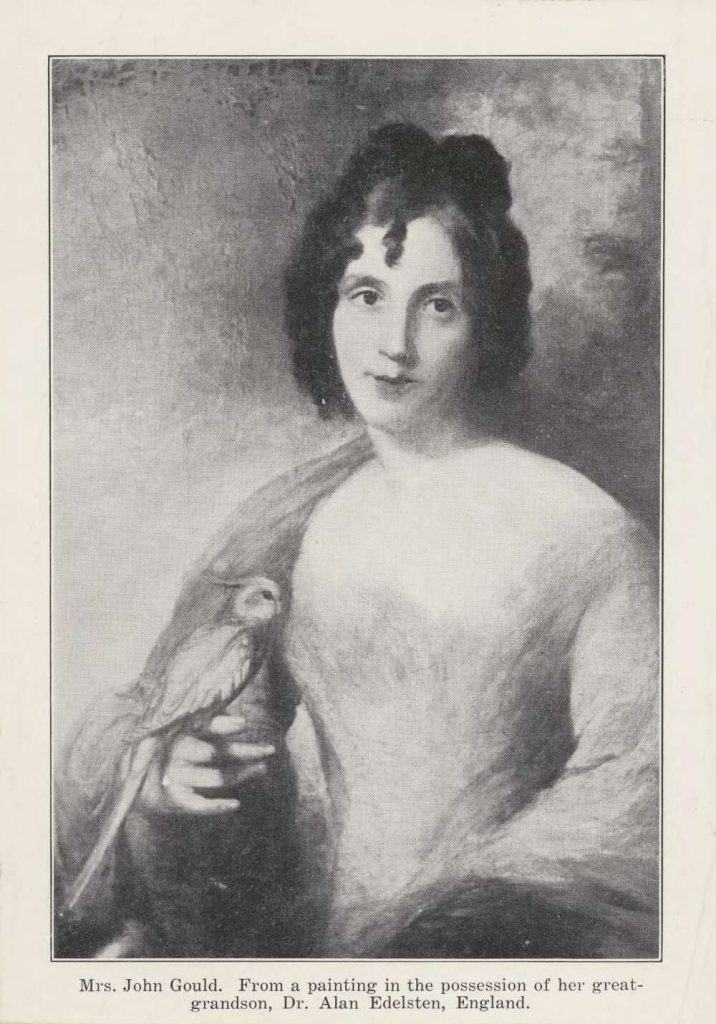
Elizabeth Gould

Portrait of Elizabeth Gould. National Library of Australia.

Author’s note: Elizabeth Gould was a 19th century artist responsible for some of the most historically significant images of birds ever published. She was also a devoted wife and mother. It is sometimes difficult to reconcile both of these aspects of her life through our modern lens of 21st century social issues and feminism; it can be tempting to paint her story as that of a woman repressed by antiquated gender roles, and to speculate on her career trajectory had she not tragically died shortly after the birth of her eighth child. However, while history strives to be objective, it impossible to completely purge our modern sentiments from the retelling of her story, so it is important to strive to tell it based on documentary evidence rather than speculation. Elizabeth’s life was very eventful for being so short, as we shall soon see, so it is not difficult to craft an exciting biographical narrative for her. The difficulty comes, instead, from trying to ensure that she maintains a degree of agency in her own story. I have tried to write this post in such a way that is respectful to both Elizabeth and the time in which she lived.

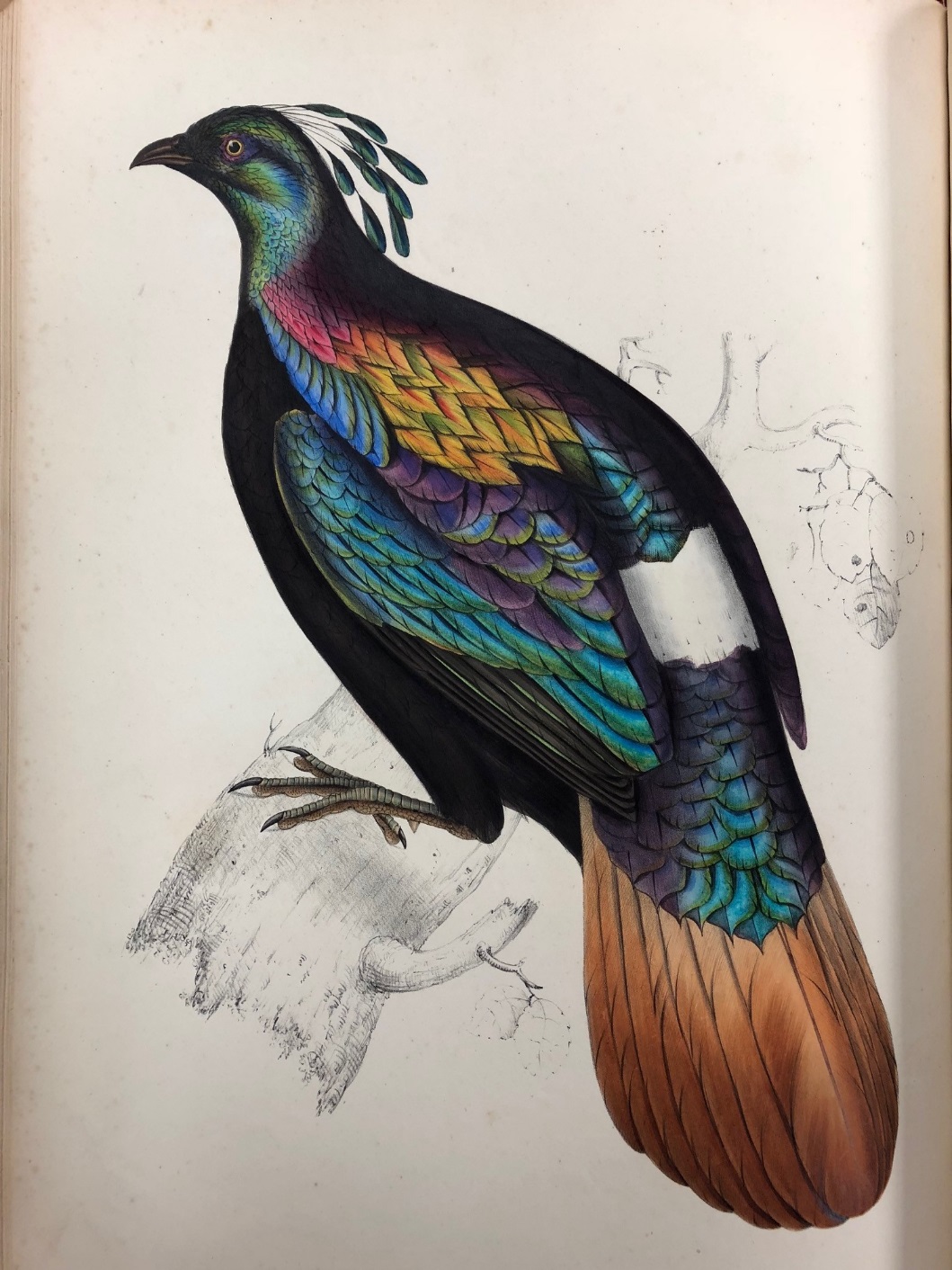
The beautiful lithographs produced by Elizabeth Gould show lively birds of all shapes and colors performing mating displays, protecting their young, and interacting with their environments. A far cry from the dead-bird-on-stick approach to book illustration of the 18th century and prior, Elizabeth’s birds are reminiscent of the more dynamic figures depicted by John James Audubon; in fact, distinguished ornithologist Prideaux John Selby proclaimed “I like [Elizabeth’s illustrations] as well as Audubon’s.”[1] However, it is not Elizabeth’s name on the title page of A Century of Birds from the Himalaya Mountains (for which she lithographed 80 plates) or on the ‘Birds’ volume of The Zoology of the Voyage of the H. M. S. Beagle (for which she lithographed all 50 plates); rather, it is that of her husband, John. A respected taxidermist and ornithologist, John was also a master of marketing, putting out numerous large-format lithography plate books over the course of his career. But John’s artistic skill was not up to the task of such a grand undertaking; instead, he relied on the artistic talents of others, including his wife, to carry his work to new heights.
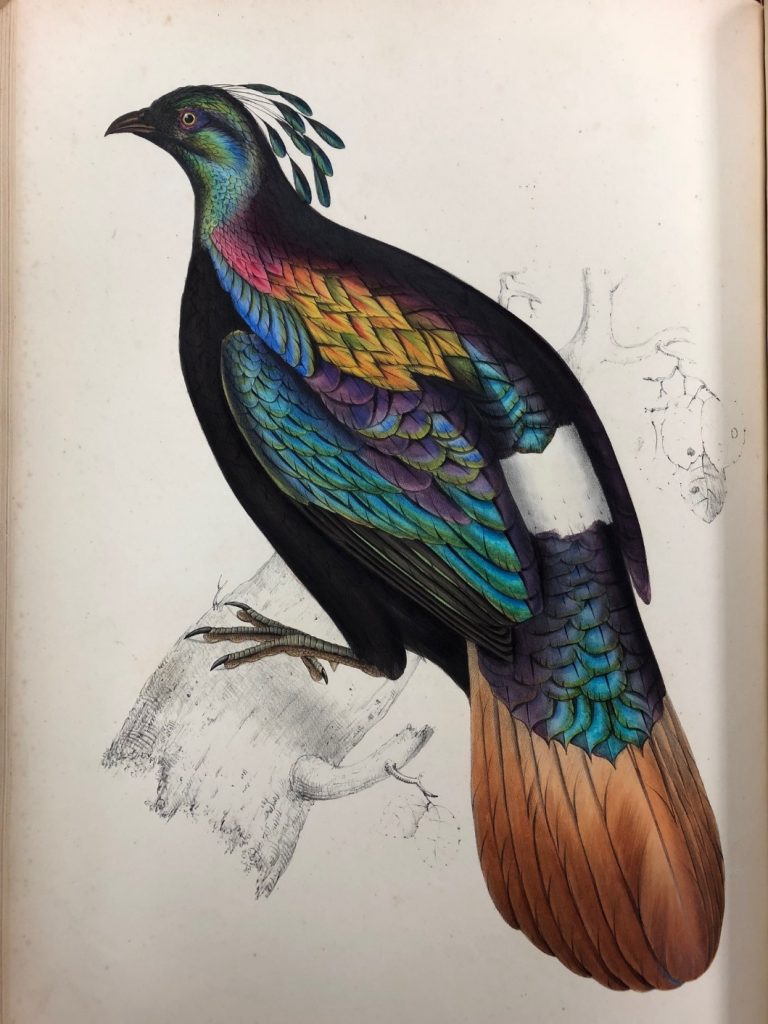
Lophophorus impeyanus. Art by Elizabeth Gould. A century of birds from the Himalaya Mountains. 1831. Contributed in BHL from Smithsonian Libraries.

Elizabeth Gould, nee Coxen, was born in 1804 to a military family in Ramsgate, England. One of eleven children, and the only daughter to survive to maturity, information on how she and her siblings spent their childhood is unfortunately sparse; however, by age 22, Elizabeth had obtained a position as governess to the 9-year-old daughter of the Chief of the Office of the King’s Proctor in London. Being able to work as a governess for aristocracy implies that Elizabeth was highly educated, which was not unusual for middle- and upper-class women of the period: as part of this education, she would have been taught foreign languages, music, as well as to draw and paint in watercolor, genteel pursuits that earned a young lady the epithet of being “accomplished.”

However, the fact that she had to seek employment also implies that her family could not financially support an unmarried daughter. Indeed, she was not overly fond of the job—between teaching the young girl French, Latin, and music, Elizabeth wrote to her mother that her duties as a governess were “miserably-wretched dull,” and that she feared she would soon become “very melancholy.”[2] Thus, her marriage to John Gould when she was 24 in 1829 has been characterized as a “rescue” by some authors.[3] In reality, the rescuing went both ways.

John’s career in ornithology was on the rise at the time of his and Elizabeth’s wedding—by 1828, he had been appointed Curator and Preserver at the Museum of the Zoological Society of London. In 1830, a collection of Himalayan bird skins came across his desk for preservation, which his colleague, N. A. Vigors, was in the process of describing. Familiar with the new printing technology of lithography through the work of one Edward Lear, John put forward a proposal for an illustrated book to show off the new and interesting species contained in the collection. Fully aware that his own artistic abilities did not lend themselves to the subtle medium of lithography, John brought the project to Elizabeth, who at first did not grasp the gravity of her husband’s request. “But who will do the plates on stone?” she reportedly asked. “Why you, of course!” John replied matter-of-factly.[4]

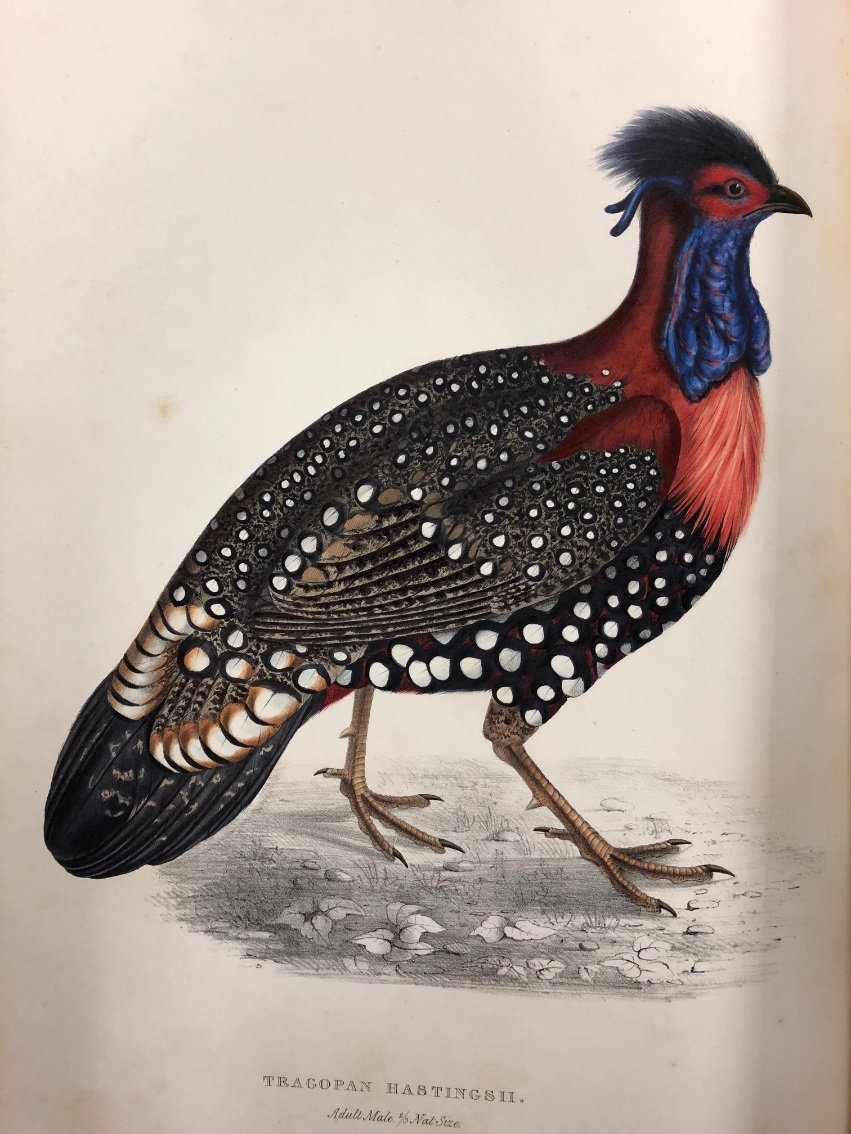
No record exists of how Elizabeth felt about suddenly being designated the family draughtswoman. However, executing her new role cannot have been easy for her from a purely physiological standpoint: pregnant with her and John’s first child, she nevertheless spent hours transferring her specimen drawings onto stone in anticipation of the publication of the first batch of plates for the work. She gave birth to a son, John Henry, only days after the plates were sent to subscribers.[5]
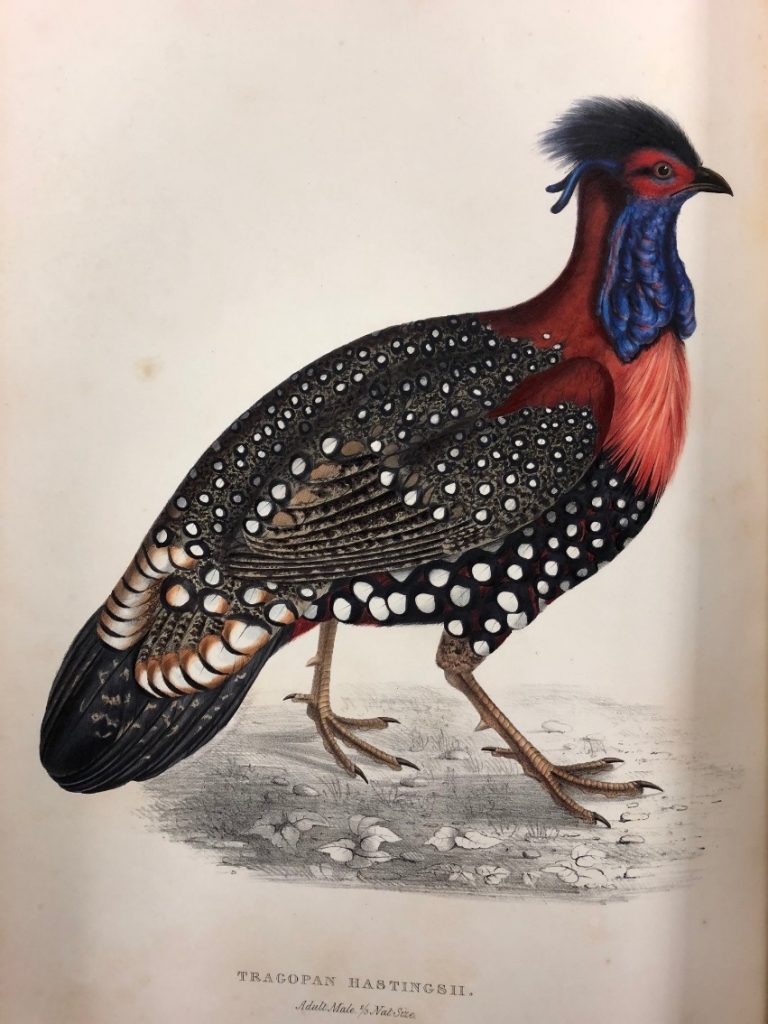
Tragopan hastingsii. Art by Elizabeth Gould. A century of birds from the Himalaya Mountains. 1831. Contributed in BHL from Smithsonian Libraries.

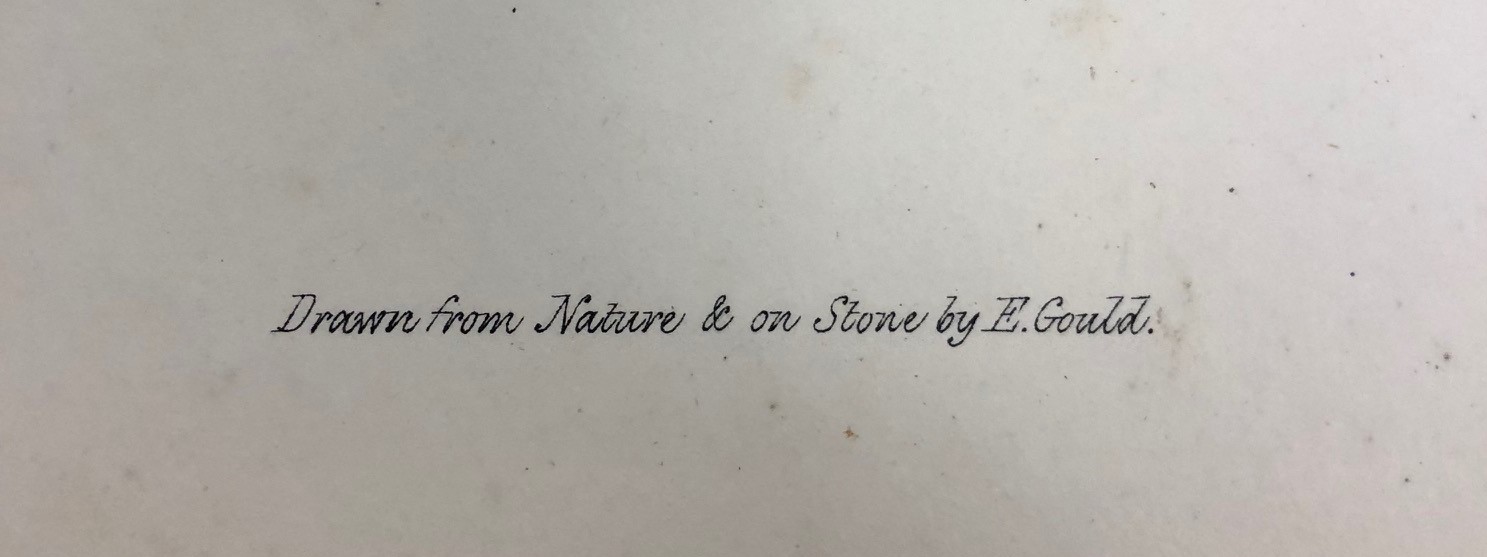
As previously stated, Elizabeth’s name is absent from the title page of what became A Century of Birds from the Himalaya Mountains; her contribution is briefly mentioned in the preface of the work, which simply states that her “well-known abilities” were employed in “delineating these birds.”[6] Each of the plates bears a small artist’s credit on the lower left—“Drawn from nature on stone by E. Gould”—but none of them feature her signature. Edward Lear, who John enlisted to teach Elizabeth lithography methods, incorporated his signature into much of his work, so it is somewhat curious that she elected not to sign her pieces.
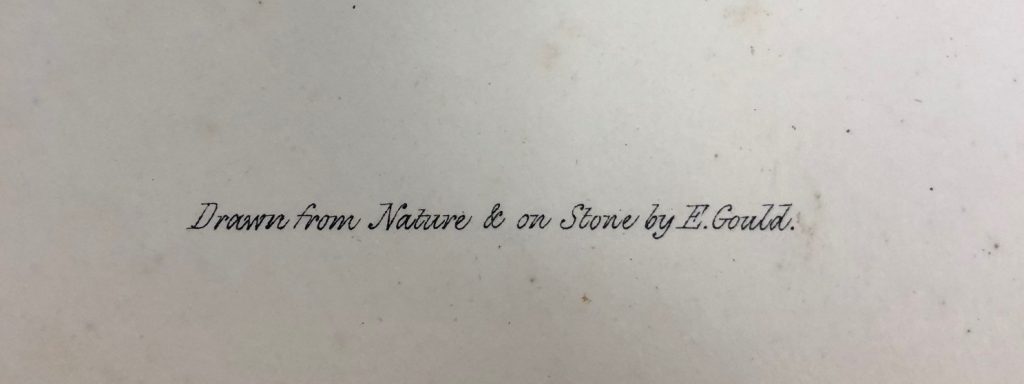
Her work was well-received in ornithological circles, and N. A. Vigors was so impressed by her artistry that he named a species of colorful sunbird in her honor. But it was John who received the lion’s share of professional accolades. The success of Century spurred John to undertake a much larger survey of European birds, which he initiated while the final parts of Century were still being delivered to subscribers. This ambitious publication, which became the 448-plate Birds of Europe, required John and Elizabeth to travel extensively in continental Europe, visiting natural history collections and observing and collecting specimens in the wild. Being able to see living, moving birds enabled Elizabeth’s artistic talent to improve immensely; it is during this publication that she truly began to show the lively interactions between males and females of species, and incorporating movement into her figures that made them look as though they could fly off of the page at any moment.
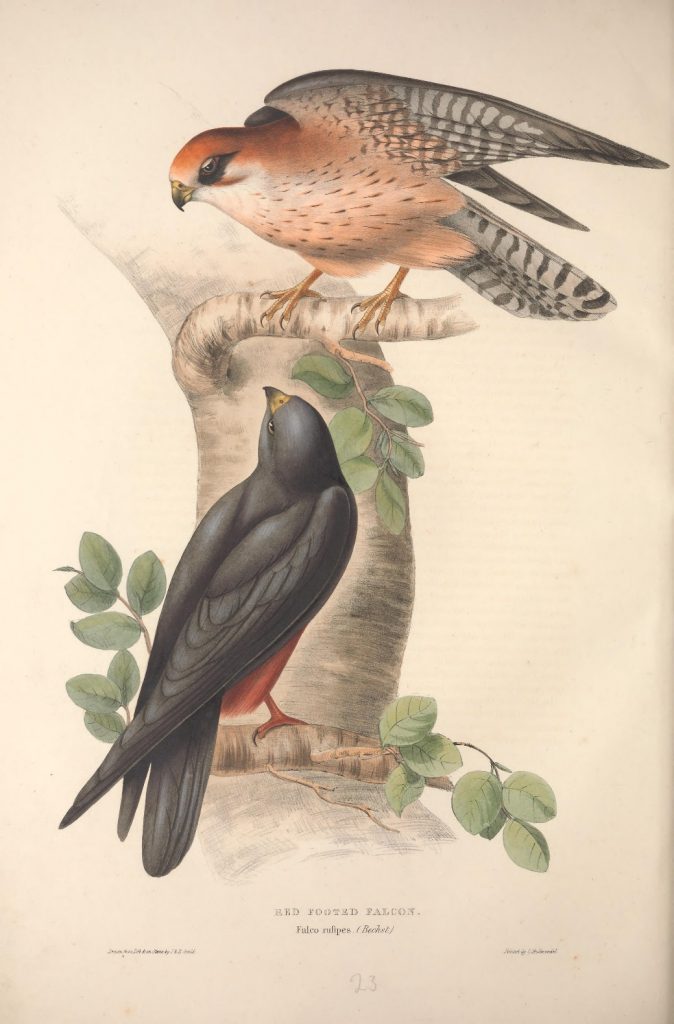
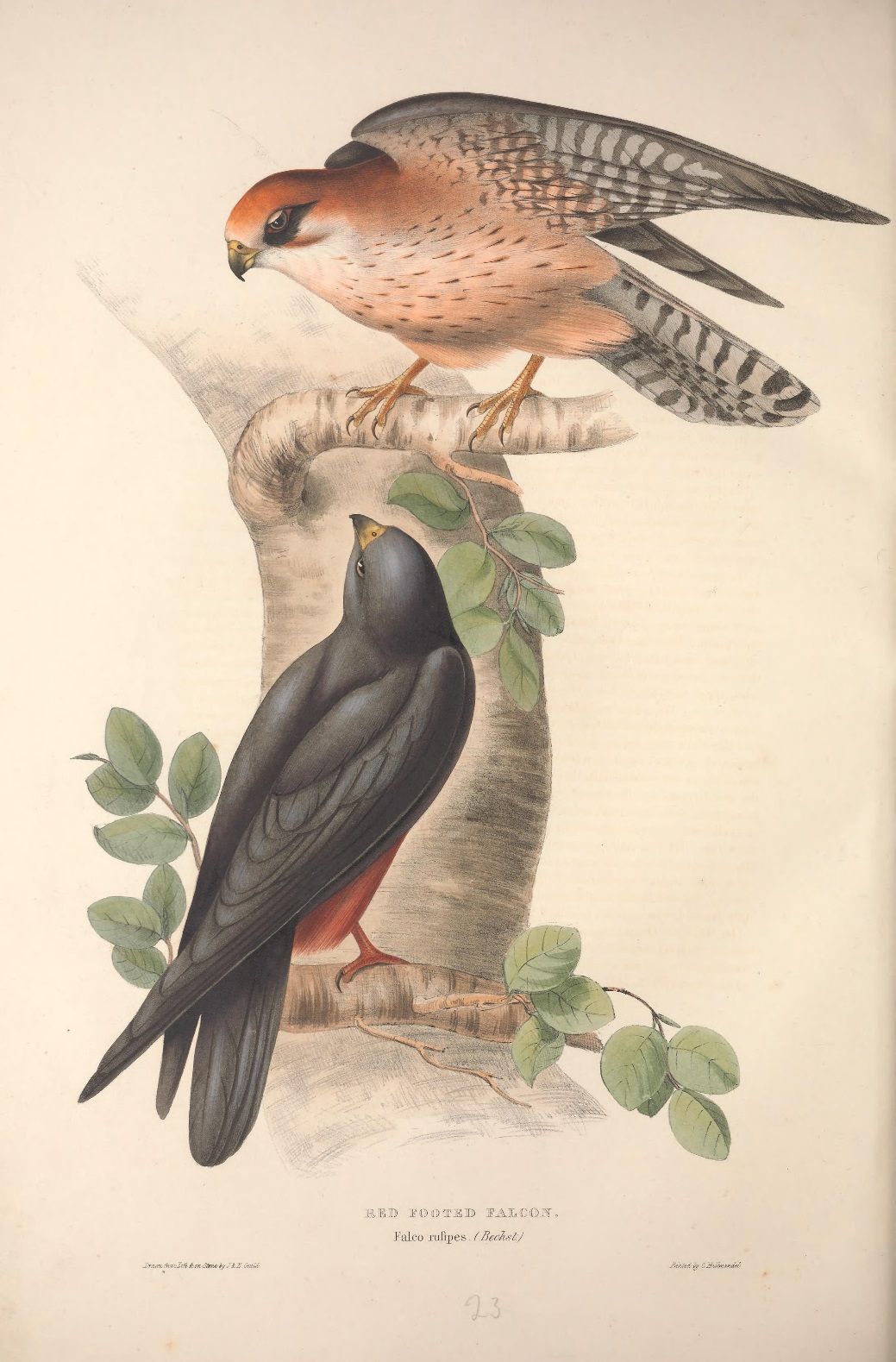
Red Footed Falcon. Art by Elizabeth Gould. The Birds of Europe. v. 1 (1837). Contributed in BHL from Smithsonian Libraries.

However, the artist credit on the lower left corner of the plates of Birds of Europe does not just bear Elizabeth’s name. Instead, her initial E. is preceded by a J., as John claimed artistic credit for the composition of the designs.
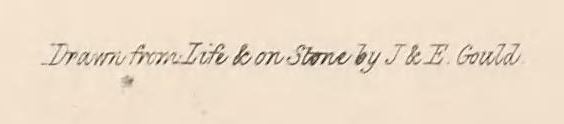
This line would remain the norm throughout the rest of the publications they worked on together. In his preface to Birds of Europe, John describes how Elizabeth drew and lithographed the pieces, but credits himself for the “sketches and designs.”[7] Documentary evidence tells a different story. The Ralph Ellis Collection, housed at the University of Kansas’ Kenneth Spencer Research Library, contains a number of sketches that indicate that, rather than arranging the composition, John would either make minor changes to or simply approve Elizabeth’s sketches that became the final designs.[8]

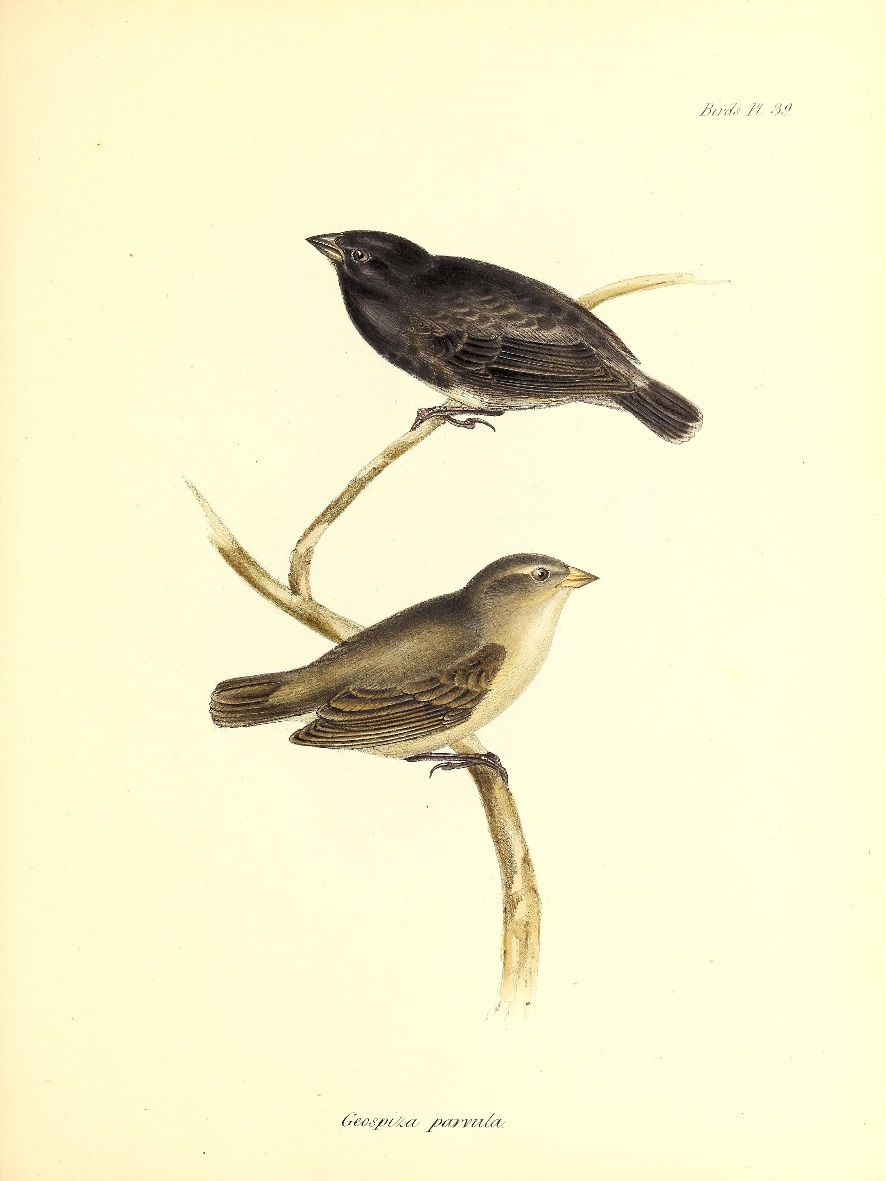
Observation, drawing, printing, and publication of Birds of Europe took a total of five years, during which Elizabeth gave birth to five more children, only three of whom survived infancy. Also during this time, John employed Elizabeth to draw the plates to accompany his text on the bird specimens brought back by the young naturalist Charles Darwin from the voyage of the H. M. S. Beagle. Among these specimens were the now-famous Galapagos finches, which Darwin referred to when formulating his theory of natural selection in his 1859 On the Origin of Species. Elizabeth’s name is completely absent from the plates.
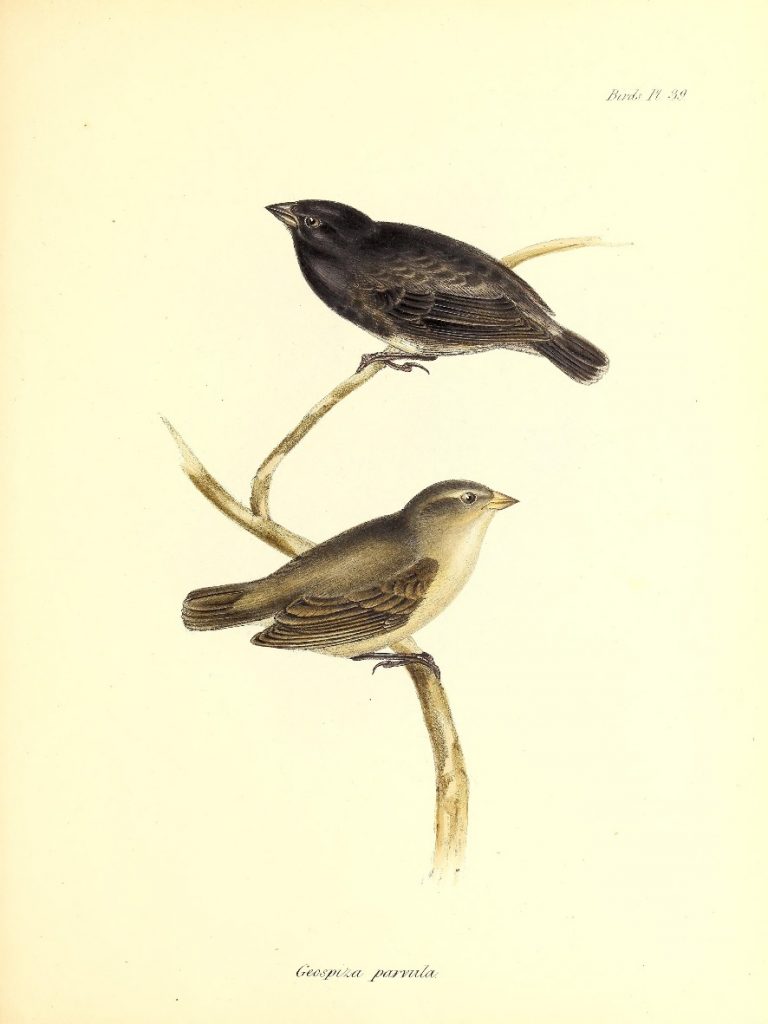
Finches. Art by Elizabeth Gould. The Zoology of the Voyage of the H.M.S. Beagle. pt. 3 (1841). Contributed in BHL by Smithsonian Libraries.

The work that truly established John Gould as a master of ornithological publication was Birds of Australia, published over eight years from 1840-1848. After his experience with Birds of Europe, John had realized the importance of field observation to the quality of his publications. He subsequently arranged for Elizabeth, their eldest child John Henry, their nephew Henry Coxen, zoologist John Gilbert, servants, and himself to make the voyage to Australia in 1838, a trip that was in part made possible by Elizabeth’s family. Her two brothers, Charles and Stephen, had established farms in New South Wales, and had already sent a number of Australian bird specimens back to the Goulds for description and lithography, and the Gould party even used their property as a base for the latter months of their two year stay in the colony.

It is this period of Elizabeth’s life that is most well-documented, thanks to the letters she wrote to her mother in England, as well as her travel diaries. It was also likely one of the most difficult periods of her life. Forced to leave three of her children behind to accompany John on his scientific pursuits, she was distraught; she was so emotionally plagued by the prospect that she was nearly unable to board the ship on the day of their embarkation.[9] It is unclear how John finally managed to persuade her to go up the gangplank, but it is clear from her correspondence that she remained deeply concerned about the wellbeing of the children, the youngest of whom was only six months, as well as her mother.

Rather than being entirely maudlin, her letters also contain anecdotes of John’s collecting prowess (“he has already shown himself a great enemy of the feathered tribe”), her reluctance to participate in a ball held for the Queen’s birthday (“Don’t fancy I attempt dancing—no, no. I am well content to look on.”), and the ambiance of a campsite in New South Wales (“where nature appeared in her wild luxuriance”).[10] What they do not discuss, unfortunately, is her art. Her surviving sketches and the lithographs they became have been left to speak for themselves.
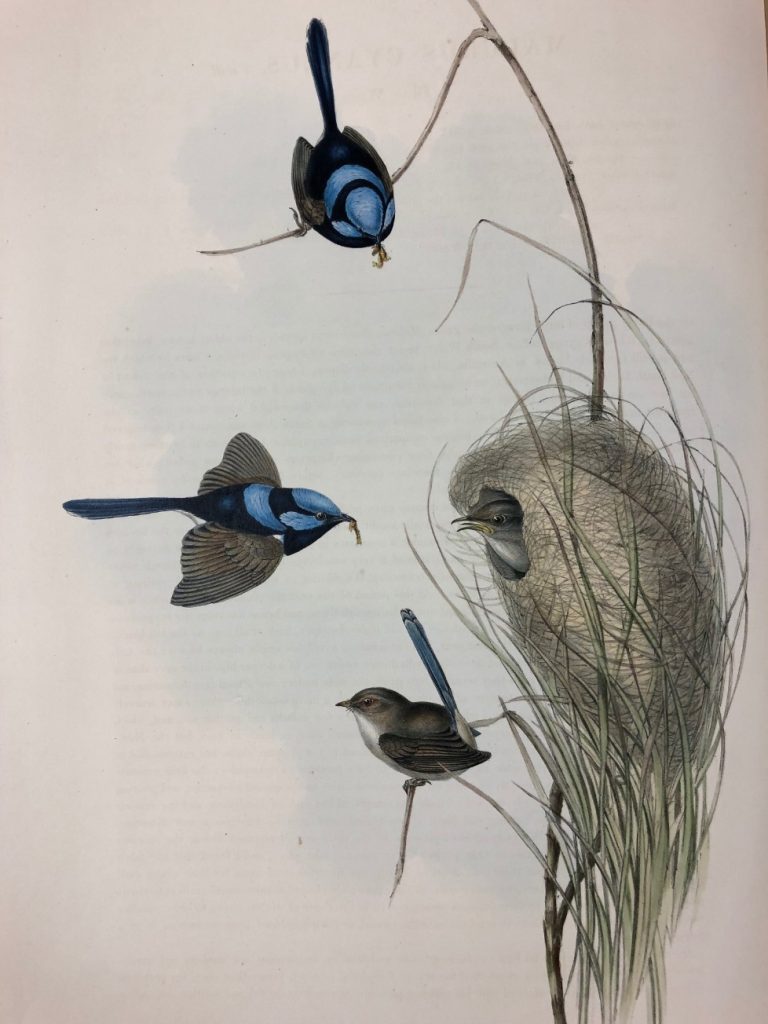
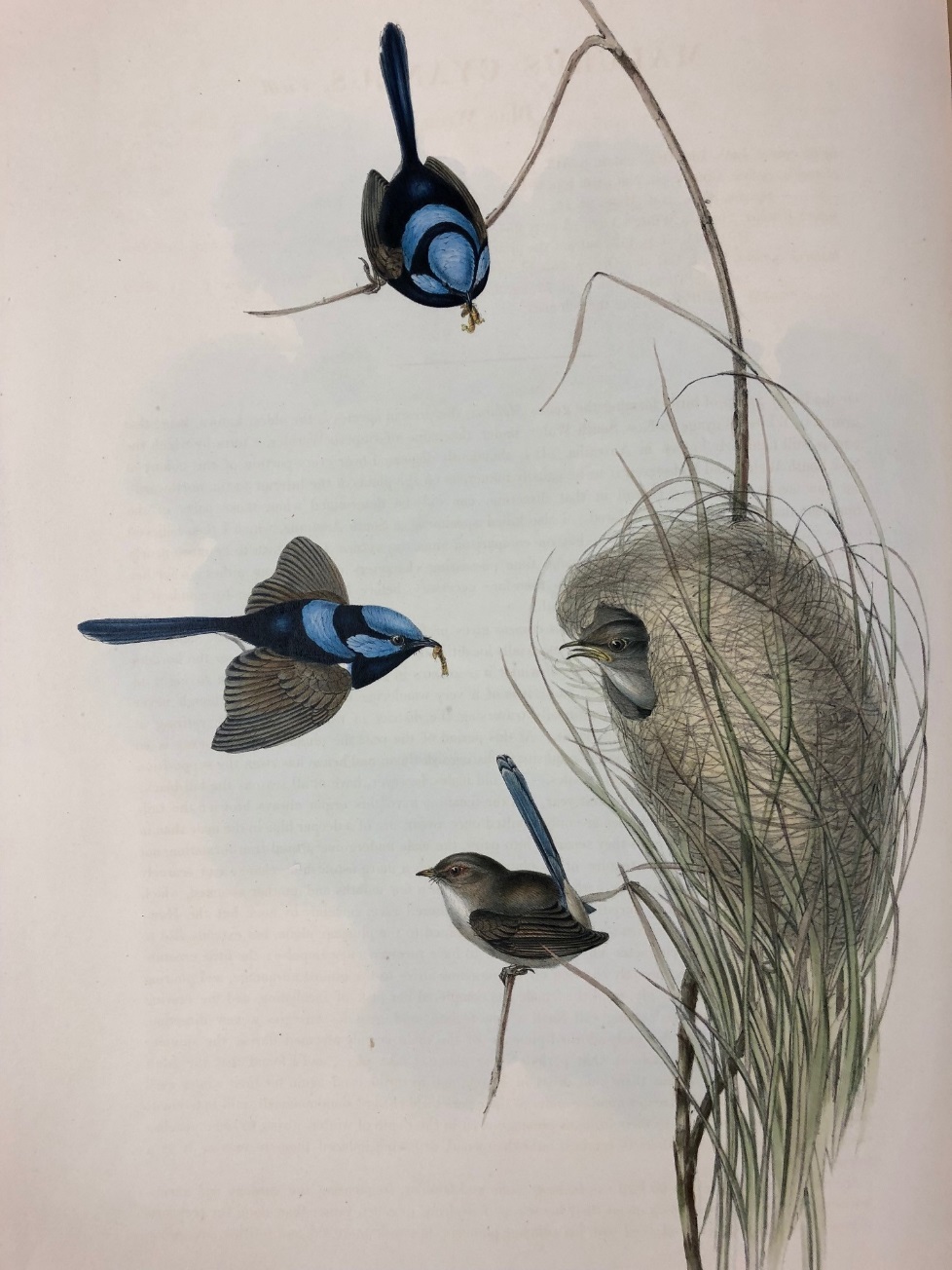
Superb Fairy Wren. Art by Elizabeth Gould. The birds of Australia. v. 3 (1848). Contributed in BHL from Smithsonian Libraries.

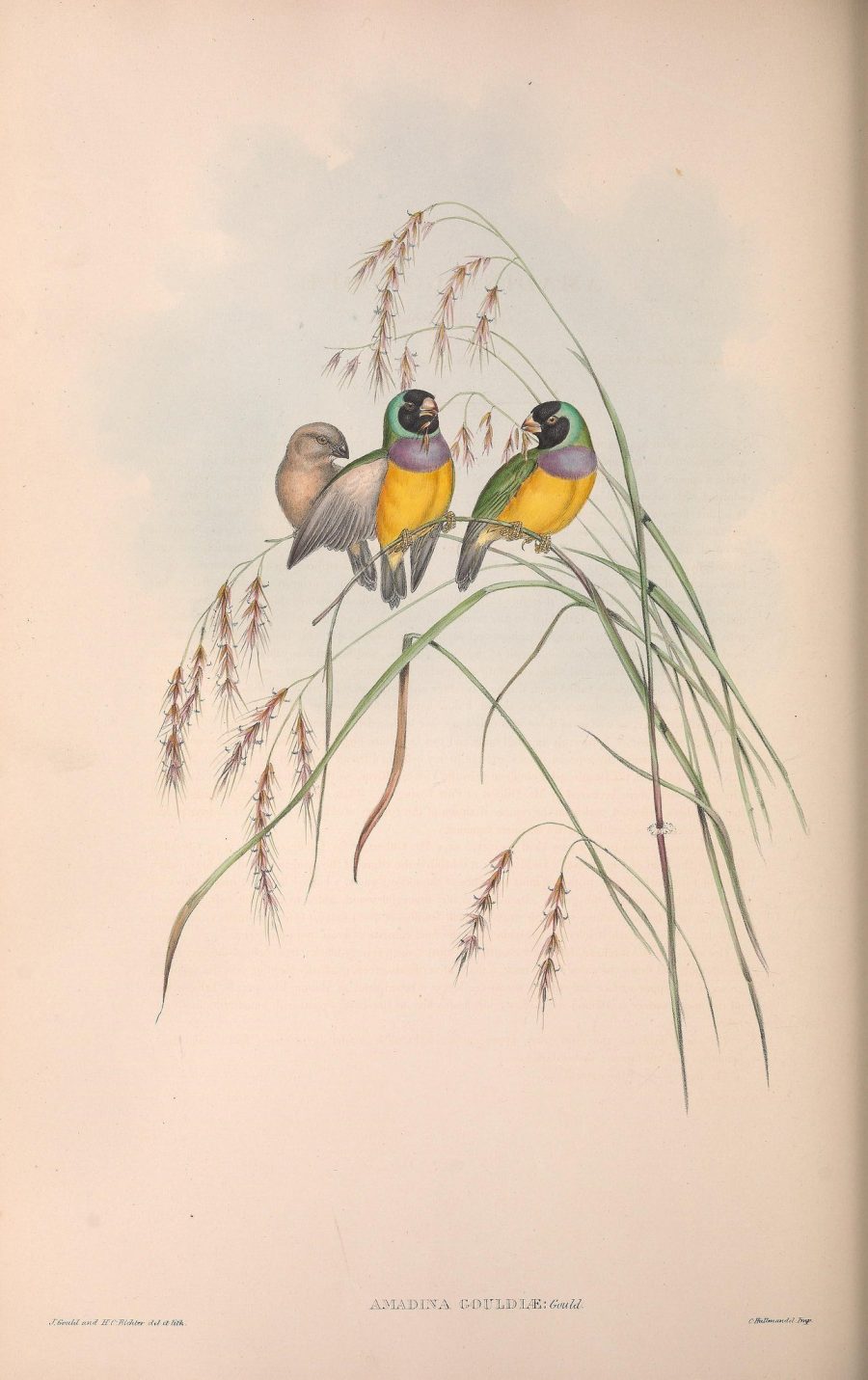
When the Goulds returned to England in August 1840, they brought back sketches, specimens, and another child—Elizabeth gave birth to a son, Franklin, in Tasmania. The first part of Birds of Australia was due to be published in December of that year, so John and Elizabeth quickly got to work on the text and lithography. Elizabeth had managed to transfer 84 of her drawings onto stone by August 1841, but tragically, she would not live to see the project through to completion. A few days after giving birth to an eighth child, Sarah, Elizabeth was struck by puerperal fever and passed away. She left John with multitudinous sketches and six children. There is no record of how this affected John emotionally. However, he memorialized her in the best way he knew how: he named a multicolored finch in her honor, and described her devotion to the family publication pursuit in the accompanying text.
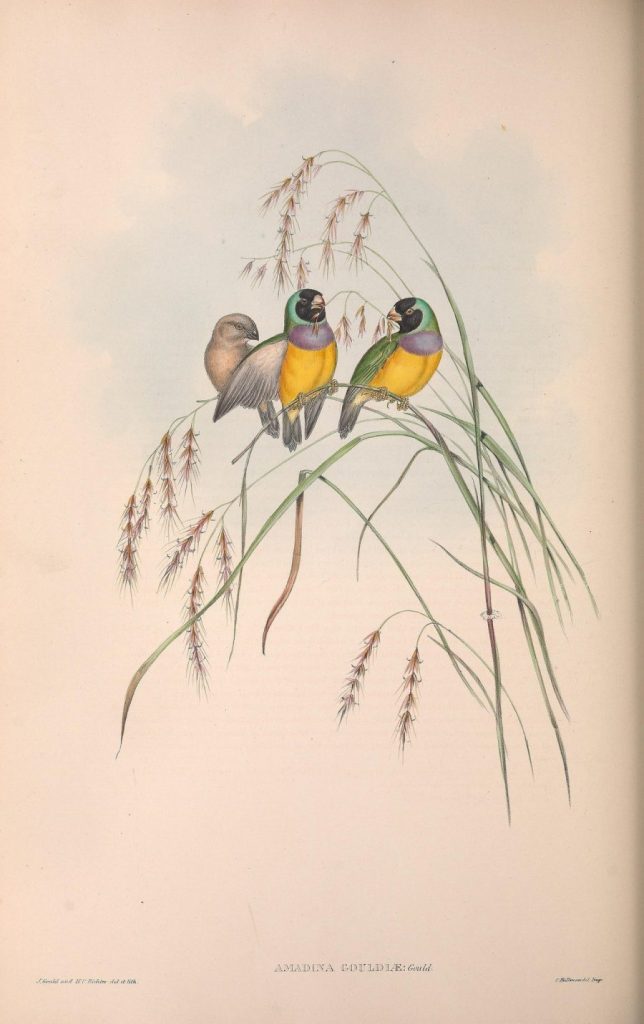
Amadina gouldiae. Art by Elizabeth Gould. The Birds of Australia. v. 3 (1848). Contributed in BHL from Smithsonian Libraries.

Elizabeth’s life is inexorably linked and influenced by that of her husband John. The way he credited (or rather, failed to credit) her contributions is objectively bad practice, and some of John Gould’s other collaborators denounced him years later; notably, upon hearing of John’s death in 1881, Edward Lear wrote that John “owed everything to his excellent wife, and to myself, without whose help in drawing he had done nothing.” However, researchers combing Elizabeth’s correspondence and diaries have found no record of her dissatisfaction with the process. It is frustrating that such a talented woman has left behind so little in the way of information about her feelings toward her art; but the delicacy and care by which she portrayed her subjects can convey nothing else than love.

The Biodiversity Heritage Library holds many of Elizabeth Gould’s works, including the Smithsonian Libraries’ copies of A Century of Birds from the Himalaya Mountains, The Birds of Australia, and The Birds of Europe, for anyone to view and appreciate for themselves. You can also browse a collection of her artworks in the BHL Flickr.
Facebook Live at Smithsonian Libraries: The Art of Elizabeth Gould

You can learn more about Elizabeth Gould and see a selection of her works during a behind-the-scenes tour at the Natural History Rare Book Library at the Smithsonian Libraries with Alexandra Newman.

When? Friday, 22 March @ 1pm ET

Where? https://www.facebook.com/SmithsonianLibraries

References

[1] Isabella Tree. The Bird Man: The Extraordinary Story of John Gould. London: Ebury Press. 2004.

[2] Chisolm, Alec. 1964. “Elizabeth Gould: Some “New” Letters.” Journal of the Royal Australian Historical Society 49(5): 10.

[3] Roslyn Russel. The Business of Nature: John Gould and Australia. Canberra: The National Library of Australia, 2011.

[4] Richard Bowdler Sharpe. An Analytical Index to the Works of the Late John Gould, F. R. S., with a Biographical Memoir and Portrait. London: Henry Sotheran, 1893.

[5] Russel, 2011.

[6] John Gould. A Century of Birds from the Himalayas. London, 1831.

[7] John Gould. The Birds of Europe. London, 1837.

[8] Melissa Ashley. “Elizabeth Gould.” John Gould: Bird Illustration in the Age of Darwin. 2014. https://exhibits.lib.ku.edu/exhibits/show/gould/about/elizabeth_gould

[9] Ibid.

[10] Russel, 2011.

March 18, 2019by michelle.underhill
Blog Reel, User Stories

Rediscovering Millipedes with the Biodiversity Heritage Library

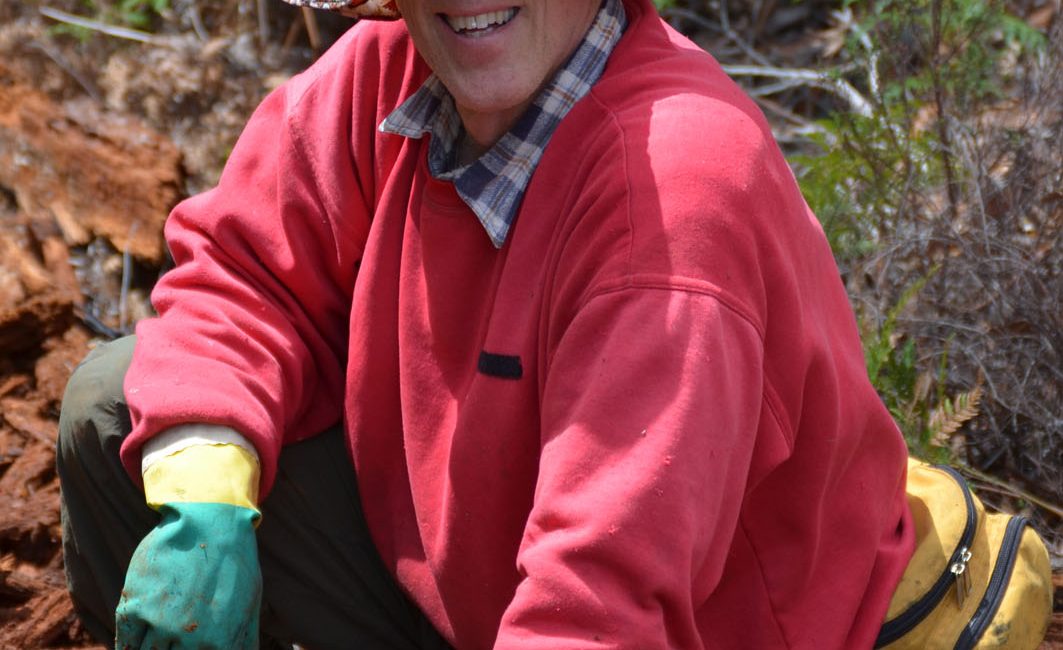
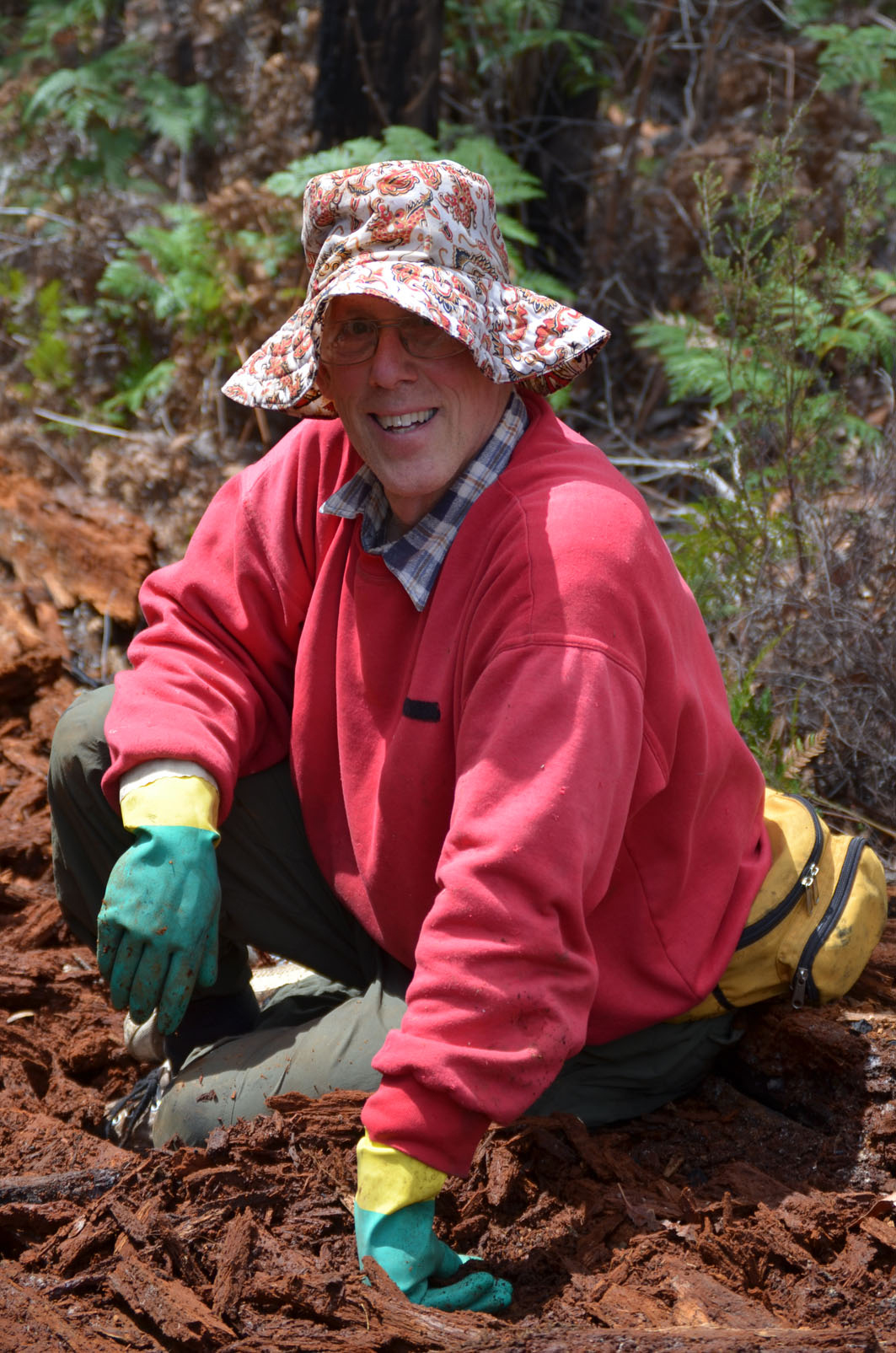
Dr. Robert Mesibov in millipede collecting hat.

Dr. Robert Mesibov in millipede collecting hat.

Like many taxonomists, I like to group things together and sort them: specimens into species, species into genera, references into bibliographies, images into galleries. The Biodiversity Heritage Library has been a powerful enabler for me as a grouper-sorter.

Fifteen or so years ago, a literature search still required at least one long and expensive trip from my home town in regional Tasmania to an academic library in Hobart (Tasmania’s capital city), or in Melbourne or Canberra on the Australian mainland. Reams of paper were used to make photocopies of key references that I could take home with me. Weeks were spent waiting for additional photocopies to arrive through inter-library loans. When I finally had all the relevant older references, I could do my revisionary taxonomic work.

Then BHL appeared.

For the past 10 years, almost all the older literature I need to see has been accessed through BHL — quickly, cheaply and paperlessly.

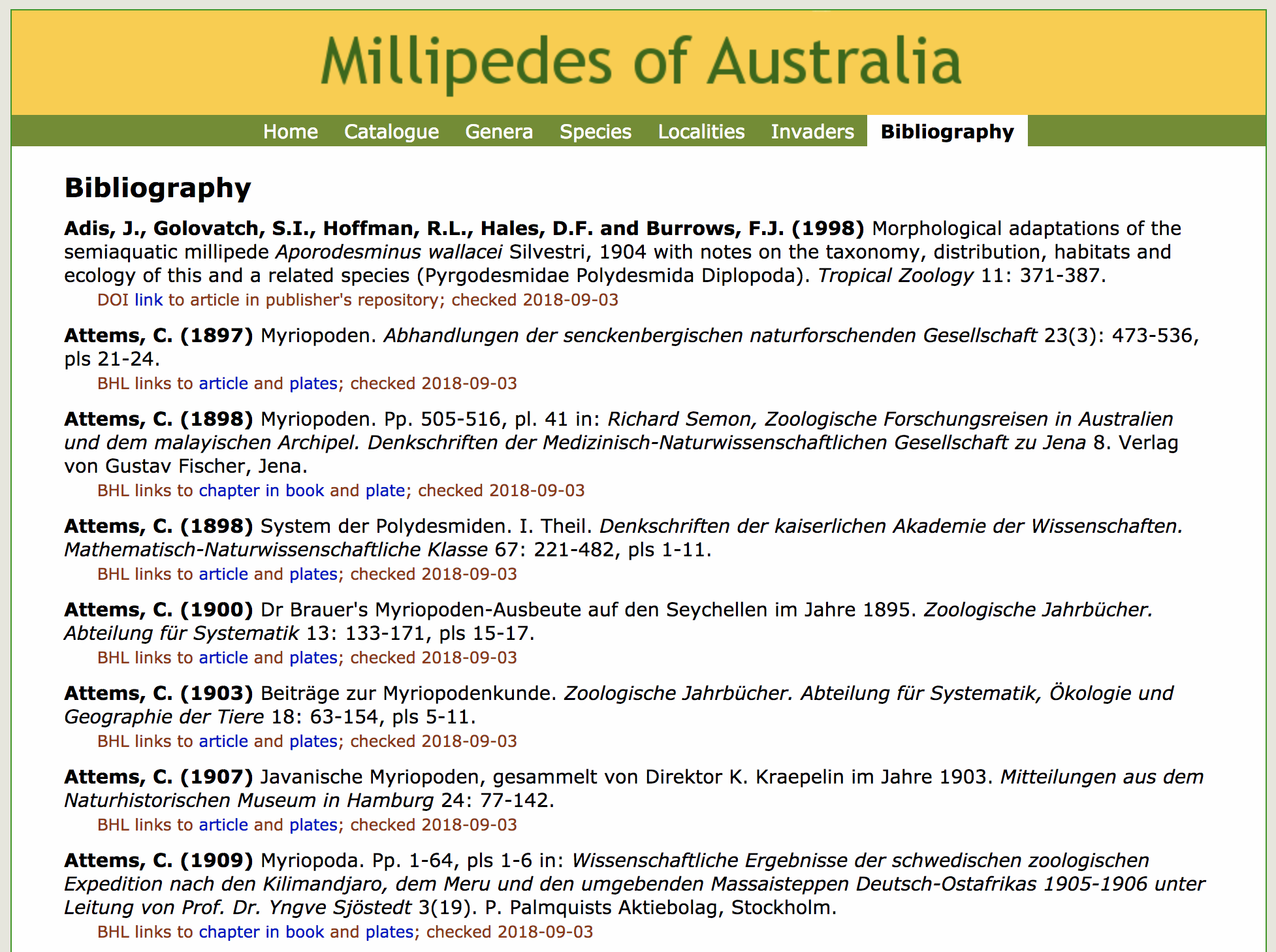
In 2002, I compiled the first Australian millipedes checklist in the old way for the Australian government’s Fauna of Australia publication series. The successor to that checklist is the Millipedes of Australia website (2006 – 2019), an online catalogue I maintain. In 2009 I began adding links to open-access references in the website’s bibliography. That bibliography currently covers the period 1833-2018, and a remarkable 66 of the 72 references from the first 90 years of Australian millipede taxonomy are in BHL. What a savings in time and money for website users!

Screenshot of a section of the bibliography on the Millipedes of Australia website. Links to BHL can be seen for many of the included references.

In preparation for my upcoming retirement this year, I will be depositing the Millipedes of Australia in a public data repository and publishing a data paper to describe the archived website. The Tasmanian locality records have also been given to the Atlas of Living Australia, allowing continued access to this data.

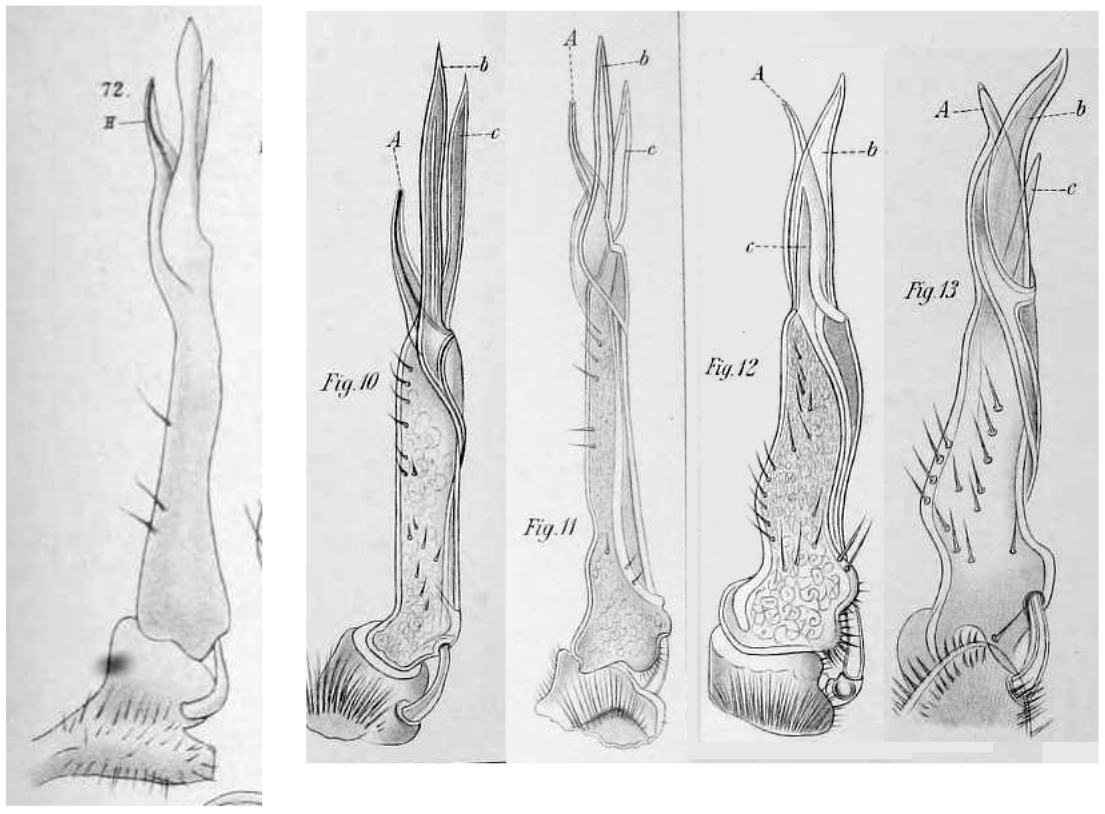
BHL has also made it easy for me to gather up published taxonomic illustrations in digital form, and then to manipulate the images into scaled, side-by-side comparisons of different species. Although I mainly do this for my own use, I produced a “gallery” document (in PDF format) of diagnostic images in 2017 to accompany an annotated catalogue of southern South American millipedes in the family Dalodesmidae (https://doi.org/10.11646/zootaxa.4338.3.6). This document has since been provided to South American and other millipede workers. It’s a big time-saver. Millipede species are mainly distinguished through differences in the male genitalia, and having illustrated genitalia of almost all the 52 dalodesmids in one place makes for instant enlightenment: “Ah ha! So that’s why that species was put in that genus!”

Many of the illustrations are from publications digitally archived in BHL.

Views of the male genitalia of the South American millipede Anaulacodesmus levissimus (Attems, 1898), as illustrated by C. Attems in 1898 (left; Fig. 72) and F. Silvestri in 1905 (right; Figs 10-13).

I’ve also been compiling taxonomic treatments (descriptions) in this way using BHL’s OCR output, edited where necessary. No more flipping through numerous old journals and photocopies, and scanning or typing blocks of text! I can quickly build a document containing multiple descriptions of the same species, or of genus-diagnostic characters across multiple species, all in one place for handy reference, and with BHL page URLs if I need to revisit the sources.

OK, maybe “enabled” isn’t the best word to describe what BHL has done for me as a taxonomist. “Spoiled” would be more accurate!

February 14, 2019by Joel Richard
Page 1 of 3123»

Help Support BHL

BHL's existence depends on the financial support of its patrons. Help us keep this free resource alive!

search

About BHL

The Biodiversity Heritage Library (BHL) is the world’s largest open access digital library for biodiversity literature and archives. BHL operates as a worldwide consortium of natural history, botanical, research, and national libraries working together to digitize the natural history literature held in their collections and make it freely available for open access as part of a global “biodiversity community.”

Join Our Mailing List

Sign up to receive the latest news, content highlights, and promotions.

Subscribe Now

Subscribe to Blog via Email

Enter your email address to subscribe to this blog and receive notifications of new posts by email.

Join 319 other subscribers

Subscribe to Blog Via RSS

Subscribe to the blog RSS feed to stay up-to-date on all the latest BHL posts.

Access RSS Feed

Inspiring Discovery through Free Access to Biodiversity Knowledge.

The Biodiversity Heritage Library makes it easier than ever for you to access the information you need to study and explore life on Earth…for free, anytime, anywhere.


64+ Million Pages of
Biodiversity Literature Online.

EXPLORE

Tools and Services
to Transform Research.

EXPLORE

300,000+
Illustrations on Flickr.

EXPLORE

ABOUT | HARMFUL CONTENT | PRIVACY | SITE MAP | TERMS OF USE