Biodiversity Heritage Library - Program news and collection highlights from BHL
  • Home
  • News
  • Featured Books
    • All Featured Books
    • Book of the Month Series
    • BHL at 20
  • User Stories
  • Campaigns
    • Fossil Stories
    • Garden Stories
    • Monsters Are Real
    • Page Frights
    • Her Natural History
    • Earth Optimism 2020
  • Tech Blog
  • Visit BHL
Home
News
Featured Books
    All Featured Books
    Book of the Month Series
    BHL at 20
User Stories
Campaigns
    Fossil Stories
    Garden Stories
    Monsters Are Real
    Page Frights
    Her Natural History
    Earth Optimism 2020
Tech Blog
Visit BHL
  • Home
  • News
  • Featured Books
    • All Featured Books
    • Book of the Month Series
    • BHL at 20
  • User Stories
  • Campaigns
    • Fossil Stories
    • Garden Stories
    • Monsters Are Real
    • Page Frights
    • Her Natural History
    • Earth Optimism 2020
  • Tech Blog
  • Visit BHL
Biodiversity Heritage Library - Program news and collection highlights from BHL
BHL News, Blog Reel

Q: How many BHL’s can you fit into a single meeting?

A: 3

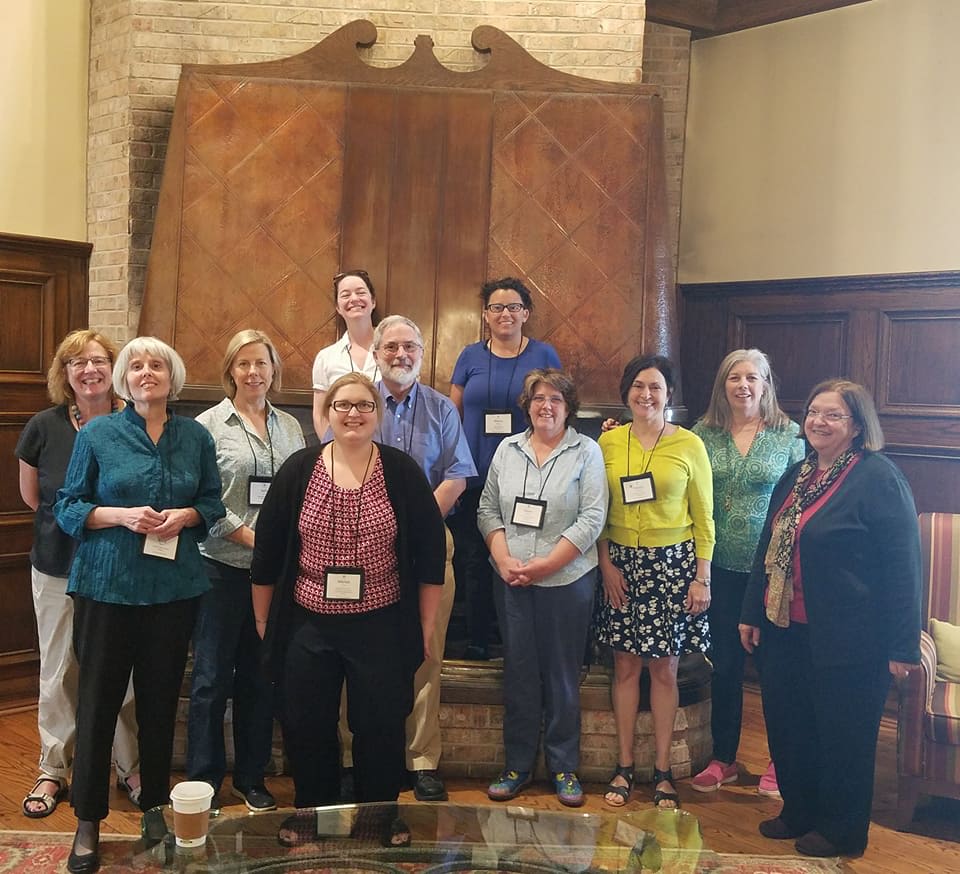
cbhlgroup.jpg

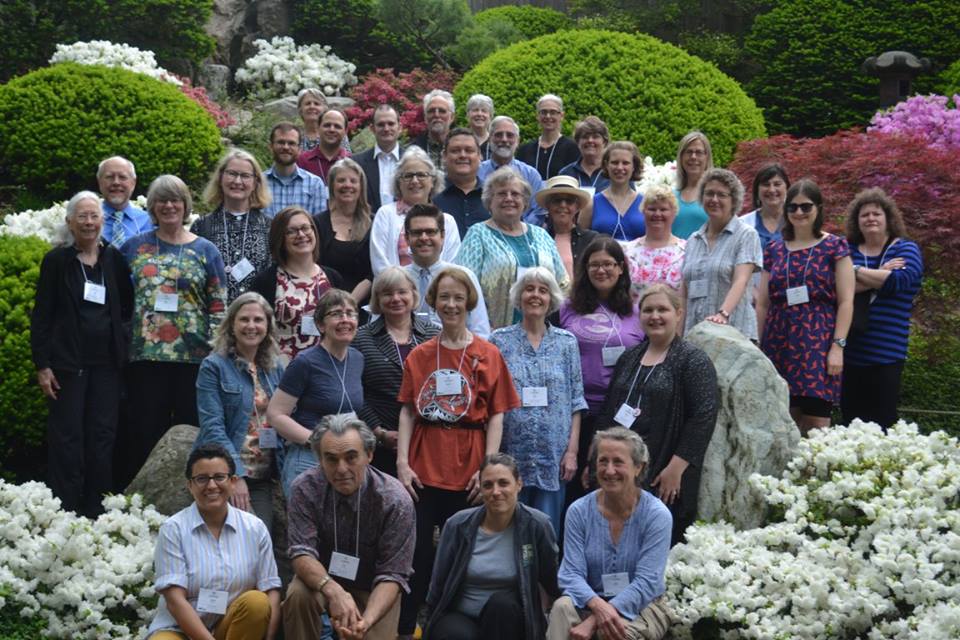
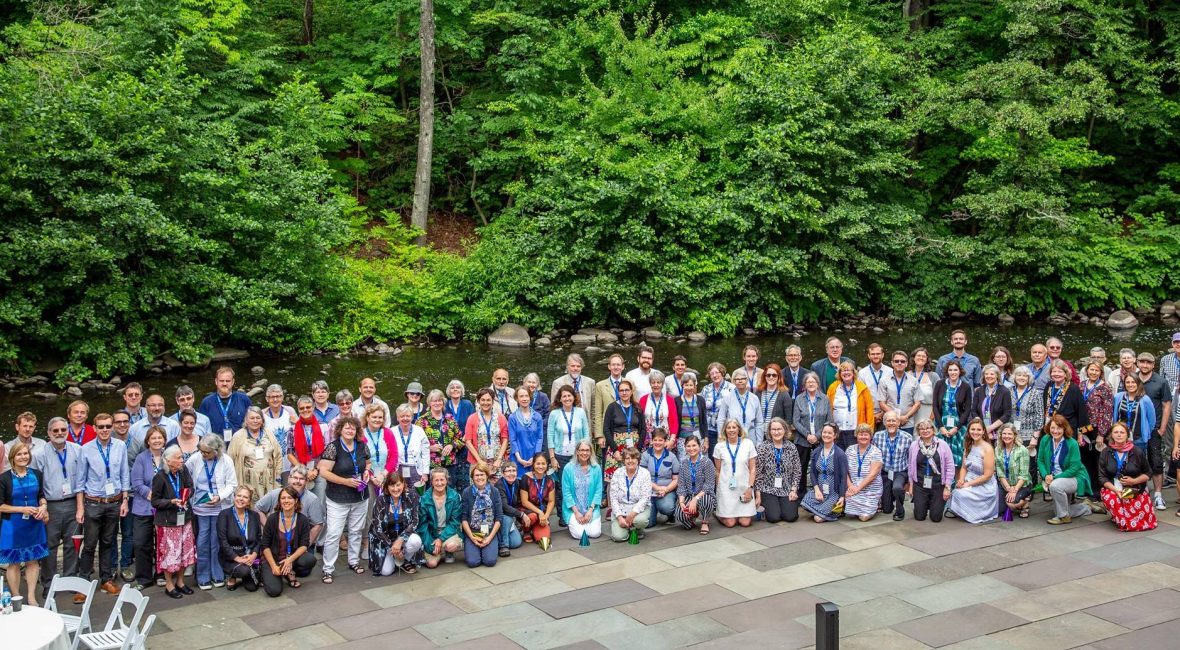
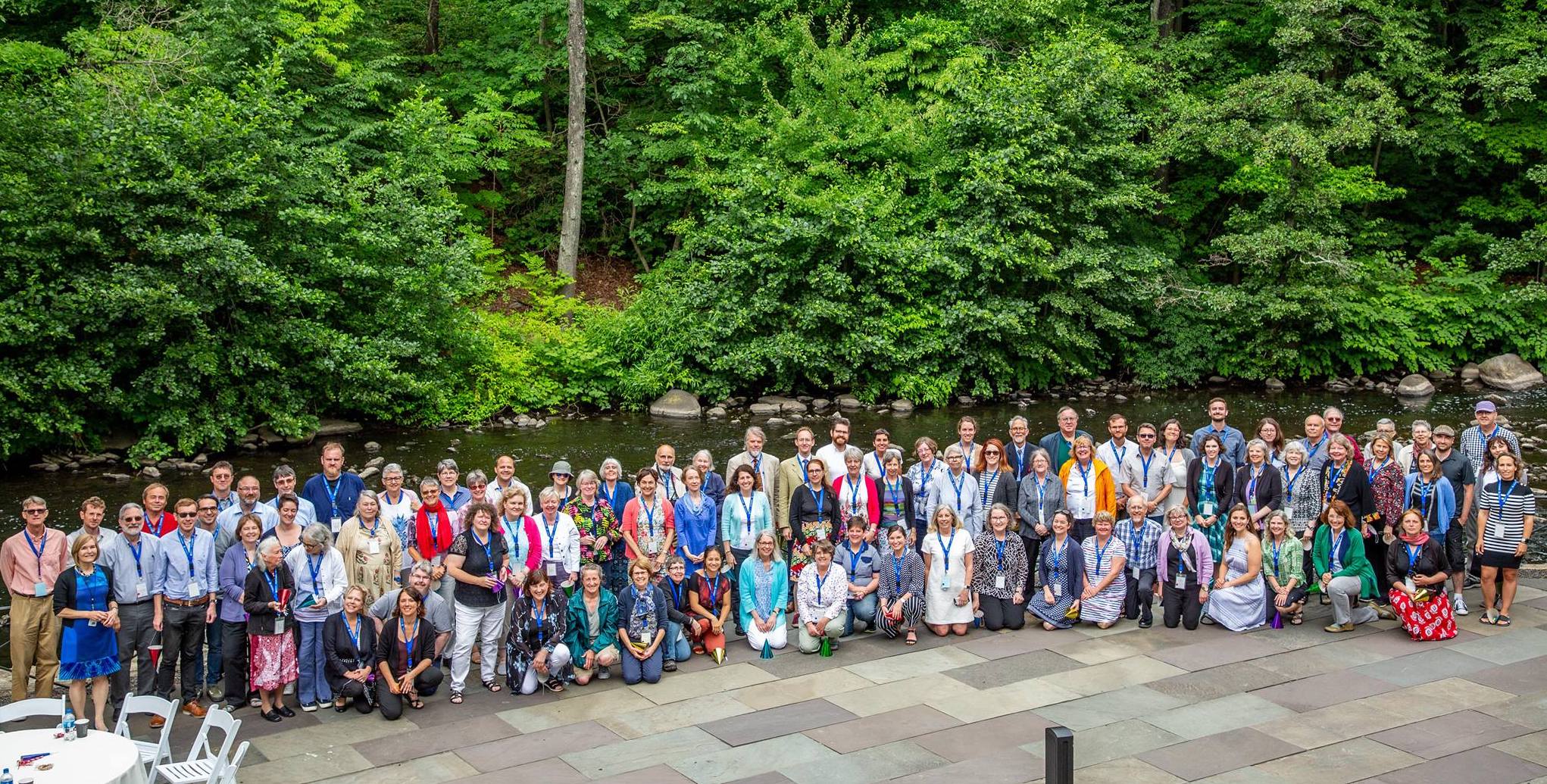
Group photo of CBHL, EBHL, and Linnaeus Link Annual Meeting attendees

As in CBHL (host) + EBHL (host) + BHL (attendees) but there’s always room for more…especially if they are like this group of Brilliant Happy Librarians!

Back in June I attended the 50th Annual Meeting of The Council on Botanical and Horticultural Libraries (CBHL) which was also host to the 25th anniversary meeting of the European Botanical and Horticultural Libraries Group (EBHL) as well as the 22nd annual meeting of Linnaeus Link partners. The theme of the meeting was “Botanical and Horticultural Libraries in the Modern Era: Training and Vision for the Future” and it encouraged its attendees to “[discuss] how technology has united us and what the future holds in store for us as we enter the new millennium.” The joint meeting was held between the New York Botanical Garden and the Brooklyn Botanic Garden. Presentations centered around new or revamped digitization projects, implementing electronic access to materials as well as initiatives to better integrate library and archival materials into research discovery systems.

The meeting showcased a variety of digital collections that were new to me such as the Linnean Society’s Online Collections of specimens, manuscripts, correspondence, paintings, and books, many of which were collected, annotated, or written by Linneaus himself! The Royal Horticultural Society’s Lindley Library also gave a presentation about the digitization of its special collections and Fiona Ainsworth of Royal Botanic Gardens Kew shared about the latest projects in her library to digitize rare Chinese illustrations and catalog the Miscellaneous Reports collection in their archives. I was particularly excited to learn about upcoming plans to update the Real Jardín Botánico de Madrid’s Biblioteca Digital for the future.

There were also fascinating presentations on various research projects that made intensive use of the very collections CBHL and EBHL have represented within their organizations. Maura Flannery‘s talk Plants in the Library: The Johannes Harder Herbarium detailed her study of Harder’s 16th century, multi-volume compendium known as a Herbarium vivum. This rare work on botanical collection from German localities was composed by pressing plant specimens directly into the book and illustrating those parts which would not press well such as bulky seeds or stalks. While Maura had the unique chance to see one of these works in person, the rest of us are fortunate enough to have access to this digital copy thanks to the Bayerische StaatsBibliothek. Inspired by the vasculum left to her by her grandmother, Régine Fabri presented on the history of the botanical collecting object. And Eric Sanderson set the perfect backdrop to the meeting by opening it with a discussion of his work on The Welikia Project to detail New York City’s rich ecological history compared with its present urban environment block by block!

This year CBHL honored the work of Susan Fraser, Director of The LuEsther T. Mertz Library of the New York Botanical Garden, with the Charles Robert Long Award of Extraordinary Merit. Knowing Susan for my nearly 10 years with BHL it was no surprise to see her receive this award for her exemplary leadership and dedication to improving the global, digital and scholarly impact of the profession. Congratulations Susan!

Besides the fact that CBHL organization draws on my roots working in the U.S. National Herbarium along with my love of librarianship, a critical purpose of attending this year’s meeting was to network with BHL colleagues from 11 (yes, 11!) of our partner organizations. I had the opportunity to get some face time with colleagues from Botany Libraries/Harvard University, Chicago Botanic Garden, Los Angeles County Arboretum and Botanic Garden, Missouri Botanical Garden, Museum national d’Histoire naturelle, National Agricultural Library, New York Botanical Garden, and Royal Botanic Gardens Kew, as well as our newest Affiliate partners from the Lloyd Library and Museum, Oak Spring Garden Foundation, and University Library Johann Christian Senckenberg. Indeed CBHL, EBHL, and BHL share much more in common than just our acronyms.

The CBHL-EBHL-Linnaeus Link Annual Meeting reminded me of the importance of nurturing a community of like-minded professionals around shared values and interests. Through these communal experiences, botany and horticulture librarians and researchers enrich their ability to support and disseminate relevant resources, including best practices and digital collections. Working almost exclusively in the virtual digital library world, I forget that sometimes the quickest way to exchange information is face to face as it is a deeper impression of knowledge understood and more likely remembered, than the ephemeral information received via electronic exchange. It is truly an enjoyable group that I hope to be able to meet again at future annual meetings.
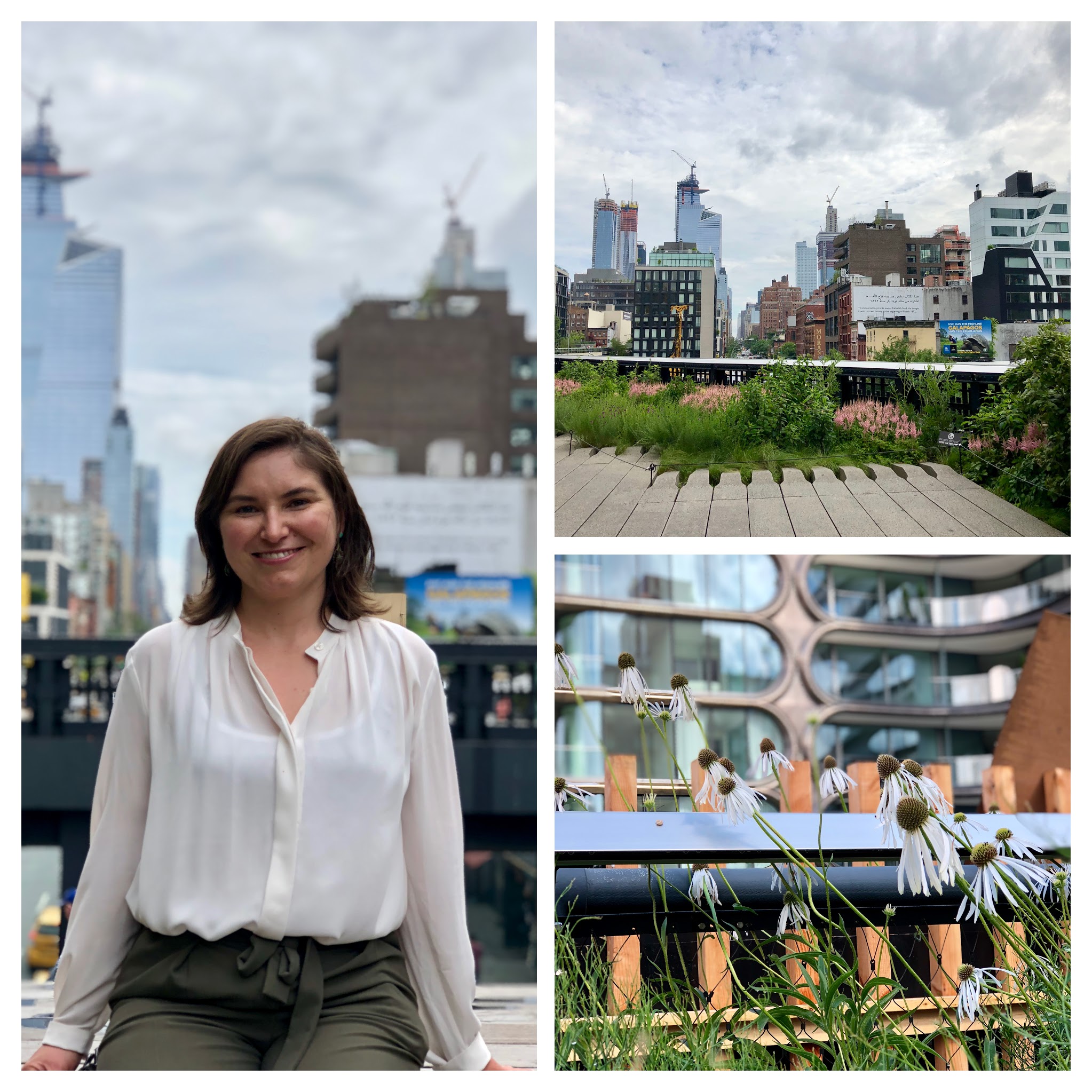
IMG_6756-COLLAGE.jpg

Bianca Crowley on the Annual Meeting field trip to tour the High Line in New York City

Reflecting back on my experience I am left with one nagging thought about the continued ubiquity of library information silos and the difficulty of practically executing linked open information systems. CBHL and EBHL partners shared information about many digitization projects, many of which contain digital books living separately in their own web spaces. I can’t help but wonder if it would be useful to aggregate these materials under a common access point so that researchers and librarians outside the CBHL/EBHL community could more easily discover them. Could BHL help integrate some of these disparate book collections together? If our shared acronyms are any indicator, this may be an idea worth exploring in the form of deeper collaboration for the future.
August 30, 2018by SheilaC7108
BHL News, Blog Reel

CBHL 2017: Expanding Access visits the Twin Cities

Portrait version of the Biodiversity Heritage Library logo.

The Council on Botanical and Horticultural Libraries met for its annual conference in Chaska, Minnesota this year.  The conference, which took place June 5th through June 9th, was attended by three Expanding Access to Biodiversity Literature team members: Susan Fraser, Susan Lynch, and Mariah Lewis.

Tuesday the team hosted a pre-conference workshop titled “Contributing to a National Digital Infrastructure, with Help Every Step of the Way.”  The workshop was attended by both members of CBHL and those outside CBHL who were interested in the Expanding Access project.  The training covered a variety of topics including collection development, the Digital Public Library of America, metadata, imaging standards, BHL related tools and defining articles within BHL. The three-hour session was well attended and some attendees are expected to contribute to BHL in the upcoming months while others have already added content through Expanding Access.  Check out the Lloyd Library and Museum’s contributions here!

View Full Size Image

Tuesday evening, after a day of committee meetings, the opening reception kicked off the annual CBHL meeting.  A wonderful evening of hors d’oeuvres allowed members to reconnect and meet the ten first time attendees.

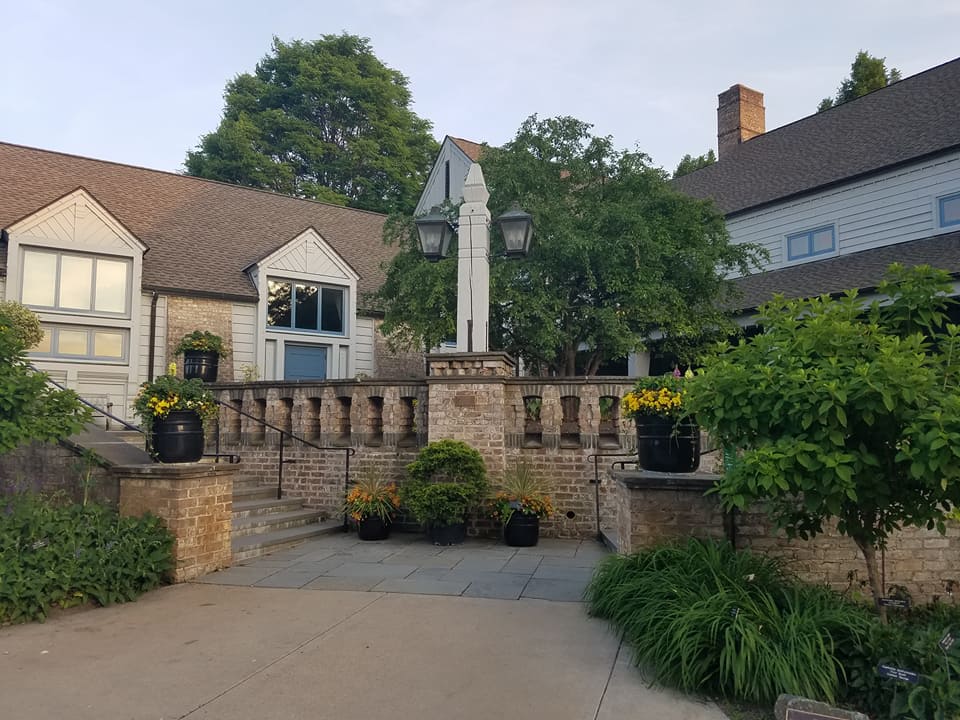
The next day was spent at the University of Minnesota Landscape Arboretum, a quick drive past Prince’s Paisley Park.  Kathy Allen, this year’s host and the Librarian at the Andersen Horticultural Library, welcomed CBHL members and introduced the Arboretum Director, Peter C. Moe, who gave a thorough, informative and interesting introduction to the Arboretum.  This was followed by a presentation about the Arboretum’s education programs by the Director of the Education Department, Tim Kenny.

The next presentation of the day followed David Bedford’s experiences with apple breeding at the University of Minnesota.  A Senior Research Fellow at the Horticultural Research Center, Bedford took the audience through a history of apple migration and how exactly we get those delicious apple varieties we see in the grocery store.  Notably, the University of Minnesota has developed such apple varieties as Honeycrisp, Regent, and SweeTango.

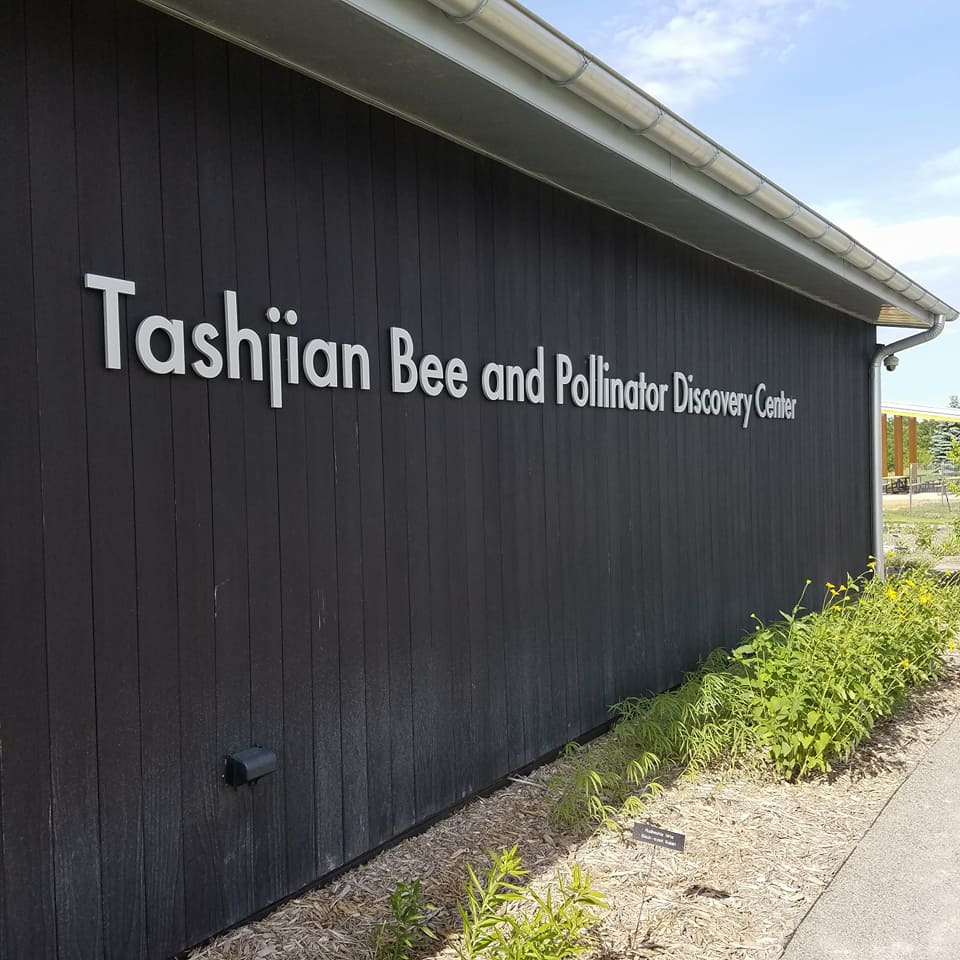
Wednesday afternoon was spent touring the garden and the Andersen Horticultural Library. Following this was a tram ride around 3-Mile Drive and a stop in at the newly constructed Tashjian Bee and Pollinator Discovery Center, which has been open less than a year.  The Center was created to be both an educational and outreach project in association with the University of Minnesota’s world-renowned bee research.

View Full Size Image

Thursday the attendees ventured to the University of Minnesota in the Twin Cities.  The morning kicked off in the Wangensteen Library of Biology & Medicine, where tours of the stacks and a rare book showing were given.  Later, members were able to tour the Weisman Art Museum and spend time in the Dear Darwin exhibit.  The crew then walked across the Mississippi on their way to the Elmer L. Andersen Library.

The early afternoon was spent between two activities.  The first was a presentation on the University of Minnesota’s Children’s Literature Research Collection which included a viewing of original artwork by Anne Ophelia Dowden, Betsy Bowen, and Phyllis Root.  The second activity was a tour through the Minnesota Library Access Center- the cavernous storage facility that can hold up to 1.4 million volumes.  With shelves standing 17 feet tall, items are shelved by size and retrieved by forklift.  Later that afternoon there was a panel discussion of Collection Stewardship.

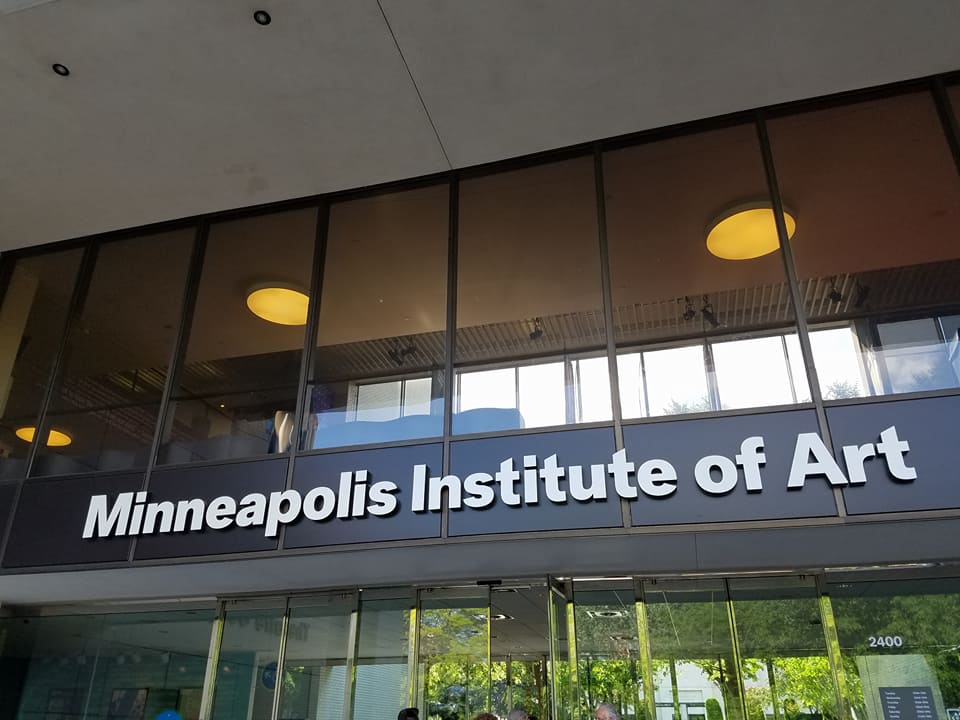
After the group’s time at the University of Minnesota, they traveled to the Minneapolis Institute of Art, taking advantage of the range of art and artifacts in the wonderfully-curated exhibits.  Also nearby was “Eat Street.”  Covering seventeen blocks, Eat Street incorporates a number of different culinary styles, flavors and atmospheres.

View Full Size Image

On Friday, the annual meeting returned to the Andersen Arboretum.  After a morning of business meetings, a joint CBHL/Friends of the Andersen Horticultural Library Luncheon was held.  CBHL members were able to enjoy the company of the Friends of the Library, who had graciously helped secure the luncheon speaker, and furniture designer legacy Mira Nakashima.  Reflecting on the life and career of her father, master furniture designer George Nakashima, and the current pieces the company is now working to create, Mira Nakashima’s presentation allowed the audience to travel with her into her memories.  After lunch Mira Nakashima led small group tours of the Andersen Library’s Nakashima furniture collection.

That afternoon, there was an Arboretum Behind-the-Scene bus tour where participants were able to see more than just the main area.  This included seeing the apple orchards referenced in an earlier presentation and the home of the osprey family that stars in the University of Minnesota Osprey Cam.

View Full Size Image

The conference concluded after the Annual Literature Award Ceremony and Banquet.  Each year, after the presentation of the awards and during the banquet, the members enjoy a final speaker and the book raffle.

This year’s banquet speaker was Dr. David Zlesak.  An Associate Professor of Horticulture at the University of Wisconsin, the presentation focused on the plant introduction pipeline.  This follows the life of new varieties from planning and breeding to marketing and selling.

Eight member presentations were given throughout the week.  A chance to share institutional projects with other members, the topics included plant information, children’s literature diversity, film crews in archives, Wikipedia edit-a-thons, bookplates, book reviews, lost gardens, and a new collection management system at the Morton Arboretum.

To read more about the Council on Botanical and Horticultural Libraries Annual Conference, check out the September issue of the CBHL Newsletter.

July 20, 2017by ntay
BHL News, Blog Reel

Expanding Access and MiBio team members present at the annual Council on Botanical and Horticultural Libraries Meeting

The Council on Botanical and Horticultural Libraries hosted its 48th Annual Meeting in Cleveland, Ohio May 24-28th, 2016.  With perfect weather and a packed schedule, members were kept busy experiencing a number of different museums, attending meetings and hosting member presentations and speakers.  Tours of the Cleveland Botanical Garden, West Side Market, Great Lakes Science Center, Rock and Roll Hall of Fame and Museum, Dittrick Museum of Medical History, Cleveland Museum of Art, Cleveland Museum of Natural History, Herb Society of America, and the Holden Arboretum allowed attendees to gain a well-rounded sense of Cleveland’s landscape.
View Full Size Image
Photo credit: Jennifer McDowell


The Council on Botanical and Horticultural Libraries (CBHL) is made up of organizations, institutions and individuals from around the world.  It was created to initiate and facilitate communication between those focused on libraries and botanical and horticultural literature and dates back to November 13, 1969 when the first conference convened in Boston, Massachusetts.  It was more formally founded the following year at the Second Conference.  Members of CBHL include the Denver Botanical Gardens Helen Fowler Library, Michigan State University Libraries, the Morton Arboretum and many others.  Some BHL affiliates and partners are also a part of CBHL including the Missouri Botanical Garden, the New York Botanical Garden, and the California Academy of Sciences Library.
One of the member presentations was titled “Towards better accessibility to biodiversity knowledge: The Biodiversity Heritage Library as a platform for content sharing and discovery” and included two different presentations on two BHL projects.  The first was the Expanding Access to Biodiversity (EABL) team members: Mariah Lewis and Patrick Randall.  This presentation, which is now available online, covered topics such as timeline, funding, scope, copyright, digitization, metadata, curation, and the benefits of participation. 
Following this was William Ulate who presented on Mining Biodiversity (MiBio).  While Expanding Access aims to bring more content into BHL, Mining Biodiversity is dedicated to transforming BHL into a next-generation social digital library resource that not only gives access to users, but also facilitates study and discussion of legacy scientific documents.  This international collaboration is a project rooted in helping users locate information within BHL easily and efficiently while fostering collaboration.  The presentation can be viewed here.  Members were also able to access and test the search interfaceand leave valuable feedback for the project. 
View Full Size Image
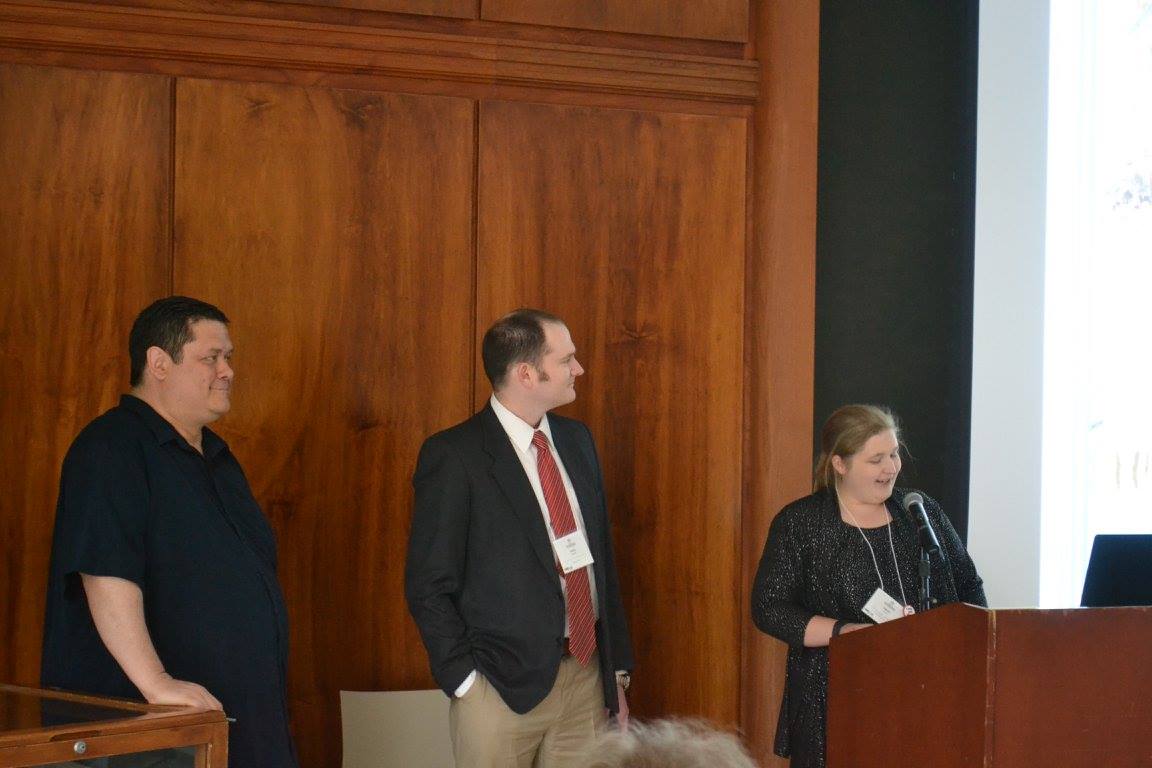
William Ulate, Patrick Randall, and Mariah Lewis present at CBHL
Photo Credit: Bill Musser

The two presentations were met with an extremely positive response from attendees and facilitated wonderful conversations about the Biodiversity Heritage Library, Expanding Access to Biodiversity Literature, and Mining Biodiversity.  Expanding Access was able to talk with a number of future contributors about the project and are looking forward to working with them to add their content into BHL!

Special thanks to our spectacular hosts: The Cleveland Botanical Garden and The Holden Arboretum and CBHL for allowing us to present!
View Full Size Image
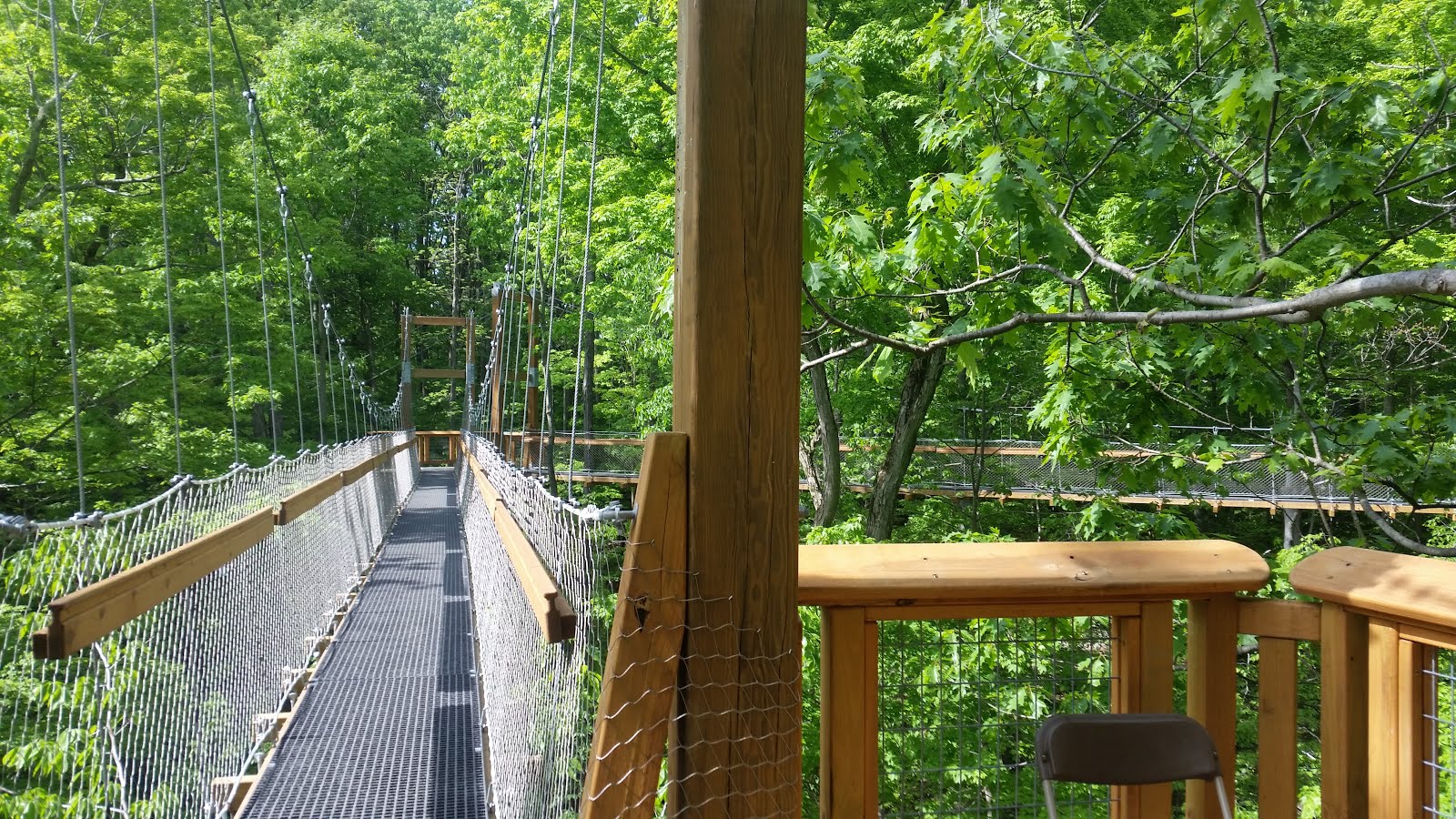
It’s the Canopy Walk at the Holden Arboretum! 
Photo credit: Mariah Lewis

Want more information on the Expanding Access project?  Interested in being one of our contributors?  Please email Patrick Randall at [email protected]for more information!  An Expanding Access team member will be present at ALA’s Annual Conference.  If you would like to talk about the project in-person in Orlando next week please email Mariah Lewis at [email protected].  

June 16, 2016by aneeser
BHL News, Blog Reel

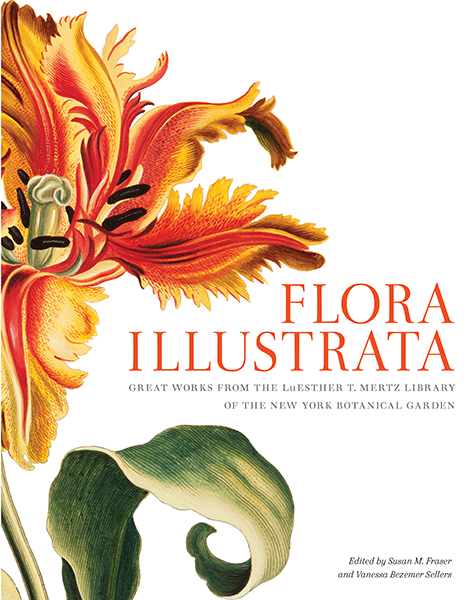
NYBG’s Flora Illustrata Wins Two Prestigious Awards

Portrait version of the Biodiversity Heritage Library logo.

Flora Illustrata: Great works from the LuEsther T. Mertz Library of The New York Botanical Garden, edited by Susan M. Fraser and Vanessa Bezemer Sellers and published by The New York Botanical Garden (NYBG) – a founding BHL Member – and Yale University Press, has been honored with two prestigious awards: the 2015 American Horticultural Society Book Award and the CBHL 2015 Annual Literature Award.

On 4 June, 2015, the American Horticultural Society named Flora Illustrata as one of its 2015 AHS Book Award Winners during the Great American Gardeners Awards Ceremony and Banquet in Alexandria, Virginia. The AHS Book Award, established in 1997, honors outstanding garden-related books published in North America. Candidates are judged on writing style, authority, originality, accuracy, and design quality. According to Rita Hassert, a botanical librarian at the Morton Arboretum in Lisle, Illinois, and one of the 2015 AHS Book Award Committee Members, “[Flora Illustrata] adeptly captures horticultural history through thoughtful, easy-to-understand discussions of the botanical and cultural significance of each piece.”

On 18 June, 2015, the Council on Botanical and Horticultural Libraries, Inc. (CBHL) presented Flora Illustrata with the 2015 Annual Literature Award as part of the Council’s 47th Annual Meeting in Decorah, Iowa. The award, in its sixteenth year, recognizes significant contributions to the literature of botany and horticulture. According to the CBHL press release about the 2015 award, “This work celebrates one of the nation’s most important botanical literature collections and was edited by a long time CBHL member Susan Fraser,” Director of the LuEsther T. Mertz Library.

View Full Size Image

Flora Illustrata celebrates key works from the collections of the LuEsther T. Mertz Library of The New York Botanical Garden. The Library is one of the most comprehensive resources about plants anywhere in the world, holding over one million cataloged items on horticulture, floriculture, botanical illustration, garden design and history, the exploration of the New World, and land management. Through a series of essays, each written by a leading authority, and a plethora of stunning illustrations, Flora Illustrata highlights selections spanning more than eight centuries, such as rare manuscripts and iconic books including Renaissance herbals, precious botanical drawings, explorers’ notebooks, and more, and presents the library’s collection within the context of larger cultural and historical events throughout the ages.

“The contributors and editors not only describe the contents within the books but their importance as physical objects, noting the significance of the paper used, typefaces and bindings,” states the CBHL 2015 Annual Literature Award press release. “The essays tell the stories of how some books came to be written, illustrated, and their social, cultural and scientific significance when first published as well as their present day influence and importance. Anyone who loves history, art, plants and gardens will enjoy this book.”

Key themes throughout the book include the roles played by preeminent explorers, scientists, publishers, artists, and printmakers across the centuries, the development of bookmaking and graphic arts, and the scientific progress that led to improved identification and representation of plants. The first and final chapters also detail the history, development, and purpose of the LuEsther T. Mertz Library.

“The LuEsther T. Metz Library is unquestionably one of the great treasures of the world,” praised Thomas E. Lovejoy, Senior Fellow at the United Nations Foundation and University Professor in the Environmental Science and Policy department at George Mason University. “Flora Illustrata reveals with stunning scholarship the deeply intertwined history of plants, science, and humanity. Rich and fascinating beyond imagination and now accessible to anyone. A triumph of a book.”

The LuEsther T. Mertz Library of The New York Botanical Garden is one of the founding institutions of the Biodiversity Heritage Library. Susan M. Fraser, co-editor of Flora Illustrata and Director of the Mertz Library, is the NYBG representative to BHL and former BHL Executive Committee Secretary. NYBG has contributed over 3.8 million pages to BHL to date. Explore NYBG’s collection in BHL today.

July 28, 2015by ulib-libraryjobs
BHL News, Blog Reel

BHL presentation to the Council on Botanical and Horticultural Libraries

Portrait version of the Biodiversity Heritage Library logo.

On April 30, 2014 I attended the Council on Botanical and Horticultural Libraries (CBHL) annual conference at the Lewis Ginter Botanical Garden in Richmond, VA. CBHL describes itself as, “an international organization of individuals, organizations and institutions concerned with the development, maintenance and use of libraries of botanical and horticultural literature.” With the extent of the BHL’s digitized botanical literature available for free access, CBHL members are regular users and big fans of BHL.

I was delighted to be invited to present an update on BHL happenings over the past year or so, including such highlights as the adoption of a new mission, vision, and goals; our new website user interface (launched in March 2013) and its new article access features, as well as link outs to biodiversity materials on external websites; and our new membership structure and newest members/affiliates.

It was my first time attending a CBHL meeting but hopefully not my last as this easy going group immediately made me feel welcomed. Granted it may be because they are such strong supporters of the BHL, after all they awarded us the Charles Robert Long Award (2013) for our successful collaborative efforts with botanical libraries worldwide. I was impressed with the group’s strong sense of camaraderie and community, and level of organization. As so many BHL participating institutions (Missouri Botanical Garden, New York Botanical Garden, Smithsonian Libraries, Harvard University Botany Libraries, and Cornell University’s Mann Library) are CBHL members themselves I look forward to our networks cross-pollinating in the future!

If you’d like to see more about how the BHL has grown over the past year+, please take a look at my presentation on slideshare:

Cbhl apr2014 from Bianca Crowley
May 22, 2014by SheilaC7108
BHL News, Blog Reel, User Stories

From BHL User to Virtual Reference Intern

View Full Size Image
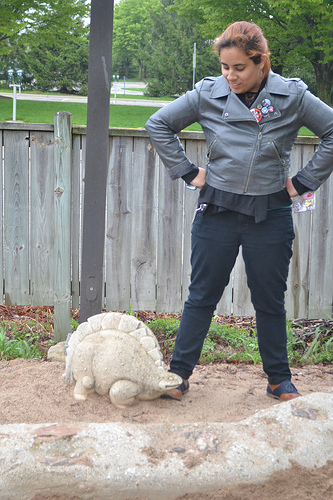
Me and a new friend at the 2013 CBHL Meeting,
MSU Children’s Garden. Photo by Bill Musser.
Like most people who go for a library science degree, I was a kid who loved libraries and books, often checking out more than I could get through in three weeks. (Admittedly, this still happens today. So many books, so little time.) Surprisingly instead of wanting to be a librarian, I figured I’d become a writer. As things tend to happen, the plan wasn’t as straight forward as I’d expected. In a few years I went from wanting to write a darling hipster novel to interning at a paleoecology lab to finally applying for grad school to pursue a master’s degree in library science.
After finishing my undergraduate degree at Emerson College, I moved back to Maryland to jump into the MLS program at the University of Maryland iSchool. With so many libraries in the area, it was an easy decision to make. I completed my field study as a bibliographic data intern at the National Oceanic and Atmospheric Administration Central Library earlier this year. It was my first exposure to real-world use of MARC holdings records and OCLC standards. Around the same time I also started my internship at the Smithsonian Botany-Horticulture library. There I’ve been working on a collection management project in addition to some reference work. I even do some shelving every once in a while to get a better idea of what the library holds — not to mention there is something calming about shelving material.
 A few weeks into my Botany-Horticulture library internship I met Bianca Crowley and Jackie Chapman of the Biodiversity Heritage Library. As I had been helping fulfill BHL requests for items in the Botany library, it was suggested that I get more involved. Over the next few months I helped with scanning requests, a preview of the internship that was to be. However, that wasn’t my first experience with the BHL.
My relationship with the Biodiversity Heritage Library started years before I had the opportunity to intern here. During my senior year of college, I did some research at the Harvard University Botany Libraries — a BHL institution I interned for the previous summer — in hopes of finding a great image for a tattoo of Ulmus americana, commonly known as the American or white elm. I came across a citation for a white elm plate in Francois Andre Michaux’s North American Sylva. Unfortunately, Harvard’s copy was unavailable at the time so it was suggested I look in the BHL. Lo and behold, there it was ingested from the Internet Archive. Ever since, the BHL has been my go-to resource for natural history images.
View Full Size Image
Ulmus americana. Perfect tattoo inspiration.
Needless to say, officially starting as the BHL virtual reference intern was a great way to go from user to provider. Over the past few months I worked on the back-log of user requests submitted through the feedback form. The general process of going through a request would start by confirming the citation provided by the user. Sometimes the user is working with a partial citation so this can take some time. Thankfully, verifying citations is something I really like to do. From there I double-check that the title isn’t already available through the portal. Finally, if it’s indeed unavailable, I determine if a BHL member has it in its collection, and assign the scanning task accordingly.
One of the benefits of this internship is interacting with librarians from so many of the BHL institutions, be it through the Gemini interface, a staff call, or here at the Museum of Natural History. It’s great getting a chance to experience how every member does his or her part to make the BHL such a great resource.
My internship ends this month, but I will be sticking around the Smithsonian Libraries as a volunteer. Also (because I can’t get enough of these DC libraries) I will be volunteering at the Library of Congress to work with their mini-comics collection.
It’s been incredible interning for the BHL and Smithsonian Libraries. I’ve met some wonderful people I’m happy to call colleagues and mentors. Seeing the work they do is an inspiring reminder of why I chose to be a librarian. Plus, it’s been wicked cool working a short walk away from the Hall of Bones!
Connect with me via LinkedIn. To read about my internship with the Botany-Horticulture Library, check out my post on Unbound, the Smithsonian Libraries blog. 
September 3, 2013by lmyrick
BHL News, Blog Reel

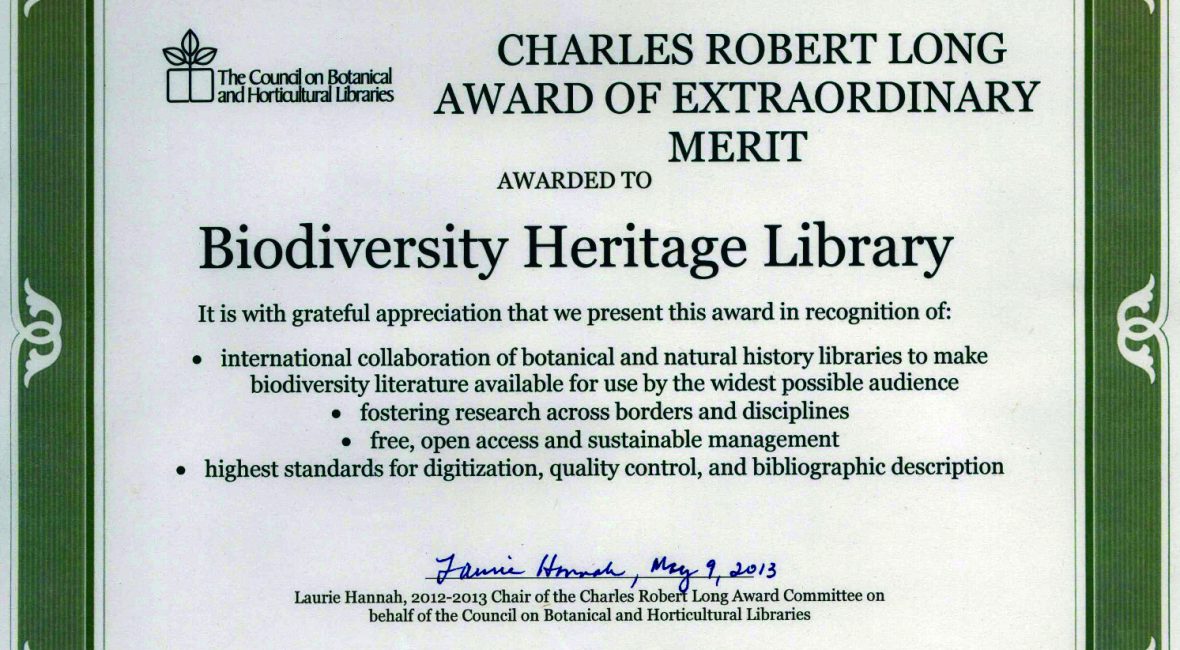
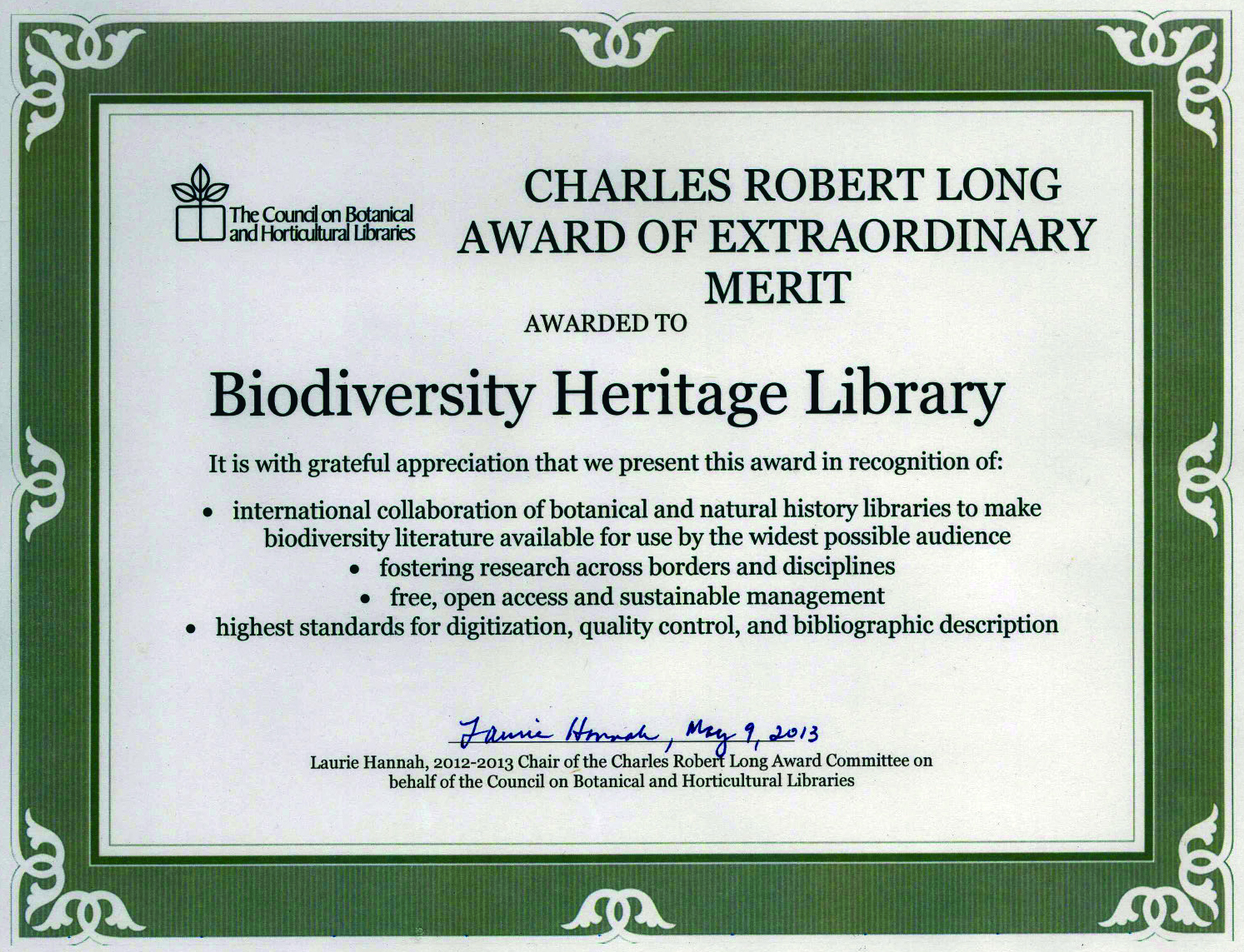
The Biodiversity Heritage Library Receives the CBHL Long Award of Extraordinary Merit

View Full Size Image

The Biodiversity Heritage Library is pleased to announce that it is the recipient of the Charles Robert Long Award of Extraordinary Merit from the Council on Botanical and Horticultural Libraries (CBHL).

The highest honor bestowed by CBHL, the Charles Robert Long Award for Extraordinary Merit was founded to honor outstanding contribution and meritorious service to CBHL or to the field of botanical and horticultural libraries or literature. Since 1988, only 14 people have received this award.

Receiving two separate nominations highlighting BHL’s global collaboration among libraries, innovative outreach, and exceptional bibliographic and technology standards, this year marks the first time an organization has won the award.

As the award letter articulates, “BHL envisions collaboration among botanical libraries on a scale not attempted previously. It fosters research across borders and disciplines and has made itself indispensible in many areas of the globe where botanical and biological libraries are unavailable to scholars. In an era that is increasingly focused on biodiversity, it has become an indispensible resource for many scholars, scientists and students.”

The award was announced during the CBHL Annual Business Meeting in East Lansing, MI, on May 9. Representatives from the Smithsonian Libraries, Harvard Herbarium Botany Libraries, and the New York Botanical Garden accepted the award on behalf of BHL. As part of the honor, BHL received a certificate and lifelong institutional membership to CBHL.

“We hope this [award] will encourage awareness of and further cross-collaboration between natural history libraries and CBHL,” said Laurie Hannah, Chair of the CBHL Long Award Committee.

About the Council on Botanical and Horticultural Libraries 

The Council on Botanical and Horticultural Libraries, Inc. (CBHL) is an international organization of individuals, organizations and institutions concerned with the development, maintenance and use of libraries of botanical and horticultural literature. The purpose of CBHL is to initiate and improve communication and coordinate activities and programs of mutual interest and benefit to its membership.

See the CBHL Press Release about the award.

May 17, 2013by ulib-libraryjobs

Help Support BHL

BHL's existence depends on the financial support of its patrons. Help us keep this free resource alive!

search

About BHL

The Biodiversity Heritage Library (BHL) is the world’s largest open access digital library for biodiversity literature and archives. BHL operates as a worldwide consortium of natural history, botanical, research, and national libraries working together to digitize the natural history literature held in their collections and make it freely available for open access as part of a global “biodiversity community.”

Join Our Mailing List

Sign up to receive the latest news, content highlights, and promotions.

Subscribe Now

Subscribe to Blog via Email

Enter your email address to subscribe to this blog and receive notifications of new posts by email.

Join 319 other subscribers

Subscribe to Blog Via RSS

Subscribe to the blog RSS feed to stay up-to-date on all the latest BHL posts.

Access RSS Feed

Inspiring Discovery through Free Access to Biodiversity Knowledge.

The Biodiversity Heritage Library makes it easier than ever for you to access the information you need to study and explore life on Earth…for free, anytime, anywhere.


64+ Million Pages of
Biodiversity Literature Online.

EXPLORE

Tools and Services
to Transform Research.

EXPLORE

300,000+
Illustrations on Flickr.

EXPLORE

ABOUT | HARMFUL CONTENT | PRIVACY | SITE MAP | TERMS OF USE