Biodiversity Heritage Library - Program news and collection highlights from BHL
  • Home
  • News
  • Featured Books
    • All Featured Books
    • Book of the Month Series
    • BHL at 20
  • User Stories
  • Campaigns
    • Fossil Stories
    • Garden Stories
    • Monsters Are Real
    • Page Frights
    • Her Natural History
    • Earth Optimism 2020
  • Tech Blog
  • Visit BHL
Home
News
Featured Books
    All Featured Books
    Book of the Month Series
    BHL at 20
User Stories
Campaigns
    Fossil Stories
    Garden Stories
    Monsters Are Real
    Page Frights
    Her Natural History
    Earth Optimism 2020
Tech Blog
Visit BHL
  • Home
  • News
  • Featured Books
    • All Featured Books
    • Book of the Month Series
    • BHL at 20
  • User Stories
  • Campaigns
    • Fossil Stories
    • Garden Stories
    • Monsters Are Real
    • Page Frights
    • Her Natural History
    • Earth Optimism 2020
  • Tech Blog
  • Visit BHL
Biodiversity Heritage Library - Program news and collection highlights from BHL
BHL News, Blog Reel

BHL Adds Three New Affiliates

Over the past three months, BHL has welcomed three new Affiliates: Smithsonian Institution Archives, the Canadian Museum of Nature, and Národní Muzeum (National Museum, Prague). The BHL consortium now consists of sixteen Members and thirteen Affiliates.

Smithsonian Institution Archives

View Full Size Image

The Smithsonian Institution Archives captures, preserves and makes available to the public the history of the Smithsonian since its inception in 1846. The Archives holds approximately 39,000 cubic feet of records and nearly 3 million photographic images. The collections include official records of the Smithsonian; personal papers of individuals associated with the Smithsonian; oral and video histories; and other special materials that document the staff, research, events, exhibitions and facilities of the Smithsonian. Detailed descriptions of the collections can be found online through the Archives’ website and through the Collections Search Center.

Smithsonian Institution Archives is a long-standing collaborator with BHL through The Field Book Project – an initiative to increase accessibility to field book content that documents natural history. To date, nearly 800 field books from Smithsonian collections have been contributed to BHL by The Field Book Project.  This material complements the published literature in BHL and provides opportunities to connect publications, primary source material, and specimens held in Smithsonian collections and others around the world. Many of these field notes are being transcribed by the public through the Smithsonian’s Transcription Center.

Canadian Museum of Nature

View Full Size Image

The Canadian Museum of Nature holds one of the oldest natural history collections in Canada, tracing its beginnings to 1842 with the formation of the Geological Survey of Canada. Consisting of over 36,000 monographic titles and 2,000 periodicals, the Museum’s library collection focuses on biology, biodiversity, botany, conservation and care of collections, ecology, mineral sciences, natural history, paleobiology, wildlife and zoology, with particular subject strengths in the Canadian Arctic, ornithology, systematics and taxonomy. The library also includes a Rare Book Collection that consists of approximately 4,000 pre-20th century monographs, manuscripts and periodicals dating back to the 1500s and covering expeditions, natural history, and biological and earth sciences.

The Canadian Museum of Nature represents BHL’s first Partner in Canada. This affiliation expands BHL’s global presence, extending our ability to provide free and open access to natural history collections from around the world. CMN will serve as a national leader positioned to foster new relationships with other institutions across the country in order to expand Canadian participation in BHL.

Národní Muzeum (National Museum, Prague)
View Full Size Image

Founded in 1818, the National Museum in Prague is the largest museum in the Czech Republic. The Museum consists of five specialised institutes – the Natural History Museum, the Historical Museum, the Library of the National Museum, the Náprstek Museum of Asian, African and American Cultures (part of the National Museum since 1932), and the Czech Museum of Music (part of the National Museum since 1984) – and several technical and administrative sections. The collections consist of almost 20 million objects from the disciplines of natural history, history, archaeology, arts, music, librarianship and a large archive. The National Museum Library is the second largest historic library in the Czech Republic, with a collection consisting of over 2.5 million items.

The National Museum in Prague (NMP) has actively participated in BHL Europe since 2009. NMP’s Scientific Secretary, Dr. Jiří Frank, serves as the BHL Europe representative to the Global BHL Committee, and under his leadership, NMP is helping to facilitate the ongoing participation of European institutions within BHL’s global framework. NMP also represents BHL in the Consortium of European Taxonomic Facilities (CETAF) and, as a major partner within the ESFRI (European Strategy Forum on Research Infrastructures) proposal for pan-European natural history collections infrastructure, is positioned to help connect BHL resources with other natural history collections and taxonomic services.
July 7, 2016by ulib-libraryjobs
BHL News, Blog Reel

BHL-Australia is back!

View Full Size Image
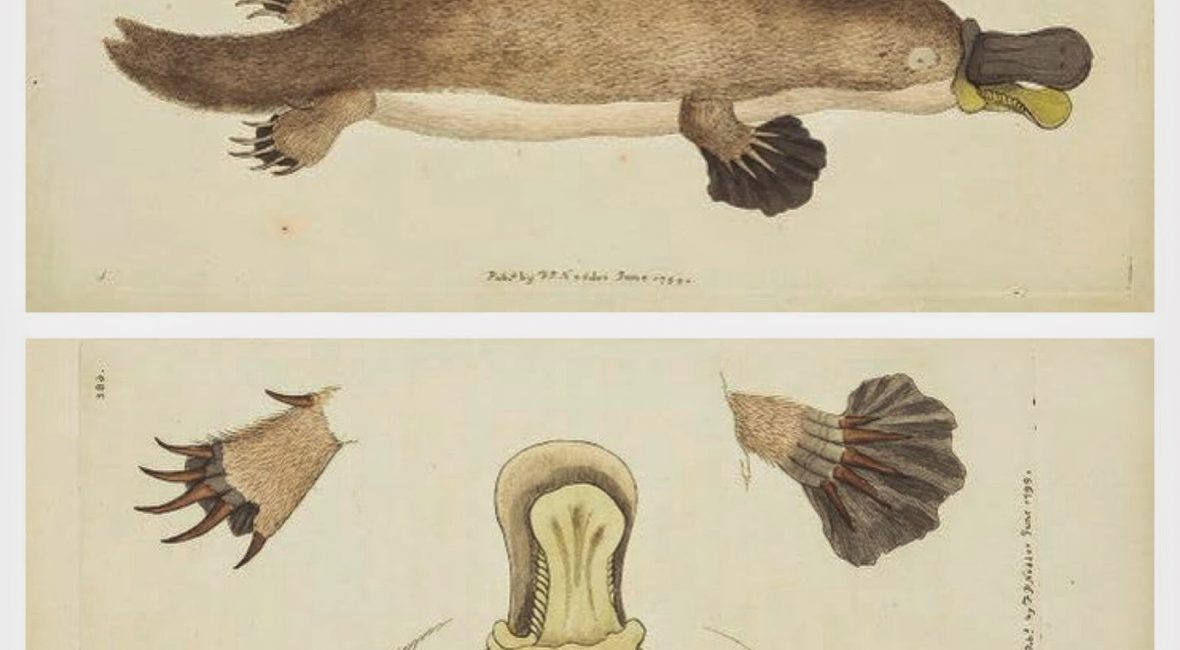
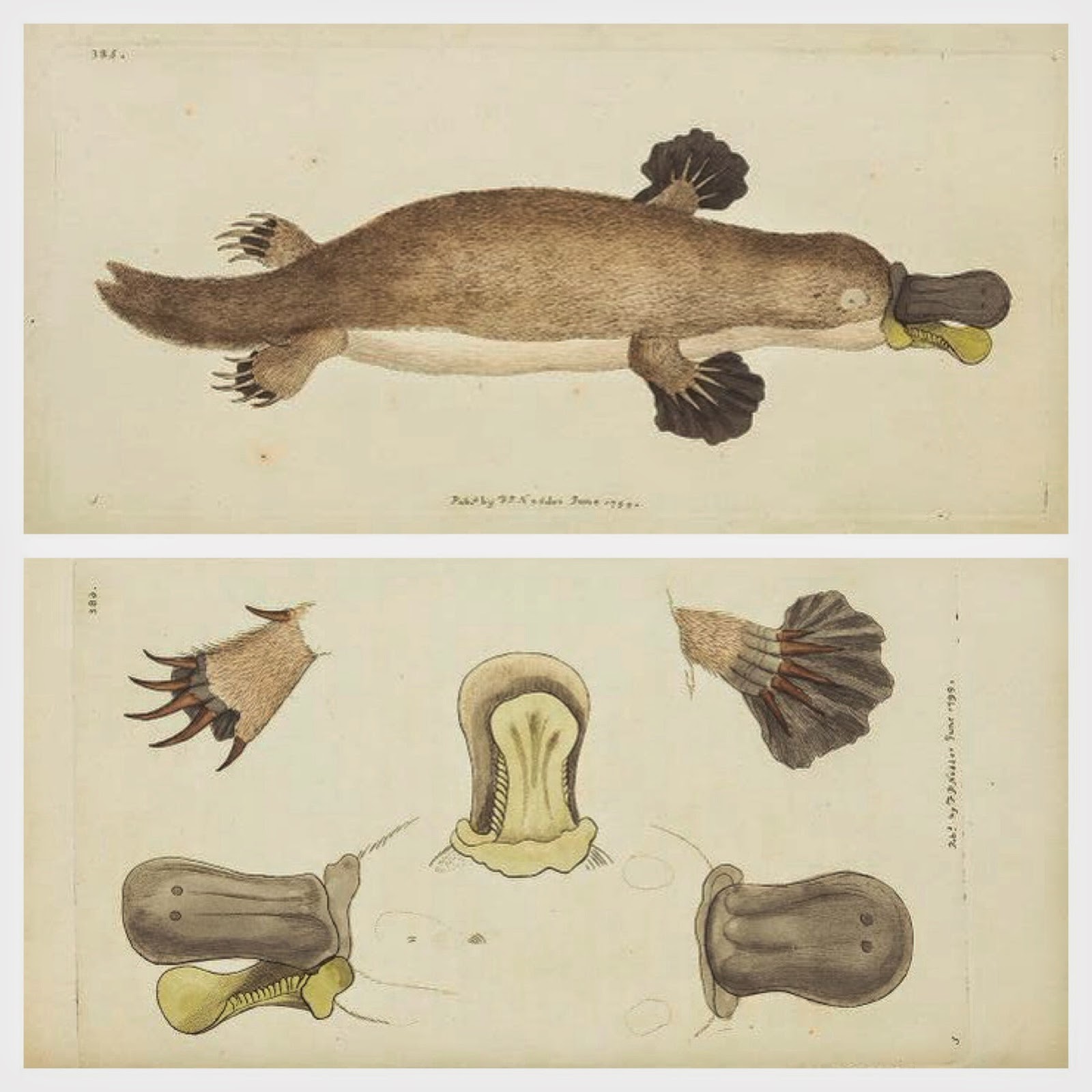
The first published illustration of the Duck-billed Platypus, from The Naturalist’s Miscellany, or Coloured figures of natural objects, Vol. 10, George Shaw, 1799. DOI: https://doi.org/10.5962/p.304567.

For the past year, BHL-Australia has been very quiet. So quiet, in fact, you would be forgiven for forgetting we exist (unless of course you read about our contribution to the new BHL website).

Why the silence? Because, in 2013, we ran out of funding.

Our digitisation work didn’t stop, however. Deep in the Museum Victoria library, six dedicated volunteers (supervised by equally dedicated library staff) continued to scan and process volumes from our collections and upload them into BHL.

We are now thrilled to announce that BHL-Au is back in full force. Still led by Museum Victoria, we have renewed funding from the Atlas of Living Australia and a new enthusiastic team. And we have grand plans for BHL-Au.

These include:

  • The digitisation of non-published works in our historical collection: Gold Registers, Exhibition Catalogues, Field Diaries and the unbound sections of the Prodromus of the Zoology of Victoria.
  • The continued digitisation of rare books, starting with those featured in our Art of Science exhibition.
  • The establishment and ongoing support of new BHL partners within museums and herbaria around Australia and in New Zealand.
  • The strengthening of our existing relationships within the global BHL community.

The books contributed by Museum Victoria can be viewed on our new Collection page on the BHL website.

View Full Size Image
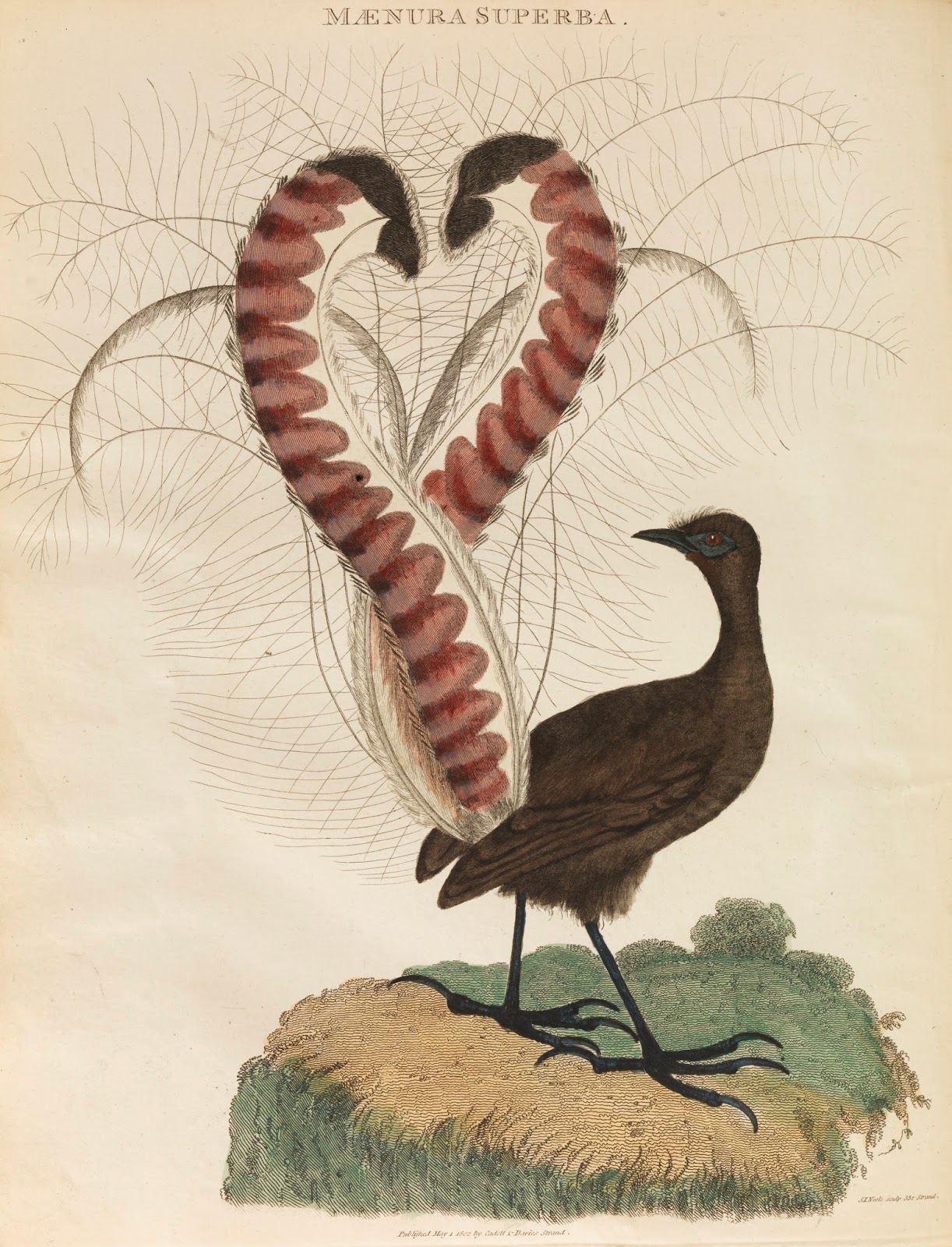
Coming soon to BHL via BHL-Au: Superb Lyrebird, from An account of the English colony in New South Wales, from its first settlement in January 1788 to August 1801, David Collins, 1804.

Who are BHL-Australia?

View Full Size Image
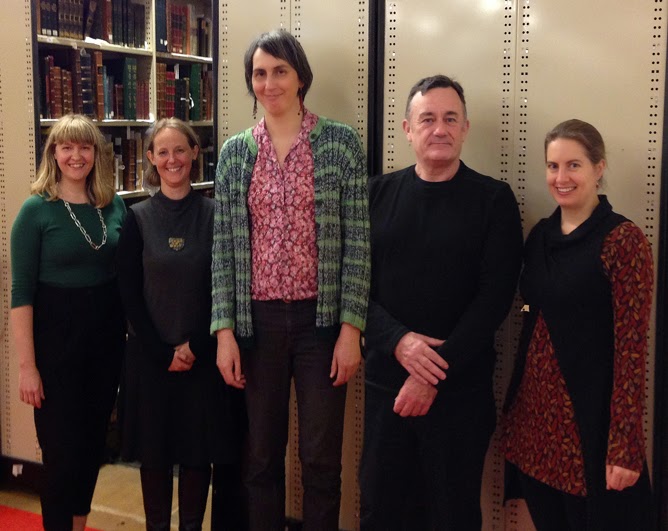
The BHL-Au Team: (from left) Hayley Webster, Ely Wallis, Cerise Howard, Jim Healey, Nicole Kearney. Credit: Simon Sherrin, Museum Victoria.

Ely Wallis is the Manager of Online Collections at Museum Victoria, the Chair of BHL-Global and the Project Lead for BHL-Australia. Ely is a zoologist by training but now spends her time publishing the museum’s encyclopedic collections onto websites, gallery interactives and to apps.

Nicole Kearney is the Project Coordinator of BHL-Au. She is a zoologist, science communicator and professional writer/editor. She has worked at Museum Victoria since 2003, most recently on a series of field guide apps. Her position with BHL combines her professional interests with her life-long love of books.

Cerise Howard is the Digitisation Coordinator for BHL-Au. Occupying various roles at Museum Victoria connected to online publishing over the last ten years, she is also the Artistic Director of the Czech and Slovak Film Festival of Australia (CaSFFA), a writer and broadcaster on film, and a musician with a theatrical bent.

Hayley Webster is the Manager of the Museum Victoria Library. She has been involved in BHL-Au since 2011, contributing books for digitisation, providing access to the library collection, arranging for books to be treated by our Conservation department, and working with our dedicated team of volunteers.

Jim Healey has worked for the past two years as a BHL Volunteer and now joins us as the project’s Technical Support Officer. He brings to BHL over 25 years of experience working in IT, as well as a passion for photography and electronics.

The team also includes five passionate and dedicated BHL Volunteers: Bob Griffith, Heidi Griffith, Sue Halliwell, Alan Nankervis and Tiziana Tizian. All five have been with BHL-Au since February 2012.

September 16, 2014by Kathryn Stine
BHL News, Blog Reel

Impressions from afar: an account of our Fourth Annual Global BHL Meeting

Portrait version of the Biodiversity Heritage Library logo.

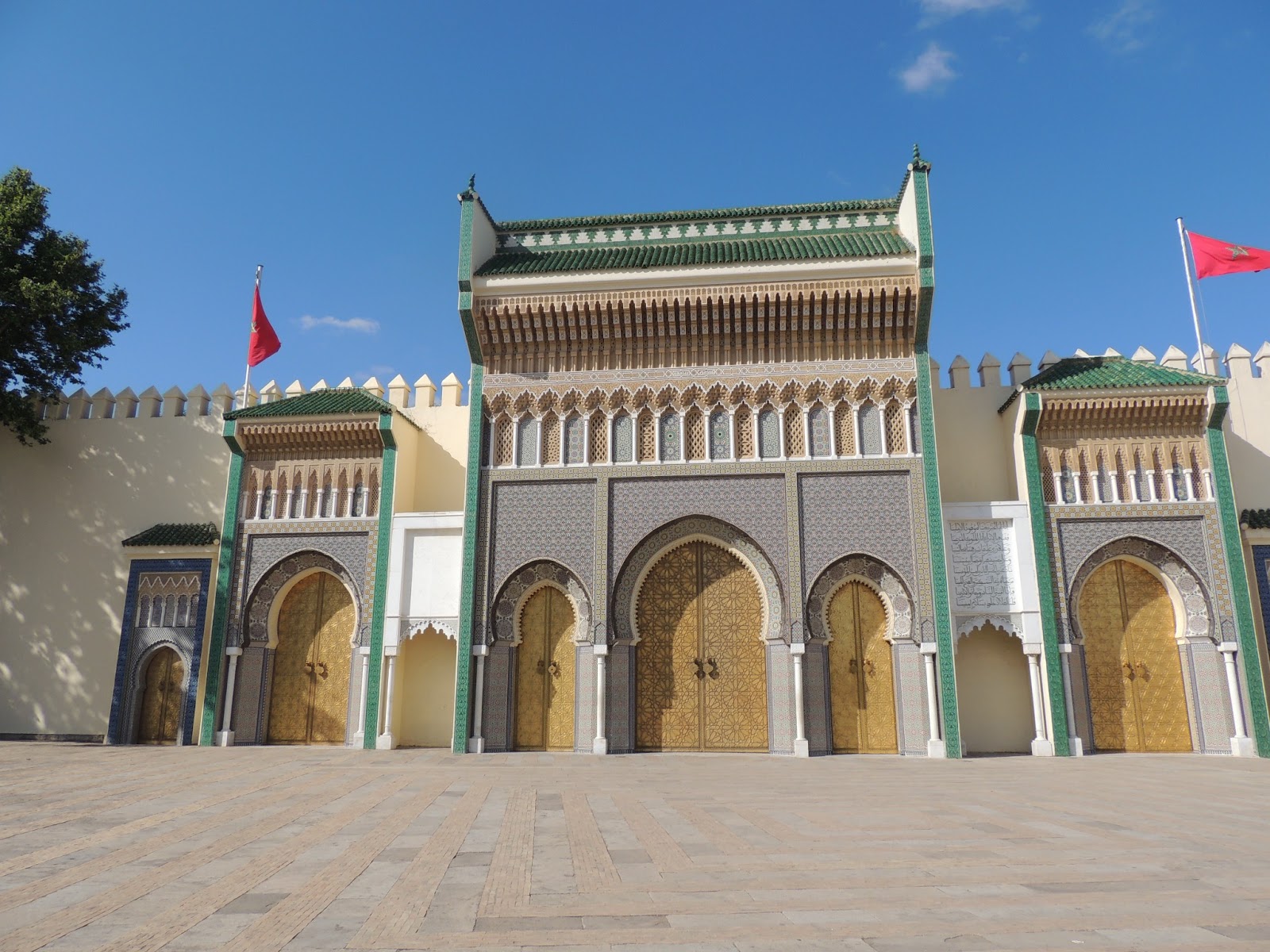
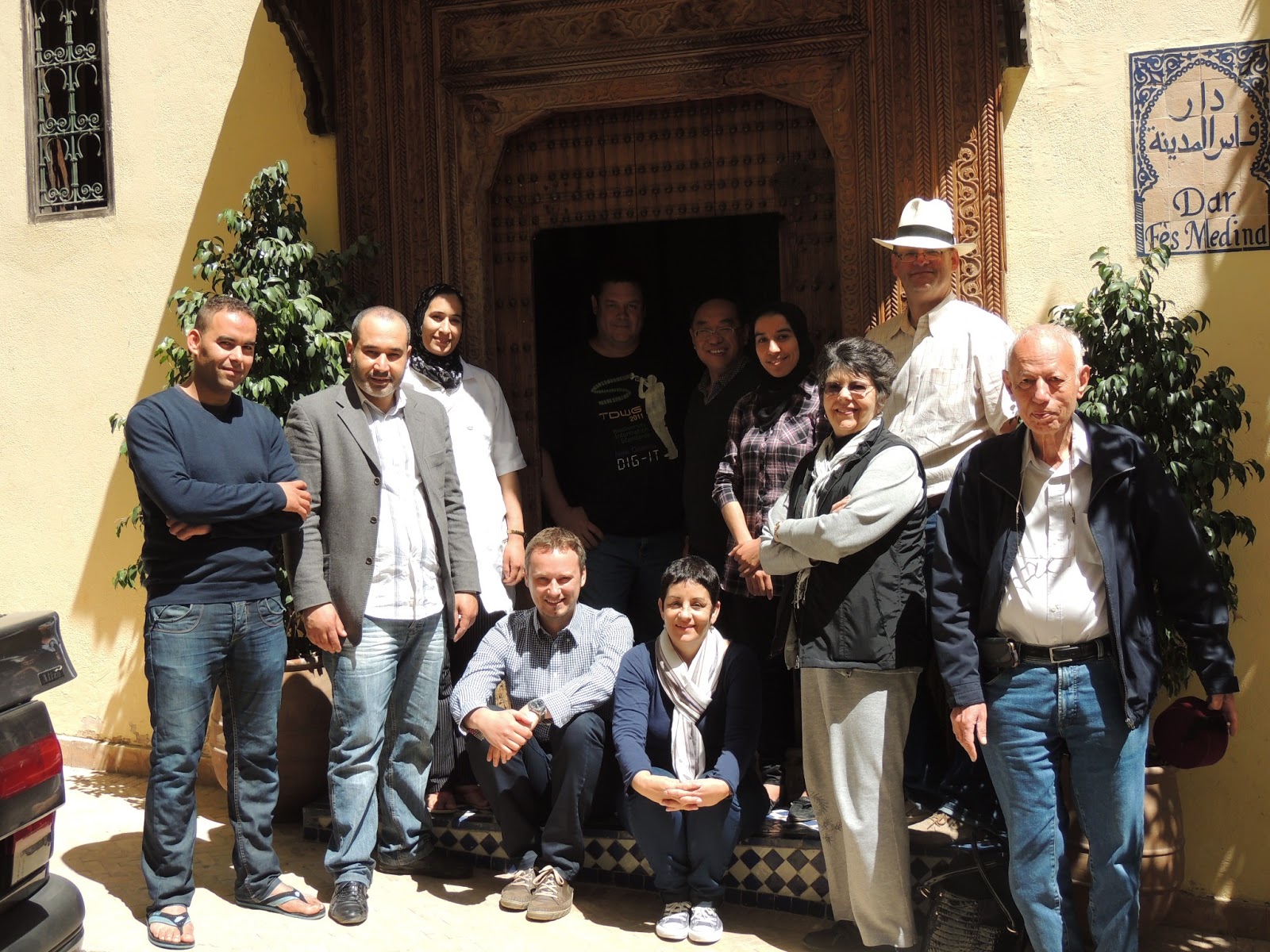
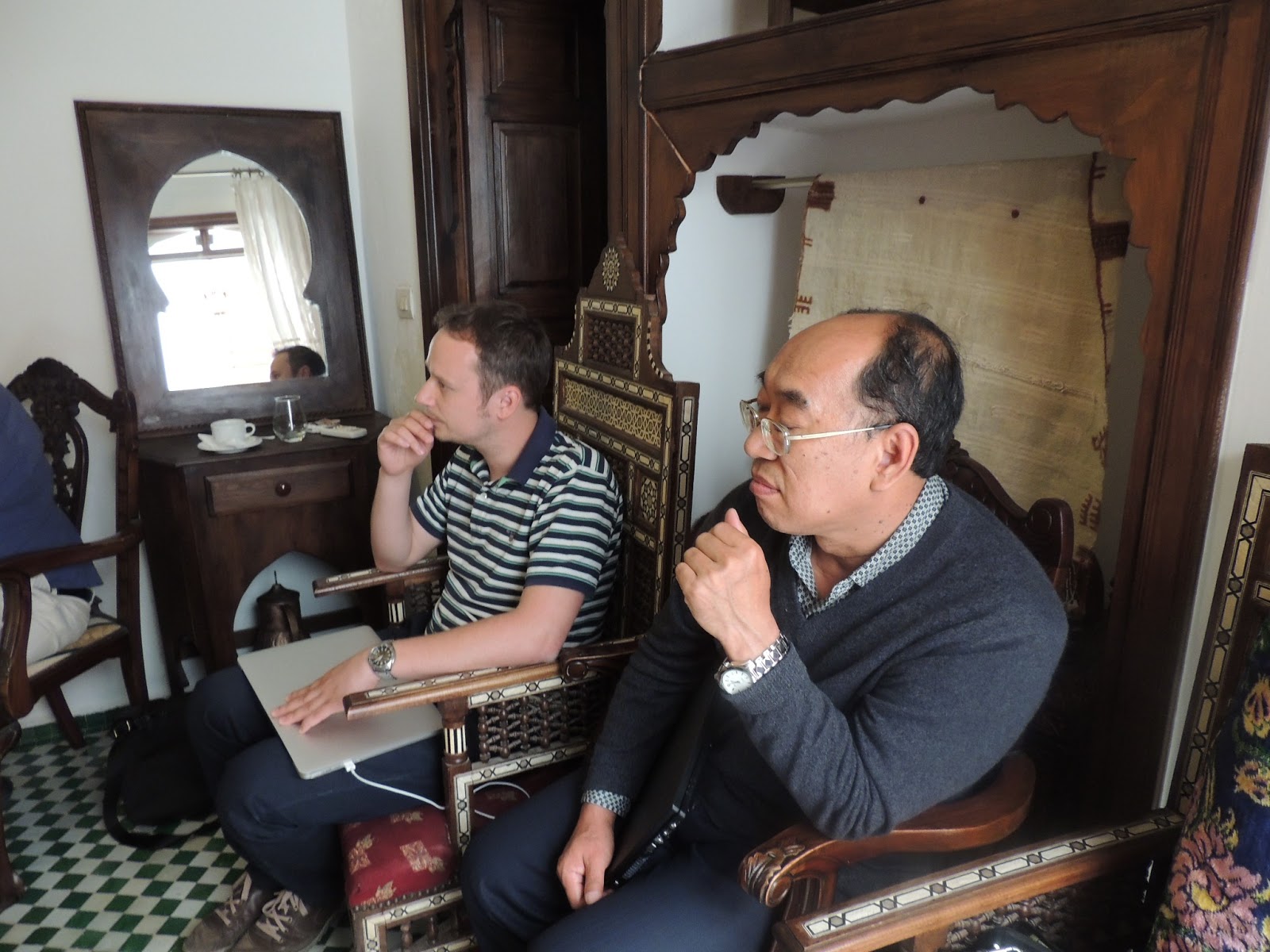
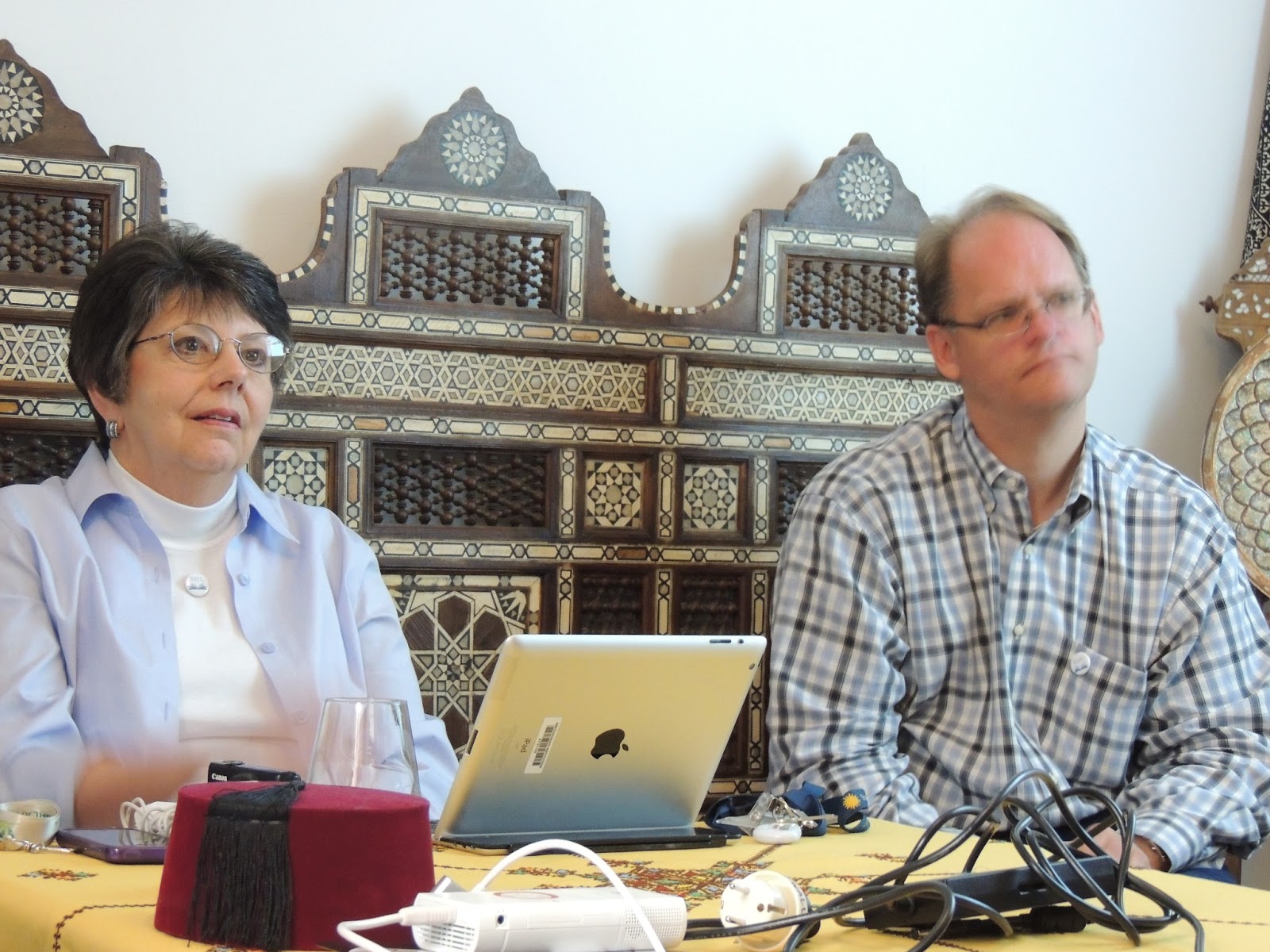
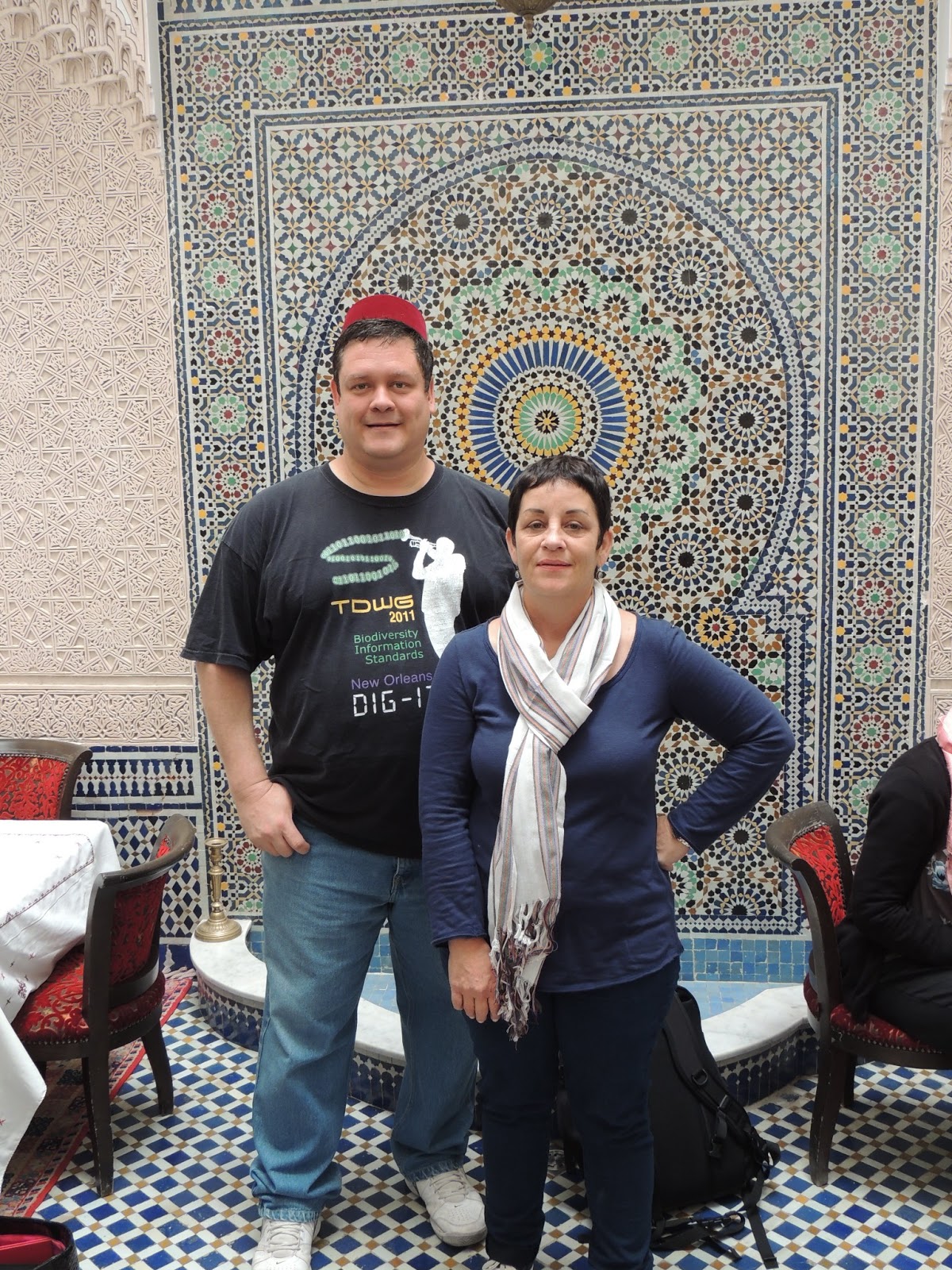
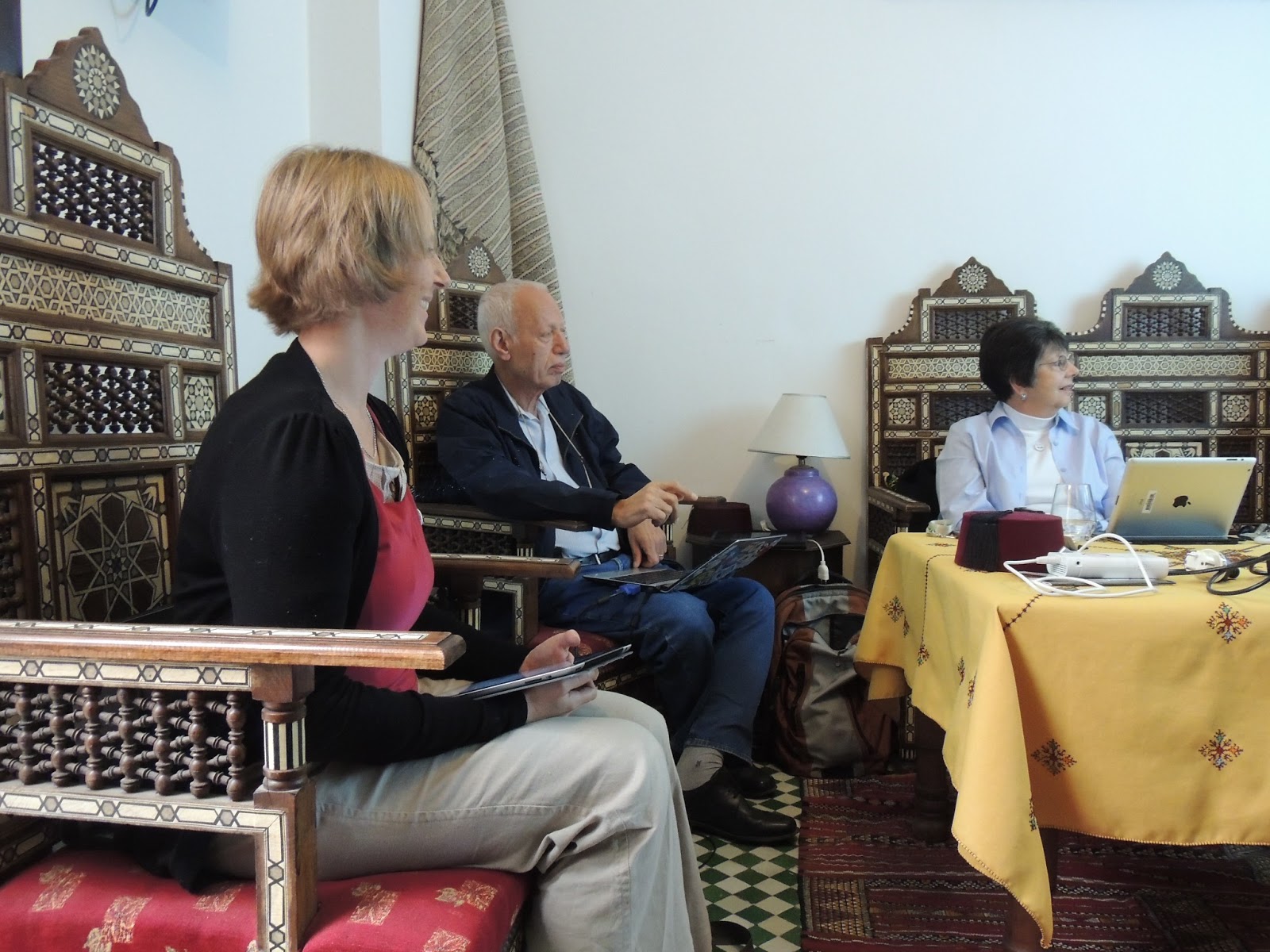
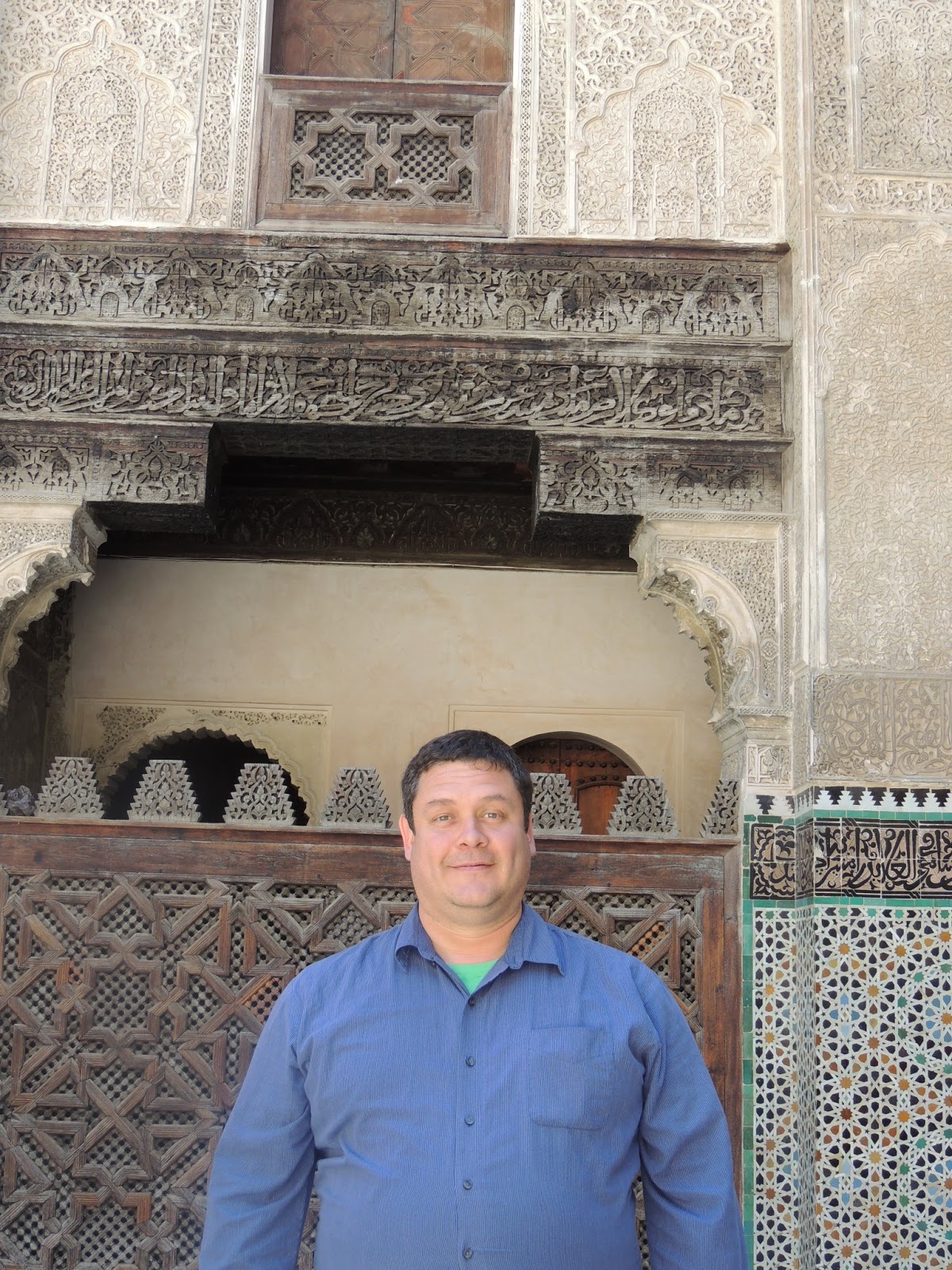
View Full Size ImageMore than a month ago, on May 27 and 28, we took the opportunity to have our Global BHL Meeting in Fez, Morocco, because some of us were on our way to ICADLA-3, the 3rd International Conference on African Digital Libraries and Archives in Ifrane later that week.  This year, it was particularly special, not only because we had a superb backstage, staying and meeting in a Dar in the old Medina, but also because at least one representative of each BHL Node (except for Brazil) managed to converge for the occasion in such a historic city and they all had something big to report from their annual achievements.

View Full Size Image
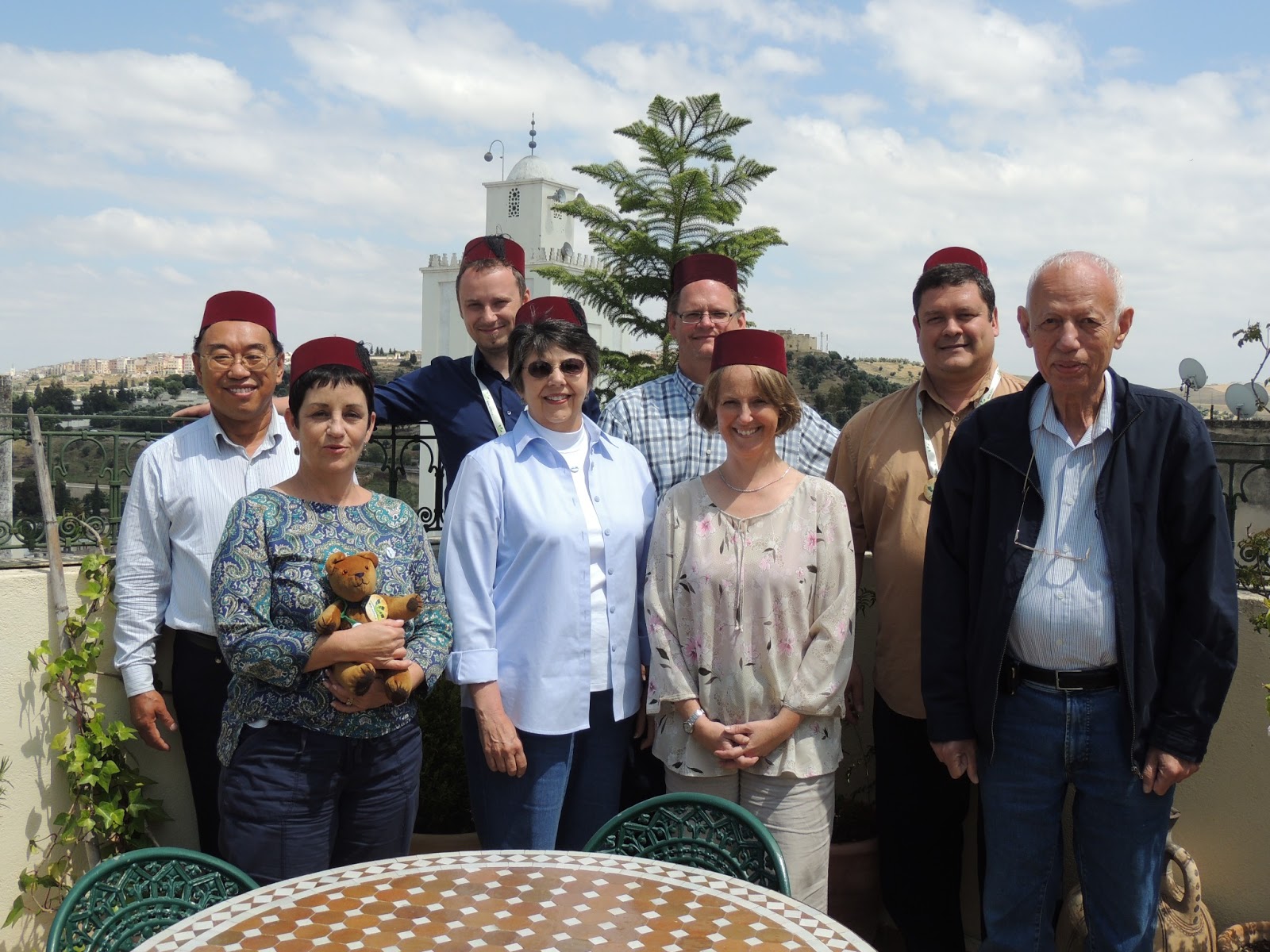
Global BHL Attendees

It was very inspiring to hear all the reports highlights and share about common global topics for our initiative: from award-winning volunteers digitizing in Australia to the dedicated colleagues generating Chinese OCR and manually tagging common names; from the laborious staff scanning a whole library in Brazil in just a few months to the quick generation of online exhibitions with BHL material in Europe; and from the development of Macaw, a specialized tool to upload selected material to our collection in a much easier way, created in the US with collaboration from Australia and Brazil, to the implementation of full-search text, annotations and underlining capabilities on the Arabic portal by Egypt – all these achievements crowned with the establishment of a continental BHL node by and for African colleagues in less than a year… for me, this is priceless!

View Full Size Image
We stayed at Dar Fes Medina

I gave a presentation for the Technical Update, explaining how having the user interface, initially developed by the BHL-Australia staff, now available on top of the BHL-US/UK functionality, is much more than a mere change of look. There’s new functionality made available by providing access to article-level information and more taxa is now found through the services of the Global Names Architecture project (supported by the National Science Foundation) to provide for a closer integration with authors lists and taxa aggregators like Zoobank and IPNI, among others.  And these are just the tips of the iceberg.  The continuous growth of the BHL corpus at a steady rate for more than 5 years, echoes the work of all those who support BHL and reflects the value of our staff contributions and the usage of our content that our users promote by creating references that link to it.  I ended my talk with a mention of the latest developments on several of our projects, like our NEH-funded Art of Life.

View Full Size Image
Newly elected gBHL Vice-Chair Jiri Frank
(BHL-E) and Dr. Jinzhou Cui (BHL-China)

But it hasn’t been a year without challenges of all sorts: the end of funding for some projects, staff turnover, priority changes, and even political turmoil… During this time, our colleagues from the Marine Biological Laboratory (MBL) in Woods Hole have managed to solve previous issues with the performance of our content copy on their Cluster repository.  BHL-Europe has also solved some issues it had that slowed down the process to upload files and now it’s steadily ingesting content, thanks to their Organizations’ support and sometimes even personal effort and interest to maintain the project going on.  BHL-China has also found a renewed interest in providing services to other institutions through novel projects.  BHL-Australia has empowered collaborations with their volunteers’ network and BHL-Egypt has kept advancing the replication of content with firm commitment to their participation, even after major changes in the country.  Needless to explain, the challenges that BHL Africa had to overcome in order to have, in less than a year, 12 institutions from different countries eager to establish a new node and sign up the Memorandum of Understanding to participate in such effort by the time of the launch inauguration.  But changes are opportunities, and the obstacles faced only makes it even more important and valuable to recognize the wonderful contributions and achievements that have been carried out around the globe in the last 12 months by our BHL community.

View Full Size Image
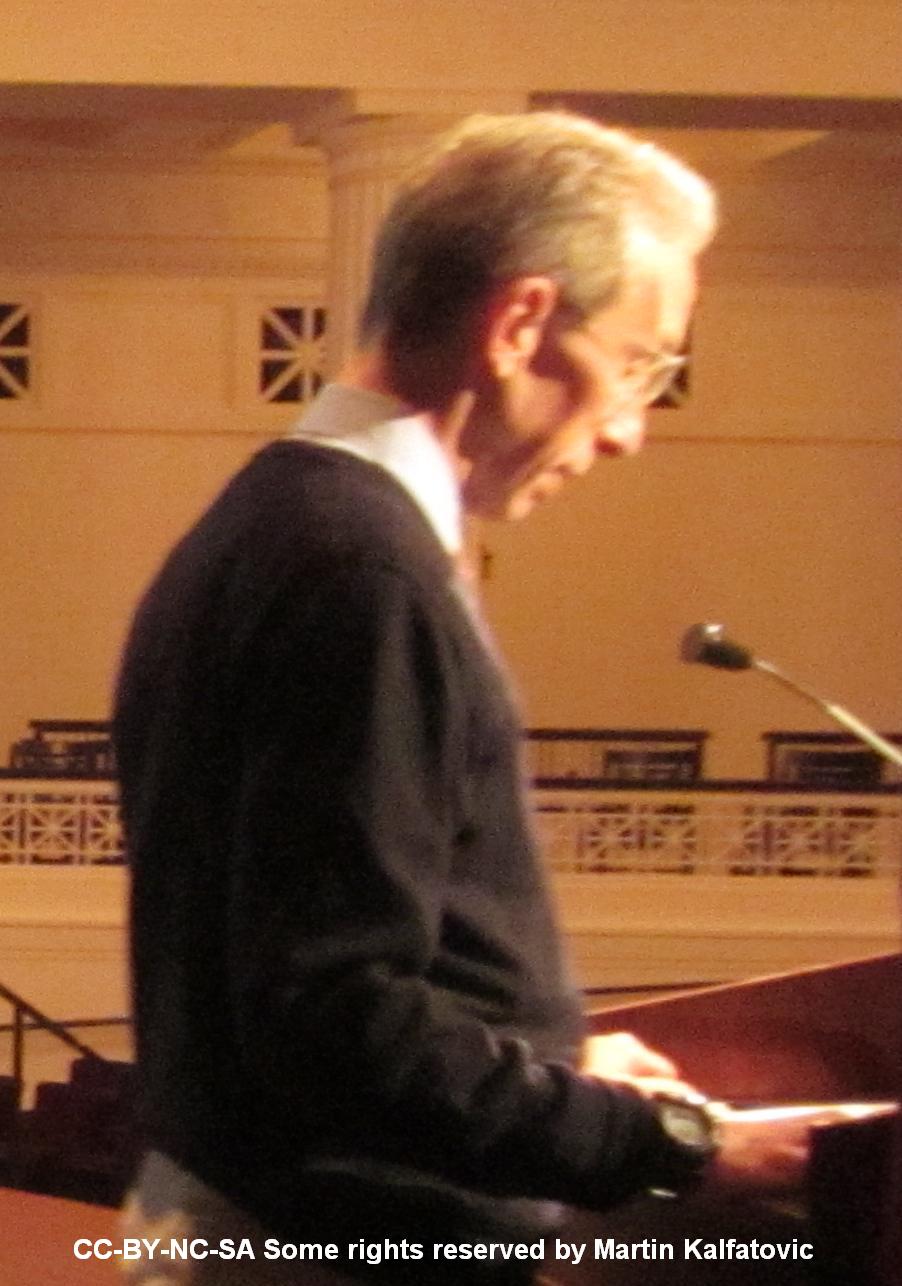
gBHL Chair Nancy Gwinn and Program
Director Martin Kalfatovic (BHL-US/UK)

The Global BHL is a cooperative network of autonomous members operating programs and projects to make biodiversity literature available under principles of open access, collaboration, decentralization, interoperability, transparency and legality, and I believe it is its diversity that makes it resilient to obstacles in a particular node.  For me, this is the reason why, even in times of adversity, it has always been growing, increasing not only in size, but also developing in more regions, with more languages, topics and types of content and adapting to technology changes, improving or developing new tools and synchronizing content among nodes, even after the original project (and funding) from The Gordon and Betty Moore Foundation for Global BHL Coordination ended last year.

View Full Size Image
BHL Global Coordinator  William Ulate
and Anne-Lise Fourie (BHL-Africa)

Now better and higher goals are already established. BHL-Australia and BHL-Europe want to reactivate and adapt their own projects to expand to new institutions and collections.  BHL-Africa and BHL-Brazil have the goal of starting to upload their digitized content and expand participation to other countries.  Likewise, BHL-China also wants to extend their content and services to new topics of their scientific community. BHL-Egypt is interested in integrating content with other global initiatives and exploring joint projects, while BHL-US/UK is looking to consolidate its new framework of membership and expand the services provided to their users.  Learning from each other’s successes and experiences helps us to keep working together, ensure redundancy and resilience, while at the same time increasing new unique content, tools and services that provide novel opportunities for collaborations.

View Full Size Image
gBHL Chair Ely Wallis (BHL-AU),
Dr. Magdy Nagi (BHL-Egypt) and gBHL
Secretary Nancy Gwinn (BHL-US/UK)

Every time I return from our Annual Global BHL Meeting, I come back full of positivism and ideas, proud to be part of this global initiative that involves so many amazing people collaborating from so many different places.  I have met a lot of people, but not all of them yet, I have to say; and to be fair with them, I have avoided singling out anyone here, but having the privilege, at least once a year, to share together with all the Global BHL representatives about the work their colleagues do and hear about their contributions to this worldwide endeavor, is a real treat for me…
View Full Size Image
I hope you also enjoyed it!

July 5, 2013by Joanne A. Schneider
BHL News, Blog Reel

Making the BHL-Africa a Reality: The BHL-Africa Launch and Workshop

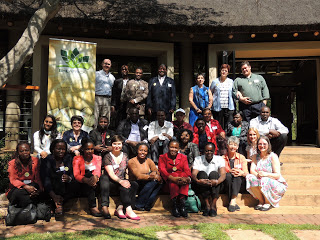
Group photo on the stairs at the South African National Biodiversity Institute.
View Full Size Image
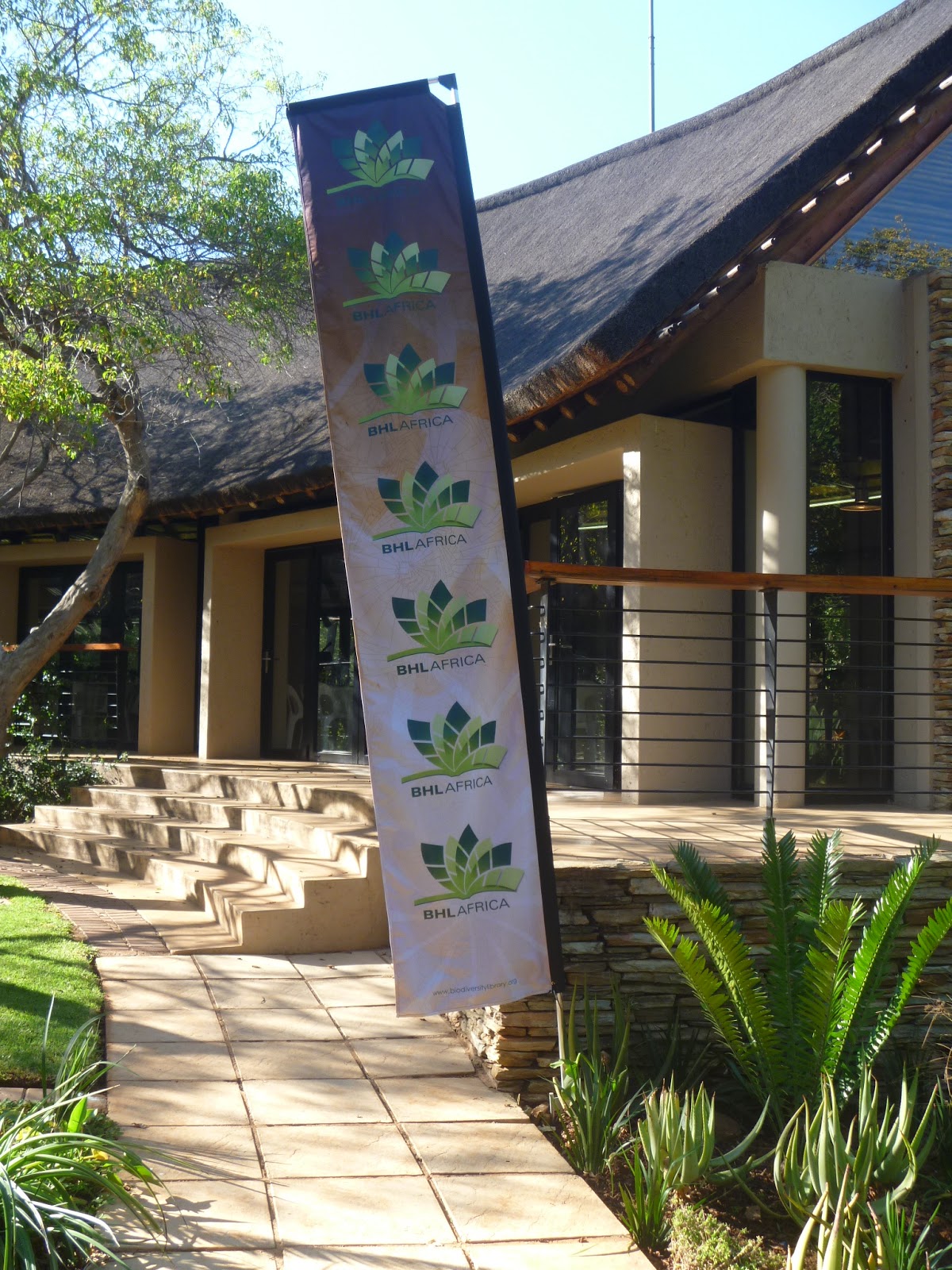
BHL-Africa logo at Pretoria National Botanical Garden

On April 15, 2013, BHL-Africa officially launched. BHL-Africa’s mission is to provide open access to the valuable biodiversity literature found within African libraries and institutions. The African consortium is hard at work identifying partners throughout the continent to sign an MOU and commit to working towards this noble objective.

The three-day BHL-Africa launch and workshop was hosted by the South African National Biodiversity Institute (SANBI) at the Pretoria National Botanical Garden in Pretoria, South Africa, from April 15-17, 2013. The meetings occurred simultaneously with the GBIF meetings also held at the botanical garden last week. Over two dozen representatives from institutions that have either signed or intend to sign the BHL-Africa MOU were present. Additionally, six colleagues from the BHL-US/UK program node were invited to attend: Nancy Gwinn (Director, Smithsonian Libraries, BHL Executive Committee Chair); Constance Rinaldo (Director, MCZ-Harvard Library, BHL Executive Committee Vice-Chair); Doug Holland (Director, Missouri Botanical Garden Library); William Ulate (Missouri Botanical Garden, BHL Technical Director); Bianca Crowley (Smithsonian Libraries, BHL Collections Coordinator); and Grace Costantino (Smithsonian Libraries, BHL Program Manager).

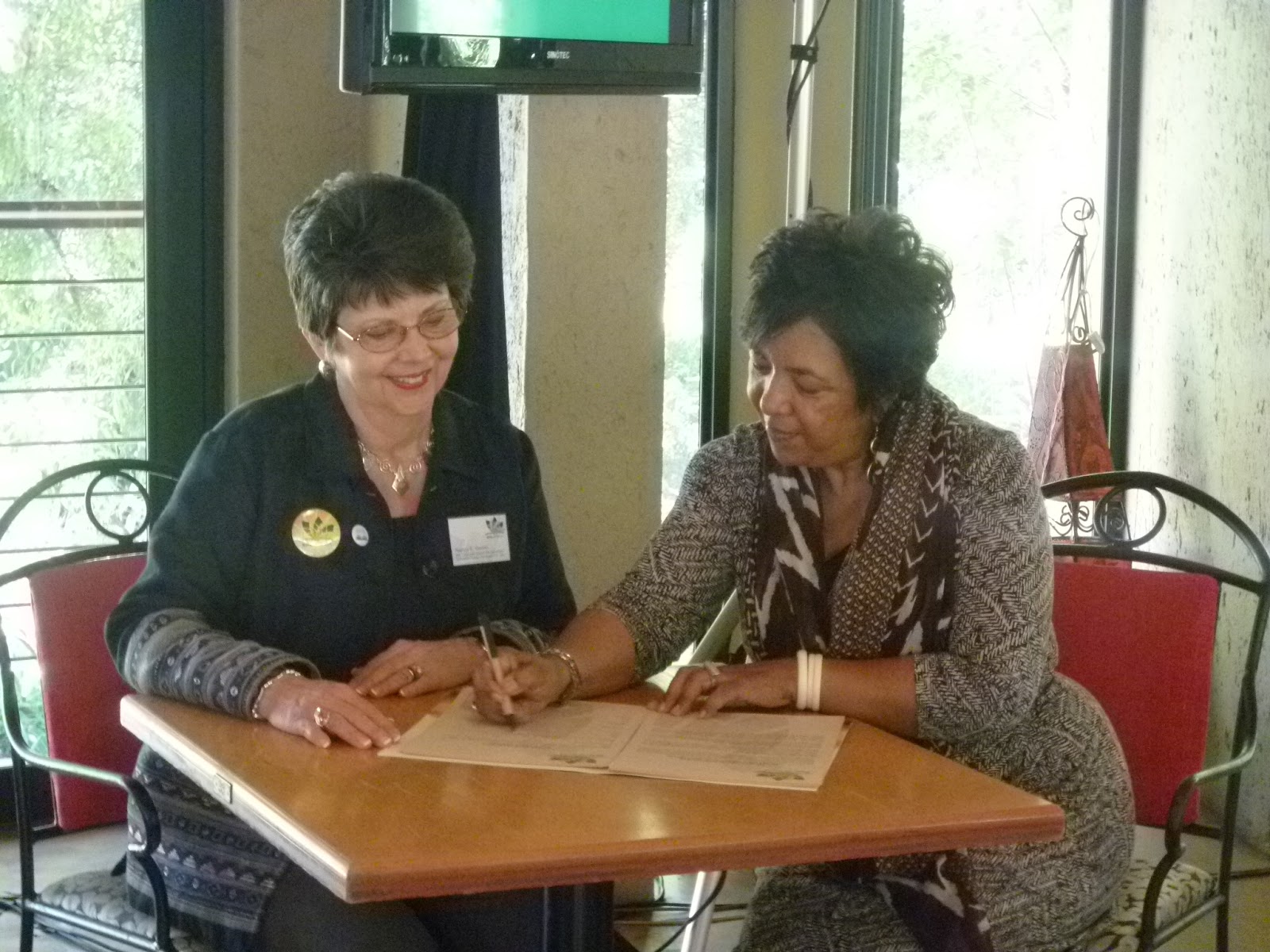
Monday, April 15, began with a launch ceremony, detailed in our blog post last week, during which the BHL MOU with SANBI was signed by Dr. Nancy Gwinn and Dr. Tanya Abrahamse (SANBI CEO). The real work began after the launch, with the start of the BHL-Africa workshop.

View Full Size Image
Dr. Nancy Gwinn and Dr. Tanya Abrahamse sign the BHL-Africa MOU

Day one of the workshop (Monday, April 15, afternoon) was devoted to addressing final MOU questions and outlining participants’ expectations for the meeting. Key expectations and areas in need of discussion included: Clarifying BHL’s open access policy and its implications for African participants; a concise description of the value of BHL for participating institutions in order to secure managerial buy-in; organization of clear fundraising strategies; the need for extensive training; identification of available resources and digitization capacity building; and the best way to collaborate and share resources amongst participating members. Overall meeting expectations were to elect a BHL-Africa Steering Committee and establish an outline for a two-year work plan.

View Full Size Image
The BHL-Africa Group Photo!

Much of day two (Tuesday, April 16) was spent investigating workflow and organizational questions, including collections development, copyright, communication, and infrastructure. The primary reason for the presence of the BHL-US/UK team was to offer our African colleagues the expertise we have gained in these areas over the past six years, as well as to help define global expectations for our new members.

Towards this end, Nancy Gwinn began by identifying four main expectations for BHL-Africa: Content Creation; Audience Building; Content Identification; and Partnership Building. In short, these expectations translate to not only growing the BHL corpus by digitizing African collections, but also helping BHL identify content to scan, both within and outside of Africa. Furthermore, BHL Africa must work to both build the BHL audience by promoting the project throughout the continent, but also expand the BHL consortium by identifying institutions that can contribute to the initiative.

Constance Rinaldo then gave a presentation on copyright, defining public domain, open access, and the Creative Commons licenses employed by BHL-US/UK. She was quick to stress, however, that each BHL node and institution must follow the copyright laws of their own countries, and, as BHL is not a legal entity, it is ultimately each scanning institution that is legally responsible for the content they contribute to the collection.

View Full Size Image
Bianca Crowley on BHL Collections Development

Bianca Crowley then gave our African colleagues some insight into the BHL-US/UK collection development process, outlining our selection and de-duplication process, digitization principles, metadata requirements, and content integration. Communication and collaboration methods were a key point of discussion, as they are critical for successful collections development.

Grace Costantino followed with a presentation on BHL-US/UK’s use of social media, which allows us to communicate project developments, provide context to the books in our collection, reach new audiences on new platforms, and uncover hidden gems in our collection. Following the presentation, an open discussion about each institution’s current use of social media, social media in the context of Africa, and how BHL-Africa might use social media occurred.

Finally, William Ulate detailed the BHL infrastructure, demoing the Macaw tool developed by Joel Richard at the Smithsonian Libraries, which is used to ingest books through Internet Archive into BHL. A remote installation of Macaw is running at the University of Pretoria and can be accessed via the web by any BHL-Africa participant to load digitized content into BHL.

BHL-African participants were also given a chance, on day two, to break out into two working groups, dedicated to Collections Development/Copyright and Outreach/Communication. These sessions allowed participants to apply the information given during the presentations to the realities of the BHL-Africa project.

The final day of the meeting (Wednesday, April 17) was spent identifying preliminary tasks for a two-year BHL-Africa workplan and electing a BHL-Africa Steering Committee. Workplan components include establishing a list of titles that each institution wishes to contribute to BHL; drafting documentation, based largely on existing files from gBHL, for workflow and collaboration guidance; and drafting a preliminary communication and outreach plan, which addresses not only external, but also internal, communication needs.

View Full Size Image
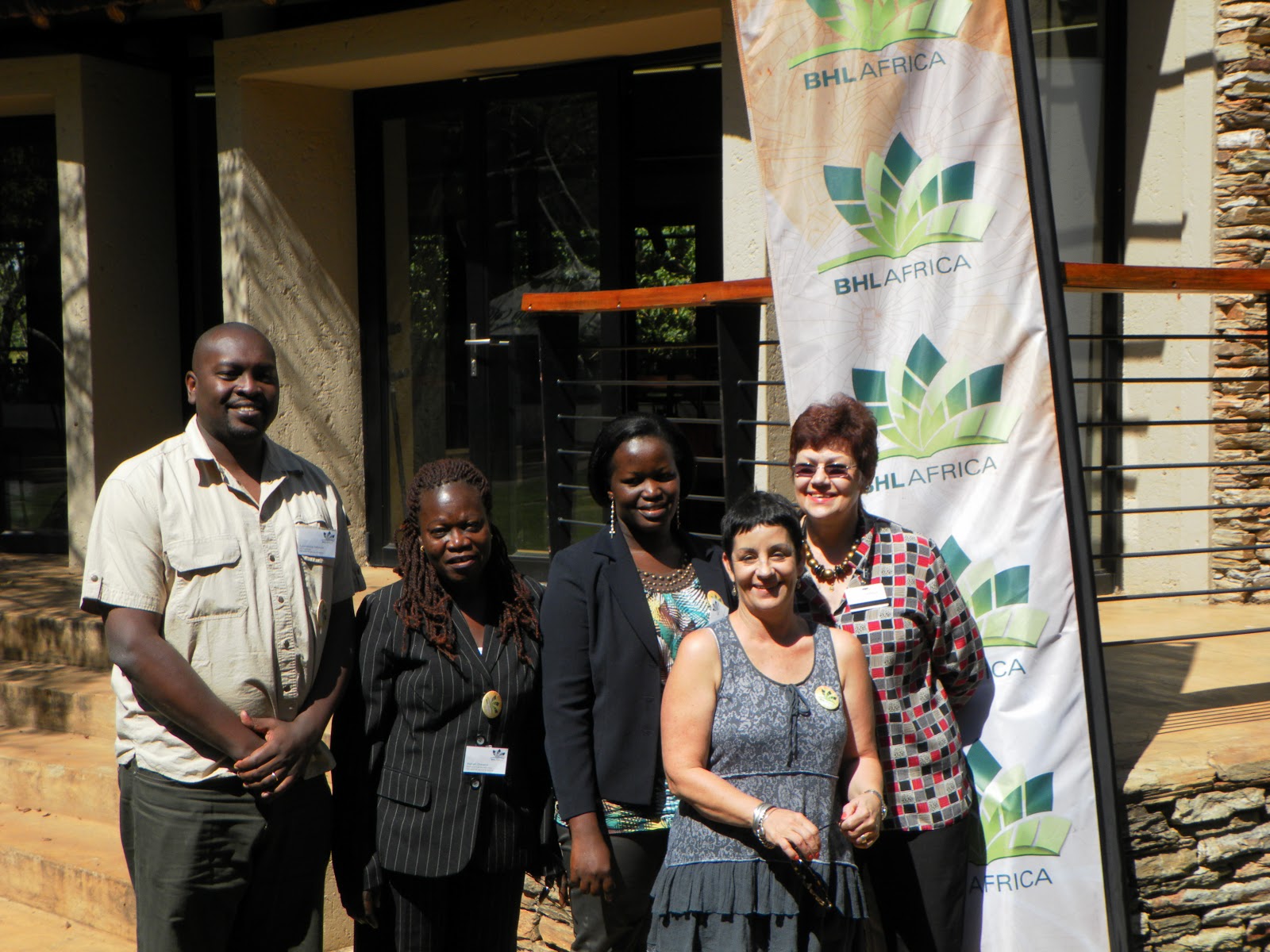
BHL-Africa Steering Committee (Left to Right): Lawrence Monda (Technical Advisor), Ashah Owano, Loi Namugenyi, Anne-Lise Fourie, Ria Groenewald

The BHL-Africa Steering Committee was also elected at the meeting. BHL-Africa has been divided into three regional nodes: North/Central; Eastern; Southern. Each regional node elects two representatives for the Steering Committee. Currently, there is no representation in North/Central Africa within the project, so only four members (two from Southern, two from Eastern) were elected at the meeting. Elected members include: Anne-Lise Fourie (SANBI, Southern); Ria Groenewald (University of Pretoria, Southern); Ashah Owano (National Museums of Kenya, Eastern); and Loi Namugenyi (Uganda National Council for Science and Technology, Eastern). Lawrence Monda (National Museums of Kenya) was elected as the BHL-Africa Technical Representative. Two additional members will be elected as North/Central institutions are added to the BHL fold. The Steering Committee will be responsible for providing strategic guidance, developing fundraising plans and approving budgets, and organizing pan-continental efforts.

The three-day BHL-Africa launch and workshop was an extremely successful event which resulted in the creation of an actionable plan for project development and the identification of notably capable leadership. Meeting attendees left feeling energized, with a clear sense of purpose. Just one and a half years ago, at the Life and Literature conference, the concept of BHL-Africa was born. Today, it is a reality. We congratulate our colleagues on the astounding progress they have made and look forward to seeing great things from BHL-Africa!

April 24, 2013by michelle.underhill
BHL News, Blog Reel

Global BHL at TDWG 2012

Portrait version of the Biodiversity Heritage Library logo.

A great participation in Beijing, China.

View Full Size ImageNǐ hǎo! Last month, I attended the Annual Meeting of the Biodiversity Informatics Standards Organization (www.tdwg.org), one of my favorite meetings of the year because it provides a thorough view of the current advances in the field of Biodiversity Informatics.  TDWG 2012 was hosted by the Chinese Academy of Sciences in Beijing, China, on Oct. 22-27.

This meeting was particularly relevant for the Biodiversity Heritage Library because of its role: “Toward an International Infrastructure for Biodiversity Information“. Personally, this was my first time involved as Technical Director of BHL and therefore, I wanted to get as much as possible from the opportunity, sharing the technical work that all my BHL colleagues around the world have done this year and conveying the message of the new challenges that BHL will follow.

I arrived on Saturday and attended the TDWG Executive Committee Meeting all Sunday.  On Monday, Oct. 22nd, after the formal opening and introductions and a warm welcome by the hosts and TDWG officials, the Plenary speaker, Dr. Robert Robbins, presented on “How Diverse is the Biosphere? New Tools, Recent Discoveries, Huge Implications,” followed up by several paper presentations that addressed different topics on biodiversity information standards, organization of genomic data, aggregation efforts, regional initiatives and developing technologies.  I presented on the work done by our colleague Trish Rose-Sandler to define the functional requirements for a repository of citations as improvements to our existing infrastructure in The BHL and  bibliographic citations and commented on our plans in BHL towards new services in support of a Global Names Architecture.

View Full Size Image
Tom Garnett

Former BHL Director

On Tuesday morning, at the “Biodiversity database and journal interface in e-publication era” Symposium, we enjoyed a talk titled “From Taxonomic Literature to Cybertaxonomic Content” based on a paper that our former BHL Program Director, Tom Garnett and our former BHL Technical Director, Chris Freeland, co-authored in BMC Proceedings with several other colleagues from different institutions, including Dr. Cynthia Parr from Encyclopedia of Life (EOL).

Closing Tuesday morning, the JRS Biodiversity Foundation and the Belgian Cooperation for Development sponsored the African Biodiversity Information Symposium.  It was great to see there, among other presenters, two of our colleagues who participated last year in the JRS Africa Digitization Workshop in Chicago (previous to the Life and Literature Conference): Dr. Alex Asase, from the Department of Botany, University of Ghana was presenting on “Developing biodiversity informatics infrastructure to support conservation of plant diversity in Ghana” and Lucy W. Wauringi, from Africa Conservation Center in Kenya, presented on “Building Biodiversity Information Networks for the compilation of Kenya’s Natural Capital”.  Dr. Asase was also present at the BHL Africa Meeting earlier in June of this year at SANBI.

View Full Size Image
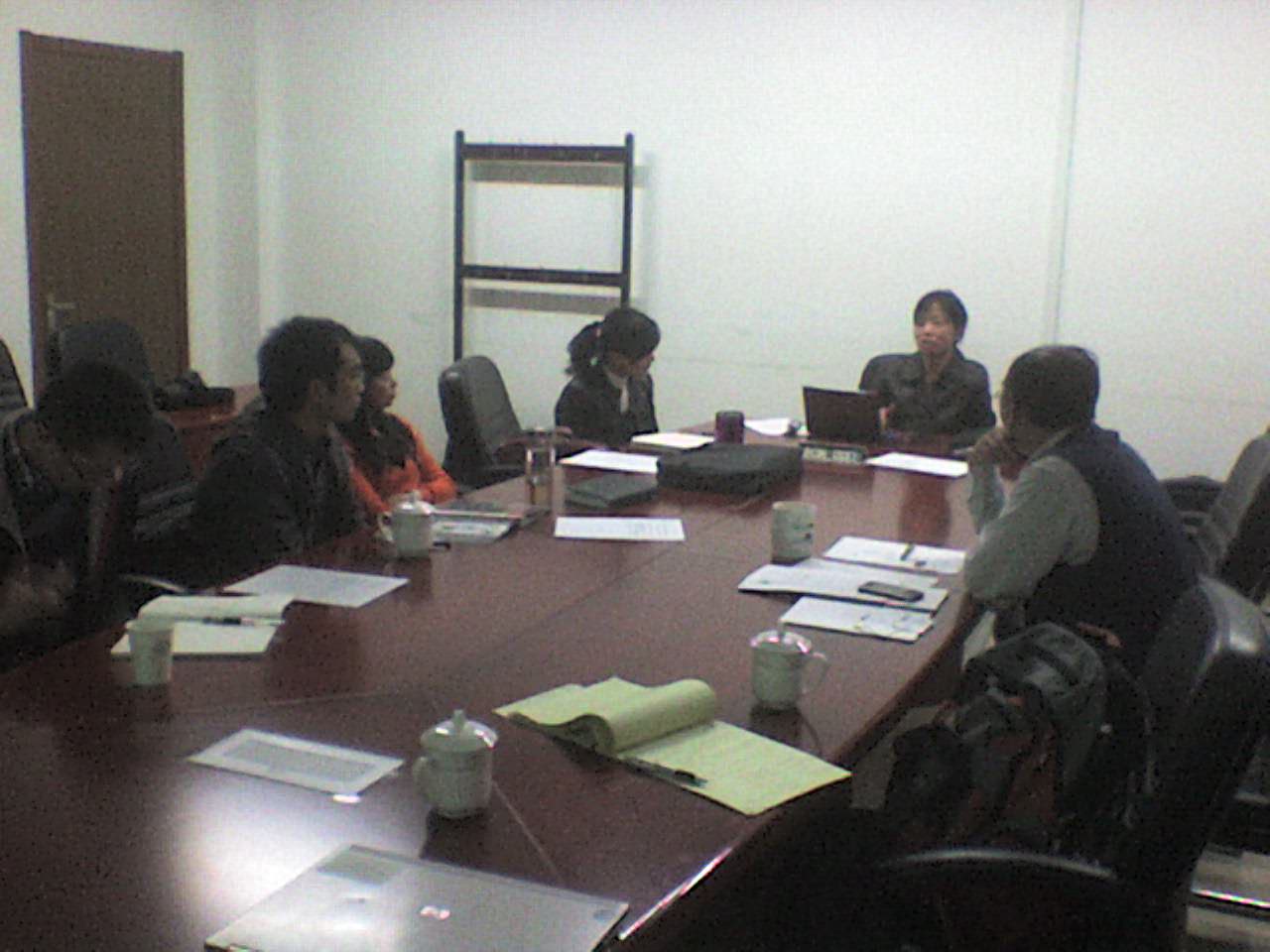
Dr. Hong Cui presenting at the Institute of Botany, CAS

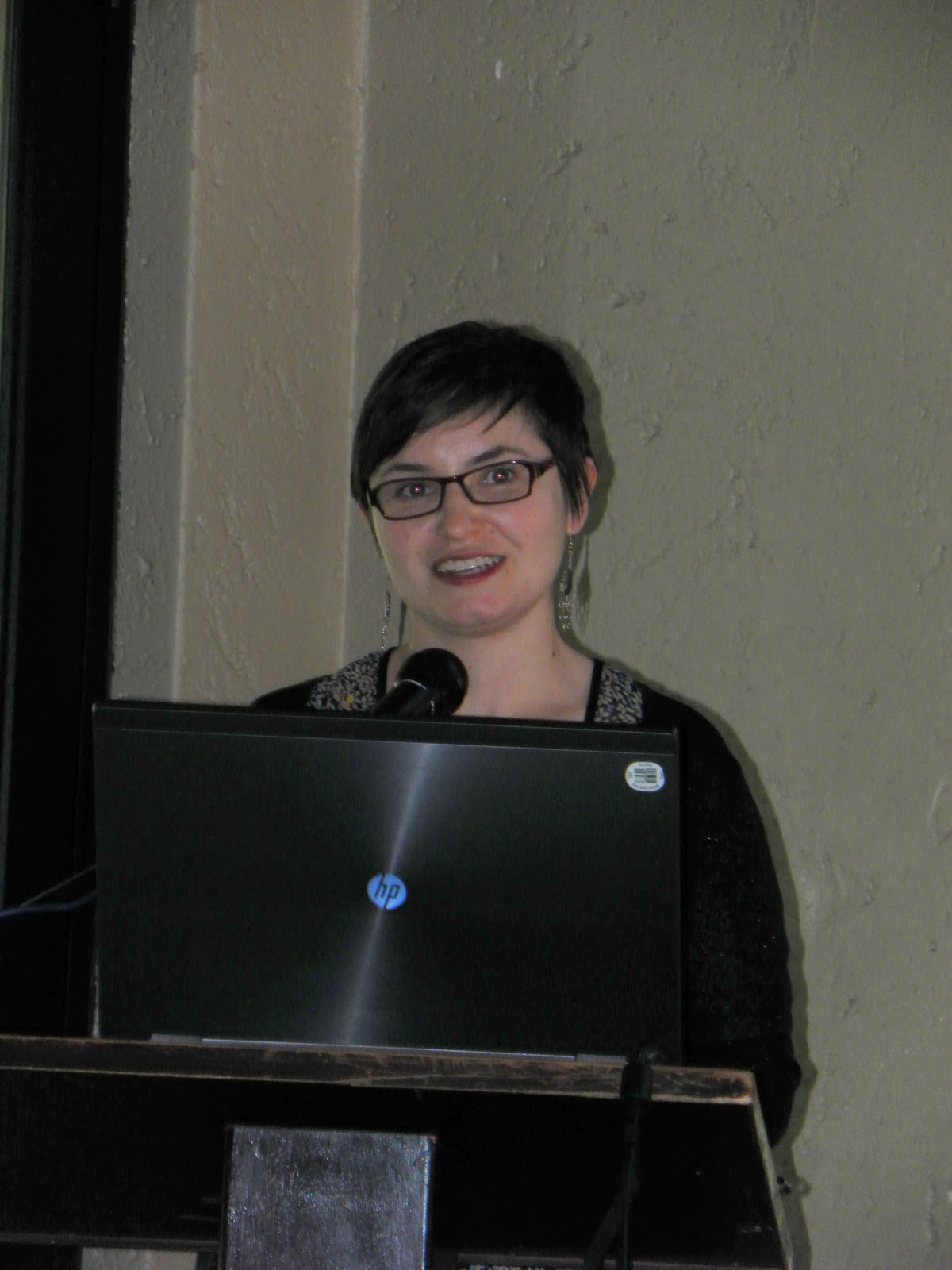
Tuesday afternoon, I was invited to present at the Institute of Botany of the Chinese Academy of Sciences (CAS) on the latest Global BHL developments and learned about this year’s activities and future plans for the next two years with BHL-China and the National Specimen Information Infrastructure.  Dr. Hong Cui, Assistant Professor at the University of Arizona, was also invited to present on Semantic Annotation, Ontology Building, and Interactive Key Generation from Morphological Descriptions and she was also extremely kind to help out with the language barrier throughout all the meeting.

View Full Size Image
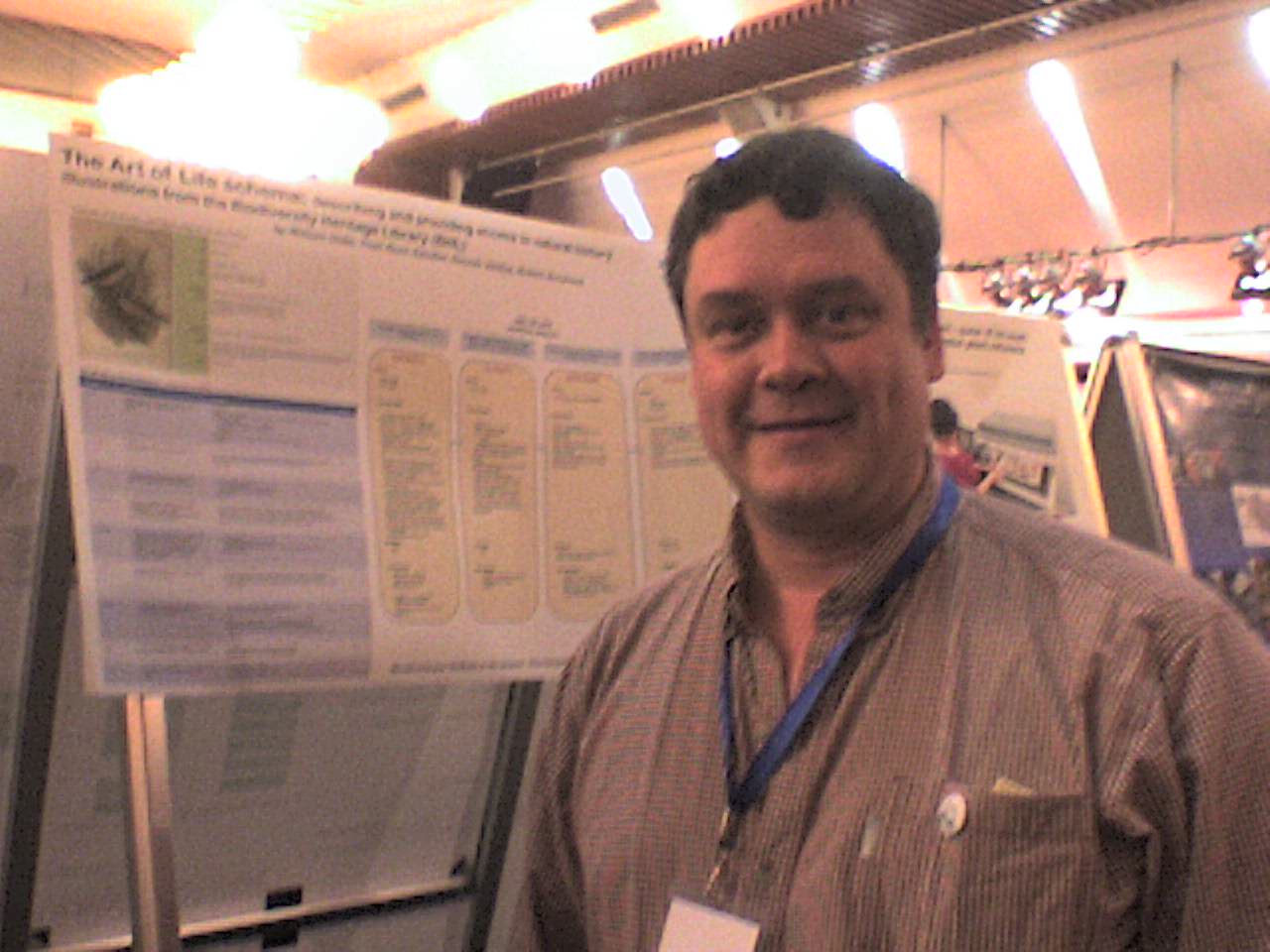
Art of Life at TDWG 2012 poster session

Wednesday morning started with personal recollections from the organizers and participants in honor of the late Dr. Frank Bisby.  Following the remembrance, the Plenary Speaker, Dr. Li-Qiang Ji from the Institute of Zoology, CAS, presented the Bisby Core – a Taxonomic Data Transfer Standard for the Multiple Taxonomy Environment.  The last hour and a half of Wednesday morning was dedicated to the poster session where I had the opportunity to represent my colleagues’ work on the Art of Life project.  Funded by NEH, this multi-institutional project involves participation from the Missouri Botanical Garden, the University of Colorado Boulder, the Indianapolis Museum of Art and other BHL partner institutions.  I was glad to see such great interest in improving access to millions of digital images demonstrated by several of the participants who approached the poster session.

View Full Size Image
Dr. Fenghong Liu at the Institute of Botany, CAS

On Wednesday afternoon, Jiří Frank, from the National Museum Prague, a member of BHL-Europe, lead the Workshop “Global dissemination of natural history content via Biodiversity Library Exhibition (BLE)” where I contributed with a small introduction to Global BHL and Dr. Fenghong Liu from the Institute of Botany of the Chinese Academy of Sciences, presented BHL China’s Latest Progress. Jiří gave an interesting Introduction to the BLE platform from the user perspective.

View Full Size Image
Dr. Xu Zheping attending TDWG 2012

Thursday morning, Dr. Zheping Xu introduced an interesting paper on the “Biodiversity Information Service in China: The Architecture and Techniques” and Cynthia Parr presented case studies from her experiences at EOL, with Katja Schulz and Jennifer Hammock, on “leveraging an international infrastructure“.  Later in the afternoon, I was invited to present at the Biodiversity for Cooperation and Development Interest Group session on BHL Africa, as a way to evaluate how to work together for a coordinated project on biodiversity literature digitization towards development of digital libraries.

Finally, during the Lighting Talks on Friday, Janna Hoffman, from the Museum für Naturkunde Berlin, a BHL-Europe member, presented on Open Up! paleontological multimedia data for the public.  I also took the opportunity to give a short talk reminding all attendees interested in contributing to the Art of Life Schema to please send us their feedback.
As the meeting came to an end, with a feeling of having attended a very fruitful and busy event, where Global BHL staff was definitely present and very active, we all said goodbye, hoping to meet again next year during TDWG 2013 in Florence, Italy.  By the way, next year’s Chair of the Program Committee will be our colleague of BHL-Europe, Heimo Rainer, from the Natural History Museum of Vienna!

And for those of you interested in reading more in depth about any of these topics, I invite you to look at the TDWG 2012 program in more detail and browse through the presentations linked here: http://www.tdwg.org/fileadmin/2012conference/slides/TDWG_2012_Presentations.pdf.

Until the next one, Xièxiè! Ciao!

View Full Size Image
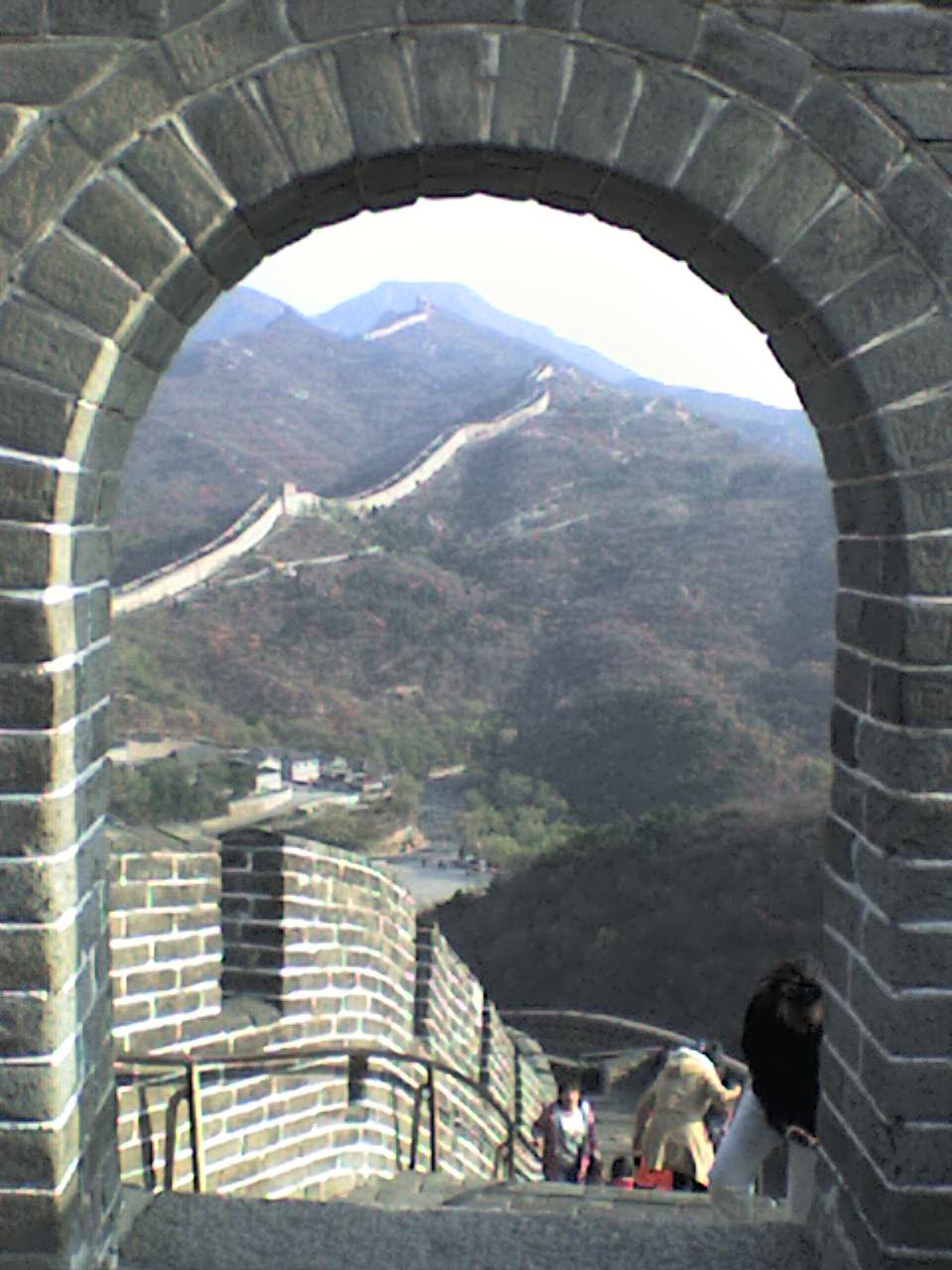
The Great Wall of China
November 19, 2012by suzanne.chase
BHL News, Blog Reel

BHL goes live in Australia with launch of BHL-Australia site

View Full Size Image
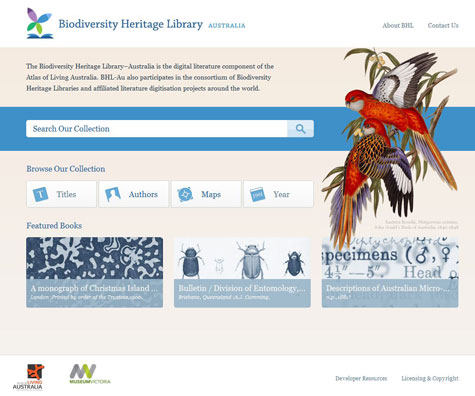
BHL-Australia Screenshot

The newest addition to the BHL global family, BHL-Australia, has now launched. BHL in Australia is the digital literature component of the Atlas of Living Australia (ALA), a national project that aims to make biodiversity information more accessible and useable on line. It is a partnership between CSIRO, Australia’s national science agency, the Australian natural history collections community and the Australian Government.

The Australian node project is being managed through Museum Victoria, based in Melbourne. Dr Elycia Wallis, the BHL Australia node team lead said “We are so pleased to have an Australian BHL node up and running. Now the fun part of developing new tools and functionality can start so that we can share these back to the global BHL community.” The Australian node has taken the core BHL code and reworked it with a redesigned user interface. Designer Simon O’Shea and developer Michael Mason at Museum Victoria wanted to concentrate on providing the core functionality of BHL as well as giving an Australian feel to the site design by using many beautiful images of Australian native species.

View Full Size Image
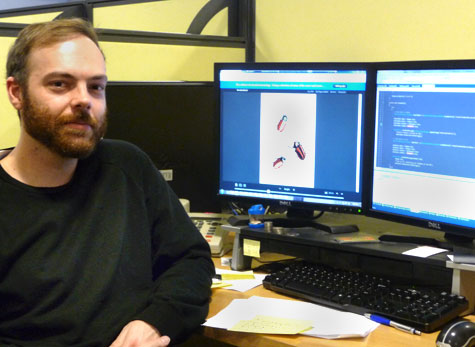
Online developer Michael Mason
Source: Museum Victoria

New Australian scanning operations are just getting underway but we expect that, with many thousands of references to Australian species already in BHL references, Australian scanning will be a targeted activity. Museum Victoria, with new book-scanning equipment, will be leading the development of new scanning projects starting with the complete archive of Memoirs of Museum Victoria containing the first scientific descriptions of many Victorian animal species.

Quick links:
  • BHL-Australia site
  • Follow the Atlas of Living Australia on Twitter
July 14, 2011by joelrichard

Help Support BHL

BHL's existence depends on the financial support of its patrons. Help us keep this free resource alive!

search

About BHL

The Biodiversity Heritage Library (BHL) is the world’s largest open access digital library for biodiversity literature and archives. BHL operates as a worldwide consortium of natural history, botanical, research, and national libraries working together to digitize the natural history literature held in their collections and make it freely available for open access as part of a global “biodiversity community.”

Join Our Mailing List

Sign up to receive the latest news, content highlights, and promotions.

Subscribe Now

Subscribe to Blog via Email

Enter your email address to subscribe to this blog and receive notifications of new posts by email.

Join 319 other subscribers

Subscribe to Blog Via RSS

Subscribe to the blog RSS feed to stay up-to-date on all the latest BHL posts.

Access RSS Feed

Inspiring Discovery through Free Access to Biodiversity Knowledge.

The Biodiversity Heritage Library makes it easier than ever for you to access the information you need to study and explore life on Earth…for free, anytime, anywhere.


64+ Million Pages of
Biodiversity Literature Online.

EXPLORE

Tools and Services
to Transform Research.

EXPLORE

300,000+
Illustrations on Flickr.

EXPLORE

ABOUT | HARMFUL CONTENT | PRIVACY | SITE MAP | TERMS OF USE