Biodiversity Heritage Library - Program news and collection highlights from BHL
  • Home
  • News
  • Featured Books
    • All Featured Books
    • Book of the Month Series
    • BHL at 20
  • User Stories
  • Campaigns
    • Fossil Stories
    • Garden Stories
    • Monsters Are Real
    • Page Frights
    • Her Natural History
    • Earth Optimism 2020
  • Tech Blog
  • Visit BHL
Home
News
Featured Books
    All Featured Books
    Book of the Month Series
    BHL at 20
User Stories
Campaigns
    Fossil Stories
    Garden Stories
    Monsters Are Real
    Page Frights
    Her Natural History
    Earth Optimism 2020
Tech Blog
Visit BHL
  • Home
  • News
  • Featured Books
    • All Featured Books
    • Book of the Month Series
    • BHL at 20
  • User Stories
  • Campaigns
    • Fossil Stories
    • Garden Stories
    • Monsters Are Real
    • Page Frights
    • Her Natural History
    • Earth Optimism 2020
  • Tech Blog
  • Visit BHL
Biodiversity Heritage Library - Program news and collection highlights from BHL
Blog Reel, Featured Books

Making the Best of Difficult Times: Accelerating the Transcription of William Brewster’s Writings During the COVID-19 Pandemic

Screenshot of the BHL book viewer with crowdsourced transcriptions available for a handwritten journal.

This post is part of a series from the Ernst Mayr Library exploring the digitization and transcription of ornithologist William Brewster’s archival materials and the insights and scholarship made possible thanks to this work.

Many of us have searched for silver linings during the COVID-19 pandemic of 2020-2021. For many in the library and museum profession, one positive outcome of the mandatory transition to remote work has been the resurrection of some long-postponed projects. These are activities put on hold during normal times in deference to ever-proliferating, higher-priority onsite tasks. One such project in the Ernst Mayr Library and Archives (EMLA) of the Museum of Comparative Zoology (MCZ) at Harvard University is transcription of the digitized journals and diaries of William Brewster.

As discussed in Part One of this series, EMLA began digitization of its Brewster collection in 2012. In 2014, Library staff began transcription of Brewster’s digitized journals and diaries to produce a corpus of text files for the Purposeful Gaming and BHL project. As part of this project, EMLA was charged with leading an effort to select an appropriate open source transcription tool. At this time (early 2014), manuscript materials such as field notes and correspondence were beginning to appear in the Biodiversity Heritage Library (BHL) thanks to other grant-funded efforts among BHL members. Tools under consideration for Purposeful Gaming were thus also viewed as potential long-term transcription solutions for libraries contributing such materials to BHL.

After four months of research and testing, the grant partners selected DigiVol, a crowdsourcing transcription platform developed by the Australian Museum in collaboration with the Atlas of Living Australia, and EMLA staff set up a project space for the Library. One significant advantage of DigiVol is that it was developed specifically for the transcription of natural history materials such as specimen labels and field notes. Thus, there was the advantage of a pre-existing community of volunteers both interested in and adept at transcribing such items.

At the end of the Purposeful Gaming project (November 2015), volunteers and library staff had transcribed 12 volumes of Brewster’s journals and diaries, totaling 3,470 pages. That left 37,000 pages of Brewster’s writings in our collection awaiting transcription. Over the next four years, progress in the transcription work at EMLA was relatively slow at an average of 1,262 pages transcribed per year. During this time, EMLA had only a single, albeit enthusiastic, part-time library assistant who was able to dedicate one-third of her time or less to the project due to other higher-priority tasks.

On March 16, 2020, Harvard University staff began working remotely. Expecting a large influx of volunteers due to the quarantine in Australia, and anticipating an increase in staff availability at participating institutions, DigiVol administrators sent out a call for more materials to be uploaded for transcription. Working remotely, the author had the time available to regularly upload new volumes of Brewster’s diaries for transcription, respond to questions posted by volunteer transcribers, and validate completed transcriptions. Another EMLA staff member was able to offer several hours per week of her time as well. This was fortuitous as the volunteers were, indeed, ramping up their transcription activity, completing each diary volume in about two weeks time.

As the pandemic wore on, greater numbers of staff across the Harvard University library system were in need of work that could be done remotely. In response to this need, Harvard Library established a work share program whereby libraries in need of help could offer temporary assignments or projects to those in need of some additional work. By this time (September 2020), the volunteer transcribers were making so much progress that we were falling behind in the work of validating transcriptions. EMLA thus posted its project via the work share program, and we were fortunate to obtain the assistance of two library colleagues able to devote several hours each week to the work of transcription and validation.

With a total of 4 staff members and an average of 11 DigiVol volunteers (up from a previous average of 7) working on the project, more pages of Brewster’s writings were transcribed in 2020 than in any of the previous four years, as shown in the graphic below. There was a 242% increase in the number of pages transcribed over 2019, and a 165% increase over the average yearly number of pages transcribed from 2016 through 2019.
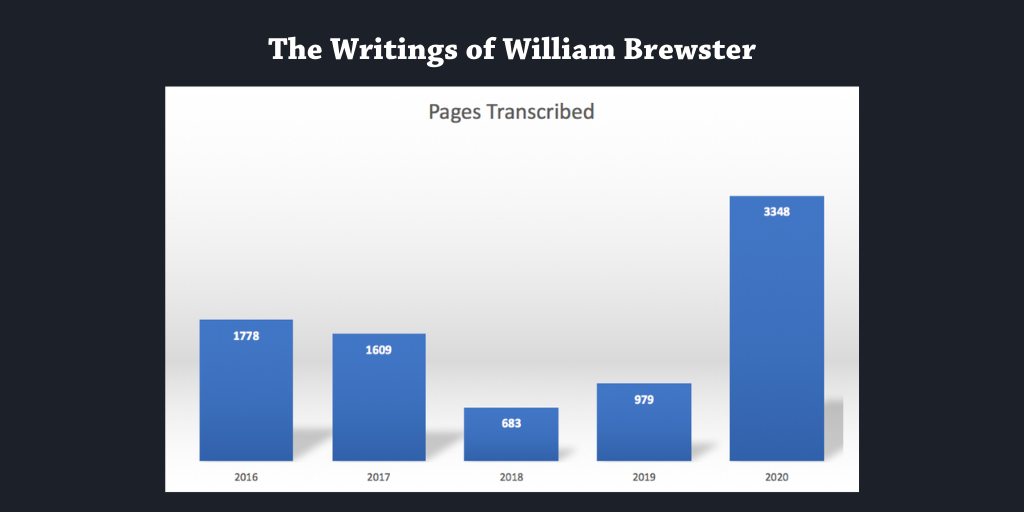
Bar graph showing number of pages transcribed per year, 2016-2020.

Number of pages transcribed per year, 2016-2020.

Transcriptions in the Biodiversity Heritage Library

The fruit of our transcribers’ labors began to materialize in 2018 when BHL developers introduced transcription import functionality to BHL. When member libraries began uploading transcribed pages of field notebooks and correspondence, the potential for access and discovery became readily apparent. Full-text indexing and searching of transcribed manuscript materials was now possible. For example, in researching the previous blog post about Robert Gilbert, the author was able to search for the name Gilbert in several transcribed volumes of Brewster’s journals. The result of such a search in Brewster’s 1898 journal is shown below.
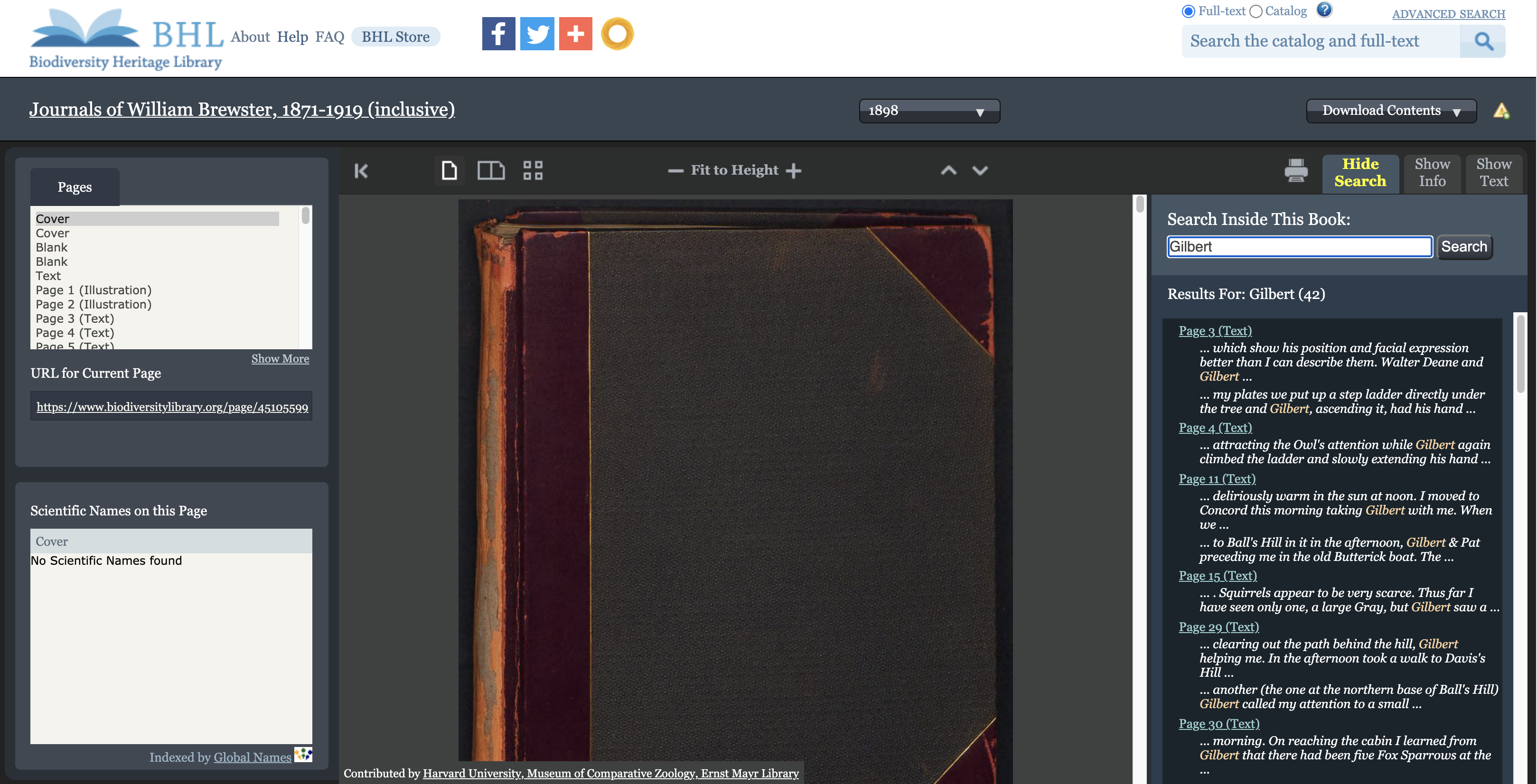
Screenshot of the BHL book viewer with full text search results for "Gilbert" displayed.

Searching for the name Gilbert in the 1898 volume of Brewster’s Journals retrieves 42 references to Robert Gilbert in this volume. The search results are shown in the right-hand panel of the BHL book viewer.

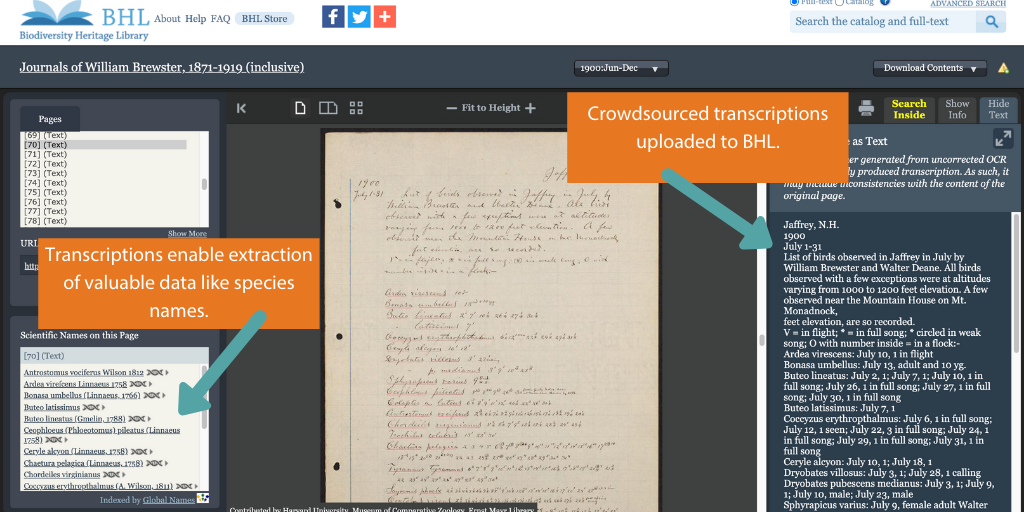
Like most field notebooks, Brewster’s diaries and journals are replete with scientific names. In order for these to be recognized by BHL’s name-finding utility, Global Names Architecture (GNA), they must be carefully transcribed. Transcription tutorials for the Brewster project in DigiVol ask that scientific names be given extra care, expanding abbreviations and correcting misspellings where possible. Our team of volunteers and staff have done an exquisite job of accurately transcribing scientific names, sometimes even doing research when unsure of the correct spelling of a name. Some of the transcribers so enjoy delving into Brewster’s world that they frequently research people, localities, or unfamiliar terms used in his writings as well.
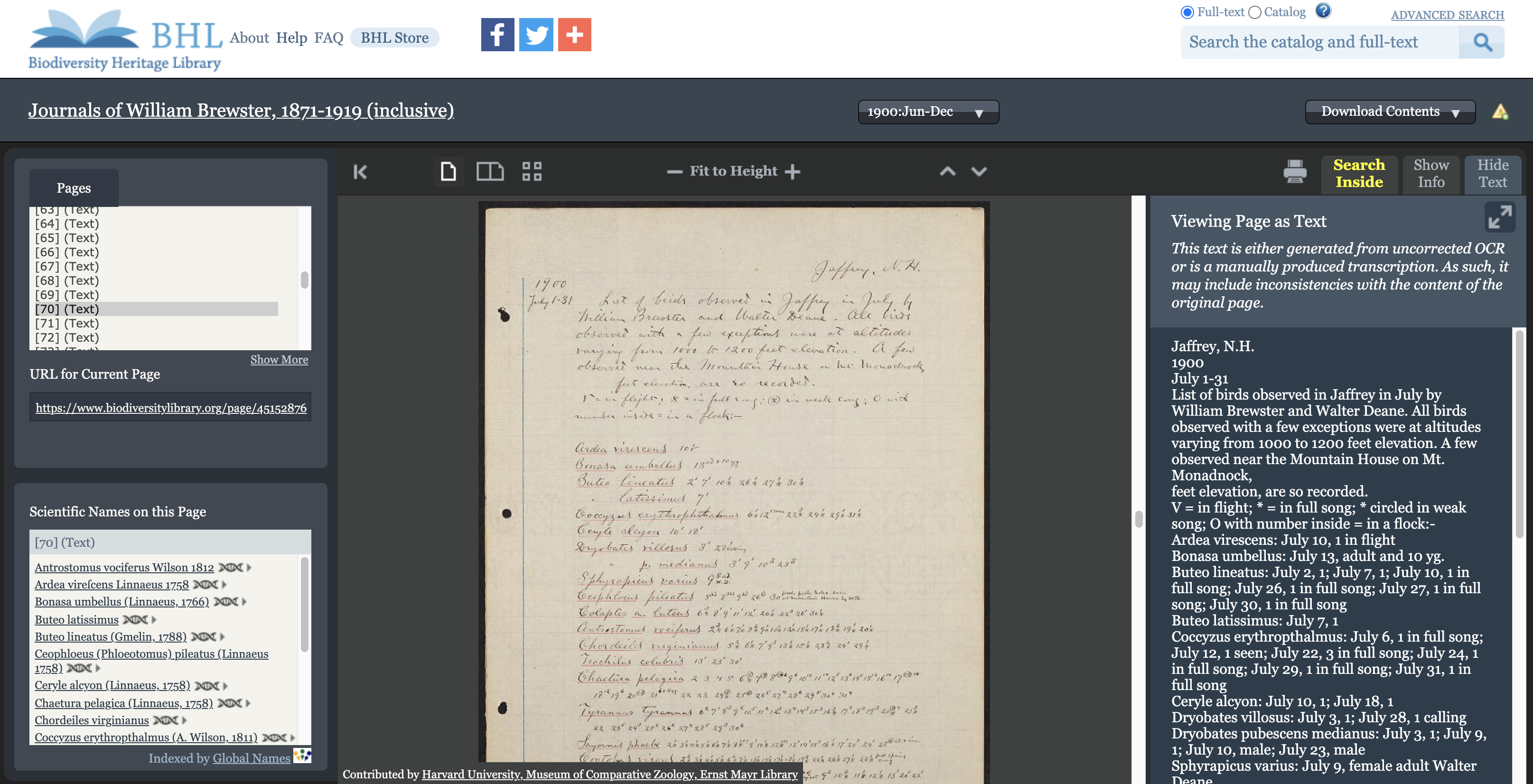
Screenshot of the BHL book viewer with scientific names found on the page.

A species observation list from Brewster’s 1900 Journal with transcription of species names and observations in the text panel on the right. Note the scientific names on the lower left, extracted from the transcription text by Global Names Architecture (GNA). Prior to addition of the transcription text, no names were found by GNA.

The end result is that the myriad of ornithological taxa mentioned in Brewster’s writings are being indexed in BHL. Thus a search across the full BHL repository for a specific taxon retrieves results from field notes and correspondence as well as the published literature. The resulting species bibliography will thus lead researchers to field observations, specimen collecting accounts, habitat and weather descriptions, and other content that may not be included in secondary sources.
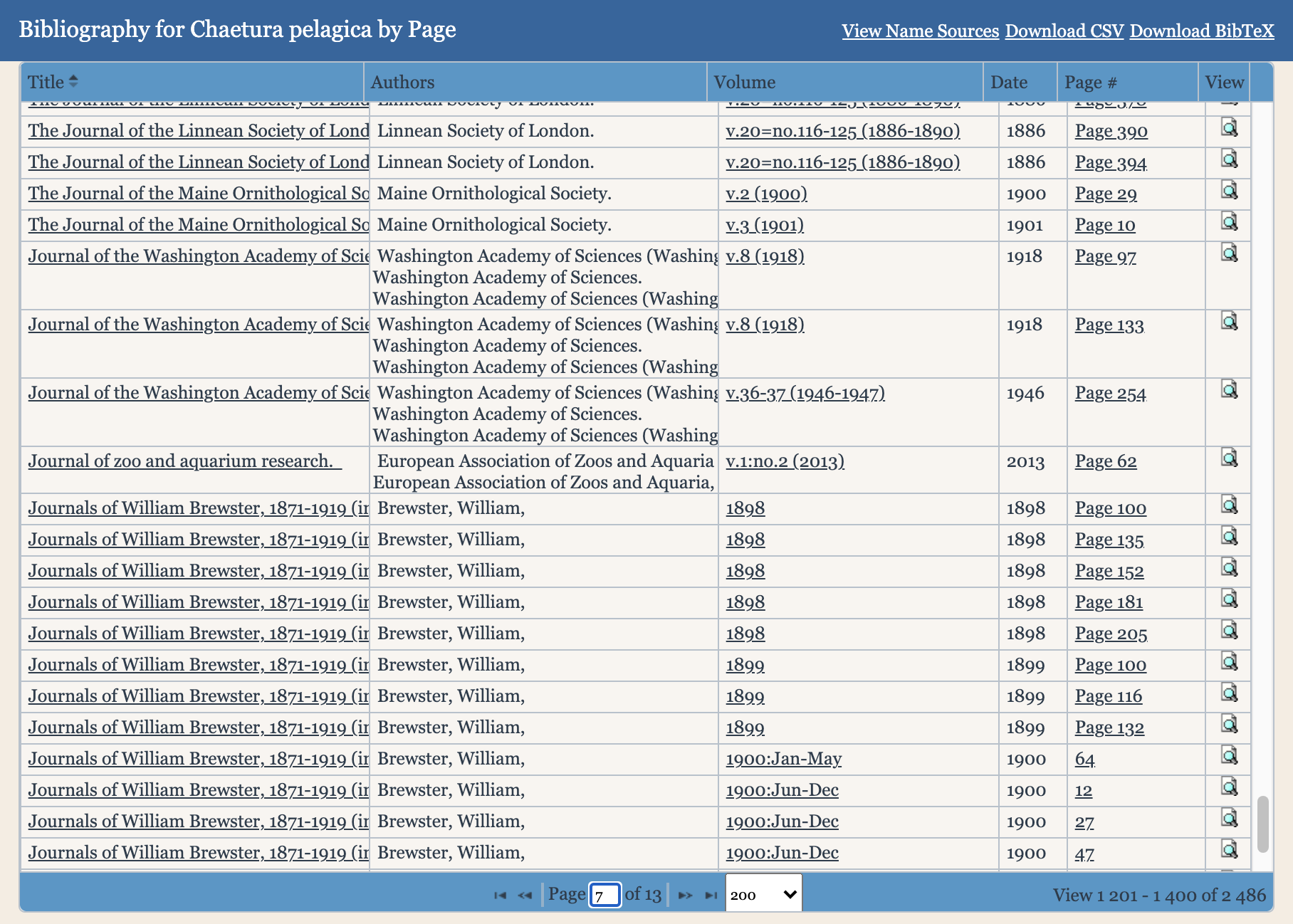
Screenshot of a species bibliography in BHL for Chaetura pelagica.

A search for Chaetura pelagica (Chimney Swift) across the full BHL repository retrieves instances of this taxon in Brewster’s transcribed Journals as well as the published literature.

Because of the hard work of our volunteer transcribers, full transcriptions of thousands of pages of Brewster’s diaries, journals, and correspondence are now being added to BHL, making this content available for text analysis, data mining, digital scholarship, and the creation of new information. Connections with similar collections in other institutions will likely be discovered as more primary source material is digitized and transcribed. Brewster’s meticulous record of species occurrences, habitat, landscape ecology, and weather can help in addressing the current climate and biodiversity crises. His record of historical events and his account of the work of Robert Gilbert might be used in social justice or other humanitarian research efforts. The staff of the EMLA are deeply indebted to the team of volunteers and our two Harvard Library colleagues who have given so much of their time and energy to help unlock the riches of the Brewster collection for the benefit of all.

If you would like to help transcribe Brewster’s writings, there is still plenty of work to do. We will soon complete his diaries and journals after which we will begin transcribing his extensive collection of correspondence. If you are interested, please visit our project page.
February 24, 2021by michelle.underhill
Blog Reel, Featured Books

BHL Adds Volumes from Wilson Ornithological Society

52234276.jpeg

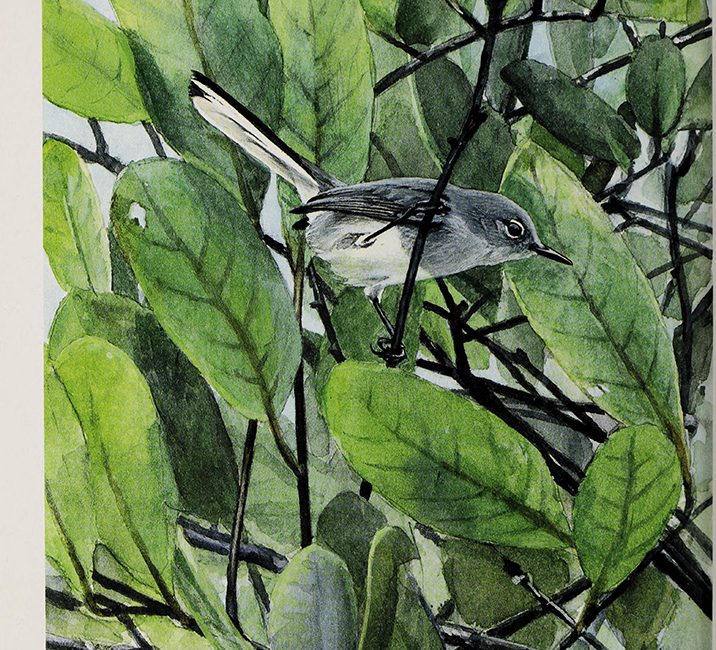
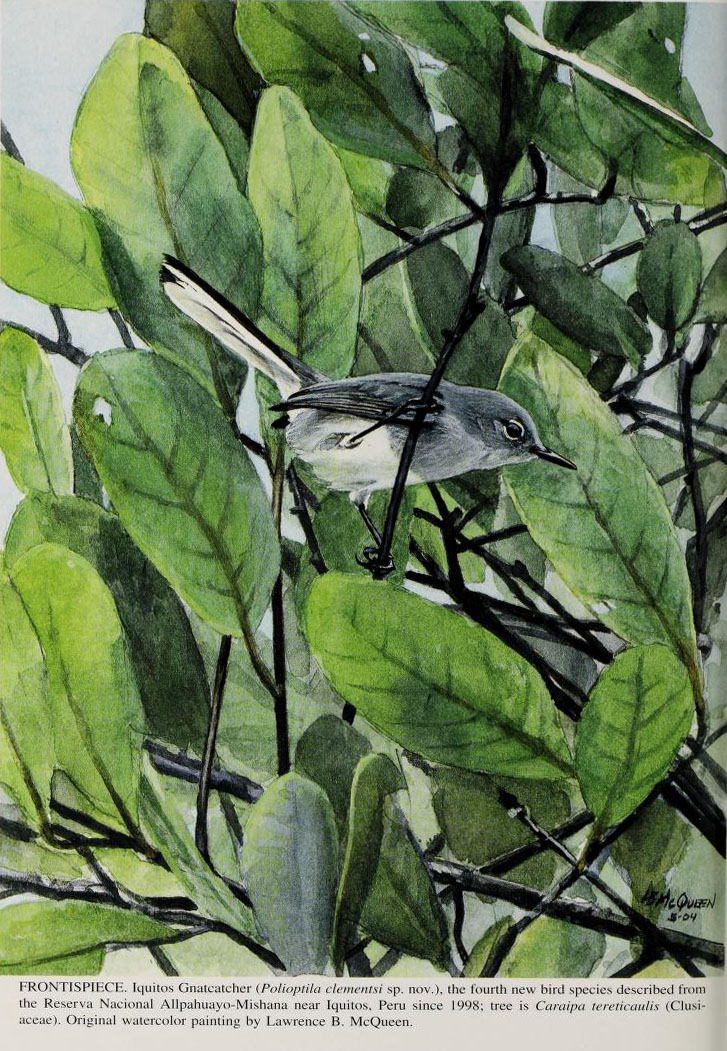
Caption transcription: “Iquitos Gnatcatcher (Polioptila clementsi sp. nov.), the fourth new bird species described from the Reserva Nacional Allpahuayo-Mishana near Iquitos, Peru since 1998; tree is Caraipa tereticaulis (Clusiaceae). Original watercolor painting by Lawrence B. McQueen.” The Wilson Bulletin, v. 117. 2005. Contributed to BHL by the Harvard University, Museum of Comparative Zoology, Ernst Mayr Library with permission from the Wilson Ornithological Society. CC-BY-NC-SA.

More volumes from the Wilson Ornithological Society are now on BHL!  Spanning back to 1893, the publications The Wilson Bulletin and The Wilson Journal of Ornithology are a great example of the kind of legacy literature that distinguishes BHL.

The Wilson Ornithological Society is the second largest ornithological society in North America. The organization of professional scientists and dedicated amateurs is named for Alexander Wilson, known as the “Father of American Ornithology”.

The Wilson Journal of Ornithology is a quarterly peer-reviewed journal that replaces its predecessor, The Wilson Bulletin. BHL had previously added some earlier public domain volumes of The Wilson Bulletin (contributed in BHL by the American Museum of Natural History and Smithsonian Libraries), but was able to expand the collection thanks to the Expanding Access to Biodiversity Literature (EABL) project, funded by the Institute of Museum and Library Services. The Wilson Ornithological Society granted permission to share these titles on BHL with a 5-year embargo on the most recently published volumes, so that now BHL has The Bulletin from 1894-2005 and The Journal from 2006-2010.

52234156.jpeg

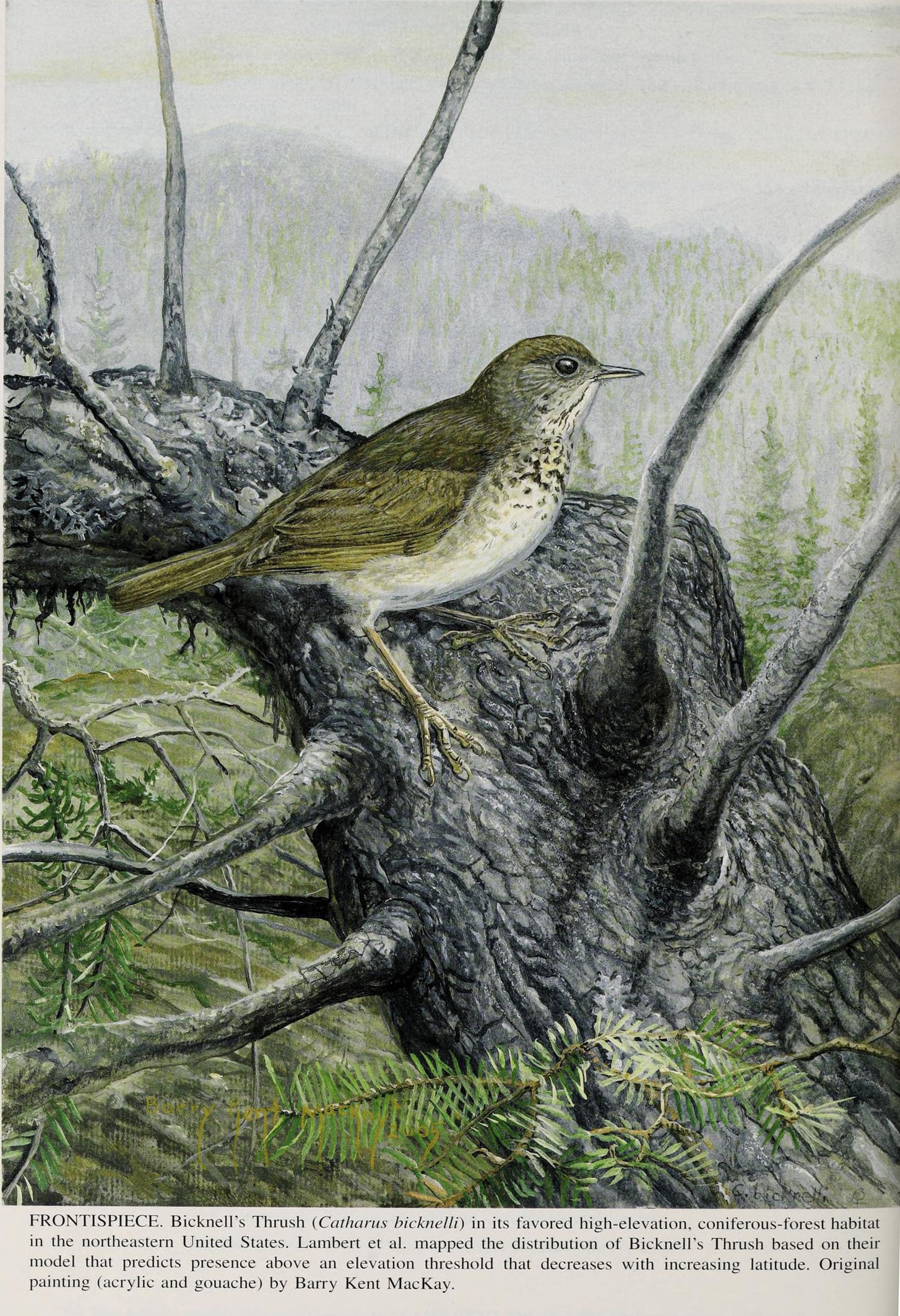
Caption transcription: “FRONTISPIECE. Bicknell’s Thrush (Catharus bicknelli) in its favored high-elevation, coniferous-forest habitat in the northeastern United States. Lambert et al. mapped the distribution of Bicknell’s Thrush based on their model that predicts presence above an elevation threshold that decreases with increasing latitude. Original painting acrylic and gouache by Barry Kent MacKay.” The Wilson Bulletin, v. 117. 2005. Contributed to BHL by the Harvard University, Museum of Comparative Zoology, Ernst Mayr Library with permission from the Wilson Ornithological Society. CC-BY-NC-SA.

The story of the Wilson Ornithological Society begins in 1886 with the ‘Young Ornithologists Association’ founded by L. O. Pindar and J. B. Richards. This group changed names several times, morphing into the Wilson Ornithological Chapter of the Agassiz Association in 1888, to the Wilson Ornithological Club, and eventually the Wilson Ornithological Society (WOS) in 1955. The first five volumes published by the evolving group went by several different titles, all of which are available on BHL (added prior to EABL). They are:

  • The Ornithologists’ and oologists’ semi-annual (v. 1-2 and 3.1, 1889-1891, contributed by Smithsonian Libraries)
  • The Wilson quarterly (v. 4, 1892, contributed by the American Museum of Natural History)
  • The journal of the Wilson Ornithological Chapter of the Agassiz Association (5th volume in WOS series, 1893, contributed by Smithsonian Libraries)

The Wilson Ornithological Society is headquartered at the University of Michigan, where it established the Josselyn Van Tyne Memorial Library in association with the University’s Bird Division Library.

52234941.jpeg

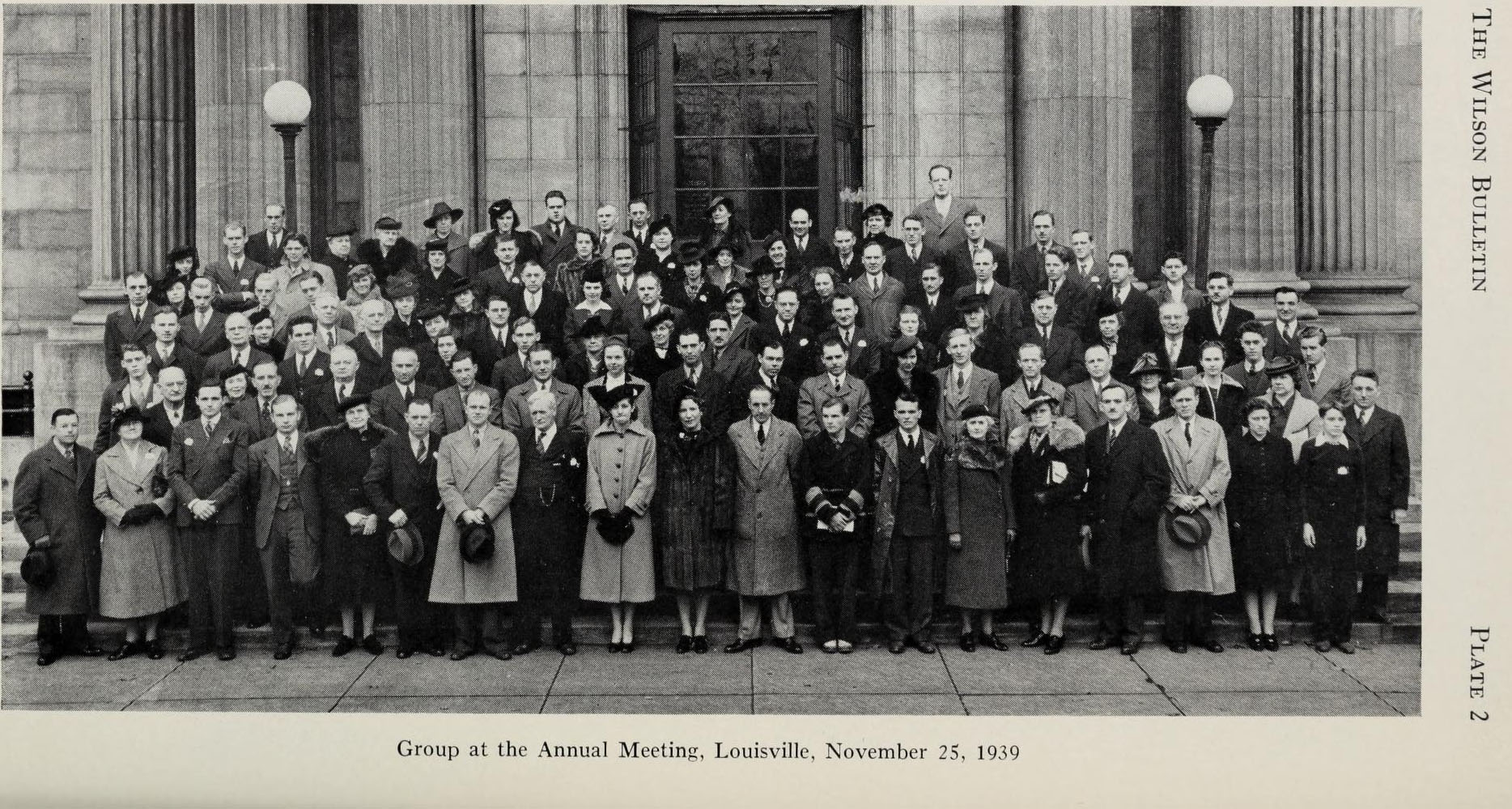
Caption transcription: “Group at the Annual Meeting, Louisville, November 25, 1939.” The Wilson Bulletin, v. 52. 1940. Contributed to BHL by the Harvard University, Museum of Comparative Zoology, Ernst Mayr Library with permission from the Wilson Ornithological Society. CC-BY-NC-SA.

52180336.jpeg

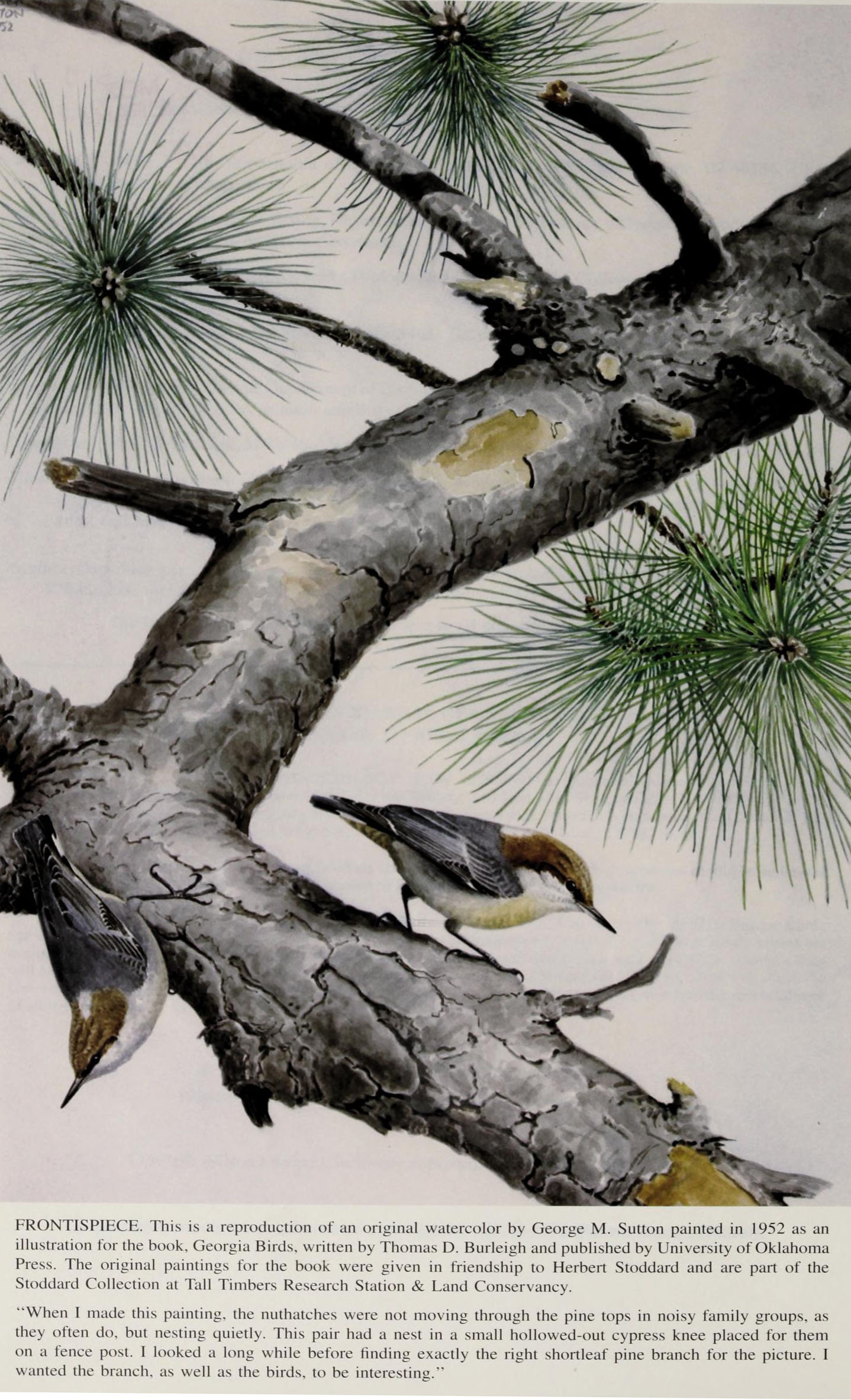
Caption transcription: “FRONTISPIECE. This is a reproduction of an original watercolor by George M. Sutton painted in 1952 as an illustration for the book, Georgia Birds, written by Thomas D. Burleigh and published by University of Oklahoma Press. The original paintings for the book were given in friendship to Herbert Stoddard and are part of the Stoddard Collection at Tall Timbers Research Station & Land Conservancy. ‘When I made this painting, the nuthatches were not moving through the pine tops in noisy family groups, as they often do, but nesting quietly. This pair had a nest in a small hollowed-out cypress knee placed for them on a fence post. I looked a long while before finding exactly the right shortleaf pine branch for the picture. I wanted the branch, as well as the birds, to be interesting.’” Wilson Journal of Ornithology, v. 119. 2007. Contributed to BHL by the Harvard University, Museum of Comparative Zoology, Ernst Mayr Library with permission from the Wilson Ornithological Society. CC-BY-NC-SA.

The Wilson Bulletin and the The Wilson Journal of Ornithology were digitized for BHL as a group effort, with digitized volumes contributed by the Ernst Mayr Library of Harvard’s Museum of Comparative Zoology, the American Museum of Natural History, and The Academy of Natural Sciences of Drexel University.

For a look at digitization behind the scenes, here’s the view from my desk as I work in the Ernst Mayr Library at Harvard’s Museum of Comparative Zoology:

books on a shelf

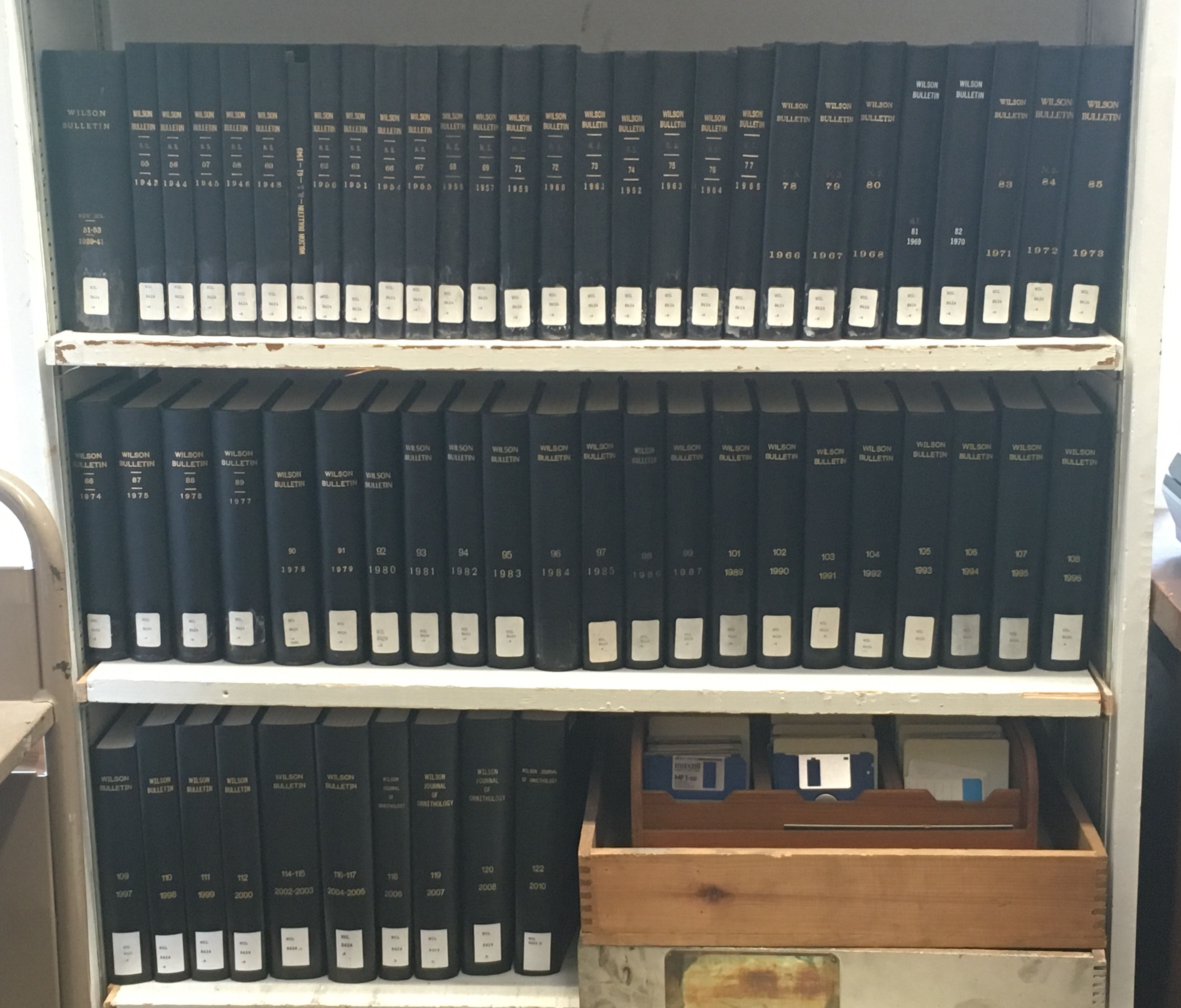
Bound volumes of the Bulletin and Journal pulled from the shelf at the Mayr Library to be digitized for BHL. Photo credit: Elizabeth Meyer.

These bound volumes (51-122) were pulled from the shelf at the Mayr Library and checked page by page to make sure each was in good condition for scanning: no pages missing or out of order, no extensive damage, and margins wide enough for scanning to capture all of the text. (This is what I do when I’m not writing blog posts!) Some of the volumes were scanned here at the Mayr Library using our Table Top Scribe (see next image), and the rest were sent to Internet Archive scanning facilities. To fill in the gaps where our volumes weren’t suitable for scanning, we reached out to the American Museum of Natural History (v. 51, 54, 76, 86-87, 96) and to The Academy of Natural Sciences of Drexel University (v. 123-124; currently being digitized).

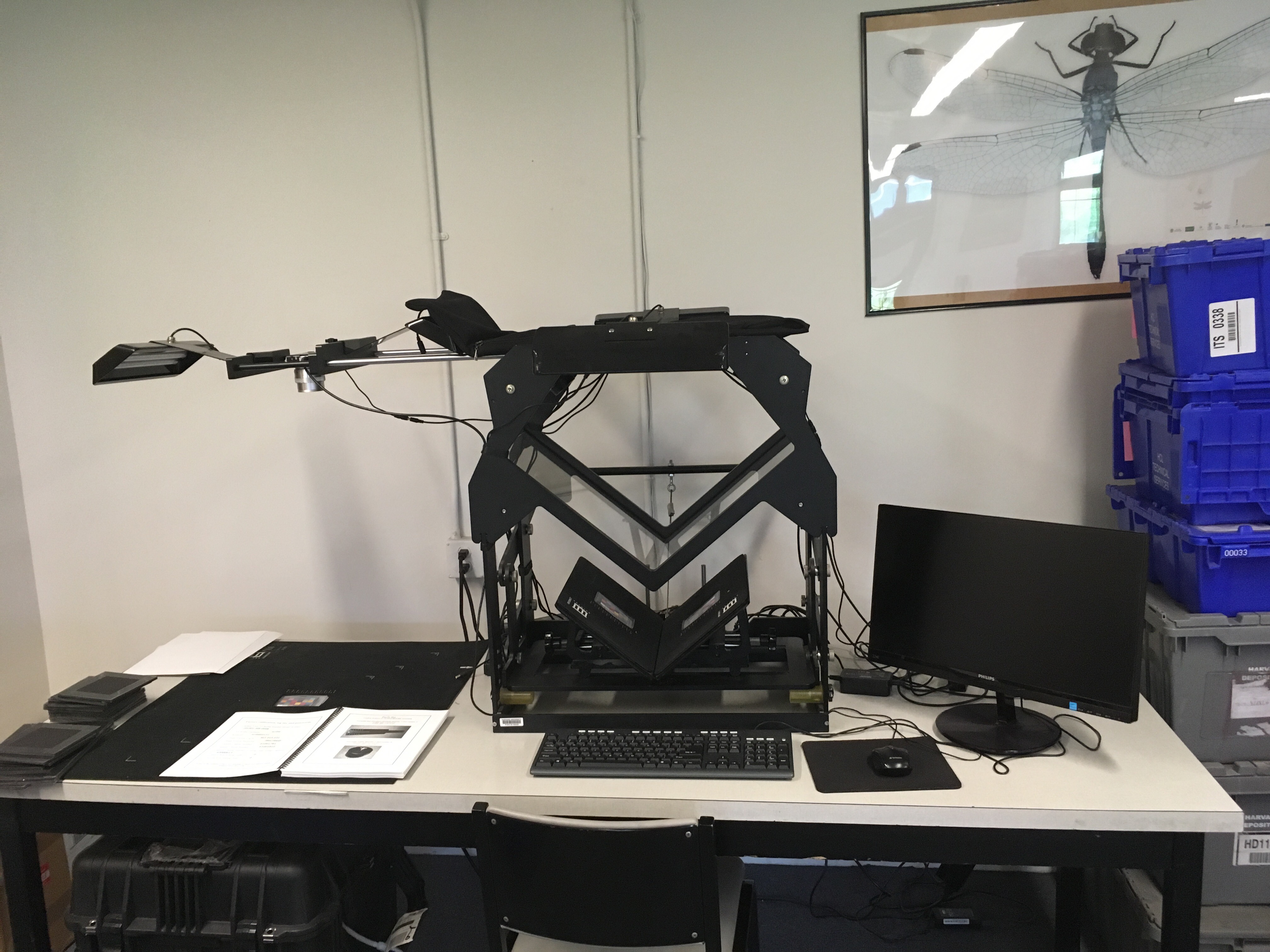
book scanning machine

The Mayr Library has an Internet Archive Table Top Scribe system. The bound item is placed in the lower cradle and lifted up using a foot pedal to press against the angled glass panes. Two cameras simultaneously capture separate images of both pages. Photo credit: Elizabeth Meyer.

Gratitude to Wilson Ornithological Society for granting permission to share these volumes on BHL, and to the Ernst Mayr Library of Harvard’s Museum of Comparative Zoology, the American Museum of Natural History and The Academy of Natural Sciences of Drexel University for digitization!

References

Wilson Ornithological Society

July 26, 2018by Joel Richard
Blog Reel, Featured Books

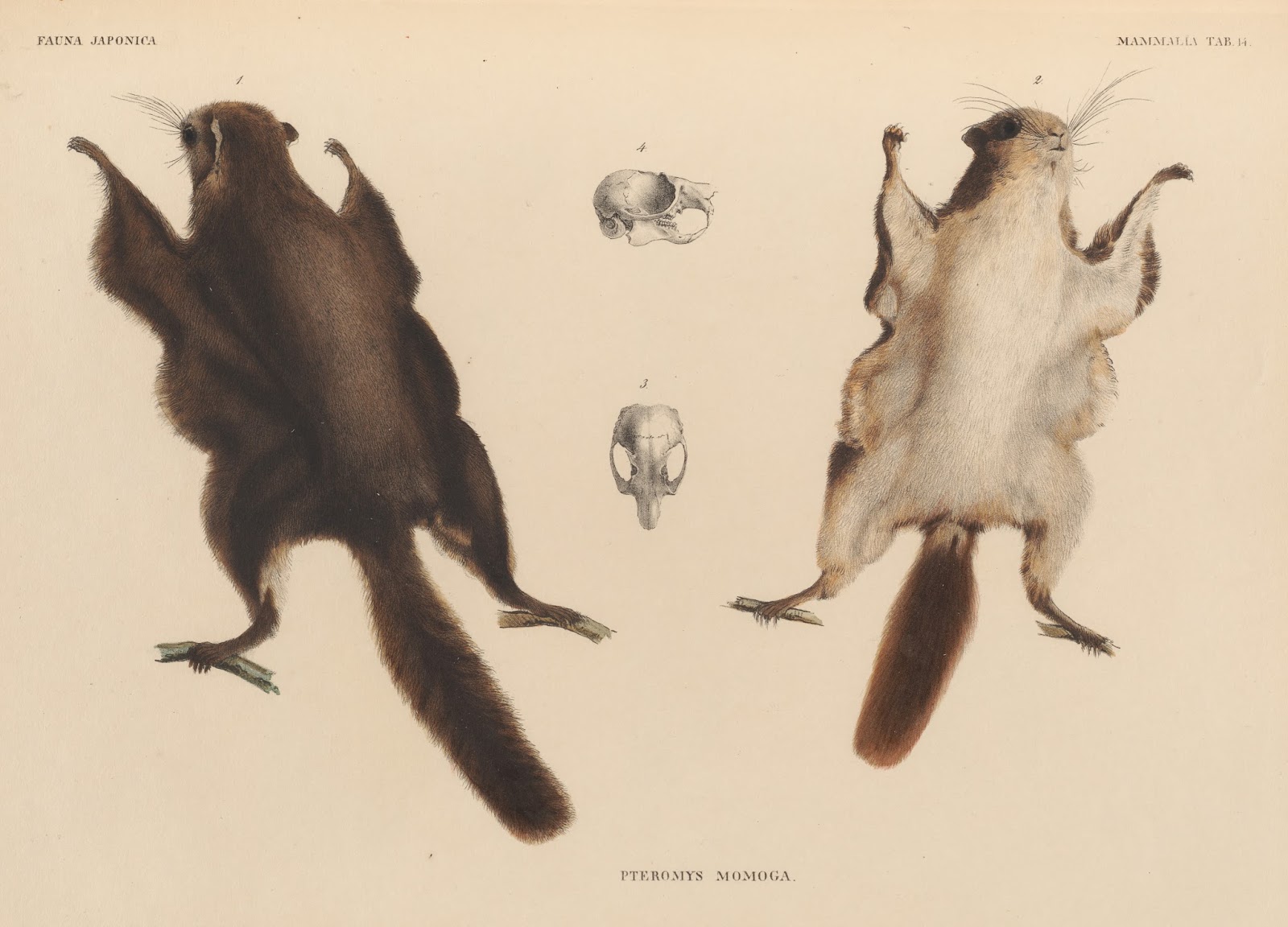
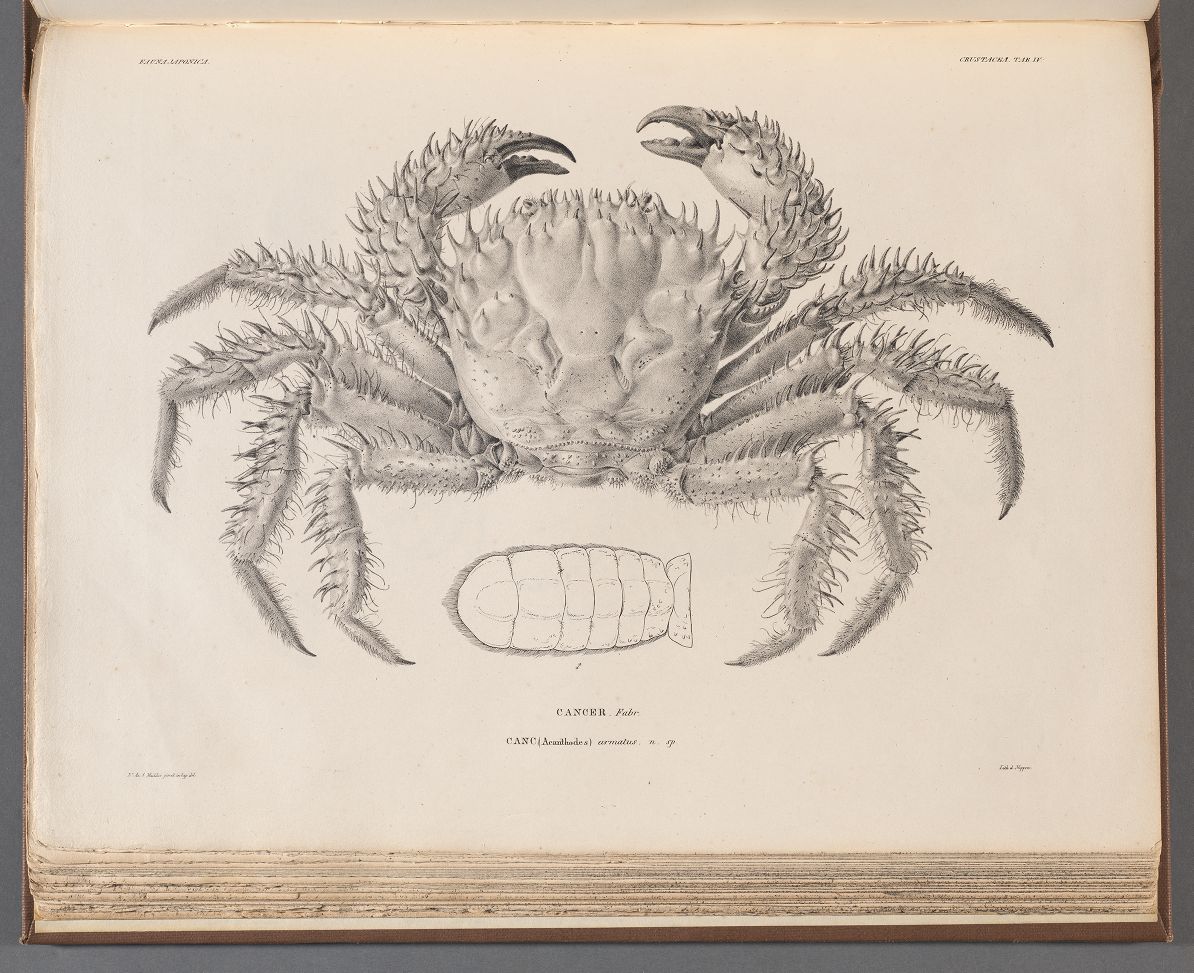
The First European Language Monographic Series on the Zoology of Japan

View Full Size Image
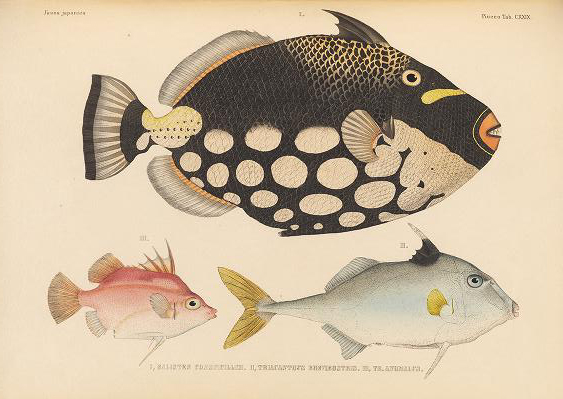
Siebold, Philipp Franz von. Fauna japonica. v.[2] Pisces. ([1842]-1850). Digitized by Harvard University, Museum of Comparative Zoology, Ernst Mayr Library.

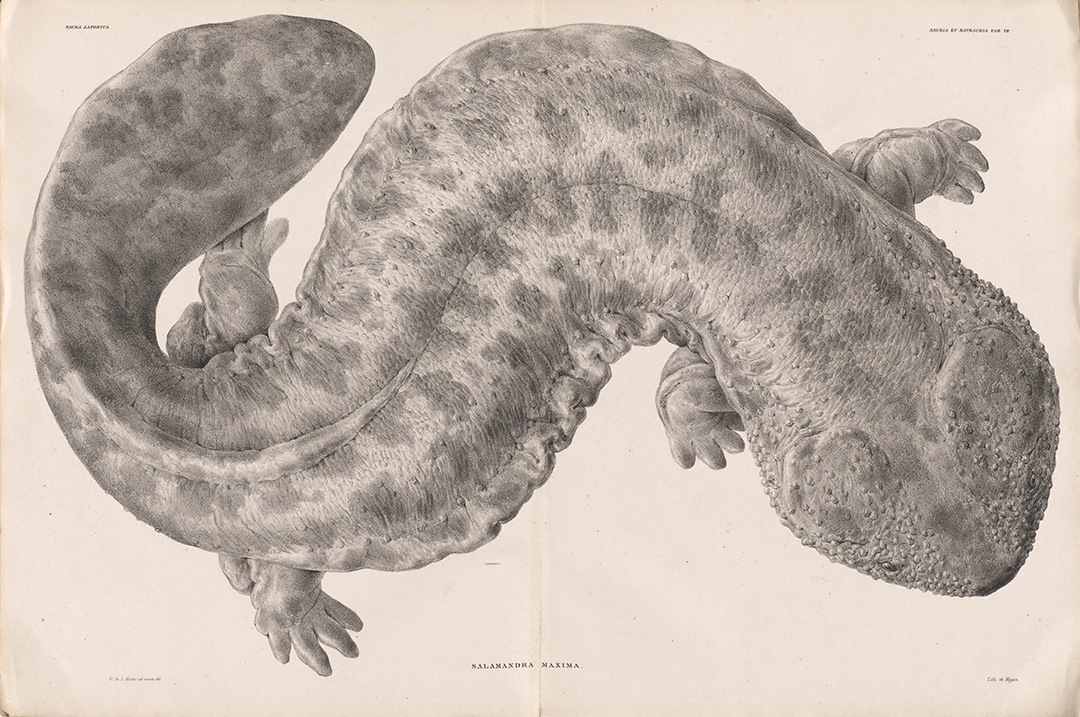
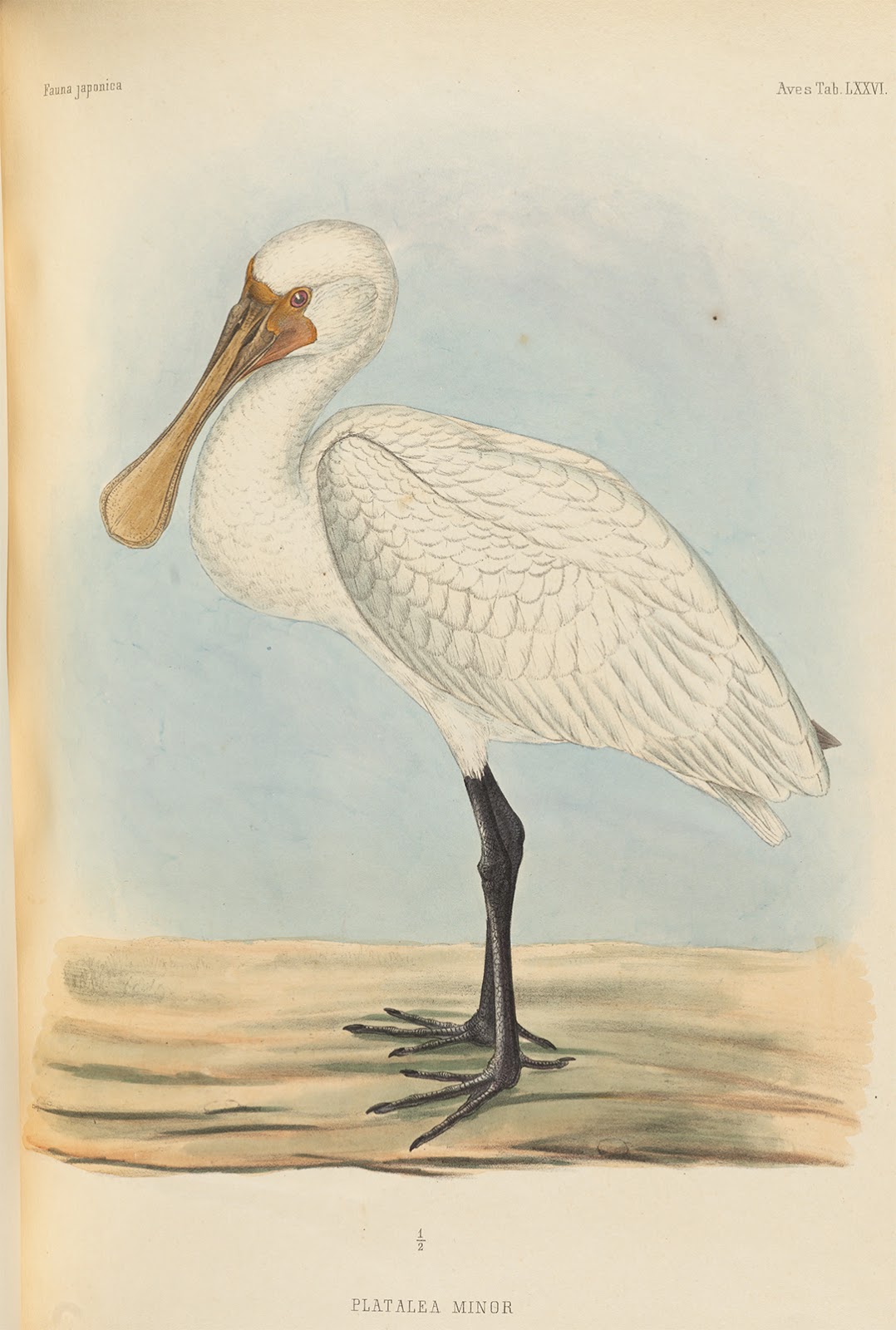
Fauna japonica, sive, Descriptio animalium, quae in itinere per Japoniam … (Leiden, 1833-1850) is a set of five volumes based on natural-history collections made in Japan by German physician and botanist Philipp Franz von Siebold and his assistant and successor Heinrich Burger, with drawings by the Japanese artist Kawahara Keiga. It is the first monographic series written in a European language (French) on the zoology of Japan, and it introduced Japanese fauna to the West on a large scale. The volumes of Fauna Japonica, contributed by the Ernst Mayr Library of the Museum of Comparative Zoology, Harvard University, can be viewed on BHL.

View Full Size Image
Siebold, Philipp Franz von. Fauna japonica. v. [3]. Reptilia. (1838). Digitized by Harvard University, Museum of Comparative Zoology, Ernst Mayr Library. http://s.si.edu/2sQxneR.

Von Siebold (1796-1866) arrived in Japan in 1823 as resident doctor of the Dutch trading post on Deshima island, Nagasaki. He was eager to learn about natural history in far-flung countries at a time when natural history knowledge was progressing in Europe. In addition to medical work, Von Siebold, who had a strong interest in zoology, and Burger along with their Japanese colleagues collected and purchased natural history specimens and ethnological objects during excursions in the Nagasaki area. Von Siebold was also allowed to travel beyond Nagasaki with Dutch embassy officials. Patients whom von Siebold and Burger treated and residents whom they met assisted with the massive collecting project. Von Siebold established a private school where he taught medicine and natural history and the students became collectors as well.

Von Siebold was was given several detailed maps of Japan for his explorations by the court astronomer, Takahashi Kageyasu. When the Japanese government discovered the maps, they accused von Siebold of spying and treason, expelling him from the country. His then 2 year old daughter, Kusumoto Ine, went on to become the first licensed female Japanese physician of Western medicine.

View Full Size Image
Siebold, Philipp Franz von. Fauna japonica. v. [4.] Aves. ([1844]-1850). Digitized by Harvard University, Museum of Comparative Zoology, Ernst Mayr Library. http://s.si.edu/2rCBqb4.

After enduring these legal difficulties, von Siebold was able to return to the Netherlands in 1829. His vast natural-history collections preceded him to Batavia onboard ships while he was detained. The Dutch contingent that received the collections was actually a bit relieved that von Siebold was not present when the specimens arrived, as they feared that he might disperse them to institutions beyond the Netherlands.

Safely home, von Siebold commissioned Leiden Museum director C. J. Temminck to write Fauna japonica’s mammal volume. Temminck and his museum colleague Hermann Schlegel compiled the bird, reptile, and fish volumes; and Leiden Museum invertebrates curator Wilhelm de Haan wrote the Crustacea volume. The series was originally published in separate fascicles, edited by von Siebold. An unfinished, unpublished echinoderm manuscript for Fauna japonica by J. A. Herklots is now in the archives of the Leiden Museum.

View Full Size Image
Siebold, Philipp Franz von. Fauna japonica. v. [5]. Mammalia. ([1842-1845]). Digitized by Harvard University, Museum of Comparative Zoology, Ernst Mayr Library. http://s.si.edu/2rCnPR3.

Initially, von Siebold published Fauna japonica partly with his own funds and partly with a grant from the Dutch government. By 1833, the Amsterdam publisher J. Muller became partners with von Siebold in the venture. Until 1840, the plates were lithographed at von Siebold’s own lithographic plant, as indicated by “Lith. d. Nippon,” and later were done at other firms until the Leiden printer A. Arnz took over publication of Fauna japonica’s text and plates entirely.

Because the original volumes of Fauna japonica were issued in a limited (unknown) number, they became so difficult and expensive to obtain that a facsimile edition in four volumes was published in Japan in 1934 in an edition of 350 copies — now that edition has become very difficult to obtain as well. The University of Kyoto has also digitized the volumes of Fauna Japonica.

View Full Size Image
Siebold, Philipp Franz von. Fauna japonica. v. [1]. Introductions and Crustacea. (1833-1850). Digitized by Harvard University, Museum of Comparative Zoology, Ernst Mayr Library. http://s.si.edu/2rRDwYL.

References:

L. B. Holthuis and T. Sakai. Ph. F. von Siebold and Fauna japonica: a history of early Japanese zoology. Tokyo: Academic Press of Japan, 1970.

L. B. Holthus. “On the dates of publication of W. De Haan’s volume on the Crustacea of P. F. von Siebold’s Fauna japonica,” The Journal of the Society for the Bibliography of Natural History, vol. 3, pt. 1, 1953.

Ueno, Masuzo. “The Western Influence on Natural History in Japan.” Monumenta Nipponica 19, no. 3/4 (1964): 315-39. doi:10.2307/2383175.

June 22, 2017by ulib-libraryjobs
BHL News, Blog Reel

National Digital Stewardship Residency (NDSR) Job Postings

Portrait version of the Biodiversity Heritage Library logo.

We’re hiring!

The vacancies for the five National Digital Stewardship Residency (NDSR) cohort positions have been posted through Harvard University. These five residents will work on projects related to the Biodiversity Heritage Library at BHL partner institutions in Cambridge, MA, Washington, DC, Chicago, IL, St. Louis , MO or Los Angeles, CA from January 2017 to December 2017. Learn more about the NDSR program, funded by the Institute of Museum and Library Services (IMLS) as part of the Laura Bush 21st Century Librarian Program.

For more information, visit the vacancies posting page here. To apply, click here.

Qualification requirements and information about each of the five projects (as provided on the Harvard University posting page above) are listed below. Residents will each be assigned one of the five available projects and corresponding host institution(s). Applicants should specify their top three choices of institutions and projects from the list below in the cover letter included in their application. Application review will begin immediately and will continue until the positions are filled.

Applications received by October 5, 2016 will be given first consideration.

WHO MAY APPLY: 

Applicants must be U. S. citizens who have graduated from an accredited degree-granting Master’s or Doctoral program between Summer 2014 and January 2017. Applicants must be US citizens or permanent residents.

QUALIFICATIONS REQUIRED: 

  • Possess a master or doctoral degree with graduation between spring 2014 and January 2017 in one of the following fields (or other discipline engaged in the stewardship of digital materials):
    • Library Science
    • Information Science
    • Archival Science
    • Records Management
    • Computer Sciences
    • Museum Studies
    • Art History
    • Engineering
    • Digital Media
    • Master of Fine Arts in New Media
  • Must be available to work on-site for the entire one-year period (relocation expenses are not offered).
  • Must be a US citizen or permanent resident.


AVAILABLE PROJECTS:

Content Analysis. 
This project will be an analysis of the quantity of literature underpinning the field of biodiversity, the amount of that literature in the public domain, the representation of each discipline (delineated by taxon group) within BHL, an exploration of methodologies to scope the collections, and areas where BHL may target development to better serve the research population. Host: BHL Chicago partners (The Field Museum of Natural History and the Chicago Botanic Garden) with mentors Library Directors Christine Giannoni and Leora Siegel.

Import of Crowdsourced Data Corrections and Enhancements. 
Building on the IMLS grant received by the Missouri Botanical Garden, Purposeful Gaming and BHL, in which BHL worked with Mary Flannagan and Tiltfactor , the mentors for this project will work with the resident to develop methodologies and propose tools for integration of crowdsourced data corrections and enhancements back into the BHL portal. Best practices will be documented for verification, trust, and multi-tier review. Host: Harvard University: MCZ, mentors Library Managers Constance Rinaldo and Joseph deVeer.

Enabling image discovery within the Biodiversity Heritage Library. 
Building on the successful NEH Art of Life grant, crowdsourced metadata around BHL images hosted on Flickr and Zooniverse would be integrated back into the BHL through user interface modifications to the BHL portal to enable image searching, browsing and display. The resident will work with the BHL technical team to propose best practices for integration of this data into BHL as well as sustainable methodologies for augmenting image tagging for BHL content. Host: Missouri Botanical Garden (MOBOT), mentors Library Director Douglas Holland and Data Projects Coordinator, Trish Rose-Sandler.

Digital Library Best Practices Analysis. 
The mentor will work with the resident to consult with BHL partners such as DPLA and Europeana to determine how BHL data works in these large scale national and pan-national digital libraries. The resident will propose analyses of other large-scale digital libraries (HathiTrust, the Internet Archive, National Digital Library of New Zealand, Trove, for example) to categorize high value tools and services that can be built into the next version of BHL or developed with existing APIs from partners. Host: Los Angeles County Natural History Museum, mentor Chief Librarian and Curator Richard Hulser. NHM Research Library.

User Needs and Usability Analysis. 
The mentor will work with the resident to identify members of the larger taxonomic and biodiversity informatics community to determine user needs and services for providing increased value to BHL content. Building on a ten year relationship with this community, BHL staff will introduce the resident to relevant initiatives hosted at the Smithsonian, such as Consortium for the Barcode of Life (CBoL) and Encyclopedia of Life (EOL) and to partners such as Global Biodiversity Information Facility (GBIF). The resident will analyze input gathered to define recommendations and requirements for expanding the BHL digital library functionality. Host: BHL Secretariat/Smithsonian Libraries, mentor Carolyn Sheffield, BHL Program Manager.

August 3, 2016by ulib-libraryjobs
Blog Reel, User Stories

Undergraduates and the BHL

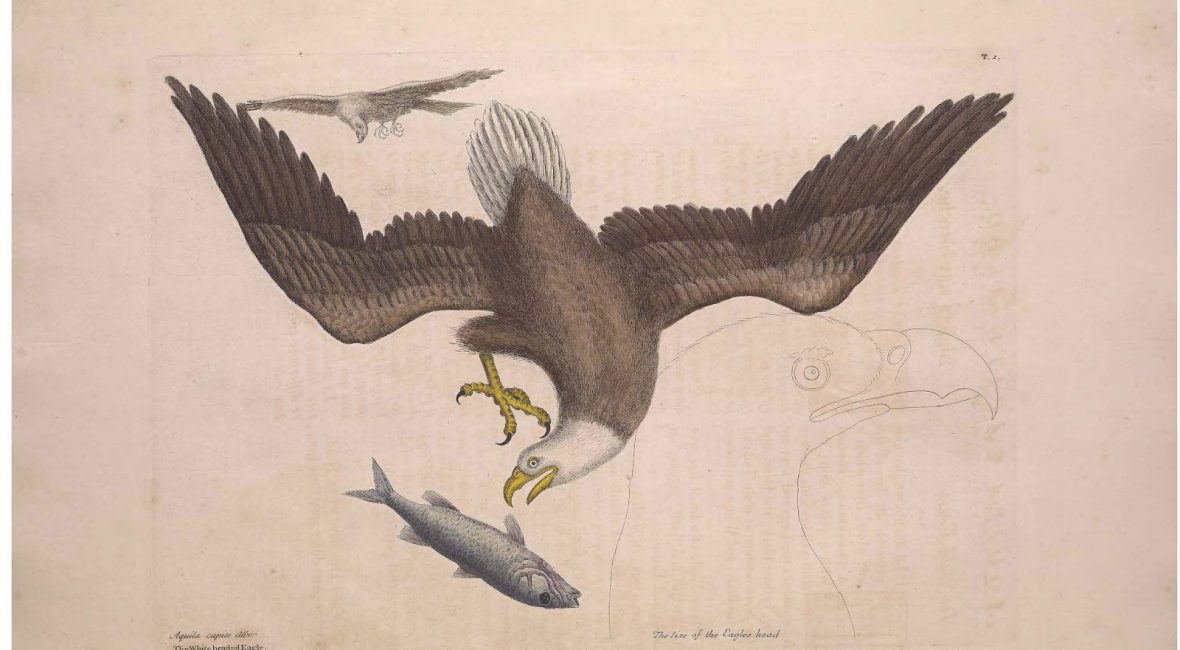
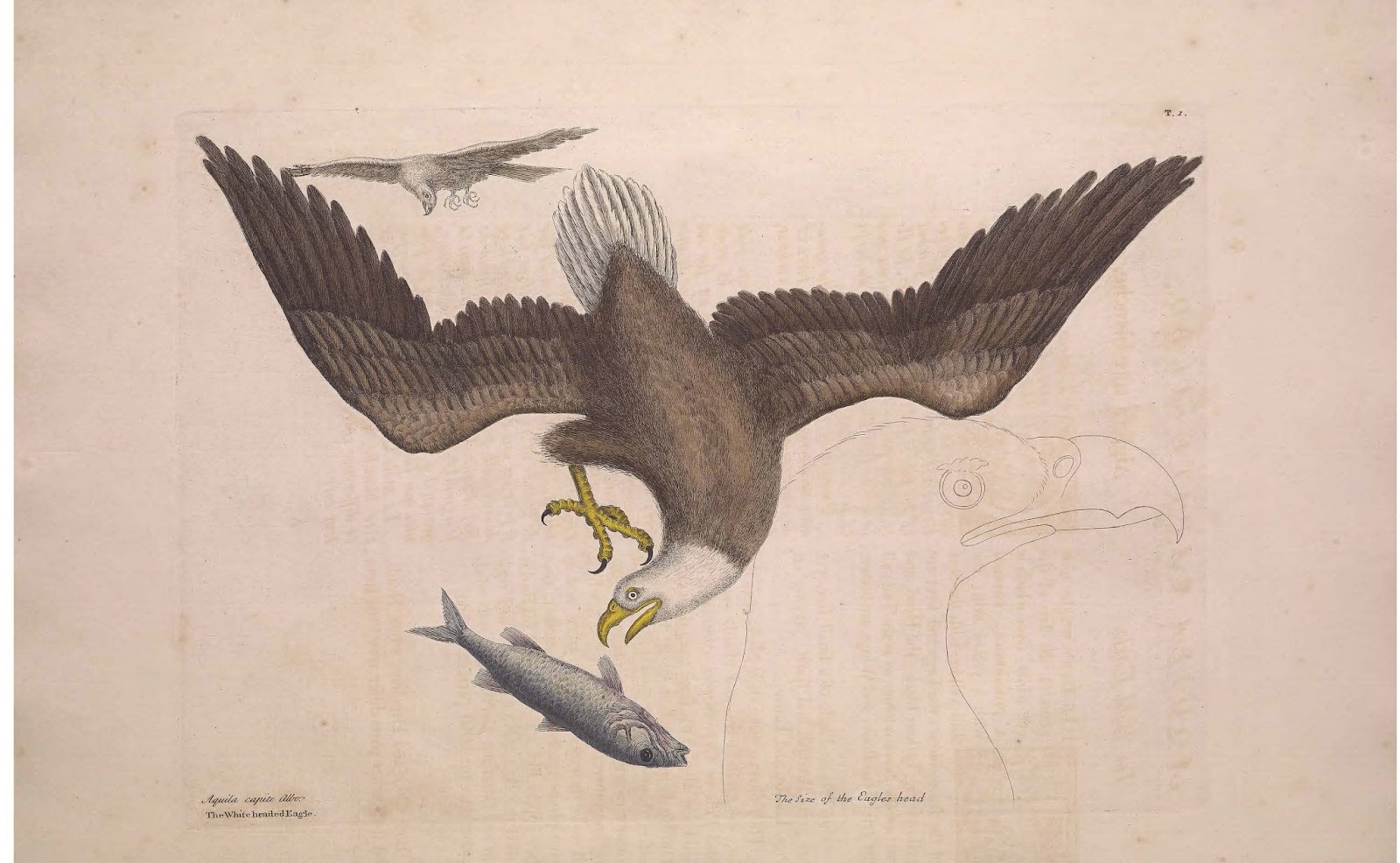
“Is the bald eagle really bald?”

This was the question that a recent history of science undergraduate class at Harvard University had to answer with the help of BHL. Specifically, students were required to locate Mark Catesby’s 1731 plate of the bald eagle in BHL and use the accompanying text to determine the accuracy of the bird’s moniker.

View Full Size Image
The White-Headed Eagle. Catesby, Mark. The Natural History of Carolina, Florida and the Bahama Islands. vol. 1, 1731. pl. 1. http://biodiversitylibrary.org/page/40753120. Digitized by Smithsonian Libraries.

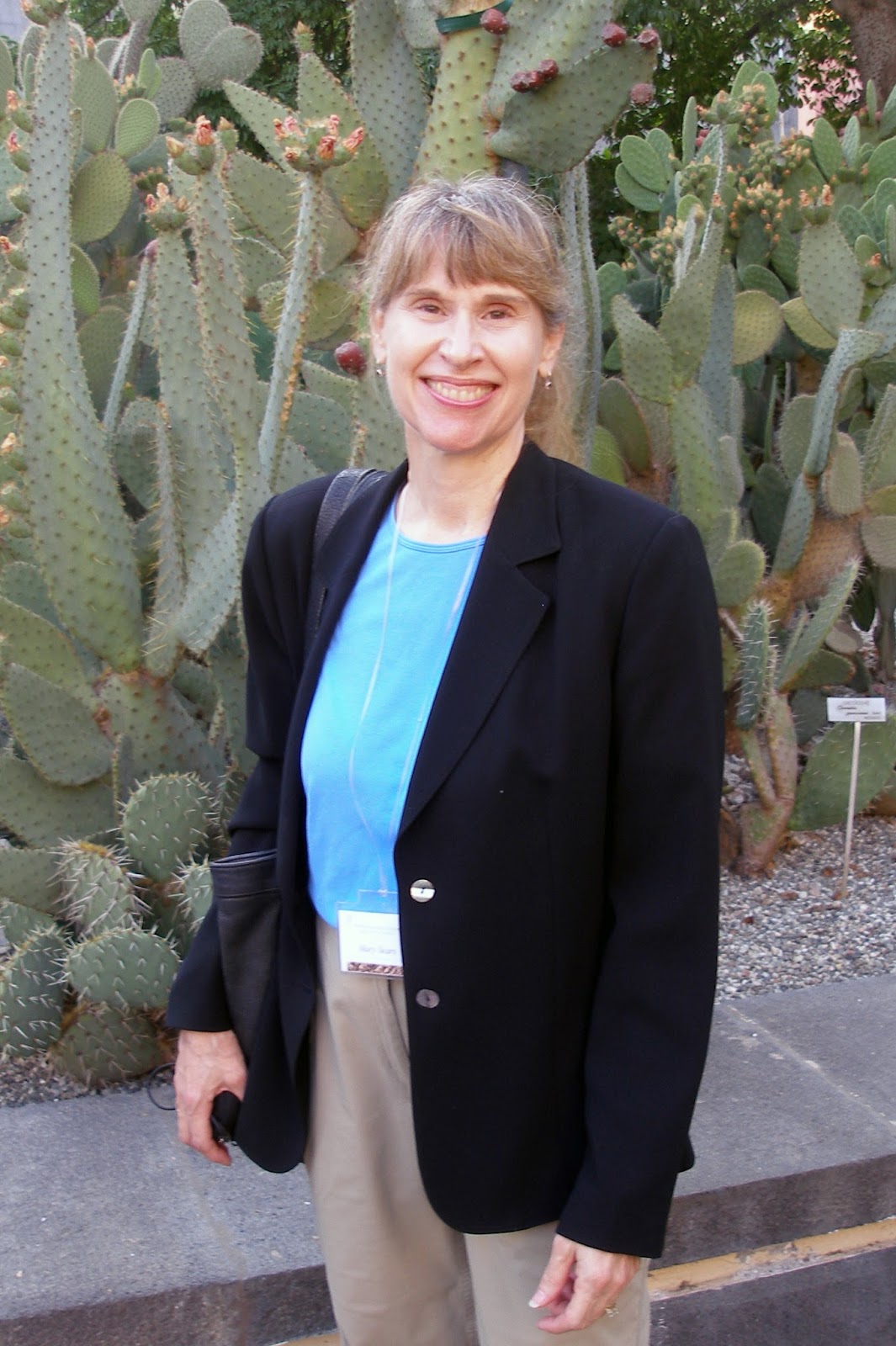
Mary Sears, Head of Public Services at the Ernst Mayr Library of the Museum of Comparative Zoology at Harvard University, instructed the class on how to use BHL to satisfy the assignment. Instructing students on the use of BHL is something Mary has done for some time now.

View Full Size Image
Mary Sears.

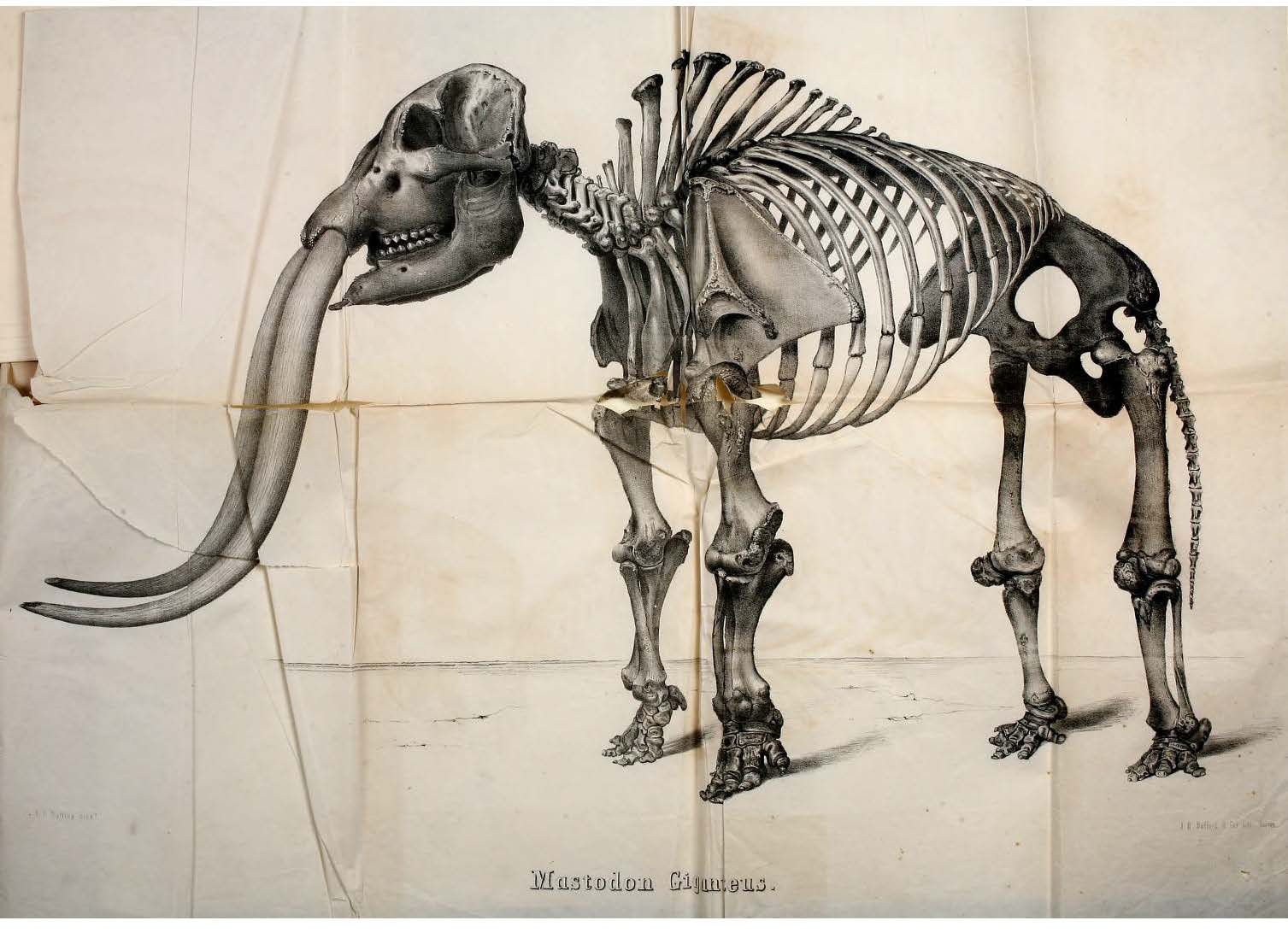
“We present the BHL to groups of students, when their class visits the library, and also use BHL as a reference tool when students are working on individual projects,” explains Mary. “Typically, a class visit involves an exhibit of historical volumes in Special Collections, and a tour and orientation on electronic resources. Faculty and students receive a bibliography of their Special Collections exhibit, with links to those works that are in BHL. The quality, immediacy and scope of the BHL make it an important tool when working with individual students, who are usually working on short-term projects. I regularly direct students to BHL who need taxonomic and anatomical works (and walk them through how to use it). Especially for students who are not science majors, the BHL is a dependable central source of scholarly articles and books in zoology and natural history. Our print journals and older monographs do not circulate, so the BHL’s high quality scans fill the students’ needs for accessible sources. Warren’s monograph on Mastodon giganteus (image below) is a great example. I have the volume downloaded at the reference desk and send it to a student at least once a year. They can see the original in Special Collections during library hours but use the BHL version from anywhere, 24/7.”

View Full Size Image
Skeleton of Mastodon giganteus. Warren, John C. The Mastodon Giganteus of North America. 1852. pl. XXVII. http://biodiversitylibrary.org/page/40681510. Digitized by Smithsonian Libraries.

Mary has been at the MCZ Ernst Mayr Library for twenty-five years. Her specialty is reference and research, but she also collaborates on circulation and other areas where the library intersects with the public. She is most active in the subject areas of marine biology, bryozoology, and scientific biography.

As the Ernst Mayr Library is a founding Member of the Biodiversity Heritage Library, Mary has been aware of BHL’s existence since its launch in 2006. It has had an increasingly significant impact on her work over the past ten years.

“I have a very high opinion of BHL,” affirms Mary. “It has impacted my work by making natural history journals and books easier to find and use. I am very fortunate to be in a library that contributes to the BHL: we have a solid collection of 19th century journals and many pre-1850 titles. As the repository has grown, I have experienced the shift from wondering whether a classic text will be in BHL to assuming that it will be. Now that so many important titles are there, I almost always use BHL scans instead of consulting a print volume in our Special Collections. Before BHL, I regularly went to Special Collections to confirm citations, make copies, etc. Being able to do those ordinary tasks remotely saves a lot of wear and tear on the collection. For works we do not own, I can have immediate access through the BHL to volumes that would have taken weeks and delicate negotiations (or microfilm!) [to obtain access to] twenty years ago.”

Mary’s favorite feature of BHL is the quality of the scans. As she describes, BHL’s scan quality, “especially the plates, more especially the foldout plates, is vastly better than other online repositories.” She also appreciates that downloading content from BHL “keeps getting better and easier.” Thinking about future improvements, Mary hopes to see the runs of journal titles in BHL be extended to include more recent volumes. “It is difficult to negotiate copyrights, but it is a big win to have a whole run of a journal in the BHL,” explains Mary.

Mary’s favorite title in BHL demonstrates the value of having full journal runs in BHL.

“The Bulletin of the Museum of Comparative Zoology (1863-current) is the primary publication of my institution and covers a vast array of zoological topics over a 150 year time span,” says Mary. “I get a lot of questions about the works published by the MCZ and authors/historical figures associated with the Museum. Having the Bulletin available through BHL makes works easier to find, download and send, as well as taking pressure off of our print volumes.”

View Full Size Image
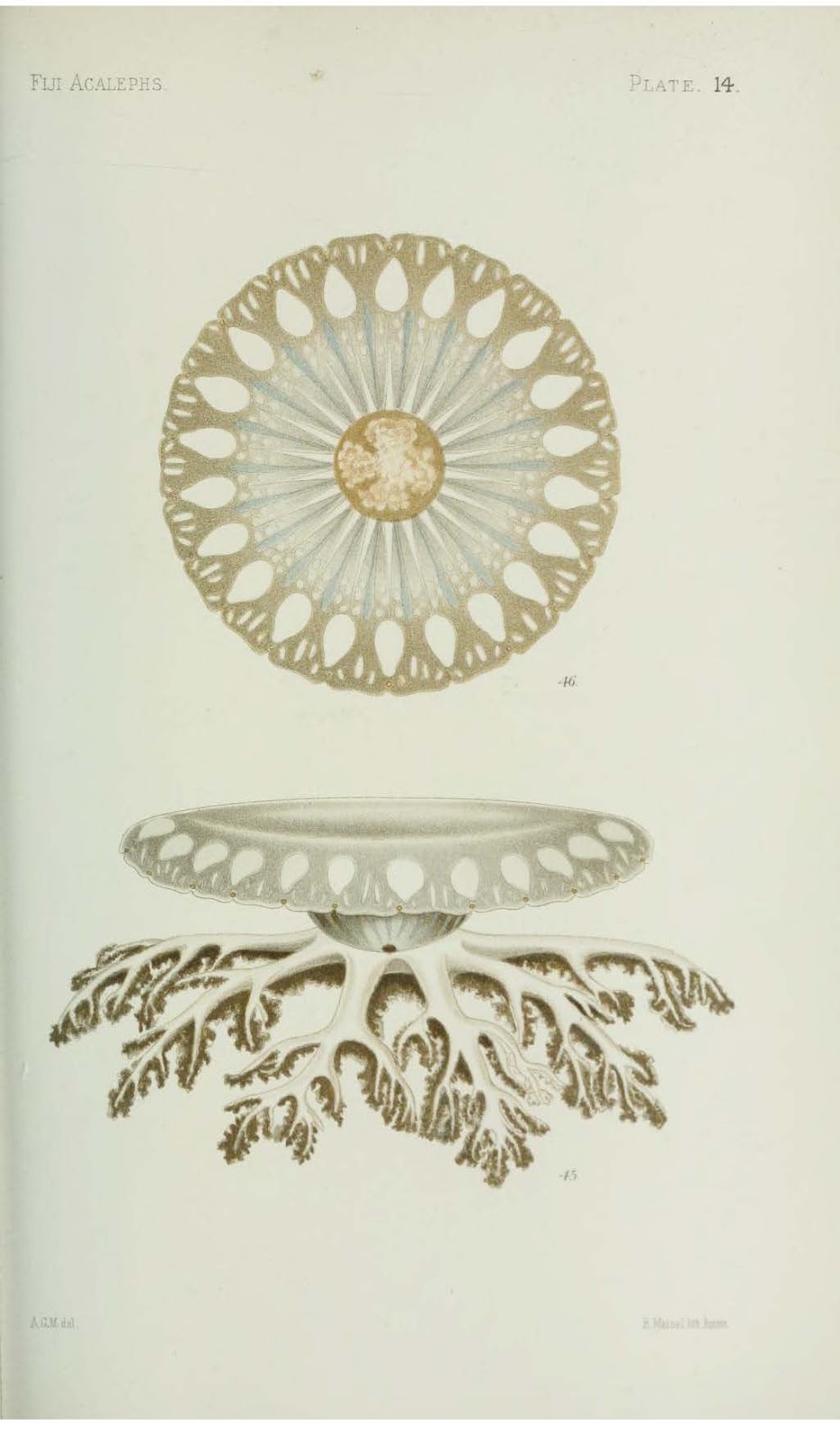
New species Cassiopeia ndrosia. Agassiz, A. and A.G. Mayer. Acalephs from the Fiji Islands. Bulletin of the Museum of Comparative Zoology, vol. 32 (9), 1899. pl. 14. http://biodiversitylibrary.org/page/30426482. Digitized by the Gerstein – University of Toronto.

BHL has an active permissions program, which is working to secure licenses for more and more in-copyright titles. Recent work by the Institute of Museum and Library Services-funded Expanding Access to Biodiversity Literature project has resulted in a significant boost to the number of permissions agreements that BHL has secured over the past few months. See our recent blog post to explore the most recent in-copyright titles for which we’ve secured permission and to learn more about EABL.

So, is the bald eagle really bald? Nope, as you should be able to tell from Catesby’s illustration. According to the National Park Service, “The term ‘bald’ comes from the word ‘piebald,’ meaning markings that are two colors, usually black and white.” As Catesby writes, “This bird is called the Bald Eagle, both in Virginia and Carolina, though his head is as much feather’d as the other parts of his body.”

BHL to the rescue for students, librarians, scientists, and readers everywhere!

_____________________

This post may contain the personal opinions of BHL users or affiliated staff and does not necessarily represent the official Biodiversity Heritage Library (BHL) position on these matters.

May 12, 2016by michelle.underhill
BHL News, Blog Reel

New IMLS-Funded Project: Expanding Access to Biodiversity Literature

The Institute of Museum and Library Services (IMLS) has selected the Expanding Access to Biodiversity Literature project as one of nine National Digital Platform Projects funded in 2015 as part of the National Leadership Grants for Libraries program. The project will work to position the Biodiversity Heritage Library (BHL) as an on-ramp for biodiversity content providers that would like to contribute to the national digital library infrastructure through the Digital Public Library of America (DPLA).

Expanding Access to Biodiversity Literature will help libraries, museums, and natural history societies make their content more widely available by providing the tools and support necessary to facilitate contribution to DPLA through BHL. The award of $846,457 will support work over a two-year period (October 2015-September 2017). The Project Team will interact with content providers to improve metadata through training and quality control, engage the community through outreach on a national level, pursue copyright permissions, and improve BHL’s digital infrastructure through system enhancements.

The goals of the project are to: 1) Expand BHL’s role as a subject-specific content provider for life sciences; 2) Serve as an aggregator to allow small natural history collections to present their content in DPLA via BHL and expand the community of content providers by working with new partners; 3) Preserve and provide access to small natural history and botanical collections and publications through outreach, assistance with scanning, and software tools to format and normalize data for ingest; and 4) Increase the quality of partner metadata through use of DPLA metadata best practices.

The Project Team has four intended outcomes and a means towards measuring the success of these outcomes: 1) Expand public access to biodiversity literature; 2) Increase in the number of new and first time content providers to both BHL and DPLA, ideally with at least 100 added by the second year; 3) Serve as a model for “subject-based” hubs; and 4) Develop processes that will ensure long-term biodiversity contributions to DPLA.

The New York Botanical Garden (NYBG) will serve as the lead institution on the project, with additional participants including Harvard Ernst Mayr Library of the Museum of Comparative Zoology (MCZ), Missouri Botanical Garden (MBG), and Smithsonian Libraries (SIL).

The Project Team includes several veteran BHL participants, including Susan Fraser (Director of the NYBG LuEsther T. Mertz Library) as Project Director; Susan Lynch (Systems Librarian at NYBG) as Data Manager; Constance Rinaldo (Librarian of the Ernst Mayr Library of the MCZ/Harvard University) as Community Coordinator; Joe deVeer (Project Manager and Museum Liaison for the Ernst Mayr Library of the MCZ/Harvard University) as Project Manager for MCZ’s participation in the project and mentor to the project’s Community Manager; and Trish Rose-Sandler (Digital Projects Coordinator, Center for Biodiversity Informatics, Missouri Botanical Garden and Data Analyst for BHL) who will write functional specifications needed to accommodate new types of content, provide normalization and data clean up, and identify improved workflows for moving content from BHL to DPLA.

As part of the project, two new team members also joined the family, although the people filling those positions are no strangers to BHL.

View Full Size Image
Mariah Lewis, Metadata Specialist, Expanding Access to Biodiversity Literature

Mariah Lewis, Metadata Specialist, Expanding Access to Biodiversity Literature
Mariah is a recent graduate from Catholic University of America in Washington, D.C. where she completed a Master’s in Library and Information Science with a focus on Cultural Heritage Information Management. Previously, she worked with Florida State University, the National Library of Medicine, Smithsonian Center for Folklife and Cultural Heritage, New York University and Scholastic. Mariah has nearly two years of experience with BHL in a variety of intern and volunteer positions, working under BHL Digital Collections Manager Bianca Crowley. Her work involved updating tutorials and creating a video tutorial, conducting a title merging webinar, and working with bibliographic issues and copyright in BHL.

As the Expanding Access to Biodiversity Literature Metadata Specialist, Mariah will work closely with content providers, typically small museums, cultural heritage institutions and publishers, to ensure that they understand project requirements, workflows and the use of existing tools. She will work with new partners to normalize the metadata for new content and will train new content providers on the use of the tools used to ingest content into BHL. She will work closely with the Data Manager to ensure conformity to set standards and best practices. Her home institution will be The New York Botanical Garden.

View Full Size Image
Patrick Randall, Community Manager, Expanding Access to Biodiversity Literature


Patrick Randall, Community Manager, Expanding Access to Biodiversity Literature
Originally from Brunswick, Maine, Patrick will complete his MLIS at Simmons College this spring. Prior to joining the Expanding Access project, he did outreach as part of the Purposeful Gaming and BHL project.

As the Expanding Access to Biodiversity Literature Community Manager, Patrick will be responsible for the identification of potential content providers and will perform outreach services to potential providers such as society publishers and small natural history libraries. He will perform due diligence in determining copyright status of new content and will work with the BHL Digital Collections Manager, Bianca Crowley, to process license agreements for copyright. He will also solicit requests for permission to ingest in-copyright born digital material. His home institution will be the Ernst Mayr Library at the Museum of Comparative Zoology, Harvard University.

We are proud to be part of the IMLS National Digital Platform Projects program, which aims to advance the digital capability and capacity of libraries across the U.S. Each funded project contributes to enhancing the combination of software applications, social and technical infrastructure, and staff expertise that provide library content and services to users across the U.S. The Expanding Access to Biodiversity Literature project addresses challenges facing content providers—including insufficient amounts of content, indexing of scientific names, and metadata creation—and makes necessary digital infrastructure enhancements by creating an innovative model for collaboration and open access to data.

Learn more about the project on the IMLS website.

January 15, 2016by ulib-libraryjobs
Blog Reel, Featured Books

Happy Birthday, Louis Agassiz!

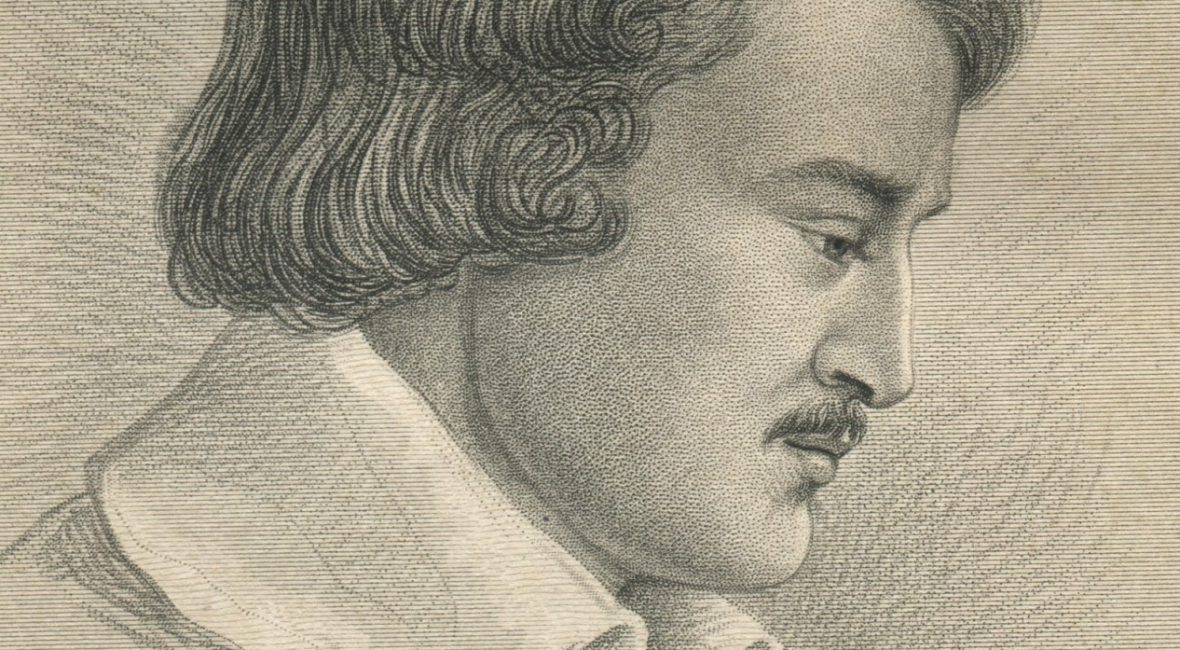
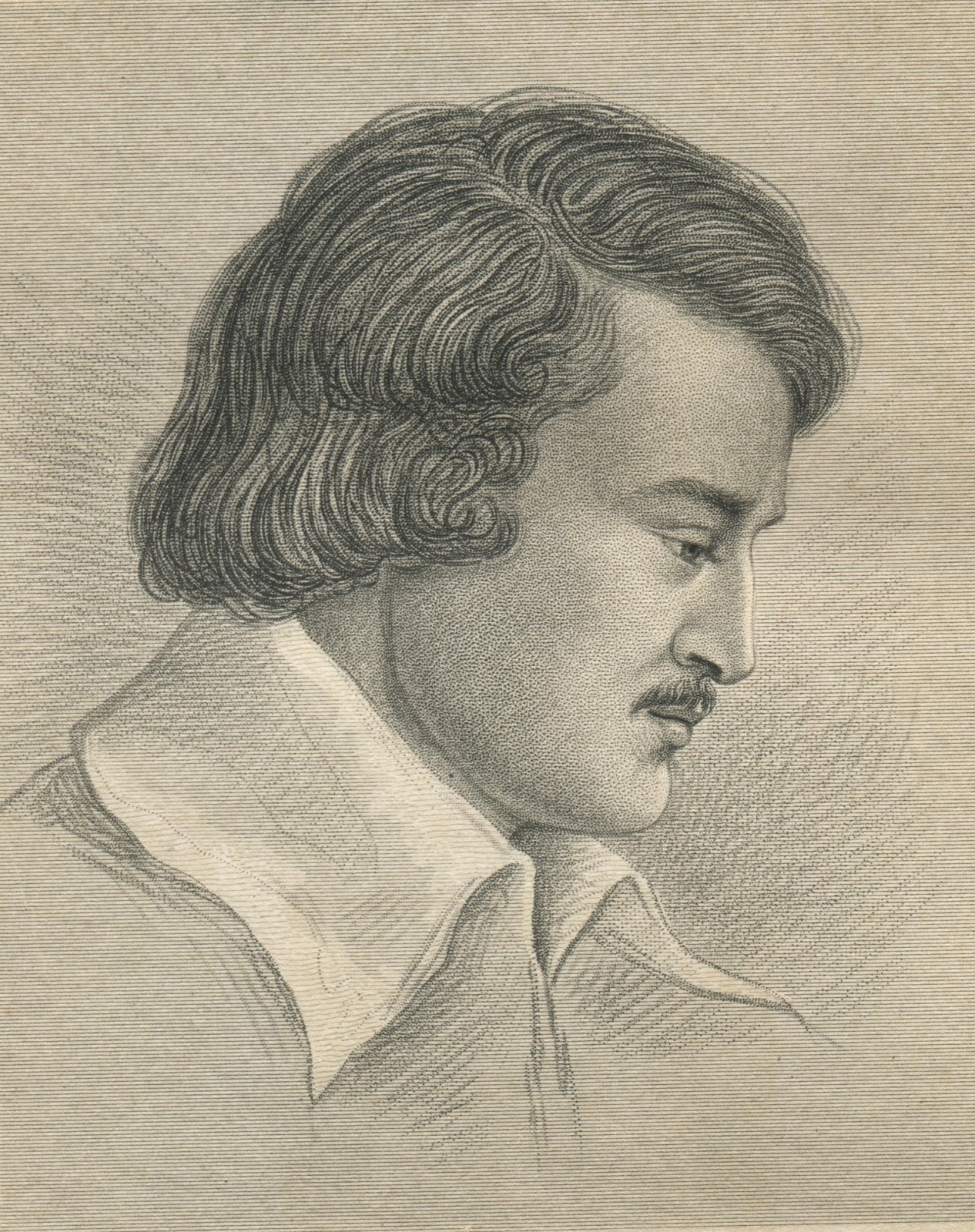
Naturalist, educator, and founder of the Museum of Comparative Zoology, Jean Louis Rodolphe Agassiz was born on May 28, 1807, in Môtier, Switzerland, the oldest son of prominent pastor Rodolphe Agassiz and Rose Mayor Agassiz. Growing up near Lake Morat, Louis was fascinated by fish, catching them barehanded along with his brother Auguste. Louis was determined to study science, although his family encouraged him to pursue medicine. He studied at the Universities of Munich, Heidelberg, and Erlangen, earning a Ph.D. in 1829 and an M.D. in 1830. His 1829 publication on the fishes of Brazil (Selecta genera et species piscium) attracted the attention of Baron Georges Cuvier (1769-1832), and Agassiz spent the next two years in Paris with Cuvier.

View Full Size Image
Louis Agassiz at 19, from a pastel drawing by Cecile Braun in Louis Agassiz: his Life and Correspondence. http://biodiversitylibrary.org/page/1367283.

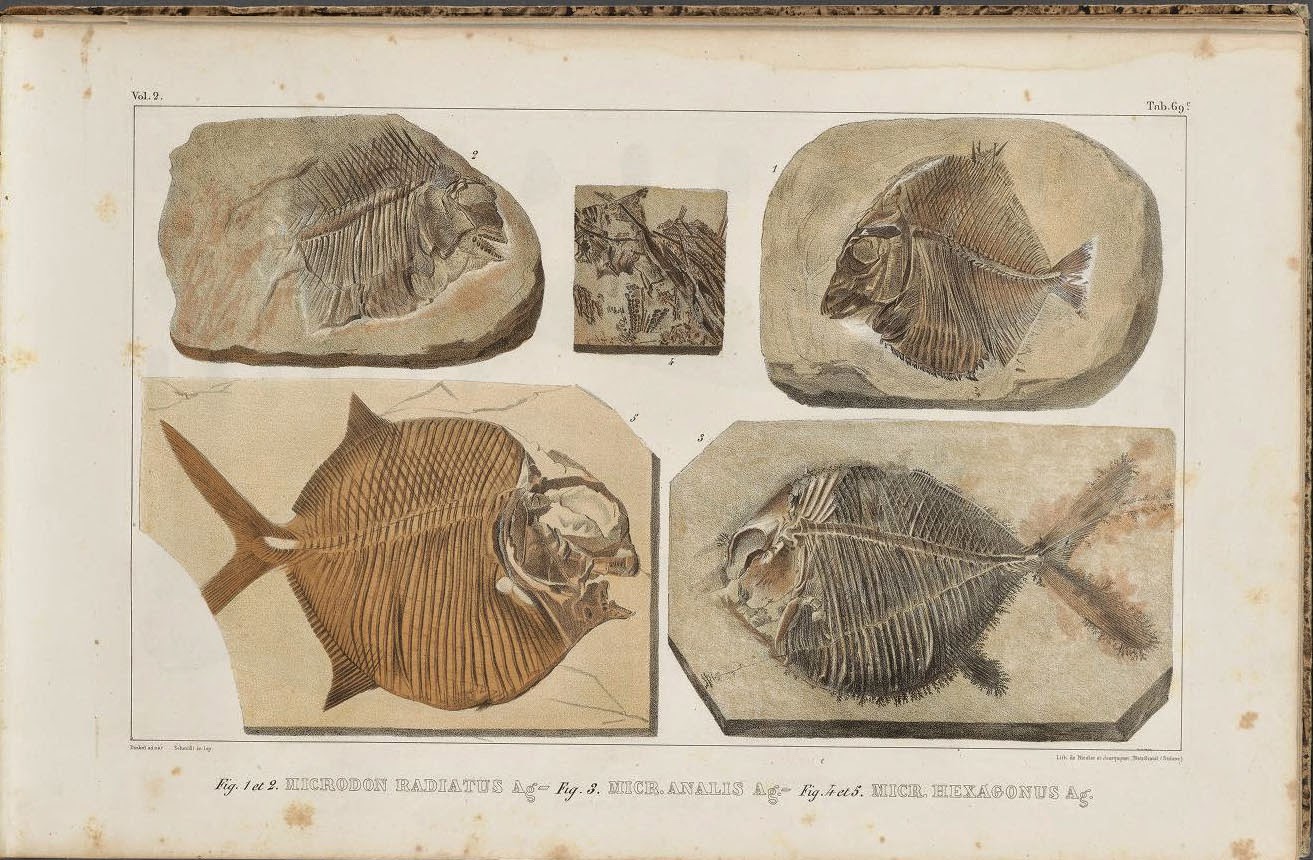
In 1832, Agassiz became a professor of natural history at the College of Neuchâtel and married Cecile Braun, an artist and the sister of botanist Alexander Braun (1805-1877). At Neuchâtel,  Louis published on diverse subjects, including a five volume work on fossil fish, Recherches sur les Poissons Fossiles. Louis and Cecile had three children while at Neuchâtel: Alexander (1835-1910), Ida (1837-1935) and Pauline (1841-1917).

View Full Size Image
Agassiz, Louis. Recherches sur les Poissons Fossiles (1833-43). Vol. 2, plate 69c. http://biodiversitylibrary.org/page/32033418.

Between 1835-1845, while continuing to study and write about zoological topics, Agassiz also began studying geology, especially the European glaciers. His Etudes sur les Glaciers (1840) and Systeme Glaciaire (1847) were leading works in glacial theory and establishing the existence of an Ice Age.

In 1845, King Frederick William IV of Prussia awarded Agassiz a grant to travel to the United States to study “the natural history of the New World.” Agassiz sailed for Boston in September 1846. He intended to travel for two years, not knowing that he would eventually make Massachusetts his home. At the invitation of prominent businessman John Amory Lowell (1798-1881), Agassiz spoke at the Lowell Institute in Boston in the winter of 1846-47, followed by lectures in New York, Philadelphia and elsewhere on the east coast of the United States. American scientists and ordinary citizens turned out in great numbers to hear him. The published edition of his later (1849) Lowell Lecture series on embryology is available through the BHL. Beyond the lecture hall, Agassiz explored the United States from Lake Superior to the coral reefs of Florida.

Agassiz was enthusiastically welcomed into the academic and cultural life of the Boston area, and was appointed to a three-year post as Professor of Zoology and Geology at Harvard’s Lawrence Scientific School in 1847. Agassiz’ young family had stayed in Europe, where Cecile died of tuberculosis in 1848. After her death, Agassiz decided to relocate in the United States permanently, and his children joined him in Massachusetts. In 1850 Louis married Elizabeth Cabot Cary (1822-1907), who would be a partner in all aspects of his life and a founder of Radcliffe College.

A life-long collector, Agassiz immediately started assembling a zoological teaching collection at Harvard. He put out a call to the public around the U.S. in his Directions for Collecting Fishes and other Objects of Natural History. Agassiz’ texts Principles of Zoology…for the Use of Schools and Colleges and Outlines of Comparative Physiology…for the use of Schools and Colleges were reprinted in multiple editions.

By the late 1850s, Harvard’s facilities (and Agassiz’ home) were bursting with his collections. The need for space and Agassiz’ ambition to create a premier natural history museum in his adopted country led to the founding of the Museum of Comparative Zoology in Cambridge, Massachusetts, in 1859. While Louis was teaching and administering the Museum of Comparative Zoology at Harvard University, Elizabeth operated a school for young women at the Agassiz’ home from 1855-1863. More details of their life, together with the three Agassiz children, can be found in the BHL in Louis Agassiz; his life and correspondence by Elizabeth Cary Agassiz, and Elizabeth Cary Agassiz : a Biography by Lucy Allen Paton.

The Thayer Expedition to Brazil in 1865-1866 was an enormous success for Louis and Elizabeth Agassiz, collecting over 34,000 specimens for the MCZ. Louis, who started his career writing about fishes of Brazil collected by J.B. von Spix and C.F.P. von Martius, finally encountered them in their native habitat.

View Full Size Image
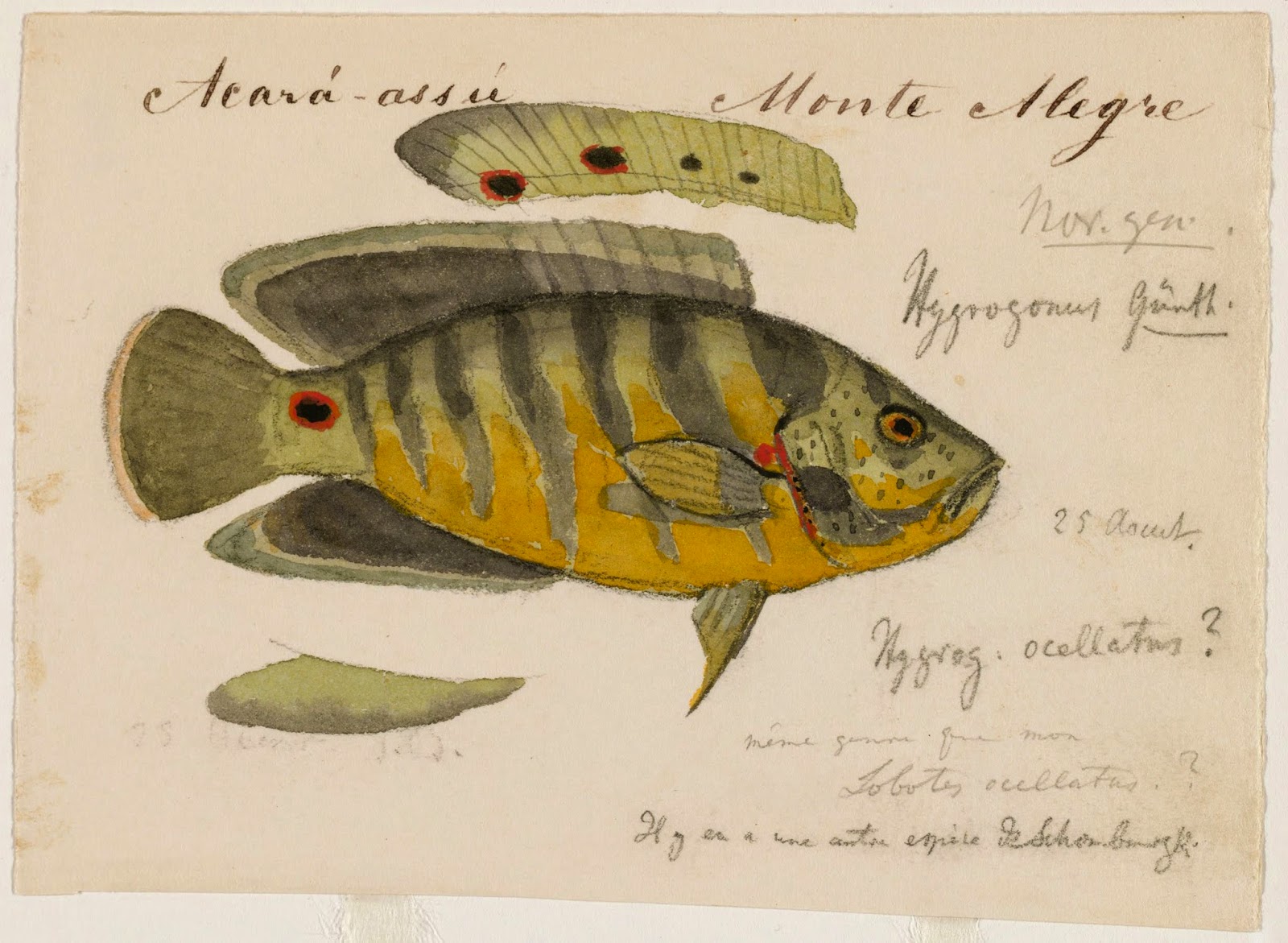
Astronotus ocellatus (Monte Alegre, Brazil) painted by J. Burkhardt during the Thayer Expedition. Special Collections of the Ernst Mayr Library of the MCZ. http://ids.lib.harvard.edu/ids/view/1662402.

Other notables on the expedition were a young William James (1842-1910) and Jacques Burkhardt (ca.1808-1867), Agassiz’ assistant and illustrator. Burkhardt had been Agassiz’ illustrator in Switzerland and joined him in the U.S. An exhibit of Burkhardt’s work from the Thayer expedition is online. In addition to the scientific results published, Louis and Elizabeth Agassiz wrote the popular account A Journey in Brazil.

Although revered as a teacher, scientist and adventurer in his own time, Agassiz has become known for his disagreement with Charles Darwin and evolutionary theory. A product of his religious early 19th century upbringing, Agassiz viewed the world as Creation, and taught that plant and animal species were fixed, not evolving. He was characteristically self-confident and could not be swayed, preferring to joust with Darwin and others while evolution was discussed and accepted in the scientific community.

Louis Agassiz passed away on December 14, 1873, following a stroke, a year after returning from another expedition to South America on the U.S. Coast Survey Hassler. The Museum of Comparative Zoology today holds approximately 21 million specimens, and is an international center for graduate study and field research, including evolutionary biology as well as zoology, taxonomy and paleontology.

May 28, 2015by ulib-libraryjobs
Page 1 of 212»

Help Support BHL

BHL's existence depends on the financial support of its patrons. Help us keep this free resource alive!

search

About BHL

The Biodiversity Heritage Library (BHL) is the world’s largest open access digital library for biodiversity literature and archives. BHL operates as a worldwide consortium of natural history, botanical, research, and national libraries working together to digitize the natural history literature held in their collections and make it freely available for open access as part of a global “biodiversity community.”

Join Our Mailing List

Sign up to receive the latest news, content highlights, and promotions.

Subscribe Now

Subscribe to Blog via Email

Enter your email address to subscribe to this blog and receive notifications of new posts by email.

Join 319 other subscribers

Subscribe to Blog Via RSS

Subscribe to the blog RSS feed to stay up-to-date on all the latest BHL posts.

Access RSS Feed

Inspiring Discovery through Free Access to Biodiversity Knowledge.

The Biodiversity Heritage Library makes it easier than ever for you to access the information you need to study and explore life on Earth…for free, anytime, anywhere.


64+ Million Pages of
Biodiversity Literature Online.

EXPLORE

Tools and Services
to Transform Research.

EXPLORE

300,000+
Illustrations on Flickr.

EXPLORE

ABOUT | HARMFUL CONTENT | PRIVACY | SITE MAP | TERMS OF USE