Biodiversity Heritage Library - Program news and collection highlights from BHL
  • Home
  • News
  • Featured Books
    • All Featured Books
    • Book of the Month Series
    • BHL at 20
  • User Stories
  • Campaigns
    • Fossil Stories
    • Garden Stories
    • Monsters Are Real
    • Page Frights
    • Her Natural History
    • Earth Optimism 2020
  • Tech Blog
  • Visit BHL
Home
News
Featured Books
    All Featured Books
    Book of the Month Series
    BHL at 20
User Stories
Campaigns
    Fossil Stories
    Garden Stories
    Monsters Are Real
    Page Frights
    Her Natural History
    Earth Optimism 2020
Tech Blog
Visit BHL
  • Home
  • News
  • Featured Books
    • All Featured Books
    • Book of the Month Series
    • BHL at 20
  • User Stories
  • Campaigns
    • Fossil Stories
    • Garden Stories
    • Monsters Are Real
    • Page Frights
    • Her Natural History
    • Earth Optimism 2020
  • Tech Blog
  • Visit BHL
Biodiversity Heritage Library - Program news and collection highlights from BHL
BHL News, Blog Reel

Stressors and Drivers of Food Security: Evidence from Scientific Collections

View Full Size Image

Stressors and Drivers of Food Security: Evidence from Scientific Collections
19-21 September 2016
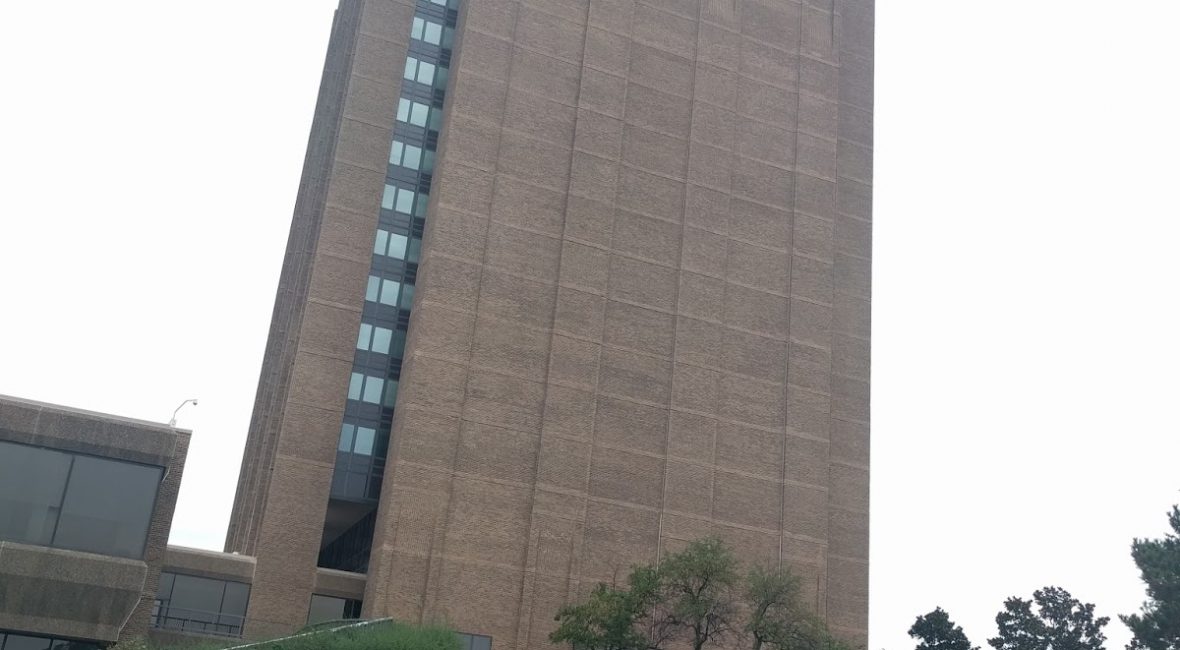
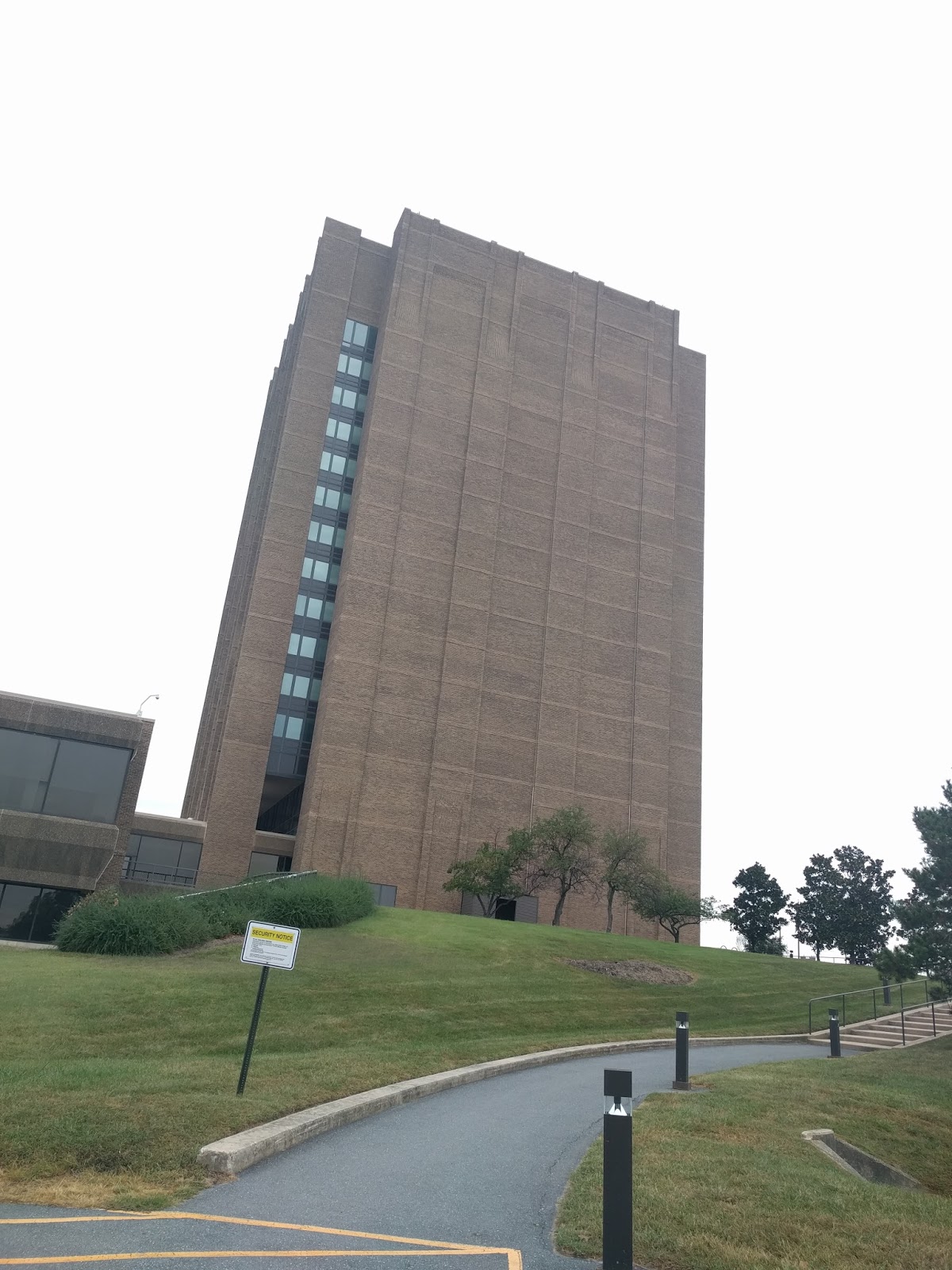
National Agricultural Library, Beltsville, MD
Hosted by: U.S. Department of Agriculture

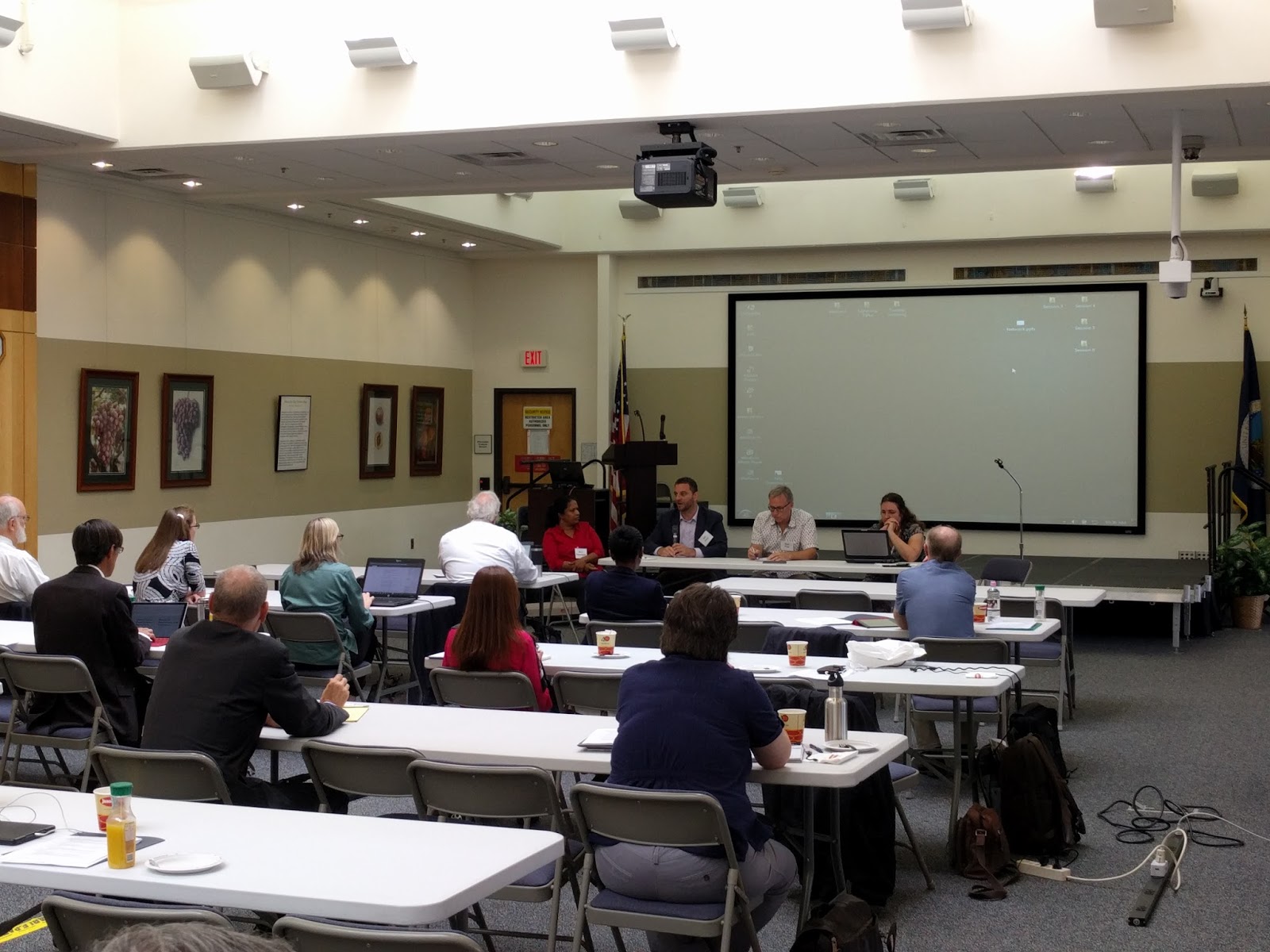
The Stressors and Drivers of Food Security: Evidence from Scientific Collections workshop was organized by Scientific Collections International (SciColl) at the National Agricultural Library in Beltsville, Maryland, 19-21 September 2016. The SciColl mission is “Increase the use and impact of scientific collections for interdisciplinary research and societal benefits” and “Expand the access, awareness and appreciation of scientific collections.” The “Stressors and Drivers of Food Security” workshop was designed to help show the importance of scientific collections to the topic of food security.

View Full Size Image
Wester

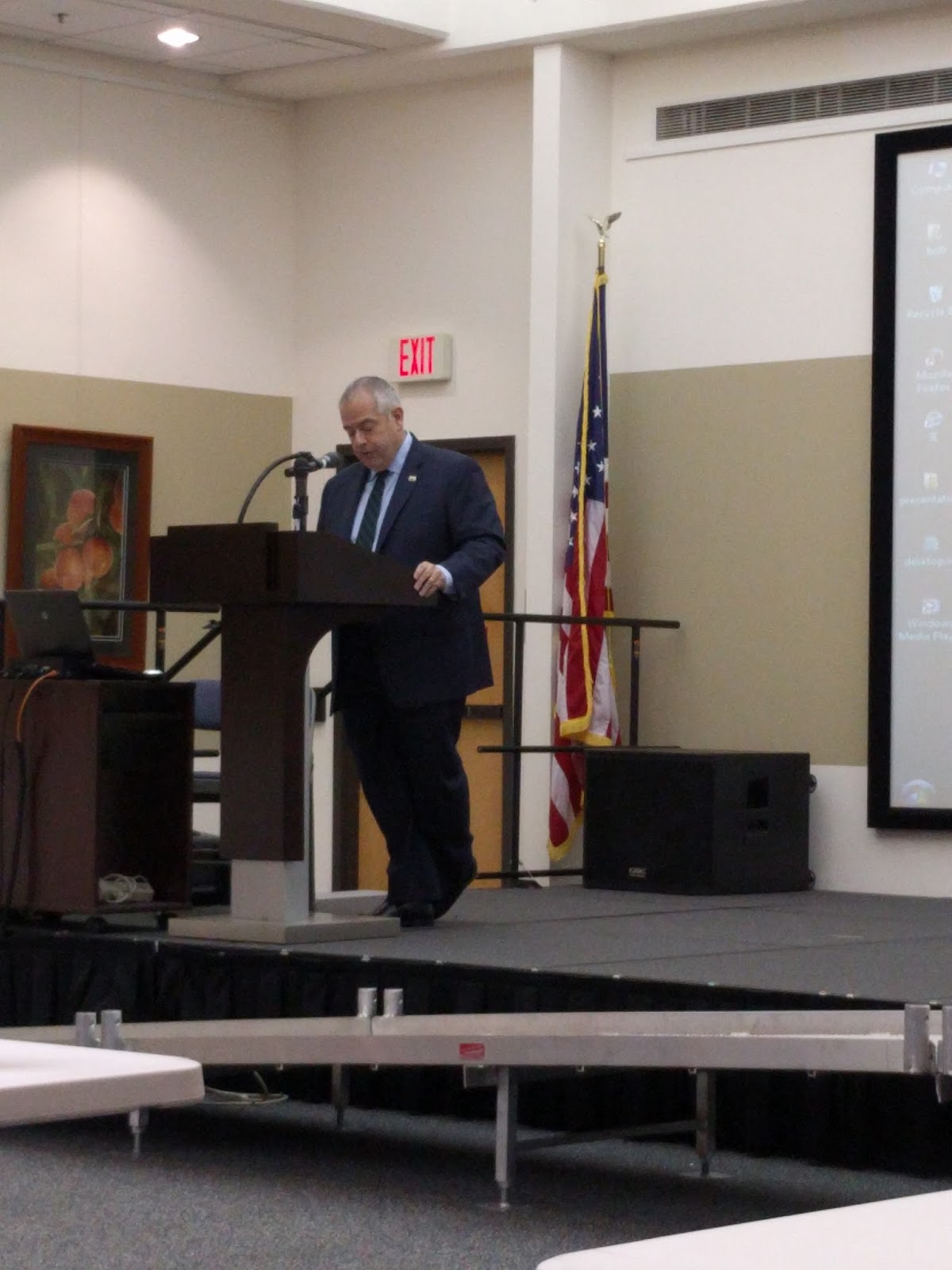
The first day opened with welcomes from Paul Wester, Director of the National Agricultural Library and Catherine Woteki, Under Secretary for Research, Education, and Economics at the US Department of Agriculture. David Schindel (Chairman, SciColl Executive Board) then gave an overview of SciColl to the approximately 40 attendees from around the world.

Two keynote talks followed. The first, from David Inouye (Professor Emeritus at the University of Maryland and Principal Investigator at the Rocky Mountain Biological Laboratory) covered the importance of collections and field studies of pollinators in fostering food security. Kristen Gremillion (Professor at the Ohio State University) followed with a talk on the fascinating topic of ancient crops, archaeological collections, and food security.
The keynotes were followed by a series of short talks from:

  • Marcia Maues, Embrap
  • Maxine Levin, USDA/NRCS
  • Kālewa Correa, Smithsonian Asian Pacific American Center
  • John Dickie, Kew Millennium Seed Bank
  • Patricia Mergen, Botanic Garden Meise
  • Kevin McCluskey, US Culture Collection Network
  • Peter Bretting, USDA/ARS National Plant Germplasm System
  • David Chitwood, USDA Nematode Collection
  • Jill Demers, USDA National Fungus Collection
View Full Size Image

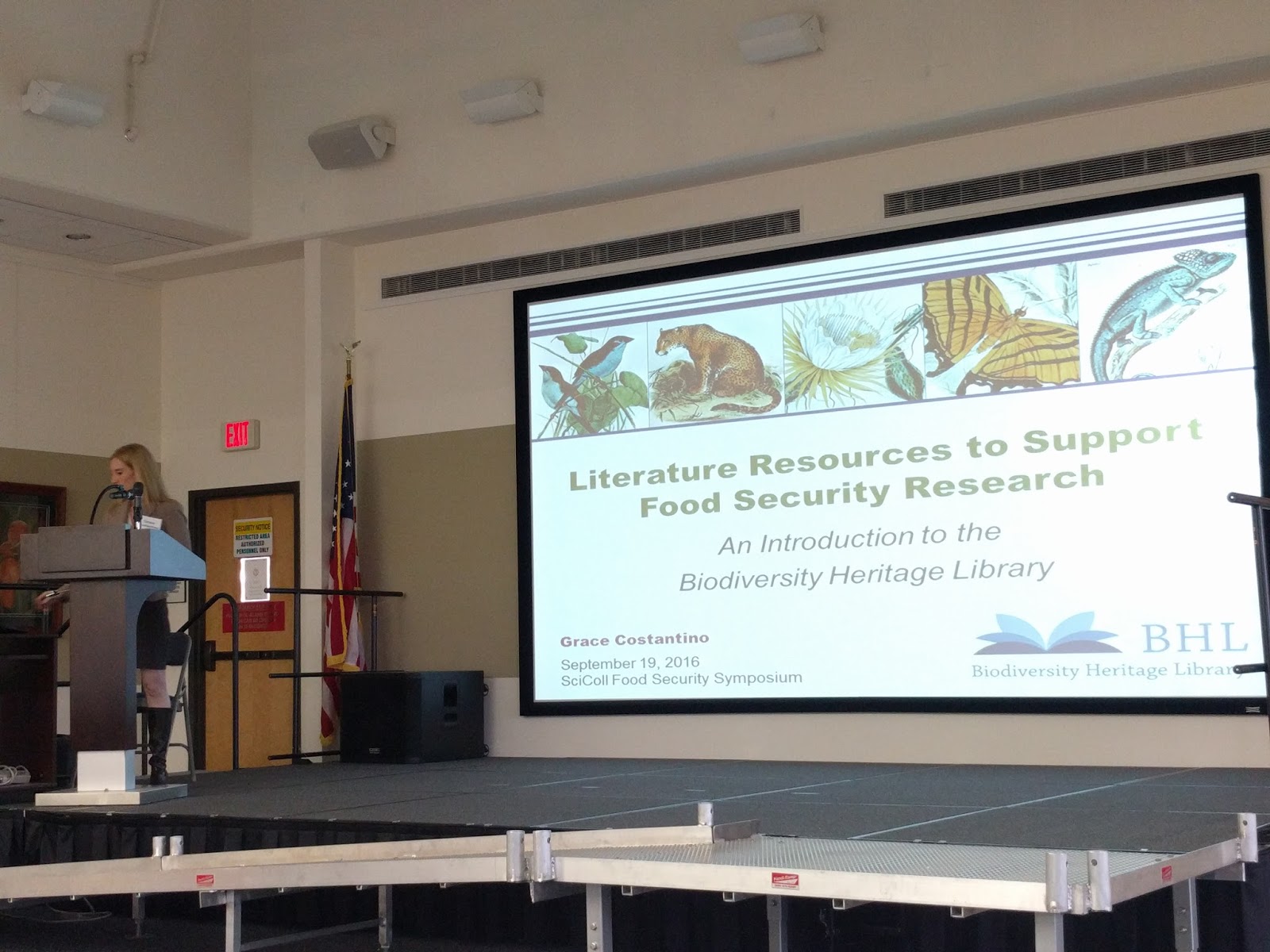
Grace Costantino from the Biodiversity Heritage Library gave a talk entitled “Literature Resources to Support Food Security Research: An Introduction to the BHL“.

View Full Size Image
Kalfatovic

The second day of the meeting was focused on four sessions devoted to presentations about different research challenges, followed by commentaries and discussion by panelists representing different collection domains. The focus was on how different collection types could contribute to research.

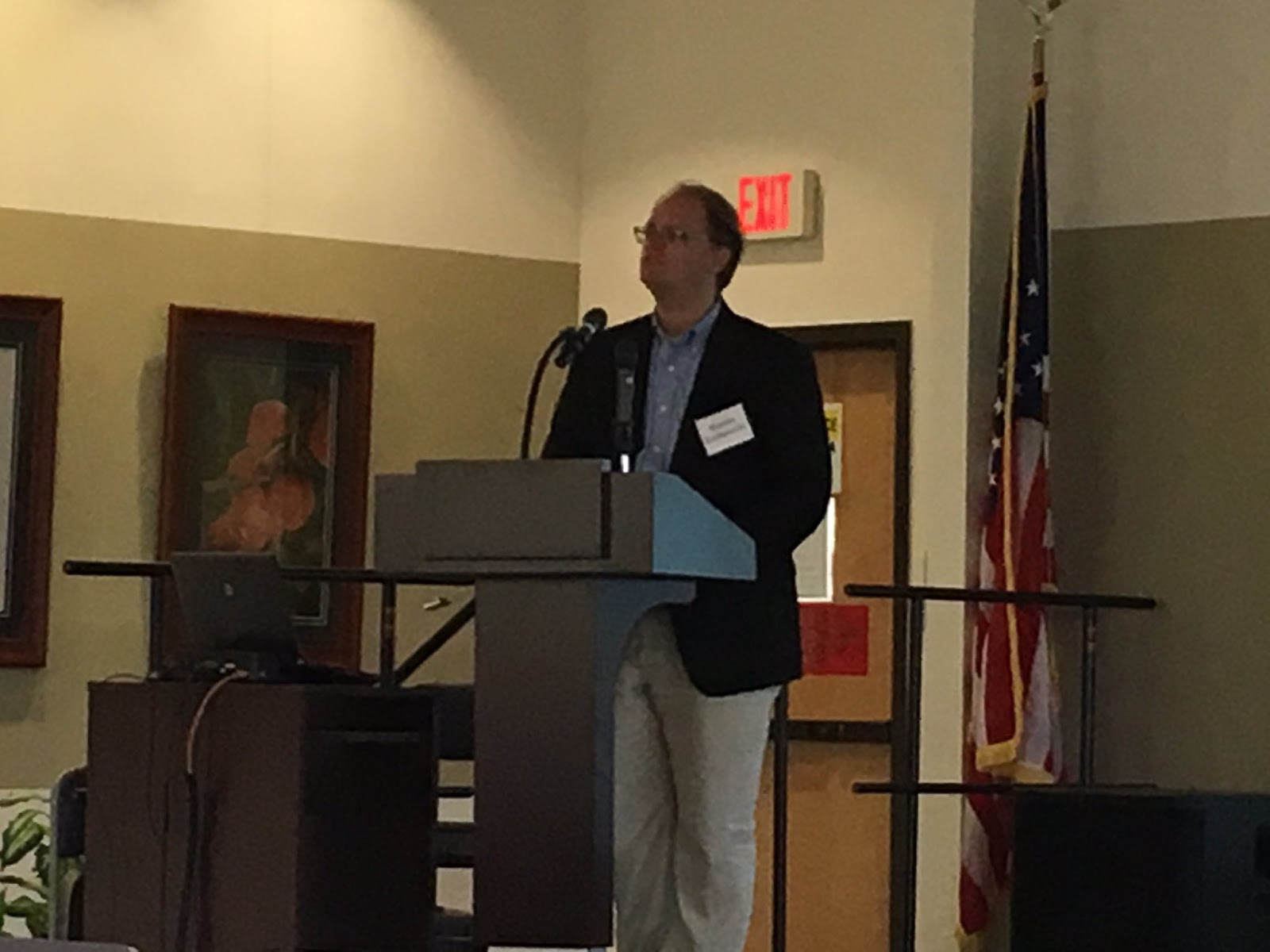
Martin Kalfatovic, BHL Program Director, chaired the first session, “Varieties of Food,” that featured talks from Rod Page (University of Glasgow), “Unknown Knowns, Long Tails, and Long Data“, and Ari Novy (Director, US Botanic Garden). The session was followed by comments from a reactor panel and discussion from the audience. The remaining sessions followed a similar format with reactor panels and audience discussion.

View Full Size Image
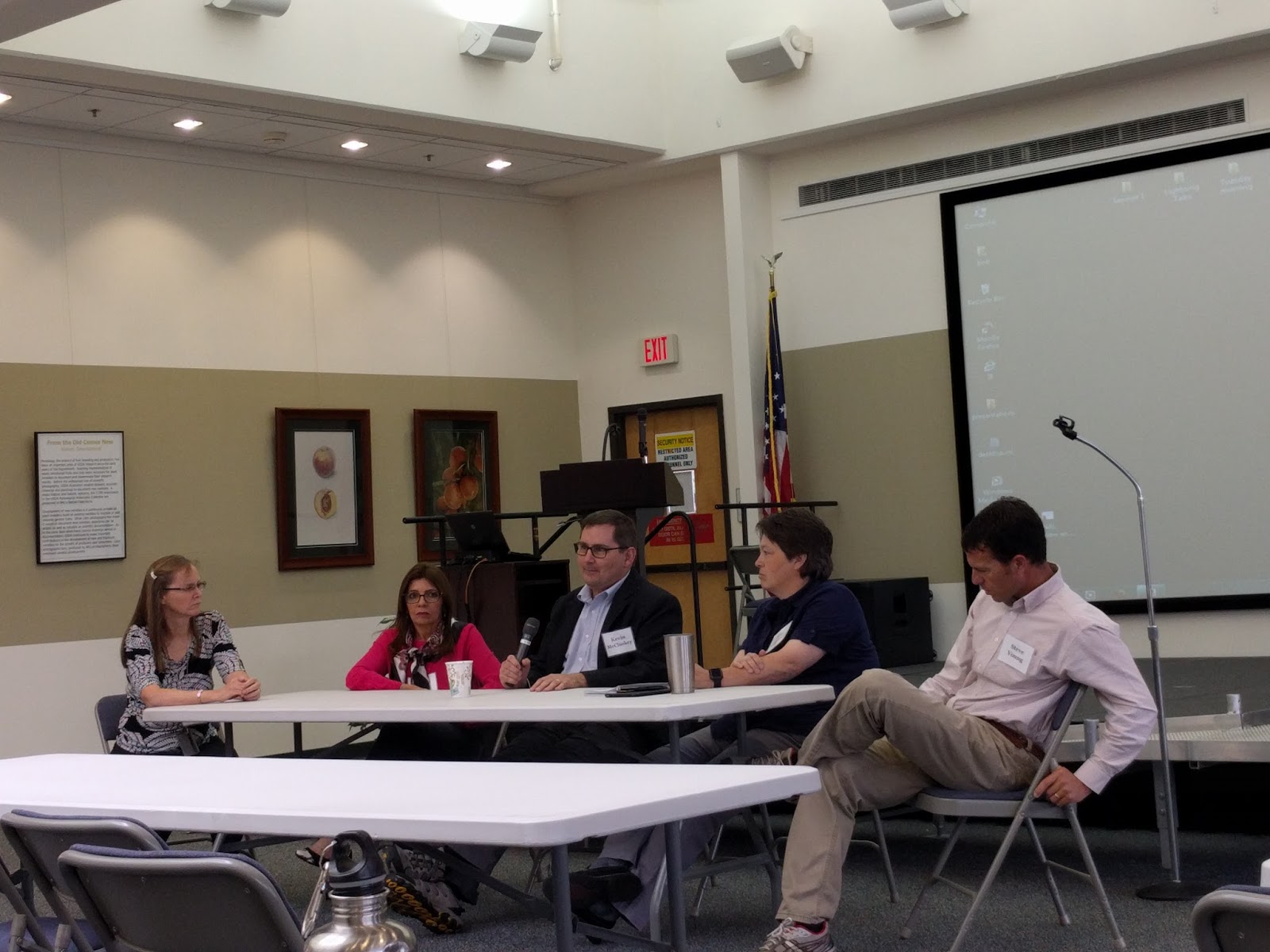
Biological Stressors and Aides

Biological Stressors and Aides

  • Kevin McCluskey, Kansas State University
  • Marcia Maués, Embrapa

Environmental Stressors and Benefits

  • Maxine Levin, USDA/NRCS
  • Edna Makule, Nelson Mandela African Institute for Science and Technology

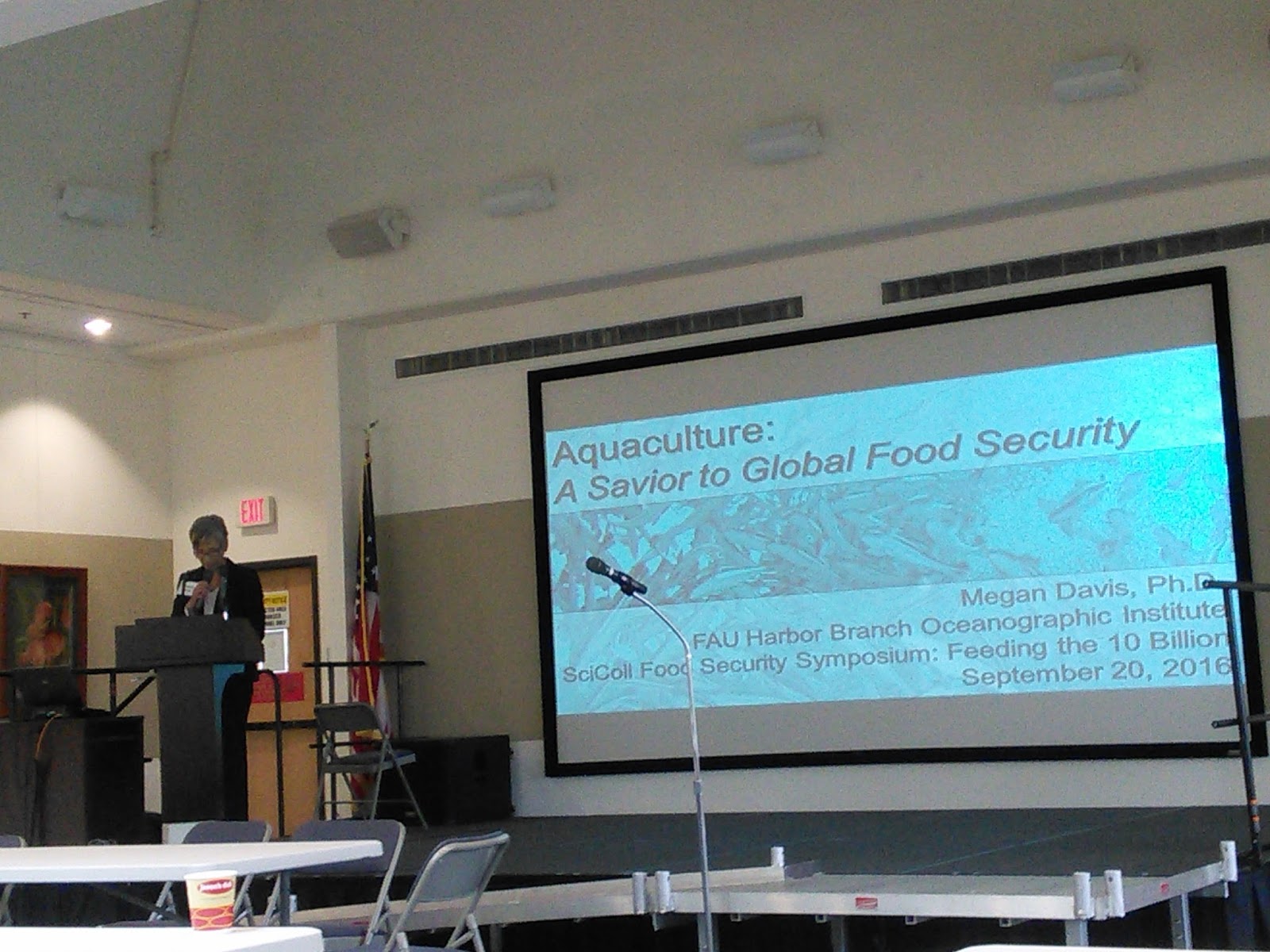
Feeding the 10 Billion

  • Cyndy Parr, USDA/NAL
  • Akwasi Asamoah, University of Exeter
  • Daniel Debouk, International Center for Tropical Agriculture
  • Megan Davis, Harbor Branch Oceanographic Institute
View Full Size Image
Feeding the 10 Billion

The closing day of the workshop was devoted to developing new strategies and discussing next steps. Breakout groups were organized to discuss the following topics:

  • New strategies for increasing the use and impact of collections and associated databases for food security research
  • Case studies that exemplify cross-cutting and forward-thinking uses of collections and associated databases for food security research
  • Major recommendations for the research and collections communities, funding agencies, and/or networks (such as SciColl)

The results of the workshop will be published later this year in a white paper. The video recordings of the workshop are available on the SciColl YouTube channel.

More information:

  • Scientific Collections International
  • Blog Scientific Collections International
  • SciColl YouTube channel
  • Twitter stream from the workshop
  • Storify coverage of SciColl Workshop


View Full Size Image
September 27, 2016by joelrichard
Blog Reel, Featured Books

When New England was New

Portrait version of the Biodiversity Heritage Library logo.
View Full Size Image
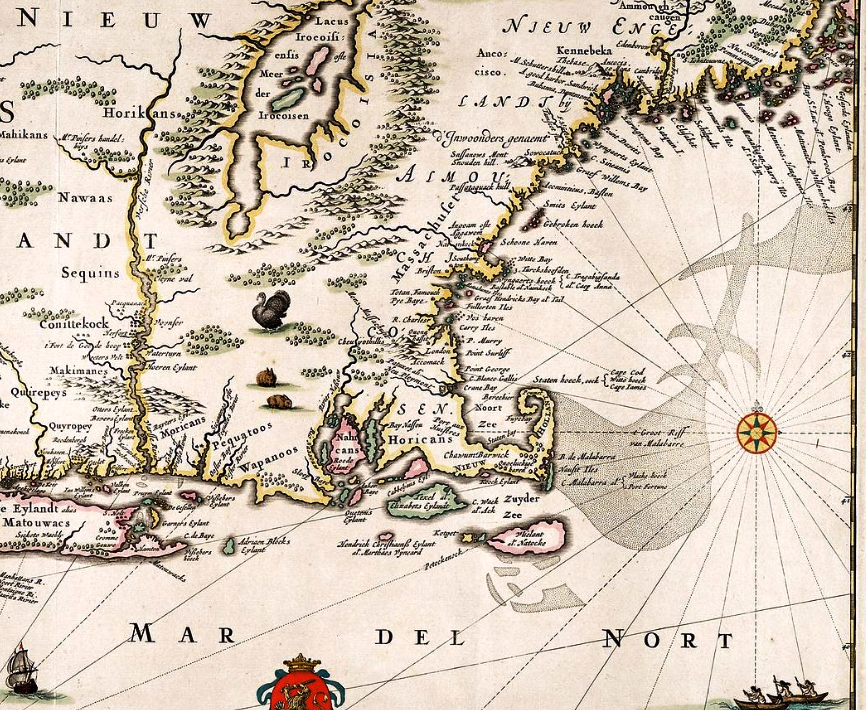
Map of eastern North America. Detail of engraved map by Nicolaes Jansz Visscher, made about 1655, not long after Josselyn’s first journey to the New World. Note the prominent, plump turkey. Gift of Mrs. Francis P. Garvan, National Museum of American History, Smithsonian Institution

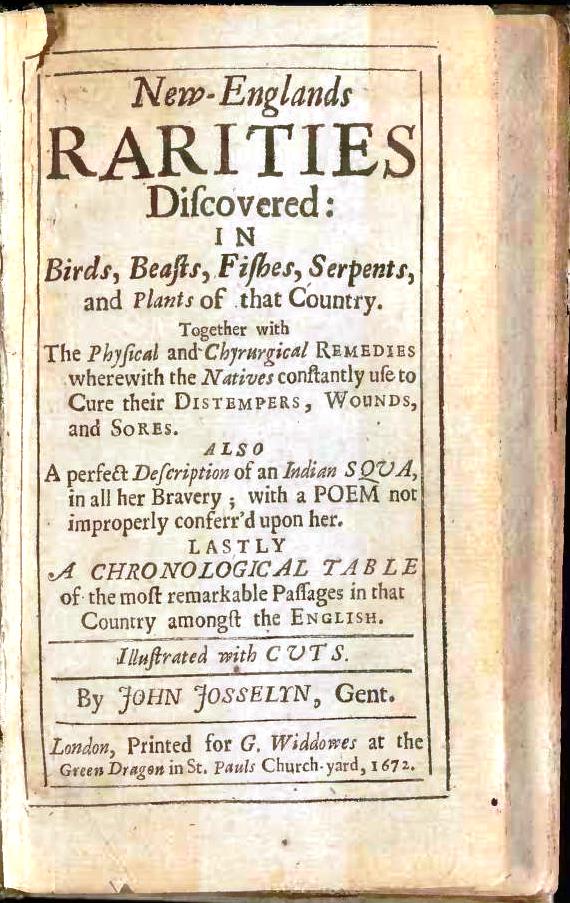
It is a small book, palm-size, with pages of less-than-fine paper, the well-worn letters of the type sometimes carelessly inked. The sparse woodcut illustrations are child-like in their simplicity and straight-forwardness. Yet John Josselyn’s New-Englands rarities discovered, printed in London in 1672, drew me in as I went about cataloging the work. Intrigued by the title and the early date of publication, I found myself reading an account of the landscape of my past, from Boston, “down east” (that is, up the coast as represented in the above illustration) to my place of birth, and points all around. That great bibliography, The Hunt Botanical Catalogue, notes that this book is “particularly interesting to people who are fond of Maine.” Indeed. The text provides a sense of place from the 17th century.

Having refreshed my self here [Boston] for some time, and opportunely lighting upon a passage in a Bark belonging to a Friend of my Brothers, and bound to the Eastward, I put to sea again, and on the Fifteenth of August I arrived at Black-point, otherwise called Scarborow, the habitation of my beloved Brother, being about an hundred leagues to the Eastward of Boston; here I resided eight years, and made it my business to discover all along the Natural, Physical, and Chyrurgical Rarities of the New-found World.
View Full Size Image
BHL digitized copy, supplied by the U.S. Department of Agriculture, National Agricultural Library.

New-Englands rarities is an account of the author’s two journeys to America, the first in 1638 for several months and again in 1663 for a stay of eight years. Despite the autobiographical nature of the work, not much is known of Josselyn, “active” in cataloging parlance, from 1630 to 1675, and born around 1608 in Essex County. The author comes across as a learned, if not terribly discerning, gentleman with possibly a medical background. He describes the topography, customs and the natural history of the country, with great interest in the healing properties of organic materials from recipes used by both native Americans and colonists, leading to speculation that the Englishman was a physician. It may be Josselyn was simply well-read and the curious type. The era of European plant exploration in the New World, for both therapeutic, consumption and ornamental purposes, was underway by the time of Josselyn’s travels. There would be a ready audience for such information, particularly in a relatively accessible and inexpensive publication.
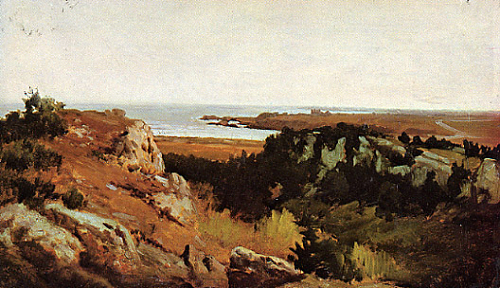
View Full Size Image
Prouts Neck. Painting by Winslow Homer (1836-1910), Smithsonian American Art Museums

“Scarborow” is the coastal area of Scarborough, incorporated as a town in 1658 in the present state of Maine. One of the area settlements was “Black-point” (originally a patent of 1500 acres) that included the rocky shoreline of present-day Prouts Neck, of artist Winslow Homer-fame (a place now known for exclusiveness). It was here that John Josselyn’s brother Henry lived and worked along the sea, rivers, stretches of salt marshes and sandy beaches. Henry Josselyn was representing the Royal grant of land, Council of Gorges’ Province of Maine, by 1636, and later served as Deputy-Governor.

There is some evidence that Henry Josselyn may have ascended the highest mountain in the Northeast, the 6,288-foot (1,917-meter) Mount Washington. His brother John, as did Giovanni da Verrazano in 1524, observed and recorded the peak (known by various names before European settlement) from shipboard in the Atlantic Ocean as “one stately mountain…surmounting the rest”:

“Fourscore miles (upon a direct line) to the Northwest of Scarborow, a Ridge of Mountains run Northwest and Northeast an hundred Leagues, known by the name of the White Mountains, upon which lieth Snow all year, and is a Land-mark twenty miles off at Sea.”

View Full Size Image
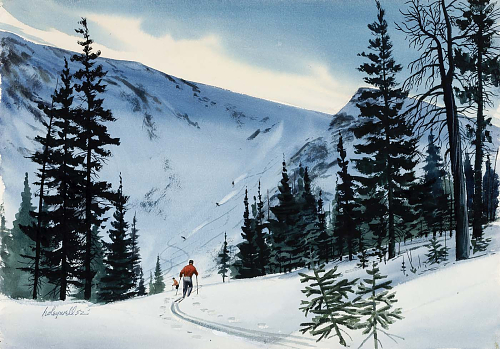
Skiing at Tuckerman’s Ravine, Mt. Washington, N. H. Watercolor by Arnold Holeywell (1923-2010). Smithsonian American Art Museum, gift of the Ford Motor Company

John Josselyn’s further writings indicate that he probably also summited the mountain (as I did one June, when there was still snow on the slopes). Now a not-particularly arduous but long day’s hike in good weather along groomed trails, it was not a casual undertaking in the 1660’s. It is a volatile place with fierce, sometimes unpredictable, weather. The Josselyns probably journeyed along the magnificent Saco River, south of Scarborough, to reach the range. There John Josselyn made meteorological observations (The Mount Washington Observatory on April 12, 1934, recorded the wind at 231 miles per hour, a record that held through the 20th century).

Josselyn liked to compose catalogs and there is humor sprinkled about his lists. In the one on fishes, he prefaced: “Pliny and Isadore write there are not above 144 Kinds of Fishes, but to my knowledge there are nearer 300: I suppose Americawas not known to Pliny and Isadore.” The account of his unfortunate encounter with a wasp nest begins with his belief he was coming across an exotic fruit. And, amusing for readers today, Josselyn was none too fond of the Puritans of the Bay Colony. The Native Americans, on the other hand, were regarded with admiration.
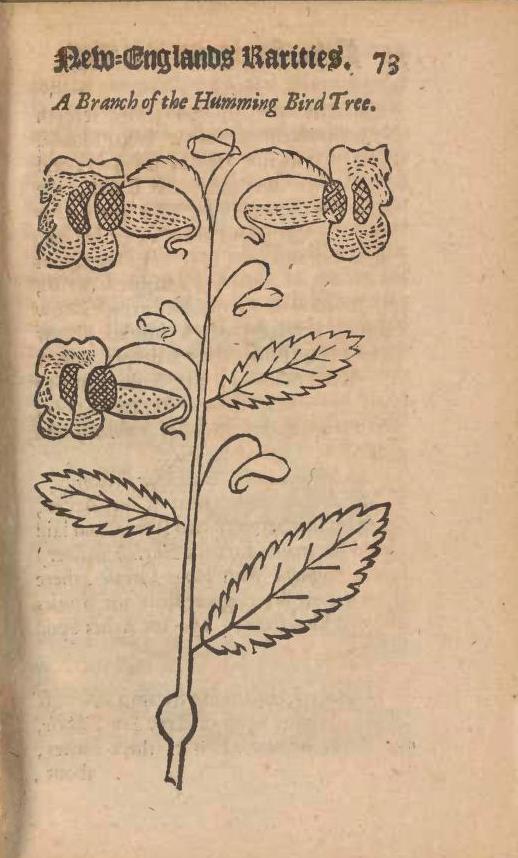
View Full Size Image
Touch-me-not or Hummingbird tree – a favorite of the bird to feed upon. Josselyn, John. New-Englands rarities. (1672). Digitized by the U.S. Department of Agriculture, National Agricultural Library. http://biodiversitylibrary.org/page/47579388.

For botany researchers there is much information to decipher from New-Englands rarities. Twenty-two invasive species or weeds are listed under a section “Of such Plants as have sprung up since the English Planted and kept Cattle in New-England” (the reference to cows is of their manure). In Josselyn’s identifications, sow thistle, night shade, mallowes, wormwood, bloodwort, and cheek weed are recorded; some are identifiable today, others not. According to noted botanist, ecologist and conservationist Paul Sears, Josselyn provides the first mention of the now-ubiquitous dandelion in America. From the many references, it is evident that the author had with him the hefty 1633 Thomas Johnson’s edition of Herball by John Gerard, “our famous Herbalist.” Josselyn notes the New World plants described by Gerard as well as Parkinson and points out his own discoveries, such as skunk cabbage and the pitcher-plant.
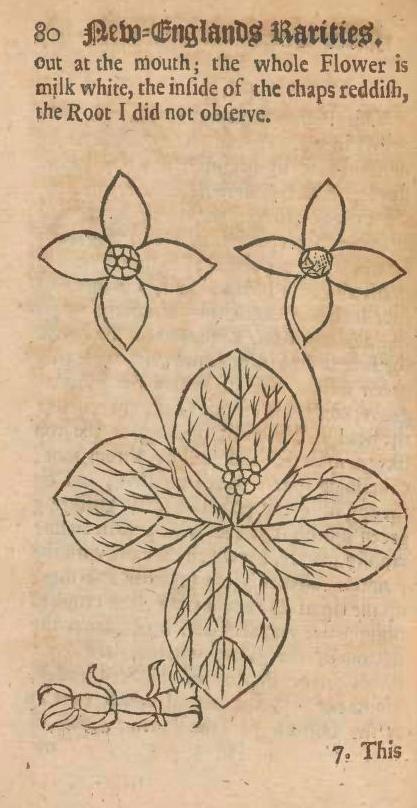
View Full Size Image
Herb True Love: “the leaves are good to be laid upon hot tumors.” Josselyn, John. New-Englands rarities. (1672). Digitized by the U.S. Department of Agriculture, National Agricultural Library. http://biodiversitylibrary.org/page/47579357.

Recipes, whether for medical purposes or nourishment, are sprinkled throughout the text. The wild turkey is fully described for the first time and what must be one of the earliest records of meat being eaten with cranberries as “it is a delicate Sauce.” Josselyn also mentions “pompions” (pumpkin) pie. The colonists of course learned about the cultivation of pumpkins, squash and corn from the native inhabitants. “Billberries” (blueberries), are reported to be “very good to allay the burning heat of Feavers and hot Agues, either in Syrup or Conserve. A most excellent Summer Dish.” Peas, grown in New England, “are the best in the world.”

View Full Size Image
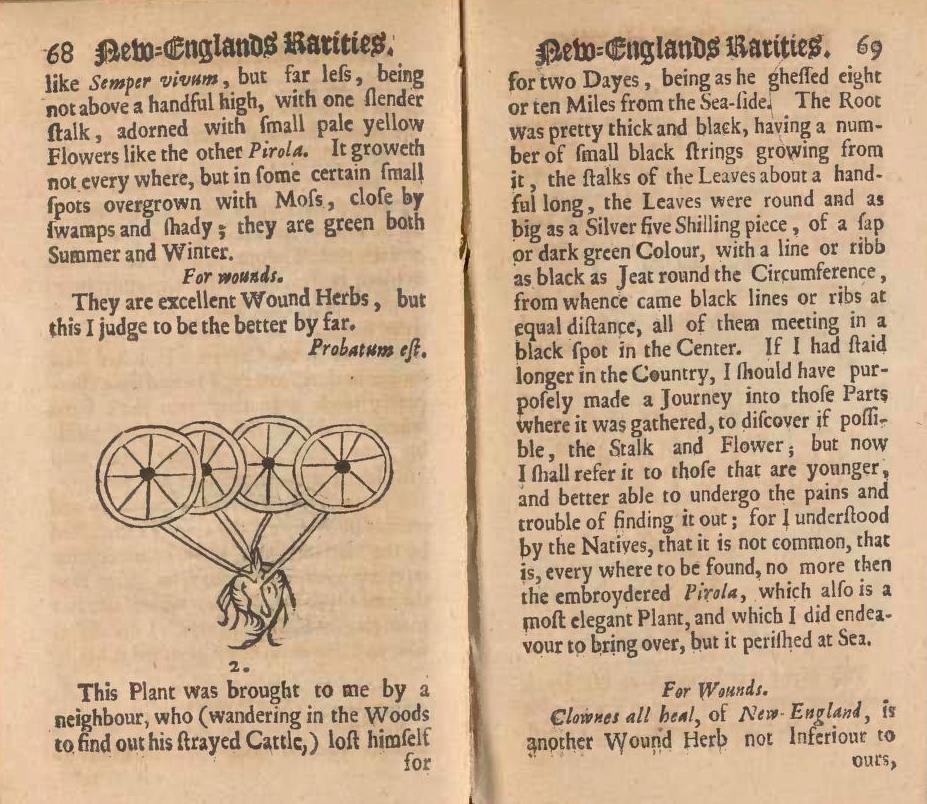
Josselyn, John. New-Englands rarities. (1672). Digitized by the U.S. Department of Agriculture, National Agricultural Library. http://biodiversitylibrary.org/page/47579390.

Josselyn soon expanded New-Englands rarities with An account of two voyages to New England in 1674 (BHL copy digitized from the Smithsonian Libraries). The dedication in this edition is loftier and more ambitious: to the President and Fellows of the Royal Society. A relative of Josseyln’s, Samuel Fortrey, had helped pay for the printing of the earlier work. There is far more detail on the provisioning and crossings of the ships and attendant illnesses and deaths. There is also a disturbing story of the rape of a slave on Noodles Island in Boston Harbor, a horrifying but important testament in the history of slavery in New England.

Two voyages to New England provides more scenes of the coast. Monhegan Island, a favorite place of mine, is a speck about ten miles from the nearest mainland. Following European explorers Martin Pring, Samuel de Champlain, George Weymouth, John Smith (and before these sailors, possibly the Vikings), Josselyn reported that Monhegan was filled with fisherman’s houses and shacks, long a staging area for drying fish and post for fur traders to send their goods across the Atlantic. Cod was the great commodity, harvested from the abundant fishing grounds of the Gulf of Maine and along the coast. Since the mid-19th century, Monhegan, spectacularly ruggedly beautiful, has been better known as an artist colony and draw for tourists, at least in the summer.
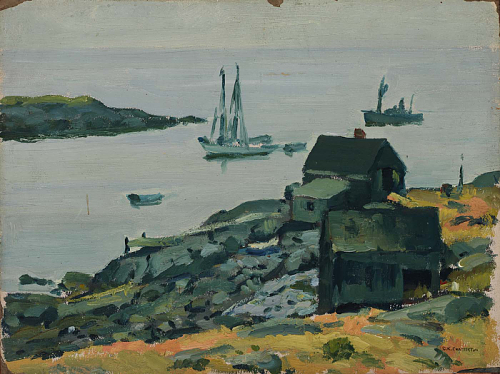
View Full Size Image
Monhegan Harbor, oil painting by C. K. Chatterton (1880-1973). Smithsonian American Art Museum, bequest of Olin Dows

New-Englands rarities was cited by the great Swedish zoologist and botanist Carl Linnaeus in 1753, attesting to its completeness and authority on flora and fauna for about a century. It also inspired a certain type of travel literature. Henry David Thoreau was an admirer and in A week on the Concord and Merrimack Rivers (1849) wrote of Josselyn’s speaking of “the strong new soil.” Soon after I encountered the book in the Cullman Library of Natural History, I came across a reprinted edition while in Salem, Massachusetts in the gift shop of the House of the Seven Gables. Most valued today for its accounting of plants, the book and its successor, An account of two voyages, have much to offer historians of indigenous cultures about the impact of European settlements, cookery, gardens, religion, folklore, meteorology, geology, and maritime and social norms of the early colonial period in America. Its sense of wonder about the landscape of the New World provides the modern reader with a sense of the place.

Josselyn’s last printed words:

“Now by the merciful providence of the Almighty, having performed Two voyages to the North-east parts of the Western-world, I am safely arrived in my Native Countrey; having in part made good the French proverb, Traveul where thou canst, but dye where thou oughtest, that is, in thine own Countrey.”

Notes
New-Englands rarities has frequently been reprinted. Many of those editions, as well as the National Agricultural Library’s copy of the first, have been digitized by the Biodiversity Heritage Library. The Cullman Library’s copy had been rebound too tightly for it to be safely scanned. It also lacks the last leaf containing the printer’s device.
View Full Size Image
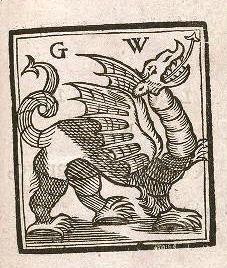
The printer Giles Widdows’ woodcut mark, with his initials and winged dragon. Josselyn, John. New-Englands rarities. (1672). Digitized by the U.S. Department of Agriculture, National Agricultural Library. http://biodiversitylibrary.org/page/47579382.
The BHL digitized copy in Smithsonian Libraries (the Dibner Library) of Josselyn’s later work: An account of two voyages to New-England : wherein you have the settingout of a ship, with the charges; the prices of all necessaries for furnishing aplanter and his family at his first coming; a description of the countrey,natives and creatures, with their merchantil and physical use : the governmentof the countrey as it is now possessed by the English, &c.; : A largechronological table of the most remarkable passages, from the first discoveringof the continent of America, to the year 1673. London : Printed for Giles Widdows, at the Green-Dragon in St. Paul’s-Church-yard, 1674.

Bulletin of the Josselyn Botanical Society of Maine.

Leighton, Ann. Early American gardens “for meate or medicine.” Amherst: The University of Massachusetts Press, 1986.
View Full Size Image
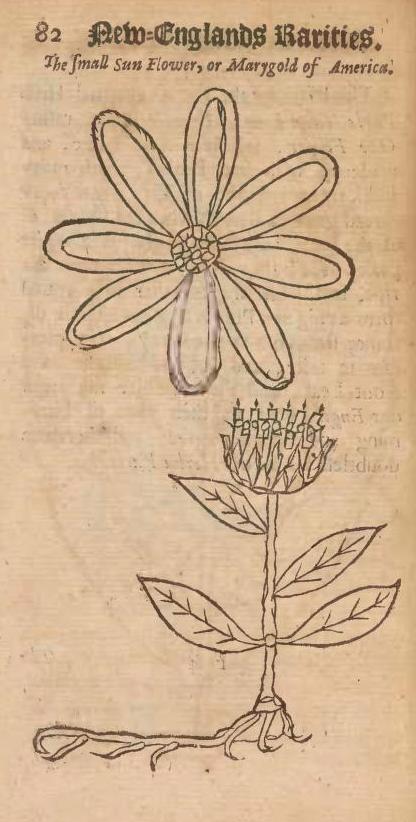
‘The American Sunflower” Josselyn wrote: “The plants in New-England for the variety, number, beauty, and vertues, many stand in Competition with the plants of any Countrey in Europe.” Josselyn, John. New-Englands rarities. (1672). Digitized by the U.S. Department of Agriculture, National Agricultural Library. http://biodiversitylibrary.org/page/47579359.

The Scarborough Land Conservation Trust.
View Full Size Image
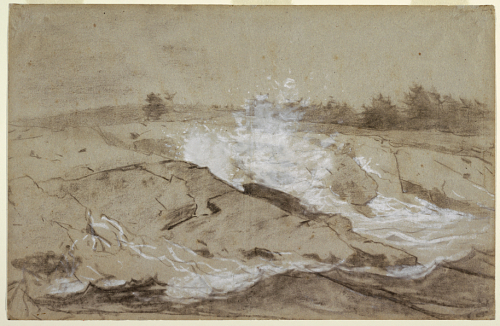
Black Point, Scarborough. Charcoal and chalk drawing of approximately 1884, by Winslow Homer. Cooper Hewitt, Smithsonian Design Museum Collection. Josselyn reported of a spring at Black Point that was “purgative and cures scabs and Itch.” Along with the springs, the Englishman was taken with the curative properties of the waters in the New World.
March 31, 2016by khage
Blog Reel, Featured Books

Early Women In Science: Trekking Through Nature, Trailblazing Their Way Through History

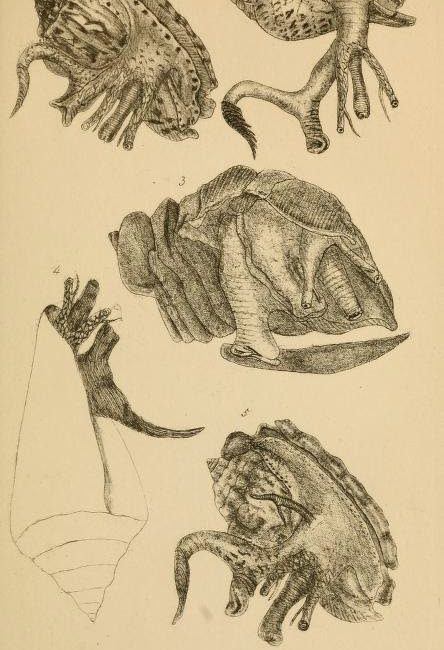
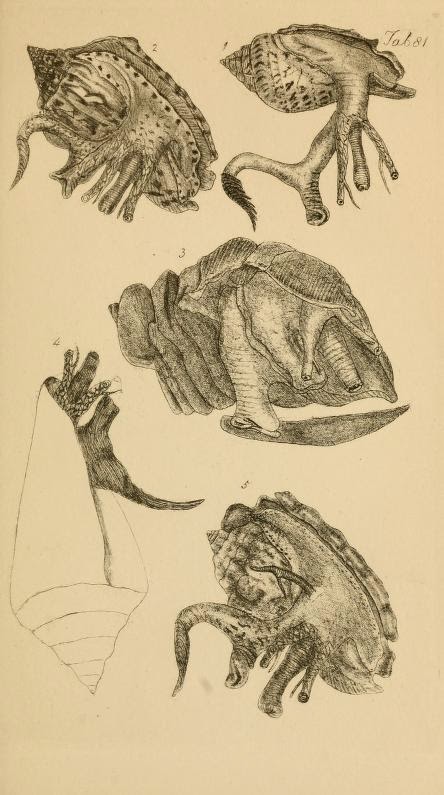
The sixteen women featured in the “Early Women In Science” exhibition are each extraordinary for unique reasons.  One trait they all share is that they were doing work in scientific fields reserved for men. They sometimes had to fight for recognition of their work—or went completely unrecognized for some of their major contributions. For instance, Maria Emma Gray (1787-1876) was a talented natural history illustrator. She not only contributed to the work of her husband, zoologist John Edward Gray, but also saw him through his nervous breakdown, eventually helping him to work again. Despite her contributions to his studies, however, she is not credited in his works.

View Full Size Image
Illustration by Maria Emma Gray, from Figures of Molluscous Animals, Selected from Various Authors. Etched for the Use of Students by Maria Emma Gray, vol. 2, 1859 | Smithsonian Biodiversity Heritage Library

Even when the male scientific community did praise the contributions of their feminine peers, many of the earliest women scientists remained resistant to any form of boasting or taking credit, since that was considered unseemly in women. Not so with bold scientists like Ynes Enriquetta, Julietta Mexia, or Alice Eastwood, who rightfully took credit for their amazing accomplishments.

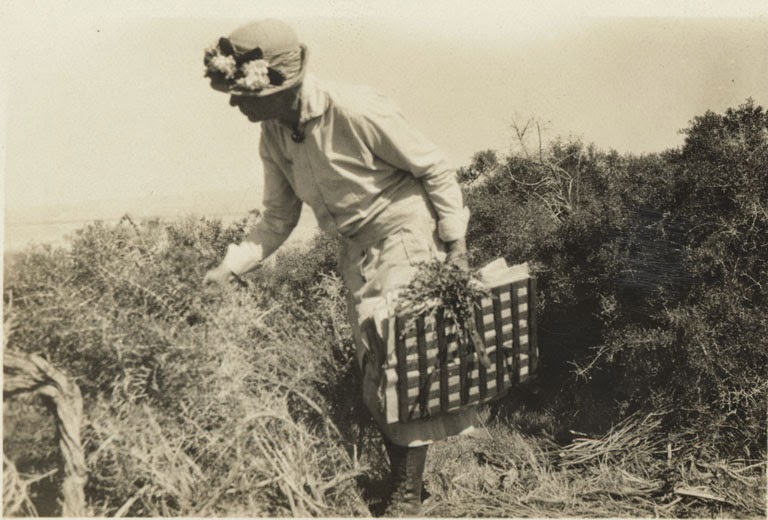
Alice told her contemporary, Agnes Chase (agrostologist, 1869-1963): “the most proper [honor] is that officially the name of the Herbarium is the Alice Eastwood Herbarium of the California Academy of Sciences” since she built it herself “with no help” from 1912 to 1930.And in truth, Alice did manage this effort with little help. Furthermore, prior to the new herbarium’s construction, Alice risked her life to save the Academy’s collections during the San Francisco Earthquake of 1906. Despite fires in the surrounding buildings and a caved-in stairwell, Alice climbed into the previous herbarium and managed to save the most irreplaceable of the herbarium specimens with a rope and pulley and the help of one other man.

View Full Size Image
Alice Eastwood collecting Festuca eastwoodae grass, courtesy of the California Academy of Sciences Archives

These women were brave. Not only did they enter their respective fields at a time when women were meant to remain in the domestic sphere, but they often solitarily braved harsh wilderness conditions to explore, observe, and collect flora, fauna and other specimens.  Katherine Brandegee(1844-1920) was a botanist, and in her journeys she survived shipwrecks, seclusion with bears, wolves and coyotes, and encounters with potentially dangerous men in the uninhabited areas she trekked. All the while, collecting and preserving specimens, rather than her own safety, were her primary concerns.

Many of the women in the exhibit shared a courage, a sense of adventure, and a love of nature that allowed them to push through the difficulties—whether physical or mental—of becoming scientists.Some were self-taught, while others were accepted to prestigious schools. Most of them were given honorary degrees and other awards. Some, like Susan Fenimore Cooper (1813-1894), were multi-talented, engaging not only in scientific pursuits, but other artistic endeavors like fiction writing.Furthermore, many of these women demonstrated exceptional foresight, warning that neglect and abuse of our natural environment would result in dire consequences. They were right.

Enjoy the fascinating stories, illustrations and books from and about “Early Women In Science” in our new exhibit here.

December 9, 2014by micahv
BHL News, Blog Reel

Stormy Waters, Venomous Snakes and a Cup of Coffee: My Experience as a BHL Marketing Intern

A blinking cursor on a blank screen. 137 million objects, 8.2 million digitized items, illustrations and photographs, artifacts and first editions, spanning 19 institutions, 9 research centers, and hundreds of years. Where to begin?

View Full Size Image
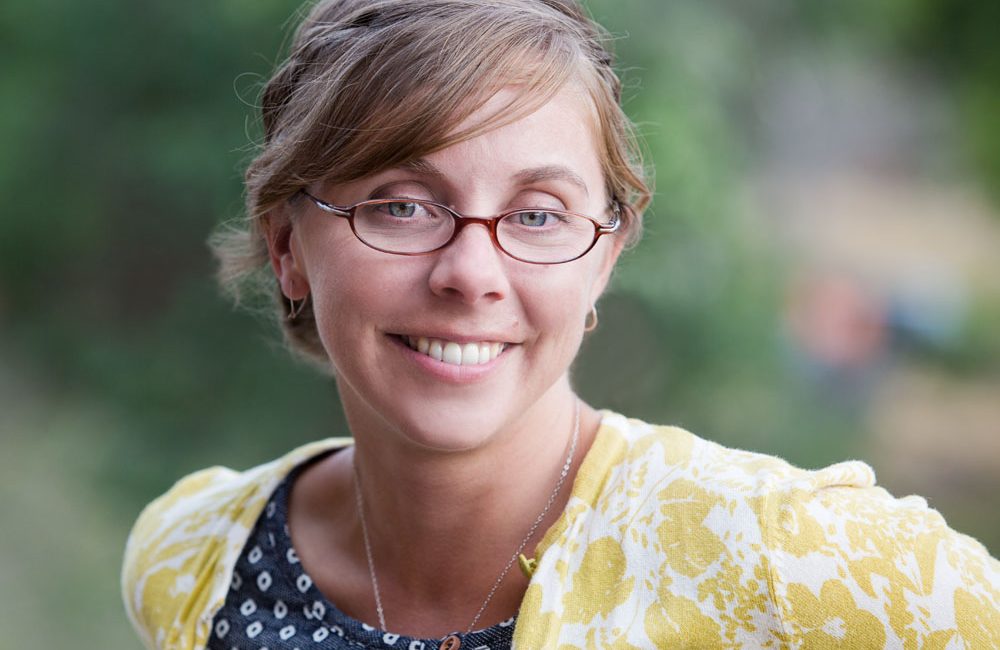
It’s me, your local virtual marketing intern

It didn’t begin earlier this summer when I started working as the marketing intern at the BHL, and it didn’t begin earlier this year when I originally applied for the position. It probably didn’t even begin when I enrolled in the University of Washington’s master of library and information science iSchool. For the sake of argument, I’d say the beginning for me was when I was 6 years old and took my first trip to Washington, D.C. –it was my first visit to the White House and my first visit to a lot of the impressive and stunning historical sites and memorials.

But it wouldn’t have been a D.C. tour without marveling at the expansive and breathtaking collections of at least a few of the Smithsonian museums. The National Museum of American History, National Museum of Natural History, National Air and Space Museum, and, of course for a 6 year old, the National Zoo. I wasn’t aware that much information even existed, let alone could be housed in a complex of galleries, institutions, and cultural centers all free and open for anyone and everyone who had the inclination to explore.

This was a revelation. I wanted to be there, I wanted to be a part of any organization who’s mission centered on preserving history for the purpose of sharing it to contribute to our understanding of the world around us. That was the beginning, and it’s what set me on the path to pursue a profession in library sciences–though the love of cardigans, glasses, and metadata didn’t hurt either.

I didn’t get the same experience as a lot of BHL interns–mine was a virtual one. Instead of walking the halls of the prestigious institution, I received impromptu tours via Skype and experienced the library through my MacBook. Despite some of the drawbacks of not being physically present–or even in the same time zone–it also felt utterly appropriate to be connected to the BHL via a cable modem. This consortium of natural history and botanical libraries have created a highly-accessible, global, digitized collection with a mission of open access and adding to the biodiversity knowledge commons. Through BHL efforts, millions of pages of taxonomic literature have been digitized, and as part of my internship I was able to sort through tens of thousands of titles to share with the blog-reading public. Where to begin?

Under the expert guidance of Bianca Crowley, I used the BHL collection to explore and bring to light old stories and fascinating records. I traveled to the depths of the North Sea and learned of the adventurous men who trawled the harsh waters. Within the volumes also lay the life story of the prison-educated pioneer botanist, John Torrey, whose birthday necessitated a celebration of his contributions to the scientific community. I sought out among the acquisitions more information to soothe my coffee addiction and reviewed the history of the innocuous, but oh-so-delicious coffee berry. Ophidiophobia didn’t stop me from diving into the creepy, crawly world of venomous snakes. And the intriguing case of Elizabeth Blackwell and her wonderfully detailed, colorful illustrations of medicinal plants, just another highlight in the expansive literature.

I was only charged with finding five works to highlight from the BHL, but I didn’t want to stop, there was so much to discover. The blinking cursor gave way to a flow of words and I took full advantage of the 9 weeks of my summer term and the access to hundreds of thousands of titles. I was also asked to create a tutorial for the blog-publishing service that you’re using right now to read this post. From this, I discovered that I love instruction. These tutorials will ensure that my learning experiences will make it easier for the next BHL intern.

Bianca introduced me to the wonderfully supportive staff who encouraged me to pursue all my interests in this profession, including social media marketing, copyright issues, and information literacy. I will always be so grateful for this opportunity and those who were so giving of their time and experience to assist me on my path.

Now the question isn’t where to begin, the question has become where does it end?

Please check out my post highlighting Alfred Russel Wallace during BHL’s week of Wallace in November.

Connect with me on LinkedIn or Follow me @Kirsten_Clair

September 24, 2013by LANL_RL
BHL News, Blog Reel

BHL Life: My Experience as a BHL Marketing Intern

View Full Size Image
Me! (Laurel Byrnes, Marketing Intern at the Smithsonian Biodiversity Heritage Library)

My interest in the Smithsonian Institution, as an entity, began a long time ago when I was a young girl.  I came to DC with my middle school to visit the National Museum of Natural History and since that trip, I was completely in love with museums and wanted to know how they operated–how all of those magical exhibits came to be, who was responsible for making that happen, and all of the different people who got to work together to make this large organization thrive.  Simultaneously, being a studious girl who enjoyed reading books and doing homework in my free time, I had developed a deep love of libraries–those dark, quiet places filled with shelves and shelves of books just waiting to be explored and enjoyed.  There’s nothing quite like the feel of a book, the smell of its pages, the weight of it in your hands.  And when I discovered, a few years later, the rare books sections of different libraries, I was even more intrigued and anxious to discover not only the content of these old books and manuscripts, but also the process involved with making them, and the way that librarians and curators store, classify and preserve them.  If only there were a way to combine my two loves: museums and libraries…

So a few years intervened and I went to graduate school at Princeton University for medieval English, getting to explore my love of old texts and rare books, and to further enjoy the quiet, cavernous delights of the Princeton Library (where 500-year-old books lay casually on the shelves along with modern books, all of them ripe for consumption).  Serendipitously, I moved from my home in PA to DC, home of the Smithsonian, after I got married and was still a graduate student.  I found great joy in going to the Library of Congress for the first time to pursue my graduate work.  I was in awe of the magnitude of holdings at that Library, and the idea that it was free for anyone to read books there–and what a gorgeous place to read books!  I started to develop a serious curiosity in Library Science since I thought that being able to turn my love of books and libraries into a career would be the culmination of a lifelong dream.  And when I heard that the Smithsonian had its own system of libraries, my two loves collided, and I went to the first open house that I could at the Smithsonian Libraries inside the natural history museum (a library inside of my favorite museum–heaven!!!).  At the open house I met quite a few Smithsonian librarians and staff, including Bonnie White, Bianca Crowley and Grace Costantino.  I explained that I had recently completed a marketing internship with the Smithsonian Associates (another amazing adventure that would need its own post to tell the whole story), and Bianca and Grace suggested I try to apply for their new marketing internship with the Biodiversity Heritage Library (BHL).  I left that open house feeling lucky to have met so many kind people in the field I hoped to explore, and having gotten so much great advice from all of them about pursuing a Library Science degree and career.

I applied for the internship at the BHL and was accepted.  There is something wonderful about going to get your Smithsonian Intern badge from the security office because I felt like I was finally a member of a community of people just like me–book lovers, library lovers, museum lovers, people who enjoy internet marketing and all of the new possibilities that the Internet could bring to help libraries and museums expand their audiences and make their collections more readily available to the general public.  The idea of using the Internet to make more books more freely available to all people is something I’ve always believed in ever since I learned of the concept in grad school, and the BHL’s project of doing just that is one that I wholeheartedly wanted to contribute to and support, in any way possible.

I began my 4-week internship under the guidance of Bianca Crowley, and I learned that I would be responsible for finding 5 books from the BHL collections which I would read and write about for the “Book of the Week” blog posts for the BHL blog.  At my fingertips I had one of the most amazing collections of digitized, full-text biology- and biodiversity-related books through the BHL website, and it was fun to explore the collections to find books that could be the topics of my blog posts.  I found books about human deformity caused by corsets (a physiology book), about taxidermy, cicadas, cats and rabbits–and I could have found even more, the possibilities were endless.  These books had beautiful illustrations or photographs, amusing anecdotes or gruesome and strange facts, and were intriguing subjects on which to write.  Bianca worked collaboratively with me to make sure I had picked good books to highlight and was always available if I needed any guidance at all.  Another highlight was being able to talk with Grace Costantino about how the BHL carries out its social media and marketing work, which gives me a better sense of how large libraries operate and hope to expand their audiences.

The absolute best thing about this internship–aside from being able to show my badge and enter the National Museum of Natural History early, when all is quiet and the exhibits are completely empty of people–was being able to work with the kind and generous staff of the Biodiversity Heritage Library and learn how this operation functions.  Bianca knew I was interested in pursuing my Library Science degree, so each week she made sure that I got to meet a different member of the staff, who explained to me their job and gave me advice about applying to Library Schools.  I will always be grateful for this amazing opportunity, the wonderful people I have met, and the advice that is sure to help me on my path to Librarianship!

Written By: Laurel Byrnes, Marketing Intern at the Biodiversity Heritage Library

Connect with me: http://www.linkedin.com/in/laurelbyrnes

August 6, 2013by jjones

Help Support BHL

BHL's existence depends on the financial support of its patrons. Help us keep this free resource alive!

search

About BHL

The Biodiversity Heritage Library (BHL) is the world’s largest open access digital library for biodiversity literature and archives. BHL operates as a worldwide consortium of natural history, botanical, research, and national libraries working together to digitize the natural history literature held in their collections and make it freely available for open access as part of a global “biodiversity community.”

Join Our Mailing List

Sign up to receive the latest news, content highlights, and promotions.

Subscribe Now

Subscribe to Blog via Email

Enter your email address to subscribe to this blog and receive notifications of new posts by email.

Join 319 other subscribers

Subscribe to Blog Via RSS

Subscribe to the blog RSS feed to stay up-to-date on all the latest BHL posts.

Access RSS Feed

Inspiring Discovery through Free Access to Biodiversity Knowledge.

The Biodiversity Heritage Library makes it easier than ever for you to access the information you need to study and explore life on Earth…for free, anytime, anywhere.


64+ Million Pages of
Biodiversity Literature Online.

EXPLORE

Tools and Services
to Transform Research.

EXPLORE

300,000+
Illustrations on Flickr.

EXPLORE

ABOUT | HARMFUL CONTENT | PRIVACY | SITE MAP | TERMS OF USE