Biodiversity Heritage Library - Program news and collection highlights from BHL
  • Home
  • News
  • Featured Books
    • All Featured Books
    • Book of the Month Series
    • BHL at 20
  • User Stories
  • Campaigns
    • Fossil Stories
    • Garden Stories
    • Monsters Are Real
    • Page Frights
    • Her Natural History
    • Earth Optimism 2020
  • Tech Blog
  • Visit BHL
Home
News
Featured Books
    All Featured Books
    Book of the Month Series
    BHL at 20
User Stories
Campaigns
    Fossil Stories
    Garden Stories
    Monsters Are Real
    Page Frights
    Her Natural History
    Earth Optimism 2020
Tech Blog
Visit BHL
  • Home
  • News
  • Featured Books
    • All Featured Books
    • Book of the Month Series
    • BHL at 20
  • User Stories
  • Campaigns
    • Fossil Stories
    • Garden Stories
    • Monsters Are Real
    • Page Frights
    • Her Natural History
    • Earth Optimism 2020
  • Tech Blog
  • Visit BHL
Biodiversity Heritage Library - Program news and collection highlights from BHL
BHL News, Blog Reel, Campaigns, Her Natural History

Coming This March! Her Natural History: A Celebration of Women in Natural History

Her Natural History
Her Natural History

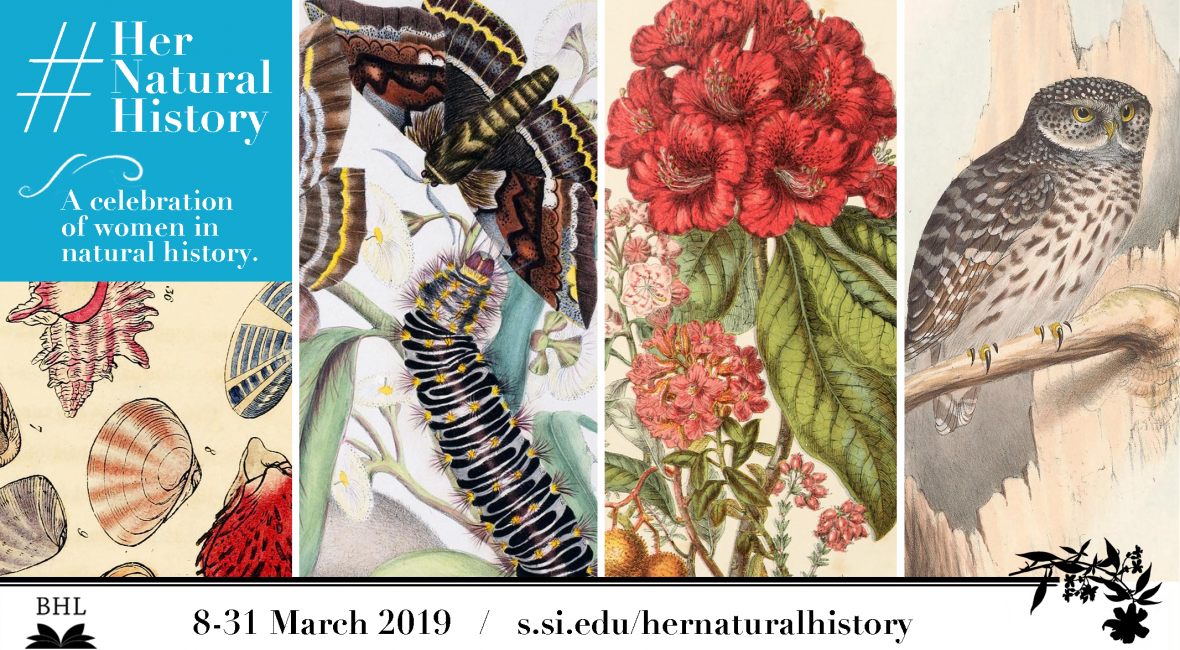
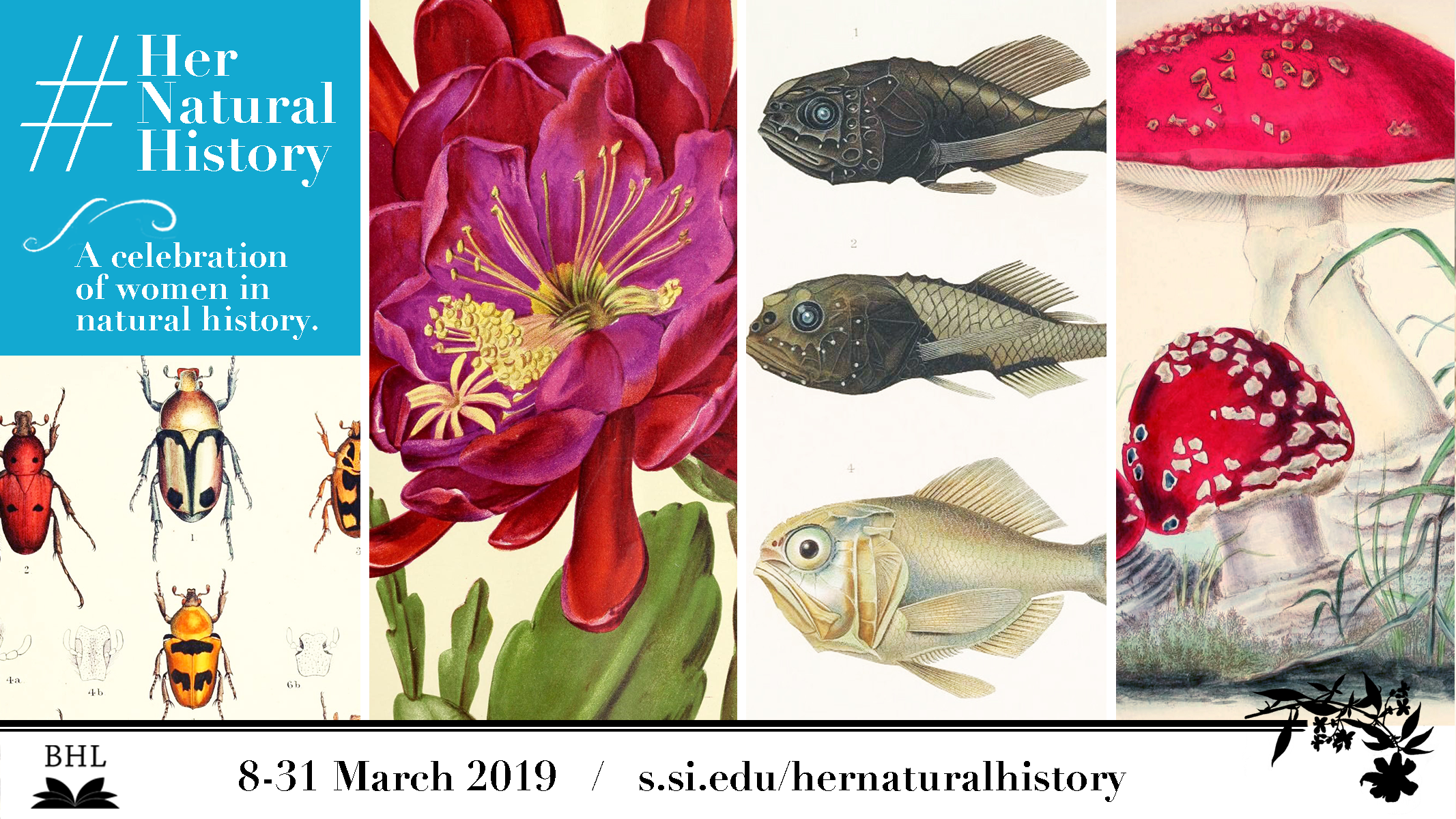
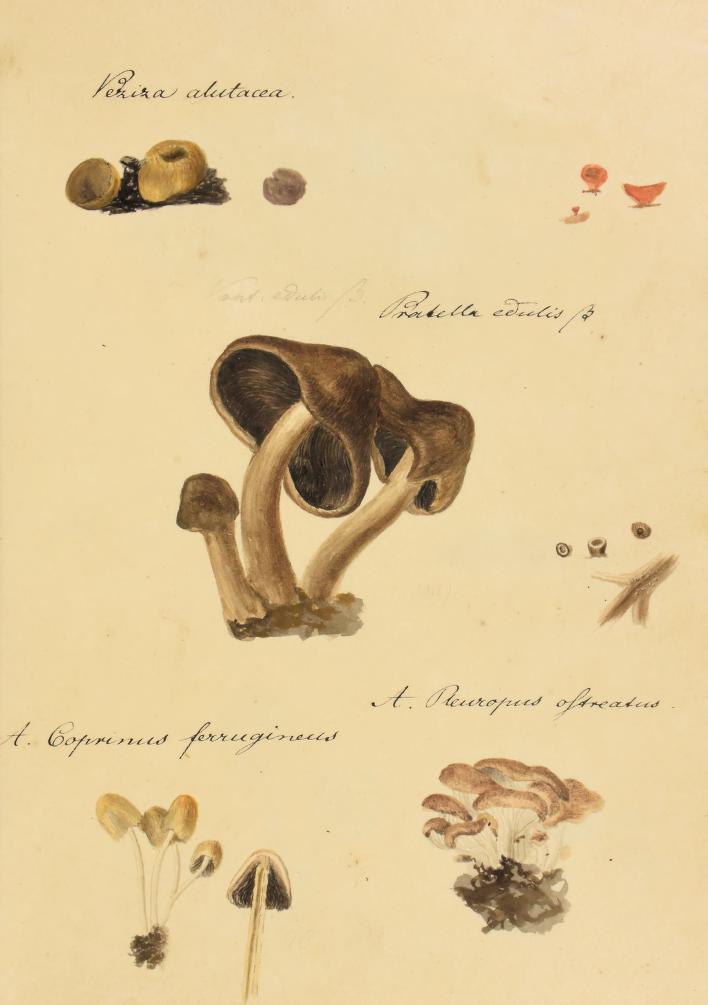
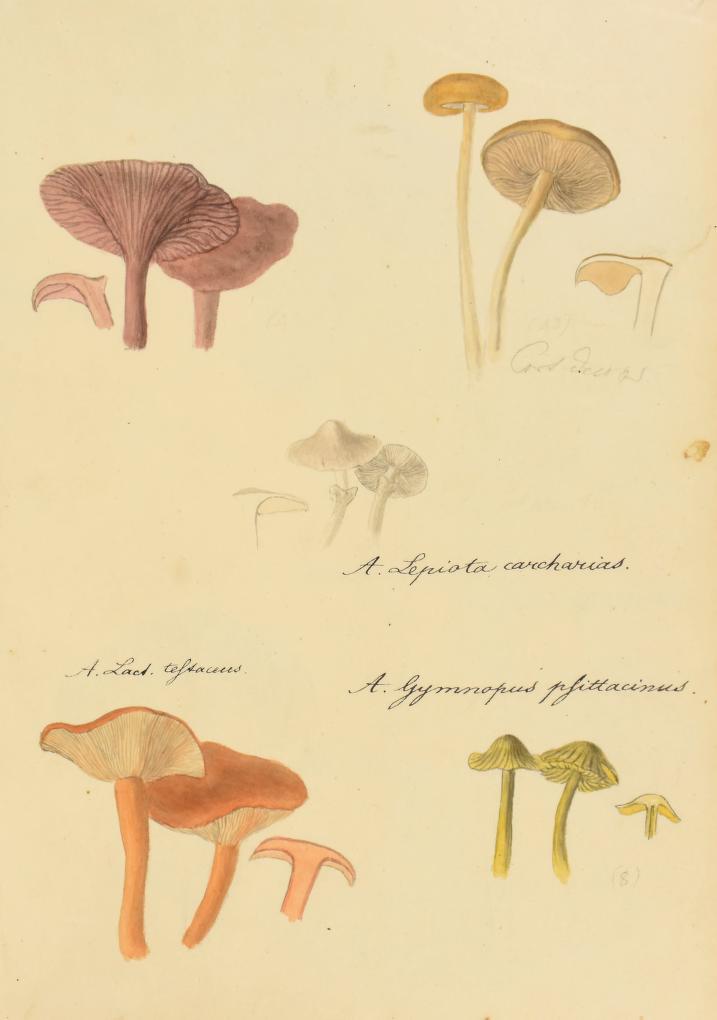
Illustrations in this graphic created by female artists who will be featured during #HerNaturalHistory. L to R: Maud Horman Fisher, Aid to the Identification of Insects, v. 2 (1882-90); Louise-Cécile Descamps-Sabouret, Revue Horticole (1899); Emma Kissling, Poissons provenant des campagnes du yacht Princesse-Alice (1911); Frances Reed, Illustrations of British Mycology, ser. 1 (1847). Illustrations digitized by Smithsonian Libraries, Harvard Botany Libraries, and The New York Botanical Garden.

This Women’s History Month, we invite you to join us in celebrating women in natural history as part of an international social media campaign produced in collaboration with our partners — Her Natural History: A Celebration of Women in Natural History.

Through social media and blog posts, interactive programming and citizen science opportunities, Her Natural History aims to increase awareness of and information about women in the biodiversity sciences.

The campaign will kick-off with an all-day social media blitz on Friday, 8 March 2019 (International Women’s Day) and continue throughout the month with additional posts and programming, including a Wikipedia Editing Workshop on 13 March. #HerNaturalHistory is also the @iglibraries #LibrariesOfInstagram challenge topic for March.

We hope you’ll join us for the social media blitz on 8 March and throughout the month by following #HerNaturalHistory on Twitter, Facebook, and Instagram and using the hashtag to share stories, collections, publications, artworks, archival materials, exhibits, and other resources highlighting women and their contributions to natural history.

Learn more about the campaign on the Her Natural History webpage, and stay tuned for more information in the coming weeks. We look forward to celebrating #HerNaturalHistory with you in March!

Her Natural History: A Celebration of Women in Natural History

When? 8-31 March, 2019
Where? Social Media (Twitter, Facebook, Instagram)
What? Join us in celebrating women in natural history this Women’s History Month! Follow along and join the campaign using #HerNaturalHistory.
More Information: s.si.edu/hernaturalhistory

February 11, 2019by Grace Costantino
Blog Reel, User Stories

Vanity and BHL: Examining Extinction and Rediscovery through Art

The “Anthropocene Defaunation” and the Lost Florida Zestos Skipper

We are experiencing a “biological annihilation.”

That’s how scientists are describing the biodiversity loss in what is being recognized as Earth’s sixth mass extinction event [1]. Not only are extinctions occurring at a rate 100 times higher than would occur naturally, but overall populations are also shrinking at alarming rates [1,2].

A 2014 Science report termed it the “Anthropocene defaunation”, reflecting humanity’s role in this biodiversity loss [3]. Among the casualties in this “Age of Humans” is one of “the few butterflies known to have become extinct in the United States” [4] — The Florida Zestos Skipper Butterfly Epargyreus zestos oberon (Worthington, 1881) [5]. This butterfly’s story draws forth science, taxonomy, history, and art from the Biodiversity Heritage Library (BHL) for a cutting edge representation of biodiversity in challenging times.
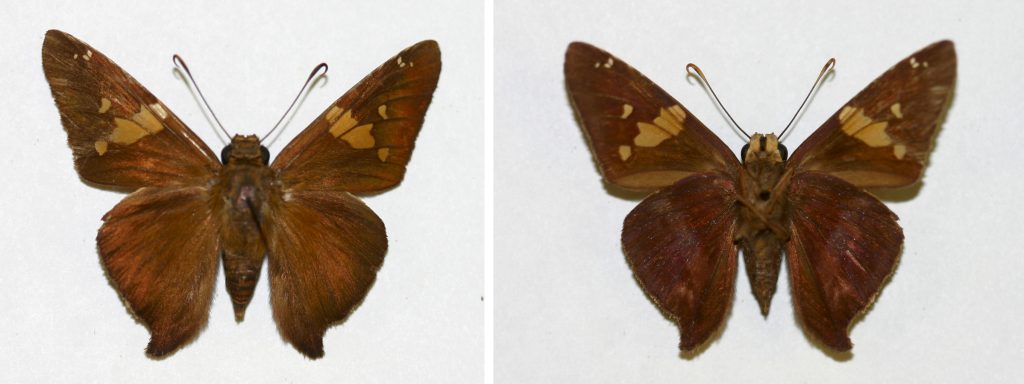
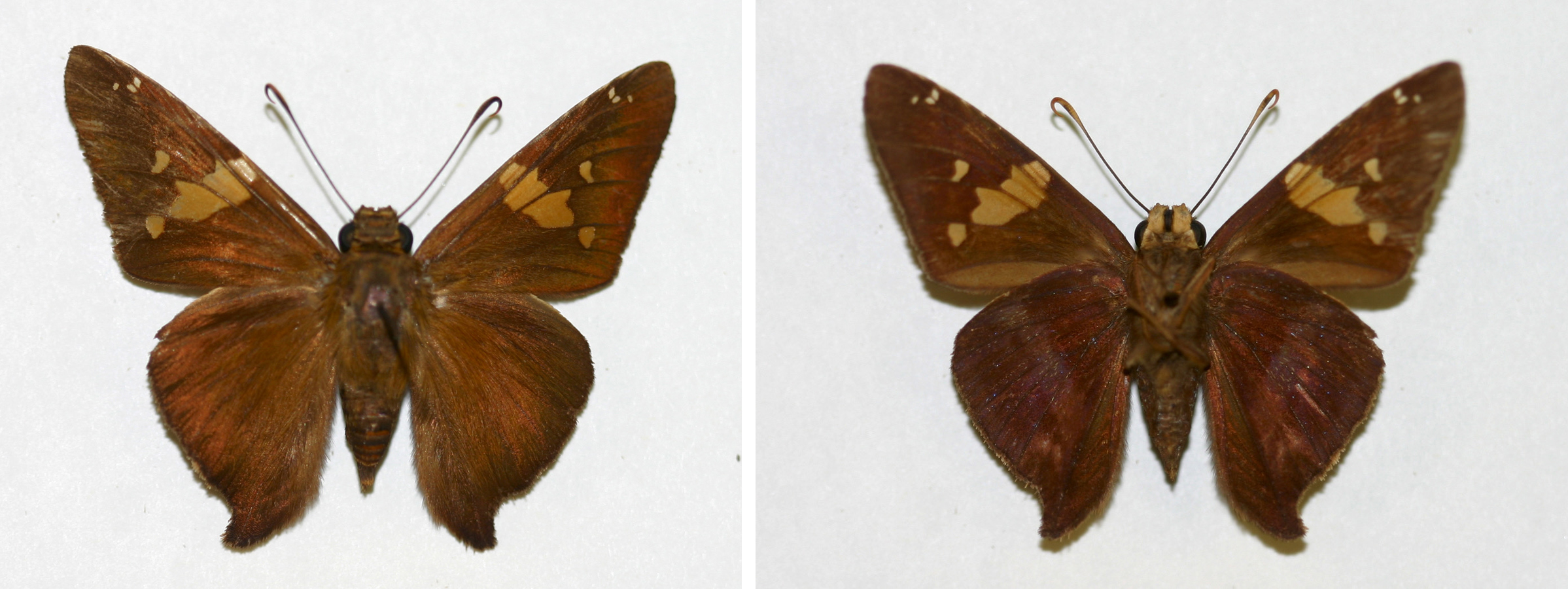
Florida Zestos Skipper Butterflies Epargyreus zestos oberon† (Worthington, 1881) – Male (Left: Upperside; Right: Underside). Collected in Monroe County; Everglades National Park, Bear Lake Trail, Florida in May 1973. The photos were taken in the Florida Department of Agriculture and Consumer Services, Florida State Collection of Arthropods. The specimens are now incorporated into the Florida Museum of Natural History/McGuire Center for Lepidoptera and Biodiversity. Photos copyright and courtesy of Marc C. Minno, PhD.

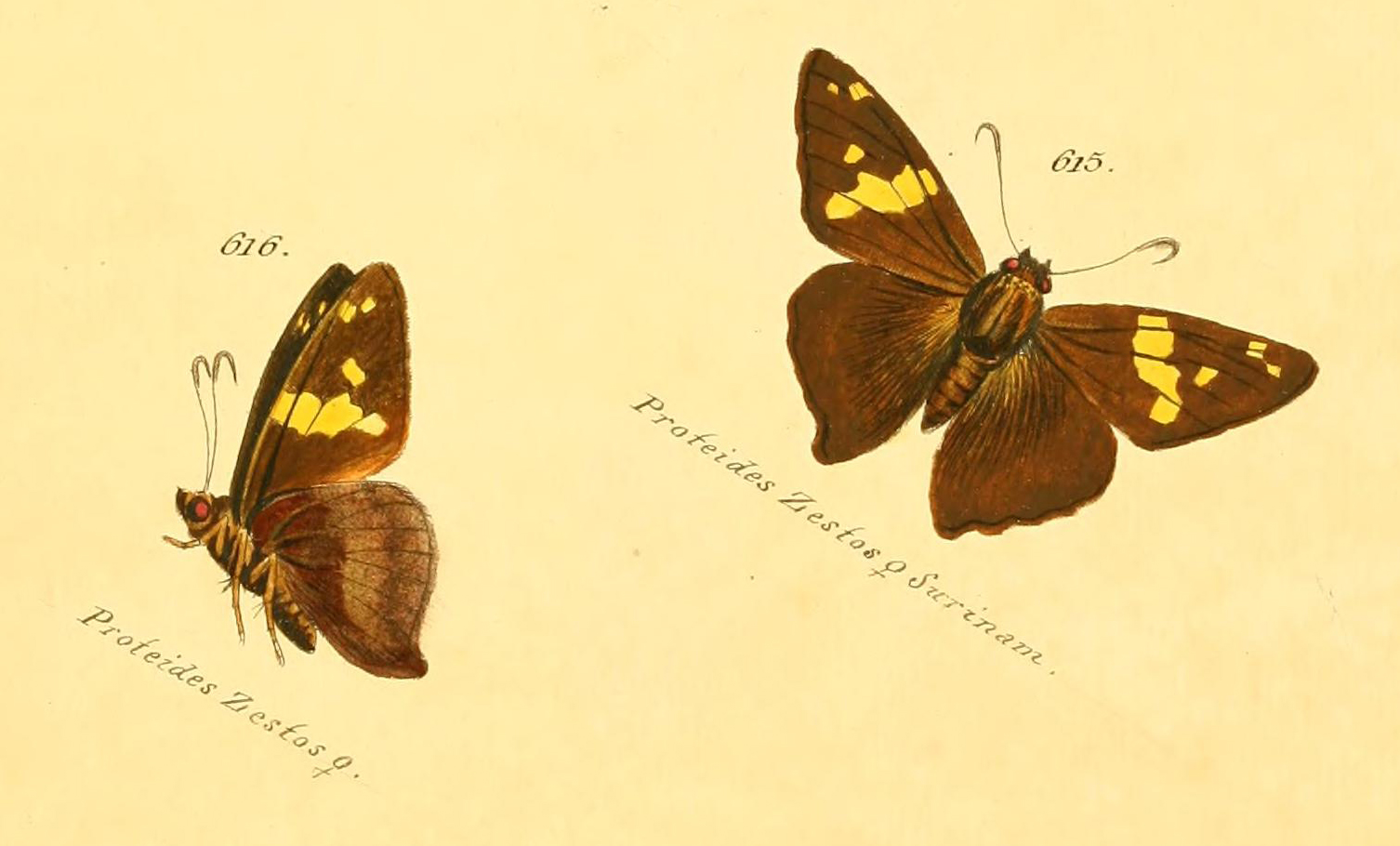
The recorded scientific history of the Zestos Skipper Butterfly extends back to the early nineteenth century. In the 1819 publication Verzeichniss bekannter Schmettlinge [sic], Jacob Hübner first listed the butterfly as Proteides zestos. Hübner later illustrated the P. zestos holotype (type locality “Surinam”, probably in error) via two figures of a female specimen in his Zuträge zur Sammlung exotischer Schmetterlinge (1826). However, as Hübner provided no description to accompany the name and illustration, it was not until 1832, after his death, that his assistant Carl Geyer officially described Proteides zestos as a new species.
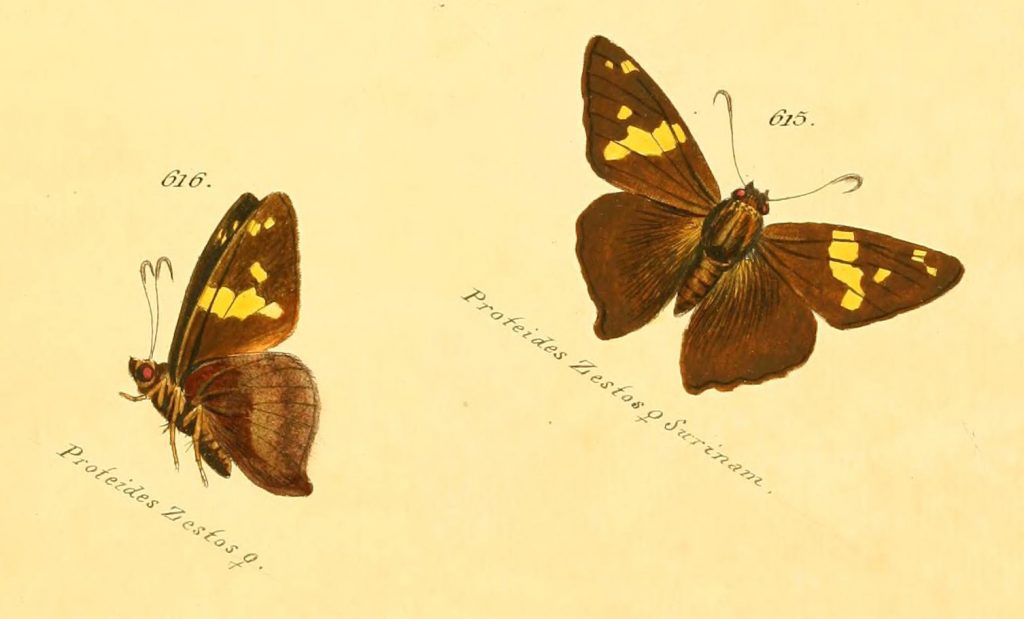
Proteides zestos illustrated by Jacob Hübner in Zuträge zur Sammlung exotischer Schmetterlinge (1826). Contributed in BHL by Smithsonian Libraries.

Over the next 50 years, this rather unassuming reddish-brown Skipper, with a range from the Florida Keys to the Caribbean, was reclassified and redescribed by various authors. In Dublin, William F. Kirby (1871) assigned it to a new genus (Telegonus zestos) and in Chicago, Charles E. Worthington (1881), examining 31 specimens from Marco Island, Florida, described it as a new species (Endamus [sic] oberon), based on its resemblance to Eudamus tityrus. In 1884, Eugene M. Aaron, after evaluating over 160 specimens of tityrus and zestos, concluded that Proteides zestos, Telegonus zestos, and Eudamus oberon were in fact the same species.

Dr. Marc C. Minno (Insect Ecologist with Eco-Cognizant in Gainesville, FL) began searching for the Florida Zestos Skipper Butterfly in 2006. At his request, Skipper butterfly expert Dr. George T. Austin evaluated Zestos Skipper butterfly specimens in the Florida Museum of Natural History collection with type localities from Florida and the Caribbean. Before his death, Austin concluded that the Florida Zestos Skipper Butterfly actually represents a unique subspecies or sibling species [6]. Based on his own observations and Austin’s comments, Minno believes “oberon” to be the valid name of the Florida Zestos Skipper Butterfly population and has, until he can complete Austin’s study, designated it as Epargyreus zestos oberon (Worthington, 1881) [5].

Over the past 50 years, the Florida Zestos Skipper Butterfly population has been in decline. According to Minno, this butterfly, “once locally common in coastal areas of southern Florida”, had “disappeared from the mainland” by the mid-1980s. The last known sightings of Florida Zestos Skippers occurred in January 2004, at the Key West Tropical Forest and Botanical Garden in Stock Island, Florida [6].

In 2012, Minno et al., concluded a six-year survey looking for declining butterfly species in southern Florida [4]. Because the study failed to produce a single sighting of the Florida Zestos Skipper, in any stage of life, it was recommended that it be presumed extinct. Together with the Rockland Meske’s Skipper, these represent the “first [known] butterfly extinctions in Florida” [4].

The Florida Zestos Skipper exists now only in museums and the pages of historic literature, its memory preserved in natural history collections, libraries, and repositories like the Biodiversity Heritage Library.

Vanity: An Artist’s Story of Extinction and Rediscovery in the “Age of Humans”

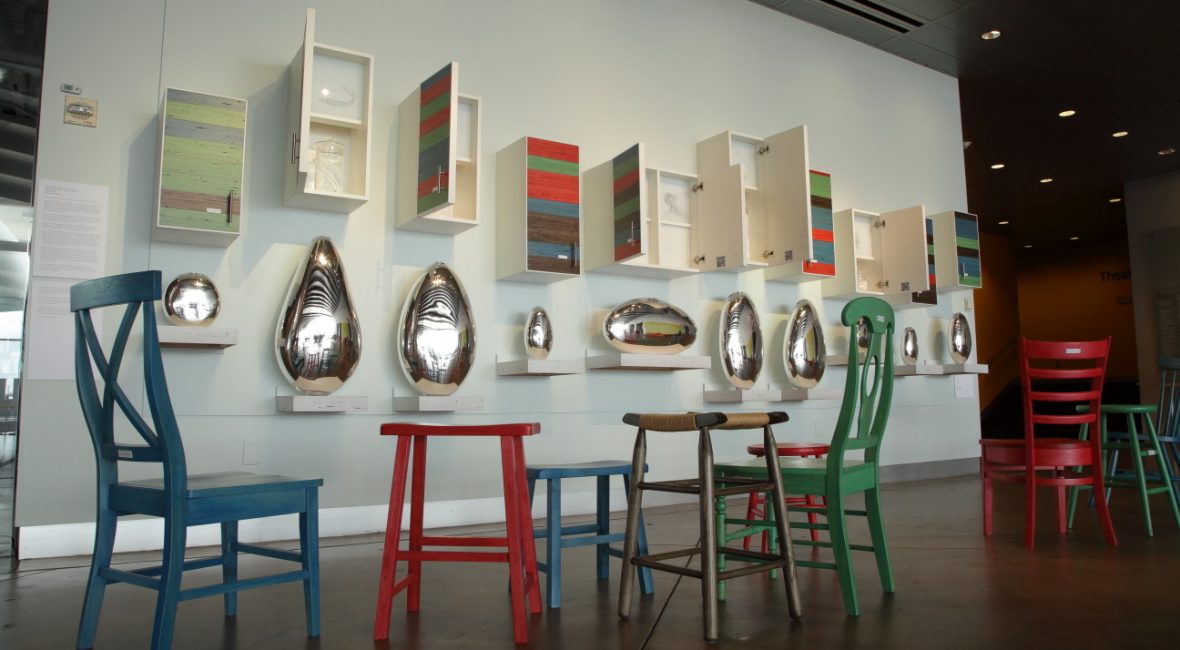
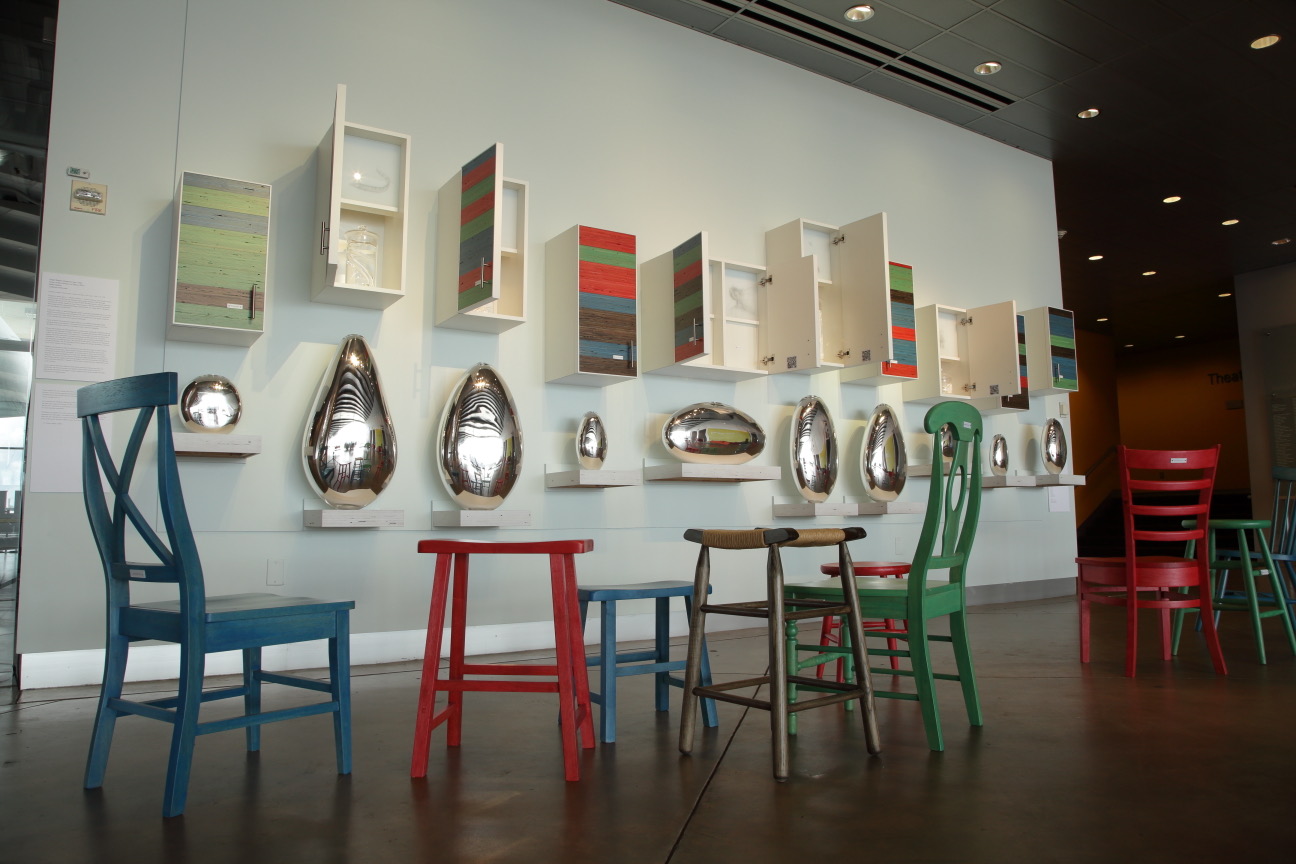
Joseph Gregory Rossano, Vanity (As installed at Museum of Glass, Tacoma, Washington, 2015); photo by C.B. Bell III, copyright and courtesy of Museum of Glass.

The Florida Zestos Skipper Butterfly is just one of the “biological specimens” featured in Vanity, an art installation by Joseph Gregory Rossano. Created for and with the support of the Museum of Glass (MOG) in Tacoma, Washington, Vanity was on display at MOG from March 3 – August 30, 2015. The exhibition tells the story of eleven species and subspecies, presumed extinct, presented through the lens of humanity’s role in their demise.

The installation includes eleven “vanity” cabinets. The cabinet doors, Rossano’s “portrait” of man, are composed of imperfect wood laminate adorned with visual representations of Homo sapiens’ DNA barcode. On the bottom corner of each door, a scientific label hints to the species’ or subspecies’ identity inside the cabinet, beneath these human “fingerprints”. Rossano depicts the species through “faded” pencil portraits and as transparent glass sculptures suspended in clear liquid, inside period specimen jars. The overall effect is of a species vanishing behind the portrait of humanity…just as it has in reality.

Beneath each cabinet are mirrored, almond-shaped glass sculptures and in front of each, a chair with a specimen label: Homo sapiens. These objects accentuate humanity’s role in the loss of each species, for, as Rossano articulates in the exhibition catalogue, “When viewing Vanity from a seated position, we see ourselves reflected in these forms that echo the divine. In our vanity we reflect generations of humans who saw themselves as divine, while the truly divine—our 11 innocent and bygone species, subspecies, and their stories—reflect the truth about us” [7].

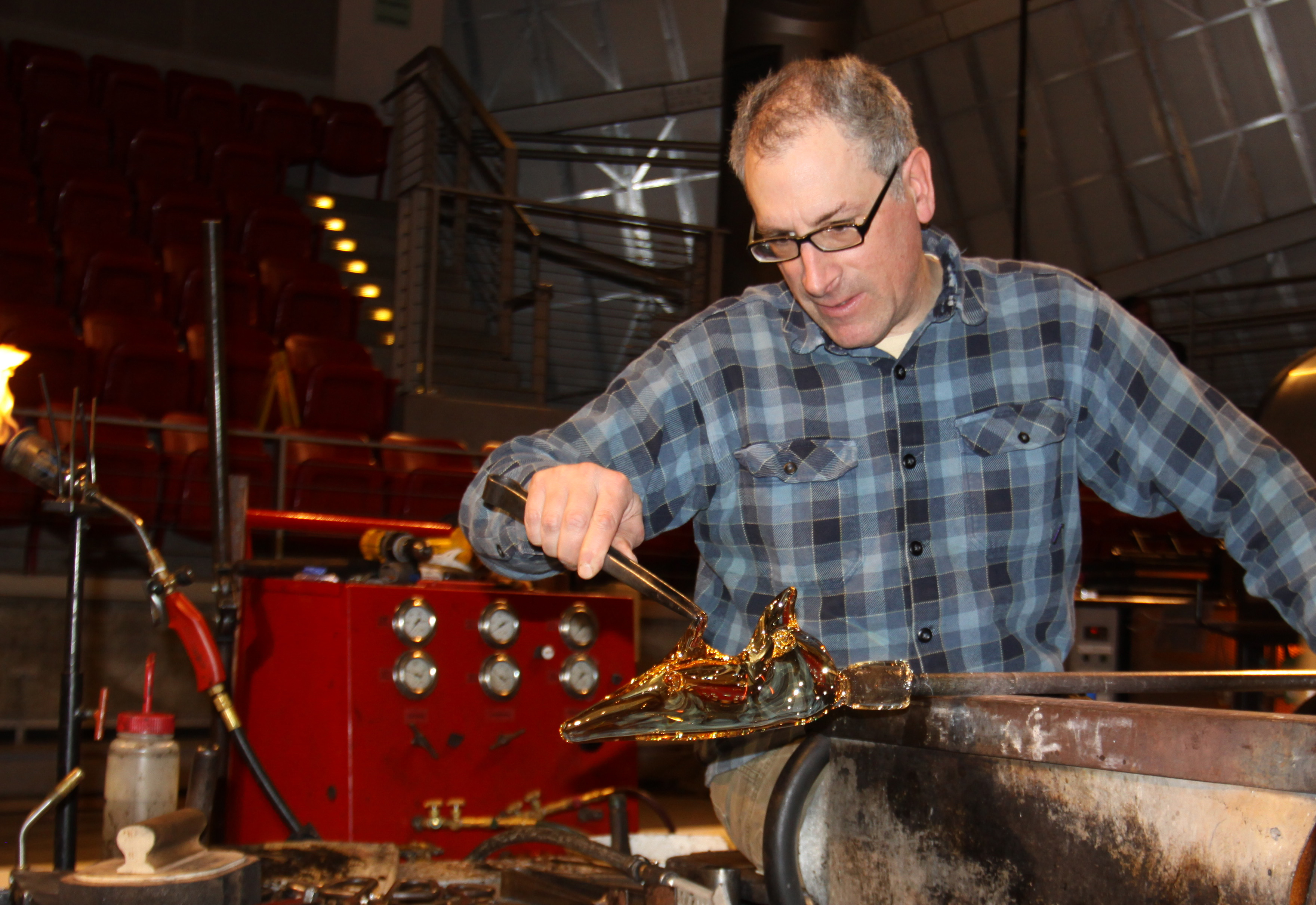
Rossano’s use of glass as a medium is equally deliberate: “like our environment, glass is transparent, fragile, and reflective — transparent in that it hides nothing, fragile in that once damaged it may never be repaired, and reflective of how we have impacted it” [8].

Joseph Gregory Rossano working on Vanity in the Museum of Glass Hot Shop, January 2014. Photo copyright and courtesy of Museum of Glass.

Each cabinet also offers a QR code leading to historical accounts of the enclosed species. These accounts summarize the species’ “discovery” (collection date, type locality, collector, scientific illustrations, etc.), humanity’s role in its extinction, and the year it was declared “Extinct”. To produce these species tales, Rossano collaborated with Sandra I. Berríos-Torres, MD. Berríos-Torres served as author of the 11 historical accounts and as Editorial Director of the exhibition catalogue, on behalf of Joseph Gregory Rossano.

The Biodiversity Heritage Library was a crucial resource for Berríos-Torres. Consulting dozens of publications in BHL while conducting research for Vanity, she ultimately cited 16 of them in the historical accounts that were incorporated into the exhibition and catalogue. The Florida Zestos Skipper Butterfly had the highest number of BHL citations in Vanity. Berríos-Torres used BHL to follow the butterfly’s taxonomic journey from its first listing by Hübner in 1819 to Aaron’s evaluation of the species in 1884.

“BHL resources were invaluable in my research for Vanity, in particular for accessing publications with the first collection, scientific description, and illustrations,” affirms Berríos-Torres. “The publications dated from 1819 to 2002, were published in English, German, Dutch, and French, and were contributed to BHL by 10 institutions, including university libraries, museums, government libraries, scientific research institutions, and botanical garden libraries across the USA, Canada, and England.”

From BOLD to Vanity

Berríos-Torres is an orthopaedic surgeon and a Centers for Disease Control and Prevention trained epidemiologist who has conducted laboratory and field research on infectious diseases and had a lead role in public health responses to national and international infectious disease outbreaks. Berríos-Torres was initially introduced to Rossano in the fall of 2009 at the opening of his BOLD exhibit, which examined species identity through art and incorporated Barcode of Life Data Systems‘ (BOLD) DNA barcodes into the installation’s sculptures.

BOLD was inspired by Rossano’s 2008 visit to the Área de Conservación Guanacaste (ACG) in northwestern Costa Rica at the invitation of Bradley Zlotnick, MD. At ACG, Rossano learned about DNA barcoding and met Zlotnick’s mentors, tropical ecologists Dr. Daniel H. Janzen and Dr. Winnie Hallwachs. Their 2004 landmark study on cryptic butterfly species, in collaboration with researchers at Smithsonian’s National Museum of Natural History (John M. Burns) and the University of Guelph, Canada (Paul D. N. Hebert, Erin H. Penton), “…illustrate(d) the value of DNA barcoding, especially when coupled with traditional taxonomic tools, in disclosing hidden diversity” [9]. Barcodes offered a “rediscovery” of biodiversity. Concurrently with BOLD, Rossano’s Whitewashed exhibition “…aimed at revealing our own species’ whitewashing of Man’s relationship with nature throughout time” [7].

In 2013, the art critic for the Seattle Stranger drew a parallel between Whitewashed and a blog post about eight animal species and three subspecies reported as “Extinct”, including the Eskimo Curlew, Numenius borealis (Forster, 1772), one of the species highlighted in Whitewashed and also featured in the blog. The post inspired Rossano to imagine a new installation on extinction, and Vanity was born.

Vanity and the Biodiversity Heritage Library

Berríos-Torres first discovered BHL in December 2014 while performing literature searches for the species’ historical accounts in Vanity. It quickly became a daily part of her research process.

“Between December 2014 and March 2015, in the three short months allotted to research and compose the historical accounts of the 11 animals depicted in the exhibition, I used BHL on a daily basis,” shares Berríos-Torres. “In the following months, as Editorial Director of the Vanity exhibition catalogue, I used BHL several times a week, in search of illustrations.”
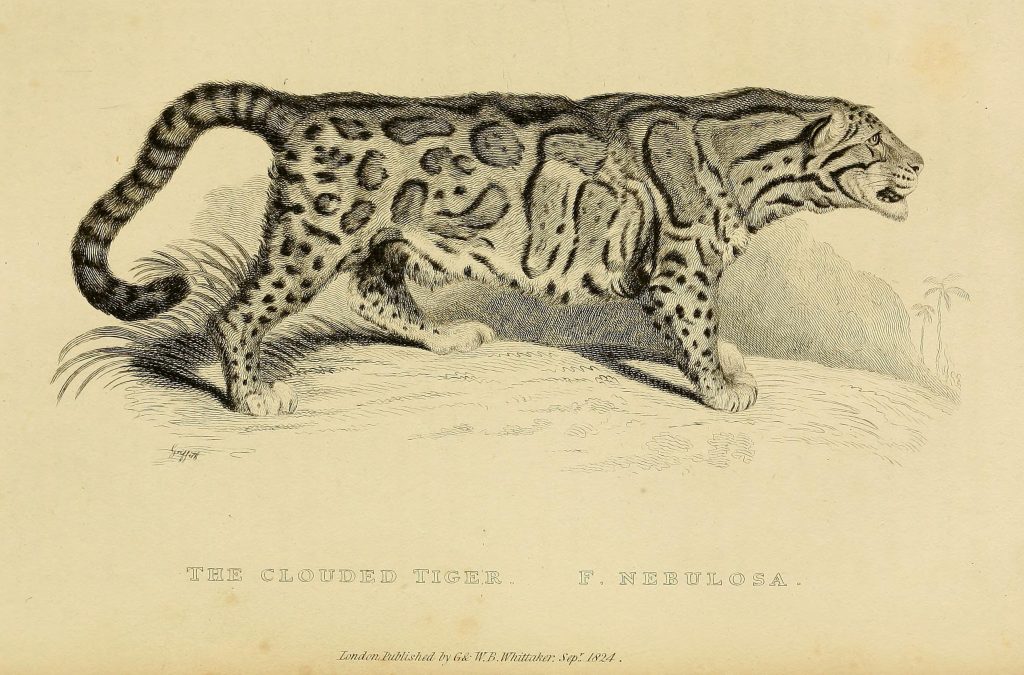
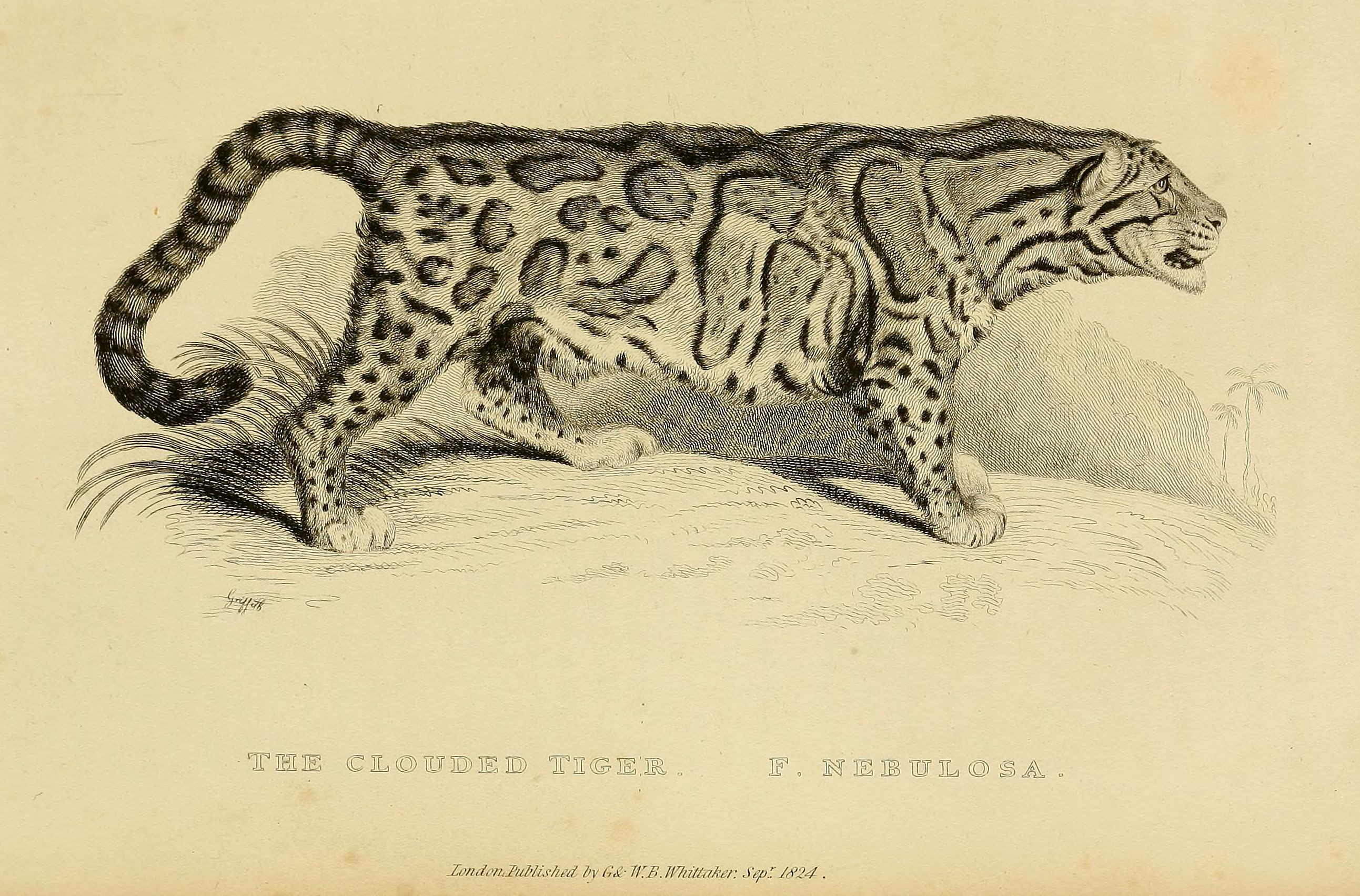
Illustration of the Clouded Leopard Neofelis nebulosa (Griffith, 1821) from Griffith’s The Animal Kingdom, v. 2 [Mammalia] (1827), contributed in BHL from Smithsonian Libraries. Retrieved from BHL and featured in the Vanity exhibition catalogue. In 2006, genetic testing revealed that the Clouded Leopard of Formosa (Taiwan) N. nebulosa brachyura, thought to be one of four subspecies of the mainland Clouded Leopard N. nebulosa (Griffith,1821), is actually genetically identical to the mainland N. nebulosa [10]. BHL houses Griffith’s first description from 1821, of what he called the Chinese or Tortoiseshell Tiger, Felis nebulosa, based solely on an illustration. In 2008, the International Union for Conservation (IUCN) listed N. nebulosa as “Regionally Extinct” in Taiwan [11].

Tracking down relevant publications required quite a bit of sleuthing. For this, BHL’s various advanced search options proved invaluable.

“In general, the most important aspect of the BHL resources lay in the ability to access first descriptions and early illustrations,” explains Berríos-Torres. “At the onset, the only information I had was the species’ or subspecies’ common and scientific names. A Google search on the scientific names yielded two additional pieces of information: the last name of the person who first described it in the scientific literature and the date of that description. Rarely could I readily find the full name of the person who described it or the original citation. The opportunity to employ varied advanced search strategies in BHL proved indispensable, particularly when starting with such limited information on the subject.”
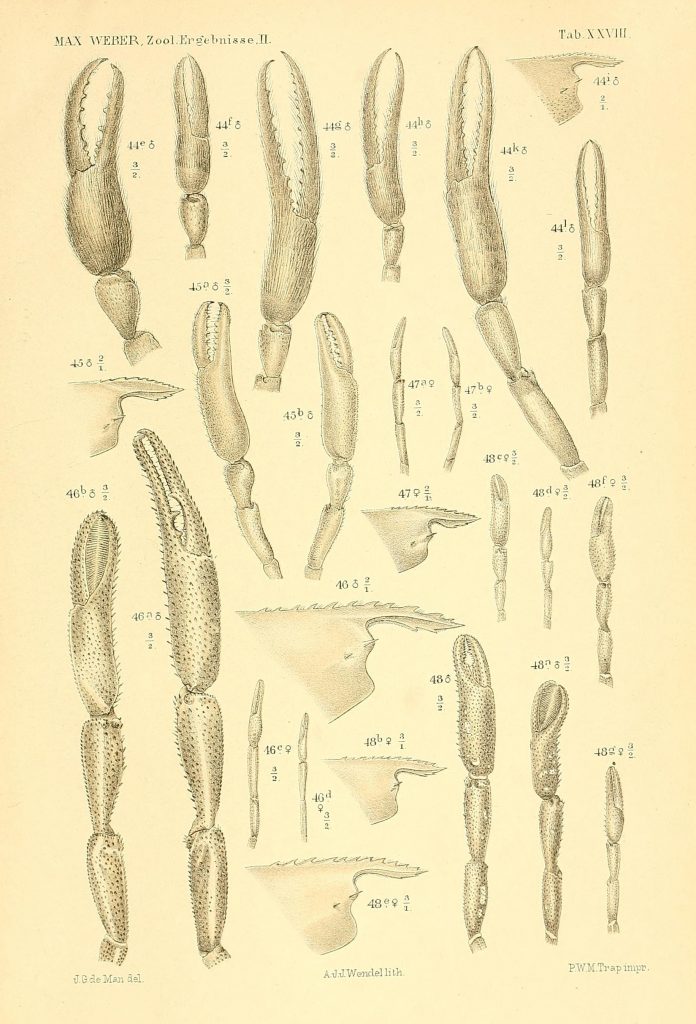
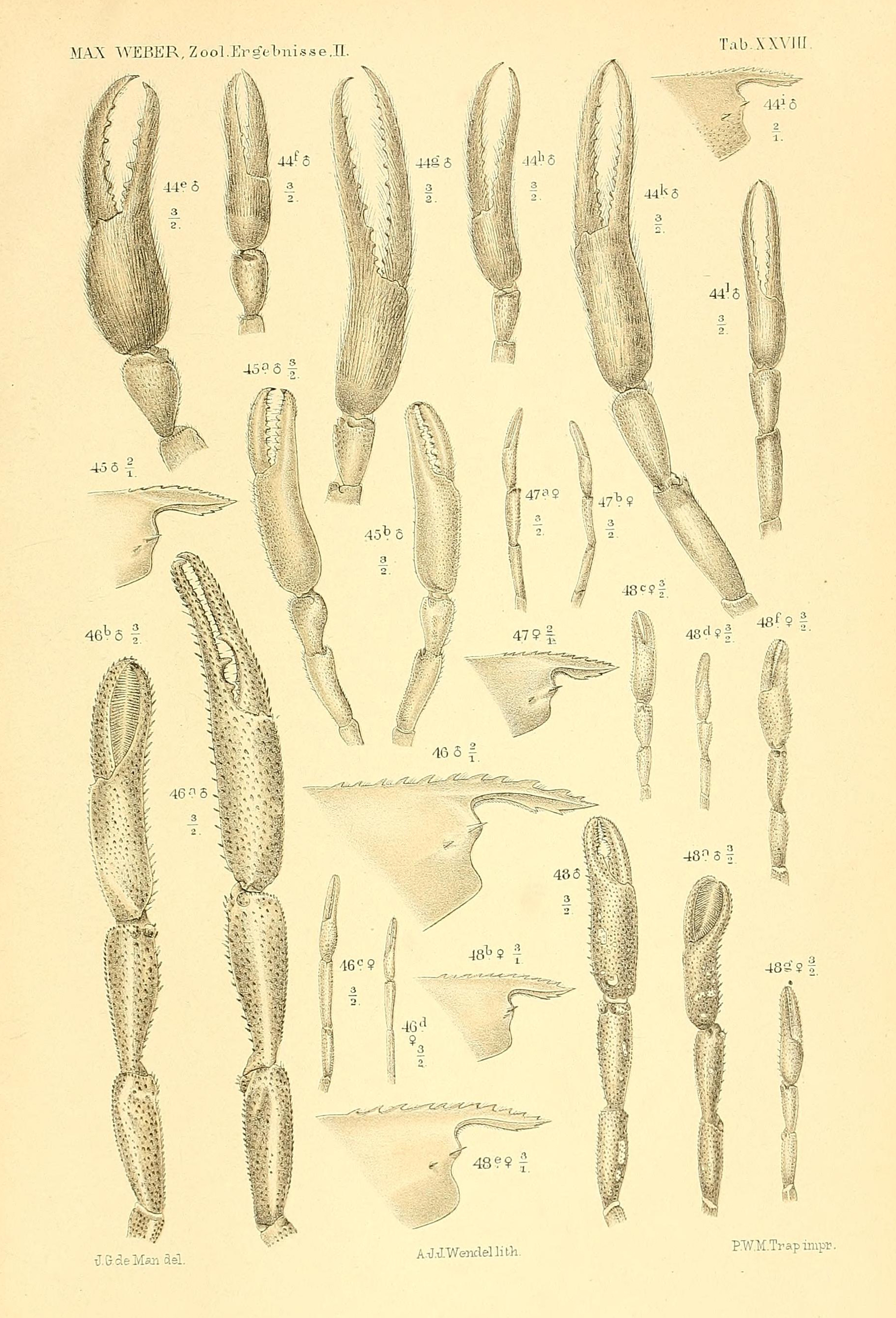
In 2015, de Grave et al., using IUCN Red List Criteria, concluded that the Freshwater Shrimp from Java Macrobrachium leptodactylus (de Man, 1879a) is one of two “Extinct” freshwater shrimp species [12]. This illustration depicts specimens collected in 1888 by Dutch-German zoologist Max Wilhelm Carl Weber — the only M. leptodactylus specimens ever collected [13]. It was published by Johannes Govertus de Man along with his description of Weber’s specimens as a new subspecies, Palaemon pilimanus, var: leptodactylus (1892). BHL also has de Man’s first description of the species as Palaemon pilimanus (1879). The illustration, retrieved from BHL, was contributed by Smithsonian Libraries and published in the Vanity catalogue.

In addition to the Zestos Skipper Butterfly, BHL provided valuable references for several other species featured in Vanity, including a freshwater shrimp from Java Macrobrachium leptodactylus (de Man, 1879a), the Clouded Leopard of Formosa (Taiwan) Neofelis nebulosa (Griffith, 1821), and the Scioto Madtom Catfish Noturus trautmani (Taylor, 1969).
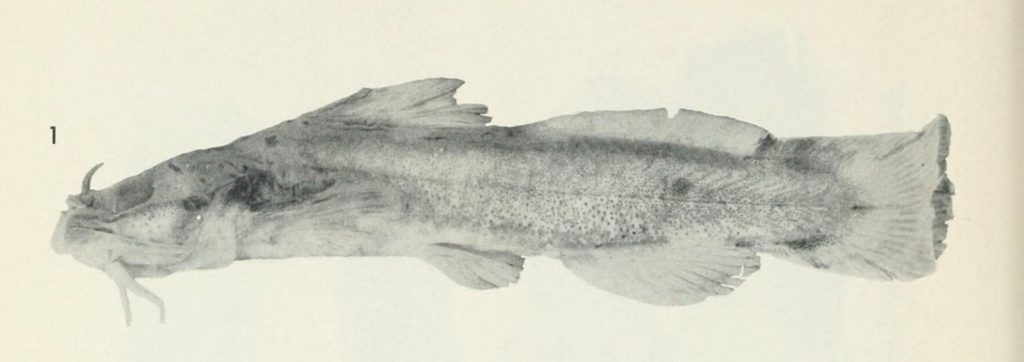
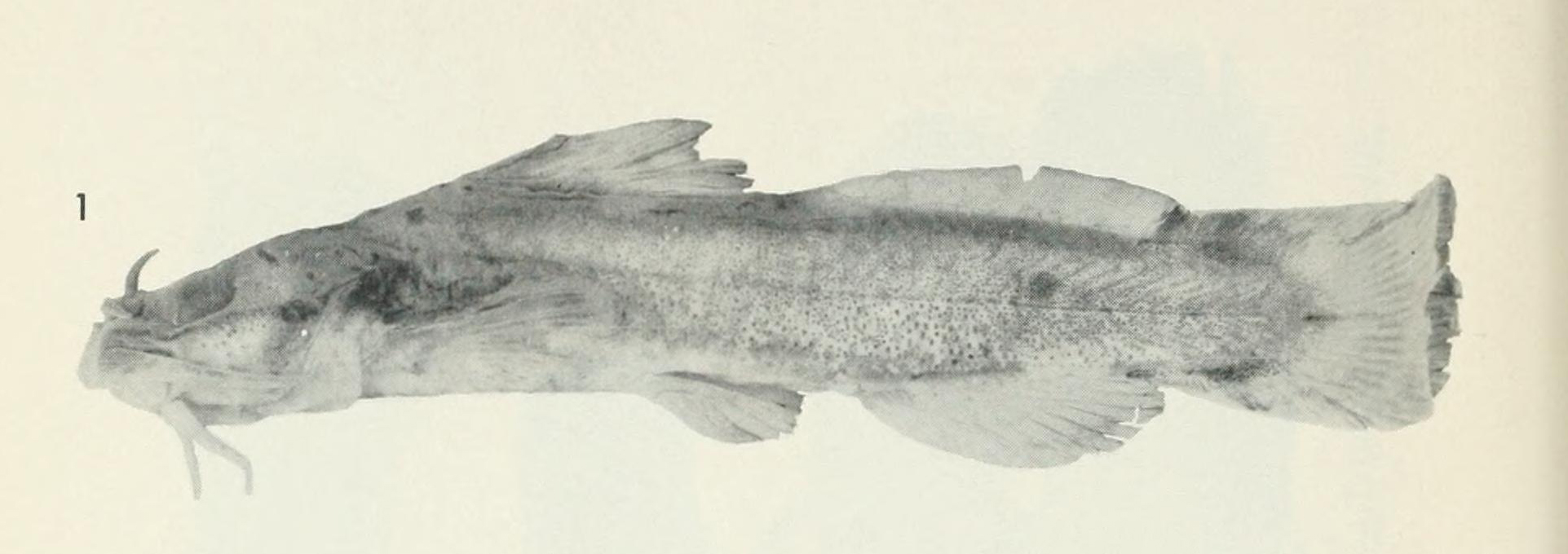
Photograph of the holotype (male) of the Scioto Madtom Catfish Noturus trautmani (Taylor, 1969), in the collections of the Smithsonian National Museum of Natural History. Bulletin – United States National Museum. No. 282 (1969). Contributed in BHL from Smithsonian Libraries.

The Scioto Madtom Catfish was first described by Smithsonian scientist Dr. William R. Taylor, former curator of fishes at the National Museum of Natural History, based on a “funny looking catfish” collected by Dr. Milton B. Trautman in 1943, from Big Darby Creek in Pickaway County, Ohio [14]. Using BHL, Berríos-Torres was able to retrieve Taylor’s original description and a photograph of the holotype, a male specimen housed in the Smithsonian collections. Scioto madtom has not been observed since Trautman’s last collected specimen in 1957 [15]. Habitat loss and competition from the Northern Madtom Noturus stigmosus (Taylor, 1969) may have contributed to Scioto Madtom’s extinction [15,16]. In 2013, the IUCN Red List declared Noturus trautmani “Extinct” [17].

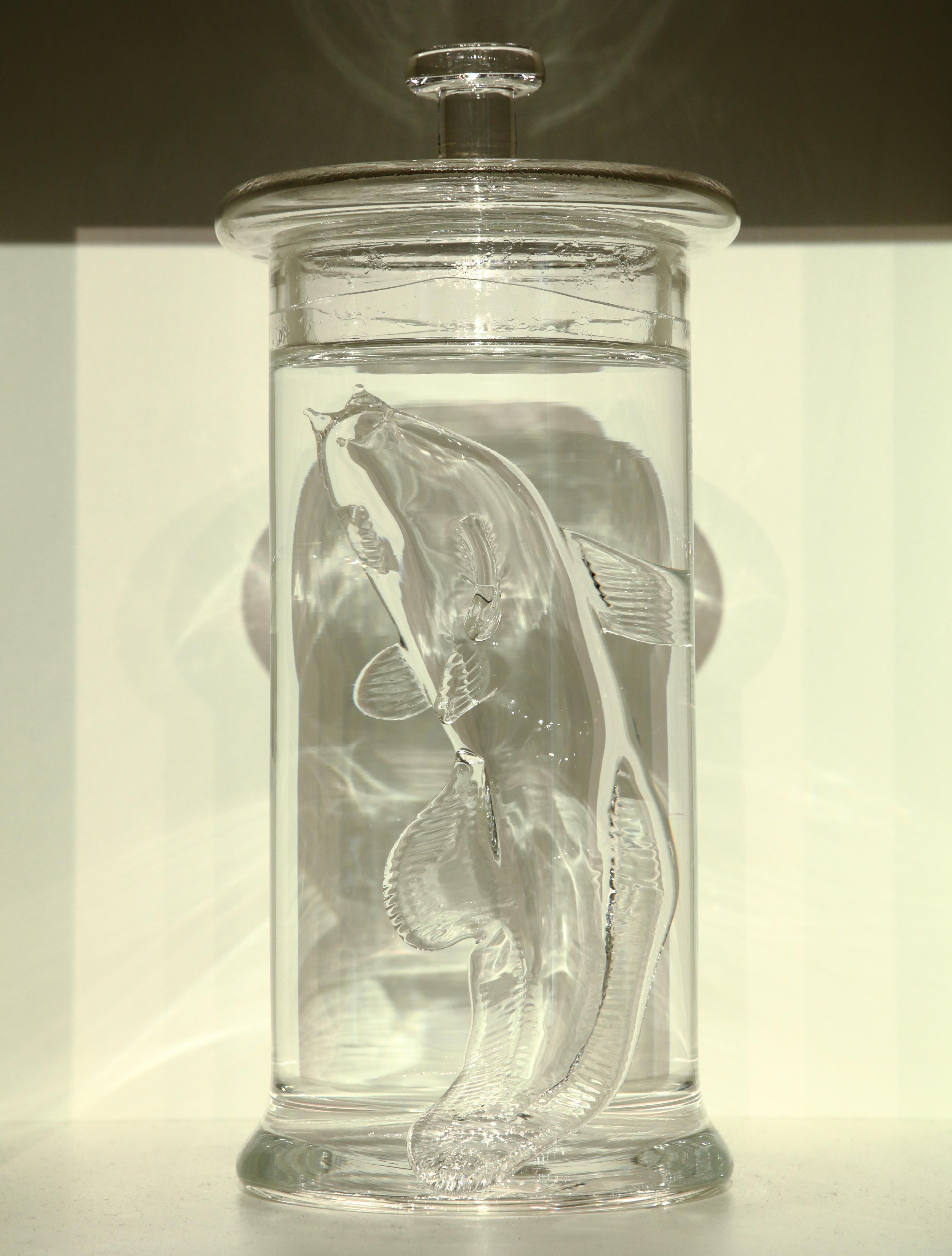
Joseph Gregory Rossano, Vanity (Scioto Madtom Catfish, Noturus trautmani (Taylor, 1969) as installed at Museum of Glass, Tacoma, Washington, 2015); photo by C.B. Bell III, copyright and courtesy of Museum of Glass.

Beyond Vanity

The themes in BOLD and Vanity continue to evolve and converge. In 2017, Dr. Jacob J.D. Egge, scientific collaborator on the Vanity exhibition catalogue, championed bringing Vanity to The University Gallery at Pacific Lutheran University (PLU, Tacoma, Washington). There, Rossano expanded the installation to include select biological specimens from Washington state and housed in PLU’s Burton Ostenson Natural History Museum collection. The specimens were displayed atop multiple antique mirrored vanities across from the original installation and included a taxidermied woodpecker alongside Rossano’s clear glass sculpture of the same. Berríos-Torres compiled a supplement to the Vanity exhibition catalogue composed of natural history summaries of the PLU specimens, written by students in Egge’s Natural History of Vertebrates course. The students’ writings were incorporated into the expanded installation through QR codes on the wall, alongside the corresponding museum specimen. In 2018, Egge and Rossano presented on their Vanity collaboration at the University of Puget Sound’s Art|Sci: Art+Science salon.

The La Jolla Historical Society, inspired by Vanity, invited Rossano to create a work that reflected a part of San Diego’s biodiversity for the 2018 La Jolla Canyons: Place, Diversity, Connections exhibition (Wisteria Cottage, La Jolla, California). The Solitary Vireo cryptic species complex [18,19], revealed by DNA sequencing to be three distinct songbird species, includes Cassin’s vireo Vireo cassinii (Xántus, 1858), the only one of the three that migrates through San Diego County. Rossano displayed three morphologically indistinguishable clear glass vireo sculptures, blown in the likeness of museum collection specimens and identified solely through scientific tags or DNA barcodes (as in BOLD), atop an antique mirrored vanity (as in Vanity at PLU).

BHL: Discovery and Rediscovery for Bioliteracy

Vanity asks the viewer to face their own culpability in the loss of our biodiversity heritage. The question is, will we listen? Will we heed the warnings that the tales of species like the Zestos Skipper convey? Or will our own vanity get in the way? As this heritage continues to disappear, do we face a future where the historic literature and museum collections become the only places where we can explore and appreciate these “lost” species? As Dr. Minno wrote in his personal reflection on the Zestos Skipper Butterfly for the Vanity exhibition catalogue:

“[Vanity] gives us a chance to think about our role in this beautiful and vibrant world. The butterflies are telling us that something is wrong with the environment. We must learn to live modestly and to protect our planet if butterflies, as well as humans, are to survive” [20].

From historic literature and museum specimens, to traditional morphological taxonomy and modern DNA barcoding techniques, Vanity and BOLD convey and reflect more than just humanity’s role in this epoch’s loss of biodiversity. Rossano’s installations highlight the “renaissance of taxonomy” [21], the need for continued scientific exploration, and the opportunities that abound in gaining a better understanding Earth’s biodiversity. Mora et al., have predicted that, “In spite of 250 years of taxonomic classification and over 1.2 million species already catalogued in a central database…some 86% of existing species on Earth and 91% of species in the ocean still await description” [22].

As Berríos-Torres’ reflection on her research for Vanity demonstrates, access to historic literature, images, and other library materials are vital to cataloguing, understanding, and communicating Earth’s biological heritage.

“BHL is unparalleled and vital in providing worldwide access to a free, publicly available, digital biodiversity repository and reference library,” affirms Berríos-Torres. “For scientists and the public alike, BHL complements the DNA barcode taxonomy reference sequences to discover and rediscover biodiversity. Together they are rich wells of collaboration democratizing global bioliteracy.”
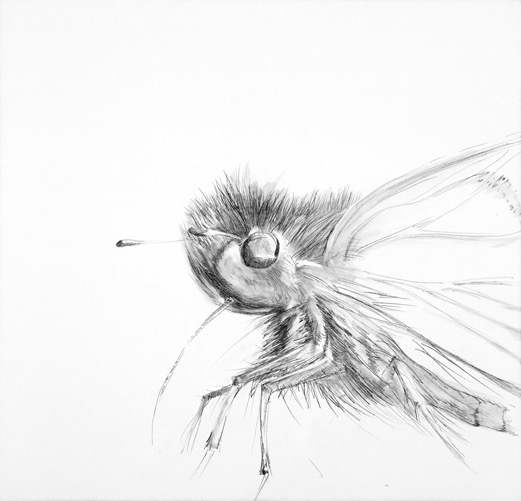
Joseph Gregory Rossano, Zestos Skipper Butterfly, 2014. Pencil on melamine, 18 X 18 inches (actual size before photographic reduction); photo by C.B. Bell III, copyright and courtesy of Joseph Gregory Rossano.


Acknowledgements

Berríos-Torres wishes to acknowledge Joseph Gregory Rossano, Museum of Glass, Bradley Zlotnick, MD, C.B. Bell III, and all Collaborating Scientists:

  • Franco Andreone, PhD, Museo Regionale di Scienze Naturali, Italy (Cape Verde Giant Skink)
  • Neil Burkhead, MS, (Retired) United States Geological Survey (USGS), Southeast Ecological Science Center, USA (Santa Cruz [Monkey Spring] Pupfish)
  • Po-Jen Chiang, PhD Formosan Wild Sound Conservation Science Center Co. Taiwan (Clouded Leopard of Formosa)
  • Neil Cumberlidge, PhD, Chair, IUCN Freshwater Crustacean Specialist Group, USA (Freshwater Shrimp from Java)
  • Jacob J. D. Egge, PhD, Pacific Lutheran University, USA (Scioto Madtom Catfish)
  • Robert E. Gill, Jr. MS, USGS, Alaska Science Center, USA (Eskimo Curlew)
  • Lonnie I. Grassman, PhD Texas A&M University, USA (Clouded Leopard of Formosa)
  • Marc C. Minno, PhD, Eco-Cognizant, Inc. USA (Rockland Meske’s Skipper & Florida Zestos Skipper Butterflies)
  • Rohan Pethiyagoda B.Sc., M.Phil, (Retired) Australian Museum, Australia (Sri Lanka Spiny Eel)
  • Edwin P. (Phil) Pister, MA – Desert Fishes Council, USA
  • Hubert Planton, DVM, Veterinarian and African Wildlife Consultant, France (Western Black Rhino)
  • Claudio Soto-Azat, MV, MSc, PhD, Universidad Andrés Bello, Chile (Northern Darwin Frog)
  • Raquel Vasconcelos, PhD, University of Porto, Portugal (Cape Verde Giant Skink)

References

[1] Ceballos G., Ehrlich P.R., Dirzo R. (2017). Biological Annihilation via the Ongoing Sixth Mass Extinction Signaled by Vertebrate Population Losses and Declines. Proceedings of the National Academy of Sciences Jul, 114 (30) E6089-E6096; DOI: 10.1073/pnas.1704949114.

[2] Ceballos G., Ehrlich P.R., Barnosky A.D., García A., Pringle R.M., and Palmer T.M. (2015). Accelerated Modern Human–Induced Species Losses: Entering the Sixth Mass Extinction. Science Advances 1(5). e1400253DOI: 10.1126/sciadv.1400253.

[3] Dirzo R., Young H.S., Galetti M., Ceballos G., Isaac N.J.B., Collen B. (2014). Defaunation in the Anthropocene. Science 345(6195): pp. 401-406. DOI: 10.1126/science.1251817.

[4] Minno M. C., Daniels J., Jue D. K. (2012). Statement on the Extinction, Decline, and Loss of Butterflies in South Florida. Available at http://www.bio.miami.edu/horvitz/Plant-animal%20interactions%202013/conservation/required%20readings/Statement%20on%20Species%20Loss%20June%202012%20MC%20Minno.pdf. Accessed on 6 December 2018.

[5] Schweitzer D. F., Minno M. C., and Wagner D. L. (2011). Rare, Declining, and P​oorly Known Butterflies and Moths (Lepidoptera) of Forests and Woodlands in the Eastern United States. U.S. Forest Service, Forest Health Technology Enterprise Team, FHTET-2011-01. USDA Forest Service, Morgantown, West Virginia. 517 pp.

[6] Minno M.C. (2010). Butterfly Extinctions in South Florida. American Butterflies 8(3):17. Available at: http://www.naba.org/pubs/ab183/ab183_extinctions.pdf. Accessed on 6 December 2018.

[7] Rossano, J.G. (2015). Preface. In S.I. Berríos-Torres (Ed.), Joseph Gregory Rossano: Vanity (pp.13-16). Tacoma, WA: Museum of Glass.

[8] Lawrimore S. (2015). Swan Song. In S.I. Berríos-Torres (Ed.), Joseph Gregory Rossano: Vanity (pp.21-26). Tacoma, WA: Museum of Glass.

[9] Hebert P.D.N., Penton E.H., Burns J.M., Janzen D.H., and Hallwachs W. (2004). Ten Species in One: DNA Barcoding Reveals Cryptic Species in the Neotropical Skipper Butterfly Astraptes Fulgerator. PNAS 101(41): 14812-14817. www.pnas.org/cgi/doi/10.1073/pnas.0406166101. Accessed on 6 December 2018.

[10] Buckley-Beason V.A. et al. (2006). Molecular Evidence for Species-Level Distinctions in Clouded Leopards. Current Biology 16(23):2371-2376. Available at: http://www.cloudedleopard.org/Documents/Val_CB_2006.pdf. Accessed on 6 December 2018.

[11] Grassman L., Lynam A., Mohamad S., Duckworth J.W., Bora J., Wilcox D., Ghimirey Y., Reza A. & Rahman H. (2016). Neofelis nebulosa. The IUCN Red List of Threatened Species 2016: e.T14519A97215090. http://dx.doi.org/10.2305/IUCN.UK.2016-1.RLTS.T14519A97215090.en. Accessed on 6 December 2018.

[12] De Grave S., Smith K.G., Adeler N.A., Allen D.J., Alvarez F., Anker A., et al. (2015). Dead Shrimp Blues: A Global Assessment of Extinction Risk in Freshwater Shrimps (Crustacea: Decapoda: Caridea). PLoS ONE 10(3): e0120198. doi:10.1371/ journal.pone.0120198. Accessed on 6 December 2018.

[13] Berríos-Torres S.I. (2015). Freshwater Shrimp from Java. Macrobrachium leptodactylus (de Man, 1879a). In S.I. Berríos-Torres (Ed.), Joseph Gregory Rossano: Vanity (pp.52-56). Tacoma, WA: Museum of Glass.

[14] U.S. Fish and Wildlife Service (USFWS). (1976). National Digital Library. Milton B. Trautman Oral History Transcript. Interview with Milton B. Trautman. Interviewer Michael Smith. “Audio Cassette Dub from Reel-to Reel”. July 1976. Available at: http://digitalmedia.fws.gov/cdm/ref/collection/document/id/1031. Accessed on 6 December 2018.

[15] Scioto madtom (Noturus trautmani) 5-Year Review: Summary and Evaluation. U.S. Fish and Wildlife Service, Midwest Region, Ohio Ecological Services Field Office, Columbus, Ohio. Available at: http://www.fws.gov/midwest/endangered/recovery/5yr_rev/pdf/scma5yr2009.pdf. Accessed on 6 December 2018.

[16] King C.C. (1981). Prairies of the Darbie Plains in West-Central Ohio. Stuckie & Reese. Ohio Biological Survey Biology Notes 15:108-127. Available at: http://images.library.wisc.edu/EcoNatRes/EFacs/NAPC/NAPC06/reference/econatres.napc06.cking.pdf. Accessed on 6 December 2018.

[17] NatureServe. Noturus trautmani. The IUCN Red List of Threatened Species 2013: e.T14908A19032932. http://dx.doi.org/10.2305/IUCN.UK.2013-1.RLTS.T14908A19032932.en. Accessed on 6 December 2018.

[18] Murray B. W., McGillivray W. B., Barlow J. C., Beech R. N., and Strobeck C. (1994). The Use of Cytochrome B Sequence Variation in Estimation of Phylogeny in the Vireonidae. The Condor 96:1037-1054. https://sora.unm.edu/sites/default/files/journals/condor/v096n04/p1037-p1054.pdf. Accessed on 17 December 2018.

[19] Johnson N.K. (1995). Speciation in Vireos. I. Macrogeographic Patterns of Allozymic Variation in the Vireo Solitarius Complex in the Contiguous United States. The Condor 97:903-919. https://sora.unm.edu/sites/default/files/journals/condor/v097n04/p0903-p0919.pdf. Accessed on 17 December 2018.

[20] Minno, M.C. (2015). Reflections on the Rockland Meske’s Skipper Butterfly and the Zestos Skipper Butterfly. In S.I. Berríos-Torres (Ed.), Joseph Gregory Rossano: Vanity (pp.52-56). Tacoma, WA: Museum of Glass.

[21] Miller S.E. (2007). DNA Barcoding and the Renaissance of Taxonomy. Proc Natl Acad Sci USA 104(12): pp. 4775-6. Epub 2007 Mar 15. https://www.pnas.org/content/104/12/4775. Accessed on 17 December 2018.

[22] Mora C, Tittensor DP, Adl S, Simpson AGB, Worm B. (2011). How Many Species Are There on Earth and in the Ocean? PLoS Biol 9(8): e1001127. doi:10.1371/journal.pbio.1001127. Accessed on 17 December 2018.

February 7, 2019by Grace Costantino
BHL News, Blog Reel, Campaigns, Her Natural History

Join us for a Women in Natural History Wikipedia Editing Workshop on 13 March!

Wikipedia Editing Workshop

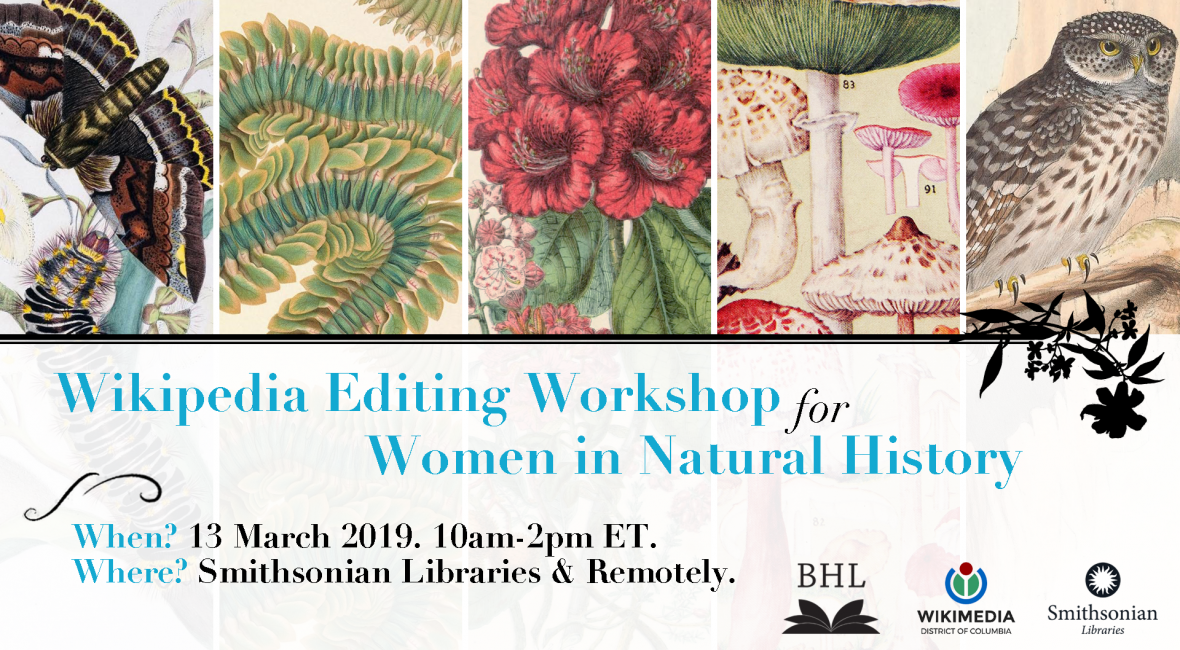
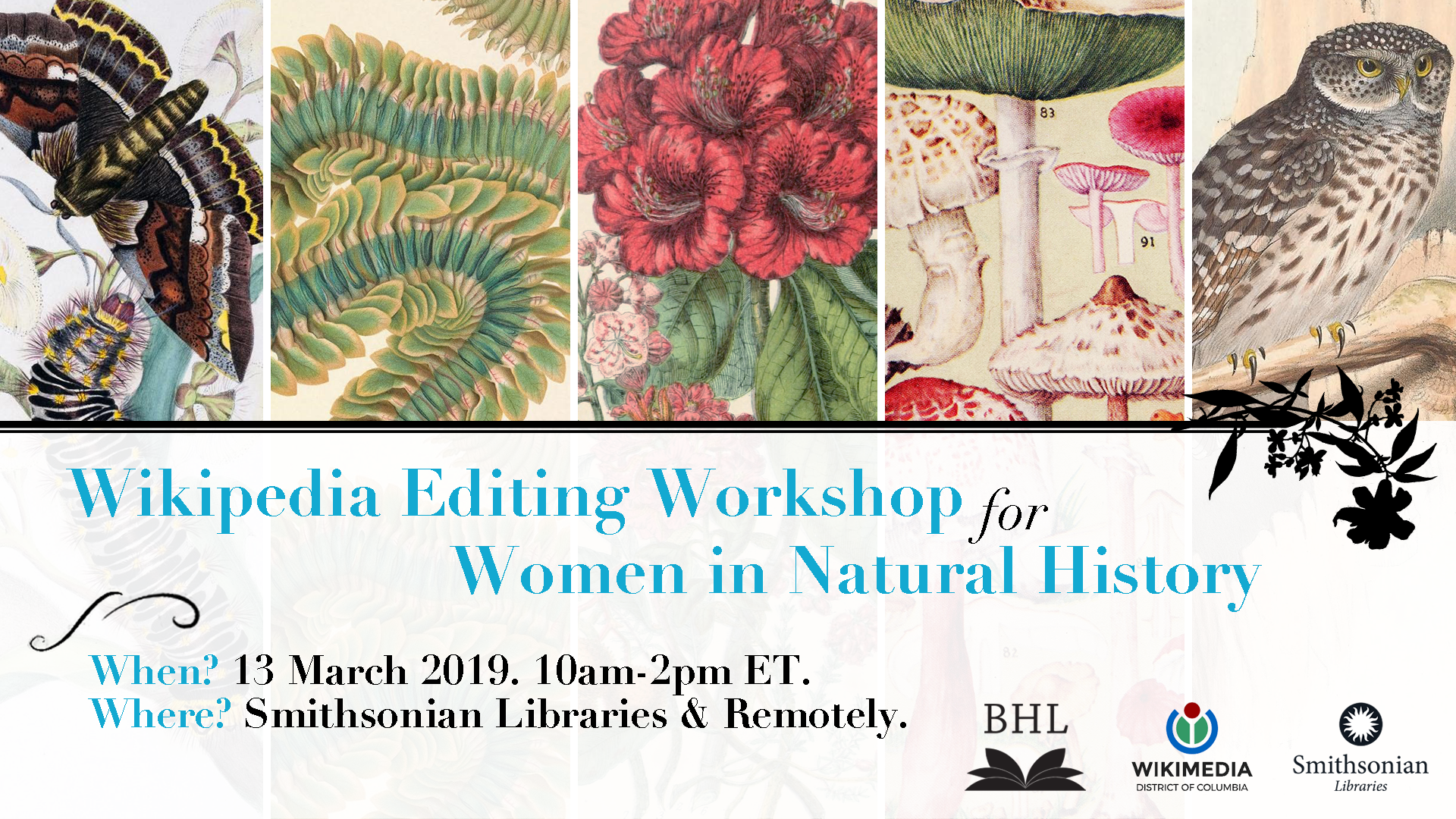
The illustrations featured in this graphic were created by women who will be featured in our Wikipedia Editing Workshop. From left to right: Harriet Scott Morgan, Australian lepidoptera and their transformations, v. 1 (1864); Roberta McIntosh, A monograph of the British marine annelids, v.2, pt.2 (1910); Elizabeth Twining, Illustrations of the natural orders of plants with groups and descriptions, v. 2 (1868); Mary Emily Eaton, Field book of common gilled mushrooms (1928); Elizabeth Gould, The Birds of Europe, v. 1 (1837).

Help us enhance information in Wikipedia about women in natural history during our Wikipedia Editing Workshop on 13 March in celebration of Women’s History Month!

In collaboration with Smithsonian Libraries and with support from Wikimedia DC, we’ll be hosting a Wikipedia Editing Workshop from 10am-2pm ET on 13 March to improve and create Wikipedia articles related to women in natural history. The workshop will be hosted by the Smithsonian Libraries in the National Museum of Natural History Library. There will also be virtual participation options. Registration is required.

See a summary of workshop details and information on how to register below. We hope you’ll join us!

Women in Natural History Wikipedia Editing Workshop

With the help of experienced Wikipedians, attendees will learn to edit Wikipedia and improve or create Wikipedia articles related to women in natural history, drawing on the Biodiversity Heritage Library’s free and extensive online collections as source materials. No editing experience is necessary.

When? 13 March 2019, 10am – 2pm ET
Where? In-person at Smithsonian Libraries (National Museum of Natural History Library, Washington, D.C.) and remotely

Registration Required:

  • Register to attend in-person
  • Register to attend remotely

More Information: Wikipedia Event Page

Attending in person? Laptops are required. Please bring your own. Wikimedia has two laptops to loan. Reserve one by emailing [email protected]. This event is free and open to the public, but space is limited, so register today. Lunch will be provided.

Attending remotely? There will be an option to participate in the editing workshop remotely. For remote participants, the workshop will be live-streamed via YouTube Live here: https://s.si.edu/NHWomenWikiLive. Be sure to register to attend remotely.

This workshop is hosted by the Biodiversity Heritage Library and Smithsonian Libraries with support from Wikimedia DC. It is being produced as part of a larger celebration around women in natural history that BHL and our partners are organizing for Women’s History Month. Stay tuned for more details about additional events and programming coming this March!

February 4, 2019by Grace Costantino
Blog Reel, User Stories

A Book’s Eight Year Journey to the Biodiversity Heritage Library: Fulfilling a Researcher’s Digitization Request and Advancing Science

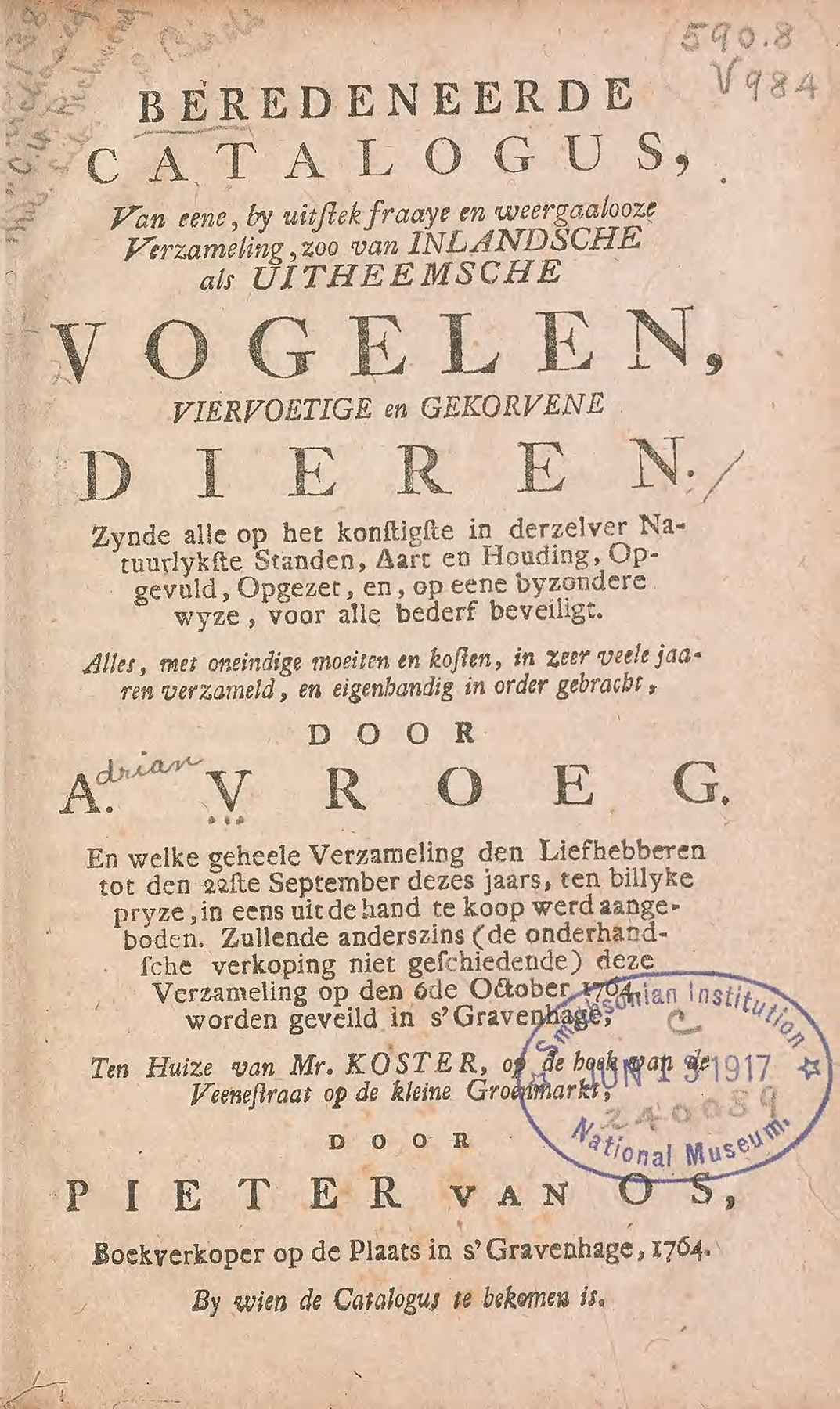
Title page Beredeneerde catalogus van eene, by uitstek fraaye en weergaalooze verzameling, zoo van inlandsche als uitheemsche vogelen, viervoetige en gekorvene dieren.

Title page. Vroeg, Adrian. Beredeneerde catalogus van eene, by uitstek fraaye en weergaalooze verzameling, zoo van inlandsche als uitheemsche vogelen, viervoetige en gekorvene dieren. 1764. Contributed in BHL from Smithsonian Libraries.

As an early work in the history of Linnaean taxonomy, Beredeneerde catalogus van eene, by uitstek fraaye en weergaalooze verzameling, zoo van inlandsche als uitheemsche vogelen, viervoetige en gekorvene dieren (i.e. Vroeg’s Catalogue, 1764) by Adrian Vroeg is the source of dozens of new species of birds [1]. Published just six years after the 10th edition of Linnaeus’ Systema Naturae — considered the starting point of zoological nomenclature — the work is extremely rare, with only a handful of copies known to exist worldwide.

Because of the work’s age and rarity, first-hand access to the title has been difficult, and many researchers have had to rely on secondary sources for Vroeg’s names, which may have introduced errors or even overlooked the priority of a name established by Vroeg.

“It is absolutely rare that the scientific community gets access to such an early work in which new names were established after 1758,” explains Dr. Francisco Welter-Schultes of the Zoological Institute of Göttingen University in Germany. “Imagine being able to finally view an original spelling of a name that might not have been verified for more than 100 years. Generations of scientists never reliably saw the correct spellings of these names.”

Dr. Francisco Welter-Schultes

Dr. Francisco Welter-Schultes of the Zoological Institute of Göttingen University in Germany.

Between 2008-2011, during his time on the BHL Europe project, Welter-Schultes served as the Lead of the Project Group for AnimalBase, which “was originally established to link the early literature with the names of the animals described therein” [2]. The database provides original and corrected spellings of names, type localities, citations for the original descriptions, and, where, possible, links to digitized copies of these descriptions in the literature — many from the Biodiversity Heritage Library.

A major reference for the Project Group’s work was Sherborn’s Index Animalium (1902), “a compendium of zoological taxonomic species nomenclature from 1758 to 1850” [3]. Where possible, the Project Group compared the Index with the original works to verify the accuracy of the names and make any necessary corrections. If it was not possible to consult the original work, the Group had to rely on Sherborn’s Index.

The question, of course, is whether Sherborn himself was able to verify every name against the original source or whether he, too, had to rely on secondary sources in some instances.

“I knew immediately after realizing the date of Vroeg’s publication that new names which were cited in secondary sources like Sherborn’s Index Animalium were not very reliably cited,” explains Welter-Schultes. “If a work is that rare, then the likelihood is greater that Sherborn may never have seen the original. Did Sherborn just copy errors from other lists, and we just copied Sherborn’s forwarded errors to AnimalBase?”

In the hopes of being able to verify the names published by Vroeg in 1764, Welter-Schultes submitted a scan request to the Biodiversity Heritage Library for Vroeg’s Catalogue in 2010. At the time of the request, no BHL partner library appeared to hold the title. So, the request remained in the queue in the chance that, with the addition of new partners in the future or the growth of existing partners’ collections, it might be possible to digitize the work at a later date.

A few years later, whilst reviewing outstanding requests in the queue, Smithsonian Libraries staff discovered that its Joseph F. Cullman 3rd Library of Natural History had since cataloged the item after it was transferred from the Libraries’ general collections. The Smithsonian Libraries is not only the sole BHL partner to hold this work, but the Libraries’ copy is also one of only a few known copies worldwide, with the others being in Denmark (2), the Netherlands (2), and Germany (1) [4].

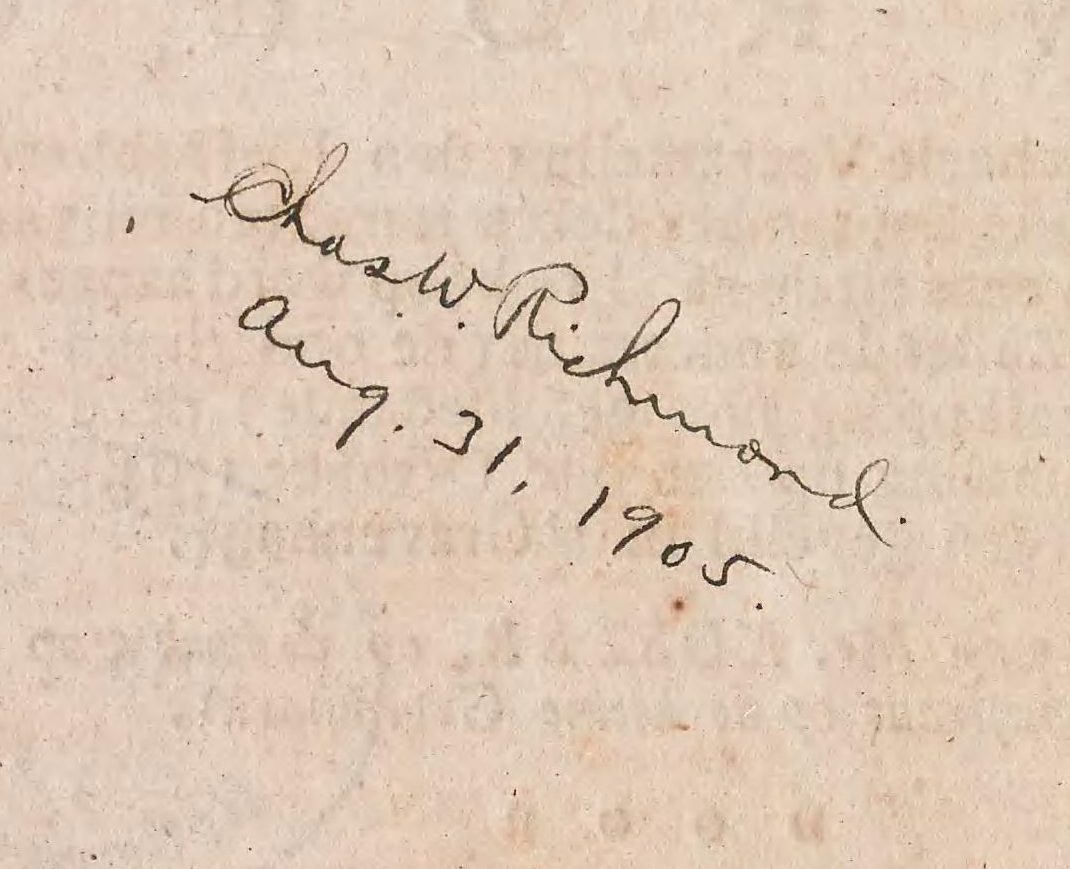
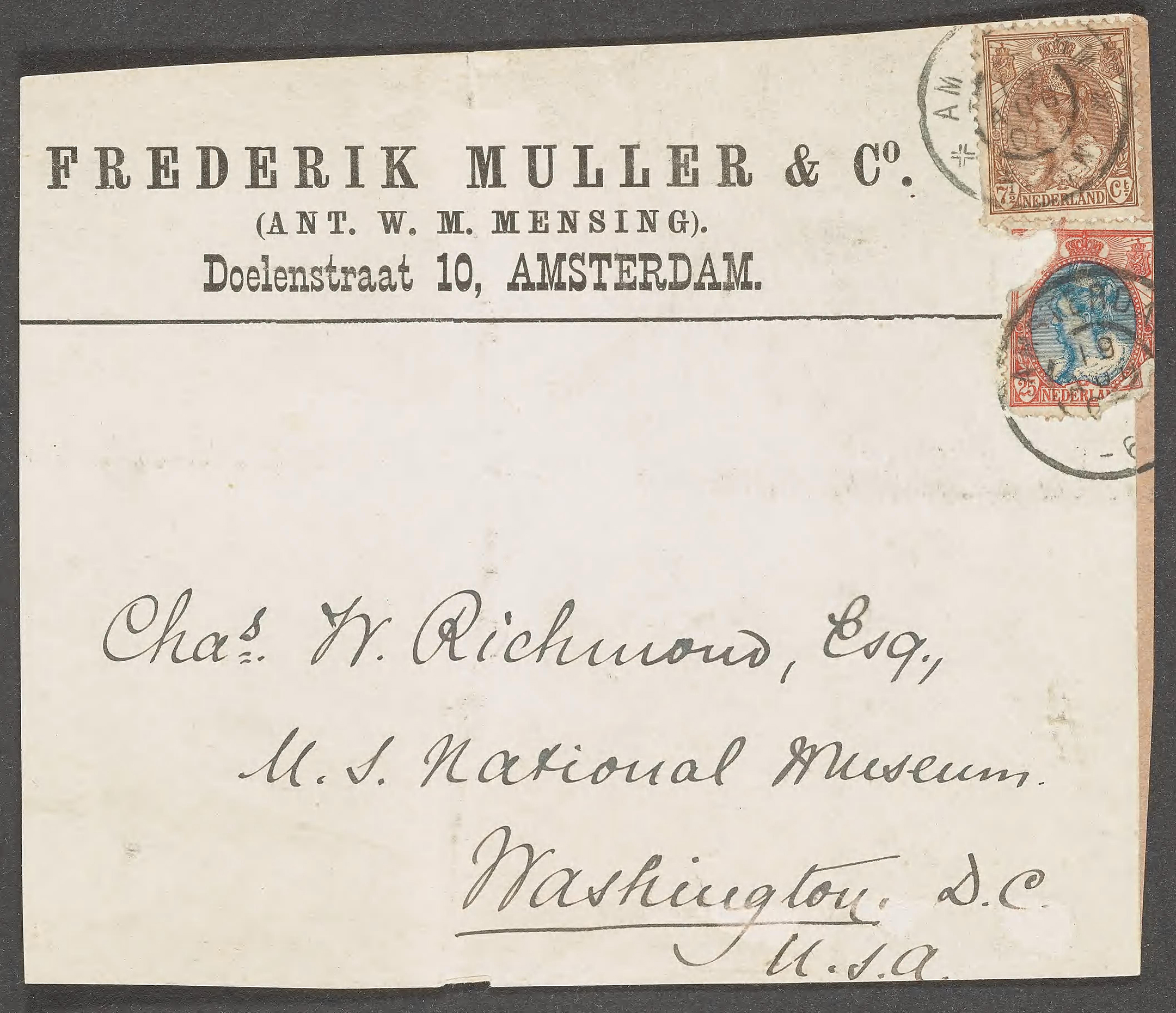
The catalog record provides insight into the interesting provenance of the Smithsonian Libraries’ copy of this very rare book, which was previously owned (and donated) by Charles Wallace Richmond, a Smithsonian ornithologist and bibliographer who served as Assistant Curator, Associate Curator, and Curator in the Division of Birds of the United States National Museum (USNM) (now the Smithsonian National Museum of Natural History) between 1894 and his death in 1932 [5]. Richmond’s signature can be seen on the verso of the title page, dated Aug. 31, 1905, and a book dealer’s mailing label to Richmond from Frederik Muller & Co. of Amsterdam is bound into the volume.

Richmond’s signature on the verso of the title page of the Smithsonian Libraries’ copy of Vroeg’s Catalogue.

Richmond’s signature on the verso of the title page of the Smithsonian Libraries’ copy of Vroeg’s Catalogue.

Book dealer’s mailing label to Richmond from Frederik Muller & Co. of Amsterdam in the Smithsonian Libraries’ copy of Vroeg’s Catalogue.

Book dealer’s mailing label to Richmond from Frederik Muller & Co. of Amsterdam in the Smithsonian Libraries’ copy of Vroeg’s Catalogue.

An avid book collector, Richmond’s personal library consisted of over 200 publications and auction catalogs in German, Italian, French, Spanish, Latin, and English on various natural history topics — many quite rare as Richmond specifically sought out obscure books, particularly those with new species names. Richmond donated the contents of his library to several institutions, including not only the Smithsonian but also the Academy of Natural Sciences of Philadelphia, the Library of Congress, and the California Academy of Sciences — all of which are BHL partner institutions [6]. His donation of taxonomic books to the Smithsonian became the foundation of the Bird Library at the National Museum of Natural History [7].

Unfortunately, the Smithsonian’s copy of Vroeg’s Catalogue was in need of conservation before it could be scanned. The item was added to the Smithsonian Libraries’ preservation queue, and once the necessary treatments were completed, it was added to the Libraries’ queue for folio digitization.

Finally, in 2018 — eight years after the initial request, Vroeg’s Catalogue was digitized by the Smithsonian Libraries’ digitization team and made freely available online through the Biodiversity Heritage Library.

Several Smithsonian Libraries staff members were involved in completing this book’s journey from shelf to screen, including Digital Library staff Jacqueline Chapman, Adriana Marroquin, and Stefaan Hurts; Special Collections staff Leslie Overstreet, Daria Wingreen-Mason, and Alexandra Newman; Cataloging staff Julia Blakely; Preservation staff Katie Wagner; and BHL Secretariat staff Bianca Crowley and Grace Costantino. We extend our thanks to all involved for making this extremely rare book freely available to the world.

And because this work is now easily accessible to researchers, it can be used to empower global research, such as that of Welter-Schultes. His response to Jacqueline Chapman’s email notification that the work had been digitized was swift: “This was really very, very useful. I immediately spent two hours exploring this interesting work.”

With the digital copy of the Smithsonian Libraries’ Catalogue, Welter-Schultes was able to uncover taxonomic errors that had persisted for at least a century and improve the accuracy of the names data available through AnimalBase.

“It was easy for me to verify our data set of names, and in fact it turned out that Sherborn must have relied on a third source,” explains Welter-Schultes. “There were so many inaccuracies in the spellings of the names that we must assume that Sherborn, who in his work (published in 1902) had a very low average error rate, did very probably not extract those names from an original copy of the 1764 work.”

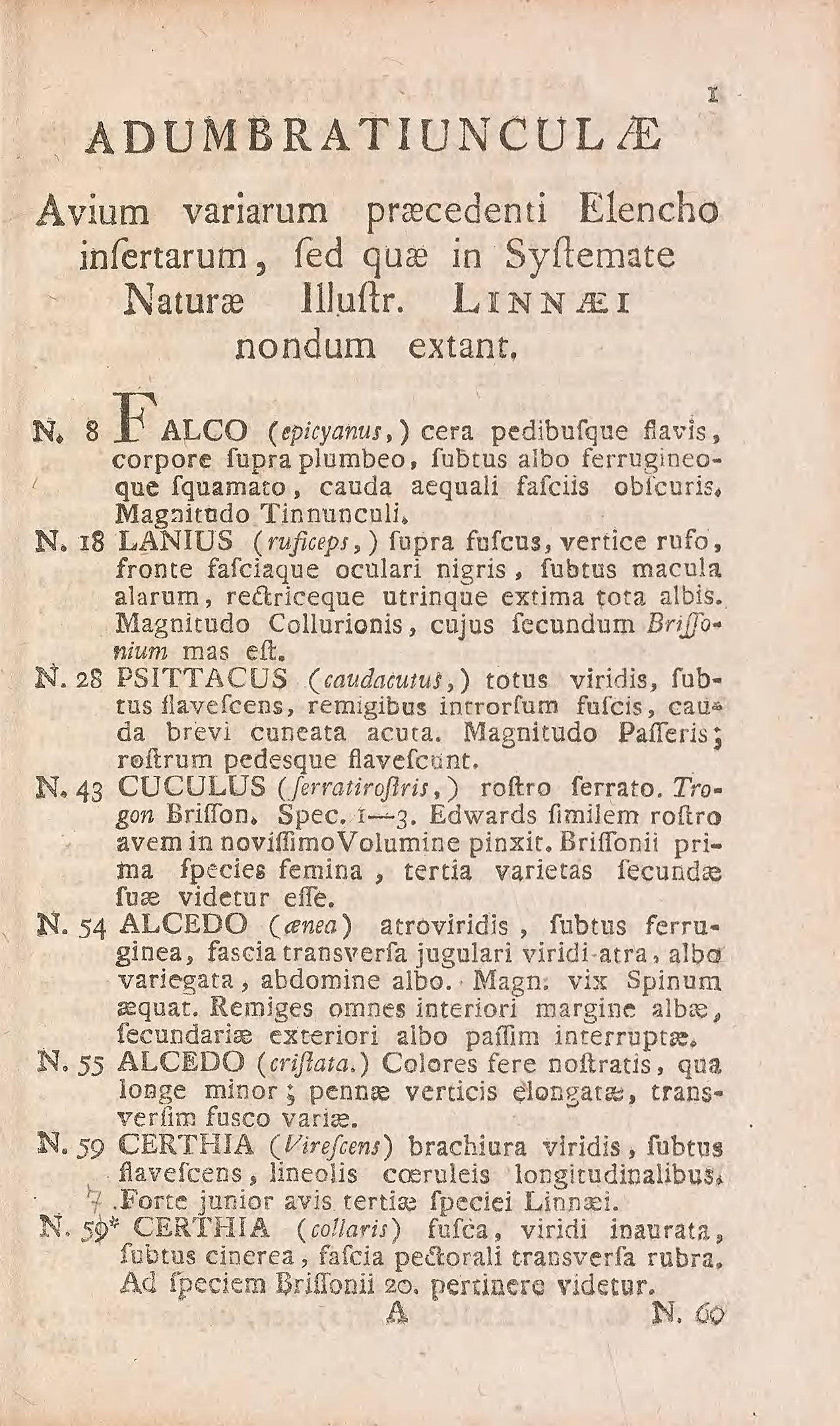
New bird species introduced in Vroeg’s Catalogue. Vroeg, Adrian. Beredeneerde catalogus van eene, by uitstek fraaye en weergaalooze verzameling, zoo van inlandsche als uitheemsche vogelen, viervoetige en gekorvene dieren. 1764. Contributed in BHL from Smithsonian Libraries.

New bird species introduced in Vroeg’s Catalogue. Vroeg, Adrian. Beredeneerde catalogus van eene, by uitstek fraaye en weergaalooze verzameling, zoo van inlandsche als uitheemsche vogelen, viervoetige en gekorvene dieren. 1764. Contributed in BHL from Smithsonian Libraries.

Knowing that their work is so valued and impactful is also very encouraging for the staff who dedicate so much time and energy to addressing the needs of BHL’s user community.

“It is rare that we hear from users that the items we digitize in response to these older requests are so immediately relevant and impactful on current research,” shares Chapman. “And it is so fulfilling!”

Thanks to the efforts of the staff at Smithsonian Libraries and other BHL partners around the world, researchers can now easily access original species descriptions and other rare literature that underpins the work of taxonomists today.

“Today, thousands of names in online data resources are equipped with links to their original descriptions in BHL,” lauds Welter-Schultes. “What we did 10 years ago with AnimalBase was pioneering work — many others followed and did the same. Today, providing a link to a BHL source is something absolutely usual and taxonomists can probably not imagine life anymore without BHL.”

We are grateful to Dr. Welter-Schultes for sharing this example of how BHL is impacting real research today. We also extend our sincere thanks to all of our partners for making BHL the essential resource that it is today. The dedication and diligence of the staff at our partner libraries to support the scientific and research community — whether that involves more straightforward digitization projects or complex, multi-year undertakings —  ensures that the Biodiversity Heritage Library will continue to empower global research for decades to come.

References

[1] AnimalBase. 2018. “Taxa described as new in Vroeg 1764.” Accessed on 29 November 2018. http://www.animalbase.uni-goettingen.de/zooweb/servlet/AnimalBase/list/taxa?from_reference=1908.
[2] AnimalBase. 2018. “About.” Accessed on 29 November 2018. http://www.animalbase.org/.
[3] Smithsonian Libraries. 2018. “About this Project: Index Animalium.” Accessed on 29 November 2018. http://www.sil.si.edu/DigitalCollections/indexanimalium/about/.
[4] Leslie Overstreet, email message to author, 24 September 2018.
[5] Stone, Witmer. 1933. “In Memoriam: Charles Wallace Richmond.” The Auk, 50(1): 1-22.

[6] Smithsonian Institution Archives. 2011. “Record Unit 7382,  Richmond, Charles Wallace, 1868-1932, Charles Wallace Richmond Library Catalog and Lists, 1906-1908 and undated.” Collections, 19 August. Accessed on 29 November 2018. https://siarchives.si.edu/collections/siris_arc_217538.
[7] Smithsonian National Museum of Natural History. 2018. “Charles W. Richmond (1868-1932).” Department of Vertebrate Zoology: Division of Birds. Accessed on 29 November 2018. http://vertebrates.si.edu/birds/Hall_of_fame/CharlesRichmond.html.
December 13, 2018by Grace Costantino
Blog Reel, Featured Books

Labillardière and the Botany of the Levant

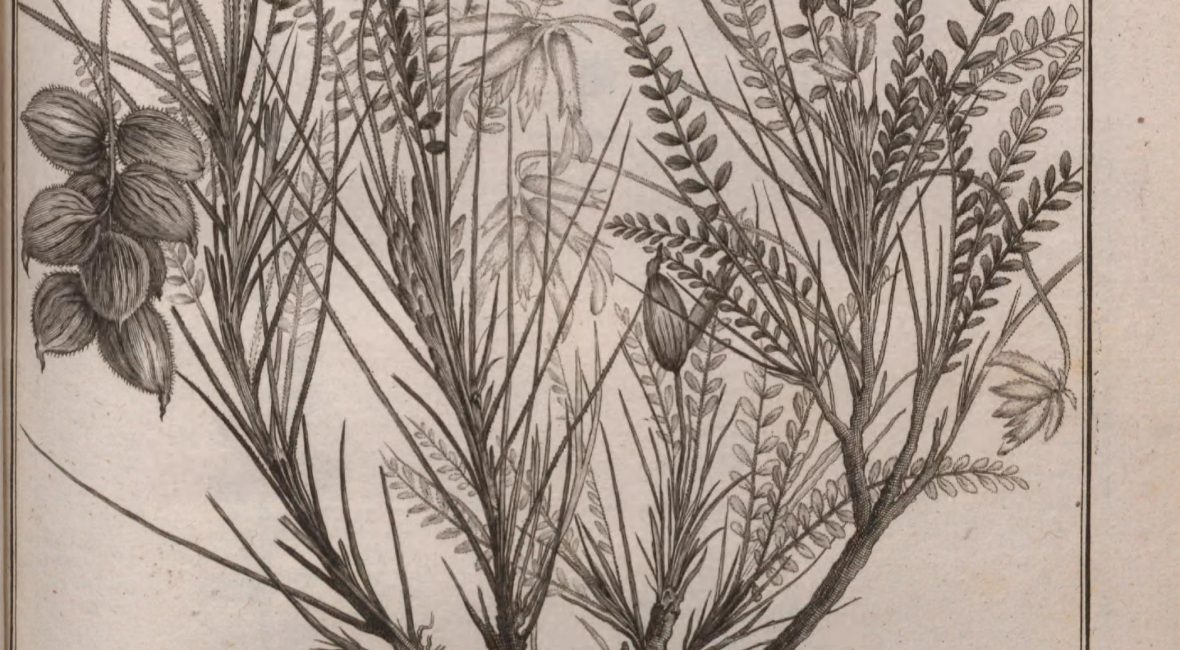
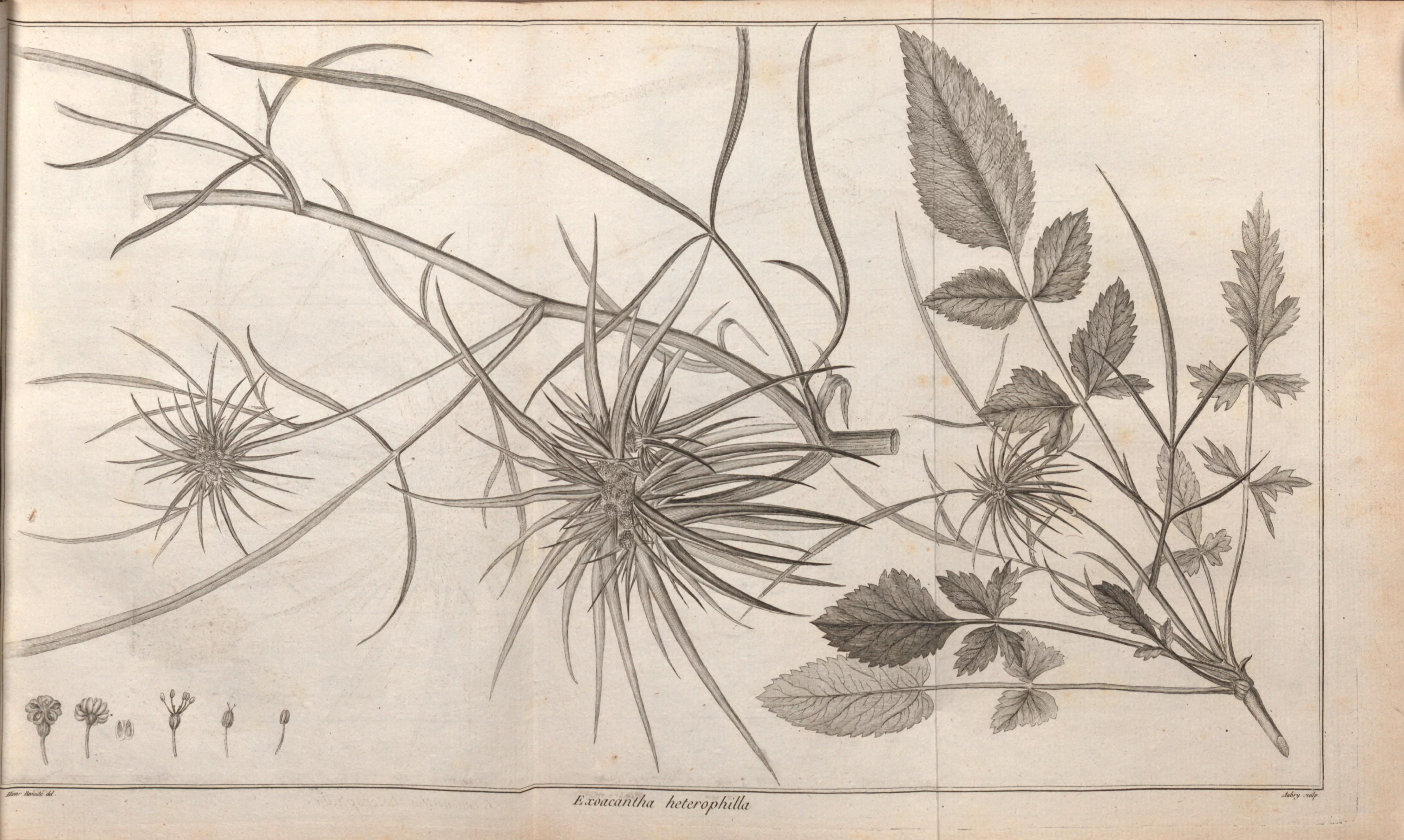
Labillardiere, Jacques Julien Houtton de. Icones plantarum Syriæ rariorum. Decas Primas. 1791. Engraving after Henri-Joseph Redouté. Contributed in the Biodiversity Heritage Library from Royal Botanic Gardens Kew, Library, Art & Archives.

At the end of the 18th century, French naturalist Jacques-Julien Houtou de Labillardière spent two years exploring and collecting plants in the Levant. The expedition ultimately resulted in the publication of a beautifully-illustrated work on the botany of the region, Icones plantarum Syriæ rariorum (“Rare Syrian Plant Images”).

Born in Alençon, a commune in Normandy, France, in 1755, Labillardière studied medicine in Montpellier, receiving his doctorate in Paris, before turning his interests to natural history (Allorge 2006, 306). Embarking at Marseilles in 1787, Labillardière was originally destined for southern Turkey until, upon arriving in Cyprus, he learned that the plague was desolating Antioch (now Antakya) and regions north of Aleppo, so he elected to visit the Holy Land, Lebanon and Damascus instead. His travels ultimately took him as far north as Mons Cassius near the Turkish-Syrian border (Rix 2012, 67). After nearly two years, he returned to France, stopping at Cyprus, Corsica, and Sardinia along the way.

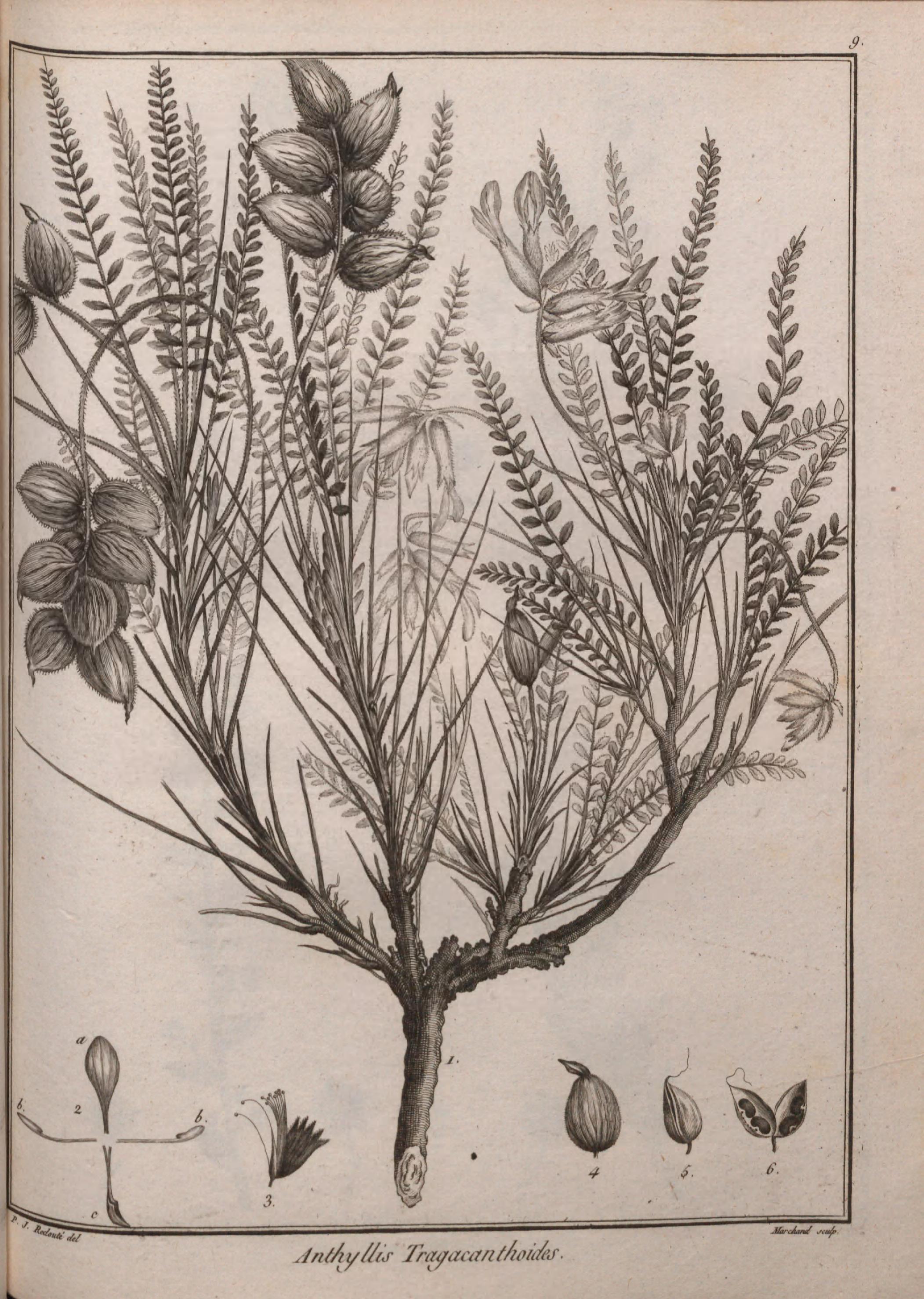
Labillardiere, Jacques Julien Houtton de. Icones plantarum Syriæ rariorum. Decas Second. 1791. Engraving after Pierre-Joseph Redouté. Contributed in the Biodiversity Heritage Library from Royal Botanic Gardens Kew, Library, Art & Archives.

Labillardière arrived back in France in 1789 with a collection of nearly 1,000 dried plants and many living specimens. The living plants were given to André Thouin, head gardener of the King’s Garden, while the dried collections were purchased by Le Monnier, the King’s doctor. Labillardière then set out to publish the results of his expedition (Allorge 2006, 306).

Icones Plantarum Syriae Rariorum was published in five parts between 1791-1812. Thanks to the Royal Botanic Gardens Kew, Library, Art & Archives, you can explore the entire work for free in the Biodiversity Heritage Library.

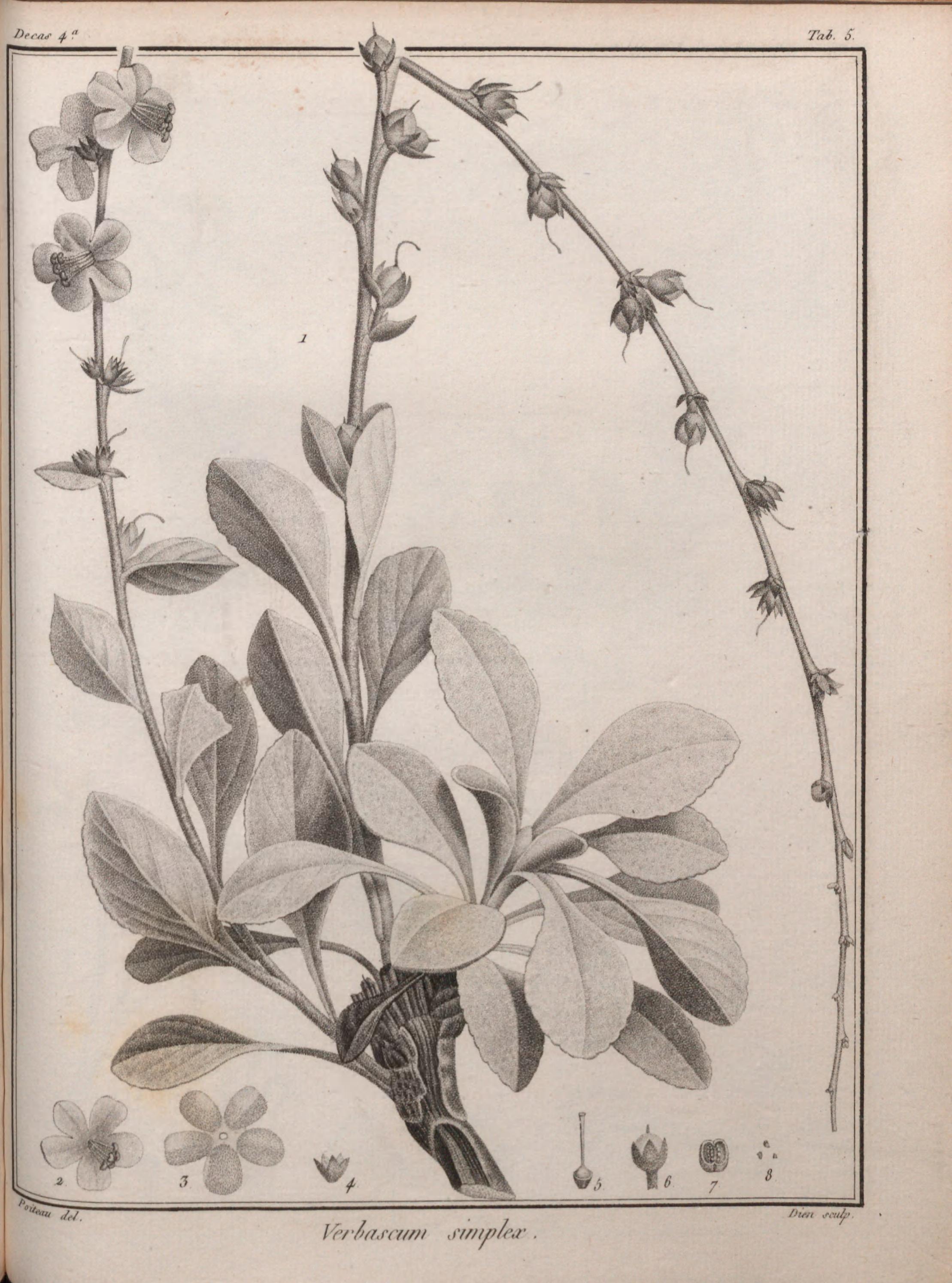
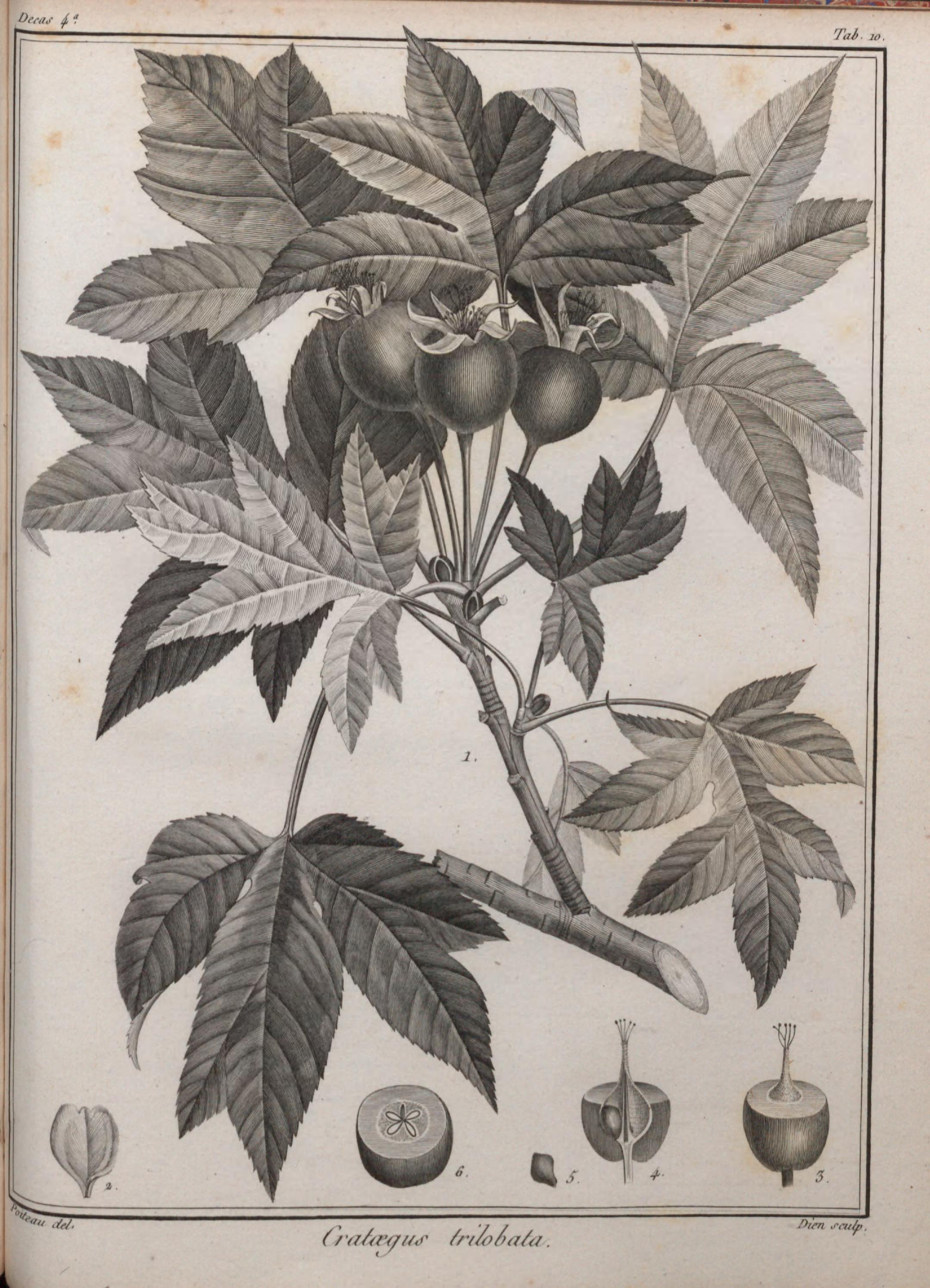
Labillardiere, Jacques Julien Houtton de. Icones plantarum Syriæ rariorum. Decas Quatra. 1812. Engraving after Pierre-Antoine Poiteau. Contributed in the Biodiversity Heritage Library from Royal Botanic Gardens Kew, Library, Art & Archives.

“Decas Primas” of Icones Plantarum Syriae Rariorum, issued in 1791, included 22 pages and 10 engraved plates after artwork by the Redouté brothers, Pierre-Joseph and Henri-Joseph. Nicknamed “the Raphael of flowers,” Pierre-Joseph is possibly the most celebrated flower painter in the entire history of botanical art. He published over 2,100 plates depicting over 1,800 species – many of which had never before been illustrated for publication – throughout his career (Tyrrell 2018). Born to a family of Belgian painters, both of Pierre-Joseph’s brothers, Henri-Joseph and Antoine-Ferdinand, also, unsurprisingly, became painters.

After the “Decas Second” was issued in 1791, featuring 18 pages of text and another 10 plates again by the Redouté brothers, Icones Plantarum Syriae Rariorum experienced a hiatus in publication of nearly two decades as Labillardière embarked on an expedition under Rear Admiral Bruni d’Entrecasteaux in search of the ships La Boussole and L’Astrolabe, which had disappeared several years earlier after leaving Botany Bay, Australia. The voyage provided Labillardière with the opportunity to collect additional botanical specimens in Australia and Tasmania (Allorge 2006, 306).

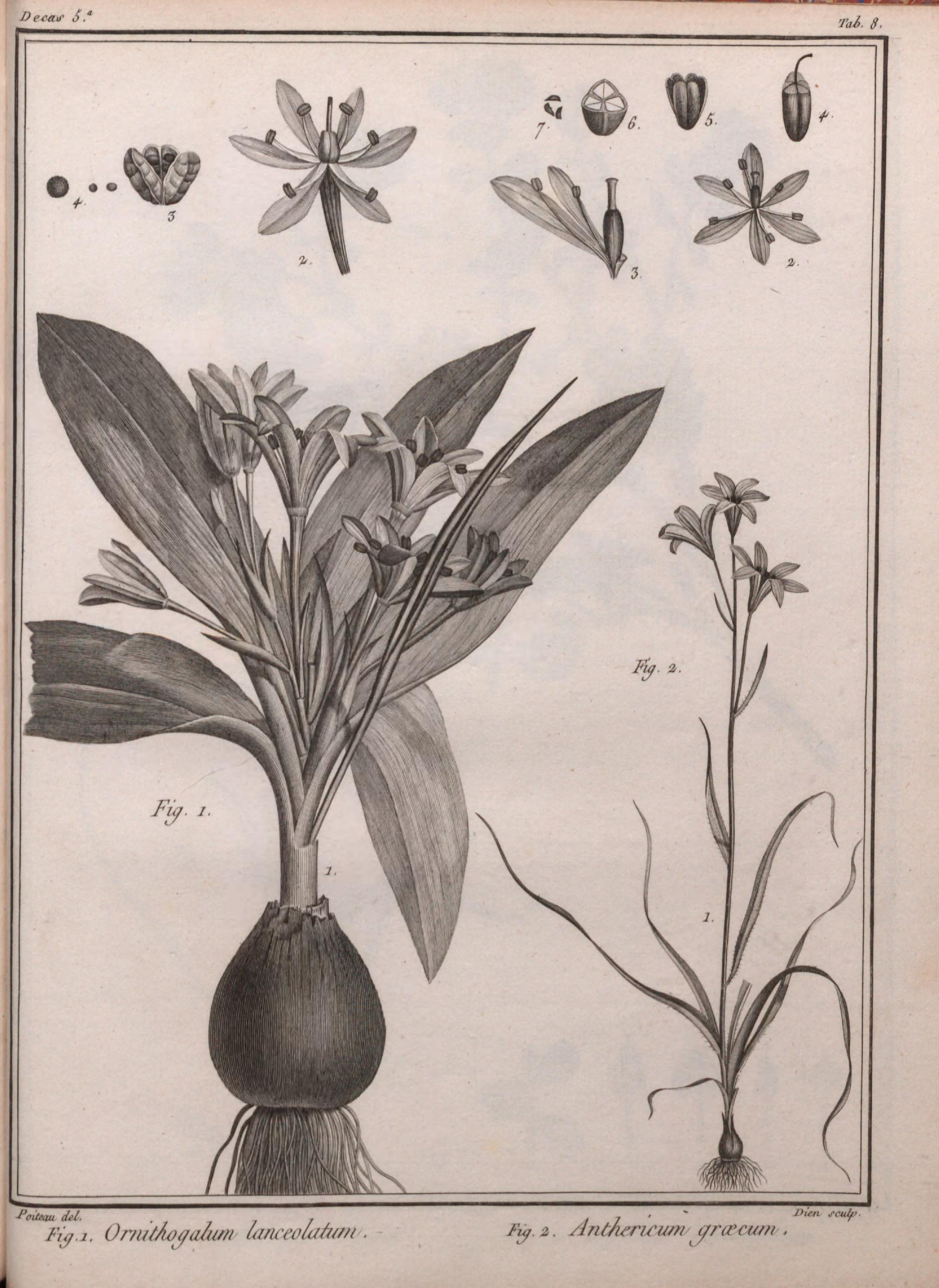
Labillardiere, Jacques Julien Houtton de. Icones plantarum Syriæ rariorum. Decas Quinta et Ultima. 1812. Engraving after Pierre-Antoine Poiteau. Contributed in the Biodiversity Heritage Library from Royal Botanic Gardens Kew, Library, Art & Archives.

Having returned to France in 1796, and after being elected to the French Academy in 1800, Labillardière continued classifying the plants from his Levant expedition. “Decas Tertia” of Icones Plantarum Syriae Rariorum, containing 16 pages and 10 plates, appeared in 1809, followed by “Decas Quatra” and “Decas Quinta et Ultima”, both in 1812 and also consisting of 16 pages and 10 plates each. The plates in the final three parts were engraved after drawings by Pierre-Antoine Poiteau and Pierre Jean François Turpin (ibid., 307).

Labillardiere, Jacques Julien Houtton de. Icones plantarum Syriæ rariorum. Decas Quatra. 1812. Engraving after Pierre-Antoine Poiteau. Contributed in the Biodiversity Heritage Library from Royal Botanic Gardens Kew, Library, Art & Archives.

Published over a 21 year period in five parts and 50 plates, complete copies of Labillardière’s Icones Plantarum Syriae Rariorum are rare. We are grateful to Kew Gardens for digitizing their copy and ensuring that everyone, everywhere can enjoy this rare treasure through the Biodiversity Heritage Library.

References

Allorge, Lucile. 2006. “French Naturalists in the Levant During the Ottoman Empire.” Medicographia, 28, no. 3: 301-309.

Rix, Martyn. 2012. The Golden Age of Botanical Art. Chicago and London: The University of Chicago Press.

Tyrrell, Katherine. 2018. “About Pierre-Joseph Redouté.” Botanical Art and Artists. Accessed on September 20, 2018. https://www.botanicalartandartists.com/about-pierre-joseph-redoute.html.
December 6, 2018by Grace Costantino
BHL News, Blog Reel

BHL Welcomes the Auckland War Memorial Museum Tāmaki Paenga Hira

Auckland Museum Logo

The Biodiversity Heritage Library is pleased to welcome the Auckland War Memorial Museum Tāmaki Paenga Hira as a new Affiliate. Auckland Museum is BHL’s first partner in Aotearoa New Zealand.

Tracing its roots back to 1852, Auckland Museum was one of New Zealand’s first museums and is regarded as one of the finest in the Southern Hemisphere. Renowned for its collection of Māori and Pacific treasures along with significant natural history resources, the Museum tells the story of New Zealand, its place in the Pacific and its people. It is also a war memorial for the province of Auckland.

The Museum is home to one of New Zealand’s finest heritage research libraries. Serving the Museum since 1867, the Library’s key focus is caring for and providing access to the Museum’s Documentary Heritage collections, including manuscripts, photographs and artwork, ephemera, oral histories, rare books, and serials. The Library’s collections have an overarching focus on the Auckland province and te ao Māori (the Māori world), and its natural history collection strengths include botany, and academic and general-interest works related to the natural sciences.

“Auckland Museum’s long natural history specialism has resulted in a world-class collection of New Zealand specimens of flora and fauna. Coupled with published research and a wealth of untapped curatorial correspondence, our holdings will be a valuable addition to the BHL community,” affirmed Adam Moriarty, Head of Information, Library and Enquiry Services at the Auckland Museum. “As the first New Zealand-based institution to join the BHL, we can dramatically increase what the world knows about Aotearoa’s unique natural environment.”

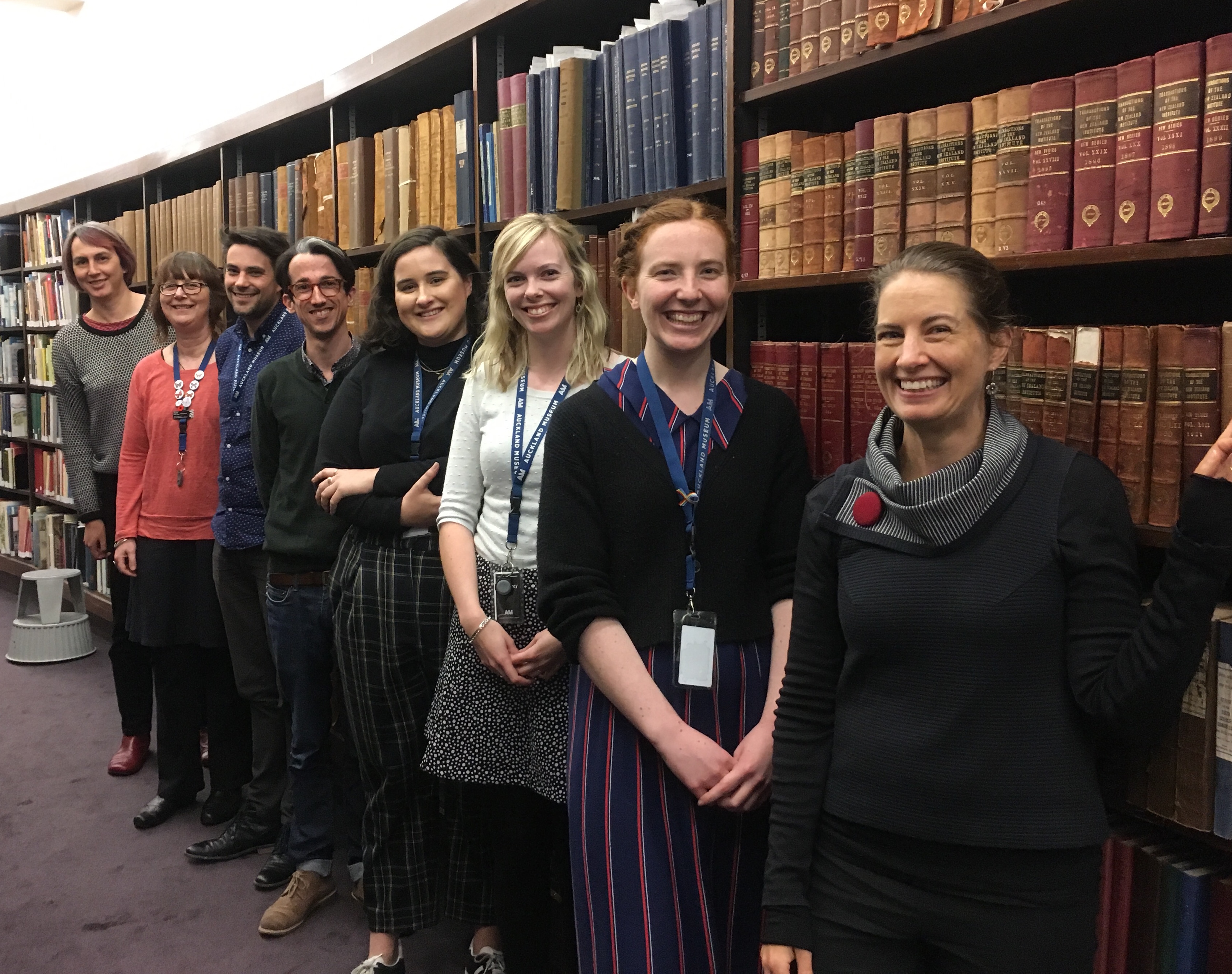
BHL representatives Constance Rinaldo (Ernst Mayr Library, Harvard and Chair of the BHL Members’ Council) and Dr. Elycia Wallis and Nicole Kearney (BHL Australia) traveled to the Museum in early September to welcome the Library and provide an orientation to the BHL program. In late October, Kearney, manager of the BHL Australia program, and Cerise Howard, digitization coordinator for BHL Australia, returned to provide an intensive three-day training workshop to Library staff covering a broad range of topics from metadata requirements to digitization workflow processes.

people standing in front of a bookshelf

Nicole Kearney (front) and Cerise Howard (back), BHL Australia, with colleagues from Auckland Museum during the three-day workshop at the Library in Auckland.

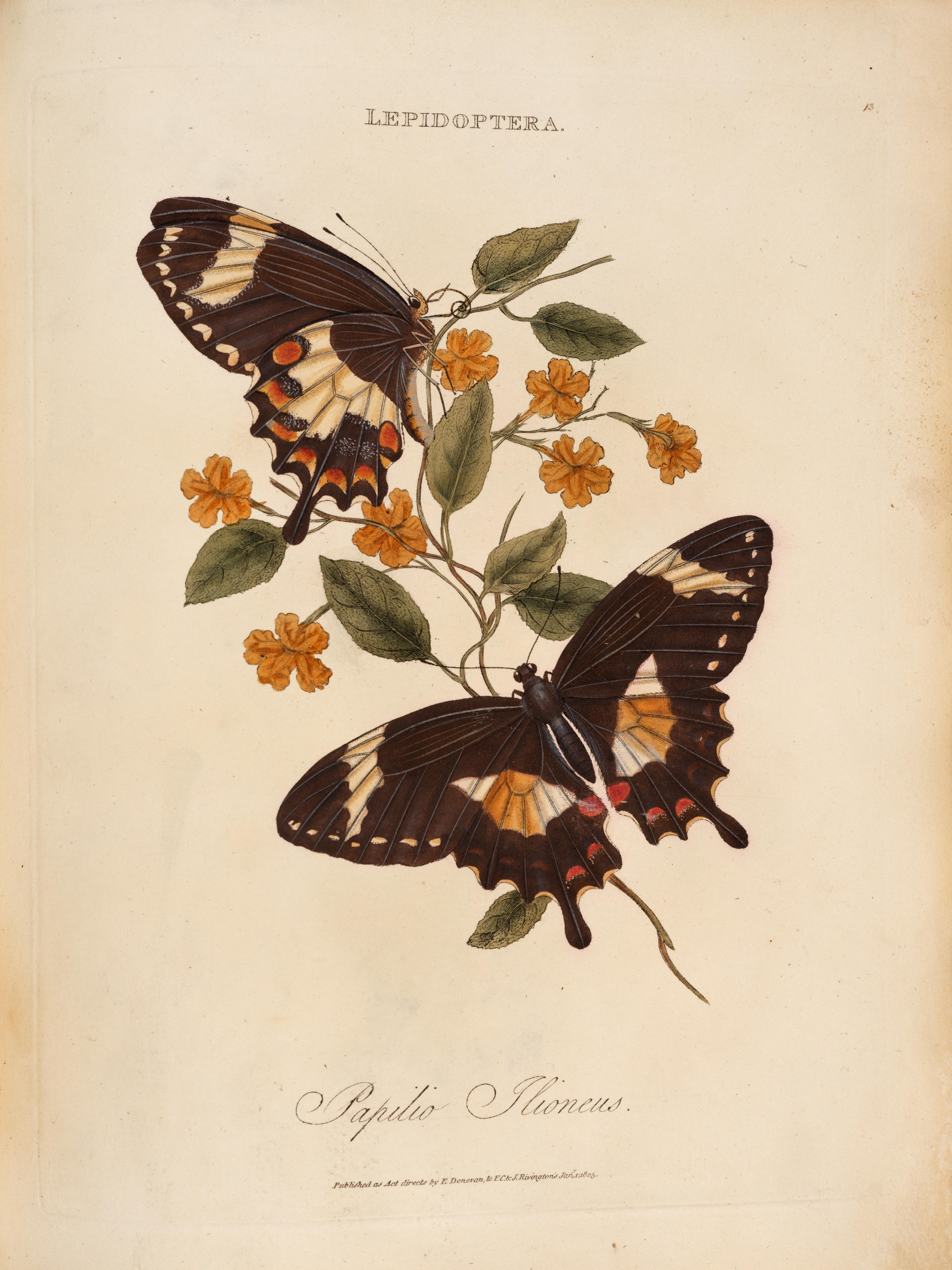
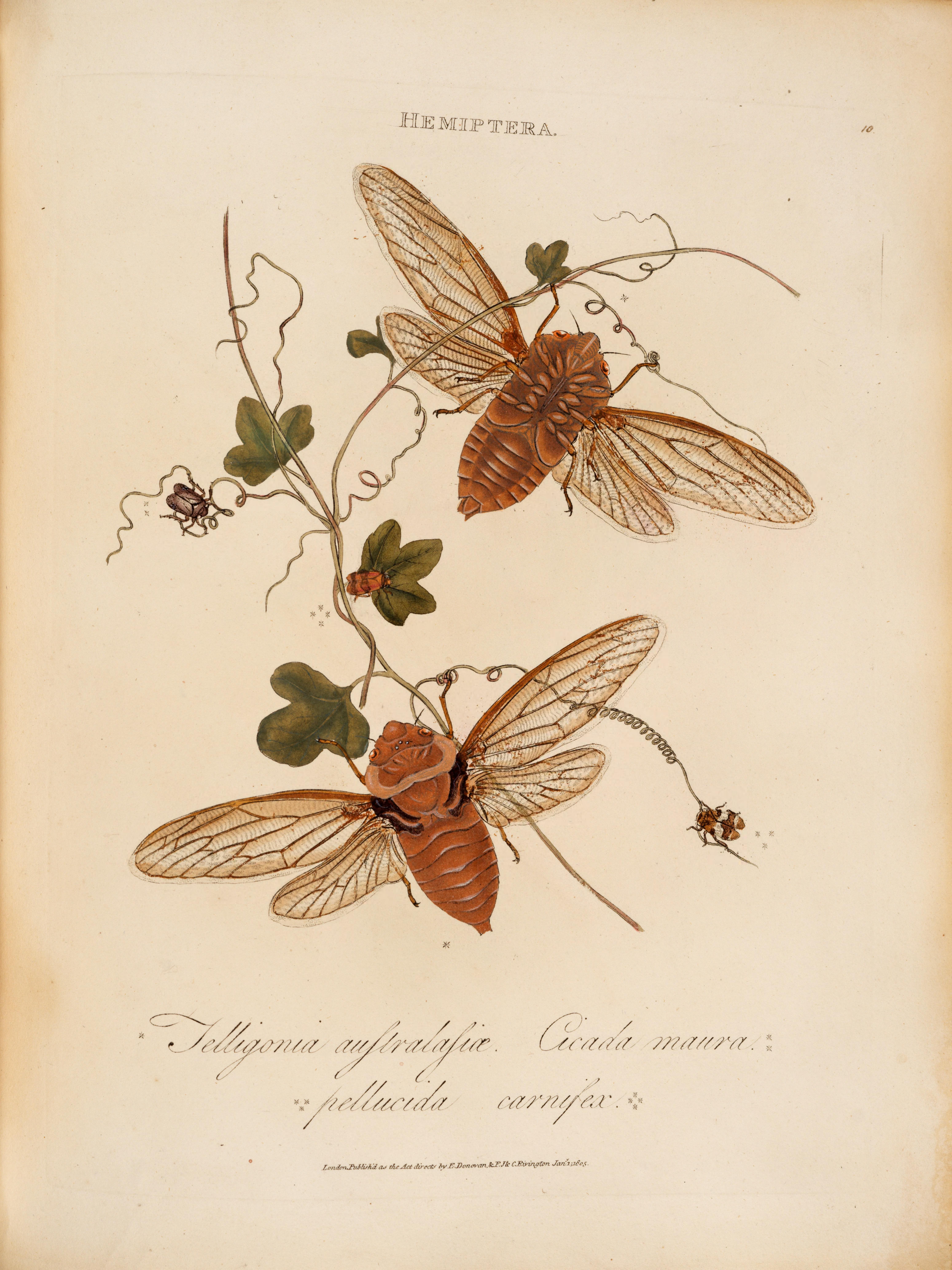
Following the workshop, staff digitized the Library’s first contribution to BHL: An epitome of the natural history of the insects of New Holland, New Zealand, New Guinea, Otaheite, and other islands in the Indian, Southern, and Pacific oceans (1805) by Edward Donovan. This rare work includes hand-colored drawings and descriptions of over 100 species from Australia, New Zealand, and neighboring islands. The title is the first of many currently being digitized for BHL from the Library’s collection.

Illustration of butterflies

Plate 13. Donovan, Edward. An epitome of the natural history of the insects of New Holland, New Zealand, New Guinea, Otaheite, and other islands in the Indian, Southern, and Pacific oceans. 1805. Illustration by Donovan. Contributed in BHL from Auckland War Memorial Museum Tāmaki Paenga Hira.

We are delighted to see our partnerships in Australasia expand to New Zealand through the Auckland Museum and look forward to seeing many more fascinating contributions to the BHL collection in the future. We also extend our thanks to our BHL Australia colleagues for providing training and support to our newest Affiliate.

Illustration of insects

Plate 10. Donovan, Edward. An epitome of the natural history of the insects of New Holland, New Zealand, New Guinea, Otaheite, and other islands in the Indian, Southern, and Pacific oceans. 1805. Illustration by Donovan. Contributed in BHL from Auckland War Memorial Museum Tāmaki Paenga Hira.

“We are thrilled to welcome the Auckland Museum as our first partner in New Zealand,” affirmed Martin R. Kalfatovic, Program Director for the Biodiversity Heritage Library. “We have long desired to establish a partnership in the country, and we look forward to working with our colleagues in Auckland to share their collections with global audiences and foster new relationships with other institutions across the New Zealand.”

The BHL Consortium now includes 20 Members, 22 Affiliates, and over 80 partners globally. Learn more.

November 26, 2018by Grace Costantino
Blog Reel, User Stories

Uncovering Mycological History…One Sketch at a Time

illustration of fungi

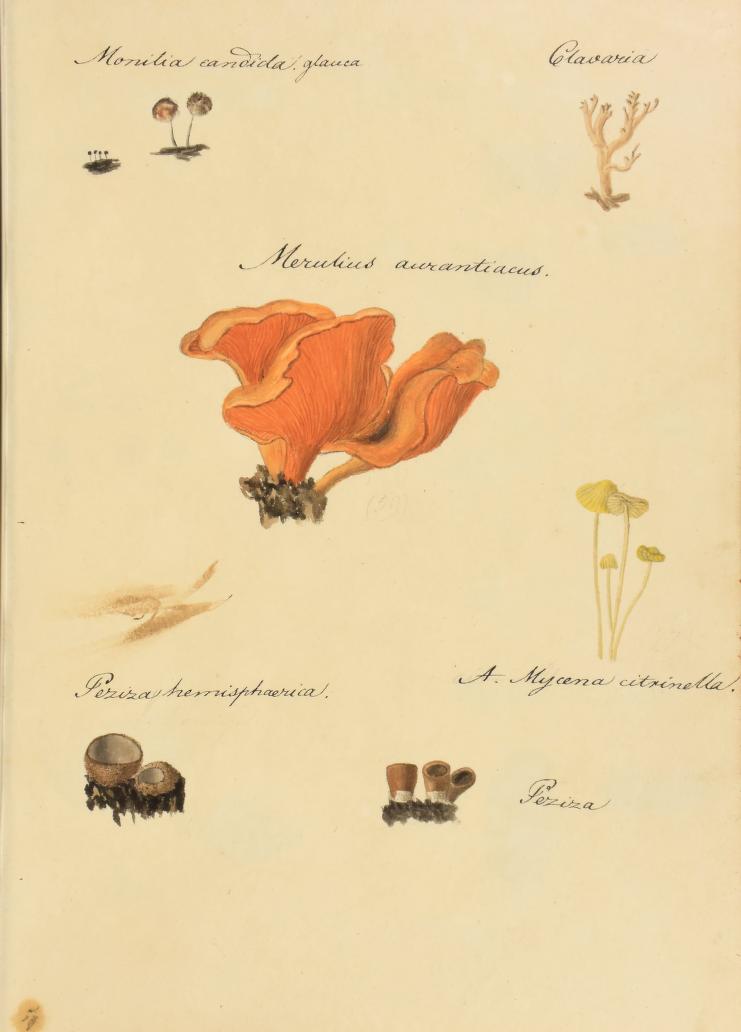
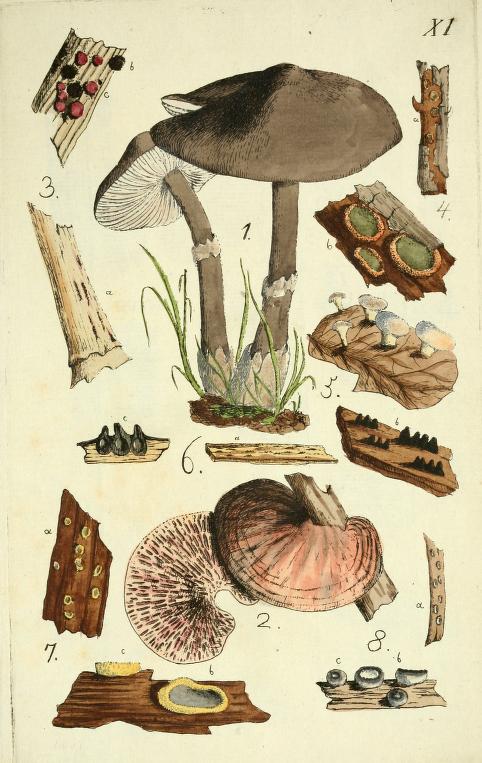
Plate 12. Schweinitz, Lewis David von. Icones fungorum Niskiensium. (ca.) 1798-1802. Contributed in BHL from Botany Libraries, Farlow Reference Library of Cryptogamic Botany, Harvard University.

In the archives of the Farlow Reference Library of Cryptogamic Botany at Harvard University, there is a curious volume of 249 original watercolors of fungi species bearing the title Icones fungorum Niskiensium.

Devoid of any creator identification, the provenance and historical significance of the volume seems shrouded in mystery. A cursory examination of the work reveals a collection of charming, but often incomplete, figures and a myriad of annotations in pencil and ink, some struck through, others revealing uncertainty over species identifications or recording observations on specimen quality or coloration.

illustration of fungi

Plate 47. Schweinitz, Lewis David von. Icones fungorum Niskiensium. (ca.) 1798-1802. Contributed in BHL from Botany Libraries, Farlow Reference Library of Cryptogamic Botany, Harvard University.

In short, there is little to suggest that this sketchbook is actually an important document in the history of mycological research.

The truth, however, is that this volume is the work of the “Father of North American mycology”, Lewis David von Schweinitz (1780-1834). It served him as a sketchbook that was used to inform his monumental Conspectus fungorum in Lusatiae Superioris agro Niskiensi crescentium, e methodo Persooniana (1805), co-authored with Johannes Baptista von Albertini (1769-1831) and documenting over 1,000 species of fungi from the Niesky, Germany region, including 100 published as new-to-science. The volume is also related to a collection of six other original watercolor volumes by Schweinitz dispersed throughout several American institutions.

Illustration of fungi

Plate 11. Conspectus fungorum in Lusatiae Superioris agro Niskiensi crescentium, e methodo Persooniana(1805). Figures based on drawings by Schweinitz. Icones fungorum Niskiensium served as a sketchbook to inform this work. Contributed to BHL by the LuEsther T. Mertz Library of The New York Botanical Garden.

The history of this volume, dubbed the Harvard Icones, and its relationship to the Conspectus and Schweinitz’s other watercolor volumes, was recently examined in-depth within the article “New Light on the Mycological Work of Lewis David von Schweinitz” (2018) by Jason M. Karakehian, William R. Burk and Donald H. Pfister, published in IMA Fungus: 9(1). The article presents research made possible in-part thanks to the digital copies of the Harvard Icones and Schweinitz’s other works available in the Biodiversity Heritage Library.

We recently explored this fascinating history in our Book of the Month series. The findings presented by Karakehian et al. underscore the importance of the Harvard Icones to the development of Schweinitz and Albertini’s research and the progression of mycology in the early 19th century.

“Our research is important because the volumes of watercolor illustrations produced by Schweinitz have been little known to mycologists who worked with fungi described by Albertini and Schweinitz,” explains Karakehian. “These high-quality illustrations can help to inform our concepts of some of these species, as often times early nineteenth century verbal descriptions can be short and somewhat vague.”

photo of a man in glasses and blue shirt

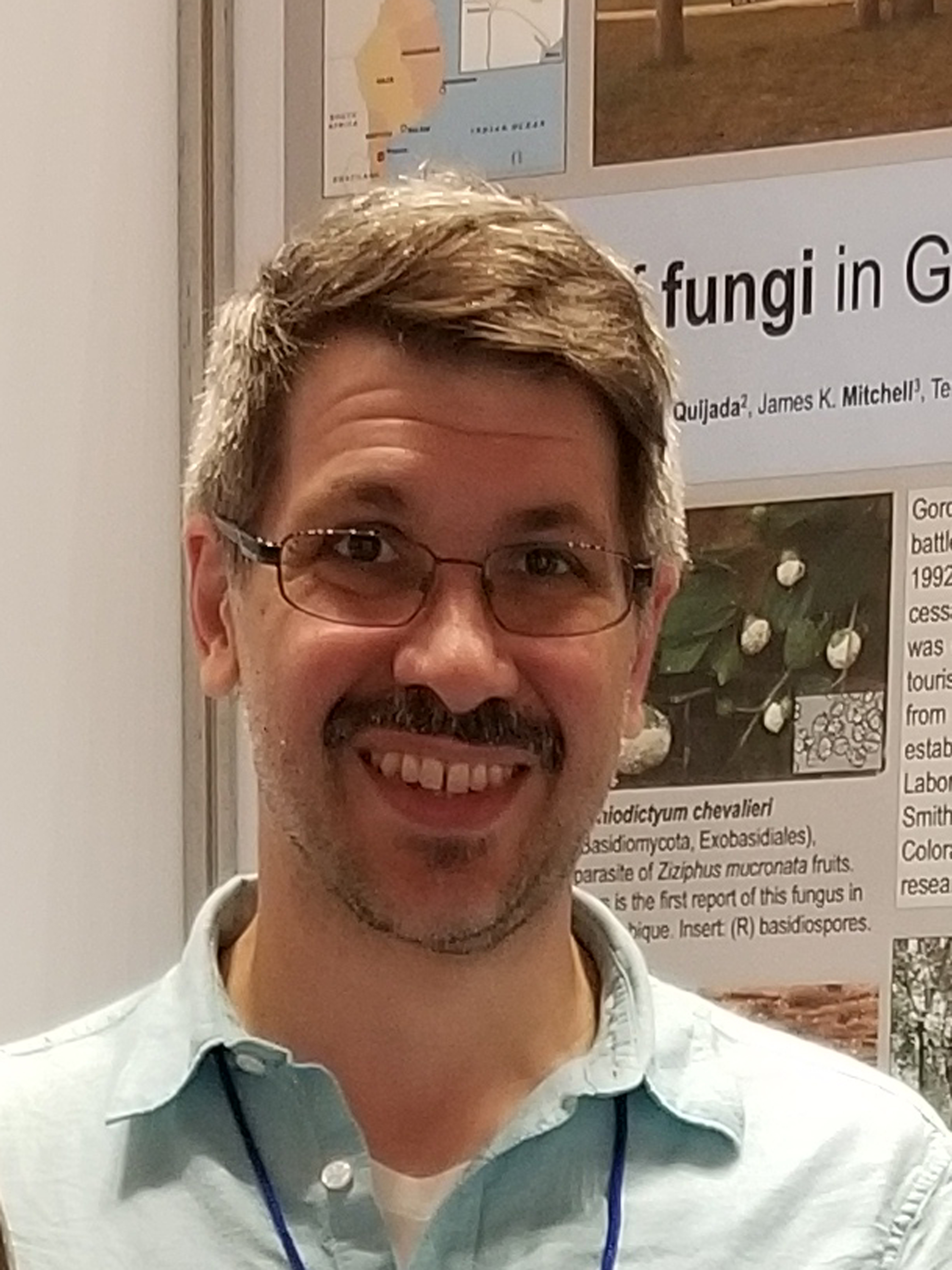
Jason M. Karakehian. Master’s degree candidate at the Harvard Extension School.

Jason M. Karakehian is a Master’s degree candidate at the Harvard Extension School, studying biology with a focus on mycology and the systematics of ascomycetes or “cup-fungi.” With a background in the visual arts, Karakehian’s interest in mycology stems from his career as an artist, when he began perusing illustrated books on fungi as a creative reference point for his large, outdoor sculptures exhibited in wooded environments. This inspired him to take a short class on fungi, join a local mycological club, and begin collecting and identifying mushrooms. Eventually, he gave up his art career and embraced mycology full-time.

Karakehian’s journey down the fungi path includes serving as the archivist for the Boston Mycological Club. The task of organizing the mass of artifacts and documents held by the archives necessitated research at other libraries and archives, such as the Reference Library of the Farlow Herbarium of Cryptogamic Botany at Harvard University. He was welcomed by the Herbarium and Library staff, including Professor Donald Pfister and Judy Warnement (Head Librarian of the Harvard Botany Libraries).

Karakehian’s work at the Boston Mycological Club and the relationships he developed as part of that process led to research on other topics in mycological history, especially Schweinitz’s fungi watercolors.

The Biodiversity Heritage Library played an essential role in that research.

“I don’t think that we could have done this work without regular access to BHL,” affirms Karakehian. “BHL is invaluable to us for the wide selection of classic mycological literature that we needed to reference in our research.”

illustration of fungi

Plate 23. Schweinitz, Lewis David von. Icones fungorum Niskiensium. (ca.) 1798-1802. Contributed in BHL from Botany Libraries, Farlow Reference Library of Cryptogamic Botany, Harvard University.

That research involved indexing the more than 1,000 species treated in the Conspectus and cross-referencing them to the species figured in Schweinitz’s watercolor volumes in order to examine the relationship between the works and understand how the archival materials informed Schweinitz’s research.

This work required regular access to Schweinitz’s Conspectus and other classic mycological publications, including Christiaan Hendrik Persoon’s Synopsis methodica fungorum (1801), which outlines a systematic framework for fungi that was employed by Schweinitz and Albertini.

“For both of these volumes, we had to go through them page by page to populate spreadsheets with data that we could then collate to make inferences about the relationship between them,” explains Karakehian. “This was greatly facilitated by having high-quality electronic versions of the volumes with OCR.”

Karakehian and his colleagues also created an index to the figures in the Harvard Icones, cross-referencing them to their treatment in the Conspectus, Persoon’s Synopsis, and Schweinitz’s six other watercolor volumes. This index was published as part of their IMA Fungus article.

illustration of fungi

Plate 41. Schweinitz, Lewis David von. Icones fungorum Niskiensium. (ca.) 1798-1802. Contributed in BHL from Botany Libraries, Farlow Reference Library of Cryptogamic Botany, Harvard University.

For Karakehian, BHL’s impact is about more than just providing online access to materials. It’s the quality of the available materials that really distinguishes BHL from other online repositories.

“BHL volumes are high-quality digitizations and I am never frustrated by missing pages, cut-off words, or poor-quality digitizations of delicate line drawings in figures,” lauds Karakehian. “I often think of BHL in contrast to Google’s digitization project that is easily searchable, but the digitizations are of such poor quality that one often needs to track down the original volume somehow to understand the print or the figure that you need.”

Karakehian and his colleagues were instrumental in advocating for Schweinitz’s archival materials to be made available online and for free to the public through BHL. This not only facilitates future research on these works, but also allows more people to explore and enjoy these archives and the history they represent.

“For us, BHL is the gold standard, and for our papers on Schweinitz’s watercolor illustrations, it was important to request that the archives holding these volumes digitize them and have them available in BHL to the public,” asserts Karakehian. “We were absolutely confident that the product would be usable and high-quality. It is a true gift that they are now freely available to users.”

illustration of fungi

Plate 13. Schweinitz, Lewis David von. Icones fungorum Niskiensium. (ca.) 1798-1802. Contributed in BHL from Botany Libraries, Farlow Reference Library of Cryptogamic Botany, Harvard University.

We are honored to host a digital copy of the Harvard Icones in BHL, and are grateful to the Botany Libraries, Farlow Reference Library of Cryptogamic Botany, Harvard University for digitizing the volume and making it freely available to the world. We’re also thrilled that Schweinitz’s other archival materials and the Conspectus are freely available in the collection, and extend our sincere thanks to the Library & Archives of the Academy of Natural Sciences of Drexel University, the Wilson Library of the University of North Carolina at Chapel Hill, and the LuEsther T. Mertz Library of The New York Botanical Garden for digitizing these works.

Thanks to these contributions from so many libraries, BHL was able to play a vital role in allowing Karakehian and his colleagues to provide new insight into the contributions of such an important figure in the history of mycology.

“Our work broadens our knowledge of the scientist and artist that Schweinitz was,” affirms Karakehian. “He was an accomplished and prolific mycological illustrator with a keen sense of depicting his subjects in ways that would convey the maximum of biologic information as well as capturing their natural beauty.”

That “natural beauty” is now freely available for everyone to enjoy through the Biodiversity Heritage Library.

November 8, 2018by Grace Costantino
Page 10 of 71« First...«9101112»203040...Last »

Help Support BHL

BHL's existence depends on the financial support of its patrons. Help us keep this free resource alive!

search

About BHL

The Biodiversity Heritage Library (BHL) is the world’s largest open access digital library for biodiversity literature and archives. BHL operates as a worldwide consortium of natural history, botanical, research, and national libraries working together to digitize the natural history literature held in their collections and make it freely available for open access as part of a global “biodiversity community.”

Join Our Mailing List

Sign up to receive the latest news, content highlights, and promotions.

Subscribe Now

Subscribe to Blog via Email

Enter your email address to subscribe to this blog and receive notifications of new posts by email.

Join 319 other subscribers

Subscribe to Blog Via RSS

Subscribe to the blog RSS feed to stay up-to-date on all the latest BHL posts.

Access RSS Feed

Inspiring Discovery through Free Access to Biodiversity Knowledge.

The Biodiversity Heritage Library makes it easier than ever for you to access the information you need to study and explore life on Earth…for free, anytime, anywhere.


64+ Million Pages of
Biodiversity Literature Online.

EXPLORE

Tools and Services
to Transform Research.

EXPLORE

300,000+
Illustrations on Flickr.

EXPLORE

ABOUT | HARMFUL CONTENT | PRIVACY | SITE MAP | TERMS OF USE