Biodiversity Heritage Library - Program news and collection highlights from BHL
  • Home
  • News
  • Featured Books
    • All Featured Books
    • Book of the Month Series
    • BHL at 20
  • User Stories
  • Campaigns
    • Fossil Stories
    • Garden Stories
    • Monsters Are Real
    • Page Frights
    • Her Natural History
    • Earth Optimism 2020
  • Tech Blog
  • Visit BHL
Home
News
Featured Books
    All Featured Books
    Book of the Month Series
    BHL at 20
User Stories
Campaigns
    Fossil Stories
    Garden Stories
    Monsters Are Real
    Page Frights
    Her Natural History
    Earth Optimism 2020
Tech Blog
Visit BHL
  • Home
  • News
  • Featured Books
    • All Featured Books
    • Book of the Month Series
    • BHL at 20
  • User Stories
  • Campaigns
    • Fossil Stories
    • Garden Stories
    • Monsters Are Real
    • Page Frights
    • Her Natural History
    • Earth Optimism 2020
  • Tech Blog
  • Visit BHL
Biodiversity Heritage Library - Program news and collection highlights from BHL
BHL News, Blog Reel, User Stories

A New Snail Species Named in Honor of BHL!

A new land snail species from Laos has been named in honor of the Biodiversity Heritage Library!
View Full Size Image
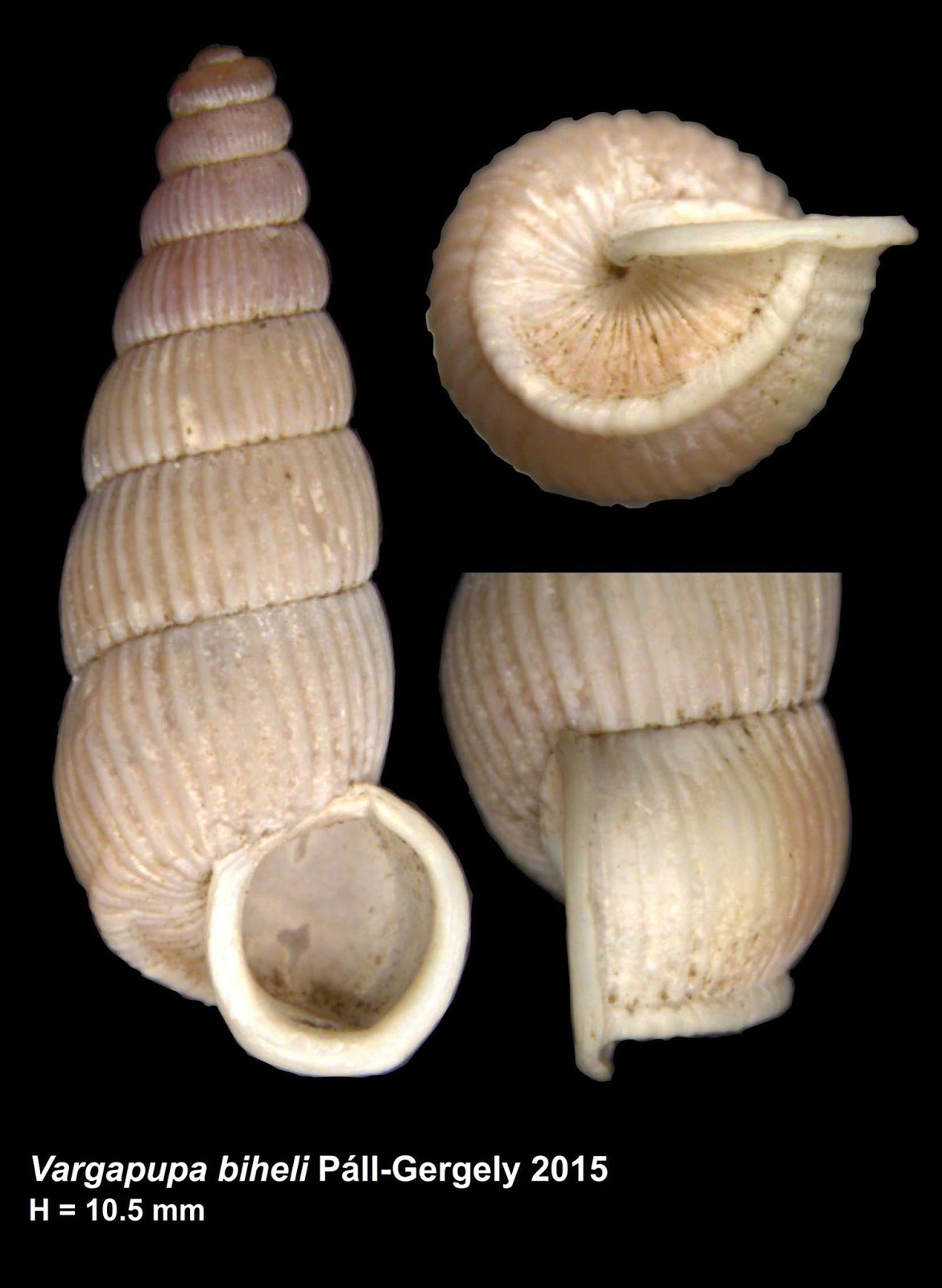
Vargapupa biheli, named in honor of BHL. Image courtesy Dr. Barna Páll-Gergely.

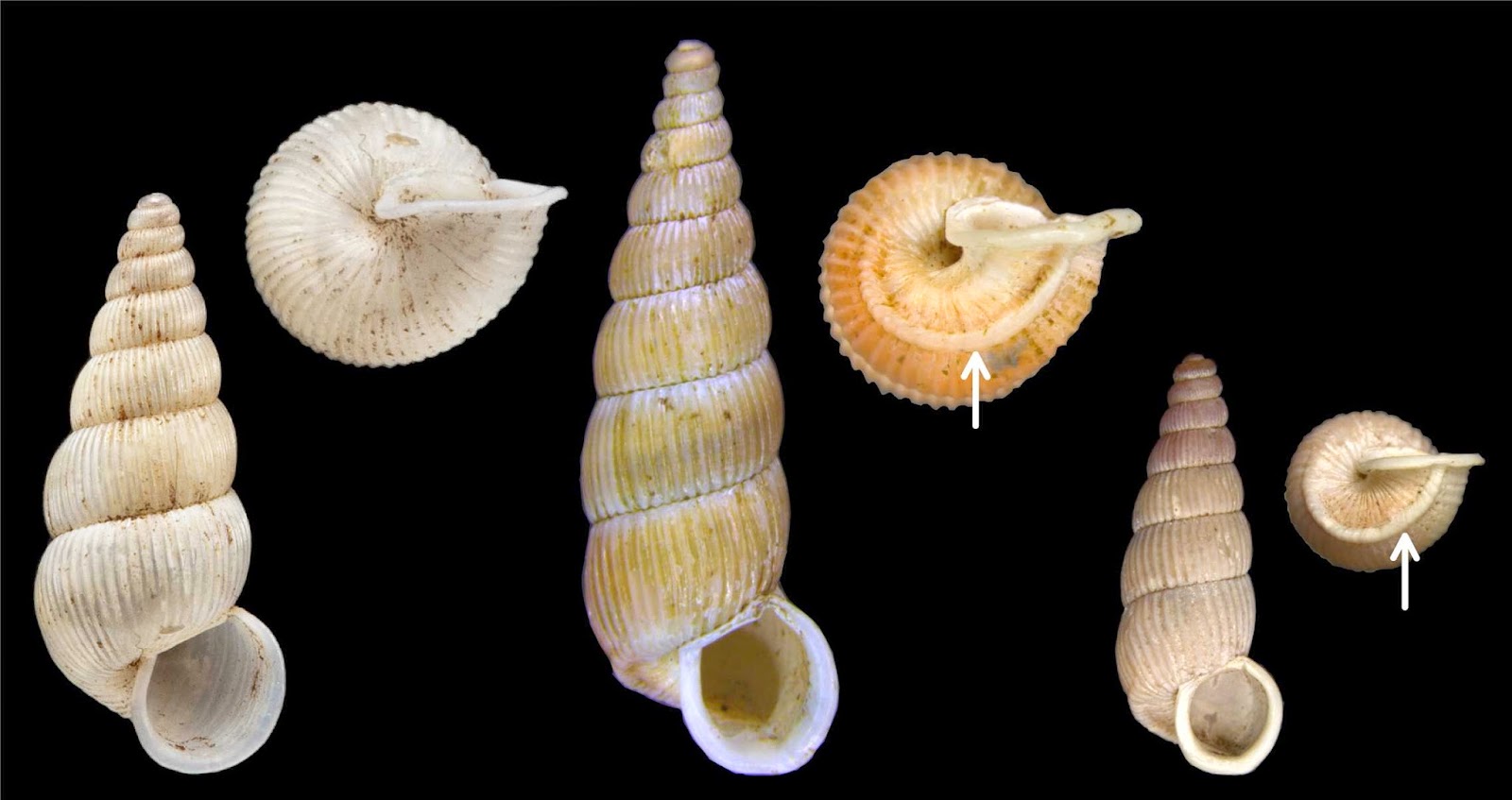
Vargapupa biheli, a medium-sized, slender turriform species with a well developed basal keel, was described in the article “Revision of the Genus Pseudopomatias and its Relatives (Gastropoda: Cyclophoroidea: Pupinidae” in Zootaxa: 3937(1), 2015, by Barna Páll-Gergely, Zoltán Fehér, András Hunyadi, and Takahiro Asami.

The species is part of a newly-described genus, also articulated within this article, Vargapupa, which includes this and one other newly-described species, Vargapupa oharai, both species of which are known from the northern Annamese Mountains in Northern Vietnam and Laos.

Dr. Barna Páll-Gergely, the lead author on the paper and a Biologist in the Department of Biology at Shinshu University in Japan, uses BHL as part of his daily work and has been profiled in the past on our blog. Deeply appreciative of the services BHL provides, Páll-Gergely decided to dedicate the new species to the Biodiversity Heritage Library, writing in the Zootaxa paper:

“The new species is named after the Biodiversity Heritage Library (www.biodiversitylibrary.org) to thank the multitude of rare literature made available to us. The name “biheli” is an acronym derived from the name BIodiversity HEritage Library.”

Dr. Páll-Gergely’s current research focuses on the taxonomy of some land snail groups (genera and families) of East Asia. According to Páll-Gergely,

“Most species of this area were described at the end of the 19th and the beginning of the 20th centuries…with poor locality data, based on a few empty shells, and many of them have not been sufficiently illustrated. Therefore, whenever I want to describe new species, I have to examine the type specimens of every known species in museum collections and compare [them] with the material I have. My aim is to accumulate as many information on a particular group of snails as possible. I try to find morphological characters which help to distinguish species from each other and to categorized them into genera, tribes and families properly.”

The story of Páll-Gergely’s discovery of Vargapupa biheli began with the examination of a few shells of a Pseudopomatias species that his friend, András Hunyadi, collected in Vietnam. As Páll-Gergely explained:

“[András] told me they were possibly new species, so I started to compile all [available] literature about this genus. During my investigation I found a publication written by the French geologist and archaeologist Edmond Saurin (1904 -1977) in 1953 about some Laotian land snails. In the introduction, he mentioned that he collected Pseudopomatias fulvus in Laos, but no other information was written about that sample. I knew that Pseudopomatias fulvus was known from a small area in northeastern Vietnam, so the Laotian sample mentioned by Saurin was important to examine. I loaned it from the Paris museum, and when I first saw Saurin’s sample, later named Vargapupa biheli, it was immediately clear that it was new to science.”

According to Páll-Gergely, both new Vargapupa species differ from other members of the Pseudopomatias genus due to the presence of keels in their shells. Vargapupa biheli has a strange keel on the basal part of its shell, while Vargapupa oharai displays this and a second, lower keel. The keel is absent in the genus Pseudopomatias, thus indicating the need for a new genus: Vargapupa. External morphological and locality data is currently the only information available for these two new species; nothing is known of their behavior, diet, etc.
View Full Size Image
Left: A Pseudopomatias species without a basal keel (P. amoenus); Middle: Vargapupa oharai; Right: Vargapupa biheli. Both Vargapupa species possess a basal keel (indicated with an arrow). Image courtesy Dr. Barna Páll-Gergely.

While Páll-Gergely’s confirmation of Vargapupa biheli as a new species involved an examination of a specimen labeled as Pseudopomatias fulvus, which he loaned from the Muséum National d’Histoire Naturelle in Paris, the story of how that specimen came to be in the museum’s collection is quite a tale!

In the 1970s, Dr. Philippe Bouchet, a biologist at the Muséum National d’Histoire Naturelle, stumbled upon four obscure articles on the Pyramidellidae (a family of microgastropods that parasitize other marine invertebrates) of Vietnam by Edmond Saurin, published between 1958-62. The articles together described 210 new species of Pyramidellidae, but the type specimens that those species were based upon were missing. Bouchet set out to track them down, and through various communications finally discovered an old address for Edmond Saurin at the Château du Roussier in France. Bouchet wrote a letter to the address, inquiring after the types and whether Saurin would be willing to deposit them at the museum. Two weeks later, he received a reply from Madame Saurin, indicating that her husband had died two years earlier and that, while she did not know where the types might be, Bouchet was welcome to visit her home and comb through the attic in search of them.

Two months later, Bouchet and a museum technician named Annie arrived at the Château du Roussier, where they were warmly greeted by Madame Saurin, who, over a glass of port, told them of her trip with her husband to Indochina in 1937 – an adventure that involved crossing the Red Sea with the infamous French adventurer and arms smuggler, Henry de Monfreid! In the 1950s, Saurin became fascinated with microsnails, and it was during this period that he collected the many specimens described in his papers. Following her tales, as Bouchet related to Páll-Gergely,

“[Madame Saurin] said, ‘time is running and you would like to see if you can find the Pyramidellid types before it gets dark, wouldn’t you?’ She took me to the very large attic of their very large mansion. It was full of cabinets, crates and boxes, and she said she had no idea if it would be there. It was like searching for a pin in a haystack. So, I started searching cabinets with small drawers and, knowing the habits of collectors of the time, small boxes, like cigar boxes etc. In fact I found the Pyramidellid types in less than 10 minutes! Some tubes had suffered, but overall I rescued about 80% of Saurin’s Pyramidellid types, and at this occasion discovered that he had also amassed land snails, which Mme Saurin was happy to donate as well to Muséum National d’Histoire Naturelle. All the material was wrapped in newspaper cuts with place names scribbled in almost illegible handwriting across the print: clearly valuable scientific material but difficult to use! So we employed a Vietnamese student to curate this material, i.e. read place names, transcribe them on proper museum labels, and the result is what you have on loan.”

In total within the Zootaxa article, Páll-Gergely and his co-authors describe eleven species new to science, nine of which were found in the collection of the Natural History Museum, London, and in the Muséum National d’Histoire Naturelle, Paris. Eight of those nine were collected over a century ago, while Vargapupa biheli was collected, as described above, in the 1950s. Thus, this paper demonstrates the extreme importance of museum collections, not only for preserving known specimens but also as repositories of unknown new species. As Páll-Gergely expressed, “These century-old shells are not only important pieces for natural science, but in the same time, they are interesting pieces of human history.”

Going forward, Páll-Gergely plans to continue the revision of other south-east Asian land snail genera, examining type specimens, comparing them with newly collected specimens, and finally “describing species which are the result of millions of years of evolution on Earth.” Museum collections, and the historic literature contained in BHL, will continue to constitute a major part of that work.
View Full Size Image
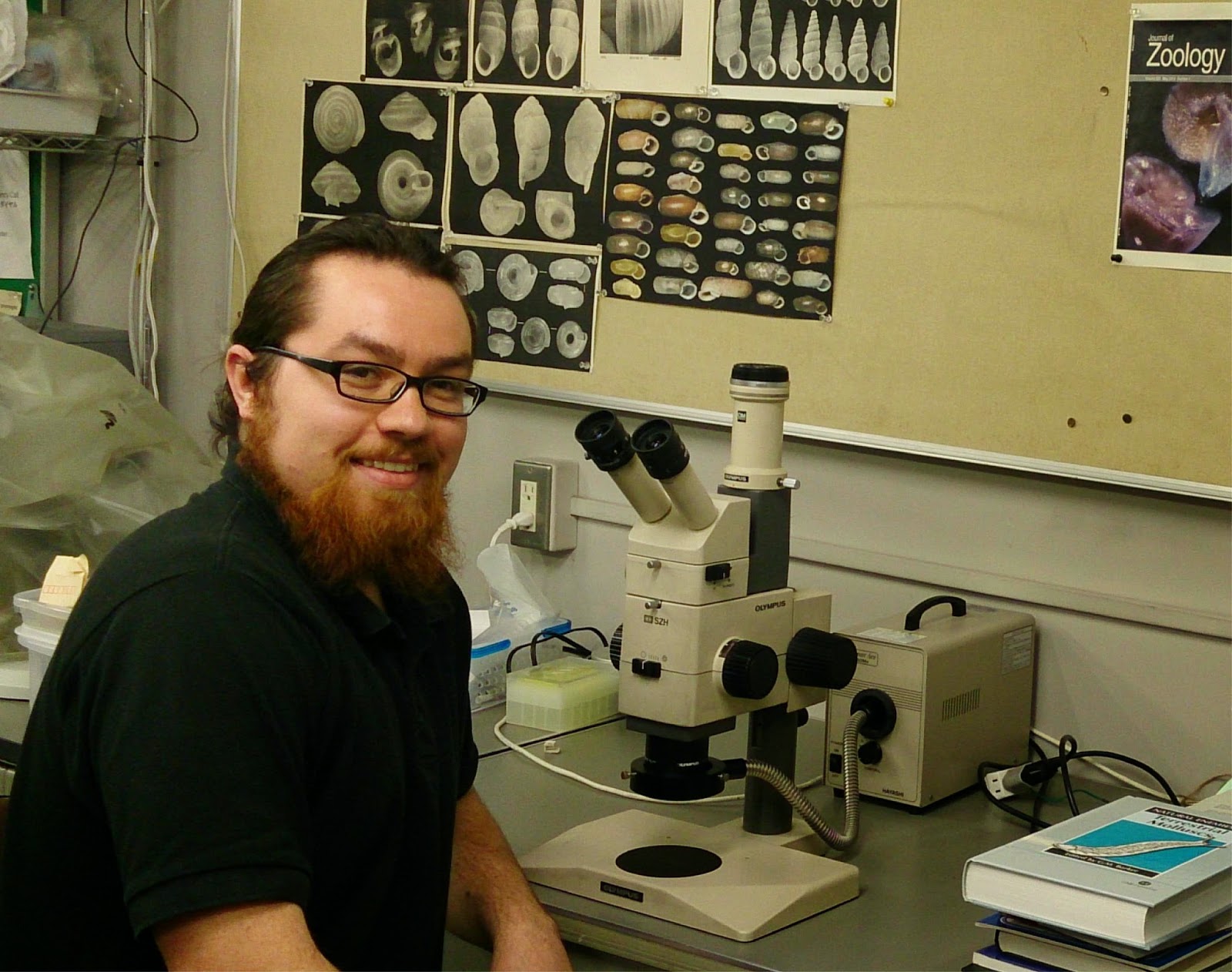
Dr. Barna Páll-Gergely.

We at BHL are deeply humbled at Páll-Gergely’s recognition of BHL’s contributions through his newly-described species, Vargapupa biheli. According to Páll-Gergely, this is a well-deserved recognition:

“Simply speaking we need three main things for a taxonomy: (1) type specimens of known species deposited in museums, (2) previously not examined material, and (3) literature. BHL provided nearly all the literature we needed, because in most south-east Asian land snails groups most species were described before 1920. We may think it is natural to have old literature online, but if we didn’t, we would have serious trouble finding the relevant publications. Therefore I thought BHL definitely deserves a new species named after it for the help it provided.”

We are pleased to say that BHL not only hosts a vast library of life on Earth, it is now a part of that library.

Special thanks to Dr. Barna Páll-Gergely and Dr. Philippe Bouchet for their significant contributions to this post, and especially to Dr. Páll-Gergely for his recognition of BHL. The information about the discovery of Saurin’s type specimens was relayed by Dr. Bouchet to Dr. Páll-Gergely and gleaned from Dr. Bouchet’s book: Bouchet, P. and G. Mermet, 2008. Shells. Abbeville Press, New York. 164 pp.
April 16, 2015by ulib-libraryjobs
Blog Reel, User Stories

Just a Click Away: BHL Promotes Biodiversity Research and Taxonomy

The Biodiversity Heritage Library is dedicated to providing open access to the biodiversity resources in its collection. Open access not only ensures that users the world over can freely locate the information they need online, but it also enables other biodiversity initiatives to make use of the wealth of knowledge represented in our 45 million+ pages to support research and taxonomy. We’ve highlighted several projects over the past few months that have incorporated BHL content into their own databases, including ITIS, AGRIS, Avibase, and JournalMap through BioStor.

View Full Size Image
Dr. Andreas Kroh (NHM Vienna) on field work in the Azores.

Dr. Andreas Kroh, Researcher and Publisher in the Department of Geology and Paleontology at the Natural History Museum Vienna, recently shared two more examples of BHL data reuse: WoRMS, the World Register of Marine Species, and FreshGEN, a FWF-funded research project to elucidate the evolution of European Lake systems by studying their gastropod faunas.

Dr. Kroh has been studying evolution, systematics, taxonomy (particularly of fossil and extant Echinoids (Sea urchins)), and biogeography (focusing on European Neogene faunas) for sixteen years. Several years ago, he discovered BHL.

“I was searching for a specific volume of an old journal that was missing in our library, and I was excited when I found that the BHL site did provide full access to the content of that volume, saving me the time to travel more than 200 km to the next library that held the series,” recalls Dr. Kroh.

Since then, Dr. Kroh has used BHL extensively to inform his research and support his contributions to several biodiversity projects.

“BHL is an excellent research tool that has considerably sped up my work and those of many other scientists that rely on or need to refer to previously published data,” lauds Dr. Kroh. “Many of the projects I am involved in, namely my contribution to WoRMS and FreshGEN, would need much more time and effort without BHL, where many research papers are just a click of a finger away. This view is shared by many fellow editors of the WoRMS database, most of which make heavy use of BHL for rapid access to species descriptions and historical biodiversity data.”

View Full Size Image
Creation of Global Species Databases (see http://www.marinespecies.org/about.php for an overview) involves tremendous amounts of library work – BHL has considerably sped up the process.

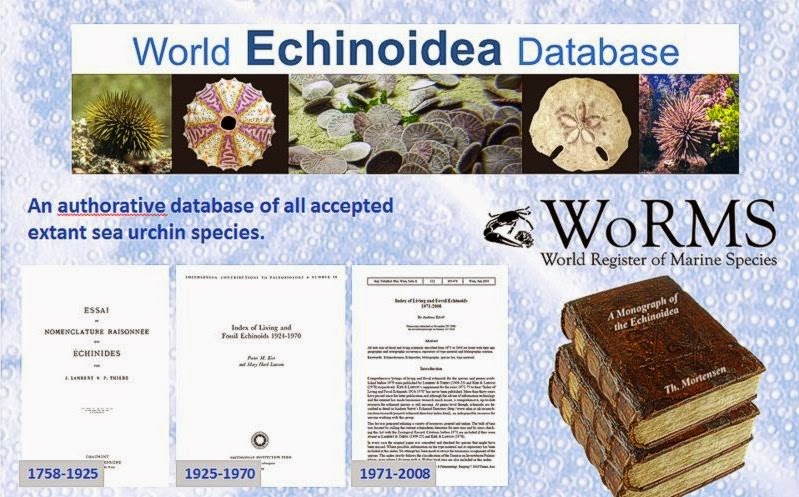
The World Register of Marine Species (WoRMS) aims to “provide an authoritative and comprehensive list of names of marine organisms, including information on synonymy.” Marinespecies.org serves as the web interface for the Flanders Marine Institute-developed “Aphia” database, which consolidates marine species registers from several projects. Information available through WoRMS, which is curated and maintained by taxonomic experts, includes valid species names, synonyms and vernacular names, higher classifications presenting scientific names within parent taxon contexts, biogeographical data, references to related external databases, and links to literature in BHL.

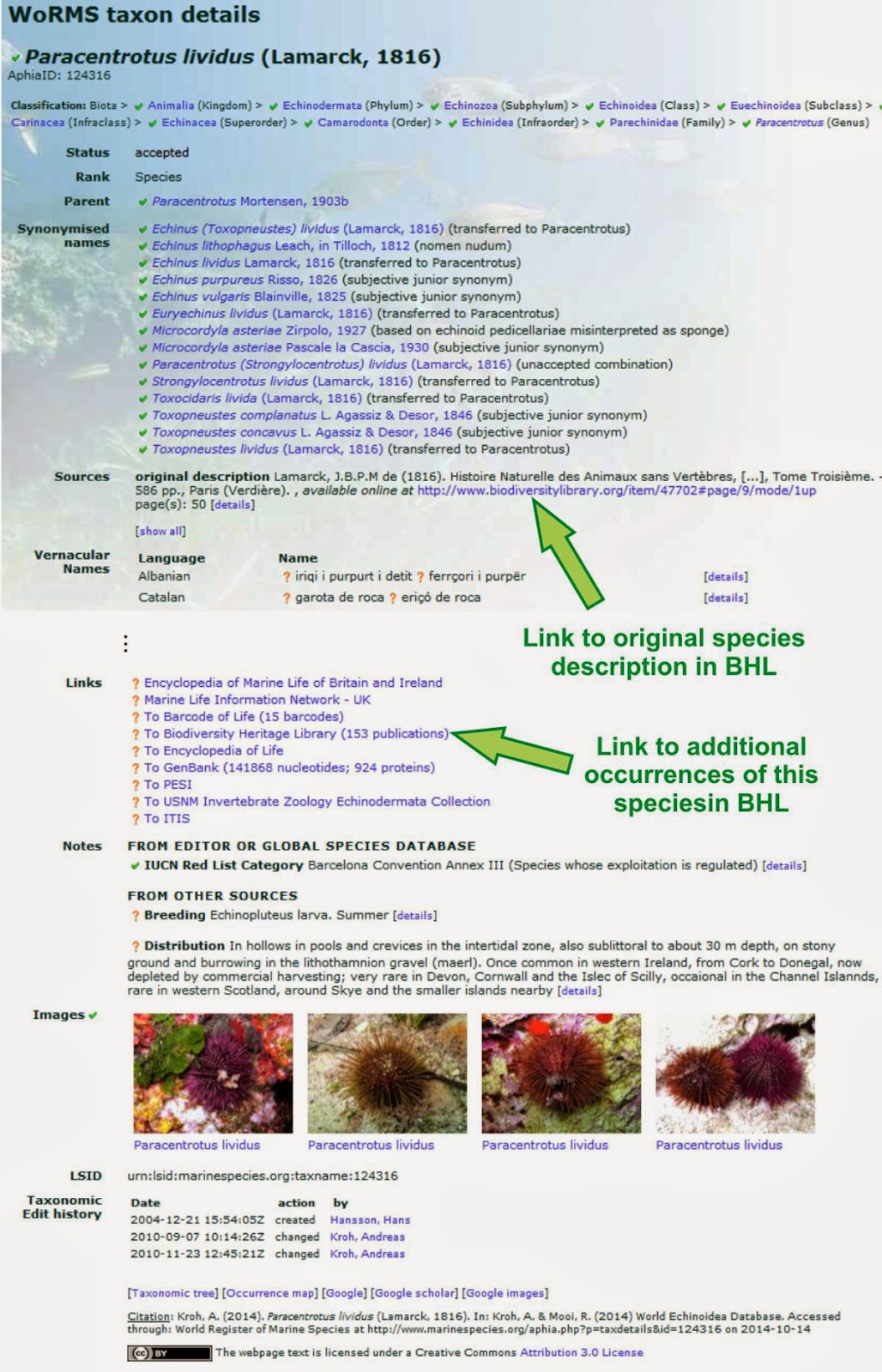
“In the World Register of Marine Species we are linking references on species pages directly to their respective title page in BHL, thereby making it easier for non-taxonomists to go back to the original sources of data, be it original descriptions, distribution data or other relevant information,” explains Dr. Kroh.

View Full Size Image
Species pages in the World Register of Marine Species (http://www.marinespecies.org) crosslink to BHL to ease access to the (often hidden) original species descriptions and additional published information.

Dr. Kroh’s other current research focus, the FreshGEN project, will “provide the first detailed assessment of the composition of European freshwater gastropods during the Neogene and Quaternary at species, genus and family levels, with emphasis on lake faunas.” By compiling and evaluating data, particularly relevant historic literature references like those at BHL, the project’s international expert team of paleontologists and limnologists will create the FreshGEN-database (Freshwater Gastropods of the European Neogene), which will allow researchers to compare diversity and inter-lake data, identify geographic gradients in species richness, define biodiversity hotspots in present and past lake systems, shed light on the origin of modern lake faunas, and “estimate the (future) anthropogenic impact on Holocene lake faunas.”

Dr. Kroh (and, he emphasizes, his colleagues) use BHL on almost a daily basis when working on these and similar taxonomic projects. For Dr. Kroh, that use is multi-faceted.

“When locating a title in BHL I mostly read the respective portion of paper that I am interested in online. Usually, however, I do also save the link to the respective title page in my literature database and download the whole volume as PDF for future reference – this has proven very useful for field work or research in museum collections which often are in the basements where web-access is not available.”

As with all of our users, Dr. Kroh has favourite services in BHL and functionality he would like to see improved.

“One of the most useful features of BHL is that it has a drop-down interface to jump to other volumes within a journal – other portals that offer scanned books often lack such a connection between volumes of a series and it can be difficult to find a particular volume, specifically if it is a journal that has many different series and changing titles.”

On the improvement side, Dr. Kroh identified missing volumes within journals runs, multiple listings of the same titles with disconnected volumes, and the compression used for whole-volume PDF downloads as areas for BHL to focus on.

BHL is actively working to identify and fill gaps in its collections (this is, in fact, a priority within our digitization efforts), and users are encouraged to notify us of missing volumes in serial runs. And while our systems try to automatically de-duplicate multiple records of the same title, varying cataloguing practices at our member institutions, who each submit their version of a title record for the volumes they scan, impedes perfect title merging. These merges are currently a manual process, and we again encourage our users to notify us of titles in need of this extra love. File size and storage limitations unfortunately necessitate PDF compression, but high resolution images can be downloaded through Internet Archive (linked from BHL) as an alternative.

View Full Size Image
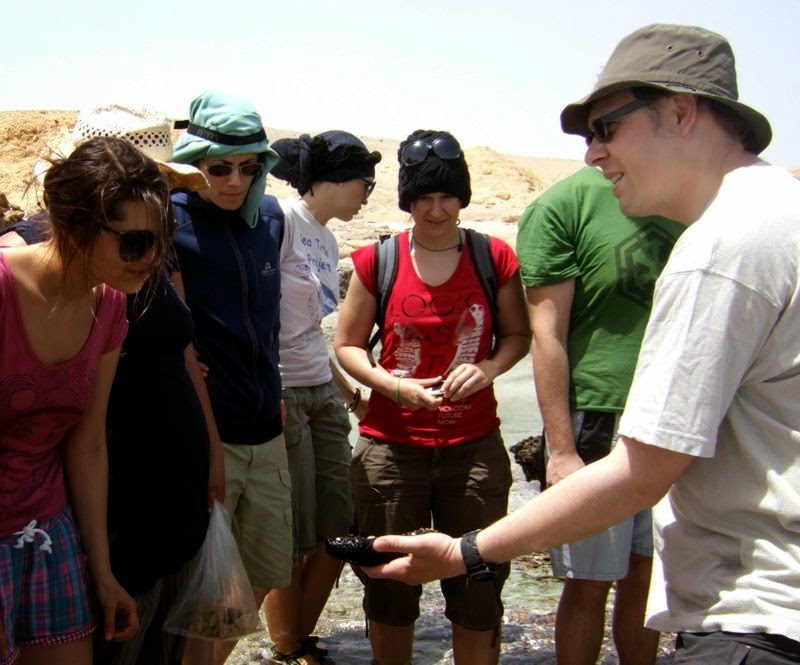
Dr. Andreas Kroh (NHM Vienna) on a field course on reef organisms, showing a sea cucumber to students.

While improvements are always possible and necessary, access to the historic biodiversity knowledge provided through BHL is critical to modern scientific work.

“It’s really the sum of observations, present ones as well as past ones, that form our knowledge of nature,” emphasizes Dr. Kroh. “In alpha-level taxonomy errors have been perpetuated in the past since few researchers had the possibility or time to go back to the original species descriptions. With BHL everybody has that possibility, regardless of her or his profession or place of living. BHL opens up scientific literature for the widest audience possible and repatriates scientific knowledge.”

We extend a special thanks to Dr. Andreas Kroh for sharing his experiences with BHL for our blog. Do you use BHL to support your work? Want to tell us about it? Send us a message at [email protected].

February 19, 2015by michelle.underhill
Blog Reel, Featured Books

Dolphins and True Love: An Ode to Frederick W. True

The Smithsonian Field Book Project is showcasing Frederick William True in February! This post is the first in a series of blogs and social media content from the Biodiversity Heritage Library, Pyenson Lab, Smithsonian Transcription Center, Smithsonian Archives, and Smithsonian Libraries celebrating #FWTrueLove. Learn more.

The Delphinidae: Cetacean Taxonomy’s “Trash Basket”

When you think of oceanic dolphins, chances are you don’t think of trash. But if you’re a taxonomist, you might.

“The family Delphinidae has been called a ‘taxonomic trash basket’, because many small to medium-sized odontocetes of various forms have been lumped together in this group for centuries” (Dr. Edward Vanden Berghe, Flanders Marine Institute. WoRMS. Delphinidae).

View Full Size Image
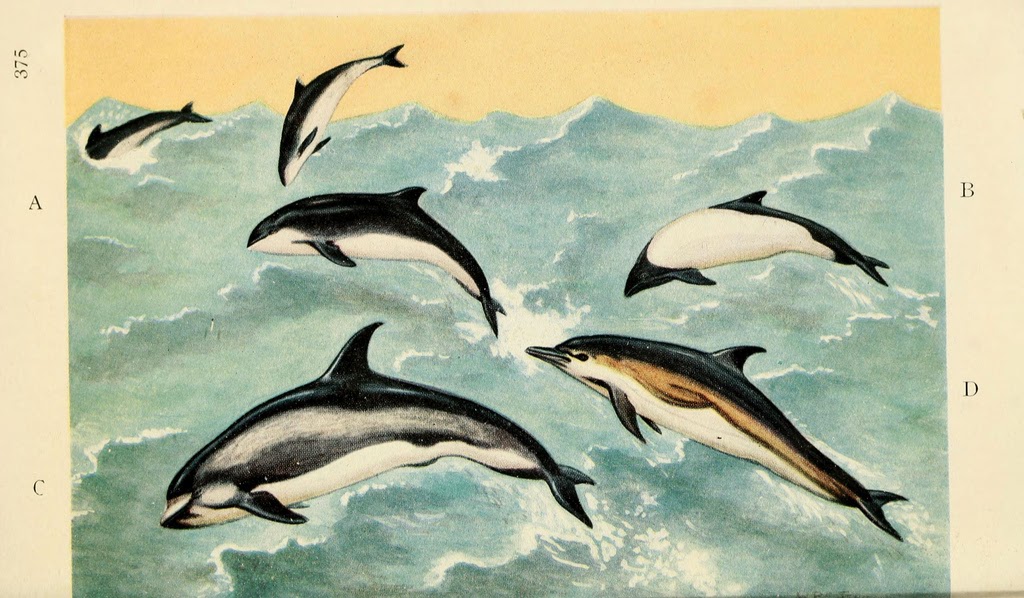
Fig B: Commerson’s dolphin (Cephalorhynchus commersonii); Fig. C: white-beaked dolphin (Lagenorhynchus albirostris); Fig. D: short-beaked common dolphin (Delphinus delphis); with the harbour porpoise (Phocoena phocoena) – Fig. A. (Listed by True as Phocaena communis within Delphinidae. Today named Phocoena phocoena in Phocoenidae family) in BHL. Norman, J.R. Field Book of Giant Fishes (1949). http://biodiversitylibrary.org/page/6279181.

Even today, multiple classifications exist, and depending on the schema used, anywhere from 30-50 species may be attributed to Delphinidae, ranging in size from 1-9.1 meters (see various taxonomies in EOL, WoRMS, Marine Mammal Science, and Animal Diversity Web). The distribution of Delphinidae species across such wide and diverse habitats and the lack of data for many members of the family impede conclusive taxonomic assertions regarding species distinctions and relationships.

Regardless of the questions still remaining, members of the Delphinidae family share many characteristics, including numerous conical teeth, compression and fusion of the neck vertebrae, and sophisticated echolocation ability.

View Full Size Image
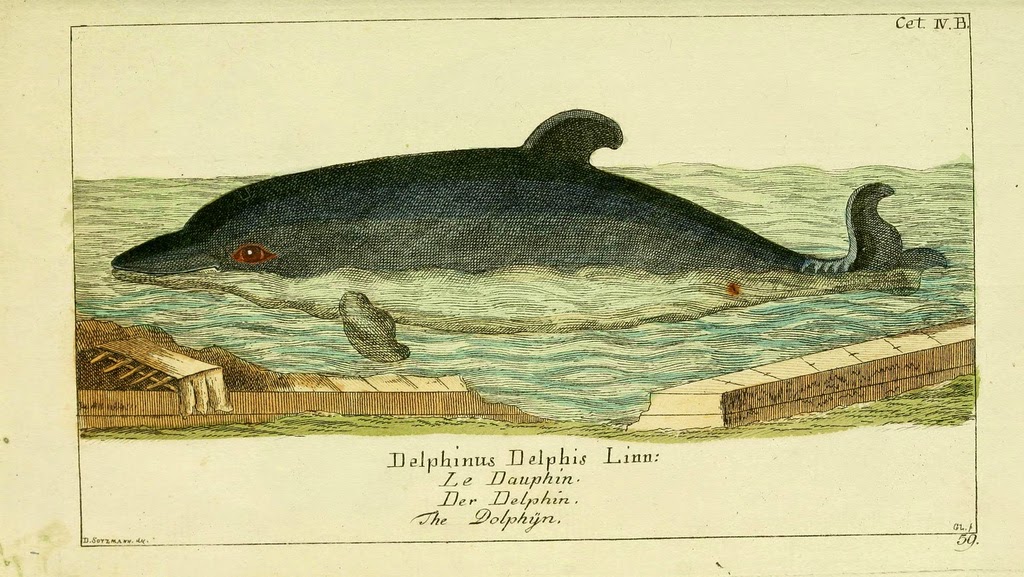
Short-beaked common dolphin (Delphinus delphis). Gemeinnüzzige Naturgeschichte des Thierreichs. Bd. 2 Plates (1780). http://biodiversitylibrary.org/page/28342227.

The quest to understand and organize oceanic dolphins is one that requires patience and the continual acquisition of knowledge and data. This has been the reality since scientists first attempted to classify these marine mammals, and one poignantly felt by one of the world’s foremost cetacean authorities at the turn of the century: Frederick William True.

F.W. True: Pioneering Cetologist

Frederick W. True (1858-1914) began his career as a clerk at the U.S. Fish Commission in 1878. In 1881, he was hired by S.F. Baird as Librarian and Acting Curator of Mammals at the Smithsonian’s National Museum of Natural History, after which he was promoted to Head Curator of Biology in 1897 – a position he held until 1911 when he became the Assistant Secretary of the Smithsonian Institution. With a focus on living and marine fossil mammals, True was the first marine mammals curator at the Smithsonian. Though he is most famous for his work on the mysticetes and beaked whales, True also provided invaluable contributions to the study of the Delphinidae family.

View Full Size Image
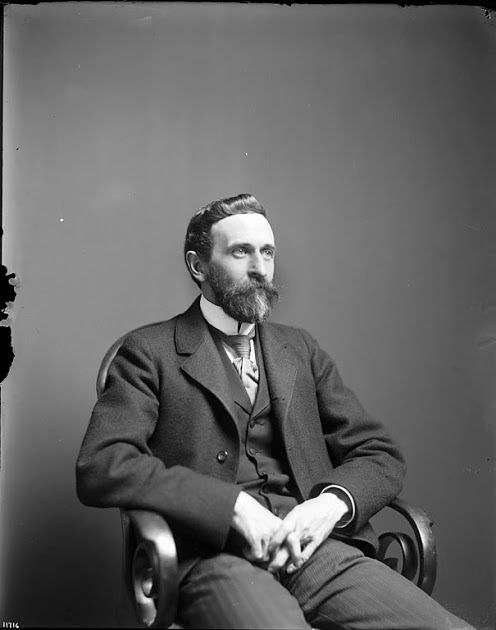
Frederick W. True. Image Courtesy the Smithsonian Institution Archives | Image # MAH-11716
http://siarchives.si.edu/collections/siris_sic_10333

At the turn of the century, the status of the Delphinidae family was even more confusing than it is today. The widespread distribution of the family meant that the same species might actually be found off the coasts of every continent (the common bottlenose dolphin (Tursiops truncatus) for example, has a worldwide range). More crucially, the lack of access to the specimens and data of scientists in different parts of the world, led to the tendency of some naturalists (such as Edward Drinker Cope) to base new species descriptions on scant data (often relying on a single, perhaps incomplete, specimen to assert a new species). Consequently, our turn of the 20th century understanding of Delphinidae was saturated with questionable, often synonymous, scientific names.

View Full Size Image
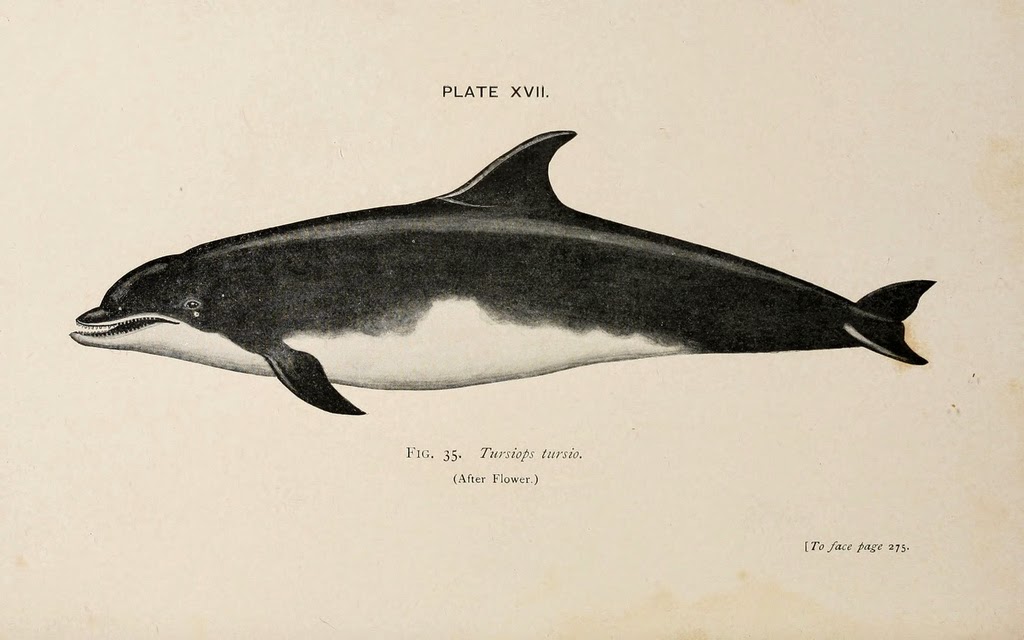
Common bottlenose dolphin (Tursiops truncatus). Beddard, Frank E. A Book of Whales (1900).
http://biodiversitylibrary.org/page/1398413.

True recognized that scientists at the time used non-uniform criteria to describe and classify species. Some based descriptions on external characteristics, while other relied on osteological examinations, resulting in, as True put it, two series of species. Varied criteria employment also resulted in drastically different classification schemes, resulting in a plethora of competing taxonomic trees for both Delphinidae and related families.

The preponderance of oceanic dolphin scientific names and uncertainty of species relationships was a major impediment to the advancement of Delphinidae research. Near the end of the nineteenth century, True set out to bring order to the chaos.

Revising the Delphinidae

True began his endeavor with a focus on the species found off the North American coasts, but the state of affairs compelled him to expand his scope to the entire Delphinidae family. Though his work was largely based on that of Gray, Flower, Stejneger and Baird, True was the first person to attempt to analyze all available data, harmonize the many synonyms, and produce a classified list of truly distinct Delphinidae species.

True quickly realized that “a proper comparison of the species described respectively by European and American naturalists could not be made without an examination of the types.” Thus, in the winter of 1883-84, True spent four months in the museums of England and Europe studying the type specimens of the described Delphinidae species. The result of his labor was the publication Contributions to the natural history of the cetaceans. A review of the family Delphinidae, which presented a revised Delphinidae classification.

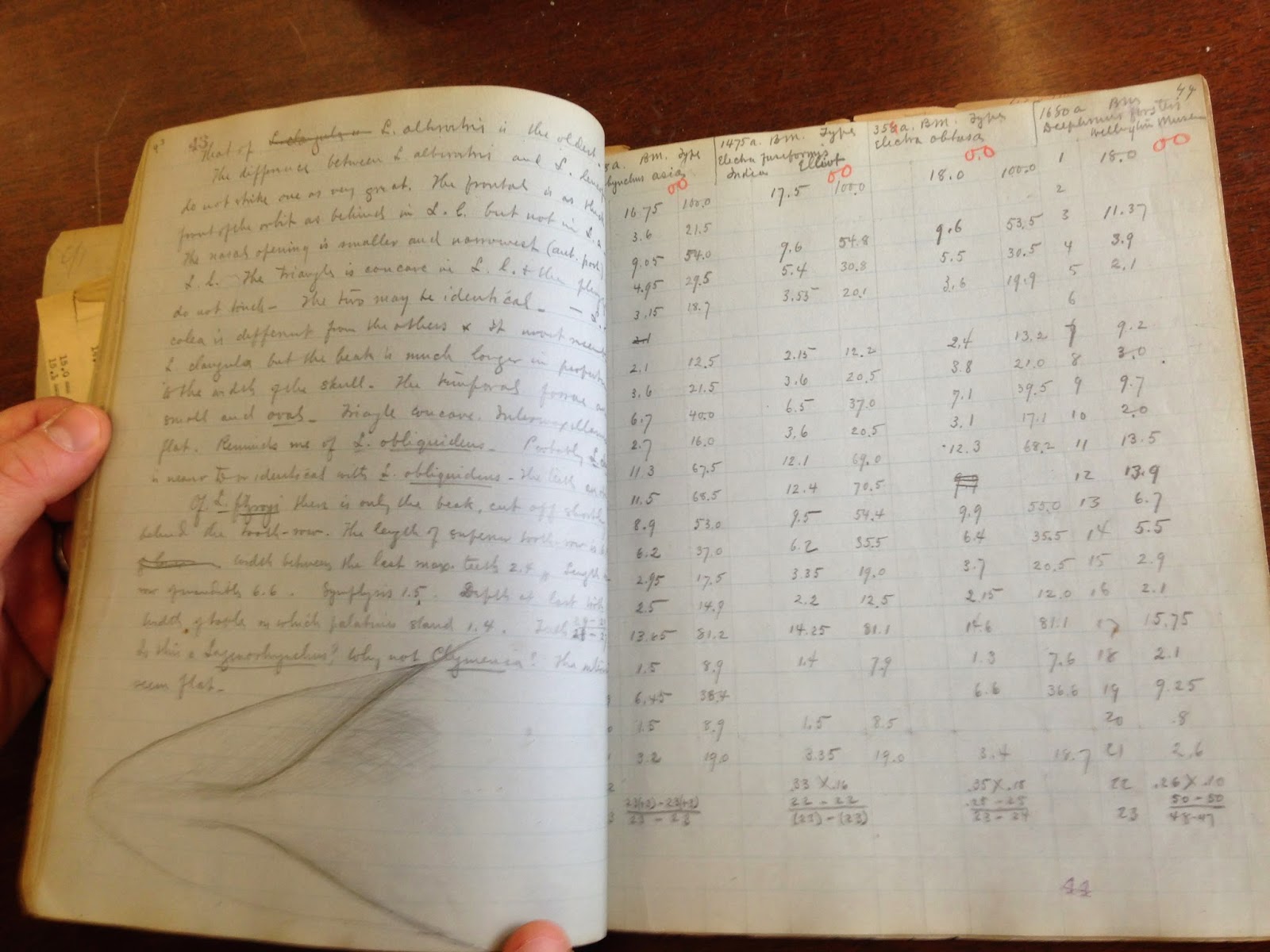
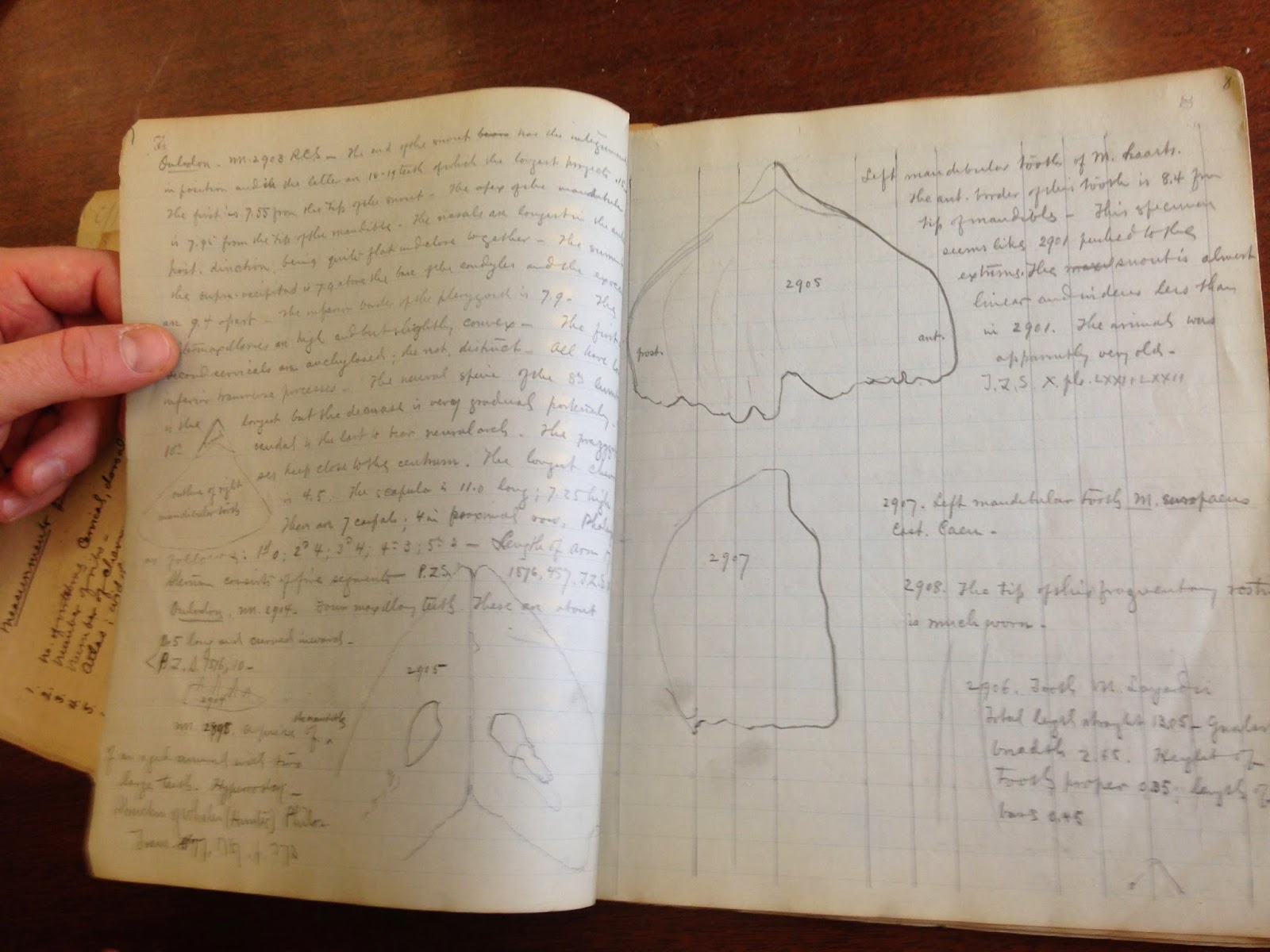
During his time abroad, True kept a journal recording the observations, measurements and data he gathered. These records were used to inform the aforementioned publication. Dr. Nick Pyenson, current Curator of Fossil Marine Mammals at the Smithsonian’s National Museum of Natural History, recently discovered this journal amongst a box of True’s manuscripts and research materials in the Smithsonian’s Remington Kellogg Library of Marine Mammalogy.

View Full Size Image
F.W. True’s Journal (1883-84). Data recorded from specimens at European and English museums. Used to inform True’s Delphinidae publication.

As the journal (1883-84) shows, True carefully examined and measured all of the type specimens he could find, including specimen catalog numbers, locality, sex and age if known, various lengths including total, length of beak, and girth, and other data such as the number of teeth. These kinds of data remain relevant today, where the consistent collection and curation of this irreplaceable data provides the basis for answering many different ecological, evolutionary and conservation research questions.

View Full Size Image
F.W. True’s Journal (1883-84). Data recorded from specimens at European and English museums. Used to inform True’s Delphinidae publication.

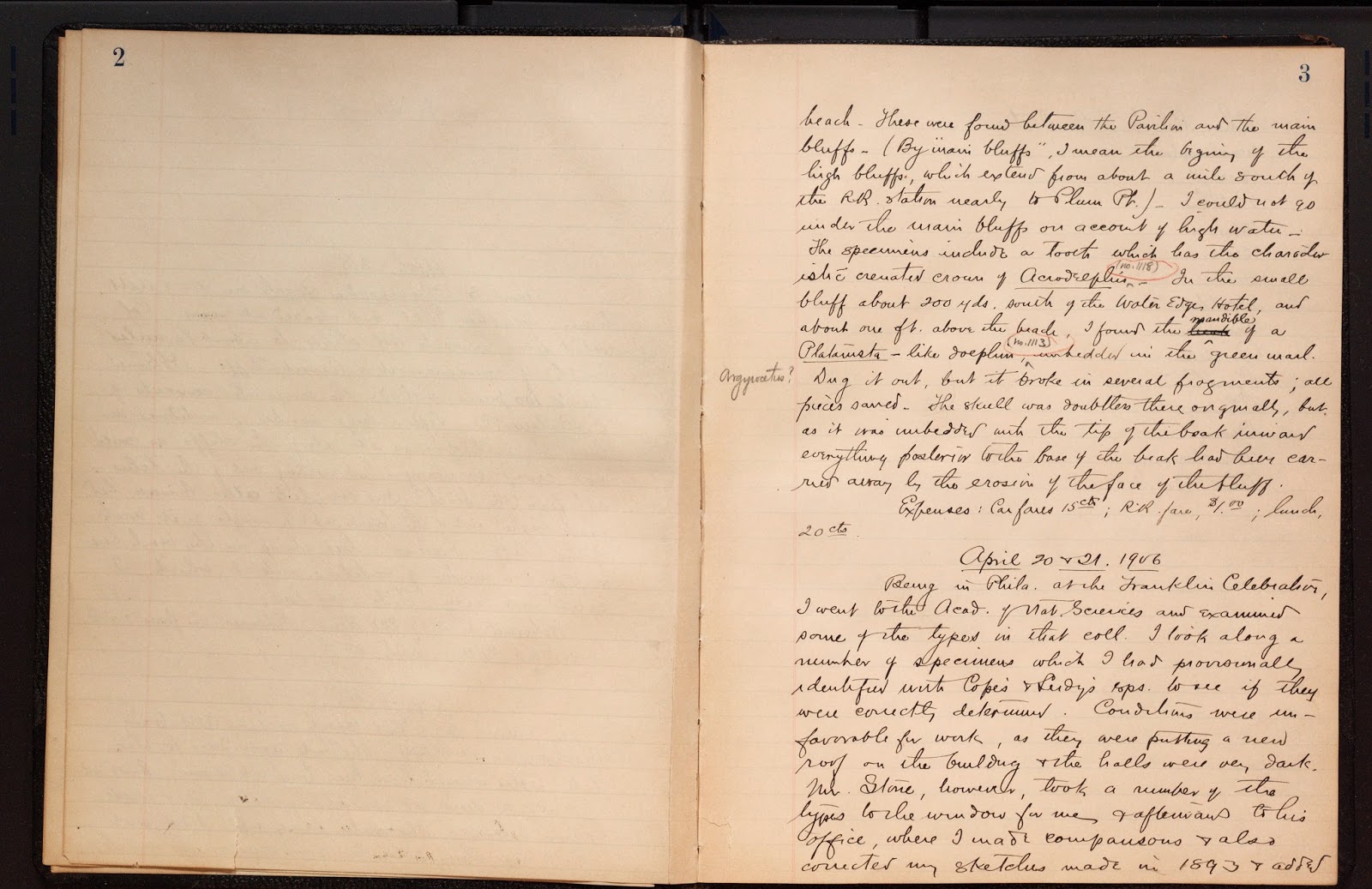
Even more interesting, the logbook is annotated by Remington Kellogg, the aforementioned library’s namesake and himself an authority on cetaceans. Though his time at the Smithsonian’s National Museum of Natural History postdated True’s lifetime, Kellogg took a keen interest in True’s work and annotated many of his manuscripts, including not only this journal but also True’s fieldbook of collecting trips in 1906-08.

View Full Size Image
True. F.W. U. S. National Museum log book of collecting trips for fossil cetaceans (1906-08). Digitized by the Smithsonian Institution Archives for The Field Book Project. http://biodiversitylibrary.org/page/46701241.

The measurements and osteological examinations recorded in True’s 1883-84 journal were used to create limits of specific variation among species and inform a comparative analysis of species relationships to produce a revised taxonomic tree. The result was the harmonization of existing scientific names down to a total of 62, classified within 19 genera and 2 subfamilies within Delphinidae.

Of course, the science of taxonomy is not a static endeavor. Classifications are constantly improving and evolving as we have access to new information and specimens, discover new species, and employ new techniques (such as DNA sequencing) in our quest to better understand the world and the species in it. Indeed, even True himself acknowledged that the accuracy of classifications was dependent on the availability of data and the construction of a full biological picture. In his publication, True asserted,

“The writer is fully aware that the time is not yet ripe for a final review of the family Delphinidae. The work now accomplished must be regarded as provisional and subject to change in the future…Cetologists must be content to wait patiently until the acquisition of new specimens make a complete description possible.”

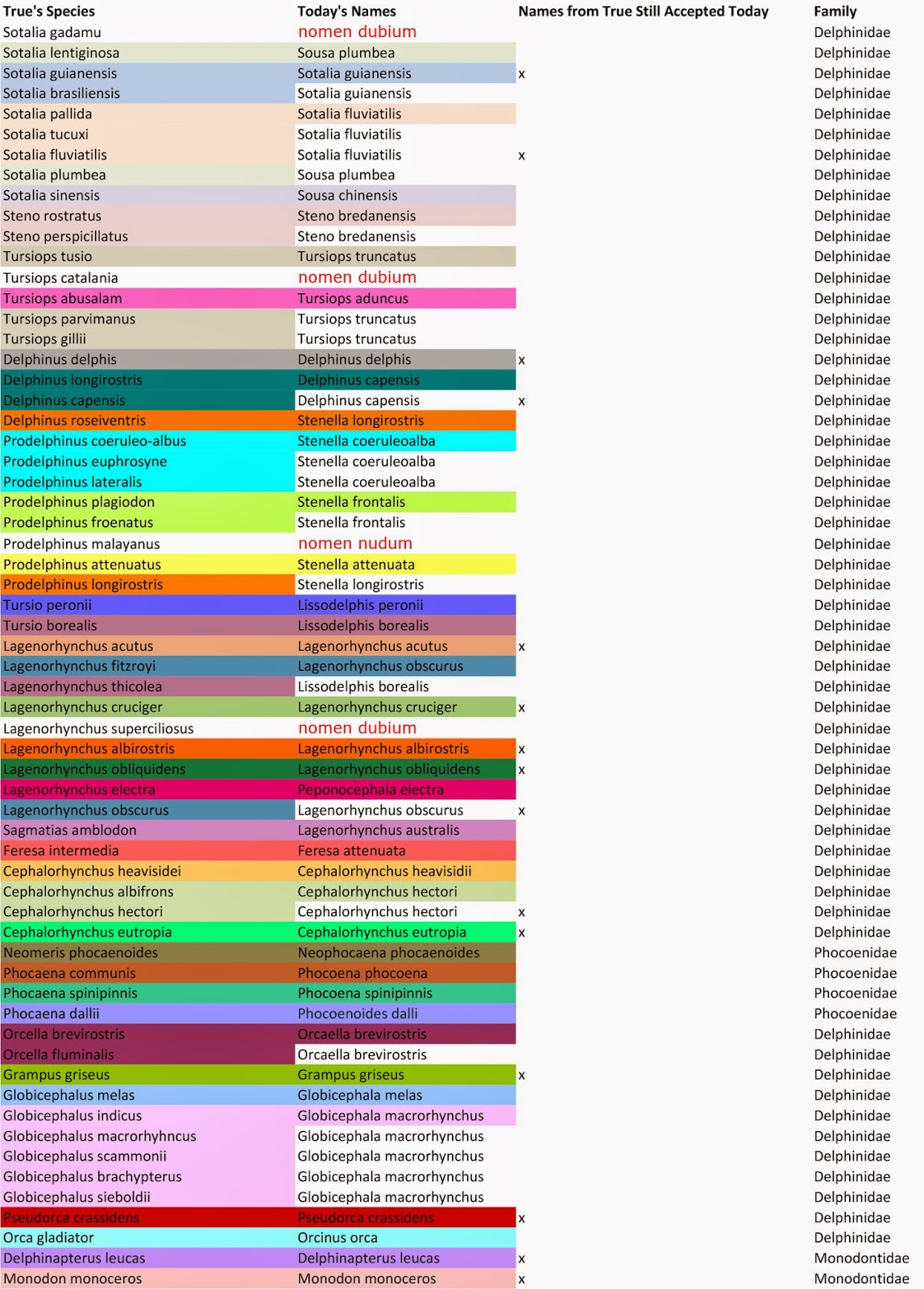
And indeed, new information has come to light since True revised the Delphinidae family over 100 years ago. While the total number of species, genera, and subfamilies differ depending on the classification schema used, of the 62 distinct species that True recognized, 38 are recognized as distinct today (though some under different names), and 32 are still included in the Delphinidae family. Twenty-four of the species True classified as distinct are now considered representatives of other species cataloged in his publication or are not recognized as distinct species today (i.e. nomen dubium). While many of the binomials employed by True are today considered invalid synonyms (though some have changed only slightly in spelling), 15 of the names included by True are still considered valid. (Comparisons made on whole species binomial. Data based on taxon information in WoRMS collected 1/30/2015. Note: some researchers have proposed using Sagmatias for species of Lagenorhynchus today — so Sag. amblodon may get resurrected.)

View Full Size Image
Table Comparing the species names presented by True (“True’s Species”) with the corresponding valid species names recognized today (“Today’s Species). Each unique species listed under “Today’s Species” is highlighted with a distinct color, and all names employed by True in the “True’s Species” column are color coded with the valid name they are recognized to represent today. The “Family” column indicates the taxonomic family to which the species identified by True are today understood to belong to. Comparisons based on taxon information in WoRMS collected on 1/30/2015.

Scientific Research in the Digital Age

The efficiency of scientific research depends on access to raw data, specimens, and previously published information. During True’s lifetime, access to this information was especially difficult, resulting in the proliferation of competing taxonomies. Satisfying information needs often required expensive trips across oceans and countries to consult dispersed institutional collections.

Today, open access digitization initiatives are working to provide global, online access to the information required to study, describe, and classify life. The digitization of museum specimens, scientist’s raw data contained in unpublished fieldbooks, and centuries’ worth of published natural history literature allows researchers to draw connections among all of this information, see the work upon which current systems are based, compare notes across disciplines and time, and more easily harmonize synonyms and create classifications. The Biodiversity Heritage Library and The Field Book Project, through the digitization of natural history fieldbooks and publications, are two programs amidst a growing cadre of initiatives dedicated to facilitating discovery of the natural world. Through continued collaboration and a commitment to open access, we can improve the efficiency of scientific research across the globe.

For more fun, browse historic Delphinidae illustrations from BHL: http://ow.ly/IuYCX

With contributions by: Dr. Nick Pyenson | Curator of Fossil Marine Mammals, NMNH

February 5, 2015by michelle.underhill
Blog Reel, User Stories

Original Publications at our Fingertips

Systematics is the branch of biology concerned with classification and nomenclature. It is sometimes used synonymously with taxonomy.

In their 1970 publication Systematics in Support of Biological Research, Michener et al. defined systematic biology and taxonomy as:

Systematic biology (hereafter called simply systematics) is the field that (a) provides scientific names for organisms, (b) describes them, (c) preserves collections of them, (d) provides classifications for the organisms, keys for their identification, and data on their distributions, (e) investigates their evolutionary histories, and (f) considers their environmental adaptations…Taxonomy is that part of Systematics concerned with topics (a) to (d) above.

Identifying species, their relationships and evolutionary hierarchies, is critical to saving biodiversity. Recognizing this, the White House Subcommittee on Biodiversity and Ecosystem Dynamics declared systematics a research priority essential to ecosystem management and biodiversity conservation and identified improvements in the organization of, and access to, standardized nomenclature as a priority within the field.

ITIS (Integrated Taxonomic Information System) was established to address this priority.

View Full Size Image

A partnership of federal agencies (including BHL members the Smithsonian, United States Geological Survey, and CONABIO), ITIS is a database containing reliable information on species names and their hierarchical classification, including the authority (author and, in the case of zoological names, date), taxonomic rank, associated synonyms and vernacular names where available, a unique taxonomic serial number, data source information (publications, experts, etc.) and data quality indicators for each indexed scientific name. Among other applications, ITIS classifications are used as a taxonomic backbone for the Encyclopedia of Life, to which BHL also provides primary source materials such as publications and illustrations.

Dedicated ITIS working groups ensure that the system is designed and continually developed to meet user needs and that the information contained within is valid, thorough, and regularly updated with classification revisions and new species information. Ensuring such a high level of data quality requires extensive research and access to a wealth of primary natural history information.

View Full Size Image
Sara N. Alexander, Data Development Specialist for ITIS.

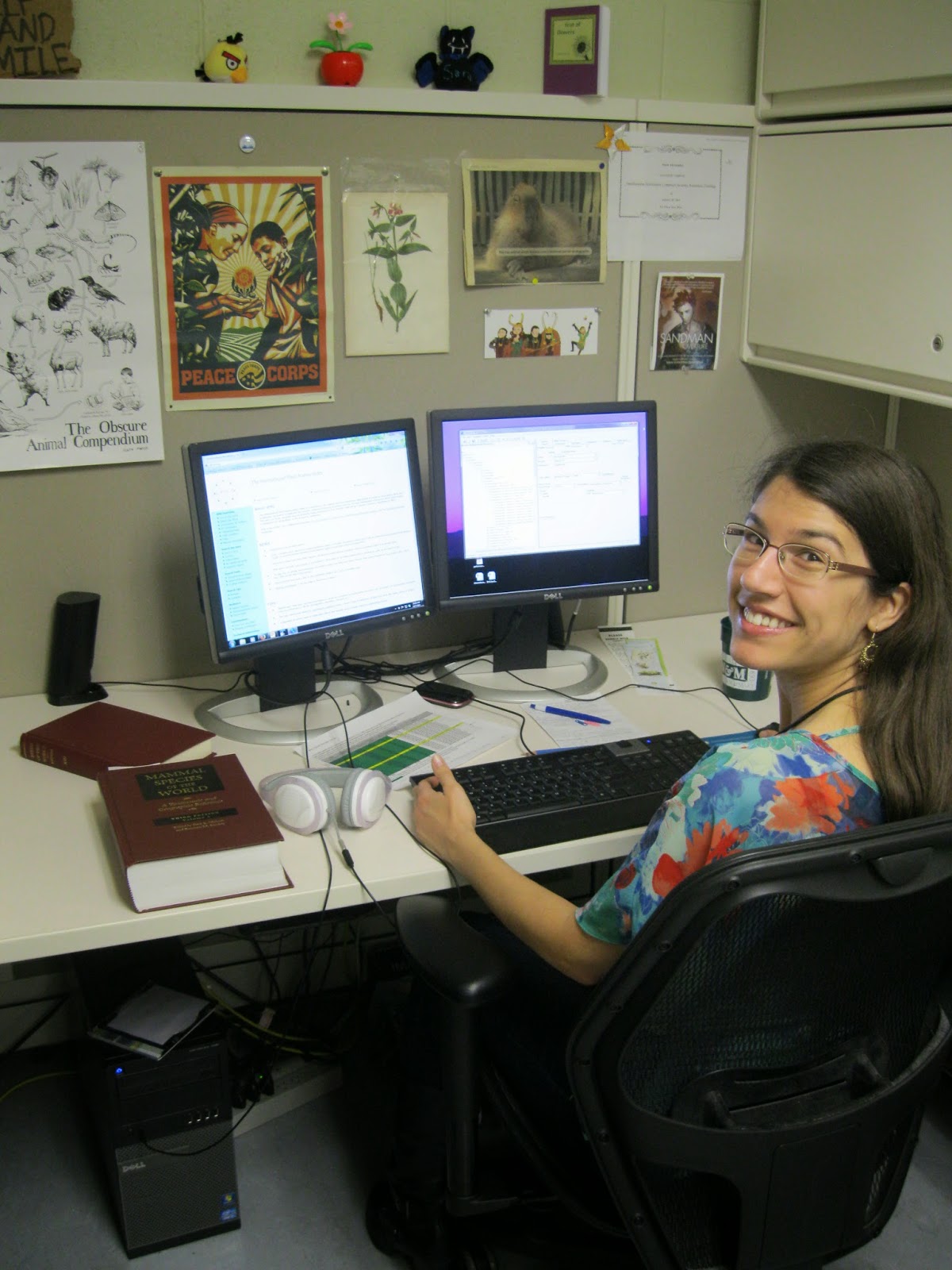
Sara N. Alexander is a Data Development Specialist for ITIS, stationed at the Smithsonian National Museum of Natural History. With a background in taxonomic botany and the benefit of six years working for the National Herbarium, Alexander joined ITIS five years ago to work with botanical data and has since branched out to proofread zoological taxonomic files.

For her work, Alexander requires access to historic taxonomic information, which is contained within the pages of natural history literature…literature which is made freely available on the Biodiversity Heritage Library.

“I rely on BHL for my daily work; it streamlines taxonomic research immensely,” applauds Alexander. “I am fortunate to have access to multiple libraries in the Smithsonian’s National Museum of Natural History, but even so without BHL I would spend lots of time traveling back and forth to the libraries, scanning pages and making photocopies, waiting on interlibrary loans, and sending emails to taxonomic specialists. With BHL, not only do I have access to original and old literature, but I can easily include a stable and precise link in an email or on a website to allow coworkers to check the accuracy of my work, specialists to answer tricky questions without the burden of hunting down the physical literature themselves, and ITIS users to see the basis of our taxonomic information.”

While she primarily uses BHL to locate the original publication of a name or to find accurate bibliographic information, Alexander has found many additional applications for and points of interest within BHL resources.

“I’ve even occasionally been able to use BHL to discover errors on other online resources on which I rely heavily,” confides Alexander. “For example, I sometimes find a subspecific name published before 1975 that is not yet included in IPNI (The International Plant Names Index). I also enjoy getting ‘sidetracked’ on BHL to read early descriptions of ‘exotic’ animals and look at full-color plates and engravings.”

When asked to give an example of her use of BHL, Alexander related a project that resulted in extensive augmentation of ITIS records with BHL data.

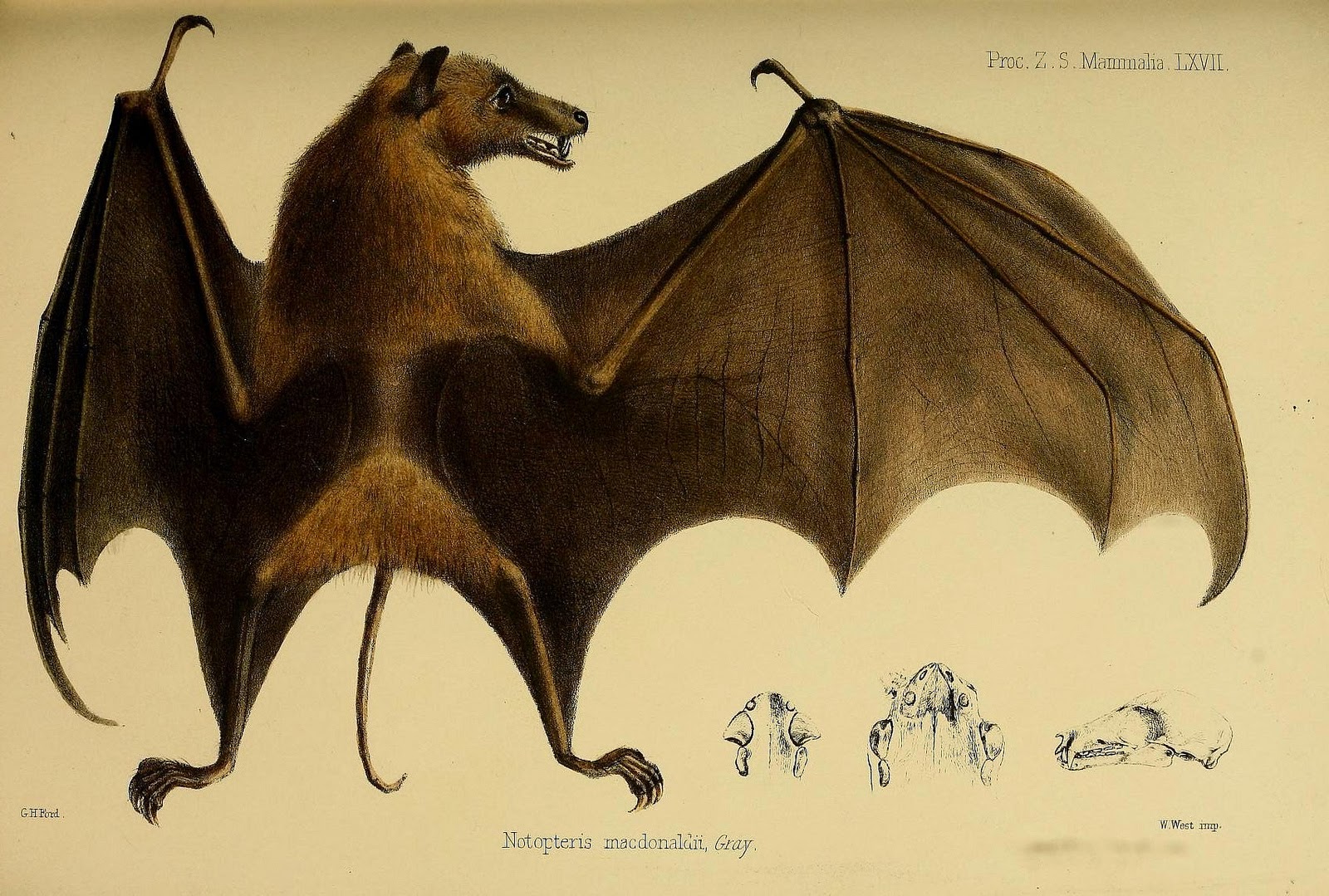
“For worldwide Chiroptera (bats) I was tasked with double-checking the use of parenthetical authorship (whether a name was originally published in the same genus or a different genus than the genus in which it is treated today), which necessitated finding the originally published name for over 2,000 species and subspecific names,” recalls Alexander. “Many of these names were available through major checklists like Hall’s 1981 The Mammals of North America, but others had to be tracked down individually. The now-loaded ITIS treatment of Chiroptera includes links to 72 literature sources accessed through BHL.”

View Full Size Image
A member (Notopteris macdonaldi) of the Chiroptera, or bat, order, the ITIS treatment for which now includes 72 literature sources accessed through BHL, thanks to Sara Alexander. Proceedings of the Zoological Society of London. v. 1 Plates (1848-60). http://biodiversitylibrary.org/page/37028041.

As her work relies heavily on locating taxonomic names, BHL’s recent initiatives to improve the quality of our OCR, as through the Purposeful Gaming and Mining Biodiversity projects, are of particular interest for Alexander.

“Correcting OCR, and allowing more scientific names to be accurately indexed, will make my work a lot easier. My ideal would be to be able to type in a scientific name and always find its original publication among the returned documents.”

Through the work of dedicated contributors like Sara Alexander and collaboration among multiple agencies, ITIS is significantly advancing scientific research by providing a common framework for and widespread access to taxonomic data that is “fundamental to the description, conservation, and management of the nation’s biodiversity.” The application of BHL data within ITIS demonstrates once again the critical importance of historic, foundational biodiversity literature to modern scientific endeavors. BHL, ITIS, and other open, like-minded biodiversity initiatives are committed to ensuring that everyone, everywhere has the information they need to study, understand, and save the incredible biodiversity on our planet.

We hope you enjoyed this post. Interested in being interviewed for BHL? We’d love that! Email us at [email protected].

January 13, 2015by ulib-libraryjobs
BHL News, Blog Reel

We Need Books to…Identify New Species

This month, we’re publishing a series of blog posts outlining the importance of biodiversity literature, made available for free and open access through the Biodiversity Heritage Library, to today’s scientific research and conservation initiatives. With your help, we can help save biodiversity. 

The Science of Identifying Life on Earth

There are an estimated 8.75 million species on earth, of which almost 2 million have been described. Scientists classify about 18,000 new species per year, meaning that it may take hundreds of years to create a complete species catalog.

View Full Size Image
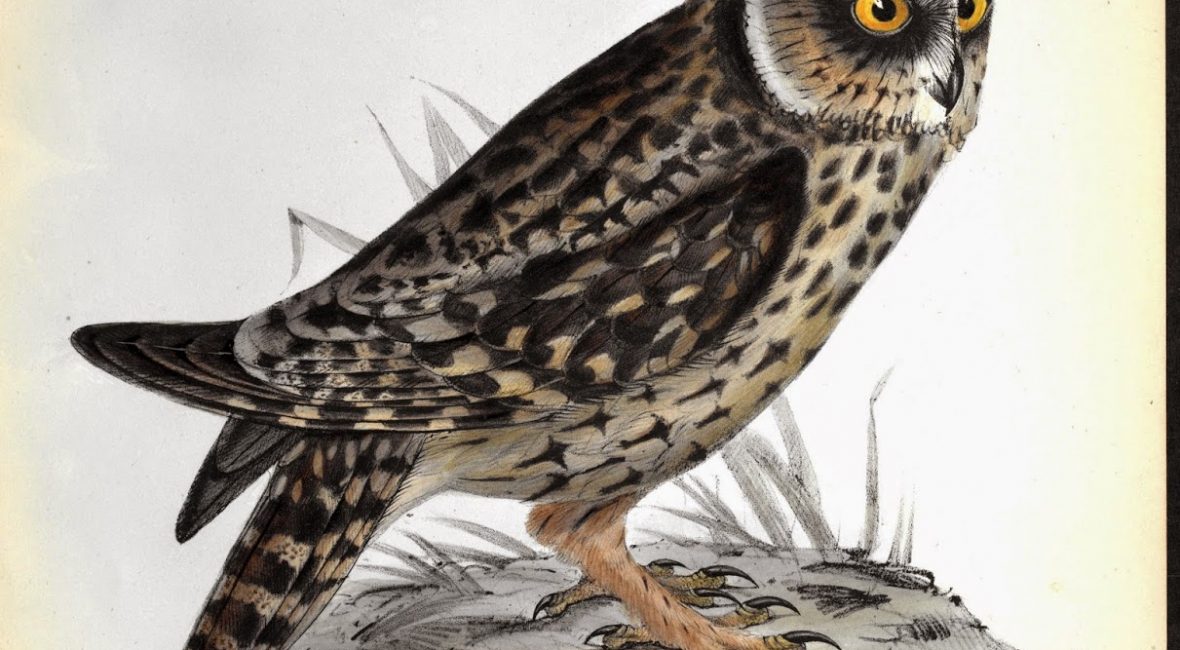
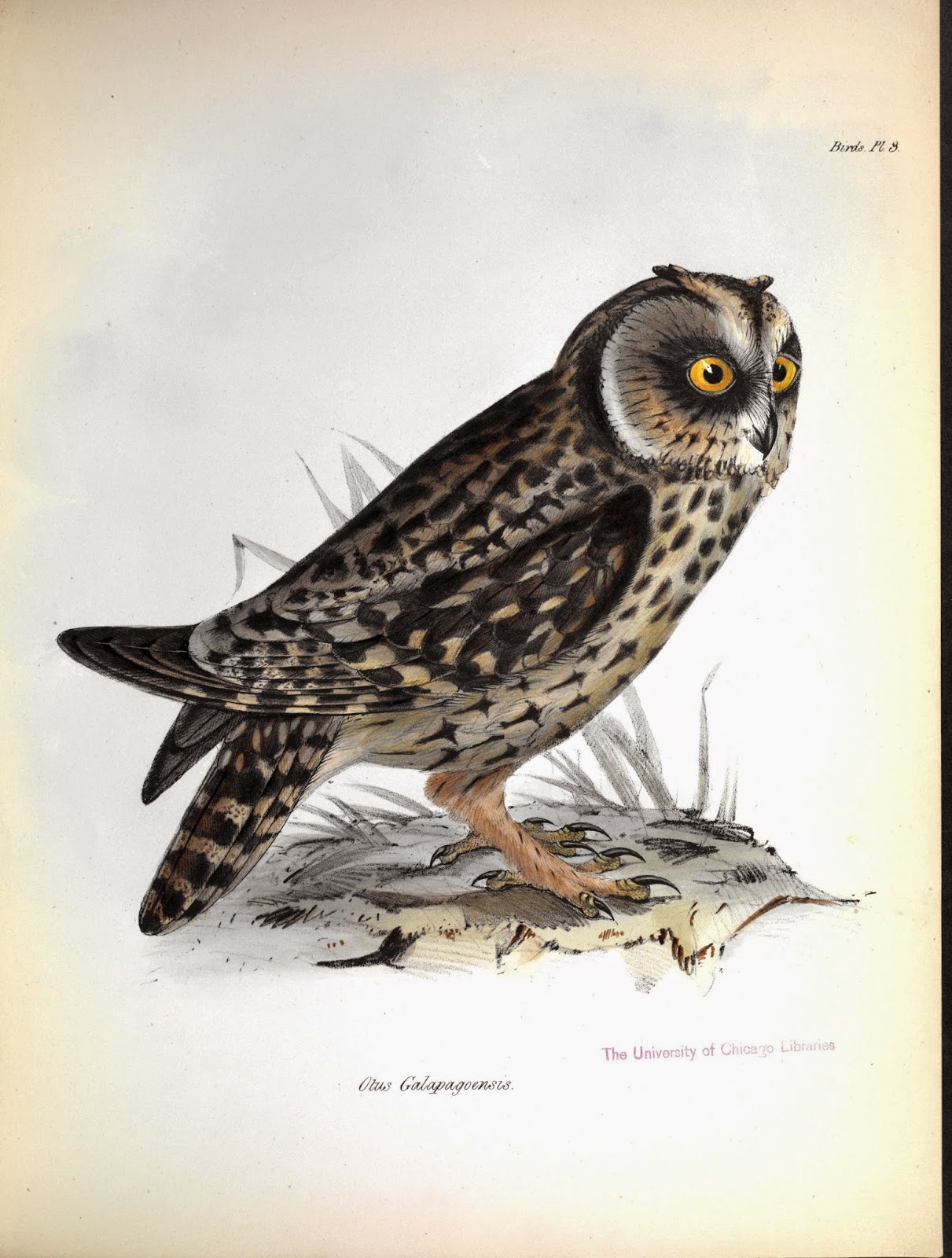
Short-eared Owl. Illustrated as part of Darwin’s Zoology of the Voyage of the H.M.S. Beagle (1839-43), which presented identification and descriptions for the zoology observed and collected during one of natural history’s most famous expeditions. http://biodiversitylibrary.org/page/40300038.

Early explorers documented their observations and data about the world’s biodiversity in historic fields notes and published literature. These discoveries provide a foundation for modern scientific research and fueled the drive to systematically catalog life. The science of taxonomy classifies biological organisms using binomial nomenclature (which identifies organisms by genus and species) and hierarchies based on inferred evolutionary relatedness.

Taxonomists are charged with naming and classifying species, with a goal of one day identifying all life on earth. In order to name a new species, a taxonomist must first verify that the specimen has not yet been described by consulting museum collections, performing DNA sequencing, and reviewing the historic literature record. They may also need to ensure that related species or subspecies have not erroneously been classified as a single species by examining published treatments (species descriptions) and related type specimens.

View Full Size Image
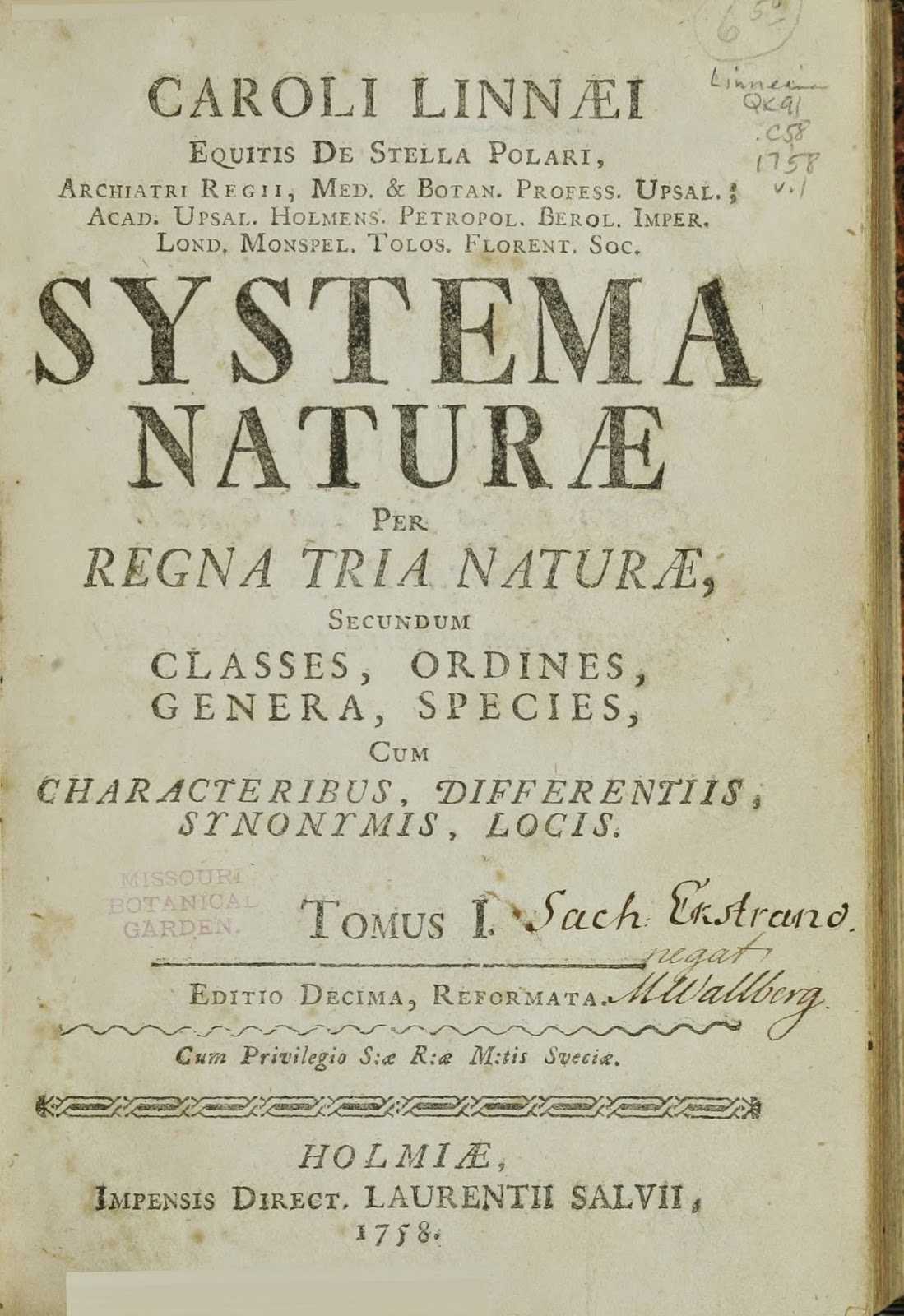
Linnaeus, Carl. Systema Naturae, 10th Ed. (1758-59). Considered the beginning of zoological nomenclature, in which Linnaeus introduced binomial nomenclature for animals. http://biodiversitylibrary.org/page/726886.

“Taxonomy is a science that keeps pace with the present but also draws upon the wealth of knowledge accumulated throughout its history,” stresses Dr. Sandra Knapp, botanist at the Natural History Museum, London, within a History of Taxonomy exhibition at NHM. “The old literature is often just as important as the new,” elaborates Dr. John Sullivan, an evolutionary biologist with the Academy of Natural Sciences, Philadelphia and Cornell University. “If we were to describe new species without knowing what [previously-documented species really are], we risk re-describing [them] under a different name and creating a synonym.”

Morphology and behavior is also very important in determining taxonomic relationships for new and existing species. Historic natural history literature is saturated with such data, which, alongside original species descriptions, provides a critical foundation for ongoing classification work.

Thanks to the Biodiversity Heritage Library, this crucial historic literature is now online, allowing taxonomists to access it wherever and whenever they need to. “I tend to think of BHL as my personal ichthyology library,” confided Dr. Sullivan. Before embarking on a trip to Africa to confirm the identity of a possible new fish, he downloaded the relevant taxonomic description from BHL. “I had it on my Kindle as I stood at the site,” he recalls. “Even if I lived in a library that had these volumes on the shelf, it would take me longer to locate what I was looking for!”

View Full Size Image
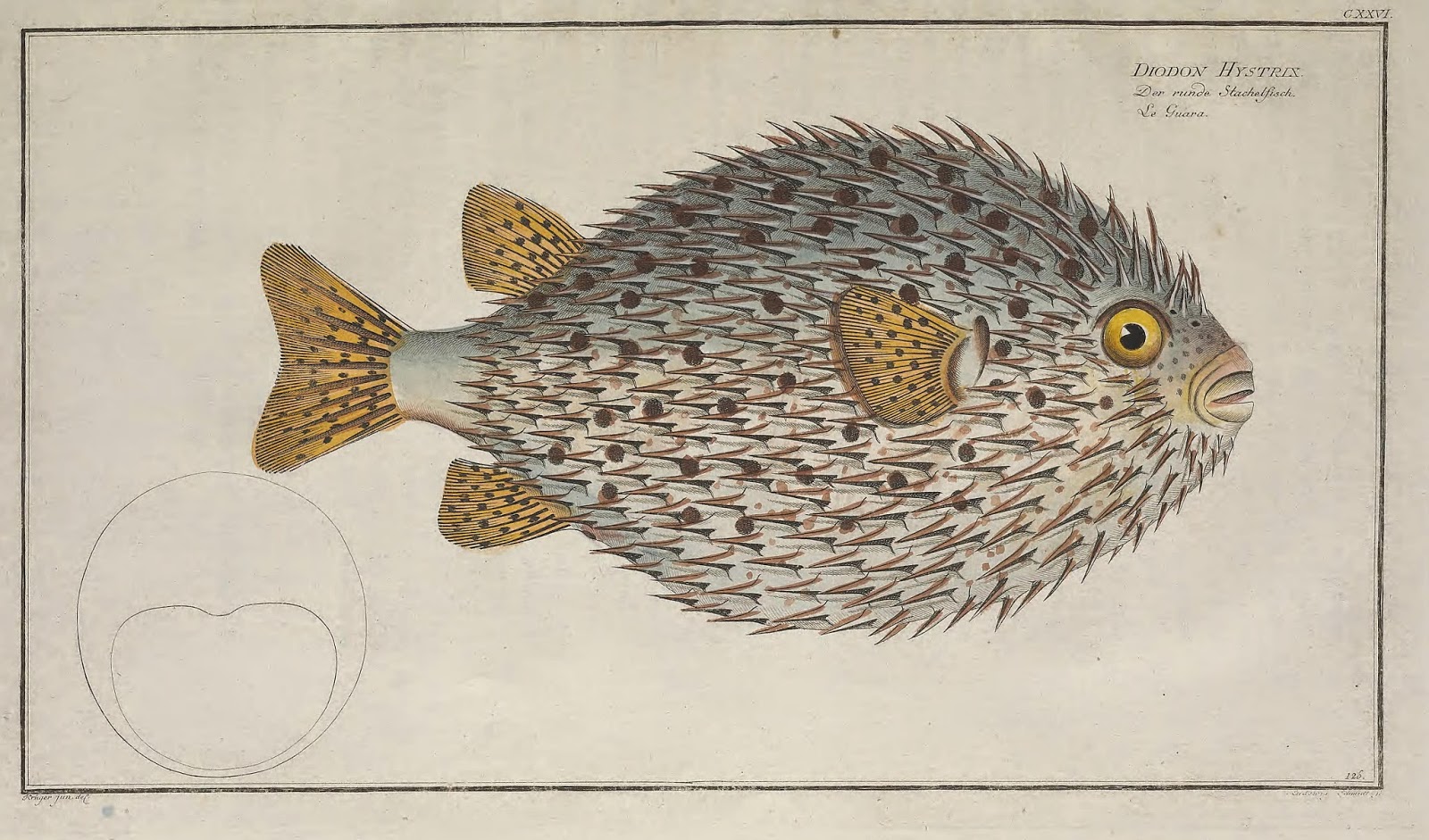
Spot-fin Porcupine Fish, from Ichtyologie, ou, Histoire naturelle, générale et particulière des poissons (1785-97), the French version of Marcus Bloch’s Allgemeine Naturgeschichte des Fische, a compendium of all fish known at the time. This work alone described 267 species new to science. http://biodiversitylibrary.org/page/46076975.

Who Cares if we Identify all the Species?

But why is it important to document all life on earth? “Biodiversity is about the totality of things,” explains Dr. Knapp in the NHM History of Taxonomy exhibition. By identifying species and the relationships between them, taxonomy aims to understand “how nature’s wild, wonderful diversity is generated.”

View Full Size Image
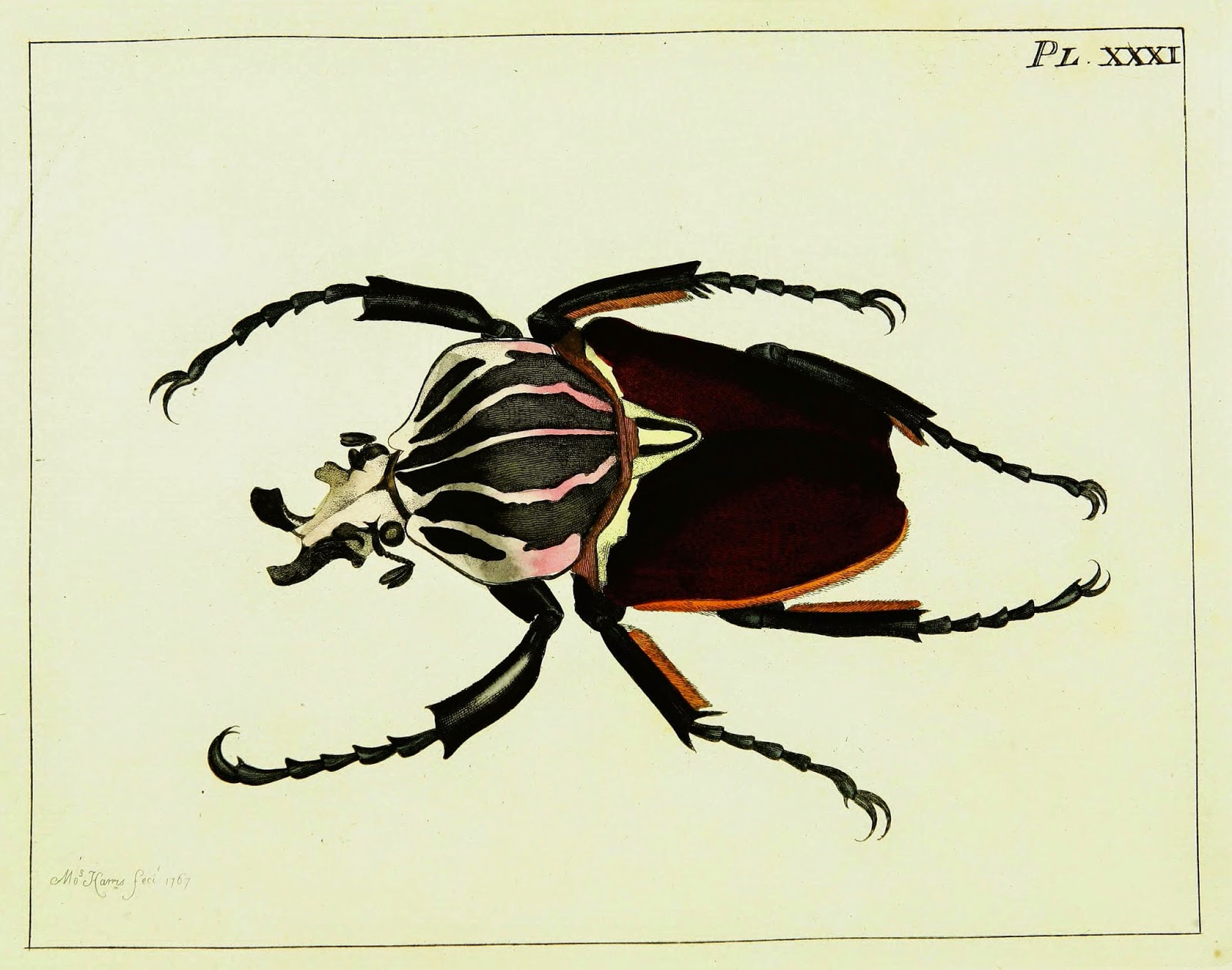
First published illustration of an African Goliath Beetle. From Illustrations of Natural History (1770-82), by Dru Drury. http://biodiversitylibrary.org/page/42122956.

Today, that diversity is sorely threatened. More than 40% of the evaluated amphibian species, 30% of the evaluated invertebrate species, 21% of evaluated fish and reptile species, 26% of known mammal species, and 68% of the evaluated plant species are threatened with extinction. “It is key to identify species at risk so we can take action accordingly,” emphasized Dr. Rafe Brown, curator in charge of Herpetology at the University of Kansas, in a 2014 National Geographic article.

The inherent problem, however, is that we can’t know what species to protect until we know what species there are. We cannot predict how biodiversity loss will affect an ecosystem until we identify all the players in that ecosystem, their roles, and relationships. We must start by illuminating the unknown.

View Full Size Image
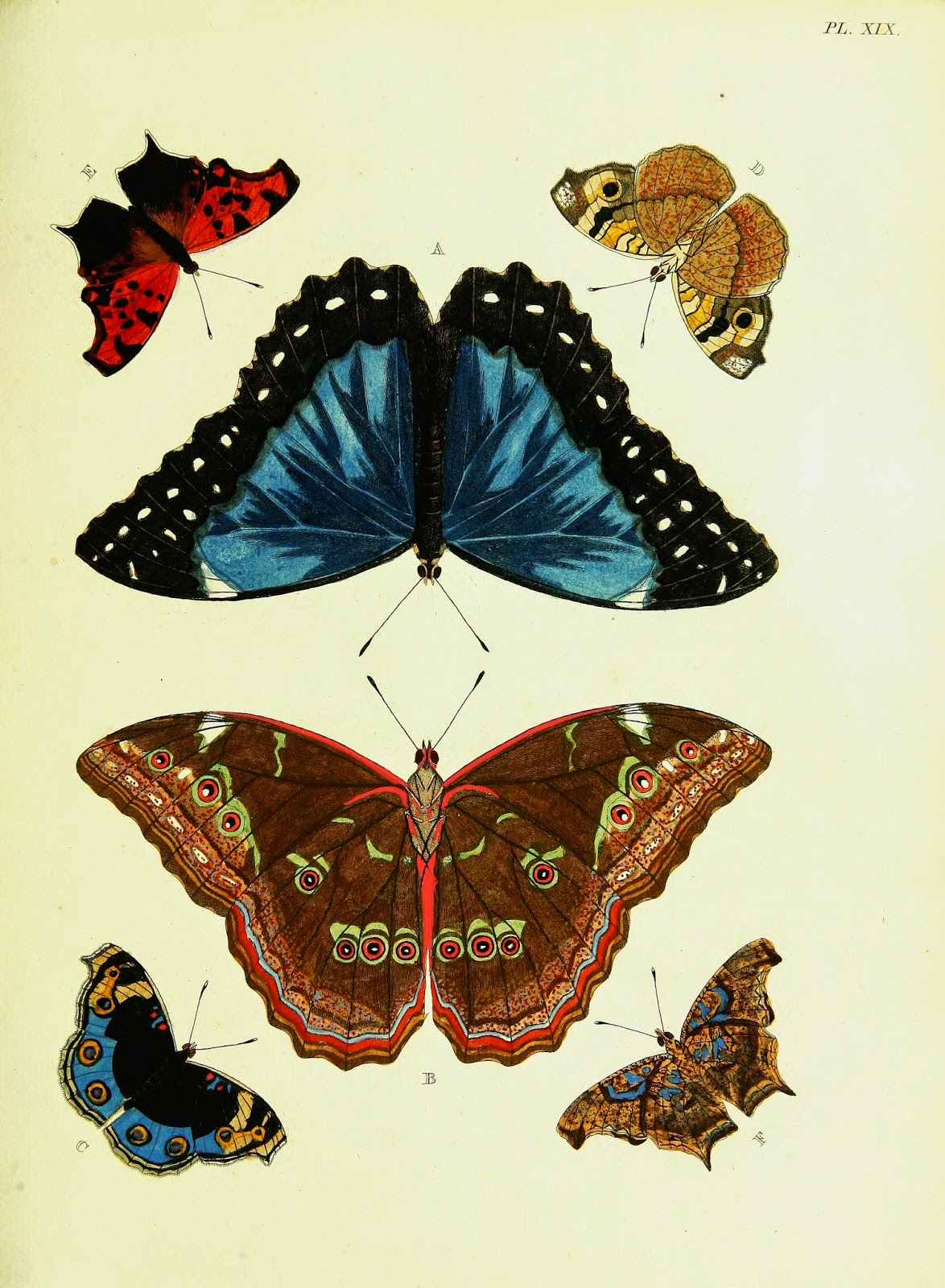
Butterflies from De uitlandsche kapellen voorkomende in de drie waereld-deelen, Asia, Africa en America (1779-82), by Cramer, Pieter. This is the first treatise on Lepidoptera to use the then-newly developed binomial classification system by Linnaeus. This work contains hundreds of “original descriptions” and many new-to-science Lepidoptera species. http://biodiversitylibrary.org/page/42111323.

A complete catalog of species can help scientists determine if conservation initiatives are focusing on and prioritizing the right environments and species or if efforts should be directed elsewhere. “We know we’re losing biodiversity at a rate that is 1,000 times faster than we should be, and if we’re going to stop that hemorrhaging of species, we have to know what the species are and most important, where they are. This is a vital first step in making decisions about where to act,” explains Dr. Stuart Pimm, a conservation biologist at Duke University, in a 2012 Seeker article.

You can help!

Effective conservation and appropriate responses to environmental changes relies on a complete biodiversity picture. Obtaining a comprehensive species catalog hinges on the work of taxonomists, who in turn are dependent on the knowledge held within the pages of historic taxonomic literature.

We rely on donations from users like you to help grow our library and keep it free and open. As you think about your holiday giving, we hope you’ll consider making a tax-deductible donation to help save biodiversity.

Learn more about the critical roles BHL and historic literature play in understanding past extinctions, supporting conservation, and saving Earth’s biodiversity

December 17, 2014by michelle.underhill
Blog Reel, User Stories

Helping Out with Diverse Interests in Biodiversity: Taxonomy of Molluscs and Birds

Portrait version of the Biodiversity Heritage Library logo.
View Full Size Image
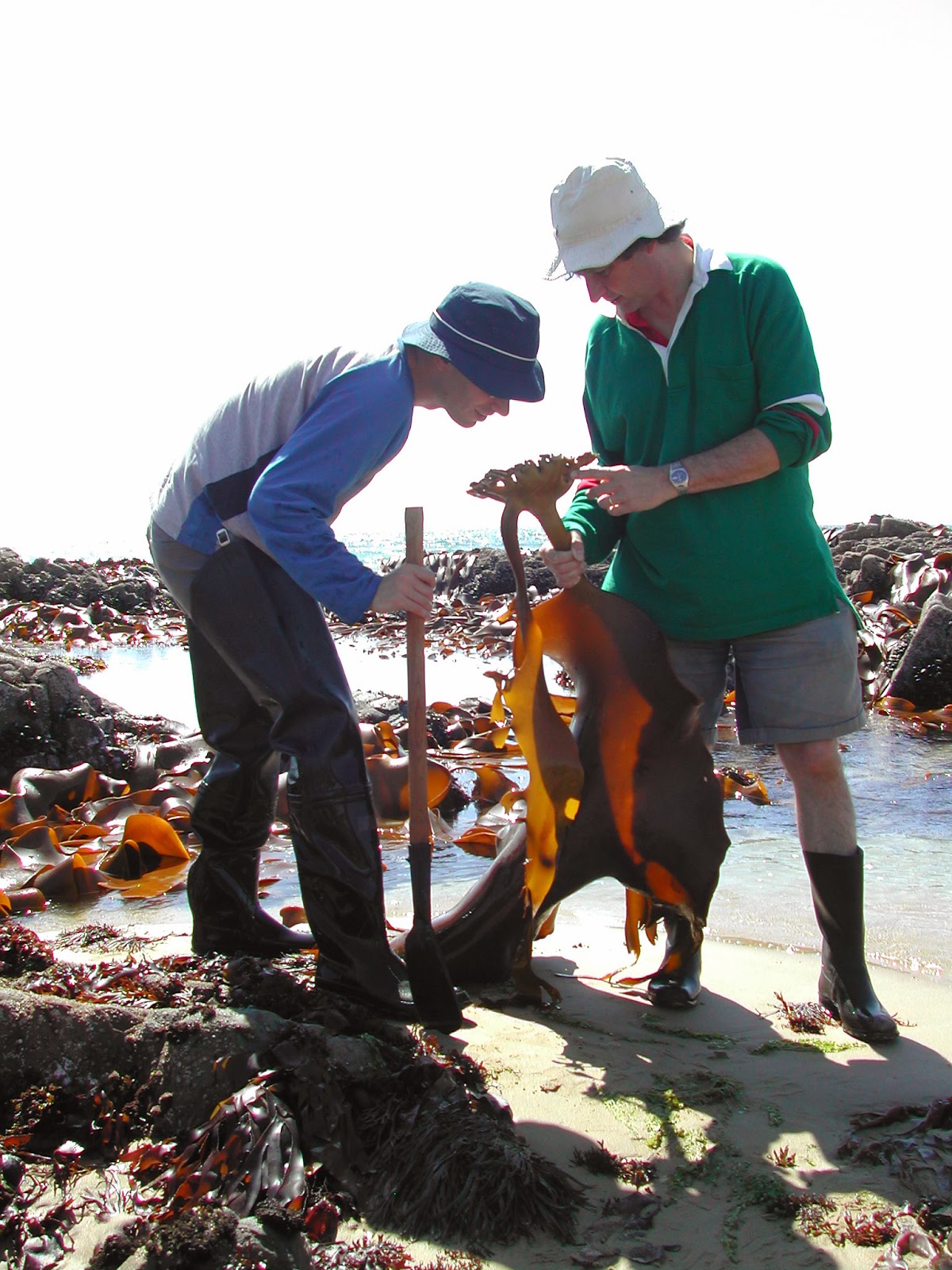
Prof. Hamish Spencer (right) and his long-time 
collaborator, Prof. Jon Waters (left) examining the 
holdfast of a brown alga, Durvillaea poha, a species 
they and a student of theirs described after showing
 it was genetically distinct from the widespread D. antarctica.  
The holdfasts pictured are the habitat for a number of 
interesting invertebrates (e.g., molluscs, crustaceans). 
One of these, the gastropod mollusc Diloma durvillaea, 
was also described by them.

New Zealand is an exciting place to study biodiversity for a number of reasons. First, its unique set of plants and animals, evolving in the context of an active geologic history, results in several model systems that are ideal for testing ideas about how evolution works. Second, the country still has areas of its natural environment that are relatively undisturbed, something of which the wider public is very proud and which means that many people are interested in and aware of many native species. And, third, New Zealand is still in an “age of discovery” with undescribed species turning up in numerous studies across almost all habitats.

Hamish Spencer has had the good fortune not only living in such an amazing location but has also pursued a very rewarding career in preserving and improving understanding of the rich biodiversity found here. He currently serves as Director of the Allan Wilson Centre, a cross-institutional group of evolutionary biologists working on various aspects of New Zealand’s biodiversity.  He is also a Professor in the Department of Zoology at the University of Otago, in the city of Dunedin, known as the Edinburgh of the South.  

As part of our regular BHL and Our Users series, Professor Spencer has graciously agreed to answer some questions about how BHL has impacted that work.

When did you first discover BHL?

A while ago! Not sure.  Maybe 6 years?

What is your opinion of BHL and how has it impacted your research? 

It is fantastic! What is more important, even: it is getting better.  I am amazed at the breadth of its material, especially from the 19th Century. I work on the phylogenetics of a variety of groups (so far, molluscs, birds, trematodes, brown algae, polychaetes, crustaceans), usually as model systems to answer a question about the way evolution works. For example, I have been interested in the importance of long-distance dispersal in marine environments, especially the Pacific and Southern Oceans. With my collaborators, I have used brown algae, molluscs and crustaceans to investigate various questions about dispersal and sometimes venture into the taxonomy of these groups when the phylogenetic work reveals new species or clades. In order to do that properly, I like to consult original descriptions and, although Otago is New Zealand’s oldest university, with a good library dating back well over 130 years, sometimes that literature is simply unavailable.  That is where BHL comes in.

How often do you use BHL?

It is very sporadic.  Sometimes not for weeks at a time and then intensively for a week or so.

How do you usually use BHL? 

Usually I want a whole article from an ancient journal, so I download that.  I find that if I just read online, I inevitably need to check some detail and so I have to go back and look at I again. Sometimes, if I want some part of a book, I download just the relevant pages.

What are your favorite features/services on BHL?

I am amazed and impressed by the breadth of material available.  It is a real tribute to the many people who have gone to the effort of producing high-quality scans of so much material. It is seldom, now, that I am wanting to read something from the 19th century that is not there.  As a consequence BHL is becoming my first port-of-call for such items.  It is a bookmark I use frequently.

If you could change one thing about BHL, what would it be, or what developmental aspect would you like the BHL team to focus on next?

The one thing that does not work very well is the downloading of parts of an item.  Selecting a large number of pages and then finding a number of them are blank can waste quite a bit of time.  (I think you know this is an issue, already, though!)

If you had to choose one title/item in BHL that has most impacted your research, or one item that you prefer above any other in BHL, what would it be and why?

That’s hard, since I work on a range of groups, but I suppose the early issues of Proceedings of the Malacological Society of London would be up there (even though it is 20th century!).  More recently the (19th-century) Transactions of the Royal Society of South Australia have been very useful.

We send our deepest thanks to Hamish Spencer for his participation in this series.  We’re always excited to learn more about how people are using BHL and the impact it has had on their work.  Gathering feedback on what our users would like to see changed or improved also helps us guide future development so that we can continue to improve and transform BHL to meet the needs of our users.  Have a story of how BHL has impacted your work?  We would love to hear from you! Send us an email to [email protected].

February 25, 2014by sayeedmd
Blog Reel, User Stories

Basionyms, Synonyms, Authorities: Tracking the Names of Macro- and Micro Algae Through Time

Portrait version of the Biodiversity Heritage Library logo.

As part of our BHL & Our Users series, we recently caught up with Dr. Roberta Cowan, a specialist in Phycology (taxonomy) and information management. Over the last 19 years, Dr. Cowan has been actively involved in nomenclatural work, notably for Australian algal species.  Dr. Cowan was kind enough to provide some background on her work and the role BHL has played in making that work both quicker and easier over the years.

Roberta Cowan, PhD 

View Full Size Image
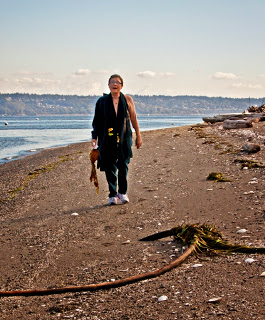
Dr. Cowan collecting on Whidbey Island,
Washington State 

In the 1980s a number of countries had nomenclatural plant databases. There was the famous Index Kewensis from Royal Botanic Gardens, Kew  and the Gray Cards from the Harvard University Herbaria. In Australia the Australian Plant Name Index (APNI) was being prepared. In the early 1990s proposals were put forward to the Australian Government to create a database for the marine macroalgae (Australian Marine Algal Name Index, AMANI) and the freshwater algae. Later the marine microalgae were included in AMANI. All of this information is now being updated and transferred to the Atlas of Living Australia (ALA).

I began work on AMANI in 1994. At that time, in order to check the accuracy of information regarding binomials cited in literature about Australian algae the original literature had to be sourced via the inter-library loan system. By definition much of the literature was contained in monographs and journal runs that were considered rare by the lending library. This invariably meant that the item was not available for photo-copying. Often the full bibliographic details for original literature was not entirely clear and so a ‘catch 22’ situation occurred in that an item may well be sourced to a particular library but could not be copied until the full bibliographic detail was supplied. The detail could only be supplied by accessing the item. Access to the item therefore had to wait until I could travel to the lending library. This meant waiting until travel to the libraries on the other side of Australia–or the other side of the planet–could be afforded.

In 2007, with the founding of the Biodiversity Heritage Library the problems of access and the problems of confirming bibliographic details became increasingly rare. My work changed from submitting inter-library loan forms and waiting for weeks for a requested item to arrive to searching BHL, selecting the item for download, filling in the information: title, author, keywords and waiting a very short time for the pdf to appear via a link in an email.

I am presently editing the algal data relevant to the nomenclature of all names cited in Australian taxonomic literature and all taxonomic literature citing Australian algal names for the Atlas of Living Australia. BHL is one of my most important tools.

December 17, 2013by sayeedmd
Page 4 of 5« First...«2345»

Help Support BHL

BHL's existence depends on the financial support of its patrons. Help us keep this free resource alive!

search

About BHL

The Biodiversity Heritage Library (BHL) is the world’s largest open access digital library for biodiversity literature and archives. BHL operates as a worldwide consortium of natural history, botanical, research, and national libraries working together to digitize the natural history literature held in their collections and make it freely available for open access as part of a global “biodiversity community.”

Join Our Mailing List

Sign up to receive the latest news, content highlights, and promotions.

Subscribe Now

Subscribe to Blog via Email

Enter your email address to subscribe to this blog and receive notifications of new posts by email.

Join 319 other subscribers

Subscribe to Blog Via RSS

Subscribe to the blog RSS feed to stay up-to-date on all the latest BHL posts.

Access RSS Feed

Inspiring Discovery through Free Access to Biodiversity Knowledge.

The Biodiversity Heritage Library makes it easier than ever for you to access the information you need to study and explore life on Earth…for free, anytime, anywhere.


ABOUT | HARMFUL CONTENT | PRIVACY | SITE MAP | TERMS OF USE