Biodiversity Heritage Library - Program news and collection highlights from BHL
  • Home
  • News
  • Featured Books
    • All Featured Books
    • Book of the Month Series
    • BHL at 20
  • User Stories
  • Campaigns
    • Fossil Stories
    • Garden Stories
    • Monsters Are Real
    • Page Frights
    • Her Natural History
    • Earth Optimism 2020
  • Tech Blog
  • Visit BHL
Home
News
Featured Books
    All Featured Books
    Book of the Month Series
    BHL at 20
User Stories
Campaigns
    Fossil Stories
    Garden Stories
    Monsters Are Real
    Page Frights
    Her Natural History
    Earth Optimism 2020
Tech Blog
Visit BHL
  • Home
  • News
  • Featured Books
    • All Featured Books
    • Book of the Month Series
    • BHL at 20
  • User Stories
  • Campaigns
    • Fossil Stories
    • Garden Stories
    • Monsters Are Real
    • Page Frights
    • Her Natural History
    • Earth Optimism 2020
  • Tech Blog
  • Visit BHL
Biodiversity Heritage Library - Program news and collection highlights from BHL
BHL News, Blog Reel

A New Scanner for Digitizing Australia’s Biodiversity Heritage

Portrait version of the Biodiversity Heritage Library logo.
View Full Size Image
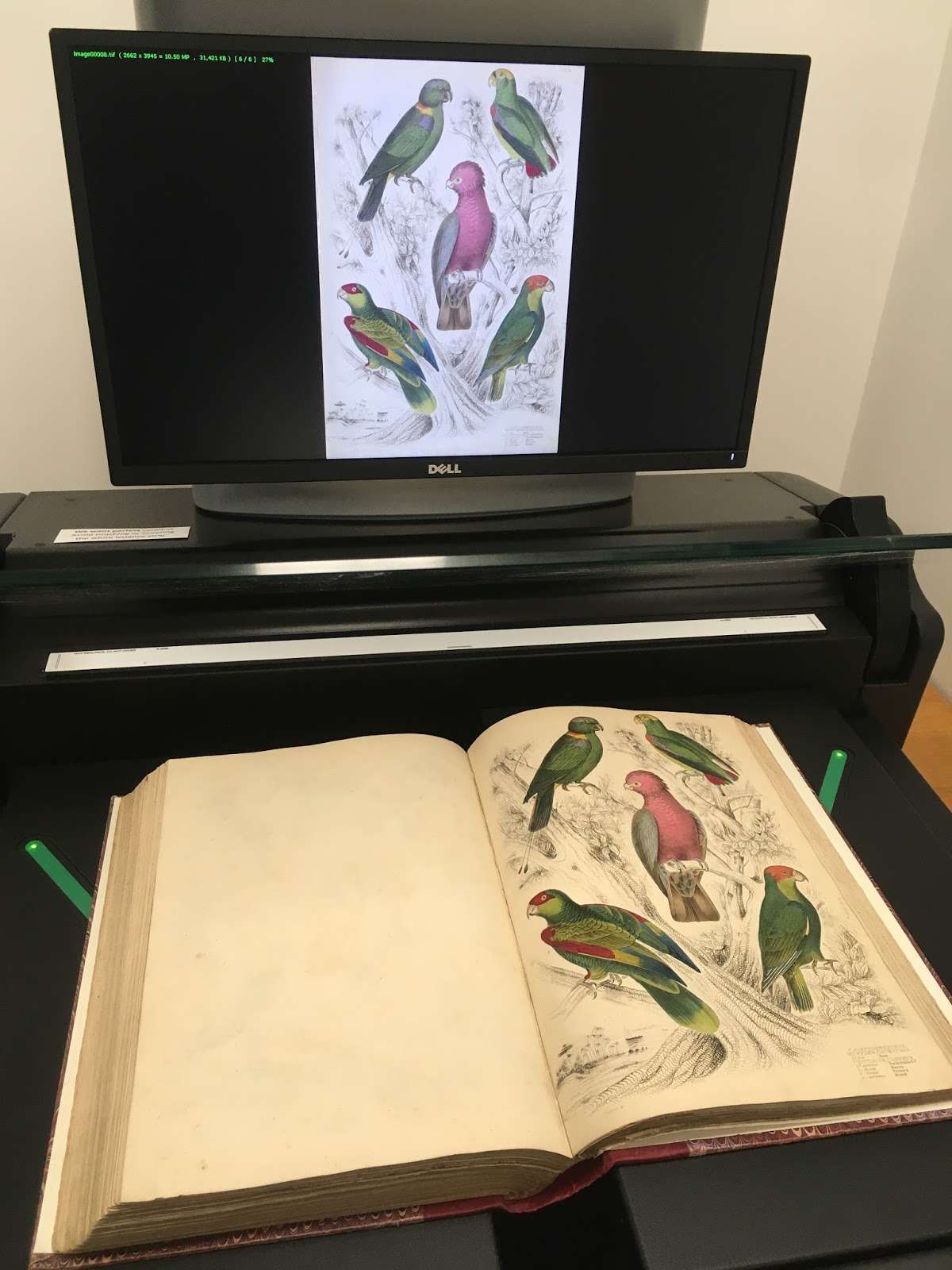
New Zeutschel OS 16000 scanner purchased by BHL Australia. Book being digitized is: The animal kingdom of the Baron Cuvier, enlarged and adapted to the present state of zoological science. 1839. By Baron Georges Cuvier. Photo Credit: Nicole Kearney.

In 2011, Australia joined the Biodiversity Heritage Library and, led by Museums Victoria, began to digitize the rare books, historic journals and archival material related to Australia’s biodiversity, and to make them openly available online.

There are now 15 Australian organizations contributing to BHL and over 300 worldwide. These include museums, herbaria, royal societies, field naturalists clubs and government organizations.

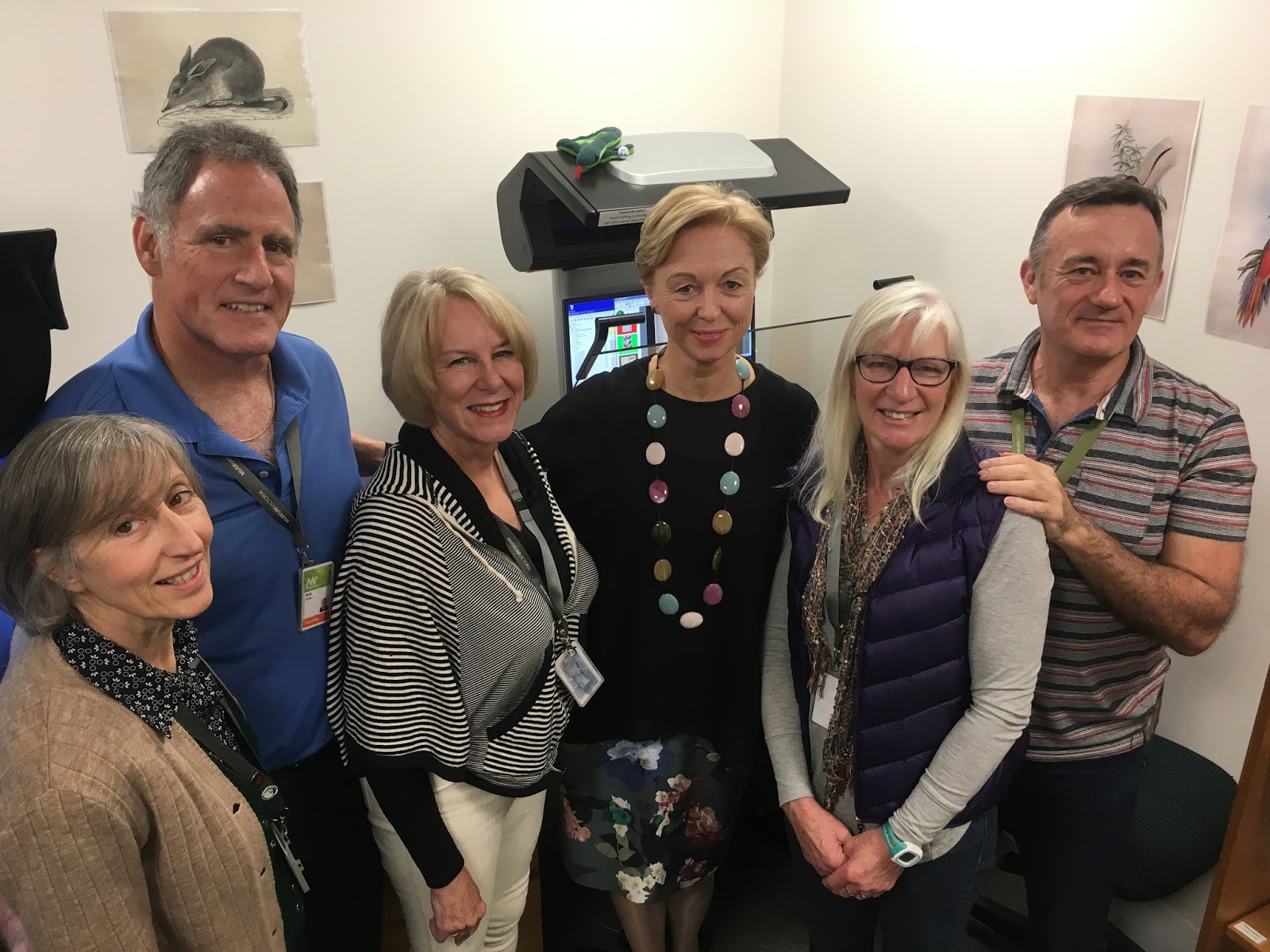
Just this week the number of volumes digitized for BHL by Australian organizations surpassed 1,000, amounting to over 200,000 pages. The great majority of this digitization work was done by the BHL Australia team at Melbourne Museum. We have a fabulous team of volunteers who scan the pages and prepare the digitized books for upload online.

View Full Size Image
BHL Australia volunteers with Museums Victoria CEO Lynley Marshall (center) in front of the new BHL Australia scanner. Photo Credit: Nicole Kearney.

In the 6 years we have been doing this work, there have been dramatic advances in digitization technology, both in hardware and in software. We are therefore very excited to announce that BHL Australia has just purchased a new scanner.

View Full Size Image
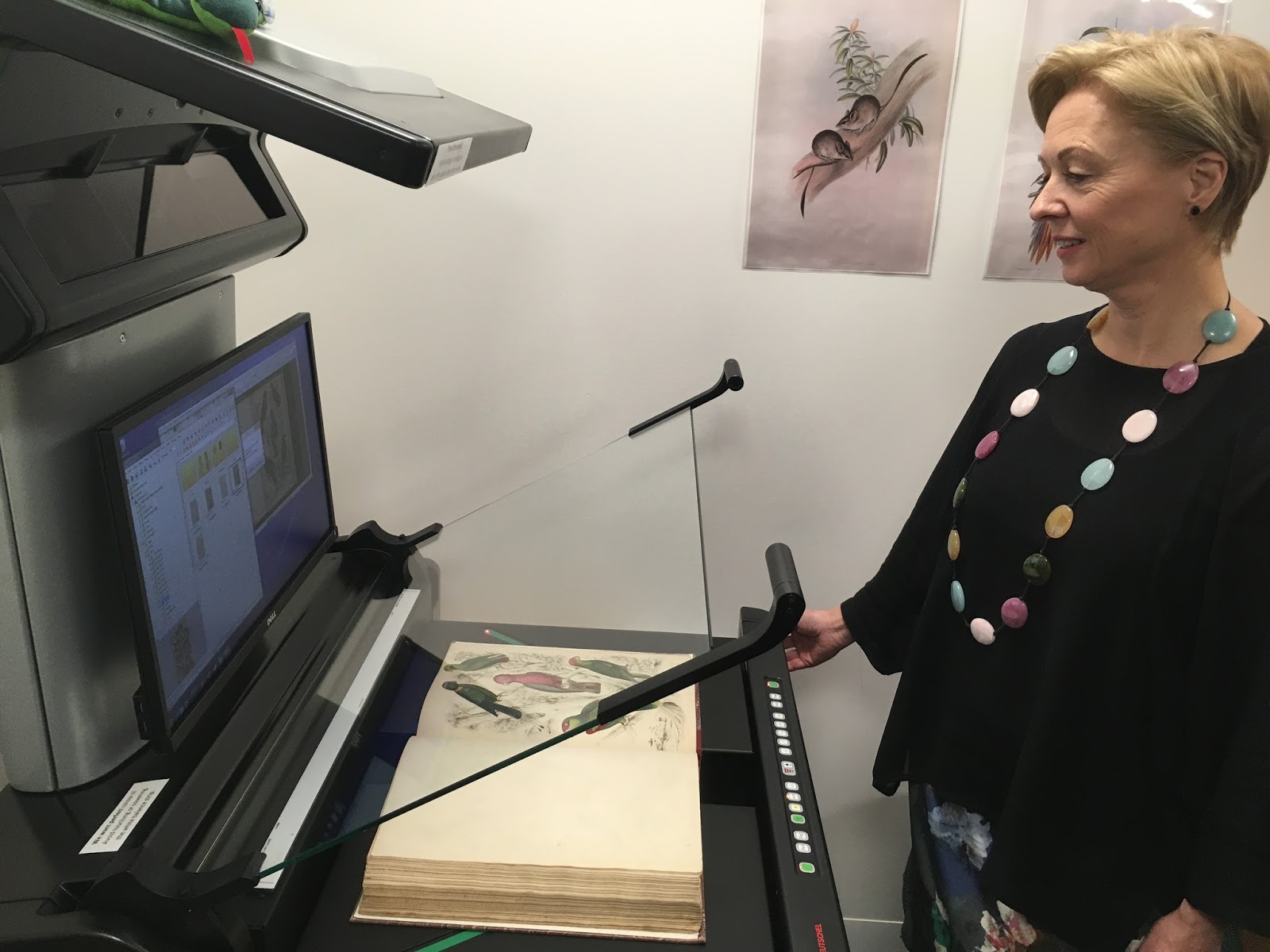
Museums Victoria CEO Lynley Marshall scanning the first page for BHL Australia on the new scanner. Photo Credit: Nicole Kearney.

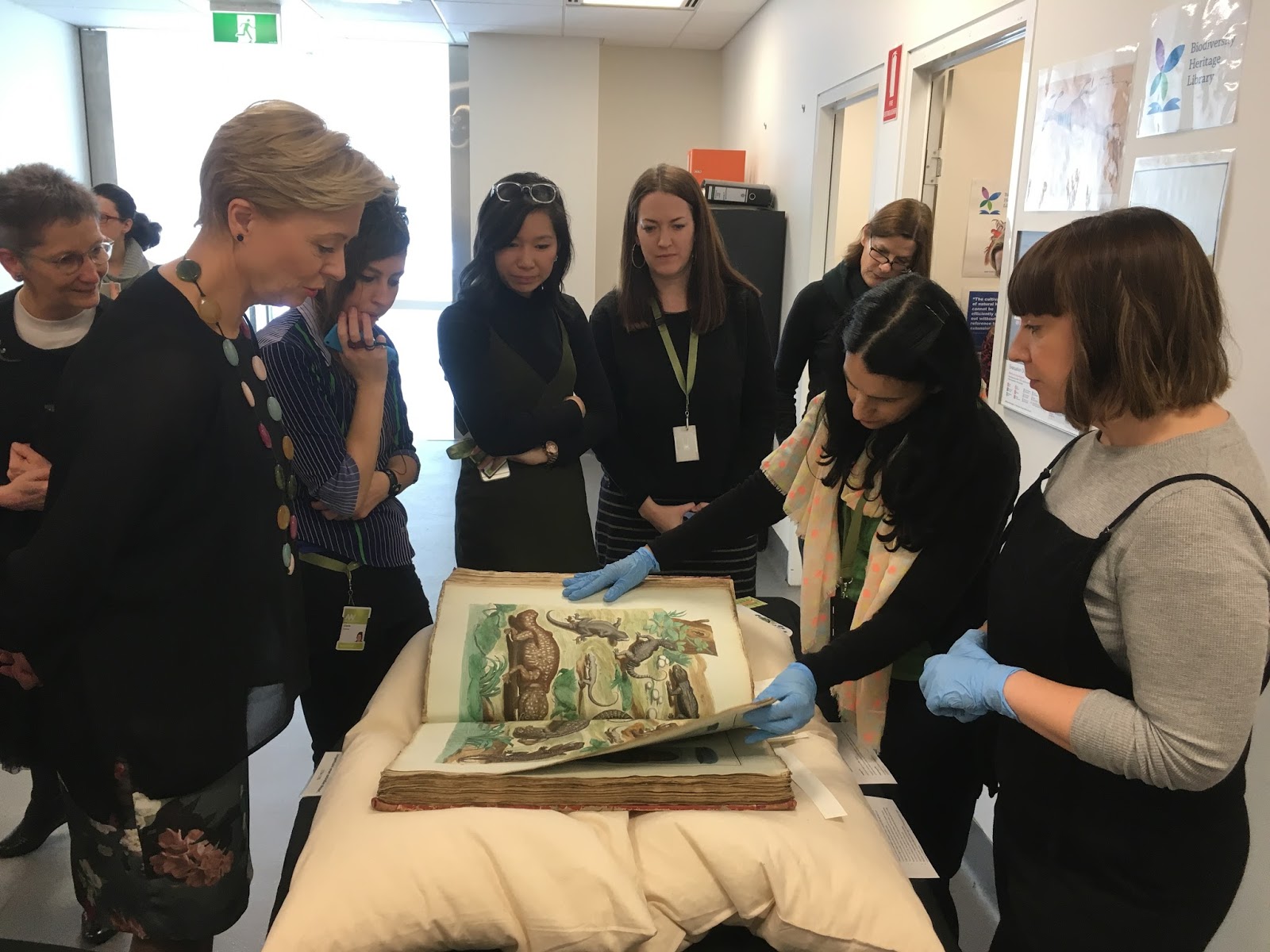
To celebrate the arrival of the new scanner, the Museums Victoria (MV) library hosted an Open House on 24 May, inviting MV staff to learn more about BHL, see a display of rare books from the MV collection, and see the new scanner.

View Full Size Image
Visitors exploring rare books from the MV collection during the Open House. Book on display is: Thesaurus rerum naturalium. 1734-1765. By Albertus Seba. Photo Credit: Nicole Kearney.

The scanner, a Zeutschel OS 16000, will increase both the quality and quantity of our scanning work, and will automate much of our post processing. This will allow us to further expand our project and to make even more of Australia’s biodiversity heritage literature available online, so stay tuned for the next 200,000 pages!

Peruse the BHL Australia collection.

BHL Australia is funded by the Atlas of Living Australia.

May 30, 2017by ulib-libraryjobs
Blog Reel, Featured Books

Do Birds and Mammals Destroy Fish Populations? One 19th Century Naturalist Was Commissioned to Find Out.

View Full Size Image
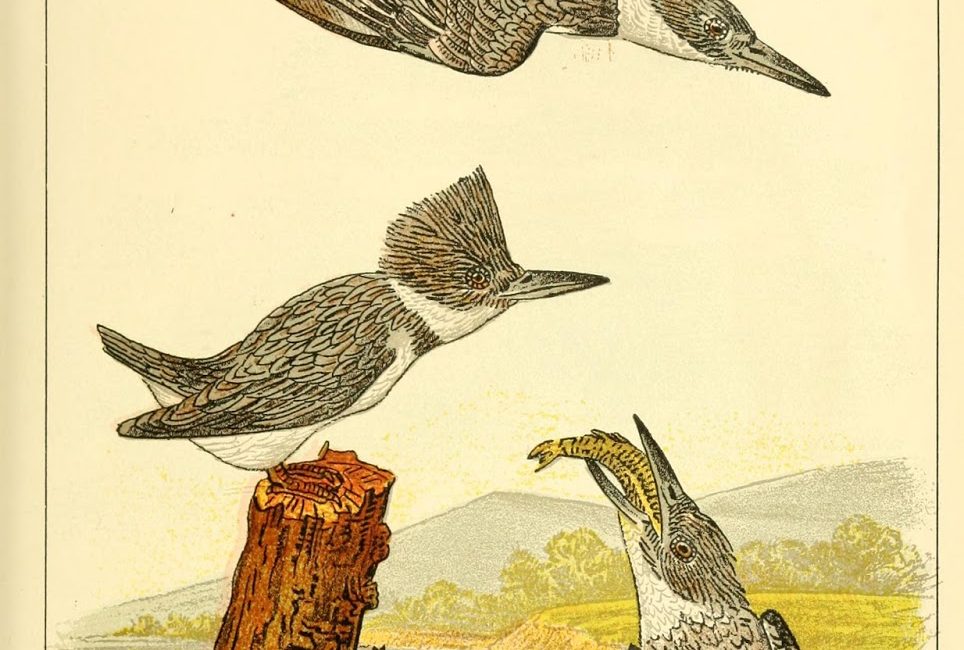
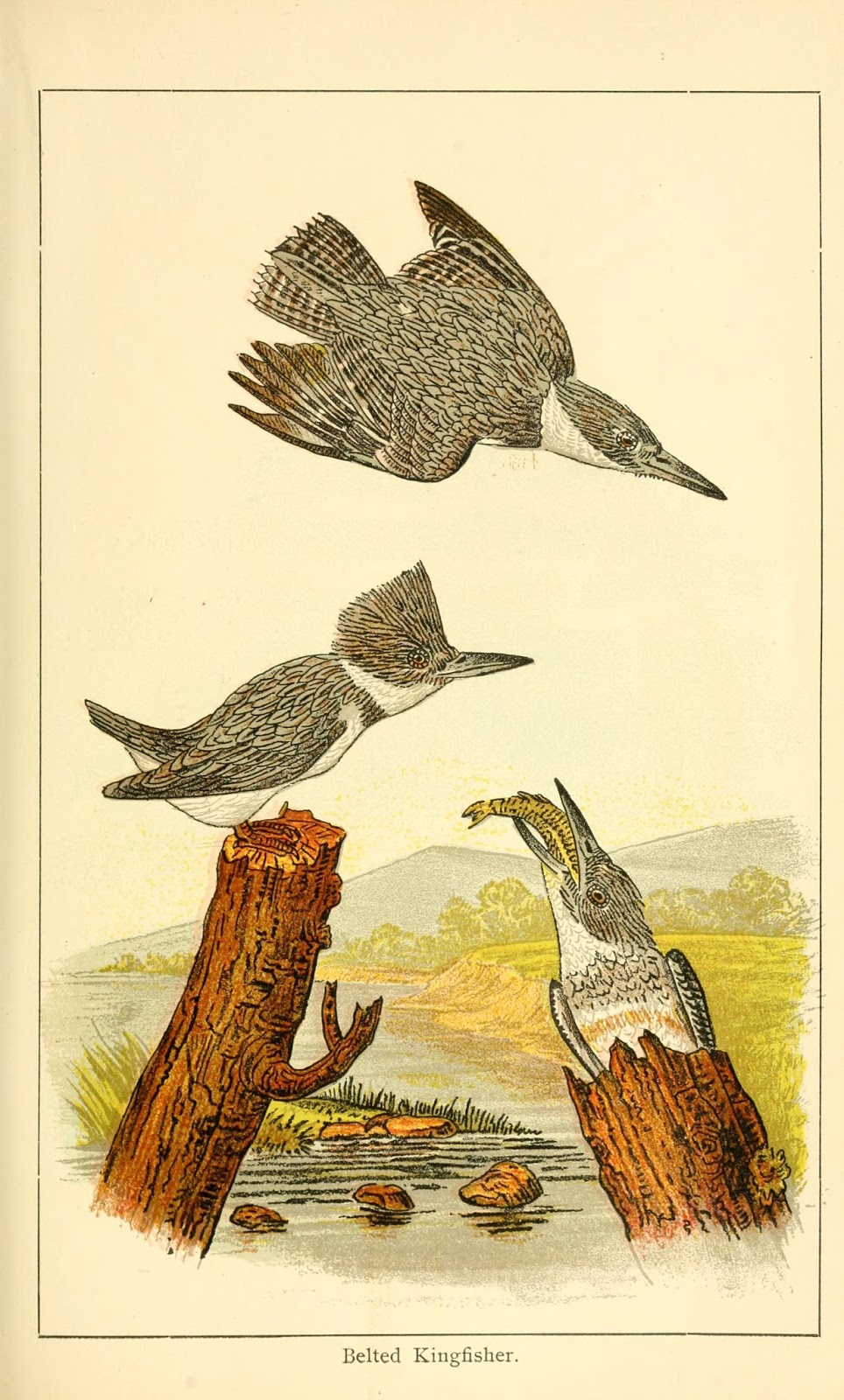
Belted Kingfisher. Warren, Benjamin Harry. Some Birds and Mammals which Destroy Fish and Game. Clarence M. Busch, state printer of Pennsylvania, 1897. Digitized by The Library of Congress. http://www.biodiversitylibrary.org/page/29736925. Illustration reproduced from Audubon’s Birds of America.

In the wake of the Quakers’ immigration to North America, a taste for the study of nature came “quietly” into being among descendants from the “tolerant” zones, notably the Commonwealth of Pennsylvania.

In the biographical notes from a 1919 introduction to the ornithology of Chester County, Pennsylvania, the active local ornithologists were concentrated in neighborhoods “settled largely by the English, Welsh, Scotch-Irish and German members of the Society of Friends, commonly called ‘Quakers’.” Publications in that period say the study of the natural sciences seemed “peculiarly agreeable.” Among these naturalists is Dr. Benjamin Harry Warren, the author of our featured book – Some Birds and Mammals which Destroy Fish and Game.

A West Chester native born in 1858, Warren was a productive ornithologists whose work was widely cited by ornithology monographs and papers during that period. During his youth, Warren had experienced an already bourgeoning field of Ornithology in Chester County. Since the late eighteenth century, some incipient ornithologists of the area had started searching for materials and accumulating specimens, with the help of taxidermists.

West Chester became home to the Chester County Cabinet of Science as early as the 1820s, and only about a decade later, the ornithological department acquired “the first nearly complete collection of local birds in the county”. There was, however, no catalogue of this collection; and the first county bird list was published much later in the 1860s. “If the second quarter of the nineteenth century failed of being the golden period of ornithology in Chester County,” the author of Chester Ornithology wittily remarked in the biographical notes, “it was due to Quaker modesty”.

View Full Size Image
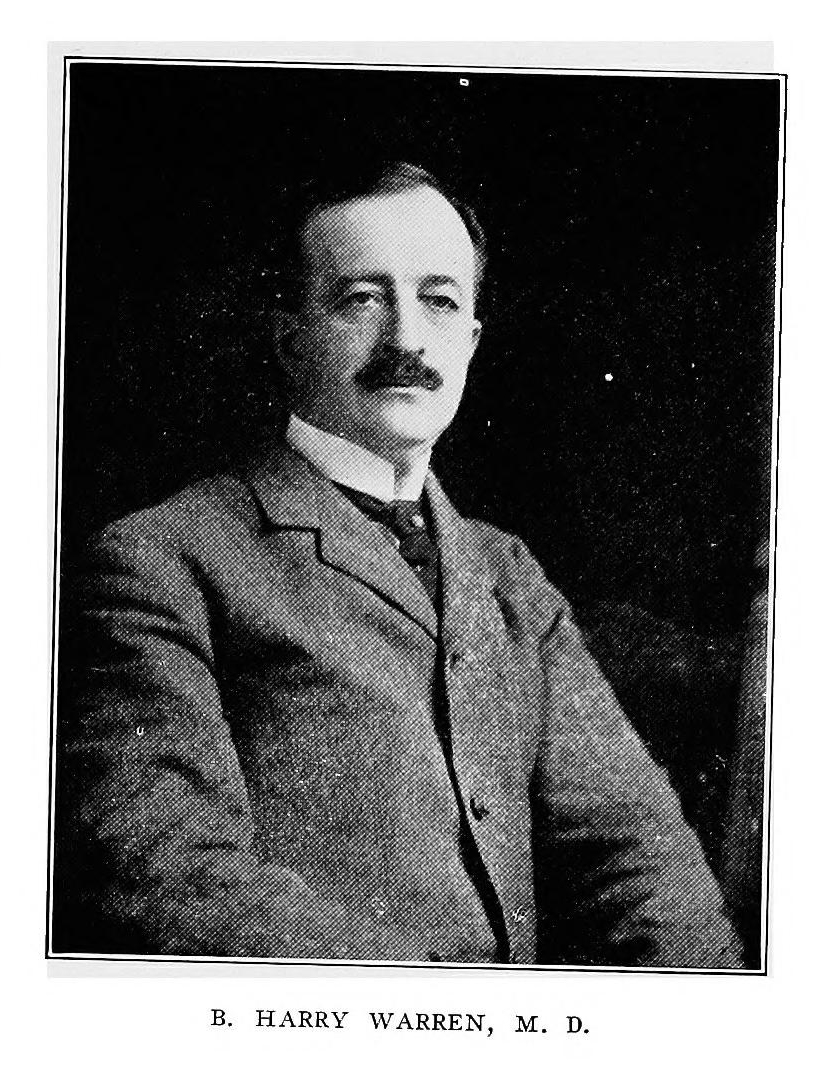
Portrait of Benjamin Harry Warren. The Ornithology of Chester County, Pennsylvania. RG Badger, 1919. Digitized by Cornell University Library. http://www.biodiversitylibrary.org/page/37769995.

Before commissioned by the Department of Agriculture to investigate “the damage done by the fish-destroying birds and mammals”, Warren was already a professional “birder.” He published a list of 218 bird species in 1879-1880, and worked continuously to update the repository. Though his contemporary Witmer Stone – who served as president of the American Ornithologists’ Union (AOU), editor of the AOU’s periodical The Auk, and was also a botanist– may be a better-known ornithologist, Warren’s Report on the Birds of Pennsylvania was considered one of the first major works on Pennsylvania ornithology.

During Warren’s time, “birders” actively collected bird specimens – rather different from the aesthetics of the “non-collecting” birding preferred by modern ornithologists after the turn of the century. For his Report on the Birds of Pennsylvania, Warren, a medical doctor, dissected and examined over four thousand bird stomachs. In Some Birds and Mammals which Destroy Fish and Game, as the main research was to dissect the animal’s diet and evaluate if the species is piscivorous (fish-eating), post-mortem viscera examination was again the main approach.

To evaluate the extent to which birds and mammals damage the local fish populations, Warren spent three years collecting data from reliable sources. For this project, the Department of Agriculture reached out to the public by distributing circular notes asking for personal experiences related to the fish-damaging behavior of wild animals. Thus, Warren included in the report a number of correspondences with local farmers, fishermen and naturalists, in addition to his own study.

View Full Size Image
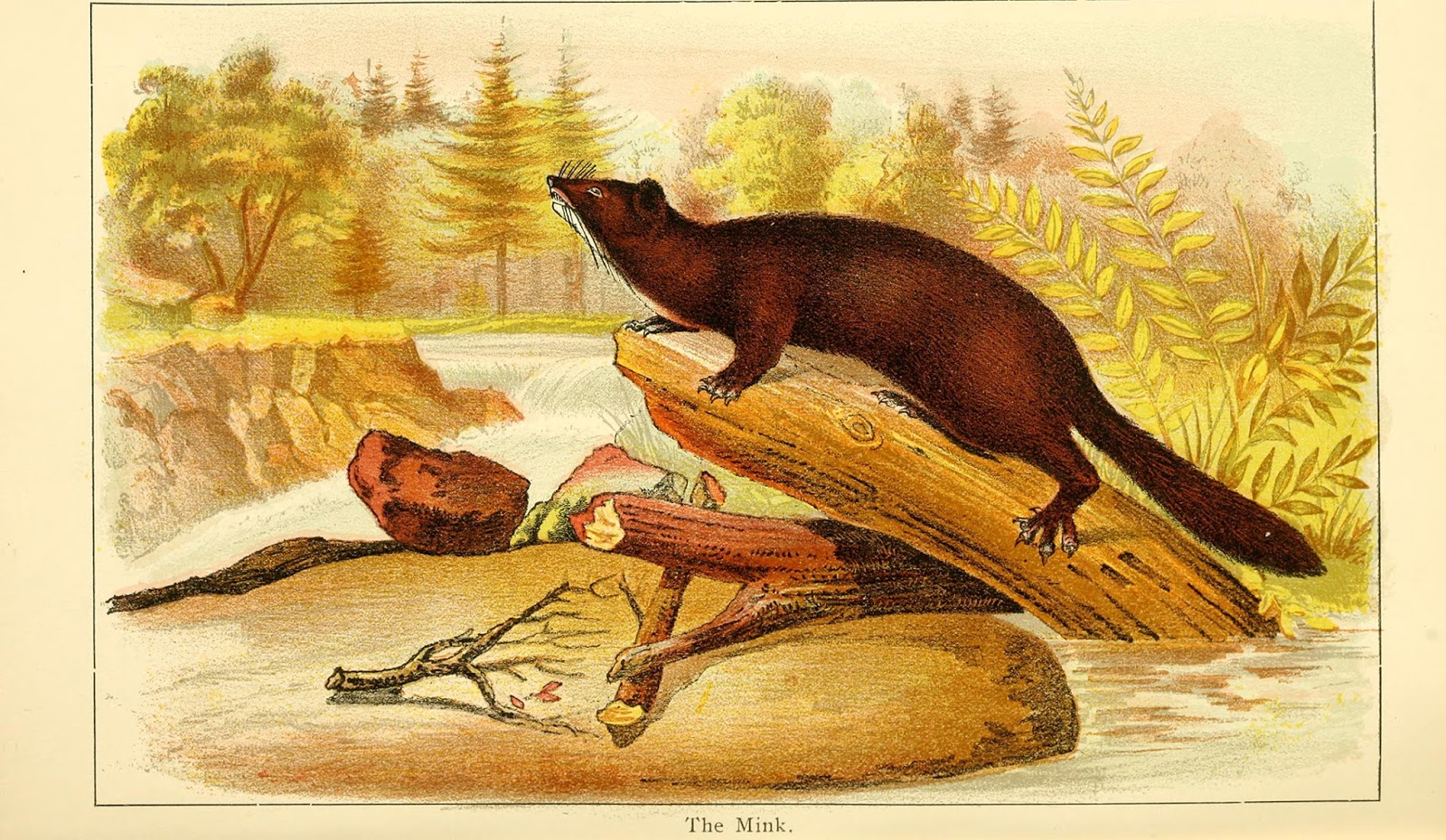
The Mink. Warren, Benjamin Harry. Some Birds and Mammals which Destroy Fish and Game. Clarence M. Busch, state printer of Pennsylvania, 1897. Digitized by The Library of Congress. http://www.biodiversitylibrary.org/page/29736933.

Warren concluded, from diet analyses and population survey, that birds and mammals overall played an insignificant role in fish decline. The real threat to local fish loss was illegal fishing. A long-standing misunderstanding, as it turned out, could only be effectively corrected by scientific evidence.

View Full Size Image
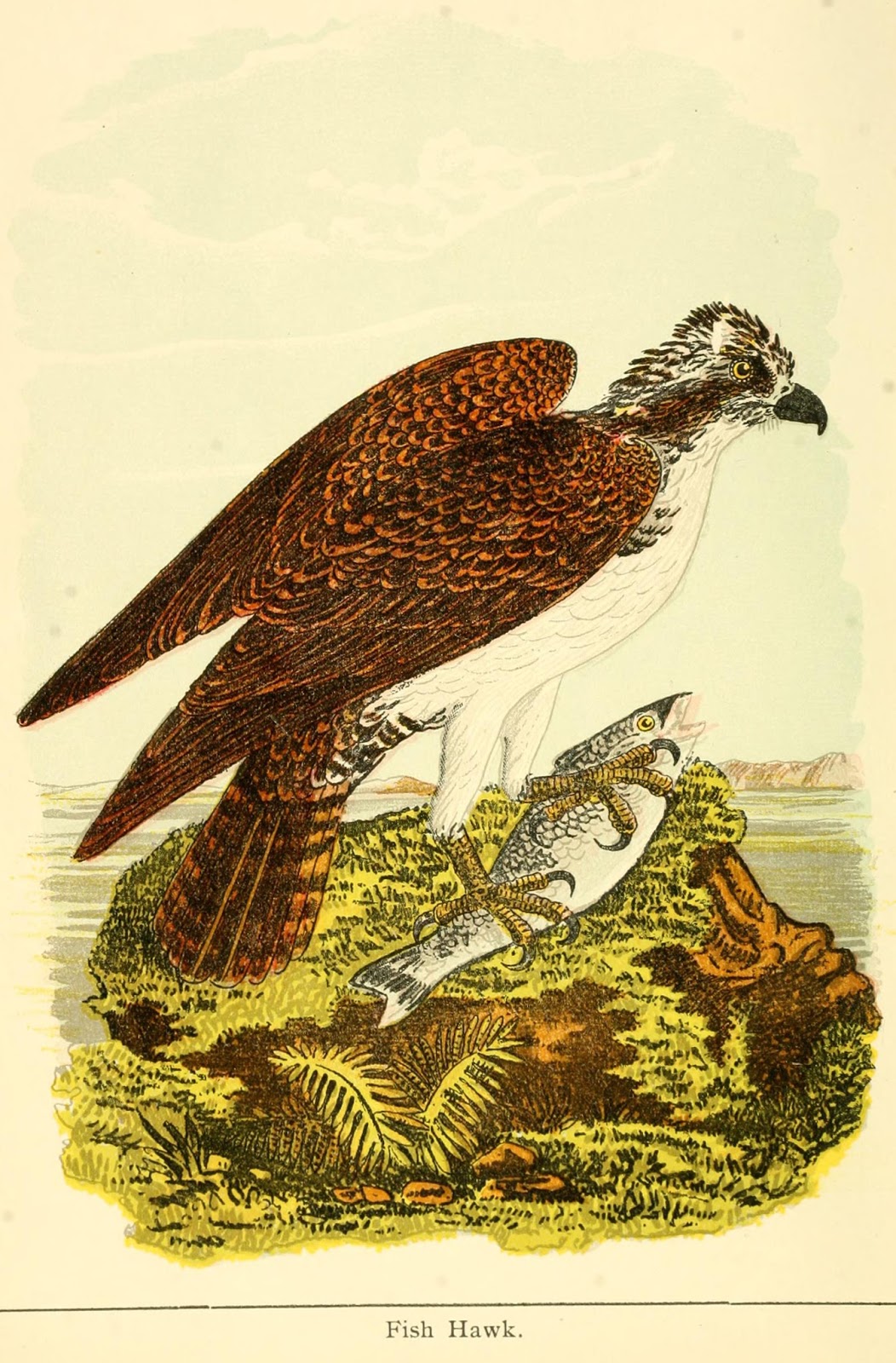
Fish Hawk. Warren, Benjamin Harry. Some Birds and Mammals which Destroy Fish and Game. Clarence M. Busch, state printer of Pennsylvania, 1897. Digitized by The Library of Congress. http://www.biodiversitylibrary.org/page/29736918.

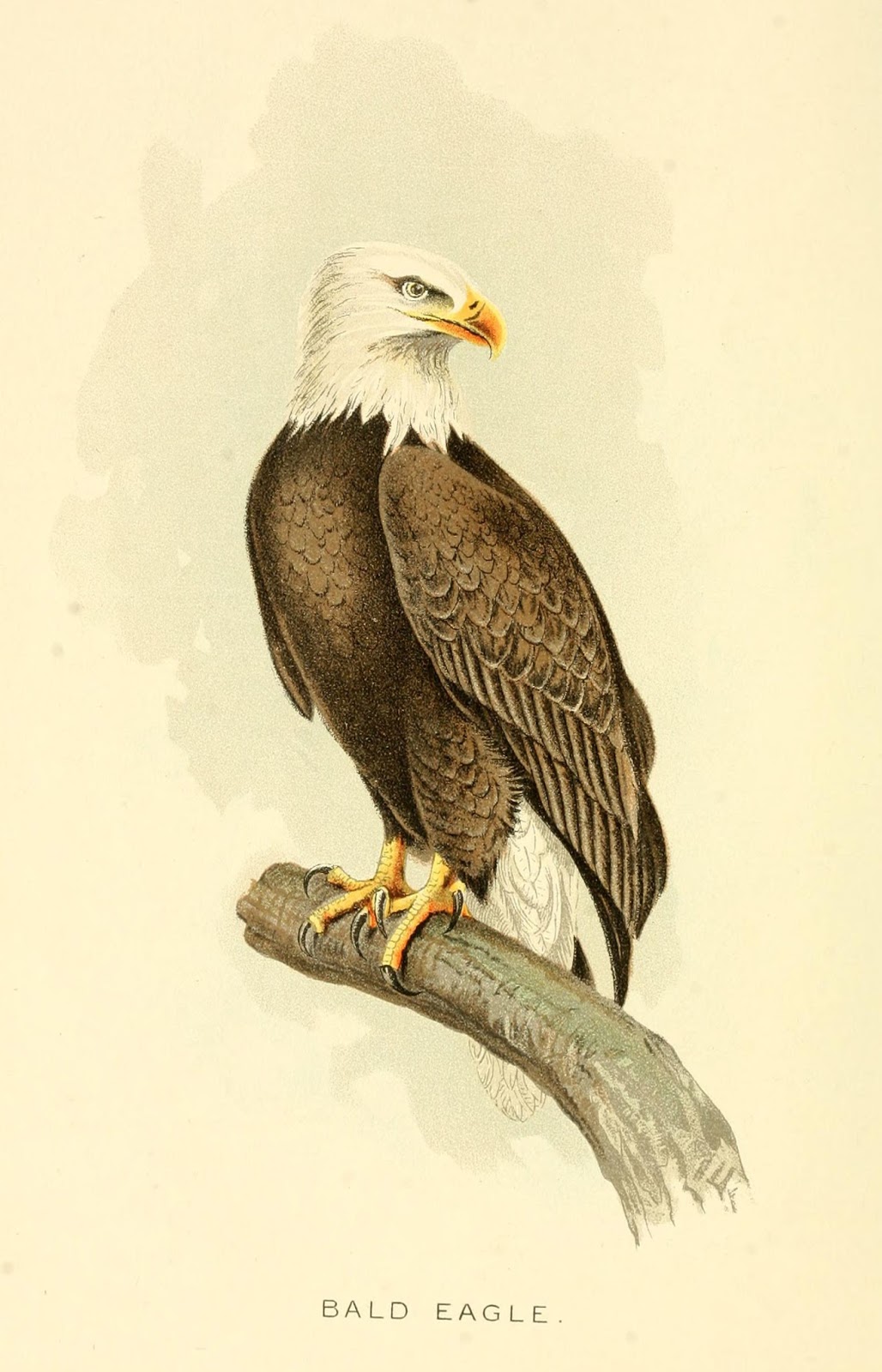
The initiative of this research appears anthropocentric, but through careful investigation, valuable information on morphology, diet and behavior of the local wildlife was gathered. Warren not only presented in detail the characters of each species with carefully drawn colored-illustrations (which were reproduced from other sources, including Audubon’s Birds of America), but also weaved vivid “behavioral dramas” into his artful account of species interactions. The excerpt below shows a gripping story exemplifying antagonism between two raptors:

“…Perched on some tall summit, in view of the ocean, or of some water-course, he (the Bald Eagle) watches every motion of the Fish Hawk while on wing. When the latter rises from the water, with a fish in its grasp, forth rushes the eagle in pursuit. He mounts above the Fish Hawk, and threatens it by actions well understood, when the latter, fearing perhaps that its life is in danger, drops its prey. In an instant the eagle, accurately estimating the rapid descent of the fish, closes his wings, follows it with the swiftness of thought, and the next moment grasps it.”

View Full Size Image
Bald Eagle. Warren, Benjamin Harry. Some Birds and Mammals which Destroy Fish and Game. Clarence M. Busch, state printer of Pennsylvania, 1897. Digitized by The Library of Congress. http://www.biodiversitylibrary.org/page/29736916.

In addition, readers could find bits of cultural elements sprinkled through the book – charming bird-lores and superstitions, such as the Tartars’ belief that touching a woman with a kingfisher’s feather would make her fall in love with them.

These cultural myths, beautiful yet unrealistic, remind us of the hidden theme of the book: the relationship between man and nature. Works like Warren’s Some Birds and Mammals which Destroy Fish and Game demonstrate the ardent and indefatigable efforts of early naturalists to capture these relationships and expand our knowledge of the natural world.

References

  • Warren, Benjamin Harry. Some Birds and Mammals which Destroy Fish and Game. Clarence M. Busch, state printer of Pennsylvania, 1897.
  • Warren, Benjamin Harry. Report on the Birds of Pennsylvania: With Special Reference to the Food Habits, Based on Over Four Thousand Stomach Examinations. EK Meyers, State Printer, 1890.
  • Burns, Franklin Lorenzo. The Ornithology of Chester County, Pennsylvania. RG Badger, 1919.
May 25, 2017by ulib-libraryjobs
Blog Reel

The Serendipitous Discovery of Susan Fereday: A Story about the Impact of Citizen Science

View Full Size Image
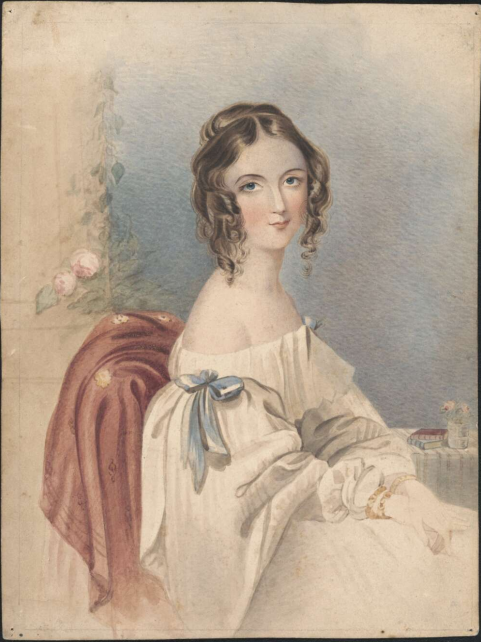
Self Portrait, Susan Fereday. National Library of Australia. Source: WikiCommons.

I love volunteering for the Biodiversity Heritage Library. I taxo tag images in the BHL Flickr account. This assists the use of these images by BHL as well as other institutions that use BHL content. It is also my favorite way of exploring BHL. I get a real thrill out of the serendipitous discoveries I make while tagging.

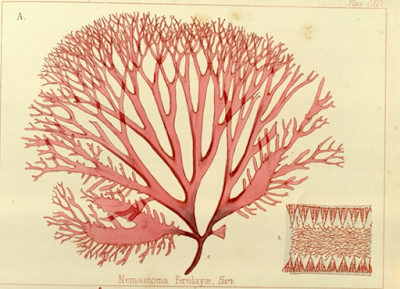
My most recent BHL adventure resulted from tagging an album of images from the boringly named but absolutely fabulous Botany of the Antarctic voyage of H. M. discovery ships Erebus and Terror in the years 1839-1843. Amongst the many images in this album was one of a particular species of seaweed – Nemastoma feredayae.

View Full Size Image
Nemastoma feredayae. Art by William Henry Harvey. The botany of the Antarctic voyage of H.M. discovery ships Erebus and Terror in the Years 1839-1843. http://biodiversitylibrary.org/page/28467702. Digitized by the Missouri Botanical Garden.

I tagged the image with the species name given, and then I attempted to confirm the current name of the seaweed. In doing so, I stumbled across the fact that the seaweed was named in honor of Mrs. Susan Fereday. Who was this mystery woman?

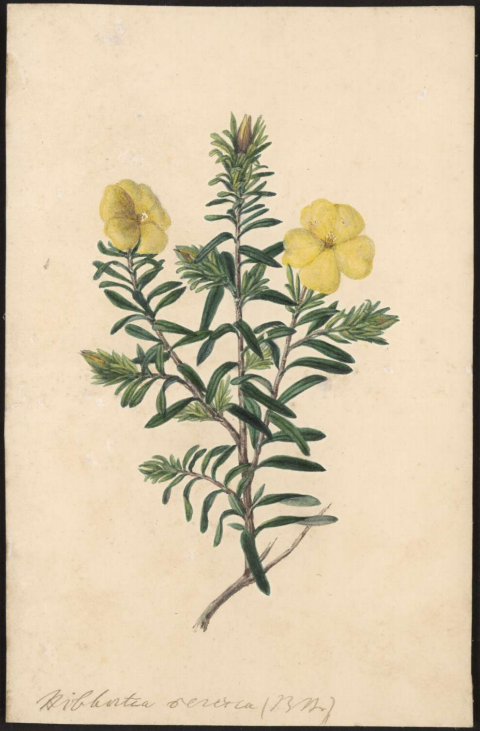
Unable to resist going down that rabbit hole, I googled her. I discovered that Susan Fereday emigrated to Tasmania, Australia from England in 1846. She was a talented artist. So talented, her artwork is now in the collection of the National Library of Australia. She concentrated on painting beautiful images of fauna and flora in and around the area where she lived.

View Full Size Image
Hibbertia sericea by Susan Fereday. National Library of Australia. Source: WikiCommons.

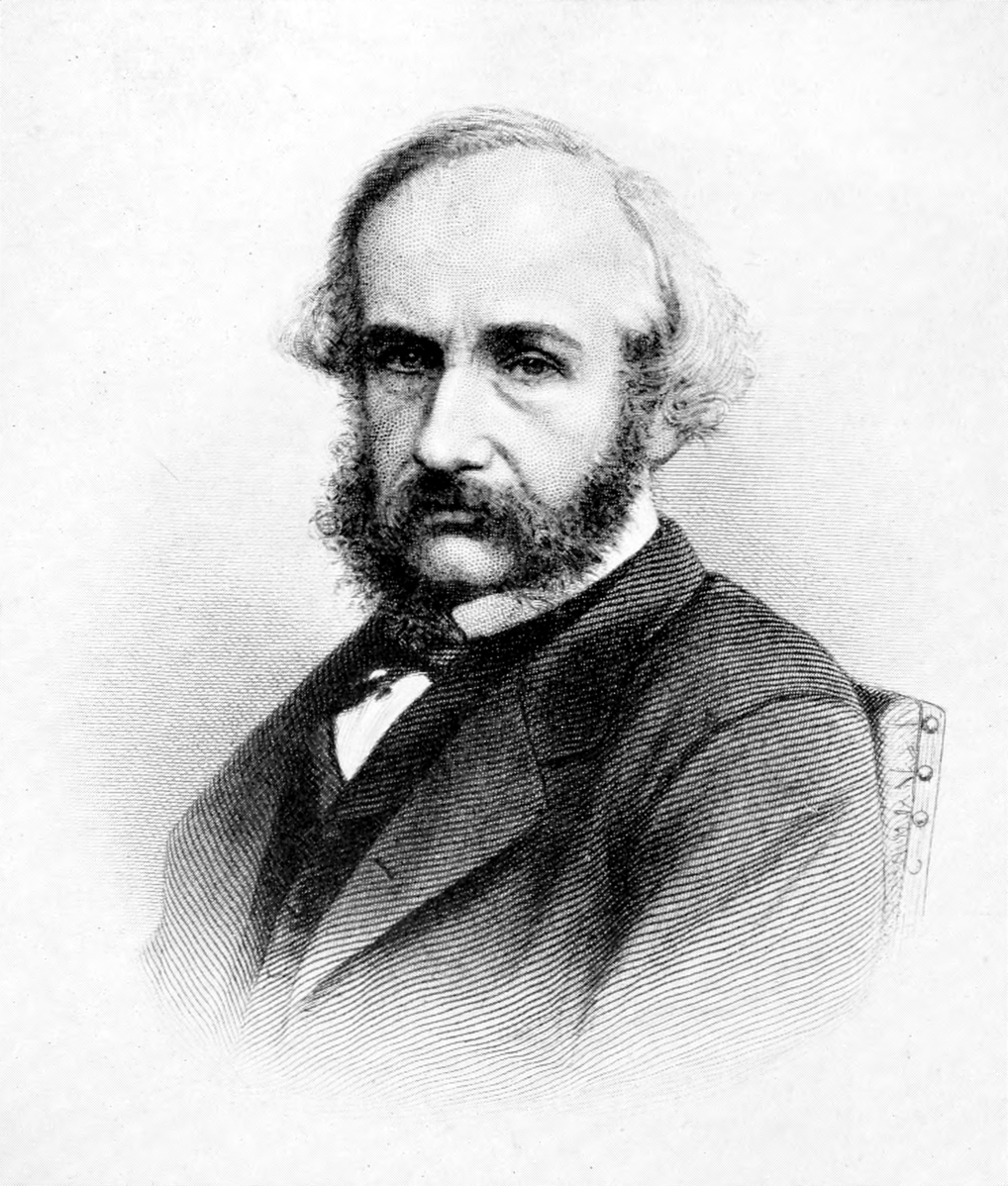
She was also a keen collector of seaweed specimens. She corresponded with and sent specimens to one of the foremost experts in algae of the day, William Henry Harvey. Harvey in turn honored Fereday’s contribution to the study of algae by naming two species after her. It was the image of one of those species drawn by Harvey that I had tagged in the BHL Flickr feed.

View Full Size Image
Portrait of William Henry Harvey. Oliver, F. W. (Francis Wall). Makers of British botany. (1913). http://www.biodiversitylibrary.org/page/1073575. Digitized by MBLWHOI Library.

While researching Fereday, I was disappointed to see she did not have Wikipedia page. Being a keen Wikipedian, I decided to rectify this. While drafting her article, I realized that several sources had different dates as her birth date. I emailed the National Library of Australia via their “Ask a Librarian” service to ask them to help me confirm that their records were correct.

I received a fabulously researched reply from Damien Cole, one of their librarians. He discovered that the birth date confusion was due to Susan Fereday having a sister of the same name, who had died prior to our Susan being born. Fereday was actually born in 1815! As a result of this research, the National Library subsequently edited their records to give Susan Fereday her birth date, and I obtained a reputable citation supporting that information for Fereday’s Wikipedia article.

The National Library of Australia has also shared the changes they made to their database with the Australian National Herbarium as well as Design and Art Australia Online. The Library even went so far as to contact the Encyclopedia of Australian Science to inform them of the Wikipedia article in the hope that that organization might also consider including Fereday in their website.

All of this resulted because the MBLWHOI Library (the Marine Biological Laboratory and the Woods Hole Oceanographic Institution Library) scanned the volumes on the Antarctic voyage of H. M. discovery ships Erebus and Terror and made them available to BHL. Because BHL added the images from those volumes to Flickr, I was able to tag them.

It just goes to show that when you mix citizen science with digitization and the ability to freely reuse content, everyone benefits.

I would love it if people joined me in taxotagging BHL Flickr images. Instructions can be found here.

Anyone can create or improve Wikipedia. For a beginner’s guide, see this article.

And if you think you can add to and improve Susan Fereday’s article, go for it!

May 23, 2017by ulib-libraryjobs
BHL News, Blog Reel

DPLA Reharvest of BHL Data

View Full Size Image

On April 11, 2017 the Digital Public Library of America (DPLA) reharvested all BHL data for ingest into its portal at https://dp.la/.

While BHL has served as a content hub for DPLA since its launch in 2013, our data has not been updated in their portal since that launch, primarily due to the absence of a workflow on DPLA’s end for automatically harvesting new data. Since 2013, the number of BHL records in our portal has increased significantly and changes and corrections to pre-2013 records were not reflected in the DPLA portal. This new harvest not only captures new data but also ingests updates to existing records.

View Full Size Image
View of BHL records from DPLA’s first harvest–these lack the thumbnail


Before the harvest, BHL had 123,472 items in DPLA. After the reharvest, BHL now has over 187,000 items in DPLA. This not only represents a 52% increase in BHL records in DPLA, but more importantly, the quality of those records has improved and is now in sync with BHL.

From the perspective of DPLA visitors, the most noticeable change is the addition of thumbnail images, which were lacking in DPLA prior to the reharvest. Going forward, DPLA will automatically reharvest BHL data on a bi-monthly schedule.

View Full Size Image
View of BHL records from DPLA’s recent harvest, which includes thumbnails

Why is it important for our data to be in DPLA? BHL wants its data represented in DPLA because it supports our mission to make biodiversity literature as openly available and accessible as possible. DPLA exposes BHL content to new audiences who otherwise may not be aware of our existence and emphasizes the richness of U.S. national collections, which helps underscore the value of libraries for both American and global citizens.

You can explore BHL’s collection in DPLA and many others here.

May 18, 2017by [email protected]
BHL News, Blog Reel

An Update from NDSR Residents

Portrait version of the Biodiversity Heritage Library logo.

April was a busy month for all of us residents! We attended and presented at two conferences in two different cities: first, at the 4th annual DPLAFest in Chicago and then the NDSR Symposium in Washington D.C. the following week. Our presentations at these two conferences challenged us to think in new ways and demonstrated the support that the cohort and mentor model is designed to provide. In between preparing for and presenting at conferences, we have also been progressing on our projects and at our host institutions.

View Full Size Image
L to R Ariadne, Pam, Marissa, Katie and Alicia

The NDSR Symposium was a great complement to DPLAFest, which was more of a large-scale snapshot of projects and practices in managing digital libraries. The Symposium, by contrast, felt very meta – this was past, present, and future residents, mentors, and hosts as well as IMLS staff and other individuals involved in creating and supporting the NDSR program looking inwards on what has been done and what we want the program to become in the near future. Despite the inward-focus, wider themes and issues were obviously discussed, especially by the keynote speakers, who stressed the importance of human-information interaction, community-building, and participatory leadership. We left the Symposium feeling empowered to advocate for not only the NDSR Program but also the IMLS and data preservation communities as a whole. Check out our DPLAfest and NDSR Symposium reflection blog post to learn more about our experiences and our presentations.

Ariadne’s project focuses on access to illustrations in BHL’s corpus of biodiversity literature. In her latest update, she shares lessons from conversations with Research Department staff at the Missouri Botanical Garden and with BHL stakeholders and a fundamental look into BHL’s current illustration crowdsourcing efforts on Flickr and Science Gossip. Crowdsourcing, user experience, and data curation will all play important roles in her next steps: speaking with BHL’s crowdsourcing volunteers, preparing the metadata for improved access, and hopefully, anticipating future possibilities for metadata creation.

Katie is also investigating crowdsourcing methods to transcribe manuscript items in BHL. Translating images of handwritten content into machine readable data that can be searched, sorted, and otherwise manipulated had not received much attention until crowdsourcing, citizen science, and other types of community collaboration models and platforms were constructed. Defining transcription activities is useful for understanding some of the competing elements when considering whether and how to transcribe digitized items.

Transcription helps bridge the gap between digitization and use by enhancing access through full text search, enriching metadata collection, and opening collections to digital textual analysis. Digitized natural history manuscript items are largely hidden due to the lack of item level description for most archival collections. While minimal processing is certainly the better option compared to maintaining an extensive backlog of unprocessed material, digitized handwritten documents are not discoverable based on their unique content without a machine readable facsimile. Indexing transcriptions facilitates discovery of historical records and improves catalog search results. By offering full text transcriptions, the digital collections are opened up to new types of searching, sorting, categorizing, and pattern finding. Research derived from these new data sets can illustrate changes over time across much larger magnitudes of collections and types of information resources.

Alicia got the chance to learn more about the management at a botanic garden by visiting the Living Plant Documentation department at the Chicago Botanic Garden. The CBG maintains records much like museums do, however, the collection items at CBG happen to be living (and thus can die, move, create new items, etc.). Each plant that enters the collection is given an accession number and deemed to be a member of the permanent collection or given “seasonal” status as a part of a temporary collection (like the orchids that were on view in the orchid show that closed at the end of March). This data is all managed through an internal database and used to populate the garden’s app, GardenGuide, and the web applications, What’s in Bloom and Plant Finder.

Marissa has been working on getting article metadata added to the journal Contributions in Science, a publication of the Natural History Museum of Los Angeles County. The entire run of the journal from 1957 to present has been digitized and added to BHL, but without metadata describing each individual article, the journal isn’t searchable. The process of making it searchable has involved using Python code, EndNote, and getting lots of help from BHL staff and volunteers, so stay tuned for an upcoming blog post about this work in progress!

Pam has been getting to know the BHL users and will be sharing a post on the NDSR at BHL blog soon about the different types of users working with BHL. There are three distinct groups of users – those affiliated with the BHL consortium, those who use BHL at the system level, and then individual researchers. Pam is developing surveys and will possibly use other methods as well to solicit feedback from each of these user groups. She will also be taking a close look at all user submitted feedback through the BHL website as well as Google Analytics for the BHL website. Be on the lookout for an upcoming blog post about this work!

May 16, 2017by [email protected]
BHL News, Blog Reel

New Designs to Help Save Biodiversity: Shop the New BHL Store Collection Today

View Full Size Image

We’ve launched a whole new collection of product designs in the BHL Store! Check out the new designs and start shopping today!

Products in this collection are original designs inspired by the BHL brand and created by BHL Marketing Intern Carolina Murcia.

Shop the BHL New Designs collection today!

Your purchase will have a lasting, positive impact on our planet, because 100% of the proceeds will be used to help us digitize more books for BHL. Researchers around the world rely on the information contained in books and archival materials to study and conserve biodiversity. Learn more about how BHL helps save biodiversity.

View Full Size Image
You’ll find this badge in our store and on our marketing materials. It means that your purchase will help support research around the world. SHOP TODAY and help save biodiversity!

Visit the BHL New Designs collection today and do some shopping that’s good for the planet.

May 15, 2017by Grace Costantino
Blog Reel, User Stories

Old Literature, New Discoveries: BHL Supports Cutting Edge Whale Research

In the early 20th century, the British Colonial Office and the Discovery Committee of the British Government undertook a series of major investigations into the biology of whales in the Southern Hemisphere. Using ship- and shore-based equipment (including whaling stations on South Georgia Island operated by the UK and other nations), these Discovery Investigations, as they were called, significantly advanced human knowledge of whale morphology and ecology.

The results of the Investigations were presented within the 37 volume series entitled the Discovery Reports. Groundbreaking for their time, these Reports are still important for cetacean research today.

“The data collected and published in the Reports were unique because they represented, in every case, a one-time, time-stamped opportunity to record the precise dimensions, weights, gut contents and many other details gathered as part of whaling activities,” explains Dr. Nicholas Pyenson, Curator of Fossil Marine Mammals at the Smithsonian’s National Museum of Natural History (NMNH).

View Full Size Image
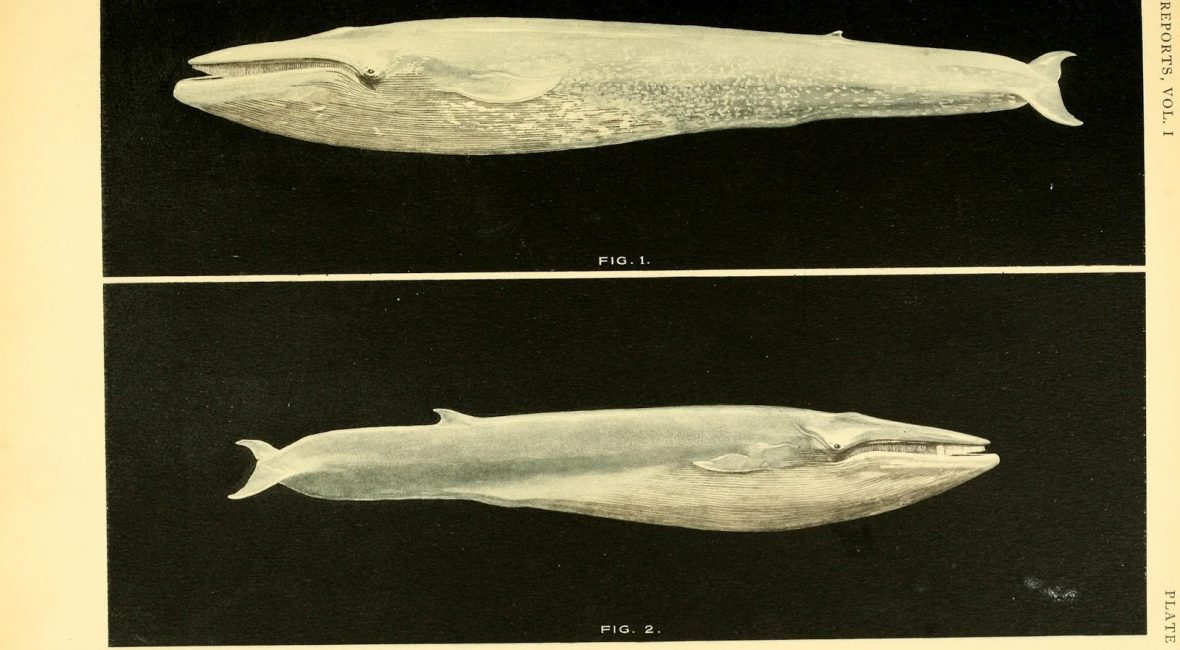
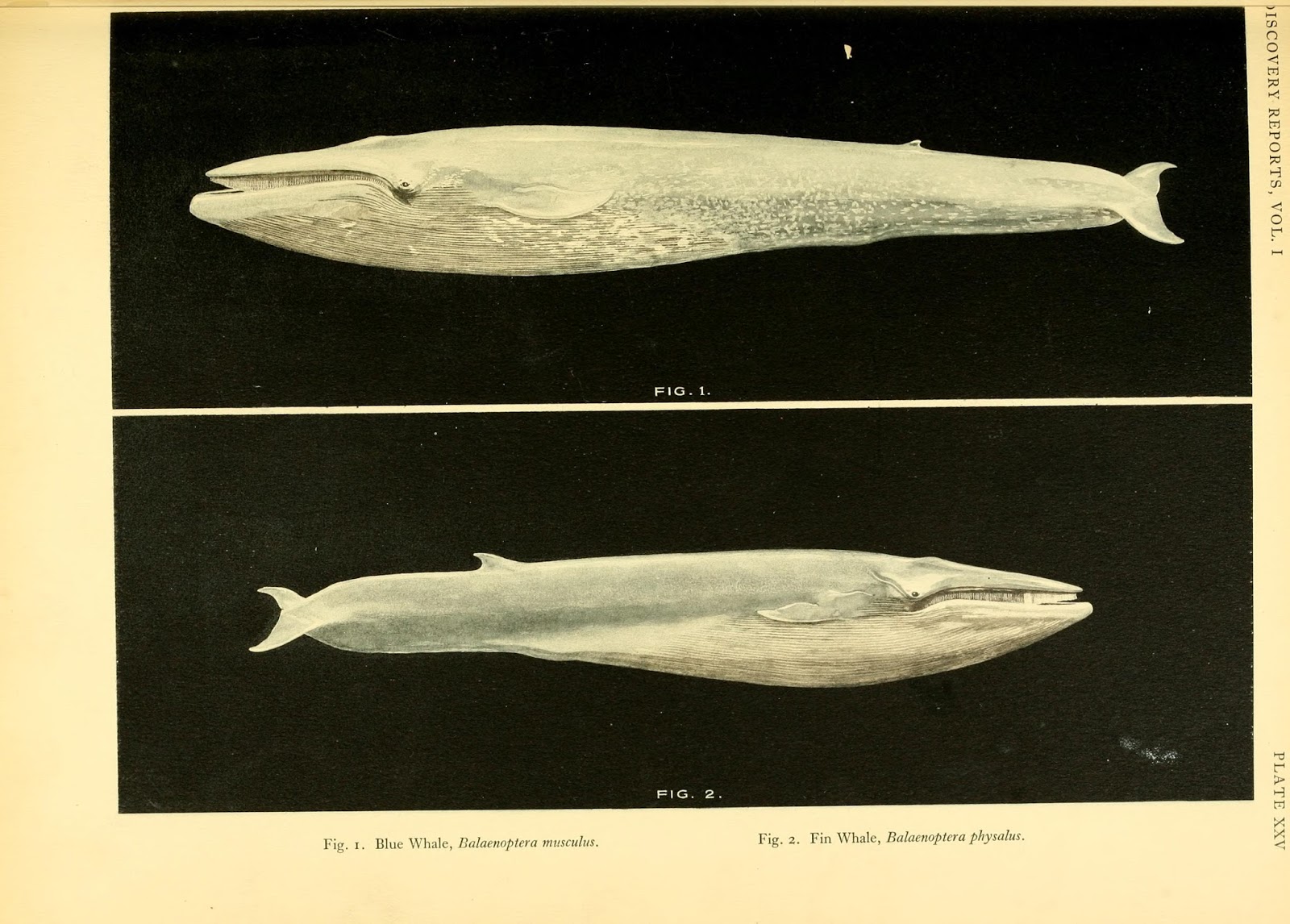
Mackintosh NA, Wheeler JFG (1929) Southern blue and fin whales. Discovery Reports 1:257—510. http://www.biodiversitylibrary.org/page/15917732. Digitized by Smithsonian Libraries.

Pyenson has used the data in the Reports to inform several recent studies. For example, he and colleague Simon Sponberg used data on total length and adult body mass for Southern blue and fin whales, published in 1929 as part of the Discovery Reports, to help develop and test regression methods for reconstructing the body size of extinct whales. Their findings, published in 2011 in the Journal of Mammalian Evolution, provided major insight into studying the evolution of cetacean body size.
View Full Size Image
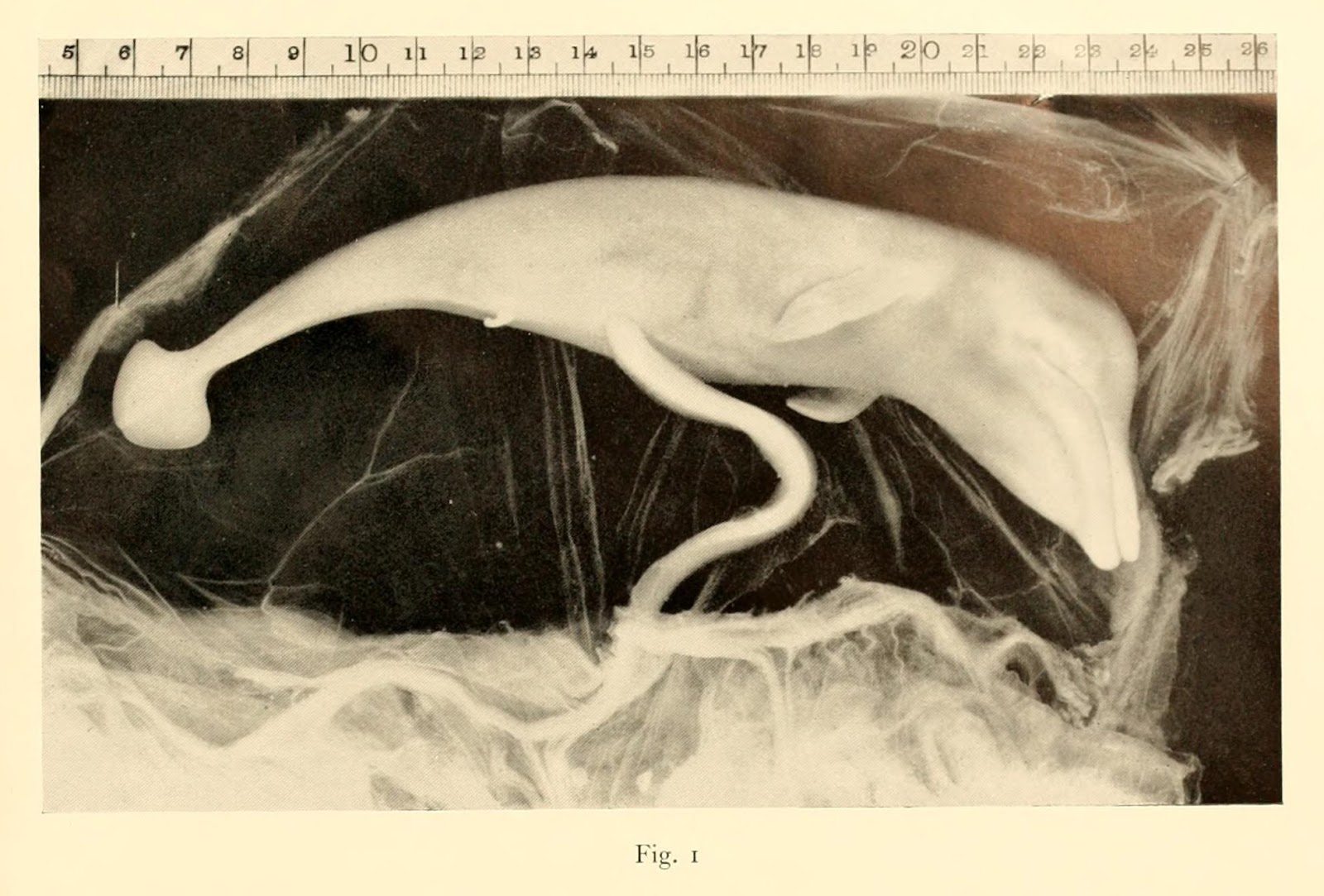
Fin whale fetus. Laws RM (1959) The foetal growth rates of whales with special reference to the fin whale Balaenoptera physalus Linn. Discovery Reports 29: 281–308. http://www.biodiversitylibrary.org/page/5569026. Digitized by MBLWHOI Library.

More recently, while researching the evolution of whale hearing, Maya Yamato and Pyenson used data on the fetal growth rates of whales, published in 1959 as part of the Discovery Reports, to gain insight into the maturation of the ear in baleen and toothed whales. Their research, published in 2015 in PLOS ONE, traces the development of an evolutionarily novel feature in cetaceans – the use of an acoustic funnel, rather than an ear canal, for hearing.

“The historic information in the Reports is so valuable for a variety of questions about the evolution, anatomy, and ecology of large whales,” asserts Pyenson.

View Full Size Image
Dr. Nicholas Pyenson. Selfie from a seakayak in Sitka Sound, Alaska.

Pyenson has been studying marine mammals and other marine vertebrates for over 15 years. He’s published pioneering research on the evolution and diversification of marine mammalian lineages and has used revolutionary techniques like 3D modeling to uncover new insights into the anatomy and transformation of this group. He’s even shared some of his research during past BHL-related events, including live webcasts for the #FWTrueLove and #FossilStories campaigns.

Pyenson’s scientific achievements, including the use of emerging digital tools to expand public access to fossils, earned him the coveted Presidential Early Career Award for Scientists and Engineers (PECASE). He is the first NMNH scientist to receive this award, which is the “highest honor bestowed by the United States Government on science and engineering professionals in the early stages of their independent research careers.”

While Pyenson has embraced many novel research techniques, the historic data found in publications like the Discovery Reports underpins much of his work. Thanks to the digital open access provided by the Biodiversity Heritage Library (BHL), it’s easier than ever to integrate these resources into modern research processes.

“As a free, mobile archive for natural history literature, BHL is ideal for 21st century research, which can happen on the field, in a museum, or at a coffee shop, as long as there’s internet connectivity,” lauds Pyenson.

Pyenson began using BHL nearly ten years ago, and over the past decade, it has had a major impact on his – and his colleagues’ – research.

“BHL supercharges the speed and efficiency of scholarly research, especially in the natural sciences where old literature sometimes contains the only information on a topic, taxon, geographic locality or collector,” says Pyenson. “And because BHL is open-access, I know firsthand that many of my international colleagues have dramatically better access to the literature covered in its database than more recent journals locked behind pay-walls.”

Pyenson uses BHL at least once a week, obtaining descriptions, measurements, and detailed views of morphology on fossil or modern specimens. The usability of the website, and the fidelity and quality of the scans, allow him to access and download information that is critical to his work.

“I think BHL’s interface is really wonderful. The links are crisp and easy to find and share. I especially enjoy the selectivity of being able to download just a few pages or only a specific article from an issue.”
View Full Size Image
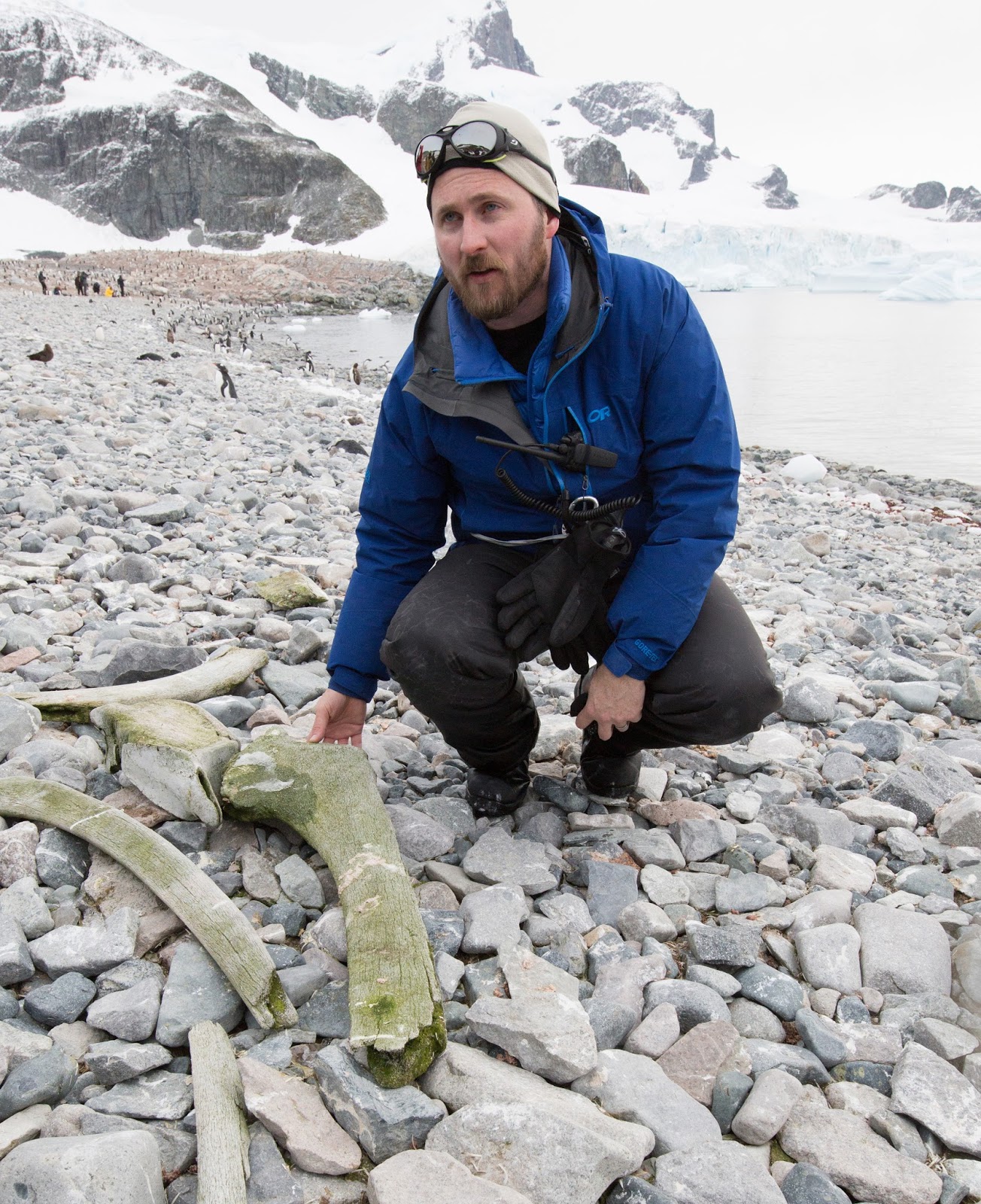
Dr. Nicholas Pyenson at Cuverville Island, Antarctica. Photo credit: Martha Stewart.

Given the significant impact that BHL has had on Pyenson’s work, he is anxious that more people be made aware of the vast abundance – and importance – of this free and open access collection.

“We need to get the word out. Old literature matters,” asserts Pyenson.

And matter it does. As Dr. Pyenson’s experience demonstrates, by providing a wealth of data on species morphology, phylogeny, and ecology, historic literature forms the foundation for the investigation of modern and ancient biodiversity. By making this content globally accessible to anyone with an Internet connection, BHL is helping to advance scientific research and inspire discovery of the natural world.

You can help support global research through a tax-deductible donation to BHL. With your help, we can continue to democratize access to information about biodiversity and empower scientific research on a global scale.

______________________________________

This post may contain the personal opinions of BHL users or affiliated staff and does not necessarily represent the official Biodiversity Heritage Library (BHL) position on these matters.

May 11, 2017by ulib-libraryjobs
Page 1 of 212»

Help Support BHL

BHL's existence depends on the financial support of its patrons. Help us keep this free resource alive!

search

About BHL

The Biodiversity Heritage Library (BHL) is the world’s largest open access digital library for biodiversity literature and archives. BHL operates as a worldwide consortium of natural history, botanical, research, and national libraries working together to digitize the natural history literature held in their collections and make it freely available for open access as part of a global “biodiversity community.”

Join Our Mailing List

Sign up to receive the latest news, content highlights, and promotions.

Subscribe Now

Subscribe to Blog via Email

Enter your email address to subscribe to this blog and receive notifications of new posts by email.

Join 319 other subscribers

Subscribe to Blog Via RSS

Subscribe to the blog RSS feed to stay up-to-date on all the latest BHL posts.

Access RSS Feed

Inspiring Discovery through Free Access to Biodiversity Knowledge.

The Biodiversity Heritage Library makes it easier than ever for you to access the information you need to study and explore life on Earth…for free, anytime, anywhere.


64+ Million Pages of
Biodiversity Literature Online.

EXPLORE

Tools and Services
to Transform Research.

EXPLORE

300,000+
Illustrations on Flickr.

EXPLORE

ABOUT | HARMFUL CONTENT | PRIVACY | SITE MAP | TERMS OF USE