Biodiversity Heritage Library - Program news and collection highlights from BHL
  • Home
  • News
  • Featured Books
    • All Featured Books
    • Book of the Month Series
    • BHL at 20
  • User Stories
  • Campaigns
    • Fossil Stories
    • Garden Stories
    • Monsters Are Real
    • Page Frights
    • Her Natural History
    • Earth Optimism 2020
  • Tech Blog
  • Visit BHL
Home
News
Featured Books
    All Featured Books
    Book of the Month Series
    BHL at 20
User Stories
Campaigns
    Fossil Stories
    Garden Stories
    Monsters Are Real
    Page Frights
    Her Natural History
    Earth Optimism 2020
Tech Blog
Visit BHL
  • Home
  • News
  • Featured Books
    • All Featured Books
    • Book of the Month Series
    • BHL at 20
  • User Stories
  • Campaigns
    • Fossil Stories
    • Garden Stories
    • Monsters Are Real
    • Page Frights
    • Her Natural History
    • Earth Optimism 2020
  • Tech Blog
  • Visit BHL
Biodiversity Heritage Library - Program news and collection highlights from BHL
BHL News, Blog Reel

Join us for Seeds in the Stacks!

Find a recording of Seeds in the Stacks on YouTube.
————————————-

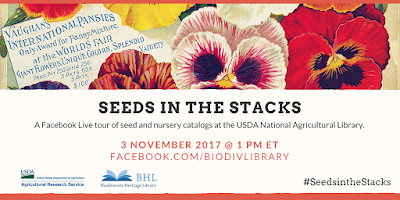
Join us for Seeds in the Stacks, a Facebook Live tour at the USDA National Agricultural Library! We’ll go behind-the-scenes to explore selections from the Library’s collection of over 200,000 seed and nursery catalogs.

WHERE?
www.facebook.com/BioDivLibrary
WHEN?
3 November 2017 @ 1pm ET

The USDA National Agricultural Library is the newest BHL Member. Since joining the consortium as an Affiliate in 2014, NAL has contributed over 2 million pages to the BHL collection, including a significant portion of its Henry G. Gilbert Nursery and Seed Trade Catalog Collection. To date, NAL has contributed over 33,000 catalogs from this collection to BHL. The catalogs can be viewed in BHL as part of the Seed & Nursery Catalogs collection.

October 30, 2017by Grace Costantino
Blog Reel

Service Update: Internet Archive Service Restored 29 October 2017

Status Update: 20:45 ET 29 October: Internet Archive is back online. Page images are correctly displaying in BHL. Thanks for your patience!

—————————————–
Internet Archive is currently down. As a result, page images are not displaying in BHL. We apologize for the inconvenience, and we will update this post as soon as service is restored. #StayTuned

October 29, 2017by Grace Costantino
Blog Reel, Featured Books

The Birds of the World, German Edition

View Full Size Image
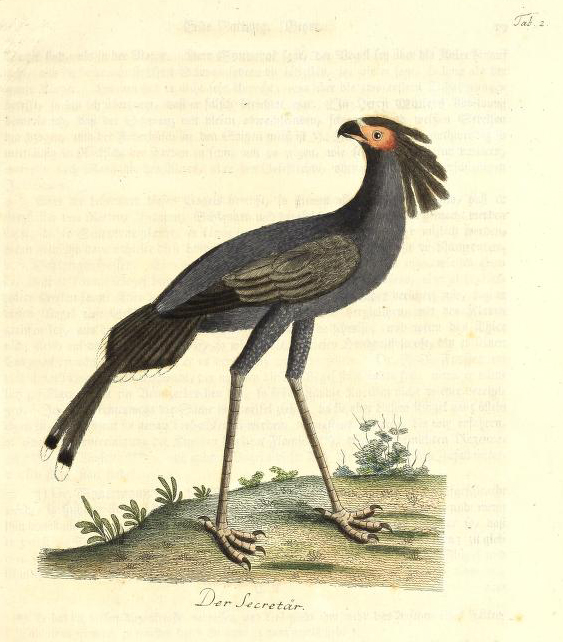
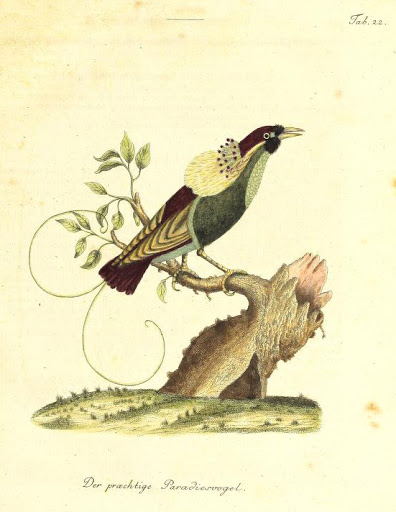
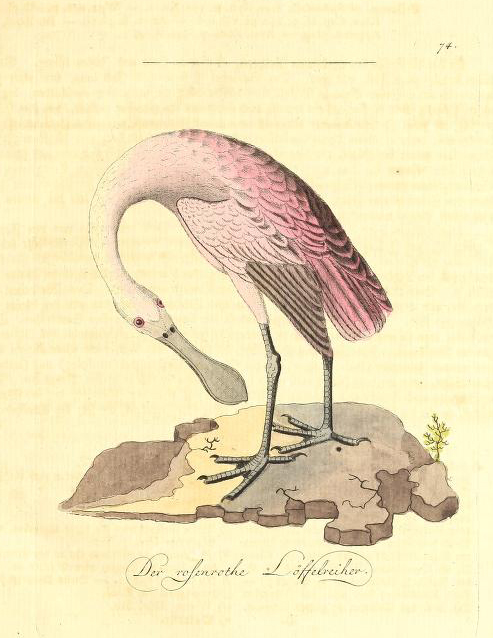
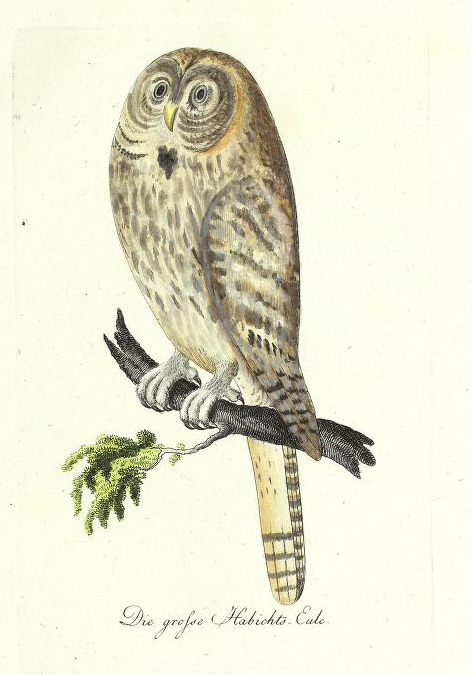
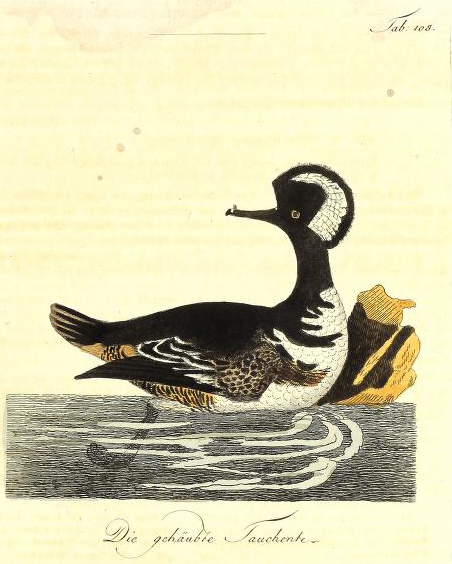
Bechstein, Johann Matthäus. Johann Lathams allgemeine Uebersicht der Vögel. Bd.2:t.2 (1795). German translation of John Latham’s A General Synopsis of Birds. Digitized by Natural History Museum Library, London. http://s.si.edu/2hDSp9n.

At the end of the eighteenth century, the “father of German ornithology” began publishing a German translation of General Synopsis of Birds, an important work by John Latham, the “grandfather of Australian ornithology” [5][6].

This German edition, entitled Johann Lathams Allgemeine Uebersicht der Vögel ([1792] 1793-1812), was translated and edited by Johann Matthäus Bechstein (1757-1822). As his moniker suggests, Bechstein was a pioneer in German ornithology, having produced what is often regarded as the “first modern handbook of German birds,” Gemeinnèutzige Naturgeschichte [5]. With his translation of Latham’s work, Bechstein made descriptions of worldwide bird species more accessible to German readers.

View Full Size Image
Bechstein, Johann Matthäus. Johann Lathams allgemeine Uebersicht der Vögel. Bd.1:t.1 (1793). German translation of John Latham’s A General Synopsis of Birds. Digitized by Natural History Museum Library, London. http://s.si.edu/2gzJA0m.

Latham’s General Synopsis of Birds, published in three volumes between 1781-1785 followed by supplements in 1787 and 1801, not only provided a natural history of the birds of the world but also importantly presented many Australian species to the European public for the first time.

Born at Eltham, Kent, England in 1740, Latham trained as a physician and set up a medical practice in Darenth at the age of 23. After he was established, Latham began a more concentrated study of natural history, amassing a library and collection of specimens to support his research. By 1800, Latham had recorded around 3,000 bird species [3].

View Full Size Image
Bechstein, Johann Matthäus. Johann Lathams allgemeine Uebersicht der Vögel. Bd.1:t.2 (1793). German translation of John Latham’s A General Synopsis of Birds. Digitized by Natural History Museum Library, London. http://s.si.edu/2gB8gWx.

Latham’s period of ornithological study coincided with the arrival in England of a wealth of specimens and drawings from Australia. These collections, resulting from Captain Cook’s voyages to Australia and Polynesia (1769-75), included many new-to-science bird species [1]. As a friend and correspondent of many of England’s leading naturalists, Latham had access to these collections. He included descriptions and illustrations of many of these new species within his General Synopsis of Birds [2].

Latham provided only vernacular descriptions for the species in his General Synopsis and its first supplement. In 1790, after realizing that he would only receive credit for naming the species if he provided Latin binomials under the Linnaean system, Latham published Index Ornithologicus, a systematic catalog assigning binomial names and taxonomic classifications to the birds in the three volumes and first supplement of General Synopsis [7]. 

View Full Size Image
Bechstein, Johann Matthäus. Johann Lathams allgemeine Uebersicht der Vögel. Bd.3:t.1 (1796). German translation of John Latham’s A General Synopsis of Birds. Digitized by Natural History Museum Library, London. http://s.si.edu/2ziUgZ0.


Unfortunately, between 1788-1789, German naturalist Johann Friedrich Gmelin had published an expanded edition of Linnaeus’s Systema Naturae, providing Latin names for many of Latham’s birds. These names have priority over those published in Index Ornithologicus, and as such Gmelin is credited as the first to scientifically describe many of the species first introduced through Latham’s General Synopsis [2].

However, Latham is still the authority for many of the names in the Index and second supplement, and he is recognized as the first to scientifically describe many iconic species, such as the hyacinth macaw (Anodorhynchus hyacinthinus), and Australian species, including the emu (Dromaius novaehollandiae). His extensive contributions to Australian ornithology earned him the nickname the “grandfather of Australian ornithology” [2].

View Full Size Image
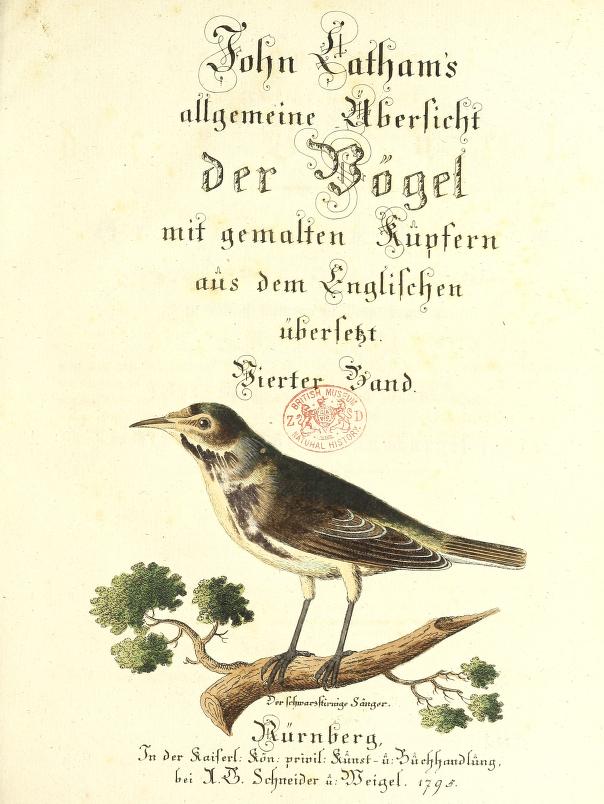
Bechstein, Johann Matthäus. Johann Lathams allgemeine Uebersicht der Vögel. Bd.4:t.1 (1811). German translation of John Latham’s A General Synopsis of Birds. Digitized by Natural History Museum Library, London. http://s.si.edu/2zkmEu0.

The four volumes of Bechstein’s Johann Lathams Allgemeine Uebersicht der Vögel constitute German translations of the three volumes and first supplement of General Synopsis as well as the Index Ornithologicus. In addition to the translation, Bechstein added “much additional matter” [7]. Each volume (or band) was issued in two parts (or theils). The plates are largely reproductions of those from General Synopsis, many of which Latham designed and etched himself [6].

Bechstein’s legacy extends well beyond his translation of Latham’s ornithological work. He was not only a pioneer in German ornithology, but he also contributed extensively to studies on forestry, founding the school of forestry at Waltershausen in 1795 and being named the director of the forestry school at Dreissigacker in 1800. He was also an early advocate for wildlife conservation, encouraging protection for many species then deemed pests, including bats [4].

View Full Size Image
Bechstein, Johann Matthäus. Johann Lathams allgemeine Uebersicht der Vögel. Bd.3:t.2 (1798). German translation of John Latham’s A General Synopsis of Birds. Digitized by Natural History Museum Library, London. http://s.si.edu/2i9JoZh.

You can browse more of Bechstein’s works in BHL.

Thanks to the Natural History Museum Library, London, you can freely explore all four bands, constituting eight volumes in total, of Johann Lathams Allgemeine Uebersicht der Vögel in BHL.


With contributions from:

Harriet Campbell Longley 
Researcher Services Assistant 
Natural History Museum Library and Archives, London

References

[1] Ashworth, William B. Jr., 2016. “Scientist of the Day – John Latham.” Linda Hall Library, February 4. http://www.lindahall.org/john-latham/.
[2] Calaby, J.H. “Latham, John (1740–1837).” Australian Dictionary of Biography, National Centre of Biography, Australian National University. Published first in hardcopy 1967. http://adb.anu.edu.au/biography/latham-john-2333/text3037.
[3] Jackson, Christine E., Ann Datta, and R.I. Vane-Wright. 2013. “Dr John Latham, F.L.S. and His Daughter Ann.” The Linnean, 29(1), pp. 15-30.
[4] Johann Matthäus Bechstein. UpClosed. https://upclosed.com/people/johann-matthaeus-bechstein/.
[5] Mey, Eberhard. 2003. “Johann Matthäus Bechstein: The Father of German Ornithology.” Rudolstädter nat. hist. Schr., 11, pp.63.
[6] Olsen, Penny. 2001. Feather and Brush: Three Centuries of Australian Bird Art. Collingwood: CSIRO Publishing. pp. 28.
[7] Zimmer, John Todd. 1926. Catalog of the Edward E. Ayer Ornithological Library, Part II. Chicago: Field Museum of Natural History. pp. 373-374.

October 26, 2017by Grace Costantino
Blog Reel, Featured Books

From Jean-Baptiste Tavernier to the Smithsonian: Tracing the History of the Hope Diamond

View Full Size Image
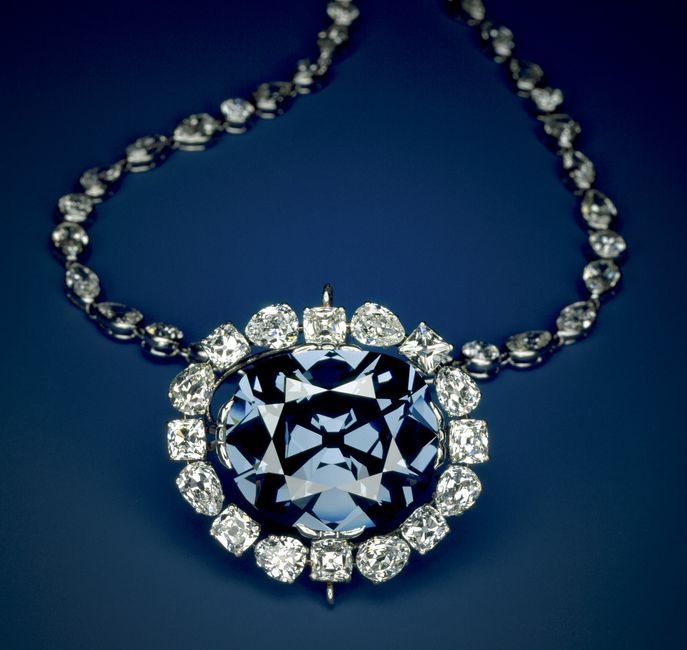
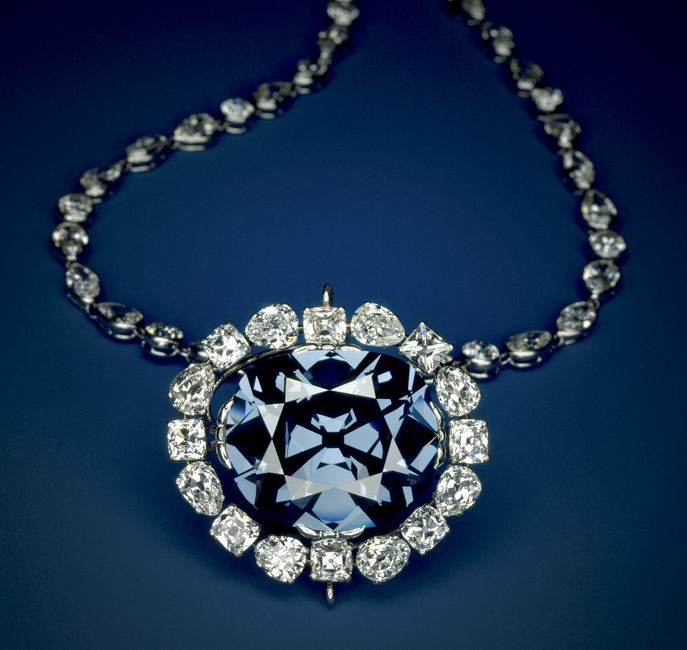
The Hope Diamond. Photo by Chip Clark, courtesy of the Smithsonian Institution. Photo ID 97-35270.

The Hope Diamond is one of the most famous gems in the world. It attracts millions of visitors to the National Museum of Natural History each year, making it one of the Smithsonian’s most popular objects.

But what is the history of this famous jewel? How did it come to be the Hope Diamond?

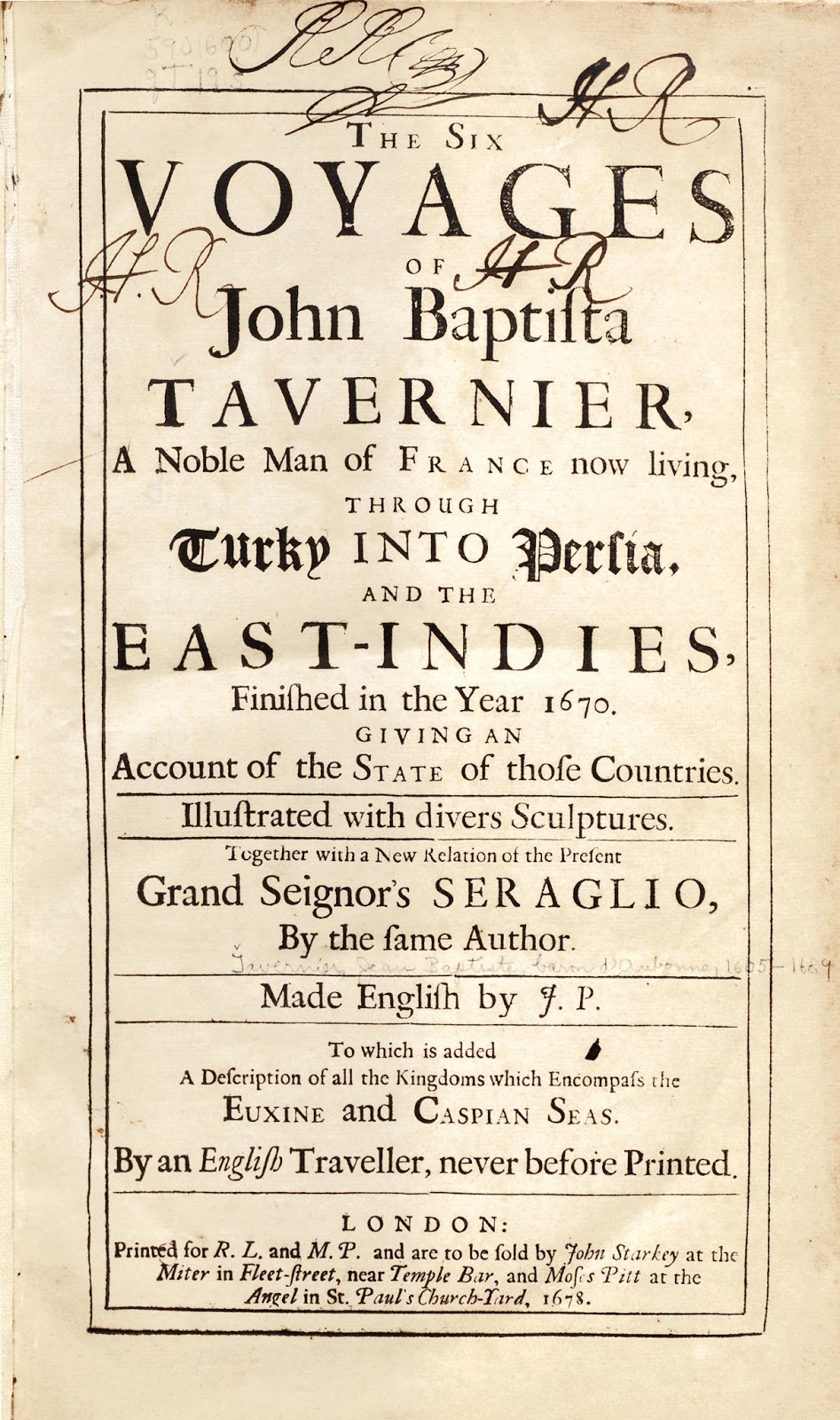
The known history of the stone begins with French gem merchant and traveler Jean-Baptiste Tavernier, whose travels through Asia in the 17th century are recorded in The Six Voyages of John Baptista Tavernier (1678), which has been digitized in BHL by the United States Geological Survey (USGS) Libraries Program.
View Full Size Image
Title Page. Tavernier, Jean-Baptiste. The six voyages of John Baptista Tavernier. 1678. Digitized by the United States Geological Survey Libraries Program. http://s.si.edu/2wq4rIQ.

Born to a cartographer in 1605, Tavernier demonstrated a love for travel as early as his teens. Over the course of nearly forty years, Tavernier embarked on six major trips, or “voyages”, to Persia and India, covering by his account 180,000 miles. He became a successful jewel merchant and, according to the Smithsonian’s Mineral Sciences Department website, “the first European to describe the diamond mines in India.” He first published an account of his journeys in 1676 with Les Six Voyages de Jean-Baptiste Tavernier, with an English translation by John Phillips appearing two years later in 1678.

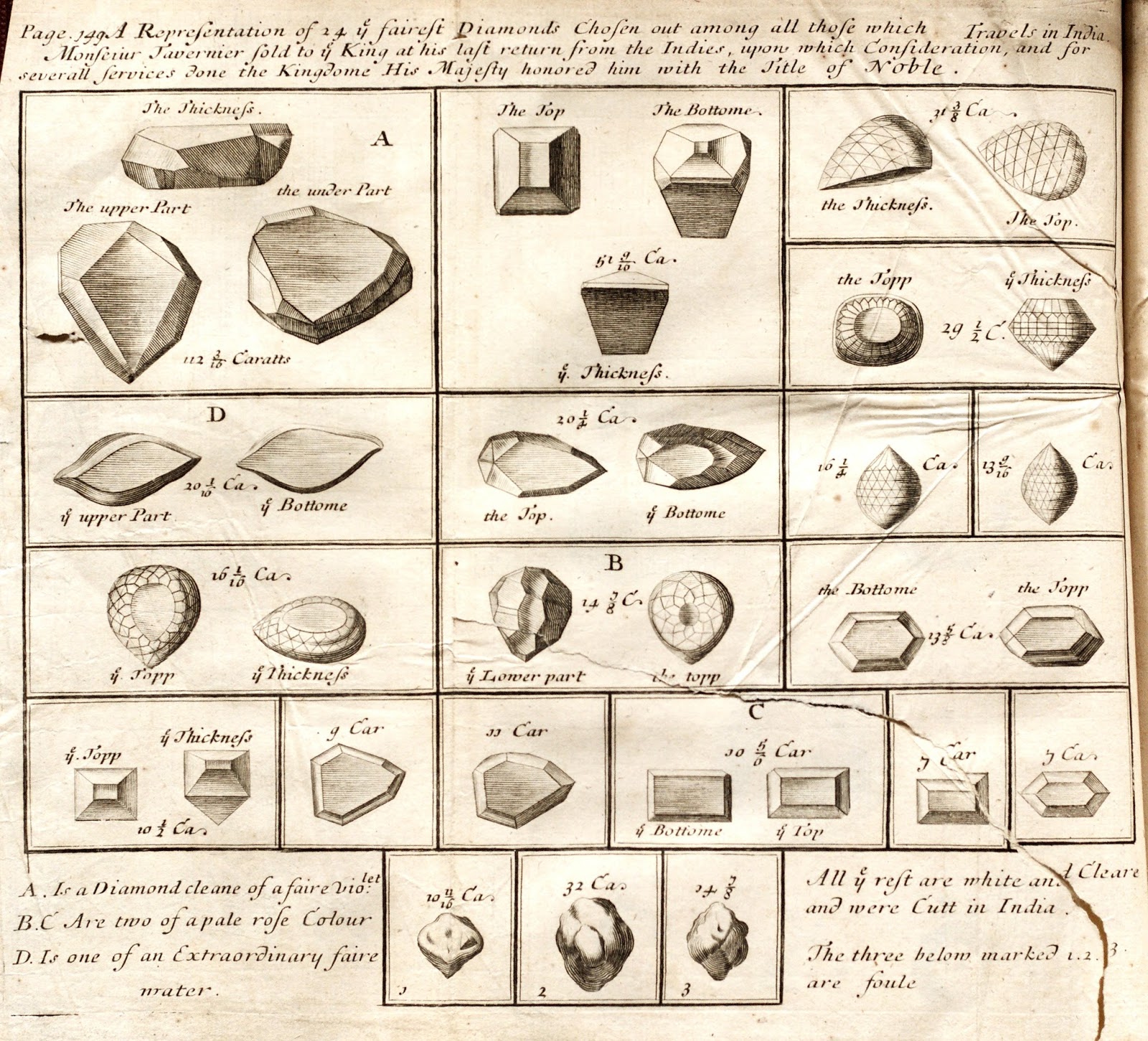
Most likely during his sixth and final voyage to India between 1664-1668, Tavernier obtained a remarkable blue diamond weighing approximately 115 modern metric carats. Dubbed the “Tavernier Blue,” the stone was certainly mined in India, but the specific mine is not known. Tavernier detailed this diamond in his Six Voyages.
View Full Size Image
Sketch of the “Tavernier Blue” (Upper Left, “A”). Tavernier, Jean-Baptiste. The six voyages of John Baptista Tavernier. 1678. Digitized by the United States Geological Survey Libraries Program. http://s.si.edu/2xkH0Vi.

In 1668 or 1669 (sources vary), Tavernier sold the diamond to Louis XIV of France for 220,000 livres. According to François Farges, curator of minerals and gems at the Muséum national d’Histoire naturelle, the stone was likely worth twice that amount.

Why would Tavernier sell the gem so cheaply?

According to Richard W. Wise, author of The French Blue, Tavernier received a patent of nobility, likely as part of the deal, which at the time could be obtained for approximately 400,000-500,000 livres. Additionally, as Wise writes, selling the jewel to the King of France was good publicity for Tavernier. Furthermore, given the economic state of many other European royals at the time, Tavernier was unlikely to receive a better offer.

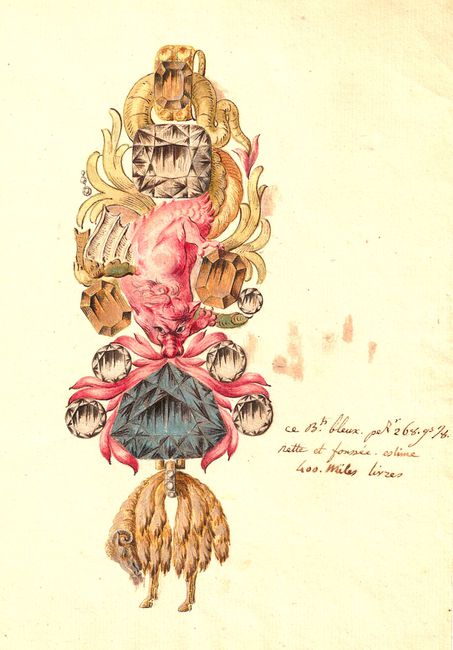
Louis XIV later ordered court jeweler Jean Pittan the Younger to recut the stone to reflect a more European style favoring symmetry and brilliance over size and weight. The resulting 69 carat heart-shaped diamond became commonly known as the “French Blue.” The diamond later became part of the Order of the Golden Fleece, a emblem of knighthood featuring many precious stones.

View Full Size Image
Color illustration of the Order of the Golden Fleece, containing the French Blue. Courtesy of the Smithsonian Institution. Creator: Pierre-André Jacqumin. https://mineralsciences.si.edu/_img/hope/GoldenFleece.jpg.

Then, in 1789, France changed. The French Revolution ignited, and in 1791, the French Crown Jewels, including the Order of the Golden Fleece containing the French Blue, were turned over to the revolutionary government and moved to the royal storehouse, Garde-Meuble. The jewels were put on public display until 1792, when the French Blue, along with many other Crown Jewels, were stolen.

And here, the French Blue is lost.

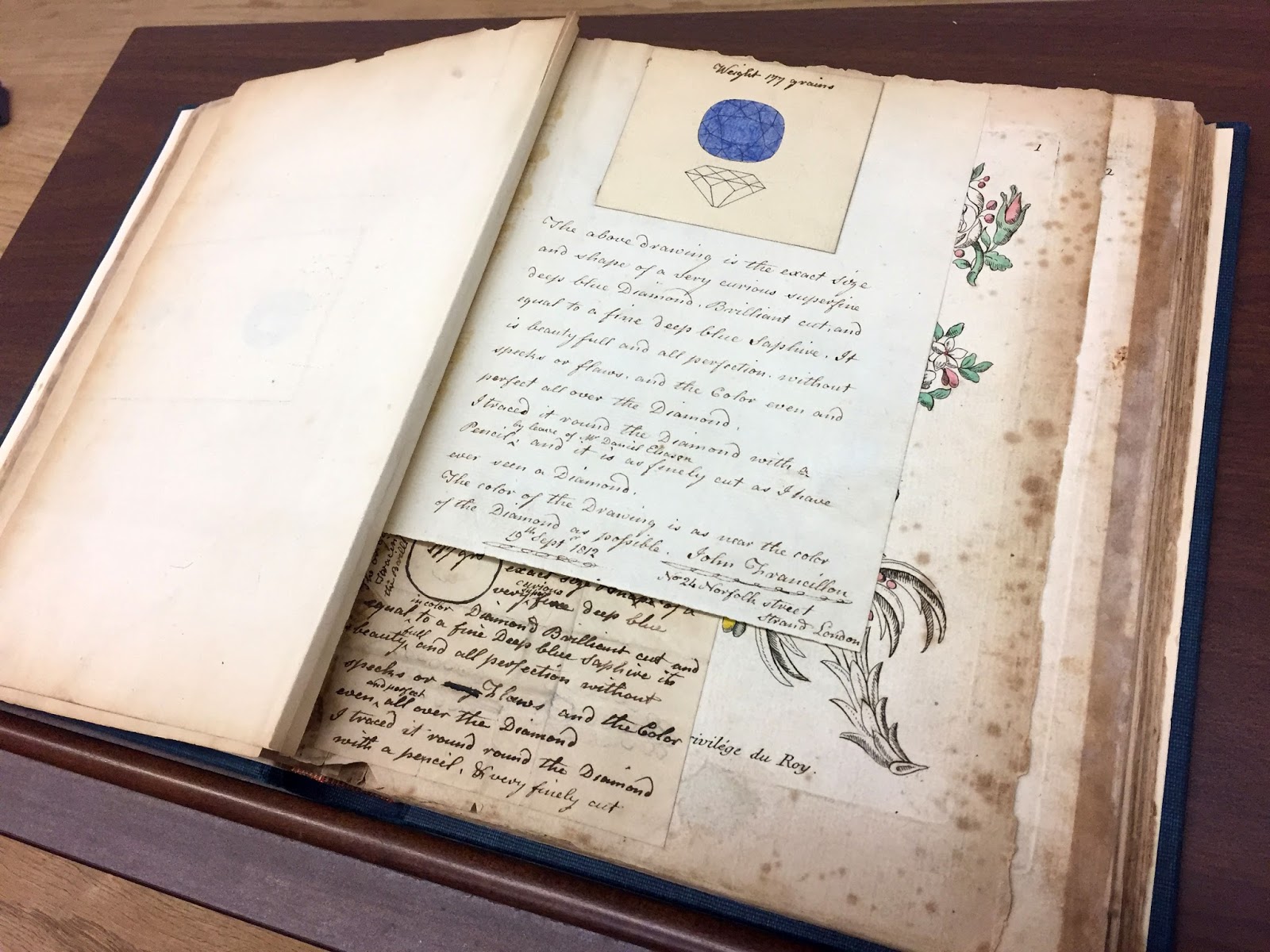
Fast forward to London, 1812. A jeweler named John Francillon makes a note and sketches of a 45.5 carat blue diamond that he examined “by leave of” London diamond merchant Daniel Eliason. Known as the “Francillon Memo”, this is the first reference to the Hope Diamond as it is known today.

It was American gemologist and former “special agent” for the USGS, George Frederick Kunz, who unearthed this important piece of the Hope’s provenance when he discovered the “Francillon Memo” inside a copy of Pouget’s Traité des pierres précieuses et de la maniere de les employer en parure (1762) whilst browsing in London’s Quartich’s bookshop.

View Full Size Image
The Francillon Memo inside a copy of Pouget’s Traité des pierres précieuses et de la maniere de les employer en parure (1762), from the USGS Libraries collection. Photo by: Kelly Haberstroh.

Today, this memorandum, as well as the Pouget book it was discovered within, are part of the George F. Kunz Collection at the USGS Libraries Program. Containing many rare books on gemology, the folklore of gemstones through history, lapidary arts and archival gem trade records, the Library acquired this significant collection in 1933 after Kunz’s death. The copy of Tavernier’s Six Voyages within BHL is a part of the USGS Kunz Collection.

Interestingly, the “Francillon Memo” was dated September 19, 1812, just two days after the expiration of the statute of limitations for crimes committed during the French Revolution. In other words, France could no longer prosecute for reclamation of the diamond, should they happen to recognize the stone for what it truly was.

Whilst the connection between the French Blue and the Hope Diamond has long been suspected, in 2005 scientists at the Smithsonian announced that archival research and computer models had allowed them to conclude that the Hope was almost certainly cut from the French Blue.

The gem was most likely recut to hide its true identity. But who directed this to happen?

In 2009, Farges and his colleagues published research involving a lead model of the French Blue that suggests it may have been Henry Philip Hope, the diamond’s namesake, who privately acquired and directed the stone to be recut sometime between 1792-1812, after which it eventually ended up with Eliason, a client of Hope’s family firm. Hope would eventually officially acquire the diamond by 1839, after it was allegedly sold from George IV of England’s collection following his death in 1830 (George IV’s ownership of the Hope has never been officially confirmed).

In the early twentieth century, after Hope’s great-grandnephew, Lord Francis Hope (who inherited the Hope Diamond), sold the stone in the midst of financial difficulties resulting from his lavish lifestyle, the diamond passed through multiple owners before it was finally donated by jeweler Harry Winston to the Smithsonian in 1958.

View Full Size Image
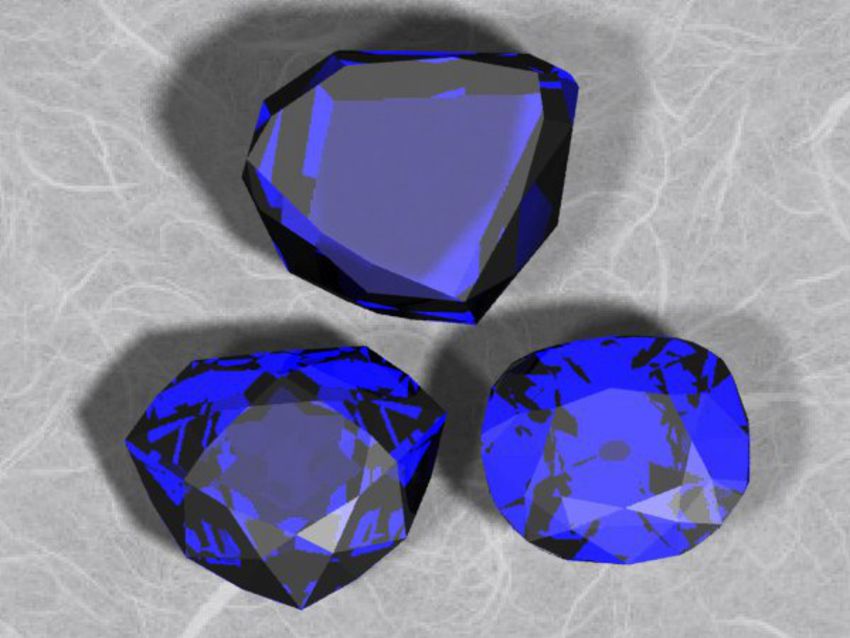
Models of the Hope Diamond in its three known states: Tavernier Blue (top), French Blue (bottom left), and the Hope Diamond (bottom right). Courtesy of the Smithsonian Institution. Creator Stephen Attaway. https://mineralsciences.si.edu/_img/hope/HopeModels.jpg.

Thus stands the history of the Hope Diamond, from its appearance in Tavernier’s Six Voyages to its exhibition at the Smithsonian. Thanks to the USGS Libraries Program, a record of the stone’s earliest known history is freely available to the world through the Biodiversity Heritage Library.

You can view all of the illustrations from Tavernier’s Six Voyages in the BHL Flickr.

About the USGS Libraries Program

The USGS Libraries Program, authorized by Congress in 1879, is the world’s largest earth and natural sciences library, providing services, collections, and expertise that are essential to the U.S. Geological Survey mission. The Libraries Program is made up of four branches that provide resources, collections, and services. The library collections include over 1,500,000 volumes, 2.500,000 maps, 30,000 field records, and 500,000 historical photos. Over thirty-six percent of the materials are unique to USGS, or available at ten or fewer libraries in the world. The rare collections can support research in biodiversity, specifically with literature from paleobotany and paleoclimatology as well as some surprising gems from early biological research both in the United States and across the world.

Sources

Buncombe, Andrew. 2005. “‘Cursed’ Hope Diamond Was Cut from French Stone, Test Shows.” The Independent, February 11. Accessed September 13, 2017. https://web.archive.org/web/20090331235958/http://www.independent.co.uk/news/world/americas/cursed-hope-diamond-was-cut-from-french-stone-tests-show-482819.html.

Farges, Francois, et al. 2009. “The French Blue and the Hope: New Data from the Discovery of a Historical Lead Cast.” Gems & Gemology 45, no. 1 (Spring): 4-19. Accessed September 13, 2017. https://www.gia.edu/doc/SP09.pdf.

The Public Domain Review. 2017. “The Six Voyages of John Baptista Tavernier.” Accessed September 13, 2017. http://publicdomainreview.org/collections/the-six-voyages-of-john-baptista-tavernier-1678/.

Smithsonian National Museum of Natural History. 2017. “Timeline.” Hope Diamond, April 19. Accessed September 13, 2017. https://mineralsciences.si.edu/collections/hope/timeline/1668.htm.

Wikipedia. 2017. “John Francillon.” September 1. Accessed September 13, 2017. https://en.wikipedia.org/wiki/John_Francillon.

Wise, Richard W. 2009. “From the Sun King to the Smithsonian The Epic Journey of the Hope Diamond.” The French Blue. Accessed September 13, 2017. http://thefrenchblue.com/article1.htm.

October 20, 2017by Grace Costantino
BHL News, Blog Reel

BHL Welcomes Oak Spring Garden Foundation as a New Affiliate

View Full Size Image

This quarter, the Biodiversity Heritage Library welcomed the Oak Spring Garden Foundation (OSGF) as a new Affiliate. The BHL consortium now consists of 19 Members and 18 Affiliates.

With a mission to perpetuate and share the gifts of Rachel (“Bunny”) Lambert Mellon, OSGF is dedicated to inspiring and facilitating scholarship and public dialogue on the history and future of plants. The Foundation operates from Bunny Mellon’s 263-acre estate in Upperville, VA, which includes her residence, garden, and Library.

The Oak Spring Garden Library is home to Bunny Mellon’s personal collection of rare books, manuscripts, and artworks, which she acquired to support her research and design work. Consisting of approximately 19,000 objects, the collection’s strengths include garden and garden design, horticulture, botanical studies, natural history, voyages, architecture, and decorative arts.

View Full Size Image
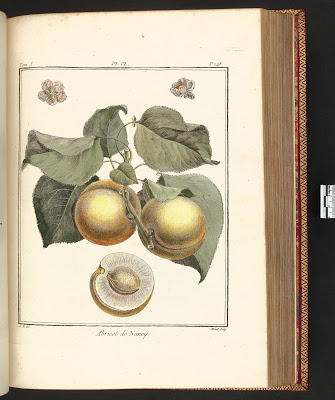
Duhamel du Monceau, M. Traité des arbres fruitiers. v. 1 (1768). Contributed by the Oak Spring Garden Library. http://s.si.edu/2fFO3O5.

As an Affiliate, OSGF will enhance BHL’s collection by contributing rare and unique material from the Library. Providing open access to this significant collection will allow the Foundation to share Bunny Mellon’s legacy with a global community and impact research around the world.

Visit BHL to explore Traité des arbres fruitiers, the first title contributed by the Oak Spring Garden Library to BHL. This title was hand-picked by Bunny Mellon for contribution to the Biodiversity Heritage Library. Learn more.

October 3, 2017by Grace Costantino
Blog Reel, Featured Books

Australia’s First Flora

View Full Size Image
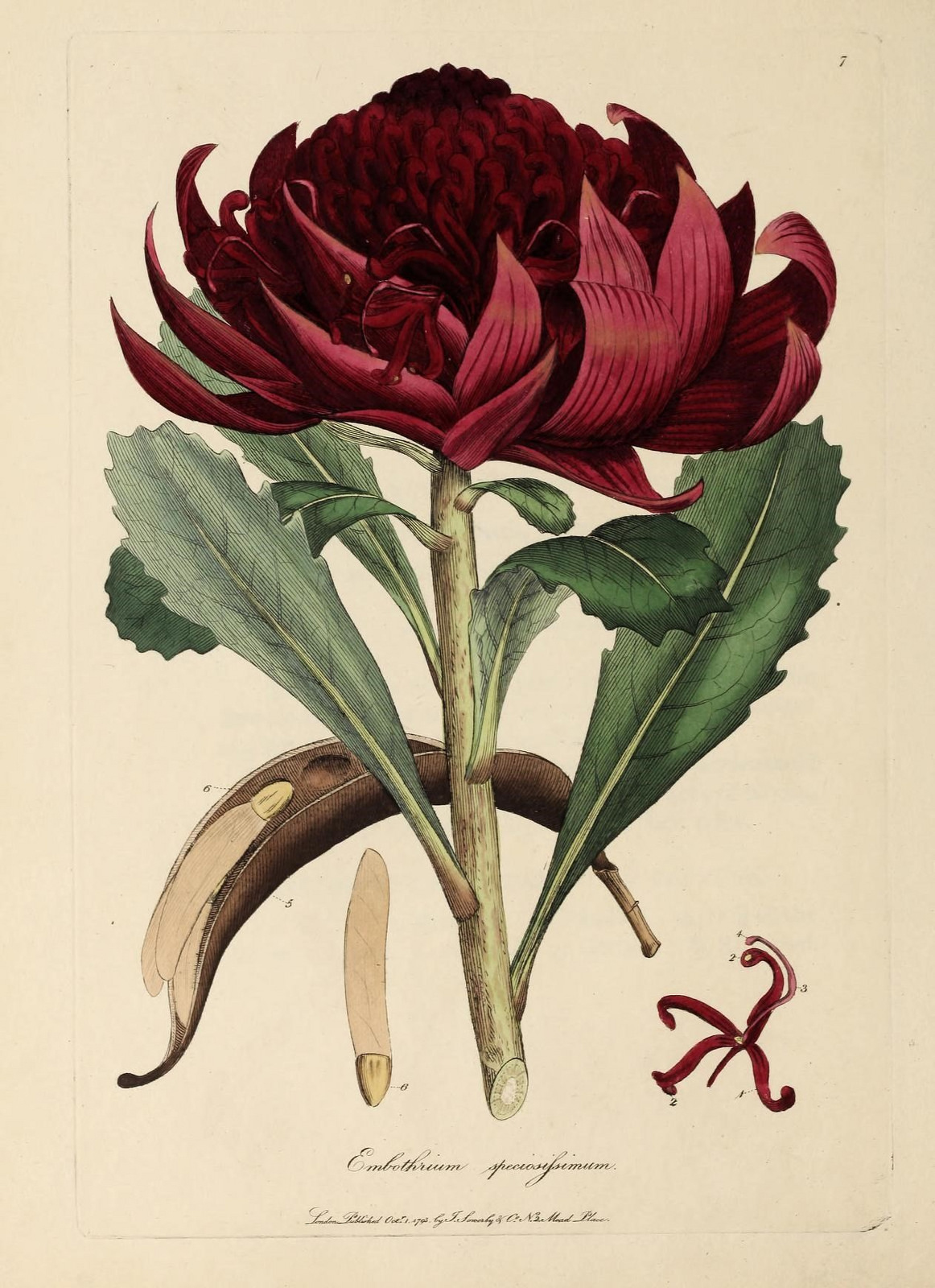
Smith, James Edward. A Specimen of the Botany of New Holland. 1793-95. Engraving by James Sowerby. Digitized by Harvard University Botany Libraries. http://s.si.edu/2wUwwYX.

As far back as antiquity, Western scholars theorized the existence of a great southern continent that they called Terra Australis. While the continent found its way onto many early European maps, the depictions were theoretical and generally included a single landmass encompassing the South Pole and spreading far north to include Australia, New Zealand and, at its most extreme, even Tierra del Fuego.

With expeditions in the seventeenth and eighteenth centuries, the mystery in Europe surrounding this great southern continent slowly gave way to scientific exploration of the landmasses discovered, including New Holland, or Australia.

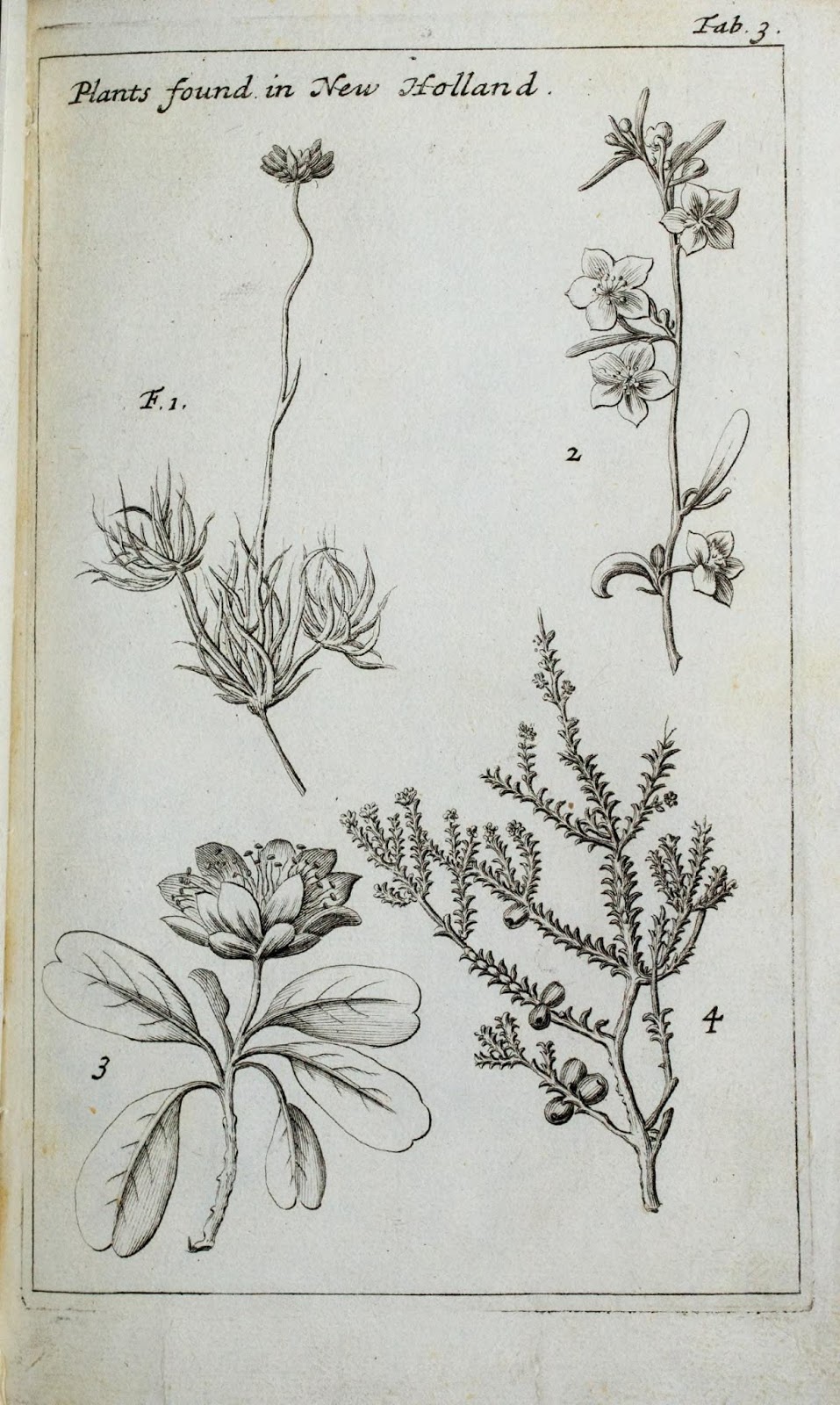
The published scientific record of Australian flora has its roots in the British Admiralty-commissioned voyage of William Dampier, which reached Australia in 1699. During the expedition, Dampier collected plant specimens, and his A Voyage to New Holland, published in 1703, is the first book known to include published drawings of Australian flora (Hewson 1999, 16-17). It has been digitized in BHL by the Royal Botanic Gardens Victoria.

View Full Size Image
Dampier, William. A Voyage to New Holland. 1703. Digitized by Royal Botanic Gardens Victoria. http://s.si.edu/2xvgOHP.

Seventy years after Dampier’s voyage, the 1768-1771 voyage of James Cook to the South Seas sparked a renewed interest in the study and cultivation of Australia’s botany. The expedition’s natural historians and artists collected, described and illustrated many botanical specimens during the voyage, which were brought back to England for further study (ibid., 22-26).

Further expeditions established additional Australian plant collections, which were accessible to European botanists. For example, at the end of the eighteenth century, England sent the First Fleet, under the command of Captain Arthur Phillip, to establish a penal colony on the continent. The colony eventually sent plants and animals from Australia back to England (ibid., 33-34).

John White, the First Fleet surgeon and an amateur naturalist, made many of these early collections. He had some of his specimens described and illustrated. Eight botanical species, along with numerous animal species, were published with accompanying illustrations in his Journal of a Voyage to New South Wales (1790). It has been digitized in BHL by Harvard University Botany Libraries.

View Full Size Image
White, John. Journal of a Voyage to New South Wales. 1790. Digitized by Harvard University Botany Libraries. http://s.si.edu/2fp1xhg.

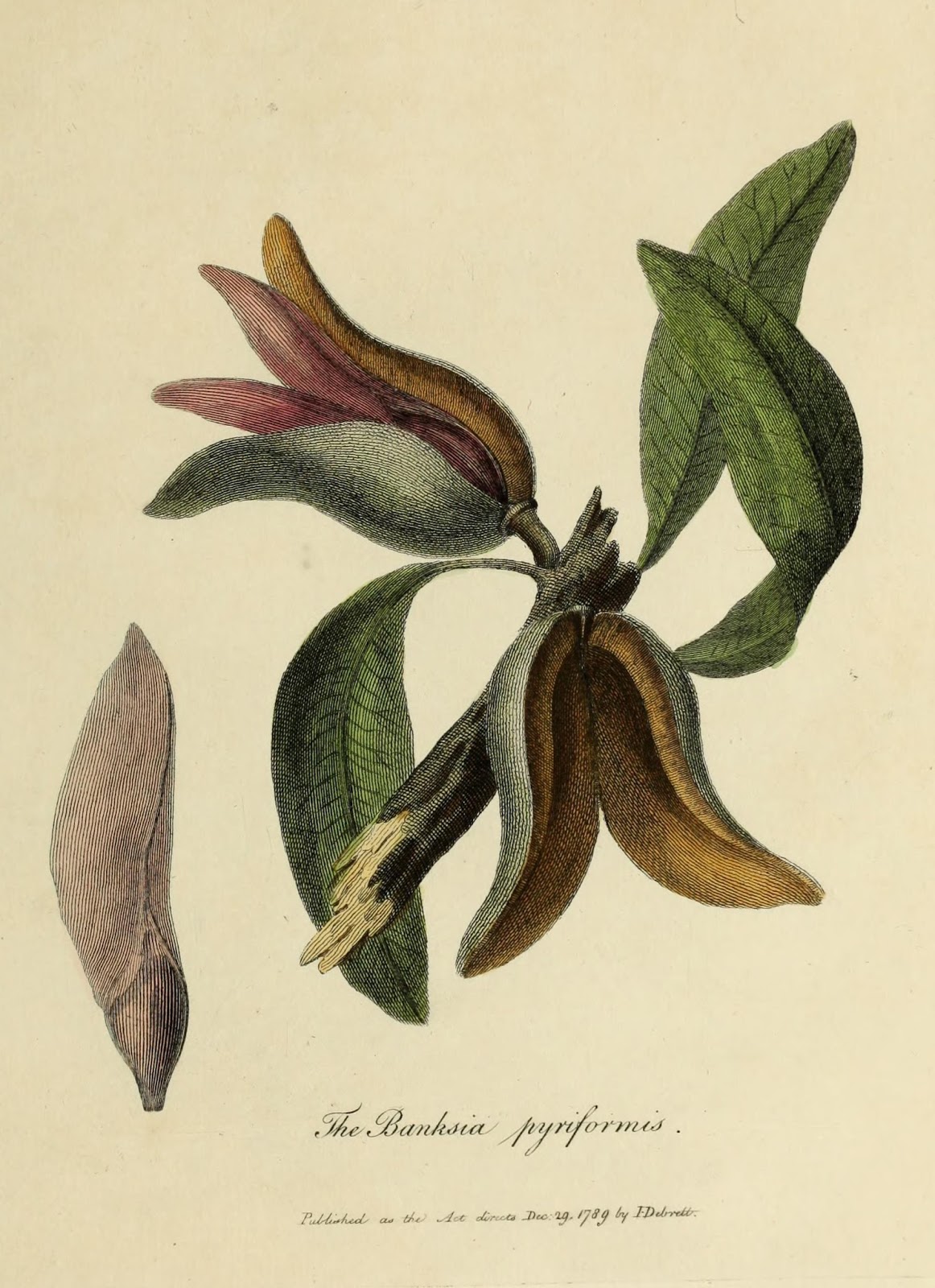
White sent his plant collections and drawings to Thomas Wilson, a Fellow of the Linnean Society, who then gave them to James Edward Smith for study (ibid., 34). This collaboration eventually contributed to the first published scientific book dedicated to Australian flora: A Specimen of the Botany of New Holland.

View Full Size Image
Smith, James Edward. A Specimen of the Botany of New Holland. 1793-95. Engraving by James Sowerby. Digitized by Harvard University Botany Libraries. http://s.si.edu/2xJdwAB.

Issued in four parts between 1793-1795, A Specimen of the Botany of New Holland was initially published as part of Zoology and Botany of New Holland. Following the production of the first two botany parts, Zoology and Botany was split into two separate publications. James Edward Smith (1759-1828), a prominent botanist and co-founder of the Linnean Society of London (The Linnean Society of London 2017), wrote the plant descriptions for the botany parts while James Sowerby, a prolific natural historian, artist and engraver who produced thousands of illustrations over his career, prepared the engravings. Sowerby also engraved the plates for the aforementioned zoology volume, which was authored by George Shaw.

View Full Size Image
Smith, James Edward. A Specimen of the Botany of New Holland. 1793-95. Engraving by James Sowerby. Digitized by Harvard University Botany Libraries. http://s.si.edu/2fpDRti.

Sowerby prepared the sixteen engravings in A Specimen of the Botany of New Holland based on plant specimens and drawings that Thomas Wilson had received from John White. Several of these drawings were the work of Thomas Watling, a professional artist convicted of forgery. Transported to the penal colony in Australia in 1792, Watling worked under John White to paint the continent’s natural history. He is the only known convict artist whose work was used as the basis for a botanical scientific publication (Hewson 1999, 36-37).

View Full Size Image
Smith, James Edward. A Specimen of the Botany of New Holland. 1793-95. Engraving by James Sowerby. Digitized by Harvard University Botany Libraries. http://s.si.edu/2wj30wm.

A Specimen of the Botany of New Holland has been digitized in BHL by Harvard University Botany Libraries.

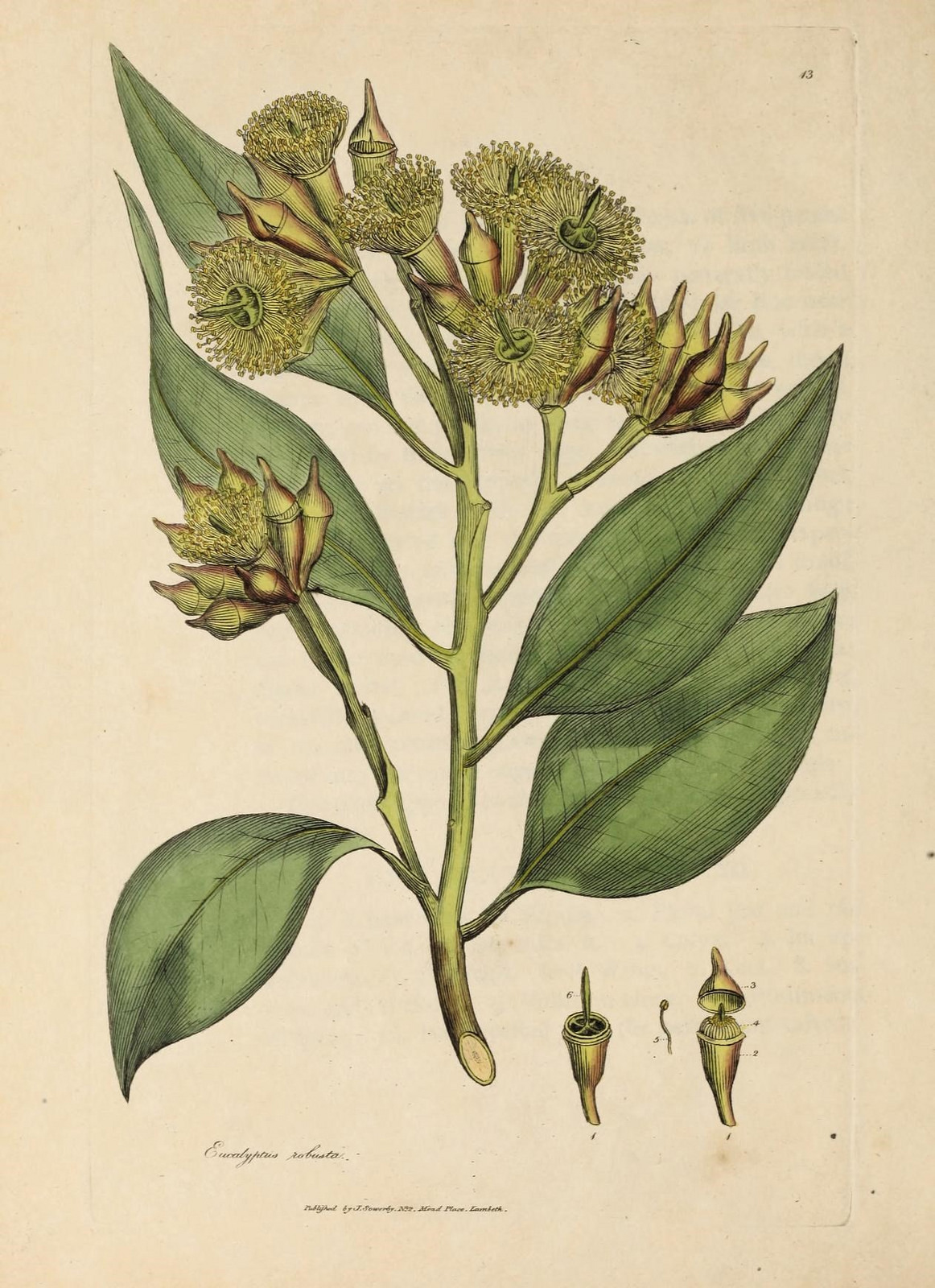
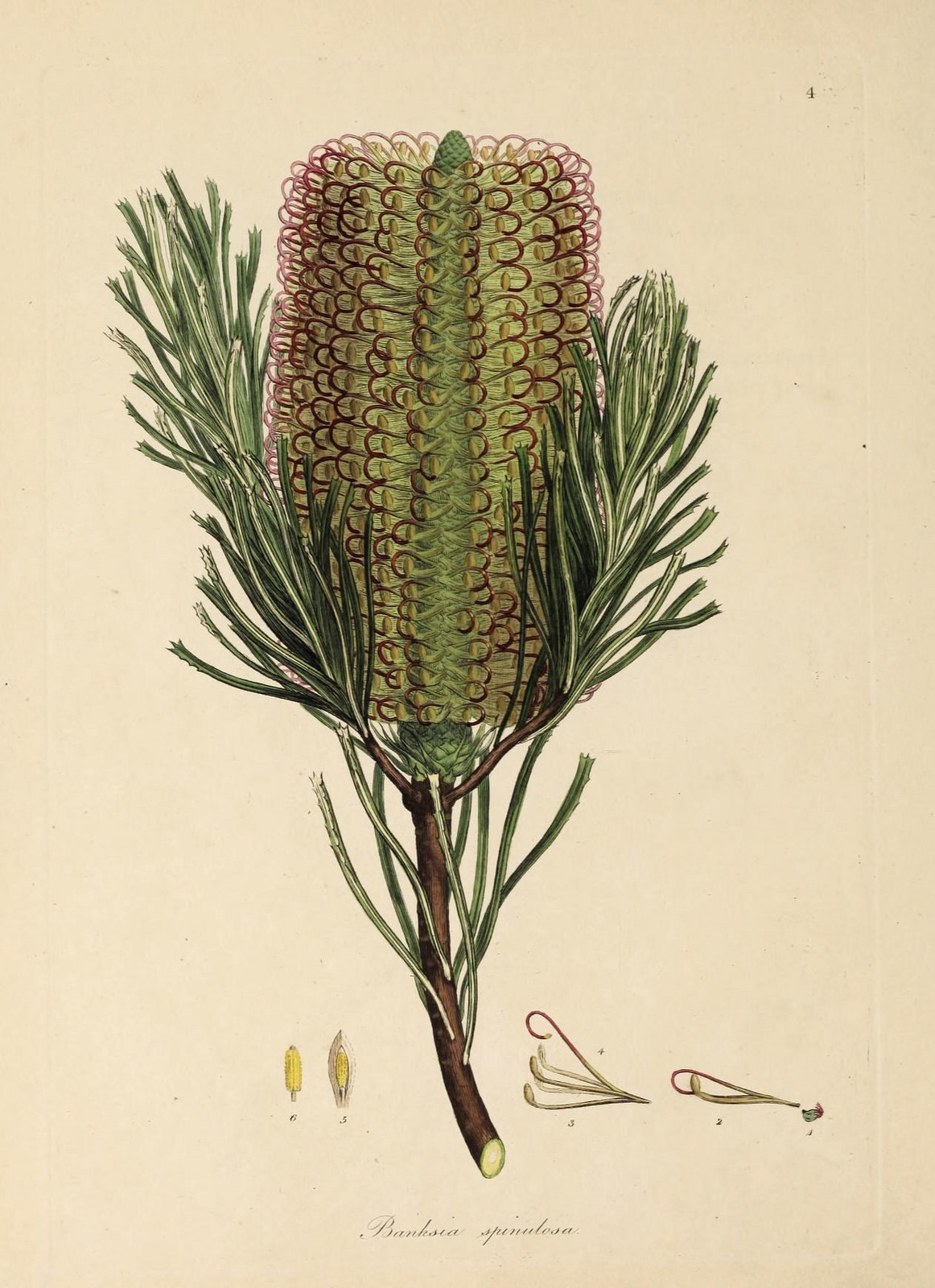
The illustrations from the work have also been uploaded to BHL’s Flickr. This not only allows for easy exploration of this important botanical art, but the images have also been taxon tagged with the scientific name of the species depicted, making it easy to identify the plant illustrated in each image. Explore the tags section of each image in Flickr to see the scientific names.

We encourage volunteers to help taxon tag BHL images in Flickr as part of our citizen science program. Learn more about how you can get involved.

A Specimen of the Botany of New Holland introduced many Europeans to Australian flora. The illustrations were an especially important contribution to the scientific record of Australian plants. Sowerby’s work is a broader reflection of the importance of scientific illustration, which has been used for centuries to aid in the accurate identification of species and has supported the progression of the biological sciences at large. These illustrations were propagated through the publication of natural history books, allowing wider access to knowledge about biodiversity across the globe.

References 

  • Hewson, Helen. 1999. Australia: 300 Years of Botanical Illustration. Suffolk: CSIRO.
  • The Linnean Society of London. 2017. “Biography of Sir James Edward Smith.” Library & Collections of JE Smith. Accessed on June 1, 2017. https://www.linnean.org/library-and-archives/library-collections-of-j-e-smith/biography.
September 28, 2017by Grace Costantino
Blog Reel, User Stories

Heterostyly Before Darwin: Tracing Early Observations of Primula Floral Morphs

View Full Size Image
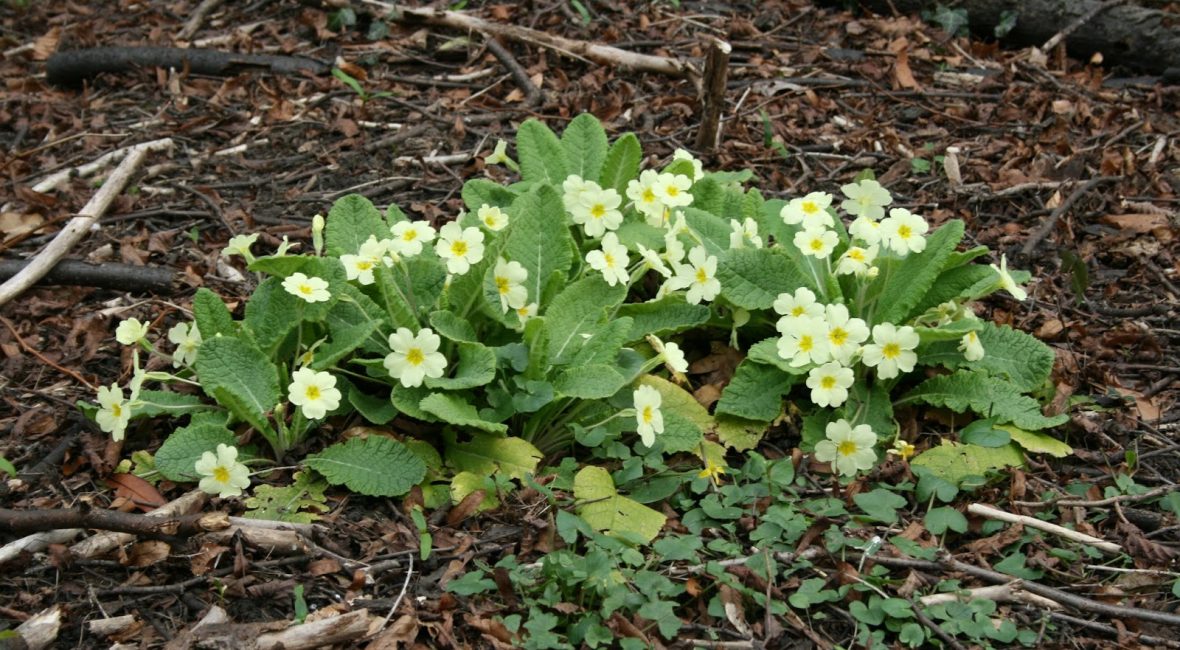
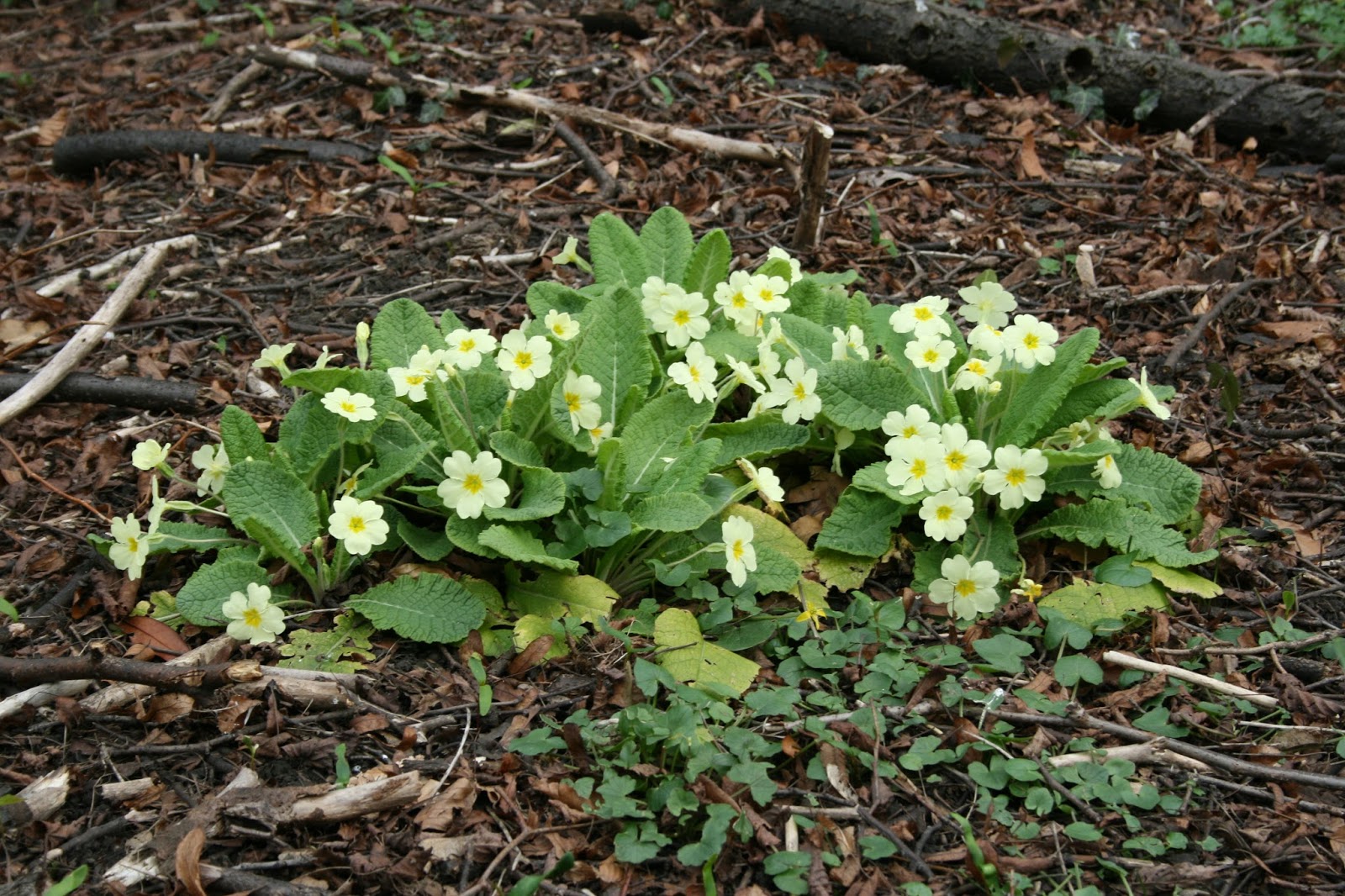
Primula vulgaris plants growing in woodland habitat. Photo by P.M. Gilmartin.

In 1860, Charles Darwin had an epiphany.

This was not an epiphany on the origin of species, as his monumental publication on the subject had been published one year earlier in 1859. This epiphany, which Darwin shared in a letter to his friend Joseph Dalton Hooker, was that flowers in the genus Primula display two distinct forms which differ in the length of the pistil’s styles and the height of the stamen’s anthers.

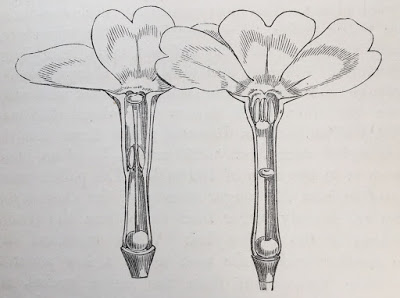
The condition of having multiple, distinct floral forms within a species is called heterostyly. Darwin coined the term distyly to describe the presence of two forms, or morphs. These morphs are called pin and thrum flowers, with pin flowers possessing long styles and low anthers and thrum flowers possessing short styles and high anthers. Each individual plant contains only flowers of the same morph, and the presence of heterostyly promotes insect-mediated out-crossing. In addition, a self incompatibility system is associated with heterostyly, which inhibits self-pollination. This ensures higher genetic diversity in future generations.

Darwin articulated his ideas on heterostyly within the paper ‘On the two forms, or dimorphic condition, in species of Primula, and on their remarkable sexual relations,’ which he read at the Linnean Society on 21 November 1861 and published a year later in the Journal of the Proceedings of the Linnean Society, Botany.

View Full Size Image
Wood block print of Primula veris from Charles Darwin’s Different forms of Flower on Plants of the Same Species (1877) showing the detail of long styled (pin) and short styled (thrum) flowers. Digitized by University Library, University of Illinois Urbana-Champaign. http://www.biodiversitylibrary.org/page/32622458.

Darwin published further research on heterostyly fifteen years later within the monograph Different Forms of Flowers on Plants of the Same Species (1877). Within this work, he cites earlier observations of the condition in Primula species. It was not until Darwin, however, that the reproductive significance of these morphs was understood.

Dr. Philip M. Gilmartin has been interested in Primula floral morphs for decades.

A Professor of Plant Molecular Genetics at the University of East Anglia, Gilmartin has been studying gene expression and plant development for thirty years. For the past twenty years, his lab has been focused on understanding the molecular basis of heterostyly in Primula.

View Full Size Image
Dr. Philip Gilmartin, Professor of Plant Molecular Genetics, University of East Anglia. Photo credit: UEA.

Gilmartin’s interest in Primula heterostyly isn’t restricted to genetics. While examining a print of Primula vulgaris from William Curtis’ Flora Londinensis (1777-98), Gilmartin realized that the copper-plate engraving clearly depicted both pin and thrum flower morphs. This realization sparked an exploration into historical observations of heterostyly.

“I sought to track down original references to identify the earliest observations on heterostyly. The Biodiversity Heritage Library resources were invaluable in this study,” affirms Gilmartin.

View Full Size Image
Copper plate engraving of Primula vulgaris from William Curtis’ Flora Londinensis (1791) showing pin and thrum flowers. Digitized by Smithsonian Libraries. http://www.biodiversitylibrary.org/page/41070264.

To conduct his historical review, Gilmartin referred to the cited sources in Darwin’s Different Forms of Flowers, as well as botanical images in early herbals, floral books, and florilegia. He accessed BHL several times each week while tracking down these references, using the scientific name finding tool and thumbnail view in the book reader to identify and navigate to relevant pages. He also downloaded whole PDFs and select pages of relevant material for future reference.

BHL also proved instrumental in helping Gilmartin resolve a perplexing citation error.

“For one reference cited in Darwin’s Different Forms of Flowers on Plants of the Same Species, the author (Kerner) and journal (Osterreichische Botanische Zeitshcrift) did not match the cited date (1835),” recalls Gilmartin. “I was eventually able to uncover the correct journal article from 1875 to find Darwin’s intended reference. Online access to the scanned journals was invaluable.”

View Full Size Image
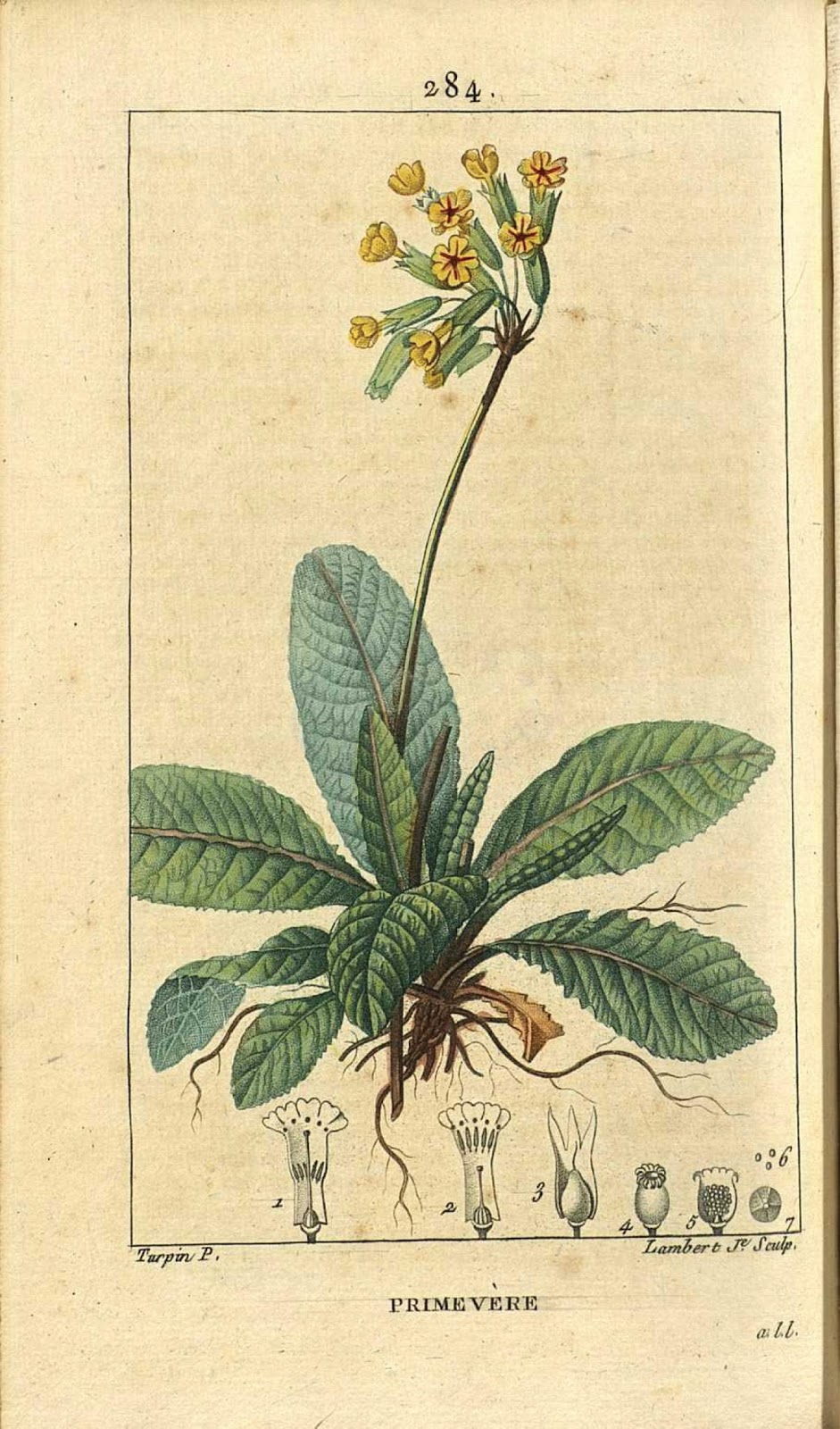
Primula veris. Hand-colored copper-plate engraving by Pierre Turpin. Chaumeton, François-Pierre. Flore médicale. v. 5 (1818). Digitized by Biblioteca Digital del Real Jardin Botanico de Madrid. http://www.biodiversitylibrary.org/bibliography/76669.

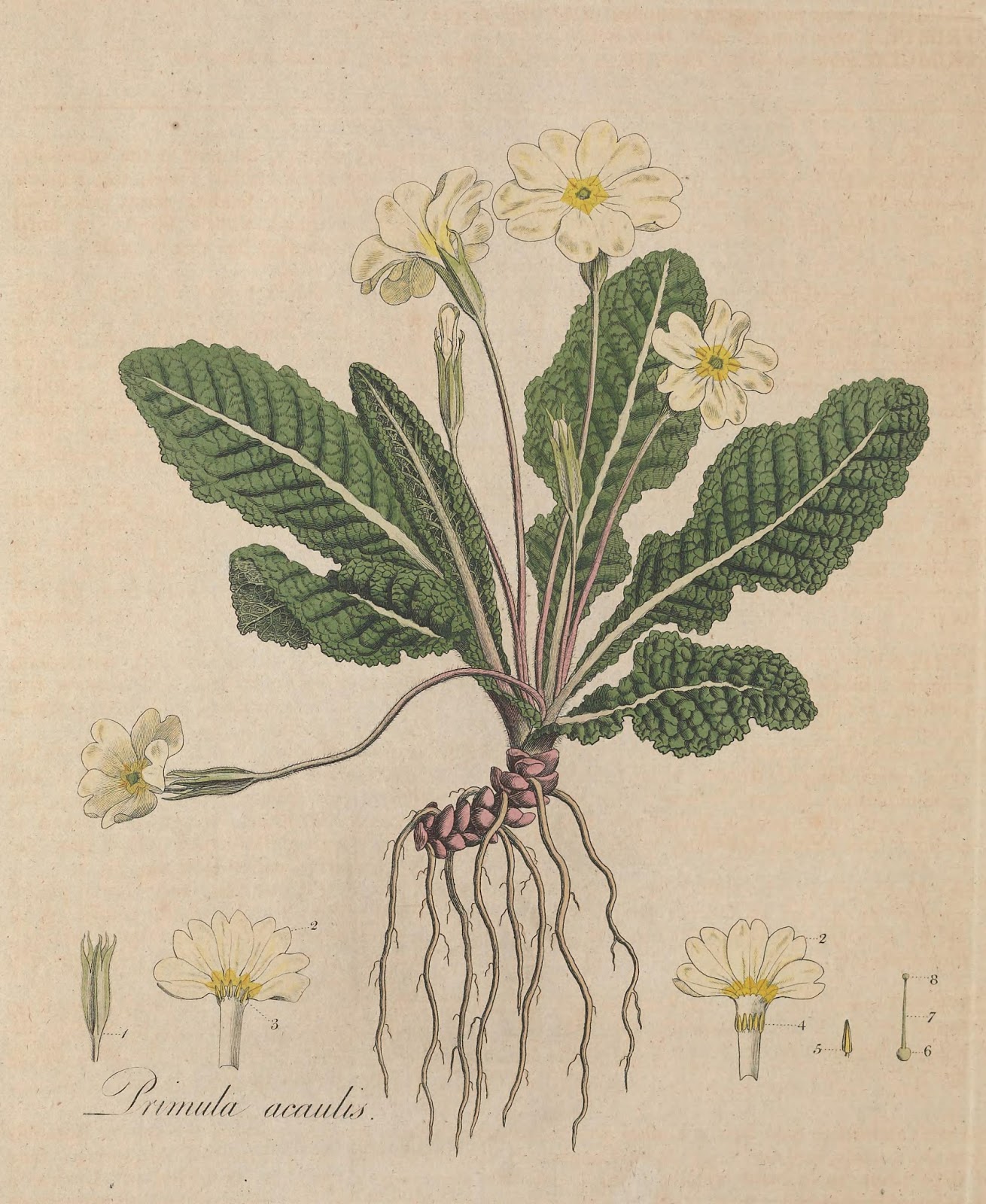
As a result of this research, Gilmartin uncovered other 19th century illustrated representations of heterostyly in Flore Medicale (1818) and Hand-Atlas sämmtlicher medizinisch-pharmaceutischer Gewächse (1848), in addition to the 18th century Curtis image. Additionally, the earliest printed usage of the terms “pin-eyed” and “thrum-eyed” that Gilmartin was able to identify during his research appeared in Curtis’ Flora Londinensis.

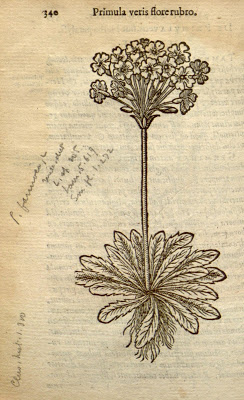
The earliest published description of heterostyly, however, occurred much earlier, within Carolus Clusius’ Rariorum Aliquot Stirpium (1583). Gilmartin discovered this reference after consulting a 1943 French paper by van Dijk on historical observations of floral heteromorphy.

“Although Clusius was describing the two forms of flowers in different Primula varieties rather than within the same variety, this is the earliest description to my knowledge of the two forms of pin and thrum flowers which Darwin later studied,” explains Gilmartin.

View Full Size Image
Primula veris. Clusius, Carolus. Rariorum Aliquot Stirpium. 1583. Digitized by the Missouri Botanical Garden. http://www.biodiversitylibrary.org/page/6719232.

Gilmartin presented the results of his historical review within the article “On the Origins of Observations of Heterostyly in Primula“, publishing in New Phytologist in 2015. Thanks to the Biodiversity Heritage Library, which is acknowledged in the paper, Gilmartin not only traced the published record of heterostyly but also gained historical context for his genetic research.

As for Darwin’s epiphany, while he was not the first to observe heterostyly, he was the first to study and articulate the reproductive significance of Primula floral morphs. It was an achievement that Darwin took great personal pride in. As he revealed in his autobiography:

“No little discovery of mine ever gave me so much pleasure as making out the meaning of heterostyled flowers.”

______________________________________

This post may contain the personal opinions of BHL users or affiliated staff and does not necessarily represent the official Biodiversity Heritage Library (BHL) position on these matters.

September 14, 2017by Grace Costantino
Page 15 of 71« First...10«14151617»203040...Last »

Help Support BHL

BHL's existence depends on the financial support of its patrons. Help us keep this free resource alive!

search

About BHL

The Biodiversity Heritage Library (BHL) is the world’s largest open access digital library for biodiversity literature and archives. BHL operates as a worldwide consortium of natural history, botanical, research, and national libraries working together to digitize the natural history literature held in their collections and make it freely available for open access as part of a global “biodiversity community.”

Join Our Mailing List

Sign up to receive the latest news, content highlights, and promotions.

Subscribe Now

Subscribe to Blog via Email

Enter your email address to subscribe to this blog and receive notifications of new posts by email.

Join 319 other subscribers

Subscribe to Blog Via RSS

Subscribe to the blog RSS feed to stay up-to-date on all the latest BHL posts.

Access RSS Feed

Inspiring Discovery through Free Access to Biodiversity Knowledge.

The Biodiversity Heritage Library makes it easier than ever for you to access the information you need to study and explore life on Earth…for free, anytime, anywhere.


64+ Million Pages of
Biodiversity Literature Online.

EXPLORE

Tools and Services
to Transform Research.

EXPLORE

300,000+
Illustrations on Flickr.

EXPLORE

ABOUT | HARMFUL CONTENT | PRIVACY | SITE MAP | TERMS OF USE