Biodiversity Heritage Library - Program news and collection highlights from BHL
  • Home
  • News
  • Featured Books
    • All Featured Books
    • Book of the Month Series
    • BHL at 20
  • User Stories
  • Campaigns
    • Fossil Stories
    • Garden Stories
    • Monsters Are Real
    • Page Frights
    • Her Natural History
    • Earth Optimism 2020
  • Tech Blog
  • Visit BHL
Home
News
Featured Books
    All Featured Books
    Book of the Month Series
    BHL at 20
User Stories
Campaigns
    Fossil Stories
    Garden Stories
    Monsters Are Real
    Page Frights
    Her Natural History
    Earth Optimism 2020
Tech Blog
Visit BHL
  • Home
  • News
  • Featured Books
    • All Featured Books
    • Book of the Month Series
    • BHL at 20
  • User Stories
  • Campaigns
    • Fossil Stories
    • Garden Stories
    • Monsters Are Real
    • Page Frights
    • Her Natural History
    • Earth Optimism 2020
  • Tech Blog
  • Visit BHL
Biodiversity Heritage Library - Program news and collection highlights from BHL
BHL News, Blog Reel

Celebrating the Career of Susan Fraser, Recently-Retired Thomas J. Hubbard Vice President and Director of the LuEsther T. Mertz Library at The New York Botanical Garden (NYBG)

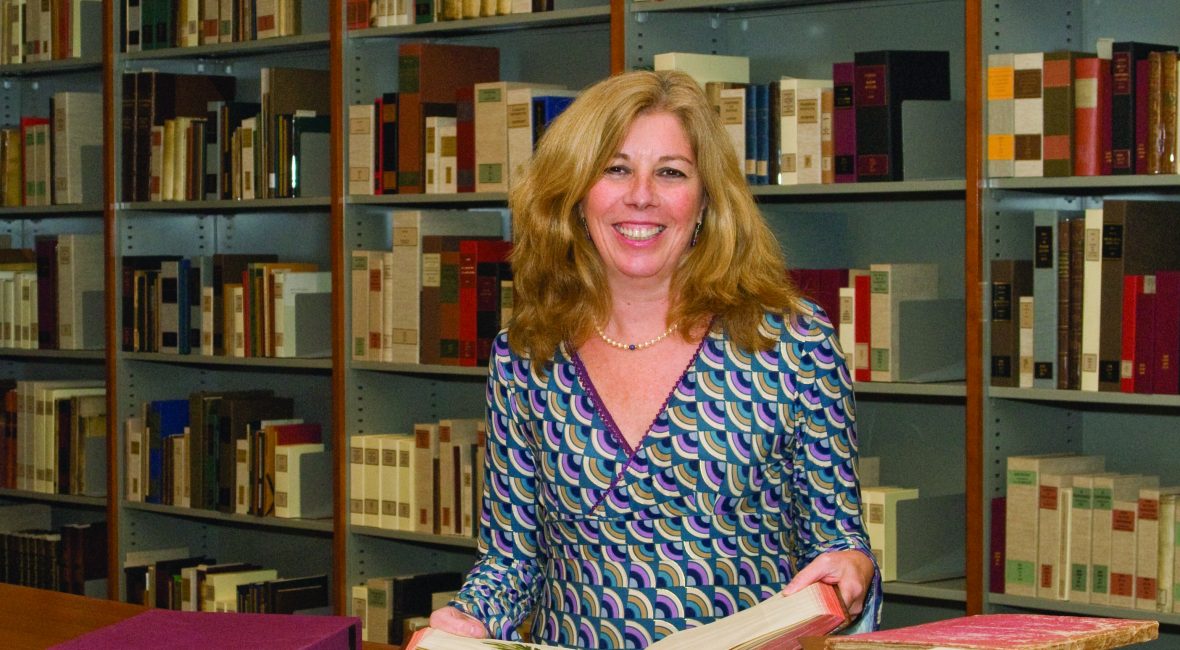
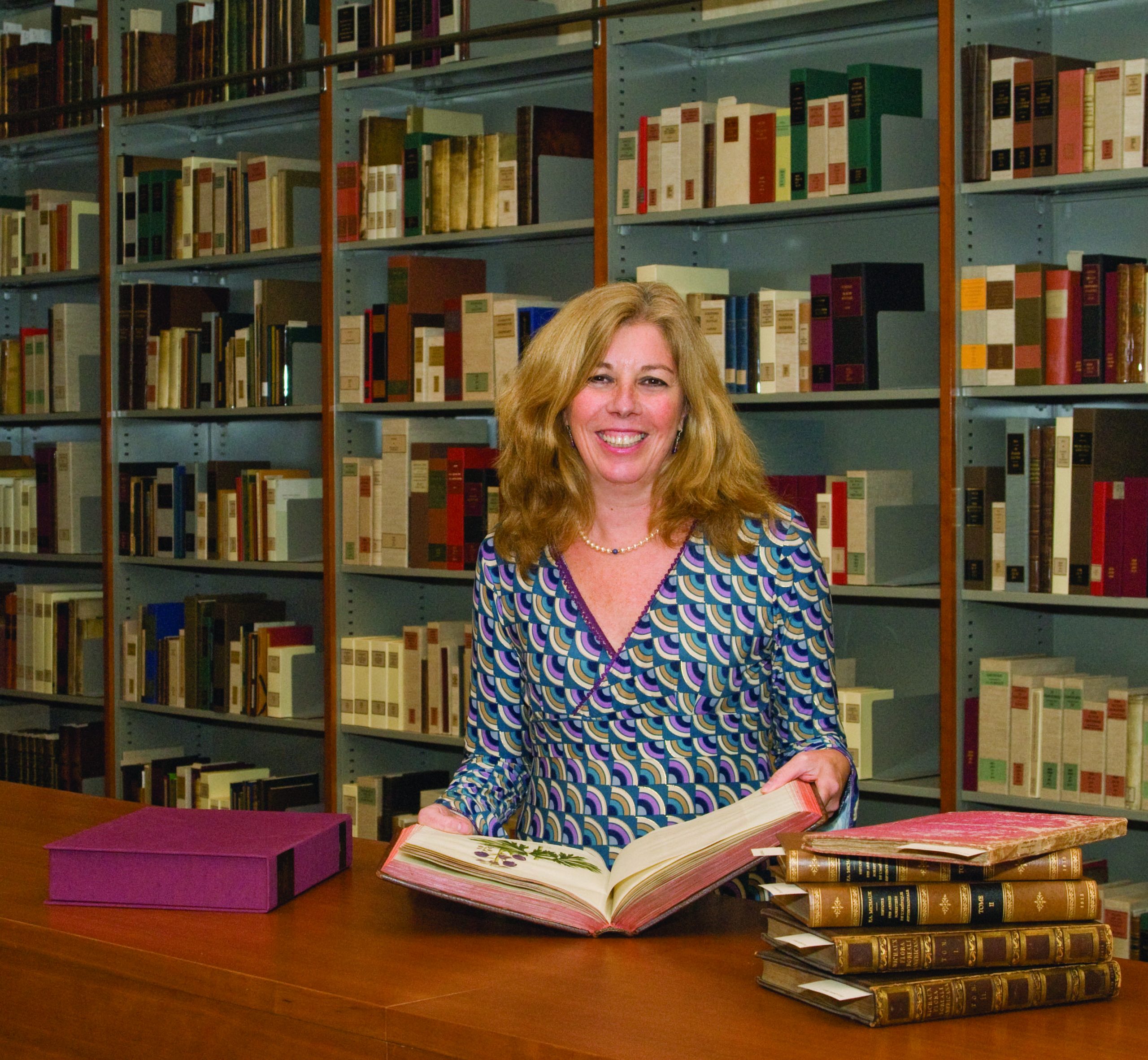
A person with shoulder length blonde hair standing in front of a large wooden table holding open a large book with a plant illustration. A pile of books is on the table next, and a bookshelf full of books is in the background.

Susan Fraser, recently-retired Thomas J. Hubbard Vice President and Director of the LuEsther T. Mertz Library at The New York Botanical Garden (NYBG).

We are honored to celebrate the career of Susan Fraser, who last month retired as the Thomas J. Hubbard Vice President and Director of the LuEsther T. Mertz Library at The New York Botanical Garden (NYBG). During her 36 years at NYBG, Susan made significant contributions to the Garden, the global library and botanical community, and the Biodiversity Heritage Library (BHL).

The New York Botanical Garden is one of ten BHL founding members. Susan, who fondly recalls early discussions with colleagues fifteen years ago when the BHL dream was conceived, was instrumental in the creation of the Library. Since these earliest discussions, Susan has seen the Library grow from a consortium of ten US/UK organizations to a global network of over 80 partners across six continents. Beyond her role as NYBG’s Member representative, Susan contributed directly to BHL’s governance and strategic direction as a member of the BHL Executive Committee, where she served as Secretary from 2011-2015.

Under Susan’s leadership, NYBG contributed over four million pages from its collection to BHL and participated in major BHL projects including The Field Notes Project and Purposeful Gaming. NYBG, with Susan as the Principal Investigator, also served as the lead institution for the incredibly successful IMLS-funded project, Expanding Access to Biodiversity Literature, which enabled biodiversity content providers to contribute to the national digital library infrastructure through the Digital Public Library of America (DPLA) via BHL. Thanks to the project, over one million new pages and 260 new in-copyright titles were made freely available via BHL and DPLA.
A group of people standing in front of a large wooden display case.

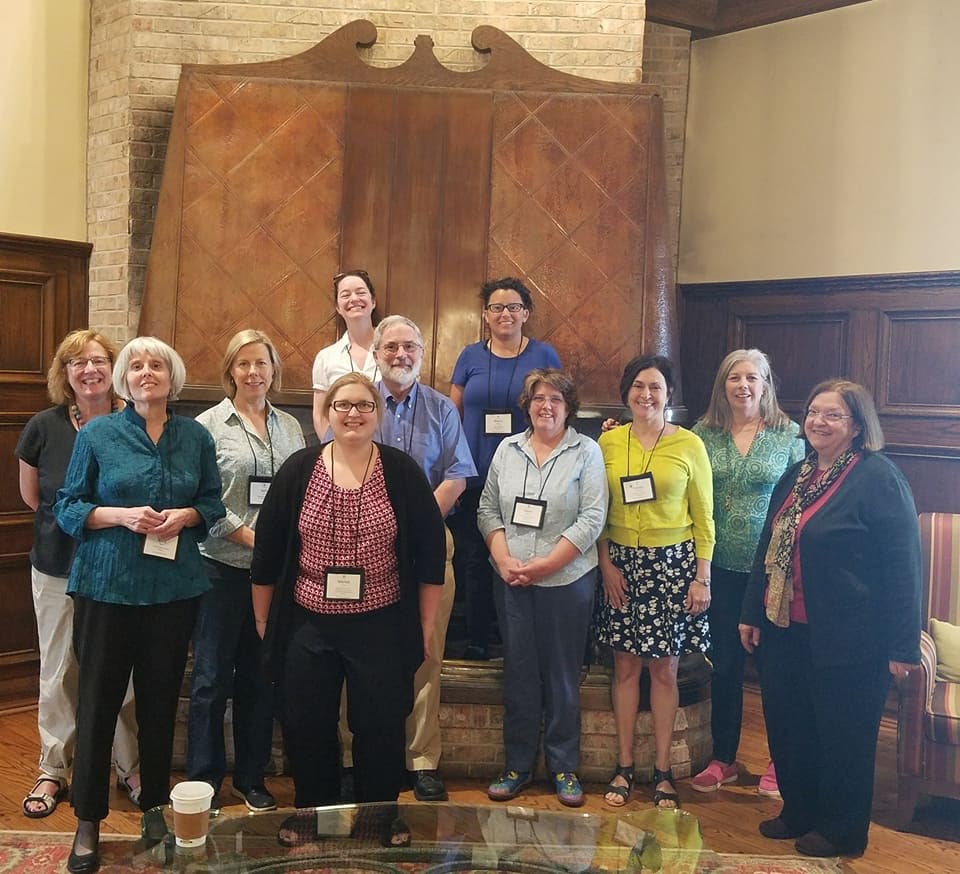
Susan Fraser (second from right) with her Expanding Access team members Susan Lynch (right) and Mariah Lewis (center front) and attendees at “Contributing to a National Digital Infrastructure, with Help Every Step of the Way”, a 2017 CBHL pre-conference workshop dedicated to the Expanding Access project.

BHL Program Director Martin R. Kalfatovic noted: “Susan was a key figure in the founding of BHL. Her excellent design and management of the Expanding Access grant engaged a range of new partners for BHL and resulted in a vast expansion of content. It was a pleasure to work with her during her time on the Executive Committee, and her knowledge and professionalism will be a loss not just to BHL but to the wider botanical garden library community.”

In addition to her accomplishments for BHL, under Susan’s tenure the Mertz Library attained many significant advances and achievements, including:

  • Expanding access to its collections through its digitization program and through the creation and implementation of new tools to increase access.
  • Developing an award-winning preservation program that grew beyond the Book Conservation Lab to incorporate environmental monitoring and the care and treatment of all special collections materials.
  • Launching the Humanities Institute—exploring the intersections among art, science, and culture and creating fellowships and sponsoring innovative programs to a diverse and broad audience.
  • Successfully promoting the use of its unique special collections, particularly the Lord and Burnham Archive, the historical Nursery and Seed Trade Catalogs, and the Botanical Art and Illustration Collection.
  • Facilitating the development of an exhibition and publication program for the Rondina and LoFaro Gallery (now Art Gallery) to showcase the depth and breadth of the Library’s treasures to the wider public.
  • Contributing through NACO-trained catalogers to the Library of Congress Name Authority files, creating hundreds of authority records and adding them to the important database using Mertz Library Collections.
  • Publishing Flora Illustrata (2014), a celebration of key works from the collections of the Mertz Library. This work co-edited by Fraser was honored with two prestigious awards: the 2015 American Horticultural Society Book Award and the CBHL 2015 Annual Literature Award.
  • Publishing The Trees of North America (2018), which discusses and reproduces Michaux and Redouté’s landmark volume of American forestry. Susan edited and wrote the preface for this work, which received the 2018 American Horticultural Society Book Award.

During her career, Susan also contributed to several prestigious botanical and library organizations, including:

  • The Council on Botanical and Horticultural Libraries (CBHL), which awarded Susan the Charles Robert Long Award of Extraordinary Merit on 22 June 2018.
  • The European Botanical and Horticultural Libraries Group (EBHL), an association to promote and facilitate cooperation and communication between European botanical and horticultural libraries.
  • The Linnaeus Link Project, an international collaboration between libraries to provide a comprehensive online Union Catalogue of Linnaean publications.

As Susan shared: “One of the most important things I learned during my career is the importance of collaboration. And one of the most gratifying experiences of my career was being a founding member of BHL and being part of the team that was long on determination as we persevered to ultimately transform the way biodiversity research is conducted.”
A group of people standing outside in front of a tropical garden of plants.

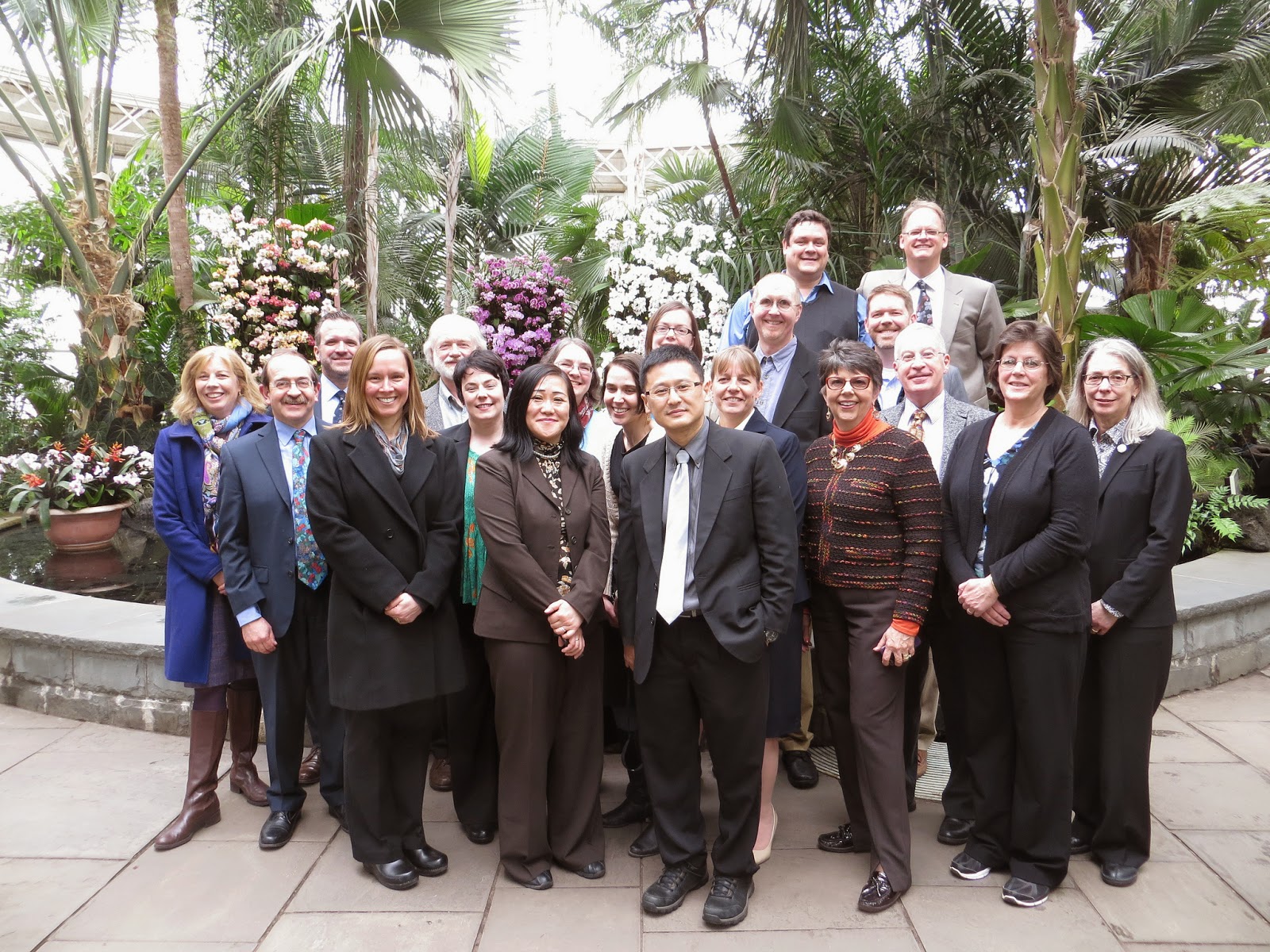
Susan Fraser (far left) with fellow BHL colleagues at the 2014 BHL Annual Meeting in New York, jointly hosted by The New York Botanical Garden and the American Museum of Natural History.

Please join us in thanking Susan Fraser for her impact on librarianship, the botanical community, NYBG, and BHL. While officially retired as of 14 August 2020, we are delighted that Susan will continue her association with NYBG under emeritus status. We are glad that retirement does not mean “goodbye” and look forward to continuing our collaborative work with Susan in her new capacity. As her passion and legacy continue to inspire us, we at BHL extend our heartfelt gratitude and best wishes in retirement.
September 29, 2020by Grace Costantino
Blog Reel, Campaigns, Earth Optimism 2020, User Stories

Meadowfoam and Cluster-Lilies: Empowering Research on Rare Plants Through Open Access to Biodiversity Literature

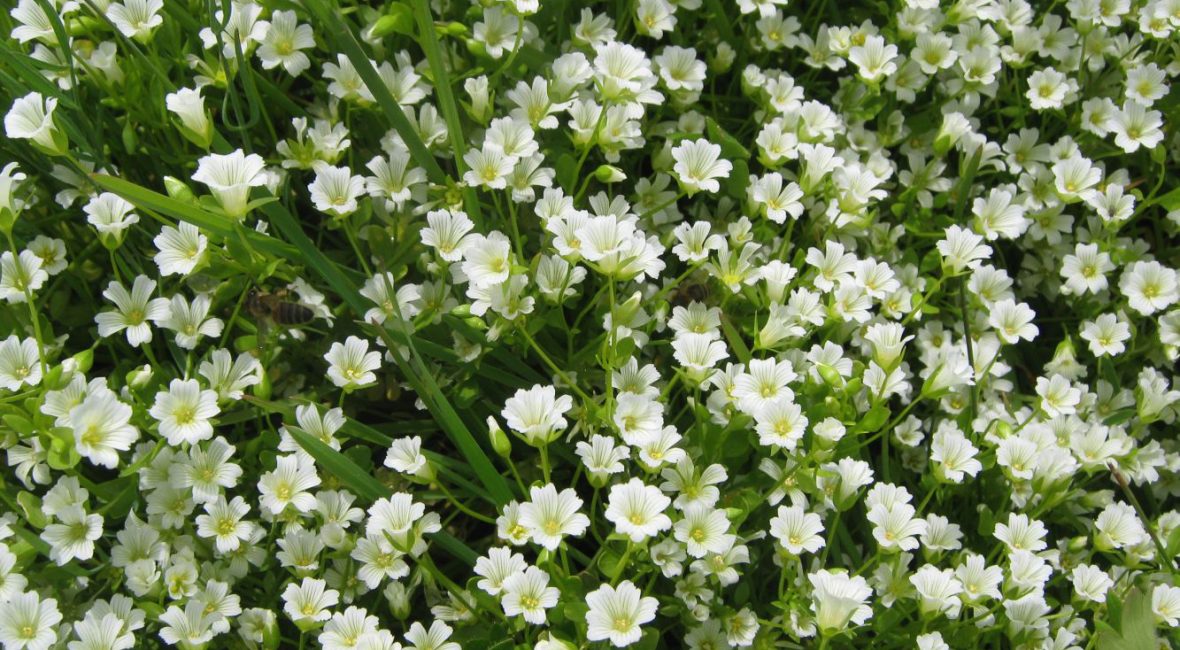
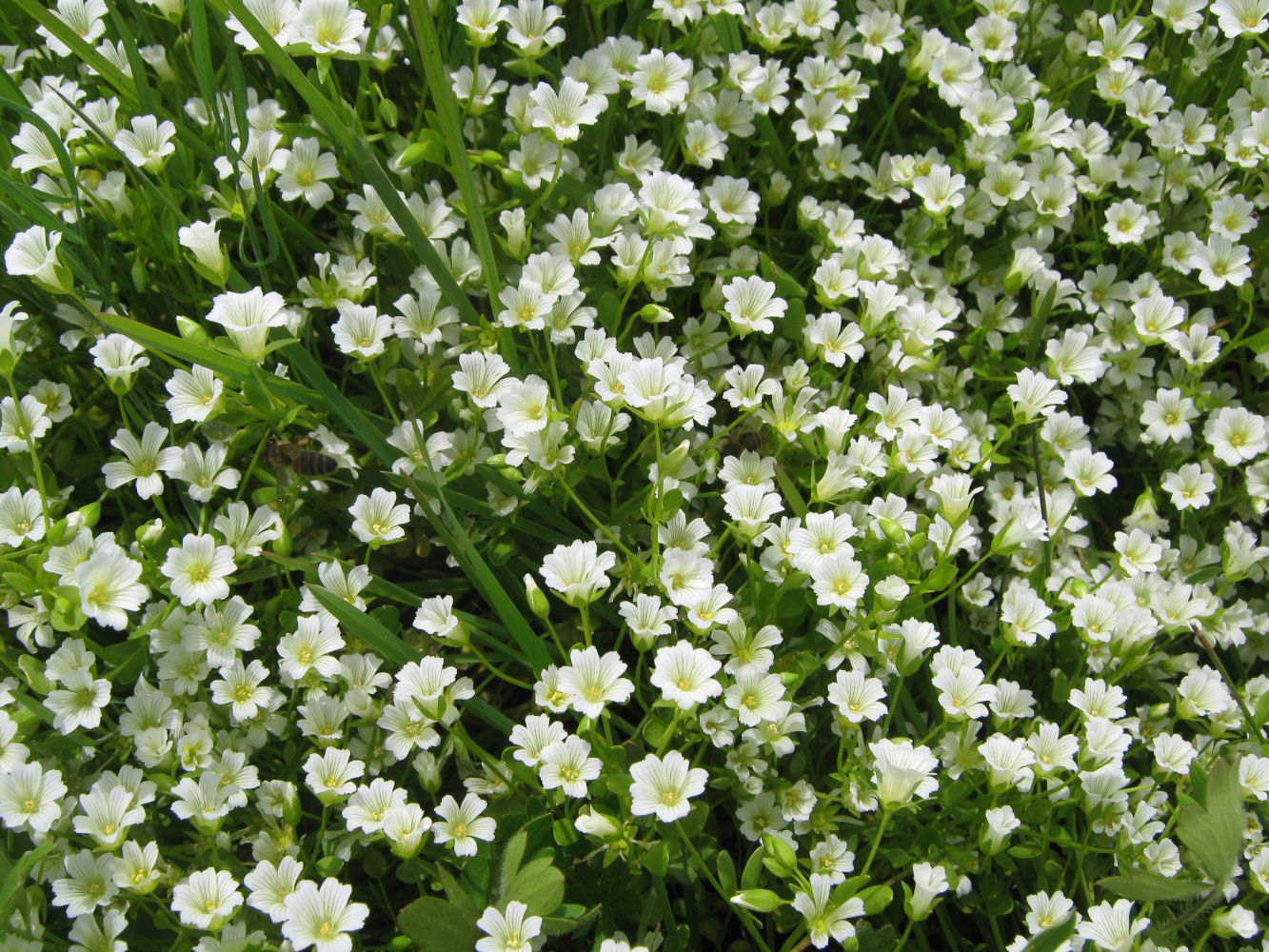
Photo of a field of white flowers

April 2020 marks the 50th anniversary of Earth Day. Organizations around the world have commemorated the occasion by participating in the global Earth Optimism movement — an initiative spearheaded by the Smithsonian to “turn the conservation conversation from doom and gloom to optimism and opportunity”.

Throughout 2020, the Biodiversity Heritage Library (BHL) and our partners are joining the movement by sharing conservation success stories from and made possible by the BHL collection. Follow our blog for conservation stories — past and present — and visit our website for more information and to explore our Earth Optimism book collection.

———————

Photo of a field of white flowers

Baker’s meadowfoam (Limnanthes bakeri), which grows in wet meadow and on the shallow margins of freshwater marsh in Little Lake Valley, Mendocino County, California. Photo credit: Robert Preston.

Little Lake Valley, located in northern California’s Eel River watershed, is home to several thousand acres of wet meadows and riparian woodlands that are habitat for diverse plants and wildlife, including tule elk, many bird species, and gorgeous spring wildflower displays. A landscape formed when sediments from several creeks filled an intermountain valley bounded by faults, the Valley is also home to two rare plants: the North Coast semaphore grass (state-listed as Threatened) and Baker’s meadowfoam (state-listed as Rare).

“The large lowland wetland ecosystem found in the Little Lake Valley, if not unique, is quite rare,” asserts Dr. Robert E. Preston, a Senior Biologist in the Sacramento office of ICF, an international consulting firm. “Most or all of the small interior valleys of California’s North Coast Ranges were long ago converted to agriculture or were hydrologically altered. Moreover, it supports almost half of the known occurrences of Baker’s meadowfoam, including the largest and most extensive population.”

In November 2016, the California Department of Transportation (Caltrans) completed construction of the Willits Bypass Project, a 5.9-mile long bypass of US Highway 101 in Mendocino County. First proposed in 1957, the controversial project, which crosses a corner of Little Lake Valley, raised a variety of environmental concerns due to its impact on endangered species and state and federally regulated resources [1].

Preston served as the lead botanist for the team that prepared the Project’s Mitigation and Monitoring Plan, which was developed and is being implemented by Caltrans to offset the bypass’ impacts on wetlands and rare plants.

“For the past several years, I have spent six to eight weeks each spring collecting data on Baker’s meadowfoam and sampling the vegetation to document progress towards meeting the Project’s habitat restoration and enhancement goals,” explains Preston. “It has been one of my most satisfying projects, because impacts of the Willits Bypass led to the preservation, restoration, and management of large parts of the Little Lake Valley ecosystem.”

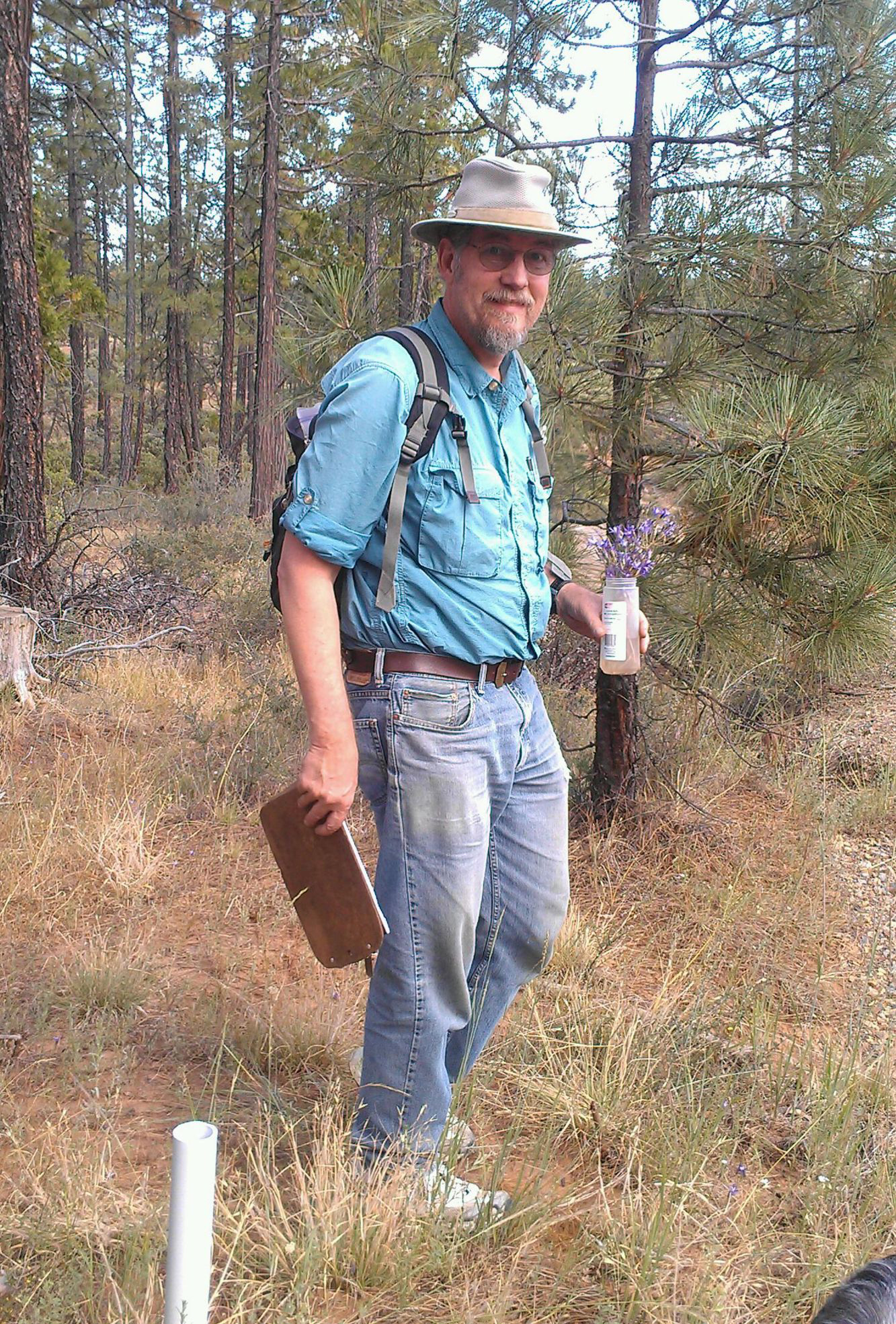
man in blue shirt, grey pants and khaki hat in a forest

Rob Preston collecting Brodiaeas growing in serpentine habitat in Northern California. Photo credit: Laurie Preston.

Preston has been an avid student of California flora for nearly 40 years. It has been the focus of his floristic and taxonomic research and career as a consulting botanist. As suggested by his work on the Willits Bypass Project, much of his research focuses on the conservation of rare plants in the state.

“My position as Senior Biologist with ICF provides me with opportunities to travel throughout California to help clients comply with laws and regulations that help conserve rare plants and wetlands,” shares Preston. “This work includes field-oriented studies such as floristic inventories, rare plant surveys, wetlands delineations, and mitigation monitoring. An important aspect of my work is to convey the results of these studies to clients, resource agencies, and the public through many types of environmental documents, including survey reports, Habitat Conservation Plans, Environmental Impact Reports, and other planning documents.”

Preston’s work involves a great deal of taxonomic research, which has led to the discovery and description of several new rare species. For example, he has worked extensively with the genus Brodiaea, commonly known as cluster-lilies, which consists of about 19 species growing mostly in California.

“About half of the species are rare, and several species are state or federally listed as threatened or endangered,” states Preston. “One species I described, Brodiaea matsonii (named for its discoverer, Gary Matson), is known only from two small populations near Redding, California, and is currently being reviewed for state listing as endangered.”

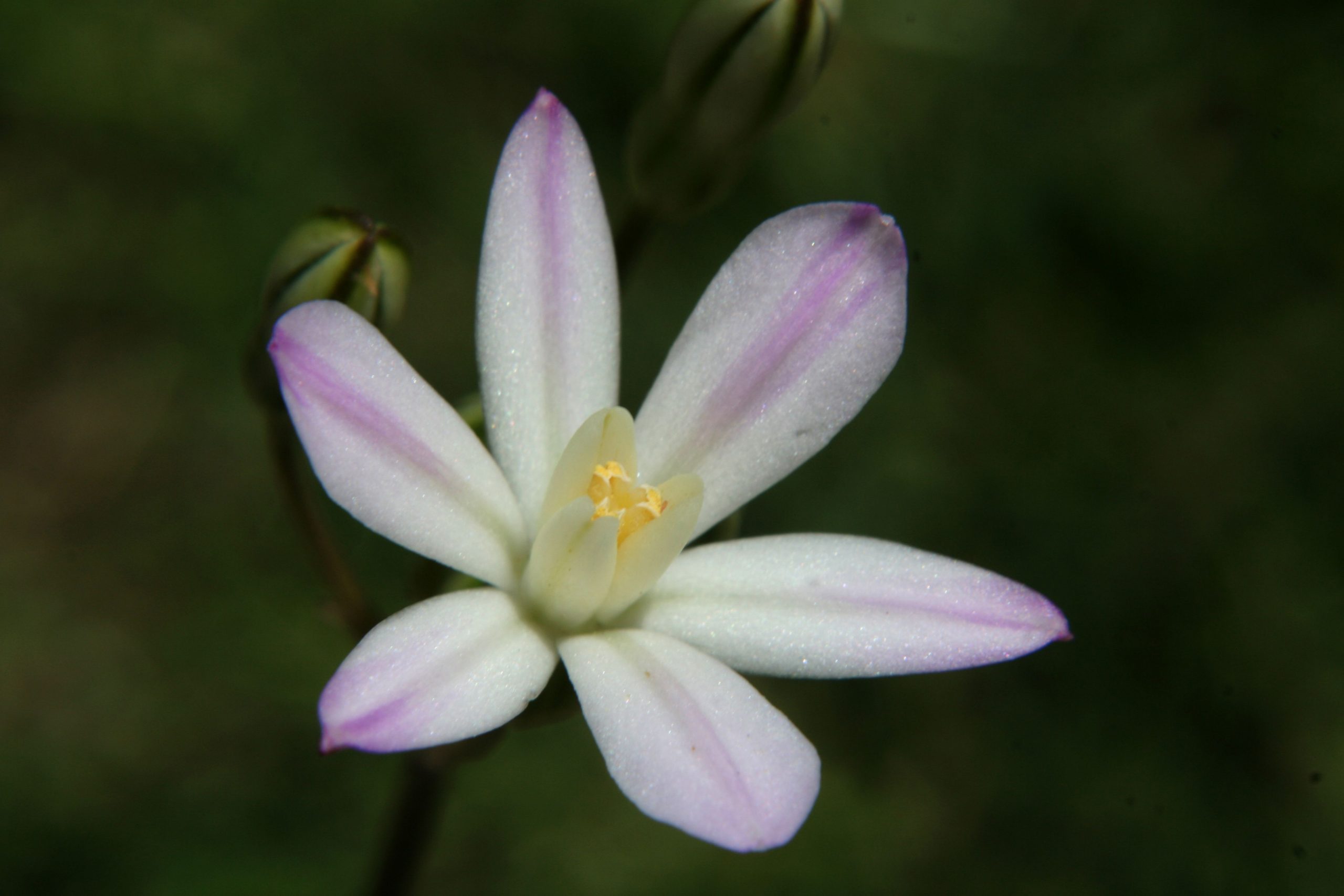
white and purple flower with yellow center

Sulphur Creek brodiaea (Brodiaea matsonii), known from only two small occurrences growing along Sulphur Creek, in Redding, California. Photo credit: Robert Preston.

As Preston explains, taxonomy and conservation go hand-in-hand.

“To preserve biological diversity, species must be identified and named,” asserts Preston. “Since publication of the first edition of The Jepson Manual, the ultimate catalog of the California flora, over six new species per year have been added to the flora, and the rate of new species discovery does not appear to be slowing. Not surprisingly, many of these new species are rare and face various types of threat.”

Taxonomic research, in turn, is dependent on access to historic literature. In order to name, describe, and classify organisms, scientists must understand the scope of biodiversity that has already been described. This is documented within the published record of scientific literature.

Not long ago, however, it was often difficult for scientists to access the literature required for such taxonomic research. Many of the necessary publications were available in only a few libraries globally, requiring expensive and time-consuming trips to holding libraries or weeks to sometimes months of delay waiting on interlibrary loans—if the publication could be shared at all. This was a major impediment to the efficiency of scientific research, greatly hampering progress at a time when the biodiversity and climate crises demand greater speed and efficiency in scientific outputs to inform conservation.

Fortunately, the Biodiversity Heritage Library (BHL) has tackled this challenge head-on and transformed scientific research globally by providing free and open access to this essential literature. Preston has experienced the benefits of BHL’s collections first-hand with his own taxonomic research.

“When I’m conducting a status review for a rare plant, I often find it useful to check the original species description,” shares Preston. “I use BHL primarily to find historic documents with these descriptions.”

Preston first discovered BHL in 2010, while investigating a disagreement over the name of a species that required consultation of the original species description.

“I had been able to find some documents using other sources (Botanicus, Google), but BHL provided a much broader availability of historical resources,” affirms Preston.

Since discovering the Library, Preston has used BHL regularly to support his taxonomic research, including his work on the Brodiaea. For example, in order to determine the correct name for Brodiaea minor, which is endemic to California, Preston needed to confirm the collection location of the type specimen, which had been collected by Theodor Hartweg in 1846. Through BHL, Preston was able to access Hartweg’s account of his collecting trip, published in the Journal of the Horticultural Society of London as “Journal of a Mission to California in Search of Plants.”

“Hartweg recorded the wildflowers, trees, and shrubs associated with his collection, from which I was able to deduce the plant community and pinpoint the collection location to within a few miles,” shares Preston.

While researching the names of other Brodiaea species, Preston discovered that there was confusion over several names arising from a rivalry between two early 19th century English botanists. Materials accessed through BHL helped him unravel this taxonomic mystery.

“In researching the history of this rivalry for my article on ‘How the Brodiaeas Got Their Name,’ published in the journal Fremontia, I found a number of historic sources of information through BHL,” recalls Preston. “Among these was the ‘Monthly Botanical Report,’ a regular feature in the The Monthly Magazine, which chronicled newly described species and horticultural introductions by the botanical community along with snippets of gossip about the botanists themselves.”

Free and open access to biodiversity literature has transformed taxonomic research, which, as Preston’s testimonial demonstrates, is essential to the conservation process.

“‘Species’ and ‘ecosystems’ are constructs that we use to describe and organize the world around us, and taxonomy is how we name and organize those constructs,” asserts Preston. “Names are important, and in fact, a species must be named before it can be legally protected as threatened or endangered.”

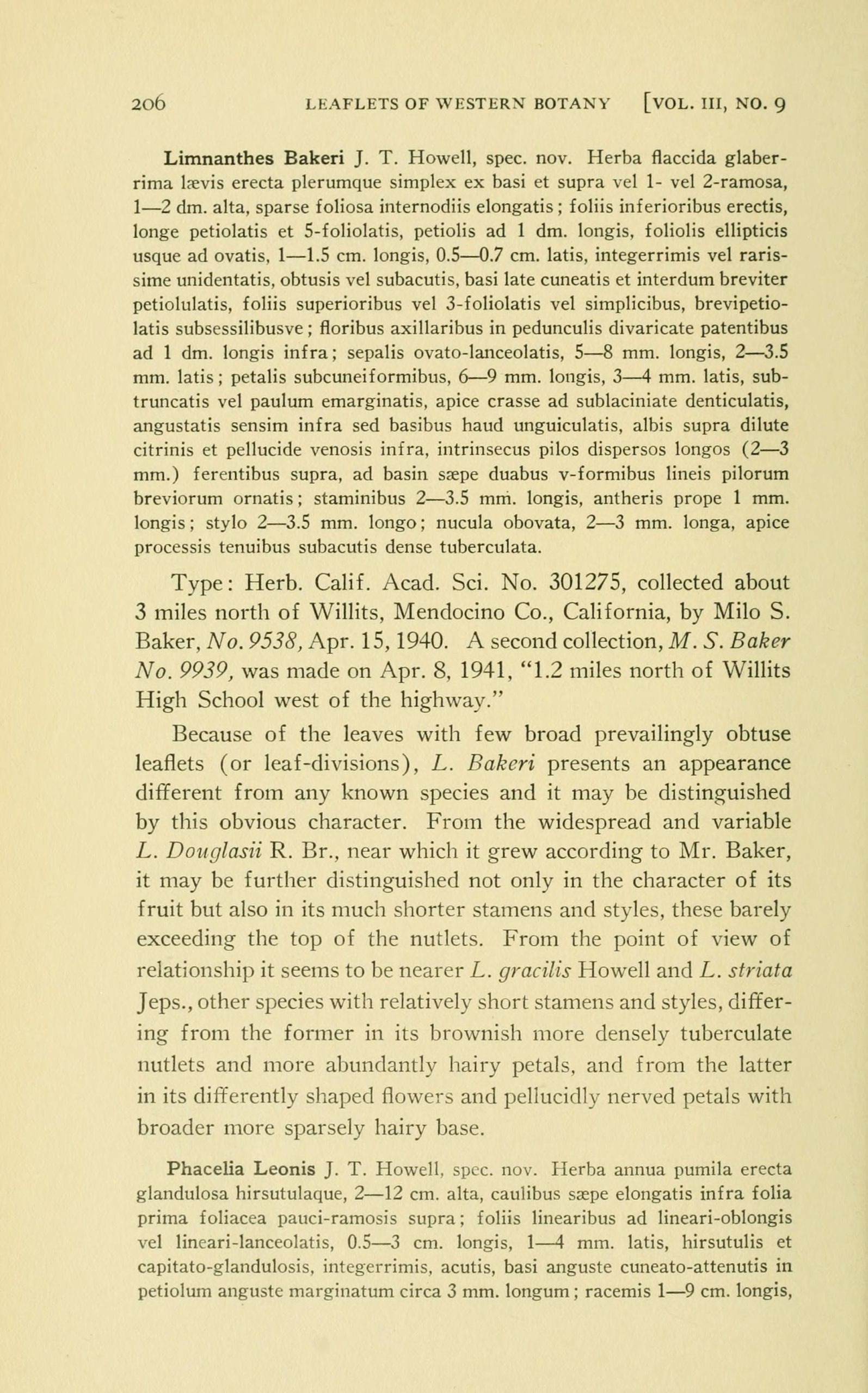
scanned page of text from a book

First scientific description of Baker’s meadowfoam (Limnanthes bakeri). J.T. Howell. Leaflets of Western Botany (1943), v. 3(9), pg. 206. Contributed in BHL from the New York Botanical Garden with permission from the California Academy of Sciences.

The identity conveyed in a species name extends well beyond a simple binomial. It also articulates an organisms’ context within its wider ecosystem and its relationship to other species. Understanding this context is vital to the creation of any holistic conservation strategy.

“A species name is also an hypothesis, and our concept of a species can change depending on the data we use to interpret it,” explains Preston. “Because many plant species were described and named in the 18th and 19th centuries, it can be difficult to discern the original author’s concept of the species. We can’t call or email them to find out what they were thinking or how they came to a particular conclusion. The historic literature is the only way we can communicate with our colleagues of the past.”

BHL ensures that anyone, anywhere—from the curator in a major natural history museum to the scientist in a developing country without access to a robust research library or the botanist working from home—has easy access to the information they need to study and conserve life on Earth.

At BHL, we’re Earth Optimists because we know that open access to biodiversity literature empowers scientific research and conservation—and that is a reason to be optimistic.

References

[1] Oakes, Harry and Maureen Doyle. “Willits Bypass Project (US Highway 101) – The Long and Winding Road of Planning, Permitting & Mitigation Implementation and Monitoring.” International Conference on Ecology & Transportation. September 22-26, 2019. Accessed on December 12, 2019. https://icoet.net/program/presentations/60.

August 27, 2020by Grace Costantino
BHL News, Blog Reel

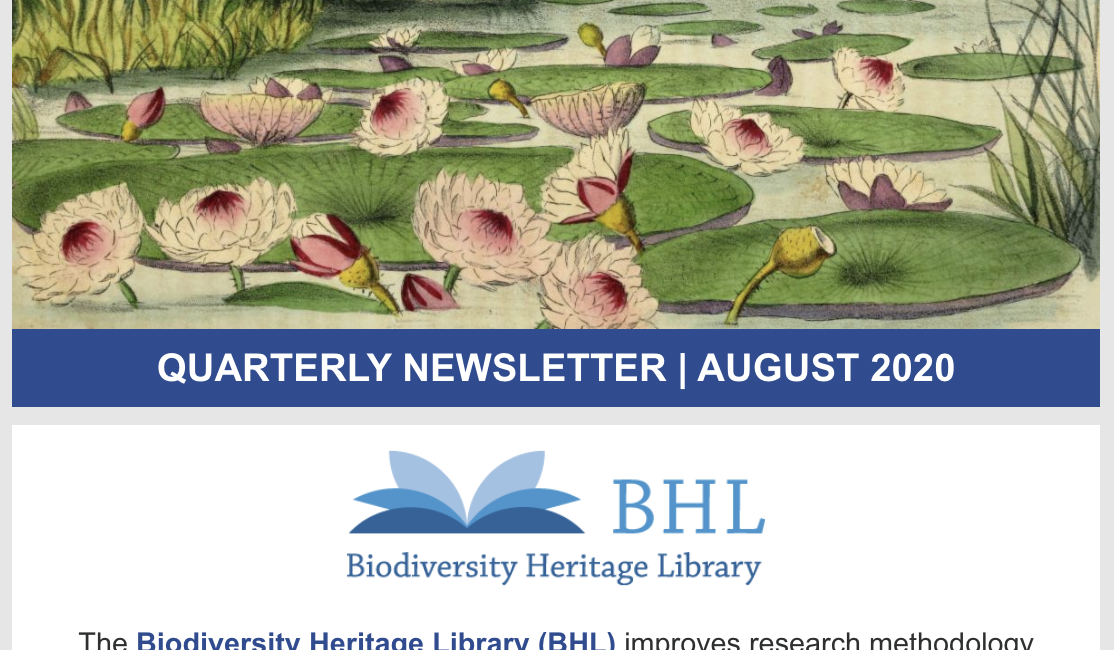
BHL Quarterly Newsletter (August 2020) Now Available!

Screenshot of the August 2020 BHL quarterly newsletter

Screenshot of the August 2020 BHL quarterly newsletter

The world has changed dramatically over the past few months. These changes have profoundly impacted our personal and professional lives and altered the way we do our jobs, access information, share ideas, interact with friends and colleagues, and think about the future. As we face these unprecedented challenges together, we at BHL are committed to ensuring continued, free access to information and resources that empower research, education, creativity and discovery for everyone—no matter where you are.

In our latest newsletter, we share some of the ways we have been working to improve the Library over the past few months, such as deploying a new taxonomic name finding tool and making our records available in WorldCat. Additionally, with many of our partners now operating in a telework environment, we have focused on projects to improve our digital collections remotely, such as uploading born digital content, improving collection metadata, and building our image collections on Flickr.

Check out our latest quarterly newsletter to learn more.

Be sure to subscribe to our mailing list to keep up to date with all the latest BHL news.

August 17, 2020by Grace Costantino
Blog Reel, User Stories

Decoding Palms: Deciphering Plant Mysteries One Publication at a Time

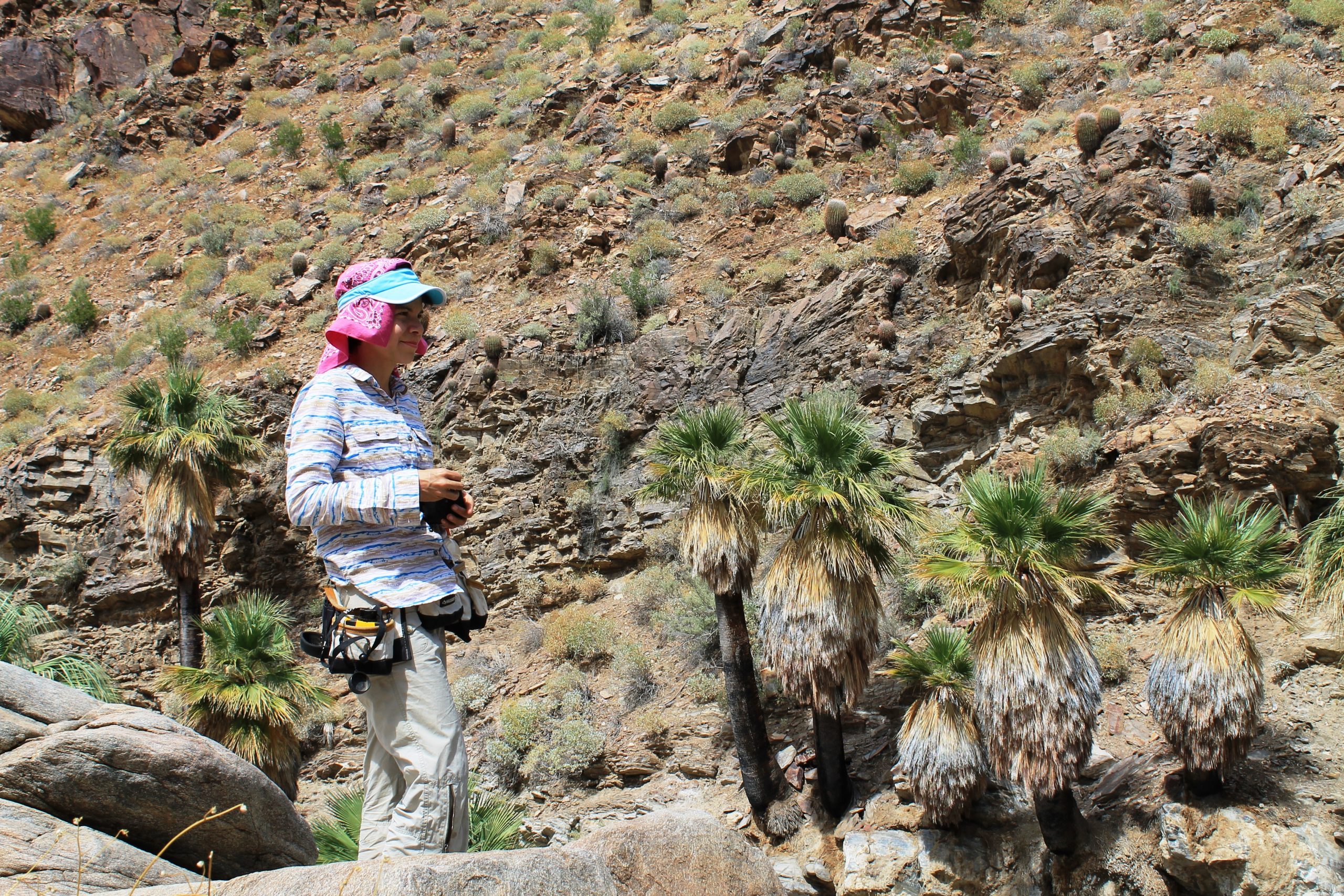
woman in a hat standing in the desert looking at palm trees

When you think of Los Angeles, there are some iconic things that come to mind: the Hollywood Sign, the Santa Monica pier, the Hollywood Walk of Fame — and palm trees. Call up a photo of Los Angeles’ cityscape, and chances are you’ll see palm trees. They are ubiquitous throughout the city, growing along major boulevards and picturesque residential streets, populating parks and framing beachside boardwalks.

While today it’s hard to conjure up imagery of Los Angeles without these towering plants, that was not always in the case. Before the end of the 19th century, Los Angeles was a scrubland desert, no palms in sight. As developers moved into the area in the late 1800s, they wanted to find a way to make the desert more appealing. Palm trees, with their tropical and exotic associations, were just the ticket, especially since they are relatively easy to transport (they have a small, dense root ball rather than elaborate root systems) and thrive so long as they have sun and water.

Developers planted them everywhere, and they became a staple of Southern California [1].

black and white photo of palm trees

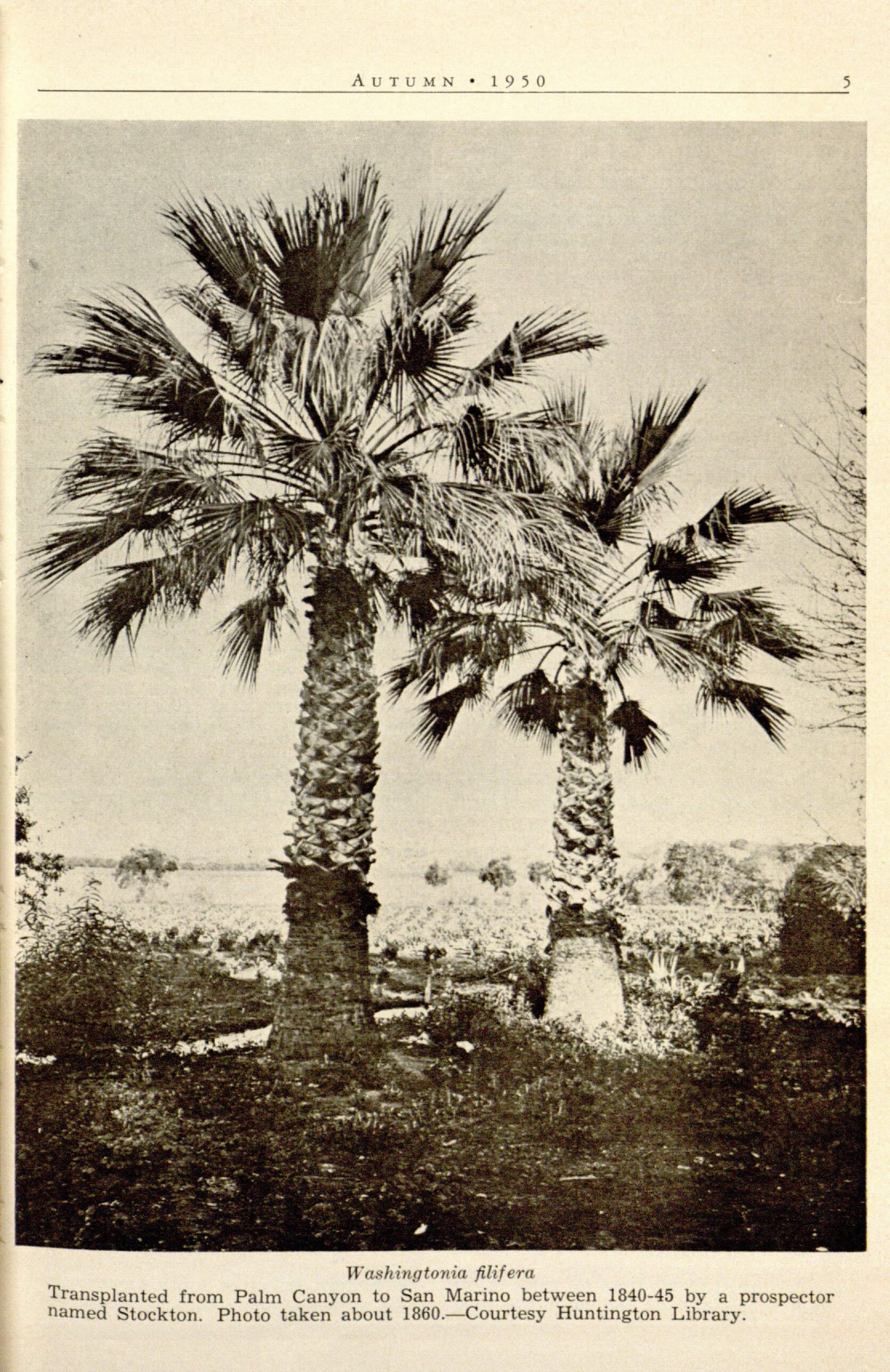
California fan palm (Washingtonia filifera) transplanted from Palm Canyon (outside Palm Springs, California) to San Marino (Los Angeles County, California). Hertrich, William. “Washingtonia filifera”. Lasca Leaves, 1:1 (1950). Contributed in BHL from the Missouri Botanical Garden, Peter H. Raven Library with permission from The Arboretum Library at the Los Angeles County Arboretum and Botanic Garden. CC-BY-NC-SA.

Given their strong association with the area, you might be surprised to learn that there is only one species of palm native to the entire state of California — the California fan palm (Washingtonia filifera), native to the southwestern United States and northwest Mexico. It is one of two recognized species in the genus Washingtonia, the other being the Mexican fan palm (Washingtonia robusta), native to western Sonora and Baja California Sur in northwestern Mexico. Both are among the palm tree species found in L.A., with the Mexican fan palm in particular reaching exceptional heights throughout the city.

black and white photo of palm trees

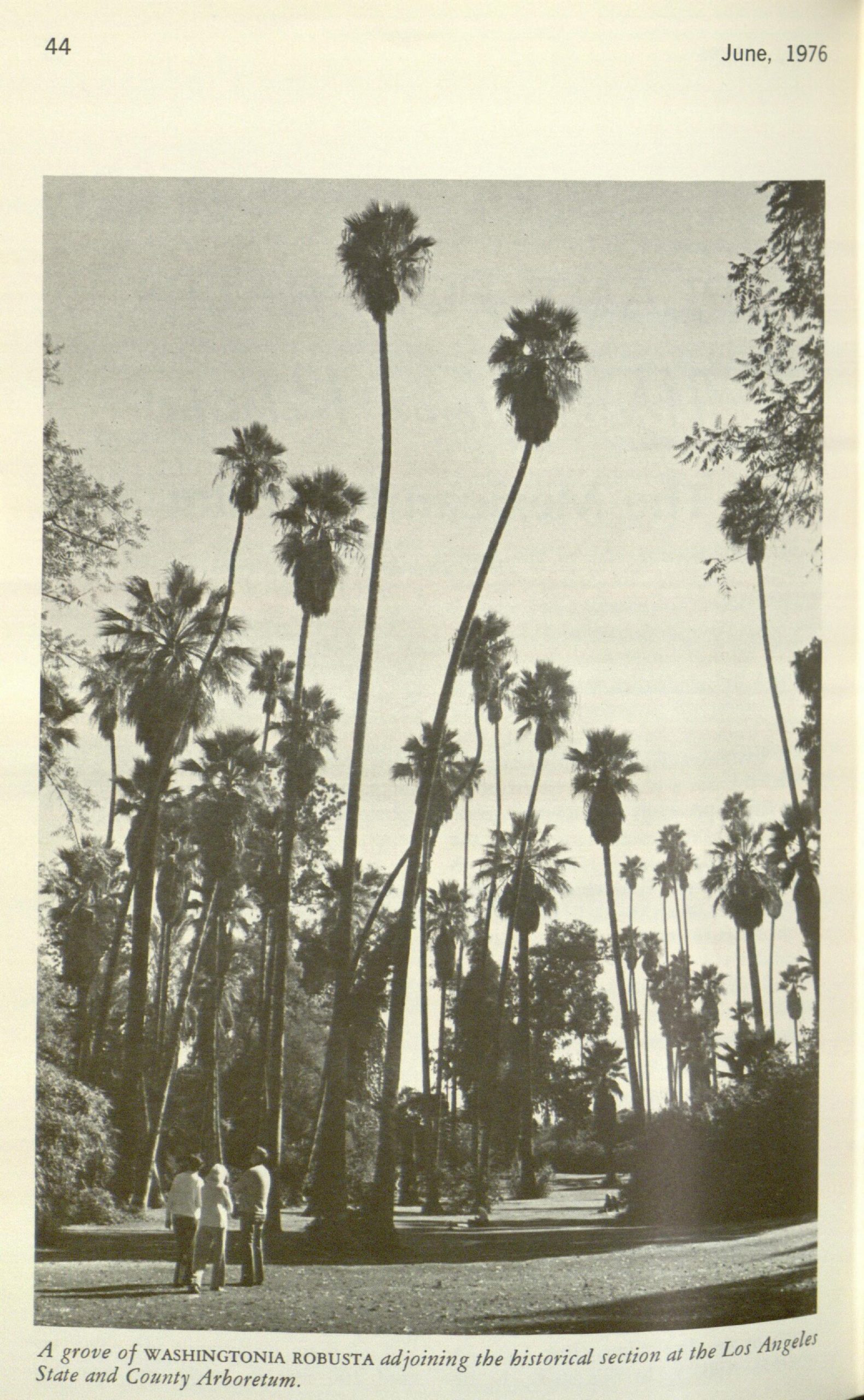
A grove of Mexican fan palms (Washingtonia robusta) “adjoining the historical section at the Los Angeles State and County Arboretum.” Deardorff, David. “Washingtonia Robusta: the Mexican fan palm.” Lasca Leaves, 26:2 (1976). Contributed in BHL from the Missouri Botanical Garden, Peter H. Raven Library with permission from The Arboretum Library at the Los Angeles County Arboretum and Botanic Garden. CC-BY-NC-SA.

Dr. Lorena Villanueva-Almanza, outreach coordinator at the California Botanical Society, specializes in the Washingtonia genus. As a plant taxonomist, her work focuses on understanding plant relationships and the many ways and names under which plants have been described across time — something she is currently engaged in for the Washingtonia. BHL is an invaluable resource for this work.

“Sometimes, the same plant will have multiple names, something we know as a synonym. In order to clear the confusion, I must look for the original publications — the protologues — in which they were first described,” explains Villanueva-Almanza. “The protologue gives me information about when a taxon was first published, traits that can help me determine the plants that I am working on, and if any type specimens were designated. BHL is a great resource for finding these protologues and, ideally, a solution to taxonomic and nomenclatural problems.”

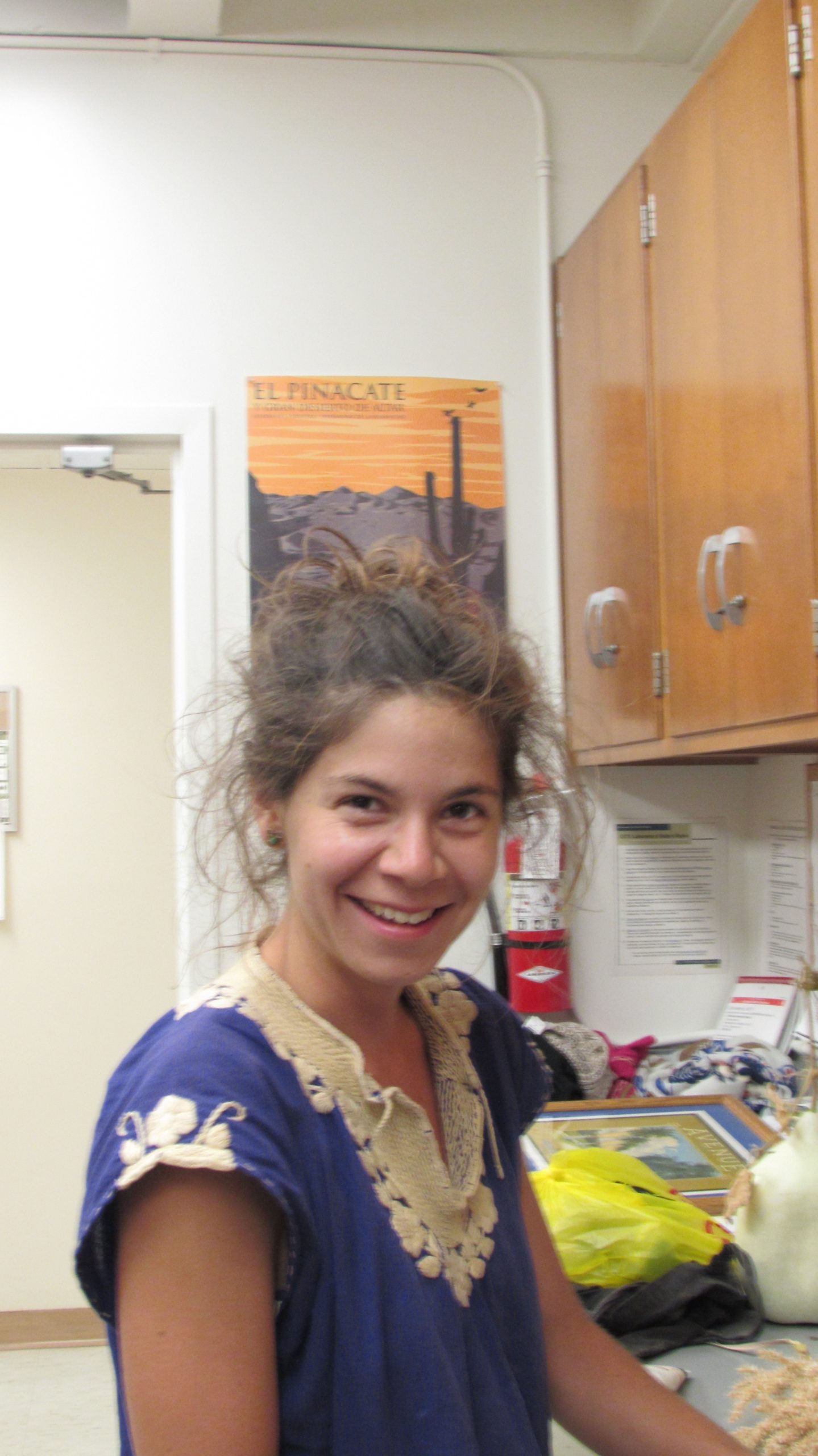
woman with brown hair and purple shirt in a lab

Dr. Lorena Villanueva-Almanza after arriving at her lab from a trip to the Baja Peninsula. Photo Credit: Javier Sabines.

Villanueva-Almanza has been studying plant taxonomy and systematics for twelve years. She first discovered BHL in 2011, while working as a research assistant for the Flora of the Tehuacán Valley Flora project in Mexico City. Since then, she has used the Library for all of her nomenclatural research. She refers to it daily in her work to identify Washingtonia synonyms and trace type specimens, downloading relevant pages as well as images of possible types in cases where these might be illustrations rather than herbarium specimens.

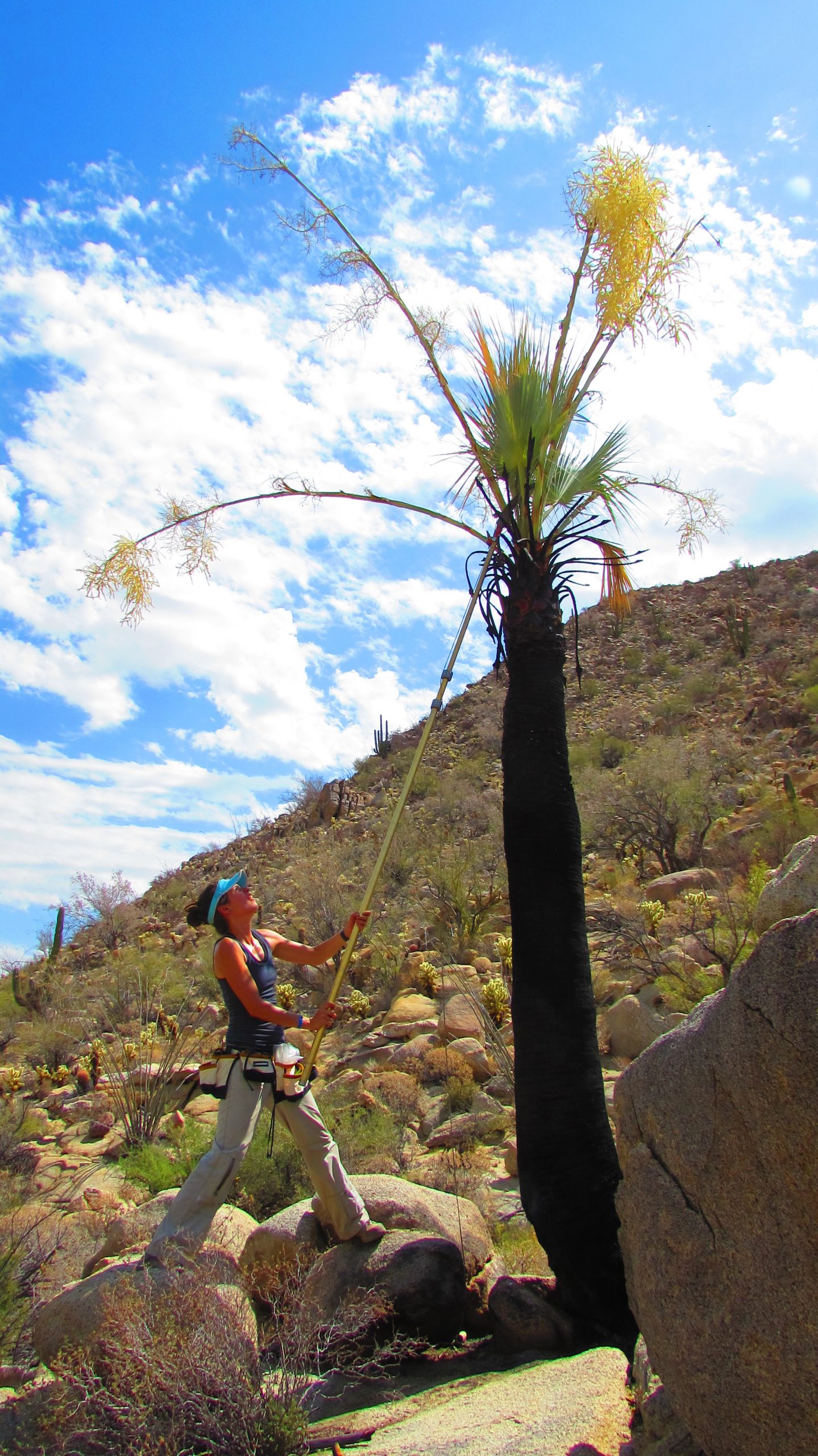
woman cutting down leaves from a palm tree

Villanueva-Almanza cutting a leaf from a Brahea armata palm at Cañón Berrendo, Northern Baja Peninsula. Photo Credit. Javier Sabines.

Being a plant taxonomist is rather like being a detective, explains Villanueva-Almanza. Working out the often convoluted taxonomic history of a species or genus means digging into historic texts and protologues and piecing together information across multiple centuries and languages. BHL makes it easy for her to locate relevant information with its full text “search inside” functionality and author searches that often lead to new publication sources.

“BHL provides invaluable material that sparks my detective skills,” attests Villanueva-Almanza. “It does a great job cross-linking data. I have found more information than I was originally looking for, allowing me to piece together the botanical history of Washingtonia palms with newly discovered information.”

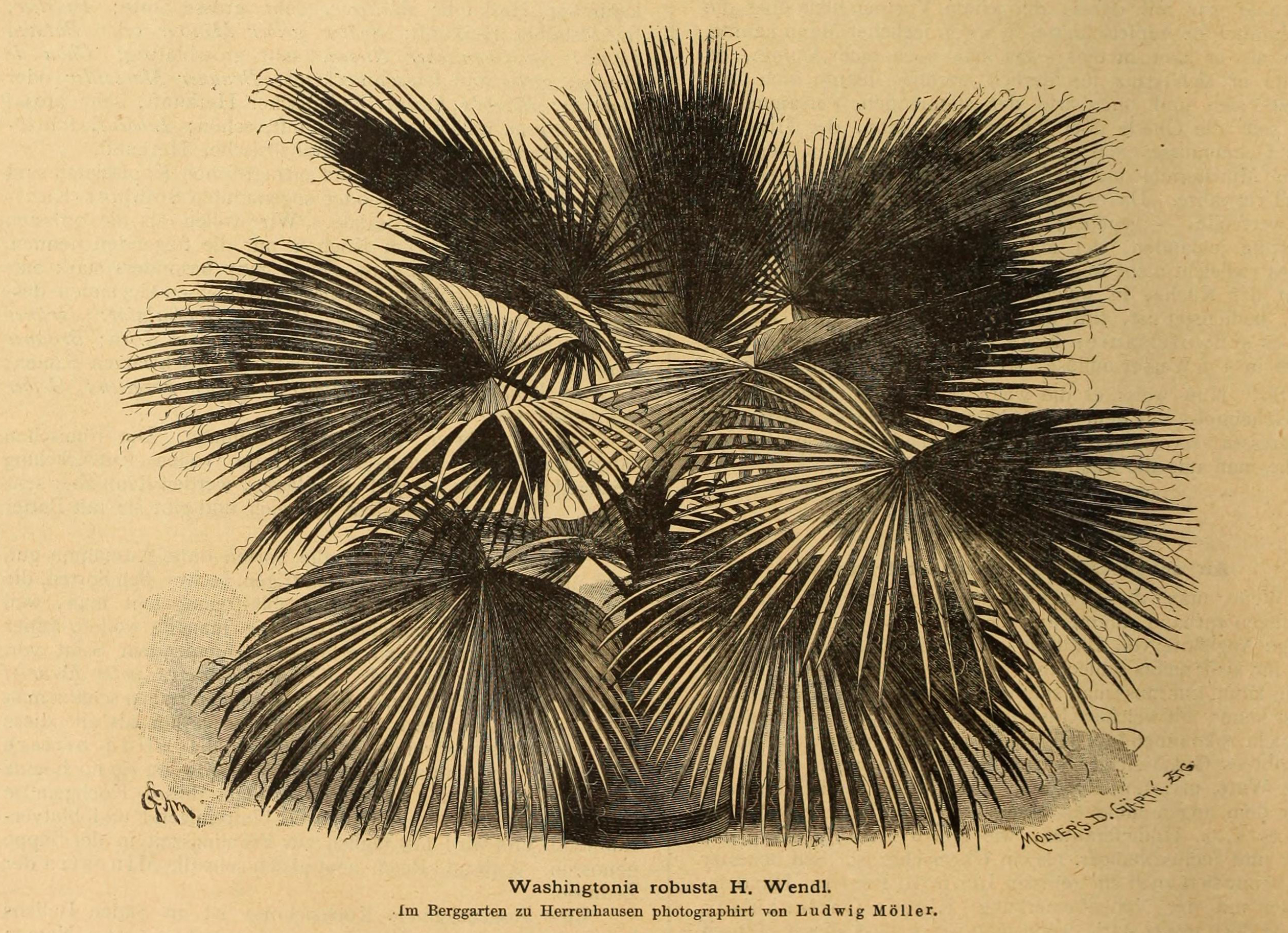
One such example of the kind of unexpected discovery made possible thanks to BHL relates to the original collecting location for the Mexican fan palm (Washingtonia robusta). While taxonomists knew that W. robusta was described from a cultivated palm, it has long been accepted that it was first collected in Baja California Sur. However, after studying a passage published in Möllers deutsche gärtner-zeitung(1888) in which Hermann Wendland — the author of W. robusta’s original species description — discussed the specimen that was sent to him by Louis van Houtte in the spring of 1883 for identification, and upon which his description was based, Villanueva-Almanza realized that this assumption was baseless.

“I remember the awe I felt when I read, translated, and finally realized the importance of Wendland’s notes on W. robusta,” recalls Villanueva-Almanza. “Wendland admits that he does not know where the specimen was collected, which means we do not know its original location. I knew that what I had found would change the way we had interpreted the genus Washingtonia.”

black and white illustration of a palm

Illustration of Washingtonia robusta published along with Hermann Wendland’s 1888 passage discussing the original specimen sent to him for determination, and upon which the original species description was based. Wendland, Hermann. “Washingtonia robusta H. Wendl.” Möllers Deutsche Gärtner-Zeitung, v. 3 (1888). Contributed in BHL from University Library, University of Illinois Urbana Champaign.

While unraveling taxonomic mysteries may sometimes simply lead to more mysteries, Villanueva-Almanza is up to the challenge. By providing easy access to historic texts through a single, convenient online portal, BHL allows her to make discoveries that eluded researchers of the past who may not have had access to such a breadth of material.

“Sometimes, finding a solution becomes a bigger challenge than I anticipated. However, I am particularly drawn to old mysteries,” affirms Villanueva-Almanza. “BHL has been a crucial part of my research — first, by acknowledging the value of historical publications and second, by making them accessible.”

woman in a hat standing in the desert looking at palm trees

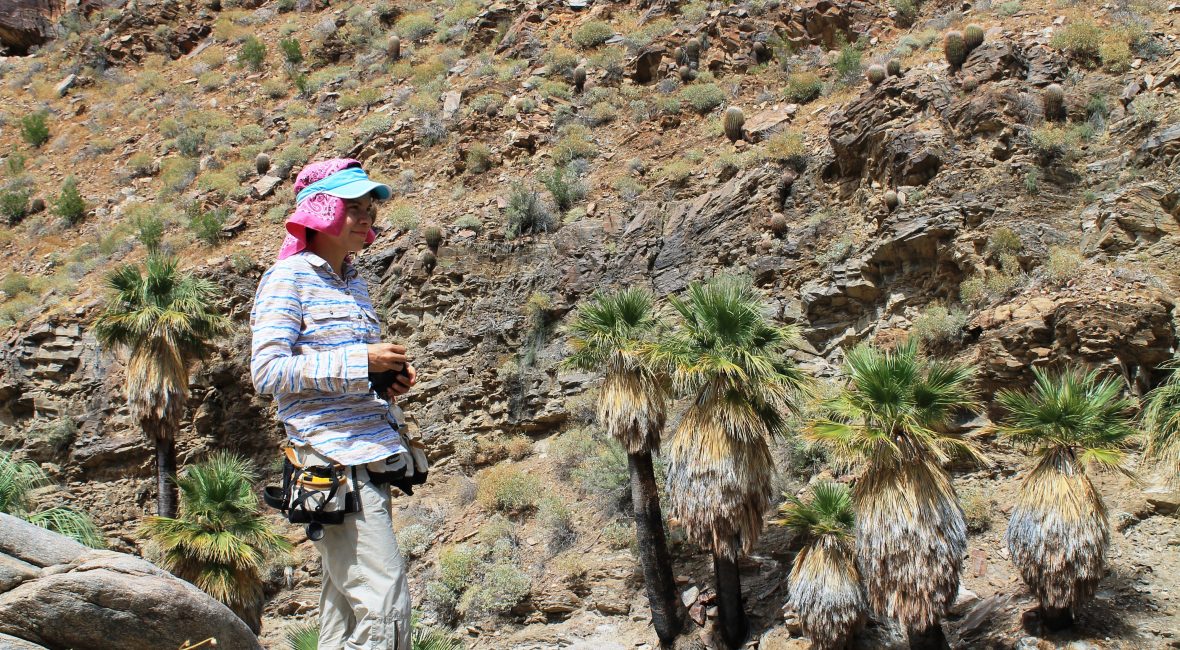
View of Palm Canyon, where Villanueva-Almanza conducted her fieldwork for her dissertation on Washingtonia palms. Photo Credit. Marta Ruiz.

We’re proud to know that BHL is living up to its vision of “Inspiring discovery through free access to biodiversity knowledge.” And while the original collecting location for Washingtonia robusta may still be a mystery, there’s no mystery about where you’re sure to see a Mexican fan palm today — towering over the streets of Los Angeles.

References

[1] Nosowitz, Dan. 2018. “Why Are There Palm Trees in Los Angeles?” Atlas Obscura, July 6. Accessed on 8 July 2020. https://www.atlasobscura.com/articles/why-are-there-palm-trees-in-los-angeles

August 13, 2020by Grace Costantino
BHL News, Blog Reel, Tech Updates

BHL Improves the Speed and Accuracy of its Taxonomic Name Finding Services with gnfinder

New and improved BHL name finding services

BHL has deployed a new taxonomic name finding tool to improve the speed and accuracy of identifying names throughout its 58+ million pages.

BHL is now using Global Names Architecture’s (GNA) gnfinder tool to locate taxonomic names in the BHL corpus. Prior to this deployment, BHL’s name finding services were based on an index of scientific names created by GNA developers six years ago by parsing every page in BHL one by one. This took 45 days to accomplish, and the cost of repeating this process made updating or improving the index infeasible.

The gnfinder tool uses fast, scalable programming languages to significantly reduce computational time. Using Open Source applications in Go and Scala, the tool detects candidate scientific names and compares them to millions of scientific name-strings aggregated by GNA for verification. The new process decreases the time needed for name detection and name verification from 35 days to 5 hours and from 7 days to 12 hours, respectively. As a result, the entire BHL corpus can now be indexed in less than a day, compared to the 45 days needed for the previous index. Additionally, by significantly reducing computational time, implementing iterative improvements to the index is now achievable.

The accuracy of the names identified has also been improved with this deployment. By eliminating questionable results and false positives from the previous index, gnfinder produces a more accurate index of names in BHL. More than 34 million unique names — representing more than 239 million total instances of taxonomic name strings — were identified across the BHL corpus as of 21 July 2020. Of these, approximately 11.7 million are “Verified Names”, meaning they are unique names that have been resolved against a name authority (NameBank, Catalogue of Life, etc).

The gnfinder tool was developed by Dmitry Mozzherin and Alexander Myltsev as part of GNA project work at the University of Illinois at Urbana-Champaign. Mozzherin shared more about the process of developing this tool at the Biodiversity Next conference in Leiden, The Netherlands in 2019. Learn more in the presentation slides.

You can learn more about how the BHL implementation of the gnfinder tool works in our FAQ.

We would like to thank our colleagues at Global Names Architecture — especially Dmitry Mozzherin, Alexander Myltsev, and David Patterson — for their work to develop these tools. Thanks also to Joel Richard (BHL Technical Coordinator and Head of Web Services and IT at Smithsonian Libraries) and Mike Lichtenberg (BHL Lead Developer) for their work to deploy gnfinder on the BHL website.

If you have questions about gnfinder or would like to provide feedback or suggestions, please contact Global Names Architecture via the Global Names BHL project on GitHub.

Global Names development on BHL indexing is supported by National Science Foundation grants #1356347 and #1645959 as well as the Species File Group at the University of Illinois.

July 21, 2020by Grace Costantino
Blog Reel, User Stories

Kate Crooks and the Botanical Society of Canada: How BHL Helped Uncover the Work of a Long-lost Female Botanist

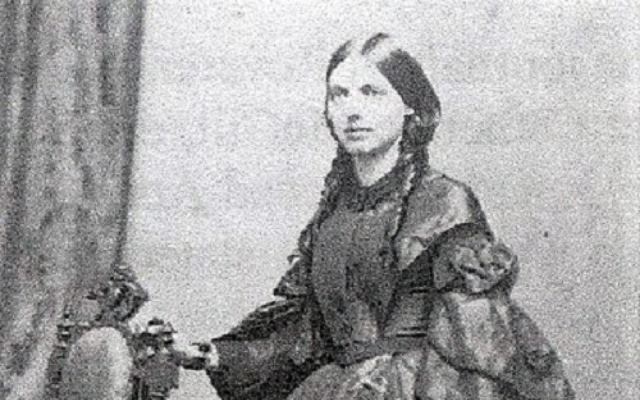
black and white photo of a person with brunette hair, braided, in 19th century dress.

“Towards the latter end of November, 1860, a proposal was made to organize a Botanical Society. There being no such Institution in operation in Canada, it was thought that much benefit might result from its establishment.”

So begins the first volume of the Annals of the Botanical Society of Canada, published in 1861 following the Society’s founding in Kingston, Ontario in 1860.

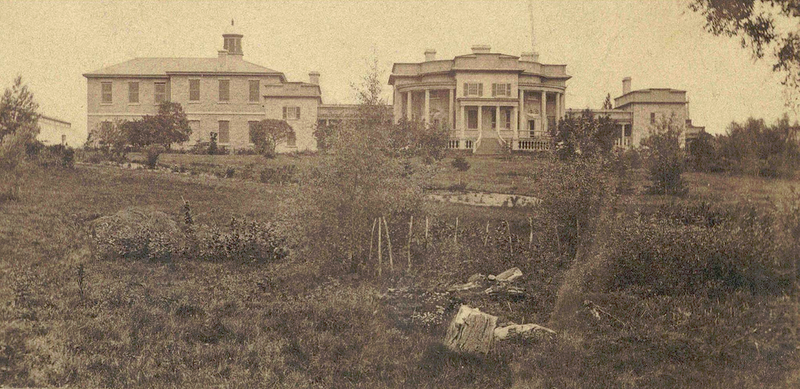
Black and white photo of victorian buildings in a garden

The Botanical Society of Canada’s botanical garden at Queen’s College, Kingston. Queen’s University Archives V28-B-Summ-2.1.

The Society—founded by members of the Queen’s College (now Queen’s University) natural history department—welcomed men and women as equal members and met regularly in Kingston. One hundred people attended the first meeting in January 1861, despite temperatures of –20 Celsius! The following month, 200 people were in attendance, including a young woman named Catharine (Kate) Crooks. She joined the Society on that occasion, along with her brother-in-law, Alexander Logie. Crooks and Logie had travelled from Hamilton, Ontario—southwest of Toronto—and presented the Society with a flora of Hamilton.

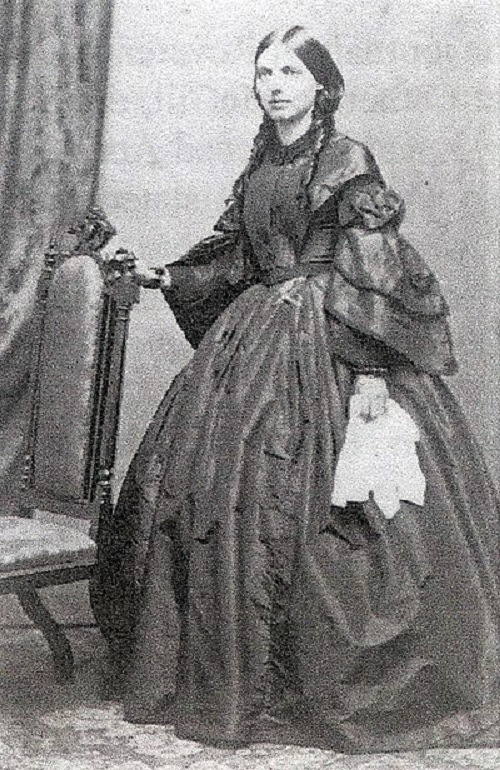
Black and white photo of a brunette person in a dress

Undated Daguerreotype portrait of Catharine McGill Crooks. Robert Milne, Hamilton, Ontario.

This flora included several plant species Crooks recorded in the southwestern Ontario communities of Cambridge, London and St. Thomas, and their presentation was accompanied by a large collection of specimens (roughly 500!) prepared by Crooks. The following year, Crooks’ collection was exhibited in London, England, as part of the official Canadian display at the International Exhibition of 1862. She received an Honourable Mention for her herbarium of native Canadian flowers, shrubs and trees.

Crooks documented several rare species native to Canada’s Carolinian ecozone, such as Andromeda polifolia, Liatris cylindracea, and Lupinus perennis. In fact, her observations captured a record of southwestern Ontario’s flora before the landscape changed forever. Today, some parts of southwestern Ontario have only 12.1% forest cover, and its wetlands are much-reduced, due to agriculture, urban sprawl, and aggregate extraction [1].

While the Annals of the Botanical Society of Canada offers a tantalizing glimpse into Crooks’ contributions to the documentation and study of southwestern Ontario’s flora, her name is all but unknown today. Those details that are recorded in the Annals’ pages, however, inspired librarian Anna Soper’s quest to learn more about this elusive woman in science.

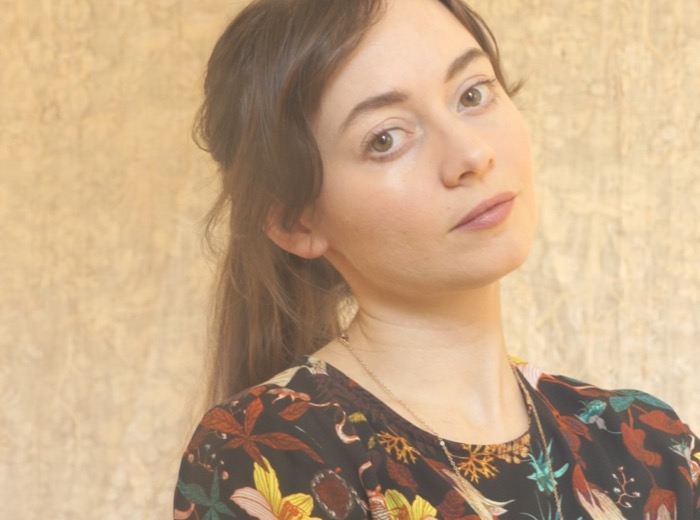
Head shot of a person with long brown hair wearing a floral shirt.

Anna Soper, librarian, artist, writer. Photo credit: A. Soper.

The sole librarian operating a small, special library in Kingston, Ontario, Soper has a personal interest in botany and environmental history. This interest was further nurtured by her discovery of the Biodiversity Heritage Library while obtaining her Master of Library and Information Science degree. Whilst exploring the Annals in BHL, she was introduced to Crooks—and was both intrigued and baffled by what she read.

“I asked myself, ‘How come I’ve never heard of Kate Crooks?’,” recalls Soper. “She lived and worked in Ontario in the same era as Catharine Parr Traill—arguably Canada’s most prominent nineteenth-century naturalist. In fact, Crooks and Logie published their flora years before Parr Traill published her 1868 text Canadian Wildflowers. Parr Traill’s book was subsequently praised as ‘one of the greatest botanical triumphs which anyone could achieve.’ So what happened to Crooks’ specimens? How could her legacy have been so forgotten?”

Motivated by these unanswered questions, Soper began an intensive personal research project on Crooks, but found that very little of Crooks’ life and work appeared to have survived the years since her death.

“Sadly, not a single piece of her original (ca. 1860) collection has turned up,” shares Soper. “I contacted many curators who said they just don’t have complete records of their herbarium collections, so it is hard to assess whether any of Crooks’ specimens might be in their care.”

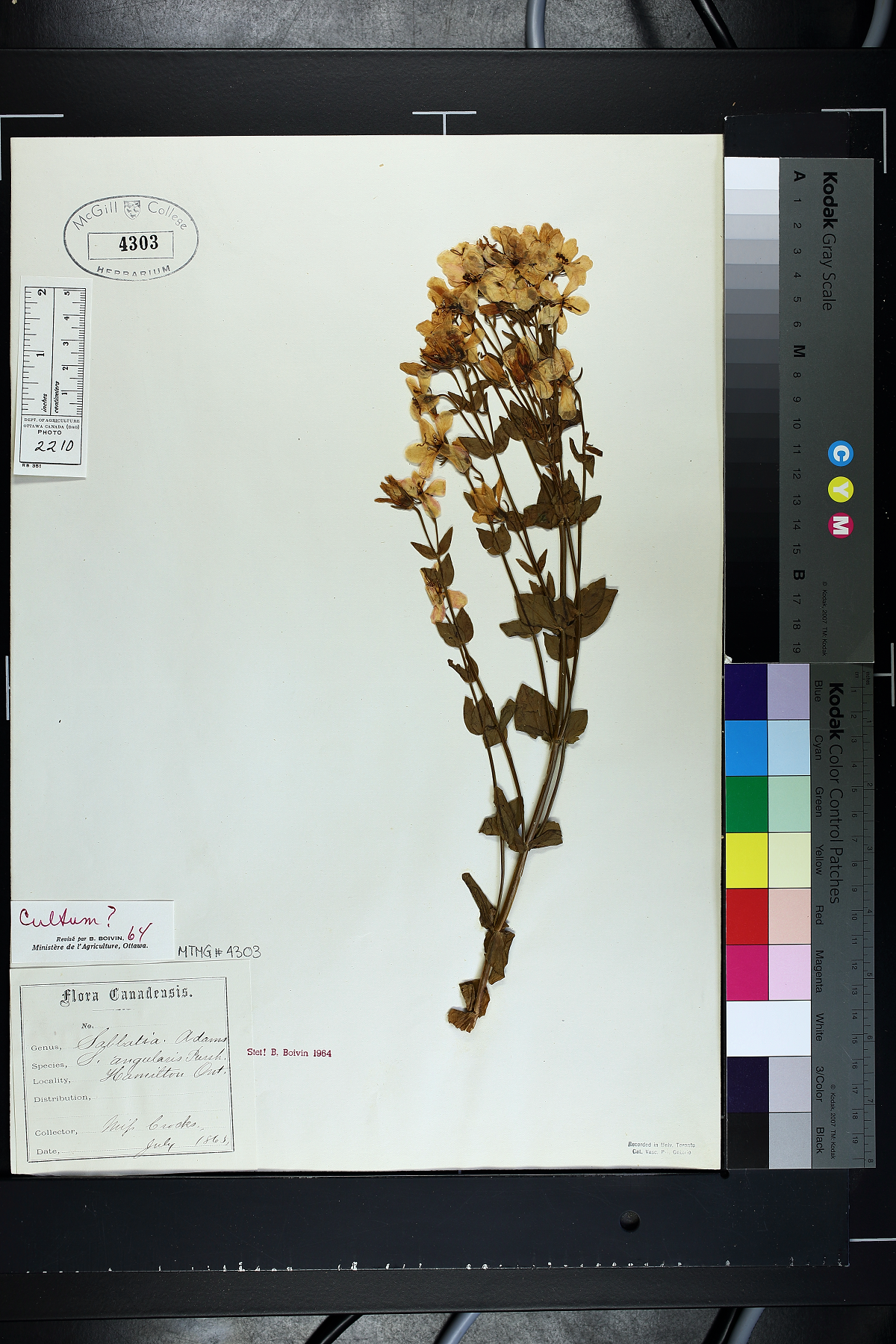
Eventually, Soper was able to locate a single botanical specimen attributed to Crooks—a pressed cutting of Sabatia angularis held in the collection of McGill University Herbarium. While this specimen is mentioned in a 1982 publication, Atlas of the rare vascular plants of Ontario, it might have been mis-catalogued when it was added to Canadensys (a database for Canadian biodiversity data), where it is attributed to an “M. Crooks”. Upon receiving a photo of the specimen and its label, Soper realized that what had been interpreted as an “M. Crooks” was actually a “Miss Crooks”.

Photo of a yellow flower specimen on a herbarium sheet

A specimen of Sabatia angularis, pressed by Miss Crooks in 1865. This native plant is now extirpated from Ontario. Photo credit: Dr. Frieda Beauregard, McGill Herbarium, McGill University, Montreal, Quebec.

Since then, Soper has continued to piece together more of Crooks’ story, which she shared in an article for Atlas Obscura last year. Sadly, Crooks died at the young age of 38, eight days after the birth of her third child. She is buried in Hamilton, where, in 1865, she is believed to have collected the only known Ontario specimen of Sabatia angularis—a native plant now extinct in that province.

Thanks to Soper’s research, Crooks’ legacy is now emerging from the shadows of obscurity under which it had fallen over the past century. BHL played an important role in making this happen.

“The Biodiversity Heritage Library kick-started my research on Kate Crooks, and I know that without this valuable resource it would have been much harder to work on this project,” asserts Soper.

Soper’s interest in BHL’s collections extends beyond her research on Crooks. She regularly uses the Library, either to browse the image collections or to retrieve some piece of information for her other research interests.

“The sheer variety of botanical illustrations and natural history texts in BHL is what initially sparked my interest in the collection,” recalls Soper.

BHL offers many services that facilitate Soper’s research and reuse of the collections—particularly full text search and the availability of DOIs for many titles. She also appreciates BHL’s efforts to curate and provide context to its materials, such as through its image collections on Flickr and themed social media campaigns.

Soper regularly posts content from BHL to her own Twitter feed (@Flora150Project), where she explores botanical subjects around folklore, scientific illustration, and local flora. In fact, it was her activity on Twitter that first led her to the Annals of the Botanical Society of Canada, and by extension Kate Crooks.

“I originally began my Twitter page in 2017, during Canada 150, the 150th anniversary of Canadian confederation,” explains Soper. “I planned to create a flora of Kingston, and started posting photos from rambles around the city. I turned to BHL’s catalogue to see whether I could find an earlier example of Kingston’s flora, and that’s what led me to the Annals of the Botanical Society of Canada.”

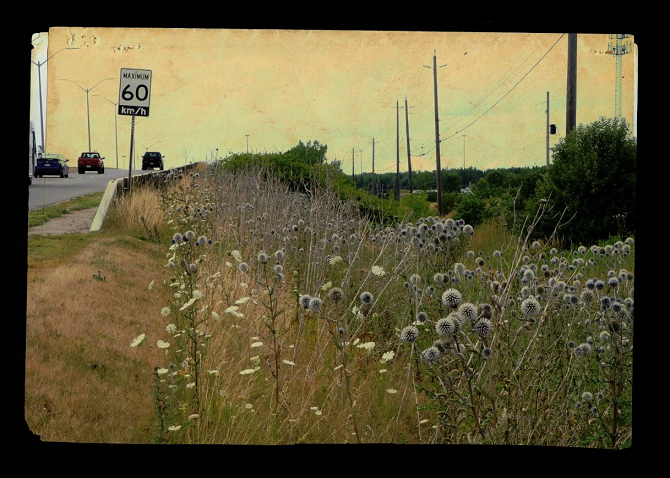
Photo of purple wildflowers by the highway

Anna Soper. Detail from A Flora of Kingston, 2018. The series featured digital and analogue photographs of Kingston’s flora, layered over blank sheets from the Smithsonian Field Notes collection. In 2018, Soper exhibited photos from A Flora of Kingston as part of a temporary public art installation created by the City of Kingston. Whilst creating A Flora of Kingston, Soper discovered that a teenage member of the Botanical Society of Canada had published his flora of Kingston in the Annals. This gave her an historic precedent with which to compare her work. As Soper shares, “I was pleasantly surprised to find some of the same species he had recorded, including two plants (Rubus odoratus and Staphylea trifolia) in the same wooded area in which he found them!”

More recently, Soper’s interests have turned towards phenological records — specifically, calendars of flora. Published in 1762, Miscellaneous tracts relating to natural history, husbandry, and physick… includes two calendars of flora—one recorded in Norfolk, England, and the other, in Uppsala, Sweden.

“Each calendar dovetails with the other; evoking a sense of time unfolding from one season to the next,” shares Soper. “There’s also a rather poetic quality in the writing.”

For example, one entry, from September 1755, reads almost like a haiku:

    1. SWALLOWS gone. Full moon. 
    2. Autumnal æquinox. 
    3. WOOD LARK… sings.

There was a useful function to these calendars. According to the Swedish calendar, May 13th was “The best time for sowing barley, and the seeds of garden plants.” Since the Wheat Ear (Oenanthe spp.) had recently arrived from its winter home, it was unlikely any further frosts would follow.

Shortly after the world went into lockdown, in the winter of 2020, Twitter user @VenetiaJane posted a prompt for her followers: “Please share your favourite nature-related photographs, poems, quotes…Let’s spread a little #joy and #positivity around the world at a time when we all really need it.’” The hashtag #SolaceInNature was born.

“At the time—mid-March—not much was blooming where I live; just a few willow catkins on a tree near my home. So I turned to the Biodiversity Heritage Library for content,” explains Soper. “Using the hashtag, #CalendarOfFlora, I have been posting these centuries-old documents on my Twitter feed. In fact, a calendar of flora lends itself to sharing on social media, since you can match the content with that day’s date!”

On April 1, 1755, Alex Berger saw signs of spring: “Moss…sheds its dust”, he wrote. By the 3rd, Berger saw stones loosened from the ice. On the 6th, “Hills begin to appear, the snows being melted,” and serpents came out of their holes. #CalendarOfFlora #OTD #SolaceInNature pic.twitter.com/W4c5FpAj2U

— Anna Soper (@Flora150Project) April 1, 2020

https://platform.twitter.com/widgets.js

“People are finding new ways to relate to each other—and the world around us—at this time,” remarks Soper. “Since I could not contribute much #SolaceInNature at the start of this crisis, I turned to the work of others; keeping vigil with their words as they, too, waited for spring.”

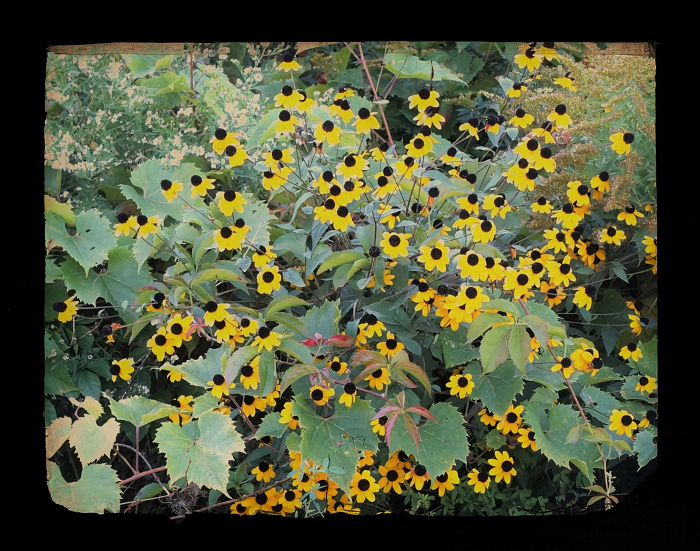
Photo of yellow flowers

Anna Soper. Detail from A Flora of Kingston, 2018.

With centuries of knowledge captured within its pages, the annals of natural history are a rich resource for anyone interested in exploring the natural world. As Soper’s experience shows, any turn of a page could inspire new and unexpected discoveries. We are proud to work with a global network of partners to ensure that anyone, anywhere can be empowered to feed their curiosity, uncover the history of natural history, and be inspired by biodiversity.

“Since I’m outside of academia, I have no opportunities to take time off for research and writing,” shares Soper. “Online, open access resources like the Biodiversity Heritage Library are crucial to piecing together a story like Kate Crooks’, while giving me much-needed leads for in-person research in my spare time.”

collage of photos of flowers

Anna Soper. Detail from A Flora of Kingston, 2018.

References

[1] Environmental Commissioner of Ontario. Back to Basics: Respecting the Public’s Voice on the Environment. © Queen’s Printer for Ontario, Toronto, 2018.

May 28, 2020by Grace Costantino
Blog Reel, User Stories

Time Traveling with BHL: Open Access to Historic Data Empowers Modern Research…At Home

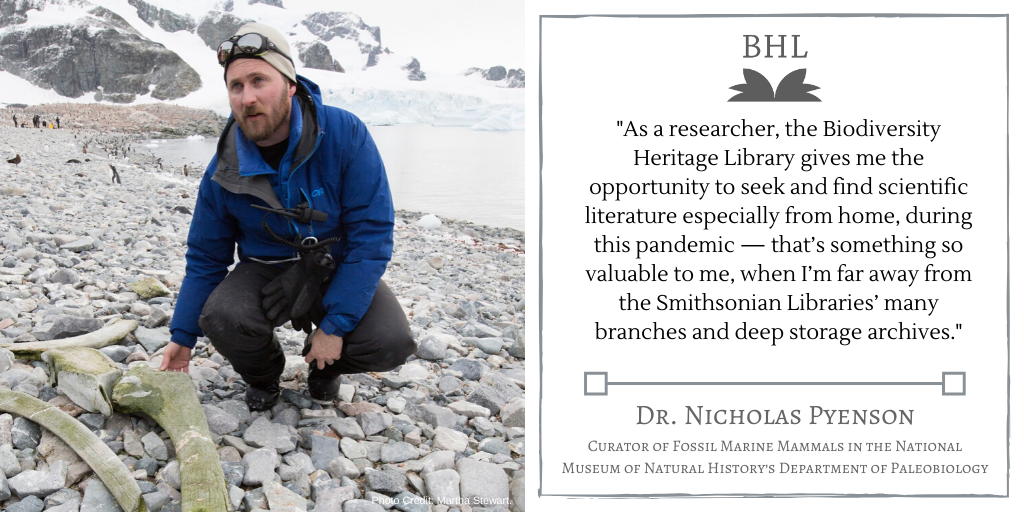
Quote from Dr. Nicholas Pyenson about BHL's impact

As the world’s largest open access digital library for biodiversity literature and archives, the Biodiversity Heritage Library (BHL) has revolutionized global research by providing free, worldwide access to knowledge about life on Earth. BHL’s digital collections provide researchers with the information they need to document Earth’s species, conserve biodiversity, research the history of science, and confront formidable challenges — from extinction crises to climate change and the spread of zoonotic diseases.

Digital access to this essential literature is especially important right now, as the COVID-19 pandemic makes physical access to collections and institutional libraries impossible for many. Open access digital libraries like BHL make continued research possible.

Dr. Nicholas Pyenson, Curator of Fossil Marine Mammals in the National Museum of Natural History’s Department of Paleobiology, has been a longtime user of and advocate for BHL. The historic data accessible through publications in BHL underpins much of his work. For example,  the Discovery Reports, which present the results of groundbreaking investigations into the biology of whales, helped inform Pyenson’s studies on the evolution of cetacean body size and whale hearing.

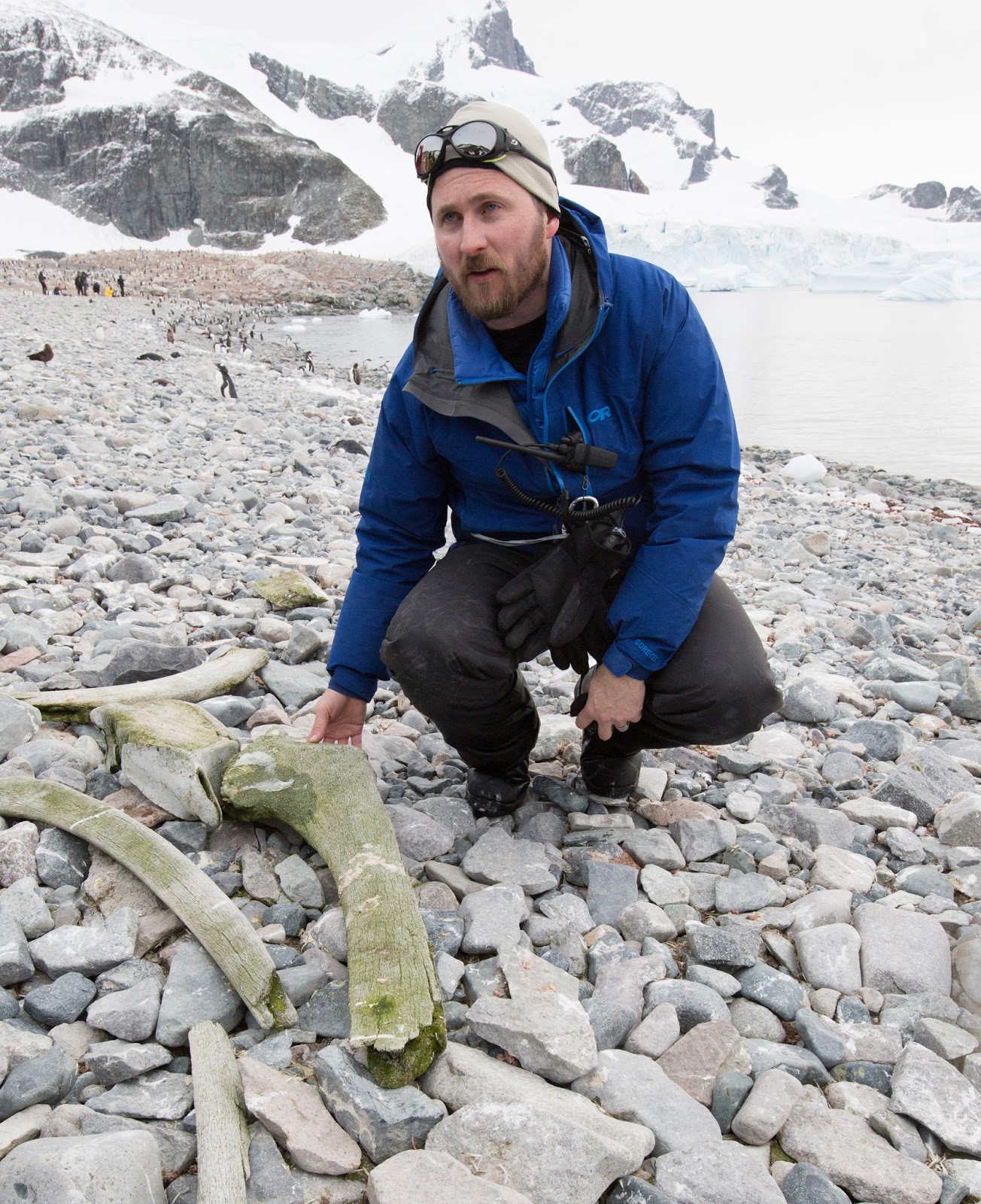
Man in a blue coat on a beach investigating whale bones

Dr. Nicholas Pyenson at Cuverville Island, Antarctica. Photo credit: Martha Stewart.

While BHL has been a valued resource for Pyenson for many years, digital access to scientific literature has become especially important as research has shifted to a telework environment.

“As a researcher, the Biodiversity Heritage Library gives me the opportunity to seek and find scientific literature especially from home, during this pandemic — that’s something so valuable to me, when I’m far away from the Smithsonian Libraries’ many branches and deep storage archives,” emphasizes Pyenson. “Access to words, images, and ideas that are either decades or centuries old drives so much of my work. It also gives me a sense of connection to people I’ve never met, but nonetheless seem very real for the questions I want to answer.”

Pyenson shares more about BHL’s impact during these unprecedented times on the Smithsonian Libraries’ YouTube channel.

As our understanding of the natural world deepens and grows, trusted, openly available resources become ever more important. BHL’s Secretariat and technical staff, together with our colleagues at BHL’s over 80 partner institutions globally, are committed to ensuring continued access to BHL resources for researchers around the globe. Your support today is deeply impactful to our ability to continue providing support to the thousands of researchers who rely on access to our digital collections.

If you’re able to give, we welcome your contribution.

May 21, 2020by Grace Costantino
Page 4 of 71« First...«3456»102030...Last »

Help Support BHL

BHL's existence depends on the financial support of its patrons. Help us keep this free resource alive!

search

About BHL

The Biodiversity Heritage Library (BHL) is the world’s largest open access digital library for biodiversity literature and archives. BHL operates as a worldwide consortium of natural history, botanical, research, and national libraries working together to digitize the natural history literature held in their collections and make it freely available for open access as part of a global “biodiversity community.”

Join Our Mailing List

Sign up to receive the latest news, content highlights, and promotions.

Subscribe Now

Subscribe to Blog via Email

Enter your email address to subscribe to this blog and receive notifications of new posts by email.

Join 319 other subscribers

Subscribe to Blog Via RSS

Subscribe to the blog RSS feed to stay up-to-date on all the latest BHL posts.

Access RSS Feed

Inspiring Discovery through Free Access to Biodiversity Knowledge.

The Biodiversity Heritage Library makes it easier than ever for you to access the information you need to study and explore life on Earth…for free, anytime, anywhere.


64+ Million Pages of
Biodiversity Literature Online.

EXPLORE

Tools and Services
to Transform Research.

EXPLORE

300,000+
Illustrations on Flickr.

EXPLORE

ABOUT | HARMFUL CONTENT | PRIVACY | SITE MAP | TERMS OF USE