Biodiversity Heritage Library - Program news and collection highlights from BHL
  • Home
  • News
  • Featured Books
    • All Featured Books
    • Book of the Month Series
    • BHL at 20
  • User Stories
  • Campaigns
    • Fossil Stories
    • Garden Stories
    • Monsters Are Real
    • Page Frights
    • Her Natural History
    • Earth Optimism 2020
  • Tech Blog
  • Visit BHL
Home
News
Featured Books
    All Featured Books
    Book of the Month Series
    BHL at 20
User Stories
Campaigns
    Fossil Stories
    Garden Stories
    Monsters Are Real
    Page Frights
    Her Natural History
    Earth Optimism 2020
Tech Blog
Visit BHL
  • Home
  • News
  • Featured Books
    • All Featured Books
    • Book of the Month Series
    • BHL at 20
  • User Stories
  • Campaigns
    • Fossil Stories
    • Garden Stories
    • Monsters Are Real
    • Page Frights
    • Her Natural History
    • Earth Optimism 2020
  • Tech Blog
  • Visit BHL
Biodiversity Heritage Library - Program news and collection highlights from BHL
Blog Reel, Featured Books

Flora Graeca: “The Most Costly and Beautiful Book Devoted to Any Flora”

plants
plants

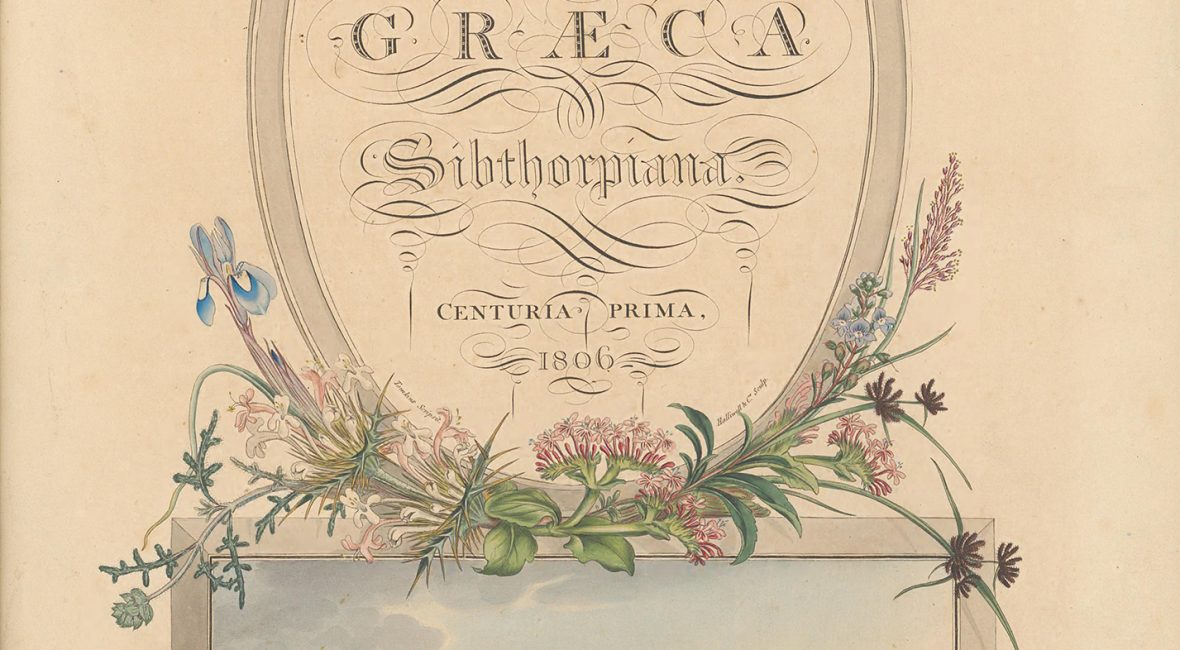
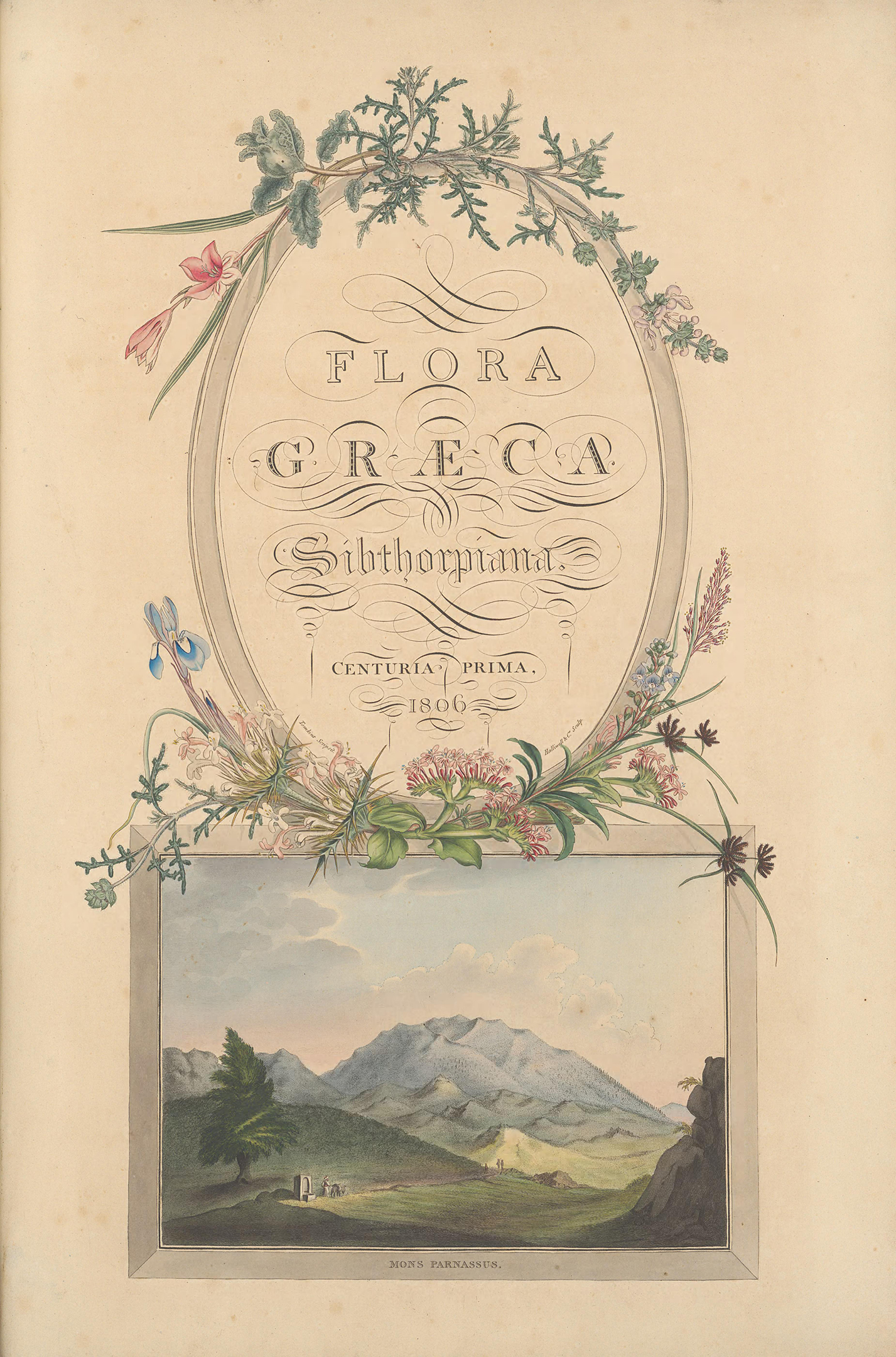
Title page. Sibthorp, John. Flora Graeca. v. 1 (1806). Contributed in BHL from Lloyd Library and Museum. Digitized by Public Library of Cincinnati and Hamilton County.

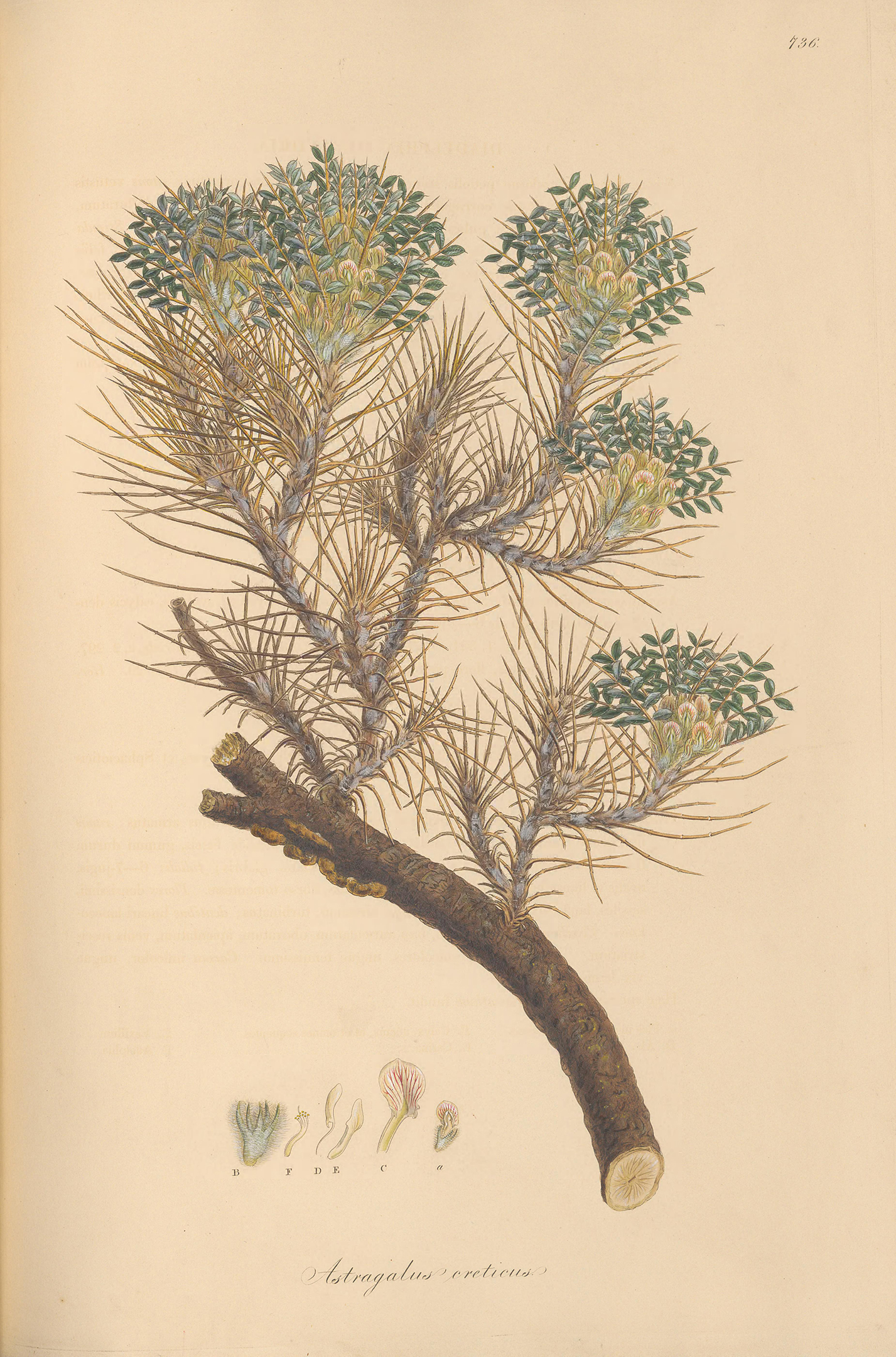
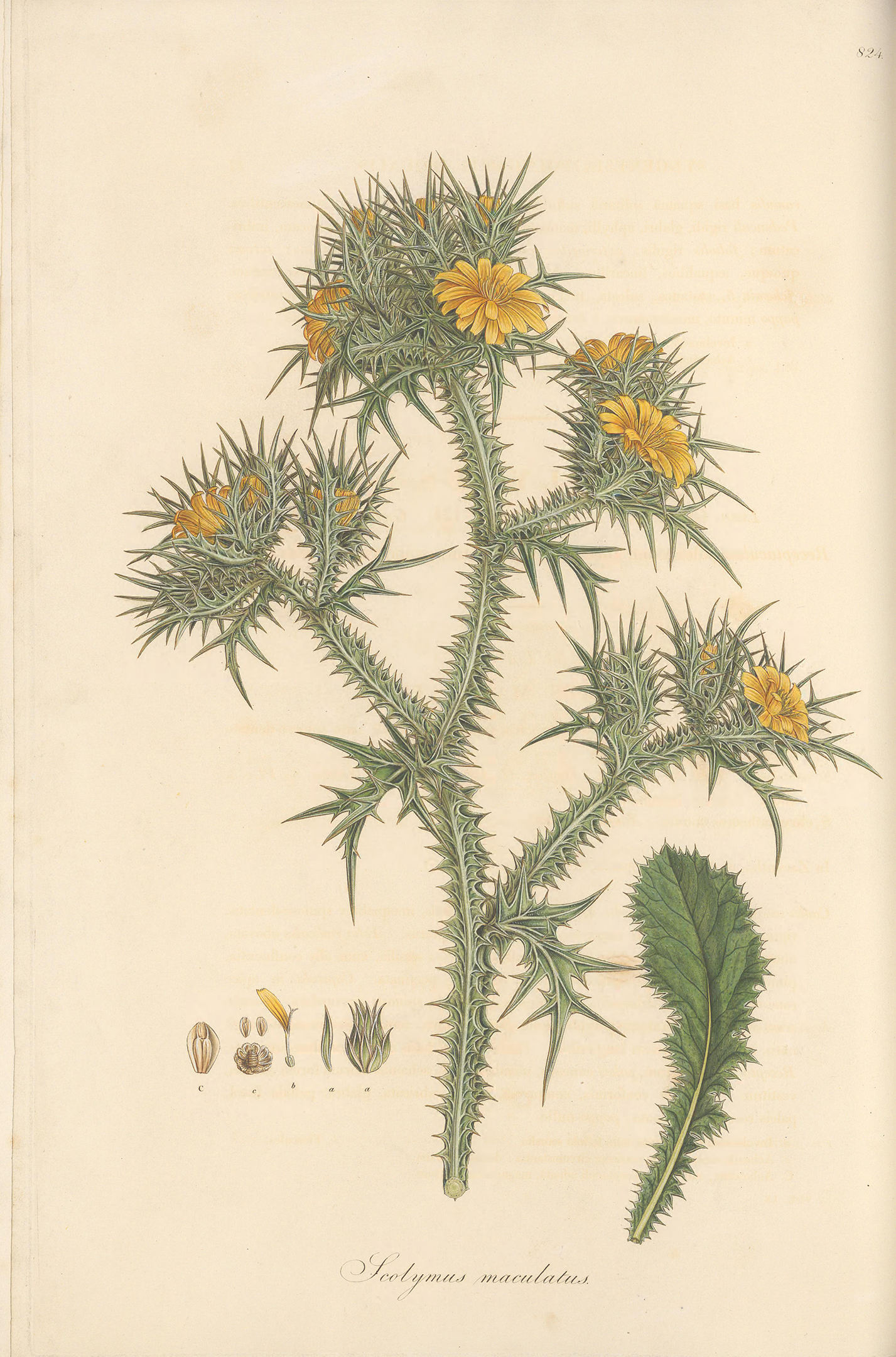
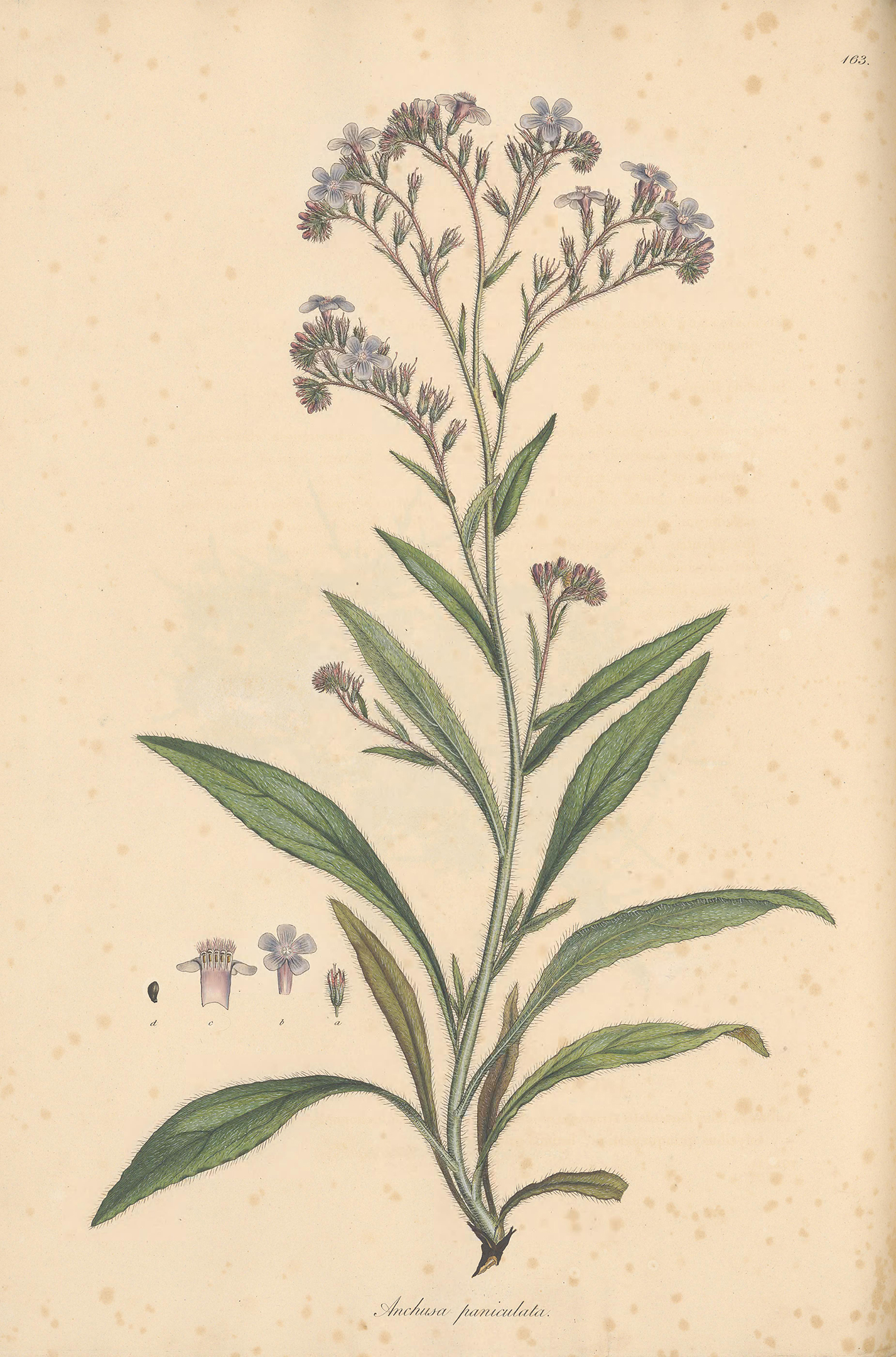
John Sibthorp’s Flora Graeca (1806-1840) has been described as “the most costly and beautiful book devoted to any flora” [1]. Dedicated to the plants of Greece and the eastern Mediterranean, only 30 subscriptions for the first edition were sold and of those, only 25 were completed. While each copy was sold for £254, the cost to produce each copy was about £620 [2, 176].

Flora Graeca arose out of botanical expeditions carried out by English botanist John Sibthorp in Greece and Asia Minor between 1786-87 and 1794-1795. Sibthorp employed Austrian artist Ferdinand Lukas Bauer to accompany him on the first expedition and serve as illustrator. During the expedition, Bauer created around one thousand plant sketches, using a color coding process to record the exact colors of the specimens he observed in the field, allowing him to produce accurate final drawings based on his field sketches [3].

plants

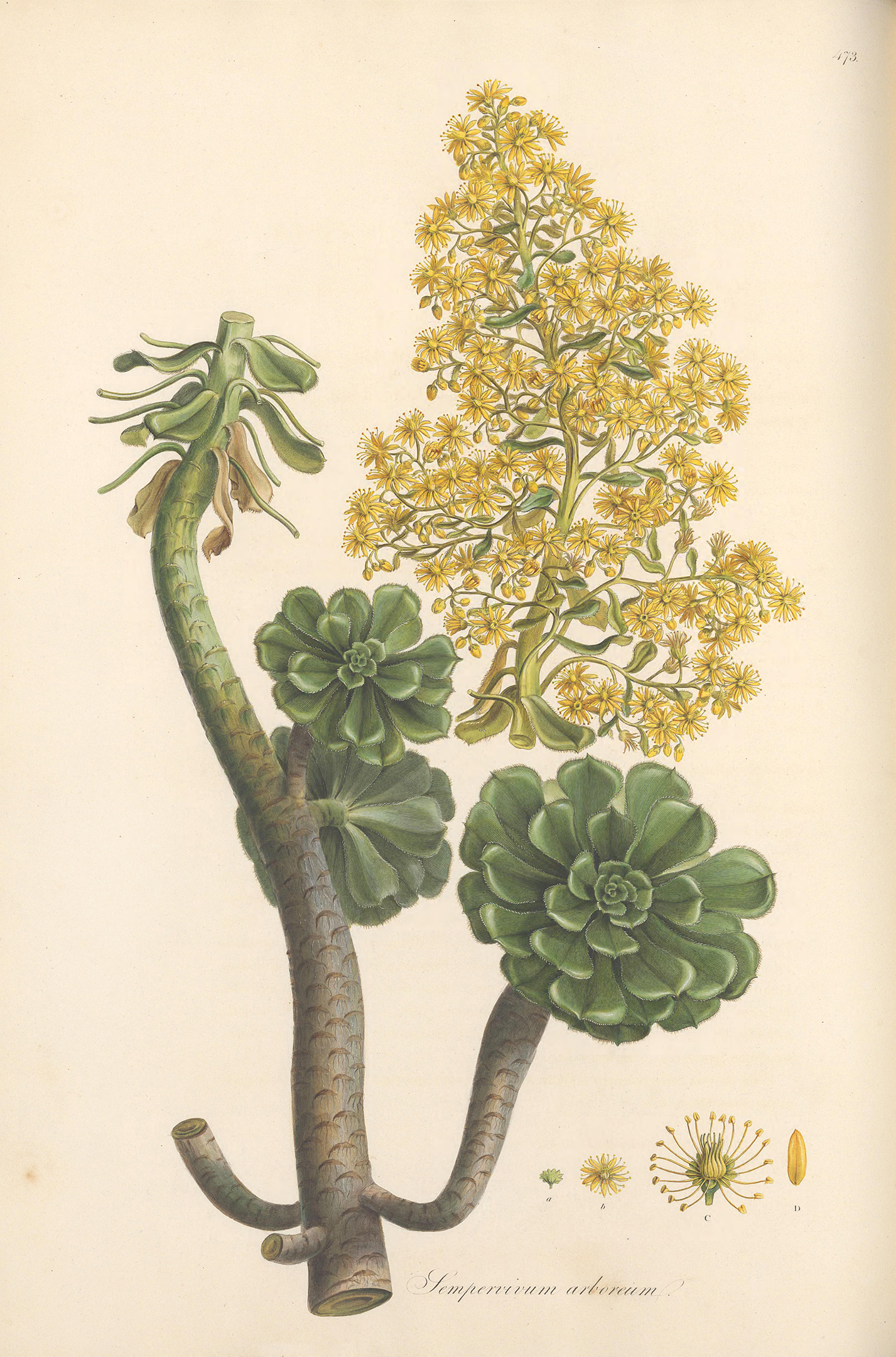
Plate 473. Sibthorp, John. Flora Graeca. v. 5 (1825). Contributed in BHL from Lloyd Library and Museum. Digitized by Public Library of Cincinnati and Hamilton County.

plants

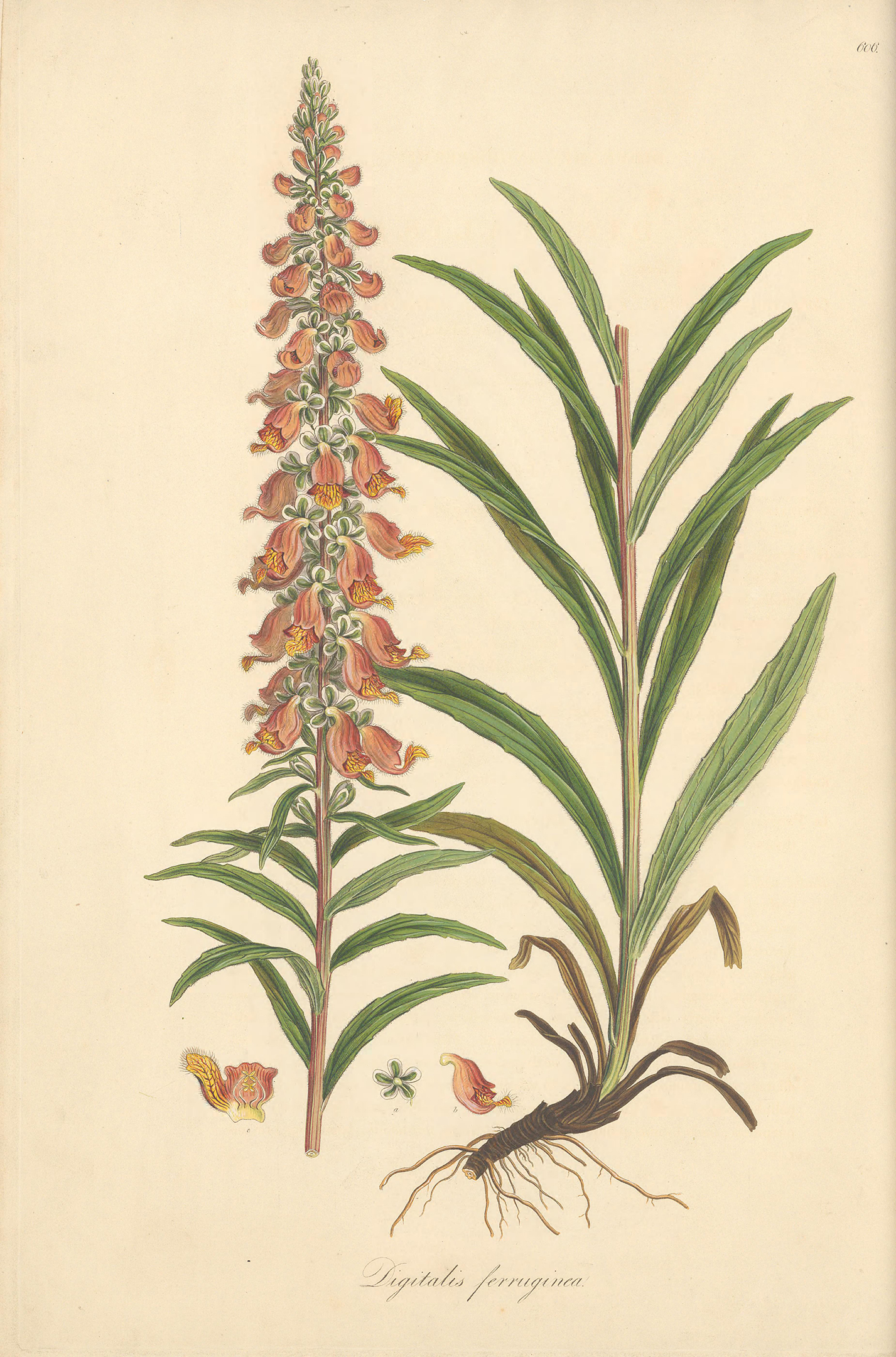
Plate 606. Sibthorp, John. Flora Graeca. v. 7 (1830). Contributed in BHL from Lloyd Library and Museum. Digitized by Public Library of Cincinnati and Hamilton County.

Unfortunately, Sibthrop contracted tuberculosis during the return from his second expedition. He died on 8 February 1796 in Bath, before the work could be completed. His will, however, provided an endowment to ensure the completion of the publication [4].

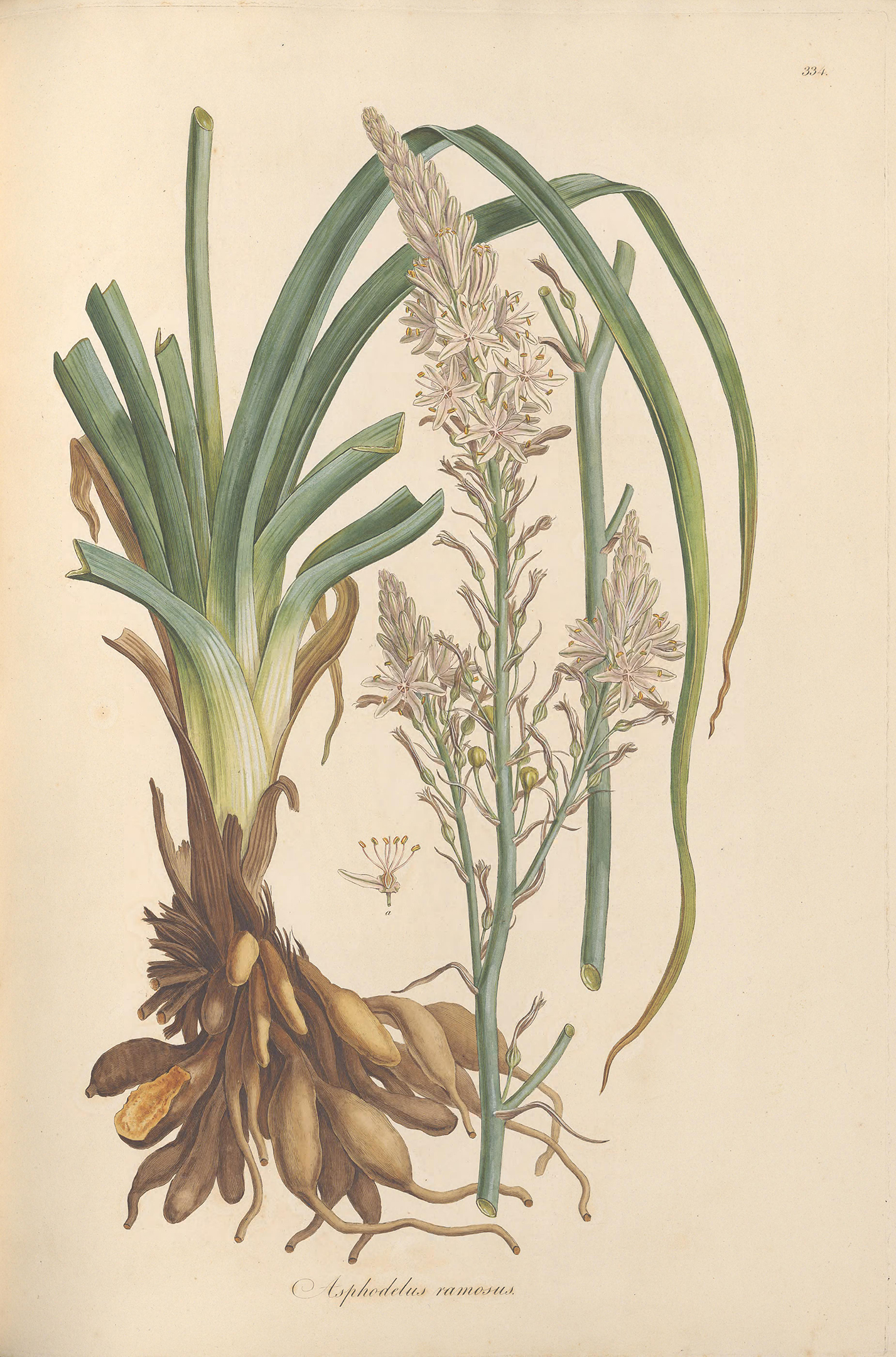
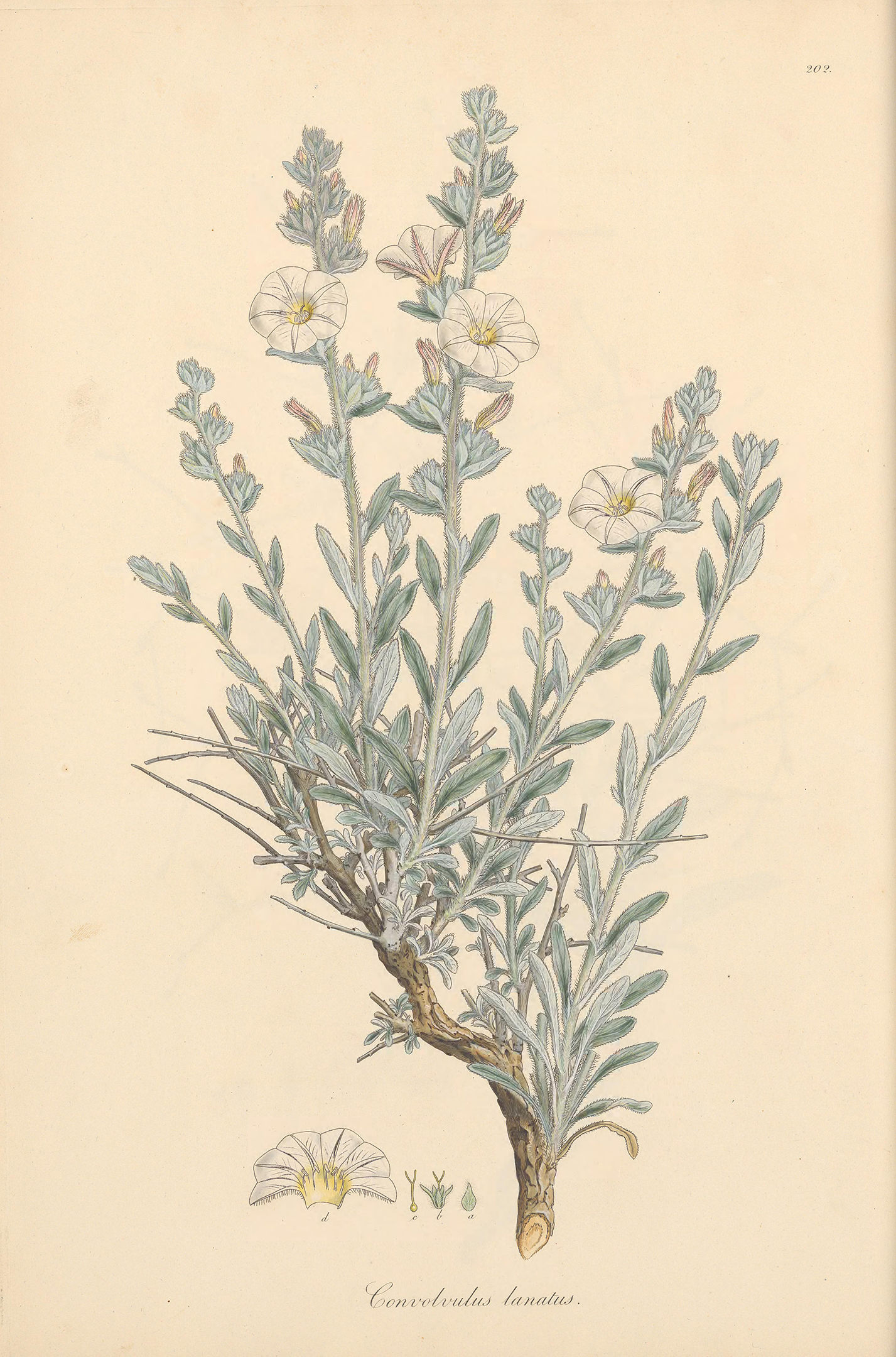
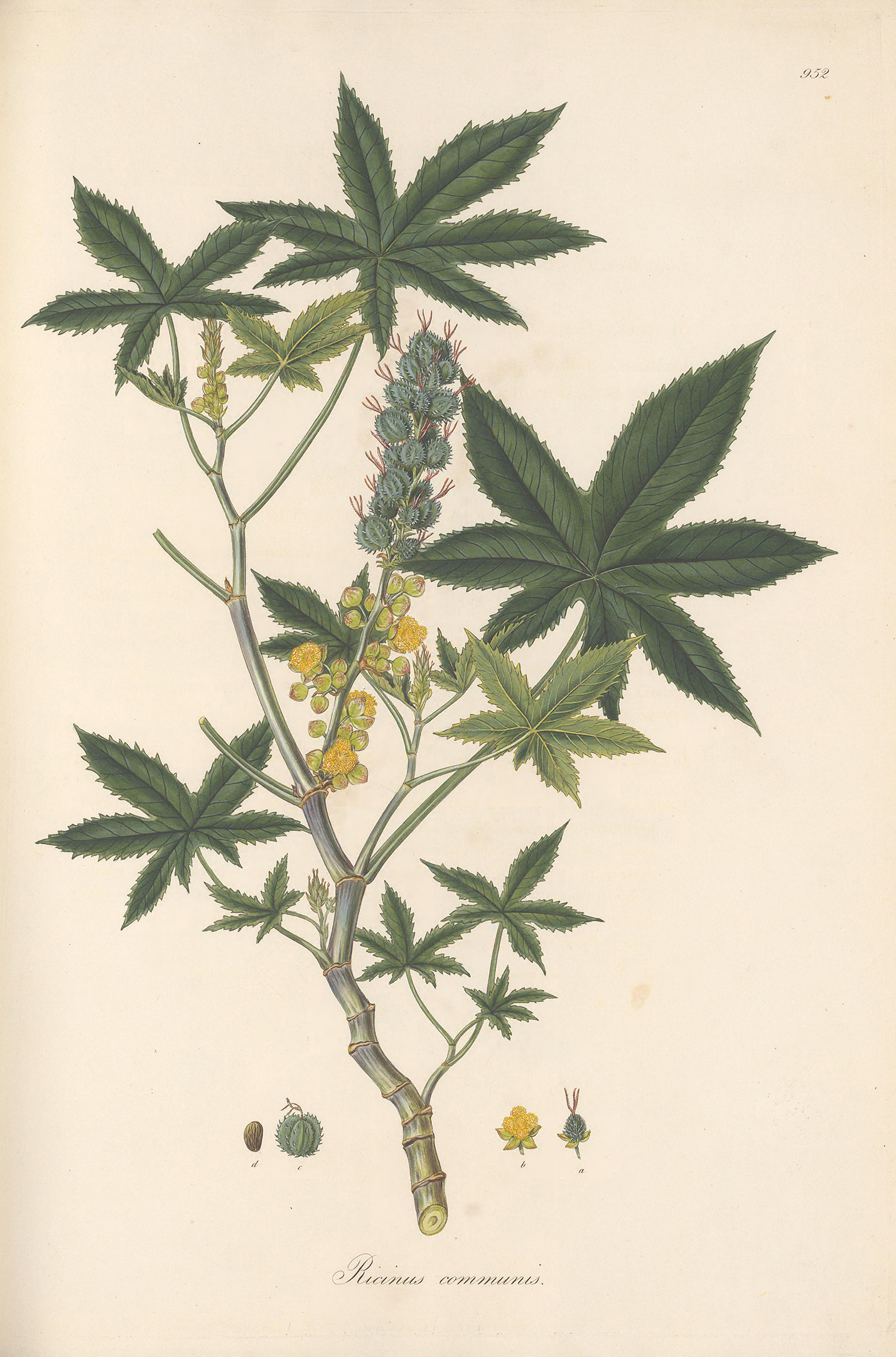
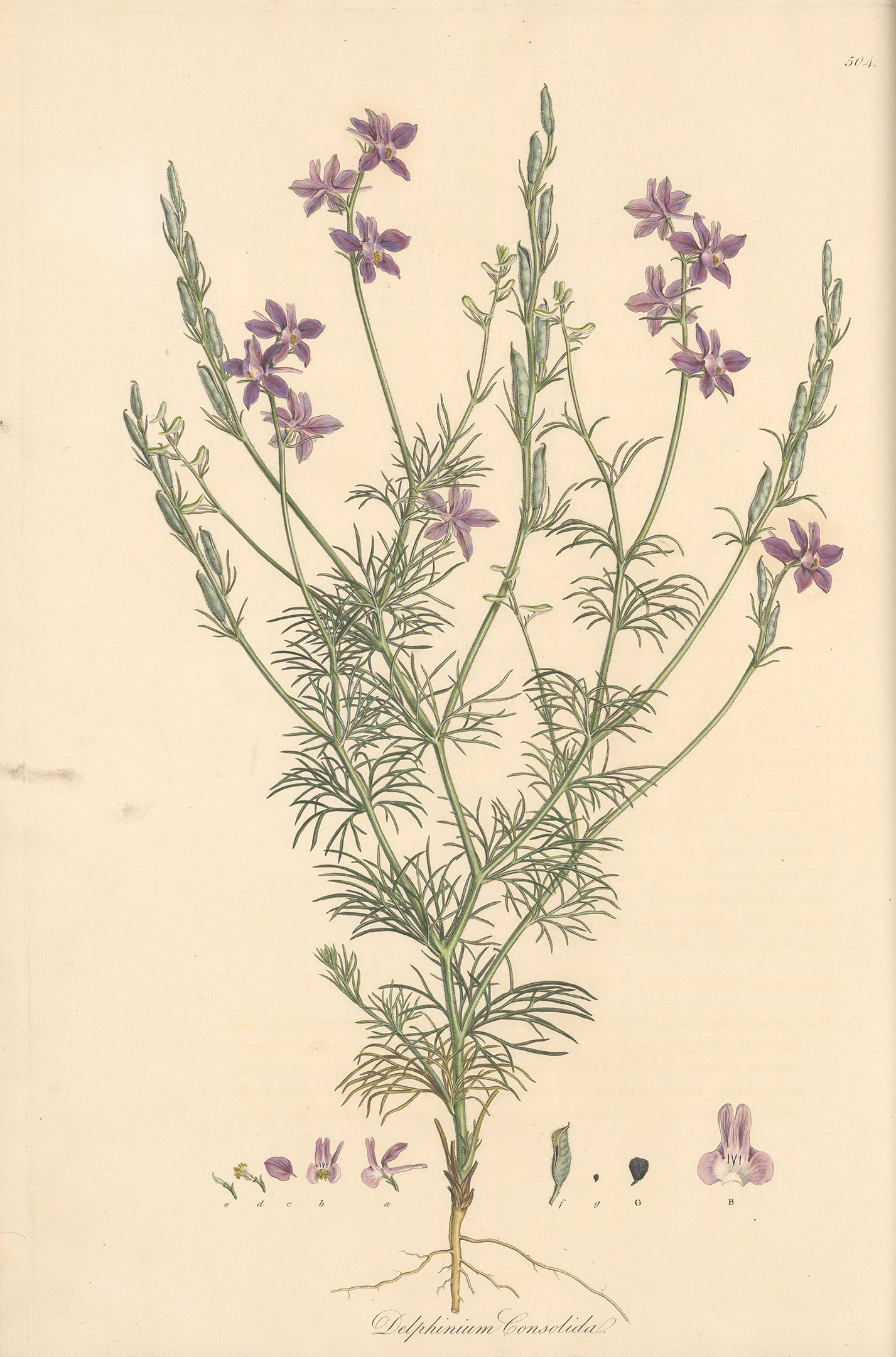
Sibthorp’s friend and fellow botanist, James Edward Smith, and Sibthorp’s brother-in-law, John Hawkins, oversaw the publication of the first six volumes between 1806-1828. Volume seven was published in 1830, and volumes eight through ten were edited by John Lindley and published between 1833-40. The first nine volumes included 100 plates each, with the final volume consisting of 66 plates [5]. The hand-colored plates were engraved on copper by Bauer, James Sowerby and James de Carle Sowerby after Bauer’s drawings [2, 175].

plants

Plate 334. Sibthorp, John. Flora Graeca. v. 4 (1823). Contributed in BHL from Lloyd Library and Museum. Digitized by Public Library of Cincinnati and Hamilton County.

plants

Plate 202. Sibthorp, John. Flora Graeca. v.3 (1819). Contributed in BHL from Lloyd Library and Museum. Digitized by Public Library of Cincinnati and Hamilton County.

The Lloyd Library and Museum is fortunate to own one of the 25 complete copies of the first edition of this title. This copy was digitized by the Public Library of Cincinnati and Hamilton County as part of the BHL Expanding Access to Biodiversity Literature project (funded by the Institute of Museum and Library Services) and is freely available for all to enjoy in the Biodiversity Heritage Library. A volume from this title is also currently on display at the Lloyd Library & Museum as part of the current exhibit Treasures of the Lloyd, which is open until 21 February 2020.

plants

Plate 952. Sibthorp, John. Flora Graeca. v.10 (1840). Contributed in BHL from Lloyd Library and Museum. Digitized by Public Library of Cincinnati and Hamilton County.

plants

Plate 504. Sibthorp, John. Flora Graeca. v.6 (1828). Contributed in BHL from Lloyd Library and Museum. Digitized by Public Library of Cincinnati and Hamilton County.

plants

Plate 736. Sibthorp, John. Flora Graeca. v. 8 (1833). Contributed in BHL from Lloyd Library and Museum. Digitized by Public Library of Cincinnati and Hamilton County.

plants

Plate 824. Sibthorp, John. Flora Graeca. v. 9 (1837). Contributed in BHL from Lloyd Library and Museum. Digitized by Public Library of Cincinnati and Hamilton County.

plants

Plate 163. Sibthorp, John. Flora Graeca. v. 2 (1813). Contributed in BHL from Lloyd Library and Museum. Digitized by Public Library of Cincinnati and Hamilton County.

References

[1] Stearn, W. T. (1960). “Franz and Ferdinand Bauer, masters of botanical illustration”. Endeavour 19(73).
[2] Stearn, W. (1967). Sibthorp, Smith, the ‘Flora Graeca’ and the ‘Florae Graecae Prodromus’. Taxon, 16(3), 168-178. doi:10.2307/1216982
[3] Walsh, H. (2003). “Ferdinand Lukas Bauer”. Rare Books from the MBG Library. 23 October. Accessed on 4 February 2020. http://www.illustratedgarden.org/mobot/rarebooks/author.asp?creator=Bauer, Ferdinand Lukas&creatorID=96.
[4] Christie’s. (1997). “Flora Graeca”. Lot 138, sale 8690. Accessed on 4 February 2020. https://www.christies.com/lotfinder/Lot/sibthorp-john-james-edward-smith-and-john-228372-details.aspx.
[5] Europeana. (2020). “Flora Graeca”. Accessed on 4 February 2020. https://www.europeana.eu/portal/en/record/92002/BibliographicResource_1000093325414_source.html.

February 6, 2020by Grace Costantino
Blog Reel, User Stories

Finding Life in Dead Plants: Exploring Herbaria Through BHL

sheet of dried plant specimens

Visit any major botanical research institute today and you’ll find a herbarium, or a collection of preserved plant specimens. These specimens are used to identify plants, to track where and when particular plants grow, and to help understand how plants are influenced by climate change and other environmental factors.

Formal herbaria have been around for about five hundred years. The first recorded herbarium was created by Italian physician and botanist Luca Ghini in the early 1500s. Called a Hortus Siccus, or “dry garden”, the herbarium was populated by drying plants under pressure between pieces of paper and then mounting the specimens for study. Today, herbaria are integral to botanical research.

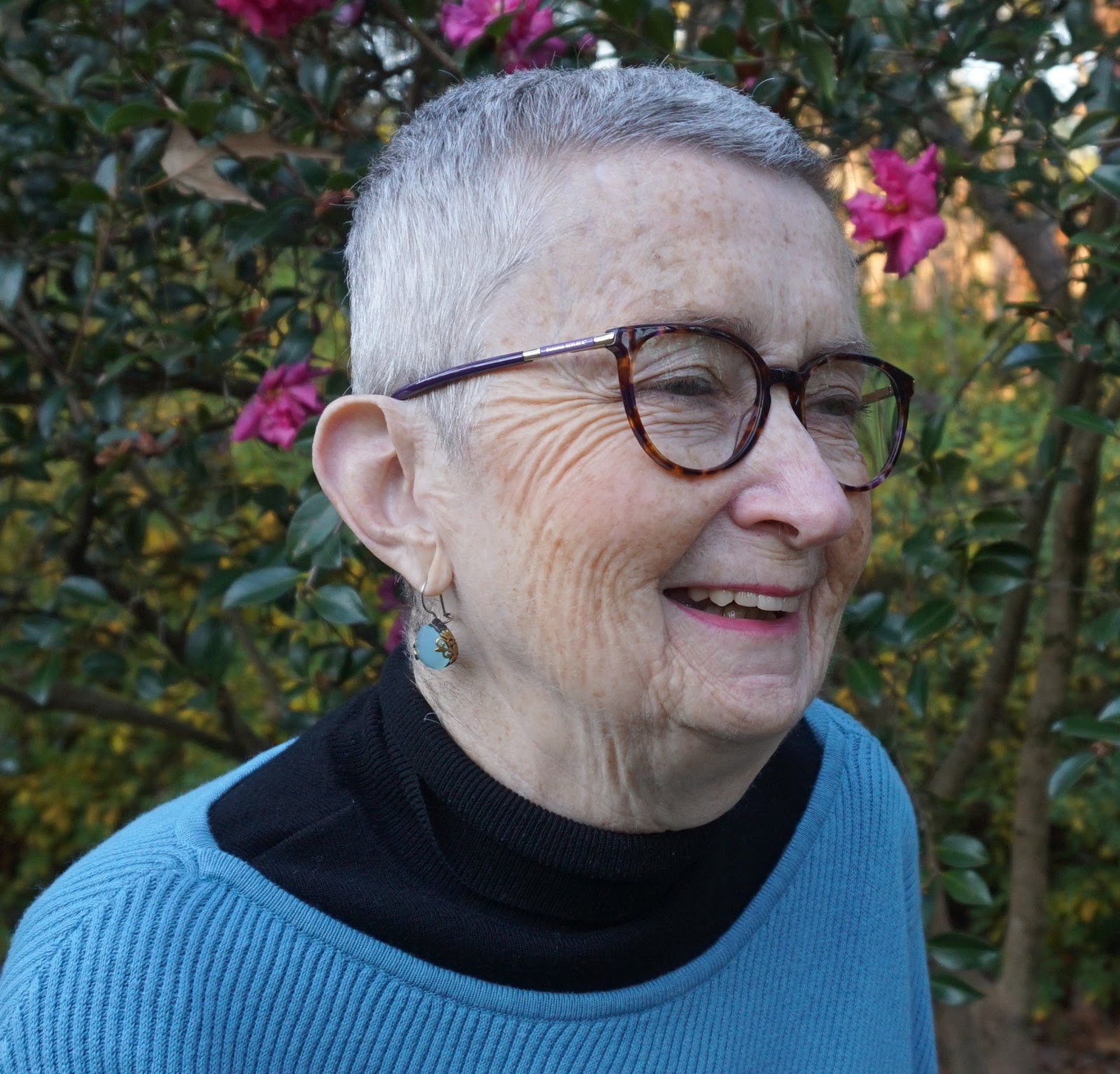
Dr. Maura Flannery, Professor Emerita of Biology at St. John’s University in New York and a Research Associate in the A.C. Moore Herbarium at the University of South Carolina – Columbia, studies the complex history of herbaria, their many uses, their digital future, and relationships between herbaria and botanical art. While she has been studying biology and its links to art over most of her career, Flannery’s interest in herbaria emerged about ten years ago.

Illustration of a human with short white hair in a blue sweater

Dr. Maura Flannery, Professor Emerita of Biology at St. John’s University in New York and a Research Associate in the A.C. Moore Herbarium at the University of South Carolina – Columbia. Photo by Laura Hendrick.

Access to a research library is indispensable for herbaria-related research. Whether it be consulting species descriptions for specimens in a herbarium, investigating the history of the collecting expedition in which a specimen was procured, or obtaining complementary data for herbarium specimens, library collections are a rich resource for anyone interested in botanical science and associated collections.

Research libraries, however, are not always easily accessible. Even when they are accessible, visiting myriad, distributed libraries is quite time-intensive. Fortunately, the Biodiversity Heritage Library is breaking down these barriers to access.

“BHL is like having a world-class library in my home,” explains Flannery. “Until two years ago, I lived close to many wonderful research libraries in New York City, but any one of them was an hour away. Now I live in South Carolina, and have access to the great library at the University of South Carolina, and with BHL and other online resources, I can work just as effectively here. BHL has done more than impact my research — it has made it possible, or at least, made it more practical.”

Flannery first discovered BHL over a decade ago during a seminar given at the New York Academy of Sciences. Now, she uses the Library almost every day. She often highlights BHL on her blog, Herbarium World, in which she discusses herbaria and their importance. While she frequently accesses the Library to track down citations or download PDFs of articles relevant to her research, Flannery’s favorite feature is the ability to access millions of scientific illustrations and download them as high resolution images.

“Botanical art is where all my interests come together, and there is no place like BHL to nurture them,” asserts Flannery on Herbarium World.

illustrations of seaweed

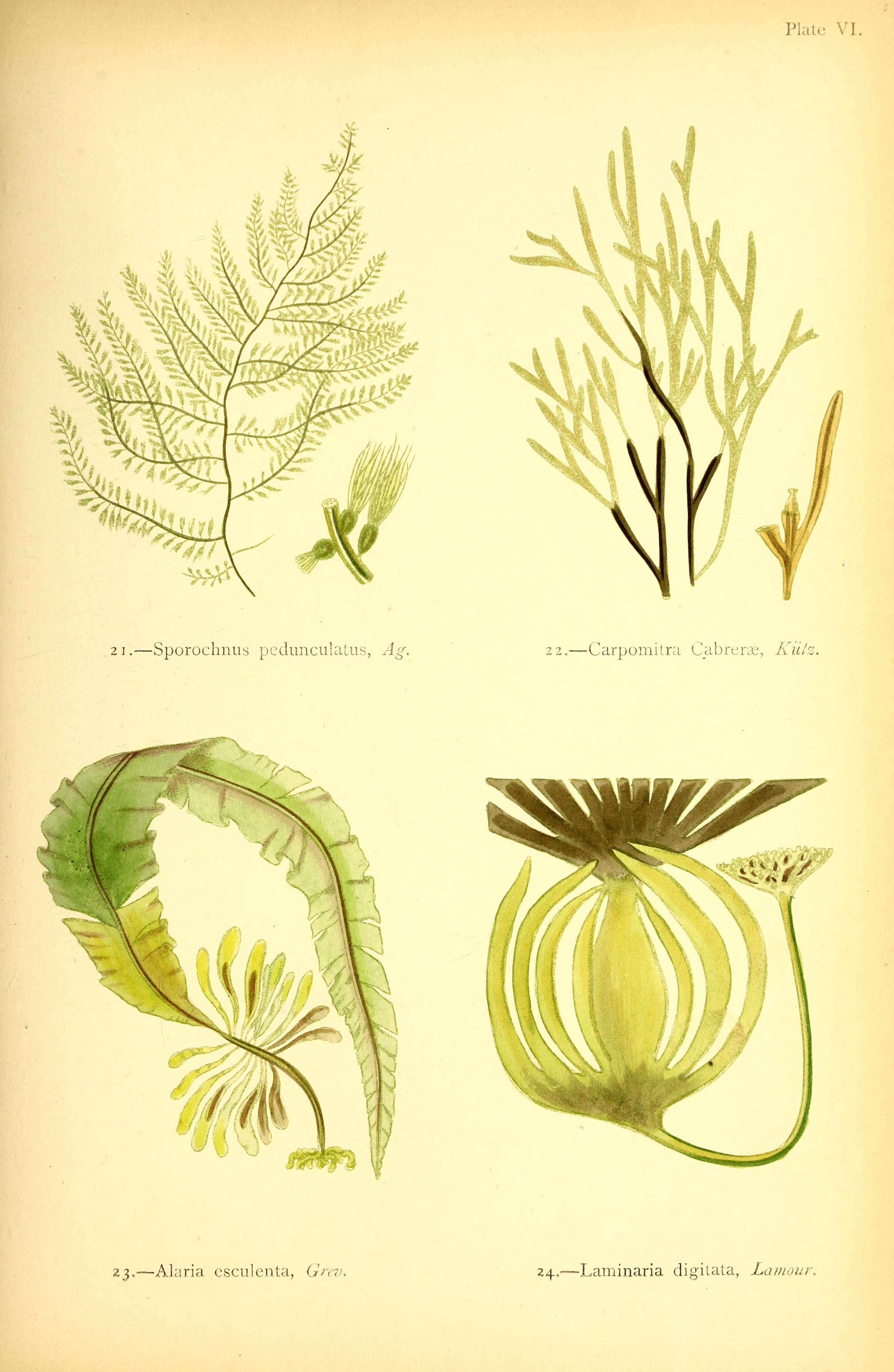
Plate VI from British Sea-Weeds (1872) by Margaret Scott Gatty, one of Flannery’s favorite titles on the BHL Flickr. Contributed in BHL from Smithsonian Libraries.

BHL’s Flickr is a particularly useful resource for Flannery’s artistic interests. She uses it both to search for illustrations or simply, as she describes it, to “browse to feed my soul”.

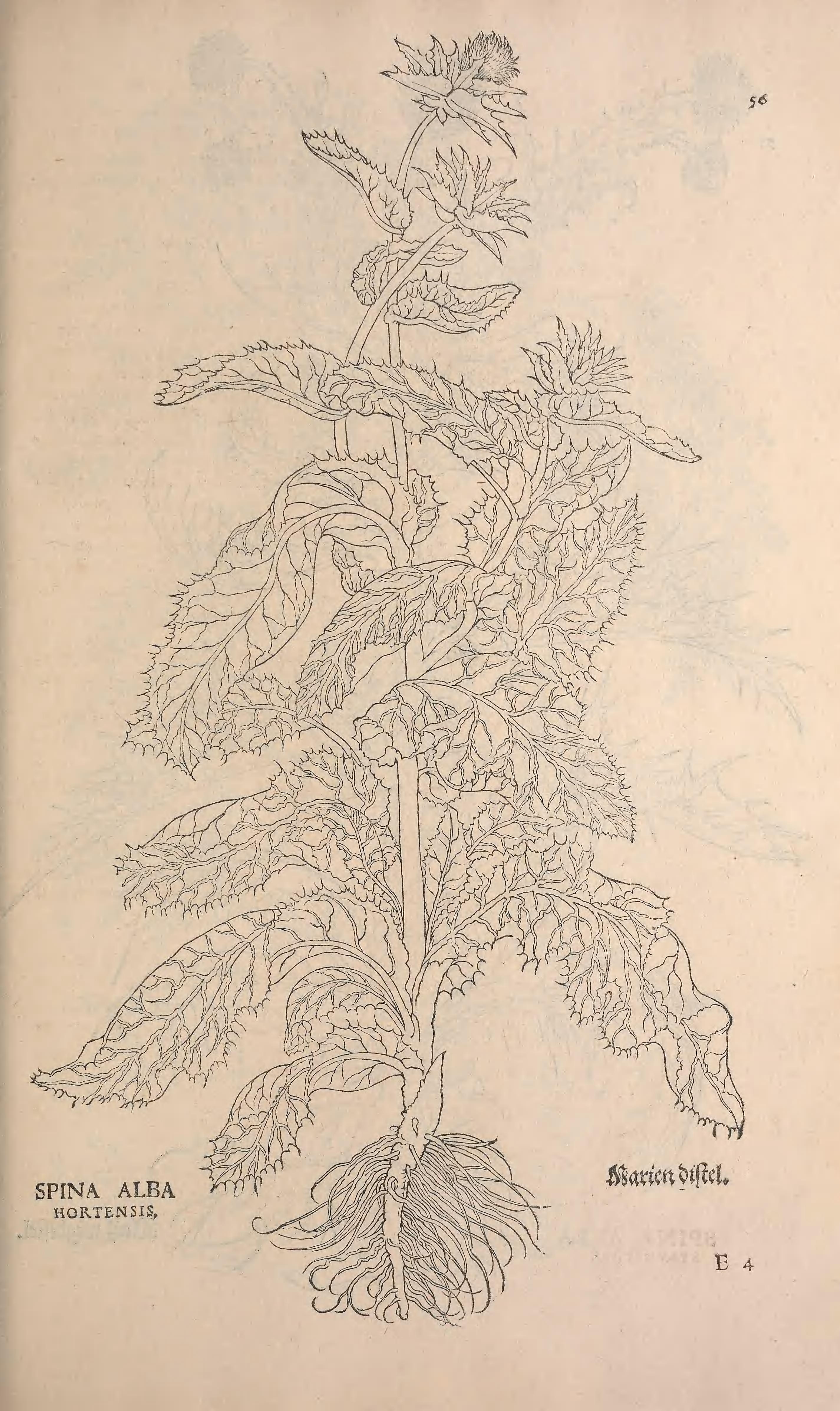
One of Flannery’s favorite books in BHL, De historia stirpium commentarii insignes (“Notable Commentaries on the History of Plants”), is an excellent example of the intersection between botanical art, science, and herbaria. Authored by German physician and botanist Leonhart Fuchs and published in Basel in 1542, this title is one of the first modern herbals. Covering nearly 500 plants, the Historia included over 500 woodcuts and illustrated over 100 species for the first time in a published work. The woodcuts were made from drawings by Albrecht Meyer based on live plants, which were transferred to woodblocks by Heinrich Füllmaurer and cut into wood by Veit Rudolf Speckle (Glasgow University Library).

black and white drawing of a plant

Page 56, Plate [32]. Fuchs, Leonhart. De historia stirpium commentarii insignes (1542). Contributed in BHL from Smithsonian Libraries.

The Historia also has an interesting tie to the history of the herbarium. The author, Leonhart Fuchs, was a correspondent with Luca Ghini, the father of the herbarium. The two traded specimens, illustrations, and notes, and, as Flannery explains on Herbarium World, it was Fuchs’ herbal that helped convince Ghini of the value of illustrations. The Historia thus helps connect the historic value of both pressed specimens and illustrations as botanical teaching and research tools.

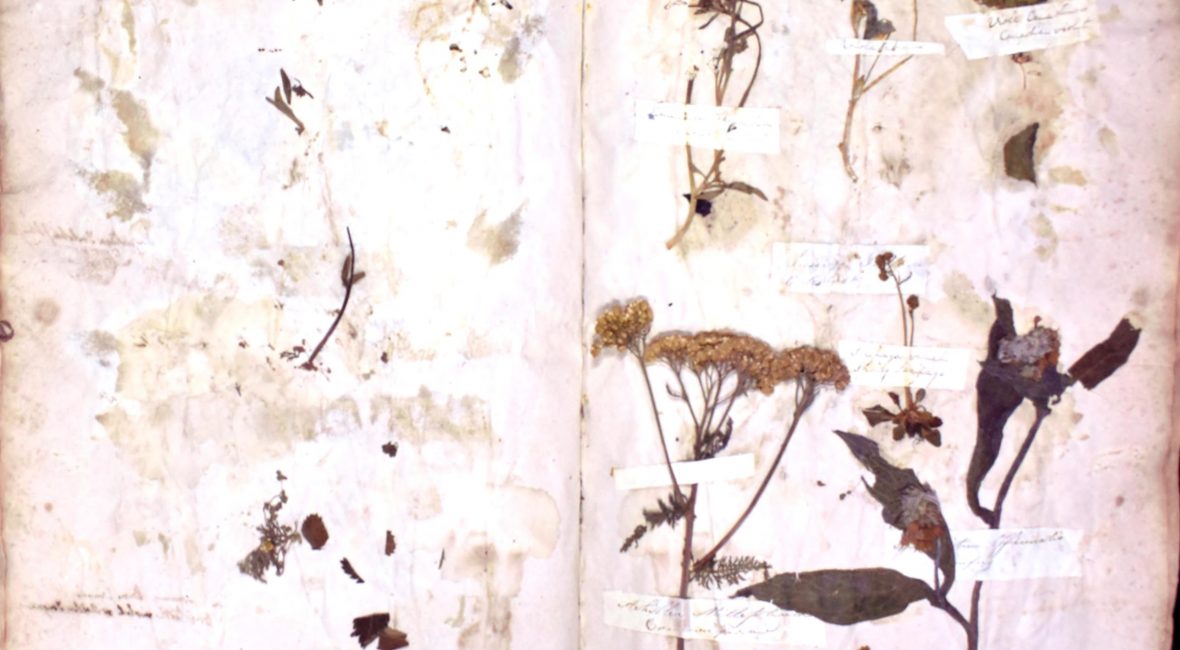
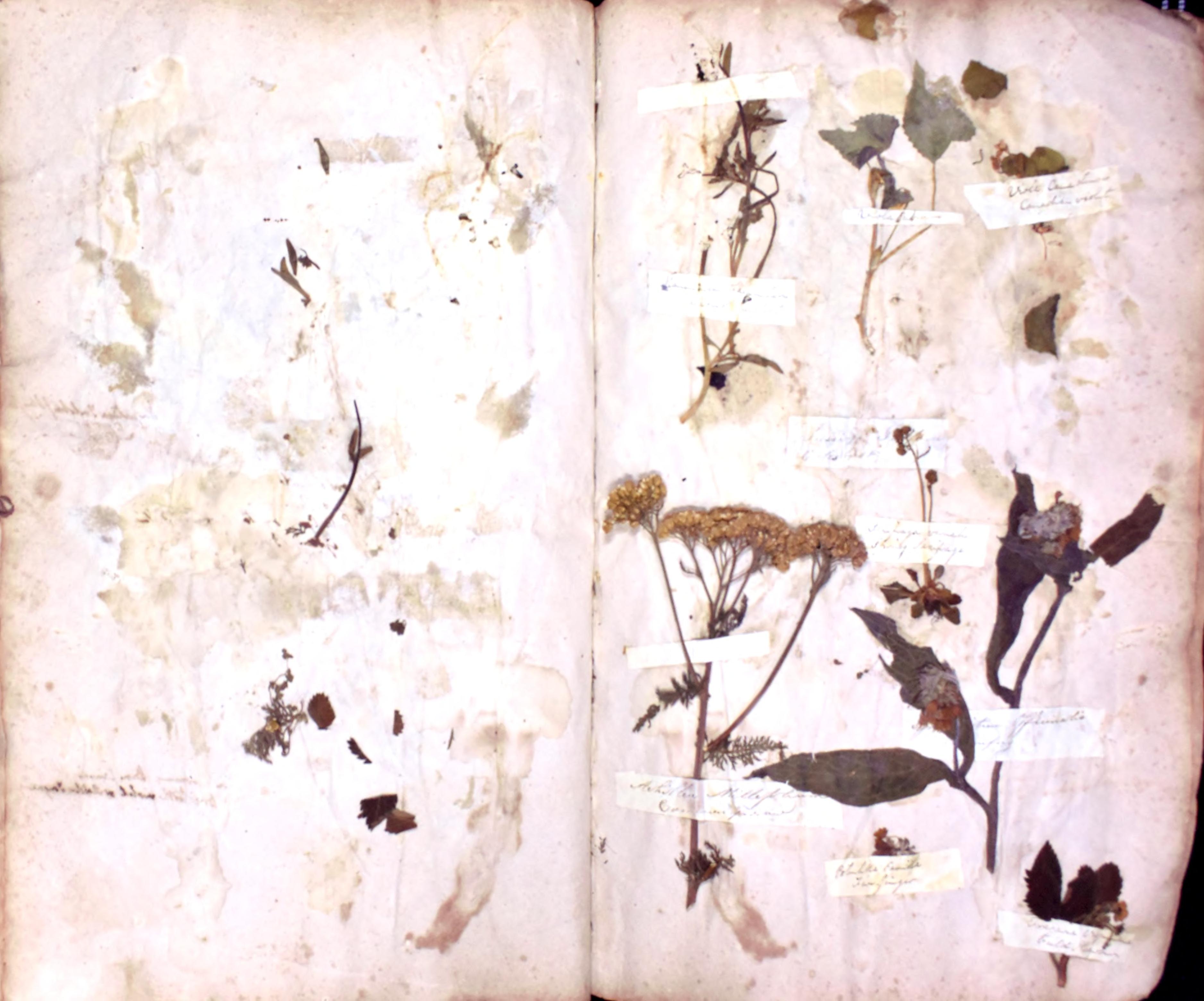
Given the historical and artistic significance of Fuchs’ work, it’s not surprising that it’s one of Flannery’s favorite titles in BHL. Another favorite is Stephen West Williams’ Herbarium, which consists of mounted specimens of American plants collected by Williams and others. It is accompanied by an index to the specimens articulating their medicinal and culinary uses along with watercolors of plants by his wife, Harriet Goodhue Williams.

sheet of dried plant specimens

Sheet from Stephen West Williams’ Herbarium (1817). Contributed in BHL from the Harvard University Botany Libraries.

Flannery is keen to see the Library acquire more manuscripts and correspondence, which can offer valuable historical context and help illuminate scientific networks and the exchange of information during centuries past. Since such materials are unique, accessing them previously required visiting each individual holding library or archive. But today, through digitization, these resources are available to the world.

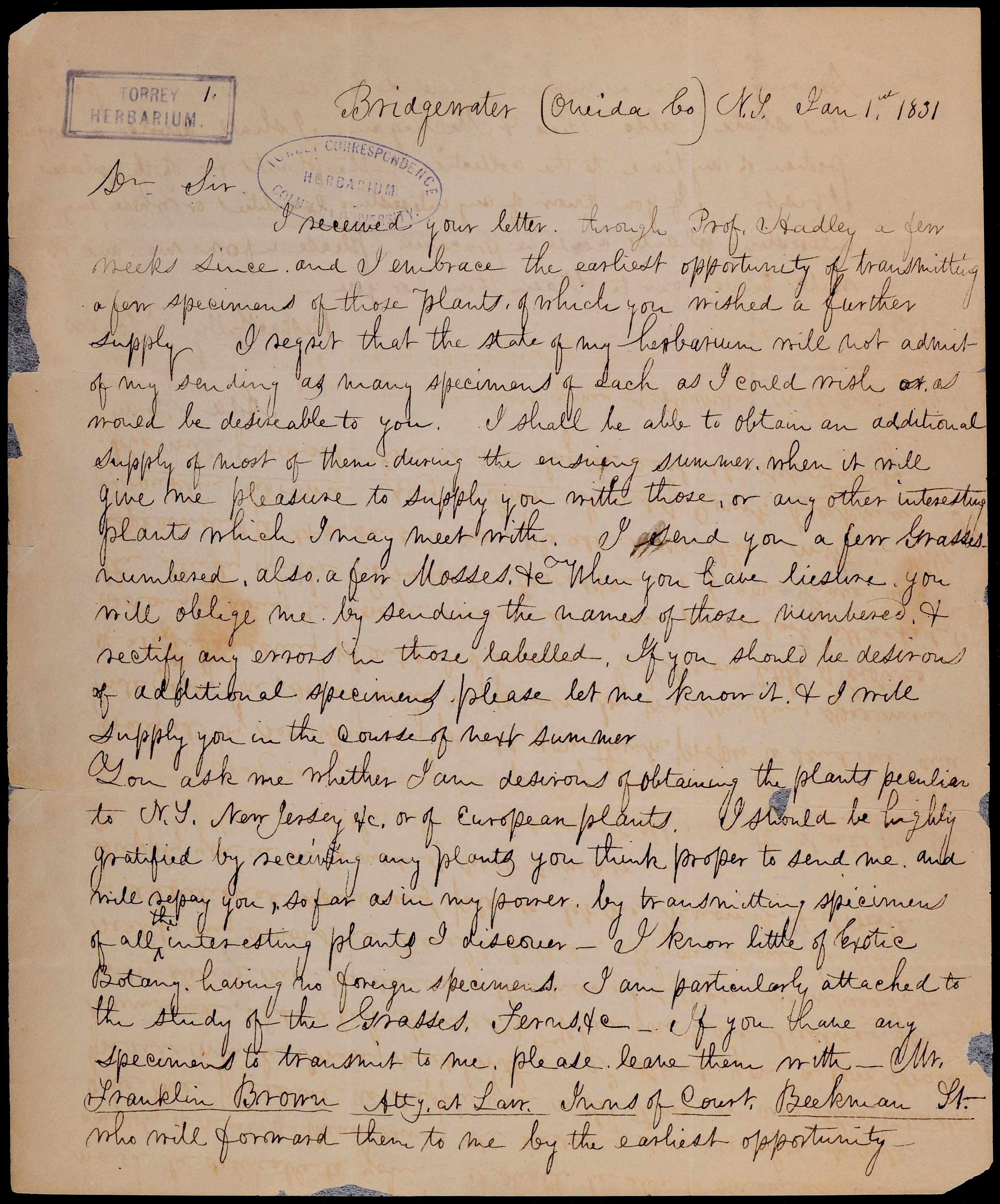
A recent example from Flannery’s experience is the correspondence of John Torrey, one of the most important taxonomic botanists of the nineteenth century. The New York Botanical Garden is in the midst of a project to digitize and transcribe Torrey’s papers.

“Several years ago, I had to spend time visiting the Mertz Library at New York Botanical Garden to read John Torrey’s letters,” recalls Flannery. “Now, they are available through BHL.”

handwritten letter

Letter from Asa Gray to John Torrey dated January 1, 1831. It is stamped “Torrey Herbarium”. Asa Gray and John Torrey correspondence, 1831-1871. Contributed in BHL from the LuEsther T. Mertz Library of The New York Botanical Garden.

By offering easy online access, a rich collection including both published and archival materials, and an array of research tools, BHL has not only been a game-changer for Flannery but, as she articulates on Herbarium World, it has truly transformed biological research today.

“I often use the word ‘luxury’ to describe such instant access, what other word really applies?…We have come a LONG way from the days when searching for sources meant pulling Biological Abstracts tomes from the shelves.”

January 16, 2020by Grace Costantino
BHL News, Blog Reel

Introducing the CETAF E-SCORE Award for Excellence in Research Based on Natural Science Collections

E-SCORE CETAF Award logo

E-SCORE CETAF Award logo

The Consortium of European Taxonomic Facilities (CETAF) is launching a new initiative to reward early-career researchers, within the fields of taxonomy, biodiversity and geodiversity science, who base their research on natural science collections. E-SCORE – Excellence in Scientific Collections-based Research, is a celebration of the new generation of scientists who have shown dedication to the use of collections that help document, describe and understand life on earth, and the processes that have shaped it. The award also celebrates the United Nations endorsed International Day for Biological Diversity, which falls annually on the 22nd of May to commemorate the 1992 adoption of the Convention on Biological Diversity. CETAF will award E-SCORE for the first time in 2020 to mark the end of the UN International Decade of Biodiversity.

The foundations of E-SCORE are the natural-scientific collections that are hosted, preserved and curated in research organisations across the European Community and in associated countries with CETAF member institutions. The research staff of these institutions explore and document diversity in nature. The knowledge they collectively build provides a foundation on which policies and initiatives for nature conservation and the protection of natural resources are based. By awarding E-SCORE, CETAF wishes to highlight the significance of collections-based research in the fight against biodiversity loss and climate change.

FEATURES

The prize will be given annually and consists of three parts:

  • A cash prize of 1,000 €;
  • Financial support (up to 1,000 €) to facilitate a scientific visit of the Award Winner to one of the CETAF institutes;
  • An invitation to the next CETAF Governing Board meeting for a (virtual) presentation of the winning research.

Young researchers from all over the world are eligible; affiliation with a CETAF member is not mandatory. For those without current affiliation, their application shall include a nomination from a member of a CETAF institution.

Applications are due by 31 January 2020. For more information, including eligibility criteria and the application form, go to the CETAF website.

Please spread this great opportunity widely in your networks and encourage all deserving young researchers to participate!

CETAF and BHL have been reciprocal partners since 2018. 

January 7, 2020by Grace Costantino
BHL News, Blog Reel

Celebrating the Career of Dr. Nancy E. Gwinn, Retiring Director of Smithsonian Libraries

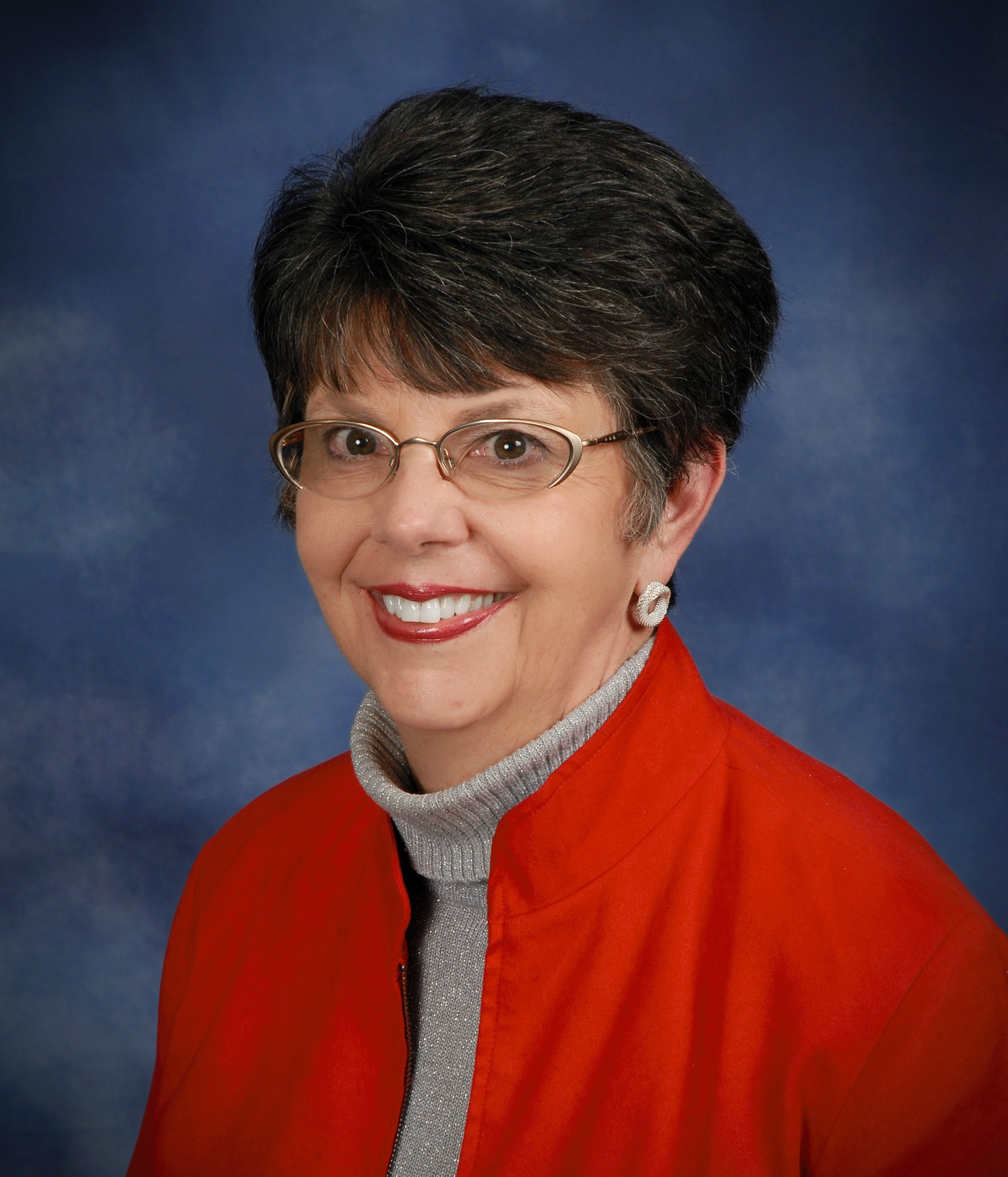
photo of a dark haired person in a red jacket

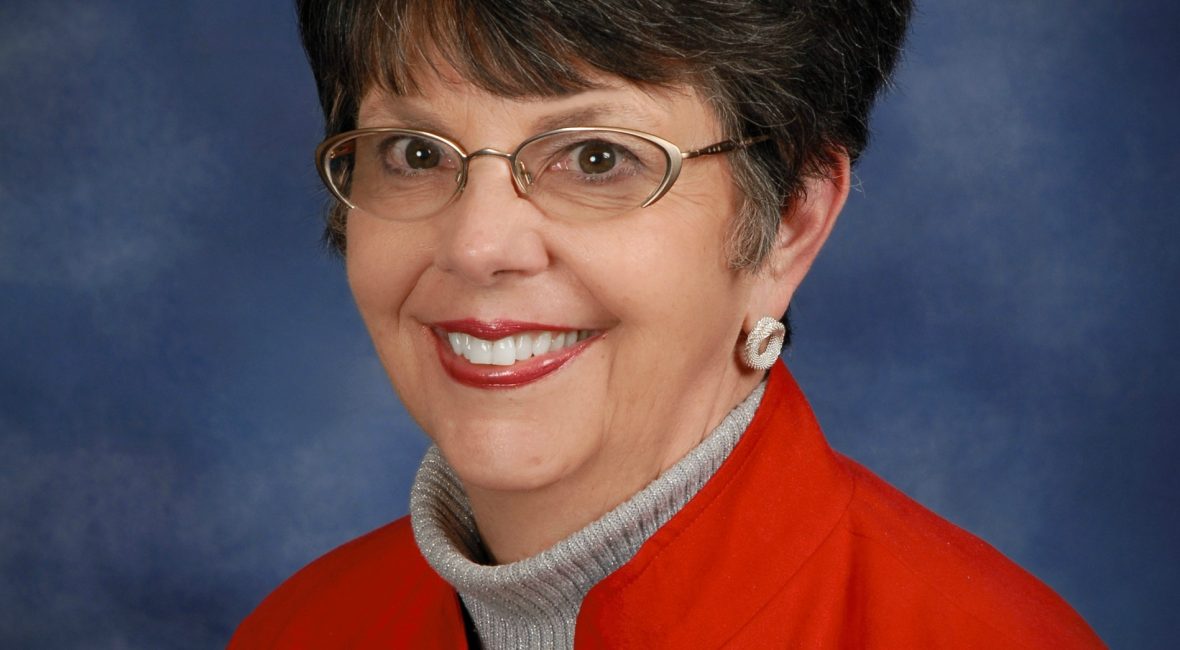
Dr. Nancy E. Gwinn, Retiring Director of Smithsonian Libraries.

This month, the Smithsonian celebrates the career of Dr. Nancy E. Gwinn, retiring Director of Smithsonian Libraries. Gwinn’s Smithsonian career began in 1984 when she joined the Libraries, becoming director in 1997. During her tenure, she has made significant contributions to the Smithsonian, the global library community, and the Biodiversity Heritage Library (BHL).

As the director of the Smithsonian Libraries, home to BHL’s headquarters, Gwinn has played a vital role in the founding and development of BHL. She was instrumental in securing dedicated funding for the program at Smithsonian Libraries and founding and expanding the BHL Secretariat. Through her service as the Chair (2012-2017) and Immediate Past-Chair (2017-2019) of the BHL Executive Committee, Gwinn provided key leadership for BHL’s strategic direction and the growth and stewardship of the consortium’s partnerships.

Martin R. Kalfatovic, the current BHL Program Director, noted: “In her service to BHL, Nancy provided invaluable direct guidance on many aspects of BHL, particularly in the development of the BHL governance model. My predecessor, Tom Garnett, and I both benefited from Nancy’s ability to see the big picture and keep BHL moving forward. As BHL continues to grow and expand, Nancy’s legacy will remain a motivating force.”

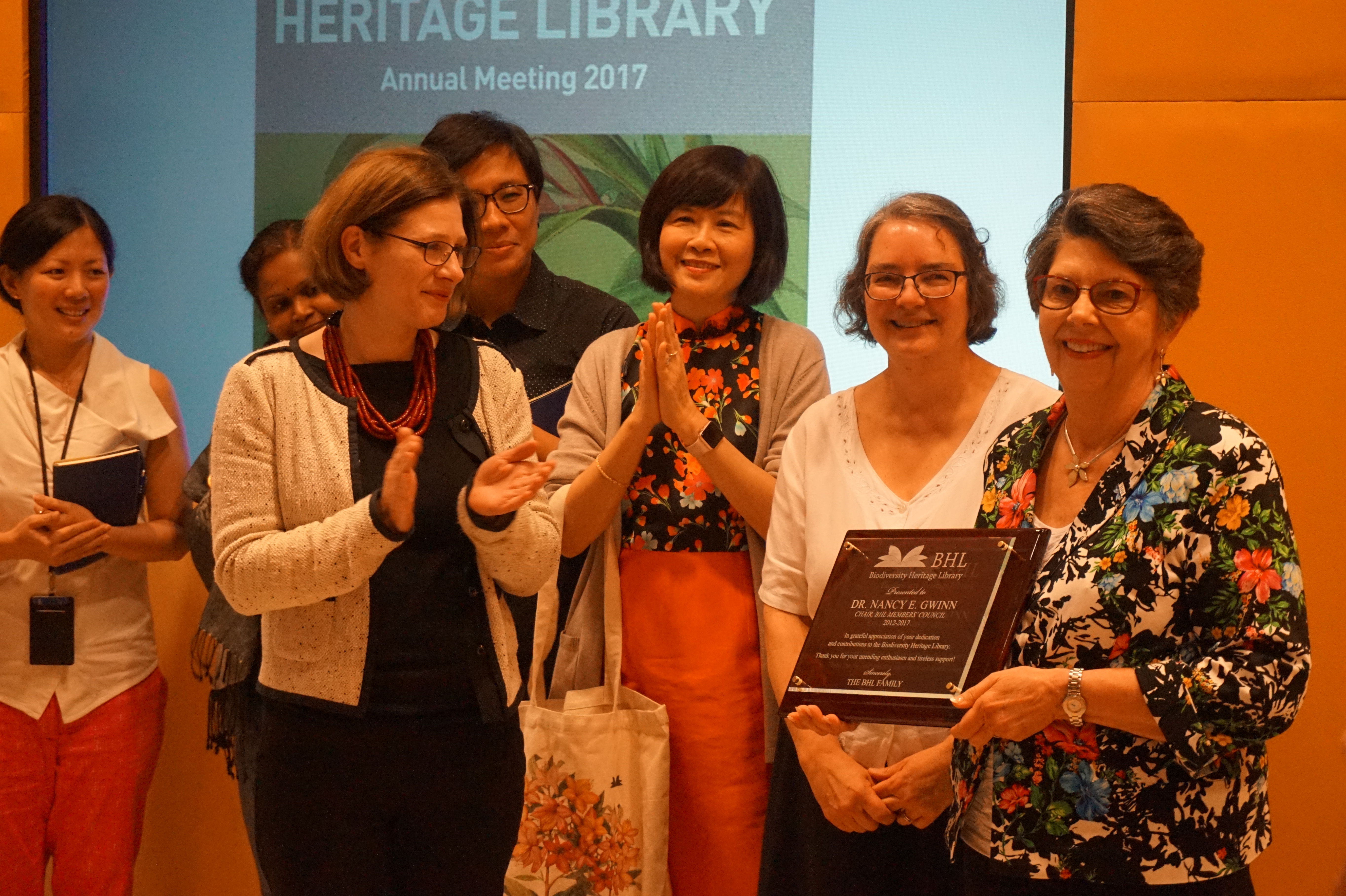
group of people presenting a plaque

BHL Member representatives (L to R) Jane Smith (Natural History Museum, London), Wai Yin Pryke (National Libraries, Singapore), and Constance Rinaldo (Ernst Mayr Library, Harvard University) recognize Dr. Nancy E. Gwinn during a presentation ceremony honoring her five years as Chair of the BHL Executive Committee.

In addition to her significant contributions to BHL, Gwinn’s leadership brought the Smithsonian Libraries to a new level of activity and recognition. During her career:

  • The Libraries became the Smithsonian’s principal resource for digital access to its collections, including the creation of new tools for scholars and students.
  • The preservation program grew beyond the Book Conservation Laboratory to incorporate environmental monitoring and preservation microfilming.
  • The Libraries established its first Advisory Board and inaugurated an energetic advancement program, raising nearly $20,000,000 to support new programs and operations.
  • The Libraries successfully promoted new awareness and use of its unique special collections, world’s fairs and historical trade catalogs.
  • In 1991, the Libraries acquired an exhibition gallery in the National Museum of American History and initiated an exhibition, publication, and outreach program to bring its treasures to a broad audience.
  • The Libraries launched fellowship and intern programs to bring researchers and budding librarians to work with staff and collections.

Please join us in thanking Dr. Gwinn for her dedication and impact on librarianship, the Smithsonian, and BHL. Her passion and leadership will continue to inspire the many who were fortunate to know and work with her. We at BHL send Dr. Gwinn our heartfelt gratitude and best wishes in retirement.

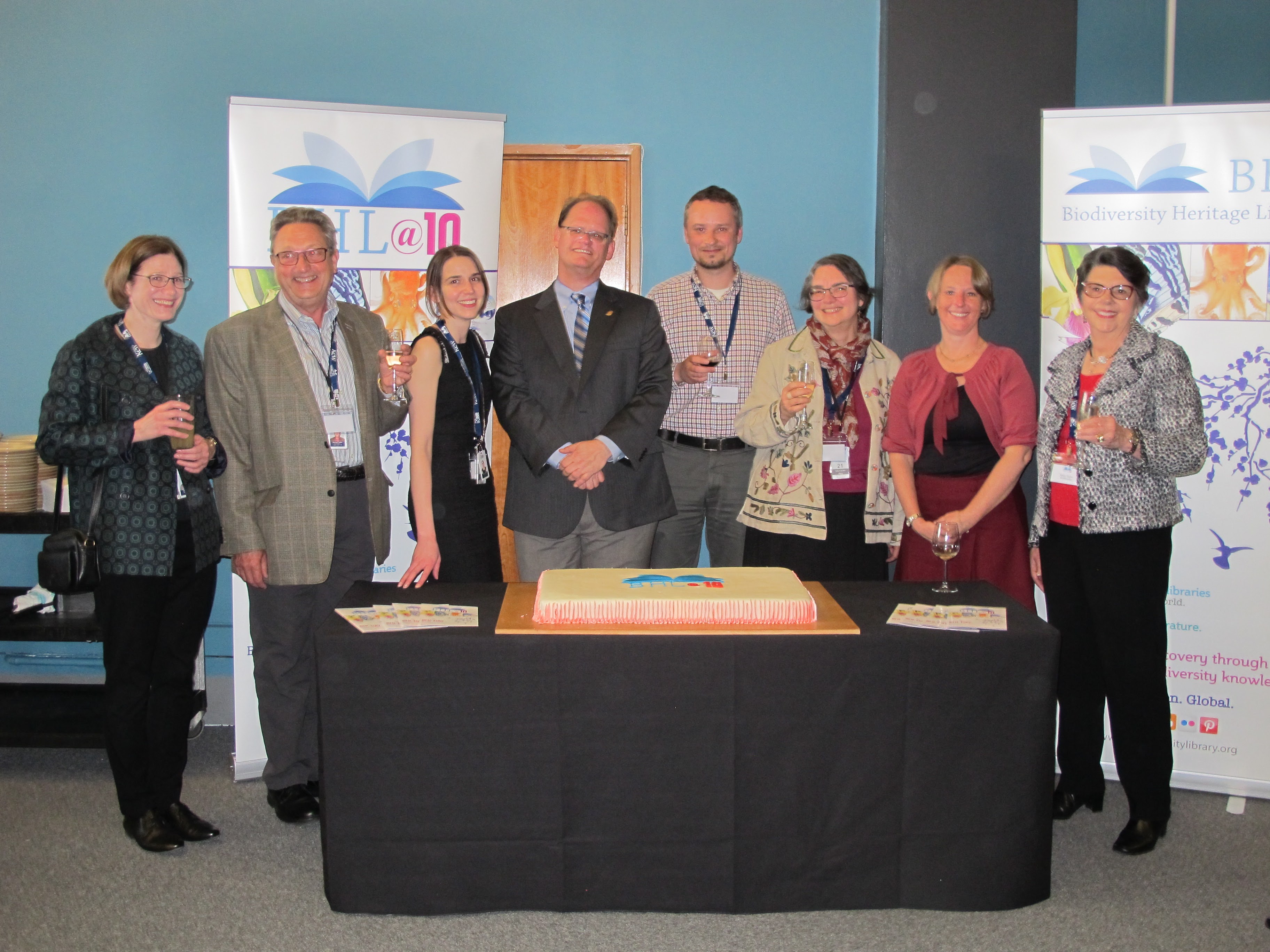
group of people standing around a BHL birthday cake

Gwinn (far right) and fellow BHL representatives celebrate BHL’s 10th anniversary during a “birthday celebration” at the Natural History Museum in London in 2016.

December 17, 2019by Grace Costantino
BHL News, Blog Reel

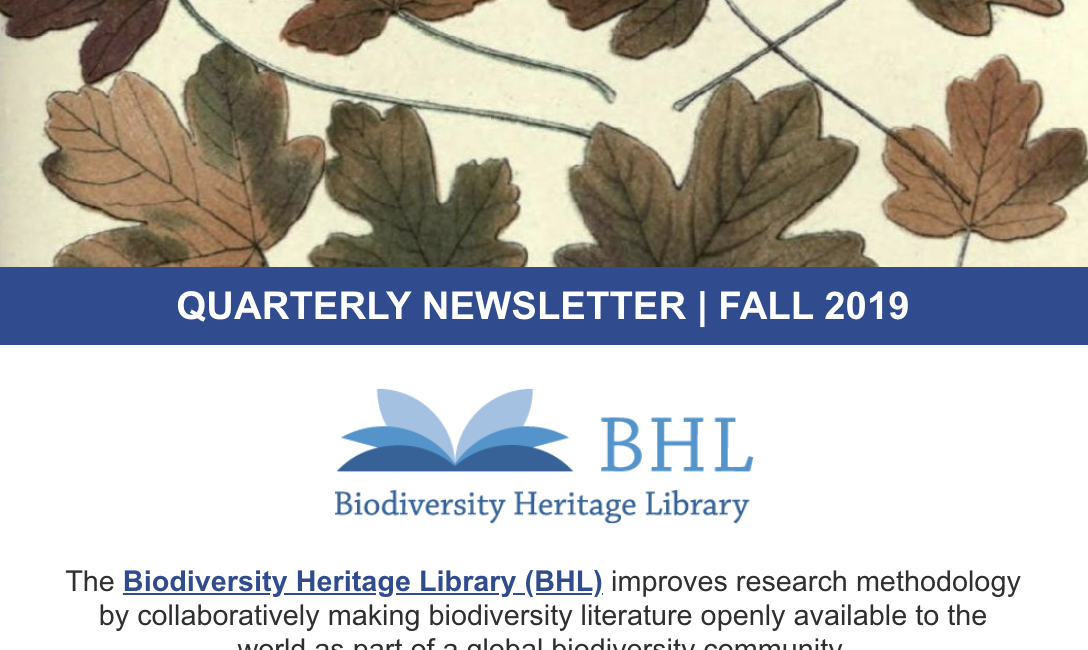
2019 Fall BHL Newsletter Now Available!

screenshot of the fall 2019 BHL newsletter

screenshot of the fall 2019 BHL newsletter

Autumn is here, at least for those in the Northern Hemisphere. It’s been a busy couple of months at BHL and we have a lot of updates to share. From a new species named after the Library to participation in Biodiversity_Next and article indexing via Unpaywall, check out all the latest program news in our Fall 2019 BHL Newsletter.

Be sure to subscribe to our mailing list to keep up to date with all the latest BHL news.

November 21, 2019by Grace Costantino
BHL News, Blog Reel

BHL at Biodiversity Next

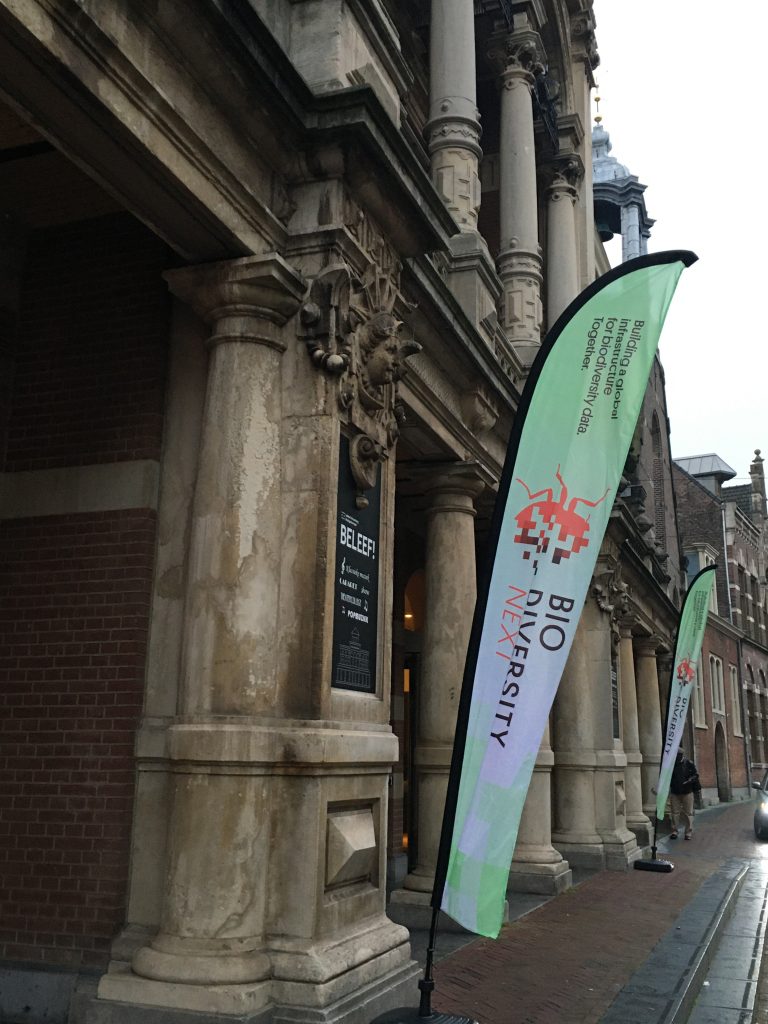
Biodiversity_Next banners

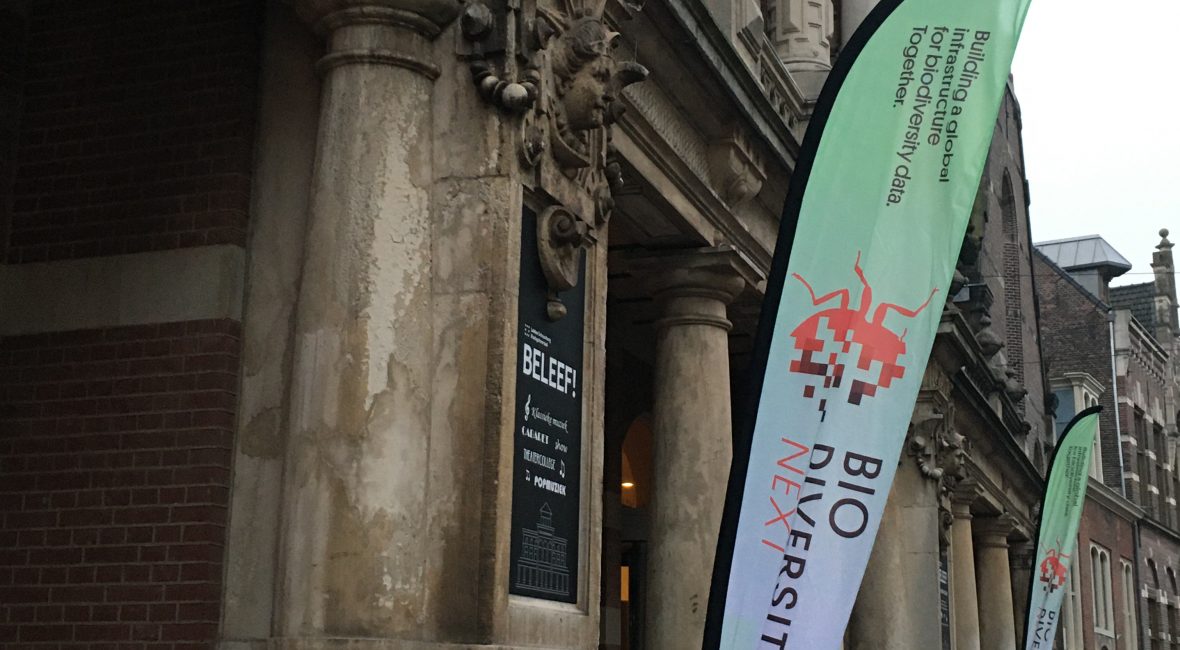
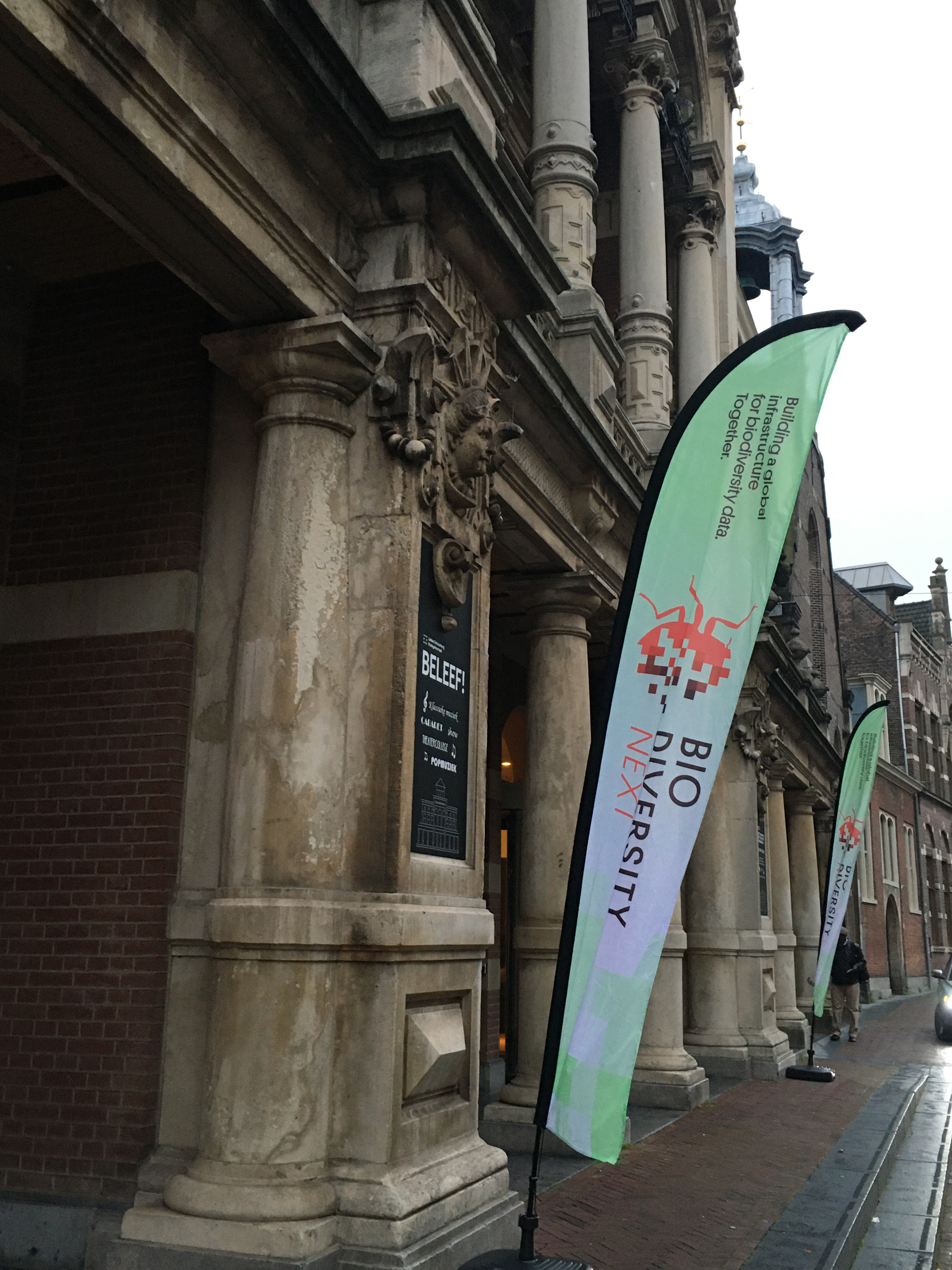
Biodiversity_Next main conference venue, Stadsgehoorzaal, in Leiden, Netherlands. Photo Credit: Grace Costantino.

In October 2019, more than 700 people from over 75 countries gathered in Leiden, the Netherlands for Biodiversity_Next, a joint conference by GBIF, DISSCo, iDigBio, CETAF, TDWG, and LifeWatch Eric. The first conference of its kind to bring together so many major international biodiversity organizations, the conference aimed to promote innovation in biodiversity and geodiversity information management and applications; encourage collaboration across these communities to enhance data standards and management practices; and foster the development of the skill sets necessary to embark on data-intensive scientific research and solutions.

Hosted by the Naturalis Biodiversity Center, a BHL Affiliate, in collaboration with the Netherlands Biodiversity Information Facility, the main conference ran from 22-25 October 2019, with pre-conference workshops occurring 20-21 October, as well as organization-specific meetings for GBIF, CETAF, and TDWG being held in conjunction with the conference.

BHL colleagues from around the world traveled to Leiden for Biodiversity_Next. Eighteen BHL-affiliated representatives from our partner community, representing 13 institutions from nine countries, attended the conference. Dr. Elycia Wallis, Engagement Manager at the Atlas of Living Australia and the BHL Member representative for BHL Australia, served as a key member of the Programme Committee.

Each conference day began with a plenary session featuring diverse speakers ranging from scientists to policy makers and even artists. From the policy perspective, Ana Maria Hernandez Salgar outlined major findings from the recent IPBESGlobal Assessment, while Jorge Soberón described efforts by the Mexican biodiversity agency CONABIO (a BHL Member) to make data useful for politicians and policy makers, and Maxwell Gomera of the UN Environment Program examined the importance of finding solutions that protect both wildlife and people and the value of using storytelling to reach policy makers in profound ways. On the science side, Paul Hebert of the International Barcode of Life Consortium described advances and ambitions in DNA barcoding and global bio-surveillance, while Carrie Seltzer spoke about the diverse and impactful ways that iNaturalist engages people in the biodiversity data system through citizen science.

The plenary sessions also brought in representatives from the world of art and design. Dutch artist Theo Jansen shared his work for the past 30 years creating “beach animals” constructed of PVC pipes that move using wind energy, while Dutch artist Jalila Essaidi described her work to create bio-art, from “bulletproof human skin” created using synthetic spider silk to clothing made from fabric produced from manure.

Beyond the plenary sessions, more than 300 speakers presented over 350 talks as part of over 60 sessions and workshops related to science, policy, standards, and infrastructure. Several major themes emerged across many of the sessions, including the importance of adopting FAIR data principles; the need to link together the many diverse biodiversity data systems; the importance of unique identifiers for data, including DOIs and ORCIDs; and the possibilities of using Wikidata as a source of and way to connect various identifiers.

BHL colleagues were very active in the conference, with 11 BHL-affiliated staff presenting or moderating 16 talks or sessions. See the full list of BHL-affiliated staff presentations at the end of this post. Additionally, members of the BHL Executive Committee (EC), including Constance Rinaldo (EC Chair, Ernst Mayr Library, Harvard University) and Martin Kalfatovic (BHL Program Director, Smithsonian Libraries), as well as colleagues from the Muséum national d’Histoire naturelle, represented BHL at the various organizational meetings, including GBIF, TDWG, and CETAF.

BHL was also highlighted frequently throughout the conference, with many talks discussing the importance of historic literature for science today, the need to integrate BHL data into other biodiversity data services like GBIF and the Catalogue of Life, and the importance of incorporating reciprocal links between BHL and these various data systems. These concepts were distinguished as a high value priority by many of the session presenters.

“Biodiversity_Next was an inspiring and exciting opportunity to hear from more than 700 colleagues representing organizations all over the world,” said Constance Rinaldo, Chair of the BHL Executive Committee. “As a representative to GBIF and TDWG and by leading a symposium, I came away fully understanding the impact of collaboration among biodiversity organizations and data integration: this is the key to the future of biodiversity science.”

BHL Symposium

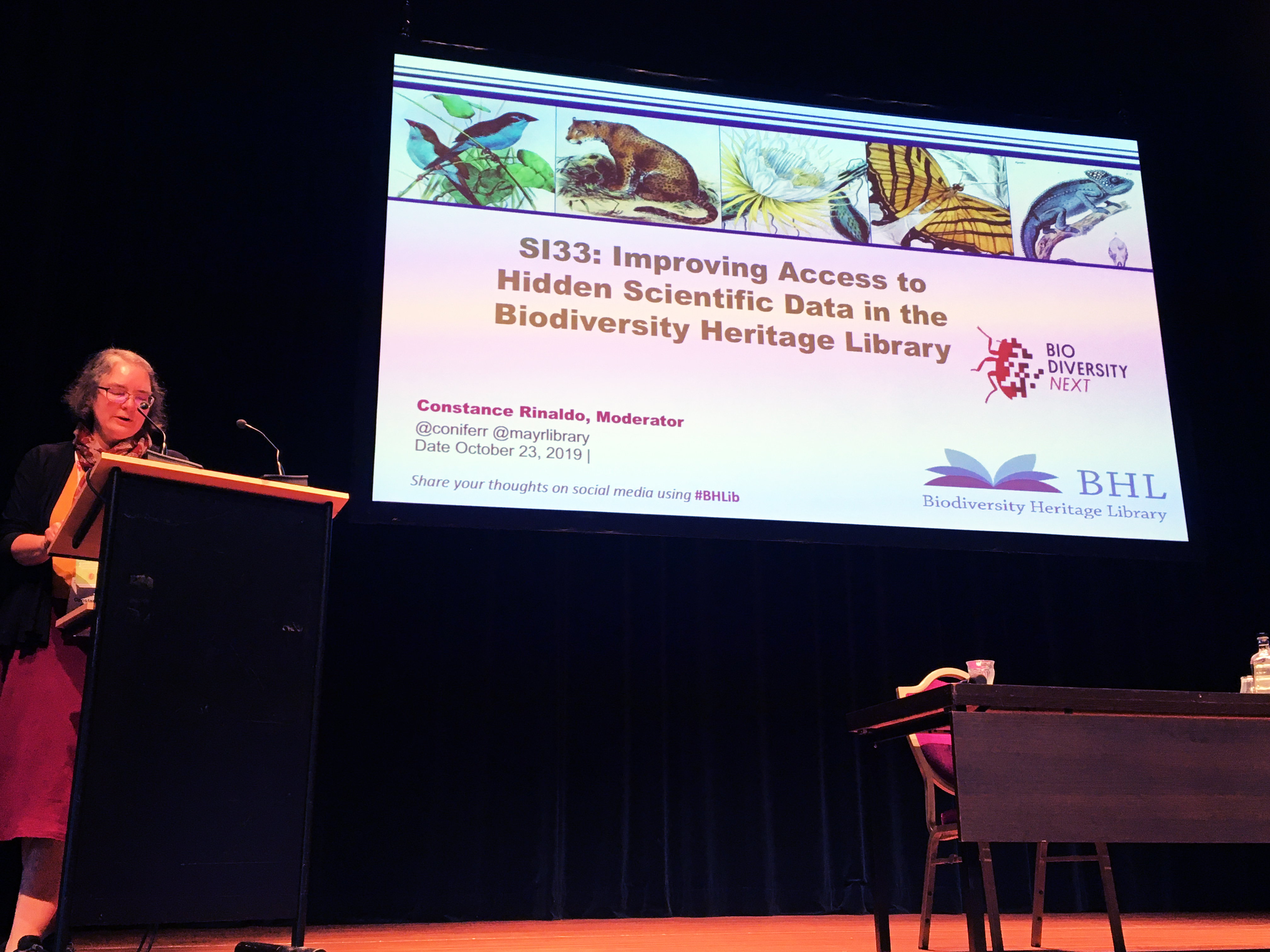
The Biodiversity Heritage Library organized a Symposium as part of Biodiversity_Next. Entitled Improving Access to Hidden Scientific Data in the Biodiversity Heritage Library, the session featured presentations offering examples of and ideas about how BHL data can be used to empower research and how enhanced data delivery methods can facilitate real-time computing.
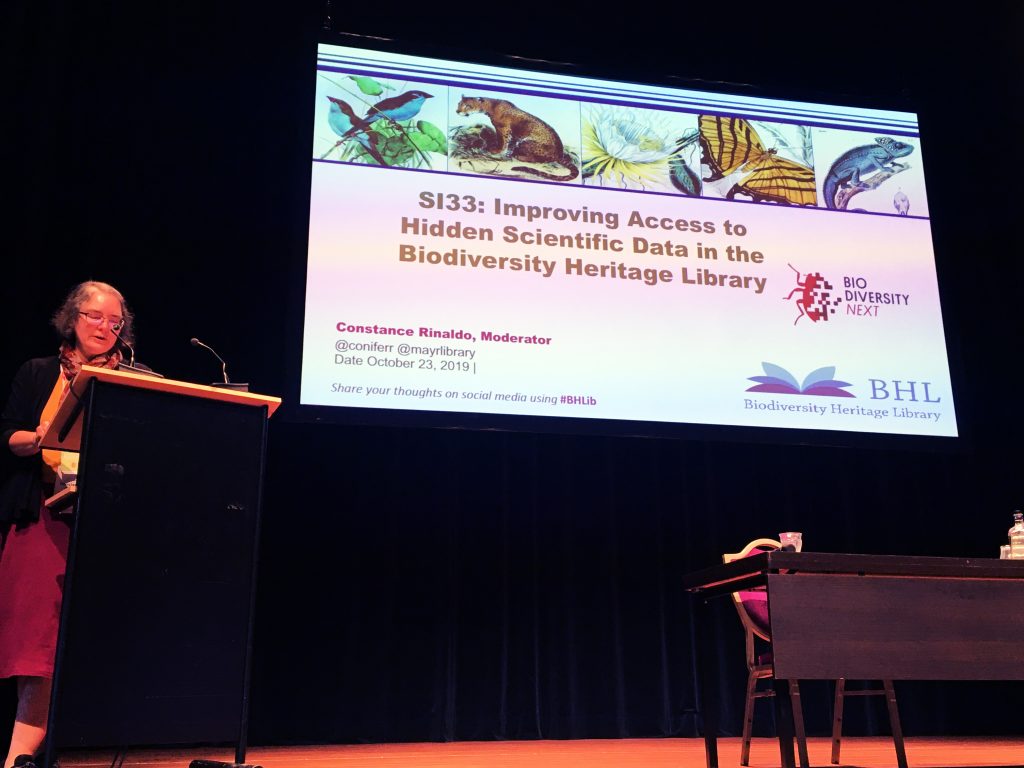
Woman standing at a podium

Constance Rinaldo introducing the BHL Symposium at Biodiversity_Next. Photo Credit: Grace Costantino.

The Symposium was moderated by Constance Rinaldo (Chair, BHL Executive Committee) and included the following presentations:

  • “Introduction to the Symposium: Improving Access to Hidden Scientific Data in the Biodiversity Heritage Library” (Presented By: Constance Rinaldo — Ernst Mayr Library, Harvard University). Abstract | Slides
  • “BioStor Next (a.k.a. Text-Mining BHL: Towards New Interfaces to the Biodiversity Literature” (Presented By: Roderic Page — University of Glasgow | BioStor). Abstract | Slides
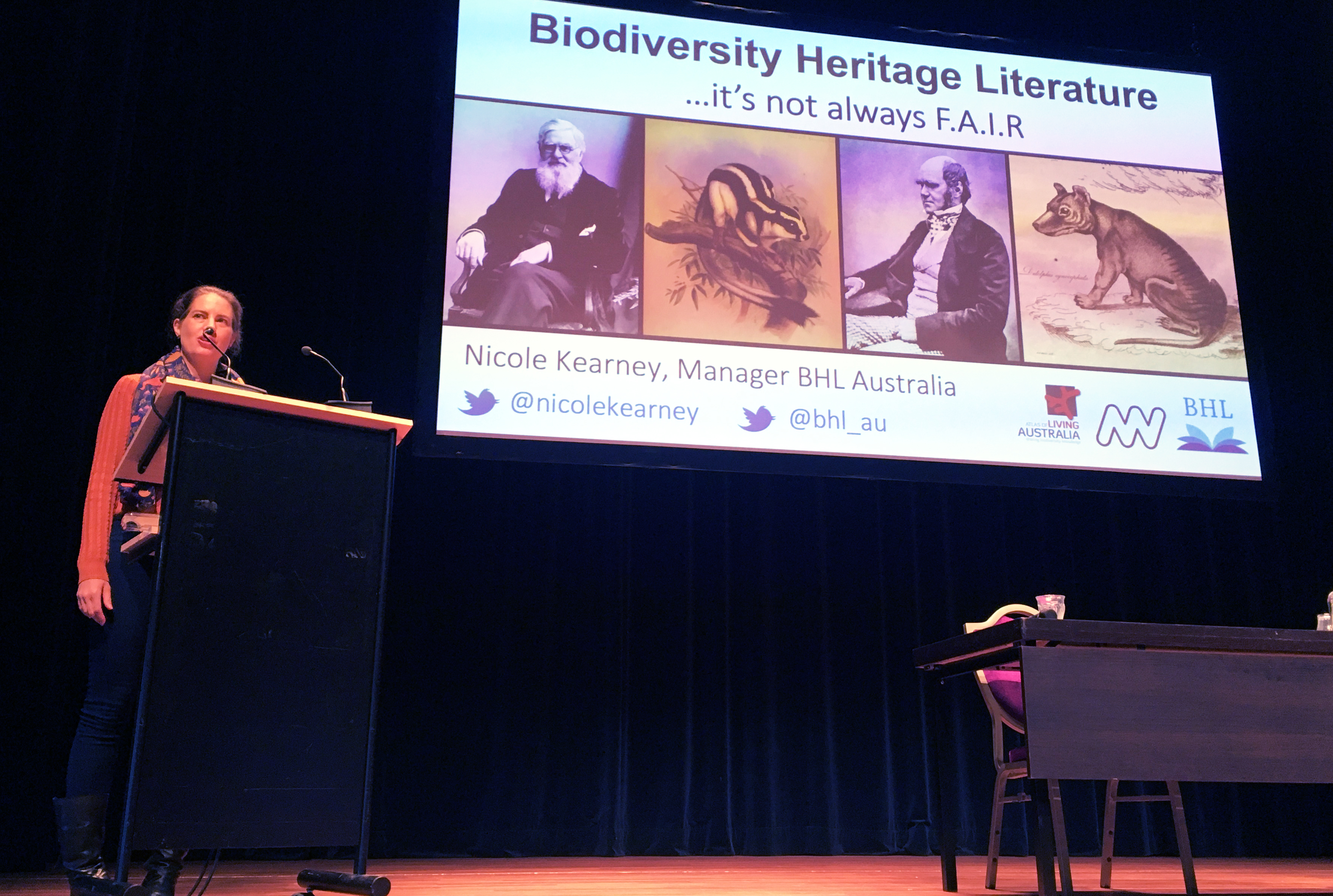
  • “It’s Not Always FAIR: Choosing the Best Platform for Your Biodiversity Heritage Literature” (Presented By: Nicole Kearney — BHL Australia, Museums Victoria). Abstract | Slides
  • “Finding Scientific Names in Biodiversity Heritage Library, or How to Shrink Big Data” (Presented By: Dmitry Mozzherin — University of Illinois, Champaign). Abstract | Slides
  • “Extracting Data From Legacy Taxonomic Literature: Applications for Planning Field Work” (Presented By: Francisco Andres Rivera-Quiroz — Naturalis Biodiversity Center). Abstract | Slides
  • “BHL and Specimen Collection Data: The Needle in the Festuca Stack” (Presented By: Martin Kalfatovic — Smithsonian Libraries). Abstract | Slides
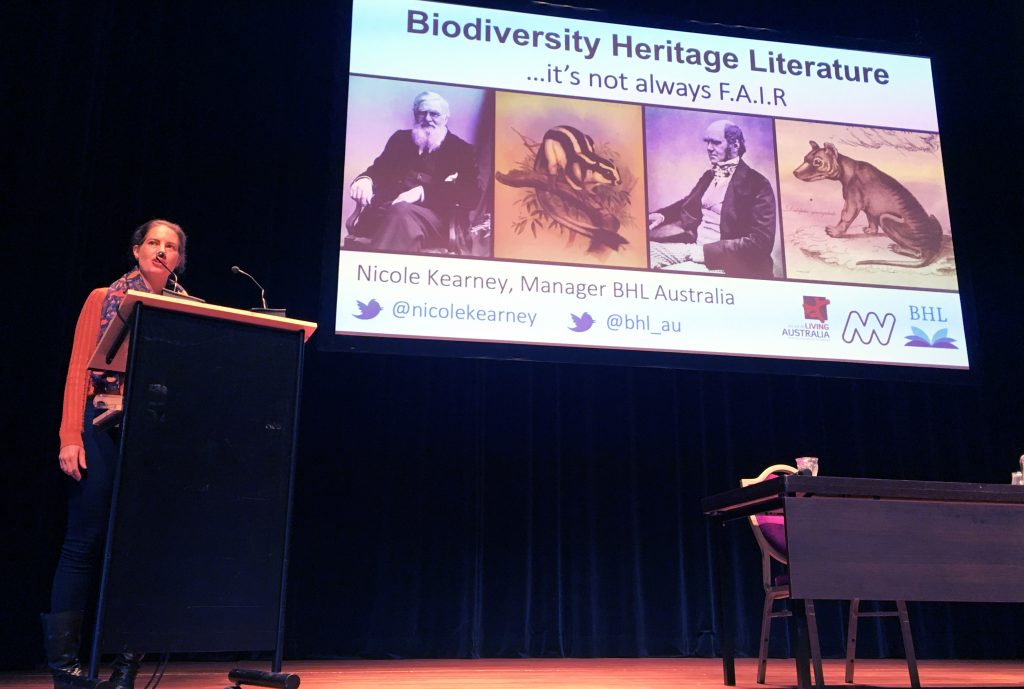
Woman standing at a podium.

Nicole Kearney presenting during the BHL Symposium at Biodiversity_Next. Photo Credit: Grace Costantino.

Topics covered within the Symposium presentations included exploring the types of data—from scientific names and geographic localities to species treatments and specimen codes—that can be extracted from the literature; methods to extract that data, including recent work to improve the speed and effectiveness of the Global Names algorithm for identifying taxonomic names in the BHL corpus; applications for that data, including helping to inform field work; recent work by BHL to improve access to the content in its collection, including full text search and the utilization of transcriptions for archival materials; the value of linking BHL literature collections with other databases like GBIF; and the importance of and the role BHL can play in the assignment of DOIs for historic literature.

You can explore more details about each of the presentations in this @BioDivLibrary Twitter thread.

Beyond the Conference

Beyond the sessions and workshops, there were several opportunities for networking and tours around the conference.
people gathered in a cafe

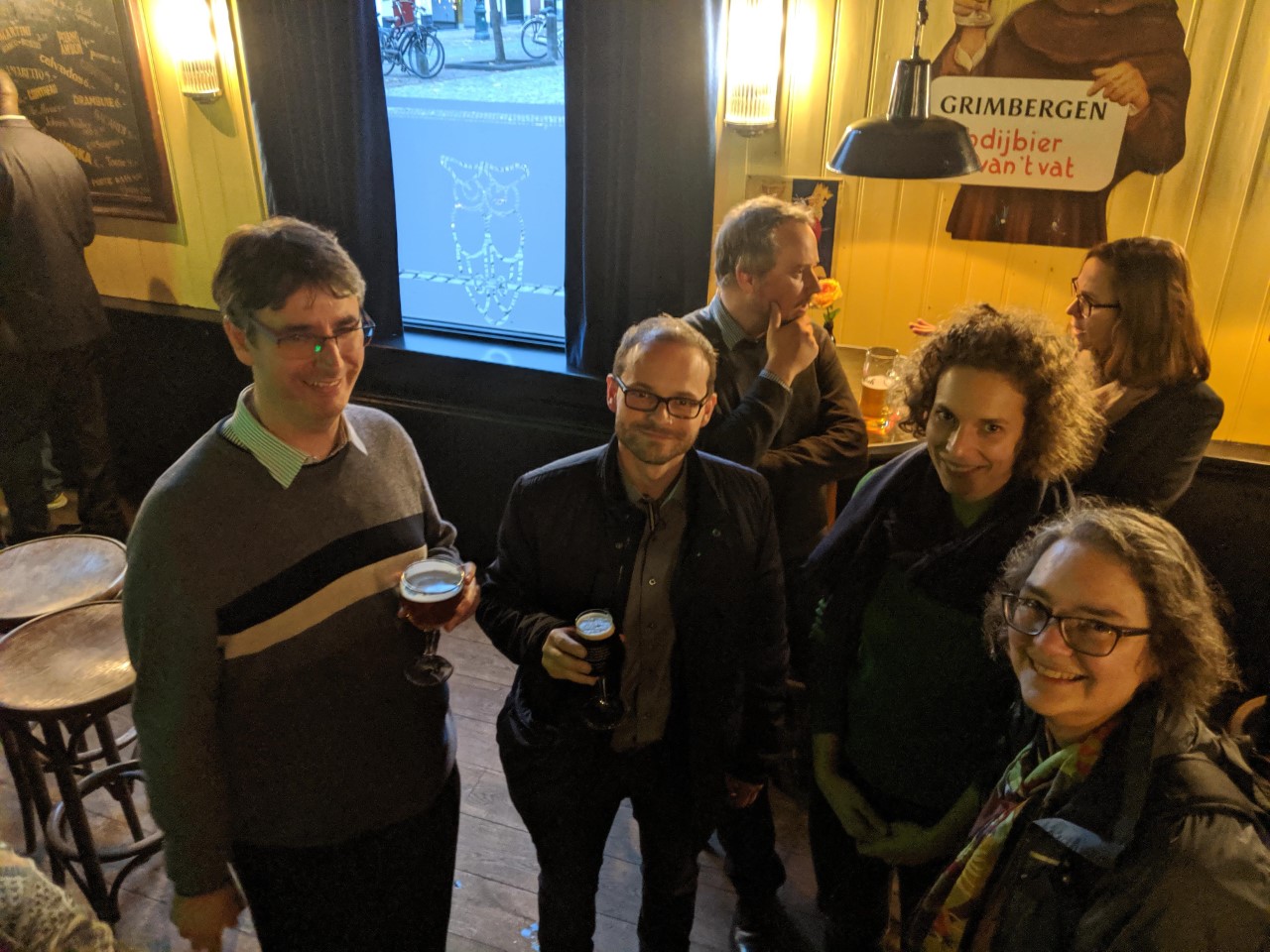
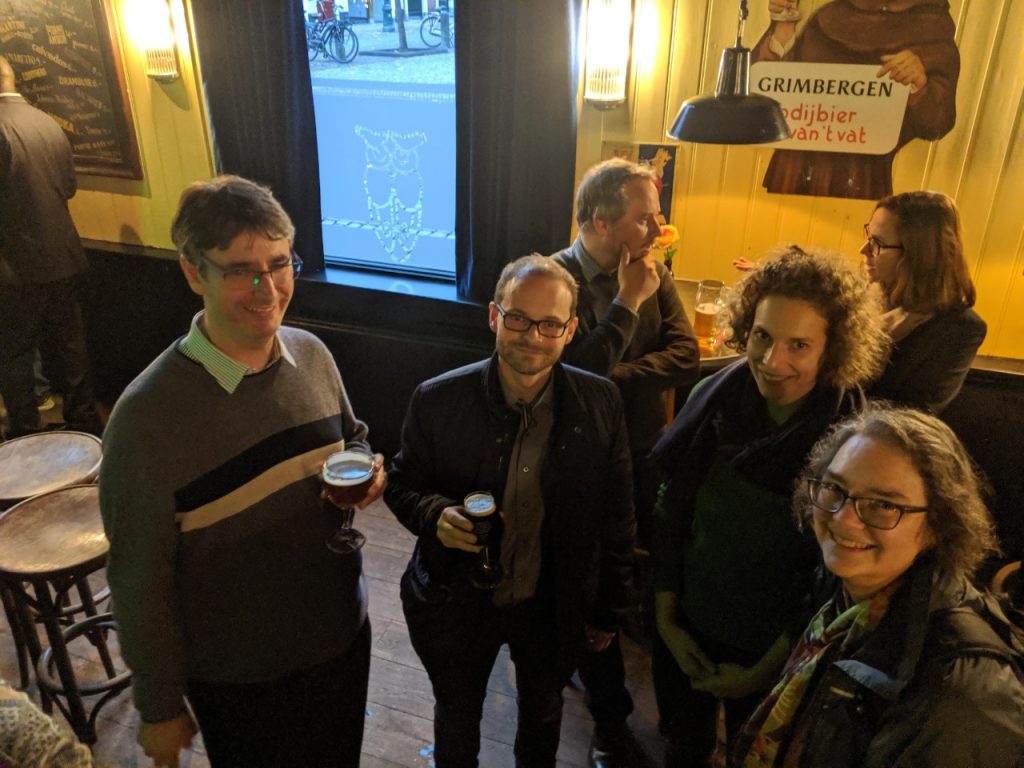
BHL colleagues gathered for the informal get-together at a local Leiden venue. Left to Right: David Iggulden (Library, Art & Archive, Royal Botanic Gardens, Kew); Clément Oury (Muséum national d’Histoire naturelle); Jiří Frank (National Museum, Prague); Chloé Besombes (Muséum national d’Histoire naturelle); Jana Hoffmann (Museum für Naturkunde Berlin); Constance Rinaldo (Ernst Mayr Library, Harvard University). Photo Credit: Martin Kalfatovic.

On Monday, 21 October, the day before the start of the main conference, BHL colleagues gathered for an informal get-together at a local Leiden venue. The gathering was an excellent opportunity for colleagues—some of which had never met in person—to connect.
large group of people at a party

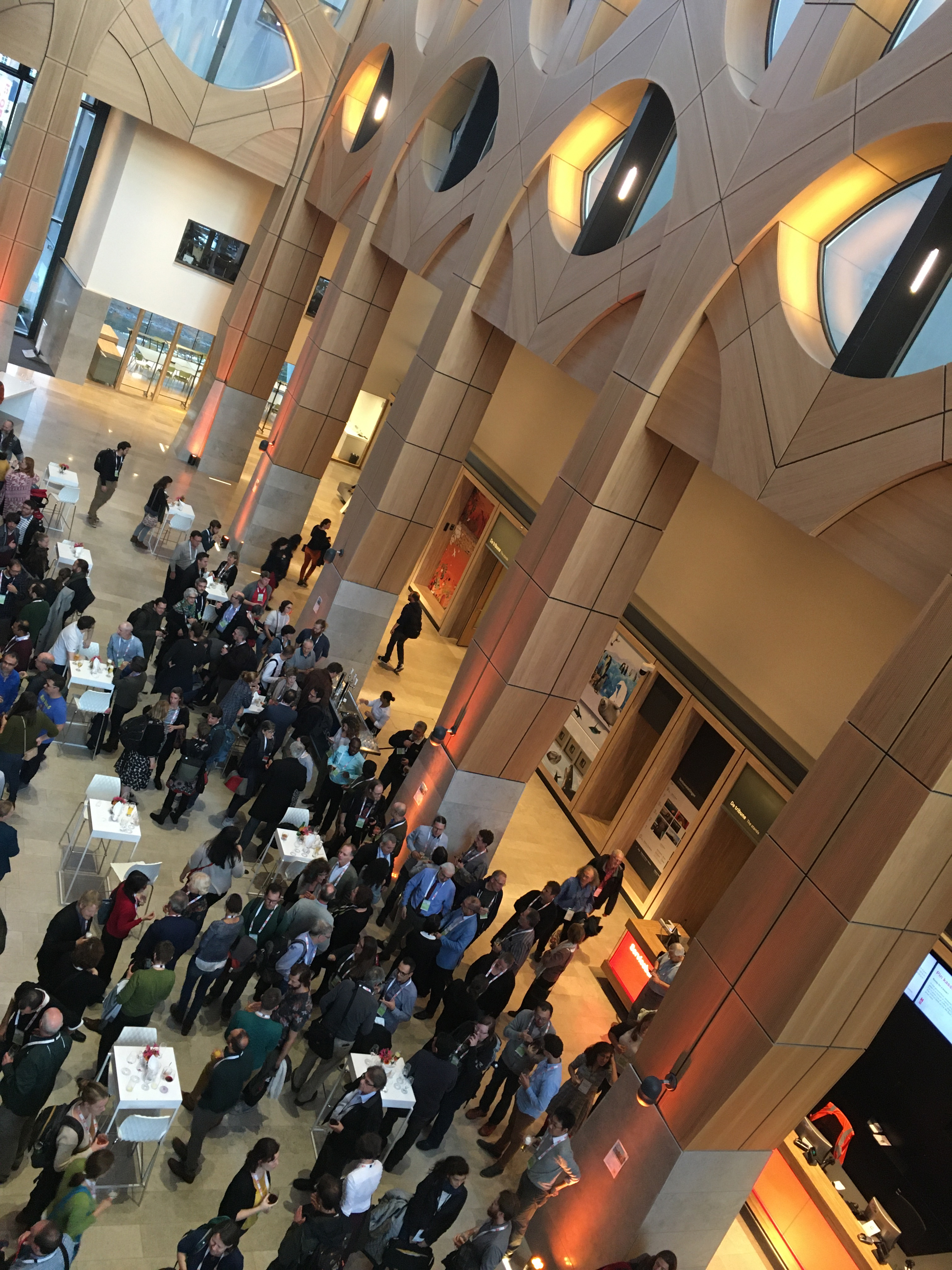
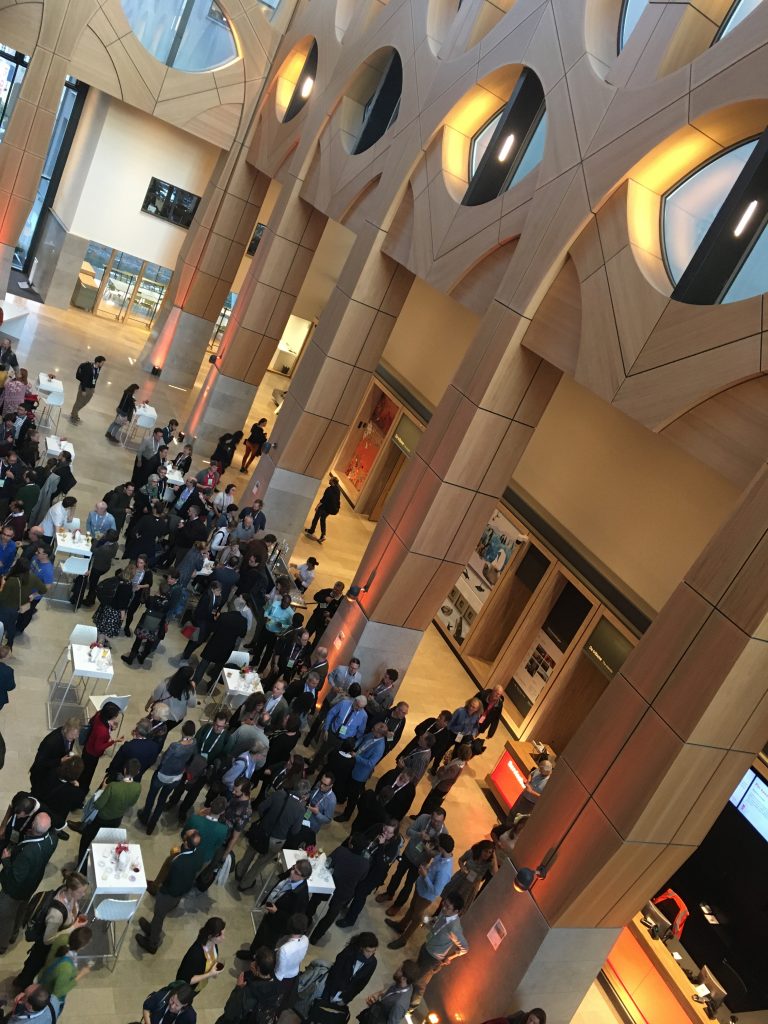
Attendees at the Biodiversity_Next reception hosted in the Naturalis Biodiversity Center. Photo Credit: Grace Costantino.

Biodiversity_Next also hosted a reception the evening of the first conference day at the newly-opened Naturalis Biodiversity Center. Hundreds of attendees had a unique opportunity to explore the museum’s exhibits and network with representatives from around the world.

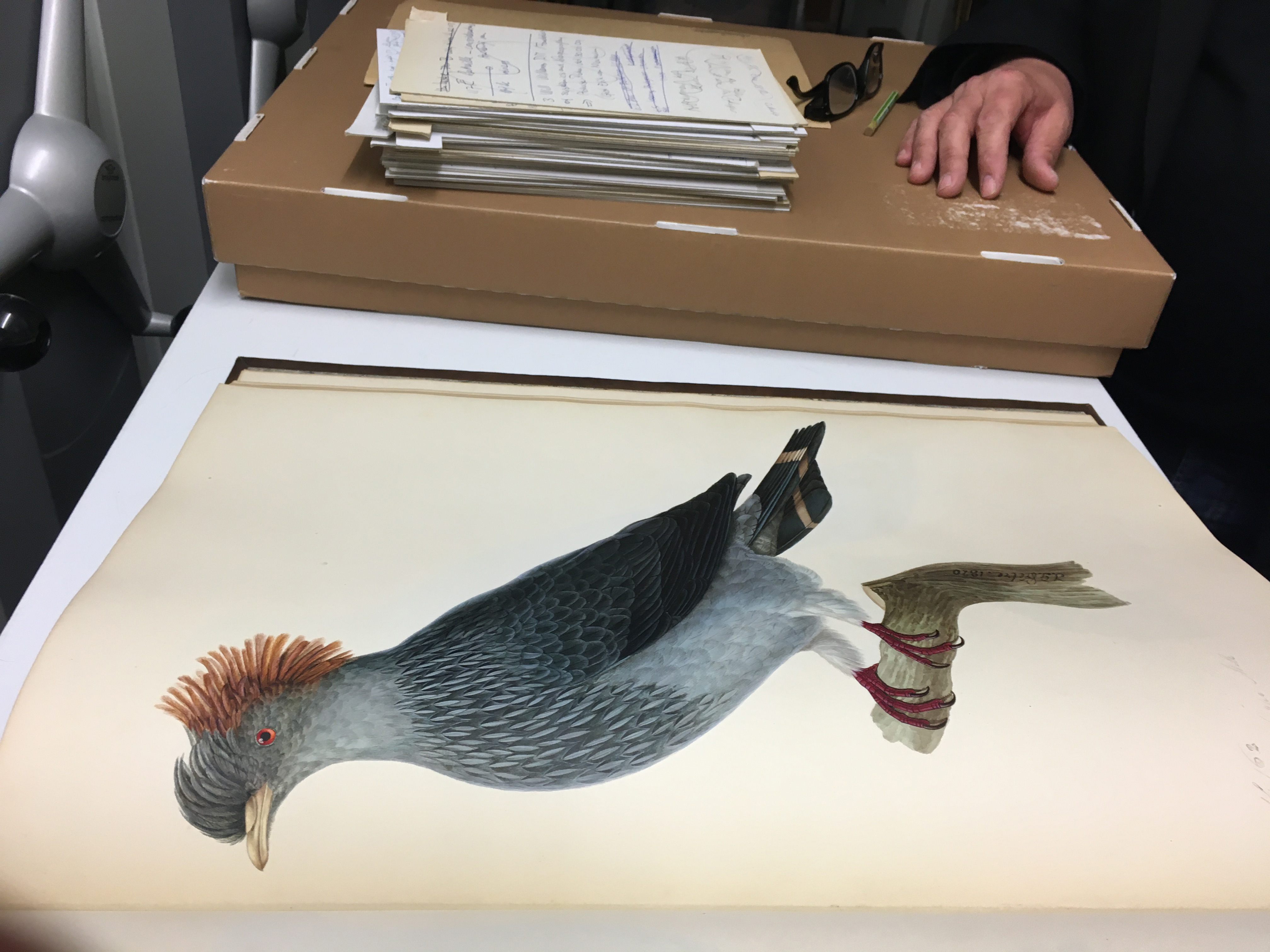
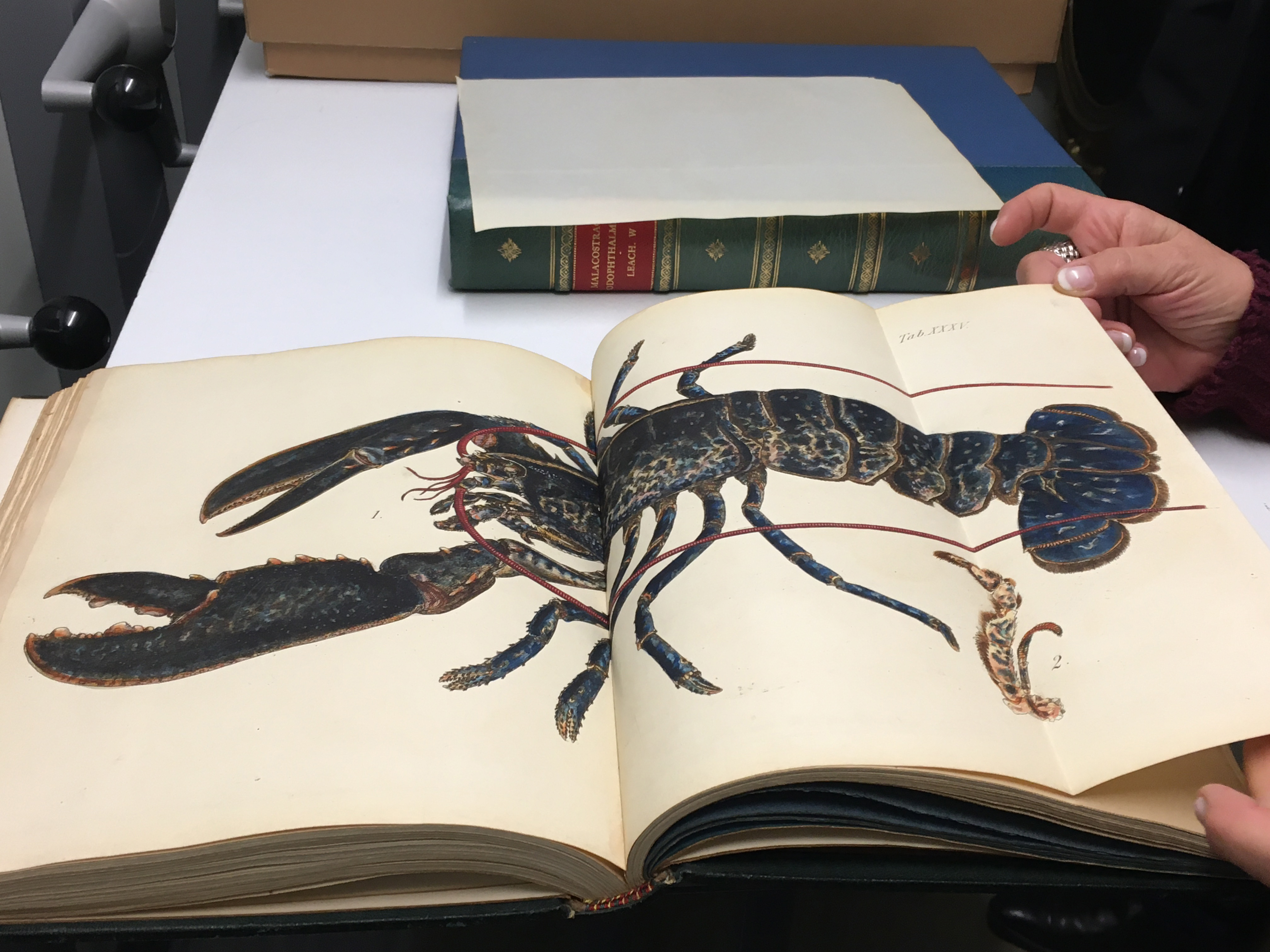
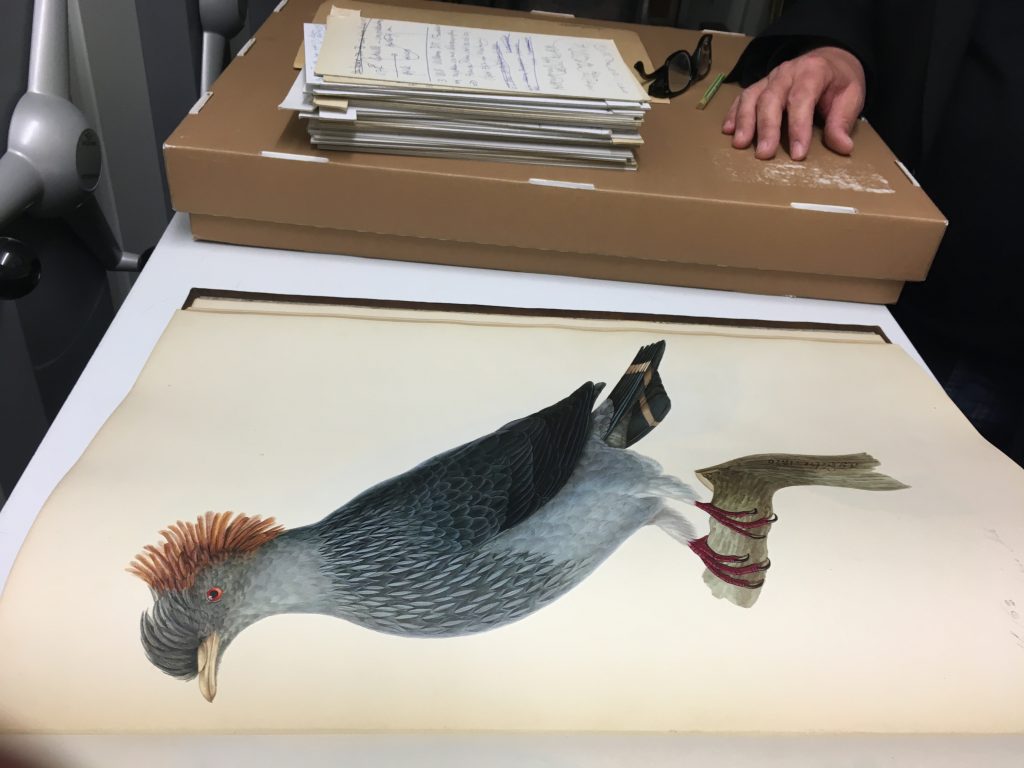
The Library of the Naturalis Biodiversity Center, a BHL Affiliate, also arranged tours of the general and special collections for several BHL colleagues. Godard Tweehuysen, Librarian and Information Specialist at Naturalis, showcased several special and unique items from the collection, including a copy of Les Pigeons (1808) by Coenraad Jacob Temminck (the first director of Rijksmuseum van Natuurlijke Historie—today Naturalis) with the original artwork by Pauline Courcelles and a special proofprint copy of Malacostraca Podophthalmata Brittanniae (1815-1875), which Naturalis has digitized for BHL and featured on the BHL blog.
drawing of a pigeon in a book

Original artwork from Les Pigeons (1808) in the Naturalis Library collection. Photo Credit: Grace Costantino.

drawing of a lobster in a book,

Proofprint copy of Malacostraca Podophthalmata Brittanniae (1815-1875) in the Naturalis Library collection. Photo Credit: Grace Costantino.

Looking ahead, during the Biodiversity_Next closing ceremony, conference organizers made an exciting announcement. A follow-up to the Biodiversity_Next conference will be held in Arlington, Virginia, USA in September 2020. The Biodiversity Summit is a joint meeting organized by iDigBio, GBIF, TDWG, and the Smithsonian’s National Museum of Natural History. Scheduled for 20-25 September 2020, the Summit will be an excellent opportunity to reconnect, continue the momentum fueled by Biodiversity_Next, and further strengthen collaborations to advance biodiversity information science and offer real, innovative, and attainable solutions to tackle today’s climate and environmental challenges.

We were privileged to be a part of such an exciting, constructive, and collaborative opportunity as Biodiversity_Next and look forward to coming together again in 2020 for the Biodiversity Summit! Until then, we’ll continue to work with the biodiversity community to incorporate data from the literature into the broader network of systems and services supporting the work of researchers, policy makers, citizen scientists and beyond.

Presentations and Moderated Sessions by BHL-Affiliated Staff from BHL Consortium Institutions

  • “The European Journal of Taxonomy: Enhancing Taxonomic Publications for Dynamic Data Exchange and Navigation” (Presented By: Laurence Bénichou — Muséum national d’Histoire naturelle). Abstract
  • “People of Collections: Facilitators of Interoperability?” (Presented By: Chloé Besombes — Muséum national d’Histoire naturelle). Abstract
  • “Hazards and Disasters in the Geological and Geomorphological Record: A Key to Understanding Past and Future Hazards and Disasters and Their Impact on Life” (Presented By: Jiří Frank — National Museum, Prague). Abstract
  • BHL Presentation as part of “Biodiversity Informatics 101: Preparing for Biodiversity_Next and Beyond” (Presented By: David Iggulden — Library, Art & Archives, Royal Botanic Gardens, Kew). Abstract
  • “BHL and Specimen Collection Data: The Needle in the Festuca Stack” (Presented By: Martin Kalfatovic — Smithsonian Libraries). Abstract | Slides
  • “It’s Not Always FAIR: Choosing the Best Platform for Your Biodiversity Heritage Literature” (Presented By: Nicole Kearney — BHL Australia, Museums Victoria). Abstract | Slides
  • “If Wikipedia Is the Gateway to Biodiversity Knowledge, How Do We Open the Gate?” (Presented By: Nicole Kearney — BHL Australia, Museums Victoria). Abstract | Slides
  • “Mesoamerica’s Crop Wild Relatives: A New Approach for Conservation Planning” (Presented By: Patricia Koleff — CONABIO). Abstract
  • “Planning Landscape Connectivity in Mexico Under Global Change” (Presented By: Patricia Koleff — CONABIO). Abstract
  • “Biodiversity Data Management: Regional Challenges” (Presented By: Lawrence Monday — National Museums of Kenya). Abstract
  • “Introduction to the Symposium: Improving Access to Hidden Scientific Data in the Biodiversity Heritage Library” (Presented By: Constance Rinaldo — Ernst Mayr Library, Harvard University). Abstract | Slides
  • “Lessons Learned From Managing Millions of Records to Create the World Flora Online” (Presented By: William Ulate — Missouri Botanical Garden). Abstract
  • “Sharing Species Pages in the Atlas of Living Costa Rica Using Plinian Core” (Presented By: William Ulate — Missouri Botanical Garden). Abstract
  • “Building a Global Infrastructure for Biodiversity Data. Together” — Plenary Panel Discussion (Moderated By: Elycia Wallis — BHL Australia, Atlas of Living Australia). Abstract
  • “A Fireside Chat – Reflections on the Conference” — Closing Ceremony Panel Discussion (Moderated By: Elycia Wallis — BHL Australia, Atlas of Living Australia). Abstract
  • “Contributed Papers: Data Extraction, Literature and Collections” (Moderated By: Elycia Wallis — BHL Australia, Atlas of Living Australia). Abstract

November 12, 2019by Grace Costantino
BHL News, Blog Reel

Now Hiring! Program Manager for the Biodiversity Heritage Library at Smithsonian Libraries

now hiring bhl program manager

Biodiversity Heritage Library and Smithsonian Libraries logos

Do you want to help empower global biodiversity research and serve as part of a vibrant, international community dedicated to providing free, worldwide access to biodiversity information? The Biodiversity Heritage Library seeks a Program Manager committed to elevating current successes and challenging our Program into the future by ensuring organizational excellence, fostering strategic partnerships, and embracing advances in digital technologies, information science, big data, and bioinformatics to serve the evolving needs of 21st century researchers.

Headquartered at the Smithsonian Institution, the Biodiversity Heritage Library (BHL) is the world’s largest open access digital library for biodiversity literature and archives. Through the collaborative efforts of a global consortium of over 80 natural history, botanical, research, and national libraries, BHL provides free access to over 57 million pages from hundreds of thousands of volumes, representing over 500 years of scientific exploration, discovery, and data. Working closely with the international community of biodiversity data providers and natural history collection service organizations, including GBIF, CoL, CETAF, TDWG, EOL and iDigBio, BHL is part of the core infrastructure for biodiversity research and data. As an important contributor to this global network, BHL helps equip researchers with the information they need to tackle today’s biodiversity, environmental, and climate crises.

As the Program Manager, you will help BHL build its partnerships and maintain and grow its infrastructure and services, ensuring that the Library fulfills the research needs of a global, diverse audience. You will be responsible for managing BHL’s administrative and financial functions and providing project management support across BHL’s global consortium. Additional responsibilities include partner stewardship; fundraising and grant-writing support; participation in national and international organizations to develop strategic partnerships; and facilitation of stakeholder input to inform BHL’s growth and development.

The Program Manager is an essential member of the BHL Secretariat located at the Smithsonian Libraries in Washington, D.C. with offices in the National Museum of Natural History. This is a GS-12 federal position (salary range USD $83,398 – $108,422) open only to U.S. citizens. It includes a comprehensive benefits package offering vacation and sick leave, life/health insurance, and retirement program options.

Visit USAJOBS.gov to apply. Applications are due by 18 November 2019.

USAJOBS announcement number 20R-SA-305207-DEU-SIL.

November 6, 2019by Grace Costantino
Page 6 of 71« First...«5678»102030...Last »

Help Support BHL

BHL's existence depends on the financial support of its patrons. Help us keep this free resource alive!

search

About BHL

The Biodiversity Heritage Library (BHL) is the world’s largest open access digital library for biodiversity literature and archives. BHL operates as a worldwide consortium of natural history, botanical, research, and national libraries working together to digitize the natural history literature held in their collections and make it freely available for open access as part of a global “biodiversity community.”

Join Our Mailing List

Sign up to receive the latest news, content highlights, and promotions.

Subscribe Now

Subscribe to Blog via Email

Enter your email address to subscribe to this blog and receive notifications of new posts by email.

Join 319 other subscribers

Subscribe to Blog Via RSS

Subscribe to the blog RSS feed to stay up-to-date on all the latest BHL posts.

Access RSS Feed

Inspiring Discovery through Free Access to Biodiversity Knowledge.

The Biodiversity Heritage Library makes it easier than ever for you to access the information you need to study and explore life on Earth…for free, anytime, anywhere.


64+ Million Pages of
Biodiversity Literature Online.

EXPLORE

Tools and Services
to Transform Research.

EXPLORE

300,000+
Illustrations on Flickr.

EXPLORE

ABOUT | HARMFUL CONTENT | PRIVACY | SITE MAP | TERMS OF USE