Biodiversity Heritage Library - Program news and collection highlights from BHL
  • Home
  • News
  • Featured Books
    • All Featured Books
    • Book of the Month Series
    • BHL at 20
  • User Stories
  • Campaigns
    • Fossil Stories
    • Garden Stories
    • Monsters Are Real
    • Page Frights
    • Her Natural History
    • Earth Optimism 2020
  • Tech Blog
  • Visit BHL
Home
News
Featured Books
    All Featured Books
    Book of the Month Series
    BHL at 20
User Stories
Campaigns
    Fossil Stories
    Garden Stories
    Monsters Are Real
    Page Frights
    Her Natural History
    Earth Optimism 2020
Tech Blog
Visit BHL
  • Home
  • News
  • Featured Books
    • All Featured Books
    • Book of the Month Series
    • BHL at 20
  • User Stories
  • Campaigns
    • Fossil Stories
    • Garden Stories
    • Monsters Are Real
    • Page Frights
    • Her Natural History
    • Earth Optimism 2020
  • Tech Blog
  • Visit BHL
Biodiversity Heritage Library - Program news and collection highlights from BHL
Blog Reel, User Stories

What Makes a Citizen Science Project Successful?

BHL supports a variety of crowdsourcing, or citizen science, initiatives that allow our community to help enhance our data, making it easier for scientists, researchers, educators, students, and others around the world to discover BHL content and use it to support scientific, conservation, and historical research. These initiatives include Flickr image tagging, transcription, image description via Science Gossip, and games that help improve our OCR.

But what motivates a citizen scientist to volunteer their time on a crowdsourcing project? How do they discover new projects or get support while tackling a challenging question? What can we do to keep our communities engaged and interested in our projects?

These are questions that any institution or organization that supports crowdsourcing activities might ask. Here at BHL, we figured the best way to get some answers was to ask our citizen scientists. We decided to start with one of our most dedicated volunteers, Siobhan Leachman.
View Full Size Image
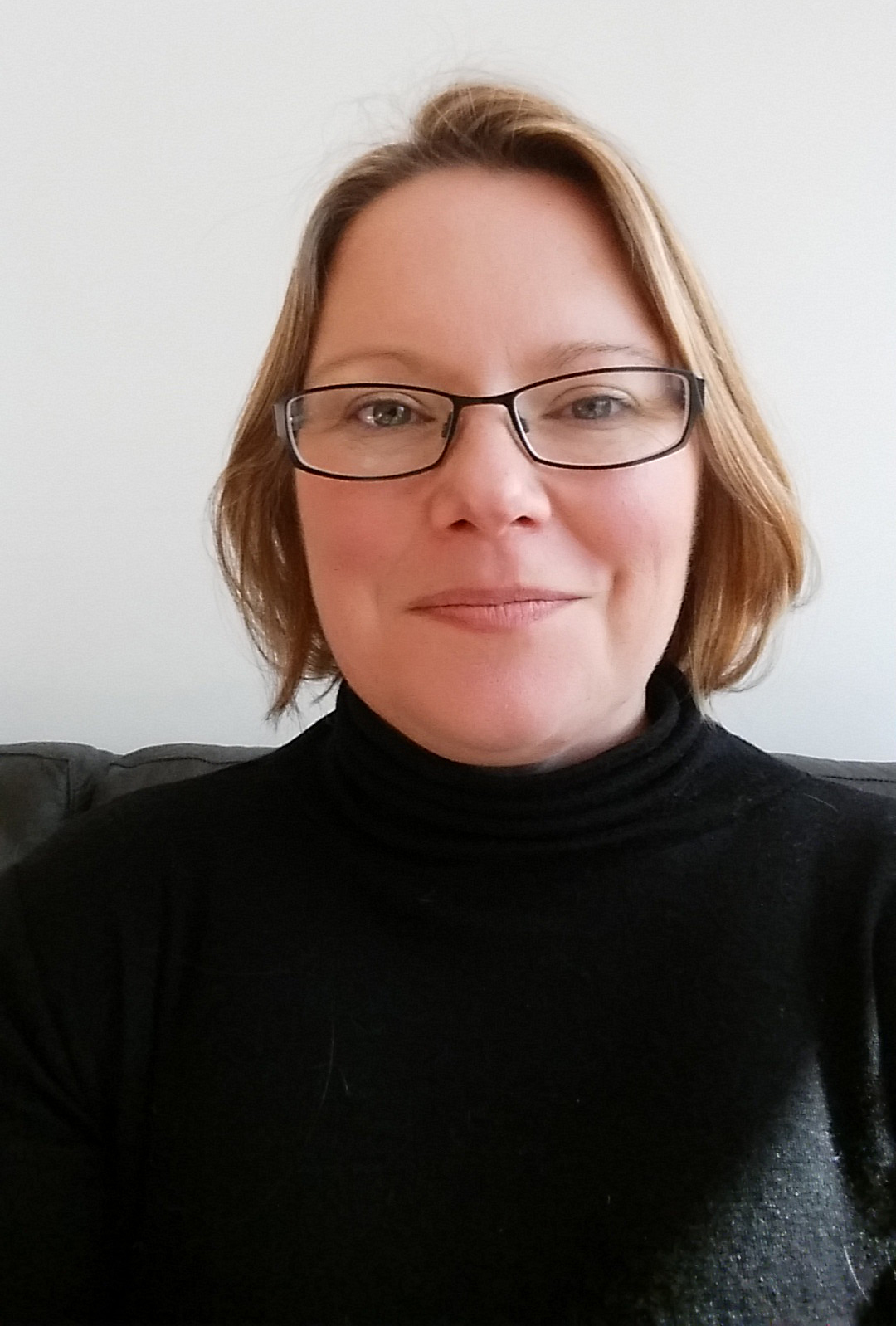
Siobhan Leachman.

Siobhan lives in Wellington, New Zealand. She initially trained as a lawyer, but became interested in crowdsourcing and citizen science after she decided to stay home to raise her children. About two years ago, her sister, who works in a museum, introduced her to the Smithsonian Transcription Center, which offered just the sort of challenge that Siobhan was looking for.

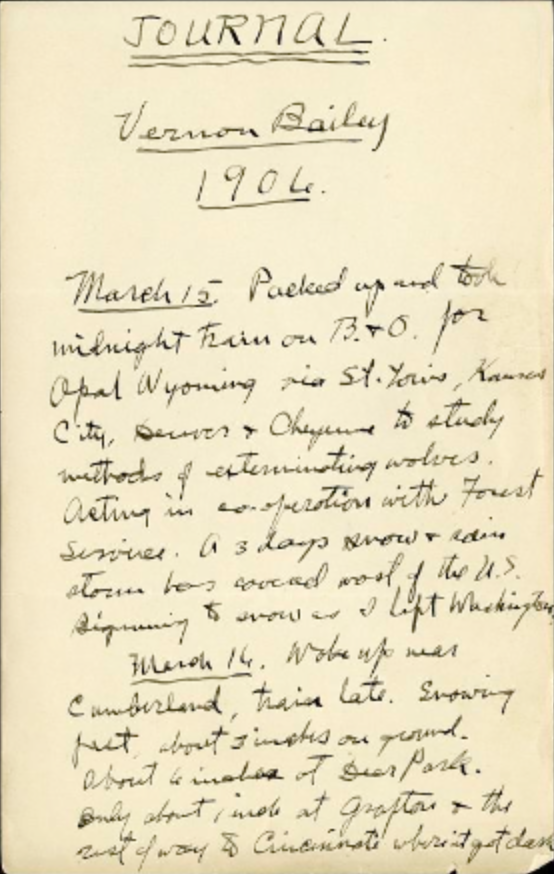
At the time, the Transcription Center was still in its beta phase, and at first, Siobhan’s activity in the project was occasional. Then, Vernon Bailey’s field books were added to the site, and that all changed.

“I became hooked,” Siobhan enthused. “I helped transcribe the field book in about three days. I loved his spare writing style, his drawings and occasional lyrical prose mixed in with unfamiliar North American species names that forced me to investigate further and in turn learn about various birds and animals. His writing was also quite an intellectual puzzle that I found fun to solve.”
View Full Size Image
“JOURNAL KEPT BY BAILEY ON FIELD TRIP TO WYOMING AND NEW MEXICO, MARCH 15-JUNE 1906.” Smithsonian Institution Archives. Smithsonian Transcription Center. https://transcription.si.edu/project/6656.

For the next six months, Siobhan worked exclusively on the Transcription Center. The variety of projects (including bumblebee labels, field books, and astronomy logbooks), the inviting and lively conversations among participants on social media, and the opportunity to provide input on improvements to the site (which was still in its beta phase), continually sparked her interest and nurtured a sense of community and teamwork.

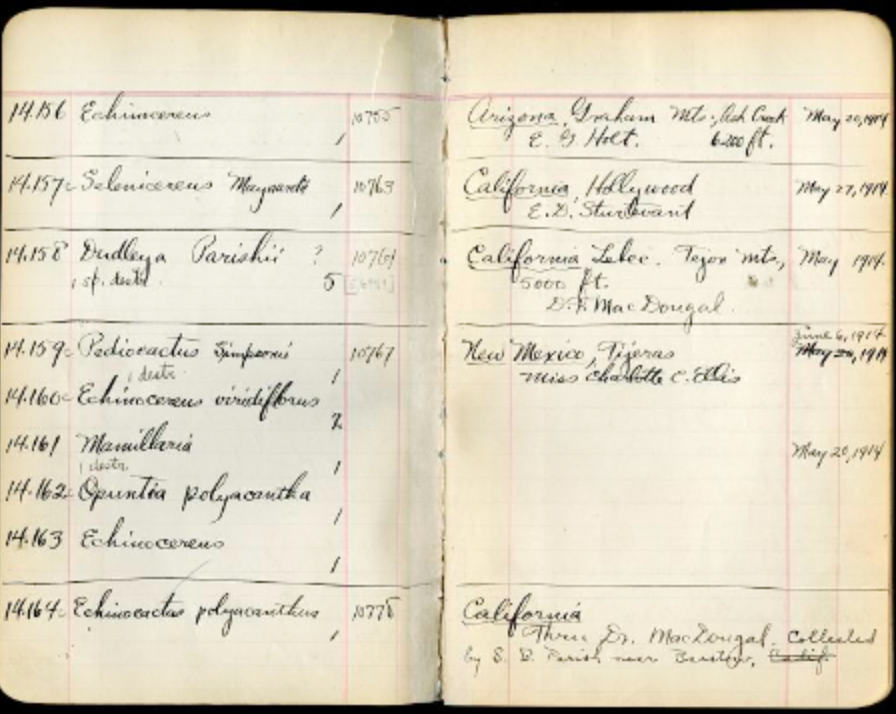
Then one day, an “unassuming log book on Cacti written by Joseph Nelson Rose,” led Siobhan to expand her crowdsourcing activities. The log book included a list of people who collected specimens for Rose, and Siobhan was surprised at how many women were listed. Research on one of them, Charlotte Cortlandt Ellis, led her to the JSTOR Global Plants database, where the record for Ellis was lacking a death date. Siobhan emailed JSTOR with the information, the database was updated, and the Transcription Center, delighted by the links and connections that the transcription projects were inspiring, highlighted the work in a blog post.
View Full Size Image
Rose’s log book, containing mention of Charlotte Cortlandt Ellis. ROSE, CACTI, 1909 – 1917. Smithsonian Institution Archives. Smithsonian Transcription Center. https://transcription.si.edu/project/6712.

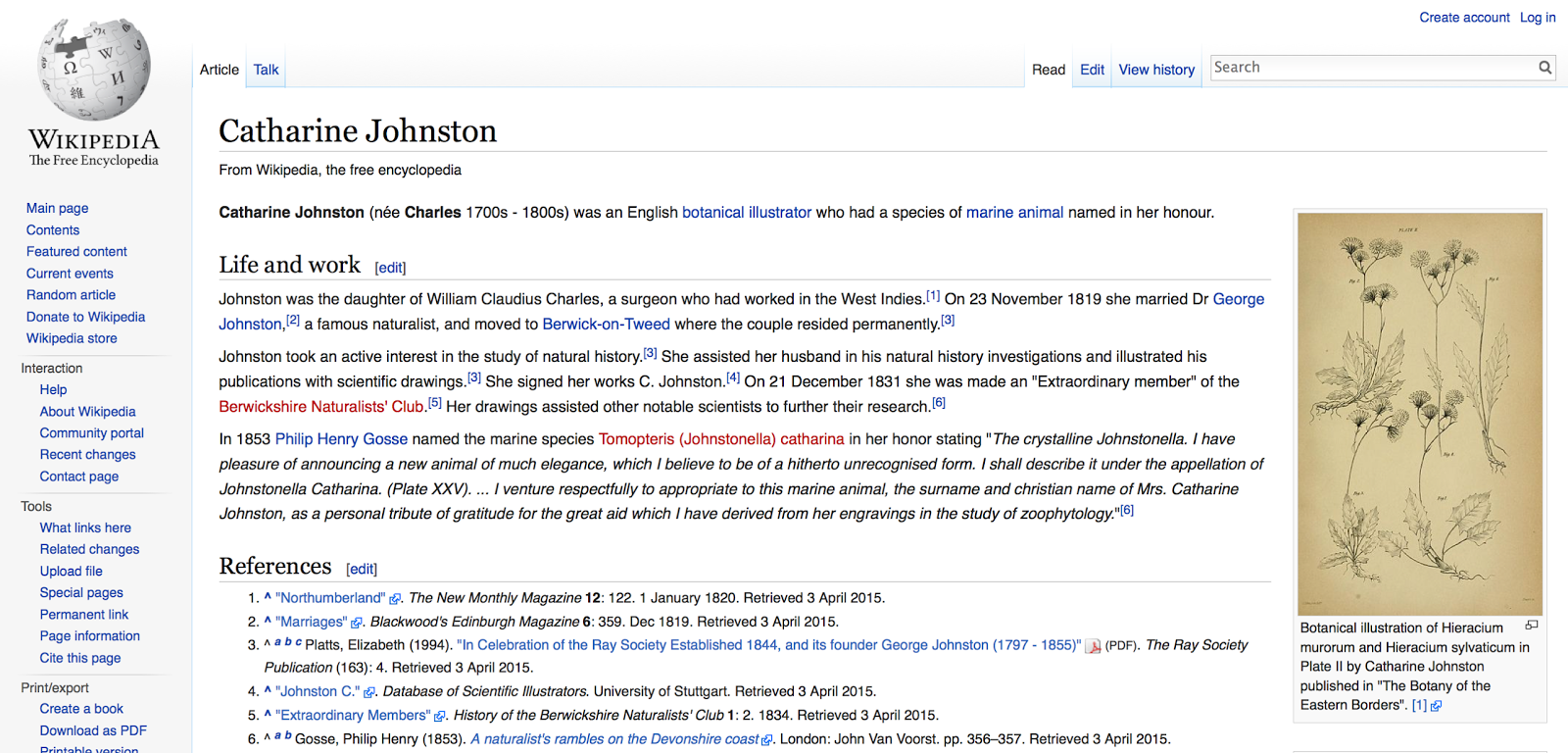
“I found this positive reinforcement very gratifying and inspiring,” explains Siobhan. “I continued to research other women listed in the project and in the process started to realize that these amazing botanists were frequently overlooked. I also realized that few if any had a presence or mention in one of my main ‘go to’ sources of information – Wikipedia. So I began the journey of learning how to edit Wikipedia by focusing on writing articles about women I discovered via this project [see Siobhan’s articles on Charlotte Cortlandt Ellis and Rose E Collom].”

It was social media that introduced Siobhan to BHL. By following the Transcription Center on twitter (@TranscribeSI), Siobhan became aware that BHL was seeking volunteers to add species name tags to images in Flickr, and that these tagged images would be added to the Encyclopedia of Life (EOL). She frequently used EOL to research species names when transcribing field books, and she knew that many species pages lacked images. She realized that, by tagging BHL images, should could help enhance one of her go-to sources for species information.

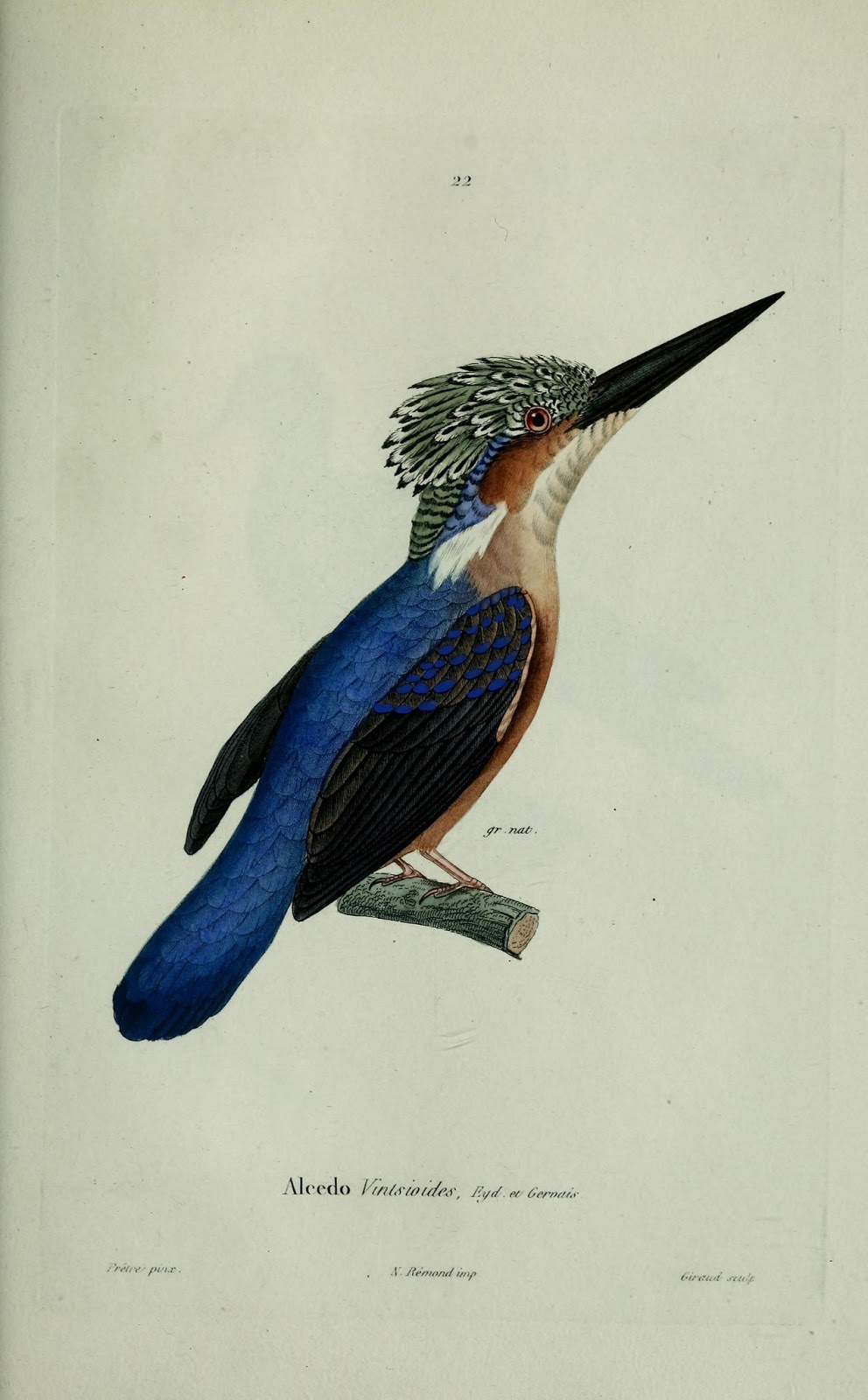
“My sister, Victoria, had been involved in machine tagging of the British Library images on Flickr and was able to get me up to speed as well as give me resources to assist in helping the BHL,” explains Siobhan. “I started out being keen about the species shown but expanded my interest in the artists of the images. The quality of the scientific illustrations in these old texts amazed me, and again I fell into a world I knew little about but found absolutely fascinating as well as beautiful.”
View Full Size Image
BHL Flickr image tagged by Siobhan. Alecedo vintsioides. Artist: Jean-Gabriel Prêtre. Oiseaux. 1839. http://biodiversitylibrary.org/page/33110158.

In addition to the Transcription Center and BHL Flickr image tagging, Siobhan also participates in several Zooniverse projects, including BHL’s Science Gossip, the Atlas of Living Australia’s DigiVol transcription site, and several local Wellington initiatives, including Nature Watch, the New Zealand Garden Bird survey and the Great Kereru Count.

Social media is the primary way that Siobhan discovers new projects; she follows a variety of organizations on Twitter and Facebook. She also subscribes to mailing lists for institutions she’s interested in, and relies on her network of fellow citizen scientists to alert her to new opportunities and developments.

Social media is also a critical source of support when she has questions. By reaching out to the organizations hosting the citizen science projects on Twitter or via the projects’ forums, or asking for help via Twitter from her network of friends, Siobhan is able to get answers to even her toughest questions. As such, she emphasizes that developing a strong social media strategy is important for crowdsourcing success. The strategy should involve easy and frequent communication that encourages input from volunteers, welcomes new participants, and highlights volunteer contributions.  Furthermore, she believes institutions should facilitate community building and encourage conversations amongst participants. Such networks are not only vital sources of support, but can also be very rewarding.

“One of the most beneficial but unforeseen consequences of me volunteering for the Smithsonian Transcription Center are the friends I have made the world over who enjoy the same hobby as I do,” affirms Siobhan. “They have and continue to enrich my life in numerous ways.”

Forging and fostering friendships with like-minded people is a major motivator for Siobhan. But what else motivates her to participate (and keep contributing to) a particular citizen science project?

“I want to be entertained, interested and learn something new,” divulges Siobhan. “I also want to feel like I’m contributing to the greater good and, in my small way, to the progression of science in general. I’ll keep working on a project if I believe it is worthwhile and interesting. I tend to be one of those people who finish what they start, so task completion is a motivation in itself.

“I also swap and change what I do depending on how I feel. Variety really is the spice of crowdsourcing. If I really want to concentrate and create, I’ll research and write a Wikipedia article. If I’m watching TV and want a relatively easy task, I’ll review bumblebee specimens. When I want to do something a bit more visually interesting, I’ll machine tag for BHL or contribute to projects like Science Gossip or Snapshot Serengeti on Zooniverse. And if I come across something that interests me such as a new artist or collector, I’ll head off researching and emailing organizations to hopefully make connections that aren’t easily obtained via a basic Google search.”
View Full Size Image
Catharine Johnston. Wikipedia page created by Siobhan. https://en.wikipedia.org/wiki/Catharine_Johnston.

For Siobhan, the biggest challenge to crowdsourcing is the immensity of the task and the limited time she has to commit to projects. While she is energized by the discoveries made possible by unlocking the data contained in field books or specimen labels, and how connecting this often disparate data together allows for powerful new insights into questions related to, for example, extinction or invasive species, the reality of the amount of work to be done is daunting.

“So much to do, so little time, is my mantra,” admits Siobhan.

But while there is much to do, the generosity of citizen scientists like Siobhan allows organizations the world over to consistently chip away at the work – work that may not ever get done otherwise.

We figured that someone who had dedicated so much time to citizen science initiatives probably had a pretty good idea of how they would design one if given the opportunity. So we asked Siobhan what her ideal project would be.

“My ideal citizen science project would entail everything that I do already but all in one place,” reveals Siobhan. “It would be like a tail to nose (so to speak) project, where people could collect data on a particular subject, link that data, undertake research to obtain further data to link to the subject being crowdsourced, transcribe data relating to the subject, add images, maps etc. so that the end result would be the ability to have access to everything ever collected or known about the subject. And it would all be open access i.e. unrestricted access and unrestricted reuse for anyone, anywhere. This would result in artists, scientists, historians etc. the world over reusing the information to create new and wonderfully unforeseen ways of interacting with that knowledge. Now that I think about it, it sort of sounds similar to my ideal version of the Internet.”
View Full Size Image
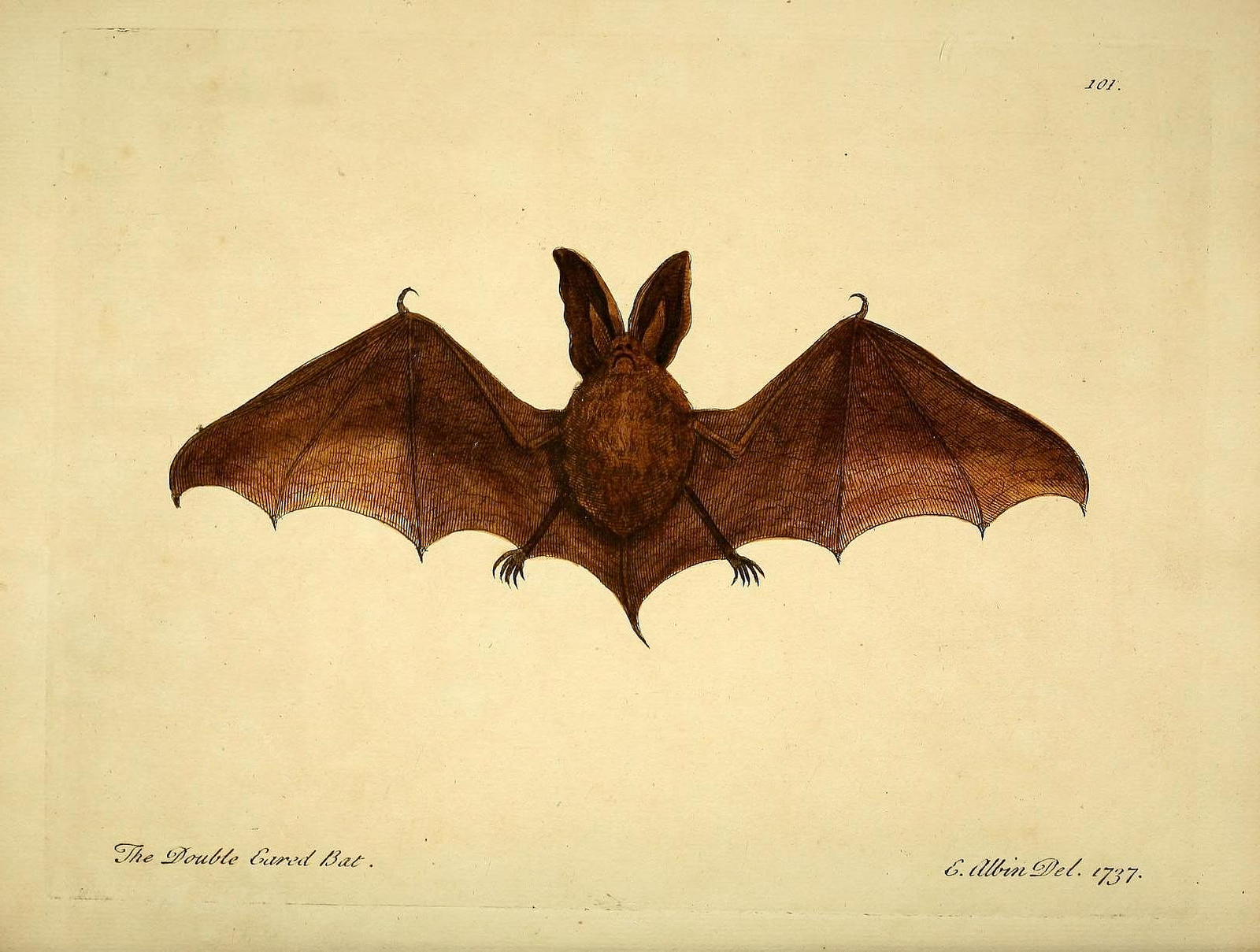
BHL Flickr image tagged by Siobhan. Artist: Plecotus auritus. Eleazar Albin. A natural history of birds. 1731-38. http://biodiversitylibrary.org/page/41131200.

We think that sounds like a pretty awesome aspiration, and hope that, as we continue to forge new partnerships and collaborations, we can all work towards that connected, open, and discovery-inspiring vision. And what will be the key to the success of such a project? An environment that offers a variety of activities, acknowledges and positively reinforcing the work of its participants, and facilitates active communication and community development.

And that’s the kind of environment we hope to create.
Learn more about how you can volunteer with BHL today.

October 1, 2015by Grace Costantino
BHL News, Blog Reel

BHL Exhibit at the University of Illinois at Urbana-Champaign

In 2014, BHL welcomed the University of Illinois at Urbana-Champaign as a member. The University’s Library is a campus-wide network of libraries serving programs of learning and research in many disciplines and is the largest public university research library in the country with more than 13 million volumes. The Biology Library collection alone contains over 137,000 volumes.

To date, the University Library has contributed over 1.2 million pages from over 4,400 volumes to BHL. Illustrations from many of these books have also been made available in the BHL Flickr. Explore the University of Illinois at Urbana-Champaign Collection in BHL and Flickr.

View Full Size Image
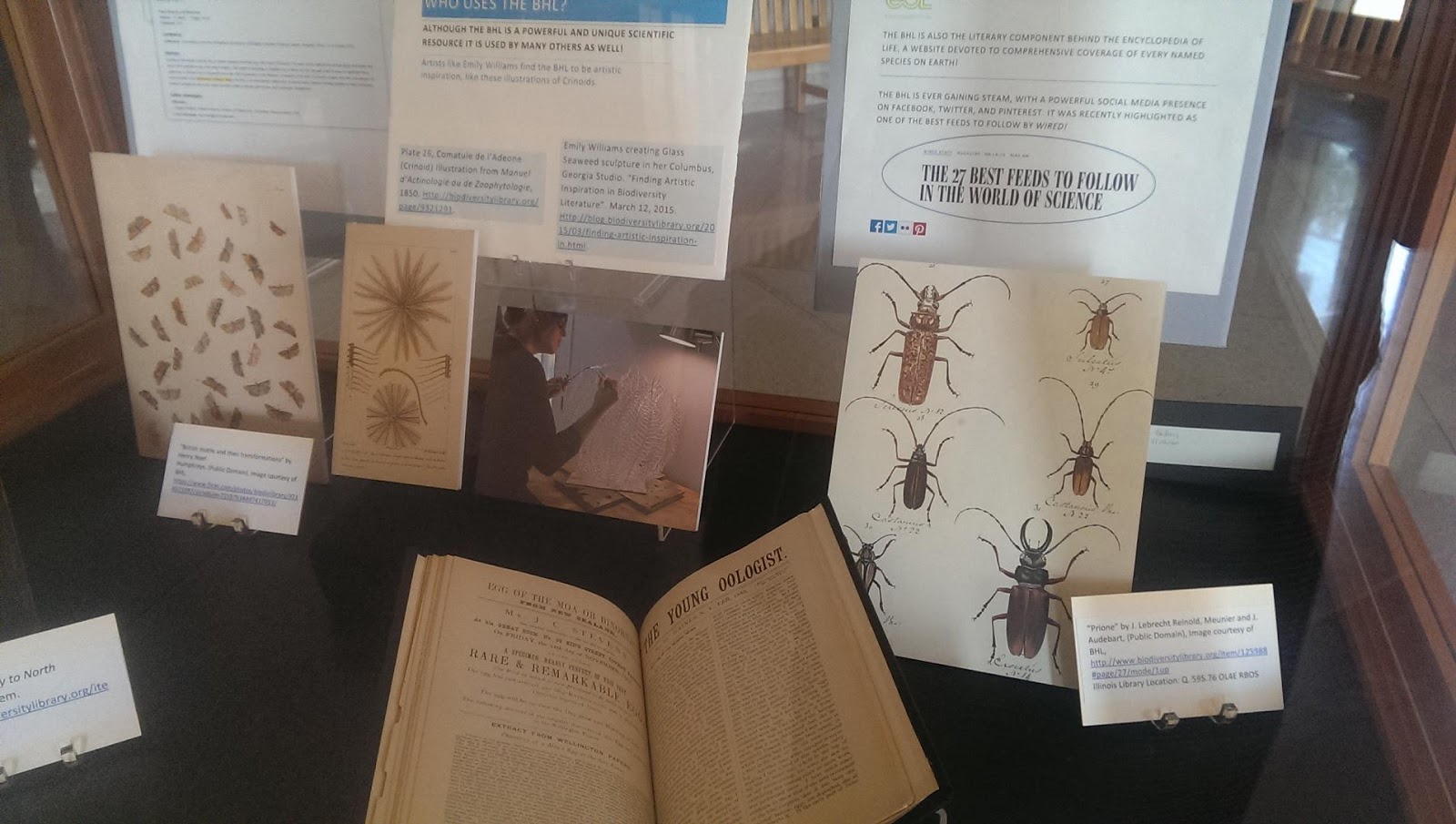
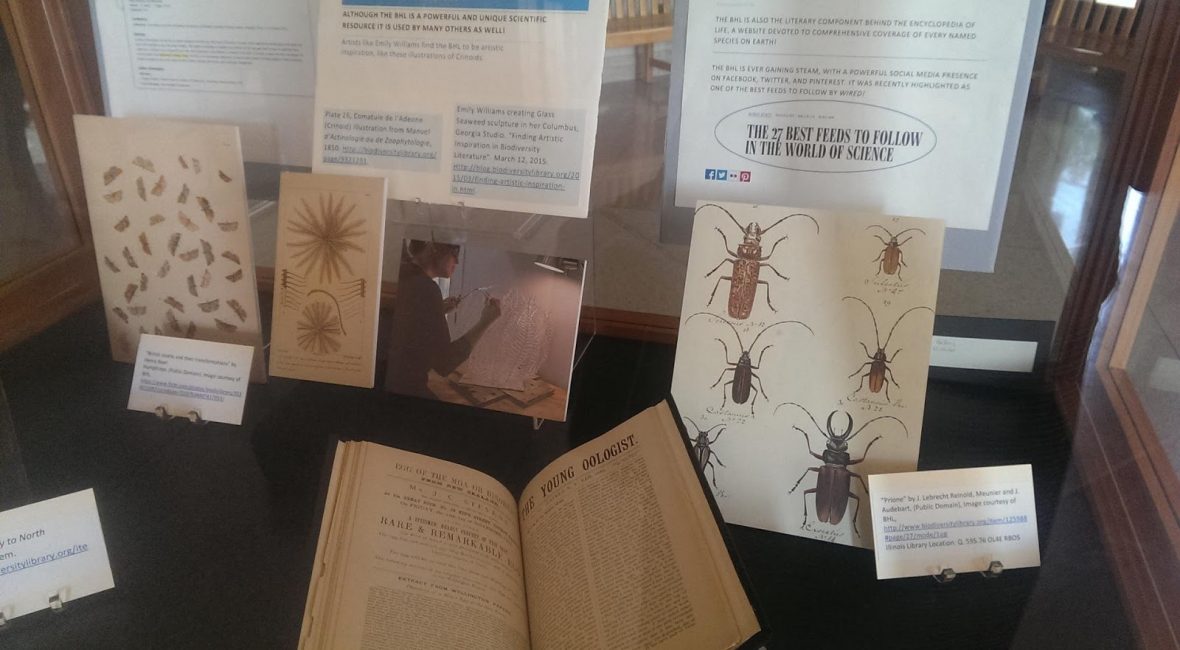
“Celebrating the Biodiversity Heritage Library: Supporting Scientists Worldwide” exhibit at the University of Illinois at Urbana-Champaign’s Main Library Marshall Gallery. Image Credit: Kelli Trei.

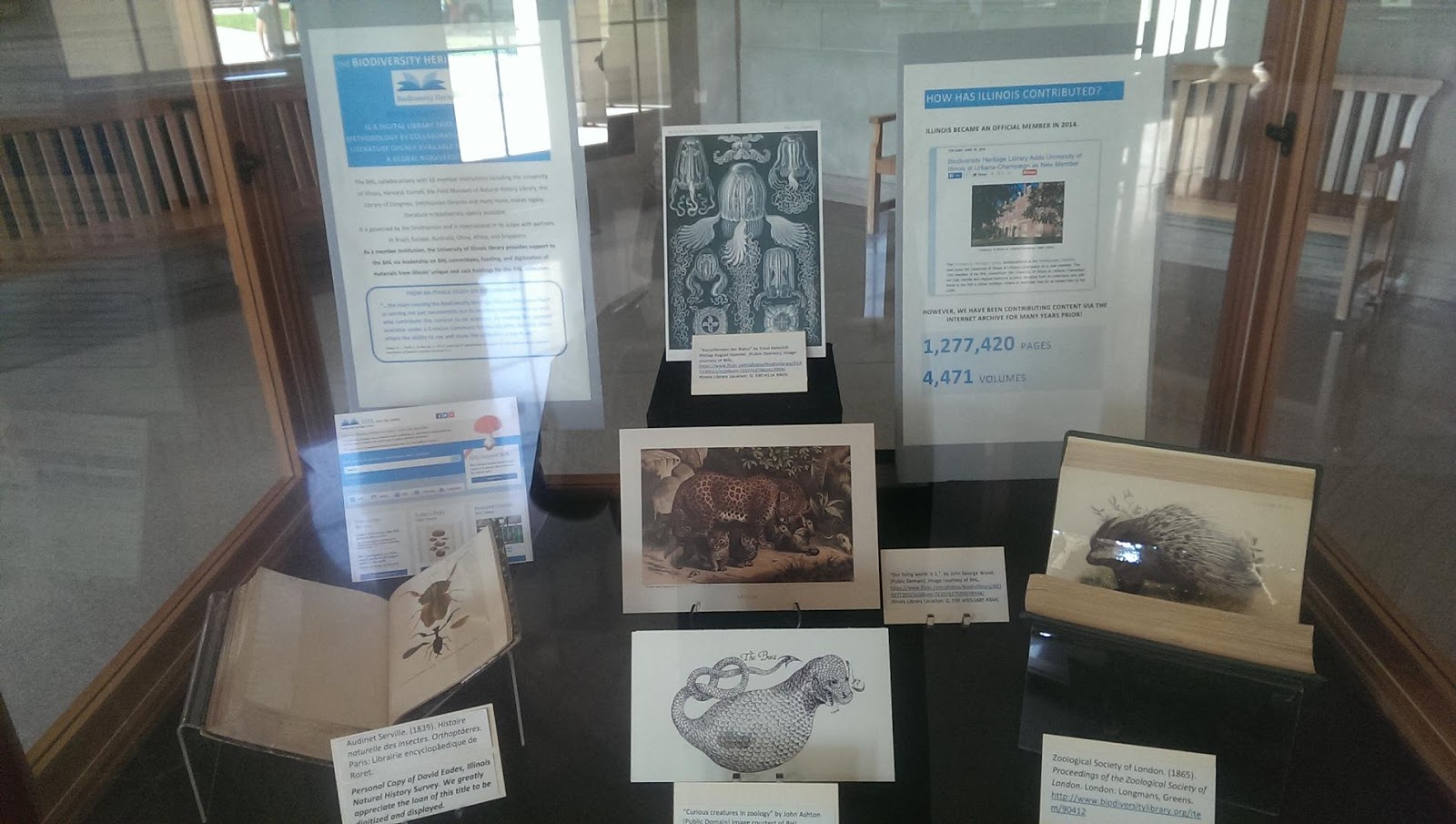
On September 1, 2015, the University Library unveiled an exhibit about BHL at the Main Library Marshall Gallery entitled: “Celebrating the Biodiversity Heritage Library: Supporting Scientists Worldwide.” This free exhibit highlights contributed materials from the University as well as the BHL collection itself and draws attention to Library digitization efforts and historic scientific materials on campus. The exhibit runs through September 30, 2015. Learn more.

View Full Size Image
“Celebrating the Biodiversity Heritage Library: Supporting Scientists Worldwide” exhibit at the University of Illinois at Urbana-Champaign’s Main Library Marshall Gallery. Image Credit: Kelli Trei.

Be sure to check out the exhibit if you’re visiting or live near the University of Illinois at Urbana-Champaign, and explore the University Library’s collection on BHL!

September 14, 2015by Grace Costantino
Blog Reel, User Stories

“What a Gem!” BHL Supports Teuthology Research

Here’s a word of the day for you: Teuthology.

What does it mean? It’s the study of cephalopods. What are cephalopods? Well, they are a class of mollusks that include two extant subclasses: Coleoidea and Nautiloidea.

Still not sure what cephalopods are? You probably know them by their more common monikers: octopuses, squid, cuttlefish, and nautiluses. There are over 800 living species of cephalopods known today.

View Full Size Image
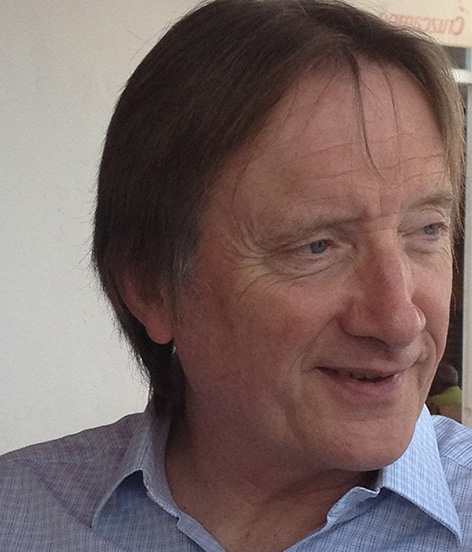
Dr. Ian G. Gleadall, Reader in Marine Biology at the International Fisheries Science Unit of Tohoku University Graduate School of Agricultural Sciences, Sendai, Japan.

Dr. Ian G. Gleadall has been studying the biology of cephalopods (particularly octopuses) for 40 years. Dr. Gleadall (a marine biologist who works in Sendai, Japan) discovered BHL in November, 2014 while visiting the National Museum of Natural History in Paris. It has had a profound impact on his research. As Dr. Gleadall explains:

“[BHL] is a truly wonderful tool. Highly useful, reliable in operation, intuitive and easy to use. I have been writing a complex systematic review of cephalopod taxonomy, with an emphasis on the octopuses of the Indo-Pacific region, particularly centred on the seas of the Japanese Archipelago. Because of many previous errors and unclear references to earlier studies in this field, I had recently decided to go deeper into previous naming systems for the Cephalopoda, particularly as regards the various groups of octopus.

“There are a number of different, rival schemes in taxonomy, so it is necessary to read the original description for each name in order to assess which should be regarded as the most appropriate to use. Many of the earlier works were published in rare and valuable tomes which are now difficult to get hold of. These books are sometimes huge in size and libraries are reluctant to have them inspected at first hand because their condition is often deteriorating and they may be heavy and difficult to handle. Getting copies of such works is in itself often very difficult and the administrative procedures can be frustrating and time consuming. It is also expensive to visit each institution concerned in many different countries.

“However, the BHL online catalogue of works provides access to a large number of such rare works, allowing me to find and study many of the books I need to use from the comfort of my laptop computer and a wireless internet connection. If I want to have copies of relevant sections, it is very easy to mark pages for collation into a customized PDF file, or even to download an entire book. This service has proven to be extremely valuable to me.

“Over recent months I have been able to quickly gain access to many older texts and this has enabled me to achieve my aims far quicker than would otherwise have been possible. For example, often when I read a new work, I find further references to works that I previously was not aware of. I can then quickly look for (and find) those using BHL. Normally, this could involve having to revisit a library in another country that I have already visited once, or I would have to try to get the library staff to send me a copy, neither of which is as fast or convenient as using BHL.”

During intensive periods of study, Dr. Gleadall uses BHL daily, sometimes downloading up to four 4 custom PDFs in a day, in addition to studying other materials online. It’s not surprising, then, that the ability to download custom PDFs is Dr. Gleadall’s favorite feature on BHL.

“About half of the publications that I access on BHL I read online and take notes. Where there is a lot of material and I do not have time to complete my work in a single session (or if there are many data-dense tables, for example), I’ll select the pages that I’m interested in and arrange for a custom PDF,” explains Dr. Gleadall. “[The custom PDF service] is so easy and intuitive to use (why can’t other internet services be so convenient and trouble-free?!).”

View Full Size Image
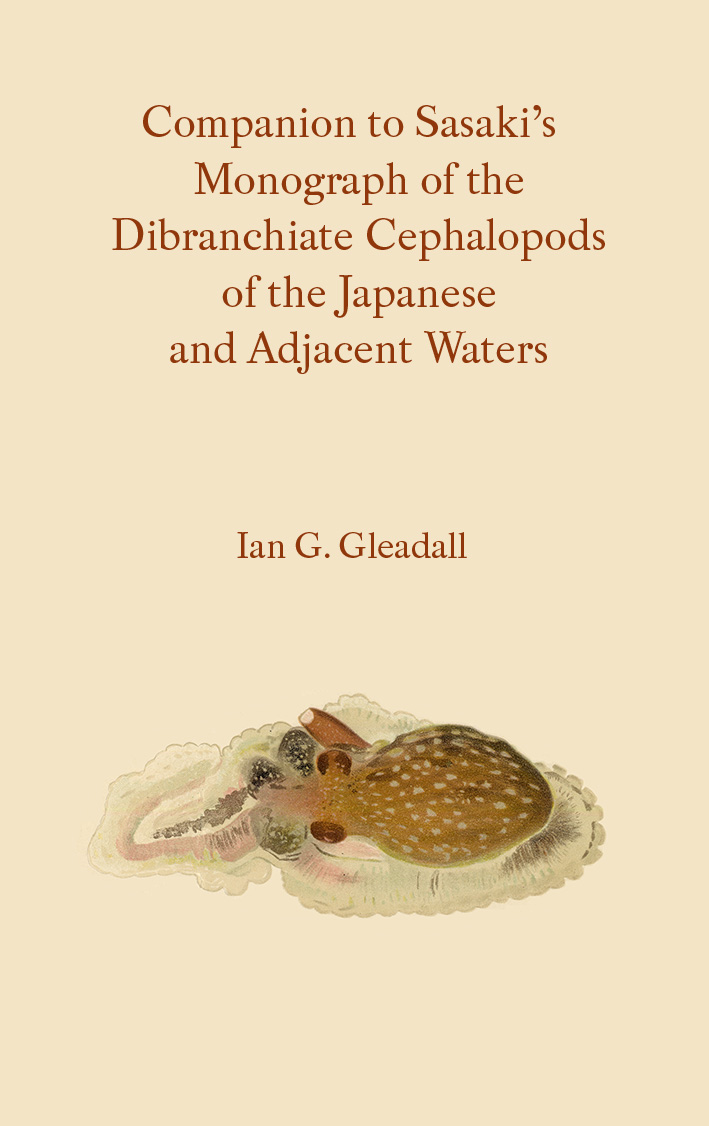
A book by Ian Gleadall (in the final stages of publication) concerning the classic 1929 monograph on the Cephalopoda by Madoka Sasaki. In writing this book, many of the references required to prepare the synonymies of various cephalopod orders, families, genera and species were viewed using the BHL online archive.

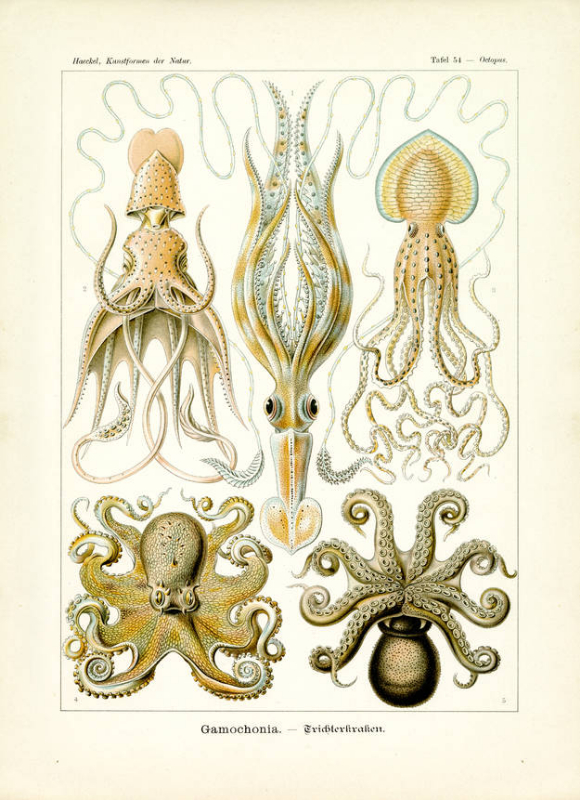
A highlight for Dr. Gleadall in his research is the opportunity to explore some of the beautiful works of art that are part of the heritage of biological description, such as the stunning cephalopod lithograph created by Ernst Haeckel as part of his Kunstformen der Natur (1904).

View Full Size Image
54th plate from Ernst Haeckel’s Kunstformen der Natur (1904), depicting squids and octopuses classified as Gamochonia. http://biodiversitylibrary.org/page/47388247.
View Full Size Image
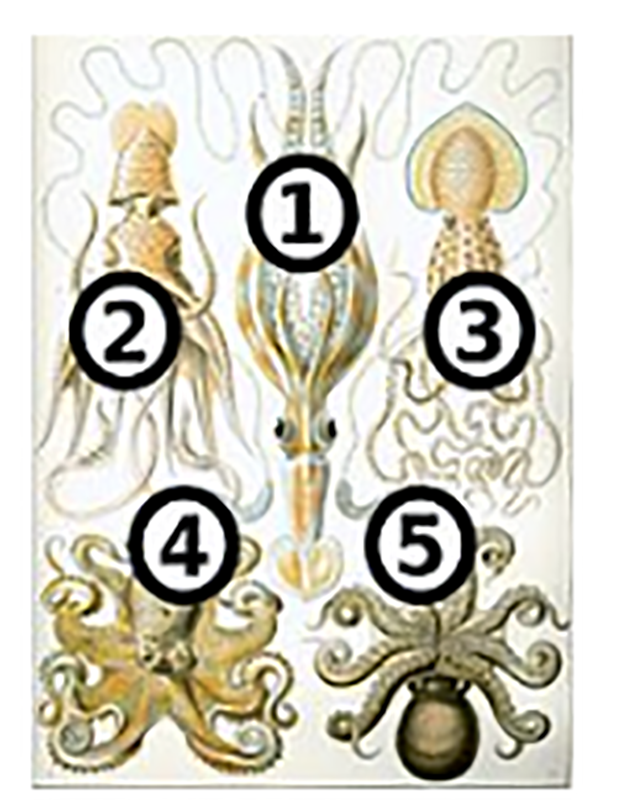
Key to Haeckel’s plate, above. 1) Chiroteuthis veranyi (Férussac); 2) Histioteuthis ruppellii (Vérany); 3) Pinnoctopus cordiformis (Quoy and Gaimard); 4) Octopus vulgaris(Lamarck); 5) Octopus granulatus (Lamarck).

“In modern times, there are many artful illustrations and computer graphic images, but many people are unaware of the gorgeous images of more than 100 years ago, where no expense was spared to produce magnificent series of books reporting on the collections from localities far and wide by the early explorers,” lauds Dr. Gleadall.

While the experience of seeing these illustrations in person creates an impression that a computer screen cannot quite replicate (as Dr. Gleadall explains, many of the rare volumes containing these artworks are massive in size), it is often difficult to gain access to such works in physical library collections. The availability of these books in BHL, and the artwork on the BHL Flickr, ensures that everyone can see and experience this wonderful biodiversity heritage.

It is this immediate and unrestricted access that has most-impacted Dr. Gleadall’s work.

“BHL has considerably smoothed the way for me and speeded up the rate at which I can view a large number of relevant references. I look forward to being able to publish my results far more quickly than would otherwise have been possible without BHL. Many thanks.”

Thank you, Dr. Gleadall, for sharing with us the impact that BHL has on your work. Do you use BHL to support your own research? Want to tell us about it? Send an email to [email protected]!

September 10, 2015by Grace Costantino
Blog Reel, Featured Books

Beyond Shells: The Birth of Malacology

Until the late 18th century, the study of mollusks was based largely on shells. Very little research or published information existed about molluscan anatomy and soft tissues. Giuseppe Saverio Poli, recognized by many as the father of malacology, changed this with his monumental publication, Testacea utriusque Siciliae eorumque historia et anatome (1791-1827).

Poli, born in 1746 in Molfetta, Italy, studied classics, theology, and natural sciences at the University of Padua. In 1774, he traveled to London during an appointment at the Royal Military Academy, where he met physician and collector William Hunter, who suggested that he study the mollusks of the Mediterranean.

View Full Size Image
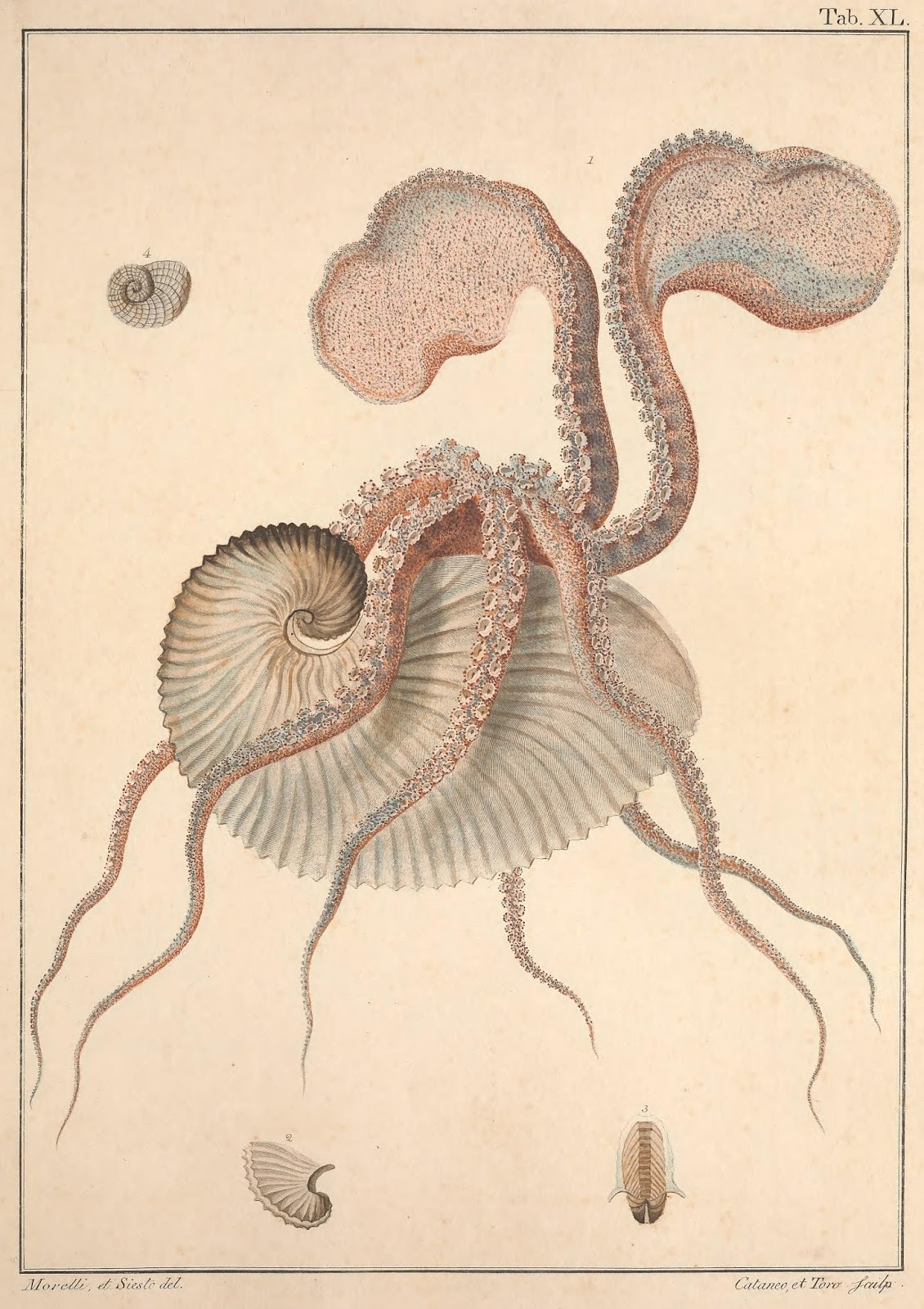
External morphology of a female paper nautilus (Argonauta argo) with egg case. Poli, Giuseppe Saverio. Testacea utriusque Siciliae. (1791-1827). http://biodiversitylibrary.org/page/44020354.

In the midst of a turbulent time in European history, with the outbreak of the Napoleonic wars at the beginning of the nineteenth century, Poli published his groundbreaking treatises on the comparative anatomy and classification of mollusks of Naples and Sicily, complete in three volumes under the title Testacea utriusque Siciliae eorumque historia et anatome. The first two volumes were published under Poli’s supervision in 1791 and 1795, but the outbreak of civil war in 1799 delayed the publication of the third, which was eventually published posthumously in two parts from 1826-27. The first part of volume three lists Poli as the author but provides annotations by Stefano Delle Chiaje, while the second part was authored by Delle Chiaje and describes the remaining species illustrated by Poli.

View Full Size Image
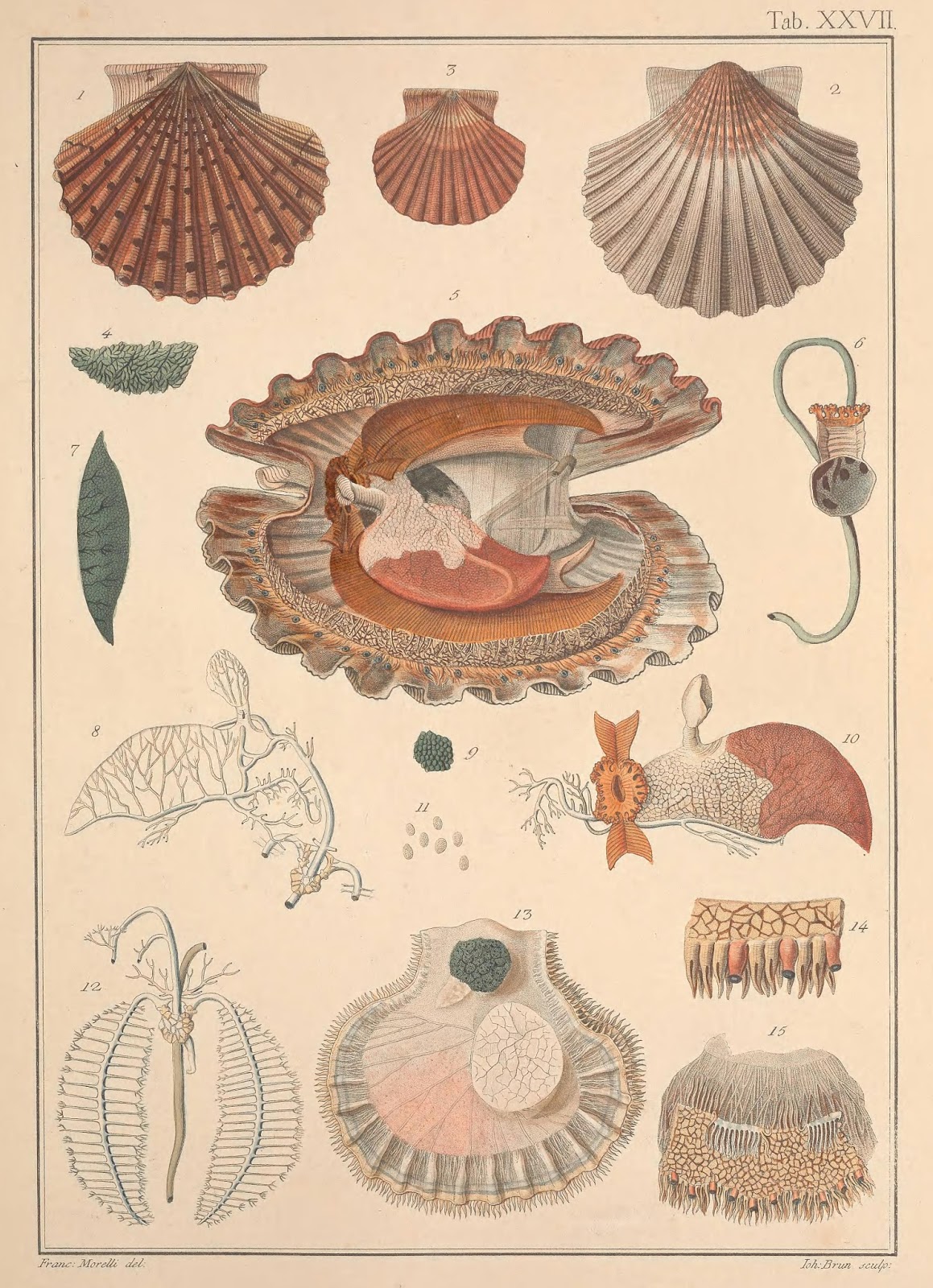
Shell morphology and internal and external anatomy of Mediterranean scallop (Pecten jacobaeus). Poli, Giuseppe Saverio. Testacea utriusque Siciliae. (1791-1827). http://biodiversitylibrary.org/page/44020302.

Testacea utriusque Siciliae is not only exquisitely illustrated with engraved colored plates featuring matching line-drawing versions with labels, but it also provided significant and novel insights about mollusks. While most of his contemporaries studied mollusks only through the lens of their shells, Poli recognized the importance of the information available in the soft tissues and documented molluscan morphology in great detail. Many of his observations were new to science; Poli was the first author to identify structures on the mantle edge of some bivalve mollusks as eyes.

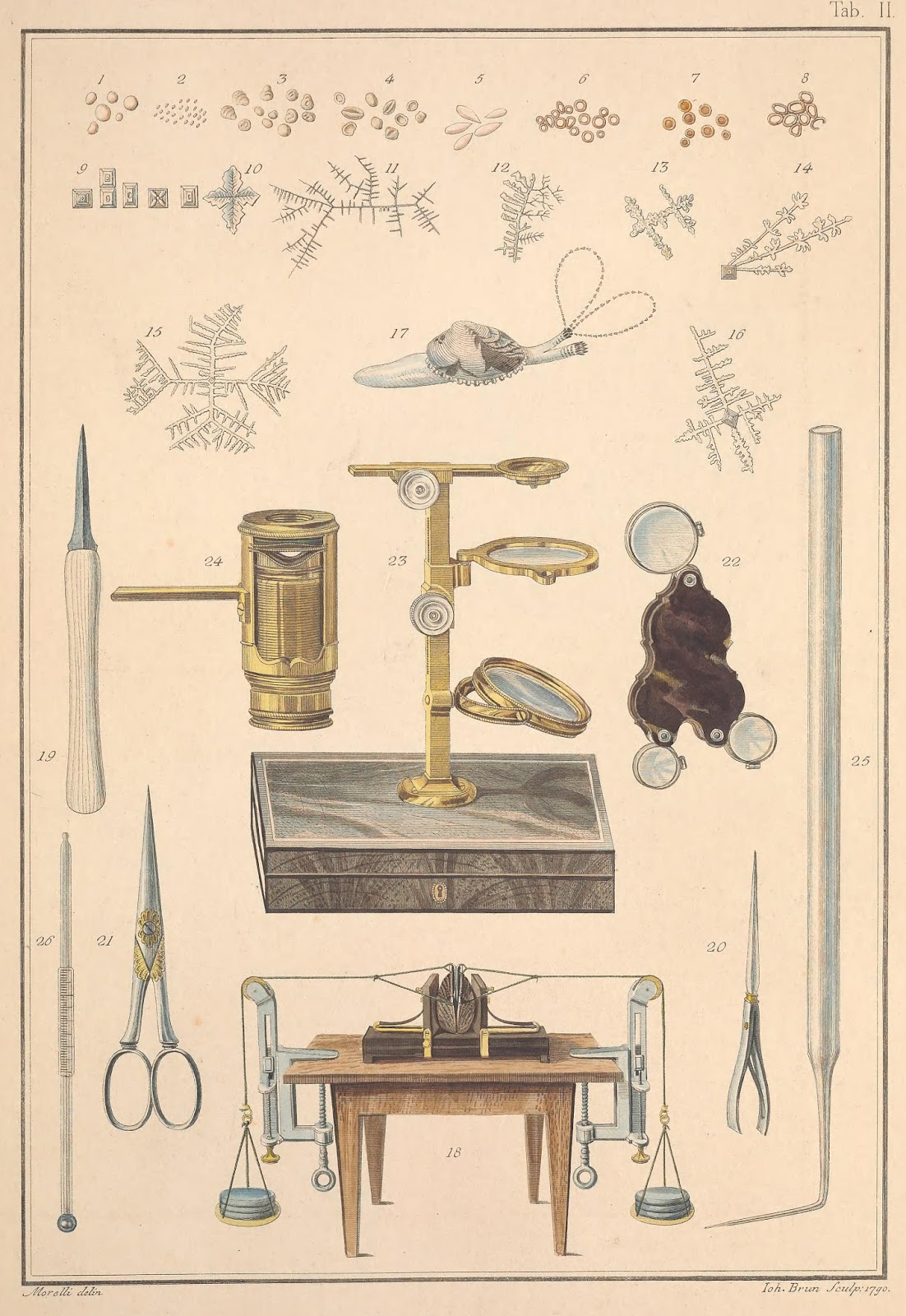
Testacea utriusque Siciliae was also the first treatise on molluscan biochemistry and physiology. A variety of tools, developed by Poli himself, were used to study reproduction and digestion, measure the contractile force of adductor muscles, trace blood flow and study blood composition, and describe the crystalline structure and chemical composition of shells in mollusks.

View Full Size Image
Instruments used by Poli, including dissecting tools, microscopes, and tools to measure the contractile force of adductor muscles in clams. Poli, Giuseppe Saverio. Testacea utriusque Siciliae. (1791-1827). http://biodiversitylibrary.org/page/44020202.

Finally, Testacea utriusque Siciliae was the first work to propose a classification system for mollusks based on soft anatomical characteristics. The predominant classification system of the day was based on the structure of the shells.

View Full Size Image
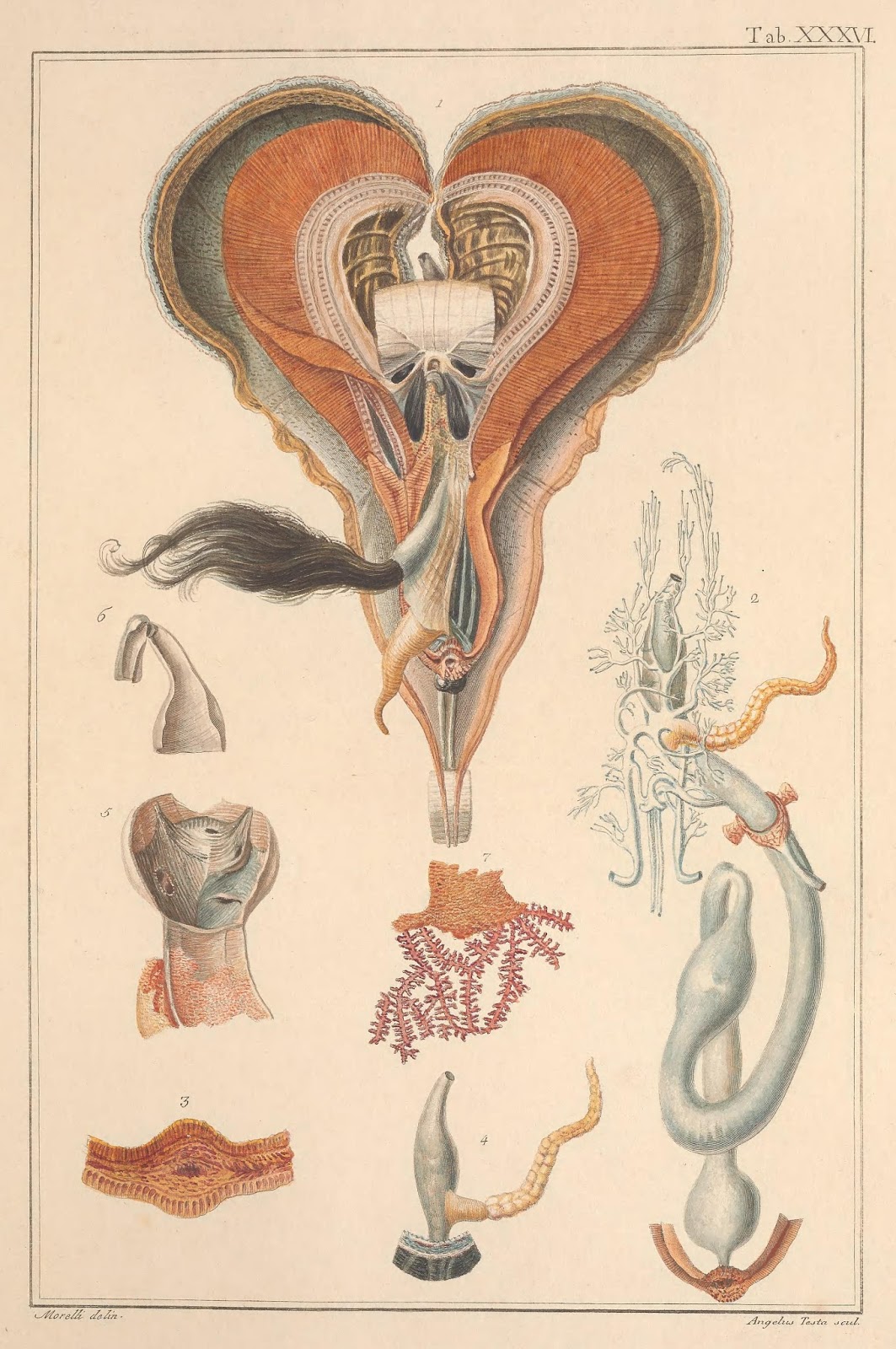
External morphology and dissections of the Mediterranean pen shell (Pinna nobilis). Poli, Giuseppe Saverio. Testacea utriusque Siciliae. (1791-1827). http://biodiversitylibrary.org/page/44020338.

In short, Testacea utriusque Siciliae established molluscan comparative anatomy as a distinct discipline, secured Poli’s position as the father of malacology, and provided an essential foundation for the work of future malacologists.

You can view this monumental publication for free in BHL, digitized by Smithsonian Libraries.

Information for this post based on the essay “At the Dawn of Malacology: The Salient and Silent Oeuvre of Giuseppe Saverio Poli” by Ilya Tëmkin from Natural Histories (2012).

August 20, 2015by Grace Costantino
BHL News, Blog Reel

The Arcadia Fund Awards Grant to Support The Field Book Project

The Smithsonian Libraries received a $511,200 grant from the Arcadia Fund for The Field Book Project to provide free, online access to the Smithsonian’s field books on biodiversity research. Over a two-year period, the grant will support the cataloging of 2,000 field books and the digitization of 2,600 field books, which will be made openly available via multiple platforms, including the Smithsonian’s Collection Search Center and the Biodiversity Heritage Library (BHL).

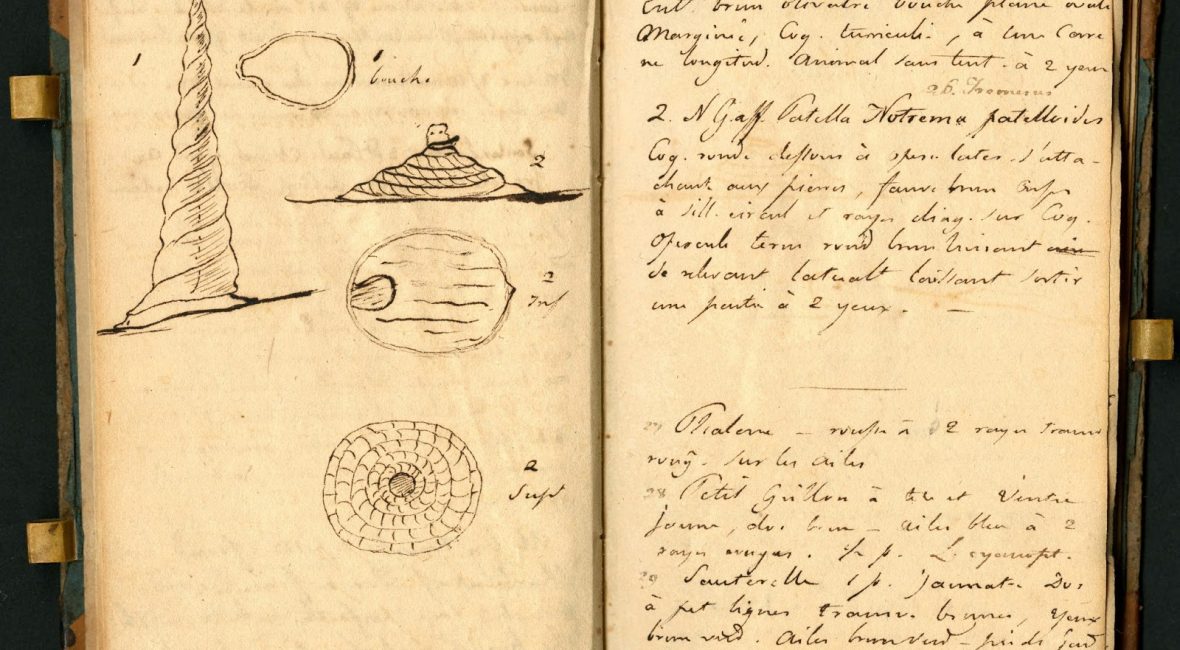
The Smithsonian holds thousands of field books documenting the flora, fauna and ecosystems of the world. Launched in 2010, The Field Book Project is a collaboration to improve access to these field notes and other primary source documentation of field research related to biodiversity. As primary sources, field books are not only unique as material objects, but many also contain unique information on species and ecosystems – information that may be unpublished and unavailable through other sources.

View Full Size Image
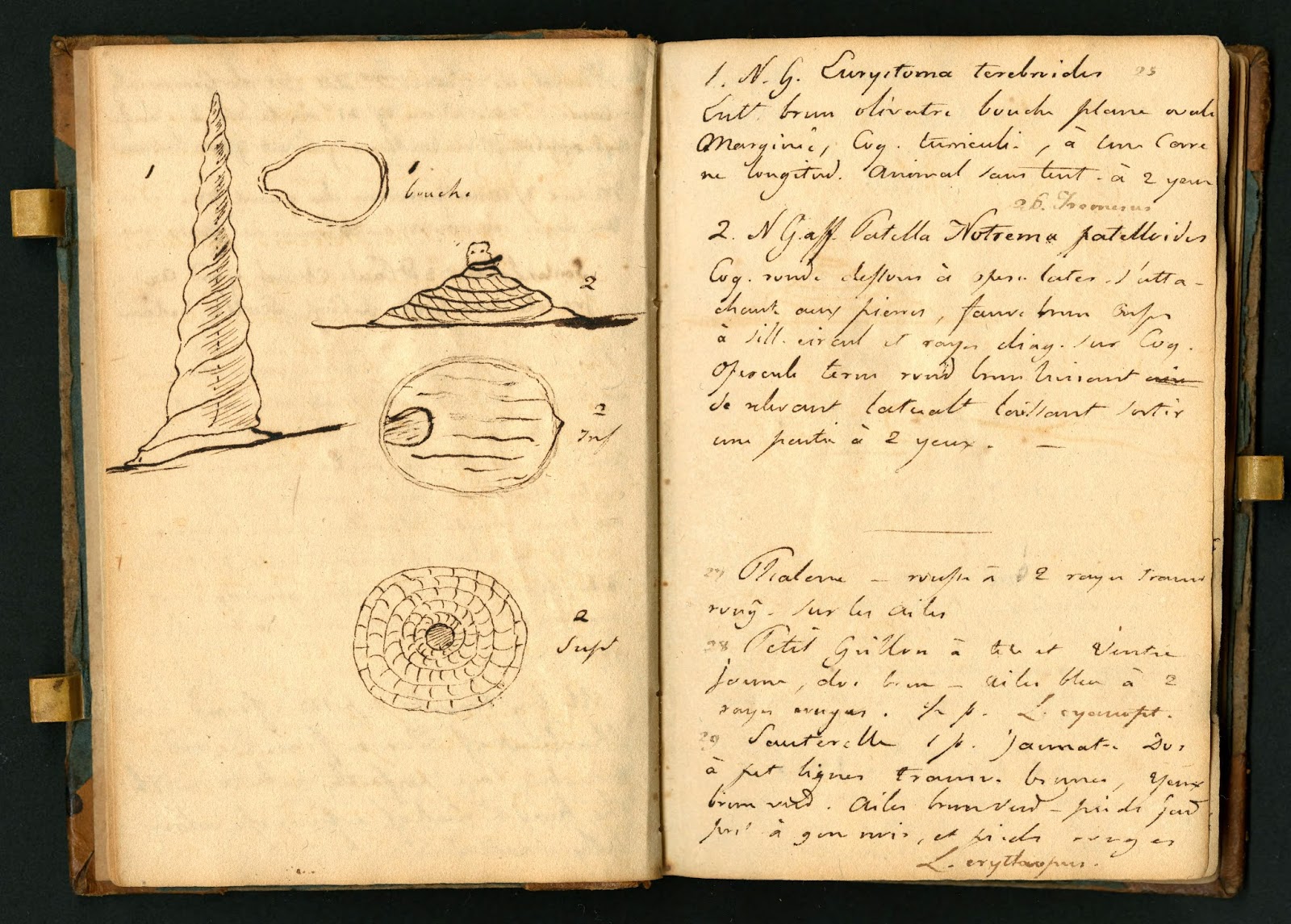
Rafinesque, C. S. (Constantine Samuel). Notebook kept by Rafinesque on a trip from Philadelphia to Kentucky, 1818. http://biodiversitylibrary.org/page/45995997. Made available in BHL as part of The Field Book Project.

The Smithsonian Libraries, the Smithsonian Institution Archives, BHL and the Smithsonian’s National Museum of Natural History will work closely together to conduct conservation reviews, catalog, digitize and provide open access to the natural history field books at the Smithsonian. “Bringing these works together with the published literature means we can begin to fill some of these information gaps to better understand ecosystem changes and the context behind the research. Such knowledge can empower scientists, regional and national leaders, and others to develop strategies for addressing biodiversity loss,” said Martin Kalfatovic, BHL program director.

View Full Size Image
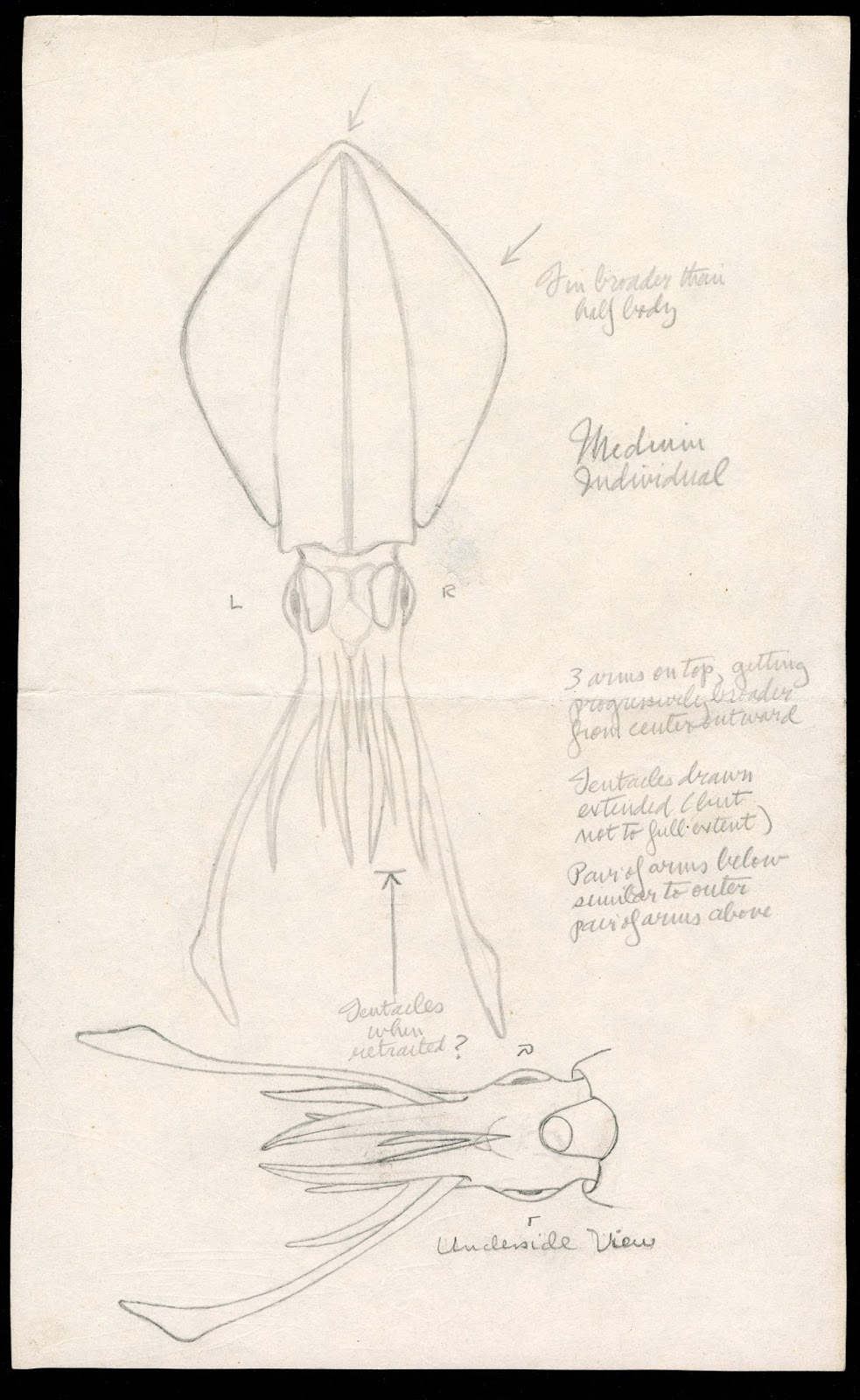
Moynihan, M. Cephalopoda (Squid) 1971-1973, 1975-1979, 1981-1982 (1 of 3). http://biodiversitylibrary.org/page/46283099. Made available in BHL as part of The Field Book Project.

The work of initiatives like The Field Book Project directly relates to the Smithsonian’s grand challenge of broadening access to collections. “Original field notes are often hidden in larger collections of archival material and are difficult to find,” explained Anne Van Camp, director of the Smithsonian Institution Archives. “Information contained in field books tells the stories of exploration, discovery and collecting events that have shaped our understanding of the natural world. The notes also provide deep insight into the personal nature of those individuals that first encountered the vast biodiversity across the Earth. Providing access to this information allows researchers to further understand the history of scientific exploration and to relate that past to the present.”

Browse over 500 field books from The Field Book Project in BHL. Stay tuned to our blog for future updates from The Field Book Project.

August 7, 2015by Grace Costantino
Blog Reel, Featured Books

I spy something fowl…

Connecting Field Book Observations to Scientific Illustrations

Field books are important primary source materials for biodiversity research. Their pages are the first to document the thoughts, observations, musings, and raw data generated or gathered by a scientist while in the field. They are the foundation upon which published natural history literature is based.

The Field Book Project (FBP) is working to improve access to field books in the Smithsonian’s collections. Digitized versions of these field books are made available in the Biodiversity Heritage Library (BHL). There are currently over 500 field books from FBP in BHL.

One of these field books was written by Joshua F. B (Fry Bullitt) Camblos (1916-2012). Camblos was a medical doctor with a keen interest in ornithology, and his field books contain details about the birds, eggs, and nests he spied in the woods of Virginia. His field book available in BHL documents these observations from February-April 1934, including descriptions of nests, condition and appearance of eggs, area vegetation, and bird behavior.

Since there is such a strong correlation between field books and published literature, we thought it would be fun to expand on the theme and connect Camblos’ observations to published illustrations of some of the species he described. We turned our spyglass towards the BHL collection to uncover some of our favorite published illustrations. We then present Camblos’ description of the bird, nest, and eggs he found in Virginia in 1934 together with an illustration and a bit of information about the publication it came from.

We hope you enjoy our fowl-focused game of “I Spy” within the published and unpublished literature on BHL. Explore more field books from The Field Book Project in BHL and learn more about the program in this past post.

House Wren (Troglodytes aedon)

View Full Size Image

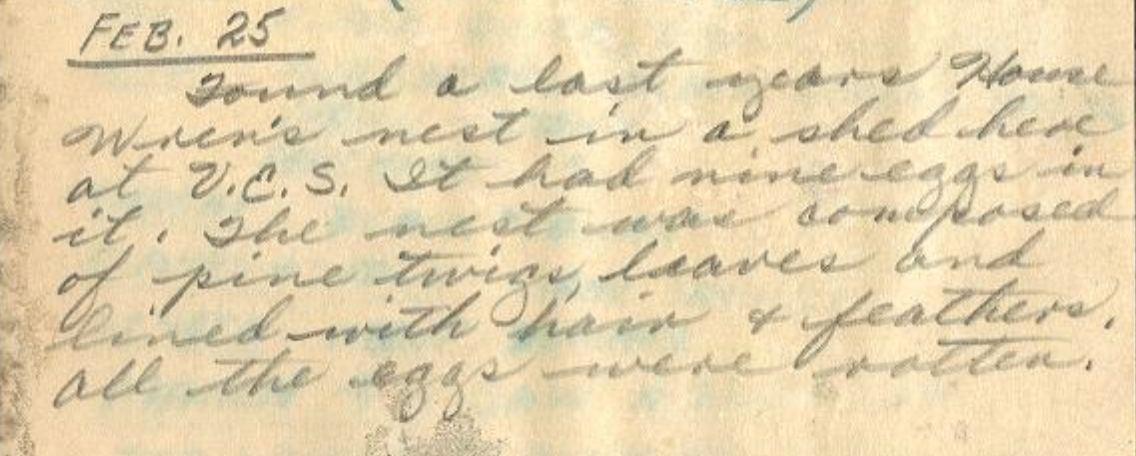
Camblos writes:
“Feb. 25
Found a last years House Wren’s nest in a shed here at V.E.S. It had nine eggs in it. The nest was composed of pine twigs, leaves and lined with hair and feathers. All the eggs were rotten.”

View Full Size Image
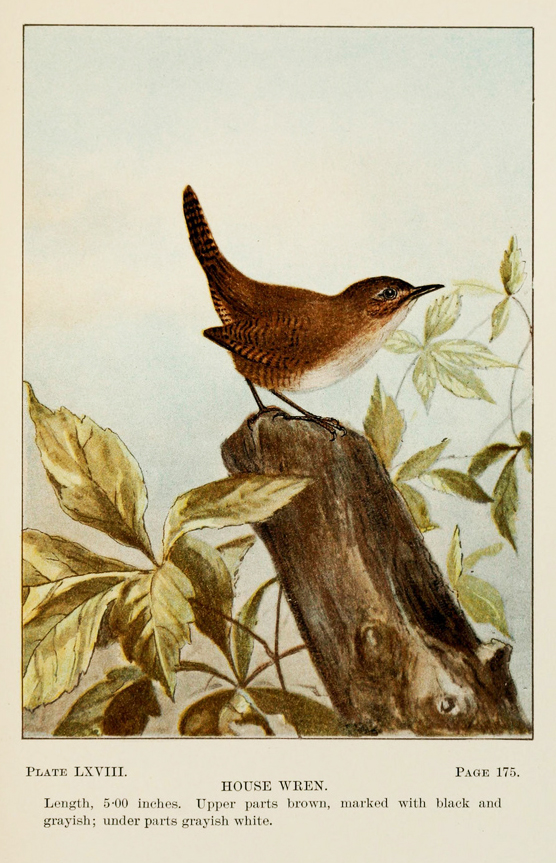
Chapman, Frank M. Bird-life: a guide to the study of our common birds. 1900. http://biodiversitylibrary.org/page/7855990.

Frank M. Chapman was an ornithologist, former Curator of Birds at the American Museum of Natural History, and founder of Bird-Lore, which became Audubon Magazine. In 1900 he proposed the idea of the Christmas Bird Count (CBC), an annual census of birds in the Western Hemisphere performed to this day and administered by the National Audubon Society. He also wrote many field guides, such as Bird-life: a guide to the study of our common birds, which was illustrated by wildlife artist Ernest Thompson Seton, who was also one of the founding pioneers of the Boy Scouts of America (BSA).

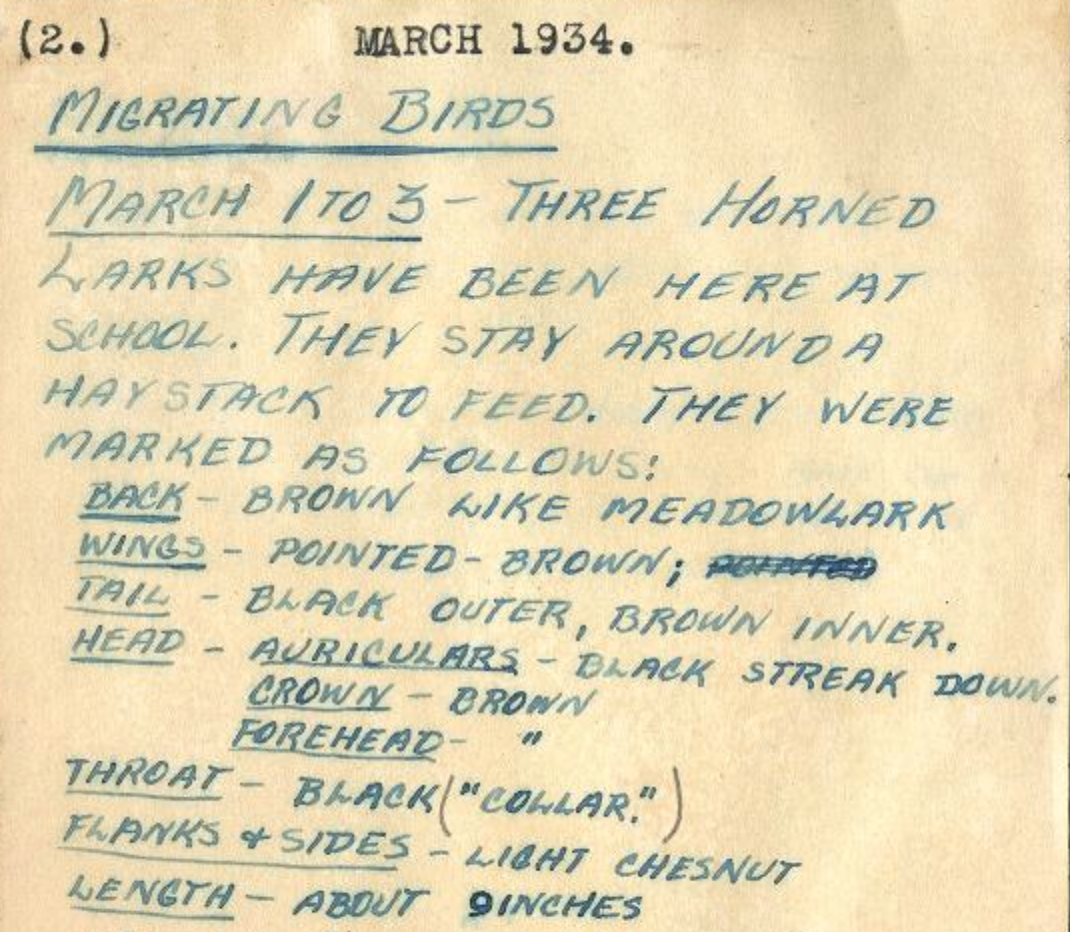
Horned Lark (called shore lark in Europe) (Eremophila alpestris)

View Full Size Image

Camblos writes:
“March 1 to 3 – Three horned larks have been here at school. They stay around a haystack to feed. They were marked as follows:
Back – Brown like meadowlark
Wings – Pointed brown
Tail – Black outer, brown inner
Head – Auriculars – Black streak down.
Crown – Brown
Forehead – ”
Throat – Black (“collar.”)
Flanks and Sides – Light chesnut
Length – About 9 inches.”

View Full Size Image
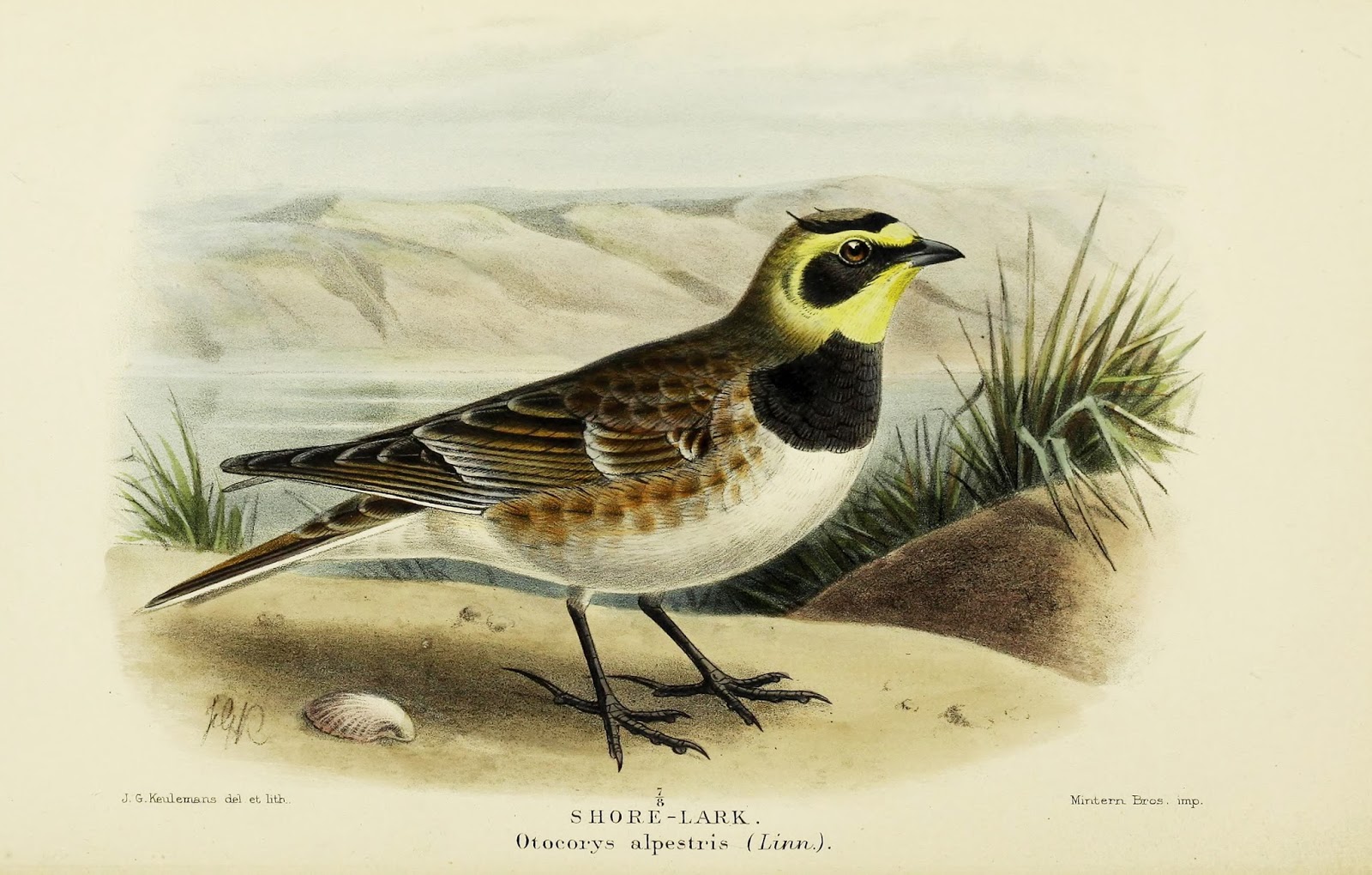
Lord Lilford. Coloured figures of the birds of the British Islands. v. 4 (1885-97). http://biodiversitylibrary.org/page/43081338.

Thomas Littleton Powys, 4th Baron Lilford, was a British aristocrat and ornithologist. He was one of the eight founders of the British Ornithologists’ Union in 1858 and its President from 1867 until his death. His book Coloured Figures of the Birds of the British Islands, was completed by Osbert Salvin (best known for co-authoring Biologia Centrali-Americana) after his death, and was illustrated by the famous bird artist Johannes Gerardus Keulemans.

Great Horned Owl (Bubo virginianus)

View Full Size Image

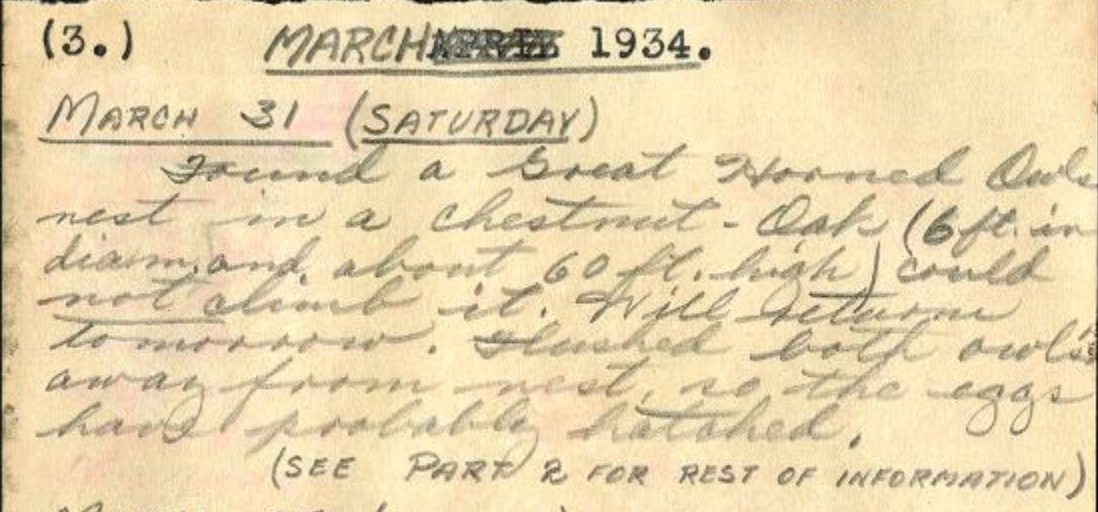
Camblos writes:
“March 31 (Saturday)
Found a Great Horned Owl’s nest in a chestnut-oak (6 ft. in diam. and about 60 ft. high) could not climb it. Will return tomorrow. Flushed both owls away from nest, so the eggs have probably hatched. (See part 2 for rest of information)”

True to his word, Camblos continues the narrative of the great horned owl the following day, with a story that involves chicks and skeletons. Check it out!

View Full Size Image
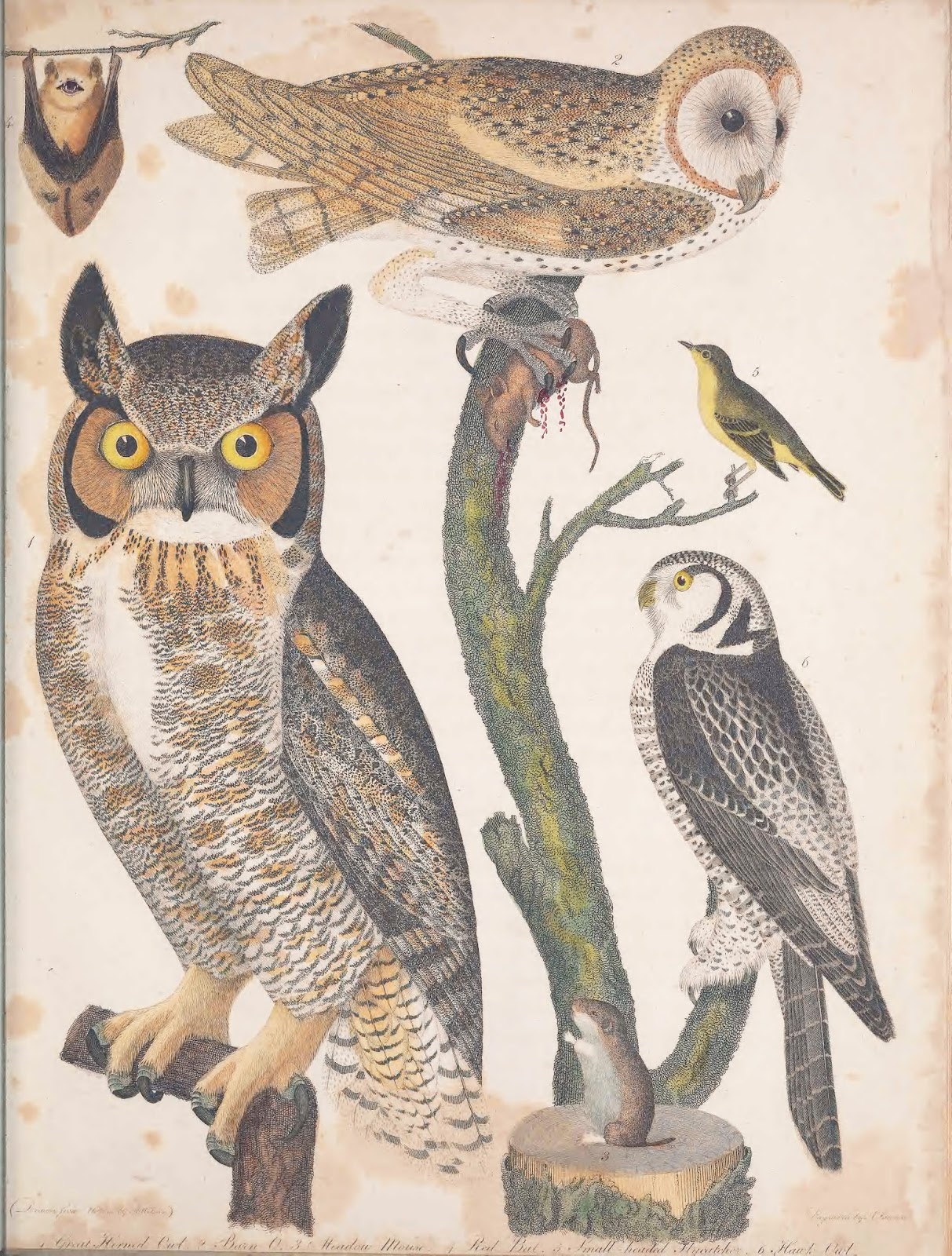
Wilson, Alexander. American Ornithology. v. 6 (1812). http://biodiversitylibrary.org/page/46331204.


Here we see the great horned owl (lower left) amongst some of his winged friends (ave and mammal alike!). This illustration hails from Alexander Wilson’s American Ornithology. Wilson, called the “Father of American Ornithology” by some, traveled over 10,000 miles across North America observing and collecting birds, which he chronicled and illustrated in American Ornithology. The publication included over 260 species, 48 of which were new to science, and was published in at least 10 editions over 70 years. Sadly, he died at the age of 47 from dysentery and exhaustion. Learn more about Wilson’s incredible travels, and his other love – poetry – in a past blog post.

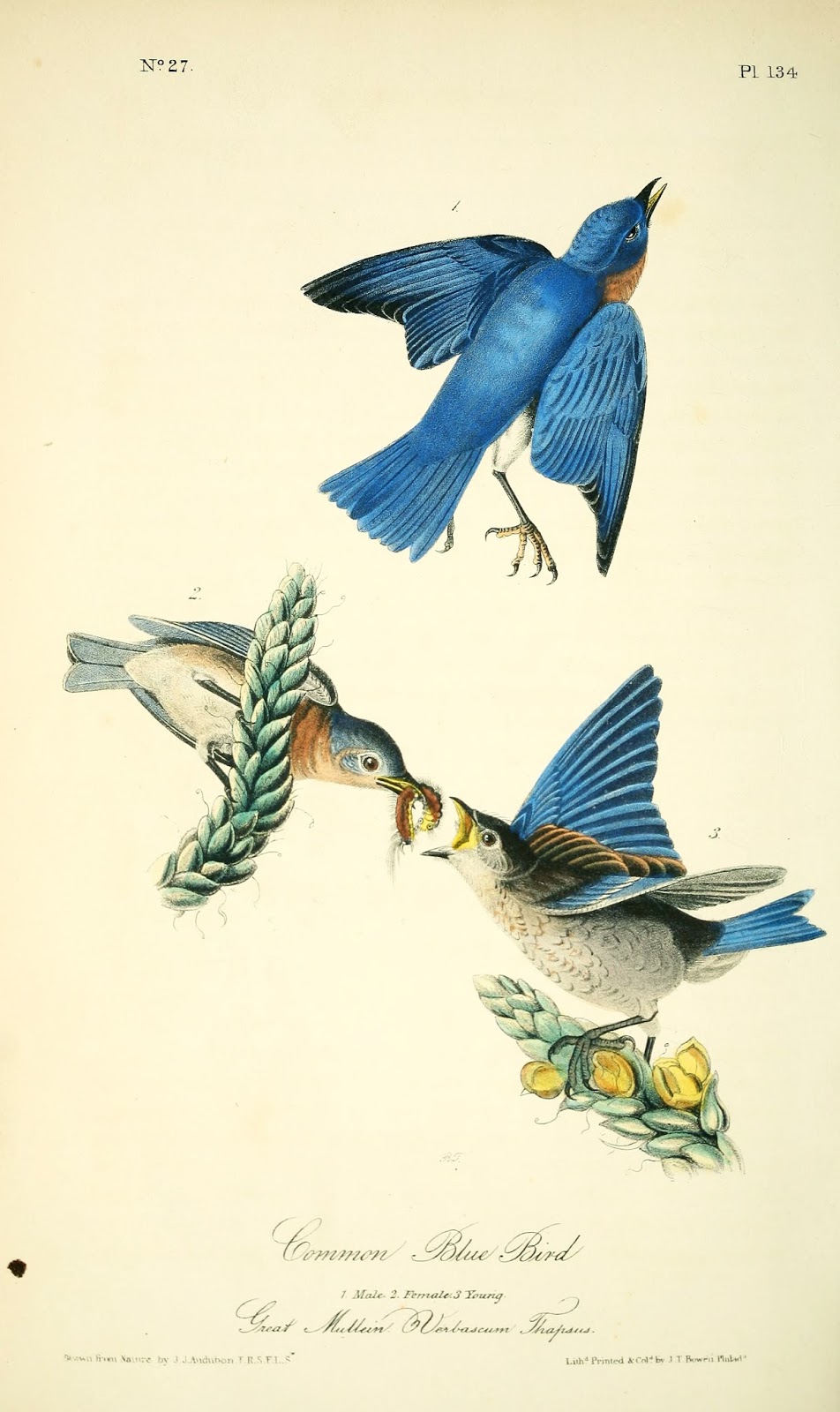
Eastern Bluebird (Sialia sialis)

View Full Size Image

Camblos writes:
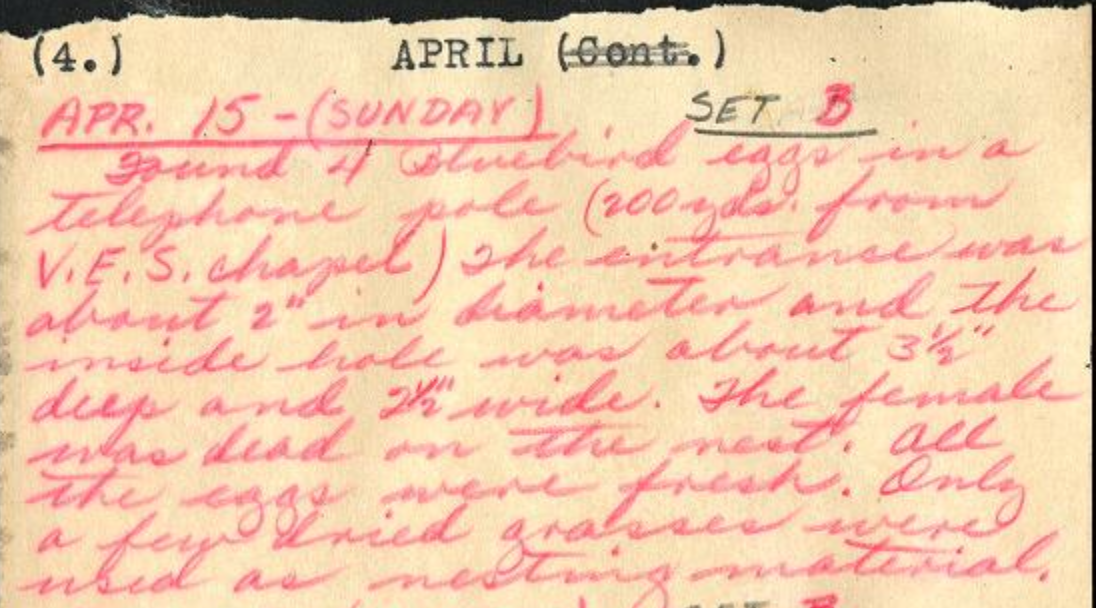
“April 15 – (Sunday)
Found 4 bluebird eggs in a telephone pole (200 yds. from V.E.S. chapel). The entrance was about 2″ in diameter and the inside hole was about 3 1/2″ deep and 2 1/2″ wide. The female was dead on the nest. All the eggs were fresh. Only a few dried grasses were used as nesting material.”

View Full Size Image
Audubon, John James. Birds of America. v. 2 (1841). http://biodiversitylibrary.org/page/40383680.

John James Audubon is pretty much a house-hold name. This French-American ornithologist, naturalist, and painter, was responsible for one of the most celebrated ornithological books ever published, Birds of America. After immigrating to the United States, Audubon undertook an expedition in 1820 up the Mississippi in an endeavor to paint all the birds of North America for eventual publication. This ambition later became Birds of America. The work represents more than 14 years of field observations and drawings by Audubon and contains 435 hand-colored, life-sized prints of 497 bird species and presents a total of more than 700 North American bird species. Learn more about the work and Audubon in a past blog post.

American Robin (Turdus migratorius)

View Full Size Image

Camblos writes:
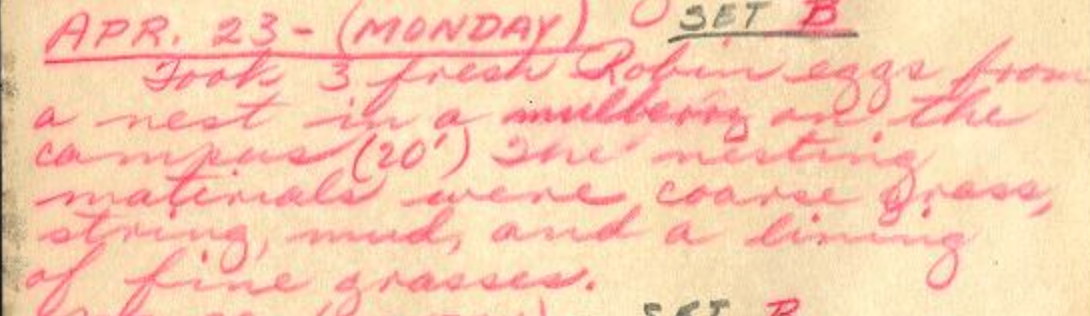
“Apr. 23 – (Monday)
Took 3 fresh Robin eggs from a nest in a mulberry on the campus (20′). The nesting materials were coarse grass, string, mud, and a lining of fine grasses.”

View Full Size Image
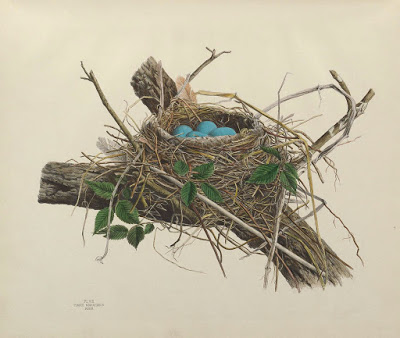
Robin’s nest with eggs. Illustrations of the nests and eggs of birds of Ohio. 1886. http://biodiversitylibrary.org/page/34907621.

In 1877, Genevieve Jones decided to create a series of plates for a publication depicting the nests and eggs of Ohio birds. She enlisted the help of close friend Eliza Schulze, and together the two women, amateur artists with no formal training, embarked on the venture. The first three plates, along with the accompanying text by Howard Jones, were sent to publication in 1879. Unfortunately, on August 17th, 1879, Genevieve Jones died of typhoid fever. Desiring to continue the work, Miss Schulze enlisted the help of Genevieve’s mother, Mrs. N. E. Jones. Eventually, Miss Schulze relinquished all of her interests in the title to Mrs. Jones. Determined to move forward, Mrs. Jones undertook the responsibility for all of the illustrations herself, eventually employing three additional artists, Miss Nellie D. Jacob, Miss Josephine Klippart, and Miss Kate Gephart. The final work, entitled Illustrations of the nests and eggs of birds of Ohio, consists of two volumes and 68 plates. Learn more about the work in this past post.

August 6, 2015by Grace Costantino
BHL News, Blog Reel

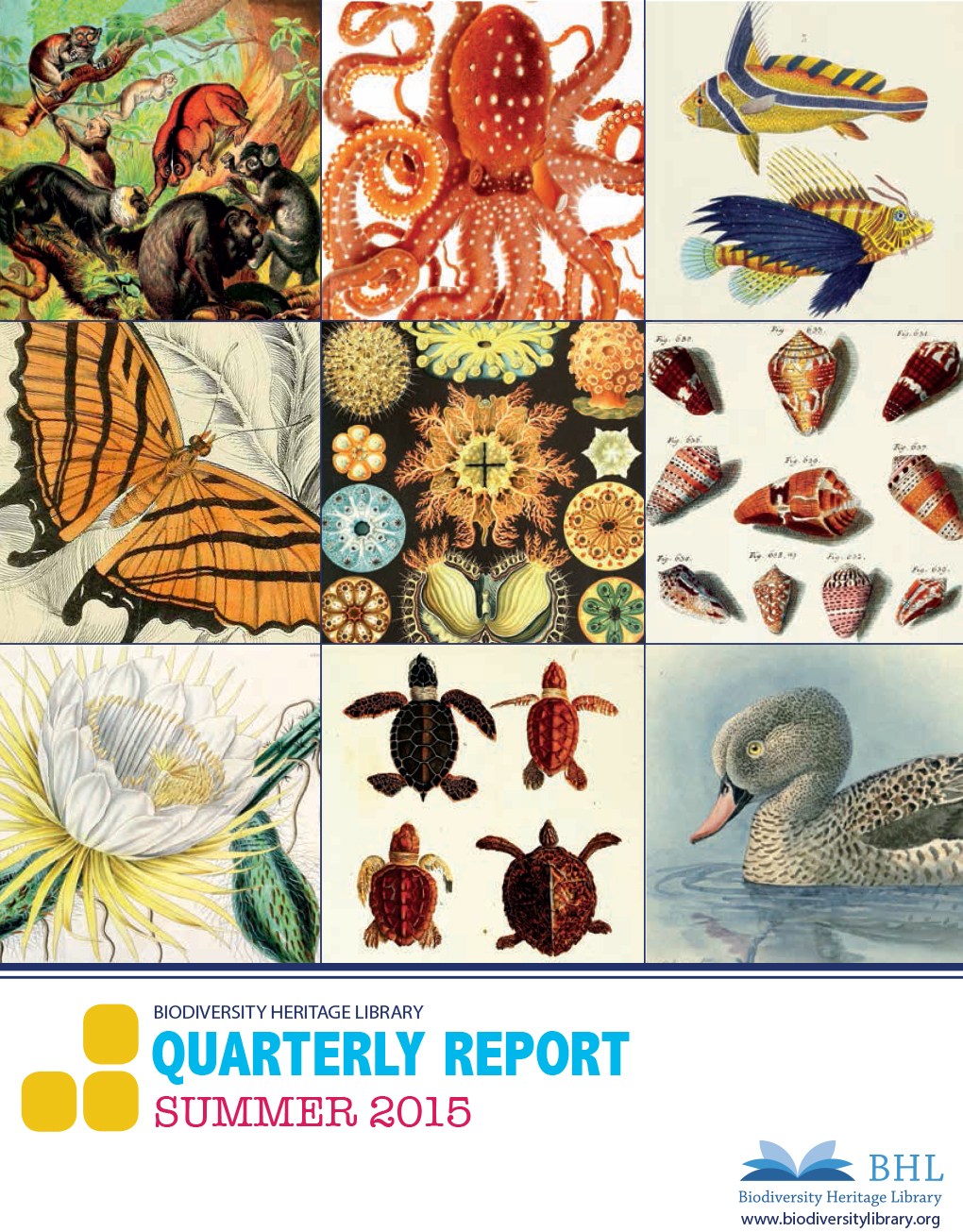
BHL Summer Newsletter and Quarterly Report Now Available!

How does the Biodiversity Heritage Library support scientific initiatives around the world?

BHL’s latest quarterly report highlights many ways that our open access biodiversity resources are supporting the work of scientists and researchers across the globe, including in the fields of taxonomy, agricultural science, ocean sciences, and more.

Plus, you can explore all of the great things that BHL has been up to the past few months.

Check out our Summer 2015 Quarterly Report today.

You can also see some of our latest developments in our Summer 2015 newsletter.

Check out our Summer 2015 Newsletter today.

Want to stay up to date with the latest news from BHL? Sign up for our newsletter today!

View Full Size Image

July 29, 2015by Grace Costantino
Page 33 of 71« First...102030«32333435»405060...Last »

Help Support BHL

BHL's existence depends on the financial support of its patrons. Help us keep this free resource alive!

search

About BHL

The Biodiversity Heritage Library (BHL) is the world’s largest open access digital library for biodiversity literature and archives. BHL operates as a worldwide consortium of natural history, botanical, research, and national libraries working together to digitize the natural history literature held in their collections and make it freely available for open access as part of a global “biodiversity community.”

Join Our Mailing List

Sign up to receive the latest news, content highlights, and promotions.

Subscribe Now

Subscribe to Blog via Email

Enter your email address to subscribe to this blog and receive notifications of new posts by email.

Join 319 other subscribers

Subscribe to Blog Via RSS

Subscribe to the blog RSS feed to stay up-to-date on all the latest BHL posts.

Access RSS Feed

Inspiring Discovery through Free Access to Biodiversity Knowledge.

The Biodiversity Heritage Library makes it easier than ever for you to access the information you need to study and explore life on Earth…for free, anytime, anywhere.


64+ Million Pages of
Biodiversity Literature Online.

EXPLORE

Tools and Services
to Transform Research.

EXPLORE

300,000+
Illustrations on Flickr.

EXPLORE

ABOUT | HARMFUL CONTENT | PRIVACY | SITE MAP | TERMS OF USE