Biodiversity Heritage Library - Program news and collection highlights from BHL
  • Home
  • News
  • Featured Books
    • All Featured Books
    • Book of the Month Series
    • BHL at 20
  • User Stories
  • Campaigns
    • Fossil Stories
    • Garden Stories
    • Monsters Are Real
    • Page Frights
    • Her Natural History
    • Earth Optimism 2020
  • Tech Blog
  • Visit BHL
Home
News
Featured Books
    All Featured Books
    Book of the Month Series
    BHL at 20
User Stories
Campaigns
    Fossil Stories
    Garden Stories
    Monsters Are Real
    Page Frights
    Her Natural History
    Earth Optimism 2020
Tech Blog
Visit BHL
  • Home
  • News
  • Featured Books
    • All Featured Books
    • Book of the Month Series
    • BHL at 20
  • User Stories
  • Campaigns
    • Fossil Stories
    • Garden Stories
    • Monsters Are Real
    • Page Frights
    • Her Natural History
    • Earth Optimism 2020
  • Tech Blog
  • Visit BHL
Biodiversity Heritage Library - Program news and collection highlights from BHL
BHL News, Blog Reel

Happy New Year! It’s Been a Great Year

Welcome to 2015! We’re excited for another year to see BHL continue to grow and improve. We have lots of great things planned, particularly in the global sphere. Stay Tuned on our blog, Twitter and Facebook to learn more!

Today, we thought we’d take the opportunity to look back over 2014 and highlight some of the great things we’ve accomplished. It’s been a good year, and we have lots to be proud of!

View Full Size Image
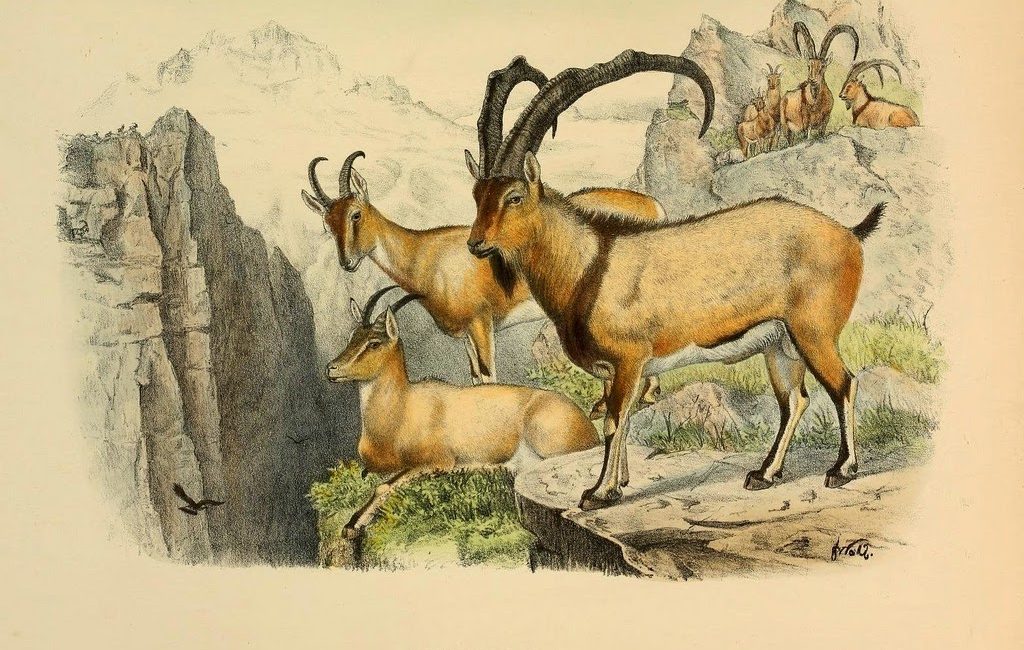
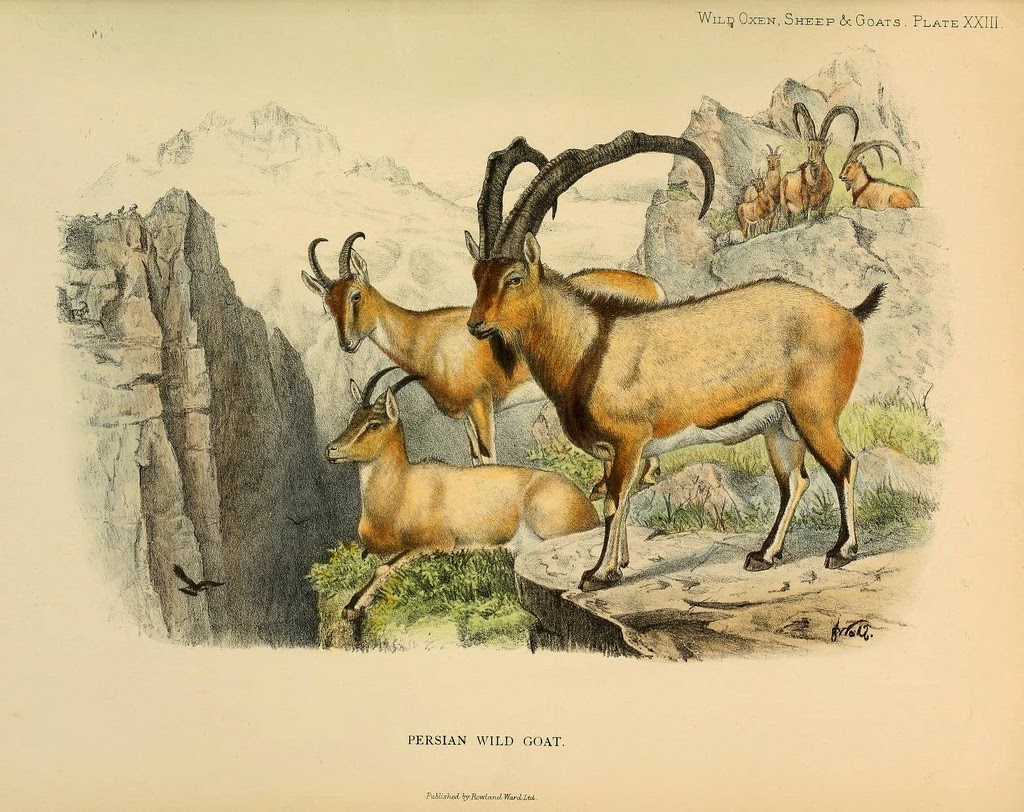
February 19, 2015 marks the Chinese New Year, with this the Year of the Goat. “Persian Wild Goat.” Lydekker, Richard. Wild oxen, sheep and goats of all lands, living and extinct (1898). http://biodiversitylibrary.org/page/9370249.

Collection Growth

  • This year, BHL collections grew to over 45 million pages of open access, biodiversity literature spanning over 500 years of scientific exploration and discovery. We added over 2.7 million new pages to our corpus in 2014, which included 119 new in-copyright titles, shared via Creative Commons licenses. Check out some of the post-1923 titles in BHL.
  • Also in 2014, our Flickr collection grew to include almost 94,000 free, open access natural history illustrations provided under Creative Commons licenses. Over 5,500 images were added this year alone. Let’s see if we can reach 100,000 by 2016!
View Full Size Image
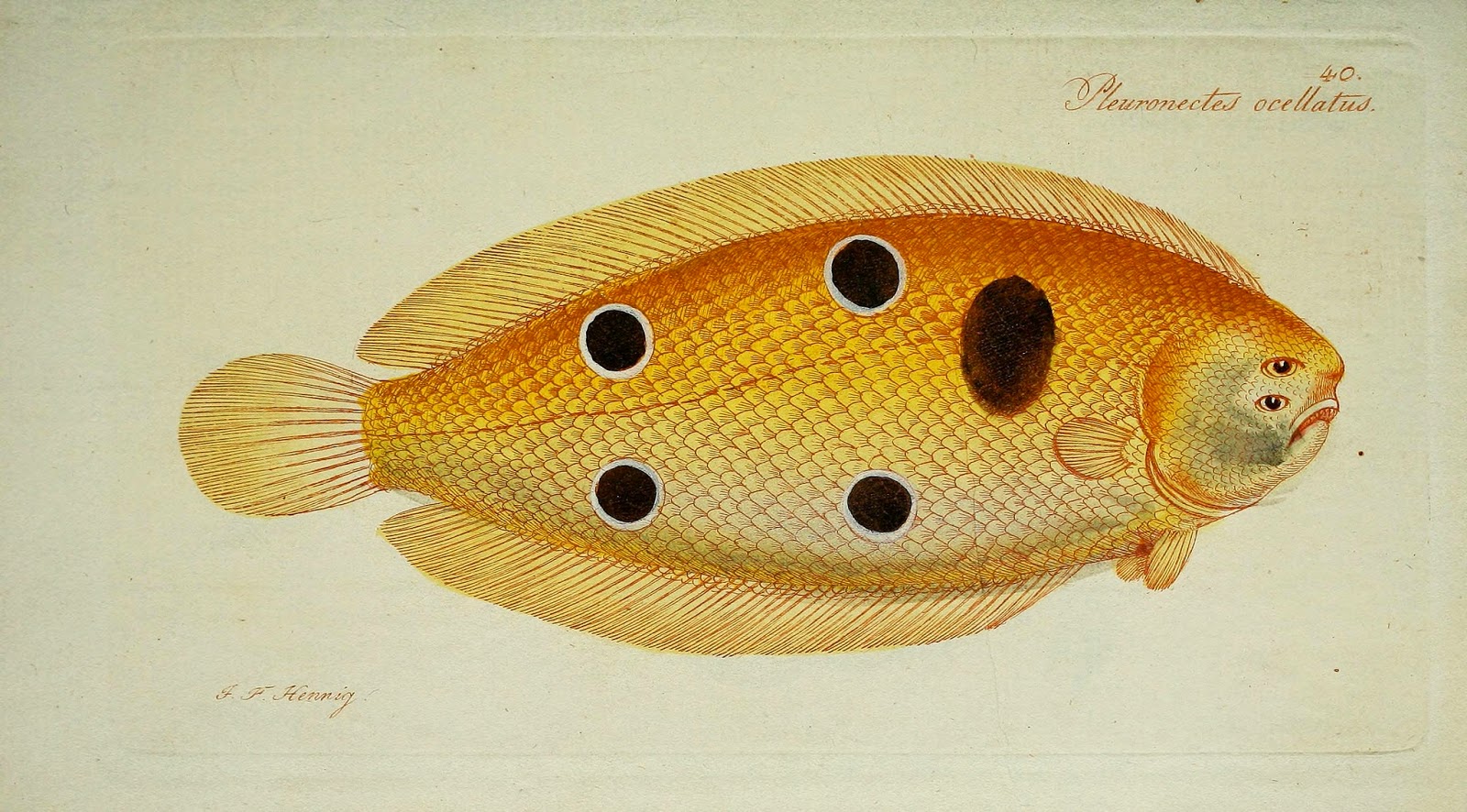
Foureyed Sole (Microchirus ocellatus). Blch, Marcus. Systema ichthyologiae iconibus CX illustratum (1801). http://biodiversitylibrary.org/page/38785736.

Consortium Growth

  • BHL welcomed many new members and affiliates this year, including Washington University, University of Illinois at Urbana-Champaign,  the Natural History Museum of Los Angeles County, the Chicago Botanic Garden, the USDA National Agricultural Library, and BHL Singapore through the National Library Board, Singapore.
    • We’re featuring some of our Member and Affiliates’ favorite contributions to BHL in our Book of the Month series. Take a look!
  • Global Developments: Not only did BHL welcome a new global node this year (BHL Singapore), but BHL Australia, led by the Museum Victoria, ramped up their participation, and BHL Africa began scanning via IA machines for BHL. Stay tuned for more news about global growth soon!
  • BHL also strengthened its partnership with The Field Book Project, which aims to improve access to scientists fieldbooks. This year, BHL ingested over 270 fieldbooks from The Field Book Project into our library, which are accessible alongside the fieldbooks and manuscripts contributed by our BHL members and affiliates.
View Full Size Image
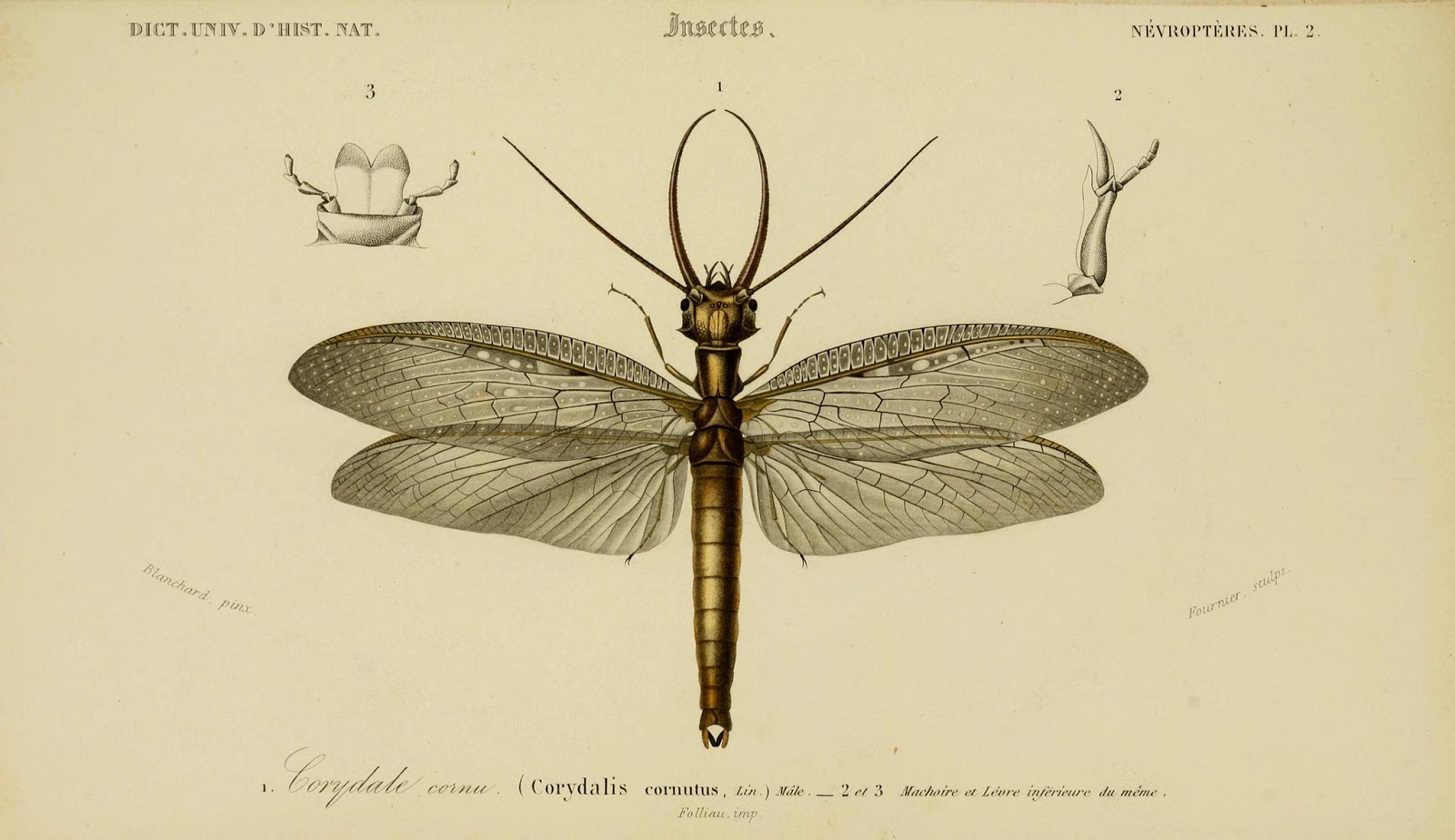
Eastern Dobsonfly (Corydalus cornutus). Orbigny, Charles Dessalines d’. Dictionnaire universel d’histoire naturelle. v. 2, Atlas (1849). http://biodiversitylibrary.org/page/19537843.

Expanding Partnerships

  • This year, BHL joined the Global Biodiversity Information Facility (GBIF) as an Associate Participant.
  • BHL was also pleased to be a charter signatory of the Bouchout Declaration for Open Biodiversity Knowledge Management.

New Staff

  • BHL welcomed a new Secretariat staff member this year: Grace Costantino, BHL Outreach and Communication Manager. Though new to this role, she’s no stranger to BHL…
View Full Size Image
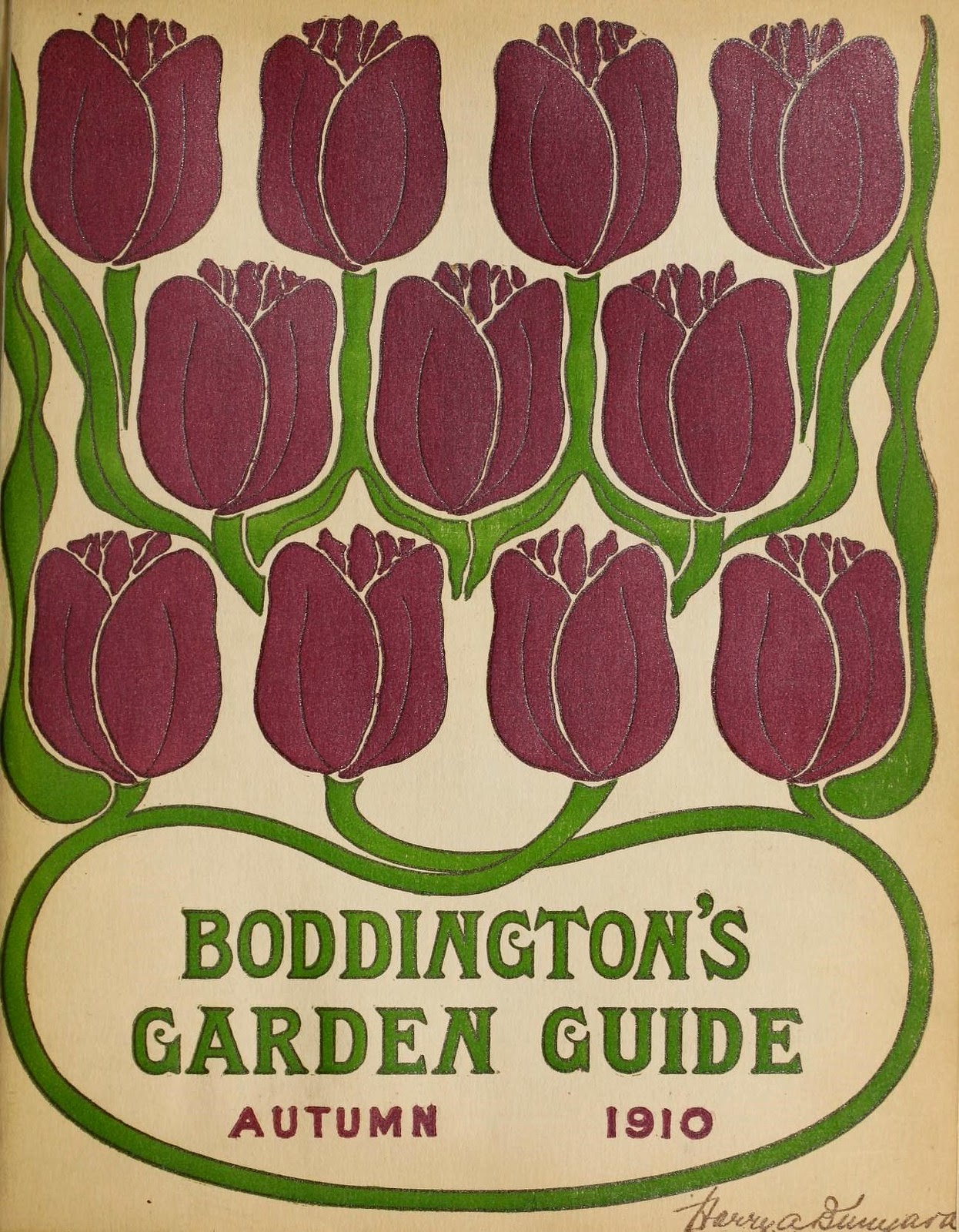
Cover from Boddington’s Garden Guide (1910). Part of BHL’s Seed and Nursery Catalog collection. http://biodiversitylibrary.org/page/45208158.

Technical and Website Developments

  • This year, the Missouri Botanical Garden, on behalf of BHL, was a recipient of the third IMLS Digging Into Data Challenge, which funds the Mining Biodiversity project. The project aims to create a next generation digital library by enriching BHL with semantic metadata and enhanced search visualization through deployment of advanced text-mining techniques. Furthermore, the project is exploring ways to make BHL more “social,” allowing for collaborative curation where users can easily share and discuss our collections.
    • Progress in 2014: Project staff surveyed users to identify the best way to present semantic search results in BHL; Developed a first version of the tool to automatically correct OCR using Google n-grams algorithms; Refined the algorithms that will mine BHL for term, concept and event extraction; Performed extensive analysis of BHL social networks; Integrated tools to facilitate easy sharing of content via the BHL website; and began tracking BHL usage across the web via Altmetric. Learn more about the project on our website.
  • Art of Life: Funded by a 2012 grant from the National Endowment for the Humanities, the Art of Life project aims to improve access to the natural history illustrations within BHL. This year, the image-finding algorithms developed by the Indianapolis Museum of Art Lab were run across 18 million BHL pages, resulting in over 135,000 pages tagged as having illustrations within the BHL portal. Pages with illustrations are currently being manually classified by volunteers as belonging to one or more image types: drawing, table, photograph, map, and/or bookplate. Over 89,000 pages have been classified to date. Next steps for the project are to crowdsource descriptions for the images’ content (e.g. subjects, dates, illustrator) through platforms such as Flickr and Wikimedia Commons.
    • BHL will also be crowdsourcing image descriptions through another platform, Zooniverse, the premier host for citizen science projects. This opportunity came about through a partnership with Constructing Scientific Communities (aka ConSciCom).
  • Purposeful Gaming: With an objective to improve access to BHL texts through gamifying the text correction process, BHL continues to gather OCR data through automated and manual means (as through the transcription of William Brewster’s journals). This year, BHL selected the project’s game designer, Tiltfactor, which will build two games whereby users can help verify the accuracy of the generated OCR. Those corrections will then be incorporated back into the BHL portal for viewing by users and to enable full text searching. To date, Tiltfactor has completed the beta testing for prototypes for the two games, which are expected to release in May, 2015.
    • Digitization of seed and nursery catalogs also continues as part of the grant. As the fonts and formatting of seed catalogs are traditionally prone to OCR error, these digitized works will be used to further inform the project’s OCR correction and game activities.
  • Browse by Contributor: This year, BHL also added the ability for users to view all books contributed to BHL by a single institution.
View Full Size Image
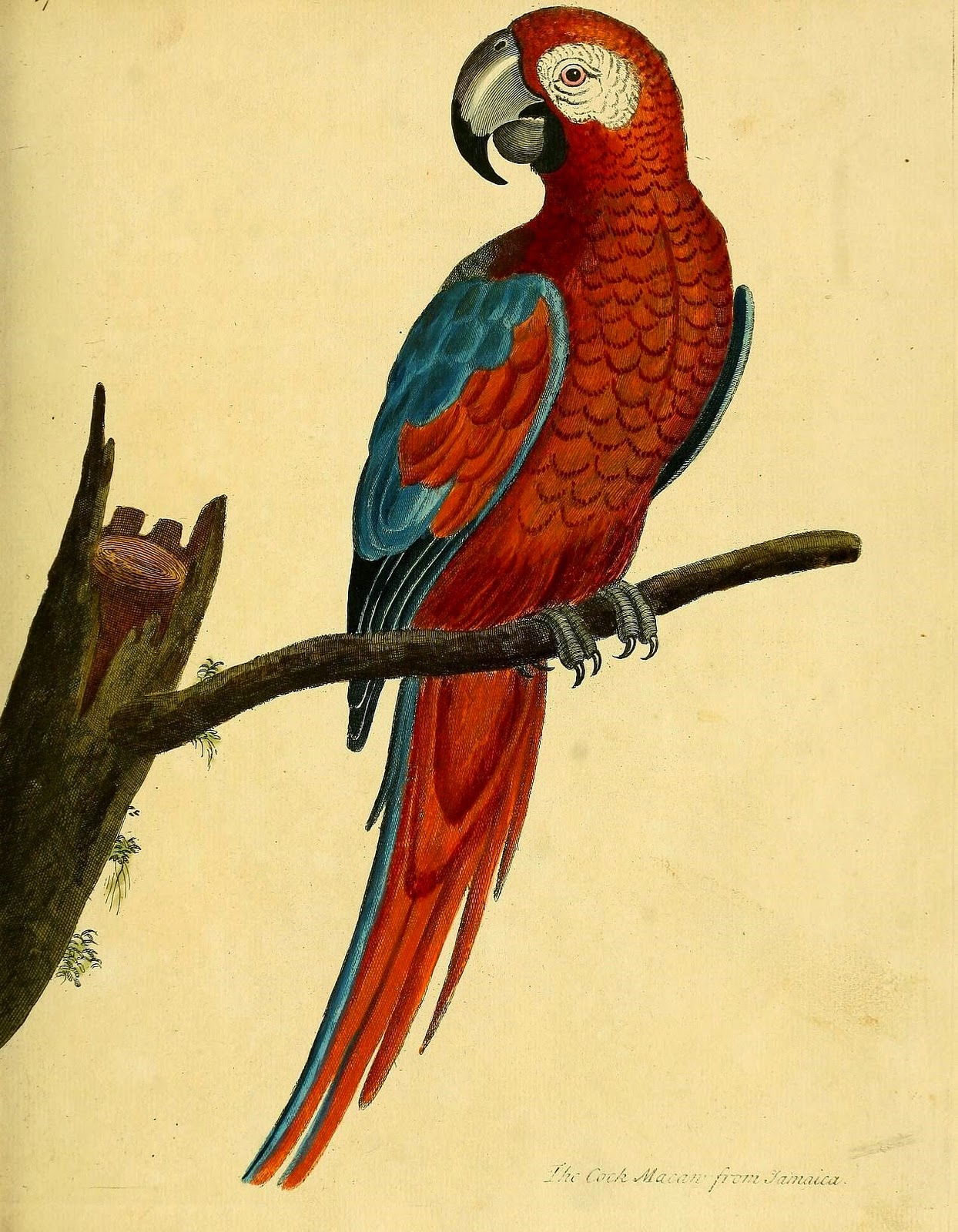
Jamaican Red Macaw (Ara gossei). Albin, Eleazar. A natural history of birds. v. 2 (1734). http://biodiversitylibrary.org/page/41130585.

Social Media and Outreach

  • The joint Smithsonian Libraries/BHL exhibit at the National Museum of Natural History, entitled “Once There Were Billions,” launched in June, 2014. The exhibit, which runs through October, 2015, highlights extinct North American bird species and features Martha, the last Passenger Pigeon. BHL published a series of blog posts and co-produced a TwitterChat in support of the exhibit.
  • Shark Week! Curious about the history of the discovery of the shark? Then you’ll love our blog post!
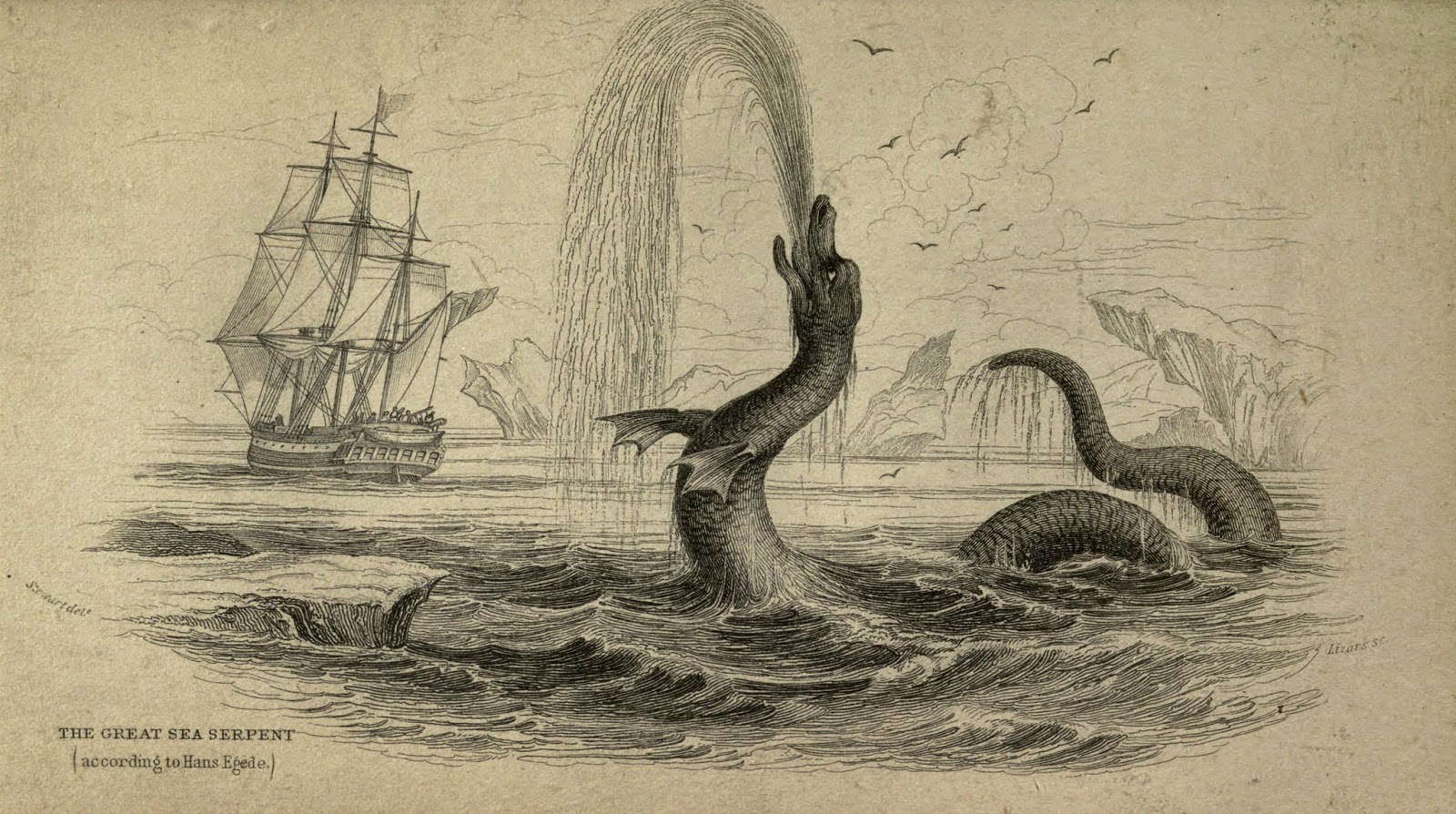
  • Monsters Are Real! In celebration of Halloween, BHL produced a multi-platform social media campaign featuring monsters in historic books and describing the stories, people, books, and animals that inspired these creatures.
  • Thanks to a grant from the Smithsonian Women’s Committee, awarded to the Smithsonian Libraries, BHL produced two online exhibitions this year: Early Women in Natural History and Latino Natural History. The exhibitions showcase the scientific and historical contributions of Women and Latino naturalists and illustrators.
View Full Size Image
The Great Sea Serpent, from BHL’s Monsters Are Real campaign. Jardine, William. The naturalist’s library. v. 25, Mammalia (1833-). http://biodiversitylibrary.org/page/18065345.
We’re quite proud of our accomplishments this year. Explore more project news and developments in our Quarterly Reports and Newsletters.
We’re excited about all we will accomplish in 2015, and look forward to sharing new developments with you on this blog, Twitter, Facebook, and our Newsletters. You can help support ongoing collections growth and program activities through a tax-deductible donation. Curious why historic literature and BHL are important to modern scientific work and conservation activities? See our blog series.
Happy New Year from the Staff at BHL!
January 1, 2015by michelle.underhill
Blog Reel

Flickr: BHL’s Unexpected Success Story

Portrait version of the Biodiversity Heritage Library logo.

In July, 2011, several members of the BHL staff began putting illustrations from BHL books on Flickr. It started as a simple way to flag favorite staff images and document the illustrations we were using in various outreach activities, like Twitter and Facebook. Today, our Flickr presence has grown to a collection of over 24,000 images and has become one of the most user-celebrated aspects of the BHL project, prompting such statements as “I think I’m in love” and “My favorite Flickr in the whole world!” Several people have asked us to share our experiences using Flickr as a component of BHL and discuss its growth from inception to the success it is now. We couldn’t think of a better place to do this than on our blog.

What’s In It for Us? The Benefits of Flickr

View Full Size Image

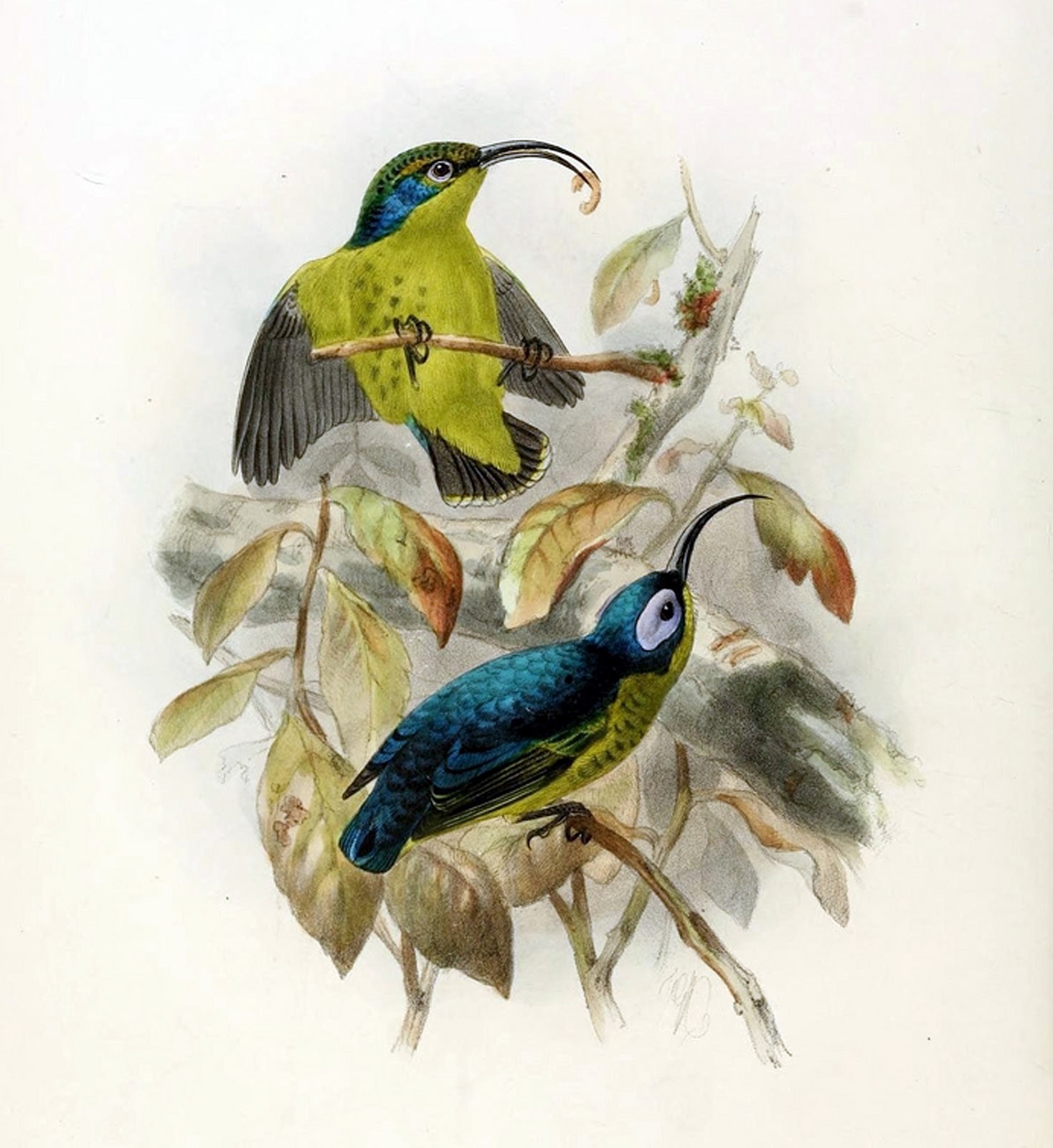
Using Flickr has generated a variety of benefits for the BHL project, many of which were unexpected. First and foremost, Flickr provides us with an easy way to showcase our amazing images – a BHL treasure that was all but hidden in our collection. Before Flickr, there was no simple way for users to access the images in BHL. Now, using Flickr sets and collections, users can go to one place and quickly browse thousands of images. And all of these images are available for free download and re-use, which is an excellent “selling” point for anyone interested in finding gorgeous natural history and botanical illustrations.*

Flickr also allows us to broaden our outreach potential, branching outside of our classic BHL interface and reaching our users on a new platform. The audience using Flickr is often quite different from our traditional user base, thus having a presence on Flickr means that we are able to reach a whole new group of people, including artists and k-12 educators.
View Full Size Image

Our Flickr group has also provided many unexpected benefits to BHL staff. Not only can users more easily find BHL images, but so can we! What started as a way to document those images we were already using in social media quickly became the source of much of this activity. Flickr images provide excellent fodder for our various social media activities, including tweets, facebook posts and trivia, and provide inspiration for many of our Book of the Week posts. Staff can now easily find illustrations to “spice up” BHL promotional materials, including brochures, business cards, banners, and merchandise, or even bring flair to events like donation campaigns. Plus, incorporating images into BHL reports transforms the otherwise boring white pages into alluring, eye-catching documents that people actually want to read.

The World of Tagging Images: Machine Tags

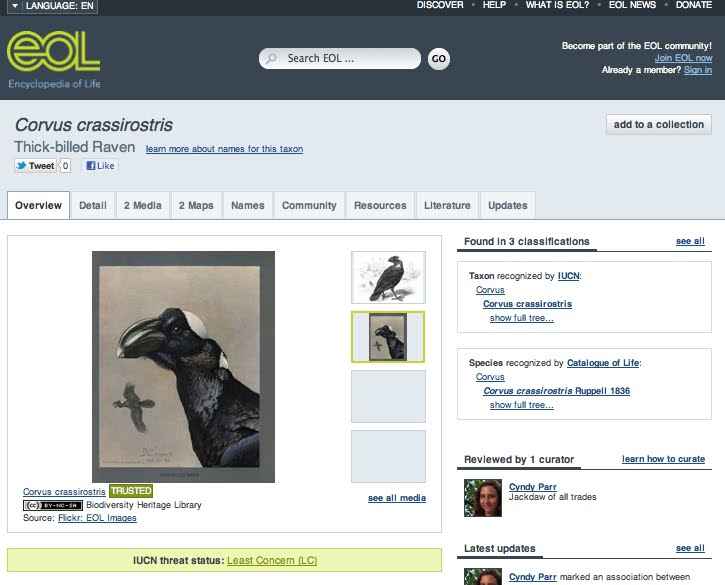
Through the use of machine tags, Flickr also allows us to collaborate more extensively with projects like EOL. Machine tags look like:

  • “taxonomy:binomial=Aegotheles savesi” (quotes required due to space b/w Genus & species)
  • taxonomy:family=Fabaceae
  • taxonomy:genus=Rhinoceros
  • taxonomy:common=Cardinal

Any time an image from our Flickr photostream is machine tagged, it becomes “flagged” for inclusion into the EOL Group Pool and will thus become a part of EOL species pages. (Images are added to the EOL pool on a monthly basis).
View Full Size Image

See this example of an EOL page for Corvus crassirostris. You’ll notice that the image of the Thick-billed Raven from the BHL Flickr set Album of Abyssinian Birds and Mammals is featured on the page. How cool is that?! In addition to the links from EOL pages (under the “Literature” tab) to taxonomic name occurrences in BHL, now BHL image content can be repurposed directly onto EOL species pages.

We would absolutely love your help tagging more of our images for EOL. For more information about machine tagging, please see the instructions provided by EOL here and feel free to contact us via Flickr mail, Twitter @BioDivLibrary, or our feedback form if you have any questions.

Please note that you have to have a Flickr profile to add tags to BHL images. If you are already a Flickr member or considering becoming one, and would like to have your own images of flora and fauna harvested to EOL species pages, please see the following for more information: http://www.flickr.com/groups/encyclopedia_of_life/rules/.

Proud Parents: Watching our Flickr Mature

View Full Size Image

Since the inception of our Flickr group, there have been many project milestones, the first of which (besides actually starting the account!) was implementing a basic organizational structure. Once it was clear that BHL wanted to fully participate in the Flickr environment, staff transformed a haphazard pool of images into organized sets and collections, with sets structured around individual titles and collections around subjects and content types (like “Mammals” or “Book of the Week“). Slightly later, staff capitalized on the opportunity Flickr offered us to celebrate specific events, organizing themed collections such as Halloween or the Holiday Season.
View Full Size Image
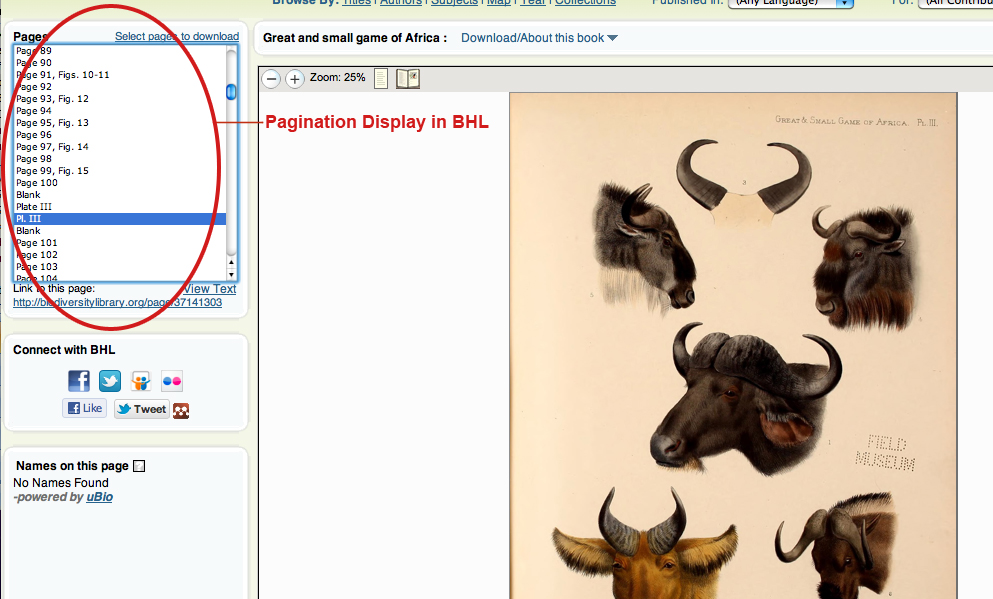
Pagination display on BHL

Eventually, staff realized that Flickr could help us target specific content in our collection for metadata improvement – specifically, pagination improvement. Pagination refers to the display of page numbering that you see on the left hand side of the BHL screen when viewing a book. Although very basic pagination is performed at the time of book scanning, BHL staff manually update this pagination with more helpful information such as identifying illustrations, designating articles, and embedding year and volume information. Learn more about BHL pagination in Gilbert Borrego’s post. Since those books featured on Flickr became some of the most popular in BHL, and since it was difficult to locate illustrations within these items without improved pagination, staff began to prioritize Flickr titles for pagination improvement. As of this week, all 450+ titles in Flickr have been manually paginated in BHL!
View Full Size Image

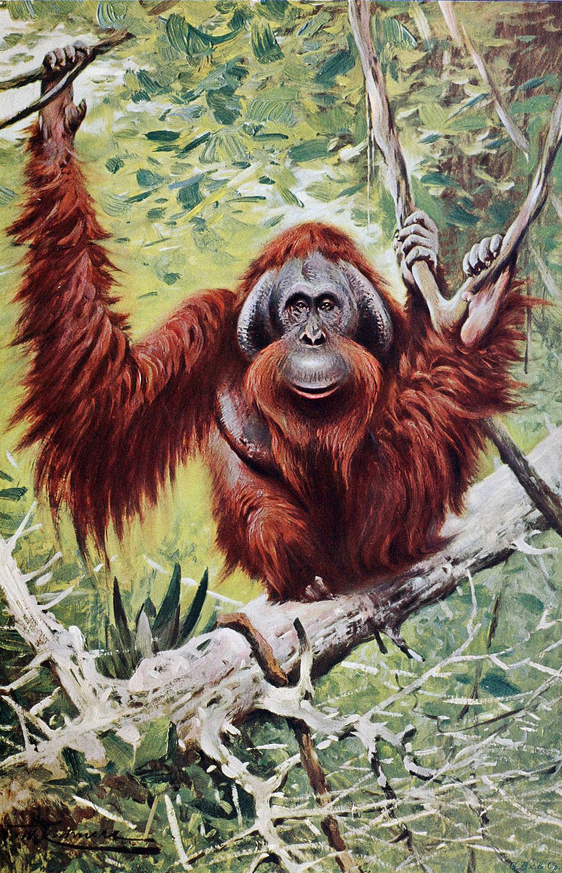
Our most recent milestone addresses one of the most common requests we’ve had regarding Flickr content. Until recently, images in Flickr only linked back to the volume level in BHL. This meant that the BHL urls associated with an image in Flickr did not link to the specific page in BHL, but instead to the “item” or book that contained the image. It was often difficult to then locate the image within the book, especially if the pagination had not yet been manually updated. Thanks to the Technical Development team at the Missouri Botanical Garden, all images in Flickr now have page-level links associated with them, allowing users to find the page within a BHL book with a single click.

This improvement came with an added benefit for BHL staff. Previously, to upload images into Flickr, staff had to first download the images from BHL, open them in Adobe Bridge to embed metadata, and then bulk upload to Flickr (more on the previous Flickr process in Gilbert Borrego’s post). Now, staff can flag illustrations directly within the BHL back-end administration portal. Software developed by the MOBOT team then automatically embeds book and page information to these images and uploads to Flickr.

For more information on the technical aspects of these improvements, see our FAQ page.

Overall, we’ve found that Flickr offers us an excellent opportunity to provide access to aspects of our content that were overlooked and under-appreciated. Reaching new audiences and demonstrating that BHL has much to offer outside the realm of taxonomy is a critical step in the growth of the project.

View Full Size Image

*All BHL images are public domain. However, Flickr does not provide a “public domain” license option. Therefore, our images are listed in Flickr as Attribution, Noncommercial, Share Alike.

March 1, 2012by ulib-libraryjobs

Help Support BHL

BHL's existence depends on the financial support of its patrons. Help us keep this free resource alive!

search

About BHL

The Biodiversity Heritage Library (BHL) is the world’s largest open access digital library for biodiversity literature and archives. BHL operates as a worldwide consortium of natural history, botanical, research, and national libraries working together to digitize the natural history literature held in their collections and make it freely available for open access as part of a global “biodiversity community.”

Join Our Mailing List

Sign up to receive the latest news, content highlights, and promotions.

Subscribe Now

Subscribe to Blog via Email

Enter your email address to subscribe to this blog and receive notifications of new posts by email.

Join 319 other subscribers

Subscribe to Blog Via RSS

Subscribe to the blog RSS feed to stay up-to-date on all the latest BHL posts.

Access RSS Feed

Inspiring Discovery through Free Access to Biodiversity Knowledge.

The Biodiversity Heritage Library makes it easier than ever for you to access the information you need to study and explore life on Earth…for free, anytime, anywhere.


64+ Million Pages of
Biodiversity Literature Online.

EXPLORE

Tools and Services
to Transform Research.

EXPLORE

300,000+
Illustrations on Flickr.

EXPLORE

ABOUT | HARMFUL CONTENT | PRIVACY | SITE MAP | TERMS OF USE