Biodiversity Heritage Library - Program news and collection highlights from BHL
  • Home
  • News
  • Featured Books
    • All Featured Books
    • Book of the Month Series
    • BHL at 20
  • User Stories
  • Campaigns
    • Fossil Stories
    • Garden Stories
    • Monsters Are Real
    • Page Frights
    • Her Natural History
    • Earth Optimism 2020
  • Tech Blog
  • Visit BHL
Home
News
Featured Books
    All Featured Books
    Book of the Month Series
    BHL at 20
User Stories
Campaigns
    Fossil Stories
    Garden Stories
    Monsters Are Real
    Page Frights
    Her Natural History
    Earth Optimism 2020
Tech Blog
Visit BHL
  • Home
  • News
  • Featured Books
    • All Featured Books
    • Book of the Month Series
    • BHL at 20
  • User Stories
  • Campaigns
    • Fossil Stories
    • Garden Stories
    • Monsters Are Real
    • Page Frights
    • Her Natural History
    • Earth Optimism 2020
  • Tech Blog
  • Visit BHL
Biodiversity Heritage Library - Program news and collection highlights from BHL
BHL News, Blog Reel

Internship Opportunity!


View Full Size Image
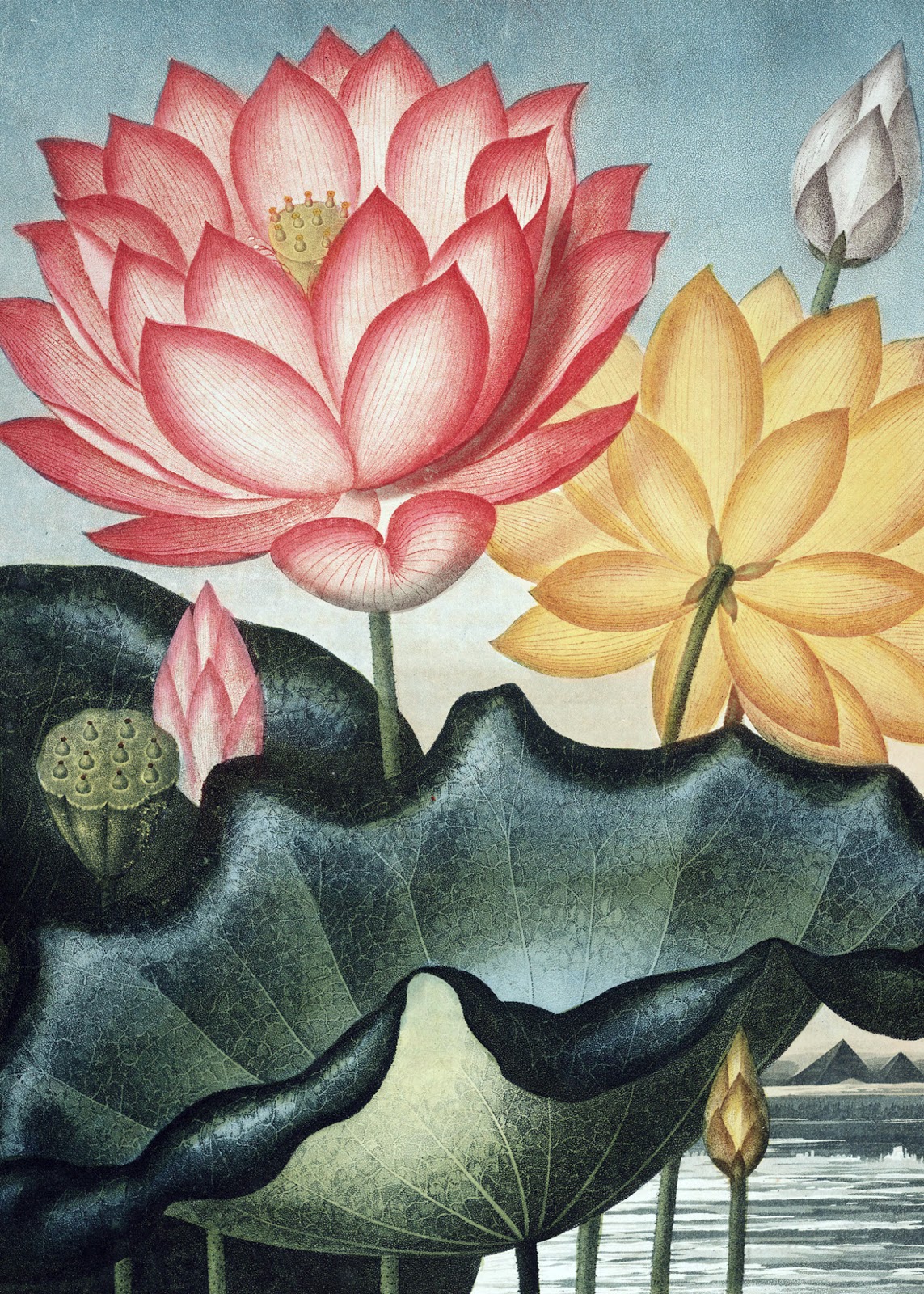
New illustration of the sexual system of Carolus von Linnaeus

Be a Marketing Intern for BHL! Are you a library student or recent graduate? Do you love biodiversity, writing, and old books? Love to blog, tweet, and post on Facebook? Then our new internship opportunity, hosted through the Smithsonian Libraries, is perfect for you! Learn more and apply today! Virtual work options are available. https://library.si.edu/internships/bhl-marketing


Project Title: Biodiversity Heritage Library Marketing Intern

Dates preferred: Spring or Summer 2013


Full time or Part time: Part time

Location of internship: National Museum of Natural History (Washington, DC); virtual work options also available.

Desired knowledge/skill sets (include education level): Students pursing a Library and Information Science Masters or recent graduates. Strong writing and research skills a must. Students with a demonstrated interest in a biological sciences subject specialty, reference librarianship, digital librarianship, and/or library marketing are strongly encouraged to apply.

Brief description of project: The Biodiversity Heritage Library, an open access digital library of natural history literature (http://biodiversitylibrary.org/), seeks an intern to help tell the story of life on earth within the context of the historical biological literature to benefit the BHL blog (https://blog.biodiversitylibrary.org). Interns will conduct research on the publication history of a given species or natural history event, such as a scientific expedition or breakthrough discovery, and communicate these findings in writing to demonstrate the relevance of the BHL collection to modern audiences. Interns will work closely with BHL Outreach and Collections staff to perform an environmental scan of competitive biodiversity related blogs as well as generate ideas to reinvent or create new blog series. Where appropriate, interns will repurpose their research on associated BHL outreach platforms, including Twitter and Facebook.

Interns will have the opportunity to:

  • Begin to develop a subject specialty in the biological sciences, gaining a deep knowledge of some of the monumental publications that have shaped biodiversity knowledge.
  • Improve their written communication and research skills.
  • Conduct an environmental scan and summarize results for BHL project leadership.
  • Increase their understanding of digital library oriented marketing strategies, exploring how blog posts serve as a cornerstone to BHL’s efforts with various social media platforms.
  • Perform analysis of blog audience demographics and readership metrics.
  • Learn about the BHL’s book digitization workflows, collection development activities, digital library web services, and the importance of open access and open data within the bioinformatics context.
  • Develop teamwork and interpersonal skills in a fast-paced, multitasking, professional library environment.

Please note: This is an unpaid internship.

To apply, please visit the Smithsonian Online Academic Appointment Sytem (https://solaa.si.edu). Select “Smithsonian Institution Libraries” as unit and “Smithsonian Institution Libraries Internship Program” as program. Project will remain open until filled.

You can send questions regarding the internship to [email protected].


February 5, 2013by Grace Costantino
BHL News, Blog Reel

Fulfilling our Outreach Strategy: BHL and Field Books at ALA Midwinter 2013

View Full Size Image
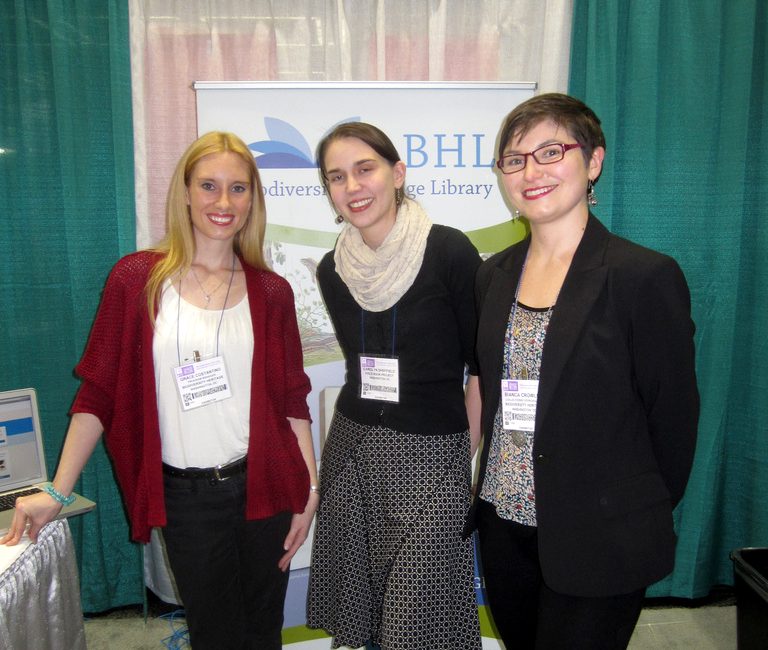
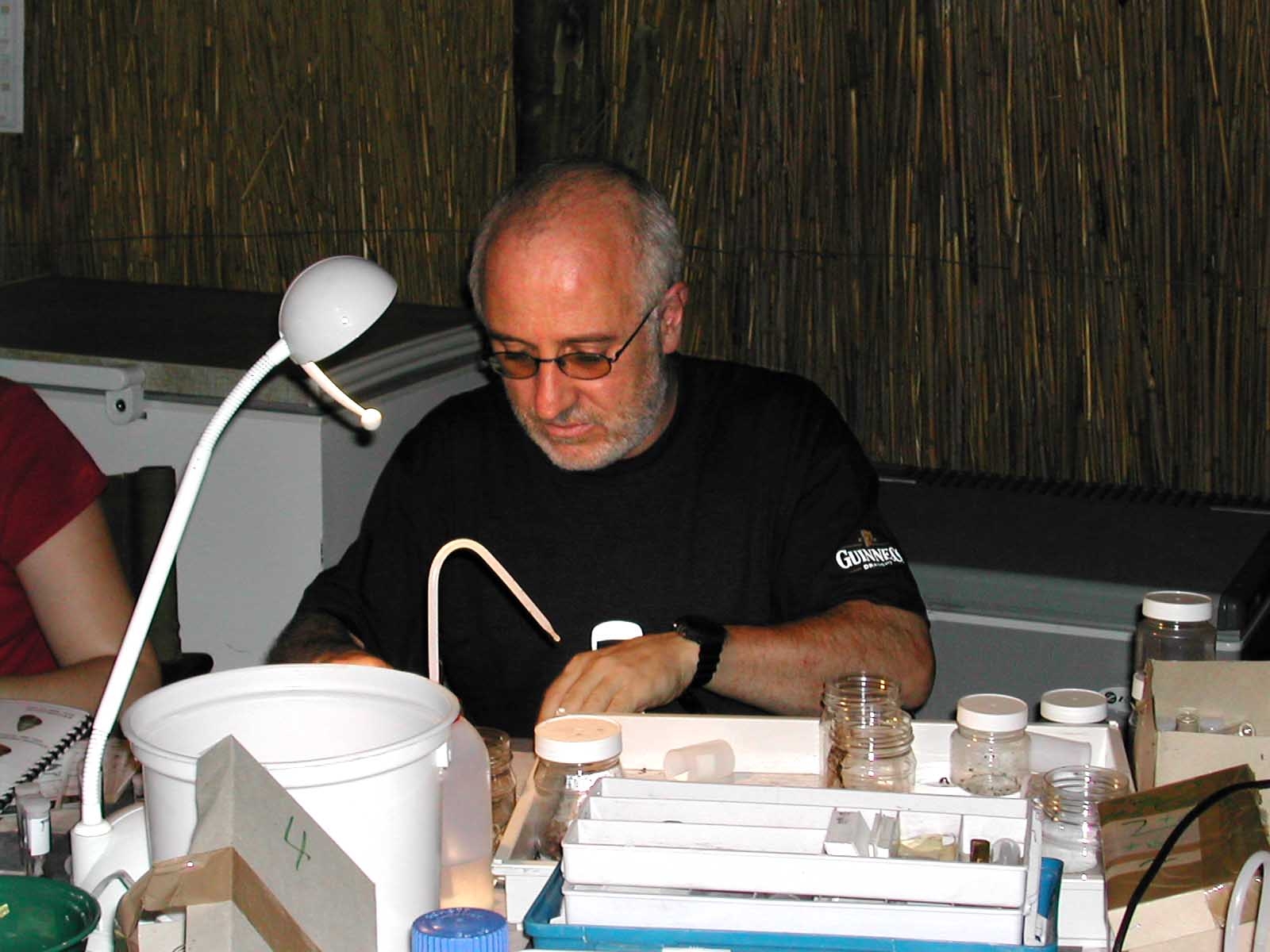
Left to Right: Grace Costantino, Carolyn Sheffield, Bianca Crowley

On Friday, January 25-Monday, January 28, 2013, BHL hosted a booth in conjunction with the Smithsonian Archive’s Field Book Project at the American Library Association (ALA) 2013 Midwinter meeting in Seattle, Washington. The booth was a chance to connect with the thousands of librarians and information professionals that attend ALA, introducing them to our open access initiatives and fantastic free resources.

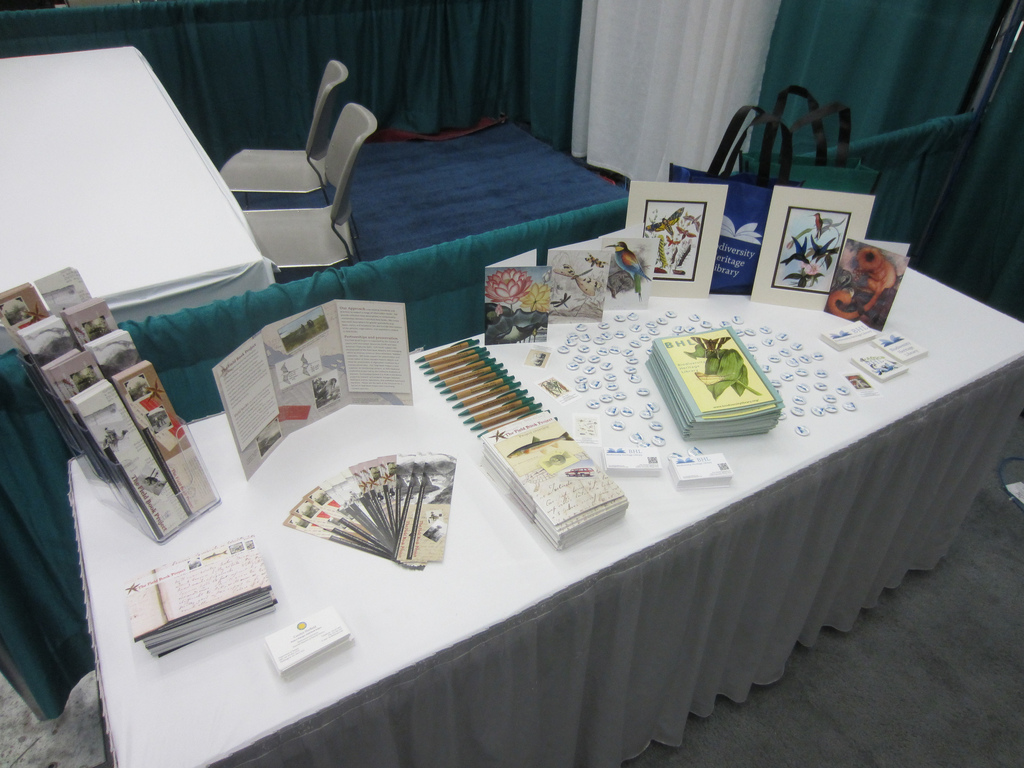
BHL Collections Coordinator Bianca Crowley, BHL Program Manager Grace Costantino, and Field Book Project Manager Carolyn Sheffield, with support from BHL Program Director Martin Kalfatovic, Field Museum’s Technical Services Librarian Diana Duncan, and Smithsonian Libraries’ Metadata Librarian Suzanne Pilsk (both of whom regularly contribute to the BHL project), spoke with over a hundred people during the four exhibit days. Providing valuable project information (to many who had never before heard of BHL or the Field Book Project), booth staffers also gave out cool swag, including pens, brochures, stickers, buttons, book marks, and business cards, and conducted two raffles for prizes including books and greeting cards and matted prints gleaned from BHL’s fantastic Flickr site.

View Full Size Image
BHL and Field Book Project Swag at ALA booth.

In a sea of vendors attempting to sell an array of library-related products and services, BHL and the Field Book Project’s free resources were a breath of fresh air that attracted many curious and enthusiastic visitors. One particularly memorable encounter involved two librarians who, just a week before the conference, had an inquiry from a patron who wanted a digital version of Audubon’s Birds of America. At the time, they were unable to satisfy the request, but, upon learning of BHL, excitedly remarked that they could now fulfill their patron’s need. Another visitor, a blog writer, was especially attracted to BHL’s free images and expressed a desire to feature the project in a future blog post. A German librarian – who remarked after being introduced to BHL, “How do I not know about this?!” – asked what he could do to help tell others about the project. And, perhaps most rewarding for those at the booth, a visitor Saturday evening asserted that our project was “One of the more interesting things going on in this building.”

View Full Size Image
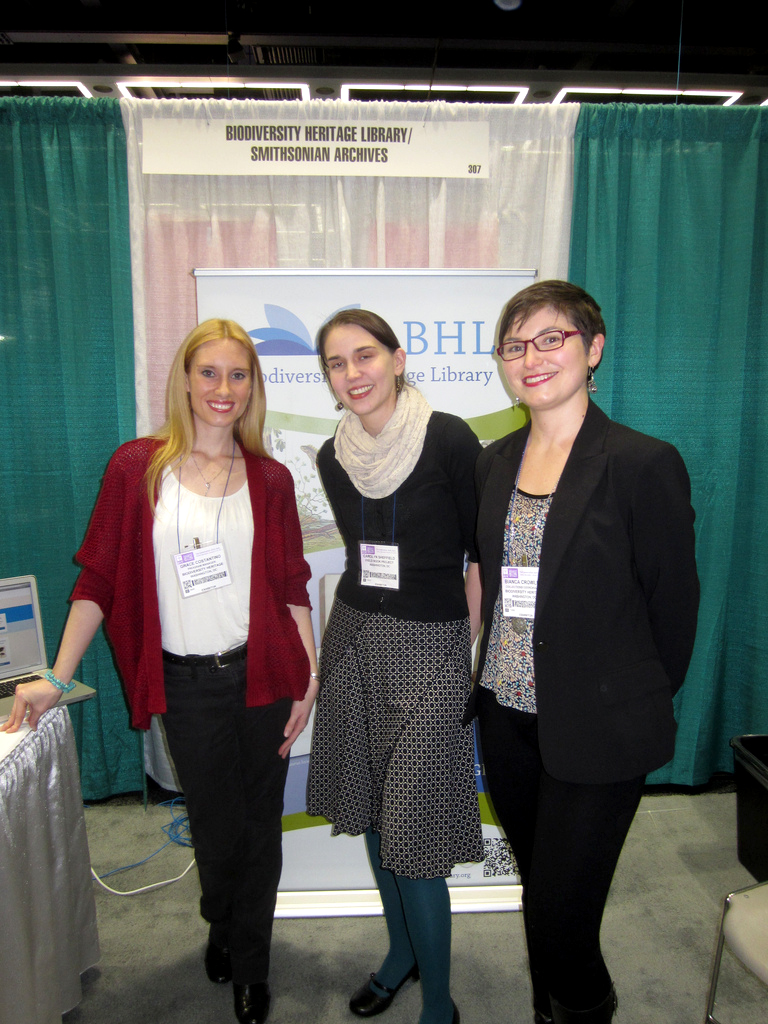
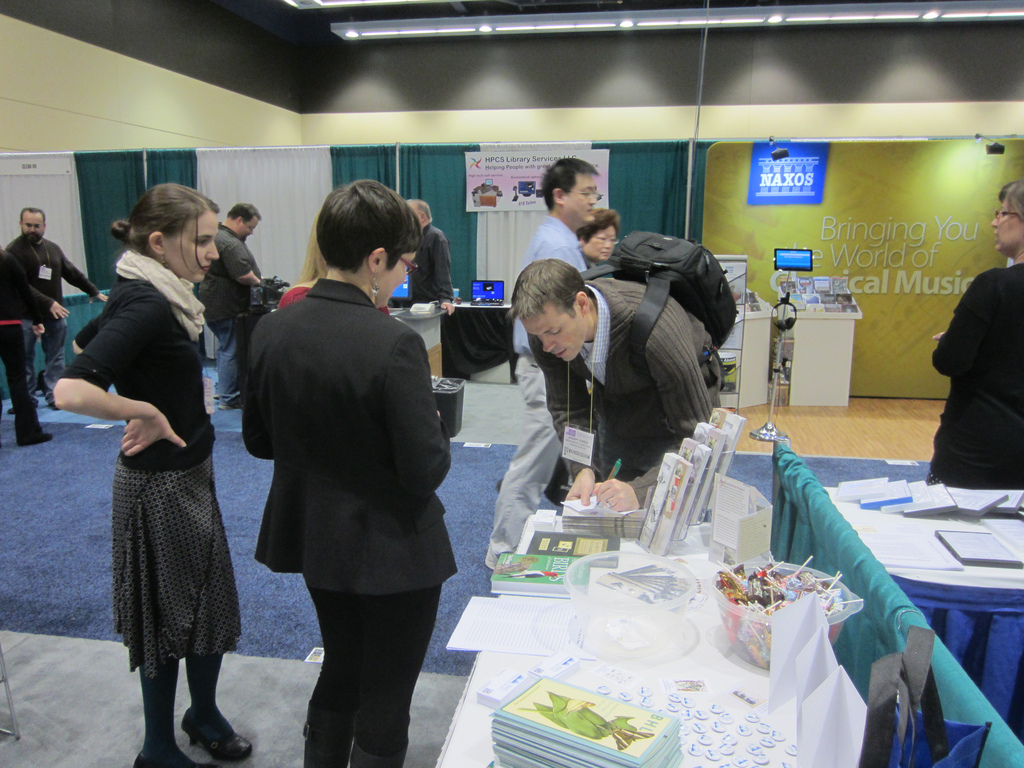
Carolyn Sheffield (left) and Bianca Crowley (center) with visitors at the ALA booth.

The conference in Seattle also provided BHL staff with another unique opportunity – to be interviewed for an upcoming BHL video produced by Lockheed Martin (a follow-up to the 2011 emmy-winning video about the Smithsonian Libraries). Interviewees included Martin Kalfatovic, Bianca Crowley, Grace Costantino, Carolyn Sheffield, and Nancy Gwinn (Smithsonian Libraries Director and BHL Executive Chair). The film crew also set up shop at the exhibit hall’s opening reception Friday night, shooting footage of booth visitors and conducting an impromptu interview with Rebecca Wilke (a BHL volunteer at the Field Museum working to improve BHL’s metadata) who serendipitously stopped by the booth. Check back on our blog, Twitter and Facebook for more information about the video’s future release.

View Full Size Image
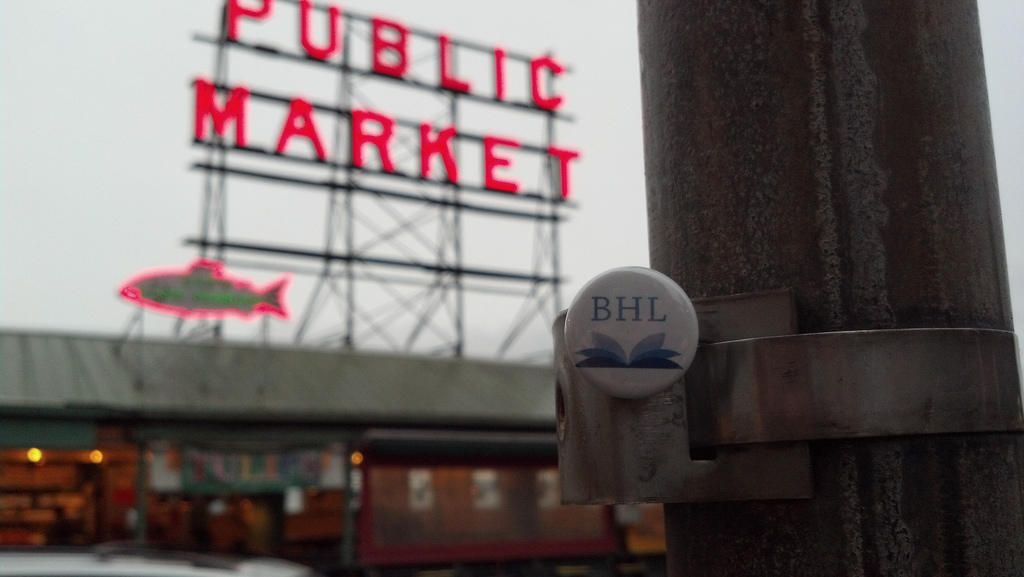
The BHL button at the Public Market in Seattle.

Events like ALA provide an incredible opportunity for us to showcase the BHL project. It is not enough to make natural history literature freely available through BHL. We must also ensure that people are aware of the work we do. Presenting at conferences is an important piece of our outreach strategy. If you have any suggestions for conferences or venues we should be present at, please send us feedback or email us as [email protected]. Each digitized book and each user connection moves us closer to the day when the entire published record of biodiversity knowledge is available to everyone, everywhere.

February 4, 2013by Grace Costantino
BHL News, Blog Reel

Natural Histories: Exploring Rare Books and Scientific Illustration

View Full Size Image
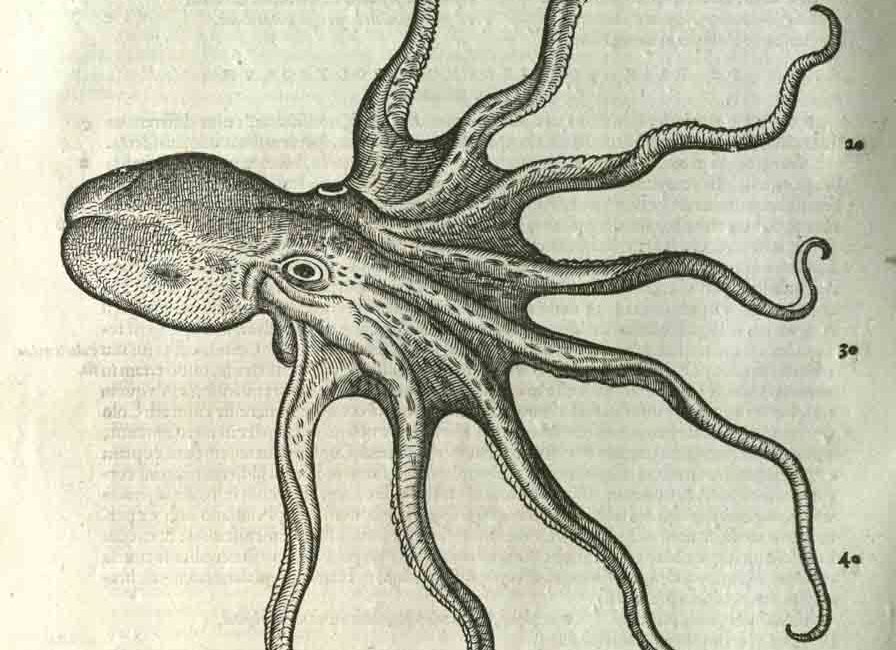
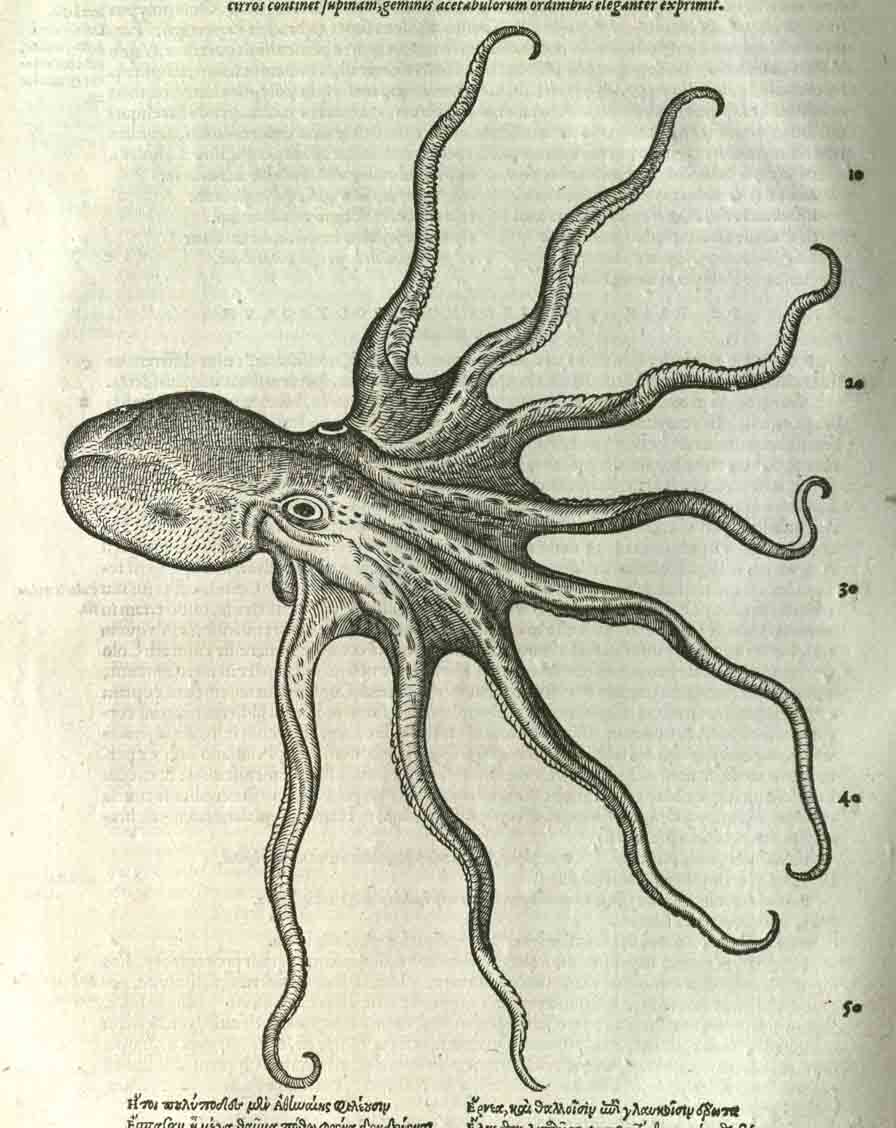
Gessner’s Octopus

Have you ever wanted to browse the stacks of a rare book library? To explore the pages of Gessner’s sixteenth century masterpiece Historiae Animalium and ask an expert why a walrus is illustrated with wing-like appendages? Or study Alexander Wilson’s passenger pigeon illustration and learn from a rare book authority the scientific implications of the depictions of now-extinct species?

Of course, you can examine the digital surrogates of many incredible rare books on BHL, but where can you go to get expert knowledge of the importance of these titles, or even understand what these authors of long-ago wrote in the first place if you can’t read Latin?

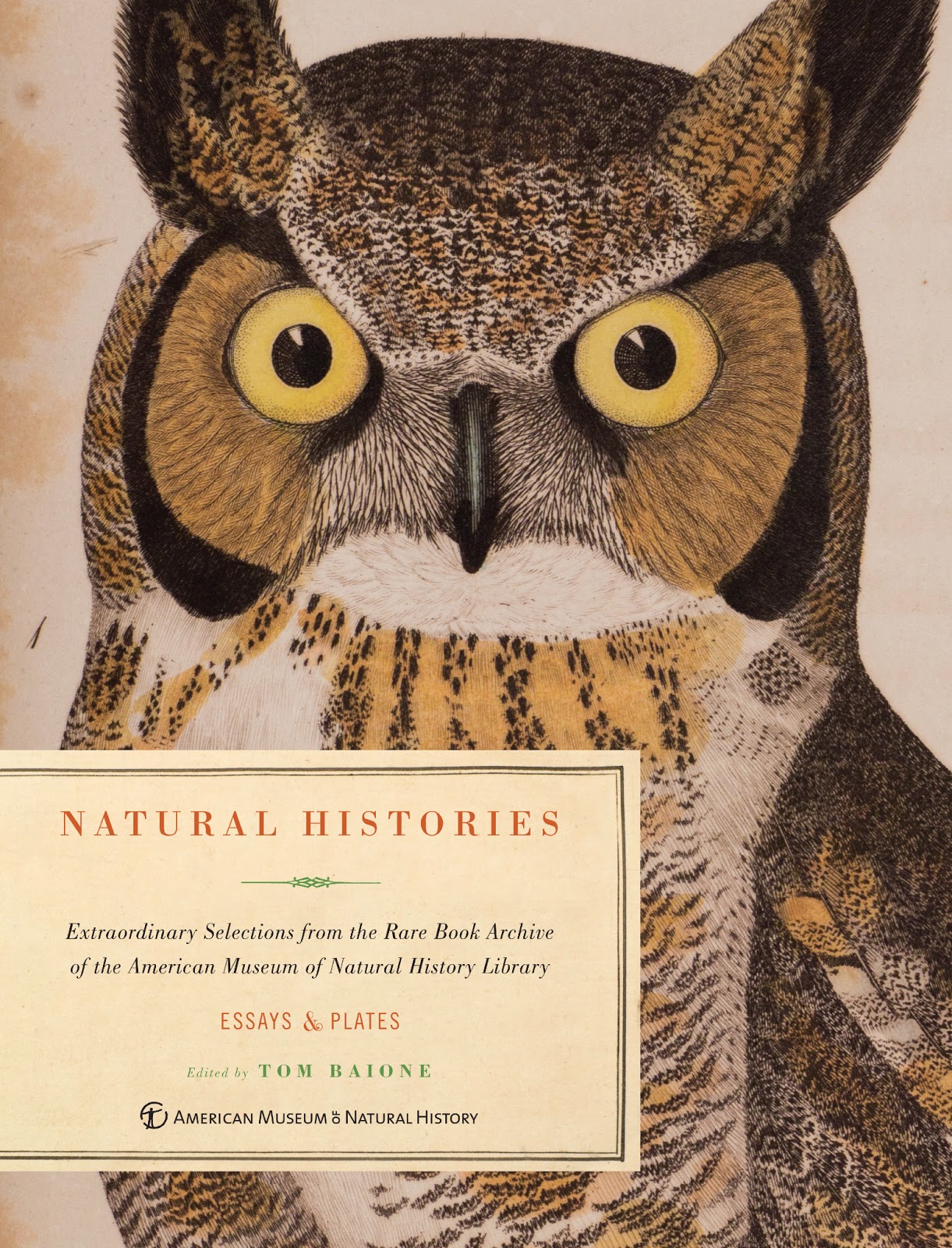
The American Museum of Natural History can help you get answers to some of your burning rare book questions. A new book, Natural Histories: Extraordinary Rare Book Selections from the American Museum of Natural History, provides insight into a selection of spectacularly illustrated volumes from the AMNH’s rare book library. The work, edited by Tom Baione, the Harold Boeschenstein Director of Library Services at AMNH and BHL Institutional Council member, features 40 essays from museum curators, scientists, librarians, and other experts discussing each rare book’s unique qualities and scientific contributions. Furthermore, Natural Histories includes 40 “suitable-for-framing” prints selected from the illustrations found within the rare tomes discussed.

View Full Size Image
Cover of Natural Histories. Image: “Great Horned Owl” from Alexander Wilson’s American Ornithology.

The books highlighted in Natural Histories span from the 16th century to the early 20thcentury and include such critical works as Gessner’s Historiae Animalium, Robert Hooke’s Micrographia, Alexander Wilson’s American Ornithology, Ernst Haeckel’s Kunstformen der Natur, and John James Audubon’s The viviparous quadrupeds of North America. According to Baione,

Natural Histories came about because we wanted to let people know about our rich rare book collection, which contains more than 14,000 volumes and is used by researchers from around the world and includes many unique and hard-to-find volumes.

View Full Size Image
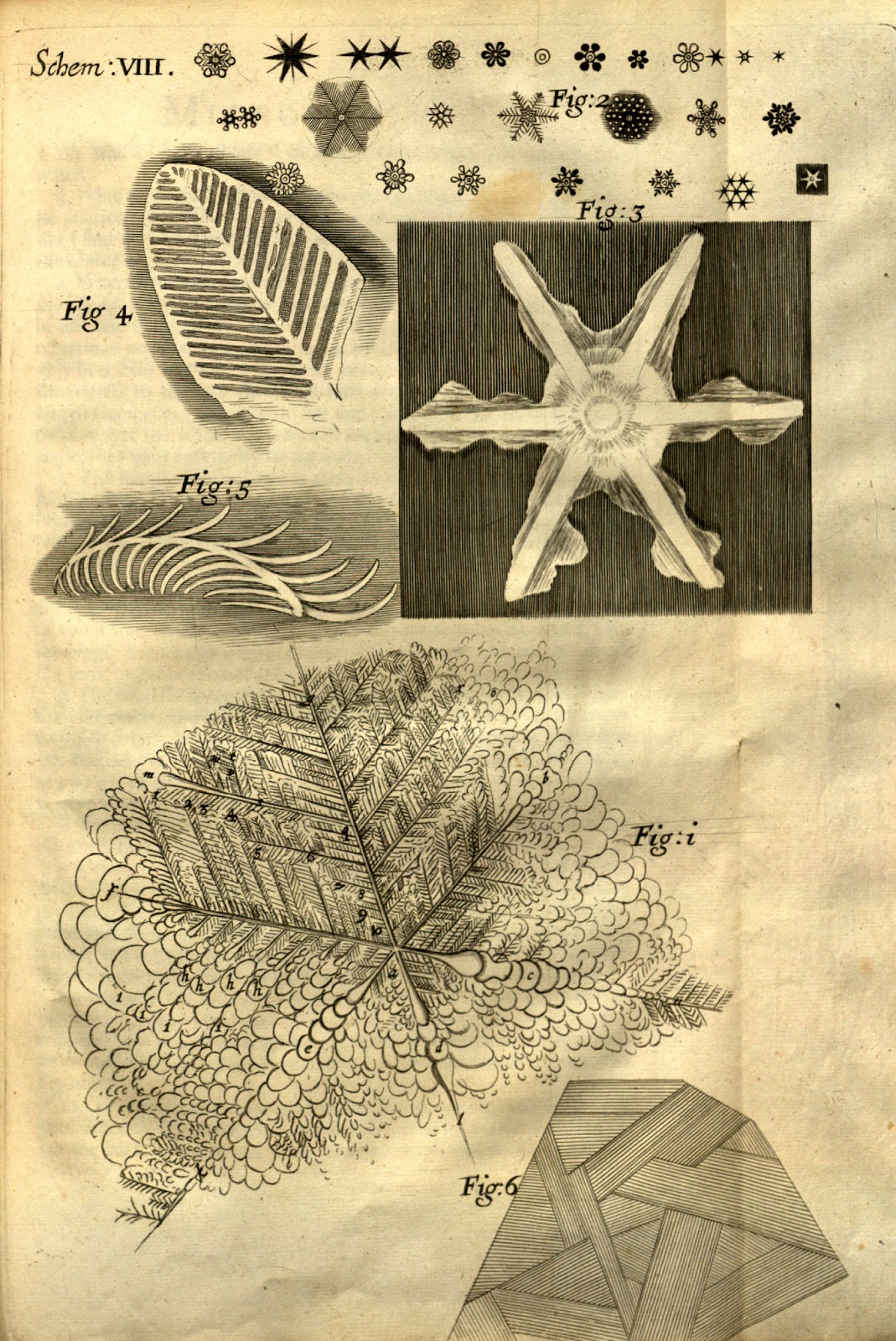
Microscopic view of snow and frozen water. Micrographia.

Natural Historiesfocuses in particular on the importance of the scientific illustrations found within each rare book discussed. As Baione articulates,

In the days before photography and printing, original art was the only way to capture the likeness of organisms, people, and places, and therefore was the only way to share this information with others. Printed reproductions of natural history art enabled many who’d never seen an elephant, for instance, to try to begin to understand what an elephant looked like and how its unusual features might function…I hope this collection of essays and plates will give readers a better understanding of the science behind these works and an appreciation of the art illuminating their pages.
The best part is, you can own your own copy of Natural Histories today. Dazzle your friends with the knowledge you’ll glean from the book’s essays and spruce up your décor by framing the 40 extraordinary prints included within it! Once you get your copy, read it with the Internet at your fingertips, so that you can not only learn about these books, but also explore many of them page-by-digital-page in BHL.  It’s the next-best thing to viewing the works in person.
Learn more about Natural Histories in an interview with the book’s editor, Tom Baione, below. And, if you find yourself at the American Museum of Natural History this summer, be sure to check out the Natural Histories exhibit, which will open in June.
January 29, 2013by Grace Costantino
Blog Reel, Featured Books

Wallace, Darwin, and Evolution: The Real Story

Book of the Week: The Malay Archipelago, by Alfred Russel Wallace

View Full Size Image
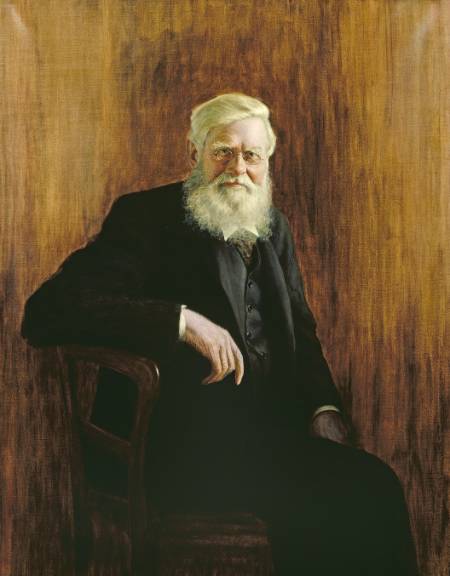
Portrait of Wallace at NHM. Restored to celebrate Wallace100.

In 1858, Journal and Proceedings of the Linnean Society: Zoology published a paper proposing what would later be recognized as a revolutionary scientific concept: the theory of Evolution by means of Natural Selection. If we were to ask you who penned this publication, chances are your response would be Charles Darwin.

You would, however, only be half right.

While it is true that this 1858 publication represented 20 years of Darwin’s contemplation and conclusions on the process of natural selection (which culminated in the monumental work On the Origin of Species published just one year later in 1859), the Linnean Society piece was actually co-authored by Alfred Russel Wallace, who independently conceived of the theory of natural selection.

While Wallace, an avid explorer, collector, and natural historian, had long been seeking the cause of speciation during his 14 years of exploration in South America, Malaysia and Indonesia, it was in the midst of a fever in 1858, during his expedition to the Malay Archipelago, that inspiration struck: in the form of the theory of natural selection. Wallace expanded on this idea in a detailed article which he subsequently sent to Charles Darwin for review, unaware that Darwin himself had come to the same conclusion, though had yet to publish his theory.

At the suggestion of Darwin’s friends Charles Lyell and Joseph Hooker, Wallace’s article, together with unpublished writing by Darwin on the subject of natural selection and evolution, were presented to the Linnean Society in 1858 and subsequently published in the Society’s journal as “On the Tendency of Species to Form Varieties; and On the Perpetuation of Varieties and Species by Natural Means of Selection.”

2013 marks the 100th anniversary of Wallace’s death (in November, 1913). The Natural History Museum, London, has organized Wallace100, with a year’s worth of events and writings on the life and legacy of this great man.  This week, we explore the significant contribution Wallace made to natural history, with particular attention to Wallace’s account of his Malay expedition – the adventure that triggered a fever that fanned the flames of genius.

Great Things from Small Beginnings

View Full Size Image
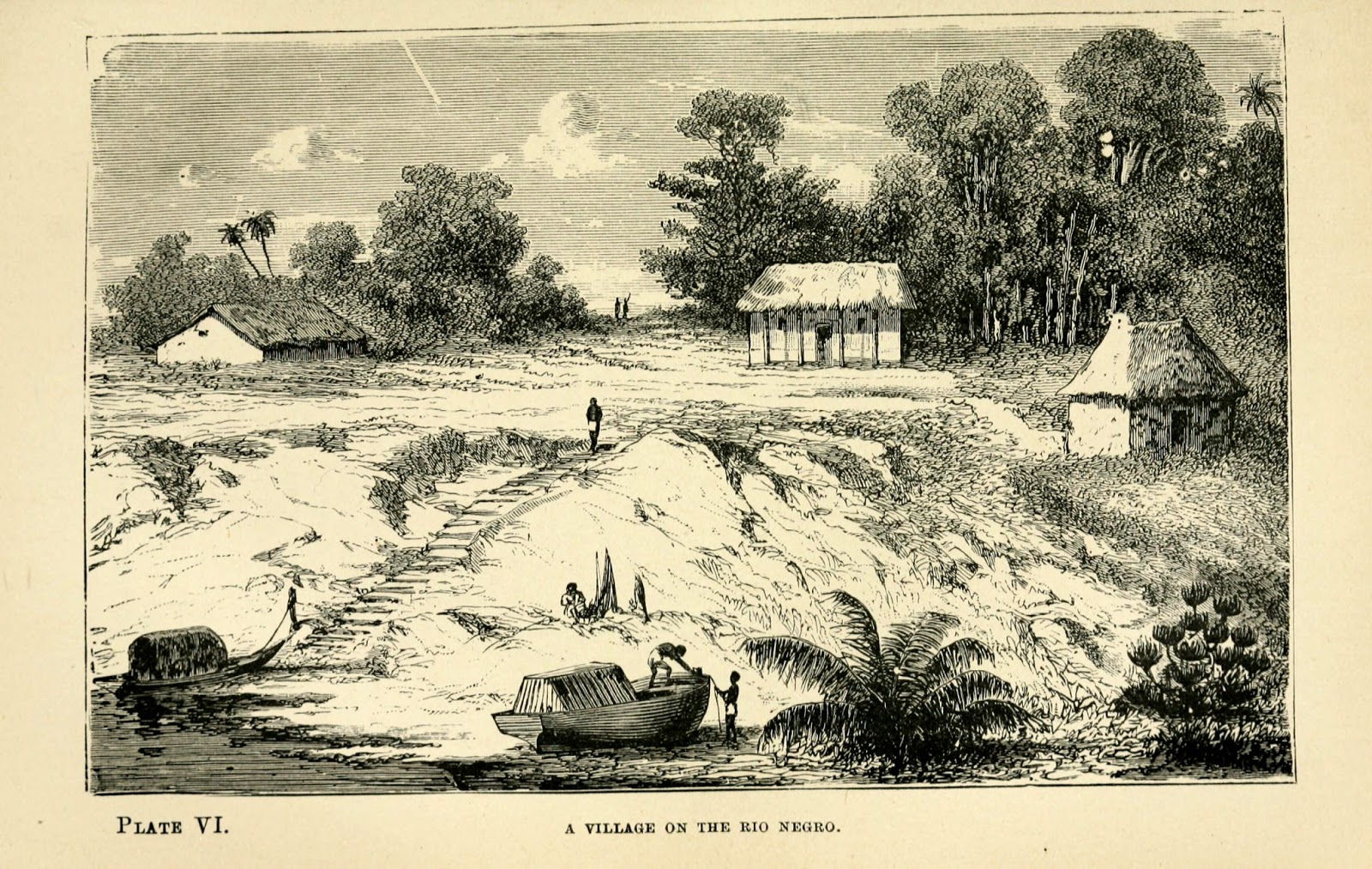
Illustration from A narrative of travels on the Amazon and Rio Negro, Wallace’s account of his expedition to South America.

Alfred Russel Wallace was born in 1823 in Usk, England, the seventh of nine children. While in his twenties, Wallace took a job as a schoolteacher in Leicester, during which time he met and befriended Henry Bates, a promising young entomologist. The two were invigorated by Darwin’s account of his voyage on the Beagle, and in 1848 set out on an expedition of their own to South America. The duo hoped to determine the mechanism driving the transmutation of species, the precursor to the theory of Natural Selection.

Over the four years of this exploration, Wallace gathered thousands of specimens, largely insects. The untimely death of his younger brother, however, who had traveled to South America to join the expedition, prompted Wallace, together with his entire collection of specimens and notebooks, to return to England. It was a fateful voyage. The ship caught fire and sank, along with most of Wallace’s collections and notebooks.

Undaunted, Wallace used the insurance money he collected from his specimens to organize a new expedition to the Malay Archipelago (today Malaysia and Indonesia). Wallace departed from England in 1854 to embark on his eight year journey through the exotic East Indies.

The Malay Archipelago and the Fever that Changed Science

View Full Size Image
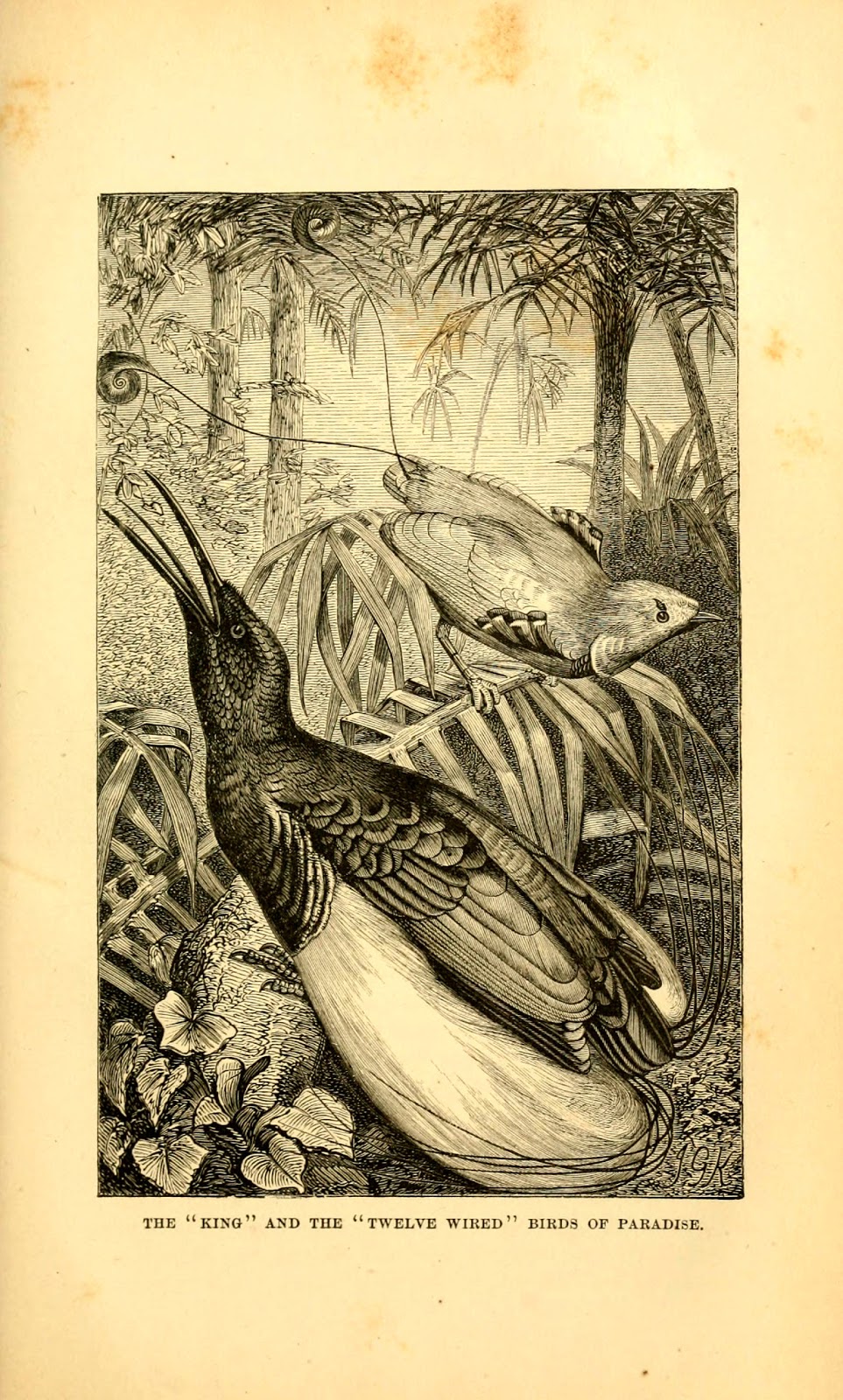
Birds of Paradise from Malay Archipelago

Over the course of the Malay Expedition, Wallace gathered 125,660 specimens, more than a thousand of which were new to science. Six years after returning from the expedition, Wallace began writing an account of his adventure, which was published in 1869 in the two-volume masterpiece, The Malay Archipelago. The work, which provided readers (scientists and laymen alike) a rare window into the exotic depths of the “wild East,” became one of the most popular books on scientific exploration in the 1800s. Wallace dedicated the work, which has never been out of print, to Charles Darwin, “not only as a token of personal esteem and friendship but also to express…deep admiration for his genius and his works.”

The work was particularly note-worthy for its descriptions of birds of paradise, orang-utans, and native peoples. During the course of the expedition, Wallace obtained the distinction of being the first European to study apes in the wild. He shot and skinned several for the British Museum, and even raised an orphan orang-utan in his field camp. Apparently, his interaction with the orang-utans was particularly troubling to the natives, who viewed them as the “men of the woods.” Alarmed by Wallace’s collection of the apes, they feared that they, too, would be shot and skinned.

Despite this tension, Wallace made a point of understanding local customs and respecting the native people’s beliefs. Before the expedition, Wallace learned Malay and other tribal languages, expressing an interest in the “manners, customs, and modes of thought of people so far removed from European races and European civilization.” His work constituted pioneering efforts in ethnology and linguistics.

View Full Size Image
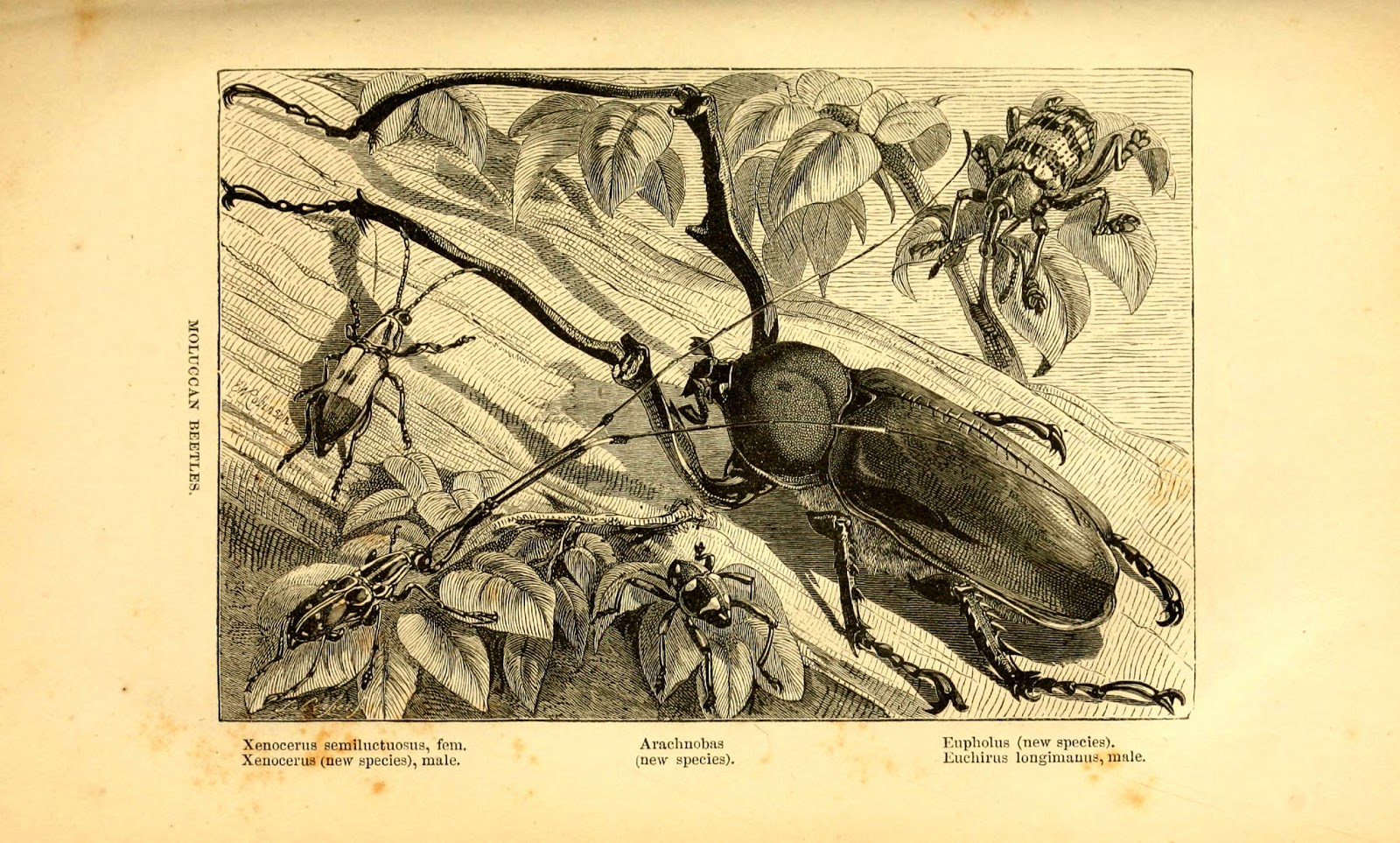
Long-armed Chafer Beetle from The Malay Archipelago. View the images from The Malay Archipelago in the BHL Flickr.

The expedition was a critical period for Wallace’s conceptualization of natural selection. Taking his first step towards the realization of this theory, Wallace published “On the Law which has Regulated the Introduction of New Species” in 1855, in which he hypothesized about when and where species originate. In what would later become known as the Sarawak Law, he observed that “every species has come into existence coincident both in space and time with a pre-existing, closely-allied species,” which “clearly pointed to some kind of evolution.” The “how” was still a mystery.

In the midst of a fever in 1858, the mystery was solved. While contemplating Malthus’ “Essay on Population,” which described how factors such as disease, accidents, and war keep human population in check, Wallace conceived of the idea of survival of the fittest, leading him to the conclusion that “in every generation the inferior would inevitably be killed off and the superior would remain.” Bingo. Natural Selection. It was this epiphany that Wallace communicated to Darwin via letter. This letter, together with some of Darwin’s unpublished works on the subject, was presented to the Linnean Society in 1858.

The Truth Behind Evolution

View Full Size Image
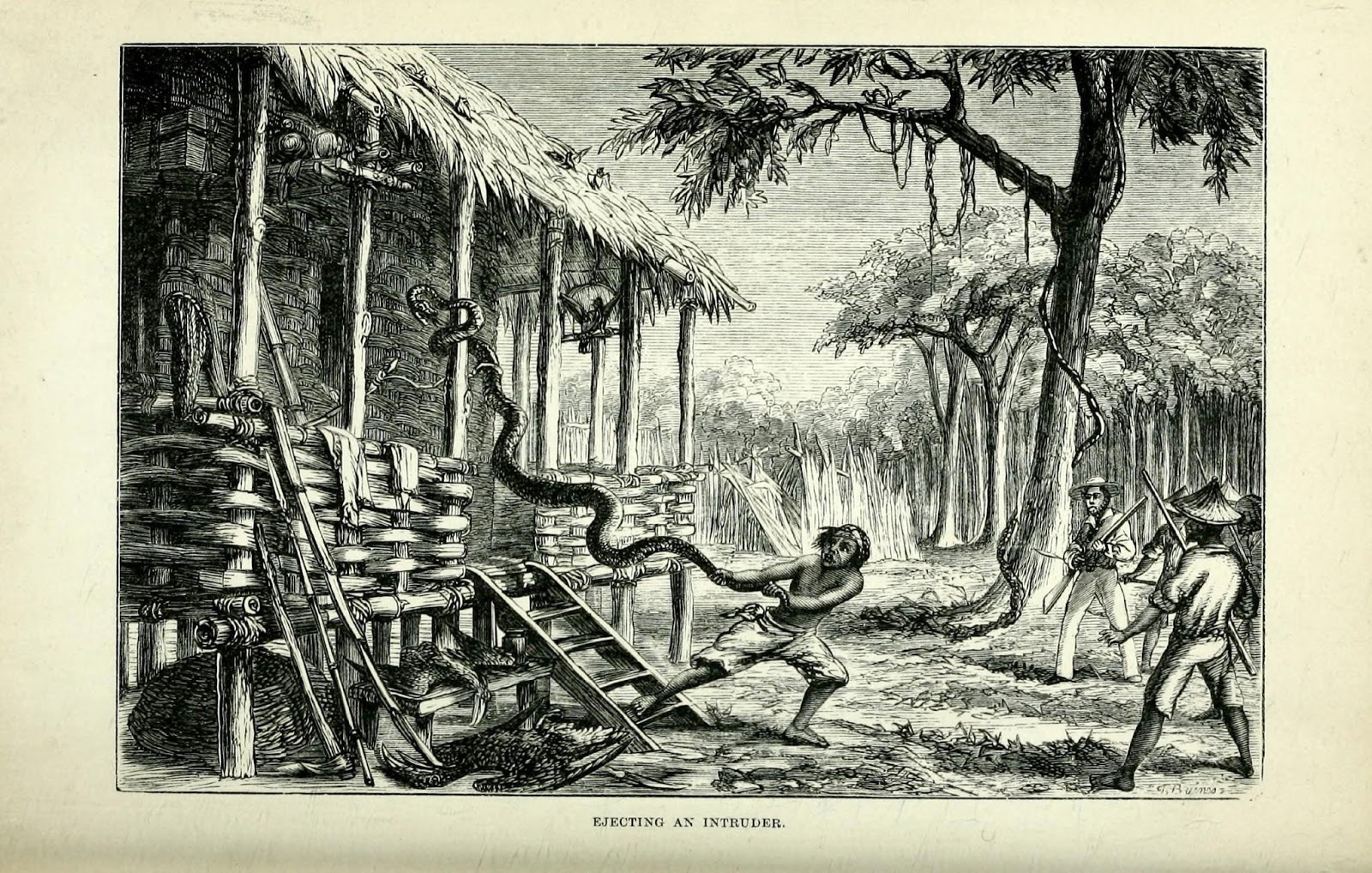
“Ejecting an Intruder” from The Malay Archipelago

Darwin and Wallace’s co-attributed theory of evolution by means of Natural Selection published in 1858, and a year later, prompted by Wallace’s letter, Darwin published On the Origin of Species. Throughout his lifetime, Wallace expressed only extreme gratitude at being given recognition for the theory along with Darwin. When Wallace sent his letter to Darwin in 1858, he did so without expectation of publication, and indeed, Darwin approved of the publication without consent from Wallace, as the delay in sending and receiving postage from the Malay Archipelago was considerable. When informed of the publication, Wallace wrote that he “happily and graciously approved.” According to Wallace biographer Richard Milner, Wallace “maintained that even if his only contribution was getting Darwin to write his book, he would be content.”

During the time of Darwin, Wallace was widely-acknowledged as the co-discoverer of the evolutionary theory. Today, most do not even know Wallace’s name, let alone associate him with Evolution. Why is this? According to George Beccaloni, public favor in the early twentieth century holds the key. In the late 1800s and early 1900s, natural selection as a theory became unpopular as other theories like neo-Lamarckism, orthogenesis, and the mutation theory took root. The generation of scientists that understood natural selection and recognized Wallace and Darwin died out. In the 1930s and 40s, natural selection again gained favor as a new generation of scientists rediscovered On the Origin of Species. Embracing natural selection through that avenue, the name of Wallace faded from scientific recognition.

Remembering Wallace
View Full Size Image
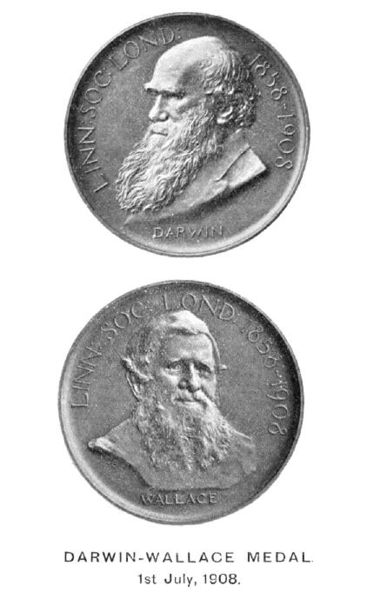
Darwin-Wallace Medal

Today, we recognize the contribution Wallace made to science, evolution, and natural selection. Wallace was awarded a multitude of medals, including the Darwin-Wallace and Linnean Gold Medals of the Linnean Society of London, the Copley, Darwin and Royal Medals of the Royal Society, and the Order of Merit. As we remember the 100th anniversary of Wallace’s death this year, let us remember that the great advances in science are often the work of many more men and women that are given general acclaim for the accomplishment.

Here’s to you, Alfred Russel Wallace. We have not forgotten you.

Links of Interest

  • See Darwin’s annotated copy of our Book of the Week, The Malay Archipelago, contributed by the Natural History Museum, London.
  • See Alfred Russel Wallace’s publications in BHL.
  • Wallace100: Explore 100 years of Alfred Russel Wallace on the Natural History Museum website.
  • View the images from this week’s book of the week, The Malay Archipelago, in Flickr.
  • Learn more about Alfred Russel Wallace in Richard Milner’s biography.
  • Debunk Wallace Myths and Misconceptions.

We hope you enjoyed this post. Interested in guest-blogging for BHL? We’d love that! Natural history, biodiversity and conservation topics are especially welcomed. Email us your ideas at [email protected].

January 24, 2013by Grace Costantino
BHL News, Blog Reel

BHL at ALA Midwinter 2013!

Every year, approximately 10,000 librarians gather together in one place to network, learn about emerging library trends and technological developments, and share their knowledge and expertise with colleagues. They call it ALA Midwinter (ALA = American Library Association), and this year it’s in Seattle, Washington, January 25-29, 2013.

View Full Size Image
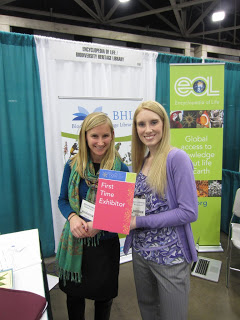
BHL & EOL staff at ALA Midwinter 2012

Last year, we took advantage of this opportunity to showcase BHL to over 6,000 attendees and nearly 4,000 exhibitors at ALA Midwinter 2012 in Dallas, TX. Along with our friends at the Encyclopedia of Life (EOL), BHL staff co-hosted a booth during the four days of exhibits. We not only engaged in meaningful conversations, answered a multitude of questions about the projects, and highlighted our beautiful Flickr images, but we also gave away great goodies, including brochures, pens, notepads, Post-It notes, bags, cups, and, of course, candy.

The enthusiasm displayed by booth visitors prompted us to repeat the experience at this year’s midwinter meeting. This time, we’re bringing along our friends from the Smithsonian’s Field Book Project.

The Field Book Project aims to “create one online location for scholars and others to visit when searching for field books and other field research materials.” To do this, the project is building the Field Book Registry, which will serve as a single access point for field book content both at the Smithsonian and throughout the country. Currently, the project is focused on identifying, locating, and cataloging the field books at the Smithsonian. Recently, the Field Book Project released 6,679 detailed catalog records describing field books from over 542 Smithsonian collections. The project has also received funds to conserve and digitize a portion of these field books.

View Full Size Image
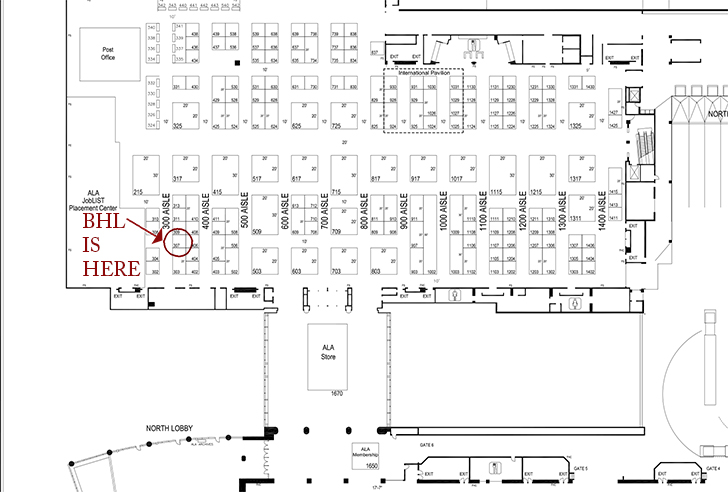
The BHL and Field Book Project booth, #307, at ALA Midwinter 2013

5:30pm, Friday, January 25, 2013, marks the opening reception of the ALA Midwinter Exhibits, which remain open until 3pm, Monday, January 28, 2013 (see full exhibits schedule here). You can find BHL and the Field Book Project at booth 307 (see booth location on exhibit floor plan, above). BHL Collections Coordinator Bianca Crowley and BHL Program Manager Grace Costantino, along with Project Manager for the Field Book Project, Carolyn Sheffield, will be on site for the duration of the conference. We’ll be live demoing our website, showcasing our fabulous Flickr site, and handing out some great swag, including stickers, buttons, pens, brochures, business cards, and more. Plus, we’ll be holdings raffles for even more snazzy things, including matted prints of BHL images and greeting cards featuring some of our favorite illustrations in the collection. And lest we forget, there will be candy!

Guest appearances from other BHL staff, including the Program’s Director, Martin Kalfatovic, and Executive Chair, Nancy Gwinn, are also expected, so be sure to check back regularly for your chance to meet our celebrities in person!

We hope to see you at ALA Midwinter 2013, starting next week. We’re eager to spread the word about the important work we do to help improve the efficiency of scientific research around the globe and ensure that the published record of biodiversity knowledge is freely available to everyone, everywhere.

  • What? BHL and Field Book Project booth at ALA Midwinter 2013, Seattle, WA, Jan. 25-29, 2013 (For more information on the booth, click here and search under “B” for Biodiversity Heritage Library/Field Book Project)
  • Where? Exhibit Hall = 4th Floor Halls, Booth #307
  • When? Booth will be open from 5:30pm, Friday, Jan. 25 – 3:00pm, Monday, Jan. 28 (see exhibit site for more details on hours)
  • Why? Learn all about BHL and the Smithsonian’s Field Book Project with your chance to ask questions of staff, engage in lively conversations, and view live demos of the sites and affiliated content. Plus, we’ll be handing out great free stuff! Don’t miss it!
January 18, 2013by Grace Costantino
Blog Reel, User Stories

BHL Use Case: Facilitating the Study of Mollusca in southern Africa

Portrait version of the Biodiversity Heritage Library logo.

Imagine that you live in a developing country and you’re studying a rare species of Mollusca. You need to verify the identity of a species you uncovered while performing some field work, but to do so you need to view a publication from the 1700s. Unfortunately, you do not have access to a library that holds the volume you need. What is a scientist to do?

Cue the Biodiversity Heritage Library! BHL is helping to improve the efficiency of scientific research around the world, particularly in developing countries, by providing free, global access to natural history literature, much of which can be found in only a few select libraries in the developing world.

Scientists everywhere feel the value of BHL, especially those in developing countries, like BHL user Dr. Dai Herbert, who graciously agreed to take some time out of his busy schedule to tell us how BHL has impacted his research on the Mollusca of southern Africa.

BHL and Our Users: Dr. Dai Herbert

View Full Size Image

What is your title, institutional affiliation, and area of interest? Chief Curator: Mollusca, KwaZulu-Natal Museum, Pietermaritzburg and Honorary Professor, University of KwaZulu-Natal, Pietermaritzburg.

My field of interest is molluscan diversity and biogeography in southern Africa, with an emphasis on taxonomy and systematics. In work of this nature it is essential that one is fastidious and painstaking about accuracy. Consequently one often needs to go back to original sources to check information and these can sometimes be old and rare literature resources.

How long have you been in your field of study? Heavens, it’s a long time now – over 30 years.

When did you first discover BHL? I can’t remember exactly when I first came across BHL, but I have been making progressively more and more use of it over the last five years.

What is your opinion of BHL and how has it impacted your research? BHL is a tremendous and extremely valuable resource. As I mentioned previously, I frequently need to refer to the older literature, but before the advent of the internet and the BHL, this was usually a very frustrating task because much of the relevant material was not available in South Africa. This represented a considerable stumbling block and hindrance. The BHL has greatly alleviated this problem. Far more often than not, I am able to find what I need on the BHL. This resource has done an enormous amount to enhance the capacity of developing countries to undertake taxonomic research on their biota. I am extremely grateful to those who set up and manage this resource. Keep up the good work!

How often do you use BHL? This is variable and depends upon how much time I have for research (i.e. how much nonsense the bureaucrats and administrators thrust my way), but hardly a week goes by when I don’t use it. When fully engaged in a project, I might use it almost daily.

How do you usually use BHL (read the titles online/download whole PDFs/Select Pages to Download for a custom PDF/etc.)? Normally I search for the reference or journal by title, download the pdf and print the section that I need to refer to. I guess I’m still a little old fashioned in that I like to have a hard copy of original descriptions and I then scribble my own notes on these and store them for reference.

What are your favorite features/services on BHL? The advanced search facility and the pdf download option.

If you could change one thing about BHL, what would it be, or what developmental aspect would you like the BHL team to focus on next? BHL works well – the big issue is to get as much of the older literature scanned as possible.

If you had to choose one title/item in BHL that has most impacted your research, or one item that you prefer above any other in BHL, what would it be and why? This is impossible for me to say. I use many titles of considerable importance to my research.

Learn more about Dr. Herbert on the KwaZulu-Natal Museum website.

Interested in sharing how the BHL has helped facilitate your research? We would love to hear from you! Send us an email to [email protected]. With continuous input from our users, we can ensure that our development priorities continue to transform BHL into a tool that best meets the needs of our user community!
January 15, 2013by Grace Costantino
BHL News, Blog Reel

BHL Surpasses 40 Million Pages!

May we have a drum roll please…….

The Biodiversity Heritage Library is pleased to announce that we have just surpassed 40 million pages in our online collection!

That’s 40 million pages of open access biodiversity literature that was previously available only in the collections of a few select libraries around the world. Making this literature freely available removes these boundaries to access, thus increasing the efficiency of scientific research and discovery of the natural world for anyone with an Internet connection.

View Full Size Image
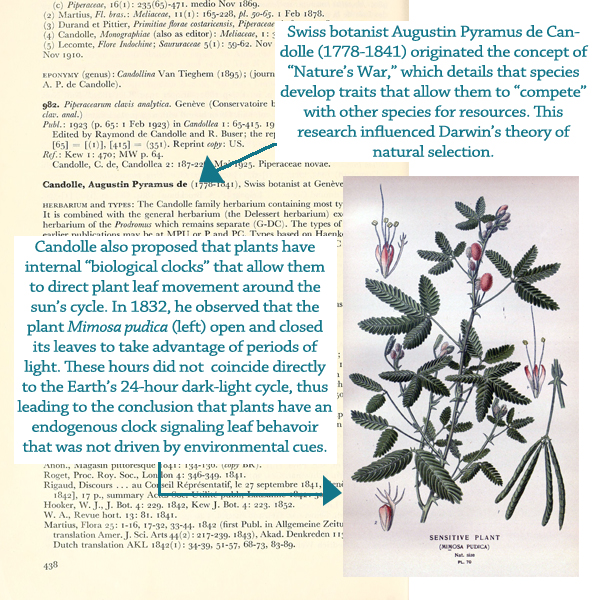
Most popular book out of those 40 million pages? Taxonomic Literature 2 (TL2). Learn more about Candolle in TL2 and explore Mimosa pudica, which played a critical part in his research, in Favourite Flowers of Garden and Greenhouse.

BHL officially launched in May, 2007, with just over 600,000 pages of primarily botanical literature previously digitized for the Botanicus program at the Missouri Botanical Garden. Today, over 5 years later, we’ve added over 39.4 million more pages, contributed from the collections of 14 BHL member institutions, 3 global partners (including China, Australia, and Europe), and 124 providers that make their content openly available in the Internet Archive. Subjects covered in the collection now include not only botany but also zoology, scientific expeditions, gardening, fungi, conservation, archaeology, fossils, and ecology, to name a few.

View Full Size Image
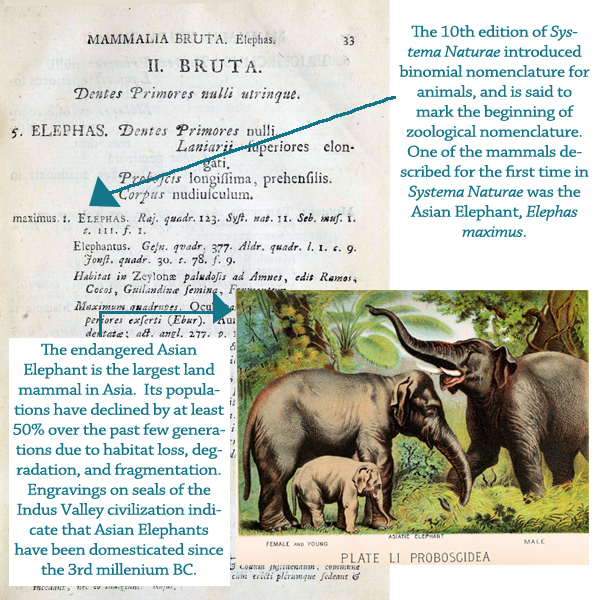
2nd most popular book in BHL: 10th Ed. Systema Naturae 

While making over 40 million pages of literature freely available, we’ve also been working to improve discoverability of and access to the thousands of incredible scientific illustrations found within these digitized texts by exposing them via Flickr. To date, we’ve added over 55,000 images to the BHL Flickr, free for browsing, downloading, and reuse via a Creative Commons license. With funds received from a recent National Endowment for the Humanities grant, we’re exploring ways to further automate the discovery of these images in BHL.

Beyond our work with images, we continue to embrace strategies that allow us to reach new audiences on new platforms and expand user opportunities to interact with our collections. This includes featuring content on Twitter, Facebook, and Pinterest, as well as making select items available for free download in iTunes U.

While the common thread throughout this post may be that all of our content is free, the cost to digitize this material and support further technical development is not. Our 40 million pages was achieved thanks to the support of grant agencies, generous in-kind contributions and subventions from our member libraries, and donations from users like you. Help us reach another 40 million pages with a tax-deductible donation to BHL. Together, we can ensure that the world’s biodiversity literature is available to everyone, everywhere.

View Full Size Image
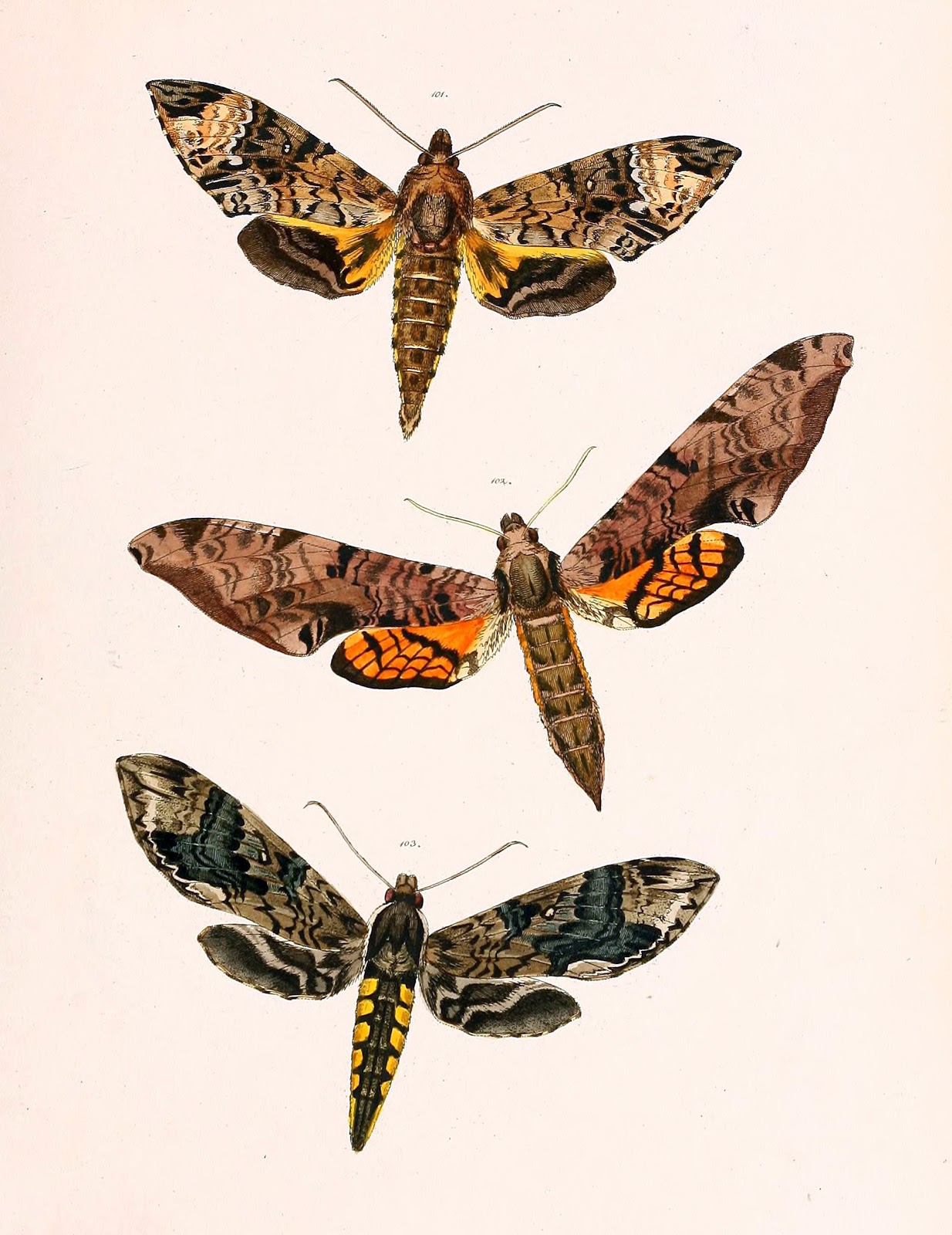
The most-viewed image in the BHL Flickr? Sammlung neuer oder wenig bekannter aussereuropäischer Schmetterlinge (1850-58), bd. 1, pl. [45], with 2,145 views.

View Full Size Image
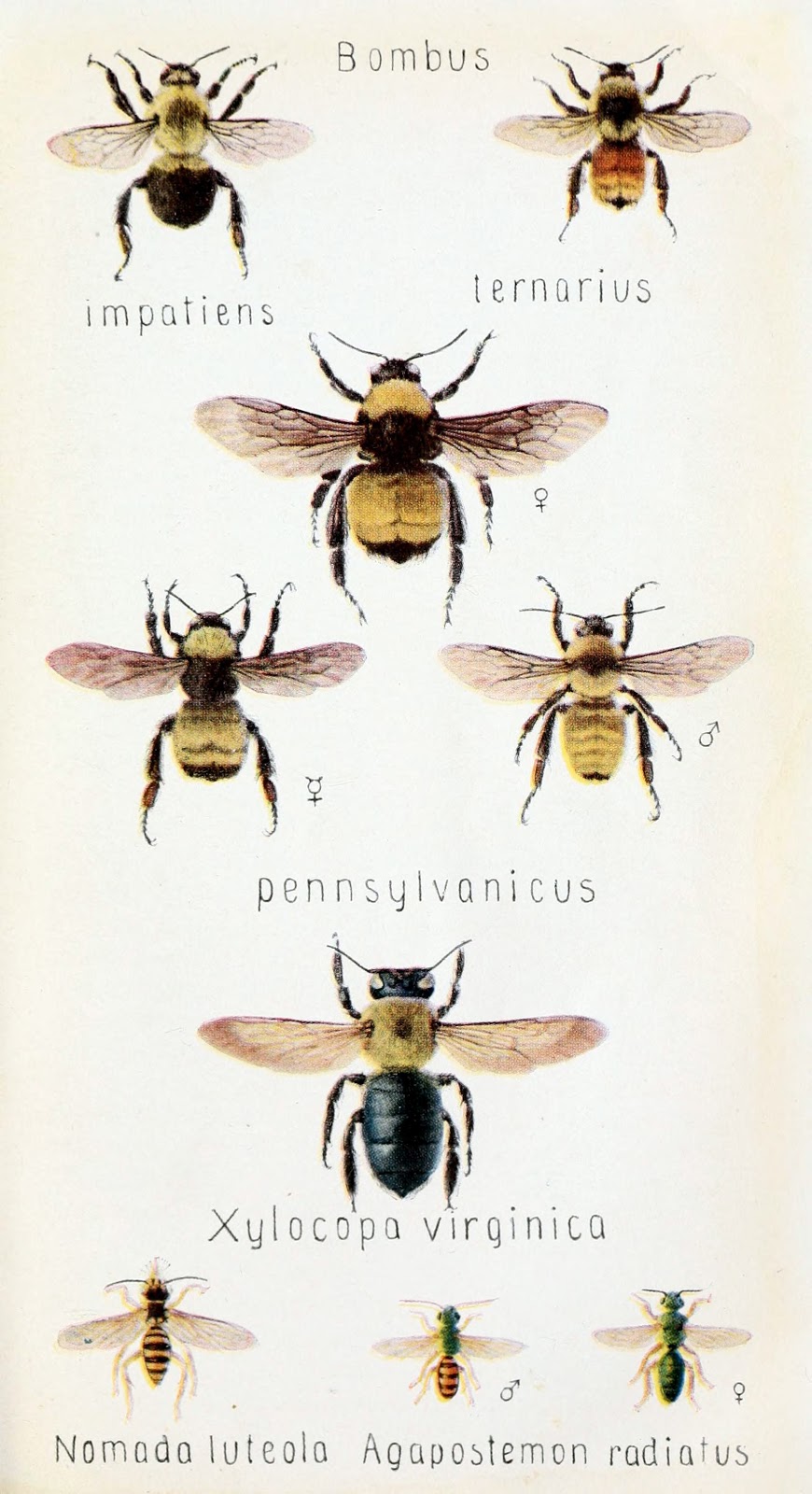
Following in the insect theme, the second-most-viewed image in Flickr: Field Book of Insects (1918), pl. 94, with 1,901 views.

View more images in the BHL Flickr!

* Find the image of the Asian Elephants, displayed in the Systema Naturae image above, in Johnson’s Household Book of Nature.

December 26, 2012by Grace Costantino
Page 49 of 71« First...102030«48495051»6070...Last »

Help Support BHL

BHL's existence depends on the financial support of its patrons. Help us keep this free resource alive!

search

About BHL

The Biodiversity Heritage Library (BHL) is the world’s largest open access digital library for biodiversity literature and archives. BHL operates as a worldwide consortium of natural history, botanical, research, and national libraries working together to digitize the natural history literature held in their collections and make it freely available for open access as part of a global “biodiversity community.”

Join Our Mailing List

Sign up to receive the latest news, content highlights, and promotions.

Subscribe Now

Subscribe to Blog via Email

Enter your email address to subscribe to this blog and receive notifications of new posts by email.

Join 319 other subscribers

Subscribe to Blog Via RSS

Subscribe to the blog RSS feed to stay up-to-date on all the latest BHL posts.

Access RSS Feed

Inspiring Discovery through Free Access to Biodiversity Knowledge.

The Biodiversity Heritage Library makes it easier than ever for you to access the information you need to study and explore life on Earth…for free, anytime, anywhere.


64+ Million Pages of
Biodiversity Literature Online.

EXPLORE

Tools and Services
to Transform Research.

EXPLORE

300,000+
Illustrations on Flickr.

EXPLORE

ABOUT | HARMFUL CONTENT | PRIVACY | SITE MAP | TERMS OF USE