Biodiversity Heritage Library - Program news and collection highlights from BHL
  • Home
  • News
  • Featured Books
    • All Featured Books
    • Book of the Month Series
    • BHL at 20
  • User Stories
  • Campaigns
    • Fossil Stories
    • Garden Stories
    • Monsters Are Real
    • Page Frights
    • Her Natural History
    • Earth Optimism 2020
  • Tech Blog
  • Visit BHL
Home
News
Featured Books
    All Featured Books
    Book of the Month Series
    BHL at 20
User Stories
Campaigns
    Fossil Stories
    Garden Stories
    Monsters Are Real
    Page Frights
    Her Natural History
    Earth Optimism 2020
Tech Blog
Visit BHL
  • Home
  • News
  • Featured Books
    • All Featured Books
    • Book of the Month Series
    • BHL at 20
  • User Stories
  • Campaigns
    • Fossil Stories
    • Garden Stories
    • Monsters Are Real
    • Page Frights
    • Her Natural History
    • Earth Optimism 2020
  • Tech Blog
  • Visit BHL
Biodiversity Heritage Library - Program news and collection highlights from BHL
Blog Reel, Featured Books

The Good, the Bad, and Pest Control

Book of the Week: Dell’historia Naturale and the History of Pest Control
 

View Full Size Image
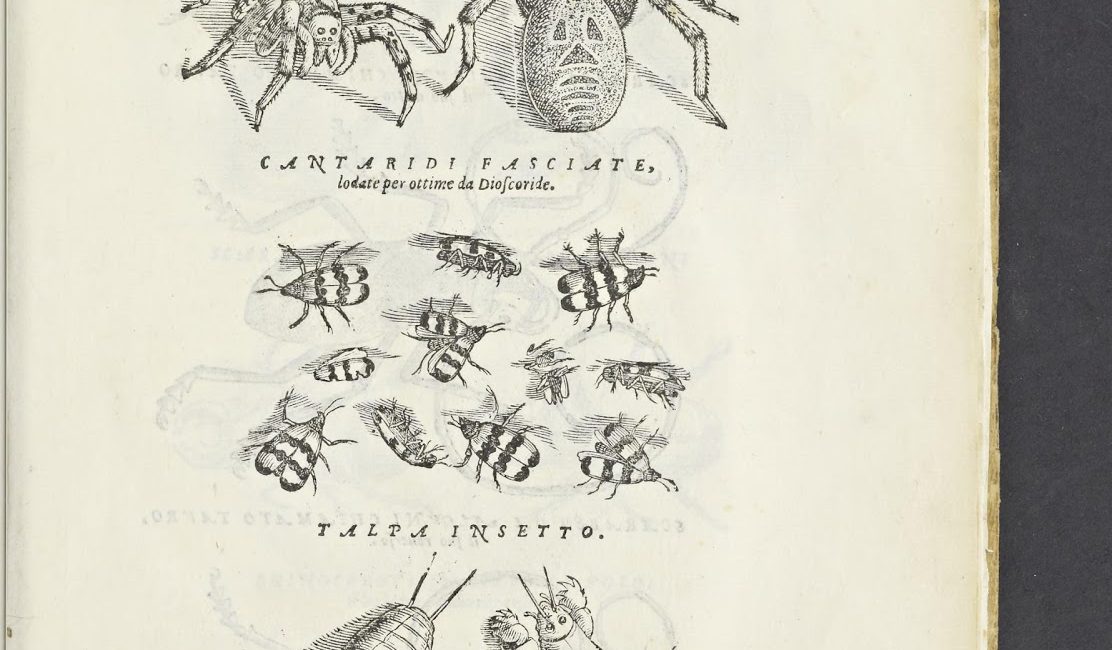
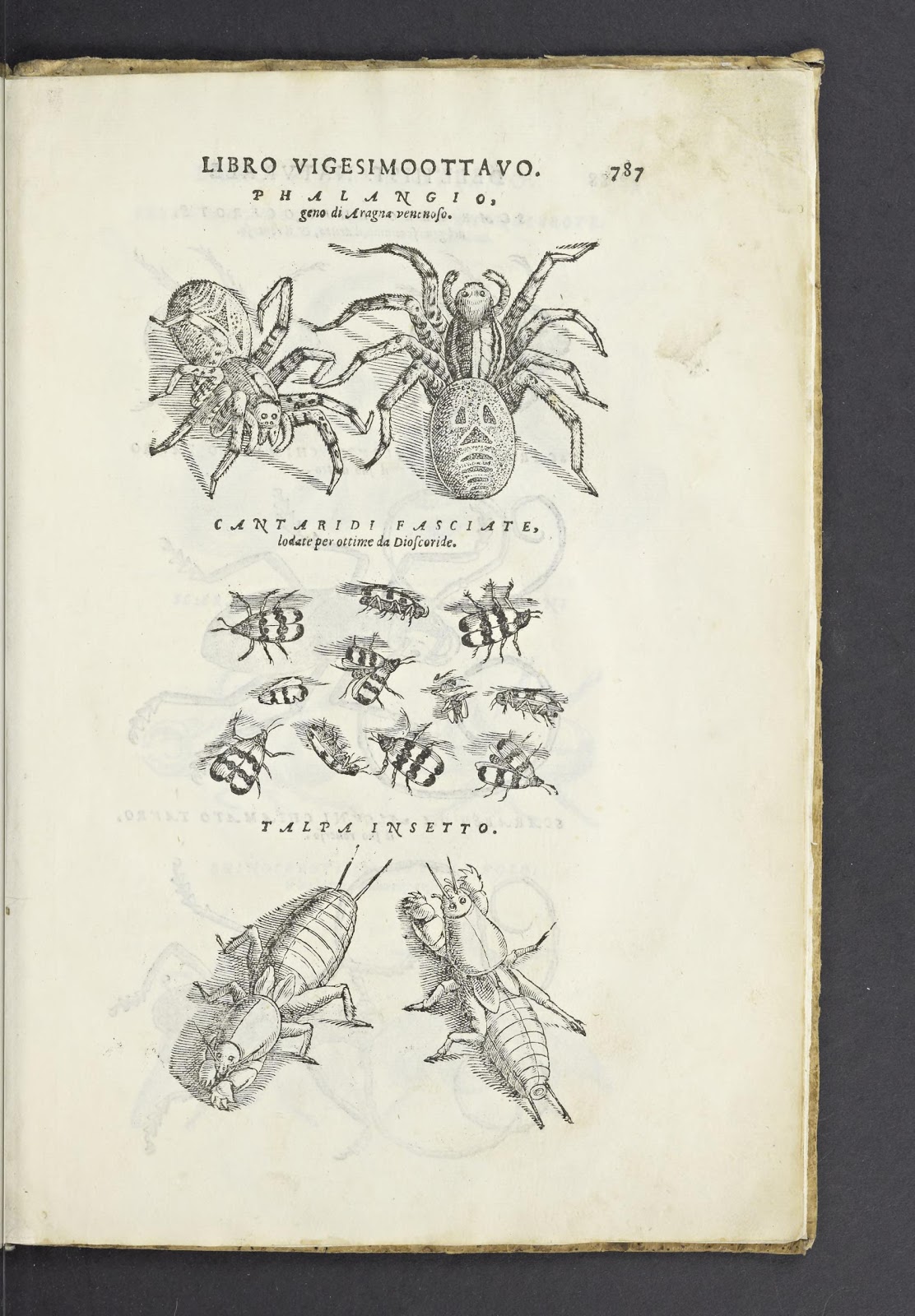
Early depiction of “pests,” from Dell’Historia

Pest Control management has a long, somewhat sordid history. Dating back thousands of years, management methods include the use of predatory populations, environmental adaptations, mechanical inventions, chemical pesticides, and sometimes significantly more mystical techniques. For instance, curious sixteenth-century instructions for pest management occurs in our book of the week, Dell’Historia Naturale. Regardless of the approach employed, it was not until the 1950s that humans began to seriously investigate the effects of some of these control methods on a large-scale basis. Come with us as we explore the good and bad history of Pest Control.

Welcome to the World of Pest Control

Pest control methods have been in place for thousands of years. The use of chemical pesticides dates back to 4,500 years ago, when the Sumerians used sulfur compounds as insecticides. As early as 1200 B.C., the Chinese used predatory ants to control caterpillar and wood boring beetle populations in citrus groves. Homer’s Iliad describes the use of fire to propel locust swarms to the sea. The Greek philosopher Pythagorus instructed a Sicilian town to drain its marshes in the sixth century B.C. in order to eradicate a malaria outbreak. In the 1700s, German physician Ernst Bruckmann designed the first mechanical fly and flea traps, which involved the use of bait to lure insects into wooden boxes or perforated cylinders, which were spring loaded to snap shut under the weight of several unlucky specimens in search of an easy meal. The flea traps became so popular that they were worn around the necks of the aristocracy in the eighteenth century.
View Full Size Image
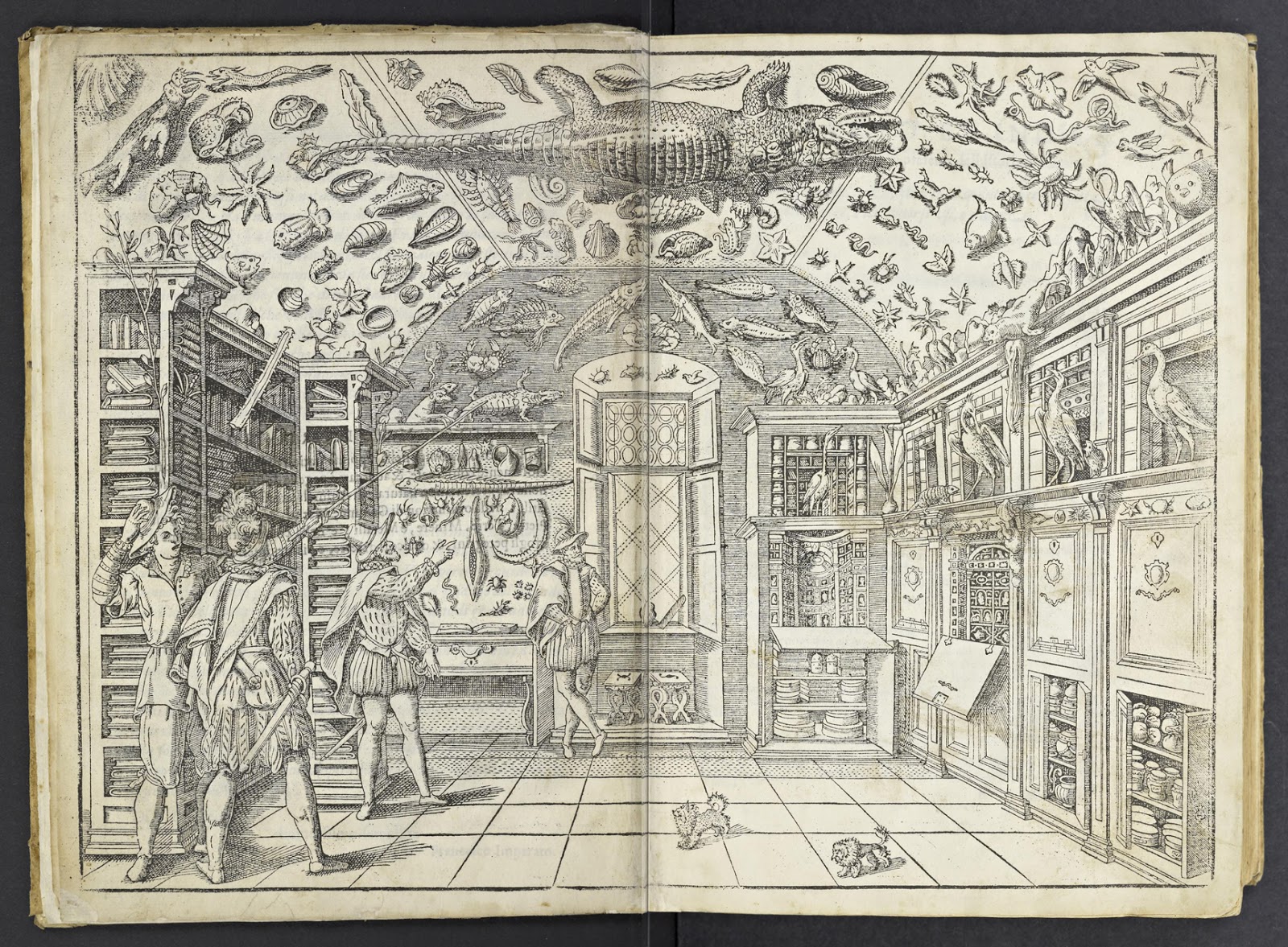
Imperato’s Cabinet of Curiosities

Very early directions regarding pest management were given by Ferrante Imperato in our book of the week, published in 1599. Imperato was a Naples apothecary and one of the first to correctly outline the process by which fossils are formed. His masterpiece, Dell’Historia Naturale, presented the first pictorial representation of a Renaissance humanist’s “Cabinet of Curiosities,” or natural history research collection. The collection was Ferrante’s own, and it displayed herbarium, shells, birds, sea creatures, fossils, marbles, and gems.  Described as a catalogue, Dell’Historia Naturale contains information on not only Ferrante’s Cabinet, but also instruction on alchemy, mining, animals, and plants. Particularly relevant to our post today, the pages contain some of the first published instructions, however dubious, on pest management: how to eliminate flies from a home. He dictates,

“…draw the image of a fly…on a copper plate during the second half of the constellation of Pisces…then bury it in the center of your house (during) the first half of the constellation of Taurus.”

While the efficacy of Ferrante’s method, and many similar methods rooted in superstition or mysticism, are clearly questionable today, various other ancient methods, such as the use of arsenic by the Chinese, rotenone in South America and Asia, or lime and copper mixtures in France, clearly have foundations in scientific reasoning. Since the time of Imperato, our pest control methods have become somewhat more sophisticated and can be grouped into two broad categories: natural and artificial. Natural methods, such as geographic barriers or introducing predator populations, involve environmental factors that keep pest populations in check. In contrast, artificial methods, like traps or insecticides, manage populations through human-created products or processes that affect the pest’s distribution, behavior, or physiology.

The use of chemical pesticides became especially widespread in the early to mid-1900s. This was facilitated not only by the increased development of chemical mixtures, like DDT, hydrogen cyanide, or lead arsenate, but also profuse mechanical methods by which to deploy them, including pressure sprayers, aerial dispersal, and steam, mechanical, and horse-powered equipment. Most were so excited about the apparent effectiveness of these methods that few questions were raised regarding the potential side-effects.

Pest Control Gets Complicated: The Fire Ant, The Cranberry, & DDT

In the 1950s, the detrimental effects of pesticides began to receive significantly more publicity. In 1957, the USDA initiated a fire ant eradication program which involved the aerial spraying of DDT and other chemical pesticides. First synthesized in a lab by an Austrian chemist in 1874, DDT (dichlorodiphenltrichloroethane) is an organochlorine insecticide which opens sodium ion channels in neurons in insects, leading to spasms and eventual death. DDT was extremely effective in controlling pest populations for a time, although species in many locations eventually developed resistance to the compound. Furthermore, observations showed that chemical solutions were poisoning more than the intended victims – noticeably birds – and infecting crop populations, such as cranberries, which, during the Great Cranberry Scandal of 1957-59, were shown to contain high levels of herbicide aminotriazole, which caused cancer in lab rats. Many began to question the safety of such widespread use of chemical pesticides, and some began filing suits to have large-scale spraying stopped.

A Better Way to do Pest Control?
 

View Full Size Image
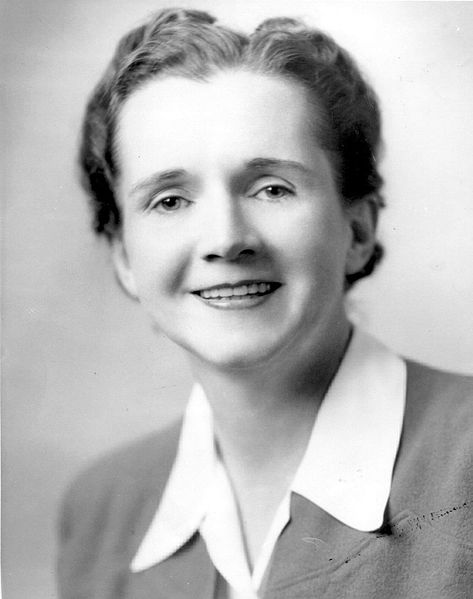
Rachel Carson

By 1958, prominent natural history author Rachel Carson was alarmed by the reports she’d heard regarding the dangers of chemical pesticides, particularly as regarded the fire ant eradication program. Her interest already piqued by these developments, Carson then received a letter from her friend Olga Owens Huckins detailing the death of numerous bird species near her home after an aerial spraying of DDT. Emboldened, Carson decided to focus on environmental issues in her writing, particularly the detrimental use of pesticides on the environment.

Carson spent four years gathering research on the ecological damages caused by pesticides, as well as human illnesses resulting from their use. In 1962, beginning with a serialization in The New Yorker, Carson’s resulting work Silent Spring released on the printed page. A full book, complete with illustrations by Lois and Louis Darling, was published in September 1962. The title evoked contemplation of a bleak future when no bird songs fill the air, as pesticides have killed them all, and springs are silent.

As a result of Silent Spring, President John F. Kennedy launched an investigation in his Science Advisory Committee to investigate the book’s claims. The Committee found Carson’s arguments valid, and an immediate strengthening of chemical pesticide regulations ensued, including a ban of DDT in 1972. According to Charles Dewberry of Gutenberg College, Silent Spring “may be the most important book in the formation of the environmental movement of the 1960s.” Indeed, Silent Spring was recently named one of the 25 greatest science books of all time by Discover Magazine.

The Current State of Pest Control

Today, chemicals are still the most prominent pest control method. Carson’s work inspired ardent criticism by many, who claim that she selectively presented only that evidence which supported her case and that tens of millions have died needlessly as a result of the ensuing restrictions on DDT. Clearly, all pest control methods must be investigated according to the positive and negative consequences of their use, and this must include examination of long-term effects. Furthermore, as Carson herself outlines in Silent Spring, even should chemical pesticides remain in use, their application must be selective, as indiscriminate, widespread use will only result in resistance in the pest populations – an effect seen in DDT use.
View Full Size Image
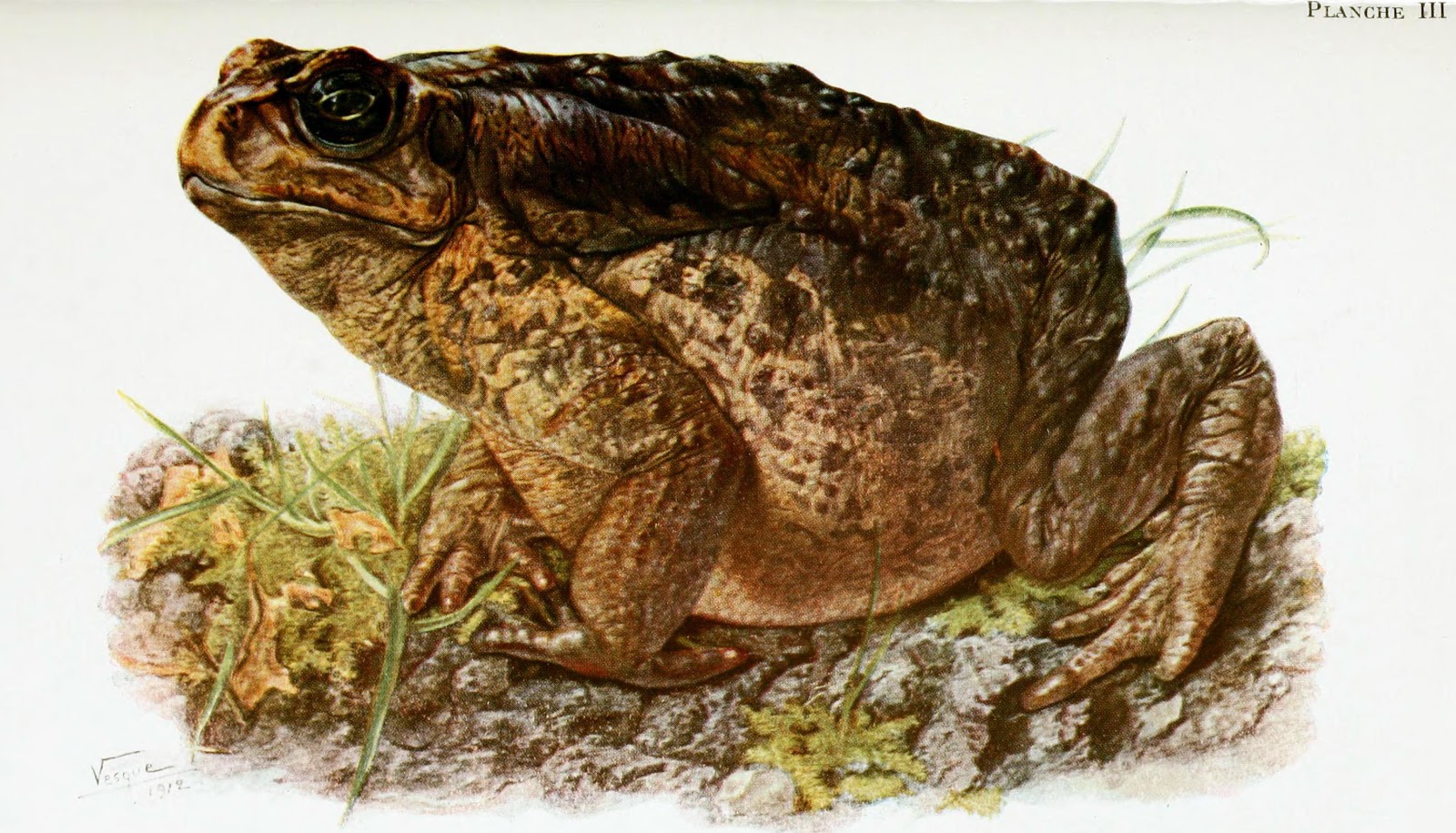
The Cane Toad, an introduced predator in Australia causing unintended consequences .

Nevertheless, natural and biological pest control movements have seen renewed support with the advent of Silent Spring and other awareness programs. Even these solutions, however, must be employed selectively, as the introduction of predator populations to control pests may also backfire, as seen in the problematic cane toad populations now plaguing Australia.

Pest control is clearly a multifaceted, complex issue. Perhaps the most effective approach may involve the educated, selective combination of many methods. Regardless, such research only goes to further demonstrate how fragile our planet is, and how, as one connected ecosystem, even the smallest alterations may have long-lasting, and potentially devastating, consequences. Our responsibility is to be good stewards of our uniquely amazing gift: Planet Earth.

* Explore Pest Control in BHL.

* Browse titles on pesticides and insecticides in BHL.

* Investigate more works on biological pest control in BHL.

We hope you enjoyed this post. Interested in guest-blogging for BHL? We’d love that! Natural history, biodiversity and conservation topics are especially welcomed. Email us your ideas at [email protected].

Special thanks to Don Wheeler, Librarian, New York Botanical Garden, for his consultation on this post.

October 18, 2012by Grace Costantino
Blog Reel, User Stories

BHL and Our Users: Dr. Dieter Oschadleus

View Full Size Image
Dr. Oschadleus with a male Cape Weaver

In June, 2012, six BHL-US/UK staff members, representing three BHL member institutions, traveled to Cape Town, South Africa, to attend an organizational meeting for BHL-Africa. In addition to the U.S. participants, the meeting also brought together twenty African colleagues from six countries, all dedicated to participating in our newest global initiative. Many of these colleagues are librarians themselves, and share BHL daily with patrons at their own home libraries.

One such individual, whom we interviewed several months ago, is Margaret Koopman, a librarian at the ornithological department at the University of Cape Town. She suggested that we also interview one of her patrons, a frequent user of BHL: Dr. Dieter Oschadleus. Dr. Oschadleus was gracious enough to agree to the interview, which we are proud to present below.

What is your title, institutional affiliation (or alternative place of employment), and area of interest?

I am a Doctor in the Animal Demography Unit at the University of Cape Town. I am interested in all aspects of the weaver family Ploceidae.

How long have you been in your field of study?

About 2 decades.

When did you first discover BHL?

Several years ago.

What is your opinion of BHL and how has it impacted your research?

Brilliant! It has helped me to obtain many references quickly and easily and for free, particularly those with historical / early references to weavers.

How often do you use BHL?

A lot, but on an irregular basis – sometimes days or weeks may go by without using it, but sometimes I may spend hours searching or downloading references.

How do you usually use BHL (read the titles online/download whole PDFs/Selecting Pages to Download for a custom PDF/Downloading High Resolution Images/Generating Taxonomic Bibliographies/etc.)

Mostly download whole PDFs.

What are your favorite features/services on BHL?

I like the fixed web address for journals, eg www.biodiversitylibrary.org/bibliography/8115 for Ibis; The map function is great (recently discovered)!

If you could change one thing about BHL, what would it be, or what developmental aspect would you like the BHL team to focus on next?

Filling gaps where they sometimes exist in journal series (I realize that few copies may exist in some cases, but all the more reason to get them digitized!)

If you had to choose one title/item in BHL that has most impacted your research, or one item that you prefer above any other in BHL, what would it be and why?

There are many. To give one example: Die Vögel Afrikas, von Ant. Reichenow

As we continue to dedicate efforts to bringing BHL and its resources to all reaches of the globe, we’re excited to hear from our global users about the impact BHL has on their work. We send a sincere thanks to Dr. Oschadleus for his participation in this series. Thanks for tuning in to BHL and Our Users, as we strive to bring you more insight from our international users in the months to come!

View Full Size Image
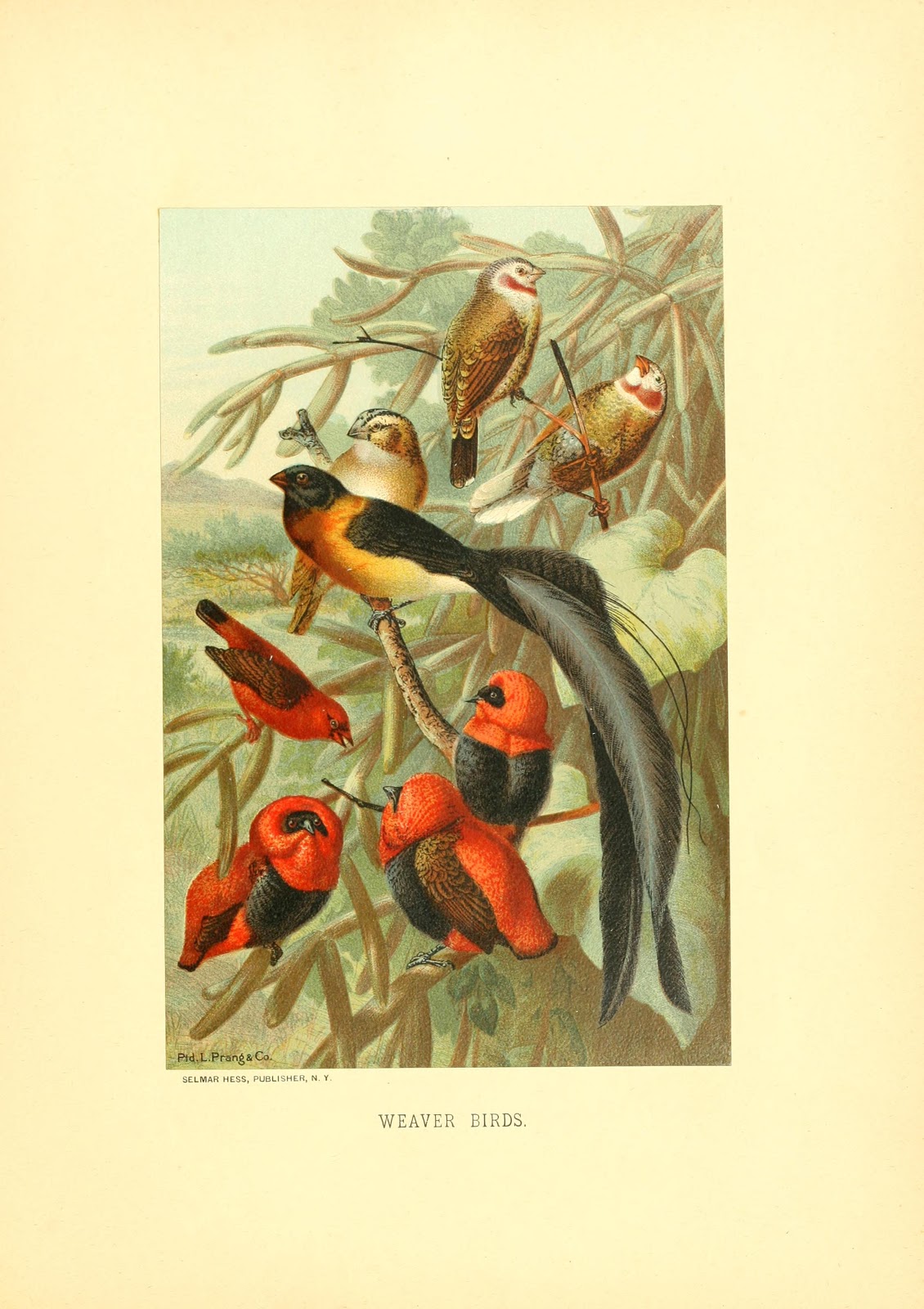
An illustration of weaver birds (Ploceidae), Dr. Oschadleus’ speciality.

If you’re interested in being interviewed on our blog, leave a comment on this post, send us feedback, or email us as [email protected].

* Photo of Dr. Oschadleus by Lynne Roscoe

October 16, 2012by Grace Costantino
BHL News, Blog Reel, Tech Updates

The 2012 BHL Staff & Technical Meeting

View Full Size Image
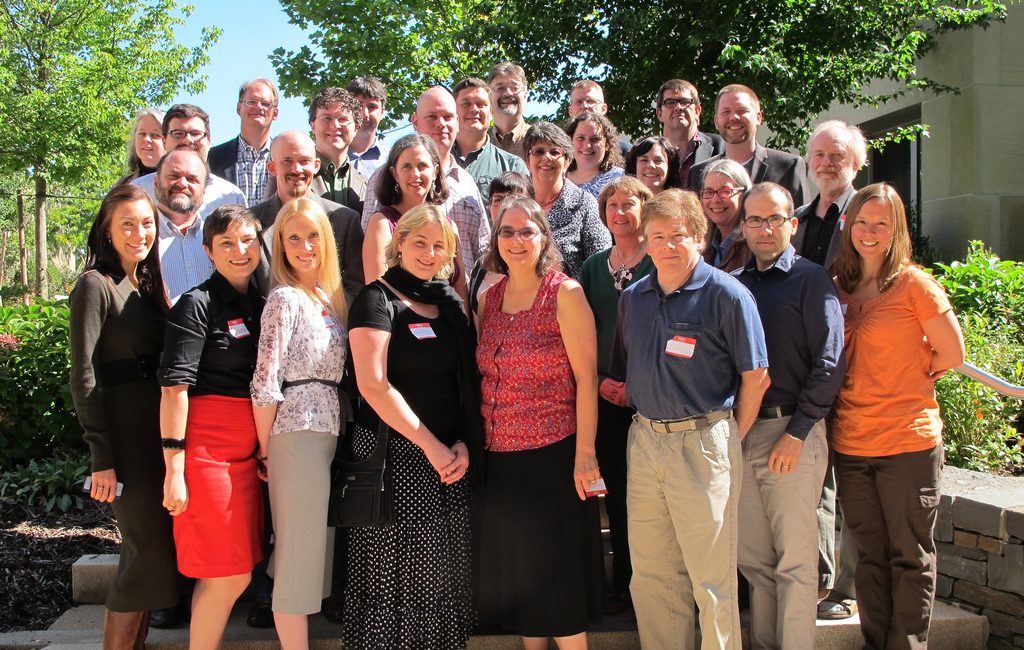
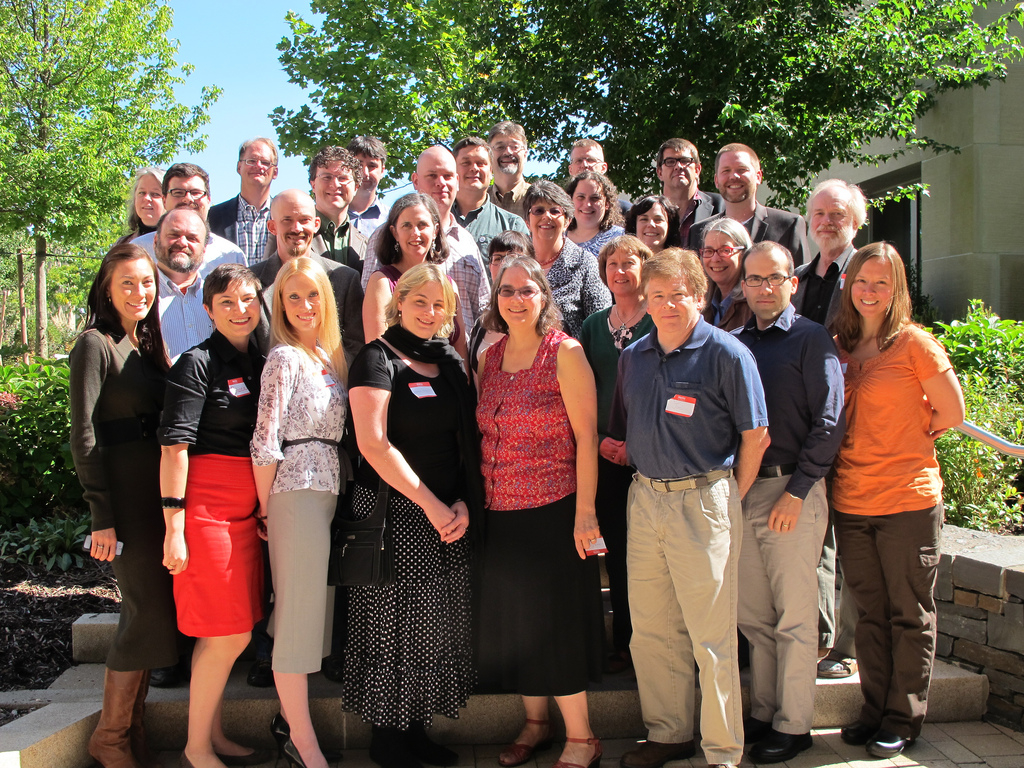
BHL Staff at the 2012 BHL Staff & Technical Meeting, Cambridge, MA, 27-28 September

On September 27-28, 2012, thirty-one staff members representing all 14 BHL member institutions convened at the Ernst Mayr Library at the Museum of Comparative Zoology at Harvard University for the 2012 BHL Staff and Technical Meeting. As a combined meeting, it brought together not only those that manage the digitization workflow at each member institution, but also those that work to keep BHL’s technical infrastructure running smoothly and constantly improving.

To maximize the 16 hours available for discussions, the meeting was divided into separate Staff and Technical tracks, with only those sessions relevant to all staff combined. Combined sessions included Program and Technical updates, as well as a discussion of BHL Projects and Initiatives, which was a chance for staff to identify high-impact projects to incorporate into a 2-year workplan for BHL. Staff sessions included a Program Management Update; brainstorming requirements for a BHL-Awareness Program; a Collections Analysis, Scope, and Prioritization discussion; a Blog brainstorming session; and discussions about BHL’s mission statement and goals. The Technical sessions discussed providing article-level access in BHL; replicating and synchronizing BHL content globally; the NEH Art of Life project status; BHL’s boutique digitization workflow management tool Macaw; Full-text searching; and OCR improvements.

This was also the first opportunity for BHL’s newest members, Cornell and the United States Geological Survey (USGS), to participate in one of our staff meetings. As a BHL-staff meeting virgin, we asked Jenna Nolt, librarian at the USGS, to share with us her thoughts about the meeting.

View Full Size Image
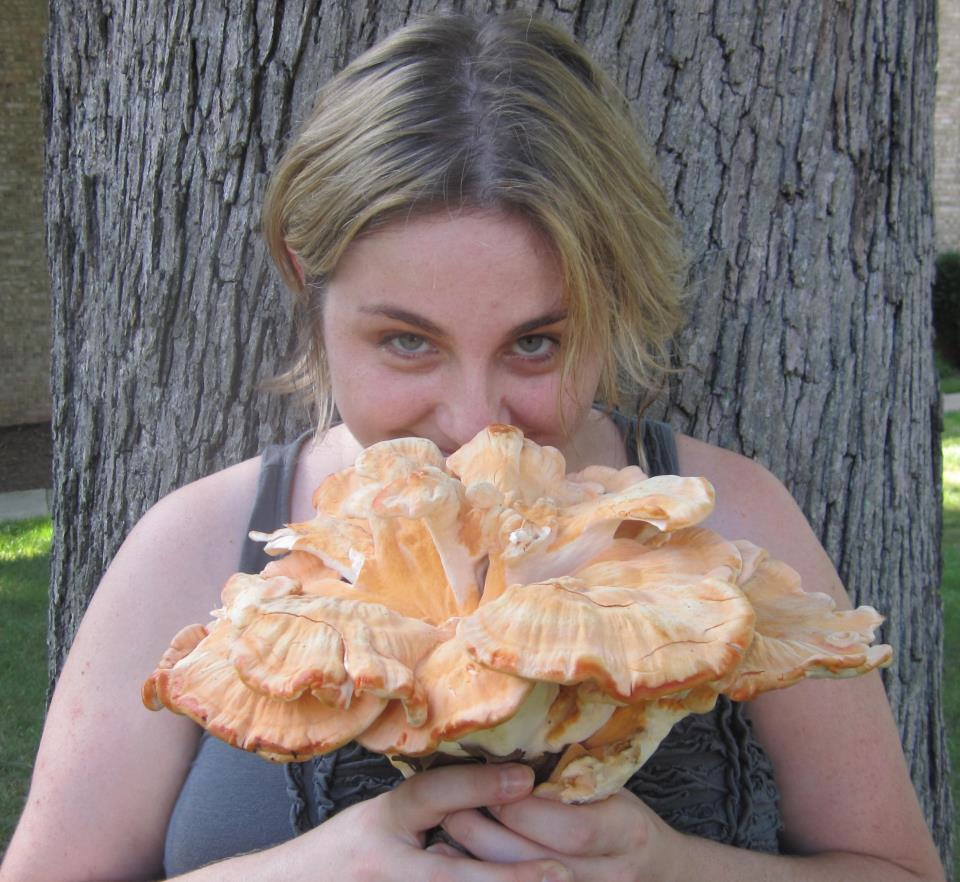
Jenna Nolt with a specimen of an edible polypore, genus Laetiporus, commonly known as chicken of the woods.

As a new librarian and new member of BHL, I was privileged to represent the U.S. Geological Survey Libraries at the staff meeting in September.  Our libraries have been contributing to BHL since March, and this was an exciting opportunity to meet, learn from, and collaborate with the other members.

From the moment I walked through the door I was impressed by the positive energy and enthusiasm of the whole group. After a general session we broke out into the staff track and the technical track; I stayed on the technical track.  As the sole librarian at my library dedicated to digitization, this was a valuable opportunity for me to discuss in detail some of the complexities of the digital world.  One thing I realized very quickly during these discussions is that all of us, in our individual libraries as well as in BHL, are addressing the same challenges of how to best organize, preserve, and expose complex objects in a constantly shifting digital landscape.

I was particularly interested in the discussion about OCR (optical character recognition) and excited by the plan for BHL to implement full-text searching, something that would be a huge benefit to our scientists and researchers. To accomplish this BHL will be using Solr which not only allows full-text searching, but also allows for faceted navigation, hit highlighting, and corrective spelling (“did you mean…”) features that any researcher knows the value of.

I was most actively involved with the section on Macaw, a piece of software created by Joel Richard at the Smithsonian used to upload digital objects packaged with metadata to Internet Archive. Our library has been testing and using Macaw for the past few months, and it has given us the ability to create a completely in-house digitization process for public domain materials. It was a great chance to speak with Joel directly and discuss with the group the possibility of setting up a cloud-based instance with multi-institutional access, which would be a huge advantage for many BHL members.

One theme emerged strongly for me over the course of the meeting.  I’ve become increasingly aware working in the information field that there are no simple answers in the digital world, no clear standards, and sometimes no answers at all. As anyone who has tried to do serious research online knows, this can be extremely frustrating.  But what I realized is that the BHL is at the cutting edge of constructing standards and creating answers where there are none to find.  When those skills are combined with the enthusiasm, passion for knowledge, and a love of science I saw at the meeting – well, that’s where the really cool stuff happens.

Thank you all and…I can’t believe I am saying this, but…can’t wait for the next meeting!

We are thrilled to welcome Jenna and our other new staff members to the BHL project. Nothing solidifies the initiation process more than participation in a two-day intensive staff and technical meeting!

The meeting may be over, but now the real work begins! We are busy developing plans to address our meeting action items and continue discussions about revising BHL’s mission and goals in order to further inform a 2 year workplan for the project. The 2012 Staff and Technical Meeting was a hands-down success and a fabulous opportunity for BHL’s dedicated staff to further our vision to repatriate biodiversity knowledge to the world.

October 9, 2012by Grace Costantino
Blog Reel, Featured Books

Biologia Centrali-Americana & Hispanic Heritage Month

Book of the Week: Biologia Centrali Americana

View Full Size Image
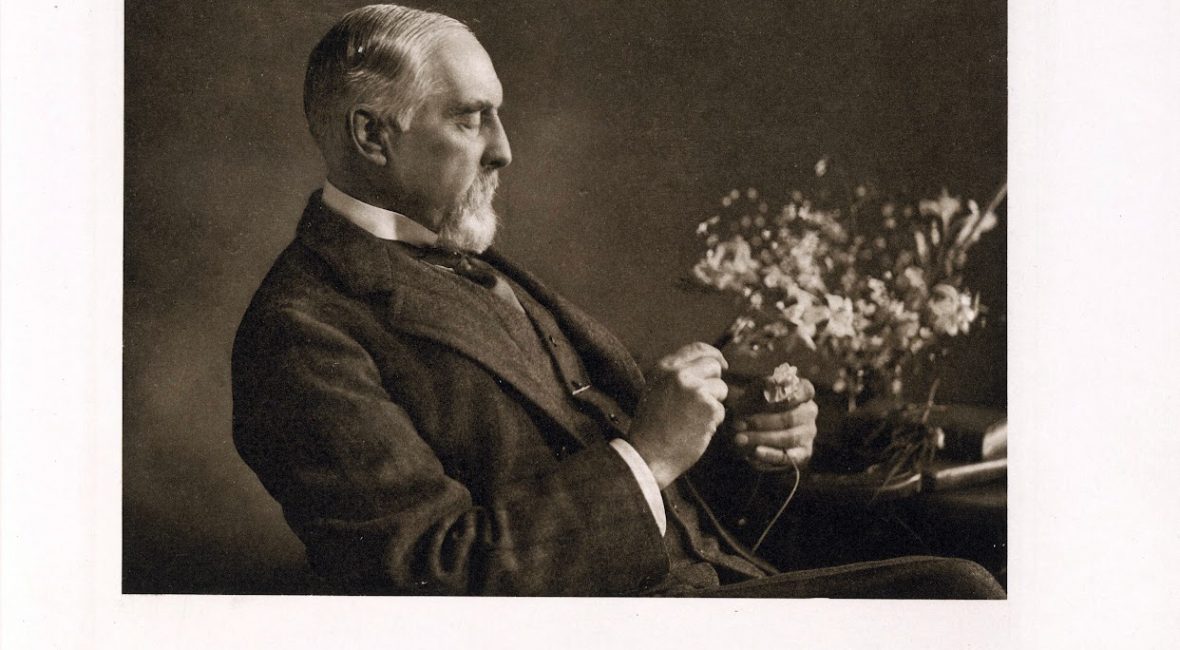
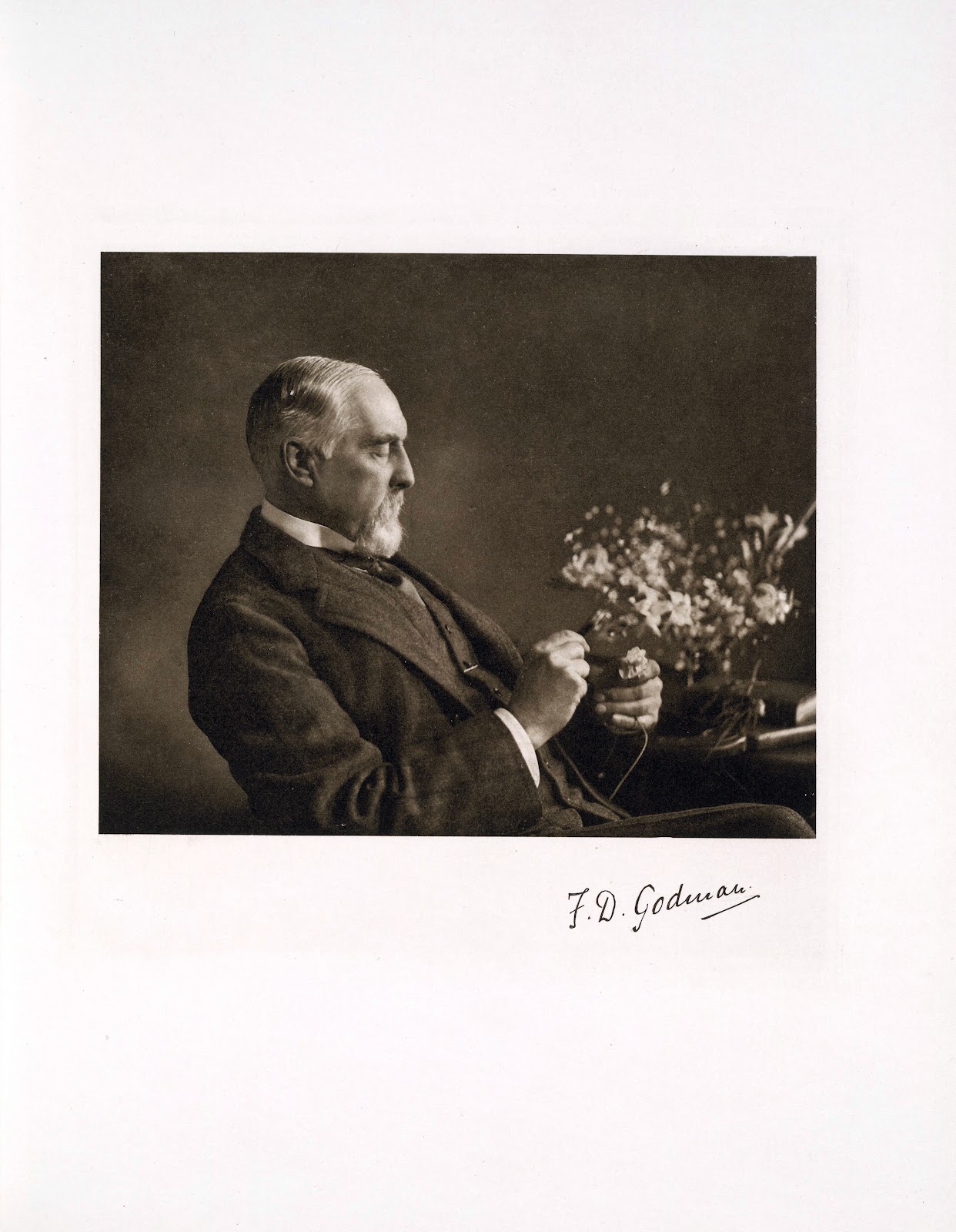
Biologia author Frederick Godman

In 1876, two men by the names of Frederick Godman and Osbert Salvin began work on perhaps the most comprehensive account of the flora and fauna of Mexico and Central America ever undertaken. Entitled Biologia Centrali Americana, this 63 volume work, published over the course of 36 years, relates nearly all information known at the time on the mammals, birds, fish, mollusks, insects, arachnids, and botany in the region. Accompanied by over 1,600 lithographic plates, 900 of which are colored, Biologia Centrali Americana is arguably the single most authoritative work on Mexico and Central America’s turn-of-the-century biodiversity and constitutes a perfect candidate to help us celebrate Hispanic Heritage Month!

Great Things have Small Beginnings

View Full Size Image
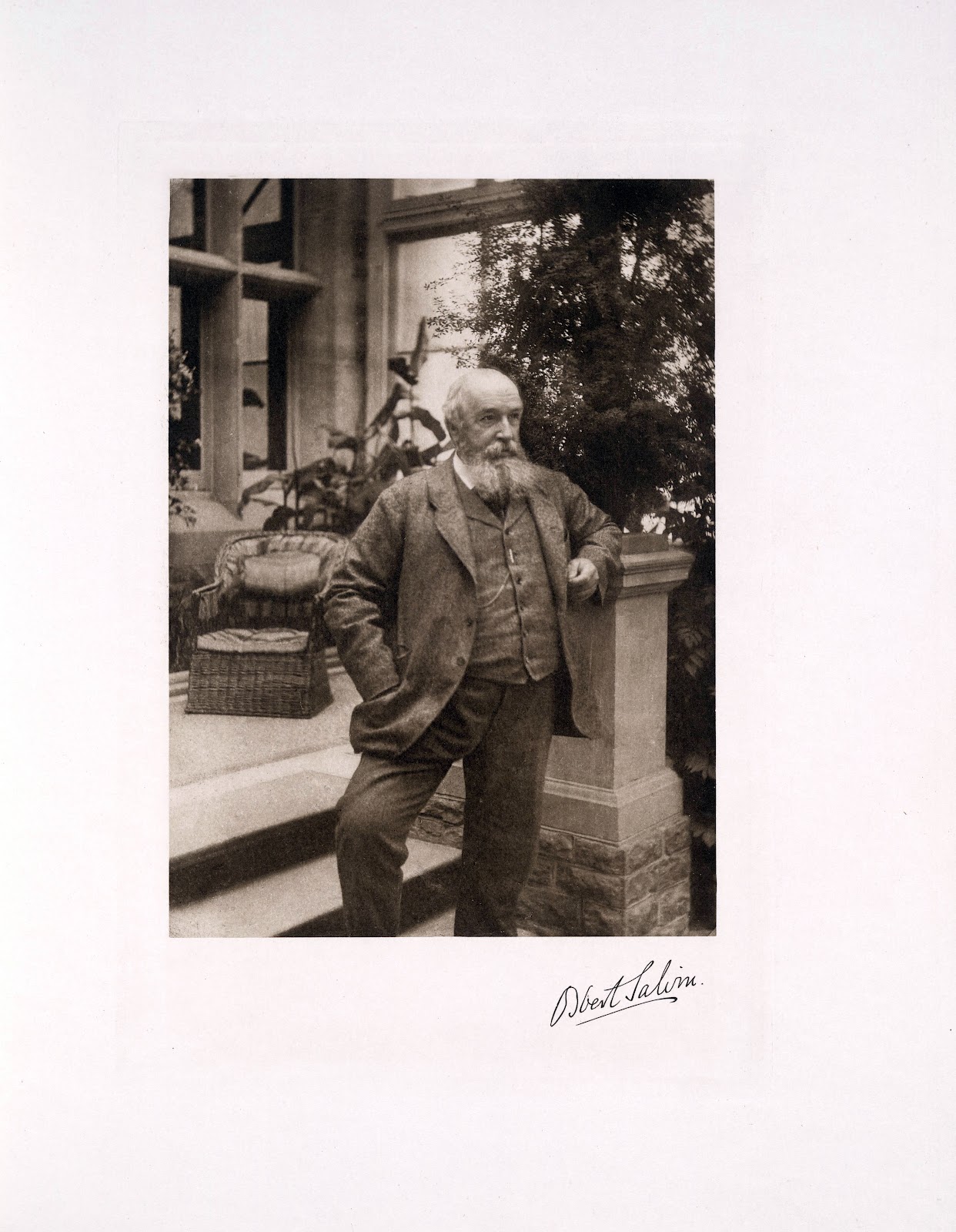
Biologia author Osbert Salvin

Godman and Salvin became fast friends while attending Cambridge, where their mutual enthusiasm for natural history solidified their lifelong friendship. Early interest in ornithology prompted them, along with 18 other friends and young ornithologists, to establish a new, and ultimately extremely influential, journal dedicated to ornithology, the Ibis (learn more about the Ibis in our previous book of the week post).

Welcome to the New World

In Fall, 1857, the pair’s first interaction with Central America transpired, when Salvin visited the area to study palm nuts and their potential application in candle making. Finding the inquiry disappointing, Salvin spent the remainder of his time studying the birds and insects of the region, which ultimately led to a publication detailing the 381 known bird species of Central America in the first volume of the new Ibis journal.

Though Salvin returned to England in 1858, he was forever mesmerized by the biodiversity he encountered in Central America. He quickly returned to the area in 1859 and continued collecting bird and insect specimens, which he initially detailed in an article written for the Ibis.

View Full Size Image
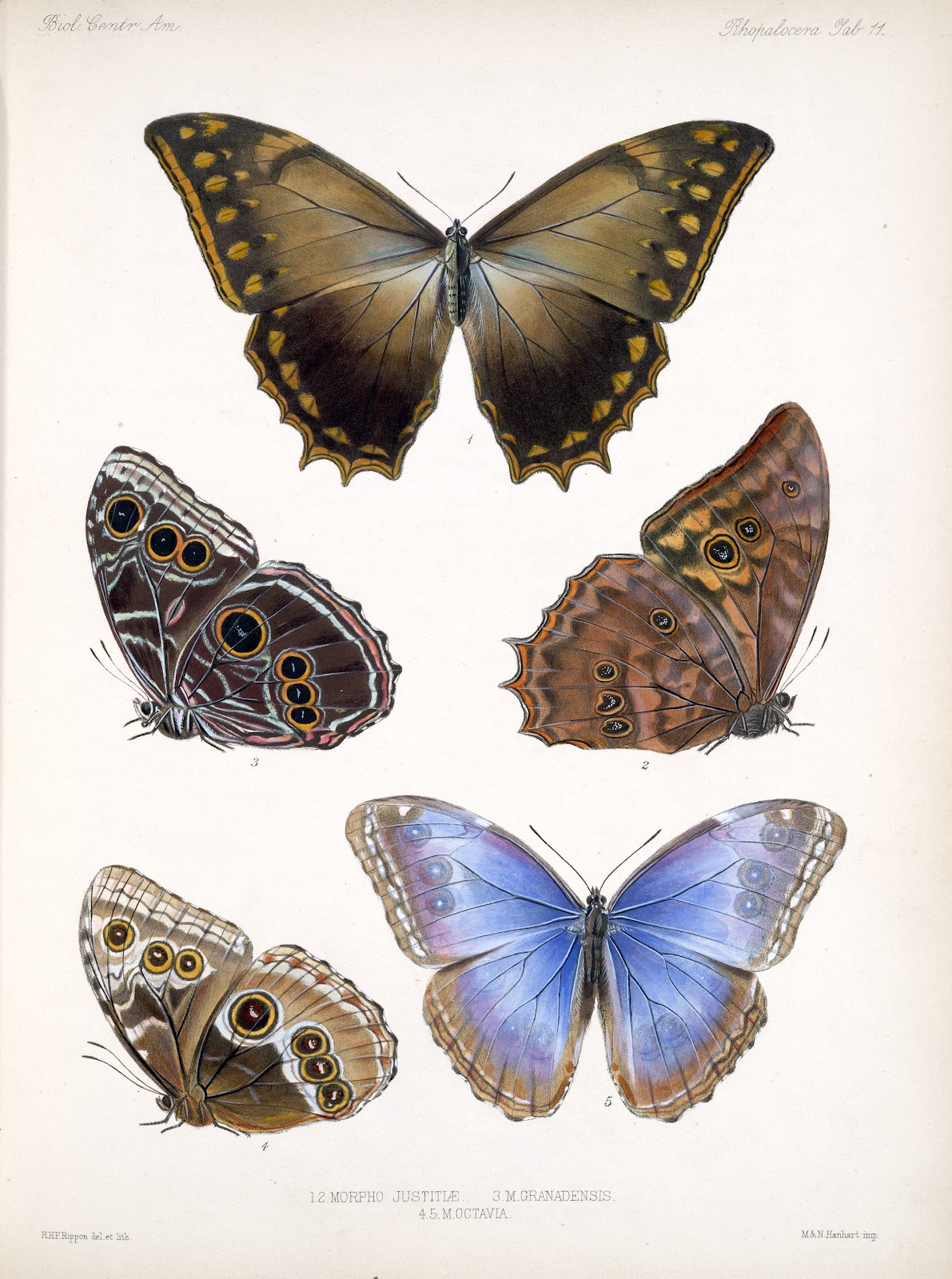
Members of the Morpho genus in Biologia

In August, 1861, Godman joined Salvin on his third expedition to Central America. It was in Yzabal, where the expedition originated, that Godman had his first magical encounter with the region’s biodiversity:

This place will, however, always be associated in my mind with my first sight of a living example of one of the most striking and gorgeous of all butterflies, Morpho peleides. I was sitting on the trunk of a fallen tree in the forest, when it came floating past me, but I was so overcome with astonishment and delight at this wonderful vision that, although I had a butterfly net in my hand, I was utterly unable to rise in pursuit until it was too late to capture it.

Godman and Salvin spent nearly two years trekking through Central America, exploring, to name a few, Quirigua, Zacapa, Guatemala City, Duenas, Escuintla, San Germonimo, Coban, Cubilguitz, and Choctum, and collecting a wide range of specimens, including birds, butterflies, and fish. Salvin describes the pragmatic method by which he obtained fish specimens in the Rio Grande:

…I employed Indians to poison some nine miles of the water in order to make a collection of fish…The method adopted for this purpose was to beat the plant (Tephrosia toxicaria) on the rocks until a froth not unlike soap-suds was formed, this when mixed with the water caused the fish to sicken and some to the surface…Vast numbers were obtained, and from them I made a selection and preserved a good many specimens in spirit (aguardiente), but was somewhat disappointed to find there were but few species represented.


View Full Size Image
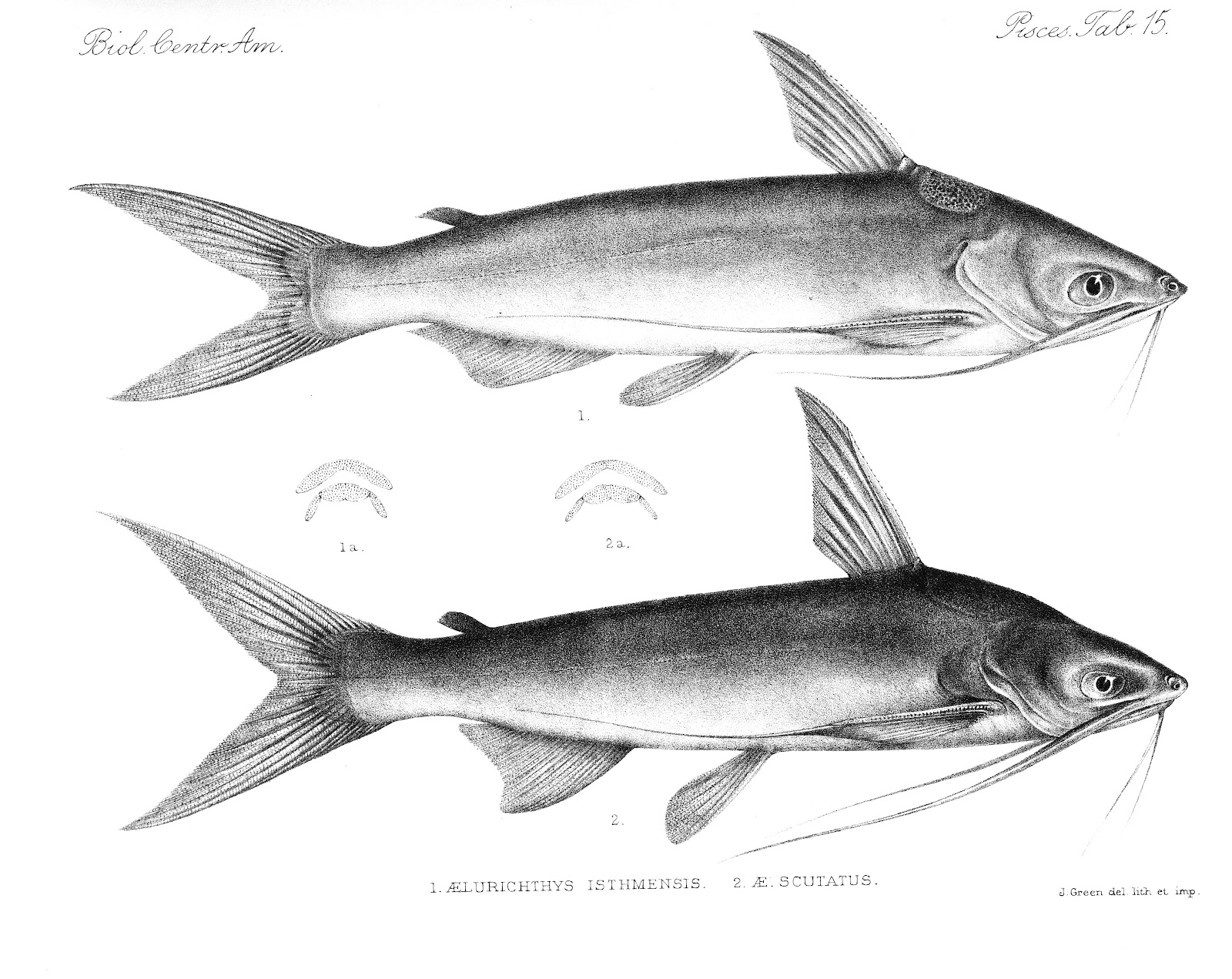
Fish of the genus Ailurichthys in Biologia

Though this first joint expedition ended in 1863, Godman and Salvin traveled back to the New World many times to study and accumulate more specimens (including trips to Mexico in the late 1880s), often bringing along additional subject specialist. Salvin’s wife, Caroline Maitland, accompanied Salvin on his final voyage to Central America, during which time she painted the illustrations of the flora found in the botanical volumes of Biologia.  The pair also employed various collection experts to gather specimens in specific region for their growing body of preserved Central American wildlife.

A Monumental Undertaking

View Full Size Image
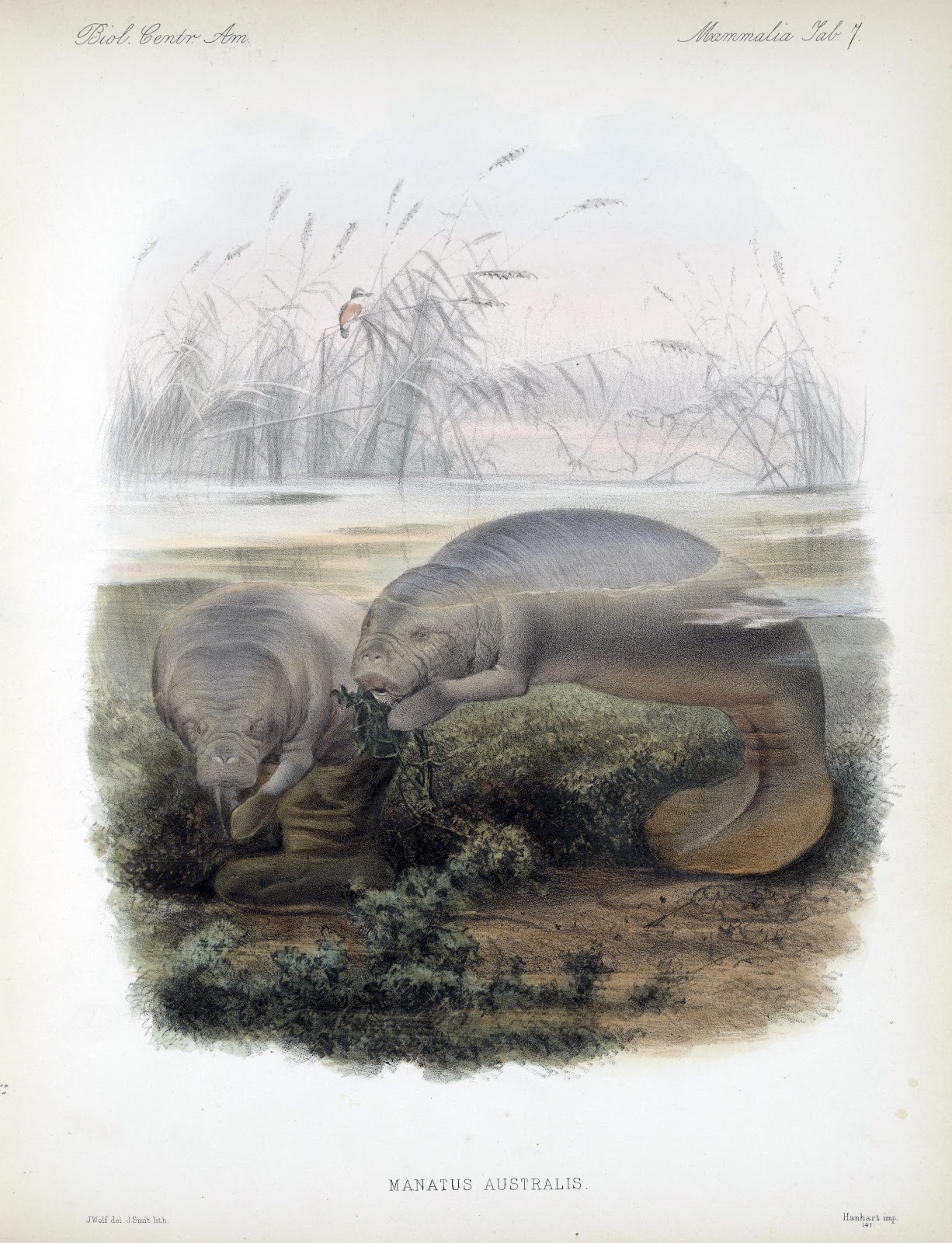
The Manatee in Biologia

In 1876, the suggestion to publish a comprehensive work describing the biodiversity collected in Central America sparked the origins of Biologia. Originally intended to be published in six quarto parts a year, each supplemented with six colored plates, resulting in a total of 60 parts over 10 years, the continuous supply of fresh specimens, and abundance of material to be published, necessitated a total of 215 parts in zoology, 5 volumes in botany, and 17 parts in archaeology, spanning 36 years of publication.

Godman and Salvin worked diligently on the title until June 1, 1898, when Salvin unexpectedly died. At the point of his death, only 141 of the 215 parts of Zoology and 8 of the 17 parts of Archaeology had been completed (all botany volumes were completed at the time of Salvin’s death). With help from additional authors, Godman persevered “with a heavy heart,” and in 1915, the final part was issued, bringing this monumental undertaking to a close.

New World Feathers

As Godman and Salvin were both avid ornithologists, and as their publishing enterprises together began with an ornithological journal, we thought it fitting to feature the Aves Atlas from Biologia Centrali Americana in our post. The Atlas contains 79 plates illustrating the species found in the three previous bird volumes.

Godman relayed particular frustrations, and ultimate triumphs, with describing the birds of Mexico. As he outlines:

In working out the Mexican Birds we found ourselves hampered for want of an authentically named collection of North American species for comparison, which did not exist in Europe at that time. In order to remedy this, I acquired the Henshaw collection, numbering 13,326 specimens, and this was rendered still more valuable through the courtesy of the authorities at the United States National Museum, who allowed Mr. Ridgway, the highest authority in America, to go through and verify all the names on the labels attached.

As the Smithsonian (National Museum of Natural History) paid a key role in deciphering the ornithological specimens contained in this work, it is no wonder that they, in collaboration with many of our other BHL partners, would build a virtual exhibition dedicated to Biologia.

We’ve presented a few of our favorite illustrations from the Aves Atlas below. Be sure to check out all of the images on Flickr and the entire set of Atlases in BHL. Delve even further into these illustrations with our Book of the Week Pinterest board.

Finally, check back on our blog, Twitter, Facebook and Flickr for more posts celebrating Hispanic Heritage Month!

We hope you enjoyed this post. Interested in guest-blogging for BHL? We’d love that! Natural history, biodiversity and conservation topics are especially welcomed. Email us your ideas at [email protected]. 
September 20, 2012by Grace Costantino
Blog Reel, User Stories

Biology Catalog and Joel Hallan

Portrait version of the Biodiversity Heritage Library logo.

BHL and Our Users: Joel Hallan

For BHL and Our Users this week, we’re doing things a little differently. Instead of a questionnaire-style post, Program Manager Grace Costantino interviewed this week’s guest, computer programmer and spider enthusiast Joel Hallan of Texas A&M; University, over the phone. Each question is presented below as a separate video.

We’re trying to be more interactive with our interviews in the future, and we hope this will serve as a first good step in that direction!

What is your name, title, and institutional affiliation?

Can you expand on your special area of interest?

 Where did your interest in spiders come from?

Where did your interest in computer science come from?

 Can you tell us about your online catalog, Biology Catalog?

What compelled you to create Biology Catalog?

What would your perfect vision of Biology Catalog look like?

When did you first discover BHL?

How often and in what ways do you use BHL?

What is your opinion of BHL and how has it supported your work on Biology Catalog?

If you could change one thing about BHL, what would it be?

Thanks for tuning in this week! Check back for more great interviews with our creative, dedicated and enthusiastic users to get more ideas about new ways you can put BHL to use. Be sure to check out Joel’s catalog, Biology Catalog, an ambitious project which will hopefully one day serve as a catalog of all species.

If you’re interested in being interviewed on our blog, leave a comment on this post, send us feedback, or email us as [email protected].


September 18, 2012by Grace Costantino
Blog Reel, Featured Books

Book of the Week: Wild Animals of North America

Here in the Washington, D.C. area, where the BHL Secretariat is housed, North American wildlife is a hot topic with the grand opening of the new National Zoo American Trail exhibit. The exhibit features some of the most iconic American species, including the Bald Eagle, Gray Wolf, North American Beaver, and the Otter. We’ve been celebrating the exhibit all week on Twitter and Facebook, and we thought it only natural to further commemorate American fauna with our book of the week. To do so, we’ve selected Wild Animals of North America (1918), contributed by the American Museum of Natural History.

Wild Animals of North America

Edward W. Nelson, American naturalist and ethnologist, penned Wild Animals of North America for the National Geographic Society over the course of two magazine issues: The November 1916 issue, which focused on Larger Mammals of North America, and the May 1918 issue, devoted to North America’s smaller mammals. These issues were enhanced by famed painter Louis Agassiz Fuertes, who also illustrated the spectacular Album of Abyssinian Birds and Mammals from Paintings (which we featured as a book of the week in 2011). Agassiz, who had done previous work for the Society on The Book of Birds, crafted over five dozen stunning portraits of the animals described within the text for this title.

View Full Size Image
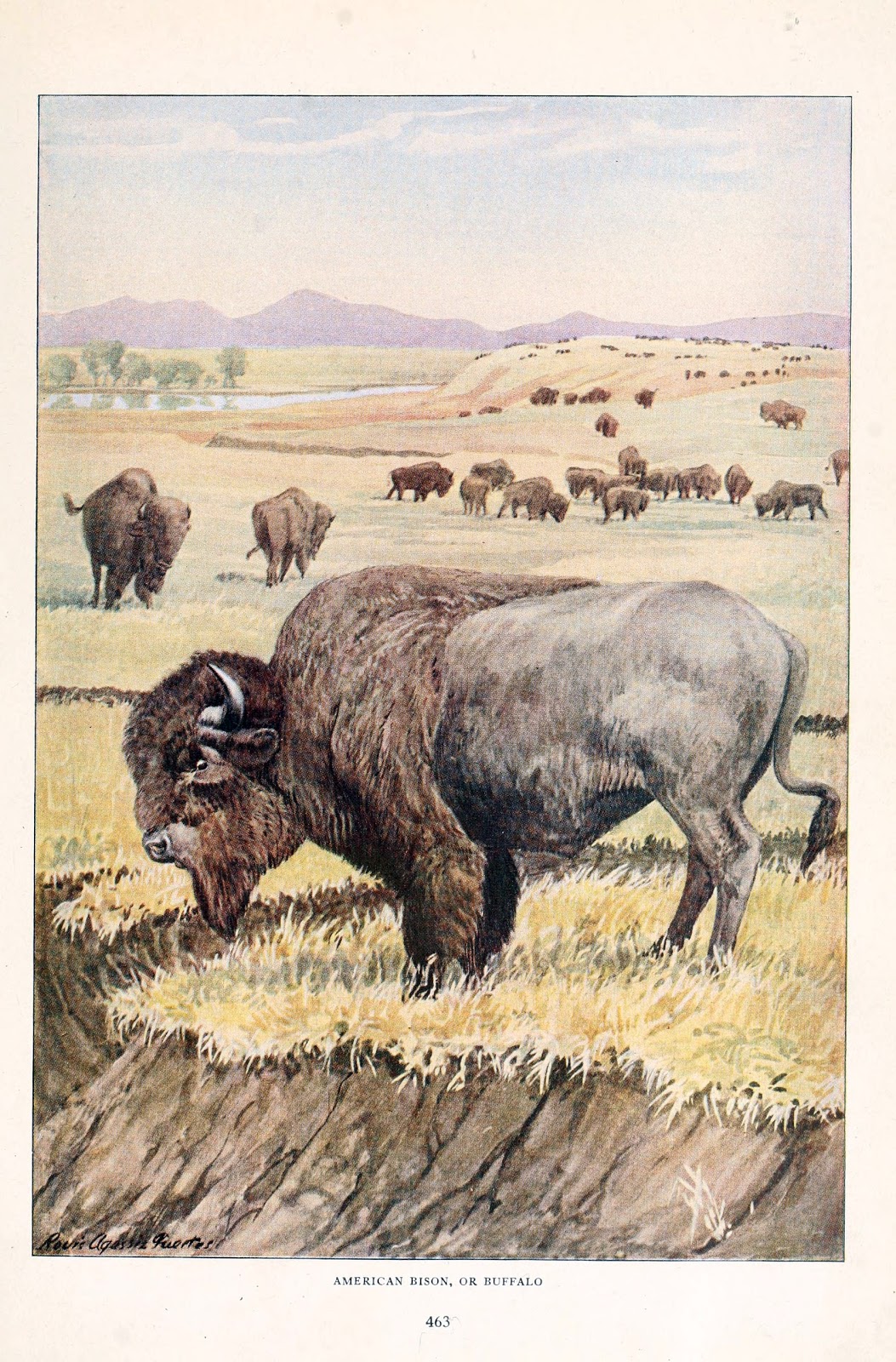
North American Buffalo

National Geographic clearly understood the importance of this work, expending $100,000 for the production of the two original magazine articles which sired this book. The success of the issues prompted the Society to combine them into the comprehensive Wild Animals of North America.

Wild Animals presents 119 “animal biographies,” which present not just pictures and scientific facts about the species, but also entertaining anecdotes about Americans’ interaction with these creatures.

Take, for instance, the account of the American Buffalo. Nelson writes that,

A number of men now living were privileged to see some of the great herds of the West before they were finally destroyed. Dr. George Bird Grinnell writes:

‘In 1870, I happened to be on a train that was stopped for three hours to let a herd of buffalo pass. We supposed they would soon pass by, but they kept coming. On a number of occasions in earlier days, the engineers thought that they could run through the herds, and that, seeing the locomotive, the buffalo would stop or turn aside : but after a few locomotives had been ditched by the animals the engineers got in the way of respecting the buffaloes’ idiosyncrasies.’

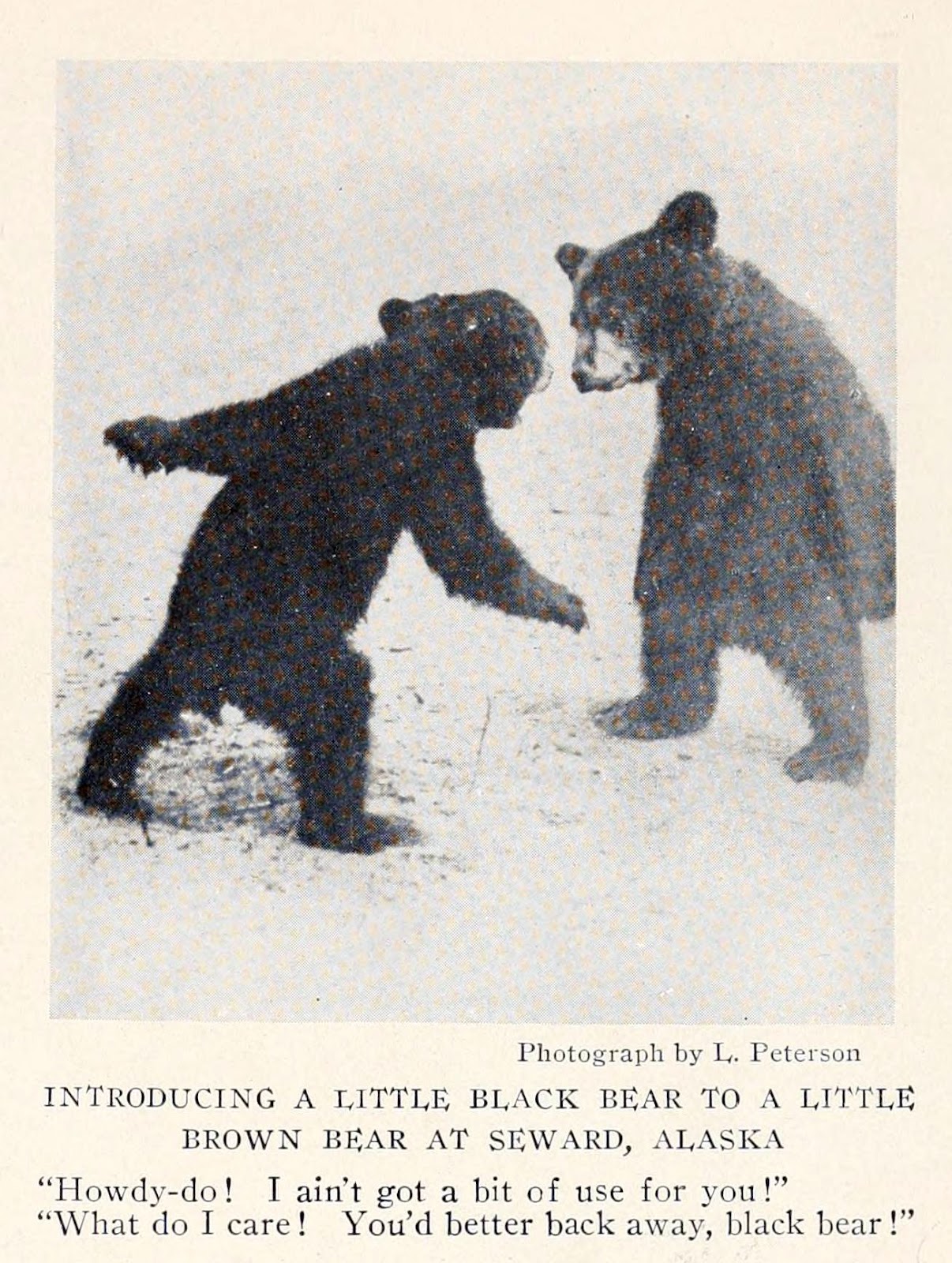
And one of our favorite excerpts from the book is a photograph and caption depicting the introduction of black and brown bear cubs:

View Full Size Image
Black and Brown Bear Cubs Being Introduced

Species Highlights

For this post, we’ve selected a few of the our favorite of the 119 species Nelson describes, accompanied by Fuertes’ enticing paintings. We’ve provided additional links and images for those species below which are also found in the new American Trail exhibit. See a full list of species you’ll encounter in the exhibit by visiting the zoo’s website.

See all of the images from our book of the week on Flickr, and check out select illustrations on Pinterest.

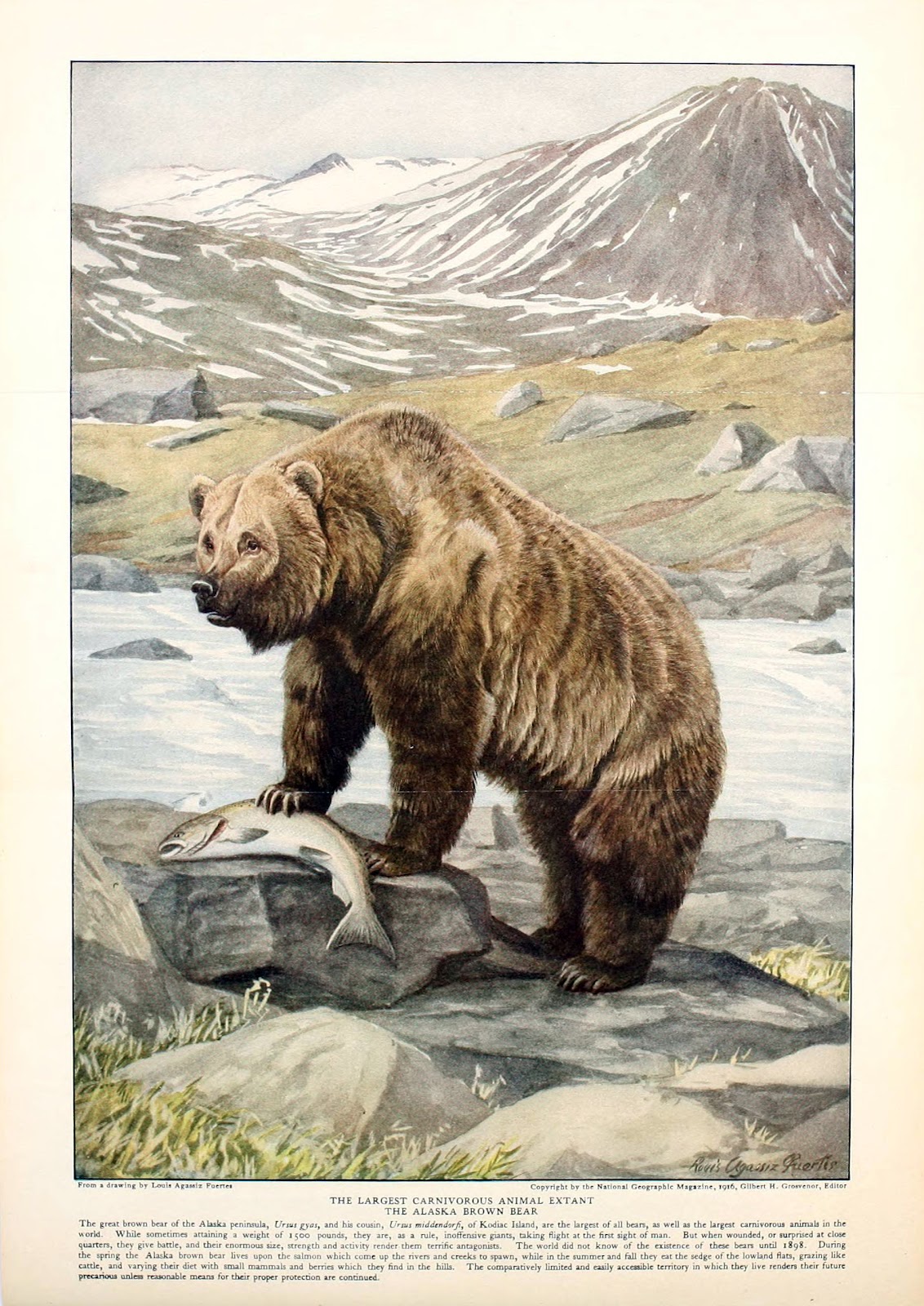
Alaskan Brown Bear

“The great brown bear of the Alaskan peninsula, Ursus [arctos], and his cousin, Ursus middendorffi, of Kodiac Island, are the largest of all bears, as well as the largest carnivorous animals in the world. [The Polar Bear, of roughly the same size, is documented as the largest bear alongside the Kodiak]. While sometimes attaining a weight of 1500 pounds, they are, as a rule, inoffensive giants, taking flight at the first sight of man. But when wounded, or surprised at close quarters, they give battle, and their enormous size, strength and activity render them terrific antagonists.

“The world did not know of the existence of these bears until 1898.

“During the spring the Alaska brown bear lives upon the salmon which come up the rivers and creeks to spawn, while in the summer and fall they eat the sedge of the lowland flats, grazing like cattle, and varying their diet with small mammals and berries which they find in the hills.”

View Full Size Image
The Alaskan Brown Bear


View Full Size Image
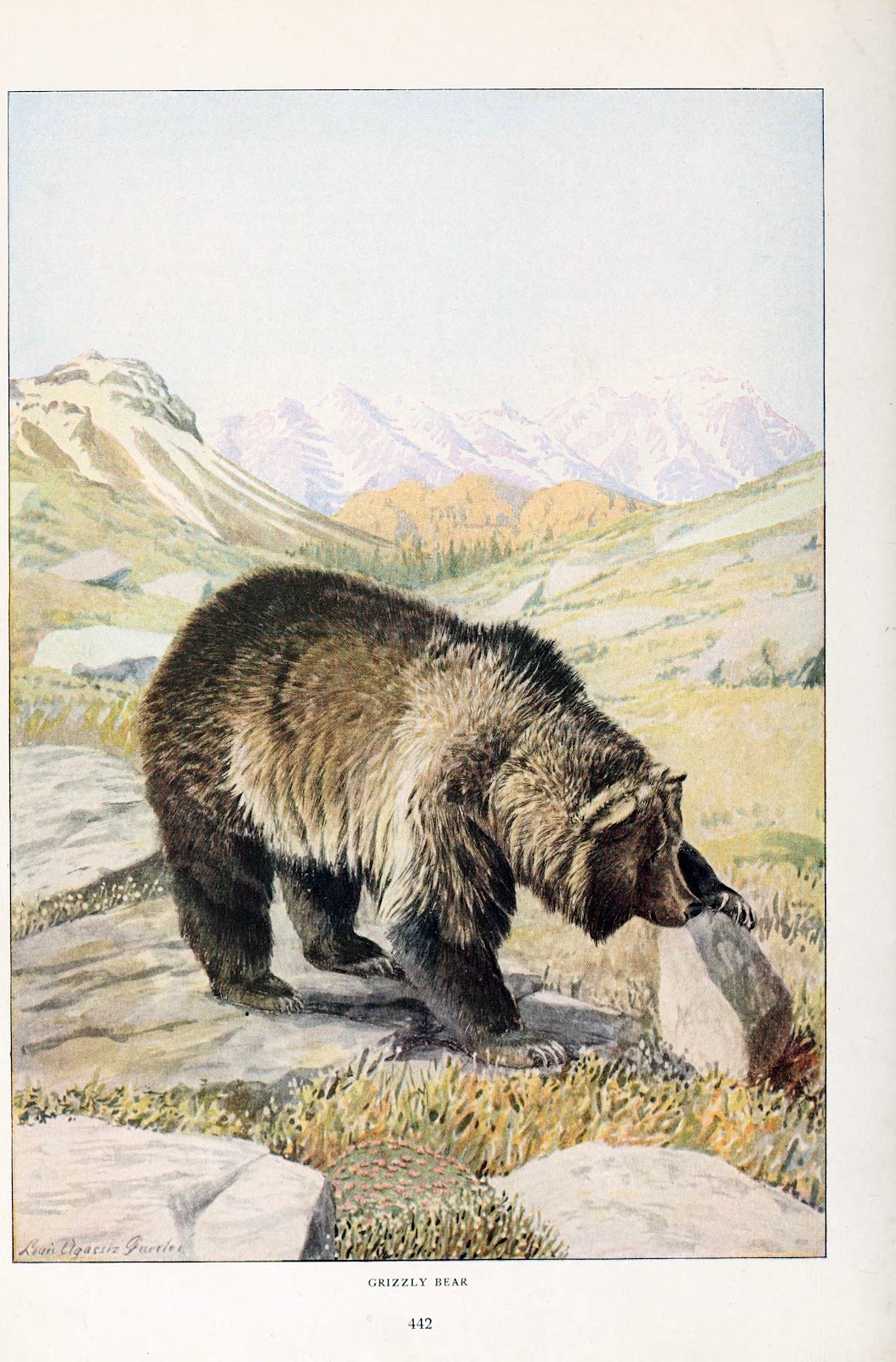
The Grizzly Bear


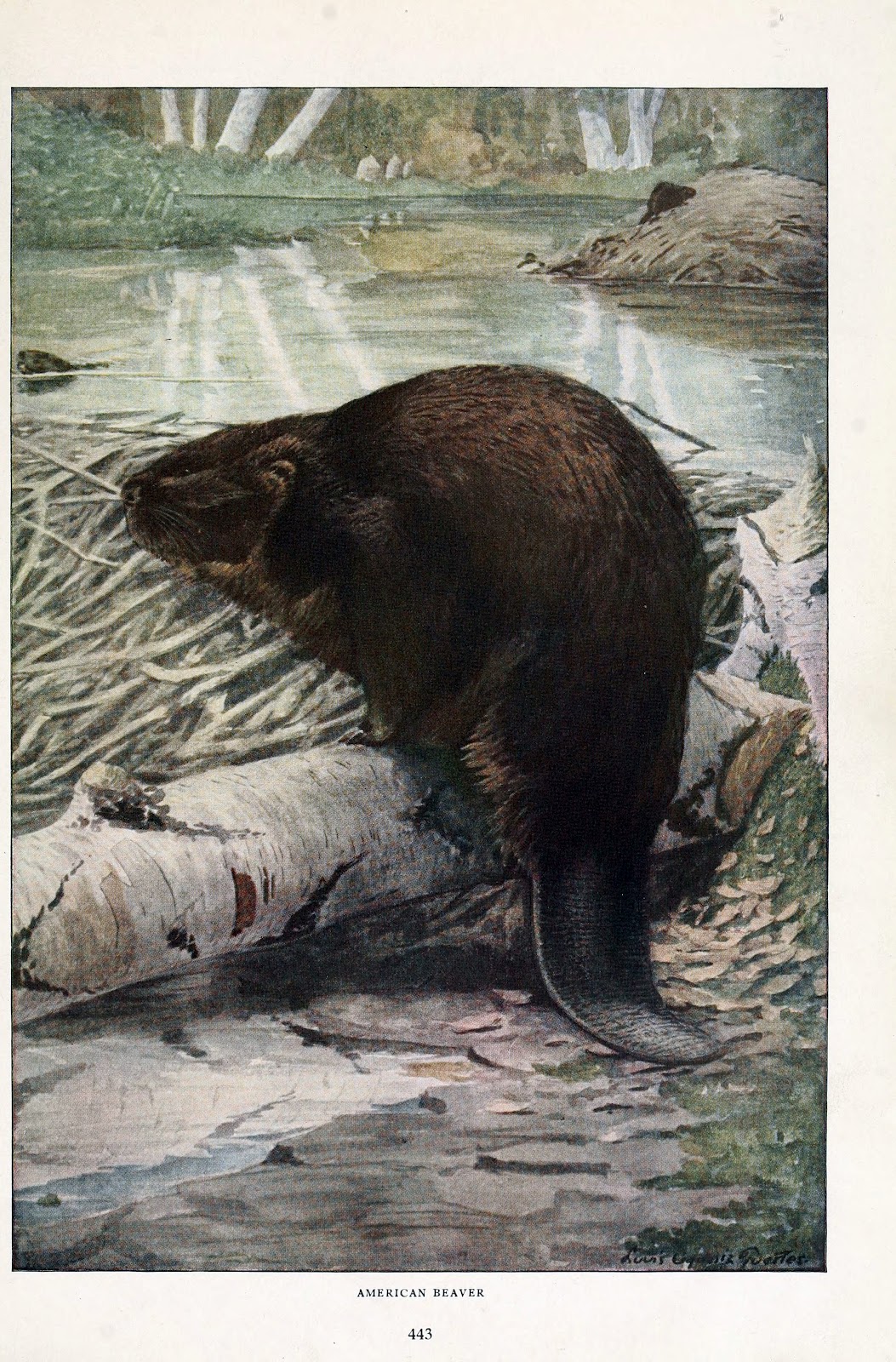
 North American Beaver

“Beavers belong to the rodent family – a group of animals notable for their weak mental powers. The beaver is the striking exception to the rule, and its extraordinary intelligence, industry, and skill have long excited admiration….

“[Beavers] are very proficient in building narrow dams of sticks, mud, and small stones across small streams for the purpose of backing up water and making ‘beaver ponds.’ In the border of these ponds a conical lodge is usually constructed of sticks and mud…The mud used by beavers in building dams and houses is scooped up and carried against the breast, the front feet being used like hands.”

View Full Size Image
North American Beaver

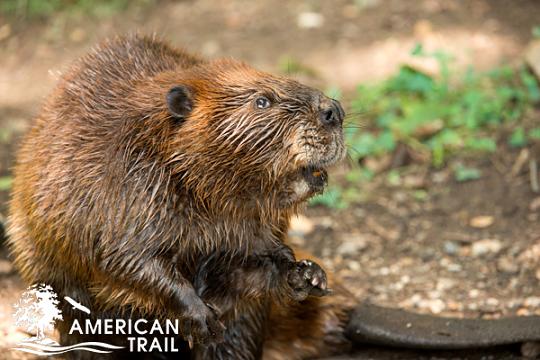
Three North American beavers are featured as part of the new American Trail exhibit. One, by the name of Willow, “is easily identifiable by a notch in her tail.”

View Full Size Image
North American Beaver from the American Trails exhibit


Moose

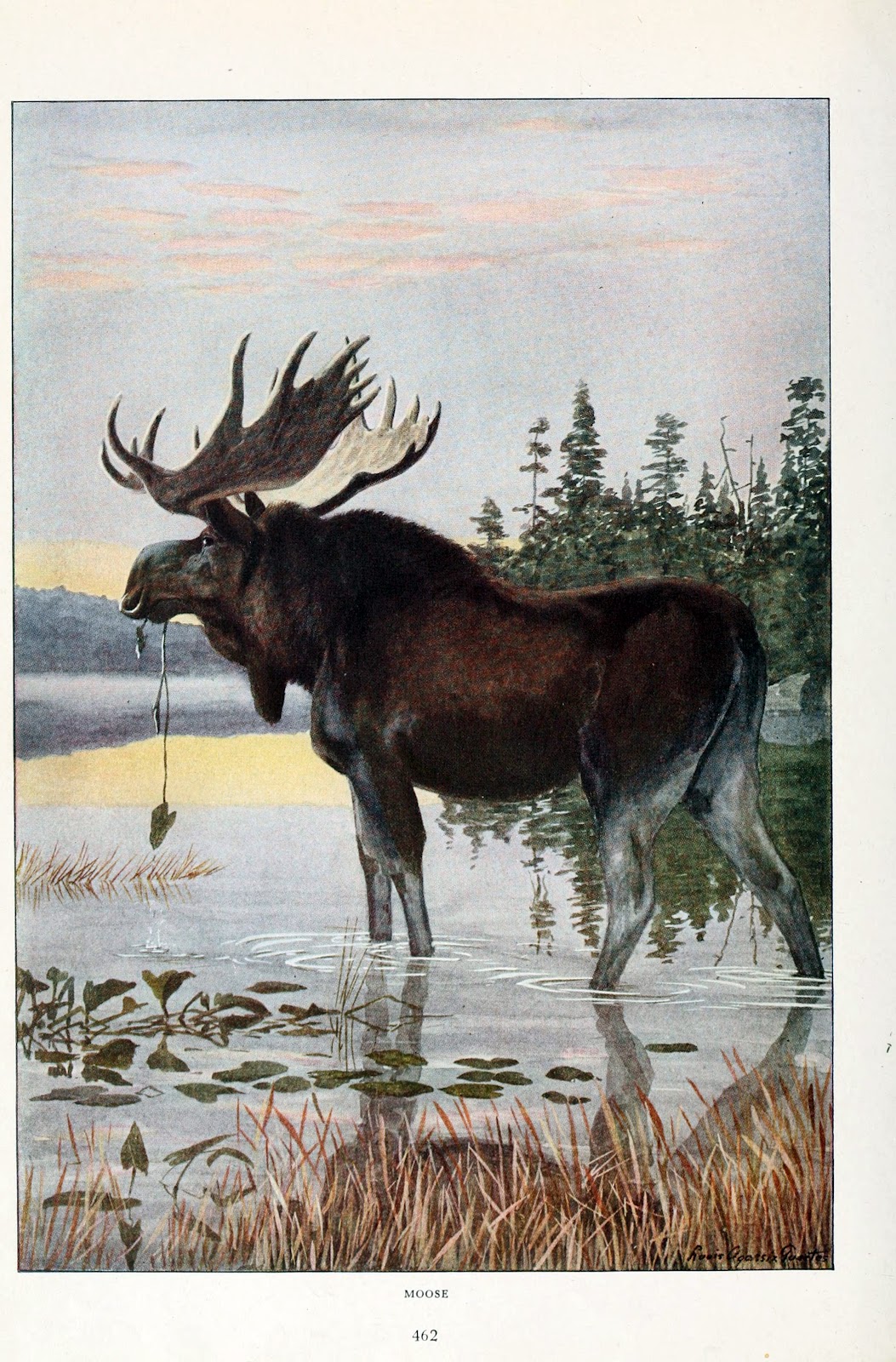
“The moose is a large, grotesquely formed animal, with the most impressive individuality of any of our large game. Its great head, with oddly formed nose, huge palmated antlers, pendulous bell under the neck, short body, and disproportionately long legs unite to lend the impression that it may be a strange survivor from some remote geologic period.

“Although taller than an ordinary horse, weighing more than half a ton, and adorned with wide-spreading antlers, the bull moose stalks with ghostly silence through thickset forests.”

View Full Size Image
Moose

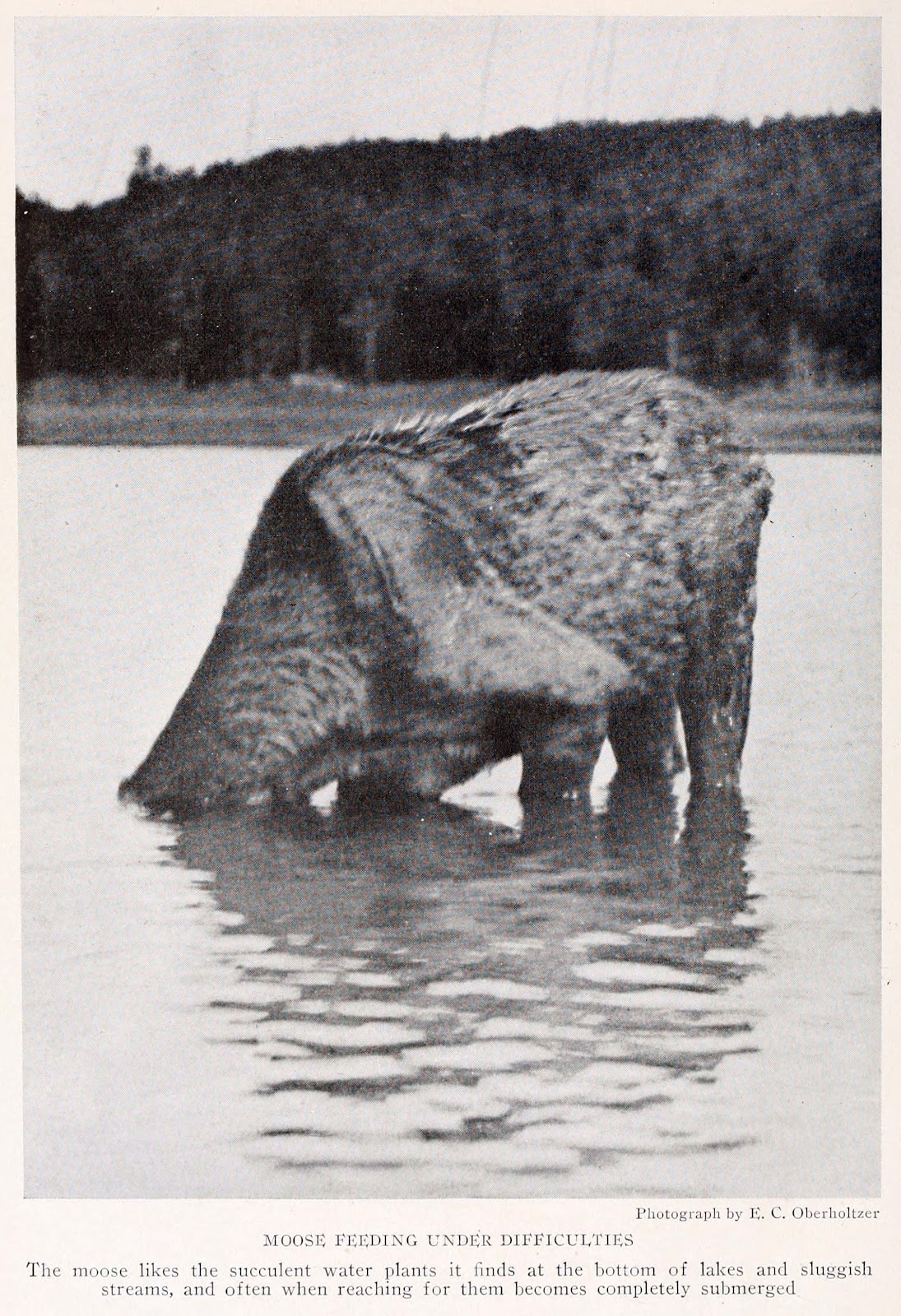
“In summer it loves low-lying, swampy forests interspersed with shallow lakes and sluggish streams. In such places it often wades up to its neck in a lake to feed on succulent water plants, and when reaching to the bottom becomes entirely submerged.”

View Full Size Image
Moose submerged in water, foraging for food.


Steller Sea Lion

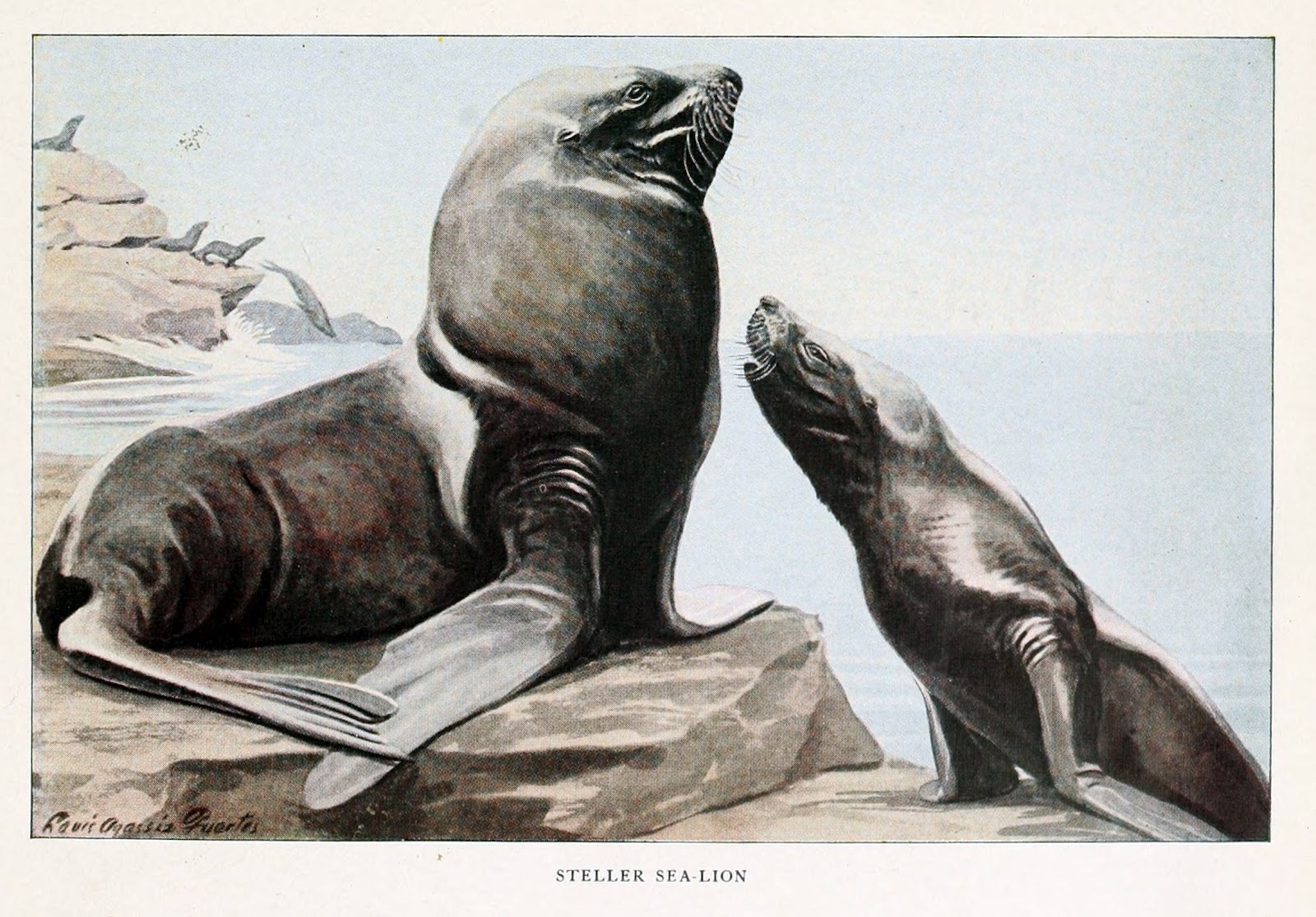
“Sea-lions are near relatives of the fur seals and have a nearly similar distribution, both in far southern and northern seas…The Steller Sea Lion is the largest member of the group, the old bulls weighing from 1,200-1,500 pounds.

“They are preeminently animals of the most rugged of shorelines and the stormiest of seas, being superbly powerful beasts with extraordinary vitality. The ease with which they pass through a smother of pounding seas to mount their rugged resting places is an admirable exhibition of skill and strength. The males have a bellowing roar, on the rocks in savage unison with the booming of the sea against the base of their refuge…

“It is reported that an umbrella opened and closed suddenly in the faces of the old sea-lions appears to terrify them more than any other weapon and is used successfully in drives.

“At sea they have only a single known enemy to fear – the fierce killer whale.”

View Full Size Image
Steller Sea Lion

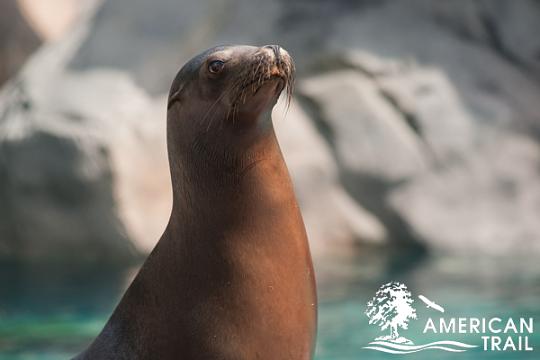
The American Trail exhibit features four of the Steller Sea Lion’s smaller cousin – the California Sea Lion. Two of them, Calli and Sophie, were rescued from the wild after being orphaned. A third, named Sophie, is Calli’s first pup.

View Full Size Image
Sea Lion from the American Trail exhibit


Threatened Species Day

Today is threatened species day – a day set aside to raise awareness about the predicament facing thousands of species throughout the world today. It was originally established to commemorate the death of the last Tasmanian Tiger at the Hobart zoo in 1936.

While many North American species can be found on the Threatened and Endangered Species List, some of our most iconic, including the Gray Wolf and Bald Eagle – which were once doomed to possible extinction – have miraculously recovered and are no longer among those listed as threatened. Human conservation efforts had much to do with these status reversals, proving that when we come together to conserve, we can make a major impact. Let’s hope similar efforts can help restore the future for the species that still remain threatened.

Explore images of IUCN Endangered and Critically Endangered species on our Flickr page.

Learn how you can help conservation efforts with some ideas from the World Wildlife Foundation’s “Campaign for Change.”

September 7, 2012by Grace Costantino
Blog Reel, User Stories

BHL and Our Users: Joe Shaw

View Full Size Image
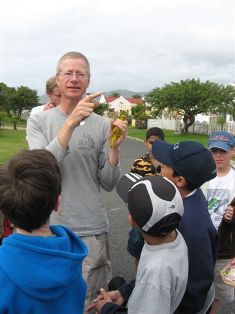
BHL User Joe Shaw

Raise your hand if you know what Opuntia is.

Even though you might not know it, most people would recognize Opuntia, though perhaps under another name. Named after the Greek city Opus, Opuntia is a genus in the Cacti family, containing the prickly pears, which currently constitute about 200 species. Like all true Cacti, Opuntia species are native only to the Western Hemisphere, and, with their range extending into British Columbia, are the most cold-tolerant of all lowland cacti.

Studying botany, and Opuntia in particular, has been one of Joe Shaw’s long-time passions (representing over 25 years of work). A botanist by training, Joe now concentrates his efforts on scientific writing, one aspect of which involves his website Opuntiads Web, which describes over 100 Opuntia species in the US, and his blog Oblog, which aims to “describe and illustrate cacti and succulents, their surroundings and neighbor plants, and even animals that interact with cacti.”

Opuntiads Web provides descriptions and images of each of the species cataloged on the site. Furthermore, one of the invaluable qualities of Shaw’s website for researchers is that the pages link to original descriptions of the corresponding species (gleaned from BHL, we might add!).

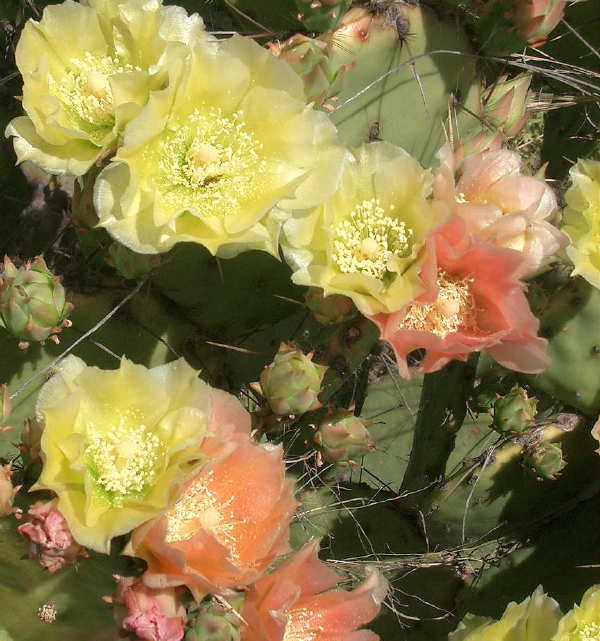
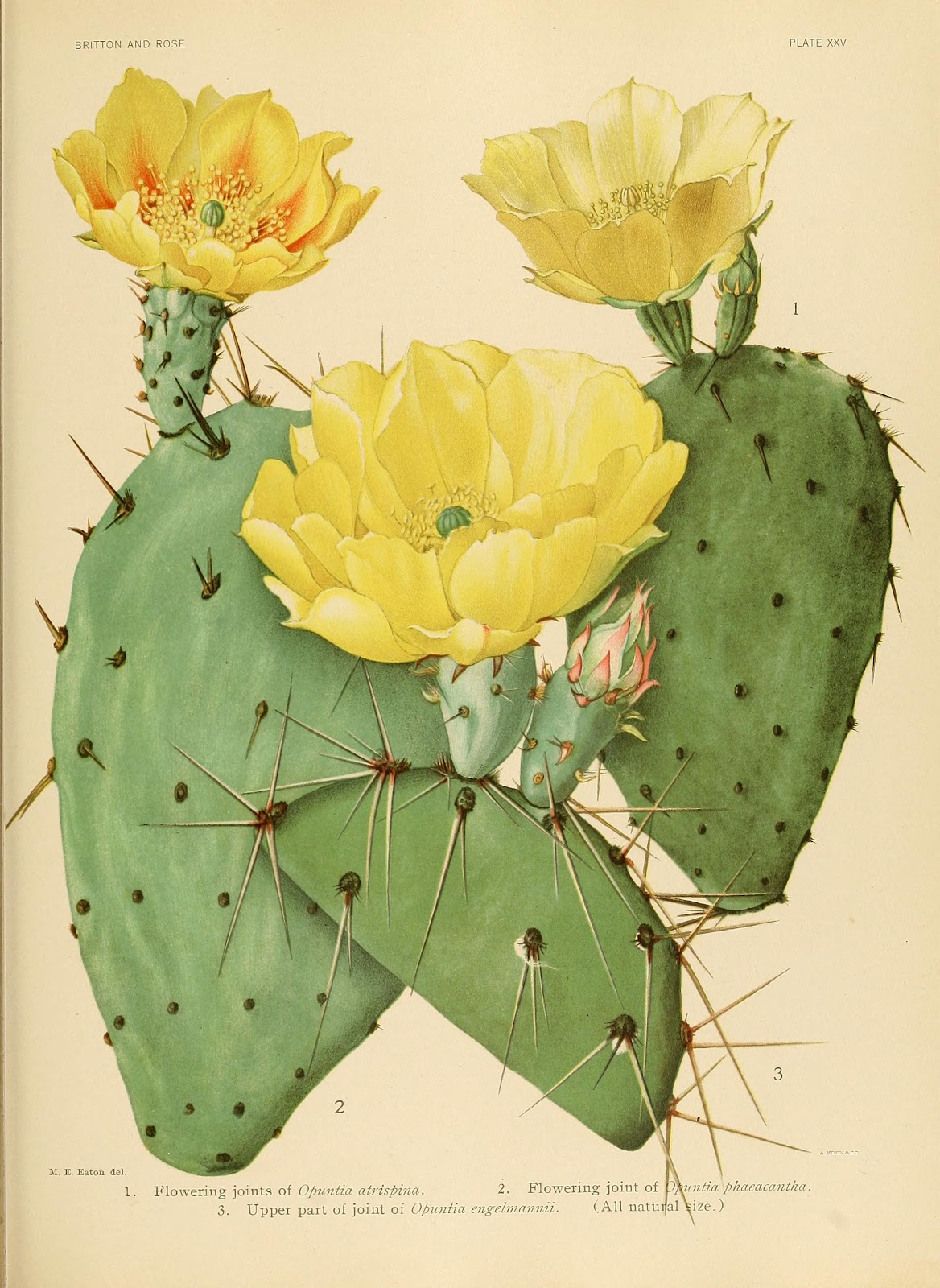
One of our favorites on the site is Opuntia atrispina, a cacti with a gorgeous yellow bloom native only to the United States. The interesting thing about the flowers of this cactus? They open yellow, but change to salmon, pink, or even tan on the second day (see image below to view transformation). Take a look at a picture of the cactus from Shaw’s website, as well as one of our favorite illustrations of it in BHL.

View Full Size Image
Opuntia atrispina flowers. From http://opuntiads.com


View Full Size Image
Illustration of Opuntia atrispina from BHL (upper right)

Shaw’s blog Oblog offers great supplementary material on these species, featuring informative posts, exceptional photographs, and fun anecdotes. We’ve reposted some of our favorite material from the blog below:

View Full Size Image
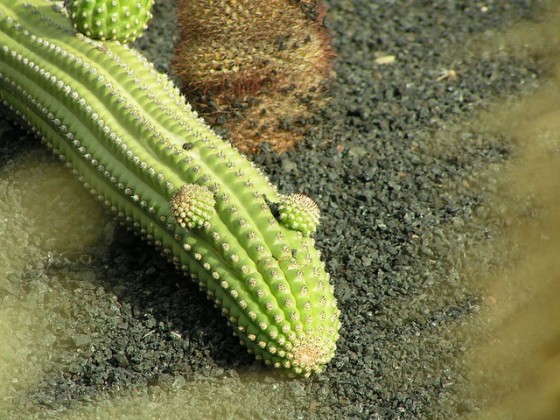
A cactus that looks like a snake!


Joe Shaw on BHL

Since 2009, BHL has served as an important component of Shaw’s work. As the introductory text on Opuntiads Web articulates,

Of the many opuntiads in the USA, some look superficially alike and some have even been forgotten; even botanists confuse them with each other and don’t know there are so many species.  But they have different bloom times, consistently identifiable fruits, normally don’t interpollinate, and are restricted to specific habitats. Early botanists identified them and understood their differences, and we use those old records to identify them, their differences, and their similarities.

The historic literature found on BHL allows Shaw to investigate the sometimes ambiguous Opuntia species, capitalizing on the work done by past botanists in order to articulate the details and differences of each species on his website. Incorporating the original species descriptions into his website, as described above, allows users to not only see the species as captured in photographs, but also understand the species as it was first documented for science. As Shaw asserts, BHL “is immensely helpful. I have been able to sort taxonomic tangles going back 200 years.”

Using BHL an average of 2-20 times per week, Joe exploits BHL’s PDF and single page download functions, expressing particular satisfaction with the speed at which BHL allows him to accomplish these tasks and the fact that this materials is available to him 24/7, at whatever hour or day he needs it. For Shaw, access to early and original species descriptions is a particularly valuable asset provided by BHL, as these are linked to on his site.

At BHL, it is not only the praise, but also the constructive criticisms that we valuable. When asked about requested site improvements, Shaw articulated a desire for even more robust species search capabilities, increased collaborations with JSTOR, the ability to sign in to a single session of use (thus improving the efficiency of page downloads), and the ability to download BHL pages via a “Drag and Drop”methodology. Continuous search improvements are always a development priority for us, and sign-in capability has been suggested to us from several sources. Though we have begun initial collaborations with JSTOR, incorporating their Early Journal Content into our article repository Citebank, we hope to expand these interactions in the future.

We’re always thrilled to hear from our users, and we know that it’s also valuable for our user community to see the many ways their fellow researchers, scientists, writers, artists, students, or nature lovers are utilizing everything BHL has to offer. We extend a special thanks to Joe Shaw for taking some time to share his experiences with us, and we hope you’ll take a few minutes to explore all the wonderful information, images, and anecdotes on Joe’s website and blog.


September 5, 2012by Grace Costantino
Page 51 of 71« First...102030«50515253»6070...Last »

Help Support BHL

BHL's existence depends on the financial support of its patrons. Help us keep this free resource alive!

search

About BHL

The Biodiversity Heritage Library (BHL) is the world’s largest open access digital library for biodiversity literature and archives. BHL operates as a worldwide consortium of natural history, botanical, research, and national libraries working together to digitize the natural history literature held in their collections and make it freely available for open access as part of a global “biodiversity community.”

Join Our Mailing List

Sign up to receive the latest news, content highlights, and promotions.

Subscribe Now

Subscribe to Blog via Email

Enter your email address to subscribe to this blog and receive notifications of new posts by email.

Join 319 other subscribers

Subscribe to Blog Via RSS

Subscribe to the blog RSS feed to stay up-to-date on all the latest BHL posts.

Access RSS Feed

Inspiring Discovery through Free Access to Biodiversity Knowledge.

The Biodiversity Heritage Library makes it easier than ever for you to access the information you need to study and explore life on Earth…for free, anytime, anywhere.


64+ Million Pages of
Biodiversity Literature Online.

EXPLORE

Tools and Services
to Transform Research.

EXPLORE

300,000+
Illustrations on Flickr.

EXPLORE

ABOUT | HARMFUL CONTENT | PRIVACY | SITE MAP | TERMS OF USE