Biodiversity Heritage Library - Program news and collection highlights from BHL
  • Home
  • News
  • Featured Books
    • All Featured Books
    • Book of the Month Series
    • BHL at 20
  • User Stories
  • Campaigns
    • Fossil Stories
    • Garden Stories
    • Monsters Are Real
    • Page Frights
    • Her Natural History
    • Earth Optimism 2020
  • Tech Blog
  • Visit BHL
Home
News
Featured Books
    All Featured Books
    Book of the Month Series
    BHL at 20
User Stories
Campaigns
    Fossil Stories
    Garden Stories
    Monsters Are Real
    Page Frights
    Her Natural History
    Earth Optimism 2020
Tech Blog
Visit BHL
  • Home
  • News
  • Featured Books
    • All Featured Books
    • Book of the Month Series
    • BHL at 20
  • User Stories
  • Campaigns
    • Fossil Stories
    • Garden Stories
    • Monsters Are Real
    • Page Frights
    • Her Natural History
    • Earth Optimism 2020
  • Tech Blog
  • Visit BHL
Biodiversity Heritage Library - Program news and collection highlights from BHL
BHL News, Blog Reel

Announcing BHL’s New Technical Director: William Ulate

View Full Size Image
William Ulate, BHL’s new Technical Director

On August 23, 2012, the BHL Steering Committee unanimously voted to appoint William Ulate as the new BHL Technical Director, replacing Chris Freeland, BHL’s founding technical director, who has accepted a new position as Senior Director of University Academic Computing at Washington University in St. Louis, MO. Ulate currently serves as BHL’s Global Coordinator, a capacity he will maintain alongside his new duties as Technical Director.

Chris Freeland announced his official departure as BHL’s technical director in late July, 2012. Freeland was a key BHL founder. In a Chicago hotel lobby, after hours at the  WebWise 2004: Sharing Digital Content meeting, Freeland,  Martin Kalfatovic (BHL Program Director), Doug Holland (Missouri Botanical Garden), and Suzanne Pilsk (Smithsonian Libraries), outlined some of the key goals and technical objectives of BHL on the proverbial napkin and cemented the key role of the Missouri Botanical Garden in the technical development of the future BHL.

This meeting was sandwiched between a 2003 meeting in Telluride, Colorado, that outlined the ideas for the Encyclopedia of Life, attended by future BHL Program Director Tom Garnett and Internet Archive founder Brewster Kahle, and the 2005 London meeting, “Library and Laboratory: The Marriage of Research, Data, and Taxonomic Literature” where many of the future BHL leaders — including Garnett, Holland, Kalfatovic, Graham Higley (Natural History Museum London), Cathy Norton (Marine Biological Laboratory/Woods Hole Oceanographic Institute), Constance Rinaldo (Museum of Comparative Zoology, Harvard University), and Tom Moritz (American Museum of Natural History) first met as a group.

Though no longer serving as BHL’s technical director, Freeland will remain involved with BHL in a consulting capacity, attending meetings and providing valuable input gleaned from his seven years of experience with the project. Though sorry to say goodbye to Chris as our technical director, we are confident that he will find success in his new endeavors and are thrilled that his departure is not a final farewell.

William brings his experience from the worlds of biodiversity and technology into his new role as Technical Director.  Costa Rican born and raised, Ulate graduated with a degree in Computer Science and Informatics in 1991. Working in software development for seven years, his love for nature and the protected areas in his natal Costa Rica ultimately compelled him to make a vital career change, following a path that combined his passions for both nature and computer science: Biodiversity Informatics.

From 1997-2011, William consulted and worked for research and conservation NGOs and private companies, performing activities related to specimens, species, genes and ecosystems. He developed, managed, trained and built capacity in biodiversity information systems, databases and geospatial data development in Costa Rica, Central America, Mesoamerica, the Caribbean Region and Latin America with national and international interdisciplinary colleagues.

In 2011, William joined BHL as the program’s Global Coordinator, a position which required him to coordinate activities among colleagues in six continents. Though stationed at the Center for Biodiversity Informatics at the Missouri Botanical Garden in St. Louis, Ulate’s position requires frequent travel, a fact which has allowed him to develop relationships with colleagues around the globe. His international effectiveness is strengthened by his mastery of both English and Spanish – a quality which has proven extremely useful when reaching out to BHL’s Spanish-speaking community.

In his new role, Ulate will be supported by the newly created BHL Technical Advisory Group. The Group, comprised of developers and systems librarians at BHL member institutions, will advise on technical and development issues. Martin Kalfatovic (BHL Program Director) will serve as an ex officio member of this group, with the BHL Steering Committee nominating additional members.

Please join us in welcoming William Ulate as BHL’s new Technical Director!

September 4, 2012by Grace Costantino
Blog Reel, Featured Books

Why Predators Protect Biodiversity

In the 1920s, a once-familiar face in the northwestern United States all but disappeared. The majestic gray wolf, a top predator in the Rocky Mountain ecosystem, gave way to the pressures of habitat loss and human hunting. By the 1930s, a previously healthy breeding population of wolves was extinct in Montana. While the decimation of any species is tragic, the loss of top predators can have an even more profound effect on an ecosystem.

The Impact of Top Predators

Top predators are imperative for healthy ecosystem functioning.
View Full Size Image
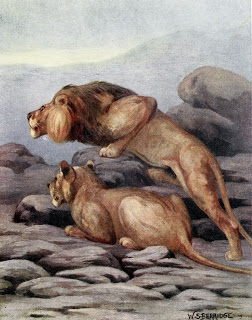
Lion populations have fallen by over 350,000 since the 1940s

This statement might sound like a paradox, as predators eat other animals, thereby seeming to cause death, not life. However, by keeping other populations in check, predators ensure that a multitude of species occupying a variety of environmental niches can survive and thrive. Sadly, we’re now learning first-hand just how critical these creatures are in nature.

Science Illustrated recently published a blog post about the impact of predator disappearance. Calling on such examples as the decline of wolves, sharks, and raptors, the article states, “In some places, top predators have become so scarce that they have affected whole ecosystems and are threatening to alter food chains, changing the ecological order on land, at sea and in the air.”

But just how do predators help maintain a healthy balance in nature? Without predators to regulate prey populations, these species will reproduce beyond the carrying capacity of their environments, decimating the populations of smaller animals, plants, and coral reefs. As these species decline, additional organisms that rely on their presence will also decline, resulting in a domino effect that can ultimately push populations and habitats beyond the point of recovery.

An Example: Shark Decline

View Full Size Image
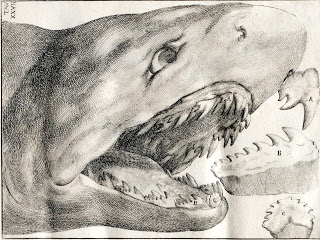
90-99% of large shark species have disappeared off the U.S. coast

In the wake of Shark Week, awareness about the current status of shark conservation is high. The shark fin business alone is responsible for up to 73 million shark deaths each year. “The populations of all shark species in the Mediterranean have declined by 97% in the past 200 years,” and “populations of large sharks have fallen by more than 90%.”

The disappearance of large sharks has resulted in the increase of 12 out of 14 small shark and ray species, which are usually preyed upon by larger sharks. These smaller organisms in turn are wreaking havoc on mollusk populations, as, without predators to regulate them, their populations are growing at a faster rate than the mollusk community can support. The Cownose Ray is a perfect example of this, with a population increase of 9% annually. At these numbers, the rays can consume upwards of 840,000 tonnes of Atlantic Bay Scallops in the Chesapeake Bay region in their first 100 days each year in the region. The decline of large sharks in more southern, tropical waters has led to an increase of species that consume reef-building corals, thus threatening the health of coral reefs.

MIA: Nature’s Natural Clean-up Crew

Ecosystem disruption is, of course, not limited to the disappearance of top predators. The loss of any species has an impact on healthy habitat function, including the oft-despised scavengers. Last year, we wrote about the fate of the vulture in South Asia. Like sharks and raptors, vulture populations have plummeted as a result of poisoning which primarily contributed to the loss of over 14 million birds. The absence of this species, resulting in road kill abundance and resulting disease occurrence, threatens India’s ecosystem and may have severe human health consequences.

A Use Case from BHL: The Wolf Story

View Full Size Image
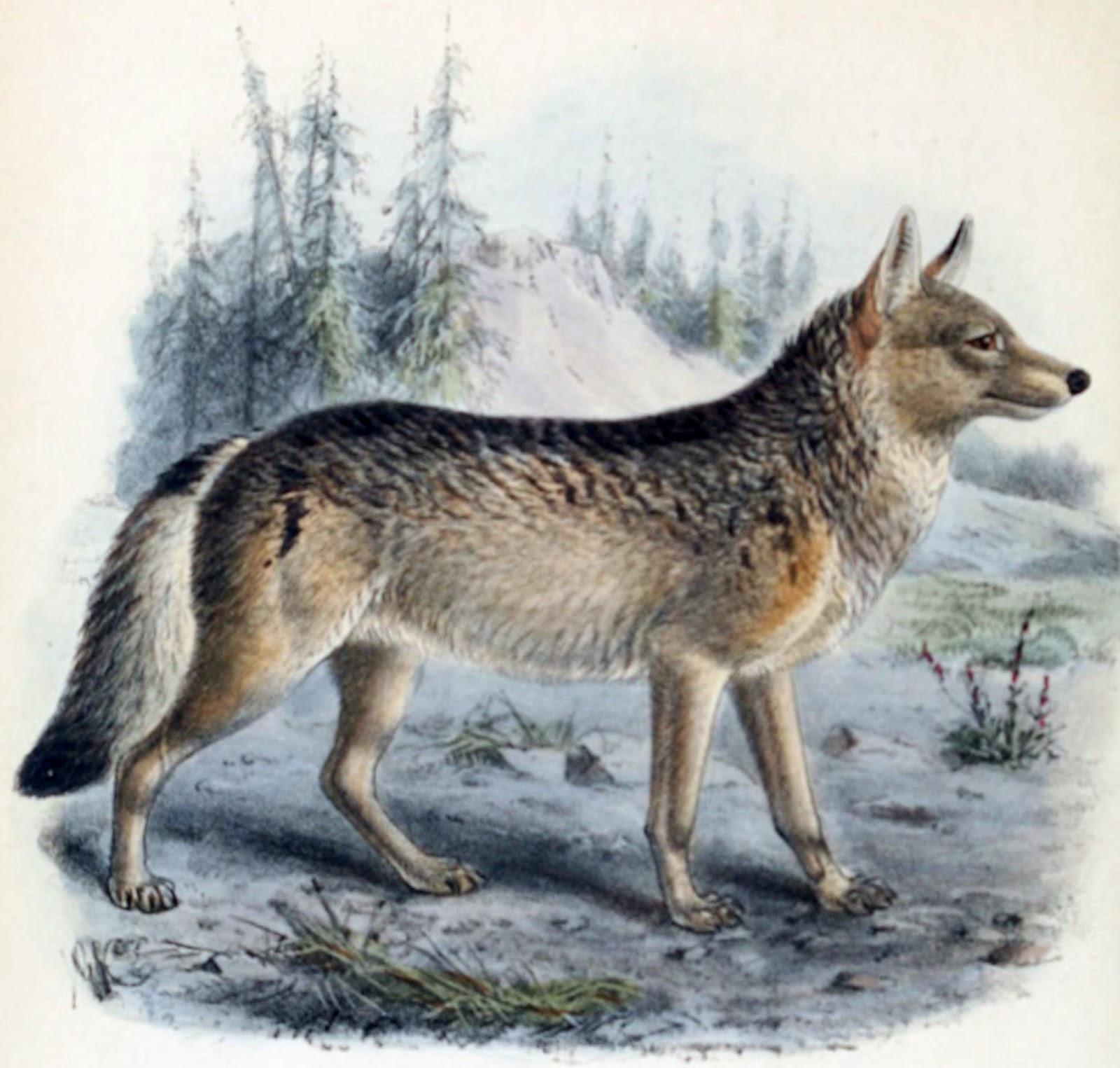
The American Wolf is a great example of a successful conservation effort

As outlined earlier, the status of wolf populations in the United States was jeopardized in the early twentieth century. As wolves disappeared, elk populations, along with other grazers, increased unchecked. Aspen, cottonwood, and willow tree stability fell, affecting the smaller mammals and birds that relied on them. The carcasses left behind by wolves were also of critical importance to scavenger species, like coyotes, ravens, and eagles, particularly during the winter. With no wolves around, these species suffered as well.

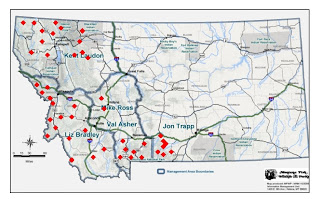
Happily, wolves are an example of how humans can also positively affect the fate of a species. In 1980, the Northern Rocky Mountain Wolf Recovery team devised a plan to help reintroduce wolf populations to the northern United States. In 2004, the U.S. Fish and Wildlife Service approved the Montana Gray Wolf Conservation and Management Plan, the scope and results of which are articulated in the department’s annual report, and, consequently, our book of the week.

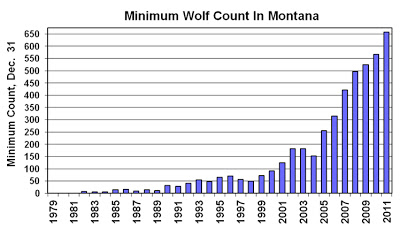
Under the plan, with support from federal funding, the Montana Fish, Wildlife, and Parks manages wolves in northwestern Montana. As a result of natural reproduction, dispersal, and the reintroduction of wolves from Canada, wolf populations increased at rates of 10-34% annually, with a minimum estimate in 2005 of 256 wolves in Montana. As of 2011, approximately 650 wolves are estimated to live in the state.

View Full Size Image
Wolf Population Estimates

A crucial step in setting up a successful conservation program is constructing a robust method to monitor how many specimens are in a given area. The Montana Gray Wolf Conservation and Management Plan was no exception. Monitoring involved a variety of methods, including radio telemetry, howling and track surveys, and reports from natural resource agency professionals.

Perhaps most exciting, however, was the program’s use of the public to help monitor wolf populations. Encouraging people to share any sightings or evidence of wolf activity, program officials essentially crowd-sourced the monitoring project. Officials set up a website to allow members of the public to report their sightings easily and efficiently. Volunteers were also utilized to “systematically search areas of current wolf reports, areas of past wolf activity, or noted ‘gaps’ in wolf activity despite adequate prey base.”

Using these methods, officials determined that, by the end of 2005, there were a total of 46 packs, defined as consisting of two or more wolves, with a minimum of 256 wolves in Montana. The average number of wolves per pack also increased from 4.5 in 2004 to 5.5. in 2005. The Montana program is an excellent example of not only how successful conservation programs can be, but also how members of the public can play a critical role in that success. Learn more about the recovery program and the results in BHL.

View Full Size Image
Verified Wolf Pack Distribution in Montana as of Dec. 31, 2005

Conclusion

Predators are critical for healthy ecosystems, ensuring that a greater variety of species survive and thrive by keeping prey populations in check. While many predator species are threatened today, our wolf use case shows us that there is hope. If we are proactive, conservation programs are capable of ensuring a positive future for these and other species. Increasing awareness about the effect of species decline is a critical step in saving biodiversity.

By providing free access to literature about these species, BHL is helping conservations, ecologists, and researchers gain the critical knowledge they need to protect and bolster these populations. You can help support our endeavors with a donation to BHL. Be sure to take advantage of the free resources we provide, particularly the thousands of illustrations in our collection, some of which, to celebrate the threatened species we’ve highlighted today, are presented below.

Remember, each person can make a difference, and unless we act now, the future for many of these creatures, and our own planet, may be quite bleak.

August 23, 2012by Grace Costantino
Blog Reel, Featured Books

Book of the Week: The Not-So-Quiet Countryside

Portrait version of the Biodiversity Heritage Library logo.
View Full Size Image

The fast-paced life of city-dwelling can make anyone yearn for a relaxing weekend in the country. When imagining such a refuge, the idyllic English countryside often comes to mind. While one might envision such an escape to be much quieter than the city, it is by no means dull. Stimulation abounds around every corner, if you simply have the patience to look for it.

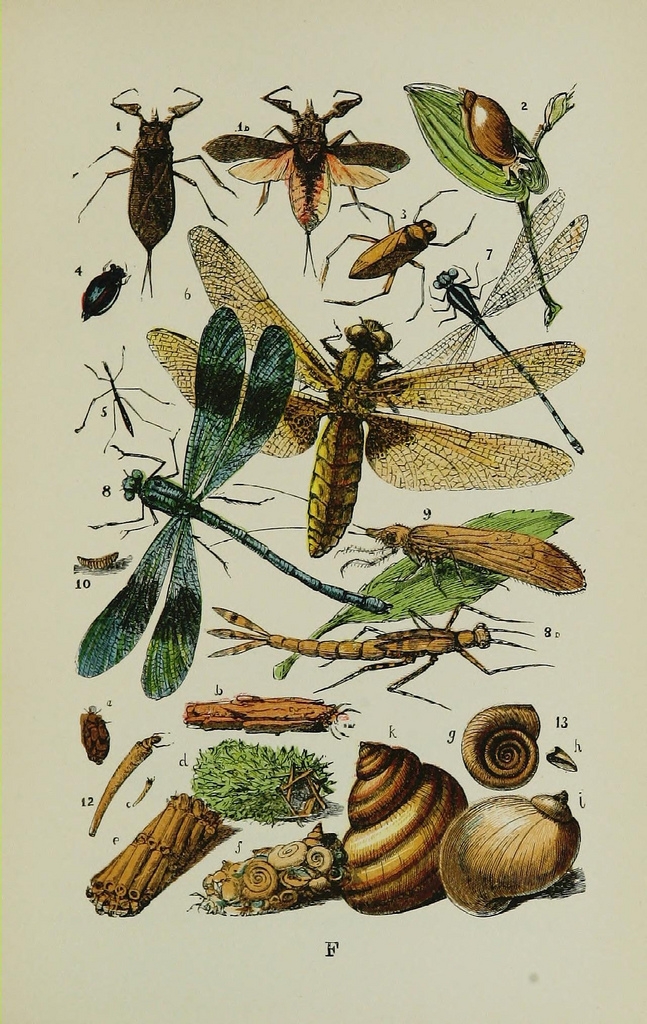
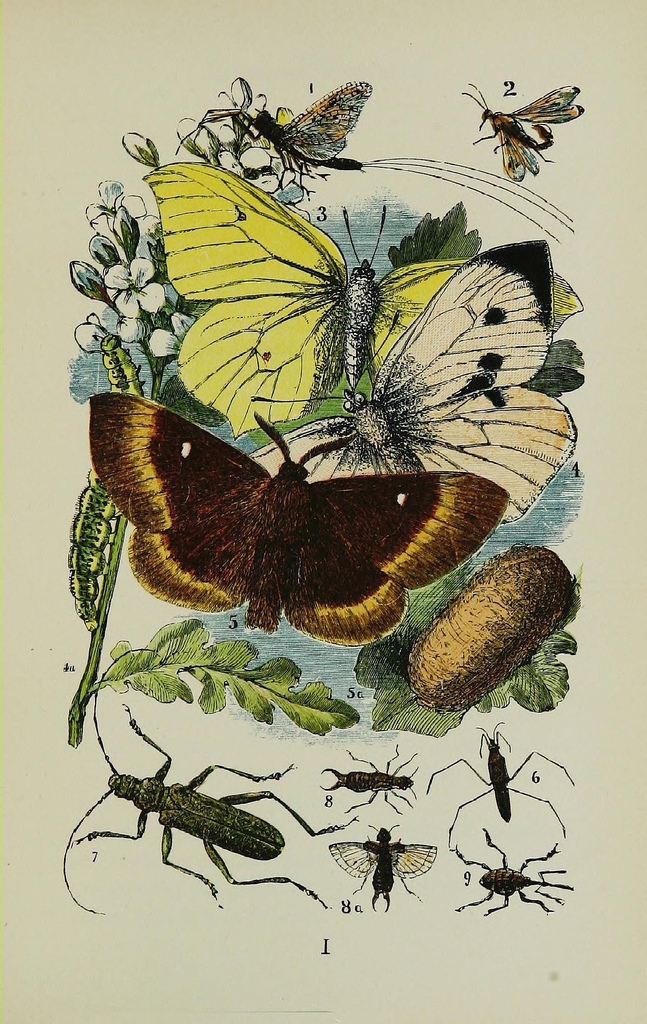
Stimulation, you scoff! What possible stimulation can the countryside offer? Life, we say! Life of every variety and degree, from the minute ant to the towering Alder. The bustling bee, the alert hare, the wriggling cod. Each species contributes a wealth of activity and interest to the countryside that, when properly appreciated, is as inviting as it is stimulating. English naturalist and reverend John George Wood endeavored to ensure that this diversity of life hidden in the hills and meadows of his beloved England was acknowledged and appreciated by all people, young and old, learned scholar or curious observer. And he was surprisingly successful at it. His book The Common Objects of the Country, published in 1894, sold 100,000 copies in a week – quite a feat for a humble country reverend. Or was he?

John George Wood: The Man Behind the Pulpit

View Full Size Image

John George Wood was born in London on July 21, 1827, to a surgeon. Educated at home during his early years, Wood eventually attended Merton College, Oxford, earning his B.A. in 1848 and his M.A. in 1851. Following his time at Oxford, he became curate of St. Thomas the Martyr, Oxford, becoming an ordained priest in 1854. He also served as assistant-chaplain to St. Bartholomew’s Hospital and held the office of precentor to the Canterbury Diocesan Choral Union.

But there was another side to Rev. Wood. Throughout his life, he harbored a fascination for natural history and a love for writing. Combining those interests together, Wood found himself a very successful popular natural history writer and lecturer. Not particularly scientific in nature, his works rather presented natural history as an object of interest and beauty for the everyday observer, providing baseline scientific description without alienating the casual reader with technical jargon. Beginning in 1876 and continuing until 1888, he delivered lectures in Great Britain and the United States, enhancing his presentations by drawing related sketches on blackboards or large sheets of paper – a habit he came to refer to as “sketch lectures.” His popular published works included The Common Objects of the Country, Illustrated Natural History, Animal Traits and Characteristics, Common Objects of the Sea Shore, and Out of Doors. If book sales weren’t enough to validate Wood’s success, Sir Arthur Conan Doyle’s quotation of Out of Doors in his Sherlock mystery “The Adventure of the Lion’s Mane,” surely was!

Common Objects of the Country

The Common Objects of the Country is Wood’s celebration of the English countryside. Wood described the work beautifully himself within the preface:

As this little work is not intended for scientific readers, but simply as a guide to those who are desirous of learning something of natural objects, scientific language has been studiously avoided, and scientific names have been only given in cases where no popular name can be found…Every object described by the pen is illustrated by the pencil, in order to aid the reader in his researches; And the subjects have been so chosen that no one with observant eyes can walk in the fields for half-and-hour without finding very many of the objects described in the book.

Wood’s genuine love for these creatures is blatantly expressed in his invocation to protect and preserve, not destroy, them. Wood writes,

Some call themselves Naturalist, and under the shelter of that high-sounding name occupy themselves in destroying nature. The true naturalist never destroys life without good cause, and when he does so, it is with reluctance, and in the most merciful way; for the life is really the nature, and that gone, the chief interest of the creature is gone too. We should form but a poor notion of the human being were we only to see it presented to our eyes in the mummy.

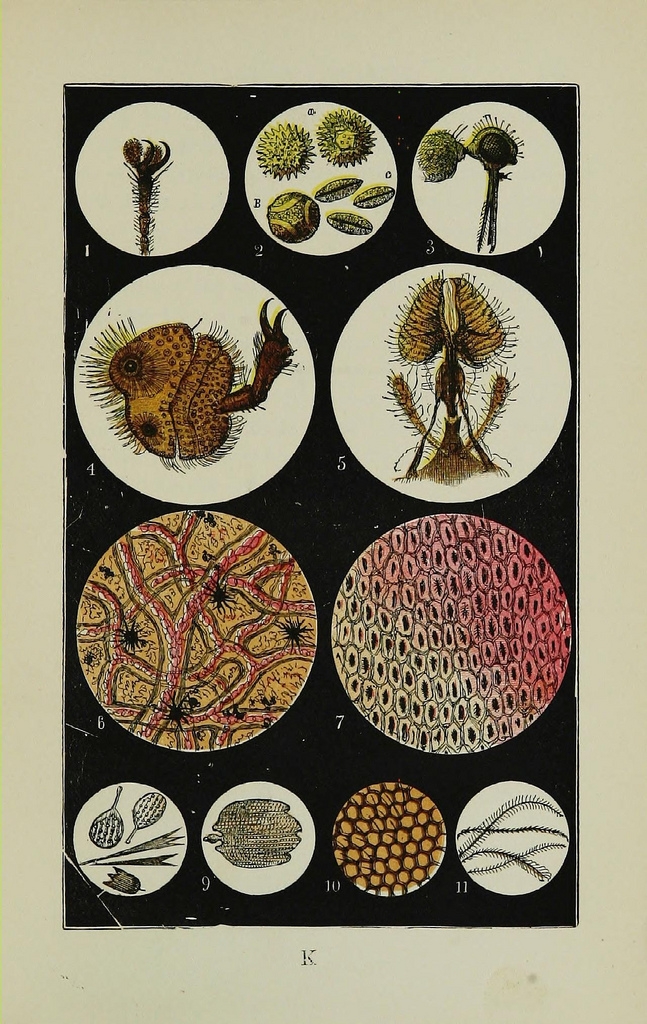
Wood claims that to truly appreciate nature, you must observe it in motion, in activity, in life. His book is meant to serve as a guide to everyone who wishes to tackle this challenging yet rewarding endeavor. The beautiful illustrations within the work, composed by W.S. Coleman, aid the reader in identification, after which true appreciation can begin. We hope you’ll take the time to admire the simplicity of this presentation, enjoy the illustrations, and take a walk to put your observational skills to work (thanks to BHL and Cornell University, who digitized this work, you can download it and take it with you on your adventure to help you identify the critters in your path!). Be sure to check out all of the illustrations in Flickr and find selections in Pinterest, where you can repin to allow even more people to enjoy them!

View Full Size Image
August 9, 2012by Grace Costantino
Blog Reel, Featured Books

Book of the Week: Celebrating Nature’s Natural Nightlights

View Full Size Image
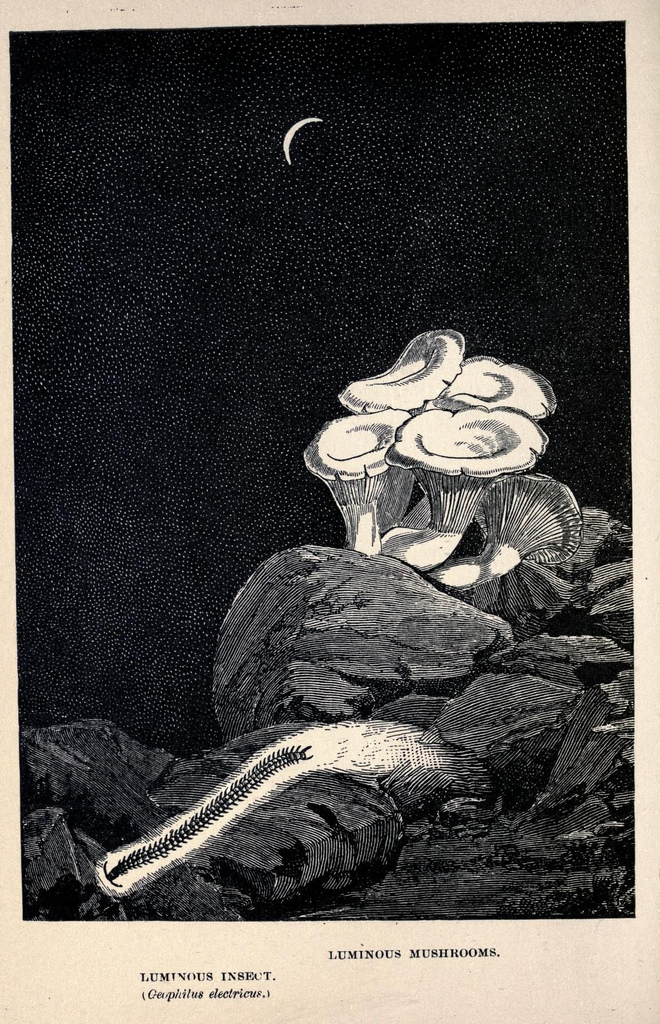
The bioluminescent mushrooms.

It’s a damp summer evening. You’re walking through the forest, the canopy overhead blocking any remaining sunlight from trickling to the forest floor. Nearly blind, you stumble over bulging roots and floral debris, groping from tree trunk to tree trunk trying to find your way to a clearing and a glimpse of the North Star. Suddenly, ahead, you spy an eerie, faintly glowing blue aura. You pause, uncertain, but the mysterious light is the only beacon you have, so, with slight trepidation, you flounder towards it. As you approach, the light grows more intense, reminding you, incredibly, of a blue neon sign beckoning from the center of a pitch dark woods. You falter to your knees, timidly reaching out to touch the curious apparition. To your surprise, as by this point you’ve begun to believe you’ve lost your mind and are grasping at hallucinations in the dark, your fingers touch solid mass. You run them gently over the façade of the object, only to realize that the form is something familiar to you – a mushroom. Lost in a sea of darkness, you smile as you realize that even the forest has its nightlights – in this case, the bioluminescent mushroom, Omphalotus olearius, the Jack-o-Lantern Mushroom.

What is Bioluminescence?

Bioluminescence is the production of light by a living organism. It is caused by a chemical reaction, involving the chemicals luciferins, which react with oxygen and release energy in the form of light. The enzyme luciferase is a catalyst used to speed up the reaction.

A wide variety of organisms exhibit bioluminescence, including fireflies, glow worms, millipedes,  anglerfish, eels, sea pens, squid, and, of course, mushrooms. Bioluminescence has a variety of functions in the animal kingdom. The iconic anglerfish uses luminescence in a lure to attract unsuspecting prey. The bioluminescence displayed by fireflies is a mating ritual used to attract potential mates. Certain species of squid emit a cloud of luminescent material to distract predators and give the organism a chance to escape. Specific species of bacteria use bioluminescence for communication. And some species, such as the Black Dragonfish, produce a red hue that allows them to detect red-pigmented prey deep under the ocean’s surface.

Bioluminescence has wide application in the human world as well, particularly in the realm of technology. Many biomedical research applications tap into luciferase potential for bioluminescence imaging. Scientists are also exploring the potential for using bioluminescence for detecting bacterial food contamination and infections in suspicious corpses. And consider this idea: Some propose applying bioluminescence to trees to illuminate highlights, thus eliminating the need for street lights.

Living Lights

According to Charles Holder, author of Living Lights, there are a variety of less scientifically-oriented applications for animal bioluminescence in the human world.  The most obvious, of course, is using it as a light by which to see, and for this application, Holder quotes a variety of instances:

I have read by the light of a luminous beetle, and have determined the time of night while holding my watch in the glare of ocean animals. Von Bibra wrote his description of the Pyrosoma by its own light; the shark of Bennett illuminated his cabin like a chandelier; photographs have been taken by the light of luminous beetles and by phosphorescent plates; and probably the day is not distant when more important uses will be found for this wonderful light…

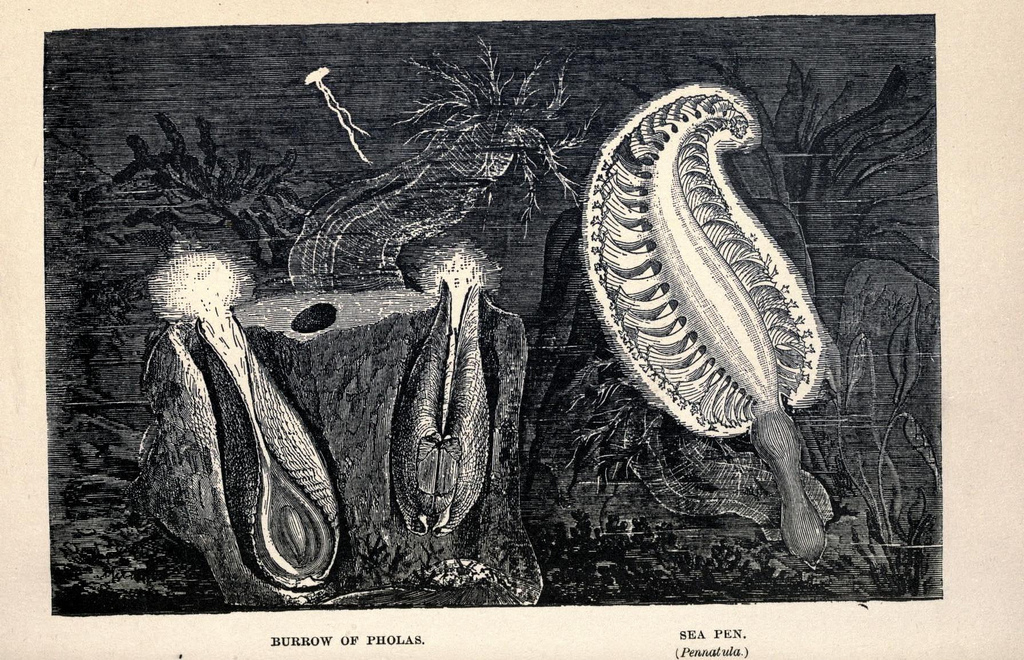
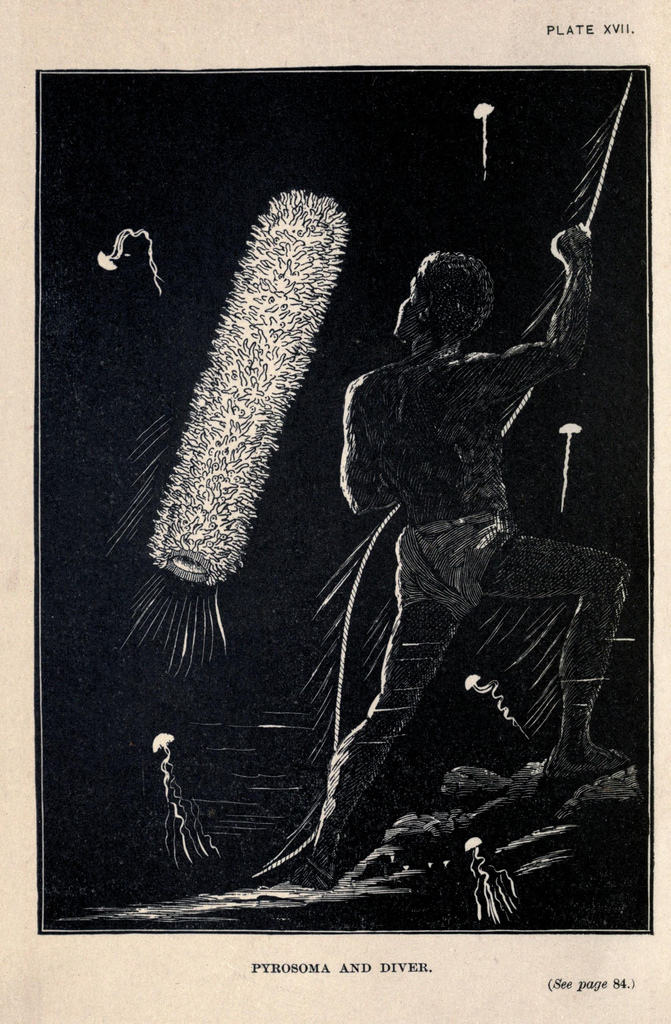
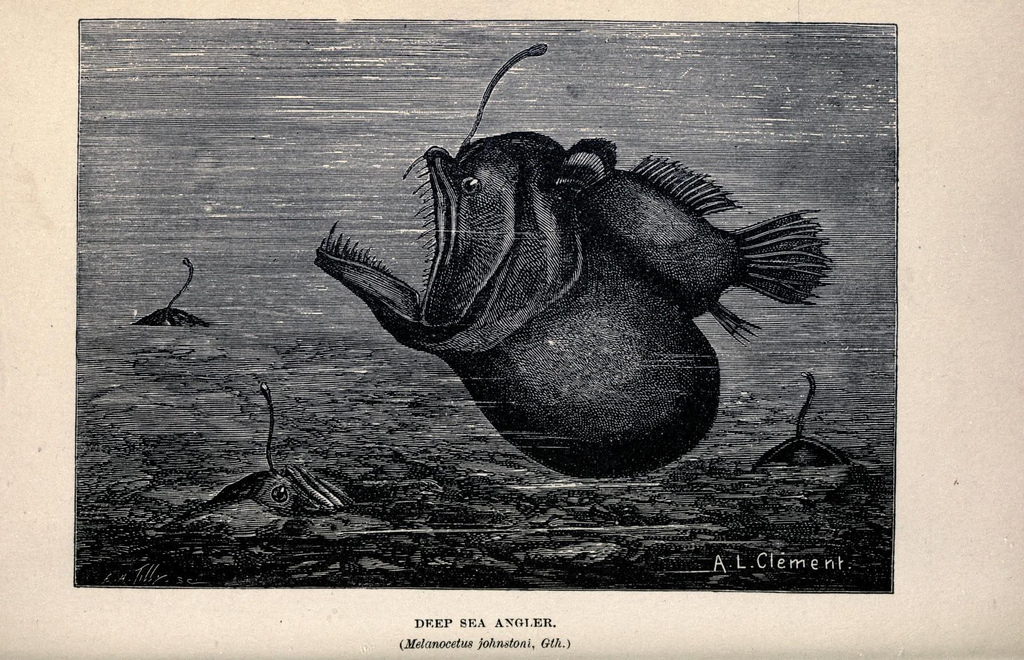
Living Lights portrays 27 instances of bioluminescence, illustrated via black and white drawings which are surprisingly effective at conjuring the illusion of light amidst the darkness. For example, Holder’s illustration of an illuminated sea pen, which, when touched, emits a bright greenish light to scare off predators, highlights the minute details of this fascinating creature encapsulated within a pool of blackness interrupted only by other fellows illuminators. Or take the illustration of a diver and Pyrosomes. Pyrosomes are colonial tunicates made up of hundreds of thousands of zooids. These bioluminescent colonies emit an intense blue-green light visible for tens of meters. And, of course, a book on bioluminescence would not be complete without a depiction of the infamous anglerfish.

View Full Size Image
Bioluminescent Sea Pen
View Full Size Image
A bioluminescent Pyrosome
View Full Size Image
Bioluminescent lure of the anglerfish

The wealth of bioluminescence depicted by our book of the week extends beyond the few instances we’ve mentioned here. Explore Living Lights in BHL to learn more about this incredible phenomenon and the amazing creatures that claim it. View all of this book’s enchanting illustrations on Flickr. If you’re on Pinterest, don’t forget to visit our Book of the Week collection, in which we share a few of our favorite illustrations from each book. Be sure to Pin your favorites as well!

And the Mushroom Story?

So, how does our forest story end? It’s a tale with a mushroom of a hero. Following the organic path created by your pseudo-electric fungal friends, you find your way to the clearing with your campsite and all your adventurous camping companions. With a sigh of relief, you plump down in a seat by the fire, only to find your eyes cruelly accosted by the blazing flames. Sighing, this time in irritation, you wish you were back among the calming glow of phosphorescent mushrooms.

July 26, 2012by Grace Costantino
Blog Reel, User Stories

BHL and Our Users: Margaret Koopman

Portrait version of the Biodiversity Heritage Library logo.
View Full Size Image

This past June, BHL-Staff visited Cape Town, South Africa for a series of meetings aimed at developing a BHL for sub-Saharan Africa. The meeting brought together 20 African participants from six countries with a variety of backgrounds including Librarians, Researchers, and Information Technologists. One such individual was Margaret Koopman, a librarian at an ornithological institute in South Africa. Margaret uses BHL regularly to help her fulfill the needs of her patrons, and she graciously agreed to be interviewed about that usage for our blog.

What is your title, institutional affiliation (or alternative place of employment), and area of interest?

I am a librarian at the Niven Library of the Percy FitzPatrick Institute of African Ornithology.  My areas of interest include ornithology, biodiversity conservation and environmental history.

How long have you been in your field of study?

I have been a qualified librarian since 1983, working almost entirely in Life Sciences libraries.  My particular field of study is environmental history in which I have an MSc.

When did you first discover BHL?

In April 2009 I linked BHL to my online catalogue.  In June 2009 I was trying to track down a copy of A Monograph of the Hirundinidae by R.B. Sharpe & C.W. Wyatt for information on population crashes of swallows in southern Africa because of extreme weather events.  I found the book in BHL and went on to write up a small piece from this publication about a population crash which took place in 1891 in Maputo, Mozambique for the Cape Bird Club Newsletter, Promerops.  The URL for BHL was included to enable readers of the article to find the BHL treasures for themselves.

What is your opinion of BHL and how has it impacted your research?

Although the Niven Library has an exceptional collection of material on African ornithology, it is not comprehensive.  BHL has been a great help in linking African ornithological research to early material published in European and British publications.  I am now able to point other researchers to what is available at BHL instead of providing pdfs myself.

How often do you use BHL?

This depends on the demand of my library users, probably on average once a week.

How do you usually use BHL (read the titles online/download whole PDFs/Select Pages to Download for a custom PDF/Download High Resolution Images/Generate Taxonomic Bibliographies/etc.)

I generally download whole PDFs, select pages to download, or identify a PDF and forward the URL to a user.

What are your favorite features/services on BHL?

I find the BHL web presence attractive and inviting.  As my use is focused I appreciate the ease with which I can establish whether a publication is available or not and the speed with which I can download material.

If you could change one thing about BHL, what would it be, or what developmental aspect would you like the BHL team to focus on next?

I know that my user community would appreciate single article access.

If you had to choose one title/item in BHL that has most impacted your research, or one item that you prefer above any other in BHL, what would it be and why?

Anything to do with African ornithology!  Providing information in this field is my mission and BHL has enabled me to do this much more easily and comprehensively.

July 24, 2012by Grace Costantino
Blog Reel, Featured Books

Book of the Week: BHL on Safari

View Full Size Image
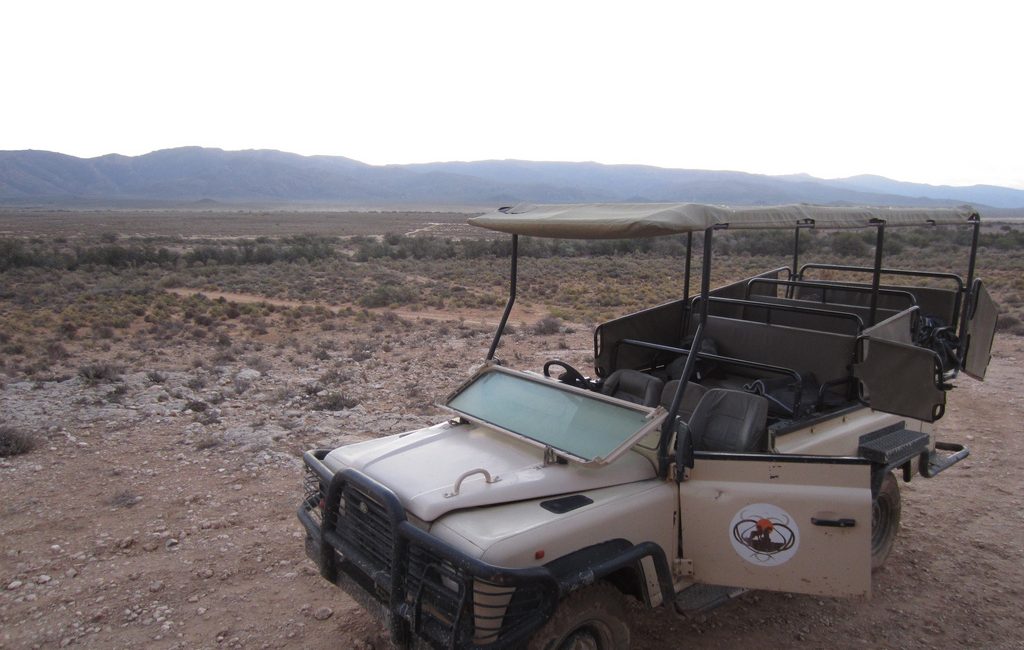
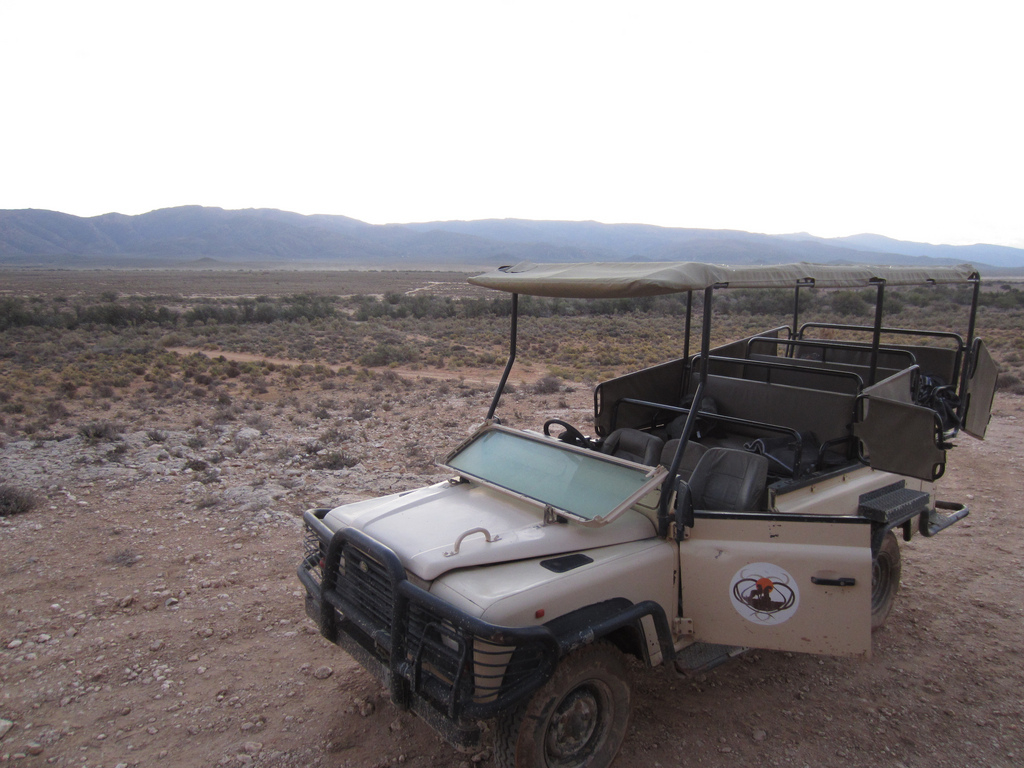
The safari car at Inverdoorn Game Reserve

Over the past few weeks, you’ve heard a lot about our recent meetings and world travels in Berlin, Germany and Cape Town, South Africa. The BHL-Europe, BHL-Global, and BHL-Africa meetings were incredibly productive, paving the way for the future development of both the existing global BHL network as well as the inception of a new BHL node in sub-Saharan Africa. As you can imagine, such meetings, though undeniably rewarding, also require quite a bit of work, so the final weekend of our escapades, we decided it was time to “play” and, in true BHL spirit, explore the country’s wildlife in person, through a safari at Inverdoorn Game Reserve and Safari Lodge.

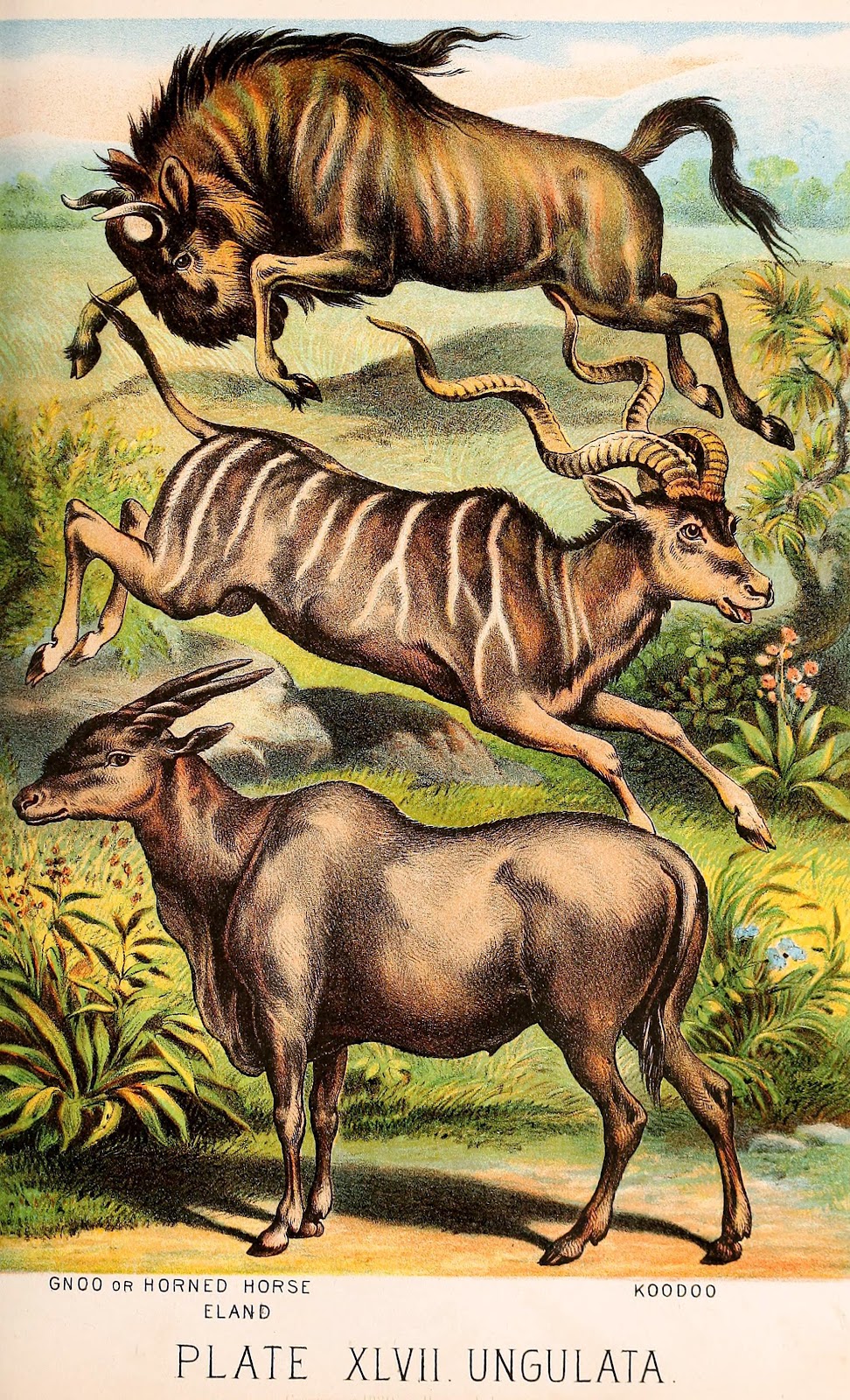
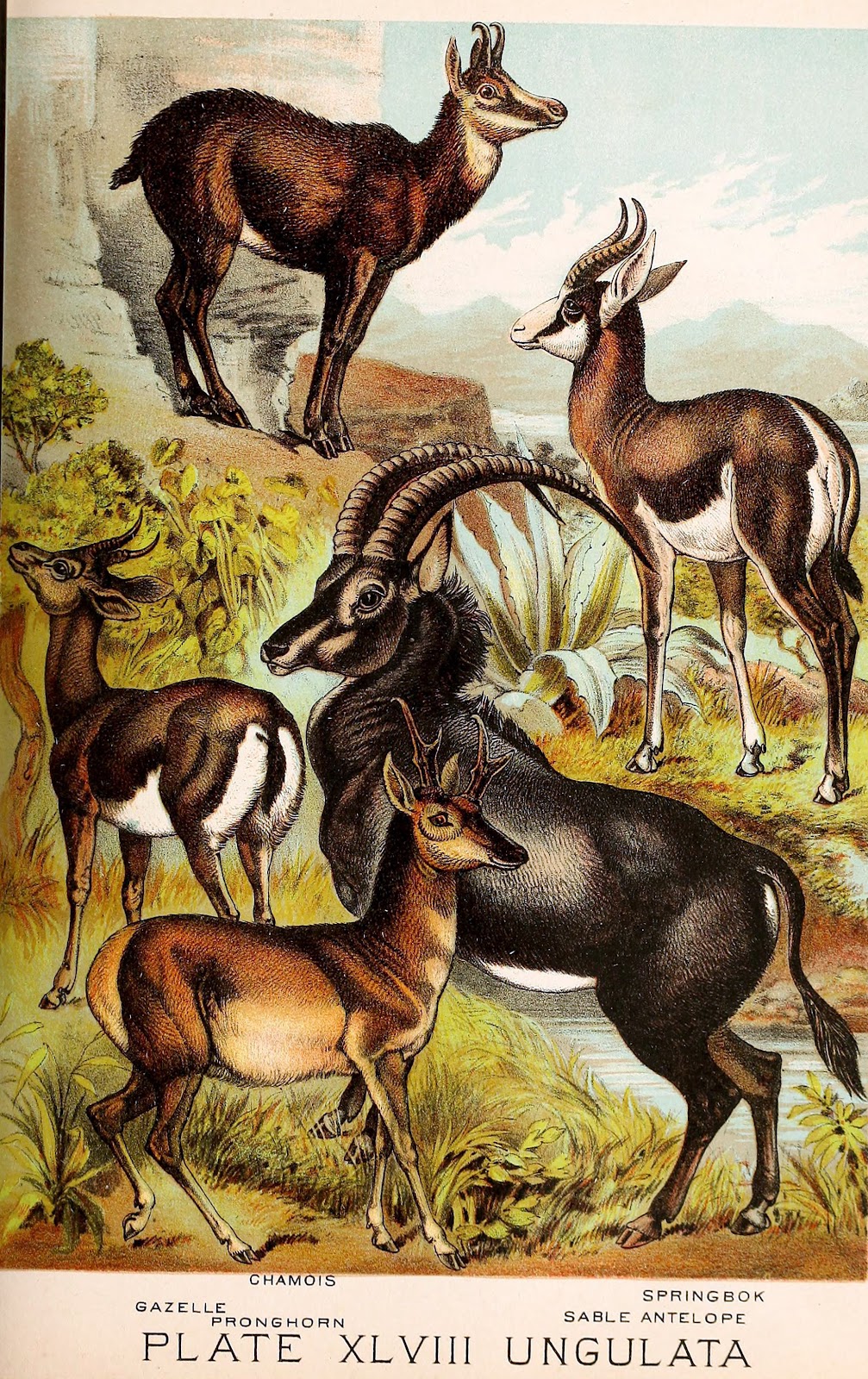
As BHL employees, we naturally saw our experience through the lens of the biodiversity literature held in our digital collection and recognized many species immediately from illustrations we’d seen in BHL. On returning to our “regular” lives, we found that one book in particular served as a vivid reminder of our great adventure: Johnson’s Household Book of Nature (1880), edited by Hugh Craig.

Johnson’s Book of Nature is intended for the general public, presenting information not in technical scientific language but in everyday terms. It is the illustrations, however, that truly distinguish this work. The editor, Hugh Craig, eloquently wrote,

To the attractiveness of this work the numerous beautifully-colored plates with which it is illustrated contribute in no ordinary degree. The designs are original and have been prepared at unusual expense. They represent in a more vivid and striking way than mere words can depict, the shape, the habits and the habitations of the animals, as well as the colors with which Nature has adorned them and the attitudes which most distinctly characterize them.

There are innumerable ways to explore nature, from books and illustrations to photographs and, best of all, personal interaction. Our BHL group was lucky to experience Africa on a multitude of levels, and we’re thrilled to share that opportunity with you!

View Full Size Image
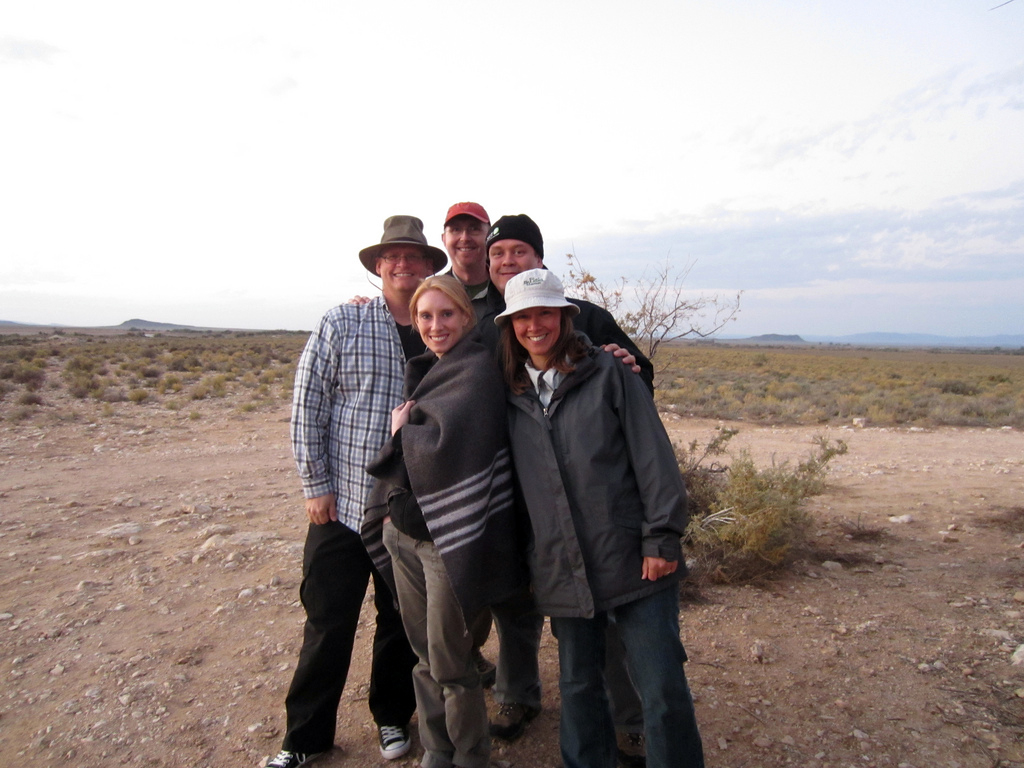
BHL Staff on Safari! Back Row, Left to Right: Martin Kalfatovic, Doug Holland, William Ulate. Front Row, Left to Right: Grace Costantino, Christine Giannoni


The Ungulates

Wildebeest and Common Eland

View Full Size Image
Wildebeest (Top) and Common Eland (Bottom)
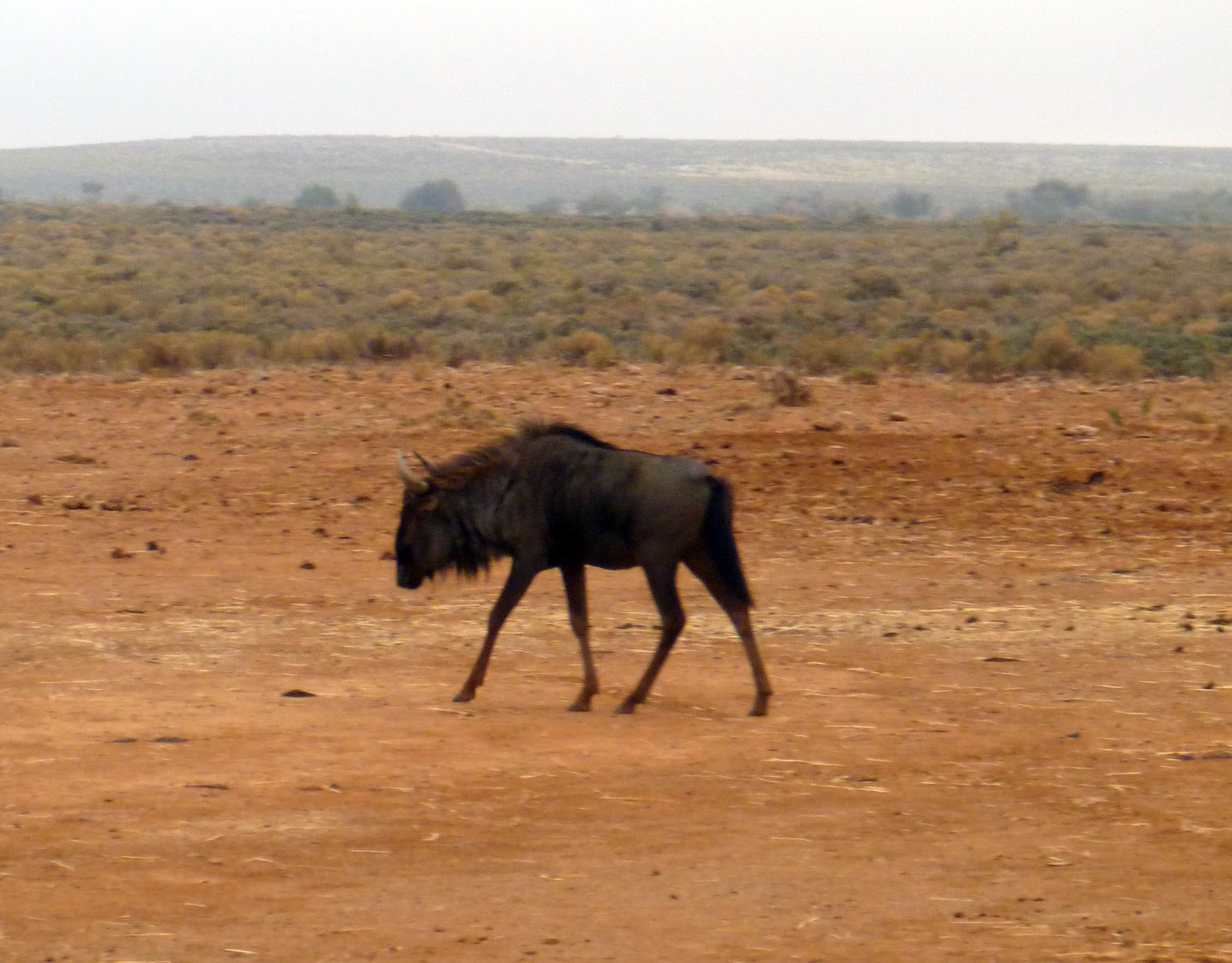
Also known as a Gnu, the Wildebeest is a bizarre-looking creature, with the tail of a horse, the head of a Cape Buffalo, and the stripes of a zebra. Our tour guide, Alex, told us that in Africa, they say that when the creator was finished creating life, he had leftover pieces and combined them into one animal to create the wildebeest.
View Full Size Image
Wildebeest at Inverdoorn
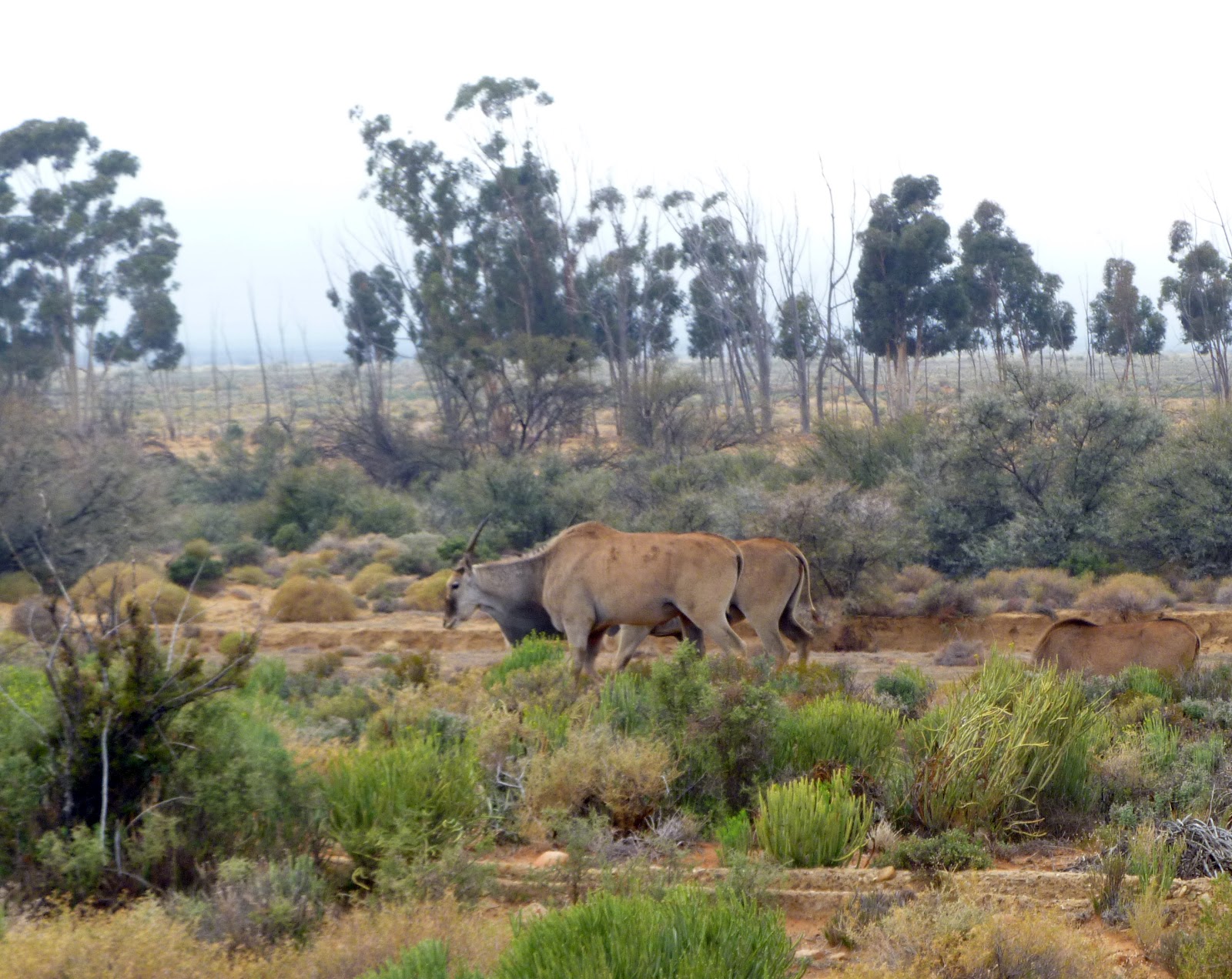
The Common Eland is the second largest antelope species in the world (the largest is the Giant Eland). They display what is known as the Flehmen Response, during which a male will stick his head near fresh female urine in order to facilitate the transmission of pheromones to their Jacobson’s Organ, which helps them determine whether the female is in heat. We experienced this display with the male Cape Buffalo we encountered.
View Full Size Image
Common Eland at Inverdoorn

__________________________________________________

Zebra

View Full Size Image
Zebra (Top)

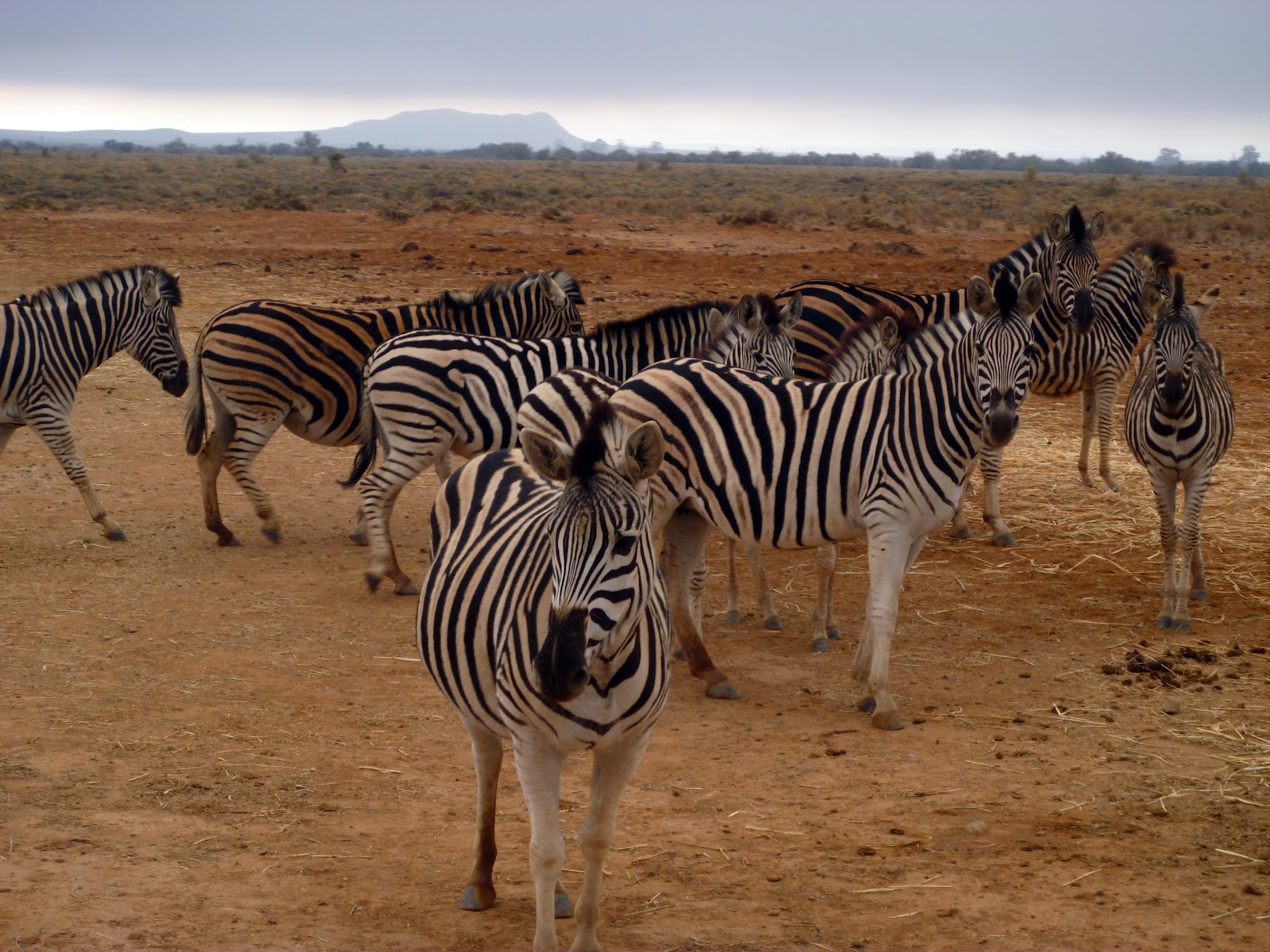
There are three recognized species of zebra, with many subspecies. We saw Plains Zebras on our safari. Though closely related to the horse, Alex told us that, as zebras lack significant stamina and have weak backs, they have never been truly domesticated.

View Full Size Image
Plains Zebra at Inverdoorn

__________________________________________________

Impala

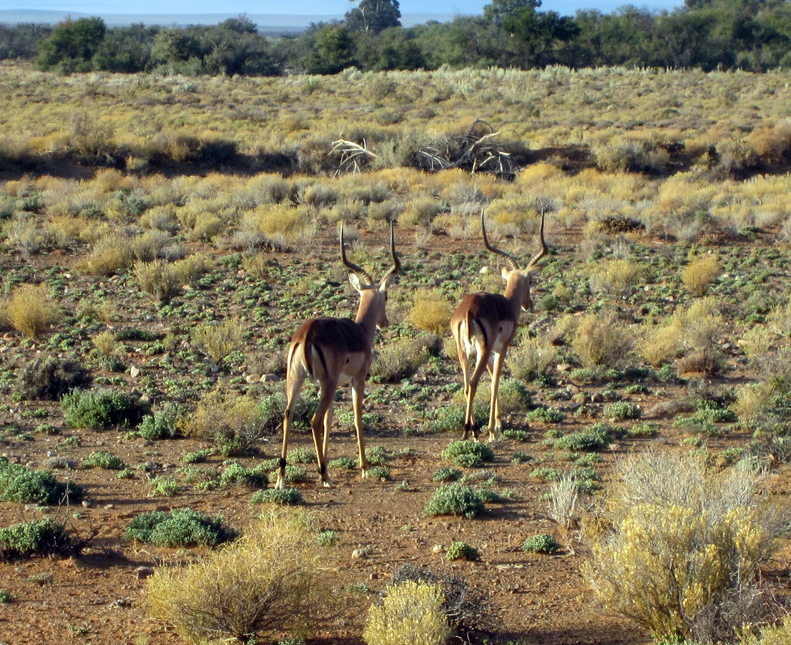
The word impala comes from the Zulu language, meaning “gazelle.” Their populations are estimated to be near 2 million in Africa. It was the only ungulate we saw on our safari that is not pictured in Johnson’s Book of Nature, but it was so lovely that we couldn’t resist including its picture here.

View Full Size Image
Impala at Inverdoorn

__________________________________________________

Springbok

View Full Size Image
Springbok (Top Right)
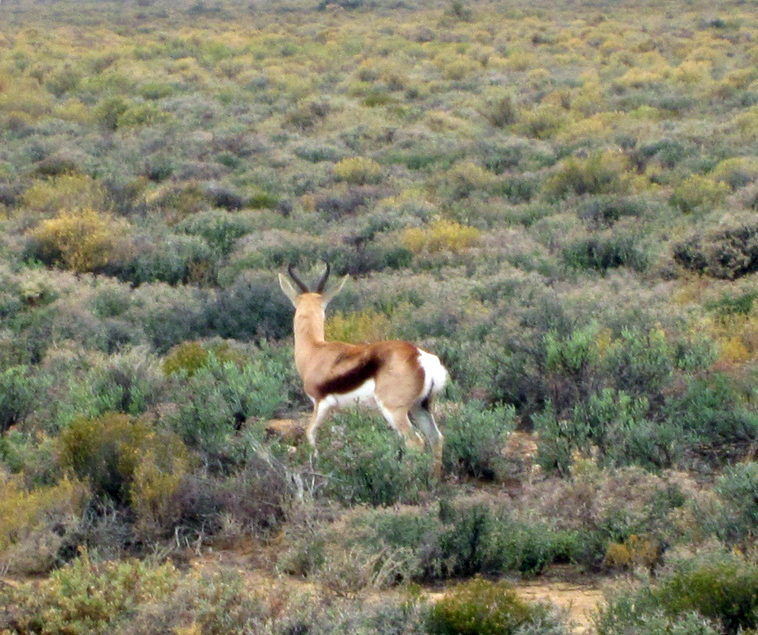
The springbok is a skittish creature, literally “springing” away from anything it deems remotely threatening, including, apparently, safari groups. Hence, we only captured shots of these graceful animals sprinting away from us. Alex informed us that this species has an incredible jumping capability; when threatened, they will lock their legs and channel their momentum earthbound, creating incredible thrust that allows them to leap over enemies.
View Full Size Image

__________________________________________________

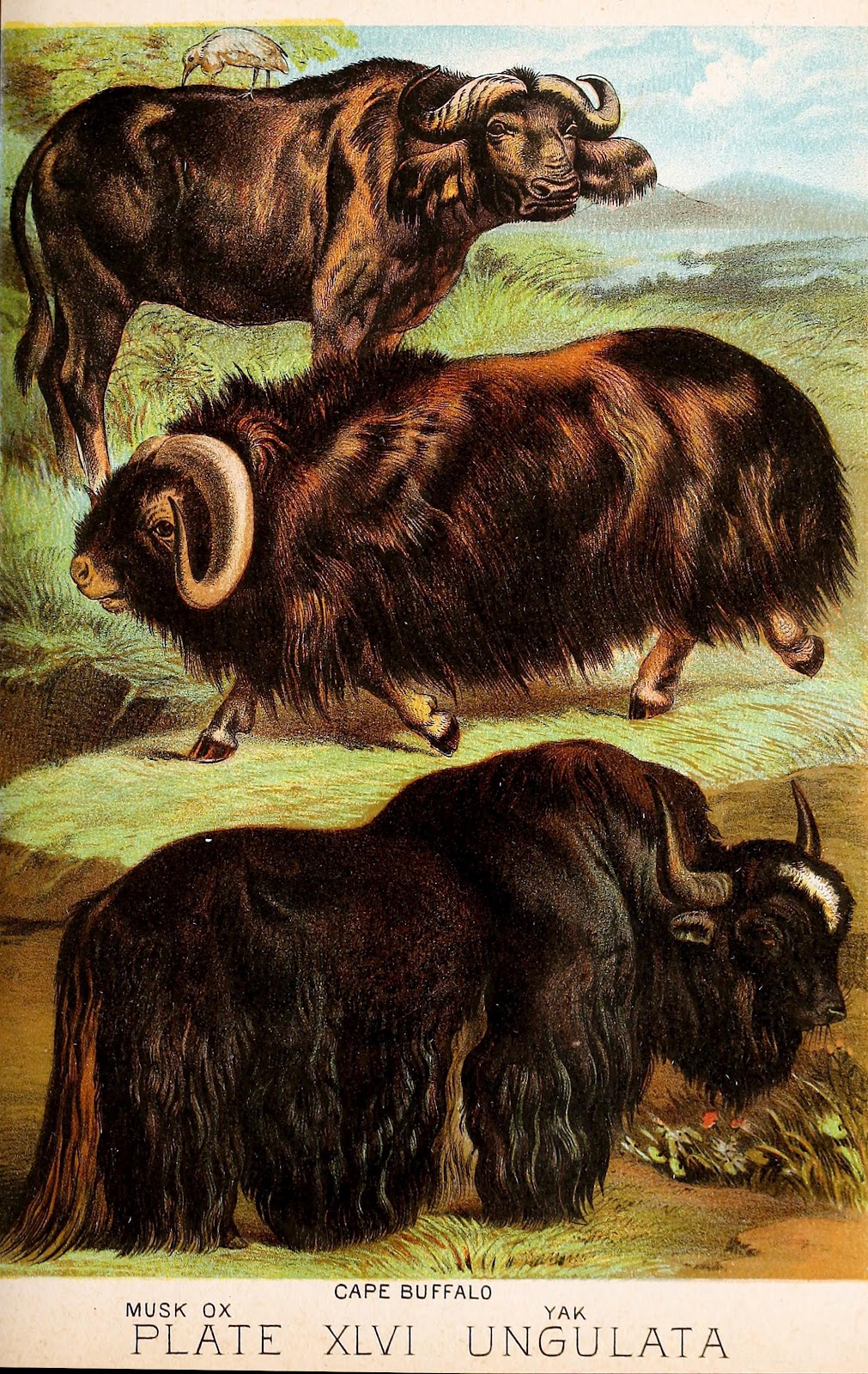
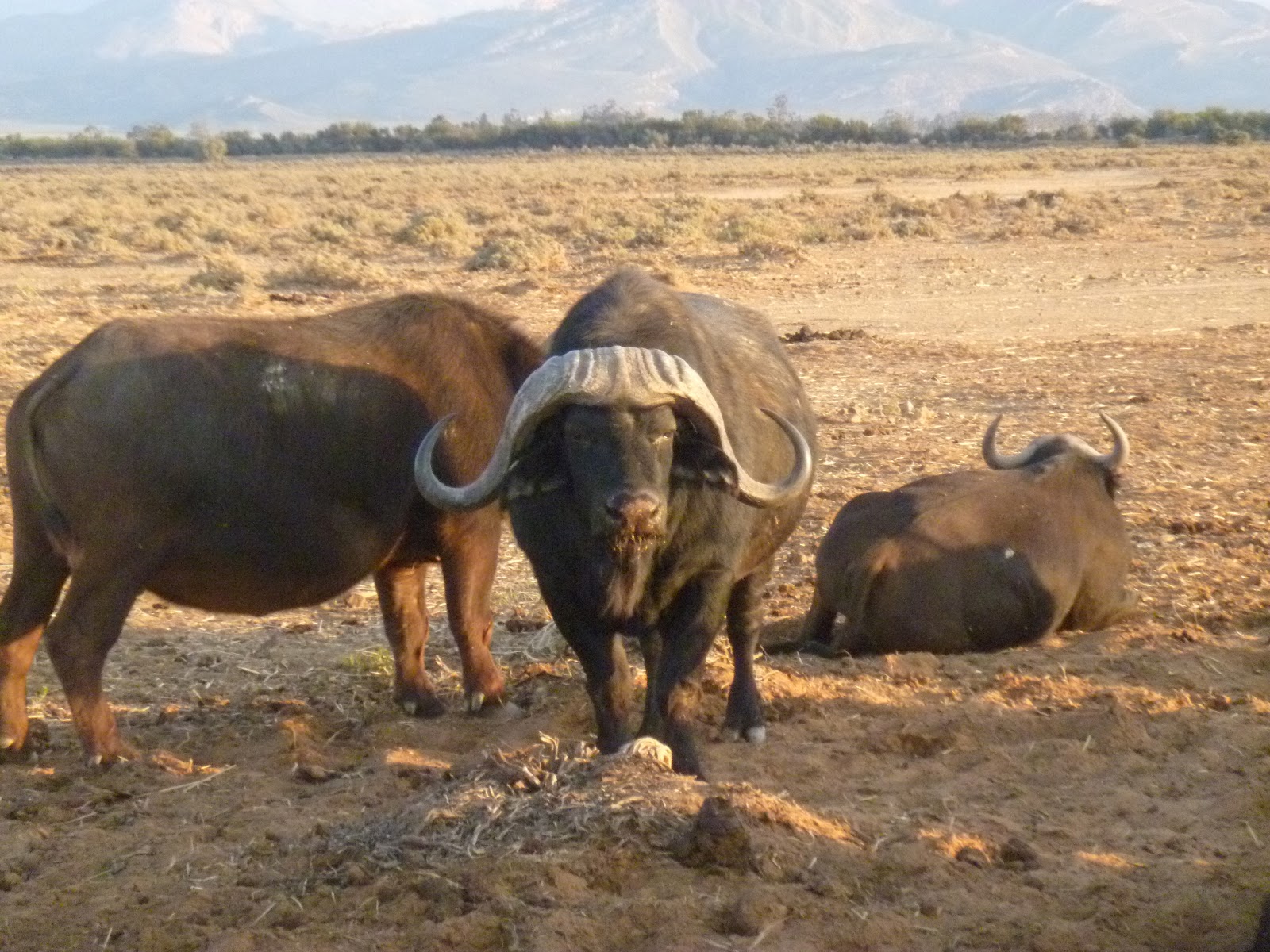
Cape Buffalo

View Full Size Image
Cape Buffalo (Top)

Cape Buffalo can reach lengths of 5-11 ft and weights of up to 2,000 lbs. Unpredictable, they can be dangerous to humans, but the group we saw on safari were clearly used to being observed and all but ignored us.


View Full Size Image
Cape Buffalo at Inverdoorn

__________________________________________________

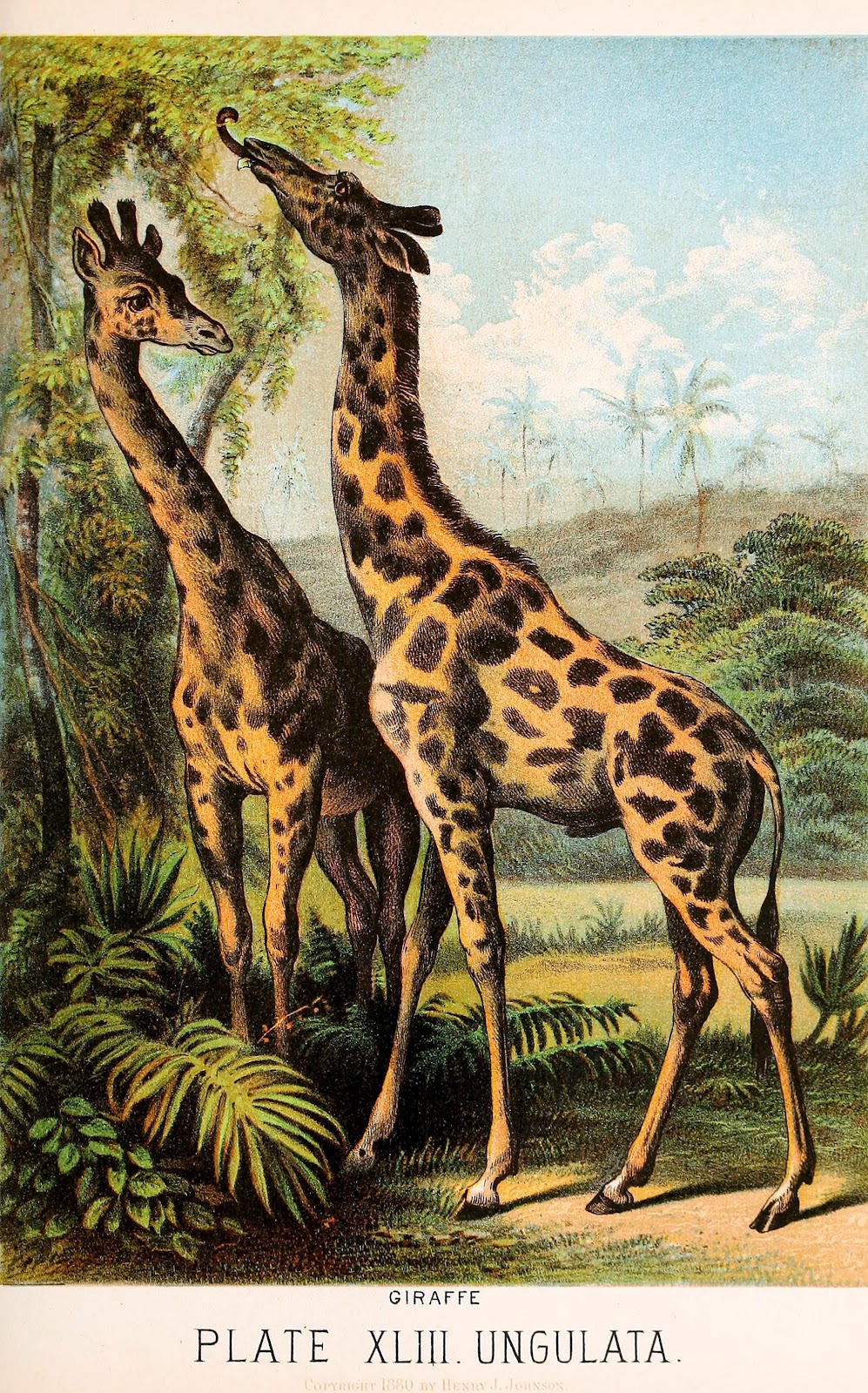
Giraffe

View Full Size Image
Giraffe

The most surprising characteristic of the giraffes we encountered was the grace with which they run, despite their absurdly-long necks. The male giraffe pictured in this photograph was particularly dark due to high levels of testosterone.

View Full Size Image
Giraffe at Inverdoorn

__________________________________________________

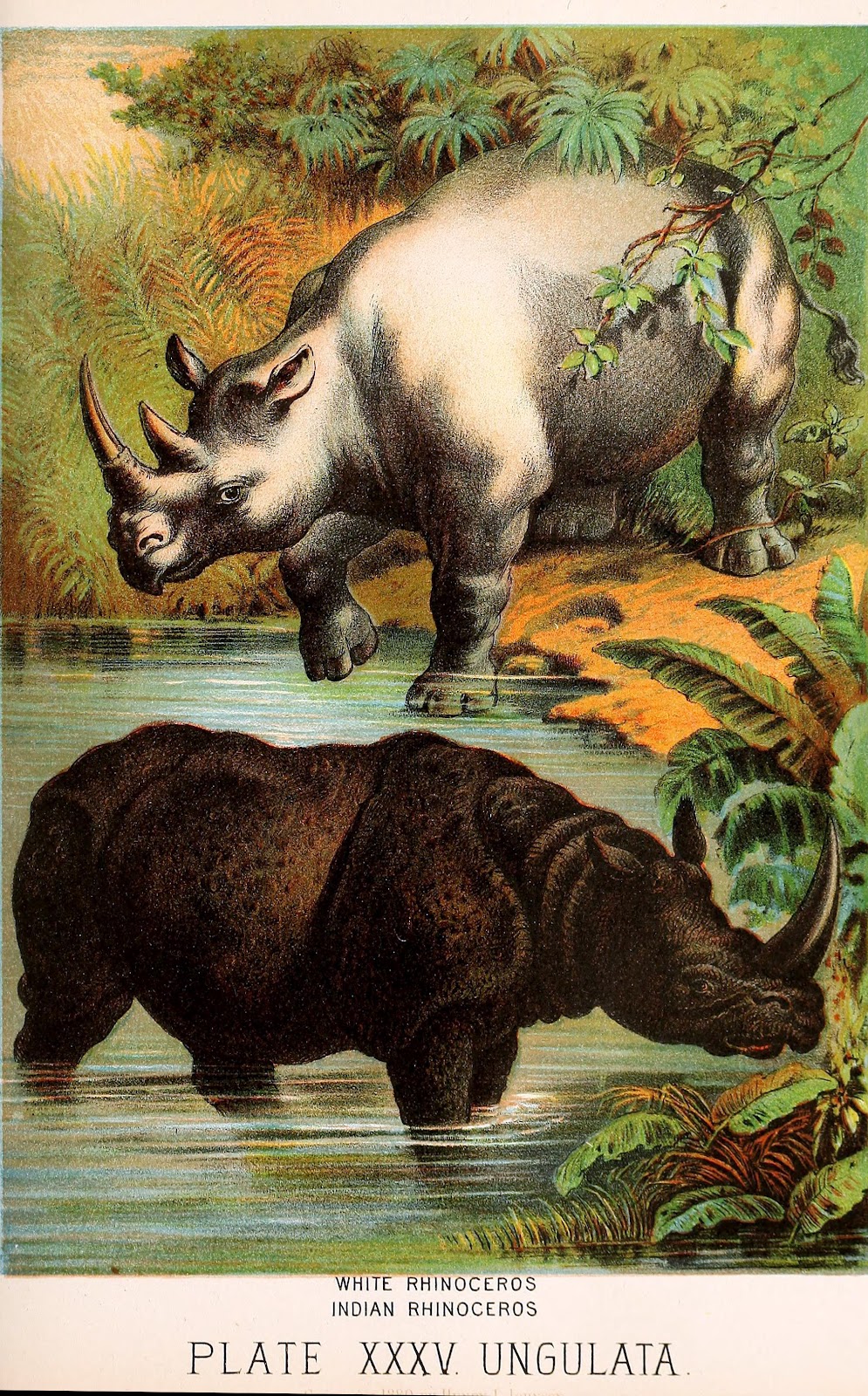
Rhinoceros

View Full Size Image
White Rhinoceros (Top)

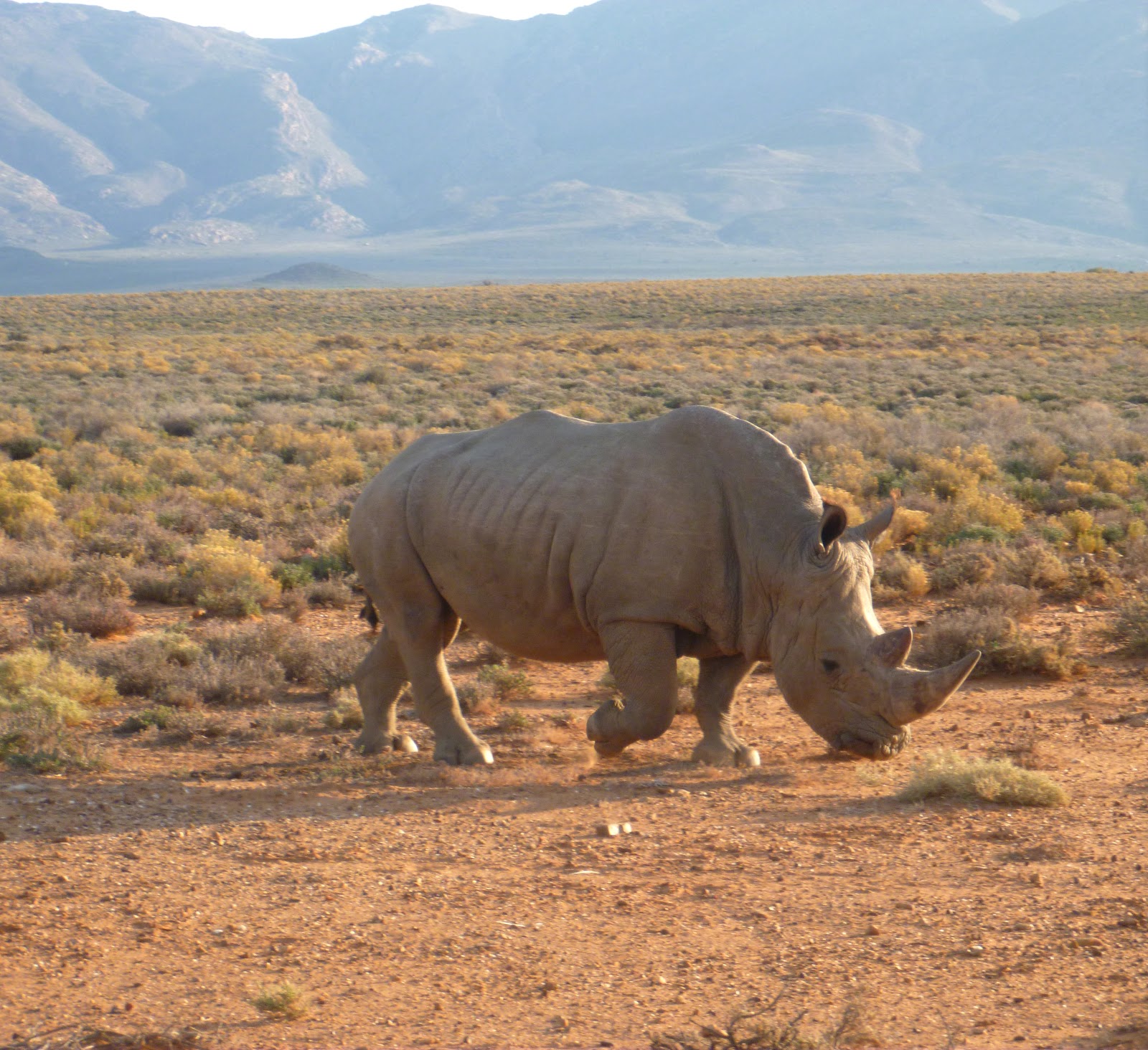
White Rhinoceros, also known as square-lipped rhinoceros, are endangered, being hunted maliciously for their horns, which are sold on the black market for use in Chinese medicine. The horns of the rhinoceros at Inverdoorn were all tagged and poisoned, making them unattractive to potential poachers. Inverdoorn has three rhinos: a male, female, and their calf. The female rhinoceros’ horn has been preemptively removed to save her from poaching, but the act has made her somewhat ill-tempered. Alex told us she has a history of charging vehicles. Fortunately for us, she seemed to be in a good mood during our visit.

View Full Size Image
Male White Rhinoceros at Inverdoorn

__________________________________________________

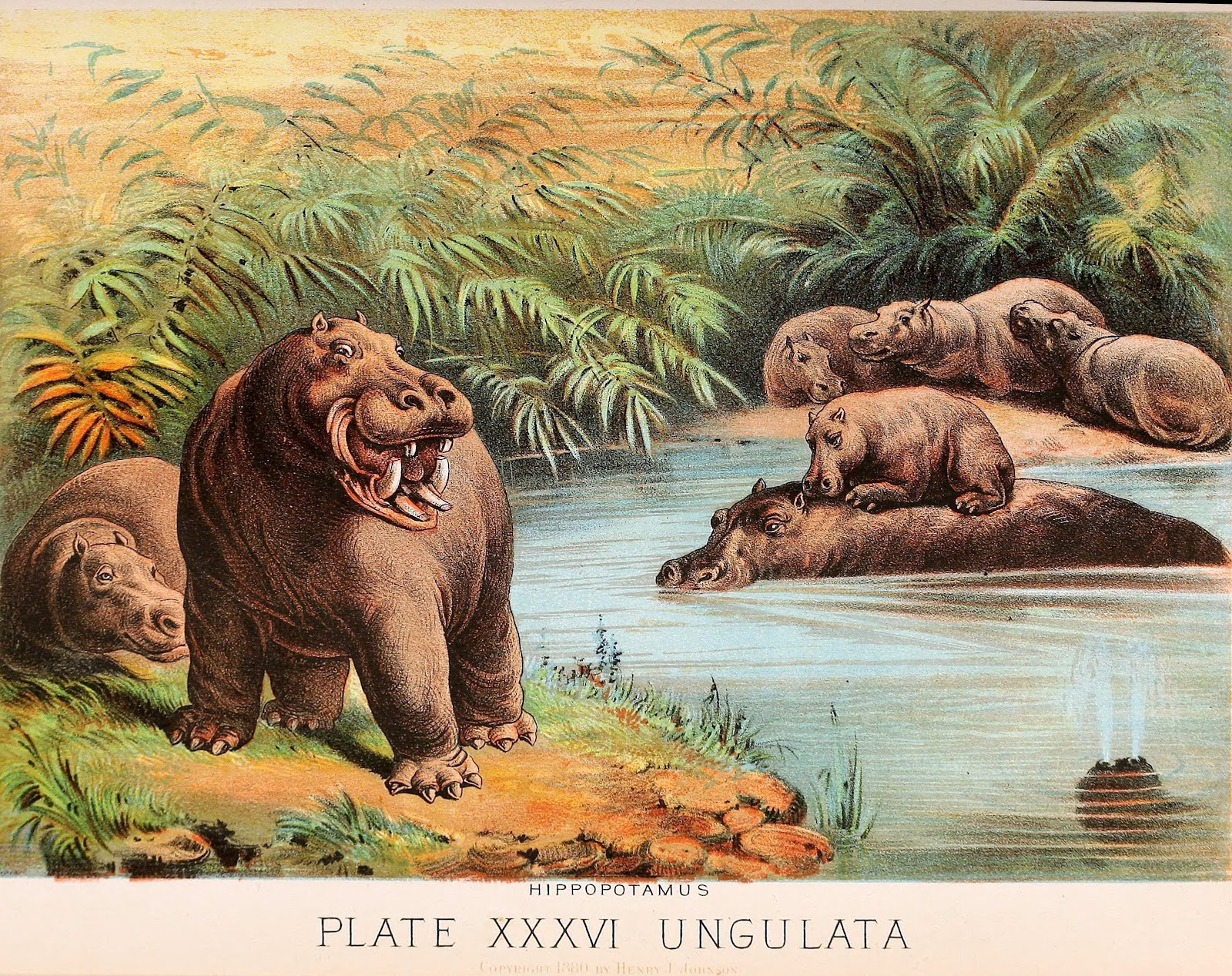
Hippopotamus

View Full Size Image
Hippopotamus

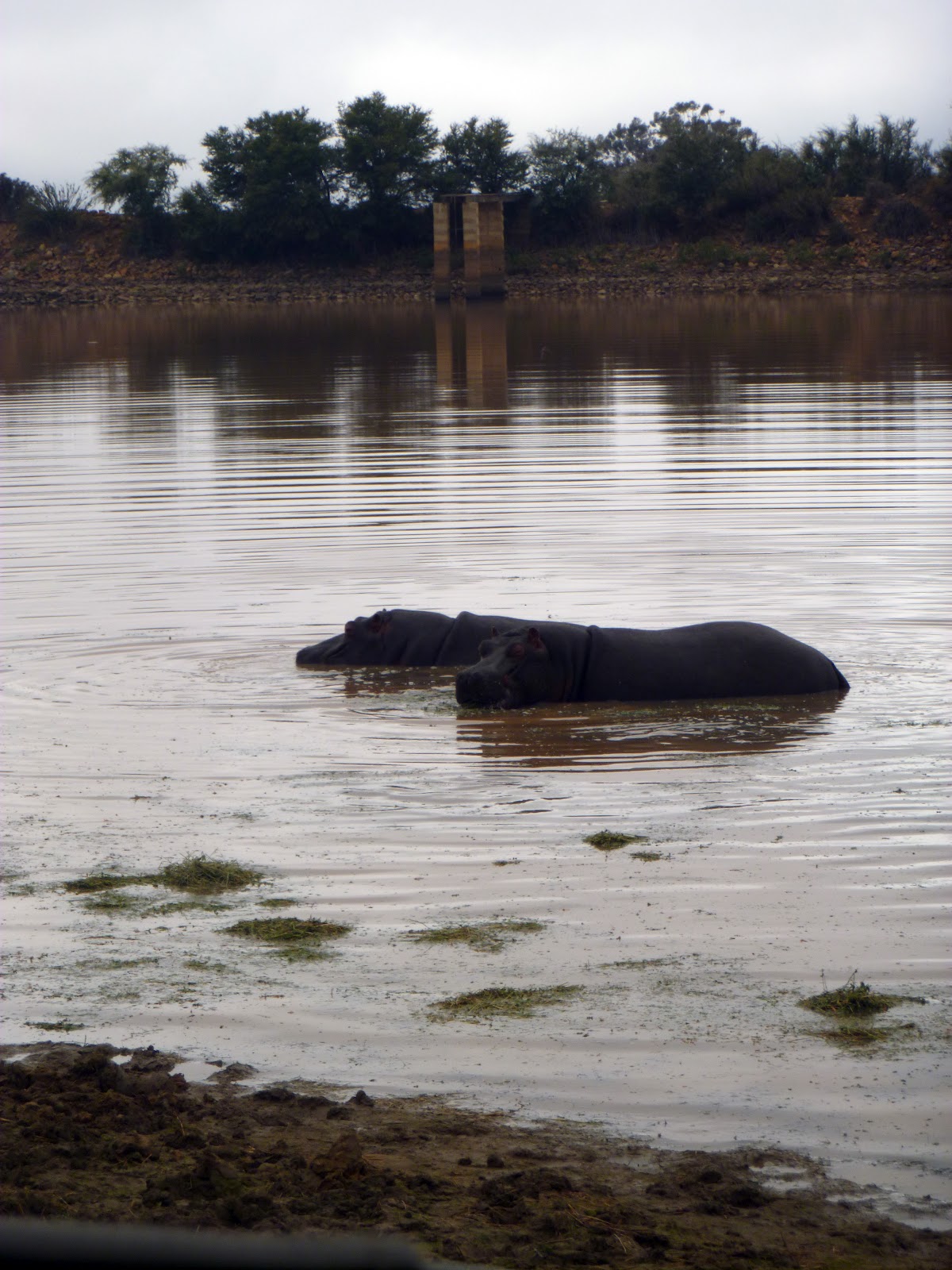
The name hippopotamus comes from the ancient Greek for “river horse.” It is the third-largest land mammal and is terribly aggressive, being considered one of the most dangerous animals in Africa. Near water sources with hippo populations, there are signs reading “No Boats: Hippos Present.”

View Full Size Image
Hippos at Inverdoorn

__________________________________________________

The Predators

Lion

View Full Size Image
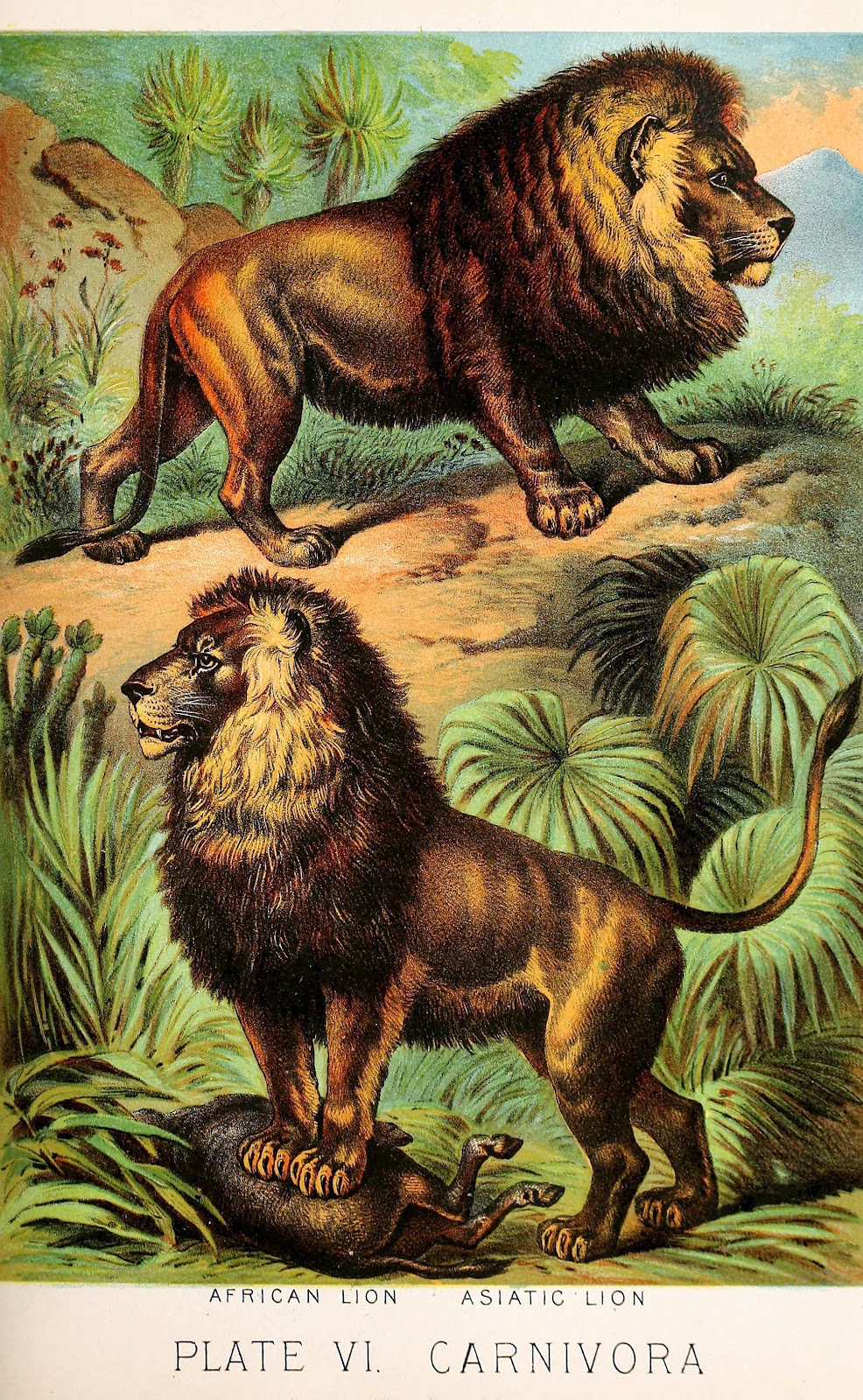
African Lion (Top)
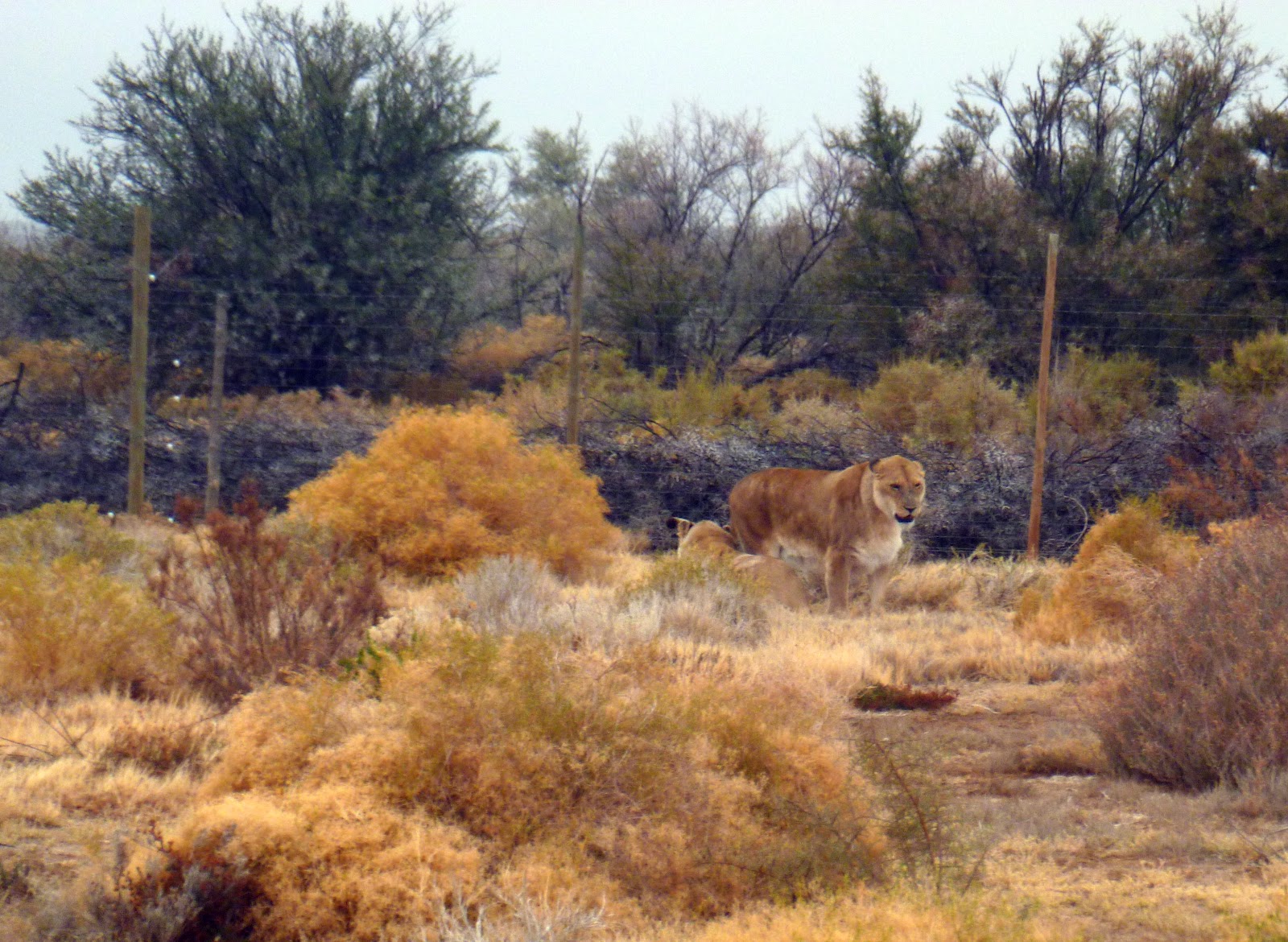
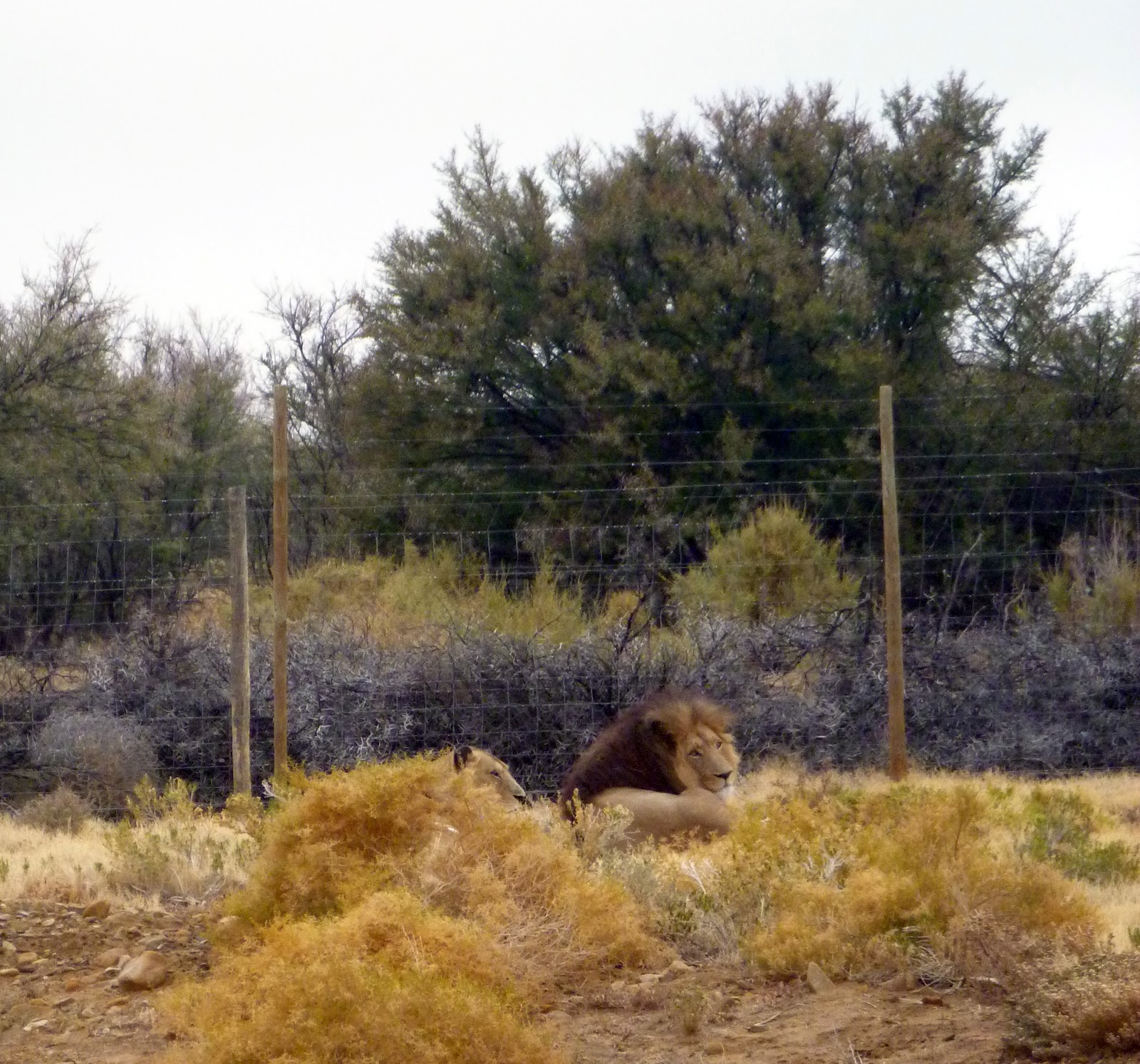
Lions are one of the most iconic predators on the planet, but sadly, they often find themselves prey to what is known as Cage Hunting. The illegal practice of Cage Hunting occurs when lions are bred to be sold to “hunters” that shoot them while they are imprisoned in cages. Though outlawed, the activity still occurs, and the lions at Inverdoorn were purchased by the park from just such an operation in order to save their lives. They are thus larger than the average lion, but will unfortunately never be allowed to breed, since neither the mother or the father would be able to teach the cubs how to survive in the wild.
View Full Size Image
Female Lion at Inverdoorn


View Full Size Image
Male Lion at Inverdoorn

__________________________________________________

Cheetah

View Full Size Image
Cheetah (Bottom Left)
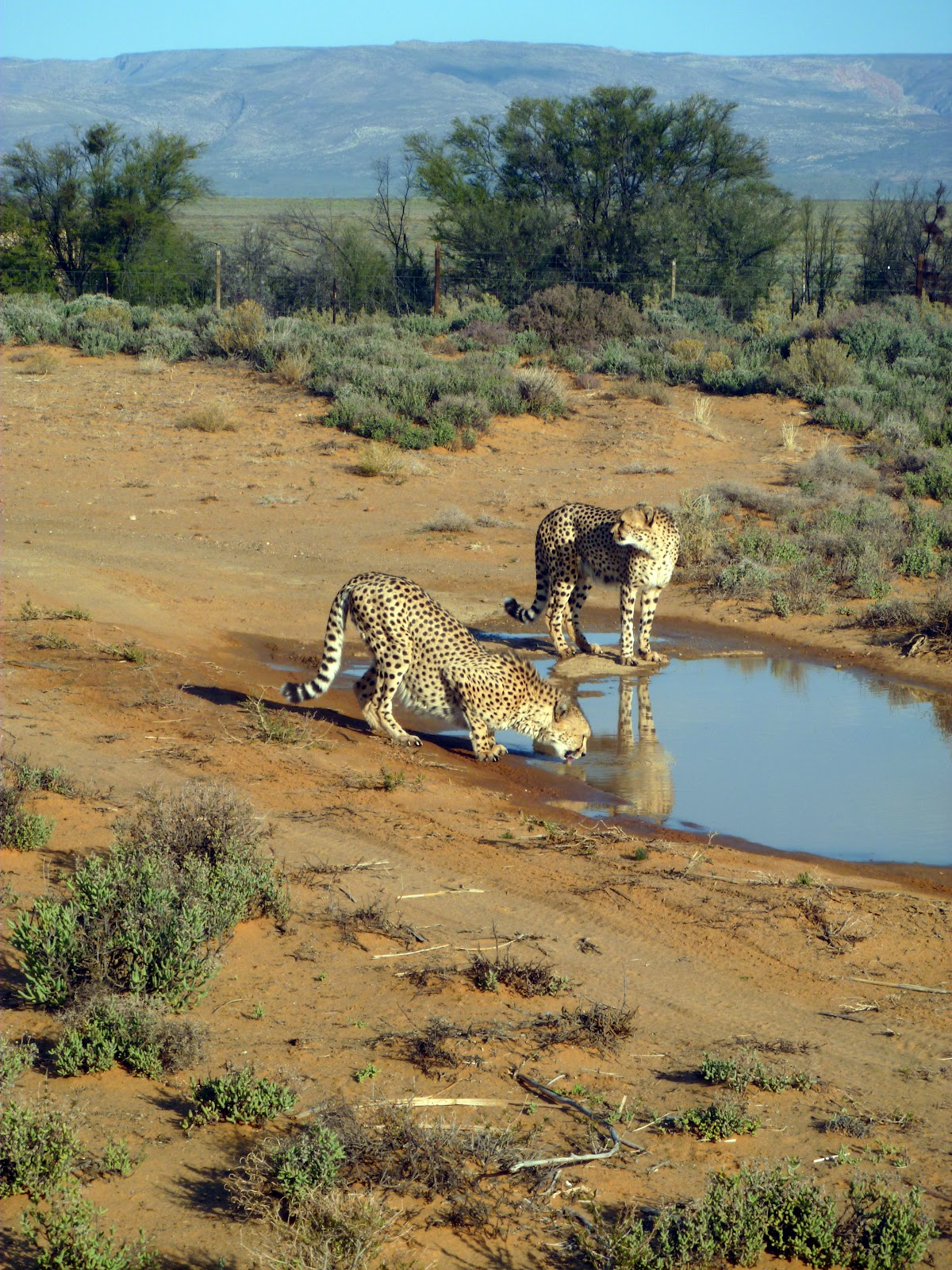
The cheetah is the fastest land animal, reaching speeds of up to 70-75 mph. Inverdoorn runs a cheetah conservation program, and as part of our visit, the keepers demonstrated just how fast these cats really are. After luring a group of three young cheetahs to one end of a “runway,” they then attached meat to a lure and reeled it in, sending the cheetahs chasing after it at top speeds. It was truly incredible.
View Full Size Image
Cheetahs at Inverdoorn
Finally, since no BHL-Africa activity is complete without a movie, BHL Program Director Martin Kalfatovic created a short video about our epic adventure. Enjoy, and be sure to check out all of the images from Johnson’s Book of Nature in Flickr.

Pictures by Grace Costantino and Martin Kalfatovic

July 12, 2012by Grace Costantino
Blog Reel, User Stories

BHL and Our Users: Dr. Thomas Carefoot & Sea Hares

In December, you heard from BHL User Dr. Thomas Carefoot, a marine biologist specializing in Sea Hares. We asked Dr. Carefoot to write another post for us about sea hares and his work on this topic. We send a special thanks to Dr. Carefoot for his participation in our blog and enthusiasm for educating the public about these amazing, and often overlooked, sea creatures!
________________________________________________________________
The Formidable and Terrible, yet a-trembling, Sea Hare Aplysia
By Thomas Carefoot and Kevin Lee
View Full Size Image
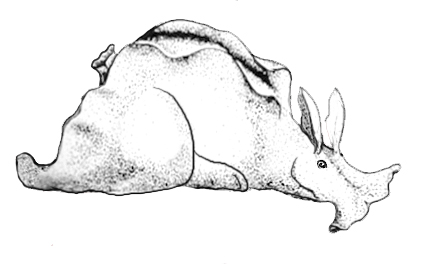
Figure 1: sea-hare drawing. Anonymous.

Sea Hares: Introduction

View Full Size Image
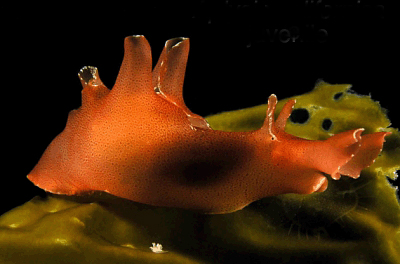
Figure 2: Juvenile Aplysia californica. Kevin Lee, Fullerton, CA.
View Full Size Image
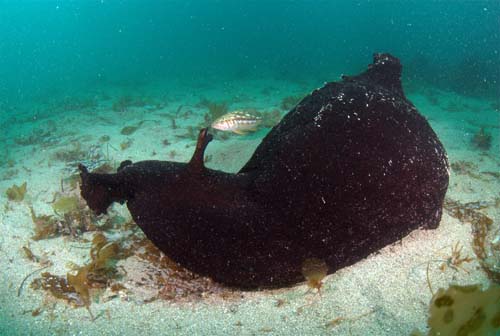
Figure 3: Black Sea Hare Aplysia vaccaria. Roeland Papen, CA.

Sea hares of the genus Aplysia are a type of opisthobranch mollusc represented world-wide by some 35 species. They are herbivores, eating various types of seaweeds and some seagrasses (See figure 2). They have voracious appetites, grow quickly, and have life spans ranging from 1-1.5 years depending on the species and the time of year of hatching and settlement of the larvae. Most species range from thumb to hand size, but some grow much bigger. The largest species Aplysia vaccaria lives in southern California and ranks as one of the largest gastropods in the world. It is unique in reaching bucket-sized proportions, with lengths commonly attaining 0.75m (30in) and live masses exceeding 15kg (33lb). The one featured in the photograph is about 60cm in length (See figure 3).

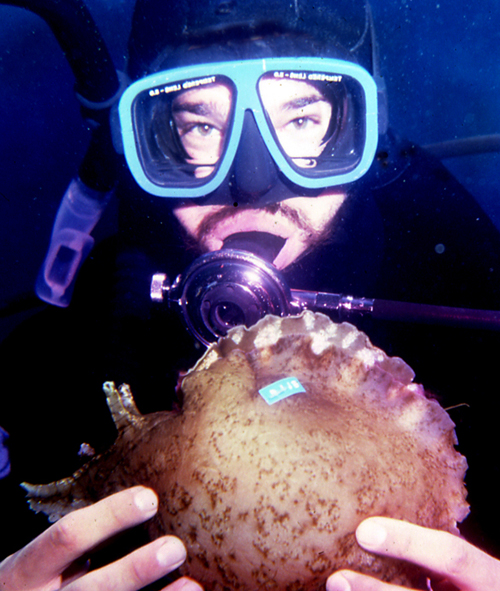
Sea hares mostly inhabit tropical/subtropical regions, with a handful being circum-tropic. In North America there are about 6 species, with two, Aplysia californica and A. vaccaria, being indigenous to southern California (See figure 4). Sea hares spend most of their time feeding, defecating, copulating, and resting…not a bad life!
View Full Size Image
Figure 4: Diver holding Aplysia californica. Steve Pennings, University of Houston, TX.

Sea Hares in Ancient Literature

Sea hares have been known in writings for 2000 years, from Pliny’s imaginative observations in the first century AD that credited this novel “fish” with a variety of noxious and other abhorrent characteristics, to the fanciful description by the Swedish ecclesiastic Olaus Magnus in the 16th Century.  This author comments on the venomous features of Lepus marinus formidiabilis (“formidable marine hare”) and concludes:

“This hare doth cause terror in the sea; on land he is as the poor little hare, fearful and a-trembling.”
View Full Size Image
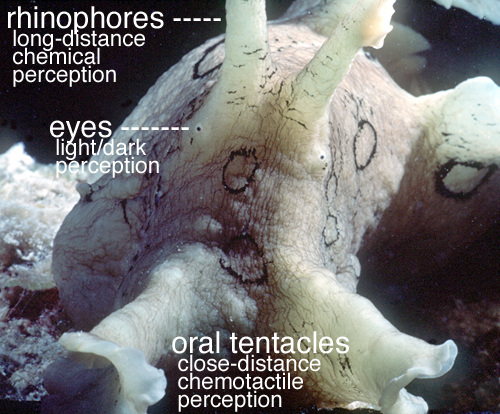
Figure 5: Close view of head of Aplysia dactylomela. Anne Dupont, Florida

The name “sea hare” is derived from Pliny’s original designation Lepus marinus, so named because of its hunched posture when resting and its prominent sensory appendages, or rhinophores, on its head (See figure 5). The name Aplysia appears in the 1767 edition of Linnaeus’ Systema Naturae.  The meaning of the word aplysia is not perfectly clear, but in Greek it translates as “dirty sponge, unwashed.”

Sea Hares and Neurobiological Research

In view of their large sizes, shallow-water habitats, interesting attributes, and long history with humans, it’s surprising that their general biology and ecology are not better studied.  In fact, most current research is neurobiological, with focus on the neuronal bases of learning and behaviour.  Aplysia’s value in these respects is in its neatly ordered, comparatively simple nervous system that contains cells large enough to be easily penetrated with microelectrodes.  A few relatively simple behaviours such as siphon- and gill-withdrawal reflexes, escape locomotion, and feeding, coupled with an accessible nervous system, has led to several fundamentally important discoveries on the neural integration of learning and behaviour.  Such research has required so many specimens that an entire culture facility was created at the University of Miami (NIH National Resource for Aplysia) to supply sufficient stock.  In fact, the original culture of A. californica from egg to adult by scientists at the New York School of Medicine in 1977 represented a break-through research discovery, as it was one of the earliest species possessing a long-lived plankton-feeding larva to be cultured.

Sea Hares Reproduction
View Full Size Image
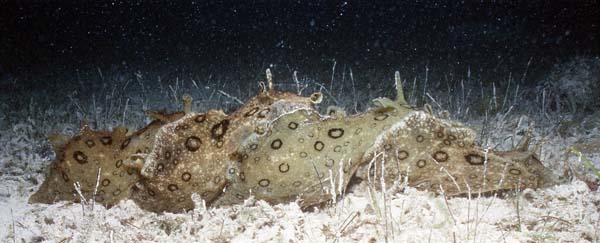
Figure 6: Line of copulating Aplysia dactylomela. Anne Dupont, FL.
View Full Size Image
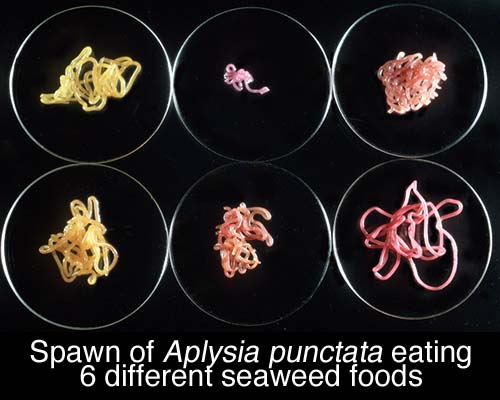
Figure 7: Spawn of Aplysia punctata. Tom Carefoot, UBC.

Sea hares are functional hermaphrodites, that is, with both sexes operating simultaneously within an individual.  Copulation involves one individual approaching another, mounting from behind, gripping tightly with the front of its foot, and donating (but not receiving) sperm. During copulation the head of the sperm-donating individual is buried within the fleshy mantle folds of the sperm-receiving one.  This orientation permits other individuals to be involved, and long chains may be formed (See figure 6), with all but the first and last individuals both receiving and donating sperm.  Note in the photograph that the front individual is free to feed.  The whole chain may amble slowly along the sea bottom for hours or even days, with individuals dropping in and out of formation.  Should the sea hare in front come upon the one at the end, the “daisy chain” may become a “daisy circle”.

Some species form large seasonal reproductive aggregations and their spawn, in the form of tangled masses of egg-bearing threads, becomes heaped up on rocks and seaweeds on the sea bottom.  Pigments from seaweed foods are incorporated into the spawn, coloring each uniquely and creating the means for some chemical-detective work (See figure 7). After becoming familiar with what colour matches what algal food, egg strings as shown in the photograph can be identified as to the seaweed species eaten within the last 3-4 days before laying.

Sea Hares Defenses
View Full Size Image
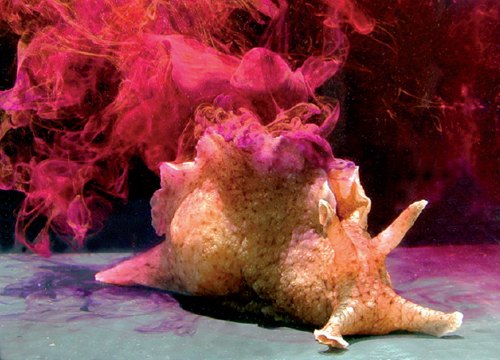
Figure 8: Aplysia californica inking. Genevieve Anderson, Santa Barbara Community College, California

Also incorporated from the seaweed foods are defensive chemicals of a huge variety, including mycosporine-like amino acids for UV protection, phycoerythrin pigments transformed into purple ink-secretions for warding off predators, and a myriad of other chemicals sequestered in the skin and digestive gland to make consumption of a sea-hare’s body a potentially sickening or even deadly experience (See figure 8). In addition to release of purple inks by most Aplysia species, some have white ink, and all have a white opaline-gland secretion.  At least half a hundred chemical compounds have been isolated from different species of Aplysia, mostly types of diterpenes, all derived from red-algal foods.  If a sea hare that normally eats red algae is fed for a time on green or brown algae, it becomes facultatively de-inked.  Regular production of purple ink is restored if the diet is changed back to red algae.  If you click here you can see 3 video clips made by researchers at Georgia State University, Atlanta, showing a spiny lobster attacking A. californica and getting a face-full of purple ink.  The ink is certainly aversive to different types of potential predators although other functions, such as creating a camouflaging “smoke”-screen, have been proposed for it.

Sea Hares Swimming

About half a dozen species can swim, the actual number depending on the extent of taxonomic separation of the species.  For example, Aplysia fasciata in the Mediterranean and A. brasiliana in the Gulf of Mexico are both capable swimmers, but may be closely related.  In North America there are only 2 swimming species, the less common A. moria, and the more common A. brasiliana. The latter is found throughout the Gulf States and along the south-eastern seaboard of the U.S.

Swimming involves the rhythmical flapping of large, fleshy projections or parapodia on either side of the body.  The actual mechanism of swimming has been debated in the scientific literature for over 80 years, but probably generally discussed for millennia, given the curiosity of humankind from fisher-folk to author/philosophers like Pliny, who would naturally have wondered what the heck that was that that just swam by.  First, check out these 2 videos, one of A. pulmonica gently swimming on the side of an aquarium tank in Honolulu, and one of A. brasiliana swimming vigorously in a large, open tank in the Marine Science Institute of the University of Texas at Port Aransas.  

Now consider what mode of swimming is being used.  Here’s a clue: humans and fishes swim by sculling, that is, displacement of water by arms, legs, pectoral fins, and tails, but other mechanisms are used by other animals.  Possible answers will be discussed later.  Most swimming by sea hares is done at or close to the sea surface and at least one species, A. brasiliana, regularly bobs its head out of the water.

What is the function of swimming?  One stimulus that will stop a swimming A. brasiliana in its “tracks” is a floating tuft of seaweed, and a sea hare deprived of food overnight will swim 12 times longer than one that has been fed.  In comparison, contact of one swimming A. brasiliana with another does not stop or, for that matter, even slow down either individual’s swimming.  Food-finding, then, may be a primary function, but seemingly not mate-finding.  If the tail of a sea hare is pinched to mimic predatory attack, it swims significantly longer than one not pinched.  So, even though sea hares have relatively few predators, escape from aversive stimuli may be another possible function.  Another possibility, long-distance migration, has been proposed by some researchers but is less likely for reasons not worth discussing here.

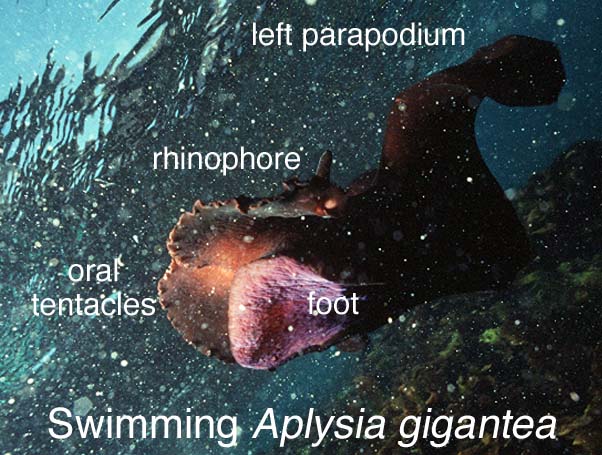
Now, back to our quiz on propulsive means: as you watched the videos did you think of jet propulsion from water being funneled along the curving parapodia and squirted out the back?  This idea was proposed in the 1930s for a Mediterranean sea-hare species, and is the way that octopuses, squids, and scallops swim.  Alternatively, what about hydrodynamic lift, as is thought to explain the smooth swimming of penguins and the lift generated by swimbladder-less sharks?  This idea for sea hares originated from observations and analyses of parapodial movements of A. brasiliana by researchers at the Marine Biomedical Institute in Galveston, Texas.  Their results suggest that the leading edge of each parapodium is airfoil-shaped and lift is generated during each cyclical stroke. Now check out the comparatively stubby parapodia of Aplysia gigantea, photographed swimming at Rottnest Island, Australia (See figure 9). This species swims with a more jerky motion and is not known for long-duration swims.  Could sculling be involved here?  Finally, is it possible that the modes used are species-specific?  Have hybrid modes perhaps evolved?  Or, does the mechanism involve something else entirely?
View Full Size Image
Figure 9: Aplysia gigantea swimming. Tom Carefoot, University of British Columbia

One guesses that there is much left to find out about these formidable and terrible creatures, not just about their swimming, but also about other aspects of their biology and ecology.

_____________________________________________________________

About the Contributors 

View Full Size Image
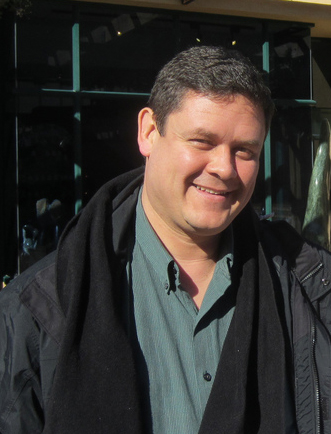
Tom Carefoot. Margot Spence, Capilano College, British Columbia

Thomas Carefoot

I am retired from a 35-year teaching and research position in marine biology at the University of British Columbia, Canada.  My research specialties have included, among other things, the study of sea hares, and I have sought them out in many areas of the world.  I am well versed on invertebrate marine life, most notably on the Pacific west coast, but also throughout the Caribbean, Indo-Pacific, and other tropical areas.  I have written 2 books on marine ecology, authored 90 research papers, and have recently produced a large educational website on west-coast marine invertebrates called A SNAIL’S ODYSSEY. Vancouver, British Columbia.
View Full Size Image
Kevin Lee. Kim Jin-Soo, California.

Kevin Lee

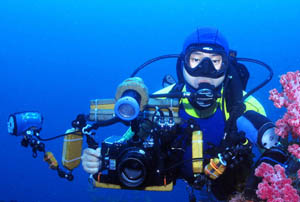
In order to share the wonders of the underwater world, I took up photography a few years ago and have traveled to seven continents, sometimes diving in below-freezing waters, such as in Antarctica, in search of marine animals, especially opisthobranchs. My images are on permanent display at Chapman University, Orange California, and have been exhibited at various venues such as the Branford House, University of Connecticut and Scripps Institution of Oceanography, and have been published widely in periodicals and online. Visit my website at www.diverkevin.com. Fullerton, California.

July 10, 2012by Grace Costantino
Page 52 of 71« First...102030«51525354»6070...Last »

Help Support BHL

BHL's existence depends on the financial support of its patrons. Help us keep this free resource alive!
search

About BHL

The Biodiversity Heritage Library (BHL) is the world’s largest open access digital library for biodiversity literature and archives. BHL operates as a worldwide consortium of natural history, botanical, research, and national libraries working together to digitize the natural history literature held in their collections and make it freely available for open access as part of a global “biodiversity community.”

Join Our Mailing List

Sign up to receive the latest news, content highlights, and promotions.

Subscribe Now

Subscribe to Blog via Email

Enter your email address to subscribe to this blog and receive notifications of new posts by email.

Join 319 other subscribers

Subscribe to Blog Via RSS

Subscribe to the blog RSS feed to stay up-to-date on all the latest BHL posts.

Access RSS Feed

Inspiring Discovery through Free Access to Biodiversity Knowledge.

The Biodiversity Heritage Library makes it easier than ever for you to access the information you need to study and explore life on Earth…for free, anytime, anywhere.


64+ Million Pages of
Biodiversity Literature Online.

EXPLORE

Tools and Services
to Transform Research.

EXPLORE

300,000+
Illustrations on Flickr.

EXPLORE

ABOUT | HARMFUL CONTENT | PRIVACY | SITE MAP | TERMS OF USE