Biodiversity Heritage Library - Program news and collection highlights from BHL
  • Home
  • News
  • Featured Books
    • All Featured Books
    • Book of the Month Series
    • BHL at 20
  • User Stories
  • Campaigns
    • Fossil Stories
    • Garden Stories
    • Monsters Are Real
    • Page Frights
    • Her Natural History
    • Earth Optimism 2020
  • Tech Blog
  • Visit BHL
Home
News
Featured Books
    All Featured Books
    Book of the Month Series
    BHL at 20
User Stories
Campaigns
    Fossil Stories
    Garden Stories
    Monsters Are Real
    Page Frights
    Her Natural History
    Earth Optimism 2020
Tech Blog
Visit BHL
  • Home
  • News
  • Featured Books
    • All Featured Books
    • Book of the Month Series
    • BHL at 20
  • User Stories
  • Campaigns
    • Fossil Stories
    • Garden Stories
    • Monsters Are Real
    • Page Frights
    • Her Natural History
    • Earth Optimism 2020
  • Tech Blog
  • Visit BHL
Biodiversity Heritage Library - Program news and collection highlights from BHL
BHL News, Blog Reel

Announcing the New Biodiversity Heritage Library!

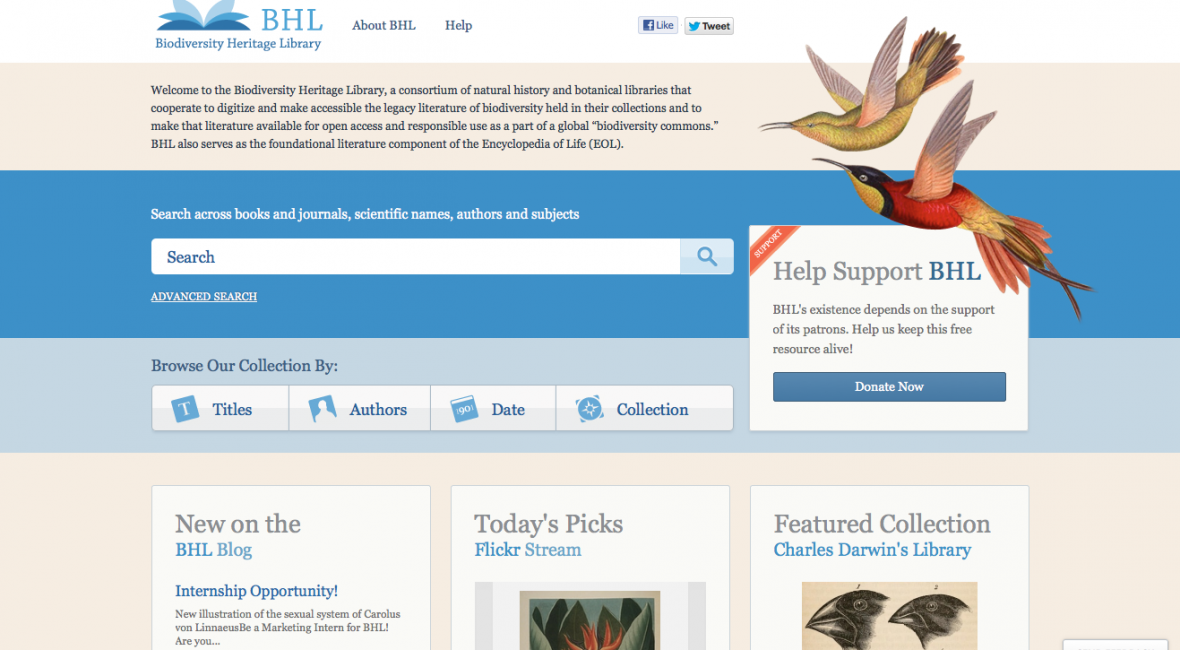
View Full Size Image
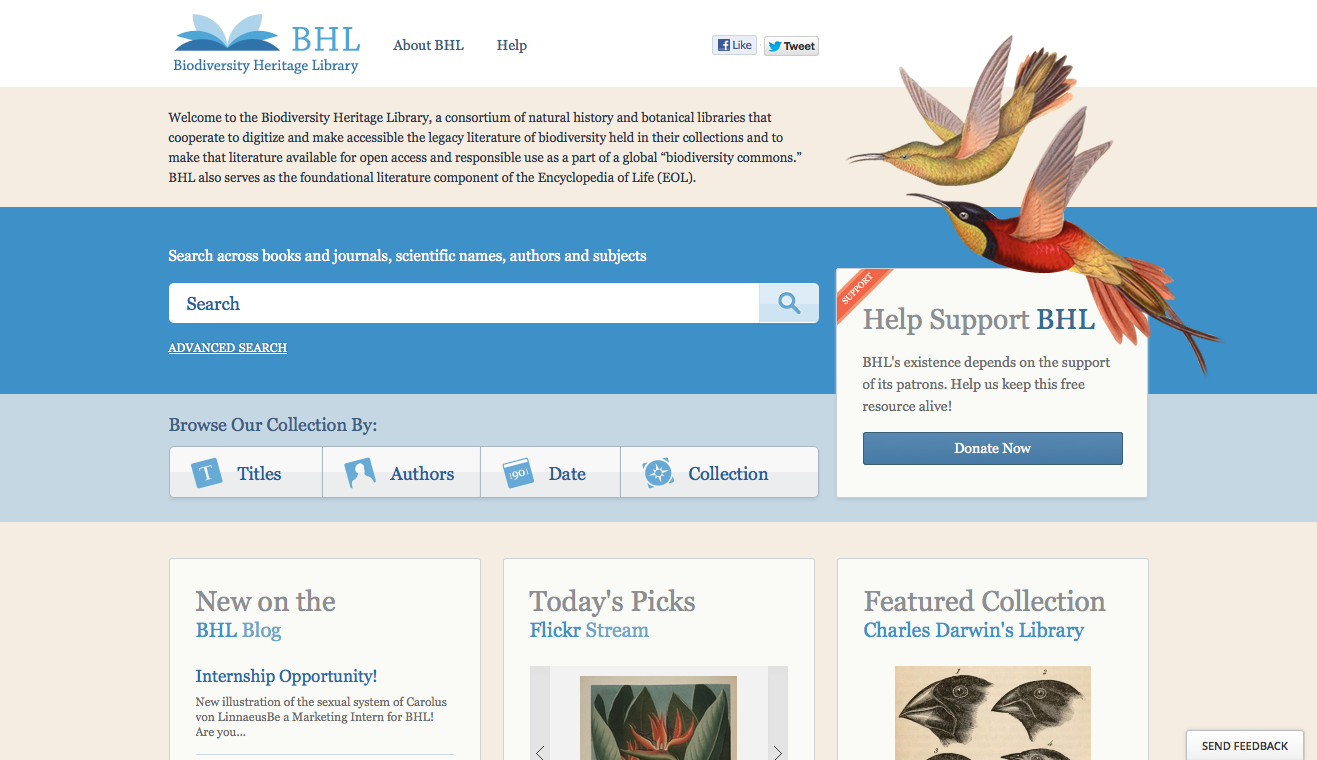
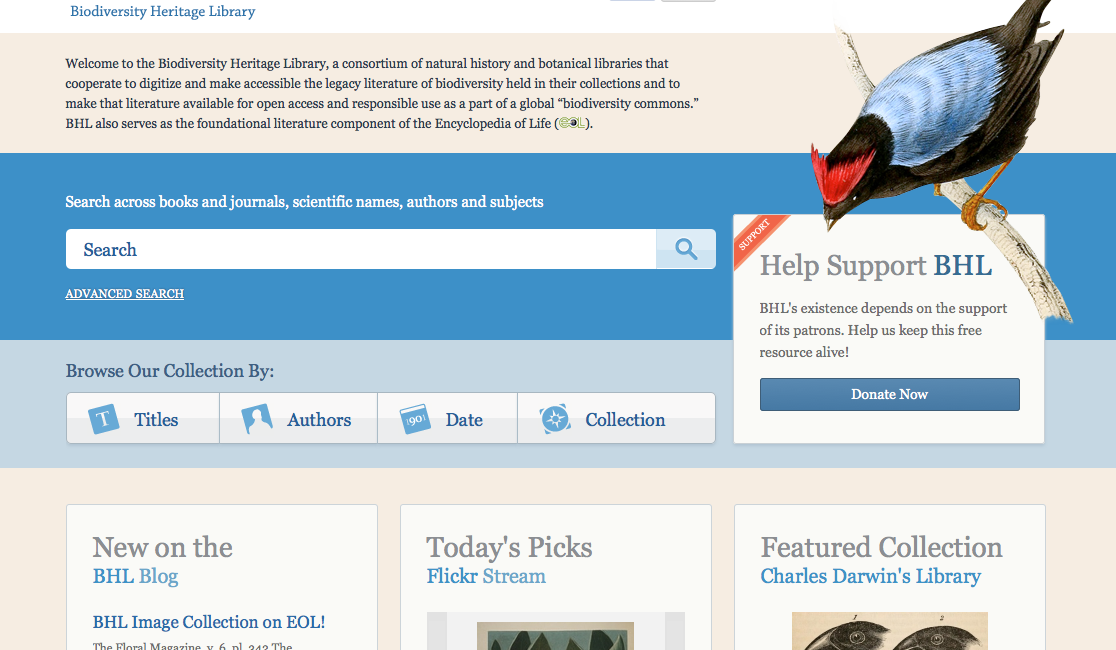
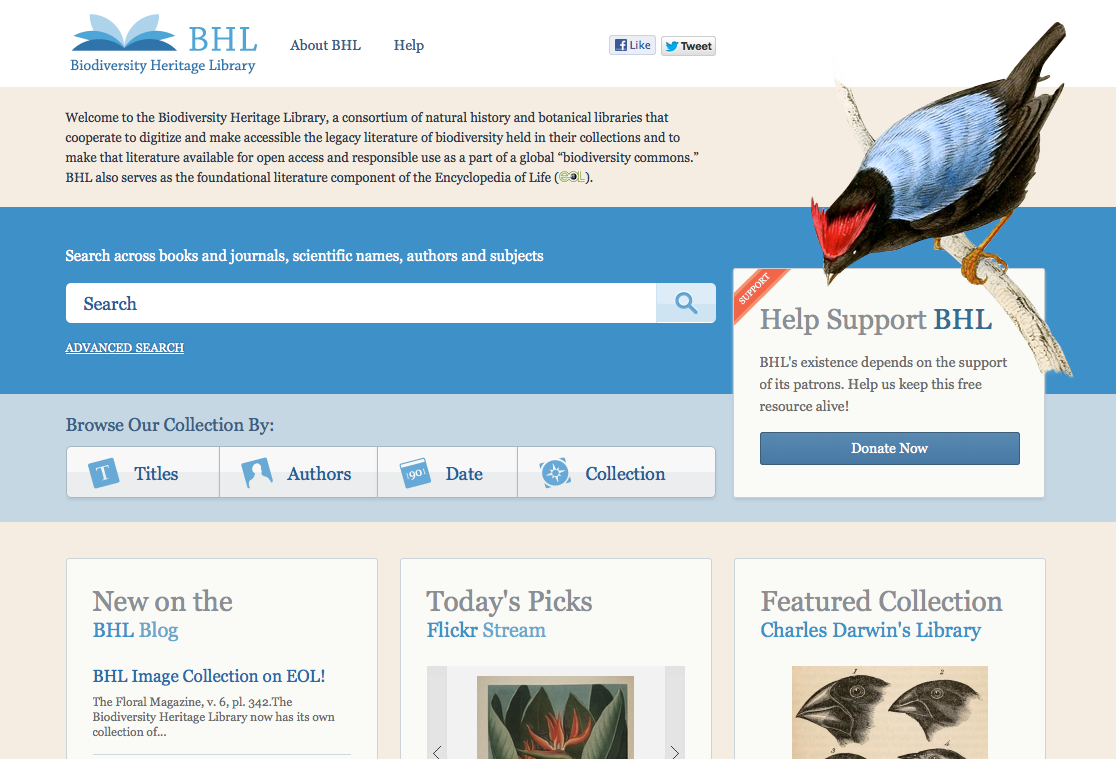
The Homepage of the New BHL! Click image to enlarge.

Today the Biodiversity Heritage Library released a new user interface, including an updated website design, improved book navigation, and article-level access to collections. The new interface was informed by usability studies and is based on the design and functionality of the BHL-Australia portal.

Current Improvements Include:

  • Updated Design: The website’s design has been upgraded to reflect the celebrated aesthetics of the BHL-Australia portal. 
  • Article and Chapter Access: The ability to search BHL by article or chapter titles has been implemented. To date, over 81,000 articles and chapters have been indexed and are searchable within BHL. Additional articles and chapters will become available as the collections continue to be indexed.
  • Open Data Enhancements: BHL’s APIs, OpenURL interface, and Data Exports have been modified to include available article and chapter information.
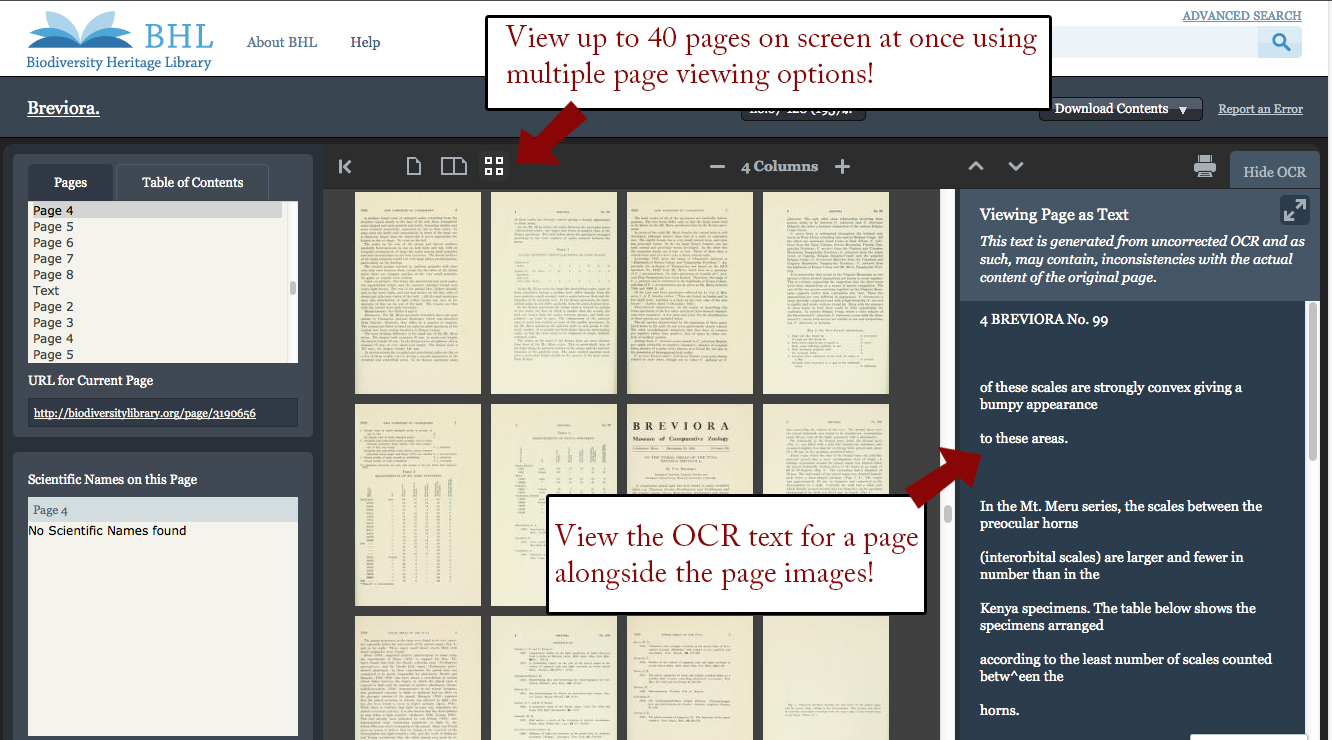
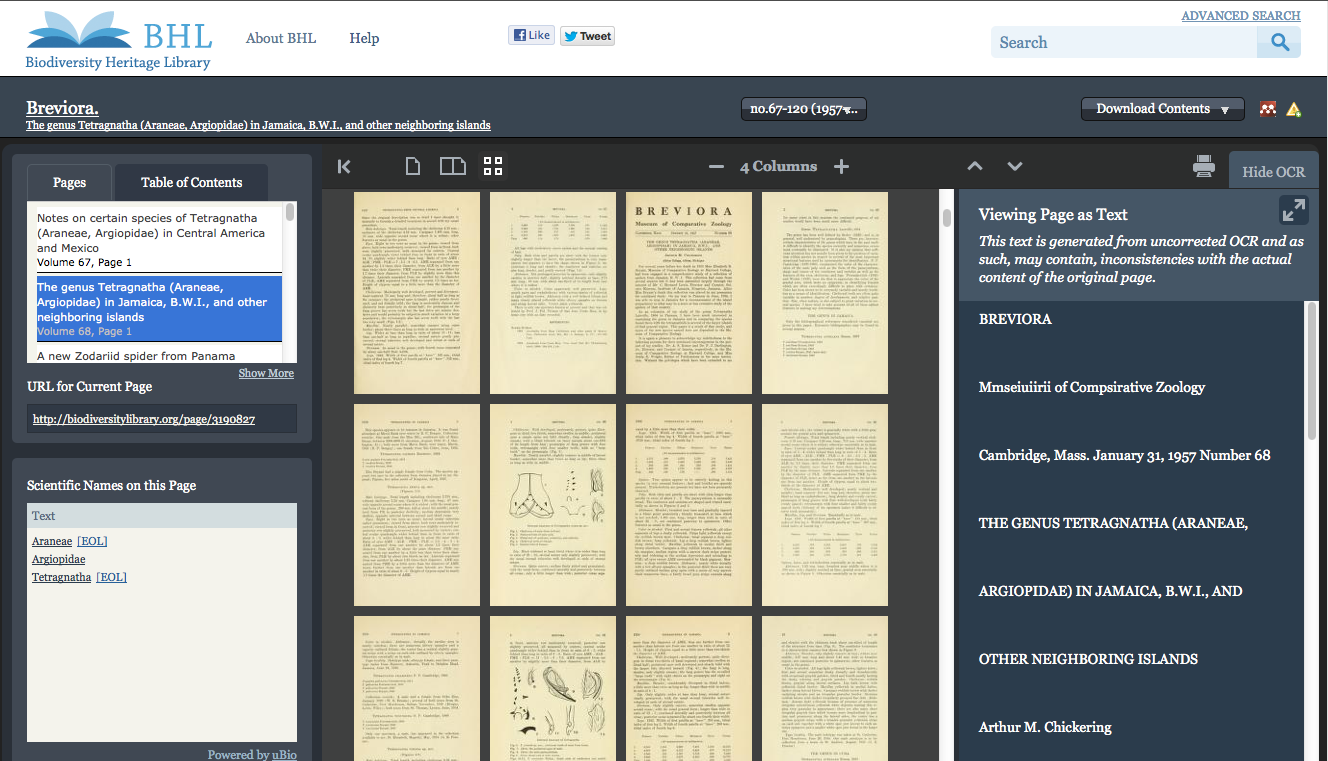
  • Book Viewer Updates: The BHL book viewer has been updated, allowing users to view multiple columns of pages on screen at once and more easily navigate to a specific page within a book. Users can also view OCR text alongside page images, and, where the books have been indexed, users can navigate directly to the articles or chapters within using a new Table of Contents feature.
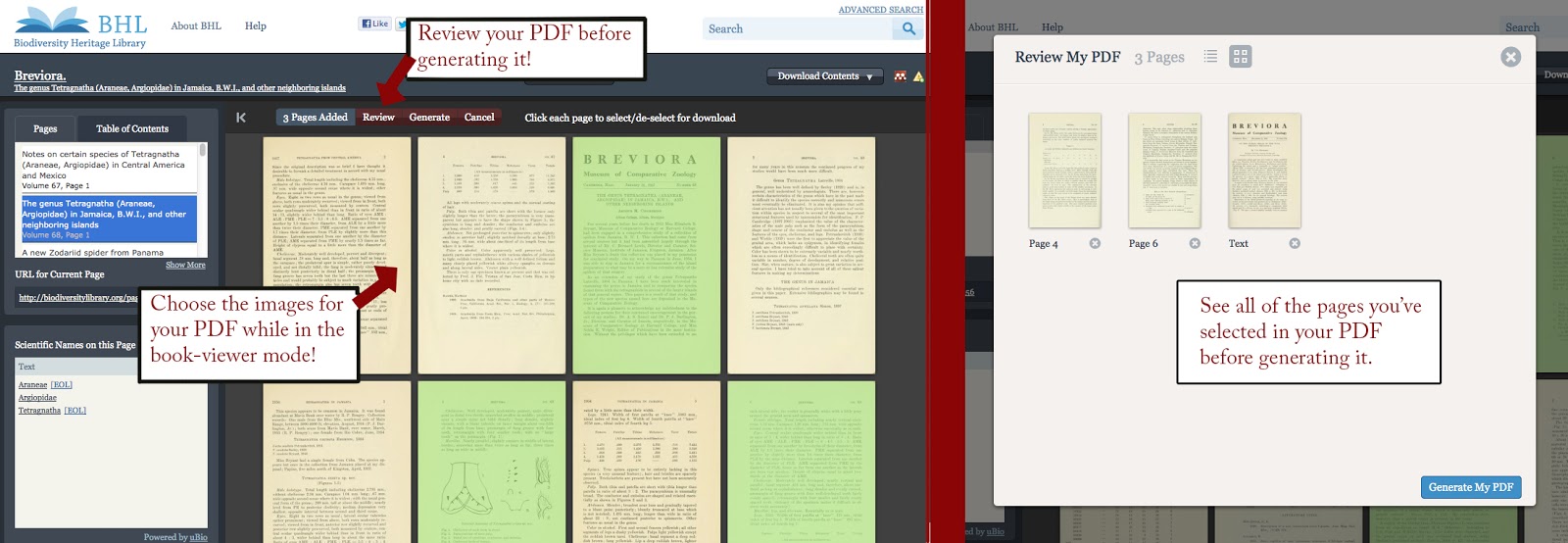
  • PDF Creation Improvements: The custom PDF creation process has been improved, allowing users to select pages for their PDF while in the book-viewer mode and more easily review the PDF before creation. Learn more about the new creation process in our Guide!
 

View Full Size Image
New and Improved BHL Book Viewer, with option to view multiple columns of pages at once and view OCR text alongside page images. Select books also have a Table of Contents feature which displays the articles/chapters identified within the text, with the ability for users to click on each to navigate directly to the corresponding part. Click image to enlarge.
View Full Size Image
New custom-PDF creation process, with ability to select pages for your PDF while viewing them and review your PDF before generation. Click image to enlarge.

Upcoming Improvements Include:

  • Improved Taxon Name Finding Algorithms: BHL will soon implement a new algorithm capable of identifying previously undiscovered taxon names throughout the BHL corpus. Test applications of this algorithm have already resulted in an increase of nearly 50 million names instances in BHL, translating to over 20 million unique names identified. These newly-identified names are currently available in BHL.

These developments follows BHL’s December, 2012, milestone achievement of providing access to over 40 million pages and over 110,000 volumes of freely-available biodiversity literature.

Explore the changes to BHL in-depth in our Guide to the New BHL.

We’d like to send a special thanks to everyone who made the new BHL possible. To start, thanks to the BHL-Australia team for their contributions to the process. First, to those who designed and developed the original BHL-Australia portal on which our new website is based, we thank Simon O’Shea (Designer) and Michael Mason (Developer). Secondly, to the BHL-Australia staff that worked with the US staff to merge the two UIs, we thank Simon Sherrin and Ajay Ranipeta (Developers) and Simone Downey (Designer – design based on original design by Simon O’Shea). And finally, a special thanks to Ely Wallis, BHL-Australia Director and Chair of the Global BHL Executive Committee, who selflessly supported the dedication of her staff’s time to this process.

Secondly, thanks to all of the members of the BHL TAG (Technical Advisory Group), including William Ulate (BHL Technical Director, Missouri Botanical Garden), Joe deVeer (Harvard-MCZ), John Mignault (The New York Botanical Garden), Joel Richard (Smithsonian Libraries), Jenna Nolt (United States Geological Survey), Francis Webb (Cornell University), Keri Thompson (Smithsonian Libraries), and Chris Freeland (Washington University). Furthermore, thanks to the Missouri Botanical Garden for hosting the BHL Technical Team, whose hard work made this vision a reality!

Thirdly, we would like to thank everyone who helped alpha and beta test the new site to ensure that our users’ experience would be the best that it could possibly be. Specifically, thanks to Rod Page, Pat LaFollette, and Francisco Welter-Schultes, BHL superstar users, for the valuable user-perspective input they provided.

Finally, we’d like to give a standing ovation to BHL’s Lead Developer, Mike Lichtenberg (Missouri Botanical Garden), who has dedicated countless hours over the past year to creating, with the support of all mentioned above, the new Biodiversity Heritage Library!

Big News Across the Pond: Launching BHL-Europe

Coinciding with the launch of our new portal, the BHL-Europe portal is also officially launching today. Providing access to material scanned from 92 content providers in Europe and the United States (including a subset of the BHL-US/UK corpus), the BHL-Europe collection currently comprises over 6,000 items, constituting over 1 million pages, of open access biodiversity literature, with more content being added daily. BHL-Europe’s content is also available through the Europeana portal. And, while you’re exploring BHL-Europe, be sure to check out Biodiversity Library Exhibitions (BLE), online exhibitions from BHL-Europe featuring books, images, stories and factoids about such topics as expeditions, spices, and poisonous nature.

Congratulations to all of our colleagues at BHL-Europe on the exciting launch of your new portal! Click here to learn more about the BHL-Europe launch.

We hope you’ll be as excited about all of these changes as we are! Visit the new and improved Biodiversity Heritage Library today! Explore the improvements in the “Guide to the New BHL.” Also, be sure to check out the new BHL-Europe portal and their online exhibitions! Tell us what you think of our improvements by sending us feedback, writing to [email protected], or leaving a comment on this post.
March 18, 2013by Grace Costantino
BHL News, Blog Reel

BHL Image Collection on EOL!

View Full Size Image
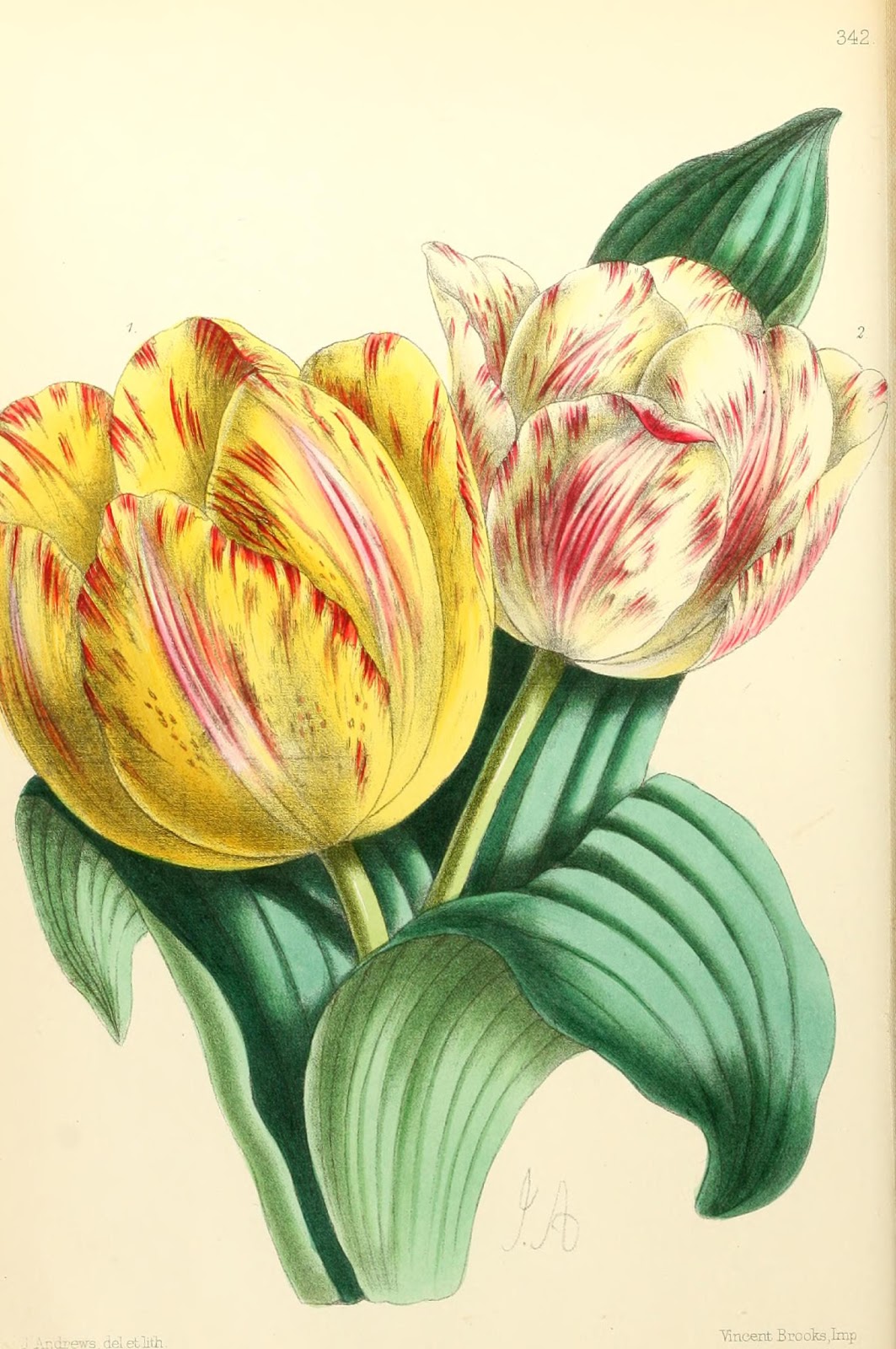
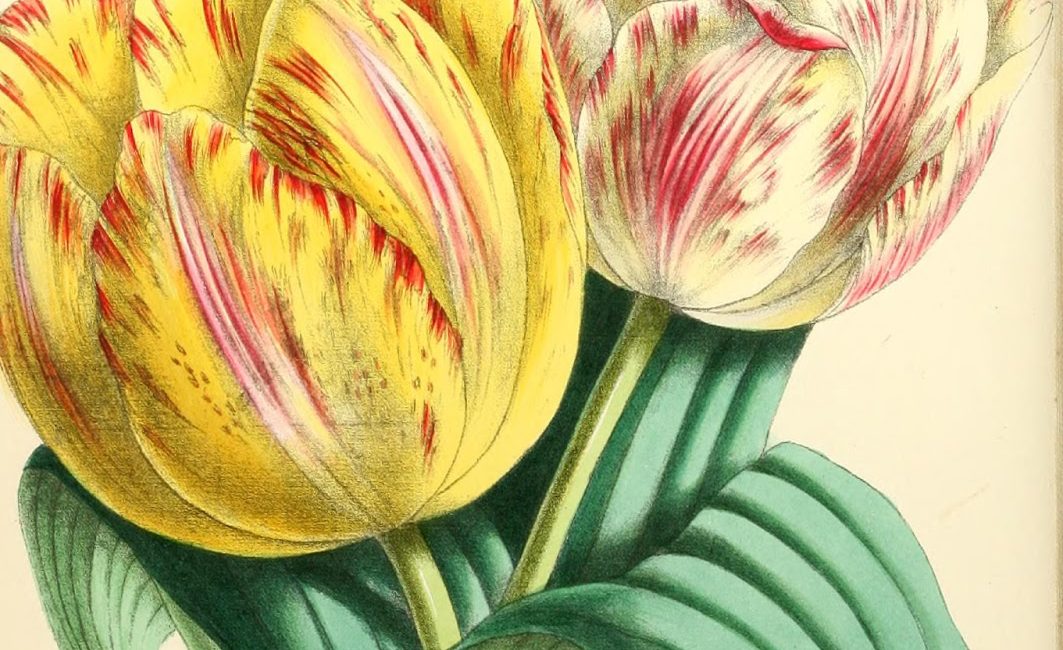
The Floral Magazine, v. 6, pl. 342.

The Biodiversity Heritage Library now has its own collection of images in the Encyclopedia of Life! This collection is comprised of images that have been tagged with species name machine tags, relating the species depicted in each image. The collection currently comprises over 11,000 images representing over 10,000 taxa, and will continue to grow as additional illustrations are tagged in the BHL Flickr.

The BHL Flickr

By now, you’re no doubt aware of the Biodiversity Heritage Library Flickr, which provides free access to over 104,000 illustrations gleaned from the BHL collections. These images span over five hundred years and range in topic from fish to reptiles, mammals to birds, insects to mollusks, and everything in between!

Building the Collection: Tagging Images

To make it easier for you to search our Flickr collection and for us to share images with external websites like EOL, we’re adding species name machine tags to our images, and we’ve been encouraging you to help us do this.

A tag is basically a searchable keyword that you can add to an image to describe it, and a machine tag is a tag with special formatting to allow it to be read by computers. Thus, a species name machine tag is a tag that describes the species depicted in an image in a format that can be understood by computers.

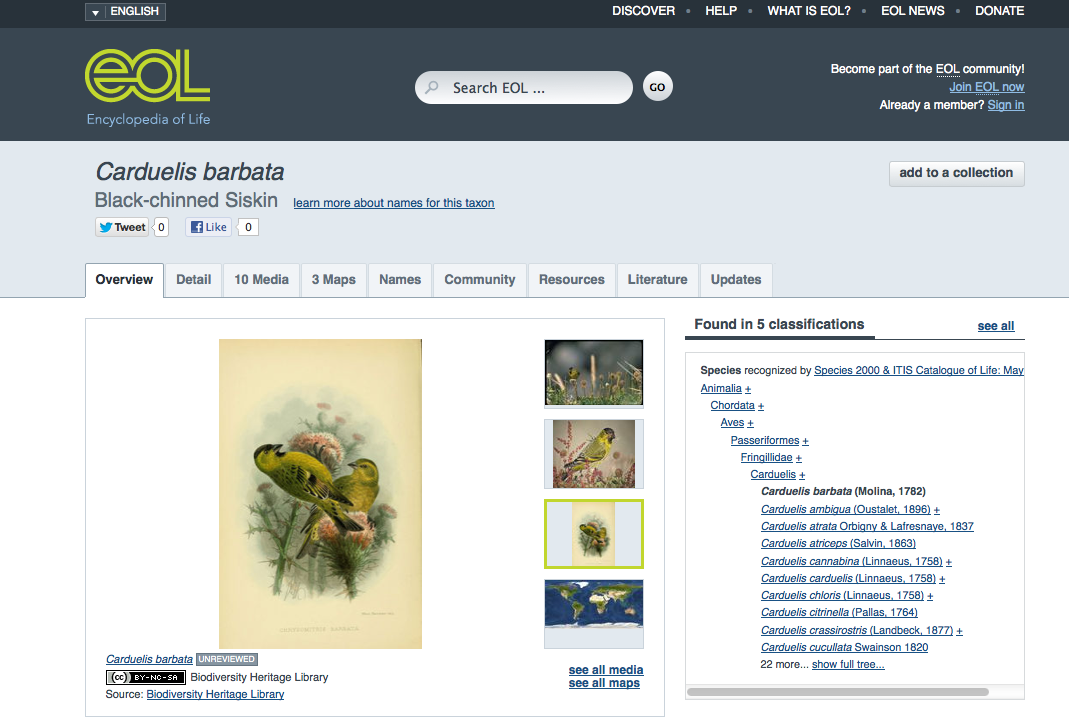
When you add species name machine tags to our images, you as a user can not only search the BHL Flickr and retrieve any images tagged with a desired name, but these images can also automatically be uploaded to EOL and associated with the corresponding species page.

View Full Size Image
Example of an image from the BHL Flickr automatically associated with the EOL species page for Carduelis barbata, the Black-chinned Siskin, because a species name machine tag was added to the image in Flickr.

The format for species name machine tags is “taxonomy:binomial=Genus species,” where “Genus” and “species” are replaced with the particulars of the organism you’re describing. You can replace “binomial” with another taxonomic tag, such as “genus” or “family”, if you can only identify the organism at that level. Learn more about the Flickr tagging process and machine tag formats in our previous blog post.

The images in the new EOL Collection are images from the BHL Flickr that have a species name machine tag associated with them. Each time new images are tagged in the BHL Flickr, they will automatically be added to our collection in EOL, as well as associated with appropriate species pages.

You Can Help us Grow this Collection!

With over 104,000 images in our Flickr collection to date, and that number growing daily, it’s impossible for BHL staff to tag all of our images by ourselves. That’s why we need your help! You can help us by adding species name machine tags to our images in Flickr. All you have to have is a free Flickr account to add tags to BHL images.

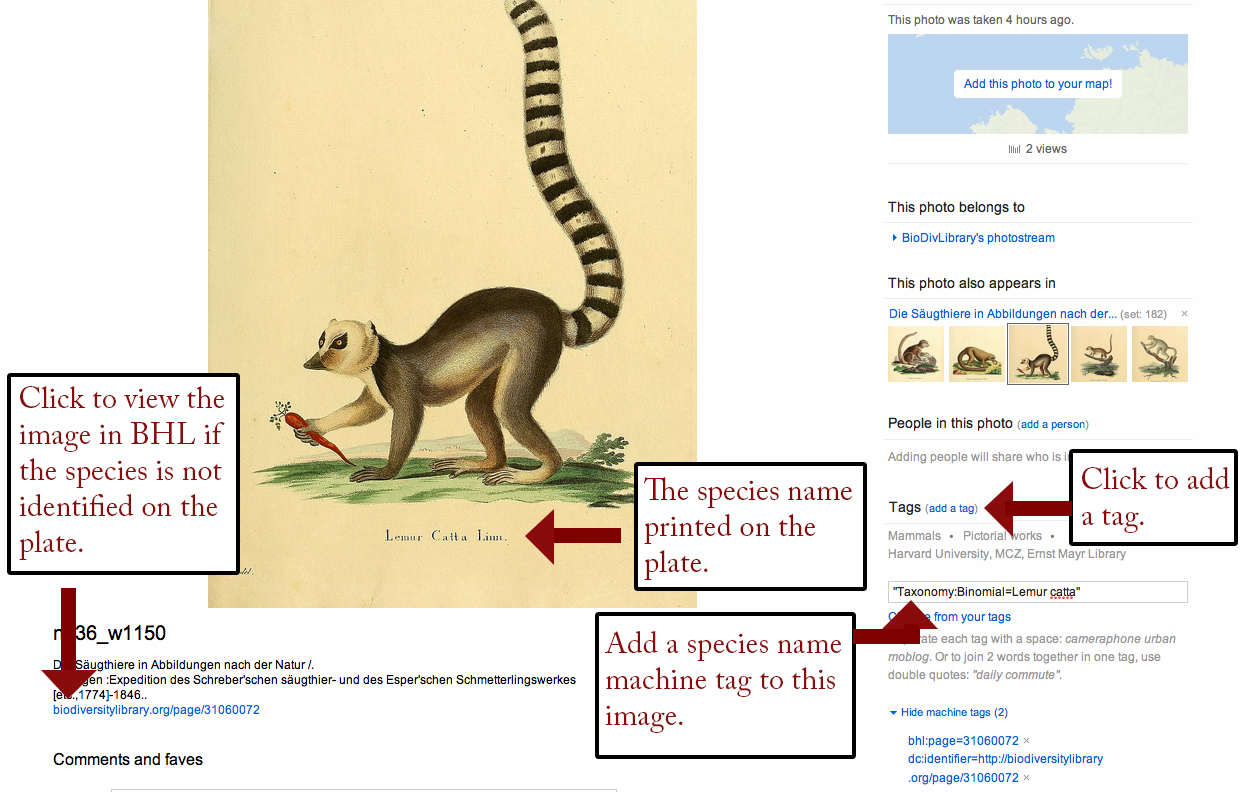
Once you’re signed in to Flickr, browse our collection of images and when you see some with species you can identify, simply click “add a tag” and add the species name in the machine tag format (“Taxonomy:Binomial=Genus species”). Be sure to include the quotation marks around your machine tag.

Many images actually have the species name printed on the plate itself. In these cases, you can simply transcribe that name as a tag for the image. If the species is not identified on the plate, navigate to the book in BHL to find the associated description pages outlining the species depicted. We encourage you to tag the image with the species name provided by the book itself, but if that name is no longer valid, and you know the current, accepted name, feel free to add that name as an additional tag to the image.

View Full Size Image
Adding a species name machine tag to an image in the BHL Flickr. Click this image to enlarge for better viewing.

If there are multiple species depicted on an image, add a separate tag for each species depicted (or as many as you can identify). Learn more about tagging BHL images, and get additional tips, in our Guide.

Every time you add a species name machine tag to an image in our Flickr, you’re growing the BHL EOL Collection, as your tagged images will automatically be added to that collection.

We hope we’ve inspired you to help us identify life on earth, as portrayed through some of the most incredible scientific illustrations ever created! Keep exploring, and keep tagging!

Visit the BHL Image Collection on EOL today!

March 11, 2013by Grace Costantino
Blog Reel, Featured Books

Celebrating Women’s History Month: Jeanne Baret, the Man who was a Woman

View Full Size Image
Notable Women in Natural History in iTunes U. Illustration by Maria Sibylla Merian from Metamorphosis insectorum surinamensium

March is Women’s History Month, and BHL is celebrating by highlighting women that have made valuable contributions to biodiversity science.

All this week, we’re publishing tweets and Facebook posts honoring notable women in natural history. We’ve also created a special collection in BHL featuring books written or illustrated by, or relating the contributions of, incredible female botanists, zoologist, explorers, and illustrators. We’ve made a selection of these titles available for free download in iTunes via our thirteenth iTunes U Collection: Notable Women in Natural History. Finally, we’ve gathered some of our favorite images illustrated by these illustrious women, or from publications written by them, and made them freely available for download and reuse in Flickr.

Today, we want to highlight an exceptional woman from natural history’s chronicles: Jeanne Baret, or, as she was known during the time she spent as a man, Jean Baret. We’ve asked Baret expert, and former Life and Literature speaker, Dr. Sandra Knapp, to share this woman’s fantastic experiences and contributions to scientific exploration and discovery.

Jeanne Baret: Around the World 250 Years Ago, Dressed as a Boy!

By Dr. Sandra Knapp

Voyage autour du monde, par la frégate du roi La Boudeuse, et la flûte L’Étoile; en 1766, 1767, 1768 and 1769

‘Yesterday I checked on board the Étoile a rather peculiar event. For some time, a rumour had been circulating on the two ships that Mr de Commerçon’s [sic] servant, named Baré, was a woman. His structure, his caution in never changing his clothes or carrying out any natural function in the presence of anyone, the sound of his voice, his beardless chin, and several other indications had given rise to this suspicion and reinforced it.’ (De Bougainville’s Journal, 28–29 May 1768).

View Full Size Image
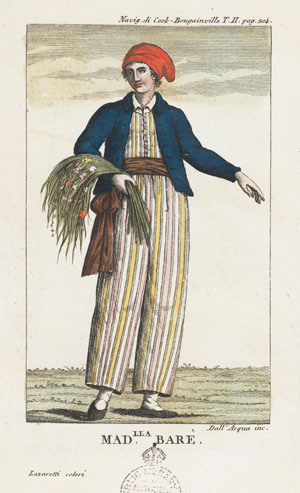
Image of Jeanne Baret. ‘MAD LLA BARÉ’, Engraving, artist unknown. From Navigazioni de Cook pel grande oceano e itorno al globo, Volume 2, 1816, Sonzogono e Comp, Milano.

Cross-dressing seems to have been a botanical fad in the 18th century – the great Swedish botanist Carl Linnaeus (responsible for the system by which we name animals and plants today) famously posed in an authentic Sami costume from Lapland, not realising it was a woman’s outfit. Jeanne Baret (or Baré or Barrett – spelling was not as fixed and consistent in the 18th century as it is now) dressed as a boy to accompany the voyage of Louis-Antoine de Bougainville in circumnavigating the globe; the voyage itself was an exercise in saving face after the disastrous French defeat to the British during the Seven Years War (when Britain gained control of Quebec). The intrepid Baret certainly saw more of the world than the notoriously stay-at-home Linnaeus, even though her name today is not well-known.

The world of exploration in the 18th century was an overwhelmingly male one, so the story of the young woman who dressed as a man to explore the world has immense appeal. De Bougainville set off on the voyage in 1766 – this was the first French circumnavigation and the first of any nation to have on board professional naturalists to observe and record the plants and animals of new lands. The “professional” naturalist accompanying the voyage was Philibert Commerson (often spelled Commerçon); a friend of Voltaire’s and a correspondent of the great Linnaeus himself. Jeanne Baret, of peasant stock from the countryside in Burgundy, was Commerson’s housekeeper and lover–what we today would call his common-law wife. Jeanne was an “herb-woman” with knowledge of plants and their properties useful to Commerson –his teacher rather than only his assistant. She was obviously adventurous and had considerable determination and sticking power – it had to be difficult to overcome not only gender but class barriers in order to stow away on the ship and even trickier to survive once her secret was out. The collaborative partnership between Baret and Commerson in the discovery of the botanical and zoological wonders is unique in the history of science.

View Full Size Image
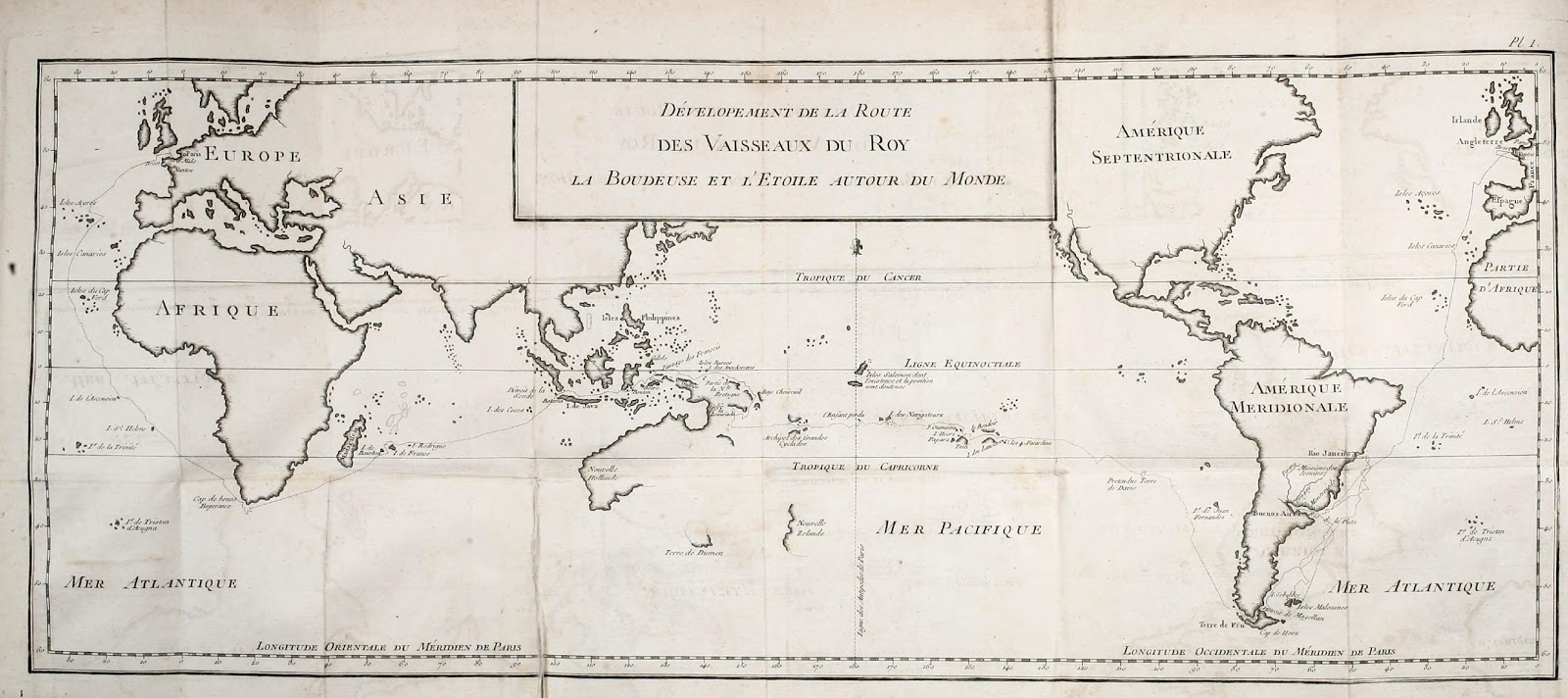
The route of the Bougainville voyage around the world. From Voyage autour du monde, par la frégate du roi La Boudeuse, et la flûte L’Étoile; en 1766, 1767, 1768 and; 1769,

Women’s disguising themselves as men was not unknown – Hannah Snell dressed as a man and enlisted in the British Marines in 1745, serving for 5 years including tours of India; her book The Female Soldier, published in 1750, was immensely popular. Just how Jeanne Baret came to dress as a young man and accompany Commerson as his assistant Jean Baret on the voyage is not known – De Bougainville’s official accounts of the voyage rather coyly place her “unmasking” in Tahiti. It does slightly beggar belief that a woman, however skilled at disguise, could conceal her gender on a ship for many months, where everyone lives cheek by jowl – but look at Hannah Snell! The journal kept by the ship’s surgeon François Vivès is the source for Glynis Ridley’s (1) contention that Baret was alone, unprotected by Commerson and sexually violated by the sailors from the Bondeuse and Étoile. That his diary is dripping with sexual innuendo is without doubt; he sounds a thoroughly unpleasant sort. Rather than on Tahiti, which the ships passed in April and May of 1767, Vivès puts the site of Baret’s unmasking and violation in June on the shores of New Guinea. De Bougainville’s story may have had more to do with his linking the discovery of Jeanne’s gender to the open society of the island; he was one of the first to romanticise Tahitian ways of life and love.

View Full Size Image
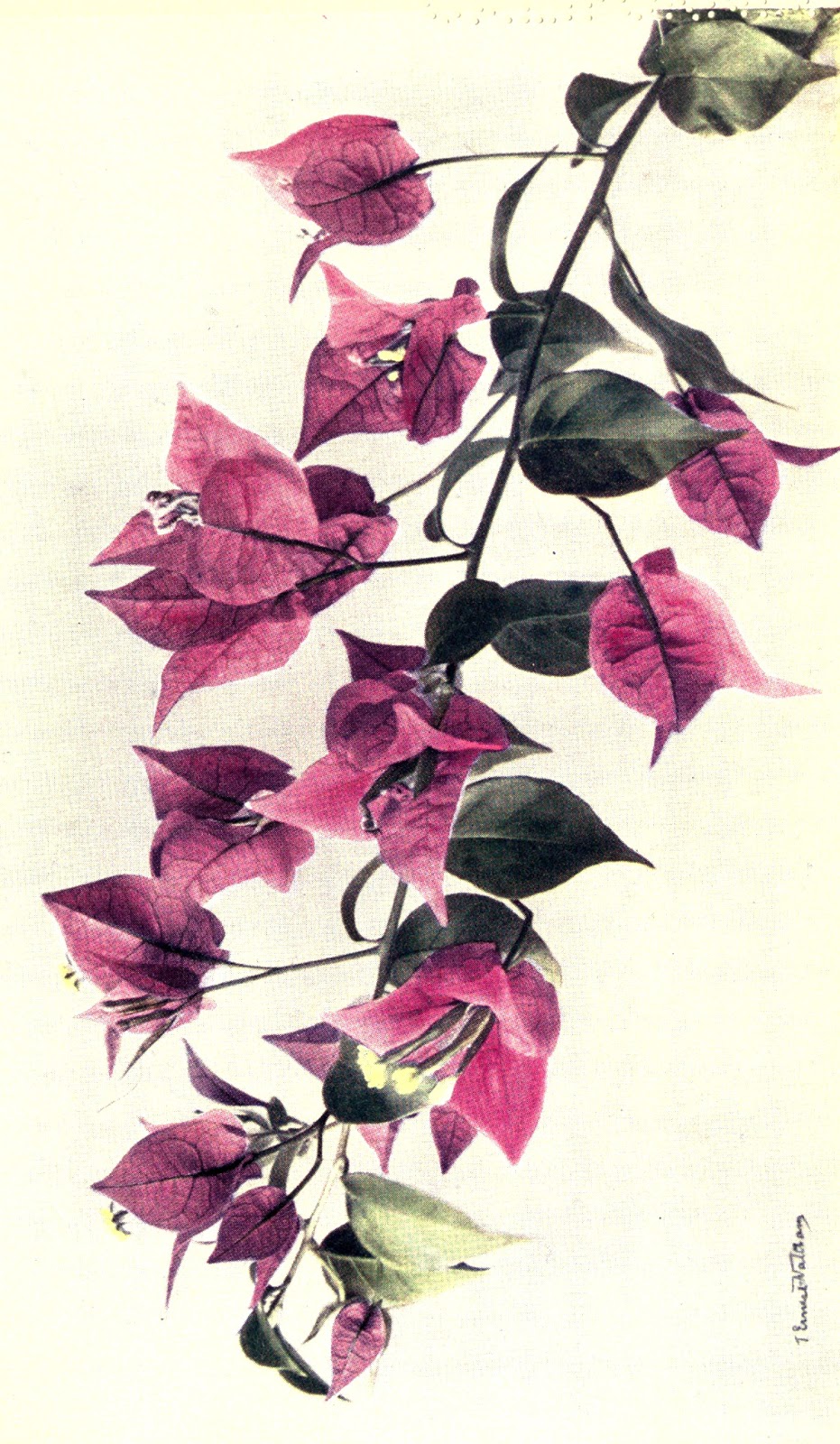
Bougainvillea species, from Climbing Plants

Collecting plants is great fun, both Commerson and Baret must have been amazed at the wealth of diversity they encountered. Commerson wrote of Madagascar “I can announce to naturalists that this is the true Promised Land. Here nature created a special sanctuary where she seems to have withdrawn to experiment with designs different from those used anywhere else. At every step one finds more remarkable and marvellous forms of life.” In notes on specimens Commerson honoured high-ranking members of the expedition – the leader is commemorated in the lovely tropical vine Bougainvillea, Nassau-Siegen in Nassauvia, but Commerson himself did not publish any of these; he never made it back to France to write up the fruits of the teams’ labours. Bougainvillea was not formally described until 1789, and then only by Antoine Laurent de Jussieu, a French botanist who used Commerson’s specimens and his notes (2). It is interesting to see that early on in the voyage, in Brazil, many plants are “named” for members of the expedition, but later collections have more cursory notes, although he did propose Baretia for a Malagasy tree. Commerson’s Baretia was never published, not because someone wanted to do Jeanne Baret down, but that by the time the specimen made it back to Paris and into the hands of botanists, it was found that the genus already had a name; the principle of proirity had become the modus operandi for naming. After Commerson’s death, Jeanne married on Mauritius and returned to France in 1774. She was awarded a state pension from 1785 in recognition of her bravery and contributions, not really completely forgotten and lost in total obscurity, although she never did botany again.

View Full Size Image
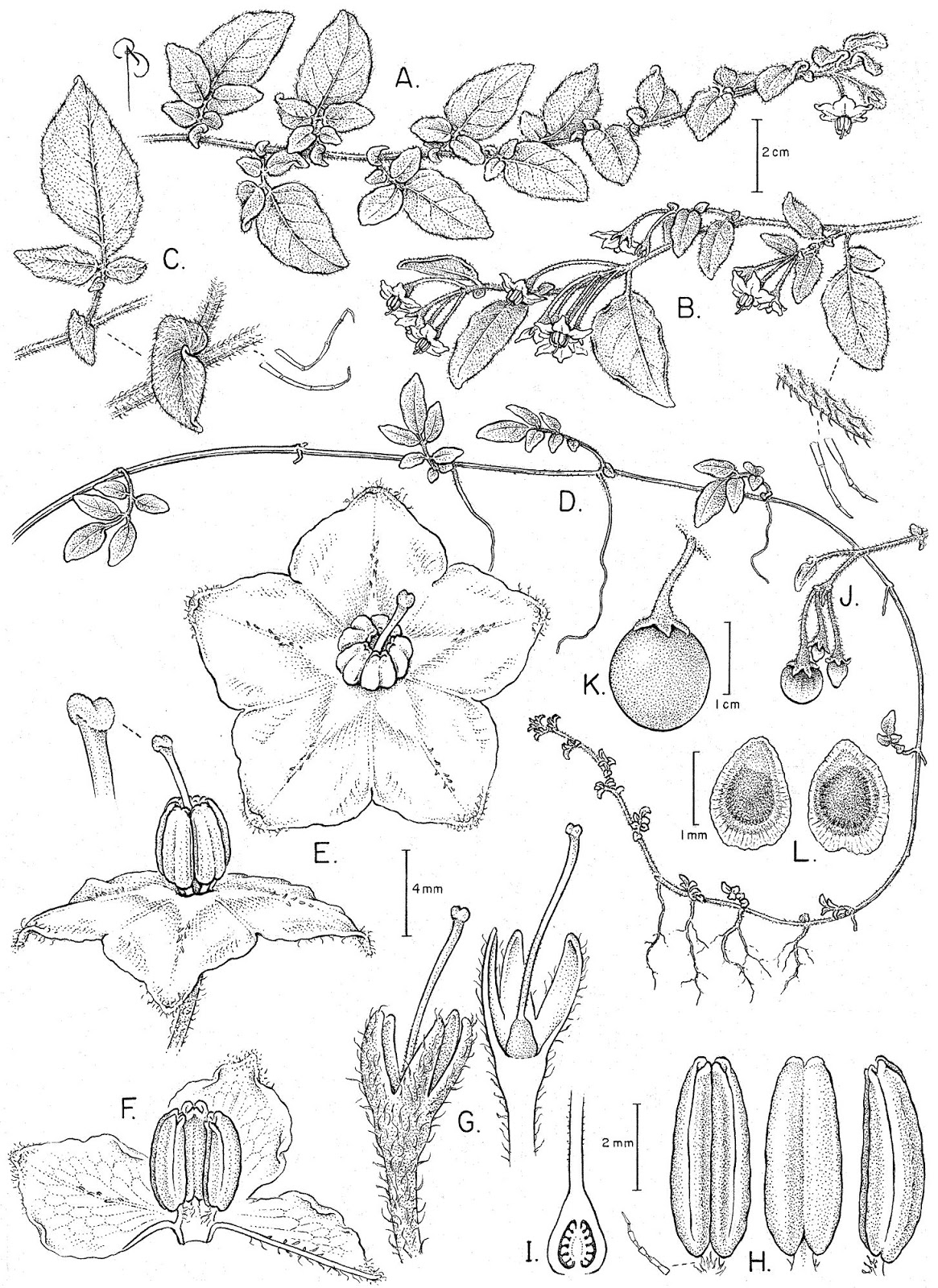
Tepe E, Ridley G, Bohs L (2012) A new species of Solanum named for Jeanne Baret, an overlooked contributor to the history of botany. PhytoKeys 8: 37–47

She was more recently, however, commemorated in the specific name of a new species of Solanum from Ecuador – far from where she travelled and collected plants (3). Solanum baretiae Tepe et al. is a relative of the potato and tomato from the cloud forests of the Andes – its link to Baret is its highly variable leaves. Many species of Solanum have simple leaves, just an elliptical shape with no lobing, while others, like the potato, have divided leaves with several pairs of leaflets. Solanum baretiae has all kinds of leaves – simple and divided with varying numbers of leaflets – the authors decided to commemorate this by naming the species after Jeanne Baret – herself a master of disguise!

That we remember single men (and it is usually men) as the “heroes” of expeditions or of discoveries is not necessarily to denigrate the contributions of others; who, after all, refers to Captain Cook’s voyage of the Endeavour as “Banks’ voyage” or knows the names of the crew – the single-person reference is a sort of shorthand. Science was as collaborative then as it is now, without the efforts of the many little would be achieved. Jeanne Baret and other overlooked contributors to science like her deserve recognition and celebration, but she does not need to be a victim (as she was portrayed in Ridley’s book) to be seen as a success (4).

Jeanne Baret deserves our admiration not only for being the first woman known to have circumnavigated the world (although it took her quite a long time!), but for her significant botanical contributions in partnership with Commerson, even if they are not written down in quite the way we would record them now. You also have to respect the guts and determination of a woman who wanted to discover the world and just went ahead and did so – at a time when the hearthside was considered a woman’s place.

Explore the chronicles of Jeanne’s adventures in Voyage autour du monde, par la frégate du roi La Boudeuse, et la flûte L’Étoile; en 1766, 1767, 1768 and; 1769, the publication relating the Bougainville voyage!

References and further reading

(1)    Ridley, G. (2010) The discovery of Jeanne Baret: a story of science, the high seas, and the first woman to circumnavigate the globe. Crown Publishers, New York, 1–288.

(2)    Lack, H.W. (2012) The discovery, naming and typification of Bougainvillea spectabilis (Nyctaginaceae). Willdenowia 42: 117-126.

(3)    Tepe, E.J., G. Ridley & L. Bohs (2012) A new species of Solanum named for Jeanne Baret, an overlooked contributor to botany. PhytoKeys 8: 37-47 doi: 10.3897/phytokeys.8.2101

(4)    Knapp, S. (2011) The planstswoman who dressed as a boy (review of Ridley’s “The discovery of Jeanne Baret”). Nature 470: 36-37.

March 7, 2013by Grace Costantino
BHL News, Blog Reel

Dr. Tomoko Steen: Library of Congress Representative to BHL

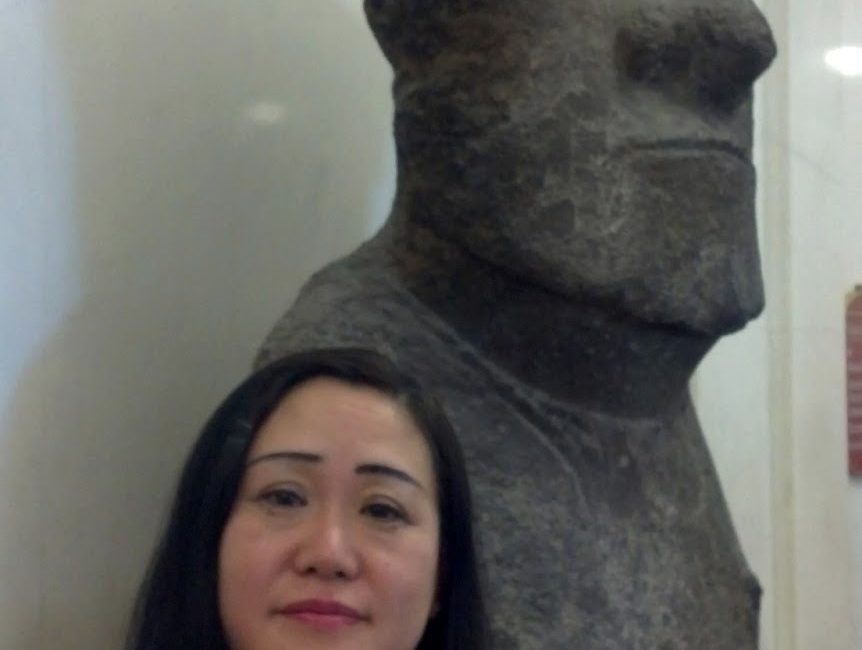
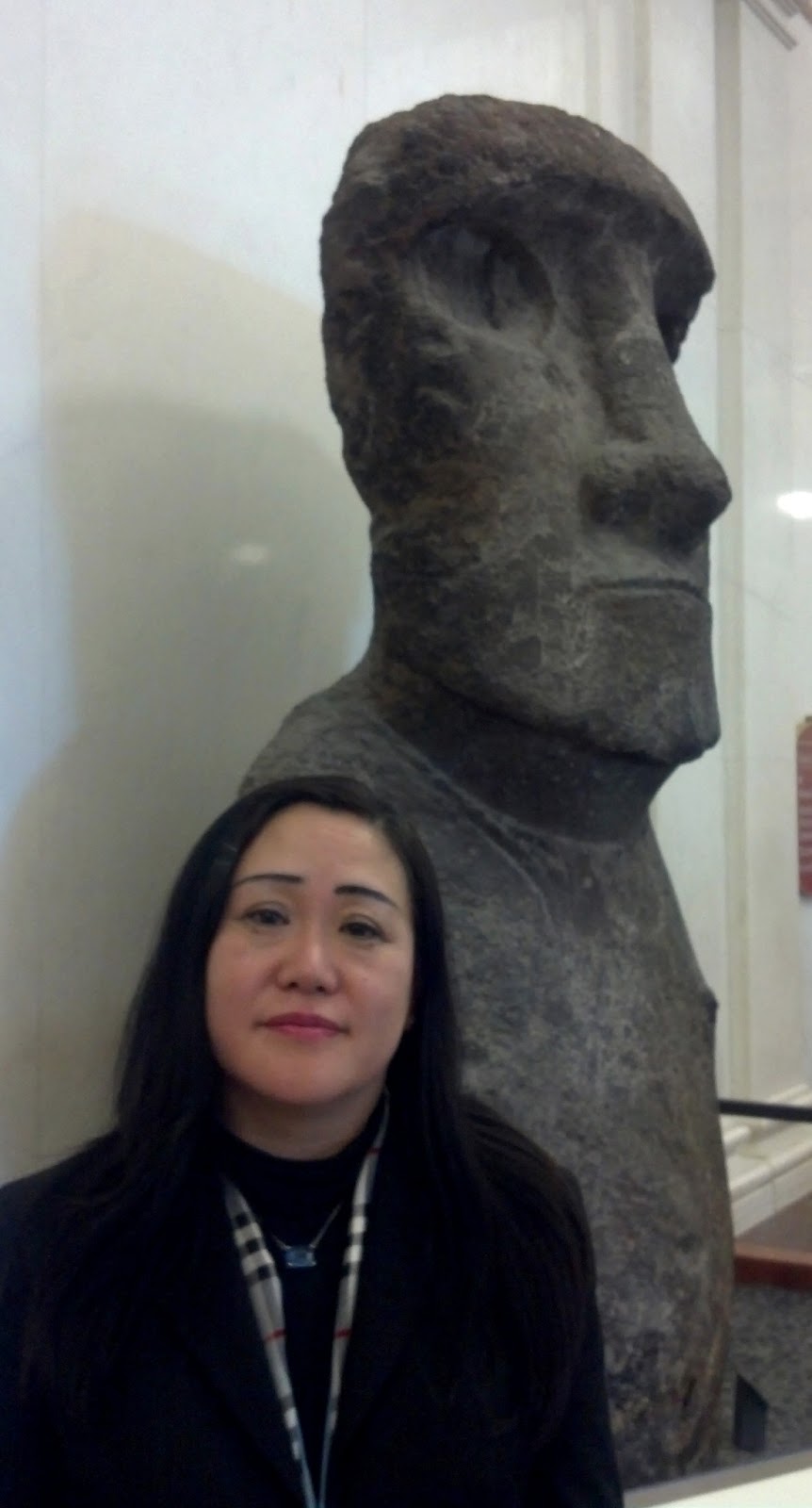
View Full Size Image
Dr. Tomoko Steen at the Easter Island Head, National Museum of Natural History

Two weeks ago, we announced that the Library of Congress has joined the Biodiversity Heritage Library, at the Steering Committee level, as our fifteenth member library. Today, we’re excited to introduce you to Dr. Tomoko Steen, the Library of Congress representative to BHL.

Dr. Steen currently serves as a Senior Research Specialist in the Science, Technology, and Business Division at the Library of Congress. Wearing her academic hat, Dr. Steen has lectured at Johns Hopkins University, the George Washington University, Harvard University (in our own Museum of Comparative Zoology), Emory University, and Cornell University on such topics as Evolutionary Biology, Population Genetics, Radiation Health, History of Life Sciences, Bioethics and History of Asian Diplomacy and Science Policy. Prior to entering the academic career, she also worked as a licensed clinical pharmacologist both in Japan and the US.

She is the author of numerous books and articles covering broad range of topics from molecular evolutionary clock, history of radiation health, biological and nuclear weapons history, women in science, and biographies of two pioneer Japanese geneticists (Tomoko Ohta and Motoo Kimura).

Dr. Steen has been working with BHL Director, Martin Kalfatovic, Program Manager, Grace Costantino, and Collections Coordinator, Bianca Crowley, to integrate LoC into the BHL workflow, and is particularly eager to digitize rare books from LoC’s collection. The Library of Congress has already contributed over one million pages to BHL to date. We are excited to welcome Dr. Steen and the Library of Congress into the BHL family, and look forward to the unique contribution they will make to the project.

March 6, 2013by Grace Costantino
BHL News, Blog Reel

Coming Soon! A New and Improved Biodiversity Heritage Library

View Full Size Image
Sneak Peek! The soon-to-be-released BHL homepage!

The BHL team has been hard at work for the past year developing a new user interface (which will become live on March 18, 2013!) based on usability studies and the design and functionality of the BHL-Australia portal. BHL-Australia staff* partnered with BHL-US/UK staff to merge the user-praised aesthetics and book viewer of the Au portal with the functionality of the US/UK portal.

Besides a whole new look and feel, users will be able to navigate more easily within books, with the ability to view multiple columns of pages on screen at once, scroll quickly to a specific page within the book, and view the book’s OCR text alongside page images.

View Full Size Image
The new book viewer, which will include options to view multiple columns of pages on the screen at once and view OCR text alongside page images!
March 4, 2013by Grace Costantino
BHL News, Blog Reel

New BHL Steering Committee Members!

View Full Size Image
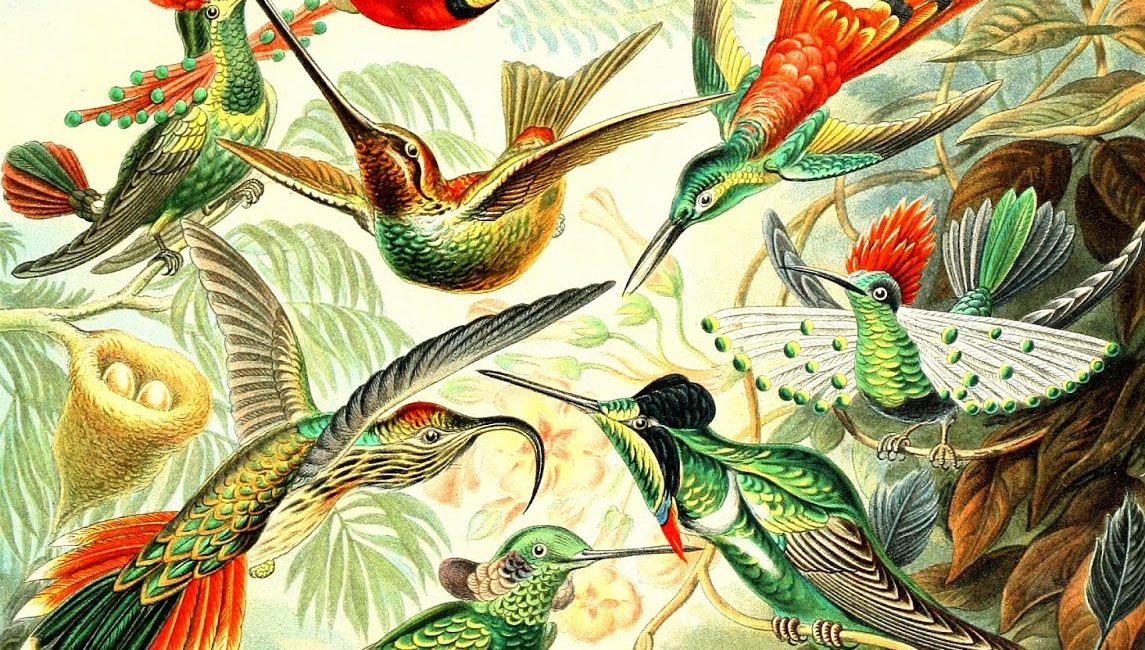
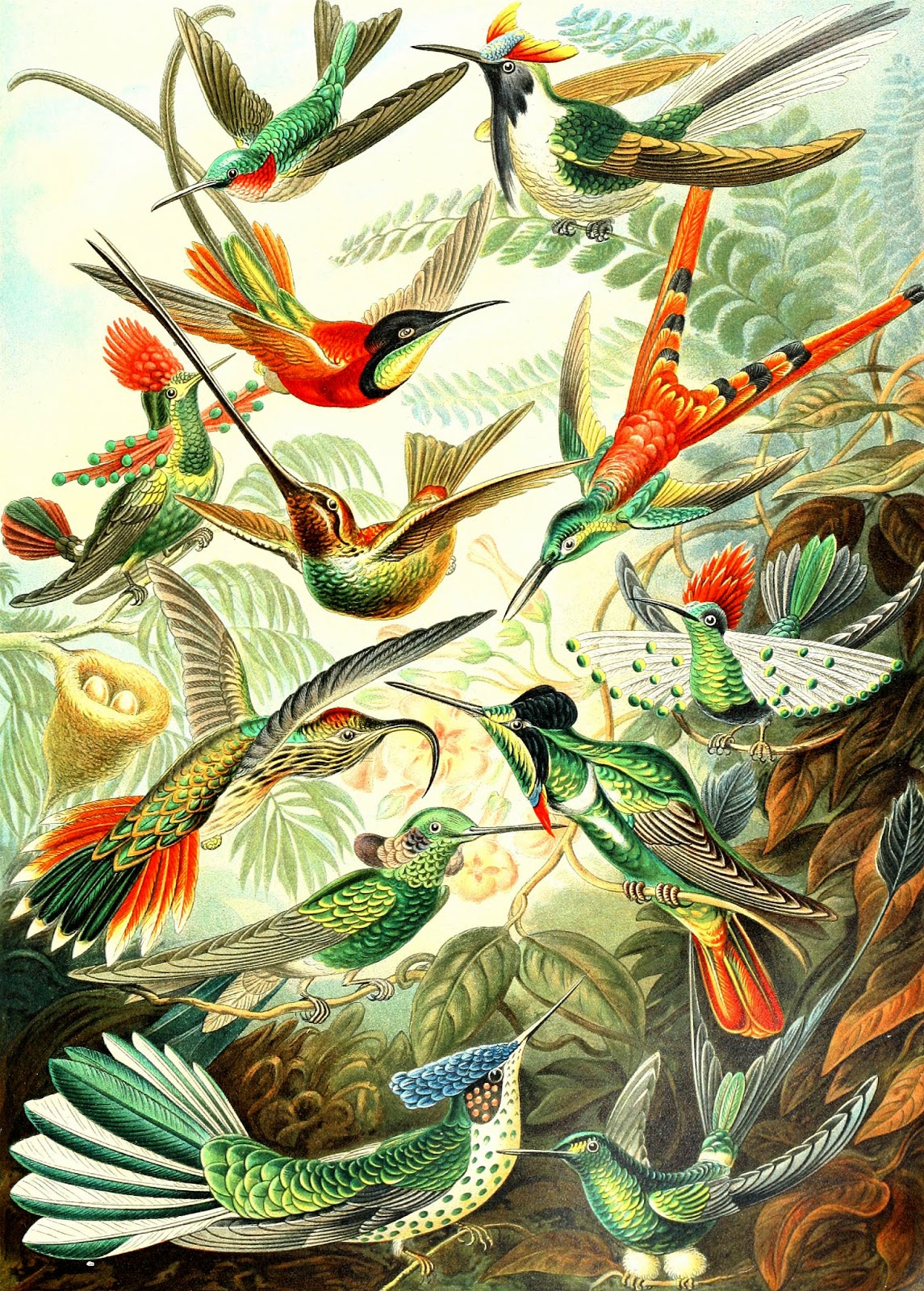
Trochilidae from Haeckel’s Kunstformen der Natur.

The Library of Congress announced its membership to the Biodiversity Heritage Library today. The fifteenth partner of the BHL, the Library of Congress will contribute to the digitization of historical science literature in the collection. All material will be online, free and available to the public.

“The Biodiversity Heritage Library is the preeminent global repository for historic science literature,” said Martin Kalfatovic, Smithsonian Libraries Associate Director for Digital Services and BHL Program Director. “We are excited that the Library of Congress has joined us in this effort, which is a vast information center providing resources to researchers, students and the general public interested in biodiversity.”

The Library of Congress, the nation’s oldest federal cultural institution and the largest library in the world, holds more than 151 million items in various languages, disciplines and formats. The Library seeks to spark imagination and creativity and to further human understanding and wisdom by providing access to knowledge through its collections, programs, publications and exhibitions. Many of the Library’s rich resources can be accessed through its website at www.loc.gov.

BHL is also pleased to note that Cornell University Library, a BHL member since January 2012, has expanded it’s role in the BHL by becoming a Steering Committee member in January 2013. “We feel being part of BHL this past year has been very positive for Cornell and look forward to participating at the Steering Committee level” said Mary Ochs, Director of the Albert R. Mann Library at Cornell University.

BHL Steering Committee members contribute $10,000 in annual dues to the BHL project to support digitization, program administration, and technical development. Representatives from Steering Committee members vote on program budgets and strategic direction and have access to central funds for digitization.

We’re excited to welcome the Library of Congress to the BHL family, and look forward to Cornell’s expanded role in our consortium!

Browse titles contributed by Cornell University Libraries in BHL.

February 22, 2013by Grace Costantino
BHL News, Blog Reel

Internship Opportunity: Paid BHL Virtual Reference Internship

View Full Size Image
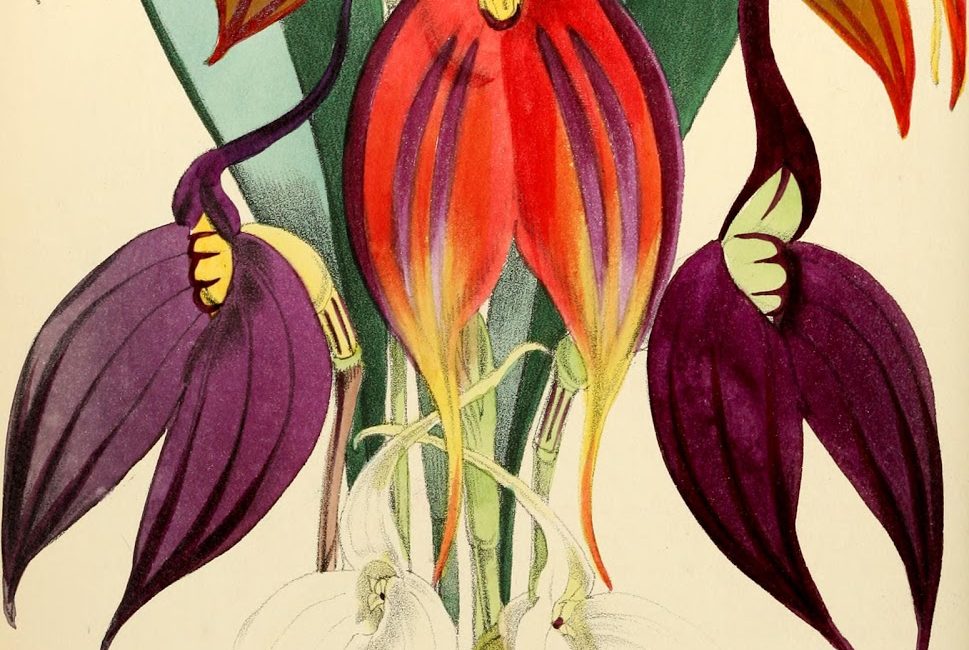
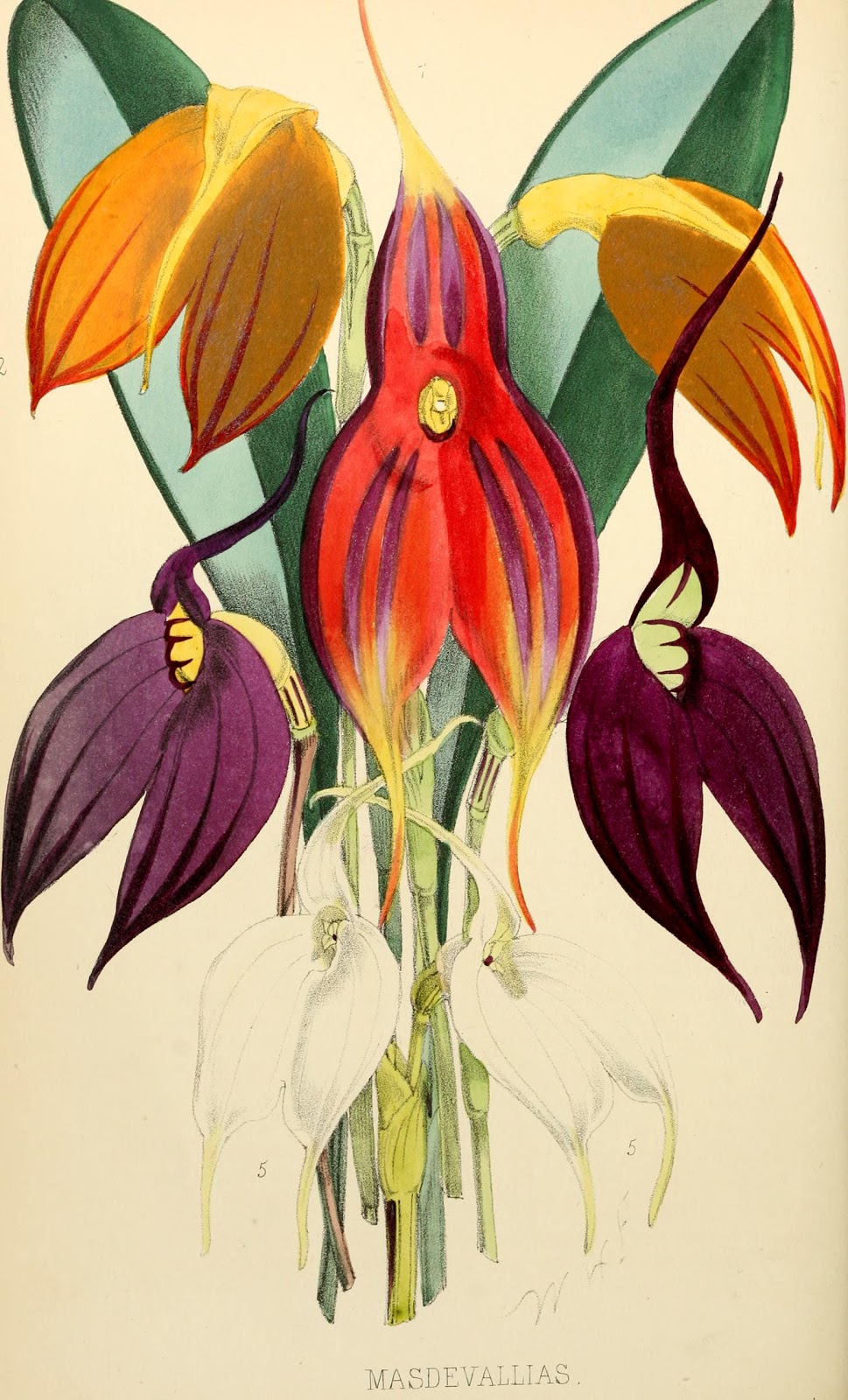
Masdevallia veitchiana

Here at BHL, we have partners all over the world, and we try to coordinate our scanning efforts with our partner libraries to ensure that critical content is scanned with maximum efficiency and minimal duplication. This coordination includes collaborating to scan the nearly 2,000 scanning requests we’ve received since 2010. We have a variety of tools and established workflows to help us do this.

Are you a student pursuing your Library Science or Information Management Masters degree or a recent graduate? Do you have a passion for reference work and digital libraries? Do you want to learn how the largest digital library for biodiversity science manages digitization efforts on a global scale? Do you want to help us grow our collection of over 40 million digitized pages of open access biodiversity literature? Do you want to gain real-world library experience that can help prepare you for a lifetime of library work? 

Then the paid BHL Virtual Reference Internship, hosted through the Smithsonian Libraries, is just for you! View the full internship description and learn how you can apply today by scrolling to the bottom of this webpage: http://library.si.edu/internships/2013-professional-development.

Due Date for Applications: March 11, 2013

Internship Description:

Biodiversity Heritage Library Virtual Reference Intern

  • Location of internship: National Museum of Natural History (Washington, DC); virtual work options also available.
  • Desired knowledge/skill sets (include education level): Students pursuing a Masters in Library & Information Science or recent graduates of an accredited MLIS program. Knowledge of LC Subject Headings and Name Authorities, XML exports and metadata cross-walking, MARC21 Fields and standard cataloging practices are highly desirable, but not required. Students with an eagerness to learn more about digital librarianship, virtual reference work and/or cataloging are strongly encouraged to apply.
  • Brief description of project: The Biodiversity Heritage Library is the world’s largest open access digital library of natural history literature (http://biodiversitylibrary.org/). BHL Virtual Reference Interns will work closely with the BHL collections team to process scanning requests received from users and issue digitization assignments to the appropriate library within the BHL’s 14-member international library consortium. Interns will utilize an issue tracking system to manage the scanning request workflow. Routine activities will include the need to research literature citations provided by users, investigate BHL member consortium library holdings to determine the best scanning candidate, monitor requests as they are processed by BHL staff, and correspond with users. Interns will also work in the collection’s back-end database to correct bibliographic metadata for BHL titles and volumes as needed.

Questions or comments? Send us feedback or write to [email protected].

February 11, 2013by Grace Costantino
Page 48 of 71« First...102030«47484950»6070...Last »

Help Support BHL

BHL's existence depends on the financial support of its patrons. Help us keep this free resource alive!

search

About BHL

The Biodiversity Heritage Library (BHL) is the world’s largest open access digital library for biodiversity literature and archives. BHL operates as a worldwide consortium of natural history, botanical, research, and national libraries working together to digitize the natural history literature held in their collections and make it freely available for open access as part of a global “biodiversity community.”

Join Our Mailing List

Sign up to receive the latest news, content highlights, and promotions.

Subscribe Now

Subscribe to Blog via Email

Enter your email address to subscribe to this blog and receive notifications of new posts by email.

Join 319 other subscribers

Subscribe to Blog Via RSS

Subscribe to the blog RSS feed to stay up-to-date on all the latest BHL posts.

Access RSS Feed

Inspiring Discovery through Free Access to Biodiversity Knowledge.

The Biodiversity Heritage Library makes it easier than ever for you to access the information you need to study and explore life on Earth…for free, anytime, anywhere.


ABOUT | HARMFUL CONTENT | PRIVACY | SITE MAP | TERMS OF USE