Biodiversity Heritage Library - Program news and collection highlights from BHL
  • Home
  • News
  • Featured Books
    • All Featured Books
    • Book of the Month Series
    • BHL at 20
  • User Stories
  • Campaigns
    • Fossil Stories
    • Garden Stories
    • Monsters Are Real
    • Page Frights
    • Her Natural History
    • Earth Optimism 2020
  • Tech Blog
  • Visit BHL
Home
News
Featured Books
    All Featured Books
    Book of the Month Series
    BHL at 20
User Stories
Campaigns
    Fossil Stories
    Garden Stories
    Monsters Are Real
    Page Frights
    Her Natural History
    Earth Optimism 2020
Tech Blog
Visit BHL
  • Home
  • News
  • Featured Books
    • All Featured Books
    • Book of the Month Series
    • BHL at 20
  • User Stories
  • Campaigns
    • Fossil Stories
    • Garden Stories
    • Monsters Are Real
    • Page Frights
    • Her Natural History
    • Earth Optimism 2020
  • Tech Blog
  • Visit BHL
Biodiversity Heritage Library - Program news and collection highlights from BHL
BHL News, Blog Reel

2013 BHL Institutional Council Meeting

View Full Size Image
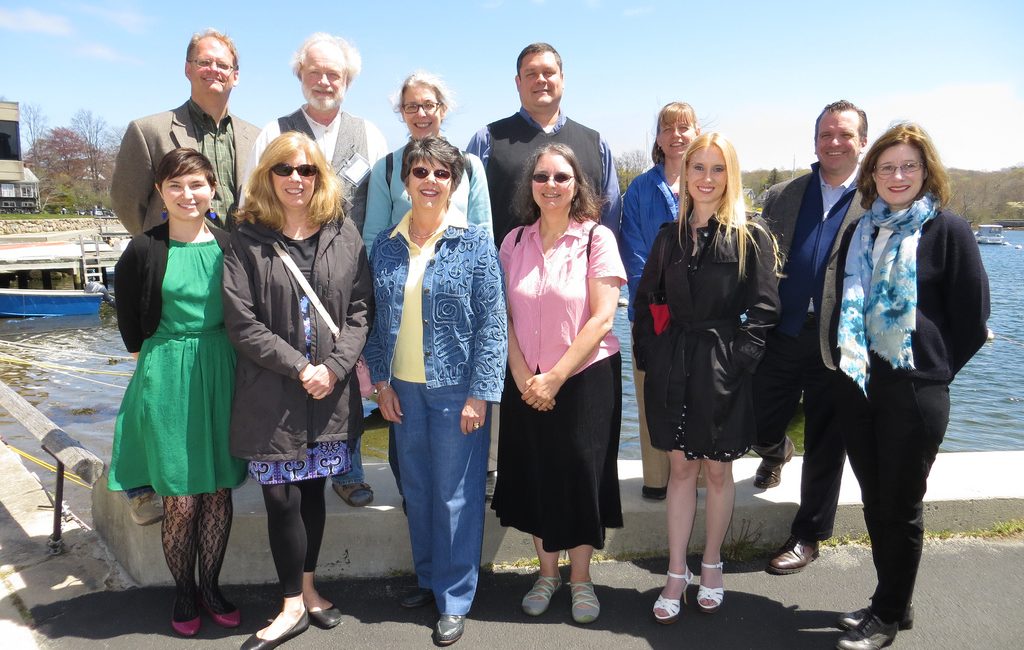
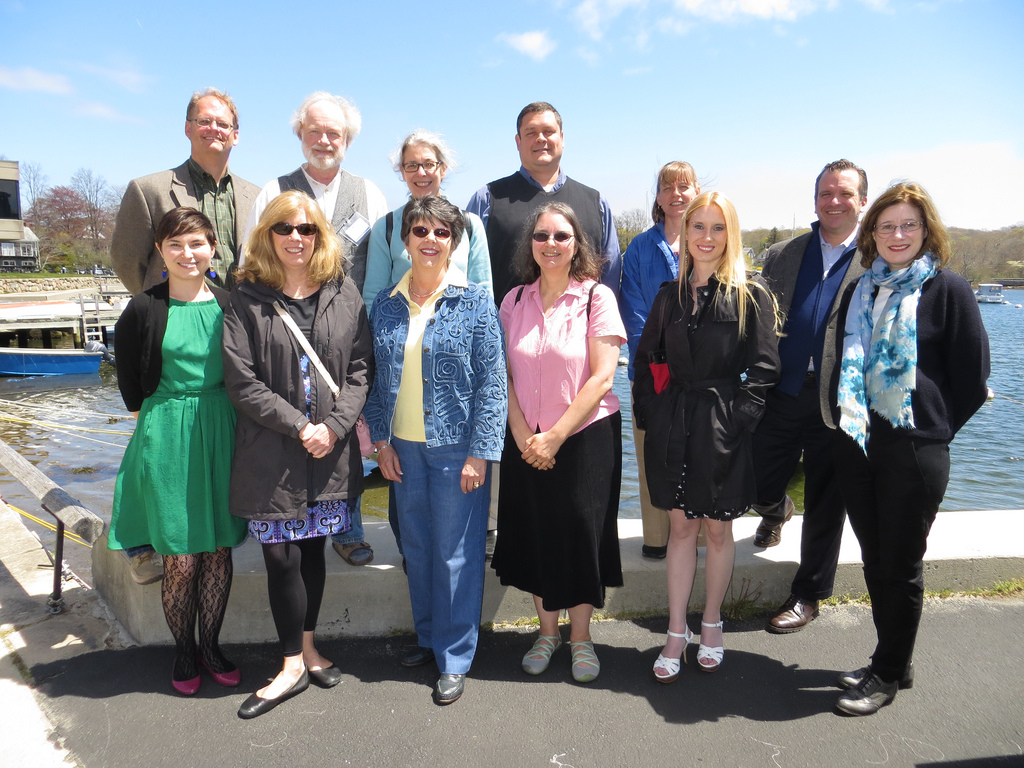
Attendees at the 2013 BHL Institutional Council Meeting. Back Row, Left to Right: Martin Kalfatovic (BHL Program Director); Marty Schlabach (Mann Library, Cornell University); Judy Warnement (Harvard University Herbarium); William Ulate (BHL Technical Director); Diane Rielinger (MBL-WHOI); Tom Baione (American Museum of Natural History). Front Row, Left to Right: Bianca Crowley (BHL Collections Coordinator); Susan Fraser (the New York Botanical Garden); Nancy Gwinn (Smithsonian Libraries); Connie Rinaldo (Harvard Museum of Comparative Zoology); Grace Costantino (BHL Program Manager); Jane Smith (Natural History Museum, London).

The seventh annual BHL Institutional Council Meeting occurred at the Marine Biological Laboratory and Woods Hole Oceanographic Institute Library (MBL-WHOI) in Woods Hole, MA, on May 6-7, 2013.

The BHL Institutional Council is composed of the directors (or designated alternative representatives) of the BHL member libraries. The annual meetings serve as an opportunity for council members to provide updates about BHL activities at their institutions, discuss governance issues, make funding decisions, and strategize about the future of BHL. It also allows BHL Administrative Staff to inform council members about developments in their areas of expertise.

Representatives from eight member libraries were able to attend the meeting in person, and, for the first time in IC Meeting history, those who could not be present physically were able to virtually join the meeting using video conference software available within the MBL-WHOI library. Representatives from California Academy of Science, the Field Museum Library, and our newest BHL member, The Library of Congress, participated in a virtual capacity throughout the meeting. As part of the meeting, each representative gave updates on the BHL activities that occurred at their institutions over the past year.
View Full Size Image
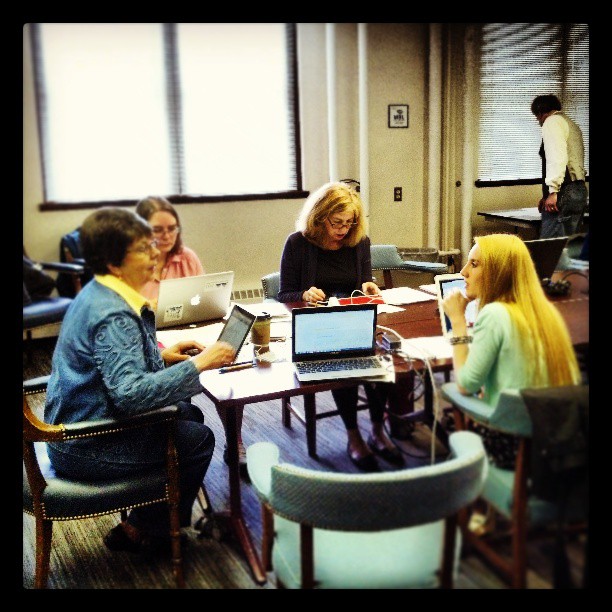
Hard at work at the 2013 BHL IC Meeting!

Day one of the meeting began with a BHL Program Director update, provided by Martin R. Kalfatovic, discussing project developments and achievements.

Also during day one, William Ulate, BHL Technical Director and Global Coordinator, detailed BHL’s work in the past year, highlighting the implementation of the new user interface, work to date on the Art of Life  project, and the status of BHL’s six global nodes. BHL Program Manager, Grace Costantino, also provided an update on BHL’s outreach activities, including the presentation of a new BHL Outreach and Communication plan. Finally, Bianca Crowley, BHL Collections Coordinator, outlined her recent work and that of the BHL Collection’s Committee, including an overview of collection analysis needs and a new Permissions Plans which proposes a strategy for obtaining and fulfilling agreements with publishers to scan in-copyright content for BHL.

The BHL Business Meeting occurred on day two. Topics covered included approval of the 2013 budget, discussion of a new proposed member library organizational structure for BHL, and brainstorming about fundraising options to achieve financial sustainability. One final topic of discussion was a review of a proposed revision to BHL’s vision and mission statements:

Vision

“Inspiring discovery through free access to biodiversity knowledge.”

Mission

“The Biodiversity Heritage Library works collaboratively to make biodiversity literature openly available to the world as part of a global biodiversity community.”

As always, these meetings serve as a valuable opportunity to bring together BHL’s geographically dispersed leadership in order to make important decisions about BHL’s future. The decisions reached at this meeting promise to ensure continued positive growth and prosperity. We look forward to the ninth annual meeting next spring.

See presentations from the meetings by:

  • Martin Kalfatovic, BHL Program Director: Presentation
  • Grace Costantino, BHL Program Manager: Presentation One | Presentation Two
  • Bianca Crowley, BHL Collections Coordinator: Presentation One | Presentation Two

* Photo Credits: Martin Kalfatovic, BHL Program Director

May 11, 2013by Grace Costantino
BHL News, Blog Reel

Making the BHL-Africa a Reality: The BHL-Africa Launch and Workshop

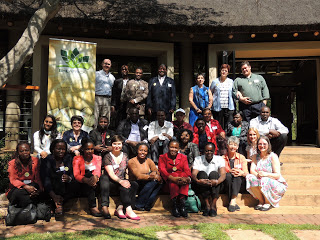
Group photo on the stairs at the South African National Biodiversity Institute.
View Full Size Image
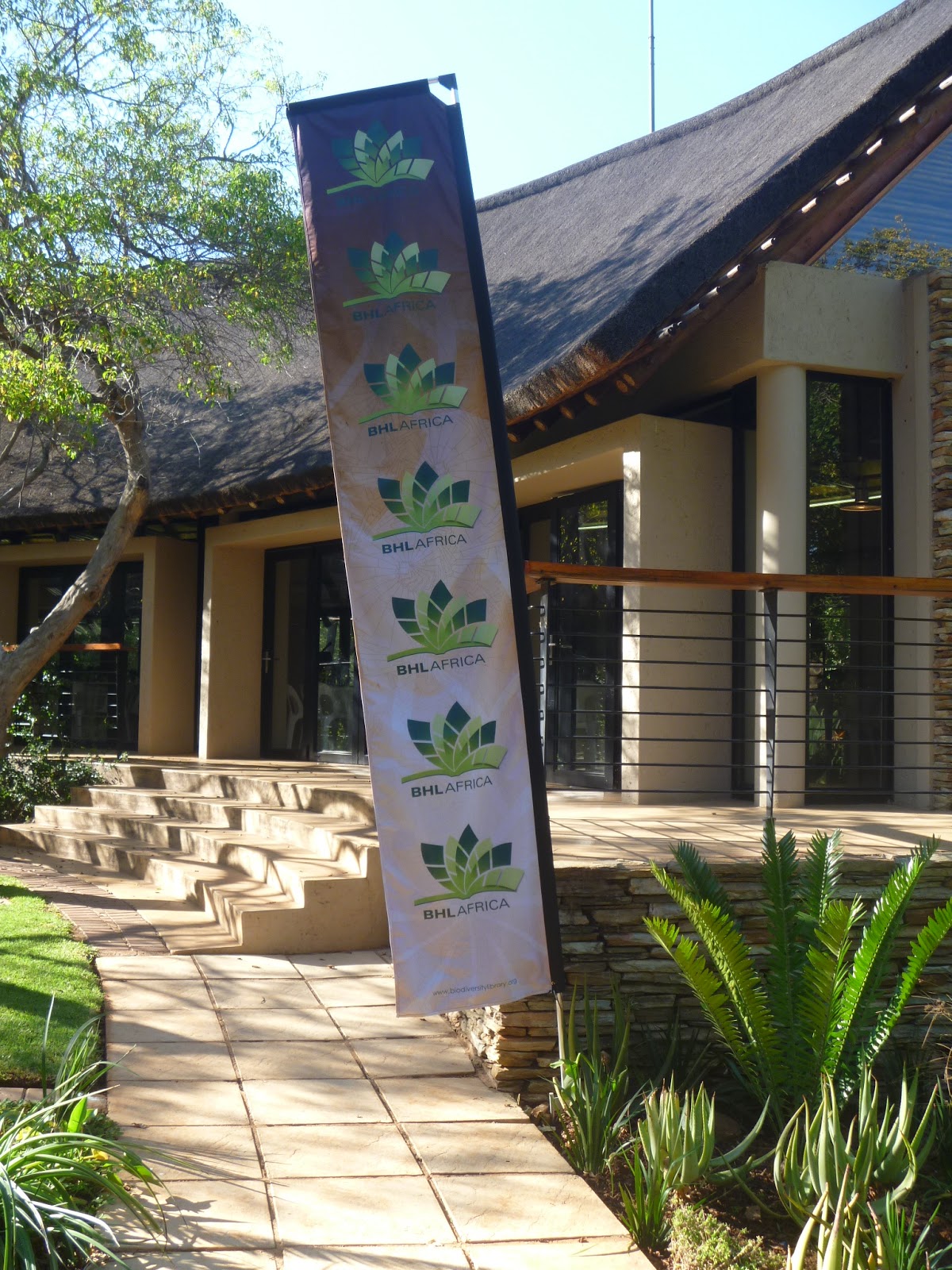
BHL-Africa logo at Pretoria National Botanical Garden

On April 15, 2013, BHL-Africa officially launched. BHL-Africa’s mission is to provide open access to the valuable biodiversity literature found within African libraries and institutions. The African consortium is hard at work identifying partners throughout the continent to sign an MOU and commit to working towards this noble objective.

The three-day BHL-Africa launch and workshop was hosted by the South African National Biodiversity Institute (SANBI) at the Pretoria National Botanical Garden in Pretoria, South Africa, from April 15-17, 2013. The meetings occurred simultaneously with the GBIF meetings also held at the botanical garden last week. Over two dozen representatives from institutions that have either signed or intend to sign the BHL-Africa MOU were present. Additionally, six colleagues from the BHL-US/UK program node were invited to attend: Nancy Gwinn (Director, Smithsonian Libraries, BHL Executive Committee Chair); Constance Rinaldo (Director, MCZ-Harvard Library, BHL Executive Committee Vice-Chair); Doug Holland (Director, Missouri Botanical Garden Library); William Ulate (Missouri Botanical Garden, BHL Technical Director); Bianca Crowley (Smithsonian Libraries, BHL Collections Coordinator); and Grace Costantino (Smithsonian Libraries, BHL Program Manager).

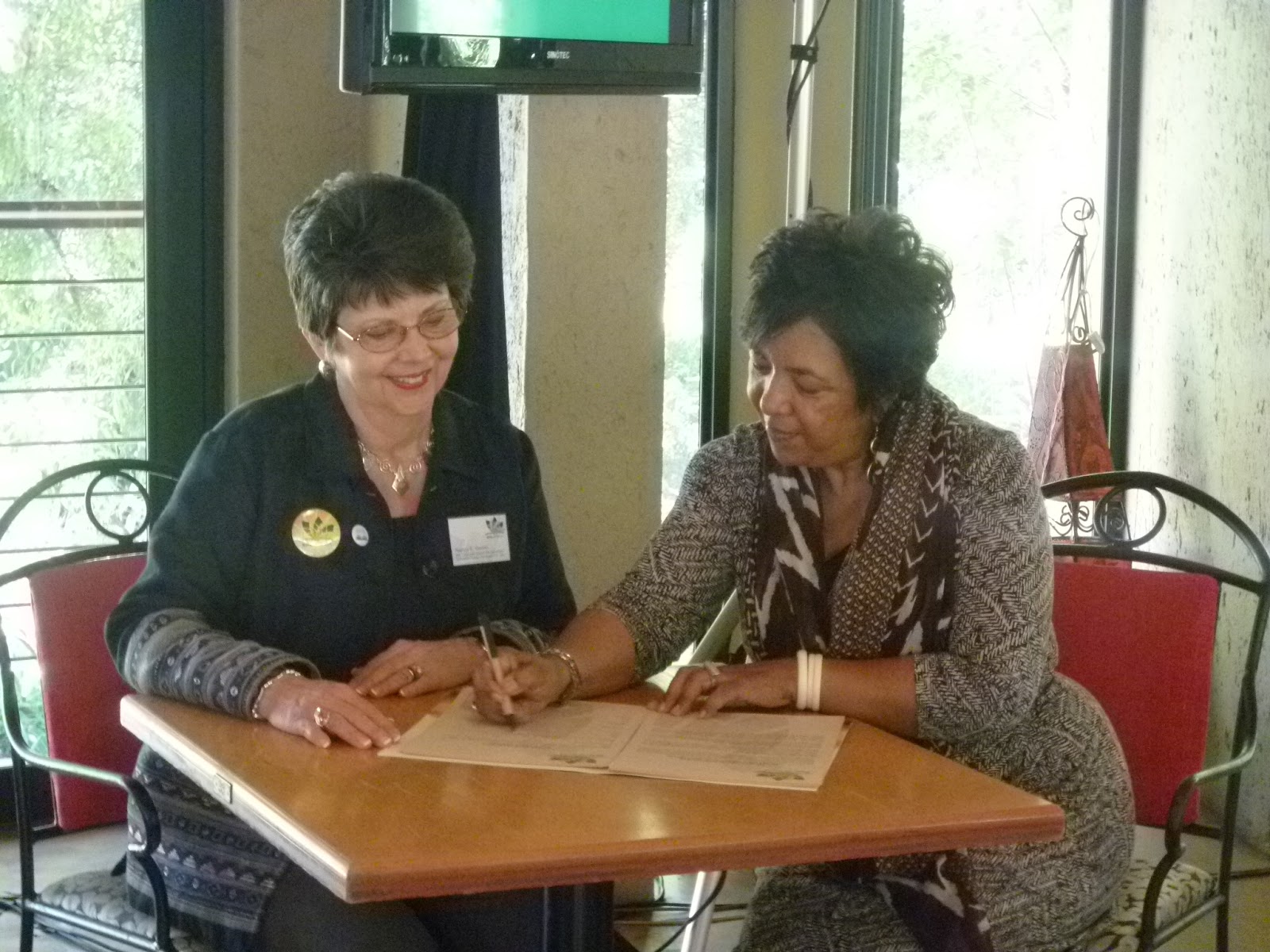
Monday, April 15, began with a launch ceremony, detailed in our blog post last week, during which the BHL MOU with SANBI was signed by Dr. Nancy Gwinn and Dr. Tanya Abrahamse (SANBI CEO). The real work began after the launch, with the start of the BHL-Africa workshop.

View Full Size Image
Dr. Nancy Gwinn and Dr. Tanya Abrahamse sign the BHL-Africa MOU

Day one of the workshop (Monday, April 15, afternoon) was devoted to addressing final MOU questions and outlining participants’ expectations for the meeting. Key expectations and areas in need of discussion included: Clarifying BHL’s open access policy and its implications for African participants; a concise description of the value of BHL for participating institutions in order to secure managerial buy-in; organization of clear fundraising strategies; the need for extensive training; identification of available resources and digitization capacity building; and the best way to collaborate and share resources amongst participating members. Overall meeting expectations were to elect a BHL-Africa Steering Committee and establish an outline for a two-year work plan.

View Full Size Image
The BHL-Africa Group Photo!

Much of day two (Tuesday, April 16) was spent investigating workflow and organizational questions, including collections development, copyright, communication, and infrastructure. The primary reason for the presence of the BHL-US/UK team was to offer our African colleagues the expertise we have gained in these areas over the past six years, as well as to help define global expectations for our new members.

Towards this end, Nancy Gwinn began by identifying four main expectations for BHL-Africa: Content Creation; Audience Building; Content Identification; and Partnership Building. In short, these expectations translate to not only growing the BHL corpus by digitizing African collections, but also helping BHL identify content to scan, both within and outside of Africa. Furthermore, BHL Africa must work to both build the BHL audience by promoting the project throughout the continent, but also expand the BHL consortium by identifying institutions that can contribute to the initiative.

Constance Rinaldo then gave a presentation on copyright, defining public domain, open access, and the Creative Commons licenses employed by BHL-US/UK. She was quick to stress, however, that each BHL node and institution must follow the copyright laws of their own countries, and, as BHL is not a legal entity, it is ultimately each scanning institution that is legally responsible for the content they contribute to the collection.

View Full Size Image
Bianca Crowley on BHL Collections Development

Bianca Crowley then gave our African colleagues some insight into the BHL-US/UK collection development process, outlining our selection and de-duplication process, digitization principles, metadata requirements, and content integration. Communication and collaboration methods were a key point of discussion, as they are critical for successful collections development.

Grace Costantino followed with a presentation on BHL-US/UK’s use of social media, which allows us to communicate project developments, provide context to the books in our collection, reach new audiences on new platforms, and uncover hidden gems in our collection. Following the presentation, an open discussion about each institution’s current use of social media, social media in the context of Africa, and how BHL-Africa might use social media occurred.

Finally, William Ulate detailed the BHL infrastructure, demoing the Macaw tool developed by Joel Richard at the Smithsonian Libraries, which is used to ingest books through Internet Archive into BHL. A remote installation of Macaw is running at the University of Pretoria and can be accessed via the web by any BHL-Africa participant to load digitized content into BHL.

BHL-African participants were also given a chance, on day two, to break out into two working groups, dedicated to Collections Development/Copyright and Outreach/Communication. These sessions allowed participants to apply the information given during the presentations to the realities of the BHL-Africa project.

The final day of the meeting (Wednesday, April 17) was spent identifying preliminary tasks for a two-year BHL-Africa workplan and electing a BHL-Africa Steering Committee. Workplan components include establishing a list of titles that each institution wishes to contribute to BHL; drafting documentation, based largely on existing files from gBHL, for workflow and collaboration guidance; and drafting a preliminary communication and outreach plan, which addresses not only external, but also internal, communication needs.

View Full Size Image
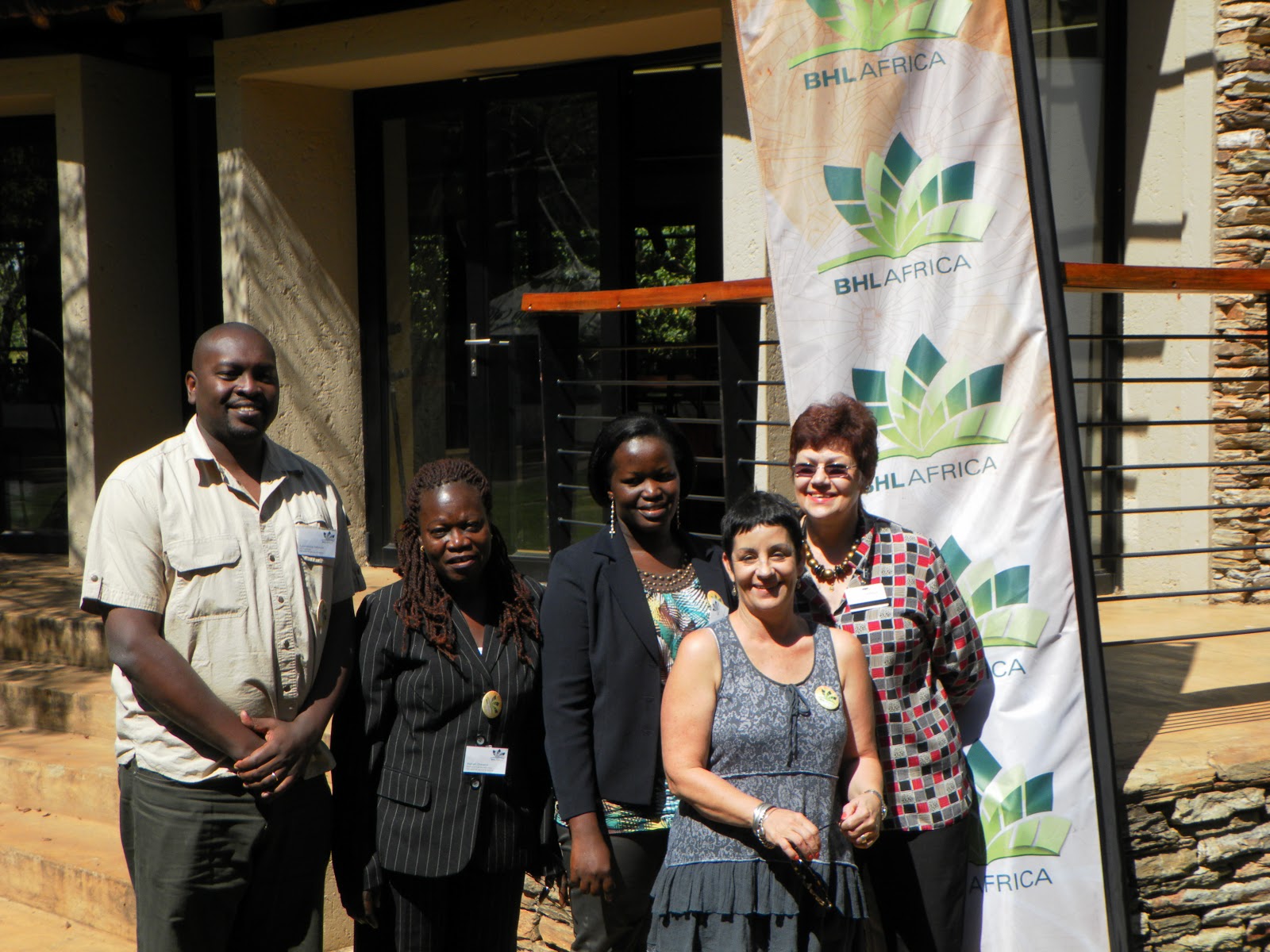
BHL-Africa Steering Committee (Left to Right): Lawrence Monda (Technical Advisor), Ashah Owano, Loi Namugenyi, Anne-Lise Fourie, Ria Groenewald

The BHL-Africa Steering Committee was also elected at the meeting. BHL-Africa has been divided into three regional nodes: North/Central; Eastern; Southern. Each regional node elects two representatives for the Steering Committee. Currently, there is no representation in North/Central Africa within the project, so only four members (two from Southern, two from Eastern) were elected at the meeting. Elected members include: Anne-Lise Fourie (SANBI, Southern); Ria Groenewald (University of Pretoria, Southern); Ashah Owano (National Museums of Kenya, Eastern); and Loi Namugenyi (Uganda National Council for Science and Technology, Eastern). Lawrence Monda (National Museums of Kenya) was elected as the BHL-Africa Technical Representative. Two additional members will be elected as North/Central institutions are added to the BHL fold. The Steering Committee will be responsible for providing strategic guidance, developing fundraising plans and approving budgets, and organizing pan-continental efforts.

The three-day BHL-Africa launch and workshop was an extremely successful event which resulted in the creation of an actionable plan for project development and the identification of notably capable leadership. Meeting attendees left feeling energized, with a clear sense of purpose. Just one and a half years ago, at the Life and Literature conference, the concept of BHL-Africa was born. Today, it is a reality. We congratulate our colleagues on the astounding progress they have made and look forward to seeing great things from BHL-Africa!

April 24, 2013by Grace Costantino
BHL News, Blog Reel

BHL Africa Officially Launches!

View Full Size Image

We’re so excited to announce that today, Monday, April 15, 2013, BHL-Africa has officially launched!

Today’s launch ceremony (hosted by the South African National Biodiversity Institute (SANBI) at the Pretoria National Botanical Garden in Pretoria, South Africa) began with a welcome by Dr. Tanya Abrahamse, SANBI CEO, after which she and Nancy Gwinn (Chair of the BHL Executive Committee) signed the BHL-Africa MOU (Memorandum of Understanding). Nancy Gwinn then gave a presentation detailing the history of BHL’s development, and Anne-Lise Fourie, Assistant Director for SANBI libraries, gave an overview of the BHL-Africa vision, mission, and benefits.

Working within the BHL consortium, BHL-Africa aims to provide open access to the valuable information held in Africa’s biodiversity institutions. Towards this end, the global BHL family works with the international taxonomic community, rights holders, and other interested parties to ensure that this biodiversity heritage is made available to a global audience through open access principles.

The next two days will consist of workshops aimed at outlining funding strategies, the responsibilities of BHL-African institutions, BHL-Africa’s role in the larger global BHL environment, and the contributions BHL-Africa will make to BHL. Check back on our blog for more detailed information about the launch and workshops, and follow the hashtag #bhlafrica on our Twitter (@BioDivLibrary) for real time news via live tweets!

Learn more about BHL-Africa in our past blog post and video. Take a break from your day job to enjoy an Africa safari!

And finally, enjoy images of Africa’s biodiversity from the African Biodiversity Flickr Collection.

April 15, 2013by Grace Costantino
BHL News, Blog Reel

Biodiversity Heritage Library Announces Partnership with Digital Public Library of America

View Full Size Image

The Biodiversity Heritage Library is pleased to announce that it will serve as a digital content hub within the Digital Public Library of America. The DPLA pilot project, which combines and centralizes links to the collections of participating cultural institutions, launches April 18 in Boston.

As a result of BHL’s participation as a digital content hub, links to over 111,000 BHL volumes will be available within the DPLA portal. Through the DPLA, the Biodiversity Heritage Library will collaborate with renowned libraries, universities, archives and museums to reach a wide national audience.

“The Biodiversity Heritage Library is excited to be part of the Digital Public Library of America and to provide an important body of literature that will support the important mission of providing openly available scientific publications,” said Martin Kalfatovic, BHL Program Director.

Kalfatovic served, along with founding BHL Technical Director Chris Freeland, as first co-chairs of the DPLA’s Technical Aspects Workstream.

“We are thrilled to have the Biodiversity Heritage Library as a Content Hub,” said Emily Gore, DPLA Director for Content. “The BHL shares the DPLA’s commitment to open access and global data sharing, and brings rich biodiversity collections from a number of natural history and botanical libraries to the DPLA.”

About the Digital Public Library of America

The Digital Public Library of America brings together the riches of America’s libraries, archives, and museums, and makes them freely available to the world. It strives to contain the full breadth of human expression, from the written word, to works of art and culture, to records of America’s heritage, to the efforts and data of science. The DPLA aims to expand this crucial realm of openly available materials, and make those riches more easily discovered and more widely usable and used. More information is online at http://dp.la. To find out more about the DPLA launch, April 18-19 in Boston, visit http://dp.la/get-involved/events/launch/.

April 9, 2013by Grace Costantino
BHL News, Blog Reel

Decoding the Ocean’s Treasures One Tag at a Time

Tagging BHL Marine Images at the Smithsonian


View Full Size Image

There are approximately 32,000 species of fish, representing the greatest species diversity of any vertebrate group. Mollusks, with around 85,000 extant species, constitute the largest marine phylum and about 23% of all named marine organisms. Crustaceans, with about 67,000 described species, are arthropods that range in size from .004 inches (Stygotantulus stocki) to over 12.5 feet (Japanese Spider Crab). The diverse algae group includes unicellular and multicellular organisms, such as seaweeds, dinoflagellates, red, green, brown, yellow and golden algae, and diatoms, to name a few.

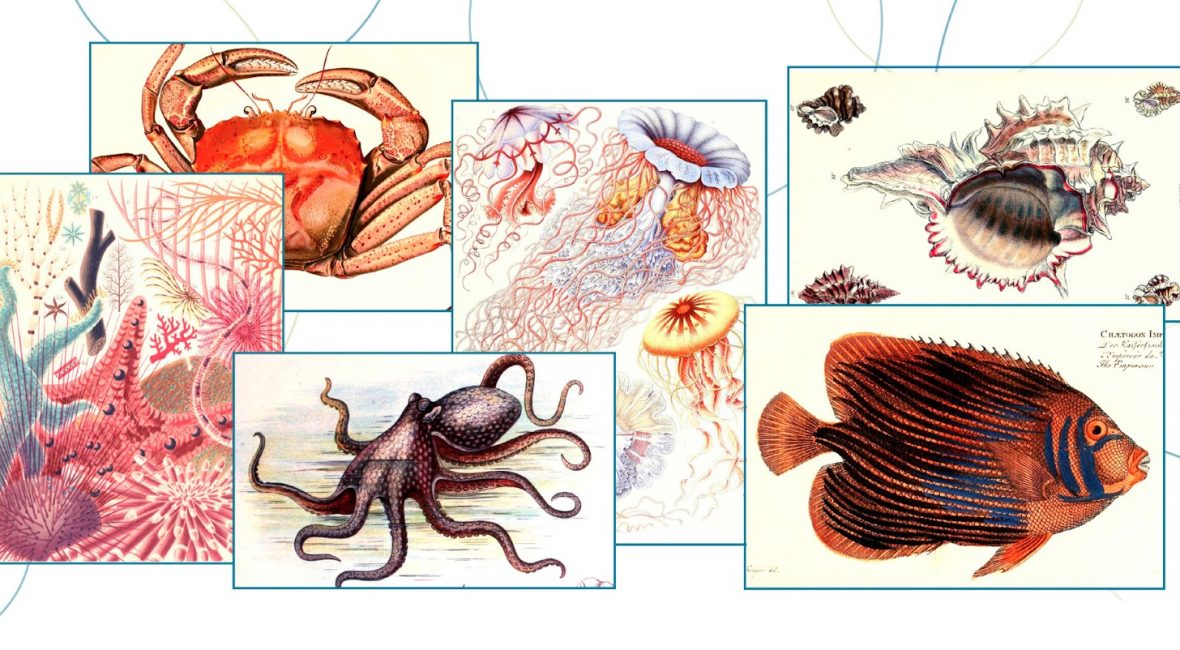
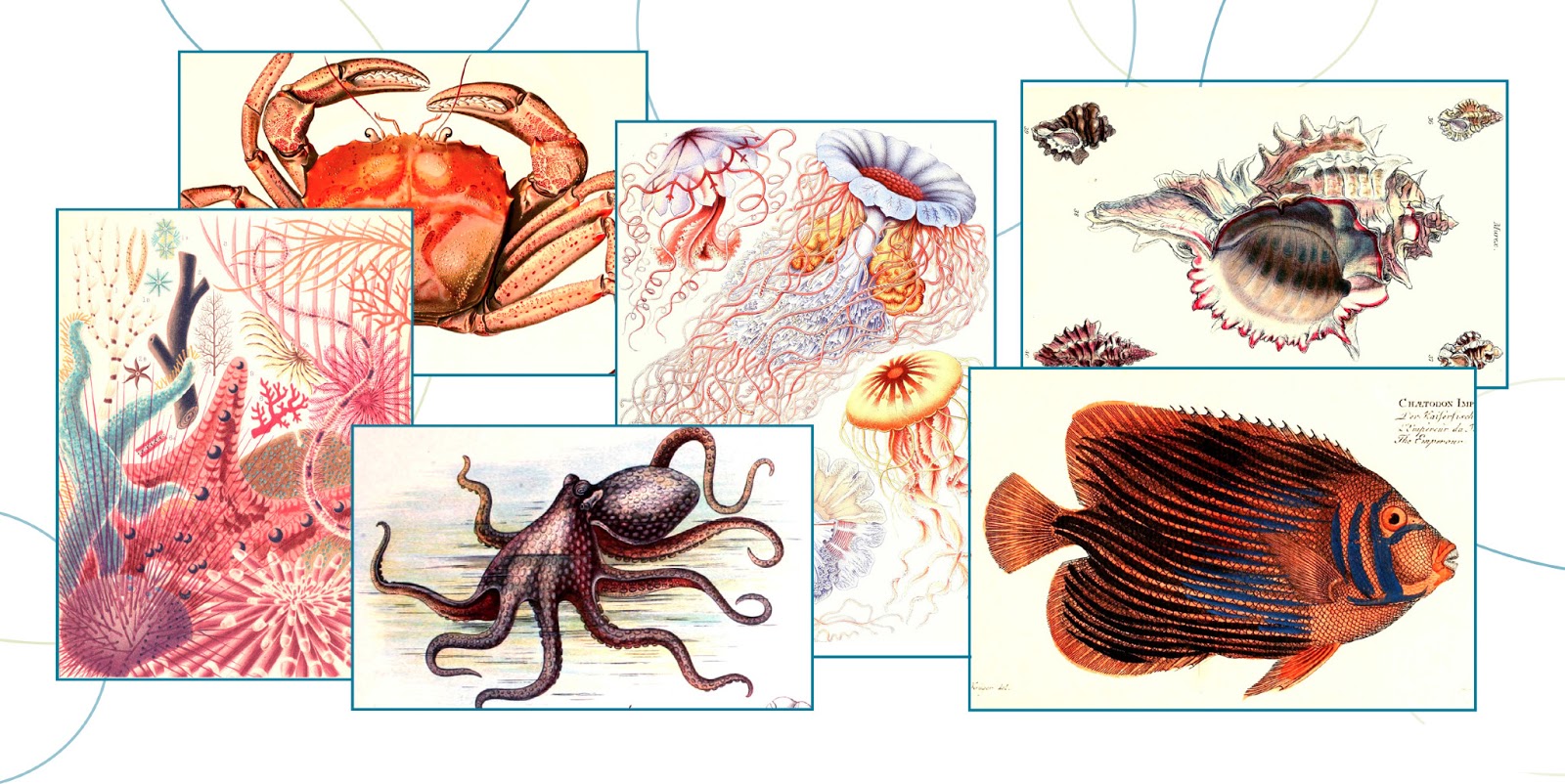
Looking at the big picture, we know of over 210,000 marine species, though it is estimated that there are more than one million in total. It should come as no surprise to you that BHL has millions of pages of literature related to the topic of marine biodiversity. What you may not know is that we also have thousands of images of marine species in our Flickr.

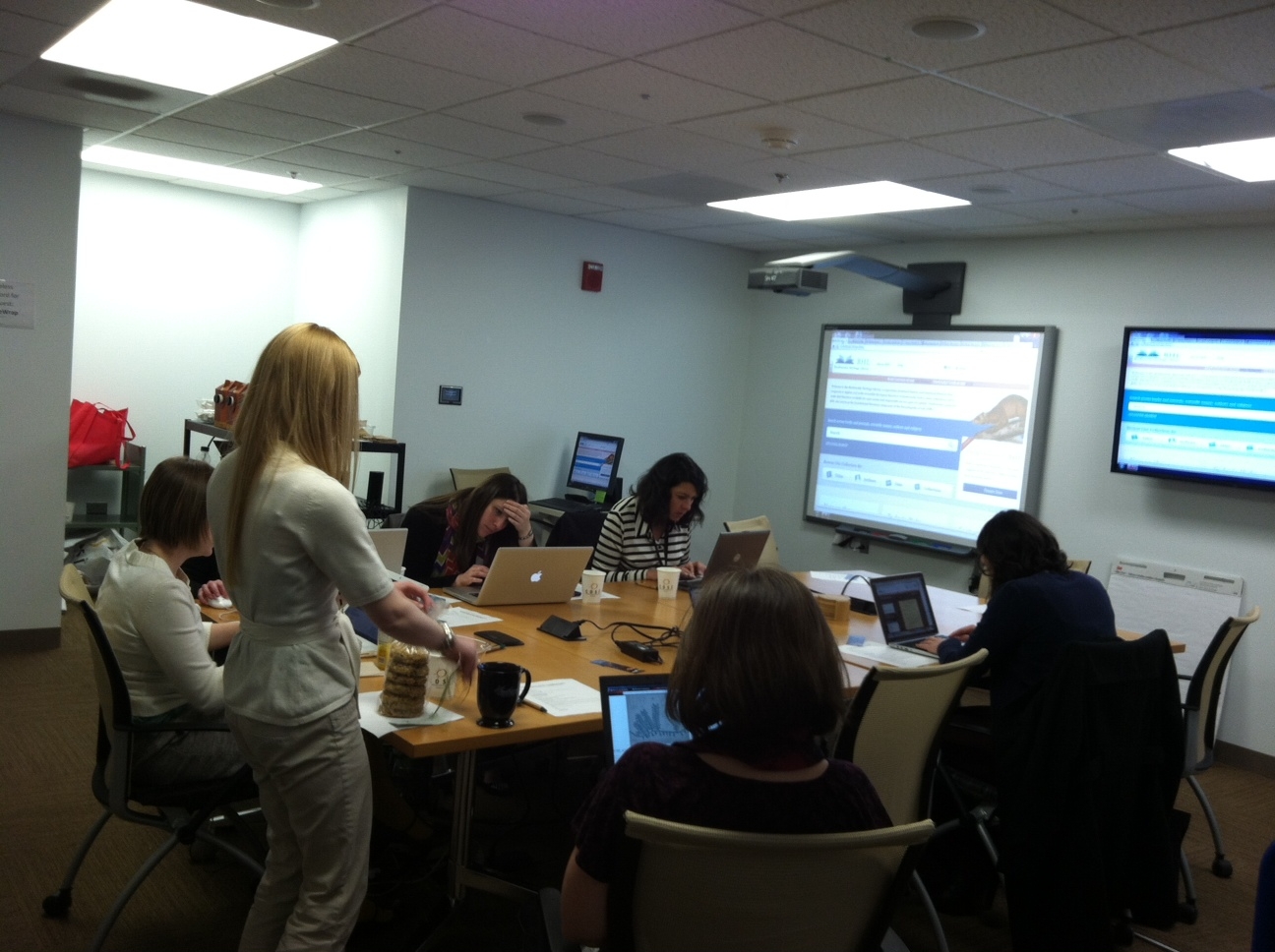
We’ve written before about our mission to add species name tags to the images in our Flickr account so that users can not only search for and find illustrations of specific organisms, but also so that we can easily share these images with external projects like the Encyclopedia of Life. To accomplish this goal, we’ve not only created instructional material and encouraged our user community to take up the charge, but we’ve also hosted two tagging parties at the Smithsonian Libraries. On April 2, 2013, we hosted our third tagging party at the Smithsonian, in conjunction with both the Encyclopedia of Life and Smithsonian’s Ocean Portal. This time, we focused our event on a theme: Marine Biodiversity.

View Full Size Image
Attendees at the Tagging Party, adding tags! Photo by Gilbert Borrego.

At our tagging parties, we invite Smithsonian staff, including curators, volunteers, interns, fellows, and librarians, to gather in person for an hour and a half to help us add tags to images in a group setting. Since this was a themed event, we directed attendees to specific sets of marine images in need of tagging. We’re happy to say that the 17 people that attended the party made some good headway on the thousands of marine images that need tagging!

You can Help!

As mentioned, all of our tagging events thus far have been staff-only occasions. While we hope to hold public events in the future, hosted at various BHL member institutions, you can actually help us tag our images right now!

How?

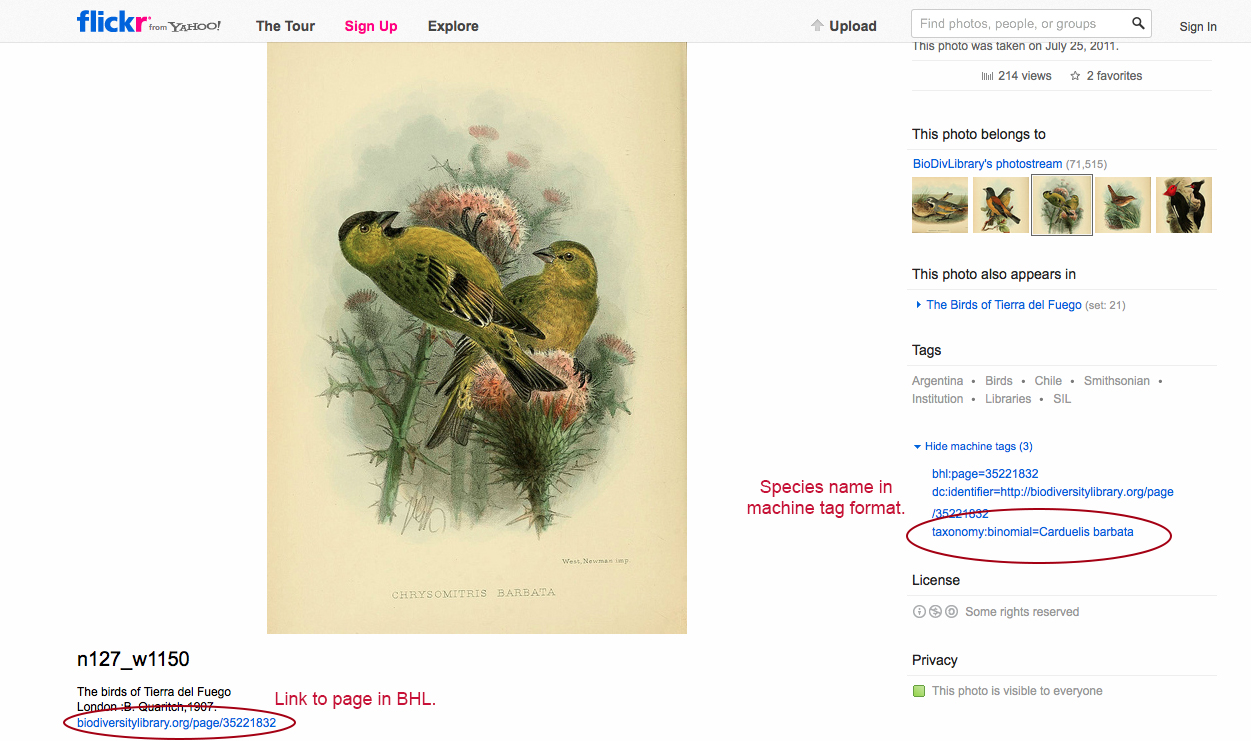
If you’re looking at an image in Flickr for which you know the species name, simply click “add a tag” and input the name in the following format:

Taxonomy:Binomial=”Genus species”

Replace the “Genus Species” text with the actual binomial for the creature you are identifying and be sure to put quotation marks around the name as shown above. So, a complete tag would look like:

Taxonomy:Binomial=”Zea mays”

How can you identify the species if you don’t recognize it on sight? Many of our illustrations actually have the species name printed on the image itself. Simply transcribe that name into the machine tag format. If the name isn’t printed on the illustration, you may be able to find an identification in BHL. Click on the link below each image to view the book in BHL, then navigate through the text pages surrounding the image to see if the species identification is given. If so, input the name into the machine tag format in Flickr.

View Full Size Image
Example of an image with a machine tag and the link to that image in BHL. Click this image to enlarge.

Every image that is tagged with a species name machine tag will automatically be added to the BHL Collection in EOL and associated with the corresponding EOL species page.

Need more help? Check out the Tagging Instructions composed by the Encyclopedia of Life, send us feedback, post a comment on this blog, or write to us at [email protected]. We’d also love to hear from you about your experience adding tags and/or suggestions for making our instructional materials or process better!

April 3, 2013by Grace Costantino
BHL News, Blog Reel

The Icing on the Cake: Signing the BHL MOU with Library of Congress

On February 22, 2013, we announced that the Library of Congress (LoC) had become the fifteenth member of BHL! As a Steering Committee member, Library of Congress will help us further build the BHL collection by digitizing books in their vast library of over 151 million items.

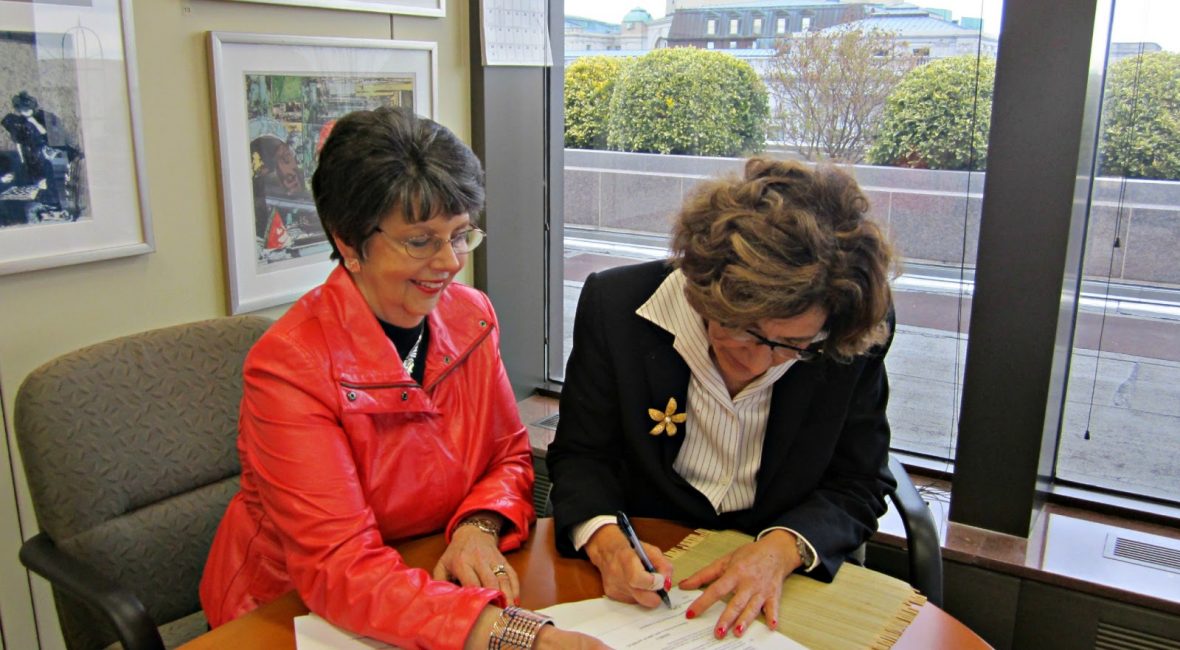
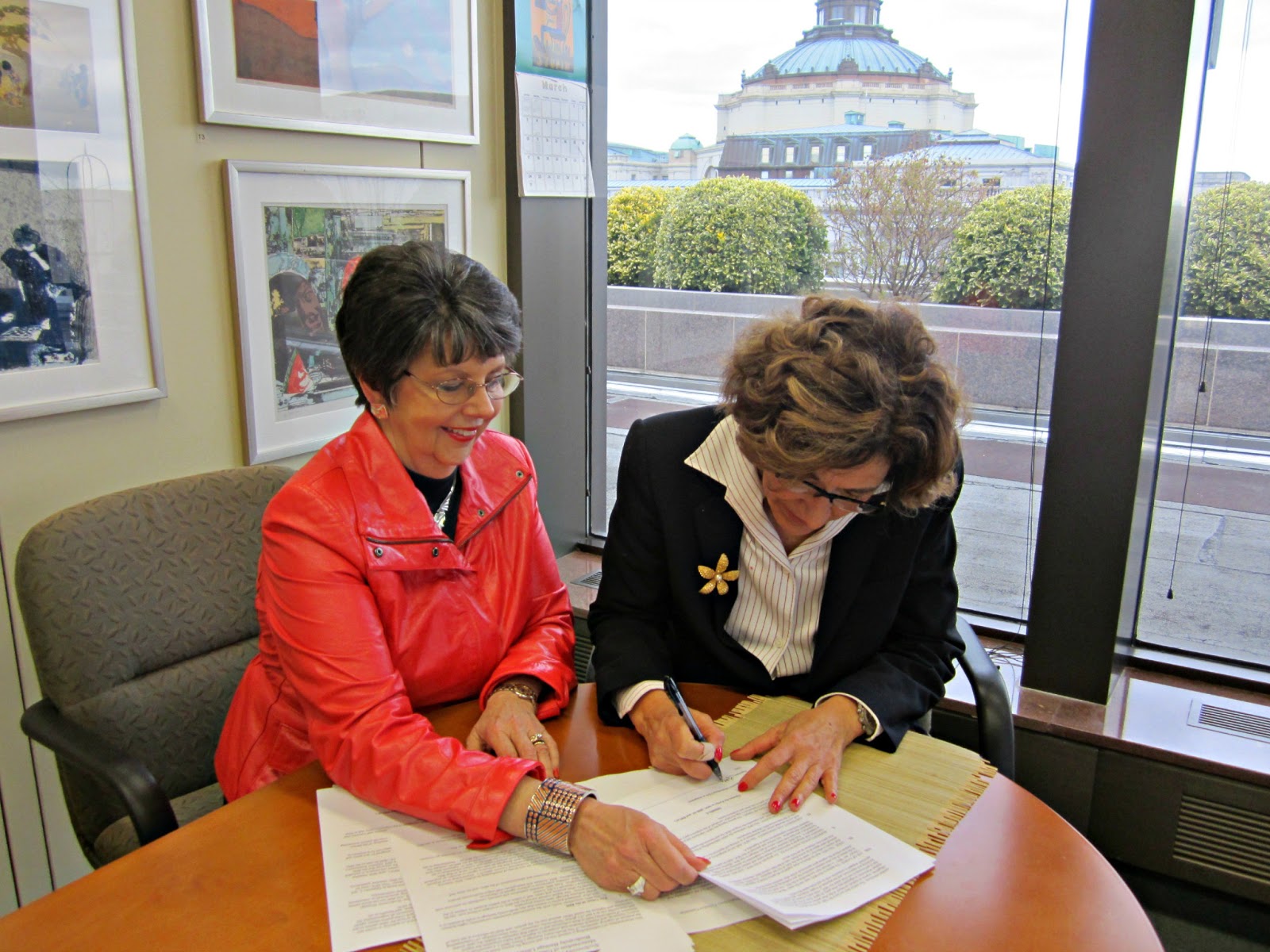
Becoming a BHL member involves not only dedicating staff and financial resources, but also the signing of an official Memorandum of Understanding. On Thursday, March 28, 2013, Nancy Gwinn (Chair of the BHL Executive Committee and Director of Smithsonian Libraries), Grace Costantino (BHL Program Manager), and Elizabeth O’Brien (Smithsonian Libraries Director of Marketing and Special Events) visited the Library of Congress for a ceremonial signing of the MOU with Roberta Shaffer (Associate Librarian for Library Services, LoC) and Leslie Girard (Confidential Assistant to the Associate Librarian for Library Services, LoC).

View Full Size Image
Roberta Shaffer (right) signing BHL MOU for LoC with Nancy Gwinn (left). Photo by Elizabeth O’Brien.

So, we’re pleased to say that everything is signed, sealed, and official! We’re so excited to call Library of Congress a partner in our great endeavor to make the world’s biodiversity literature available freely to everyone, everywhere!

And of course, it takes a village to successfully build, maintain, and manage BHL. Each new member must dedicate staff to that village. Learn more about Library of Congress’s representative to BHL, Dr. Tomoko Steen, in our previous blog post. She will coordinate workflows and identify staff to help bring LoC material into our collection of over 40 million open access pages.

Curious to know who else is a BHL member? Check out our BHL membership page.

April 1, 2013by Grace Costantino
Blog Reel, Featured Books

Shaping Public Perception of Africa: David Livingstone

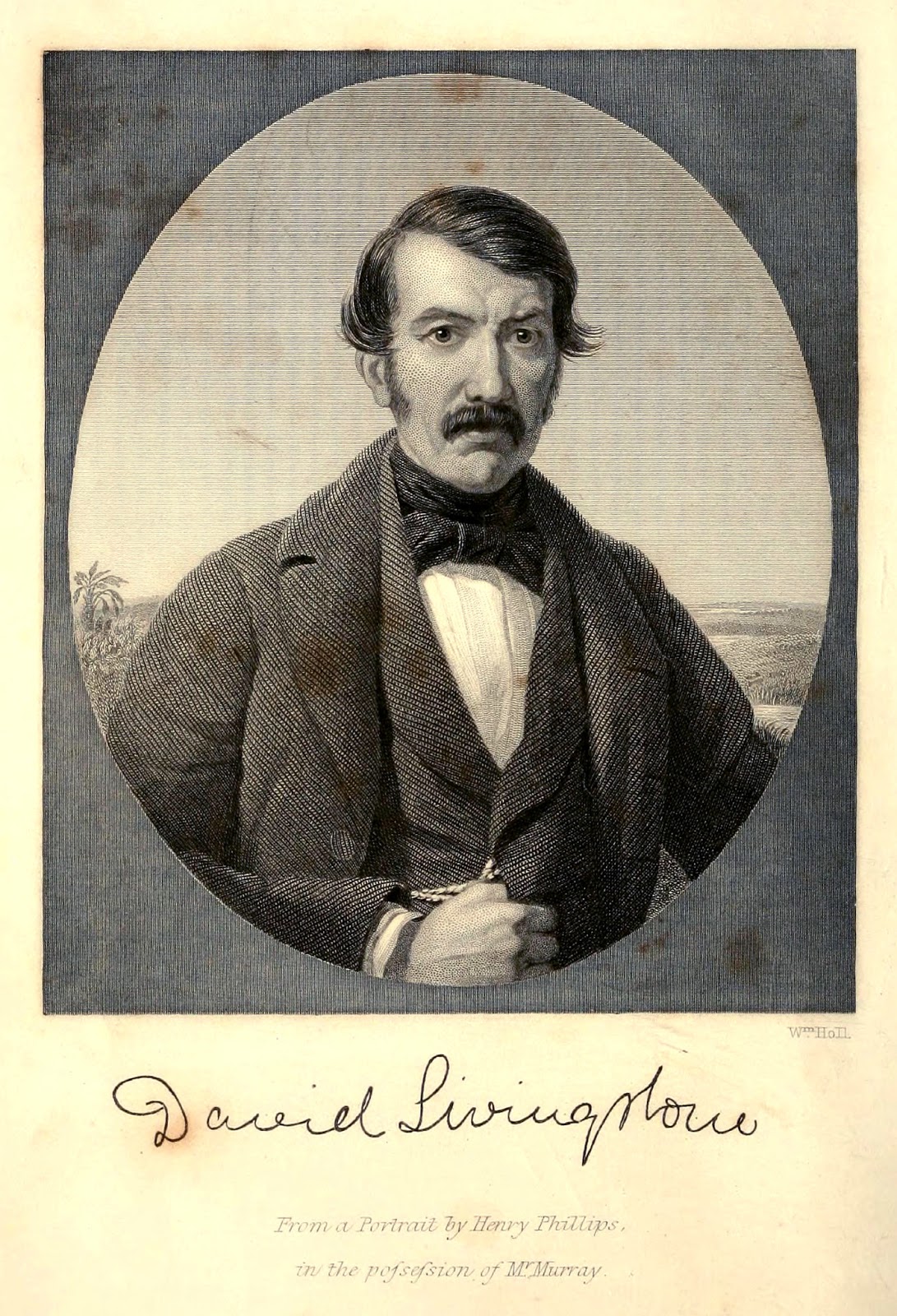
Happy Birthday, David Livingstone!

View Full Size Image
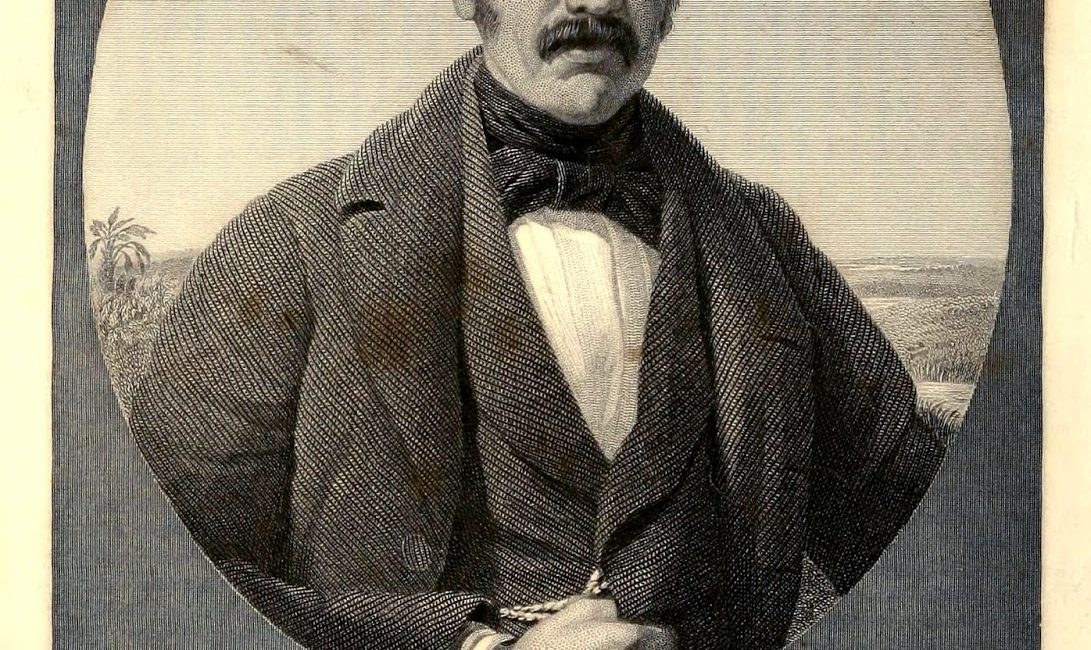
David Livingstone. Missionary Travels.

“Dr. Livingstone, I presume?”

Most of us have heard that famous phrase, uttered by Henry Morton Stanley of the New York Herald upon finding David Livingstone in Ujiji, Tanzania, on November 10, 1871.  However, just because you know the phrase doesn’t mean you know the man. Come with us as we explore this legendary explorer and celebrate his birthday!

Humble Origins

David Livingstone was the second of seven children born to a tea salesman in Blantyre, Scotland in 1813. From the age of ten, he worked in a cotton mill spending twelve hours a day tying broken threads on spinning machines. Fortune, however, had him destined for much greater things. At 23 years old, he entered Anderson’s University in Glasgow to study medicine, and in 1840, after completing his studies in London, he was licensed as a physician and ordained as a missionary. Originally intending to serve in China, Livingstone was inspired by the convictions of Robert Moffet, a missionary stationed at Kuruman, a missionary outpost in South Africa. Thus, Livingstone began his lifelong affair with Africa and set out in 1840 as a medical missionary to South Africa. He would spend the rest of his life exploring Africa, with only two visits to England over the subsequent 32 years.

An Account of More than a Decade in Africa

Livingstone, David. Missionary Travels and Researchers in South Africa. (1857). Contributed by Smithsonian Libraries.

Livingstone recounted his explorations and experience in Africa between 1840 and 1856 in his acclaimed publication Missionary Travels and Researches in South Africa. One of the nineteenth century’s best-selling books, Missionary Travels established Livingstone’s reputation as not only an exciting explorer, but also a kind-hearted humanitarian aching to improve conditions for Africans.

Missionary Travels is a narrative compilation of Livingstone’s personal field diaries.  Livingstone was careful to construct the composition to appeal to both scientific and religious readers, hoping to encourage further positive involvement in Africa. The work also includes 47 illustrations – most crafted by Captain Henry Need and Joseph Wolf.

Livingstone published the work with John Murray, one of the era’s most renowned publishers of geographical books. Murray was so anxious to secure the publication that he offered to finance all expenses in return for only one-third of the profit obtained.  

View Full Size Image
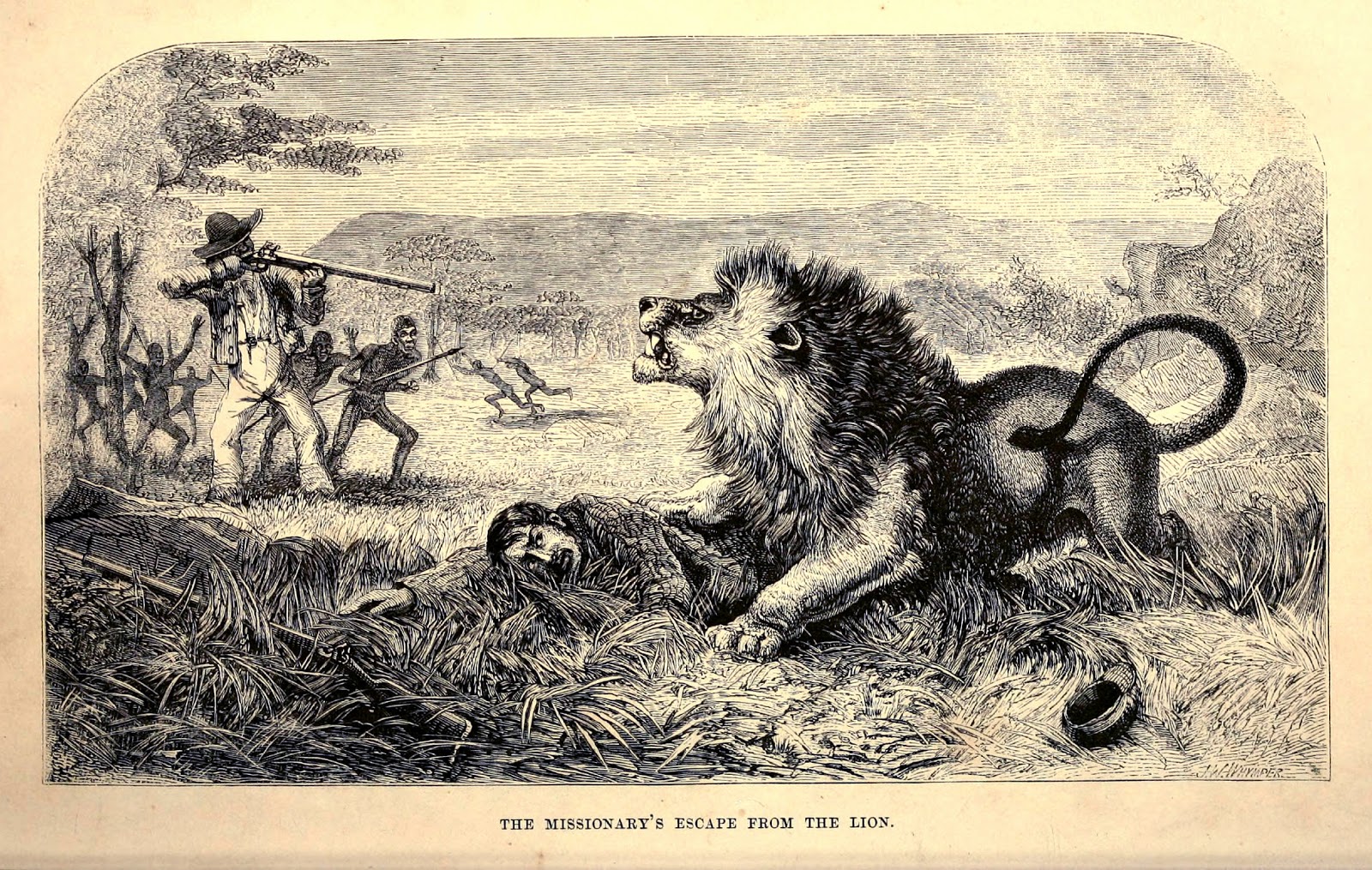
The Missionary’s Escape from the Lion. Missionary Travels.

The most famous illustration in Missionary Travels is entitled “The Missionary’s Escape from the Lion,” which depicted Livingstone pinned by a lion with his fellow travelers attempting to rescue him. Livingstone called the illustration “abominable,” asserting that “[e]veryone who knows what a lion is will die with laughing at it.” Murray ignored Livingstone’s dissatisfaction and included the illustration, knowing that most people reading Missionary Travels would not have the knowledge necessary to detect its absurdity. Furthermore, Murray understood that many audiences might never actually read the book but experience it only through illustrations. Thus, it was necessary to craft a dramatic story through images alone.

12,000 copies of the first edition of the book published in 1857, and, even at a price of one guinea each, sold out immediately. Several additional printings were ordered, selling with such success that Murray did not publish a cheaper, abridged version of the work (A Popular Account of Missionary Travels in South Africa) until 1861.

An Explorer at Heart

View Full Size Image
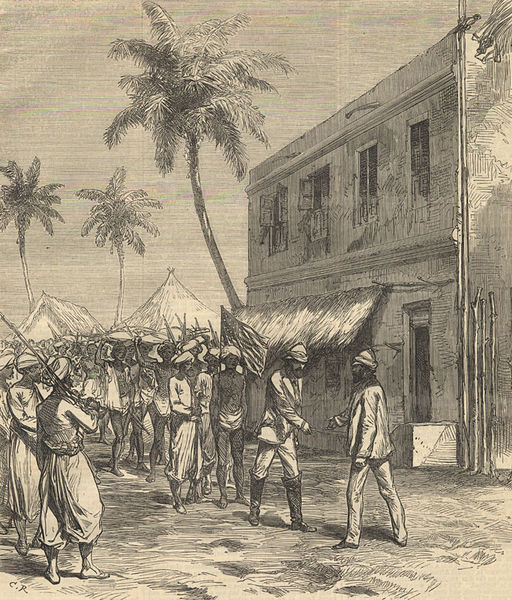
Stanley and Livingstone meet. Illustration from The Illustrated London News, 1872

As Missionary Travels and Researches in South Africa confirms, though a missionary, Livingstone spent much of his career exploring the wilds of Africa. Enthused by Livingstone’s discoveries as related in his book, the British government funded an expedition up the Zambezi River (1858-64), tasked with uncovering a route between the upper Zambezi and the coast. Extensive rapids past Cabora Bassa unfortunately made negotiating the river to the coast impossible, and the British government recalled the expedition 1864. Though unsuccessful, naturalists in the expedition party collected a wealth of valuable specimens during the six years of the expedition.

From 1866-67, Livingstone led a privately-funded expedition to discover the source of the Nile, which was debated at that time to be either Lake Albert or Lake Victoria. Arriving at Lake Bangweulu on November 8, 1867, Livingstone mistakenly asserted it as the upper reaches of the Nile. In truth, the source of the Nile lies in the high mountains of Burundi.

By the end of the Nile expedition, Livingstone’s public image was suffering due to the failures of his expeditions and reports that Livingstone was a poor leader and manager. After 1867, Livingstone’s health failed and he lost contact with the outside world completely, prompting the New York Herald to send Henry Morton Stanley in search of him in 1869. Stanley located him in Ujiji in 1871, and the article he later published about Livingstone restored public opinion of him, casting him as a great hero of adventure and discovery. However, despite Stanley’s urging to return to England to recover his health, Livingstone refused. He died in 1873 in present-day Zambia. His heart was buried under a Mvula tree and his body was transported to England, where it was interred at Westminster Abbey.

Though many of the expeditions that Livingstone undertook were unsuccessful at achieving the undertakings’ primary goals, the discoveries made along the way, and the natural riches recorded – many for the first time for Western people – made a monumental impact on the future of African exploration, understanding, and native relations.

A Monumental Legacy

View Full Size Image
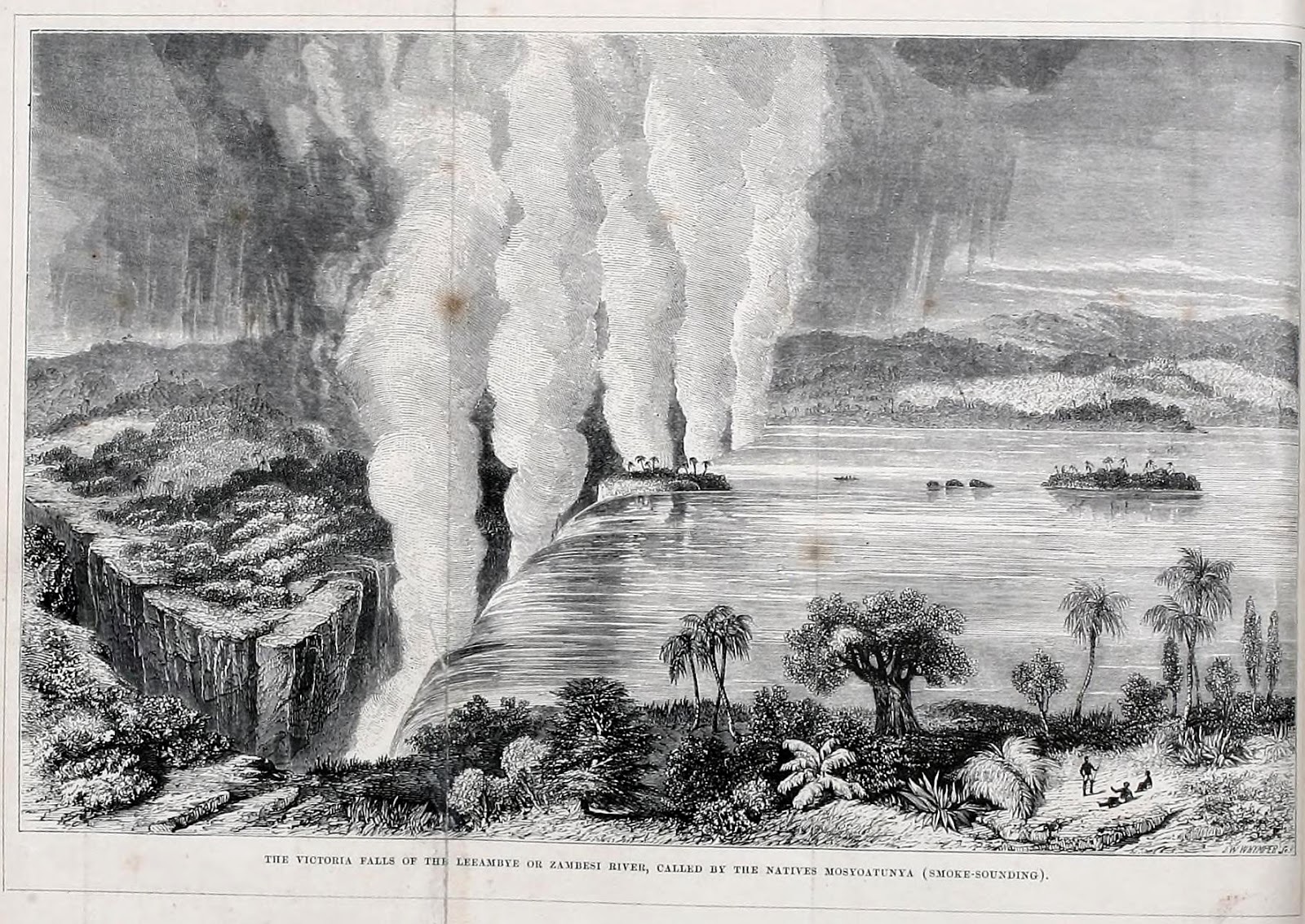
Victoria Falls. Based on sketches by David Livingstone. Missionary Travels.

David Livingstone left behind an impressive legacy. He was the first European to successfully complete a transcontinental journey across southern Africa. He was the first European to see Victoria Falls, which he named after the British Monarch of the time. He discovered for Western science many locales throughout Africa, including Lake Tanganyika, Lake Ngami, Lake Mweru, Lake Bangweulu, and the upper Zambezi River. He was instrumental in increasing European awareness of the horrors of the slave trade in Africa and encouraging equitable, rather than dictatorial, European relations and fair commercial interactions with Africa. His explorations and zeal for Africa inspired and enabled future missionaries to serve in Africa, providing valuable medical and educational support.

He was awarded the Gold Medal of the Royal Geographical Society and memorials exist for him throughout Africa, the United Kingdom, and North America. Today, we celebrate the scientific contributions, as well as the humanitarian considerations, of this icon of nineteenth century science and exploration. Happy Birthday, David Livingstone!

Additional Livingstone Resources

  • View more of Livingstone’s publications in BHL.
  • Explore Livingstone’s 1871 field diary, made digital by the David Livingstone Spectral Imaging Project in November, 2011.
  • Learn more about the history of publishing Missionary Travels.
  • Learn more about Livingstone’s life through Livingstone Online

We hope you enjoyed this post. Interested in guest-blogging for BHL? We’d love that! Natural history, biodiversity and conservation topics are especially welcomed. Email us your ideas at [email protected].

March 19, 2013by Grace Costantino
Page 47 of 71« First...102030«46474849»506070...Last »

Help Support BHL

BHL's existence depends on the financial support of its patrons. Help us keep this free resource alive!

search

About BHL

The Biodiversity Heritage Library (BHL) is the world’s largest open access digital library for biodiversity literature and archives. BHL operates as a worldwide consortium of natural history, botanical, research, and national libraries working together to digitize the natural history literature held in their collections and make it freely available for open access as part of a global “biodiversity community.”

Join Our Mailing List

Sign up to receive the latest news, content highlights, and promotions.

Subscribe Now

Subscribe to Blog via Email

Enter your email address to subscribe to this blog and receive notifications of new posts by email.

Join 319 other subscribers

Subscribe to Blog Via RSS

Subscribe to the blog RSS feed to stay up-to-date on all the latest BHL posts.

Access RSS Feed

Inspiring Discovery through Free Access to Biodiversity Knowledge.

The Biodiversity Heritage Library makes it easier than ever for you to access the information you need to study and explore life on Earth…for free, anytime, anywhere.


ABOUT | HARMFUL CONTENT | PRIVACY | SITE MAP | TERMS OF USE